This Day’s Thought From The Ranch- We’re Changing!


This Day's Thought from The Ranch

We’re changing… but you don’t have to do a thing!

As we announced a few months ago, Greg and I have some new opportunities on the horizon so we’re going to be sending you our messages from two different email addresses as two separate ministries—starting tomorrow!

Greg will continue sending you his daily Christian quotes, Bible verses and occasional smiles every Monday through Friday from message@thisdaysthought.org.

And I (Eric) will continue sending you encouraging messages from time to time on weekends to help you stay strong in your faith from eric@theranch.org. (You might want to “whitelist” both of these addresses to be sure you receive our messages to your inbox.)

You’ll also notice our top banners are changing… “This Day’s Thought from The Ranch” will change to “This Day’s Thought” from Greg and “What’s New at The Ranch” from me.

A few other notes:

I’ll share more in the weeks ahead about some of these new opportunities in “What’s New at The Ranch,” including new music, new messages, new books, new podcasts, new interviews, new devotions and more—all designed to help you put your faith in Jesus Christ for everything in your life. What Isaiah the prophet said in the Bible is still happening today:

“See, I am doing a new thing; Now it springs up; do you not perceive it?
I am making a way in the wilderness and streams in the wasteland” (Isaiah 43:19).

Thanks for coming along with us this far, and I’m looking forward to our days ahead. The best really is yet to come.
Eric Elder
P.S. If you should have any questions, you can contact me at eric@theranch.org and Greg at greg@thisdaysthought.org.


Contact Eric | Contact Greg | Visit The Ranch Website |Visit This Day’s Thought Website | Facebook | Twitter | Tumblr | Bookstore |A Quiet Place to Pray


This Day’s Thought From The Ranch- Because You Asked!


This Day's Thought from The Ranch

BECAUSE YOU ASKED!
Eric Elder
The Ranch

Because some of you have asked if we made our goal in our 2018 fundraiser, I thought I’d answer it here…

No, we didn’t, but we’re so grateful for all the funds that did come in!

We received a total of $16,431.19… a record for us in terms of total funds raised during our year-end fundraiser.

2018 Donations from 238 Subscribers

I love this chart because it shows all 237 gifts that came in and how each gift, ranging from $3 to $1,000, contributed to the total amount. This chart beautifully illustrates that many hands really do make light work.

I’d like to share one more chart with you, though. It shows the total number of donors to our fundraiser compared to our total number of subscribers.

Percent of Subscribers Donating in 2018

I share this chart just as a fact of fundraising. Less than 1% of our subscribers ever make a donation to our ministry. That’s not a complaint, just a fact. You’ll find similar stats for “listener supported radio” and other kinds of fundraisers.

We’re happy to provide our daily and weekend messages freely to anyone who wants them, and we’re thankful for those who contribute to make it possible.

But the truth is that Greg and I have been making up the difference each year from our own personal resources and other funds we have raised behind-the-scenes to help make this ministry possible.

We have new ministry opportunities before us, however, and we were hoping to transfer some of the financial weight of this ministry to those who benefit directly from it. For this reason, we set our fundraising goal at $60,000, which means we fell short of that goal by about $44,000.

So we are in the process of restructuring how we do the ministry so we can keep it going as strongly as possible and continue sending you these wonderful daily messages, while still pursuing all of the other opportunities before us.

I share all this because we like to present you with the facts, keep you in the loop with what’s going on, and let you know how you can help, if you’re so inclined. We’ll be letting you know in the next week or two the changes we’re making in how you’ll receive our messages.

Even though our year-end fundraiser is over, if you’d still like to contribute, please know that every gift you make truly does lighten the financial load. Many hands really do make light work! As the Bible says:

“Bear one another’s burdens, and so fulfill the law of Christ” (Galatians 6:2).

Thanks to those of you who asked, and thanks to those of you who read this far!

Please know that this list is always free to you with no obligation to give. We’re happy to share whatever we have. Sometimes, though, we need to be good receivers as well as good givers in order to accomplish all that God has put on our hearts to do.

If you’d like to help us with this effort, click here.

Or send your gift to:
Eric Elder Ministries
25615 E 3000 North Road
Chenoa, IL 61726 USA


Watch Here! | Listen Here! | Ask for Prayer | Contact Us | Visit Our Website | Subscribe | Facebook | Twitter | Tumblr | Bookstore


This Day’s Thought From The Ranch- The “Snow Queen” Revisited


This Day's Thought from The Ranch

2018 – MY YEAR IN A FEW PARAGRAPHS
Or “The Snow Queen” Revisited

by Eric Elder
The Ranch

(Click to watch or listen to this 7-minute message)

My 2018 felt like a failure. It wasn’t, but it felt like it was.

That’s because one of my heartfelt hopes and dreams for the year didn’t happen.

And because the one thing I hoped would happen didn’t happen, it colored the way I saw everything else that happened in 2018. Like a bit of glass in my eye from the shattered mirror in Hans Christian Anderson’s story “The Snow Queen,” that one shard in my eye affected the way I saw everything else.

But a more objective look at my 2018 reveals a different view than the one I see only through my glass-distorted eye.

2018 was filled with friends who have continued to support and encourage me in my life: a Monday morning foursome of guys who check in each week via video chat for an hour, a group of a dozen or more of us who do ministry together at church and who also share our hopes and dreams and struggles along the way, a few close friends who call or take calls at any hour of the day or night to keep me from going off a cliff, and my family who does life with me and who laughs and cries and eats and prays with me day by day. For these, I am so thankful.

2018 was filled with travel and speaking opportunities ranging from talking about the wonders of God’s creation with 80 junior highers at a summer camp for a week in Indiana to talking about the joys and pitfalls of godly and ungodly intimacy to 450 young adults during a weekend in Colombia. I spoke multiple times to a local county board about a building project that would affect my life and the lives of hundreds of others for years to come. I led 3 very small groups of 3-5 people each, spoke at 3 retreats of 12-120 each, shared sermons at 3 churches of 300-400 each, and spoke at the wedding of a family friend with 100 others listening in, all of whom were touched by God at these events in meaningful ways. For these, I am so thankful.

2018 was filled with healthy living and helpful diagnoses, having finally reached an ideal weight after 8 years of weighing less than ideal, seeing a few of my vital stats come into normal ranges after being on the edges of normal for awhile, getting regular exercise and getting rid of a sleeping device I feared I’d have to use for the rest of my life. On the flip side, I’ve had some medical tests this year, now that I’ve reached the age to do such routine testing, some of which have helped me see I still have farther to go and more work to do so I don’t shortchange my life from even one day that God has in mind for me. For these, I am so thankful.

2018 was filled with helping others achieve their dreams and goals, from recording some gifted pianists and getting their music online to encouraging some gifted writers and getting their words out to the world. And I’ve stepped into a new role at our church this year, first as a volunteer and since September as a part-time, paid staff member, helping to grow their online ministry to reach thousands more with the good news of Christ. For these, I am so thankful.

And 2018 was filled with some personal achievements that have been a long time in coming, from completing a 9-year renovation project at my home turning an attic into a personal retreat center to watching a 25-year writing project about the life of St. Nicholas turn into a wonder-filled stage production in the form of “a Christmas story ballet.” I’ve enjoyed trips to the west coast to celebrate a birthday of a friend and to the east coast in honor of the memory of my late wife, Lana, and took in two fantastic Broadway shows. I’ve enjoyed playing my piano and seeing my kids go after their own dreams. For these, I am so thankful.

I’m not where I want to be, and I’m not where I could be. But with God’s help and the help of others who love me, I think I’m better than I used to be.

Eric Elder - I think I'm better than I used to be

The story of “The Snow Queen,” it turns out, is more relevant to my life than I realized.

The story was written, at least one biographer believes, after Hans Christian Anderson went through a personal heartache as well. That real-life event so impacted him that he wrote about it in allegory form, capturing a condition that affects us all universally.

The beauty of the story is that it also points to the solution to the problem of having bits of glass in our eyes which distort our vision: to return to the One who gave us our lives, our Lord who loves us unconditionally and who will never leave us nor forsake us.

Anderson tells in his story how our heartfelt tears can wash away those bits of glass, tears that were sparked by a friend who cared, and who pointed him back to Christ. He writes:

“Gerda shed hot tears, and when they fell upon him they went straight to his heart. They melted the lump of ice and burned away the splinter of glass in it….

“Kay burst into tears. He cried so freely that the little piece of glass in his eye was washed right out.”

The story ends with a verse from the Bible and a verse from a hymn, read by a grandmother to these two young friends who had been through so much:

“Both of them had forgotten the icy, empty splendor of the Snow Queen’s palace as completely as if it were some bad dream. Grandmother sat in God’s good sunshine, reading to them from her Bible:

“‘Except ye become as little children, ye shall not enter into the Kingdom of Heaven.’

“The two looked into each other’s eyes, and at last they understood the meaning of their old hymn:

“’Where roses bloom so sweetly in the vale,

There shall you find the Christ Child, without fail.’

“And they sat there, grown-up, but children still–children at heart. And it was summer, warm, glorious summer.”

As 2018 has ended and 2019 has come, I’m reminded that the tears I’ve shed weren’t wasted tears; they’re part of the healing love that flows from God above, the One who renews our vision and restores our souls to see the world anew. For this, I am so thankful.

My prayer for you this year is the same as my prayer for myself, that God would renew your vision and restore your soul as you head into 2019, knowing that He sees every tear and walks beside you always–even when you have no more tears left to cry.

May God bless you abundantly in 2019, and may He give you His vision for your New Year. In Jesus’ name, Amen.


Watch Here! | Listen Here! | Ask for Prayer | Contact Us | Visit Our Website | Subscribe | Facebook | Twitter | Tumblr | Bookstore


This Day’s Thought From The Ranch- This Week’s Sermon: “One Life”


This Day's Thought from The Ranch

“One Life”

by Eric Elder
The Ranch


If you wonder how your life can touch the world, I hope you’ll watch this message I shared last week with a congregation here in Illinois!

In this message, I also share some video clips and a song on the piano from our recent ballet called “One Life,” based on the book we’ve been featuring these past 7 Sundays called “St. Nicholas: The Believer.”

To watch the message, click the picture below or click this link.

One Life Message by Eric ElderAnd if you’d like to watch a LIVE worship service today at 9 or 11 a.m. Central Time (and recorded for playback later anytime during the week at the same link), visit live.eastview.church.

P.S. I’ll be doing a baptism today at the end of the 11 o’clock service of an online viewer who is coming in to be baptized! Be encouraged; people are coming to Christ all around the world.

Enjoy!
Eric Elder


Watch Here! | Listen Here! | Ask for Prayer | Contact Us | Visit Our Website | Subscribe | Facebook | Twitter | Tumblr | Bookstore


This Day’s Thought From The Ranch- St. Nicholas: The Believer, Part 7 of 7


This Day's Thought from The Ranch

ST. NICHOLAS: THE BELIEVER
Part 7 of 7

by Eric & Lana Elder

MERRY CHRISTMAS! Today, I’m posting the conclusion of our story, St. Nicholas: The Believer. 

I’m also preaching a special Christmas message, live and online this morning from Central Church in Streator, Illinois! You can watch live at this link at 9:30 a.m. CST (or watch the replay at the same link starting later in the day on Monday). I’d love to help bring the Christmas story to life for you this year–to YOUR LIFE!

Watch Live! Finding Your Place in the Christmas Story!And now, here’s Part 7 and the Conclusion of St. Nicholas: The Believer.

ST. NICHOLAS: THE BELIEVER
A new story for Christmas based on the old story of St. Nicholas

by Eric & Lana Elder

St. Nicholas: The Believer, by Eric & Lana Elder, A new story for Christmas based on the old story of St. Nicholas

Click here to listen to Part 7 of the Audiobook, St. Nicholas: The Believer.

PART 7

CHAPTER 37

Nicholas stood at his favorite spot in the world one last time: by the sea. Eighteen years had passed since he had retuned to Myra from the council in Nicaea. In the days since coming home, he continued to serve the Lord as he had always done: with all his heart, soul, mind and strength.

Nicholas had come to the shore with Dimitri and Anna Maria, who had brought with them one of their grandchildren, a young girl seven years oldnamed Ruthie.

Ruthie had been running back and forth in the waves, as Dimitri and Anna Maria tried to keep up with her. Nicholas had plenty of time to look out over the sea and as he often did, look out over eternity as well.

Looking back on his life, Nicholas never knew if he really accomplished what he wanted to in life: to make a difference in the world. He had seen glimpses along the way, of course, in the lives of people like Dimitri, Samuel, Ruthie, Sophia, Cecilia and Anna Maria.

He had also learned from people like the ship’s captain that when the captain arrived in Rome, his ship miraculously weighed exactly the same as before he had set sail from Alexandriaeven after giving the people of Myra several years’ worth of grain from it. Reminders like these encouraged Nicholas that God really had been guiding him in his decisions.

He still had questions though. He never quite knew if he had done the right thing at the council in Nicaea. He never quite knew if his later private conversations with Constantine might have impacted the emperor’s personal faith in Christ.

He was encouraged, however, to learn that Constantine’s mother had also made a pilgrimage to the Holy Land just as Nicholas had done. And after her visit, she persuaded Constantine to build churches over the holy sites she had seen. She had recently completed building a church in Bethlehem over the spot where Jesus was born, as well as a church in Jerusalem over the spot where Jesus had died and risen from the dead.

Nicholas knew he had had both successes and mistakes in his life. But looking back over it, he couldn’t always tell which was which! Those times that he thought were the valleys turned out to be the mountaintops, and the mountaintops turned out to be valleys. But the most important thing, he reminded himself, was that he trusted God in all things, knowing that God could work anything for good for those who loved Him, who were called according to His purpose.

What the future held for the world, Nicholas had no idea. But he knew that he had done what he could with the time that he had. He tried to love God and love others as Jesus had called him to do. And where he had failed along the way, he trusted that Jesus could cover those failures, too, just as Jesus had covered his sins by dying on the cross.

As Nicholas’ father had done before him, Nicholas looked out over the sea again, too. Then closing his eyes, he asked God for strength for the next journey he was about to take.

He let the sun warm his face, then he opened the palms of his hands and let the breeze lift them into the air. He praised God as the warm breeze floated gently through his fingertips.

Little Ruthie returned from splashing in the water, followed closely by Dimitri and Anna Maria. Ruthie looked up at Nicholas, with his eyes closed and his hands raised towards heaven. Reaching out to him, she tugged at his clothes and asked, “Nicholas, have you ever seen God?”

Nicholas opened his eyes and looked down at Ruthie, then smiled up at Dimitri and Anna Maria. He looked out at the sunshine and the waves and the miles and miles of shoreline that stretched out in both directions before him. Turning his face back towards Ruthie, Nicholas said, “Yes, Ruthie, I have seen God. And the older I get, the more I see Him everywhere I look.”

Ruthie smiled, and Nicholas gave her a warm hug. Then just as quickly as she had run up to him, she ran off again to play.

Nicholas exchanged smiles with Dimitri and Anna Maria, then they, too, were off again, chasing Ruthie down the beach.

Nicholas looked one last time at the beautiful sea, then turned and headed towards home.

EPILOGUE

So now you know a little bit more about me–Dimitri Alexander–and my good friend, Nicholas. That was the last time I saw him, until this morning. He had asked if he could spend a few days alone, just him and the Lord that he loved. He said he had one more journey to prepare for. Anna Maria and I guessed, of course, just what he meant.

We knew he was probably getting ready to go home, to his real home, the one that Jesus had said He was going to prepare for each of us who believe in Him.

Nicholas had been looking forward to this trip his whole life. Not that he wanted to shortchange a single moment of the life that God that had given him here on earth, for he knew that this life had a uniquely important purpose as well, or else God would never have created it with such beauty and precision and marvelous mystery.

But as Nicholas’ life here on earth wound down, he said he was ready. He was ready to go, and he looked forward to everything that God had in store for him next.

So when Nicholas sent word this morning for Anna Maria and me and a few other friends to come and see him, we knew that the time had come.

As we came into this room, we found him lying on his bed, just as he is right now. He was breathing quietly and he motioned for us to come close. We couldn’t hold back our tears, and he didn’t try to stop us. He knew how hard it was to say goodbye to those we love. But he also made it easier for us. He smiled one more time and spoke softly, saying the same words that he had spoken when Ruthie had died many years before: “Either way we win,” he said. “Either way we win.”

“Yes, Nicholas,” I said. “Either way we win.” Then the room became quiet again. Nicholas closed his eyes and fell asleep for the last time. No one moved. No one said a word.

This man who lay before us slept as if it were just another night in his life. But we knew this was a holy moment. Nicholas had just entered into the presence of the Lord. As Nicholas had done throughout his life, we were sure he was doing right now in heaven, walking and talking and laughing with Jesus, but now they were face to face.

We could only imagine what Nicholas might be saying to Jesus. But we knew for certain what Jesus was saying to him: “Well done, My good and faithful servant. Well done. Come and share your Master’s happiness.”

I have no idea how history might remember Nicholas, if it will remember him at all. He was no emperor like Constantine. He was no tyrant like Diocletian. He was no orator like Arius. He was simply a Christian trying to live out his faith, touching one life at a time as best he knew how.

Nicholas may have wondered if his life made any difference. I know my answer, and now that you know his story, I’ll let you decide for yourself. In the end, I suppose only God really knows just how many lives were touched by this remarkable man.

But what I do know this: each of us has just one life to live. But if we live it right, as Nicholas did, one life is all we need.

CONCLUSION

by Eric Elder

What Nicholas didn’t know, and what no one who knew him could have possibly imagined, was just how far and wide this one life would reach–not only throughout the world, but also throughout the ages.

He was known to his parents as their beloved son, and to those in his city as their beloved bishop. But he has become known to us by another name: Saint Nicholas.

The biblical word for “saint” literally means “believer.” The Bible talks about the saints in Ephesus, the saints in Rome, the saints in Philippi and the saints in Jerusalem. Each time the word saints refers to the believers who were in those cities. So Nicholas rightly became known as “Saint Nicholas,” or to say it another way, “Nicholas, The Believer.” The Latin translation is “Santa Nicholas,” and in Dutch “Sinterklaas,” from which we get the name “Santa Claus.”

His good name and his good deeds have been an inspiration to so many, that the day he passed from this life to the next, on December 6th, 343 A.D., is still celebrated by people throughout the world.

Many legends have been told about Nicholas over the years, some giving him qualities that make him seem larger than life. But the reason that so many legends of any kind grow, including those told about Saint Nicholas, is often because the people about whom they’re told were larger than life themselves. They were people who were so good or so well-respected that every good deed becomes attributed to them, as if they had done them themselves.

While not all the stories attributed to Nicholas can be traced to the earliest records of his life, the histories that were recorded closest to the time period in which he lived do record many of the stories found in this book. To help you sort through them, here’s what we do know:

  • Nicholas was born sometime between 260-280 A.D. in the city of Patara, a city you can still visit today in modern-day Turkey, on the northern coast of the Mediterranean Sea.
  • Nicholas’ parents were devout Christians who died in a plague when Nicholas was young, leaving him with a sizable inheritance.
  • Nicholas made a pilgrimage to the Holy Land and lived there for a number of years before returning to his home province of Lycia.
  • Nicholas traveled across the Mediterranean Sea in a ship that was caught in a storm. After praying, his ship reached its destination as if someone was miraculously holding the rudder steady. The rudder of a ship is also called a tiller, and sailors on the Mediterranean Sea today still wish each other luck by saying, “May Nicholas hold the tiller!”
  • When Nicholas returned from the Holy Land, he took up residence in the city of Myra, about 30 miles from his hometown of Patara. Nicholas became the bishop of Myra and lived there the rest of his life.
  • Nicholas secretly gave three gifts of gold on three separate occasions to a man whose daughters were to be sold into slavery because he had no money to offer to potential husbands as a dowry. The family discovered Nicholas was the mysterious donor on one of his attempts, which is why we know the story today. In this version of the story, we’ve added the twist of having Nicholas deliver the first two gifts, and Dimitri deliver the third, to capture the idea that many gifts were given back then, and are still given today, in the name of Saint Nicholas, who was known for such deeds. The theme of redemption is also so closely associated with this story from Saint Nicholas’ life, that if you pass by a pawn shop today, you will often see three golden balls in their logo, representing the three bags of gold that Nicholas gave to spare these girls from their unfortunate fate.
  • Nicholas pled for the lives of three innocent men who were unjustly condemned to death by a magistrate in Myra, taking the sword directly from the executioner’s hand.
  • “Nicholas, Bishop of Myra” is listed on some, but not all, of the historical documents which record those who attended the real Council of Nicaea, which was convened by Emperor Constantine in 325 A.D. One of the council’s main decisions addressed the divinity of Christ, resulting in the writing of the Nicene Creed–a creed which is still recited in many churches today. Some historians say that Nicholas’ name does not appear on all the record books of this council because of his banishment from the proceedings after striking Arius for denying that Christ was divine. Nicholas is, however, listed on at least five of these ancient record books, including the earliest known Greek manuscript of the event.
  • The Nicene Creed was adopted at the Council of Nicaea and has become one of the most widely used, brief statements of the Christian faith. The original version reads, in part, as translated from the Greek: “We believe in one God, the Father Almighty, Maker of all things visible and invisible. And in one Lord Jesus Christ, the Son of God, begotten of the Father, the only-begotten; that is, of the essence of the Father, God of God, Light of Light, very God of very God, begotten, not made, being of one substance with the Father; By whom all things were made both in heaven and on earth; Who for us men, and for our salvation, came down and was incarnate and was made man; He suffered, and the third day He rose again, ascended into heaven; From thence he shall come to judge the quick and the dead…” Subsequent versions, beginning as early as 381 A.D., have altered and clarified some of the original statements, resulting in a few similar, but not quite identical statements that are now in use.
  • Nicholas is recorded as having done much for the people of Myra, including securing grain from a ship traveling from Alexandria to Rome, which saved the people in that region from a famine.
  • Constantine’s mother, Helen, did visit the Holy Land and encouraged Constantine to build churches over the sites that she felt were most important to the Christian faith. The churches were built on the locations she had been shown by local believers where Jesus was born, and where Jesus died and rose again. Those churches, The Church of the Nativity in Bethlehem and the Church of the Holy Sepulchre in Jerusalem, have been destroyed and rebuilt many times over the years, but still in the same locations that Constantine’s mother, and likely Nicholas himself, had seen.
  • The date of Nicholas’ death has been established as December 6th, 343 A.D., and you can still visit his tomb in the modern city of Demre, Turkey, formerly known as Myra, in the province of Lycia. Nicholas’ bones were removed from the tomb in 1087 A.D. by men from Italy who feared that they might be destroyed or stolen, as the country was being invaded by others. The bones of Saint Nicholas were taken to the city of Bari, Italy, where they are still entombed today.

Of the many other stories told about or attributed to Nicholas, it’s hard to know with certainty which ones actually took place and which were simply attributed to him because of his already good and popular name. For instance, in the 12th century, stories began to surface of how Nicholas had brought three children back to life who had been brutally murdered. Even though the first recorded accounts of this story didn’t appear until more than 800 years after Nicholas’ death, this story is one of the most frequently associated with Saint Nicholas in religious artwork, featuring three young children being raised to life and standing next to Nicholas. We have included the essence of this story in this novel in the form of the three orphans who Nicholas met in the Holy Land and whom he helped to bring back to life–at least spiritually.

While all of these additional stories can’t be attributed to Nicholas with certainty, we can say that his life and his memory had such a profound effect throughout history that more churches throughout the world now bear the name of “Saint Nicholas” than any other figure, outside of the original disciples themselves.

Some people wonder if they can believe in Saint Nicholas or not. Nicholas probably wouldn’t care so much if you believed in him or not, but that you believed in the One in whom He believed, Jesus Christ.

A popular image today shows Saint Nicholas bowing down, his hat at his side, kneeling in front of baby Jesus in the manger. Although that scene could never have taken place in real life, for Saint Nicholas was born almost 300 years after the birth of Christ, the heart of that scene couldn’t be more accurate. Nicholas was a true believer in Jesus and he did worship, adore and live his life in service to the Christ.

Saint Nicholas would have never wanted his story to replace the story of Jesus in the manger, but he would have loved to have his story point to Jesus in the manger. And that’s why this book was written.

While the stories told here were selected from the many that have been told about Saint Nicholas over the years, these were told so that you might believe–not just in Nicholas, but in Jesus Christ, his Savior. These stories were written down for the same reason the Apostle John wrote down the stories he recorded about Jesus in the Bible. John said he wrote his stories:

“…that you may believe that Jesus is the Christ, the Son of God, and that by believing you may have life in His name” (John 20:31).

Nicholas would want the same for you. He would want you to become what he was: a Believer.

If you’ve never done so, put your faith in Jesus Christ today, asking Him to forgive you of your sins and giving you the assurance that you will live with Him forever.

If you’ve already put your faith in Christ, let this story remind you just how precious your faith really is. Renew your commitment today to serve Christ as Nicholas served Him: with all of your heart, soul, mind and strength. God really will work all things together for good. As the Bible says:

“And we know that in all things God works for the good of those who love Him, who have been called according to His purpose” (Romans 8:28).

Thanks for reading this special book about this special man, and I pray that your Christmas may be truly merry and bright. As Clement Moore said in his now famous poem, A Visit From St. Nicholas:

“Happy Christmas to all, and to all a good night!”

Eric Elder

ABOUT THE AUTHORS

Eric & Lana Elder have written numerous Christmas stories that have captivated and inspired thousands as part of an annual Christmas production known as The Bethlehem Walk.

St. Nicholas: The Believer marks the debut of their first full-length Christmas story. Eric & Lana have also collaborated on several other inspirational books including:

  • Two Weeks With God
  • What God Says About Sex
  • Exodus: Lessons In Freedom
  • Jesus: Lessons In Love
  • Acts: Lessons In Faith
  • Nehemiah: Lessons In Rebuilding
  • Ephesians: Lessons In Grace
  • Israel: Lessons From The Holy Land
  • Israel For Kids: Lessons From The Holy Land
  • The Top 20 Passages In The Bible
  • Romans: Lessons In Renewing Your Mind
  • and Making The Most Of The Darkness

To order or learn more, please visit:  www.InspiringBooks.com

Thanks for reading and Merry Christmas!

(If you missed some of this story, here’s a link to read the whole of the story online OR you can get the paperback or eBook as a keepsake for yourself or others to reread again in the future in our online bookstore.)

St. Nicholas: The Believer, by Eric & Lana Elder, A new story for Christmas based on the old story of St. Nicholas

Here are a few pictures of St. Nicholas statues you can still see today in Demre, Turkey: on the left is my favorite because of the strength, humanity and love for children portrayed; on the top right is an earlier version by another sculptor on display in front of the church of St. Nicholas; and on the bottom right is a portrayal of Nicholas in his role as the Bishop of Myra (present-day Demre), which stands in a courtyard of the church.

And here’s a short video of my favorite statue of St. Nicholas, sculpted by Necdet Can and placed in the town square of Demre, Turkey, where Nicholas lived and ministered in the 3rd and 4th centuries A.D.

Click to watch a 360-degree video of the St. Nicholas Statue in Demre, Turkey


Watch Here! | Listen Here! | Ask for Prayer | Contact Us | Visit Our Website | Subscribe | Facebook | Twitter | Tumblr | Bookstore


This Day’s Thought From The Ranch- St. Nicholas: The Believer, Part 4 of 7


This Day's Thought from The Ranch

ST. NICHOLAS: THE BELIEVER
Part 4 of 7

by Eric & Lana Elder

 
I’m in Columbia, South Carolina this weekend for the opening of “One Life,” the new Christmas ballet based on my story, “St. Nicholas: The Believer.” The show is a WONDER-FILLED adaptation of the book. I would love for all of you to be able to see it someday!

Today I’m posting Part 4 of the book so you can read or listen along and enjoy. I am hearing from so many people how the book is touching them this holiday season. Even if you haven’t read any parts up to now, you can read today’s Part and be touched by it as it contains one of the most famous stories from Nicholas’s real life.

I pray you’ll have a renewed love for Jesus this Christmas.

St. Nicholas: The Believer, by Eric & Lana Elder, A new story for Christmas based on the old story of St. Nicholas

ST. NICHOLAS: THE BELIEVER
A new story for Christmas based on the old story of St. Nicholas

by Eric & Lana Elder

Click here to listen to Part 4 of the Audiobook, St. Nicholas: The Believer

PART 4

CHAPTER 18

Nicholas’ next step in life was about to be determined by a dream. But it wasn’t a dream that Nicholas had conceived–it was a dream that God had conceived and had put in the mind of a man, a priest in the city of Myra.

In the weeks leading up to Nicholas’ arrival in Myra, a tragedy had befallen the church there. Their aging bishop, the head of their church, had died. The tragedy that had fallen upon the church wasn’t the bishop’s death, for he had lived a long and fruitful life and had simply succumbed to the effects of old age. The tragedy arose out of the debate that ensued regarding who should take his place as the next bishop.

While it would seem that such things could be resolved amicably, especially within a church, when people’s hearts are involved, their loyalties and personal desires can sometimes muddy their thoughts so much that they can’t see what God’s will is in a particular situation. It can be hard for anyone, even for people of faith, to keep their minds free from preconceived ideas and personal preferences regarding what God may, or may not, want to do at any given time.

This debate was the storm that had been brewing for a week now, and which had reached its apex the night before Nicholas’ arrival.

That night one of the priests had a dream that startled him awake. In his dream he saw a man whom he had never seen before who was clearly to take up the responsibilities of their dearly departed bishop. When he woke from his dream, he remembered nothing about what the man looked like, but only remembered his name: Nicholas.

“Nicholas?” asked one of the other priests when he heard his fellow priest’s dream. “None of us have ever gone by that name, nor is there anyone in the whole city by that name.”

Nicholas was, to be sure, not a popular name at the time. It was only mentioned once in passing in one of Luke’s writings about the early church, along with other names which were just as uncommon in those days in Myra like Procorus, Nicanor, Timon and Parmenas. It seemed ridiculous to the other priests that this dream could possibly be from God. But the old priest reminded them, “Even the name of Jesus was given to His father by an angel in a dream.”

Perhaps it was this testimony from the gospels, or perhaps it was the unlikelihood that it would ever happen, that the priests all agreed that they would strongly consider the next person who walked through their door who answered to the name of Nicholas. It would certainly help to break the deadlock in which they found themselves.

What a surprise then, when they opened their doors for their morning prayers, when an entire shipload of men started to stream into the church!

The priests greeted each of the men at the door as they entered, welcoming them into the church. The last two to enter were the captain and Nicholas, as they had allowed all of the others to enter first. The captain thanked the priests for opening their doors to them for their morning prayers, then turned to Nicholas and said, “And thanks to Nicholas for having this brilliant idea to come here today.”

The astonished priests looked at one another in disbelief. Perhaps God had answered their prayers after all.

CHAPTER 19

The captain’s concern about what to do with the grain on his ship dissipated when they arrived at the church as fast as the storm had dissipated when they arrived on shore.

Within moments of beginning their morning prayers, he was convinced that it could only have been the mighty hand of God that had held their rudder straight and true. He knew now for sure he wanted to make an offering of the grain to the people who lived there. God spoke to him about both the plan and the amount. It was as if the captain were playing the role of Abraham in the old, old story when Abraham offered a portion of his riches to Melchizedek the priest.

The captain was willing to take his chances with his superiors in Rome rather than take any chances with the God who had delivered them all. He knew that without God’s guidance and direction so far on this journey, neither he nor his men nor the ship nor its grain would have ever made it to Rome at all.

When the captain stood up from his prayers, he quickly found Nicholas to share the answer with him as well. Nicholas agreed both to the plan and to the amount. The captain asked, “Do you think it will be enough for all these people?”

Nicholas replied, “Jesus was able to feed 5,000 people with just five loaves of bread and two fishand what you want to give to this city is much more than what Jesus had to start with!”

“How did He do it?” asked the captainalmost to himself as much as to Nicholas.

“All I know,” answered Nicholas, “is that He looked up to heaven, gave thanks and began passing out the food with His disciples. In the end everyone was satisfied and they still had twelve baskets full of food left over!”

“That’s exactly what we’ll do then, too,” said the captain.

And the story would be told for years to come how the captain of the ship looked up to heaven, gave thanks and began passing out the grain with his crew. It was enough to satisfy the people of that city for two whole years and to plant and reap even more in the third year.

As the priests said goodbye to the captain and crew, they asked Nicholas if he would be able to stay behind for a time. The winds of confusion that had whipped up and then subsided inside the captain’s mind were about to pale in comparison to the storm that was about to break open inside the mind of Nicholas.

CHAPTER 20

When the priests told Nicholas about their dream and that he just might be the answer to their prayers, Nicholas was dumbfounded and amazed, excited and perplexed. He had often longed to be used by God in a powerful way, and it was unmistakable that God had already brought him straight across the Great Sea to this very spot at this very hour!

But to become a priest, let alone a bishop, would be a decision that would last a lifetime. He had oftentimes considered taking up his earthly father’s business. His father had been highly successful at it, and Nicholas felt he could do the same. But even more important to him than doing the work of his father was to have a family like his father.

Nicholas’ memories of his parents were so fond that he longed to create more memories of his own with a family of his own. The custom of all the priests Nicholas knew, however, was to abstain from marriage and child-bearing so they could more fully devote themselves to the needs of the community around them.

Nicholas pulled back mentally at the thought of having to give up his desire for a family of his own. It wasn’t that having a family was a conscious dream that often filled his thoughts, but it was one of those assumptions in the back of his mind that he took for granted would come at some point in his future.

The shock of having to give up on the idea of a family, even before he had fully considered having one yet, was like a jolt to his system. Following God’s will shouldn’t be so difficult, he thought! But he had learned from his parents that laying down your will for the sake of God’s will wasn’t always so easy, another lesson they had learned from Jesus.

So just because it was a difficult decision wasn’t enough to rule it out. An image also floated through his mind of those three smiling faces he had met when he first landed in the Holy Land, with their heads bowed down and their hands outstretched. Hadn’t they seemed like family to him? And weren’t there hundredseven thousandsof children just like them, children who had no family of their own, no one to care for them, no one to look after their needs?

And weren’t there countless others in the worldwidows and widowers and those who had families in name but not in their actual relationshipswho still needed the strength and encouragement and sense of family around them? And weren’t there still other families as well, like Nicholas and his parents, who had been happy on their own but found additional happiness when they came together as the family of believers in their city? Giving up on the idea of a family of his own didn’t mean he had to give up on the idea of having a family altogether. In fact, it may even be possible that he could have an even larger “family” in this way.

The more Nicholas thought about what he might give up in order to serve God in the church, the more he thought about how God might use this new position in ways that went beyond Nicholas’ own thoughts and desires. And if God was indeed in this decision, perhaps it had its own special rewards in the end.

The fury of the storm that swept through his mind began to abate. In its place, God’s peace began to flow over both his mind and his heart. Nicholas recognized this as the peace of God’s divine will being clearly revealed to him. It only took another moment for Nicholas to know what his answer would be.

The storms that had once seemed so threatening–whether the storm at sea or the storm in the church or the storms in the minds of both the captain and Nicholas–now turned out to be blessings of God instead. They were blessings that proved to Nicholas once again that no matter what happened, God really could work all things for good for those who loved Him and who were called according to His purpose.

Yes, if the priests would have him, Nicholas would become the next bishop of Myra.

CHAPTER 21

Nicholas didn’t suddenly become another man when he became a bishop. He became a bishop because of the man he already was. As he had done before with his father so many years earlier, Nicholas continued to do now, here in the city of Myra and the surrounding towns: walking and praying and asking God where he could be of most help.

It was on one of these prayerful walks that Nicholas met Anna Maria. She was a beautiful girl only eleven years old, but her beauty was disguised to most others by the poverty she wore. Nicholas found her one day trying to sell flowers that she had made out of braided blades of grass. But the beauty of the flowers also seemed to be disguised to everyone but Nicholas, for no one would buy her simple creations.

As Nicholas stepped towards her, she reminded him instantly of little Ruthie, whom he had left behind in the Holy Land, with the golden flowers in her hand on the hillsides of Bethlehem.

When he stopped for a closer look, God spoke to his heart. It seemed to Nicholas that this must have been what Moses felt when he stopped to look at the burning bush in the desert, a moment when his natural curiosity turned into a supernatural encounter with the Living God.

“Your flowers are beautiful,” said Nicholas. “May I hold one?”

The young girl handed him one of her creations. As he looked at it, he looked at her. The beauty he saw in both the flower and the girl was stunning. Somehow Nicholas had the ability to see what others could not see, or did not see, as Nicholas always tried to see people and things and life the way God saw them, as if God were looking through his eyes.

“I’d like to buy this one, if I could,” he said.

Delighted, she smiled for the first time. She told him the price, and he gave her a coin.

“Tell me,” said Nicholas, “what will you do with the money you make from selling these beautiful flowers?”

What Nicholas heard next broke his heart.

Anna Maria was the youngest of three sisters: Sophia, Cecilia and Anna Maria. Although their father loved them deeply, he had been plunged into despair when his once-successful business had failed, and then his wife passed away shortly thereafter. Lacking the strength and the resources to pick himself up out of the darkness, the situation for his family grew bleaker and bleaker.

Anna Maria’s oldest sister, Sophia, had just turned 18, and she turned a number of heads as well. But no one would marry her because her father had no dowry to offer to any potential suitor. And with no dowry, there was little likelihood that she, nor any of the three girls, would ever be married.

The choices facing their father were grim. He knew he must act soon or risk the possibility of Cecilia and Anna Maria never getting married in the future, either. With no way to raise a suitable dowry for her, and being too proud to take charity from others, even if someone had had the funds to offer to him, her father was about to do the unthinkable: he was going to sell his oldest daughter into slavery to help make ends meet.

How their father could think this was the best solution available to him, Nicholas couldn’t imagine. But he also knew that desperation often impaired even the best-intentioned men. By sacrificing his oldest daughter in this way, the father reasoned that perhaps he could somehow spare the younger two from a similar fate.

Anna Maria, for her part, had come up with the idea of making and selling flowers as a way to spare her sister from this fate that was to her worse than death. Nicholas held back his tears out of respect for Anna Maria and the noble effort she was making to save her sister.

He also refrained from buying Anna Maria’s whole basket of flowers right there on the spot, for Nicholas knew it would take more than a basket full of flowers to save Sophia. It would take a miracle. And as God spoke to his heart that day, Nicholas knew that God just might use him to deliver it.

CHAPTER 22

Without show and without fanfare, Nicholas offered a prayer for Anna Maria, along with his thanks for the flower, and encouraged her to keep doing what she could to help her family–and to keep trusting in God to do what she couldn’t.

Nicholas knew he could help this family. He knew he had the resources to make a difference in their lives, for he still had a great deal of his parents’ wealth hidden in the cliffs near the coast for occasions such as this. But he also knew that Anna Maria’s proud father would never accept charity from any man, even at this bleakest hour.

Her father’s humiliation at losing his business, along with his own personal loss, had blinded him to the reality of what was about to happen to his daughter. Nicholas wanted to help, but how? How could he step into the situation without further humiliating Anna Maria’s father, possibly causing him to refuse the very help that Nicholas could extend to him. Nicholas did what he always did when he needed wisdom. He prayed. And before the day was out, he had his answer.

Nicholas put his plan into action–and none too soon! It just so happened that the next day was the day when Sophia’s fate would be sealed.

Taking a fair amount of gold coins from his savings, Nicholas placed them into a small bag. It was small enough to fit in one hand, but heavy enough to be sure that it would adequately supply the need.

Hiding under the cover of night, he crossed the city of Myra to the home where Anna Maria, her father and her two older sisters lived.

He could hear them talking inside as he quietly approached the house. Their mood was understandably downcast as they discussed what they thought was their inevitable next step. They asked God to give them the strength to do whatever they needed to do.

For years, Sophia and her sisters had dreamed of the day when they would each meet the man of their dreams. They had even written love songs to these men, trusting that God would bring each of them the perfect man at the perfect time.

Now it seemed like all their songs, all their prayers and all their dreams had been in vain. Sophia wasn’t the only one who felt the impact of this new reality, for her two younger sisters knew that the same fate might one day await each of them.

The girls wanted to trust God, but no matter how hard they thought about their situation, each of them felt like their dreams were about to be shattered.

At Anna Maria’s prompting, they tried to sing their favorite love song one more time, but their sadness simply deepened at the words. It was no longer a song of hope, but a song of despair, and the words now seemed so impossible to them.

It was not just a song, but a prayer, and one of the deepest prayers Nicholas had ever heard uttered by human tongue. His heart went out to each of them, while at the same time it pounded with fear. He had a plan, and he hoped it would work, but he had no way of knowing for sure. He wasn’t worried about what might happen to him if he were discovered, but he was worried that their father would reject his gift if he knew where it had come from. That would certainly seal the girls’ doom. As Sophia and Cecilia and Anna Maria said their goodnights–and their father had put out the lights–Nicholas knew that his time had come.

Inching closer to the open window of the room where they had been singing, Nicholas bent down low to his knees. He lobbed the bag of coins into the air and through the window. It arced gracefully above him and seemed to hang in the air for a moment before landing with a soft thud in the center of the room. A few coins bounced loose, clinking faintly on the ground, rolling and then coming to a stop. Nicholas turned quickly and hid in the darkness nearby as the girls and their father awoke at the sound.

They called out to see if anyone was there, but when they heard no answer, they entered the room from both directions. As their father lit the light, Anna Maria was the first to see it–and gasped.

There, in the center of the room, lay a small round bag, shimmering with golden coins at the top. The girls gathered around their father as he carefully picked up the bag and opened it.

It was more than enough gold to provide a suitable dowry for Sophia, with more to spare to take care of the rest of the family for some time to come!

But where could such a gift have come from? The girls were sure it had come from God Himself in answer to their prayers! But their father wanted to know more. Who had God used to deliver it? Certainly no one they knew. He sprinted out of the house, followed by his daughters, to see if he could find any trace of the deliverer, but none could be found.

Returning back inside, and with no one to return the money to, the girls and their father got down on their knees and thanked God for His deliverance.

As Nicholas listened in the darkness, he too gave thanks to God, for this was the very thing Nicholas hoped they would do. He knew that the gift truly was from God, provided by God and given through Nicholas by God’s prompting in answer to their prayers. Nicholas had only given to them what God had given to him in the first place. Nicholas neither wanted nor needed any thanks nor recognition for the gift. God alone deserved their praise.

But by allowing Nicholas to be involved, using Nicholas’ own hands and his own inheritance to bless others, Nicholas felt a joy that he could hardly contain. By delivering the gift himself, Nicholas was able to ensure that the gift was properly given. And by giving the gift anonymously, he was able to ensure that the true Giver of the gift was properly credited.

The gift was delivered and God got the credit. Nicholas had achieved both of his goals.

CHAPTER 23

While Nicholas preferred to do his acts of goodwill in secret, there were times when, out of sheer necessity, he had to act in broad daylight. And while it was his secret acts that gained him favor with God, it was his public acts that gained him favor with men.

Many people rightly appreciate a knight in shining armor, but not everyone wants to be rescued from evil–especially those who profit from it.

One such man was a magistrate in Myra, a leader in the city who disliked Nicholas intensely–or anyone who stood in the way of what he wanted.

This particular magistrate was both corrupt and corruptible. He was willing to do anything to get what he wanted, no matter what it cost to others. Although Nicholas had already been at odds with him several times in the past, their conflict escalated to a boiling point when news reached Nicholas that the magistrate had sentenced three men to death–for a crime Nicholas was sure they did not commit. Nicholas couldn’t wait this time for the cover of darkness. He knew he needed to act immediately to save these men from death.

Nicholas had been entertaining some generals from Rome that afternoon whose ship had docked in Myra’s port the night before. Nicholas had invited the generals to his home to hear news about some changes that had been taking place in Rome. A new emperor was about to take power, they said, and the implications might be serious for Nicholas and his flock of Christ-followers.

It was during their luncheon that Nicholas heard about the unjust sentencing and the impending execution. Immediately he set out for the site where the execution was to take place. The three generals, sensing more trouble might ensue once Nicholas arrived, set out after him.

When Nicholas burst onto the execution site, the condemned men were already on the platform. They were bound and bent over with their heads and necks ready for the executioner’s sword.

Without a thought for his own safety, Nicholas leapt onto the platform and tore the sword from the executioner’s hands. Although Nicholas was not a fighter himself, Nicholas made his move so unexpectedly that the executioner made little attempt to try to wrestle the sword back out of the bishop’s hands.

Nicholas knew these men were as innocent as the magistrate was guilty. He was certain that it must have been the men’s good deeds, not their bad ones, that had offended the magistrate. Nicholas untied the ropes of the innocent men in full view of the onlookers, defying both the executioner and the magistrate.

The magistrate came forward to face Nicholas squarely. But as he did so, the three generals who had been having lunch with Nicholas also stepped forward. One took his place on Nicholas’ left, another on Nicholas’ right and the third stood directly in front of him. Prudently, the magistrate took a step back. Nicholas knew that this was the time to press the magistrate for the truth.

Although the magistrate tried to defend himself, his pleas of fell on deaf ears. No one would believe his lies anymore. He tried to convince the people that it was not he who wanted to condemn these innocent men, but two other businessmen in town who had given him a bribe in order to have these men condemned. But by trying to shift the blame to others, the magistrate condemned himself for the greed that was in his heart.

Nicholas declared: “It seems that it was not these two men who have corrupted you, sir, but two others–whose names are Gold and Silver!”

Cut to the quick, the magistrate broke down and made a full confession in front of all the people for this and for all the other wrongs he had done, even for speaking ill of Nicholas, who had done nothing but good for the people. Nicholas set more than three prisoners free that day, as even the magistrate was finally set free from his greed by his honest confession. Seeing the heartfelt change in the magistrate, Nicholas pardoned him, forever winning the magistrate’s favor–and the people’s favor–from that moment on.

When Nicholas was born, his parents had named him Nicholas, which means in Greek “the people’s victor.” Through acts like these, Nicholas became “the people’s victor” both in name and in deed.

Nicholas was already becoming an icon–even in his own time.

CHAPTER 24

Within three months of receiving her unexpected dowry from Nicholas, Sophia had received a visit from a suitor–one who “suited her” just fine. He truly was the answer to her prayers, and she was thankfully, happily and finally married.

Two years later, however, Sophia’s younger sister Cecilia found herself in dire straights as well. Although Cecilia was ready to be married now, her father’s business had not improved, no matter how hard he tried. As the money that Nicholas had given to the family began to run out, their despair began to set in. Pride and sorrow had once again blinded Cecilia’s father to the truth, and he felt his only option was to commit Cecilia to a life of slavery, hoping to save his third and final daughter from a similar fate.

While they were confident that God had answered their prayers once, their circumstances had caused them to doubt that He could do it again. A second rescue at this point was more than they could have asked for or imagined.

Nicholas, however, knowing their situation by this time much more intimately, knew that God was prompting him again to intercede. It had been two years since his earlier rescue, but in all that time the family never suspected nor discovered that he was the deliverer of God’s gift.

As the time came closer to a decision on what they should do next, Nicholas knew his time to act had come as well. And in order to make it clear that his gift was to be used first and foremost for Cecilia’s dowry, and then after that for any other needs the family might have, he waited until the night before she was to be sold into slavery to make his move.

Once again waiting for the cover of darkness, Nicholas approached their house. Cecilia and Anna Maria had already gone to bed early that night, sent there by their father who had told them not to expect any similar miracle to what happened for Sophia. But somewhere in the depths of his despair, their father still had a glimmer of hope in his heart, a wish perhaps, more than anything else, that Someone really was watching out for him and that his prayers just might still be answered. With that hope, he decided to stay awake and stay close to the window, just in case some angel did appear–whether an earthly one or a heavenly one.

Nicholas knew this might happen, and he knew that Cecilia’s father might still reject his gift if he found out that Nicholas had given it. But he also hoped that perhaps her father’s proud heart had softened a bit and he would accept the gift even if Nicholas was discovered.

Seeing that the house was perfectly quiet, Nicholas knelt down beside the open window. He tossed the second bag of gold into the room.

The bag had barely hit the ground when the girls’ father leapt out of the window through which it had come and overtook Nicholas as he tried to flee. You might have thought that Nicholas had taken a bag of gold rather than given a bag of gold the way the girls’ father chased him down!

Fearing that all his efforts had been wasted, Nicholas’ heart was eased as the man didn’t rebuke Nicholas but thanked him without even looking at who he had caught.

“Please hear me out,” he said. “I just want to thank you. You’ve done so much already for me and my family that I couldn’t have expected such a gift again. But your generosity has opened my eyes to the pride in my heart–a pride that almost cost me the lives of two daughters now.”

The girls’ father had spoken both breathlessly and quickly to be sure that the stranger would hear him before trying to escape again. But when he looked up to see who he was talking to–Nicholas the priest–the shock on their father’s face was evident. How could a priest afford to give such an incredible gift?

In answer to this unasked question, Nicholas spoke: “Yes, it was I who delivered this gift to you, but it was God who gave it to me to give to you. It is not from the church and not from the charity of my own hand. It came from my father who earned it fairly by the work of his hands. He was a businessman like you. And if he were alive today, he would have wanted to give it to you himself. I’m sure of it. He, of all people, knew how difficult it was to run a business, just as you do. He also loved his family, just as you do, too.”

Nicholas paused to let his words sink in, then continued, “But please, for my sake and for God’s sake, please know that it was God Himself who has answered your prayers–for He has. I am simply a messenger for Him, a deliverer, a tool in His hands, allowing Him to do through me what I know He wants done. As for me, I prefer to do my giving in secret, not even letting my right hand know what my left hand is doing.”

The look on Nicholas’ face was so sincere and he conveyed his intentions with such love and devotion for the One whom he served, that the girls’ father could not help but to accept Nicholas’ gift as if it had truly come from the hand of God Himself.

But as they said their goodbyes, the girls and their father could hardly contain their thankfulness to Nicholas, too, for letting God use him in such a remarkable way.

As much as Nicholas tried to deflect their praise back to God, he also knew he did have a role to play in their lives. Although God prompts many to be generous in their hearts, not everyone responds to those promptings as Nicholas did.

Nicholas would wait to see how the family fared over the next few years to see if they would need any help for Anna Maria, too.

But Nicholas never got the chance. The new emperor had finally come into power, and the course of Nicholas’ life was about to change again. Even though Nicholas often came to the rescue of others, there were times when, like the Savior he followed, it seemed he was unable to rescue himself.

To be continued…next week!

(Or if you can’t wait, here’s a link to keep reading the rest of the story online OR you can get the paperback or eBook as a gift for yourself or others in our online bookstore.)

St. Nicholas: The Believer, by Eric & Lana Elder, A new story for Christmas based on the old story of St. Nicholas

Here are a few pictures inside the St. Nicholas Church in Myra (present-day Demre), Turkey, which was has been built and rebuilt over the spot where St Nicholas’ bones were first entombed. The pictures here show an archway with a mosaic floor, light streaming into the main sanctuary, a tomb which has been broken into (Nicholas’ bones were removed in a nighttime raid in A.D. 1087 when they were under threat of destruction by invaders, then taken to Bari, Italy, where they remain today), and a fresco on a domed ceiling featuring Jesus and His disciples.

And here’s a 90-second video I shot of the church itself and how it impacted me when I first walked into it.

Click here to see a 90-second video of the Church of St. Nicholas in Myra, Turkey


Watch Here! | Listen Here! | Ask for Prayer | Contact Us | Visit Our Website | Subscribe | Facebook | Twitter | Tumblr | Bookstore


This Day’s Thought From The Ranch- St. Nicholas: The Believer, Part 3 of 7


This Day's Thought from The Ranch

ST. NICHOLAS: THE BELIEVER
Part 3 of 7

by Eric & Lana Elder

 
Today I’m posting Part 3 of 7 of St. Nicholas: The Believer, a new story for Christmas based on the old story of St. Nicholas! If you haven’t read parts 1 and 2, you can still read (or listen for free!) at this link.

Next weekend is the PREMIERE of “ONE LIFE,” a new ballet based on this book. I’ve just finished recording the final narrations that will tell the story between the scenes of the ballet. I’m so excited to see the book come to life. If you want to take a road trip/plane trip to South Carolina, I’ll be there!

And if you’re looking for a Sunday morning church service online, you can watch one live at 9 or 11 a.m. (CST) at live.eastview.church and recorded for playback anytime the same link.

Click here to listen to Part 3 of St. Nicholas: The Believer, or read the full text of Part 3 below!

St. Nicholas: The Believer, by Eric & Lana Elder, A new story for Christmas based on the old story of St. Nicholas

ST. NICHOLAS: THE BELIEVER
A new story for Christmas based on the old story of St. Nicholas

by Eric & Lana Elder

PART 3

CHAPTER 12

Once again, Nicholas was standing on a beach, alone. This time, however, it was on the shores of the Holy Land, looking back across the Great Sea towards his home.

In the months following his visit to Bethlehem, Nicholas, along with his young guide and bodyguards, had searched for every holy place that they could find that related to Jesus. They had retraced Jesus’ steps from His boyhood village in Nazareth to the fishing town of Capernaum, where Jesus had spent most of His adult years.

They had waded into the Jordan River where Jesus had been baptized and they swam in the Sea of Galilee where He had walked on the water and calmed the storm.

They had visited the hillside where Jesus had taught about the kingdom of heaven, and they had marveled at the spot where He had multiplied the five loaves of bread and two fish to feed a crowd of over 5,000 people.

While it was in Bethlehem that Nicholas was filled with wonder and awe, it was in Jerusalem where he was filled with mission and purpose. Walking through the streets where Jesus had carried His cross to His own execution, Nicholas felt the weight on his shoulders as if he were carrying a cross as well. Then seeing the hill where Jesus had died, and the empty tomb nearby where Jesus had risen from the dead, Nicholas felt the weight on his shoulders lifting off, as Jesus must have felt when He emerged from the tomb in which He had been sealed.

It was in that moment that Nicholas knew what his mission and purpose in life would be: to point others to the One who would lift their burdens off as well. He wanted to show them that they no longer had to carry the burdens of their sin, pain, sickness and need all alone. He wanted to show them that they could cast all their cares on Jesus, knowing that Jesus cared for them. “Come to Me, all you who are weary and burdened,” Jesus had said, “and I will give you rest.”

The stories Nicholas had heard as a child were no longer vague and distant images of things that might have been. They were stories that had taken on new life for him, stories that were now three dimensional and in living color. It wasn’t just the fact that he was seeing these places with his own eyes. Others had done that, and some were even living there in the land themselves, but they had still never felt what Nicholas was feeling. What made the difference for Nicholas was that he was seeing these stories through the eyes of faith, through the eyes of a Believer, as one who now truly believed all that had taken place.

As his adventures of traveling to each of the holy sites came to an end, Nicholas returned to the spot where he had first felt the presence of God so strongly: to Bethlehem. He felt that in order to prepare himself better for his new calling in life, he should spend as much time as he could living and learning in this special land. While exploring the city of Bethlehem and its surroundings, he found another cave nearby, in the city of Beit Jala, that was similar to the cave in which Jesus had been born. He took up residence there in the cave, planning to spend as much time as he could living and learning how to live in this land where His Savior had lived.

Dimitri, Samuel and Ruthie had gained a new sense of mission and purpose for their lives as well. As much as they wanted to stay with Nicholas, they felt even more compelled to continue their important work of bringing more people to see these holy places. It was no longer just a way for them to provide a living for themselves, but they found it to be a holy calling, a calling to help others experience what they had experienced.

It had been four full years now since Nicholas had first arrived on this side of the Sea. During that time, he often saw his young friends as they brought more and more pilgrims to see what they had shown to Nicholas. In those few short years, he watched each of them grow up “in wisdom and stature, and in favor with God and men,” just as Jesus had done in His youth in Nazareth.

Nicholas would have been very happy to stay here even longer, but the same Spirit of God that had drawn him to come was now drawing him back home. He knew that he couldn’t stay on this mountaintop forever. There were people who needed him, and a life that was waiting for him back home, back in the province of Lycia. What that life held for him, he wasn’t sure. With his parents gone, there was little to pull him back home, but it was simply the Spirit of God Himself, propelling him forward on the next leg of his journey.

Making arrangements for a ship home was harder than it was to find a ship to come here, for the calm seas of summer were nearing their end and the first storms of winter were fast approaching. But Nicholas was convinced that this was the time, and he knew that if he waited any longer, he might not make it home again until spring–and the Spirit’s pull was too strong for that kind of delay.

So when he heard that a ship was expected to arrive any day now, one of the last of the season to sail through here on its way from Alexandria to Rome, he quickly arranged for passage. The ship was to arrive the next morning, and he knew he couldn’t miss it.

He had sent word, through a shopkeeper, to try to find his three best friends to let them know that he would be sailing in the morning. But as the night sky closed in, he had still not heard a word from them.

So he stood there on the beach alone, contemplating all that had taken place and all that had changed in his life since coming to the Holy Land–and all that was about to change as he left it. The thoughts filled him with excitement, anticipation and, to be honest, just a little bit of fear.

CHAPTER 13

Although Nicholas’ ship arrived the following morning just as expected, the children didn’t.

Later that afternoon, when the time came for him to board and the three still hadn’t shown up, Nicholas sadly resigned himself to the possibility that they just might miss each other entirely. He had started walking toward the ship when he felt a familiar tug at his sleeve.

“You a Christian?” came the voice once again, but this time with more depth as about four years were added to his life. It was Dimitri, of course. Nicholas turned on the spot and smiled his broadest smile.

“Am I a Christian? Without a doubt!” he said as he saw all three of them offering smiles to him in return. “And you?” he added, speaking to all three of them at once.

“Without a doubt!” they replied, almost in unison. It was the way they had spoken about their faith ever since their shared experience in Bethlehem, an experience when their doubts about God had faded away.

As Nicholas tried to take in all three of their faces just one more time, he wondered which was more difficult: to leave this precious land, or to leave these three precious youth whom he had met there. They all knew that God had called them together for a purpose, and they all trusted that God must now be calling them apart for another purpose, too, just as Nicholas had previously felt he was to move to Bethlehem and they were to continue their work taking pilgrims from city to city.

But just because they knew what God’s will was, it didn’t mean it was always easy to follow it. As Nicholas had often reminded them, tears were one of the strongest signs of love in the world. Without tears at the loss of those things that matter most, it would be hard to tell if those things really mattered at all.

A lack of tears wouldn’t be a problem today. Once again, Nicholas asked them all to hold out their right hands in front of them. As he reached into his pocket to find three of his largest coins to place into each of their outstretched hands, he found he wasn’t fast enough. Within an instant, all three children had wrapped their arms completely around Nicholas’ neck, his back and his waist, depending on their height. They all held on as tightly as possible, and as long as possible, before one of the ship’s crewmen signaled to Nicholas that the time had come.

As Nicholas gave each of them one last squeeze, he secretly slipped a coin into each of their pockets. Throughout their time together, Nicholas’ gifts had helped the children immeasurably. But it wasn’t Nicholas’ presents that blessed them so much as it was his presence–his willingness to spend so much time with them. Still, Nicholas wanted to give them a final blessing that they could discover later when he was gone, as he often did his best giving in secret.

Nicholas wasn’t sure whether to laugh or to cry at the thought of this final gift to them, so he did a little of both. Under his breath, he also offered a prayer of thanks for each of their lives, then bid them farewell, one by one. The children’s hugs were the perfect send-off as he stepped onto the ship and headed for home–not knowing that their hugs and kind words would also help to carry him through the dark days that he was about to face ahead.

CHAPTER 14

The wind whipped up as soon as Nicholas’ ship left the shore. The ship’s captain had hoped to get a head start on the coming storm, sailing for a few hours along the coast to the harbor in the next city before docking again for the night. It was always a longer trip to go around the edges of the Great Sea, docking in city after city along the way, instead of going directly across to their destination. But going straight across was also more perilous, especially at this time of year. So to beat the approaching winter, and the more quickly approaching storm, they wanted to gain as many hours as they could along the way.

Keeping on schedule, Nicholas found out, was more than just a matter of a captain wanting to make good on his contract with his clients. It was also soon to become a matter of life and death for the families of the crew on board, including the family of the captain. Nicholas found out that a famine had begun to spread across the empire, now affecting the crew’s home city back in Rome. The famine had begun in the countryside as rain had been sparse in the outlying areas, but now the shortages in the country were starting to deplete the reserves in Rome as well. Prices were rising and even families who could afford to pay for food were quickly depleting their resources to get it.

The ship’s captain was not a foolish man, having sailed on these seas for almost 30 years. But he also knew that the risk of holding back on their voyage at a time like this could mean they would be grounded for the rest of the winter. If that happened, his cargo of grain might perish by spring, as well as his family. So the ship pressed on.

It looked to Nicholas like they had made the right decision to set sail. He, too, felt under pressure to get this voyage underway, although it wasn’t family or cargo that motivated him. It was the Spirit of God Himself. He wouldn’t have been able to explain it to anyone except to those who had already experienced it. All he knew was that it was imperative that they start moving.

He had thought he might spend still more time in the Holy Land, perhaps even his entire life. It felt like home to him from the very beginning, as he had heard so many stories about it when he was growing up. He had little family waiting for him elsewhere, and up to this point, he was content to stay right where he was, except for the Spirit’s prompting that it was time to go.

The feeling started as a restlessness at first, a feeling that he was suddenly no longer content to stay where he was. He couldn’t trace the feeling to anything particular that was wrong with where he was, just that it was time to go. But where? Where did God want him to go? Did God have another site for him to see? Another part of the country in which he was supposed to live? Perhaps another country altogether that he was supposed to visit?

As the restlessness grew, his heart and his mind began to explore the options in more detail. He had found in the past that the best way to hear from God was to let go of his own will so that he could fully embrace God’s will, whatever that may be. While letting go was always hard for him, he knew that God would always lead him in the ways that were best. So, finally letting go of his own will, Nicholas began to see God’s will much more clearly in this situation as well. As much as he felt like the Holy Land was his new home, it wasn’t really his home. He felt strongly that the time had come for him to return to the region where he had been born, to the province of Lycia on the northern coast of the Sea. There was something, he felt, that God wanted him to do there–something for which he had been specifically equipped and called to do, and was, in fact, the reason that God had chosen for him to grow up there when he was young. Just as Nicholas had felt drawn to come to the Holy Land, he now felt drawn to return home.

To home he was headed, and to home he must go. That inner drive that he felt was as strong–if not stronger–than the drive that now motivated the ship’s captain and crew to get their cargo home, safe and sound, to their precious families.

Storm or no storm, they had to get home.

CHAPTER 15

Nicholas’ ship never made it to the next harbor along the coast. Instead, the storm they were trying to outrun had outrun them. It caught hold of their ship, pulling it away from the coast within the first few hours at sea. It kept pulling them further and further away from the coast until, three hours later, they found themselves inescapably caught in its torrents.

The crew had already lowered the sails, abandoning their attempts to force the rudder in the opposite direction. They now hoped that by going with the storm rather than against it they would have a better chance of keeping the ship in one piece. But this plan, too, seemed only to drive them into the deepest and most dangerous waters, keeping them near the eye of the storm itself.

After another three hours had passed, the sea sickness that had initially overcome their bodies was no longer a concern, as the fear of death itself was now overtaking all but the most resilient of those on board.

Nicholas, although he had traveled by ship before, was not among those considered to be most resilient. He had never experienced pounding waves like this before. And he wasn’t the only one. To a man, as the storm worsened, each began to speak of this as the worst storm they had ever seen.

The next morning, when the storm still hadn’t let up, and then again on the next morning and the next, and as the waves were still pounding them, they were all wondering why they had been in such a hurry to set out to beat the storm. Now they just hoped and prayed that God would let them live to see one more day, one more hour. As wave after wave pummeled the ship, Nicholas was simply praying they would make it through even one more wave.

His thoughts and prayers were filled with images of what it must have been like for the Apostle Paul, that follower of Christ who had sailed back and forth across the Great Sea several times in similar ships. It was on Paul’s last trip to Rome that he had landed in Myra, only miles from Nicholas’ hometown. Then, as Paul continued on from Myra to Rome, he faced the most violent storm he had ever faced at sea, a raging fury that lasted more than fourteen days and ended with his ship being blasted to bits by the waves as it ran aground on a sandbar, just off the coast of the island of Malta.

Nicholas prayed that their battle with the wind wouldn’t last for fourteen days. He didn’t know if they could make it through even one more day. He tried to think if there was anything that Paul had done to help himself and the 276 men who were on his ship with him to stay alive, even though their ship and its cargo were eventually destroyed. But as hard as he tried to think, all he could remember was that an angel had appeared to Paul on the night before they ran aground. The angel told Paul to take heart–that even though the ship would be destroyed, not one of the men aboard would perish. When Paul told the men about this angelic visit, they all took courage, as Paul was convinced that it would happen just as the angel said it would. And it did.

But for Nicholas, no such angel had appeared. No outcome from heaven had been predicted and no guidance had come about what they should or shouldn’t do. All he felt was that inner compulsion that he had felt before they departed–that they needed to get home as soon as they could.

Not knowing what else to do, Nicholas recalled a phrase of his father’s: “standing orders are good orders.” If a soldier wasn’t sure what to do next, even if the battle around him seemed to change directions, if the commanding officer hadn’t changed the orders, then the soldier was to carry on with the most recent orders given. Standing orders are good orders. It was this piece of wisdom from his father, more than any other thought, that guided Nicholas and gave him the courage to do what he did next.

CHAPTER 16

When the storm seemed to be at its worst, Nicholas’ thoughts turned to the children he had just left. His thoughts of them didn’t fill him with sadness, but with hope.

He began to take courage from the stories they had all learned about how Jesus had calmed the storm, how Moses had split the Red Sea and how Joshua had made the Jordan River stop flowing. Nicholas and the children had often tried to imagine what it must have been like to be able to exercise control over the elements like that. Nicholas had even, on occasion, tried to do some of these things himself, right along with Dimitri, Samuel and Ruthie. When it rained, they lifted their hands and prayed to try to stop the rain from coming down. But it just kept raining on their heads. When they got to the Sea of Galilee, they tried to walk on top of the water, just like Jesus did–and even Peter did, if only for a few short moments. But Nicholas and the children assumed they must not have had enough faith or strength or whatever it might have taken for them to do such things.

As another wave crashed over the side of the ship on which Nicholas was now standing, he realized there was a common thread that ran through each of these stories. Maybe it wasn’t their faith that was the problem after all, but God’s timing. In each instance from the stories he could remember, God didn’t allow those miracles on a whim, just for the entertainment of the people who were trying to do them. God allowed them because God had places for them to go, people they needed to see and lives that needed to be spared. There was an urgency in each situation that required the people to accomplish not only what was on their heart, but what was on God’s heart as well.

It seemed that the miracles were provided not because of their attempts to try to reorder God’s world, but in God’s attempts to try to reorder their worlds. It seemed to Nicholas that it must be a combination of their prayers of faith, plus God’s divine will, that caused a spark between heaven and earth, ignited by their two wills working together, that burst into a power that could move mountains.

When Jesus needed to get across the lake, but His disciples had already taken off in the boat, He was able to ignite by faith the process that allowed Him to walk on water, and thereafter calm the storm that threatened to take their lives when He finally did catch up to them.

“Standing orders are good orders,” Nicholas recalled, and he believed with all his heart that if God hadn’t changed His orders, then somehow they needed to do whatever they could to get to the other side of the Sea. But it wasn’t enough for God to will it. God was looking for someone willing, here on earth to will it, too, thereby completing the divine connection and causing the miracle to burst forth. Like Moses when he lifted his staff into the air or Joshua’s priests who took the first steps into the Jordan River, God needed someone to agree with Him in faith that what He had willed to happen in heaven should happen here on earth. God had already told Nicholas what needed to happen. Now it was up to Nicholas to complete the divine connection.

“Men!” Nicholas yelled to get the crew’s attention. “The God whom I serve, and who Has given each one of us life, wants us to reach our destination even more than we want to reach it. We must agree in faith, here and now, that God not only can do it, but that He wills us to do it. If you love God, or even if you think you might want to love God, I want you to pray along with me, that we will indeed reach our destination, and that nothing will stand in the way of our journey!”

As soon as Nicholas had spoken these words, the unthinkable happened: not only did the wind not stop, but it picked up speed! Nicholas faltered for a moment as if he had made some sort of cosmic mistake, some sort of miscalculation about the way God worked and what God wanted him to do. But then he noticed that even though the wind had picked up speed, it had also shifted directions, ever so slightly, but in such a distinct and noticeable way that God had gotten the attention of every man on board. Now, instead of being pounded by the waves from both sides, they were sailing straight through them, as if a channel had been cut into the waves themselves. The ship was driven along like this, not only for the next several moments, but for the next several hours.

When the speed and direction of the ship continued to hold its steady but impressively fast course, the captain of the ship came to Nicholas. He said he had never seen anything like this in his whole life. It was as if an invisible hand was holding the rudder of the ship, steady and straight, even though the ropes that held the rudder were completely unmanned, as they had been abandoned long ago when the winds first reached gale force.

Nicholas knew, too–even though he was certainly not as well seasoned as the captain–that this was not a normal phenomenon on the seas. He felt something supernatural taking control the moment he first stood up to speak to the men, and he felt it still as they continued on their path straight ahead.

What lay before them he didn’t know. But what he did know was that the One who had brought them this far was not going to take His hand off that rudder until His mission was accomplished.

CHAPTER 17

The storm that they thought was going to take their lives turned out to be the storm that saved many more. Rather than going the long way around the sea, following the coastline in the process, the storm had driven them straight across it, straight into the most dangerous path that they never would have attempted on their own at that time of year.

When they sighted land early on the morning of the fifth day, they recognized it clearly. It was the city of Myra, just a few miles away from Nicholas’ hometown, and the same city where the Apostle Paul had changed ships on his famous journey to Rome.

It was close enough to home that Nicholas knew in his heart that he was about to land in the exact spot where God wanted him to be. God, without a doubt, had spared his life for a purpose, a purpose which would now begin the next chapter of his life.

As they sailed closer to the beach, they could see that the storm that raged at sea had hardly been felt on shore.

The rains that had flooded their ship for the past several days, and that should have been watering the land as well, hadn’t made it inland for several months. The drought that the captain and sailors had told him had come to Rome had already been here in Lycia for two and a half years. The cumulative effect was that the crops that were intended to supply their reserves for the coming winter and for next year’s seed had already been depleted. If the people of Lycia didn’t get grain to eat now, many would never make it through the winter, and still more would die the following spring, as they wouldn’t have seed to plant another crop. This ship was one of the last that had made it out of the fertile valleys of Egypt before the winter, and its arrival at this moment in time was like a miracle in the eyes of the people. It was certainly an answer to their prayers.

But that answer wasn’t so clear to the captain of the ship. He had been under strict orders from the keeper of the Imperial storehouses in Rome that not one kernel of grain could be missing when the ship arrived back in Rome. The ship had been weighed in Alexandria before it left Egypt and it would be weighed again in Rome–and the captain would be held personally responsible for any discrepancy. The famine had put increasing pressure on the emperor to bring any kind of relief to the people. Not only this, but the families of the captain and crew themselves were awaiting the arrival of this food. Their jobs, and the lives of their families, relied on the safe delivery of every bit of grain aboard.

Yet without the faith and encouragement of Nicholas, the captain knew that the ship and its cargo would have been lost at sea, along with all of their lives.

While it was clear to Nicholas that God had brought him back to his homeland, he too wasn’t entirely certain what to do about the grain. While it seemed that giving at least some of the grain to the people of Myra was in order, Nicholas still tried to see it from God’s perspective. Was this city, or any other city throughout the empire, any more in need of the grain than Rome, which had bought and paid for it to be delivered? But it also seemed to Nicholas that the ship had been driven specifically to this particular city, in a straight and steady line through the towering waves.

The whole debate of what they were to do next took place within just a matter of minutes of their arrival on shore. And Nicholas and the captain had little time to think through what they were going to do, as the people of the city were already running out to see the ship for themselves, having been amazed at the way God had seemingly brought it to their famished port. They were gathering in larger and larger numbers to welcome the boat, and giving thanks and praise to God at the same time.

Both Nicholas and the captain knew that only God Himself could answer their dilemma. The two of them, along with the rest of the crew, had already agreed the night before–as they were so steadily and swiftly being carried along through the water–that the first thing they would do when they arrived on shore was to go to the nearest church and give thanks to God for His deliverance. Upon seeing where they had landed, Nicholas knew exactly where they could find that church. It was one that his family had visited from time to time as they traveled between these twin cities of Patara and Myra. Telling the people that their first order of duty was to give thanks to God for their safe passage, Nicholas and the captain and his crew headed to the church in Myra.

As they made their way across the city and up into the hills that cradled the church, they had no idea that the priests inside its walls had already been doing battle with a storm of their own.

To be continued…next week!

(Or if you can’t wait, here’s a link to keep reading the rest of the story online OR you can get the paperback or eBook as a gift for yourself or others in our online bookstore.)

St. Nicholas: The Believer, by Eric & Lana Elder, A new story for Christmas based on the old story of St. Nicholas

And here are some pictures my daughter and I took of the actual city of Myra (today known as Demre) on the coast of Turkey where the real St. Nicholas lived and ministered in the 3rd and 4th centuries A.D. You can see here some rock tombs, an archway under a theater, and the entrances and exits of the same theater from behind the stage.

And here’s a 30-second video of the famous rock tombs of Myra, which were carved into the mountainside several hundred years before Nicholas’ arrival there.

rock-tombs-click-to-play

Click here to see the Rock Tombs in Myra, Turkey


Watch Here! | Listen Here! | Ask for Prayer | Contact Us | Visit Our Website | Subscribe | Facebook | Twitter | Tumblr | Bookstore


This Day’s Thought From The Ranch- St. Nicholas: The Believer, Part 2 of 7


This Day's Thought from The Ranch

ST. NICHOLAS: THE BELIEVER
Part 2 of 7

by Eric & Lana Elder

As a way to help you keep Christ in Christmas, I’m posting the full version of a heartwarming Christmas story I’ve written called St. Nicholas: The Believer. Today, I’m posting Part 2 of 7. If you missed Part 1, you can still read it online at this link.)

I’m excited to tell you that in two weeks I’ll be in Columbia, South Carolina attending the premiere of “ONE LIFE: A CHRISTMAS STORY BALLET,” which is based on our book!

One Life, A Christmas Ballet Story based on the book, "St Nicholas: The Believer"

I’m can’t wait to see the characters from our story spring to life in 3D, whirling and twirling in this new Christmas spectacular! If you’re in the South Carolina area, I hope you’ll stop by, see the show and say “Hi!”  You can learn more at: https://scchristiandance.com/one-life/

(And if you’re looking for a Sunday morning church service online, you can watch one live at 9 or 11 a.m. (CST) at live.eastview.church and recorded for playback anytime the same link.)

For now, enjoy Part 2 of our special Christmas story…

St. Nicholas: The Believer, by Eric & Lana Elder, A new story for Christmas based on the old story of St. Nicholas

ST. NICHOLAS: THE BELIEVER
A new story for Christmas based on the old story of St. Nicholas

by Eric & Lana Elder

Click here to listen to Part 2 of the Audiobook, St. Nicholas: The Believer.

PART 2

CHAPTER 6

Nicholas stood alone. He was on the same stretch of beach where his father had stood just ten years earlier, looking out at the sunrise and the waves on the seashore.

Nicholas’ father never made it out to look at the Great Sea again, having finally succumbed to the sickness himself. Nicholas’ mother passed away first, within two weeks of the first signs of illness. His father lasted another three days after that, as if holding on as long as he could to make sure his wife passed as peacefully as possible from this life to the next, and making sure Nicholas was as ready as possible to take the next steps in his own life.

Nicholas’ father didn’t shy away from tears, but he didn’t want them wasted on wrongful emotions either. “Don’t cry because it’s over,” his father had said to both his wife and his son. “Smile because it was beautiful.”

There was a time and place for anger and disappointment, but this wasn’t the time for either. If given the chance to do it all over again, his parents would have chosen to do exactly what they did. It was not foolishness, they said, to be willing to risk their lives for the sake of others, especially when there were no guarantees that they would have survived anyway.

As it turned out, the plague ended up taking the lives of almost a third of the people in Patara before it finally ran its course. The sickness seemed to have a mind of its own, affecting those who tried to shield themselves from it as well as those who, like his parents, had ventured out into the midst of it.

After the death of his parents, Nicholas felt a renewed sense of urgency to pick up where they had left off, visiting those who were sick and comforting the families of those who had died.

Then, almost as suddenly as it came to their city, the plague left. Nicholas had spent most of the next few weeks sleeping, trying to recover from the long daysand even longer nightsof ministering to those who were affected. When he was awake, he spent his time trying to process his own feelings and emotions in light of the loss of the family he loved. In so many ways, his parents were his life. His life was so intertwined with theirs, and having them taken so suddenly from him, he hardly knew what to do without them. He went to live with his uncle, a priest who lived in the monastery in Patara, until he was ready to venture out further into the world on his own. Now that time had come, and it was time for Nicholas to make his decision.

Unlike many others who had been orphaned by the plague, Nicholas had been left with a sizable inheritance. The question on his heart wasn’t what he would do to make a living, but what he would do to make a life. Through all that he had experienced, and now recognizing the brevity of life for himself, Nicholas now knew why his father had come so often to this shore to pray. Now it was Nicholas’ turn to consider his own future in light of eternity.

What should I do? Where should I go? How should I spend the rest of my days? The questions could have overwhelmed him, except that his father had prepared him well for moments like these, too.

His father, always a student of the writings of Scripture and of the life of Christ, had told him that Jesus taught that we needn’t worry so much about the trouble down the road as just the trouble for that day. Each day has enough trouble of its own, Jesus said.

As Nicholas thought about this, his burden lifted. He didn’t have to figure out what he was going to do with the rest of his life just yet. He only had to decide on his next step.

He had enough money to travel the length of the entire world back and forth three times and still have enough to live on for years to come. But that wasn’t really what he wanted to do. He had never had a desire to live wildly or lavishly, for the life he knew up to this point already gave him tremendous satisfaction. But there was one place he had always wanted to see with his own eyes.

As he looked out across the sea, to the south and to the west, he knew that somewhere in between lay the place he most wanted to visita land that seemed more precious in his mind than any other. It was the land where Jesus had lived, the land where He had walked and taught, the land where He was born and died, and the land where so many of the stories of His lifeand almost the entirety of Scripture itselfhad taken place.

Nicholas knew that some decisions in life were made only through the sweat and agony of prayer, trying desperately to decide between two seemingly good, but mutually exclusive paths. But this decision was not one of them. This was one of those decisions that, by the nature of the circumstances, was utterly simple to make. Apart from his uncle, there was little more to keep him in Patara, and nothing to stop him from following the desire that had been on his heart for so long.

He was glad his father had shown him this spot, and he was glad that he had come to it again today. He knew exactly what he was going to do next. His decision was as clear as the water in front of him.

CHAPTER 7

Nicholas’ arrival on the far shores of the Great Sea came sooner than he could have imagined. For so long he had wondered what it would be like to walk where Jesus walked, and now, at age 19, he was finally there.

Finding a boat to get there had been no problem, for his hometown of Patara was one of the main stopovers for ships traveling from Egypt to Rome, carrying people and cargo alike. Booking passage was as simple as showing that you had the money to pay, which Nicholas did.

But now that he had arrived, where would he go first? He wanted to see everything at once, but that was impossible. A tug at his sleeve provided the answer.

“You a Christian?” the small voice asked.

Nicholas looked down to see a boy not more than ten looking up at him. Two other children giggled nearby. To ask this question so directly, when it was dangerous in general to do so, showed that the boy was either a sincere follower of Christ looking for a fellow believer, or it showed that he had ulterior motives in mind. From the giggles of his little friends nearby, a boy and a girl just a bit younger than the one who had spoken, Nicholas knew it was probably the latter.

“You a Christian?” the boy asked again. “I show you holy places?”

Ah, that’s it, thought Nicholas. Enough pilgrims had obviously come here over the years that even the youngest inhabitants knew that pilgrims would need a guide once they arrived. Looking over the three children again, Nicholas felt they would suit him just fine. Nicholas had a trusting heart, and while he wasn’t naive enough to think that trouble wouldn’t find him here, he also trusted that the same God who had led him here would also provide the help he needed once he arrived. Even if these children were doing it just for the money, that was all right with Nicholas. Money he had. A map he didn’t. He would gladly hire them to be his living maps to the holy places.

“Yes, and yes,” Nicholas answered. “Yes, I am indeed a Christian. And if you would like to take me, then yes, I would be very interested to see the holy places. I would love for your friends to come along with us, too. That way, if we meet any trouble, they can defend us all!”

The boy’s mouth dropped open and his friends giggled again. It wasn’t the answer the boy had expected at all, at least not so fast and not without a great deal of pestering on his part. Pilgrims who arrived were usually much more skeptical when they stepped off their boats, shooing away anyone who approached themat least until they got their land legs back and their bearings straight. But the boy quickly recovered from his shock and immediately extended his right hand in front of him, palm upraised, with a slight bow of his head. It gave Nicholas the subtle impression as if to say that the boy was at Nicholas’ serviceand the not-so-subtle impression that the boy was ready for something to be deposited in his open hand. Nicholas, seeing another opportunity to throw the boy off guard, happily obliged.

He gently placed three of his smallest, but shiniest coins into the boy’s upraised palm and said, “My name is Nicholas. And I can see you’re a wise man. Now, if you’re able to keep your hand open even after I’ve set these coins in it, you’ll be even wiser still. For he who clenches his fist tightly around what he has received will find it hard to receive more. But he who opens his hand freely to heavenfreely giving in the same way that he has freely receivedwill find that his Father in heaven will usually not hold back in giving him more.”

Nicholas motioned with his hand that he intended for the boy to share what he had received with his friends, who had come closer at the appearance of the coins. The boy obviously was the spokesman for all three, but still he faltered for a moment as to what to do. This man was so different from anyone else the boy had ever approached. With others, the boy was always trying, usually without success, to coax even one such coin from their pockets, but here he had been given three in his very first attempt! The fact that the coins weren’t given grudgingly, but happily, did indeed throw him off balance. He had never heard such a thought like that of keeping his hands open to give and receive. His instinct would have been to instantly clench his fist tightly around the coins, not letting go until he got to the safest place he could find, and only then could he carefully inspect them and let their glimmers shine in his eyes. Yet he stood stock still, with his hand still outstretched and his palm facing upward. Almost against his own self-will, he found himself turning slightly and extending his hand to his friends.

Seizing the moment, the two others each quickly plucked a coin from his hand. Within an instant of realizing that they, too, were about to clench their fists around their newly acquired treasure, they slowly opened their fingers as well, looking up at the newly arrived pilgrim with a sense of bewilderment. They were bewildered not just that he had given them the coins, but that they were still standing there with their palms open, surprising even themselves that they were willing to follow this man’s peculiar advice.

The sight of it all made Nicholas burst out in a gracious laugh. He was delighted by their response and he quickly deposited two more of his smallest coins into each of their hands, now tripling their astonishment. It wasn’t the amount of the gifts that had astonished them, for they had seen bigger tips from wealthier pilgrims, but it was the generous and cheerful spirit that accompanied the gifts that gave them such a surprise.

The whole incident took place in less than a minute, but it set Nicholas and his new friends into such a state that each of them looked forward to the journey ahead.

“Now, you’d better close your hands again, because a wise manor woman–“ he nodded to the little girl, “also takes care of that which they have been given so that it doesn’t get lost or stolen.”

Then, turning to walk toward the city, Nicholas said, “How about you let me get some rest tonight, and then, first thing in the morning, you can start showing me those holy places?”

While holy places abounded in this holy land, in the magical moments that had just transpired, it seemed to the three childrenand even to Nicholas himself–that they had just stepped foot on their first.

CHAPTER 8

Nicholas woke with the sun the next morning. He had asked the children to meet him at the inn shortly after sunrise. His heart skipped a beat with excitement about the day ahead. Within a few minutes, he heard their knock–and their unmistakable giggles–at the door.

He found out that their names were Dimitri, Samuel and Ruthie. They were, to use the common term, “alumni,” children whose parents had left them at birth to fend for themselves. Orphans like these dotted the streets throughout the Roman Empire, byproducts of people who indulged their passions wherever and with whomever they wanted, with little thought for the outcome of their actions.

While Dimitri could have wallowed in self-pity for his situation, he didn’t. He realized early on that it didn’t help to get frustrated and angry about his circumstances. So he became an entrepreneur.

He began looking for ways he could help people do whatever they needed, especially those things which others couldn’t do, or wouldn’t do, for themselves. He wasn’t often rewarded for his efforts, but when he was, it was all worth it.

He wasn’t motivated by religion, for he wasn’t religious himself, and he wasn’t motivated by greed, for he never did anything that didn’t seem right if it were just for the money, as greedy people who only care about money often do. He simply believed that if he did something that other people valued, and if he did it good enough and long enough, then somehow he would make it in life. Some people, like Dimitri, stumble onto godly wisdom without even realizing it.

Samuel and Ruthie, on the other hand, were just along for the ride. Like bees drawn to honey, Samuel and Ruthie were drawn to Dimitri, as often happens when people find someone who is trying to do what’s right. Samuel was eight, and like Dimitri, wasn’t religious himself, but had chosen his own name when he heard someone tell the story of another little boy named Samuel who, when very young, had been given away by his parents to be raised by a priest. Samuel, the present-day one, loved to hear about all that the long-ago Samuel had done, even though the other one had lived over 1,000 years before. This new Samuel didn’t know if the stories about the old Samuel were true, but at the time he chose his name, he didn’t particularly care. It was only in the past few months, as he had been traveling to the holy sites with Dimitri, that he had begun to wonder if perhaps the stories really were true.

Now Ruthie, even though she was only seven, was as sharp as a tack. She always remembered people’s names and dates, what happened when and who did what to whom. Giggling was her trademark, but little though she was, her mind was eager to learn and she remembered everything she saw and everything she was taught. Questions filled her mind, and naturally spilled right out of her mouth.

Dimitri didn’t mind these little tag-alongs, for although it might have been easier for him to do what he did by himself, he also knew of the dangers of the streets and felt compelled to help these two like an older brother might help his younger siblings. And to be completely honest, he didn’t have anyone else to call family, so finding these two a few years earlier had filled a part of his heart in a way that he couldn’t describe, but somehow made him feel better.

Nicholas took in the sight of all three beaming faces at his door. “Where to first?” asked Dimitri.

“Let’s start at the beginning,” said Nicholas, “the place where Jesus was born.” And with that they began the three-day walk from the coast of Joppa to the hills of Bethlehem.

CHAPTER 9

After two days of walking and sleeping on hillsides, Nicholas and his new friends had just a half day left before they reached Bethlehem. For Nicholas, his excitement was building with every hill they passed, as he was getting closer and closer to the holy place he most wanted to see, the birthplace of Jesus.

“Why do you think He did it?” asked Dimitri. “I mean, why would Jesus want to come hereto earth? If I were already in heaven, I think I’d want to stay there.”

Even though Dimitri was supposed to be the guide, he didn’t mind asking as many questions as he could, especially when he was guiding someone like Nicholas, which didn’t happen very often.

Nicholas didn’t mind his asking, either, as Nicholas had done the same thing back home. His parents belonged to a community of believers that had been started about 250 years earlier by the Apostle Paul himself when Paul had visited their neighboring city of Myra on one of his missionary journeys, telling everyone who would listen about Jesus. Paul had lived at the same time as Jesus, although Paul didn’t become a believer himself until after Jesus died and rose again from the dead. Paul’s stories were always remarkable.

Nicholas got to hear all of the stories that Paul had told while he was in Myra, as they were written down and repeated by so many others over the years.

As a child, Nicholas thought that anything that happened 250 years ago sounded like ancient history. But as he started to get a little older, and now that his parents had passed away, too, it didn’t seem that long ago at all. The stories that Nicholas heard were the same stories his father and his grandfather and his great grandfather, back to six or seven generations, had heard, some for the very first time from the Apostle Paul in person. Nicholas loved to hear them over and over, and he asked many of the same questions that Dimitri was now asking himlike why would Jesus leave heaven to come down to earth in person.

“The simple answer is because He loved us,” said Nicholas. “But that alone probably doesn’t answer the question you’re really asking, because God has always loved us. The reason Jesus came to earth was, well, because there are some things that need to be done in person.”

Nicholas went on to explain the gospel–the good news–to the children of how Jesus came to pay the ultimate price with His life for anything we had ever done wrong, making a way for us to come back to God with a clean heart, plus live with Him in heaven forever.

Throughout the story, the children stared at Nicholas with rapt attention. Although they had been to Bethlehem many times before and had often taken people to the cave that was carved into the hillside where it was said that Jesus was born, they had never pictured it in their minds quite like this before. They had never understood the motivations behind why God did what He did. And they had never really considered that the stories they heard about Jesus being God in the flesh were true. How could He be?

Yet hearing Nicholas’ explanation made so much sense to them, that they wondered why they had never considered it as true before. In those moments, their hearts and minds were finally opened to at least the possibility that it was true. And that open door turned out to be the turning point for each of them in their lives, just as it had been for Nicholas when he first heard the Truth. God really did love them, and God had demonstrated that love for them by coming to the earth to save them from their certain self-destruction.

For Nicholas, when he first heard about the love of the Father for him, the idea was fairly familiar to him because he had already had a good glimpse of what the love of a father looked like from the love of his own father. But to Dimitri, Samuel and Ruthie, who had never had a father, much less one like Nicholas had just described, it was simultaneously one of the most distantly incomprehensible, yet wonderfully alluring descriptions of love they had ever heard.

As they made their way through the hills toward Bethlehem, they began to skip ahead as fast as their hearts were already skipping, knowing that they would soon see again the place where God had, as a Man, first touched earth less than 300 years earlier. They would soon be stepping onto ground that was indeed holy.

CHAPTER 10

It was evening when they finally arrived at their destination. Dimitri led them through the city of Bethlehem to the spot where generations of pilgrims had already come to see the place where Jesus was born: a small cave cut into the hillside where animals could easily have been corralled so they wouldn’t wander off.

There were no signs to mark the spot, no monuments or buildings to indicate that you were now standing on the very spot where the God of the universe had arrived as a child. It was still dangerous anywhere in the Roman Empire to tell others you were a Christian, even though the laws against it were only sporadically enforced.

But that didn’t stop those who truly followed Christ from continuing to honor the One whom they served as their King. Although Jesus taught that His followers were to still respect their earthly rulers, if forced to choose between worshipping Christ or worshipping Caesar, both the Christians and Caesar knew who the Christians would worship. So the standoff continued.

The only indication that this was indeed a holy site was the well-worn path up the hill that made its way into and out of the cave. Tens of thousands of pilgrims had already made their way to this spot during the past 250 years. It was well known to those who lived in Bethlehem, for it was the same spot that had been shown to pilgrims from one generation to the next, going back to the days of Christ.

As Dimitri led the three others along the path to the cave, Nicholas laughed, a bit to himself, and a bit out loud. The others turned to see what had made him burst out so suddenly. He had even surprised himself! Here he was at the one holy site he most wanted to see, and he was laughing.

Nicholas said, “I was just thinking of the wise men who came to Bethlehem to see Jesus. They probably came up this very hill. How regal they must have looked, riding on their camels and bringing their gifts of gold, frankincense and myrrh. For a moment I pictured myself as one of those kings, riding on a camel myself. Then I stepped in some sheep dung by the side of the road. The smell brought me back in an instant to the reality that I’m hardly royalty at all!”

“Yes,” said Ruthie, “but didn’t you tell us that the angels spoke to the shepherds first, and that they were the first ones to go and see the baby? So smelling a little like sheep dung may not make you like the kings, but it does make you like those who God brought to the manger first!”

“Well said, Ruthie,” said Nicholas. “You’re absolutely right.”

Ruthie smiled at her insight, and then her face produced another thoughtful look. “But maybe we should still bring a gift with us, like the wise men did?” The thought seemed to overtake her, as if she was truly concerned that they had nothing to give to the King. He wasn’t there anymore to receive their gifts, of course, but still she had been captivated by the stories about Jesus that Nicholas had been telling them along the road. She thought that she should at least bring Him some kind of gift.

“Look!” she said, pointing to a spot on the hill a short distance away. She left the path and within a few minutes had returned with four small, delicate golden flowers, one for each of them. “They look just like gold to me!”

She smiled from ear to ear now, giving each one of them a gift to bring to Jesus. Nicholas smiled as well. There’s always something you can give, he thought to himself. Whether it’s gold from a mine or gold from a flower, we only bring to God that which is already His anyway, don’t we? 

So with their gifts in hand, they reached the entrance to the caveand stepped inside.

CHAPTER 11

Nothing could have prepared Nicholas for the strong emotion that overtook him as he entered the cave.

On the ground in front of him was a makeshift wooden manger, a feeding trough for animals probably very similar to the one in which Jesus had been laid the night of His birth. It had apparently been placed in the cave as a simple reminder of what had taken place there. But the effect on Nicholas was profound.

One moment he had been laughing at himself and watching Ruthie pick flowers on the hillside and the next moment, upon seeing the manger, he found himself on his knees, weeping uncontrollably at the thought of what had taken place on this very spot.

He thought about everything he had ever heard about Jesusabout how He had healed the sick, walked on water and raised the dead. He thought about the words Jesus had spokenwords that echoed with the weight of authority as He was the Author of life itself. He thought about his own parents who had put their lives on the line to serve this Man called Jesus, who had died for him just as He had died for them, giving up their very lives for those they loved.

The thoughts flooded his mind so fully that Nicholas couldn’t help sobbing with deep, heartfelt tears. They came from within his very soul. Somewhere else deep inside him, Nicholas felt stirred like he had never felt in his life. It was a sensation that called for some kind of response, some kind of action. It was a feeling so different from anything else he had ever experienced, yet it was unmistakably clear that there was a step he was now supposed to take, as if a door were opening before him and he knew he was supposed to walk through it. But how?

As if in answer to his question, Nicholas remembered the golden flower in his hand. He knew exactly what he was supposed to do, and he wanted more than anything to do it.

He took the flower and laid it gently on the ground in front of the wooden manger. The golden flower wasn’t just a flower anymore. It was a symbol of his very life, offered up now in service to his King.

Nicholas knelt there for several minutes, engulfed in this experience that he knew, even in the midst of it, would affect him for the rest of his life. He was oblivious to anything else that was going on around him. All he knew was that he wanted to serve this King, this Man who was clearly a man in every sense of the word, yet was clearly one and the same with God as well, the very essence of God Himself.

As if slowly waking from a dream, Nicholas began to become aware of his surroundings again. He noticed Dimitri and Samuel on his left and Ruthie on his right, also on their knees. Having watched Nicholas slip down to his knees, they had followed suit. Now they looked alternately, back and forth between him and the manger in front of him.

The waves of emotion that had washed over Nicholas were now washing over them as well. They couldn’t help but imagine what he was experiencing, knowing how devoted he was to Jesus and what it had willingly cost Nicholas’ parents to follow Him. Each of them, in their own way, began to experience for themselves what such love and devotion must feel like.

Having watched Nicholas place his flower in front of the manger, they found themselves wanting to do the same. If Jesus meant so much to Nicholas, then certainly they wanted to follow Jesus as well. They had never in their entire lives experienced the kind of love that Nicholas had shown them in the past three days. Yet somehow they knew that the love that Nicholas had for them didn’t originate with Nicholas alone, but from the God whom Nicholas served. If this was the kind of effect that Jesus had on His followers, then they wanted to follow Jesus, too.

Any doubts that Nicholas had had about his faith prior to that day were all washed away in those timeless moments. Nicholas had become, in the truest sense of the word, a Believer. 

And from those very first moments of putting his faith and trust fully in Jesus, he was already inspiring others to do the same.

To be continued…next week!

(Or if you can’t wait, here’s a link to keep reading the rest of the story online OR you can get the paperback or eBook as a gift for yourself or others in our online bookstore.)

St. Nicholas: The Believer, by Eric & Lana Elder, A new story for Christmas based on the old story of St. Nicholas


Here are a few pictures of the Holy Land (taken by my daughter, Makari on a trip we took there a few years ago): a waterfall in the mountains of En Gedi where David fled from King Saul, an unmarked tomb by the side of a road, and the Temple Mount in Jerusalem where Jesus once walked, taught, and touched people’s lives 2,000 years ago.

And here’s a short video clip I took while visiting Bethlehem, showing the star on the ground which has been shown to believers since the days of St. Nicholas as the location of the stable where Jesus was born. A church was first built over this spot just a few dozen years after the real St. Nicholas visited there.

Click here to see inside the Church of the Nativity in Bethlehem


Watch Here! | Listen Here! | Ask for Prayer | Contact Us | Visit Our Website | Subscribe | Facebook | Twitter | Tumblr | Bookstore


This Day’s Thought From The Ranch- St. Nicholas: The Believer, Part 1 of 7


This Day's Thought from The Ranch

ST. NICHOLAS: THE BELIEVER
A New Story for Christmas Based on the Old Story of St. Nicholas

Part 1 of 7 (Click here to listen)

by Eric & Lana Elder

 
Starting today and for the next 6 Sundays leading up to Christmas, I’ll be posting the entire book that my late wife Lana and I wrote about the real St. Nicholas who lived in the 3rd and 4th centuries A.D. Nicholas had a strong faith in Christ, and I’d love to tell you about it! His story will encourage you to keep putting your faith in Christ for everything in your life.

New this year, I’ll also be posting a few songs that a friend and I have written for an upcoming ballet that is being staged this Christmas by 250 kids at a wonderful Christian Ballet company in South Carolina. The ballet is called “One Life,” a name taken from the tag line of the book that says: “Nicholas had just one life to live, but if he lived it right, one life was all he would need.”

One Life, A Christmas Ballet Story based on the book, "St Nicholas: The Believer"

If you live in the South Carolina area and want to see the show, you can get tickets here! I’ll be at the show November 30th and December 1st and would love to meet you! I’ll be posting some songs in the weeks ahead.

If you’re looking for a Sunday sermon, you can watch one live at 9 or 11 a.m. (CST) at live.eastview.church or recorded for playback later at the same link.

Without further adieu, I present to you, St. Nicholas: The Believer!

St. Nicholas: The Believer, by Eric & Lana Elder, A new story for Christmas based on the old story of St. Nicholas

(Also available in paperback in English or Spanish as a Christmas gift for you or others!)

DEDICATION

This book is dedicated to my sweet wife, Lana, who inspired me and helped me to tell you this spectacular story.

Lana had just finished making her final edits and suggestions on this book the week before she passed from this life to the next, way too young at the age of 48.

It was her idea and her dream to share the story of St. Nicholas with as many people as possible. She wanted to inspire them to give their lives to others as Jesus had given His life for us. This book is the first step in making that dream a reality.

To the world Lana may have been just one person, but to me she was the world. This book is lovingly dedicated to her.

INTRODUCTION

by Eric Elder

There was a time when I almost gave up celebrating Christmas. Our kids were still young and weren’t yet hooked on the idea of Santa Claus and presents, Christmas trees and decorations.

I had read that the Puritans who first came to America were so zealous in their faith that they didn’t celebrate Christmas at all. Instead they charged fines to businesses in their community who failed to keep their shops open on Christmas day. They didn’t want anything to do with a holiday that was, they felt, rooted in paganism. As a new believer and a new father myself, the idea of going against the flow of the excesses of Christmas had its appeal, at least in some respects.

Then I read an article by a man who simply loved celebrating Christmas. He could think of no greater way to celebrate the birth of the most important figure in human history than throwing the grandest of parties for Him–gathering and feasting and sharing gifts with as many of his family and friends as possible. This man was a pastor of deep faith and great joy. For him, the joy of Christ’s birth was so wondrous that he reveled in every aspect of Christmas, including all the planning, decorating and activities that went along with it. He even loved bringing Santa Claus into the festivities, our modern-day version of the very real and very ancient Saint Nicholas, a man of deep faith and great joy as well who Himself worshipped and adored the Baby who was born in Bethlehem.

So why not celebrate the birth of Christ? Why not make it the biggest party of the year? Why not make it the “Hap-Happiest season of all”?

I was sold. Christmas could stay–and my kids would be much hap-happier for it, too.

I dove back into celebrating Christmas with full vigor, and at the same time took a closer look into the life of the real Saint Nicholas, a man who seemed almost irremovably intertwined with this Holy Day. I discovered that Saint Nicholas and Santa Claus were indeed one and the same, and that the Saint Nicholas who lived in the 3rd and 4th centuries after the birth of Christ was truly a devout follower of Christ himself.

As my wife and I read more and more about Nicholas’ fascinating story, we became enthralled with this believer who had already been capturing the hearts and imaginations of believers and nonbelievers alike throughout the centuries.

With so many books and movies that go to great lengths to tell you the “true” story of Santa Claus (and how his reindeer are really powered by everything from egg nog to Coca-Cola), I’ve found that there are very few stories that even come close to describing the actual person of who Saint Nicholas was, and in particular, what he thought about the Man for whom Christmas is named, Jesus Christ. I was surprised to learn that with all the historical documents that attest to Saint Nicholas’ faith in Christ, compelling tellings of those stories seem to have fallen by the wayside over the ages.

So with the encouragement and help of my sweet wife, Lana, we decided to bring the story of Saint Nicholas back to life for you, with a desire to help you recapture the essence of Christmas for yourself.

While some people, with good reason, may still go to great lengths to try to remove anything that might possibly hint of secularism from this holiest day of the year, it seems to me equally fitting to go to great lengths to try to restore Santa to his rightful place–not as the patron saint of shopping malls, but as a beacon of light that shines brightly on the One for whom this Holy Day is named.

It is with deep faith and great joy that I offer you this Christmas novella–a little story. I’ve enjoyed telling it and I hope you’ll enjoy hearing it. It just may be the most human telling of the story of Saint Nicholas you’ve ever heard.

Above all, I pray that God will use this story to rekindle your love, not only for this season of the year, but for the One who makes this season so bright.

May God bless you this Christmas and always!

In Christ’s love,
Eric Elder

P.S. I’ve divided this story into 7 parts and 40 chapters to make it easier to read. If you’d like, you can read one part a day as I send them out for the next 6 Sundays leading up to Christmas. Or if you’d like to use this book as a daily devotional, you can read a chapter a day for 40 days!

PART 1

PROLOGUE

My name is Dimitri–Dimitri Alexander. But that’s not important. What’s important is that man over there, lying on his bed. He’s–well, I suppose there’s really no better way to describe him except to say–he’s a saint. Not just because of all the good he’s done, but because he was–as a saint always is–a Believer. He believed that there was Someone in life who was greater than he was, Someone who guided him, who helped him through every one of his days.

If you were to look at him closely, lying there on his bed, it might look to you as if he was dead. And in some sense, I guess you would be right. But the truth is, he’s more alive now than he has ever been.

My friends and I have come here today to spend his last day on earth with him. Just a few minutes ago we watched as he passed from this life to the next.

I should be crying, I know. Believe me, I have been–and I will be again. But for now, I can’t help but simply be grateful that he has finally made it to his new home, a home that he has been dreaming about for many years. A home where he can finally talk to God face to face, like I’m talking to you right now.

Oh, he was a saint all right. But to me, and to so many others, he was something even more. He was–how could I put it? An inspiration. A friend. A teacher. A helper. A giver. Oh, he loved to give and give and give some more, until it seemed he had nothing left to give at all. But then he’d reach down deep and find a little more. “There’s always something you can give,” as he would often say.

He always hoped, in some small way, that he could use his life to make a difference in the world. He wanted, above all, to help people. But with so many needs all around, what could he possibly do?

He was like a man on a beach surrounded by starfish that had been washed up onto the shore. He knew that they would die if they didn’t make it back into the water.

Not knowing how to save them all, the man on the beach did what he could. He reached down, picked one up, and tossed it back into the water. Then reached down again, picked up another, and did the same.

Someone once asked the man why he bothered at all–that with so many needs all around, how could he possibly make any difference. He’d just toss another starfish into the water and say, “It made a difference to that one.” Then he’d reach down and pick up another.

You see, to the world you may be just one person, but to one person you may be the world.

In many ways, my friend was just like you and me. Each one of us has just one life to live. But if you live it right, one life is all you need. And if you live your life for God, well, you just might touch the whole world.

Did his life make any difference? I already know my answer, because I’m one of those that he reached down and picked up many, many years ago. But how about I tell you his story, and when I get to the end, I’ll let you decide if his life made a difference or not. And then maybe, by the time we’re finished, you’ll see that your life can make a difference, too.

Oh, by the way, I haven’t told you his name yet, this man who was such a great saint, such a great believer in the God who loved him, who created him, who sustained him and with whom he is now living forever.

His name is Nicholas–and this is his story.

CHAPTER 1

Nicholas lived in an ideal world. At least that’s the way he saw it. As a nine-year-old boy, growing up on the northern coast of what he called the Great Sea–you might call it the Mediterranean–Nicholas couldn’t imagine a better life.

He would often walk through the streets with his father, acting as if they were on their way to somewhere in particular. But the real reason for their outing was to look for someone who was struggling to make ends meet, someone who needed a lift in their life. A simple hello often turned into the discovery of a need to be met. Nicholas and his father would pray, and if they could meet the need, they found a way to do it.

Nicholas couldn’t count the number of times his dad would sneak up behind someone afterwards and put some apples in their sack, or a small coin or two. As far as Nicholas knew, no one ever knew what his father had done, except to say that sometimes they heard people talking about the miracle of receiving exactly what they needed at just the right time, in some unexpected way.

Nicholas loved these walks with his father, just as he loved his time at home with his mother. They had shown the same love and generosity with him as they had shown to so many others.

His parents had somehow found a way to prosper, even in the turbulent times in which they lived. They were, in fact, quite wealthy. But whether their family was rich or poor seemed to make no difference to Nicholas. All he knew or cared about was that his parents loved him like no one else on earth. He was their only son, and their times together were simple and truly joyful.

Their richest times came at night, as they shared stories with each other that they had heard about a Man who was like no other Man they had ever known. A Man who lived on the other side of the Great Sea about 280 years earlier. His name was Jesus. Nicholas was enthralled with the stories of this Man who seemed to be so precious in the eyes of his parents. Jesus seemed both down-to-earth and larger-than-life, all at the same time. How could anyone be so humble, yet so noble? How could He be so poor that He was born in an animal stable, yet so generous that He could feed 5,000 people? How could He live His life so fully, yet die a death so cruelly? Jesus was, to Nicholas, an enigma, the most fascinating person about whom he’d ever heard. One day, Nicholas thought to himself, he hoped to visit this land on the other side of the sea–and walk where Jesus walked.

For all the love that Nicholas and his parents shared and which held them together, there was one thing that threatened to pull them apart. It was the one thing that seemed to be threatening many families in their country these days, irrespective of their wealth or poverty, their faith or lack of faith, their love for others or their lack of love.

Nicholas’ friends and neighbors called it the plague. His parents had mentioned it from time to time, but only in their prayers. They prayed for the families who were affected by the plague, asking God for healing when possible, and for strength of faith when not. Most of all, his parents prayed for Nicholas that regardless of what happened around him, he would always know how very much they loved him, and how very much God loved him.

Even though Nicholas was so young, he had seen enough of life to know that real threats existed in the world. Yet he also had been shielded from those threats, in a way, by the love of his parents and by their devout faith in God. As his father had learned over the years, and had many times reminded Nicholas, “In all things, God works for the good of those who love Him.” And Nicholas believed him. Up to this point, he’d had no real reason to doubt the words his father had spoken.

But it would be only a matter of months before Nicholas’ faith would be challenged and he would have to decide if he really believed those words for himselfthat in all things, God would truly work for the good of those who loved Him.

Tonight, however, he simply trusted the words of his father, listening to his parents’ prayers for him–and for those in his city–as he drifted off into a perfect sleep.

CHAPTER 2

Nicholas woke to the sounds of birds out his window. The air was fresh, washed clean by the seaside mist in the early morning.

But the news this morning was less than idyllic. A friend of Nicholas’ family had contracted the sickness that they had only heard about from people in other cities. The boy was said to be near the point of death.

Nicholas’ father had heard the news first and had gone to pray for the boy. Returning home just as Nicholas awoke, his father shared the news with his wife and with Nicholas.

“We need to pray,” he said, with no hint of panic in his voice, but with an unmistakable urgency that caused all three of them to slip down to their knees.

Nicholas’ father began the prayer: “Father, You know the plans You have for this child. We trust You to carry them out. We pray for Your healing as we love this boy, but we know that You love him even more than we do. We trust that as we place him in Your hands this morning, You will work all things together for good, as You always do for those who love You.”

It was a prayer Nicholas had heard his father pray many times before, asking for what they believed was best in every situation, but trusting that God knew best in the end. It was the same type of prayer Nicholas had heard that Jesus had prayed the night before He died: “If You are willing,” Jesus prayed, “take this cup from Me. Yet not My will, but Yours be done.”

Nicholas never quite knew what to make of this prayer. Wouldn’t God always want what’s best for us? And how could someone’s death ever be a good thing? Yet his father prayed that prayer so often, and with such sincerity of heart, that Nicholas was confident that it was the right thing to pray. But how God could answer any other way than healing the boy–and still work it out for good–remained a mystery.

After Nicholas’ mother had added her own words to the prayer, and Nicholas himself had joined in, his father concluded with thanks to God for listening–and for already answering their prayers.

As they stood, the news came to their door, as if in direct answer to what they had just prayed. But it wasn’t the answer they were hoping for. The boy had died.

Nicholas’ mother began to weep quietly, but not holding back on her tears. She wept as she felt the loss of another mother, feeling the loss as if it were her own son who had died.

Nicholas’ father took hold of her hand and pulled Nicholas close, saying a quiet prayer for the family of the boy who had died, and adding another prayer for his own family. He gave his wife and son one more final squeeze, then walked out the door to return to the other boy’s home.

CHAPTER 3

The boy’s death had a sobering effect on the whole city. The people had known the boy, of course, and were sad for the family.

But his death was more sobering because it wasn’t an isolated event. The people had heard stories of how the sickness had been spreading through the cities around them, taking the lives of not just one or two people here and there, but entire familiesentire neighborhoods. The death of this boy seemed to indicate that the plague had now arrived in their city, too.

No one knew how to stop it. All they could do was pray. And pray they did.

As the sickness began to spread, Nicholas’ parents would visit the homes of those who lay dying. While his parents’ money was powerless to offer relief to the families, their prayers brought a peace that no amount of money could buy.

As always, Nicholas’ father would pray that death would pass them over, as it had passed over the Israelites in Egypt when the plague of death overtook the lives of the firstborn of every family that wasn’t willing to honor God. But this sickness was different. It made no distinction between believer or unbeliever, firstborn or last born, or any other apparent factor. This sickness seemed to know no bounds, and seemed unstoppable by any means.

Yet Nicholas watched as his father prayed in faith nonetheless, believing that God could stop the plague at any moment, at any household, and trusting God to work it all out for good, even if their lives, too, were seemingly cut short.

These latter prayers were what people clung to the most. More than anything else, these words gave them hope–hope that their lives were not lived in vain, hope that their deaths were not going unnoticed by the God who created them.

A visit by Nicholas’ father and mother spoke volumes to those who were facing unbearable pain, for as the plague spread, fewer and fewer people had been willing to leave their own homes, let alone visit the homes where the sickness had struck. The prayers of Nicholas’ father, and the tears of his mother, gave the families the strength they needed to face whatever came their way.

Nicholas watched in wonder as his parents dispensed their gifts of mercy during the day, then returned home each night physically spent, but spiritually strengthened. It made him wonder how they got their strength for each day. But it also made him wonder how long their own family could remain untouched by this plague.

When Nicholas finally found the courage to voice this question out loud, a question that seemed to be close to all of their hearts, his father simply answered that they had only two choices: to live in fear, or to live in love, and to follow the example of the One in whom they had entrusted their lives. They chose to live in love, doing for others what they would want others to do for them.

So every morning Nicholas’ father and mother would wake up and pray, asking their Lord what He would have them do. Then, pushing aside any fears they might have had, they put their trust in God, spending the day serving others as if they were serving Christ Himself.

While his father’s response didn’t answer the immediate question on Nicholas’ heart– which was how much longer it might be till the sickness visited their own home–it seemed to answer a question that went much deeper. It answered the question of whether or not God was aware of all that was going on, and if He was, whether or not He cared enough to do anything about it.

By the way that God seemed to be directing his parents each day, Nicholas gained a peace of mind that God was indeed fully aware of all that was going on in the lives of every person in his city of Pataraand that God did indeed care. God cared enough to send Nicholas’ parents to those who needed to hear a word from Him, who needed a touch from His hands, who needed a touch from God not just in their flesh, but in their spirits as well.

It seemed to Nicholas to be a more glorious answer to his question than he could have imagined. His worry about when the sickness might visit their own home dissipated as he went to sleep that night. Instead, he prayed that God would use his own hands and words–Nicholas’ hands and words–as if they were God’s very own, reaching out to express God’s love for His people.

CHAPTER 4

In the coming days, Nicholas found himself wanting to help his father and mother more and more as they delivered God’s mercy to those around them.

They worked together to bring food, comfort and love to each family touched by the plague. Some days it was as simple as stopping by to let a mother know she wasn’t alone. Others days it was bringing food or drink to an entire family who had taken ill. And still other days it was preparing a place in the hills around their city where they carefully laid the bodies of those who had succumbed to the sickness and whose spirits had passed from this life to the next.

Each day Nicholas’ heart grew more and more aware of the temporal nature of life on earth, and more and more in tune with the eternal nature of the life that is unseen. It seemed to Nicholas that the line between the two worlds was becoming less and less distinct. What he had once thought of as solid and reallike rocks and trees, or hands and feetsoon took on a more ethereal nature. And those things that were more difficult for him to touch beforelike faith and hope, love and peacebegan to become more solid and real.

It was as if his world was turning both upside down and inside out at the same time, not with a gut-wrenching twisting, but as if his eyes themselves were being re-calibrated, adjusting better to see with more clarity what was really going onfocusing more acutely on what really mattered in life. Even surrounded by so much sickness and death, Nicholas felt himself coming alive more fully than he’d ever felt before.

His father tried to describe what Nicholas was feeling by using words that he’d heard Jesus had said, that whoever tried to hold onto this life too tightly would lose it, but whoever was willing to let go of this life, would find true life. By learning how to love others without being constrained by fear, being propelled forward by love instead, Nicholas was starting to experience how it felt to truly live.

Whether that feeling could sustain him through what lay ahead, he didn’t know. But what he did know was that for now, more than anything else, he wanted to live each day to the fullest. He wanted to wake up each day looking for how God could use him, then do whatever God was willing to give him to do. To do anything less would be to shortchange himself from living the life God had given him to liveand to shortchange God from the work God wanted to get done.

As the days passed, Nicholas came to know what his father and mother already knew: that no one knew how many more days they had left in this world. His family no longer saw themselves as human beings having a temporary spiritual experience, but as spiritual beings, having a temporary human experience. With eyes of faith, they were able to look into whatever lay ahead of them without the fear that gripped so many of the others around them.

CHAPTER 5

When Nicholas awoke one day to the sound of his mother coughing, time seemed to stand still.

For all the preparation his parentsand his own faithhad given him, it still caught him off guard to think that the sickness might have finally crossed over the threshold of their own home.

He thought that maybe God would spare them for all the kindness they had shown to others during the previous few months. But his father had cautioned him against such thinking, reminding him that for all the good that Jesus had done in His lifefor all the healing that He had brought to othersthere still came a time when He, too, had to face suffering and death. It didn’t mean that God didn’t love Jesus, or wasn’t concerned for Him, or hadn’t seen all the good He had done in His life. And it didn’t mean that Jesus remained indifferent to what was about to take place either. Jesus even told His disciples that His heart was deeply troubled by what He was about to go through, but that didn’t mean He shrank back from what lay ahead of Him. No, He said, it was for this very hour that He had come. Greater love, He told His disciples, had no one than this: that they lay down their lives for their friends.

Nicholas’ mother coughed again, and time slowly began to move again for Nicholas. He stood to his feet. As he approached his mother, she hesitated for a moment. It was as if she was torn between wanting him to stand stillnot to come one step closer to the sickness that had now reached her bodyor to get up on her feet, too, and throw her arms around him, assuring him that everything would be all right. But a moment later, Nicholas had made her decision unnecessary, for he was already in her arms, holding on as tight as he could as they both broke down in tears. As Nicholas was learning, having faith doesn’t mean you can’t cry. It just means that you can trust God, even with your tears.

Nicholas’ father had already shed some of his own tears that morning. He had gone outside before the sunrise, this time not to visit the homes of others, but to pray. For him, the place where he always returned when he needed to be alone with God was to the fresh air by the sea, not far from their home. While he knew he could pray anywhere, at any time, it was by the sea that he felt closest to God. The sound of the waves, rhythmically washing up on the shore, seemed to have a calming, mesmerizing effect on him.

He had arrived in time to watch the sunrise off to his left, looking down the shoreline of the Great Sea. How many sunrises had he seen from that very spot? And how many more would he have left to see? He turned his head and coughed, letting the question roll back out to sea with the next receding wave. The sickness had come upon him as well.

This wasn’t the first time he had asked himself how many days he had left to live. The difference this time was that in the past, he had always asked it hypothetically. He would come to this spot whenever he had an important decision to make, a decision that required he think beyond the short term. He would come here when he needed to look into eternity, taking into account the brevity of life. Here, at the edge of the sea, it was as if he could grasp both the brevity of life and the eternity of heaven at the same time.

The daily rising of the sun and the swelling, cresting and breaking of the waves on the shore reminded him that God was still in control, that His world would carry onwith or without himjust as it had since God had first spoken the water and earth into existence, and just as it would until the day God would choose for its end, to make way for the new heaven and the new earth. In light of eternity, the lifespan of the earth seemed incredibly short, and the lifespan of man even shorter still. In that short span of life, he knew that he had to make the most of each day, not just living for himself, and not even just living for others, but ultimately living for the God who had given him life. If God, the Creator of all things, had seen fit to breathe into him the breath of life, then as long as he could still take a breath, he wanted to make the most of it.

Coughing again, Nicholas’ father remembered that this was no mere intellectual exercise to help him come to grips with a difficult decision. This time–as he looked out at the sunrise once more, and at one more wave rolling inhe realized that this was the final test of everything that he had believed up until this point.

Some of life’s tests he had passed with flying colors. Others he had failed when fear or doubt had taken over. But this was a test he knew he wanted to pass more than any other.

He closed his eyes and asked for strength for another day. He let the sun warm his face, and he gently opened the palms of his hands to feel the breeze as it lifted up along the shore and floated over his body. He opened his eyes and looked one more time at the sea.

Then he turned and walked toward home, where he would soon join his precious wife and his beloved son in a long, tearful embrace.

To be continued…next week!

(Or if you can’t wait, here’s a link to keep reading the rest of the story online or you can get the paperback or eBook, in English or in Spanish, as a gift for yourself or others.)

St. Nicholas: The Believer, by Eric & Lana Elder, A new story for Christmas based on the old story of St. Nicholas

The photos below (taken by my daughter, Makari) feature the ancient Roman theater, the main street and the parliament building in Patara, Turkey, the birthplace of St. Nicholas.

patara-theater-mainstreet-parliament-by-makari-elder-april-2015

Click here to see a 2-minute video of the Patara Theater in Turkey.

patara-theater-click-to-play


Watch Here! | Listen Here! | Ask for Prayer | Contact Us | Visit Our Website | Subscribe | Facebook | Twitter | Tumblr | Bookstore
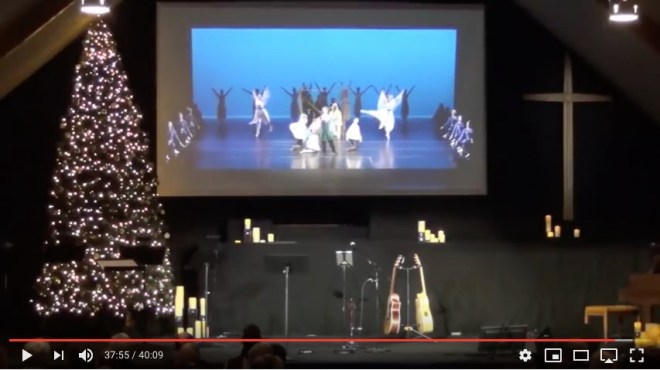

This Day’s Thought From The Ranch- This Week’s Sermon


This Day's Thought from The Ranch

BE READY- PERSEVERE

By Norm Story

Psalm 78:1-7 Matthew 25:1-13


The challenge of faithfully living prepared and ready…

When I was a Boy Scout, I remember how the younger scouts
struggled and suffered on long hiking-camping trips; because they always seemed to bring so much of the wrong stuff.

They’d come loaded down with unnecessary equipment & supplies,
and yet often, they would not have brought along the more useful & important things they actually needed.

With more experience and by listening to the advice of others,
you learned which items were better left back at home, and which ones were actually useful and needed, which supplies & equipment were worth the cost – the weight of carrying them on your back.

The result was that the more experienced scouts were generally
much better prepared and fared better in any situation.

They were better prepared for whatever might happen; and so they were more able to relax and enjoy their camping experience out in nature.

It was really a matter of learning how to prepare for the unexpected.

A most formative time in my spiritual journey was during, “The Jesus Revolution” of the early 70’s.  That was a pretty heady time to be a young Christian.  There were lots of Bible Clubs and Bible Studies
that sprung up in school and in the community.  There were alternative worship services and events, quite different than mainline Presbyterianism.

In the excitement and religious fervor of the time, it was difficult to know what to do – what was true; whose theology & teaching was really God’s truth?

Which way of worship and which music did God most favor?

There was an amazing variety of answers to religious questions

Caught in the swirl of conflicting ideas and voices, each authoritatively claiming to be God’s truth, It was confusing to decide between religious ideas.

Back then, as a young Christian, it was almost impossible to discern the truth —so many voices making so many claims in absolute certainty each declaring that they alone rightly read the Bible and that their ways alone matched God ways, and were closest to the New Testament church.

So how could I possibly know who was right, way back then?  Today its much easier, more obvious to discern who was right back then.

Those who truly followed God, are still in the faith; while that which was false, that not of God, has withered and waned, it is no more —-those folks have not weathered the years.

The passing of time has disproved their false claims.  Some who I knew back then have grown in their faith, their walk with God has matured, broadened and deepened.

Others have strayed over time, some have abandoned their faith
Some of the loudest outspoken and most adamantly certain, did not hold to Christ, have not served God over the years.

When things got difficult or demanding, they left.  So the passage of time and events have revealed, who was truly speaking God’s truth, and who was not.

That is the same principle of spiritual & prophetic discernment That God told Moses to teach the people of Israel.

Deuteronomy 18:21-22

You may say to yourself, “How can we recognize a word that the LORD has not spoken?” If a prophet speaks in the name of the LORD but the thing does not take place or prove true, it is a word that the LORD has not spoken.  The prophet has spoken it presumptuously; do not be frightened by it.

The immediate appearances may well obfuscate and deceive, but in the long run, time will surely tell — the ones who persevere on the long journey, have truth, and the ones who do not, but falter & fail, are false.

Most anyone can make a good impression at first, for a season —-and on the surface, its easy enough to seem faithful, but its on the long journey that faith gets tested —-can it withstand hard times and harsh struggles?  Can it emerge from questions and doubts still intact?… or is it only an easy fair weather faith?  Is it prepared to withstand storm and tribulation?

The test of a genuine Christian faith is just that simple,and that is the point and that is the message of the parable Jesus tells.

The context is a Middle Eastern village wedding celebration, which was culturally somewhat different back then.

In our culture, the wedding is mostly the bride’s special day, but in that patriarchal society, the focus was on the groom.

The bride and her attendant bridesmaids would wait all together while the groom and his party negotiated the ’bride’s price’ with her family.  A sign of the families love for their daughter, was to be difficult and draw out the negotiations, to show their reluctance at losing their daughter.

You’d have to have haggled & bargained in a Middle Eastern market to appreciate how much they enjoy the verbal exchange — the give and take is an important part of their culture;– its not really about the money or the cost of the item, but its establishing a relationship and respect; which is why even today it is a great insult when a tourist accepts the first price offered.

So having appropriately discussed at length the ’brides price. and once an agreed upon figure has been carefully negotiated, its now late into the night when the groom and his party would go and bring the bride and her attendants to the great wedding feast and celebration.

This was before the age of fireworks and neon lights, so the bridesmaids would provide lamps and torches; their job was to illuminate the way, their light creating a bright festive atmosphere.

Part of the fun and delight was to catch them napping, not ready; to show up unexpectedly, surprise and catch them off guard.

So Jesus frames his parable within that particular cultural context.

Matthew 25:1-4

“Then the kingdom of heaven will be like this.

Ten bridesmaids took their lamps and went to meet the bridegroom.

Five of them were foolish, and five were wise. When the foolish took their lamps, they took no oil with them; but the wise took flasks of oil with their lamps.

To all outward appearances, there is no perceptible difference, between the wise and the foolish bridesmaids —they are all dressed in the same long gowns, their hair done up, each looking their best, with their lamps ready to celebrate.

If you just look around at them, you can’t tell which ones are the foolish, or which ones are the wise.  Only by the passing of time, only the long delays will tell, who is prepared and ready for the unexpected, and who not.

The groom and his party are delayed, they show up very late, and the catch the girls napping — they are surprised, and then there is a mad scramble for the procession to begin.

Now the bridesmaids have just one responsibility, to provide a bright light ready for when the groom arrives.

The five wise bridesmaids fill-up their lamps with spare oil, but the five foolish have not planned ahead and prepared.

They have no oil for their now depleted empty lamps, and with no oil, there is no light, so they cannot fulfill their one critical responsibility, so they aren’t ready to take part in the procession.

As soon as the groom and his party arrive the celebration begins.

Then there is no more time for preparations & getting ready.

The foolish are not prepared or ready to do what is expected of them, they cannot provide light to honor the procession; which within that peasant village cultural context, would be a major insult against the bride & groom.

It would be unheard of doing such a rude thing, like inviting someone to dine at a restaurant, and then not having any money to pay for the meal.

Well, it is futile at that late hour to go out looking for oil.

It is futile to try and prepare once its already too late, so they are not welcome or permitted to share the joy of the wedding celebration.

The wedding procession and celebration will go on without them

The parable is really that simple and straight forward, the challenge is understanding how it applies to our lives.

The first application has to do with the second coming of Christ; that despite the delay of over 20 centuries, his call is still to be ready, to be found alert & waiting.

Hebrews 9:27-28

And just as it is appointed for mortals to die once, and after that the judgment, so Christ, having been offered once to bear the sins of many, will appear a second time, not to deal with sin, but to save those who are eagerly waiting for him.

Whether its our own death or the second coming of Jesus, at some point the Bridegroom will come for us, and our call is to be found ready and waiting.

Being ready is not a life spent figuring out when and how, its not a passive life spent watching the skies, and its not being sequestered away from the world – or standing on mountaintop singing hymns, checking our watches.

A lot of Bible interpreters seem to focus on the judgment aspect, be ready or else —with the threat of accountability – answering for our sins, they teach fear and terror at the Lord’s coming.

Jesus told this parable just days before his arrest, it was meant to reassure his frightened disciples, to give them courage and hope in facing the future.

The setting is the joy of a wedding celebration – not a funeral.

For Christians, the coming of Jesus is good news, not bad.

If we believe, if we know and walk with Jesus now, then it describes the joyful coming of a close friend.

It’s the happy excitement of a festive celebration, which is hardly reason or cause for fear & dread.

To those who already know the Bridegroom, this marks the fulfillment of our heart’s deepest desire and delight.

Yet at the same time, clearly there is a challenge to this text; will we have oil for our lamps when the Bridegroom comes for us?

The oil for our lamps is our relationship with God through Jesus; it is having submitted to the Lordship of Christ, it is accepting His love and grace to transform our lives.

BUT far more than just responding to an alter call one time, it is living out an on-going and growing walk with God it is living out his teachings – reflecting his light, and dwelling purposefully in the presence of God’s Holy Spirit

It is taking God and God’s Word seriously, living a life that honors God and imitates Christ, seeking to grow deeper & more faithful in our walk

Among international students studying in our universities, if a fellow foreign student becomes lax or grows complacent, if they stop making an all out effort and really trying, if they forget the sacrifice necessary to be there, they will be accused of, ’going American’.

International students have noticed that some American students coming from our culture of free entitlements & easy opportunity seem to always demand more and more, better and faster.

They expect life to be easy without any great effort. They show little gratitude for all they have. and are largely unwilling to give or contribute back.

It’s a harsh evaluation of our culture that may reveal some difficult truth.

And sometimes Christians, ’go American’, in the Church; becoming lax and worldly, ungrateful and spiritually lazy, undisciplined and complacent in our faith.

Forgetting the high cost of God’s love poured out at Calvary, we figure God owes us God ought to be grateful just because we show up.

In unrestrained arrogance, inflated ego and pride, we expect God to make our lives easy and pleasant, for God to quickly provide exactly what we want, for God to always respond to our every little whim; even though we refuse to submit to his rule and authority, though we continue to insist on having it our own way.

The mainline American church is plagued by such passive Christians who will commit to only enough religion and faith, as to inoculate ourselves … from God’s Spirit & Truth actually directing our lives.

We figure God owes us, just for showing up at all.  We want to control & limit God’s impact & rule in our lives  We want a type of religion that doesn’t cost us very much.

The parable is a stark reminder to those who’ve grown lax, to church insiders and members gone lazy and inert, who choose to ignore and refuse God’s ongoing call, who are content to go no further than yesterdays faith.

The parable is meant to grab our attention and shake awake those who don’t take God’s truth seriously.  There is a lot more to the Christian life than just showing up.  There’s a lot more than just smiles and warm fuzzy feelings.  It requires more than just being a member and then watching others support & serve the church.

It means to live out our lives to their richest & fullest, to fully commit our ways to serving our Lord.  It means giving God more than just the leavings of our lives, but making God’s presence in our lives our priority.

It means first seeking and obeying the will of God, and not just showing up occasionally after we’re through doing whatever else we want to do.

The call is to be ready and prepared with oil for our lamps, and that oil is our deepening relationship growing in Christ.  The oil is our lives lived usefully and faithfully, as we have been called and equipped for God’s service.

Our call is to wait and be ready, prepared no matter what the future holds for us.  It means to grow deeper, more faithful with the Lord.  Its easy enough to look good on surface – have a godly appearance, but has God’s truth permeated deep into our hearts and souls?

Its easy enough to be appear godly and holy for a short season, but will our faith last over time and adversity?  The truth will be revealed by how we run life’s long race hour by hour, day by day, all the way to the end.

To quote Starbucks coffee:

“Life is short —- stay awake”

To quote Jesus Christ: Luke 12:35-38

“Be dressed for action and have your lamps lit; be like those who are waiting for their master to return from the wedding banquet, so that they may open the door for him as soon as he comes and knocks.  Blessed are those slaves whom the master finds alert when he comes; truly I tell you, he will fasten his belt and have them sit down to eat, and he will come and serve them.”

If he comes during the middle of the night, or near dawn, and finds them so, blessed are those slaves.


Watch Here! | Listen Here! | Ask for Prayer | Contact Us | Visit Our Website | Subscribe | Facebook | Twitter | Tumblr | Bookstore


This Day’s Thought From The Ranch- This Week’s Sermon


This Day's Thought from The Ranch

FACING THE FUTURE

By Troy Borst

Joshua 1:1-9

In the first chapter of Joshua, we begin reading about a crisis that has erupted in the lives of the people of Israel. Their longtime leader and spiritual guide, Moses, has died. We need to understand that this time was very much a crisis for these people. This was the man who had led them from slavery in Egypt! This was the man who brought them the laws of God! And now he is gone.

In the first chapter of this book, we not only find crisis, but we find the Lord speaking to the new leader of the people. We find God meeting this man and encouraging him. We find God meeting this man and challenging him about the future.

  1. THE PURPOSE OF GOD (v. 2)

Joshua was about to become very aware of God’s purpose and direction in his life. Moses was dead and Joshua had been his assistant. There was no contract that Joshua would become the leader. There was no line of succession. What I mean to say is that Joshua becoming the leader was not a “given”, but was open. This new leader would be in charge of leading the people to the Promised Land… no small task.

I think the leadership of Israel was in doubt until that moment when “God spoke to Joshua.” God was now hand-choosing the next leader of His people. It was God who would be directing their paths through the Promised Land. God chose Joshua to be that leader who would bring about the fulfillment of the promises to Abraham.

God’s directions and purposes are clear: 1) The people of Israel are going across the Jordan River into Canaan and will take possession of it. 2) Joshua son of Nun will be their leader in all of this.

II. THE PROMISE OF GOD (v. 3)

Joshua and the people of Israel trusted in the Lord their God. They put all their faith and trust in Him to guide them and lead them into Canaan. And what of Joshua? He had to believe that God keeps His Word. Joshua had been a faithful believer throughout his life. In fact, when Israel spied out Canaan 40 years before, only he and Caleb put their faith in God and believed that they could conquer the land. Joshua knew that God always fulfills His promises. Joshua knew that God had promised Abraham that he would become a mighty nation and that his people would inhabit the land of Canaan. And now, Joshua and the people stood on the bank of the Jordan ready to go in and possess the land. God’s promises were coming true.

We as Christians also have the benefit of knowing that God keeps His promises. We have the entire Bible to read and discover all the promises that have been fulfilled. We also have Christ, in who so many of God’s promises are fulfilled. 2 Corinthians 1:20 explains to us that all the promises of God are fulfilled in Jesus and He is the One we have been looking for. In Him we find the “Yes” answer to our questions.

Was Jesus the Son of God?

Was He the Promised One who would take away the sins of the world?

Is He our every present help in times of need?

Does He provide direction for us in our lives?

As God was speaking with Joshua, He promised Joshua something very important. It occurs in verse 3. Joshua was assured victory in all of his endeavors. In taking hold of these promises, Joshua would be given all the places that his foot trod. He was given the victory before he even started.

III. THE POWER OF GOD (v. 5)

I believe that Joshua was a man of faith. He believed God and all that He was saying and promising. Because of this, God’s power was available for Joshua. God tells Joshua in verse 5 that no one will be able to stand against him all the days of his life… now that is power. We will see that power working in Joshua’s life shortly when he faces off against Jericho.

The people of Israel don’t stand a chance of toppling this mighty fortress of a city. Yet they do.

Joshua may feel that he doesn’t have the skills to lead Israel. Yet he does.

Retold from “The Book of Virtues” Editor: William J. Bennett

There is a story that centers on a king and the members of his court who were continually full of flattery. “You are the greatest man that ever lived…You are the most powerful king of all…Your highness, there is nothing you cannot do, nothing in this world dares disobey you.”

The king was a wise man and he grew tired such foolish speeches. One day as he was walking by the seashore he decided to teach them a lesson. “So you say I am the greatest man in the world?” he asked them. “O king,” they cried, “there never has been anyone as mighty as you, and there never be anyone so great, ever again!”

“And you say all things obey me?” he asked.

“Yes sire” they said. “The world bows before you, and gives you honor.”

“I see,” the king answered. “In that case, bring me my chair, and place it down by the water.” The servants scrambled to carry the royal chair over the sands. At his direction they placed it right at the water’s edge. The King sat down and looked out at the ocean. “I notice the tide is coming in. Do you think it will stop if I give the command?”

“Give the order, O great king, and it will obey,” cried his entourage.

“Sea,” cried the king, “I command you to come no further! Do not dare touch my feet!”

He waited a moment, and a wave rushed up the sand and lapped at his feet. “How dare you!” he shouted. “Ocean, turn back now! I have ordered you to retreat before me, and now you must obey! Go back!” In came another wave lapping at the king’s feet. The king remained on his throne throughout the day, screaming at the waves to stop. Yet in they came anyway, until the seat of the throne was covered with water.

Finally the king turned to his servants and said, “It seems I do not have quite so much power as you would have me believe. Perhaps now you will remember there is only one King who is all-powerful, and it is He who rules the sea, and holds the ocean in the hollow of His hand. I suggest you reserve your praises for him.”

The power of God, that same power that holds the earth together and calms the seas, is available to you in your own personal life. All that is required to access this awesome power is faith.

IV. THE PRESENCE OF GOD (v. 9)

Verse 9 would have been a great comfort to Joshua and the people. God told Joshua that He would be with them wherever they went. Joshua had the very presence of God as he marched through the Promised Land. We, as Christians, have that very same presence with us today. We have the presence of God in our lives given to us by Christ and described to us in the Word of God.

THE PRESENCE OF HIS LOVE

The passengers on the bus watched sympathetically as the attractive young woman with the white cane made her way carefully up the steps. She paid the driver and, using her hands to feel the location of the seats, walked down the aisle and found the seat he’d told her was empty. Then she settled in, placed her briefcase on her lap and rested her cane against her leg.

It had been a year since Susan, thirty-four, became blind. Due to a medical misdiagnosis she had been rendered sightless, and she was suddenly thrown into a world of darkness, anger, frustration and self-pity. Once a fiercely independent woman, Susan now felt condemned by this terrible twist of fate to become a powerless, helpless burden on everyone around her.

“How could this have happened to me?” she would plead, her heart knotted with anger. But no matter how much she cried or ranted or prayed, she knew the painful truth her sight was never going to return. And all she had to cling to was her husband Mark.

Mark was an Air Force officer and he loved Susan with all of his heart. Finally, Susan felt ready to return to her job, but how would she get there? She used to take the bus, but was now too frightened to get around the city by herself. Mark volunteered to drive her to work each day, even though they worked at opposite ends of the city. At first, this comforted Susan and fulfilled Mark’s need to protect his sightless wife who was so insecure about performing the slightest task. Soon, however, Mark realized that this arrangement wasn’t working – it was hectic, and costly.

Susan is going to have to start taking the bus again, he admitted to himself. Susan was horrified at the idea of taking the bus again. “I’m blind!” she responded bitterly. “How am I supposed to know where I’m going? I feel like you’re abandoning me.” Mark’s heart broke to hear these words, but he knew what had to be done. He promised Susan that each morning and evening he would ride the bus with her, for as long as it took, until she got the hang of it. And that is exactly what happened.

For two solid weeks, Mark, military uniform and all, accompanied Susan to and from work each day. He taught her how to rely on her other senses, specifically her hearing, to determine where she was and how to adapt to her new environment. He helped her befriend the bus drivers who could watch out for her, and save her a seat. He made her laugh, even on those not-so-good days when she would trip exiting the bus, or drop her briefcase.

Finally, Susan decided that she was ready to try the trip on her own. Monday morning arrived, and before she left, she threw her arms around Mark, her temporary bus riding companion, her husband, and her best friend. She said good-bye, and for the first time, they went their separate ways. Monday, Tuesday, Wednesday, Thursday… Each day on her own went perfectly, and Susan had never felt better. She was doing it! She was going to work all by herself! On Friday morning, Susan took the bus to work as usual. As she was paying for her fare to exit the bus, the driver said, “Boy, I sure envy you.” Susan wasn’t sure if the driver was speaking to her or not. After all, who on earth would ever envy a blind woman who had struggled just to find the courage to live for the past year? Curious, she asked the driver, “Why do you say that you envy me?”

The driver responded, “It must feel so good to be taken care of and protected like you are.” Susan had no idea what the driver was talking about, and asked again, “What do you mean?” The driver answered, “You know, every morning for the past week, a fine looking gentleman in a military uniform has been standing across the corner watching you when you get off the bus. He makes sure you cross the street safely and he watches you until you enter your office building. Then he blows you a kiss, gives you a little salute and walks away. You are one lucky lady.”

God watches over us in just the same way. We may not know He is present. We may not be able to see His face, but He is there nonetheless! Be blessed in this thought: “God Loves You – even when you are not looking.”

People of faith can face the uncertain future with certainty. We can face each day as Joshua did, with God’s purpose, promise, power, and presence.


Watch Here! | Listen Here! | Ask for Prayer | Contact Us | Visit Our Website | Subscribe | Facebook | Twitter | Tumblr | Bookstore


This Day’s Thought From The Ranch- This Week’s Sermon


This Day's Thought from The Ranch

GUIDANCE

By Warren Bird


How does God guide us in the decisions we have to make? This sermon provides an outline of a Biblical model of guidance, using Colossians 3.

I don’t suppose many of you are old enough to remember the original TV Quiz Show, “Pick-a-Box”. It was hugely successful back in the very early days of television in Australia in the 1950’s and 60’s – so, yes, all the episodes were in black and white.

The big moments in “Pick-a-Box” came when the contestant who had got the questions right had to pick from several boxes on a wall and there would be either a terrific prize or some useless dud object in the box. It was a moment of great drama for many Australians at the time – what would the contestant decide? I guess more recently we have had the nightly decision by the winner of “Sale of the Century” about whether to take the prize they’d already won or come back the next night to try for a bigger one.

Decisions, decisions – life is full of the need to make decisions. Make the right decision – pick the right box – and you will end up a lot better off than if you make the wrong decision.

In “Pick-a-Box” the outcome was random. Despite being smart enough to know the answers and get to the point of making the decision, in the end the contestant just didn’t have enough information to be able to tell which was the best choice of box.

Sometimes we get choices like that in life and a lot of the things that happen to us in life do seem somewhat random. But most of the time we do have information to help us make our decisions – maybe not enough information to guarantee the outcome, but enough to help us to make a choice from among alternatives. It is then up to us to use the information we have and any other resources that might be able to help along the way, to make the best decisions.

• Some decisions are quite trivial – will I have a Magnum Classic or a Magnum Ego? Will I choose Optus or Telstra as my internet provider?

• Some are moderately important – will I give up eating ice cream like Magnums so that I don’t get overweight? Will I go out and play sport or spend my time on the internet?

  • And some decisions are crucial for our life’s direction – will I get married? What career will I aim for? Will I obey the road rules when I am driving my car?

Phew, some big issues there! Because they can be quite daunting choices to make, some people seem to think that they can avoid making decisions and just drift along with life. What did those critters in “The Lion King” call it – akuna matata? Friends, that sort of attitude IS making a decision – it’s a decision to be unthinking about what you do in life, a decision to give in to the forces that are at work in the world for good or evil and let them rule over you. From my experience, far from meaning “no worries for the rest of your days”, akuna matata means nothing but trouble as those forces sweep over us and get us into an awful mess sometimes.

As Christians we have accepted that making our own decisions our own way, ignoring God in our lives, is not the way we want to live; we have turned to Jesus as our Lord and Saviour, accepting Him because He has accepted us, has taken us into His friendship, into His family; and as a result we have decided to follow Him.

This means that when we are faced with a decision we will want to make the right decision, the best decision, the decision that is consistent with us being followers of Jesus Christ.

The question before us tonight is, therefore, how do we know whether we are making the best decisions? How do we find and follow God’s guidance in our lives? We want to obey God’s will, but how do we know what His will for us actually is? Like the writer of the psalm that we read together, we call out to God:

“Show me your ways, O Lord, teach me your paths;

Guide me in your truth and teach me, for you are my God and Saviour and my hope is in you all day long.” (Ps 25:4-5)

God Promises to Guide Us

The prayer of the psalmist is not a forlorn one, because God does promise to guide us. Later in psalm 25 we read that:

“Good and upright is the Lord; therefore He instructs sinner in His ways; He guides the humble in what is right and teaches them His way.” (Ps 25:8-9)

Other verses that similarly promise God’s guidance are:

Proverbs 3:6 “In all your ways acknowledge Him and He will direct your paths.”

Isaiah 58:11 “The Lord will guide you always.”

James 1:5 “If any of you lacks wisdom, he should ask God, who gives generously to all without finding fault, and it will be given to him.”

These and many other passages in scripture make it clear that God wants to help us to live the lives He asks of us. He hasn’t called us into a relationship with Himself only to leave us in the dark about how that relationship should unfold. In the verse from Isaiah that I just quoted he uses interesting imagery to make this point clear. He describes life without God as being like living in a desert, in a “sun-scorched land”, but says that God’s guidance of His people means that they “will be like a well-watered garden, like a spring whose waters never fail.”

Be in no doubt that God wants what is best for His followers and that He promises to guide us.

How Does God Guide Us?

OK, you accept that God has made this promise, but the question then becomes, “how?” How does God guide us? When we acknowledge Him, as the verse in Proverbs says, how will he then direct our paths? When we ask for wisdom, as James instructed, how will He give it to us?

Over the years many Christians have given lots of different answers to this question. You will hear sermons on guidance that talk about doors that are opened and closed for you; about things that you can do to test out the different options from which you are to choose; about the importance of the counsel of Christian friends and elders; or about the place of your own feelings of “peace” about a decision.

In some of those things there can be helpful stuff and in relation to some decisions that we face in life those sort of “signals” will have a part to play. If I fail maths and the Universities Admission Board won’t let me into an engineering degree course then that is probably a clear signal that I should pursue something other than a career in engineering.

But I worry that a lot of the things I hear on guidance belittle the place of God’s revealed word in the whole process. The apostle Paul wrote to his young friend Timothy that the Bible is “inspired by God” and said that this means that it “is profitable for teaching, rebuking, correcting and training in righteousness so that the man of God may be thoroughly equipped for every good work.” (2 Tim 3:16) Doesn’t that mean that if we want to find out how God wants us to make decisions, how He guides us, that we should look first and foremost in the Bible?

Yes it does, but there is also a great danger of taking this the wrong way entirely as well. Finding information on guidance in the Bible doesn’t mean that there is going to be in its pages a simple, text-book like answer to every question. When my wife and I decided to get married all those years ago we didn’t look up a passage in the Bible that said, “God wants D.A.D. to agree to marry Warren Bird”.

Nor does it mean that we can lift any verse out of its context and interpret it as telling us something about a decision that we are facing. I heard of a young man once who tried to use the Bible like that.

He randomly opened it at a page and with his eyes closed let his finger pick out a verse on that page. He got to Matthew 27:5 in this fashion: “Judas went and hanged himself.” That’s not real helpful, he thought, so he repeated the process and ended up selecting Luke 10:37: “Go and do likewise.”

Sounds funny, but there are many Christians who treat the Bible just like that – I know, I was one of them when I was a young Christian.

Paul also wrote to Timothy that he should “be diligent to present yourself approved to God, a workman who is not ashamed and who correctly handles the word of truth.” (2 Tim 2:15) I could preach a whole sermon on what “correctly handling the word of truth” involves. The key thing to get across tonight is that understanding any one verse requires understanding the message of the whole Bible and that understanding what the Bible is saying about my life individually requires prayerful meditation and reflection. That way we can ensure that we are not imposing what WE want or think on what God is really saying to us.

A model of guidance

What, then, DOES the Bible say about how God guides us? I think that our reading from Colossians gives us a terrific outline of the answer to this question. There are three parts to the answer:

1) Keep your eyes on the prize.

2) Keep your feet on the path.

3) Keep your heart at peace with Christ.

  • Eyes on the prize (Col 3:1-4)

Ultimately, God’s guidance relates to the way that He takes us from being sinners who do not know Him to living eternally in heaven with Him. God cares about every detail of our lives here and now, because He wants to help us to negotiate the path tp heaven that we set out on when we become Christians; it is the impact that each decision we make has upon that objective that is of most importance to Him.

This is a constant theme in the New Testament. Paul elsewhere wrote that personally he was pressing on toward the goal to win the prize for which God had called him heavenward in Christ Jesus (Phil 3:14). Peter wrote that Christians should “live holy and godly lives”, looking forward to the day in which God will bring this world to an end and usher in the new heaven and the new earth, our new home of righteousness (2 Peter 3:11-13).

It’s also in Psalm 25 – verse 15 says, “my eyes are ever on the Lord, for only He will release my feet from the snare.”

In Colossians Paul urges us to set our hearts and minds on the prize that awaits us when Christ returns in glory. Everything we do in our life now should be done with our eyes on the prize. When we are faced with decisions that have to be made, God’s guidance is that we choose things that will be positive for us spiritually, that will help us on our journey to our home of righteousness, rejecting choices that will hinder our journey.

The first principle of guidance is to keep our eyes on the prize.

  • Feet on the path (Col 3:5-14)

Paul goes on to argue that if we are heading in the direction of heaven then we should actually walk on the path that takes that us in that direction. The attitudes and behaviours that we have turned away from when we decided to become Christians should be left behind and the attitudes and behaviours of “God’s chosen people” should be the ones that we adopt.

Let’s be clear – no one is a Christian because they live a moral life. Being a Christian means you are an immoral person who knows they are immoral and has asked God’s forgiveness through Christ. But someone who has been forgiven is now heading for a new home of righteousness, as Peter called heaven, and thus right living is a logical, natural outworking of the relationship we have with Jesus. So when you are seeking God’s guidance, a significant place to look is in those passages of the Bible that talk about His moral will.

When you are faced with a choice between something that is morally wrong and something that is morally right, then God’s guidance for you is unambiguous – choose the thing that is right. Sometimes it won’t be easy, especially when it is a decision that has effects on other people, who might fight back or take some sort of retaliatory action against us. But be clear that God will only ever guide you to decide something that is morally right.

As Psalm 25 says, “may integrity and uprightness protect me, because my hope is in You.” (Ps 25:18)

There was a lot of news about lying, cheating and fraud in some of America’s biggest companies. The first of those companies to be found out was Enron and the whistle blower was an employee of Enron who knew that the financial accounts were a fabrication. She is a Christian woman and she realized that keeping her feet on the path required her to be honest about what was going on at Enron. It has cost her a lot – she lost her job and has been ridiculed and verbally abused by the men that she exposed – but she is able to stand before her God in all good conscience, which is far better.

The second principle of guidance is to make decisions that keep our feet on the path of life.

• Hearts at peace with Christ (Col 3:15-17)

The third and final principle is to make decisions based upon Christ’s peace ruling in our hearts. This isn’t talking about a subjective feeling of being “at peace” about a decision. Rather it is talking about the peace that we know in our hearts and souls when our daily lives are in tune with the friendship that we have with Jesus.

A lot of it comes from the fact that thankfulness is a significant part of our relationship with God. Can you thank God for the decision that you have made? Can you stand before other Christians and say that you have made a decision that expresses your gratitude to God for what He has done in your life? That you are at peace with God after making the decision? If you can, then it is a decision that you can truly say resulted from following God’s guidance.

Working it Out

You might be thinking about a decision you face at the moment in light of these three principles. It is possible that you might be thinking, “hey, wait a minute, those three things rule out some of the choices that I have but not all of them. I’m still in the dark about what God is guiding me to do. Should I go with option A, B or C?”

I want to say to you that in many, many instances there are going to be several choices that are ALL within the realm of God’s guidance. You might be looking for a new job; you rule out a couple of options because they contradict Biblical principles; but you still have a choice of 2 or 3 jobs left. A lot of people would keep fretting about not yet having received God’s guidance about what to do, but I want to tell you that in that case you really should be rejoicing! If God’s clear leading results in you having a couple of choices then there is nothing wrong with going with the one you’d prefer. God is your creator as well as you saviour, and if he made you with a liking for engineering instead of medicine, or labouring instead of office work, and there are no spiritual or moral reasons to favour one job over the other, then go with the one you’d like the best.

The apostle Paul has summed up the Bible’s teaching on guidance really well in Colossians 3:17 – “whatever you do, in word or in deed, do it all in the name of the Lord Jesus, giving thanks to God the Father through Him.” Everything we do is as a representative of God here on earth – we act in His name. When we have choices to make, let us make the ones that represent Him the best, the ones for which we can give Him thanks. We can’t go wrong if these are our guiding principles.


Watch Here! | Listen Here! | Ask for Prayer | Contact Us | Visit Our Website | Subscribe | Facebook | Twitter | Tumblr | Bookstore


This Day’s Thought From The Ranch- This Week’s Sermon

In case you missed it, you can still watch all 4 main sessions from our 2018 Men’s Retreat (the sessions are powerful for anyone, men or women) at this link: https://theranch.org/2018-mens-retreat/. Topics include “Facing Your Fears” by Eric Elder, “Out of the Vortex (Breaking Addictions)” by Jefferson Williams, “5 Lies I Believed About Depression” by Kent Sanders, and “Going After Your Dreams” and “Why Everyone Should Consider Writing A Book” by Eric Elder and Kent Sanders.

Also, you can watch a church service anytime this week at this link:
 http://live.eastview.church.


This Day's Thought from The Ranch

LISTENING FOR GOD

by Alan Tison

1 Samuel 3:1-10

How do we hear the voice of God, Samuel’s life emulates 4 traits we should have in order to listen to the call of God

The following are actual bloopers found in church bulletins.

· The scouts are saving aluminum cans, bottles and other items for recycling. Proceeds will be used to cripple children.

· Next Sunday’s Message – WHAT IS HELL, come early and hear our choir

· Weight watchers meeting Tuesday; please use large double doors at the side entrance.

· Ushers will eat newcomers

· Remember to pray for the many people who are sick of our church and the community.

· Our minister is on vacation; massages can be given to the secretary.

· This being Easter Sunday, Mrs. Johnson will lay an egg on the piano.

· The flowers on the altar are provided by Jason Edwards, the sin of Pastor and Mrs. Edwards.

Miscommunication it is all around us, we speak of it as a get out of jail free card” in our society – If we have a mishap, we call it miscommunication.

· Failure to Listen

· Out of the Loop

· Dad I did not hear you

· Mom, you want to clean the WHOLE room.

MISCOMMUNICATION

Through out the Bible God communicated with his creation in a number of ways.

· Dreams

· A Burning Bush

· Prophets

· Animals

· Miraculous signs

Through this God teaches us he is not limited to one way of communication.

Heb 1:1-2

In the past God spoke to our forefathers through the prophets at many times and in various ways, but in these last days he has spoken to us by his Son, whom he appointed heir of all things, and through whom he made the universe.

When God communicates with his creation, he does it in such a way as that one is assured God is speaking.

In 1 Sam. 3, we discover a young man who hears God voice and yet does not recognize him to be God. Yet after some prompting he soon learns to be a great listener for God.

COULD WE BE LIKE SAMUEL?

· Would we fail to recognize God’s voice?

· Do we need someone prompting us so that we might be able to listen?

· A better question today, What qualities in Samuel’s life made him able to hear the voice of God?

IN 1 SAMUEL 3 WE DISCOVER 4 QUALITIES IN SAMUEL’S LIFE WORTH EMULATING TODAY.

  1. Samuel had a servant’s heart.  His role, Ministering before the Lord

Jewish historian, Josephus states Samuel was 12 years old at the time of his calling.

His tasks were to light the candles, tend to the furnishings and general housekeeping in the Tabernacle.

These were not the “glory jobs” of the Tabernacle, but none the less they had to be done.

Compare this to Eli’s sons – They grew up in the Tabernacle, saw their father administer the worship – But in 1 Sam. 2:12 Eli’s sons were wicked men; they had no regard for the LORD.

WHAT A CONTRAST Growing up in the same house, watching the same man (Eli), observing the same sacred items – yet two different outcomes.

HAVE YOU EVER WONDERED WHY CHILDREN GROWING UP IN THE CHURCH REJECT THE CHURCH LATER ON IN LIFE? After all we have a promise Prov 22:6, Train a child in the way he should go, and when he is old he will not turn from it.

– PARENTS ROLE, Hannah prayed for her son (2:20) Hannah monitored her Son’s grow (2:19) Hannah and her husband were faithful in worship (1:21)

– Eli, knew his son’s sin (2:22) He was willing to confront their sins (2:23-25)

– THE CHILD’S ROLE – The attitude of the sons – Eli’s, No regard, Samuel, Servant hood

  • There comes a time when children must take responsibility for their actions, Now if we will keep this two step approach of a Parent’s active role and a child’s submissive attitude, we will be able to claim the promise of Prov. 22.

2. Samuel had a good reputation

1 Sam 2:26

And the boy Samuel continued to grow in stature and in favor with the LORD and with men.

These are the same words used to describe Jesus in Luke 2:52

Why is our reputation so important? Simply put how people see us is how they see God. – Our actions reflect our leader.

That is why Jesus had such trouble with the Pharisees, they were representatives of God and yet their reputation for ritual and rules had become a departure of God’s grace.

Reputations must be formed, a reputation is not formed in one day, but it can be destroyed in one minute. A reputation cannot be passed on from one generation to the next but it can be destroyed in a relatively short time. A reputation is formed by living a consistent life before God

Billy Graham was one of the most respected men in the world today, with the many scandals that have come about in the last 20 years; Graham remained untarnished – WHY? Graham’s 3 laws of integrity

– He never was the first person to enter a hotel room

– He never ate dinner with a woman other than his wife

  • He never was in a car alone with a woman other than his wife.

Samuel is an example of how a good reputation makes one available to be used by.

3. Samuel was obedient to authority.

3 times he thought he heard what he thought was the voice of Eli, and 3 times he went to see what his mentor wanted.

Obedience is an unnatural response. Few of us enjoy being told what to do. Our natural response is to be in control. Yet where there is control there is an absence of humility.

THIS IS WHEN PRIDE TAKES OVER – Don Shula, Former head coach of the Miami Dolphins tells of a vacation he was taking in Maine during the off season. He wanted to go some place where he go and relax without people recognizing he and his wife. When they arrived at their resort, it was raining so they decided to go to a movie in town. When they arrived at the Theater the house lights were on and he was surprised how small the crowd was for the movie. Yet when he walked in he was surprised to receive a round of applause from the patrons. They took their seat and waited for the movie to start. Secretly surprised, Shula leaned over to his wife and whispered, I guess there is not a place I can go where I am not recognized. I guess not she replied with a bit of sarcasm. About that time a man came over and with a friendly smile shook hands with Shula and his wife. Shula said I am surprised you know us. Should I know you the man asked? We are just glad you came in the manager said he would start the film until 10 people came in.

Samuel was obedient because he was humble.

Signs of Obedience

– Understand God is good – he has our best interest in hand.

– Submit to his authority – God is in control, Good Friday to Easter

  • Realize there are benefits to ObedienceObedience in the good times – OT Promise of faithfulness, Moses, Joshua, Josiah

Obedience in hardships – Wilderness Wanderings

Obedience is the key to our salvation – are we willing to do what Jesus asks?

Even though Samuel was not receiving answers from Eli, He continued to be obedient to his mentor. In like manner we must always find our obedience in the Lord – EVEN WHEN HE DOES NOT ANSWER!

Obedience must be lived out

Of the Fiery Furnace

Dan 3:16-18

16 Shadrach, Meshach and Abednego replied to the king, “O Nebuchadnezzar, we do not need to defend ourselves before you in this matter.

17 If we are thrown into the blazing furnace, the God we serve is able to save us from it, and he will rescue us from your hand, O king.

18 But even if he does not, we want you to know, O king, that we will not serve your gods or worship the image of gold you have set up.”

When we are obedient we are able to hear his voice – even in silence.

4. Samuel was willing to listen.

Eli realizing Samuel was being called by God now gives him a series of instructions to prepare for God’s call.

NOTICE THE INSTRUCTIONS

  • Go back to your room – waiting, Have you ever been in God’s waiting room? Waiting to be used, waiting for an answer to prayer? WAITING PREPARES US
  • If he calls you again – Anticipation, carries with it the idea of expectation. A young minister was distraught by the lack of results in his new church after his first few months of service. He visited D.L. Moody for some advice. Moody asked, “Do you expect decisions ever Sunday, when you preach? The young man replied. There is your problem – You Should.
  • I am amazed the number of people who do not expect God to do great things. We pray and prayers are answered and we say it is a coincidence. We put God first in our finances and then when our needs are met we seem shocked. 1 Cor 2:9 However, as it is written: “No eye has seen, no ear has heard, no mind has conceived what God has prepared for those who love him” Each week I hope you anticipate God working in your life.
  • Answer His Call – Be available, this may seem so simple, but it can be difficult to answer God’s call. So many things call out for our attention.
  • Samuel did answer the call notice his words – SPEAK FOR YOUR 
  • SERVANT IS LISTENING, I imagine those are some of the sweetest words the lord can hear from our mouth.

I don’t know what you want to do with me BUT SPEAK FOR YOUR SERVANT IS LISTENING

I don’t know how I can help BUT SPEAK FOR YOUR SERVANT IS LISTENING

I am concerned about the future BUT SPEAK FOR YOUR SERVANT IS LISTENING

When Samuel made himself available he was ready to receive God’s instructions

Listening for God requires…

1. a servant’s heart

2. a good reputation

3. an obedience to authority

4. And the ability to be ready to listen.

Jesus himself used an illustration of listen for the voice of God in

John 10:1-5

1 “I tell you the truth, the man who does not enter the sheep pen by the gate, but climbs in by some other way, is a thief and a robber.

2 The man who enters by the gate is the shepherd of his sheep.

3 The watchman opens the gate for him, and the sheep listen to his voice. He calls his own sheep by name and leads them out.

4 When he has brought out all his own, he goes on ahead of them, and his sheep follow him because they know his voice.

5 But they will never follow a stranger; in fact, they will run away from him because they do not recognize a stranger’s voice.”

Who are you listening for today, who is calling your name, and what is your reply?


Watch Here! | Listen Here! | Ask for Prayer | Contact Us | Visit Our Website | Subscribe | Facebook | Twitter | Tumblr | Bookstore


This Day’s Thought From The Ranch- This Week’s Sermon

Special Note from Eric: Need a boost in your faith? Join us NEXT WEEKEND, LIVE ONLINE OR IN-PERSON, for a men’s retreat where I’ll be speaking on “Facing Your Fears,” and my friends Jefferson Williams and Kent Sanders will be speaking on “Breaking Addictions” and “5 Lies I Believed About Depression.” We’ll also have inspirational times of worship with my friend, Travis Johnson.

2018 Men's Retreat

Join us LIVE ONLINE (for free!) starting Friday, October 12 at 7 p.m. Central Time at http://live.theranch.org, or register to attend IN-PERSON (for a small fee for food and lodging) here.

You can also watch a live, Sunday morning church service TODAY at 9 and 11 a.m. Central Time (or on-demand anytime thereafter) at this link: http://live.eastview.church.


This Day's Thought from The Ranch

DEFEATING DEPRESSION

by Kevin Burden


Loneliness has been called the most desolate word in the English language. It is no respecter of age, race, economic status, or intelligence. Albert Einstein once said, “It is strange to be known so universally, and yet to be so lonely.”

God made us for intimacy and companionship with others. Even before sin entered the world, He declared that “it is not good for man to be alone” (Genesis 2:18). That’s why many people often feel so empty inside.

Jesus experienced loneliness. He felt it when His disciples deserted Him (Mark 14:50). The Father’s presence more than compensated for this, however. He said, “Behold, the hour cometh, yea, is now come, that ye shall be scattered, every man to his own, and shall leave me alone: and yet I am not alone, because the Father is with me” (John 16:32).

Intimacy with God is available to all who put their trust in Christ – John 14:16-23.

We can reduce our feelings of loneliness by reaching out to others. But even more important, we must reach out to the Lord. He is always with us, and He wants us to fellowship with Him throughout the day.

A recent Gallop poll concludes 4 out of 10 Americans admit to frequent feelings of intense loneliness and depression. Has loneliness ever crept into your life? What does the Bible say to those who are going through those dark times?

Difficult times came to many in the Bible. Just two examples…

Elijah needed rest after his encounter with the Prophets of Baal.

Paul in his letter to Timothy said, “Everyone has deserted me” three different times. His way of coping was to ask for his parchments and his friends.

Charles Spurgeon was prone to times of deep sadness and depression. On an unforgettable Sunday morning in 1866, the great C. H. Spurgeon stunned his five thousand listeners when from the pulpit of London’s Metropolitan Tabernacle he announced, “I am the subject of depressions of spirit so fearful that I hope none of you ever gets to such extremes of wretchedness as I go to.” For some of his audience it was incomprehensible that the world’s greatest preacher could know the valley of despair. Yet twenty-one years later in 1887 he said from the same pulpit, “Personally I have often passed through the dark valley.”

The fact is – many “Good” Christians battle depression. Most of us face situational depression at some time. There are times in life when depression is a normal response to a difficult situation…

* The death of a loved one

* A disappointment in life

* Failure in some area of your life

* Relational problems

  • Some battle biological factors

Depression Can be Devastating: The Psalmist felt many things during time of loneliness.

* God seemed far away – v 2.

* Life seemed meaningless – v 3

* His bones burned; He just didn’t feel well – v 3

* He experienced loss of appetite and weight loss – v 4

* He felt alone – v 6

* Felt persecuted and rejected –v 8

* Experienced times of sadness and tears – v 9

* He was painfully aware of his failures – v 10

  • He felt tossed aside – v 10

Does this sound like some of the things you have experienced in life? 

How do we defeat Depression? Start by…

#1. TURNING OFF THE TUNNEL VISION – v 3-10.

Depression often occurs when we focus on the circumstances surrounding a situation instead of the situation surrounding the circumstance. We become unable to see “the forest for the trees.”

In these times we must learn to dwell on the Lord’s goodness b not our pain.

#2. SURRENDER TO GOD’S SOVEREIGNTY – v 12-15.

God is in charge. He knows where you are and what you’re going through.

He knows what he is doing b even if we don’t. We must learn to trust God.

God perfects us by means of the furnace.

#3. CONCENTRATE ON GOD’S CHARACTER – v 17-22

#4. FOCUS ON THE FUTURE – v 16, 23-28.

Look past the present. God is preparing a great place for those who trust Him.

As we reach the end of Psalm 102 we see the darkness lifted.

Are you prone to deep darkness? Is it a powerful emotion that you seem powerless to change? Are you trusting God or are you trying to make it on your own?

If your depression will not go away; If you trust, and pray and nothing changes…

You may need to see a Doctor. Overcoming depression can be hindered by chemical imbalance, diet or other physical complications.

You may need to see a Christian counselor.Overwhelming, overpowering thoughts of harming yourself or others; Overwhelming, overpowering thoughts of suicide are not acceptable conditions. You must seek help immediately.

Understand what is happening; then take charge of your mind. Don’t deny the emotion . . . face it!

Here are some practical steps for defeating Depression. . . .

* Get some rest – like Elijah

* Ponder God’s Character and love – like Jesus

* Make extra time to study God’s Word – like Paul

  • Spend extra time with your Christian friends and church family – like Paul.

These are usually the opposite of what you feel like doing. But take control!

Minirith/Meier Christian Counseling:

“Seven laws for living life free of Depression.”

1. Commit yourself to the purpose of glorifying God in all things.

2. Spend time daily meditating on God’s Word and applying it to your life.

3. Deal with grudges and anger daily.

4. Concentrate on building close relationships with your family.

5. Develop solid Christian friendships and spend time each week enjoying these people.

6. Be involved in a daily routine that brings personal satisfaction to you.

7. Do something nice for one special person each week.


Watch Here! | Listen Here! | Ask for Prayer | Contact Us | Visit Our Website | Subscribe | Facebook | Twitter | Tumblr | Bookstore
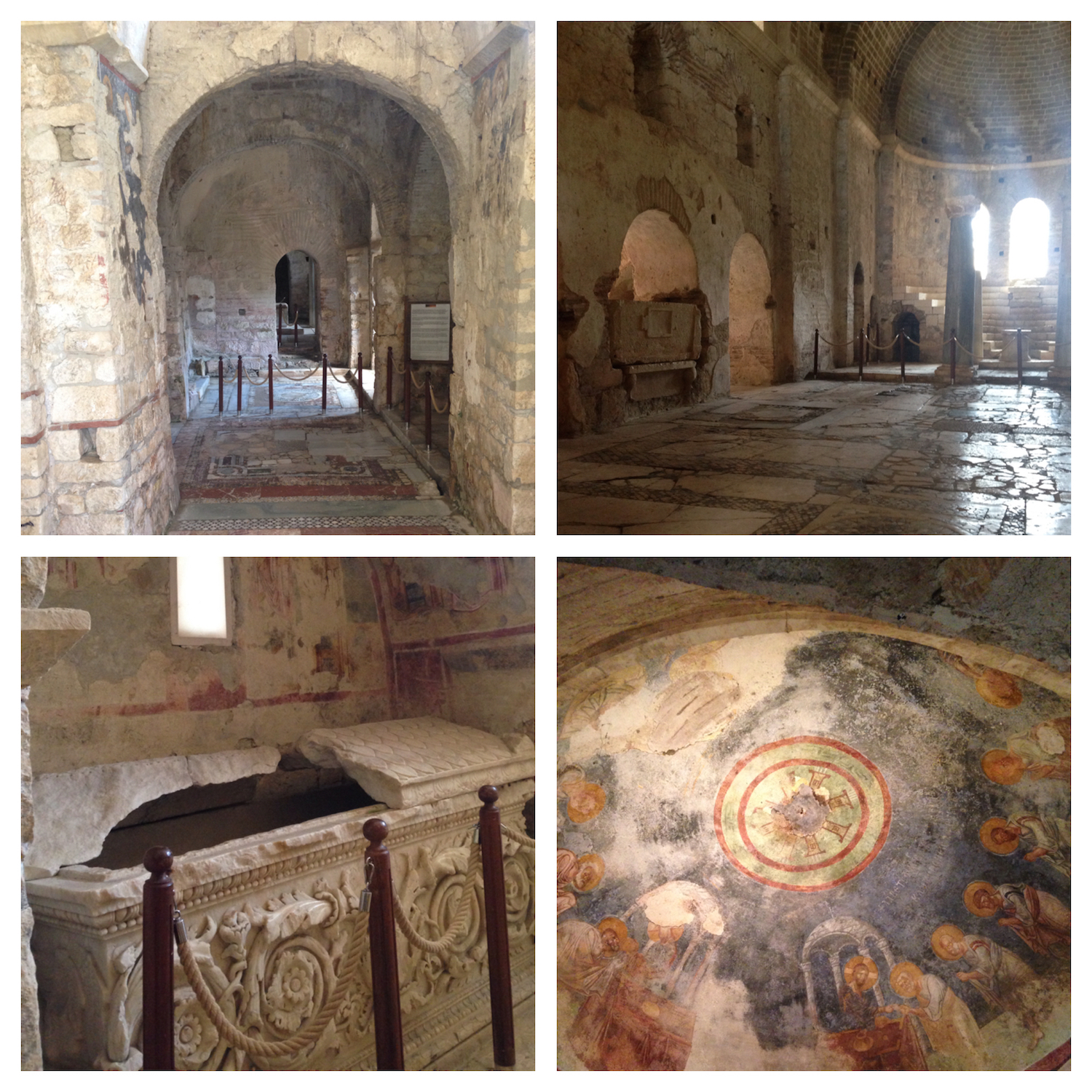

This Day’s Thought From The Ranch- This Week’s Sermon

As a reminder: Starting this month, in addition to our regular Sunday sermons, we’re going to be featuring an online church service that you can watch live at 10 or 11 a.m. (Central Time) or on-demand throughout the week at this link: http://live.eastview.church.

Also, if you need prayer or someone to talk to, you can chat live with our online hosts between 9 and noon on Sunday mornings at the same link. Join us today for some rich worship, biblical teaching, and an online chat!


This Day's Thought from The Ranch

Why The Holy Spirit Does Not Give Into Our Whims, but Helps to Bring Out God’s Best in Us and Teaches Us to Love What is Difficult

by Paul Fritz

Rom. 8:26-28

People need people. Laurie was about three when one night she requested my aid in getting undressed. I was downstairs and she was upstairs, and … well. “You know how to undress yourself,” I reminded. “Yes,” she explained, ’but sometimes people need people anyway, even if they do know how to do things by themselves.”
-William C. Schultz, Bits & Pieces, December 1990.

1. The Holy Spirit wisely chooses to not give in to our selfish whims because He knows what is best. Paul wrote, “God works all things together for good for those who love God and those who are called according to His purposes.” (Rom. 8:28) The Spirit of God works to conform us more to the thinking, behavior and character qualities that are found in Christ Jesus. Ask the Lord to help you surrender more of the control of your desires to the leading of the Spirit.

2. The Holy Spirit listens to our cries, but selectively responds to the prayers that are in conformity with the will of God for our lives. The Spirit acts as our advocate to the Father, but acts only according to the will of God. The Spirit has a way of filtering out requests that are not in agreement with scriptural truth. Paul wrote, “And he who searches our hearts knows the mind of the Spirit, because the Spirit intercedes for the saints in accordance with God’s will.” (Rom. 8:27) Ask the Lord to help you pray more in line with all of the scriptural passages, promises, and principles.

3. The Holy Spirit makes us competent to do whatever God calls us to accomplish. Paul wrote, “Not that we are competent in ourselves to claim anything for ourselves, but our competence comes from God. He has made us competent as ministers of a new covenant.” (2 Cor. 3:5,6) Thank the Lord for all the ways He has made you competent to perform every aspect of His will of your life.

4. The Holy Spirit filters out some of our requests that are not in the perfect will of God. Paul wrote, “In the same way, the Spirit helps us in our weakness. We do not know what we ought to pray for, but the Spirit himself intercedes for us with groans that words cannot express.” (Rom. 8:26) Ask the Lord to help monitor your requests so that the Lord answers only the prayers that are in line with 100% of the perfect will of God.

5. The Holy Spirit has a way of amplifying the requests that will facilitate our maturity in Christ. Paul wrote, “The Spirit intercedes for us with groans that words cannot express.” (Rom. 8:26) The Spirit continues to remind us of the prayers that will best help bring us to higher levels of personal, spiritual and ministry maturity. Ask the Lord to help you record your prayers and answers to prayers enabling you to see where God is blessing.

6. The Holy Spirit is hindered from helping to answer the prayers of those who are habitually living with secret sins. David wrote, “If I cherished sin in my heart, the Lord would not have listened.” (Psa. 66:18) Ask the Lord to help you uncover any secret sins so that you can confess and forsake them.

7. The Holy Spirit is more concerned about obedience and trust than in giving us what we desire. John wrote, “Those who obey his commands live in him, and he in them. And this is how we know that he lives in us: We know it by the Spirit he gave us.” (I John 3:24) Whenever you are not seeing answers to prayer, it may be necessary to evaluate how obedient and trusting you are in the Lord. Ask the Lord to show you if there is any false way in your heart so that you can become all that the Lord wants you to be.

8. The Holy Spirit cautions us against hardening our hearts to the Lord in any way. The writer of Hebrews wrote, “So, as the Holy Spirit says, ’Today, if you hear his voice, do not harden your hearts as you did in the rebellion, during the time of testing in the desert, where your fathers tested and tried me and for forty years saw what I did. (Heb. 3:7; Psa. 95:7-11; Ex. 17:7) Ask the Lord to help you be more tender hearted to the Lord’s correction and rebukes.

9. The Holy Spirit wants us to pray in the Spirit on all occasions with all kinds of prayers and requests. Paul wrote, “And pray in the Spirit on all occasions with all kinds of prayers and requests.” (Eph. 6:18) Ask the Lord to help you pray in harmony with the Spirit’s mind, will and emotions with everyone of your prayers and requests.

10. The Holy Spirit does not want anyone to hear God without really listening and responding to Him. Paul said, “The Holy Spirit spoke the truth to your forefathers when he said through Isaiah the prophet: ’Go to this people and say, ’You will be ever hearing but never understanding; you will be ever seeing but never perceiving. For this people’s heart has become calloused; they hardly hear with their ears, and they have closed their eyes.” (Acts 28:25-27) Ask the Lord to help you avoid any tendency to be insensitive to God’s word, His voice or His counselors.

11. The Holy Spirit wants us to realize that many of our desires are contrary to God’s will. Paul wrote, “So I say, live by the Spirit, and you will not gratify the desires of the sinful nature. For the sinful nature desires what is contrary to the Spirit, and the Spirit what is contrary to the sinful nature. They are in conflict with each other, so that you do not do what you want.” (Gal 5:16,17) Ask the Lord for help in conforming more of your will to the Father’s will.

There are no hopeless situations; there are only people who have grown hopeless about them.  -Clare Boothe Luce.


Watch Here! | Listen Here! | Ask for Prayer | Contact Us | Visit Our Website | Subscribe | Facebook | Twitter | Tumblr | Bookstore


This Day’s Thought From The Ranch- This Week’s Sermon

As a reminder: Starting this month, in addition to our regular Sunday sermons, we’re going to be featuring an online church service that you can watch live at 9 or 11 a.m. (Central Time) or on-demand throughout the week at this link: http://live.eastview.church.

Also, if you need prayer or someone to talk to, you can chat live with our online hosts between 9 and noon on Sunday mornings at the same link. Join us today for some rich worship, biblical teaching, and an online chat!


This Day's Thought from The Ranch

A FAMILY RESEMBLANCE

by Terry Sisney
 
Ge 1:26 Ge 5:1

We say we belong to the family of God, My question is can the world see the resemblance.

It’s interesting sometimes to go to a family reunion or family get together and to look around at the different people and try to determine whose children they are by their characteristics, or features.(Sometimes it’s very evident, unmistakable, undeniable) then other times it’s less evident.

As Believers we have been born again by the spirit of God into the family of God, We have a new blood line, We are the children of God.

I’m talking about a family resemblance:

Now are we the sons of God.

1Jo 3:2 Beloved, now are we the sons of God, and it doth not yet appear what we shall be: but we know that, when he shall appear, we shall be like him; for we shall see him as he is.

1Jo 3:1 Behold, what manner of love the Father hath bestowed upon us, that we should be called the sons of God: therefore the world knoweth us not, because it knew him not.

I know it’s hard to take it in, but by virtue of the new birth you and I are as much the sons of God as Jesus himself.

In fact he calls us his brethren, (his brothers, sisters, mothers)

Mt 12:50 For whosoever shall do the will of my Father which is in heaven, the same is my brother, and sister, and mother.

When you see a branch of an apple tree, loaded down with apples, you have no difficulty distinguishing it’s identity.

There is no wondering if perhaps it’s a grapefruit tree that it’s connected to, or an orange tree, (No the branch takes on the same character as the tree) It has a family resemblance.

Jesus said: I am the vine ye are the branches.

My concern is that in the hour that we live in, it’s getting harder and harder to distinguish what family we belong to.

The Church is becoming more worldly, more comfortable with sin, we laugh at the things that used to make us cry.

What used to break our hearts now gets passed off by saying ( it’s just the times we’re in).

My friends the truth is, you can dress it up anyway you want to and call it good.

But Jesus said the tree is known by it’s fruit.

If the fruit is rotten the tree is rotten, You can’t have a rotten tree and good fruit, (it may look good, and it may sound good) but look at the fruit.

Let me take it a step farther (There are only two families)

(#1) The family of God (#2) The family of the devil

Joh 8:44 Ye are of your father the devil, and the lusts of your father ye will do. He was a murderer from the beginning, and abode not in the truth, because there is no truth in him. When he speaketh a lie, he speaketh of his own: for he is a liar, and the father of it.

1Jo 3:10 In this the children of God are manifest, and the children of the devil: whosoever doeth not righteousness is not of God, neither he that loveth not his brother.

In the natural many times people will attribute a certain characteristic or personality trait to their bloodline.

(Bad Temper)

(grudge holding, self pity, critical, prejudice, untrustworthy,) it’s in the blood, That’s the way his Grandpa was and his daddy – the poor kid didn’t have a chance.

Sometimes they will say the same thing about certain sicknesses or diseases, (well it’s in the blood line)

(Family Resemblance)

But as a new creature in Christ Jesus we have a new bloodline, and This bloodline doesn’t have any homosexuality in it, it doesn’t have any prejudice or self pity, or bad temper in it, It doesn’t have any sugar diabetes, or heart disease or cancer or any other disease in it.

(Are you following me? I’m talking about a family resemblance)

You won’t find adultery or fornication or Drug addiction, or wife abuse or child abuse.

In this bloodline.

Too many times Christians want to excuse wrong behavior by saying: I can’t help it it’s just my nature,

(No sir)

The Christian cannot use that excuse because he has got a new nature, and he has a new bloodline,

We cannot say: I really am a good tree, you just have to overlook my bad fruit,

(No sir) If the tree is good there will be a family resemblance, we are going to bring forth the fruits of righteousness, the fruit of the spirit,

We’re going to look like our daddy.

And we’re going to think like our daddy, and act like our daddy.

Eph 5:1 Be ye therefore followers = (Imitators) of God, as dear children;

There is a supernatural side to this family: We should be contending for everything that he gave us in this new birth.

Power, power to heal the sick, power to cast out devils, The gifts of the spirit.

(Talking about a family resemblance) Jesus said: The works that I do shall ye do also and greater works than these shall ye do.

I wonder does the world see a family resemblance in us?

When they look at us can they see Jesus, When we speak can they hear Jesus?

If I was on trial for being Wayne Sisney’s son, I would be convicted, the resemblance is undeniable, indisputable, in fact people who have known my dad for years will call me Wayne, because we look so much alike.

If we were on trial for being Sons of God, is there enough family resemblance to convict us?

The fact is: (We are) every day we are on trial before the world, do they see a family resemblance to your heavenly father and your brother Jesus Christ?


Watch Here! | Listen Here! | Ask for Prayer | Contact Us | Visit Our Website | Subscribe | Facebook | Twitter | Tumblr | Bookstore


This Day’s Thought From The Ranch- This Week’s Sermon

As a reminder: Starting this month, in addition to our regular Sunday sermons, we’re going to be featuring an online church service that you can watch live at 9 or 11 a.m. (Central Time) or on-demand throughout the week at this link: http://live.eastview.church.

Also, if you need prayer or someone to talk to, you can chat live with our online hosts between 9 and noon on Sunday mornings at the same link. Join us today for some rich worship, biblical teaching, and an online chat!


This Day's Thought from The Ranch

HEALING

by Tim Zingale

Luke 8:26-39


“Then they arrived at the country of the Gerasenes, which is opposite Galilee. And as he stepped out on land, there met him a man from the city who had demons; for a long time he had worn no clothes, and he lived not in a house but among the tombs. When he saw Jesus, he cried out and fell down before him, and said with a loud voice, “What have you to do with me, Jesus, Son of the Most High God? I beseech you, do not torment me.” For he had commanded the unclean spirit to come out of the man. (For many a time it had seized him; he was kept under guard, and bound with chains and fetters, but he broke the bonds and was driven by the demon into the desert.) Jesus then asked him, “What is your name?” And he said, “Legion”; for many demons had entered him. And they begged him not to command them to depart into the abyss. Now a large herd of swine was feeding there on the hillside; and they begged him to let them enter these. So he gave them leave. Then the demons came out of the man and entered the swine, and the herd rushed down the steep bank into the lake and were drowned. When the herdsmen saw what had happened, they fled, and told it in the city and in the country. Then people went out to see what had happened, and they came to Jesus, and found the man from whom the demons had gone, sitting at the feet of Jesus, clothed and in his right mind; and they were afraid. And those who had seen it told them how he who had been possessed with demons was healed. Then all the people of the surrounding country of the Gerasenes asked him to depart from them; for they were seized with great fear; so he got into the boat and returned. The man from whom the demons had gone begged that he might be with him; but he sent him away, saying, “Return to your home, and declare how much God has done for you.” And he went away, proclaiming throughout the whole city how much Jesus had done for him.” Luke 8:26-39, RSV.

Grace and Peace to you from our Lord and Saviour, Jesus who is the Christ. Amen

Once there was a very wealthy young man who lived in a great, elaborate house with dozens of rooms. Each room was more comfortable and more beautiful than the one before it.

One day he decided to invite the Lord to come and stay with him.

When the Lord arrived, this young man offered Him the very best room in the house. The room was upstairs and at the end of the hall. “This room is yours, Jesus, stay as long as you like and you can do whatever you want to in this room. Remember Jesus, it’s all yours.”

“Thank you,” the Lord replied, and with that the man shut the door and went about his business.

That evening, after he had retired for the night, there came a loud knocking at the front door. The young man pulled on his robe and made his way downstairs. When he opened the door he found that the Devil had sent three of his demons to attack the man! He quickly tried to close the door but one of the demons kept sticking his foot in the door.

Sometime later, after a great struggle, he managed to slam the door shut and returned to his room totally exhausted. “Can you believe that?” the young man thought. “Jesus is upstairs in my very best room sleeping while I am down here battling demons. Oh well, maybe he just didn’t hear.”

The young man slept fitfully that night. The next day, things went along as normal and, being as tired as he was, the young man retired early that evening. Along about midnight, there came such a terrible ruckus at the front door that the young man was sure that whatever it was would tear the door down. He stumbled down the stairs once again and opened the door to find that there were dozens of demons now trying to get into his beautiful home.

For more than 3 hours he fought and struggled against the demons from

hell and finally overtook them enough to shut the door against their attack. All energy seemed to fail him. “I really don’t understand this at all. Why won’t the Lord come to my rescue? Why does he allow me to fight all by myself? I feel so alone.”

Troubled, he found his way to the sofa and fell into a restless sleep.

The next morning he decided to inquire of the Lord about the happenings of the last two evenings. Quietly, he made his way to the elegant bedroom where he had left Jesus. “Jesus,” he called as he tapped at the door. “Lord, I don’t understand what is happening. For the last two nights I have had to fight the demons away from my door while you were sleeping. Don’t you care about me? Did I not give you the very best room in my house?”

He could see the tears building in Jesus’ eyes but continued on. “I just don’t understand. I really thought that once I invited you in to live with me, that you would take care of me, and I gave you the best room in my house and everything. What more can I do?”

“My precious child,” Jesus spoke softly, “I do love and care for you. I protect all that you have released into my care. But when you invited me to come here and stay, you brought me to this lovely room and you shut the door to the rest of the house. I am Lord of this room but I am not Master of this house. I have protected this room and no demon may enter here.”

“Oh Lord, please forgive me. Take all of my house, it is yours! I am so sorry that I never offered you all to begin with. I want you to have control of everything! With this he flung open the bedroom door and knelt at Jesus’ feet. “Please forgive me. Lord. for being so selfish.”

Jesus smiled and told him that He had already forgiven him and that He would take care of things from now on.

Along about midnight the banging on the door was frightening. The young man slipped out of his room in time to see Jesus going down the stairs.

He watched in awe as Jesus swung open the door. Satan stood at the door demanding to be let in. “What do you want, Satan?” the Lord asked. The devil bowed low in the presence of the Lord. “So sorry, I seem to have gotten the wrong address.” With that, he and the demons all ran away.

Our opening story reminds us that Jesus wants control of our whole lives. And this is seen very dramatically in our gospel lesson.

A man had demons and Jesus came to him and demanded that those demons leave. This man surrendered to Jesus and the demons left.

Notice he did not have to ask Jesus to have the demons leave, Jesus acted on His own accord. The only request that was made was made by the demon itself, Legion asked that they not be put into the abyss, but to enter the swine and Jesus agreed. But the swine being filled with the demons rushed down the bank into the river and were drown.

The man, now free from the demons, sat at the feet of Jesus and we can just imagine that Jesus was explaining to him who he was, the Son of God.

Then the people from the city came and were afraid of Jesus because of the miracle he had performed and asked him to leave.

Isn’t that typical? If you don’t understand something, you become afraid and then blame not yourself, but the person responsible.

When I was in the senior year of college, I began applying for teaching jobs. It was later that In entered seminary, but I graduated from college with a BA in elementary education. I had an interview on campus with a superintendent of a school system. It was a good interview and at the end he offered me a job teaching 4th graders. But he said that the school board would have to approve, but thought that would be no problem.

I left feeling confident that I had a job. My wife and I were engaged at the time and we planning a wedding as soon as I graduated. I had told the superintendent that I was going to my wife’s family for the weekend and he could contact me there with the final approval.

The phone rang, I answered and the superintendent told me that I did not get the job. He said the school board did not want some one like me teaching their kids.

His exact words were: “We don’t want someone like that teaching our kids”

Someone like what?

For he explained to them that I wore a long leg brace and used a cane for walking and they were afraid of my disability and would not hire me.

I later found a teaching job and my disability did not matter one bit in the classroom.

But isn’t that typical, if we don’t understand something we blame the person not our selves for our ignorance or bigotry.

The people of Jesus day did not understand what He had done, did not understand that He was the Son of God, did not understand that Jesus had just made this man whole. What they saw they could not believe, so they became frighten and demanded that Jesus leave.

But the man, who was now whole, understood and wanted to go with Jesus. He had in his demon state surrendered to Jesus and now in his healed state he once again surrendered himself, his whole self to Jesus.

Jesus understood, but wanted the man to stay behind and convince the people to not be afraid of Jesus’ power but to surrender to it as he had.

Jesus wanted this man to help the people to begin to heal, to be delivered from their “demon” of fear and misunderstanding. He wanted the man to help the people to surrender their “whole house” to Jesus not just one room, but everything.

Healing comes to us in various ways. Some experience “a miracle”, some are given the power of courage and strength to endure their situation. Others are released from their personality traits that keep them from truly experiencing the healing power of Jesus.

When this post polio syndrome hit me and I had to leave the ministry because of being in a wheelchair, not being able to talk well enough to preach, and because I did not have the stamina to do more than every day activities, I was really angry. Angry at God, I guess for allowing this to happen, angry that I had to endure another “disability” in my life, angry that I had to give up something that I truly enjoyed and thought I was called to do.

Finally, after much screaming at God, soul searching, and finally being able to just surrender this whole situation to God, some peace and comfort came into my life.

I had to allow Jesus into everyone room even the room of anger and what I saw as the unfairness of live.

When He entered that room finally, I felt at peace with myself and this terrible situation. That peace allowed me to develop this Internet ministry to share my sermons with you even though I do not have a congregation of my own. I enjoy preaching and this is one way for me to continue that even though I am still experiencing all the manifestations of this post polio syndrome.

Healing comes when we open all the rooms in our “house” to Jesus and He can work his power in our lives.

Amen.


Watch Here! | Listen Here! | Ask for Prayer | Contact Us | Visit Our Website | Subscribe | Facebook | Twitter | Tumblr | Bookstore
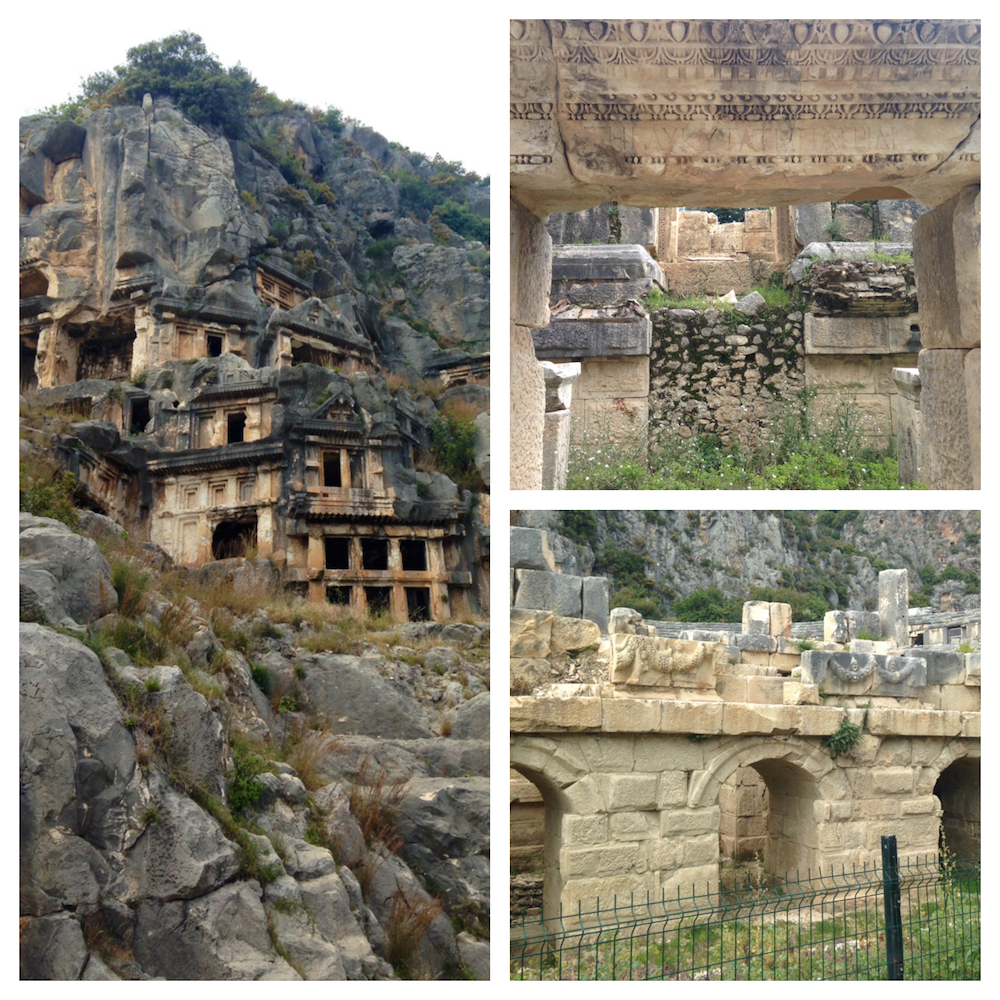

This Day’s Thought From The Ranch- This Week’s Sermon

Special Note from Eric: Starting this week, in addition to our regular Sunday sermons, we’re going to be featuring an online church service that you can watch live at 9 or 11 a.m. (Central Time) or on-demand throughout the week at this link: http://live.eastview.church.

Also, if you need prayer or someone to talk to, you can chat live with our online hosts between 9 and noon on Sunday mornings at the same link. Join us today for some rich worship, biblical teaching, and an online chat!


This Day's Thought from The Ranch

PRAISE

by George Rennau


Isaiah 43:21 This people have I formed for myself; they shall shew forth my praise.

Psalm 107:8 “O that men would praise the Lord for his goodness, and for his wonderful works to the children of men.”

Rev. 3:15 “I know thy works, that thou art neither cold or hot, I would thou wert cold or hot”.

The Bible expresses that God has created us to praise the Lord, the scripture also tells us that God desires that we would recognize his works and that we would give him the credit for it in our life.

PRAISE IS NOT JUST SOME ASPECT OF CHURCH THAT MEN THOUGHT UP.

It is a divinely ordained unconditional expression on our part that if practiced by us

— will draw us closer to God

— and according to scripture it will draw God closer to us.

Ps 22:3

But thou art holy, O thou that inhabitest the praises of Israel.

The purpose of my message is to encourage us to praise the Lord that we might enjoy the benefits and pleasure of this aspect of our worship toward God.

And I want to deal with this subject by asking the question What is Praise?

Prayer

I. What is Praise?

1. Praise by definition is: “an expression of approval or commendation; applause”

  • it is getting hilariously excited

I will never forget being at the high school football game.  We had decided to go to the last game of the season, and in the fourth quarter there was a 70 yard conversion for a touch down.

Do you know what happened

We are a people formed to give praise,

We know how to give praise.

And people including me went wild

-we use words
-clap
-we smile
-cheer
-we even become FANATICAL.

OH THAT WE COULD GET AS EXCITED ABOUT GOD AS WE DO ABOUT FOOTBALL

2. The Bible tells us the manner in which we should show our praise to God!

None of these ways include reserved silence.  There is a times for silent meditation.  Meditation is a different aspect of our life with God,  Meditation is not praise…

EXPRESSING YOUR PRAISE INCLUDES

Clapping — Psalm 47:1 Clap your hands all ye people, shout unto God with a voice of triumph”.

Lifting up your hands — Psalm 134:2 “Lift up your hands in the sanctuary, and bless the Lord”.  (That doesn’t sound like a suggestion.)

Singing – Psalm 100:2 — “come before him with Joyful song”

Ephesians 5:18-20 “Be not drunk with wine, wherein is excess, but be filled with the spirit; speaking to yourselves in psalms and hymns and spiritual songs, singing and making melody in your hearts to the Lord”

Verbal Praise – Psalm 100 “Shout for Joy all the earth, worship the Lord with gladness.

Praise is an expression of approval, commendation, and applause to God.

Isaiah 43:21 This people have I formed for myself; they shall shew forth my praise.

Psalm 107:8 “O that men would praise the Lord for his goodness, and for his wonderful works to the children of men”

II. Thanksgiving to God for blessings received and the reporting of those blessings to others

  1. The testimony of God’s goodness toward you should be an unceasing proclamation.

Isaiah 62:6 “I have posted watchmen on the walls., o Jerusalem they will never be silent day or night, You who call on the Lord give yourselves no rest”.

When my father in law pastored in Nebraska. There was an old fellow — who had been kicked in the head by a mule as a small boy. One day he received Christ.

His regular testimony was “we just can’t thank him enough”  And he was right also

b. Praise for What God is doing in your life should be shared in the home.

Mark 5:19 (demon possessed man) “go home to your family and tell them how much the Lord has for you, and how he has had mercy on you.”  Our faith and testimony needs to go beyond, Sunday morning.

c. Our testimony and Thanksgiving to God should be proclaimed in the assembly.

Ephesians 5:19 “Speak to one another in Psalms and hymns and spiritual songs, sing and make music in your heart to the Lord.

Thirdly praise is…a response of faith toward his precious promises.

I believe in positive confession.

• If his promise to heal you is true then you need to thank and praise him for it.

• If you believe his promise to deliver you is true then you need to thank and praise him for it.

  • If you trust him to guide you then you need to thank and praise him for it.
  • If you believe he can perform a miracle in your finances -then you need to thank and praise him for it.

Rather then praising God for the answer even before it comes What many Christians do when faced with one of God’s promises is to grow discouraged, start to doubt, they begin to disbelieve — and miss the blessing.

A poet wrote…
We mutter and sputter
We fume and we spurt
We mumble and Grumble
Our feelings get hurt
We can’t understand things
Our vision grows dim
When all that we need
Is a moment with him

Hebrew 11 says: that with out faith it is impossible to please God and he is a rewarder of them that diligently seek him  Praise is an expression of your faith and without that in your life it is impossible to please God.  But when you praise him and trust him, and believe him he will reward you.

In order to begin experiencing the blessing God has for you in this discipline of Praise you have to climb the mountain for we are in the position of travelers who after surveying a great mountain and after traveling around it and observing how it dominates the landscape, and observing its features and the landscape around it, now must approach it directly, for the intention of climbing it.

In other words, if we are ever going to fulfill the purpose for which we were created.

Isaiah 43:21 “This people have I formed for myself; that they may proclaim my praise”

We just have to go for it.

Rev. 3:15 “I know thy works, that thou art neither cold or hot, I would thou wert cold or hot”.

This verse speaks of our life toward God.  God desires that we would be on fire for him and a people who are praising Jesus all the time.  Not cold and dismal and lifeless, but expressive and reverent toward Him. for he is the focus of our praise

There was an elderly Christian whose advancing years had taken their toll on her memory. As her health faded the time came that she could recite but a single verse (2 Timothy 1:12) “I know whom I have believed and am persuaded that he is able to keep that which I’ve committed unto HIM against that day”.

Even these words slowly slipped away from her memory until only a few days of he life remained and friends would hear her repeat just seven words: ”that which I’ve committed unto him.”

Finally as the hour of the women’s death neared and her memory was all but gone.  She voiced a single word repeatedly, it was all she could remember.  HIM HIM HIM

Here is the key to our praise, when we come together to worship, when we are giving thanks in the presence of others, or when we are expressing our faith through praise let it all focus upon HIM.


Watch Here! | Listen Here! | Ask for Prayer | Contact Us | Visit Our Website | Subscribe | Facebook | Twitter | Tumblr | Bookstore


This Day’s Thought From The Ranch- This Week’s Sermon


This Day's Thought from The Ranch

REPUTATION

by Shawn Drake

Colossians 1:1-8

I was watching a T.V. program while on vacation called “Rescue 911”. This program has different scenarios of emergencies that occur and then it tells of the rescue. A particular scene caught my attention.

A family was in a boat that got to spinning out of control and everyone was thrown from the boat except a 3 year old child. As the boat continued to spin round and round, people were gathered just watching the boat go in circles. There were a couple of feeble attempts to get into the boat and there was several people that was offering up suggestions; but no one could rescue the child.

As the boat continued to spin word began to spread all over the pier about the little child trapped in the boat. At this news a man yelled at his son to come help him get the boat so they could go help. As he was yelling, he noticed his 16 year old son driving on a jet-ski towards the boat. The teenager went around the boat and dangerous motor 2 times and then all of a sudden drove right up against the boat and dove into the boat. He then drove the child to shore where he brought him together with his family.

Since the beginning of humanity when Adam and Eve sinned, mankind has been spinning around in sin and no one could do anything about it. Sure there has been some who thought they had the answers; but these were just feeble attempts. When it seemed that there was nothing that could be done, God the Father sent His only begotten Son Jesus Christ to this earth to die on a cross so that we could be rescued from the grips of sin.

Colossians 1:13-14 (NIV)

[13]For he has rescued us from the dominion of darkness and brought us into the kingdom of the Son he loves, [14] in whom we have redemption, the forgiveness of sins.

Through His victory over sin, death, and Satan; Jesus has snatched us out of the grips of sin. When no one else could do anything, Jesus Christ saved us.

I want to tell you the rest of the story about the rescued 3 year old. The family of the child welcomed the 16 year boy into their home. They treat him with great respect and honor. They never forget his birthday, they stay in communication with him, they tell other people what he did, and they never take him for granted.

Jesus died so that we could be rescued. Jesus is now at the right hand of God the Father; but He has sent the Holy Spirit to dwell in all believers which make up the church. Every member of the Body of Christ is a part of the rescued.

In the Book of Colossians, Paul was writing to a group of Christians that made up the local Church of Colosse. This Church was under attack of the Gnostics who believed that they had “the market” on God. These Gnostics were extremely arrogant and legalistic. They were also trying to shut down the local church so that their “garbage doctrine” would not be contested. How did the Church of Colosse hold up and continue on? As we answer this question we must ask ourselves the same question.

We live in a time when the church is known for being a place of fighting, lying, cheating, stealing, gossiping, etc… Because of this, lost people are not drawn to the church; many saved people don’t want to be a part of the church; and the church seems to just be spinning in circles. Our reputation as a church matters to the cause of Christ.

Colossians 1:3-8

[3]We always thank God, the Father of our Lord Jesus Christ, when we pray for you, [4] because we have heard of your faith in Christ Jesus and of the love you have for all the saints– [5] the faith and love that spring from the hope that is stored up for you in heaven and that you have already heard about in the word of truth, the gospel [6] that has come to you. All over the world this gospel is bearing fruit and growing, just as it has been doing among you since the day you heard it and understood God’s grace in all its truth. [7] You learned it from Epaphras, our dear fellow servant, who is a faithful minister of Christ on our behalf, [8] and who also told us of your love in the Spirit.

Look at what was noticed about the Colossian Church…

Their Faith, Hope, And Love

Their faith in Jesus Christ was apparent by the way they loved.

1 John 4:7-12

[7]Dear friends, let us love one another, for love comes from God. Everyone who loves has been born of God and knows God. [8] Whoever does not love does not know God, because God is love. [9] This is how God showed his love among us: He sent his one and only Son into the world that we might live through him. [10] This is love: not that we loved God, but that he loved us and sent his Son as an atoning sacrifice for our sins. [11] Dear friends, since God so loved us, we also ought to love one another. [12] No one has ever seen God; but if we love one another, God lives in us and his love is made complete in us.

Do you see the correlation? If we show love to one another, our faith in Jesus Christ is obvious. This must mean that the opposite holds true. If we are constantly tearing each other down and not showing love to one another then our faith in Christ is in question.

How was this church able to stay faithful and love one another during such hard times? Verse 5 says that their faith and love sprung up from their hope of Heaven. When they were told that the Word of God says that all believers in Jesus Christ would some day go to Heaven, they believed it. This hope is what pushed them daily to faithfully serve Jesus Christ. Their motive was Jesus Christ.

May be the reason that the church of the 21st century does not see faith and love evident is because they have lost that burning hope of Heaven in their lives. Sometimes it seems that Christians are about as excited about leaving this earth and going to Heaven as they are about going to the dentist. Christians, we need to let go of the things of the world that are hold us down.

Unfortunately, sometimes it takes something bad happening in our lives to get our attention. Sometimes it even takes a near death experience to cause us to remember why we are here.

Not only did Paul point out the evidence of their faith, hope, and love; but he also pointed out why it was evident.

Their Hearing And Doing

When they heard the Word of God, they didn’t just hear it with their ears, they heard it with their heart; and when they heard it they put it into action and because of that, the Gospel of Jesus Christ spread like “wildfire”.

James 1:22-25 (NIV)

[22]Do not merely listen to the word, and so deceive yourselves. Do what it says. [23] Anyone who listens to the word but does not do what it says is like a man who looks at his face in a mirror [24] and, after looking at himself, goes away and immediately forgets what he looks like. [25] But the man who looks intently into the perfect law that gives freedom, and continues to do this, not forgetting what he has heard, but doing it–he will be blessed in what he does.

In a world where evil seems to be growing; Christians need to stop just Amening the sermon and then go home and not change anything. Myself and many other preachers are growing tired of preaching about something and then watching the opposite happen during the week. We seem to think that if we heard it then it will automatically happen. No! Just because you know what is right doesn’t mean you will do it. Christians, stop walking in the flesh and walk in the Spirit.

Let me give you an example. This week something happened that caught my attention. Generally when something is wrong at our church, I hear about it. I usually am told that I need to fix whatever the problem is; but this week things were different.

It was noticed on Wednesday night that the hymnals and Bibles in the pew were not organized. Normally this would end up into me being in trouble because something didn’t get done; but instead this person came up on her own time Thursday and went in and checked things out. Christians, if we would all spend our time doing God’s will instead of griping about who is at fault we would see a change.

It is like the people who are suing McDonald’s because they got fat. Let me give those people a little hint, if you would stop eating 2 Big Macs, 2 hot fudge Sundays, and 2 lbs. of French fries; may be you wouldn’t gain so much weight. Christians we need to be hearers and doers of the Word.

Paul pointed out why there was evidence of faith, hope, and love. He then finishes this section by saying a word about the pastor of the Colossian Church, Epaphras.

Their Faithful Minister

Paul points out why Epaphras was a faithful minister. He preached the Word. He taught them the truths of God with love. He wasn’t out playing referee for a bunch of fighting Christians. He wasn’t out mowing the grass, watching the nursery, etc…; he was studying the Word, praying, and preaching the Word.

Epaphras could lead the church. He had time to do those things that God called him to do and when he lead, the people followed.

I have heard numerous stories about how sorry preachers are doing leading their congregations; but may be its not the pastor’s leadership that is the problem. Maybe the problem is the congregation’s fellowship.

I have preached for almost 6 years 2 main themes: 1) Let’s get along and act like Christians; and 2) Start doing what God is calling you to do.

The bottom line is this: certain churches have had the reputation for fighting and bickering amongst each other. I don’t know about you; but I and God are not pleased. I don’t want this kind of reputation for our Church.

We can say things such as, “All churches have these kind of problems, this is normal”. Or we can say, “I’m not the problem, it is someone else”. You can say, “It’s not my fault”.

You know what I say, “Enough!” Either we are going to lay stagnant as individuals or we are going to stand together and watch God work. We are going to settle our disputes, we are going to get our lives right with God, and we are going to start being a vibrant Church; or we are going to sit here and devour one another and be a waste of space to the Kingdom of God.

What is it going to be?


Watch Here! | Listen Here! | Ask for Prayer | Contact Us | Visit Our Website | Subscribe | Facebook | Twitter | Tumblr | Bookstore


This Day’s Thought From The Ranch- This Week’s Sermon


This Day's Thought from The Ranch

GOD’S LOVE

by Jeffery Anselmi


A man was lured into a busy florist shop by a large sign in the window that read, “Say It With Flowers.” “Wrap up one rose for me, please” he told the florist. “Just one?” the florist asked. “Just one,” the customer replied. “I’m a man of few words.”

A husband was told by the marriage counselor to try and be nice to his wife. One day he comes home from work. He does the dishes, vacuums the house, and does all of the dusting and laundry. He’s dressed up in a suit, he has cologne on, and he has a bouquet of flowers and a box of candy in his hands. He’s trying to make a good impression. The wife says, “Oh, I can’t believe it! Little Johnny has been throwing up; the dishwasher just broke; your parents are coming to visit this weekend and to top it all off, you come home drunk!

Sometimes we have a hard time expressing love don’t we?

What is love? The word conjures up all kinds of different pictures. Is love a feeling or an action? For some love is flowers, candy and gifts. To some love is getting what you want from people when you give them something. For some love is an inanimate object such as a car, a house. This object will give them pleasure.

Where did love come from? Did it evolve?

What does it mean to tell someone that you love them? When we tell someone that we love them, we can mean anything from “I really like you a lot”, to “I really like what you do for me” to “I want to commit my life to you.”

1 John 4:8 says, “The one who does not love does not know God, for God is love.”

1 John 4:7 tells us that love is from God. How has God displayed His love for us? Why does God love us? Does God love us because of what we give to Him? This is t he type of love that the world has, the type of love that says, “I will love you if..”

What is different about God’s love? What can we learn about love from God?

I want us to take a look at another attribute of our awesome God, love.

I want us to see three things about the love that God has for us. The type of love that God has for you is a true love; it is not a selfish love that only loves you because you have something to offer. God’s love is a deep love, it is a love that we can look to as an example of the type of love that we are to have for the people around us.

GOD’S LOVE IS:

  1. SACRIFICIAL (1 JOHN 3:16, PHILIPPIANS 2:7-FF)

God’s love is a different kind of love than what the world teaches us. God’s love is agape love. This type of love means to do what is spiritually best for another because the one doing the loving sees something of value in that person.

The world’s system of love tells you that if do not get what YOU want out of a relationship that you need to move on to the next one. In our wedding vows we talk about for better or worse for richer or for poorer, in sickness and in health, till death do us part. What this part of the vow means is that I am going to love you sacrificially. I may have to give something up to love you.

God loved us so much that He sacrificed a lot to show us His love for us.

1 John 3:16 We know love by this, that He laid down His life for us; and we ought to lay down our lives for the brethren.

What did God have to gain by sending His son for us? Would you intentionally allow your son or daughter die for someone else? It reminds me of the story of a young boy and his sister.

A little boy was told by his doctor that he could save his sister’s life by giving her some blood. The six-year-old girl was near death, a victim of disease from which the boy had made a marvelous recovery two years earlier. Her only chance for restoration was a blood transfusion from someone who had previously conquered the illness. Since the two children had the same rare blood type, the boy was the ideal donor.

“Johnny, would you like to give your blood for Mary?” the doctor asked.

The boy hesitated. His lower lip started to tremble. Then he smiled, and said, “Sure, Doc. I’ll give my blood for my sister.”

Soon the two children were wheeled into the operating room–Mary, pale and thin; Johnny, robust and the picture of health. Neither spoke, but when their eyes met, Johnny grinned.

As his blood siphoned into Mary’s veins, one could almost see new life come into her tired body. The ordeal was almost over when Johnny’s brave little voice broke the silence, “Say Doc, when do I die?”

It was only then that the doctor realized what the moment of hesitation, the trembling of the lip, had meant earlier. Little Johnny actually thought that in giving his blood to his sister he was giving up his life! And in that brief moment, he had made his great decision!

Jesus said in JOHN 15:13 “Greater love has no one than this, that one lay down his life for his friends. This little boy actually was willing to lay his life down for his sister.

Jesus sacrificed His life for ours. God could have turned His back on you when you decided not to live you life that way that God wants you to live, but He didn’t.

As we look at the scriptures not only do we find that God sacrificed His son for us but in Philippians 2:4-8 we see that Jesus gave up the glory of Heaven to come here so that we could have the opportunity to receive eternal life.

The world tells you that you should have it all, God tells you that true love requires sacrifice. I am not just speaking of love within marriage, but love for people in general.

There will be times that our love for others will cost us something, your love for your children will cost you time and money. If your children cause you some embarrassment, will you still love them? We have embarrassed God, but He still loves us. In the story of the prodigal son, you know the father must have suffered some embarrassment over his son leaving to live the wild life, but when the son returned, the father accepted him.

Some young men and women need to realize that when they get married, they are sacrificing their days of running wild or running with the boys. The husband’s love for his wife should make him want to settle down and spend time with his family instead of running and boozing with the boys.

Some people feel that you can love with no strings attached, but God’s true love has the string of sacrifice attached to it.

GOD’S LOVE IS:

II. UNCONDITIONAL (ROMANS 5:5-8)

Hettie Green was a famous millionaire. She lived in seclusion and became a virtual recluse. She had only a few friends and an ugly mongrel dog that kept biting the few friends she did have. One of them said, “You’ve got to get rid of that dog.” Hettie refused. She said, “That dog loves me and he doesn’t even know how rich I am.”

Let’s look at Romans 5:5-8 together for a moment.

Verse 5 tells us that God’s love has been poured out to us through the Holy Spirit.

Verse six tells us that while we were still helpless, Christ died for us. The word helpless means that we had NOTHING to offer to God, but God’s love was such that even though we had nothing to give to Him, He still send His son to die for us.

Verses 7-8 makes the case that normally a person would not even allow themselves to die for even a righteous person, but God sent His son to die for us while we were still sinners.

You need to realize that God despises sin, but He loves us unconditionally. Our world tells us that you should be able to receive something for the love that you give. The worlds love us conditional.

In 1995, Christopher Reeve, the “Superman” actor, fell from a horse in a riding accident that severed his spinal cord and paralyzed him from the shoulders down. In the days which followed both he and his mother considered pulling the plug on his life support system.

In his new memoir Still Me, which recounts how he battled back from the accident, Reeve said he first shared his thoughts with his wife, Dana. “I mouthed my first lucid words to her: ’Maybe we should let me go,’ ” he recalled.

But his wife, through tears, persuaded him to fight back, saying, “I want you to know that I will be with you for the long haul, no matter what. You’re still you, and I love you.”

Think about the life that Mrs. Reeves was in for, yet she sacrificially and unconditionally loved her husband.

God’s love goes way beyond all that man would do or conceive and commends His love to us as deeper, stronger and purer than the human hearts can know.

It is easy for those of us who are saved to know that God loves us because we are trying to live for and please Him, but we need to understand is that God loves all people unconditionally. The person who is getting tanked up on the barstool last night is still loved by God.

This love does not mean that God likes what the person is doing or that love equals heaven, but the Bible tells us in 1 Timothy 2:4 that God desires all to come to the knowledge of the truth and be saved, despite what we have been done.

Sometimes love will require us to be tough. When a husband or wife abandons, abuses or commits adultery, your love for them at some point my require you to leave so that they will wake up and change. God loves us enough that He will not force you into heaven, if you do not want to go, He will not make you go.

The opportunity for salvation is an example of God’s unconditional love for you.

The worlds love has conditional strings attached. As long as you give me what I want, I will love you. As long as you look young and thin, I will love you.

LUKE 6:32-33 “If you love those who love you, what credit is that to you? For even sinners love those who love them. “If you do good to those who do good to you, what credit is that to you? For even sinners do the same.

God’s love is unconditional. He loves you no matter what you have done. You do not have to clean up your act before you experience His love for you.

Living for Jesus in one sense is tough because you start thinking about how your actions reflect upon Jesus, but on the other hand it is easy when you can allow yourself to experience God’s love for you and turn your life over to Him.

I have heard a statement that I have always liked, LET GO AND LET GOD.

God always has your best interests in mind, let Him love you, let Him work on your heart.

GOD’S LOVE IS:

III. PERMANENT (ROMANS 8:38-39)

In Romans 8:35-39 we find that God’s love is permanent. Let’s look at the depth of this passage.

VERSE 35-.

No condition of existence (LIFE OF DEATH)

No beings (ANGELS OR PRINCIPALITIES) (Demonic or Angelic)

Nothing in time (PRESENT, FUTURE, THINGS TO COME)

Nothing in the way of powers. (earthly rulers)

Nothing in space (HEIGHTS OR DEPTHS)

Nothing in creation (ANY CREATED THING)

But God, I have lived a terrible life! God still loves you.

But God, I have allowed the devil to run my life! God still loves you.

But God, I have worshipped the creation instead of you! God still loves you.

But God, in the future I do not know if I can follow you! God still loves you.

Here is the point. Quit making up excuses as to why you will not allow God to love you. God loves you no matter what, God loved you so much that He provided a way through Jesus so that you can be with Him for eternity.

Let God love you. His love NEVER ends. God will love you if you decide to reject Him. God will always love you, but do not mistake that love for a ticket to heaven.

You can reject God’s love, but God will still love you. God loved you enough to give you a free will. God was willing to let you decide if you are going to love Him back.

The love of the world is a self-centered love; it is a love that basically says that if you can deliver for me, I will love you. God says, I love you sacrificially, (in other words, God’s love for you cost Him something).

God says that He loves you unconditionally. That is that God loves you no matter what you have or will do.

God says that His love for you transcends time. God will always love you.

I am so glad that we can look to God to see how we are to love each other.

In Ephesians husbands are told to love their wives as Christ loved the church.

Jesus gave His all for the church; He did what was best for the church.

God’s type of love, agape, always does what is spiritually best for someone.

If a person loves you the way that God loves you, they will not use you and they will always be looking out for what s best for you.


Watch Here! | Listen Here! | Ask for Prayer | Contact Us | Visit Our Website | Subscribe | Facebook | Twitter | Tumblr | Bookstore


This Day’s Thought From The Ranch- This Week’s Sermon


This Day's Thought from The Ranch

FRIEND

by Russell Brownworth

15Henceforth I call you not servants; for the servant knoweth not what his lord doeth: but I have called you friends; John 15:15 (NASB)

There is a picture which haunts my mind; it is of the last supper, where John, the beloved friend of Jesus is leaning against the Lord as they celebrate the Passover. Judas can be seen in the background, leaving the room to betray Him.

“Friend” is a word Jesus extended to even Judas at the Last Supper. “Philos” is the word; it means dear, and carries with it the idea of affection, a friend; 

Jesus knew Judas would betray him, yet he loved him.

Later, in Gethsemane, when Judas led the soldiers to Jesus with a kiss, even then Jesus called Judas “friend”. In fact he used a word which means comrade, or clansman.

The betrayer had worked out a sign with them: “The one I kiss, that’s the one—seize him.” He went straight to Jesus, greeted him, “How are you, Rabbi?” and kissed him. Jesus said, “Friend, why this charade?” Matthew 26:50 (TMNT)

When it came to choosing friends, I don’t think we would have chosen Judas. Then, again, consider some of the friends that God has had who are listed in the Bible:

Moses stuttered.

David’s armor didn’t fit.

John Mark was rejected by Paul.

Timothy had ulcers.

Hosea’s wife was a prostitute.

Amos’ only training was in the school of fig-tree pruning.

Jacob was a liar.

David had an affair.

Solomon was too rich.

Abraham was too old.

David was too young.

Peter was afraid of death.

Lazarus was dead.

John was self-righteous.

Naomi was a widow.

Paul was murderer. So was Moses.

Jonah ran from God.

Miriam was a gossip.

Jeremiah was depressed and suicidal.

John the Baptist did not dress well.

Gideon and Thomas both doubted.

Elijah was burned out.

Martha was a worry-wart.

Mary was lazy.

Samson had long hair.

Noah got drunk.

Did I mention that Moses had a short fuse? So did Peter, as well as Paul… well lots of folks have that problem. 

The Passion of the Christ film showed us the extreme pain and suffering Jesus went through in order to forgive the sins of people like that; people like us. Yet, with all the cost of being the Savior and Lord over sin, Jesus still calls us friends. It is a most strange thing that Adonai, the Lord God should want us as friends.

Our daughter Carrie and her husband Shannon have a dog; rather he is a small horse. He is called Coltrane. Cole does not realize he weighs 150 pounds. He also does not realize he has “drooling issues”. (Now that may be caused by the fact that my wife brings hot dogs to the house whenever we visit…the dogs are for the dogs…Cole starts drooling when we turn on their street. The sound of our car’s engine is like music to his ears!)

Whenever we visit Cole comes charging; he has only two gears, wide-open and stopped (on top of your chest, after you’ve been slammed to the ground). The hound is not going to miss hot dog call!

Coltrane eats before saying “hello”. (Got his priorities straight, that dog does!) Once the Ball Park dogs are inside the dog (is that an “inside-the-park-dog”?), then comes a gregarious welcome. The welcome always includes generous portions of “slime”. A 150-pound Rottweiler who has just consumed 18 hot dogs can produce impressive amounts of saliva!

Needless to say, I have learned to wear my yard clothes when we visit. 

This is for two reasons —

1. I can’t afford to buy clothes as often as we are at Cole’s place.

2. I love the dog…even the way he says “hello”.

When that hound comes to me, everything living (or that which wants to stay living) has to get out of the way. He is going to get his ears scratched and his tummy rubbed. In fact, if you rub his belly long enough, he just slides down to one side, flops-over and falls asleep while you “say hello”. “Keep rubbing…a little to the left…harder, that’s it….ahhhhh.”

This is so much like God’s acceptance of me. He wants me close to Him, even with all the goofy things I do, and the mess which I bring. He loves me and calls me friend, even with my sin and betrayal. He loves me and calls me friend, even though it meant taking on all my slime, my sin. He is still called, the Friend of Sinners!

Being a friend to the Friend of Sinners

Friendship goes in more than one direction. If all God had in mind was saving the world from sin, Jesus would have gotten up from the grave and returned to heaven. But, He hung around for forty days to teach the disciples what was next…relationship…friendship with God.

In spite of the fact that we tend to slip back into the slime of sin, God wants us for friends. It hardly seems like that would be possible, but it is the one reason this church (and all churches) exists; we are to introduce our best friend, Jesus to more friends.

Here are the major themes to friendship; they apply in your relationship to Jesus:

• Stay in Touch with your Friend

Being a friend is not the easiest thing in the world. I am not good at it. But, I am learning, and I’m better now than I used to be. Samuel Johnson said, “A man…should keep his friendships in constant repair.” 

Friendship is strong, but it can be destroyed through carelessness. It almost need not be said that Jesus is never careless with our friendship; we are not in that class. Last week I missed my friend’s birthday. In February I missed my daughter-in-law’s birthday. I’m beginning to understand why Judas went out and hung himself.

Our earthly friendships are important and we should keep in touch. The heavenly relationship is no different – even more important. Keeping in touch is that daily devotional time of prayer and reading our Bibles.

• Trust your Friend

George Washington wrote: Be courteous to all, but intimate with few, and let those few be well tried before you give them your confidence. True friendship is a plant of slow growth and must undergo and withstand the shocks of adversity. 

When it comes to human friendships, George was right – there is nothing quite as devastating as trusting another person, only to have that person break your trust. On the other hand, friendship without trust is simply an acquaintance.

With Jesus, trust is the starting point. That’s the rub…we learn early to test before we trust. With Jesus, you don’t even enter the family until you trust Him.

• Be there for your Friend

When it comes to earthly friendships, there is a time when your friend will need you to stick with him. I am glad to say there are a few men who are my friends who have stuck with me in difficult times. I pray I will be there when they have need.

With Jesus our friendship should also be returned. He was there on the cross for us when we were still in our sins. His promise is that he will always be there:

…for he hath said, I will never leave thee, nor forsake thee. Hebrews 13:5b


Watch Here! | Listen Here! | Ask for Prayer | Contact Us | Visit Our Website | Subscribe | Facebook | Twitter | Tumblr | Bookstore


This Day’s Thought From The Ranch- This Week’s Sermon


This Day's Thought from The Ranch

PATIENCE

by D. Greg Ebit

Galatians 5:22-23

[22] But the fruit of the Spirit is love, joy, peace, patience, kindness, goodness, faithfulness, [23] gentleness and self-control. Against such things there is no law.

The annual cost of people running red lights in the United States is $7 billion. The average amount of time saved by running a red light is only 50 seconds. How much might a minute saved cost you?

Yes, this morning we are going to focus on patience. I’ve often heard people say, “Don’t pray for patience because it’s too painful!” Or others who have prayed, “Lord please give me patience . . . and I want it NOW!” Whether you are reluctant to pray for patience or if you want patience in a hurry, you are not likely to develop much fruit until you have a change of heart. What you need is a better understanding of what patience really is and how it works in our lives.

What is patience?

How many of you know when we talk about patience there are a lot of different ideas that come to mind? Patience can be:

o Endurance or staying power, an inner strength

o Tolerance or lack of complaint, a still calmness

o Persistence or personal fortitude, a willingness to wait

But what is patience . . . what is the fruit of the Spirit known as patience? Is it all of these things, or is it something else altogether?

For starters let’s remember, we’re talking about the FRUIT of the Spirit not fruits! Paul lists nine different expressions of the Spirit, but they are all one fruit. The fruit is all connected to each other.

Love is the blossom; love is where the fruit of the Spirit begins. Without love there is no fruit. In the same way you will not have cherries without cherry blossoms, or apples without apple blossoms, you cannot have the fruit of the Spirit without love.

The first thing the Spirit does within our lives is to put the love of God within us. Remember also that we are talking about the fruit of the Spirit and not the fruit of the saints. Apart from the Spirit of God these characteristics cannot be fully developed in our lives.

We have said joy is love rejoicing; peace is love resting—love trusting. Patience is love enduring; it’s love that is durable and lasting. Patience is love that is not easily broken.

How many of us would like to receive that kind of love from the people in our lives? Guess what . . . you will most often receive the love you give! When we think of patience as love enduring—a love that is not easily broken, then we are all more likely to want it!

Does this fit with what the Bible says? Paul wrote to the Galatians, “The fruit of the Spirit is . . . patience.” What did he mean by patience? Well for starters let’s remember Paul didn’t write the Bible in English! It was written in Greek. The fruit of the Spirit we are calling patience has also been translated into English as longsuffering, forbearance, and serenity.

What is this fruit of the Spirit? Is it really love enduring, a love not easily broken?

The Bible uses four different Greek words that are translated in various ways as patience. Each of these words emphasizes one aspect in one way or another of what we think of as patience. Because it’s “Greek to me” and you too we’re not going to look at all four of these words; we are only going to look the word Paul used as the fruit of the Spirit.

Paul said the fruit of the Spirit is “makrothymia.” This is a compound Greek word made up of the words “makro” meaning long, and “thymia” meaning anger. So literally it means LONG TO ANGER as opposed to “oxythymia” which means sudden anger.

We all know people who “have a short fuse.” They are quick tempered and easily angered. Let’s be honest; I have found “oxythymia” sudden anger looking back at me in the mirror sometimes; my fuse has sometimes been cut short. Am I the only one?

That’s why we need the fruit of the Spirit; we need “makrothymia;” we need a long fuse, to be slow to anger. Patience is the prolonged control of anger or restrained wrath.

Do you see now why patience or longsuffering, forbearance or serenity, whatever you may want to call it is really LOVE ENDUREING? Patience is a love that lasts; it is durable and will not be easily broken.

The Picture of Patience

• Matthew 18:21-35 (MsgB)

At that point Peter got up the nerve to ask, “Master, how many times do I forgive a brother or sister who hurts me? Seven?”

[22] Jesus replied, “Seven! Hardly. Try seventy times seven.

[23] “The kingdom of God is like a king who decided to square accounts with his servants. [24] As he got under way, one servant was brought before him who had run up a debt of a hundred thousand dollars. [25] He couldn’t pay up, so the king ordered the man, along with his wife, children, and goods, to be auctioned off at the slave market.

[26] “The poor wretch threw himself at the king’s feet and begged, ’Give me a chance [be patient with me] and I’ll pay it all back.’ [27] Touched by his plea, the king let him off, erasing the debt.

[28] “The servant was no sooner out of the room when he came upon one of his fellow servants who owed him ten dollars. He seized him by the throat and demanded, ’Pay up. Now!’

[29] “The poor wretch threw himself down and begged, ’Give me a chance [be patient with me] and I’ll pay it all back.’ [30] But he wouldn’t do it. He had him arrested and put in jail until the debt was paid. [31] When the other servants saw this going on, they were outraged and brought a detailed report to the king.

[32] “The king summoned the man and said, ’You evil servant! I forgave your entire debt when you begged me for mercy. [33] Shouldn’t you be compelled to be merciful to your fellow servant who asked for mercy?’ 

[34] The king was furious and put the screws to the man until he paid back his entire debt. [35] And that’s exactly what my Father in heaven is going to do to each one of you who doesn’t forgive unconditionally anyone who asks for mercy.”

The responsibility of the servant to forgive is not dependant upon ordinary human emotion and feelings. The servant is not expected to show mercy because he is relieved and overjoyed that his debt has been canceled. Instead the responsibility to be merciful is directly linked to attitude shown to him by his master. Because the king was patient with his servant, the servant should follow the example and lifestyle of the king. In other words the servant should be patient with his fellow servants whether he feels like it or not simply because the master has been patient with him.

God has been patient with us. His anger and wrath have been restrained. He has not treated us as we deserve to be treated for our sin. Because God is patient with us, He expects us to be patient with each other. This is why Jesus has given us His Spirit to live within us. The Spirit empowers us to live like Jesus; the fruit of the Spirit is “makrothymia” long to anger—patience.

The Purpose of Patience

The obvious question is: WHY IS GOD PATIENT WITH US, and in turn why does God want us to be patient with others?

• Romans 2:4 (NIV)

Do you show contempt for the riches of his kindness, tolerance and patience, not realizing that God’s kindness leads you toward repentance?

What is God’s purpose for being patient with us? God’s patience leads us to repentance. As the wrath of God is restrained we are given the opportunity to become friends of God. Look how the Message Bible puts this verse:

• Romans 2:4 (MsgB)

Or did you think that because he’s such a nice God, he’d let you off the hook? Better think this one through from the beginning. God is kind, but he’s not soft. In kindness he takes us firmly by the hand and leads us into a radical life-change.

As a father I have taken my children firmly in hand from time to time. Sometimes I take hold of them when they have disobeyed to teach them obedience, but at other times I have taken hold of them to lead them to safety. I still take Mikey by the hand when we walk through a parking-lot or go across the street. Because I’m bigger than he is I can see things that he won’t see. While I may have to walk a little slower with Mikey at my side, together we arrive safely across the street.

God is patient with us; He has taken us by the hand, not to pour out His wrath. God takes us by the hand to lead us into a radical life-change, a life of repentance whereby we can have a relationship with God.

• 2 Peter 3:9 (MsgB)

God isn’t late with his promise as some measure lateness. He is restraining himself [He is patient] on account of you, holding back the End because he doesn’t want anyone lost. He’s giving everyone space and time to change.

God has a single goal for each of us, for all 6 billion plus of us living today on planet earth. God does not want us to be separated from Him for all eternity; He loves us so much He wants to spend all eternity together with us. Therefore He is patient; He withholds His wrath giving everyone time to repent. Notice what Peter then says:

• 2 Peter 3:15 (MsgB)

Interpret our Master’s patient restraint for what it is: salvation.

The goal and purpose of God’s patience is salvation! God wants’ us to have an intimate and loving relationship with Him!

That’s also why God wants us to have patience! As we live a lifestyle of patience God will use us to reconcile men to God as well as our own personal relationships with family and friends.

The Practical Practice of Patience

EVERY FRUIT I KNOW OF HAS A PROTECTIVE OUTER LAYER. We peel a banana or orange to eat the fruit inside. Others fruit like an apple or grape we will eat skin and all. The outer layer serves an important purpose; it helps keep the moisture inside the fruit . . . even in dry seasons. The outer peel will also protect the fruit and allow it to grow. If the outer peel or skin is broken or removed, then the fruit will rot and spoil.

Patience is like that for the soul of man. Patience protects our hearts from becoming rancid—bitter and rotten to the core. God wants our lives to be sweet and appealing to others; that’s the purpose of the fruit of the Spirit to give our lives the aroma and taste of Jesus!

The practical practice of patience restores and protects relationships. Godly patience enables us to show mercy instead of hate, to forgive instead of seek revenge.

“Patience is the ability to put up with people you’d like to put down.” Ulrike Ruffert

I have often said, “We must learn to trust the heart and when necessary forgive the hands.” Pinch your neighbor and guess what, you will probably feel good about it and they will say “Ouch!” Why? We are all human!

Hurting others comes naturally to us! The longer you are in relationship with other people eventually you will be hurt. That’s when you need to trust their heart and forgive the hands—to be patient, slow to anger.

And guess what, it is not an option! Remember the servant who begged his master to be patient with him. Because the king was slow to anger and forgave the debt the servant should follow the example of his master and do likewise.

• Ephesians 4:2 (NIV)

Be completely humble and gentle; be patient, bearing with one another in love.

Patience is love enduring; it’s love that lasts and won’t be broken by anger. We are to be patient; with a long fuse we give allowances for each other’s faults and shortcomings.

• Colossians 3:12-13 (NIV)

Therefore, as God’s chosen people, holy and dearly loved, clothe yourselves with compassion, kindness, humility, gentleness and patience. [13] Bear with each other and forgive whatever grievances you may have against one another. Forgive as the Lord forgave you.

Patience is not idleness; it doesn’t mean you do nothing. Patience is active. The patient man is always ready to meet his neighbor halfway; instead of building fences, patience builds bridges to maintain relationships.

Further, patience is not simply a character trait or quality an individual may possess. PATIENCE IS A LIFESTYLE! It is a way of life that affects all our relationships. Patience is an expression of love because love is patient.

Patience, being slow to anger enables us to live a good life. Patience will keep us from embarrassing ourselves by what we say or do.

• Proverbs 14:29 (NIV)

A patient man has great understanding, but a quick-tempered man displays folly.

  • Slowness to anger makes for deep understanding; a quick-tempered person stockpiles stupidity. Proverbs 14:29 (MsgB)

Some of the stupidest things I have done were at times when my fuse was short and I lost my temper! Am I the only one? We have all done some things we would rather not talk about.

God wants to lengthen our fuse; He wants to enable us by His Spirit to be slow to anger, to restrain our wrath. Why?

God is patient to lead us to repentance; His patience offers us salvation a relationship with God that will last for all eternity. Likewise our patience with others is to restore and renew our relationships with one another. Further our patience can be used by God to bring others to salvation as well.

• 2 Timothy 4:2 (NIV)

Preach the Word; be prepared in season and out of season; correct, rebuke and encourage—with great patience and careful instruction.

You may not be a preacher, but your testimony can be wrecked through impatience, by cutting your fuse short and blowing up in anger. God does not want our lives to be a stumbling block to others. He wants to use our lives to bring others to repentance. That’s an ETERNAL practical practice of patience.

How can we have patience?

[1] We must be connected to Jesus.

• John 15:5 (MsgB)

I am the Vine, you are the branches. When you’re joined with me and I with you, the relation intimate and organic, the harvest is sure to be abundant. Separated, you can’t produce a thing.

[2] Remain ever thankful for God’s patience in your life. Being mindful of how God’s patience will remind us of our responsibility to do likewise.

[3] Ask God for help! Yes, pray for patience. God will equip you to live a lifestyle of patience, or you can face conflict and hurtful relationships on your own.


Watch Here! | Listen Here! | Ask for Prayer | Contact Us | Visit Our Website | Subscribe | Facebook | Twitter | Tumblr | Bookstore


This Day’s Thought From The Ranch- This Week’s Sermon


This Day's Thought from The Ranch

THE PRIORITY OF WORSHIP

by Jeffery Richards

Luke 10: 38-42

Someone said “If God were small enough for us to understand, He would not be big enough to Worship.—Author Unknown

Some go to church to take a walk. Some go to church to laugh and talk. Some go to church to meet a friend. Some go to church, their time to spend. Some go to church to meet a lover.

Some go to church, a fault to cover. Some go to church for speculation. Some go to church for observation. Some go to church to doze and nod. The wise go there to worship God.—Author Unknown

I. SERVICE WITHOUT WORSHIP WILL CAUSE US TO LOSE FOCUS.

A. Service will become a burdensome weight.

1) This word “Cumbered” means “to be driven about mentally, to be distracted; to be over-occupied, too busy, about a thing”

2) Matt 11:28-30 The yoke was a familiar item to the Jew. It was made of wood and placed around the neck of oxen. Jesus says his yoke is easy or well fitted and is light, easy to carry.

3) The law was a heavy yoke. And in the same way, when we serve without worshipping, the yoke becomes heavy and hard to bare.

B. Without worship our attitude will not be right.

1) Martha was a kind and loving person from indication of Scripture. But here she had lost her focus.

2) I believe that Church division is a result of a lack of worship. If we are not worshipping, we will say and do things that we would not normally do.

C. Jesus said “Martha, you are careful and troubled by many things.”

1) The word careful has two meanings here. It means “to be worried and also to be seeking one’s own interest.”

2) Martha thought Jesus would say “Mary get in that kitchen and help her.”

II. WORSHIP IS NEEDFUL

A. It is the important or needed thing.

1) It is needed so that our relationship is right with Christ.

2) It is needed to make the yoke light.

3) It is needed to prepare us for service.

A while ago, the world watched as three gray whales, icebound off Point Barrow, Alaska, floated battered and bloody, gasping for breath at a hole in the ice. Their only hope: somehow to be transported five miles past the ice pack to open sea. Rescuers began cutting a string of breathing holes about twenty yards apart in the six-inch-thick ice.

For eight days they coaxed the whales from one hole to the next, mile after mile. Along the way, one of the trio vanished and was presumed dead. But finally, with the help of Russian icebreakers, the whales Putu and Siku swam to freedom.

In a way, worship is a string of breathing holes the Lord provides his people. Battered and bruised in a world frozen over with greed, selfishness, and hatred, we rise for air in church, a place to breathe again, to be loved and encouraged, until that day when the Lord forever shatters the ice cap.

III. WORSHIP IS POURING OURSELVES OUT BEFORE GOD.

A. Worship is sparing no expense or commitment to honoring Christ.

1) We tend to offer only what is convenient in our worship. That is not worship.

2) This ointment was very valuable. Three hundred pence was the equivalent of a years wages for a rural worker.

B. The use of her hair was a sign of total dedication.

1) Some have supposed that this was done because no towel was provided by the host.

2) The washing of feet was a job normally done by the lowest servant for his master.

C. When we commit everything to God some will criticize. 4-6

1) Judas said “Lord, that is a waste, we should have sold it and given it to the poor.”

2) Notice the insightful information given in Scripture. His true motive was to steal some or all of this money.

No matter how good it sounds, any work of God that is put before worship is out of place.

Will you totally surrender to Christ in an act of worship today.


Watch Here! | Listen Here! | Ask for Prayer | Contact Us | Visit Our Website | Subscribe | Facebook | Twitter | Tumblr | Bookstore


This Day’s Thought From The Ranch- This Week’s Sermon


This Day's Thought from The Ranch

A LOOK AT ANGER

by Dennis Davidson


We need to get control of our anger & channel it into productive instead of destructive ways. It is important to understand our anger, realize what causes it, & how to control it.

A LOOK AT ANGER

Anger is a universal human experience. It is an intense emotional reaction that may express itself through frustration, irritability, annoyance, impatience, blowing of steam, shouting, intimidating, insensitivity, fretting, quitting, back-bitting, depression. Thus there are many passages in Proverbs that focus on anger. We need to get control of our anger and channel it into productive instead of destructive ways. It is important to understand our anger, realize what causes it, & how to control it.

In his autobiography, Number 1, Billy Martin told about hunting in Texas with Mickey Mantle. Mickey had a friend who would let them hunt on his ranch. When they reached the ranch, Mickey told Billy to wait in the car while he checked in with his friend.

Mantle’s friend quickly gave them permission to hunt, but he asked Mickey a favor. He had a pet mule in the barn who was going blind, and he didn’t have the heart to put him out of his misery. He asked Mickey to shoot the mule for him. When Mickey came back to the car, he pretended to be angry. He scowled and slammed the door. Billy asked him what was wrong, and Mickey said his friend wouldn’t let them hunt.

“I’m so mad at that guy,” Mantle said, “I’m going out to his barn and shoot one of his mules!” Mantle drove like a maniac to the barn. Martin protested, “We can’t do that!” But Mickey was adamant. “Just watch me,” he shouted.

When they got to the barn, Mantle jumped out of the car with his rifle, ran inside, and shot the mule. As he was leaving, though, he heard two shots, and he ran back to the car. He saw that Martin had taken out his rifle, too.

“What are you doing, Martin?” he yelled.

Martin yelled back, face red with anger, “We’ll show him! I just killed two of his cows!

Anger… can be dangerously contagious. As Proverbs puts it, “Make no friendship with an angry man; and with a furious man thou shalt not go: Lest thou learn his ways, and get a snare to thy soul” (Proverbs

In Proverb 14:17 the emphasis is on a result of a lost temper. “A quick-tempered man acts foolishly, and a man of evil devices is hated.”

The quick-tempered or impatient man readily loses control of his temper. When a man allows his anger to run unchecked he will not act in a wise thought out manner. Flying off the handle causes a person to do & say things, which he may later regret & be unable to undo. The Hebrew word temper comes from the noun nostrils implying the flaring of the nostrils in anger. It has been correctly said that when your temper boils over, you usually end up in hot water. We have seen it over & over again in our lives. We must learn to control our anger before it grows from a weakness into a habit of deceitful scheming.

Proverb 14:29 contrasts the slow to anger (patient) with the quick tempered (impatient). “He who is slow to anger has great understanding, but he who is quick-tempered exalts folly.”

[ “Quick-tempered” is literally “short of spirit.”] What does anger do to objectivity? Anger obscures the facts & makes us subjective & emotional. To see calmly is to see clearly or with understanding. Let me illustrate.

A man from Michigan had an idea for removing a TREE STUMP from the yard of a friend. He decided to use some dynamite he had stored away in his house. It did the trick. The explosion turned the stump into an airborne missile that traveled 163 feet down range before crashing through a neighbor’s roof. The stump opened a 3-foot hole in the roof, split the rafters, and pushed through the ceiling of the dining room.

If we are honest, we can see ourselves in the actions of the dynamite user. We have used explosive words and actions to try to solve problems, which only made things worse. We get action, but we leave much damage in our wake.

We are not the first to let anger make trouble for us. It happened to people in the Bible too. Moses, for instance, became extremely frustrated with his murmuring followers (Num. 20:10). So, instead of speaking to the rock to get water, as the Lord had instructed him, he angrily struck it twice (v. 11). He did get water from the rock, but there was a problem-Moses had disobeyed God. Because of this angry response, God told Moses he could not enter the Promised Land (v. l2).

Anger, like dynamite, is explosive. Unless it is handled with wisdom and self-control, it can do great damage. [MRD II. Our Daily Bread] When a person’s temper gets the best of him, it reveals the worst of him.

People learn better than to come to the rescue of an angry person. Proverb 19:19 teaches us that anger stirs us to do foolish and destructive things. “A man of great anger will bear the penalty, For if you rescue him, you will only have to do it again.”

Anger is one of the most common and destructive emotions. In our hard-driving American society, anger is sometimes viewed as a virtue. We will be nice and friendly until someone crosses us, or we’re calm and controlled until something doesn’t go our way- and then we have the right to be angry.

We are taught by some psychologists that spontaneous explosions of anger can be therapeutic–can help us to get things off our chest and to feel better. While it certainly is true that not all anger is wrong (Jesus got angry), the Bible also makes it clear that we are not to be under the control of anger. “A fool vents all his feeling, but a wise man holds them back” (Proverbs 29:11).

Again Proverb 22:24 warns us of associating with hot tempered people. “Do not associate with a man given to anger or go with a hot-tempered man,” Verse 25 tells us what happens to us if we do associate with hot tempered people. “Or you will learn his ways and find a snare for yourself” (NASV).

The warning here is against being a friend or even associating with a hot-tempered man (lit. “an owner or possessor of anger”(19:19), or one easily angered. The reason for not associating because such an association leads a person to take on wrathful ways [which are foolish (14:17, 29), divisive (15:18), and sinful (29:22)]. Anger and bitterness are contagious. Don’t be friends with angry people because you’ll start to agree with them. When you do you become ensnared (29:6) in events and caught up in a way of life that is hard to get out of.

Levelheadedness, control of temper, and patience are requisites for leadership. One way to cultivate these traits is to avoid “friendship” with those whose lives are stamped by temper and anger. “An angry man” (lit., an “owner of anger”) and “a furious man” (lit., a “man of heats”) are not persons who occasionally let off excess steam. They are steam engines with subnormal boiling points and extra loads of fuel. Anger is their path of life (“ways”). To walk that road with them is to put your whole stability and equilibrium in jeopardy, since their path is laced by traps which any misstep will trigger. [Hubbard, David. The Preacher’s Commentary Series, Vol 15: Proverbs. Nashville, TN: Thomas Nelson Inc, 1989, S. 364]

2ND ANGER STIRS UP STRIFE.

Proverb 15:18 teaches that anger people are divisive. “A hot-tempered man stirs up strife, but the slow to anger calms a dispute.”

The hot-tempered man [lit., a man of heat] blows up like Mt. Vesuvius The contrast is not between opinion but between two kinds of people, one hot-tempered the other slow to anger.

In contrast to the angry man is the one who is slow to anger. The calm man has his anger under control. In His presence quarrels die. Contention cannot exist without someone feeding the flame.

[Proverb 20:2 “The terror of a king is like the growling of a lion; He who provokes him to anger forfeits his own life.” ]

[Proverb 26:21 “Like charcoal to hot embers and wood to fire, So is a contentious man to kindle strife.”]

Proverb 29:8 indicates that anger inflames situations and places. “Scorners set a city aflame, but wise men turn away anger.”

Mockers (1:22) laugh at the upright and stir up (“fan or blow on”) trouble. Mockers keep things in an uproar. These troublemakers get others angry and incite rebellion. (“anger” and “angry” in 29:11, 22.) The wise, however, help calm a city by averting anger and its rebellious results. [Walvoord, John & Zuck, Roy. The Bible Knowledge Commentary. Wheaton, IL: Victor Books, 1983, p. 967.]

Proverb 29:22 warns that hot head people cause sin to abound. “An angry man stirs up strife, and a hot-tempered man abounds in transgression.”

An angry hot-tempered person causes strife (26:21; 30:33) and commits many sins. These sins could include cursing, insulting others, misusing God’s name, being rude, lacking kindness, being cruel or proud.

Proverb 30:33 once again teaches that anger produces strife. “For the churning of milk produces butter, and pressing the nose brings forth blood; so the churning of anger produces strife.”

As sure as churning milk makes butter and the twisting of a nose brings blood, so the agitation and stirring up of anger produces strife.

3RD SOME SOLUTIONS FOR ANGER.

A solution for anger is proposed in Proverb 10:12. “Hatred stirs up strife, but love covers all transgressions.”

Hatred results in the stirring or raising up of dissension (6:14) because people who despise each other can rarely work or live together in peace. If you hate someone you look for excuses to bad mouth or start in on him. The gossip fiend is at work everywhere, in homes, offices, politics and churches. It is like a subterraneous fire that smolders out disgusts, dislikes, envyings, coldness and selfishness.

Love contributes toward peace because it covers or forgives the faults of others (17:9). It does not dwell on those faults (1 Cor. 13:5; James 5:20; 1 Peter 4:8). [The Hebrew word translated “covereth” is kacah, which means “to overwhelm” (Proverbs 10:6, 11)]. When we see shortcomings in others, the solution is to overwhelm them with love. For we who have been forgive so much must forgive others (Col. 3:18).

A promoter of strife magnifies the faults of other (and we all have them). If you love someone, you give them the benefit of the doubt. If you hate someone, you don’t. Love covers a multitude of sins [Prov 17:9; 1 Cor 13:4–7; James 5:20; 1 Pet 4:8].

The message of Jesus is simple yet astounding: Love your enemies. Do good to those who mistreat you. Repay evil with kindness. When Christians live by these principles, he will keep his heart free of hatred no matter how others feel toward him.

Proverb 15:1 teaches that angry outbursts are divisive. “A gentle answer turns away wrath, but a harsh word stirs up anger.”

Notice the contrast. A gentle (soft) answer can dispel a potentially tense situation. Such a conciliatory response in a tense situation is not easy. It requires forethought, patience and self-control. A harsh (lit., “hurtful”) word though arouses rather than dissolves anger.

In Proverb 16:32 having patience and a controlled temper is honored above being a great warrior. “He who is slow to anger is better than the mighty, and he who rules his spirit, than he who captures a city.”

In a land where safety depended on might and skill in warfare, this statement may seem surprising. Yet conquering oneself (14:17, 29; 25:28; 29:11) is of greater virtue than conquering a city.

If you’re slow to anger, or are self-controlled, you possess an ability so great in God’s eyes that it’s more valuable than the ability to defeat an entire city.

Proverb19:11 teaches us the value of discretion in controlling anger. “A man’s discretion makes him slow to anger, and it is his glory to overlook a transgression.”

A prudent, patient man is not easily upset by people who offend him. The word discretion refers to insight. You must first have insight to impart insight. Discretion makes it possible for a man to control his anger & see what should be done & how it should be done. He overlooks offenses (12:16), knowing that to harbor resentment or attempt revenge only leads to more trouble. Overlooking them is honorable and brings him glory.

[Proverb 21:14 “A gift in secret subdues anger, and a bribe in the bosom, strong wrath.”]

In Closing,

When God’s Word shapes our thinking and guides our choices, we’ll discover that His way is always better than the way of the world. With gratitude, praise God that He has given up His anger against us because of Christ.


Watch Here! | Listen Here! | Ask for Prayer | Contact Us | Visit Our Website | Subscribe | Facebook | Twitter | Tumblr | Bookstore

This Day’s Thought From The Ranch- This Week’s Sermon


This Day's Thought from The Ranch

HOW TO EXAMINE YOURSELF

by Jehu Hernandez


Self-examination is an important part of our relationship with God.

There are events in our lives that cause us to take a good look at ourselves. The death of a close friend or loved one, especially if death comes in an accident or at a young age, tends to make us stop this whirlwind of activities we call life and look deep inside our souls.

Examine yourself. That is precisely what the Bible teaches us to do every time we recall Jesus’ death by participating in the Lord’s Supper. But how do we examine ourselves. Allow me to suggest three areas that should be included as a part of our self-examination.

1. Examine your relationship with God.

a. What does our relationship with God consist of? It consists of a true and total surrender of our will to the sovereign will of God; exchanging our agenda for His agenda.

b. Many people who have accepted the gospel have done so because of the benefits that are received as a result of knowing Christ. He gives joy, peace, healing, meaning for life, glue for a marriage, the promise of heaven, etc. So they base their relationship with God on these benefits, but they never cross over into a relationship of total commitment. Consequently, we have an entire generation of nominal Christians who know nothing about power with God because they know little about true commitment and surrender to God.

c. Just how committed is God to you? Well, Jesus died for you to be saved; not only for you to receive the benefits of his death, but he died to have complete rule over you. (Rom. 14:9)

d. Examine your relationship with God. Are you making your own decisions without regard to whether it’s God’s will or only your will. Let your relationship with God be one where only He rules.

2. Examine your relationship with others.

a. Before a person comes to God, he basically lives for himself because man’s basic nature is self-centered. An unsaved person has little or no awareness of God’s laws and certainly has no regard for them. But when that person is saved, he is also transformed by the power of God. That self-centeredness is replaced with a humility and love for others. In fact, the Bible clearly teaches what the basis of our relationship with others should be. (Phil. 2:3; Rom. 12:10)

b. Unfortunately, we live in a society where we are taught to demand our rights. Some Christians have also demanded their right to make decisions without worrying about whether others are affected or not. They say, “I can do whatever I want. I have no obligation to other believers.” The truth is no, we don’t have that right, and yes, we do have that obligation. In fact, if our actions confuse young Christians and cause them to stumble, we will be accountable to God. (Matt. 18:6)

c. God is committed to building a loving family, so much so that he does not even want us to approach him if we are in conflict with a fellow believer. (Matt. 5:23-24) So examine your relationship with others. Are you placing your interests and desires before others? Are you making your decisions without no consideration for how others will be affected? Is there unresolved conflict with others.

3. Examine your relationship with the church.

a. What is this thing we call the church. The church is the family of God, those who have been saved and transformed, those who have been called out of the world, living in community with one another. The church meets together for worship, the church is accountable to one another, the church reaches out to the unsaved.

b. Why is it important to be committed to the church?  Because God is committed to it, so much so that his son gave his life for the church. (Eph. 5:25)  Because in being committed to it, we have power that hell itself cannot overcome. (Matt. 16:18)

c. Examine your relationship to the church. Are you as committed to it as Jesus is? Are you fully involved in the life of the church? Are you and your family reaping the benefits that come as a result of being committed to the church of God?


Watch Here! | Listen Here! | Ask for Prayer | Contact Us | Visit Our Website | Subscribe | Facebook | Twitter | Tumblr | Bookstore


This Day’s Thought From The Ranch- This Week’s Sermon


This Day's Thought from The Ranch

THE LORD BLESS YOU AND KEEP YOU

by Warren Bird


Grace, peace, blessing, keeping. God desires wonderful things for His faithful people! Blessing is a term that gets misused a lot – this sermon explores what it really means.

Have you ever noticed how the apostle Paul opens every one of his letters by wishing his readers “grace and peace”? It is also present in both of Peter’s letters, one of John’s and Revelation.

When they said, “grace and peace” these Biblical writers were not merely using a polite form of words to start a letter. In fact, they are very special words. To wish someone “grace” and “peace” is to desire for them something wonderful – it is to pray that they will be as close as possible to the heart of God.

When they said, “grace and peace”, Peter, John and Paul were also carrying on a tradition that dated back almost 1500 years; a tradition that started during the time of Israel’s wilderness wanderings between the Exodus and entering the Promised Land. God used this time to prepare Israel for life as His people in His land. One of the important things He did was to establish the role and ministry of the priests, who were to offer the sacrifices and lead the people in worship.

And an important part of their ministry was to “bless” the people. In Numbers 6 we read of God’s instruction for the priests to say these words:

“The LORD bless you and keep you;

the LORD make his face shine upon you and be gracious to you;

the LORD turn his face toward you and give you peace.”

And it adds that in this way “they will put my name on the Israelites, and I will bless them”. I’m not going into detail what “putting my name on them” means, but the essence is this. Pronouncing this blessing affirmed the people of their special relationship with God and of the special place they had in His world.

We learn from Leviticus that the priests were to say these words with their hands held up above their heads. This was to signify that the words weren’t just being uttered by the priests, but were coming from God Himself to the people. The priest was the mediator, not the initiator. When the people gathered for worship, the priest would offer the sacrifices to establish them in fellowship with God, then he would raise his arms and pronounce the blessing.

What did it mean to say, “The Lord bless you”?

The Hebrew word literally means “on bended knee”. It describes a servant kneeling out of respect for his master or a lover kneeling to ask his beloved for her hand in marriage. There is a wonderful moment near the end of “The Return of the King” when the four hobbits are stunned that the newly crowned king of men, Aragorn, kneels to honour them. That is something like what this passage has in mind. In this blessing, God is offering to come to His people “on bended knee” – that is, to come to serve them, to love them, to share Himself with them.

The second part of the first phrase of the Aaronic blessing calls upon God to “keep” His people. What do you think “and keep you” might mean?

The Hebrew word for “keep” is used to describe the way shepherds would use thorn bushes to build a protective enclosure for the sheep, to keep them safe from predators. “To keep” literally means “to build a hedge around”. Thus, the key idea is that of protection from harm, putting around you and your life a sort of fence to keep out enemies that would snatch away the blessings that God has given you, and to keep you from wandering off.

Are these not staggering thoughts? That YHWH, the supreme and almighty God, who dwells in eternity, the creator of and ruler over all things, would get down on one knee as a servant to sinful and rebellious people like us! That He would then take the trouble to build a protective hedge around us to keep us safe? Yet that is exactly what the Bible says he instructed the priests to call on Him to do.

Most people do not think of God like this. In fact, I believe that many Christians don’t think of God like this. Yet, even more than the people of Israel, we should be able to see that this is how God has revealed Himself. His coming “on bended knee” was most completely put into action in the incarnation of God the Son. Jesus in the manger is God on bended knee; Jesus eating with sinners is God coming on bended knee; Jesus living as one of us, then giving His life on the cross is God on bended knee. Jesus ascending to heaven and sending His Spirit as our Comforter is God at work keeping our us secure, for as Peter wrote, “we have an inheritance that can never perish, spoil or fade, kept in heaven for you.”

Truly, God has shown Himself to be a God who has a heart to bless and keep His people!

What sort of blessings does this prayer have in mind?

If you peruse the many other references to “blessing” in the Old Testament you will find that the sort of things most often referred to are:

• material needs being met, so that you will have sufficient to live on and to be generous to others;

• a happy family life;

• a good reputation in the community where you live and work;

• good health and a long life;

• the defeat and scattering of your enemies;

• fruitful labour, that their daily work would go well and be rewarded;

that they would be the head and not the tail – i.e. to be able to make decisions about their life rather than merely being followers, dragged along by others.

In short, these are the sort of things that the prayer of General Thanksgiving calls “all the blessings of this life”. Life, health, safety, power to work and leisure to rest, as the current version puts it. These are great things not only to be thankful for, but to pray for on behalf of others.

But the Bible also teaches that the greatest blessing is that of a faithful relationship with God, issuing in obedience to Him. The Aaronic blessing also goes much deeper than “blessings of this life”. It goes on to the two ideas that I mentioned at the beginning of this talk – it seeks from God the great spiritual blessings of His grace and His peace.

The second phrase asks for God’s grace:

“The Lord make His face to shine upon you and be gracious to you.”

The best way I can explain God’s face shining on us is to think about the difference between rainy days and sunny days. I work in the city and try to get out at lunchtimes to walk in the Botanic Gardens. I distinctly remember one day after a period of rain and wind that had made being outside quite unpleasant; however, the sun came out and when I went walking I noticed several things about the sunny day:

– it was much brighter – the grass seemed greener, the harbour sparkled, the flowers were all wide open with their colours showing off to maximum effect;

– it was much warmer – pleasant on the face, indeed it sort of cheered up my whole body to have the sun shining again;

there is much more life and activity – more people are out and about, they are involved in a range of activities that often don’t take place on wet days. The city was more alive!

How good is it, then, when in the midst of the stormy weather that we often encounter in life, when our spirits are dampened by the sadness of this world, to have God’s face shine upon us? His light helps us to see clearly, brightening our understanding of what is going on in the world and how He is in control working out His purposes. His love warms us and heals our soul’s wounds. When we are weighed down because of our own inadequacies and the contributions that we make to the sadness of our world, it is wonderful to know that God is gracious. We don’t deserve it, but He is on our side. God is for us – who can be against us? Nothing can separate us from God’s grace and love in Christ.

What a great thing that is to pray for someone – that they will know the grace of God in their lives! What a great thing for someone to pray for you! “The Lord make His face to shine upon you and be gracious to you.”

The third phrase of the Aaronic blessing asks for the reality of God’s peace in the lives of His people:

“The Lord turn His face towards you and give you peace.”

Have you ever been looking for someone in a crowd? Perhaps you’ve been to pick someone up at the airport, or been met yourself when you’ve gone to visit someone you haven’t seen for a long time. Think of the moment when you finally make eye contact with the person you are looking for. Suddenly, out of all the people gathered in that place at that time you make a personal connection with someone that you know and who knows you! You run up to them and embrace them. Any doubts – would they be there? Would they know you? – all such questions disappear as they turn their face towards you.

That’s what the Aaronic blessing asks for between us and God. When God turns His face towards you, it is a moment of recognition that you matter to Him and are special to Him. The one who turns His face towards you also opens His arms wide to embrace you as you meet. You are at peace in that embrace, you are secure in the knowledge that your relationship with God is real; you know that He knows you and that your relationship with Him cannot be shaken.

Is that not a wonderful thought?! It is not just a thought – it is our reality as Christians. Jesus said that His sheep hear His voice; He knows them and they follow Him; He gives them eternal life and no one can snatch us from His Father’s hand. God is for us – and neither life, nor death, nor calamity, nor things or people from our past, nor anything in the future can ever separate us from Him and His love for us. Truly this is peace that passes all understanding!

God gave this prayer to the priests of ancient Israel because His desire is to bless His people. He wants to come to us on bended knee to bring us great things from His heavenly storehouse of treasures. He wants to shine His face on us, to pick us out from the crowd and embrace us, to build a protective hedge around us so that nothing can deprive us of His grace and peace. This is the heart of God for us and He gives these blessings to all who come to Him through faith and serve Him faithfully throughout their lives. When Jesus hung on that cross, God came to us on bended knee to give us far more than we could ever imagine or ever deserve. He gave us Himself. There can be no greater blessing than this.

At the end of Luke’s gospel we read that one of the last things Jesus did before returning to heaven was to raise His arms and bless His disciples. I believe that Jesus prayed this prayer for them, as the great high priest who gave Himself as the ultimate sacrifice for us.

Furthermore it is now our role to be priests who pass on God’s blessing to others. As Peter says in chapter 2 of his first letter, everyone who believes in Christ is part of His royal priesthood. He speaks of us declaring God’s praises – which includes praying and working for the spiritual well-being of others. As someone has put it, we are blessed to be a blessing.

The apostle Paul knew this, which is why every one of his letters commences with his own shortened version of the Aaronic blessing – “grace and peace to you from God our Father and the Lord Jesus Christ.” He blessed them as he shared God’s word with them, as he travelled around risking his life to help them to know the gospel, and as he prayed for them and sought their spiritual well-being.

We also have the opportunity to be instruments of God’s blessing in this world – to minister grace and peace to our neighbours, our work colleagues, our classmates, our families and our friends. We can do this by how we treat them and by what we say to them and about them. The things we say to people can be a powerful force for good or ill in their lives. In a world that so often sets out to curse people, to put them down and keep them down, a positive word, an affirmation that God desires good for them, can be profound.

Let me illustrate what I mean by reading to you a true story. Writing in his book, “Life of the Beloved”, Henry Nouwen tells of a time when he was working with disabled people. One of the handicapped women in the community asked him for a blessing, but when he started to do the ritual signing of the cross she said, “no that doesn’t work. I want a real blessing!”. He realized something special was needed and promised to do something when the community was gathered together later.

He tells of how later on when about 30 people were present he said that Janet had asked for a special blessing. I continue in his own words:

“As I was saying this, I didn’t know what Janet really wanted. But Janet didn’t leave me in doubt for very long. As soon as I (started speaking) Janet stood up and walked toward me. I was wearing a long white robe with ample sleeves covering my hands as well as my arms.

Spontaneously, Janet put her arms around me and put her head against my chest. Without thinking, I covered her with my sleeves so that she almost vanished in the folds of my robe. As we held each other I said, ‘Janet, I want you to know you are God’s beloved daughter. Your beautiful smile, your kindness to the people in your house and all the good things you do show us what a beautiful human being you are. I know you feel a little low these days and there is some sadness in your heart, but I want you to remember who you are: a very special person, deeply loved by God and all the people who are here with you.’”

Nouwen relates how Janet’s smile assured him he’d hit the mark and that before long many of the other handicapped people had also come forward for a blessing. “The most touching moment, however, came when one of the assistants, a 24-year old student, raised his hand and said, ‘And what about me?’ ‘Sure,’ I said, ‘come’. He came and, as we stood before each other, I put my arms around him and said, ‘John, it is so good that you are here. You are God’s beloved son. Your presence is a joy for us all. When things are hard and life is burdensome, always remember that you are loved with an everlasting love.’ As I spoke these words,” writes Nouwen, “he looked at me with tears in his eyes and then he said, ‘Thank you, thank you very much’.”1

My dear brothers and sisters, blessing and being blessed are very important parts of being a Christian. Blessing is the work of God.

Let me conclude, then, by praying this prayer for you.

“The Lord bless you and keep you;

the Lord make His face to shine upon you and be gracious to you;

the Lord turn His face towards you and give you peace.”

(Footnote: quotes are from “Life of the Beloved” by Henri Nouwen, Hodder & Stoughton 1992, p 57-59.)

(Second footnote: During June 2006, a scholar of ancient languages challenged my use of the definition ’to kneel’ for the word bless. He suggested that it’s only a primitive root meaning and not necessarily a good translation when used in the Bible. He particularly argued that my statement about coming on bended knee being like a lover making a proposal of marriage was conjecture and that he’s unaware of the word ’barak’ ever being used in that way in Hebrew literature. I take these points and acknowledge his greater expertise. However, I also believe that, in their contexts, the usages of ’bless’ that I’ve referred to in this sermon are perfectly consistent with the notion of kneeling in service and humility. I don’t believe anything needs to be changed, but I felt that I should note my friend’s technical point for the record.)


Watch Here! | Listen Here! | Ask for Prayer | Contact Us | Visit Our Website | Subscribe | Facebook | Twitter | Tumblr | Bookstore


This Day’s Thought From The Ranch- This Week’s Sermon


This Day's Thought from The Ranch

AGE & PRAISE

by Alvin Hathaway, Sr.


Psalm 63: 3 “Because thy loving kindness is better than life, my lips shall praise thee.”

Age is maturity gained though wisdom

Praise is acknowledging the sovereignty of God.

I met with a childhood friend of mine the other day for lunch. He looked at me and said; man you have a lot of gray hair. You should do like I do. When you take a shower, just put a little color in your hair. I smiled and told him. It took me too long to grow it like this!

“God keep my heart attuned to laughter
When youth is done;

When all the days are gray days, coming after
The warmth, the sun.

God keep me then from bitterness, from grieving,
When life seems cold;

God keep me always loving and believing
As I grow old.”

As one matures in age they should gain wisdom though the understanding that life’s lessons of love and longevity will bring you closer to God.

That’s why Age and Praise belong together.

  1. Age enhances praise because of authentic experiences.

Thou my everlasting portion, more than friend or life to me, All along my pilgrim journey, Savior, let me walk with Thee. – takes on new meaning when life has taught you what it means to have God as your everlasting portion.

When peace like a river attendeth my way. When sorrows like sea billows roll; Whatever my lot, Thou hast taught me to say, It is well, it is well with my soul.

Longevity tell you that when you finally get a hold of God and God has gotten a hold of you. You become like the tree planted by the water and you’ll say, I shall not be moved.

Let look closely at the text and see how the life of David informs us in this Psalm. Psalm 63 was written when David was in the wilderness fleeing from his son, Absalom, who had taken over his Kingdom and was attempting to kill him. Age tells you that trouble can rise up in your own home, even among you children. The ones you have given your all to, invested in, sometimes can be the very ones to try to destroy you spirit, kill your joy, break your heart. But David knew that even though he had to leave for a place and flee to the wilderness. David knew something about God.

Whither shall I go from thy spirit? Or whither shall I flee from thy presence? If I ascend up into heaven, thou are there. If I make my bed in hell, behold, thou art there.

Age confirms in your spirit that if your heart is right, if your spirit is sincere, if your mind is stayed on Jesus. God is an ever-present help even in the time of trouble.

That’s why David in his wilderness experience could say with assurance.

“Because thy loving kindness is better than life, my lips shall praise thee.”

Loving-kindness. Kindness is calling someone on the phone and asking if they are all right. Loving-kindness is stopping by their house and bringing them some chicken soup and sitting beside their bed and feeding them until they want no more.

Kindness is inquiring. Loving-kindness is compassion.

When David thought about the Loving-kindness of God. God is a Shepard. God is a shield. God is a bridge over trouble water. God is a healer. God is a comforter. God is the lily of the valley. When David thought about the goodness of the Lord!!!

That’s why you praise the Lord. When life has given you some experience. When you been though the storm. When you seen the lighting flash. When you’ve heard the thunder roll, then you know there is a God somewhere. And his promise is true. God promised never to leave me, never to leave me alone. No never alone. No never alone. He promised never to leave me. Never to leave me alone.

David like each one of you stood on that faith during his time of trouble.

Trouble on one hand – wilderness in the middle – triumph on the other.

Because when David has the battle with the army of Abasalom, he defeats them and wins the battle.

2. Praise can extend age. Praise can extend your life. Many of you know that if you listen to what your medical doctors say, friends say, people say. You would have been gone a long time ago. But praising God can extend you life. King Hezekiah was told that his time on earth was coming to an end. He turned his face to the wall and prayed to God that I can’t praise you in the grave. God heard his pray and extended his life fifteen more years to praise his name.

Someone hear knows what it is to have Age and Praise. Someone has had an experience with God and knows that you just couldn’t keep it to yourself. You must tell somebody.

I have a friend who when she was 89 years old had a double heart by-pass. Many people wondered why have such a serious operation at such an advanced age. I met with her family. Prayed with her. She told me of her faith in God and her belief that God was with her. I had grown to love her and was very afraid that she might not be strong enough to with stand the trauma of the operation. She told me everything was going to be alright.

The night of the operation I prayed to God to allow to not necessary experience healing, but to experience wholeness. Healing is the recovery of your body. Wholeness is the recovery of your spirit and the experience of joy. The joy of the Lord is your strength.

Last Monday, she was 94 years old and I stood on the corner of McCulloh and Stevens Street and dedicated a former fire station that was completely renovated and had become a community center, day care center, banking center and office space. She was there because the building was named for her. The mayor was there, the congressman was there, the state senator was there, the four television stations where there, and people came from everywhere. Her doctor was there taking pictures. And I thanked God for the life of Maggie Jones who not only experienced healing, but wholeness. Five years ago was laying on an operation table and on this day was witnessing a building being dedicated in her honor.

I want you to know that age and praise goes together.

Praise God from whom all blessing flow . Praise God here below. Praise God.


Watch Here! | Listen Here! | Ask for Prayer | Contact Us | Visit Our Website | Subscribe | Facebook | Twitter | Tumblr | Bookstore

This Day’s Thought From The Ranch- This Week’s Sermon


This Day's Thought from The Ranch

COMPASSION = ?

by Tim Zingale


Romans 5:6-11, Matthew 9:35

There are two verses in our texts for today that I would like to call to your attention. The first is in our lesson from Romans which says: “But God shows His love for us in that while we were yet sinners Christ died for us.” and the other verse is found in our gospel lesson saying:” When he (Jesus) saw the crowds, “He had compassion for them because they were harassed and helpless, like sheep without a shepherd.”

These two verses, I feel, sum up for us the meaning of the gospel message, the Good News of Jesus Christ. God shows His love for us while we were still sinners, or enemies of God and Jesus had compassion for the people. But what does that mean?? God loves us and Jesus had compassion? These two words oft times have a vague and mysterious meaning. What does it mean to love?? What does it mean to have compassion??

In Roget’s Thesaurus, which is a book of synonyms and antonyms, he lists many words which describe or expand on the meaning of love and compassion. These words are, sympathy, charity, mercy, generosity, pity, and we could go on and on. And each of these words can be described with many others. The list is endless. But that still doesn’t get us to the meaning, to the heart of the matter, what does it mean that God loves us, what does it mean that Jesus had compassion? Maybe scripture might help, how about John 3:16, “God so loved the world that He gave His only begotten Son, that who so ever believes in Him shall not perish, but have everlasting life.

“Yes, that verse speaks about God’s love for us, but does it describe it? Can we see love in that verse? Yes and no. Yes we can see love because God’s love is visible only through Christ. No, we cannot see love, because we do not see the actions of Christ. The only true way to see God’s love, to describe God’s love is to see Christ. Christ is God’s love incarnate, or God’s love made real in this world. So, as we look through the New Testament, as we look for descriptions of what does it mean that God loves us, we need to look at the actions of Christ.

When Christ had compassion on the crowds, He was in a sense, in all reality, showing the people, showing us what it means that God loves us. As He healed, as He forgave sins, as He brought people together, as He made especially women feel part of God’s created order, He showed us and them God’s love.

Jesus is the one who shows us very dramatically what God’s love is like. It is a forgiving, accepting, caring, merciful, compassionate love. It is a love which allowed God’s only son to be killed on a cross so that you and I might have eternal life. It is a love which was willing to sacrifice God’s son so that reconciliation might happen on this earth. “While we were yet sinner, Christ died for us.” While we were yet sinners, Christ reconciled God the Father with the creation.

So, if one is to describe God’s love it can be described in the action, words and deeds of Christ. It can be called a reconciling love, a love which brings people together. It is a love which forgives, it is a love which is willing to sacrifice, it is a love which is willing to give instead of take.

That love of God is seen through Christ and the cross, but at the same time, the love of Christ is seen today not only through the actions, words and deeds of Christ in the Bible, but through the actions of the Holy Spirit working in the lives of people today. Paul says very clearly, that you and I are little “little Christs” out in the world. People see Christ today through us, through you and me. Paul says in Romans 12:9,”Let love be genuine, hate what is evil, hold fast to what is good, love one another with brotherly affection, outdo one another in showing honor.”

Paul says further in Ephesians 5: “Therefore be imitators of God, as beloved children. And walk in love, as Christ loved us and gave himself up for us, a fragrant offering and sacrifice to God.” Paul says further,”for once you were darkness, but now you are light in the Lord, walk as children of light,”

As you can tell, you and I are to be little Christ’s in this world. We are to be Christ like, loving one another as Christ has loved us. We are to be free with our love, expressive with our love, we are to be generous with our love toward our neighbor.

As you have come to know my preaching style, I am comfortable telling stories and this morning, I would like to tell you some stories which sum up for me this love of God through Christ and then my love for my neighbor. It is in the experiences of these stories, that Christ becomes alive for the individual. I hope and pray that as you listen, Christ will come alive for you and then you in His love will become alive for your neighbor. Our faith is not static, but alive and expressive. As you listen to each story, decide which character you are. Who are you in each story??

Story # 1. 

“A group of men were traveling across the desert. They were total strangers when they started, some were well to do business men, others were common working men, and one was a criminal, a thief. This band of men traveled together across the hot desert sand. They encountered more wind storms they they anticipated, so their food, their water began to run low. They wore woolen hoods to keep the hot, biting sand from stinging their faces as they traveled. As they traveled, a man noticed that one was missing, the one called Jasmin. They looked around in the driving wind storm, but all they could see was his empty camel. No rider. The men thought it wasn’t worth going back to look for Jasmin since he was the thief among them. He wasn’t worth saving. But, Lawrence, a wealthy business man, a man who had a lot to loose risked leaving the group to go back to look for Jasmin. Lawrence traced over their route, and finally found Jasmin, half mad with heat and thirst. He shared what little water and food he had, placed him on his own camel, and led the camel forward once more. They traveled on and on until they reached the group. When they arrived, all were surprised they had made it. They were bewildered that Lawrence, the rich man, would risk his life for a thief, a crook. They marveled at his love, his respect for a human life.

Do you see yourself in this story?? I do, I am Jasmin. In my relationship with God I am the criminal, I am the outcast, I am the sinner. I am the enemy of God. But Paul says,,”For if while we were enemies we were reconciled to God by the death of His Son.” You and I are Jasmin, having broken God’s laws, having become lost in the storms of life and failed to live according to God’s commandments. But all is not lost, Christ is Lawrence. Christ saves the lost. Christ finds the lost. Paul says,”much more, now that we are reconciled shall we be saved by his (Jesus) life.”

Story #2

Peirre von Passen in his book, Days of our Years, tells of a little hunchback, Ugolin, who lived in a small French village. He had a difficult because he was a monstrous looking person. Children would not play with him. One night some men who were drinking started making fun of him. One kicked him, spit on him tore off his clothes and finally left him in a pool of blood. Later that night, the local priest found him, took him home, washed him and put him to bed. The next day, while the priest was conducting mass, Ugolin, went to the river and drowned himself. When his sister found out, she committed suicide. Though they were suicides, the priest planned a double funeral in the church for he said, “Those children were not suicides. they were murdered by society without mercy.” The day came for the funeral and the priest went to the pulpit. While looking at everyone, he began his sermon says, “Christians!!!When the Lord of Life and of Death shall ask me on the Day of Judgment, Pastor where are your sheep??? I will not answer him. On the third time he will ask, Pastor…..Where are your sheep?? I will hang my head in shame and I will answer, They are not sheep, Lord…they were a pack of wolves!!!”

Who do you relate to in this story?? The priest, the boy and girl, the towns people??? Maybe all three. As the priest, you and I are the word of God in the world reminding people they are not all that God intends for them to be. You and I are not perfect. We need the love of God, the transforming love of God in our lives. If you and I were not or are not at one point or another a pack of wolves, if we did not have a sense of our own sinfulness, then, then, you do not need Jesus Christ, you do not need to be here, you do not need to come and eat and drink this morning, you do not need the cross, you can get up and leave right now because there is nothing here for you.

But if you sense you can be and at times are that pack of wolves at times in your lives, if you treat people badly, if you reject God, if you feel life is not as perfect as you would like it, then, you are in the right spot, because here transformation takes place, here lives are changed, here you and I encounter God and Christ through the Holy Spirit. Here you and I have a personal relationship with Christ through the Word, through the Sacraments, through fellowship with each other. Here hurts are healed, here lives are made whole, here fellowship and love are present.

Lutherans have far to often be accused of being stuffed shirts, non expressive in our faith. But I think Lutheranism is broad enough to allow for expression, to allow for joy, to allow emotion of faith to be expressed. I have said many times in my other churches, but probably not here yet, that if someone would shout an amen, or praise the Lord, or alleluia during one of my sermons, I would know that maybe someone was listening, that someone was interested, that everyone was not asleep. There is a power present here that means something, it means business is not usual. Life can be changed. People can be renewed.

Because of that power, we would not have an Ugolin and his sister dying for nothing. All of us at one time or another can relate to the hurt, the pain, the abandonment these young people felt. If we are honest with ourselves, we have all been there. But what is so sad in that story, is they felt they had no where to turn, no one who would care, no one to help.

But my dear friends, I hope and pray that does not ever happen here, because all of us have someone I hope, we have Christ, and we have Christ incarnate in someone here in the church. If we do not, then there is something wrong with the church and its members.

Here people is where the power of Christ is present. Here is where the compassion of the people of God should be present. Here is where love should abound for each other. Here is where we should and do feel free to express that love for Christ and love for neighbor. Here is where deeds of mercy and love should begin and then spread out across the land. But if we cannot love each other here in this particular family of God, then I do not know where else that love can be felt.

I like to think of the church as a family and in that family, each of us gives of ourselves, receives from others and is willing to sacrifice for another. In that way we express Christ’s love for us and we become little Christ for one another.

I would like to close with a story of that kind of caring. As you listen, think of yourself as the mother, at times, in the family of God, as you listen, think of yourself as the girl, because I believe as members of God’s family, we are constantly changing roles, constantly giving, constantly receiving, constantly being loved.

The story is told of a young girl whose mother was very beautiful–all except her hands, which were shriveled and scarred and hideous. One day the girl asked her mother about her hands….The mother told her how their house caught fire when the girl was very little. The mother rushed upstairs to the room where the girl was sleeping in her crib, and with the help of Lord was able to carry the babe downstairs and outside without being harmed. But in doing so, the mother’s hands were terribly burned. This brought sobs to the child as she said, “O Mother, you know I’ve always loved you–especially your face, your smile your eyes. But better than all, now I love your hands.”

Amen


Watch Here! | Listen Here! | Ask for Prayer | Contact Us | Visit Our Website | Subscribe | Facebook | Twitter | Tumblr | Bookstore


This Day’s Thought From The Ranch- This Week’s Sermon


This Day's Thought from The Ranch

PERSEVERANCE

by Scott Coltrain

In this world, we shall face tribulation. For this reason, perseverance is an important grace to develop in our lives. In this Bible study, we learn how to do just that.

I.DEFINITION.

The word is the Greek HUPOMONE. In Classical Greece it described the ability of a plant to thrive in a harsh environment – literally in the deserts and rocky slopes. In later Greek and Jewish literature, it was used to refer to the ’spiritual staying power’ which enabled the faithful to die for their God.

In the First Century of the Common Era, it was used for the characteristic of a person who is not swerved from their deliberate purpose and retains their faith and piety through even the greatest trials and sufferings. It means to keep continuing forward with an attitude of hope and a smile on the face even when confronted with unpleasant circumstances and great distresses.

II. NEED FOR PERSEVERANCE.

A. Christians Will Face Tribulations in Life. John 16:33; Acts 14:21-22

Christ never promised us that this life would be a bed of roses. The Gospel never said we’d go to Heaven on flowery beds of ease. Rather, we are promised that we shall have hardships and tribulations in this life, especially if you are a faithful Child of God.

B. Jesus cautioned potential disciples to count the cost. Luke 14:25-32; 9:23-24

C. Only those who persevere receive the reward. Revelation 2:10-11

III. MUST NOT REPEAT THE UNFAITHFULNESS OF ISRAEL

Exodus of over a million Israelites (603,550 men over age twenty) Numbers 1:46

B. Israelites left Egypt’s bondage with joy and gladness. Psalm 105:43

C. Only two persevered and reached Promised Land. Numbers 14:26-32

D. Paul admonishes us to not imitate the Israelites. 1 Corinthians

10:11-12; Hebrews 3:7-12, 16-19; 4:1-11.

IV. PERSEVERANCE IS DEVELOPED IN TRIBULATION.

Viewed in faith, tribulation is a friend rather than an enemy. Romans 8:28

B. Israelites failed to see the benefits of their trials. Deuteronomy 8:1-5, 15-17

C. Rather than complain (1 Cor.10:10; Jude 16), rejoice in God’s work in your life. Hebrews 12:5-13; Romans 5:3-4; James 1:2-4, 12.

One of the most fascinating events in nature is the emergence of the Cecropia moth from its cocoon – an event that occurs only with much struggle on the part of the moth to free itself. Some time ago, I had the privilege to see this extraordinary event.

But, the story is frequently told of someone who watched a moth go through this struggle. In an effort to help – and not realizing the necessity of the struggle – the viewer snipped the shell of the cocoon. Soon the moth came out with its wings all crimped and shriveled. But as the person watched, the wings remained weak. The moth, which in a few moments would have stretched those wings to fly, was now doomed to crawling out its brief life in frustration of ever being the beautiful creature God created it to be.

What the person in the story did not realize was that the struggle to emerge from the cocoon was an essential part of developing the muscle system of the moth’s body and pushing the body fluids out into the wings to expand them. By unwisely seeking to cut short the moth’s struggle, the watcher had actually crippled the moth and doomed its existence.

The adversities of life are much like the cocoon of the Cecropia moth. Like the viewer of the moth, with His omnipotence God can easily snip our cocoon and give us immediate release from our trials and adversities. But that would not be wise nor loving. God uses trials to develop the spiritual “muscle system” of our spiritual lives. If it were not beneficial, God would not allow it or send it. Each adversity that comes across our path, whether large or small, is intended to help us grow in some way.

Difficulties and trials would not normally be considered an occasion for joy, but James and Paul exhorts us to look beyond the immediate pain and discomforts of trials to the lasting effect they have on the character of the Christian. It is the expectation of results, the development of our character, that should cause us to rejoice in adversity.

When we view adversity and trials with this trusting, hope-filled and joyful attitude, God’s grace and strength can and will produce perseverance in us.

V. CHRISTIAN LIFE IS A MARATHON REQUIRING PERSEVERANCE.

Paul compares the Christian life to a marathon. Hebrews 12:1-2

1. Lay aside sin and spiritual hindrances. 1 Corinthians 9:24-25; 2 Peter 2:11

The encumbrances to be laid aside are those things which weigh us down, diverts our attention, saps our energy, or dampens our enthusiasm for the things of God.

2. Don’t look back, look forward. Exodus 16:2-3; Numbers 11:1, 4-6; Philippians 3:13-14; Colossians 3:1-3; 2 Corinthians 4:16-18.

3. Seek Jesus as the Perfecter of our faith. Hebrews 4:14-16; Luke 18:1; 2 Corinthians 12:8-10; Philippians 4:13

VI. THE CHRISTIAN MARATHON IS A TEAM SPORT.

Unlike earthly marathons, the Christian marathon encourages teamwork. Hebrews 3:12-14; 10:23-25; 1 Thessalonians 5:14

CONCLUSION SCRIPTURE: 2 Timothy 4:6-8


Watch Here! | Listen Here! | Ask for Prayer | Contact Us | Visit Our Website | Subscribe | Facebook | Twitter | Tumblr | Bookstore


This Day’s Thought From The Ranch- This Week’s Sermon


This Day's Thought from The Ranch

Committing Family

by Jeff Strite


I looked up every reference I could find that used the words “commit”, “committed”, & “commitment” and I was surprised at what I DID’T find. I never found the Bible teaching that we should put our family first! Why?

Author and speaker Zig Ziggler loved golf and once took his son with him out to the golf course. His son was still relatively new to the game, so Zig was very impressed by his son’s performance on one of the par 4 holes.

At the tee, the boy lifted the ball straight and true down the fairway. A second shot got him onto the green within 14 feet of the cup. Wanting his son to succeed, he went to great trouble in sighting the shot for him and gauging the lie of putt and then told his son just how he ought to play it. His son stepped up to the ball and putted the ball perfectly into the cup just as his father had taught him. His first birdie.

Then it was Zig’s turn. He also had made the green in 2 shots but his putt was far easier. For a moment he considered flubbing the shot so that he would not overshadow his son’s achievement, but then he decided against it because it would go against everything he had taught his son about doing his best. He sank the putt easily and also birdied the hole.

As they were walking away to the next tee, Zig casually asked his son “Well, son, were you rooting for me on that last shot.”

“Dad,” the boy replied, “I always root for you.”

I always root for you… that is the kind of commitment you find in the best families. It’s a commitment that always seeks the best for our spouses, children and parents. It is always seeking a way that they can succeed. Always wanting them to get ahead and win at life. And that’s the kind of commitment God wants His people’s families to have for each other.

And so, in Deuteronomy 6, God says to Israel: If you want your families to succeed in life… if you’re truly committed to your household – then here’s what you have to do: LOOK THERE WITH ME starting with verse 5

“Love the LORD your God with all your heart and with all your soul and with all your strength. These commandments that I give you today are to be upon your hearts.”

Impress them on your children. Talk about them when you sit at home and when you walk along the road, when you lie down and when you get up.

Tie them as symbols on your hands and bind them on your foreheads.

Write them on the door frames of your houses and on your gates.

When the LORD your God brings you into the land he swore to your fathers, to Abraham, Isaac and Jacob, to give you— a land with large, flourishing cities you did not build, houses filled with all kinds of good things you did not provide, wells you did not dig, and vineyards and olive groves you did not plant— then when you eat and are satisfied, be careful that you do not forget the LORD, who brought you out of Egypt, out of the land of slavery.

“Fear the LORD your God, serve him only and take your oaths in his name.”

This is the formula for success: put God first in your family.

Put God 1st in what you teach your children

Put God 1st in how you live your life

1. Now, as I prepared for today’s sermon, I looked up every reference I could find that used the words “commit”, “committed”, or “commitment” and I was surprised at what I DID’T find

I never found the Bible teaching that we should put our family first! In fact Jesus Himself taught us that we dare not do that.

In Matthew 10:37 Jesus said: “Anyone who loves his father or mother more than me is not worthy of me; anyone who loves his son or daughter more than me is not worthy of me”

But, now wait a minute…

I thought the church would be a great place to raise my children

I thought it would be a great place to strengthen my family

I thought if I went to church, I’d have a stronger marriage

Well, yes you will… but not if your commitment first is to your family. You will have the kind of family you want only if your commitment comes to God first. In fact, you have a promise to that effect:

“Commit to the LORD whatever you do, and your plans will succeed.” (Proverbs 16:3)

Why would that be?

Well… this is how it works:

God knows that WHO I’m committed to will determine WHO sets the rules.

1. If I’m committed to my family first… then if they’re not happy, then I won’t obey God

For example, I know of one family where little Johnny couldn’t do anything wrong. And being a precocious little boy, little Johnny would periodically misbehave in Sunday School. One day when he was corrected for behaving badly in Sunday School one day, the parents didn’t talk to the Sunday School teacher to find out what had happened (she had acted properly, by the way) … they simply didn’t bring him back to church. Why? Because little Johnny is their priority… not God. They ended up divorcing themselves from God because little Johnny wasn’t happy.

2. If I’m committed to my family first… then I’ll do what I (rather than God) THINK is right

I once met a man who told me of the great movies he and his grade school sons had watched together. Now, this man wasn’t a Christian, but I was appalled at what he allowed into his house. I knew these movies were PG-13 fare I wouldn’t watch if it were just me at home.

Granted, I’d never seen these movies, but from the advertising and the nature of the actors in those movies, I knew they displayed disrespect for authority and were loaded with profanity.

I tried to be tactful (because I was trying to win this man to Christ) and I noted that I would be worried about bringing that kind of movie – so filled with cursing – into my house with my two kids.

He scoffed and replied: “They’re going to hear that kind of language eventually, they may as well hear it here in my house with me.”

To him this made sense. These were his boys and he wanted to share the movies he liked to watch with them. AND because he wasn’t a Christian – God standards were not a priority to him.

It is a firm principle of Christian life if you and I put our families first… then sooner or later, God will come 2nd

But when I put God 1st then my family will benefit BECAUSE THEN God will then set the rules on how I should treat my family.

In 1 Peter 3:7 tells us Husbands to “be considerate as you live with your wives, and treat them with respect as the weaker partner and as heirs with you of the gracious gift of life, so that nothing will hinder your prayers.”

What God is saying is that if we husbands mistreat our wives – He won’t listen to us. He won’t hear our prayers.

In Ephesians 5:33 Husbands are told we “must love his wife as he loves himself, and the wife must respect her husband.”

Wives are commanded by God to respect their husbands. To not put them down or belittle them.

Then in Ephesians 6:1-3 Children, obey your parents in the Lord, for this is right. “Honor your father and mother”— which is the first commandment with a promise— “that it may go well with you and that you may enjoy long life on the earth.”

God is telling our kids that if they want to survive in this world, they need to learn to honor their parents. If they don’t, they’ll suffer and live lives that won’t be what they’d hoped for.

And Fathers are told, “do not exasperate your children; instead, bring them up in the training and instruction of the Lord.” Ephesians 6:4

Notice… all these are commands from the Lord. We MAY NOT ALWAYS WANT to do these things, but even if we don’t want to do them – if God is our 1st priority/ if we’re committed to pleasing God above all else in life – then we’ll follow them because this is what God wants us to.

You see… if I’m totally committed to God, then I understand that once I became a Christian I signed my entire life over to Him. I don’t own anything. I don’t own my home, my car, even the clothes on my back. AND, I don’t own my wife or husband or my children. They all belong to the Lord. And God tells me that He thus hold me accountable for the things that are now His. He holds me accountable for how I treat my wife or discipline my kids. They are His, not mine.

II. Now… that’s only PART of the idea of building our families on the foundation of commitment

Why is that only ONE part? Because what I’ve just discussed is MY part of this commitment thing. We haven’t yet talked about GOD’S part

God says in Psalms 37:5-6: “Commit your way to the LORD; trust in him and HE WILL DO THIS: He will make your righteousness shine like the dawn, the justice of your cause like the noonday sun.”

In other words: You put God first… God will put you first

Now, there are people who believe the pagan concept of “God helps those who help themselves”

This is a false doctrine. It is not Biblical.

God has NEVER said that and has NEVER endorsed that

God does not help those who help themselves.

God helps those who honor Him and put Him first in their lives.

NOW I don’t care if someone is a Christian or not: every parent… every child… every grandparent…. really want what’s best for their family. And sometimes those who are not Christians will do by instinct what God commands us to do as Christians. Perhaps their parents modeled this lifestyle for them. Perhaps they’ve seen Christians who’ve treated their families Biblically and have copied that… or perhaps they intuitively know that this is the right thing to do.

Thus, we all (Christians and non-Christian alike) try to make sure our family is well provided for.

Our children to have the best education

The best health care

The best opportunities for a good job when they graduate

We want them to marry well

We want them to raise children/grandchildren that we be proud of

If it’s WITHIN OUR POWER, we want them to have a financial help they may need to get ahead…

If it’s within OUR power…

Many families will do much of what they do “within their OWN power”. And by extension… they teach their children to rely upon THEIR OWN power

One day a small boy tried to lift a heavy stone, but couldn’t budge it. His father, watching him, finally said, “Are you using all your strength?”

“Yes, I am!” cried the boy.

“No, you’re not,” said the father. “You haven’t asked me to help you.”

What God is saying here in Deut. 6 is: teach your kids to ask me for help. And you will teach them this by helping them to remember that God helped YOU in the past.

If you and I make it a constant part of my life to REMEMBER what God has done for us in the past (when we have been faced difficulties and obstacles in our lives) we’ll be more inclined to look to God for help when we encounter problems a 2nd and 3rd and 4th time in life.

And if that’s true in our lives… then our kids will be more inclined to look to God when life gets difficult for them.

This type of mindset should almost be “missionary” for us. We should be as consumed with this as we are with any other aspect of life we consider vital to the health of our family.

For example: my kids are still in grade school and when they get ready for bed Diana yells up at them: “Don’t forget to brush your teeth!” Every night she does this.

Then, in the morning, before the kids leave for school, she’ll shout to them “Did you remember to brush your teeth?”

Every morning and every night, my wife pursues this with a missionary zeal. Why? Because she wants to make sure our kids have the same teeth they have now til they die!

Likewise, we should deliberately pursue teaching our family about God’s power in our lives.

Years ago in Reader’s Digest, one young black woman told of how her dad used to teach God’s providence to his kids. She said she remembered this story from her youth:

Her dad said: “Seems like some of our neighbors expect to be sharecropping forever. But it doesn’t have to be that way, now does it? Look at the boy Joseph there in the Bible.”

She said that then her dad wove the wondrous story about a young man thrown into a dark slimy pit.

Then he said: “Joseph didn’t stay in that hole. Joseph expected to be a leader, not a forgotten young man at the bottom of a pit. And do you know what happened to him? One day…” and then he told of how God worked in Joseph’s life to pull him out of that pit and raise him up to be the 2nd most powerful man in Egypt.

It was such a powerful lesson that she remembered it even when she became an adult.

I personally like these “Chicken Soup For the Soul” books. I read them to Jonathan when he was growing up and they taught him that God really does work in people’s lives. He’s not just a distant God talked about in an old book that’s 100’s of years old. God works in people’s lives today.

The book has made such an impression on him that he took it to school with him just last week.

And I’ll tell him and Naomi stories of what God has done in my life and Diana’s life and how we’ve learned to depend upon Him for everything we have.

Deuteronomy 6 tells us we need to teach our children/ grandchildren – with a missionary zeal. It should be an all-consuming passion to get our kids to know that

God is good…

and God cares

and God acts in our lives

If we believe that God can act in our lives… if we’re convinced that God has acted in our lives… and if we’re committed to putting God as the central force in our lives… then our kids/ grandkids will pick that up. They’ll learn to trust in our heavenly Father because they’ve seen that we have learned to trust in our Father.

The story’s told of a stuntman who – years ago – pulled a tightrope across Niagara falls. He had announced that he was going to walk across both ways and a large crowd gathered for the event.

He started across the water on that tightrope and made it to the other side and the crowd applauded.

Then he started to walk back; he made it again and every body applauded. People who said it couldn’t be done suddenly became believers.

Then he took a wheelbarrow and walked the wheelbarrow across. By this time everyone was a believer where some had been scoffers before.

Then he asked, “Now before I take the wheelbarrow back once more, and I’m going to ask for a volunteer. Who will ride in the wheelbarrow?”

The applauding believers suddenly drew back. But one young child came forward, and climbed into the wheelbarrow. As he made his way back and forth across the falls with this young girl in the wheelbarrow, someone in the crowd asked “how could she be so trusting of this man?”

Another in the crowd responded: “Oh, didn’t you know? That’s her father.”

She believed it could be done… because she believed in her father. Likewise, our children should know how much we’re willing to trust God… because He is our Father.


Watch Here! | Listen Here! | Ask for Prayer | Contact Us | Visit Our Website | Subscribe | Facebook | Twitter | Tumblr | Bookstore


This Day’s Thought From The Ranch- This Week’s Sermon


This Day's Thought from The Ranch

MY LORD AND MY GOD

by Simon Rundell

 
Thomas as Everyman: Doubting Thomas or Believing Thomas?

Thomas must have felt that he had a bit of a raw deal. For he really missed out on that first Easter Sunday. Thomas must be the definitive everyman, for there is a little bit of him in each of us, and what he missed has much to teach us.

Firstly, Peace.

“Peace” Jesus said to the disciples in the locked room. What a relief for them, a frightened, persecuted, and bewildered group, hidden away in a locked room “for fear of the Jews”. It could conceivably have been the same upper room that was the site of Christ’s final, most significant teaching: triumph become disaster within only a few days. His first words were “Shalom” – “Peace”. He could have spoken first of his disappointment, of his anger at them for their denial, abandonment, misunderstanding and betrayal. However, Peace is what he bestows on his disciples, and in saying this he echoes what he had said in that same room on the last night he had been with them: “Peace I leave with you; my peace I give to you. I do not give to you as the world gives. Do not let your hearts be troubled, and do not let them be afraid”

And Thomas missed the peace.

Next, Pardon.

Our Lord had already forgiven or pardoned the disciples when he bestowed peace upon them; but he spoke explicitly of pardon when he spoke of forgiving and retaining sins. What Christ empowered the apostles to do, his Church continues…

The pardon of our Saviour can be available to us, only if we make some concessions: God cannot fill our cup with forgiveness if it is already filled to the brim with bitterness.

God cannot embrace us with forgiveness if our arms are carrying the heavy burden of resentment.

God cannot take our hand in forgiveness, if our fists are clenched in anger.

God cannot forgive the malevolent, shadowy side of our spirits if our minds are darkened by revenge and hate.

In his cry of doubt, Thomas shows his own unwillingness to make concessions to Our Lord, expecting Christ to come to him and show even his most intimate wounds, associated with the world’s greatest humiliation, with nothing given in return.

So Thomas missed out on the pardon of Christ.

Finally, Presence.

The real, concrete, Glorious Presence of God came to those disciples. Woody Allen said that “95% of life is just ‘showing up’” Thomas had simply failed to ‘show up’.

And so Thomas missed the presence.

He missed out, and that must have hurt; especially for one so previously intimate with our Lord. Peace, Pardon and Presence, Thomas missed them all. In their place he demanded a substitute for them, something which our cynical society constantly craves, and which we, in our inmost, darkest times before the dawn hanker after, another “P” – “Proof”

And this is why I must conclude that Thomas must be the definitive everyman, because although graced with apostolic sainthood, he is shown to be above all like us. In our struggle to maintain the Christian life, we too miss out on Peace, Pardon and the Presence of Christ, and in return we torture ourselves over Proof.

Despite being promised how blessed we would be if we believe without physical proof, the burden of rationality rests upon our faith like a cumbersome weight – `Unless I see the mark of the nails in his hands, and put my finger in the mark of the nails and my hand in his side, I will not believe’. Thomas craves certainty, clarity, proof: an empty tomb and the reports of his colleagues are simply not enough. And these things have not changed: the quest for proof to bridge the gap between us and the living Godhead remains constant through the ages: from the Upper Room, past the Enlightenment and into our present age.

Thomas. How like the rest of us, Thomas manages to be; unwilling to commit to faith, I imagine him being borne by the tide of apostleship: to join the band, caught up but not caught in.

How often we treat our membership of the Church like this: caught up, but not caught in. A central part, a leader of worship and a focus of ministry even, but without having that final act of faith.

So, was Thomas just going through the motions of discipleship? Was he incapable of commitment to faith beyond proof? I think not, for he learns in his shame that his Lord was indeed his God: a shame almost comparable to the remorse felt by Peter when he had denied Christ. Both are forgiven, both are justified by the risen Christ, and they are used as examples to us, we the less immediate disciples: learn from Thomas and believe without having to put your hand into his side.

Recall in your mind that great painting by Carravaggio, where Jesus lets Thomas get right up close to see his wounds. Thomas is bent over – at eye-level with his pierced side, and Jesus is guiding his hand so that he might feel the wound for himself. Most graphically, Thomas’ finger is buried in the gaping hole in Our Lord’s side, all the way up to the knuckle.

We do not have that privilege; but how much we would all like to swap places with Thomas, and to be able to quench those nagging doubts once and for all with a little physicality.

When Thomas was given the opportunity to experience the risen Christ, the Presence of Christ in his life, he was also able to experience the Pardon, a blessing even, and through that he is able to experience the Peace; a true peace which can only come from an intimate, life-changing encounter with the risen Lord. Thomas therefore was ultimately able to catch up with those special events, and through this, to be able to conclude that he was faced by “My Lord and My God”. He did not miss out.

‘Blessed are those who believe when they have not seen’ .  John the Evangelist speaks directly to us at the end of this Gospel passage, a ‘direct-to-camera’ piece which reminds us of the purpose of his gospel, the purpose of all the gospels, which is to enable us, nearly 2000 years after these marvelous events, to be able to believe. He says to us that “Jesus did many other signs in the presence of his disciples, which are not written in this book” , events which may have been trivial: encounters, comforts, healings even, which the risen Christ took part in during those heady days between Easter and the Glorious Ascension, proof which existed, but which we do not need.

The other passages we have learnt from this afternoon speak of another “P” – Permanence. Through the resurrection of Our Lord, Jesus Christ he has demonstrated the undisputable permanence of God: more than simply a prophet, more than simply a teacher, more than even a King of Israel like David, who was as corruptible in the body if not the soul as the rest of us. Not merely content with being seen on earth, the incarnation of Christ, and the resurrected Lord offers us an incorruptible place, the route to which can only be found by faith. This was the faith that Thomas was able, at last, to capture. Peter also speaks of permanence, an enduring faith which becomes so real to those experiencing it that it becomes the purest they can imagine: a faith as precious as highly refined gold.

As Thomas discovered, faith is therefore not something which can be scientifically rationalized, and all such rationalizations have been ultimately disappointing in their conclusions. Thomas thought to begin with that he needed a concrete solution, and failed to realize that he ignored the qualitative, the abstract, the core that makes up Faith; for this he nearly missed out, and the danger is that we too may miss out.

Look beyond the Proof – and there is proof out there, if you really want to fruitlessly search hard enough for it – and seek the faith that is found behind this account; a faith that is as pure as gold that has been tested by fire.

We will always remember Thomas as the one who dared to question the reports of his fellow apostles – “doubting Thomas”. However, his one definitive statement is the finest example of New Testament Christology – “My Lord and My God”. How dare we call him doubting Thomas after that: “professing Thomas”, perhaps, “confessing Thomas”, and now, most undoubtedly, “believing Thomas”

“My Lord and My God”. We declare. We bear witness. We believe.
Amen.


Watch Here! | Listen Here! | Ask for Prayer | Contact Us | Visit Our Website | Subscribe | Facebook | Twitter | Tumblr | Bookstore


This Day’s Thought From The Ranch- This Week’s Sermon


This Day's Thought from The Ranch

WORSHIP

by James Capps

Worship is one of the purposes of the church. Worship is the main thing the church has been called to.

WHY IS WORSHIP SO IMPORTANT?

Worship has always been the main thing for the church to be involved in….Actually this began long before Jesus came on the scene…Worship was central to the lives of the folks in the Old Testament…and most of our understanding of worship comes from them…

Originally worship was a relationship with God as the two humans, Adam and Eve, walked with God in the Garden…PERFECT RELATIONSHIP WAS POSSIBLE BECAUSE THERE WAS THE ABSENCE OF SIN

HOWEVER, after the fall…after sin entered, in things changed…now worship became a thing of sacrifice to cleanse us so we might can enter into the presence of God

YOU SEE THE MAIN THING THAT WAS LOST IN THE FALL WAS OUR RELATIONSHIP WITH GOD…THE REST OF THE O.T. IS THE STORY OF HOW GOD WAS WORKING TOWARD RESTORATION OF RELATIONSHIP WITH HIM….

IT IS IN WORSHIP THAT WE ENTER INTO GOD’S PRESENCE….IT’S WHAT MAKES A RELATIONSHIP POSSIBLE…WORSHIP IS THE KEY

WHAT IS WORSHIP?

Worship isn’t just something we do at church…it should encompass our whole lives putting God at the center of our lives. We do this as submit to Jesus’ Lordship…WHEN WE DO THIS WE ARE WORSHIPPING GOD

WORSHIP isn’t just following an order in a bulletin or being a watcher of the leadership…IT IS ENTERING INTO THE PRESENCE OF GOD…hopefully those things we do usher you into God’s presence

WORSHIP YOU SEE ISN’T A CEREBRAL EXERCISE…IT’S EXPERIENCING THE VERY PRESENCE OF GOD

Matt. 15:8-9 “ ‘These people honor me with their lips, but their hearts are far from me. They worship me in vain; their teachings are but rules taught by men.’ ”

JESUS WAS TALKING ABOUT THE WORSHIP HAPPENING THE “RIGHT WAY”…THAT IS THE RIGHT WORDS, THE RIGHT ORDER…BUT IT WAS EMPTY…WHAT THEY WERE LACKING WAS REAL LIFE…THE SPIRIT OF GOD WASN’T EXPECTED BECAUSE THEY HAD IT ALL DOWN PAT

But isn’t this what it becomes so many times…just another Sunday…another service….we leave the same way we came in…

Worship magnifies God

Do you remember what Mary said after learning she was going to be carrying the Son of God?

Luke 1:46-50 And Mary said: “My soul glorifies the Lord and my spirit rejoices in God my Savior, for he has been mindful of the humble state of his servant. From now on all generations will call me blessed, for the Mighty One has done great things for me — holy is his name. His mercy extends to those who fear him, from generation to generation.

The Psalmist said… Ps. 34:3 O magnify the LORD with me, and let us exalt his name together.

To magnify means to make larger or greater…to Magnify God doesn’t mean we make Him any bigger than He already is…EXCEPT IN OUR LIVES…AND BEFORE OTHERS!!  THE WORD MAGNIFY HERE TALKS OF NAME AND REPUTATION, IT IS OUR JOB, OUR JOY, TO LET OTHERS KNOW OF HIS GREATNESS IN OUR LIVES…THAT’S HOW WE MAGNIFY HIM

GOD IS LOOKING FOR REAL WORSHIPPERS!

John 4:2224 You Samaritans worship what you do not know; we worship what we do know, for salvation is from the Jews.Yet a time is coming and has now come when the true worshipers will worship the Father in spirit and truth, for they are the kind of worshipers the Father seeks. God is spirit, and his worshipers must worship in spirit and in truth.”

WHAT JESUS WAS TELLING THE WOMAN WAS “YOU KNOW WHO TO WORSHIP, BUT YOU DON’T KNOW HIM!”

Think about your greatest hero (someone you don’t personally know) you can know all about them, without knowing them.  The same thing happens with God, we can know all about Him without having a relationship

LOOK WHAT JESUS TELLS US TRUE WORSHIPPERS ARE GOING TO HAVE TO DO…

John 4:24 God is spirit, and his worshipers must worship in spirit and in truth.”

1. WE ARE TO WORSHIP IN SPIRIT, this word in Greek is PNUEMATI…which refers to a human’s regenerated spirit so to be a true worshipper we must

a. Be in a relationship with God…

b. our mind, our will, our emotions are used to express ourselves…you know that’s one of the main reasons God gave them to us

2. WE ARE TO WORSHIP IN TRUTH… John 17:17 Sanctify them by the truth; your word is truth.

TRUTH MEANS –

a. knowing what God requires and do it

b. having a revelation of who God is and making it part of our lives

c. living in a way that becomes the truth for others

we are to worship according to the Word, the scriptures..it is to be God centered..centered in on Jesus and what he had done for you

3. WE ARE TO WORSHIP IN FREEDOM!

John 8:32 Then you will know the truth, and the truth will set you free.”

John 8:36 So if the Son sets you free, you will be free indeed.

I THINK ONE OF THE THINGS THAT HAS HURT US IS WHEN WE GOT DIGNIFIED

Now I like order and we are to worship in order…but sometimes our notion of order is to be as boring as we can possibly be.  Sometimes that orderliness just runs God right out of the mix of our worship

We need to be free to express ourselves without fear of what someone else might be thinking

I HOPE YOU CAN SEE THAT WORSHIP IS ONE OF THE PURPOSES GOD HAS ORDAINED THE CHURCH TO BE PART OF…THAT IT’S MORE THAN JUST SHOWING UP AND FOLLOWING THE ORDER IN THE BULLETIN, BUT IT FOLLOWS US OUT OF HERE AND INTO OUR DAY TO DAY LIVES IN THE WORLD…FOR WORSHIP IS THAT THING THAT THE CHURCH HAS BEEN CALLED TO DO…AND TO BECOME…LET’S WORSHIP THE LORD OUR GOD.


Watch Here! | Listen Here! | Ask for Prayer | Contact Us | Visit Our Website | Subscribe | Facebook | Twitter | Tumblr | Bookstore


This Day’s Thought From The Ranch- This Week’s Sermon


This Day's Thought from The Ranch

THE BIBLE

by George Rennau


I have found that in times when I lacked wisdom God’s word answered my questions, and gave me direction.

The political convention was in chaos. Each delegation wanted something different. Some favored states rights, others wanted a stronger central government. Larger states wanted greater representation, and small states wanted an equal voice.

Debate dragged on and on. Finally the committee chairman admitted the situation was hopeless.

After weeks of fruitless effort, the oldest delegate rose. Addressing the chairman, he said, ”The small progress we have made after four or five weeks is melancholy proof of the imperfections of human understanding.

I have lived, Sir, a long time, and the longer I live the more convincing proofs I see of this truth – that God governs the affairs of men”.

Citing the Bible he added, “And if a sparrow cannot fall to the ground without His notice, is it probable that an empire can rise without His aid?

We have been assured sir in the sacred writings that “except the Lord build the house, they labor in vain that build it. I firmly believe this; and I also believe that without His concurring aid we shall succeed in political building no better than the builders of Babel.

The speaker? Benjamin Franklin.

It is ironic that Ben Franklin, who for most of his life was not considered devout, turned to the scriptures in a time of crises.

At 81 years of age, using the Bible for his examples, Benjamin Franklin brought a clear vision to the convention, that eventually brought the delegates together, and a great document was produced, the constitution of the united states of America.

I have found…

That in times of crisis Gods word has been there for me faithfully holding forth hope, and encouragement.

I have found…

That in times when I lacked wisdom Gods word answered my questions, and gave me direction, and

I have found…

That in times when I am not sure what is right God’s word helps me discern the truth

Benjamin Franklin turned to God’s word in a time of Americas crisis, and in so doing he found help, and direction

Where do you turn in time of trouble?

Where do you turn for encouragement?

What is your source of truth?

My message today is that God has given us His word, let us turn to it to find what we need for life.

I.  In times of crises God word faithfully holds forth hope, and encouragement.

John Jay was a delegate at that first continental congress. At a very young age JAY was one of the smartest and most respected lawyers in the colonies. You may have never heard of John Jay before, but in the early history of U.S. government, Jay was responsible for single handedly averting a war with England through his diplomacy.  It seemed that everything Jay touched turned to success.

Then in May 1802 after 28 years of marriage his wife Sarah became very ill.  As her condition became more serious, John and their children gathered at her bedside.

When death came the famous and powerful father felt weak and defeated.  With his children by his side he turned to the Bible for strength. and began reading I Corinthians 15, which concludes with this verse.

“When the perishable has been clothed with the imperishable, and the mortal with immortality, then the saying that is written will come true. Death has been swallowed up in victory, where O death is your victory? Where O death is your sting?”

When he closed the Bible, with tears in his eyes he spokes to his children and assured them from God’s word, of the promised reunion they would all someday have with his Sarah.

In times of crisis God’s word is the only hope that can bring true peace to our souls.

God’s word has the answer if you are:

Discouraged…

John 14:27 Peace I leave with you, my peace I give unto you, not as the world giveth, give I unto you, Let not your heart be troubled, neither let it be afraid.

Worried…

I Peter 5:7″cast all your cares upon him for he careth for you”

Lonely…

John 14:18 “I will not leave you comfortless, I will come to you”

Psalm 46:1 God is our refuge and strength, a very present help in trouble”.

Depressed…

Psalm 34:17 “The righteous cry, and the Lord heareth, and delivereth them out of all their troubles”.

Confused…

I Cor. 14:33 God is not the author of confusion

Psalm 32: 8 “I will instruct thee and teach thee in the way thou shalt go”

A young Christian family moved into town and rented the only house that was available. The house was in a run down section of town and the closest neighbors lived in a terrible poverty stricken condition.

In an effort to love their neighbors the couple went over to their neighbors house. They were invited inside to discover that conditions were worse then they first expected. As they were leaving the home the husband noticed a dust covered Bible under a rickety table in the house.

As he left he said “there’s a treasure in this house which if discovered and believed would make you all rich”.

The family began to search their house.  They wondered could it be a jewel or a pot of Gold.  After searching and searching they found nothing.

Not long after that the mother picked up the old Bible, and began to look through it.  As it happened on the inside cover of the bible was written these words: “Thy testimonies are better to me than thousands of Gold and silver” (Psalm 119:72).

She thought to herself “is this the treasure our neighbor spoke of”.  She and the other members of the family began to read the Bible, and a change took place in their hearts that were formerly filled with sin, pain and discouragement.

The next time the neighbors came for a visit to their surprise they found a completely changed family.  They said “we found the treasure and we received it, and we received the savior.”

The Bible is the power that changes lives, and when you are in a crisis it is the power that will strengthen and encourage you a second thing.

II. I have found that in times when I lacked wisdom Gods word answered my questions, and gave me direction.

The Word of God has the answer for me–for everyone living throughout the world.  The Bible is universal in its appeal because it isn’t just a book.  It is God’s living word.

Hebrews 4:12  For the word of God is living and active. Sharper than any double-edged sword, it penetrates even to dividing soul and spirit, joints and marrow; it judges the thoughts and attitudes of the heart.

Isaiah 55:11 “And it will not return void it will accomplish that which it is sent forth to do”

It was applicable in the 1st century in the 1700’s, in the 1950’s and it will be in the future not because its well written, but because it is alive.

An American missionary was traveling across Korea by train. At a busy station an old man boarded and sat across from Him. The man was Korean and he addressed the American in his native tongue.

The Missionary responded in the only Korean phrase that he knew which was “I DON’T UNDERSTAND”.

A few minutes later the Korean tried again, but the missionary could only say ” I DON’T UNDERSTAND”

The Korean then tried a third question, only this time the American recognized a familiar word YESU which means JESUS.  The American pointed to himself and said YESU.  The Old man did the same thing with a smile of delight on His face.

The Korean then unwrapped the bundle he was carrying . It was a large Korean a Bible.  He turned to a page and pointed to a place that he wanted the American to read.  Remembering that oriental Bible are written from back to front . The clergy men took his own Bible and counted the number of books and chapters from the back to the place that the old man had pointed to.  The old man had pointed to Mark 3:35 “Whoever does the will of God is my brother”

The American searched for a suitable reply. He counted out and pointed to it in the Korean Bible. It was Psalm 133:1 “Behold how good and pleasant it is when brothers dwell in unity” The Korean man read it and smiled in agreement and for the rest of the journey, these two men, ages apart in culture were brought together in a remarkable friendship as they pointed first to one verse and then to another. Their separate Bibles had a common language of the Spirit.

The word of God is a universal appeal and it can direct you as it has directed me,

It directs us in our job

It directs us in our finances

It directs us in our Character

It directs us in our lifestyle

It will direct you in your relationships

and it directs us to CHRIST…

James 1:5 “If any of you lacks wisdom, he should ask God who gives generously to all”

Lastly

III. I have found that when I was not certain what was right God’s word helped me to both understand and do what is right.  The truth of the word of God doesn’t stand in my life as a rule book of do’s and don’ts.  The Bible never says and you shall know the rules and by them you shall be bound.  It says, “you shall know the truth and the truth shall set you free”.  By allowing Gods word to guide me into truth it allows me to be free.

The world is filled with delusion and false ideas all trying to bring us under bondage.  But Gods word brings real freedom.

A few years ago at USC there was a professor of philosophy who was a deeply committed atheist.  His primary goal for one required class was spend the entire semester attempting to prove that God did not exist.  His students were always afraid to argue with him because of his impeccable logic.

For twenty years he had taught the class and no one had ever had the courage to go against him.  No one would go against him because he had a reputation, at the end of every semester on the last day of class

He would say to his class of 300 students,  “If there is anyone here who still believes in Jesus, stand up!”  In twenty years no one had ever stood up.  They knew what he was going to do next.

He would say, “Because anyone who does believe in God is a fool.  If God existed he could stop this piece of chalk from hitting the ground and breaking.  Such a simple task to prove that his God and yet he can’t do it.

And every year he would drop the chalk onto the tile floor of the classroom, and it would shatter into 100’s of pieces.  All of the students could do nothing but stop and stare.  Most of the students were convinced that God couldn’t exist.  Certainly a number of Christians had slipped through, but for twenty years they had been to afraid to stand up.

A few years ago there was a freshman who happened to get enrolled in the class.  He was a christian and had heard the stories of the professor.

For three months that semester he read the Bible and prayed that he would have the courage to stand up no matter what the professor said or no matter what the class thought.

Finally the day came. The professor said, if there is anyone who still believes in God , stand up.  The professor and the class of 300 looked at him shocked as he stood up.

“You Fool!” “If God existed, he could keep this piece of chalk from breaking when it hit the ground!”

He proceeded to drop the chalk, but as he did, it slipped out of his fingers, off His shirt cuff, onto the pleats of his pants, down his leg, and off his shoe. As it hit the ground, it simply rolled away, unbroken.

The professors jaw dropped as he stared at the chalk.  He looked up at the young man and then ran out of the lecture hall.

The young man who had stood up, proceeded to walk to the front of the room, and share his faith in Jesus for the next half hour.  300 students stayed and listened, as he told of God’s love for them and his power through Jesus Christ

How has Gods word impacted your life?

Do you turn to it in time of trouble for encouragement?

Do you turn to it when you need direction?

Has it become your source of truth?

Or is it down the line in your priority list of things to do?

God’s word contains the things we need to make our life fulfilling.

Let us commit to turning to its pages for our lives.


Watch Here! | Listen Here! | Ask for Prayer | Contact Us | Visit Our Website | Subscribe | Facebook | Twitter | Tumblr | Bookstore


This Day’s Thought From The Ranch- This Week’s Sermon


This Day's Thought from The Ranch

Moral Issues: Sex

by Rob Harbison

When sex is about intimacy in marriage it is beautiful. When it is about lust and lewdness it is tarnished.

Many people who are unfamiliar with the Bible think that it presents sex as an ugly—although necessary—thing for the purpose of procreation. Many Christians who are unfamiliar with the Bible think the same thing.

Both are wrong. And both of those misguided perspectives have caused problems for people regarding their sexuality.

SEX IS GOD’S IDEA

God Created Sex. Whoever thinks there is something dirty about sex itself doesn’t understand God’s perspective on it. When He created man and woman He provided them with the ability to procreate—then encouraged it (Genesis 1:27-28). The Bible says this of all God’s work, “Then God saw everything that He had made, and indeed it was very good.” (Genesis 1:31).

God Recognized Man’s Need For Companionship And Intimacy. “And the Lord God said, ‘It is not good that man should be alone; I will make him a helper comparable to him.’” (Genesis 2:18). He created woman. Then man was complete.

Marriage And The Marriage Bed Are A Special Thing. Sexual relations between a husband and wife are not just a concession in order to achieve procreation. They are also designed for a couple to share love, acceptance, intimacy, emotional bonding and satisfaction (Hebrews 13:4).

Sex In Marriage Is For Rendering Affection. Actually, what some people might consider “dirty” is a beautiful expression of love between two people who are committed to one another in marriage (1 Corinthians 7:1-5). Sensuality and sexuality in marriage are applauded, “Let your fountain be blessed, and rejoice with the wife of your youth. As a loving deer and a graceful doe, let her breasts satisfy you are all times; and always be enraptured with her love.” (Proverbs 5:18-19).

What a beautiful expression of love! Some of the problems we experience today with adultery come because we are not developing such an intimate union with our spouse. If you are enraptured by the love of your wife, someone else’s wife isn’t going to be able to attract you nearly as strongly, “For why should you, my son, be enraptured by an immoral woman, and be embraced in the arms of a seductress?” (Proverbs 5:20). Keep it at home where God intends for it to be.

The Bible Is Not Responsible For Sexual Repression. Sin is the cause of irresponsible sexual expression. Anyone who uses the Bible to stifle sexuality in marriage, doesn’t understand either the Bible or sexuality.

SEXUAL SINS ARE MAN’S IDEA

Man Invents Abuses Of Human Sexuality. There’s the rub. We are not advocating some old-fashioned, puritanical sexual suppression. We are trying to identify those things that GOD says are an abuse of human sexuality—things that are not a diversity of sexual expression but a perversity of it!

How Much Sexual Freedom Do We Have? Some people say that no one has the right to say what can and cannot happen in someone’s bedroom. God does! Make no mistake about it! He says, “Marriage is honorable among all, and the bed undefiled; but fornicators and adulterers God will judge.” (Hebrews 13:4).

Fornication. It is the sin of sexual contact with anyone besides your spouse—anyone! Or maybe we should say anything too (Hebrews 13:4; Galatians 5:19-21)!

Adultery. It is the sin of sexual contact with another married person. Lack of fulfillment in a marriage, loss of love, marital difficulties—none of these are acceptable reasons for having an adulterous affair (Hebrews 13:4; Mark 7:20-23).

Homosexuality. The gay and lesbian lifestyle is gaining more popularity as we throw off moral restraints. Nevertheless, as expressions of our sexuality, they are condemned by the Bible (Romans 1:26-27; 1 Corinthians 6:9-11).

Multiple Expressions of Sexuality. Incest. Bestiality. Phone sex. Fisting. Voyeurism. Sexual abuse. Pedophilia. Multiple partners. Unmarried cohabitation. Orgies. Do we need to continue? We cannot list them all.

Our Obsession With Sex Is Disturbing. According to a weekly report from Webtracker (which tracks the most popular search engine queries), of the top 500 keyword queries on popular search engines, 20% to 25% of the searches are pornographic.

God made sex a beautiful thing between a husband and wife. One Old Testament book—the Song of Solomon—is very sensuous. It shows the beauty and intimacy of married love.

When sex is about that intimacy, it is beautiful. When it is about lust and lewdness, it is tarnished.

God’s instructions for our sex lives will lead us to the greatest fulfillment. Those guidelines give us something that sinning against our own bodies—through some of these other outlets—can never give us (1 Corinthians 6:15-18). They give us physical and emotional satisfaction.


Watch Here! | Listen Here! | Ask for Prayer | Contact Us | Visit Our Website | Subscribe | Facebook | Twitter | Tumblr | Bookstore


This Day’s Thought From The Ranch- This Week’s Sermon


This Day's Thought from The Ranch

A Recipe For Successful Parenting

by John Hamby

 I made a startling discovery soon after our child was born, they do not come with an instruction manual. The way that we dealt with this emergency was to call our moms, with questions that went something like this, “Mom she doing so and so, is she suppose to do that?

Most parents feel a little like the story I heard about a young student of child behavior who frequently delivered a lecture called “Ten Commandments for Parents.” He married and became a father. The title of the lecture was altered to “Ten Hints for Parents.” Another child arrived. The lecture became ‘Some Suggestions for Parents.” A third child was born. The lecturer – so the story goes – stopped lecturing. [Paul Lee Tan. Encyclopedia of 7,700 Illustrations. (Rockville: Maryland: Assurance Pub., 1979. # 635] The truth is that we never have more opinions about child rearing than when we do not have any ourselves. We say things like, “MY, children will never do that!” Those words can sure come back to haunt you.

Mark Twain, the humorist, had these words of advise on raising children. He said, “When they become teenagers put them in a barrel and fed them through the knot hole. When they turn sixteen stop up the knot hole!”

Two children were heard discussing their parents. The first said, “I’m really worried. Dad slaves away at his job so that I have everything I need, so I’ll be able to go to college some day. Mom works hard washing and ironing, cleaning up after me, taking care of me when I am sick, driving me everywhere I want to go. They spend every day of their lives working for me. But I’m worried.” His friend asked, “What have you got to worry about?’ The first little guy replied, “I’m afraid they’re going to try to escape some day.”

James Dobson in his book “The Strong Willed Child” said, “ Child rearing is like baking a cake. You don’t realize you have a disaster until its too late.” But success in both child rearing and cake baking is best achieved by following the recipe, so this morning I would like to offer you “A Recipe for Success for Parenting.

The first Ingredient in our Recipe for Successful Parenting is the Recognition that Your Child is a Gift from God. If we are going to survive the challenges of parenting, we must remember that your child is a gift from God. Psalm 127:3-5 “Behold, children are a heritage from the LORD, The fruit of the womb is a reward. (4) Like arrows in the hand of a warrior, So are the children of one’s youth. (5) Happy is the man who has his quiver full of them; …”. (NKJV)

If you want to survive parenthood remember that your child or children are worth the struggle and are a gift from God even if they sometimes act like the devil.

The Second Ingredient of our Recipe for Successful Parenting is Unconditional love. Deal with your child as God, your heavenly father, deals with you, that is with patience, grace and unconditional love. Never allow your child to think that your love is conditional to his behavior.

The Third Ingredient of our Recipe for Successful Parenting is Recognize and Work with our Childs Natural Bents.

If you want to survive parenting we absolutely must realize we have a duty to “train up our children.” There is nothing anymore challenging or rewarding than the privilege and responsibility given by God to parents to raise their children. Scripture says in Proverbs 22:6, “Train up a child in the way he should go, And when he is old he will not depart from it.” (NKJV) Training children in the way they should go has always been a huge and vital task in every generation because of all this is involved in the process, however, there has never been a time when the challenges were greater than now.

Sometime this verse is taken as a guarantee that if we are good parents we will always produce good children. That is not what this verse says. So what does it say? Well I am glad you asked! A paraphrase might read something like this, “Adapt the training of your child so that it is in keeping with his God-given characteristics and tendencies; when he comes to maturity, he will not depart from the training he has received.”

Every child has natural bents both good and bad, these are the basic tendencies unique to this child. You might be surprise to learn that the root word of “train up” in the Hebrew is a word used to describe the palate or the roof of the mouth. It was used to describe the actions of a Hebrew mid-wife who after helping to deliver a baby would dip her finger in a paste made of dates and rub it on the gums of the new baby to create thirst and start the baby’s feeding instinct. (Charles Swindoll. You and Your Child. ( Nashville: Thomas Nelson, 1977)

The parent is in like manner to create a thirst in their child for the right things. What is your favorite food, my guess would be that it is what you grew up enjoying. The Christian parents job is to create such a thirst in our children for the things of God. Deut. 6:5-7 says , “You shall love the LORD your God with all your heart, with all your soul, and with all your strength. (6) And these words which I command you today shall be in your heart. (7) You shall teach them diligently to your children, and shall talk of them when you sit in your house, when you walk by the way, when you lie down, and when you rise up.” (NKJV)

The Fourth Ingredient of our Recipe for Successful Parenting is Consistent Discipline. Perhaps the greatest responsibility we are given is to discipline our children. We are reminded in the book of Proverbs 29:15 “The rod and rebuke give wisdom, But a child left to himself brings shame to his mother.” And again in verse 17, “Correct your son, and he will give you rest; Yes, he will give delight to your soul.” (NKJV) These Proverbs clearly remind us that godly discipline of children will bring delight and rest to your soul, but failure to do so will bring shame and heartache.

Some years ago the city of Houston Texas waged an ad campaign to deter juvenile crime, the Houston Police Depart-ment came up with “Twelve Rules for Raising Juvenile Delinquent Children.”

1. Begin with infancy to give the child everything he wants. In this way he will grow up to believe the world owes him a living.

2. When he picks up bad words, laugh at him. This will make him think that it is cute.

3. Never give him any spiritual training. Wait until he is twenty-one and then let him “decide for himself.’

4. Avoid use of the word “wrong.” It may develop a guilt complex. This will condition him to believe later, when he is arrested for stealing a car, that society is against him and he is being persecuted.

5. Pick up everything he leaves lying around. Do everything for him so that he will be experienced in throwing all responsibility on others.

6. Let him read any printed matter he can get his hands on. Be careful, that the silverware and drinking glasses are sterilized, but let his mind feast on garbage.

7. Quarrel frequently in the presence of your children. In this way they won’t be shocked when the home is broken up later.

8. Give a child all the spending money he wants. Never let him earn his own.

9. Satisfy his every craving for food, drink and comfort. See that every sensual desire is gratified.

10. Take his part against neighbors, teachers and policemen. They are all prejudiced against your child.

11. When he gets into real trouble, apologize for yourself by saying, “I never could do anything with him.

12. Prepare for a life of grief. You will likely have it. [Quoted by Charles Swindoll. You and Your Child. (Nashville, Nelson Pub., 1977) pp. 63-64.]

Ephesians 6:4 has two words which describe the responsibilities and methods that we are to use in child rearing.

“And you, fathers, do not provoke your children to wrath, but bring them up in the training and admonition of the Lord.” (NKJV).

The first word translated, “training” (paideia) it is the word we get pedagogy from. It can refer to discipline but normally contains the broader meaning of education , the entire training particularly of the very young.

The second word, “admonition” (nouthesia) comes from the combination of two Greek words one meaning “mind” and the other “to place” and involves the idea of reasoning and gentle or friendly reproof. It is more appropriate to the child as he gets older when they can have a better understanding of the spiritual and moral issues of their own behavior.

We must recognize the necessity of discipline. Five simple reminders about discipline:

1. Never discipline in anger.

2. Pick your battles, not everything is worthy of a battle.

3. Realize that even children need to express anger from time to time.

4. Choose the best time and place to discipline. Never discipline in anger. Always discipline in private.

5. Choose your words carefully and speak in a soft tone of voice.

Proverbs 15:1 “A soft answer turns away wrath, But a harsh word stirs up anger.” (NKJV) Discipline of course, means conflict and far to often parents attempt to resolve conflict with a yelling session with their children. This does no good and may do a lot of harm.

The Fifth Ingredient of our Recipe for Successful Parenting is Be willing to admit when you are wrong.

Every parent is also a human and all humans make mistakes. When you make a mistake with your children admit it. It may come as a shock to you but, your children all ready know that you are not perfect, seeing and hearing you admit your mistakes will make it easier for them to recognize and admit their own mistakes in life.

You may be thinking well my children are all grown. Then invest your wisdom and experience in a young couple with children. Be a mentor. And if you have the privilege of grandchildren be a godly influence in their lives.

The idea that good parents always produce good children and bad parents always produce bad children is just not true. We all know families were the parents were a walking disaster, yet their children turned out to be very decent people, good citizens and responsible adults. By the same token we’ve all seen godly parents who sought to raise their children up to know the Lord, yet one or more or those children ended up in serious trouble.

Scripture give us governing principles for training our children, not guarantees. Parents who apply these principles are far more likely to produce godly children than those who do not. The bottom line is to know God’s word, use it, trust it, pray consistently for your ability as a parent and for your children, love them deeply, take nothing for granted and cling to the Lord.


Watch Here! | Listen Here! | Ask for Prayer | Contact Us | Visit Our Website | Subscribe | Facebook | Twitter | Tumblr | Bookstore


This Day’s Thought From The Ranch- This Week’s Sermon


This Day's Thought from The Ranch

Commitment To Trust

by Steve Shepherd

 
Two partners from a small law firm were having lunch when suddenly one of them looked alarmed. He announced, “I have to go back to the office right away! I forgot to lock the safe!”
“What are you worried about?” asked the other lawyer. “We’re both here.”

Do lawyers trust lawyers? Does anyone trust a lawyer? Can you trust anyone these days? If not, we’re all in deep trouble. Trust is a real problem in our society.

I have watched with some interest the TV reality show, “Survivors.” Every week they have a different contest to see who will win immunity and keep them from getting kicked off the show. The survivor contestants talk to one another in small groups, trying to gain support from one another. It’s a matter of trusting one another, but the truth is…no one trusts anyone else! Why? Because the last remaining survivor will win a million dollars! And when you’re talking about the possibility of winning money, no one trusts anyone!

In fact, when it comes to money, most people won’t trust anybody. Would you mind loaning me a $1000 bucks? Well, then what about $100? See what I mean?

This is pretty much the way it is in life. It’s a dog eat dog world and it’s every man, woman and child for themselves. This is why many people are not trustworthy. We are self-centered, self-absorbed, etc. We’re out to take care of number one!

Here’s another story of distrust, dated Nov. 17, 2005. Calling her actions “a new low,” a federal judge today imposed a five-year prison term for a former Shreveport, LA, woman who lied and told people she had an inoperable, malignant brain tumor in order to get thousands of dollars from them.

“You have breaded distrust where there was no distrust before,” Judge Maurice Hicks told Tina Larry as he sentenced her in federal court in Shreveport. Larry, he said, “Was trying to create a perpetual money machine. It is, indeed, a new low.”

Tina’s ex-husband, former Shreveport police officer Tony Larry, was sentenced along with her and received a three-year, five-month sentence.

The Larry’s, both 38, were both convicted of conspiracy charges earlier this year. She had pleaded guilty earlier to health care fraud and also to filing bogus claims on the city’s dental insurance plans.

The same jury acquitted the Larry’s of charges they conspired to burn their rental home to collect insurance money. That jury also acquitted Tony Larry — who insisted he knew nothing of his wife’s scheme — of the fraud charges against him.

Tina Larry cried as she spoke to the judge about leaving her children behind and told of “a lie that snowballed.”

“I just got caught up in something I created,” she said. “I’m not as smart as you guys have given me credit for. I am sorry to every person I hurt, I feel like a fool and I’m embarrassed. I don’t have a criminal heart. I don’t have a criminal mind.”

Afterward, Assistant U.S. Attorney Mignonette Griffin replied, “Well, she’s good. I’ll give her that, your honor.”

I DON’T HAVE A CRIMINAL HEART. Well, what kind of a heart and mind do you have, lady? Greed is good to many people and they’ll lie in every conceivable way to get money.

Is there anybody out there we can trust?

The famous preacher Dwight L. Moody once said, “Trust in yourself and you are doomed to disappointment. Trust in your friends and they will die and leave you. Trust in money and you may have it taken from you. Trust in your reputation and some slanderous tongue may blast it. But trust in God and you are never to be confounded in time or eternity.”

Proverbs 3:5-6 “Trust in the Lord with all your heart and lean not on your own understanding; in all your ways acknowledge him, and he will make your paths straight.”

Ps. 118:8 “It is better to take refuge in the LORD than to trust in man.”

Ps. 146:3 “Do not put your trust in princes, in mortal men, who cannot save.”

Don Dwelt of Ozark Christian College was one of my favorite professors and preachers. In fact, his oldest son, Dan, baptized me into Christ about 40 years ago. I never once saw Don falter and fail when it came to the Christian faith. I am sure that he knew when he faltered, but I never saw it in him. I always considered him a man who could be trusted, no matter what. He never once failed me. However, as great as Don was to me or in my eyes, he could save no one. He could only tell people how to be saved.

At other times I have put my trust or faith in some people whom I knew were very human but I thought, also faithful. But I found out I was wrong. I have discovered that some people will not only fail you but also deceive or betray you, just as Judas betrayed the Lord with a kiss.

It’s sad to think that there are some people you can’t trust BUT if there is one person we can trust, it is the Lord! He remains trustworthy even when human beings are not.

II Tim. 2:13 “If we are faithless (or untrustworthy), He will remain faithful, for He cannot disown Himself.”

Deut. 7:9 “Know therefore that the Lord your God is God; he is the faithful God, keeping his covenant of love to a thousand generations of those who love him and keep his commands.”

I Cor. 1:9 “God, who has called you into fellowship with his son Jesus Christ our Lord, is faithful.”

I Cor. 10:13 “No temptation has seized you except what is common to man. And God is faithful; he will not let you be tempted beyond what you can bear.”

Heb. 10:23 “Let us hold unswervingly to the hope we profess, for he who promised is faithful.”

God can be trusted even when we don’t understand all His dealings with mankind. He is the Mt. Everest of trust.

In this message let’s consider some of the benefits or blessings of putting our trust in the Lord and not man.

1-Delivery from evil

2-Delight in the spirit

DELIVERY FROM EVIL

Remember the phrase, “God helps those who help themselves”? Where is that in the Bible? It’s not. And it’s not a Biblical truth. The Biblical truth is this: God helps those who can’t help themselves!

Want proof of this? Will your righteousness take you to heaven?

Is. 64:6 “All of us have become like one who is unclean, and all our righteous acts are like filthy rags; we all shrivel up like a leaf, and like the wind our sins sweep us away.”

II Cor. 5:21 “God made him who had no sin to be sin for us, so that in him we might become the righteousness of God.”

Christ is our righteousness. We are unrighteous. Without His righteousness there is no salvation. God helps those who can’t help themselves.

Ps. 22:8 “He trusts in the LORD; let the LORD rescue him. Let him deliver him, since he delights in him.”

From what does the Lord deliver us? From all kinds of evil that can happen in our lives. I think many times we have been spared, protected and/or delivered and we never knew it. Or perhaps we saw it sometime later, after the fact.

In the early winter of 1968 I was headed out of Joplin, MO, in my new Pontiac Firebird. I was going to some small town in Iowa to preach a trial sermon at a church. I didn’t get 10 miles out of Joplin when suddenly I hit a patch of what many people call “black ice.” I was only traveling about 50 mph and immediately I lost control of my car and started going in circles. It made a couple circles while I was clinging to the steering wheel (because that’s all I could do) and suddenly slid sideways off the highway, jumped a ditch and ended up in a farm field. I got out, looked the car over and decided there was nothing visibly wrong with it.

I got back in, put it in gear and drove out of that farm field at the nearest entrance. I then proceeded to drive on to Iowa so I could preach. When I returned home I discovered that both of my front tires were badly worn to one side. Consequently, I had to buy two new tires and get the front end of that car aligned.

Brothers and sisters, I considered that incident to be a kind of deliverance or protection even though I had to buy new tires. My car could have flipped over and I could have been killed. God is our deliverer from evil!

Ps. 22:8 “He trusts in the LORD; let the LORD rescue him. Let him deliver him, since he delights in him.”

Prov. 29:25 “Fear of man will prove to be a snare, but whoever trusts in the LORD is kept safe.”

Ps. 56:11 “In God I trust; I will not be afraid. What can man do to me.”

Ps. 91:2 “I will say of the LORD, ‘He is my refuge and my fortress, my God, in whom I trust.’”

Matt. 6:13 “And lead us not into temptation, but deliver us from the evil one.”

Someone wrote: All I will ever need to know I learned from Noah.

1- Don’t miss the boat.

2- Remember that we are all in the same boat.

3- Plan ahead. It wasn’t raining when Noah built the Ark .

4- Stay fit. When you’re 600 years old someone may ask you to do something really big.

5- Don’t listen to critics, just get on with the job that needs to be done.

6- Build your future on high ground.

7- Speed isn’t everything. The snails were on board with the cheetahs.

8- When you’re stressed, float awhile.

9- Remember the Ark was built by amateurs, the Titanic by professionals.

10- No matter what the storm, when you are with God there’s always a rainbow waiting.

Noah was a man of faith. Noah trusted God and what did God do for him and his family? Obviously, he saved them. God saved Noah and his family from certain destruction.

God can be trusted to do that for us as well. He can deliver us from certain destruction and/or all evil.

Perhaps you’ve read the book or seen the movie, “The Cross and the Switchblade.” The story of David Wilkerson’s first five years in New York is told in The Cross and the Switchblade, a book he co-authored in 1963. The book became a best-selling phenomenon and more than 15 million copies have been distributed in over 30 languages.

In 1969, a motion picture of The Cross and the Switchblade was released, starring Pat Boone as David Wilkerson and Erik Estrada as Nicky Cruz, the teen gang member whose life was dramatically transformed by Christ.

Nicky was only 3-1/2 years old when his heart turned to stone. As one of 18 children born to witchcraft-practicing parents from Puerto Rico, bloodshed and mayhem were common occurrences in his life. He suffered severe physical and mental abuse at their hands, at one time being declared the “Son of Satan” by his mother while she was in a spiritual trance.

When he was 15, Nicky’s father sent him to visit an older brother in New York. Nicky didn’t stay with his brother long. Instead, full of anger and rage, he chose to make it on his own.

Tough, but lonely, by age 16 he became a member of the notorious Brooklyn street gang known as the Mau Maus (named after a bloodthirsty African tribe). Within six months he became their president. Cruz fearlessly ruled the streets as warlord of one of the gangs most dreaded by rivals and police.

Lost in the cycle of drugs, alcohol, and brutal violence, his life took a tragic turn for the worse after a friend and fellow gang member was horribly stabbed and beaten and died in Nicky’s arms.

As Cruz’ reputation grew, so did his haunting nightmares. Arrested countless times, a court-ordered psychiatrist pronounced Nicky’s fate as “headed to prison, the electric chair, and hell.”

No authority figure could reach Cruz – until he met a skinny street-preacher named David Wilkerson. He disarmed Nicky – showing him something he’d never known before: Relentless love. His interest in the young thug was persistent. Nicky beat him up, spit on him and, on one occasion, seriously threatened his life. Yet the love of God remained – stronger than any adversary Nicky had ever encountered.

Brothers and sisters, the story of David Wilkerson and the salvation of Nicky Cruz could only have happened because of the faithfulness of God and His power to deliver people from evil.

What God did for David Wilkerson and what He did for Nicky Cruz, He can do for us too! God can be trusted to deliver us from evil!

II. DELIGHT IN THE SPIRIT

Ps. 28:7 “The LORD is my strength and my shield; my heart trusts in him, and I am helped. My heart leaps for joy and I will give thanks to him in song.”

MY HEART LEAPS FOR JOY. That sounds like delight to me. When we learn to trust Him fully He brings joy into our lives and spirit.

Rom. 15:13 “May the God of hope fill you with all joy and peace as you trust in him, so that you may overflow with hope by the power of the Holy Spirit.”

Richard Wethersfield, at age 22, having studied piano, violin, and voice, got his first chance to conduct an orchestra. “The moment I picked up the baton, I knew this was what I wanted to do.” His parents however, urged him to be more practical. So he got a master’s degree in business and took a well-paid position in international investment banking.

But Richards’s passion for music never ebbed. After putting in 12-hour days on Wall Street, he’d stay up nights writing music scores. His vacations were spent guest conducting for orchestras around the country. One year he got his big break when a famous European conductor (Erich Leinsdorf) had to bow out of 5 guest appearances with the New York Philharmonic Orchestra. Westerfield, who was his understudy, took over to critical acclaim.

On the last night of the Philharmonic, Richard learned that his father had terminal cancer. “I realized then that life is too short not to do what’s really important to you.” He quit his job and started fulfilling his passion– full time conducting. Today he earns half of his old salary, he’s had to simplify his life, but he has finally found the joy he never knew in business.

Brothers and sisters, there are many people who are not happy and it’s simply because they have followed the wrong pursuit in life. No matter what we do in life and no matter how much money we make, there will never be any great joy or delight until we are linked up with the Lord.

Why is this true? Because deep in the heart of every person looms the certainty of death. And when death is on the horizon and you are not sure of what is going to happen to you, how can anyone find joy or delight in this life? However, on the other hand, if you know where you are going when this life is over and you are certain of eternal life, HOW CAN YOU NOT EXPERIENCE A CERTAIN AMOUNT OF JOY?

Ps. 28:7 “The LORD is my strength and my shield; my heart trusts in him, and I am helped. My heart leaps for joy and I will give thanks to him in song.”

One day when George MacDonald, the great Scottish preacher and writer, was talking with his son, the conversation turned to heaven. “It seems too good to be true,” the son said at one point. A smile crossed MacDonald’s whiskered face. “Nay,” he replied, “It is just so good it must be true!” IT IS TRUE. We must believe God’s Word. We must trust Him. He can be trusted.

Col. 3:1-3 “Since, then, you have been raised with Christ, set your hearts on things above, where Christ is seated at the right hand of God. Set your minds on things above, not on earthly things. For you died, and your life is now hidden with Christ in God.”

If we are ever going to find any happiness in this life then we must realize there is more to life than this life. We must focus on that which is eternal! We need to change our focus from earth to eternity. We must anticipate, not dread what is going to happen. We must glory in it. Prepare for it. Sing about it. Dream about it. Live for it.

C. S. Lewis in Mere Christianity wrote, “If you read history you will find that the Christians who did the most for the present world were just those who thought most of the next. It is since Christians have largely ceased to think of the other world that they have become so ineffective in this.”

To find some happiness in this life and be effective as a Christian, we must set our focus on eternity and heaven!

There is more to come. More life to come, especially to the follower of Christ. There is good to come. The greatest good of all! And this great good brings delight to our souls!

Charles H. Spurgeon was England’s best-known preacher in the 1800’s. He often preached to audiences of 10,000 without a PA system. He said one time, “I would recommend you either believe God to the hilt, or else not to believe at all. Believe this book of God, every letter of it, or else reject it. There is no logical standing place between the two.”

BELIEVE GOD TO THE HILT. Believe Christ to the hilt. We must trust the Lord and nothing but good will come from it. Make a commitment to trust Him more!


Watch Here! | Listen Here! | Ask for Prayer | Contact Us | Visit Our Website | Subscribe | Facebook | Twitter | Tumblr | Bookstore


This Day’s Thought From The Ranch- This Week’s Sermon


This Day's Thought from The Ranch

BE YOURSELF, EVERYONE ELSE IS TAKEN

by Wayne Lawson

Genesis 27:19-24 & 1 Samuel 17:37-50

I want to spend a few minutes this morning building this message about the importance of being you. As we continue to grow this ministry and define various leadership roles, I believe that it will be important for us to understand the value of simply being yourself and not focus upon anyone else, or attempt to be something that we are not. I challenge us this morning to understand the gifting that God has placed in you and operate in your gifting, simply be yourself, everyone else is taken. We run into many problems not only in Church but also in life in general when we never become comfortable with whom we are, and the great value we have to offer. We each have a treasure hidden in our lives that we take for granted and if we aren’t careful, we allow the enemy to rob us of the very thing God has entrusted to us. We have then, in essence, under-priced God’s precious gift to us.

I believe that God is calling us to take an assessment today and see if we have placed too low a price on the gifting that God has provided for us as Christians. Perhaps there is even a second question here – Have you short-changed your gift by trying to be like someone else? I have often heard over the years many Christians say they don’t have a gift or unsure as to the gift they have and how to operate in it. Let’s try to address all of these issues this morning.

Let’s run over and visit our initial text read in our hearing. As writer Frederick Beuchner pointed out in The Magnificent Defeat, “This was not a blessing in our sense of the word, a vague expression of goodwill that we might use when someone is going on a journey and we say, ‘God bless you.’ For Jacob the blessing is a word of great power. It conveys the very energy and vitality of the blesser’s soul into the one blessed. Just like Elijah when he was carried into heaven by chariots of fire. As he was taken up he dropped his mantle on his successor by the name of Elisha who then received a Double Portion of the Anointing. From that point Elisha would go out and do extraordinary things for God. So, this final blessing by Isaac of his son is to be the most powerful of all blessings. Let us also remember that once it is given it can never be taken back.

There was a rivalry between these twin brothers. The boys mother, Rebecca, would tell you it could be traced back right to the womb. When she was pregnant with them it was like WWF wrestling match going on inside her. It was so intense that she feared for her life and prayed to God about it. God said to her: “Two nations are in your womb, and two peoples born of you shall be divided; the one shall be stronger than the other, the elder shall serve the younger.” In other words, God was pronouncing blessing upon the youngest child in her womb. Now, that’s not the way it works in Hebrew culture – everyone knows that the first born is the preferred child, not the youngest! But God decreed it would be otherwise and Rebecca heard it.

In our text, we find the twins father, Isaac is advanced or old in age and his eyes have begun to dim. Old Man Isaac waits now for his eldest son, Esau, to appear. After awhile, he hears someone enter the tent and say, ‘my father’. “Who are you, my son?” The boy Jacob lies and says that he is Esau. He says it boldly. Isaac almost believes, but not completely. The weak-eyed father asks, ‘Are you really my son, Esau?’ The boy Jacob lies a second time. In the silence of that black, goatskin tent, Isaac reaches out both of his arms and says, ‘Come near and kiss me, my son.’ Let’s identify the first problem – Jacob’s hands are smooth. His brother’s hands are hairy. But the boys’ mother Rebecca is in on the whole thing with Jacob. She has covered the backs of Jacob’s hands with the hair of animals. Jacob stretches his hands into Isaac’s and Isaac is fully deceived. He blesses him saying, ‘See, the smell of my son is the smell of a field which the Lord has blessed.’ Then Isaac gave Jacob the great blessing. Jacob is now the recipient of the blessing that belongs to his brother and takes advantage of his own father’s blindness. Right here he has broken three of the Ten Commandments – “You shall not steal.” “You shall honor your father and mother,” “You shall not bear false witness.” Yes, I agree with you studious Bible readers, there was a fourth commandment violated as well – the one against coveting – however, this one had gone by the wayside years before.

Lest we be too harsh on Jacob, I have heard many Bible teachers and others claim that Jacob was a thief. But the Bible in the New Testament – HEBREWS 12:16 tells us plainly that Esau “FOR ONE MORSEL OF MEAT SOLD HIS BIRTHRIGHT” and in the Old Testament record GENESIS 25: 29-34 it states clearly that he “SOLD HIS BIRTHRIGHT UNTO JACOB” and bound the sale with an oath, for “ESAU DESPISED HIS BIRTHRIGHT.” The real Jacob is not the schemer – trickster nor is he perfect. Rather it is the journey of a man to become his best self. Jacob is our patriarch because of his journey, not despite it. When we consider our lot in life or our current position or status it is because of our Journey, not Despite it. Jacob is not many figures, but one – one with an intricate and complex character, but one, nonetheless. For us to understand who we are, we must understand Jacob’s struggle and how important it is that we can all identify with it.

• We all struggle with life choices

• We all regret some of the choices we have made

• We have all been on a journey, away from the name we feel we sometimes deserve, and towards the name we wish to deserve

• Inside each of us is Israel: the one who struggles with God

As did Jacob, we too, can become Israel if we grow and learn from our mistakes, and journey to be our best selves

So we see in Jacob a tragic flaw from the offset. He believed if he was going to get ahead in this life he was going to have to hustle and strive and be knifing – even if it meant hustling his own brother. And the strange irony of it all is that Jacob didn’t need to hustle. God had already promised him this blessing. While he was still in the womb God proclaimed to Rebeccah that the younger one would be the blessed one. And when you have God’s blessing what more do you need? The problem was that Jacob didn’t believe it – even though he must have heard it many times from his mother while working alongside her, but he still didn’t believe it.

• All he could see was Esau – the strong one

• All he could see was Esau — the popular one

• All he could see was Esau — the first born

• All he could see was Esau — the skilled hunter

• All he could see was Esau — the preferred one of his father and the rest of the world

• He figured the only way he’d ever be blessed would be to steal it from Esau

I wonder how many of us are like Jacob, always watching somebody else, coveting their gift in spite of the gift God has given us. Esau is pictured as a self-centered, irresponsible man, caring far more for sports than for the responsibilities that come with being an adult. He did not want to be saddled with the responsibility of family affairs and business. Jacob was the exact opposite of Esau. Jacob was a mature, quiet, settled man who looked after the affairs and responsibilities of the family. He stayed right with the tents, the workers, herds, and affairs of the family. It is unfortunate that they were not able to embrace their differences and work together. This is how it is within the church at times. If we are not careful we begin to watch what everybody else is doing and then desire to be like them instead of embracing what God has given us. I am always concerned when I travel and visit smaller churches and they have 50 members and 20 of them are in the pulpit. It is usually a clear indication of a church that does not understand the importance of embracing the various giftings that operate within each of us – I like to encourage them to be yourself, everyone else is taken.

Being who you are is the most natural thing there is and takes less effort than trying to be someone that you are not. I may never preach like T.D. Jakes, but that is okay, I am not T.D. Jakes, I may never teach like Creflo Dollar, but that’s okay, I am not Creflo Dollar. I many never speak before tens of thousands like Billy Graham, but that is okay, I am not Billy Graham. All too often, in the church, we spend too much time trying to be like somebody else. I am glad I am who I am, and there is no one else just like me.

Jacob wasted 20 years of his life hiding from his brother – simply because he wanted to be like his brother. In spite of what God had already promised him while he was still in the womb, Jacob could not take his eyes off of being like his brother. It would ultimately cost him years of frustration. He would never see his mother alive again, not even able to attend her funeral in an attempt to add closure. You see my brothers and sisters; it is not worth it in the long run – be yourself, everyone else is taken.

David understood this at a very early age. When we consider the life of King David, we can really understand the value of Being Yourself. David would become the most loved and respected King that ruled over God’s people. Here it is thousands of years later and we are still talking about his life and what he accomplished. Unlike Jacob, David had more than just one brother to contend with. David was the eighth and youngest son of Jesse from the kingly tribe of Judah.

The biblical King David of Israel was known for his diverse skills as both a warrior and a writer of psalms. In his 40 years as ruler, between approximately 1010 and 970 B.C.E., he united the people of Israel, led them to victory in battle, conquered land and paved the way for his son, Solomon, to build the Holy Temple. But most of us really don’t understand what it was that bought David before King Saul. We don’t know what his gifting was that moved him to become the most prominent King in history. His first interaction with Saul came when the king was looking for someone to play music for him, and the king’s attendant summoned the skilled David to play for him. Saul was pleased with David and kept him in his service as a musician.

It was not his courage or his leadership that bought him before the King. David was gifted as a skilled musician. Apparently someone had heard David play various instruments and it was that Gift that bought him before the King. Could you imagine if David had been more concerned about trying to be like his brothers. David appreciated what God had placed in him. My brothers and sisters, I really think that is key – we must learn how to appreciate what God has imparted unto us. When we learn how to appreciate our gift, it is only then that God will be able to move us into another realm – just be yourself, everyone else is taken. We all know that David would come to prominence because of the battle that was brewing between the Israelites and the Philistines. There was a giant in the land by the name of Goliath. The Philistine Army was the most feared of any in the Ancient Near East. Their superior armaments during the middle of the eleventh century, BCE, enabled them to threaten Judea. They had already colonized areas along the coastline. So, here we have Goliath the Philistine of Gath, a giant, who is nine feet tall and a champion warrior. No one in the army of Israel really wants to face up to such a giant. The entire Israelite army, including King Saul, was filled full of fear and felt defeated before they even considered facing such a giant. It didn’t help matters much when Goliath took advantage of every opportunity to verbally insult them and the LORD God. What were they to do?

David the musician shows up and stands before King Saul. After a conversation King Saul sends this boy David out to fight against the giant. He then attempts to equip David for his encounter with the giant. Saul clothes David with his own armor. He puts a bronze helmet on David’s head and clothes David with his own big coat of mail. David straps Saul’s sword over the armor. Then David tries to take a step. He quickly realizes that he had not earned any of that equipment. He quickly remembers the Gift that he has – the gift beyond being a Musician. David remembers that he is good at throwing rocks. That is the gift that David had which ultimately would bring him before the King and set him on the path of his destiny. We know the rest of the story; he would be victorious over the giant.

What would cause David to walk in his Destiny is the fact that he understood his gift was Throwing Rocks. What a strange gift to have. We must identify the Gift that God has given us and understand no matter how big or small we think that gifting is — to simply operate in it. We read in PROVERBS 18:16 A MAN’S GIFT MAKETH ROOM FOR HIM, AND BRINGETH HIM BEFORE GREAT MEN. This strange gift of throwing rocks would usher David into his destiny – it would bring him face to face before King Saul because he was Gifted at Throwing Rocks. I don’t know about you but I am glad today that David was comfortable with who he was, he understood how important it was to be yourself, everyone else is taken.

• If my gift is throwing rocks – I’ll throw Rocks in Jesus name

• If my gift is Playing Instruments – I’ll play in Jesus name

• If my gift is serving on the Usher Board – I’ll serve in Jesus name

Whatever my gift is, I’ll wait, because God promised my gift will make room for me and take me to great places.

Paul understood this when he talked and counseled with a young preacher by the name of Timothy. Paul would go on to tell Timothy that he would grow to be a great preacher one day and then gave him sound advise according to I TIMOTHY 4:14 NEGLECT NOT THE GIFT THAT IS IN THEE, WHICH WAS GIVEN THEE BY PROPHECY, WITH THE LAYING ON OF HANDS OF THE PRESBYTERY.

— Your gift will take you to places you never dreamed

— Your gift will elevate you in due season

— Don’t neglect the gift that God has given you

— Don’t set your sight on what others have and are doing

— Allow God to continue to grow the gift that He has placed with you


Watch Here! | Listen Here! | Ask for Prayer | Contact Us | Visit Our Website | Subscribe | Facebook | Twitter | Tumblr | Bookstore


This Day’s Thought From The Ranch- This Week’s Sermon


This Day's Thought from The Ranch

LOVE-LOVE-LOVE

by Jerry Morrissey

Jesus appears to his disciples. At his word they catch a huge amount of fish. They share a meal that Jesus prepared. Then Jesus commissions Peter as pastor of his Church and prophesies his martyrdom.

Although the Gospel seems to have ended with chapter twenty, especially verses thirty and thirty-one. Chapter twenty-one, has been appended and gives more resurrection appearances, now in Galilee, and yet another conclusion in verses twenty-four and twenty-five. There are two scenes here. The first one is about fish, catching them as a symbol for missionary success.

The second scene is about sheep, leading them as a symbol of Peter being not only a missionary apostle fisherman, but a model for pastoral care shepherd.

In verses one to fourteen, the Miraculous Catch of Fish reveals Peter the Fisher of Men.

In verse one, Jesus revealed himself again: This is the third appearance to his disciples according to John. It takes place in Galilee. The disciples have apparently returned to their former occupation of fishing. Jesus appears to them in the course of their daily work.

In verse three, that night they caught nothing; night was considered the best time for fishing and the fish would be fresh for the market in the morning. Night is also a symbol for spiritual distress and need.

In verse four, 4 Jesus was standing; Jesus simply materializes suddenly as he does in several of the post-resurrectional narratives.

Disciples did not realize that it was Jesus: On one level, the physical, they do not recognize Jesus because his glorified body has changed his outward appearance to some degree. On another level, the spiritual, Jesus can only be truly seen with the eyes of faith. Gradual recognition of Jesus is an important theme in John.

In verse five, children; this word, like “kids” in our language, implies the master-disciple, teacher-student relationship.

In verse six, they cast the net; the success of the fisherman on level one, that is, the earthly and physical, there is the catch of fish and on level two, missionary success is entirely dependent on their obedience to Jesus’ word.

In verse seven, it is the Lord; as in chapter twenty verses one to ten, the Beloved Disciple is the first to recognize Jesus because of his love for him. Peter, on the other hand, literally “jumps in the lake” to hasten to shore. There he will learn the lesson of love from Jesus himself.

In verse nine, fish and bread; as the story goes Jesus already had some fish on the fire before the disciples could bring the freshly caught ones. This meal is a quasi-Eucharist. Jesus takes the initiative because he is the giver of spiritual food, which is Himself. Fish was a frequent symbol of the Eucharist along with bread, of course.

In verses eleven to thirteen, 153 large fish; the catch of fish symbolizes the mission of the Church. The un-torn net symbolizes the unity of the Church and the 153 represents totality. It is not possible to trace the exact meaning to which the number 153 refers, perhaps it was well known to the disciples, but we are not told.

In verse thirteen, “Come, have breakfast.” The breakfast is an act of communion with the Lord who is known by faith. It also sets the precedent for celebrating the Eucharist outside the supper context, even early in the morning.

In verse fourteen, this is now the third time, the reference is to chapter twenty verses nineteen and twenty six.

In verses fifteen to seventeen, Peter the Shepherd.

In chapter ten, Jesus was the one good shepherd. Now, he transfers that function to Peter. The scene has been prepared for by the theme of feeding in verses one to fourteen. Jesus puts three questions to Peter, corresponding to his triple denial. He had claimed he had sacrificial love for Jesus. He had not. In the Greek there are two different words for “love” being used. In the first question Jesus asks Peter if he has agape, sacrificial love, “laying down one’s life for the sheep” love. Peter honestly answers that he has philia, affectionate, human, friendship love. In the second question Jesus drops “more than these,” a boastful claim Peter made at the Last Supper. Any agape at all will do. It need not be more than others. Peter admits again the human and limited quality of his love. The third question “distresses” Peter because Jesus changes verbs and asks him if he has philia love for him. Peter says that Jesus really knows him, “knows everything,” and that he certainly has that kind of love. Having broken through Peter’s conceit and gotten him to admit the true quality of his love, Jesus gives him pastoral authority of the Good Shepherd. Peter did not need to start out perfect. He would get there, but his honesty about his motivations would be enough for Jesus. It would open the way for grace to empower Peter to one day die a martyr’s death, lay down his life in agape love. Agape love was the distinguishing characteristic of the Beloved, Greek agapetos, Disciple throughout his life with Jesus. Peter would end up that way, but begin with only philia love.

In verses eighteen to nineteen, Peter the Martyr.

In verse eighteen, this saying of Jesus is probably based on a proverb that goes something like “in youth a man goes freely, wherever he likes; in old age, a man must let himself be taken where he does not wish to go.” The point is that the decision to go, that is, to follow Jesus, must be taken while there is freedom of action; if left until later, it may be too late. It also means that Peter will die a martyr’s death at the hands of enemies, as did Jesus.

In verse nineteen, follow me, at last the real point of the narrative is reached. Peter is to live and die just as Jesus did, in imitation of him, reproducing the act by which Jesus most fully revealed the Father’s glory and character. True discipleship continues Jesus’ mission and is based on agape love. Peter will feed the flock in the same way Jesus did, ultimately by laying down his life-freely-for them. In that respect Peter will have to catch up to the Beloved Disciple. However, Jesus will go on to point out that bloody martyrdom is not the only martyrdom. The Beloved Disciple will die a natural death, but live a life of supernatural love. That is martyrdom too.

Although Peter appears too be the “star” of today’s gospel lesson, the Beloved Disciple, the hero of the author of this gospel, is the model to be imitated. The author recognizes Peter’s authority and leadership role, but he admires and wants all to emulate the Beloved Disciple. In the end, even Peter, the symbol of authority in the Church, must emulate the love of the Beloved Disciple. As the author develops the relationship between Peter who represents, authority, and the Beloved Disciple who represents, love, authority is always behind love and must always catch up. Love is much more sensitive to the presence of Jesus than is authority and structural leadership. The leadership of love is something all Christians should exercise. It is broader and will be longer lasting, more pervasive and penetrating than any authoritative stance, teaching, posture or position. It may not seem so at times, but this is still Christ’s Church. He set it up and he knows what makes it work and last. It is love. Authority has its legitimate place and is to be honored, but love is to be imitated. Authority, at least, structural authority, is a necessary component of Christ’s Church, but not the only one, nor is it the central one.

There is no hint that Peter abused the legitimate authority entrusted to him by Christ. Certainly in this text, Peter is showing no signs of being an overlord or being overbearing. So, the primacy of love over the primacy of authority does not just apply to authoritarianism, but also to those exercising authority legitimately and properly.

We do not need to hold a church office as Pastor or congregational president, in order to exercise authority. We all exercise authority over our own lives. We are, after all, in charge of ourselves, though not in control of ourselves. And we are, in most cases, in charge, though not in control, of others. It might only be baby-sitting. It might be parenting or teaching or managing. It might be at home, at work, or even at play, as when we are coaching. One minute I might be the one in charge, example, driving the grandchildren around; the next minute I might be in a more subservient position, example, sitting at a meeting with the Bishop presiding. In whatever situation we are challenged to balance authority with love. Authority wants to get it right and do it correctly. This only makes sense. Doing things right results in progress and peace. Love, however, wants to do the right thing. That is really leadership, whereas doing things right is really just good management. Doing things right need not take into account the human being or human beings involved, their feelings, their preferences and abilities and their disabilities. Love tempers authority and shapes its exercise. Authority is based on knowledge, or should be, knowing what and knowing that. Love is based on wisdom, knowing when and knowing how, when to act and when not to, knowing how to relate to a person and how not to. Even the legitimate and proper exercise of our authority can violate the sanctity of another person unnecessarily. Love prevents that.

When Jesus called Peter aside to speak with him privately, he gave us all an example of how we pass on the gospel in one-on-one situations. Indeed, most of our preaching, teaching, and counseling is one-on-one. The duly authorized preachers and teachers find themselves speaking to groups, but most of us spread the gospel much more informally and privately. We might have expected Jesus to read Peter the riot act, berate him for denying him, threatening him that if it happens again he would be fired as an apostle. Instead, Jesus forgives him and promotes him to chief shepherd! However, his forgiveness is preceded by teaching, teaching him, albeit gently, where he went wrong, how he overestimated the quality and purity of his love for Jesus. Peter needed to learn humility, honesty really, if he was going to become open to the grace of forgiveness Jesus was prepared to give. Like tough love, this was tough forgiveness, not the blanket, namby-pamby kind that passes for the real thing.

Like Peter, we too are warned not to be so fast in claiming the purity of our love. Honestly admitting to ourselves, to the Lord, and to others that we do not love Jesus for who he is, for himself, but only for what he has done and can do for us opens us to his grace, the grace to love him for himself. When that happens we can rise above our limited ability to love and love unconditionally and risk our lives unconditionally, indeed live our lives in daily martyrdom.

Recognition of the risen Lord’s presence in our midst requires eyes of faith and hearts of love.

Trusting in the Lord enhances success in work and in love.

Every meal is an opportunity to recall the Eucharist and the Lord as its provider and presider.

Being right is important; doing right is even more so.

The Lord forgives where others would not.

If we learn from our sins the Lord trusts us with greater responsibilities.

Being a Missionary: All Christians have the same mission; all are missionaries. We think of people going off to foreign lands and preaching the gospel. Of course, they are Christian missionaries. However, so are we. We see Jesus preaching to large groups, both in his home region and Galilee as well as in the region of the Ten Cities and in the southern part of the country. He preached both home and abroad. We see him teaching smaller groups at greater length, especially his disciples. However, we also see him talking to, counseling, one person at a time. That is what he is doing to Peter in this text. All Christians do this one-on-one preaching, teaching, counseling, conversing and thus all are missionaries. We always bring Christ into our conversations, even if we do not specifically mention his name. He is always the guide and gauge of our words, our “sermons,” if you will. Jesus did not preach at Peter. He conversed with him. Christians who talk to others in a “one-on-one” about Christ as though there were a whole crowd of people there are using the wrong model for communicating. And they may be coming across to the other person more like a pompous Bishop rather than a humble fisherman or shepherd. The authority of the message may be shouted so loudly that the love within it can be drowned out. Being a missionary of Christ’s and for Christ requires no letter of authorization other than Baptism and no program or procedure other than Christian love.

Love, Love and Love: There are three different words in Greek that are translated into English as the same word, “love.” The Greek eros, “love,” stands for romantic, erotic, sexual love. God created that kind of love. It is good. However, Jesus does not command we all be “in love” with everyone else. In fact, that is impossible. The Greek philia, “love” stands for friendship love. We can be friends with a whole lot more people than we will ever be “in love” with. However, Jesus does not command that we be friends with everyone either. Peter admitted he was a friend of Jesus, but that is as far as he could or would go after he had denied even knowing him three times in public. Like “in love” love, friendship love is mutual, we cannot really be in love or friends with someone who is not also in love with us or also our friend, reciprocal being in love or friends involves a reciprocity of actions, and affective, we feel good about our beloved or friend. The Greek agape, love,” stands for God’s kind of loving. It differs from “in love” love and friendship love in that it is one-way, that is, God loves us whether we love him back, it does not require that we reciprocate. That is the kind of love Jesus commands. Good feeling love cannot be commanded. This text and others make it clear that Jesus has nothing against emotional love, be it friendship love or “in love” love, both created by God and quite often blessed by God. Indeed, both can exist along with divine agape love. Moreover, divine love, love for God and the love of God for others, does have that emotional element within it, though it is not primary or required. It is when it is stripped down, like Peter was, and seen all by itself, separated from the clothing of friendship or romantic love, that its presence and strength is revealed or it is absence. Peter had to admit that his love for Jesus was of the garden-variety human kind and was not strong enough to allow him to risk, lay down, his life for Jesus’ and integrity sake. He could only receive, never acquire on his own, that love from Jesus, THE lover, who gives it when the person is humble enough to admit that he or she does not have it. Then Jesus will enter and work miracles, transforming the fear into courage, the hatred into love, the sadness into joy.

We are taught that honesty is enough for Jesus. If we honestly admit that we love Jesus for the good things he does for us and not for him alone, we can begin to grow by his grace into that pure love which will empower us to lay down our lives. That power-to lay down one’s life-does not only kick in at death as a sort of proof, but it plays out in life. To have this kind of love is to be free beyond the limits of death, torture, suffering and certainly inconvenience. It frees us to be truly missionary in the sense taught in the beginning of this text.

In the midst of our daily occupations, especially when experiencing failure, we can sense-through love, like the Beloved Disciple did-the presence of Jesus. He just materializes before our very, faith, eyes. We listen to him. We do what he says, no matter how seemingly absurd or impossible, and we experience success. We let him feed us at breakfast, lunch and or supper, both materially and sacramentally, and we grow step by step from selfish love to selfless love. We move from the authoritarian mode-the mode of lording it over others, controlling them, manipulating them-to the loving mode-letting Jesus act in us to free them and us, to save them and us, to be with them and us. Yes, in the midst of daily occupations and life we find the Lord, we feel the Lord’s presence and love, and we love the Lord and others. This is following him through life and through death to life again in eternity.

Salvation, experience of Jesus, does not happen by being transported into the clouds or entrance into an ethereal realm. It happens by Jesus entering into our fleshly lives, lives lived in the dailiness of routine. Then, amidst ordinariness, we experience the abundance of a 153 fish-catch, the joy of camaraderie with Jesus and our fellow believers and the impulse to go forth and bring in others. The resurrected Lord is found in our lives just as he was found in theirs-on the edges and shores, in the seas, at meals, alone in conversation and personal teaching and on the crosses of life.

People in authority must grapple with what Peter faced. He had to learn the hard way that his love of Christ was on the human plane alone. That is fine as far as it goes, but it will not go far enough. It took Peter to the courtyard of denial. Love, agape love, laying down one’s life love, sacrificial love took him to the graveyard of self-denial. In the courtyard he temporarily escaped judgment, the judgment of humans. In the graveyard of martyrdom he escaped real death. His story is told not just to throw cold water on the conceits of those in church authority, but to challenge all of us, as to the quality of our love for Christ.  Amen.


Watch Here! | Listen Here! | Ask for Prayer | Contact Us | Visit Our Website | Subscribe | Facebook | Twitter | Tumblr | Bookstore


This Day’s Thought From The Ranch- This Week’s Sermon


This Day's Thought from The Ranch

BE THE CHURCH!

by Scott R. Bayles


A mega-church in Vista, California made headlines when they canceled all of their worship services over the weekend. Rather then meeting together in an air-conditioned sanctuary, North Coast Church closed its doors for what they called a “Weekend of Service,” providing churchgoers the opportunity to actually show the love of Jesus in their community.

Of the 7,000 believers who attend North Coast Church, over 5,500 of them showed up Sunday morning to live out their commitment as they tackled 139 community service projects at 70 different sites all throughout North San Diego County.

The senior pastor of the church, said, “Our weekly service projects and our Weekend of Service is simply one more way to help our members understand that church is what we are, not just something we go to… What we tell people is—this week, we’re going to be the church instead of just going to church.”

Now, there is a congregation that understands what church is all about.

There are simply far too many Christians out there who have this mistaken belief that church is just something that you go to for sixty minutes on Sunday morning (assuming the preacher doesn’t go over-time). The truth is—you don’t go to church; you are the church! The church isn’t a place; it’s people! Jesus said…

“You are the salt of the earth.” (Matthew 5:13)

“You are the light of the world.” (Matthew 5:14)

“You are…a city set on a hill.” (Matthew 5:14)

You are the church! It’s up to us (you and me) to be the mouth, the hands, and the feet of Jesus—to be the church! Of course, getting involved in the community and doing service projects—like the folks at North Coast Church—is only part of what it means to be the church. Being the church also means being like Jesus, being a part of God’s family and giving of ourselves and our means.

I don’t believe there is anybody in all of Scripture that exemplifies what it means to be the church more clearly or concisely than an often-over-looked woman named Phoebe. While there are no examples in the Bible of the perfect Christian—because “all have sinned and fall short of the glory of God,” (Romans 3:23)—there is this one woman, mentioned briefly in Romans 16:1-2, that I believe gives us some insight into what God wants from us and what it means to be the church. Let’s read these two short verses together:

“I commend to you our sister Phoebe, a servant of the church in Cenchrea. I ask you to receive her in the Lord in a way worthy of the saints and to give her any help she may need from you, for she has been a great help to many people, including me.” (Romans 16:1-2 NIV)

We know very little about this godly woman who carried Paul’s letter to the Romans. We just have the brief mention of her name and service. She was named after the Moon-Goddess of the Greeks. The goddess Artemis, known commonly as Phoebe, was supposedly identified with the light of the moon. But the Phoebe whom Paul so highly commended shone as a light for Jesus, the “Light of the World”! In a fifty-three-word parade of praise, Paul gives a beautiful cameo to this saintly servant of Jesus. But what can we learn from someone mentioned only so briefly? We can learn a lot—especially about what it means to “be the church.” Paul, in these two verses, uses three powerful words to describe Phoebe. The first description he bestows on her is “sister.”

  • SISTER:

Paul began by saying, “I commend to you our sister Phoebe.” First and foremost, being the church means being a part of God’s family. We may not all be sisters, but we are all spiritual siblings. The Bible says, “Jesus, who makes people holy, and those who are made holy are from the same family. So he is not ashamed to call them his brothers and sisters” (Hebrews 2:11 NCV). Take a moment to let the amazing truth sink in. You are part of God’s family. When you place your faith in Jesus, God becomes your Father, you become his child, other believers become your brothers and sisters, and the church becomes your spiritual family. The red-letter words of Jesus are unmistakable: “Pointing with his hand at his disciples, he said, ‘Look, here are my mother and my brothers. Whoever does what my Father in heaven wants is my brother and sister and mother’” (Matthew 12:49-50 GWT).

I’ve said it so many times before—church is about family. It’s about having brothers and sisters who love you, who can come along next to you and see you through life’s trying times. Being included in God’s family is the highest honor and the greatest privilege you will ever receive. Whenever you feel unimportant, unloved, or insecure, remember to whom you belong.

That’s what family is, isn’t it—a place to belong? Even in the perfect paradise of Eden, God said, “It is not good for man to be alone” (Genesis 2:18). We are not meant to live lone-ranger lives; rather, we are created for communion and community. One of the classic hymns and a favorite in many churches still is Lanny Wolfe’s “God’s Family”:

We’re part of the family that’s been born again;

Part of the family whose love knows no end;

For Jesus has saved us, and makes us His own,

Now we’re part of the family that’s on it’s way home.

And sometimes we laugh together, sometimes we cry;

Sometimes we share together, heart-aches and sighs;

Sometimes we dream together of how it will be

When we all get to Heaven, God’s family.

That’s what God’s family is all about—laughing together, crying together, and dreaming together. In fact, the Bible says that Christians are put together, joined together, built together, members together, heirs together, fitted together, held together, and will be caught up together. There’s a lot of togetherness in God’s family! Being the church means experiencing life together. And what do we do together? Well, there’s another Bible phrase that answers that question—one another:

“Love one another” (John 13:34).

“Be devoted to one another in brotherly love” (Romans 12:10).

“Honor one another” (Romans 12:10).

“Live in harmony with one another” (Romans 12:16).

“Let us not judge one another” (Romans 14:13).

“Accept one another” (Romans 15:7).

“Greet one another with a holy kiss” (Romans 16:16).

“Teach one another” (Romans 15:14).

“Serve one another in love” (Galatians 5:13).

“Be kind and compassionate to one another” (Ephesians 4:32).

“Encourage one another” (Hebrews 10:25).

“Offer hospitality to one another” (2 Peter 4:9).

“Love one another” (1 John 3:23, 4:7, 4:11 and so many more).

It takes both God’s power and our effort to produce a loving Christian community. Being the church meaning being a family and living out these “one another” verses on a daily basis. Let’s make that our goal as God’s family.

Additionally, Paul goes on to describe Phoebe in yet another way. Paul calls Phoebe a saint.

• SAINT:

Paul told the Roman Christians to “receive her in the Lord in a manner worthy of the saints.” In other words, roll out the red carpet, bring on the confetti, throw your arms wide open and wrap them around her when she gets there! Why? A saint is coming to town. Despite popular opinion, you don’t have to perform any miracles or be canonized in order to become a saint. Every one of us are saints from the time we are born again. At that moment God sanctifies us; he makes us holy. A saint is any person who has been sanctified by God. In fact, Paul addressed this letter “To all in Rome who are loved by God and called to be saints” (Romans 1:7).

If you are in God’s family, then you are a saint. Of course, that doesn’t mean you will always act like a saint. Sainthood, or being sanctified, is an ongoing lifelong process. Put very simply, sanctification is the process of becoming like Christ. The Bible says, “As the Spirit of the Lord works within us, we become more and more like him and reflect his glory even more” (2 Corinthians 3:18 TLB). Both being the church and being a saint mean becoming like Jesus. God’s ultimate goal for your life on earth is not comfort, but character development. You were created to become like Christ. But the thing is—you cannot reproduce the character of Jesus on your own strength. New Year’s resolutions, willpower, and best intentions are not enough. Only the Holy Spirit has the power to make the changes God wants to make in our lives.

Do you sometimes wonder why you aren’t more like Jesus? Let me answer that with another question. Have you ever noticed how couples who’ve been married for a long time start to look alike? After so many years or decades of togetherness, they start to have the same mannerisms, the same inflection in their voice, even the same facial expressions. The more time you spend with someone the more you become like that person. So, how much time do you spend with Jesus? How much time to you spend praying and talking with God about life’s failures and successes? How often do you open your Bible and just listen to what he has to say? More than anything else, I think the Spirit of God uses the Word of God to make you more like the Son of God.

But we have to open to it, we have to want it, and cooperate with the Holy Spirit. How does that happen in real life? Through spending time in prayer, through reading our Bibles, through personal and public worship, but also through the choices and decisions we make. I know it sounds cliché, but ask yourself, “What would Jesus do?”

What if, for one day, Jesus lived your life for you?

What if, for twenty-four hours, Jesus wakes up in your bed, walks in your shoes, lives in your house, and assumes your schedule? Your boss becomes his boss, your kids become his kids, and your headaches become his headaches. Your health doesn’t change. Your circumstances don’t change. Your schedule isn’t altered. Your problems aren’t solved. Only one thing changes.

What if, for one day and night, Jesus lives your life with his heart? Your heart gets the day off and your life is led by the heart of Christ. What would you be like? Would people notice a difference? Your family—would they see something new? Your co-workers—would they sense a change? And how about you? What alterations would this heart transplant have on your stress levels? Your mood swings? Your temper? Would you sleep better? Would you see sunsets differently?

Adjust the lens of your imagination until you have a clear picture of Jesus leading your life, then snap the shutter and frame the picture. What you see is what God wants. The Bible says, “In your lives you must think and act like Christ Jesus” (Philippians 2:5 NCV). The heart of Christ-likeness is having a heart like Christ. God’s plan for you is nothing short of a new heart. Long before Jesus walked the streets of Galilee, God promised, “I will give you a new heart, and I will put a new spirit in you. I will take out your stony, stubborn heart and give you a tender, responsive heart. And I will put my Spirit in you” (Ezekiel 36:26 NLT).

God loves you just the way you are, but he refuses to leave you that way. He wants you to be just like Jesus. He wants you to have a heart like his. That’s what it means to be the church. But we’re not quite done. Paul had one last adjective for Phoebe. He calls her a servant.

• SERVANT:

Once again, Paul says, “I commend to you our sister Phoebe, who is a servant of the church.” The word used here for “servant” is the Greek word diakonos, which is usually translated “deacon” or “minister.” The point, however, is not that she held a special position or title, but that she served her local church in a variety of ways. In the next verse, Paul says, “Help her in every way you can, for she has helped many in their needs, including me” (vs. 2 TLB). Being the church means helping out; it means being a servant.

North Coast Church is a wonderful example of a service orientated church, but they aren’t the only ones. Could churches everywhere will be canceling their regularly scheduled meetings, in order to “be the church,” to participate in local community service projects all across the country?  But you don’t have to engage in a major community project in order to be a servant. You don’t even have to leave the building. There are ample opportunities for you to be a “servant of the church” right here in your church.

A list could literally go on and on. But listen, the point is—being the church requires us to help out in what ever way we’re needed. I know that most of you haven’t been a part of our church family for very long, others may feel like they aren’t qualified to teach a class, or your afraid to speak in public, or your life is already so busy, but it all goes back to that same question: “What would Jesus do?” Or rather, “What would Jesus have me do?” Choose to do what God wants you to do and then trust his Spirit to give you the power, love, courage or wisdom you need to do it.

Robert J. Morgan once told the story of a preacher who was approached by a man who wanted to join the church. “But,” the man said, “I have a very busy schedule. I can’t be called on for any service, like committee work, teaching, or other such things. I just won’t be available for special projects or to help with setting up chairs or things like that. I just want to sit through Sunday worship and then go on about my business.”

The minister thought for a moment, and then replied, “I believe you’re at the wrong church. The church you’re looking for is three blocks down the street, on the right.” The man followed the preacher’s directions and soon came to an abandoned, boarded up closed down church building. It was a dead church—gone out of business.

That’s what happens to churches that don’t have servants. Being the church means being a servant. Phoebe was a servant of the church, she had a servant heart. We would all do well to live by her example.

Conclusion:

Church isn’t something that opens or closes with a prayer. Church isn’t just something you attend; it’s something you are. Church isn’t a place; it’s people. What does it mean to “be the church”? Well, if Phoebe give us anything to go by, it means being a sister—a vital part of God’s household, fashioned for God’s family, a saint—created to become like Christ and learning to have a heart like his, and a servant—made for ministry and willing to help out. So whatever you do, wherever you go, whether it’s Sunday, Saturday or any day in-between—remember to be the church.

Invitation:

This is going to be a broad invitation. If you want to be a part of our church family or if you aren’t sure whether or not you are a part of it yet and you you’d like to know, then this invitation is for you. If you need some help developing a Christ-like heart, then this invitation is for you. Or if you are willing to be a servant rather than a spectator—meaning if you want to volunteer to help out in any capacity (giving communion talks, leading songs at a song service, you want to learn how to prepare a sermon, you want to help with the children’s program, fixing pipes, cleaning floors, laying tile, or any other kind service what-so-ever)—I want to invite you to take a step of faith.


Watch Here! | Listen Here! | Ask for Prayer | Contact Us | Visit Our Website | Subscribe | Facebook | Twitter | Tumblr | Bookstore


This Day’s Thought From The Ranch- This Week’s Sermon


This Day's Thought from The Ranch

FORGIVENESS

by Johanna Radelfinger


Forgiveness defined in the Merriam-Webster Dictionary is to give up resentment of or claim to requital for (forgive an insult) or to grant relief from payment of (forgive a debt); to cease to feel resentment against (an offender).

When the first missionaries came to Alberta, Canada, a young chief of the Cree Indians named Maskepetoon savagely opposed them. But he responded to the gospel and accepted Christ. Shortly afterward, a member of the Blackfoot tribe killed his father. Maskepetoon rode into the village where the murderer lived and demanded that he be brought before him.

Confronting the guilty man, he said, “You have killed my father, so now you must be my father. You shall ride my best horse and wear my best clothes.”

In utter amazement and remorse his enemy exclaimed, “My son, now you have killed me!” He meant, of course, that the hate in his own heart had been completely erased by the forgiveness and kindness of the Indian chief.

Why should we forgive anyway? First of all because God forgave us. Look up 1 John 1:9 (I¡¦m reading from the Clear Word). Now look up Luke 6:37. If God condemned us every time we sin; we would all be lost. Instead He sent his son to take that penalty for you and me. So if God forgives us, is it too much to ask for us to forgive each other. Go to Eph. 4:31,32. Another reason to forgive is because God told us to. He knows what is best for us.

According to the latest medical and psychological research, forgiving is good for our soul and our bodies. People who forgive:

a. benefit from better immune functioning and lower blood pressure.

b. have better mental health than people who do not forgive.

c. feel better physically.

d. have lower amounts of anger and fewer symptoms of anxiety and depression.

e. maintain more satisfying and long-lasting relationships.

“When we allow ourselves to feel like victims or sit around dreaming up how to retaliate against people who have hurt us, these thought patterns take a toll on our minds and bodies,” says Michael McCullough, director of research for the National Institute for Healthcare Research.

The last reason I’d like to point out to you is because Christ forgave when he was on this earth. Turn to Luke 23:34. Jesus forgave the people that hammered nails into his hands, spit at him and eventually killed him. Take note that He asked His Father to forgive them. He loved them (his enemies) enough to ask his Father to pardon them. For some reason that thought gives me the chills.

But what if I don’t want to forgive? Does anything happen? Yes something does happen. Not forgiving and holding a grudge can be tragic like this next story.

There was a merchant who had identical twin sons. The boys worked for their father in the department store he owned and, when he died, they took over the store. Everything went well until the day a dollar bill disappeared. One of the brothers had left the bill on the cash register and walked outside with a customer. When he returned, the money was gone.

He asked his brother, “Did you see that dollar bill on the cash register?”

His brother replied that he had not. But the young man kept probing and questioning. He would not let it alone.

“Dollar bills just don’t get up and walk away! Surely you must have seen it!” There was subtle accusation in his voice. Tempers began to rise. Resentment set in. Before long, a deep and bitter chasm divided the young men. They refused to speak. They finally decided they could no longer work together and a dividing wall was built down the center of the store. For twenty years hostility and bitterness grew, spreading to their families and to the community.

Then one day a man in a car stopped in front of the store. He walked in and asked the clerk, “How long have you been here?”

The clerk replied that he’d been there all his life.

The customer said, “I must share something with you. Twenty years ago I was ’riding the rails’ and came into this town in a boxcar. I hadn’t eaten for three days. I came into this store from the back door and saw a dollar bill on the cash register. I put it in my pocket and walked out. All these years I haven’t been able to forget that. I know it wasn’t much money, but I had to come back and ask your forgiveness.”

The stranger was amazed to see tears well up in the eyes of this middle-aged man. “Would you please go next door and tell that same story to the man in the store?” he said. Then the man was even more amazed to see two middle-aged men, who looked very much alike, embracing each other and weeping together in the front of the store. After twenty years, the brokenness was mended. The wall of resentment that divided them came down.

This story may sound silly but it actually happened. It is the little things that divide people. And the solution, of course, is to let them go. There is really nothing particularly profound about it. But for fulfilling and lasting relationships, letting them go is a must. Refuse to carry around bitterness and you may be surprised at how much energy you have left for building bonds with those you love.

Turn to 1 Cor. 2:10, 11. Paul says that forgiving each other is important. If we don’t, Satan can gain a foothold. Forgiveness is hard. But not forgiving leads to hurt bitterness, anger, resentment and self-destruction. It tears up families, ruins friendships and worst of all it can divide up a church. I think Satan’s trickiest and strongest tactic is to get Christians to not forgive. It doesn’t pay to keep records of “wrongs” or to hold grudges.

The pastor of an evangelical church near Orlando, Florida had been leading the same flock for more than twelve years. Things were running smoothly except for the fact that one member, an influential banker, was constantly questioning his authority on business matters. When the banker was nominated to become a deacon, the pastor stood before the congregation and said, “I don’t believe this man is qualified to be elected.” Then he read a long list of instances where the man had questioned his decisions. The congregation didn’t agree with him and voted the banker in. Soon everyone in his church thought lower of him. Eventually he resigned within six months. Don¡¦t be like this pastor. Letting anger take control of you.

Did you know that being angry (not forgiving) is a sin? I didn’t know that until I found a verse while doing this sermon. Turn back to Eph. 4:26.

It is all right to be angry. God gave you that emotion when something wrong or unfair happens to you or someone else. But don¡¦t sin by not forgiving and letting your angry take control.

Another reason to forgive is to help you. Not forgiving and holding a grudge against a person can eat at you like cancer.

A man awoke out of sound sleep one night, due to a recurring dream. The dream was always the same. He was swimming in a lake, and although a good swimmer, his arms and legs grew increasingly weary, and he feared he might not make it back to shore. Suddenly, as if out of nowhere, an elderly man who looked identical to his deceased father passed by in a rowboat. He stopped, held out his hand, but recalling how poorly his father treated him as a child, he smiled dryly and said,” No thank you, Dad. I’ll be OK.”

The man continued to frantically splash his way back to shore. Looking to the side, he saw yet another form in the distance. It was his daughter, swimming quickly toward him with a life preserver. “Here, dad! Put this on!” Remembering the many times his daughter disobeyed him as a rebellious teen, the man shook his head and waved his daughter on.

Upon finally making it to shore, the man collapsed from exhaustion in the wet sand. Conscious, yet unable to move, the man spied a large group of people around him. All the people looked familiar – faces of the many friends and relations he had come in contact with during his life. They offered to take him to the hospital, to bring him some warm clothes, or towel, but as each person spoke, the man recalled the many times that person did him wrong. “No thank you,” he said, “I will be fine.” The man stood up, brushed off his sandy, wet clothes, and walked wearily into the sunset.

After the third night of dreaming this same dream, the man sought the opinion of the only person he felt he could trust to not hurt him, his wise, old grandmother.

“What does the dream mean, gram?” He asked. The wrinkled and wise- looking woman sat in silence for several moments, and then finally spoke. “I’m no ‘dream-readin’ expert, sonny, but I’d say that someone is trying to tell you that you are holding in a lot of bitterness, due to an unforgiving attitude.”

The man pounded his fists on the table in indignation. “Bitter? Unforgiving? That is absurd! I should have known better than come to an uneducated woman like you!”

The old woman sat very still and calmly said, “There is more. I’m guessin’ that the struggle you encountered in the water is the same sort of struggle that you often feel inside. You WANT to reach out and take hold of a warm and caring hand, but no hand is good enough for you. You made it to the shore THIS time, but what about next time?” Red-faced and exasperated, the man stormed out of the room muttering to himself.

Forgiveness is not something we do for others; it is something we do for our SELF. Those who do not forgive others, who do not forgive easily, or who forgive on a conditional basis, slowly build up bitterness inside themselves.

Did you know that angels would never think of accusing us before God? Check out 2 Peter 2:11. When I discovered this verse it hit me hard. The angels watch us and protect us. Wouldn’t they know us better than humans would? But still they would cringe to even think of accusing us before God.

We on the other hand especially in our church families forget we are all under Jesus¡¦ blood. Humans make mistakes. None of us are above another. We should all forgive no matter how bad someone hurt us.

I know from personal experience that forgiving is very hard. The other day a friend hurt me. I didn’t know if I could trust him again. He apologized and I said I forgave him. But I still felt hurt. Then I got to thinking that everyone makes mistakes. Sometimes we forget that very fact. Satan wants us to be hurt and hold grudges against people. But God wants to remind us that humans aren¡¦t perfect. This story helped me.

Two friends were walking through the desert. During some point of the journey they had an argument, and one friend slapped the other one in the face. The one who got slapped was hurt, but without saying anything, wrote in the sand: “TODAY MY BEST FRIEND SLAPPED ME IN THE FACE.” They kept on walking until they found an oasis, where they decided to take a bath. The one who had been slapped got stuck in the mire and started drowning, but the friend saved him. After he recovered from the near drowning, he wrote on a stone: “TODAY MY BEST FRIEND SAVED MY LIFE.” The friend who had slapped and saved his best friend asked him, “After I hurt you, you wrote in the sand and now, you write on a stone, why?”

The other friend replied: “When someone hurts us we should write it down in sand where winds of forgiveness can erase it away. But, when someone does something good for us, we must engrave it in stone where no wind can ever erase it.”

Learn to forgive the bad and hold on to the good things that people do for you.

Lets say you have decided that forgiving is a good idea. But how do you really forgive someone? Go to Matthew 18:15. Forgiveness is an action.

Leonardo Da Vinci, just before starting on the “Last Supper” had a violent argument with a fellow painter. Leonardo was so bitter that he determined to paint the face of his enemy, the other artist, into the face of Judas, and thus take his revenge. In fact the face of Judas was one of the first faces he finished. The worst thing about it was that everyone could easily recognize it as the face of the painter with whom he had quarreled.

But when he came to paint the face of Christ, he could make no progress. Something seemed to be baffling him, holding him back, frustrating his best efforts. Finally he came to the conclusion that the thing that was frustrating him was that he had painted the face of his enemy onto the face of Judas. He decided to forgive and not take revenge. So he painted out the face of Judas and was then able to resume his work on the face of Jesus. This time though he painted Jesus face with the success that the ages have acclaimed.

When DaVinci moved past his right to take revenge and made the right response instead, he broke the power of hatred and allowed the love of Christ to have the last word….

There is another step in forgiveness called Reconciliation. This word means to restore a friendship. Sometimes though you can only forgive and it isn¡¦t possible to reconcile with someone. For example a Jew in a concentration camp can¡¦t go to the officer that beat her and try to reconcile. Because he is her enemy. But in a church family Christ urges us to reconcile. Turn to Matthew 18:15-17. If it is possible God wants us to reconcile. But He always wants us to forgive.

Why does God want us to forgive and reconcile with one another? Because forgiving and loving go together. Go to I Cor. 13:5. Notice love doesn’t keep a record of wrongs. God has told us many times to love one another. That also means to forgive too. Go to 1 John 4:7,8. If love comes from God then how can we possible love and forgive each other on our own. Forgiving by ourselves is impossible! The good news is in Luke 1:37. Check it out! If you don’t feel like forgiving, God can help you forgive that person completely.

God wants you to forgive. I have learned it is better to forgive. It improves your health to forgive. But it is YOUR choice to forgive.


Watch Here! | Listen Here! | Ask for Prayer | Contact Us | Visit Our Website | Subscribe | Facebook | Twitter | Tumblr | Bookstore

This Day’s Thought From The Ranch- This Week’s Sermon


This Day's Thought from The Ranch

Wishing you all a most meaningful and joyous Easter celebration!
Greg and Eric for This Day’s Thought from The Ranch

EASTER

by James Wilson

John 15:13

Back in the 1880’s Nietzsche declared that “God is dead,” and before the turn of the Twentieth Century, Shaw and Wells chimed in saying the 20th Century would mark the end of the world’s “religious phase.”

Yet, today a church now meets in Russia’s Museum of Religion and Atheism-the former center of atheism. Nearly half of the United States’ population attend Worship on a regular basis while revival is sweeping through Latin America and Christianity grows behind China’s iron curtain. (From Fresh Illustrations http://www.freshministry.org/illustrations.html )

Nietzsche, Shaw and Wells have long since decayed in their graves, and God continues to live! That’s the message of Easter. He is risen. He is risen, indeed!

Why do we believe? Recently an African Muslim was converted to Christ. When someone asked him why he had become a Christian, he answered. “Well, it’s like this. Suppose you were going down a road when suddenly it forked in two directions, you didn’t know which way to take. There at the fork in the road you could see two persons, one dead and one alive. Of which one would you inquire the way?” This is a supreme difference between Islam and the gospel. The Muslim regards both Muhammad and Christ as prophets of God. But whereas Muhammad lived and died and passed from the scene of history, Jesus lived, died, and arose!. (John T. Seamonds)

Muhammad died, and was buried. His faithful followers take pilgrimages to visit his remains, the same is true of Buddha and other religious leaders. But it is not true of Jesus. You cannot visit His remains, you can only visit his empty grave, because He isn’t there. He Arose!

This side of history, we understand that Jesus’ death was necessary. Without His death, there could be no resurrection. At the cross, He laid down His life for us. He willingly gave His all. But how did his friends that He laid His life down for view the cross?

One answer to that question would be, “from a distance.” Except for John, they weren’t there. The cross was the ultimate symbol of shame. It was reserved for vile criminals. The disciple’s teacher, the one they left home to follow, was hung on a cross, and when He was, they turned their back on Him. No doubt they viewed the cross as shameful. Perhaps they even began to question the wisdom of their decision to follow Him.

Disillusioned? Disappointed? Certainly. Afraid? Perhaps. The crowd was out of control. Did they know if they were safe? Could the soldiers come and take them away as they took Jesus away?

Then it happened! Jesus broke through the chains of death and arose from the grave. He appeared to the woman at the empty tomb and gave them the word to tell the disciples. Later, he appeared before the disciples, but Thomas wasn’t there.

The disciples found Thomas and told him the good news. Jesus had risen!

But Thomas doubts the apostles testimony. Let’s read John 20:24-25 “Now Thomas (called Didymus), one of the Twelve, was not with the disciples when Jesus came. 25 So the other disciples told him, ‘We have seen the Lord!’ But he said to them, ‘Unless I see the nail marks in his hands and put my finger where the nails were, and put my hand into his side, I will not believe it.’”

He’d heard about the vicious way they’d driven the nails in his hands instead of tying them to the cross, and he’d heard the way the soldiers stabbed him in the side with a spear, like a piece of meat. His anger and his doubt blended to become a toxic cocktail of bitterness, “Unless I see the nail marks in his hands and put my finger where the nails were, and put my hand into his side, I will not believe it.” Do you blame him? His hopes and dreams dashed, Thomas was drowning in depression and doubt-no way he could believe the unbelievable, not without proof. In the next verse, Jesus challenges Thomas to believe. “A week later his disciples were in the house again, and Thomas was with them. Though the doors were locked, Jesus came and stood among them and said, ‘Peace be with you!’ 27 Then he said to Thomas, ‘Put your finger here; see my hands. Reach out your hand and put it into my side. Stop doubting and believe.'” (John 20:26-27 )

Without touching the nail scars or putting his hand in Jesus’ side, Thomas believes. Thomas said to him, “My Lord and my God!” John 20:28

Thomas, by his actions said, seeing is believing, but we know that “Believing is seeing.” Jesus said to him, “Because you have seen Me, have you believed? Blessed are they who did not see, and yet believed.” John 20:29

That’s you and me! We’ve not seen, and yet we believe.

We believe, because He loved us. The scripture says, “Greater love hath no man than this, that a man lay down his life for his friends.” (John 15:13 KJV)

A volunteer at Stanford Hospital, was present when a little boy decided to give the ultimate sacrifice because he loved his sister Liza. The volunteer says the little girl was dying of a rare disease, with only one chance for survival–a blood transfusion from her five-year-old brother. After the doctor explained what would happen during the transfusion, the little boy agreed to give his blood to save his sister.

He peacefully laid still during the transfusion. After a while, he asked the doctor a question that gave great insight into his character, “Will I start to die right away?” Apparently, the boy thought he would have to give all his blood, but was willing to do so to save his sister. (From Fresh Illustrations http://www.freshministry.org/illustrations.html)

Jesus laid down His life for you. There is room at the cross for you. Will you come to Him today?


Watch Here! | Listen Here! | Ask for Prayer | Contact Us | Visit Our Website | Subscribe | Facebook | Twitter | Tumblr | Bookstore


This Day’s Thought From The Ranch- This Week’s Sermon


This Day's Thought from The Ranch

Palm Sunday

by Kevin Litchfield


A little boy was sick on Palm Sunday and stayed home from church with his mother. His father returned from church holding a palm branch.

The little boy was curious and asked, “Why do you have that palm branch, dad?”

“You see, when Jesus came into town, everyone waved Palm Branches to honor him, so we got Palm Branches today.”

The little boy replied, ” Aw Shucks! The one Sunday I miss is the Sunday that Jesus shows up!”

This morning as many of you know today is Palm Sunday- The day, taken from the Gospels, where a whole city threw a parade for Jesus. As Jesus rode into the city, the people threw Palm branches in anticipation of his coming.- Thus we get our word Palm Sunday. – This day marked a time of celebration where Jesus was the worshipped and praised.

This day is Bittersweet for us because even as we read of the celebration we know that Friday is coming- The cross is coming. We know that many in this same crowd will within a few short days exchange words of praise to words of death. Shouting Hosanna, Hosanna and then later shouting Crucify Him, Crucify Him.

This morning I want to focus our attention on two services both which focused upon Jesus, but with two different results.

If you have your bibles this morning turn with me to two passages one from the Gospel of Matthew and the other from the gospel of Luke. Turn first to Matthew chapter 27 beginning in verse 15. Place your finger there and then turn to Luke chapter 19 beginning in verse 36.

The great evangelist, Billy Graham, has been quoted many times as saying that the greatest mission field in our country to today is in our local church- the people sitting already in our churches. Now I am not sure whether this statement is true or not, but one thing that I do know is that many people know what to say, How to say it, even how to act in it, but when the rubber truly meets that road, there is no personal relationship with Jesus Christ. No salvation- just empty words.

We see a perfect example of this in our two passages this morning. On Sunday Jesus rode into the city with the people shouting praises and praising God for all the wonderful miracles they had seen.

On Friday they are shouting give us Barabas, We want him, Crucify Jesus Crucify Him. Why the change?

Well there are many possible reasons, but one simple reason is that their words did not match their heart. They possessed a casual not a committed faith. They had religion but they missed the person Jesus… So how can we have a committed faith… How can we be real and sincere? Consistent in all that we do… Well this morning I want to offer you some keys to just such a faith.

The first Key is that a committed faith is not self-centered it is Christ-Centered.

This sounds obvious, but we often miss it . In America, we tend to say to God, “ Hey God, here is my calendar, here is my agenda… Now I can squeeze you in here or here. Pulling God out or turning to God only when it is convenient or useful.

In our passage, The people praised Jesus as He passed by, but many of them praised him for two reasons. First, because of his miracles. He had healed the sick, raised the dead…They praised Him because he was serving them and Second, because they saw in Jesus a way to be politically delivered from the Romans- To be set free from Rome as Israel was set free from Egypt. Their praise was tempered with the attitude of Jesus what can you do for me.

A few days later at the trial they saw a beaten and disfigured Jesus- A man who no longer looked like a deliverer or a conqueror. And as words were said about him, they bought into all the lies and quickly changed their position. For them it was all about Me, Me, Me.

There is a legend about an ancient village in Spain. The villagers learned that the king would pay a visit! In a thousand years, a king had never come to that village. Excitement grew! “We must throw a big celebration,” The villagers all agreed. But, it was a poor village, and there weren’t many resources. Someone came up with a classic idea. Since many of the villagers made their own wines, the idea was for everyone in the village bring a large cup of their choice wine to the town square, “We’ll pour it into a large vat and offer it to the king for his pleasure! When the king draws wine to drink, it will be the very best he’s ever tasted!”

The day before the king’s arrival, hundreds of people lined up to make their offering to the honored guest. They climbed a small stairway, and poured their gift through a small opening at the top. Finally, the vat was full! The King arrived, was escorted to the square, given a silver cup and was told to draw some wine, which represented the best the villagers had.

He placed the cup under the spigot, turned the handle, and then drank the wine, but it was nothing more than water. You see every villager reasoned, “I’ll withhold my best wine and substitute water, what with so many cups of wine in the vat, the king will never know the difference!” The problem was, everyone thought the same thing, and the king was greatly dishonored.

Today, Palm Sunday, choose to honor our great King, Jesus Christ by giving him our very best. Withholding nothing… Giving him our all.

A second key is that a committed faith is relationship driven.

Many of those who gathered to throw their coats and palm branches onto the street and who shouted praises did so because it was the popular thing to do at the time. At that one brief moment it became trendy. Perhaps some began doing it with sincere motives, but others soon did it because others were doing it. Later at the trial, shouting crucify Him was the thing to do… In fact for a brief moment it was the trendy thing to do to make a mass murderer and criminal their hero when they shouted we want Barabas.

In our own lives a committed faith comes only through a personal relationship with Jesus Christ. One where every day is fresh and new as he personally directs our steps.

In order to have a committed faith we must develop an maintain a personal relationship with Jesus.

A third Key is that committed faith is not swayed or blocked by our personal trials and crises.

At the parade it was trendy to offer praise… Everyone was doing it.. But At the trial to speak out for Jesus was risky…Possibly even life threatening.

Many of us come to Jesus expecting everything to go Good… Maybe some slight bad but not too much of it… So when the bottom drops out for us… we often ask God Why? Thinking it is not supposed to happen this way.

If our faith is based on our situations or circumstances it will never be committed… It will always be casual. In my life I have gone to many big Christian events. Many packed large stadiums… Where the praises for God rock the entire arena… Where everyone is praising…

When returning home while everyone is still glowing from the worship, I say guys it is easy to do that here, but tomorrow you face the hard task, can you do that in a world that is not all praising in fact a world that is mocking laughing and is often angry.

A committed faith takes the good with the bad. Knowing that all we are ever promised is that in the midst of both our good and bad; Jesus will never leave us nor forsake us. He will stand with us.

A story is told of A little girl who while walking in a garden noticed a particularly beautiful flower. She admired its beauty and enjoyed its fragrance. “It’s so pretty!” she exclaimed. As she gazed on it, her eyes followed the stem down to the soil in which it grew. “This flower is too pretty to be planted in such dirt!” she cried. So she pulled it up by its roots and ran to the water faucet to wash away the soil. It wasn’t long until the flower wilted and died.

When the gardener saw what the little girl had done, he exclaimed, “You have destroyed my finest plant!”

“I’m sorry, but I didn’t like it in that dirt,” she said. The gardener replied, “I chose that spot and mixed the soil because I knew that only there could it grow to be a beautiful flower.”

God has placed us exactly where we are. We must trust him. In the trusting We eventually see that He is using our pressures, trials, and difficulties to bring us to a new degree of spiritual beauty. True Contentment comes when we accept what God is doing and thank Him for it.

This morning is your faith casual or committed. As we approach this week where our Jesus suffered incredibly for us. In A week where our sins, past, present, and future were the nails that hung him on that cross doesn’t Jesus deserve a second look. Doesn’t he deserve total control of your life? Doesn’t he deserve a personal relationship with You? This week consider it all… and choose to give it all to him.


Watch Here! | Listen Here! | Ask for Prayer | Contact Us | Visit Our Website | Subscribe | Facebook | Twitter | Tumblr | Bookstore


This Day’s Thought From The Ranch- This Week’s Sermon


This Day's Thought from The Ranch

Glory And Majesty!

by Melvin Newland

I want to read a passage of Scripture that I imagine is familiar to most of you. It is where Matthew tells about the transfiguration of Jesus, & it is found in Matthew 17:1-8.

“After six days Jesus took with Him Peter, James & John the brother of James, & led them up a high mountain by themselves. There He was transfigured before them. His face shone like the sun, & His clothes became as white as the light.

“Just then there appeared before them Moses & Elijah, talking with Jesus. Peter said to Jesus, `Lord, it is good for us to be here. If you wish, I will put up three shelters – one for you, one for Moses & one for Elijah.’

“While he was still speaking, a bright cloud enveloped them, & a voice from the cloud said, `This is my Son, whom I love; with Him I am well pleased. Listen to Him!’ When the disciples heard this, they fell facedown to the ground, terrified. But Jesus came & touched them. `Get up,’ He said. `Don’t be afraid.’ When they looked up, they saw no one except Jesus.”

This Transfiguration scene must have been one of the most exciting events in the life of Peter, James, & John – & maybe even for Moses & Elijah as well. And I am convinced that it can mean a great deal to us, too.

The Greek word translated as “transfiguration” is the word “metamor-phothe,” from which we get “metamorphosis.” As any student of biology knows, a “metamorphosis” is “a transformation, a complete change of appearance & form.” (Example: Caterpillar into a butterfly.)

Jesus certainly went through a metamorphosis – & more than once. First, He left the glories of heaven to come to earth in human form – to live with us – to share our pain & suffering, our hungers & temptations. For 33 & 1/2 years He lived upon the face of this earth in human form.

But at the time of this scripture that we have read, Jesus coming to the end of His ministry upon this earth, & for a few minutes on a mountainside in Galilee, Peter, James, & John are privileged to see another metamorphosis, as Jesus is once again clothed in His glory, the glory of Almighty God.

This morning I want us to look at the transfiguration through the eyes of the apostle John, & behold what he beheld. So what did John see? As John stood on that mountain & saw the transfiguration of Jesus, what did he see?

I. JOHN SAW HIS GLORY!

Years later, in the 1st chapter of his Gospel, vs. 14, John says, “The Word became flesh, & made His dwelling among us. We have seen His glory, the glory of the One & Only, who came from the Father, full of grace & truth.”

John knew what he was talking about, for on that mountainside they had seen Jesus transfigured, His appearance changing dramatically, His face & clothing shining like the light of the sun. And just as that happened, Moses & Elijah appeared & began talking with Jesus. So awed was Peter by this sight that he said, “Lord, it is good for us to be here. If you wish, I will put up three shelters – one for you, one for Moses & one for Elijah.”

But that obviously wasn’t God’s plan, for “While he was still speaking, a bright cloud enveloped them, & a voice from the cloud said, `This is my Son, whom I love; with Him I am well pleased. Listen to Him!’”

About a week before the transfiguration Jesus had asked His apostles this question, “Who do people say that I am?” They replied, “Some think that you are Elijah or Jeremiah or one of the other prophets. Some even think that you might be John the Baptist come back from the dead.”

Then Jesus asked them, “But what about you?…Who do you say that I am?” It was Peter who answered, “You are the Christ, the Son of the Living God” [Matthew 16:16].

I have always wondered how the other apostles reacted when Peter said that. Did they all join in, saying, “He’s right, you are the Christ, the Son of the Living God. Peter is absolutely right!” Or did they look at one another in confusion? Did they turn to Peter & ask, “Why did you say that? Are you really convinced that He is the Messiah?”

I think that there must have been some late conversations around the campfire as they discussed what Jesus had said. They re-examined His miracles, & talked about the people who had come to Him. “Is He really the Christ, the Messiah we long for, whose coming we have prayed for again & again?” There must have been many lingering questions until, on this mountainside, Peter & James & John saw the glory of God.

Suddenly, like the rushing of a mighty river, John was convinced that what Peter had said is true. “Jesus is the Christ!” And that is important.

You see, it is one thing to recognize that there is a God who has put the sun & the moon & the stars in place. It is one thing to recognize that there is a God who made us & who appreciates beauty, & who gives us morality & helps us feel bad when we are bad, & good when we are good.

It is one thing to recognize that there is a God of order who is in control, but it is another thing to recognize that God became one of us.

To John that must have been an overwhelming revelation. “This Jesus who patted me on the shoulder when I was discouraged – this Jesus who prayed with me – this Jesus who dried my tears – this Jesus who is concerned about my family – this Jesus who is concerned about my feelings when I am lonely & tired – this Jesus is God! He is actually God in human flesh!”

Years ago I visited an old & very famous church & was able to attend one of its Sunday morning services. The minister was an orator. He preached a masterpiece of a sermon about the philosophy, the teachings, of Jesus, & he showed how to apply them to our lives.

But as I listened to him, I became more & more aware that he evidently considered Jesus just a master teacher, much like some other master teachers of ages gone by. Not once did he suggest, or even hint, that Jesus was more than a man – that He was the Christ, the Son of the Living God.

Do you realize how blessed we are week after week to be able to come & share our faith together that Jesus is the Christ? I pray that you will never grow tired of that. I pray that you will proclaim it with all your power. He is the Christ, the Lord of all. John realized that as he saw the glory of Almighty God, & we need to realize that too.

II. WE NEED TO SEE THE GLORY OF GOD

You know, I think most of us are very much like the apostle Philip. Do you remember? After 3 years of being with Jesus, seeing all the miracles, listening to His teachings – & just a short time before His crucifixion – Philip said, “Lord, show us the Father, & that will be enough for us.”

“Jesus answered: `Don’t you know me, Philip, even after I have been among you such a long time? Anyone who has seen me has seen the Father” [John 14:8-9]. When we see Jesus we know what God is like, for Jesus came to reflect & reveal God to us.

We need to see God. We need to listen to His word. When we don’t, there are frantic attempts, I think, to reach out & find something to believe in.

A few years ago a housewife in New Mexico was frying tortillas on her stove. One of them burned, & it just so happened that the burn formed the shape of a face. She decided that the image was the face of Jesus.

She took it to her priest & asked him, “Do you think it looks like Jesus?” He thought that it looked like Jesus, too. And he blessed it. He had never blessed a tortilla before, but he blessed that tortilla.

She took it home & put it in a little box, surrounded with white cotton so that it would look like it was floating on a cloud. Then she & her husband built an altar & began to pray before it. The news spread, & soon thousands of people were coming to see & pray before this burned tortilla.

Well, it has happened here, too, hasn’t it? In the past few years crowds of people have seen what they believe to be sacred images on tree trunks & car fenders. And they have prayed devoutly before them.

Several years ago, some people in Poland discovered a tree with a strange shape in the bark. The one who discovered it was a crippled man & he decided that it was an image of the Virgin Mary. Later he claimed that he was healed while there, & he tied his crutches to the tree.

Sixty miles away another tree was discovered that seemingly had the same image on it.

So, in Poland, thousands of people are buying train tickets to go out to the countryside & kneel before two trees – to leave their money at the foot of the trees – to ask the blessing of the Virgin Mary on their lives. Why? Because they want so desperately to see & feel the glory & power of God.

We all want that in our lives. We search for it & when it is not there, somehow we try to create it. We try to put it there in one way or another.

When Ethel & I were in Israel, & then again in Greece, we visited some magnificent church buildings, hundreds of years old. We saw stained glass windows, & statues. I think of all the years of labor put in to build these wonderful monuments to God, but none of them even touch the hem of the garment of what John saw on the Mt. of Transfiguration when he beheld the glory of Jesus. We need to see that glory too.

III. WE NEED TO REALIZE THAT WE HAVE A SHARE IN HIS GLORY

In John 17, Jesus prays that very wonderful prayer which he prayed just before Judas betrayed Him in the Garden of Gethsemane. He prayed for Himself, & for the apostles, & for all who would believe on Him because of the witness of the apostles.

In that prayer He mentions the glory of God 8 times. His prayer goes something like this, “Father, the time has come. Glorify your Son, that your Son may glorify you…I have brought you glory on earth by completing the work you gave Me to do. And now, Father, glorify me in your presence with the glory I had with you before the world began” [John 17:1,4,5].

Then, a little bit later on, He prays for us, “I have given them the glory that you gave me, that they may be one as we are one.”

It is a shared glory. That glory is something that we share because we are Christians – because we are born anew – because God works a change in each of our lives. Then we can share in the glory that John saw on that mountain.

But we need to watch out. There is a danger that the change might be a counterfeit change – not a transfiguration – not a transformation – but simply a masquerade that fools most of the world & maybe even ourselves.

I know that most of you know who Erma Bombeck was. In one article she wrote these words:

“Someone asked me the other day if I had my life to live over would I change anything? My answer was `No.’ But then I thought about it & I’ve changed my mind. If I had my life to live over again I would wax less & listen more. I would never have insisted the car windows be rolled up on a summer day because my hair had just been teased & sprayed.

“I would have invited friends over to dinner even if the carpet was stained & the sofa faded. I would have eaten popcorn in the good living room & worried less about the dirt when you lit the fireplace.

“I would have taken time to listen to my grandfather ramble about his youth. I would have sat cross legged on the lawn with my children & never worried about the grass stains. I would have cried & laughed less while watching TV, & more while watching real life.

“I would have eaten less cottage cheese & more ice cream. I would have gone to bed when I was sick instead of pretending the earth would go into a holding pattern if I weren’t there for a day. I would never have bought anything just because it was practical, or would not show soil, or was guaranteed to last a lifetime.

“When my child kissed me impetuously I would never have said, `Later. Now go & wash up for dinner.’ There would have been more `I love you’s; more `I’m sorry’s; more `I’m listening’s.

“But mostly, given another shot at life, I would seize every minute of it. Look at it & really see. Try it on. Live it. Exhaust it. And never give the minute back until there was nothing more left of it.”

It is not with great trumpets – or magnificent choirs – but in simple acts of service that we reflect & reveal the glory of God. Maybe it is while washing dishes at home, or vacuuming the carpet, or changing diapers, or caring for crying babies.

Maybe it is while driving on the highway, or when you display a different attitude than any of your coworkers at work. Maybe it is out there in a world that seems so alienated from God that you can just consistently day after day witness, share, reflect, & reveal the glory of God.

When Peter blurted out, “Let’s stay here on the mountain & build 3 tabernacles,” Jesus answered, “No, we’re not going to stay on the mountain. Down at the foot of the mountain there is a boy possessed with a demon, & a concerned father who has brought him. The boy is sick, & we need to be there more than we need to be here.”

So they went down from the mountain to heal a sick boy. They went out into the world to feed the hungry, save the lost, & bring the sheep back into the fold again, & to reveal His glory. We who are His disciples are called to do the same thing.

Maybe there are people here who need to make a decision for Jesus this morning. We would have you behold His glory & know that He wants to be your savior. We invite you to accept Him as Lord & master of your life, too.


Watch Here! | Listen Here! | Ask for Prayer | Contact Us | Visit Our Website | Subscribe | Facebook | Twitter | Tumblr | Bookstore


This Day’s Thought From The Ranch- This Week’s Sermon


This Day's Thought from The Ranch

Surrender It

by Jim Twamley

There was a Church where the preacher and the song leader were not getting along. This began to spill over into the worship service. One week the preacher preached on commitment, and how we should dedicate ourselves to service. The song leader then led the song, “I shall Not Be Moved.”

The next Sunday, the preacher preached on giving and how we should gladly give to the work of the Lord. The song leader then led the song, “Jesus Paid It All.”

The next Sunday, the preacher preached on gossiping and how we should watch our tongues. The song leader then led the song, “I love To Tell The Story.”

The preacher became very disgusted over the situation, and the next Sunday he told the congregation he was considering resigning. The song leader then led the song, “Oh, Why Not Tonight.”

As it came to pass, the preacher resigned and the next week informed the church that it was Jesus that led him there and it was Jesus that was taking him away. The song leader then led the song, “What A Friend We Have In Jesus.”

Matt 16:24-26

24 Then Jesus said to his disciples, “If anyone would come after me, he must deny himself and take up his cross and follow me. 25 For whoever wants to save his life will lose it, but whoever loses his life for me will find it. 26 What good will it be for a man if he gains the whole world, yet forfeits his soul? Or what can a man give in exchange for his soul?

Ex 1:6-2:10

6 Now Joseph and all his brothers and all that generation died, 7 but the Israelites were fruitful and multiplied greatly and became exceedingly numerous, so that the land was filled with them. 8 Then a new king, who did not know about Joseph, came to power in Egypt. 9 “Look,” he said to his people, “the Israelites have become much too numerous for us. 10 Come, we must deal shrewdly with them or they will become even more numerous and, if war breaks out, will join our enemies, fight against us and leave the country.”

11 So they put slave masters over them to oppress them with forced labor, and they built Pithom and Rameses as store cities for Pharaoh. 12 But the more they were oppressed, the more they multiplied and spread; so the Egyptians came to dread the Israelites 13 and worked them ruthlessly. 14 They made their lives bitter with hard labor in brick and mortar and with all kinds of work in the fields; in all their hard labor the Egyptians used them ruthlessly.

15 The king of Egypt said to the Hebrew midwives, whose names were Shiphrah and Puah, 16 “When you help the Hebrew women in childbirth and observe them on the delivery stool, if it is a boy, kill him; but if it is a girl, let her live.” 17 The midwives, however, feared God and did not do what the king of Egypt had told them to do; they let the boys live. 18 Then the king of Egypt summoned the midwives and asked them, “Why have you done this? Why have you let the boys live?” 19 The midwives answered Pharaoh, “Hebrew women are not like Egyptian women; they are vigorous and give birth before the midwives arrive.” 20 So God was kind to the midwives and the people increased and became even more numerous. 21 And because the midwives feared God, he gave them families of their own. 22 Then Pharaoh gave this order to all his people: “Every boy that is born you must throw into the Nile, but let every girl live.”

Exodus 2

2:1 Now a man of the house of Levi married a Levite woman, 2 and she became pregnant and gave birth to a son. When she saw that he was a fine child, she hid him for three months. 3 But when she could hide him no longer, she got a papyrus basket for him and coated it with tar and pitch. Then she placed the child in it and put it among the reeds along the bank of the Nile. 4 His sister stood at a distance to see what would happen to him.

5 Then Pharaoh’s daughter went down to the Nile to bathe, and her attendants were walking along the river bank. She saw the basket among the reeds and sent her slave girl to get it. 6 She opened it and saw the baby. He was crying, and she felt sorry for him. “This is one of the Hebrew babies,” she said.

7 Then his sister asked Pharaoh’s daughter, “Shall I go and get one of the Hebrew women to nurse the baby for you?”

8 “Yes, go,” she answered. And the girl went and got the baby’s mother. 9 Pharaoh’s daughter said to her, “Take this baby and nurse him for me, and I will pay you.” So the woman took the baby and nursed him. 10 When the child grew older, she took him to Pharaoh’s daughter and he became her son. She named him Moses, saying, “I drew him out of the water.”

This is a story of a mother desperate to save her child from certain death. She struggled to figure out a way to save her infant son. She took a huge risk and set him adrift in the Nile river – hoping against hope for a miracle. God intervened and brought life when death was knocking at the door.

Many people struggle to find themselves.  They think they are full of life and vitality yet they keep searching for meaning for their lives.

They try careers, toys, vacations, physical fitness, new age hocus pokus, volunteerism, Eastern religions, drugs and alcohol, pornography, anything – anything that will bring them temporary satisfaction. They look alive on the outside but they are dead on the inside.

You and I know they won’t find joy until they surrender their lives to Jesus.  It’s a God thing – I call it the “surrender principle.”  It’s only when they lose their lives and surrender to Christ that they find eternal life.  But the “surrender principle” isn’t just for new Christians. It’s for mature Christians as well.

Our enemy, the Devil, works overtime to provide Christians with new opportunities to get distracted. Satan knows your weaknesses and will exploit them. He will set you up and take you down.

Most Christians are on their guard for obvious temptations. So the Devil doesn’t need to tempt you with the big sins. No, he is more subtle than that. He is crafty and sneaks up on you. He doesn’t just call you over to the trap and push you in. No, he leads you there one crumb at a time.

Most Christians have sin in their lives that they are unaware of. It’s like dirt on the bottom of your shoes.

The altar is the place to clean your shoes – leave your dirt at the altar.  We need to have a season of prayer and ask God to reveal to us the dirt on our feet. Then we need to repent and surrender to Him.  What are the things that are hindering your walk with God?  What kind of mess have you tracked into God’s house today?  We can’t stand before God with muddy feet.

You’ve got to lose whatever you’re hanging onto that stands between you and God. It must be surrendered. Otherwise you run the risk of losing everything.

What are some of the things that stand between Christians and God?

Jobs – Some Christians allow greed to creep into their lives. They work more and more hours, including when they should be in church, just so they can have more money to buy more things. They’re often too tired to even attend, much less help out.

Unwholesome Entertainment – What kind of filth do you bring into your home in the form of music, video games, movie rentals, romance novels, and soap operas? What kind of filth do you allow your children to see, read, or play?

Wholesome Entertainment – Entertainment can be good for the soul, but it becomes destructive when it takes center stage in your life. We must be careful that we don’t make an idol out of our entertainment interests. Too much time spent on even wholesome entertainment squeezes out God.

Relationships – Some Christians allow their relationships with other people, including family members, to interfere with their walk with God.

Laziness – Some Christians choose to be “Sunday only” Christians. They come to Church and are “spiritual consumers.” They don’t spend time in the Word or in prayer during the week. They only attend on Sunday morning unless there’s something in it for them… like food.

Do you ever wonder why it is that so many more people show up for a Sunday night potluck than a regular Sunday night service?

Lazy Christians don’t help out at the church. What’s your excuse for not helping? Is it your age? My 87 year old grandmother helps with Missionettes and my wife’s 91 year old grandfather helps with rest home ministries twice a month and is a greeter at his church. They both have lost their spouses, both are hard of hearing, and one no longer drives, yet they continue working for the Lord.

What’s your excuse for not helping? Is it that you work and don’t have time to spare? We have Sunday School teachers, youth workers and others who work full time, yet have made time in their busy schedules to serve the Lord here at this Church.

What’s your excuse for not helping? Is it that you help with your kid’s basketball team, you attend PTA and go on all your child’s field trips and are just too busy with school activities to help out at church?

Being involved with your children IS important but it’s also important that they see you involved in working for the Lord. If you’re too busy to work for the Lord, you’re just plain too busy.

Let me tell you about the needs here at our church. Right now we need a Children’s Church teacher, a Children’s Church assistant, a Missionette leader and two Royal Ranger leaders.

We shouldn’t have to beg to fill these jobs. We have enough adults that these positions should be easily filled. Instead, we have no program at all available for the young boys of this church. We have families who have attended on Wednesday night with their sons, who haven’t returned. We have boys who ride the van with their older siblings, who are attending youth group instead of Royal Rangers, because we don’t have an age appropriate class for them. We have another boy who rides the van who is in the Rainbows class – he’s too old for Rainbows but we don’t have anyone to teach the Royal Rangers class he should be in. We have a Missionettes class to offer one child on Wednesday night, but nothing for her brother. We have a class for one child on Wednesday night, but nothing for her cousin. Next year one child will be old enough for Royal Rangers, but we don’t have a class for him to graduate into.

Listen, if we’re going to minister to kids who come here on the church van, we are all going to have to pitch in to provide Christian education for them. They don’t have parents attending – WE have to fill those roles. Yes, even if you were involved ten or 20 years ago when your kids were young. Let’s put the excuses aside, and figure out where God wants us to be involved! Surrender your time and talents to God.

Money – Some Christians don’t tithe. Their hard-earned money is more important than obedience to God. Money has a choke hold on them and they can’t let go. It hurts them to give. They can’t give with a cheerful heart because they have no joy. If that’s you, then you need to surrender your money to God. Don’t lose your soul over money!

Pride and Dignity – Some Christians can’t worship God with exuberant praise and worship. Many of us can’t dance before the Lord because we’re hung up on dignity. Some of us can’t raise our hands to the Lord or kneel before the Lord because of what others might think. Does it really matter what anybody else thinks? They aren’t the audience … God is! If your pride is standing between you and God, you need to surrender it.

Anger and Bitterness – If you are angry with another person, you need to surrender it. If bitterness keeps you up at night, then you need to surrender it.

Fear – You can’t share Jesus with your neighbor because you’re afraid of rejection and ridicule. You can’t go to the altar because you’re afraid people might think you’re less than perfect. You need to surrender your fear and need for perfection!

Hurt and Pain – Past hurts and emotional scars keep you from getting close to God. You’re afraid of being hurt. Feelings of abandonment and panic haunt your soul. Surrender it!

The name Moses means “drew him out of the water.” God has a purpose in everything He does, and your life is no different. God drew Moses out because He had a purpose for his life. We know that Moses was to be the instrument through which God brought deliverance to His people.

Listen Church, WHATEVER stands between you and God –

Surrender it!

Many of us don’t even realize we have dirty feet. We don’t know what it is that separates us from a closer walk with God. It’s time we find out and take care of business.

I want each of us to get on our knees before God and ask, “God, what is it that separates me from a closer walk with You?” That’s an honest prayer. That’s a prayer that God will answer.

I don’t want anyone to leave today before you know what it is God wants you to surrender. Once you know what it is, I want you to write it on a piece of paper. It is symbolic of surrender. This is a private matter between you and God.

Let the Holy Spirit search your heart this morning and show you what it is He wants you to surrender to Him.


Watch Here! | Listen Here! | Ask for Prayer | Contact Us | Visit Our Website | Subscribe | Facebook | Twitter | Tumblr | Bookstore


This Day’s Thought From The Ranch- This Week’s Sermon


This Day's Thought from The Ranch

JUST AS LOST
Luke 15

by Grant Stauter

Click here to LISTEN to this message: “Just As Lost”

Today we are going to continue to look at the parable of the prodigal son in Luke 15, in particular the elder brother.

Last week, we heard about the reckless-living younger brother, and now this week, I am preaching on the elder brother, who turns out was “just as lost,” but in a different way–a more subtle and even more dangerous way, according to Jesus.

To remind you where we are within Luke 15, we need to look at verse 1, where the tax collectors and sinners were drawing near to Jesus.

Jesus is beginning to attract a crowd, and the Pharisees and scribes (the religious teachers of their day) grumble against Jesus saying that this man eats with sinners, receives them, and hangs out with them.  This has been the case all throughout Luke.

In response, Jesus then tells them three parables. The first one is about the lost sheep, where the shepherd leaves the 99 to go find the one. The second is about a woman who searches all over to find a lost coin. The third is about a son who leaves his Father’s, house but then comes back and is found.

So you see the pattern: lost then found, followed by joy; lost then found, followed by joy; lost then found, followed by joy. What a powerful picture this third parable gives us.  And if you missed last week’s sermon, I highly recommend you read or listen to it at this link, called “Welcome Home.”

A verse that I thought of last week as I was listening to the sermon was Luke 10:22:

“All things have been handed over to Me by My Father, and no one knows who the Son is except the Father, or who the Father is except the Son and anyone to whom the Son chooses to reveal him.”

I rejoiced, that of all they ways God could relate to us, of all the different voices in the world telling us what God is like, no one knows God the Father like God the Son, and here Jesus is telling us that He is like a Father who goes running to son when he returns home.  He is telling us here that the Father receives sinners and all of heaven celebrates.  It’s a celebration of extravagant, over-the-top unprecendented grace.  Grace beyond what any of us can imagine.  Grace that shocked the prodigal, the father’s servants, and the tax collectors and sinners who were listening.

But that grace also infuriated others because it violated their sense of justice.  For some who were listening in the crowd, the Pharisees couldn’t imagine how such a holy God would show such grace to wretches.  Law-breakers.  That is what we are going to see today in the elder brother.

Let’s read verses 25-32:

“Meanwhile, the older son was in the field. When he came near the house, he heard music and dancing. So he called one of the servants and asked him what was going on.

” ‘Your brother has come,’ he replied, ‘and your father has killed the fattened calf because he has him back safe and sound.’ 

“The older brother became angry and refused to go in. So his father went out and pleaded with him. But he answered his father, ‘Look! All these years I’ve been slaving for you and never disobeyed your orders. Yet you never gave me even a young goat so I could celebrate with my friends. But when this son of yours who has squandered your property with prostitutes comes home, you kill the fattened calf for him!’ 

“ ‘My son,’ the father said, ‘you are always with me, and everything I have is yours. But we had to celebrate and be glad, because this brother of yours was dead and is alive again; he was lost and is found.’ ”

Now this story shifts all of a sudden, and the pattern of “lost then found, followed by joy” stops.  The older son comes in from the field and hears music playing, people are busting out their best moves, and they bring out the finest meat in all the land. I imagine there is probably some nice wine flowing, and one of the servants tells the older brother that his little brother is back safe and sound.  This infuriates him.  It’s the first time there is anger in this chapter, except for the Pharisees in the beginning.

Many of you here have been in this situation as the father, maybe at a birthday party or a Christmas celebration.  Friends and family are gathering and you are at the dinner table and a seat is visibly empty.  Everyone knows who it is. It’s one of your children.   He is upstairs in his room and refuses to come down. What do you do?  Do you go up to his room and say, “What do you think you are doing?  You get downstairs right now.”  Do you grab his arm and pull him into the party, saying, “You better change your attitude right now.”  Do you send a messenger up there to tell him that if he doesn’t come downstairs there is going to be a consequence that he won’t like or do you just leave him up there and say, “I don’t care”?

Look at verse 28.  His father came out and entreated him.  It means the father pleaded, begged, and appealed to him.  Again, what a picture that Jesus is giving us here of God the Father.  Again, at great expense to himself the father is the one who is being humiliated, who is leaving the party, and who is going to his other son.  He pursues him.  This is one of the most wonderful truths in all the Bible. We see it after the very first sin in Genesis 3. Did Adam seek out God? No, God came and sought Adam.  In the Old Testament we see it over and over that God continually pursued his people, as in Malachi 3:7:

“From the days of your fathers you have turned aside from My statutes and have not kept them. Return to Me, and I will return to you, says the LORD of hosts.”

And then finally, at just the right time, God sends His very own Son to invite us to come back home to God.  Our God is a pursuing God.  Hence, why we as a church body and as individuals should imitate God in this way and pursue those who refuse to come into the Father’s party.

Now what does the elder bother say in response to the father’s gracious request (verses 29 and 30)?  There are three characteristics that I want to point out in the elder brother.

1) His first characteristic is that he has a distorted view of the father-son relationship. Even though he shared the last name and lived in the same house as the father, he viewed himself as a slave.  He didn’t view his father as the provider, protector, nurturer, mentor, and friend that his father was. No, he saw himself as more of a employee and his dad as the boss.  It was a work relationship and that’s it.  He says it there in the beginning.  “Look, here I have slaved, I have served you all these years.  I have never disobeyed you. I have worked and worked and worked.”

In the church it can be very easy for elder-brother types to appear like they are flourishing. Elder brothers thrive on the fact that the homework is always done, they’ve never gotten a detention, they always have work projects done, they show up to meetings 5 minutes early; they are accomplishers, do it yourselfers, go getters, hard workers; they have good reputations in the community, they serve on every team in the church, and they have only missed a few Sundays in the past 20 years. They are, by all outward appearances, in the faith.  But to be a Christian is more than just following the laws of God and keeping your nose out of the dirt. The Christian faith is one of being a son or daughter of God and having that father-child relationship with Him.

J.I. Packer asks the question in his book Knowing God: “What is a Christian?  The question can be answered in many ways, but the richest answer I know is that a Christian is one who knows God as Father… If you want to judge how well a person understands Christianity, find out how much he makes of the thought of being God’s child, and having God as his Father. “

Amen.  It’s possible to have your life put together and do many spiritual disciplines and fool everyone in the church and the community for years and still not know God as Father.  That is exactly what this parable is teaching us, but we also have testimonies throughout church history of this exact situation.

John Wesley, an influential preacher in the 18th century, was probably most well known for starting a movement that ended up becoming the Methodist denomination.  He grew up in Christian home, was an honor graduate at Oxford University, an ordained pastor, visited prisoners, gave generously to orphans, fasted for up to 40 days at a time, went to multiple worship services on Sunday and throughout the week, and even served as a missionary to the colony of Georgia to the native Americans there.

Yet on his way home from the trip, he wrote in his journal:

“I, who went to America to convert others, was never myself converted to God. I had, even then, the faith of a servant, though not of a son.”

I don’t want to ask if you are connected in the church or what fruit have can you show in your life, but do you have a real relationship with God?  Is He your Father where it’s a joy to be able to serve Dad?

You want people to see and know how great your Father is.  Does the thought of being a son or daughter make you want to worship?  Does it affect your prayer life and Bible reading, or are all those disciplines just something you have to do?  To a son, those disciplines are something that, yes, we may not always feel like doing, but we know this is how we learn about our Father more than the one who has a slave’s faith and thinks, “This is what I have to do to be good in the faith.”  Do you find in your heart crying out to God saying, “Abba Father”?  This elder brother doesn’t understand the father-son relationship, and it’s the first clue that he is just as lost as the younger brother was.

2) The second characteristic with this elder brother is that he has an “I” problem.  Look at verse 29 with me.

“I have always done everything right.  I have never disobeyed you.”  You can just hear the self-righteous prideful arrogance coming out of this brother’s mouth.  Throughout the book of Luke, Luke has shown us how the Pharisees are continually grumbling against Jesus for being around younger brother types.  They couldn’t understand why Jesus would want to hang out with these sinners when they were the ones who followed God’s law.  Blamelessly.   In Luke, chapter 7, we read that they rejected John the Baptist’s baptism. Why?  Because it was a baptism of repentance. They believed that they had nothing to repent of. They are good.  They meticulously followed the law.  They dotted the I’s and crossed the t’s. The only problem was that they misspelled the word.  They didn’t understand grace.

Pride is absolutely one of the most dangerous and deadly sins out there.  It’s in a class by itself.  It makes God oppose you. James 4:6 says that God opposes the proud.  It blinds us and causes us to see a distorted reality and is particularly disgusting to the Lord. Because pride contends for supremacy with God.  While the prodigal’s sins may have led him farther away from the father, pride elevates the elder brother over the father.  You can see it in his response.  It is accusatory that the father doesn’t know what he is doing.  On the surface, we would just say that it is a sin of the mouth, but it comes from pride of the heart.  Pride is a mother sin, and it gives birth to other sins.  Pride is what’s at the root of so many of our sins.

Pride gives us the amazing ability to find faults in everyone else, but is often blind to our own faults.  We may never go as far as the elder brother and say, “I have never disobeyed,” but when we can more easily find other’s faults than our own, then you know that pride is blinding you somewhat.  How often do you confess and repent after hearing a sermon compared to how often you think that so and so really needs to hear this sermon?

Pride will give us a harsh spirit and a feeling of superiority.  The elder brother even refuses to acknowledge that his younger brother is his brother.  In Luke 18, Jesus tells another parable very similar to the prodigal son.  It says that He told it to those who trusted in themselves that they were righteous and treated others with contempt.  Of course, it’s the parable of a Pharisee and a tax collector.  They go up to the temple and pray and the Pharisee says, “God I thank you, that I am not like those sinners. I tithe, I fast” and yada yada.  His prayer is all about what he does.  What kind of maniac goes to the Lord in prayer and just recites how awesome he is?  Then the tax collector doesn’t even look up, but says, “God, be merciful to me.”

Elder brothers will base their image on being hardworking, or moral, or members of the elite, or smart, which inevitably leads to feeling superior over those who don’t possess those qualities.  The elder brother liked it that his younger brother struggled because it made him look better.  It made him feel superior.  How many of you like it when someone tries to do something you do, but just doesn’t do it quite as well or you get somewhat adjitated when they do it better?  Here is one for you: what about when your child does better than other people’s kids and so you think, “I am such a good parent. If only other parents would work with their kids like I have.” Or how many of you parents get defensive when other kids perform better than your child and the thoughts just start coming into your head, “Well, of course their child is better at volleyball. They devote their lives to it.  Our family keeps it in its proper place.”  We get defensive when our pride is hurt.  I am willing to bet that the elder brother thought to himself, “Pffff! I bet you he’ll go and pawn that ring that dad just gave him and run off again.”  Would people describe you as a compassionate person?  You should probably ask someone else if you are compassionate, because of course you will say, “I am a compassionate person.”

Or would people say that you have an unforgiving and judgmental spirit?   Elder brothers lack compassion because they would NEVER do such a thing as that younger brother.  Elder brothers lack the ability to forgive because they think that they have never been forgiven of that much.  Even though I personally resonate with the younger brother, I think that if we are all being honest, it seems like the older you get, the easier it is to say, “You need to lie in the bed you made.  You reap what you sow,” and just have a crusty, hard heart towards people and not have any compassion.  Remember verse 20. The father felt compassion.

I love what Jonathan Edwards says about the way we should treat each other:

“Christians who are but fellow-worms ought at least to treat one another with as much humility and gentleness as Christ treats them.” 

3) The third and final characteristic of the elder brother is that there is no love for the father.  Why does he want a young goat?  To celebrate with his friends.  He doesn’t care if his father is there.  He doesn’t care about his father’s joy of a lost son returning home.  He doesn’t care that he has been able to work alongside his father for all these years. That’s no reward to him.

In 2007, there was a movie that came out called American Gangster. It was about a guy by the name of Frank Lucas (played by Denzel Washington in the movie).  He was a drug lord who ruled the streets of Harlem.  He would brag that he was making a million dollars a day and this was in the 1970’s.  They could never catch him, but one day, when they raided his apartment, they couldn’t find anything. But his wife panicked and started dumping cash out the window–over 500,000 dollars.  After he got arrested, he then gave up the names of all the people that he paid off and worked with to get his sentencing reduced.  Which resulted in three quarters of the New York drug enforcement agency that he had paid off.  Now isn’t that an interesting picture, that on the outside, you have two completely different people: one is a drug lord and the other is a police officer.  One says he is going to live however he wants and the other says he will uphold the law, and yet greed corrupted both of them.  Their hearts were exactly the same.

BOTH of these sons were lost, and both wanted the same thing: the father’s inheritance.  One decides he is just going to ask for it and live however he wants, and the other decides that he is going to follow all the rules so that the father owes him.  Both of them are forgetting the most obvious command to LOVE their father. Jesus says something interesting about the Pharisees’ hearts in Luke 11:29. He says that their hearts were full of greed.  They were filled with worldliness.  They wanted the fattened calves and parties and glory and power and wealth.

Let me ask you this: if you could go to heaven and there was no sickness, no death, all sin would be gone and you would live with friends and family for all of eternity, but God would not be there, would you be ok with that?  What gets you excited about heaven?  An eternity of pleasure or finally seeing the One who suffered and died in your place so that you could be cleansed from your sin and live with God for all of eternity?

Just this past Tuesday, I was reading Exodus 33 and Moses was asked a similar question by God.  God was upset:

“Depart; go up from here, you and the people whom you have brought up out of the land of Egypt, to the land of which I swore to Abraham, Isaac, and Jacob, saying, ‘To your offspring I will give it.’ I will send an angel before you, and I will drive out the Canaanites, the Amorites, the Hittites, the Perizzites, the Hivites, and the Jebusites. Go up to a land flowing with milk and honey; but I will not go up among you, lest I consume you on the way, for you are a stiff-necked people.”

And Moses said to Him:

“If your presence will not go with me, do not bring us up from here. For how shall it be known that I have found favor in Your sight, I and Your people? Is it not in Your going with us, so that we are distinct, I and Your people, from every other people on the face of the earth?”

Moses doesn’t want anything to do with the promised land if God is not going to be with them.  It’s easy for us to fall into a state where we just want the good life, the American dream, an enjoyable retirement of just travelling and good health, or maybe it’s just good friends, or that significant other, more than a relationship with the Father.  Even in the church world, I wonder how many would prefer growing numbers or success in our ministry over the presence of God.

Jesus is teaching us here that there is a more subtle and even more dangerous way to be lost than the prodigal younger brother.  All throughout the gospels we see that there are people whose lives are externally put together, and yet they are lost.  This is one of the ways that the Christian faith is distinct from all other faiths.  Everyone in the world who has any kind of moral fiber would say that the younger brother is living in sin and is lost. But Jesus is saying, no, even those who live a good moral life and have all the appearances of being a good person need to repent and accept the grace of God.  That is offensive to elder brothers to have to say, “God I am just like my younger brother. I am in need of your saving grace.”  How many, though, will refuse to repent of their pride and all of their good works and refuse to accept the grace that is found in Jesus Christ.

You see at the end of this parable again the tender heart of the father.  Even after this other son has spoken so disrespectfully to him, he says to him, “Son.”  I imagine Jesus is looking at the Pharisees at this point.  “Son, you are always with me and all that I have is yours.  We had to celebrate for your brother was dead and is now alive.”  Then the story just ends.  Jesus stops the parable. We don’t know whether the elder brother came to himself and went in to the party of grace and celebrated his brother’s repentance or if he continued to stay outside in his bitterness refusing to embrace his brother.  Jesus is leaving the door open to the elder brother to come and join the party.

The offer still stands for us today.  If you are in here and the Lord has convicted you and you are thinking, “I am that elder brother,” then remember that God is entreating you to come on in.  To repent of your pride, of your righteousness that you find in yourself.   Humble yourself and say to God, “Be merciful to me, a sinner in need of grace.”  If you have done that, come talk to one of the elders after the worship service.  God can do miraculous transformations with elder brothers, for the apostle Paul an author of most of the New Testament was a typical elder brother.

This parable also  leaves us wanting and wishing for an elder brother who embraces his younger brother.

It’s in our hearts. We yearn for stories where families are reconciled, forgiveness is given, and in the end, they live happily ever after. But in reality, we are part of a story that is far greater than if the elder brother goes into this party.

Which leads us to Jesus.  In Romans 8, it says that Jesus is the firstborn among many brothers.  Jesus is our true Elder Brother who cares for us.  Jesus is not just the brother who will travel to the far country to come and find us, but He travels all the way from heaven to earth to bring us home.

Jesus doesn’t just pay for a fattened calf and an expensive party, so that we would be welcomed into the family.  Our debt is greater.  He is the Elder Brother who is willing to be stripped naked on the cross so that we would be clothed in His robe of righteousness.

Jesus was treated as an outcast so that we would be welcomed into God’s family. Jesus drank the cup of God’s wrath so that we could drink the cup of God’s grace.  For it is only by our Elder Brother, Jesus, that we can come home to our heavenly Father–and be embraced as a son who was lost and is now found.


Watch Here! | Listen Here! | Ask for Prayer | Contact Us | Visit Our Website | Subscribe | Facebook | Twitter | Tumblr | Bookstore


This Day’s Thought From The Ranch- This Week’s Sermon


This Day's Thought from The Ranch

WELCOME HOME
Luke 15:11-32
by Andy Huette

Click here to LISTEN to this message: “Welcome Home”

I invite you to open to Luke chapter 15.

The first words that Luke records of Jesus in his Gospel are in Luke chapter 4 when he visits a synagogue.  Jesus picks the scroll of Isaiah, and he reads Isaiah 61 which says, “The Spirit of the Lord is upon me, because he has anointed me to proclaim good news to the poor: he has sent me to proclaim liberty to the captives and recovering of sight to the blind, to set at liberty those who are oppressed, to proclaim the year of the Lord’s favor.”

And with these words, Jesus gives us his mission for the rest of Luke.  He’s going to preach good news, and give hope to the poor, and deliverance to captives, liberty to the oppressed.  Jesus is the BRINGER OF GOOD NEWS.  We see this all throughout Luke’s Gospel:  In Luke 5 he’s good news when he touches a leper and makes him clean, In Luke 7 he brings good news to a prostitute who is ashamed and weeping at his feet but he pardons her sin, in Luke 8 he gives liberty to a demon-possessed man by freeing him from oppression, Jesus is the bringer of GOOD NEWS.

And in Luke 15, Jesus tells a story that is INDEED very GOOD NEWS.  In fact, out of the whole entire Bible, Luke 15 may be the most vivid picture of the Good NEWS of God’s Love.   It’s the story that has become known as the Prodigal Son.  Prodigal means “lavish”—it’s a story about a son who wastes his father’s money on “lavish living” but as we will see, the story is not so much about Son’s lavish life, as it is about the Lavish Love of God.

If you’ve been raised in church, you’ve likely heard this story before, and as a result, you may have lost some of your awe for just how astonishingly Good this story is.  I was reminded of the beauty of this story last Sunday.

Each month, on the first Sunday of the month, our church gets to lead the church service at the Livingston County jail.  And last week, it was our turn, and I was scheduled to lead the teaching, and the first group that came in the room was a group of six women.  And they came in the room and sat down and I invited them to open to Luke 15, and I said, “I have a question for you: Have you ever done something stupid in your life that you really, really regret?” And they all kind of smirked, looked at me and were like “HELLO!  We’re in jail!  Of course we have!” and I said, “Well, today we’re going to look at a story in the Bible about a man who did something stupid, it was shameful and he regretted it, it’s the story of that’s called the Prodigal Son—have you ever heard of it?”  And the six women sitting there all shook their heads.

None of them had heard this story before.

And I’m telling you, I saw with my own eyes, that these words of Jesus from Luke 15—this story of God’s love that they heard for the FIRST TIME was and is TRULY GOOD NEWS.  I saw, right in front my eyes, Luke 4 happening.  That Jesus Christ, has good news for Captives.  Jesus Christ has good news for the poor in spirit. I saw that this message, right here in Luke 15, the message of God’s Love is the best message there is.  And as we walked through this story together, one woman in particular would begin to cry, and then she’d gather herself, and then she’d begin to cry some more as we kept unpacking the story.  For the first time in her life, she heard the story of the Prodigal Son, and it was Good News—it showed her a picture of God, who is a Father, who rejoices, REJOICES, CELEBRATES SHAMELESSLY, when sinners turn and come home to him in repentance.

I share that because this morning, as we dive into Luke 15, I know that many of you have heard it before, but I’d ask you—as far as you able, to consider this story anew, fresh, as though you’re hearing about what God is like for the very first time.

(PRAY)

Beginning in Luke 15:11, we read, “11 And he said, “There was a man who had two sons. 12 And the younger of them said to his father, ‘Father, give me the share of property that is coming to me.’ And he divided his property between them. 13 Not many days later, the younger son gathered all he had and took a journey into a far country, and there he squandered his property in reckless living.14 And when he had spent everything, a severe famine arose in that country, and he began to be in need. 15 So he went and hired himself out to[b] one of the citizens of that country, who sent him into his fields to feed pigs. 16 And he was longing to be fed with the pods that the pigs ate, and no one gave him anything.”

Let’s stop and consider the situation.

A. Journey to the Far Country

Jesus is telling a parable, which is a fictional story shared to illustrate a point.  This is a story of a Father, who represents God, and two sons.  While all of us have traits of both sons, in general, most of us will relate to one of the sons more than the other.  So we’re actually going to spend this week on the younger son, and another week on the older son we read about in v. 25-32.

The younger son leaves his father.  So the younger son is a metaphor, for a sinner a person who walks away from God the Father. This younger son represents a person who rejects relationship with God and goes off to do his own thing.

The story begins with

1.) Freedom:  The son coming his Father and asks him for his “share of the property.”  The son wants his inheritance early.  His dad is evidently well off, by other indicators we’ll read later in the story, and the son says, “I don’t want to wait until you die to get my share of the inheritance, I want it now.”   And many commentators talk about how offensive this would have been in the first century Patriarchal culture of honor toward the Father of the household.  But my take is that it doesn’t really matter what culture you’re in, this is offensive to any father, at any time.   It’s the son saying, “I wish you were dead.  I just want your money.”  I don’t value our relationship, I don’t really care about living here and being near to you.  You’re rich, I want your money and I want to leave and do my own thing.  I want to do what I want to do, and I don’t even care if that means that I never see you again.” That’s universally hurtful to a Father.

And as audacious as the son’s request is, what is perhaps more astonishing that the Father says, “O.k., you can have your inheritance.”   The Father permits this ridiculous request.  The father, though hurt and ashamed by his son’s request, GRANTS him what he asks for.

And there’s a point to be made here.  In Scripture, we see that God often PERMITS US to have what we want, even when what we want is sin.  Romans 1, talks about how when people worshipped and served, God gave them over to their lusts.  It’s the idea that God, sometimes, perhaps often times, says to us, “O.k. that’s what you want.  I’ll let you have that.  You want to ignore me? You want to ignore my word?  You want to walk away?  Then I’ll give you over to that.  I’ll let you walk down that path.”   That is the case here.  The Son wants to leave, and the Father say,s “O.k., I’m going to honor that—I’m going to give you over to your folly and your sin.”

2.) Selfishness Takes Us Away From Loving Community

A second truth that we see in these verses is one that is often overlooked.  But it is that Selfishness draws us out of loving community. Sin—which is selfishness at the core—fractures our relationship with community.  This parable is about a father and two sons, but it was spoken in a day when most Jewish communities lived inside a walled city, with farmland outside the walls. The average size for a Jewish settlement in the first century was 6 acres.  That’s not very big, that’s the size of our church property perhaps, if you count the spare lots next to the parking lot. And, families lived together in multigenerational housing.  Every family, was like Everybody Loves Raymond.  Everyone’s living all smooshed together; everyone is in everyone else’s business; it’s a community.

And here this guy takes his money, and he leaves to go party—where?  In a FAR COUNTRY.  He abandons his people.  His selfish desires, take him away from the people that know him, and love him.

It’s been like this from the very beginning in Genesis.  Our sin fractures our relationships.  All sin is in some way selfish.  It’s us saying, “ME FIRST.”  Sin is when we say, “I want to do what I want to do.  It’s assertion of our freedom, outside the confines of God’s authority.   And when we say ME FIRST through any sin in our lives, we are not able to love others because love is saying, “You first. Not me, but you first.”  Our selfishness TAKES AWAY FROM LOVING COMMUNITY.

And here’s the other thing about sin—is that when we sin, we love DARKNESS, so the reality is WE DON’T WANT COMMUNITY when we are in sin.  There’s a reason this guy goes to a FAR OFF COUNTRY to party with prostitutes. He doesn’t want anyone in his hometown knowing. When we walk in sin, we love darkness.  Jesus says this in John 3: He says people “loved darkness because their works were evil.”  This is why he goes to a far off country—he exchanges his loving community with God and others, a community who will hold him accountable and speak truth in love to him—he exchanges that for a new group of people in the far country who are walking in darkness with him. Right, I want to be clear on that it’s not that everyone in the far country or everyone in darkness is lonely, they might just be in darkness together.  But the point is, the FAR COUNTRY is where people love to go when they are sin.

I think of a friend of mine back in college, who had an ongoing dating relationship that was Suuuper unhealthy.  It was just bad in a lot of ways, and he knew it was bad, and he’d tell us how bad it was when they broke up, but then a few weeks would go by and he’d start talking on the phone away from us, (this was in ancient times, before texting), and I’d see him on the phone shutting the door, and standing outside away from everyone talking on the phone, and if you asked about the girl, he’d change subject, and he’d just get real shifty and shady—and guess what?  They were back together.  This whole thing happened like 6 times.  On again, off again, and finally he came to me and he said, “Hey man, I know I shouldn’t be with this girl, we’re bad for each other, and I’m not going to get back together with her and I want you to hold me accountable.” And said, “No you don’t.  You don’t want me to hold you accountable.  Because you’ve asked me that before, but every time I try to ask you something about her, you hide, you dodge, you lie, you cover up your relationship.  You don’t want accountability, you want to hide from me.”

When we are in sin, we LOVE the far country.  We love hiding. We love being anonymous.

The Far Country is an appealing place, when we want to live ME FIRST.  But the far country comes at the price of loving community.

3.) Deceptive Power of Sin

There’s a third truth we see here about our sin.  Sin is so DECEPTIVE.  Our selfish desires, our me-first actions, the path of walking away from the Father is SO DECEPTIVE.

It promises fullness, and it leads to emptiness.

It promises freedom, and it leads to captivity.

It promises pleasure, and it leads to pain.

This young son runs off to the far country, and in anonymity, he lives it up.  The text says that he “squandered his property in reckless living.”   Reckless—he was seeking temporary highs.  He sold his father’s land, he had a pocket full of cash, no one to tell him how to live, and lived it up.  He partied hard.  Later in verse 30 his older brother says that he devoured his father’s money by spending it on prostitutes.  This guy went off the deep end.  He just lived for the moment, for temporary pleasure.  Who knows exactly what this guy did with his money, but in two millennia human nature hasn’t changed much.  In the first century they had brothels, they had booze, and they had fine food and fancy possessions.  This guy goes out and parties hard, and he gets his hits of dopamine, he gets the thrill of the moment.  We gotta be honest here that sin is MOMENTARILY thrilling.  Adam and Eve weren’t tempted with leftover Brussels sprouts.  They were tempted with fruit that was “a delight to the eyes.”  Don’t think that every prodigal hates his/her life.  There are a lot of prodigal sons in the far country that would tell you in the moment: “I’m happy.”  Children rebel against their parents all the time while their laughing and smiling, and it’s no different with the prodigal.  Sin is so DECEPTIVE that You can actually feel like you’re having fun, while you trash your life and rebel against God.

Maybe there were some moments when he was in the far country, and he rolled out of bed late with a headache after a hard night of partying, and he wondered, “What am I doing here?”, but away from his community, away from the people who could help him, the thought didn’t last long, and he kept walking the lonely road, and ended up back at the bar, the brothel, or both later that night.

And one night, when he went to close out his tab at the bar, the bartender handed him his VISA card back and said, “the card has been rejected.”  His money had run out.   Verse 14 says he “had spent everything” and “began to be in need.”   Uh oh.  He’s in the far country.  He doesn’t have any connections there.  All his so-called “friends” from the bar—all those tabs he picked up, all those people are no where to be found. Verse 16 says “no one gave him anything.”  He’s looked for help, but he finds himself all alone.  Times get tough, there’s a famine in the land, and people are not in a very generous mood.  He’s stuck.  He needs money, he needs to eat, but there’s no good solution.  He doesn’t have connections in the far country, and he certainly can’t go back home.  After what he’s done, he dead to them.  There’s no way his family, his community would take him back, he thinks.  That’s not an option.  He’s gotta make something work in the far country, and it turns out that his best option is to work for a pig farmer.

There are a few people in the church family who know what it’s like to work with pigs.  In the past or currently, you raise pigs, and you know—your nostrils testify—to the reality that pig farming can be a pretty nasty job.  There are some rough days out there in the pig pen.   There’s a reason that I tell my kids their bedrooms look like a pigsty.  Pigs live in filthy conditions.  And more to the point of this story, Jesus is telling this to a largely Jewish audience.  So here, this Son is in a far away country—GENTILE TERRITORY—and he’s working with PIGS, animals that are unclean by Jewish law, and on top of all that, verse 16 tells us that he was so hungry that he “was longing to be fed with the pods that the pigs ate.”

Think about that.  One afternoon when he was out filling up the feeding trough with pods, pig food, pig slop, his stomach growled.  It had been a few days since he had eaten, and he looked over his shoulder; didn’t see one around, and he reached down, and—he didn’t have any other choice.  He had to, he was hungry.

The UNTHINKABLE, had become thinkable.

The UNDESIRABLE, had become desirable.

The foul, the dirty, the disgusting, the abhorrent, all of a sudden didn’t seem so bad anymore.  That’s the definition of PERVERSION. When a bad thing, doesn’t seem so bad anymore.  Sin perverts, distorts, twists our perspective.  Jesus calls it “blindness.” We don’t see how bad things are.

-People who love their families, really truly love them, walk down a road of sin, and before long they’re telling lies and more lies, and unthinkable lies that they never thought they’d tell to people they love.

-Or here’s one: There was a stat that came out a few years back—maybe 6-7 years ago, that something like 90% of home burglaries in Bloomington/Normal were drug related.  The people broke in to get money for drugs.   Do you think that the first time those people ever took a hit to get a temporary high—do you think that they ever imagined that in a few years they’d be breaking into someone’s house to pay for their addiction?   When we walk in sin, the UNTHINKABLE becomes THINKABLE.

We could go on a list a hundred more examples, but we don’t need to because you know from own life or the life of loved ones that THE FAR COUNTRY IS a DANGEROUS PLACE.  It promises one thing, but the promise fades, the fun is temporary, the satisfaction fizzles, and sooner or later, we find ourselves in a pigsty of consequences.  Sooner or later it’s all a lie.  Sin is so DECEPTIVE. Sooner a later, we reap what we sow.

In verse 17, the story continues:

B. He Came to His Senses.

17 “But when he came to himself, he said, ‘How many of my father’s hired servants have more than enough bread, but I perish here with hunger! 18 I will arise and go to my father, and I will say to him, “Father, I have sinned against heaven and before you. 19 I am no longer worthy to be called your son. Treat me as one of your hired servants.  And he arose and came to his father.”

1.) He came to himself

It’s a powerful line.  Jesus says, “He came to himself.” He came to his senses. He woke up, he wised up, he came to himself.” He had a moment of clarity, a moment when he realized what he had walked away from and how bitter his life had become.  We don’t know what God used to give him this clarity.  Maybe he woke and remembered it was his dad’s birthday and started about home.  Maybe he was walking down the street and saw a family sitting together at a table, and thought about some of the good times he had had with his family sitting at a table.  Maybe he couldn’t sleep, and he was lying there staring at the ceiling, and the aftertaste of pig pods in his mouth, and he remembered the favorite food that his mom used to make.  Maybe one of his friends from the bar tried to hit him up for money, and he realized, “This guy’s not my friend.  He’s just using me,” and he longed his old community.

We don’t know how, but somehow or another, this guy WOKE UP.  He came to his senses.  His eyes were opened, and I would submit to you that this was God PURSUING HIM.  10 weeks ago, we saw that Luke 15 contains three stories, and each story makes the same point.  The first story is of a shepherd.  One of his sheep is lost, and he leaves 99 behind and goes out and searches for the lost sheep and rescues it.  The next story is a woman who has 10 coins, each worth about a day’s wages, and she loses one coin, and she sweeps all over the house and then find the coin and rejoices, celebrates and has party when she finds it.   This story—the story of the son is the third, climactic story of the three, and the point is the same—God is a God who pursues the lost sheep, the lost coin, and the lost son.

He is not indifferent to our lostness.  He does not look at this wayward son, and say, “Told him so.”  No, he pursues.  In the words of C.S. Lewis that I mentioned 10 weeks ago, he continues to “Woo” us, to pursue.   And often, the way that God gets our attention, gives us clarity, makes us wake up and come to our senses, often it is through Pain, Suffering, and Despair.  It’s what some have called God’s “violent mercy.”

This guy finds himself in a pigsty longing to eat pig slop, and life is terrible, but from heaven’s perspective that pig slop is God’s violent mercy.  It’s God saying, “Wake up!”

God uses pain to draw us to repentance.   Throughout the prophetic books, time and time again, we read that the Lord sends judgment. He says, “I sent famine to you, “YET, even then you did not repent.”  What was the Lord’s purpose in the famine?  Violent mercy.  To wake people up. To beckon them to return to him.

Here the man came to his senses, and what I’m suggesting is that the famine, the pigsty, the growling stomach, are all demonstrations of violent mercy.  God’s gracious means of drawing this man to repentance.   Sometimes it’s these worst moments in our lives that actually turn out to be some of the best, defining moments of our lives from the perspective of heaven.

This guy is at his worst, and he comes to his senses. He returns to his father.  This return to the Father is a picture of REPENTANCE.

2.) Repentance

Some Bible commentators have questioned whether or not this guy is really, truly repentant or if he’s just plain hungry and wants some food.   There’s not enough information in the parable to tell the motives in this guy’s heart, but given that verse 7 and verse 10 in the previous two parables about the sheep and the coin talk about the God’s response to repentance, it seems that we are supposed to read this third story as one of sincere repentance.

The word “Repent” means to turn away from one thing and to turn toward another.  It’s to do a U-turn.  To turn away from self and sin and turn to him and righteousness.  And from the outset of the Gospels, Jesus calls people to repent and believe the good news.  He’s calling people to turn away from something and turn towards him.  To turn away from self and sin, and turn to him and righteousness.

Notice two aspects of the young son’s repentance.  There is CONFESSION and there is ACTION.

1. Confession

When he comes to his senses, he thinks about what he will say to his father.  Which is that he has sinned against both heaven (God) and his father.  There’s a vertical, or Godward confession, and a horizontal confession to his father.   This is key to confession, because sometimes when a person is in a bad situation in life, they hit proverbial rock bottom and they realize they’ve hurt other people, they may try to mend things with those who they’ve hurt, which is a good thing to do, but it’s not the ultimate problem.

Our sin is first and foremost against our creator.  We hurt others with our sin in this world, but ultimately, our sin separates from God and our primary need for all eternity is to be made right with God.  So repentance is acknowledging sin as transgressing, violating, rebelling against God’s plan for our lives.  We’ve lived independently from him. The Far country is not just far from our family and friends, it’s far from our relationship to God.

And often when we think of repentance, we think of renouncing the bad things we’ve done.  So for this guy, it’s him renouncing sleeping with prostitutes.  And that’s true, certainly he should renounce that, but repentance is EVEN DEEPER THAN THAT.  It’s not just having sorrow for the bad things we’ve done, it’s actually acknowledging that we’ve lived completely for the wrong purpose.  We’ve lived for the kingdom of self, we’ve worshipped the idol of self, of self glory, self fulfillment, self anything, we’ve been all about me, myself and I, and it’s not just that we’ve done a few bad things, it’s that our lives were completely lived for the wrong purpose. We wanted nothing of God.  We had no room for him, we only wanted to fulfill self.  Repentance is confessing these core truths, heart-level realities, that we worshiped self over God.

2. Action

But repentance doesn’t stop with just a few words.  The second half of repentance is ACTION.  The text says that “he arose and went to his father.”  This would not be a story of repentance if he remained in the far country.  In order for repentance to occur, he had to walk away from darkness, he had to act.

And this is where repentance gets really tough because the action of repentance is humbling.  I suppose that many people know they’ve sinned against God and others, but they never arose from their sin, they never owned it and acted because to do so would be humiliating.  Consider this young man.  He is going to travel back home, and walk into a community where everyone knows that he’s the kid who basically told his dad that he wishes he were dead, he cashed out his inheritance—something that you never do—and now here he is walking back into town empty handed after squandering it on prostitutes and booze.

The SHAME of that act—of walking back into town in humility—keeps people from repenting.  There are people drinking alone all over this country who know they’ve done something wrong, that they’ve sinned, but their shame is too great, their pride keeps them from humbly turning and returning to God, to the Church, and to those they’ve hurt.

We can see this guy’s shame right here in verse 18—he’s already rehearsing his speech.  He says that he’ll go to his father and say to him, “Father I have sinned against heaven and before you.  I am no longer worthy to be called your son.  Treat me as one of your hired servants.”

Imagine you’re this young son—you’re heading back home, you have a speech in your head about how you’re not worthy and you just want to work as a servant.  You’re going to walk into town, probably you’re going to find the time of day when the least amount of people are going to see you, you’re going to go to your home, and knock on the door, and YOU HAVE NO IDEA what your dad is going to say.  He could literally shut the door in your face.   He could say, “Don’t say a word to me, unless you have every penny that I gave you.”  Keep in mind this is a first century middle eastern culture based on honor and shame. It would not be strange at all for a Father in to open the door and see this prodigal son, and say, “Who do you think you are?  Do you know how many people you’ve hurt?  Don’t you know that the second you walked out of this door, our family disowned you.  You are dead to us.  Get out.  Get out, and don’t you ever show your face in this town again.”

This guy is traveling home, and he doesn’t know what to expect.  He’s only hoping that he can beg for his father to allow him to work as a servant, to make some small little repayment of all that he has lost.

But in verse 20, we begin to see, that this young man, DID NOT UNDERSTAND WHAT HIS FATHER IS LIKE.  HE DID NOT KNOW HIS FATHER’S CHARACTER.

C. Father

Verse 20 “20 And he arose and came to his father. But while he was still a long way off, his father saw him and felt compassion, and ran and embraced him and kissed him.21 And the son said to him, ‘Father, I have sinned against heaven and before you. I am no longer worthy to be called your son.’[c]22 But the father said to his servants,[d]‘Bring quickly the best robe, and put it on him, and put a ring on his hand, and shoes on his feet. 23 And bring the fattened calf and kill it, and let us eat and celebrate. 24 For this my son was dead, and is alive again; he was lost, and is found.’ And they began to celebrate.

If you’re confused about what Christianity is, this is it. This is the filet of Scripture.

Consider what Jesus is saying here.  A son who walked away from his father, his family, his community, he lived it up in reckless partying, squandered everything, who lost a massive amount of money, he is a disgrace to his family, who is full of shame and embarrassment and SHOULD BE, walks back into town absolutely humiliated, but the most humiliating character in the story is no longer this son . . . it’s the FATHER.

The father sees him a long way off, and he takes off running.  Again this is the first century, where Patriarchs, the Fathers, wore robes and were respected and served, and it would be considered undignified to run, but this father starts running toward his son, and he gives him a huge bear hug and kisses him.  And we assume he’s weeping tears of joy and saying, “Son, how I’ve missed you.  Praise God, you are here, I’m so glad you’re here. Praise God.”

And the son begins his speech.  “Father, I’ve sinned against heaven, and against you. I’m no longer worthy to be called your son, just let me be a servant.”  And the Father says, “SHHHHH.  None of that.  You’re my SON!  You were dead and now you’re alive!  You were lost; you’re found!  WELCOME HOME SON!!! Welcome home!  QUICK!” he shouts to his servant, “Tell everyone.  Invite the neighbors.  Slaughter the fattened calf. We are having a party!  Go get this son some clothes.  Give my credit card take him to get a suit, get him a haircut, make him a bedroom, and welcome him home.”

Don’t forget, this Father has reason to be ashamed.  This guy’s own son wished him dead.  This Father has heard neighbors whispering about his son at the coffee shop when his son was in the far country.  This Father sent out a family Christmas card last year and his son wasn’t in the photo.  This Father had to put up a for sale sign on his family land, this guy lived day in and day in the community with people wondering and asking and now: What are they going to think?

How would you handle this situation?  Even a loving, gracious father would at the very least say, “O.k. you’re my son, I’ll let you come home, but you gotta live in the servant’s quarters for a least a year or two until you earn back some of the money you lost.”

That’d seem to be plenty gracious.

But this Father is RIDICULOUSLY GRACIOUS.  I mean that in the most literal sense—his grace and love and acceptance of his son is son immense that he will certainly be ridiculed by others.  There will be people who go, “That guy’s insane.  He’s having a party for that kid?  Are you kidding me?  He gave him a new ring, a new robe, new shoes, and he slaughtered the fattened calf for that kid?  This is ridiculous.

GRACE offends our sense of justice.

GRACE—true GRACE—is scandalous.

Our ingrained sense of justice says people should get what they deserve. And we have a sense of what is deserved. Grace is when God does not treat us as we deserve. At best this guy deserves nothing, at worst he deserves to be rejected by the community he has already rejected.  But Grace is when the loving Father celebrates his return, throws a celebration, and doesn’t hang this over his son’s head.  What matters to the father is not what his son did, but that HIS SON IS HOME.  He was lost and now he is found.

And so he pours out his grace, and celebrates the return of his son.  And God’s grace is so lavish that it is offensive to our sense of justice.

And it’s in this celebration of the returning son that we see the VERY HEART OF GOD.  All throughout Scripture, God’s heart, his character, his nature is that of a Father who has his arms outstretched to those in sin.

-Zechariah 1:3, “Return to me,” says the Lord, “and I will return to you.”

-Isaiah 65, “All day long, I held out my arms to an obstinate and rebellious people.”

-Exodus 34, “The Lord, the LORD, merciful and gracious, slow to anger and ABOUNDING in             steadfast love.

-Lamentations 3, “The steadfast love of the LORD NEVER ceases.”

-Micah 7 “Who is a God like you, pardoning iniquity and passing over transgression.  He does not               retain his anger forever because he DELIGHTS in steadfast love.”

We know this about God, for it’s his nature all over the pages of Scripture, but the shame of sin clouds out the character of God for the prodigal and the scandal of grace clouds out the true nature of God’s love for those who can’t believe the lavish love of the Father.

Many of the people who heard Jesus tell this story just couldn’t quite understand the fact that God welcomes sinners to come home.  They were scandalized by the thought.  You see, if you look at Luke 15:1 with me, we see that these religious folks are the very people to whom Jesus speaks this story of the Prodigal Son.  Luke 15:1-2 says, “Now the tax collectors and sinners were all drawing near to hear him.  And the Pharisees and scribes grumbled saying, ‘This man receives sinners and eats with them.”

The religious people in Jesus’ day didn’t understand that God loves sinners.  He rejoices in repentance and that Jesus’ very mission was to seek and save sinners, the lost.

And this is the subtle twist in the story of the Prodigal Son.  The story is a story about God the Father, and his love for the wayward son, but at the end of the story—the Father is eating, feasting, and celebrating with the “sinner,” the returned son.   The twist is that Jesus is not merely talking about God the Father, he’s talking about himself.  Jesus is telling a story about his own heart, and his own mission.  He is the King, who receives sinners.

This is GOOD news.

When we go to the far away country in sin, Jesus is the King who leaves his home to go to the far country to redeem us from sin.

We feel the guilt and shame and humiliation of sin, and Jesus goes to the cross, bears our, rids us of our shame, and is humiliated in our place.

We reject the Father, Jesus is rejected by the Father on the cross in order that we might be received by him.

We hide in the darkness of sin, Jesus enters the darkness as the light of the world to beckon us home to the Father.

We who were dead in sin, are made alive in repentance and faith, because Jesus died for our sin, and rose from the grave, giving life to all who repent and believe.

The Good News is that our Father has sent his Son into this world on a mission to call sinners home to him by repentance and faith.

It doesn’t matter what far country you’ve visited.  The Father not only receives you in repentance, he CELEBRATES YOUR REPENTANCE! Verse 7 says there is “JOY IN HEAVEN” over repentance.  Verse 10 says there’s “Joy before the angels of God” when a sinner repents.  And here we see the image of God is not and image a Father at the door with a glare and his arms crossed, but a father who in his Joy is a foolish sight, a humiliated man as he runs down the road weeping, shouting, hugging, kissing, and declaring “WELCOME HOME MY SON.  Welcome home.”

APPLICATION:

This morning we all sit here with different stories and at different places in life.

1.) (Heading Toward the Far Country)

There may be some here right now, or perhaps someone listening or reading online, or someone who listens to or reads this 3 years down the road, and you know in your heart that you are LIVING IN THE FAR COUNTRY.  Right now, you know that your back is to God the Father, you’re dodging people who love you, you’re living for yourself.  You are me-first, you’re covering over your sin by finding people who celebrate sin with you, and you’re on the run.  You know it.  Maybe you’ve been on the run so long that you’re comfortable with the far country, or maybe you’re not even to the far country yet, but it’s where you want to go—you’re headed toward it.

If that’s you, know for certain today that the Far Country is a dangerous place.  It does not satisfy, it will not last, and you don’t have to go there or stay there.  There are dozens and dozens of people in our church family who have spent a long time in the far country, and every one of them today would stand up here and beg you to return home.  The broad path leads to destruction. The far country leads to pain, and worst of all, it’s away from the Presence of God the Father.  Today, if you are in the far country or headed that way, DO A U-TURN.  I plead with you, RETURN TO THE LORD.  Confess that you have sinned against God and man, and leave your place of sin, and RUN HOME.  Run home. Return to the Lord today.  Zechariah 1, says “Thus says the Lord, “Return to me, and I will return to you.”

2.) (Sons Acting like Servants)

There are others here today—who PRAISE GOD—have fled the Far Country. By the gracious WOO of God, but the violent mercy of God, you’ve come to your senses, and you’ve turned home to God to others.  You’ve confessed your sin, you’ve taken action, you’ve burned bridges in the far country, and you’re rebuilding bridges at home.  Praise God.

And if that’s you today, I want to remind you of one simple truth:  By the grace of God, given to you in Jesus Christ, received by faith, YOU ARE A SON—You’re not a slave.  What I mean is this:  Because of your sin and your shame and pride, you’re not going to feel like you deserve the grace of God and so you’re going to live in the servant’s quarters in your soul and try to work really hard to pay back God and others.  And eventually you might think, “Ok, I’ve done my time, I’m good enough again, All is well.”

But that’s not the Gospel of Grace.  The Gospel of Grace is that WE NEVER DESERVE the FATHER’S   LOVE.

The Gospel of GRACE is that NONE OF US CAN PAY OFF OUR DEBT.

The Gospel of GRACE is that the Father RUNS TO US, we don’t crawl our way back to him.

Our Sins from the Far Country become WHITE AS SNOW, NOT because we log overtime in the servants’ house, but because the Father says to us, “Welcome Home” in the person of Jesus Christ.

By Grace we are Sons and Daughters, not servants, in the Father’s house.

CONCLUSION:

For the past few months I’ve been listening to a song called “At the Table” by Josh Garrels, and it’s the story of the prodigal son.  A wayward son runs from home and the Father is saying “Return to me.  For you will always have a seat at my table.”

This morning before we sing our final song, we’re going to listen to the song At the Table and this is a time for all who are in the far country to hear the call of God saying, “Return home.  There’s a place for you.  Turn back and be received.”  And for everyone here to remember and rejoice in the Lavish Love of our Heavenly Father.


Watch Here! | Listen Here! | Ask for Prayer | Contact Us | Visit Our Website | Subscribe | Facebook | Twitter | Tumblr | Bookstore


This Day’s Thought From The Ranch- This Week’s Sermon


This Day's Thought from The Ranch

Peace

by Tim Zingale

Mark 4:35-41
Job 38:1-11

35 On that day, when evening had come, he said to them, “Let us go across to the other side.”

36 And leaving the crowd, they took him with them in the boat, just as he was. And other boats were with him.

37 And a great storm of wind arose, and the waves beat into the boat, so that the boat was already filling.

38 But he was in the stern, asleep on the cushion; and they woke him and said to him, “Teacher, do you not care if we perish?”

39 And he awoke and rebuked the wind, and said to the sea, “Peace! Be still!” And the wind ceased, and there was a great calm.

40 He said to them, “Why are you afraid? Have you no faith?”

41 And they were filled with awe, and said to one another, “Who then is this, that even wind and sea obey him?”

Grace and Peace to you from our Lord and Saviour, Jesus who is the Christ. Amen

An artist was commissioned by a wealthy man to paint something that would depict peace. After a great deal of thought, the artist painted a beautiful country scene. There were green fields with cows standing in them, birds were flying in the blue sky and a lovely little village lay in a distant valley. The artist gave the picture to the man, but there was a look of disappointment on his face. The man said to the artist, “This isn’t a picture of true peace. It isn’t right. Go back and try again.”

The artist went back to his studio, thought for several hours about peace, then went to his canvas and began to paint. When he was finished, there on the canvas was a beautiful picture of a mother, holding a sleeping baby in her arms, smiling lovingly at the child. He thought, surely, this is true peace, and hurried to give the picture to the wealthy man. But again, the wealthy an refused the painting and asked the painter to try again.

The artist returned again to his studio. He was discouraged, he was tired and he was disappointed. Anger swelled inside him, he felt the rejection of this wealthy man. Again, he thought, he even prayed for inspiration to paint a picture of true peace. Then, all of a sudden an idea came, he rushed to the canvas and began to paint as he had never painted before. When he finished, he hurried to the wealthy man.

He gave the painting to the man. He studied it carefully for several minutes. The artist held his breath. Then the wealthy man said, “Now this is a picture of true peace.” He accepted the painting, paid the artist and everyone was happy.

And what was this picture of true peace?? The picture showed a stormy sea pounding against a cliff. The artist had captured the furry of the wind as it whipped black rain clouds which were laced with streaks of lightening. The sea was roaring in turmoil, waves churning, the dark sky filled with the power of the furious thunderstorm. And in the middle of the picture, under a cliff, the artist had painted a small bird, safe and dry in her nest snuggled safely in the rocks. The bird was at peace midst the storm that raged about her.”

Peace, tranquility, calmness, these are the emotions which each we seek as we experience the storms of life. We long, we search for peace. We search for the quiet, the calm, the contentment as we experience the storms, the chaos, the uncertainties of life.

As we live with all the brokenness of sin, with all the tension of this sinful world, we cry out, we long for some peace to somehow insulate, or protect us from all the fury around us. We are very much like that wealthy man, searching, dreaming, wanting peace in the middle of the fury of life. We search, we long, for that peace. We even call out as the disciples did to Jesus in that sinking boat, we call out to God for peace, for comfort. We call out to God,, wondering if He is around, wondering if He is sleeping while we are searching.

The question asked more often by human beings is always some variation on this theme,’Where are you, God?” Or “God, are you sleeping?” or “God, are you dead?” or God, do you hear me?” or “God, why don’t you. Answer me?”

And God’s answer, God’s ’s only answer, God’s answer that we can only understand is this: “I am in the midst of you through the crucified Christ” Yes, I am here, I am with you as I was with my Son on the cross of Calvary.”

Our Old Testament Lesson and our gospel lesson focus for us this morning on that question, “Where is God in the tumult of life?” Job asks that question of God as he is suffering, the disciples ask that question of Jesus as they are sinking with their boat into the Sea of Galilee.

“Don’t you care, aren’t you concerned with our plight, why am I suffering like this,” are the questions which beg for an answer in our lessons this morning.

Jesus and the disciples were crossing the sea when a sudden storm broke upon them. The disciples became afraid as the wind blew, and the fury of the storm began to fill the boat with water. These were seasoned fishermen, they had experienced these kinds of storms before, but this one was different, it was worse than they had ever experienced. They used their skills, but still they were sinking.

Then in the middle of the storm, they thought about Jesus, where was he. He was in the stern of the boat sleeping on a pillow. Jesus had that sure confidence in the peace of God which allowed Him to sleep even though the storms of life, even this storm of the sea as it was raging all about him.

But the disciples didn’t have that peace, they were afraid, they wondered if Jesus even cared for them as they awoke Him with this question “Teacher, do you not care if we perish?”

They soon saw Jesus’ caring as He awoke and spoke to the wind and the sea saying: “Peace’ Be Still !”’ Then the sea calmed, the winds stopped there was peace.

Then Jesus asked the disciples a question: “Why are you afraid?? Have you no faith?”

Jesus had peace, he was not afraid because He had faith in the Father to protect and provide for Him.

He wanted His disciples to have that same peace. A peace that knows that no matter what circumstances in life we may find ourselves, God ifs in control, so there is peace. Peace does come, peace is equal to faith in the power of God to control, to provide. The disciples saw the power of God in nature as Jesus calmed the storm. That same power is present in all circumstances of life. There is peace to life when we believe in and trust in the power of God to be with us, to guide us, to save us from all the storms of life.

The disciples were afraid because they could only see the storm, their eyes we fixed on that storm. It was difficult for them to have any peace when they were focused on the storm. The problem for the disciples and our problem is not the storms of life but where our attention is placed. It’s hard to see the Christ in the boat when our attention is riveted on the waves outside the boat. When our attention is so consumed by the storms of life so that we cannot see Christ, or turn to Him, or trust in Him, then there is no peace, no contentment, but only worry and despair.

For example: “A story from the days of sailing ships, tell about a ship caught in a sudden and severe storm. The passengers became panicky, rushing here and there as the waves beat upon the ship. There was fear and dread on the faces of all the passengers except one little boy, who remained calm and cheerful. When asked why he was so calm, he said,”Why should I be afraid? My father is at the helm.” In order words, he was not afraid, because e his father was in control.

So, too, with us we face the storms of life. We need not be afraid, or full of despair, because God through His Son Jesus Christ is in control. God is at the helm of life. We need to believe and trust in His power to guide our lives.

Job, in our first lesson, learned of this power of God to be in control of life as God encountered Job in the whirlwind. Job comes to God with his questions of why. Why did he have to suffer? Was there something he did wrong that he deserved this suffering? He came to God, he, in a sense challenged God with his questions.

And what does God do? He comes to Job in a whirlwind and God asks Job questions. God asks if Job had been present at the beginning of time, was Job present at creation, did he have a hand in creating the world? God asked Job if he was the one to control the seas, if he was the one who created the rain and clouds? God came to Job in all of His power and reminded Job of that power, reminded him that humankind cannot understand the mind or the workings of God.

The text doesn’t say Job’s reply, but if we read further we see that the only reply Job had was to fall on his knees in humble subjection. When he finally saw and encountered God, Job saw his own helplessness and lack of wisdom. Job remained faithful to God in all of his trials, but he never came to a point where he didn’t trust or believe in God’s power to deliver or save him.

So, with us, as we face the unanswered questions, as we face the whys, the how comes, as we face suffering, as we face the tragedies of life.

It is not that we disbelieve God’s ability to do anything to save. We all too frequently fail to trust the power He has. We come to God with our human condition of sin. We come to God with our inability to really understand God, so we give up. We question, we ask, we search, but we don’t wait for an answer.

As Pastor Paul Scheidt says in Preaching Helps:

“God calls us to faith, but we prefer to hope for miracles.

“Surely we say, “Our Creator, who supports the earth’s foundations, can arrest the storm in a moment. He has before; perhaps he will again.”

But if our prayer is one-dimensional request for a miraculous calm, we may let ourselves in for a large helping of disappointment and despair if God’s plan dictates some thing different from our request.

The prayer of of faith will include a second dimension that God will help us, hear his voice in the storm. His voice which says loud and clear, I am with you, I am with you.”

As Job found out, as the disciples found out the only answer to our questions about life comes with a simple but powerful answer, “I am with you, period.”

That is all we need to know our God is with us as we face all the why questions of life.

40 He said to them, “Why are you afraid? Have you no faith?”

Amen


Watch Here! | Listen Here! | Ask for Prayer | Contact Us | Visit Our Website | Subscribe | Facebook | Twitter | Tumblr | Bookstore

This Day’s Thought From The Ranch- This Week’s Sermon


This Day's Thought from The Ranch

Tithing

by Dean Morgan

Malachi 3:6-12

Let me begin by making three statements about tithing:

1. Tithe means “a tenth” – Genesis 28:22 – “And this stone which I have set as a pillar shall be God’s house, and of all that you give me I will surely give a tenth to You.” The word tithe in the Hebrew means “a tenth.”

2. The Lord claims the tithe as His – Leviticus 27:30 – “And all the tithe of the land, whether of the seed of the land or of the fruit of the tree, is the LORD’S, It is holy to the LORD.”

3. Obedience in tithing carries a promise read Malachi 3:10.

I don’t believe for one minute that tithing buys God’s blessing. But I do believe that it opens a door – or better, a “window” – of release for God to bless continually and mightily. The concept underlying this practice and promise is found throughout the Bible, but in the book of Malachi, God most pointedly deals with tithing. There he faces his people with the charge of neglect in the “covenant” practice.

In this passage, the Lord calls for the return of his people. But when they ask, “In what way shall we return” (v. 7), the Lord says something completely foreign to our way of thinking.

• He doesn’t tell them to get on their knees & pray.

• He doesn’t instruct them to read the Bible.

  • He doesn’t demand they go to the temple more often.

Rather, He starts by talking to them about their money – about tithing. Notice that it’s His starting place.

First, the Lord contrasts His own changelessness with the unfaithfulness of their fathers.

Though God created us and promised to sustain us, it is a great difficulty for many of us to give God His portion.

Consider this: before the fall of man, God gave Adam and his wife stewardship over all creation. Genesis 1:27, 28 – “(27) So God created man in His own image; in the image of God He created him; male and female He created them. (28) Then God blessed them, and God said to them, ‘Be fruitful and multiply; fill the earth and subdue it; have dominion over the fish of the sea, over the birds of the air, and over every living thing that moves on the earth.”

After this, God said, in effect, “I only ask one thing of you: that you honor the fact that a certain portion of creation is Mine and Mine alone.” That’s essentially what God said when He told Adam not to eat of the tree of the knowledge of good and evil. Genesis 2:16-17 – “(16) And the LORD commanded the man, saying, ‘Of every tree of the garden you may freely eat; (17) but of the tree of the knowledge of good and evil you shall not eat, for in the day that you eat of it you shall surely die.’”

We usually think of that prohibition as only being “to eat or not to eat.” But the issue was deeper. It was an issue of recognized rights. It involved man understanding and accepting that a small portion of all he had within his reach was reserved – it belonged to the Lord. The Lord said, “Everything else is yours, but this is Mine.”

We are dealing with exactly the same issue when we discuss the tithe – God’s claim on 10% of our income. Again let’s read Leviticus 27:30 – “And all the tithe of the land, whether of the seed of the land or of the fruit of the tree, is the Lord’s. It is holy to the Lord.”

Of course, we know so well the events at the beginning. Satan came, tempting the man and woman and saying, in effect, “God knows that if you ever get hold of His portion, too, you’ll be so much better off than you are now” (see Genesis 3:5).

How easily we’re persuaded by the supposition that if we can just have what God says is His, we’ll be better off! And the tempter succeeded, with the bottom line being that man tried to take God’s job into his own hands.

“You will be like God,” the serpent hissed, and man fell for it. The tragedy is that all of God’s likeness that they needed was already theirs, for God had created them marvelously and miraculously, fully in His image. They didn’t need God’s power, only the blessing of His Person imprinted in their nature. They didn’t need God’s position, only the promise of His provision to sustain their every need. But in Adam and Eve’s pursuit of “acquiring,” they took God’s portion, thereby not only losing what they thought they would gain, but what they already had as well.

To see the divine claim on 10% of our income and to surrender it in worship, faithfully, is to find life’s financial starting place and life’s essential beginning point of blessing once we’re in Christ.

His Pattern and Blueprint

All of us understand the concept of a pattern or blueprint. The tailor who designed the clothes you’re wearing had to follow a pattern or the clothing would not fit. It would be too tight in some places, or it would be too loose and would feel uncomfortable in other places if it were not made according to pattern. A building would not be safe, nor would an engine run, if not made according to the blueprint.

It is the same thing with life. We have to start right. His commandments and precepts are blueprints–designs provided so we can build lives that stand strong and tall.

The pattern for godliness that God gave Adam included directions on how mankind is to relate to any portion that God says is His.

Rob God? How?

Malachi’s message pointed back to the beginning–“your fathers.” And so we’ve seen how early the issue of man taking God’s portion became a problem. Then the prophet asks a strange question: “Will a man rob God?” (Malachi 3:8).

It’s important here to say the obvious: God doesn’t have a cash-flow problem! So how is it that the prophet says that the people’s not tithing had “robbed” him? A look at the whole text answers the question: God had been robbed of his opportunity to bless his people! God has been robbed of his opportunity not just to bless you but to bless others since you aren’t paying the tithe.

That’s His heart–his desire. God wants to bless! Notice that when He says that if we’ll return, He’ll open the windows of heaven, and pour out a blessing we won’t be able to contain, the Lord isn’t merely talking about financial benefit. He’s talking about all His blessings. The “windows of heaven” aren’t a bank, but they are the openings from which all life’s benedictions flow.

Malachi 3:10 (NIV)–“Bring the whole tithe into the storehouse, that there may be food in my house. Test me in this, says the LORD and see if I will not throw open the floodgates of heaven and pour out so much blessing that you will not have room enough for it.”

• When the windows of heaven are open over your home, there is joy and happiness.

• When the windows of heaven are open over your business, there is fruitfulness and prosperity

• When the windows of heaven are open over your mind, there is peace and confidence.

  • When the windows of heaven are open over your body and soul, there is health and contentment.

“The windows of heaven” are the Bible’s words to describe the source from which God blesses, and that’s what God delights to bring about. God’s request for our tithe isn’t an appeal from a hard-pressed deity suffering for cash. It’s a request that we not deprive Him of blessing us in very real ways. It’s also a request that we not deprive Him of blessing others with the money we give. He’s calling us to order our finances on the earth side of things in a way that lines up with the release of special graces waiting to be poured out from the heaven side of things. Tithing starts right–by aligning us under the place where the blessings of God are released: heaven’s windows.

But the decision to tithe is ours.

Just as surely as the Lord Jesus Christ knocks at the doors of our hearts & says, “If you’ll open the door, I’ll come in, and you’ll be saved,” we have that choice. And having received Him as Savior, we can stop there or move ahead as His disciples. The wisest & most sensitive of us choose growing in him, making Him Lord in our life’s daily matters. And nothing says, “Yes, Lord,” any clearer than our obedience and our worship with our tithe.

When I let go, when I give, when I release, I make room for life and abundance to flow into my life according to God’s order.

If I hesitate to start tithing because I’m worried about how I’m going to make it, and in my effort to make ends meet I violate the Lord’s first principle of giving, am I succumbing to a deception luring me to put myself in God’s place? Am I saying that I am better able to make things work out than God is?

I believe I need to mention something here before we go on. Some still raise a tired question: “Isn’t tithing only in the Old Testament?”

The idea in this expressed doubt is that tithing is part of the law and therefore has no meaning to NT believers. This resistance usually projects the notion that teaching tithing will deprive a Christian of his “liberty” or move a believer “into law and out of grace.”

Jesus Himself addressed the issue of tithing. It’s recorded in two NT books – Matthew & Luke.

Jesus was dealing with the Pharisees – a tough breed of religionists who were looking for every way they could to attend to the letter of the law without attending to its spiritual demands.

Read Matthew 23:23 (Also is found in Luke 11:42).

The “woe” on these religious hypocrites was not for their tithing, but for their neglect of “weightier matters”–justice, mercy and faith. Now, the Pharisees were attending to the letter of the law in the presenting of their tithes, and it wasn’t just a matter of bringing one bushel of wheat out of every ten. They were even weighing out the tithe of the tiniest spices – mint & cummin!

If tithing was unimportant to the Savior, if it was meaningless to maintain within the new order He was bringing, then as a part of emphasizing that new order He could well have said, “Take care of justice and mercy, and quit bothering with tithing – mint, cummin or anything else!” But instead Jesus says, “These you ought to have done” – referring to their tithing– “without leaving the others undone”–referring to their attitudes.

He uses the word “ought”. When we acknowledge that something ought to be, we are appealing to a higher order – to the divine will. We are saying, “There are certain laws that should not be violated.” With this “ought,” Jesus is saying of the practice of tithing, “This is a precept that ought not to be violated.” By the affirmation of Jesus our Lord Himself, tithing is thereby made a timeless practice, as important to New Testament believers as to Old.

In tracing the footsteps of Abraham, we find that Scripture says of him: “And he gave him [Melchizedek] a tithe of all” (Genesis 14:20). Abraham is revealed as a man who learned the pathway to promise before the law was ever given! Tithing was established in the Scripture before the Law of Moses. It precedes and transcends the Mosaic code as a principle built into the fabric of the human order of things.

Rebuking the Devourer

To cap off the grand truth of the tithe, God makes an incredible promise. As a part of His response to our worshipping him through the faith-exercise of tithes and offerings, He says, “I will rebuke the devourer for your sakes” (Malachi 3:11). It’s another evidence of the fact that how we deal with our money is a spiritual issue touching all of life. These words reveal that when we obey in the material realm, it impacts the spiritual realm.

Who is “the devourer”?

Jesus taught us that we have a common enemy whose animosity is leveled toward all mankind.

John 10:10 – “The thief does not come except to steal, and to kill, and to destroy. I have come that they may have life, and that they may have it more abundantly”

1 Peter 5:8 – “Be sober, be vigilant; because your adversary the devil walks about like a roaring lion, seeking whom he may devour.”

The thief advances with viciousness and in terms of our finances, devours in some of the most obvious ways. Breakdowns. Repairs needed. An unexplainable onslaught of illness. The dishwasher or the garbage disposal goes “pop,” and there goes $79.50 out the window or $123.52 down the drain. Investments go sour. Money owed us isn’t paid. The devourer often comes in any or all such things that eat up – or devour–our resources.

Now God doesn’t promise that we’ll never have a car breakdown or that mechanical things will never wear out if we tithe. Neither is tithing a formula guarantee that we’ll never have to get flu shots. But the Lord does say, “These things aren’t going to eat you up!”

As we learn the liberty of full, free, let-go obedience to the Lord and His ways, we have an overcoming promise. God says He sill make it His mission to rebuke the oppressive forces that chew up our finances and cause reversal in our situations. Tithing holds no magic promise of trial-free living, but tithing does have a share in the promise that when we face trials of any kind, we have reason to expect God to come against the advances of our adversary.

Cursed?

There is a devourer seeking to curse, to swallow up, to eat through and spit out, if you please. And whether we like it or not, choosing not to tithe is to choose to step out from under God’s umbrella of blessing. Without His protection, you and I are far more vulnerable to life’s “rain” of circumstances–however mild or fierce.

So the Lord calls us to “prove Him,” to give him the opportunity to pour out blessings on us that we cannot contain. He says that He will open the windows of heaven and rebuke the devourer (vv. 10-11). The first is a promise of abundance, and the other is a promise of victory over the adversary.

Money and the Miraculous

When I voluntarily give at least 10% of my budget into His kingdom enterprise, I’m saying, “I can ‘see’ His ability to create enough to make my budget run with less than the unbeliever claims he needs.”


Watch Here! | Listen Here! | Ask for Prayer | Contact Us | Visit Our Website | Subscribe | Facebook | Twitter | Tumblr | Bookstore


This Day’s Thought From The Ranch- This Week’s Sermon


This Day's Thought from The Ranch

KINDNESS

by D. Greg Ebie

Galatians 5:16-25 (NIV)

But the fruit of the Spirit is love, joy, peace, patience, kindness, goodness, faithfulness, gentleness and self-control. Against such things there is no law.

Tony Campolo tells about an incident that happened to him on his way into work. Walking the sidewalk pathways of downtown, Tony would often pass by a number of homeless and transient people. From time to time, they would make requests for money; generally, he ignored them.

One day a bag lady, whom he had seen before in his mad dash to get from point A to B, shuffled out of a donut shop with a steaming hot cup of coffee. Their eyes met and Tony forced a smile. Putting down her coat and bags she called out, “Hey mister, would you like a sip of my coffee?”

Now if you were Tony how would you respond? Keep waking and ignore her? That’s what Tony did, or at least he started to. A half a block away, he turned back around and said, “Hey lady! Yes, yes I would like a taste of your coffee.” She held out the cup with her dirty hand; he took the cup and swallowed what had to be the most delicious cup of coffee he had tasted in a long time.

“Isn’t it good,” she said.

“Yes it IS GOOD! and thank you. By the way, why did you offer me your coffee?”

“Because it was so good, I thought someone might like to share it with me and enjoy it too.”

A small, yet simple act of kindness from a stranger interrupted Tony Campolo’s walk to the office. Kindness comes in all shapes and sizes, yet regardless of how big or small we all appreciate a kind act. This morning we are going to focus on “THE FRUIT OF THE SPIRIT IS . . . KINDNESS.”

The fruit of the Spirit is OF THE SPIRIT and not the saints. Kindness is born of the Spirit; human energy or effort does not naturally produced kindness; it comes from God. Yes, people can be kind apart from God, but their kindness is impure and incomplete.

The Kindness of God – What is God’s kindness like?

Jeremiah 31:3 (NIV)

The Lord appeared to us in the past, saying: “I have loved you with an everlasting love; I have drawn you with loving-kindness.

Who is it that God is drawing to Him with loving-kindness, the righteous? No! God’s loving kindness is given to those who have rebelled against the Lord and turned away from Him. God is kind to the wicked.

Luke 6:35 (NIV)

Love your enemies, do good to them, and lend to them without expecting to get anything back . . . because [God] is kind to the ungrateful and wicked.

Jesus doesn’t tell us to love our friends and treat them nicely. He says love your enemies! Why? Because that is what God is like; we are to follow His example. God is kind to the ungrateful—those who take God’s kindness for granted and don’t give it a second thought—and the wicked—those who turn their back upon God and despise Him.

Notice how Matthew expresses the kindness of God in the parallel passage of Jesus’ teaching.

Matthew 5:45 (NIV)

He causes his sun to rise on the evil and the good, and sends rain on the righteous and the unrighteous.

The kindness of God does not discriminate! God does not treat His enemies differently than He does His friends. God shows His enemies kindness in order to win their friendship, as Paul told the Romans, “God’s kindness leads to repentance” (Romans 2:4 NIV).

God’s kindness is without limit. Kindness breaks down barriers and boundaries. Kindness opens the door to the fullness of God’s love and fellowship. Kindness takes in the objectionable and critical; it welcome those filled with bitterness and resentment. Kindness even takes in us!

Ephesians 2:7 (NLT)

God can always point to us as examples of the incredible wealth of his favor and kindness toward us, as shown in all he has done for us through Christ Jesus.

We who believe show others the riches of God’s incredible kindness. God offers His kindness to those who do not deserve it and us regardless of how the recipients of His kindness respond.

The fruit of the Spirit is kindness. Jesus said as we are connected to Him we would bear much fruit. Remember that apart from Christ we can do nothing! Separated from Jesus there is no fruit (See John 15:5).

Kindness Illustrated – The Good Samaritan

Jesus show us what the kindness of God looks like as it is expressed in our lives. THE FRUIT OF KINDNESS DEVELOPS AND MATURES TO BE GIVEN TO OTHERS.

Luke 10:30-35 (NIV)

A man was going down from Jerusalem to Jericho, when he fell into the hands of robbers. They stripped him of his clothes, beat him and went away, leaving him half dead. A priest happened to be going down the same road, and when he saw the man, he passed by on the other side. So too, a Levite, when he came to the place and saw him, passed by on the other side. But a Samaritan, as he traveled, came where the man was; and when he saw him, he took pity on him. He went to him and bandaged his wounds, pouring on oil and wine. Then he put the man on his own donkey, took him to an inn and took care of him. The next day he took out two silver coins and gave them to the innkeeper. “Look after him,” he said, “and when I return, I will reimburse you for any extra expense you may have.”

The story of the Good Samaritan shows us four different types of people. We encounter people like this everyday; however, today we are not called to be FRUIT INSPECTORS, but FRUIT PRODUCERS. In other words we need to take a look in the mirror and see which of these types of people look back at us. Let’s allow the Holy Spirit to reveal the condition of our hearts to us so we can be transformed to be the person God would have us to become and produce much fruit.

1. The Selfish and Hostile

The robbers represent the selfish and hostile. These people are only interested in what they want. They will climb the latter of success regardless of whom they have to step on doing what ever it takes to get what they want. Their motto is simply “The end justifies the means.” If I want money and wealth then I can do what ever I want to have it, including taking it from you.

James 4:1 (MsgB)

Where do you think all these appalling wars and quarrels come from? Do you think they just happen? Think again. They come about because you want your own way, and fight for it deep inside yourselves.

The priest and the Levite represent the next two types of people. Jesus does not tell us why the priest or Levite crossed over to the other side of the road. While one would expect both of these to have offered to help because of their religious standing, they passed by.

2. The Indifferent

The priest and Levite may have just been indifferent. Perhaps they are just overwhelmed by the need and feel that they have nothing to offer those in need. The indifferent lack a heart of compassion.

The indifferent won’t kick you when your down, but they won’t offer you a hand to get up either. They ignore you and just pass by minding their own business.

3. The Legalistic

The priest and Levite may also be legalistic. They justify their lack of compassion in order to remain holy in the eyes of their peers. The legalistic follow their man made rules and ignore God’s higher law to love your neighbor as yourself.

If I stop to get involved, I’ll be late for work.

I can’t give because we have made a commitment to get out of debt.

If I say something nice, then my friends will make fun of me.

4. The Kind and Compassionate

The Samaritan is kind and compassionate. Jesus shows us what Godly kindness is like through the Samaritan. The Holy Spirit will help to bring about these things in our lives so kindness fully develops and matures.

1. Kindness will take action.

The Samaritan did not pass by or ignore the one in need. The Samaritan took action to do what he could to help meet the need.

Kindness is love in action. Kindness is not an attitude we develop in our heart; it is not a new way of thinking about the situations we encounter. Kindness has to get out; kindness held in is not kindness at all.

Remember we have said we are talking about THE FRUIT of the Spirit and not the fruits. Love is the blossom; without love it is impossible for the fruit to be produced in our lives. 1 Corinthians 13 tells us, “Love is kind;” in other words, love takes action and finds expression through kindness.

Kindness is love serving. To serve others requires action!

Kindness will give; it will share.

Kindness will provide for others; it supplies what is lacking or needed.

Sometimes all that is needed is a kind word. An elderly lady always went to the local post office because the employees were so friendly. Once she was waiting in a long line to buy stamps just prior to Christmas. The man in line behind her said, “Mamma there’s no need for you to wait in line; you can buy your stamps at the machine in the lobby.” The old woman said, “I know, but the machine won’t smile or ask about my arthritis.” The only action the machine could provide was to dispense stamps, but the action of the employees dispensed stamps and kindness!

Colossians 3:12 (NIV)

Therefore, as God’s chosen people . . . clothe yourselves with . . . kindness.

2. Kindness will take a risk.

The Samaritan did not stop to consider if the robbers were still lurking behind the rocks. Or what if it is all a trap and the Samaritan becomes the victim? The Samaritan was willing to put his possessions and even his life in jeopardy to offer kindness to the one who was in need.

What if Jesus had wanted to play it safe? What if He didn’t want to take any chances? We would still be lost in our sin without any hope for salvation.

Philippians 2:6-8 (MsgB)

He had equal status with God but didn’t think so much of himself that he had to cling to the advantages of that status no matter what. Not at all. When the time came, he set aside the privileges of deity and took on the status of a slave, became human! . . . He didn’t claim special privileges. Instead, he lived a selfless, obedient life and then died a selfless, obedient death—and the worst kind of death at that: a crucifixion.

Jesus was willing to take a chance and risk everything so He could meet our need. The wages of sin is death (see Romans 6:23); Jesus was not worried about the price. He determined to provide what we needed no matter what. That’s what kindness does; it will take a risk.

3. Kindness will pay the price.

The Good Samaritan didn’t examine the man’s wounds and then calculate the cost. The Samaritan was willing to pay the price and do whatever to took to help the man in need. Wine was poured on the wounds to purify and prevent infection; oil was added to comfort and soothe. The Samaritan paid for the man’s care at the inn; he paid the price!

The price was paid even without the guarantee that the man would recover from his wounds or even that the man would be thankful for his assistance! Jews hated Samaritans, but the Samaritan didn’t let this prejudice keep him from giving to meet a need. Kindness pays the price regardless of the outcome. Paying the price means you assume the risk.

Jesus assures us that while paying the price may come with no guarantees in this world, God will assure us of a surefire dividend that we can’t lose! In other words, paying the price of kindness has its rewards!

Luke 12:33 (MsgB)

Be generous. Give to the poor. Get yourselves a bank that can’t go bankrupt, a bank in heaven far from bank robbers, safe from embezzlers, a bank you can bank on.

Luke 6:38 (MsgB)

Give away your life; you’ll find life given back, but not merely given back—given back with bonus and blessing. Giving, not getting, is the way. Generosity begets generosity.”

Kindness will take action; it takes risk and will pay the price.

4. Kindness will put others first.

The Samaritan didn’t worry about his schedule for the day. He didn’t think about himself but put the needs of the wounded man ahead of himself. Not only did the Samaritan give of his resources, but he also gave of his time. Putting others first often means being willing to give of our time.

Philippians 2:3 (NIV)

Do nothing out of selfish ambition or vain conceit, but in humility consider others better than yourselves.

Ephesians 4:28 (NLT)

If you are a thief, stop stealing. Begin using your hands for honest work, and then give generously to others in need.

Perhaps we could paraphrase what Paul tells us like this: “Have you been living only for yourself? Stop it! Think of others and share with those in need.” Kindness will put others first.

5. Kindness will finish what it starts.

The Samaritan didn’t just bandage the man’s wounds. He didn’t just take the man to a safe place where he could receive more help. He even did more than pay for room and board the man would receive. He also promised to pay whatever else was needed to nurse the man back to health. THE SAMARITAN FINISTHED WHAT HE STARTED!

Philippians 1:6 (GW)

I’m convinced that God, who began this good work in you, will carry it through to completion on the day of Christ Jesus.

Quaker, Stephen Grellet wrote: “I expect to pass through this world but once, any good thing therefore that I can do, or any kindness that I can show to any fellow-creature, let me do it now, let me not defer to neglect it, FOR I SHALL NOT PASS THIS WAY AGAIN.” [quoted in Winward, The Fruit of the Spirit page 136]

Kindness will take ACTION. Kindness takes a risk and is willing to pay the price. Kindness puts others first, it finishes what it starts. And finally:

6. Kindness does not seek recognition.

What was the Good Samaritan’s name? Jesus doesn’t tell us. The Good Samaritan does not seek out the priest and the Levite to promote himself over them. The Samaritan is content to remain unknown.

Likewise, our kindness is not to elevate our reputation, or make us look good in the eyes of other people. Real kindness does not seek to find glory for oneself; instead, kindness gives glory to God.

Corinthians 10:31 (MsgB)

As a matter of fact, do everything that way, heartily and freely to God’s glory.

KINDNESS DOES NOT SEEK RECOGNITION, INSTEAD THE RECOGNITION AND GLORY GOES TO GOD. The fruit of the Spirit expressed in our lives is like electricity. When you plug something into an outlet it makes a connection to the source, but the electricity will not flow through wires or do anything until the circuit is complete. When you turn on the switch the circuit is then closed; in this way the current runs through your electrical appliance to do the work it is designed to do, and then the power continues to flow back to the source. The electricity that is generated at a power-plant completes a circle through all the electrical things you use in your home and back to where it all started.

Are you going to allow God’s Spirit to produce kindness in your life?

Will you take action?

Are you willing to take a risk?

Will you pay the price?

Are you ready to put others first in your life?

Will you finish what you start?

Are you willing to give the glory back to God and not seek recognition for yourself?


Watch Here! | Listen Here! | Ask for Prayer | Contact Us | Visit Our Website | Subscribe | Facebook | Twitter | Tumblr | Bookstore


This Day’s Thought From The Ranch- This Week’s Sermon


This Day's Thought from The Ranch

PEACE

by Russell Brownworth

When it was evening on that day, the first day of the week, and the doors of the house where the disciples had met were locked for fear of the Jews, Jesus came and stood among them and said, “Peace be with you.” After he said this, he showed them his hands and his side. Then the disciples rejoiced when they saw the Lord. Jesus said to them again, “Peace be with you. As the Father has sent me, so I send you.” When he had said this, he breathed on them and said to them, “Receive the Holy Spirit. If you forgive the sins of any, they are forgiven them; if you retain the sins of any, they are retained.” But Thomas (who was called the Twin), one of the twelve, was not with them when Jesus came. So the other disciples told him, “We have seen the Lord.” But he said to them, “Unless I see the mark of the nails in his hands, and put my finger in the mark of the nails and my hand in his side, I will not believe.” A week later his disciples were again in the house, and Thomas was with them. Although the doors were shut, Jesus came and stood among them and said, “Peace be with you.” Then he said to Thomas, “Put your finger here and see my hands. Reach out your hand and put it in my side. Do not doubt but believe.” Thomas answered him, “My Lord and my God!” 29Jesus said to him, “Have you believed because you have seen me? Blessed are those who have not seen and yet have come to believe.” Now Jesus did many other signs in the presence of his disciples, which are not written in this book. But these are written so that you may come to believe that Jesus is the Messiah, the Son of God, and that through believing you may have life in his name. John 20:19 – 31 (NRSV)

I‘m definitely a Thomas kind of guy. Thomas didn’t want to believe what seemed too good to believe until he had seen Jesus like the other disciples had seen Jesus. It’s not that he didn’t have faith; Thomas had stronger faith than the other disciples earlier–before Jesus was arrested. The Pharisees had threatened to stone Jesus to death, and Jesus announced he was going to Jerusalem to confront them. The other disciples protested loudly that it was too dangerous. But Thomas just said, well, let’s go and die with him. That’s faith!

Thomas was no doubter, but he also had no sense of timing. When Jesus appeared to the disciples on the evening of resurrection day Thomas was the only one of the bunch to miss church.

I’ve often wondered just why Thomas missed meeting with the group on that evening. My best guess is that he was pretty resigned to the fact that it was “game-over”. The Pharisees had won, Jesus was dead, and there was nothing left to do but start figuring-out a life beyond following Jesus, because there was no more Jesus to follow.

And then there’s the other wonderment–why did Thomas come back to the group a week later. It had to be that some of the other disciples went and got Thomas…brought him back into the fold. They had seen the resurrected Lord, and they shared the good news with him. Thomas’ faith had flickered, and his friends brought him back. Somewhere in that there’s a sermon for any church with as many inactive members as active ones!

We are waiting like the disciples, door shut, Thomas, the backslider has been reclaimed, and we’re remembering the last time we saw Jesus enter the room. We recall his first words, “Peace be with you”. Jesus said those words three times in our text, and each time they brought a different kind of peace…

I. Saving Peace

There is a peace that rescues. The disciples had shut the doors for fear that what had happened to Jesus would happen to them. When suddenly Jesus was present with them, that fear vanished with the realization of victory.

My family watched the movie “The Passion” with its two grueling and graphic hours depicting the arrest, beating, trial and crucifixion of Jesus. Afterwards, when Jesus appeared to the disciples, he had the marks of his suffering, but it was obvious those marks didn’t have him anymore.

There is a peace that is surreal when the darkness of disaster and defeat are replaced by the morning light of victory. When Jesus said, “peace be with you” he was saying, “I am with you–your victory, your peace…I am here to save.” Even the name “Jesus” means “God saves”. Saving Peace, and…

II. Sending Peace

“Peace be with you. As the Father has sent me, so I send you.”

This second kind of peace Jesus brought with him is sending peace. The Father sent Jesus into the world to seek and to save that which was lost–us! He told the disciples, and he also tells us, that in the same way the Father sent him to the mission of reconciling all people to him, Jesus sends us to that same mission.

A story is told of a woman who wanted peace in the world and peace in her heart, but was very frustrated. The world seemed to be falling apart. She would read the papers and get depressed.

One day she decided to go shopping, and she went into a mall and picked a store at random. She walked in and was surprised to see Jesus behind the counter. She knew it was Jesus because he looked just like the pictures she’d seen on holy cards and devotional pictures. She finally got up her nerve and asked, Excuse me, are you Jesus?

I am.

Do you work here? No, I own the store.

Oh, what do you sell here?

Just about everything, Jesus said. Feel free to walk up and down the aisles, make a list, see what it is you want and then come back and we’ll see what we can do for you.

She did just that, walked up and down the aisles. There was [for sale] peace on earth, no more war, no hunger or poverty, peace in families, no more drugs, harmony, clean air, careful use of resources. She wrote furiously. By the time she got back to the counter, she had a long list. Jesus took the list, skimmed through it, looked up at her and smiled. No problem. And then he bent down behind the counter and picked out all sorts of things, stood up and laid out the packets.

She asked, What are these?

Seed packets, Jesus said. This is a catalog store.

She said, You mean I don’t get the finished product?

No, this is a place of dreams. You come and see what it looks like, and I give you the seeds. You plant the seeds. You go home and nurture them and help them to grow and someone else reaps the benefits.

Oh, she said. And she left the store without buying anything.

Sometimes it is easier to dwell on saving peace than on the peace which compels us to “go into all the world” with the good news.

But he said “peace” to them once more…

III. Symbiotic Peace

Jesus came and stood among them and said, “Peace be with you.”

This was the eighth day…a whole week later than the first time Jesus said, “peace” to them. This time he came back when Thomas was there. Thomas may have felt pretty second-class as a disciple. But Jesus came back and spoke the same wonderful word to him…. “Peace”!

We all come to Jesus at different times and in different walk–but his peace is still his peace. Symbiosis is: a cooperative, mutually beneficial relationship between two people or groups. [4] To be “symbiotically-peaceful” is to get along with each other in the kind of love God planned for us.

Three times Jesus said “peace” to his followers–

• Saving peace that covers our sins and saves us from hell

• Sending peace that commissions us to go bring people to the fold

  • Symbiotic peace that conjoins us and holds us together in a bond of brotherhood and the selfless love of God.

Together this saving, sending and symbiosis-making peace is the whole point of the resurrection. It is what Paul meant when he told us that God was in Christ to reconcile the whole world to himself– and has given us that very same mission.

Peace is the work of reconciliation–first I am reconciled to God with his saving peace, having been rescued from my sins. Then I take part in rescuing others because of his sending peace. And I am taught to live in symbiotic God-love, the peace that passes all understanding.

It is a matter of living in peace.

In Joseph Cardinal Bernardin’s little book, The Gift of Peace….there is a gripping and moving account of his meeting with Steven Cook, the young man who had accused Cardinal Bernardin of sexual abuse….In 1993, the accusation became public, and Cardinal Bernardin had to live in the blare of public curiosity, constant media attention and the deep pain of experiencing his credibility and integrity questioned by many people who simply assume that an accusation is the equivalent of guilt. And then, over time, Mr. Cook acknowledged that the charges were false, and the case was dropped. The Cardinal plunged back into his busy schedule but he kept thinking about Steven Cook, his accuser, now critically ill with AIDS, living alone.

So Cardinal Bernardin did the most remarkable thing. He located Mr. Cook and invited him to meet at a seminary outside Philadelphia.

Cardinal Bernardin explained that his only reason for wanting to see Mr. Cook was to tell him that he, Cardinal Bernardin, harbored no ill feelings. He wanted to pray with Mr. Cook.

Steven Cook accepted that invitation and said that he wanted to apologize for the hurt and embarrassment he had caused. When the meeting happened, Mr. Cook told his story, including his alienation from the church. They talked for awhile. The cardinal said what he had come to say, and he gave Mr. Cook an inscribed Bible and offered to celebrate Mass. Mr. Cook hesitated at first. Cardinal Bernardin took a 100-year-old chalice out of his case. Steven, this is a gift from a man I don’t even know. He asked me to use it to say Mass for you some day. Please, Steven responded tearfully, let’s celebrate Mass now.

Afterward, Steven Cook said, a big burden has been lifted from me today. I feel healed and very much at peace.

Cardinal Bernardin reflected, as we flew back to Chicago that evening, Father Donohue and I felt the lightness of spirit that an afternoon of grace brings to one’s life.

This is the sum total of what saving, sending and symbiotic peace means in the human family.

And so…brothers and sisters….take a moment and pass the peace; take this lifetime and pass the peace!


Watch Here! | Listen Here! | Ask for Prayer | Contact Us | Visit Our Website | Subscribe | Facebook | Twitter | Tumblr | Bookstore


This Day’s Thought From The Ranch- This Week’s Sermon


This Day's Thought from The Ranch

Proposing a New Image for Old Age

by Richard Pfeil

II Corinthians 4:7, 16-18

You might find today’s sermon title a little funny. It’s a beautiful Sunday and we’re talking about getting old.

Why should we bother with this subject of aging? Because we can’t help but experience it. Is there anyone growing younger? We all are going to experience aging, and you don’t have to wait until you are retired to experience the effects of aging, am I right? Can you do now what you could when you were 17?

We will all hopefully deal with aging parents. I say hopefully because it is hoped that you will experience having your parents with you that long. Not everyone does. Hopefully, God willing, we too will become old because the alternative is not all that good.

Paul Mays is the administrator of a nursing home who happened to see a lovely, well-groomed 86 year-old woman walking slowly down to the dining room. He said, “Hey, Mavis. How’s it going? How is everything?” Mavis said, “Well, as good as can be expected.” Then she stopped for a moment and thought a bit and said, “You know this growing old stuff is for the birds. But considering the alternative, I’ll take growing old.”

She represents our ambivalence towards aging in that all of us want to live a long time, but none of us want to grow old. I think the reason for this is due to our image of an old man or an old woman. Think about it. What comes to your mind when I say old man or old woman? Is it wrinkles, sickness, weakness, loss, forgetfulness, nursing home, dependence, crotchetiness, incontinence. All these things come to mind and this is fueled by our mass media which depicts old age as a calamity, something to be avoided. In fact, we try to mask it or hide it with dyes and creams and elective surgeries to show people that we are not growing old. We spent $4 billion on these things on a yearly basis.

In our public discourse, senior citizens are referred to as a problem, as a threat to the collapse of our Social Security system, as a siphon of our medical dollars. Sometimes they are referred to as a burden or “the fate of the young.” With all those negative images, who wants to get old? Nobody does. But is this an accurate image. Is this the real picture of aging and of growing old? If it is, should that be our focus? If not, what should our focus be as we age?

Let’s hear from a man in his own culture and his day–the Apostle Paul. He was very old, but he never retired. He experienced what aging is as well as its effects, and he dealt with it very appropriately. He tells us how we can deal with it ourselves. Growing old and aging can be a very satisfying, very fulfilling experience if we follow Paul’s advice. We find this in II Corinthians 4: 7, 16-18.

We need to develop a right mental image of growing old. So much of what we experience and the meaning of it is dependent upon our expectations. If we expect it to be a very bad experience, we are going to think this as we enter into it. If we expect it to be something very good, we will experience this instead.

Have you seen the movie, “Home Alone”? This little boy is told about the crotchet guy who lives next door and that he has murdered his whole family. If the little boy peeks at him through the window and the man sees him, the boy shuts the blinds real quick because he fears him. However, the little boy finds that he is really a kind, elderly gentleman who was a devout Catholic and a loving person.

To develop a positive imaging of aging, we need to take our lives off what is seen. I am not saying that we should deny reality. You will find a very realistic portrayal of aging in Ecclesiastes 11: 8-10. This tells us to enjoy life while we are young because dark days are ahead. Paul himself does not deny the effects of aging. He says that outwardly we are wasting away.

I witnessed the wasting away of my grandparents and their deaths, and we must be very realistic about this. Aging does keep you from doing the things you did when you were young. As you age, you tend to experience more pain in different places and recovery time is a lot longer. Some people experience some sensory loss. As you age, your bones become more brittle and falls can cause us to become disabled or even crippled. As you age, you lose loved ones.

Now, that’s a realistic picture. However, I’ll say this. All these things are true of every period of your life. This is not unique to aging. We experience these things all through our lives, and they are not a hazard of getting old. They are a hazard of being alive. In fact, if you are over 70, you should praise God because you have already beaten the averages. More than half of your classmates are gone. You are the survivor, the lucky one, the fortunate one. We need to praise God for our lives instead of our losses which is why Paul tells us to fix our eyes not on what is seen but on what is unseen.

What does it mean to fix our eyes? It means to focus on something as a goal or a target. Like an archer who pulls back the arrow and focuses on the bull’s eye, like a golfer who focuses on the hole and not the hazards, our proper focus is to go for the goal. It is by looking at the goal that we derive our motivation, our energy and our enthusiasm. It’s what makes the game meaningful for us, it’s what makes the struggle and pain worthwhile. No runner focuses on the pain while running. If they do, they lose heart and falter. No golfer stares at the bunker or the lake in fear. If they do, they will lose their game. They look at the goal and at the things that are positive in their lives and try to achieve more than they thought they could.

This is our mistake with aging. We are focusing on the wrong things. We are focusing on the hazards rather than on our goals and dreams. This is probably why we have a very negative view about aging instead of a very positive one. Aging can be a very positive thing. There are a lot of benefits to growing old. One benefit is the fact that you are alive. Another is that you have no more deadlines or schedules, no more performance reviews, no more ladders to climb. You can relax and really enjoy your life. It can be an incredible time of creativity. Some of the best artists and poets painted or wrote during their retirement years. Colonel Sanders of KFC built his business after he retired.

Another nice thing about growing old is that all your life you try to make something of yourself. You try to prove your in-laws or your parents wrong. You try to make something of your life. The wonderful thing about maturity is the fact that you are somebody, and you have always been somebody, and you don’t have to prove it anymore. It’s not something you achieve, it’s simply the gift of being born in the image of God.

Aging actually brings financial stability. People are wealthiest at the end of their lives. I get angry at McDonald’s. Senior citizens can buy a cup of coffee for 25 cents. I’m the one that needs the 25 cent cup of coffee. I have four children. I’m facing three weddings and four college tuitions. My in-laws and most older people are wealthiest at the end of their lives.

Even if we were to focus on the experience of the elderly person, we find that it is not that bad. Here is a realistic picture, despite what our society says, about growing old:

*80% of you who are 55 and older will live and die living independently at home. Only 5% of those 55 and older today will live in a nursing home, and only half of those are there because of the effects of aging. Half of them are there simply because they have outlived everyone and there is no one left at home to take care of them.

*69% of those over 65 say their health is excellent. 85% say they are functionally healthy. Only 15% are unhealthy, and it is not due to the effects of aging. When they study this, it is due to the effects of their former lifestyles. As you get to retirement age, nearly all health problems are preventable and curable. They respond to proper diet and exercise, rest, avoiding alcohol, drugs, smoking and excessive eating. If you do these things, you will reap much benefit as you grow older.

*10% of the population will experience any form of senility of varying degrees. Again, this is not due to aging. This is due more to malnutrition, a tumor, drug use and abuse, depression, boredom, lack of hope, disuse of the mind, or the expectation that you will become forgetful and so you do. The only thing that changes mentally as you grow older is that it takes you longer to process information. Why? Because there is more information to process. Your data banks are very full at that time.

*Only 13% of people 65 and older said that they were lonely. Young people were the largest population group that admitted to loneliness. When asked, 65% of them say that they are lonely.

*45% of people 65 and older said that their lives could be better versus 49% of those who are under 65.

Can you see the real image of aging here? We always focus on the negatives and the reality is that it is much better than we think. Paul tells us that the proper image is not to focus on the hazards of aging, but to focus on the unseen. What is the unseen? For Christians, it means not focusing on the temporary, the material, or the past. It means we focus on the eternal, the spiritual, the purposeful, the dream, what lies ahead, and the possibilities. If we do that, Paul says that we are renewed day by day. We experience an eternal glory that will not fade.

What are some of those things that are unseen? Well, in this text it is the resurrection, eternal life, heaven, God’s kingdom. It is realizing that with every day that passes we are not counting down our lives, we are counting up to our experience of heavenly glory. Paul says that what seem to be unsurmountable problems will be come light and momentary as we focus on heaven. It’s like having an experience of pain and then years later it’s hard to remember the pain. That will be our eternal experience, and that gives us hope now knowing that our wasting away won’t last forever. It is temporary. As we become older, we come closer to the light. If we are going to experience a more satisfying life, one thing we can do is become closer to that unseen world. One of the great gifts we have is time. Spend some time drawing close to the light. As your life is drawn closer to that light, may your heart and soul be drawn as well. As you draw closer to God, his promise is that he will draw closer to you.

Although our bodies are wasting away, our spiritual experience will be a growing satisfaction of being renewed day by day, so much so that in walking with our Lord in our lives, when we hit those shadow times the light of his glory will penetrate that darkness and we can walk through the valley of the shadow of death because he will be with us always.

The unseen represents much more for Paul. Paul did not retire to give up. He kept going, which is an issue I want to raise here. Many children of elderly people attempt to bumper-proof their parents’ lives so that they can squeeze out every ounce of time with them in this life. They limit their parents to such a degree that the parents end their lives watching television and gumming applesauce. That’s unfortunate, because I don’t see Paul doing that. I think it is a shifting of our focus from enjoying and living our lives to making sure we don’t die or that our parents never die or keep from dying. Can you see the shift in focus from something that is positive to something that is negative? I want to keep my parents from dying versus I want to let my parents live and enjoy their lives. We should enjoy our lives and not bumper-proof them to the degree that we squeeze one hundred years out but we don’t live because we died way before. We find that Paul lived his life to the full serving his lord, giving all that he could, until Christ took him home.

What unfulfilled dreams do you have? That’s the unseen. Fulfill them. What places have you always wanted to see but haven’t? See them. What skills have you wanted to develop but didn’t have time for? Develop them. What educational level did you hope to attain? What goals have you left unaccomplished? Accomplish those goals, get your degree. I don’t care what age you are. If you see a need in the community that you have always wanted to fulfill, meet that need. If there is a ministry in the church that you’ve always wanted to start, start it. If you always wanted to be a missionary, become one. If you always wanted to do something positive with your finances, form a trust and do it. If you always wanted to spend time with your kids and grandkids but because you were working so much you didn’t have time, spend time with your children and grandchildren now. Don’t let society, don’t let your kids, and don’t let yourself put you on the sidelines or on a shelf. You are very useful. Make your life count. Finish well.

Think of Paul’s life. All his life he looked over his shoulder because people wanted to kill him. He experienced distress all through his life. He was beaten with rods, he was flogged with 39 lashes five times, he was nearly stoned to death, he was shipwrecked three times, he was lost at sea for a day, he was opposed every-where, he was slandered and maligned and ridiculed inside and outside the church. At the end of his life he was alone. He had no spouse, no home, no major medical insurance, no retirement center, and he was in prison with an incurable disease. Yet, what was his attitude? How does he end his life? Here’s what he says: “Therefore, we do not lose heart. Although outwardly we are wasting away, yet inwardly we are being renewed day by day. For our light and momentary troubles are achieving for us an eternal glory that far outweighs them all.”

How can we have such an attitude? Do what Paul did. Don’t focus on the problems and the hazards. When you see a rosebush, do you see a flower with nasty thorns that prick you, or do you see a thorn bush beautified by flowers? Think of the difference in focus. What is your focus of aging. Our focus should be on the opportunities that we have and things that we can do, the unseen, drawing closer to the Lord, living our lives so that we can walk with him. If we do this, aging can become like an antique car. Think of that image. That could be your image of old age.


Watch Here! | Listen Here! | Ask for Prayer | Contact Us | Visit Our Website | Subscribe | Facebook | Twitter | Tumblr | Bookstore

This Day’s Thought From The Ranch- This Week’s Sermon


This Day's Thought from The Ranch

Trust And Obey

by Paul Fritz

God Chose and Guided Abraham (Genesis 11:27-12:20)

Peter T. Forsythe was right when he said, “The first duty of every soul is to find not its freedom but its Master”.
Warren W. Wiersbe, The Integrity Crisis, Thomas Nelson Publishers, 1991, p. 22.

1. Aim: To lead the people to understand how God chose and guided Abraham because of his faith and obedience

2. Explanation of the Aim: Everyone needs to know that God has specially created them for a unique purpose. God chose and guided Abraham as an example of how He blesses those who trust and obey Him.

God not only calls Abraham out of his familiar surroundings but sets him apart for special service, blessings and future multiplication purposes.

Ask God to help you realize all the ways that Abraham did not waver through unbelief regarding the promise of God. Instead, Abraham chose to grow more mature in faith by going to a land that he knew nothing about.

Let us learn how to give God greater glory through a remarkable faith as demonstrated in our obedience to His promises.

(Gen. 11:27-12:20)

Great people of faith act in such a way that they have a confident expectation that God will do what He says. Abraham experienced some anxious moments, but refused to give in to fear and looked beyond the superficial difficulties to move where God directed him to go.

Faith is the evidence of things not seen and the assurance of things hoped for. As a result, Abraham has been known as the Father of faith. His life is an example of how we should trust God to use us in great ways since the things that are impossible with men are possible with God. (Luke 1:37)

Whenever God tells us to do something we can be assured that even though it may not make human sense at the time, it will always result in our best interests.

Just as God fulfilled all of His promises to Abraham so we can claim all the promises in Christ according to 2 Cor. 1:20 which says, “For no matter how many promises God has made, they are “Yes” in Christ. And so through him the “Amen” is spoken to us to the glory of God.”

Allow the power of the Holy Spirit and the truth of God’s promises to be appropriated in all aspects of your life, relationships and ministries.

Understand some of the difficulties that Abraham faced in leaving his home to a strange land.

How would you feel if you were told that you must prepare to leave everything behind and go to a place they had never heard of before?

The BIBLE STORY focuses on Abraham’s faith and obedience that God blessed in ways that demonstrate the Lord’s complete dependability regardless of outward circumstances.

Concentrate on looking at the trust and obedience that God blessed in the heart of Abraham.

How can we grow in our trust and obedience to God. Even if you have been a Christian for a long time you can mature in your trust and obedience as you seek to be more like Jesus in every way. Perhaps you need to express your faith and willingness to obey God in regards to studying your Bible, witnessing, praying and following the directions of those who are over you in the Lord.

What are some of the things that frighten people about having to go to a new place that is completely strange to them? Why?

What are some of the reasons why a person like Abraham might hesitate to go to a completely strange land when he has everything he needs in his own area?

Why do you think that God often tests our faith? How do you think people are able to grow in their faith?

What are some of the ways that you can determine if a person has great faith in God and in His promises?

One time Abraham was directed by God to go to a strange land and he went, not knowing what was ahead. God rewarded Abraham’s faith and obedience and will do the same for anyone who will take Him at His word.

The Bible Story (Gen. 11:27- 12:20)

1. Abraham’s faith is tested when God directs him to leave the things he loves the most, his land, his security and his dearest friends. But God knew what was best because Abraham’s land had become idolatrous, his family and friends were a constant temptation to him and he could not continue there without being infected by his surroundings.

2. God’s directives are always best even though they may seem difficult to adhere to at the time. Whenever we leave our human dependencies and rely completely on God and His word we will never be disappointed. Learn to replace all the negative human responses of our old sinful nature with the positive aspects of faith, love, and hope that come from the Spirit that empowers us to do whatever God asks of us.

3. God guided Abraham because he was willing to abandon his natural affections for divine grace in determining his future. Only when we are willing to replace the negative desires of our sinful nature with the positive responses given to us by the Holy Spirit are we able to discern God’s best for our relationships, ministries and directions. Jesus said, “Unless a person is willing to love me so much that it would appear that they hate their own Father, Mother, wife etc, they cannot be my disciples.” (Luke 14:26)

4. God always wants to know if we are willing to be completely yielded to His will before He reveals greater plans for our life. We need to learn how to be faithful in the little things before we can expect God to give us greater responsibilities. Jesus said, “If you have not been faithful in the little things, who will give you responsibilities over much.” (Luke 16:10-12) Whenever our natural affections come into competition with God’s choices we must learn to yield all of our rights to the Lord.

6. God guided Abraham as long as he demonstrated great faith and obedience to His word. When people consistently exhibit a trusting and obedient heart to the scriptures and the leading of the Holy Spirit, they will enjoy the blessings of being guided in the best paths of life. Jesus said, “If anyone is willing to do my will, they will know of the correct teaching.” (John 7:17) Abraham was willing to abandon the sinful environment of his homeland because God was preparing him to do a new thing in his life and also through his descendants of the faith.

7. God is able to make a way in the wilderness and a stream in the desert for anyone who looks to Him alone for their directives. (Isa. 43:10-13) Let the Lord guide you through His word, through prayer and through godly counselors.

8. God directed Abraham through a special covenant when He said, “Leave your country, your people, and your father’s household and go to the land I will show you. I will make you into a great nation and I will bless you. I will make your name great and you will be a blessing. I will bless those who bless you and whoever curses you I will curse and all peoples on the earth will be blessed through you.” (Gen. 12:1-3)

9. God’s promises help us determine what directions the Lord wants us to take in our decisions. Abraham knew that every promise God makes is conditioned on our obedience and trust in His will. Unless he was willing to listen and follow God’s commands he could not expect to receive any more revelation, instruction or illumination about the next best decision to take.

10. The more we obey God, the more He reveals about His will for our life. If you want to know what God wants you to do tomorrow you must be first do everything He asks of you today.

Here are suggestions in growing in your trust and obedience. Ask yourselves these questions:

God’s will is determined by seven main criteria:

1). What the Bible tell us to do?

2). Have we sought out advice from godly counselors? 3). Have we prayed and asked God for directions?

4). Have we consulted with people who are our spiritual mentors?

5). Have we discerned where the Lord gives us the greater peace and joy in our service to Him?

6). Have we understood how we can use our spiritual gifts for God’s kingdom priority purposes

7). What are the ways we can best help the church grow in qualitative and quantitative measures?

Let us explore how Abraham serves as a great example for a person who trusted and obeyed the Lord and was blessed for doing God’s will even though it might not have made sense at the time.

Romans 4:20,21 – “Yet, he did not waver through unbelief, but was strengthened in his faith…being fully persuaded that God had power to do what He had promised.”

“He leadeth me Oh precious thought. Oh words with heavenly comfort fraught. Whatever I do, wherever I be. Still, tis God’s hand that leadeth me.”

Ask the Lord to guide, lead and provide all the wisdom you need to discern God’s best will for your life.

Where our Captain bids us go,

‘Tis not ours to murmur no;

He that gives the sword and shield

Chooses too the battlefield

Where we are to fight the foe.


Watch Here! | Listen Here! | Ask for Prayer | Contact Us | Visit Our Website | Subscribe | Facebook | Twitter | Tumblr | Bookstore


This Day’s Thought From The Ranch- This Week’s Sermon


This Day's Thought from The Ranch

TAKING INVENTORY

Psalm 32:1-11

by Joseph Mcculley

Once upon a time, I worked at a grocery store. At another time I worked for a plastics company. At both of these places we would take an inventory every so often. We would count all the items and ensure what was on the books matched with what we actually had on hand. Most businesses do this sort of thing on a regular basis.

Also, at the end of a year most businesses attempt to reconcile all of their accounts. If a customer owes them they may try to collect it. If they owe money, maybe they will try to settle that account. We recently reconciled our bank account and to make sure everything balanced out.

Likewise, I think the end of the year is a good time for us to look back on the past year (or longer if necessary) and take inventory of our lives and ensure we don’t have any open accounts that need our attention.

King David did this in Ps. 32.

David & Bathsheba’s sin; Uriah killed; David attempts to hide his sin by marrying Bathsheba. About 1 year passes and David has been greatly weighed down by his terrible sin. Finally, Nathan, the prophet, comes to confront David. David makes things right between himself and God.

People need to take inventory of their lives and settle any open accounts they have.

The Forms of sin found in our lives (1-2).

As we are taking inventory over this past year, we need to pay special attention to sins in our lives, they come in various forms.

Transgressions = rebellion against a rightful authority whether God or man; a malicious and forcible opposition to God

Sins = “a coming short of the mark”, not doing one’s duty, failing to live up to expectations

Iniquities = moral crookedness, wrong doing, infraction of God’s law

Guile = an insincerity, a cunning, a falseness to self, others or to God.

I spell these out with an attempt to try to get you to think of some ways in which you might have sinned against God or man. However, the first three are often used collectively to refer to all past misdeeds whether against God or man.

The Effects of sin our lives (2-4).

Physical problems (Bones waxed old, v.3) –

See Psalm 6:2

Outward behavior can adversely affect us inwardly. Sin can cause all sorts of health problems. Sin can cause premature aging which is certainly implied here.

Spiritual Anguish (my roaring, v. 3b) – (see Psalm 6:2)

roaring = groaning from terrible suffering (Ps. 22 and Is. 53).

Conviction (God’s heavy hand, v. 4)

Conviction is the reason for the physical problems and the spiritual anguish.

Sapped Vitality (moisture is turned into drought, v.4).

All dried up, dehydrated. Ever been dehydrated? That is the idea here, not moisture, totally sapped of energy and you become lethargic.

David experienced these effects of sin as long as he kept silent about his sin (v.3). This then leads us to see what the remedy for sins committed is.

The Remedy for sins in our lives (v.5).

Acknowledge your sins

acknowledge (yada) = to know, to own up to

Don’t hide your sins

Hide = to conceal by covering over

We must not try to hide our sins from God.

How futile it is to try to hide something from a God who is sees and knows everything. When we quit trying to cover sin ourselves, that is when God, Himself will cover it.

When we cover things, the result is they stay fresh (like food) or they stay hot (like coffee in the mugs the Jenkins gave us).

When God covers it, He remembers them no more.

Psalm 103:12 “As far as the east is from the west, [so] far hath he removed our transgressions from us.”

Heb. 8:12 “For I will be merciful to their unrighteousness, and their sins and their iniquities will I remember no more.”

Confess your sins

Make no reservations, no excuses, no attempts to hold fast and hide some small part of your sin. Please compare what was just said with the following verses: Prov. 28:13 “He that covereth his sins shall not prosper: but whoso confesseth and forsaketh [them] shall have mercy.” 1 John 1:9 “If we confess our sins, he is faithful and just to forgive us [our] sins, and to cleanse us from all unrighteousness.”

“God is swifter to forgive than we are to confess” (Scroggie, p.187).

All sin is ultimately against God, so we need to confess sin to Him, but at times we may need to go to another person(s) too.

Biblical Principles:

When we know that we have sinned against a person we are to that person and seek forgiveness (Matt. 5).

When others have sinned against us, then we are to go to that person(s) and let them know so that we can have reconciliation (Matt. 18).

One lady told Glenna that she believed Glenna was doing something wrong and that I, as pastor, would not approve, therefore she should stop what she was doing. Glenna, came to me (without mentioning any names) to ensure that she wasn’t doing anything that I disapproved of. I assured her that what she was doing was perfectly alright by me. I commended her for doing the right thing. The only way she could know for sure if I was offended or not was to come and talk to me about it.

A while back, I was joking around and hurt someone by my comment. I was told about how I had hurt the person, so I had to go to them and ask for their forgiveness.

The Results of sins removed in our lives (6-10).

You will encourage others to seek forgiveness too (v.6)

You know the blessedness of having sins forgiven.

You will want other to receive forgiveness too “while He may be found”.

There will be a time when forgiveness will no longer be an option.

Time will run out.

Time to settle differences here on earth will run out. (told not to let the sun go down).

Time to ask for God’s forgiveness will run out too.

You will experience security (v.7).

Sin in a person’s life will cause doubt and insecurity.

Sin will cause a Christian to doubt if he is even saved…..

You will hear God’s instructions and guidance (8).

You will understand God’s Word (instruction, teachings). Sin can certainly hinder/block your understanding of Scripture.

Guidance with the eye is gentle guidance. God will not have to hit you over the head with a 2X4 in order to get your attention.

You will understand why God sometimes allows trials in your life (9).

A bit and bridle do not keep the horse from the rider, but near to the rider.

Likewise, God sometimes uses things in our lives (like a bit & bridle, that we may not like too much) to keep us near to Himself, not to drive us far from Him.

You will see God’s mercy, gladness & joy (10-11).

Today, in Psalm 32 we have seen:

The Forms of sin found in our lives (1-2).

The Effects of sin our lives (2-4).

The Remedy for sins in our lives (v.5).

The Results of sins removed in our lives (6-10).

If you are able to get on your knees and pray to God.

Take inventory of your life.

Ask Him to show you the sins in your life.

When He shows them to you-confess them.

Ask Him if you need to go another person and seek their forgiveness too.


Watch Here! | Listen Here! | Ask for Prayer | Contact Us | Visit Our Website | Subscribe | Facebook | Twitter | Tumblr | Bookstore


This Day’s Thought From The Ranch- St. Nicholas: The Believer, Part 7 of 7


This Day's Thought from The Ranch

ST. NICHOLAS: THE BELIEVER
Part 7 of 7

by Eric & Lana Elder

MERRY CHRISTMAS TO YOU! I hope this Christmas is especially meaningful to you this year, as Christ would love to make Himself real to you in a special way. Today, I’m posting the conclusion of our story, St. Nicholas: The Believer. 

While the stories I’ve shared in this book have been selected from the many stories that have been told about Saint Nicholas over the years, these were told so that you might believe–not just in Nicholas, who was indeed a very real person who lived back in the 3rd and 4th centuries A.D, but also in Jesus Christ, his Savior, who was indeed a very real person who inspired Nicholas to do the incredible things he did. The reason I shared these stories in this book is the same reason the Apostle John wrote down the stories he recorded about Jesus in the Bible. John said he wrote his stories:

“…that you may believe that Jesus is the Christ, the Son of God, and that by believing you may have life in His name” (John 20:31).

Nicholas would want the same for you. He would want you to become what he was: a Believer.

If you’ve never done so, put your faith in Jesus Christ today, asking Him to forgive you of your sins and giving you the assurance that you will live with Him forever.

If you’ve already put your faith in Christ, let this story remind you just how precious your faith really is. Renew your commitment today to serve Christ as Nicholas served Him: with all of your heart, soul, mind, and strength. God really will work all things together for good. As the Bible says:

“And we know that in all things God works for the good of those who love Him, who have been called according to His purpose” (Romans 8:28).

Wishing you a Very Merry Christmas!

With Love,
Eric Elder

ST. NICHOLAS: THE BELIEVER
A new story for Christmas based on the old story of St. Nicholas

by Eric & Lana Elder

Click here to listen to Part 7 of the Audiobook, St. Nicholas: The Believer.

PART 7

CHAPTER 37

Nicholas stood at his favorite spot in the world one last time: by the sea. Eighteen years had passed since he had retuned to Myra from the council in Nicaea. In the days since coming home, he continued to serve the Lord as he had always done: with all his heart, soul, mind and strength.

Nicholas had come to the shore with Dimitri and Anna Maria, who had brought with them one of their grandchildren, a young girl seven years oldnamed Ruthie.

Ruthie had been running back and forth in the waves, as Dimitri and Anna Maria tried to keep up with her. Nicholas had plenty of time to look out over the sea and as he often did, look out over eternity as well.

Looking back on his life, Nicholas never knew if he really accomplished what he wanted to in life: to make a difference in the world. He had seen glimpses along the way, of course, in the lives of people like Dimitri, Samuel, Ruthie, Sophia, Cecilia and Anna Maria.

He had also learned from people like the ship’s captain that when the captain arrived in Rome, his ship miraculously weighed exactly the same as before he had set sail from Alexandriaeven after giving the people of Myra several years’ worth of grain from it. Reminders like these encouraged Nicholas that God really had been guiding him in his decisions.

He still had questions though. He never quite knew if he had done the right thing at the council in Nicaea. He never quite knew if his later private conversations with Constantine might have impacted the emperor’s personal faith in Christ.

He was encouraged, however, to learn that Constantine’s mother had also made a pilgrimage to the Holy Land just as Nicholas had done. And after her visit, she persuaded Constantine to build churches over the holy sites she had seen. She had recently completed building a church in Bethlehem over the spot where Jesus was born, as well as a church in Jerusalem over the spot where Jesus had died and risen from the dead.

Nicholas knew he had had both successes and mistakes in his life. But looking back over it, he couldn’t always tell which was which! Those times that he thought were the valleys turned out to be the mountaintops, and the mountaintops turned out to be valleys. But the most important thing, he reminded himself, was that he trusted God in all things, knowing that God could work anything for good for those who loved Him, who were called according to His purpose.

What the future held for the world, Nicholas had no idea. But he knew that he had done what he could with the time that he had. He tried to love God and love others as Jesus had called him to do. And where he had failed along the way, he trusted that Jesus could cover those failures, too, just as Jesus had covered his sins by dying on the cross.

As Nicholas’ father had done before him, Nicholas looked out over the sea again, too. Then closing his eyes, he asked God for strength for the next journey he was about to take.

He let the sun warm his face, then he opened the palms of his hands and let the breeze lift them into the air. He praised God as the warm breeze floated gently through his fingertips.

Little Ruthie returned from splashing in the water, followed closely by Dimitri and Anna Maria. Ruthie looked up at Nicholas, with his eyes closed and his hands raised towards heaven. Reaching out to him, she tugged at his clothes and asked, “Nicholas, have you ever seen God?”

Nicholas opened his eyes and looked down at Ruthie, then smiled up at Dimitri and Anna Maria. He looked out at the sunshine and the waves and the miles and miles of shoreline that stretched out in both directions before him. Turning his face back towards Ruthie, Nicholas said, “Yes, Ruthie, I have seen God. And the older I get, the more I see Him everywhere I look.”

Ruthie smiled, and Nicholas gave her a warm hug. Then just as quickly as she had run up to him, she ran off again to play.

Nicholas exchanged smiles with Dimitri and Anna Maria, then they, too, were off again, chasing Ruthie down the beach.

Nicholas looked one last time at the beautiful sea, then turned and headed towards home.

EPILOGUE

So now you know a little bit more about me–Dimitri Alexander–and my good friend, Nicholas. That was the last time I saw him, until this morning. He had asked if he could spend a few days alone, just him and the Lord that he loved. He said he had one more journey to prepare for. Anna Maria and I guessed, of course, just what he meant.

We knew he was probably getting ready to go home, to his real home, the one that Jesus had said He was going to prepare for each of us who believe in Him.

Nicholas had been looking forward to this trip his whole life. Not that he wanted to shortchange a single moment of the life that God that had given him here on earth, for he knew that this life had a uniquely important purpose as well, or else God would never have created it with such beauty and precision and marvelous mystery.

But as Nicholas’ life here on earth wound down, he said he was ready. He was ready to go, and he looked forward to everything that God had in store for him next.

So when Nicholas sent word this morning for Anna Maria and me and a few other friends to come and see him, we knew that the time had come.

As we came into this room, we found him lying on his bed, just as he is right now. He was breathing quietly and he motioned for us to come close. We couldn’t hold back our tears, and he didn’t try to stop us. He knew how hard it was to say goodbye to those we love. But he also made it easier for us. He smiled one more time and spoke softly, saying the same words that he had spoken when Ruthie had died many years before: “Either way we win,” he said. “Either way we win.”

“Yes, Nicholas,” I said. “Either way we win.” Then the room became quiet again. Nicholas closed his eyes and fell asleep for the last time. No one moved. No one said a word.

This man who lay before us slept as if it were just another night in his life. But we knew this was a holy moment. Nicholas had just entered into the presence of the Lord. As Nicholas had done throughout his life, we were sure he was doing right now in heaven, walking and talking and laughing with Jesus, but now they were face to face.

We could only imagine what Nicholas might be saying to Jesus. But we knew for certain what Jesus was saying to him: “Well done, My good and faithful servant. Well done. Come and share your Master’s happiness.”

I have no idea how history might remember Nicholas, if it will remember him at all. He was no emperor like Constantine. He was no tyrant like Diocletian. He was no orator like Arius. He was simply a Christian trying to live out his faith, touching one life at a time as best he knew how.

Nicholas may have wondered if his life made any difference. I know my answer, and now that you know his story, I’ll let you decide for yourself. In the end, I suppose only God really knows just how many lives were touched by this remarkable man.

But what I do know this: each of us has just one life to live. But if we live it right, as Nicholas did, one life is all we need.

CONCLUSION

by Eric Elder

What Nicholas didn’t know, and what no one who knew him could have possibly imagined, was just how far and wide this one life would reach–not only throughout the world, but also throughout the ages.

He was known to his parents as their beloved son, and to those in his city as their beloved bishop. But he has become known to us by another name: Saint Nicholas.

The biblical word for “saint” literally means “believer.” The Bible talks about the saints in Ephesus, the saints in Rome, the saints in Philippi and the saints in Jerusalem. Each time the word saints refers to the believers who were in those cities. So Nicholas rightly became known as “Saint Nicholas,” or to say it another way, “Nicholas, The Believer.” The Latin translation is “Santa Nicholas,” and in Dutch “Sinterklaas,” from which we get the name “Santa Claus.”

His good name and his good deeds have been an inspiration to so many, that the day he passed from this life to the next, on December 6th, 343 A.D., is still celebrated by people throughout the world.

Many legends have been told about Nicholas over the years, some giving him qualities that make him seem larger than life. But the reason that so many legends of any kind grow, including those told about Saint Nicholas, is often because the people about whom they’re told were larger than life themselves. They were people who were so good or so well-respected that every good deed becomes attributed to them, as if they had done them themselves.

While not all the stories attributed to Nicholas can be traced to the earliest records of his life, the histories that were recorded closest to the time period in which he lived do record many of the stories found in this book. To help you sort through them, here’s what we do know:

  • Nicholas was born sometime between 260-280 A.D. in the city of Patara, a city you can still visit today in modern-day Turkey, on the northern coast of the Mediterranean Sea.
  • Nicholas’ parents were devout Christians who died in a plague when Nicholas was young, leaving him with a sizable inheritance.
  • Nicholas made a pilgrimage to the Holy Land and lived there for a number of years before returning to his home province of Lycia.
  • Nicholas traveled across the Mediterranean Sea in a ship that was caught in a storm. After praying, his ship reached its destination as if someone was miraculously holding the rudder steady. The rudder of a ship is also called a tiller, and sailors on the Mediterranean Sea today still wish each other luck by saying, “May Nicholas hold the tiller!”
  • When Nicholas returned from the Holy Land, he took up residence in the city of Myra, about 30 miles from his hometown of Patara. Nicholas became the bishop of Myra and lived there the rest of his life.
  • Nicholas secretly gave three gifts of gold on three separate occasions to a man whose daughters were to be sold into slavery because he had no money to offer to potential husbands as a dowry. The family discovered Nicholas was the mysterious donor on one of his attempts, which is why we know the story today. In this version of the story, we’ve added the twist of having Nicholas deliver the first two gifts, and Dimitri deliver the third, to capture the idea that many gifts were given back then, and are still given today, in the name of Saint Nicholas, who was known for such deeds. The theme of redemption is also so closely associated with this story from Saint Nicholas’ life, that if you pass by a pawn shop today, you will often see three golden balls in their logo, representing the three bags of gold that Nicholas gave to spare these girls from their unfortunate fate.
  • Nicholas pled for the lives of three innocent men who were unjustly condemned to death by a magistrate in Myra, taking the sword directly from the executioner’s hand.
  • “Nicholas, Bishop of Myra” is listed on some, but not all, of the historical documents which record those who attended the real Council of Nicaea, which was convened by Emperor Constantine in 325 A.D. One of the council’s main decisions addressed the divinity of Christ, resulting in the writing of the Nicene Creed–a creed which is still recited in many churches today. Some historians say that Nicholas’ name does not appear on all the record books of this council because of his banishment from the proceedings after striking Arius for denying that Christ was divine. Nicholas is, however, listed on at least five of these ancient record books, including the earliest known Greek manuscript of the event.
  • The Nicene Creed was adopted at the Council of Nicaea and has become one of the most widely used, brief statements of the Christian faith. The original version reads, in part, as translated from the Greek: “We believe in one God, the Father Almighty, Maker of all things visible and invisible. And in one Lord Jesus Christ, the Son of God, begotten of the Father, the only-begotten; that is, of the essence of the Father, God of God, Light of Light, very God of very God, begotten, not made, being of one substance with the Father; By whom all things were made both in heaven and on earth; Who for us men, and for our salvation, came down and was incarnate and was made man; He suffered, and the third day He rose again, ascended into heaven; From thence he shall come to judge the quick and the dead…” Subsequent versions, beginning as early as 381 A.D., have altered and clarified some of the original statements, resulting in a few similar, but not quite identical statements that are now in use.
  • Nicholas is recorded as having done much for the people of Myra, including securing grain from a ship traveling from Alexandria to Rome, which saved the people in that region from a famine.
  • Constantine’s mother, Helen, did visit the Holy Land and encouraged Constantine to build churches over the sites that she felt were most important to the Christian faith. The churches were built on the locations she had been shown by local believers where Jesus was born, and where Jesus died and rose again. Those churches, The Church of the Nativity in Bethlehem and the Church of the Holy Sepulchre in Jerusalem, have been destroyed and rebuilt many times over the years, but still in the same locations that Constantine’s mother, and likely Nicholas himself, had seen.
  • The date of Nicholas’ death has been established as December 6th, 343 A.D., and you can still visit his tomb in the modern city of Demre, Turkey, formerly known as Myra, in the province of Lycia. Nicholas’ bones were removed from the tomb in 1087 A.D. by men from Italy who feared that they might be destroyed or stolen, as the country was being invaded by others. The bones of Saint Nicholas were taken to the city of Bari, Italy, where they are still entombed today.

Of the many other stories told about or attributed to Nicholas, it’s hard to know with certainty which ones actually took place and which were simply attributed to him because of his already good and popular name. For instance, in the 12th century, stories began to surface of how Nicholas had brought three children back to life who had been brutally murdered. Even though the first recorded accounts of this story didn’t appear until more than 800 years after Nicholas’ death, this story is one of the most frequently associated with Saint Nicholas in religious artwork, featuring three young children being raised to life and standing next to Nicholas. We have included the essence of this story in this novel in the form of the three orphans who Nicholas met in the Holy Land and whom he helped to bring back to life–at least spiritually.

While all of these additional stories can’t be attributed to Nicholas with certainty, we can say that his life and his memory had such a profound effect throughout history that more churches throughout the world now bear the name of “Saint Nicholas” than any other figure, outside of the original disciples themselves.

Some people wonder if they can believe in Saint Nicholas or not. Nicholas probably wouldn’t care so much if you believed in him or not, but that you believed in the One in whom He believed, Jesus Christ.

A popular image today shows Saint Nicholas bowing down, his hat at his side, kneeling in front of baby Jesus in the manger. Although that scene could never have taken place in real life, for Saint Nicholas was born almost 300 years after the birth of Christ, the heart of that scene couldn’t be more accurate. Nicholas was a true believer in Jesus and he did worship, adore and live his life in service to the Christ.

Saint Nicholas would have never wanted his story to replace the story of Jesus in the manger, but he would have loved to have his story point to Jesus in the manger. And that’s why this book was written.

While the stories told here were selected from the many that have been told about Saint Nicholas over the years, these were told so that you might believe–not just in Nicholas, but in Jesus Christ, his Savior. These stories were written down for the same reason the Apostle John wrote down the stories he recorded about Jesus in the Bible. John said he wrote his stories:

“…that you may believe that Jesus is the Christ, the Son of God, and that by believing you may have life in His name” (John 20:31).

Nicholas would want the same for you. He would want you to become what he was: a Believer.

If you’ve never done so, put your faith in Jesus Christ today, asking Him to forgive you of your sins and giving you the assurance that you will live with Him forever.

If you’ve already put your faith in Christ, let this story remind you just how precious your faith really is. Renew your commitment today to serve Christ as Nicholas served Him: with all of your heart, soul, mind and strength. God really will work all things together for good. As the Bible says:

“And we know that in all things God works for the good of those who love Him, who have been called according to His purpose” (Romans 8:28).

Thanks for reading this special book about this special man, and I pray that your Christmas may be truly merry and bright. As Clement Moore said in his now famous poem, A Visit From St. Nicholas:

“Happy Christmas to all, and to all a good night!”

Eric Elder

ABOUT THE AUTHORS

Eric & Lana Elder have written numerous Christmas stories that have captivated and inspired thousands as part of an annual Christmas production known as The Bethlehem Walk.

St. Nicholas: The Believer marks the debut of their first full-length Christmas story. Eric & Lana have also collaborated on several other inspirational books including:

  • Two Weeks With God
  • What God Says About Sex
  • Exodus: Lessons In Freedom
  • Jesus: Lessons In Love
  • Acts: Lessons In Faith
  • Nehemiah: Lessons In Rebuilding
  • Ephesians: Lessons In Grace
  • Israel: Lessons From The Holy Land
  • Israel For Kids: Lessons From The Holy Land
  • The Top 20 Passages In The Bible
  • Romans: Lessons In Renewing Your Mind
  • and Making The Most Of The Darkness

To order or learn more, please visit:  www.InspiringBooks.com

Thanks for reading and Merry Christmas!

(If you missed some of this story, here’s a link to read the whole of the story online OR you can get the paperback or eBook as a keepsake for yourself or others to reread again in the future in our online bookstore.)

St. Nicholas: The Believer, by Eric & Lana Elder, A new story for Christmas based on the old story of St. Nicholas

Here are a few pictures of St. Nicholas statues you can still see today in Demre, Turkey: on the left is my favorite because of the strength, humanity and love for children portrayed; on the top right is an earlier version by another sculptor on display in front of the church of St. Nicholas; and on the bottom right is a portrayal of Nicholas in his role as the Bishop of Myra (present-day Demre), which stands in a courtyard of the church.

And here’s a short video of my favorite statue of St. Nicholas, sculpted by Necdet Can and placed in the town square of Demre, Turkey, where Nicholas lived and ministered in the 3rd and 4th centuries A.D.

Click to watch a 360-degree video of the St. Nicholas Statue in Demre, Turkey


Watch Here! | Listen Here! | Ask for Prayer | Contact Us | Visit Our Website | Subscribe | Facebook | Twitter | Tumblr | Bookstore


This Day’s Thought From The Ranch- St. Nicholas: The Believer, Part 6 of 7


This Day's Thought from The Ranch

ST. NICHOLAS: THE BELIEVER
Part 6 of 7

by Eric & Lana Elder


As Christmas approaches tomorrow can I encourage you to put your faith in Christ for everything in your life? No matter what you’re thinking about, struggling with, needing, wanting, or hoping for, remember that Christ came to live and die for you. There’s nothing He wouldn’t do for you, and nothing that He would withhold from you unless He had something better in mind. He wants you to put your trust in Him, your faith in Him, your hope in Him. He is so worthy of your trust, so “trust-worthy.”

Today I’m posting Part 6 of our book, St. Nicholas: The Believer, in which Nicholas discovers once again just how trustworthy Christ is, even when things look the most desperate. If you need some hope today, I pray you’ll read this section of the story, even if you haven’t read any of the others. You’ll find out, like Nicholas did, that Christ is always worthy of your trust. I’ll post the conclusion of this story tomorrow, on Christmas Day.

You can read Part 6 below, or listen to Part 6 at this link, or order the paperback, eBook or audiobook from Amazon at this link. (If you missed them, you can follow this link to read the other parts of the story!)

Enjoy!
Eric

St. Nicholas: The Believer, by Eric & Lana Elder, A new story for Christmas based on the old story of St. Nicholas

ST. NICHOLAS: THE BELIEVER
A new story for Christmas based on the old story of St. Nicholas

by Eric & Lana Elder

PART 6

CHAPTER 31

“And you’ve still never told her, after all these years?” Nicholas asked Dimitri. It had been twelve years since Nicholas had gotten out of prison, and they were talking about the bag of gold that Dimitri had thrown into Anna Maria’s open window five years before that.

“She’s never asked,” said Dimitri. “And even if I told her it was me, she wouldn’t believe me. She’s convinced you did it.”

“But how could I, when she knew I was in prison?” It was a conversation they had had before, but Nicholas still found it astounding. Dimitri insisted on keeping his act of giving a secret, just as Nicholas had done whenever possible, too.

“Besides,” added Dimitri, “she’s right. It really was you who inspired me to give her that gift, as you had already given her family two bags of gold in a similar way. So in a very real sense, it did come from you.”

Nicholas had to admit there was some logic in Dimitri’s thinking. “But it didn’t start with me, either. It was Christ who inspired me.”

And to that, Dimitri conceded and said, “And it was Christ who inspired me, too. Believe me, Anna Maria knows that as much as anyone else. Her faith is deeper than ever before. Ever since she met you, she continues to give God credit for all things.”

And with that, Nicholas was satisfied, as long as God got the credit in the end. For as Nicholas had taught Dimitri years earlier, there’s nothing we have that did not come from God first.

Changing subjects, Nicholas said, “You’re sure she won’t mind you being away for three months? I can still find someone else to accompany me.”

“She’s completely and utterly happy for me to go with you,” said Dimitri. “She knows how important this is to you, and she knows how much it means to me as well. I wouldn’t miss it for the world.”

They were discussing their plans to go to the Council of Nicaea that summer. Nicholas had been invited by special request of the emperor, and each bishop was allowed to bring a personal attendant along with him. Nicholas asked Dimitri as soon as he received the invitation.

The Council of Nicaea would be a remarkable event. When Nicholas first opened the letter inviting him to come, he couldn’t believe it. So much had changed in the world since he had gotten out of prison twelve years earlier.

Yet there it was, a summons from the Roman emperor to appear before him at Eastertide. The only summons a bishop would have gotten under Emperor Diocletian would have been an invitation to an execution–his own! But under Constantine’s leadership, life for Christians had radically changed.

Constantine had not only signed the edict that called for true tolerance to be shown to the Christians, which resulted in setting them free from prison, but he also had started giving them their property back–property which had been taken away under his predecessor. Constantine was even beginning to fund the building and repair of many of the churches that had been destroyed by Diocletian. It was the beginning of a new wave of grace for the Christians, after such an intense persecution before.

As a further sign of Constantine’s new support for the cause of Christianity, he had called for a gathering of over 300 of the leading bishops in the land. This gathering would serve two purposes for Constantine: it would unify the church within the previously fractured empire, and it wouldn’t hurt his hopes of bringing unity back to the whole country. As the leader of the people, Constantine asserted that it was his responsibility to provide for their spiritual well-being. As such, he pledged to attend and preside over this historic council himself. It would take place in the city of Nicaea, starting in the spring of that year and continuing for several months into the summer.

When Nicholas received his invitation, he quietly praised God for the changing direction of his world. While the Great Persecution had deepened the faith of many of those who survived it, that same persecution had taken its toll on the ability of many others, severely limiting their ability to teach, preach and reach those around them with the life-changing message of Christ.

Now those barriers had been removedwith the support and approval of the emperor himself. The only barriers that remained were within the hearts and minds of those who would hear the good news, and would have to decide for themselves what they were going to do with it.

As for Nicholas, he had grown in influence and respect in Myra, as well as the region around him. His great wealth was long since gone, for he had given most of it away when he saw the Great Persecution coming, and what remained had been discovered and ransacked while he was in prison. But what he lost in wealth he made up for in influence, for his heart and actions were still bent towards giving–no matter what he had or didn’t have to give. After giving so much of himself to the people around him, he was naturally among those who were chosen to attend the upcoming council. It would turn out to become one of the most momentous events in history, not to mention one of the most memorable events in his own life–but not necessarily for a reason he would want to remember.

CHAPTER 32

Although Christians were enjoying a new kind of freedom under Constantine, the future of Christianity was still at risk. The threats no longer came from outside the church, but from within. Factions had begun to rise inside the ranks of the growing church, with intense discussions surrounding various theological points which had very practical implications.

In particular, a very small but vocal group, led by a man named Arius, had started to gain attention as they began to question whether Jesus was actually divine or not.

Was Jesus merely a man? Or was He, in fact, one with God in His very essence? To men like Nicholas and Dimitri, the question was hardly debatable, for they had devoted their entire lives to following Jesus as their Lord. They had risked everything to follow Him in word and deed. He was their Lord, their Savior, their Light and their Hope. Like many of the others who would be attending the council, it was not their robes or outer garments that bore witness to their faith in Christ, but the scars and wounds they bore in their flesh as they suffered for Him. They had risked their lives under the threat of death for worshipping Christ as divine, rather than Emperor Diocletian. There was no question in their minds regarding this issue. But still there were some who, like Arius, felt this was a question that was up for debate.

In Arius’ zeal to see that people worshipped God alone, Arius could not conceive that any man, even one as good as Jesus, could claim to be one with God without blaspheming the name of God Himself. In this, Arius was not unlike those who persecuted Jesus while He was still alive. Even some of those who were living then and had witnessed His miracles with their own eyes, and heard Jesus’ words with their own ears, could not grasp that Jesus could possibly be telling the truth when He said, “I and the Father are one.” And for this, they brought Jesus to Herod, and then to Pilate, to have Him crucified.

As a boy, Nicholas had wondered about Jesus’ claim, too. But when Nicholas was in Bethlehem, it all finally made perfect sense to him–that God Himself had come down from heaven to earth as a man to take on the sins of the world once and for all as God in the flesh.

Arius, however, was like the Apostle Paul before he met the Jesus on the road to Damascus. Before his life-changing experience, the Apostle Paul wanted to protect what he felt to be the divinity of God by persecuting anyone who said they worshipped Jesus as God. For no man, according to Paul’s earlier way of thinking, could possibly consider himself to be one with God.

Like Arius, Paul could not believe the claims of Jesus and His followers. But on the road to Damascus, as Paul was on his way to round up and kill more Christians in his zeal, Paul met the Living Christ in a vision that blinded him physically, but awakened him spiritually to the Truth. In the days that followed, Paul’s physical eyes were healed and he repented of his misguided efforts. He was baptized in Jesus’ name and began to preach from then on that Jesus was not merely a man, but that Jesus’ claims about Himself to be one with the Father were completely true. Paul gave his life in worship and service to Christ, and had to endure, like Nicholas had to endure, imprisonment and an ever-present threat of death for his faith.

Arius was more like the religious leaders of Jesus’ day who, in their zeal to defend God, actually crucified the Lord of all creation. Arius felt justified in trying to gather support among the bishops for his position.

Nicholas and Dimitri didn’t think Arius’ ideas could possibly gather many supporters. Yet they would soon find out that Arius’ personal charisma and his excellent oratorial skills might actually hold sway over some of the bishops who had not yet given the idea nor its implications full consideration.

Nicholas and Dimitri, however, like the Apostle Paul, the Apostle John and tens of thousands of others in the time since Jesus lived and died and rose again from the dead, had discovered that Jesus was, thankfully and supernaturally, both fully human and fully divine.

But what would the rest of the bishops conclude? And what would they teach as truth to others for the countless generations to come? This was to become one of the pivotal questions that was to be determined at this meeting in Nicaea. Although Nicholas was interested in this debate, he had no idea that he was about to play a key role in its outcome.

CHAPTER 33

After a grand processional of bishops and priests, a boys’ choir and Constantine’s opening words, one of the first topics addressed at the council was the one brought forth by Arius–whether or not Jesus Christ was divine.

Arius made his opening arguments with great eloquence and great persuasion in the presence of Constantine and the rest of the assembly. Jesus was, he asserted, perhaps the foremost of all created beings. But to be co-equal with God, one in substance and essence with Him, was impossible–at least according to Arius. No one could be one with God, he said.

Nicholas listened in silence, along with every other bishop in that immense room. Respect for the speaker, especially in the presence of the emperor, took precedence over any type of muttering or disturbance that might accompany other types of gatherings like this, especially on a subject of such intensity. But the longer Arius spoke, the harder it became for Nicholas to sit in silence.

After all, Nicholas’ parents had given their lives for the honor of serving Christ their Lord. Nicholas himself had been overwhelmed by the presence of God in Bethlehem, at the very spot where God made His first appearance as Man in the flesh. Dimitri, Samuel and Ruthie had all been similarly affected by that visit to Bethlehem. They had walked up the hill in Jerusalem where the King of kings had been put to death by religious leadersleaders who, like Arius, doubted Jesus’ claims to be one with God.

Nicholas had always realized that Jesus was unlike any other man who had ever lived. And after Jesus died, He had risen from the dead, appeared to the twelve disciples and then appeared to more than 500 others who were living in Jerusalem at the time. What kind of man could do that? Was it just a mass hallucination? Was it just wishful thinking on the part of religious fanatics? But these weren’t just fans, they were followers who were willing to give up their lives, too, for their Lord and Savior.

The arguments continued to run through Nicholas’ head. Hadn’t the prophet Micah foretold, hundreds of years before Jesus was born, that the Messiah would be “from of old, from ancient times”? Hadn’t the Apostle John said that Jesus “was with God in the beginning,” concluding that Jesus “was God.”

Like others had tried to suggest, Arius said that Jesus had never claimed to be God. But Nicholas knew the Scriptures well enough to know that Jesus had said, “I and the Father are one. Anyone who has seen Me has seen the Father… Don’t you believe that I am in the Father, and that the Father is in Me?”

Even Jesus’ detractors at the time that He was living said that the reason they wanted to stone Jesus was because Jesus claimed to be God. The Scriptures said that these detractors cornered Jesus one day and Jesus said, “I have shown you many great miracles from the Father. For which of these do you stone me?”

They replied, “We are not stoning you for any of these, but for blasphemy, because you, a mere man, claim to be God.”

Jesus had certainly claimed to be God, a claim that got Him into hot water more than once. His claim showed that He was either a madman or a liar–or that He was telling the Truth.

Nicholas’ mind flooded with Scriptures like these, as well as with memories of the years he had spent in prisonyears he would never get back again–all because he was unwilling to worship Diocletian as a god, but was fully willing to worship Jesus as God. How could Nicholas remain silent and let Arius go on like this? How could anyone else in the room take it, he thought? Nicholas had no idea.

“There was nothing divine about him,” Arius said with conviction. “He was just a man, just like any one of us.”

Without warning, and without another moment to think about what he was doing, Nicholas stood to his feet. Then his feet, as if they had a mind of their own, began to walk deliberately and intently across the massive hall towards Arius. Arius continued talking until Nicholas finally stood directly in front of him.

Arius stopped. This breach of protocol was unprecedented.

In the silence that followed, Nicholas turned his back towards Arius and pulled down the robes from his own back, revealing the hideous scars he had gotten while in prison. Nicholas said, “I didn’t get these for just a man.'”

Turning back towards Arius and facing him squarely, Nicholas saw the smug smile return to Arius’ face. Arius said, “Well, it looks like you were mistaken.” Then Arius started up his speech again as if nothing at all had happened.

That’s when Nicholas did the unthinkable. With no other thought than to stop this man from speaking against his Lord and Savior, and in plain site of the emperor and everyone else in attendance, Nicholas clenched his fist. He pulled back his arm and he punched Arius hard in the face.

Arius stumbled and fell back, both from the impact of the blow and from the shock that came with it. Nicholas, too, was stunned–along with everyone else in the room. With the same deliberate and intentional steps which he had taken to walk up to Arius, Nicholas now walked back to his chair and took his seat.

A collective gasp echoed through the hall when Nicholas struck Arius, followed by an eruption of commotion when Nicholas sat back down in his seat. The disruption threatened to throw the entire proceedings into chaos. The vast majority of those in the room looked like they could have jumped to their feet and given Nicholas a standing ovation for this bold act–including, by the look on his face, even the emperor himself! But to others, Arius chief among them, no words nor displays of emotion could express their outrage. Everyone knew what an awful offense Nicholas had just committed. It was, in fact, illegal for anyone to use violence of any kind in the presence of the emperor. The punishment for such an act was to immediately cut off the hand of anyone who struck another person in the presence of the emperor.

Constantine knew the law, of course, but also knew Nicholas. He had once even had a dream about Nicholas in which Nicholas warned Constantine to grant a stay of execution to three men in Constantine’s court–a warning which Constantine heeded and acted upon in real life. When Constantine shared that dream with one of his generals, the general recounted to Constantine what Nicholas had done for the three innocent men back in Myra, for the general was one of the three who had seen Nicholas’ bravery in person.

Although Nicholas’ actions against Arius may have appeared rash, Constantine admired Nicholas’ pluck. Known for his quick thinking and fast action, Constantine raised his hand and brought an instant silence to the room as he did so. “This is certainly a surprise to us all,” he said. “And while the penalty for an act such in my presence is clear, I would prefer to defer this matter to the leaders of the council instead. These are your proceedings and I will defer to your wisdom to conduct them as you see fit.”

Constantine had bought both time and goodwill among the various factions. The council on the whole seemed to agree with Nicholas’ position, at least in spirit, even if they could not agree with his rash action. They would want to exact some form of punishment, since not to do so would fail to honor the rule of law. But having been given permission by the emperor himself to do as they saw fit, rather than invoke the standard punishment, they felt the freedom to take another form of action.

After a short deliberation, the leaders of the council agreed and determined that Nicholas should be defrocked immediately from his position as a bishop, banished from taking part in the rest of the proceedings in Nicaea and held under house arrest within the palace complex. There he could await any further decision the council might see fit at the conclusion of their meetings that summer. It was a lenient sentence, in light of the offense.

But for Nicholas, even before he heard what the punishment was going to be, he was already punishing himself more than anyone else ever could for what he had just done. Within less than a minute, he had gone from experiencing one of the highest mountaintops of his life to experiencing one of its deepest valleys.

Here he was attending one of the greatest conclaves in the history of the world, and yet he had just done something he knew he could never take back. The ramifications of his actions would affect him for the rest of his life, he was sure of it, or at least for whatever remained of his life. The sensation he felt could only be understood, perhaps, by those who had experienced it before–the weight, the shame and the agony of a moment of sin that could have crushed him, apart from knowing the forgiveness of Christ.

When Nicholas was defrocked of his title as bishop, it was in front of the entire assembly. He was disrobed of his bishop’s garments, then escorted from the room in shackles. But this kind of disgrace was a mere trifle compared to the humiliation he was experiencing on the inside. He was even too numb to cry.

CHAPTER 34

“What have I done?” Nicholas said to Dimitri as the two sat together in a room near the farthest corner of the palace. This room had become Nicholas’ make-shift prison cell, as he was to be held under house arrest for the remainder of the proceedings. Dimitri, using his now-extensive skills at gaining access to otherwise unauthorized areas, had once again found a way to visit his friend in prison.

“What have you done?!? What else could you have done?” countered Dimitri. “If you hadn’t done it, someone else surely would have, or at least should have. You did Arius, and all the rest of us, a favor with that punch. Had he continued with his diatribe, who knows what punishment the Lord Himself might have brought down upon the entire gathering!” Of course, Dimitri knew God could take it, and often does, when people rail against Him and His ways. He is much more long-suffering than any of us could ever be. But still, Dimitri felt Nicholas’ actions were truly justified.

Nicholas, however, could hardly see it that way at the moment. It was more likely, he thought, that he had just succeeded in giving Arius the sympathy he needed for his cause to win. Nicholas knew that when people are losing an argument based on logic, they often appeal to pure emotion instead, going straight for the hearts of their listeners, whether or not their cause makes sense. And as much as Arius may have been losing his audience on the grounds of logic, Nicholas felt that his actions may have just tipped the emotional scales in Arius’ favor.

The torment of it all beat against Nicholas’ mind. Here it was, still just the opening days of the proceedings, and he would have to sit under house arrest for the next two months. How was he going to survive this onslaught of emotions every day during that time?

Nicholas already knew this prison cell was going to be entirely different than the one in which Diocletian had put him for more than a decade. This time, he felt he had put himself in jail. And although this prison was a beautifully appointed room within a palace, to Nicholas’ way of thinking, it was much worse than the filthy one in which he had almost died.

In the other cell, he knew he was there because of the misguided actions of others. This gave him a sense that what he had to endure there was part of the natural suffering that Jesus said would come to all who followed Him. But in this cell, he knew he was there because of his own inane actions, actions which he viewed as inexcusable, a viewpoint which he felt many of those in attendance would rightly share.

For decades Nicholas had been known as a man of calm, inner strength and of dignity under control. Then, in one day, he had lost it alland in front of the emperor no less! How could he ever forgive himself. “How,” he asked Dimitri, “could I ever take back what I’ve just done to the name of the Lord.”

Dimitri replied, “Perhaps He doesn’t want you to take it back. Maybe it wasn’t what you think you did to His name that He cares about so much, as what you did in His name. You certainly did what I, and the vast majority of those in the room wished they would have done, had they had the courage to do so.”

Dimitri’s words lingered in the air. As Nicholas contemplated them, a faint smile seemed to appear on his face. Perhaps there was something to be said for his heart in the matter after all. He was sincerely wanting to honor and defend his Lord, not to detract from Him in any way. Peter, he remembered, had a similar passion for defending his Lord. And Nicholas now realized what Peter may have felt when Peter cut off the ear of one of the men who had come to capture Jesus. Jesus told Peter to put away his sword and then Jesus healed the man’s ear. Jesus could obviously defend Himself quite well on His own, but Nicholas had to give Peter credit for his passionate defense of his Master.

Nicholas was still unconvinced that he had done the right thing, but he felt in good company with others who had acted on their passions. And Dimitri’s words helped him to realize that he was not alone in his thinking, and he took some comfort from the fact that Dimitri hadn’t completely forsaken him over the incident. This support from Dimitri acted like a soothing balm to Nicholas’ soul, and helped him to get through yet one more of the darkest times of his life.

Although Nicholas was convinced that the damage he had done was irreversible in human terms–and that God was going to have to work time-and-a-half to make anything good come out of this one–Nicholas knew what he had to do. Even in this moment of his deepest humiliation, he knew the best thing he could do was to do what he had always done: to put his complete faith and trust in God. But how? How could he trust that God possibly use this for good?

As if reading Nicholas’ mind, Dimitri knew exactly what Nicholas needed to help him put his trust back in God again. Dimitri did what Nicholas had done for him and Samuel and Ruthie so many years ago. Dimitri told him a story.

CHAPTER 35

Dimitri began, “What kind of story would you like to hear today? A good story or a bad story?” It was the way Nicholas had introduced the Bible stories that he told to Dimitri, Samuel and Ruthie during their many adventures in the Holy Land. Nicholas would then begin delighting the children with a story from the Bible about a good character or a bad character, or a good story or a bad story, sometimes which ended the exact opposite way it began.

Nicholas looked up with interest.

“It doesn’t matter,” Dimitri continued, “because the story I have to tell you today could be either good or bad. You just won’t know till the end. But I’ve learned from a good friend,” he said as he winked at Nicholas, “that the best way to enjoy a story is to always trust the storyteller.”

Nicholas had told them that he watched people’s reactions whenever he told stories back home.

“When people trust the storyteller,” Nicholas had said, “they love the story no matter what happens, because they know the storyteller knows how the story will end. But when people don’t trust the storyteller, their emotions go up and down like a boat in a storm, depending on what’s happening in the story. The truth is, only the storyteller knows for sure how the story will end. So as long as you trust the storyteller, you can enjoy the whole story from start to finish.”

Now it was Dimitri’s turn to tell a story to Nicholas. The story he chose to tell was about another man who had been sent to jail, a man by the name of Joseph. Dimitri recounted for Nicholas how Joseph’s life appeared to go up and down.

Dimitri started: “Joseph’s father loved Joseph and gave him a beautiful, colorful coat. Now that’s good, right?”

Nicholas nodded.

“But no, that was bad, for Joseph’s brothers saw the coat and were jealous of him and sold him into slavery. Now that’s bad, right?”

Nicholas nodded.

“No, that was good, because Joseph was put in charge of the whole house of a very wealthy man. Now that’s good, right?”

Nicholas nodded again.

“No, that’s bad,” said Dimitri, “because the wealthy man’s wife tried to seduce him, and when Joseph resisted, she sent him to jail. Now that’s bad, right?”

Nicholas stopped nodding either way because he knew where this was going.

“No, that’s good,” said Dimitri, “because Joseph was put in charge over all the other prisoners. He even helped to interpret their dreams. Now that’s good, right?”

Nicholas continued to listen carefully.

“No, that’s bad, because after interpreting their dreams, Joseph asked one of the men to help him out of prison when he got out, but the man forgot about Joseph and left him behind. Now that’s bad, right?”

Nicholas saw himself as the man who had been left behind in prison.

“No! That’s good! Because God had put Joseph in just the right place at just the right time. When the king of Egypt had a dream and he needed someone to interpret it, the man who had been set free suddenly remembered that Joseph was still in jail and told the king about him.

The king summoned Joseph, asked for an interpretation and Joseph gave it to him. The king was so impressed with Joseph that he put Joseph in charge of his whole kingdom. As a result, Joseph was able to use his new position to save hundreds of thousands of lives, including the lives of his own father and even his brothersthe very ones who had sold him into slavery in the first place. And that’s very good!”

“So you see,” said Dimitri, “just as you’ve always told us, we never know how the story will turn out until the very end. God knew what He was doing all along! You see…

– at just the right time, Joseph was born and his father loved him,
– so that at just the right time his brothers would mistreat him,
– so that at just the right time the slave traders would come along and buy him,
– so that at just the right time he would be put in charge of a wealthy man’s house,
– so that at just the right time he would be thrown into jail,
– so that at just the right time he would be put in charge of the prisoners,
– so that at just the right time he could interpret their dreams,
– so that at just the right time he could interpret Pharaoh’s dreams,
– so that at just the right time he would become second in command over all of Egypt,
– so that at just the right time Joseph would be in the one place in the world that God wanted him to be so that he could save the lives of his father and brothers and many, many others!

“All along the way, Joseph never gave up on God. He knew the secret of enjoying the story while he lived it out: he always trusted the Storyteller, the One who was writing the story of his life.”

All of Nicholas’ fears and doubts faded away in those moments and he knew he could trust the Storyteller, the One who was writing the story of his life, too. Nicholas’ story wasn’t over yet, and he had to trust that the God who brought him this far could see him through to the end.

Nicholas looked at Dimitri with a smile of thanks, then closed his eyes. It would be a long two months of waiting for the council’s decision. But he knew that if he could trust God in that one moment, and then in the next moment, and then the next, each of those moments would add up to minutes, and minutes would add up to hours. Hours would turn into weeks, then months, then years. He knew that it all began with trusting God in a moment.

With his eyes still closed, Nicholas put his full faith and trust in God again. The peace of God flooded his heart.

Soon, two months had passed by. The council was ready to make their final decisions on many matters, including the decision that had landed Nicholas under house arrest in the first placeand Nicholas was about to find out the results.

CHAPTER 36

“They did it!” It was Dimitri, bursting through the door to Nicholas’ room as soon as the palace guard had opened it.

“They did it!” he repeated. “It’s done! The council has voted and they’ve agreed with you! All but two of the 318 bishops have sided with you over Arius!”

Relief swept over Nicholas’ whole body. Dimitri could feel it in his body, too, as he watched the news flood over Nicholas’ entire being.

“And furthermore,” said Dimitri, “the council has decided not to take any further action against you!”

Both pieces of news were the best possible outcome Nicholas could have imagined. Even though Nicholas’ action had cost him his position as a bishop, it had not jeopardized the outcome of the proceedings. It was even possiblethough he never knew for surethat his action against Arius had perhaps in some way shaped what took place during those summer months at that historic council.

Within minutes of Dimitri’s arrival, another visitor appeared at Nicholas’ door. It was Constantine.

The council’s decision about what to do with Nicholas was one thing, but Constantine’s decision was another. A fresh wave of fear washed over Nicholas as he thought of the possibilities.

“Nicholas,” said the emperor, “I wanted to personally thank you for coming here to be my guest in Nicaea. I want to apologize for what you’ve had to endure these past two months. This wasn’t what I had planned for you and I’m sure it wasn’t what you had planned, either. But even though you weren’t able to attend the rest of the proceedings, I assure you that your presence was felt throughout every meeting. What you did that day in the hall spoke to me about what it means to follow Christ more than anything else I heard in the days that followed. I’d like to hear more from you in the future, if you would be willing to be my guest again. But next time, it won’t be in the farthest corner of the palace. Furthermore, I have asked for and received permission from the council to reinstate you to your position as Bishop of Myra. I believe the One who called you to serve Him would want you to continue doing everything you’ve been doing up to this point. As for me, let me just say that I appreciate what you’ve done here more than you can possibly know. Thank you for coming, and whenever you’re ready, you’re free to go home.”

Nicholas had been listening to Constantine’s words as if he were in a dream. He could hardly believe his ears. But when the emperor said the word “home,” Nicholas knew this wasn’t a dream, and the word rang like the sweetest bell in Nicholas’ ears. Of all the words the emperor had just spoken, none sounded better to him than that final word: home. He wanted nothing more than to get back to the flock he served. It was for them that he had come to this important gathering in the first place, to ensure that the Truths he had taught them would continue to be taught throughout the land.

After more than two months of being separated from them, and the ongoing question of what would become of them and the hundreds of thousands of others like them in the future who would be affected by their decisions here, Nicholas could finally go home. He was free again in more ways than one.

To be concluded…tomorrow!

(Or if you can’t wait, you can order the paperback, eBook or audiobook from Amazon at this link!)

St. Nicholas: The Believer, by Eric & Lana Elder, A new story for Christmas based on the old story of St. Nicholas


Watch Here! | Listen Here! | Ask for Prayer | Contact Us | Visit Our Website | Subscribe | Facebook | Twitter | Tumblr | Bookstore

This Day’s Thought From The Ranch- St. Nicholas: The Believer, Part 5 of 7


This Day's Thought from The Ranch

ST. NICHOLAS: THE BELIEVER
Part 5 of 7

by Eric & Lana Elder

Today I’m posting Part 5 of my book, St. Nicholas: The Believer, in which you’ll read about one of those most dangerous times in St. Nicholas’s life. Through it all, Nicholas trusted in the One who held on to him through all his fears: Jesus Christ, the LORD OF ALL… the same One who holds onto us through all of ours.

ST. NICHOLAS: THE BELIEVER
A new story for Christmas based on the old story of St. Nicholas

by Eric & Lana Elder

Click here to listen to Part 5 of the Audiobook, St. Nicholas: The Believer

PART 5

CHAPTER 25

Back when Jesus was born, there was a king who felt so threatened by this little baby boy that he gave orders to kill every boy in Bethlehem and its vicinity who were two years old and under. Three hundred and three years later, another king felt just as threatened by Jesus, as well as his followers.

This new king’s name was Diocletian, and he was the emperor of the entire Roman Empire. Even though the Romans had killed Jesus hundreds of years earlier, Diocletian still felt threatened by the Christians who followed Jesus. Diocletian declared himself to be a god and he wanted all the people in his empire to worship him.

Although Christians were among the most law-abiding citizens in the land, they simply couldn’t worship Diocletian. He considered this an act of insurrection, an act which must be quenched in the strongest way possible. By the time Diocletian had finally risen to his full power, he ordered that all Bibles be burned, that Christian churches be destroyed and that those who followed Christ be imprisoned, tortured and put to death.

While persecution against Christians had been taking place for many years under Roman rule, none of those persecutions compared to that which took place during the reign of Diocletian. Nicholas, for his part, didn’t fear Diocletian, but as always, he feared for those in his church who followed Jesus.

Having such a visible role in the church, Nicholas knew that he would be targeted first, and if he were taken away, he feared for what would happen to those who would be left behind. But Nicholas had already made his decision. He knew that even if he was killed he could trust God that God could still accomplish His purpose on earth whether Nicholas were a part of that or not. It was this foundational faith and trust in God and His purposes that would help Nicholas through the difficult years ahead.

Rather than retreat into hiding from the certain fate that awaited him, Nicholas chose to stand his ground to the end. He vowed to keep the doors to his church wide open for all who wanted to come in. And he kept that vow for as long as he could until one day when those who came in were soldiers–soldiers who had come for him.

CHAPTER 26

Nicholas was ready when the soldiers arrived. He knew that his time for second-guessing his decision to keep the church open was over. Unfortunately, the days for his church were over, too, as the soldiers shut the doors for good when they left.

For all the goodwill that Nicholas had built up with people in his town over the years, even with the local soldiers, these were no local soldiers who came for Nicholas. Diocletian had sent them with demands that his orders be carried out unquestioningly, and that those who didn’t carry them out would suffer the same fate as those who were to be punished.

Nicholas was given one last chance to renounce his faith in Christ and worship Diocletian instead, but Nicholas, of course, refused. It wasn’t that he wanted to defy Roman authority, for Christ Himself taught His followers that it was important to honor those in authority and to honor their laws. But to deny that Jesus was His Lord and Savior would have been like trying to deny that the sun had risen that morning! He simply couldn’t do it. How could he deny the existence of the One who had given him life, who had given him faith and who had given him hope in the darkest hours of his life. If the soldiers had to take him away, so be it. To say that a mere man like Diocletian was God, and that Jesus was anything less than God, was unconscionable.

For all his faith, Nicholas was still subject to the same sensations of pain that every human being experiences. His strong faith did not exempt him from the natural fear that others feel when they are threatened with bodily harm. He also feared the idea of imprisonment, having to be isolated from others for so long, especially when he didn’t know how long his imprisonment might last–or if he would survive it at all.

Nicholas knew that these fears were healthy, given to him by God, to keep out any danger and to protect him from anything that might possibly harm his body. But right now, as Nicholas was being forcefully taken away, he wished he could suppress those fears.

“God, help me,” he called out as the shackles that the soldiers were putting on his wrists cut into them. This was the beginning of a new kind of pilgrimage for Nicholas–a pilgrimage that would last far longer than his years in the Holy Land.

It would be hard to compare these two journeys in terms of their impact on his life, for how could you compare a journey freely taken, where you could come and go as you please and stop the journey at any time, with a journey that was forced upon you against your will, where even venturing out to catch a glimpse of the sun was under someone else’s control and not yours?

Yet Nicholas found that he was able to sense the presence of God in a way that equalled, if not surpassed, all that he had experienced in the Holy Land. As he had learned from other believers, sometimes you don’t realize that Jesus is all you need until Jesus is all you have.

Over the course of his imprisonment, whenever the door to Nicholas’ prison cell opened, he didn’t know if the guards were there to set him free or to sentence him to death. He never knew if any given day might be his last. But the byproduct of this uncertainty was that Nicholas received a keen awareness of the brevity of life, as well as a continual awareness of the presence of God.

Nicholas found that by closing his eyes he could sense God’s presence in a way he had never sensed it before. This cell wasn’t a prison–it was a sanctuary. And all Nicholas wanted to do was to stay in God’s presence as long as he could. Soon, Nicholas didn’t even have to close his eyes. He simply knew that he was always in the presence of God.

Of course, his time in prison was also filled with the stinging pain of the worst kind of hell on earth. The soldiers were relentless in their attempts to get Nicholas to renounce his faith. The pain they inflicted ranged from prodding him with hot branding irons and squeezing his flesh with hot pincers to whipping him severely, then pouring salt and vinegar in his wounds. As a result, his back was permanently scarred. The unsanitary conditions of the prison caused Nicholas to experience more kinds of sickness than he had ever experienced before. At times he even wondered if death might be better than what he had to endure there.

It was during one of those times, the darkest perhaps, of the five years he had spent so far in prison, that the door to his cell opened. A light streamed in, but as he looked at it closely, it wasn’t the light of the sun, for as far as Nicholas could tell in his isolated cell, it was still just the middle of the night.

The light that entered the room was the light of a smile, a smile on the face of Nicholas’ young friend, now grown to be a man. It was the light of the smiling face of Dimitri.

CHAPTER 27

Nicholas had seen few faces in his time in prison, and fewer still that gave him any kind of encouragement. To see a smile on someone’s face, let alone a face that Nicholas loved so much, was pure joy.

It hadn’t been easy for Dimitri to find Nicholas. Dimitri had come to Myra knowing that Nicholas had taken a church there. But it had been years since Dimitri had heard from his friend, a time in which Dimitri himself had been imprisoned. Having only recently been set free, Dimitri made his way across the Great Sea in search of Nicholas. Dimitri had to search hard to find Nicholas, but Dimitri had come too far to give up without seeing his old friend and mentor, the first person who had shown him the love of Christ.

Using the street-smarts that he had acquired as a guide in the Holy Land, Dimitri was able to navigate his way through or around most anyone or anything that stood in his way. Dimitri’s tenacity, plus the hand of God’s guidance, helped Dimitri to find his friend, and to find this door which he opened that night for this special visit. It was a visit that, to Nicholas, seemed like a visit by an angel from heaven.

After the door closed behind them, and after an extended embrace, Dimitri sat down on the floor next to Nicholas. They sat in silence for several minutes, neither of them having to say a word. In holy moments like these, words were unnecessary.

The darkness in the small cell was so great that they didn’t even try to look at one another, but simply sat there side by side. Dimitri’s eyes had not yet adjusted to the pitch-blackness enough to see anything anyway, and Nicholas was content to merely know that his friend was right there by him. Nicholas could hear the sound of Dimitri’s breath, a sound which increased Nicholas’ joy, knowing that his friend was still alive and was right there in the flesh.

Nicholas drew in another deep breath and with it he breathed in a new sense of life. It was a breath of life that his friend couldn’t help but bring with him.

CHAPTER 28

“And how are our two young bodyguards doing?” Nicholas asked at last, referring to Samuel and Ruthie. Nicholas had been praying often for all three of them, as he cared for them as if they were his own young brothers and sister.

Dimitri hesitated. He looked at Nicholas but couldn’t say a word. He was eager to tell Nicholas everything that had happened in the years that had passed, about how Samuel and Ruthie continued taking people to the holy places, sharing with others the same good news of Jesus that they had discovered in their days with Nicholas.

Like Dimitri, Samuel and Ruthie had to stop guiding pilgrims when the “Great Persecution” came, as it was now being called. All three of them began spending most of their days seeing to the needs of the other believers in Jerusalem, believers who were facing imprisonment and death, just like Nicholas. Since they were not in a high profile position like Nicholas though, the three of them were able to avoid being caught longer than Nicholas. But eventually, they too were imprisoned, being repeatedly questioned, threatened and tortured for their faith.

Samuel and Dimitri were strong enough to withstand the abuse, but Ruthie was too frail. One day, after being treated particularly harshly, she returned to them and collapsed. Although she had obviously been crying from the pain in her body, somehow she had also managed to keep a smile in her heart.

“How can you do it?” asked Samuel. “How can you possibly still smile, even after all that?”

Ruthie replied, “I feel like I’ve been walking and talking with Jesus for so long now that even death wouldn’t really change that. I’ll just keep on walking and talking with Him forever.”

Ruthie smiled again and Dimitri couldn’t help but smile back at her. But her body was giving out and she knew it. She could sense that she was just moments away from passing from this life to the next.

“You can’t go!” said Samuel. “You’ve got to stay here with me! There’s still too much work to be done!” But Ruthie was slipping away.

“If you die, I’ll just pray that God will bring you back to life!” Samuel was desperate now to hang onto her. But Ruthie just smiled again. She had truly found the secret of living life to the fullest, and nothing, not even death, could take that away.

She spoke, quietly now, with just a whisper. “You could pray that God would raise me from the dead, but the truth is, I’ve already been raised from the dead once. When we met Nicholas, and he introduced us to Jesus, I was raised from the dead and given a whole new life. From then on, I knew that I would live forever.”

With that, Ruthie passed through the veil and into the visible presence of God. The smile that adorned her face in life continued to shine on her face in death, and Dimitri knew where she was. She was just continuing to do what she had always done, walking and talking with Jesus, but now face to face.

Nicholas sat in silence as Dimitri told him the story, taking it all in. As much as he thought he would be sad, his heart began to soar instead. None of this was new to him, of course, but hearing about Ruthie’s faith brought his own back to life again as well.

You would think a man like Nicholas wouldn’t need to be encouraged in his faith. He had brought faith to countless others, and he was a bishop no less. But Nicholas also knew in his heart of hearts that it was people like him who sometimes needed the most encouragement in their faith. Great faith, he knew, did not come to those who have no doubts. Great faith came to those who have had their faith stretched so far that it had to grow, or else it would break completely. By continuing to trust God no matter what, Nicholas found that he was able to fill in any gaps in his faith along the way, helping it to grow even further.

As sad as he was for Ruthie’s passing, Nicholas couldn’t help but smile from deep down in his heart the same way that Ruthie must have done on the day that she died. He longed for the day when he could see Jesus face to face, just as Ruthie was now seeing Him. Yet he loved the work that God had given him on earth to do, too.

“We can’t lose, can we?” said Nicholas with a reflective smile. “Either we die and get to be with Jesus in heaven, or we live and get to continue His work here on earth. Either way we win, don’t we? Either way we win.”

“Yes, either way we win,” echoed Dimitri. “Either way we win.”

For the next several hours, Nicholas and Dimitri shared stories with each other of what God had done in their lives during their time apart. But nothing could have prepared Nicholas for what Dimitri was about to tell him next. For Dimitri, it seems, had met a girl. And not just any girl, but a girl Nicholas knew very well by now. Her name was Anna Maria.

CHAPTER 29

In his journey to find Nicholas, Dimitri looked for anyone who might know of his whereabouts. When he got to Myra, he went first to the church where Nicholas had served as bishop. Not finding him there, Dimitri took to the streets to see if he could find anyone who knew anything about him. And who did he find in the streets, but the very girl–now a woman–that Nicholas had found so many years ago, selling her braided flowers to anyone who would buy them.

She was no longer covered in the cloak of poverty. Both her inner and outer beauty were immediately evident to Dimitri. He was so taken by her that he couldn’t help but be drawn into a conversation. And she seemed to be just as taken by him. She couldn’t believe that a man of his stature and faith was willing to talk to her. He was, she thought, the kindest and most impressive man she had ever met.

When Dimitri mentioned his mission, searching for the bishop named Nicholas, Anna Maria gasped. How could this man, this stranger from the other side of the Great Sea, know anything about Nicholas? Dimitri shared the story of how they met, and Nicholas had rescued him from his poverty of faith. Anna Maria couldn’t help but share what Nicholas had done for her family as well, saving her two older sisters from slavery by throwing a bag of gold through the window for each of them on the eve of their 18th birthdays.

But then, Anna Maria’s smile faded. It was now only a few days until her own 18th birthday, but Nicholas had been taken away to prison five years earlier. No one had seen nor heard from him in all those years. She didn’t even know where he was. Although her father had had a change of heart, and wouldn’t dream of selling Anna Maria into slavery, he still had no dowry to offer to any potential suitor. Without a dowry, as Dimitri knew very well, Anna Maria’s future was dim. And with Nicholas in prison, there was no chance he would be able to rescue their family a third time. Anna Maria had taken again to selling her flowers in the street, and although they were more impressive than her earlier creations, she could barely earn enough from their sales to help the family with the cost of food from time to time.

Dimitri listened, and like Nicholas before him, he knew within minutes what God was prompting him to do. He could be the answer to Anna Maria’s prayers, and with much more than just a dowry. But he also knew that these things take time, so he just treasured these thoughts in his heart, buying a flower from Anna Maria, thanking her for sharing what she knew about Nicholas and continuing on his way, promising to get in touch with her if he ever located their precious friend.

On the eve of Anna Maria’s birthday, Dimitri found himself in the very spot where Nicholas had hidden twice before, years earlier, just outside the open window of Anna Maria’s home. The conversation inside was subdued, as Anna Maria and her father prayed, knowing that there was no way for Nicholas to appear again. They put out the lights and headed for bed.

Dimitri waited for what seemed to him like hours, knowing that he couldn’t dare wake them and risk exposing his plan. For he had saved up enough in his years of working in the Holy Land to easily fill a bag with golden coins suitable for a dowry. But he couldn’t just hand them the money, for he had more in mind than just giving them the dowry. He wanted Anna Maria’s father to give it back to him someday, as a wedding gift to him! It was a long shot, and he knew he would need more time to be sure she was the one for him. He also felt this was the best way to make it all work out in the end, even if she wasn’t the one for him. Something told him, however, that she was. And with that thought in mind, he made his next move.

Carefully and quietly, he reached over the windowsill and let the bag drop quietly down on the floor below. No one heard and no one stirred. Having done his duty to God and to his own heart, he set off again in search of Nicholas. Two weeks later, Dimitri had found Nicholas, and was now sharing with him the story of how he had met the woman of his dreams.

The news couldn’t have been any sweeter to Nicholas’ ears. And again his heart lightened and soared, for even though he was locked away from the rest of the world in his prison cell, Nicholas saw the fruit of his prayers–prayers that were answered in the most incredible way imaginable. He could still make a difference in the world, even from here in prison, even when the world tried to shut him down.

Before Dimitri left that night, he embraced Nicholas one more time; then he was gone. He disappeared through the prison door as miraculously as he had entered it.

It would be five more years until Nicholas would see Dimitri again. Diocletian’s grip continued to tighten around the Christians’ necks. But during all those remaining years in prison, Nicholas felt freer in his heart than he had ever felt before. No man could keep Nicholas from worshipping Jesus, and no man could keep Jesus from doing what He wanted done.

When the day finally came for Nicholas to be set free, the guard who opened Nicholas’ door looked in and said, “It’s time to go. You’re free.”

Nicholas simply looked at the guard with a smile. He had already been free for quite some time.

CHAPTER 30

Thinking Nicholas must not have heard him, the guard spoke again. “I said you’re free, you’re free to go. You can get up and go home now.”

At the word “home,” Nicholas stirred. He hadn’t seen his home, or his church, or hardly any other soul than Dimitri for ten years. He stood to his feet and his movements began to accelerate as he responded to the guard’s words.

“Home?” Nicholas said.

“Yes, home. You can go home now. The emperor has issued a decree that has set all Christians free.”

The emperor he was referring to was a new emperor named Constantine. Diocletian’s efforts had failed to constrain the Christians. Instead of quenching their spirits, Diocletian had strengthened them. Like Nicholas, those who weren’t killed grew stronger in their faith. And the stronger they grew in their faith, the stronger they grew in their influence, gaining new converts from the citizens around them. Even Diocletian’s wife and daughter had converted to Christianity.

Diocletian stepped down from ruling the empire, and Constantine stepped up.

Constantine reversed the persecution of the Christians, issuing the Edict of Milan. This edict showed a new tolerance for people of all religions and resulted in freedom for the Christians. Constantine’s mother, Helen, was a devout Christian herself. Even though no one quite knew if Constantine was a Christian, the new tolerance he displayed allowed people to worship whoever they pleased and however they pleased, the way it should have been all along.

As much as Diocletian had changed the Roman world for the worse, Constantine was now changing it for the better. Their reigns were as different as night and day and served as a testament of how one person really can affect the course of history forever–either for good or for evil.

Nicholas was aware, now more than ever, that he had just one life to live. But he was also aware that if he lived it right, one life was all that he would need. He resolved in his heart once more to do his best to make the most of every day, starting again today.

As he was led from his prison cell and returned to the city of Myra, it was no coincidence, he thought, that the first face he saw there was the face of Anna Maria.

He recognized her in an instant. But the ten years in prison, and the wear and tear it had taken on his life, made it hard for her to recognize him as quickly. But as soon as she saw his smile, she too knew in an instant that it was the smile of her dear old friend Nicholas. Of course it was Nicholas! And he was alive, standing right there in front of her!

She couldn’t move, she was so shocked. Two children stood beside her, looking up at their mother, and then looking at the man who now held her gaze. Here was the man who had done so much for her and her family. Her joy was uncontainable. With a call over her shoulder, Anna Maria shouted, “Dimitri! Dimitri! Come quickly! It’s Nicholas!”

Then she rushed towards Nicholas, giving him an embrace and holding on tight. Dimitri emerged from a shop behind them, took one look at Nicholas and Anna Maria and rushed towards them as well, sweeping his children up with him as he ran.

Now the whole family was embracing Nicholas as if he was a dear brother or father or uncle who had just returned from war. The tears and the smiles on their faces melted together. The man who had saved Anna Maria and her family from a fate worse than death had been spared from death as well! And Dimitri grinned from ear to ear, too, seeing his good friend, and seeing how happy it made Nicholas to see Dimitri and Anna Maria together with their new family.

Nicholas took hold of each of their faces–one at a time–and looked deeply into their eyes. Then he held the children close. The seeds he had planted years ago in the lives of Dimitri and Anna Maria were still bearing fruit, fruit he could now see with his own two eyes. All his efforts had been worth it, and nothing like the smiles on their faces could have made it any clearer to him than that.

Throughout the days and weeks ahead, Nicholas and the other believers who had been set free had many similar reunions throughout Myra. Those days were like one long, ongoing reunion.

Nicholas, as well as the others who had managed to survive the Great Persecution, must have appeared to those around them as Lazarus must have appeared, when Jesus called him to come out of the tomb–a man who had died, but was now alive. And like Lazarus, these Christians were not only alive, but they led many more people to faith in Christ as well, for their faith was now on fire in a whole new way. What Diocletian had meant for harm, God was able to use for good. This new contingent of Christians had emerged with a faith that was stronger than ever before.

Nicholas knew that this new level of faith, like all good gifts from God, had been given to him for a purpose, too. For as big as the tests had been that Nicholas had faced up to now, God was preparing him for the biggest test yet to come.

To be continued…next week!

(Or if you can’t wait, here’s a link to keep reading the rest of the story online OR you can get the paperback or eBook as a gift for yourself or others in our online bookstore.)

St. Nicholas: The Believer, by Eric & Lana Elder, A new story for Christmas based on the old story of St. Nicholas

My daughter and I rode horses on the mountains of Turkey last April, and it was one of the coolest things–at least for her! Taking the turns on the clifftops at a full gallop was much more fun for me back when I was her age and thought I was immortal! But the ride was awesome and the scenery was gorgeous. At the same time, it was clear to me that this was a rugged–and sometimes very dangerous–place to live.

In some ways, Turkey is today much like it was in the days when St. Nicholas lived there, back in the 3rd and 4th centuries A.D. A new emperor had come into power in Rome who tightened his grip around Christians like a noose.

Here’s a short, 60-second video at one of the more tame stretches of our trek on the Lycian Way through the mountains of Turkey.

riding-horses-in-patara-click-to-play

Riding Horses in Patara, Turkey, April 2015

And here are a few pictures of some of the great people we met in St. Nicholas’s hometown of Patara: my daughter (right) and me (left) with the wonderful host family of the Akay Pension, my daughter and me with the mayor of Patara, and my daughter and our super horse wrangler who spurred us onward and upward!


Watch Here! | Listen Here! | Ask for Prayer | Contact Us | Visit Our Website | Subscribe | Facebook | Twitter | Tumblr | Bookstore


This Day’s Thought From The Ranch- St. Nicholas: The Believer, Part 4 of 7


This Day's Thought from The Ranch

ST. NICHOLAS: THE BELIEVER
Part 4 of 7

by Eric & Lana Elder

 
Today I’m posting Part 4 of 7 of my book, St. Nicholas: The Believer. These chapters include one of the most memorable stories from Nicholas’ life: saving three girls from a devastating fate. Even if you haven’t read the other parts, you can read this one today and be blessed.

Also, I’ve posted a 90-second video at the end of this message which I shot a few years ago inside the St. Nicholas Church in Demre (Myra), Turkey, where Nicholas’s bones were first entombed. In the video, you’ll not only see this ancient church, but you’ll hear how walking into the church has impacted me today.

ST. NICHOLAS: THE BELIEVER
A new story for Christmas based on the old story of St. Nicholas

by Eric & Lana Elder

Click here to listen to Part 4 of the Audiobook, St. Nicholas: The Believer

PART 4

CHAPTER 18

Nicholas’ next step in life was about to be determined by a dream. But it wasn’t a dream that Nicholas had conceived–it was a dream that God had conceived and had put in the mind of a man, a priest in the city of Myra.

In the weeks leading up to Nicholas’ arrival in Myra, a tragedy had befallen the church there. Their aging bishop, the head of their church, had died. The tragedy that had fallen upon the church wasn’t the bishop’s death, for he had lived a long and fruitful life and had simply succumbed to the effects of old age. The tragedy arose out of the debate that ensued regarding who should take his place as the next bishop.

While it would seem that such things could be resolved amicably, especially within a church, when people’s hearts are involved, their loyalties and personal desires can sometimes muddy their thoughts so much that they can’t see what God’s will is in a particular situation. It can be hard for anyone, even for people of faith, to keep their minds free from preconceived ideas and personal preferences regarding what God may, or may not, want to do at any given time.

This debate was the storm that had been brewing for a week now, and which had reached its apex the night before Nicholas’ arrival.

That night one of the priests had a dream that startled him awake. In his dream he saw a man whom he had never seen before who was clearly to take up the responsibilities of their dearly departed bishop. When he woke from his dream, he remembered nothing about what the man looked like, but only remembered his name: Nicholas.

“Nicholas?” asked one of the other priests when he heard his fellow priest’s dream. “None of us have ever gone by that name, nor is there anyone in the whole city by that name.”

Nicholas was, to be sure, not a popular name at the time. It was only mentioned once in passing in one of Luke’s writings about the early church, along with other names which were just as uncommon in those days in Myra like Procorus, Nicanor, Timon and Parmenas. It seemed ridiculous to the other priests that this dream could possibly be from God. But the old priest reminded them, “Even the name of Jesus was given to His father by an angel in a dream.”

Perhaps it was this testimony from the gospels, or perhaps it was the unlikelihood that it would ever happen, that the priests all agreed that they would strongly consider the next person who walked through their door who answered to the name of Nicholas. It would certainly help to break the deadlock in which they found themselves.

What a surprise then, when they opened their doors for their morning prayers, when an entire shipload of men started to stream into the church!

The priests greeted each of the men at the door as they entered, welcoming them into the church. The last two to enter were the captain and Nicholas, as they had allowed all of the others to enter first. The captain thanked the priests for opening their doors to them for their morning prayers, then turned to Nicholas and said, “And thanks to Nicholas for having this brilliant idea to come here today.”

The astonished priests looked at one another in disbelief. Perhaps God had answered their prayers after all.

CHAPTER 19

The captain’s concern about what to do with the grain on his ship dissipated when they arrived at the church as fast as the storm had dissipated when they arrived on shore.

Within moments of beginning their morning prayers, he was convinced that it could only have been the mighty hand of God that had held their rudder straight and true. He knew now for sure he wanted to make an offering of the grain to the people who lived there. God spoke to him about both the plan and the amount. It was as if the captain were playing the role of Abraham in the old, old story when Abraham offered a portion of his riches to Melchizedek the priest.

The captain was willing to take his chances with his superiors in Rome rather than take any chances with the God who had delivered them all. He knew that without God’s guidance and direction so far on this journey, neither he nor his men nor the ship nor its grain would have ever made it to Rome at all.

When the captain stood up from his prayers, he quickly found Nicholas to share the answer with him as well. Nicholas agreed both to the plan and to the amount. The captain asked, “Do you think it will be enough for all these people?”

Nicholas replied, “Jesus was able to feed 5,000 people with just five loaves of bread and two fishand what you want to give to this city is much more than what Jesus had to start with!”

“How did He do it?” asked the captainalmost to himself as much as to Nicholas.

“All I know,” answered Nicholas, “is that He looked up to heaven, gave thanks and began passing out the food with His disciples. In the end everyone was satisfied and they still had twelve baskets full of food left over!”

“That’s exactly what we’ll do then, too,” said the captain.

And the story would be told for years to come how the captain of the ship looked up to heaven, gave thanks and began passing out the grain with his crew. It was enough to satisfy the people of that city for two whole years and to plant and reap even more in the third year.

As the priests said goodbye to the captain and crew, they asked Nicholas if he would be able to stay behind for a time. The winds of confusion that had whipped up and then subsided inside the captain’s mind were about to pale in comparison to the storm that was about to break open inside the mind of Nicholas.

CHAPTER 20

When the priests told Nicholas about their dream and that he just might be the answer to their prayers, Nicholas was dumbfounded and amazed, excited and perplexed. He had often longed to be used by God in a powerful way, and it was unmistakable that God had already brought him straight across the Great Sea to this very spot at this very hour!

But to become a priest, let alone a bishop, would be a decision that would last a lifetime. He had oftentimes considered taking up his earthly father’s business. His father had been highly successful at it, and Nicholas felt he could do the same. But even more important to him than doing the work of his father was to have a family like his father.

Nicholas’ memories of his parents were so fond that he longed to create more memories of his own with a family of his own. The custom of all the priests Nicholas knew, however, was to abstain from marriage and child-bearing so they could more fully devote themselves to the needs of the community around them.

Nicholas pulled back mentally at the thought of having to give up his desire for a family of his own. It wasn’t that having a family was a conscious dream that often filled his thoughts, but it was one of those assumptions in the back of his mind that he took for granted would come at some point in his future.

The shock of having to give up on the idea of a family, even before he had fully considered having one yet, was like a jolt to his system. Following God’s will shouldn’t be so difficult, he thought! But he had learned from his parents that laying down your will for the sake of God’s will wasn’t always so easy, another lesson they had learned from Jesus.

So just because it was a difficult decision wasn’t enough to rule it out. An image also floated through his mind of those three smiling faces he had met when he first landed in the Holy Land, with their heads bowed down and their hands outstretched. Hadn’t they seemed like family to him? And weren’t there hundredseven thousandsof children just like them, children who had no family of their own, no one to care for them, no one to look after their needs?

And weren’t there countless others in the worldwidows and widowers and those who had families in name but not in their actual relationshipswho still needed the strength and encouragement and sense of family around them? And weren’t there still other families as well, like Nicholas and his parents, who had been happy on their own but found additional happiness when they came together as the family of believers in their city? Giving up on the idea of a family of his own didn’t mean he had to give up on the idea of having a family altogether. In fact, it may even be possible that he could have an even larger “family” in this way.

The more Nicholas thought about what he might give up in order to serve God in the church, the more he thought about how God might use this new position in ways that went beyond Nicholas’ own thoughts and desires. And if God was indeed in this decision, perhaps it had its own special rewards in the end.

The fury of the storm that swept through his mind began to abate. In its place, God’s peace began to flow over both his mind and his heart. Nicholas recognized this as the peace of God’s divine will being clearly revealed to him. It only took another moment for Nicholas to know what his answer would be.

The storms that had once seemed so threatening–whether the storm at sea or the storm in the church or the storms in the minds of both the captain and Nicholas–now turned out to be blessings of God instead. They were blessings that proved to Nicholas once again that no matter what happened, God really could work all things for good for those who loved Him and who were called according to His purpose.

Yes, if the priests would have him, Nicholas would become the next bishop of Myra.

CHAPTER 21

Nicholas didn’t suddenly become another man when he became a bishop. He became a bishop because of the man he already was. As he had done before with his father so many years earlier, Nicholas continued to do now, here in the city of Myra and the surrounding towns: walking and praying and asking God where he could be of most help.

It was on one of these prayerful walks that Nicholas met Anna Maria. She was a beautiful girl only eleven years old, but her beauty was disguised to most others by the poverty she wore. Nicholas found her one day trying to sell flowers that she had made out of braided blades of grass. But the beauty of the flowers also seemed to be disguised to everyone but Nicholas, for no one would buy her simple creations.

As Nicholas stepped towards her, she reminded him instantly of little Ruthie, whom he had left behind in the Holy Land, with the golden flowers in her hand on the hillsides of Bethlehem.

When he stopped for a closer look, God spoke to his heart. It seemed to Nicholas that this must have been what Moses felt when he stopped to look at the burning bush in the desert, a moment when his natural curiosity turned into a supernatural encounter with the Living God.

“Your flowers are beautiful,” said Nicholas. “May I hold one?”

The young girl handed him one of her creations. As he looked at it, he looked at her. The beauty he saw in both the flower and the girl was stunning. Somehow Nicholas had the ability to see what others could not see, or did not see, as Nicholas always tried to see people and things and life the way God saw them, as if God were looking through his eyes.

“I’d like to buy this one, if I could,” he said.

Delighted, she smiled for the first time. She told him the price, and he gave her a coin.

“Tell me,” said Nicholas, “what will you do with the money you make from selling these beautiful flowers?”

What Nicholas heard next broke his heart.

Anna Maria was the youngest of three sisters: Sophia, Cecilia and Anna Maria. Although their father loved them deeply, he had been plunged into despair when his once-successful business had failed, and then his wife passed away shortly thereafter. Lacking the strength and the resources to pick himself up out of the darkness, the situation for his family grew bleaker and bleaker.

Anna Maria’s oldest sister, Sophia, had just turned 18, and she turned a number of heads as well. But no one would marry her because her father had no dowry to offer to any potential suitor. And with no dowry, there was little likelihood that she, nor any of the three girls, would ever be married.

The choices facing their father were grim. He knew he must act soon or risk the possibility of Cecilia and Anna Maria never getting married in the future, either. With no way to raise a suitable dowry for her, and being too proud to take charity from others, even if someone had had the funds to offer to him, her father was about to do the unthinkable: he was going to sell his oldest daughter into slavery to help make ends meet.

How their father could think this was the best solution available to him, Nicholas couldn’t imagine. But he also knew that desperation often impaired even the best-intentioned men. By sacrificing his oldest daughter in this way, the father reasoned that perhaps he could somehow spare the younger two from a similar fate.

Anna Maria, for her part, had come up with the idea of making and selling flowers as a way to spare her sister from this fate that was to her worse than death. Nicholas held back his tears out of respect for Anna Maria and the noble effort she was making to save her sister.

He also refrained from buying Anna Maria’s whole basket of flowers right there on the spot, for Nicholas knew it would take more than a basket full of flowers to save Sophia. It would take a miracle. And as God spoke to his heart that day, Nicholas knew that God just might use him to deliver it.

CHAPTER 22

Without show and without fanfare, Nicholas offered a prayer for Anna Maria, along with his thanks for the flower, and encouraged her to keep doing what she could to help her family–and to keep trusting in God to do what she couldn’t.

Nicholas knew he could help this family. He knew he had the resources to make a difference in their lives, for he still had a great deal of his parents’ wealth hidden in the cliffs near the coast for occasions such as this. But he also knew that Anna Maria’s proud father would never accept charity from any man, even at this bleakest hour.

Her father’s humiliation at losing his business, along with his own personal loss, had blinded him to the reality of what was about to happen to his daughter. Nicholas wanted to help, but how? How could he step into the situation without further humiliating Anna Maria’s father, possibly causing him to refuse the very help that Nicholas could extend to him. Nicholas did what he always did when he needed wisdom. He prayed. And before the day was out, he had his answer.

Nicholas put his plan into action–and none too soon! It just so happened that the next day was the day when Sophia’s fate would be sealed.

Taking a fair amount of gold coins from his savings, Nicholas placed them into a small bag. It was small enough to fit in one hand, but heavy enough to be sure that it would adequately supply the need.

Hiding under the cover of night, he crossed the city of Myra to the home where Anna Maria, her father and her two older sisters lived.

He could hear them talking inside as he quietly approached the house. Their mood was understandably downcast as they discussed what they thought was their inevitable next step. They asked God to give them the strength to do whatever they needed to do.

For years, Sophia and her sisters had dreamed of the day when they would each meet the man of their dreams. They had even written love songs to these men, trusting that God would bring each of them the perfect man at the perfect time.

Now it seemed like all their songs, all their prayers and all their dreams had been in vain. Sophia wasn’t the only one who felt the impact of this new reality, for her two younger sisters knew that the same fate might one day await each of them.

The girls wanted to trust God, but no matter how hard they thought about their situation, each of them felt like their dreams were about to be shattered.

At Anna Maria’s prompting, they tried to sing their favorite love song one more time, but their sadness simply deepened at the words. It was no longer a song of hope, but a song of despair, and the words now seemed so impossible to them.

It was not just a song, but a prayer, and one of the deepest prayers Nicholas had ever heard uttered by human tongue. His heart went out to each of them, while at the same time it pounded with fear. He had a plan, and he hoped it would work, but he had no way of knowing for sure. He wasn’t worried about what might happen to him if he were discovered, but he was worried that their father would reject his gift if he knew where it had come from. That would certainly seal the girls’ doom. As Sophia and Cecilia and Anna Maria said their goodnights–and their father had put out the lights–Nicholas knew that his time had come.

Inching closer to the open window of the room where they had been singing, Nicholas bent down low to his knees. He lobbed the bag of coins into the air and through the window. It arced gracefully above him and seemed to hang in the air for a moment before landing with a soft thud in the center of the room. A few coins bounced loose, clinking faintly on the ground, rolling and then coming to a stop. Nicholas turned quickly and hid in the darkness nearby as the girls and their father awoke at the sound.

They called out to see if anyone was there, but when they heard no answer, they entered the room from both directions. As their father lit the light, Anna Maria was the first to see it–and gasped.

There, in the center of the room, lay a small round bag, shimmering with golden coins at the top. The girls gathered around their father as he carefully picked up the bag and opened it.

It was more than enough gold to provide a suitable dowry for Sophia, with more to spare to take care of the rest of the family for some time to come!

But where could such a gift have come from? The girls were sure it had come from God Himself in answer to their prayers! But their father wanted to know more. Who had God used to deliver it? Certainly no one they knew. He sprinted out of the house, followed by his daughters, to see if he could find any trace of the deliverer, but none could be found.

Returning back inside, and with no one to return the money to, the girls and their father got down on their knees and thanked God for His deliverance.

As Nicholas listened in the darkness, he too gave thanks to God, for this was the very thing Nicholas hoped they would do. He knew that the gift truly was from God, provided by God and given through Nicholas by God’s prompting in answer to their prayers. Nicholas had only given to them what God had given to him in the first place. Nicholas neither wanted nor needed any thanks nor recognition for the gift. God alone deserved their praise.

But by allowing Nicholas to be involved, using Nicholas’ own hands and his own inheritance to bless others, Nicholas felt a joy that he could hardly contain. By delivering the gift himself, Nicholas was able to ensure that the gift was properly given. And by giving the gift anonymously, he was able to ensure that the true Giver of the gift was properly credited.

The gift was delivered and God got the credit. Nicholas had achieved both of his goals.

CHAPTER 23

While Nicholas preferred to do his acts of goodwill in secret, there were times when, out of sheer necessity, he had to act in broad daylight. And while it was his secret acts that gained him favor with God, it was his public acts that gained him favor with men.

Many people rightly appreciate a knight in shining armor, but not everyone wants to be rescued from evil–especially those who profit from it.

One such man was a magistrate in Myra, a leader in the city who disliked Nicholas intensely–or anyone who stood in the way of what he wanted.

This particular magistrate was both corrupt and corruptible. He was willing to do anything to get what he wanted, no matter what it cost to others. Although Nicholas had already been at odds with him several times in the past, their conflict escalated to a boiling point when news reached Nicholas that the magistrate had sentenced three men to death–for a crime Nicholas was sure they did not commit. Nicholas couldn’t wait this time for the cover of darkness. He knew he needed to act immediately to save these men from death.

Nicholas had been entertaining some generals from Rome that afternoon whose ship had docked in Myra’s port the night before. Nicholas had invited the generals to his home to hear news about some changes that had been taking place in Rome. A new emperor was about to take power, they said, and the implications might be serious for Nicholas and his flock of Christ-followers.

It was during their luncheon that Nicholas heard about the unjust sentencing and the impending execution. Immediately he set out for the site where the execution was to take place. The three generals, sensing more trouble might ensue once Nicholas arrived, set out after him.

When Nicholas burst onto the execution site, the condemned men were already on the platform. They were bound and bent over with their heads and necks ready for the executioner’s sword.

Without a thought for his own safety, Nicholas leapt onto the platform and tore the sword from the executioner’s hands. Although Nicholas was not a fighter himself, Nicholas made his move so unexpectedly that the executioner made little attempt to try to wrestle the sword back out of the bishop’s hands.

Nicholas knew these men were as innocent as the magistrate was guilty. He was certain that it must have been the men’s good deeds, not their bad ones, that had offended the magistrate. Nicholas untied the ropes of the innocent men in full view of the onlookers, defying both the executioner and the magistrate.

The magistrate came forward to face Nicholas squarely. But as he did so, the three generals who had been having lunch with Nicholas also stepped forward. One took his place on Nicholas’ left, another on Nicholas’ right and the third stood directly in front of him. Prudently, the magistrate took a step back. Nicholas knew that this was the time to press the magistrate for the truth.

Although the magistrate tried to defend himself, his pleas of fell on deaf ears. No one would believe his lies anymore. He tried to convince the people that it was not he who wanted to condemn these innocent men, but two other businessmen in town who had given him a bribe in order to have these men condemned. But by trying to shift the blame to others, the magistrate condemned himself for the greed that was in his heart.

Nicholas declared: “It seems that it was not these two men who have corrupted you, sir, but two others–whose names are Gold and Silver!”

Cut to the quick, the magistrate broke down and made a full confession in front of all the people for this and for all the other wrongs he had done, even for speaking ill of Nicholas, who had done nothing but good for the people. Nicholas set more than three prisoners free that day, as even the magistrate was finally set free from his greed by his honest confession. Seeing the heartfelt change in the magistrate, Nicholas pardoned him, forever winning the magistrate’s favor–and the people’s favor–from that moment on.

When Nicholas was born, his parents had named him Nicholas, which means in Greek “the people’s victor.” Through acts like these, Nicholas became “the people’s victor” both in name and in deed.

Nicholas was already becoming an icon–even in his own time.

CHAPTER 24

Within three months of receiving her unexpected dowry from Nicholas, Sophia had received a visit from a suitor–one who “suited her” just fine. He truly was the answer to her prayers, and she was thankfully, happily and finally married.

Two years later, however, Sophia’s younger sister Cecilia found herself in dire straights as well. Although Cecilia was ready to be married now, her father’s business had not improved, no matter how hard he tried. As the money that Nicholas had given to the family began to run out, their despair began to set in. Pride and sorrow had once again blinded Cecilia’s father to the truth, and he felt his only option was to commit Cecilia to a life of slavery, hoping to save his third and final daughter from a similar fate.

While they were confident that God had answered their prayers once, their circumstances had caused them to doubt that He could do it again. A second rescue at this point was more than they could have asked for or imagined.

Nicholas, however, knowing their situation by this time much more intimately, knew that God was prompting him again to intercede. It had been two years since his earlier rescue, but in all that time the family never suspected nor discovered that he was the deliverer of God’s gift.

As the time came closer to a decision on what they should do next, Nicholas knew his time to act had come as well. And in order to make it clear that his gift was to be used first and foremost for Cecilia’s dowry, and then after that for any other needs the family might have, he waited until the night before she was to be sold into slavery to make his move.

Once again waiting for the cover of darkness, Nicholas approached their house. Cecilia and Anna Maria had already gone to bed early that night, sent there by their father who had told them not to expect any similar miracle to what happened for Sophia. But somewhere in the depths of his despair, their father still had a glimmer of hope in his heart, a wish perhaps, more than anything else, that Someone really was watching out for him and that his prayers just might still be answered. With that hope, he decided to stay awake and stay close to the window, just in case some angel did appear–whether an earthly one or a heavenly one.

Nicholas knew this might happen, and he knew that Cecilia’s father might still reject his gift if he found out that Nicholas had given it. But he also hoped that perhaps her father’s proud heart had softened a bit and he would accept the gift even if Nicholas was discovered.

Seeing that the house was perfectly quiet, Nicholas knelt down beside the open window. He tossed the second bag of gold into the room.

The bag had barely hit the ground when the girls’ father leapt out of the window through which it had come and overtook Nicholas as he tried to flee. You might have thought that Nicholas had taken a bag of gold rather than given a bag of gold the way the girls’ father chased him down!

Fearing that all his efforts had been wasted, Nicholas’ heart was eased as the man didn’t rebuke Nicholas but thanked him without even looking at who he had caught.

“Please hear me out,” he said. “I just want to thank you. You’ve done so much already for me and my family that I couldn’t have expected such a gift again. But your generosity has opened my eyes to the pride in my heart–a pride that almost cost me the lives of two daughters now.”

The girls’ father had spoken both breathlessly and quickly to be sure that the stranger would hear him before trying to escape again. But when he looked up to see who he was talking to–Nicholas the priest–the shock on their father’s face was evident. How could a priest afford to give such an incredible gift?

In answer to this unasked question, Nicholas spoke: “Yes, it was I who delivered this gift to you, but it was God who gave it to me to give to you. It is not from the church and not from the charity of my own hand. It came from my father who earned it fairly by the work of his hands. He was a businessman like you. And if he were alive today, he would have wanted to give it to you himself. I’m sure of it. He, of all people, knew how difficult it was to run a business, just as you do. He also loved his family, just as you do, too.”

Nicholas paused to let his words sink in, then continued, “But please, for my sake and for God’s sake, please know that it was God Himself who has answered your prayers–for He has. I am simply a messenger for Him, a deliverer, a tool in His hands, allowing Him to do through me what I know He wants done. As for me, I prefer to do my giving in secret, not even letting my right hand know what my left hand is doing.”

The look on Nicholas’ face was so sincere and he conveyed his intentions with such love and devotion for the One whom he served, that the girls’ father could not help but to accept Nicholas’ gift as if it had truly come from the hand of God Himself.

But as they said their goodbyes, the girls and their father could hardly contain their thankfulness to Nicholas, too, for letting God use him in such a remarkable way.

As much as Nicholas tried to deflect their praise back to God, he also knew he did have a role to play in their lives. Although God prompts many to be generous in their hearts, not everyone responds to those promptings as Nicholas did.

Nicholas would wait to see how the family fared over the next few years to see if they would need any help for Anna Maria, too.

But Nicholas never got the chance. The new emperor had finally come into power, and the course of Nicholas’ life was about to change again. Even though Nicholas often came to the rescue of others, there were times when, like the Savior he followed, it seemed he was unable to rescue himself.

To be continued…next week!

(Or if you can’t wait, here’s a link to keep reading the rest of the story online OR you can get the paperback or eBook as a gift for yourself or others in our online bookstore.)

St. Nicholas: The Believer, by Eric & Lana Elder, A new story for Christmas based on the old story of St. Nicholas

Here are a few pictures inside the St. Nicholas Church in Myra (present-day Demre), Turkey, which was has been built and rebuilt over the spot where St Nicholas’ bones were first entombed. The pictures here show an archway with a mosaic floor, light streaming into the main sanctuary, a tomb which has been broken into (Nicholas’ bones were removed in a nighttime raid in A.D. 1087 when they were under threat of destruction by invaders, then taken to Bari, Italy, where they remain today), and a fresco on a domed ceiling featuring Jesus and His disciples.

And here’s a 90-second video I shot of the church itself and how it impacted me when I first walked into it.

Click here to see a 90-second video of the Church of St. Nicholas in Myra, Turkey


Watch Here! | Listen Here! | Ask for Prayer | Contact Us | Visit Our Website | Subscribe | Facebook | Twitter | Tumblr | Bookstore


This Day’s Thought From The Ranch- St. Nicholas: The Believer, Part 3 of 7


This Day's Thought from The Ranch

ST. NICHOLAS: THE BELIEVER
Part 3 of 7

by Eric & Lana Elder

 
Today I’m publishing Part 3 of St. Nicholas: The Believer, a new story for Christmas based on the old story of St. Nicholas. My hope in writing and publishing this story for free online is to help rekindle your faith in Christ in the days leading up to Christmas.

If you missed parts 1 and 2, you can still catch up at this link. For those who would rather listen than read, here’s a link to listen to Part 3:

Click here to listen to Part 3 of the Audiobook, St. Nicholas: The Believer.

ST. NICHOLAS: THE BELIEVER
A new story for Christmas based on the old story of St. Nicholas

by Eric & Lana Elder

PART 3

CHAPTER 12

Once again, Nicholas was standing on a beach, alone. This time, however, it was on the shores of the Holy Land, looking back across the Great Sea towards his home.

In the months following his visit to Bethlehem, Nicholas, along with his young guide and bodyguards, had searched for every holy place that they could find that related to Jesus. They had retraced Jesus’ steps from His boyhood village in Nazareth to the fishing town of Capernaum, where Jesus had spent most of His adult years.

They had waded into the Jordan River where Jesus had been baptized and they swam in the Sea of Galilee where He had walked on the water and calmed the storm.

They had visited the hillside where Jesus had taught about the kingdom of heaven, and they had marveled at the spot where He had multiplied the five loaves of bread and two fish to feed a crowd of over 5,000 people.

While it was in Bethlehem that Nicholas was filled with wonder and awe, it was in Jerusalem where he was filled with mission and purpose. Walking through the streets where Jesus had carried His cross to His own execution, Nicholas felt the weight on his shoulders as if he were carrying a cross as well. Then seeing the hill where Jesus had died, and the empty tomb nearby where Jesus had risen from the dead, Nicholas felt the weight on his shoulders lifting off, as Jesus must have felt when He emerged from the tomb in which He had been sealed.

It was in that moment that Nicholas knew what his mission and purpose in life would be: to point others to the One who would lift their burdens off as well. He wanted to show them that they no longer had to carry the burdens of their sin, pain, sickness and need all alone. He wanted to show them that they could cast all their cares on Jesus, knowing that Jesus cared for them. “Come to Me, all you who are weary and burdened,” Jesus had said, “and I will give you rest.”

The stories Nicholas had heard as a child were no longer vague and distant images of things that might have been. They were stories that had taken on new life for him, stories that were now three dimensional and in living color. It wasn’t just the fact that he was seeing these places with his own eyes. Others had done that, and some were even living there in the land themselves, but they had still never felt what Nicholas was feeling. What made the difference for Nicholas was that he was seeing these stories through the eyes of faith, through the eyes of a Believer, as one who now truly believed all that had taken place.

As his adventures of traveling to each of the holy sites came to an end, Nicholas returned to the spot where he had first felt the presence of God so strongly: to Bethlehem. He felt that in order to prepare himself better for his new calling in life, he should spend as much time as he could living and learning in this special land. While exploring the city of Bethlehem and its surroundings, he found another cave nearby, in the city of Beit Jala, that was similar to the cave in which Jesus had been born. He took up residence there in the cave, planning to spend as much time as he could living and learning how to live in this land where His Savior had lived.

Dimitri, Samuel and Ruthie had gained a new sense of mission and purpose for their lives as well. As much as they wanted to stay with Nicholas, they felt even more compelled to continue their important work of bringing more people to see these holy places. It was no longer just a way for them to provide a living for themselves, but they found it to be a holy calling, a calling to help others experience what they had experienced.

It had been four full years now since Nicholas had first arrived on this side of the Sea. During that time, he often saw his young friends as they brought more and more pilgrims to see what they had shown to Nicholas. In those few short years, he watched each of them grow up “in wisdom and stature, and in favor with God and men,” just as Jesus had done in His youth in Nazareth.

Nicholas would have been very happy to stay here even longer, but the same Spirit of God that had drawn him to come was now drawing him back home. He knew that he couldn’t stay on this mountaintop forever. There were people who needed him, and a life that was waiting for him back home, back in the province of Lycia. What that life held for him, he wasn’t sure. With his parents gone, there was little to pull him back home, but it was simply the Spirit of God Himself, propelling him forward on the next leg of his journey.

Making arrangements for a ship home was harder than it was to find a ship to come here, for the calm seas of summer were nearing their end and the first storms of winter were fast approaching. But Nicholas was convinced that this was the time, and he knew that if he waited any longer, he might not make it home again until spring–and the Spirit’s pull was too strong for that kind of delay.

So when he heard that a ship was expected to arrive any day now, one of the last of the season to sail through here on its way from Alexandria to Rome, he quickly arranged for passage. The ship was to arrive the next morning, and he knew he couldn’t miss it.

He had sent word, through a shopkeeper, to try to find his three best friends to let them know that he would be sailing in the morning. But as the night sky closed in, he had still not heard a word from them.

So he stood there on the beach alone, contemplating all that had taken place and all that had changed in his life since coming to the Holy Land–and all that was about to change as he left it. The thoughts filled him with excitement, anticipation and, to be honest, just a little bit of fear.

CHAPTER 13

Although Nicholas’ ship arrived the following morning just as expected, the children didn’t.

Later that afternoon, when the time came for him to board and the three still hadn’t shown up, Nicholas sadly resigned himself to the possibility that they just might miss each other entirely. He had started walking toward the ship when he felt a familiar tug at his sleeve.

“You a Christian?” came the voice once again, but this time with more depth as about four years were added to his life. It was Dimitri, of course. Nicholas turned on the spot and smiled his broadest smile.

“Am I a Christian? Without a doubt!” he said as he saw all three of them offering smiles to him in return. “And you?” he added, speaking to all three of them at once.

“Without a doubt!” they replied, almost in unison. It was the way they had spoken about their faith ever since their shared experience in Bethlehem, an experience when their doubts about God had faded away.

As Nicholas tried to take in all three of their faces just one more time, he wondered which was more difficult: to leave this precious land, or to leave these three precious youth whom he had met there. They all knew that God had called them together for a purpose, and they all trusted that God must now be calling them apart for another purpose, too, just as Nicholas had previously felt he was to move to Bethlehem and they were to continue their work taking pilgrims from city to city.

But just because they knew what God’s will was, it didn’t mean it was always easy to follow it. As Nicholas had often reminded them, tears were one of the strongest signs of love in the world. Without tears at the loss of those things that matter most, it would be hard to tell if those things really mattered at all.

A lack of tears wouldn’t be a problem today. Once again, Nicholas asked them all to hold out their right hands in front of them. As he reached into his pocket to find three of his largest coins to place into each of their outstretched hands, he found he wasn’t fast enough. Within an instant, all three children had wrapped their arms completely around Nicholas’ neck, his back and his waist, depending on their height. They all held on as tightly as possible, and as long as possible, before one of the ship’s crewmen signaled to Nicholas that the time had come.

As Nicholas gave each of them one last squeeze, he secretly slipped a coin into each of their pockets. Throughout their time together, Nicholas’ gifts had helped the children immeasurably. But it wasn’t Nicholas’ presents that blessed them so much as it was his presence–his willingness to spend so much time with them. Still, Nicholas wanted to give them a final blessing that they could discover later when he was gone, as he often did his best giving in secret.

Nicholas wasn’t sure whether to laugh or to cry at the thought of this final gift to them, so he did a little of both. Under his breath, he also offered a prayer of thanks for each of their lives, then bid them farewell, one by one. The children’s hugs were the perfect send-off as he stepped onto the ship and headed for home–not knowing that their hugs and kind words would also help to carry him through the dark days that he was about to face ahead.

CHAPTER 14

The wind whipped up as soon as Nicholas’ ship left the shore. The ship’s captain had hoped to get a head start on the coming storm, sailing for a few hours along the coast to the harbor in the next city before docking again for the night. It was always a longer trip to go around the edges of the Great Sea, docking in city after city along the way, instead of going directly across to their destination. But going straight across was also more perilous, especially at this time of year. So to beat the approaching winter, and the more quickly approaching storm, they wanted to gain as many hours as they could along the way.

Keeping on schedule, Nicholas found out, was more than just a matter of a captain wanting to make good on his contract with his clients. It was also soon to become a matter of life and death for the families of the crew on board, including the family of the captain. Nicholas found out that a famine had begun to spread across the empire, now affecting the crew’s home city back in Rome. The famine had begun in the countryside as rain had been sparse in the outlying areas, but now the shortages in the country were starting to deplete the reserves in Rome as well. Prices were rising and even families who could afford to pay for food were quickly depleting their resources to get it.

The ship’s captain was not a foolish man, having sailed on these seas for almost 30 years. But he also knew that the risk of holding back on their voyage at a time like this could mean they would be grounded for the rest of the winter. If that happened, his cargo of grain might perish by spring, as well as his family. So the ship pressed on.

It looked to Nicholas like they had made the right decision to set sail. He, too, felt under pressure to get this voyage underway, although it wasn’t family or cargo that motivated him. It was the Spirit of God Himself. He wouldn’t have been able to explain it to anyone except to those who had already experienced it. All he knew was that it was imperative that they start moving.

He had thought he might spend still more time in the Holy Land, perhaps even his entire life. It felt like home to him from the very beginning, as he had heard so many stories about it when he was growing up. He had little family waiting for him elsewhere, and up to this point, he was content to stay right where he was, except for the Spirit’s prompting that it was time to go.

The feeling started as a restlessness at first, a feeling that he was suddenly no longer content to stay where he was. He couldn’t trace the feeling to anything particular that was wrong with where he was, just that it was time to go. But where? Where did God want him to go? Did God have another site for him to see? Another part of the country in which he was supposed to live? Perhaps another country altogether that he was supposed to visit?

As the restlessness grew, his heart and his mind began to explore the options in more detail. He had found in the past that the best way to hear from God was to let go of his own will so that he could fully embrace God’s will, whatever that may be. While letting go was always hard for him, he knew that God would always lead him in the ways that were best. So, finally letting go of his own will, Nicholas began to see God’s will much more clearly in this situation as well. As much as he felt like the Holy Land was his new home, it wasn’t really his home. He felt strongly that the time had come for him to return to the region where he had been born, to the province of Lycia on the northern coast of the Sea. There was something, he felt, that God wanted him to do there–something for which he had been specifically equipped and called to do, and was, in fact, the reason that God had chosen for him to grow up there when he was young. Just as Nicholas had felt drawn to come to the Holy Land, he now felt drawn to return home.

To home he was headed, and to home he must go. That inner drive that he felt was as strong–if not stronger–than the drive that now motivated the ship’s captain and crew to get their cargo home, safe and sound, to their precious families.

Storm or no storm, they had to get home.

CHAPTER 15

Nicholas’ ship never made it to the next harbor along the coast. Instead, the storm they were trying to outrun had outrun them. It caught hold of their ship, pulling it away from the coast within the first few hours at sea. It kept pulling them further and further away from the coast until, three hours later, they found themselves inescapably caught in its torrents.

The crew had already lowered the sails, abandoning their attempts to force the rudder in the opposite direction. They now hoped that by going with the storm rather than against it they would have a better chance of keeping the ship in one piece. But this plan, too, seemed only to drive them into the deepest and most dangerous waters, keeping them near the eye of the storm itself.

After another three hours had passed, the sea sickness that had initially overcome their bodies was no longer a concern, as the fear of death itself was now overtaking all but the most resilient of those on board.

Nicholas, although he had traveled by ship before, was not among those considered to be most resilient. He had never experienced pounding waves like this before. And he wasn’t the only one. To a man, as the storm worsened, each began to speak of this as the worst storm they had ever seen.

The next morning, when the storm still hadn’t let up, and then again on the next morning and the next, and as the waves were still pounding them, they were all wondering why they had been in such a hurry to set out to beat the storm. Now they just hoped and prayed that God would let them live to see one more day, one more hour. As wave after wave pummeled the ship, Nicholas was simply praying they would make it through even one more wave.

His thoughts and prayers were filled with images of what it must have been like for the Apostle Paul, that follower of Christ who had sailed back and forth across the Great Sea several times in similar ships. It was on Paul’s last trip to Rome that he had landed in Myra, only miles from Nicholas’ hometown. Then, as Paul continued on from Myra to Rome, he faced the most violent storm he had ever faced at sea, a raging fury that lasted more than fourteen days and ended with his ship being blasted to bits by the waves as it ran aground on a sandbar, just off the coast of the island of Malta.

Nicholas prayed that their battle with the wind wouldn’t last for fourteen days. He didn’t know if they could make it through even one more day. He tried to think if there was anything that Paul had done to help himself and the 276 men who were on his ship with him to stay alive, even though their ship and its cargo were eventually destroyed. But as hard as he tried to think, all he could remember was that an angel had appeared to Paul on the night before they ran aground. The angel told Paul to take heart–that even though the ship would be destroyed, not one of the men aboard would perish. When Paul told the men about this angelic visit, they all took courage, as Paul was convinced that it would happen just as the angel said it would. And it did.

But for Nicholas, no such angel had appeared. No outcome from heaven had been predicted and no guidance had come about what they should or shouldn’t do. All he felt was that inner compulsion that he had felt before they departed–that they needed to get home as soon as they could.

Not knowing what else to do, Nicholas recalled a phrase of his father’s: “standing orders are good orders.” If a soldier wasn’t sure what to do next, even if the battle around him seemed to change directions, if the commanding officer hadn’t changed the orders, then the soldier was to carry on with the most recent orders given. Standing orders are good orders. It was this piece of wisdom from his father, more than any other thought, that guided Nicholas and gave him the courage to do what he did next.

CHAPTER 16

When the storm seemed to be at its worst, Nicholas’ thoughts turned to the children he had just left. His thoughts of them didn’t fill him with sadness, but with hope.

He began to take courage from the stories they had all learned about how Jesus had calmed the storm, how Moses had split the Red Sea and how Joshua had made the Jordan River stop flowing. Nicholas and the children had often tried to imagine what it must have been like to be able to exercise control over the elements like that. Nicholas had even, on occasion, tried to do some of these things himself, right along with Dimitri, Samuel and Ruthie. When it rained, they lifted their hands and prayed to try to stop the rain from coming down. But it just kept raining on their heads. When they got to the Sea of Galilee, they tried to walk on top of the water, just like Jesus did–and even Peter did, if only for a few short moments. But Nicholas and the children assumed they must not have had enough faith or strength or whatever it might have taken for them to do such things.

As another wave crashed over the side of the ship on which Nicholas was now standing, he realized there was a common thread that ran through each of these stories. Maybe it wasn’t their faith that was the problem after all, but God’s timing. In each instance from the stories he could remember, God didn’t allow those miracles on a whim, just for the entertainment of the people who were trying to do them. God allowed them because God had places for them to go, people they needed to see and lives that needed to be spared. There was an urgency in each situation that required the people to accomplish not only what was on their heart, but what was on God’s heart as well.

It seemed that the miracles were provided not because of their attempts to try to reorder God’s world, but in God’s attempts to try to reorder their worlds. It seemed to Nicholas that it must be a combination of their prayers of faith, plus God’s divine will, that caused a spark between heaven and earth, ignited by their two wills working together, that burst into a power that could move mountains.

When Jesus needed to get across the lake, but His disciples had already taken off in the boat, He was able to ignite by faith the process that allowed Him to walk on water, and thereafter calm the storm that threatened to take their lives when He finally did catch up to them.

“Standing orders are good orders,” Nicholas recalled, and he believed with all his heart that if God hadn’t changed His orders, then somehow they needed to do whatever they could to get to the other side of the Sea. But it wasn’t enough for God to will it. God was looking for someone willing, here on earth to will it, too, thereby completing the divine connection and causing the miracle to burst forth. Like Moses when he lifted his staff into the air or Joshua’s priests who took the first steps into the Jordan River, God needed someone to agree with Him in faith that what He had willed to happen in heaven should happen here on earth. God had already told Nicholas what needed to happen. Now it was up to Nicholas to complete the divine connection.

“Men!” Nicholas yelled to get the crew’s attention. “The God whom I serve, and who Has given each one of us life, wants us to reach our destination even more than we want to reach it. We must agree in faith, here and now, that God not only can do it, but that He wills us to do it. If you love God, or even if you think you might want to love God, I want you to pray along with me, that we will indeed reach our destination, and that nothing will stand in the way of our journey!”

As soon as Nicholas had spoken these words, the unthinkable happened: not only did the wind not stop, but it picked up speed! Nicholas faltered for a moment as if he had made some sort of cosmic mistake, some sort of miscalculation about the way God worked and what God wanted him to do. But then he noticed that even though the wind had picked up speed, it had also shifted directions, ever so slightly, but in such a distinct and noticeable way that God had gotten the attention of every man on board. Now, instead of being pounded by the waves from both sides, they were sailing straight through them, as if a channel had been cut into the waves themselves. The ship was driven along like this, not only for the next several moments, but for the next several hours.

When the speed and direction of the ship continued to hold its steady but impressively fast course, the captain of the ship came to Nicholas. He said he had never seen anything like this in his whole life. It was as if an invisible hand was holding the rudder of the ship, steady and straight, even though the ropes that held the rudder were completely unmanned, as they had been abandoned long ago when the winds first reached gale force.

Nicholas knew, too–even though he was certainly not as well seasoned as the captain–that this was not a normal phenomenon on the seas. He felt something supernatural taking control the moment he first stood up to speak to the men, and he felt it still as they continued on their path straight ahead.

What lay before them he didn’t know. But what he did know was that the One who had brought them this far was not going to take His hand off that rudder until His mission was accomplished.

CHAPTER 17

The storm that they thought was going to take their lives turned out to be the storm that saved many more. Rather than going the long way around the sea, following the coastline in the process, the storm had driven them straight across it, straight into the most dangerous path that they never would have attempted on their own at that time of year.

When they sighted land early on the morning of the fifth day, they recognized it clearly. It was the city of Myra, just a few miles away from Nicholas’ hometown, and the same city where the Apostle Paul had changed ships on his famous journey to Rome.

It was close enough to home that Nicholas knew in his heart that he was about to land in the exact spot where God wanted him to be. God, without a doubt, had spared his life for a purpose, a purpose which would now begin the next chapter of his life.

As they sailed closer to the beach, they could see that the storm that raged at sea had hardly been felt on shore.

The rains that had flooded their ship for the past several days, and that should have been watering the land as well, hadn’t made it inland for several months. The drought that the captain and sailors had told him had come to Rome had already been here in Lycia for two and a half years. The cumulative effect was that the crops that were intended to supply their reserves for the coming winter and for next year’s seed had already been depleted. If the people of Lycia didn’t get grain to eat now, many would never make it through the winter, and still more would die the following spring, as they wouldn’t have seed to plant another crop. This ship was one of the last that had made it out of the fertile valleys of Egypt before the winter, and its arrival at this moment in time was like a miracle in the eyes of the people. It was certainly an answer to their prayers.

But that answer wasn’t so clear to the captain of the ship. He had been under strict orders from the keeper of the Imperial storehouses in Rome that not one kernel of grain could be missing when the ship arrived back in Rome. The ship had been weighed in Alexandria before it left Egypt and it would be weighed again in Rome–and the captain would be held personally responsible for any discrepancy. The famine had put increasing pressure on the emperor to bring any kind of relief to the people. Not only this, but the families of the captain and crew themselves were awaiting the arrival of this food. Their jobs, and the lives of their families, relied on the safe delivery of every bit of grain aboard.

Yet without the faith and encouragement of Nicholas, the captain knew that the ship and its cargo would have been lost at sea, along with all of their lives.

While it was clear to Nicholas that God had brought him back to his homeland, he too wasn’t entirely certain what to do about the grain. While it seemed that giving at least some of the grain to the people of Myra was in order, Nicholas still tried to see it from God’s perspective. Was this city, or any other city throughout the empire, any more in need of the grain than Rome, which had bought and paid for it to be delivered? But it also seemed to Nicholas that the ship had been driven specifically to this particular city, in a straight and steady line through the towering waves.

The whole debate of what they were to do next took place within just a matter of minutes of their arrival on shore. And Nicholas and the captain had little time to think through what they were going to do, as the people of the city were already running out to see the ship for themselves, having been amazed at the way God had seemingly brought it to their famished port. They were gathering in larger and larger numbers to welcome the boat, and giving thanks and praise to God at the same time.

Both Nicholas and the captain knew that only God Himself could answer their dilemma. The two of them, along with the rest of the crew, had already agreed the night before–as they were so steadily and swiftly being carried along through the water–that the first thing they would do when they arrived on shore was to go to the nearest church and give thanks to God for His deliverance. Upon seeing where they had landed, Nicholas knew exactly where they could find that church. It was one that his family had visited from time to time as they traveled between these twin cities of Patara and Myra. Telling the people that their first order of duty was to give thanks to God for their safe passage, Nicholas and the captain and his crew headed to the church in Myra.

As they made their way across the city and up into the hills that cradled the church, they had no idea that the priests inside its walls had already been doing battle with a storm of their own.

To be continued…next week!

(Or if you can’t wait, here’s a link to keep reading the rest of the story online OR you can get the paperback or eBook as a gift for yourself or others in our online bookstore.)

St. Nicholas: The Believer, by Eric & Lana Elder, A new story for Christmas based on the old story of St. Nicholas

And here are some pictures my daughter and I took of the actual city of Myra (today known as Demre) on the coast of Turkey where the real St. Nicholas lived and ministered in the 3rd and 4th centuries A.D. You can see here some rock tombs, an archway under a theater, and the entrances and exits of the same theater from behind the stage.

And here’s a 30-second video of the famous rock tombs of Myra, which were carved into the mountainside several hundred years before Nicholas’ arrival there.

rock-tombs-click-to-play

Click here to see the Rock Tombs in Myra, Turkey


Watch Here! | Listen Here! | Ask for Prayer | Contact Us | Visit Our Website | Subscribe | Facebook | Twitter | Tumblr | Bookstore


This Day’s Thought From The Ranch- St. Nicholas: The Believer, Part 2 of 7


This Day's Thought from The Ranch

ST. NICHOLAS: THE BELIEVER
Part 2 of 7

by Eric & Lana Elder

 
Today I’m posting Part 2 of 7 of my book, St. Nicholas: The Believer. (If you missed Part 1 from last week, you can still catch up at this link.) I’m posting this series as a way to help you keep Christ in Christmas.

I’m also including a video at the end of today’s post to give you a glimpse inside the real Church of the Nativity in Bethlehem. This is the same spot which has been visited by countless people for nearly 2 millennia as the birthplace of the most significant figure in human history: Jesus Christ. Enjoy!

ST. NICHOLAS: THE BELIEVER
A new story for Christmas based on the old story of St. Nicholas

by Eric & Lana Elder

Click here to listen to Part 2 of the Audiobook, St. Nicholas: The Believer.

PART 2

CHAPTER 6

Nicholas stood alone. He was on the same stretch of beach where his father had stood just ten years earlier, looking out at the sunrise and the waves on the seashore.

Nicholas’ father never made it out to look at the Great Sea again, having finally succumbed to the sickness himself. Nicholas’ mother passed away first, within two weeks of the first signs of illness. His father lasted another three days after that, as if holding on as long as he could to make sure his wife passed as peacefully as possible from this life to the next, and making sure Nicholas was as ready as possible to take the next steps in his own life.

Nicholas’ father didn’t shy away from tears, but he didn’t want them wasted on wrongful emotions either. “Don’t cry because it’s over,” his father had said to both his wife and his son. “Smile because it was beautiful.”

There was a time and place for anger and disappointment, but this wasn’t the time for either. If given the chance to do it all over again, his parents would have chosen to do exactly what they did. It was not foolishness, they said, to be willing to risk their lives for the sake of others, especially when there were no guarantees that they would have survived anyway.

As it turned out, the plague ended up taking the lives of almost a third of the people in Patara before it finally ran its course. The sickness seemed to have a mind of its own, affecting those who tried to shield themselves from it as well as those who, like his parents, had ventured out into the midst of it.

After the death of his parents, Nicholas felt a renewed sense of urgency to pick up where they had left off, visiting those who were sick and comforting the families of those who had died.

Then, almost as suddenly as it came to their city, the plague left. Nicholas had spent most of the next few weeks sleeping, trying to recover from the long daysand even longer nightsof ministering to those who were affected. When he was awake, he spent his time trying to process his own feelings and emotions in light of the loss of the family he loved. In so many ways, his parents were his life. His life was so intertwined with theirs, and having them taken so suddenly from him, he hardly knew what to do without them. He went to live with his uncle, a priest who lived in the monastery in Patara, until he was ready to venture out further into the world on his own. Now that time had come, and it was time for Nicholas to make his decision.

Unlike many others who had been orphaned by the plague, Nicholas had been left with a sizable inheritance. The question on his heart wasn’t what he would do to make a living, but what he would do to make a life. Through all that he had experienced, and now recognizing the brevity of life for himself, Nicholas now knew why his father had come so often to this shore to pray. Now it was Nicholas’ turn to consider his own future in light of eternity.

What should I do? Where should I go? How should I spend the rest of my days? The questions could have overwhelmed him, except that his father had prepared him well for moments like these, too.

His father, always a student of the writings of Scripture and of the life of Christ, had told him that Jesus taught that we needn’t worry so much about the trouble down the road as just the trouble for that day. Each day has enough trouble of its own, Jesus said.

As Nicholas thought about this, his burden lifted. He didn’t have to figure out what he was going to do with the rest of his life just yet. He only had to decide on his next step.

He had enough money to travel the length of the entire world back and forth three times and still have enough to live on for years to come. But that wasn’t really what he wanted to do. He had never had a desire to live wildly or lavishly, for the life he knew up to this point already gave him tremendous satisfaction. But there was one place he had always wanted to see with his own eyes.

As he looked out across the sea, to the south and to the west, he knew that somewhere in between lay the place he most wanted to visita land that seemed more precious in his mind than any other. It was the land where Jesus had lived, the land where He had walked and taught, the land where He was born and died, and the land where so many of the stories of His lifeand almost the entirety of Scripture itselfhad taken place.

Nicholas knew that some decisions in life were made only through the sweat and agony of prayer, trying desperately to decide between two seemingly good, but mutually exclusive paths. But this decision was not one of them. This was one of those decisions that, by the nature of the circumstances, was utterly simple to make. Apart from his uncle, there was little more to keep him in Patara, and nothing to stop him from following the desire that had been on his heart for so long.

He was glad his father had shown him this spot, and he was glad that he had come to it again today. He knew exactly what he was going to do next. His decision was as clear as the water in front of him.

CHAPTER 7

Nicholas’ arrival on the far shores of the Great Sea came sooner than he could have imagined. For so long he had wondered what it would be like to walk where Jesus walked, and now, at age 19, he was finally there.

Finding a boat to get there had been no problem, for his hometown of Patara was one of the main stopovers for ships traveling from Egypt to Rome, carrying people and cargo alike. Booking passage was as simple as showing that you had the money to pay, which Nicholas did.

But now that he had arrived, where would he go first? He wanted to see everything at once, but that was impossible. A tug at his sleeve provided the answer.

“You a Christian?” the small voice asked.

Nicholas looked down to see a boy not more than ten looking up at him. Two other children giggled nearby. To ask this question so directly, when it was dangerous in general to do so, showed that the boy was either a sincere follower of Christ looking for a fellow believer, or it showed that he had ulterior motives in mind. From the giggles of his little friends nearby, a boy and a girl just a bit younger than the one who had spoken, Nicholas knew it was probably the latter.

“You a Christian?” the boy asked again. “I show you holy places?”

Ah, that’s it, thought Nicholas. Enough pilgrims had obviously come here over the years that even the youngest inhabitants knew that pilgrims would need a guide once they arrived. Looking over the three children again, Nicholas felt they would suit him just fine. Nicholas had a trusting heart, and while he wasn’t naive enough to think that trouble wouldn’t find him here, he also trusted that the same God who had led him here would also provide the help he needed once he arrived. Even if these children were doing it just for the money, that was all right with Nicholas. Money he had. A map he didn’t. He would gladly hire them to be his living maps to the holy places.

“Yes, and yes,” Nicholas answered. “Yes, I am indeed a Christian. And if you would like to take me, then yes, I would be very interested to see the holy places. I would love for your friends to come along with us, too. That way, if we meet any trouble, they can defend us all!”

The boy’s mouth dropped open and his friends giggled again. It wasn’t the answer the boy had expected at all, at least not so fast and not without a great deal of pestering on his part. Pilgrims who arrived were usually much more skeptical when they stepped off their boats, shooing away anyone who approached themat least until they got their land legs back and their bearings straight. But the boy quickly recovered from his shock and immediately extended his right hand in front of him, palm upraised, with a slight bow of his head. It gave Nicholas the subtle impression as if to say that the boy was at Nicholas’ serviceand the not-so-subtle impression that the boy was ready for something to be deposited in his open hand. Nicholas, seeing another opportunity to throw the boy off guard, happily obliged.

He gently placed three of his smallest, but shiniest coins into the boy’s upraised palm and said, “My name is Nicholas. And I can see you’re a wise man. Now, if you’re able to keep your hand open even after I’ve set these coins in it, you’ll be even wiser still. For he who clenches his fist tightly around what he has received will find it hard to receive more. But he who opens his hand freely to heavenfreely giving in the same way that he has freely receivedwill find that his Father in heaven will usually not hold back in giving him more.”

Nicholas motioned with his hand that he intended for the boy to share what he had received with his friends, who had come closer at the appearance of the coins. The boy obviously was the spokesman for all three, but still he faltered for a moment as to what to do. This man was so different from anyone else the boy had ever approached. With others, the boy was always trying, usually without success, to coax even one such coin from their pockets, but here he had been given three in his very first attempt! The fact that the coins weren’t given grudgingly, but happily, did indeed throw him off balance. He had never heard such a thought like that of keeping his hands open to give and receive. His instinct would have been to instantly clench his fist tightly around the coins, not letting go until he got to the safest place he could find, and only then could he carefully inspect them and let their glimmers shine in his eyes. Yet he stood stock still, with his hand still outstretched and his palm facing upward. Almost against his own self-will, he found himself turning slightly and extending his hand to his friends.

Seizing the moment, the two others each quickly plucked a coin from his hand. Within an instant of realizing that they, too, were about to clench their fists around their newly acquired treasure, they slowly opened their fingers as well, looking up at the newly arrived pilgrim with a sense of bewilderment. They were bewildered not just that he had given them the coins, but that they were still standing there with their palms open, surprising even themselves that they were willing to follow this man’s peculiar advice.

The sight of it all made Nicholas burst out in a gracious laugh. He was delighted by their response and he quickly deposited two more of his smallest coins into each of their hands, now tripling their astonishment. It wasn’t the amount of the gifts that had astonished them, for they had seen bigger tips from wealthier pilgrims, but it was the generous and cheerful spirit that accompanied the gifts that gave them such a surprise.

The whole incident took place in less than a minute, but it set Nicholas and his new friends into such a state that each of them looked forward to the journey ahead.

“Now, you’d better close your hands again, because a wise manor woman–“ he nodded to the little girl, “also takes care of that which they have been given so that it doesn’t get lost or stolen.”

Then, turning to walk toward the city, Nicholas said, “How about you let me get some rest tonight, and then, first thing in the morning, you can start showing me those holy places?”

While holy places abounded in this holy land, in the magical moments that had just transpired, it seemed to the three childrenand even to Nicholas himself–that they had just stepped foot on their first.

CHAPTER 8

Nicholas woke with the sun the next morning. He had asked the children to meet him at the inn shortly after sunrise. His heart skipped a beat with excitement about the day ahead. Within a few minutes, he heard their knock–and their unmistakable giggles–at the door.

He found out that their names were Dimitri, Samuel and Ruthie. They were, to use the common term, “alumni,” children whose parents had left them at birth to fend for themselves. Orphans like these dotted the streets throughout the Roman Empire, byproducts of people who indulged their passions wherever and with whomever they wanted, with little thought for the outcome of their actions.

While Dimitri could have wallowed in self-pity for his situation, he didn’t. He realized early on that it didn’t help to get frustrated and angry about his circumstances. So he became an entrepreneur.

He began looking for ways he could help people do whatever they needed, especially those things which others couldn’t do, or wouldn’t do, for themselves. He wasn’t often rewarded for his efforts, but when he was, it was all worth it.

He wasn’t motivated by religion, for he wasn’t religious himself, and he wasn’t motivated by greed, for he never did anything that didn’t seem right if it were just for the money, as greedy people who only care about money often do. He simply believed that if he did something that other people valued, and if he did it good enough and long enough, then somehow he would make it in life. Some people, like Dimitri, stumble onto godly wisdom without even realizing it.

Samuel and Ruthie, on the other hand, were just along for the ride. Like bees drawn to honey, Samuel and Ruthie were drawn to Dimitri, as often happens when people find someone who is trying to do what’s right. Samuel was eight, and like Dimitri, wasn’t religious himself, but had chosen his own name when he heard someone tell the story of another little boy named Samuel who, when very young, had been given away by his parents to be raised by a priest. Samuel, the present-day one, loved to hear about all that the long-ago Samuel had done, even though the other one had lived over 1,000 years before. This new Samuel didn’t know if the stories about the old Samuel were true, but at the time he chose his name, he didn’t particularly care. It was only in the past few months, as he had been traveling to the holy sites with Dimitri, that he had begun to wonder if perhaps the stories really were true.

Now Ruthie, even though she was only seven, was as sharp as a tack. She always remembered people’s names and dates, what happened when and who did what to whom. Giggling was her trademark, but little though she was, her mind was eager to learn and she remembered everything she saw and everything she was taught. Questions filled her mind, and naturally spilled right out of her mouth.

Dimitri didn’t mind these little tag-alongs, for although it might have been easier for him to do what he did by himself, he also knew of the dangers of the streets and felt compelled to help these two like an older brother might help his younger siblings. And to be completely honest, he didn’t have anyone else to call family, so finding these two a few years earlier had filled a part of his heart in a way that he couldn’t describe, but somehow made him feel better.

Nicholas took in the sight of all three beaming faces at his door. “Where to first?” asked Dimitri.

“Let’s start at the beginning,” said Nicholas, “the place where Jesus was born.” And with that they began the three-day walk from the coast of Joppa to the hills of Bethlehem.

CHAPTER 9

After two days of walking and sleeping on hillsides, Nicholas and his new friends had just a half day left before they reached Bethlehem. For Nicholas, his excitement was building with every hill they passed, as he was getting closer and closer to the holy place he most wanted to see, the birthplace of Jesus.

“Why do you think He did it?” asked Dimitri. “I mean, why would Jesus want to come hereto earth? If I were already in heaven, I think I’d want to stay there.”

Even though Dimitri was supposed to be the guide, he didn’t mind asking as many questions as he could, especially when he was guiding someone like Nicholas, which didn’t happen very often.

Nicholas didn’t mind his asking, either, as Nicholas had done the same thing back home. His parents belonged to a community of believers that had been started about 250 years earlier by the Apostle Paul himself when Paul had visited their neighboring city of Myra on one of his missionary journeys, telling everyone who would listen about Jesus. Paul had lived at the same time as Jesus, although Paul didn’t become a believer himself until after Jesus died and rose again from the dead. Paul’s stories were always remarkable.

Nicholas got to hear all of the stories that Paul had told while he was in Myra, as they were written down and repeated by so many others over the years.

As a child, Nicholas thought that anything that happened 250 years ago sounded like ancient history. But as he started to get a little older, and now that his parents had passed away, too, it didn’t seem that long ago at all. The stories that Nicholas heard were the same stories his father and his grandfather and his great grandfather, back to six or seven generations, had heard, some for the very first time from the Apostle Paul in person. Nicholas loved to hear them over and over, and he asked many of the same questions that Dimitri was now asking himlike why would Jesus leave heaven to come down to earth in person.

“The simple answer is because He loved us,” said Nicholas. “But that alone probably doesn’t answer the question you’re really asking, because God has always loved us. The reason Jesus came to earth was, well, because there are some things that need to be done in person.”

Nicholas went on to explain the gospel–the good news–to the children of how Jesus came to pay the ultimate price with His life for anything we had ever done wrong, making a way for us to come back to God with a clean heart, plus live with Him in heaven forever.

Throughout the story, the children stared at Nicholas with rapt attention. Although they had been to Bethlehem many times before and had often taken people to the cave that was carved into the hillside where it was said that Jesus was born, they had never pictured it in their minds quite like this before. They had never understood the motivations behind why God did what He did. And they had never really considered that the stories they heard about Jesus being God in the flesh were true. How could He be?

Yet hearing Nicholas’ explanation made so much sense to them, that they wondered why they had never considered it as true before. In those moments, their hearts and minds were finally opened to at least the possibility that it was true. And that open door turned out to be the turning point for each of them in their lives, just as it had been for Nicholas when he first heard the Truth. God really did love them, and God had demonstrated that love for them by coming to the earth to save them from their certain self-destruction.

For Nicholas, when he first heard about the love of the Father for him, the idea was fairly familiar to him because he had already had a good glimpse of what the love of a father looked like from the love of his own father. But to Dimitri, Samuel and Ruthie, who had never had a father, much less one like Nicholas had just described, it was simultaneously one of the most distantly incomprehensible, yet wonderfully alluring descriptions of love they had ever heard.

As they made their way through the hills toward Bethlehem, they began to skip ahead as fast as their hearts were already skipping, knowing that they would soon see again the place where God had, as a Man, first touched earth less than 300 years earlier. They would soon be stepping onto ground that was indeed holy.

CHAPTER 10

It was evening when they finally arrived at their destination. Dimitri led them through the city of Bethlehem to the spot where generations of pilgrims had already come to see the place where Jesus was born: a small cave cut into the hillside where animals could easily have been corralled so they wouldn’t wander off.

There were no signs to mark the spot, no monuments or buildings to indicate that you were now standing on the very spot where the God of the universe had arrived as a child. It was still dangerous anywhere in the Roman Empire to tell others you were a Christian, even though the laws against it were only sporadically enforced.

But that didn’t stop those who truly followed Christ from continuing to honor the One whom they served as their King. Although Jesus taught that His followers were to still respect their earthly rulers, if forced to choose between worshipping Christ or worshipping Caesar, both the Christians and Caesar knew who the Christians would worship. So the standoff continued.

The only indication that this was indeed a holy site was the well-worn path up the hill that made its way into and out of the cave. Tens of thousands of pilgrims had already made their way to this spot during the past 250 years. It was well known to those who lived in Bethlehem, for it was the same spot that had been shown to pilgrims from one generation to the next, going back to the days of Christ.

As Dimitri led the three others along the path to the cave, Nicholas laughed, a bit to himself, and a bit out loud. The others turned to see what had made him burst out so suddenly. He had even surprised himself! Here he was at the one holy site he most wanted to see, and he was laughing.

Nicholas said, “I was just thinking of the wise men who came to Bethlehem to see Jesus. They probably came up this very hill. How regal they must have looked, riding on their camels and bringing their gifts of gold, frankincense and myrrh. For a moment I pictured myself as one of those kings, riding on a camel myself. Then I stepped in some sheep dung by the side of the road. The smell brought me back in an instant to the reality that I’m hardly royalty at all!”

“Yes,” said Ruthie, “but didn’t you tell us that the angels spoke to the shepherds first, and that they were the first ones to go and see the baby? So smelling a little like sheep dung may not make you like the kings, but it does make you like those who God brought to the manger first!”

“Well said, Ruthie,” said Nicholas. “You’re absolutely right.”

Ruthie smiled at her insight, and then her face produced another thoughtful look. “But maybe we should still bring a gift with us, like the wise men did?” The thought seemed to overtake her, as if she was truly concerned that they had nothing to give to the King. He wasn’t there anymore to receive their gifts, of course, but still she had been captivated by the stories about Jesus that Nicholas had been telling them along the road. She thought that she should at least bring Him some kind of gift.

“Look!” she said, pointing to a spot on the hill a short distance away. She left the path and within a few minutes had returned with four small, delicate golden flowers, one for each of them. “They look just like gold to me!”

She smiled from ear to ear now, giving each one of them a gift to bring to Jesus. Nicholas smiled as well. There’s always something you can give, he thought to himself. Whether it’s gold from a mine or gold from a flower, we only bring to God that which is already His anyway, don’t we? 

So with their gifts in hand, they reached the entrance to the caveand stepped inside.

CHAPTER 11

Nothing could have prepared Nicholas for the strong emotion that overtook him as he entered the cave.

On the ground in front of him was a makeshift wooden manger, a feeding trough for animals probably very similar to the one in which Jesus had been laid the night of His birth. It had apparently been placed in the cave as a simple reminder of what had taken place there. But the effect on Nicholas was profound.

One moment he had been laughing at himself and watching Ruthie pick flowers on the hillside and the next moment, upon seeing the manger, he found himself on his knees, weeping uncontrollably at the thought of what had taken place on this very spot.

He thought about everything he had ever heard about Jesusabout how He had healed the sick, walked on water and raised the dead. He thought about the words Jesus had spokenwords that echoed with the weight of authority as He was the Author of life itself. He thought about his own parents who had put their lives on the line to serve this Man called Jesus, who had died for him just as He had died for them, giving up their very lives for those they loved.

The thoughts flooded his mind so fully that Nicholas couldn’t help sobbing with deep, heartfelt tears. They came from within his very soul. Somewhere else deep inside him, Nicholas felt stirred like he had never felt in his life. It was a sensation that called for some kind of response, some kind of action. It was a feeling so different from anything else he had ever experienced, yet it was unmistakably clear that there was a step he was now supposed to take, as if a door were opening before him and he knew he was supposed to walk through it. But how?

As if in answer to his question, Nicholas remembered the golden flower in his hand. He knew exactly what he was supposed to do, and he wanted more than anything to do it.

He took the flower and laid it gently on the ground in front of the wooden manger. The golden flower wasn’t just a flower anymore. It was a symbol of his very life, offered up now in service to his King.

Nicholas knelt there for several minutes, engulfed in this experience that he knew, even in the midst of it, would affect him for the rest of his life. He was oblivious to anything else that was going on around him. All he knew was that he wanted to serve this King, this Man who was clearly a man in every sense of the word, yet was clearly one and the same with God as well, the very essence of God Himself.

As if slowly waking from a dream, Nicholas began to become aware of his surroundings again. He noticed Dimitri and Samuel on his left and Ruthie on his right, also on their knees. Having watched Nicholas slip down to his knees, they had followed suit. Now they looked alternately, back and forth between him and the manger in front of him.

The waves of emotion that had washed over Nicholas were now washing over them as well. They couldn’t help but imagine what he was experiencing, knowing how devoted he was to Jesus and what it had willingly cost Nicholas’ parents to follow Him. Each of them, in their own way, began to experience for themselves what such love and devotion must feel like.

Having watched Nicholas place his flower in front of the manger, they found themselves wanting to do the same. If Jesus meant so much to Nicholas, then certainly they wanted to follow Jesus as well. They had never in their entire lives experienced the kind of love that Nicholas had shown them in the past three days. Yet somehow they knew that the love that Nicholas had for them didn’t originate with Nicholas alone, but from the God whom Nicholas served. If this was the kind of effect that Jesus had on His followers, then they wanted to follow Jesus, too.

Any doubts that Nicholas had had about his faith prior to that day were all washed away in those timeless moments. Nicholas had become, in the truest sense of the word, a Believer. 

And from those very first moments of putting his faith and trust fully in Jesus, he was already inspiring others to do the same.

To be continued…next week!

(Or if you can’t wait, here’s a link to keep reading the rest of the story online OR you can get the paperback or eBook as a gift for yourself or others in our online bookstore.)

St. Nicholas: The Believer, by Eric & Lana Elder, A new story for Christmas based on the old story of St. Nicholas


Here are a few pictures of the Holy Land (taken by my daughter, Makari on a trip we took there a few years ago): a waterfall in the mountains of En Gedi where David fled from King Saul, an unmarked tomb by the side of a road, and the Temple Mount in Jerusalem where Jesus once walked, taught, and touched people’s lives 2,000 years ago.

And here’s a short video clip I took while visiting Bethlehem, showing the star on the ground which has been shown to believers since the days of St. Nicholas as the location of the stable where Jesus was born. A church was first built over this spot just a few dozen years after the real St. Nicholas visited there.

Click here to see inside the Church of the Nativity in Bethlehem


Watch Here! | Listen Here! | Ask for Prayer | Contact Us | Visit Our Website | Subscribe | Facebook | Twitter | Tumblr | Bookstore


This Day’s Thought From The Ranch- St. Nicholas: The Believer, Part 1 of 7


This Day's Thought from The Ranch

ST. NICHOLAS: THE BELIEVER
Part 1 of 7

by Eric & Lana Elder

 
For those of you who are new to “This Day’s Thought from The Ranch,” I’d like to introduce you to our annual 6-week series of messages leading up to Christmas! Starting today and continuing up to Christmas Day, I’ll be posting, as a series, a special Christmas novella my late wife and I have written about the life of the real St. Nicholas who lived in the 3rd and 4th centuries A.D.

This is not just a story, but a series of 40 inspirational messages meant to give you a boost in your faith in Christ–just in time for the holidays. We often get so busy and distracted that my hope is you can use these short messages to help you focus on the most important aspect of Christmas–the birth of our precious Lord and Savior, Jesus Christ.

I hope you’ll read along with me this new story for Christmas, based on the old story of St. Nicholas, a man whose faith in Christ inspired him to do all kinds of good, in spite of significant threats and opposition, which earned him his now-famous, international reputation as Jolly Old Saint Nick. It is his faith, however, and the practical way that he lived out his faith, that makes his story so compelling.

If you’ve never heard his story, I’m excited to introduce it to you. If you’ve already heard his story, I’m excited to introduce it to you this special telling of it, which, I believe, may just be the most human telling of the story of St. Nicholas you’ll have ever heard.

As a special treat, at the end of each Sunday post, I’m including a brief video and a few pictures of the places where the real St. Nicholas lived and ministered nearly 1700 years ago, from a trip I took to those places just 2 years ago. I hope these help bring this story to life for you, just like visiting the Holy Land can bring to life the stories about Christ Himself.

Please note that you can also LISTEN to this entire story in an audio version I’ve recorded. I’ve heard from several people that they enjoy listening to this story from start to finish as a special way to enjoy the holidays. If you’d like to listen, I’ll post the link to each Sunday’s post here at the beginning of the story so you can listen if you’d prefer!

Without further adieu, I present to you, the story of…


ST. NICHOLAS: THE BELIEVER
A new story for Christmas based on the old story of St. Nicholas

by Eric & Lana Elder

(Click here to listen to Part 1 or keep reading below!)

DEDICATION

This book is dedicated to my sweet wife, Lana, who inspired me and helped me to tell you this spectacular story.

Lana had just finished making her final edits and suggestions on this book the week before she passed from this life to the next, way too young at the age of 48.

It was her idea and her dream to share the story of St. Nicholas with as many people as possible. She wanted to inspire them to give their lives to others as Jesus had given His life for us. This book is the first step in making that dream a reality.

To the world Lana may have been just one person, but to me she was the world. This book is lovingly dedicated to her.

INTRODUCTION

by Eric Elder

There was a time when I almost gave up celebrating Christmas. Our kids were still young and weren’t yet hooked on the idea of Santa Claus and presents, Christmas trees and decorations.

I had read that the Puritans who first came to America were so zealous in their faith that they didn’t celebrate Christmas at all. Instead they charged fines to businesses in their community who failed to keep their shops open on Christmas day. They didn’t want anything to do with a holiday that was, they felt, rooted in paganism. As a new believer and a new father myself, the idea of going against the flow of the excesses of Christmas had its appeal, at least in some respects.

Then I read an article by a man who simply loved celebrating Christmas. He could think of no greater way to celebrate the birth of the most important figure in human history than throwing the grandest of parties for Him–gathering and feasting and sharing gifts with as many of his family and friends as possible. This man was a pastor of deep faith and great joy. For him, the joy of Christ’s birth was so wondrous that he reveled in every aspect of Christmas, including all the planning, decorating and activities that went along with it. He even loved bringing Santa Claus into the festivities, our modern-day version of the very real and very ancient Saint Nicholas, a man of deep faith and great joy as well who Himself worshipped and adored the Baby who was born in Bethlehem.

So why not celebrate the birth of Christ? Why not make it the biggest party of the year? Why not make it the “Hap-Happiest season of all”?

I was sold. Christmas could stay–and my kids would be much hap-happier for it, too.

I dove back into celebrating Christmas with full vigor, and at the same time took a closer look into the life of the real Saint Nicholas, a man who seemed almost irremovably intertwined with this Holy Day. I discovered that Saint Nicholas and Santa Claus were indeed one and the same, and that the Saint Nicholas who lived in the 3rd and 4th centuries after the birth of Christ was truly a devout follower of Christ himself.

As my wife and I read more and more about Nicholas’ fascinating story, we became enthralled with this believer who had already been capturing the hearts and imaginations of believers and nonbelievers alike throughout the centuries.

With so many books and movies that go to great lengths to tell you the “true” story of Santa Claus (and how his reindeer are really powered by everything from egg nog to Coca-Cola), I’ve found that there are very few stories that even come close to describing the actual person of who Saint Nicholas was, and in particular, what he thought about the Man for whom Christmas is named, Jesus Christ. I was surprised to learn that with all the historical documents that attest to Saint Nicholas’ faith in Christ, compelling tellings of those stories seem to have fallen by the wayside over the ages.

So with the encouragement and help of my sweet wife, Lana, we decided to bring the story of Saint Nicholas back to life for you, with a desire to help you recapture the essence of Christmas for yourself.

While some people, with good reason, may still go to great lengths to try to remove anything that might possibly hint of secularism from this holiest day of the year, it seems to me equally fitting to go to great lengths to try to restore Santa to his rightful place–not as the patron saint of shopping malls, but as a beacon of light that shines brightly on the One for whom this Holy Day is named.

It is with deep faith and great joy that I offer you this Christmas novella–a little story. I’ve enjoyed telling it and I hope you’ll enjoy hearing it. It just may be the most human telling of the story of Saint Nicholas you’ve ever heard.

Above all, I pray that God will use this story to rekindle your love, not only for this season of the year, but for the One who makes this season so bright.

May God bless you this Christmas and always!

In Christ’s love,
Eric Elder

P.S. I’ve divided this story into 7 parts and 40 chapters to make it easier to read. If you’d like, you can read one part a day as I send them out for the 6 Sundays leading up to Christmas, with Part 7 on sent on Christmas Day. Or if you’d like to use this book as a daily devotional, you can read one chapter a day for the next 37 days!

PART 1

PROLOGUE

My name is Dimitri–Dimitri Alexander. But that’s not important. What’s important is that man over there, lying on his bed. He’s–well, I suppose there’s really no better way to describe him except to say–he’s a saint. Not just because of all the good he’s done, but because he was–as a saint always is–a Believer. He believed that there was Someone in life who was greater than he was, Someone who guided him, who helped him through every one of his days.

If you were to look at him closely, lying there on his bed, it might look to you as if he was dead. And in some sense, I guess you would be right. But the truth is, he’s more alive now than he has ever been.

My friends and I have come here today to spend his last day on earth with him. Just a few minutes ago we watched as he passed from this life to the next.

I should be crying, I know. Believe me, I have been–and I will be again. But for now, I can’t help but simply be grateful that he has finally made it to his new home, a home that he has been dreaming about for many years. A home where he can finally talk to God face to face, like I’m talking to you right now.

Oh, he was a saint all right. But to me, and to so many others, he was something even more. He was–how could I put it? An inspiration. A friend. A teacher. A helper. A giver. Oh, he loved to give and give and give some more, until it seemed he had nothing left to give at all. But then he’d reach down deep and find a little more. “There’s always something you can give,” as he would often say.

He always hoped, in some small way, that he could use his life to make a difference in the world. He wanted, above all, to help people. But with so many needs all around, what could he possibly do?

He was like a man on a beach surrounded by starfish that had been washed up onto the shore. He knew that they would die if they didn’t make it back into the water.

Not knowing how to save them all, the man on the beach did what he could. He reached down, picked one up, and tossed it back into the water. Then reached down again, picked up another, and did the same.

Someone once asked the man why he bothered at all–that with so many needs all around, how could he possibly make any difference. He’d just toss another starfish into the water and say, “It made a difference to that one.” Then he’d reach down and pick up another.

You see, to the world you may be just one person, but to one person you may be the world.

In many ways, my friend was just like you and me. Each one of us has just one life to live. But if you live it right, one life is all you need. And if you live your life for God, well, you just might touch the whole world.

Did his life make any difference? I already know my answer, because I’m one of those that he reached down and picked up many, many years ago. But how about I tell you his story, and when I get to the end, I’ll let you decide if his life made a difference or not. And then maybe, by the time we’re finished, you’ll see that your life can make a difference, too.

Oh, by the way, I haven’t told you his name yet, this man who was such a great saint, such a great believer in the God who loved him, who created him, who sustained him and with whom he is now living forever.

His name is Nicholas–and this is his story.

CHAPTER 1

Nicholas lived in an ideal world. At least that’s the way he saw it. As a nine-year-old boy, growing up on the northern coast of what he called the Great Sea–you might call it the Mediterranean–Nicholas couldn’t imagine a better life.

He would often walk through the streets with his father, acting as if they were on their way to somewhere in particular. But the real reason for their outing was to look for someone who was struggling to make ends meet, someone who needed a lift in their life. A simple hello often turned into the discovery of a need to be met. Nicholas and his father would pray, and if they could meet the need, they found a way to do it.

Nicholas couldn’t count the number of times his dad would sneak up behind someone afterwards and put some apples in their sack, or a small coin or two. As far as Nicholas knew, no one ever knew what his father had done, except to say that sometimes they heard people talking about the miracle of receiving exactly what they needed at just the right time, in some unexpected way.

Nicholas loved these walks with his father, just as he loved his time at home with his mother. They had shown the same love and generosity with him as they had shown to so many others.

His parents had somehow found a way to prosper, even in the turbulent times in which they lived. They were, in fact, quite wealthy. But whether their family was rich or poor seemed to make no difference to Nicholas. All he knew or cared about was that his parents loved him like no one else on earth. He was their only son, and their times together were simple and truly joyful.

Their richest times came at night, as they shared stories with each other that they had heard about a Man who was like no other Man they had ever known. A Man who lived on the other side of the Great Sea about 280 years earlier. His name was Jesus. Nicholas was enthralled with the stories of this Man who seemed to be so precious in the eyes of his parents. Jesus seemed both down-to-earth and larger-than-life, all at the same time. How could anyone be so humble, yet so noble? How could He be so poor that He was born in an animal stable, yet so generous that He could feed 5,000 people? How could He live His life so fully, yet die a death so cruelly? Jesus was, to Nicholas, an enigma, the most fascinating person about whom he’d ever heard. One day, Nicholas thought to himself, he hoped to visit this land on the other side of the sea–and walk where Jesus walked.

For all the love that Nicholas and his parents shared and which held them together, there was one thing that threatened to pull them apart. It was the one thing that seemed to be threatening many families in their country these days, irrespective of their wealth or poverty, their faith or lack of faith, their love for others or their lack of love.

Nicholas’ friends and neighbors called it the plague. His parents had mentioned it from time to time, but only in their prayers. They prayed for the families who were affected by the plague, asking God for healing when possible, and for strength of faith when not. Most of all, his parents prayed for Nicholas that regardless of what happened around him, he would always know how very much they loved him, and how very much God loved him.

Even though Nicholas was so young, he had seen enough of life to know that real threats existed in the world. Yet he also had been shielded from those threats, in a way, by the love of his parents and by their devout faith in God. As his father had learned over the years, and had many times reminded Nicholas, “In all things, God works for the good of those who love Him.” And Nicholas believed him. Up to this point, he’d had no real reason to doubt the words his father had spoken.

But it would be only a matter of months before Nicholas’ faith would be challenged and he would have to decide if he really believed those words for himselfthat in all things, God would truly work for the good of those who loved Him.

Tonight, however, he simply trusted the words of his father, listening to his parents’ prayers for him–and for those in his city–as he drifted off into a perfect sleep.

CHAPTER 2

Nicholas woke to the sounds of birds out his window. The air was fresh, washed clean by the seaside mist in the early morning.

But the news this morning was less than idyllic. A friend of Nicholas’ family had contracted the sickness that they had only heard about from people in other cities. The boy was said to be near the point of death.

Nicholas’ father had heard the news first and had gone to pray for the boy. Returning home just as Nicholas awoke, his father shared the news with his wife and with Nicholas.

“We need to pray,” he said, with no hint of panic in his voice, but with an unmistakable urgency that caused all three of them to slip down to their knees.

Nicholas’ father began the prayer: “Father, You know the plans You have for this child. We trust You to carry them out. We pray for Your healing as we love this boy, but we know that You love him even more than we do. We trust that as we place him in Your hands this morning, You will work all things together for good, as You always do for those who love You.”

It was a prayer Nicholas had heard his father pray many times before, asking for what they believed was best in every situation, but trusting that God knew best in the end. It was the same type of prayer Nicholas had heard that Jesus had prayed the night before He died: “If You are willing,” Jesus prayed, “take this cup from Me. Yet not My will, but Yours be done.”

Nicholas never quite knew what to make of this prayer. Wouldn’t God always want what’s best for us? And how could someone’s death ever be a good thing? Yet his father prayed that prayer so often, and with such sincerity of heart, that Nicholas was confident that it was the right thing to pray. But how God could answer any other way than healing the boy–and still work it out for good–remained a mystery.

After Nicholas’ mother had added her own words to the prayer, and Nicholas himself had joined in, his father concluded with thanks to God for listening–and for already answering their prayers.

As they stood, the news came to their door, as if in direct answer to what they had just prayed. But it wasn’t the answer they were hoping for. The boy had died.

Nicholas’ mother began to weep quietly, but not holding back on her tears. She wept as she felt the loss of another mother, feeling the loss as if it were her own son who had died.

Nicholas’ father took hold of her hand and pulled Nicholas close, saying a quiet prayer for the family of the boy who had died, and adding another prayer for his own family. He gave his wife and son one more final squeeze, then walked out the door to return to the other boy’s home.

CHAPTER 3

The boy’s death had a sobering effect on the whole city. The people had known the boy, of course, and were sad for the family.

But his death was more sobering because it wasn’t an isolated event. The people had heard stories of how the sickness had been spreading through the cities around them, taking the lives of not just one or two people here and there, but entire familiesentire neighborhoods. The death of this boy seemed to indicate that the plague had now arrived in their city, too.

No one knew how to stop it. All they could do was pray. And pray they did.

As the sickness began to spread, Nicholas’ parents would visit the homes of those who lay dying. While his parents’ money was powerless to offer relief to the families, their prayers brought a peace that no amount of money could buy.

As always, Nicholas’ father would pray that death would pass them over, as it had passed over the Israelites in Egypt when the plague of death overtook the lives of the firstborn of every family that wasn’t willing to honor God. But this sickness was different. It made no distinction between believer or unbeliever, firstborn or last born, or any other apparent factor. This sickness seemed to know no bounds, and seemed unstoppable by any means.

Yet Nicholas watched as his father prayed in faith nonetheless, believing that God could stop the plague at any moment, at any household, and trusting God to work it all out for good, even if their lives, too, were seemingly cut short.

These latter prayers were what people clung to the most. More than anything else, these words gave them hope–hope that their lives were not lived in vain, hope that their deaths were not going unnoticed by the God who created them.

A visit by Nicholas’ father and mother spoke volumes to those who were facing unbearable pain, for as the plague spread, fewer and fewer people had been willing to leave their own homes, let alone visit the homes where the sickness had struck. The prayers of Nicholas’ father, and the tears of his mother, gave the families the strength they needed to face whatever came their way.

Nicholas watched in wonder as his parents dispensed their gifts of mercy during the day, then returned home each night physically spent, but spiritually strengthened. It made him wonder how they got their strength for each day. But it also made him wonder how long their own family could remain untouched by this plague.

When Nicholas finally found the courage to voice this question out loud, a question that seemed to be close to all of their hearts, his father simply answered that they had only two choices: to live in fear, or to live in love, and to follow the example of the One in whom they had entrusted their lives. They chose to live in love, doing for others what they would want others to do for them.

So every morning Nicholas’ father and mother would wake up and pray, asking their Lord what He would have them do. Then, pushing aside any fears they might have had, they put their trust in God, spending the day serving others as if they were serving Christ Himself.

While his father’s response didn’t answer the immediate question on Nicholas’ heart– which was how much longer it might be till the sickness visited their own home–it seemed to answer a question that went much deeper. It answered the question of whether or not God was aware of all that was going on, and if He was, whether or not He cared enough to do anything about it.

By the way that God seemed to be directing his parents each day, Nicholas gained a peace of mind that God was indeed fully aware of all that was going on in the lives of every person in his city of Pataraand that God did indeed care. God cared enough to send Nicholas’ parents to those who needed to hear a word from Him, who needed a touch from His hands, who needed a touch from God not just in their flesh, but in their spirits as well.

It seemed to Nicholas to be a more glorious answer to his question than he could have imagined. His worry about when the sickness might visit their own home dissipated as he went to sleep that night. Instead, he prayed that God would use his own hands and words–Nicholas’ hands and words–as if they were God’s very own, reaching out to express God’s love for His people.

CHAPTER 4

In the coming days, Nicholas found himself wanting to help his father and mother more and more as they delivered God’s mercy to those around them.

They worked together to bring food, comfort and love to each family touched by the plague. Some days it was as simple as stopping by to let a mother know she wasn’t alone. Others days it was bringing food or drink to an entire family who had taken ill. And still other days it was preparing a place in the hills around their city where they carefully laid the bodies of those who had succumbed to the sickness and whose spirits had passed from this life to the next.

Each day Nicholas’ heart grew more and more aware of the temporal nature of life on earth, and more and more in tune with the eternal nature of the life that is unseen. It seemed to Nicholas that the line between the two worlds was becoming less and less distinct. What he had once thought of as solid and reallike rocks and trees, or hands and feetsoon took on a more ethereal nature. And those things that were more difficult for him to touch beforelike faith and hope, love and peacebegan to become more solid and real.

It was as if his world was turning both upside down and inside out at the same time, not with a gut-wrenching twisting, but as if his eyes themselves were being re-calibrated, adjusting better to see with more clarity what was really going onfocusing more acutely on what really mattered in life. Even surrounded by so much sickness and death, Nicholas felt himself coming alive more fully than he’d ever felt before.

His father tried to describe what Nicholas was feeling by using words that he’d heard Jesus had said, that whoever tried to hold onto this life too tightly would lose it, but whoever was willing to let go of this life, would find true life. By learning how to love others without being constrained by fear, being propelled forward by love instead, Nicholas was starting to experience how it felt to truly live.

Whether that feeling could sustain him through what lay ahead, he didn’t know. But what he did know was that for now, more than anything else, he wanted to live each day to the fullest. He wanted to wake up each day looking for how God could use him, then do whatever God was willing to give him to do. To do anything less would be to shortchange himself from living the life God had given him to liveand to shortchange God from the work God wanted to get done.

As the days passed, Nicholas came to know what his father and mother already knew: that no one knew how many more days they had left in this world. His family no longer saw themselves as human beings having a temporary spiritual experience, but as spiritual beings, having a temporary human experience. With eyes of faith, they were able to look into whatever lay ahead of them without the fear that gripped so many of the others around them.

CHAPTER 5

When Nicholas awoke one day to the sound of his mother coughing, time seemed to stand still.

For all the preparation his parentsand his own faithhad given him, it still caught him off guard to think that the sickness might have finally crossed over the threshold of their own home.

He thought that maybe God would spare them for all the kindness they had shown to others during the previous few months. But his father had cautioned him against such thinking, reminding him that for all the good that Jesus had done in His lifefor all the healing that He had brought to othersthere still came a time when He, too, had to face suffering and death. It didn’t mean that God didn’t love Jesus, or wasn’t concerned for Him, or hadn’t seen all the good He had done in His life. And it didn’t mean that Jesus remained indifferent to what was about to take place either. Jesus even told His disciples that His heart was deeply troubled by what He was about to go through, but that didn’t mean He shrank back from what lay ahead of Him. No, He said, it was for this very hour that He had come. Greater love, He told His disciples, had no one than this: that they lay down their lives for their friends.

Nicholas’ mother coughed again, and time slowly began to move again for Nicholas. He stood to his feet. As he approached his mother, she hesitated for a moment. It was as if she was torn between wanting him to stand stillnot to come one step closer to the sickness that had now reached her bodyor to get up on her feet, too, and throw her arms around him, assuring him that everything would be all right. But a moment later, Nicholas had made her decision unnecessary, for he was already in her arms, holding on as tight as he could as they both broke down in tears. As Nicholas was learning, having faith doesn’t mean you can’t cry. It just means that you can trust God, even with your tears.

Nicholas’ father had already shed some of his own tears that morning. He had gone outside before the sunrise, this time not to visit the homes of others, but to pray. For him, the place where he always returned when he needed to be alone with God was to the fresh air by the sea, not far from their home. While he knew he could pray anywhere, at any time, it was by the sea that he felt closest to God. The sound of the waves, rhythmically washing up on the shore, seemed to have a calming, mesmerizing effect on him.

He had arrived in time to watch the sunrise off to his left, looking down the shoreline of the Great Sea. How many sunrises had he seen from that very spot? And how many more would he have left to see? He turned his head and coughed, letting the question roll back out to sea with the next receding wave. The sickness had come upon him as well.

This wasn’t the first time he had asked himself how many days he had left to live. The difference this time was that in the past, he had always asked it hypothetically. He would come to this spot whenever he had an important decision to make, a decision that required he think beyond the short term. He would come here when he needed to look into eternity, taking into account the brevity of life. Here, at the edge of the sea, it was as if he could grasp both the brevity of life and the eternity of heaven at the same time.

The daily rising of the sun and the swelling, cresting and breaking of the waves on the shore reminded him that God was still in control, that His world would carry onwith or without himjust as it had since God had first spoken the water and earth into existence, and just as it would until the day God would choose for its end, to make way for the new heaven and the new earth. In light of eternity, the lifespan of the earth seemed incredibly short, and the lifespan of man even shorter still. In that short span of life, he knew that he had to make the most of each day, not just living for himself, and not even just living for others, but ultimately living for the God who had given him life. If God, the Creator of all things, had seen fit to breathe into him the breath of life, then as long as he could still take a breath, he wanted to make the most of it.

Coughing again, Nicholas’ father remembered that this was no mere intellectual exercise to help him come to grips with a difficult decision. This time–as he looked out at the sunrise once more, and at one more wave rolling inhe realized that this was the final test of everything that he had believed up until this point.

Some of life’s tests he had passed with flying colors. Others he had failed when fear or doubt had taken over. But this was a test he knew he wanted to pass more than any other.

He closed his eyes and asked for strength for another day. He let the sun warm his face, and he gently opened the palms of his hands to feel the breeze as it lifted up along the shore and floated over his body. He opened his eyes and looked one more time at the sea.

Then he turned and walked toward home, where he would soon join his precious wife and his beloved son in a long, tearful embrace.

To be continued…next week!

(Or if you can’t wait, here’s a link to keep reading the rest of the story online OR you can get the paperback or eBook as a gift for yourself or others in our online bookstore.)

St. Nicholas: The Believer, by Eric & Lana Elder, A new story for Christmas based on the old story of St. Nicholas

The photos below (taken by my daughter, Makari) feature the ancient Roman theater, the main street and the parliament building in Patara, Turkey, the birthplace of St. Nicholas.

patara-theater-mainstreet-parliament-by-makari-elder-april-2015

Click here to see a 2-minute video of the Patara Theater in Turkey.

patara-theater-click-to-play


Watch Here! | Listen Here! | Ask for Prayer | Contact Us | Visit Our Website | Subscribe | Facebook | Twitter | Tumblr | Bookstore


This Day’s Thought From The Ranch- Amber Shellac


This Day's Thought from The Ranch

AMBER SHELLAC
The Conclusion of Psalms: Lessons in Prayer

by Eric Elder
The Ranch

You can listen to an excerpt from Psalm 119 here:
Psalm 119, read by Lana Elder, with Maurice Ravel’s “Bolero,” played by Marilyn Elder Byrnes


Some stories take time to tell. I don’t mean they’re long stories. I mean they’re stories that take a long time before you can tell them.

Today, I’d like to tell you one of those stories, a story that started five years ago this month. And through this story, I hope to encourage you to keep talking to God in prayer every day for the rest of your life. God loves hearing what’s on your heart, and He has so much He wants to say to you.

I’ve come to really love my conversations with God, every day, all through the day. I feel like I could have written this verse from Psalm 119 that says:

“How sweet are your words to my taste, sweeter than honey to my mouth!” (Psalm 119:103).

Even His words that are as simple as “Amber Shellac.”

One of the reasons I’ve waited to tell this story is because it involves my wife Lana’s casket. It’s not something I could talk about right then, as there were too many other important things going on. But I’d like to share it now as a way to show how intimacy with God can be achieved over time.

As the final days of Lana’s life here on earth drew near, it became clear to us that apart from a miraculous intervention from God, Lana was about to experience what we all will experience at some point in our lives: the passing from this life to the next.

Lana and I talked about many things in those final days, some of which involved her wishes for her funeral, including her casket. She didn’t want anything elaborate–just a plain wooden box.

She remembered seeing Pope John Paul II’s funeral on TV about 10 years earlier, and could still see the image in her mind of the plain wooden casket in which he was carried through the streets.

His casket was made of simple wood in a trapezoidal shape. I found a picture of it online and showed it to Lana. She said: “That’s it. That’s exactly what I want.”


John Paul II’s Simple Casket

I called around locally to see if I could find one, but couldn’t. So I searched online and found a man in Provo, Utah, who makes simple wooden caskets just like Lana was wanting.

When I called to talk about our situation, he said he could get one to us within a few days if need be, adding that some people order them years ahead of time just to make it easier for others so there’s one less decision they have to make later. Lana thought that was a good idea–and if she didn’t have to use it for years, all the better!

With a resolve of strength that only God can give for a moment like that, I placed the order, not sure if we’d be using it within days or, if a miracle occurred, getting to save it away for years. Sadly, it was only a matter of days. Lana passed away on November 15, 2012, and her casket arrived the following day.

I had called a friend when I placed the order, a friend who refinishes furniture, to ask if, when the casket arrived, he could refinish it in a style that matched the pope’s casket, as it was shipping to us unfinished. He agreed. So when the casket arrived, he picked it up for me at the shipping office and took it back to his shop.


Unfinished Casket

Now under a deadline to get it ready in time for the funeral, my friend went to the hardware store to buy some stain and finish. But as he looked at all of the options, none of them seemed quite right. He considered all kinds of stains, from cherry to walnut to pine, but each one seemed off for some reason. He walked out of the hardware store with one of the options in his hand, but feeling it just wasn’t right. Then it came to him, as if out of the blue: “Amber Shellac!”

He had used it for projects in the past, and he KNEW that this was the answer to the riddle he couldn’t solve. Amber Shellac would be the perfect finish! He walked back into the store, found the shellac, and left again knowing he had found the solution. He coated the casket in several thin layers of Amber Shellac, and got it done just in time for the funeral.


Lana’s Casket with Amber Shellac

Lana’s casket was perfect. It was just what she wanted, and just what seemed perfectly fitting for her life: simple, pure, and beautiful. It became the centerpiece of those difficult hours as my family and I stood next to it during the visitation and funeral. From time to time during the visitation, as people came through to talk and pray and offer their condolences, I would reach out and stroke the soft, smooth wood of Lana’s casket. It was the closest I could get to caressing Lana herself.

I loved Lana’s casket, and I know Lana would have loved it, too. We both loved creating and refinishing furniture ourselves. I have built many things from scratch, including the crib that each of our children slept in as infants and a triple bunk bed each of them used at various times as they got older. Lana refinished everything from desks and tables and rocking chairs to all the wooden trim in nearly every room of our house.

How does this relate to my intimacy with God? That brings us to this week, five years later.

I’ve been trying to finish a special project this week, creating a prayer room in our house that Lana had envisioned in our then-unfinished attic. We began work on it before she got sick, with family and friends helping us to begin the conversion.

But when Lana got sick, we had to stop our work. When she passed away, I simply lost heart and could hardly bear to think about finishing the room she had envisioned. I would start, then have to stop again. Then start, then stop again.

This year, however, one of the goals I set for myself was to finish the work on the attic that we had started all those years ago. With the help again of some encouraging family and friends, I was able to make progress and see it take final shape before my eyes. I recently added what for me was the pièce de résistance, the pinnacle of this special space: a beautiful fireplace, something which I’ve always wanted in this home, but have never had.

As I lit the fireplace for the first time a few weeks ago, I praised God that this project which has been so many years in the making was nearly finished. All I needed now was to build a wooden frame and mantel over the fireplace to finish it off.

Loving woodworking and all the options that are available to me, I would normally relish thinking through what kind of wood I would choose and the finish that would go on it. But like a woman in labor, I was also at the point where I just wanted to deliver this baby! I said, “God, help me!” as much out of desperation as out of a true prayer that I believed He would answer.

But as soon as I said, “God, help me!” He did!

I remembered Lana’s casket, and the answer God had given my friend five years earlier as he was walking out of the hardware store feeling overwhelmed with options, none of which seemed quite right. And just as God’s answer came to my friend as if out of the blue, it came to me the same way, and I knew it was right! The perfect answer to my prayer for help: “Amber Shellac!”

Just last night, after days of designing and cutting and sanding the woodwork around the fireplace, I brushed on my first coat of several to come of Amber Shellac–a beautiful and perfect finishing touch to this project that began so many years ago. I am SO looking forward to sitting in this new space soon, with the fireplace going on a cold winter day and seeking God still more with all of my heart.


My Fireplace after the first coat of Amber Shellac

It’s taken many years–and many prayers–to get to this place. But none of those years and none of those prayers have been wasted, even when I felt like giving up so many times along the way. Those years and those prayers have, in fact, been building an intimacy between God and me that I’m not sure could have been built any other way.

As John Ortberg says in his latest book on the topic of intimacy (and which is subtitled Getting Real about Getting Close):

“Intimacy isn’t built on grand, elaborate gestures. It doesn’t have to be something deep or dramatic–an elaborate, romantic getaway, a dramatic self-disclosure, or sentimental words. Rather, it’s made up of a thousand, everyday moments of interaction” (p. 7).

The same applies to our intimacy with God. Sometimes we think we need to get away for a “special” time of prayer with God to really get close to Him. And there is value and purpose in doing that from time to time. But our intimacy with God isn’t built on just those “special” times. It’s built, rather, on a thousand, everyday moments of interaction with Him–like calling out for help with a woodworking decision and hearing the words: “Amber Shellac!”

I want to encourage you today, and every day, to take time in prayer with God. Take time to talk to Him. Take time to interact with Him, building your intimacy with Him, moment by precious  moment.

I want to encourage you to keep “showing up.” Keep walking forward. Keep getting up, again and again. For there’s great value in even those little things that you do to keep your faith on track. As my daughter, Karis, said this week in a talk she gave to a group of people at our church who are going through a difficult season in their lives:

“I was telling a friend recently how proud I was of him for staying steadfast when it would be easy to walk away, for declaring that God will always provide, even when situations aren’t easy. I want to start celebrating people for staying planted, for staying steadfast in the midst of storms. We usually celebrate people when they do these great things for the Lord but we don’t always celebrate when people stay, when they show up when it’d be easy to walk away, and I want to start doing that more often because I believe that staying is just as valuable. And I want to tell you that tonight, I’m so proud of you for staying. For coming and hearing this message, for choosing to stay in the house of God, and for placing yourself in a position to hear from Him.” (If you need some encouragement for a difficult season you’re going through in life, you can watch the rest of Karis’s 12-minute message at this link.)

Today, I want to tell you the same. I’m proud of you for reading this message. I’m proud of you for coming back to God again and again. I’m proud of you for sticking it out with Him, no matter what, and returning to Him over and over, even when it might have been easier to walk away.

I hope and pray that this study of the Book of Psalms has sparked your interest in going further with God–further than you’ve ever gone before–so that you can truly enjoy fuller, deeper and richer conversations with Him. May these words be true about your conversations with Him from now on and forevermore:

“How sweet are your words to my taste, sweeter than honey to my mouth!” (Psalm 119:103).

Will you pray with me?

Father, thank You for speaking to us in little ways and little words, like “Amber Shellac,” words which may not mean much to others, but mean so much to us. Lord, thank You for wanting to have a conversation with us, as much as, and even more than, we sometimes want to have one with You. I pray today that You would spark in our hearts a love for You and Your Word that will carry us through every day ahead, for the rest of our lives.  In Jesus’ name, Amen.

Eric Elder

Here’s the link again if you’d like to listen to an excerpt from Psalm 119:
Psalm 119:9-16, read by Lana Elder, with Maurice Ravel’s “Bolero,” played by Marilyn Elder Byrnes


Watch Here! | Listen Here! | Ask for Prayer | Contact Us | Visit Our Website | Subscribe | Facebook | Twitter | Tumblr | Bookstore


This Day’s Thought From The Ranch- Lifelong Prayers- Psalm 150


This Day's Thought from The Ranch

LIFELONG PRAYERS – PSALM 150
Lesson 30 of Psalms: Lessons in Prayer

by Eric Elder
The Ranch

You can listen to today’s psalm here:
Psalm 150, read by Lana Elder, with George Frideric Handel’s “Gigue,” played by Bo Elder


Maybe you’ve heard about the wife who told her husband: “You haven’t told me you love me in years!”

To which her husband replied: “I told you I love you on our wedding day, and if that ever changes I’ll let you know.”

Some people approach their relationship with God the same way. Maybe they got saved one day many years ago, but they rarely, if ever, tell Him how much they love Him anymore.

Or maybe they’ve put off talking to God their entire lives, hoping to do all the living they can before coming to Him. They think “I’m going to live the way I want to live until the last moment, then I’ll put my faith in God.”

What they don’t realize is that waiting like this would be like waiting to fall in love until the last moment of life. They’d be missing out on so much “life” that they could have had all along the way.

Today, I’d like to encourage you to make a lifelong commitment to prayer with God. As long as you still have breath, I hope you’ll still be praising the Lord.

As the final line of Psalm 150–the final psalm in the book of Psalms–says:

“Let everything that has breath praise the Lord. Praise the Lord” (Psalm 150:6).

As long as you have breath, praise the Lord.

Praise Him wherever you go. Praise Him for His acts of power. Praise Him for His surpassing greatness. Praise Him with instruments and dancing. Just say it, even now: Praise the Lord!

Psalm 150 is an exuberant psalm, filled with praises to God from the first word to the last. Listen to the joy that is expressed in this psalm:

“Praise the Lord. Praise God in His sanctuary; praise Him in His mighty heavens.
Praise Him for His acts of power; praise Him for His surpassing greatness.
Praise Him with the sounding of the trumpet, praise Him with the harp and lyre,
praise Him with tambourine and dancing, praise Him with the strings and flute,
praise Him with the clash of cymbals, praise Him with resounding cymbals.
Let everything that has breath praise the Lord. Praise the Lord.”
Psalm 150:1-6

The beauty of making a commitment to lifelong prayer with God is that your conversations with Him will never end–not even when you take your last breath here on earth.

My wife was interviewed just a few weeks before her imminent passing into heaven.  The interviewer said: “Lana, you don’t seem fearful of death. Why is that?”

Lana said: “I’m actually not fearful of death, and the only thing I can attribute it to is just having followed God for so long, waking up and talking to Him each day, throughout the day, He’s helped me through many things. And since I am talking to Him all day long, death will be just like meeting Him and talking to Him all day long.”

Lana’s conversations with God didn’t end when she took her last breath, and they have continued ever since–now face-to-face.

What a glorious thing to have a lifelong conversation with God here on earth that lasts into eternity.

I have some friends who, after years of knowing them, I still feel like I’m only now really getting to know them. I suppose that’s one of the reasons God promises to give us an eternity with Him–it will simply take that long for us to even come close to knowing Him the way we’d want to know Him.

After 30 years of following God with all of my heart, soul and mind, I’m still discovering new things about Him nearly every day–when reading His Word, when interacting with His people, when experiencing a nuance about His grace or forgiveness or love that I’ve never experienced before. I’m continually surprised that there’s still more to learn, more to know, and more to understand about Him and this amazing life He’s given us.

As I close today, I’d like to remind you of one of my favorite “breathy” prayers, a prayer that is little more than a breath. I mentioned this back in Lesson 15, half-way through this study, and it’s worth mentioning again as we talk about about “letting everything that has breath praise the Lord.”

The prayer is simply this: “Halal Yah!”

It’s Hebrew for “Praise Yahweh,” or “Praise the Lord.” I call it a “breathy” prayer because there are no hard consonants in the phrase. When you say it out loud, you’re just using your breath to say a prayer of praise to God. “Halal Yah!” There are no harsh sounds, no guttural stops in the middle, just a gentle glide of your tongue to the front of your mouth to form the “l” sounds. Otherwise, it’s just pure breath.

If you have breath today, try praying this simple breathy prayer yourself: “Halal Yah!”

Say it a few times, over and over. Breathe in deeply of the breath of this life that God has given you today, then breathe out a prayer of praise by saying: “Halal Yah!”

Let this prayer serve as an exclamation point at the end of everything else you have to say to Him, just as the last words of Psalm 150 serve as an exclamation point at the end of everything else that’s been said in the book of Psalms:

“Let everything that has breath praise the Lord! Praise the Lord!”

Take a deep breath, then say it with me: “Halal Yah! Praise the Lord! Praise the Lord!”

Will you pray with me?

Father, thank You for letting us come to You today and every day with praises on our lips to You. Thank You for the breath You’ve given us today, whether it’s easy to take those breaths or, for some, perhaps a little harder today than on other days. Yet every day we have breath is a day more that we can still praise You. So we praise You today while we still have breath. Hallal Yah! And Lord, when that finally day comes when we take our last breath here on earth, let us step into eternity with You with praises on our lips, then let us breathe deeply of that Your heavenly air so we can keep on praising You forever. Thank You, Lord, for inviting us into a conversation that will never end.  Halal Yah! Praise the Lord! Praise the Lord! In Jesus’ name, Amen.

P.S. Next week, we’ll conclude this series with a special look at one of the most intimate (and longest) passages in the whole Bible, Psalm 119. Don’t miss it!

Eric Elder

Here’s a link to listen to today’s psalm again:
Psalm 150, read by Lana Elder, with George Frideric Handel’s “Gigue,” played by Bo Elder

And here’s a link to our reading plan for the book of psalms:
2017 Reading Plan for Psalms


Watch Here! | Listen Here! | Ask for Prayer | Contact Us | Visit Our Website | Subscribe | Facebook | Twitter | Tumblr | Bookstore


This Day’s Thought From The Ranch- Guiding Prayers- Psalm 143

(Sorry for the delay in this week’s message. But as you’ll read in the three stories below, I pray that it comes to you at just the right place and at just the right time. Eric)


This Day's Thought from The Ranch

GUIDING PRAYERS – PSALM 143
Lesson 29 of Psalms: Lessons in Prayer

by Eric Elder
The Ranch

You can listen to today’s psalm here:
Psalm 143, read by Lana Elder, with C.P.E. Bach’s “Solfeggietto,” played by Eric Elder


If you need guidance in your life, wondering which way you should go, let me encourage you to pray a prayer that David prayed in Psalm 143:

“Show me the way I should go,
for to You I lift up my soul….
Teach me to do Your will, for You are my God;
may Your good Spirit lead me on level ground” (vv. 8b, 10).

I was asking God to do this very thing a few weeks ago–to show me the way I should go. (I seem to be asking God to do this nearly every day! But for today, I want to tell you three ways God answered my prayers recently.)

I was on a trip out west with my youngest daughter, as we were visiting my middle daughter for a few days in California. There were several things we planned to do on our trip, but there were a few things we really dreamed we could do, but they seemed nearly impossible.

As a backdrop for Story #1, my youngest daughter is a huge fan of America’s Got Talent. She’s been watching the show all season, and when she found out we were going to be in LA the same week as the filming of the final episode of the show, she wondered if she might be able to see the show and some of the performers she had been watching all year.

I checked into the idea, but the show was already sold out. A few days into our trip, however, I was praying that God would do something special for her–and He did! Even though we couldn’t see the finals of the show, we decided to go down to Hollywood the day afterward to see some of the sites.

We parked at a friend’s house near downtown Hollywood and started walking towards the area we wanted to see. About five minutes into our 15-minute walk to our destination, my daughter noticed a group of guys walking towards us on the other side of the street. She looked at me and said, “Dad, that’s Light Balance, the dance group I’ve been watching on TV!”

I looked closer at the guys across the street and saw they were all wearing matching T-shirts with the letters “LB” printed on them. And just as we were looking at them, they looked as us! There was no one else on either side of the street, and no cars coming in either direction. It was just us and them!

I told my daughter to wave and say “Hi” since they were already looking at us, and she did. They all stopped and waved back!

We crossed the street, said hello in person, and were able to tell them how much we liked watching their performances all season. We asked if we could take a picture with them, which they were very happy to do.

One of them took a picture of us all, we said goodbye, and went on our way–my heart rejoicing! Not because I got to meet Light Balance, although I was very happy to meet them! My heart was rejoicing because God had answered my prayer to do something special for my daughter. It was one of the highlights of our trip, and it felt like God had specifically guided us to that very spot at that very point in time.


“Light Balance” with my daughter and me

You might think this story is just coincidental, and I might, too, except for story #2.

My middle daughter, who lives in LA, really loves a famous singer–and she has for most of her life. One of her hopes has been to meet him someday, to truly hang out and be genuine friends. During our time with her, I had been praying that God would fulfill some of the special desires that she’s had on her heart as an encouragement to her that she’s at the right place at the right time.

She often attends a mid-week service at a church in LA, so we all went together for the night. The church was meeting that week in a hotel ballroom in Beverly Hills because their normal venue was being used for something else that night.

Just before the service started, the singer she has loved for so long happened to walk in and sit down less than 30 feet away from us!

I told her that God had truly put her in the right place at the right time, and that He would continue to do so as she just kept staying close to Him. Who knew, I said, what God might bring about?

Two weeks later, she happened to be at an event for the church, and not only was this singer there, too, but they had a chance to chat and even share a laugh together about something they both thought was hysterical! It was a brief encounter, but I pray it is the first of many such encounters that will continue to fulfill one of the desires that has been on her heart for many, many years.


Mid-week service in Beverly Hills

You might consider this a chance encounter, too, but the evidence in my mind that it was God who was leading our steps just kept mounting with story #3.

I had a desire on my heart that week in LA, too. I wanted to visit a particular place I had never visited before: a beach about an hour away from where my daughter lived. I didn’t think we’d have time to go there, so I didn’t mention it. I just asked God that if there were a way, that He would make it possible.

As the days passed, although it looked like it probably wouldn’t work out, I just kept it close to my heart, trusting Him with whatever happened.

And then it happened! I had planned to see another friend who lived there in LA, but his schedule was tight as he was headed out for the weekend. He said he could get together, but it would really help him out if I could give him a ride afterward to a boat dock where he was going to be taking an express boat to his next destination. I looked on the map to see where he needed me to take him, and it was 2 miles from the very place I had been wanting to visit!

I hadn’t mentioned it to him. I hadn’t mentioned it to my daughters. I had only mentioned it to God in my prayers–a prayer that I thought would be nearly impossible to answer!

I was able to visit my friend, drop him off at the dock, then spend a few precious hours in the spot I only dreamed might possible just a few days earlier! God had done it again, guiding and directing to the right place at the right time.


A walk on the beach

Individually, any of these stories might seem random or coincidental. But collectively, the fact that each story represented each of the different desires on our hearts and different answers to our prayers–any one of which seemed fairly unlikely and nearly impossible–these stories encouraged me that God really does answer our prayers for guidance and direction. He really can put us in the right place at the right time to fulfill His will as well as our desires.

Maybe you feel dismayed today that God hasn’t been answering YOUR prayers. If so, you’re not alone. Even David felt this way as he began his prayers for guidance to God:

“O Lord, hear my prayer, listen to my cry for mercy;
in Your faithfulness and righteousness come to my relief…
my spirit grows faint within me; my heart within me is dismayed…
I spread out my hands to You; my soul thirsts for You like a parched land.
Answer me quickly, O Lord; my spirit fails.
Do not hide Your face from me or I will be like those who go down to the pit.
Let the morning bring me word of Your unfailing love, for I have put my trust in You”  (vv. 1, 4, 6-8a).

If that’s you, today, let me encourage you to keep praying the rest of David’s prayer, too, for God’s guidance and direction in your life.

“Show me the way I should go,
for to You I lift up my soul….
Teach me to do Your will, for You are my God;
may Your good Spirit lead me on level ground” (vv. 8, 10).

Just as God answered David’s prayers 3,000 years ago, and just as God answered my prayers a few weeks ago, I trust and pray that God will answer your prayers– even today.

Will you pray with me?

Father, thank You for letting us come to You with our prayers for guidance and direction. Thank You for making a way where the way seems nearly impossible. Thank You for Your love, Your faithfulness, and Your encouragement to us to keep praying for guidance and direction, knowing that You care about even the smallest details of our lives. Show us the way to go. Lead us by Your Holy Spirit. Guide us into Your perfect will for our lives, today and forevermore. In Jesus’ name, Amen.

Eric Elder

Here’s a link to listen to today’s psalm again:
Psalm 143, read by Lana Elder, with C.P.E. Bach’s “Solfeggietto,” played by Eric Elder

And here’s a link to our reading plan for the book of psalms for 2017:
2017 Reading Plan for Psalms


Watch Here! | Listen Here! | Ask for Prayer | Contact Us | Visit Our Website | Subscribe | Facebook | Twitter | Tumblr | Bookstore


This Day’s Thought From The Ranch- Searching Prayers- Psalm 139


This Day's Thought from The Ranch

SEARCHING PRAYERS – PSALM 139
Lesson 28 of Psalms: Lessons in Prayer

by Eric Elder
The Ranch

You can listen to today’s psalm here:
Psalm 139, read by Lana Elder, with Felix Mendelssohn’s “Venetian Boat Song,” played by Eric Elder


One of the most intimate moments I’ve ever had in a conversation with God came while reading today’s psalm, Psalm 139.

I was on a ski trip with my family in northern Illinois. I had just quit my secular job to go into full-time ministry. I had quit my job by faith, knowing that God had called me to do it, but not because I had anything particular lined up ahead of time to do next. I only knew that God wanted me to seek Him, day by day, and to stay as close as possible to Him.

I had no special resources tucked away for this time without a job: only about 10 days’ worth of salary in the bank and three kids at home. Because we had planned this trip months in advance with another family and had already paid for it, we decided to go, but I was extra nervous about the idea of skiing as I had also given up my health insurance when I quit. If any of us had any kind of accident on the slopes, we would be completely on our own.

When it came time to ski, I sent my family with the other family to the hills, but I stayed back at the rental house to pray. Although I felt as close to God as I had ever been, my level of anxiety about the future was equally high.

As I began to pray, God showed me my next step–and it petrified me. He wanted me to take the 10 days’ worth of salary in the bank and invest it in a trip to Israel, a country I had never visited before, and a country I had never even considered visiting before. I felt stretched in my faith beyond anything I had ever known before, and I thought I would break. “This couldn’t really be what God is saying, is it?” I thought.

I laid down on the couch to take a break from praying when God spoke to my heart in a way that I can only describe as very personal. He knew my anxiety level was at an all-time high, and He wanted to reassure me that yes, He was with me in this, too. He said, very quietly, “Open your Bible, Eric, and read the third line down.”

“Open it to where?” I thought.

“Just open it,” He said, “and look at the third line down.”

“Are you serious, God? This is not a game! This is not Bible roulette!”

But not knowing what else to do, I did what I felt He was saying. I opened my Bible, still lying down on the couch, and looked at the passage on the page. It began with these words:

“O Lord, You have searched me and You know me.
You know when I sit and when I rise; You perceive my thoughts from afar.
You discern my going out and my lying down; You are familiar with all my ways” (vv. 1-3).

There I was, lying down on the couch, and as I read the third line down, two words leapt out as if they were emblazoned with fire, supported by all the other words I had just read:

“You discern my going out and my LYING DOWN; You are familiar with all my ways.”

It wasn’t just “like” God was speaking to me, God WAS speaking to me! If you’ve ever had a moment where you know that you know that God is real, that He is right there with you, and that He has something very, very important to say to you, this was that kind of moment.

Immediately I was flooded with peace. With comfort. With full trust, knowing that as long as I stayed close to God, He would lead me and walk me through anything He ever called me to do.

As I read the rest of the psalm, I saw that God knew me better than I could ever know myself, that there was nothing hidden from Him, and that there was no where I could go where He would not come with me.

Over the following days and weeks, I followed God’s leading day by day, going to Israel, seeing Him work and walk with me in ways He had never done before, beginning the ministry that I am still doing today, 22 years later (but that’s a story that would take a whole ‘nother book).

I share this story with you before sharing the rest of Psalm 139 with you because I want you to know that God is with you just as much as He is with me. He knows your heart as well as He knows mine.

Although God highlighted two words for me that day in a way that made them leap off the page and into my heart, the experience served to underscore the truth of EVERY WORD in Psalm 139. EVERY WORD in the psalm is true, and EVERY WORD in it applies equally to you as it does to me.

With that in mind, if you’re anxious about today, if you’re unsure about what God is calling you to do next, or if you’re needing some encouragement that God is really with you–and will be with you no matter where you are or what you do–read the following words from Psalm 139 and let them sink deep into your Spirit. Invite God to search your heart and know your anxious thoughts, trusting that He can and will lead you in THE WAY everlasting, if you will stay as close to Him as possible:

“O Lord, You have searched me and You know me.
You know when I sit and when I rise; You perceive my thoughts from afar.
You discern my going out and my lying down; You are familiar with all my ways.
Before a word is on my tongue You know it completely, O Lord.
You hem me in behind and before; You have laid Your hand upon me.
Such knowledge is too wonderful for me, too lofty for me to attain.

Where can I go from Your Spirit? Where can I flee from Your presence?
If I go up to the heavens, You are there; if I make my bed in the depths, You are there.
If I rise on the wings of the dawn, if I settle on the far side of the sea,
even there Your hand will guide me, Your right hand will hold me fast.

If I say, ‘Surely the darkness will hide me and the light become night around me,’
even the darkness will not be dark to You; the night will shine like the day, for darkness is as light to You.
For You created my inmost being; You knit me together in my mother’s womb.
I praise You because I am fearfully and wonderfully made; Your works are wonderful, I know that full well.
My frame was not hidden from You when I was made in the secret place. When I was woven together in the depths of the earth,
Your eyes saw my unformed body. All the days ordained for me were written in Your book before one of them came to be.
How precious to me are Your thoughts, O God! How vast is the sum of them!
Were I to count them, they would outnumber the grains of sand. When I awake, I am still with You.

Search me, O God, and know my heart; test me and know my anxious thoughts.
See if there is any offensive way in me, and lead me in the way everlasting.”
(Psalm 139:1-18, 23-24)

Will you pray with me?

Father, thank You for knowing us so deeply, so intimately. Thank You that there is nowhere on earth, or off the earth, that we could go and NOT have you with us. Lord, You know us better than anyone else knows us, better even than we know ourselves. Search us, O God, and know our hearts; test us and know our anxious thoughts. Reveal to us anything that we would ever need to know, anything that is not right and needs to be corrected, and lead us in the way everlasting, the way that leads to an abundant life in every possible area of our lives.  In Jesus’ name we pray, Amen.

Eric Elder

Here’s a link to listen to today’s psalm again:
Psalm 139, read by Lana Elder, with Felix Mendelssohn’s “Venetian Boat Song,” played by Eric Elder

And here’s a link to our reading plan for the book of psalms for 2017:
2017 Reading Plan for Psalms


Watch Here! | Listen Here! | Ask for Prayer | Contact Us | Visit Our Website | Subscribe | Facebook | Twitter | Tumblr | Bookstore


This Day’s Thought From The Ranch- Quieting Prayers- Psalm 131


This Day's Thought from The Ranch

QUIETING PRAYERS – PSALM 131
Lesson 27 of Psalms: Lessons in Prayer

by Eric Elder
The Ranch

You can listen to today’s psalm here:
Psalm 131, read by Lana Elder, with Frederic Chopin’s “Prelude in A,” played by Josiah Elder

Susanna Wesley had 19 children, two of whom went on to found the Methodist church. How did she ever find a place to spend quiet time with God?

Easy! She sat in a chair and threw her apron over her head! Her children knew not to disturb her during her prayer time.

My  late wife Lana and I had six children. Lana was so encouraged when she heard that story about Susanna Wesley that she decided she could make a quiet place in our home to meet with God, too (she didn’t have an apron). She cleaned out a 2-1/2 by 2-1/2 square foot space in our closet and laid some blankets on the floor to make it soft. She added a box of tissues, some worship music, and a bag of Nestle Caramel Treasures.

Whenever she needed some quiet time, she would go into her prayer closet, close the door, and put on her music. She read her Bible, sang, prayed, laughed, cried and even danced in that little space. She found it quieted her soul and gave her strength to go on with the day. If you’d like to hear a message she recorded on why she created this special space and how it helped her in her walk with God, click here: My Prayer Closet.

Today’s Psalm contains a similar theme. In Psalm 131, David says that he “stilled and quieted his soul.” Listen to his words in this, one of the shortest psalms in the Bible:

“My heart is not proud, O Lord,
my eyes are not haughty;
I do not concern myself with great matters
or things too wonderful for me.
But I have stilled and quieted my soul;
like a weaned child with its mother,
like a weaned child is my soul within me.
O Israel, put your hope in the Lord
both now and forevermore” (Psalm 131:1-3).

Although this is a short psalm, it packs a lot of wisdom into those three short verses about quieting your soul.

David begins by saying, “my heart is not proud” and “my eyes are not haughty.” It’s amazing how pride can cause our souls to become stressed or distressed.

When we worry about how we’ll look in the eyes of others, we can quickly lose our peace. Our minds become preoccupied with how to avoid being thought of as “less than” or “a failure” or “dumb.” We spend money we don’t have or eat more than we should to either impress others or make ourselves feel better. We often end up on losing more than we gain, digging ourselves into even deeper difficulties.

If we can take a cue from David instead, we would pray that our hearts would not be proud and our eyes would not be haughty. With nothing to lose in terms of trying to impress others, we can save ourselves from a great deal of grief. By embracing who we are, and not who we aren’t, we can find peace and contentment that can’t be found in any other way.

David goes on to say, “I do not concern myself with great matters or things too wonderful for me.” This may sound anathema in today’s culture, but sometimes we need to lay down our striving for “great things,” in order to gain something even greater: our peace. With so much to do and so much to accomplish, we sometimes miss the joy of doing those things along the way. I’m all for trying to make the most out of life, but that also means stopping from time to time and asking God what His agenda is for you each day.

I’ve sometimes been stunned, when praying through my list of things to do, that God will highlight only one of them for me to work on for that particular day. “Just do this one thing,” God seems to be saying, “and you can have the rest of the day to do whatever else you want.” I’ve found it incredibly freeing, both mentally and physically, to let God set my agenda for the day.

Then David says those words I love the most in this psalm: “But I have stilled and quieted my soul;
like a weaned child with its mother, like a weaned child is my soul within me.”

One of the most peaceful things I’ve ever witnessed in my life is my wife nursing our children. She would often nurse them for months and even years until they no longer felt the need to nurse. They knew they could come to their mother any time for the peace and comfort of being held in her arms, even after they had been weaned. That calm and peaceful feeling they had while resting in their mother’s arms was available to them long after the nursing was over. There is, perhaps, no picture in my mind that is more peaceful.

How can we have that kind of peace with God? By saying “quieting” prayers. By coming to Him not only when we have a great need, but even at those times when we simply want to rest in His arms, to let Him hold onto us, to let Him pull us in close. Even as I write this, I’m encouraging myself to just let God hold onto me, calming me with His peace. I encourage you to do the same, just like David encouraged his fellow Israelites to do with God in the last words of this psalm:

“O Israel, put your hope in the Lord both now and forevermore.”

Where are you putting your hope today? If you’re putting it in yourself, and your ambitions, and your appearance or accomplishments or achievements, you’ll find your peace will be elusive and can falter as quickly as any of those things can falter. But if you’ll put your hope in the Lord, both now and forevermore, you can find peace, no matter what else happens to you in life.

Like Susanna Wesley, who found peace in the midst of a houseful of children by simply putting her apron over her head, you and I can find peace by coming to God anytime in prayer.

Ask God to quiet your soul today. Ask Him to give you His peace. Keep putting your hope in Him, both now and forevermore.

Will you pray with me?

Father, thank You for David’s example of quieting his soul in the midst of his building, ruling, and defending a great nation. Lord, thank You for the examples of people like Susanna Wesley and my wife Lana who were able to carve out spaces and places to find peace in the midst of their own busy lives. Help each one of us to do the same, starting today. Quiet our souls and help us find peace even now as we pray. In Jesus’ name, Amen.

Eric Elder

Again, here’s the link to Lana’s message: My Prayer Closet.

And here’s a link to her reading of today’s psalm, set to music this week by our son, Josiah:
Psalm 131, read by Lana Elder, with Frederic Chopin’s “Prelude in A,” played by Josiah Elder

You can follow along with our reading plan for the remainder of the book of psalms here:
2017 Reading Plan for Psalms


Watch Here! | Listen Here! | Ask for Prayer | Contact Us | Visit Our Website | Subscribe | Facebook | Twitter | Tumblr | Bookstore

This Day’s Thought From The Ranch- Building Prayers- Psalm 127


This Day's Thought from The Ranch

BUILDING PRAYERS – PSALM 127
Lesson 26 of Psalms: Lessons in Prayer

by Eric Elder
The Ranch

You can listen to today’s psalm here:
Psalm 127, read by Lana Elder, with Kirnberger’s “Lullaby,” played by Kaleo Elder

I am a futurist. By that, I mean I spend a good deal of time thinking about the future. In fact, I was employed by a Fortune 10 corporation for about 10 years with the specific purpose of advising them on the future of various computer technologies and how those technologies would impact their corporation.

I worked with researchers at Apple and IBM, MIT and NASA. I read papers, went to conferences, and subscribed to dozens of magazines and mailing lists devoted to the study of the future. In many ways, I am now living in the world that I foresaw 30 years ago when I first began doing this type of research.

The funny thing about the future, though, is that we can only predict so much. We’re not omniscient–or all knowing–like God is. Without Him, our predictions about the future are only best guesses based on what we can see and the trends that are taking shape.

If we’re going to have any success at predicting the future–and making the most of those predictions–we need God to guide us. There’s nothing sadder, as others have wisely said, than to spend your whole life climbing the ladder of success only to find, once you reach the top, that your ladder is leaning against the wrong wall.

King Solomon put it like this in Psalm 127:

“Unless the Lord builds the house, its builders labor in vain. Unless the Lord watches over the city, the watchmen stand guard in vain. In vain you rise early and stay up late, toiling for food to eat…” (Psalm 127:1-2a).

How can we know if our ladder is up against the right wall? How can we know if the Lord is in our building projects, or if we’re just spinning our wheels needlessly? As Stephen Covey says:

“If the ladder is not leaning against the right wall, every step we take just gets us to the wrong place faster.”

I don’t know about you, but I don’t want to get to the wrong place faster! I don’t want to get to the top of the ladder only to realize my ladder is up against the wrong wall! I want every step I take to to move me forward, not backward.

But how can I know if the things I’m doing are really what God wants me to do?

That’s where “building” prayers come in: prayers to God to show me if the house I’m working on is the house God wants me to work on–or if it’s time to move on.

By staying in touch with the Father on a regular and consistent basis, He can guide our steps. He can show us if we’re headed down the right path, and He can turn us around if we find we’re on the wrong one.

I’ve worked on many houses over my lifetime–literal houses–cleaning, restoring, remodeling, and renovating them. None of them for pay. All of them for love. I’ve worked on houses for my own family, for my extended family, and for others to enjoy. Each and every time, I have to ask God, “Is this a project You really want me to take on?” Because it’s way too much work to spin my wheels endlessly.

And I can say that each time, I have reached various points where I have seriously questioned if God has really asked me to work on it or not. Each and every time, I’ve reached points where I’ve had to return to God, again and again, asking for His guidance, His wisdom, and His strength, because it takes way too much time, effort, and resources if He’s not in it.

I’d like to say I’ve never wasted one minute, never wasted one penny, never wasted one ounce of strength. I’d like to say those things, but I can’t. I’ve had to regroup and backtrack too many times for that to be the case.

But what I can say is this: there’s not one minute I’ve spent in prayer that hasn’t been well-invested. There’s not one penny for God’s thoughts that hasn’t made a return. There’s not one ounce of effort on my knees before God that hasn’t given me strength. Even though I’ve made mistakes along the way, and even though I’ve begun to climb some ladders God hasn’t wanted me to climb, He has always helped to redirect me to the ladders He has wanted me to climb.

Sometimes God redirects me in ways that are subtle and gentle, other times in ways that are abrupt and painful. But always, He redirects me in ways that keep moving me forward in the right direction for my life–His direction.

There are times when I’ve been tempted to think that I’ve just wasted months of energy–mental, physical, and spiritual energy. But at those times, God has reminded me of this:

Time spent seeking My will with all your heart, soul, mind and strength is never wasted. It’s always invested, and it will pay huge rewards for years to come.

What about you? What kinds of “houses” are you building where you need God’s guidance?  Are you building your job? Your career? Your house? Your health? Are you building a relationship? A friendship? A mentorship? A family? Are there some ladders you’re climbing where it would be helpful to know if they’re up against the right walls or not?

If so, let me encourage you to pray. Pray some “building” prayers of your own. Ask God for His wisdom, His strength, and His resources to either keep you moving forward or to show if it’s time to start climbing another ladder.

One of the most beautiful promises God offers in this psalm comes at the end of the verses I quoted from King Solomon earlier. Here are those verses again, this time with God’s promise included at the end of them:

“Unless the Lord builds the house, its builders labor in vain. Unless the Lord watches over the city, the watchmen stand guard in vain. In vain you rise early and stay up late, toiling for food to eat— for He grants sleep to those He loves” (Psalm 127:1-2).

There have been a few times, even this week, where I have been working on a project and God has simply said, “Now’s the time to rest.” I’ve protested: “But I’ve got so much more to do!” And God has said, “Sometimes the best next thing you can do is to get some rest.” And I’ve literally gone back to to bed for a while.

I don’t know about you, but I don’t want to be building anything in vain. I don’t want to rise early and stay up late in vain. I want every moment to count. And sometimes that means getting some rest so you’ll be fresh to start “building” again.

God has reminded me this past week again that if I’ll keep bringing my projects to Him in prayer– keep putting my efforts into His hands–He’ll make the most of every one. He’ll guide me when I need guidance. He’ll redirect my steps when I need redirecting. And He will give me rest when I need rest, too.

Keep coming to God in prayer. Keep asking Him for His direction. And keep trusting that the time you spend seeking God’s will is never wasted. It’s always invested, and it will pay huge rewards for years to come.

Will you pray with me?

Father, thank You for promising to never leave us alone. Thank You for walking with us every step of the way. We pray that You would guide us today as we move forward with the projects that are on on our hearts. Show us which ones are on Your heart, too, and help us to work on them, with You, together. Father, we look forward to the future, knowing that we won’t be alone there, either, knowing that You will be with us always, even to the end of the age. In Jesus’ name, Amen.

Eric Elder

You can to listen to today’s psalm again at this link:
Psalm 127, read by Lana Elder, with Kirnberger’s “Lullaby,” played by Kaleo Elder

And you can see our 2017 reading plan for the book of psalms at this link:
2017 Reading Plan for Psalms


Watch Here! | Listen Here! | Ask for Prayer | Contact Us | Visit Our Website | Subscribe | Facebook | Twitter | Tumblr | Bookstore
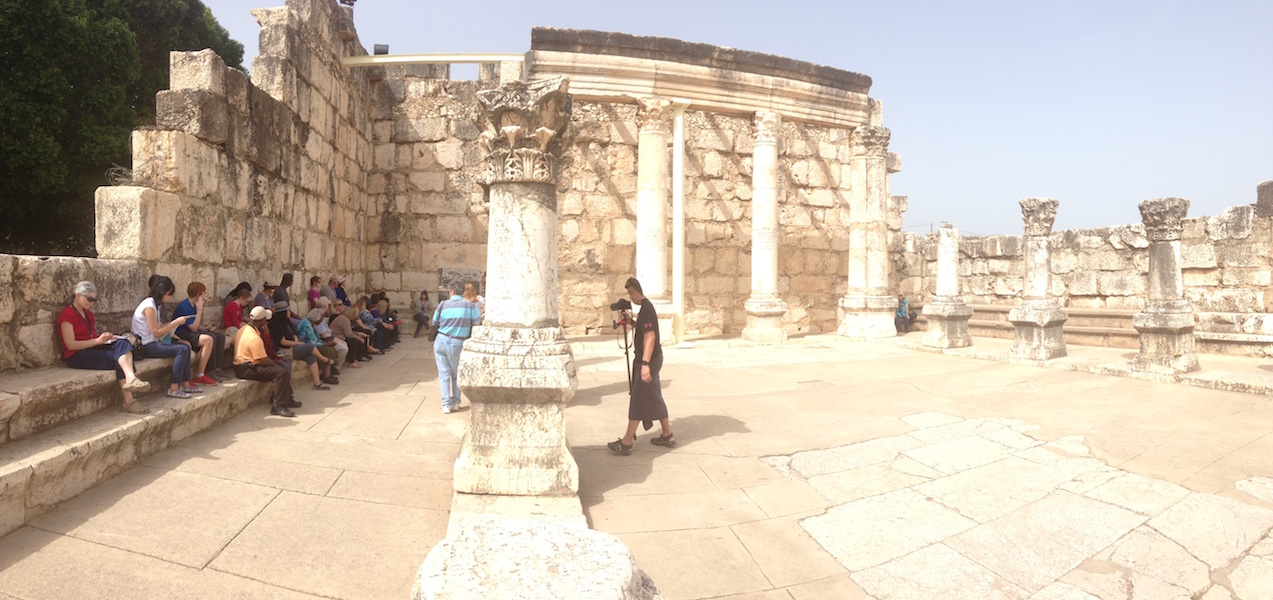

This Day’s Thought From The Ranch- Peaceful Prayers- Psalm 122


This Day's Thought from The Ranch

PEACEFUL PRAYERS – PSALM 122
Lesson 25 of Psalms: Lessons in Prayer

by Eric Elder
The Ranch

You can listen to today’s psalm here:
Psalm 122, read by Lana Elder, with Mozart’s “Minuet in F,” played by Eric Elder


We have six more weeks in the book of Psalms, where we’re learning about prayer and how to make our prayer lives more effective. As we pull into this final stretch, I think today is a good time to talk about recognizing God’s answers to our prayers when they come.

Sometimes we’re praying for something intensely, expecting the answer to come in a certain way. But when the answer does come, we sometimes don’t recognize it, because it comes in a way we hadn’t expected.

Today’s lesson highlights this point, as the topic is praying for peace. “Peace” is a funny thing. I’ve seen people who are in the midst of chaos, with pandemonium all around them, yet who are experiencing true peace. But I’ve also seen people who are in the midst of extreme calm, with utter stillness all around them, yet who are experiencing true turmoil.

When we pray for peace, we sometimes miss God’s answer when it comes, because God makes His peace available to us in ways we don’t always grasp.

First, I want to look at the importance of praying for peace in our circumstances and how God can truly answers those prayers. But second, I want to look at the importance of praying for peace regardless of our circumstances and how God can truly answer those prayers, too.

In Psalm 122, David encourages people to pray for the peace of Jerusalem. For a man who had lived most of his life fighting battles against his enemies, I’m sure his prayers for peace were heartfelt. In Psalm 122, David says:

“Pray for the peace of Jerusalem: ‘May those who love you be secure.
May there be peace within your walls and security within your citadels.’
For the sake of my brothers and friends, I will say, ‘Peace be within you.’” (vv. 6-8).

What I love about David’s prayer for peace is that God answered those prayers! After years of fighting war after war after war, David did experience peace in Jerusalem. As it says in the book of 2 Samuel:

“…the Lord had given him rest from all his enemies around him” (2 Samuel 7:1b).

And the peace that David prayed for and experienced lasted into the next generation, as his son, Solomon, later said this after he had become king:

“But now the Lord my God has given me rest on every side, and there is no adversary or disaster” (1 Kings 5:4).

Praise God that He answers our prayers for peace in very physical and tangible ways!

I’d also like to point out, however, that God answers our prayers for peace in ways we sometimes miss because we’re expecting that peace to come in another form.

One night, my family was invited by a Jewish man to take part in his family’s Seder Meal, the traditional Passover Meal which is celebrated by Jewish people every year.

At the end of the meal, the man who had invited us asked if we had any questions. Since so many of the traditions he talked about referred to the long-awaited Messiah, I asked him what he thought of Jesus–and why he didn’t think Jesus is that long-awaited Messiah.

He answered, “When the Messiah comes, he will bring peace. As I look around, I don’t see peace. So clearly Jesus can’t be the Messiah we’re looking for.”

While I appreciated his answer, I couldn’t help thinking that he had missed the fact that was so apparent to me: Jesus did bring peace! But the kind of peace this man was expecting wasn’t the kind of peace that Jesus brought.

Here’s how Jesus described the peace He has offered to each one of us:

“Peace I leave with you; My peace I give you. I do not give to you as the world gives. Do not let your hearts be troubled and do not be afraid … I have told you these things, so that in Me you may have peace. In this world you will have trouble. But take heart! I have overcome the world” (John 14:27, 16:33).

The peace Jesus describes is the same peace I experienced when I first put my faith in Him–and which I’ve continued to experience still, over 30 years later. Had I not experienced this miraculous peace of Christ in my heart, I might still be waiting for another Messiah, too–one who could give me peace as the world gives peace.

But because I’ve experienced the peace of Christ, I am fully convinced He is the Messiah–because no one else could give me the kind of peace that He has given to me.

The Apostle Paul describes this inner peace–and how to get it–like this:

“Do not be anxious about anything, but in everything, by prayer and petition, with thanksgiving, present your requests to God. And the peace of God, which transcends all understanding, will guard your hearts and your minds in Christ Jesus” (Philippians 4:6-7).

This peace has carried me through sickness and job loss, anger and fear. It has carried me through tornadoes and hurricanes, mishaps and miscarriages. It has carried me through grief and despair, sorrow and sadness.

Praise God that He answers our prayers for peace in ways that transcend understanding, no matter what is going on in the world around us!

If you need peace today, let me encourage you to pray for it. Put your faith in Christ for everything in your life, from the forgiveness of your sins to the circumstances that you’re facing today. Pray for God to bring peace into your heart. Pray for God to bring peace to the world around you. And like David, pray for the peace of Jerusalem, even today.

Know that God can and will answer each and every prayer you pray. Then don’t miss His answer when it does come–as it may come in a way you never expected!

Will you pray with me?

Father, thank You for offering us Your peace–a peace that passes understanding–and for making it available to each and every one of us. Help us to know and to experience Your peace in our hearts. Help us to know and experience Your peace in the world around us. And help us to see Your peace come upon the city of Jerusalem, the city where Jesus the Messiah lived and died and rose again from the dead. We pray all of this in His precious name, Amen.

Eric Elder

You can to listen to today’s psalm again at this link:
Psalm 122, read by Lana Elder, with Mozart’s “Minuet in F,” played by Eric Elder

And here’s our 2017 reading plan for the book of psalms at this link:
2017 Reading Plan for Psalms


Watch Here! | Listen Here! | Ask for Prayer | Contact Us | Visit Our Website | Subscribe | Facebook | Twitter | Tumblr | Bookstore


This Day’s Thought From The Ranch- This Week’s Sermon


This Day's Thought from The Ranch

(Eric will return with his sermons next week)

Anger

by Joseph Rodgers


Two men are talking about anger one night. One said, “I’ll show you the difference. At 1 am, he goes to the phone and dials a number. He asked, “Is Jones there?” The man says “No!” The men continue until the same guy says, “Now I’ll show you frustration.” At 2 am, he goes to the phone and dials the same number. The man picks up, “What?” The guy asks, “Is Jones there?” Frustrated, he says “NO!” Then at 3 am, the guy says now I’ll show you rage. He returns to the phone and dials the number a 3rd time and says, “Hey I’m Jones. Have I gotten any calls tonight?

People do the craziest things when they lose their tempers. Have you ever seen a toddler throw a temper tantrum? They scream and yell and hurl their bodies to the ground with their stubby little arms and legs flailing in all directions.

How about a teenager who loses his cool? In high school I watched as a friend got so mad he put his fist through a wall destroying his chance at a scholarship.

Have you ever seen a young mother of preschoolers lose her cool? It’s not a pretty sight when pots and pans are slammed, toys are thrown, and the kids are being screamed at for doing things that little children do.

Or how about the man driving to work who gets cut off and in a fit of rage slams his fist, shouts a few expletives, and then attempts to hunt down the culprit with every intent to give them a piece of his mind – if not more.

I was tested this weekend when my family went to the mall shopping. While Meg was trying on clothes, I was attempting to corral the kids. Now mind you it wasn’t their fault. It was after bedtime and they were just being kids, yet I was about to lose my mind – especially when they tipped over a rack of clothes. Listen, I understood irritation and frustration, and had it not been for the accountability of 25 women shopping, I might have experienced rage.

Anger – we all struggle to manage it and keep it under control, and yet, we all feel as if it is a right and privilege to express it as we wish without consequence. But it has become an infectious disease that is everywhere – in our homes, our cars, on freeways, at sporting events, at work, and even at church. It’s so bad that some social commentators have said we live in the “Age of Rage.”

What is it? Anger is a legitimate emotion often expressed illegitimately. Instead of serving as a warning light that something isn’t right (like warning lights on car dash) it usually becomes an action resulting in sin because we seek to bring harm to another.

Of the 7 deadly sins, anger is the most fun. To lick your wounds, to smack your lips over grievances long past, to roll over your tongue the prospect of bitter confrontations still to come, to savor the last toothsome morsel of the pain you’re given and the pain you’re giving back – in many ways it’s a feast fit for a king. The chief drawback is what you’re wolfing down is yourself. The skeleton at the feast is you.

How can I know if I have an anger problem? When you get angry do you hurt yourself? Do you hurt others? Do you damage property?

Did you know the Bible speaks of the perils of anger 262 times in 256 verses. It says anger is an emotion we must learn how to control or else it’ll control us.

If you become angry, do not let your anger lead you into sin, and do not stay angry all day. Do not give the devil a chance. Eph. 4:26 (GNB)

Angry as an emotion isn’t sin, but it can lead to sin if it is not controlled.

Anger unresolved gives the devil access to your life.

It’s not – how can I be good and mad, but how can I be good when mad?

Our example of course is Jesus. On more than one occasion He got angry, yet He never allowed His anger to become sin. (read Mk. 11:12-18)

Jesus had every right to be angry, but he didn’t take it personally and He never allowed it to control Him. Yes there was injustice and a reason to retaliate, but Jesus never took matters in His own hands – instead of fuming He forgave.

The ROOT of Anger

Anger is a secondary emotion requiring an emotional trigger – we aren’t born angry something has to happen to ignite it. Anger a choice we make and a habit we break.

ANXIETY (Fear)

When people are anxious about something it tends to put them on edge. They allow worry and fear to overtake them and send them over the side into anger.

Anxiety reveals what we think and understand about God. He promises to supply all our needs according to His riches in glory (Ph. 4:19) and to never leave us or forsake us (Hb. 13:5). Thus we have nothing to fret over.

Be anxious for nothing; but in everything by prayer and supplication with thanksgiving let your requests be made known unto God. The peace of God which passes all understanding will guard your hearts and mind in Christ Jesus. Ph. 4:6-8

Anxiety should not trigger anger – it should trigger trust.

NUISANCE (Frustration)

This is when things don’t go as planned. We get flustered and frustrated – flustrated – instead of adjusting we explode. It doesn’t matter if it is a work issue, a spouse issue, or a kid issue – frustration gets the best of us and we feel compelled to yell.

Pastor who traded his bike with a frustrated boy with a lawnmower. The pastor caught up with the boy few days later dissatisfied because the lawnmower wouldn’t crank. The boy told the pastor that he had to cuss at it. The pastor said, I’m a pastor – I don’t cuss, besides I haven’t said a cuss words in years. The boy responded, “Pull on that handle a few times and it will come back to you.”

Of all of the triggers, this one might be the most pervasive.

Insert: Psychiatrists call this problem LFT – Low Frustration Tolerance. It claims that most people are walking time bombs just waiting to explode because they’ve allowed circumstances, situations, and people to crowd out their ability to tolerate frustration. Thus they’re living on the edge just waiting to erupt.

GRIEF (Pain)

This is when people experience pain. It doesn’t matter if it’s physical, emotional, or social, we’d rather be angry at someone/thing than be in pain. (Grief Process)

EMBARRASSMENT (Humiliation)

No one enjoys being made fun of or being laughed at. No one enjoys being made a fool or the butt of a joke. No matter how much we laugh at the silly things we might do, we don’t enjoy having other people laugh at our expense. Thus, while we might be laughing on the outside, we’re seething on the inside.

RESENTMENT (Animosity)

Resentment is pent up animosity we have towards others because of something they said or did against us that resulted in loss. The trigger is simple – someone harms me and I’ll get them back. It invokes the idea, “Do unto other before they do unto you.”

No matter the trigger we all must recognize that we own our anger whether we like it or not. No matter how much we rationalize it, it’s real and it’s ours.

The REALITY of ANGER

FRUITLESS

Bridle your anger, trash your wrath, and cool your pipes – it only makes things worse. Ps. 37:8 (MSG)

In other words, losing your cool seldom makes things better – it’s fruitless.

Whatever is begun in anger ends in shame! Ben Franklin

Everyone must be quick to listen, slow to speak and slow to become angry. Human anger does not achieve God’s righteous purpose. Jm. 1:19-20

Unless a person learns to manage their anger correctly they only suffer loss as a result of losing their cool. Why? Because most people only know how to handle their hostility through inappropriate channels.

The TOXIC WASTE Approach

Toxic waste people bury anger deep w/in presenting A-OK outward appearance. Problem is that over the years it begins to leak out and contaminate.

The VOLCANO Approach

Volcano people talk and rumble for years but finally get to the point where they say, “I’m not going to take this anymore,” and they EXPLODE.

The SNOCONE Approach

Snocone people go silent and put on the Big Chill. They put you on ice.

The MICROWAVE Approach

Microwave people confront the situation that bothers them with an instantaneous response. You hear: beep, beep, beep and BAM!!!

In Forrest Gump, there is a scene where Jenny returns to her home after her abusive father has died. The farm is dilapidated and abandoned, but as she reflects on the abuse she endured as a child, she’s overcome with rage and begins to violently throw rocks at the house only to fall to the ground in exhaustion. As the scene closes Forrest says, “Sometimes there just aren’t enough rocks.”

Mishandled anger is futile and we have to learn to manage it or it’ll manage us.

FOOLISH

A patient man has great insight, but a quick tempered man displays folly. Pr. 14:29

A quick tempered man does foolish things. Pr. 14:17

Annually in the U.S. 14 men are killed by vending machines. After not receiving a drink or due change, these men shook the machines until they tipped over and crushed them to death. Each man became the victim of his own anger.

Anger defines a fool as it demonstrates who is really in control of me.

FORBIDDEN

But now you must get rid of all these things: anger, rage, malice and filthy language from your lips. Col. 3:8 (see Eph. 4:31)

Don’t nurse it, rehearse it, or disburse it – but curse it – get rid of it.

Rid yourselves (apotithemi) to put to the side; to change one’s clothes.

Just as a person takes off his dirty clothes at the end of the day, so is a Christian to discard the filthy rags of their old life once they’ve placed their faith in Christ.

Thumos wrath; sudden outburst of combative anger.

People who fly into rage seldom make a safe landing. Will Rogers

Three things occur when you fly off the handle:

• You say and do foolish things you will regret later

• You do things that cause problems for others

You do things that have a hefty penalty

Orge an angry indignant temperament or mood

Paul is talking about people with a negative and sour disposition – people who look like they’ve been weaned on pickle juice or like they’ve got a lemon IV.

Bumper Sticker – I have an attitude and I know how to use it.

We are to GET RID of them. Anger is to be abandoned by believers. Why? Because when anger is taken personally and acted upon it becomes sin. Why? Because when you’re angry you’re no longer under God’s control but under the control of the flesh – and that is sin.

The REMEDY of Anger

Commit to CONTROL Anger

A fool gives full vent to his anger, but a wise man keeps himself under control. Pr. 29:11

Better a patient man than a warrior, a man who controls his temper than one who takes a city. Pr. 16:32

Sometimes it takes more strength and courage to control our emotions than it does to capture a fortified city.

ADMIT your tendency to take anger personally

CONFESS your need for accountability

TARGET the situation and not the person.

Consider the CONSEQUENCES

Will expressing my anger resolve the issue or make matters worse?

Anger Fosters Disagreement and Disunity

An angry man stirs up dissension, a hot tempered man commits many sins. Pr. 29:22

Anger Leaves You Vulnerable to Attack

If you can’t control your anger, you are as helpless as a city without walls, open to attack. Pr. 25:28 (GNB)

Anger Invites Trouble

If you churn milk, you get butter. If you hit someone’s nose, it bleeds. If you stir up anger, you get into trouble. Pr. 30:33 (GNB)

Whenever you lose your temper – YOU LOSE! So consider the consequences.

Correctly COMMUNICATE Anger

A gentle answer turns away wrath, but a harsh word stirs up anger. Pr. 15:1

What we say in the heat of the moment can either extinguish or ignite a situation. Our words can be either a bucket of water or a can of gas.

Think Before You Speak (Measure your words carefully)

He who guards his lips guards his life, but the man who speaks rashly will come to ruin. Pr. 13:3

Never Speak Out In Anger

A hot tempered man stirs up dissension but a patient man calms a quarrel. Pr. 15:18

CHOOSE Quality Company

Do not make friends with a hot tempered man, do not associate with one easily angered or you may learn his ways and get yourself ensnared. Pr. 22:24

Let angry people endure the backlash of their own anger; if you try to make it better, you’ll only make it worse. Pr. 19:19 (MSG)

If you hang with angry people you’ll become an angry person. It is contagious.

Bad company corrupts good morals. 1 Cr. 15:33

Don’t hang out with people who don’t want to hang out with God and with goodness.

Anger is indeed a troublesome emotion. It is an equal opportunity destroyer. It doesn’t distinguish between gender or race or issue – it only invites us to lose control of our faculties to indulge in the perceived gratification of a lost temper. Yet in the end, it leaves us separated from our friends, colleagues, and family, holding the hatchet of guilt that has been buried in someone else’s back. Truthfully, the time has come for us to learn how to be good when mad – and it begins at the cross where Jesus gave His life for us.


Watch Here! | Listen Here! | Ask for Prayer | Contact Us | Visit Our Website | Subscribe | Facebook | Twitter | Tumblr | Bookstore


This Day’s Thought From The Ranch- This Week’s Sermon


This Day's Thought from The Ranch

(Eric will return with his sermons in two weeks)

Faith

by Tony Grant

1 What then are we to say was gained by Abraham, our ancestor according to the flesh?

2 For if Abraham was justified by works, he has something to boast about, but not before God.

3 For what does the scripture say? “Abraham believed God, and it was reckoned to him as righteousness.”

4 Now to one who works, wages are not reckoned as a gift but as something due.

5 But to one who without works trusts him who justifies the ungodly, such faith is reckoned as righteousness.

Harrington University has other names: the University of San Moritz, the University of Palmer’s Green, and the University of Devonshire. At Harrington, the campus is small; the class schedule is convenient (In fact, there are no classes at all), and a Ph.D. will only take you 27 days and a few thousand dollars to earn. No transcript from a previous institution is necessary. Instead, you get full credit for what Harrington calls “life experience.”

Harrington University is (or was, until it was shut down in 2003 by the authorities) a “diploma mill.” It was an online “university” selling bogus bachelor’s, master’s, and doctoral degrees. Rather than classrooms and a campus, Harrington University was the residence of an American living in Romania with mail drops in the United Kingdom, printing services in Jerusalem, and banking options in Cyprus. By 2002, some 70,000 Harrington-Palmer’s Green-Devonshire degrees had been “granted” to online applicants, earning the operator more than $100 million.

Using e-mail spam, online advertising and even print advertising in major US magazines, diploma mills like Harrington are a growing phenomenon in our wired world. As jobs become more scarce and competition for them more fierce, many people are turning to quick, albeit illegitimate, ways to pad their rèsumès without the cost or hassle of actually going to class.

A May 2004 study by the U.S. General Accounting Office found 28 senior federal executives who claimed degrees from diploma mills, and 463 federal employees with bogus college degrees were hired or advanced in their jobs. Sham scholars with fake degrees have held jobs as sex-abuse counselors, college vice presidents, child psychologists, athletic coaches, engineers and even physicians. Counterfeit colleges and universities make it easier to pull off the rèsumè charade because they provide fake diplomas and transcripts that often seem legitimate.

With all this academic fakery going on, it is becoming harder for legitimate institutions to maintain their reputations, and it is also more dangerous for people in need of professional services.

Take the case of Marion Kolitwenzew, who found out her daughter was diabetic and took her to a specialist for treatment. He seemed like the real deal, with a wall full of diplomas and an office stocked with medical supplies. When Marion followed the “doctor’s” advice and took her daughter off insulin, the daughter quickly became violently ill and died. Later, the “doctor” was sentenced to 15 months in prison for manslaughter and practicing medicine without a license. His wall was adorned with counterfeit credentials.

How do so many people get away with this stuff? The answer is simple: No one seems to check them out, No one calls the references, No one asks for the paperwork. Thus, it can be fairly easy to fake who you are.

The church is not proof against this kind of fraud. A few years ago, right here in York, we had a minister in one of our local churches who did much the same. He had been in his denomination for several years and claimed to have a couple of degrees. No one actually investigated his resume until he became involved in some bitter strife in his church, and someone became angry enough to check up on him, and found that his degrees were fake.

By the way, I do not post diplomas on office walls, but if you want to go down to Erskine Theological Seminary and check on my degrees you are welcome to do so. But in church, the real problem is not fake diplomas, it is fake faith.

In Romans 4, Paul is using Abraham the Patriarch as a primary case in a study of God’s dealing with people. Abraham was a hard-driving businessman and a devoted man of God. If anyone had a rèsumè of solid credentials to “boast” about, says the Apostle Paul, it was Abraham. But it was not his righteous rèsumè that made Abraham a prime candidate for the job of Patriarch of the faith. “If, in fact, Abraham was justified by works, he had something to boast about — but not before God,” says Paul in verse 2.

In other words, even Abraham’s best work could not match the standard of holiness set by God. No human rèsumè is impressive enough. Earlier in Romans, Paul puts it more clearly: “all have sinned and fall short of the glory of God” (3:23). Instead, it was faith itself that was Abraham’s one and only true rèsumè builder. “Abraham believed God, and it was reckoned to him as righteousness” (4:3).

Thus, we Christians are famous for saying that all our attempts to approach God by doing stuff are bogus. That whole way of thinking, which is called “works righteousness,” is counterfeit. The only way to come to God is by faith, by real faith, Abrahamic faith.

Which leads us to the next question then: What is real faith? What is Abrahamic faith? Strangely enough in over 30 years in the ministry, I have never been asked that question. I have often said to people you must be saved by faith. But no one has ever responded by asking, What is faith? But it seems to me a very apt question.

Tillich and Faith

Philosopher and Theologian Paul Tillich wrestled with this question. Tillich said, “There is hardly a word in the religious language, both theological and popular, which is subject to more misunderstandings, distortions, and questionable definitions than the word ‘faith’.” [Tillich, Dynamics of Faith, Introductory Remarks].

Tillich offers us a definition: Faith is “the state of being ultimately concerned” [Paul Tillich, Dynamics of Faith (New York: Harper & Row, 1957), 1]. If we have faith in something, we are dead serious about it. We are not only concerned about it. We are concerned to the nth degree .

Now, we all met people who claimed to have faith in Jesus, but whom we suspected did not. How can I make a statement like that? What grounds do we have for such suspicions? Because they are not much concerned about Jesus. Ask them if they believe in Jesus, and they will say that they do, but what are they really serious about?

The Masters takes place in Augusta, so let me use golf for an example. If you are always thinking about golf, if every scrap of your time is devoted to playing or watching golf, if you mortgage your house to buy that new set of titanium golf clubs, then golf is your ultimate concern, not Jesus. Your faith is in golf, not Jesus.

Most Americans who claim to believe in Jesus attend church only occasionally, give to the church only occasionally, pray seldom if ever. Do they actually believe in Jesus? If we accept Tillich’s definition of faith as that which we are “ultimately concerned” about, then we suspect that they do not, that they are not really serious about Jesus.

That is a question for us today: How serious are we about Jesus? Or to put the question another way, What is our ultimate concern? To what do we give our highest priority? What are our most cherished goals? That is where we put our faith.

Faith is an attitude that involves our entire personality. Tillich says, “It happens in the center of the personal life and includes all its elements” [Dynamics, 4]. Our faith is expressed by our whole being. Our faith determines, to a large extent, what we are. Thus, when faith is misplaced, our lifestyle becomes confused and disoriented. If we believe the wrong things, trust the wrong things, we will be screwed-up people. That explains much of what is wrong with the world today. Most people have faith, most people are ultimately concerned, about the wrong things. For example, they are ultimately concerned about a nation, or, they are ultimately concerned about my job or my way of living. But countries rise and fall–witness the rise of China right now. And Jobs come and go–where have all the textile jobs gone? And lifestyles change every few years. So those things are nothing to be much worried about. Ultimately, we are concerned about only God.

The problem people have always had from the very beginning of recorded history is that we become “ultimately concerned” about something other than God. Whenever we elevate something other than God to a level of ultimate concern, we commit idolatry. We put something in God’s place. We have faith in something that is not worth our faith.

This was what happened to Israel during the Exodus in what we might call the Golden Calf Episode. They had received the Law at Mount Sinai. They had all expressed their willingness to obey the Law. They had ratified a covenant with God. Then, when Moses was away for awhile on the mountain, they forgot about Moses, forgot about the law and the covenant, forgot about God and began to worship instead a Canaanite idol. They put their faith in something that was not worth their faith. They elevated a golden image to the level of God and made it their ultimate concern. Thus they broke their covenant with God and brought down God’s wrath upon them.

The question is what is faith? Faith is a way of answering life’s really important questions. Why am I here? What is the meaning of life? Everyone asks these questions. I have sometimes been stunned when a person that I did not think had a serious bone in their body begin asking serious questions; What happens when I die? How do I know God’s will for my life? That is an humbling experience because you realize that all of us are pretty much alike in that all of us are trying to make sense of the world around us. But the only way the world makes sense is through faith in God.

And notice what this faith is. It is not only a faith that God exists. We always mean far more than that when we speak of faith in God, we mean that God accepts us and loves us. That is what Jesus taught and proved. Through Jesus, we are made “righteous” before God, to use the Apostle Paul’s terminology. Nothing we do makes us righteous, but by faith in Jesus, by making Jesus our ultimate concern, we are accepted as citizens of the kingdom of God.

The question was, What is faith? My faith is not about me at all. Faith is not about what I have done or not done. Faith moves me out of the picture and focuses on Christ. That sounds so easy, yet it is probably the hardest thing in the world for any human being to do. Even as we say Christ is our ultimate concern, we resort to little stratagems to make ourselves the center of attention.

A few weeks ago, I was over in Easley and my wife and her mother were shopping, so I was given the task of taking my father-in-law’s car to the carwash. I took the car to the Easley Deluxe Carwash, paid my money, and was standing there watching them wash the car. I noticed a little old man nearby and I started up a conversation just out of boredom. After we had exchanged a few words, he launched into a loud monologue about how he loved Jesus. He said that he had started a church and he had raised all this money, and he had talked to so many people and driven so many miles. The little man expounded on how they got contractors for the church, and they ran out of money and he told the people that they had to give more and so on. He had led so many people to Christ and he had done this and done that.

This speech went on and on, and I was a little embarrassed because we were standing in a car wash with other people all around, and this little man just got louder. Finally, I blurted out, “My car is done; I have to go,” and bolted out the door.

But as I reflected on this later, I could not help but observe that though the man said he loved Jesus, the speech was not about Jesus at all. It was about him. You know he never even asked my name. He never asked anything about me. He was too focused on himself.

Under the disguise of loving Jesus, he was talking about himself. It was pathetic really. Here was a little man trying to gain some esteem from a stranger in a car wash by bragging about what he had done for Jesus. But that little man was not so different from the rest of us. Even when we talk about Jesus, we are always trying to somehow slide the focus back on me. That is the great human error, the great idolatry. Most people really have faith only in themselves. The Apostle Paul says we must break that idol, and put our faith in Jesus. That is the only real faith. Any other faith is just a counterfeit diploma.

Amen.


Watch Here! | Listen Here! | Ask for Prayer | Contact Us | Visit Our Website | Subscribe | Facebook | Twitter | Tumblr | Bookstore


This Day’s Thought From The Ranch- Daily Prayers- Psalm 118


This Day's Thought from The Ranch

DAILY PRAYERS – PSALM 118
Lesson 24 of Psalms: Lessons in Prayer

by Eric Elder
The Ranch

You can listen to today’s psalm here:
Psalm 118, read by Lana Elder, with Jacques Offenbach’s “Barcorelle,” played by Eric Elder


There are many famous quotes in the Bible, especially in the book of Psalms. But there’s one quote in Psalm 118 that helps keep me going each day. The quote is this:

“This is the day the Lord has made; let us rejoice and be glad in it” (v. 24).

I’ve talked several times in these messages about special prayers you can say to God when you’re facing special problems. But today I’d like to focus on the value of daily prayers, thanking God for each day you’re alive.

Thanking God for each day is not only important when things are going good, but also when things are going bad.

I’ve mentioned in one of my earlier messages that a few months before my wife died, a film team asked if I would be willing to record a short message to offer hope to others facing terminal illness. I didn’t think I could do it, as I was still trying to find my own reason for hope in the face of the most significant loss in my life.

But I agreed to do the interview, and at one point during the filming, God filled me with incredible hope for myself, too. I was finally able to say that even if the unthinkable happened to my wife, I knew God would still have a reason for me to live.

“My role,” I said, “is to find that reason, fulfill that reason, and walk in that reason.”

While it was a struggle for me to finally get to that point, trying to imagine living life without her, I truly believed those words were true. And here I am, five years later, having found that reason again, fulfilling that reason, and walking in that reason. God has continued to call me to purposeful living, day after day after day.

I know there’s a reason that I’m here. And I know there’s a reason you’re here, too. This really is “the day the Lord has made.” I am so thankful for today, and I am continuing to rejoice and be glad in it.

What about you? What kind of day are you facing today? What is God speaking to you, calling you to do and think and be? I know it can be hard some days to believe that God has a calling on your life, but God really does want you to know your purpose for living even more than you want to know it. And He really does wants you to live THIS day to the fullest, too.

Let me encourage you to say a fresh prayer to God again today, committing THIS day to live for Him and saying, “This is the day the Lord has made; I will rejoice and be glad in it.” Then say it again tomorrow, and the next day, and the next, and the next, so that you can keep making the most of every day the Lord your God gives to you.

If you need some help in your heart to do this, here are a few cues from the writer of Psalm 118 for how he was able to do it, even when life had him on the ropes at times.

He remembered God’s love endures forever:

“Give thanks to the Lord, for He is good; His love endures forever.
Let Israel say: ‘His love endures forever.’
Let the house of Aaron say: ‘His love endures forever.’
Let those who fear the Lord say: ‘His love endures forever'” (vv. 1-4). 

He remembered how God had set him free:

“In my anguish I cried to the Lord, and He answered by setting me free.
The Lord is with me; I will not be afraid. What can man do to me?” (vv. 5-6).

He remembered that God is God and not anyone else:

“The Lord is with me; He is my helper. I will look in triumph on my enemies.
It is better to take refuge in the Lord than to trust in man.
It is better to take refuge in the Lord than to trust in princes.
All the nations surrounded me, but in the name of the Lord I cut them off.
They surrounded me on every side, but in the name of the Lord I cut them off.
They swarmed around me like bees, but they died out as quickly as burning thorns; in the name of the Lord I cut them off.
I was pushed back and about to fall, but the Lord helped me” (vv. 7-13).

He remembered who gave Him his voice to sing and to praise:

“The Lord is my strength and my song; He has become my salvation.
Shouts of joy and victory resound in the tents of the righteous: ‘The Lord’s right hand has done mighty things!
The Lord’s right hand is lifted high; the Lord’s right hand has done mighty things!’
I will not die but live, and will proclaim what the Lord has done.
The Lord has chastened me severely, but He has not given me over to death” (vv. 14-18).

He remembered the Lord with thankfulness:

“Open for me the gates of righteousness; I will enter and give thanks to the Lord.
This is the gate of the Lord through which the righteous may enter.
I will give You thanks, for You answered me; You have become my salvation” (vv. 19-21).

He remembered the Lord for doing miracles:

The stone the builders rejected has become the capstone;
the Lord has done this, and it is marvelous in our eyes” (vv. 22-23).

And he remembered that THIS is the day the Lord has made:

“This is the day the Lord has made; let us rejoice and be glad in it” (v. 24).

If you need to get your mojo back, do what this psalmist did, and do it daily.  Remember that God’s love endures forever. Remember that He has set you free. Remember that He is God and not anyone else. Remember that He is the one who gave you your voice to sing and to praise.

Remember the Lord with thankfulness. Remember the Lord for His miracles. And remember that THIS is the day the Lord has made. Let us rejoice and be glad in it.

Will you pray with me?

Father, thank You for giving us another day of life. Thank You for giving us a purpose and meaning for today and hope for our future. Thank You for Your eagerness to reveal that purpose and meaning and hope to each one of us. Help us to walk out the calling that You have in mind for us, living each day to the fullest and fulfilling every single thing You want us to fulfill. In Jesus’ name, Amen.

P.S. Last week I shared with you a brief, 8-minute interview I filmed at our church how God set me free from living a life I knew He didn’t want me to live. If you’re looking for freedom, or know someone who is, I’d like to also recommend a film that you can watch this week for one day only in theaters across the country called The Heart of Man. The film was produced by my friend and Hollywood producer, Brian Bird, who also produced Lee Strobel’s The Case for Christ. I was able to watch The Heart of Man and found it to be full of hope for anyone who is struggling with anything in their life to which they might be addicted. The film also contains godly wisdom from real-life people whom God has set free and have gone on to impact the world for good. The Heart of Man is showing in theaters for one day only, this Thursday, September 14th. Click here to learn more.

Eric Elder

You can watch my own brief, 8-minute testimony that I shared with you last week at this link:
Eric’s interview at Eastview

You can to listen to today’s psalm at this link:
Psalm 118, read by Lana Elder, with Jacques Offenbach’s “Barcorelle,” played by Eric Elder

And you can see our weekly reading plan for the book of psalms at this link:
2017 Reading Plan for Psalms


Watch Here! | Listen Here! | Ask for Prayer | Contact Us | Visit Our Website | Subscribe | Facebook | Twitter | Tumblr | Bookstore


This Day’s Thought From The Ranch- Fearless Prayers- Psalm 112

Special note from Eric: Before sharing today’s message with you, I wanted to let you know that I’ve just finished writing a new book called Loving God & Loving Gays: What’s A Christian To Do? I think you’ll find this book to be a thoughtful look at a delicate subject, borne out of my own personal experience and my ministry to hundreds of others in this area for the past 30 years. This book also includes a study guide for every chapter, which you can use for personal reflection or to study the book together with a small group. I’d be glad to send you the paperback edition for a donation of any size to our ministry at this link ($15 is suggested to help us cover the cost of printing and shipping the book anywhere in the world), or you can get the paperback or Kindle editions directly from Amazon at this link. To learn more, you can watch a brief, 8-minute interview at this link, which was recorded live last weekend during a special service at Eastview Christian Church. Even if you’re not interested in the book, I hope you’ll watch my brief interview to give you a boost in your faith no matter what you might be facing today.

Eric Elder and Mike Baker - Interview at Eastview

Eric Elder and Mike Baker – Interview at Eastview


This Day's Thought from The Ranch

FEARLESS PRAYERS – PSALM 112
Lesson 23 of Psalms: Lessons in Prayer

by Eric Elder
The Ranch

You can listen to today’s psalm here:
Psalm 112, read by Lana Elder, with Daquin’s “Nöel,” played by Eric Elder

Last weekend, I shared my testimony with the largest live audience I’ve ever shared with before. Needless to say, I was more than a little bit nervous.

But I took comfort from two things that I’d like to share with you today: 1) that a healthy fear of God is more important than an unhealthy fear of people and 2) that fearless prayers lead to incredible blessings.

You’ll find these same principles at work in Psalm 112, which begins with these words:

“Praise the Lord. Blessed is the man who fears the Lord,
who finds great delight in His commands.
His children will be mighty in the land;
the generation of the upright will be blessed” (vv. 1-2).

A healthy fear of God leads to all kinds of blessings. Why? Because following God and His ways inevitably leads to an abundant life, both here on earth and in heaven forever. God doesn’t give us His wisdom–His commands–to hold us back from the fullest life possible, but to bless us with the fullest life possible.

Listen to the blessings that Psalm 112 says will follow when we fear God and take delight in His commands:

“Wealth and riches are in his house,
and his righteousness endures forever.

Even in darkness light dawns for the upright,
for the gracious and compassionate and righteous man.

Good will come to him who is generous and lends freely,
who conducts his affairs with justice.

Surely he will never be shaken;
a righteous man will be remembered forever.

He will have no fear of bad news;
his heart is steadfast, trusting in the Lord.

His heart is secure, he will have no fear;
in the end he will look in triumph on his foes.

He has scattered abroad his gifts to the poor,
his righteousness endures forever;
his horn will be lifted high in honor” (vv 3-9).

And listen to what happens when we don’t take delight in God’s ways:

“The wicked man will see and be vexed,
he will gnash his teeth and waste away;
the longings of the wicked will come to nothing” (v. 10).

Does this mean that only good will come to those who follow God, and only bad will come to those who don’t? Of course not. A simple look at anyone who has committed their life wholeheartedly to their Father in heaven shows that sometimes bad things happen to the best of people, Jesus being the prime example. But listen to what Jesus has to say about a healthy fear of God:

“Do not be afraid of those who kill the body but cannot kill the soul. Rather, be afraid of the One who can destroy both soul and body in hell. Are not two sparrows sold for a penny? Yet not one of them will fall to the ground apart from the will of your Father. And even the very hairs of your head are all numbered. So don’t be afraid; you are worth more than many sparrows” (Matthew 10:28-31).

When I told a friend a few months ago that I was asked to share my testimony in front of this live audience, my friend said, “Aren’t you afraid?” I said that I was, but that I loved talking about Jesus more than anything else, for it is in Him that I’ve found my hope–and I couldn’t wait to share that hope with others.

I said, “If telling people about the most closely held secret of my life means that I can also tell people about how Jesus has worked in my life, then it’s worth it. It’s not that I’m not afraid. I am. I’m just compelled to push through my fears to share what Jesus has done for me.”

The truth is, there’s coming a day when everyone’s secrets will be made known. Everyone’s sins will be revealed. My hope is that by revealing now how Jesus has helped me to deal with my secrets, others will put their faith in Him so they can deal with theirs.

As Jesus said in the same passage I referenced above:

“So do not be afraid of them. There is nothing concealed that will not be disclosed, or hidden that will not be made known. What I tell you in the dark, speak in the daylight; what is whispered in your ear, proclaim from the roofs…. Whoever acknowledges Me before men, I will also acknowledge him before My Father in heaven. But whoever disowns Me before men, I will disown him before My Father in heaven” (vv. 26-27, 32-33).

Just listening to Jesus’ words reminds me that the words I speak, and the words I don’t speak, are massively important and eternally significant. We can be afraid of those who can kill our bodies, or we can be afraid of the One who can send both body and soul to hell.

As the days got closer for me to share my testimony last week, my fear factor kept increasing. But I took great comfort in the two truths I shared with you at the beginning of this message: 1) that a healthy fear of God is more important than an unhealthy fear of people and 2) that fearless prayers lead to incredible blessings, both for us and for all those around us.

Are there some fearless prayers you need to say today?

And if so, will you pray with me?

Father, thank You for reminding us that we can come to You with our fears, and that as we pray boldly, You can reduce our fears immeasurably, knowing that You will bless those who walk in Your ways. Father, help us to be bold in our witness to You. Help us to share with others the hope we have found in You. Help us to pray fearless prayers, knowing that You will answer those prayers with incredible blessings, both for us and for all those around us. In Jesus’ name, Amen.

Eric Elder

P.S. You can watch my brief, 8-minute testimony at this link:
Interview at Eastview

You can to listen to today’s psalm at this link:
Psalm 112, read by Lana Elder, with Daquin’s “Nöel,” played by Eric Elder

And you can see our weekly reading plan for the book of psalms at this link:
2017 Reading Plan for Psalms


Watch Here! | Listen Here! | Ask for Prayer | Contact Us | Visit Our Website | Subscribe | Facebook | Twitter | Tumblr | Bookstore


This Day’s Thought From The Ranch- Avenging Prayers- Psalm 109

Special note from Eric: I’ll be sharing a brief (5-minute) version of my testimony today during a special hour-long message at our church. I’d love for you to watch the whole service live online at 9 am, 11 am, or 5 pm (Central Daylight Time) at this link: live.eastview.church


This Day's Thought from The Ranch

AVENGING PRAYERS – PSALM 109
Lesson 22 of Psalms: Lessons in Prayer

by Eric Elder
The Ranch

You can listen to today’s psalm here:
Psalm 109, read by Lana Elder, with Handel’s “Sarabande,” played by Eric Elder

Is it ever okay to ask God to bring vengeance on someone who is acting maliciously toward us? If David’s prayers are any indication of what we can or can’t ask of God, then the answer is “Yes.”

It’s not an easy answer, though, as God’s viewpoint on our troubles is not always the same as our own. We can sometimes be wrong in our assessment of others, and we can sometimes minimize our own guilt while magnifying the guilt of others.

Still, there are times when the malice of others is so evil, so awful, and so clear, that it is altogether fitting and proper to ask God to intervene on our behalf, to spare us from further harm, and to bring about justice on those who are acting contemptuously.

Listen to David’s prayer in Psalm 109, and see what you think. David begins by explaining the problem as he sees it:

“O God, whom I praise, do not remain silent,
for wicked and deceitful men have opened their mouths against me;
they have spoken against me with lying tongues.
With words of hatred they surround me; they attack me without cause.
In return for my friendship they accuse me, but I am a man of prayer.
They repay me evil for good, and hatred for my friendship” (vv. 1-4).

So far, so good. The harder part for me to read is what David says next, when he begins to ask God about very specific ways he wants God to intervene! Listen to David’s boldness:

“Appoint an evil man to oppose him; let an accuser stand at his right hand.
When he is tried, let him be found guilty, and may his prayers condemn him.
May his days be few; may another take his place of leadership.
May his children be fatherless and his wife a widow.
May his children be wandering beggars; may they be driven from their ruined homes.
May a creditor seize all he has; may strangers plunder the fruits of his labor.
May no one extend kindness to him or take pity on his fatherless children.
May his descendants be cut off, their names blotted out from the next generation.
May the iniquity of his fathers be remembered before the Lord; may the sin of his mother never be blotted out.
May their sins always remain before the Lord, that he may cut off the memory of them from the earth.
For he never thought of doing a kindness, but hounded to death the poor and the needy and the brokenhearted.
He loved to pronounce a curse- may it come on him; he found no pleasure in blessing- may it be far from him.
He wore cursing as his garment; it entered into his body like water, into his bones like oil.
May it be like a cloak wrapped about him, like a belt tied forever around him.
May this be the Lord’s payment to my accusers, to those who speak evil of me” (vv. 5-20).

Those are some pretty strong words! But there have been occasions in my life where I have felt like saying some strong words like that to God in prayer, too. And if we’re going to be honest in our conversations with God, part of being honest means saying things that might not sound as holy or as pious as we think we should sound.

And the truth is, calling on God to bring a stop to wickedness IS holy and pious. Jesus didn’t hold back from calling a spade a spade when He said things like, “You snakes! You brood of vipers!” or “You travel over land and sea to win a single convert, and when he becomes one, you make him twice as much a son of hell as you are” (Matthew 23:33 and 23:15).

There are times when we might need to call a spade a spade, too, asking God to intervene to bring an end to wickedness.

I like calling prayers like these “avenging prayers” because asking God to bring about vengeance is different than taking revenge on someone ourselves. God is the ultimate judge, and calling on Him for justice is calling on Him to do one of the things He is fully qualified and fully capable of doing.

Noah Webster, in his 1828 dictionary, said this about the difference between the words avenge and revenge: “To avenge and revenge, radically, are synonymous. But modern usage inclines to make a valuable distinction in the use of these words, restricting avenge to the taking of just punishment, and revenge to the infliction of pain or evil, maliciously, in an illegal manner.”

Calling on God to take action to do what is right and just is very different than asking someone to do something underhanded and equally evil or malicious in return for what they’ve done to us.

Like David, when I’ve come to the place where I’ve had to call on God to bring an end to something evil or wicked that is happening around me, I’ve taken careful stock of the situation and the people involved first, then I’ve asked God to bring about justice on His terms. And, at times, I have seen Him act surprisingly swiftly in response.

In one situation, a man was repeatedly abusing those around him, including me. The man refused to respond to civil requests to cease and desist, and refused to back down from his destructive tirades. When I finally got the courage to call on God to bring and end to his swath of destruction, two days later the man resigned from his position and left town. It was as if God had answered my prayer in a way that David wanted God to answer his, when David said: “May his days be few; may another take his place of leadership.”

God is gracious. God is loving. God is kind. Yet, He does not leave the guilty unpunished. As the Bible says:

“The Lord, the Lord, the compassionate and gracious God, slow to anger, abounding in love and faithfulness, maintaining love to thousands, and forgiving wickedness, rebellion and sin. Yet He does not leave the guilty unpunished” (Exodus 34:6b-7a).

I sat in a courtroom one day when a friend of mine was on trial. I was there to testify to his good traits, but I was also there to admit that he had made some really bad decisions that were very harmful to others. While I wanted the judge to be lenient in some ways, I also didn’t want the judge to ignore the harmful things that had been done.

In reading the verdict, the judge commended my friend for the good he had done, and the judge offered the court’s help to turn my friend’s life around. Yet the judge also said, wisely: “The people in this room who have come to support you think you’re a good person, and frankly, I believe you’re a good person, too, but one who’s made some bad decisions. And this court and our society and those you have wronged are not going to tolerate the commission of crimes. There may have been issues in your life that contributed to those decisions, but there are always going to be issues. This verdict is to get your attention, to require you to make restitution for the wrongs you’ve done, and to help you to turn your life around.”

I felt the judge’s sentence was extremely fair, well-reasoned, and compassionate, yet he did not leave the guilty unpunished.

I am thankful that God, being the best judge, is willing to step in and intervene in situations where it would be dangerous and potentially even more destructive for us to try to take matters into our own hands. That’s when avenging prayers come in, calling on God to bring about justice. As the Apostle Paul says in the book of Romans:

“Do not repay anyone evil for evil. Be careful to do what is right in the eyes of everybody. If it is possible, as far as it depends on you, live at peace with everyone. Do not take revenge, my friends, but leave room for God’s wrath, for it is written: ‘It is mine to avenge; I will repay,’ says the Lord” (Romans 12:17-19).

Will you pray with me?

Father, thank You that You are a good Father and a good judge. Lord, for those who have wronged us, help us to call on You for help in bringing about justice and bringing about a change in their hearts. Help us to step out of harm’s way and let You step in to take up our cause. We pray that You would bring an end to the wickedness of those who are acting maliciously against us, and that You would cause Your light to drive out any remaining darkness. In Jesus’ name, Amen.

Eric Elder

P.S. Here’s a link to listen to today’s psalm again:
Psalm 109, read by Lana Elder, with Handel’s “Sarabande,” played by Eric Elder

And here’s a link to our weekly reading plan for the book of psalms this year:
2017 Reading Plan for Psalms


Watch Here! | Listen Here! | Ask for Prayer | Contact Us | Visit Our Website | Subscribe | Facebook | Twitter | Tumblr | Bookstore


This Day’s Thought From The Ranch- Praising Prayers- Psalm 103


This Day's Thought from The Ranch

PRAISING PRAYERS – PSALM 103
Lesson 21 of Psalms: Lessons in Prayer

by Eric Elder
The Ranch

You can listen to today’s psalm here:
Psalm 103, read by Lana Elder, with Beethoven’s “Für Elise,” played by Lucas Elder

We’re looking through the psalms to find ways to make our prayer lives more effective. One of the most powerful ways is to include “praise” in our prayers, to include some words of acknowledgement that God is worthy of our praise. Doing so has benefits for us and for God.

If you’ve ever been in a conversation with someone that has not included any kind of praise and has not included any thoughts or words of thankfulness or gratefulness on any level, you know how hard such conversations can be.

But a spoonful of sugar really does help the medicine go down, as Mary Poppins sings. More than that, your words of praise will help to recapture the best of your relationship with God, a relationship built on trust that He is worthy of your praise, and that you are the apple of His eye–no matter what your circumstances may be.

Psalm 103 gives us an example of a prayer filled with praise, a prayer that opens and closes with the words, “Praise the Lord, O my soul.” This psalm of David begins like this:

“Praise the Lord, O my soul; all my inmost being, praise His holy name.
Praise the Lord, O my soul, and forget not all His benefits–
who forgives all your sins and heals all your diseases,
who redeems your life from the pit and crowns you with love and compassion,
who satisfies your desires with good things so that your youth is renewed like the eagle’s” (Psalm 103:1-5).

One thing I especially love about this psalm is that David’s words of praise seem to be truly flowing from the depths of his being. His words aren’t simply in the category of saying something just to “fake it till you make it.” His words are true words of praise, words of faith. “Faith it till you make it” might be more like it, as David truly puts his trust in God’s goodness and God’s benefits.

“Praise the Lord, O my soul; all my inmost being, praise His holy name,” David says.  Then he begins to list God’s benefits specifically:

– who forgives all your sins and heals all your diseases,
– who redeems your life from the pit and crowns you with love and compassion,
– who satisfies your desires with good things so that your youth is renewed like the eagle’s

David had seen God do each of these things. He had seen God forgive his sins. He had seen God heal his diseases. He had seen God redeem his life from the pit, crown him with love and compassion, and satisfy his desires with good things. David remembered what God had done in the past, and trusted God to do so again in the future.

If you’ve noticed my prayers at the end of these messages, you’ll see that I often start with the words “Father, thank You…” and then go on to list some of the things for which I am truly grateful to God. I have journals filled with these types of prayers. Not because my days are always so rosy and cheery, but because I’ve made a commitment to myself to try to begin my prayers with words of thanks to God, no matter what else might be going on in my life.

Sometimes I have to push aside the things that are pressing down on me so I can find some words of praise. I know they’re within me. I just have to bring them out. So I’ll start by writing the words, “Father, thank You…” and think of something that has happened in the past 24 or 48 hours for which I am truly thankful.

This morning, my prayer would go something like this: “Father, thank you for my daughter coming home for this weekend. Thank You for my family gathering together and eating and laughing and crying and watching movies. Thank You for the sunny days when we could be outside and for the rainy ones when everything was watered well.”

If this was all you were to read in my journal, you would think I had a most blissful weekend. All in all, it was quite pleasant. But if you read further, you’d find that there were multiple concerns that were on my heart: accidents and injuries, bills that need to be paid, and relationships that need to be ironed out.

If your life is like mine, it’s usually a mixed bag of things which are praiseworthy and things which are difficult. By praising God on the front end, however, and praising God again at the end of the conversation, I find it brings balance to my prayers, encouragement to my soul, and blessings to both God’s heart and my own.

If you need some ideas to prime the pump of praise in your prayer life, read through Psalm 103. See if you can say any of the words of that psalm with true praise from the depths of your being. Then let your faith begin to flow, putting your trust in God once again for everything in your life.

I’m going to do this myself today as well. If you’d like, you can pray though the rest of Psalm 103 with me here, as I look through the words of David and turn each line that resonates with my heart into a prayer of praise to God. As I often start in my journal, I’ll just start with the words, “Father, thank You…” then I’ll begin to list those things from this psalm which I can truly say with words of praise from my heart.

Will you pray with me?

Father, thank You…
– that You are compassionate and gracious, slow to anger, and abounding in love.
– that You will not always accuse, nor will You hold Your anger against us forever.
– that You don’t treat us as our sins deserve.
– that as far as the east is from the west, so far have You removed our sins from us.
– that You have compassion on us, as a father has compassion on his children.
– that even though our days are like grass and quickly forgotten, Your love is everlasting.

Thank You for being so worthy of our praise. We praise You Lord, from the depths of our souls. We praise Your holy name. In Jesus’ name, Amen.

Eric Elder

P.S. If you haven’t listened to today’s psalm yet, you can listen to it here:
Psalm 103, read by Lana Elder, with Beethoven’s “Für Elise,” played by Lucas Elder

You can also follow along with our weekly reading plan for the book of psalms here:
2017 Reading Plan for Psalms


Watch Here! | Listen Here! | Ask for Prayer | Contact Us | Visit Our Website | Subscribe | Facebook | Twitter | Tumblr | Bookstore


This Day’s Thought From The Ranch- Singing Prayers- Psalm 96


This Day's Thought from The Ranch

SINGING PRAYERS – PSALM 96
Lesson 20 of Psalms: Lessons in Prayer

by Eric Elder
The Ranch

You can listen to today’s psalm here:
Psalm 96, read by Lana Elder, with Johann Pachelbel’s “Fughetta,” played by Eric Elder

Sometimes you have to sing your prayers. Music gives your prayers an added dimension, an added lift.

As Hans Christian Andersen said: “Where words fail, music speaks.”

When we combine our words with music, it takes our words to a whole new level.

Psalm 96 begins with these words:

“Sing to the Lord a new song; sing to the Lord, all the earth” (v. 1).

Then it goes on to list a number of things about which we can sing to Him:

“Sing to the Lord, praise His name; proclaim His salvation day after day.
Declare His glory among the nations, His marvelous deeds among all peoples.
For great is the Lord and most worthy of praise; He is to be feared above all gods.
For all the gods of the nations are idols, but the Lord made the heavens.
Splendor and majesty are before Him; strength and glory are in His sanctuary.
Ascribe to the Lord, O families of nations, ascribe to the Lord glory and strength.
Ascribe to the Lord the glory due His name; bring an offering and come into His courts.
Worship the Lord in the splendor of His holiness; tremble before Him, all the earth.
Say among the nations, ‘The Lord reigns'” (vv. 2-10a).

The psalms were originally songs, as the word psalm means “song.”

Even more specifically, the word psalm comes from the Greek word “psallein,” which means “to pluck,” or to play a stringed instrument, such as a harp.

When we sing songs to God today accompanied by the piano or guitar, we’re actually doing what people have done for thousands of years: putting words to music to give them an added dimension, an added lift.

How can singing lift your prayer life? How can music make your prayer life more effective?

For starters, it can make your prayers more memorable. I have a friend who had trouble remembering anything. But she said that when she was a child, if someone put an idea to music, she remembered it for life.

There’s something about a melody that makes ideas more memorable.

Here in the U.S., when I was a kid, I learned the entire preamble to our constitution because School House Rock set those words to music. Most kids in the U.S. in my generation can sing it by memory still to this day: “We the people, in order to form a more perfect union, establish justice and ensure domestic tranquility…”

We also learned about English in the same way, singing songs like “Conjunction Junction”: “Conjunction junction, what’s your function? Hooking up words and phrases and clauses.”

Advertisers, of course, use music to make their products more memorable, and again, here in the U.S., most people in my generation can fill in the blanks in a song like this:

“Oh, I wish I were an _________ __________ _________,
That is what I truly want to be.
For if I were an _________ __________ _________,
Everyone would be in love with me!”

(For those not from the U.S. or not from my generation, the answer is “Oscar Meyer Wiener,” a famous brand of hot dogs here.)

But more than just making words more memorable, by putting our words to music, we can make our words more precise, more specific. By adding rhythm and rhyme to our melodies, we can take deep spiritual truths and turn them into “sound bites” which can speak volumes into people’s hearts.

John Newton was a former slave trader who renounced his ways when he put his faith in Christ. When he wrote out his testimony, he did so by combining rhythm and rhyme and setting his words to music. By doing this, people all over the world now know his “testimony in a nutshell,” which begins like this:

“Amazing grace! How sweet the sound
That saved a wretch like me.
I once was lost, but now am found,
Was blind but now I see.”

When you take time to turn your prayers into songs, you can make your prayers more precise, more specific, and more memorable, too.

Has God put a song in your heart? Is there a way you combine that song with a prayer that’s on your heart and sing it out to Him?

My encouragement to you today is to try singing out your prayers to God. Try putting a melody to the thoughts that are within you. Try adding some rhythm and rhyme to make them more precise, specific and memorable.

Try singing a new song to God, as the first line of Psalm 96 encourages us to do:

“Sing to the Lord a new song; sing to the Lord, all the earth”

If you need some ideas for topics, you could use some of the topics that are listed in the rest of the psalm. Sing about His salvation, His glory, or His marvelous deeds. Sing about His creation, the heavens, or His glory and strength. Sing about His splendor, or about what it means to you that “The Lord reigns.”

Maybe you play an instrument, maybe you don’t. Maybe you have a melody that is uniquely your own, or maybe you can borrow a melody from somewhere else. But if you want to take your prayer life farther and deeper–and help others go farther and deeper in their prayer lives, too–consider “singing a new song to the Lord.”

When you do, you’ll find that the words you speak to God will be more precise, specific and memorable, maybe even being repeated and sung by others to help take their prayer lives farther and deeper as well.

Will you pray with me?

Father, thank You for giving us music and rhythm and rhyme. Thank You for putting songs in our hearts that others have written to take our own prayer lives deeper and farther than we could on our own. Help us to bring out new songs from our hearts as well, so that we can give expression to our thoughts in a way that  goes beyond the words themselves. When our words fail or seem to fall short, help us to put them to music to give them an added dimension, a lift. Speak to us, as we consider new ways to speak to You. In Jesus’ name, Amen.

Eric Elder

P.S. One of the reasons I’ve been setting the psalms to classical music this year is to give them an added dimension, an added lift, too. If you haven’t listened to today’s psalm, you can listen to it at the link below. I’ve simply combined the reading of Psalm 96 with a classical piece by Johann Pachelbel in the background. I love the result!
Psalm 96, read by Lana Elder, with Johann Pachelbel’s “Fughetta,” played by Eric Elder

And here’s the link to our reading plan for the book of psalms:
2017 Reading Plan for Psalms


Watch Here! | Listen Here! | Ask for Prayer | Contact Us | Visit Our Website | Subscribe | Facebook | Twitter | Tumblr | Bookstore


This Day’s Thought From The Ranch- Protective Prayers- Psalm 91


This Day's Thought from The Ranch

PROTECTIVE PRAYERS – PSALM 91
Lesson 19 of Psalms: Lessons in Prayer

by Eric Elder
The Ranch

You can listen to today’s psalm here:
Psalm 91, read by Lana Elder, with Claude Debussy’s “Clair de Lune,” played by Bo Elder

If you or someone you love needs God’s protection today, I hope you’ll read this message.

One of the most frequent types of prayers I pray are prayers for God’s protection–for myself and for those I love. While Jesus tells us not to worry, one of the reasons He has to do so is because there’s so much to worry about!

My dad had a card he kept on the window sill by the kitchen sink in our home growing up. It said, “Worrying must work. 90% of the things I worry about never happen.”

I’m sure that card was a reminder to him, as it often was to me, that many of the things we worry about are not worth worrying about, as they will simply never happen. As the French philosopher Michel de Montaigne said over 400 years ago: “My life has been filled with terrible misfortune; most of which never happened.”

The truth is, however, that there are still plenty of things that can and do happen to us and to those we love. What do we do about those? God gives us His answer in Psalm 91, a prayer that is filled with words of trust in God’s protection, no matter what might come against us.

Listen to the psalmist’s opening words, as he puts his complete trust in God:

“He who dwells in the shelter of the Most High will rest in the shadow of the Almighty.
I will say of the Lord, ‘He is my refuge and my fortress, my God, in whom I trust.’
Surely He will save you from the fowler’s snare and from the deadly pestilence.
He will cover you with His feathers, and under His wings you will find refuge;
His faithfulness will be your shield and rampart.

You will not fear the terror of night, nor the arrow that flies by day,
nor the pestilence that stalks in the darkness, nor the plague that destroys at midday.
A thousand may fall at your side, ten thousand at your right hand, but it will not come near you.”
(Psalm 91:1-7)

I love the imagery of this psalm, which pictures God as a refuge and a fortress, a safe place in the midst of trouble.

The psalmist imagines himself coming to God as a fledgling bird would come to his father, taking refuge under his father’s wings. The psalmist says things like these: “He will cover you with His feathers, and under His wings you will find refuge,” “Surely He will save you from the fowler’s snare and from the deadly pestilence,” and “You will not fear the terror of night, nor the arrow that flies by day.”

There is great protection when we put our trust in God. Even though “A thousand may fall at your side, ten thousand at your right hand,” this psalm continues by saying, “but it will not come near you.”

I would never be able to count the number of times I have prayed a prayer of protection over myself and those I love. Every time I turn on the car and back out of the driveway, I pause to pray out loud that God would be with us, that He would protect us, and that we would be able to bless His name as we go about our day, and that He would bless us as we do. Every time my kids are out late, or someone I know is sick or hurting, or one of my friends is going to be home alone, I pray God’s hand of protection over them.

I don’t take these prayers for granted, and I don’t say them superstitiously, as if somehow by uttering the words versus not uttering the words they are going to act like a magic charm to protect those I love. I say these prayers because I truly believe that prayer works, that when we put our trust in God, we are putting our trust in the One who can truly protect us and dispatch His angels to guard us in all our ways.

The psalmist says as much as he continues:

“You will only observe with your eyes and see the punishment of the wicked.
If you make the Most High your dwelling- even the Lord, who is my refuge-
then no harm will befall you, no disaster will come near your tent.
For He will command His angels concerning you to guard you in all your ways;

they will lift you up in their hands, so that you will not strike your foot against a stone.
You will tread upon the lion and the cobra; you will trample the great lion and the serpent.
‘Because he loves me,’ says the Lord, ‘I will rescue him; I will protect him, for he acknowledges My name.
He will call upon Me, and I will answer him; I will be with him in trouble, I will deliver him and honor him.
With long life will I satisfy him and show him My salvation.'”

(Psalm 91:8-16)

I don’t know about you, but as I read these words, a great peace washes over me. A great comfort and calm comes into my heart. A great trust rises within me. I can breathe a little easier, knowing that God’s got this. He’s got it all under control. Even when life seems out of control, I can rest in the fact that God is bigger than anything else that can come against me. Nothing can touch me or those I love unless there is some greater purpose He has in mind.

A friend of mine describes God’s protection like the guardrails along the far edges of the road on each side to keep us (our lives) from careening off the edge. While there are plenty of obstacles, pitfalls, breakdowns, tickets for speeding, flat tires–multiple things that can and will happen on our journey–ultimately the providential protection of God will indeed keep us on the road He has designed for us.

If you’re needing God’s protection today, don’t worry. As Jesus said, “Therefore do not worry about tomorrow, for tomorrow will worry about itself. Each day has enough trouble of its own” (Matthew 6:34). Instead, put your trust in God. Put your trust in Him for everything in your life, as well as the lives of those you love.

Pray that God’s hand of protection would be with you as you face the terrors of the night or the arrows that fly by day. Trust that He will command His angels to guard you in all your ways. Know that when you call upon Him, He will answer you. Though a thousand may fall at your side, or ten thousand at your right hand, it will not come near you.

God is worthy of your trust. Keep praying, and keep putting your full faith and trust in Him.

Will you pray with me?

Father, thank You for being a refuge and a fortress, a God in whom we can trust. Thank You for walking with us through the craziness of life, promising that when we put our trust in You, You will protect us when we do. Father, help us to keep trusting in You, even when we face terrors at night or arrows during the day, knowing that You are our shield and our rampart, a strong wall that protects everyone who take shelter within. Lord, help us not to worry about tomorrow. Help us not to fear what we face today. Instead, help us to pray, and to keep putting our trust in You, all along the way. In Jesus’ name, Amen.

Eric Elder

P.S. If you haven’t listened to today’s psalm, I hope that you will, as I believe the words and the music can bring you a peace that will go beyond any message I could ever give:
Psalm 91, read by Lana Elder, with Claude Debussy’s “Clair de Lune,” played by Bo Elder

And here’s the link to our reading plan for the book of psalms:
2017 Reading Plan for Psalms


Watch Here! | Listen Here! | Ask for Prayer | Contact Us | Visit Our Website | Subscribe | Facebook | Twitter | Tumblr | Bookstore


This Day’s Thought From The Ranch- This Week’s Sermon


This Day's Thought from The Ranch

(Eric will continue with his series next Sunday)

The Discipline of Prayer

by Kerry Bauman

This morning I want to address the discipline of prayer. I doubt very much if I have to convince many of you of God’s eagerness to grant our requests when they are in keeping with His will (See 1 John 5:14-15). On the other hand, it probably won’t hurt as we all know that there are times when we wonder if God is listening when we pray. So here’s an encouraging story to add fuel to your prayer life. We are told in Ephesians 6:4 that parents are to bring their children up in the discipline and instruction of the Lord. This is clearly God’s prescription for parenting throughout the ages. George McCluskey took this verse seriously. As soon as he and his wife started a family, he decided to invest one hour a day in prayer, because he wanted to raise his girls to follow Christ. After a time, he expanded his prayers to include his grandchildren and great-grandchildren. Every day between 11AM and noon, he prayed for the next three generations. As the years went by, his two daughters committed their lives to Christ and married men who went into vocational ministry. The two couples produced four girls and one boy. Each of the girls eventually married a pastor, and the boy became one! The first two children born to this generation, were boys. Upon graduation from graduation from high school, the two (cousins) chose the same college and became roommates. During their sophomore year, one boy decided to go into the ministry. The other didn’t. He undoubtedly felt some pressure to continue the family legacy, but chose instead to pursue his interest in psychology. He stayed in school, earned his doctorate and eventually wrote books for parents that became bestsellers. He started a radio program heard on more than a thousand stations each day. The man’s name, of course, is James Dobson. Oh, the power of prayer to influence the destiny of our lives!

There is great power in prayer. Few will deny it. But have you ever considered the purpose of prayer? Is it all about getting what we want when we want it? Is God kind of like the genie in Aladdin’s lamp that was compelled to grant him three wishes? I would like to propose to you this morning that the purpose of prayer is not so much about us getting what we desire as it is about God being glorified. Give me just a few moments to state my case. First of all I know this because the purpose of everything we do in life is to glorify God according to 1 Corinthians 10:31. As a matter of fact, the prophet Isaiah tells us that we were created for God’s glory (See Isaiah 43:7). Further, when we look at the four verses that precede the text we’re studying this morning we see further proof. Here Christ cautions us against using prayer to glorify ourselves. In Matthew 6:5 He says, “And when you pray, do not be like the hypocrites, for they love to pray standing in the synagogues and on the street corners to be seen by men. I tell you the truth; they have received their reward in full.” Obviously Jesus is not prohibiting public prayer. He, Himself, prayed in public often (See Matthew 14:19 for an example). Rather, Jesus is opposed to the kind of public prayer that draws attention to the one who is praying. It is far better to pray in private than to pray in public for the purpose of seeking the praise of men.

He goes on to point out another form of malpractice when it comes to prayer in Matthew 6:7. “And when you pray, do not keep on babbling like pagans, for they think they will be heard because of their many words. Do not be like them…” One might ask, “How does repetitious prayer rob God of glory? Isn’t the widow in Luke 18 commended for persevering in her request for justice before an unrighteous judge?” Yes, this is true, however, here in Matthew 6, Jesus addresses the person who prays believing that God will be manipulated into answering based on the length of his prayers. This was a commonly held belief among pagans (See 1 Kings 18:26-29). Our Lord is opposed to this kind of prayer because it provides an opportunity for the individual to say to his friends, “If you knew how to pray like I do, you’d get answers too.” God is not interested in sharing His glory with another (See Isaiah 42:8) and His glory is fully on display as we draw near to Him in prayer and watch as He responds.

This brings us to the model prayer that Jesus gave to His disciples and to all believers throughout human history. Though it can and often is prayed verbatim, or word for word, more likely Christ gave it to us as an example of how we should approach God in prayer. This morning I’m going to attempt to convince you that in giving us this prayer, Jesus was once again doing what He always did…seeking to glorify His Father, this time through the prayers of His saints.

Prayer glorifies God by reminding us of our special relationship with Him (See Matthew 6:9). He is “our Father in heaven.” This is significant for at least two reasons. Permit me to take them in the opposite order in which they come in the text.

God is found in heaven. While He is God of heaven and earth (See Deuteronomy 4:39), Jesus refers to the Father as being found in heaven. The prophet Isaiah reminds us that the earth is but His footstool (See Isaiah 66:1). The Jews of that day tended to think of God. He was viewed as the “Holy Other,” who existence extends far beyond the universe as we know it. He is so unlike us that if we were to see Him for but a moment we would die (See Exodus 33:20). The thought that anyone could have a personal relationship with Him was almost impossible to imagine. This is the God of Heaven! Application: Perhaps we’ve lost a little bit of this today. We sometimes treat God as if He were a big wonderful teddy bear that we can hug when we need some encouragement. We might do well to recapture some of the majesty and grandeur of God that the Jews seem to appreciate so much.

God is our Father. The word is “Abba” and the closest word we have for it in English is “daddy.” It was used only on rare occasions by Jews in the 1st century. They preferred titles like “Sovereign Lord,” “King of the Universe,” and “Self-Existent One” when speaking of God. For Jesus to have used it in reference to the way that His disciples can approach God must have been shocking to them. He was in effect was saying that His followers are children of God. They share a special relationship with God that not all people were privileged to share (See John 1:11-12). Jesus wanted His disciples to understand that because of this special relationship, they had the same access to the Father that He had! Illustration: I’m a pretty nice guy when it comes to the children in our neighborhood. They like me. They laugh at my jokes and think I’m cool, but they all call me Mr. Bauman or Mr. Kerry. Only my children get to call me “Dad.” And while the other kids on the street have access to me when I’m outside or invite them into my home, my children have access to me 24 hours a day, 365 days a year. After all, I am their father. The same is every bit as true with our Heavenly Father.

Prayer glorifies God by reminding us of our unique calling in Him. International Bible Teacher Os Guinness defines calling as “the truth that God calls us to Himself so decisively that everything we are, everything we do, and everything we have is invested with special devotion, dynamism and direction as a response to His summons and service.” In short, what he’s saying is that our calling, our very purpose for existence is to glorify God with everything we are or ever hope to be. Jesus breaks this down for us in the first three requests of His model prayer.

“Hallowed be Thy name…” The word “hallow” means to ‘make or consider something holy.’ In this case, it is the name of God which represents who He is and what He stands for. When we pray this we are asking the Lord to work in us in such a way that others will catch a glimpse of the holiness of God by watching those who lay claim to Him as our Father. So in a very real sense, to pray “hallowed be Thy name” is to pray “make me holy so that everyone will know you’re holy.”

“Thy kingdom come…” The kingdom of God has already come (See Matthew 12:28), but is not yet in its completed form (See Matthew 16:28). When we pray for God’s kingdom to come we are making two requests: (1) That His kingdom will be expanded as God draws men, women and children to Himself; and (2) That Christ will return and right the wrongs and establish a new heaven and new earth. In fact, the last book of the Bible concludes with the prayer, “Come, Lord Jesus” (See Revelation 22:20).

“Thy will be done on earth as it is in heaven.” God reigns in heaven absolutely. Everyone does his will there! This is not the case, however, on earth where people frequently live in disobedience to His will. So we join with our Lord in praying, “not my will, but thy will be done.” Application: Be careful when you praying that you don’t confuse God’s will and your own. We all possess the amazing capacity to rationalize anything so that it appears to us to be God’s will. In effect, we pray something like, “Not Thy will, but my will be done.” I’m reminded of an overweight man who decided it was time to shed some pounds. He informed his coworkers that he was going on a diet and would no longer be bringing donuts to the office. He knew it would be hard to resist stopping at the bakery on the way to work, but he committed himself to remaining strong and resisting temptation. His coworkers were surprised one morning to see him arrive at the office with a big box of donuts. When they reminded him of his diet, he just smiled. “These are very special donuts,” he explained. “When I left for the office this morning, I knew I was going to drive by the bakery, and I wondered if maybe the Lord might want me to have some donuts today. I wasn’t sure, so I prayed, ‘Lord, if you want me to stop and buy some donuts, let there be an open parking place directly in front of the bakery.’ As you know, parking places in front of that bakery are hard to get!” “So the parking place was there?” one of his coworkers asked. “It was a miracle,” the man replied. “After just the eighth time around the block, there it was!”

Prayer glorifies God by reminding us of our absolute dependence upon Him.

“Give us this day our daily bread…” In Jesus’ day laborers were paid each day for their work. It was frequently so low that it was almost impossible to save any. A day’s wage paid for a day’s amount of food. This request, then, became very important as they literally had to trust God for the next meal. Times are a little different for us, yet the point is still the same. In asking God for our daily bread we are acknowledging that He is the source of every material blessing, whether food, clothing or shelter. This is the reason why we give thanks when we sit down to eat! God has demonstrated His grace by answering our prayer.

“Forgive us our debts as we forgive our debtors…” Sin is pictured in this prayer as a debt. This verse goes hand in hand with verses 14 and 15. If we are unwilling to forgive the debt (sin) of others as it has affected our lives, then we cannot expect to experience forgiveness from God. For the Christian, this is absolutely unacceptable position to be in.

“Lead us not into temptation, but deliver us from the Evil One…” Just as we depend upon God for our physical and relational needs, so we depend upon Him for our moral and spiritual victories. Application: The temptation here may very well related to the bitterness that we can harbor when we fail to forgive those who are our debtors. This can give the enemy an upper hand and begin a chain of events that will ultimately lead to great pain and misfortune.

Consider a little boy named Julian who fell down while chasing butterflies in a field of tall grass. Soon afterward, the boy’s left eye started hurting, so he was taken to a doctor. The doctor couldn’t find the source of the irritation, so he just gave the boy some ointment and sent him home. Eventually Julian’s eye problem went away. About a year later, though, the boy started complaining of cloudy vision. His parents took him to an eye specialist, who was stunned by what he discovered. Apparently when Julian had fallen a year earlier, a tiny grass seed had implanted itself in his cornea. Slowly the seed had grown and had actually sprouted two little leaves in Julian’s eye. The seed had to be removed immediately in order to save the boy’s vision. So it is with the sin of unforgiveness. It may seem to be a small thing at first, but left untreated, it can yield devastating results in our lives.

“What a friend we have in Jesus, all our sins and griefs to bear! What a privilege to carry everything to God in prayer. O what peace we often forfeit, O what needless pain we bear, All because we do not carry everything to God in prayer.” Let’s conclude by praying together the Lord’s Prayer.


Watch Here! | Listen Here! | Ask for Prayer | Contact Us | Visit Our Website | Subscribe | Facebook | Twitter | Tumblr | Bookstore


This Day’s Thought From The Ranch- Tearful Prayers- Psalm 88


This Day's Thought from The Ranch

TEARFUL PRAYERS – PSALM 88
Lesson 18 of Psalms: Lessons in Prayer

by Eric Elder
The Ranch

You can listen to today’s psalm here:
Psalm 88, read by Lana Elder, with Chopin’s “Prelude in E Minor,” played by Josiah Elder

I was asking a friend one day why the Book of Psalms seemed to be so appealing to so many people worldwide. I asked him, “Of all the Scriptures, what is it about the psalms that make them so especially beloved?”

He described to me the incredible range of emotions which are expressed in the psalms, then he pointed to Psalm 88 as being one of the deepest, most sorrow-filled passages in the whole Bible. When I read it, I was astounded.

I had read the Book of Psalms several times before as part of my regular readings through the entire Bible. But to me, after reading through just a few of them, they all began to blur together. Now, however, after hearing my friend say this, I began to see them in a different light.

My friend said, “Maybe it’s because you hadn’t yet been through some of the things the writers of the psalms were describing.” I knew that he was right. It was only after experiencing some of the deepest pains of life did Psalm 88 really speak to me personally.

While this psalm begins like many of the others, with an appeal to God for help, it doesn’t end there. It ends with some of the most poignant words in all of Scripture. Maybe you’ve prayed a prayer like this before. Here’s how the psalmist begins:

“O Lord, the God who saves me, day and night I cry out before You.
May my prayer come before You; turn Your ear to my cry.
For my soul is full of trouble and my life draws near the grave” (vv. 1-3).

Whereas other psalms eventually lift us out of the darkness, this one just gets darker:

“I am counted among those who go down to the pit;
I am like a man without strength.
I am set apart with the dead, like the slain who lie in the grave,
whom You remember no more, who are cut off from Your care” (vv 4-6).

Then, the psalmist begins to blame God for his troubles:

“You have put me in the lowest pit, in the darkest depths.
Your wrath lies heavily upon me; You have overwhelmed me with all Your waves.
You have taken from me my closest friends and have made me repulsive to them” (vv-6-8).

As unthinkable as blaming God may seem, it’s also natural. It’s natural to question God’s wisdom when things are going wrong. It’s natural to question His ways when we’re not getting ours. It’s natural to doubt His love when we don’t feel loved by those around us.

But as natural as all of those feelings may be, I’m thankful we serve a supernatural God. The truth is we serve a God Who truly loves us, Who truly helps us, and Who truly works on behalf of us–even when everything around us seems to be saying just the opposite.

I chose to highlight this psalm precisely because of the depths to which it goes. It’s not a rosy, cheery picture of life. It’s not even an appeal to a deeper faith. It’s simply a tearful cry of help. Sometimes we just need to cry in prayer. And sometimes we just need to know that someone else has been where we are.

I had another friend who always loved symbols of crosses which were empty, crosses which showed that Jesus was no longer on the cross, but rather has been raised to life and is still alive today.

But one time when my friend was in a hospital, laying in bed in excruciating pain, she looked up and saw a cross on the wall in front of her which pictured Jesus hanging on it. He was wearing a crown of thorns on his head and nails were driven through His hands and His feet. My friend said that in that moment, she was comforted in her own pain for the first time. Why? Because she knew there was Someone Who had experienced the depths of the pain and sorrow that she was experiencing.

Sometimes we need to focus on the fact that Jesus has been raised from the dead and was victorious over death. But other times we may need to remember that He suffered immensely. Walking through His suffering with Him can help us as we walk through our own. As the Apostle Paul says, “I want to know Christ and the power of His resurrection and the fellowship of sharing in His sufferings, becoming like Him in His death, and so, somehow, to attain to the resurrection from the dead” (Philippians 3:10-11). Sometimes it’s important to know the power of Christ’s resurrection as well as sharing in His sufferings.

My friend who loves Psalm 88 finds comfort in knowing that there is someone else who understands his pain; someone else who has experienced his sorrow; someone else who doesn’t try to cheer him up or tell him everything’s going to be okay, but who simply walks through deep despair just as he has.

If you find yourself in a dark place today, remember that you’re not alone. Listen to the author of Psalm 88 as he pours out the final words of his prayer to God. Take heart that you’re not alone.

“Why, O Lord, do You reject me and hide Your face from me?
From my youth I have been afflicted and close to death; I have suffered your terrors and am in despair.
Your wrath has swept over me; Your terrors have destroyed me.
All day long they surround me like a flood; they have completely engulfed me.
You have taken my companions and loved ones from me; the darkness is my closest friend” (vv. 14-18).

Remember the suffering of the author of Psalm 88. Remember the suffering of Jesus. And remember the suffering of those who have read and have loved Psalm 88 throughout the centuries because it helps them to know they’re not alone.

Will you pray with me?

Father, we don’t like suffering. We just don’t like it.  But Father, we know that somehow we can experience a fellowship with You and a fellowship with Your Son through suffering in a way that we could never experience through any other means. Father, help us to keep turning to you, even with our tears. Help us to know that You understand our suffering more than anyone else could ever understand. Help us to take comfort in the fact that You’ve been where we are, and that You’ll walk with us through this, too. We love You, Lord, and we come again to You today in Jesus’ name, Amen.

Eric Elder

Here’s the link again to today’s psalm if you’d like to listen:
Psalm 88, read by Lana Elder, with Chopin’s “Prelude in E Minor,” played by Josiah Elder

And here’s the link to our reading plan for the book of psalms:
2017 Reading Plan for Psalms


Watch Here! | Listen Here! | Ask for Prayer | Contact Us | Visit Our Website | Subscribe | Facebook | Twitter | Tumblr | Bookstore


This Day’s Thought From The Ranch- Yearning Prayers- Psalm 84


This Day's Thought from The Ranch

YEARNING PRAYERS – PSALM 84
Lesson 17 of Psalms: Lessons in Prayer

by Eric Elder
The Ranch

You can listen to today’s psalm here:
Psalm 84, read by Lana Elder, with Beethoven’s “Sonata Pathétique,” played by Bo Elder

Have you ever felt your heart lunging out of your chest towards something or someone–that feeling that you’re being pulled forward by some kind of invisible heartstrings? That’s what it means to yearn: “to have an intense feeling of longing for something, typically something that one has lost or been separated from.”

If you’ve ever prayed for something with an intensity of heart like that, you know what a yearning prayer feels like. One of the best examples of a prayer like this is found in Psalm 84:

“How lovely is Your dwelling place, O Lord Almighty! 
My soul yearns, even faints, for the courts of the Lord;
my heart and my flesh cry out for the Living God” (vv. 1-2).

In this case, the psalmist’s heart is lunging towards God–specifically towards God’s dwelling place, that place where the psalmist knew he could meet with God.

I wrote a song one day about my own longing to be with God, to be in His dwelling place, just to know that He was right there with me. The song is called “My Sanctuary,” and the words begin like this:

All I want, All I need,
Is to be with You and to know You’re near.
All I want, All I need, 
Is to talk to You, and to know You’ll hear.
And I know There’s a place
I can go to feel You presence,
Oh, Lord, bring me there; bring me home.

At that moment, as I was writing that song, I felt like God had answered my prayer. Suddenly I was right there with Him; in His presence; in His sanctuary. At that moment, it became my sanctuary, too.

I sang:

This is my sanctuary, Oh Lord!
This is the place that I call my home!
This is my sanctuary, Oh Lord!
And I know when I’m here I’m not alone!

God answered that “yearning” prayer on my heart, that intense desire to be near Him; with Him; close to Him. I can hardly explain the immense satisfaction that I felt in the moments that followed–to be in His presence; to enjoy His peace; to experience His relaxing calm.

Sometimes our hearts long for something or someone, when what we’re really longing for is what God alone can provide: His immense satisfaction.

I think it’s critical, in those moments when we’re yearning for something or someone with a heartache that can’t be fulfilled, to turn those yearnings towards God. Why? Because sometimes our deepest longings can only be fulfilled by being in His presence–by being so close to Him that we can truly hear His heart about all of the other things for which we’re longing.

I spent a few hours of intense prayer one night at a church in Houston. I was praying to know God’s will in regards to a particular woman I was seriously considering marrying. I didn’t know what God might want, and I didn’t want to make a mistake. All I knew was that I deeply wanted to marry this woman–if that’s what God would want and what she would want as well.

I took a friend along with me to pray in a small chapel at my church. We knelt on the steps at the front of the sanctuary, pleading with God for His answer.

A few verses from the Bible came to mind about how the Holy Spirit can search out the deep things of God and reveal them to us. The verses say:

“However, as it is written: ‘No eye has seen, no ear has heard, no mind has conceived what God has prepared for those who love Him’ but God has revealed it to us by His Spirit. The Spirit searches all things, even the deep things of God. For who among men knows the thoughts of a man except the man’s spirit within him? In the same way no one knows the thoughts of God except the Spirit of God” (1 Corinthians 2:10-11).

So we leaned into our prayers, asking God’s Holy Spirit to search out the deep things of God to see what He might have in store regarding my relationship with this woman. In my mind’s eye, I could picture the Holy Spirit taking off from the place where we were praying, then zooming towards the throne room of God. I felt as if my prayers were getting so close to the heart of God that at any minute His Spirit would return to reveal to me His answer.

But just as I thought that answer was about to come, something else happened. It felt as if the Holy Spirit had finally arrived and entered into God’s dwelling place, but as soon as He did, an invisible door shut fast behind Him. All of our prayers stopped. Our seeking ended. That yearning feeling that had been so intense on my heart was gone. Somehow I knew that our prayers had touched the very heart of God. Even though I didn’t know the answer, I knew that everything was going to be okay.

A complete stillness–a complete calm–overwhelmed us. Although this wasn’t the answer I was expecting, it brought a peace to my heart that passed all understanding; a peace that was worth more to me than any other answer I could have been given. I simply knew that God had heard my prayers, and that He had it all under control.

A few months later, God did reveal His answer to my prayers, both to me and to this woman I was hoping to marry,  with a clear and resounding “Yes!” A year later, we were walking down the aisle in the same church, in a larger sanctuary just around the corner from that chapel where I had been praying.

I tell you this story not as a formula for how to get whatever you want from God in prayer. It just doesn’t work like that, for all kinds of reasons.  I tell you this story to encourage you to bring your intense longings to God–whatever those intense desires may be that are on your heart. By bringing them to Him and spending time in His presence, you can find a peace and a satisfaction that you won’t be able to find anywhere else on earth.

The bottom line is that  you’ll be blessed! That’s exactly what the writer of Psalm 84 says will happen:

“Blessed are those who dwell in Your house; they are ever praising You.
Blessed are those whose strength is in You, who have set their hearts on pilgrimage…
They go from strength to strength, till each appears before God in Zion” (vv. 4-5, 7).

Don’t let those unfulfilled longings on your heart frustrate you forever. Instead, turn those longings into prayers to God. Bring them before Him–and keep bringing them before Him. Let your heart yearn for God Himself, for His presence, for His sanctuary.

Then, as you come into His presence, recognize that you’re in the presence of your Almighty Father, the One Who loves you more than anyone in the world.

Let His peace overwhelm you. Let His wisdom pour out upon you. Let Him solve the puzzles that you can’t solve on your own. Let His comfort, His courage, and His confidence overtake you so that you can stand up once again knowing that “God’s got this.”

As you do this, I pray you’ll come to the same conclusion as the writer of Psalm 84:

“Better is one day in Your courts than a thousand elsewhere;
I would rather be a doorkeeper in the house of my God
than dwell in the tents of the wicked.
For the Lord God is a sun and shield;
the Lord bestows favor and honor;
no good thing does He withhold from those whose walk is blameless.
O Lord Almighty, blessed is the one who trusts in You”
 (vv. 10-12).

Will you pray with me?

Almighty Father, bring us into Your presence today. Bring us into Your dwelling place. Help us turn our yearnings to You, so You can solve the puzzles we can’t solve on our own. Help us to know anything You want us to do or not do. Help us to know what’s right and what’s wrong in every situation. All we want is what You want, God, for we know and believe that whatever You want for us will be best. In Jesus’ name, Amen.

Eric Elder

Here’s the link again to today’s psalm if you’d like to listen:
Psalm 84, read by Lana Elder, with Beethoven’s “Sonata Pathétique,” played by Bo Elder

And here’s the link to our reading plan for the book of psalms:
2017 Reading Plan for Psalms


Watch Here! | Listen Here! | Ask for Prayer | Contact Us | Visit Our Website | Subscribe | Facebook | Twitter | Tumblr | Bookstore


This Day’s Thought From The Ranch- “Remembering” Prayers- Psalm 77


This Day's Thought from The Ranch

“REMEMBERING” PRAYERS – PSALM 77
Lesson 16 of Psalms: Lessons in Prayer

by Eric Elder
The Ranch

You can listen to today’s psalm here:
Psalm 77, read by Lana Elder, with Chopin’s “Prelude in E Minor,” played by Eric Elder

Some of you might feel like you’re hanging on by a thread today. But I want to remind you that God’s got a hold of you with His strong arms, and that the ground beneath your feet is much more solid than you think.

I remember as a kid watching an interview about the filming of the movie Huckleberry Finn. The actor who played Tom Sawyer said that when they filmed a scene out on a lake, the boat he was in accidentally tipped over, throwing him into the water.

Not knowing how to swim, he struggled for air and began screaming for help. He truly believed he was going to drown. But in the midst of all this, he could hear people screaming back to him from the shore. What were they saying? Why weren’t they coming to help him? Didn’t they realize he was drowning?

But when their screams finally broke through his own, he cold hear them yelling: “Stand up!” He took their advice. He reached his feet for the ground beneath his feet–ground that he thought wasn’t there, but it was! He shifted his body and finally stood straight up. He was surprised to see that he was “drowning” in only three feet of water!

The ground beneath his feet was much more solid than he thought.

I’m not saying that the problems you’re facing are trivial. I’m not saying that the waters may not be truly deep. They may be. But what I am saying is don’t let the water fool you. The ground beneath your feet is much more solid than you think. If you’ve put your faith in Jesus, then you’ve put your faith in the most solid rock available to any of us. He is THE ROCK on which we stand.

Reach out your feet for the ground beneath your feet, the ground that you think might not be there. Shift your body and try to stand upright again. Let God reach down with His strong arms and help you do it. Then know that He’s got a hold of you, and that the ground beneath your feet is much more solid than you think.

In Psalm 77, we find that the writer, a man named Asaph, was in serious distress, too. He was crying out to God for help, stretching out his hands to God, but he still couldn’t find relief:

“I cried out to God for help;
I cried out to God to hear me.
When I was in distress, I sought the Lord;
at night I stretched out untiring hands
and my soul refused to be comforted.”
(Psalm 77:1-3)

But by the end of the psalm, Asaph had found his footing again. He was able to stand again on THE ROCK beneath his feet. How did he do it? How was he finally able to stand again?

As best I can tell, he did it by “remembering.” He prayed to God, remembering what God had done for His people in the past. Four times in this psalm, Asaph uses some form of the word “remember”:

“I remembered You, O God, and I groaned” (v. 3).
“I remembered my songs in the night” (v. 6).
“I will remember the deeds of the Lord;
Yes, I will remember Your miracles of long ago” (v. 11).

And what did he remember? In his case, he thought back to the times when the Israelites thought they were going to drown, too, yet God saved them from doing so. The armies of Egypt were hot in pursuit of them, and only the waters of the Red Sea stood before them. They had nowhere else to go but to run straight into the sea.

And by God’s Spirit–by His very breath, the Bible says–the waters convulsed. They parted to the right and to the left. God’s breath dried up the floor of the sea beneath their feet and they were able to walk right through it, on solid ground.

Asaph pictures the scene in his mind as he remembers what God had done:

“The waters saw You, O God,
the waters saw You and writhed;
the very depths were convulsed.

“The clouds poured down water,
the skies resounded with thunder;
Your arrows flashed back and forth.

“Your thunder was heard in the whirlwind,
Your lightning lit up the world;
the earth trembled and quaked.

“Your path led through the sea,
Your way through the mighty waters,
though Your footprints were not seen.

“You led Your people like a flock
by the hand of Moses and Aaron.”
(Psalm 77:11-20).

I hope you can listen to this psalm in the recording I’ve posted to go along with it. The music I’ve recorded is exactly the same in both the first half and the second half of this psalm, but because the words are different in those two halves, the music in those two halves have an entirely different feel. As the psalm begins, it sounds like one of the saddest, most mournful songs of all time. But by the end of the psalm, Asaph’s words of remembrance makes the music sound exultant! Triumphant! Victorious! It’s the exact same music, but it has an entirely different feel!

What’s the difference? The difference is that Asaph remembers what he knows to be true of God: God is strong, God can save, and even God’s breath can make solid ground appear beneath our feet!

What about you? What can you remember today that God has done for you in the past? Was there ever a time when you felt like you were drowning, but God reached down and saved you? When God helped you as you were in distress? When God made a way for you where there was no way?

As you look back over your life, can you remember any times when it seemed like you couldn’t go on, but God helped you through it? When you couldn’t see a solution, but God made one appear, as if out of thin air? When it looked like everything around you was conspiring to be your end, but it turned out to be just a beginning of something even better than you could have ever imagined?

If so, think about such things! Picture them in your mind! Let those images flow of God’s past victories in your life, and let them encourage you now as you face whatever struggle you might be facing now. Let God reach down with His strong arm and lift you up, shift your position, and help you stand again on solid ground.

If you’ve never put your faith in Christ before, do it today. And if you’ve already put your faith in Christ, put your faith in Him again today for what you’re facing right now, too. Let Him be the SOLID ROCK on which you stand.

Will you pray with me?

God, help us to remember You! Help us to look to You! Help us remember what You’ve done in the past so we can put our faith and trust in You again today. Jesus, we know that You’re our SOLID ROCK. We know You have saved us in the past and you can save us from this, too. Help us when we’re drowning. Help us to get our feet back on solid footing once again. Help us to know that You will work in our lives again today as You’ve worked in our lives in the past. And Lord, let this day be one that we can look back on again in the future, remembering how You saved us in this trial, this struggle, this time of distress, too. In Jesus’ mighty name–the SOLID ROCK on which we stand–Amen.

Eric Elder

Here’s the link again to today’s psalm if you’d like to listen:
Psalm 77, read by Lana Elder, with Chopin’s “Prelude in E Minor,” played by Eric Elder

And here’s the link to our reading plan for the book of psalms:
2017 Reading Plan for Psalms


Watch Here! | Listen Here! | Ask for Prayer | Contact Us | Visit Our Website | Subscribe | Facebook | Twitter | Tumblr | Bookstore


This Day’s Thought From The Ranch- Priming Prayers- Psalm 100


This Day's Thought from The Ranch

PRIMING PRAYERS – PSALM 100
Lesson 15 of Psalms: Lessons in Prayer

by Eric Elder
The Ranch

You can listen to today’s psalm here:
Psalm 100, read by Lana Elder, with Haydn’s “Arietta In A,” played by Eric Elder

I live on a farm that has an old hand pump on it. We seldom use it anymore, so to get the water to come out the well, you have to “prime the pump”–meaning you pour a cupful of water down inside the pipe, which moisturizes a leather ring on a cylinder, which creates the suction needed to draw out more water. Just a cupful of water can release a fairly unlimited supply of water!

Sometimes we need to do the same thing in our prayer times with God. Sometimes we’re able to come to Him with a song that’s already in our hearts; a song we’re just bursting to sing to Him. At other times we come to Him with barely a cupful of water, and we need Him to pour out a song into our hearts.

Thankfully, He can do that, too! All we need to do is to pour out a cupful of praise, thereby “priming the pump,” which then can release a fairly unlimited supply of praise in return!

Psalm 100 is one of those psalms that always seems to help me prime my pump, bringing me quickly into an atmosphere of praise. It’s a short psalm, just 5 verses long, and it takes just 30-40 seconds to read. Yet for those who take its words to heart, it can release a strong and steady stream of praise .

Listen to the words of Psalm 100, which is subtitled in the Bible as, “A psalm. For giving thanks.”

“Shout for joy to the Lord, all the earth.
Worship the Lord with gladness;
come before Him with joyful songs.

“Know that the Lord is God.
It is He Who made us, and we are His;
we are His people, the sheep of His pasture.

“Enter His gates with thanksgiving
and His courts with praise;
give thanks to Him and praise His name.

“For the Lord is good and His love endures forever;
His faithfulness continues through all generations.”
(Psalm 100:1-5)

Lana and I put this psalm on the cover of our “Order of Service” for the day we got married, so a copy of this psalm was handed to everyone as they entered the doors of the sanctuary. We felt it was a fitting psalm for a day when we were naturally bursting with praise–and it was! There was no need for priming the pump that day! Our hearts were already overflowing with praise!

But there have been other days that I have pulled up this psalm when my heart wasn’t naturally bursting with praise, and I’ve found there’s at least a cupful of praise in this psalm to get things going again. A few of the reasons why we can praise God, even on rainy days, are contained within the psalm itself. It begins with a shout! In my last message, I talked about shouting to God when you’re angry or upset. But in this message, I’d like to encourage you to shout out a word of praise to God, joining the rest of the earth in its praise of God as well.

Shout out the word “Hallelujah!” for instance, which simply means “Praise God!” in Hebrew (originally “Halal Yah!”). For some reason, I really love saying it in the original Hebrew! And when I do, it becomes more than just a “Woo-Hoo!” to God; it’s a “Halal Yah!” to Him, a praise to the Almighty God Who created me, Who loves me and Who gives me every breath I take. It’s a “breathy” word of praise, with no hard consonants, like p’s or k’s, to interrupt the flow. Just pure praise. Pure breath. Pure worship from my spirit to His. And in return, God has often poured out a good dose of His Spirit back into me–and a fairly unlimited supply at that!

It also helps when I say it with a smile–with gladness, as Psalm 5 says in verse 2. There’s something about saying “Halal Yah!” that just makes me smile naturally, too. It’s a “whoop-de-doo!” kind of a word to me. “Halal Yah!” It’s joyous. It’s victorious. And it brings out the true gladness that I know is down in my heart. All of this is from just the first two verses of this worshipful psalm:

“Shout for joy to the Lord, all the earth.
Worship the Lord with gladness;
come before Him with joyful songs.”

The next verse gives me a few reasons for praising God. They speak about how He is ours, and we are His:

“Know that the Lord is God.
It is He Who made us, and we are His;
we are His people, the sheep of His pasture.”

Now there’s a reason to praise God! He’s our God! He’s the One Who made us, and we are His. We are His people and the sheep of His pasture! He cares for us, because we belong to Him.

The next verse continues, telling us how we can come to Him, with thanksgiving and praise, knowing that He is ours and we are His:

“Enter His gates with thanksgiving
and His courts with praise;
give thanks to Him and praise His name.”

Come to Him with a thankful heart. Come to Him with praise. Then, as you enter His courts, give your thanks to Him; give your praise to His name.

Lastly, this psalm reminds me about some of God’s best attributes, as listed in the last verse: His goodness, His enduring love, and His faithfulness which continues through all generations.

“For the Lord is good and His love endures forever;
His faithfulness continues through all generations.”

I’ve been contemplating rainbows lately, and the powerful imagery they convey. They’re more than something for little kids to have on their stickers, or for big movements to have on their flags. They’re signs of God’s promises to the world He loves.

I saw a rainbow on my way home from Trinidad this week, and it came at a perfect time. Because of a delay at the airport, I missed one of my connecting flights…which meant I would miss my bus later in the day, which meant my plans for the rest of the night would change, too. As everything was getting backed up in my mind, I was tempted to get upset with the airlines and the agents and officials at customs.

I decided to praise God instead, trusting Him in the midst of it. I had done everything I could do, and I had to trust Him to do everything He could do. After running to one of my gates and watching the door close as the agent said, “We’re sorry, Mr. Elder, we’ve just filled the last seat on the plane,” I was tempted to be dejected again. Instead, I took a few moments to relax and praise God as I began the long walk to the customer service desk, where I was told I could standby for another flight on the other side of the airport, and I took another deep breath and began another long walk to get there.

When I finally arrived at that next gate, I sat down and saw, out the window in front of me, one of the most beautiful rainbows I’ve ever seen. It was coming down through the clouds and practically touched the plane that was sitting outside the window in front of me. I walked over to the window, and pointing it out to the others around me, we all looked at it in wonder.

About 45 minutes later, the rainbow was still there! I’ve never seen a rainbow last so long! They called my name, and told me there was one more seat on the plane… THAT plane, the one that we had been looking at for so long! It was that plane that had one more seat on it; a seat with my name on it; a seat with a rainbow of God’s promise practically touching it.

Sometimes you come to God with a song of praise that’s already on your heart. Other times you need to prime the pump with a cupful of praise to get things going, changing the atmosphere in your heart as well as the atmosphere all around you. Either way, always know that there’s an unlimited stream of praise ready and waiting for you to tap into at any moment. Just turn to God. Give Him a shout of praise. Give Him your best “Halal Yah!” Then let Him do the rest.

Will you pray with me?

Father, we praise you! We worship You with thanksgiving in our hearts! Halal Yah! Help us to bring forth the fullness of the praise that we know is deep within us–and even more, that we know is deep within You. Help us to pour out a song of praise from our spirit to Yours, then give us a good dose of Your Holy Ghost in return! Help us to praise You from the depths of our beings, knowing that You are good, that Your loves endures forever, and that Your faithfulness continues through all generations. In Jesus’ mighty name, Amen.

Eric Elder

Here’s the link again to today’s psalm if you’d like to listen:
Psalm 100, read by Lana Elder, with Haydn’s “Arietta In A,” played by Eric Elder

And here’s the link to our reading plan for the book of psalms:
2017 Reading Plan for Psalms


Watch Here! | Listen Here! | Ask for Prayer | Contact Us | Visit Our Website | Subscribe | Facebook | Twitter | Tumblr | Bookstore


This Day’s Thought From The Ranch- Saving Prayers- Psalm 69


This Day's Thought from The Ranch

SAVING PRAYERS – PSALM 69
Lesson 14 of Psalms: Lessons in Prayer

by Eric Elder
The Ranch

You can listen to today’s psalm here:
Psalm 69, read by Lana Elder, with Beethoven’s “Moonlight Sonata,” played by Marilyn Elder Byrnes

I’m writing to you this weekend from the Caribbean island of Trinidad, where earlier this week a tropical storm swept through and threatened to cancel the men’s retreat where I was scheduled to speak. But late Friday night, we finally made it to the retreat center, and even at that late hour, the other men arrived, also, eager to hear about the power of God to rescue and save us when we put our faith in Him.

It is this same power that King David called upon from God in Psalm 69, a time when the flood waters were rising in his own life. Listen to David’s cry for help at the beginning of this psalm:

“Save me, O God, for the waters have come up to my neck.
I sink in the miry depths, where there is no foothold.
I have come into the deep waters; the floods engulf me.
I am worn out calling for help; my throat is parched.
My eyes fail, looking for my God.”
(Psalm 69:1-3)

David wasn’t just crying for help. He was screaming… screaming to the point where he had worn out his voice.

What can we learn about prayer from this psalm? For starters, it’s a reminder once again that prayer is not always polite and holy. As my friend who is on this trip with me, Jeff Williams, says, “Drowning men don’t whistle. They scream.”

If you’re going to be honest with God, you can’t pretend that everything’s okay when it’s not. If you’re fine, say so. But if you’re not fine, it’s okay to say that, too.

What also intrigues me about this prayer is that David knows Who to come to for help. He didn’t scream into thin air. He screamed to the God Whom he knew could save him. Listen to his cry as it continues:

“But I pray to You, O Lord, in the time of Your favor;
in Your great love, O God, answer me with Your sure salvation.
Rescue me from the mire, do not let me sink;
deliver me from those who hate me, from the deep waters.
Do not let the floodwaters engulf me or the depths swallow me up or the pit close its mouth over me.
Answer me, O Lord, out of the goodness of Your love;
in Your great mercy turn to me.
Do not hide Your face from Your servant;
answer me quickly, for I am in trouble.”
(Psalm 69:13-17)

There’s something about David’s relationship with God that caused him to keep coming back to God over and over again–even when he felt that God was distant and not answering him. The beauty of this is summed up in the words of a new friend I’ve made here on the island, Pastor Mitchell John, who says, “When we call to someone and they don’t answer, we usually give up and try calling someone else. But David doesn’t change Who he’s calling, Who he’s crying out to, Who he is supplicating. He keeps calling out to God.”

Why would David call out to the God who he feels isn’t answering his prayers? There’s a clue in this psalm as to why. David talks to God in a way that calls on His favor, His love, His salvation ( v13). David knows what God is like. He knows from his previous interactions with God and from his previous experiences. So when David sees no tangible evidence of God in his present situation, he doesn’t give up and call someone else. He calls on the One Whom he knows is there–the only One Who is able to help.

So he keeps calling. He keeps crying out. Even when he’s losing hope, he knows that his God is a God of hope. So he continues to call, even after his voice gives out. He’s obviously wondering, crying and questioning, but in the end, he knows where to turn for help.

What about you? Who do you call for help? How do you pour out your requests when the waters have come up to your neck, when you’re sinking into the miry depths with no foothold, when you’re worn out from calling and your throat is parched? I’d like to encourage you to keep calling out to God. Keep calling the only One Who can truly save you. Don’t hang up and call someone else. Trust in God’s favor, God’s love, God’s salvation.

Maybe you feel like screaming, but you’re not sure if it’s okay to do so. But if you’re going to explore the width and the depth of prayer, take some queues from David and give it a try. If it was okay for David, I think it would be okay for you. You might even need to truly scream! You might want to close your doors first. Or take a walk. Or sit in your car. Or scream into your pillow. But however you do it, don’t cry out into thin air. Cry out to the One Who can truly help you best!

Sometimes you need to get really honest with God.

You don’t have to pretend with God. You can tell him how you really feel, remembering to thank Him for the good in your life that you do experience, but being honest about the hurts you feel as well.

I’ve been mulling over a statement lately from a book written by a woman who lost her husband, and how hard it was for her to make small talk with others while she was still dying inside. She said it’s like they were asking her:

“Aside from that, how was the play, Mrs. Lincoln?”

Thankfully, you don’t have to make small talk with God. If you’re in pain, you can say so. If you need help, you can say so. If you’re dying inside, you can say so.

Why? Because God already knows, and because He is the only One Who can truly save you. He is the One Who can rescue you. He is the One Who can reach down into your situation and pull you out of the pit.

Listen to David’s words, near the end of this psalm:

“I am in pain and distress; may Your salvation, O God, protect me” (v. 29).

Whether you’re drowning or in pain or lonely or heartbroken or suffering or in need of saving, cry out to God. If you’ve never put your faith in Christ for your salvation, do it today. If you’ve already trusted God for your eternal life, know that you can trust Him for your life here on earth, too.

Our God is a saving God. Call on Him to save you today.

Will you pray with me?

God, save us! Help us as the flood waters rise around us! Help us as we feel like we’re drowning and don’t know where else to turn. God, we trust in You, in Your favor, Your love, Your salvation. Help us to be honest with You today. Help us to keep putting our faith and trust in You. And help us to keep looking to You for our salvation.  In Jesus’ name, Amen.

Eric Elder

Here’s the link again to today’s psalm if you’d like to listen:
Psalm 69, read by Lana Elder, with Beethoven’s “Moonlight Sonata,” played by Marilyn Elder Byrnes

And here’s the link to our reading plan for the book of psalms:
2017 Reading Plan for Psalms


Watch Here! | Listen Here! | Ask for Prayer | Contact Us | Visit Our Website | Subscribe | Facebook | Twitter | Tumblr | Bookstore


This Day’s Thought From The Ranch- Earnest Prayers- Psalm 63


This Day's Thought from The Ranch

EARNEST PRAYERS – PSALM 63
Lesson 13 of Psalms: Lessons in Prayer

by Eric Elder
The Ranch

You can listen to today’s psalm here:
Psalm 63, read by Lana Elder, with Petzold/Bach’s “Minuet in G Minor,” played by Eric Elder

In the play The Importance of Being Earnest, a man named Jack pretends to be a man named Earnest–a name he has chosen for himself whenever he wants to hide his real identity. Ironically, a woman falls in love with him and, believing his name to be Earnest, tells him that she loves his name so much she can’t imagine marrying a man who wasn’t named Earnest.

And so begins a journey of discovery for the man who is pretending to be Earnest, on his way to learning the importance of being Earnest (in more ways than one).

In our prayer lives, it seems that God is wanting us to do the same: not just pretending to be earnest, but truly being earnest, truly seeking Him from our hearts.

As I look through Psalm 63, I see David doing just that: earnestly seeking God from his heart:

“God, You are my God, earnestly I seek You; my soul thirsts for You, my body longs for You, in a dry and weary land where there is no water” (v. 1).

In the heading for this psalm, it says that David wrote it when he was in the desert of Judah. For many of us, we speak of being in a desert figuratively, when times are tough or circumstances are dry. For David, he was literally thirsty and his body was literally longing for refreshment, for he was truly in a dry and weary land where there was no water.

How amazing then, that David came to God with his thirst and his longing, intentionally remembering from where his help would come. David lifted up his hands to God and sang:

“I have seen You in the sanctuary and beheld Your power and Your glory. Because Your love is better than life, my lips will glorify You. I will praise You as long as I live, and in Your name I will lift up my hands” (vv. 2-4).

Here’s a man who knows the importance of being earnest. He lifts his hands to God, knowing that God is the one who can answer the prayers on his heart.

God wants us to do the same. He wants us to lift up our hands to God, intentionally remembering that He is the one who can answer the prayers on our hearts. He is the one to whom we can express our thoughts and desires, our hopes and our dreams, and our belief that He will answer us when we call to Him.

It takes great faith to come to God in this way, to pour out our hearts to Him. Yet great faith is what pleases God the most, when we come to Him believing that He exists and that He rewards those who earnestly seek Him. As it says in the book of Hebrews:

“And without faith it is impossible to please God, because anyone who comes to Him must believe that He exists and that He rewards those who earnestly seek Him” (Hebrews 11:6).

What about you? Do you believe that God exists? Do you believe He rewards those who earnestly seek Him? It’s okay if you can’t answer those questions right away. It’s okay if it takes some time to think them through and come to your own conclusions. But in the end, know that it is your earnest prayers that God wants the most, your earnest seeking of Him, and your honest belief in Him.

I was reminded yesterday morning of God’s actual presence once again–not His far-off, distant, presence somewhere “out there,” but His manifest presence, right here with me in the very room where I’m writing this message.

I had been pondering a thought yesterday morning that I wanted to send to a friend. So I wrote it out and included a quote that was given to me by another friend 25 years ago. I sent it off.

When my friend wrote back, I had to get down on my knees and praise God. Why? Because my friend had been reading a book at that very moment which included the quote that I had just sent… a quote I had only heard in passing 25 years ago and have never seen in print before or since! To me, it was a sign of God’s manifest presence, a sign that He was right there, right then, right with me in my room. My only response was to drop down on my knees and say, “Thank You, Lord. Thank You for being right here with me, right now. Thank You for speaking to me, speaking through me, and speaking to yet another believer in the process.”

When David came to God, he came earnestly. He came full of faith. He came knowing that God was there, and that He was the Only one who could truly quench his deep thirst, truly satisfy the longings on his heart. David said:

“My soul will be satisfied as with the richest of foods; with singing lips my mouth will praise You. On my bed I remember You; I think of You through the watches of the night. Because You are my help, I sing in the shadow of Your wings. My soul clings to You; Your right hand upholds me” (vv. 5-8).

David held on tight to God, and God held on tight to him. What a rich picture of a very rich relationship! I long for that kind of relationship with God, too!

I was thinking of this idea again earlier this week, about the importance of being earnest, as I watched one of the Pirates of the Caribbean movies with my kids. There’s a point in the third movie where, in order to make something happen, someone must speak these words to a woman named Calypso: “Calypso, I release you from your human bonds.”

When one of the characters does so, nothing happens. Another character says, “He didn’t say it right. You have to say it right.” So this second character leans over to Calypso and whispers in her ear as if to a lover: “Calypso, I release you from your human bonds.” He used the same words, but with an entirely different tone. And when he did, all kinds of things began to happen!

I’m not saying that you have to say just the right thing in the just the right way to move the heart of God. But I am saying that God wants you to come to Him full of faith, truly believing that He’s there, that He cares, and that He rewards those who earnestly seek Him. Because He is there. He does care. And He does reward those who earnestly seek Him.

How do I know? Not only because the Bible tells me so, but because God Himself has confirmed it’s so–over and over and over again–as I’ve come to Him with my own earnest prayers.

I know He’d love to confirm it to you, too. Come to Him with your earnest prayers, and discover for yourself the importance of being Earnest.

Will you pray with me?

Father, thank You for letting us come to You, anytime day or night, with those things that are our on hearts. I pray that You would hear our prayers today, answering them as You see fit, giving us a strong sense of Your presence as we do. Lord, we come to You today in faith, truly believing that You exist and that You reward those who earnestly seek You. And Lord, we  pray now that You would satisfy those longings on our heart, longings which perhaps only You truly know are deep within us. In Jesus’ name, Amen.

Eric Elder

Here’s the link again to today’s psalm if you’d like to listen:
Psalm 63, read by Lana Elder, with Petzold/Bach’s “Minuet in G Minor,” played by Eric Elder

And here’s the link to our reading plan for the book of psalms:
2017 Reading Plan for Psalms


Watch Here! | Listen Here! | Ask for Prayer | Contact Us | Visit Our Website | Subscribe | Facebook | Twitter | Tumblr | Bookstore


This Day’s Thought From The Ranch- This Week’s Sermon


This Day's Thought from The Ranch

(Eric will return next week as he continues his special series.)

The Superhero in You
The Truth about Your “Secret” Identity

by Nate Barbour

There was a man who owned a Great Dane. Now this Great Dane was an extremely large and ferocious dog–definitely not the kind of dog you want jumping up in your lap. One day, as the man was walking his Great Dane down the street, he saw another man across the street who was also walking his dog–a little bitty dog with short legs no tail and no hair. It was an ugly dog and, frankly, it looked terribly sick.

Suddenly the Great Dane saw the little ugly dog across the street and decided he hated that dog. He broke free from his owner’s leash and dashed across the street on the attack. The owner of the Great Dane yelled to the man, “Look out! My dog is on the loose and he’s liable to kill you and that dog of yours! You had better run!”

But the little ugly dog turned around, bared its teeth, and when the Great Dane attacked, that little dog proceeded to grab hold of the Great Dane at the foreleg and began to eat that big dog up. It ate right up the leg, right up the throat, ate its head, right down through its body, right across the tail, right down the back legs, spit out the bones, and smacked its lips-and that was the end of the Great Dane, just like that.

Well, the owner of the Great Dane was absolutely astonished by what he had just witnessed. “Man, what kind of dog is that?” the man exclaimed. “I’ve never in my life seen a little dog that could do something like that!”

“Dog? Dog?” the other man said. “Before he got his nose run over by a truck and his tail cut off by a train, this used to be an alligator!”

You may feel like a puppy dog on the outside, but inside, you’re an alligator. You have the power of God at your disposal to do mighty things. And tonight we’re going to talk about your superpowers and the Superhero in You, the truth about your secret identity. Can you leap tall buildings in a single bound? Are you faster than a speeding bullet? Are you more powerful than a locomotive? You may not have the abilities of Superman, but you possess the power above all powers, the power of God.

II. Your Secret Identity

1 John 4: 4 “4 You are of God, little children, and have overcome them, because He who is in you is greater than he who is in the world.”

You’re a world overcomer. I love this. You’ve got something inside of you that makes you greater than any evil henchman or villain. You’ve got something inside of you that makes you stronger and more powerful. You have a “secret” identity. On one hand, you’re a mild mannered person, on the other, you’re Super So & So, with the capacity and power to defeat anything that comes your way.

Who is it that’s in you that gives you these super powers? What is your “secret” identity? The reality is that if you’ve made Christ your Lord, then He lives on the inside of you. Jesus Christ is the one pumping the power through your veins.

Before you accepted Him as Savior, you were just an ordinary Clark Kent, a regular Joe, and you got your nature from Adam, the first man, but when Jesus came inside of you, you were changed from being in Adam to the In-Christ man. So that’s your “secret” identity. The secret is that when Christ died on the cross, your old identity, the Adam man, died there, too. The only you that lives is the In Christ you. You are found in Christ and Christ is found in you.

The Distilled Bible says in Galatians 2:20 “I consider myself as having died and now I’m enjoying a new existence, which is simply Jesus using my body.”

Christ is your “secret” identity. He’s the one on the inside of you, giving you the power you need to face the day. What kind of powers are you talking about, Pastor Nate? You really do have SUPER POWERS. Let’s look at a few of them.

III. Your “Super” Powers

We’ve established that Jesus is on the inside of you providing the power. Well, wouldn’t it be true that you have the same power that He did? Yes. Let’s look at His power, that is now YOUR power.

Matthew 10:1 “1 And when He had called His twelve disciples to Him, He gave them power over unclean spirits, to cast them out, and to heal all kinds of sickness and all kinds of disease.”

You have the POWER to cast out demons.

You have the POWER to heal.

Jesus did. If he didn’t have the power to do it himself, he couldn’t have given it to the disciples. Look at Mark 5:1-8.

1 Then they came to the other side of the sea, to the country of the Gadarenes. 2 And when He had come out of the boat, immediately there met Him out of the tombs a man with an unclean spirit, 3 who had his dwelling among the tombs; and no one could bind him, not even with chains, 4 because he had often been bound with shackles and chains. And the chains had been pulled apart by him, and the shackles broken in pieces; neither could anyone tame him. 5 And always, night and day, he was in the mountains and in the tombs, crying out and cutting himself with stones.

6 When he saw Jesus from afar, he ran and worshiped Him. 7 And he cried out with a loud voice and said, “What have I to do with You, Jesus, Son of the Most High God? I implore You by God that You do not torment me.”

8 For He said to him, “Come out of the man, unclean spirit!”

If you’ll read on, you’ll see that the spirit obeyed Jesus and went out of the man into a herd of pigs. Why did the spirit obey? Because he had the power to cast out demons. You’ve got the power to do that, too. That doesn’t mean you have to carry around your crucifix and bottle of holy water, looking for little girls who puke all over the place and spin their heads around. No, it means that should a demon or devil torment you or someone you know, you have the power to get rid of it. I’ve never had to do this, but I know that I can. I’ve heard stories upon stories of ministers meeting up with demon-possessed people, some are scary because the minister didn’t know what to do. Others define the Power to cast out demons because the minister knew about his power and used it.

You also have the POWER to heal.

Mark 1:40-42 “40 Now a leper came to Him, imploring Him, kneeling down to Him and saying to Him, “If You are willing, You can make me clean.”

41 Then Jesus, moved with compassion, stretched out His hand and touched him, and said to him, “I am willing; be cleansed.” 42 As soon as He had spoken, immediately the leprosy left him, and he was cleansed.”

Jesus had this power as was evident in His ministry. Everywhere He went, He was teaching, preaching and healing all who were oppressed of the devil. Everywhere He went, He was healing people. And everywhere you go, you can do the same thing. You have the POWER to heal. We’re not talking about the power of Wolverine. We’re talking about the Power of Jesus, the power that’s IN you!

We saw the power of God in demonstration last Tuesday when Dr. Dufresne was here. We saw person after person healed instantly because of Dr. Dufresne’s “super” powers. We can see that very same thing when you use your “super” powers.

Mark 16:17, 18 “And these signs will follow those who believe: they will lay hands on the sick, and they will recover.”

You have the power to heal.

A friend of mine had kidney stones about two years ago. I don’t know if you know what kidney stones are, but a kidney stone can develop when certain chemicals in your urine form crystals that stick together. The crystals can grow into a stone ranging in size from a grain of sand to a golf ball. Small stones can pass through the urinary system without causing problems. However, larger stones might block the flow of urine or irritate the lining of the urinary tract.

Well, my friend had stones that were about the size of a dime, and he had to wait for them to pass through his urinary system. Needless to say, it was extremely painful for him. He had these stones for well over three weeks. Well, during one of our band practices, I asked for prayer requests and his problem was one of them. We would split up the prayer request so each band member could pray and I asked my bro to pray for this particular deal. So when it was Gregg’s turn, he and another one of the band members got up and laid hands him. Within a matter of days, my friend had passed all of his kidney stones and had completely recovered. You have the power to heal.

You also have the POWER to create.

If you look at Genesis 1, you’ll see that God formed the earth with the Words He spoke. God is in you, right? If He has the power to create things with His words, don’t you have that same power? Yes.

Proverbs 18:21 “Life and death are in the POWER of the tongue, and those who love it will eat its fruit.”

You have the power to create. You create your world, you frame your world with the words that come out of your mouth.

If you talk power, you’ll have power. If you talk healing, you’ll be healthy. If you talk prosperity, you’ll never lack. If you talk love, you won’t be hating. If you can say it, you can have it.

Around this time last year, I was waiting on a job. It had a few days since I graduated from college and I had been looking for a job for about 3 weeks. The school I went to was a Baptist college so I would go the Baptist Student Union office and look through their lists of churches that were looking for youth pastors. I wrote a few down that I thought were interesting, but I kept saying I don’t want a job at a Baptist church and I would continually say out of my mouth, “I’m getting a job at a non-denominational church like Grace Christian Church,” which is the church I was a member at, and where I had interned the summer before.

Well, I didn’t know where to start. I decided to talk to our Pastor, Pastor Wyatt Brown, and see if he had any connections anywhere. I didn’t get the chance to talk to him, but the next week, Rev. Steve Morin, who is one of their Associate Pastors came up to me and asked me what I was doing after graduation. I told him my intentions of becoming a youth pastor and he said I know a church, and one thing led to another and I ended up at the right place, here at Good News Church, pastoring you guys.

The reason I got this job was because of the words of my mouth. If I would have said, “I’m never getting a job at a good church.” Well, I wouldn’t have. But I didn’t say that. I said what I wanted and I got it. You have that same power. The power to create. So create what you want with that power, not a world that’s full of depression and lack. Say what you want and use your power for good.

You also have the POWER to increase.

Luke 9:10-17 “10  And the apostles, when they had returned, told Him all that they had done. Then He took them and went aside privately into a deserted place belonging to the city called Bethsaida. 11 But when the multitudes knew it, they followed Him; and He received them and spoke to them about the kingdom of God, and healed those who had need of healing. 12 When the day began to wear away, the twelve came and said to Him, “Send the multitude away, that they may go into the surrounding towns and country, and lodge and get provisions; for we are in a deserted place here.”

13 But He said to them, “You give them something to eat.”

And they said, “We have no more than five loaves and two fish, unless we go and buy food for all these people.” 14 For there were about five thousand men.

Then He said to His disciples, “Make them sit down in groups of fifty.” 15 And they did so, and made them all sit down.

16 Then He took the five loaves and the two fish, and looking up to heaven, He blessed and broke them, and gave them to the disciples to set before the multitude. 17 So they all ate and were filled, and twelve baskets of the leftover fragments were taken up by them.”

Jesus took 5 pieces of bread and two fish and fed more than five thousand people. He didn’t break these pieces of bread and fish into five thousand itty bitty pieces so that each person could have just a nibble. No, he fed these people SO much that they had 12 baskets of leftovers. Jesus took the little bit that the disciples had and multiplied it. He increased it from a little to a lot just like that. And you know what? He lives in you. He’s using your body. He has the Power to increase. YOU have the power to increase.

There is power on the inside of you to take the little that you have and turn it into a lot. A couple of years ago, Kristen and I were a car accident with a friend of ours. Kristen had some minor neck and back pain, but I was banged up pretty bad. I was knocked unconscious and had to be taken to the Emergency Room because I had taken a pretty good hit to the head. After all was said and done, I had about $2,000 worth of hospital bills and I was violently sick for about 3 days. Well, a few days go by and I get a call from this insurance guy. He was from our friend’s insurance company and he wanted to meet up with us and give us some paperwork. So we met him and he said that our medical bills would be taken care of and that we could be compensated for our pain and suffering. I never thought I could get paid for being in a car accident, but after negotiating with this insurance company for 5 or 6 months, they wrote me a check for $10,000. I had never seen so much money in my life. I wrote my tithe. I paid the medical bills. And I put half of it in a Savings account, which eventually paid for the down payment on our house. You see, God wants to increase you. He put the power to increase on the inside of you. You have faith that when you give, God will give back to you pressed down, shaken together, and running over, so that you’ll have MORE THAN ENOUGH. You have the power to increase.

IV. A Hero or a Villain?

Galatians 6:9-10 “And let us not grow weary while doing good, for in due season we shall reap if we do not lose heart. Therefore, as we have opportunity, let us do good to all, especially to those who are of the household of faith.”

Use your “super” powers and go save your world. Go cast out demons. Go heal people. Go create your world. Go increase yourself and others.

You see, in you, is also the power to hurt, the power to tear down, the power to kill, the power to steal, the power to destroy, and the power to decrease. The choice is yours, will you use your powers for good or evil, will you be a hero or a villain?


Watch Here! | Listen Here! | Ask for Prayer | Contact Us | Visit Our Website | Subscribe | Facebook | Twitter | Tumblr | Bookstore


This Day’s Thought From The Ranch- This Week’s Sermon


This Day's Thought from The Ranch

(Eric will continue with his series in two weeks)

Perseverance And Prayer

by Alan Perkins

God values perseverance very highly. Why?

 You and I live in an era of unprecedented speed. Technologically, the pace of change is almost beyond comprehension. A rule of thumb called “Moore’s Law” states that the speed of computer chips doubles every 18-24 months. My first PC, which I purchased in 1985 to write papers for seminary, was rated at six megahertz [never mind what a “megahertz” is]. The PC’s sold today operate at over a hundred times that speed. [Unfortunately, my mind still operates at the same speed as it did in 1985.] And the incredible speeds of those little semiconductors make possible all kinds of exotic applications, such as biometrics. For example, the police can now use video cameras to scan the faces of people walking through an airport, or sitting in the stands at a football game, and instantly compare those digitized images against thousands of photos of known terrorists. Or a computer can compare a fingerprint from a crime scene against the millions of fingerprints in the FBI database in a matter of seconds.

Not only that, but everyday activities which used to take days or weeks, we now expect to happen instantly. Federal Express delivers packages overnight. LensCrafters makes eyeglasses in an hour. At Walgreens, you can get film developed in an hour. Applying for a loan used to take several days; now banks are advertising loan approvals in thirty minutes or less. In fact, it’s difficult to identify any area of daily life that hasn’t been accelerated. Think about it. Microwaves. ATM machines. E-mail. On-line stock trading. America’s involvement in World War II lasted almost four years. Yet only a few days after we started bombing in Afghanistan, journalists were already referring to it as a “quagmire” and asking “how much longer is this war going to drag on?”

My point is that we’ve gotten used to having all our desires instantly gratified, and as a result we’ve become impatient. We’ve grown intolerant of any kind of delay. We expect to get what we want, when we want it. Now. Now. Now. Faster, faster, faster. Have you tried to use a rotary-dial phone lately? It’s torture! You’re waiting for that little dial to spin back around, and you want to yell, “hurry up, hurry up, hurry UP!” Or how about this one — what’s the smallest interval of time scientists have so far identified? No, it’s not a millisecond or a nanosecond. It’s a “honkisecond”. That’s the amount of time between when the light turns green and the driver behind you honks his horn. We have the attention span of a gnat. Have you ever noticed, when you watch an old movie, that they used to put the credits at the beginning? Not any more. These days, no one would sit through five minutes of credits before the movie. And have you ever noticed how much time the people in those old movies spent talking? Not doing anything, just talking? Not any more. We don’t have the patience for it.

Which explains why the Biblical virtue of perseverance is so rare today. Because perseverance runs directly counter to this mindset. Perseverance takes a long-term perspective. It focuses on the future, rather than the immediate present. Perseverance is patient. It keeps waiting, and believing and trusting, even when things take longer than expected. It keeps working, and seeking and striving, even when things turn out to be more difficult than anticipated. It remains faithful, even when there are ample opportunities to throw in the towel, to give up and move on. Perseverance means sticking with something for as long as God calls you to do so, no matter how long it takes, no matter how difficult or painful it becomes, no matter how many discouragements and disappointments and obstacles you encounter along the way.

Why is perseverance so important? Because it takes time to discover the true nature of things. As the old proverb states, “truth is the daughter of time.” For example, it takes time to know if a project or enterprise is going to succeed. Appearances can be deceiving. In fact, as we search the Scriptures, and study the history of God’s dealings with His people, we see that He has often been pleased to bring success and victory out of apparent failure and defeat. He likes to demonstrate his power and might by turning around seemingly hopeless situations. And so if we give up too soon, we may miss the blessing. The supreme example of this is the crucifixion of Christ. By all appearances, his mission had failed miserably. What could be more hopeless than a dead savior, a lifeless leader? But three days later came the resurrection. And that changed everything.

By the same token, it takes time and testing to reveal a person’s true character. Many people begin well, but relatively few finish well. In fact, when it comes to the issue of faith in Christ, perseverance is so important that only the one who finishes well, only the one who continues to the end, will be saved, because perseverance is of the essence of faith. John the apostle, referring to those in his day who had left the church and denied the gospel, writes,

“They went out from us, but they did not really belong to us. For if they had belonged to us, they would have remained with us; but their going showed that none of them belonged to us.” — 1 John 2:19

In other words, these people had never been genuine believers, although for a while it must have seemed that they were. During the time they had been a part of the fellowship, they likely gave every evidence of possessing genuine faith in Christ. They were baptized. They knew all the religious terminology. They could give a convincing testimony of their “salvation” experience. But when they left, the truth was finally revealed. Their leaving showed, not that they had lost their faith, but that they never had true faith to begin with. Their failure to persevere revealed the emptiness of their profession. Listen to the words of Christ: “All men will hate you because of me, but he who stands firm to the end will be saved.” (Matthew 10:22)

And listen to what the author of Hebrews teaches: “But Christ is faithful as a son over God’s house. And we are his house, if we hold on to our courage and the hope of which we boast. . .We have come to share in Christ if we hold firmly till the end the confidence we had at first.” (Hebrews 3:6, 14) Notice that He doesn’t say, “We will share in Christ if we hold firmly to the end.” He says, “We have come to share in Christ if we hold firmly till the end.” In other words, if we hold on to the end, if we persevere in faith, it will prove that what we have now is real and genuine. Our remaining in the faith demonstrates the authenticity of our faith. And likewise, if a person abandons the faith, it shows that they never truly had it to begin with.

Not only does perseverance reveal the truth about situations and people, it also reveals the truth about God. It’s through perseverance that we come to know Him as He is. So if we abandon hope when trials come, we will never experience God’s power to sustain and strengthen us in the midst of suffering. If we yield to sin, we won’t experience God’s grace as sufficient for us to resist temptation. The only way to know God’s grace is to persevere in a situation in which we need his grace. If we flee, we may avoid the pain, but we will also be avoiding the chance to know God. If we give up on Christ too soon, then we will only see the tragedy of the crucifixion, and never the victory of the resurrection.

You may remember Joseph in the Old Testament. He was sold into slavery by his brothers, he was unjustly accused by his master’s wife and thrown into jail, he was betrayed and forgotten by one of his fellow inmates, Pharaoh’s cupbearer. Finally, through a series of unlikely events, he was made ruler over all Egypt; and he saved the whole nation from starvation, as well as his own family. But it was only by persevering in faith that he came to know God’s as good. In fact, God was good to Joseph all along; God was working out his good, and wise plan from the beginning. But if Joseph had given up, he would have never known that. He never would have seen how all his trials were working together for good. Joseph had to persevere in faith through years of what appeared to be God’s indifference and even hostility, before he could finally see that everything he had come through was a part of God’s good plan, for him and his people.

As Paul tells us, “Let us not become weary in doing good, for at the proper time we will reap a harvest if we do not give up.” (Galatians 6:9) If we continue in following Christ, we will reap a harvest. We will find his grace and mercy to be sufficient. We will find his rewards to be worth all the suffering, and sacrifice, and labor, and tears. But we must not become weary and turn aside from following Him, or else we will never know God as He truly is. Perseverance in the midst of trial reveals who we truly are. It also reveals to us who God really is.

Let’s take another example. Marriage. God insists that marriage is a lifetime commitment; that with a few exceptions, once a man and woman take their vows, they are obligated to persevere with one another. Why? Well, obviously God knew that there would be many difficulties, many disappointments, many reasons to quit, many opportunities for both the husband and wife to persuade themselves that a mistake had been made, and they would be better off starting over with someone else. He knew that without that lifetime commitment, we sinful people would be very unlikely to stick it out, very unlikely to voluntarily weather the storms and persevere through the pain. He knew that sometimes the vow is all that keeps people from taking the next bus out of town.

But I think there’s something else going on. I think God wants us to persevere with one another because that’s the only way to get past the garbage to the glory. You have to be willing to stay together through the revelation of your sin, through the process of learning to forgive and ask forgiveness, learning to repent, learning to serve instead of being served, learning to bear with one another’s weaknesses — you usually have to go through a lot of difficult, painful, unpleasant stuff in order to get to the really good stuff. To get to the place where you and your husband or wife, are loving one another as God intended, and serving Christ together, where you can truly appreciate one another, instead of just tolerating one another. As with most things in life, it’s only by persevering through the trials and troubles that you can enjoy the deepest blessings and pleasures of marriage.

Is perseverance easy? Of course not. Otherwise, it wouldn’t be perseverance. No one talks about “persevering” through a hot fudge Sundae. Sports fans don’t need “perseverance” to make it through Monday Night Football. We don’t need God’s grace to “persevere” in the things we enjoy. The Bible exhorts us to persevere because God knows there will be times we want to quit. Perseverance implies difficulty. But it’s difficulty with a purpose, and that purpose is godly character, and hope, and joy.

“Not only so, but we also rejoice in our sufferings, because we know that suffering produces perseverance; perseverance, character; and character, hope.” — Romans 5:3-4

“Consider it pure joy, my brothers, whenever you face trials of many kinds, because you know that the testing of your faith develops perseverance. Perseverance must finish its work so that you may be mature and complete, not lacking anything.” — James 1:2-4

What’s the end result of persevering in faith? What’s the goal of continuing to follow and obey Christ? Spiritual maturity. Christlikeness.

I don’t want to give the impression that perseverance is a matter of grim determination; that following Christ means a lifetime of joyless toil and drudgery; that we get up every day and grit our teeth and clench our fists, trying somehow to brace ourselves for the misery and pain the day is certain to bring. If you’re approaching perseverance in that way, you will fail. You won’t be able to continue, because that’s not what God intended. We need to understand, first of all, that perseverance isn’t a matter of self-reliance. The power to persevere doesn’t come from ourselves, it comes from God.

“Therefore, my dear friends, as you have always obeyed–not only in my presence, but now much more in my absence–continue to work out your salvation with fear and trembling, for it is God who works in you to will and to act according to his good purpose.” — Philippians 2:12-13

And second, remember that God intends the life of faith to be a life of joy and contentment. This is true even in the midst of difficult circumstances, even when we are struggling and suffering; because our joy doesn’t come from our circumstances. It comes from the Holy Spirit. What did Jesus say?

“Come to me, all you who are weary and burdened, and I will give you rest. Take my yoke upon you and learn from me, for I am gentle and humble in heart, and you will find rest for your souls. For my yoke is easy and my burden is light.” — Matthew 11:28-30

And Paul also reminds us, “Praise be to the God and Father of our Lord Jesus Christ, the Father of compassion and the God of all comfort, who comforts us in all our troubles, so that we can comfort those in any trouble with the comfort we ourselves have received from God.” — 2 Corinthians 1:3-4

For the Christian, perseverance is not an unbearable burden. It’s not a matter of just trudging along, day after day, bowed down by grief and sorrow. On the contrary, by faith, our hearts can always be lifted up, because we’re not bearing our burdens alone; Christ is bearing them with us and for us. As Paul prays for the Roman Christians, “May the God of hope fill you with all joy and peace as you trust in him, so that you may overflow with hope by the power of the Holy Spirit.” (Romans 15:13)

Now, I’d like to talk a bit about how these general observations on perseverance apply to prayer. I said that perseverance is important because it reveals the truth, about us and about God. And this is certainly true in prayer, because our perseverance, or lack of it, will reveal how much faith we have that God will answer. If we pray about something a few times, and then give up, it shows that we never really thought God would answer in the first place. It was worth giving prayer a shot — why not, after all? What’s the harm? But after a while, when we don’t receive what we’re seeking, if we have little or no faith, we abandon the effort as a waste of time. And God doesn’t answer that kind of half-hearted, faithless praying. As James tells us,

“But when he asks, he must believe and not doubt, because he who doubts is like a wave of the sea, blown and tossed by the wind. That man should not think he will receive anything from the Lord; he is a double-minded man, unstable in all he does.” — James 1:6-8

God answers the prayer of faith. And perseverance in prayer is a sign of faith. Perseverance says, “Lord, I know you can do this. And I’m going to keep asking until you do.” But when we give up praying, we’re saying, in effect, “Lord, I never thought you would do it anyway.” In fact, if you don’t have faith, I predict that you won’t be able to persist in prayer. Over time, you just won’t be able to discipline yourself to do something that, deep down, you think is useless.

By the same token, persistence in prayer reveals the truth about God. It reveals him to be a powerful, loving, wise, and good heavenly Father who hears and answers our prayers. But we can only know and experience him as a prayer-answering God if we persevere in faith and persevere in prayer.

“Keep on asking, and you will be given what you ask for. Keep on looking, and you will find. Keep on knocking, and the door will be opened. For everyone who asks, receives. Everyone who seeks, finds. And the door is opened to everyone who knocks. You parents–if your children ask for a loaf of bread, do you give them a stone instead? Or if they ask for a fish, do you give them a snake? Of course not! If you sinful people know how to give good gifts to your children, how much more will your heavenly Father give good gifts to those who ask him.” — Matthew 7:7-11, NLT

Perseverance in prayer also shows that we value the things we’re asking for. God wants to give us the things we really desire, the things we’re serious about. God isn’t likely to answer prayers that are nothing more than passing fancies, just the idle musings of our minds. If we pray about something once or twice and then forget all about it, it probably isn’t something we really care about. If God were to grant that prayer, we might not even remember having asked for it. On the other hand, if we persevere; if we come to God over and over again with our request, it shows that this is something that really matters to us. And that’s the kind of “good thing” that God delights in providing. And one more thing: if there’s something good that we know we should want — like humility, or patience, or holiness — then praying for it with perseverance will help increase our desire for it. In other words, the more we want something, the more we will ask for it. And the more we ask for something good, the more we will desire it.

In closing, let me encourage you to persevere in faith. Remember, “Let us not become weary in doing good, for at the proper time we will reap a harvest if we do not give up.” (Galatians 6:9). Persevere in prayer. Keep praying when you’re discouraged; keep praying when it seems God isn’t listening; keep praying when your faith is weak; keep praying when you want to give up; keep praying when it seems that there’s no hope. But whatever you do, don’t stop. Don’t stop believing and don’t stop praying. Remember that Joshua and the people of Israel had to walk around the walls of Jericho every day for seven days before the walls finally fell. And remember that God “is able to do immeasurably more than all we ask or imagine” (Ephesians 3:20). The purchase price for all of God’s blessings has already been paid. All we have to do to receive them is to keep believing, and keep praying.


Watch Here! | Listen Here! | Ask for Prayer | Contact Us | Visit Our Website | Subscribe | Facebook | Twitter | Tumblr | Bookstore


This Day’s Thought From The Ranch- Strong Prayers- Psalm 62


This Day's Thought from The Ranch

STRONG PRAYERS – PSALM 62
Lesson 12 of Psalms: Lessons in Prayer

by Eric Elder
The Ranch

You can listen to today’s psalm here:
Psalm 62, read by Lana Elder, with J.C.F Bach’s “Anglaise,” played by Kaleo and Karis Elder

Sometimes you just need to lean on God’s shoulder; you just need to feel the strength of His power; you just need to rest in the fact that no matter what comes your way, everything’s going to be okay, because you know that God is holding you close.

When I read Psalm 62, it helps me to do just that: It helps me to lean on God’s shoulder; it helps me to feel the strength of His power; it helps me to rest in the fact that no matter what comes my way, everything’s going to be okay, because I know that God is holding me close.

I love the way David begins this psalm:

“My soul finds rest in God alone;
My salvation comes from Him.
He alone is my rock and my salvation;
He is my fortress, I will never be shaken.”
(Psalm 62:1-2, NIV).

God’s so strong that when we lean on Him, we can truly find rest. He’s our rock. He’s our salvation. He’s our fortress. We will never be shaken.

As a man, I love being independent: making a way where there is no way, leading the charge through life and helping others whom God has entrusted to my care. That’s how I’m wired. Yet, I also realize that I have limits, that I can’t do everything on my own, and that there are times when I need–and I want–someone else on whom I can rely, someone else to whom I can turn, someone else in whom I can place my trust. And that “someone else” is often the God who created me–the God who built the rocks on which I stand.

As one man said to another on a TV show called When Calls the Heart: 

“You’re a self-made man, Mr. Coulter, and you should be proud of that. But no one does it alone. We all need help at times.”

We do all need help at times. David was strong. David was a leader. David took hold of life with a passion. Yet, David realized his limits, too. And when he did, he knew where to turn to find someone stronger than himself. He turned to the God who created the rocks on which he was standing.

I love the way Eugene Peterson paraphrases David’s opening words in Psalm 62 in The Message version of the Bible:

“God, the one and only–
I’ll wait as long as He says.
Everything I need comes from Him,
so why not?
He’s solid rock under my feet,
breathing room for my soul.”
(Psalm 62:1-2, MSG)

I was reading these words three years ago while sitting on a beach in Cancun–a rare treat for me. I was there for just 48 hours, but they were 48 hours in which I knew I was going to need God’s help. It was my 25th wedding anniversary–and I was taking the trip alone.

My wife had passed away just over a year earlier. I didn’t know how I would handle it, being all alone–being afraid I might capsize under yet another wave of grief.

But sitting there on the beach, all alone on my anniversary, I came upon Psalm 62. I read David’s words, written at a time when he could have easily capsized, too. I took heart when I read how, at such a tenuous time in his life, David leaned on God.

“God, the one and only–
I’ll wait as long as He says.
Everything I need comes from Him,
so why not?”

In that moment, I realized that everything really did come from God–even my dear wife whom I had lost and was missing so much. I realized that if  God was able to provide a wife for me all those years ago–not to mention every other blessing I had ever enjoyed in my life–that I could trust Him to provide anything I might need now or ever in the future.

I wrote in the margin of my Bible:

“Father, thank You for reconnecting me with this truth; that You are the one and only; that everything I need comes from You–even Lana came from You. You are my source and my strength.”

Instead of the wave of grief I had feared, I was overwhelmed by a wave of peace; a wave of love; a wave of rest in the fact that I knew that I knew that I could trust God with this, too.

It’s hard to wait on God, I know. It’s hard to wait when there are bills to pay, people depending on you, or a doctor’s report that hasn’t yet come in. It’s hard to wait when a baby’s on the way, a life mate hasn’t appeared, or a job offer hasn’t been forthcoming. It’s hard to wait in a checkout lane, at a traffic light, or for dinner to get done. It’s just plain hard to wait when there’s so much living to do!

But David knew he could trust God still–“in the waiting.”

“I’ll wait as long as He says.
Everything I need comes from Him,
so why not?”

If you’re facing something today that you’re afraid might overwhelm you, I’d like to encourage you to say some “strong prayers” of your own to God, prayers where you truly lean on His strength, rest confidently in His love, and know that He is with you, for you, and is solid as a rock. Take heart from the words of David, which continue in Psalm 62, that what God was able to do for him, He is able to do for you:

“Find rest, O my soul, in God alone;
My hope comes from Him.
He alone is my rock and my salvation;
He is my fortress, I will not be shaken.
My salvation and my honor depend on God;
He is my mighty rock, my refuge.
Trust in Him at all times, O people;
Pour out your hearts to Him,
For God is our refuge.”
(Psalm 62:6-8, NIV).

Will you pray with me?

Father, thank You for having such strong shoulders upon which we can lean. Thank You for letting us come to You today and rest in Your arms once again. Thank You for being there for us when we come to the end of ourselves. Take over, Lord, and take us beyond where we could have taken ourselves on our own. Help us to trust in You, to wait on You, and to enjoy this time of waiting while we are with You. You are our rock, our fortress, and our salvation. Help us to never be afraid, knowing that You are for us and with us, now and until the end of the age. In Jesus’ name, Amen.

Eric Elder

Here’s the link again to today’s psalm if you’d like to listen:
Psalm 62, read by Lana Elder, with J.C.F Bach’s “Anglaise,” played by Kaleo and Karis Elder

And here’s the link to our reading plan for the book of psalms:
2017 Reading Plan for Psalms


Watch Here! | Listen Here! | Ask for Prayer | Contact Us | Visit Our Website | Subscribe | Facebook | Twitter | Tumblr | Bookstore


This Day’s Thought From The Ranch- Cleansing Prayers- Psalm 51


This Day's Thought from The Ranch

CLEANSING PRAYERS – PSALM 51
Lesson 11 of Psalms: Lessons in Prayer

by Eric Elder
The Ranch

You can listen to today’s psalm here:
Psalm 51, read by Lana Elder, with J.S. Bach’s “Prelude In C,” played by Lucas Elder

Sometimes we think our sins are too big for God to forgive.  But Jesus didn’t die for only the sins that we feel are “petty.” He died for all our sins, even those which we feel are the most grievous. A sin that leads to death might seem too hard for God to forgive, but if Jesus didn’t die for those, He wouldn’t have had to die at all.

In Psalm 51, David pours out His heart to God in prayer over what are perhaps the most grievous sins he had ever committed–his adultery with Bathsheba, who was another man’s wife, and the subsequent cover-up and murder of her husband.

The consequences David had to face from his actions were real, as the child born to him and Bathsheba died. But the cleansing that God poured out on him was real, too, as David poured out his confession to God. Listen to David’s heart as he begins his prayer:

“Have mercy on me, O God, according to Your unfailing love; according to Your great compassion blot out my transgressions. Wash away all my iniquity and cleanse me from my sin. For I know my transgressions, and my sin is always before me. Against You, You only, have I sinned and done what is evil in Your sight, so that You are proved right when You speak and justified when You judge” (Psalm 51:1-4).

David pleads for God’s mercy. He acknowledges the evil of what he’s done. And he acknowledges God’s right to judge him accordingly. Yet he pleads for God’s mercy nonetheless.

One of the reasons I find the Bible to be so trustworthy is that it doesn’t gloss over or try to cover up the sins of some of the most heroic figures contained within it. If I think of some of my own sins that are most grievous to me, and if you think of some of your own sins that are most grievous to you, can you imagine having them recorded in a book for everyone to see? Yet I am so thankful that David’s sins were recorded in the pages of the Bible, giving me hope that the same God who forgave David can also forgive me. If I thought that God could only forgive sins that I thought were petty, or if the Bible only recorded sins that seemed trivial, I might think that I could somehow pay the price for my sins myself, doing a few more good deeds, or giving more generously, or in some other way. But David’s words remind me that this is not what God wants. He wants our hearts, broken and contrite:

“You do not delight in sacrifice, or I would bring it; You do not take pleasure in burnt offerings. The sacrifices of God are a broken spirit; a broken and contrite heart, O God, You will not despise” (vv. 16-17).

That is exactly what David offers to God. That is exactly what I offered to God on the night that I put my trust in Him for everything in my life. And that is exactly what every one of us can offer to God, whenever we sin, to whatever extent that we sin, even for those sins which we might feel are the most grievous.

As you pray to God, come to Him and ask for forgiveness for even your biggest of sins. Then let Him forgive you, since the price for those sins has already been paid when Jesus died on the cross in your place. To not accept God’s forgiveness–and the joy that is possible from that forgiveness–would be like leaving an Easter basket filled with candy on the counter at the store, a basket for which your father has already paid and which truly belongs to you.

But sometimes we leave our baskets of forgiveness sitting on the counter. We don’t pick them up and truly enjoy the healing that forgiveness can bring because we don’t feel like we deserve it. We don’t! But our Father didn’t buy it for us because we deserved it. He bought it for us because He loves us. He doesn’t want us to die. He knew we would need it one day, so we could once again feel loved and accepted, cleansed and forgiven– otherwise we might melt in a permanent puddle of shame and regret and guilt, never to rise up again.

None of us has a perfect moral scorecard. But God wants us to know that He will gladly forgive us of any and all of our sins if we will simply acknowledge those sins before Him; pour out our broken and contrite hearts to Him; and trust in Him, that He truly has bought our forgiveness at the price of His Son on the cross.

Don’t leave the basket of forgiveness and cleansing and true joy on the counter. That’s not why He bought it for you. He bought it because He loves you. He adores you. And He doesn’t want you to die. By faith, through prayer, God will give to you what He has already purchased for you: forgiveness, cleansing, and true joy.

When David came before God, he acknowledged God’s ability to forgive. David said:

“Cleanse me with hyssop, and I will be clean; wash me, and I will be whiter than snow. Let me hear joy and gladness; let the bones You have crushed rejoice. Hide Your face from my sins and blot out all my iniquity” (vv. 7-9).

Then David called out to God to do a mighty work in his heart; a work that he knew he couldn’t do on his own; a work that only God, the creator of his heart, could do:

“Create in me a pure heart, O God, and renew a steadfast spirit within me. Do not cast me from Your presence or take Your Holy Spirit from me. Restore to me the joy of Your salvation and grant me a willing spirit, to sustain me. Then I will teach transgressors Your ways, and sinners will turn back to You” (vv. 10-13).

If you need a clean heart today, whether it’s the first time you’ve asked God to do this mighty work in your life or the hundredth time, I’d like to lead you in a prayer of cleansing–a prayer straight from the words King David prayed after committing some of the most grievous sins of his life.

Will you pray with me?

“Have mercy on me, O God, according to Your unfailing love; according to Your great compassion blot out my transgressions. Wash away all my iniquity and cleanse me from my sin. For I know my transgressions, and my sin is always before me. Against You, You only, have I sinned and done what is evil in Your sight, so that You are proved right when You speak and justified when You judge… You do not delight in sacrifice, or I would bring it; You do not take pleasure in burnt offerings. The sacrifices of God are a broken spirit; a broken and contrite heart, O God, You will not despise… Cleanse me with hyssop, and I will be clean; wash me, and I will be whiter than snow. Let me hear joy and gladness; let the bones You have crushed rejoice. Hide Your face from my sins and blot out all my iniquity. Create in me a pure heart, O God, and renew a steadfast spirit within me. Do not cast me from Your presence or take Your Holy Spirit from me. Restore to me the joy of Your salvation and grant me a willing spirit, to sustain me. Then I will teach transgressors Your ways, and sinners will turn back to You” (Psalm 51:1-4, 16-17, 7-13). In Jesus’ name, Amen.

Eric Elder

Here’s the link again to listen to today’s psalm:
Psalm 51, read by Lana Elder, with J.S. Bach’s “Prelude In C,” played by Lucas Elder

And here’s the link to follow along with our reading plan to read through all of the psalms this year.
2017 Reading Plan for Psalms


Watch Here! | Listen Here! | Ask for Prayer | Contact Us | Visit Our Website | Subscribe | Facebook | Twitter | Tumblr | Bookstore


This Day’s Thought From The Ranch- Selah Prayers- Psalm 46


This Day's Thought from The Ranch

SELAH PRAYERS – PSALM 46
Lesson 10 of Psalms: Lessons in Prayer

by Eric Elder
The Ranch

You can listen to today’s psalm here:
Psalm 46, read by Lana Elder, with Christian Petzold’s “Minuet in G,” played by Josiah Elder

If your life is chaotic and you need a little peace, listen to God’s advice from Psalm 46:

“Be still, and know that I am God” (Psalm 46:10a).

This is perhaps one of the most calming verses in the Bible–and it occurs in the middle of a very tumultuous psalm. So much is going on here that by the time you get near the end, those calming words are a welcome respite.

Here are a few of the verses that lead up to those climactic words:

“…we will not fear, though the earth give way and the mountains fall into the heart of the sea, though its waters roar and foam and the mountains quake with their surging” (vv. 1-3).

“Nations are in uproar, kingdoms fall; He lifts His voice, the earth melts…”(v. 7).

“Come and see the works of the Lord, the desolations He has brought on the earth. He makes wars cease to the ends of the earth; He breaks the bow and shatters the spear, He burns the shields with fire” (vv. 8-9).

And then comes the verse everyone is waiting for:

“Be still, and know that I am God” (v. 10).

It’s almost like a scene from the musical Hamilton, as a whirlwind of chaos swirls around Alexander Hamilton at a critical point in his life. The rest of the actors circle around him, picking up chairs and desks and papers, twirling the objects around him and holding them high. Chaos abounds.  Then…everything stops.

Hamilton sings, “In the eye of a hurricane, there is quiet for just a moment…” And there is quiet all around as he sings the rest of the song for the next two and a half minutes.

I love the imagery of that scene. Unfortunately for Hamilton, in that quiet moment he looks inward, decides to put his trust in his own strength–and it destroys him.

The writers of Psalm 46, however, look upward, decide to put their trust in God’s strength–and it delivers them.

How can you “be still” with God in a moment like that? How can you experience His presence when life around you is so chaotic? For me, it comes by literally stopping what I’m doing–whether it’s for just a few seconds or just a few hours–but long enough to “Be still, and know that He is God.”

Ever since taking a typing class in high school almost 40 years ago, I’ve always been a fast typist. And I’ve just gotten faster since then as I’ve worked on computers my entire adult life.

But when I spend quiet time with God, I do it “the old fashioned way.” I take out a pen and a journal. I hand write my notes to God. I try to take notes on what I feel He’s impressing on my heart from His Word and from His Spirit.

I try to write slowly–but it doesn’t always happen. Sometimes I rush, and my letters and words become illegible. But the very act of taking out a pen and a journal to record my thoughts are one way for me to slow down–to “Be still, and know that He is God.”

There’s also a mysterious word that appears in the psalms which helps me, too. It’s mysterious because Bible scholars haven’t found a well-defined translation of it in the ancient world.  But from the context in which it is often used, as best as they can tell, the word means, “stop and listen.” It’s the word, “Selah.” It’s a beautiful word, even without any meaning attached. (It’s so beautiful that one of my friends named their daughter “Selah.”)

The word “selah” occurs 74 times in the psalms (and only 3 other times in the whole Bible, in the book of Habakuk), and it occurs 3 times in today’s psalm, Psalm 46. This psalm is clearly a song, for the Hebrew text at the top of it says, “For the director of music….A song.” The word “selah” then appears 3 times, at the end of verses 3, 7 and 11.

For me, whether it means, “Stop and listen,” or as the Amplified Bible translates it, “Pause, and think of that,” whenever I see it in the Bible, it causes me to take a few extra moments to reflect on the words that precede it.

I say all of this to encourage you in your own prayer time with God to “stop and listen,” to “pause, and think of that.” Or as verse 10 says in this psalm, without having to guess at the original meaning of the words, “Be still, and know that I am God.”

I’d like to give you a chance to do this right now. I know you’re busy. I know you’re trying to get through the day and get on to whatever you have to do next. But if you’re able, take a few extra moments sometime today and read through Psalm 46.  Each time you see the word “selah,” stop and listen; pause and think of that; be still, and know that He is God.

Psalm 46
For the director of music, Of the Sons of Korah. According to alamoth (also likely a musical term). A song.

God is our refuge and strength,
an ever-present help in trouble.
Therefore we will not fear, though the earth give way
and the mountains fall into the heart of the sea,
though its waters roar and foam
and the mountains quake with their surging. Selah

There is a river whose streams make glad the city of God,
the holy place where the Most High dwells.
God is within her, she will not fall;
God will help her at break of day.
Nations are in uproar, kingdoms fall;
He lifts His voice, the earth melts.
The Lord Almighty is with us;
the God of Jacob is our fortress. Selah

Come and see the works of the Lord,
the desolations He has brought on the earth.
He makes wars cease to the ends of the earth;
He breaks the bow and shatters the spear,
He burns the shields with fire.
“Be still, and know that I am God;
I will be exalted among the nations,
I will be exalted in the earth.”
The Lord Almighty is with us;
the God of Jacob is our fortress. Selah

Will you pray with me?

Father, thank You for letting us be still and know that You are God. Help us to pause throughout our day and throughout our week–especially when things are so chaotic we can’t think straight. Help us to know what it means to “stop and listen,”  to “pause and think of that,” to experience those “selah” moments, even with all of the mystery that this word conveys. We love You, Lord, and we thank You for letting us be still and know that You are God again today. In Jesus’ name, Amen.

Eric Elder

P.S. I’ve received all I need to travel to Trinidad and speak at the men’s conference at the end of June on the topic of “Attacks on the Souls of Men.” Thanks to all who have helped and prayed for this event.  I’m hoping to record the messages and post them online after the event.

Here’s the link again to today’s psalm if you want to listen to it with music (the introductory text and the word “selah” is not spoken aloud in this reading):
Psalm 46, read by Lana Elder, with Christian Petzold’s “Minuet in G,” played by Josiah Elder

And here’s the link to the reading plan we’re using to go through the whole book of Psalms this year. There’s still plenty of time to read them all!
2017 Reading Plan for Psalms


Watch Here! | Listen Here! | Ask for Prayer | Contact Us | Visit Our Website | Subscribe | Facebook | Twitter | Tumblr | Bookstore


This Day’s Thought From The Ranch- Deep Prayers- Psalm 42


This Day's Thought from The Ranch

DEEP PRAYERS – PSALM 42
Lesson 9 of Psalms: Lessons in Prayer

by Eric Elder
The Ranch

You can listen to today’s psalm here:
Psalm 42, read by Lana Elder, with music by George Frederic Handel, played by Bo Elder

Psalm 42 begins with the words of one of my favorite worship songs when I first became a Christian:

“As the deer pants for streams of water, so my soul pants for you, O God” (Psalm 42:1).

The reason this was one of my favorite worship songs was because it spoke to the deep places of my heart. As a new Christian, I just wanted more and more of God. Thirty years later, I still do.

When you read Psalm 42, you can feel David’s deep hunger, his deep thirst for God.

“My soul thirsts for God, for the living God. When can I go and meet with God? My tears have been my food day and night, while men say to me all day long, ‘Where is your God?'” (vv. 2-3).

And as you continue reading, you find out that his deep thirst is borne out of the deep pain in his soul:

“Why are you downcast, O my soul? Why so disturbed within me? Put your hope in God, for I will yet praise Him, my Savior and my God. My soul is downcast within me; therefore I will remember You from the land of the Jordan, the heights of Hermon–from Mount Mizar” (vv. 4-6).

The beauty of these verses is that it not only describes the problem David is facing, but also the solution he found to his problem: putting his hope in God; praising Him still; and remembering Him from the place where he had taken refuge.

It’s the same solution to the problems we’re facing. I heard from a friend yesterday morning whose week was filled with more than a few problems: a flooded basement, electrical issues, a tax problem, getting sick–all of which led to feelings of stress and loneliness. But like David, my friend found the solution in the simple act of turning to God, of actively hoping in Him and trusting in Him. He took away the feelings of despair. While the circumstances hadn’t entirely changed, my friend’s heart and mind changed–by trusting in Him.

Last year, I was able to visit the area in Israel where David most likely wrote this psalm, for he says in verse 5: “I will remember You from  the land of the Jordan, the heights of Hermon.” At one point, we stopped along the trail where we were walking, as we had come to a pool of water where it was easy to picture deer coming and quenching their thirst.

We sang, “As the deer panteth for the waters, so my soul longeth after Thee…” And we called out to God from the depths of our hearts to the depths of His. It was a sweet time of intimacy with our God who has the solutions to all of our problems.

At another point, we saw the raging headwaters of the Jordan River, one of the three tributaries which give birth to that significant river that travels the length of the country. As the water crashed in upon itself, it was easy to see how the waves turned into a metaphor for David’s song, describing both the tumult that was going on in his own heart, as well as the peace he found through prayer:

“Deep calls to deep in the roar of Your waterfalls; all Your waves and breakers have swept over me. By day the Lord directs His love, at night His song is with me–a prayer to the God of my life” (Psalm 42:7-8).

I don’t know what problems you might be facing this week. I don’t know what troubles my be besetting your soul. I don’t know what waves and breakers are sweeping over you. But I do know what can help you through them. I do know Who can satisfy that deep thirst in your soul. I do know what can change your heart and your attitude so you can keep pressing forward, as it changed the heart and attitude of David 3,000 years ago, and of my friend yesterday morning. David summarized the problem–and the solution–in the final words of his psalm:

“Why are you downcast, O my soul? Why so disturbed within me? Put your hope in God, for I will yet praise Him, my Savior and my God” (Psalm 42:11).

David spoke to his soul. He asked why it was so downcast and so disturbed. Then he spoke to it again, offering the solution that God is offering you today: Put your hope in God. Sing your praise to Him, your Savior and your God. Bring your deep prayers to the One who knows best how to answer them.

Will you pray with me?

Father, thank You for letting us pour out our hearts to you, from the depths of our hearts to the depths of Yours. Thank You for providing the solutions to our problems, the answers to our prayers. Thank You for giving us Your peace even when the breakers and waves are sweeping over us. We pray that You would bring us that peace again today, right now, throughout the day, and in the days that follow. Help us to keeping putting our hope and trust and faith in You, for You are worthy of it all. In Jesus’ name, Amen.

Eric Elder

P.S. I’ve received $275 from several of you this week to go towards my $700 travel expense to speak at a men’s conference in Trinidad at the end of June. Thank you!  I’ll be speaking on the theme of “Attacks on the Souls of Men,” and am hoping to record the sessions and post them online for others to see after the conference. If you’d like to help offset the cost of this trip, or cover the remainder in full ($425), that would greatly help with this unplanned expense. Just use this link. Thanks!
Click here to make a donation

Here’s the link again to listen to today’s Psalm:
Psalm 42, read by Lana Elder, with George Frederic Handel’s “Rigaudon,” played by Bo Elder

And if you’d like to read through the entire book of Psalms this year with us, here’s the reading plan we’re using. It’s not too late to catch up!
2017 Reading Plan for Psalms


Watch Here! | Listen Here! | Ask for Prayer | Contact Us | Visit Our Website | Subscribe | Facebook | Twitter | Tumblr | Bookstore


This Day’s Thought From The Ranch- Delighted Prayers- Psalm 37


This Day's Thought from The Ranch

DELIGHTED PRAYERS – PSALM 37
Lesson 8 of Psalms: Lessons in Prayer

by Eric Elder
The Ranch

You can listen to today’s psalm here:
Psalm 37, read by Lana Elder, with music by Ludwig van Beethoven, played by Marilyn Elder Byrnes

Psalm 37 contains some of my favorite verses in the whole Bible, such as this one in verse 4:

“Delight yourself in the Lord and He will give you the desires of your heart” (Psalm 37:4).

What I love about this verse, and about this psalm is that it talks about the benefits of delighting yourself in the Lord, of enjoying His presence, of enjoying your time with Him. A friend of mine says that when he spends time with the Lord, he often comes away with a smile on his face, even if he didn’t enter into his time with the Lord with one. It’s like spending time with a dear friend.

Changing a frown into a smile is just one of the benefits, though. God goes further and promises that if you’ll delight yourself in Him, He will give you the desires of your heart.

I was sharing with someone yesterday about the first time I fasted and prayed for a period of several days. On the second day of my fast, I was praying for a woman I had dated in college, but we were no longer dating. She was trying to make a decision about a job, and I told her I would pray for her during my time of fasting and prayer that week.

On the second day of my fast, as I was praying for her, I suddenly had an image of her, not in the job that she was praying about, but married and living a different life than the one she was currently living. It struck me that God didn’t want her to take that job, but He did have a man in mind for her to marry. I changed my prayers and said, “Yes, Lord, give her a husband.”

Before I had even finished saying that prayer, these words came into my mind as clear as any words I had ever heard from Him before: “Why don’t you marry her?”

I was stunned! That’s not what I was praying about at all! I was just praying for direction for her life–not mine!

I closed my journal and decided I must have been getting delirious from having not eaten. It wasn’t that I didn’t love her and didn’t love dating her. I did. But at the time, I just didn’t feel it was right for us to keep dating. It turned out that during our time apart, we both fell in love with Christ and gave our lives to Him, in separate cities, in separate ways. We were now both fully committed to Him first and foremost, and we were beginning to live new lives for the first time.

Maybe God really was speaking to me. Maybe He really did want me to consider that question: “Why don’t you marry her?” We lived over 1,000 miles apart and over four hours away by plane. It didn’t seem practical. But the question wouldn’t leave me for two weeks. I began to pray more intensely, setting aside the next three months to pray about the question, not telling her anything about it.

By the end of those three months, I could hardly think of anything else but marrying this woman! God had put such a love for her in my heart like I had never felt before.

At the end of the three months, I called her to see how she was doing. She said, “I feel like God wants me to quit my job, so I’m going to quit in the next few months. But I have no idea what I’m going to do next.”

I could hardly keep my heart from leaping out of my chest. “I have an idea,” I said. I told her what I felt God had spoken to me when I was praying for her three months earlier, and how much I would love to get back together with her again–for life. Now she was the one who went into shock!

She liked her new life in her new city. She liked the new friends she was making. She liked the church in which she had gotten involved.  And she liked me, but she wasn’t sure she was ready for getting married just yet. Over the course of the next few months, it began to look more and more doubtful that we would ever get together again. But then I read a verse in the Bible, a verse that gave me hope. It was from another Psalm, but with the same theme as the one I quoted above:

“May He give you the desire of your heart and make all your plans succeed. We will shout for joy when you are victorious and will lift up our banners in the name of our God. May the Lord grant all your requests” (Psalm 20:4-5).

As I read those words, they became “living and active” within me, as the Bible says about itself in Hebrews 4:12. Those words filled me with faith that it was okay to ask God for something I wanted, and that if He did ever see fit to answer my request, I would shout for joy! I would lift up my banner in the name of my God! Although I was afraid it might sound a little childish, I prayed, “God, I know I don’t deserve it, and I know you won’t force someone to do anything against their own free will. But if there was only one gift I could ask from you in my life time, it would be to marry Lana.”

The prospect of marrying her still looked very bleak before I prayed, and my heart was still very heavy, but in that moment, it lifted. I knew I could trust God with the outcome, whatever that may be. And I knew I would indeed rejoice fully if it ever did come to pass.

As both of us prayed and sought the Lord more and more over the next few months while we were apart, God seemed to just keep bringing our hearts together, closer and closer. A year later we were married, on April 29th, 1989–28 years ago yesterday. (Here’s our engagement picture, in a field of Texas bluebonnets.)

As I read through Psalm 37 again this week, I was reminded of how true God’s Word really is.

“Delight yourself in the Lord and He will give you the desires of your heart” (Psalm 37:4).

I had set aside time to fast and pray for the first time in my life, “delighting myself in the Lord,” and one of the results of that prayer was that God spoke to me: He put a desire in my heart that I wasn’t even considering. He literally “gave me the desire of my heart.” He put that desire within me, and then He fulfilled that desire on our wedding day.

I’m not saying that we will always get everything we want. I’m not saying that our lives won’t be filled with hard things and hard times. I lost my precious wife to cancer four and a half years ago. But I am so thankful that I delighted myself in the Lord that day when I was praying and fasting. I am so thankful that I asked Him to give me the desire of my heart. I am so thankful that God gave me the 23 years of marriage that we did have.

And that gives me renewed confidence to keep asking Him to give me the desires of my heart again today–whatever He desires and wants to put on my heart.

This is just one of the benefits of delighting yourself in the Lord, of spending time with Him. Others are listed all throughout this psalm:

– “He will make your righteousness shine like the dawn, the justice of your cause like the noonday sun” (v. 6).
– “For evil men will be cut off, but those who hope in the Lord will inherit the land” (v. 9).
– “Better the little that the righteous have than the wealth of many wicked; for the power of the wicked will be broken, but the Lord upholds the righteous” (vv. 16-17).
– “In times of disaster they will not wither; in days of famine they will enjoy plenty” (v. 19).
– “I was young and now I am old, yet I have never seen the righteous forsaken or their children begging bread. They are always generous and lend freely; their children will be blessed” (vv. 25-26).
– “Consider the blameless, observe the upright; there is a future for the man of peace” (v. 37).
– “The salvation of the righteous comes from the Lord; He is their stronghold in time of trouble. The Lord helps them and delivers them; He delivers them from the wicked and saves them, because they take refuge in Him” (vv. 39-40).

Will you pray with me?

Father, thank You for giving me the desire of my heart, 28 years ago. Thank You for encouraging me again today to keep delighting myself in You, and to keep asking You to give me new desires of my heart, new answers to prayer for the days ahead. Help me to keep delighting in You in prayer, keep delighting in You throughout my days, keep delighting in you even when I’m having to wait patiently for Your answers. I ask all of this in Jesus’ name, Amen.

Eric Elder

P.S. I’ve been asked to speak at a men’s conference in Trinidad at the end of June. The topic for the weekend will be “Attacks on the Souls of Men.” I’m hoping to record the sessions and post them online for others to see after the conference. Would you consider making a donation to help me offset the cost for this unplanned expense? The group that has invited me can cover my costs while I’m there, but I’ll need to cover the cost of my travel to get there (about $700). If you would like to help with part (or all!) of this special need, please use this link. Thanks!
Click here to make a donation

Also, here’s a link one more time to listen to today’s psalm:
Psalm 37, read by Lana Elder, with Ludwig van Beethoven’s “Sonatina in G,” played by Marilyn Elder Byrnes

And here’s our reading plan for the book of Psalms this year, if you want to read through all of the psalms with us as we go through this series:
2017 Reading Plan for Psalms


Watch Here! | Listen Here! | Ask for Prayer | Contact Us | Visit Our Website | Subscribe | Facebook | Twitter | Tumblr | Bookstore


This Day’s Thought From The Ranch- Sweet Prayers- Psalm 34


This Day's Thought from The Ranch

SWEET PRAYERS – PSALM 34
Lesson 7 of Psalms: Lessons in Prayer

by Eric Elder
The Ranch

You can listen to today’s psalm here:
Psalm 34, read by Lana Elder, with music by Christoph Graupner, played by Eric Elder

I love chocolate chip cookies. I especially love them when they’re fresh out of the oven, warm and chewy, with the chocolate melting into strands when you pull them apart.

But I know I wouldn’t like them as much if a few of the ingredients were missing. If there were no butter, they’d just be a clumpy mass of dough. If there were no baking soda, they’d flatten out on the tray. If there were no salt or vanilla or sugar, they’d be almost tasteless. It takes all of the ingredients, mixed together, to make that delicious, mouth-watering moment when they come out of the oven.

Life does have some very “tasty” moments, but to bring them about, it requires mixing all the right ingredients together. And to be honest, some of those ingredients don’t taste so great on their own. I wouldn’t want to eat a stick of butter. I wouldn’t want to eat a cup of  of flour. I wouldn’t want to eat a spoonful of salt or vanilla, or even a cup of sugar, as sweet as it is, without the other ingredients mixed in.

But sometimes that’s what life gives us; the ingredients come to us one by one, then we get frustrated and wonder what in the world is going on. “This isn’t what I asked for! This isn’t what I prayed about! This isn’t the way things were supposed to go!” The beautiful thing about God is this: He mixes all of it together for good. Notice the word “together” in Romans 8:28:

“And we know that all things work together for good to those who love God, to those who are the called according to His purpose” (Romans 8:28, NKJV).

God takes all things and works them together for good. He’s a Master Chef, and that means  He can make something good out of anything that life throws our way, even those things that we might think are initially bitter or totally useless on their own.

In Psalm 34, David experiences one of those mouth-watering moments, when everything is mixed together just right. His cookies have just come out of the oven, and he can’t help himself from bursting into song, at one point singing:

“Taste and see that the Lord is good; blessed is the man who takes refuge in Him” (Psalm 34:8).

But what makes this moment so sweet, so mouth-wateringly delicious, are ALL the ingredients that went into it. David sings God’s praises because he realizes that only God could turn everything he had gone through into something good.

The heading of Psalm 34 tells us what had just happened:

“Psalm 34. Of David. When he pretended to be insane before Abimelek, who drove him away, and he left.”

David had been on the run from King Saul, who was trying to kill him. Then David found himself in the presence of another king–an enemy–who might have also tried to kill him.

Thinking quickly, David pretended to be insane:

“So he pretended to be insane in their presence; and while he was in their hands he acted like a madman, making marks on the doors of the gate and letting saliva run down his beard.”

King Achish [his proper name, also called Abimelek as in Psalm 34, which is his title] said to his servants:

“Look at the man! He is insane! Why bring him to me? Am I so short of madmen that you have to bring this fellow here to carry on like this in front of me? Must this man come into my house?” (1 Samuel 21:13-15, NIV).

And it worked! Abimelek sent him away. Then David burst into song. Victory never tasted so sweet–which is why he probably sang, “Taste and see that the Lord is good…”

Individually, some of the ingredients that went into David’s song were pretty bitter. Facing death from one enemy only to find himself facing death from another. But God worked it all together for good, giving him a way of escape (and eventually making David king over all the kings in that land). David got a taste of the sweetness of God that day–and he savored every bite.

There are times in our lives when things come together just right, even for a moment, and we could burst into song as well. My encouragement to you today is this: go ahead and burst into song! Pray a prayer of thanksgiving to God for working all things together for good.

Savor every bite. Sing a song of praise. Pour out your heart to Him in thanksgiving. You may not be totally out of the fire yet, as David still had obstacles in his way until he finally became king himself. But take time out along the way to give God praise for what He’s brought you through so far–for what He’s already worked out for good in your life.

I had one of those mouth-watering moments myself yesterday, where I had some time to sit and think before I picked up my kids from an activity. I decided to go to a nearby park, sit on the grass, and write in my journal.

As I sat on the grass, I read through this Psalm again. I began to thank God for all the things that He had worked out recently in my life: I had been driving a car that kept breaking down, but now I had another car that I had found at a reasonable price; I had been working on a new book that has been challenging for various reasons, but now I had already finished three-fourths of it so far; I had been going through a long winter here in Illinois, but now I was enjoying the spring breeze and the scent of blossoms in the trees; and I had been hungry for a little something right before I came to the park, and I had found a vending machine in the park which had a small packet of M&M candies in it–Dark Chocolate Mint M&M’s at that, a rare treat–and I was savoring them slowly, one or two at a time while I prayed.

That didn’t mean that everything in my life was going the way I wanted it to. It wasn’t. And it didn’t mean that I didn’t still have obstacles ahead that I would have to overcome. But in those moments, I was able to taste and see that the Lord was good. Yesterday, His goodness happened to taste like Dark Chocolate Mint M&M’s.

What are you going through today that God might be mixing together for your good? Maybe you’re still having to eat all of the ingredients one at a time, and they don’t taste so good. But maybe there are other parts of your life that have already been mixed together for good, and which could taste sweet if you took the time to stop and think about them for a few minutes. It wasn’t so sweet when I blew a tire on the freeway a few months ago on a cold winter morning, but somehow that experience made yesterday’s spring breeze feel even better as I rolled the windows down on my replacement car. What had been bitter a few months ago turned into something extra sweet on what might have been an otherwise “ordinary” day yesterday.

If you need help thinking through the things God may have done for you lately, take a closer look at David’s psalm of thanksgiving, Psalm 34. Take a look at some of the things in the second half of the sentences below that God saved David from that made the victories so sweet when they did come. Maybe you’ll find a few things about which you can burst out into song today, too.

I sought the Lord , and he answered me; he delivered me from all my fears. (v. 4)
Those who look to him are radiant; their faces are never covered with shame. (v. 5)
This poor man called, and the Lord heard him; he saved him out of all his troubles. (v. 6)
The angel of the Lord encamps around those who fear him, and he delivers them. (v. 7)
The eyes of the Lord are on the righteous and his ears are attentive to their cry… (v. 15)
The Lord is close to the brokenhearted and saves those who are crushed in spirit. (v. 18)
A righteous man may have many troubles, but the Lord delivers him from them all… (v. 19)

Will you pray with me?

Thank You, God, for mixing ALL things together for good. Thank You for the victories You’ve given us, and for the ingredients we need to make those victories so sweet. I pray that You would help us to have Your perspective on our lives, not only the sweet times, but the bitter, so that we can enjoy them even more when they all come together.  In Jesus’ name, Amen.

Eric Elder

P.S. Here’s a link again to today’s psalm:
Psalm 34, read by Lana Elder, with Christoph Graupner’s “Intrada,” played by Eric Elder

And here’s our reading plan for the book of Psalms this year, if you want to read through all of the psalms with us as we go through this series:
2017 Reading Plan for Psalms


Watch Here! | Listen Here! | Ask for Prayer | Contact Us | Visit Our Website | Subscribe | Facebook | Twitter | Tumblr | Bookstore


This Day’s Thought From The Ranch- This Week’s Sermon


This Day's Thought from The Ranch

Easter

by Dale Martin

 
There is a picture, drawn by Clive Chislett which is mounted on one of the original Norman pillars of our Church here in New Romney. It is on the pillar closest to the war memorial. In the picture, Faust is engaged in a competitive game of chess against the Devil. And at first glance, it looks like Faust is losing. His opponent stands there grinning smugly. Satan thinks he has won. He is gloating. You can almost hear the devil thinking: “Checkmate! Game’s over! I win!” However, a person with a keen eye – and who knows the game of chess well- will see that the match is over – but not in the way the Devil envisaged. Because Faust has one move and one move only – that will give him the victory!

The picture has a very real meaning to us as Christians because it is a parable of the good news of Easter.

Think of it. When we look at the Cross on Good Friday, it looks (at first glance) like evil has won.

It looks like the defeat of righteousness.
It looks like goodness is dead and buried forever.
It looks like Jesus has been silenced and conquered.
But then, Easter Sunday morning reveals God’s greatest “checkmate” move of all time.

Christ comes out of the grave and into our lives with power and victory.
Easter is the celebration of the resurrection of Jesus Christ from the dead.

The Russian Orthodox Church has this wonderful acclamation made three times on Easter Sunday The Priest says: “He is risen” And the congregation reply: “He is risen, indeed”

But how do we know it true?

Professor Charlie Moule, the famous NT theologian once said:
“the birth and rapid rise of the Christian Church … remains an unsolved enigma for any historian who refuses to take seriously the only explanation offered by the church itself – the resurrection.” (C.F.D. Moule, The Phenomenon of the New Testament).

Most Sundays we profess our faith in the Resurrection of Jesus Christ from the dead when we say the words of the Creed: ” I believe ……in Jesus Christ, his only Son our Lord who was Conceived by the Holy Spirit, Born of the Virgin Mary, Suffered under Pontius Pilate,
Was crucified, dead and buried He descended into Hell, The third day he rose again from the dead” (The Apostles Prayer – BCP)

The Resurrection is a major pillar of our faith

Paul put it like this: “..if Christ has not been raised from the dead, your faith is futile” (I Cor. 15: 17)

Paul, a first Century witness, records the importance of the Easter story.

He wrote this in 1 Corinthians “For what I received I passed on to you as of first importance:
i) that Christ died for our sins according to the Scriptures,
ii) that he was buried,
iii) that he was raised on the third day according to the Scriptures, and
iv) that he appeared to Peter, and then to the Twelve

After that, he appeared to more than five hundred of the brothers at the same time, most of whom are still living, though some have fallen asleep. Then he appeared to James, then to all the apostles, and last of all he appeared to me also, as to one abnormally born. (1 Cor. 15:3-8).

Paul records 513 (five hundred and thirteen) men as having seen the risen Lord.  Have you ever therefore wondered why?

John mentions only four post Resurrection appearances of the Risen Jesus.

In this Chapter, John 20 we read of three of these.

He appeared
i) to Mary Magdalene
ii) to all the disciples except Thomas and finally
iii) to Thomas

And in the following Chapter, John 21 we read of Jesus appearing to seven disciples including Peter, James and John, Thomas, Nathaniel and two unnamed disciples and his having breakfast with them.

Surely if the resurrection is such a big deal, why didn’t John add many more of the stories of these encounters?

At the very least – why didn’t he simply catalogue when, where and who had seen the risen Christ.

Surely that would make interesting reading.
1. Have you ever wondered what the reaction of James -Jesus’ brother – was – when the risen Jesus appeared to him.
And what did he say?
2. I wonder if Jesus appeared to Nicodemus – the Jewish rabbi who had sought him out that night as recorded in Jn 3.
It was the same Nicodemus who had helped Joseph of Arimathea bury Jesus

The reason John doesn’t record more post Resurrection encounters is because it didn’t fit in with the aim of his book. What do I mean?
John summed up the aim of his Gospel as follows: “Jesus did many other miraculous signs in the presence of his disciples, which are not recorded in this book.

But these are written that you may believe that Jesus is the Christ, the Son of God and that by believing you may have life in his name.” In other words, John is not writing a history book as we know history books but a book to awaken faith.

And so these three post resurrection stories of John 20 have been recorded to awake faith in us.

For John, I believe, is saying: “You are either going to believe or you are not going to believe – and I have given you enough evidence to believe.

Further stories, however interesting, aren’t going to bring you to convince you, if these stories – that I record – don’t.”

So what is so special about these three stories?

I would like to suggest that each story shows a barrier to faith – which can be overcome by the presence of Jesus.  And they are all barriers that we as Christians will experience at some time in our lives.

1. The first of these barriers to faith was GRIEF and this was overcome by hearing the voice of Jesus Mary Magdalene, in last week’s Gospel reading, couldn’t see Jesus for her grief. It was only when she heard him call her name that she realises that He was risen. Jesus spoke to her – and by speaking released her from her grief. There are going to be times when we suffer from grief. We may grieve for the loss of loved ones.
And it is at times like this that we need to listen for Jesus’ voice calling us.

2. The second barrier to faith was FEAR – and this was overcome by experiencing the presence of Jesus The disciples in today’s Gospel reading were gathered behind closed doors in fear. Jesus had been crucified – and were they next on the list? And so Jesus comes to them and speaks words of peace. He showed them his crucified hands and St. John records: “The disciples were overjoyed when they saw the Lord” (Jn 20:20) Fear can cripple us at times. It can make us irrational. And at those times, we need to seek Jesus’ presence in our lives- and it is His Presence that will bring us peace. When I get stressed out with worry and fear – I find wonderful comfort in the words of Jesus in Matthew’s Gospel “Come to me all you who are weary and burdened and I will give you rest. Take my yoke upon you and learn form me, for I am gentle and humble in heart and you will find rest for your souls For my yoke is easy and my burden light.” (Mt 11:28-30)

3. The third barrier to faith was DOUBT and this was overcome by the touch of Jesus. Thomas seems rather unfairly to have had a bad press for the last 2000 years. His name has even entered into the English language. (You might call someone who doesn’t believe something a “Doubting Thomas”) But you have to remember that Thomas wasn’t with the other disciples when they saw Jesus. He didn’t have the benefit of what they had seen. He couldn’t believe that Jesus was risen – it was something outside his experience. Our faith is not an unreasonable faith. St Peter tells us for example “Always be prepared to give an answer to everyone who asks you to give the reason for the hope that you have (1 Pet 3:15) God has given us minds and wants us to use them. Thomas in rather flowery language says: “I’m not going to believe until I can stuff my hand actually into his side.” That’s the force of what he is saying.
Our faith has to be based on a firm foundation – and Jesus realized that Thomas needed that confirmation. Once Thomas got the evidence he needed he simply said: “My Lord and my God” What Thomas asked for was very reasonable and so Jesus gave him what he needed for his faith. There are times when we need a special touch from God. It is not a sin to be skeptical. What is sin is to go on disbelieving when you are given the evidence.

Conclusion

Jesus deals with each person’s needs differently. He treats us as individuals.

Mary simply needed to hear Jesus’ voice and her grief was healed.
The disciples needed to receive the peace of Jesus into their lives to release them from their fear.

Thomas needed to see the Risen Christ. He wanted to put his hand in Jesus’ side before he would believe (Actually there is no evidence that he actually did so).

Each of us has different needs – we all ask different questions – but there is only one solution – a touch from the risen Lord.

May this Easter Sunday morning be a time when we look for and receive a touch from the risen Jesus – a touch that will transform us into his true loving disciples.  It did in AD 29 that first Easter Sunday morning and it can still do – if we are willing to come to him

Let us pray:
Heavenly Father , we all come this morning to Church with different needs, with our different agendas. We ask that we can deposit this all at the foot of the Cross and receive a touch from you today so that we can take up your Agenda for the world around us Give us a love for one another through which our town will be attracted to you. We ask this in Jesus Christ’s name Amen


Watch Here! | Listen Here! | Ask for Prayer | Contact Us | Visit Our Website | Subscribe | Facebook | Twitter | Tumblr | Bookstore


This Day’s Thought From The Ranch- This Week’s Sermon

Today and next Sunday we will be blessed by sermons from two “visiting” pastors.  The following Sunday thereafter, Eric will return with his special series from Psalms.


This Day's Thought from The Ranch

The Pathway of Palm Sunday

by Dennis Lawrence

Read Matthew 21.1-11

If we ask people to describe life, most will depict it in the same way- as a path or a road. The reason is simple: life is like a journey. It’s a voyage from one experience to the next – from one tribulation to triumph and back again. It’s a journey from birth to death and beyond.

Once again, we have gathered together and have been granted the privilege to travel down the road of our Savior’s life. We traverse a specific street today because we’re in a special weekend in the annual celebration cycle of the Christian church. We can call today’s street THE PATHWAY OF PALM SUNDAY. As we walk with our Savior we can see that this is 1) A Familiar Road; it’s one we’ve walked before. Yet, our traveling companion is Jesus, which means this is always 2) A Unique Journey.

A Familiar Road

It was a familiar road the disciples found themselves on that first Palm Sunday. It was the road to Jerusalem and they had walked it many times before. They knew, as they reached the town of Bethany, they would soon turn round the Mount of Olives, and see the city of Jerusalem suddenly sprawl out before them. They had traveled this way with Jesus before. They would again come to the city, which, at this time, would be swelling with millions ready to celebrate the Passover.

Jesus knew the road as well. He’d traveled it before, from very young to now. Mary and Joseph brought him to Jerusalem for the feast every year. It was a magnificent road, a wonderful road to the pilgrims who traveled it. It was especially breathtaking, when, after not seeing the city for the whole journey, you came around that mountain, and there it was! You would see the temple glistening in the afternoon sunlight, and you’d see the magnificent, towering gates; you’d remember the great history of it all: how King David first took that parcel of land as God’s city, and how Solomon first built a glorious temple there. Then you’d recall years of sorrow, when it lay in ruin during seventy years of captivity, until Nehemiah rebuilt its walls.

The road itself was known and loved. But the journey of that Palm Sunday was completely different. The road would not change, but the things along the way, and the end result, would be different than any other trip ever made to Jerusalem.

Today, a donkey’s colt would be found tied up outside, and used as a mount for Jesus to enter Jerusalem. Today, throngs of people would go ahead and behind Jesus saying, “Blessed is he who comes in the name of the Lord.”

The road was familiar. The road did not change; but the journey was unique. The disciples knew the road; Jesus knew the journey. He knew what lay along the road, telling them, “You will find a colt, untie it.” He knew what answer they needed to give: “the lord has need of it, and will bring it back shortly.”

Have you ever ridden a donkey? Most of us haven’t. Let’s think about what he rode that day. It was a young donkey colt, which had never been ridden before. This was a beast of burden, not a riding beast. This animal offered a good ride for baggage, not for people. The Gospel writer, Mark, records one important fact.

Mark 11.2- this animal had never been ridden. It wasn’t ever used. This is in line with Old Testament Law. Anything offered to God for a sacred purpose was to be new, never used for labor. The Lord only uses the new, the fresh, and the untarnished. He uses things that have never really been used for anything else. He accepts and uses the little, the small, even the insignificant, but He doesn’t like leftovers or second hand offerings. Note well that if we really want to put something to the Lord’s use, let’s remember little things, small things, fine things — but used, left over things? — Don’t expect he’ll do much with it.

The disciples went and found things exactly as Jesus said. They answered the owner just how he said to answer, and came back with the donkey. Then they put their cloaks on it, and Jesus rode it. Now this sounds like a recipe for disaster, especially if you’ve ever tried riding an unbroken horse. Most of us haven’t, I’m sure, but we’ve seen movies often enough to know what happens, at first. Donkeys are more stubborn than horses. Here Jesus had an unbroken colt, with a crowd of onlookers shouting “hosanna!” And now, Jesus was going to ride this thing through that crowd? This appeared to be a recipe for disaster, indeed! But there’s not even a hint of trouble as Jesus rides this humble animal into Jerusalem. He enters the city as the Lord and King and sacrifice. This small animal must have known: “this is my creator, the Savior of the World, the Son of God, upon my back…I’ll let him have an easy ride!”

As He rode, Jesus knew where the journey would end: today, crowds shouting Hosanna! By the end of the week, crowds would be yelling, “crucify.” Today, we see crowds laying palm branches before him. By Friday, women follow behind him with tears, his blood and sweat dripping as he toils under the cross. Jesus knew the journey. Still, he went forward. The crowds also went before and they followed behind him. They called him the One who comes in the Name of the Lord. They knew Jesus brought God’s Kingdom, the eternal Kingdom promised to King David. They believed he came as the promised Messiah, or deliverer. They called out “Hosanna,” which means, “Lord, save us!” And they knew that he would.

So what does this have to do with us today? First and foremost, we have another opportunity to see our Savior and King in action. He did all this for us. He walked this road and endured the journey for our salvation. We see Scripture fulfilled- the King comes gently, and riding on a donkey, just as Zechariah foretold (Zech.9.9). We see Jesus’ gentle nature as a king. We see his humility: He’s the Lord! The earth and everything in it is his by divine right, and yet he rides in humility on a tiny, lowly beast of burden.

2) A Unique Journey

We learn more as we travel this pathway this morning. As we walk the pathway of Palm Sunday we realize that all of us walk down a road in this life. Each path may be a bit different, and although we know the roads of our lives, Jesus knows the journey- we don’t.

Let me repeat that: We may know the roads, but Jesus knows the journey. And it’s really HIS journey; it’s his journey into our hearts, and into the hearts and lives of others. It’s a matter of his Kingdom coming, not ours.

There are too many people in this world who think that their life is all about themselves. “It’s my life,” the teenager screams at her parents, “I don’t care what you say. I’m going to do what I want!” A patient diagnosed with cancer cries, “Why is this happening to ME?” We often forget that our lives are not just about ourselves. Our lives have something to do with our friends, our family, our wives, our husbands, our children, our parents, our neighbors, our coworkers, our acquaintances, and yes, even our enemies. No one’s life is all about me, or you, or him, or her.

Self-centered and selfish- it’s part of the sinful human nature. And it can easily turn us in on ourselves, and turn us from each other and from the truth of the matter. The truth is that my life is not about me, but it’s about Jesus Christ. Your life is not about you. It’s about the one who died for you. It’s about what he will do in your life, for your life, and through life. Now, we’re often the main characters in the life God has given us, but let’s face it, what is your life or my life? As sinners who were condemned to hell, we had thrown true life away. But Christ redeemed us- each one of us. He bought us back. As the Bible says, “You are not your own, you were bought at a price,” (1 Cor.6.19-20). The life you live right now, Jesus paid for it. He paid for its sins; he earned its blessings. That’s what it means to be a disciple, a follower, a Christian, a lamb, a sheep of the Good shepherd. That’s a perspective that’s important to maintain.

Often, we’ll talk about life as a journey or a road. There are roads we may well know. We walk them day after day, year after year. There’s the road of a student: you know where you’ll go on Monday. You’ll get on the school bus, or get a ride from mom or dad, or carpool, to school. You’ll be there for several hours, go to this class, that class, recess, maybe softball, football, or track practice, and then its back home at night. There’s the road of someone’s daily life: you get up, get ready for work, drive the highway, punch in for eight hours, and head back home. Most of those roads we’ve traveled again and again, and will continue to travel. Jesus has gone with you every step of the way, though. Tomorrow and the next day it’ll probably be the same road, but who knows about the journey? What strange thing will appear along that road? When will a detour take place? We know the roads; Jesus knows the journey.

He gives us the right answers to all our questions and complaints in his Word. Oh, that we’d trust those answers more, and pay more attention to them! And as odd and confusing, as his words may seem to us, let’s not say: “I don’t understand you Jesus, so I won’t accept what you say. I can’t repeat it. You’re too hard to follow!”

When we put God’s Word aside, to come up with our own answers to challenges, and when we look for things that sound better to us than the Scriptures, then we end up losing hold of the little donkey he sent us to fetch. Then his whole intended ride into another heart, another life, is put off for another time. Let’s not be ashamed of the Scriptures, and the simple answers of faith. Jesus taught them to us. He knows the journey, and knew it ahead of time, before we ever walked the road.

Our lives, the roads we walk, lead us to either follow behind Christ, singing his praises, or to go before him, laying palm branches and cloaks. Missionaries go ahead, paving the way as Jesus rides into hearts by His gospel. Then pastors, teachers, and congregations follow behind, praising God for his kingdom that has come. As a congregation, we have our part, too, in cutting down palm branches, and laying down our cloaks. That’s what our offerings are about. God certainly doesn’t need our money, our time, or talents, but those are things that we give to honor Christ, to provide him a smooth path into other lands, other towns, and into the hearts and lives of other people.

Jesus may have taken you down a familiar road, but does something different. Who knows what will happen tomorrow? You think it’s just another journey to work, but he’s got in mind a humble ride into the heart of one of your coworkers, with you to going ahead, or following behind. You think it’s just another family get together or reunion. Jesus has a humble ride in mind for you; a humble ride through a simple conversation about church, faith, and forgiveness. Maybe it’s a conversation that’s happened before, but who knows? The road is the same: but today, the journey may be different. Jesus knows it, and will well provide the answers. Christ knows where and when to send us to fetch the humble never-before used gentle answer, which he will ride into another heart.

At the heart of Palm Sunday is a path. It’s the path our humble Savior rode on in majesty, and lowly pomp, as he went on to suffer and die for our sins. It’s about the path Christ humbly rides into our hearts today through His Word. Let’s share that Word daily, and remember that our roads, our journeys, really aren’t just about us. They are about Christ Jesus, and his salvation. Our lives are about his Kingdom- his rule in our hearts and in the hearts of others through faith. You may not be the main character of your life, but you and I and all believers are the ones who benefit from Christ’s work and from his journeys. So, ride On, Lord! Be with us always on your journey to save!


Watch Here! | Listen Here! | Ask for Prayer | Contact Us | Visit Our Website | Subscribe | Facebook | Twitter | Tumblr | Bookstore


This Day’s Thought From The Ranch- Rejoicing Prayers- Psalm 30


This Day's Thought from The Ranch

REJOICING PRAYERS – PSALM 30
Lesson 6 of Psalms: Lessons in Prayer

by Eric Elder
The Ranch

You can listen to today’s psalm here:
Psalm 30, read by Lana Elder, with music by Franz Joseph Haydn played by Marilyn Elder Byrnes

Today’s psalm reminds me that there are seasons for everything. Here in Illinois, summers are hot, over 100 degrees Fahrenheit many days. Winters are cold, often below 32 F for many days, with snowstorms that block us in our homes for hours.  Spring and fall are beautiful, with budding flowers and blossoming trees in the spring, and changing leaves and crisp, cool nights in the fall.

As George Carlin says (in what is probably the most accurate weather forecast of all time):

 “The weather will continue to change on and off for a long, long time.”

The seasons in our life change, too. And as much as I sometimes wish things would never change, there are definitely times when I wish they would: like living through the pain of losing my wife to cancer, for instance. Thankfully, God promises that the hard times we go through won’t last forever, that the pain we may be facing now can one day be behind us.

As King David said in Psalm 30:

Sing to the Lord , you saints of His; praise His holy name. For His anger lasts only a moment, but His favor lasts a lifetime; weeping may remain for a night, but rejoicing comes in the morning”  (Psalm 30:5).

Sometimes it’s hard to believe, but it’s true: “Rejoicing comes in the morning.”

When I first went through the book of psalms five years ago, looking for ways to pray more effectively, my wife was going through her cancer treatments. Things looked bleak, and they turned out even bleaker, as she passed away just nine months after her initial diagnosis. I couldn’t see anything in the future other than blank, gray days of nothingness. There was nothing that I could imagine ahead for me if she were to die.

As I read this psalm back then, I wrote some notes to myself:

“God says that weeping lasts for but a moment, and in light of eternity He’s right, even if it seems longer than a moment here.  Rejoicing comes in the morning. Wailing turns into dancing.”

I couldn’t see far enough ahead at the time to know what was going to happen or to know if that would ever be true for me. But it’s been five years now since I first took those notes, and I can look back now and see how true those words were. God was right. He really did bring back my joy. He eventually turned my wailing into dancing.

But in the midst of that painful season, I didn’t even want to think about rejoicing some day. I didn’t want to think about dancing some day in the future, or any time in the future. I just wanted things to go back to the way they were before tragedy hit, before our lives were turned upside down.

At that time, I was asked if I would be willing to film an interview to give people hope who were facing terminal illness. I didn’t want to do it. I didn’t want to talk about it. I frankly didn’t know what I could say. Saying anything was like admitting that the prognosis in our case was, in fact, terminal. But I felt God wanted me to do it, so I did, and the film team called the short interview Eric’s Hope. A few months later, and two weeks before my wife died, a couple more people from the team came to our house to film another interview, this time with our whole family. They called it Lana’s Hope. (You can watch both interviews online by clicking their links).

One of the things I remember distinctly at that time was a conversation with the woman who asked me to do the interviews. She was writing a screenplay for a feature film they were going to be making in Hollywood based on a fictional story of a woman facing terminal cancer. She asked me if I wanted to know what happens at the end of the movie. I said, “No, I really don’t.”

She said, “It’s good. You might want to hear it.”

I said, again, “No, I really don’t.”

I didn’t want to hear that someday everything would get better for the husband in the movie, or that he got married again or something, and that somehow, some way, everything turned out to be okay. I didn’t know how the movie was going to end, but I didn’t want to know, because whatever it was, it couldn’t possibly be better than it was for me and our family before my wife got sick. I couldn’t imagine having to live in this world without her, and I didn’t want to have to think about it.

But you know what? That Hollywood movie came out last fall in theaters, and online just a few weeks ago, so I watched it Friday night. There were still moments that were hard, but you know what? I realized I no longer had that stabbing pain I once had. And the ending was touching, sweet, and hopeful, even if things would never be the same as they were before. (The movie is called New Life, and you can stream it from iTunes or Amazon by clicking on their links, or you can get the disc from a variety of stores.)

My life isn’t the same as it was before our lives took that turn. And it never will be. But I have seen God turn my weeping into rejoicing, my wailing into dancing. Things do change, and sometimes, very thankfully so. As Mark Twain is credited as saying:

“If you don’t like the weather in New England now, just wait a few minutes.”

I sometimes wish things would never change. But that’s as unlikely as wishing the weather would never change.

When praying, keep in mind there are seasons in life, too. Too hot? Just wait. Too cold? Hang on a bit. Weeping?  Rejoicing comes in the morning.  Wailing? God can turn it into dancing.

No, things may not go back to the way they were before. But the truth is that as much as I sometimes wish things would never change, there are definitely times when I am thankful that they do.

Sing to the Lord, you saints of His; praise His holy name. For His anger lasts only a moment, but His favor lasts a lifetime; weeping may remain for a night, but rejoicing comes in the morning”  (Psalm 30:5).

Will you pray with me?

Father God, thank You for the changing seasons, and thank You for the changing seasons in our lives. I pray that You would give us hope today in the fact that some things DO change, that things WON’T always be the same as they are now, and that there are times when that is the BEST way for You to work in and through our lives the way that You want to. Help us to keep putting our trust and faith in You, for as much as things here on earth may change, You never do  In Jesus’ name, Amen.

Eric Elder

P.S. We’ll be taking a break from the Psalms for the next two weeks, then we’ll return to them again after Easter. Now’s a great time to catch up if you’re behind in reading along through the Psalm with us! Here’s the reading plan for the year:
2017 Reading Plan for Psalms

And here’s the link once more to today’s scripture reading:
Psalm 30, read by Lana Elder, with Franz Joseph Haydn’s “Country Minuet” played by Marilyn Elder Byrnes


Watch Here! | Listen Here! | Ask for Prayer | Contact Us | Visit Our Website | Subscribe | Facebook | Twitter | Tumblr | Bookstore


This Day’s Thought From The Ranch- Comforting Prayers- Psalm 23


This Day's Thought from The Ranch

COMFORTING PRAYERS – PSALM 23
Lesson 5 of Psalms: Lessons in Prayer

by Eric Elder
The Ranch

You can listen to today’s psalm here:
Psalm 23, read by Lana Elder, with music by Leopold Mozart played by Kaleo Elder

There are many ways to look at today’s psalm, Psalm 23, which is perhaps the most famous psalm in the book of Psalms, and perhaps the most famous passage in the whole Bible.  Today, I’m looking at what we can learn from Psalm 23 about praying more effectively.

While prayer often involves asking for God’s help or wisdom, struggling to know what to do or how things will work out in a situation, the beauty of this prayer is that it simply invites God into your life to let Him comfort you–to put your whole faith and trust in Him; to let Him take full control of your life and your situations; to allow Him to lead you beside still waters, to lie down in green grass, and to restore your soul; to trust Him that no matter what comes your way, He’ll be with you.

Listen to the words David wrote:

“The Lord is my Shepherd, I shall not be in want.
He makes me lie down in green pastures,
He leads me beside quiet waters,
He restores my soul.
He guides me in paths of righteousness for His name’s sake.
Even though I walk through the valley of the shadow of death,
I will fear no evil, for You are with me;
Your rod and Your staff, they comfort me.”
(Psalm 23:1-4, NIV).

David was a shepherd, and he knew that good shepherds watch out for their sheep. When David was a shepherd, he had attacked and killed a lion one day and a bear another, all to protect his precious sheep. He knew the care that shepherds take of their sheep. So when he faced troubles of his own, it’s not surprising that he talked to God in terms that he understood well: “The Lord is my Shepherd.”

Sometimes we just need to let God’s comfort pour over us–to slow down long enough to let Him speak His soothing words to our hearts.

One way I’ve found to do this–to slow down and let God speak deeply to my heart–is to take time and savor not just every thought in a portion of Scripture, but every word.

Take the first sentence of Psalm 23, for instance. It has only five words: “The Lord is my Shepherd.” But if you’ll focus on each and every word, you’ll see how God can use a simple sentence to speak volumes to your heart.

Think about the first word: THE. THE Lord is my Shepherd. Not “a” Lord or “some” Lord or “any” Lord, but THE Lord, THE One and Only God, THE Lord of all creation, THE Author and Perfecter of your life. THAT’S your Shepherd. THAT’S the One you’re talking to. THAT’S your Lord. “THE Lord is my Shepherd, I shall not want.”

Think about the second word: LORD. The LORD is my Shepherd. What’s a lord? A lord is a master, a ruler, a caller of the shots. And if God is your lord, that means that you’re not! He’s got this. And He’s not just ANY lord, He’s THE Lord, THE Ruler over all, THE One Who’s got the whole world in His hands, including you.  He’s totally trustworthy, because He’s THE LORD.

Then think about the third word: IS. The Lord IS my Shepherd. It’s not “The Lord WAS my Shepherd, years ago, when I needed Him to save me, or when He showed up that one time in a special way.” It’s not “The Lord WILL BE my Shepherd, some day in the future when I get my act together or clean things up a bit.” But it’s “The Lord IS my Shepherd, right now, today in the midst of everything I’m going through.” The Lord IS your Shepherd, if He really is. And if He’s not, then there’s no reason to wait even one more minute–you can make Him your Lord today, right now! Then you’ll be you’ll be able to say, like David did, “The Lord IS my Shepherd! I shall not want!”

You’re getting how this works. Let’s do two more, and you can think through them with me.

Think about the fourth word: MY. The Lord is MY Shepherd. What does that say about you, that the Lord is your Shepherd? If He’s your Shepherd, that means He’s actually, truly concerned about you! Not just the world in general, or the people around you, but you! When Jesus told the parable about the good shepherd, what did He say about that shepherd’s heart for the one lost sheep–out of the hundred that He had? He said that the shepherd would go after that one sheep because He didn’t want even one of His sheep to be lost. God really cares about you, personally.  He is your Shepherd, just like He is mine. “The Lord is MY Shepherd, I shall not want.”

Now let’s finish with the last word: SHEPHERD. The Lord is my SHEPHERD. What’s a shepherd’s job? To look after the sheep. That’s their whole job! They take the sheep out to green pastures to get food. They lead them beside still waters to get water. They let them lie down to take a rest. They protect them from wild beasts. And they bring them back home again when the time is right, leading them through the gate when it’s time to sleep. “The Lord is my SHEPHERD, I shall not want.”

We’ve only looked at five simple words in this psalm, but you can see how those simple words can speak volumes when you slowly focus on each one, letting God speak to your heart. And perhaps you can see why David concluded this prayer to God with the words that he did, knowing that the Lord was his Shepherd:

“Surely goodness and love will follow me all the days of my life,
and I will dwell in the house of the Lord forever” (Psalm 23:6, NIV).

If you ever need comfort from the Lord, take your time, and let Him speak to you. Don’t hurry through it. Come back to Him and His Word again and again, meditating on a few more words, and a few more until the comfort of God pours over your heart.  Let His goodness and love follow you today and tomorrow and all the days of your life.

I think God knew we could all use a bit of comfort now and then. No wonder this is the most famous passage in the Bible!

Will you pray with me?

Father God, thank You for being our Lord and our Shepherd. Thank You for David’s example of coming to You and receiving Your comfort and goodness and love. Help us today as we continue to spend time in Your presence, whatever we do next, to know that Your goodness and love will follow us throughout this day today, and all of our days ahead, if we’ll keep putting our faith and trust in You.  In Jesus’ name, Amen.

Eric Elder

And here’s the link once more to today’s scripture reading:
Psalm 23, read by Lana Elder, with Leopold Mozart’s “Minuet,” played by Kaleo Elder

And here’s the link to our reading plan of all of the psalms in the Bible if you want to read along this year:
2017 Reading Plan for Psalms


Watch Here! | Listen Here! | Ask for Prayer | Contact Us | Visit Our Website | Subscribe | Facebook | Twitter | Tumblr | Bookstore


This Day’s Thought From The Ranch- Pleasing Prayers- Psalm 19


This Day's Thought from The Ranch

PLEASING PRAYERS – PSALM 19
Lesson 4 of Psalms: Lessons in Prayer

by Eric Elder
The Ranch

You can listen to today’s psalm here:
Psalm 19, read by Lana Elder, with music by Edward MacDowell played by Josiah Elder

In my previous message, I talked about the value of saying “raw prayers,” prayers that pour out to God exactly what’s on your heart, without regard for whether it sounds pretty, or religious, or even kind. God can take it–and He already knows what’s in your heart anyway. Sometimes you just have to say it.

But in today’s message, I want to talk about the value of saying “pleasing prayers,” prayers that are also honest, but which are intentional about being pleasing to God. As a parent, I’m glad when my kids feel the freedom to come to me and express their raw emotions that they’re feeling on their hearts, without holding back for fear of what I might think. While it might sting sometimes, and their perceptions may not always be right, it helps to know what they’re honestly thinking so we can work through their thoughts together. But I’m also glad when they intentionally take time to say things which they truly believe, and which they know will please me .

Such is the case in David’s prayer today, which he ends with these words:

“May the words of my mouth and the meditation of my heart be pleasing in Your sight, O Lord, my Rock and my Redeemer” (Psalm 19:14).

This entire Psalm is filled with “pleasing words,” words which David carefully and intentionally poured out to the God who gave him life.

He starts by talking about how glorious God is, and how His creation declares His glory to the ends of the earth:

“The heavens declare the glory of God; the skies proclaim the work of His hands. Day after day they pour forth speech; night after night they display knowledge. There is no speech or language where their voice is not heard. Their voice goes out into all the earth, their words to the ends of the world” (Psalm 19:1-4a)

I can see how those words would be pleasing to the God, the Creator, the One who created the earth and everything in it. Then he continues by speaking poetically about how magnificently the sun crosses the sky:

“In the heavens He has pitched a tent for the sun, which is like a bridegroom coming forth from his pavilion, like a champion rejoicing to run his course. It rises at one end of the heavens and makes its circuit to the other; nothing is hidden from its heat” (Psalm 19:4b-6).

Then he launches into a carefully worded anaphora, a grammatical technique of emphasizing an idea by repeating that same idea in different ways. The Psalms are some of the first writings in the world to use this technique which has been subsequently used by writers like Shakespeare and speechmakers like Churchill:

“The law of the Lord is perfect, reviving the soul.
The statutes of the Lord are trustworthy, making wise the simple.
The precepts of the Lord are right, giving joy to the heart.
The commands of the Lord are radiant, giving light to the eyes.
The fear of the Lord is pure, enduring forever.
The ordinances of the Lord are sure and altogether righteous.”
(Psalm 19:7-9).

When I read this Psalm this week, I thought, “Imagine the care and thoughtfulness David must have put into crafting his words of praise to God in this way. He took a topic that was dear to him and dear to God’s heart, and then through repeating phrases, was able to express to God what he was feeling deep inside.”

I wondered what it would do for my prayer life if I could be as careful and thoughtful in my prayers to God as David was in this Psalm. It seemed like so much work, though, so I just continued writing in my journal as I normally do. But what came out of my pen next surprised me! It was a fully formed anaphora of my own!

“A desire for alcohol is not only for alcohol, but for relief from pain.
A desire for a person is not only for that person, but for relief from loneliness.
A desire for food is not only for food, but for relief from hunger….”

My poem went on for several more lines, describing the various things that people crave to bring relief from real pains. I was surprised at how easily the thoughts flowed from my mind to the paper in front of me. At the end of my thoughts, and my conversation with God, I wrote:

“Thank You for my mind and the ability You’ve given me to think. It’s remarkable. Thank You.”

And as I wrote those words, along with my thanks and praise to God for something I saw that He had created–my mind—I felt a touch of what David must have felt when he wrote his words, giving thanks and praise to God for something he saw that God had created–the heavens and His Word. Any father would be pleased to hear his children think and speak about those things in the world around him which the Father had a hand in creating. It shows honor and respect and true thankfulness.

There’s a time and place for “raw prayers,” prayers that just pour out whatever’s on our hearts to God, however they might sound. But there’s also a time and place for “pleasing prayers,” prayers that are carefully crafted to express other truths on our hearts that also bring pleasure and praise to the God who gave us life.

These aren’t words to butter up God to get what we want, but to honestly acknowledge Him for who He is, realizing how good and right and wise and perfect He is in all of His ways, and in all that He’s created–including us.

We can trust Him and trust His Word, even when He says things we don’t want to hear. We can trust Him that He really does know best.

What words could you speak today that would be pleasing to God? What insights has He given you into His ways or His Word or His creation that could bring out your praise for Him that is truly in your heart?

Why not take some time to voice those thoughts to Him, to write them out with a pen and paper, or type them out on a keyboard or keypad, or voice them out in a song or a poem?

Let the words within you flow out from your heart as a stream of praise to Him, as David’s words did when he said:

“May the words of my mouth and the meditation of my heart be pleasing in Your sight, O Lord, my Rock and my Redeemer” (Psalm 19:14).

Will you pray with me?

Father God, thank You for letting us see that David not only poured out his pain, but also his praise, in ways that brought pleasure and glory to You. Help us to do the same, being honest and real with our problems and pains, but also with our praise and adoration. Help us to think carefully and intentionally about ways we can bring glory to You, both in our hearts and in our words that flow out of them. Let them be pleasing in Your sight, O Lord. In Jesus’ name, Amen.

Eric Elder

And here’s the link once again to today’s scripture reading:
Psalm 19, read by Lana Elder, with Edward MacDowell’s “To A Wild Rose,” played by Josiah Elder

And here’s the link to our reading plan of the Psalms. There’s plenty of time to catch up–even if you haven’t already started reading!
2017 Reading Plan for Psalms


Watch Here! | Listen Here! | Ask for Prayer | Contact Us | Visit Our Website | Subscribe | Facebook | Twitter | Tumblr | Bookstore

This Day’s Thought From The Ranch- Raw Prayers- Psalm 13


This Day's Thought from The Ranch

RAW PRAYERS – PSALM 13
Lesson 3 of Psalms: Lessons in Prayer

by Eric Elder
The Ranch

You can listen to today’s psalm here:
Psalm 13, read by Lana Elder, with music by Tchaikovsky played by Makari Elder

One of the beauties of reading through the psalms is that it touches on so many emotions that you don’t have to read very far into it to find something that will match what you’re going through. And when you find that something, you can pour out your heart to God in prayer, often using the same words that you’re reading on the pages in front of you.

Within just a few psalms, we’ve already seen David’s emotions range from eager expectation to awe-filled wonder to today’s psalm, in which he pours out some raw prayers full of pain and sorrow. Psalm 13 starts with these words:

“How long, O Lord? Will you forget me forever? How long will you hide Your face from me? How long must I wrestle with my thoughts and every day have sorrow in my heart?” (Psalm 13, 5-6a, NIV).

This is a man in pain, a man in anguish, a man who’s wondering if God is even listening any more. In The Message translation of the Bible, David’s words are paraphrased like this:

“Long enough, God–You’ve ignored me long enough. I’ve looked at the back of Your head long enough” (Psalm 13:, 5-6a, MSG)

Those are some raw words. They’re guttural. And they express the real sorrow in his heart..

Maybe you’ve felt this way before. Maybe you feel this way right now. If so, let me encourage you to say some raw words of your own to God. The pain you’re feeling is real, and it’s really okay to express to God how you’re really feeling. God can take it, and there are times when you just need to say it like David did.

I was speaking to a group of people a few weeks ago who were going through various tragedies in their lives. They had lost husbands or wives, sons or daughters, friends or family members. They were dealing with divorce. They were trying to find their way out of addictions. They were experiencing pain at its worst, and I was asked to speak to them about worshipping God in the hard times. (You can listen to the message here.)

I don’t usually say certain words. They’re not part of my normal vocabulary. But during my talk, in an unscripted moment, I covered the microphone and said out loud what I knew many in the room were feeling. I said, “In some of these dark times, you just say, ‘God, this really sucks.'” Nods of agreement began throughout the room.

When the night was over, one of the leaders of the group told me that my talk had really touched the people. And the one thing they said that impacted them the most was the moment when I covered the microphone and said what I said. In that moment, they said, they knew that I knew exactly what they were going through, and that opened them up to hear the rest of what I had to say.

Sometimes we need to get really honest with God, too–to say exactly what’s on our hearts–even if it’s not “pretty,” or “religious,” or what we think we’re “supposed” to say. Sometimes we just need to just let it all out–lay it all out–before God, who sees our pain and knows what’s on our hearts already anyway.

Sometimes we read the psalms, or sing them in songs, and they begin to sound so holy, so poetic, so “nice,” that we can miss just how raw they really are. Eugene Petersen, who translated the Psalms from the original Hebrew into English for The Message translation, said this in his introduction to the Psalms:

“In English translation, the Psalms often sound smooth and polished, sonorous with Elizabethan rhythms and diction. As literature, they are beyond compare. But as prayer, as the utterances of men and women passionate for God in moments of anger and praise and lament, these translations miss something. Grammatically, they are accurate. The scholarship undergirding the translation is superb and devout. But as prayers they are not quite right. The Psalms in Hebrew are earthy and rough. They are not genteel. They are not the prayers of nice people, couched in cultured language.”

I can only imagine the types of words David and the 400 men with him used while they were hiding out in the caves of the dessert while the king and his army were hunting them down to kill them. The men with David were described as “All those who were in distress or in debt or discontented…” (1 Samuel 22:2a, NIV). I can guess that at least a few of their conversations were far from genteel.

And I can believe that at least a few of David’s conversations with God sounded just as earthy and rough. I can hear it in the English translation, but only if I really think about what he was really going through and how shocking it is that he really said some of the things he said to God. It’s not like David suddenly switched into his “religious” voice when talking to God. He just said it like it was. He told God what He was feeling, in a way that he really felt it.

But then somewhere along the way, while pouring out his pain to God, David begins to praise Him instead. He begins to sing to God that not matter what he’s going through, he still trusts in God’s unfailing love. No matter what happens, he still praises God for having been so good to him. The psalm ends with these words:

“But I trust in Your unfailing love; my heart rejoices in Your salvation. I will sing to the Lord, for He has been good to me” (Psalm 13:5-6, NIV).

How can a man go from pouring out his pain to pouring out his praise in the matter of a few sentences? We see the same thing happen in the book of Job, where Job, who has just lost nearly everything that was dear to him in a single day, tears his robes and falls to the ground. Yet he didn’t just fall to the ground and lie there. The Bible says “he fell to the ground in worship,” saying:

“Naked I came from my mother’s womb, and naked I will depart. The Lord gave and the Lord has taken away; may the name of the Lord be praised” (Job 1:21, NIV).

Somehow, Job was able to pour out his pain and pour out his praise, nearly simultaneously. Somehow, like David, Job knew he could still trust in God’s His unfailing love–no matter what.

If you’re in pain today–in anguish–or if  things look so bleak you’re not sure how you’ll be able to stand it, let me encourage you to try doing what David did, what Job did, and what I at times have had to do: pour out your pain to God, in words that are real and raw, then pour out your praise to Him as well, trusting in God’s unfailing love for yourself.

You might feel like God is being slow to show up, taking His dear sweet time to answer your prayers. You might wonder if He’s even listening at all, because you feel like the only thing you can see is the back of His head. But the truth is, God is listening. He does care. And He is answering your prayers, even if you can’t see those answers yet, or even for a long time.

Pour out your pain. Keep trusting in His unfailing love. And you might just find yourself like David, pouring out your praise as well, saying, “for He has been good to me.”

Will you pray with me?

Jesus, thank You for giving us David’s example of how to pray raw prayers, guttural prayers, prayers that truly express what’s on our hearts. Thank You for letting us see how David and Job and others have been able to not only fall down when they’re in pain, but to still worship You as they fall. Help us to talk to You like they did, and help us to trust in You the way they trusted in You. Thank You for being so worthy of our trust and praise. In Jesus’ name, Amen.

Eric Elder

P.S. Here’s the link to the audio message I mentioned earlier:
Worshipping God in the Hard Times

And here’s the link, once again, to today’s scripture reading:
Psalm 13, read by Lana Elder, with Tchaikovsky’s “The Sick Doll,” played by Makari Elder

And here’s the link to our reading plan if you want to read through all of the Psalms with us this year:
2017 Reading Plan For Psalms


Watch Here! | Listen Here! | Ask for Prayer | Contact Us | Visit Our Website | Subscribe | Facebook | Twitter | Tumblr | Bookstore
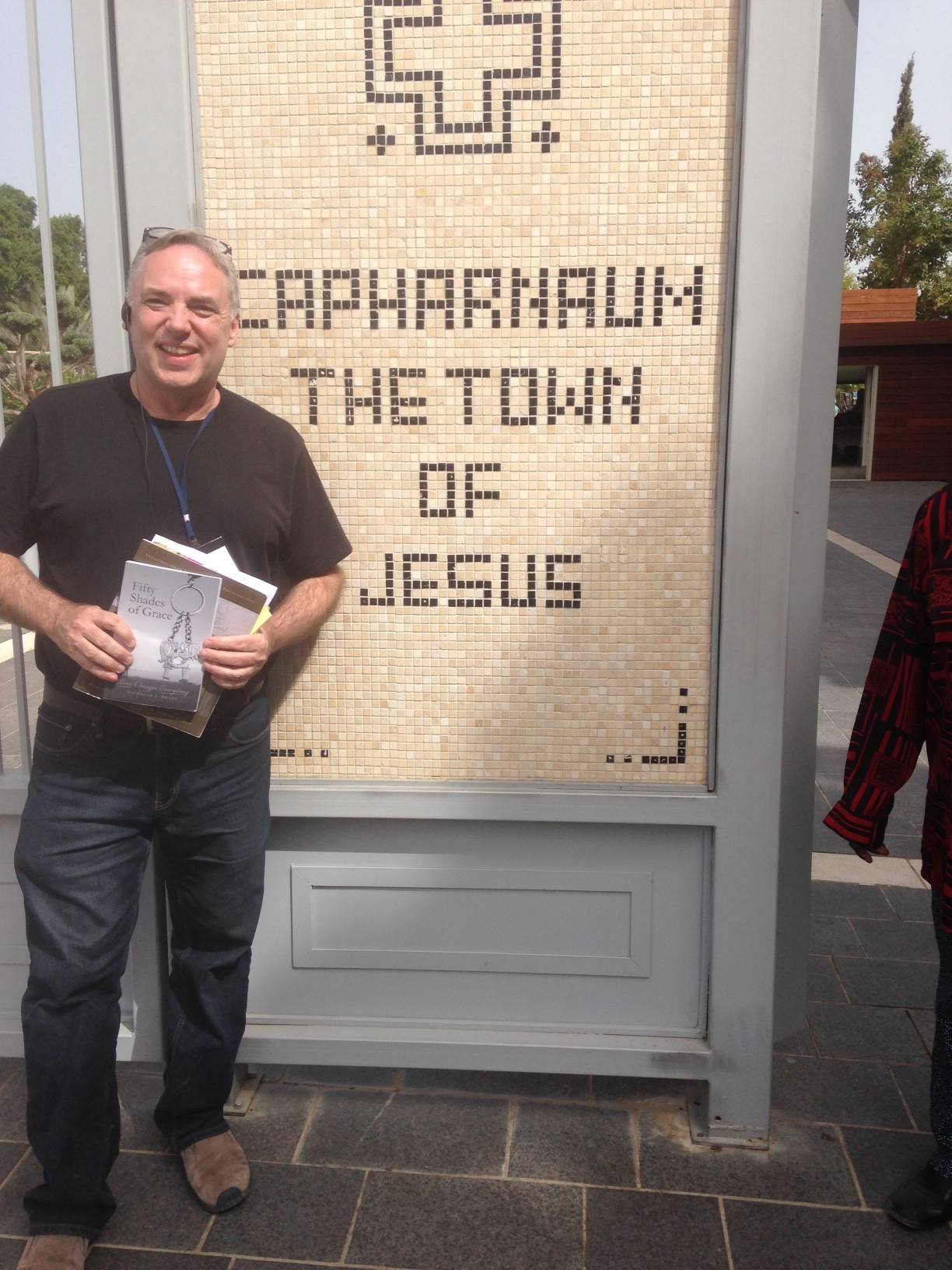

This Day’s Thought From The Ranch- Magnifying Prayers- Psalm 8


This Day's Thought from The Ranch

MAGNIFYING PRAYERS – PSALM 8
Lesson 2 of Psalms: Lessons in Prayer

by Eric Elder
The Ranch

You can listen to today’s psalm here:
Psalm 8, read by Lana Elder, with Pachelbel’s “Canon in D” played by Eric Elder

I set up a telescope one night to look at the moon and the stars. My kids couldn’t believe what they were seeing: how detailed and three-dimensional the moon looked, hanging there in space; how many stars there were–hundreds, thousands, millions–all glittering in the night sky.

They could hardly believe that each star was like our own sun–some bigger, some smaller, spread all throughout space! Each flicker of light that looked like it was no bigger than the head of a pin was, in fact, full of power, warmth, and wonder like our own sun–and there were a shining multitude of them everywhere we looked!

All this revelation, all this insight, all this awe came from simply holding a type of magnifying glass up to what we normally see on a regular basis nearly every day.

As I was reading through the psalms and looking for secrets of effective prayer, these words from Psalm 8 stood out to me:

“O Lord, our Lord, how majestic is Your name in all the earth! … When I consider Your heavens, the work of Your fingers, the moon and the stars, which You have set in place, what is man that You are mindful of him, the son of man that You care for him?” (Psalm 8:1a, 3-4, NIV).

Something happens inside us when we hold up a magnifying glass to the world around us. It opens us up to seeing the incredible work that God has created in a new way. And that fresh perspective can help us to see our own problems in a new way as well.

King David, who wrote these words from Psalm 8 nearly 3,000 years ago, was struck with the same awe and wonder as my kids on the night I set up a telescope for them. As he considered the heavens, the work of God’s fingers, the moon and the stars which God had set in place, he burst out in praise! “O Lord, our Lord, how majestic is Your name in all the earth!”

And that made David look at his own life in a new way, saying, “What is man that You are mindful of him, the son of man that You care for him?”

Yet David realized that God was mindful of him. God did care for him. In fact, the same God who took such care to create the world that David saw created him with the same care–and not only created him with care, but considered him worthy to take care of the incredible creation around him!

God, it seems, has a magnifying glass of His own. When He looks at us, He looks with such detail that He can count the number of hairs on our head (see Luke 12:7). He cares for us so much that He has created us in His own image, and given us the task of caring for the rest of His whole creation.

If you wonder if God cares for you, just take out a magnifying glass today, literally, and look at one or two things in God’s creation. You’ll get a new perspective on your own life almost immediately.

This is what happened to William Wilberforce, a member of parliament who played a major role in ending the slave trade in England in the early 1800’s. He came to faith one day, not by looking up into the sky, but by looking down into the majesty of his garden. What he saw there so fascinated him that he plopped down on the wet grass to take a closer look. What he saw was the marvel of a spider’s web.

The movie Amazing Grace captures this faith-defining moment in the life of Wilberforce like this, as his butler finds him in the garden and wonders aloud what he’s found:

“It’s God,” said Wilberforce. “I have 10,000 engagements of state today but I would prefer to spend the day out here getting a wet arse, studying dandelions and marveling at… bloody spider’s webs.”

“You found God, sir?” the butler asks.

“I think He found me,” Wilberforce responds. “You have any idea how inconvenient that is? How idiotic it will sound? I have a political career glittering ahead of me, and in my heart I want spider’s webs.” 

Wilberforce found God by looking closely at a spider’s web, or, as he puts it in the movie, “I think He found me.”

I learned something new about spider’s webs just last week. My son told me that he learned in his biology book that a spider’s web is sticky only on certain strands of the silk it weaves, but that other strands aren’t sticky at all, so that it doesn’t get stuck when scurrying around on its own web. God somehow endowed the spider with the ability to spin different types of silk depending on the need.

I must have missed that fact when I took biology, but it was a little tidbit which enlarged my awe and wonder of God once again. How God instilled in a spider the wisdom and ability to know how to spin a web at all, or which silk to spin for which purpose, made me consider not only how clever the spider is, but how clever the God who created the spider is! And if God did this for a spider, imagine what He’s done for me, whom God says He has created as the pinnacle of all He has created on the earth, made in the very image of God Himself!

That thought makes me want to burst out in praise to God as well: “O Lord, our Lord, how majestic is Your name in all the earth!” And it makes me look at the situations I’m facing in a new way as well.

What loomed large and overwhelming to me at the beginning of my prayers suddenly seems puny in comparison to what God could do in each of those situations.  Heal a cut?  Mend a relationship? Breathe new life into something in my life that has died?

What seemed improbable just moments earlier suddenly seems no problem for the God who placed every star in the sky and knows each one by name (see Psalm 147:4)!

The God who holds creation together can certainly hold my life together as well. By magnifying God and His creation, I can see how small–how manageable–my own problems are in comparison. Whatever I face, God knows how to handle it.

If you’re facing problems today that are overwhelming you, take out a magnifying glass. Literally. Take a look at one or two things around you today–your fingerprint, a flower, or even a spider’s web. Or take out a telescope and look at the nighttime sky. Or just take a look around you at any ordinary object, but look closely to see the colors, the shapes, the details that you may have overlooked before.

Then marvel and wonder at the God who created all that makes up everything you see. Marvel and wonder that the same God who created each of these things created you with the same care–and has believed in you and trusted in you enough to put you in charge of the care of His incredible creation.

Will you pray with me?

Jesus, thank You for your magnificent creation. Thank You for including me in your plans when You created the world. Thank You for Your promise to finish the work You’ve begun in me. Help me to sort out the things I’m facing. Bring order to my world. Bring peace to my heart. Bring wisdom to my mind. I ask all this in Your name, Amen. 

Eric Elder

P.S. Here’s the link again to today’s scripture reading:
Psalm 8, read by Lana Elder, with Pachelbel’s “Canon in D” played by Eric Elder

P.P.S. And here’s the link to our reading plan if you want to read with us through all of the Psalms this year. There’s plenty of time to catch up. Just pick up and keep reading along! 2017 Reading Plan For Psalms.


Watch Here! | Listen Here! | Ask for Prayer | Contact Us | Visit Our Website | Subscribe | Facebook | Twitter | Tumblr | Bookstore


This Day’s Thought From The Ranch- Morning Prayers- Psalm 5


This Day's Thought from The Ranch

MORNING PRAYERS – PSALM 5
Lesson 1 of Psalms: Lessons in Prayer

by Eric Elder
The Ranch

You can listen to today’s psalm here:
Psalm 5, read by Lana Elder, with music by Bach played by Bo Elder

As I was reading through the book of Psalms, I was looking for secrets to having a more effective prayer life. I didn’t get very far into the book when I found one:
“In the morning, O Lord, You hear my voice; in the morning I lay my requests before You and wait in expectation” (Psalm 5:3, NIV).
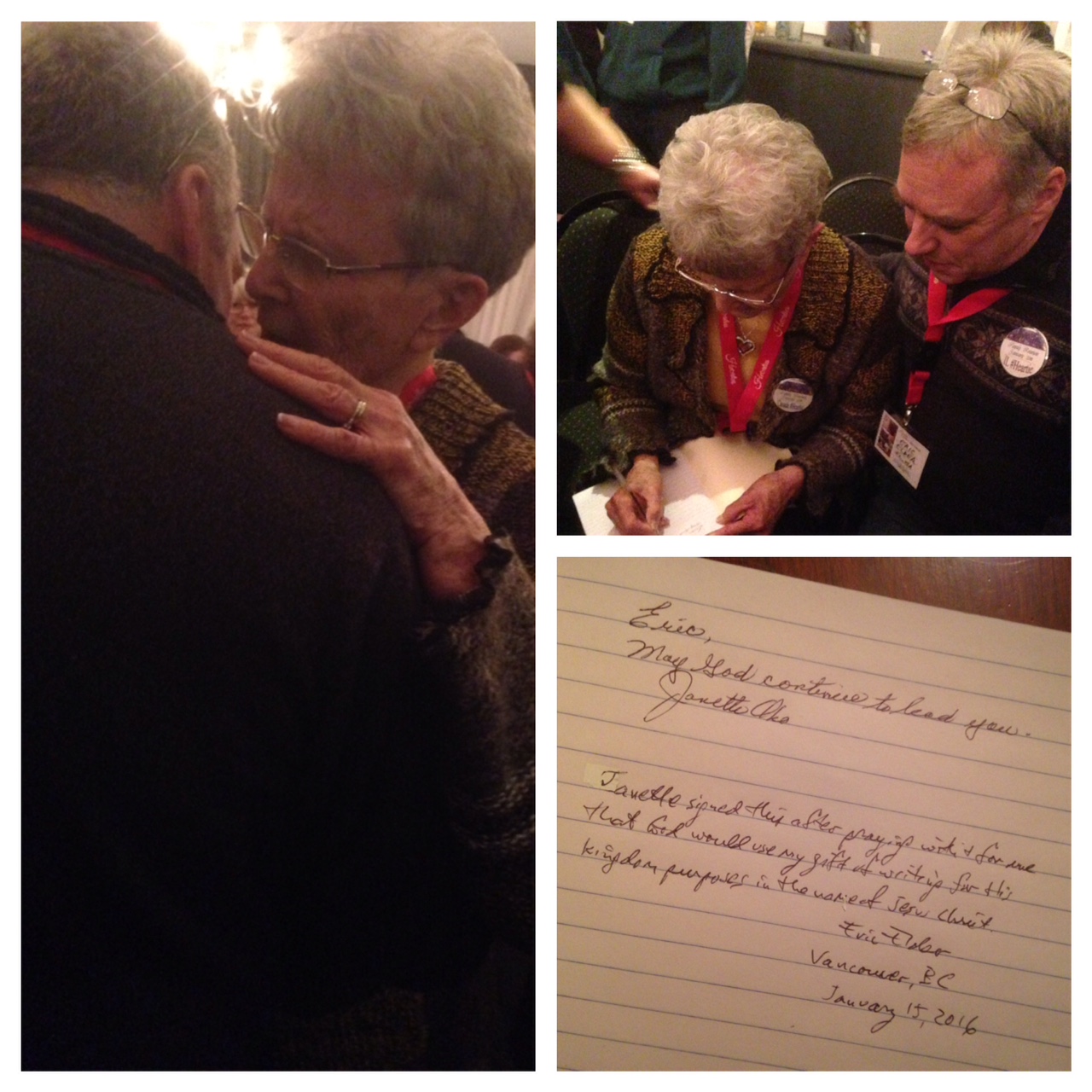
There’s something about morning prayers that make them hopeful. After a night of rest, it’s time to start a new day, a fresh day.

I’ve often prayed in the morning, waking up, taking out my Bible and a journal and a pen, then sitting quietly before God. But what I noticed differently in this Psalm is that the author, David, came to God with a spirit of expectancy.

David didn’t just come to God with a list of requests. He came with hope in his heart, expectant that God would answer. David knew the goodness of God. He knew that God was with Him. He knew that God was for him, just like He is for each one of us.

Our prayers have a purpose–not just because they quiet our hearts or help to organize our thoughts. Our prayers have a purpose because they involve another Person. They involve Someone who knows what you’re facing and who has the wisdom and ability to do something about them.

God really does know what you’re going through. He really does care. And that’s why you can come to God with the pieces of your life and ask God to help you put them together.

I love the way Eugene Peterson paraphrases David’s words in The Message translation of the Bible:

“Every morning you’ll hear me at it again. Every morning I lay out the pieces of my life on Your altar and watch for fire to descend” (Psalm 5:3, The Message).

Those words are so hopeful–so helpful. When I read these words I began doing this in my mind’s eye, with my own prayers. I began laying out the pieces of my life on God’s altar, with expectancy in my heart, then watching throughout the day for God’s fire to descend–just like it had descended in times past when people offered their sacrifices to God’s on an altar.

And I began seeing answers, that very day!

After having just written in my journal about what I should do for the day, I got a text from a neighbor at 7:05 a.m. offering to bring over lunch. Then I received word that an anniversary party was cancelled, which I had been wondering if I should attend or not. Then, after taking a morning walk with my wife and praying with her about a situation our daughter was facing, our daughter texted to say how God had just worked it all out! It was as if God were underscoring the words of David for me about laying out the pieces of his life on God’s altar, then waiting in expectation.

It’s good to pray at night or at the end of a project, as that allows us time to reflect on what God has done and to give thanks for what’s been accomplished. But in order to be most effective, it’s also important to offer our prayers up to God on the front end, inviting Him to speak and to work and to be involved in whatever we’re facing.

Martin Luther famously said:

“I have so much to do that I shall spend the first three hours in prayer.”

God wants to be a co-laborer with you.  He has things He wants to accomplish in and through you. And when you talk about those things with Him up front, He can help you sort them out and let you know what He can do and what you can do. In that way, you can bring it to pass together.

Not every answer comes right away, but that doesn’t mean we still can’t have expectancy in our heart. The past few weeks, my kids and I have been praying every morning for some royalty checks to be deposited in my account for some music I’ve written and produced.  While I normally receive these checks monthly, and they help to pay for the ministry that we do, the checks were delayed because of a new arrangement between the music companies involved. Every morning we’ve been praying, and every day we’ve been hopeful for an answer. At the same time, I’ve been working with the music companies, sending emails and making phone calls and having online chats, trying to help move the process along. I’m doing everything I can, but I’m trusting God with those things I can’t do. So every day we pray for the people involved in this process–the computer programmers, the accountants, and the decision-makers–asking God to give them wisdom as they work out the details.

Then just on Friday night, for the first time in months, I started seeing those deposits coming into my account. One, two, three, four of them! As the night went on, there were more: five, six, seven, eight! The deposits kept coming as the system started working again! I praised God, together with my kids, knowing that relief was on the way!

Come to God in the morning. Sit down with Him and go over your day. Ask Him what He wants you to do. Ask Him to do what you know you can’t do. Then be on the lookout for His answers. They may not come that day, but they might! And they may not come the next day, or the next month, as I had hoped while waiting for my missing royalties.

But even if you don’t see an answer right away, don’t think that God isn’t working on your behalf. Remember what God told Daniel, through an angel that God sent to him twenty-one days after Daniel had begun praying:

“Do not be afraid, Daniel. Since the first day that you set your mind to gain understanding and to humble yourself before your God, your words were heard, and I have come in response to them” (Daniel 10:12).

God hears your prayers the moment you utter them. So why not utter them the first thing in the morning? Invite God into your day. Let Him order your steps. Lay out the pieces of your life on God’s altar, then wait in expectation.

Will you pray with me? Then after the prayer, I’d like to share a short thought with you in the P.S. about today’s reading of Psalm 5 that I shared in the link at the beginning of this message.

Jesus, thank You for loving me the way You do. Thank You for caring for me. Thank You for creating me with a purpose in mind, with good works that You want me to do. Help me, Lord, to accomplish those works today. Help me to know that You’ll be with me, working right alongside me, doing what only You can do, while I do whatever I can do. Help me to see the answers to my prayers, whether today, tomorrow, or down the road. Help me to trust You and look to You with a spirit of expectation, knowing that You are good, that You are kind, that You are loving, and that You are ultimately for me. In Jesus’ name, Amen.

P.S. When I first contemplated writing this series of messages on prayer, I asked my wife, Lana, if she would be willing to read and record each of the thirty messages I was going to use in this series. Lana had a beautiful reading voice, and she had recorded other Scripture CDs in the past, which I paired with some beautiful music in the background. I had sometimes even invited her onstage with me when I preached, so she could read the passage about which I was preaching, as her voice was so calming and beautiful.

Soon after we planned out the series, Lana was diagnosed with terminal cancer. We were shocked, but we were committed to prayer and to this series, no matter what. Lana went ahead and recorded all thirty passages, plus a few more, knowing that no matter what happened to her, God’s Word, once sent out, would never return without accomplishing that for which God sent it. It’s been almost five years now since Lana recorded these passages for this series. And while her life passed just a few months after she recorded these psalms, like a radiant flower that blooms one day then fades the next, she knew that God’s Word would never fade away. As it says in Isaiah:

“The grass withers and the flowers fall, but the word of our God stands forever” (Isaiah 40:7-8, NIV).

Here’s the link again to Lana’s reading of today’s psalm, paired with music by Bach (“Jesu, Joy of Man’s Desiring”) played by our son, Bo. I pray as you listen that God will fill your heart with a spirit of expectancy that He will answer your prayers. In Jesus’ name, Amen.
Psalm 5, read by Lana Elder, with music by Bach played by Bo Elder

And here’s the link again to our reading plan for this series if you’d like to read read through the whole book of Psalms with us this year: 2017 Reading Plan For Psalms.


Watch Here! | Listen Here! | Ask for Prayer | Contact Us | Visit Our Website | Subscribe | Facebook | Twitter | Tumblr | Bookstore


This Day’s Thought From The Ranch- Conversations With God


This Day's Thought from The Ranch

CONVERSATIONS WITH GOD
Introduction to Psalms: Lessons in Prayer

by Eric Elder
The Ranch

I love talking to God. It’s often the highlight of my day.

For some, like my friend Dan Mountney, waking up and talking with God brings focus to everything else that happens in his day. “It centers me,” Dan says.

For some, like Adrian Rogers, talking to God brings clarity to what God wants him to do. When asked by a reporter if God had spoken to Adrian like the reporter had just spoken to him, Adrian replied, “Oh, no! It was much louder than that.”

For some, like Billy Graham, talking with God is like talking with a best friend. “How do you know God exists?” Billy was once asked. “Because I spoke with Him this morning,” he replied.

What about you? How would you rate your conversations with God? As much as I love talking with God, I still feel in many ways that I am just scratching the surface of what my conversations with Him could be like.

Five years ago, my wife Lana and I were talking about prayer. Lana said, “I’d like to learn more about prayer.”

I was stunned. Lana’s prayer life was already deep and rich and full. She prayed continually, in private and out loud, for me, for our family, for our friends, for missionaries, for entire countries. She prayed for breakthroughs and healings and restorations. She prayed for forgiveness and for a greater love for others. Yet with all she had learned about prayer over the years, she still wanted more.

For me, that was Lesson #1 in going deeper in my own prayer life, to simply know that there’s always more.

At that same time, I was wanting to take a closer look at the book of Psalms. What was it about this book that made it one of the most beloved books in the Bible? What secrets did it hold that made publishers often publish it by itself, or pair it as the one Old Testament book to go along with the entire New Testament? Why do people seem to quote so often from the Psalms, as Jesus did, more than any other book in the Bible?

By combining my curiosity about the Psalms with Lana’s desire to learn more about prayer, we took a deeper dive together into this book to see what we could discover in its depths. We learned that the book of Psalms is really a book of prayers; in fact, it’s the oldest prayer book in the world. The word “psalm” means “song” in Hebrew, the language in which the psalms were originally written. And since they are all songs to God, they are often considered prayers as much as anything else–conversations with Him that came from deep in the author’s heart.

We learned that over half of those “conversations with God” were voiced by King David, as specifically noted in the text, with many of the others alluding to his authorship based on the situations described in the psalms. I was personally looking forward to learning all I could from this man whom God described as “a man after My own heart” (see Acts 13:22).

What I wasn’t expecting was that the next year of our lives would take such an unexpected twist: soon after we began this deeper dive into the book of Psalms and the topic of prayer, Lana was diagnosed with cancer. Ten days later, we were told it was terminal. And nine months after that, Lana was gone, having passed from this life to the next.

It crushed me, and it crushed a part of my heart at the same time. If I had known this would happen when we first decided we wanted to have a deeper, richer and fuller prayer life, I’m not sure we would have done it.

But I was reminded of this thought again when a friend was telling me how he had recently made a decision to go deeper in his relationship with God. He began by waking up ten minutes earlier each day to read his Bible and pray. The following week, he woke up ten minutes earlier still. And the week after that, he woke up ten minutes earlier still, continuing this pattern until he was now waking up an hour or more earlier than usual so he could have as much time with God as possible.

He then told me about several things that had gotten increasingly harder in his life during this time: his work situation, family’s heath and his finances.

It reminded me of the difficulties Lana and I had faced soon after we made our decision to go deeper with God. I was tempted to say something to this effect when my friend said something that stopped me:

“I am so glad I decided to do this with God,” he said, “because if I hadn’t, I don’t know how I could have gotten through this time in any other way.” 

My friend was right. He was absolutely right. If Lana and I had not committed ourselves to a deeper walk with God, I don’t know how we could have gotten through what we had to go through, either. And how much better it is to be on the path of going deeper with God before life throws its worst at you, rather than waiting till it hits you full on? The time I’ve spent grounding myself in God, and in my relationship with Him, is the one thing above all else that has helped me through some of the most difficult challenges in my life.

So here it is, five years since Lana and I decided to take that deeper dive into the topic of prayer as seen through the lens of the Psalms, and now I’d like to share with you some of the lessons that I’ve learned. Along the way, I’ll also tell you about some of the miraculous answers to prayer I’ve seen and some of the amazing conversations with God I’ve had, many of which are no less miraculous or amazing to me than those I read about in the book of Psalms. The same God who walked with David through his highs and lows is the same God who has walked with me through mine–and who will walk with you through yours.

I pray God will speak to you in a special way during your time with Him, both while we’re doing this study together, and on your own for the rest of your days. I can think of nothing more incredible than to be able to talk personally with the God who created you, who knows you better than you know yourself, and who loves you like no one else on earth ever could.

I’m looking forward to our time together. I hope you are, too. I’ll share the details of how we’ll work through the book of Psalms in the P.S. below. But first, will you pray with me?

Dear Jesus, I am so thankful that we can come to you each and every day, all day, at any time during the day, and have a conversation with You. You are so loving and gracious, so kind and helpful, so wise and so knowledgable about all things, including me. Help me as I go through this day. Walk me through every situation I face. Help me to learn all that You want me to learn as we walk through this study of the book of Psalms. In Your name we pray, Amen.

P.S. Here’s my plan for going through the book of Psalms:

There are 150 psalms in the book of Psalms, each containing its own particular thought or theme. For this study, I’m going to share some thoughts with you from 30 of those 150 psalms. If you’d like to read all 150 on your own, I’d suggest reading one psalm a day for five days, starting with Psalms 1-5 this week. I’ll be highlighting one of those five psalms every week in my weekly Sunday message. By reading just five psalms a week, you’ll have two extra days per week to take a break or catch up on your reading as we go along. I also plan on taking a break for a week or two every six or seven weeks, which will give you a break and still more time to catch up if you need it. If you follow along with this plan as we go through the study, you’ll have read through the entire book of Psalms by the end of it. For those who like charts and check marks, I’ve typed up my weekly plan for this series, which you can view or print to put in your Bible. Here’s the link to the 2017 Reading Plan For Psalms.

Thanks for reading along with me! Enjoy!

Eric Elder


Watch Here! | Listen Here! | Ask for Prayer | Contact Us | Visit Our Website | Subscribe | Facebook | Twitter | Tumblr | Bookstore


This Day’s Thought From The Ranch- This Week’s Sermon and New Series Coming!

Note from Eric: Would you like to read through the Psalms with me this year? It’ll be easy… we’ll just read one Psalm a day for five days each week. Then once a week, in our regular Sunday messages on “This Day’s Though from The Ranch,” I’ll share with you something I’ve learned from one of the five Psalms from that week.

As we’re reading through the Psalms, I’ll be looking particularly at how to have a more effective prayer life. Psalms is one of the most beloved books of the Bible and one of the most quoted books in the world. Why? That’s what we’re going to find out!

You don’t need to do anything special to receive these weekly messages. Just look for the Sunday message each week, which you already receive as part of your subscription to “This Day’s Thought from The Ranch.”

What you can do, however, is invite someone else to read through the Psalms with you this year! Just forward this email to them and ask if they’d like to sign up for our free daily emails as well. Your friends will get our inspirational quotes each day, just like you do, including this new series on the Psalms on Sundays. Just invite them to sign up for “This Day’s Thought from The Ranch” on the home page of our website at this link: http://theranch.org.

We’ll start with Psalm 1 next Sunday, February 19th. I’m looking forward to this new series. I hope you are, too!

Sincerely,
Eric Elder


This Day's Thought from The Ranch

Receiving God’s Guidance

by Christian Cheong

 
This is the story of how God guided Abraham’s servant to find the wife for his son Isaac. We’re going to learn some principles in receiving God’s guidance.

Our God is a God who guides, and who wants to guide.

• He did that for Abraham – bringing him out from his homeland to Israel.

• He did that for Moses and the people – from Egypt to Canaan.

• He did that for the wise men who wanted to see baby Jesus – so He showed them the way through a star in the sky.

Today, God wants to guide you in your choices – if you allow Him.

2 Chron 7:14 “If my people, who are called by my name, will humble themselves and pray and seek my face and turn from their wicked ways, then will I hear from heaven and will forgive their sin and will heal their land.”

Rom 10:9 “If you confess with your mouth, “Jesus is Lord,” and believe in your heart that God raised him from the dead, you will be saved.”

1 John 1:9 “If we confess our sins, he is faithful and just and will forgive us our sins and purify us from all unrighteousness.”

It is not that God do not want to guide us, it is more often the case that we do not want to listen to His advice. We ignore His guidance.

RETURN TO THE CABIN

A flight attendant spent a week’s vacation in the Rockies. She was captivated by the mountain peaks, the clear blue skies, and the beautiful forest. She also was charmed by a very eligible bachelor who owned and operated a cattle ranch and lived in a log cabin.

At the end of this week, after a wonderful time with this bachelor, she has to return home to her job. While on board the place, she was pondering, “Should I go back to the city or return to the woods and stay with this man in the cabin for the rest of her life?” She was struggling but believes that God will give her an answer.

To refresh herself, she went into the rest room and splashed some water on her face. Just then, there was some turbulence, a ‘ding’ sound went off and then a sign in the rest room lit up: PLEASE RETURN TO THE CABIN.

She did – to the cabin back in the mountains.

…Modified from Reader’s Digest [1/81], p. 118.

I hope this is not the way you make decisions in life.

• Making the right choice is a dilemma for many people, including Christians.

• How can you and I be certain that we are in God’s will and that the decisions we are making are the right ones?

• This is an important subject for all of us since we all must make important decisions.

This passage in Genesis 24 deals with this subject and problem.

• In this chapter we not only see God providing guidance to His people in an important matter but we also see the conditions under which that guidance was provided.

• These conditions, which could also be referred to as principles, are what I will discuss today.

There are 4 key principles that can help us.

The 1st principle for receiving God’s guidance: Knowing God’s Word.

[See verses 3-4]

We must know God’s will and purposes to help direct our actions and decisions.

• And that knowledge comes first and foremost from God’s Word.

• God’s Word reveals God’s plan, principles and purposes.

• We need to start with that. Without this knowledge, you might as well do whatever you want.

Abraham knew right at the start what he was looking for.

• He gave very clear instruction to the servant where to find a wife for Isaac – not among the daughters of the Canaanites.

• Boundaries have been set because Abraham knew what was right in God’s sight.

Knowledge of God’s Word is the first step in the right direction.

We see Abraham taking steps to see that God’s plan is fulfilled.

• God promised to make him a great nation.

• Isaac must marry and have children for the covenant blessings to be received.

• Abraham understands this, so he doesn’t sit idly and wait for God’s plan to be fulfilled.

• He does his part and takes appropriate action; in this case he begins to look for a wife for Isaac.

Sometimes we think that if God guides us, it means we do not have to do anything.

• Like people who are out of work and yet refuse to go look for a job because they are waiting for God to provide a job.

• Such thinking is unbiblical. God wants us to do our part, but to do it while being guided by the knowledge of God’s Word.

This was what Abraham did!

• His search for a wife wasn’t based on human standards or desires but guided by his knowledge of God’s will.

• Why did he insist that Isaac’s wife be from his own relatives and not from the local people of Canaan? Why did he insist on this condition?

• Because he knew enough of God’s will to know that God wouldn’t bless a marriage to a Canaanite woman.

God did not tell him specifically, “You cannot take a Canaanite woman for Isaac.”

• Although no specific command, God did reveal to Abraham the wicked character of the people of Canaan.

• And he knew that to marry one of them would not be pleasing to God.

• Although no clear command from God, he did have enough information to make reasonable inferences.

In other words, we apply biblical principles to the situation.

• There are many situations in life that we do not have a specific command in the Bible, but we are to apply the principles we come to know from the Scriptures.

• And make a decision that is in line with the character of God.

So, the first principle for receiving God’s guidance is: Knowing God’s Word.

• Psalm 119:105 “Your word is a lamp to my feet and a light for my path.”

NO LIGHT ON THE RUNWAY

Consider the experience of a friend of mine, who was a recreational pilot when he was younger. On one occasion, he flew his single-engine plane toward his home base at a small country airport.

Unfortunately, he waited too long to start back and arrived in the vicinity of the field as the sun dropped behind a mountain. By the time he maneuvered his plane into position to land, he could not see the hazy runway below.

There were no lights to guide him and no one on duty at the airport. He circled the field for another attempt to land, but by then the darkness had become even more impenetrable. For 2 desperate hours, he flew his plane around and around in the blackness of the night, knowing that probably death awaited him when he ran out of fuel.

Then as greater panic gripped him, a miracle occurred. Someone on the ground heard the continuing drone of his engine and realized his predicament. That merciful man drove his car back and forth on the runway to show my friend the location of the airstrip. Then he let his lights cast their beam from the far end while the plane landed.

…James Dobson shared this about his friend in The New Strong-Willed Child, p. xi.

It is very critical that we know the will of God.

• Jewish proverb: “It is better to ask the way ten times than to take the wrong road once.”

• “For a painter, he cannot do without a brush. For a carpenter, he cannot do without a hammer. For us, our life can do without God’s Word.”

The 2nd principle for receiving God’s guidance: Be Committed to God’s Will.

[See verses 5-6]

We have to DECIDE, right at the start, to keep to God’s plan.

• Abraham was serious about doing it right. It is one thing to know, it is quite another to be completely committed to it.

• It would not be easy to get a wife who is willing to follow the servant back, but he was committed to staying within the boundary lines.

• And it was a success. This story shows us that God guides us when we are committed to His will and not our own.

“If no woman is willing to come to this land (so far), can we just take Isaac back home and settle there?”

• The servant is basically asking: Can we change plan if it doesn’t work?

• Abraham said NO! God has already revealed to him that He is going to give him and his descendants this land.

• So Isaac is not going to leave this ‘promised land’.

Abraham makes it clear that he is totally committed to following God’s plan.

• It makes the servant’s job very difficult, but Abraham is committed to doing it God’s way.

• You see, he is determined to align himself to God’s plan, not the other way around. We don’t change plan and fit ourselves.

King Solomon, the wisest man of all times, wrote Proverb 3:5-6

“Trust in the LORD with all your heart and lean not on your own understanding; in all your ways acknowledge Him, and He will make your paths straight.”

• NLT translates as “Seek His will in all you do, and (then) He (The Lord) will direct your paths.”

• For a person with great wisdom to say this is special. He is so wise, and yet needs to consult God in all ways.

God eventually worked supernaturally to fulfil His plan.

• God will work supernaturally in your life to bring about His plans, but only when you are committed to doing His will.

The 1st principle for receiving God’s guidance: Knowing God’s Word.

The 2nd principle for receiving God’s guidance: Committing to God’s Will.

The 3rd principle for receiving God’s guidance: Trusting in God’s Ways.

[See verses 7-8]

Faith is crucial. You must trust God.

• Without that, you won’t keep to His plan. You don’t believe that it will happen as God promised.

In verse 7 Abraham recounts that God had made promises that included his offspring staying in this land.

Since God made that promise, Abraham expects Him to keep it by supplying a wife for Isaac.
• His confidence is based on God’s promise, not on personal desire.

• God honours those who trust in His Word!

In verse 8 Abraham acknowledges that it may not happen as he expects.

• This isn’t a lack of trust in God – just an acknowledgment that God may provide in a different manner that he expects.

• Whatever it is, “only do not take my son back there.” We are not going to change God’s plan. We must have this determination to stay the course!

• One way or the other God will provide for His will to be done without His people compromising on His Word!

Many people express a trust in God but their trust is that God will provide what they want and desire, according to their own plans

• Abraham really believes that God will provide on this trip, even though it looks extremely remote.

• What are the chances that his servant can travel 800km, meet a qualified woman from Abraham’s own family, and convince her and her family to let her travel to a distant land and marry a man she or the family has never met?

• Human insight or understanding would say, “No chance!”

• Nevertheless, in verse 7, Abraham clearly expects God to do just this by sending an angel to guide and provide.

• He is not trusting in his own understanding or insight but is rather trusting in God’s ways.

King Solomon says (Prov 3:5): “Trust in the LORD with all your heart and lean not on your own understanding.”

Whether the issue is marriage, career, studies, ministry, or some other life issue, we must trust God to supernaturally arrange the circumstances at the right time and in the right way.

That’s the 3th principle for receiving God’s guidance: Trusting in God’s Ways.

The 4th principle for receiving God’s guidance is to pray for God’s Wisdom.

The servant did not assume that he would recognize the woman God had prepared.

[See verse 12] He prayed.

• Notice something – after travelling a 800km journey on camel, the servant arrived at the perfect place to meet a young, unmarried woman at the very time the women would be coming to the well to draw water.

• What a coincidence. No, it’s what providence!

• God had arranged the circumstances perfectly for His will to be fulfilled in this situation.

Abraham’s knowledge, commitment, and trust were not in vain.

• God was working behind the scene.

• God will direct our circumstances so that His will is successfully fulfilled in our lives if we do our part to KNOW His Word, be COMMITTED to His Will, TRUST in His ways, and then PRAY for wisdom.

• I believe many of you can look back on your life and see evidence of God working and guiding your circumstances in remarkable ways!

• It is reassuring to see how powerful and wise our God is in directing our lives.

The servant realizes that this is a divine opportunity, so he prays for success and guidance.

• James 1:5 “If any of you lacks wisdom, he should ask God, who gives generously to all without finding fault, and it will be given to him.”

• We miss God’s guidance and divine opportunities because they do not pray.

Often we go through life just making decisions based on our own wisdom.
• We need to recognize that we do not have the wisdom to direct our own paths or to make right choices; we need to pray for God’s wisdom if we are to receive His guidance.

Continuing, James 1:6-8 “But when he asks, he must believe and not doubt, because he who doubts is like a wave of the sea, blown and tossed by the wind. That man should not think he will receive anything from the Lord; he is a double-minded man, unstable in all he does.”

These biblical stories are recorded for our practical application today.

We can receive God’s guidance if we have the knowledge of God’s Word, are committed to His will, trust in His ways, and pray for His wisdom.


Watch Here! | Listen Here! | Ask for Prayer | Contact Us | Visit Our Website | Subscribe | Facebook | Twitter | Tumblr | Bookstore


This Day’s Thought From The Ranch- This Week’s Sermon


This Day's Thought from The Ranch

But, God

by Richard Deem

 
There are a number of powerful 2-word phrases found in the Word of God. Phrases such as: Healed all; gathered in; cast out; raised up; pulled down. Each of these phrases are used in context with the power of God. However, there is one phrase used 43 times in Scripture that causes my spirit to leap for joy. That phrase is: BUT, GOD!

This small two word phrase communicates a tremendous message to all who will hear. It is God’s response to Satan’s challenge. It is the bottom line. It is the last word. It is all over but the shouting. “But God”, when viewed in relation to the challenges of life, is what up is to down; life is to death; in is to out. “But God” stand diametrically opposed to the negative roar of the world. The world says no – “but God” says yes. The world says can’t – “but God” says can. The world says won’t — :but God” says will. The world says stop – “but God” says go. The world says don’t – “but God” says do. The world says defeat – “but God” says victory!

“But God” climbs the highest mountain; traverses the darkest valley; and sings songs of victory in the midnight hour. “But God” exclaims “I’m going to the enemy’s camp and I’ll take back what he stole from me!” “But God is courageous, confident and conclusive!”

I’m speaking to you this morning from God’s perspective. I’m encouraging you to put on your Kingdom glasses and see things as God sees them. I want you to know it’s not over until God has His say. I’ve come to exhort you to stay for the entire game – wait until the last seconds tick off the clock; until the “home team” has had its chance. Wait until the last out is made! If you quit too soon, you’ll leave before victory is seen. I want to tell you this morning that the jury may still be out in your situation – all the votes are not in — the fat lady has not sung – God hasn’t had His final say. I’m speaking to you this morning on the subject “But, God . . .”

May I tell you this morning that in that book of miracles you hold in your hand, there are many instances where our adversary [Satan] is confounded and confused. There are stories of his elaborate schemes going awry, because he failed to realize that God would have the final say. Poor devil! He had worked so hard to get everything just right, yet just when he thinks he is victorious, he hears “But God!” Let’s look at a few of his defeats this morning.

  1. He Thought He Could Stop the Plan of God . . . BUT GOD [Acts 7:9; Gen 38-44]

And the patriarchs, moved with envy, sold Joseph into Egypt: BUT GOD was with him,

  1. Pit [Gen 37:22-24]

B. Potifer [Gen 39:1-6a]

C. Prison [Gen 39:7-20]

Echoes of his brothers: “. . .now let’s see what happens to your dreams.”

D. Palace [Gen 41:25-32]

  1. Notice Gen 39:21 & Acts 7:29 “But God was with Joseph!”

II. He Thought He Could Stop the People of God . . . BUT GOD [Eph 2:3-6]

All of us used to be just as they are, our lives expressing the evil within us, doing every wicked thing that our passions or our evil thoughts might lead us into. We started out bad, being born with evil natures, and were under God’s anger just like everyone else. 4 But God is so rich in mercy; he loved us so much 5 that even though we were spiritually dead and doomed by our sins, he gave us back our lives again when he raised Christ from the dead–only by his undeserved favor have we ever been saved– 6 and lifted us up from the grave into glory along with Christ, where we sit with him in the heavenly realms–all because of what Christ Jesus did. [TLB]

A. Perfect [Gen 1:26]

And God said, Let us make man in our image, after our likeness: and let them have dominion over the fish of the sea, and over the fowl of the air, and over the cattle, and over all the earth, and over every creeping thing that creepeth upon the earth.

B. Putrefied [Eph 2:3]

Among whom also we all had our conversation in times past in the lusts of our flesh, fulfilling the desires of the flesh and of the mind; and were by nature the children of wrath, even as others.

Created to be kings, they now find themselves as paupers. Once were friends with God – now are enemies. Mind once filled with thoughts of God, now has become breeding ground for lust and evil. Once were rulers – now are slaves. History’s greatest tragedy.

C. Promoted [2:6] — BUT GOD!

And hath raised us up together, and made us sit together in heavenly places in Christ Jesus:

III. He Thought He Could Stop The Power of God … BUT GOD [Acts 13:28-20]

And though they found no cause of death in him, yet desired they Pilate that he should be slain. 29 And when they had fulfilled all that was written of him, they took him down from the tree, and laid him in a sepulchre. 30 BUT GOD raised him from the dead:

  1. Pierced [Isa 53]

B. Planted [John 19:38]

And after this Joseph of Arimathaea, being a disciple of Jesus, but secretly for fear of the Jews, besought Pilate that he might take away the body of Jesus: and Pilate gave him leave. He came therefore, and took the body of Jesus.

For something to bloom, it must first be planted!

C. Powerful [Matt 28:18] – BUT GOD!

And Jesus came and spake unto them, saying, All power is given unto me in heaven and in earth.  Born in a stable, His mother a virgin, raised in a carpenter shop.  His parents were poor His people were slaves, His friends were a lowly lot.  His chances in life seemed so very slim, He’s expected to be a slave.  But people in darkness saw great light in Him And hope of freedom He gave.  All of the power of heaven and earth God had invested in Him.

He’s to die on the cross, descend into hell, Meet the devil, take the keys from Him.  He yielded Himself to the death on the cross, Cried it’s finished and slumped to die, in the regions of hell the devils celebrated, We’ve destroyed the king they cried!

In the midst of the celebration footsteps were heard Walking through the corridors of hell.  Then the shouting stopped as a voice rang out A voice rang out, a voice that rang like a bell.  Satan then trembled as he recognized Him Who had come to deliver His own.  “Shut and lock the gates”, he cried “Don’t let Him ascend to His throne!”

Don’t listen to the lies and disparaging words of our enemy. Realize that God has the final word! See things from the Father’s perspective. Incline your ear and hear “But God!”  Satan says defeat, but God says victory.  Satan says disease, but God says healing.  Etc.


Watch Here! | Listen Here! | Ask for Prayer | Contact Us | Visit Our Website | Subscribe | Facebook | Twitter | Tumblr | Bookstore


This Day’s Thought From The Ranch- This Week’s Sermon


This Day's Thought from The Ranch

Fill Your Pastor’s Joy to the Brim

by Dana Chau

 
This morning, we look at Paul’s letter to the Philippians, chapter 2, verses 1-4.

Someone has said, “Leaders are not grabbed; they are grown.” In most cases, when you see a terrific wife, husband or young adult, chances are she or he didn’t start out that way. The husband of that wonderful wife has a great deal to do with her inner beauty; the wife of that wonderful husband has a great deal to do with his inner beauty; and the parents of the wonderful young adult have a great deal to do with that young adult’s inner beauty. This is not always the case, but nurture does have its impact on nature.

We have a great impact and a great responsibility in shaping the people God entrusts into our lives, especially those we have regular contact with, our co-workers, our clients, our family and even our church family.

A pastor’s conference spoke of how the congregation begins to take on the likeness of its pastor over the years, so the pastor has no one to blame but himself, if he does not like the congregation after a number of years. I would make another claim, that I believe is true: The pastor that the congregation has after a number of years is not the same pastor who signed the contract many years before, but a person shaped by the congregation.

This morning, we will look at the “why” and the “how” to fill your pastor’s joy to the brim. The “why to fill your pastor’s joy to the brim” actually doesn’t come from this passage, but the “how” does. The “why” comes from Hebrews 13:17: “Obey your leaders and submit to their authority. They keep watch over you as men who must give an account. Obey them so that their work will be a joy, not a burden, for that would be of no advantage to you.” So what we will talk about this morning also applies to the Elders of the church. At each of our Elders meeting, we spend a portion of the time asking about and praying for your spiritual well-being.

How many of us would do everything possible to be pleasant with our mechanic or at least avoid arguing with him when we leave him our car for repair? I would want my mechanic to be in a great mood, because an unhappy mechanic can lead to a poor repair job, whether intentionally or unintentionally.

Again, how many of us would do everything possible to be pleasant with our surgeon, or at least avoid arguing with her before we go under the knife? Again, I would. An unhappy surgeon can lead to my death, whether intentionally or unintentionally.

But few people think about the importance of having happy or joyful pastor and Elders. Our business is the well-being of your souls. We work to make many opportunities for you and your friends to get to know God, and if you already know God, we work to provide many opportunities for you to mature in your relationship with God. We also work to protect your souls and relationships from being damaged by sin and ignorance.

The next time you go into surgery, pray that God will give your surgeon a joyful spirit. He will do a better job on your body. Furthermore, the next time you meet with your pastor or Elder, pray that they would have a joyful spirit. They will do a better job on your soul.

Paul, the church planter and founding pastor of the Philippi Community Christian Church tells us this morning about three areas of progress in which the Philippians can grow to make their pastor’s joy complete. We saw in the first chapter of Paul’s letter to the Philippians that he was filled with joy, and he encouraged the Philippians to have the same joy. Now he tells the Philippians how they can be involved in filling his joy to the brim!

If you want the best care for your soul, stay awake and learn how you can get involved.

The first area of progress in which you can grow to make your pastor and Elders’ joy complete is the area of reliance upon God. (We read this in chapter 2, verse 1.)

A pastor who truly is concerned about your soul will not find joy in a bigger paycheck. He will not find joy in a plush house. He will not find joy in the compliments he receives from his sermons. A pastor who is truly concerned about the souls of those he shepherds will find joy when the people he shepherds grow to rely on God as their source of strength enough for them to become a giver and not simply a taker.

Paul’s joy begins to be filled to the brim as he assumed the Philippians have encouragement from being united with Christ, that they have comfort from the love of God, that they have fellowship with the Spirit of God, and that all these enable them to express tenderness and compassion toward Paul.

His “if” statements are like that of the father who says to his son, “If you are a man, you would own up to your mistake.” This statement does not question whether his son is a man, but assumes that to be the truth. A mother who says to her daughter, “If you have a nice dress, why not wear the dress to the party?” This statement does not question whether the daughter has a nice dress, but assumes that to be the truth.

The job of the pastor is similar to that of the parents. The parents teach and model a healthy relationship between a man and a woman so that the child can grow up and have a healthy relationship with the opposite sex. That’s why one of the best things you can do for your child is to love your spouse. Similar to a parent, the pastor teaches and models a healthy relationship between a person and God so that the people he shepherds can grow up and have a healthy relationship with God.

When the people have a healthy reliance upon God for encouragement, for comfort and for fellowship, God becomes their source of strength enough to help them become givers and not simply takers.

Let me give you a few examples. When a person can give encouragement to another without expecting in return because she has encouragement from being unite with Christ, then she has found her source of strength in God. Or when a person can comfort someone who is hurting slightly while he himself is hurting badly, because he has his comfort from the love of God, and he has found his source of strength in God. Finally, when a person can offer friendship to those who reject her, because she has the fellowship with the Spirit of God, and she has found her source of strength in God.

We can only find our source of strength in God when we make our goal in life to know God more. Otherwise, we will seek our strength in the wrong places, in money, in prestige, in possession, or in power. These sources not only will not provide the needed strength in life, but they often produce greed and insecurity. Only one who has found his or her source of strength in God can become a giver and not just a taker in life. And the pastor and Elders who see such progress in the people they shepherd will overflow with joy.

The second area of progress in which you can grow to make your pastor and Elders’ joy complete is the area of resolving to be a loving team in sharing the good news of Jesus Christ. Resolve means to set your mind to doing. (We read this in chapter 2, verse 2 and chapter 4, verses 2-3.)

Paul calls us away from division, not by thinking alike, but by thinking on the same things, the same love, the same spirit and the same purpose. The church at Philippi was not without problems. In fact, Paul gets very specific and begins to name names when he calls other Christians in the church to help Euodia and Syntyche to resolve their conflicts.

The job of a pastor is similar to that of a coach. A coach leads the team by determining the characteristic, the unity and purpose of the team. I forget which baseball coach was quoted saying, “The secret to coaching successfully is to find out which team members like you, which team members hate you and which ones are undecided. Then the job of the coach is to keep those who hate him away from those who are undecided.”

If there is such division in the church, the pastor has to do more than preserve his job. He has to work with the team to possess a loving unity and purpose. While a baseball team might even win with members who hate each other and who hate the coach, the church cannot win when there is no love and no unity in the members and for the pastor and Elders.

Jesus Christ defined for the Christians what winning looks like, when love and unity characterize the resolve of Christians. Even sources outside of the Bible would affirm the power of having the same love and unity as Christ. From the words of Napoleon Bonaparte, we read, “Alexander, Caesar, Charlemagne, and myself founded great empires; but upon what did the creations of our genius depend? Upon force. Jesus alone founded His empire upon love, and to this very day millions would die for Him.”

The purpose of the church is to make the good news of Jesus Christ known to the community, to the country and to the world. This purpose is why we have local ministries, home missions and overseas missions. The good news is that through Jesus Christ, love and unity is possible between one another, even love and unity with God. But unless we are living such a resolve in our own lives, in our own families, or in our relationships with each other, we speak of what we have not experienced. We become like the salespeople who have never used the product – the product of love and unity.

On the other hand, if we resolve, that is set our minds on the same love, unity and purpose as Christ, we not only have good news to tell others about, but we also have good news to show others about and to share with others our experience. And the pastor and Elders who see such progress in the people they shepherd will overflow with joy.

The third and final area of progress in which you can grow to make your pastor and Elders’ joy complete is the area of relating to one another in humility and not in competition. (We read this in verse 3 and 4.)

As the pastor of the church, I am tempted to pretend that I am closest to God, possessing the most important gifts of the church and knowing exactly what I need to do and what you need to do in your life at any given moment. By the grace of God, I sometimes come to my senses or God withdraws Himself from my awareness, and I discover that God is not in my pocket, that I’m not gifted and talented to do all things in the church, and that I sometimes don’t know what God is doing in my life or in your life until afterwards.

God has not called your pastor to model perfection, but humility. You are to see that if God can use someone like me, He can use anybody in this room. To pretend to be something I’m not, or to think that I am better than you are is not only dishonest but will intimidate you from being the person God is making you to become.

A pastor was given an award for humility. A week later, the congregation took the award back because the pastor displayed it in his office. Humility is not mean to be put on display. Humility is also not downplaying one’s strengths and gifts. Humility is not low self-worth. Humility does not think of oneself more highly than he ought to think. Humility is aware of the good and strengths in others.

Competition, on the other hand, sometimes comes from a need to prove oneself, while humility relies upon God. Competition desires to exalt me, myself and I, while humility desires to exalt Christ, the Father and the Spirit. Competition resolves to distinguish the strong from the weak, while humility resolves to direct one’s power for God’s purposes. Competition has many loves, many allegiances and many drives, while humility has one love, one spirit and one purpose, that is to please God. Competition looks to one’s own interests, while humility looks also to the interests of others.

The one who possesses humility possesses godliness. The example set for us is that God humbled Himself in Jesus Christ. The Infinite became limited in time and space to serve and be a sacrifice on our behalf. Christians must learn to descend into greatness, if love, unity and achievement of God’s purpose are to occur in and through the church. And the pastor and Elders who see such progress in the people they shepherd will overflow with joy

Someone tells the story about a boy scout summer camp where the director found an umbrella neatly rolled inside a sleeping bag. The director asked the boy to whom this bag belonged, “Is there a reason why you brought an umbrella? It was not one of the listed items.”

To which the boy replied, “Sir, have you ever had a mother?”

As your pastor and Elders, we don’t try to be your mother, but we are responsible to God for the health of your souls. This morning, the Elders and I have been reminded of our responsibilities. As God gives us the grace and wisdom to do our job, you would greatly benefit from making our joy complete by growing in your reliance upon God, in your resolve to have the same love, unity and purpose, and in relating to one another in humility.


Watch Here! | Listen Here! | Ask for Prayer | Contact Us | Visit Our Website | Subscribe | Facebook | Twitter | Tumblr | Bookstore


This Day’s Thought From The Ranch- 3 Stories And A Conclusion


This Day's Thought from The Ranch

3 STORIES AND A CONCLUSION

by Eric Elder
The Ranch

 
About seven weeks ago, I saw God work in some remarkable ways. I’ve not shared them until today, because part of me wanted to do like Mary did when she saw God work in some remarkable ways. The Bible says that Mary, “… treasured up all these things, pondering them in her heart” (Luke 2:19, ESV). 

But I’d like to share these three stories with you today to give you three encouragements: 1) that God is really here, 2) that He really does care about us, and 3) that sometimes He blows our minds with the way He works things out. All three stories took place the first weekend in December.

I had flown out to meet my daughter, Makari, in Vancouver, Canada, as a producer friend of mine had invited her to film a brief background scene for an upcoming episode of When Calls the Heart, a beautiful series on the Hallmark channel which is about to start its 4th season on Sunday, February 19th.

emmajean-mittelberg-erin-krakow-makari-elder

Makari (right), on set with Emma Jean Mittelberg (left) and Erin Krakow (center)

Makari and I had met the cast and crew last year on the set, but this time Makari was going to be in front of the cameras, not just watching from behind the scenes. We were excited and looking forward to whatever God had in mind.

To my surprise, my producer friend, Brian Bird, and his wife, Patty, invited us to sit with them and their family for various events over the weekend, giving us an amazing view of the events as they unfolded. I was hoping for just a few minutes with Brian sometime over the weekend, as I knew he would be extremely busy with other activities, and here we were able to spend several extended periods of time, not only with him, but also with his family and a few of their friends.

makari-elder-brian-bird-eric-elder

Eric (right) and Makari Elder (left) with Brian Bird (center) in front of his production trailer on the set

Still, with all of the time we spent together, there was a particular project I have been working on that I wanted to talk to him about. At one point during the weekend, I asked him if maybe we could talk for five minutes about it, so I could give him an update on where it stood. We talked right then, for just a minute or two, but it turned out to be just the minute or two that I needed: a shot in the arm to keep moving forward with my project in the direction I was heading.

I went to bed that night thankful that we had been able to talk about this project, even ever-so-briefly, and for all the other amazing opportunities we had had so far in the weekend. But God was just getting started. I haven’t even gotten to the three stories yet!

The next day, Makari and I ducked out of the activities in Vancouver and took a three-hour bus ride south to Seattle, where another friend had invited us to visit her and see a Seattle Seahawks game with her  the next time we were in the area. She has a special suite in the stadium where she and her family watch the home games, and Makari and I were excited to see her and to see the game from her suite, something neither of us had ever done before.

makari-elder-debbie-macomber-eric-elder

Eric and Makari with Debbie Macomber (center) in her suite at a Seattle Seahawks game

When we got to the stadium, we were greeted graciously by my friend, Debbie Macomber, and her family. Although I had corresponded with Debbie various times over the past five years, this was the first time we were ever able to meet in person. She was as delightful in person as she was in her correspondence and on television interviews I had seen of her. (For those who may not recognize her name, Debbie Macomber is a New York Times bestselling novelist with over 200 million copies of her books in print. Her recent book, Sweet Tomorrows, is currently a #1 NYT bestseller, too! I normally wouldn’t point out these things, but it’s important to the story!)

As we were watching the game with Debbie and her family in the suite, a few of other people happened to come into the suite with us to say hello, including Steve Largent and Jim Zorn. (For those who may not recognize their names, Steve Largent was a receiver and Jim Zorn was a quarterback back in the early day of the Seattle Seahawks.)

makari-elder-steve-largent-eric-elder

Eric and Makari with Steve Largent (center), watching the Seahawks play the Panthers

eric-elder-jim-zorn-makari-elder

Eric and Makari with Jim Zorn (center)

They, too, were gracious and kind to Makari and me, and Debbie asked if we’d like our pictures with them. I texted the pictures to a few of my family and friends back home, two of whom, independently, said, “They’re treating you like royalty,” and “It’s like you’re with royalty.” I felt that way, too, especially when I looked out into the stadium and saw, all around it, a “ring” of words marked “Ring of Honor,” which listed the names of ten Seahawks. The first two names on the ring were Steve Largent and Jim Zorn! And here we were watching the game with both of them on one side of us and  Debbie Macomber on the other!

ring-of-honor

The “Ring of Honor,” as seen from the suite where we were watching the game

It was like being with royalty! As I tried to take it all in, I felt like everything around me began to fade away, and God spoke clearly to my heart:

“Eric, if you could see yourself the way I see you, you would know that I see you as royalty. You are my child, and I love you so very much.”

It’s one thing to be in awe of the people around you. It’s another to have the God of the universe single you out and say: “I see you as royalty, too.” But the truth is, that’s the way God sees every one of us. There is an aspect to being a child of His that lifts and elevates us in a way that goes beyond anything people could do to lift or elevate us. And if we can just take that in, that the God of the universe not only knows us, but loves us dearly, and thinks that we’re precious children of His–the King of kings and Lord of lords–it changes everything. It changes the way we see ourselves, our worth, our value–even if our only claim to fame is being one of His children. That alone is amazing enough to warrant being listed on God’s own “Ring of Honor.”

But the story picks up from there. The next morning was the day we were to be on the set back in Vancouver. So Makari and I took a late night bus back to Vancouver after the game, got a quick night’s sleep, and woke up early the next day to meet Brian and a few others to head out to the set where they would be filming When Calls the Heart.

eric-elder-janette-oke

Eric on the set of When Calls the Heart with Janette Oke, author of the book by the same name which inspired the show

When I got to the lobby, I had a chance to sit with Janette Oke, who was also going out to the set with us. (For those who don’t recognize her name, Janette Oke is the author of over 70 books, including, Love Comes Softly and When Calls the Heart, the book on which the new television series is based which we were shooting. Again, I normally wouldn’t mention these things except that it is relevant to the story!)

I had met Janette a year ago, and at that time was so stunned to meet her in person that I asked her if she would pray for me and sign a notebook that I had with me, both of which she did so sweetly. I was astounded. This time around, I was able to sit with her on several occasions over the weekend, and we were able to talk about a wide range of topics. When I met her in the lobby, we sat down together again, and I told her about a project I was currently working on, pulling out a copy of the book I had written which was the basis of the project. As I was telling her about it, she asked several more questions and was keenly interested. I asked if she’d like to take a copy of the book with her, which she very much wanted to do! Awkwardly, I then asked if she would like me to sign it for her, which she also wanted me to do! As I sat there in the lobby of the hotel, I was stunned once again, this time not because I had met Janette Oke and she had signed a book for me, but because it felt like somehow she had met me! And now I was signing a copy of my book for her!  In that moment, I felt like God was speaking to me again, saying:

“Eric, I know you’re aware of the impact others have on you. But don’t underestimate the impact you have on others.”

And God was right. I often underestimate my own impact on others, even though I can so often see the impact others have on me. And it isn’t because I’m particularly special. My message for you with this story is to not underestimate the impact you can have on others, too.  We all have gifts and talents and a purpose on earth, and if we could only see ourselves as God sees us, we would see how He weaves and uses those gifts and talents and purposes for our benefit and for the benefit of others.

But the next story was the most surprising of all. As we went to get into our cars to go to the set, it was snowing heavily. We were trying to figure out who would ride with who, and it looked like there may not be room for me to ride with someone else, so I was about to look for a way to get to the set on my own, when my friend, Brian, who is one of the executive producers of the show, asked me to sit in the front seat of his car with him! (For those who don’t recognize his name, Brian has written and produced hundreds of episodes for television, including five seasons of Touched by an Angel, and has written and produced an upcoming movie for the same people who produced God’s Not Dead, this one based on the life of Lee Strobel, called The Case for Christ, which will be showing in theaters starting April 7th.)

As I stood there, just before getting into Brian’s car, Brian looked over the top of the car at me and said, “This is really unusual. It hardly ever snows on the coast.”

To anyone else, those words might have been just casual words about the weather. But to me, they were nearly identical to some words I had written a few months earlier and had put in the book I wanted to talk to Brian about, and the book I had just signed and given to Janette Oke! In my story, however, I had written about a snow scene that takes place half a world away from where we were standing. I had written: “It hardly ever snows on the coast. And if it did, that would be a very special day.” In my story, the snow scene that follows becomes one of the key climaxes of the story where the main character is desperately needing to know that God is still there, that He really cares, and that He has a purpose for this character’s life on earth. When Brian spoke those words, it was as if God were magnifying them in my heart, saying:

“Eric, it hardly ever snows on the coast. And that makes this a very special day for you.”

And a special day it turned out to be! I got in the car and began to talk to Brian, and, because of the snow, what should have been a 45-minute drive to the set turned out to be a three-hour drive! It was a delay that could have been problematic for all kinds of reasons, but because of the kind of day that it was, it turned out to be incredible–for me, at least! While I was hoping to get five minutes with my friend that weekend, and we suddenly got three hours–three hours in which we shared stories from each other’s lives, at some points laughing, at other points crying, and at many points noting to each other how God was working through each of them. Because of the weather, the scenes we were going to shoot for the show had to be altered, so our time on set wasn’t as long as we had expected. Afterward, we went out to lunch and I got to talk to Brian for another two hours. Then, because the snow was still falling, the drive back to the hotel took another two hours, instead of the expected 45 minutes. By the end of the day, I had spent seven full hours talking with Brian in the front seat of the car or at lunch, when I had been hoping to get just five minutes for the whole weekend, and just a few days earlier had actually been happy to get just one or two minutes with him! It was a special day indeed!

I felt like the woman in the Bible who told Jesus she would be happy with just a crumb off the table of a king, when Jesus went overboard and miraculously healed her daughter! I would have been happy with a crumb that weekend, when God had in mind a full-day feast! As it says in the Bible, God is able to do “immeasurably more than all we ask or imagine,” (Ephesians 3:20, NIV). I sometimes wonder how that can be, because I can ask or imagine quite a bit! But that day, and over the whole weekend, God certainly went way beyond what I was ever asking or imagining.

Let me close with this. You are like royalty to God. You have no idea the impact you have on those around you. And, if you’ll keep your eyes and ears open, God has some truly special days in mind for you, wherein He will do more for you than all you can ask or imagine. Let these truths sink deep into your heart. And let God speak to you again today. He has so much that He wants to say. 


Watch Here! | Listen Here! | Ask for Prayer | Contact Us | Visit Our Website | Subscribe | Facebook | Twitter | Tumblr | Bookstore


This Day’s Thought From The Ranch- The Value of Vision (Part 2)


This Day's Thought from The Ranch

THE VALUE OF VISION (PART 2)

by Eric Elder
The Ranch

 
Last week, I shared with you about the difference it made in my life to picture myself one year in the future, trying to envision what I could be doing or enjoying differently at the end of the year than at the beginning of the year. This week, I’d like to share about the difference that approach made to my goal setting in the lives of other people as well. Reaching our goals is for more than just getting what we want out of life. As the Bible says:

“Where there is no vision, the people perish” (Proverbs 29:18, KJV).  

One of the goals I set at the beginning of last year was to write the complete script and score for a new musical I’m writing called “St. Nick: The Musical.” I pictured myself holding a draft of a completed script and score. As I pictured in my mind what that would look like,  I wrote down this goal:

“I’d like to be holding a copy of a completed script and score for St. Nick: The Musical.

It was an ambitious goal, but one I really wanted to try. By the end of the year, I had completed one-third of the script and one-third of the score! Even though I hadn’t completely finished, this was phenomenal for me!

So I took a picture of myself at the end of the year holding a copy of both the script and score.

eric-holding-one-third-script-and-score

What I had envisioned at the beginning of the year had, at least in part, come to pass by the end, at least.

But what I also wanted to do at the beginning of the year was to help some other people write their own books this year, books that they had just been thinking about, but had never actually written. So at the beginning of the year, I wrote out another goal:

“I’d like to be looking at 3-5 others, whom I have encouraged to write, holding copies of their own stories in their hands.”

I didn’t set this goal for profit or gain for myself in any way. I set it because God has poured into me so much insight and wisdom into the writing and publishing process over the last twenty years–to the point where I’ve written and published nearly twenty books during that time. I wanted to pour out some of that insight and wisdom to others.

So I prayed. I prayed that God would show me 3-5 others that I could encourage to write their own books. And God answered that prayer! I asked several of them this past week if they would send me a picture of themselves holding their own books in their hands, whether they had rough drafts, finished drafts or published books. And here’s the result!

jeanette-eric-manuscript-b

Jeanette wrote a draft of a book about how God helped her through a health crisis in her family.

Kent wrote a draft of a book on creativity for people wanting to reach their potential.

al-holding-manuscript

Al wrote a draft of a book about his father’s service to our country in the 2nd World War, (which he has been able to work on and share with his father along the way).

shelly-holding-manuscript

Shelly wrote a draft of a book about her intimate walk with God.

laurie-holding-final-book-3

And Laurie wrote a children’s book about trusting in God, even  when “the lights go out.” (And she got it published on Amazon by January 2nd!)

How did this all work? After talking to God about my goal of helping others in this way, God started bringing people to mind, or bringing people to me in person, each of whom expressed their interest in writing and publishing a book. Whenever the topic came up in our conversations, rather than just saying a few encouraging words or letting those comments go by, I asked if there was anything I could do to help them achieve their goal.

In some cases, it was as simple as pointing them to a 90-minute online class I had taught and recorded a few years ago to show people how I create and self-publish my own books on Amazon. (You can watch it here for free!) Then I would make myself available to answer any questions or help them in any other way I could.

In other cases, I offered some ideas for how they could start their book–by writing down the main point they were wanting to make, coming up with a simple outline of the chapters their book could contain, and offering to read each of their chapters each week or whenever they wrote them. Several of the people found that simply having someone else involved and eager to read their work each week was just the incentive they needed to not only start, but to keep on writing.

And I loved reading what they wrote! Each story was magnificent as it unfolded. I was inspired in my faith, and I learned more about my friends than I had ever known before. It never felt like a chore to help others–it was a true joy.

I share all of this with you as we’re still at the beginning of 2017. We have nearly a whole year ahead of us. Maybe God has poured something into your life that He wants you to share with others–whether it’s a skill, a gift or a talent; an understanding or insight into a topic; a way of working, a way of thinking, or a way of living. Maybe there’s a goal you could put on your own list this year that could help someone else–or several “someone else’s”–by the end of it?

Why not take a few minutes to picture what that would look like at the end of 2017 to see that goal accomplished, then jot it down. Ask God to help you achieve that goal, not only for your sake, but for the sake of others, too. Remember that your vision might be just what others need to help them accomplish theirs.

“Where there is no vision, the people perish” (Proverbs 29:18, KJV). 


Watch Here! | Listen Here! | Ask for Prayer | Contact Us | Visit Our Website | Subscribe | Facebook | Twitter | Tumblr | Bookstore


This Day’s Thought From The Ranch- The Value of Vision


This Day's Thought from The Ranch

THE VALUE OF VISION

by Eric Elder
The Ranch

Last year I tried something new in my annual goal-setting. I like the way it turned out, so I thought I’d share it with you today as you look ahead to your own new year. As the Bible says:

“Where there is no vision, the people perish” (Proverbs 29:18, KJV).  

This applies to our personal lives as well. Vision is what gives us hope. Vision is what gives us something to “go for.” Vision is what keeps us on track when we’re in danger of veering off.

Last year, my friend, Kent Sanders, in his book, The Artist’s Suitcase, encouraged me to envision myself one year in the future. He wrote:

“Imagine what your life could be like one year from today. How could it be different? Would you look different? Would you have more energy or a better income? What about that book, blog, music, or other project you’re working on? What would it feel like to have it finished? … Write down what you see–your appearance, energy level, success, and the other items that are important to you. This is what your life could be like a year from now.”

I took Kent’s challenge to heart and asked God to help me envision what my future might look like if He and I were to work on it together. I came up with about 15 goals for the year. That was more than I had planned to write down, but not all of them were huge, and not all of them were vastly different from what I was already doing. But by writing them down, I was able to keep them in front of me all year long, which helped me realize all along that I was actually accomplishing my goals for the year, even by doing some of the seemingly ordinary, every day things I was doing.

For instance, this was one of my goals related to my family:

“I’d like to be enjoying rich conversations with my kids (during school, meals, and other activities).”

As I sat with my kids during the year, whether we were talking about their lives, or their schoolwork, or whatever else was on their hearts, I was able to feel good about the conversations at hand, and this was actually one of my goals: to be enjoying rich conversations with my kids! This really helped me as I went through my days, and ensured that I took the time to enjoy those conversations, not just rush through them and onto whatever was “next.”

This goal also helped me, in both small and big ways, to take advantage of the opportunities that arose to spend time with my kids which I might have missed otherwise.

This goal helped me in a small way, when after a dance class one night with my youngest daughter, she asked if we could stop to get something to eat on our way home. She wondered if we could sit down and eat at a particular restaurant. Normally, by that hour of the night, all I could manage was a quick stop at a drive-through so we could get back home because of all the other things that needed to be done. But because one of my goals was “to enjoy rich conversations with my kids,” we decided to stop and order from the menu at a sit-down restaurant–where a waitress actually brought our food to us!  While it might seem like a small thing, when you’re shuttling kids from one activity to another and trying to squeeze as much as possible into every day, taking an hour to just sit and enjoy a meal and a conversation seems costly, time-wise, but is so heavenly, in every other way.

And this goal helped me in some big ways, too. When my oldest daughter mentioned her interest in taking a cruise somewhere, someday, I didn’t give it much thought. Since we normally do things with our whole family, a cruise for a family of seven seemed out of the question. But because of my goal of “enjoying rich conversations with my kids,” I thought about her desire again when her birthday was coming up. I thought, “Maybe I could take just her, and we could go on a cruise together as something special to do, just the two of us.” She happened to call me soon after I had had this thought, telling me about her week, which had been particularly hard. I decided to tell her what I was thinking about the cruise and asked what she thought of just the two of us going. She loved the idea! We found a cruise that we could afford, and we went! And we would have missed it, had I not had this goal of spending time with my kids, and had she not expressed to me one of her own desires.

karis-eric-cozumel

I had similar experiences with my other kids. Because one of my daughters is going into acting, I asked a producer friend if it would be possible for her to be in a background scene in one of his shows. To my delight, he said, “Yes!” So we flew to Vancouver for the taping and she was able to be on camera in a background scene. Even if her screen time turns out to be only a few seconds, the extended time we were able to spend with each other on the trip was priceless. I was able to accomplish my goal while also helping her to accomplish hers. It was a win-win for us both.

makari-eric-wcth-filming

The goal continued to take on a life of its own as my youngest kids and I had been planning and saving for a trip to Israel someday, but we had never done it. It, too, seemed like it wouldn’t happen again this year. But because I had made it a goal, I made it a priority to find a way to do it, and we found one! And on the trip, I was able baptize both of them in the Jordan River–what a blessing for them and for me!

bo-kaleo-eric-baptisms-in-jordan-river-c

Not all of my goals with my kids involved going places. I was able to do some of them right at home. My oldest son knew that one of my goals was to finish a space in my attic that I wanted to use for reading and writing and praying. I had worked on it several years ago, but when my wife got cancer and passed away a few years ago, I stopped nearly completely. But I put that goal back on my list this year:

“I’d like to be enjoying my fully finished attic.”

So my son offered to help me out each week for much of the year, driving an hour each way to come to my house so we could finish all of the tiling and insulating and drywalling. With his offer, and the help of my other kids, too, we were able to get things almost finished! While we’re not quite done yet, I never would have pressed forward to get to this point had I not had this goal, and have the help along the way. And, by having my kids involved, I was able to spend more time with them, even through the work of it all, meeting my other goal of “enjoying rich conversations with my kids.”

lucas-attic-project

Not all of these goals were fun and games, and each of them had its own set of challenges, difficulties, and costs. But in the end, anything worth doing takes effort.

While I didn’t accomplish all 15 of my goals for 2016, by having those goals in mind at the beginning of the year–and at the forefront of my mind throughout the year–I was able to stay focused and stay on track as much as possible for the rest of the year.

I’m looking forward now to writing out my goals for 2017. What about you? What are your hopes and dreams and visions for the new year? It’s not too late to sit down and give it some thought. We have a whole new year ahead of us. Why not write down your goals, keep them at the forefront of your mind, and see what God and you can do together?


Watch Here! | Listen Here! | Ask for Prayer | Contact Us | Visit Our Website | Subscribe | Facebook | Twitter | Tumblr | Bookstore


This Day’s Thought From The Ranch- 2017 Daily Bible Reading Plan


This Day's Thought from The Ranch

2017 DAILY BIBLE READING PLAN
by Al Lowry

Note from Eric Elder: If you’d like to join us in reading through the Bible in a year, you can start today with this “guilt-free” reading plan! Al Lowry describes it below, and there are links at the bottom of this message where you can view, print, and sign up for our “2017 Daily Bible Reading” plan. I hope you will! Here’s Al’s message…

With so many great devotionals out there to consider, how does one choose a good one to kick off the year?

I’m not kidding when I tell you I’ve begun dozens, but have often fallen short of completing these New Year’s resolutions.

More times than I like to think about, especially at the beginning of the year, I’ve voraciously dug into some new study and fallen off way too quickly. It’s been a vicious cycle of failures to me, and once again I’d end up getting down on myself for such incessant lack of discipline.

Then, 2 years ago, my friend, Eric, reset my course with a rather unique challenge: to read through the Bible in a year. I almost laughed when he suggested it, as I’ve desired to–and tried–many times before.  I’ll confess to you that my results would have most likely had me discovering my bookmark buried somewhere in Genesis by year’s end.

So why would this reading plan succeed where so many others did not?  Eric handed me a golden egg that gave the project hope where I had not seen it before.

The unique challenge of this yearly Bible read-through was preceded by 2 intriguing words: “guilt free.”

It was hard to grasp the concept when I already felt like a failure, believing that I’d just fall behind and drop out like other times.  Then, he kindly elaborated to me how this “no-guilt” factor actually set the course for a no-fail agenda.

The idea was to break the yearly Bible readings into the usual bite-sized daily diet (no surprise there).  The saving grace was not to be concerned with falling behind and getting frustrated and giving up. Technically, one could not fall behind, for even if that happened, the reader could resume on the appropriate day, and not worry or feel guilty about unread days. Of course, one would have the option of catching up on the missed text, but only if and when desired.

Initially, it seemed a little absurd to my type-A, overachievement gene to leave blocks of text behind, especially from such an important book. But eventually through careful thought, prayer and counsel from my friend, I began to realize that any devotional or even a topical church message could not thoroughly cover every biblical word every single time, and by taking this approach, I was likely to read more of the Bible by the end of the year than I would have ever read otherwise. All spiritual food we take in nourishes us as does the physical food we ingest. We would only starve if we failed to eat at all.

Logically, wouldn’t God reveal what I needed, and when I needed, it through even tiny mustard-sized efforts I offered up?

And so, exactly 2 years ago, I began my first guilt-free sojourn through the Bible, followed by a second year in 2016. Yes, I confess to missing or not focusing on many of the readings. But making it through at all was a major accomplishment in my life…and twice. ;)

What I found along the way for myself, and I suspect would be helpful for some of you, are a few tricks that stack the deck toward really getting into the game–and finishing.

I’d like to share some with you:

1. Listen to the word:

The Bible tells us to do just that, and with so many audible versions available and devices to listen on, it’s pretty darn easy.

That is not to say reading it shouldn’t be done as well, or in lieu of listening, but just try to have a listenable Bible version to help carry you through. Sometimes I would turn it on when I couldn’t sleep and would then doze off.  (Guilty me would accuse myself of cheating and feel the need to listen again. Guilt-free me would praise God in the morning for breaking my insomnia and allowing me much needed sleep.)

2. Write it down:

Jot down some thoughts along the way, and you’ll be as surprised as I was at the clarity it will bring. You may even find times when these thoughts can help others.

Sometimes days or even a week would go by without writing. But then, I would have some inspiration and these reflections, or devotionals, became ways to capture God’s voice. I offered them to others, and I have them still to reflect on.

I actually had no idea how much I had written until I started looking back through my notes. No need to be excellent authors in order to capture and help clarify an idea God gives to us. Rather, simply surrender ourselves to be willing conduits.

3. Don’t go it alone: 

The Bible states that two are stronger than one, and three are like the wrapped cords of a rope, not easily broken.  I found this to be so true, and I can’t state it enough. Before I started, I invited everyone I knew, and strangers alike, to join me on a special Facebook page.

This community became a small group that listened to my thoughts on passages and my prayer requests, and they shared theirs.  We shared a passage that touched us, or frustrations that we were having in our readings or in our lives.

This group need not be a replacement for church or a small group, but I just have to tell you that walking with others and being accountable is how this worked for me. Maybe it could for you too.

That being said, I’m ready to take the plunge again and would like to invite you to come along. Thank you old friends, who have said you’ll join me again. It is through your encouragement and inspiration that I feel confident to give it another go. And I would certainly love it if new readers join our adventure.

So, if you’ve felt God’s nudging to read the Bible in 2017, please feel free to come on board. We’d love to have you.

This year, I’m going to try something new and go straight through the Bible in book order–from cover to cover–from Genesis to Revelation.

Here’s a link to our “2017 Daily Bible Reading” plan (you can click any passage from this link to read it or listen to it in MP3 Audio, OR you can sign up to receive each passage by email every day at about the same time of day that you sign up):
2017 Daily Bible Reading Plan

And here’s a PDF of the same plan which you can print on one piece of paper (if you print it on both sides) to keep in your Bible. You can also click the links to each passage in this PDF if you want to read it online):
PDF of the 2017 Daily Bible Reading Plan

To join our Facebook group and encourage each other as we read along, click this link and request to join:
Facebook Group for 2017 Daily Bible Reading

And if you’d like to sign up for my emails (usually weekly) to encourage you along the way, just visit my website (which I’ve set up specifically for this purpose) and click “Follow”:
Visit Al’s website and click “Follow” for encouragement along the way

May God bless you and your families in the upcoming year. And if it falls onto your heart, let Him bless you in a special way through this Daily Bible Reading… GUILT-FREE!!!


Watch Here! | Listen Here! | Ask for Prayer | Contact Us | Visit Our Website | Subscribe | Facebook | Twitter | Tumblr | Bookstore


This Day’s Thought From The Ranch- St. Nicholas: The Believer, Part 7 of 7

Wishing you all a most joyous and blessed Christmas celebration!

Greg and Eric for This Day’s Thought from The Ranch


This Day's Thought from The Ranch

ST. NICHOLAS: THE BELIEVER
Part 7 of 7

by Eric & Lana Elder

 
On this Christmas day, I’m posting the conclusion (Part 7) of St. Nicholas: The Believer, a new book for Christmas based on the old story of St. Nicholas. As I mention in the conclusion of today’s message, St. Nicholas would have never wanted his story to replace the story of Jesus in the manger, but he would have loved to have his story point to Jesus in the manger. And that’s why this book was written.

You can read Part 7 below, or listen to Part 7 at this link, or order the paperback, eBook or audiobook from Amazon at this link. (If you missed them, you can follow these links to read Part 1Part 2Part 3, Part 4Part 5 or Part 6.)

Enjoy!
Eric

St. Nicholas: The Believer, by Eric & Lana Elder, A new story for Christmas based on the old story of St. Nicholas

ST. NICHOLAS: THE BELIEVER
A new story for Christmas based on the old story of St. Nicholas

by Eric & Lana Elder

PART 7

CHAPTER 37

Nicholas stood at his favorite spot in the world one last time: by the sea. Eighteen years had passed since he had retuned to Myra from the council in Nicaea. In the days since coming home, he continued to serve the Lord as he had always done: with all his heart, soul, mind and strength.

Nicholas had come to the shore with Dimitri and Anna Maria, who had brought with them one of their grandchildren, a young girl seven years oldnamed Ruthie.

Ruthie had been running back and forth in the waves, as Dimitri and Anna Maria tried to keep up with her. Nicholas had plenty of time to look out over the sea and as he often did, look out over eternity as well.

Looking back on his life, Nicholas never knew if he really accomplished what he wanted to in life: to make a difference in the world. He had seen glimpses along the way, of course, in the lives of people like Dimitri, Samuel, Ruthie, Sophia, Cecilia and Anna Maria.

He had also learned from people like the ship’s captain that when the captain arrived in Rome, his ship miraculously weighed exactly the same as before he had set sail from Alexandriaeven after giving the people of Myra several years’ worth of grain from it. Reminders like these encouraged Nicholas that God really had been guiding him in his decisions.

He still had questions though. He never quite knew if he had done the right thing at the council in Nicaea. He never quite knew if his later private conversations with Constantine might have impacted the emperor’s personal faith in Christ.

He was encouraged, however, to learn that Constantine’s mother had also made a pilgrimage to the Holy Land just as Nicholas had done. And after her visit, she persuaded Constantine to build churches over the holy sites she had seen. She had recently completed building a church in Bethlehem over the spot where Jesus was born, as well as a church in Jerusalem over the spot where Jesus had died and risen from the dead.

Nicholas knew he had had both successes and mistakes in his life. But looking back over it, he couldn’t always tell which was which! Those times that he thought were the valleys turned out to be the mountaintops, and the mountaintops turned out to be valleys. But the most important thing, he reminded himself, was that he trusted God in all things, knowing that God could work anything for good for those who loved Him, who were called according to His purpose.

What the future held for the world, Nicholas had no idea. But he knew that he had done what he could with the time that he had. He tried to love God and love others as Jesus had called him to do. And where he had failed along the way, he trusted that Jesus could cover those failures, too, just as Jesus had covered his sins by dying on the cross.

As Nicholas’ father had done before him, Nicholas looked out over the sea again, too. Then closing his eyes, he asked God for strength for the next journey he was about to take.

He let the sun warm his face, then he opened the palms of his hands and let the breeze lift them into the air. He praised God as the warm breeze floated gently through his fingertips.

Little Ruthie returned from splashing in the water, followed closely by Dimitri and Anna Maria. Ruthie looked up at Nicholas, with his eyes closed and his hands raised towards heaven. Reaching out to him, she tugged at his clothes and asked, “Nicholas, have you ever seen God?”

Nicholas opened his eyes and looked down at Ruthie, then smiled up at Dimitri and Anna Maria. He looked out at the sunshine and the waves and the miles and miles of shoreline that stretched out in both directions before him. Turning his face back towards Ruthie, Nicholas said, “Yes, Ruthie, I have seen God. And the older I get, the more I see Him everywhere I look.”

Ruthie smiled, and Nicholas gave her a warm hug. Then just as quickly as she had run up to him, she ran off again to play.

Nicholas exchanged smiles with Dimitri and Anna Maria, then they, too, were off again, chasing Ruthie down the beach.

Nicholas looked one last time at the beautiful sea, then turned and headed towards home.

EPILOGUE

So now you know a little bit more about me–Dimitri Alexander–and my good friend, Nicholas. That was the last time I saw him, until this morning. He had asked if he could spend a few days alone, just him and the Lord that he loved. He said he had one more journey to prepare for. Anna Maria and I guessed, of course, just what he meant.

We knew he was probably getting ready to go home, to his real home, the one that Jesus had said He was going to prepare for each of us who believe in Him.

Nicholas had been looking forward to this trip his whole life. Not that he wanted to shortchange a single moment of the life that God that had given him here on earth, for he knew that this life had a uniquely important purpose as well, or else God would never have created it with such beauty and precision and marvelous mystery.

But as Nicholas’ life here on earth wound down, he said he was ready. He was ready to go, and he looked forward to everything that God had in store for him next.

So when Nicholas sent word this morning for Anna Maria and me and a few other friends to come and see him, we knew that the time had come.

As we came into this room, we found him lying on his bed, just as he is right now. He was breathing quietly and he motioned for us to come close. We couldn’t hold back our tears, and he didn’t try to stop us. He knew how hard it was to say goodbye to those we love. But he also made it easier for us. He smiled one more time and spoke softly, saying the same words that he had spoken when Ruthie had died many years before: “Either way we win,” he said. “Either way we win.”

“Yes, Nicholas,” I said. “Either way we win.” Then the room became quiet again. Nicholas closed his eyes and fell asleep for the last time. No one moved. No one said a word.

This man who lay before us slept as if it were just another night in his life. But we knew this was a holy moment. Nicholas had just entered into the presence of the Lord. As Nicholas had done throughout his life, we were sure he was doing right now in heaven, walking and talking and laughing with Jesus, but now they were face to face.

We could only imagine what Nicholas might be saying to Jesus. But we knew for certain what Jesus was saying to him: “Well done, My good and faithful servant. Well done. Come and share your Master’s happiness.”

I have no idea how history might remember Nicholas, if it will remember him at all. He was no emperor like Constantine. He was no tyrant like Diocletian. He was no orator like Arius. He was simply a Christian trying to live out his faith, touching one life at a time as best he knew how.

Nicholas may have wondered if his life made any difference. I know my answer, and now that you know his story, I’ll let you decide for yourself. In the end, I suppose only God really knows just how many lives were touched by this remarkable man.

But what I do know this: each of us has just one life to live. But if we live it right, as Nicholas did, one life is all we need.

CONCLUSION

by Eric Elder

What Nicholas didn’t know, and what no one who knew him could have possibly imagined, was just how far and wide this one life would reach–not only throughout the world, but also throughout the ages.

He was known to his parents as their beloved son, and to those in his city as their beloved bishop. But he has become known to us by another name: Saint Nicholas.

The biblical word for “saint” literally means “believer.” The Bible talks about the saints in Ephesus, the saints in Rome, the saints in Philippi and the saints in Jerusalem. Each time the word saints refers to the believers who were in those cities. So Nicholas rightly became known as “Saint Nicholas,” or to say it another way, “Nicholas, The Believer.” The Latin translation is “Santa Nicholas,” and in Dutch “Sinterklaas,” from which we get the name “Santa Claus.”

His good name and his good deeds have been an inspiration to so many, that the day he passed from this life to the next, on December 6th, 343 A.D., is still celebrated by people throughout the world.

Many legends have been told about Nicholas over the years, some giving him qualities that make him seem larger than life. But the reason that so many legends of any kind grow, including those told about Saint Nicholas, is often because the people about whom they’re told were larger than life themselves. They were people who were so good or so well-respected that every good deed becomes attributed to them, as if they had done them themselves.

While not all the stories attributed to Nicholas can be traced to the earliest records of his life, the histories that were recorded closest to the time period in which he lived do record many of the stories found in this book. To help you sort through them, here’s what we do know:

  • Nicholas was born sometime between 260-280 A.D. in the city of Patara, a city you can still visit today in modern-day Turkey, on the northern coast of the Mediterranean Sea.
  • Nicholas’ parents were devout Christians who died in a plague when Nicholas was young, leaving him with a sizable inheritance.
  • Nicholas made a pilgrimage to the Holy Land and lived there for a number of years before returning to his home province of Lycia.
  • Nicholas traveled across the Mediterranean Sea in a ship that was caught in a storm. After praying, his ship reached its destination as if someone was miraculously holding the rudder steady. The rudder of a ship is also called a tiller, and sailors on the Mediterranean Sea today still wish each other luck by saying, “May Nicholas hold the tiller!”
  • When Nicholas returned from the Holy Land, he took up residence in the city of Myra, about 30 miles from his hometown of Patara. Nicholas became the bishop of Myra and lived there the rest of his life.
  • Nicholas secretly gave three gifts of gold on three separate occasions to a man whose daughters were to be sold into slavery because he had no money to offer to potential husbands as a dowry. The family discovered Nicholas was the mysterious donor on one of his attempts, which is why we know the story today. In this version of the story, we’ve added the twist of having Nicholas deliver the first two gifts, and Dimitri deliver the third, to capture the idea that many gifts were given back then, and are still given today, in the name of Saint Nicholas, who was known for such deeds. The theme of redemption is also so closely associated with this story from Saint Nicholas’ life, that if you pass by a pawn shop today, you will often see three golden balls in their logo, representing the three bags of gold that Nicholas gave to spare these girls from their unfortunate fate.
  • Nicholas pled for the lives of three innocent men who were unjustly condemned to death by a magistrate in Myra, taking the sword directly from the executioner’s hand.
  • “Nicholas, Bishop of Myra” is listed on some, but not all, of the historical documents which record those who attended the real Council of Nicaea, which was convened by Emperor Constantine in 325 A.D. One of the council’s main decisions addressed the divinity of Christ, resulting in the writing of the Nicene Creed–a creed which is still recited in many churches today. Some historians say that Nicholas’ name does not appear on all the record books of this council because of his banishment from the proceedings after striking Arius for denying that Christ was divine. Nicholas is, however, listed on at least five of these ancient record books, including the earliest known Greek manuscript of the event.
  • The Nicene Creed was adopted at the Council of Nicaea and has become one of the most widely used, brief statements of the Christian faith. The original version reads, in part, as translated from the Greek: “We believe in one God, the Father Almighty, Maker of all things visible and invisible. And in one Lord Jesus Christ, the Son of God, begotten of the Father, the only-begotten; that is, of the essence of the Father, God of God, Light of Light, very God of very God, begotten, not made, being of one substance with the Father; By whom all things were made both in heaven and on earth; Who for us men, and for our salvation, came down and was incarnate and was made man; He suffered, and the third day He rose again, ascended into heaven; From thence he shall come to judge the quick and the dead…” Subsequent versions, beginning as early as 381 A.D., have altered and clarified some of the original statements, resulting in a few similar, but not quite identical statements that are now in use.
  • Nicholas is recorded as having done much for the people of Myra, including securing grain from a ship traveling from Alexandria to Rome, which saved the people in that region from a famine.
  • Constantine’s mother, Helen, did visit the Holy Land and encouraged Constantine to build churches over the sites that she felt were most important to the Christian faith. The churches were built on the locations she had been shown by local believers where Jesus was born, and where Jesus died and rose again. Those churches, The Church of the Nativity in Bethlehem and the Church of the Holy Sepulchre in Jerusalem, have been destroyed and rebuilt many times over the years, but still in the same locations that Constantine’s mother, and likely Nicholas himself, had seen.
  • The date of Nicholas’ death has been established as December 6th, 343 A.D., and you can still visit his tomb in the modern city of Demre, Turkey, formerly known as Myra, in the province of Lycia. Nicholas’ bones were removed from the tomb in 1087 A.D. by men from Italy who feared that they might be destroyed or stolen, as the country was being invaded by others. The bones of Saint Nicholas were taken to the city of Bari, Italy, where they are still entombed today.

Of the many other stories told about or attributed to Nicholas, it’s hard to know with certainty which ones actually took place and which were simply attributed to him because of his already good and popular name. For instance, in the 12th century, stories began to surface of how Nicholas had brought three children back to life who had been brutally murdered. Even though the first recorded accounts of this story didn’t appear until more than 800 years after Nicholas’ death, this story is one of the most frequently associated with Saint Nicholas in religious artwork, featuring three young children being raised to life and standing next to Nicholas. We have included the essence of this story in this novel in the form of the three orphans who Nicholas met in the Holy Land and whom he helped to bring back to life–at least spiritually.

While all of these additional stories can’t be attributed to Nicholas with certainty, we can say that his life and his memory had such a profound effect throughout history that more churches throughout the world now bear the name of “Saint Nicholas” than any other figure, outside of the original disciples themselves.

Some people wonder if they can believe in Saint Nicholas or not. Nicholas probably wouldn’t care so much if you believed in him or not, but that you believed in the One in whom He believed, Jesus Christ.

A popular image today shows Saint Nicholas bowing down, his hat at his side, kneeling in front of baby Jesus in the manger. Although that scene could never have taken place in real life, for Saint Nicholas was born almost 300 years after the birth of Christ, the heart of that scene couldn’t be more accurate. Nicholas was a true believer in Jesus and he did worship, adore and live his life in service to the Christ.

Saint Nicholas would have never wanted his story to replace the story of Jesus in the manger, but he would have loved to have his story point to Jesus in the manger. And that’s why this book was written.

While the stories told here were selected from the many that have been told about Saint Nicholas over the years, these were told so that you might believe–not just in Nicholas, but in Jesus Christ, his Savior. These stories were written down for the same reason the Apostle John wrote down the stories he recorded about Jesus in the Bible. John said he wrote his stories:

“…that you may believe that Jesus is the Christ, the Son of God, and that by believing you may have life in His name” (John 20:31).

Nicholas would want the same for you. He would want you to become what he was: a Believer.

If you’ve never done so, put your faith in Jesus Christ today, asking Him to forgive you of your sins and giving you the assurance that you will live with Him forever.

If you’ve already put your faith in Christ, let this story remind you just how precious your faith really is. Renew your commitment today to serve Christ as Nicholas served Him: with all of your heart, soul, mind and strength. God really will work all things together for good. As the Bible says:

“And we know that in all things God works for the good of those who love Him, who have been called according to His purpose” (Romans 8:28).

Thanks for reading this special book about this special man, and I pray that your Christmas may be truly merry and bright. As Clement Moore said in his now famous poem, A Visit From St. Nicholas:

“Happy Christmas to all, and to all a good night!”

Eric Elder

(If you enjoyed this story and want a copy for yourself or for others, just follow this link to order the paperback, eBook or audiobook from Amazon.)

St. Nicholas: The Believer, by Eric & Lana Elder, A new story for Christmas based on the old story of St. Nicholas


Watch Here! | Listen Here! | Ask for Prayer | Contact Us | Visit Our Website | Subscribe | Facebook | Twitter | Tumblr | Bookstore


This Day’s Thought From The Ranch- St. Nicholas: The Believer, Part 6 of 7


This Day's Thought from The Ranch

ST. NICHOLAS: THE BELIEVER
Part 6 of 7

by Eric & Lana Elder

 
Today, I’m posting Part 6 of St. Nicholas: The Believer, a new book for Christmas based on the old story of St. Nicholas.

You can read Part 6 below, or listen to Part 6 at this link, or order the paperback, eBook or audiobook from Amazon at this link. (If you missed them, you can follow these links to read Part 1Part 2Part 3, Part 4 or Part 5.)

Enjoy!
Eric

St. Nicholas: The Believer, by Eric & Lana Elder, A new story for Christmas based on the old story of St. Nicholas

ST. NICHOLAS: THE BELIEVER
A new story for Christmas based on the old story of St. Nicholas

by Eric & Lana Elder

PART 6

CHAPTER 31

“And you’ve still never told her, after all these years?” Nicholas asked Dimitri. It had been twelve years since Nicholas had gotten out of prison, and they were talking about the bag of gold that Dimitri had thrown into Anna Maria’s open window five years before that.

“She’s never asked,” said Dimitri. “And even if I told her it was me, she wouldn’t believe me. She’s convinced you did it.”

“But how could I, when she knew I was in prison?” It was a conversation they had had before, but Nicholas still found it astounding. Dimitri insisted on keeping his act of giving a secret, just as Nicholas had done whenever possible, too.

“Besides,” added Dimitri, “she’s right. It really was you who inspired me to give her that gift, as you had already given her family two bags of gold in a similar way. So in a very real sense, it did come from you.”

Nicholas had to admit there was some logic in Dimitri’s thinking. “But it didn’t start with me, either. It was Christ who inspired me.”

And to that, Dimitri conceded and said, “And it was Christ who inspired me, too. Believe me, Anna Maria knows that as much as anyone else. Her faith is deeper than ever before. Ever since she met you, she continues to give God credit for all things.”

And with that, Nicholas was satisfied, as long as God got the credit in the end. For as Nicholas had taught Dimitri years earlier, there’s nothing we have that did not come from God first.

Changing subjects, Nicholas said, “You’re sure she won’t mind you being away for three months? I can still find someone else to accompany me.”

“She’s completely and utterly happy for me to go with you,” said Dimitri. “She knows how important this is to you, and she knows how much it means to me as well. I wouldn’t miss it for the world.”

They were discussing their plans to go to the Council of Nicaea that summer. Nicholas had been invited by special request of the emperor, and each bishop was allowed to bring a personal attendant along with him. Nicholas asked Dimitri as soon as he received the invitation.

The Council of Nicaea would be a remarkable event. When Nicholas first opened the letter inviting him to come, he couldn’t believe it. So much had changed in the world since he had gotten out of prison twelve years earlier.

Yet there it was, a summons from the Roman emperor to appear before him at Eastertide. The only summons a bishop would have gotten under Emperor Diocletian would have been an invitation to an execution–his own! But under Constantine’s leadership, life for Christians had radically changed.

Constantine had not only signed the edict that called for true tolerance to be shown to the Christians, which resulted in setting them free from prison, but he also had started giving them their property back–property which had been taken away under his predecessor. Constantine was even beginning to fund the building and repair of many of the churches that had been destroyed by Diocletian. It was the beginning of a new wave of grace for the Christians, after such an intense persecution before.

As a further sign of Constantine’s new support for the cause of Christianity, he had called for a gathering of over 300 of the leading bishops in the land. This gathering would serve two purposes for Constantine: it would unify the church within the previously fractured empire, and it wouldn’t hurt his hopes of bringing unity back to the whole country. As the leader of the people, Constantine asserted that it was his responsibility to provide for their spiritual well-being. As such, he pledged to attend and preside over this historic council himself. It would take place in the city of Nicaea, starting in the spring of that year and continuing for several months into the summer.

When Nicholas received his invitation, he quietly praised God for the changing direction of his world. While the Great Persecution had deepened the faith of many of those who survived it, that same persecution had taken its toll on the ability of many others, severely limiting their ability to teach, preach and reach those around them with the life-changing message of Christ.

Now those barriers had been removedwith the support and approval of the emperor himself. The only barriers that remained were within the hearts and minds of those who would hear the good news, and would have to decide for themselves what they were going to do with it.

As for Nicholas, he had grown in influence and respect in Myra, as well as the region around him. His great wealth was long since gone, for he had given most of it away when he saw the Great Persecution coming, and what remained had been discovered and ransacked while he was in prison. But what he lost in wealth he made up for in influence, for his heart and actions were still bent towards giving–no matter what he had or didn’t have to give. After giving so much of himself to the people around him, he was naturally among those who were chosen to attend the upcoming council. It would turn out to become one of the most momentous events in history, not to mention one of the most memorable events in his own life–but not necessarily for a reason he would want to remember.

CHAPTER 32

Although Christians were enjoying a new kind of freedom under Constantine, the future of Christianity was still at risk. The threats no longer came from outside the church, but from within. Factions had begun to rise inside the ranks of the growing church, with intense discussions surrounding various theological points which had very practical implications.

In particular, a very small but vocal group, led by a man named Arius, had started to gain attention as they began to question whether Jesus was actually divine or not.

Was Jesus merely a man? Or was He, in fact, one with God in His very essence? To men like Nicholas and Dimitri, the question was hardly debatable, for they had devoted their entire lives to following Jesus as their Lord. They had risked everything to follow Him in word and deed. He was their Lord, their Savior, their Light and their Hope. Like many of the others who would be attending the council, it was not their robes or outer garments that bore witness to their faith in Christ, but the scars and wounds they bore in their flesh as they suffered for Him. They had risked their lives under the threat of death for worshipping Christ as divine, rather than Emperor Diocletian. There was no question in their minds regarding this issue. But still there were some who, like Arius, felt this was a question that was up for debate.

In Arius’ zeal to see that people worshipped God alone, Arius could not conceive that any man, even one as good as Jesus, could claim to be one with God without blaspheming the name of God Himself. In this, Arius was not unlike those who persecuted Jesus while He was still alive. Even some of those who were living then and had witnessed His miracles with their own eyes, and heard Jesus’ words with their own ears, could not grasp that Jesus could possibly be telling the truth when He said, “I and the Father are one.” And for this, they brought Jesus to Herod, and then to Pilate, to have Him crucified.

As a boy, Nicholas had wondered about Jesus’ claim, too. But when Nicholas was in Bethlehem, it all finally made perfect sense to him–that God Himself had come down from heaven to earth as a man to take on the sins of the world once and for all as God in the flesh.

Arius, however, was like the Apostle Paul before he met the Jesus on the road to Damascus. Before his life-changing experience, the Apostle Paul wanted to protect what he felt to be the divinity of God by persecuting anyone who said they worshipped Jesus as God. For no man, according to Paul’s earlier way of thinking, could possibly consider himself to be one with God.

Like Arius, Paul could not believe the claims of Jesus and His followers. But on the road to Damascus, as Paul was on his way to round up and kill more Christians in his zeal, Paul met the Living Christ in a vision that blinded him physically, but awakened him spiritually to the Truth. In the days that followed, Paul’s physical eyes were healed and he repented of his misguided efforts. He was baptized in Jesus’ name and began to preach from then on that Jesus was not merely a man, but that Jesus’ claims about Himself to be one with the Father were completely true. Paul gave his life in worship and service to Christ, and had to endure, like Nicholas had to endure, imprisonment and an ever-present threat of death for his faith.

Arius was more like the religious leaders of Jesus’ day who, in their zeal to defend God, actually crucified the Lord of all creation. Arius felt justified in trying to gather support among the bishops for his position.

Nicholas and Dimitri didn’t think Arius’ ideas could possibly gather many supporters. Yet they would soon find out that Arius’ personal charisma and his excellent oratorial skills might actually hold sway over some of the bishops who had not yet given the idea nor its implications full consideration.

Nicholas and Dimitri, however, like the Apostle Paul, the Apostle John and tens of thousands of others in the time since Jesus lived and died and rose again from the dead, had discovered that Jesus was, thankfully and supernaturally, both fully human and fully divine.

But what would the rest of the bishops conclude? And what would they teach as truth to others for the countless generations to come? This was to become one of the pivotal questions that was to be determined at this meeting in Nicaea. Although Nicholas was interested in this debate, he had no idea that he was about to play a key role in its outcome.

CHAPTER 33

After a grand processional of bishops and priests, a boys’ choir and Constantine’s opening words, one of the first topics addressed at the council was the one brought forth by Arius–whether or not Jesus Christ was divine.

Arius made his opening arguments with great eloquence and great persuasion in the presence of Constantine and the rest of the assembly. Jesus was, he asserted, perhaps the foremost of all created beings. But to be co-equal with God, one in substance and essence with Him, was impossible–at least according to Arius. No one could be one with God, he said.

Nicholas listened in silence, along with every other bishop in that immense room. Respect for the speaker, especially in the presence of the emperor, took precedence over any type of muttering or disturbance that might accompany other types of gatherings like this, especially on a subject of such intensity. But the longer Arius spoke, the harder it became for Nicholas to sit in silence.

After all, Nicholas’ parents had given their lives for the honor of serving Christ their Lord. Nicholas himself had been overwhelmed by the presence of God in Bethlehem, at the very spot where God made His first appearance as Man in the flesh. Dimitri, Samuel and Ruthie had all been similarly affected by that visit to Bethlehem. They had walked up the hill in Jerusalem where the King of kings had been put to death by religious leadersleaders who, like Arius, doubted Jesus’ claims to be one with God.

Nicholas had always realized that Jesus was unlike any other man who had ever lived. And after Jesus died, He had risen from the dead, appeared to the twelve disciples and then appeared to more than 500 others who were living in Jerusalem at the time. What kind of man could do that? Was it just a mass hallucination? Was it just wishful thinking on the part of religious fanatics? But these weren’t just fans, they were followers who were willing to give up their lives, too, for their Lord and Savior.

The arguments continued to run through Nicholas’ head. Hadn’t the prophet Micah foretold, hundreds of years before Jesus was born, that the Messiah would be “from of old, from ancient times”? Hadn’t the Apostle John said that Jesus “was with God in the beginning,” concluding that Jesus “was God.”

Like others had tried to suggest, Arius said that Jesus had never claimed to be God. But Nicholas knew the Scriptures well enough to know that Jesus had said, “I and the Father are one. Anyone who has seen Me has seen the Father… Don’t you believe that I am in the Father, and that the Father is in Me?”

Even Jesus’ detractors at the time that He was living said that the reason they wanted to stone Jesus was because Jesus claimed to be God. The Scriptures said that these detractors cornered Jesus one day and Jesus said, “I have shown you many great miracles from the Father. For which of these do you stone me?”

They replied, “We are not stoning you for any of these, but for blasphemy, because you, a mere man, claim to be God.”

Jesus had certainly claimed to be God, a claim that got Him into hot water more than once. His claim showed that He was either a madman or a liar–or that He was telling the Truth.

Nicholas’ mind flooded with Scriptures like these, as well as with memories of the years he had spent in prisonyears he would never get back again–all because he was unwilling to worship Diocletian as a god, but was fully willing to worship Jesus as God. How could Nicholas remain silent and let Arius go on like this? How could anyone else in the room take it, he thought? Nicholas had no idea.

“There was nothing divine about him,” Arius said with conviction. “He was just a man, just like any one of us.”

Without warning, and without another moment to think about what he was doing, Nicholas stood to his feet. Then his feet, as if they had a mind of their own, began to walk deliberately and intently across the massive hall towards Arius. Arius continued talking until Nicholas finally stood directly in front of him.

Arius stopped. This breach of protocol was unprecedented.

In the silence that followed, Nicholas turned his back towards Arius and pulled down the robes from his own back, revealing the hideous scars he had gotten while in prison. Nicholas said, “I didn’t get these for just a man.'”

Turning back towards Arius and facing him squarely, Nicholas saw the smug smile return to Arius’ face. Arius said, “Well, it looks like you were mistaken.” Then Arius started up his speech again as if nothing at all had happened.

That’s when Nicholas did the unthinkable. With no other thought than to stop this man from speaking against his Lord and Savior, and in plain site of the emperor and everyone else in attendance, Nicholas clenched his fist. He pulled back his arm and he punched Arius hard in the face.

Arius stumbled and fell back, both from the impact of the blow and from the shock that came with it. Nicholas, too, was stunned–along with everyone else in the room. With the same deliberate and intentional steps which he had taken to walk up to Arius, Nicholas now walked back to his chair and took his seat.

A collective gasp echoed through the hall when Nicholas struck Arius, followed by an eruption of commotion when Nicholas sat back down in his seat. The disruption threatened to throw the entire proceedings into chaos. The vast majority of those in the room looked like they could have jumped to their feet and given Nicholas a standing ovation for this bold act–including, by the look on his face, even the emperor himself! But to others, Arius chief among them, no words nor displays of emotion could express their outrage. Everyone knew what an awful offense Nicholas had just committed. It was, in fact, illegal for anyone to use violence of any kind in the presence of the emperor. The punishment for such an act was to immediately cut off the hand of anyone who struck another person in the presence of the emperor.

Constantine knew the law, of course, but also knew Nicholas. He had once even had a dream about Nicholas in which Nicholas warned Constantine to grant a stay of execution to three men in Constantine’s court–a warning which Constantine heeded and acted upon in real life. When Constantine shared that dream with one of his generals, the general recounted to Constantine what Nicholas had done for the three innocent men back in Myra, for the general was one of the three who had seen Nicholas’ bravery in person.

Although Nicholas’ actions against Arius may have appeared rash, Constantine admired Nicholas’ pluck. Known for his quick thinking and fast action, Constantine raised his hand and brought an instant silence to the room as he did so. “This is certainly a surprise to us all,” he said. “And while the penalty for an act such in my presence is clear, I would prefer to defer this matter to the leaders of the council instead. These are your proceedings and I will defer to your wisdom to conduct them as you see fit.”

Constantine had bought both time and goodwill among the various factions. The council on the whole seemed to agree with Nicholas’ position, at least in spirit, even if they could not agree with his rash action. They would want to exact some form of punishment, since not to do so would fail to honor the rule of law. But having been given permission by the emperor himself to do as they saw fit, rather than invoke the standard punishment, they felt the freedom to take another form of action.

After a short deliberation, the leaders of the council agreed and determined that Nicholas should be defrocked immediately from his position as a bishop, banished from taking part in the rest of the proceedings in Nicaea and held under house arrest within the palace complex. There he could await any further decision the council might see fit at the conclusion of their meetings that summer. It was a lenient sentence, in light of the offense.

But for Nicholas, even before he heard what the punishment was going to be, he was already punishing himself more than anyone else ever could for what he had just done. Within less than a minute, he had gone from experiencing one of the highest mountaintops of his life to experiencing one of its deepest valleys.

Here he was attending one of the greatest conclaves in the history of the world, and yet he had just done something he knew he could never take back. The ramifications of his actions would affect him for the rest of his life, he was sure of it, or at least for whatever remained of his life. The sensation he felt could only be understood, perhaps, by those who had experienced it before–the weight, the shame and the agony of a moment of sin that could have crushed him, apart from knowing the forgiveness of Christ.

When Nicholas was defrocked of his title as bishop, it was in front of the entire assembly. He was disrobed of his bishop’s garments, then escorted from the room in shackles. But this kind of disgrace was a mere trifle compared to the humiliation he was experiencing on the inside. He was even too numb to cry.

CHAPTER 34

“What have I done?” Nicholas said to Dimitri as the two sat together in a room near the farthest corner of the palace. This room had become Nicholas’ make-shift prison cell, as he was to be held under house arrest for the remainder of the proceedings. Dimitri, using his now-extensive skills at gaining access to otherwise unauthorized areas, had once again found a way to visit his friend in prison.

“What have you done?!? What else could you have done?” countered Dimitri. “If you hadn’t done it, someone else surely would have, or at least should have. You did Arius, and all the rest of us, a favor with that punch. Had he continued with his diatribe, who knows what punishment the Lord Himself might have brought down upon the entire gathering!” Of course, Dimitri knew God could take it, and often does, when people rail against Him and His ways. He is much more long-suffering than any of us could ever be. But still, Dimitri felt Nicholas’ actions were truly justified.

Nicholas, however, could hardly see it that way at the moment. It was more likely, he thought, that he had just succeeded in giving Arius the sympathy he needed for his cause to win. Nicholas knew that when people are losing an argument based on logic, they often appeal to pure emotion instead, going straight for the hearts of their listeners, whether or not their cause makes sense. And as much as Arius may have been losing his audience on the grounds of logic, Nicholas felt that his actions may have just tipped the emotional scales in Arius’ favor.

The torment of it all beat against Nicholas’ mind. Here it was, still just the opening days of the proceedings, and he would have to sit under house arrest for the next two months. How was he going to survive this onslaught of emotions every day during that time?

Nicholas already knew this prison cell was going to be entirely different than the one in which Diocletian had put him for more than a decade. This time, he felt he had put himself in jail. And although this prison was a beautifully appointed room within a palace, to Nicholas’ way of thinking, it was much worse than the filthy one in which he had almost died.

In the other cell, he knew he was there because of the misguided actions of others. This gave him a sense that what he had to endure there was part of the natural suffering that Jesus said would come to all who followed Him. But in this cell, he knew he was there because of his own inane actions, actions which he viewed as inexcusable, a viewpoint which he felt many of those in attendance would rightly share.

For decades Nicholas had been known as a man of calm, inner strength and of dignity under control. Then, in one day, he had lost it alland in front of the emperor no less! How could he ever forgive himself. “How,” he asked Dimitri, “could I ever take back what I’ve just done to the name of the Lord.”

Dimitri replied, “Perhaps He doesn’t want you to take it back. Maybe it wasn’t what you think you did to His name that He cares about so much, as what you did in His name. You certainly did what I, and the vast majority of those in the room wished they would have done, had they had the courage to do so.”

Dimitri’s words lingered in the air. As Nicholas contemplated them, a faint smile seemed to appear on his face. Perhaps there was something to be said for his heart in the matter after all. He was sincerely wanting to honor and defend his Lord, not to detract from Him in any way. Peter, he remembered, had a similar passion for defending his Lord. And Nicholas now realized what Peter may have felt when Peter cut off the ear of one of the men who had come to capture Jesus. Jesus told Peter to put away his sword and then Jesus healed the man’s ear. Jesus could obviously defend Himself quite well on His own, but Nicholas had to give Peter credit for his passionate defense of his Master.

Nicholas was still unconvinced that he had done the right thing, but he felt in good company with others who had acted on their passions. And Dimitri’s words helped him to realize that he was not alone in his thinking, and he took some comfort from the fact that Dimitri hadn’t completely forsaken him over the incident. This support from Dimitri acted like a soothing balm to Nicholas’ soul, and helped him to get through yet one more of the darkest times of his life.

Although Nicholas was convinced that the damage he had done was irreversible in human terms–and that God was going to have to work time-and-a-half to make anything good come out of this one–Nicholas knew what he had to do. Even in this moment of his deepest humiliation, he knew the best thing he could do was to do what he had always done: to put his complete faith and trust in God. But how? How could he trust that God possibly use this for good?

As if reading Nicholas’ mind, Dimitri knew exactly what Nicholas needed to help him put his trust back in God again. Dimitri did what Nicholas had done for him and Samuel and Ruthie so many years ago. Dimitri told him a story.

CHAPTER 35

Dimitri began, “What kind of story would you like to hear today? A good story or a bad story?” It was the way Nicholas had introduced the Bible stories that he told to Dimitri, Samuel and Ruthie during their many adventures in the Holy Land. Nicholas would then begin delighting the children with a story from the Bible about a good character or a bad character, or a good story or a bad story, sometimes which ended the exact opposite way it began.

Nicholas looked up with interest.

“It doesn’t matter,” Dimitri continued, “because the story I have to tell you today could be either good or bad. You just won’t know till the end. But I’ve learned from a good friend,” he said as he winked at Nicholas, “that the best way to enjoy a story is to always trust the storyteller.”

Nicholas had told them that he watched people’s reactions whenever he told stories back home.

“When people trust the storyteller,” Nicholas had said, “they love the story no matter what happens, because they know the storyteller knows how the story will end. But when people don’t trust the storyteller, their emotions go up and down like a boat in a storm, depending on what’s happening in the story. The truth is, only the storyteller knows for sure how the story will end. So as long as you trust the storyteller, you can enjoy the whole story from start to finish.”

Now it was Dimitri’s turn to tell a story to Nicholas. The story he chose to tell was about another man who had been sent to jail, a man by the name of Joseph. Dimitri recounted for Nicholas how Joseph’s life appeared to go up and down.

Dimitri started: “Joseph’s father loved Joseph and gave him a beautiful, colorful coat. Now that’s good, right?”

Nicholas nodded.

“But no, that was bad, for Joseph’s brothers saw the coat and were jealous of him and sold him into slavery. Now that’s bad, right?”

Nicholas nodded.

“No, that was good, because Joseph was put in charge of the whole house of a very wealthy man. Now that’s good, right?”

Nicholas nodded again.

“No, that’s bad,” said Dimitri, “because the wealthy man’s wife tried to seduce him, and when Joseph resisted, she sent him to jail. Now that’s bad, right?”

Nicholas stopped nodding either way because he knew where this was going.

“No, that’s good,” said Dimitri, “because Joseph was put in charge over all the other prisoners. He even helped to interpret their dreams. Now that’s good, right?”

Nicholas continued to listen carefully.

“No, that’s bad, because after interpreting their dreams, Joseph asked one of the men to help him out of prison when he got out, but the man forgot about Joseph and left him behind. Now that’s bad, right?”

Nicholas saw himself as the man who had been left behind in prison.

“No! That’s good! Because God had put Joseph in just the right place at just the right time. When the king of Egypt had a dream and he needed someone to interpret it, the man who had been set free suddenly remembered that Joseph was still in jail and told the king about him.

The king summoned Joseph, asked for an interpretation and Joseph gave it to him. The king was so impressed with Joseph that he put Joseph in charge of his whole kingdom. As a result, Joseph was able to use his new position to save hundreds of thousands of lives, including the lives of his own father and even his brothersthe very ones who had sold him into slavery in the first place. And that’s very good!”

“So you see,” said Dimitri, “just as you’ve always told us, we never know how the story will turn out until the very end. God knew what He was doing all along! You see…

– at just the right time, Joseph was born and his father loved him,
– so that at just the right time his brothers would mistreat him,
– so that at just the right time the slave traders would come along and buy him,
– so that at just the right time he would be put in charge of a wealthy man’s house,
– so that at just the right time he would be thrown into jail,
– so that at just the right time he would be put in charge of the prisoners,
– so that at just the right time he could interpret their dreams,
– so that at just the right time he could interpret Pharaoh’s dreams,
– so that at just the right time he would become second in command over all of Egypt,
– so that at just the right time Joseph would be in the one place in the world that God wanted him to be so that he could save the lives of his father and brothers and many, many others!

“All along the way, Joseph never gave up on God. He knew the secret of enjoying the story while he lived it out: he always trusted the Storyteller, the One who was writing the story of his life.”

All of Nicholas’ fears and doubts faded away in those moments and he knew he could trust the Storyteller, the One who was writing the story of his life, too. Nicholas’ story wasn’t over yet, and he had to trust that the God who brought him this far could see him through to the end.

Nicholas looked at Dimitri with a smile of thanks, then closed his eyes. It would be a long two months of waiting for the council’s decision. But he knew that if he could trust God in that one moment, and then in the next moment, and then the next, each of those moments would add up to minutes, and minutes would add up to hours. Hours would turn into weeks, then months, then years. He knew that it all began with trusting God in a moment.

With his eyes still closed, Nicholas put his full faith and trust in God again. The peace of God flooded his heart.

Soon, two months had passed by. The council was ready to make their final decisions on many matters, including the decision that had landed Nicholas under house arrest in the first placeand Nicholas was about to find out the results.

CHAPTER 36

“They did it!” It was Dimitri, bursting through the door to Nicholas’ room as soon as the palace guard had opened it.

“They did it!” he repeated. “It’s done! The council has voted and they’ve agreed with you! All but two of the 318 bishops have sided with you over Arius!”

Relief swept over Nicholas’ whole body. Dimitri could feel it in his body, too, as he watched the news flood over Nicholas’ entire being.

“And furthermore,” said Dimitri, “the council has decided not to take any further action against you!”

Both pieces of news were the best possible outcome Nicholas could have imagined. Even though Nicholas’ action had cost him his position as a bishop, it had not jeopardized the outcome of the proceedings. It was even possiblethough he never knew for surethat his action against Arius had perhaps in some way shaped what took place during those summer months at that historic council.

Within minutes of Dimitri’s arrival, another visitor appeared at Nicholas’ door. It was Constantine.

The council’s decision about what to do with Nicholas was one thing, but Constantine’s decision was another. A fresh wave of fear washed over Nicholas as he thought of the possibilities.

“Nicholas,” said the emperor, “I wanted to personally thank you for coming here to be my guest in Nicaea. I want to apologize for what you’ve had to endure these past two months. This wasn’t what I had planned for you and I’m sure it wasn’t what you had planned, either. But even though you weren’t able to attend the rest of the proceedings, I assure you that your presence was felt throughout every meeting. What you did that day in the hall spoke to me about what it means to follow Christ more than anything else I heard in the days that followed. I’d like to hear more from you in the future, if you would be willing to be my guest again. But next time, it won’t be in the farthest corner of the palace. Furthermore, I have asked for and received permission from the council to reinstate you to your position as Bishop of Myra. I believe the One who called you to serve Him would want you to continue doing everything you’ve been doing up to this point. As for me, let me just say that I appreciate what you’ve done here more than you can possibly know. Thank you for coming, and whenever you’re ready, you’re free to go home.”

Nicholas had been listening to Constantine’s words as if he were in a dream. He could hardly believe his ears. But when the emperor said the word “home,” Nicholas knew this wasn’t a dream, and the word rang like the sweetest bell in Nicholas’ ears. Of all the words the emperor had just spoken, none sounded better to him than that final word: home. He wanted nothing more than to get back to the flock he served. It was for them that he had come to this important gathering in the first place, to ensure that the Truths he had taught them would continue to be taught throughout the land.

After more than two months of being separated from them, and the ongoing question of what would become of them and the hundreds of thousands of others like them in the future who would be affected by their decisions here, Nicholas could finally go home. He was free again in more ways than one.

To be concluded…next week!

(Or if you can’t wait, you can order the paperback, eBook or audiobook from Amazon at this link!)

St. Nicholas: The Believer, by Eric & Lana Elder, A new story for Christmas based on the old story of St. Nicholas


Watch Here! | Listen Here! | Ask for Prayer | Contact Us | Visit Our Website | Subscribe | Facebook | Twitter | Tumblr | Bookstore


This Day’s Thought From The Ranch- St. Nicholas: The Believer, Part 5 of 7

Note from Eric: Before I share today’s message, I wanted to let you know that we recorded the 4 main sessions of our 2016 Guided Prayer Retreat, which we held this week in the beautiful mountains of North Carolina. If you’d like to learn how to pray more effectively, why not take a day away, or a couple hours each night for a few nights, to watch on your own and take time to pray along with us? Each session is just under 2 hours, and you’ll have a chance to hear how others pray, then put those ideas into practice in your own prayer life. In these messages, I also share some of the remarkable ways God has answered my own prayers just this past weekend! To watch now, online, for free, just click this link!

Watch the 2016 Guided Prayer Retreat!

2016 Guided Prayer Retreat - Boardroom


This Day's Thought from The Ranch

ST. NICHOLAS: THE BELIEVER
Part 5 of 7

by Eric & Lana Elder

 
Today, I’m posting Part 5 of the book my wife and I wrote about the real St. Nicholas who lived in the 3rd and 4th centuries A.D. It’s a new book for Christmas based on the old story of St. Nicholas.

You can read Part 5 below, or listen to Part 5 at this link, or order the paperback, eBook or audiobook from Amazon at this link. (If you missed them, you can follow these links to read Part 1Part 2Part 3, and Part 4.)

Enjoy!
Eric

St. Nicholas: The Believer, by Eric & Lana Elder, A new story for Christmas based on the old story of St. Nicholas

ST. NICHOLAS: THE BELIEVER
A new story for Christmas based on the old story of St. Nicholas

by Eric & Lana Elder

PART 5

CHAPTER 25

Back when Jesus was born, there was a king who felt so threatened by this little baby boy that he gave orders to kill every boy in Bethlehem and its vicinity who were two years old and under. Three hundred and three years later, another king felt just as threatened by Jesus, as well as his followers.

This new king’s name was Diocletian, and he was the emperor of the entire Roman Empire. Even though the Romans had killed Jesus hundreds of years earlier, Diocletian still felt threatened by the Christians who followed Jesus. Diocletian declared himself to be a god and he wanted all the people in his empire to worship him.

Although Christians were among the most law-abiding citizens in the land, they simply couldn’t worship Diocletian. He considered this an act of insurrection, an act which must be quenched in the strongest way possible. By the time Diocletian had finally risen to his full power, he ordered that all Bibles be burned, that Christian churches be destroyed and that those who followed Christ be imprisoned, tortured and put to death.

While persecution against Christians had been taking place for many years under Roman rule, none of those persecutions compared to that which took place during the reign of Diocletian. Nicholas, for his part, didn’t fear Diocletian, but as always, he feared for those in his church who followed Jesus.

Having such a visible role in the church, Nicholas knew that he would be targeted first, and if he were taken away, he feared for what would happen to those who would be left behind. But Nicholas had already made his decision. He knew that even if he was killed he could trust God that God could still accomplish His purpose on earth whether Nicholas were a part of that or not. It was this foundational faith and trust in God and His purposes that would help Nicholas through the difficult years ahead.

Rather than retreat into hiding from the certain fate that awaited him, Nicholas chose to stand his ground to the end. He vowed to keep the doors to his church wide open for all who wanted to come in. And he kept that vow for as long as he could until one day when those who came in were soldiers–soldiers who had come for him.

CHAPTER 26

Nicholas was ready when the soldiers arrived. He knew that his time for second-guessing his decision to keep the church open was over. Unfortunately, the days for his church were over, too, as the soldiers shut the doors for good when they left.

For all the goodwill that Nicholas had built up with people in his town over the years, even with the local soldiers, these were no local soldiers who came for Nicholas. Diocletian had sent them with demands that his orders be carried out unquestioningly, and that those who didn’t carry them out would suffer the same fate as those who were to be punished.

Nicholas was given one last chance to renounce his faith in Christ and worship Diocletian instead, but Nicholas, of course, refused. It wasn’t that he wanted to defy Roman authority, for Christ Himself taught His followers that it was important to honor those in authority and to honor their laws. But to deny that Jesus was His Lord and Savior would have been like trying to deny that the sun had risen that morning! He simply couldn’t do it. How could he deny the existence of the One who had given him life, who had given him faith and who had given him hope in the darkest hours of his life. If the soldiers had to take him away, so be it. To say that a mere man like Diocletian was God, and that Jesus was anything less than God, was unconscionable.

For all his faith, Nicholas was still subject to the same sensations of pain that every human being experiences. His strong faith did not exempt him from the natural fear that others feel when they are threatened with bodily harm. He also feared the idea of imprisonment, having to be isolated from others for so long, especially when he didn’t know how long his imprisonment might last–or if he would survive it at all.

Nicholas knew that these fears were healthy, given to him by God, to keep out any danger and to protect him from anything that might possibly harm his body. But right now, as Nicholas was being forcefully taken away, he wished he could suppress those fears.

“God, help me,” he called out as the shackles that the soldiers were putting on his wrists cut into them. This was the beginning of a new kind of pilgrimage for Nicholas–a pilgrimage that would last far longer than his years in the Holy Land.

It would be hard to compare these two journeys in terms of their impact on his life, for how could you compare a journey freely taken, where you could come and go as you please and stop the journey at any time, with a journey that was forced upon you against your will, where even venturing out to catch a glimpse of the sun was under someone else’s control and not yours?

Yet Nicholas found that he was able to sense the presence of God in a way that equalled, if not surpassed, all that he had experienced in the Holy Land. As he had learned from other believers, sometimes you don’t realize that Jesus is all you need until Jesus is all you have.

Over the course of his imprisonment, whenever the door to Nicholas’ prison cell opened, he didn’t know if the guards were there to set him free or to sentence him to death. He never knew if any given day might be his last. But the byproduct of this uncertainty was that Nicholas received a keen awareness of the brevity of life, as well as a continual awareness of the presence of God.

Nicholas found that by closing his eyes he could sense God’s presence in a way he had never sensed it before. This cell wasn’t a prison–it was a sanctuary. And all Nicholas wanted to do was to stay in God’s presence as long as he could. Soon, Nicholas didn’t even have to close his eyes. He simply knew that he was always in the presence of God.

Of course, his time in prison was also filled with the stinging pain of the worst kind of hell on earth. The soldiers were relentless in their attempts to get Nicholas to renounce his faith. The pain they inflicted ranged from prodding him with hot branding irons and squeezing his flesh with hot pincers to whipping him severely, then pouring salt and vinegar in his wounds. As a result, his back was permanently scarred. The unsanitary conditions of the prison caused Nicholas to experience more kinds of sickness than he had ever experienced before. At times he even wondered if death might be better than what he had to endure there.

It was during one of those times, the darkest perhaps, of the five years he had spent so far in prison, that the door to his cell opened. A light streamed in, but as he looked at it closely, it wasn’t the light of the sun, for as far as Nicholas could tell in his isolated cell, it was still just the middle of the night.

The light that entered the room was the light of a smile, a smile on the face of Nicholas’ young friend, now grown to be a man. It was the light of the smiling face of Dimitri.

CHAPTER 27

Nicholas had seen few faces in his time in prison, and fewer still that gave him any kind of encouragement. To see a smile on someone’s face, let alone a face that Nicholas loved so much, was pure joy.

It hadn’t been easy for Dimitri to find Nicholas. Dimitri had come to Myra knowing that Nicholas had taken a church there. But it had been years since Dimitri had heard from his friend, a time in which Dimitri himself had been imprisoned. Having only recently been set free, Dimitri made his way across the Great Sea in search of Nicholas. Dimitri had to search hard to find Nicholas, but Dimitri had come too far to give up without seeing his old friend and mentor, the first person who had shown him the love of Christ.

Using the street-smarts that he had acquired as a guide in the Holy Land, Dimitri was able to navigate his way through or around most anyone or anything that stood in his way. Dimitri’s tenacity, plus the hand of God’s guidance, helped Dimitri to find his friend, and to find this door which he opened that night for this special visit. It was a visit that, to Nicholas, seemed like a visit by an angel from heaven.

After the door closed behind them, and after an extended embrace, Dimitri sat down on the floor next to Nicholas. They sat in silence for several minutes, neither of them having to say a word. In holy moments like these, words were unnecessary.

The darkness in the small cell was so great that they didn’t even try to look at one another, but simply sat there side by side. Dimitri’s eyes had not yet adjusted to the pitch-blackness enough to see anything anyway, and Nicholas was content to merely know that his friend was right there by him. Nicholas could hear the sound of Dimitri’s breath, a sound which increased Nicholas’ joy, knowing that his friend was still alive and was right there in the flesh.

Nicholas drew in another deep breath and with it he breathed in a new sense of life. It was a breath of life that his friend couldn’t help but bring with him.

CHAPTER 28

“And how are our two young bodyguards doing?” Nicholas asked at last, referring to Samuel and Ruthie. Nicholas had been praying often for all three of them, as he cared for them as if they were his own young brothers and sister.

Dimitri hesitated. He looked at Nicholas but couldn’t say a word. He was eager to tell Nicholas everything that had happened in the years that had passed, about how Samuel and Ruthie continued taking people to the holy places, sharing with others the same good news of Jesus that they had discovered in their days with Nicholas.

Like Dimitri, Samuel and Ruthie had to stop guiding pilgrims when the “Great Persecution” came, as it was now being called. All three of them began spending most of their days seeing to the needs of the other believers in Jerusalem, believers who were facing imprisonment and death, just like Nicholas. Since they were not in a high profile position like Nicholas though, the three of them were able to avoid being caught longer than Nicholas. But eventually, they too were imprisoned, being repeatedly questioned, threatened and tortured for their faith.

Samuel and Dimitri were strong enough to withstand the abuse, but Ruthie was too frail. One day, after being treated particularly harshly, she returned to them and collapsed. Although she had obviously been crying from the pain in her body, somehow she had also managed to keep a smile in her heart.

“How can you do it?” asked Samuel. “How can you possibly still smile, even after all that?”

Ruthie replied, “I feel like I’ve been walking and talking with Jesus for so long now that even death wouldn’t really change that. I’ll just keep on walking and talking with Him forever.”

Ruthie smiled again and Dimitri couldn’t help but smile back at her. But her body was giving out and she knew it. She could sense that she was just moments away from passing from this life to the next.

“You can’t go!” said Samuel. “You’ve got to stay here with me! There’s still too much work to be done!” But Ruthie was slipping away.

“If you die, I’ll just pray that God will bring you back to life!” Samuel was desperate now to hang onto her. But Ruthie just smiled again. She had truly found the secret of living life to the fullest, and nothing, not even death, could take that away.

She spoke, quietly now, with just a whisper. “You could pray that God would raise me from the dead, but the truth is, I’ve already been raised from the dead once. When we met Nicholas, and he introduced us to Jesus, I was raised from the dead and given a whole new life. From then on, I knew that I would live forever.”

With that, Ruthie passed through the veil and into the visible presence of God. The smile that adorned her face in life continued to shine on her face in death, and Dimitri knew where she was. She was just continuing to do what she had always done, walking and talking with Jesus, but now face to face.

Nicholas sat in silence as Dimitri told him the story, taking it all in. As much as he thought he would be sad, his heart began to soar instead. None of this was new to him, of course, but hearing about Ruthie’s faith brought his own back to life again as well.

You would think a man like Nicholas wouldn’t need to be encouraged in his faith. He had brought faith to countless others, and he was a bishop no less. But Nicholas also knew in his heart of hearts that it was people like him who sometimes needed the most encouragement in their faith. Great faith, he knew, did not come to those who have no doubts. Great faith came to those who have had their faith stretched so far that it had to grow, or else it would break completely. By continuing to trust God no matter what, Nicholas found that he was able to fill in any gaps in his faith along the way, helping it to grow even further.

As sad as he was for Ruthie’s passing, Nicholas couldn’t help but smile from deep down in his heart the same way that Ruthie must have done on the day that she died. He longed for the day when he could see Jesus face to face, just as Ruthie was now seeing Him. Yet he loved the work that God had given him on earth to do, too.

“We can’t lose, can we?” said Nicholas with a reflective smile. “Either we die and get to be with Jesus in heaven, or we live and get to continue His work here on earth. Either way we win, don’t we? Either way we win.”

“Yes, either way we win,” echoed Dimitri. “Either way we win.”

For the next several hours, Nicholas and Dimitri shared stories with each other of what God had done in their lives during their time apart. But nothing could have prepared Nicholas for what Dimitri was about to tell him next. For Dimitri, it seems, had met a girl. And not just any girl, but a girl Nicholas knew very well by now. Her name was Anna Maria.

CHAPTER 29

In his journey to find Nicholas, Dimitri looked for anyone who might know of his whereabouts. When he got to Myra, he went first to the church where Nicholas had served as bishop. Not finding him there, Dimitri took to the streets to see if he could find anyone who knew anything about him. And who did he find in the streets, but the very girl–now a woman–that Nicholas had found so many years ago, selling her braided flowers to anyone who would buy them.

She was no longer covered in the cloak of poverty. Both her inner and outer beauty were immediately evident to Dimitri. He was so taken by her that he couldn’t help but be drawn into a conversation. And she seemed to be just as taken by him. She couldn’t believe that a man of his stature and faith was willing to talk to her. He was, she thought, the kindest and most impressive man she had ever met.

When Dimitri mentioned his mission, searching for the bishop named Nicholas, Anna Maria gasped. How could this man, this stranger from the other side of the Great Sea, know anything about Nicholas? Dimitri shared the story of how they met, and Nicholas had rescued him from his poverty of faith. Anna Maria couldn’t help but share what Nicholas had done for her family as well, saving her two older sisters from slavery by throwing a bag of gold through the window for each of them on the eve of their 18th birthdays.

But then, Anna Maria’s smile faded. It was now only a few days until her own 18th birthday, but Nicholas had been taken away to prison five years earlier. No one had seen nor heard from him in all those years. She didn’t even know where he was. Although her father had had a change of heart, and wouldn’t dream of selling Anna Maria into slavery, he still had no dowry to offer to any potential suitor. Without a dowry, as Dimitri knew very well, Anna Maria’s future was dim. And with Nicholas in prison, there was no chance he would be able to rescue their family a third time. Anna Maria had taken again to selling her flowers in the street, and although they were more impressive than her earlier creations, she could barely earn enough from their sales to help the family with the cost of food from time to time.

Dimitri listened, and like Nicholas before him, he knew within minutes what God was prompting him to do. He could be the answer to Anna Maria’s prayers, and with much more than just a dowry. But he also knew that these things take time, so he just treasured these thoughts in his heart, buying a flower from Anna Maria, thanking her for sharing what she knew about Nicholas and continuing on his way, promising to get in touch with her if he ever located their precious friend.

On the eve of Anna Maria’s birthday, Dimitri found himself in the very spot where Nicholas had hidden twice before, years earlier, just outside the open window of Anna Maria’s home. The conversation inside was subdued, as Anna Maria and her father prayed, knowing that there was no way for Nicholas to appear again. They put out the lights and headed for bed.

Dimitri waited for what seemed to him like hours, knowing that he couldn’t dare wake them and risk exposing his plan. For he had saved up enough in his years of working in the Holy Land to easily fill a bag with golden coins suitable for a dowry. But he couldn’t just hand them the money, for he had more in mind than just giving them the dowry. He wanted Anna Maria’s father to give it back to him someday, as a wedding gift to him! It was a long shot, and he knew he would need more time to be sure she was the one for him. He also felt this was the best way to make it all work out in the end, even if she wasn’t the one for him. Something told him, however, that she was. And with that thought in mind, he made his next move.

Carefully and quietly, he reached over the windowsill and let the bag drop quietly down on the floor below. No one heard and no one stirred. Having done his duty to God and to his own heart, he set off again in search of Nicholas. Two weeks later, Dimitri had found Nicholas, and was now sharing with him the story of how he had met the woman of his dreams.

The news couldn’t have been any sweeter to Nicholas’ ears. And again his heart lightened and soared, for even though he was locked away from the rest of the world in his prison cell, Nicholas saw the fruit of his prayers–prayers that were answered in the most incredible way imaginable. He could still make a difference in the world, even from here in prison, even when the world tried to shut him down.

Before Dimitri left that night, he embraced Nicholas one more time; then he was gone. He disappeared through the prison door as miraculously as he had entered it.

It would be five more years until Nicholas would see Dimitri again. Diocletian’s grip continued to tighten around the Christians’ necks. But during all those remaining years in prison, Nicholas felt freer in his heart than he had ever felt before. No man could keep Nicholas from worshipping Jesus, and no man could keep Jesus from doing what He wanted done.

When the day finally came for Nicholas to be set free, the guard who opened Nicholas’ door looked in and said, “It’s time to go. You’re free.”

Nicholas simply looked at the guard with a smile. He had already been free for quite some time.

CHAPTER 30

Thinking Nicholas must not have heard him, the guard spoke again. “I said you’re free, you’re free to go. You can get up and go home now.”

At the word “home,” Nicholas stirred. He hadn’t seen his home, or his church, or hardly any other soul than Dimitri for ten years. He stood to his feet and his movements began to accelerate as he responded to the guard’s words.

“Home?” Nicholas said.

“Yes, home. You can go home now. The emperor has issued a decree that has set all Christians free.”

The emperor he was referring to was a new emperor named Constantine. Diocletian’s efforts had failed to constrain the Christians. Instead of quenching their spirits, Diocletian had strengthened them. Like Nicholas, those who weren’t killed grew stronger in their faith. And the stronger they grew in their faith, the stronger they grew in their influence, gaining new converts from the citizens around them. Even Diocletian’s wife and daughter had converted to Christianity.

Diocletian stepped down from ruling the empire, and Constantine stepped up.

Constantine reversed the persecution of the Christians, issuing the Edict of Milan. This edict showed a new tolerance for people of all religions and resulted in freedom for the Christians. Constantine’s mother, Helen, was a devout Christian herself. Even though no one quite knew if Constantine was a Christian, the new tolerance he displayed allowed people to worship whoever they pleased and however they pleased, the way it should have been all along.

As much as Diocletian had changed the Roman world for the worse, Constantine was now changing it for the better. Their reigns were as different as night and day and served as a testament of how one person really can affect the course of history forever–either for good or for evil.

Nicholas was aware, now more than ever, that he had just one life to live. But he was also aware that if he lived it right, one life was all that he would need. He resolved in his heart once more to do his best to make the most of every day, starting again today.

As he was led from his prison cell and returned to the city of Myra, it was no coincidence, he thought, that the first face he saw there was the face of Anna Maria.

He recognized her in an instant. But the ten years in prison, and the wear and tear it had taken on his life, made it hard for her to recognize him as quickly. But as soon as she saw his smile, she too knew in an instant that it was the smile of her dear old friend Nicholas. Of course it was Nicholas! And he was alive, standing right there in front of her!

She couldn’t move, she was so shocked. Two children stood beside her, looking up at their mother, and then looking at the man who now held her gaze. Here was the man who had done so much for her and her family. Her joy was uncontainable. With a call over her shoulder, Anna Maria shouted, “Dimitri! Dimitri! Come quickly! It’s Nicholas!”

Then she rushed towards Nicholas, giving him an embrace and holding on tight. Dimitri emerged from a shop behind them, took one look at Nicholas and Anna Maria and rushed towards them as well, sweeping his children up with him as he ran.

Now the whole family was embracing Nicholas as if he was a dear brother or father or uncle who had just returned from war. The tears and the smiles on their faces melted together. The man who had saved Anna Maria and her family from a fate worse than death had been spared from death as well! And Dimitri grinned from ear to ear, too, seeing his good friend, and seeing how happy it made Nicholas to see Dimitri and Anna Maria together with their new family.

Nicholas took hold of each of their faces–one at a time–and looked deeply into their eyes. Then he held the children close. The seeds he had planted years ago in the lives of Dimitri and Anna Maria were still bearing fruit, fruit he could now see with his own two eyes. All his efforts had been worth it, and nothing like the smiles on their faces could have made it any clearer to him than that.

Throughout the days and weeks ahead, Nicholas and the other believers who had been set free had many similar reunions throughout Myra. Those days were like one long, ongoing reunion.

Nicholas, as well as the others who had managed to survive the Great Persecution, must have appeared to those around them as Lazarus must have appeared, when Jesus called him to come out of the tomb–a man who had died, but was now alive. And like Lazarus, these Christians were not only alive, but they led many more people to faith in Christ as well, for their faith was now on fire in a whole new way. What Diocletian had meant for harm, God was able to use for good. This new contingent of Christians had emerged with a faith that was stronger than ever before.

Nicholas knew that this new level of faith, like all good gifts from God, had been given to him for a purpose, too. For as big as the tests had been that Nicholas had faced up to now, God was preparing him for the biggest test yet to come.

To be continued…next week!

(Or if you can’t wait, you can order the paperback, eBook or audiobook from Amazon at this link!)

St. Nicholas: The Believer, by Eric & Lana Elder, A new story for Christmas based on the old story of St. Nicholas


Watch Here! | Listen Here! | Ask for Prayer | Contact Us | Visit Our Website | Subscribe | Facebook | Twitter | Tumblr | Bookstore


This Day’s Thought From The Ranch- St. Nicholas: The Believer, Part 4 of 7

live.theranch.org

We’re just 3 days away from hosting our “2016 Guided Prayer Retreat“! If you’d like to learn how to pray more effectively, just visit live.theranch.org to watch the 4 main sessions:

  • Wed. Dec. 7 @ 7:15 p.m. EST (Eastern Standard Time)
  • Thurs. Dec. 8 @ 9:15 a.m.EST
  • Thurs. Dec. 8 @ 7:15 p.m. EST
  • Fri. Dec. 9 @ 7:15 a.m. EST.

To get a reminder sent to you by text or email, visit live.theranch.org and click “Remind me”!


This Day's Thought from The Ranch

ST. NICHOLAS: THE BELIEVER
Part 4 of 7

by Eric & Lana Elder

 
Today, I’m posting Part 4 of the book my wife and I wrote about the real St. Nicholas who lived in the 3rd and 4th centuries A.D. It’s a new book for Christmas based on the old story of St. Nicholas.

You can read Part 4 below, or listen to Part 4 at this link, or order the paperback, eBook or audiobook from Amazon at this link. (If you missed them, you can follow these links to read Part 1Part 2, and Part 3.)

Enjoy!
Eric

St. Nicholas: The Believer, by Eric & Lana Elder, A new story for Christmas based on the old story of St. Nicholas

ST. NICHOLAS: THE BELIEVER
A new story for Christmas based on the old story of St. Nicholas

by Eric & Lana Elder

PART 4

CHAPTER 18

Nicholas’ next step in life was about to be determined by a dream. But it wasn’t a dream that Nicholas had conceived-it was a dream that God had conceived and had put in the mind of a man, a priest in the city of Myra.

In the weeks leading up to Nicholas’ arrival in Myra, a tragedy had befallen the church there. Their aging bishop, the head of their church, had died. The tragedy that had fallen upon the church wasn’t the bishop’s death, for he had lived a long and fruitful life and had simply succumbed to the effects of old age. The tragedy arose out of the debate that ensued regarding who should take his place as the next bishop.

While it would seem that such things could be resolved amicably, especially within a church, when people’s hearts are involved, their loyalties and personal desires can sometimes muddy their thoughts so much that they can’t see what God’s will is in a particular situation. It can be hard for anyone, even for people of faith, to keep their minds free from preconceived ideas and personal preferences regarding what God may, or may not, want to do at any given time.

This debate was the storm that had been brewing for a week now, and which had reached its apex the night before Nicholas’ arrival.

That night one of the priests had a dream that startled him awake. In his dream he saw a man whom he had never seen before who was clearly to take up the responsibilities of their dearly departed bishop. When he woke from his dream, he remembered nothing about what the man looked like, but only remembered his name: Nicholas.

“Nicholas?” asked one of the other priests when he heard his fellow priest’s dream. “None of us have ever gone by that name, nor is there anyone in the whole city by that name.”

Nicholas was, to be sure, not a popular name at the time. It was only mentioned once in passing in one of Luke’s writings about the early church, along with other names which were just as uncommon in those days in Myra like Procorus, Nicanor, Timon and Parmenas. It seemed ridiculous to the other priests that this dream could possibly be from God. But the old priest reminded them, “Even the name of Jesus was given to His father by an angel in a dream.”

Perhaps it was this testimony from the gospels, or perhaps it was the unlikelihood that it would ever happen, that the priests all agreed that they would strongly consider the next person who walked through their door who answered to the name of Nicholas. It would certainly help to break the deadlock in which they found themselves.

What a surprise then, when they opened their doors for their morning prayers, when an entire shipload of men started to stream into the church!

The priests greeted each of the men at the door as they entered, welcoming them into the church. The last two to enter were the captain and Nicholas, as they had allowed all of the others to enter first. The captain thanked the priests for opening their doors to them for their morning prayers, then turned to Nicholas and said, “And thanks to Nicholas for having this brilliant idea to come here today.”

The astonished priests looked at one another in disbelief. Perhaps God had answered their prayers after all.

CHAPTER 19

The captain’s concern about what to do with the grain on his ship dissipated when they arrived at the church as fast as the storm had dissipated when they arrived on shore.

Within moments of beginning their morning prayers, he was convinced that it could only have been the mighty hand of God that had held their rudder straight and true. He knew now for sure he wanted to make an offering of the grain to the people who lived there. God spoke to him about both the plan and the amount. It was as if the captain were playing the role of Abraham in the old, old story when Abraham offered a portion of his riches to Melchizedek the priest.

The captain was willing to take his chances with his superiors in Rome rather than take any chances with the God who had delivered them all. He knew that without God’s guidance and direction so far on this journey, neither he nor his men nor the ship nor its grain would have ever made it to Rome at all.

When the captain stood up from his prayers, he quickly found Nicholas to share the answer with him as well. Nicholas agreed both to the plan and to the amount. The captain asked, “Do you think it will be enough for all these people?”

Nicholas replied, “Jesus was able to feed 5,000 people with just five loaves of bread and two fish–and what you want to give to this city is much more than what Jesus had to start with!”

“How did He do it?” asked the captain–almost to himself as much as to Nicholas.

“All I know,” answered Nicholas, “is that He looked up to heaven, gave thanks and began passing out the food with His disciples. In the end everyone was satisfied and they still had twelve baskets full of food left over!”

“That’s exactly what we’ll do then, too,” said the captain.

And the story would be told for years to come how the captain of the ship looked up to heaven, gave thanks and began passing out the grain with his crew. It was enough to satisfy the people of that city for two whole years and to plant and reap even more in the third year.

As the priests said goodbye to the captain and crew, they asked Nicholas if he would be able to stay behind for a time. The winds of confusion that had whipped up and then subsided inside the captain’s mind were about to pale in comparison to the storm that was about to break open inside the mind of Nicholas.

CHAPTER 20

When the priests told Nicholas about their dream and that he just might be the answer to their prayers, Nicholas was dumbfounded and amazed, excited and perplexed. He had often longed to be used by God in a powerful way, and it was unmistakable that God had already brought him straight across the Great Sea to this very spot at this very hour!

But to become a priest, let alone a bishop, would be a decision that would last a lifetime. He had oftentimes considered taking up his earthly father’s business. His father had been highly successful at it, and Nicholas felt he could do the same. But even more important to him than doing the work of his father was to have a family like his father.

Nicholas’ memories of his parents were so fond that he longed to create more memories of his own with a family of his own. The custom of all the priests Nicholas knew, however, was to abstain from marriage and child-bearing so they could more fully devote themselves to the needs of the community around them.

Nicholas pulled back mentally at the thought of having to give up his desire for a family of his own. It wasn’t that having a family was a conscious dream that often filled his thoughts, but it was one of those assumptions in the back of his mind that he took for granted would come at some point in his future.

The shock of having to give up on the idea of a family, even before he had fully considered having one yet, was like a jolt to his system. Following God’s will shouldn’t be so difficult, he thought! But he had learned from his parents that laying down your will for the sake of God’s will wasn’t always so easy, another lesson they had learned from Jesus.

So just because it was a difficult decision wasn’t enough to rule it out. An image also floated through his mind of those three smiling faces he had met when he first landed in the Holy Land, with their heads bowed down and their hands outstretched. Hadn’t they seemed like family to him? And weren’t there hundreds–even thousands–of children just like them, children who had no family of their own, no one to care for them, no one to look after their needs?

And weren’t there countless others in the world–widows and widowers and those who had families in name but not in their actual relationships–who still needed the strength and encouragement and sense of family around them? And weren’t there still other families as well, like Nicholas and his parents, who had been happy on their own but found additional happiness when they came together as the family of believers in their city? Giving up on the idea of a family of his own didn’t mean he had to give up on the idea of having a family altogether. In fact, it may even be possible that he could have an even larger “family” in this way.

The more Nicholas thought about what he might give up in order to serve God in the church, the more he thought about how God might use this new position in ways that went beyond Nicholas’ own thoughts and desires. And if God was indeed in this decision, perhaps it had its own special rewards in the end.

The fury of the storm that swept through his mind began to abate. In its place, God’s peace began to flow over both his mind and his heart. Nicholas recognized this as the peace of God’s divine will being clearly revealed to him. It only took another moment for Nicholas to know what his answer would be.

The storms that had once seemed so threatening-whether the storm at sea or the storm in the church or the storms in the minds of both the captain and Nicholas-now turned out to be blessings of God instead. They were blessings that proved to Nicholas once again that no matter what happened, God really could work all things for good for those who loved Him and who were called according to His purpose.

Yes, if the priests would have him, Nicholas would become the next bishop of Myra.

CHAPTER 21

Nicholas didn’t suddenly become another man when he became a bishop. He became a bishop because of the man he already was. As he had done before with his father so many years earlier, Nicholas continued to do now, here in the city of Myra and the surrounding towns: walking and praying and asking God where he could be of most help.

It was on one of these prayerful walks that Nicholas met Anna Maria. She was a beautiful girl only eleven years old, but her beauty was disguised to most others by the poverty she wore. Nicholas found her one day trying to sell flowers that she had made out of braided blades of grass. But the beauty of the flowers also seemed to be disguised to everyone but Nicholas, for no one would buy her simple creations.

As Nicholas stepped towards her, she reminded him instantly of little Ruthie, whom he had left behind in the Holy Land, with the golden flowers in her hand on the hillsides of Bethlehem.

When he stopped for a closer look, God spoke to his heart. It seemed to Nicholas that this must have been what Moses felt when he stopped to look at the burning bush in the desert, a moment when his natural curiosity turned into a supernatural encounter with the Living God.

“Your flowers are beautiful,” said Nicholas. “May I hold one?”

The young girl handed him one of her creations. As he looked at it, he looked at her. The beauty he saw in both the flower and the girl was stunning. Somehow Nicholas had the ability to see what others could not see, or did not see, as Nicholas always tried to see people and things and life the way God saw them, as if God were looking through his eyes.

“I’d like to buy this one, if I could,” he said.

Delighted, she smiled for the first time. She told him the price, and he gave her a coin.

“Tell me,” said Nicholas, “what will you do with the money you make from selling these beautiful flowers?”

What Nicholas heard next broke his heart.

Anna Maria was the youngest of three sisters: Sophia, Cecilia and Anna Maria. Although their father loved them deeply, he had been plunged into despair when his once-successful business had failed, and then his wife passed away shortly thereafter. Lacking the strength and the resources to pick himself up out of the darkness, the situation for his family grew bleaker and bleaker.

Anna Maria’s oldest sister, Sophia, had just turned 18, and she turned a number of heads as well. But no one would marry her because her father had no dowry to offer to any potential suitor. And with no dowry, there was little likelihood that she, nor any of the three girls, would ever be married.

The choices facing their father were grim. He knew he must act soon or risk the possibility of Cecilia and Anna Maria never getting married in the future, either. With no way to raise a suitable dowry for her, and being too proud to take charity from others, even if someone had had the funds to offer to him, her father was about to do the unthinkable: he was going to sell his oldest daughter into slavery to help make ends meet.

How their father could think this was the best solution available to him, Nicholas couldn’t imagine. But he also knew that desperation often impaired even the best-intentioned men. By sacrificing his oldest daughter in this way, the father reasoned that perhaps he could somehow spare the younger two from a similar fate.

Anna Maria, for her part, had come up with the idea of making and selling flowers as a way to spare her sister from this fate that was to her worse than death. Nicholas held back his tears out of respect for Anna Maria and the noble effort she was making to save her sister.

He also refrained from buying Anna Maria’s whole basket of flowers right there on the spot, for Nicholas knew it would take more than a basket full of flowers to save Sophia. It would take a miracle. And as God spoke to his heart that day, Nicholas knew that God just might use him to deliver it.

CHAPTER 22

Without show and without fanfare, Nicholas offered a prayer for Anna Maria, along with his thanks for the flower, and encouraged her to keep doing what she could to help her family-and to keep trusting in God to do what she couldn’t.

Nicholas knew he could help this family. He knew he had the resources to make a difference in their lives, for he still had a great deal of his parents’ wealth hidden in the cliffs near the coast for occasions such as this. But he also knew that Anna Maria’s proud father would never accept charity from any man, even at this bleakest hour.

Her father’s humiliation at losing his business, along with his own personal loss, had blinded him to the reality of what was about to happen to his daughter. Nicholas wanted to help, but how? How could he step into the situation without further humiliating Anna Maria’s father, possibly causing him to refuse the very help that Nicholas could extend to him. Nicholas did what he always did when he needed wisdom. He prayed. And before the day was out, he had his answer.

Nicholas put his plan into action-and none too soon! It just so happened that the next day was the day when Sophia’s fate would be sealed.

Taking a fair amount of gold coins from his savings, Nicholas placed them into a small bag. It was small enough to fit in one hand, but heavy enough to be sure that it would adequately supply the need.

Hiding under the cover of night, he crossed the city of Myra to the home where Anna Maria, her father and her two older sisters lived.

He could hear them talking inside as he quietly approached the house. Their mood was understandably downcast as they discussed what they thought was their inevitable next step. They asked God to give them the strength to do whatever they needed to do.

For years, Sophia and her sisters had dreamed of the day when they would each meet the man of their dreams. They had even written love songs to these men, trusting that God would bring each of them the perfect man at the perfect time.

Now it seemed like all their songs, all their prayers and all their dreams had been in vain. Sophia wasn’t the only one who felt the impact of this new reality, for her two younger sisters knew that the same fate might one day await each of them.

The girls wanted to trust God, but no matter how hard they thought about their situation, each of them felt like their dreams were about to be shattered.

At Anna Maria’s prompting, they tried to sing their favorite love song one more time, but their sadness simply deepened at the words. It was no longer a song of hope, but a song of despair, and the words now seemed so impossible to them.

It was not just a song, but a prayer, and one of the deepest prayers Nicholas had ever heard uttered by human tongue. His heart went out to each of them, while at the same time it pounded with fear. He had a plan, and he hoped it would work, but he had no way of knowing for sure. He wasn’t worried about what might happen to him if he were discovered, but he was worried that their father would reject his gift if he knew where it had come from. That would certainly seal the girls’ doom. As Sophia and Cecilia and Anna Maria said their goodnights-and their father had put out the lights-Nicholas knew that his time had come.

Inching closer to the open window of the room where they had been singing, Nicholas bent down low to his knees. He lobbed the bag of coins into the air and through the window. It arced gracefully above him and seemed to hang in the air for a moment before landing with a soft thud in the center of the room. A few coins bounced loose, clinking faintly on the ground, rolling and then coming to a stop. Nicholas turned quickly and hid in the darkness nearby as the girls and their father awoke at the sound.

They called out to see if anyone was there, but when they heard no answer, they entered the room from both directions. As their father lit the light, Anna Maria was the first to see it-and gasped.

There, in the center of the room, lay a small round bag, shimmering with golden coins at the top. The girls gathered around their father as he carefully picked up the bag and opened it.

It was more than enough gold to provide a suitable dowry for Sophia, with more to spare to take care of the rest of the family for some time to come!

But where could such a gift have come from? The girls were sure it had come from God Himself in answer to their prayers! But their father wanted to know more. Who had God used to deliver it? Certainly no one they knew. He sprinted out of the house, followed by his daughters, to see if he could find any trace of the deliverer, but none could be found.

Returning back inside, and with no one to return the money to, the girls and their father got down on their knees and thanked God for His deliverance.

As Nicholas listened in the darkness, he too gave thanks to God, for this was the very thing Nicholas hoped they would do. He knew that the gift truly was from God, provided by God and given through Nicholas by God’s prompting in answer to their prayers. Nicholas had only given to them what God had given to him in the first place. Nicholas neither wanted nor needed any thanks nor recognition for the gift. God alone deserved their praise.

But by allowing Nicholas to be involved, using Nicholas’ own hands and his own inheritance to bless others, Nicholas felt a joy that he could hardly contain. By delivering the gift himself, Nicholas was able to ensure that the gift was properly given. And by giving the gift anonymously, he was able to ensure that the true Giver of the gift was properly credited.

The gift was delivered and God got the credit. Nicholas had achieved both of his goals.

CHAPTER 23

While Nicholas preferred to do his acts of goodwill in secret, there were times when, out of sheer necessity, he had to act in broad daylight. And while it was his secret acts that gained him favor with God, it was his public acts that gained him favor with men.

Many people rightly appreciate a knight in shining armor, but not everyone wants to be rescued from evil-especially those who profit from it.

One such man was a magistrate in Myra, a leader in the city who disliked Nicholas intensely-or anyone who stood in the way of what he wanted.

This particular magistrate was both corrupt and corruptible. He was willing to do anything to get what he wanted, no matter what it cost to others. Although Nicholas had already been at odds with him several times in the past, their conflict escalated to a boiling point when news reached Nicholas that the magistrate had sentenced three men to death-for a crime Nicholas was sure they did not commit. Nicholas couldn’t wait this time for the cover of darkness. He knew he needed to act immediately to save these men from death.

Nicholas had been entertaining some generals from Rome that afternoon whose ship had docked in Myra’s port the night before. Nicholas had invited the generals to his home to hear news about some changes that had been taking place in Rome. A new emperor was about to take power, they said, and the implications might be serious for Nicholas and his flock of Christ-followers.

It was during their luncheon that Nicholas heard about the unjust sentencing and the impending execution. Immediately he set out for the site where the execution was to take place. The three generals, sensing more trouble might ensue once Nicholas arrived, set out after him.

When Nicholas burst onto the execution site, the condemned men were already on the platform. They were bound and bent over with their heads and necks ready for the executioner’s sword.

Without a thought for his own safety, Nicholas leapt onto the platform and tore the sword from the executioner’s hands. Although Nicholas was not a fighter himself, Nicholas made his move so unexpectedly that the executioner made little attempt to try to wrestle the sword back out of the bishop’s hands.

Nicholas knew these men were as innocent as the magistrate was guilty. He was certain that it must have been the men’s good deeds, not their bad ones, that had offended the magistrate. Nicholas untied the ropes of the innocent men in full view of the onlookers, defying both the executioner and the magistrate.

The magistrate came forward to face Nicholas squarely. But as he did so, the three generals who had been having lunch with Nicholas also stepped forward. One took his place on Nicholas’ left, another on Nicholas’ right and the third stood directly in front of him. Prudently, the magistrate took a step back. Nicholas knew that this was the time to press the magistrate for the truth.

Although the magistrate tried to defend himself, his pleas of fell on deaf ears. No one would believe his lies anymore. He tried to convince the people that it was not he who wanted to condemn these innocent men, but two other businessmen in town who had given him a bribe in order to have these men condemned. But by trying to shift the blame to others, the magistrate condemned himself for the greed that was in his heart.

Nicholas declared: “It seems that it was not these two men who have corrupted you, sir, but two others-whose names are Gold and Silver!”

Cut to the quick, the magistrate broke down and made a full confession in front of all the people for this and for all the other wrongs he had done, even for speaking ill of Nicholas, who had done nothing but good for the people. Nicholas set more than three prisoners free that day, as even the magistrate was finally set free from his greed by his honest confession. Seeing the heartfelt change in the magistrate, Nicholas pardoned him, forever winning the magistrate’s favor-and the people’s favor-from that moment on.

When Nicholas was born, his parents had named him Nicholas, which means in Greek “the people’s victor.” Through acts like these, Nicholas became “the people’s victor” both in name and in deed.

Nicholas was already becoming an icon-even in his own time.

CHAPTER 24

Within three months of receiving her unexpected dowry from Nicholas, Sophia had received a visit from a suitor-one who “suited her” just fine. He truly was the answer to her prayers, and she was thankfully, happily and finally married.

Two years later, however, Sophia’s younger sister Cecilia found herself in dire straights as well. Although Cecilia was ready to be married now, her father’s business had not improved, no matter how hard he tried. As the money that Nicholas had given to the family began to run out, their despair began to set in. Pride and sorrow had once again blinded Cecilia’s father to the truth, and he felt his only option was to commit Cecilia to a life of slavery, hoping to save his third and final daughter from a similar fate.

While they were confident that God had answered their prayers once, their circumstances had caused them to doubt that He could do it again. A second rescue at this point was more than they could have asked for or imagined.

Nicholas, however, knowing their situation by this time much more intimately, knew that God was prompting him again to intercede. It had been two years since his earlier rescue, but in all that time the family never suspected nor discovered that he was the deliverer of God’s gift.

As the time came closer to a decision on what they should do next, Nicholas knew his time to act had come as well. And in order to make it clear that his gift was to be used first and foremost for Cecilia’s dowry, and then after that for any other needs the family might have, he waited until the night before she was to be sold into slavery to make his move.

Once again waiting for the cover of darkness, Nicholas approached their house. Cecilia and Anna Maria had already gone to bed early that night, sent there by their father who had told them not to expect any similar miracle to what happened for Sophia. But somewhere in the depths of his despair, their father still had a glimmer of hope in his heart, a wish perhaps, more than anything else, that Someone really was watching out for him and that his prayers just might still be answered. With that hope, he decided to stay awake and stay close to the window, just in case some angel did appear-whether an earthly one or a heavenly one.

Nicholas knew this might happen, and he knew that Cecilia’s father might still reject his gift if he found out that Nicholas had given it. But he also hoped that perhaps her father’s proud heart had softened a bit and he would accept the gift even if Nicholas was discovered.

Seeing that the house was perfectly quiet, Nicholas knelt down beside the open window. He tossed the second bag of gold into the room.

The bag had barely hit the ground when the girls’ father leapt out of the window through which it had come and overtook Nicholas as he tried to flee. You might have thought that Nicholas had taken a bag of gold rather than given a bag of gold the way the girls’ father chased him down!

Fearing that all his efforts had been wasted, Nicholas’ heart was eased as the man didn’t rebuke Nicholas but thanked him without even looking at who he had caught.

“Please hear me out,” he said. “I just want to thank you. You’ve done so much already for me and my family that I couldn’t have expected such a gift again. But your generosity has opened my eyes to the pride in my heart-a pride that almost cost me the lives of two daughters now.”

The girls’ father had spoken both breathlessly and quickly to be sure that the stranger would hear him before trying to escape again. But when he looked up to see who he was talking to-Nicholas the priest-the shock on their father’s face was evident. How could a priest afford to give such an incredible gift?

In answer to this unasked question, Nicholas spoke: “Yes, it was I who delivered this gift to you, but it was God who gave it to me to give to you. It is not from the church and not from the charity of my own hand. It came from my father who earned it fairly by the work of his hands. He was a businessman like you. And if he were alive today, he would have wanted to give it to you himself. I’m sure of it. He, of all people, knew how difficult it was to run a business, just as you do. He also loved his family, just as you do, too.”

Nicholas paused to let his words sink in, then continued, “But please, for my sake and for God’s sake, please know that it was God Himself who has answered your prayers-for He has. I am simply a messenger for Him, a deliverer, a tool in His hands, allowing Him to do through me what I know He wants done. As for me, I prefer to do my giving in secret, not even letting my right hand know what my left hand is doing.”

The look on Nicholas’ face was so sincere and he conveyed his intentions with such love and devotion for the One whom he served, that the girls’ father could not help but to accept Nicholas’ gift as if it had truly come from the hand of God Himself.

But as they said their goodbyes, the girls and their father could hardly contain their thankfulness to Nicholas, too, for letting God use him in such a remarkable way.

As much as Nicholas tried to deflect their praise back to God, he also knew he did have a role to play in their lives. Although God prompts many to be generous in their hearts, not everyone responds to those promptings as Nicholas did.

Nicholas would wait to see how the family fared over the next few years to see if they would need any help for Anna Maria, too.

But Nicholas never got the chance. The new emperor had finally come into power, and the course of Nicholas’ life was about to change again. Even though Nicholas often came to the rescue of others, there were times when, like the Savior he followed, it seemed he was unable to rescue himself.

To be continued…next week!

(Or if you can’t wait, you can order the paperback, eBook or audiobook from Amazon at this link!)

St. Nicholas: The Believer, by Eric & Lana Elder, A new story for Christmas based on the old story of St. Nicholas


Watch Here! | Listen Here! | Ask for Prayer | Contact Us | Visit Our Website | Subscribe | Facebook | Twitter | Tumblr | Bookstore


This Day’s Thought From The Ranch- Retreat Announcement, and St. Nicholas: The Believer, Part 3 of 7

live.theranch.org

Dear friends, we’re just 10 days away from hosting our “2016 Guided Prayer Retreat“! We’ve designed this 3-day event to help make your prayer life as effective as possible. We’ll be broadcasting the retreat online for free for anyone who wants to watch. Just visit the link live.theranch.org to see the daily schedule and to participate with us during the retreat using the online chat feature. From this link, you can also request reminders to be sent to your phone or email when each session starts so you won’t miss a thing. Visit live.theranch.org to request your reminders now!


This Day's Thought from The Ranch

ST. NICHOLAS: THE BELIEVER
Part 3 of 7

by Eric & Lana Elder

 
Today, I’m posting Part 3 of the book my wife and I wrote about the real St. Nicholas who lived in the 3rd and 4th centuries A.D. It’s a new book for Christmas based on the old story of St. Nicholas.

You can read Part 3 below, or listen to Part 3 at this link, or order the paperback, eBook or audiobook from Amazon at this link. (If you missed them, you can follow these links to read Part 1 and Part 2.)

Enjoy!
Eric

St. Nicholas: The Believer, by Eric & Lana Elder, A new story for Christmas based on the old story of St. Nicholas

ST. NICHOLAS: THE BELIEVER
A new story for Christmas based on the old story of St. Nicholas

by Eric & Lana Elder

PART 3

CHAPTER 12

Once again, Nicholas was standing on a beach, alone. This time, however, it was on the shores of the Holy Land, looking back across the Great Sea towards his home.

In the months following his visit to Bethlehem, Nicholas, along with his young guide and bodyguards, had searched for every holy place that they could find that related to Jesus. They had retraced Jesus’ steps from His boyhood village in Nazareth to the fishing town of Capernaum, where Jesus had spent most of His adult years.

They had waded into the Jordan River where Jesus had been baptized and they swam in the Sea of Galilee where He had walked on the water and calmed the storm.

They had visited the hillside where Jesus had taught about the kingdom of heaven, and they had marveled at the spot where He had multiplied the five loaves of bread and two fish to feed a crowd of over 5,000 people.

While it was in Bethlehem that Nicholas was filled with wonder and awe, it was in Jerusalem where he was filled with mission and purpose. Walking through the streets where Jesus had carried His cross to His own execution, Nicholas felt the weight on his shoulders as if he were carrying a cross as well. Then seeing the hill where Jesus had died, and the empty tomb nearby where Jesus had risen from the dead, Nicholas felt the weight on his shoulders lifting off, as Jesus must have felt when He emerged from the tomb in which He had been sealed.

It was in that moment that Nicholas knew what his mission and purpose in life would be: to point others to the One who would lift their burdens off as well. He wanted to show them that they no longer had to carry the burdens of their sin, pain, sickness and need all alone. He wanted to show them that they could cast all their cares on Jesus, knowing that Jesus cared for them. “Come to Me, all you who are weary and burdened,” Jesus had said, “and I will give you rest.”

The stories Nicholas had heard as a child were no longer vague and distant images of things that might have been. They were stories that had taken on new life for him, stories that were now three dimensional and in living color. It wasn’t just the fact that he was seeing these places with his own eyes. Others had done that, and some were even living there in the land themselves, but they had still never felt what Nicholas was feeling. What made the difference for Nicholas was that he was seeing these stories through the eyes of faith, through the eyes of a Believer, as one who now truly believed all that had taken place.

As his adventures of traveling to each of the holy sites came to an end, Nicholas returned to the spot where he had first felt the presence of God so strongly: to Bethlehem. He felt that in order to prepare himself better for his new calling in life, he should spend as much time as he could living and learning in this special land. While exploring the city of Bethlehem and its surroundings, he found another cave nearby, in the city of Beit Jala, that was similar to the cave in which Jesus had been born. He took up residence there in the cave, planning to spend as much time as he could living and learning how to live in this land where His Savior had lived.

Dimitri, Samuel and Ruthie had gained a new sense of mission and purpose for their lives as well. As much as they wanted to stay with Nicholas, they felt even more compelled to continue their important work of bringing more people to see these holy places. It was no longer just a way for them to provide a living for themselves, but they found it to be a holy calling, a calling to help others experience what they had experienced.

It had been four full years now since Nicholas had first arrived on this side of the Sea. During that time, he often saw his young friends as they brought more and more pilgrims to see what they had shown to Nicholas. In those few short years, he watched each of them grow up “in wisdom and stature, and in favor with God and men,” just as Jesus had done in His youth in Nazareth.

Nicholas would have been very happy to stay here even longer, but the same Spirit of God that had drawn him to come was now drawing him back home. He knew that he couldn’t stay on this mountaintop forever. There were people who needed him, and a life that was waiting for him back home, back in the province of Lycia. What that life held for him, he wasn’t sure. With his parents gone, there was little to pull him back home, but it was simply the Spirit of God Himself, propelling him forward on the next leg of his journey.

Making arrangements for a ship home was harder than it was to find a ship to come here, for the calm seas of summer were nearing their end and the first storms of winter were fast approaching. But Nicholas was convinced that this was the time, and he knew that if he waited any longer, he might not make it home again until spring–and the Spirit’s pull was too strong for that kind of delay.

So when he heard that a ship was expected to arrive any day now, one of the last of the season to sail through here on its way from Alexandria to Rome, he quickly arranged for passage. The ship was to arrive the next morning, and he knew he couldn’t miss it.

He had sent word, through a shopkeeper, to try to find his three best friends to let them know that he would be sailing in the morning. But as the night sky closed in, he had still not heard a word from them.

So he stood there on the beach alone, contemplating all that had taken place and all that had changed in his life since coming to the Holy Land–and all that was about to change as he left it. The thoughts filled him with excitement, anticipation and, to be honest, just a little bit of fear.

CHAPTER 13

Although Nicholas’ ship arrived the following morning just as expected, the children didn’t.

Later that afternoon, when the time came for him to board and the three still hadn’t shown up, Nicholas sadly resigned himself to the possibility that they just might miss each other entirely. He had started walking toward the ship when he felt a familiar tug at his sleeve.

“You a Christian?” came the voice once again, but this time with more depth as about four years were added to his life. It was Dimitri, of course. Nicholas turned on the spot and smiled his broadest smile.

“Am I a Christian? Without a doubt!” he said as he saw all three of them offering smiles to him in return. “And you?” he added, speaking to all three of them at once.

“Without a doubt!” they replied, almost in unison. It was the way they had spoken about their faith ever since their shared experience in Bethlehem, an experience when their doubts about God had faded away.

As Nicholas tried to take in all three of their faces just one more time, he wondered which was more difficult: to leave this precious land, or to leave these three precious youth whom he had met there. They all knew that God had called them together for a purpose, and they all trusted that God must now be calling them apart for another purpose, too, just as Nicholas had previously felt he was to move to Bethlehem and they were to continue their work taking pilgrims from city to city.

But just because they knew what God’s will was, it didn’t mean it was always easy to follow it. As Nicholas had often reminded them, tears were one of the strongest signs of love in the world. Without tears at the loss of those things that matter most, it would be hard to tell if those things really mattered at all.

A lack of tears wouldn’t be a problem today. Once again, Nicholas asked them all to hold out their right hands in front of them. As he reached into his pocket to find three of his largest coins to place into each of their outstretched hands, he found he wasn’t fast enough. Within an instant, all three children had wrapped their arms completely around Nicholas’ neck, his back and his waist, depending on their height. They all held on as tightly as possible, and as long as possible, before one of the ship’s crewmen signaled to Nicholas that the time had come.

As Nicholas gave each of them one last squeeze, he secretly slipped a coin into each of their pockets. Throughout their time together, Nicholas’ gifts had helped the children immeasurably. But it wasn’t Nicholas’ presents that blessed them so much as it was his presence–his willingness to spend so much time with them. Still, Nicholas wanted to give them a final blessing that they could discover later when he was gone, as he often did his best giving in secret.

Nicholas wasn’t sure whether to laugh or to cry at the thought of this final gift to them, so he did a little of both. Under his breath, he also offered a prayer of thanks for each of their lives, then bid them farewell, one by one. The children’s hugs were the perfect send-off as he stepped onto the ship and headed for home–not knowing that their hugs and kind words would also help to carry him through the dark days that he was about to face ahead.

CHAPTER 14

The wind whipped up as soon as Nicholas’ ship left the shore. The ship’s captain had hoped to get a head start on the coming storm, sailing for a few hours along the coast to the harbor in the next city before docking again for the night. It was always a longer trip to go around the edges of the Great Sea, docking in city after city along the way, instead of going directly across to their destination. But going straight across was also more perilous, especially at this time of year. So to beat the approaching winter, and the more quickly approaching storm, they wanted to gain as many hours as they could along the way.

Keeping on schedule, Nicholas found out, was more than just a matter of a captain wanting to make good on his contract with his clients. It was also soon to become a matter of life and death for the families of the crew on board, including the family of the captain. Nicholas found out that a famine had begun to spread across the empire, now affecting the crew’s home city back in Rome. The famine had begun in the countryside as rain had been sparse in the outlying areas, but now the shortages in the country were starting to deplete the reserves in Rome as well. Prices were rising and even families who could afford to pay for food were quickly depleting their resources to get it.

The ship’s captain was not a foolish man, having sailed on these seas for almost 30 years. But he also knew that the risk of holding back on their voyage at a time like this could mean they would be grounded for the rest of the winter. If that happened, his cargo of grain might perish by spring, as well as his family. So the ship pressed on.

It looked to Nicholas like they had made the right decision to set sail. He, too, felt under pressure to get this voyage underway, although it wasn’t family or cargo that motivated him. It was the Spirit of God Himself. He wouldn’t have been able to explain it to anyone except to those who had already experienced it. All he knew was that it was imperative that they start moving.

He had thought he might spend still more time in the Holy Land, perhaps even his entire life. It felt like home to him from the very beginning, as he had heard so many stories about it when he was growing up. He had little family waiting for him elsewhere, and up to this point, he was content to stay right where he was, except for the Spirit’s prompting that it was time to go.

The feeling started as a restlessness at first, a feeling that he was suddenly no longer content to stay where he was. He couldn’t trace the feeling to anything particular that was wrong with where he was, just that it was time to go. But where? Where did God want him to go? Did God have another site for him to see? Another part of the country in which he was supposed to live? Perhaps another country altogether that he was supposed to visit?

As the restlessness grew, his heart and his mind began to explore the options in more detail. He had found in the past that the best way to hear from God was to let go of his own will so that he could fully embrace God’s will, whatever that may be. While letting go was always hard for him, he knew that God would always lead him in the ways that were best. So, finally letting go of his own will, Nicholas began to see God’s will much more clearly in this situation as well. As much as he felt like the Holy Land was his new home, it wasn’t really his home. He felt strongly that the time had come for him to return to the region where he had been born, to the province of Lycia on the northern coast of the Sea. There was something, he felt, that God wanted him to do there–something for which he had been specifically equipped and called to do, and was, in fact, the reason that God had chosen for him to grow up there when he was young. Just as Nicholas had felt drawn to come to the Holy Land, he now felt drawn to return home.

To home he was headed, and to home he must go. That inner drive that he felt was as strong–if not stronger–than the drive that now motivated the ship’s captain and crew to get their cargo home, safe and sound, to their precious families.

Storm or no storm, they had to get home.

CHAPTER 15

Nicholas’ ship never made it to the next harbor along the coast. Instead, the storm they were trying to outrun had outrun them. It caught hold of their ship, pulling it away from the coast within the first few hours at sea. It kept pulling them further and further away from the coast until, three hours later, they found themselves inescapably caught in its torrents.

The crew had already lowered the sails, abandoning their attempts to force the rudder in the opposite direction. They now hoped that by going with the storm rather than against it they would have a better chance of keeping the ship in one piece. But this plan, too, seemed only to drive them into the deepest and most dangerous waters, keeping them near the eye of the storm itself.

After another three hours had passed, the sea sickness that had initially overcome their bodies was no longer a concern, as the fear of death itself was now overtaking all but the most resilient of those on board.

Nicholas, although he had traveled by ship before, was not among those considered to be most resilient. He had never experienced pounding waves like this before. And he wasn’t the only one. To a man, as the storm worsened, each began to speak of this as the worst storm they had ever seen.

The next morning, when the storm still hadn’t let up, and then again on the next morning and the next, and as the waves were still pounding them, they were all wondering why they had been in such a hurry to set out to beat the storm. Now they just hoped and prayed that God would let them live to see one more day, one more hour. As wave after wave pummeled the ship, Nicholas was simply praying they would make it through even one more wave.

His thoughts and prayers were filled with images of what it must have been like for the Apostle Paul, that follower of Christ who had sailed back and forth across the Great Sea several times in similar ships. It was on Paul’s last trip to Rome that he had landed in Myra, only miles from Nicholas’ hometown. Then, as Paul continued on from Myra to Rome, he faced the most violent storm he had ever faced at sea, a raging fury that lasted more than fourteen days and ended with his ship being blasted to bits by the waves as it ran aground on a sandbar, just off the coast of the island of Malta.

Nicholas prayed that their battle with the wind wouldn’t last for fourteen days. He didn’t know if they could make it through even one more day. He tried to think if there was anything that Paul had done to help himself and the 276 men who were on his ship with him to stay alive, even though their ship and its cargo were eventually destroyed. But as hard as he tried to think, all he could remember was that an angel had appeared to Paul on the night before they ran aground. The angel told Paul to take heart–that even though the ship would be destroyed, not one of the men aboard would perish. When Paul told the men about this angelic visit, they all took courage, as Paul was convinced that it would happen just as the angel said it would. And it did.

But for Nicholas, no such angel had appeared. No outcome from heaven had been predicted and no guidance had come about what they should or shouldn’t do. All he felt was that inner compulsion that he had felt before they departed–that they needed to get home as soon as they could.

Not knowing what else to do, Nicholas recalled a phrase of his father’s: “standing orders are good orders.” If a soldier wasn’t sure what to do next, even if the battle around him seemed to change directions, if the commanding officer hadn’t changed the orders, then the soldier was to carry on with the most recent orders given. Standing orders are good orders. It was this piece of wisdom from his father, more than any other thought, that guided Nicholas and gave him the courage to do what he did next.

CHAPTER 16

When the storm seemed to be at its worst, Nicholas’ thoughts turned to the children he had just left. His thoughts of them didn’t fill him with sadness, but with hope.

He began to take courage from the stories they had all learned about how Jesus had calmed the storm, how Moses had split the Red Sea and how Joshua had made the Jordan River stop flowing. Nicholas and the children had often tried to imagine what it must have been like to be able to exercise control over the elements like that. Nicholas had even, on occasion, tried to do some of these things himself, right along with Dimitri, Samuel and Ruthie. When it rained, they lifted their hands and prayed to try to stop the rain from coming down. But it just kept raining on their heads. When they got to the Sea of Galilee, they tried to walk on top of the water, just like Jesus did–and even Peter did, if only for a few short moments. But Nicholas and the children assumed they must not have had enough faith or strength or whatever it might have taken for them to do such things.

As another wave crashed over the side of the ship on which Nicholas was now standing, he realized there was a common thread that ran through each of these stories. Maybe it wasn’t their faith that was the problem after all, but God’s timing. In each instance from the stories he could remember, God didn’t allow those miracles on a whim, just for the entertainment of the people who were trying to do them. God allowed them because God had places for them to go, people they needed to see and lives that needed to be spared. There was an urgency in each situation that required the people to accomplish not only what was on their heart, but what was on God’s heart as well.

It seemed that the miracles were provided not because of their attempts to try to reorder God’s world, but in God’s attempts to try to reorder their worlds. It seemed to Nicholas that it must be a combination of their prayers of faith, plus God’s divine will, that caused a spark between heaven and earth, ignited by their two wills working together, that burst into a power that could move mountains.

When Jesus needed to get across the lake, but His disciples had already taken off in the boat, He was able to ignite by faith the process that allowed Him to walk on water, and thereafter calm the storm that threatened to take their lives when He finally did catch up to them.

“Standing orders are good orders,” Nicholas recalled, and he believed with all his heart that if God hadn’t changed His orders, then somehow they needed to do whatever they could to get to the other side of the Sea. But it wasn’t enough for God to will it. God was looking for someone willing, here on earth to will it, too, thereby completing the divine connection and causing the miracle to burst forth. Like Moses when he lifted his staff into the air or Joshua’s priests who took the first steps into the Jordan River, God needed someone to agree with Him in faith that what He had willed to happen in heaven should happen here on earth. God had already told Nicholas what needed to happen. Now it was up to Nicholas to complete the divine connection.

“Men!” Nicholas yelled to get the crew’s attention. “The God whom I serve, and who Has given each one of us life, wants us to reach our destination even more than we want to reach it. We must agree in faith, here and now, that God not only can do it, but that He wills us to do it. If you love God, or even if you think you might want to love God, I want you to pray along with me, that we will indeed reach our destination, and that nothing will stand in the way of our journey!”

As soon as Nicholas had spoken these words, the unthinkable happened: not only did the wind not stop, but it picked up speed! Nicholas faltered for a moment as if he had made some sort of cosmic mistake, some sort of miscalculation about the way God worked and what God wanted him to do. But then he noticed that even though the wind had picked up speed, it had also shifted directions, ever so slightly, but in such a distinct and noticeable way that God had gotten the attention of every man on board. Now, instead of being pounded by the waves from both sides, they were sailing straight through them, as if a channel had been cut into the waves themselves. The ship was driven along like this, not only for the next several moments, but for the next several hours.

When the speed and direction of the ship continued to hold its steady but impressively fast course, the captain of the ship came to Nicholas. He said he had never seen anything like this in his whole life. It was as if an invisible hand was holding the rudder of the ship, steady and straight, even though the ropes that held the rudder were completely unmanned, as they had been abandoned long ago when the winds first reached gale force.

Nicholas knew, too–even though he was certainly not as well seasoned as the captain–that this was not a normal phenomenon on the seas. He felt something supernatural taking control the moment he first stood up to speak to the men, and he felt it still as they continued on their path straight ahead.

What lay before them he didn’t know. But what he did know was that the One who had brought them this far was not going to take His hand off that rudder until His mission was accomplished.

CHAPTER 17

The storm that they thought was going to take their lives turned out to be the storm that saved many more. Rather than going the long way around the sea, following the coastline in the process, the storm had driven them straight across it, straight into the most dangerous path that they never would have attempted on their own at that time of year.

When they sighted land early on the morning of the fifth day, they recognized it clearly. It was the city of Myra, just a few miles away from Nicholas’ hometown, and the same city where the Apostle Paul had changed ships on his famous journey to Rome.

It was close enough to home that Nicholas knew in his heart that he was about to land in the exact spot where God wanted him to be. God, without a doubt, had spared his life for a purpose, a purpose which would now begin the next chapter of his life.

As they sailed closer to the beach, they could see that the storm that raged at sea had hardly been felt on shore.

The rains that had flooded their ship for the past several days, and that should have been watering the land as well, hadn’t made it inland for several months. The drought that the captain and sailors had told him had come to Rome had already been here in Lycia for two and a half years. The cumulative effect was that the crops that were intended to supply their reserves for the coming winter and for next year’s seed had already been depleted. If the people of Lycia didn’t get grain to eat now, many would never make it through the winter, and still more would die the following spring, as they wouldn’t have seed to plant another crop. This ship was one of the last that had made it out of the fertile valleys of Egypt before the winter, and its arrival at this moment in time was like a miracle in the eyes of the people. It was certainly an answer to their prayers.

But that answer wasn’t so clear to the captain of the ship. He had been under strict orders from the keeper of the Imperial storehouses in Rome that not one kernel of grain could be missing when the ship arrived back in Rome. The ship had been weighed in Alexandria before it left Egypt and it would be weighed again in Rome–and the captain would be held personally responsible for any discrepancy. The famine had put increasing pressure on the emperor to bring any kind of relief to the people. Not only this, but the families of the captain and crew themselves were awaiting the arrival of this food. Their jobs, and the lives of their families, relied on the safe delivery of every bit of grain aboard.

Yet without the faith and encouragement of Nicholas, the captain knew that the ship and its cargo would have been lost at sea, along with all of their lives.

While it was clear to Nicholas that God had brought him back to his homeland, he too wasn’t entirely certain what to do about the grain. While it seemed that giving at least some of the grain to the people of Myra was in order, Nicholas still tried to see it from God’s perspective. Was this city, or any other city throughout the empire, any more in need of the grain than Rome, which had bought and paid for it to be delivered? But it also seemed to Nicholas that the ship had been driven specifically to this particular city, in a straight and steady line through the towering waves.

The whole debate of what they were to do next took place within just a matter of minutes of their arrival on shore. And Nicholas and the captain had little time to think through what they were going to do, as the people of the city were already running out to see the ship for themselves, having been amazed at the way God had seemingly brought it to their famished port. They were gathering in larger and larger numbers to welcome the boat, and giving thanks and praise to God at the same time.

Both Nicholas and the captain knew that only God Himself could answer their dilemma. The two of them, along with the rest of the crew, had already agreed the night before–as they were so steadily and swiftly being carried along through the water–that the first thing they would do when they arrived on shore was to go to the nearest church and give thanks to God for His deliverance. Upon seeing where they had landed, Nicholas knew exactly where they could find that church. It was one that his family had visited from time to time as they traveled between these twin cities of Patara and Myra. Telling the people that their first order of duty was to give thanks to God for their safe passage, Nicholas and the captain and his crew headed to the church in Myra.

As they made their way across the city and up into the hills that cradled the church, they had no idea that the priests inside its walls had already been doing battle with a storm of their own.

To be continued…next week!

(Or if you can’t wait, you can order the paperback, eBook or audiobook from Amazon at this link!)

St. Nicholas: The Believer, by Eric & Lana Elder, A new story for Christmas based on the old story of St. Nicholas


Make A Donation!

Every November, we invite our readers to help offset the costs of this ministry. There’s no obligation, just the joy of helping us reach more people for Christ! Click here to make an online donation of any size, or send your donation to: The Ranch Fellowship, 25615 E 3000 North Rd, Chenoa, IL 61726. Thank you!


Watch Here! | Listen Here! | Ask for Prayer | Contact Us | Visit Our Website | Subscribe | Facebook | Twitter | Tumblr | Bookstore


This Day’s Thought From The Ranch- St. Nicholas: The Believer, Part 2 of 7


This Day's Thought from The Ranch

ST. NICHOLAS: THE BELIEVER
Part 2 of 7

by Eric & Lana Elder

 
Today I’m posting Part 2 of the entire book my wife and I wrote about the real St. Nicholas who lived in the 3rd and 4th centuries A.D. It’s a new book for Christmas based on the old story of St. Nicholas.

You can read Part 2 below, or listen to Part 2 at this link, or order the paperback, eBook or audiobook from Amazon at this link. (If you missed it, you can read Part 1 at this link.)

Enjoy!
Eric

St. Nicholas: The Believer, by Eric & Lana Elder, A new story for Christmas based on the old story of St. Nicholas

ST. NICHOLAS: THE BELIEVER
A new story for Christmas based on the old story of St. Nicholas

by Eric & Lana Elder

PART 2

CHAPTER 6

Nicholas stood alone. He was on the same stretch of beach where his father had stood just ten years earlier, looking out at the sunrise and the waves on the seashore.

Nicholas’ father never made it out to look at the Great Sea again, having finally succumbed to the sickness himself. Nicholas’ mother passed away first, within two weeks of the first signs of illness. His father lasted another three days after that, as if holding on as long as he could to make sure his wife passed as peacefully as possible from this life to the next, and making sure Nicholas was as ready as possible to take the next steps in his own life.

Nicholas’ father didn’t shy away from tears, but he didn’t want them wasted on wrongful emotions either. “Don’t cry because it’s over,” his father had said to both his wife and his son. “Smile because it was beautiful.”

There was a time and place for anger and disappointment, but this wasn’t the time for either. If given the chance to do it all over again, his parents would have chosen to do exactly what they did. It was not foolishness, they said, to be willing to risk their lives for the sake of others, especially when there were no guarantees that they would have survived anyway.

As it turned out, the plague ended up taking the lives of almost a third of the people in Patara before it finally ran its course. The sickness seemed to have a mind of its own, affecting those who tried to shield themselves from it as well as those who, like his parents, had ventured out into the midst of it.

After the death of his parents, Nicholas felt a renewed sense of urgency to pick up where they had left off, visiting those who were sick and comforting the families of those who had died.

Then, almost as suddenly as it came to their city, the plague left. Nicholas had spent most of the next few weeks sleeping, trying to recover from the long daysand even longer nightsof ministering to those who were affected. When he was awake, he spent his time trying to process his own feelings and emotions in light of the loss of the family he loved. In so many ways, his parents were his life. His life was so intertwined with theirs, and having them taken so suddenly from him, he hardly knew what to do without them. He went to live with his uncle, a priest who lived in the monastery in Patara, until he was ready to venture out further into the world on his own. Now that time had come, and it was time for Nicholas to make his decision.

Unlike many others who had been orphaned by the plague, Nicholas had been left with a sizable inheritance. The question on his heart wasn’t what he would do to make a living, but what he would do to make a life. Through all that he had experienced, and now recognizing the brevity of life for himself, Nicholas now knew why his father had come so often to this shore to pray. Now it was Nicholas’ turn to consider his own future in light of eternity.

What should I do? Where should I go? How should I spend the rest of my days? The questions could have overwhelmed him, except that his father had prepared him well for moments like these, too.

His father, always a student of the writings of Scripture and of the life of Christ, had told him that Jesus taught that we needn’t worry so much about the trouble down the road as just the trouble for that day. Each day has enough trouble of its own, Jesus said.

As Nicholas thought about this, his burden lifted. He didn’t have to figure out what he was going to do with the rest of his life just yet. He only had to decide on his next step.

He had enough money to travel the length of the entire world back and forth three times and still have enough to live on for years to come. But that wasn’t really what he wanted to do. He had never had a desire to live wildly or lavishly, for the life he knew up to this point already gave him tremendous satisfaction. But there was one place he had always wanted to see with his own eyes.

As he looked out across the sea, to the south and to the west, he knew that somewhere in between lay the place he most wanted to visita land that seemed more precious in his mind than any other. It was the land where Jesus had lived, the land where He had walked and taught, the land where He was born and died, and the land where so many of the stories of His lifeand almost the entirety of Scripture itselfhad taken place.

Nicholas knew that some decisions in life were made only through the sweat and agony of prayer, trying desperately to decide between two seemingly good, but mutually exclusive paths. But this decision was not one of them. This was one of those decisions that, by the nature of the circumstances, was utterly simple to make. Apart from his uncle, there was little more to keep him in Patara, and nothing to stop him from following the desire that had been on his heart for so long.

He was glad his father had shown him this spot, and he was glad that he had come to it again today. He knew exactly what he was going to do next. His decision was as clear as the water in front of him.

CHAPTER 7

Nicholas’ arrival on the far shores of the Great Sea came sooner than he could have imagined. For so long he had wondered what it would be like to walk where Jesus walked, and now, at age 19, he was finally there.

Finding a boat to get there had been no problem, for his hometown of Patara was one of the main stopovers for ships traveling from Egypt to Rome, carrying people and cargo alike. Booking passage was as simple as showing that you had the money to pay, which Nicholas did.

But now that he had arrived, where would he go first? He wanted to see everything at once, but that was impossible. A tug at his sleeve provided the answer.

“You a Christian?” the small voice asked.

Nicholas looked down to see a boy not more than ten looking up at him. Two other children giggled nearby. To ask this question so directly, when it was dangerous in general to do so, showed that the boy was either a sincere follower of Christ looking for a fellow believer, or it showed that he had ulterior motives in mind. From the giggles of his little friends nearby, a boy and a girl just a bit younger than the one who had spoken, Nicholas knew it was probably the latter.

“You a Christian?” the boy asked again. “I show you holy places?”

Ah, that’s it, thought Nicholas. Enough pilgrims had obviously come here over the years that even the youngest inhabitants knew that pilgrims would need a guide once they arrived. Looking over the three children again, Nicholas felt they would suit him just fine. Nicholas had a trusting heart, and while he wasn’t naive enough to think that trouble wouldn’t find him here, he also trusted that the same God who had led him here would also provide the help he needed once he arrived. Even if these children were doing it just for the money, that was all right with Nicholas. Money he had. A map he didn’t. He would gladly hire them to be his living maps to the holy places.

“Yes, and yes,” Nicholas answered. “Yes, I am indeed a Christian. And if you would like to take me, then yes, I would be very interested to see the holy places. I would love for your friends to come along with us, too. That way, if we meet any trouble, they can defend us all!”

The boy’s mouth dropped open and his friends giggled again. It wasn’t the answer the boy had expected at all, at least not so fast and not without a great deal of pestering on his part. Pilgrims who arrived were usually much more skeptical when they stepped off their boats, shooing away anyone who approached themat least until they got their land legs back and their bearings straight. But the boy quickly recovered from his shock and immediately extended his right hand in front of him, palm upraised, with a slight bow of his head. It gave Nicholas the subtle impression as if to say that the boy was at Nicholas’ serviceand the not-so-subtle impression that the boy was ready for something to be deposited in his open hand. Nicholas, seeing another opportunity to throw the boy off guard, happily obliged.

He gently placed three of his smallest, but shiniest coins into the boy’s upraised palm and said, “My name is Nicholas. And I can see you’re a wise man. Now, if you’re able to keep your hand open even after I’ve set these coins in it, you’ll be even wiser still. For he who clenches his fist tightly around what he has received will find it hard to receive more. But he who opens his hand freely to heavenfreely giving in the same way that he has freely receivedwill find that his Father in heaven will usually not hold back in giving him more.”

Nicholas motioned with his hand that he intended for the boy to share what he had received with his friends, who had come closer at the appearance of the coins. The boy obviously was the spokesman for all three, but still he faltered for a moment as to what to do. This man was so different from anyone else the boy had ever approached. With others, the boy was always trying, usually without success, to coax even one such coin from their pockets, but here he had been given three in his very first attempt! The fact that the coins weren’t given grudgingly, but happily, did indeed throw him off balance. He had never heard such a thought like that of keeping his hands open to give and receive. His instinct would have been to instantly clench his fist tightly around the coins, not letting go until he got to the safest place he could find, and only then could he carefully inspect them and let their glimmers shine in his eyes. Yet he stood stock still, with his hand still outstretched and his palm facing upward. Almost against his own self-will, he found himself turning slightly and extending his hand to his friends.

Seizing the moment, the two others each quickly plucked a coin from his hand. Within an instant of realizing that they, too, were about to clench their fists around their newly acquired treasure, they slowly opened their fingers as well, looking up at the newly arrived pilgrim with a sense of bewilderment. They were bewildered not just that he had given them the coins, but that they were still standing there with their palms open, surprising even themselves that they were willing to follow this man’s peculiar advice.

The sight of it all made Nicholas burst out in a gracious laugh. He was delighted by their response and he quickly deposited two more of his smallest coins into each of their hands, now tripling their astonishment. It wasn’t the amount of the gifts that had astonished them, for they had seen bigger tips from wealthier pilgrims, but it was the generous and cheerful spirit that accompanied the gifts that gave them such a surprise.

The whole incident took place in less than a minute, but it set Nicholas and his new friends into such a state that each of them looked forward to the journey ahead.

“Now, you’d better close your hands again, because a wise manor woman–“ he nodded to the little girl, “also takes care of that which they have been given so that it doesn’t get lost or stolen.”

Then, turning to walk toward the city, Nicholas said, “How about you let me get some rest tonight, and then, first thing in the morning, you can start showing me those holy places?”

While holy places abounded in this holy land, in the magical moments that had just transpired, it seemed to the three childrenand even to Nicholas himself–that they had just stepped foot on their first.

CHAPTER 8

Nicholas woke with the sun the next morning. He had asked the children to meet him at the inn shortly after sunrise. His heart skipped a beat with excitement about the day ahead. Within a few minutes, he heard their knock–and their unmistakable giggles–at the door.

He found out that their names were Dimitri, Samuel and Ruthie. They were, to use the common term, “alumni,” children whose parents had left them at birth to fend for themselves. Orphans like these dotted the streets throughout the Roman Empire, byproducts of people who indulged their passions wherever and with whomever they wanted, with little thought for the outcome of their actions.

While Dimitri could have wallowed in self-pity for his situation, he didn’t. He realized early on that it didn’t help to get frustrated and angry about his circumstances. So he became an entrepreneur.

He began looking for ways he could help people do whatever they needed, especially those things which others couldn’t do, or wouldn’t do, for themselves. He wasn’t often rewarded for his efforts, but when he was, it was all worth it.

He wasn’t motivated by religion, for he wasn’t religious himself, and he wasn’t motivated by greed, for he never did anything that didn’t seem right if it were just for the money, as greedy people who only care about money often do. He simply believed that if he did something that other people valued, and if he did it good enough and long enough, then somehow he would make it in life. Some people, like Dimitri, stumble onto godly wisdom without even realizing it.

Samuel and Ruthie, on the other hand, were just along for the ride. Like bees drawn to honey, Samuel and Ruthie were drawn to Dimitri, as often happens when people find someone who is trying to do what’s right. Samuel was eight, and like Dimitri, wasn’t religious himself, but had chosen his own name when he heard someone tell the story of another little boy named Samuel who, when very young, had been given away by his parents to be raised by a priest. Samuel, the present-day one, loved to hear about all that the long-ago Samuel had done, even though the other one had lived over 1,000 years before. This new Samuel didn’t know if the stories about the old Samuel were true, but at the time he chose his name, he didn’t particularly care. It was only in the past few months, as he had been traveling to the holy sites with Dimitri, that he had begun to wonder if perhaps the stories really were true.

Now Ruthie, even though she was only seven, was as sharp as a tack. She always remembered people’s names and dates, what happened when and who did what to whom. Giggling was her trademark, but little though she was, her mind was eager to learn and she remembered everything she saw and everything she was taught. Questions filled her mind, and naturally spilled right out of her mouth.

Dimitri didn’t mind these little tag-alongs, for although it might have been easier for him to do what he did by himself, he also knew of the dangers of the streets and felt compelled to help these two like an older brother might help his younger siblings. And to be completely honest, he didn’t have anyone else to call family, so finding these two a few years earlier had filled a part of his heart in a way that he couldn’t describe, but somehow made him feel better.

Nicholas took in the sight of all three beaming faces at his door. “Where to first?” asked Dimitri.

“Let’s start at the beginning,” said Nicholas, “the place where Jesus was born.” And with that they began the three-day walk from the coast of Joppa to the hills of Bethlehem.

CHAPTER 9

After two days of walking and sleeping on hillsides, Nicholas and his new friends had just a half day left before they reached Bethlehem. For Nicholas, his excitement was building with every hill they passed, as he was getting closer and closer to the holy place he most wanted to see, the birthplace of Jesus.

“Why do you think He did it?” asked Dimitri. “I mean, why would Jesus want to come hereto earth? If I were already in heaven, I think I’d want to stay there.”

Even though Dimitri was supposed to be the guide, he didn’t mind asking as many questions as he could, especially when he was guiding someone like Nicholas, which didn’t happen very often.

Nicholas didn’t mind his asking, either, as Nicholas had done the same thing back home. His parents belonged to a community of believers that had been started about 250 years earlier by the Apostle Paul himself when Paul had visited their neighboring city of Myra on one of his missionary journeys, telling everyone who would listen about Jesus. Paul had lived at the same time as Jesus, although Paul didn’t become a believer himself until after Jesus died and rose again from the dead. Paul’s stories were always remarkable.

Nicholas got to hear all of the stories that Paul had told while he was in Myra, as they were written down and repeated by so many others over the years.

As a child, Nicholas thought that anything that happened 250 years ago sounded like ancient history. But as he started to get a little older, and now that his parents had passed away, too, it didn’t seem that long ago at all. The stories that Nicholas heard were the same stories his father and his grandfather and his great grandfather, back to six or seven generations, had heard, some for the very first time from the Apostle Paul in person. Nicholas loved to hear them over and over, and he asked many of the same questions that Dimitri was now asking himlike why would Jesus leave heaven to come down to earth in person.

“The simple answer is because He loved us,” said Nicholas. “But that alone probably doesn’t answer the question you’re really asking, because God has always loved us. The reason Jesus came to earth was, well, because there are some things that need to be done in person.”

Nicholas went on to explain the gospel–the good news–to the children of how Jesus came to pay the ultimate price with His life for anything we had ever done wrong, making a way for us to come back to God with a clean heart, plus live with Him in heaven forever.

Throughout the story, the children stared at Nicholas with rapt attention. Although they had been to Bethlehem many times before and had often taken people to the cave that was carved into the hillside where it was said that Jesus was born, they had never pictured it in their minds quite like this before. They had never understood the motivations behind why God did what He did. And they had never really considered that the stories they heard about Jesus being God in the flesh were true. How could He be?

Yet hearing Nicholas’ explanation made so much sense to them, that they wondered why they had never considered it as true before. In those moments, their hearts and minds were finally opened to at least the possibility that it was true. And that open door turned out to be the turning point for each of them in their lives, just as it had been for Nicholas when he first heard the Truth. God really did love them, and God had demonstrated that love for them by coming to the earth to save them from their certain self-destruction.

For Nicholas, when he first heard about the love of the Father for him, the idea was fairly familiar to him because he had already had a good glimpse of what the love of a father looked like from the love of his own father. But to Dimitri, Samuel and Ruthie, who had never had a father, much less one like Nicholas had just described, it was simultaneously one of the most distantly incomprehensible, yet wonderfully alluring descriptions of love they had ever heard.

As they made their way through the hills toward Bethlehem, they began to skip ahead as fast as their hearts were already skipping, knowing that they would soon see again the place where God had, as a Man, first touched earth less than 300 years earlier. They would soon be stepping onto ground that was indeed holy.

CHAPTER 10

It was evening when they finally arrived at their destination. Dimitri led them through the city of Bethlehem to the spot where generations of pilgrims had already come to see the place where Jesus was born: a small cave cut into the hillside where animals could easily have been corralled so they wouldn’t wander off.

There were no signs to mark the spot, no monuments or buildings to indicate that you were now standing on the very spot where the God of the universe had arrived as a child. It was still dangerous anywhere in the Roman Empire to tell others you were a Christian, even though the laws against it were only sporadically enforced.

But that didn’t stop those who truly followed Christ from continuing to honor the One whom they served as their King. Although Jesus taught that His followers were to still respect their earthly rulers, if forced to choose between worshipping Christ or worshipping Caesar, both the Christians and Caesar knew who the Christians would worship. So the standoff continued.

The only indication that this was indeed a holy site was the well-worn path up the hill that made its way into and out of the cave. Tens of thousands of pilgrims had already made their way to this spot during the past 250 years. It was well known to those who lived in Bethlehem, for it was the same spot that had been shown to pilgrims from one generation to the next, going back to the days of Christ.

As Dimitri led the three others along the path to the cave, Nicholas laughed, a bit to himself, and a bit out loud. The others turned to see what had made him burst out so suddenly. He had even surprised himself! Here he was at the one holy site he most wanted to see, and he was laughing.

Nicholas said, “I was just thinking of the wise men who came to Bethlehem to see Jesus. They probably came up this very hill. How regal they must have looked, riding on their camels and bringing their gifts of gold, frankincense and myrrh. For a moment I pictured myself as one of those kings, riding on a camel myself. Then I stepped in some sheep dung by the side of the road. The smell brought me back in an instant to the reality that I’m hardly royalty at all!”

“Yes,” said Ruthie, “but didn’t you tell us that the angels spoke to the shepherds first, and that they were the first ones to go and see the baby? So smelling a little like sheep dung may not make you like the kings, but it does make you like those who God brought to the manger first!”

“Well said, Ruthie,” said Nicholas. “You’re absolutely right.”

Ruthie smiled at her insight, and then her face produced another thoughtful look. “But maybe we should still bring a gift with us, like the wise men did?” The thought seemed to overtake her, as if she was truly concerned that they had nothing to give to the King. He wasn’t there anymore to receive their gifts, of course, but still she had been captivated by the stories about Jesus that Nicholas had been telling them along the road. She thought that she should at least bring Him some kind of gift.

“Look!” she said, pointing to a spot on the hill a short distance away. She left the path and within a few minutes had returned with four small, delicate golden flowers, one for each of them. “They look just like gold to me!”

She smiled from ear to ear now, giving each one of them a gift to bring to Jesus. Nicholas smiled as well. There’s always something you can give, he thought to himself. Whether it’s gold from a mine or gold from a flower, we only bring to God that which is already His anyway, don’t we? 

So with their gifts in hand, they reached the entrance to the caveand stepped inside.

CHAPTER 11

Nothing could have prepared Nicholas for the strong emotion that overtook him as he entered the cave.

On the ground in front of him was a makeshift wooden manger, a feeding trough for animals probably very similar to the one in which Jesus had been laid the night of His birth. It had apparently been placed in the cave as a simple reminder of what had taken place there. But the effect on Nicholas was profound.

One moment he had been laughing at himself and watching Ruthie pick flowers on the hillside and the next moment, upon seeing the manger, he found himself on his knees, weeping uncontrollably at the thought of what had taken place on this very spot.

He thought about everything he had ever heard about Jesusabout how He had healed the sick, walked on water and raised the dead. He thought about the words Jesus had spokenwords that echoed with the weight of authority as He was the Author of life itself. He thought about his own parents who had put their lives on the line to serve this Man called Jesus, who had died for him just as He had died for them, giving up their very lives for those they loved.

The thoughts flooded his mind so fully that Nicholas couldn’t help sobbing with deep, heartfelt tears. They came from within his very soul. Somewhere else deep inside him, Nicholas felt stirred like he had never felt in his life. It was a sensation that called for some kind of response, some kind of action. It was a feeling so different from anything else he had ever experienced, yet it was unmistakably clear that there was a step he was now supposed to take, as if a door were opening before him and he knew he was supposed to walk through it. But how?

As if in answer to his question, Nicholas remembered the golden flower in his hand. He knew exactly what he was supposed to do, and he wanted more than anything to do it.

He took the flower and laid it gently on the ground in front of the wooden manger. The golden flower wasn’t just a flower anymore. It was a symbol of his very life, offered up now in service to his King.

Nicholas knelt there for several minutes, engulfed in this experience that he knew, even in the midst of it, would affect him for the rest of his life. He was oblivious to anything else that was going on around him. All he knew was that he wanted to serve this King, this Man who was clearly a man in every sense of the word, yet was clearly one and the same with God as well, the very essence of God Himself.

As if slowly waking from a dream, Nicholas began to become aware of his surroundings again. He noticed Dimitri and Samuel on his left and Ruthie on his right, also on their knees. Having watched Nicholas slip down to his knees, they had followed suit. Now they looked alternately, back and forth between him and the manger in front of him.

The waves of emotion that had washed over Nicholas were now washing over them as well. They couldn’t help but imagine what he was experiencing, knowing how devoted he was to Jesus and what it had willingly cost Nicholas’ parents to follow Him. Each of them, in their own way, began to experience for themselves what such love and devotion must feel like.

Having watched Nicholas place his flower in front of the manger, they found themselves wanting to do the same. If Jesus meant so much to Nicholas, then certainly they wanted to follow Jesus as well. They had never in their entire lives experienced the kind of love that Nicholas had shown them in the past three days. Yet somehow they knew that the love that Nicholas had for them didn’t originate with Nicholas alone, but from the God whom Nicholas served. If this was the kind of effect that Jesus had on His followers, then they wanted to follow Jesus, too.

Any doubts that Nicholas had had about his faith prior to that day were all washed away in those timeless moments. Nicholas had become, in the truest sense of the word, a Believer. 

And from those very first moments of putting his faith and trust fully in Jesus, he was already inspiring others to do the same.

To be continued…next week! (Or if you can’t wait, you can order the paperback, eBook or audiobook from Amazon at this link!)

St. Nicholas: The Believer, by Eric & Lana Elder, A new story for Christmas based on the old story of St. Nicholas


Make A Donation!

Every November, we invite our readers to help offset the costs of this ministry. There’s no obligation, just the joy of helping us reach more people for Christ! Click here to make an online donation of any size, or send your donation to: The Ranch Fellowship, 25615 E 3000 North Rd, Chenoa, IL 61726. Thank you!


Watch Here! | Listen Here! | Ask for Prayer | Contact Us | Visit Our Website | Subscribe | Facebook | Twitter | Tumblr | Bookstore


This Day’s Thought From The Ranch- St. Nicholas: The Believer, Part 1 of 7


This Day's Thought from The Ranch

ST. NICHOLAS: THE BELIEVER
Part 1 of 7

by Eric & Lana Elder

 
Starting today and continuing for the next 6 weeks, I’ll be posting, as a series, the entire book my wife and I wrote about the real St. Nicholas who lived in the 3rd and 4th centuries A.D. It’s a new book for Christmas based on the old story of St. Nicholas.

You can read Part 1 below, or listen to Part 1 at this link, or order the paperback, eBook or audiobook from Amazon at this link.

Enjoy!
Eric

St. Nicholas: The Believer, by Eric & Lana Elder, A new story for Christmas based on the old story of St. Nicholas

ST. NICHOLAS: THE BELIEVER
A new story for Christmas based on the old story of St. Nicholas

by Eric & Lana Elder

DEDICATION

This book is dedicated to my sweet wife, Lana, who inspired me and helped me to tell you this spectacular story.

Lana had just finished making her final edits and suggestions on this book the week before she passed from this life to the next, way too young at the age of 48.

It was her idea and her dream to share the story of St. Nicholas with as many people as possible. She wanted to inspire them to give their lives to others as Jesus had given His life for us. This book is the first step in making that dream a reality.

To the world Lana may have been just one person, but to me she was the world. This book is lovingly dedicated to her.

INTRODUCTION
by Eric Elder

There was a time when I almost gave up celebrating Christmas. Our kids were still young and weren’t yet hooked on the idea of Santa Claus and presents, Christmas trees and decorations.

I had read that the Puritans who first came to America were so zealous in their faith that they didn’t celebrate Christmas at all. Instead they charged fines to businesses in their community who failed to keep their shops open on Christmas day. They didn’t want anything to do with a holiday that was, they felt, rooted in paganism. As a new believer and a new father myself, the idea of going against the flow of the excesses of Christmas had its appeal, at least in some respects.

Then I read an article by a man who simply loved celebrating Christmas. He could think of no greater way to celebrate the birth of the most important figure in human history than throwing the grandest of parties for Him–gathering and feasting and sharing gifts with as many of his family and friends as possible. This man was a pastor of deep faith and great joy. For him, the joy of Christ’s birth was so wondrous that he reveled in every aspect of Christmas, including all the planning, decorating and activities that went along with it. He even loved bringing Santa Claus into the festivities, our modern-day version of the very real and very ancient Saint Nicholas, a man of deep faith and great joy as well who Himself worshipped and adored the Baby who was born in Bethlehem.

So why not celebrate the birth of Christ? Why not make it the biggest party of the year? Why not make it the “Hap-Happiest season of all”?

I was sold. Christmas could stay–and my kids would be much hap-happier for it, too.

I dove back into celebrating Christmas with full vigor, and at the same time took a closer look into the life of the real Saint Nicholas, a man who seemed almost irremovably intertwined with this Holy Day. I discovered that Saint Nicholas and Santa Claus were indeed one and the same, and that the Saint Nicholas who lived in the 3rd and 4th centuries after the birth of Christ was truly a devout follower of Christ himself.

As my wife and I read more and more about Nicholas’ fascinating story, we became enthralled with this believer who had already been capturing the hearts and imaginations of believers and nonbelievers alike throughout the centuries.

With so many books and movies that go to great lengths to tell you the “true” story of Santa Claus (and how his reindeer are really powered by everything from egg nog to Coca-Cola), I’ve found that there are very few stories that even come close to describing the actual person of who Saint Nicholas was, and in particular, what he thought about the Man for whom Christmas is named, Jesus Christ. I was surprised to learn that with all the historical documents that attest to Saint Nicholas’ faith in Christ, compelling tellings of those stories seem to have fallen by the wayside over the ages.

So with the encouragement and help of my sweet wife, Lana, we decided to bring the story of Saint Nicholas back to life for you, with a desire to help you recapture the essence of Christmas for yourself.

While some people, with good reason, may still go to great lengths to try to remove anything that might possibly hint of secularism from this holiest day of the year, it seems to me equally fitting to go to great lengths to try to restore Santa to his rightful place–not as the patron saint of shopping malls, but as a beacon of light that shines brightly on the One for whom this Holy Day is named.

It is with deep faith and great joy that I offer you this Christmas novella–a little story. I’ve enjoyed telling it and I hope you’ll enjoy hearing it. It just may be the most human telling of the story of Saint Nicholas you’ve ever heard.

Above all, I pray that God will use this story to rekindle your love, not only for this season of the year, but for the One who makes this season so bright.

May God bless you this Christmas and always!

In Christ’s love,
Eric Elder

PROLOGUE

My name is Dimitri–Dimitri Alexander. But that’s not important. What’s important is that man over there, lying on his bed. He’s–well, I suppose there’s really no better way to describe him except to say–he’s a saint. Not just because of all the good he’s done, but because he was–as a saint always is–a Believer. He believed that there was Someone in life who was greater than he was, Someone who guided him, who helped him through every one of his days.

If you were to look at him closely, lying there on his bed, it might look to you as if he was dead. And in some sense, I guess you would be right. But the truth is, he’s more alive now than he has ever been.

My friends and I have come here today to spend his last day on earth with him. Just a few minutes ago we watched as he passed from this life to the next.

I should be crying, I know. Believe me, I have been–and I will be again. But for now, I can’t help but simply be grateful that he has finally made it to his new home, a home that he has been dreaming about for many years. A home where he can finally talk to God face to face, like I’m talking to you right now.

Oh, he was a saint all right. But to me, and to so many others, he was something even more. He was–how could I put it? An inspiration. A friend. A teacher. A helper. A giver. Oh, he loved to give and give and give some more, until it seemed he had nothing left to give at all. But then he’d reach down deep and find a little more. “There’s always something you can give,” as he would often say.

He always hoped, in some small way, that he could use his life to make a difference in the world. He wanted, above all, to help people. But with so many needs all around, what could he possibly do?

He was like a man on a beach surrounded by starfish that had been washed up onto the shore. He knew that they would die if they didn’t make it back into the water.

Not knowing how to save them all, the man on the beach did what he could. He reached down, picked one up, and tossed it back into the water. Then reached down again, picked up another, and did the same.

Someone once asked the man why he bothered at all–that with so many needs all around, how could he possibly make any difference. He’d just toss another starfish into the water and say, “It made a difference to that one.” Then he’d reach down and pick up another.

You see, to the world you may be just one person, but to one person you may be the world.

In many ways, my friend was just like you and me. Each one of us has just one life to live. But if you live it right, one life is all you need. And if you live your life for God, well, you just might touch the whole world.

Did his life make any difference? I already know my answer, because I’m one of those that he reached down and picked up many, many years ago. But how about I tell you his story, and when I get to the end, I’ll let you decide if his life made a difference or not. And then maybe, by the time we’re finished, you’ll see that your life can make a difference, too.

Oh, by the way, I haven’t told you his name yet, this man who was such a great saint, such a great believer in the God who loved him, who created him, who sustained him and with whom he is now living forever.

His name is Nicholas–and this is his story.

CHAPTER 1

Nicholas lived in an ideal world. At least that’s the way he saw it. As a nine-year-old boy, growing up on the northern coast of what he called the Great Sea–you might call it the Mediterranean–Nicholas couldn’t imagine a better life.

He would often walk through the streets with his father, acting as if they were on their way to somewhere in particular. But the real reason for their outing was to look for someone who was struggling to make ends meet, someone who needed a lift in their life. A simple hello often turned into the discovery of a need to be met. Nicholas and his father would pray, and if they could meet the need, they found a way to do it.

Nicholas couldn’t count the number of times his dad would sneak up behind someone afterwards and put some apples in their sack, or a small coin or two. As far as Nicholas knew, no one ever knew what his father had done, except to say that sometimes they heard people talking about the miracle of receiving exactly what they needed at just the right time, in some unexpected way.

Nicholas loved these walks with his father, just as he loved his time at home with his mother. They had shown the same love and generosity with him as they had shown to so many others.

His parents had somehow found a way to prosper, even in the turbulent times in which they lived. They were, in fact, quite wealthy. But whether their family was rich or poor seemed to make no difference to Nicholas. All he knew or cared about was that his parents loved him like no one else on earth. He was their only son, and their times together were simple and truly joyful.

Their richest times came at night, as they shared stories with each other that they had heard about a Man who was like no other Man they had ever known. A Man who lived on the other side of the Great Sea about 280 years earlier. His name was Jesus. Nicholas was enthralled with the stories of this Man who seemed to be so precious in the eyes of his parents. Jesus seemed both down-to-earth and larger-than-life, all at the same time. How could anyone be so humble, yet so noble? How could He be so poor that He was born in an animal stable, yet so generous that He could feed 5,000 people? How could He live His life so fully, yet die a death so cruelly? Jesus was, to Nicholas, an enigma, the most fascinating person about whom he’d ever heard. One day, Nicholas thought to himself, he hoped to visit this land on the other side of the sea–and walk where Jesus walked.

For all the love that Nicholas and his parents shared and which held them together, there was one thing that threatened to pull them apart. It was the one thing that seemed to be threatening many families in their country these days, irrespective of their wealth or poverty, their faith or lack of faith, their love for others or their lack of love.

Nicholas’ friends and neighbors called it the plague. His parents had mentioned it from time to time, but only in their prayers. They prayed for the families who were affected by the plague, asking God for healing when possible, and for strength of faith when not. Most of all, his parents prayed for Nicholas that regardless of what happened around him, he would always know how very much they loved him, and how very much God loved him.

Even though Nicholas was so young, he had seen enough of life to know that real threats existed in the world. Yet he also had been shielded from those threats, in a way, by the love of his parents and by their devout faith in God. As his father had learned over the years, and had many times reminded Nicholas, “In all things, God works for the good of those who love Him.” And Nicholas believed him. Up to this point, he’d had no real reason to doubt the words his father had spoken.

But it would be only a matter of months before Nicholas’ faith would be challenged and he would have to decide if he really believed those words for himselfthat in all things, God would truly work for the good of those who loved Him.

Tonight, however, he simply trusted the words of his father, listening to his parents’ prayers for him–and for those in his city–as he drifted off into a perfect sleep.

CHAPTER 2

Nicholas woke to the sounds of birds out his window. The air was fresh, washed clean by the seaside mist in the early morning.

But the news this morning was less than idyllic. A friend of Nicholas’ family had contracted the sickness that they had only heard about from people in other cities. The boy was said to be near the point of death.

Nicholas’ father had heard the news first and had gone to pray for the boy. Returning home just as Nicholas awoke, his father shared the news with his wife and with Nicholas.

“We need to pray,” he said, with no hint of panic in his voice, but with an unmistakable urgency that caused all three of them to slip down to their knees.

Nicholas’ father began the prayer: “Father, You know the plans You have for this child. We trust You to carry them out. We pray for Your healing as we love this boy, but we know that You love him even more than we do. We trust that as we place him in Your hands this morning, You will work all things together for good, as You always do for those who love You.”

It was a prayer Nicholas had heard his father pray many times before, asking for what they believed was best in every situation, but trusting that God knew best in the end. It was the same type of prayer Nicholas had heard that Jesus had prayed the night before He died: “If You are willing,” Jesus prayed, “take this cup from Me. Yet not My will, but Yours be done.”

Nicholas never quite knew what to make of this prayer. Wouldn’t God always want what’s best for us? And how could someone’s death ever be a good thing? Yet his father prayed that prayer so often, and with such sincerity of heart, that Nicholas was confident that it was the right thing to pray. But how God could answer any other way than healing the boy–and still work it out for good–remained a mystery.

After Nicholas’ mother had added her own words to the prayer, and Nicholas himself had joined in, his father concluded with thanks to God for listening–and for already answering their prayers.

As they stood, the news came to their door, as if in direct answer to what they had just prayed. But it wasn’t the answer they were hoping for. The boy had died.

Nicholas’ mother began to weep quietly, but not holding back on her tears. She wept as she felt the loss of another mother, feeling the loss as if it were her own son who had died.

Nicholas’ father took hold of her hand and pulled Nicholas close, saying a quiet prayer for the family of the boy who had died, and adding another prayer for his own family. He gave his wife and son one more final squeeze, then walked out the door to return to the other boy’s home.

CHAPTER 3

The boy’s death had a sobering effect on the whole city. The people had known the boy, of course, and were sad for the family.

But his death was more sobering because it wasn’t an isolated event. The people had heard stories of how the sickness had been spreading through the cities around them, taking the lives of not just one or two people here and there, but entire familiesentire neighborhoods. The death of this boy seemed to indicate that the plague had now arrived in their city, too.

No one knew how to stop it. All they could do was pray. And pray they did.

As the sickness began to spread, Nicholas’ parents would visit the homes of those who lay dying. While his parents’ money was powerless to offer relief to the families, their prayers brought a peace that no amount of money could buy.

As always, Nicholas’ father would pray that death would pass them over, as it had passed over the Israelites in Egypt when the plague of death overtook the lives of the firstborn of every family that wasn’t willing to honor God. But this sickness was different. It made no distinction between believer or unbeliever, firstborn or last born, or any other apparent factor. This sickness seemed to know no bounds, and seemed unstoppable by any means.

Yet Nicholas watched as his father prayed in faith nonetheless, believing that God could stop the plague at any moment, at any household, and trusting God to work it all out for good, even if their lives, too, were seemingly cut short.

These latter prayers were what people clung to the most. More than anything else, these words gave them hope–hope that their lives were not lived in vain, hope that their deaths were not going unnoticed by the God who created them.

A visit by Nicholas’ father and mother spoke volumes to those who were facing unbearable pain, for as the plague spread, fewer and fewer people had been willing to leave their own homes, let alone visit the homes where the sickness had struck. The prayers of Nicholas’ father, and the tears of his mother, gave the families the strength they needed to face whatever came their way.

Nicholas watched in wonder as his parents dispensed their gifts of mercy during the day, then returned home each night physically spent, but spiritually strengthened. It made him wonder how they got their strength for each day. But it also made him wonder how long their own family could remain untouched by this plague.

When Nicholas finally found the courage to voice this question out loud, a question that seemed to be close to all of their hearts, his father simply answered that they had only two choices: to live in fear, or to live in love, and to follow the example of the One in whom they had entrusted their lives. They chose to live in love, doing for others what they would want others to do for them.

So every morning Nicholas’ father and mother would wake up and pray, asking their Lord what He would have them do. Then, pushing aside any fears they might have had, they put their trust in God, spending the day serving others as if they were serving Christ Himself.

While his father’s response didn’t answer the immediate question on Nicholas’ heart– which was how much longer it might be till the sickness visited their own home–it seemed to answer a question that went much deeper. It answered the question of whether or not God was aware of all that was going on, and if He was, whether or not He cared enough to do anything about it.

By the way that God seemed to be directing his parents each day, Nicholas gained a peace of mind that God was indeed fully aware of all that was going on in the lives of every person in his city of Pataraand that God did indeed care. God cared enough to send Nicholas’ parents to those who needed to hear a word from Him, who needed a touch from His hands, who needed a touch from God not just in their flesh, but in their spirits as well.

It seemed to Nicholas to be a more glorious answer to his question than he could have imagined. His worry about when the sickness might visit their own home dissipated as he went to sleep that night. Instead, he prayed that God would use his own hands and words–Nicholas’ hands and words–as if they were God’s very own, reaching out to express God’s love for His people.

CHAPTER 4

In the coming days, Nicholas found himself wanting to help his father and mother more and more as they delivered God’s mercy to those around them.

They worked together to bring food, comfort and love to each family touched by the plague. Some days it was as simple as stopping by to let a mother know she wasn’t alone. Others days it was bringing food or drink to an entire family who had taken ill. And still other days it was preparing a place in the hills around their city where they carefully laid the bodies of those who had succumbed to the sickness and whose spirits had passed from this life to the next.

Each day Nicholas’ heart grew more and more aware of the temporal nature of life on earth, and more and more in tune with the eternal nature of the life that is unseen. It seemed to Nicholas that the line between the two worlds was becoming less and less distinct. What he had once thought of as solid and reallike rocks and trees, or hands and feetsoon took on a more ethereal nature. And those things that were more difficult for him to touch beforelike faith and hope, love and peacebegan to become more solid and real.

It was as if his world was turning both upside down and inside out at the same time, not with a gut-wrenching twisting, but as if his eyes themselves were being re-calibrated, adjusting better to see with more clarity what was really going onfocusing more acutely on what really mattered in life. Even surrounded by so much sickness and death, Nicholas felt himself coming alive more fully than he’d ever felt before.

His father tried to describe what Nicholas was feeling by using words that he’d heard Jesus had said, that whoever tried to hold onto this life too tightly would lose it, but whoever was willing to let go of this life, would find true life. By learning how to love others without being constrained by fear, being propelled forward by love instead, Nicholas was starting to experience how it felt to truly live.

Whether that feeling could sustain him through what lay ahead, he didn’t know. But what he did know was that for now, more than anything else, he wanted to live each day to the fullest. He wanted to wake up each day looking for how God could use him, then do whatever God was willing to give him to do. To do anything less would be to shortchange himself from living the life God had given him to liveand to shortchange God from the work God wanted to get done.

As the days passed, Nicholas came to know what his father and mother already knew: that no one knew how many more days they had left in this world. His family no longer saw themselves as human beings having a temporary spiritual experience, but as spiritual beings, having a temporary human experience. With eyes of faith, they were able to look into whatever lay ahead of them without the fear that gripped so many of the others around them.

CHAPTER 5

When Nicholas awoke one day to the sound of his mother coughing, time seemed to stand still.

For all the preparation his parentsand his own faithhad given him, it still caught him off guard to think that the sickness might have finally crossed over the threshold of their own home.

He thought that maybe God would spare them for all the kindness they had shown to others during the previous few months. But his father had cautioned him against such thinking, reminding him that for all the good that Jesus had done in His lifefor all the healing that He had brought to othersthere still came a time when He, too, had to face suffering and death. It didn’t mean that God didn’t love Jesus, or wasn’t concerned for Him, or hadn’t seen all the good He had done in His life. And it didn’t mean that Jesus remained indifferent to what was about to take place either. Jesus even told His disciples that His heart was deeply troubled by what He was about to go through, but that didn’t mean He shrank back from what lay ahead of Him. No, He said, it was for this very hour that He had come. Greater love, He told His disciples, had no one than this: that they lay down their lives for their friends.

Nicholas’ mother coughed again, and time slowly began to move again for Nicholas. He stood to his feet. As he approached his mother, she hesitated for a moment. It was as if she was torn between wanting him to stand stillnot to come one step closer to the sickness that had now reached her bodyor to get up on her feet, too, and throw her arms around him, assuring him that everything would be all right. But a moment later, Nicholas had made her decision unnecessary, for he was already in her arms, holding on as tight as he could as they both broke down in tears. As Nicholas was learning, having faith doesn’t mean you can’t cry. It just means that you can trust God, even with your tears.

Nicholas’ father had already shed some of his own tears that morning. He had gone outside before the sunrise, this time not to visit the homes of others, but to pray. For him, the place where he always returned when he needed to be alone with God was to the fresh air by the sea, not far from their home. While he knew he could pray anywhere, at any time, it was by the sea that he felt closest to God. The sound of the waves, rhythmically washing up on the shore, seemed to have a calming, mesmerizing effect on him.

He had arrived in time to watch the sunrise off to his left, looking down the shoreline of the Great Sea. How many sunrises had he seen from that very spot? And how many more would he have left to see? He turned his head and coughed, letting the question roll back out to sea with the next receding wave. The sickness had come upon him as well.

This wasn’t the first time he had asked himself how many days he had left to live. The difference this time was that in the past, he had always asked it hypothetically. He would come to this spot whenever he had an important decision to make, a decision that required he think beyond the short term. He would come here when he needed to look into eternity, taking into account the brevity of life. Here, at the edge of the sea, it was as if he could grasp both the brevity of life and the eternity of heaven at the same time.

The daily rising of the sun and the swelling, cresting and breaking of the waves on the shore reminded him that God was still in control, that His world would carry onwith or without himjust as it had since God had first spoken the water and earth into existence, and just as it would until the day God would choose for its end, to make way for the new heaven and the new earth. In light of eternity, the lifespan of the earth seemed incredibly short, and the lifespan of man even shorter still. In that short span of life, he knew that he had to make the most of each day, not just living for himself, and not even just living for others, but ultimately living for the God who had given him life. If God, the Creator of all things, had seen fit to breathe into him the breath of life, then as long as he could still take a breath, he wanted to make the most of it.

Coughing again, Nicholas’ father remembered that this was no mere intellectual exercise to help him come to grips with a difficult decision. This time–as he looked out at the sunrise once more, and at one more wave rolling inhe realized that this was the final test of everything that he had believed up until this point.

Some of life’s tests he had passed with flying colors. Others he had failed when fear or doubt had taken over. But this was a test he knew he wanted to pass more than any other.

He closed his eyes and asked for strength for another day. He let the sun warm his face, and he gently opened the palms of his hands to feel the breeze as it lifted up along the shore and floated over his body. He opened his eyes and looked one more time at the sea.

Then he turned and walked toward home, where he would soon join his precious wife and his beloved son in a long, tearful embrace.

To be continued…next week! (Or if you can’t wait, you can order the paperback, eBook or audiobook from Amazon at this link!)

St. Nicholas: The Believer, by Eric & Lana Elder, A new story for Christmas based on the old story of St. Nicholas


Make A Donation!

Every November, we invite our readers to help offset the costs of this ministry. There’s no obligation, just the joy of helping us reach more people for Christ! Click here to make an online donation of any size, or send your donation to: The Ranch Fellowship, 25615 E 3000 North Rd, Chenoa, IL 61726. Thank you!


Watch Here! | Listen Here! | Ask for Prayer | Contact Us | Visit Our Website | Subscribe | Facebook | Twitter | Tumblr | Bookstore


This Day’s Thought From The Ranch- Lana’s Hope


This Day's Thought from The Ranch

LANA’S HOPE

by Lana Elder
The Ranch

 
Note from Eric: I reread this message that my wife, Lana, had written about 4 years ago the month before she passed away. Her message was significant then, and it is just as significant now, if not more so, as she expressed her desires for those of us still living if the cancer she was battling ever took her life. If you need hope today, even in the midst of whatever you may be going through, I hope you’ll read this message. Lana also included a link to a video message I had given back then called “Eric’s Hope.” Both messages still speak volumes to me. I pray they speak volumes to you as well.

Lana’s Hope

Lately, I’ve been thinking about the title of my blog, “I’m Believin’!”

I picked that title because I had so many people praying for me and I would always agree in prayer with them and end by saying “I’m believin’!” I really do believe God can do anything, absolutely anything.

I have believed in God for as long as I can remember, but it wasn’t until after college that I decided to really get to know Him better. I joined a Bible study and found a great church to join. And through it all I have come to know Jesus as the savior of my sins, my healer, my friend, my everything! My relationship with Him has grown over the years so much so that I trust He is helping me to help me make the best decisions each day.

So being in a situation like this, where death could happen at any time, I have no worries for myself if that happens. I’ve spent so much time with Jesus already that it’ll be like going home to see my friend.

I love to take walks in the country and many times I’ll listen to some worship songs or contemporary Christian music or podcasts. During these times, I’m often overwhelmed with how much God loves me. I’ve been memorizing Scripture and listening to great worship songs for over 25 years.  The words to these songs and so many scriptures are embedded deep in my heart. So when cancer came, I didn’t question God’s love for me. I already knew He loved me to pieces, just like I know He loves you to pieces.

But lately I’ve been wondering what people will think if I were to die from this cancer. I wonder if people would lose their faith in God or lose their faith in His ability to heal people miraculously. I would be so sad and disappointed if anyone lost their faith, or part of their faith, if I’m not healed.

I pray often for my children and others reading this that their faith would not be shaken if I were to die, but that they would know that God is in control and is always looking out for what’s best in each person’s life. I am quite confident that He who began a good work in me will carry it on until completion.

My faith isn’t dependent on whether I’m healed or not. My faith is dependent upon the fact that Jesus died for my sins so I could spend eternity with Him in heaven and I know God loves me and will work all things for good in the end.

I’m sure the early disciples, who were martyred for their faith, prayed that God would deliver them. And many times, God did deliver them. But other times God had a plan to use their suffering and death to bring about the salvation of many people. God really does have a will for each of our lives that is unique and purposeful.

I have great hope that God can heal me, but my hope is in Him completely no matter what. I know I can’t go wrong by putting my hope in Him. As Psalm 25:3 says:

“No one whose hope is in You
    
     will ever be put to shame…”

Having said all of that, I’m still praying that God would heal me completely, and I’d love for you to continue praying for my healing, too. My appointment yesterday showed my blood levels were too low to receive any chemo. So I will be having a blood transfusion tomorrow (Saturday) afternoon at 3:00 pm. Please pray that my platelets will also come up. Right now they are at 30,000 but they need to at least double or triple before they can continue with any treatments. And lastly and most importantly (at least for my body) please pray for my bones because they seem to be giving me the most pain. Some new pain medications have helped but the pain is still there. BTW, I’m starting to get feeling in my left thumb and left foot again, since switching to this new chemo. Praise God and thanks for your prayers! They are a little numb but I can tell they are on the way to recovery.

Before I close, I wanted to share a link with you to a new video Eric recently did for a film project called Nouvelle Vie (New Life) to give hope to families facing cancer. This video was filmed a few months ago when Eric was in Dallas, but we just found out you can watch it online. I was surprised when I saw the title they gave it. It’s called “Eric’s Hope.” I had no idea what they were going to call it when I first started writing this note to you and titled it “Lana’s Hope.” It’s like God had it all planned out, to share a message of hope with you today from both of us! Here’s the link to the video (just to warn you, you may want to get a Kleenex first!)

Click here to watch “Eric’s Hope”

Eric's Hope - Video

As you can tell from the video, my life has been so blessed to be married to Eric. It’s like being married to Jesus (I’m not kidding!) He’s the rock in our family and he’s been a super caretaker these last few months. He’s kind, tender-hearted, and just a great godly man.

There’s so much I have to be thankful for in life, from my great husband and my wonderful kids, to the friends and family like you all that have been so gracious in your care for me and in your prayers.

I love you all!
Lana

P.S. from Eric: Starting next week, I’ll begin sharing with you the book Lana and I finished writing just prior to her passing from this life to the next. It’s called St. Nicholas: The Believer, and I believe it will help you get the most out of the upcoming holiday season, reminding you to keep putting your hope in the One who gives us unending HOPE.


Make A Donation!

Every November, we invite our readers to help offset the costs of this ministry. There’s no obligation, just the joy of helping us reach more people for Christ! Click here to make an online donation of any size, or send your donation to: The Ranch Fellowship, 25615 E 3000 North Rd, Chenoa, IL 61726. Thank you!


Watch Here! | Listen Here! | Ask for Prayer | Contact Us | Visit Our Website | Subscribe | Facebook | Twitter | Tumblr | Bookstore


This Day’s Thought From The Ranch- In The Kayak


This Day's Thought from The Ranch

IN THE KAYAK

by Eric Elder
The Ranch

(You can listen to the audio of this message at this link)

Last week I shared with you about God being our Savior. I want to talk again about God being our Savior, and specifically, just how close God is to each one of us–how close He is to you.

The God Who Saves, by Kirk Billiter

Here’s a picture that Kirk Billiter painted for this talk that says, in Hebrew, “The God who Saves.” Kirk has printed out some cards with this picture on it, and if you look on the back, there’s a verse I want to focus on again this week. It says:

“Surely the arm of the Lord is not to short to save, nor His ear to dull to hear” (Isaiah 59:1).

I want to talk about how very near God’s arm is to each one of us.

I’ll start with a story. I was preaching this last Sunday at a church in Streator, and I was talking about God being with us. I felt the night before that I was supposed to not just tell people that God will be with them, but to let them know that God IS with them, right there, in that moment–just like He is with you now. I want to let you know that God is here, too, with us, in this moment. Jesus said, “Wherever two or three are gathered in My name, I will be there” (Matthew 18:20). And certainly there are more than two or three here, gathered in His name. That would mean that He is here.

So I was going to preach this message and before I preached, I went to the church early by about half an hour, and I thought, “I’m just going to look at some of the scriptures again that I’m going to talk about–just sit in my car and look. But I don’t want to pull up to the church, because then people will stop and they’ll start talking to me, and I really want to have a few moments just with God.”

So I went about a block away from the church. I was driving down the street looking for a little spot where I could park. I didn’t want to park in someone’s front yard–it’s a little creepy on Sunday morning to have somebody out there parking. So I went by and saw this open field on the right. I passed it and went to the end of the dead end street and had to turn around, so I decided to park near the open field, which was across the street from a house.

I sat there looking through some of the scriptures. I was looking through the book of Mark in the Bible and all the times when God was with people–there in the book of Mark–and what happened in those moments. As I was sitting there in my car, another car came towards me. It started slowing down, and I was thinking, “Oh, gosh, they live here. They’re going to pull in and say ‘What are you doing in my front yard?”

This couple pulled right up to my window and rolled down their window. I rolled down mine.

The man said, “I can’t believe you’re parked here in a little red Mini Cooper.  My brother, who lives in this house, owned a little red Mini Cooper exactly like that. He sold it a couple of years ago, though. So as I pulled up here, I just couldn’t believe it. Why was that little red Mini Cooper parked in front of his house, which he had sold previously.”

Streator is not a big town, and I had lived in there for about ten years, and knew that it was highly unlikely that there was another little red Mini Cooper anywhere in Streator. He went on to say, “In fact, my brother had removed the white racing stripes, which most Mini Coopers have, you know. He had removed them, just like yours has them removed.” He added, “How strange is that, that you would be parked here?!?”

I said, “Well, I was just getting ready to preach a sermon at the church nearby, and I just looked for a spot to park.”

He said, “This is just amazing. I’m going to have to tell my brother about this,” and he drove on.

I sat there in my car, looking at all the times when God was with someone in the Bible. Sometimes He was with someone in a boat. There would be a storm going on and Jesus was right there in the boat with them. He was walking on the water, then He gets in the boat, calming the storm and calming their hearts.

I thought, “Well, that doesn’t happen to me today. Jesus doesn’t jump in my boat.” Well, even I don’t jump in a boat! It’s been a few years since I’ve been in a boat! But I’m in a car–a lot–every day. And Jesus jumped into my Mini Cooper with me that morning! In fact, it wasn’t my Mini Cooper. It was my daughter’s. She was out of town for the week, and I was just borrowing it since it was at my house. I hardly ever get to drive this car. I happened to drive it that day. I happened to park there, half an hour before my sermon. I happened to park in front of the very house. And this couple–God had to direct them out of from wherever they came from to come down this street at that very moment and point out to me that this house is where a little red Mini Cooper ought to be! And that made me feel that I was right where I ought to be.

I was able to get up and share a message that morning that “God is With Us” with total conviction–total confidence–that God really is “with us.”

Mini Cooper on the morning I preached

What does that look like in your actual life? What does that mean when He shows up in your car with you?

I used to wonder. I would have these experiences, and I would think, “Wow, God! That’s You!” I would feel like the two disciples walking down the road to Emmaus, and Jesus was walking right with them, and they don’t recognize Him. Later, He breaks bread with them and all of a sudden they recognize Him, and He’s gone. Then they realize, “That was Jesus! He was right here!”

I used to wonder, “What do I do with experiences like that? Am I supposed to go talk to the guy who owns the house or something?” And I’ve come to the conclusion, over years and years of having this happen, that a lot of times God just wants to say, “I’m with you, Eric. I’m right there with you. I’m not asking you to do anything. I just want you to know that I am with you.”

About a month ago, I had another unusual experience when I was fully awake. I was thinking about being in the river of life–this great river that God takes us on. I was having this conversation with God, and I was picturing myself in this river, when God said, “Are you sure you want to take this? Do you want to go ahead and take this river?”

I said, “Yeah, I do.”

He said, “Jesus is over there on the shore, standing next to a kayak. You can go over to Him, and you can go on this river.”

I said, “That sounds awesome. Can He pull me over there with a rope or something?”

God said, “You can swim, Eric. You can swim.” (Just a little reminder that sometimes we need Him to pull us and other times He says, “You can do this.”)

I thought, “All right. I can swim.” So I swam over to the shore, and I got up to Jesus. I looked down and there were two seats in the kayak. I thought, “Do I sit in the front or do I sit in the back, if I’m going to go on the river with Jesus?” I’ll share what I had written that day, as I was was writing it down as it was happening.

God said, “There’s actually only one seat. He’s in you, and you’re in Him, like He’s in Me, and I’m in Him. Then I saw those two seats swirling, round and round and round–the front was in the back and the back was in the front–and all of a sudden there was just one seat.

God said, “One seat. One person. Two beings.”

I asked, “Who’s in control?”

God said, “You’re both in control. You move your arm, He’ll move His. If you let Him, He’ll move His arm and it will move yours. You’re both in complete control at all times. You both will move as one to the extent that You’re going in the same direction. You’ll both have to yield to the other if you want to go in different directions. But He’ll be as glad to go in the direction you choose as you’ll be glad to go in the direction He chooses. It’s a joint effort; truly a partnership.”

I put my hand on this steering stick in front of me (kayaks don’t normally have one, but this one did), and His hand, contained within my hand, went to it simultaneously. Then He put His hand back at His side, and mine naturally followed it.

And so began the journey.

I just love that, the fact that the arm of the Lord is not too short to save. In fact, the arm of the Lord is about as long as… your arm. If you have accepted Jesus Christ, if you have invited the Holy Spirit to come inside you, then He’s in you. I don’t know how you picture it, but I used to picture the Holy Spirit within me as a light inside my heart or something–the Holy Spirit in me.

But no, He’s a being, and He inhabits your body. Your arm is His arm. Your feet are His feet. Your words can be His words to the extent that you let them be. Your eyes can be His eyes. Your ears can hear with His ears. Your heart can feel what He can feel.

The arm of the Lord is about this long on me (as long as my outstretched arm). I don’t know how long it is on you–about the length of your arm, I’m guessing. And you can go any direction you want–you have free will. You can take your feet and go wherever you want, and Jesus will go right along with you. Sometimes He may cry as He goes. Sometimes He may plead with you, “Please, let’s not go there.” Sometimes He’ll rejoice with you and say, “Yes! This is where I want to be!”

Sometimes you’ll be worshipping God and raising your arms and He’ll say, “Yes! This is what I want you to do with your arms!”

Some days He’ll say, “Hey, I’d like to go over here. Do you want to come with me?”

And you can say, “Yes,” or you can say, “No.” But if you say, “Yes,” you are in for an incredible experience.

Maybe the next day He’ll say, “Where do you want to go?”

And you’ll say, “I would really love to do this.”

And He’ll say, “That sounds awesome! Let’s go do that.”

Does this give you a different perspective of Jesus being with you? Of God being with you?

I just want to encourage you, remind you, that God IS with you.

I mentioned last week, if you want an exercise, you can look through the book of Mark in the Bible, like I did a week ago. I just went through scripture after scripture. It’s sixteen chapters, the shortest of the four gospels–Matthew, Mark, Luke and John–the stories about Jesus. And I started circling every time that God was with someone, that Jesus was with someone, and what happened when He was with them.

It was incredible. People were healed. People were saved. People were forgiven. People’s lives were changed.

I shared last week with you how my life was changed, and I’ll close with this. Last week, I wasn’t quite sure if I was going to mention this book I had written, Fifty Shades of Grace. It talks about my journey–I had been involved in sexual activity with men as well as with women when I was younger, and God said, “Eric, that’s going to kill you if you do that. I don’t want you to die.”

When I heard God say that, it quickened my heart, and I said, “God, I don’t want to die, either. I don’t know how to change. I don’t know what I can do.”

God showed me that Jesus came to die for my sins and sent His Holy Spirit to help me do whatever God wanted me to do. I put my faith in Christ that day, turned my life around, and I’ve never gone back. It’s been thirty years, and I’ve never gone back–never gone back–not for lack of temptations or all kinds of opportunities, but because God said, “I don’t want you to die.”

And when you sin, it will have consequences, and ultimately you will die.

So I wrote all this in a book about a year ago. I wasn’t sure if I wanted to share about it last week because the high school team was leading worship, and I thought, “I’m not sure if I should share this. I understand high schoolers know about this, too–I get it–but there’s also a lot of stuff in here and I wasn’t sure if I should share it.

But God nudged me to share it and I did. Afterwards I went up to the high school worship team to tell them they did a great job. One of the girls said, “I can’t believe you wrote that book! I read that book and it was awesome!” She gave it to her friend, who was also on the worship team, and her friend said, “That is the best book! It was incredible!”

I had written it under a pen name so they had no idea who I was! So here, I was embarrassed, thinking, “I don’t want these kids to be exposed to this,” and I almost shortchanged an opportunity for God to speak. I don’t want to shortchange God on those opportunities.

God is with us–He is with you. He will nudge you in the right direction. And when He does, follow him. His arm, surely, is not too short to save.

Let’s pray.

Thank You, Lord, for coming–for being with us. Lord, I pray that You would help us to realize that You are with us, even now, even in this moment. Lord, for whoever might be listening to this, or reading this, I pray that they would know that You are with them–whether they’re in a little red Mini Cooper, or in a boat, or walking along a road. Let them know that You are with them–and let them know what a difference it makes to be in Your presence. In Jesus’ name, Amen.


Watch Here! | Listen Here! | Ask for Prayer | Contact Us | Visit Our Website | Subscribe | Facebook | Twitter | Tumblr | Bookstore


This Day’s Thought From The Ranch- Jesus Has Saved Me From…


This Day's Thought from The Ranch

JESUS HAS SAVED ME FROM…

by Eric Elder
The Ranch

I gave a message to a group this week that I wanted to share with you. Jesus has saved me from many things, but in this message I share the biggest thing Jesus has saved me from, which may surprise you. I also want to encourage you to invite Jesus to save you from whatever you may need saving from today. You can listen to the message at the link below, or read the transcript of the message below the link. (It’ll be worth your time! Please listen or read!)

Click here to listen to “Jesus Has Saved Me From…”

I was thinking as we were just singing that song about “God is with us,” how much of a difference it makes when God is “with us.” And I know God is so pleased that you’re here tonight. I know that it’s sometimes hard to get here, and hard to make time in your schedule to do this. But I also know, having been in Care Groups many times myself, just how valuable this is. For me to come here on Thursday nights, for the various things that I was going through, this was life to me, and I so much looked forward to coming here and digging into whatever God had to tell me. So I know God is really pleased that you’re here tonight, too. I hope there’s an anticipation and an excitement about what you’re going to hear from God tonight, in this time, in the worship time, and in your small group afterwards, that God really is with us.

Just as an exercise for next week, if you want an idea of what to read in your Bible, I’ve been reading this week in the book of Mark–it’s the shortest of the four gospels: Mathew, Mark, Luke, and John, with the stories about Jesus, only sixteen chapters–and I’ve been reading through and looking at all the times when it says that Jesus was “with” someone. Whenever Jesus was with someone, things happened: people were healed, they were forgiven, and their lives were changed. It was amazing. And I’ve been circling those and going through–it’s only taken me two or three days to get through the whole book of Mark–and circling all those times when Jesus was “with” someone.

That’s the same thing that God does for us. He wants to be “with us.” He is with us, and He’s glad to be with us. So if you want a little exercise for this coming week, look through the book of Mark, and maybe take a look at those times when Jesus was “with” someone. I’m going to talk about that a little more next week.

But tonight, I want to talk about Jesus being our Savior.

Dave asked me to speak on this chapter from Mike Baker’s book, I Am Revealed, and we’ve been going through the names of God, and this week it’s on the name of God being “Savior.” There’s a verse in here I love and it says:

“Surely the arm of the Lord is not too short to save…” (Isaiah 59:1).

It’s almost ludicrous. Of course it’s not. His arm can reach anywhere! And of course, if He’s “with us,” then it’s absolutely not too short.

So I want to talk a little tonight about how God can save us from so many things. Whatever you’re going through right now, God’s arm is not too short to save.

There’s a question that Mike asks at the end of this chapter that I pondered on for a little while, and I’ll ask it to you, too. He says:

“Finish the following sentence with something specific, rather than just the word sin: ‘Jesus has saved me from…’ Personalize this statement according to your own experience. And in what ways has this saving made a difference in your life.”

So he wants us to finish this sentence, “Jesus has save me from…,” and list some specific things. I don’t know what comes to your mind. A bunch of things come to my mind. Before I mention that, let me preface it with this:

I got a text from a friend yesterday who was driving through the town where I live, which is called Chenoa, and she had stopped for gas, and she was trying to send me a text to make a joke about how much she loves the town of Chenoa, because it means she’s almost home. But her AutoCorrect changed it to “I love you so much, and don’t you know it!”

She quickly called me and said, “Just ignore any text that you get from me. That was AutoCorrect!”

I’m glad she called because I might have really wondered, “Wow! What exactly is going on here?”

But that’s not the worst AutoCorrect. The worst one that I’ve ever made was that I was writing to a friend who was praying with me about another friend who was sick and dying in the hospital. They thought he could have died any day. My friend texted me and said, “I’m praying that he recovers.”

I wrote back, and I meant to say, “I hope he does, and soon.” But it came out, “I hope he dies, and soon.”

I didn’t catch it until later in the afternoon when I texted my friend back to give her an update. My friend said, “I just thought, Eric, you must know this illness better than I do, and you know that it’s going to be better for him that it goes quickly.”

“No, no! I hope he does, not dies. I hope he recovers!” It was a terrible, terrible AutoCorrect.

After I told that story to a cousin of mine, he sent me this coaster that says:

“AutoCorrect can be your worst enema.”

AutoCorrect can be your worst enema.

But he said that mine takes the cake, though, praying that my friend would die, and quickly!

As I looked at that coaster, thinking of tonight, AutoCorrect is not my worst enema, or my worst enemy. There’s actually a worse enemy for me. Do you want to know who my worst enemy is? Maybe you can guess. It’s myself. And when I answered this question, “Jesus has saved me from…,” my answer was one word: myself.

Jesus has saved me from myself.

Because I was living my life the way that I wanted to live it. I was doing whatever I wanted to do. And I had no idea that what I was doing could have killed me. No idea. No clue, whatsoever.

Until I was in a Bible study in Houston, and some guys were talking about some Bible passages that said, “For the wages of sin is death, but the gift of God is eternal life in Christ Jesus our Lord” (Romans 3:23). The Bible said that everyone had sinned, and everyone deserves death for their sins. I thought that was a little strong. I wasn’t sure I had really done anything like that. I’d been a good Christian kid my whole life. I hadn’t really done anything that I would probably die from, or because of.

And a guy said, “Why don’t you ask God what He thinks about how good you’ve been?”

I said, “That’s fair.” So I went home and I asked God, “God, is there something I’ve done for which I could actually die?” And within two weeks, God answered my question. And He pointed me to a passage in the book of Romans that listed a whole number of sins, many of which I had done, including sexual activity both with men and with women. And at the end of that chapter, it said that those who do such things will die. And I was cut to the heart.

This dates me, but the word AIDS was not even a word when I first entered the kind of activity in which I was involved. It was about three months later that the Center for Disease Control finally identified that this was happening to men, and they were dying from it, and they gave it a term. But I had already been involved in that lifestyle. If anyone had that disease at that time, it was a certain death sentence.

I had never been checked, never been tested. I had no idea. I was just having fun.

And I read that passage, and I thought about everything that God did, all that He created me for and how He wired my body, and I was using it in ways that were not glorifying to Him, not honoring to the people whom I was with.

I thought it was loving and kind. I thought it was great. But God opened my eyes and said, “Eric, you could die from this. And I don’t want you to die. That’s why I sent Jesus, to die on the cross for your sins, so you wouldn’t have to, and you could live with me forever.”

That was the first time I ever realized that I needed a Savior. Because up until that point, I was doing just fine all by myself–at least I thought I was. But that day I realized, “Oh, my God. I need someone to save me from this, and I cannot save myself.” Jesus was the only person I could think of who could save me.

I put my faith in Him. He healed me–changed me. I was on a path going this way. He picked me up and put me on a path going the other way. In His grace and mercy, He gave me a wife. He gave me not just one child, or two children, or three, or four, or five, but six children. I was on a path headed to death, and Jesus put me on a path of life abundant.

And I look at my life today, thirty years later. I’ve gone into full-time ministry. I share encouraging messages with people, every day, in 160 countries around the world. I’ve homeschooled my kids, with my wife. We’ve homeschooled all six of them through high school. I’ve got two more to go. Four of them have graduated.

I would never have chosen homeschooling my children if I had stayed on the path I was on. I wouldn’t have had a wife and children. I wouldn’t have a ministry. Everything that I do today, I look at that and think that everything was changed because of that one decision, thirty years ago.

It’s the same for each of us. There are so many decisions we make that change the trajectories of our lives. If you make a little course correction here, or a big course correction there, thirty years from now you’re going to be in a whole different place.

What has Jesus saved you from?

I know for me, Jesus saved me from myself–my own worst enema. And He continues to save me from things, as I keep asking Him, saying, “God, help me.”

I happened to write this story down. I had never told it in such detail before, until last year, and I published it in a book called, Fifty Shades of Grace, (under a pen name, Nicholas Deere… you can read an extended preview here). It goes into a fair amount of detail of what God did for me, how He changed me, how He changed my thoughts, my feelings, my actions, how He gave me a wife and what that has meant to me, and how God’s mercy continues and continues.

I happened to be in Israel earlier this year. I was at the city of Capernaum, which is the city where Jesus healed two blind men, which was the passage that I read in the scripture as I was struggling with what I had done and what to do with what God had revealed to me.

These two blind men came to Jesus in the city of Capernaum, and they said “Have mercy on us.” They wanted to see. And Jesus asked a question. He said, “Do you believe that I am able to do this?” (Matthew 9:28). And I felt like Jesus was asking me the same question, thirty years ago. “Do you believe I can heal you from this, too, and change you?”

And I said, if anyone can do it, Jesus can. And I put my hand up in the air. I was just walking down the road in Houston, Texas, reading my Bible, reading that passage, and Jesus changed me. The next day was entirely different.

I was in Capernaum, taking my kids and some other people on a tour, and when I walked up to Capernaum, I realized that was the city where these two blind men were healed. I happened to have my book in my backpack, which I had just finished writing. I took it out and I took this picture there. I thought, those words (in that passage) were written 2,000 years ago, and they’re still touching me today! The words in this Bible–2,000 year-old-words–and they are still changing us. Read it! Enjoy it! It’s God’s love letters to you!

Eric Elder at Capernaum

I had a chance to share my testimony with these 35 people, back in Capernaum, in that city where the blind men were healed. In that city, where, after I read about it, I was healed, 7,000 miles away in Houston, Texas, and 2,000 years later.

Sharing my testimony with our group in Capernaum.

Many of you are Christians in here tonight. I want to encourage you–refresh your memory. “Jesus has saved me from…,” and fill in the blank. You can take great heart from that.

Some of you may not have ever put your faith in Christ, and I want to give you a chance, right now, in this moment, to do that. It’s amazingly simple. At the same time, it can be amazingly hard, because it involves out hearts. But the words are easy. And thankfully the Holy Spirit can AutoCorrect anything we say that’s not quite right. He’ll fix it!

But I would love to pray with you. If you would like Jesus to save you–save you from your sins, save you for a better life here on earth, and save you for an eternity with God in heaven–you can pray with me, and say, “Jesus, I’m sorry for what I’ve done. I want to change. I need Your help. I need a Savior.” And then invite His Holy Spirit to come in and help you do that–to renew you and refresh you.

If you’d like to do that, you can sit right where you are, and pray with me, silently in your head if you want. Let’s pray–to the God who is “with us,” whose arm is not too short to save.

Lord, thank You so much for saving me from myself. Lord, for those in here who need a Savior tonight, I pray they would repeat these words after me in their own hearts. Dear Jesus, I’m so sorry for what I’ve done. I need Your help. I need a Savior, and You’re the only one who can do it. I invite Your Holy Spirit into my life to change me, renew me, refresh me, restore me, give me hope, give me healing, and give me Your heart. Lord, I believe that You died for my sins, so I could have a new life here on earth, and the promise of a certain life with You in heaven, forever and ever. I thank You for that, and I accept that gift of eternal life. I pray this in Jesus’ name, Amen.


Watch Here! | Listen Here! | Ask for Prayer | Contact Us | Visit Our Website | Subscribe | Facebook | Twitter | Tumblr | Bookstore


This Day’s Thought From The Ranch- Making Things Right


This Day's Thought from The Ranch

MAKING THINGS RIGHT

by Eric Elder
The Ranch

Jeffrey and Misti making a brand new start

Jeffrey and Misti, making a brand new start

I spoke last weekend at the wedding of a couple who, in their own words, said they wanted to get married in order to “make things right.” If you’d like one of the best tips for how to “make things right” in your own life, I hope you’ll read this message. Whether you’re single, married, or just want to know what’s next for your life, I believe this message contains something for you. Here are the words I spoke to them, and about them, on their wedding day…

You know, it’s a miracle what you two are experiencing today, and what we’re witnessing today.

When I met with Jeffrey and Misti recently to talk about their wedding today, they told me that when they first met each other, they were just friends. Neither of them was sure that they wanted to be in a relationship.

In fact, they were both looking for reasons why it wouldn’t work. Each of them had been seriously hurt by previous relationships, and neither of them was sure if they wanted to enter into another one.

But over time, they truly fell in love. And now they can both say wholeheartedly, “I’m so glad that we did.”

Misti said: “This is the the best relationship I’ve ever had. I feel more comfortable with him than anyone.”

To which Jeffrey added: “Definitely!”

I asked them why they wanted to get married now, after all this time. They’ve already been together for several years, and they’ve had two beautiful children along the way. “Why now?” I asked them.

Misti said: “We’re ready for it. We want to write our story together. We want to make ourselves a whole family, to close that circle, and to grow in our relationship together.”

Jeffrey said: “We want to make things right.  We want to get rid of the things in the past and move forward for the future, to better our family, to set a good example for our kids, and to be a good role model for others.”

And then, Misti added, like a kid in a candy store: “I wish it were already here!”

They are so excited to get married! And that makes me so excited for them! They really do want, and are truly getting, a fresh start today–right now, right here–in the presence of all of you who love them and who have so graciously come to support them in this decision.

Although they made their decision to make things right many months ago, today is the culmination of that decision. That one decision has put into motion all that you see today. And the impact of that decision won’t stop here. This is just the beginning. Their decision, as stated in their own words, “to make things right,” will have an impact not only on them, but on many others, for GENERATIONS to come.

As Misti said: “It’s CRAZY how it has turned out for us, from where we started to where we are now.”

And the key to their decision, as Jeffrey and Misti would be the first to tell you, was that they have invited and allowed God to speak into their decision-making process.

There’s a verse in the Bible that describes how this works. When you ask God for help in making your decisions, here’s what the Bible says God can do for you, as recorded in the book of Isaiah chapter 30, verse 21. It says:

“Whether you turn to the right or to the left, your ears will hear a voice behind you, saying, “This is the way; walk in it” (Isaiah 30:21).

Let me read that again:

“Whether you turn to the right or to the left, your ears will hear a voice behind you, saying, “This is the way; walk in it” (Isaiah 30:21).

The key to making good decisions, to making things right, is to ask God–then to listen His answer, whether it comes in a voice that is still and small, or whether it comes in a voice that is loud and booming. Either way, God will speak in answer to your prayers, and if you’re listening, you’ll hear a voice in your ears from behind you, saying, “This is the way; walk in it.”

Jeffrey and Misti, you have asked for God’s wisdom. You have invited Him to speak into your lives. And you have walked forward in the wisdom that He has given you. Today’s wedding is one more evidence of that truth being lived out in your lives.

My encouragement to you, from this day forward, is to continue doing what you’re already doing. Keep loving God with all of your heart, soul, mind and strength, and keep asking Him to speak into your lives. Keep listening for His voice. And keep doing whatever He speaks to you, whenever He speaks to you, saying: “This is the way; walk in it.”

If you do that, your marriage, your life, and the impact you will have on everyone around you will exceed even your own wildest imaginations.

P.S.  Jeffrey and Misti also made the wise decision to listen to the godly counsel of others who had walked this way before, and who helped them grow in their faith and understanding of which way they should go. If you’d like more tips for how to have the best possible marriage you can have, I’ve posted my book, “15 Tips for a Stronger Marriage,” online for free at this link, or you can order the paperback from our online bookstore at this link

15 Tips For A Stronger Marriage, by Eric Elder


Watch Here! | Listen Here! | Ask for Prayer | Contact Us | Visit Our Website | Subscribe | Facebook | Twitter | Tumblr | Bookstore


This Day’s Thought From The Ranch- Making Old Things New


This Day's Thought from The Ranch

MAKING OLD THINGS NEW
by Eric Elder
The Ranch

If you need encouragement that God can take those parts of you which were, perhaps, once good and beautiful and useful, but have, over the years, lost their shine, lost their luster, or lost their apparent usefulness, I hope you’ll read this message which I shared at the funeral of a dear friend who passed away last week….

Eric Elder holding a quilt made by Marge Albrecht

Eric Elder holding a quilt made by Marge Albrecht

I’ve known Marge for almost 25 years, having first met her when we moved to Gridley in 1992. I think that’s a pretty long time to get to know someone. But looking around this room, I realize that I’m still the newcomer to this party. Many of you have known her many more years than I have.

There are a lot of things each of us could share about her. I know I could share about the time when she invited my wife, Lana, to her ladies’ Bible study, which is where Marge prayed for our family as we were going through several trials of our own. I could share about when Marge took up a collection among the women in her Bible study and gave it to us when I didn’t have a job.  I could share about Marge’s laughter and her positive spirit, even in the face of some of the hardest tragedies anyone can face in life: losing a spouse, losing your children, losing your health. I could go on and on about Marge, and I know each of you could, too, with your own stories.

But I’d like to focus today on one thing that Marge had a knack for doing–something which made her so much like the Savior she followed with all her heart: she had a knack for making old things new again. Specifically, she took scraps of old material and turned them into stunningly beautiful quilts.

Lana loved looking at the beautiful quilts that Marge, together with her friend Duane, made so often. Lana loved the patterns and the colors and the unique stitching on each one. Lana loved them so much that I asked Marge one day if she would make a special one for Lana–just a small one, because that’s all I could afford–but one that would be as beautiful as all of the rest. So Marge made one, and I gave it to Lana on a special occasion. We framed it and hung it on the wall in our living room where it has been for the last fifteen years.

Marge had a way of seeing beauty in things that other people would have thrown away or cast aside long ago: an old tie, a pretty blouse that had lost too many buttons, or some scraps of leftover cloth from a set of curtains. She would hold on to those scraps, still seeing the beauty in them even though they may have seemed to others to have been outdated or worn out or entirely worthless.

Then she would take them and make them into something new. Something beautiful. Something worth far more than the individual pieces.

Close up of a quilt made by Marge Albrecht

A close up of one of Marge’s quilts.

Her friend Duane would piece together the quilt, and Marge would add some stitching–hand sewn, personalized, and with a unique pattern for each and every seam that connected one piece to another. What was once an eclectic collection of tattered and leftover scraps would become a piece of art that far surpassed the beauty of the individual pieces, whether a tie or a blouse or a curtain, even compared to their original best.

It’s a fitting analogy of what Jesus can do with our lives. He takes those things that are in us, those parts of us which were, perhaps, once good and beautiful and useful, but have, over the years, lost their shine, lost their luster, or lost their apparent usefulness.  And, in His skillful hands, He redeems them. He restores them. He breathes new life into them–a new usefulness, a new worth, a new value of which far surpasses the original.

The cloth and the thread and the beads which make up this small piece of quilt can’t have been worth more than a few dollars to most people, if anything. But with the love and the care and the finest attention to even the smallest detail, those pieces were worth enough to me that I was willing to pay $100 for what Marge and Duane were able to do with them. (And I would have bought an even bigger one at the time if I could have afforded it!)

Jesus does the same. With love and care and the finest attention to even the smallest detail, He takes those pieces of our lives and makes them into something that is priceless. The good news is that Jesus is willing to do this for any of us, at any time.

But the amazing thing is this: Jesus doesn’t force Himself onto anyone. He is a gentleman. He doesn’t go where He’s not invited. He doesn’t take something from us to make it new without our willingness to give it up. He doesn’t barge through the doors of our lives. Instead, He invites, He woos, He draws each one of us to come to Him. He gives us permission to ask Him for what we need, to seek Him out, and to knock at His door so we can come in and eat with Him.

And then, like a true gentleman, Jesus makes good on His promises. He promises that if we ask, He will provide. If we seek, we will find. If we knock, He will open the door for us and invite us in to eat with Him, to walk with Him in His garden, and to talk with Him for as long as we’d like. And once we knock, and He opens that door, He never shuts it again. He leaves it open for us to come in and spend time with Him anytime, day or night, throughout our lives.

Marge is one of those people who asked, who sought, who knocked on Jesus’ door, and for whom Jesus opened that door, with a smile on His face and His arms outstretched to welcome her in. And once that door was opened, it was never shut again. Marge took Jesus up on His offer in full. She went back and forth to Jesus’ house on a regular basis, not just once a week or twice a week, not just once a day or twice a day, but sometimes every hour or two–sometimes every minute or two. Over the years, that path between where Marge lived and where Jesus lived was well worn, and I’m sure, to both of them, it seemed like hardly any distance at all.

I believe that it was out of her relationship with Christ, and because she had such an intimate fellowship with Him on such a regular basis, that this is how she was able to come to see the good in any situation, the good in any person, the good in the world around her, even when there were so many things that could have possibly brought her down.

Even a few weeks ago when I talked with her, she expressed to me that she was facing one of the hardest battles of her life. She said she had to wonder if what she was going through was real or not, because she couldn’t believe this was happening to her. Her health was failing her like never before, and the nights, she said, were especially hard. But she told me she was making it through because she just kept holding on tight to Jesus. She just kept holding on tight to the promises that she KNEW to be true. And she told the devil, on many occasions, to get lost! The nights were long, she said, but then daylight would come, and she would be able to see clearly again that Jesus was still right there with her, walking her through every step of the way.

And she kept holding tight to Jesus, right to the end. When she took her last breath here on earth, she took her next breath in heaven, and I am sure–I am positive–that nothing in this life could have fully prepared her for that first breath of heavenly air.

Knowing Marge, if she were here in person, she would be the first to say, “Oh, you can’t imagine what it’s like here! Come, please come! Don’t let anything stop you! Not the pain of your past, not the problems of your present, not the fear of your future. Whatever it takes, do whatever you can do to come! You’ve got to try this! You’ve got to be here! You won’t want to miss it!”

And, knowing Marge–and the well-worn path between her place and the place where Jesus lived–she had experienced bits and pieces of heaven right here on earth many, many times. I am sure she prayed these words from the Lord’s prayer more times than any of us could count: “Thy kingdom come, Thy will be done, on earth as it is in heaven.” That’s an invitation for God to send a little bit of heaven down here to us on earth. That’s where she found her comfort. That’s where she found her strength. That’s where she found her redemption.

Marge had written some words on a piece of paper that she kept in her Bible, words from one of the Psalms, plus some words of a simple poem. Above those words, she had written a title: “My Daily Prayer.” From Psalm 19:14, she wrote:

“Let the words of my mouth, and the meditation of my heart, be acceptable in thy sight, O Lord, my strength, and my redeemer” (Psalm 19:14).

And as for the poem below it, she wrote:

“Lord, grant me grace throughout this day
To walk the straight and narrow way.
To do whatever in Thy sight
Is good and perfect, just and right.”

Marge lived by words like these–and not just these, but on every word that came from the mouth of God. They gave life to her. And they can give life to you.

If Marge were here, I am confident she would say, “Come! Please come! Please don’t miss out on what Jesus has to offer you, both there on earth and here in heaven with Him forever. Ask Him for what you need. Seek Him and you will find. Knock on His door, and He will open it wide–with a smile on His face and His arms outstretched to welcome you in–always, at all times, and forever.

“Bring to Him every piece of your life, not just the good bits and the shiny bits, but the broken bits, the worn-out bits, the seemingly useless bits. Let Him redeem and restore each of those bits, too, so they can become even more glorious than they ever were, or ever could have been, even when they seemed to be at their best.” Then Marge would say:

“Jesus really can make all things new. If you could see me now, you would know that it’s true!”

And for those who have already put your faith in Christ, I am sure Marge would say to you: “It’s all real! It’s all true! Never doubt. Never give up. Never stop coming to Him with all that you need–and you, too, will receive what you need from His hand. You, too, will find. You, too, will be invited in, again and again, with a smile on His face and His arms outstretched to welcome you in–always, at all times, and forever.”

I could end my message right there, because there’s enough in what I’ve said so far that would be truly good and useful. But I wouldn’t want you to leave today and not know why I believe Marge would say each of those things.

I believe it, not just because the Bible tells me so–although it certainly does and its words are trustworthy. I believe it because, like many people throughout the ages–some of whom wrote their stories down and recorded them in our Bibles–I, too, have seen through that thin veil between heaven and earth from time to time myself. One of those times was just a few years ago. It involved Kirk, Marge’s dear son and one of my dear friends, who went to heaven before she did.

I had a glimpse of heaven that day, a day when Marge needed some help. She had a new freezer coming, and she needed help to unload the frozen food from her old freezer into some coolers so it wouldn’t spoil while she waited for the new freezer to arrive and be installed. I had a number of things already on my schedule that day, with three kids at home who needed care and work for my ministry that I needed to get done. When people call me for help, I ask God if this is something He wants me to do. I want to be helpful when I can be, but I also know I have a limited amount of time in every day. But if God says, “Yes,” He wants me to do something, I try to do it if I can.

On this occasion, when I asked God what I should do, it was Kirk who answered me! He said, “Eric, could you help my mom out today? I wish I could be there to do it myself, but I can’t. If you could be my hands and my feet and could help my mom, it would mean so much.”

Hearing from Kirk that way, I couldn’t say no. I called Marge and said, “Yes, I can do that.”

I went over to her house and helped her unload her food into some coolers. It wasn’t hard work, I told her. It just wasn’t on my schedule for that day. But I told her what I felt Kirk had said to me. She teared up and replied, “Thank God! That’s an answer to my prayers.” She was sincerely thankful for my help, but she was also sincerely thankful for a message from her son in heaven, who, after all these years, still loved her and still cared for her like no time had passed at all.

Marge is right there now with Kirk, as He, too, loved Jesus and had made a well-worn path to the place where He lived many times. And like Kirk expressed his love to his mom that day from heaven, I am 100% certain that Marge still loves and cares for each one of you. She would want me to tell how very much she loves and cares for you how much she has thought of you and prayed for you over the years, and how very much she longs for you to be with her one day in the place where she is now. Fully redeemed. Fully restored. Fully made new again, in every possible way.

Always know she loves you very much, even now, just as Christ loves you–with no hint of guilt, no threat of condemnation, not a shred of shame for what you’ve done. She sees the you that God created you to be–a beautiful quilt in the making–because she sees you with the eyes of Christ.

She loves you always, no matter what. She always has. She always will, at all times, and forever.

Just like Jesus.


Watch Here! | Listen Here! | Ask for Prayer | Contact Us | Visit Our Website | Subscribe | Facebook | Twitter | Tumblr | Bookstore


This Day’s Thought From The Ranch- Lana’s Kiss


This Day's Thought from The Ranch

LANA’S KISS

by Eric Elder
The Ranch


I’d like to tell you about something that happened to me with my wife Lana last Monday.

For those of you who have followed my story through my writings here or in my book Fifty Shades of Grace (under the pen name Nicholas Deere), you’ll know that Lana and I shared a truly intimate relationship–a relationship that has lasted, I feel, even since she has passed “through the veil” as they say between heaven and earth. That’s been almost four years now this November.

A few weeks ago, I was prompted to ask her, as unusual as it may sound, if she would release me for a new relationship at some point if God would have that in mind for me. I wasn’t quite sure what I meant by that, actually, as I felt she had already released me for such a relationship while she was still here with me, just a few weeks before she died. But I felt this was something I should do now at this point in time.

It wasn’t quite as simple as I thought, though, both for what it might mean to her or to me. But after wrestling with the idea for a bit, I went ahead asked. Nothing particular happened, and I didn’t really know what I expected would happen, so I just let my question be what it was. I also knew that I couldn’t just expect her to say, “Okay, sure, you’re released!” I didn’t think it would be quite that simple. In a way, it was a very big “ask.”

That was a few weeks ago. Then on Monday morning of this week, just before I woke up–and while I was still in that in-between state where I was not quite awake, but not quite asleep either–Lana showed up! She was about a foot away from me, and we were both standing there in my bedroom. (I was actually lying down on my bed, but I saw her through my own eyes as if we were both standing.) She was still about a foot away from me when she leaned forward, ever-so-slightly, and gave me a kiss on the lips. Her lips were still wet, like she had just licked them. Our kiss lasted for only a second or two, but it was delightful.

And while our kiss was sweet in and of itself, the extra-amazing part of it for me was that when we kissed, Lana was still about a foot away from me! It was as if we had both closed our eyes and leaned towards each other to kiss, but there was something like a glass wall between us that kept us about a foot apart. We shouldn’t have been able to kiss, but somehow we did! And when I opened my eyes again after our kiss, she was still about a foot away from me.

I was especially surprised by how far away she was because I felt her lips on mine–and they were clearly wet! That couldn’t have happened if there was a glass wall between us. I would have never felt her lips on mine. I was so amazed by it that I asked her, “How did you do that? Can we do that again?!?”

She leaned towards me again–and again, we kissed! And again, it was just for about a second or two, but I felt her wet lips on mine, even though we were still a foot apart! I felt them!

And then I woke up fully.

I thought about that kiss for a time, wondering if it was real or not, and then went on with my day. Later in the day, however, I suddenly remembered that dream. I wondered, “Was that Lana’s release? Was that the release I had asked her about a few weeks ago?”

And in that moment, I realized that if she really was just a foot away from me–which seemed like such a huge distance for giving each other a kiss–that was actually incredibly close! It was as if she had finally made her decision and had come to me from wherever she was in heaven! And to come within a foot of me and lean in and give me a kiss–twice–and with her lips wet to the point that I could actually feel them…Wow! That was really close!

I decided right then to ask her: “Lana, was that you releasing me?”

She knew that I wasn’t sure why I had even asked her for a release, and she knew that I didn’t know who, if anyone, God might have in mind for me for the future. But she also knew that I felt prompted to ask the question, and she was glad to respond.

She said, “Eric, I don’t know who might be in your future. That depends on you and whoever that person may be. What I do know is that I’m no longer there to give you the pleasure I wish I could. I can–through heaven’s veil–but I want more for you there than what I can give you from here.”

As she spoke, I realized that it was not glass between us, but the veil of heaven, which must have been so utterly thin at that moment that I could even feel her wet lips on mine. I also remembered, in that moment, that when Adam was in the Garden of Eden, he had access to God in heaven, yes. But God saw that Adam also needed–wanted, longed for–more. Adam wanted someone who was right there with him. And God provided that “more,” a true peer, one who could walk intimately with Adam while he lived his life here on earth.

Lana said, “I want more for you, too, Eric, right there–with you–in the garden. I want that for you very much. And as much as I have loved you, and still love you, I want to release you, now, so you can experience and enjoy even more love, right there, right where you are. I love you, Eric. And I give you my full release to enjoy the blessings of MORE. I give it to you gladly, freely, willingly–and with deep, deep pleasure.”

In bed that night, with Lana’s words still on my mind and with a smile on my face, I fell asleep. When I woke up on Tuesday morning, it was a new day. A whole new day.

I know this story may sound unusual to some people. It’s unusual to me. But for those who have loved someone deeply, and with whom they have shared an intimate relationship here on earth and the mutual bond of a relationship with Christ, those we love are never really far from us–even though we may be separated by death.

There’s a veil between heaven and earth, but sometimes it is so thin that people throughout the ages, as recorded in the Bible, have been able to see through it and enjoy an ongoing fellowship with those who have gone ahead–our relationship with Jesus in heaven being preeminent of all.

Put your hope and faith in Him again today. He’s closer than you might think.


Watch Here! | Listen Here! | Ask for Prayer | Contact Us | Visit Our Website | Subscribe | Facebook | Twitter | Tumblr | Bookstore


This Day’s Thought From The Ranch- Praying Loving Prayers (Part 2)


This Day's Thought from The Ranch

PRAYING LOVING PRAYERS (PART 2)

by Eric Elder
The Ranch

Last week I shared with you how I’ve been convicted about praying loving prayers: prayers that I can stand behind AND which express my love for others in a way that they can hear it. It’s already really changed the way I pray in just a few weeks. I feel like my prayers have been more loving, more kind, and by that definition alone, more effective than ever before.

In one conversation, a friend asked me to pray for a relationship that she was hoping would work out. She said, “I’ve asked some people to pray for me about it, but I don’t want them to just pray that whatever happens will happen! I want them to pray that the relationship would work out! That’s what’s really on my heart.”

When I heard her say what was really on her heart, I knew that was a prayer I could stand behind AND which would express my love for her in a way that she could hear it. I asked if I could pray for her, got up off my chair and knelt down on my knees–and prayed that her relationship would work out!

In another conversation, a friend was telling me about her upcoming cancer treatments. Although there were many things she brought up that I could have prayed for–from healing of the cancer to the treatments and the fatigue that they produce–at one point she said, “What I really want, though, is to be able to enjoy food again! I’ve only had 3 meals in the last 6 months that I’ve actually enjoyed eating.” When I heard her say those words, “What I really want…” I knew that was a prayer I could stand behind AND which would express my love for her in a way that she could hear it. I asked if I could pray for her, took hold of her hand and knelt down on one knee, praying that she would  be able to enjoy food again! (I’ve also been praying for her healing and the treatments and the fatigue, but I saved those for my personal prayers at home. What she seemed to really need in that moment when we were together was to enjoy eating food again.)

In yet another conversation, I was talking with a friend on the phone who lives several states away. He told me about a difficult situation a family was going through who lived down the street from him. He wondered if he should stop by and try to talk to them, and he asked if I could “keep him in prayer” about it. I said I would and decided to ask him if I could pray for him right then while we were still on the phone. He said, “Yes,” so I prayed a simple prayer: “God, help ____ know if he should stop by and talk to his neighbor or not. In Jesus’ name, Amen.” It didn’t take long. It didn’t take a lot of words. But I was able to pray with my friend, right then and there–right at his point of need–giving him the benefit of the prayer and the awareness that I cared, both at the same time.

It sounds like I must be praying for people constantly, and in some ways, I am. But in other ways, I’m usually just going about my day. When a need arises, I pray. It’s as simple as that.

Last weekend, while I was grilling hamburgers in my backyard, a friend texted to tell me that her doctor had just called her with some bad news: her biopsy results came back and she had tested positive for breast cancer. I got down on my knees, right there in front of my barbecue grill, and prayed that God would heal her completely, through surgery or supernaturally, and that the cancer would never, ever come back. If anyone saw me, they might have thought I was praying and making sacrifices on the altar of my barbecue grill. I wasn’t! I was simply driven to my knees to plead with the God of the universe–the God who created my friend, and who loved her and cared about her even more than I did–to work a miracle in her life. I texted her back to let her know I had prayed and what I had been praying.

As you pray, pray prayers that you can stand behind AND which express your love for others in a way that they can hear it. I’m still learning how to do this myself, but I’m seeing the fruit of it already. I’d appreciate your prayers for me as I do.

Join Eric Elder & Greg Potzer for a Guided Prayer Retreat, Dec. 7-9, 2016, at The Cove

P.S. If you’d like to learn more about prayer, and how you can have a more effective prayer life, I’d love for you to join Greg Potzer and me for a “Guided Prayer Retreat” in December. The deadline for signing up is October 15th, so let us know soon if you’re interested in joining us in person at The Cove in North Carolina. (You’ll also be able to join us for the event live online, but we’d love to meet you in person if you can come!) Click here for more details or to register to join us in person!


Watch Here! | Listen Here! | Ask for Prayer | Contact Us | Visit Our Website | Subscribe | Facebook | Twitter | Tumblr | Bookstore


This Day’s Thought From The Ranch- Praying Loving Prayers


This Day's Thought from The Ranch

PRAYING LOVING PRAYERS

by Eric Elder
The Ranch


Can I share with you something from my heart that I’ve learned about prayer in the last two weeks?

Two weeks ago, I was talking to a dear friend who’s going through a painful divorce. At the end of our conversation, I said something that I thought was incredibly loving and kind. I said that, even after all that she had shared with me about her divorce, I was still praying that if there was any way possible, even at this late hour, that God would bring about a reconciliation.

She said, “Eric, if you have even one speck of love for me, you will never, ever, ever pray that prayer for me again.”

I was totally caught off guard by her reaction. While I meant well with my prayer, and I have seen God pull off miracles at the 11th hour in similar situations, what I didn’t realize was how my prayer sounded to her ears. She felt betrayed. Hurt. And the pain on her face was excruciating.

What to me was an expression of a last sliver of hope for her situation was to her like a 10-ton weight that I had just dropped on top of her. In one fell swoop, I had negated her thousands of hours of praying about the situation, her decades of wrestling through and trying to do everything she could possibly do to avoid what she now felt God was leading her to do. I had invalidated the very real and very difficult decision she had finally come to, a decision that she felt went against everything she had ever believed in, and was going to cost her immeasurably in terms of her family, her friends and her standing in the Christian community.

The pain I caused her in that moment was as real and as strong as any of the other pain she had experienced over the years.

I went home and cried. And I’ve been crying on and off every day for the past two weeks–not just about how I hurt her with my prayers, but how I’ve hurt others in similar ways by similar prayers over the years. While my prayer was a true statement of my belief in a God who can do anything, absolutely anything, it wasn’t kind. It wasn’t loving. And it caused real pain.

While I believe it’s right and good and God-pleasing to have strong, deeply held beliefs, I don’t believe it’s right and good and God-pleasing to express those beliefs–in prayer or otherwise–in a way that crushes others, whether intentionally or unintentionally. It’s not kind. It’s not loving. And it causes real pain.

We cannot sacrifice others on the altar of our beliefs–especially when there’s a better way.

I’m not wanting to discourage you from praying for others. I’m wanting to encourage you to be sensitive to how others might receive your words, even those words that you believe are right and true and good.

Even Jesus held back at times from sharing the full weight of what He could have said because He knew His words would have crushed those who heard them. When He was heading to His imminent death, Jesus told His disciples, “I have much more to say to you, more than you can now bear” (John 16:12).

It wasn’t that Jesus didn’t want to tell them everything. It’s just that He knew that if He told them in that moment, His words would have crushed them.

If there’s one thing I could share with you today, it would be this: Don’t sacrifice others on the altar of your belief. Instead, come alongside them in prayer. Pray prayers that you can stand behind AND which express your love for them in a way that they can hear it.

How can we do this? It can be as simple as asking, “What do you want me to pray for you?”  Then listen to their response and pray the best possible prayer you can pray that honors their request.

Jesus did the same. He didn’t presume. On several occasions, He simply asked, “What do you want me to do for you?” (see Mark 10:36 and 10:51).

So I asked my friend whom I had hurt so deeply, “What do you want me to pray for you?”

She said, “Pray that I would be able to truly love my husband through all of this. I want to be able to do that no matter what happens with our marriage.”  Now that was a prayer I could stand behind. That was a prayer I could pray with my whole heart AND which would express my love for her in a way that she could truly hear it.

Don’t sacrifice others on the altar of your belief. Come alongside them in prayer. Pray prayers that you CAN stand behind AND which express your love for them in a way that they can truly hear it. As the apostle Paul said, “…if I have a faith that can move mountains, but have not love, I am nothing” (1 Corinthians 13:2b).

Join Eric Elder & Greg Potzer for a Guided Prayer Retreat, Dec. 7-9, 2016, at The Cove

P.S. If you’d like to learn more about prayer, and how you can have a more effective prayer life, I’d love for you to join Greg Potzer and me for a “Guided Prayer Retreat” in December. We only have 12 spots left, so let us know soon if you’re interested in joining us in person at The Cove in North Carolina. (You’ll also be able to join us for the event live online, but we’d love to meet you in person if you can come!) Click here for more details or to register to join us in person!


Watch Here! | Listen Here! | Ask for Prayer | Contact Us | Visit Our Website | Subscribe | Facebook | Twitter | Tumblr | Bookstore


This Day’s Thought From The Ranch- This Week’s Sermon


This Day's Thought from The Ranch

Tender Mercy Makers

by Jeff Strite

Romans 12:1-12:8

I once read the true story of a preacher was organizing an evangelistic outreach using small acts of kindness to demonstrate Christ’s love. He phoned several neighborhood grocery stores and Laundromats for permission to do specific services.  On one call, the employee who answered the phone hesitated, then said, “I’ll need to ask the manager, but first, let me make sure I understand: You want to clean up the parking lot, retrieve shopping carts hold umbrellas for customers, and you don’t want anything in return.”
“Yes, that’s right,” the preacher replied.
After a few moments the employee returned to the phone.
“I’m sorry,” he said, “we can’t let you do that because if we let you do it, we’d have to let everyone else do it, too!”
(Ann Jeffries, Kansas City, KS Christian Reader, “Lite Fare.”)

Now, isn’t that odd?  Here’s a church that was willing to show God’s love to a grocery store, and the store won’t let them do it because they’re afraid they’ll have to let other groups do the same thing.

Now why did that store respond like that?  Because NO ONE does stuff like that!  This church was obviously out for something… an ulterior motive. And the grocery store was right. The church did have an ulterior motive – they wanted to reach their world for Christ and the tool they were using was something called “showing mercy.”

Paul writes: “We have different gifts, according to the grace given us. If a man’s gift is… showing mercy, let him do it cheerfully.” Romans 12:6 & 8

The first question that came to my mind was: what exactly IS mercy?According to the Merriam-Webster Dictionary, Mercy is:  2 a : a blessing that is an act of divine favor or compassion (that’s what God does)  3 : compassionate treatment of those in distress (that’s what people do).

Basically, mercy is the act of getting your hands dirty helping others. Mercy is where a person visits the shut-ins, feeds the hungry, clothes the naked. This goes beyond “giving money” to these people. It’s where a person who shows mercy by DOING the act of helping. And they do this act without expecting to be paid to do it.

Now-why should we be merciful?   Well, we should be merciful, because we serve a God who is a “merciful God.”

“Therefore know that the LORD your God, He is God, the faithful God who keeps covenant and MERCY for a thousand generations with those who love Him and keep His commandments;   Deuteronomy 7:9 NKJV

David wrote:

• For the LORD is good; His MERCY is everlasting, and His truth endures to all generations. Psalm 100:5
• Oh, give thanks to the LORD, for He is good! For His MERCY endures forever. Psalm 118:29
• AND in the most famous psalm where David tells us “The Lord is my shepherd”, he ends the psalm with these words: “Surely goodness and MERCY shall follow me all the days of my life; And I will dwell in the house of the LORD Forever.” Psalm 23:6

We serve a merciful God. But the verses I quoted only give us a small indication of what His mercy is like. In Ephesians 2:4-7 we hear these powerful words:  “because of his great love for us, God, WHO IS RICH IN MERCY, made us alive with Christ EVEN WHEN WE WERE DEAD in transgressions — it is by grace you have been saved.  And God raised us up with Christ and seated us with him in the heavenly realms in Christ Jesus, in order that in the coming ages he might show the incomparable riches of his grace, expressed in his kindness to us in Christ Jesus.

When God saved us He showed us His immense and immeasurable mercy.  And we become like God – we grow up to be like Him – when we learn to show His kind of mercy to others.

There’s an example of God’s kind of mercy in Mark 1:40-42. There we’re told that a leper came to Jesus, and knelt before Him and said to him, “If you will, you can make me clean.”  Moved with pity, Jesus stretched out his hand and touched him and said to him, “I will; be clean.” And immediately the leprosy left him, and he was made clean.”

One preacher commented on this story by saying “The amazing part of this healing is how Jesus did it – Jesus TOUCHED him!”  You didn’t touch lepers. They were unclean! If you touched them, you became unclean and no one wanted that! But Jesus TOUCHED this man.

Philip Yancey tells the story of Dr. Paul Brand who devoted his life to treating leprosy patients in India. In the course of one examination Brand laid his hand on the patient’s shoulder and informed him through a translator of the treatment that lay ahead.  To Dr. Brand’s surprise the man began to shake with muffled sobs.   Brand turned to the translator “Have I said something wrong?”  She questioned the patient and then replied: “No, doctor. He says he is crying because you put your hand around his shoulder. Until you came here no one had touched him for many years.”
(Brian Mavis; sermoncentral)

You see, that is the reality that lies at the very heart of what it means to show mercy.  Mercy is the intentional touching of people who suffer.  It’s the intentional “getting close” to folks who aren’t ordinarily “touched”

A man was visiting a home for the retarded. For an hour he talked with a young woman named Mary whose body was covered with tumors. He put his arm around her and said, “you really are a beautiful person.”  “Thank you,” she replied. “No one has ever gotten close enough to notice.”

Mercy is getting close to people who hurt… and touching their needs.  This is the kind of mindset that drives those with the gift of mercy.  It’s like 2nd nature to them… they do it instinctively.

These are the kinds of people who instinctively do what Jesus describes in Matthew 25: 35-40 “I was hungry and you gave me something to eat, I was thirsty and you gave me something to drink, I was a stranger and you invited me in, I needed clothes and you clothed me, I was sick and you looked after me, I was in prison and you came to visit me.’  “Then the righteous will answer him, ‘Lord, when did we see you hungry and feed you, or thirsty and give you something to drink? When did we see you a stranger and invite you in, or needing clothes and clothe you? When did we see you sick or in prison and go to visit you?’  “The King will reply, ‘Truly I tell you, whatever you did for one of the least of these brothers and sisters of mine, you did for me.’

Now, if you’ll notice Jesus is NOT talking to the folks with the “gift of mercy”.  He’s talking to everybody.  He expects EVERYBODY to feed the hungry, clothe the naked and visit the sick and imprisoned.  Because He is a God of mercy, He expects His people to be a people of mercy.  He expects ALL of us to find ways to become hands-on when it comes to helping others – to find ways to get our hands dirty. To touch the hungry, the thirsty, the stranger, the naked, the sick, and the imprisoned.  Because it’s often ONLY when we TOUCH those who are hurting that we become motivated to help them.

Back in the 1990’s I read the story of a famous Pop Star who had visited a refugee camp in Bangladesh. It was basically a Photo-op to paint him as a compassionate artist.  He said “That 1st morning I must have washed my hands a dozen times. I didn’t want to touch anything, least of all THESE people. Everyone in those camps was covered with sores and scabs.  I was bending down to one little child, mainly for the photographer’s benefit, and trying hard not to get too close. Just then someone accidentally stepped on the child’s fingers and he screamed. As a reflex, I grabbed him… forgetting his dirt and his sores. I remember that warm little body clinging to me — and the crying instantly stopping. In that moment I knew I had much to learn about practical Christian loving.”
(Pop Star Cliff Richard in Reader’s Digest Feb 1990 p. 199)

He touched the child… and it changed his view of that little boy.  And he learned – at that moment – what it is to show MERCY.

Now… what are some practical ways that you can show mercy to people around you?
1. I’ve always been impressed with the folks that help with Habitat for Humanity. They give of their time to build and refurbish houses for those who can’t afford a home, and the home they create is not just a place to live. It’s a NICE place for those in need.
2. Then there are the folks who volunteer at the local Emmaus Center. They provide food, shelter and job training for people who have no place else to go. They are worthy of our praise.
3. Then there are the folks who work for our Food Pantry. Just last week a volunteer came back from a distribution center with 1200 pounds of food. That which we couldn’t use, we sent over to the Emmaus center to help feed the needy there. Every month we help out 50 to 60 needy families in our area.
4. Here in church, Doug Brown has found been doing the ministry of “TOUCH” letters. These are letters that are placed on the back table with post-it notes attached that tell who the letter goes to – people who are shut-in or sick or have other needs. The church is encouraged to write notes of encouragement to these people.  I just visited a lady this week who had received one of these “touch” letters and she told me how pleased she was to know how much people cared for her. In addition, she’d received a number of other cards and notes from people here.

Back at the first church I served I remember visiting a certain woman in the nursing home. It was very disconcerting to visit with her though. She’d suffered a stroke and the entire left side of face and body sagged and was immobile. And, when I visited with her she always cried. If I shared a sad piece of information she cried and if I shared something exciting from the church she cried. It made me uncomfortable sometimes.  One day I came in to visit with her and found her sitting at a small desk with paper and a pen writing something. I asked her what she was writing and she replied that she was writing notes of encouragement back to the members of her church.  Can you imagine that? She refused to allow her stroke and life in a nursing home to quash her desire to minister to the people she cared for at church.

Everyone can show mercy others..,all it takes is deciding to get our hands dirty.  But certain people have the GIFT of mercy.  How would you know if you have this “gift”? Well, someone put together observations they thought would apply to those with the gift of mercy.
• Deeply loyal to friends.
• In fact, they seem to have a need for deep friendships.
• Empathize with hurting people.
• The decisions they make are based on benefits to those in need.
• Deeply sensitive to loved ones.
• Tend to attract people in distress. They’re like a magnet for them.
• Desire to remove hurts from those in need.
• They tend to measure acceptance by the closeness of an individual.
• And oddly, they seem attracted to prophets – prophets are almost polar opposites in their gift.

Weaknesses
• They will tend to take up offenses for friends
A little explanation is necessary here. Jesus teaches us that if someone offends us we need to go and find a way to address that. And, if the offender is a Christian they need to come to us and make it right. Once that is done, the conflict is over. HOWEVER, if I am your friend and I take up your “offense”, I become angry or upset at the person who offended you. But if that person makes it right with you, and I don’t find out about it – I’m still offended for you even though you no longer are. That’s the danger of “taking up offenses” for someone else.
• Can become possessive
• May tolerate evil to avoid hurt or danger
• Can fail to be firm
• Tends to lean on emotions rather than reason in making decision
• They can defraud others
• They can react badly to God’s purposes in others’ lives
• May fail to show deference to those in authority
• Tend to cut off insensitive people.

The gift of mercy is a powerful gift. It reflects that we understand the Mercy God has shown to us.

Years ago Bill Hybels made a comment about that thought:   “I would never want to reach out someday with a soft, uncallused hand – a hand never dirtied by serving – and shake the nail-pierced hand of Jesus.”

Now, why would Hybels make that connection? Why would he link the condition of our hands… with the condition of Christ’s hand?  Because it was in that “nail-pierced hand of Jesus” that we obtained OUR Mercy

Mercy is showing love to people that aren’t all that lovely and desirable.
Mercy is showing love to people who are hard to love.
Mercy is showing love to folks who aren’t attractive/popular/fun to be around

But that’s kind of how we must have looked to God when He saved us. You and I must not have looked all that lovely and desirable God when God touched us.

Colossians 1:21 says that at one time you and I “…were alienated from God and were enemies in (our) minds because of (our) evil behavior.”

Ephesians 2:1-2 says we “… were dead in (our) transgressions and sins, in which (we) used to live when (we) followed the ways of this world and of the ruler of the kingdom of the air, the spirit who is now at work in those who are disobedient.”

And that “(we) were separate from Christ, excluded from citizenship in Israel and foreigners to the covenants of the promise, without hope and without God in the world.” Ephesians 2:12

We were not all that pretty and desirable to God.  We were enemies and dead in our sins.  But Romans 5:10 comforts us by saying “… if, while we were God’s enemies, we were reconciled to him through the death of his Son, how much more, having been reconciled, shall we be saved through his life!”

It’s by the nail scarred hands of Jesus that we have received MERCY.

Jesus came down out of heaven. Do you understand the significance of that? He came down to our world and faced the struggles and pains and temptations that you and I encounter every day. He didn’t have to do that! And when He came down, He touched us when we weren’t touchable. And when He touched us He saved us and changed us.

How do we KNOW when we’ve mastered this concept of showing mercy?

We know we’ve mastered it when it doesn’t matter if we get the credit for what we do. Just as long as God gets the credit.

As Jesus said: “Let your light so shine before men that they may see your good works and glorify your Father who is in heaven”

One church youth group understood this and taught their youth minister a powerful lesson.  David Stone (a preacher from Louisville, KY) related how he used to have a special outing for his youth when he was a youth minister. He’d read about Jesus washing His disciples’ feet and then send them out in groups, for a period of 2 hours, with instructions to minister to the people of Louisville, as they think Christ would have.  One group went out and bought ice cream cones and took them to a retirement community where several of their congregation lived and delivered the dripping cones to their door.  Another group went to a self service gas station and pumped gas for the patrons.  Each group returned and then shared what they had done and there was a spirit of joy and excitement as they realized they had done something for others and for God.  One group, however, arrived about 15 minutes late. When asked what they had done, they replied that they had gone to their arch rivals, the Baptist Church (they competed heavily in church basketball and other activities). They asked what they could do, and so they were allowed to sort the children’s library – which took all of 45 minutes.  Then they asked what else they would be allowed to do.   “Well,” replied the Baptist preacher, “we do have a shut-in that needs her yard raked. She’s needed done for some time now, but we haven’t been able to get anybody over to her home.”   So the youth went, raked her yard, shared in a prayer circle at her request and then she said these words: “I am so glad I belong to the Baptist Church, it’s so nice to know that they care so much for me that you kids would come out and help me.”  At that, Stone exclaimed: “Well, you did tell them you were from 1st Christian, didn’t you.”  “No,” they replied, it never occurred to us. We were just so excited about serving God that we forgot all about that.”

And here is how people who have the 7 gifts listed in Romans 12 might react to a person being in the hospital:

1. The Prophet: “What is God trying to tell you through this illness? Is there some sin you have not confessed yet?”
2. The Server: “Here’s a little gift. I brought your mail in, watered your plants and washed your dishes?”
3. Teacher: “I did some research on your illness and I believe I can explain what’s happening.”
4. Encourager: “You were so wise to go see the Doctor when you did. Can you imagine much worse it would have been if you had waited?”
5. Giver: “Do you have any insurance?”
6. Organizer: “You just relax. I’ve assigned your job to 4 others at the office.”
7. Mercy giver: “Do you need another pillow or blanket? More water? Would you like me to put you on the prayer list?”


Watch Here! | Listen Here! | Ask for Prayer | Contact Us | Visit Our Website | Subscribe | Facebook | Twitter | Tumblr | Bookstore


This Day’s Thought From The Ranch- Sharing From My Heart


This Day's Thought from The Ranch

SHARING FROM MY HEART

by Eric Elder
The Ranch

Eric Elder's "Water From My Well"

Dear Friends,

Today I’m releasing the most surprising book I’ve ever written. It’s simply a living journal of my walk with Christ, written as it was happening. It’s not a book I was planning to write. In fact, I’m working on three other books right now that are really on my heart to share with people. But this book isn’t any one of them!

This book is literally my daily walk with Christ. In it, I share my heart. I share my goals. I share my questions for God and the answers He is giving me. I share my struggles as I’m going through them, not in hindsight, when everything is neat and tidy and finally makes perfect sense to me.

The surprising thing is that I didn’t even know I was writing a book until two or three weeks ago! I was simply writing from my heart every week or so since the beginning of the year and sharing those writings publicly with you. What’s especially surprising is that somehow, this very personal and intimate method of sharing has touched a chord within many of you in a way that seems to be deeper and more heart-stirring than anything I’ve ever written before.

Your responses to these messages–especially the past few weeks–have made me think that you might like to read these messages again and even share them with your family and friends. I would love for you to do that! I’ve just been re-reading all of my messages from the beginning of the year, and each one speaks to me, even now, in a new and fresh way.

So I’ve put them all together in a book: twenty inspiring messages from my own personal well. You might remember some of them: whether it’s how I went about setting my goals at the beginning of the year and had to recalibrate them part-way through; or how God reminded me to keep my feet forward and my knees bent when I came across the boulders in the river of my life; or how I fell in love–and faced the loneliness that followed when things didn’t go as I had hoped and dreamed.

Through it all, I have found God’s presence in a new and deeper way–a new and fresher experience–culminating in my desire to go even deeper with Him than ever before. I didn’t know how to do it, though. But then I found out! (Hint: it involved a super-scary jump from a very high cliff into a rushing river below, with my tether attached firmly to Jesus. And to my surprise, the same moment I jumped, Jesus jumped too, smiling at me all the way down!)

For those of you who are looking for a sermon in this message today, here it is: sometimes people need to hear about the real you and your real walk with Christ, not necessarily the one that is neat and clean and has been tidied up over the years. They want to know how you live your life on a daily basis. Share it with them! Let them know your joys, your trials, your struggles. Let them know your doubts, your fears. In this way, your faith becomes real to them, and they want to jump in and follow along.

Do you know someone in your life right now who could use a boost in their faith in Christ? Do you know someone who would love, love, love to see what it’s like to follow the Living God and discover the joy and peace that He can bring through everything that comes their way? Do you know someone who could use a touch, deep in their heart, to activate them, liberate them, set them free–not just free from sin, but free to do that which is deepest on their heart, that which is at the core of their being, that which is possibly a barely-tapped but ever-present longing of their heart? (Maybe that someone is you?)

If so, maybe you could get a copy of this book for them and for yourself. Maybe you could be the one who could tip the scales in their lives toward something that they would have never considered on their own. Maybe you can be the bearer of the best news ever, bringing them the words of Life–the good news that Christ wants to walk with them every step of the way of this life and in the life to come.

Please know that I’m not offering these books to make money. I have already shared each of these twenty messages with you over the past eight months freely and without cost. You or anyone else in the world can read them any time by scrolling back through the Sunday Sermons on our website (just look for the ones written by Eric Elder starting in January, 2016).  But I also know that some people really want to hold a book in their hands. Some people really want to download an ebook to take along with them through their days, a book that is easy to read, easy to digest, and contains easy-to-implement ideas to help them grow deeper in their relationship with Christ.

As I said before, maybe that person is you! If so, I hope you’ll get a copy of this book for yourself, too! Let’s go deeper with God together! You can get it from Amazon in either paperback of Kindle editions or in paperback directly from our ministry for a donation of any size. I’ve included the links below.

P.S. if you’ve already read and been touched by the messages in this series, I would be happy to send you a free paperback copy of the book if you’ll just post a 1-2 sentence review on Amazon describing how you’ve been touched by the messages. Just mention in your review that you’ve read the messages online and have been touched by them. Your comments and reviews on Amazon could be the very thing that helps someone else decide to get a copy of the book, thereby touching his or her life as yours has been touched! Thanks so much!)

Here are the links:

Click here to get the paperback from Amazon
Click here to get the Kindle ebook from Amazon
Click here to get the paperback for a donation of any size to our ministry
Click here to write a 1-2 sentence review on Amazon (and get a free paperback in return… just send me an email at eric@theranch.org with a link to your review on Amazon, along with your mailing address anywhere in the world, and I’ll send you a copy! Here’s a link to the messages I’ve shared this year to refresh your memory… just look for all the messages written by Eric Elder in the past 8 months as they’re all in the book!)

"Water From My Well" by Eric Elder - Front Cover


Watch Here! | Listen Here! | Ask for Prayer | Contact Us | Visit Our Website | Subscribe | Facebook | Twitter | Tumblr | Bookstore


This Day’s Thought From The Ranch- Going Deeper

Special Note from Eric: Today’s message marks the last in this series that I started at the beginning of the year. If you’ve been enjoying these messages, you’ll be glad to know I’m just putting the finishing touches on a book I’ve created containing all twenty messages which I’m calling, “Water From My Well: Finding God in the Midst of Life, Love and Loneliness.” I hope to have it available later this week so you can reread these messages anytime or share them with friends! I’ll let you know as soon as it’s ready. (My daughter Makari has just finished painting a picture for the cover; I thought you’d like to see a preview!)

"Water From My Well" by Eric Elder - Front Cover


This Day's Thought from The Ranch

GOING DEEPER

by Eric Elder
The Ranch


Since the beginning of the year, I’ve shared nineteen messages with you on a variety of topics, from goal-setting and goal-keeping to keeping your feet forward and your knees bent so you don’t get sideswiped by the boulders in your life. Today I’d like to share one more message with you in this series, a message I believe will help each of us go deeper in our walks with God than we’ve ever gone before.

Before I started this series, I was telling a friend that there were some aspects of my walk with God where I felt like I had hit bedrock. I feel like I had dug as deep as I could, and there was no further I could go. If I tried digging any further, my shovel would just clank against the rock,  over and over again.

I wasn’t frustrated by this feeling, however. In fact, I was quite comfortable to rest right where I was!

But my friend told me about a character in a movie who was running through a desert when all of a sudden the ground beneath him started to give way. A huge hole opened up, revealing a rushing river below. As the ground gave way, the character jumped into the newly opened hole and into the rushing river underground, taking took him further and deeper than he had ever gone before.

My friend saw me as that character in the movie and couldn’t help but believe that there was a rushing river beneath my feet as well that God wanted me to jump into.

I was intrigued by the idea, but I didn’t know what to do about it. The ground beneath me was seemingly impenetrable. What else could I do?

But one of the things I’ve also been trying to do this year is trying to grow in my own personal relationship with God. For the past few months especially, I’ve been trying to deliberately focus on what my unique relationship with Him looks like, not superimposing onto it what other people’s relationships with Him look like.

Knowing that this was on my heart, and combining it with the vision of the idea of the ground giving way  beneath my feet, my friend encouraged me to do something I had never done before. It sounded almost heretical, at least to someone like me who loves the Bible and has read it many, many times. My friend asked me to consider setting aside the Bible for a period of time in order to focus very intentionally on my own personal relationship with Him.

I thought the idea was too risky. Unnecessary. It didn’t feel safe, and I didn’t want to do it.

But while I was in Israel earlier this year, walking down a road where Jesus likely walked, I read these words in my Bible, words spoken by Jesus Himself to the religious leaders of His day–leaders who had studied the Scriptures for years, inside and out. Jesus said:

“You have your heads in your Bibles constantly because you think you’ll find eternal life there. But you miss the forest for the trees. These Scriptures are all about Me! And here I am, standing right before you, and you aren’t willing to receive from Me the life you say you want” (John 5:39-40, MSG).

I was struck to the heart and challenged anew. What would it look like if I were to fast for a period of time from relying on other people’s relationships with God as a substitute for my own, even if those others included people like David and Moses and Paul. What would–and does–my unique relationship with God look like?

I decided to give it a try for a time, praying and asking God to build my relationship with Him even stronger than before. And just last week, I finally broke through!

During our worship service at church, our pastor was talking about prayer. Everything he said was speaking directly to my heart. It was if God Himself were prefacing every sentence with my name.: “Eric, …” “Eric, …” “Eric, …”  I jotted down notes as fast as I could, knowing that God was using these words to speak to me directly, encouraging me to take the next step towards going deeper with Him.

When the message was done, we sang a song to God in response to all we had just heard. As I sang, I felt like I could practically see the ground beneath my feet starting to give way! I could see a hole opening up right there in the concrete floor! And as the ground was giving way and the floor was falling out, I could see it clearly: that rushing river that I couldn’t see before!

When the song ended, the shaking stopped, and the concrete floor was perfectly solid once more–hard as rock. But I had seen the river, and I very much wanted to jump through that hole and into the river, letting it take me further and deeper than I had ever gone before.

The next few days, I was captivated by that image of the river beneath me. I felt like I could almost slip down through the ground at any moment and into the water below. But then I’d stop myself. I wondered, Do I really want to do this? I was tethered, in a good way I felt, to all of these other people’s relationships with God–and I wanted to stay tethered to them. What would happen if I were to really unhook and explore what my relationship with God was like on my own?

On Wednesday, I found my answer!

I was listening to a speaker at a men’s breakfast at our church, when suddenly the speaker shouted: “STAY TETHERED TO JESUS!” I knew that instant exactly what God wanted me to do! All I had to do was to release my tether from relying on the experiences of others, and tether myself to Jesus Himself, which is the very thing I would love to do as well!  I love the Bible; it’s my favorite book in the world. But I don’t want to miss the forest for the trees. I don’t want to be holding onto the words about Jesus so tightly that I miss taking hold of Jesus Himself!

Yes, Lord! I thought. That’s what I want!

I took the other end of my tether, and I hooked firmly to Jesus. I looked into the hole below me that had now opened up again, and I knew I could make the jump whenever I was ready. And I was ready, knowing that Jesus was holding tightly to the other end of my rope.

I jumped!

What I hadn’t expected was that at the very same moment that I jumped, Jesus jumped, too! AHHHHH!!! Now I was in a total freefall, with no ground beneath me and no rope above me. I looked over at Jesus, shocked that He had just jumped over the edge at the same time that I did! He just looked at me and smiled as we continued to hurtle down toward the river below.

That wasn’t what I had expected. It was better! I was doing this with Jesus. Praise God!

Over the past few days, I’ve been heading down that river with Jesus, going further and deeper than I’ve ever gone before. But that’s not the end of the story.

Yesterday morning, I woke up thinking about this new journey. And while I love the idea of having Jesus with me, I kept saying over and over, “I don’t want to go alone.” (He’s a good friend; He knew what I meant.)

Then I looked up above us, and in the same way I had seen Jesus and me jumping over the edge of the hole and into the river, I now saw one or two dozen more people at the edge, parachuting over it! They were coming along with us!

They were coming with us, but I felt like God was saying that they weren’t ready yet to get in the river with us. They wanted to watch as we went along. But one by one, God was saying, when they saw the joy that it brought us to be in the river, they would join us in the river, too. And not just one or two dozen, but hundreds and thousands–and eventually hundreds of thousands!

I wouldn’t be alone! We’d all be rushing down the river together, going further and deeper than we’d ever gone before.

How about you? Want to come along? I’d love to have you join me!

Just make sure to “STAY TETHERED TO JESUS!” (And don’t be surprised if He jumps when you do!)

I’m convinced this isn’t the end of this story. The best is yet to come!


Watch Here! | Listen Here! | Ask for Prayer | Contact Us | Visit Our Website | Subscribe | Facebook | Twitter | Tumblr | Bookstore


This Day’s Thought From The Ranch- Recalibrating My Goals


This Day's Thought from The Ranch

RECALIBRATING MY GOALS

by Eric Elder
The Ranch


Question: If you’re stranded on a desert island, what 3 things would you most want to have? Answer: Michael Phelps, a saddle, and a gold medal on a stick!

I’ve been watching the Olympics the past two weeks, and I’m inspired. I’m inspired to see what people can do when they put their minds to it, with Michael Phelps being example #1. He had a dream, he went for it, and he worked hard to attain it.

I’ve also been reviewing my own goals for this year–goals which I set back in January–and I’m inspired to pick up the pace to see what I can still accomplish by the end of the year. Unfortunately, I’ve fallen behind on some of my goals. I’ve stopped working actively on others.  And I’ve found that the targets that I was aiming for at first on one or two of my goals have moved.

But with the fall fast approaching, and the end of the year coming into view, I’m inspired to recalibrate my goals and keep pressing forward.

If you read my goal-setting message at the beginning of the year, you might remember that one of my goals was to write a complete script and score (dialogue and music) for a new musical based on a book my wife and I wrote a few years back about the real-life Saint Nicholas who lived back in the 3rd and 4th centuries A.D.

I’m pleased to tell you I’ve finished writing 1/3 of the script and 1/3 of the score! But I still have 2/3’s to go–and only 1/3 of the year left to get there! So this week I had a decision to make. I could either get discouraged that I’ve fallen behind and give up on the project altogether, or I could pick up the pace, press on, and keep moving forward toward my goal. As I looked at that goal again this week, remembering why I set it, how I thought I could accomplish it, and the progress I’ve made so far, I’m ready to dive back into writing again.

st-nick-script-and-score-one-third-done

I had another goal this year to lose some weight. By the middle of the year I had lost 1/2 of the weight I had hoped to lose for the year, and I was right on target. But over the past 6 weeks, I’ve taken a break from tracking and losing weight, only to find I’ve gained some of it back. So this week I had another decision to make. I could either get discouraged that I’ve not only stopped making progress toward that goal, but have actually started going backward, or I could pick up the pace, press on, and keep moving forward toward my goal. And as I looked at that goal again this week, remembering why I set it, how I thought I could accomplish it, and the progress I’ve made so far, I’m ready to dive back into tracking and losing more weight, too.

It wasn’t easy to decide to jump back into these goals, but I had a small victory this week that gave me some encouragement.

I was mowing a large patch of grass behind our house with a push mower–not an electric push mower, but a “reel”-type hand push mower like my grandpa used to use. The grass had gotten taller, so pushing through the grass wasn’t easy. I kept having to stop to clear out grass and sticks that kept the reel from spinning (and honestly I was thankful for the break each time so I could stop and catch my breath and wipe the sweat from my face). I didn’t think I could finish the whole patch, and I was tempted several times to give up and go inside.

But as I was pushing the mower, I started thinking about all of my goals for the year–why I had set them, what I hoped to accomplish by doing them, and what might happen if I actually achieved them–and I was inspired to keep going with them all… and with mowing, too! Even though I was ready to give up after 20 minutes, then 30 minutes, then 40 minutes, I kept pushing on until, at 45 minutes, I was done! (And yes, this is the same patch of grass where I was pulling weeds a few weeks back and had to give myself continual pep talks to finish that project, too!)

Fresh off this victory, I went back inside, took a shower, and pulled out all of my goals again for the year. Yes, I had fallen behind on some of them. Yes, I had gone backwards on others. And yes, I was going to have to take aim in a different direction to hit the rest. But I knew–like every Olympian who has competed in Brazil these past two weeks–that if I kept on track and kept putting in the hard work it takes to achieve my goals, then I would certainly achieve more than I could ever achieve otherwise.

And somewhere along the way, I just might win a gold.


Watch Here! | Listen Here! | Ask for Prayer | Contact Us | Visit Our Website | Subscribe | Facebook | Twitter | Tumblr | Bookstore


This Day’s Thought From The Ranch- Excavating My Heart


This Day's Thought from The Ranch

EXCAVATING MY HEART

by Eric Elder

When people ask me how I’m doing, I know they genuinely want to know–and I genuinely want to tell them. And overall, I’m doing good, really good. But I’m also not immune to something that I Imagine many of you have experienced too. Every once in a while, and especially in the last few months, I’ve found myself bumping into that thing called “loneliness.”

It’s not that I don’t have friends or family. It’s not that I don’t enjoy a deep and personal relationship with God. It’s just that sometimes, in the midst of walking out my life, I feel like I’m walking all alone.

I bumped into it again last week when a friend called with some heartbreaking news. As I tried to digest the words–and the possibility of facing yet another major loss–I realized I had not just bumped into loneliness; I was about to become engulfed in it.

I was walking through the grocery store when it happened, while picking out food for the week with my daughter. Suddenly I felt like I couldn’t take one more step. I could have taken one more step. I just felt like I couldn’t. I mentally scanned through my list of friends I could call or text so at least someone would know what was happening in case I melted down into a puddle right there in the frozen food section of Walmart.

But then my daughter came back with another item on our list, so I just kept walking. I kept checking things off my list. And for the next half hour, I battled my inner thoughts and emotions, trying to just focus on the next item on my list, and the next, until I finally made it to the checkout lane. I knew that this feeling would pass, if I could just keep taking one step at a time, as it has passed before. But I was so thankful when later that night I got home and was able to crash into my bed, letting sleep take over and do its work of restoring my heart and soul.

The next day I talked to a friend and shared what had happened to me. She, too, had bumped into that kind of loneliness and sometimes had been engulfed in it altogether as well. What she learned in that place, however, and what she shared with me so touched my heart that I wanted to share it with you. She said, “That loneliness is God’s excavation of the ground, of a place in someone’s heart, of a place that God is going to fill. But He’s purposely not filling it yet. He’s purposely leaving a space. And every time that feeling comes, He’s taking a scoop–sometimes a bulldozer-sized scoop–but He’s taking a scoop and making room in your heart.”

She continued, “And God wouldn’t do this if He wasn’t intending to fill it. When God’s trying to take us deeper with Him, when He makes a space, He will fill it. He’s intentionally not filling it because He’s making the right place. And I think, based on the goodness of who He is–the utter goodness of who He is–there is no other answer. I don’t think those are wasted moments. I think those are very real and very important moments.”

It makes me cry just to think about it–cry with thankfulness for a good, good God who wastes nothing in our lives if we’ll give it to Him.

Rather than feeling like life is trying to rip something out of me, I can now see clearly that God Himself is the One who is at work. God is doing a work in my heart, taking bigger and bigger scoops in order to increase the capacity for whatever it is that He wants to pour into those newly opened spaces.

I’m thankful for a new vision of what’s going on inside. I’m thankful for family and friends to whom I can reach out when I need someone else on the other end of the line. I’m thankful for a God who I KNOW is for me–and who I KNOW is for you–a God who really does want to work out all things for our good.

The next time I feel that loneliness come upon me, I have something new to try. I’m hopeful that I’m going to be able to truly say, “Father, thank You for taking another scoop. Thank You for digging deeper and deeper in my heart in order to take me deeper with You. Thank You for excavating my heart, for making space for more, and for increasing my capacity to love You and to love others in a way that goes beyond anything I’ve ever experienced before. Thank You for always being FOR me and for holding those spaces open in my heart until the exact moment when You decide to fill them. Help me not to try to fill them with anything other than what You’re creating them for, because I want more than anything to be filled with all that You have for me. I trust You, and I trust Your goodness in this situation as well as in all things. In Jesus’ name, Amen.”

And the next time someone asks me how I’m doing, I can genuinely say once again, “Overall, I’m doing good, really good,” because I know that God’s got this, too.

P.S. St. Augustine once said, “God is always trying to give good things to us, but our hands are too full to receive them.” If you feel like your hands are too full to receive all that God has for you, I’d invite you to take three days away with Greg Potzer and myself in early December as we’re planning a three-day prayer retreat in the mountains of North Carolina. We’ll be hosting the event both online and in person, so whether you’re able to join us there or from wherever you are, we hope you’ll block out three days to take part in this “guided prayer retreat.” Our plan is to give you ideas for how to make your prayer life more effective, as well as give you time to put what you’re learning into practice. We’re not charging anything for the retreat, but we have booked some rooms and meals at The Cove, a beautiful conference center in the Blue Ridge Mountains, and there will be a cost for the meals and lodging. The dates are December 7, 8 and 9, starting in the evening on the 7th and finishing up by noon on the 9th. If you’d like to join us in person, please let us know as soon as possible as we’ve reserved only 24 spots at the conference center where we’re holding the event, and we want to make sure we have a spot for you! Here’s a link to more details about the retreat, including an early-bird special on the lodging and meals that ends tomorrow, August 15! Click here to learn more.

Guided Prayer Retreat


Watch Here! | Listen Here! | Ask for Prayer | Contact Us | Visit Our Website | Subscribe | Facebook | Twitter | Tumblr | Bookstore


This Day’s Thought From The Ranch- Drawing Water From Your Well


This Day's Thought from The Ranch

DRAWING WATER FROM YOUR WELL

by Eric Elder
The Ranch

 As a writer, I’m often pouring out to others that which has been poured into me. I’ll hear something that intrigues me, I’ll put it into practice in my own life, and then I’ll share what I’ve learned so others can enjoy it, too. I used to think of this as if I were being handed a cup of cool water, taking a good, long drink, and, if I liked it, passing that cup along so others could try it for themselves.

But I’ve come to realize it’s not as simple as just passing the cup along. It’s more like having the water poured over me and letting it filter through the soil of my life into my own personal well. When I later draw out that water and give it to others, it has been filtered and flavored in a way that is uniquely mine. The water may come from the same Source, but it now has a unique flavor, a flavor that is unique to my own personal well.

I told a friend I wanted to send her something I had written, which was based on something she had shared with me. I said, “Of course, you’ve already heard this before, because you’re the one who shared it with me!”

To which she replied, “Oh, no, I’d love to read it. I’m looking forward to seeing what the water filtered through your well tastes like.”

I thought her statement was precious and profound, something which I’ve pondered and savored ever since. On my wall at home, I have a small wall hanging that a young man gave me after visiting his church in the Philippines and sharing a personal message with him from my heart. He was so touched by what I said that he went out and bought this wall hanging to let me know how much my words had encouraged him. It says:

“You are special. God sends each person into this world with a special message to deliver, with a special song to sing, with a special act of love to bestow. No one else can speak your message, or sing your song, or offer your act of love. God has entrusted these only to you.”

You Are Special

The young man who gave it to me had written on the back, “Thank you for enlightening me, for leading me into the right path, and for letting God use you.”

As I look back on what I shared with him in my message that day–now almost twenty years later–I realize just how unique that message really was. It had been drawn from the well of my own personal encounters with God, and God had used it to touch him in a very personal way.

When you take the time to give out to others that which has come from your own personal encounters with God, you’re giving people water that is uniquely from your well–a well which God has spent so much time developing.

That’s one of the reasons why I love reading the Bible so much. I’m able to draw water from the wells of people like David and Abraham, Esther and Ruth, and especially Jesus. Each of them had a unique walk with God. Each of them received water from the same Source. Each of their stories and encounters with God have been filtered through their own unique soil. In turn, each of their stories adds to the richness and flavor of my own relationship with God.

You have your own unique well, too. God has poured water into you from His deep, deep well and filtered it through the soil of your life. Like Evian water that has been filtered through the soil in a small town in the French Alps and is now shipped all over the world, the water in your well is costly and precious. Why not draw it out and share it with others?  No one else can speak your message, or sing your song, or offer your act of love. God has entrusted these only to you.


Watch Here! | Listen Here! | Ask for Prayer | Contact Us | Visit Our Website | Subscribe | Facebook | Twitter | Tumblr | Bookstore


This Day’s Thought From The Ranch- Holding Nothing Back


This Day's Thought from The Ranch

HOLDING NOTHING BACK

by Eric Elder
The Ranch

Like many of my messages, this one is very personal. But I hope that giving you a peek inside my heart will be helpful. With that preface in mind, here’s what I’d like to share.

About a year ago, I fell in love. It was quite unplanned and quite unexpected. I was talking with a dear friend from long ago and far away when all of a sudden, I was smitten. I don’t know how it happened, but suddenly I was captivated, and I couldn’t let it go.

I didn’t tell anyone about it for two months, and I didn’t tell her about it for three. I just kept it all close to my heart, talking to God, asking Him what He wanted me to do, and asking myself what I would want, if I could really choose to do what I wanted.

After three months of praying on my own, I felt like I should tell her. I sent her a note and asked if we could talk. She said, “Yes,” she’d be glad to, so we picked a day to get together.

The night before we met, I asked God what He wanted me to tell her, and I felt like He said, “Let her know your heart, your fears, your prayers, your requests. She will be able to help you straighten them out.” I would have loved to do that, but it seemed like that would be way too much to share, way too early, and way too risky.

But it also felt like this was what God really wanted me to do. I asked Him, “Is there any scripture to confirm this?”

I opened my Bible and began to read a conversation between Samuel and Eli, as recorded in the book of First Samuel, chapter 3. Samuel was hesitant to tell Eli something that God had spoken to his heart, but Eli told Samuel to tell him everything, word for word, holding nothing back. The next words seemed to jump off the page:

“So Samuel told him, word for word. He held back nothing” (1 Samuel 3:18, MSG).

Again, God spoke to my heart: “Hold back nothing, Eric. Hold back nothing. It’s important for her to hear it and you to say it. Hold back nothing.”

The next day we met and, over a cup of hot chocolate, I shared with her everything that was on my heart, all that I had been praying about during the previous three months, holding nothing back.

In the months that followed, we talked and prayed, exchanged emails and texts. We never dated, never kissed, never held hands. In fact, I didn’t even know if she had any feelings for me at all beyond our mutual friendship. All I knew was that God wanted me to share all that was on my heart, holding nothing back.

Six months later, I had finally finished sharing all that I could think of that was on my heart. I felt like I was a campfire that had been stoked with firewood continually until there was no more wood to throw on the fire. I had shared everything; there was nothing left to say; I had held nothing back. All I could do now was pray.

Not long after this, I was on tour in Israel and found myself standing on the Temple Mount, that hilltop in Jerusalem where Abraham once stood as he laid his son, Isaac, on the altar before God. I felt like God wanted me to do the same with this relationship. I had poured out my heart and said all I could say. Now He wanted me to lay it down before Him. So I did.

Months passed, and I heard no response. Then, during my three-day personal prayer retreat last week, I got a call. My friend had had time to process all that I had shared, and she was ready to respond.

As much as she felt honored by our friendship and appreciated all I had said, she felt that she wasn’t the one I was really looking for–that she was a placeholder for the one who was to come. She was glad to be that placeholder–to prepare my heart for that person in the future–but she couldn’t see herself as being that person.

I was disappointed, of course, but I somehow agreed with her! Completely! I knew that what she was saying was absolutely right. She really had helped me to straighten out all of my thoughts and feelings, fears and prayers. I was so glad I shared with her all that I had shared. While I could have been tempted to see her response as a rejection (and if it was, it was the kindest rejection I had ever felt), God spoke to my heart to say that it wasn’t a rejection, but that it was an acceptance–an acceptance of God’s will, His perfect will, His BEST will, for both of our lives. God’s will is always goodwill, even when it doesn’t come in the form we might have expected.

As the ancient writer Epictetus said: “I am content with what happens, for I know that whatever God chooses is better than what I choose.”

I also could have been tempted to think that I had just wasted months of energy–mental, physical, and spiritual energy. But God stopped me in mid-thought saying, “Time spent seeking My will with all your heart, soul, mind and strength is never wasted. It’s always invested, and it will pay huge rewards for years to come.”

It made me think of another quote, written by an unknown author, that says, “Nothing lies beyond the reach of prayer except that which lies beyond the will of God.”

I believe that with all of my heart. I am thankful that I sought God with all my heart, soul, mind and strength. I am thankful that I shared with my friend all that I shared, holding nothing back. And I am thankful for the answer which has come.

While I was hesitant to share this with you as it is so personal and so fresh, I know that the fruit often tastes sweetest when it’s fresh off the tree. May we all enjoy it together.

Will you pray with me?

Father, thank You that we can come to you anytime in prayer, seeking Your perfect will with all our heart, soul, mind and strength. Thank You that our time in prayer is never wasted, but always invested, and that it will pay rewards for years to come. Thank You for friends who let us share with them freely, and thank you for their gracious responses. And Lord, thank You for the reminder that Your will for our lives is always goodwill. In Jesus’ name, Amen.


Watch Here! | Listen Here! | Ask for Prayer | Contact Us | Visit Our Website | Subscribe | Facebook | Twitter | Tumblr | Bookstore


This Day’s Thought From The Ranch- Pulling Weeds


This Day's Thought from The Ranch

PULLING WEEDS

by Eric Elder
The Ranch

Pulling Weeds

Pulling the final patch of weeds between two trees:
before, almost done, and finished. New grass is coming soon!

I woke up early on Tuesday morning to do something I really didn’t want to do: pull weeds. I don’t mind pulling weeds, but this was the last patch of what had become a week-long project of pulling weeds, and I was wearing out.

At first it was kind of fun. I had put on some headphones, gotten down on my knees, and even took time to pray while I was down there. But after a week of pulling weeds I was wearing out, and I didn’t know how much longer it was going to take. I knew what I had to do though, and that was to just keep pulling weeds.

I decided not to worry about how long it would take, but to just keep going forward with the task at hand: pulling weeds. I got down on my knees again and began to pull. Surprisingly, after an hour of pulling, I was done! And not with just that patch, but since it was the last patch, I was done with the entire project that I had been working on for a week!  The end had been right around the corner. I just didn’t know it. All I knew was that I just had to keep pulling weeds.

Yesterday morning, I woke up with another task at hand: recording a new song on the piano that I’ve been wanting to record for several months now. Unlike pulling weeds, this was a project I really wanted to do. But when I woke up yesterday morning, I felt like I was facing the same final patch of weeds again, and I had no idea when I would ever be able to finish the recording.

All I knew was that I just had to keep going and take the next right step that was in front of me. Amazingly, within an hour I had made huge strides in the recording process and, by the end of the day, I had finished editing all of the individual sound clips in order to turn them into one seamless and beautiful  song. (I still have a few more “next steps” to take until the song is finished completely, so I can’t share it with you yet. But here’s a picture of the final note in the bottom right corner of what has to be the longest and most complicated song I’ve ever recorded.)

Final Note

The final note (marked by an arrow).

One last story. I’ve been working through an unresolved situation with a friend for the past ten and a half months. While I believed there would be a resolution at some point, I felt like I had done everything that I could do on my end, and I had no idea when that resolution might come.

This week I decided to take a personal prayer retreat for three days. While I’m planning to do a prayer retreat with others at the end of the year, I thought it would be a good time to set aside the same amount of time on my own and enjoy my own personal time with God.  Most of my kids were away at a music festival, so I had time to think and pray and play the piano. On my knees that first morning, I laid out the various things I was praying about in my life.

The first night of my prayer retreat, my friend called. And during our two-hour conversation, things were resolved. I told my friend that I had just started a three-day prayer retreat that morning. I said, “If only for this conversation, I am so glad I set aside this time to pray.” And I still had two days of “retreating” to go.

I want to encourage you today that whatever seemingly insurmountable mountain of a task may lay before you, whether it’s pulling weeds or recording a song or reaching a resolution with a friend, keep focused on the task at hand. Do what God has called you to do. Take the steps He has called you to take. And trust the outcome into His gracious and loving hands.

Will you pray with me?

Father, thank You for giving us work to do here on earth, whether it’s pulling weeds, recording songs, or building friendships with others. Lord, I ask that You would help us stay focused on the tasks before us, not getting overwhelmed by all the things that need to be done, but moving ahead with the next right thing we know to do. Lord, help us to accomplish all that You’ve put on our hearts to do–for Your sake, for our sake, and for the sake of all those who will be touched by our efforts. In Jesus’ name, Amen.

P.S. I’m 99% sure we will go forward with the retreat in early December, both in-person and online. I am working out the final details now and will let you know soon so you can start making plans. Based on my own personal retreat this week, I would like to encourage you, invite you, and welcome you, to join me and see what God can do, not just after three days, but even after day one!


Watch Here! | Listen Here! | Ask for Prayer | Contact Us | Visit Our Website | Subscribe | Facebook | Twitter | Tumblr | Bookstore


This Day’s Thought From The Ranch- Dropping To My Knees, Part 2


This Day's Thought from The Ranch

DROPPING TO MY KNEES, PART 2

by Eric Elder
The Ranch

Spontaneous prayer backstage last Sunday .
Spontaneous prayer backstage last Sunday.

Last week I wrote to you about how I’ve been doing a lot of praying on my knees lately, something that I’ve done from time to time over the years, but not as often as these past few months. After I wrote that message and sent it out, an interesting thing happened.

I was at church later that night for our Sunday evening service. I was on the worship team at our church for the day and had already played the keyboard for the morning service. We have an identical evening service, so I thought I knew the routine just fine. Our worship team was waiting backstage in the green room for our cue to go out and take our places when our senior pastor, who was preaching on stage, decided to have a special time of prayer with the congregation before we came out to lead worship. With all of the recent violence in the world, he felt we needed to pray in a special way. He didn’t say anything other than to pray along with him.

I had just stood up to get ready to go on stage, along with the rest of the worship team, as we were watching him on the monitor in our room. Without giving any other direction, our pastor simply knelt down on the stage and began to pray. When he dropped down to his knees, I remembered my message from earlier that morning which I had titled “Dropping To My Knees.” I thought, “I should probably get down on my knees right now.” But I also thought, “But they’re about to send us out on stage; I’d better be ready.” Yet without another moment’s hesitation, I was compelled, once again, to drop down to my knees. I did,and began praying backstage.

Within seconds of my going down, I noticed our whole worship team had done the same. There was no question; no hesitation. It was the only response that seemed right. I was floored, quite literally. We all prayed like that for several minutes, and when we were done, we simply stood up and walked onstage to lead worship. It didn’t interrupt the flow one bit. In fact, I’m sure it helped the flow tremendously.

Why am I so resistant sometimes to just drop down on my knees when it seems to be the most natural thing in the world after I’ve done it? Later that night, I saw that the production assistant who was giving us our cues backstage had snapped a picture of our prayer time and posted it on Facebook, thankful for a church and a worship team who were willing to get down on their knees and pray. I normally wouldn’t post a picture like this, as it seems odd to do so. But like the production assistant, I too was just so thankful. I felt there was no better response that I could make to our pastor’s call to pray than to join him by praying on my knees.

Last night, I had another experience down on my knees. I was playing a game with my kids out in the backyard when the ball we were playing with bounced out into a field of soybeans that had grown to about two-feet high. We could see the direction the ball went, but we couldn’t find it when we walked out into the field. I said to my son, “If we could just lay down on the ground and look under the leaves at the base of the beans, I think we could see it. But,” I added, “I really don’t want to lay down on the ground.” A moment later, guess where I was! Laid out flat on the ground!

Not seeing anything, I got back up onto my knees. And there, a few rows over, nestled at the base of the plants, and hidden from view by the leaves above, was the ball. I was instantly transfixed, thinking, “Some things are simply seen better when we’re down on our knees.”

As it is with finding lost balls, so it is with prayer: some things are simply seen better when we’re down on our knees.


Will you pray with me? (I also have two Post Scripts below, one with a retreat update, and one with a new song I’ve just recorded that I’d love for you to listen to!)

Father, thank You for letting us get down on our knees at any time (in our hearts at least, even if it’s not possible physically) and come to You in prayer. Thank You that You hear our prayers and answer them, sometimes showing us things that we never would have seen had we not been on our knees. Thank You for others who model this kind of prayer for us, whether it’s our pastor, our friends, or even Your Son, Jesus in the garden. Thank You for helping us to see on our knees what we might never see any other way. In Jesus’ name, Amen.

P.S. Retreat Update! I also asked last week if any of you would want to join us for a guided prayer retreat in December, whether in person or online, saying that if 20 people would respond by today to tell me that they were “strongly interested” in coming to such an event in-person, then I would strongly consider booking it! As of this morning, I’ve had 21! So I’m strongly considering booking it.

I’ve also had over 50 people respond to say that they would like to join us for the retreat online, writing from places like Kenya, England, Turkey, Nigeria, India, Ireland, Uganda, Jersey (an island in the English Channel), Zambia, Canada, South Africa and Seychelles (an island off the northern tip of Madagascar). Praise God! Some days I have to remind myself just what a blessing it is to live at a time like this when we can interact with people around the world instantaneously! Thanks for your responses as they really help us to know how to proceed.

P.P.S. New song! I’ve also just  recorded a beautiful song on the piano this weekend for a friend’s wedding in Scotland in a few months. The song is so beautiful, rich and moving that I wanted to share it with you, too. You can listen to it for free on The Ranch website at the link below. It’s called “Fairytale,” written by Ludovico Einaudi. Enjoy! Click here to listen.


Watch Here! | Listen Here! | Ask for Prayer | Contact Us | Visit Our Website | Subscribe | Facebook | Twitter | Tumblr | Bookstore


This Day’s Thought From The Ranch- Dropping To My Knees


This Day's Thought from The Ranch

DROPPING TO MY KNEES

by Eric Elder
The Ranch

I normally write a message on the weekends to try to encourage you in your faith, but today I need your input. This fall, I’m hoping to start a new series of messages on the topic of prayer and how you can have a more effective prayer life.

I’ve been working on this series for more than five years, but for various reasons I have not yet felt it was ready to share with you. But the past few months, I have found myself dropping to my knees more often than ever, and I feel the time is right to share these messages with you now.

Recently, when I hear about something that’s happening, or someone shares with me what’s going on in his or her life, it often seems like the only appropriate response is to literally get down on my knees and start praying. As a side note, I’m not normally prone to just drop down to my knees. I’ll pray, yes, and I have prayed on my knees before, but what’s new lately is that I feel compelled that there’s nothing better I could do than to physically get down on my knees and pray–whether that means getting out of a chair, turning around, and kneeling down, and putting my head and my hands down on the chair I was sitting on, or putting my head face-down in my pillow in the middle with my knees tucked up under me on my bed, or sometimes even dropping down to my knees as I’m going about my day, wherever I happen to be. In one way, I feel awkward doing this. But in another way, I feel this is often the only thing that seems right to do in the moment. It reminds me of how Abraham Lincoln must have felt when he said:

“I have been driven many times to my knees by the overwhelming conviction that I had nowhere else to go.”

There are so many things in life that require prayer, and no other response seems to compare. All of which leads me to the question that I’m needing your input on today.

In conjunction with this new series on prayer that I’m hoping to start sharing with you this fall, I wonder if you would like to join me, in person or online, for a “guided prayer retreat”–a time when we could come together and pray–but not just alone in silence. I would like to take 3 days to share with you some of the ways that I’ve found helpful to pray, and I would invite some of my friends who I know to be strong men and women of prayer to share with you ways that they’ve found helpful to pray. Then we’d spend some time in prayer and worship and meals and fellowship interspersed throughout those three days. I think it could be a powerful time, a healing time, a learning time, a prayerful time.

I’ve been praying about a retreat like this for quite a while, and I think it would be awesome. But now I need to ask if this is something you would be interested in joining me for. And if so, would you want to join me in person or online?

For an in-person retreat, I am thinking of hosting it at the Billy Graham retreat center in Asheville, North Carolina called “The Cove,” on December 7, 8 and 9, 2016 (we’d start on Wednesday night, meet all day Thursday, and wrap up on Friday morning). The cost to use the center would be $269 per person, which would include 2 nights of lodging in a double room (a single room would cost more), 5 meals, and full use of the center and their meeting space. (I wouldn’t charge anything extra for the retreat itself. Your cost would only be for lodging, meals, and use of the center.) I am considering an end-of-week event because it is more economical for you than for a weekend. Plus I know that many of you are involved in ministries at your own churches and this would allow you to attend the retreat during the week and still serve at your local church on the weekend.

Before I book the event, however, I would need to know if there are 20 people who would be interested and eager to attend an in-person retreat like this on those dates. If so, I can book it right away to reserve the spot. I wouldn’t need you to commit or register now, but I would need to know if you’re strongly interest. If so, please reply to this note or write to me directly at eric@theranch.org BY NEXT SUNDAY, JULY 17th. If I hear from at least 20 of you who are strongly interested, I will strongly consider booking it right away!

I am also considering hosting the retreat online, perhaps live-streaming the actual event over the Internet, or doing it solely over the Internet if we don’t do an in-person event. It takes a different kind of planning and setup to record and stream an event like this, but I’m willing to do it if there is significant interest in doing so. If you would be interested in joining us for an online retreat rather than in person, please let me know that too by responding to this note or by writing me directly at eric@theranch.org.

I’ve just been on my knees right now again, praying for you, that God would speak to your hearts if this is something He wants you do to–and thereby letting me know if it’s something He wants me to do! I would be glad to do it, and am looking forward to doing it, but I would love to hear from you if you’re interested in doing it, too.

I’ll include two links at the bottom of this message where you can learn more about The Cove in Asheville. Click the first link to watch a short video about the retreat center and the second link visit their website.

Will you pray with me?

Father, thank You that we can come to You in prayer anytime, day or night, whether on our knees, on our chairs, on our beds, or walking throughout this magnificent world You’ve created for us. I pray that You would speak to our hearts today about how our prayer lives can be more effective and how we can have richer conversations with You. Speak to our hearts in a way that only You can do, guiding us in the best next steps we can take to grow in our faith, to grow in our devotion to You, and to touch the lives of others through prayer. We ask this all in the strong name of Jesus. Amen.


Christmastime at The Cove

Here are the links to more information about The Cove:


Watch Here! | Listen Here! | Ask for Prayer | Contact Us | Visit Our Website | Subscribe | Facebook | Twitter | Tumblr | Bookstore


This Day’s Thought From The Ranch- Telling Your Story


This Day's Thought from The Ranch

TELLING YOUR STORY

by Eric Elder
The Ranch


Last year, for the first time in my life, I decided to sit down and write out my full story–the story of how I came to put my faith in Christ and what’s changed in my life since I took that momentous step.

I wrote the story under a pen name because, even though I had told it many times, I had never shared the details in such a personal way. I wasn’t sure if I would publish it at all, and I didn’t want anyone to know I had written it in case I decided against publishing it when I was done.

But by the time I got to the ending, I knew that this was a story that had to be told, with all its ugly bits and happy bits and funny bits intact. I offered the book to several publishers, many of whom were initially interested, but none of whom would eventually publish it, saying it was too secular for the Christian market, and too Christian for the secular market.

So I published it myself. Within the first day, it went to #10 on Amazon’s best seller list in the category where stories like mine are posted! Hallelujah! (I would still love for a publisher to pick up the book and take it to places I could never take it on my own, but in the mean time, I’ll just keep sharing it with as many people as I can!)

After I began sharing my story in this way, other people said they were touched by it and asked if I could help them tell their stories about how God had worked in their lives. I said I’d be glad to help.

So this year, I’ve prayed about and committed to helping five other people tell their stories, two of whom have just finished their first drafts. And what incredible stories they are! It’s amazing to see what comes out when people are given the freedom to tell their stories, holding nothing back, and to see how interesting, unique, and genuinely intriguing each story is. As a friend told me when I was writing my story:

“Everyone has a million dollar book inside of them. They just have to tell their own story–but they have to be brutally honest when they tell it.”  

I’m looking forward to sharing my friends’ stories with you when they’re finished. One is by a professional model who came to Christ to help her deal with the ugliness she still felt inside. Another is by a woman whose husband went through a horrendous health crisis, sending my friend back to the foot of the cross daily. While the details of each story are different, the theme is the same: God has walked with them through it all.

Such stories are endless. As the apostle John said after writing down his story:

“Jesus did many other things as well. If every one of them were written down, I suppose that even the whole world would not have room for the books that would be written” (John 21:25).

Maybe you’ve considered writing down your story. Maybe you’ve already started. Maybe you’ve wanted to tell your story, but you’re afraid of what others might think about you when you do. But as author and pastor Rick Warren says:

“Every saint has a past, and every sinner has a future.” 

Can I encourage you today to tell your story? Write it down, pass it around, and let others see what Christ has done in your life!

I, for one, am fascinated by stories of faith to see how God has worked in other people’s lives. In fact, that’s why I love reading the Bible so much. It’s filled with stories of real people, who have lived real lives, and who have interacted with the real and living God.

I’m thankful that others have taken the time to write down their stories so I can learn from them. If you’ve been encouraged by hearing what God has done for others, think how others would be encouraged to hear what God has done for you.

What’s your story? Maybe it’s time to tell it.

Will you pray with me?

Father, thank You for walking with us through the stories of our lives. Help us to be willing and eager and ready to tell our stories with others who desperately need to hear the words of hope that we can give them, hope that You will be there for them every step of the way as they live out their own stories. Use our words to touch people in a way that no one else could ever touch them. And as we share, may Your name be magnified, glorified, and honored all along the way. In Jesus’ name, Amen.

Fifty Shades of Grace AudioBook

P.S. You can now listen to my story in audio! You can also still get a copy of the paperback from our ministry for a donation of any size, or order the paperback or Kindle editions directly from Amazon at the links below. (Please note that my book is for mature readers only, as it describes, in a tasteful yet emotional way, the story of how I went into homosexuality and came out of it through the love of Christ and the love of my friends, one of whom eventually became my wife. It’s called, appropriately, Fifty Shades of Grace, and is written under my pen name, Nicholas Deere.)


Watch Here! | Listen Here! | Ask for Prayer | Contact Us | Visit Our Website | Subscribe | Facebook | Twitter | Tumblr | Bookstore


This Day’s Thought From The Ranch- Being Who I Am


This Day's Thought from The Ranch

BEING WHO I AM

by Eric Elder
The Ranch


I was having dinner with a friend when the conversation became awkward. We were talking about a subject we hadn’t talked discussed in a long time, and we didn’t know where each other stood.

I could tell I was holding back from saying what I wanted to say, and my friend could tell the same. To ease the tension, my friend said, “Eric, how about this: why don’t you just be who you are, and I’ll be who I am. Then we’ll take it from there.”

Whoosh! In an instant, all of the tension left my body.

Rather than worrying about how my words might be perceived, I felt I had the permission to just “be who I am”–in this case to speak freely–thereby advancing our conversation by leaps and bounds.

A few days later I was flying out west to meet with some people I had never met before. I was nervous about the meeting, and I was afraid I might feel “very small” in the presence of people who were rightly considered by many to be “very big.”

As I was praying about the meeting, asking God to use our meeting to bear fruit for His kingdom in whatever way He wanted, I began worrying about what I should or shouldn’t bring up during our meeting. In answer to my question, I felt like God said: “Be yourself, Eric. Be who you are. And I’ll be who I AM!”

Whoosh! In an instant, all of the tension left my body.

Rather than worrying about how my words might be perceived, I felt I had the permission to just “be who I am”–in this case to relax and enjoy the time of meeting new people–knowing that God would be who He IS: the great “I AM.”

Over the next few days, as I met with person after person during the meeting, I was able to truly be myself and enjoy the moments as they came. I laid down any agenda I might have had and often just thought, “What would I do if I were to just be who I am?” When I saw one of the “very big” people walking towards me carrying a stack of chairs to the meeting room, rather than thinking of what I should say or how I should say it, I thought, “What would I do if I were to just be who I am?” I answered, “I’d offer to help carry the chairs!” I offered, he accepted, so I began making trips back and forth with him carrying chairs.

It was so simple! I knew I could trust that if God had something more for me to say or do, He would prompt me to do or say it. But in the absence of His prompting otherwise, it was easy to know what to do next: just be who I was! And in so doing, not only was I blessed, but so were those around me, even if it was in the most simple ways.

This isn’t to say that “being who I am” isn’t without risk. There’s always some risk in letting down our walls–and some walls are good and right for the protection of ourselves and of others. Even my friend warned me during our dinner conversation that dropping walls doesn’t always end well. Life is messy. People are messy. But what a blessing to be able to share what was truly on my heart that night. And as my friend said later, “I know you, Eric, and I had to trust that no matter where our conversation went, something good would come of it.”

I’m still experimenting. I’m still exploring. But I’m enjoying the process, asking not only what God wants me to do, or what Jesus would do–which are both terrific questions–but also “What would Eric do?” What would I do, given the way God has created me, gifted me, and wired me? Then doing it, just being who I am, letting others be who they are, and letting God be who He is: the great “I AM.”


Watch Here! | Listen Here! | Ask for Prayer | Contact Us | Visit Our Website | Subscribe | Facebook | Twitter | Tumblr | Bookstore


This Day’s Thought From The Ranch- Going For What’s In Your Heart


This Day's Thought from The Ranch

GOING FOR WHAT’S IN YOUR HEART

by Eric Elder
The Ranch

I’ve been challenged recently to go for what’s in my heart. By that I mean searching for that which is deepest in my heart and going for it. I only have so many heartbeats in life, and I want to make each one count.

A few months ago, I was praying about several things I was considering doing, but for various reasons I wasn’t sure if I should do them or if I could do them or how things might turn out if I did do them. I’m a thinker by nature, and I usually pray about, think about, and analyze every decision, weighing the pros and cons fairly thoroughly before coming to a conclusion. While this trait is helpful at times–and has spared me from some disastrous results–it has also lead to some serious “analysis paralysis,” whereby I’ve been unable to come to any conclusions at all.

So a few months ago, while writing in my journal, I listed out the various decisions I was trying to make. As I asked God about each of these decisions, I felt like He asked me: “What’s in your heart, Eric?”

The question was like a jolt to my system.

Really? I thought. What’s in my heart?

The answers came instantly, and I wrote down each one:

– I’d like to…
– I’d like to…
– I’d like to…
– I’d like to…
– I’d like to…

As I looked at each answer, I thought, Yeah, I guess I really could do each one of those things. Some of them were risky, expensive, and not likely to pan out for various reasons, but none of them were sinful or unbiblical. In fact, some of them were very honoring to God and to others. When I found out what was deepest in my heart for each decision, the answers were clear–much clearer than I realized before–and I was surprised at how quickly those answers came.

After a little more time in prayer, I decided to go for what was in my heart in each of the situations and see where they led.

In one case, I wanted to take my family on what has been a many-year tradition of snow skiing for a day, and there was a particular day that stuck out in my mind when we should go. It would be the very last possible day of skiing, however, as we hadn’t been able to go until that time. The ten-day weather forecast looked terrible though… hot, actually! I couldn’t imagine there would be any snow left. But that date and the details seemed so clear to me that I felt we should go ahead and plan the trip. Even up until the day before our scheduled trip, the weather reports still looked like it would be impossible for us to ski the next day! While my head said, “No,” my heart said, “Yes.” We went, there was plenty of snow, and the day turned out to be amazingly beautiful! We had never had such a unique day of “spring skiing” like that before.

Click to watch a clip from our day of "spring skiing."

Click to watch a clip from our day of “spring skiing.”

In another decision, I wanted to send a gift and a blessing to someone who I felt had wronged me in the past. I didn’t know how this person might take it, and I didn’t want to bring up old wounds. Yet he was embarking on a new season in his life, and I wanted to offer my genuine blessing–and honest forgiveness–as he headed into the future. While my head said, “No,” my heart said, “Yes.” I sent the gift as a blessing, along with a letter explaining why I had sent it.  He received it gladly and sent me a note of appreciation. While it may not have resolved everything related to our past hurts, it was a good start, and it was good for my heart–and hopefully his.

I’m still working on and waiting to see how some of the other decisions will come out. But I can say that I’ve felt good about the decisions I’ve made. Even with the very real risks and costs involved, I feel like I’ve chosen a path which makes for a richer, more abundant life, no matter what.

As I thought about each of these decisions, I thought about some other decisions I’ve made in the past year when I went with what was in my heart, in spite of where my fears might have taken me.

I wanted to take my two youngest kids to Israel this past Easter, but was warned by the tour agency that the trip would be more expensive and the sites would be packed during Holy Week. As time went on, I still felt I should do it, but I was concerned that the issues raised by the tour agency were very real and very valid. The company even cancelled the trip at one point because of these things, so I looked into going on my own. While I found some good rates at various hotels and sites, I was still worried about the crowds.

A few days before I needed to make a final decision, I decided to call the tour agency again to see if they had reconsidered. Not only had they reconsidered, but they now had 35 people signed up to go and the trip turned out to be less expensive than any other trip! They just hadn’t gotten back to me to let me know. So I signed up. The company wrote back to ask if I would be willing to be the spiritual leader for the group, doing the daily devotionals at each of the historic sites and baptizing those who wanted to be baptized in the Jordan River, both of which I was already planning to do with my own kids. I said, “Yes,” we went, and my kids and I–and the group of 35–were all abundantly blessed. Instead of clamoring crowds, we found ourselves first in line at many of the sites for a variety of reasons. While the travel agency was right to bring up their concerns, I was glad I kept going for that which was in my heart.

Our group in Israel for Easter.

Our group in Israel for Easter.

One last story:

I met with a group a few months ago who, for the past several years, has sent our ministry some gracious donations each month. This group stepped up a few years ago to help out when things were extremely tight for our ministry, even though our type of ministry was outside the scope of activities they would normally help to fund. I appreciated their help at the time, as it was a compassionate response to a genuine need. With their help and the help of others who have stepped in, our funding has since gotten much stronger. As this group was recently re-evaluating their annual giving, they let me know that since we were in a better position ourselves, they were going to cut back their support in the months ahead, and phase it out completely within a year. I told them I was very thankful for all the help they had given us, and we set up a meeting to talk about the details of their plan for my own budgeting purposes.

Before the meeting, however, I felt like God asked again, “What’s in your heart, Eric?” I was honest with God and said, “I’m very thankful for all the support they’ve given us to date, Father. It’s really helped to get us through a time when things were very tight. But,” I added, “if I were to be fully honest, I would hope that after all this time of partnering together, they would double what they’re sending us each month to help us go further than ever before, rather than scaling back and eventually phasing out their support–even if they could just send us $1 a month, if only for the sake of feeling like they were ‘cheering us on’ in our ministry.”

When I met with the group to discuss the phase-out details, they asked at the end of our conversation how I felt about everything. “For the record,” I said, “my ‘official’ answer is that I’m very thankful for all the help you’ve given us. It’s really made a difference for our ministry over the past several years, and for that I’m truly thankful.”

“And what’s your ‘unofficial’ answer?” one of them asked. “That’s the one we really want to hear.”

“‘Unofficially,'” I said, “my answer is still that I’m very thankful for all you’ve done so far. But after all this time of partnering together, what I would really love is if you could double your monthly giving and keep supporting us for as long as you can.”

They thanked me for my candor and said they would meet and talk and pray some more about it all. A few weeks later, I got a call from the group. Rather than cutting back their monthly donations and phasing them out, they had decided to continue helping with their monthly support–although not at the quite the same level–but at a higher level than their phase-out plan. And furthermore, they had no plans to phase out our support at all, but rather would now consider us one of their ongoing, regularly supported ministries. In a follow-up letter they gave me with all of the details, I was struck by one phrase in particular that said, “We are here to cheer you on…” I had never mentioned that phrase to them at all! But that’s what I was wanting most. It felt like God Himself had given me the answer to that which was deepest on my heart.

Once again, I had taken a risk–in this case of appearing ungrateful and hurting the feelings of people who had become dear friends over the years. But once again, I’m so glad I went for what was in my heart. And in so doing, not only have I been blessed, but thousands of others will benefit from this group’s ongoing generosity. Thank You, Lord, for giving me the courage to go for that which is deepest in my heart!


Watch Here! | Listen Here! | Ask for Prayer | Contact Us | Visit Our Website | Subscribe | Facebook | Twitter | Tumblr | Bookstore


This Day’s Thought From The Ranch- Keeping Your Feet Forward And Your Knees Bent


This Day's Thought from The Ranch

KEEPING YOUR FEET FORWARD AND YOUR KNEES BENT

by Eric Elder
The Ranch

White-water rafting in northern California with my son, Lucas, (middle-left) and my friend, Al Lowry (bottom-left). I'm on the top-left next to the guide. (June, 2005)

White-water rafting in northern California with my son, Lucas, (middle-left) and my friend, Al Lowry (bottom-left). I’m on the top-left next to the guide. (June, 2005)

A friend recently asked me, “How do you feel when you come across a boulder that’s in your way?”

How do I feel? I didn’t understand the question.

Maybe my friend meant to say, “What do you do when you come across a boulder that’s in your way?” Because I know the answer to that one. I usually try to talk to the boulder (if the boulder is in the form of a person) or to God (if the boulder is related to finances or health or a person to whom I can’t talk for some reason). I try to explain why I need to keep going the way I’m going, asking them to help me keep going or to move out of the way so I can get through.

But my friend said, “No, that’s not what I’m asking. I’m asking, ‘How do you feel when you come across a boulder?'”

Again, I didn’t understand the question. “Can I just go around the boulder?” I asked.

“Sure, you can go around it if you want to,” my friend said. “But that’s not what I’m asking. I’m asking, ‘How you feel when you come across one that’s in your way?'”

How do I feel? “Well,” I said, “I usually feel frustrated. Angry. Hurt. Of course, that’s how I feel. Isn’t that obvious? Isn’t that the way everyone feels?”

My friend didn’t answer, but simply said, “I think there’s something God wants to say to you. That’s why I’m asking.”

So over the next few days, I began to pray about the question: “How do I feel when I come across a boulder that’s in my way?” The answer seemed so obvious that I didn’t understand why it would even matter.

But while praying one day, I suddenly remembered something from many years ago–when I was just a kid. I was white-water rafting with my family on a river in Colorado. The guide who rented us the raft and was helping us to navigate the river gave us a helpful tip:

“If you fall out of the raft, float on your back with your feet forward and your knees bent. That way, if you run into a boulder underwater, you’ll hit it with your feet first and be able to step up over it or push off and go around it. But if your feet aren’t forward, you’re likely to run into it with your back or your side or your head and you could get hurt pretty badly. And if your knees aren’t bent, you won’t be able to step up over it or push off and go around it. So be sure to keep your feet forward and your knees bent.”

I’ve rafted and floated on many rivers since then, from the mountains of Nepal to creeks here in Illinois, and I’ve always remembered that guide’s advice. It’s kept me from getting hurt several times.

So when I was praying about the boulder question, I suddenly remembered the guide’s advice. And I suddenly realized that God did have something He wanted to say to me.

There have been times in my life when I’ve come across boulders that were in my way. Boulders that seemed to pop up out of nowhere. Boulders that threatened to derail me from the direction I was wanting to go. And my reaction has almost always been the same. I get frustrated. Angry. Hurt.

I’ve tried talking to the boulders and talking to God. But when the boulders haven’t moved, I’ve just gotten more frustrated. More angry. More hurt. Even when the boulders have moved, I’ve often felt the sting of pain from running into the boulders long after I’ve moved on farther down the river.

My friend’s question now made sense to me. What if, I thought, instead of getting sideswiped by the boulders that I come across in life, I change my posture, knowing that there are probably going to be more boulders ahead, and keep my feet forward and my knees bent so I can step up and over them or push off and go around them? It might not change the fact that I’ll still run across some boulders–and it might still take some effort to get around them. But I might not get so frustrated when I come across them. I might not get so angry. I might not get so hurt.

I began to think through some of the boulders I had run across in the past and how this advice could have helped me during those times: when I asked a boss for a favor, and he said no; when I asked a girl if she wanted to date, and she said no; when I asked God to change a situation, and He said no. In each situation, I remember getting frustrated. Angry. Hurt. I took their answers personally when oftentimes it wasn’t personal at all, at least not at its core. In each situation, the others were just doing what they felt was right in the situation, but somehow it got personal from there.

As I thought about each of those situations from my past, I wondered, What if I had kept my feet forward and my knees bent? How would I have reacted differently? The biggest and most obvious difference was that I wouldn’t have gotten nearly as frustrated, nearly as angry or nearly as hurt. I wouldn’t have taken it all so personally. Instead, I could have stepped up and over the boulders, or pushed off and gone around them, rather than getting sideswiped, hit in the back, or knocked around on the head.

I also thought about some of the boulders I’m facing now–those barriers that seem to be in my way and could potentially give me some real knocks, too, if I’m not prepared for them. I can easily see how I don’t have to take it so personally if the boulders don’t move. I can see it better from the boulders’ perspectives. A boulder, after all, isn’t necessarily at fault for being plopped down in the middle of the river. It’s just sitting there innocently, perhaps, but happens to be in my way!

And while I know very well that my guide’s advice can’t prevent me from ever experiencing frustration or anger or hurt, it does give me a way to minimize or eliminate much of the frustration or anger or hurt. The big difference is posture. Preparedness. And not letting every obstacle seem so dang personal.

I finally saw the value in my friend’s question. As boulders are popping up now, I’m trying harder to remember the advice of my Guide:

“Keep your feet forward and your knees bent.” 

I can already see that I’m getting less frustrated, less angry, and less hurt when I do run across boulders that are in my way. And, to my amazement, with my feet forward and my knees bent, it’s sometimes as easy as stepping up and over them or pushing off and going around. Praise God!


Watch Here! | Listen Here! | Ask for Prayer | Contact Us | Visit Our Website | Subscribe | Facebook | Twitter | Tumblr | Bookstore


This Day’s Thought From The Ranch- Coming Into “My Sanctuary”


This Day's Thought from The Ranch

COMING INTO “MY SANCTUARY”

by Eric Elder
The Ranch

My Sanctuary Piano Music - First Page


I’d like to encourage you this week to find a place where you can spend some quiet time with God. Not necessarily just a quiet place, but a place where you can really sense God’s presence, where you can talk with Him and He can talk with you, where you can go to get away from the craziness of the world and enjoy spending some time with the God who created you, who loves you, and who cares about the things going on in your life even more than you care about them.

Whether it’s a physical sanctuary in a church, or a prayer closet in your home, or a hammock swaying in the breeze between two trees, I pray that You’ll be able to find your own kind of sanctuary this week, a place of refuge, a place where you can truly enjoy being in the presence of God.

I remember walking into a church sanctuary one day in the middle of the week. I was all by myself, and I thought I’d just sit down and play the piano. As I was sitting there calmly by myself, suddenly I realized I wasn’t alone anymore. God Himself was right there with me. That church sanctuary was instantly transformed into a literal “sanctuary,” a holy place where the presence of God had come to rest.

Coming into God’s presence like that was such a wonderful feeling that I started to write a song about it, called “My Sanctuary.” It went, in part, like this:

“All I want
All I need
Is to be with You
And to know You’re near.

“All I want
All I need
Is to talk with You
And to know You’ll hear.

“And I know
There’s a place
I can go to feel Your presence
Oh, Lord, bring me there
Bring me home.”

I continued to write and sing a new song to the Lord that day, a song that was welling up within my soul and came out as an expression of thankfulness to Him for showing up to be with me there in that place.

Earlier this year I had a chance to walk through the streets of Jerusalem and go down inside the tunnels along the western wall of the Temple Mount area. Inside these tunnels, there’s a place you pass that is the closest you can get today to the “holy of holies” of what was once the Temple in the days of King Solomon years and years ago. That was the place where God said His presence would dwell. It’s a fairly holy spot still today, and the presence of God still seems to simply exude out of it, and people still come from all over the world to stand and pray at that spot near the wall. It’s a holy spot, for sure, knowing that you’re standing in a place that has been so revered and so hallowed by so many over such a long span of years.

Yet I’ve experienced similar “holy places” in various spots around the world–not because anything particular happened on those spots at some point in history, but because I felt God’s presence there in powerful ways that can only be described as holy moments.

Holy spots like these abound. And if a holy spot is defined by a place where God’s presence dwells, then such a spot could be anywhere at any time, all around the world.

A few years ago a woman stayed at our house for a few months to help us repair and restore it. She had  come from overseas to help us as we worked on it, and she said she felt God’s presence there in a particular way as she stayed. On the day she left, we were walking around the house looking at various aspects of it when she came to a plaque in the front entrance of the house. On it was a picture of a house with the words: “Home is where the (HEART) is,” (There was a picture of a heart where the word “HEART” would have appeared.)

Our guest took out a pencil and wrote on the heart just one word in very small, but distinctly capital letters: LORD. The plaque now read what she had experienced there: “Home is where the LORD is.” I’ve often been reminded of that truth as I look at that plaque, that home is not just where the heart is, but home is anywhere the LORD is. And since there’s nowhere in the world that the LORD isn’t, then we can come into His presence and get that sense of “home” anywhere in the world. We just need to be willing to take the time seek Him, invite Him in, and then acknowledge His presence when He is there.

There’s a joy that comes from being in God’s presence. There’s a sense of safety, of comfort, of protection that comes from spending time with Him. A “sanctuary” is just such a place. It’s a safe haven, an oasis, a shelter, a retreat, a hideaway, a port in the storm. But more than those things, a sanctuary is a place where the presence of God dwells.

That’s why I want to encourage you this week to find a place where you can spend some quiet time with Him–a place where you can really experience the presence of God. A place where you can talk with Him and He can talk with you. A place where you can get away from the craziness of the world and enjoy spending some time with the God who created you, who loves you, and who cares about the things going on in your life even more than you care about them.

My prayer is that you’ll be able to find such a place. And when you do, I pray you’ll feel right at home.

Will you pray with me?

Father, thank You for being a shelter in the storm, a place of refuge, a strong tower in our times of trouble. Lord, we come to You this week, looking for Your presence and eagerly desiring to spend some time with You. Help us to find that place, wherever it may be, so that we can spend some time with You, soaking up all You have to convey to us, and letting us share with You all that’s on our hearts, too. Bring us into that place, Lord, and help us to come into it over and over and over again in the days ahead. In Jesus’ name, Amen.

P.S. If you’d like, you can listen to the piano version of my song “My Sanctuary” for free day and night on The Ranch website (along with nine other songs on my album “Soothe My Soul”). Just click this link to listen and enjoy (it’s the second track on this playlist):
Click here to listen to “My Sanctuary”

P.P.S. I’ve also just finished a transcribing a second piano book this week which contains for the first time the sheet music for this song and four other original songs from my album, “Soothe My Soul.” I’m excited to be able to offer this to those who love to play the piano, whether for times of communion, offering, or for your own personal quiet time. If you’d like a copy, just follow the links below to learn how to get one in either paperback or in ebook formats for Kindle or iBook readers.
Paperback: Click here for the Paperback version
Kindle: Click here for the Kindle version
iBooks: Click here for the iBooks version

Soothe My Soul Cover With Sample Page


Watch Here! | Listen Here! | Ask for Prayer | Contact Us | Visit Our Website | Subscribe | Facebook | Twitter | Tumblr | Bookstore


This Day’s Thought From The Ranch- Trusting God, Moment By Moment


This Day's Thought from The Ranch

TRUSTING GOD, MOMENT BY MOMENT

by Eric Elder
The Ranch

Moment By Moment - First Page

I’d like to encourage you today to put your trust in God for just one moment. Whatever you’re facing, whatever you’re working through, whatever you’re dealing with or wondering about, put your trust in Him for just one moment.

Trust Him that He can walk you through it. Trust Him that He will help you all along the way. Trust Him that He will never leave you or forsake you, that He will never leave you alone, that He is working things out behind the scenes in ways that You could never imagine.

I shared a story yesterday at my son’s graduation ceremony about his commitment to working hard on the things he loves. My wife and I homeschooled all six of our kids, and this was our fourth to graduate from high school. I was speaking to a group of fellow homeschooling families in the area who had gathered to celebrate twenty-two seniors who were graduating this year. I said:

“We hit a pretty major bump in our homeschooling road about four years ago when my wife was diagnosed with cancer, and sadly she passed away just nine months after her diagnosis. Since I work from home, my wife wanted me to keep homeschooling the kids, as long as I felt it was doable for me and working for them. There were plenty of days when I wasn’t sure if it was doable for me or working for them, but we had had days like that before, so we all kept at it. I felt like some things were slipping through the cracks, though, like continuing their piano lessons. I had taught them for years when they were younger, and we had hired teachers for them at other times, but it had been awhile since any of my kids had played at all. I kept telling myself I should get them back into the piano because they were all really good at it, but I hadn’t been able to do it yet.

“One night I came home from an event and heard my son playing an incredible piece on the piano. I hadn’t heard him play in a long time and had never heard that particular piece before. I was stunned, and I asked him when he learned to play it. He said, “Every time you’re gone, I’ve been working on it. I was going to wait until I had finished the whole piece to play it for you.” I about burst into tears. (And I also thought, “I should leave more often!”) But it really spoke to my heart that even when I feel the weakest in my abilities, I can trust my kids to God and His abilities, because He’s able to do way more for them than I ever could. I also learned that I can trust my kids, that if there’s something they really want to learn, they will.”

I had no idea that God, and my son, were already working behind the scenes. As I shared that story yesterday, I was reminded that I could trust God for the things I’m facing today, and will face tomorrow, and the next day, to.

I wrote a song for the piano about twenty years ago called “Moment By Moment.” I wrote it after having attended a conference where the topic one night was about the power of trusting God, even for just one moment. The speaker asked us if we thought we could put our trust in Him for just one moment, that moment, right then. Yes, I thought. I can certainly trust Him for a moment. She then asked if we could trust Him again for the next moment, the one we were now experiencing. Yes, of course, that was easy, too. I could trust Him for another moment.

She said that if we could just keep trusting God like that, moment by moment, those moments would add up to minutes, and minutes would add up to hours, then days, then months, then years. If we can keep trusting God moment by moment, we’ll eventually end up trusting Him for the rest of our lives. “Don’t underestimate what God can do in a moment,” she said. I had to agree. There’s power in trusting God, even if it’s just for one moment.

When I wrote that song almost twenty years ago, I was just getting started with writing music. Although I loved playing the piano and had played my whole life, I had never written anything on my own until a friend walked up to me one day while I was practicing the piano and he gently closed the piano book in front of me. “Play now,” he said. “I’d like to hear what you’d play if you didn’t have someone else’s music in front of you.”

I stared at the closed book. Then stared at him. Then I stared back at the closed book again. I had no idea what to play! I had never played a song without sheet music in front of me. I sat there for over an hour, looking at the closed book, looking at my hands on the keys, and talking to my friend about why I didn’t know how to do what  he was asking me to do.

But because of my friend’s gesture of closing the book in front of me, and his genuine interest to hear what I would play if I were to play what was written on my heart, not just what was written on the page, I gave it a try.

Over the next few weeks, I began turning those heart songs into piano songs that others could listen to and enjoy. “Moment By Moment” was one of the songs that came out, as I reflected on what might happen if I were to really trust God, even in a moment like that.

Last weekend, I had a chance to play that song on stage at our church during a time of communion. As I played, I couldn’t help but reflect back to the time when I first wrote that song, almost twenty years earlier– and how much God had done in my life over through those twenty years. I was now playing the music that was written on my heart, and letting God use it to touch the hearts of several thousand who had gathered to worship Him that morning.

Praise God! I had trusted Him moment by moment, and all of those moments had turned into minutes, then hours, then days and months and years.

“Don’t underestimate what God can do in a moment,” as the speaker had encourage us to do all those years ago.

Keep putting your trust in Him, moment by moment. And when you you, you, and many others around you, will be blessed.

P.S. You can listen “Moment By Moment” (and all of our music) on our website for free anytime day or night. It’s the first track at this link on my album called “Clear My Mind.”

P.P.S. If you play the piano, or know someone who does, you can also get a copy of the piano book for “Moment By Moment” and all twelve songs from my album “Clear My Mind.” Just click this link to get a copy in paperback for a donation of any size to our ministry, or from these links for our NEWLY AVAILABLE ebook version for Kindle or iBooks. Enjoy!

Moment By Moment - Cover


Watch Here! | Listen Here! | Ask for Prayer | Contact Us | Visit Our Website | Subscribe | Facebook | Twitter | Tumblr | Bookstore


This Day’s Thought From The Ranch- This Week’s Sermon


This Day's Thought from The Ranch

Grace/ Can You Hear The Music Of Faith?

by J. Jeffrey Smead


John shares these words of truth with us, John 1:16:

“For of His fullness we have all received and grace upon grace.”

During a British conference on comparative religions, experts from around the world debated what, if any, belief was unique to the Christian faith.

The debate went on for some time until C. S. Lewis wandered into the room.

“What’s the rumpus all about?” he asked.

And heard in reply that his colleagues were discussing Christianity’s unique contribution among world religions.  Lewis responded, “Oh, that’s easy. It’s grace.”

“I give thanks to my God always for you, because of the grace of God that has been given you in Christ Jesus,”

Beloved in Christ…It is Grace!!

We are called to be a people of Grace.

A people filled to with grace, and overflowing with the joy of the Lord.

Sadly, so many, even those who call themselves followers of the Christ seem to have lost their first love.

They have lost or misplaced that spiritual joy of the Lord.

And as we know the joy of the Lord is our strength.

And the joy of the Lord in a way is the Music of Grace.  The music of Faith.

The author, Max Lucado speaks about grace, “and hearing the music of faith.”

Now, imagine that you want to learn to dance.

Being the rational, cerebral person you are, you go to a bookstore and buy a book on dancing.

You take the book home and get to work.

Finally, you think you have got it, so you invite your wife to come in and watch.

You hold the book open and follow the instructions, step by step.

You even read the words aloud, so she will know that you have done your homework.

“Lean with your right shoulder,” ….and so you lean.

“Now step with your right foot,” …so you step.

“Turn slowly to the left,” …so you turn.

You continue to read, …then dance,

…read, then dance,…until the dance is completed.

You plop exhausted on the couch, look at your wife, and proclaim, “I executed it perfectly.”

“You executed it, all right,” she sighs. “You killed it.”  “What you ask?”

“You forgot the most important part, where is the music?”

You never thought about music.

You remembered the book, you learned the rules.

You laid out the pattern, but you forgot the music.

“Do it again,” she says, putting in a CD.

“This time don’t worry about the steps; just follow the music.”

She extends her hand and the music begins.

The next thing you know, you are dancing and you don’t even have the book.

We as Christians are prone to follow the book while ignoring the music.

We master the doctrine, outline the chapters, memorize the catechisms, debate the rules, and stiffly step down on the dance floor of life…with no music in our hearts.

We measure each step, calibrate each turn, and flop into bed each night exhausted from another day of dancing by the book.

“Let God have you, let God love you.”

Allow the Grace of God to permeate your very being.

Than do not be surprised, if your heart begins to hear music that you have never heard and your feet learn to dance, as never before.

Keep your eyes on Jesus Christ and you will hear the music of the Holy Spirit and you Will dance a life of grace.

And beloved…you will dance…you WILL dance like you have never danced before.

Amen and Amen!


Watch Here! | Listen Here! | Ask for Prayer | Contact Us | Visit Our Website | Subscribe | Facebook | Twitter | Tumblr | Bookstore


This Day’s Thought From The Ranch- This Week’s Sermon


This Day's Thought from The Ranch

What’s So Great About Gratefulness?

by Don Jaques
 
1 Thessalonians 5:16-5:18

In “The Hiding Place”, Dutch woman Corrie ten Boom wrote of her family’s experience undergoing the trial of concentration camps under the Third Reich in World War II. Though not Jews themselves, she, her father, and her sister, Betsie, were sent to a series of prison camps for harboring Jews in their Netherlands home. At one point, the two sisters are sent to their third camp, Ravensbruck, and upon their arrival at the barracks, they realize that among other horrors of the camp their barracks are completely infested with fleas. QUOTE: p. 180-181

“Fleas!” I cried. “Betsie, the place is swarming with them!…how can we live in such a place?”

“Show us. Show us how.” It was said so matter of factly it took me a second to realize she was praying. More and more the distinction between prayer and the rest of life seemed to be vanishing for Betsie.

“Corrie!” she said excitedly. “He’s given us the answer! Before we asked, as He always does! In the Bible this morning. Where was it? Read that part again!”

I glanced down the long dim aisle to make sure no guard was in sight, then drew the Bible from its pouch. “It was in First Thessalonians,” I said….”Here it is; ‘Comfort the frightened, help the weak, be patient with everyone. See that none of you repays evil for evil, but always seek to do good to one another and to all…'” It seemed written expressly to Ravensbruck.

“Go on,” said Betsie. “That wasn’t all.”

“Oh yes; ‘…to one another and to all. Rejoice always, pray constantly, give thanks in all circumstances, for this is the will of God in Christ Jesus–‘”

“That’s it, Corrie! That’s His answer. ‘Give thanks in all circumstances!’ That’s what we can do. We can start right now to thank God for every single thing about this new barracks!”

I stared at her, then around me at the dark, foul-aired room.

“Such as?” I said.

“Such as being assigned here together.”

I bit my lip, “Oh yes, Lord Jesus!”

“Such as what you’re holding in your hands.”

I looked down at the Bible. “Yes! Thank You, dear Lord, that there was no inspection when we entered here! Thank You for all the women, here in this room, who will meet You in these pages.”

“Yes,” said Betsie. “Thank You for the very crowding here. Since we’re packed so close, that many more will hear!” She looked at me expectantly. “Corrie!” she pleaded.

“Oh, all right. Thank You for the jammed, crammed, stuffed, packed, suffocating crowds.”

“Thank You,” Betsie went on serenely, “for the fleas and for–”

The fleas! This was too much. “Betsie, there’s no way even God can make me grateful for a flea.”

“‘Give thanks in all circumstances,'” she quoted. “It doesn’t say, ‘in pleasant circumstances.’ Fleas are part of this place where God has put us.”

And so we stood between piers of bunks and gave thanks for fleas. But this time I was sure Betsie was wrong.

(END OF QUOTE)

Who do you relate with? Betsie and her seeming superhuman power to give thanks even for the fleas? Or Corrie, who had come to the end of her rope?

If I’m honest, I think my gut reaction is much like Corrie’s. I know, I know, 1 Thessalonians 5:16-18 says: Be joyful always; pray continually; give thanks in all circumstances, for this is God’s will for you in Christ Jesus. But when things are going badly my natural response is, “God can’t possibly expect me to give thanks in THESE circumstances!” Can God really be serious about this? And why would he instruct us to do it anyway? For the next few minutes let’s see if we can find some answers to these questions.

As I began studying the passages in the Bible that talk about giving thanks – one thing began to come clear for me. When the Bible says that I’m supposed to give thanks in all circumstances – it also gives me plenty of examples of people who did just that.”

I found the example of Daniel. He hears the news that praying to God is now a federal offense punishable by death. What does he do? He promptly goes to his room, opens the window and proceeds to give thanks to God, just as he was in the habit of doing.

I also discovered Jesus, standing up in front of a hungry crowd of people, with a measly 5 loaves and 2 fish to feed all of them, giving thanks to God for those measly provisions. Even though what he had was not near enough – He gave thanks!

Most incredibly, I discovered Job, who, upon hearing that in one fell swoop he had lost all of his children in a freak accident, comes up with one of the most profound quotes of the Bible…

“Naked I came from my mother’s womb,
and naked I will depart.
The Lord gave and the Lord has taken away;
may the name of the Lord be praised.”

Thank God I can only imagine the pain of losing just one of my children, let alone all of them at once. But here, this amazing man of God finds the strength to say – even though the Lord has taken away what He gave, I will praise Him still.

But still the question remains – WHY? Why would God make such a crazy demand on us when we’re undergoing the worst of times. Well, I believe the answer is that there are benefits and blessings that God gives to those who will take Him at His word and learn this discipline of giving thanks in ALL circumstances.

So, what are these benefits, these blessings promised from God to those who will give thanks in ALL circumstances?

1. Giving thanks to God prepares the way for Him to reveal his plans for us. (Ps. 50:23)

If you’ve got your Bible with you, turn with me to Psalm 50. Allow me to read, starting in verse 14 (the speaker here is God Himself…)

Psalm 50
14 Sacrifice thank offerings to God,
fulfill your vows to the Most High,
15 and call upon me in the day of trouble;
I will deliver you, and you will honor me.” …

23 He who sacrifices thank offerings honors me,
and he prepares the way
so that I may show him the salvation of God.”

Do you see that? “He who sacrifices thank offerings honors me, and he prepares the way so that I may show him the salvation of God.”

This idea of “preparing the way” calls to mind one of the mundane things

That gets done every week both here and in Oak Harbor. A couple hours before the service starts, a group of incredible servants arrives to do such “spiritual” work as setting up chairs, hauling children’s ministry equipment, and making coffee. These servants “prepare the way” so that the MAIN EVENT of the worship service can happen. If you were to arrive and there was no sound system set up, the musicians hadn’t rehearsed, there were no chairs to sit on, and so on, it would be very difficult for anyone to experience the work of the Lord in their life. There would just be too many distractions.

Well, what does this verse say about how we can see what God wants to do in our lives? It says that those who offer sacrifices of thanksgiving prepare the way for God to show his salvation to them. Just like the work of those on the set up team, our acts of thanksgiving prepare the way for the Lord to reveal his salvation – his way of delivering us from whatever situation we’re facing.

It’s as if God is just waiting for us to say, in our thanksgiving to Him, “God I know that all I have is yours and comes from you – and I trust that just as your word says it, “You are good!” I choose to trust you and thank you!”

I remember one particularly powerful way that I learned this lesson, back in the summer of 1990, on a muggy summer night in the south of France. At the time I was part of a singing group touring for the summer doing evangelistic concerts. After doing our nightly concert, tearing down our equipment, and loading it into our tour bus, we drove a few miles to the youth hostel where were to spend the night.

Just one problem – when we arrived at the youth hostel shortly after 11:00 pm we discovered that they had filled the 35 beds we had reserved since we were so late in arriving. No amount of arguing with them through an interpreter was going to make any difference. They did not have beds for us.

What they did do was refer us to a different hostel in a different part of town that they said might have room for us, if we could make it there before midnight. We tried to telephone them, but got no answer, so all we could do was pack up on the bus and start the drive to this other hostel. On the way, an amazing thing happened. Someone in the front of the bus started softly singing a praise song. Pretty soon a couple of others picked up the refrain, and before we knew it our entire group was singing a song of praise and thanksgiving to God – even though we didn’t know if we would have beds that night. Where there had been disappointment, anger, and fear only a few minutes earlier, the bus now resounded with joy, optimism, and hope.

The great happy end to the story is that when we arrived (just before midnight) we discovered that not only did this hostel have room for all of us, but it was in a safer part of town, and was a cleaner, quieter environment than the original hostel.

But I can’t help but think that, even if that hostel didn’t have room for us that night, we would have found joy in the midst of our uncomfortable night on the bus simply because we had made the choice to praise God anyway.

Now, why else does God want us to learn to give thanks in all circumstances?

2. Giving thanks to God ushers in the peace of God to guard our hearts and minds. (Phil. 4:6-7)

Phil 4:6-7 (NLT)

Don’t worry about anything; instead, pray about everything. Tell God what you need, and thank him for all he has done. 7If you do this, you will experience God’s peace, which is far more wonderful than the human mind can understand. His peace will guard your hearts and minds as you live in Christ Jesus.

So, the Apostle Paul writes, get rid of your anxiety and replace it with a lifestyle of prayer – bringing all your needs before God WITH THANKSGIVING. And if we’ll do this, we’re promised something that no amount of money can purchase. Peace. Guarding our hearts and minds beyond anything that the human mind can understand.

We’ve all seen and read of the role the secret service plays in protecting our President. Their job is to put themselves in the way of any harm that is intended for the President or a member of his family. 24 hours a day they surround the first family with protection that is often unseen to the casual observer but is nonetheless very real. In this way, the peace of God guards our heart and mind from the harm our enemy would send our way through any one of the weapons at his disposal.

In addition to the peace promised to those who learn to give thanks in all circumstances, and the way doing so sets the stage for God to show us his salvation, there is a third reason I’ve found that God asks us to develop this discipline.

3. Giving thanks reminds us that God uses all our circumstances to make us more like Him (Romans 8:28-29).

As you may know, the Apostle Paul did not have an easy life. He endured hardships most of us only read books or watch movies about – beatings, imprisonments, hunger, shipwrecks, abandonment – yet even in the midst of this, he wrote in his letter to the Romans, chapter 8, verses 28-29:

Romans 8:28-29
28And we know that in all things God works for the good of those who love him, who have been called according to his purpose. 29For those God foreknew he also predestined to be conformed to the likeness of his Son, that he might be the firstborn among many brothers.

Here we see one of the most incredible promises of the Bible for you and me. It clearly states that for those who love God, every circumstance of their lives is being used for their ultimate good. Now this takes incredible patience and understanding, because the “good” promised may be very far off in human terms.

Yet even to those of you who are in the midst of pain, crisis, or grief, God says – TRUST ME – I’m STILL IN CONTROL, AND I’M WORKING FOR YOUR GOOD. What good you ask? Verse 29 tells us – the good of being conformed into the likeness of His Son. That some day we might be able to stand before Him and hear Him say, “Well done, good and faithful servant! You had some hard lessons in your time on earth, but you see now how they ALL shaped you into who I had created you to become. Welcome and enter into your rest!”

We walk by faith, not by sight. So when sight says, “There is no God – look at all the suffering!” Faith says, “Even in this I believe God is good and his love endures forever.”

I’ll close by returning to the story I started with. You remember Corrie ten Boom and her sister Betsie, giving thanks even for the fleas in the Nazi concentration camp Ravensbruck. You’ll remember Corrie saying “This time I knew she was wrong!” Well a couple months later something happened that proved who was right and who was wrong.

Corrie writes…

One evening I got back to the barracks late from a wood-gathering foray outside the walls. A light snow lay on the ground and it was hard to find the sticks and twigs with which a small stove was kept going in each room. Betsie was waiting for me, as always, so that we could wait through the food line together. Her eyes were twinkling.

“You’re looking extraordinarily pleased with yourself,” I told her.

“You know we’ve never understood why we had so much freedom in the big room,” she said (referring to the fact that they had been free to have Bible studies and even sing hymns in the barracks together in the evenings..) “Well, I’ve found out.”

That afternoon, she said, there’d been confusion in her knitting group about sock sizes and they’d asked the supervisor to come and settle it.

“But she wouldn’t. She wouldn’t step through the door and neither would the guards. And you know why?”

Betsie could not keep the triumph from her voice: “Because of the fleas! That’s what she said, ‘That place is crawling with fleas!'”

My mind rushed back to our first hour in this place. I remembered Betsie’s bowed head, remembered her thanks to God for creatures I could see no use for.

May we learn what Betsie and Corrie ten Boom had come to learn – that when we trust God enough to thank Him in all circumstances – even for the creatures and circumstances we can see no use for – He will bless us in ways that surprise us and fill our lives with a peace and a joy that we never knew we could experience.


Watch Here! | Listen Here! | Ask for Prayer | Contact Us | Visit Our Website | Subscribe | Facebook | Twitter | Tumblr | Bookstore


This Day’s Thought From The Ranch- Remembering To Smile


This Day's Thought from The Ranch

REMEMBERING TO SMILE

by Eric Elder
The Ranch

Miss Janet, Kaleo and me dancing in Miss Janet's 60th dance recital.

Dancing with the Stars: my daughter and me rehearsing for one last dance with Miss Janet.


Last weekend I had a chance to dance in a recital with my childhood dance teacher from 40 years ago. She’s now teaching my daughter’s tap class, and at the beginning of the school year, she said, “Eric, you don’t have to sit out in the hallway. You can come and dance with us! Just take off your shoes and dance in your socks.”

Part of me really wanted to do it. I loved those weekly tap classes as a kid. They always made me smile (and as my sister-in-law says, “How can you not smile when tapping?!”).

But another part of me was really embarrassed by the idea. I’m over 50 (53 today, actually!), and I couldn’t imagine how it would look to see myself in the classroom mirror, tapping again. But my tap teacher is now 75 and still tapping away. How could I say “No” to Miss Janet?

So I took off my shoes and went into the classroom, along with my daughter and a few other girls and their moms. By the end of the class, I was hooked. I hadn’t laughed so much or so long in a long, long time, and for that alone, I told Miss Janet I’d be back again the following week. I went out and bought a pair of tap shoes and for the past 9 months have been tapping away with Miss Janet and my daughter every week.

Last weekend was the culmination of our year together, as I danced with my daughter and Miss Janet in her annual recital–her 60th since she began teaching–and she wanted to do it up right with a big bang.

She asked if I would dance with her in a special number at the end of the show, along with several of her other current and former students. Again, I demurred, as I couldn’t imagine dancing in a recital after all these years. But at 75, Miss Janet can still do the splits, so she wondered if I could dance with her and drop her down into the splits and pick her right back up again a couple times during the show.

She hooked me again. How could I say “No” to Miss Janet? So we did it! And we had a blast, laughing all the way.

After the show, I gave Miss Janet a card and a picture, thanking her for the laughs and smiles. The picture I gave her was of a pewter statue my mom had given me back when I was in high school, as my mom said it reminded her of me when I was a boy, taking acrobats from Miss Janet. The smile on the boy’s face was the same smile I had whenever I walked on my hands. There was something about it, walking on my hands and doing back flips, just like tapping, that always made me smile.

Hand Walking

I told Miss Janet that I’ve put this statue on my desk from time to time over the years to remind myself to smile whenever I’m doing the work God’s called me to do. Sometimes I get so bogged down in the details of the work and I forget to smile. I forget that this is what I was made for, this is what God’s called me to do, created me to do, and what I truly enjoy doing!

Whenever I look at this statue, it reminds me to smile. Not just when the work is done, not just when I’m on stage, not just when someone wants to take a picture, but right there in the midst of life, all along the way.

I love the quote of Eric Liddle, the Olympic runner who also had a heart for missions. Although he wanted to move overseas and be a missionary, he also wanted to train for and run in the Olympics. When describing to a friend why he decided to run in the Olympics and then perhaps still be a missionary some day later, Eric said:

“When God created me, He made me fast. And when I run, I feel His pleasure.”

There are some things in life that just bring a smile to my face. And if I stop and think about it for long enough, it probably brings a smile to God’s face, too. And He loves bringing smiles to our faces. He loves bringing us joy. He loves bringing us laughter. He loves delighting us with the intimacies and ecstasies of life.

But with all the pressures, obstacles and heartaches that we face, it’s sometimes easy to forget. We forget to smile.

It’s not that life isn’t hard. It’s not that there aren’t times when it’s okay to be sad. It’s not that God wants us to fake it. But sometimes we just have to remind ourselves to smile. And when we do, it can open the door again to bringing joy back to our lives. As the Bible says:

“A happy heart makes the face cheerful… the cheerful heart has a continual feast” (Proverbs 15: 13a, 15b).

I was sad a few weeks ago when Miss Janet told me this would be her last recital. After 60 years of teaching over 7,500 students, she was going to retire after the show. I wanted to cry. But looking at Miss Janet, how could I be sad? She had brought such joy back into my life. I had had so much fun all year that I was ready to take her classes over and over again.

But as I told her in my card, I was so thankful she had invited me to dance with her for one more year, so thankful to dance with her in the recital, and so thankful for the laughs and smiles again. I really needed them.

And whenever I was dancing with her, I didn’t need the reminder.

Thank you, Miss Janet, and many blessings on your years ahead!

Watch Here! | Listen Here! | Ask for Prayer | Contact Us | Visit Our Website | Subscribe | Facebook | Twitter | Tumblr | Bookstore


This Day’s Thought From The Ranch- This Week’s Sermon


This Day's Thought from The Ranch

Land of the Giants

by Tim George

 
“For though we walk in the flesh, we do not war according to the flesh. For the weapons of our warfare are not carnal but mighty in God for pulling down strongholds, casting down arguments and every high thing that exalts itself against the knowledge of God, bringing every thought into captivity to the obedience of Christ.” (2 Corinthians 10:3-5)

In the late 1960’s there was a TV show called Land of the Giants. Seven people from earth found their spaceship caught in a warp of some kind and ended up on a planet where everything was twelve times larger than on earth. Each week they battled giant cats, children, and soldiers. It was a little strange but raised an interesting question. What would we do if everything and everyone was a giant accept for us?

The truth is that we do live in a land of giants. There are things that are bigger than us which seem to stand between us and being where God wants us to be. In the Old Testament, God sent His people, Israel, to a place called The Promised Land. It was a great place to live but it also was inhabited by giants which they would have to face and defeat. We to live in a land of giants which we must face if we are to be where God wants us to be.

I. THE WARFARE WE FACE

A. The Necessity of This Warfare

We must all face the fact that spiritual warfare is a necessity. God never varnishes over the fact that there is going to be warfare for His children. He told Moses there would be blessings and enemies in the Promised Land (Exodus 3:16-17). He promised Joshua the Land but told him he would have to be strong and courageous to face its challenges (Joshua 1:1-7). He promised Gideon he would save Israel but he would have to face the Midiantes (Judges 6:15-16). He anointed David to be king as a youth but David still had Goliath and Saul to fight (1 Samuel).

Our Savior was no less forthcoming with His disciples and with us. Jesus said, “If the world hates you, you know that it hated Me before it hated you. If you were of the world, the world would love its own. Yet because you are not of the world, but I chose you out of the world, therefore the world hates you. Remember the word that I said to you, ‘A servant is not greater than his master.’ If they persecuted Me, they will also persecute you. If they kept My word, they will keep yours also.” (John 15:18-20). In other words, there is great joy and blessing in following Christ but there will also be battles to fight. They are a necessity and they are very real!

B. The Nature of This Warfare

Consider the nature of the warfare we have to fight. We are to be engaged in offensive warfare. We are not called to hold the fort against the giants of life. Unfortunately, that is the plan many Christians seem to have. They want to circle the wagons at the church building and hold off the devil until Jesus comes back. That is not God’s plan!

When Goliath challenged Israel, Saul hid in his tent and just hope everything would work out. When the Midianites were destroying Israel, Gideon was hiding in a wine press. They had adopted the philosophy of that great theologian, Charlie Brown. He told Lucy, “I have a new philosophy. I’m only going to dread one day at a time.”

We aren’t called to run for cover either. A mother came home from shopping to find five of her children sitting quietly in a circle. When she looked inside the circle she saw they had five young skunks they had found outside. Without thinking, she yelled, “run children, run!” They did, but not before each child grabbed a skunk to take with them. We are often like those children. When faced with the giants of life we panic and make a mess out of things.

God has called us to pull down strongholds (v.4). The word pull down means to dethrone. When the Apostle Paul preached the Gospel at Ephesus many people were saved. In coming to Christ they realized they needed to get rid of their idols of the goddess Diana (see Acts 19:21-27). As people gave up their idols, the local idol makers became alarmed that they were losing business. They said that Paul’s preaching of the gospel had destroyed the magnificence of Diana. In other words, the gospel had pulled down the stronghold of that false god. That is what we are called to. Through the gospel of Jesus Christ we pull down the strongholds of this world system we live in.

We are also called to cast down imaginations (v.5). That means we are to conquer them. We are to attack and conquer imaginations of this world. What are these imaginations? They are the deceptive and fleshly way of thinking common to this world system. Paul spoke of this in Colossians 2:8-10 when he said, “Beware lest anyone cheat you through philosophy and empty deceit, according to the tradition of men, according to the basic principles of the world, and not according to Christ. For in Him dwells all the fullness of the Godhead bodily; and you are complete in Him, who is the head of all principality and power.”

2 Corinthians 10:5 tells us that a giant is anything that exalts itself above God. We are to cast down every high thing. These are those things that seem too far above us to even hope to win against them. Goliath towered above everyone else in Israel. He was even taller than their king (Saul), the tallest man in all the kingdom. No matter how big Goliath was, Israel could bring him down if they let God fight their battle for them. There are many things that tower above us.

·Intellectual Giants – People that seem to have all the knowledge. They are “experts” and we are not. How can we stand against their evidence?

·Philosophical Giants – People who seem to understand life so much better than we do.

·Material Giants – People who have so much more than we do. Who are we to question what they say or believe?

In the end, a giant is anything or anyone that refuses to give God His rightful place. It is what exalts itself against the knowledge of God. This includes people who are operating in the flesh rather than in the Spirit, circumstances that make it appear that God is not in control, and attitudes that puts man before God.

II. THE WEAPONS OF OUR FIGHT

A. Weapons We Cannot Trust

It is imperative we understand that there are weapons we cannot trust. The weapons of our warfare are not carnal (v.4). We cannot face the giants of life with weapons of our own making. It is that carnal or fleshly nature that is our problem in the first place (see 1 Corinthians 3:1-3).

B. Weapons We Can Trust

God has given us weapons we can trust. These weapons are mighty in God (v.4). Though we live in this world and face the problems of this world, we have a different way to face those problems. This is the emphasis of Galatians 2:20 which reminds us, “I have been crucified with Christ; it is no longer I who live, but Christ lives in me; and the life which I now live in the flesh I live by faith in the Son of God, who loved me and gave Himself for me.”

We cannot trust weapons of this world – we must trust God’s weapons. David refused to fight Goliath with the weapons of Saul. He knew he must fight God’s battle God’s way. We must guard against trusting in the flashy and appealing answers of this world rather than in the trustworthy weapons of God’s armory.

“So Saul clothed David with his armor … And David said to Saul, “I cannot walk with these, for I have not tested them.” So David took them off. Then he took his staff in his hand; and he chose for himself five smooth stones from the brook, and put them in a shepherd’s bag, in a pouch which he had, and his sling was in his hand. And he drew near to the Philistine.”

(1 Samuel 17:38-40)

In future messages we will learn in detail the weapons God has given us to fight His battles. For now let’s take a sneak peek. He has given us:

·His Word – it never returns void.

·Prayer – He is always listening and ready to answer.

·His People – He often has reserves He has prepared to help us fight.

What giants do you face in your life? Do you find other people, circumstances, or things within in your own heart and mind coming between you and obeying God with your whole heart? Hebrews 12:1-2 gives us the ultimate answer for all the giants of life – “Look to Jesus the author and finisher of your faith…”


Watch Here! | Listen Here! | Ask for Prayer | Contact Us | Visit Our Website | Subscribe | Facebook | Twitter | Tumblr | Bookstore


This Day’s Thought From The Ranch- This Week’s Sermon


This Day's Thought from The Ranch

Our Peace

by Jim Black

Ephesians 2:11-22

Focus: Jesus has brought peace; destroying the walls between us and making his people ONE in him.

Function: To encourage a church with the message of reconciliation in Jesus, vertically (with God) and horizontally (with fellow mankind.

“Something there is that doesn’t love a wall.”

That’s the way Robert Frost began his famous poem, “Mending Wall.” It’s a wonderful poem full of humor and (I think) a sense of sadness.  Its about two neighbors who go through the same ritual each spring, meeting at the wall to repair it-to refill the gaps that fallen stones have left and repair the damage done by hunters whose pursuit of their game has left the wall in disrepair. The neighbors have apparently done this for many years, yet it strikes the narrator in the poem to question just why it is they have the wall in the first place.

“And on a day we meet to walk the line
and set the wall between us once again
We keep the wall between us as we go.
To each the boulders that have fallen to each.
And some are loaves and some so nearly balls
we have to use a spell to make them balance:
‘Stay where you are until our backs are turned!’
We wear our fingers tough with handling them.
Oh, just another kind of outdoor game,
One on a side. It comes to little more:
There where it is we do not need the wall:
He is all pine and I am apple orchard.
My apple trees will never get across
And eat the cones under his pines, I tell him.
He only says, “Good fences make good neighbors.”
Spring is the mischief in me, and I wonder
If I could put a notion in his head:
“Why do they make good neighbors? Isn’t it
Where there are cows?
Before I built a wall I’d ask to know
What I was walling in or walling out, And to whom I was like to give offense.
Something there is that doesn’t love a wall , . ..

They don’t have cows anymore that might stray onto the other’s property! Just trees. So why is the wall there? Hasn’t the time come that its purpose no longer exists? Yet, it remains . . . why? Because its always been there?

The truth is: its human nature to construct walls, isn’t it?  In our neighborhoods, we build our houses and then hold up inside of them rarely venturing out to get to know our neighbors. . . . I mean really get to know them. In society in general, we construct walls.   There are the walls which 140 years (this month) after the end of slavery in America still divides black and white. There are walls which divide gender- men and women; there are walls of social status- the divide of affluent and the poor. Walls are all around us! And for many- perhaps they help us feel comfortable, protected, unchallenged. I’m convinced that’s how it was for 1st century Gentiles- to whom Paul is writing his letter of Ephesians to! We see in this text that was just read this divide between Jew & Gentile!

Ephesians is about the church. Paul is writing it to the church at Ephesus to be circulated among other area churches to show them how to be the church! He will concentrate later on- on some of the moral implications of being in Christ. He has emphasized the blessings that are found in Christ, the power that is found in Christ; & he has reminded these Christians from whence they came- “you were dead in your sin.” But ALL of THIS has been to show the church how to be the church! God is about building His church! But, as any good construction worker can tell you, before you can build . . . some things have to go!

Eph 2:11-12

11 Therefore, remember that formerly you who are Gentiles by birth and called “uncircumcised” by those who call themselves “the circumcision” (that done in the body by the hands of men)– 12 remember that at that time you were separate from Christ, excluded from citizenship in Israel and foreigners to the covenants of the promise, without hope and without God in the world. (NIV)

I. Paul starts out this passage by saying, “Remember the WALL!”

Remember Paul is talking to Gentiles, here. . . (like us) “Uncircumcised” was a typical & disrespectful term used by the Jews (“The Chosen”) to describe the Gentiles. They were heathens . . . clearly NOT the people of God! It would be hard to adequately describe for you in today’s terms the disdain that Jews had for Gentiles (& vice versa- no doubt). As wide as the divide has been between whites & blacks in America- I don’t think that quite does it justice. As bitter the divide right now between some fundamentalist Moslems and Christians – that’s not the same thing either! The divide was racial- but extended far beyond race. It was political- but extended far beyond politics. It was religious- but extended far beyond religion. Other ancient Jewish writings refer to Gentiles as “fuel for the fires of hell.”

In the temple in the 1st century there was a literal dividing wall which separated the important part of the temple, the Court of the Israelites, with the Court of the Gentiles. Signs were posted in Latin and Greek warning Gentiles not to go any farther into the temple precincts under penalty of death! Archaeological and other evidence has found such signs! This was a serious divide! Imagine how difficult it must have been for either group to extend the other the right hand of fellowship!

But remember, Paul is talking to Gentile CHRISTIANS! They were Gentiles ‘by birth’ (lit. ‘By flesh’) but they were now Christians and now a part of the church at Ephesus. Paul tells them to remember when they were separated from God! Remember when that wall had separated them from God!   Separation from Christ/ God is the very definition of spiritual death! They were excluded from citizenship among God’s chosen people; ‘foreigners’/ strangers to the covenant / the promise of God.   They were without HOPE because they were without God! Why does Paul want them to remember?

Because one needs to remember ‘how bad it was before Christ’ before one can appreciate ‘how sweet it is in Christ.’ ??? There was this bitter wall which had separated them (not just from the Jews) but from God!

In 1949, following the defeat of Nazi Germany in WW II and the re-organization of Europe, the nation of Germany was divided into East & West. In the East a communist government was set up under the influence of the Soviet Union. In the West a free, democratic government was set up and benefitted greatly from the Marshall Plan & the economics of free enterprise. Life became much better in the West for German citizens. The city of Berlin became a crucible where these divided philosophies would literally divide the city. Fearful of losing many of its citizens, East Germany closed the border between the two states in 1952. But that didn’t keep an estimated 2.5 million East Germans from fleeing to West Germany between 1949 -1961. So, in 1961 the East German government built the Berlin Wall and strictly enforcing such defections. The wall stood for almost 30 years as a very real and symbolic divide between the East & the West.

I still remember a speech given by President Reagan in 1987 at the Brandenburg Gate- a section of the Berlin Wall in West Berlin. At the height of the Cold War, the President used the opportunity to encourage freedom and a new peace. As he spoke about the wall behind him which separated West Berlin from East Berlin for decades, I still remember his words, “Mr. Gorbechev, tear down this wall!”   I can’t help in hearing those words, from recalling images we saw just a few short years later when the wall was quite literally torn down. In November of 1987, the East German government held a press conference and lifted travel restrictions between the two Germanys. And Germans (both from the East & the West) scaled the wall and danced in celebration! Perhaps some of you traveled to Germany in the late eighties and have a piece of that wall? Today nothing of it remains in a united Germany and a whole Berlin. The wall is just gone, a thing of the past. The most frequently asked question in Berlin today is: “Where’s the wall?”

Eph 2:13-18

13 But now in Christ Jesus you who once were far away have been brought near through the blood of Christ. 14  For he himself is our peace, who has made the two one and has destroyed the barrier, the dividing wall of hostility, 15 by abolishing in his flesh the law with its commandments and regulations. His purpose was to create in himself one new man out of the two, thus making peace, 16 and in this one body to reconcile both of them to God through the cross, by which he put to death their hostility. 17 He came and preached peace to you who were far away and peace to those who were near. 18 For through him we both have access to the Father by one Spirit. (NIV)

II. Paul’s emphasis: Christ, himself, is our Peace!  Christ has torn down that wall that had divided for so long! We typically think of ‘Peace’ as the absence of war; especially in our time when that peace is threatened and the issue of war is a real possibility.  Especially now when I think of ‘peace’ my mind conjures up images of those who are protesting the possible war in Iraq and images of those in the 60’s who created their own sub-culture and came to be known as ‘peacenicks’. That’s NOT the kind of peace that Paul is talking about here! Peace is not JUST the absence of hostility . . . it is much more! It has its roots in the Old Testament concept of “shalom”, a fundamental Jewish concept even today. Shalom is a much more comprehensive term for salvation and life with God. It means wholeness, completeness, well-being, prosperity . . . In other words: Shalom is the way things SHOULD be; the ideal!

Christ has restored the ideal by destroying the wall and bringing Jew & Gentile together! Notice, the two are made one in Him! “His purpose was to create in himself one new man out of the two, thus making peace.” The Gentiles who had been so far away from God- separated by so much- have been brought near! Israel, too, who had been awaiting this coming Messiah, but had failed him miserably in their keeping of the law . . reconciliation happens thru the blood of Christ . . i.e. what God has done in Christ. For Paul, all of this happens IN CHRIST! We were walled away from God and Christ tore down that wall!

Notice the fullness of the Godhead in vs. 18- what happens as a result of this reconciliation. For thru him [Christ] we both have access to the Father by one Spirit. With the barriers gone, we ALL (Jew, Gentile, male, female, black, white, etc.) have full access to Father . . .because we share the one Spirit.

Eph 2:19-22

19 Consequently, you are no longer foreigners and aliens, but fellow citizens with God’s people and members of God’s household, 20 built on the foundation of the apostles and prophets, with Christ Jesus himself as the chief cornerstone. 21 In him the whole building is joined together and rises to become a holy temple in the Lord. 22  And in him you too are being built together to become a dwelling in which God lives by his Spirit. (NIV)

III. “Welcome to the Great House of God!”

As we said, in order to build, one must tear down first. Now, with the wall torn down, God has built his church; the house of God.

Notice who is in this house. “You . . . are fellow citizens with God’s people (lit. ‘holy people’) and members of God’s household.” In other words, we’re FAMILY! An amazing thing happened when Christ removed that barrier between us and Himself! He also tore down the barriers that we build between ourselves and other people! His church is to be a place where all people can come and share together . . . equally!

Gal 3:28-29 There is neither Jew nor Greek, slave nor free, male nor female, for you are all one in Christ Jesus. 29  If you belong to Christ, then you are Abraham’s seed, and heirs according to the promise  (NIV)

The ground at the cross is level! This ‘peace’; the restored relationship; is both Vertical & Horizontal!   Between me and God; between you and me! Too many people believe that religion is only what a person does when they are alone with God. They forget that the vertical relationship with God expresses itself in the horizontal relationships with people. Christianity is to be lived out in community with other Christians! The text did NOT say, “He is my peace,” but rather “He is our peace.”

This house seems to be on pretty solid footing “..built on the foundation of the apostles and prophets.” Here I don’t believe Paul has in mind the O.T. prophets, but the numerous evangelists, teachers & preachers like himself who have traveled preaching this message of reconciliation to anyone who would listen!

2 Cor 5:17-20 Therefore, if anyone is in Christ, he is a new creation; the old has gone, the new has come! 18

All this is from God, who reconciled us to himself through Christ and gave us the ministry of reconciliation: 19 that God was reconciling the world to himself in Christ, not counting men’s sins against them. And he has committed to us the message of reconciliation. 20 We are therefore Christ’s ambassadors, as though God were making his appeal through us. We implore you on Christ’s behalf: Be reconciled to God. (NIV)

The message: Reconciliation- “The Wall has come down!” The messengers: the ambassadors like Paul to whom this message had been committed.

But the Cornerstone is Jesus Christ, himself! He is the most important stone in THIS building!  Cornerstones in ancient buildings were the primary load-bearing stones that determined how solid the building was going to be. It set the plumb-line (so to speak) for the rest of the building. One cornerstone unearthed in Palestine was found to weigh 570 tons! God’s church would be built upon the ROCK: Jesus Christ, himself! He is to set the standard for the church, not the world. He is to set the agenda for the church, not the world. In fact, the Christian community has no other reason to exist other than Christ himself.

What does this message have to say to us? The only thing Paul tells us to DO in this text is remember.

If this is God’s Word to His church, what does this have to say to the walls either implicit or explicit that we erect? Among Christians, what walls exist among us? Are there still walls which divide the affluent & the poor? The black & the white? What about less obvious walls like between the old & the young; or the long-timer members vs. the new comers? Are we doing everything we can to be welcoming of EVERYBODY? Does everybody find a comfortable place within our family? Who are we walling in or out . . . even unintentionally & unknowingly?

If this is God’s Word to His church, what does this have to say about our foundation?  Who or What is this church founded upon? What is our cornerstone? Is it Jesus Christ or ourselves?   Our own works or abilities? If tomorrow the very foundations of this congregation were shaken to the very core and everything changed . . . if all of a sudden the government told us that it would be illegal to worship our God and our building was burned down in front of us . . . if our church leaders were arrested and hauled off to prison . . . what would be left? Could this church survive being shaken to the very core? I know that it would if it is built upon the chief cornerstone: Jesus Christ! But if its just built upon men, -even elders or preachers- or programs, or traditions- what would happen?

This text is a call for the church to be the CHURCH!

. . . to be family! . . . to be a place of reconciliation!
. . . to be a place where the walls are let down and open & honest, real relationships are formed!
. . . to be a place where Jesus is central & at the heart & core of everything we do!

And it’s a call for US to be the type of Christians that can form a church such as this!

The invitation of Jesus is offered to you this morning. Its an invitation that is ALWAYS open! Its an invitation for anyone who has a need for the prayers of this church to let those be known so that we can pray for you. Especially if you don’t know Jesus.

Have you had the dividing wall between you and God broken down? Have you committed your life to Jesus Christ who SO wants to destroy that wall for you? Have you turned from the sins of your past, named Him as the Lord of your life and committed your life to Him by being baptized into Christ? If not, let us encourage you to do so this morning!


Watch Here! | Listen Here! | Ask for Prayer | Contact Us | Visit Our Website | Subscribe | Facebook | Twitter | Tumblr | Bookstore


This Day’s Thought From The Ranch- This Week’s Sermon


This Day's Thought from The Ranch

The Elements of Love

by Dennis Davidson

 
1 Corinthians 13:4-6

Perhaps you’ve seen this Peanuts cartoon: Linus announces to his cranky sister, Lucy, that he’s going to be a doctor. “You, a doctor?” She asks. “How can you be a doctor? You don’t love mankind.” Linus replies, “I do too love mankind. It’s people I can’t stand.”

Aren’t we all tempted to love that way, in the abstract. It takes much less commitment. It is much less costly.

Love though is not an abstract concept but a living reality. So after contrasting the indispensable virtue of love with words, spiritual gifts and sacrificial deeds, the Bible compresses in four very short verses an amazing descriptive analysis of what this supreme gift is. In our look at love we will find that it is made up of many elements. You may have seen a scientist take a ray of light and pass it through a crystal prism and seen it come out on the other side broken up into its component colors; orange, indigo, violet, yellow, red, blue and green -the colors of the rainbow (colors of the light spectrum).

In the same way God takes love and passes it through Paul’s inspired intellect and it comes out broken down into its elements [fourteen descriptive statements listed in pairs]. In these few words we have what one might call The Spectrum of The Eternal Gift of Love ( or the analysis of love). Will you observe what its elements are? Will you grasp their common names and practice their virtues that make up the supreme gift of love? All of love’s 15 [14] virtuous actions relate to persons and to life. They are concerned primarily with the here and now of daily life.

We hear a great deal about God’s love for man and even man’s love for God but Christ also spoke about man’s love for man. Christianity is not a separate or an added component to life, but the inspiration of every day life, the breathing of the eternal into this temporal world. Love is not simply a component of life but love is an intent, a purpose, that causes thoughts, words and acts of everyday life. This intent to love was the need of the Corinthians, and this is still our need today.

So that we are all diving for pearls at the same depth perhaps we should distinguish the term love used in our text from other terms. The word used here is agape, not eros which denotes physical love or philos which denotes friendship love, but agape, love that originates with and comes from God Himself which sanctifies all other types of love. Agape love is Christian love. So that we understand this distinction the Apostle uses the definite article with agape.

I. REAL LOVE’S BEGINNING, 13:4.

II. REAL LOVE’S CONSTRAINS, 13:4b-6a.

This hymn of love in 1 Corinthians 13 describes how love is demonstrated in specific actions. The first two pair of descriptive characteristics are positive. Next we will look at the four pairs given in the negative that follow. The first characteristic of agape love is given in verse 4.

“The Love is Patient (long-suffering ).”

The word used for patience here is makrothumeo which is made up of two words, makros-meaning “long” and thumos meaning “passion, anger, rage.” The word literally means long tempered or that the temper is a long time in rising. Thus the word denotes a long waiting time during which the waiter refuses to give into anger. It is the quality of self-restraint in the face of provocation that does not hastily retaliate or promptly punish. It’s the quality of having a long fuse.

It could be looked at as love passive. Love waiting for opportunity to begin. Love not in a hurry, calm ready to do its work when opportunity arises.

Our first color in love’s spectrum is that it agape love is slow to arouse resentment and patiently endures provocation waiting for an opening to do its good work.

Robert Ingersoll, the well-known atheist of the last century, often would stop in the middle of his lectures against God and say, “I’ll give God five minutes to strike me dead for the things I’ve said.” He then used the fact that he was not struck dead as proof that God did not exist. Theodore Parker said of Ingersoll’s claim, “and did the gentleman think he could exhaust the patience of the Eternal God in five minutes?”

God’s children who have appropriated His love will not quickly take offense, much less seek revenge. They will bear patiently with the wrongdoer, not rendering evil for evil, but striving to overcome evil with good, not only in thought but in word and deed.

One of ABRAHAM LINCOLN’S earliest political enemies was Edwin M. Stanton. He called Lincoln a “low cunning clown” and “the original gorilla.” “It was ridiculous for people to go to Africa to see a gorilla,” he would say, “when they could find one easily in Springfield, Illinois.” Lincoln never responded to the slander, but when, as president, he needed a secretary of war, he chose Stanton. When his incredulous friends asked why?, Lincoln replied, “Because he is the best man.” Years later, as the slain president’s body lay in state, Stanton looked into the coffin and said through his tears, “There lies the greatest ruler of men the world has ever seen.” Stanton’s animosity was finally broken by Lincoln’s long-suffering, non-retaliatory spirit. Patient love won out.

Which brings us to our next ingredient of love in verse 4. “The Love is Kind.” Some people say that love is blind. It isn’t blind, but it is kind. It sees people’s imperfections and still cares. Love is not unkindly sever in its criticisms or disagreeable in its actions.

The verb chrestemeuetai noun form is chrestos meaning “useful, gracious, kind,” which comes from chraomai meaning “to use.” This is love active and means more than considerate in behavior. It indicates one enabled to make oneself useful. It is the victory over idle selfishness and comfortable self pleasure.

Have you ever noticed how much of Christ’s life was spent doing kind things? He spent a great portion of His life simply helping people. A great demonstration of love you can do for our heavenly Father is to be kind to His other children. How much our brethren need our kindness. How much our neighbors need our kindness. Kindness, not harshness, is more apt to encourage good in another person.

This verb denotes the disposition to put oneself at the service of others. Passive love is patient, is slow to resent affronts. Active love, or kindness, is disposed to do good.

Love must be specific. A person who loves is one who is patient and kind with an elderly grandmother, a cranky neighbor, an insensitive boss, and off-key choir member, a troublesome daughter, or someone who is mean to him. It is to specific people in our lives that we must be patient and kind. If we keep love in the abstract we will insulate ourselves from its sacrifices and actions. How about you? Is your love abstract or concrete? Love without appropriate actions is not love. Love acts in a way that is kind, gracious, useful and beneficial. Love is demonstrated in specific acts.

An article appeared in the newspaper about a young boy who went to the lingerie department of a store to purchase a gift for his mother. Bashfully he whispered to the clerk that he wanted to buy a slip for his mom, but he didn’t know her size.

The woman explained that it would help is he could describe her-was she thin, fat, short, tall, or what? “Well,” replied the youngster, “she’s just about perfect.” So the clerk sent him home with a medium size.

The article reported that a few days later the mother came to the store to exchange the gift. It was too small. She needed a considerably larger size. The little fellow had seen her through the eyes of love, which always look beyond external appearances.

The kindness of love won’t focus on faults or shortcomings. This doesn’t mean that it is blind to people’s weaknesses and sins. But it sees beyond them, accepting people as they are, looking at their best qualities, and wanting what’s best for them.

We need to examine our response to others in the light of love. If negative attitudes quickly surface, if glaring character defects always loom up before us, let’s ask God to help us see others through eyes of love. Love sees faults through a telescope, not a microscope. Remember, more people have been attracted to Christianity by a believer’s kindness that through zeal, eloquence or learning combined.

II. LOVE’S CONSTRAINS 13: 4b-6a.

Love is like a two sided coin. There are some things it is, positives, and some things it is not, negatives. So here follow eight negative qualities that stifle love. Where these are love cannot be. They are enemies of love. The first four deal with the abuse of the gift of love.

(The Love ) is not envious (jealous).

This is the word zeloo from zeo to boil. The word is used to express any wrong feeling when viewing the good of others. Envy or jealousy is a feeling of ill will or begrudging because of the supposed advantages of others.

Love is not in competition with others. When you attempt a good work there will be others doing it better. Do not be jealous or envious of them but grateful for them. eg. Adrian Rodgers’ preaching.

Beware of envy. Eve was envious of God, wanting to know what He knew and satan seduced her. Cain’s envy of Abel’s acceptable worship hatched the murder of his brother. Joseph’s brothers sold him into slavery because of envy. Daniel was thrown into the lion’s den because of the jealousy of his fellow officials in Babylon. Real love does not resent the blessings, successes, or well-being of another.

Love is generous and we need to fortify ourselves with great magnanimity and be content with what we are, with what we have and where we are at, doing our best for the Master.

“Does not boast.”

Perpereuetai comes from perperos meaning “vain glory, braggart.” In Greek literature it is used of a talkative, self asserting or self exaggerating persons who put on a show or an outward display. One who sounds his own praises. Love is humble. It puts a seal upon the lips and lets one forget all his accomplishments.

Good communication is essential for a loving marriage. Poet Ogden Nash seems to have hit on a formula to help us remember how to communicate effectively. Nash, in his witty style, wrote:

If you want your marriage to sizzle
With love in the loving cup,
Whenever you’re wrong, admit it;
Whenever you’re right, shut up!

We need to put a seal on our lips and forget what we have done. Our self-esteem needs to come from Jesus’ love for us. A love so amazing that He died for us and has forgiven us and now calls us brethren.

When the Florida Marlins baseball team won their first trip to the WORLD SERIES, the press began to shower praise on manager Jim Leyland. When congratulated on winning his first National League Pennant, Leyland responded, “I didn’t win anything. I didn’t throw a pitch, or make a play, or score a run. The players won this-not me.” What a great attitude of humility! Few things are more noticeable to a watching world than those who are gracious not only in defeat but also in victory.

In other words, Love is humble. A humble person does his deeds of love in the name of Jesus for His heavenly Father and not for the eyes of ears of men.

“Nor becomes arrogant.”

The word phusioutai is from phusa-bellows. It means to be puffed out, full of oneself like air puffs out a pair of bellows. The previous word, boast, denotes outward display, this word, arrogant, the inward disposition. It speaks of conceit and presumptuous self-satisfaction.

The arrogant man boasts or toots his own horn and sees others as inferior. The man of love on the other hand is modest and humble, modest because he is humble. The arrogance that makes unwilling to receive the help of others also makes us insensitive to those who need us.

WILLIAM CAREY, who is often referred to as the father of modern missions, illustrates the kind of love that is not puffed up. He was a brilliant linguist and was responsible for translating parts of the Bible into at least 34 different languages and dialects. Yet his accomplishments grew out of humble beginnings that remained in his heart. He was raised in a simple home in England and worked as a cobbler in his early years. When his efforts for the gospel led him to India, he was often ridiculed for his “low” birth and former occupation. At a dinner party one evening another guest, seeking to call attention to Carey’s humble beginnings, said, “Mr. Carey, I understand that you once worked as a shoemaker.” “Oh no, your lordship, “Carey replied, “I was not a shoemaker, only a shoe repairman.”

By contrast, puffed-up people, full of themselves and having an exaggerated opinion of their own importance, are likely to assume that their happiness, well-being, opinions, and feelings are the only things that really count. Puffed-up people find it easy to dismiss the needs and feelings of others.

The first place we might look to see if we have a puffed-up sense of our own importance is in our prayers. Do we pray only for ourselves and our own interests, or do we also pray for the children, spouses, and concerns of others?

If we are wrong we need to admit it. Not only in marriage, but all relationships benefit from this kind of honesty (Prov. 12:22). Protecting ourselves when we’re wrong makes resolution impossible.

On the other hand, we can be equally hard to live with if we insist that we’re always right-and if we’re afraid to let our spouse know that we are fallible. No one likes to be around someone who always seems to be patting himself on the back.

Two simple guidelines for a marriage that pleases God: admit wrong and keep quiet about being right. It’s a good way to keep the relationship strong.

Button up your lip securely
Against the words that bring a tear,
But be swift with words of comfort,
Words of praise, and words of cheer.

In verse 5 we find the sixth characteristic of the love. does not behave unbecomingly (rudely).

Aschemoneo from schea, “behavior,” and meno, “remain,” literally the word means “un-remainable or unabidable behavior.” Not having the conduct that creates the desire that the person would remain (abide).

Those that behave themselves honorably during any situation with any strata of society, be it in the mansion or in the ghetto, can do so because of agape love. When behavior is disgraceful or dishonorable know that agape love is not there. And if love is not there, God is not abiding there, for God is love. See 1 John 4: 7& 8.

The secret of politeness, courteousness and respectfulness is love. Love controlled behavior does nothing of which one ought to be ashamed. Real love will never ask others to prove their love by doing something that is wrong. Real love will never prompt an unmarried person to say “if you love me you’ll prove it by giving yourself to me.” Those who love will never ask others to prove their love by doing something that is wrong. Those who love will never ask others to prove their loyalty by lying, cheating, or stealing for them.

The next four negatives deal with the Christian life in general. Love…

Does not seek its own.

A tombstone in a small English village reads,

Here lies a miser who lived for himself,
And cared for nothing but gathering wealth.
Now where he is or how he fares,
Nobody knows and nobody cares.

In contrast, a plain tombstone in the courtyard at St. Paul’s Cathedral in London reads, “Sacred is the memory of General Charles George Gordon, who at all times and everywhere gave his strength to the weak, his substance to the poor, his sympathy to the suffering, his heart to God.”

The love is not selfish. The love is not manipulative, it is not used to get ones own way. In agape love there is no “I’ll love you if…” [Jesus said in John 15:10 “If you keep my commandments you will abide in my love,” meaning God will love you regardless but if you want to experience the abiding presence of Him who is love you must keep His commandments.]

Our society confuses love with lust. Unlike lust God’s kind of love is directed outward toward others, not inward toward our selves. It is utterly unselfish. The heart that is so consumed with its own interests cannot show concern for the needs and interests of others. Agape love goes against our natural inclinations to put self first. It is possible to practice this love only if God helps us set aside our own desires and instincts, so that we can give love while expecting nothing in return. Thus the more we become like Christ, the more love we will show to others.

The goal of a person that loves will not be to seek things for himself. Christ taught that the highest happiness is in giving, not getting. Love means not enjoying pleasures which would cause your weaker brother to stumble, even though you think you have a right to. Real love will look beyond its own interests and embrace the concerns of others.

The love is unselfish. A supreme regard to our own happiness is inconsistent with love. Love has a spirit of liberality. So go, give some thing valuable to you away.

The next ingredient in the spectrum of love is: Nor becomes provoked.

Paroxuno can mean “exasperated, irritated, touchy, sharpness of spirit, aroused to resentment.” Real love is not easily driven to irritation or sharpness of spirit.

We look upon a bad temper as a minor weakness, but it is not. A quick temper or touchy disposition is often the one blot on an otherwise noble character.

The sin of the otherwise noble elder brother of the prodigal son in Luke 15:28 was that “he became angry.” How many prodigals are kept out of the Kingdom of God by the unloving character of those who profess to be inside?

An illustration within the book of Corinthians historical context would be in chapter four where there were dissensions and law suits among Christians. Love though is no so provoked.

The Great New England preacher and theologian Jonathan Edwards had a daughter with an uncontrollable temper. When a young man fell in love with her and asked her father for her hand in marriage, Dr. Edwards replied, “You can’t have her.” “But I love her and she loves me,” he protested. “It doesn’t matter,” the father insisted. Asked why, he said, “Because she is not worthy of you.” “But she is a Christian isn’t she?” “Yes,” said Edwards, “but the grace of God can live with some people with whom no one else could ever live.”

Love is seen in a good attitude or temperament. Chuck Swindoll wrote, “The most significant decision I make each day is my choice of an attitude. We my attitudes are right there’s no barrier to high, no valley too deep, no dream to large, not challenge to great for me.”

One day PRESIDENT THOMAS JEFFERSON and a group of companions were traveling across the country on horseback. They came to a river that had overflowed its banks because of a recent downpour. The river had washed away the bridge so each rider was forced to cross it on horseback, fight for his well-being against the currents. Though several riders were preparing to cross a traveler who was not part of their group asked if President Jefferson would carry him across. The President without hesitation agreed. So the man climbed on and the two of they made it safely to the other side. After the stranger had slid off the horse on to dry ground, on of Jefferson’s companions asked, “Why did you select the President?” The man was shocked and admitted he’d no idea that it was the President who’d helped him. “All I know,” He said, “is that on some of your faces was written doubt and no some was faith. His was a faith face. A good attitude has a faith face.

Our next phrase about the love is: Nor take account of (count up) the wrong (evil).

The word logiaomai is a bookkeeping term that means “to count up, to take account of,” as in a ledger or notebook. The thought is keeping score or the desire to settle the account.

Here is mentioned the need of suspicious people. A suspicious person has a negative effect on situations and people he is suspicious of and involved with. If you will think for a moment about the people who influenced you to change you will discover that they were people who believed in you. In an atmosphere of suspicion, men dry up but in a trusting atmosphere they expand and find encouragement. Love does not attribute evil motives or suspicions to others. That is conviction without evidence. Only God can judge the heart.

But this prohibition is not just against suspecting evil of one but it also concerns evil actually done to you by someone. We are to forgive for Christ has forgiven us. Real love will not hold bitter grudges or allow long standing resentments against others, even when the wrongs done against us are spiteful and hurt.

Those that are bringing up some past evil concerning themselves or someone else are out to destroy respect. When we refuse to think evil concerning someone we can respect them, and our respect for a person is the first step toward a person respecting themselves.

Love instead of entering evil as a debt in its accounting books voluntarily passes the eraser over what it endures. Love forgives and removes the record of accountability for the offense. We don’t need to keep record of wrongs to protect ourselves when we are confident that God is in control of the outcome, and when we know that He is looking after our needs.

(Verse 6) Nor rejoices at unrighteousness (injustice).

Unrighteousness (adikiai) means anything not conforming to the standard of the right which is God’s just standard. Unrighteousness denies the truth. All wrong behavior is rooted in a misbelief about reality. All immorality is rooted in a process of self-deception.

Love does not get its kicks out of unrighteousness. Too many Christians are entertained nightly by TV programs that elevate wickedness. Surely God is not well pleased with people who get their entertainment by watching people being beaten, stabbed, raped, yelled at and hated.

Love experiences no joy on seeing faults or falling into sin even of those who are of the opposing party. Love mourns at sin and injustice no matter whose it is. Love does not pass along a juicy morsel of someone else’s failures just because it tastes good to do so. Breaking the news of sin must be for the good of others rather than to promote a “feeding frenzy” around someone else’s embarrassment and pain.

Our society confuses love and lust. Unlike lust, God’s kind of love is directed outward toward others, not inward toward ourselves. It is utterly unselfish. This kind of love goes against our natural inclinations. It is possible to practice this love only if God helps us set aside our own desires and instincts, so that we can give love while expecting nothing in return. Thus the more we become like Christ, the more love we will show to others.

Would the text still read true if you replaced your name for the word love? This definition is God’s yardstick for measuring our progress in love, similar to the height marks we placed on the wall as our children were growing? Are you growing in agape love?


Watch Here! | Listen Here! | Ask for Prayer | Contact Us | Visit Our Website | Subscribe | Facebook | Twitter | Tumblr | Bookstore


This Day’s Thought From The Ranch- What Are You Looking For?


This Day's Thought from The Ranch

WHAT ARE YOU LOOKING FOR?

by Eric Elder
The Ranch

 
I’ve just returned from Israel, where I took my two youngest kids to celebrate Easter in the Holy Land. It was a terrific trip, the highlights of which were baptizing my kids in the Jordan River and worshipping with them the next day at the Garden Tomb in Jerusalem with other believers from all over the world. It was a phenomenal!

Eric, Bo, and Kaleo at the Garden Tomb in Israel, Easter 2016

I mean, how could it not be phenomenal? To be in the Holy Land on Easter morning, worshipping in a beautiful garden while looking at an empty tomb that dates back to the time of Christ, listening to the Scriptures being read about what happened on that first Easter morning, right there in that very same city?!?

Yet not everyone was so inspired. On our way out of the service, I heard a woman say (scream, really), “What a waste!” She then continued her tirade as she walked down the street, cutting down everything that happened in that early morning worship service. She was fuming. Absolutely fuming.

I thought, Were we even at the same service? How could she not have been totally moved by the music, the message, and all that happened during that sweet time in the presence of God?

I’ve seen the same thing happen at other sites throughout Israel. I remember the first time I ever stepped foot in the Church of the Holy Sepulcher, a church which had been originally been built in the 4th century over the spot where believers had been shown for centuries where Christ was crucified. I fell to my knees and cried for at least ten minutes straight. I was so thankful for what Jesus had done for me there on that hill. It didn’t matter to me that the church was filled with noise and with people and with an eclectic collection of artifacts donated by kings and queens over two millennia. All I could see was the image of my Savior, saving me from my sins, as He died there on that hill nearly 2,000 years ago.

Yet as I walked out of that church, I heard people debating whether the church was beautiful or gaudy, and whether this was more likely the true location of the crucifixion, or was it more likely at the Garden Tomb a short walk away? Some people were shaking their heads at the chaos they they had experienced inside, while others were enthralled to have visited a place where their parents, and grandparents before them, had made similar pilgrimages over the years.

While we were all looking at the same things, we were not all looking for the same things. And therein lied the difference: what we were looking for versus what we were looking at.

I shared this later with our group of 38 people, because after five or six days of touring around, it could have been easy to start thinking that all we were seeing was a bunch of rocks. At the Church of the Holy Sepulcher, you can reach through a hole in the floor and touch the stone that makes up the top of the hill where Jesus died, and over which the church was built. At the Garden Tomb, you can walk inside an empty tomb from the time of Christ, carved out of the rock in the hillside. In Bethlehem, you can walk down some stairs below the altar and touch a similar spot in a hole in the floor that marks where Jesus was quite likely born.

Everywhere we went we saw rocks, whether it was the Western Wall (built out of rocks), or the Church of All Nations (built over the rock where Jesus wept in the Garden of Gethsemane), or the Temple Mount, where stands the iconic “Dome of the Rock,” inside of which is… well, as the name clearly states… a rock!

And yet our trip was about so much more than rocks. It wasn’t what we were looking at that was so important, but what we were looking for.

As I walked into the city of Capernaum, for instance, which contains broken columns of pillars from the ancient synagogue in that city, I was struck by the fact that Jesus healed and transformed the lives of two blind men there when they put their faith in Him. That was the same story that I read in my Bible 2,000 years later and 7,000 miles away that inspired me to put my faith in Jesus, healing me and transforming my life just as miraculously. On this trip, I had in my backpack a copy of a book I had written in which I describe how Jesus changed my life the day I read that story.

I pulled out the book and shared with our group what had happened to me 29 years ago when I read that story of what happened in Capernaum nearly 2,000 years later and 7,000 miles away. Yes, we were all looking at the ancient rocks of Capernaum, chiseled into the shapes of pillars and seats of a synagogue thousands of years ago. But it wasn’t the rocks that I was thinking about as I testified to the group about what Jesus had done in my life. It was the Man who had walked among those rocks, who had taught and healed and touched people’s lives all those years ago, and who was still touching people’s lives like mine all these years later.

Aside from the truth that we were looking at rocks, the bigger truth was that each of those rocks told a story. In fact, wasn’t it Jesus Himself who said, when His followers were praising Him as He entered Jerusalem and the religious leaders told Him to silence His followers:

“I tell you,” He replied, “if they keep quiet, the stones will cry out” (Luke 19:40).

And here, 2,000 years later, those same stones still testify to the Savior who spoke those words!

As I shared my testimony with our group that day in Capernaum, I was thankful that it wasn’t just the rocks which testified to the Savior. In the words of a terrific praise song from the 90’s:

“I ain’t gonna let no rock out-praise me!”

It was hard for me to walk around the Holy Land and think about much else except praise for my Savior who has touched me in so many ways. It wasn’t what I was looking at that sparked such strong reactions within me, but what I was looking for.

What about you? What are you looking for today? Don’t just focus on what you’re looking at. Keep your eyes open wide. Who knows? God may even speak to you through a rock.

P.S. I’ve also written a 30-day devotional series (and recorded short, 1-2 minute video clips from locations all over Israel) and posted them on The Ranch website so you can get an up-close and personal experience of the Holy Land for yourself. It’s online and free at this link. Enjoy!

Click to View “Israel: Lessons From The Holy Land” by Eric Elder

Cover of "Israel: Lessons From The Holy Land"

P.P.S. For those of you who like pictures, here are a few from my recent trip with my two youngest kids, along with a short video of their baptisms in the Jordan River.

mount-of-beatitudes-eric-bo-kaleo

Walking down the hill where Jesus multiplied the loaves and fish.

bo-camel

Enjoying a camel ride on the hills where Abraham first entered the “The Promised Land.”

mediterranean-sea-kaleo

Splashing in the Mediterranean Sea after flying half-way around the world to get there.

kaleo-birds-western-wall-plaza

Playing with birds on the Western Wall Plaza.

capernaum-eric-elder

Standing at the entrance to Capernaum with my own testimony of Christ’s healing in hand.

eric-bo-kaleo-and-group

Smiling with our group on the Mount of Olives overlooking the rest of Jerusalem.

baptism-still

Baptizing the youngest two in my family in the Jordan River. Click to watch the one-minute video.


Watch Here! | Listen Here! | Ask for Prayer | Contact Us | Visit Our Website | Subscribe | Facebook | Twitter | Tumblr | Bookstore


This Day’s Thought From The Ranch- This Week’s Sermon


This Day's Thought from The Ranch

Message from the Garden Tomb

by Michael Ramsden
(delivered at the Garden Tomb
in Jerusalem on Easter Sunday, 2016)

Click here to listen to this message (20 minutes)

Or click here to watch the entire sunrise service (70 minutes)

The place we’re in, in many senses, is remarkable, because graveyards are not places we normally associate either with hope or with justice.  Graveyards are places that we associate with tears, and in our reading today we read of those tears, as Mary herself wept out loud.

At best, graveyards are places where we have a sense of joyful remembrance, maybe of a life well lived, but now of someone whom we have lost. And it’s not just the physical loss of a body, it’s the relational loss, that we mourn, that we miss the most, the fact that we no longer talk with them and enjoy their company

But the death of Christ has a bitter sting in the tail for those first people who knew Him because there’s also a deep sense of disappointment. You hear of that disappointment when Jesus later appears on the road to Emmaus on the same resurrection morning, and He asked them “Do you know what has happened?” He talks with them and they say, “We thought He would redeem us. We thought He would rescue us. But actually, He has been killed. And now we don’t even know where the body is.”

And Mary’s tears, as she bursts into floods of tears on that day when she wants to bring more spices and herbs to the tomb, she weeps now because that possibility of being physically close, the one thing she could cling onto, the one thing she could hold onto, that memory of Jesus Christ, His body, knowing where His bones were, even that now has been taken away from her. So for her the loss feels total. She has lost everything.

She comes early in the morning when it’s still dark. Now Jesus has already been crucified, at a place possibly not very far from here, and has been laid to rest just a short walk away. And they would come and they would take 75 pounds, that’s about over 30 kilos, of special herbs and aloes, and they’d put them in linen strips and they’d wrap Him up and they’d put a separate one around His head and they’d lay Him in the tomb.

Now if Jesus had been buried in the ground, and then covered with soil, with a marker placed over the top of it, as you will see from opposite on the way from the Mount of Olives, you don’t get any smell coming up. But when you put the body in a stone tomb, and you roll a large rock in front of it, then the odor will come out. And so she is coming, in order to make it possible that people may come and visit and pay their respects, and she’s bringing more herbs and spices to make sure that the aroma of the tomb is just as pleasing as it can be, given the incredible aroma of Christ’s life. And as she comes, she sees that the stone has been rolled away and the tomb is now empty.

So she runs and she finds Peter and John. And we now discover that John is fitter than Peter. Because they have a race and they went running to the tomb. Now John gets there first and he stops and he stares. Peter catches up and he goes flying into the tomb. But it’s John who’s more observant. John looks into the tomb, and the first thing that strikes him is how orderly it is. The fact that the headcloth has been removed, folded neatly and put to one side. The fact that there are all of the linen strips still in place, in almost like a body-like shape, as if somehow the body just came out of it, just lying there. And we read, in this reading of John, if you go home to read it, we read that John believes. Believes what?

Now what is said next is very interesting. It says, “He didn’t yet understand the scripture.” In other words, John, one of the first disciples of Jesus Christ, believed in the resurrection, not for scriptural reasons, not for theological reasons. He had yet to understand exactly what the scripture had to say about the death and the resurrection of the Messiah. He believes because of the evidence. If someone had simply stolen the body, or even moved the body, they would not leave the grave clothes behind. If they had moved the body, they would have picked up sheet with the body in it, and they would have dropped it somewhere else. If they had stolen the body, no thief would take time to remove all of the linen strips and carefully reassemble them, and leave the headcloth neatly folded up. They would have taken it and ran.

And as John processes this, because of the evidence before him, because of the historical reality of it, he is convicted of its truth, and he knows that Christ has risen from the dead.

Now in a day of science, we sometimes find it difficult to believe that God does miracles today. But it is because of science, and it’s because we understand the science, that we can conclude that a miracle took place.

The well-known author C. S. Lewis put it like this: He said it is ridiculous to argue that because we know the laws of nature and maths, that we cannot have miracles. He said, imagine the following scenario: He said, imagine you were to go out into Jerusalem one day (I’m culturalizing it to this place) and you take a couple of hundred shekels with you, and when you get home you haven’t spent any money. And so you put 200 shekels in the bedside table in your hotel room. The next day you go out.You take another couple hundred of shekels with you, another 200 out of the cash machine. You don’t spend anything. You put it in the drawer next to your bedside table. On the third day, when you open the drawer, what should you find?

Well, 400 shekels. 200 plus 200 is 400. Let’s suppose you open the drawer, you look inside and you only find 100 shekels. What do you conclude? I was sharing this illustration last year in Hong Kong and a businessman from the back of the room yelled out in a loud voice, “My wife has gone shopping.”

No, if you open your bedside drawer and you only found 100 shekels there, you wouldn’t go “I don’t believe it! The laws of mathematics have been broken!” No, the laws of the land have been broken. Someone broke into your hotel room and stole 300 bucks out of your drawer! Why can we reliably detect the presence of the thief? It is because we know science, we know math, 2 and 2 is always 4. If there’s only 1, someone has come in form the outside and intervened. That is how you can detect the presence of a thief.

How do we detect God’s presence and intervention?  It isn’t because we don’t understand math and science. It is because we do!

God stepped in and intervened. We know what happens when you die and bodies decompose, decay and smell. But the body is gone. It isn’t there. John sees the evidence, and he believes. His faith is based on fact.

John leaves and Peter leaves and now we’re left with the reading we started with today. Mary stays behind, weeping. She looks back into the tomb, and she sees two angels. You would think that a couple of angels would be enough to awaken her. But it’s not. They ask her a very powerful question. It’s such a powerful question, Mary has to be asked it twice before she understands its significance. They say, “Whom are you looking for?” and Why are you crying (that’s the question that will be asked twice).

And instead of simply stopping to think about why they may be challenging her grief at this point, she simply explains it. “Someone has taken my Lord’s body away. I don’t know where it is.” I have lost everything, that last thing I could cling onto, that last physical piece of Jesus I could hold onto in order to have relationship with Him, to enjoy some kind of ongoing connection. It’s gone.

And at this she turns around, and there’s someone standing behind her. Now if you’ve ever wailed and cried out loud, with tears streaming from your eyes, you know how hard it is to see. She cannot recognize who’s standing behind her, partly because of the tears, and partly because, although she is looking for the right person, she’s looking in the wrong place. She is looking for a body, for a corpse. So it cannot possibly be that Christ is standing behind her. So when she sees Jesus, He now asks her the question again, “Woman, why are you crying?” What is the cause of your tears?

And the answer seems to be obvious. And she’s going to answer it. She is going to say, and indeed does say, “Did you take Him?” Notice she’s not at all interested in blame. She’s not interested in retribution. All she wants is the body back. And this is part of the problem Mary has at this point. It’s not that she’s asking for too much in getting the body back. She’s actually asking for too little. But she doesn’t’ know that. How often we come before God in our prayers, thinking that we’re asking for too much, when actually we’re asking for too little. All she wants is the body returned.

“Did you move Him? If you moved Him, I will go and get Him.” She just wants the body back, just for that physical remembrance that she may have to enjoy some form of connection and relationship. And Jesus then speaks one word. And that one word transforms everything.

I have the privilege of traveling around the world and speaking in lots of different places. It’s a huge honor and I always learn so much more and receive so much more than I ever am able to give away. And as I travel around, due to the wonders of modern technology, I can ring home. And when I ring home, I don’t have to introduce myself and explain to my children who I am. I earn a million miles a year, but that’s not enough that they can’t remember my face or my voice.

So when I ring them up, and my youngest daughter picks up the phone and she says, “Hello?” All I have to do is say, “Emilia,” and she will go, “Dad!” because she recognizes my voice.

And Jesus now uses one word: “Mary.” He calls her by name. And as He calls her name, her tears of grief are transformed into tears of joy.

And Jesus Christ calls every single one of you by name. He calls your name. Do you recognize His voice?

The mission of Christ had not failed. They hoped for redemption. Now the greek word for redemption refers to an ancient process that would have been well-known within Jerusalem in its time. During battles, if some significant generals or fighters were captured, someone would come along. The word lutron is to exchange, or to pay a price for something. But the word for redemption literally means to pay a price, by agency of someone, to take away from somewhere else. And so the process of redemption described an entire process in which someone would come, negotiate for the release, pay a price, go over, bring the captives and restore them back. And that whole process was referred to as redemption. You’ve now been redeemed. You were captive and are now saved.

And on the death of Christ on the cross, He pays the price for our captivity to sin and to death. He goes to the cross, and every sin we have committed, He takes onto Himself. Christ who was betrayed by those closest to Him, disavowed, disowned, denounced, all the names and insults which were hurled to Him, against Him, when Christ goes to the cross, He takes every sin, including yours and mine– all the times we’ve disowned Him, when we’ve disavowed Him, when we’ve betrayed Him, when we have failed Him, when we have ignored Him, when we even deny His existence or His rightful claim over our life, and all of the consequences that deserve, Christ takes on, into Himself, and on the cross He pays the price. He becomes a curse for all that we have done and failed in our life.

And He doesn’t just pay the price for it. Through the resurrection, He conquers over the forces of sin and of death, and He comes and brings new life and offers every one of us new life, redemption, because He has paid the price, because He offers it to us.

Mary was asking for too little when she wanted the body. When she goes to Jesus to hold onto Him, literally in the Greek, to cling onto Him, Jesus says, “Do not cling onto me.” He will ascend to the Father, and we can have relationship with Christ, with God, through the cross, by His Spirit, as He says that to each one of us. We don’t need a memorial. That is why there is so much debate about where exactly is the location of the tomb, because so many things were venerated in the time of Christ–but not Christ–because no one would ever come to the garden again, looking to meet Jesus there, to remember Him there. He was available to Him, they could meet Him, and You can meet Him today. That’s what it means to be a Christian, to know that redemption, of having the curse of sin and of death broken over your life, to know the power of the resurrection, to be forgiven. And when forgiveness comes, relationship is restored. The thing that Mary thought she had lost, she actually gains in a whole new way through the cross and the resurrection. And she can now celebrate it, and so can you, because He has conquered over sin and death itself.

Several years ago, I heard the story of a Welsh pastor who told me the true story of a man he knew very well. This man had lost his wife and children in tragic circumstances in a car crash. They were driving up the brow of a hill at night. And a car driven by two young men who had been drinking, with no lights on, came over the top of the hill in the opposite side of the road and they had a head-on collision. His wife and children were killed outright. The two men driving the car weren’t wearing seat belts. They were thrown out of their seats, through the windscreen of their car, over the roof of the car that they hit, and into a ditch, and they both actually survived.

But neither of them went to prison. Neither of them would confess to driving the car, and because they were both thrown out of the vehicle, there was no way of knowing who had been driving. So not only have this man suffered the physical loss of his wife and children, there was also this collapse of justice, because there had been no righting of the wrong he had suffered.

He was staying at his sister’s house and he fell asleep in the chair and he had a dream, really almost a waking nightmare. He dreamt that the sun was setting in the distance, and he wanted desperately to remain in the light. So he started running towards the horizon, trying to catch up with the setting sun. But the sun was setting at a rate far faster than he could reach it. And the harder he ran, the darker it got, until eventually he was engulfed in complete darkness, and at this he literally sprang out of his chair. His sister looked at him and said, “What’s the matter?” and he explained this dream that he had.

And after he finished the sister looked at him and said, “You know, if you wanted to be in the sun, what you should have done is turned around, ran into the darkness, and you would have met the rising sun as it came over the horizon behind you, and then you would have been in the light sooner.”

Whatever the darkness in your life, if you will turn and run to Christ this day, you will meet the risen Son and enter into His warmth and His light, because of what He has done, in order that you may have peace.

He is able to turn tears of grief into tears of joy. Through the pain of the cross, He has won our salvation.

In a few moments we’re going to sing again, and sing gloriously. But before we do, I want to ask the final question that Jesus put to Mary. What are you looking for? Who are you looking for? Now in the Greek, the verb “to look for” means more than just to look at something. In the same way, if I were to say to you, “In life, what are you looking for?” I don’t mean “What are you looking at?” I mean something much more profound than that. What are you looking for? It entails the idea of desire. What is is that you desire?

When Jesus says, “Who are you looking for?” He is saying, “Whom do you desire to meet?” When you came here today, what was your desire? Whom were you looking for? For an experience in an historical setting? To be here with friends? The most incredible thing this day is that you can meet with the risen Christ, who loves you, gave His life for you, and is desirous for a relationship with you.

Mary was crying because she thought she had lost her relationship with God. The truth is, God weeps over humanity because we have lost our relationship with Him. And when He went to the cross, He paid the price to restore that relationship. And when He rose from the dead, that wasn’t the reversal of a defeat, it was the manifestation of a victory. That we could win a victory in our own life to draw us back to Him, that we may be one with Him.

And as you sit here today, if you know that you need to say Yes to Christ in your life, maybe Christianity is something that has been only a name to you, you don’t know the reality of the relationship of having intimacy with Christ, and you know this day that you need to say Yes to Him, You need to turn to Him, that the relationship simply isn’t there anymore and you need it to be there now, I’d like to lead you in a simple prayer of acknowledgement of what Christ has done and forgiveness of sin. And if that is you, I’d like to ask you to just raise your hand up high wherever you’re sat, so I can see as a sign that as you sit in this place, you need to pray that prayer, and I will pray it with you.

So if that is you, just raise your hand that I can see. So please pray this with me.

Lord, Jesus Christ, we thank You that You love us. We thank You that You are the risen Lord. You came into this world. You paid for our sins. You made forgiveness possible. You have broken the power of sin and of death. We want to receive Your forgiveness. We receive and welcome You into our life. May we follow You Lord Jesus whatever it may cost us and wherever you may lead us. And we pray this in Christ’s precious name, Amen.

This Day’s Thought From The Ranch- This Week’s Sermon

Wishing you all a most joyous and meaningful Easter celebration!

Greg and Eric for This Day’s Thought from The Ranch


This Day's Thought from The Ranch

An Empty Celebration- Easter

by Jerry Shirley

Philippians 2:5-11

Jeremy was not a normal child. He had a terminal illness which affected both his body and his mind. Still, his parents had tried to give him as normal a life as possible and had sent him to a religious elementary school. At the age of 12, Jeremy was only in second grade, seemingly unable to learn. He was a frustration to his teacher and to all the children in the class.

Springtime came, and the children talked excitedly about the coming of Easter. Their teacher told them the story of Jesus, and then to emphasize the idea of new life springing forth, she gave each of the children a large plastic egg with this assignment: “I want you to take this home and bring it back tomorrow with something inside that shows new life. Do you understand?”

All the children responded enthusiastically, “Yes, Miss Miller!” All of them, that is, except for Jeremy. He just listened carefully, his eyes never leaving the teacher’s face. Had he understood what she had said about Jesus’ death and resurrection? Did he understand the assignment? The teacher thought perhaps she should call his parents and explain the project to them, but she got busy and forgot.

The next morning, 19 children came to school, laughing and talking as they placed their eggs in a large wicker basket on Miss Miller’s desk. After they completed their math lesson, it was time to open the eggs. In the first egg, Miss Miller found a flower. She said, “Oh yes, a flower is certainly a sign of new life. When plants peek through the ground, we know that spring is here.” A small girl in the first row waved her arms. “That’s my egg, Miss Miller,” she called out.

The next egg contained a plastic butterfly, which looked real. The teacher held it up. She said, “We all know that a caterpillar changes and grows into a beautiful butterfly. Yes, that is new life, too.” Little Judy smiled proudly and said, “Miss Miller, that one is mine!”

Next, the teacher found a rock with moss on it. She explained that moss, too, showed life. Billy spoke up from the back of the classroom. “My daddy helped me!”

Then the teacher opened the fourth egg. But the egg was empty! Surely it must be Jeremy’s, she thought, and, obviously, he didn’t understand her instructions. If only she hadn’t forgotten to phone his parents. Because she did not want to embarrass him, she quietly set the egg aside and reached for another. Suddenly Jeremy spoke up. “Miss Miller, aren’t you going to talk about my egg?” A bit flustered, the teacher said, “But Jeremy — your egg is empty!” He looked into her eyes and said softly, “Yes, but Jesus’ tomb was empty, too!”

Truly, the greatest symbol of new life is found in an empty tomb!

“But the angel answered and said to the women, ‘Do not be afraid, for I know that you seek Jesus who was crucified. He is not here; for He is risen, as He said. Come, see the place where the Lord lay. And go quickly and tell His disciples that He is risen from the dead.”
Matt. 28:5-7

“But if the Spirit of Him who raised Jesus from the dead dwells in you, he who raised Christ from the dead will also give life to your mortal bodies through His Spirit who dwells in you.”
Rom. 8:11

Recently, an article was published that revealed the secrets of hidden “surprises” in computer software and video games. Programmers add these surprises to give the programs an added appeal. Some of the examples were funny like the hidden message “I’m being held prisoner in a software factory.” Others were meant to entertain like a hidden computer pinball game in the Microsoft Word 97 program and hidden virtual picture of the mountain peaks and blue skies in Microsoft Excel 97.

Do you know what these little hidden software surprises are called?

Easter eggs! It’s great to open one and find the surprise.

Imagination is a Wonderful thing…

Out of it we get –

A FAIRY that pays money for Teeth…

A FAT Man that delivers gifts…

A RABBIT that lays Eggs…but it’s all empty celebration.

You don’t need a bunny or some eggs to excite the imagination about Easter. It stands alone on it’s own w/out any help! Our empty celebration is found in the empty tomb!

Here’s 3 Empty Promises We Can Celebrate this Easter:
1. An Empty Life.

v. 7 Jesus showed that THE WAY TO BE FULL IS TO BE EMPTY.

[tell that to my gas tank!]

Real ‘fulfill’ment comes when we’re empty of our own desires and make Jesus our heart’s desire!

Jesus’ Last Words before His Death:

IT IS FINISHED

What does this Mean?

Fulfillment! That Everything that needed to be Done was DONE!

That Jesus has Literally Emptied Himself of Everything he had to offer TO ME/YOU, That We might Live LIFE ABUNDANTLY!

He Poured it all out – that it might be found within us!

When you Watch Him Live – you Know that His life was Consumed for Humanity – You & ME – and that He emptied Himself of all other cares.

Stepped Into Humanity at its Worst – Offered his Very Best!

EMPTIED HIMSELF of ALL LIFE –

To FILL Ours With HIS

If you are not experiencing God’s presence in your life, it may be that you’re not “empty” enough!

We serve a Lord that specializes in filling emptiness!

In creation He flung the universe into an expanse of emptiness/He hung the stars upon nothing (He turned nothing into something, then hung it on nothing!)

Jn. 6–empty stomachs (5,000 plus)

4 plans offered:

1. Disciples said, let’s just get rid of the problem…tell them to go away

Jesus said, that’s not it, they’ll faint on the way home…they’re running on empty.

2. Phillip said, let’s raise the money. He did some figuring and found it would take 200 days’ wages to buy enough bread. (money’s not the solution to every problem…it can’t buy everything! House/not a home; bed/good night’s sleep; medicine/health; beautiful church bldg./power of God!)

3. Andrew found little boy w/ small lunch, and said, it’s not much, but it’s a start!

4. Jesus had the true solution as he took the little boy’s lunch and demonstrated that little is much when God is in it!

In all 4 gospels, Jesus gave thanks prior to even breaking the bread…showing the multitudes that only God can fill their emptiness!

We serve a Lord that specializes in filling emptiness!

In John 2 He filled some empty wash pots…at a wedding feast, a village event that the whole city came out for in those days. There was a festive mood until the unthinkable happened: the host ran out of wine and the people began to scurry about, whispering about the problem, until the whole crowd knew and the host was embarrassed!

The Lord let them scramble for a while before bringing the solution…He allowed them to feel their emptiness/inadequacy…He waited until they ran out of options, and then He took empty waterpots, filled them w/ water, and then worked the miracle!

And the joy that the world has to offer is just temporary…it always runs out, the result is always a void left over…emptiness. But the joy of the Lord is ever new and ever satisfying!

The world offers you its best at first…until you get hooked, and then it’s all downhill from there.

“The best day you’ll ever spend in sin will be the 1st day”

Heb. 11 talks about the pleasures of sin “for a season”

Prov. 14:13

Even in laughter the heart is sorrowful; and the end of that mirth is heaviness.

Prov. 20:17 –

Bread of deceit is sweet to a man; but afterwards his mouth shall be filled with gravel.

But Jesus gives a miraculous joy that never ends. He gives us His best from the start, and somehow, miraculously makes the joy grow and get even better!

Truly, every day w/Jesus is sweeter than the day before/the longer I serve Him the sweeter He grows!

Jesus took waterpots that were used in those days for external washing, and made them useful for something internal, something deeper and more satisfying. He created something fulfilling…and He used emptiness to do it!

We serve a Lord that specializes in filling emptiness!

Are you running on empty? If you’re not experiencing intimacy w/ Christ on a daily basis…it may be that, though you feel empty…you’re not empty enough! Make room for Jesus by taking some irons out of the fire and making Him a priority!

• We need to be emptied of sin.

God can’t fill a vessel that has no room to pour into. It is an impossibility if we harbor sin in our lives. Now, Christians aren’t sinless, but we SHOULD sin LESS! It’s all about desire. True repentance is not perfection, but turning from sin and doing our best to head toward God.

• We need to be emptied of self.

Ladies and gentlemen, we will never find intimacy w/ Christ until we stop bowing down to the shrine of self!

• We need to be emptied of substitutes.

Be careful, often we try to substitute service for surrender/work for worship…but Martha becomes Mary when she drops her “to do list” and falls at the feet of Jesus!

Serving is good and right, but don’t let yourself get so busy doing things for Christ that you neglect spending time with Christ!

Accept no other substitutes for the filling of the Spirit. Don’t fill yourself up w/drugs / food / movies / music / relationships…nothing less than Christ!

Empty yourself out on this altar (toxic waste dump)

Empty the sin, the self, all substitutes.

This Easter, we have the promise of an empty life. Jesus is our example, and we should follow in those footsteps. Also…

2. An Empty Cross

I’ve never appreciated the crucifix hanging on a mirror or a hospital wall. Jesus isn’t there anymore!

The cross is empty…and yet it is full of God’s promises!

THE EMPTY Cross Tells me that I Can BE Forgiven of ALL my SIN…

Cross was a Cruel place of Death…

Jesus was Beaten…Broken…Bruised…

HE TOOK it all on himself – that we might not have to!

v. 6 Jesus showed that THE WAY TO GO UP IS DOWN.

“When I couldn’t go where He was, He came to me”. He came down to my level when I couldn’t get up to His!

The Empty Cross – Tells me that I can be free from my past

Have a Great life in & Through Jesus

It is the place where he died – but today, it is empty. Empty of Jesus body, but full – full of God’s promises. Full of hope – for you and me. The promise of the empty cross is that you and I stand forgiven. Because it was on that cross that Jesus paid the penalty for our sins.

3. An Empty Tomb.

v. 8-9 Jesus showed that THE WAY TO LIVE IS TO DIE.

Without The Empty Tomb –

There is No SAVIOR

No Salvation…Hope…

Nothing is Sure…

Tomb, You shall not hold Him longer, Death is strong, but life is stronger

Stronger than the dark, the light; Stronger than the wrong, the right;

Faith and hope triumphant say; Christ will rise on Easter Day.

While the patient earth lies waiting; Till the morning shall be breaking

Shuddering beneath the burden dread Of her Master, cold and dead,

Hark! she hears the angels say; Christ will rise on Easter Day.

And when sunrise smites the mountains Pouring light from heavenly fountains

Then the earth blooms out to greet; Once again the blessed feet;

And her countless voices say; Christ has risen on Easter Day.

For, in the fact of the empty tomb is the truth of the resurrection of Jesus Christ and the promise to every one of us that we too will be raised to eternal life. To those who know Jesus Christ as their Lord and Savior, death has lost its sting – it is no longer something to be feared. What fear is there when we have the promise that one day we will live forever with Him in Heaven?

The world gives us promises full of emptiness: God gives us emptiness full of promise!

Silly rabbit…eggs aren’t for kids, it’s an empty tomb…full of promises for all who would be God’s children!


Watch Here! | Listen Here! | Ask for Prayer | Contact Us | Visit Our Website | Subscribe | Facebook | Twitter | Tumblr | Bookstore


This Day’s Thought From The Ranch- This Week’s Sermon


This Day's Thought from The Ranch

Palm Sunday- Almost!

by Melvin Newland

Luke 23:13-23:24

On the southern border of the empire of Cyrus, there lived a great chieftain named Cagular who tore to shreds & completely defeated the various detachments of Cyrus’ army sent to subdue him.

Finally the emperor, amassing his whole army, marched down, surrounded & overwhelmed Cagular’s forces, captured him & his wife, & brought them to the capital for execution.

On the scheduled day for their execution, he & his wife were brought to the judgment chamber – Cagular, a fine looking man of more than 6 feet, with a noble manner about him – a magnificent specimen of a man.

So impressed was Cyrus with his appearance, that he said to Cagular: “What would you do should I spare your life?”

“Your Majesty, if you spared my life, I would return to my home & remain your obedient servant as long as I lived.”

“What would you do if I spared the life of your wife?”

“Your Majesty, if you spared the life of my wife, I would die for you.”

So moved was the emperor by Cagular’s words & attitude that he freed them both & returned Cagular to his homeland to serve as its governor.

Upon arriving home, Cagular reminisced about the trip with his wife. “Did you notice the marble at the entrance of the palace? Did you see the tapestry on the walls as we went down the corridor into the throne room? And did you see the throne on which the emperor sat? It must have been carved from one lump of pure gold.”

His wife replied: “I really don’t remember any of that.”

“Well,” said Cagular in amazement, “What do you remember?”

His wife looked at him & said, “I remember only the face of the man who said he would die for me.”

(Adapted from the sermon “The Love of God” by John Redpath, Abingdon Press, 1979)

And this morning, folks, I want to talk to you about the one who did die for us.

As you know, today is a day celebrated throughout Christianity as “Palm Sunday,” the day of Jesus’ triumphal entry into Jerusalem. It was a spectacular day, a day of celebration for many.

His arrival was so much a celebration by the people that the leading Pharisees of Jerusalem exclaimed, “Look how the whole world has gone after him!” (John 11:19)

And for the next few days the Pharisees, the Sadducees, the Herodians, & the chief priests tried again & again to trap Jesus with trick questions in an effort to turn the people against Him. But in that they failed miserably.

Well, you know about some of the events of that week: the people wanting to crown Jesus as their king, the cleansing of the Temple, Jesus washing the disciple’s feet, the Last Supper & their partaking of the Passover meal together.

Following that meal they went to the Garden at Gethsemane where Jesus spent time in prayer, & where Judas, the betrayer, brought the Temple Guards to arrest Him. For the rest of that night Jesus had to endure the scorn & abuse heaped upon Him during the illegal night-time trials before the Jewish Sanhedrin.

The witnesses couldn’t get their lies straight, but the priests were so filled with hatred that their verdict was that He was certainly worthy of death because He called himself the Son of God.

But since only Roman authorities could order the death penalty, just as soon as it was daybreak they took Him to the Roman governor, Pilate, accusing Jesus of sedition, seeking to incite the people to rebellion.

All of that is already familiar to most of you here. So this morning I want us to turn to the Gospel of Luke & view that scene where Gov. Pilate tries to release Jesus. It is found in Luke 23:13 24.

“Pilate called together the chief priests, the rulers & the people, & said to them, ‘You brought me this man as one who was inciting the people to rebellion. I have examined Him in your presence & have found no basis for your charges against Him.

“Neither has Herod, for he sent Him back to us; as you can see, He has done nothing to deserve death. Therefore, I will punish Him & then release Him.’

“With one voice they cried out, ‘Away with this man! Release Barabbas to us!’ (Barabbas had been thrown into prison for an insurrection in the city, & for murder.)

“Wanting to release Jesus, Pilate appealed to them again. But they kept shouting, ‘Crucify Him! Crucify Him!’

“For the third time he spoke to them: ‘Why? What crime has this man committed? I have found in Him no grounds for the death penalty. Therefore I will have Him punished & then release Him.’

“But with loud shouts they insistently demanded that He be crucified, & their shouts prevailed. So Pilate decided to grant their demand. He released the man who had been thrown into prison for insurrection & murder, the one they asked for, & surrendered Jesus to their will” (Luke 23:13 24).

A poet once wrote, “Of all the words of tongue or pen, the saddest are these, ‘It might have been.'”

If that is true, then one of the most tragic words in human language must be the word “almost.”

“Almost” speaks of aborted opportunities & missed chances. And I’m sure that as long as this world exists, “almosts” will dot the pages of human history. “I almost climbed the mountain.” “We almost reached our goal.” “I almost closed the deal.” “We almost got there in time.” We have all had those “almost” experiences, haven’t we?

I suppose that the most infamous “almoster” in history would have to be Pilate because he almost released Jesus. He almost lowered the gavel & said, “I dismiss all the charges because this man is innocent.” He almost set Him free.

What a change that would have made in our perception of Pilate. Why, we might be calling him “St. Pilate” today. He almost did it, you see. But he didn’t. Yet he could have, & that is his tragedy.

He had the authority to do it. He wore the signet ring that said he had the power to do it. All he had to do was speak the word decisively, & Jesus would have been set free. And he did it, almost.

Verse 23 says, “But with loud shouts they insistently demanded that He be crucified, & their shouts prevailed. So Pilate decided to grant their demand.”

He listened to their voices. We could even say, I suppose, that he listened to the voices of evil, to the voice of Satan.

We’ve heard such voices, too, haven’t we, voices saying, “Go on – do it! No one will ever know!” Satan beckons us into paths we should not go.

But Pilate didn’t have to listen to those voices. There were other voices he could have listened to.

He could have listened to his wife who sent a note that said, “Don’t have anything to do with that innocent man, for I have suffered a great deal today in a dream because of Him” (Matthew 27:19). He could have listened to her voice. And he almost did.

He could have listened to his own voice. Pilate was no dummy. He knew what was going on.

He knew that Annas & Caiaphas, the chief priests, were corrupt & greedy. He knew they were lying about Jesus. He could have listened to his own voice, to reason & common sense. He almost did, but he didn’t.

Pilate is not the only one who has played the game of “almost.” Some of us have played that game, too. “Preacher, I almost made the decision today, I almost accepted Christ today.” “I almost said, ‘Here I am, Lord, use me.'”

But the Bible very clearly teaches that there are no “almosts” with God. There is no “almost” heaven, no “almost” place where we can go. It is either heaven or hell. And Pilate’s tragedy could be our tragedy too.

FATHER, FORGIVE THEM!

So when we open our Bible & continue reading the story of Jesus, we read about a crucifixion. Even though Pilate came that close to freeing Jesus, he didn’t do it. So, as we view that scene we see soldiers going about their tasks. They were used to crucifying people. They had done it many times before.

First, they laid the crosses down upon the ground. Then they placed Jesus & the two thieves upon them, driving sharp spikes through their hands & feet. Then they hoisted the rough wooden crosses into the air & dropped them into the holes that had held crosses before.

They probably even drove some stakes into the ground around the crosses to steady them, & then they were done. Jesus was crucified.

You would think that by now the chief priests Annas & Caiaphas would have been satisfied. But there was something about the sign placed on the cross that angered them. It read, “Jesus, King of the Jews.”

Once again they stormed into the presence of Pilate. And we could only wish that Pilate had been as firm & decisive earlier, as he shows himself to be now. For when they come rushing into his presence, protesting the wording of the sign, Pilate says, “That’s enough. What I have written, I have written. The sign stays. ‘Jesus, King of the Jews.'”

So there He hangs between heaven & earth. Looking through tears & blood He could see the faces of the people who had gathered around Him. It was an unusually large crowd, perhaps, for there were no football games or soccer matches to watch in that day. So they went to watch the crucifixions.

And as we view that scene & look at their faces, we look for a friendly face, someone we might recognize. Where was Peter? Surely Peter would have shown up, but Peter is not there, nor James nor Andrew nor Bartholomew.

The soldiers gather underneath the cross & begin throwing dice, gambling. And every time we look at them we see a little bit of ourselves, don’t we?

Sometimes we’re so close to the cross, & yet so far away. They were right there, right next to the blood that was dropping to the ground.

They could hear the cries of pain. They could look up any time they wanted to & see Jesus dying there. And yet, their minds were someplace else. They were rolling dice to see who would get His robe.

Listen, Jesus is praying, “Father, forgive them for they do not know what they are doing.” (Luke 23:34) “Father, forgive the soldier who drove the nails into my hands. Forgive Pilate who found me innocent, but sentenced me to die anyway.

“Forgive Annas & Caiaphas & the Sanhedrin & all the rest. And Father, also forgive the Christians who will meet in a church building in Flint Ridge in 2015 because their sins nailed me here too. Yes Father, forgive them all.”

I don’t know if we could ever pray that kind of prayer. Sometimes we have a hard time getting along with our neighbors. Sometimes we have a hard time forgiving our spouses, or our children, or even our brothers & sisters in the church.

But yet Jesus taught us to pray, “Forgive us our sins as we forgive those who sin against us.”

ELOI, ELOI, LAMA SABACHTHINI?

The gospels tell us that Jesus spoke 7 times on the cross. Three times he spoke before the darkness came. “Father, forgive them for they do not know what they are doing.”

Then He responded to one of the thieves & said, “Today you shall be with Me in Paradise.” (Luke 23:43) He also looked at Mary, His mother, & John, the apostle, & said, “‘Dear woman, here is your son,’ & to the disciple, ‘Here is your mother.” (John 19:26-27)

Suddenly darkness covered the earth. The winds started to blow. Lightning & thunder rolled across the sky, & even the ground began to shake.

And when the storm was at its height, Jesus cried out, “Eloi, eloi, lama sabachthini?” (Matthew 27:46) Those who stood in the distance could barely hear His words. Some said, “Maybe He calls for Elijah. Lets see if Elijah comes.”

But those who were closest heard what He said. “My God, my God, why have you forsaken me?” “Why have you left me alone?” At that moment the sins of this world your sins & mine caused God the Father to turn His face from His Son.

Then the darkness left, & 3 more cries came from His lips,”I thirst,” “It is finished,” & “Father, into your hands I commit my spirit.” (Luke 23:46) Then it is all over.

The greatest victory of all had been won. On a hill that looked like a skull, outside of Jerusalem, everything that God had worked for & planned was finally realized in the death & burial &, three days later, in the resurrection of Jesus.

THE MESSAGE OF CALVARY

You know, there is probably nothing more consistent about life than its inconsistencies.

The world says: “Life is like a tossed salad. You stick in your fork & you never know for sure what you’re going to get.”

The world says: “Life is like a roller coaster with its ups & downs & twists & turns, & you never really know what will happen next.”

But if there is one very strong message that comes to us from Calvary, it is that God is able to take all the inconsistencies, all the fragments & pieces of our life & weave them together into a beautiful tapestry, just as He planned.

And that is a message we need to hear. Because one day the sun shines, & the next it rains. One day we think everything is going our way, & the next our world comes crashing down around us. One moment we’re young & healthy, & the next the doctor tells us that he has some bad news for us.

Yet, Jesus is saying, “It really doesn’t matter because all of you who have really committed yourselves to Me will find righteousness, & goodness, & victory, not defeat. You’ll find that your despair is replaced with eternal hope, because that is the message of Calvary.”

So in the light of all that, our prayer this morning ought to be, “O God, almighty God, help us never, ever to look at the cross & see the One who died there without feeling the touch of a tear on our cheek, without feeling our hearts strangely moved & broken.”

“Let us never come there, Lord, & just casually look at it, & almost be moved by it. But then turn away from it & go on with life as usual.”

You see, the ultimate tragedy in every worship service is that there are people who are almost ready to make a decision.

There are people who stand right on the brink of saying, “I surrender all. I’m going to follow Jesus.” And they almost do it.

Others are just like those soldiers casting dice at the feet of Jesus. They’re so engrossed in what they’re doing that they never look up & let the message sink in & make a change in their lives. They’re so near & yet so far.

So this morning, once again, we offer the invitation of Jesus, praying that if you’re almost there, you won’t turn away like Caiaphas & Annas & Pilate & the soldiers. But that you will look & see & listen & make that decision.

It is the invitation of Jesus, our Savior & our Lord. I really don’t know how anybody can say “No” to Him. But some do. I pray that you will not, that you will answer “Yes,” & come to make your commitment to Christ as we stand & as we sing together, “All to Jesus I surrender, all to Him I freely give.”


Watch Here! | Listen Here! | Ask for Prayer | Contact Us | Visit Our Website | Subscribe | Facebook | Twitter | Tumblr | Bookstore


This Day’s Thought From The Ranch- This Week’s Sermon


This Day's Thought from The Ranch

Be Still

by Jeff Strite

Psalms 46:1-46:11

How many of you have ever heard the term: “Circuit Riders”?

Circuit Riders were preachers back in the 1700s and 1800s who would ride from church to church and hold services. There were more churches than preachers in that day and a Circuit Rider would travel from congregation to congregation.

One Circuit Rider was out riding one afternoon and came upon a man out working in his field. Thinking to start a conversation and invite the man to church, the preacher called out: “Fine day isn’t it?”

“It’s fine for you”, the man replied, “All you have to do is ride around on that horse thinking about God all day long, while I have to sweat here in this field and then walk home afterward. I don’t think it’s right you should have things so easy while I have to work so hard.”

The preacher responded: “You’re right. You do work hard in the fields and I admire that, but you need to realize that the kind of work I do is a work of different kind.”

“Yeah, sure”, the man answered. “But it’s not really work. All you do is ride around thinking about God all the time. That’s not hard.”

“Oh, but it’s harder than you think”, the minister answered. And then a thought occurred to him: “I tell you what. Just to prove to you how difficult it can be to ‘think about God’ – if you can think about God and nothing else for 1 minute… I’ll give you my horse.”

“You can’t be serious,” said the farmer.

But the preacher assured him he was.

“You’re on”, said the man and immediately he sat down in silence.

Ten seconds went by… then 20 seconds… then 25 seconds.

About then, the farmer looked up at the minister, and said,

“Does that include the saddle?”

All the man had to do to get that horse was say nothing.

All he had to do was “THINK” about God… and nothing else for 60 SECONDS.

But he couldn’t do that.

“Be still and know that I am God.” Psalm 46:10a

That sounds like God is asking us… to be still.

Just be quiet in His presence and know that He’s God.

But just like that farmer there are a lot people have a hard time doing that.

I’ve heard it said that “Nature abhors a vacuum.”

In the same way, many people abhor… quiet.

They struggle with silence.

I just read an article by a Medical Doctor telling about the time he was Resident attending a Seminar. He wrote:

“In one discussion group the discussion leader asked us a question to which no one had an immediate answer. So he waited. And waited. And waited. Finally, one of my colleagues offered an answer that happened to be incorrect but which then sparked a lively discussion we all found quite valuable.

After the seminar, I had a chance to talk with the discussion leader and remarked how unfazed he’d seemed by the silence that had greeted his question, which had seemed to stretch on for what I’d figured to be almost five minutes.

The man replied that the silence had only lasted 30 seconds.

‘Wow,’ I said. ‘Only 30 seconds? It seemed like a lot more.'”

(Alex Lickerman M.D. – Happiness in this World – “The Art of Silence”)

Why would he think it went on for so long?

Because many people abhor… silence.

They’ll do just about anything to fill the emptiness because too much quiet is unsettling to them.

• A person will step into their car, start the engine, and the radio will immediately come on filling the car with sound until that person is done driving.

• One man I talked to this week said that when his mother the first thing she does is turn on her TV … and she leaves it on all day long. She hardly ever watches it, but it never goes off until she gets ready for bed at night.

• And then there are people who walk or run in town, and they’ve got these “things” in their ears. What’s in their ears? Ear buds. They are listening to something. And they are so inwardly focused, that they don’t see anyone else while they’re on their run.

There’s music and all kinds of noise that bombards us everywhere we go.

At department stores

At Malls

In Restaurants

At the grocery

At Walmart

Even in elevators

People seem to feel the need to fill every waking moment with noise.

It’s like they can’t stand to be around silence.

But… that’s really not always true.

I once read an expert that noted that people only feel comfortable being silent when they’re in the presence of someone they’re comfortable with. When they’re with those people… it’s nothing to just sit and say nothing.

Have you ever seen a young boy and girl out on a date. They could sit and look at each other forever and not notice. Because they like being around each other.

Or a husband and wife who are deeply in love, can feel totally at ease sitting down at the table together and being together. Because they enjoy each other’s company.

Be still, and know that I am God.

The only way you can be silent around God is if you’re comfortable in His presence.

OR if you want to LEARN to be comfortable in His presence.

You see, the way to learn to be truly comfortable around God is start practicing being quiet in His presence.

Years ago I attended a seminar on Prayer down at the Indian Creek Christian Church. Preachers attend seminars all the time and often times these gatherings don’t tell you much you didn’t already know. But this speaker taught things about prayer I’d never considered before. And one of these things he talked about was this idea of being still in God’s presence.

He asked how many of us were or had been parents. He noted that most parents end up having their kids come and sit in their laps.

Sometimes a child will come and sit there and chatter away.

Sometimes the child will ask for things.

Sometimes the child will just talk about something that intrigues them or bothers them.

But every once in a while a child will just crawl up into their parent’s laps and just sit there.

They don’t want anything.

They don’t even want to talk about anything.

They just want to be with you.

Sit with you.

Just be held by you.

Do you remember how it felt to have a child do that?

You’d do anything for that child.

You might give them whatever they want

But there’s nothing like the feeling of having a child that just wants to be with you.

That one action says I LOVE you.

I TRUST you.

I feel SAFE with you.

There is nothing in this world that compares to that feeling.

Now when people pray – what do they usually do?

That’s right, they ask God for things.

And there’s nothing wrong with that.

God tells we don’t receive because we don’t ask (James 4:2)

And Jesus taught us “Ask, and it shall be given you; seek, and you shall find; knock, and it shall be opened unto you” Matthew 7:7

There’s not a thing wrong with asking God for anything in prayer.

But, can you imagine what it must be like for God, when one of His children just wants to be with Him. When a child of God just comes to Him and wants nothing more than to silently sit in His “lap”?

But how could you possibly do such a thing?

Well, the speaker at the prayer seminar then suggested a couple of things.

First, he noted that the Bible talks about the different positions people would take in prayer.

o Some folks would lay prostrate on the ground.

o Elijah bowed himself down on the earth and put his face between his knees.

o And others would life up their hands in praise.

Every position helped the worshipper visualize something in prayer.

So this speaker suggested holding out your hand as if you were holding God’s hand.

OR stretching out your hands as if reaching up for God.

And then, just not ask for anything… not say anything.

Just sit there, stand there, lie there and visualize yourself being alone with God.

So on the way home from the Seminar, driving down the road in my car (not closing my eyes) I reached across the seat as if God was sitting beside me and visualized holding His hand. And I did that for a fair amount of time (I didn’t clock it).

This wasn’t about “putting in my time” or going thru a ritual.

This was a gift I was giving to God.

Since I’ve come here I’ve taken to coming into church (when there’s no one around) and standing front of the communion table – and lifting up my hands as if reaching out for God. I’ll hold that position as long as I can (arms get tired) and then I may bring my arms down closer to my body, or put eventually put them down at my sides. I’ll continue doing that until I feel that I’ve felt that I’ve given God proper attention.

I’ve found that I can do this for about 10 to 15 minutes (again, it’s not about how long I do it… but whether I feel I’ve given God a time of special intimate attention) but when I do it I find that I feel closer to God and better about myself. And I’ve found that my other prayer times have begun to focus more on giving thanks to God than on getting things from God.

Now, this isn’t about attaining a certain level of righteousness.

You don’t become MORE righteous than someone else by doing this, if you do this at all. This is all about trying to give a special gift to God by spending time alone with Him and communicating a desire to show Him how much you love Him.

Now, I have encountered a couple of problems while doing this kind of activity.

1st, my mind tends to drift.

Has your mind ever drifted? Sure it has.

I’ll be standing there, trying to think about God… and my mind will stray.

I’ll begin to think about something that needs done.

I’ll remember a phone call I meant to make.

Of someone I need to visit.

A bill that needs to be paid.

And before you know it my mind is far away from God.

One of the techniques I’ve found helps to combat this… is to go thru the Alphabet.

A – God you are the Alpha and Omega.

B – You are the Beginning and the End.

C – You are the Creator.

A, B, C, D, etc. all the way through Z.

(Q and X can get difficult, so you can skip them).

Or I’ll go over a list of things that I’m thankful for.

I’ll do this for a few moments and then I find its’ easier to return to being focused on God.

But there is another problem.

I do this “quiet” thing in order to feel closer to God and offer up my time to God in a special way.

But there’s times when I don’t feel that DESERVE to be in His presence. Like it would all be a sham because I’ve fallen short in one way or another. And when I get to feelng that I don’t deserve to be able to spend this time with God I have developed a little phrase I use to focus my thinking…

I say to God:

“I’m not doing this because I DESERVE to come into your presence.

I’m doing it because I NEED to come into your presence.”

And when I THINK on that truth… I feel more comfortable spending that time because I’m able to focus on… Being still and knowing that He is God.

What I’ve found interesting is that God knows He needs to remind us to be still… and to wait for Him.

Psalm 4:4 says: “when you are on your beds, search your hearts AND BE SILENT.”

Psalm 27:14 declares: “WAIT FOR THE LORD; be strong and take heart and wait for the LORD.”

In Psalm 62:2 & 5 David says: “Truly (God) is my rock and my salvation; he is my fortress, I will never be shaken. For God alone, O my soul, WAIT IN SILENCE, for my hope is from him.”

And one of my favorites is from Isaiah 40:31 “But they that WAIT UPON THE LORD shall renew their strength; they shall mount up with wings as eagles; they shall run, and not be weary; and they shall walk, and not faint.”

We need to be still.

We need to be quiet.

We need to WAIT for God.

And you know why people have such a problem with that?

It’s because when things are quiet, it feels so empty.

So meaningless.

Like there’s nothing going on.

It feels like God’s just NOT THERE and not doing anything.

But one college professor put it this way,

“When you think nothing is happening, be assured (with God) something is happening. He is not sitting idly by.”

(H.B. London Jr. The Pastor’s Weekly Briefing)

Or as Psalm 37:5-7 puts it “Commit your way to the LORD; trust in him and he will do this: He will make your righteousness shine like the dawn, the justice of your cause like the noonday sun. BE STILL before the LORD and WAIT PATIENTLY for him…”

But sometimes we get in such a rush to do things on our timetable that we miss God’s timing. We can become like the man who prided himself on being exceedingly punctual.

Every work day for eight years, he followed a very precise routine every morning.

His alarm went off at 6:30 AM.

He’d get up, shave, shower and eat his breakfast.

He brushed his teeth, picked up his briefcase, got into his car, and ride the ferry across to the river.

Then he’d get off the ferry, walk into the office building, get on the elevator, ride it to the 17th floor, and sit down in his chair at precisely 8:00 AM.

He followed this same routine this every year for eight years… then one morning his alarm did not go off, and he overslept fifteen minutes.

He was panic-stricken.

He rushed to the shower, nicked himself shaving, gulped down his breakfast, grabbed his briefcase, jumped into his car, and sped down to the ferry landing.

He got out of the car and saw the ferry… just a few feet from the dock. And he said to himself, “I think that I can make this,”… and he ran down the dock made an enormous leap…and landed with a thud on the deck of the ferry.

The captain rushed down to make sure he was alright and said to him,

“Man, that was a tremendous leap! I’ve never seen anything like it. But, you know, if you would have just waited just another minute (pause) we would’ve reached the dock, and you could’ve walked on.”

People misjudge the distance between God and themselves.

They think they’ve got to make up the difference all by themselves when all they had to do was BE STILL… BE QUIET… & WAIT.

Now, one last thought:

As I was working on this sermon it occurred to me that this “being still” thing sounded a lot like Eastern religions! Yoga and meditation… where people sit around contemplating their navels.

One website that promotes Yoga said it this way:

“What is meditation? … One of my favorite answers is simple… Nothing.

That’s what happens when you meditate. Nothing at all.

That’s what meditation is. The art of doing nothing.

(http://www.doyouyoga.com/meditation-and-the-art-of-doing-nothing-at-all/)

But when God calls us to be still… He’s NOT asking us to do nothing.

He’s NOT asking us to focus on nothing.

You remember what God says we need to focus on????

“Be still… and know that I am God.”

Not only does nature abhor a vacuum… so does our soul.

If you don’t fill yourself with God, something else is going to fill it.

Jesus told us: “When an evil spirit comes out of a man, it goes through arid places seeking rest and does not find it. Then it says, ‘I will return to the house I left.’ When it arrives, it finds the house unoccupied, swept clean and put in order.

Then it goes and takes with it seven other spirits more wicked than itself, and they go in and live there. And the final condition of that man is worse than the first.” Matthew 12:43-45

Jesus is saying… you can’t just empty yourself out and expect everything to be good.

Your soul will not permit a vacuum.

If you don’t fill yourself with God, something else will take His place.

And YOU WILL NOT like the end result.

Be still and know that I am God.

A preacher friend of mine once shared with me about asking people in the congregation what their favorite Bible verse was. And of course, everybody seems to have something in Scripture that speaks to them. One young lady’s answer – however – shook him.

She had palsy and there were times when she would shake uncontrollably.

She raised her hand and said “My favorite verse is ‘Be still and know that I am God.”

Here was a woman whose body would never seem to allow her to be “still” and yet – that was her goal in life. That was what she longed for. Just to know God… and have Him STILL her heart. To give her His peace.

One person said it this way: Sometimes God stills the storm for His child, and sometimes He stills the storm in His child.


Watch Here! | Listen Here! | Ask for Prayer | Contact Us | Visit Our Website | Subscribe | Facebook | Twitter | Tumblr | Bookstore


This Day’s Thought From The Ranch- This Week’s Sermon


This Day's Thought from The Ranch

Overcoming Disappointment

by Ray Pritchard

Ezra 3

The year is 537 B.C. The place is Jerusalem. The Jews have just returned from a long captivity in Babylon. Some have been gone from their homeland for 70 years. Others have been gone for 50 years. They were sent into captivity as part of God’s judgment on generations of disobedience. Now at last the first wave of Jews is returning to the land. But everything has changed. The countryside is in the hands of their enemies. The city of Jerusalem lies in ruins. The walls have been torn down and buildings have been looted. And worst of all, the temple built by Solomon 500 years earlier is no more. It’s gone. Vanished. Utterly destroyed. So complete was the work that it seemed as if the temple and all its glory had been some strange dream. The Babylonians took the gold and the silver and everything else of value. The temple itself was razed. The Ark of the Covenant is gone, the altar of sacrifice is gone, and the temple implements are gone. In its place lies a field of rubble.

So the Jews go to work with vigor and determination. First, they rebuild the altar (vs. 1-6). Second, they relay the foundation of the temple (vs.7-9). Then they pause for a public praise celebration (vs. 10-11). In the midst of the cheering and the singing, a strange thing happens: “But many of the older priests and Levites and family heads, who had seen the former temple, wept aloud when they saw the foundation of this temple being laid, while many others shouted for joy. No one could distinguish the sound of the shouts of joy from the sound of weeping, because the people made so much noise. And the sound was heard far away” (Ezra 3:12-13). The young folks danced and cheered while the old folks wept bitter tears. And the shouts of joy mixed with the weeping so that no one could tell them apart. What a strange scene.

If you do the math, it all makes sense. The temple had been destroyed in 586 B.C. Fifty years later the Jews return from captivity and begin to rebuild it. The older folks who could remember Solomon’s temple were at least 65 years old. Meanwhile, two whole generations had been born in Babylon. Those young people had no memory of the glories of Solomon’s temple. Having grown up in pagan Babylon, they cheered the beginning of a new temple. But to the old folks, it was like comparing a tarpaper shack to the Taj Mahal. How pitifully small it seemed to them when compared with what they once had known. Their disappointment was so great that they wept while others rejoiced.

Misplaced Expectations

Everyone knows disappointment sooner or later. Friends break their word, marriages end in divorce, our children move away and never call us, colleagues betray us, the company lays us off, doctors can’t cure us, our investments disappear, our dreams are shattered, the best-laid plans go astray, other Christians disappoint us, and very often, we disappoint ourselves. We live in a world of disappointment, and if we do not come to grips with this truth, we are doomed to be unhappier tomorrow than we are today.

English author Joseph Addison declared, “Our real blessings often appear to us in the shape of pains, losses and disappointments.” We have all heard the story of Alexander the Great who wept because there were no more worlds to conquer. Hugo Grotius, the father of modern international law, said, “I have accomplished nothing worthwhile in my life.” John Quincy Adams, sixth President of the U.S.–wrote in his diary: “My life has been spent in vain and idle aspirations.” And this is the epitaph written by famed author Robert Louis Stevenson: “Here lies one who meant well, who tried a little, and failed much.” Cecil Rhodes opened up Africa and established an empire, but what were his dying words? “So little done, so much to do.” Joe Torre is the manager of the New York Yankees. Years ago he was the broadcaster for the California Angels (now the Anaheim Angels). During a broadcast one night, he mentioned that a little boy had asked him before the game, “Didn’t you used to be somebody?” And perhaps you’ve heard Abraham Lincoln’s reply when he was asked how it felt to lose the race for U.S. Senator to Stephen Douglas in 1858: “I feel like the boy who stubbed his toe: I am too big to cry and too badly hurt to laugh.”

Dr. Jerome Frank at Johns Hopkins University in Baltimore talks about “our assumptive world.” He means that we all make certain assumptions about life. Often our assumptions are unstated. Deep down, we believe that if we do certain things, others will treat us in a certain way. We assume that we have earned certain things out of life. If those expectations are not met, we are disappointed. There is a strong correlation between good mental health and having assumptions that match reality. And there is a high correlation between misplaced assumptions and a variety of emotional problems, including depression. Put simply, we are disappointed when things don’t go the way we thought they were going to go. Wrong expectations lead to disappointment, and disappointment leads to despair.

Why were the old people disappointed? They remembered how good things used to be. And because they were living in the past with all its glory, they could not deal with the present reality. If we are ever going to overcome that sort of disappointment, three things are necessary. We must do what the Jews did in Ezra 3.

I. A New Dedication–Rebuild the Altar

The returning exiles began by rebuilding the altar so they could offer sacrifices to God. Verse 1 notes that all the people (“as one man”) assembled in Jerusalem. The two key leaders knew what to do. Jeshua the high priest and Zerubbabel (the man who led the exiles back from Babylon) led the people in reconstructing the altar of God. When it was finished, they began to offer the morning and evening sacrifices as God had mandated in the book of Leviticus. Then they made offerings for the Feast of Tabernacles (v. 4). “After that, they presented the regular burnt offerings, the New Moon sacrifices and the sacrifices for all the appointed sacred feasts of the LORD, as well as those brought as freewill offerings to the LORD. On the first day of the seventh month they began to offer burnt offerings to the LORD, though the foundation of the LORD’s temple had not yet been laid” (Ezra 3:5-6).

They built the altar even before they started rebuilding the temple. Why? Worship must always come first. Out of the rubble of their past disobedience, they first made sure they were right with God. In a sense, by making sacrifices first, they were saying, “Lord, we want to get right with you.” The altar was the symbolic center of Old Testament religion. It was the place where they brought their lambs, goats and bulls to be offered to the Lord. They killed the animal, poured out its blood, and burned the flesh before the Lord. Without the altar there could be no proper worship, no assurance of divine protection, no guarantee of forgiveness, no access to God, and no lifting of the burden of guilt and failure. The altar was the link between God and man. During all the years in Babylon, the people had no altar and thus no clear access to God and no assurance of forgiveness. Their disobedience had taken the altar away and broken their fellowship with God.

There are times when we all need a new beginning with God. Sometimes we need a new beginning because of our own sin. Sometimes the circumstances of life have so defeated us that we need a fresh start. Sometimes we feel that hope is gone forever. And in those moments, we must do what the Jews did. We must return to the altar of sacrifice. For Christians, that means returning to the cross of Jesus Christ where his blood was shed for our sins. That’s why I often say, “Run to the cross!” And not just for the unsaved but for Christians, too. We all need the healing that comes from the cross of Jesus Christ. And we need it every day.

The Man Who Denied God

Often we wonder if God will take us back, or will he turn us away? The answer is yes, he’ll take you back, but you’ll never know until you make that journey on your own. Several months ago I was the guest host on Open Line, the question-and-answer program heard nationally on the Moody Broadcasting Network. With about three minutes left in the program, I took one final call. As soon as I heard the man’s voice, I knew he was distraught. He proceeded to tell me a story unlike anything I have ever heard before. “I used to be a Christian but my wife left me for another man. When she told me she was leaving, I got angry and ripped up the Bible in front of her. Then I denied God in the name of the Trinity.” His voice broke and he started weeping. “I know it was wrong to do that, but I don’t think God will ever take me back. What can I do?” I glanced at the clock and saw that we had about 90 seconds left in the program. It was a dilemma because this was the kind of call you wish you had a whole hour to discuss. But the seconds were ticking away and I had to say something quickly. “Sir, I don’t have much time, so let me tell you this one thing. I know God loves you just the way you are and he will take you back.” “But I ripped up the Bible in front of my wife.” “Sir, I know God loves you and he will take you back.” “But I denied God in the name of the Trinity.” “God loves you and he will take you back.” The man wept openly as I said those words. Now we were down to the last 30 seconds. “We’re almost out of time so I want you to listen carefully. Your broken heart tells me that God will take you back. The Lord never turns away a broken heart. When this program is over, I want you to get on your knees, put the Bible in front of you, tell the Lord you know the Bible is the Word of God, and ask him to forgive you. And I want you to renounce your denial of faith. Tell the Lord that you know he is God, and ask the Lord Jesus to forgive you. Ask him for a fresh start. If you do that, you will not be turned away.” With that, our time ran out and the program was over. I never heard from the man again. I don’t know if he took my counsel or not. But I am sure I told him the truth. No matter how great sin may be, if we turn to the Lord, he will abundantly pardon. “Who is a God like you, who pardons sin and forgives the transgression of the remnant of his inheritance? You do not stay angry forever but delight to show mercy” (Micah 7:18).

II. A New Obedience–Relaid the Foundation

Having rebuilt the altar, and thus re-established their relationship with God, the Jews proceeded to relay the foundation of the temple. This involved a massive cleanup effort. Remember that when they came back, they found a city basically turned into rubble, like Berlin at the end of World War II. And where Solomon’s temple had been, they found a field of rubble–piles of rocks, smashed bits of wood, with weeds and bushes growing up amid the debris. When they first saw it, there was nothing that looked like a temple. Nothing. All had been destroyed, torn down, and then burned. “Then they gave money to the masons and carpenters, and gave food and drink and oil to the people of Sidon and Tyre, so that they would bring cedar logs by sea from Lebanon to Joppa, as authorized by Cyrus king of Persia. In the second month of the second year after their arrival at the house of God in Jerusalem, Zerubbabel son of Shealtiel, Jeshua son of Jozadak and the rest of their brothers (the priests and the Levites and all who had returned from the captivity to Jerusalem) began the work, appointing Levites twenty years of age and older to supervise the building of the house of the LORD” (Ezra 3:7-8).

As I study this story in its larger context, I am struck by two facts: First, they committed themselves to follow the Lord in the details of life. Verses 2 and 4 emphasize that when they rebuilt the altar, they did it “according to the Law,” that is, they followed the details of what God told Moses to do. That’s significant because nearly 1,000 years had passed since God had spoken to Moses on Mount Sinai. Lots of water had passed under the bridge in the intervening centuries. Empires had come and gone, Israel itself had gone through the conquest, the period of the Judges, the reign of the three great kings, Saul, David and Solomon, then the bizarre period of the divided kingdom, and finally the humiliation of total defeat and exile in Babylon. Now it was time to start over. What do you do then? You go back to the basics, back to the drawing board, you go back and read the instruction manual so you don’t make the same mistakes all over again. That’s what they did in Ezra 3.

Second, they relaid the foundation in spite of the enemies all around them. As the story unfolds in the chapters that follow, those enemies will do everything they can to discourage them, to harass them, to oppose them, and to stop them altogether. And in fact, the enemies will succeed for a period of time. It takes courage to stand against a hostile world. When the enemy lines up against you, what will you do then? You put faith ahead of your fears.

Put it all together and it looks like this. In spite of the rubble and in spite of the opposition, and in spite of all that had happened in the past, the people of God banded together and got to work. They raised money to buy new cedar logs, they organized their workers into teams, and everyone pitched in and went to work. They picked up those huge boulders and dragged them to the side. They cut down the bushes, dug up the weeds, cleared out the broken timber and the jagged pieces of metal. Little by little, day by day, week by week, they worked to clean out a half-century of neglect.

Do not miss the point. When you are disappointed and don’t know what to do, take a lesson from the Jews.

Do what you know is right!

You can’t stay in bed forever. Someone has to mop the floor. Someone has to take out the trash. Someone has to open the office. Someone has to turn on the lights. Someone has to pay the bills. Someone has to fix the motor. Someone has to enter the data. Someone has to make the sales presentation. Someone has to review the charts. Someone has to make the lesson plans. Someone has to see the patients. Someone has to grade the papers.

Don’t let your discouragement keep you from doing what you know you have to do. If you can’t keep your big promises, keep your small ones. If you can’t follow the big plan, follow the small one. If you can’t see ten steps into the future, then take two or three steps. Or just take the next step in front of you. Motivational speaker John Maxwell said, “The smallest act of obedience is better that the greatest intention.” He’s right. Better to do a little than to sit around dreaming about doing a lot.

If you cannot obey God in some grand gesture, then obey him in the small things of life. Do what you know needs to be done, and do it for the glory of God.

III. A New Priority–Resolved to Praise the Lord

“When the builders laid the foundation of the temple of the LORD, the priests in their vestments and with trumpets, and the Levites (the sons of Asaph) with cymbals, took their places to praise the LORD, as prescribed by David king of Israel. With praise and thanksgiving they sang to the LORD: ‘He is good; his love to Israel endures forever.’ And all the people gave a great shout of praise to the LORD, because the foundation of the house of the LORD was laid” (Ezra 3:10-11).

Once the foundation was laid, the people and their leaders stopped and gave thanks to God. This is united, public praise. It is intense, emotional and God-centered. When they sang, they declared, “He is good,” not “We are good.” They didn’t even say, “We did this with God’s help,” even though that would have been true. They openly gave God all the credit.

I am struck by the fact that they did not wait until the building was done to praise the Lord. Even though laying the foundation was significant, there was a mountain of work left to do. Years would pass before the temple was finished. This was only the first step, but they stopped anyway and gave thanks to the Lord. What a lesson that is for all of us.

Yesterday Marlene and I were on North Avenue going to pick up our lawnmower from the repair shop. We happened to tune in while a preacher was talking about the importance of praising the Lord. He made the point (loudly) that praise is a choice, not a feeling. “You aren’t supposed to wait until you feel like praising the Lord. You’re to praise the Lord at all times whether you feel like it or not. Many times you won’t feel like praising the Lord. That doesn’t matter. Praise isn’t about your feelings. Praise is a choice we make without regard to our feelings.” He was exactly right. Don’t wait until the victory is won to praise the Lord. Stop and praise him before the battle is begun. Then praise him in the midst of the conflict. And praise him even when things seem to be going against you. Do what the Jews did and praise him for a good beginning. That will put your soul in the right place to continue to work with joy in the days to come.

It is a great advance in the spiritual life if you can praise the Lord even when things are not going well. In the midst of the devastation of Jerusalem, with only the foundation of the temple relaid, with rubble on every hand, after returning to find their homeland controlled by their enemies, still the people said with one voice, “God is good.” That’s true faith. Anyone can praise God when the sun in shining, all the bills are paid, your marriage is strong, your kids are doing well, you just got a raise, and the future is bright. It’s something else to praise God when things are far from perfect. It’s a great thing to be able to look at your life and say, “It’s not what I wish it was, but God is still good to me.”

Why Young and Old Need Each Other

So why did the young people rejoice? Because Babylon was all they had known. They had never seen Solomon’s temple, didn’t remember its glory and hadn’t witnessed its destruction. All they knew about that, they had heard from their parents and their parents’ friends. The older generation told them tales of the glorious olden days. But they knew none of it by experience. So when they saw the temple foundation relaid, to them it was an amazing answer to prayer. It was the closest thing to a temple they had ever seen, and they saw no reason to weep. This was a time to celebrate the goodness of the Lord.

But I do not think we should be overly hard on the old folks. They remembered how good things had been, and they recalled what had been lost through disobedience. It was well that they should weep, and even better that they should pass on the lessons learned through bitter experience many years earlier. It is still true today:

The young need the old to remind them of the past.

The old need the young to encourage them about the future.

Four Life Lessons

As we stand back and survey this amazing, touching episode, four lessons stand out to help us overcome the disappointments of life.

A. Yield your memories and your dreams to the Lord.

Was your past better and happier than your present? Yield it to the Lord. Was your past filled with sadness and pain? Give that to the Lord, too. Do you have great dreams, bright hopes, big plans for the future? That’s wonderful. It’s good to dream big, but in all your dreaming, and all your hoping, and all your planning, yield it all to the Lord. Lay it at his feet and say, “Your will be done.” Take the past with its happiness and sadness, take the future with all its unlimited possibilities, and give it all, past and present, to the Lord who spans the generations. Say to him, “Lord, you are the God of yesterday and you are the God of tomorrow, I yield them both to you so that I may live for your glory today.”

B. Accept your present situation as from the Lord.

To “accept” does not mean passive resignation to the problems of life. This is not a call to give up and stop fighting for what you believe in. But it does mean accepting the reality that you are where you are right now because this is where God wants you to be, because if God wanted you to be somewhere else, you would be somewhere else. Only those who have a high view of God can come to this conclusion. Sometimes you must come to this certainty by a conscious choice of the heart. Blessed is the person who can say, “I am here by the sovereign choice of a loving God, and I know my Lord makes no mistakes.” This does not mean it is wrong to change your situation if you need to (and if you can), but it gives you the bedrock confidence that Higher Hands are at work in your life and that you are being led by the Lord. “Yea, though I walk through the valley of the shadow of death, I will fear no evil: for thou art with me; thy rod and thy staff they comfort me” (Psalm 23:4 KJV).

C. Resolve to obey God right where you are.

Disappointment may cause us to become bitter, and bitterness may make us lethargic toward the duties of life. We may find a thousand excuses not to do the things we know we ought to do. And little by little things begin to slide, jobs are not done, chores are not finished, projects are left uncompleted, phone calls are not returned, appointments are not met, messages are not answered, papers are not written, goals are not met, and down we slide into a bottomless pit of despair. The answer is so simple that we often miss it. Resolve in your heart that you will obey God right where you are. No excuses. No delays. No hoping for better days, happier times, or more favorable circumstances. If things aren’t what you wish they were, roll up your sleeves anyway and go to work. Who knows? Your willingness to do what needs to be done may change the way things are. And even if the situation does not improve, you can hardly make it worse by doing what needs to be done. And if you somehow make it worse, at least you have the satisfaction of knowing that you made it worse by doing your duty, not by giving up and throwing in the towel. “Whatever your hand finds to do, do it with all your might” (Ecclesiastes 9:10a).

D. Praise God for his goodness in spite of your circumstances.

This is what the people of God did in Ezra’s day. They rolled up their sleeves, got to work, and as they worked, with the fulfillment of their dreams still far in the future, they offered public praise to God. If this were a parable, I would say, “Go and do likewise.”

Rough Seas Make Great Sailors

And let this be the basis of your thanksgiving. God’s goodness is proved not only in what he gives, but also in what he allows. Hard times are hard precisely because they force you out of your comfort zone. They put you in a place where you are virtually forced to trust God. They move the spiritual life from theory to reality. You can hear all the sermons you want about how God takes care of his children, but it’s not until you experience it for yourself that those truths become the liberating foundation of a life that cannot be blown away by the winds of adversity. Here’s a quote I found this week: “One can learn about sailing in the classroom, but it takes rough seas to make a great sailor.” Well said. You can read about sailing until you know all the nautical terms by heart, but you’ll never learn how to sail, much less be a great sailor, until you take your turn at the helm while your sailboat fights through a squall off Cape Fear. When the waves are pounding, the wind is howling, and the rain rolls across the deck in horizontal sheets, then you’ll learn how to sail and how to survive. If you don’t learn at that point, you probably won’t survive. When the storm has passed, you will thank God for the knowledge and confidence that could not have come any other way. There are no shortcuts to spiritual maturity. So give thanks to God even though your circumstances are not the best.

Better to Begin Small

As we come to the end of this message, there is much we need to ponder. For one thing, God’s grace is so great that, no matter how great our sin, there is always the possibility of a new beginning with him. The very fact that the Jews returned from Babylon proves this fact. No matter how checkered your past may be, the grace of God is always greater than your sin. While the scars of the past may be with you forever, those scars do not determine what your future will be. So if you need a new beginning, turn to the Lord with all your heart because he will not turn you away. There is a second truth the flows from the first: When we have been humbled by God, our praise will be sweeter because it will be unmixed with sinful pride. The Jews could never say, “Look at us, we did it, we brought ourselves back from Babylon.” No way. God humbled them, he punished them, and when the time came, he brought them home again. And he gave them the strength to relay the foundation of the temple. Human pride had been crushed years earlier. Now God alone would get the glory.

Let’s close with two statements I would like you to repeat out loud. That’s right. Wherever you happen to be right now, I’d like you to say the next two sentences aloud:

It is better to begin small with God than not to begin at all.

It is better to rejoice over what you have than to weep over what you used to have.

Disappointment is a tricky emotion. It’s not wrong to remember the past and it’s certainly not wrong to grieve over what you lost. If our loss was caused by our own stupid choices, then grieving may keep us from making the same mistakes again. But eventually there comes a time when we must move on. At that point our beginnings are likely to be small and insignificant. Do not despair. From tiny acorns mighty oaks someday grow. When God wanted to save the world, he started with a baby in a manger. Small beginnings are no hindrance to the Lord. Go ahead and get started. You never know what God will do.

How long are you going to allow your future to be defined by your past? How long will you choose to stay in your disappointment? Don’t despise your present because it’s not what you wanted it to be or because it’s not what your past used to be. Lay your disappointments at the foot of the cross. Let Jesus have them. Take your burdens to the Lord and leave them there. Give thanks for all your blessings. Then by God’s grace, move forward with your life, determined to serve the Lord. Amen.


Watch Here! | Listen Here! | Ask for Prayer | Contact Us | Visit Our Website | Subscribe | Facebook | Twitter | Tumblr | Bookstore


This Day’s Thought From The Ranch- God’s Provision


This Day's Thought from The Ranch

GOD’S PROVISION
by Eric Elder
The Ranch


Are you in need of something from God today? If so, let me encourage you (as a friend recently encouraged me) that “God’s provision is there before the need has presented itself. It is merely a matter of the light shining on the provision so it can be seen.”

I’ve been amazed to see this truth lived out in my own life over the last few weeks.

A few weeks ago, I was talking to another friend who shared with me, rather unintentionally, that his family was down to their last $49 in their bank account. He was trying hard to fill it back up, but his hard work wasn’t bearing as much fruit as he needed.

He had done so much for me over the years that I wondered what I could do for him. I looked in my own bank account and saw that I had $500.36. Before I had time to talk myself out of it, I wrote out a check for $500 and put it in the mail to my friend. I knew it was the right thing to do. I just had to trust that God would somehow provide for us both.

The day my check arrived at my friend’s house, another need presented itself, this time, a bill I hadn’t anticipated for $2,000! To make matters worse, I got a message from my bank saying that a check I had deposited a few months earlier had accidentally been deposited twice, so they were removing the amount of that check, which just happened to be $500, from my bank account! And I found out from my friend that same day that my check to him for $500 had just arrived at his house!

I took a deep breath and said, “God, I know You were prompting me to do this. I’m going to have to trust You to cover it.” I was headed out of town for the weekend and didn’t have time to think about it or hardly even worry about. I had to trust that God would work it out.

When I got back from my trip, I saw an email in my inbox that I had already seen just before I left on my trip, but had simply ignored it because it looked like spam. It was an agent for a company who said he had a client who was interested in buying one of the domain names I owned. (A domain name is a website address, like http://www.theranch.org or http://www.thisdaysthought.org. I’ve bought and used several domain names over the years for different projects, each of which has cost me about $15 a year.)

I checked out this agent’s website, and the company actually looked legitimate. And the domain name their client wanted to buy was one which I had used many years ago, and thought I might use again some day, but I wasn’t sure if I ever would. So I wrote to the agent and asked what his client was offering to pay for the domain name.

He wrote back and said, “$1,000.”

$1,000! I couldn’t believe it! On one hand, I wanted to jump at the opportunity. But on the other hand, I was still wondering if maybe I should hang onto that domain name in case I decided to use it someday again.

I thought, If they had offered me $10,000, that would be a no-brainer. I’d just pick out another domain name if I ever needed one in the future. But for $1,000, I’m not sure if I should give it up.

There was a button on the agent’s website where I could make a counter offer. I thought about entering $10,000, but that seemed ridiculous. I would have been happy for maybe $2,000 or $3,000 for it. But for $10,000, it would certainly be an easy decision.

Not wanting to give it much more thought, especially since I still wondered if this was even a legitimate offer, I clicked the button to make a counter offer. I entered $10,000 and pushed “Send.”

A few hours later, I got an email saying the client would like to move forward with the purchase, and they were willing to offer $2,500, but that would be their final offer.

$2,500! That was right in the $2,000-$3,000 range that I said I would be happy for! And not coincidentally, that was exactly the amount I was needing to cover for my two unexpected expenses of $500 for my friend and $2,000 for myself.

“God, I can’t believe it! I’m sorry I had so little faith!” Trusting now that it was God’s provision, I clicked the “Accept Offer” button. By the end of the week, I had transferred my domain name to the client and deposited their check into my bank account. My friend cashed my check, and I paid my unexpected bill.

When I looked back at the original email from the agent, I saw that it had come on the same morning as my friend had received my check (and I received my notice from my bank), and the same day I received that unexpected bill for $2,000. God’s provision was already right there in my inbox. It was merely a matter of the light shining on the provision so it could be seen.

This reminded me of the unusual way Jesus paid a bill for a friend and Himself one day, too.

When a tax collector came to Jesus and Peter asking them to pay their two-drachma “temple tax,” Jesus gave Peter these unusual instructions. Jesus said:

“…go to the lake and throw out your line. Take the first fish you catch; open its mouth and you will find a four-drachma coin. Take it and give it to them for My tax and yours” (Matthew 17:27b).

I can imagine the surprise on Peter’s face when he threw out his fishing line, reeled in a fish, and there in its mouth was a four-drachma coin!

The provision for both Peter and Jesus was there all along, either already in the fish’s mouth, or perhaps on the bottom of the lake, just waiting for the God of the universe to direct the fish to nibble along till it picked up the coin in its mouth and went to the spot where Peter would be fishing. God’s provision was already there before the need presented itself. It was merely a matter of the light shining on the provision so it could be seen.

I was thinking about sharing my story with you today, about God’s provision for me, but then something else unexpected came up that made me hesitate. Another need presented itself that I had no way of meeting. I thought, God, how can I write this story about You providing for our needs even before the needs present themselves when I’m facing another need right now that I have no idea how I’m going to meet?!? But then something amazing happened–just yesterday.

Back on Thursday, when this need arose, we had a terrible snowstorm. Schools and businesses were closed for the first time all winter. My mail had been delivered to my mailbox before the storm got too bad, but by the time I made it out to the mailbox later in the day, the door to the mailbox had blown open by the storm and a magazine was hanging half-way out, soaked in snow. I wondered if anything else had blown out, and as I looked around, I did find one piece of junk mail, almost completely covered and soaked by the wet snow. I tried to look for any other mail that might have blown out, but the storm was too fierce to keep searching any further.

Then yesterday, when almost all of the snow had finally melted, I looked out in my yard. There were six pieces of mail, strewn all over the yard, that had been completely covered by the snow just a few days earlier. I picked up each one, some important, others not, and one from a church where I used to attend. When I finally opened the last letter from the church, I was in shock! Enclosed was a check for the exact amount of the need I had learned about on the day of the snowstorm! A letter was attached explaining that the church wanted to give a special one-time gift from their surplus offerings from last year to gospel-centered ministries. This check was a portion of that surplus for the year! In all the years since we attended that church, we had never received such a gift before!

Again, I was astounded, not only that the need was covered, but that it was already covered on the same day that the need had presented itself. God’s provision was already there; it was merely hidden under a blanket of snow until the light of the sun shown upon it!


Watch Here! | Listen Here! | Ask for Prayer | Contact Us | Visit Our Website | Subscribe | Facebook | Twitter | Tumblr | Bookstore


This Day’s Thought From The Ranch- Asking For Blessings


This Day's Thought from The Ranch

ASKING FOR BLESSINGS
by Eric Elder
The Ranch

In this photo: Janette Oke praying for me and signing my notepad the night before my daughter and I visited the set of When Calls The Heart, a Hallmark TV series based on Janette’s book by the same title.


Last month I had the rare opportunity to meet Janette Oke, author of the book which served as the basis for the new TV series running on the Hallmark Channel called “When Calls The Heart.” My daughter and I were invited to attend a special event on the set near Vancouver where the show is filmed, as my daughter is going into acting herself. I have to admit, I’ve never read any of Janette Oke’s books before; I’ve only seen them all over the shelves at bookstores (she’s written over 75 novels, selling more than 30 million books!).
 
And yet, when the key people were introduced at a gathering for fans and friends of the show on Friday night–including actors, producers and script writers–I was floored when Janette was introduced. Why? Because here was the woman behind this entire “world” I had been watching for two years on TV with my family. She’s the one who envisioned the characters, described the settings, and infused them with her faith and values. While it’s taken hundreds of cast and crew members to bring that world to the screen, it all started in her mind 33 years ago when she first wrote the book When Calls The Heart (she’s now 81 years young).
 
As a writer myself, I was struck by how our words can have an effect on people all over the world, even decades or generations after our words are first written. I thought, “I would love to have a portion of whatever God has given to Janette!”
 
When I saw her standing in the ballroom at one point during the night with only one or two others around her, I thought perhaps I could ask her to pray for me. Although I didn’t know what she might say, I thought it was worth it to try. I walked over and introduced myself, saying, “Thank you for using your gift to reach so many people, including me. I’m a writer, too, and I wondered if you would pray for me, that God would use my words to reach many people for His kingdom as well?”
 
Janette said she’d be glad to pray for me, pulled me in close, and launched into a beautiful one or two minute prayer, speaking directly into my ear.
 
After praying, she signed a notebook I was carrying, writing, “Eric, May God continue to lead you. Janette Oke”
 
It may seem bold or unusual to ask someone to bless you with a portion of that which God has blessed them. Yet it’s not the first time I’ve asked someone to pray for me like that. I’ve taken courage from those in the Bible who have asked others to bless them as well, like Elisha asking for a blessing from Elijah: “Let me inherit a double portion of your spirit,” (2 Kings 2:9b) or Jacob asking for a blessing from the man with whom he had wrestled all night: “I will not let you go unless you bless me!” (Genesis 32:26b).
 
It’s not that I’m expecting instant answers from these prayers, and it’s not like I’m trying to rub a magical charm for good luck. It’s asking for a prayer of blessing from those whom God has already blessed. And as a believer in prayer, I trust that God will answer those prayers some day, in some way–and even in ways that might go beyond all I could ask or imagine.
 
I remember asking a famous singer one time if he would pray for my voice. He said, “Sure,” then asked, “What happened to your voice?” thinking that perhaps I had injured it in some way.
 
I said, “Oh, my voice is fine, I just wish I could sing like you!” He laughed, then prayed for me, gladly. It’s not that I thought my voice would suddenly change to sound like his, for we’re all gifted and wired in unique ways. He didn’t get to where he was by just a prayer–it takes lots of hard work, training, and “practice, practice, practice.”
 
But I also know that Jesus has “good gifts” He wants to give us, and He encourages us to ask in order to receive them. As Jesus said: “Ask and it will be given to you; seek and you will find; knock and the door will be opened to you. For everyone who asks receives; the one who seeks finds; and to the one who knocks, the door will be opened” (Matthew 7:7-8).
 
My daughter and I asked for prayers of blessings from two other people during our weekend on the set, too.
 
We met the father of one of the child actors on the show and were able to talk with him about how their family got connected with the production. As he answered our questions, I thought, “Wouldn’t it be great if he would pray for my daughter that God would open some similar doors for her?” I didn’t know if he was a Christian or not. But at one point while we were talking, he mentioned how “blessed” he felt by all that had happened to their family. I decided then and there that it was worth asking him for a blessing, too.
 
I asked, “Would you mind praying for my daughter that God would bless her as you and your family have been blessed?”
 
He paused for a moment, then said, “No one’s ever asked me to do that before. But sure, I’d be glad to.” He took our hands in his and prayed an honest, godly, and heart warming prayer.
 
The third blessing we received came at the end of the weekend’s activities when my daughter talked to an actor with whom she was very impressed. He wasn’t an actor on this particular show, but happened to be on the set that day with us. Again, we weren’t sure if he was a Christian or not, but had heard from a member of the crew that they thought he was involved with a church nearby. My daughter stepped up to talk to him, looked at him sincerely and asked, “Would you pray for me? I’m going into acting, too, and I would love to receive what you have.”
 
He looked at her and said, “Not many people ask me that! But okay, let’s pray.” He then launched into a lengthy prayer for her, which turned into a 45-minute conversation about acting, Hollywood, boundaries, and balancing work and family life. That prayer and conversation turned out to be the highlight of the whole weekend for my daughter.
 
I tell you these stories not to be a name dropper, for I have no interest in that. I tell you these stories because I want to encourage YOU to ask for blessings from those you meet, those who have been gifted in ways that you may want to grow, too.
 
It’s good to check your motives before asking for a blessing, as this isn’t meant to be a substitute to try to curry someone’s favor or as a way to get close enough to someone to get their autograph! It’s simply and truly a way to ask God to bless you as others have been blessed. If that’s your desire, then let me encourage you to consider asking, too! If the person you ask says, “Yes,” then receive whatever blessing God chooses to pour out on you. Who knows how your life and the lives of those around you–perhaps even the lives of people all around the world for generations to come–might be affected by your asking!
When I came home from our weekend in Vancouver, a friend told me that she had been praying that I would receive everything God wanted me to receive on the trip. As I thought about her prayers, I thought about those three blessings that others had prayed over my daughter and me. I thought, “Yes, Lord, I think I have received everything You wanted me to receive.”
 
Ask and it will be given to you; seek and you will find; knock and the door will be opened to you. Ask God, yes, but don’t be afraid to ask people sometimes, too. Their prayers of blessings may rock more than just your world.
 
P.S. If you’ve never seen When Calls The Heart, Season 3 starts tonight, Sunday, February 21st, here in the U.S. It’s a show that’s filled with faith, strong values, and beautiful characters and scenery, all shot in the Canadian West. If you have a DVR, set it to record the show every Sunday night! (You might even catch Janette Oke in a cameo role in the season finale!)
 
And here are some links if you want to catch up on previous episodes:

wcth-poster-signatures

In this photo: “Cody,” “Clara,” and dozens of other cast and crew members sign posters on the set of When Calls The Heart. Bottom: a highway sign we saw on our way to the set for the show (the set also happens to be named “Hope Valley.”)

Watch Here! | Listen Here! | Ask for Prayer | Contact Us | Visit Our Website | Subscribe | Facebook | Twitter | Tumblr | Bookstore


This Day’s Thought From The Ranch- This Week’s Sermon


This Day's Thought from The Ranch

Gluttony-A Deadly Sin

by John Kapteyn

We have been talking about deadly sins. Sins that plant themselves deep within us and can take over our lives. Sins that lead us to other sin and sins that separate us from God.

Today we look at a fifth deadly sin. And as we consider this sin – it may seem harmless compared to the others. After all, is gluttony not simply a problem about eating too much. Is that real that bad a sin? And do we really have a problem with gluttony? How many people here have a problem with eating too much?

Well, that may be true. We may not have a problem with eating too much but we may still have a problem with gluttony. And as we consider what gluttony really is, we may discover that we need to deal with this sin as well.

What is gluttony? One Bible dictionary defines a glutton as one habitually given to greedy and voracious eating. To be voracious means to be exceedingly eager. To be called a glutton is not a nice thing. A glutton a person was given to loose and excessive living. In the NT it was used to describe a rascal or scoundrel who had a uncontrolled or excessive fondness for some specified object or pursuit.

Gluttony has to do with much more than food. A glutton is one who craves food but a glutton is also any person who is craving for something to satisfy his soul.

For the hunger we feel is a much deeper hunger than to fill our stomach. For there is a great cavity within each one of us that earns to be filled. We often fill that hunger with things – clothes, jewelry, cars, sex, food. We eat out of boredom, we eat to rewards ourselves, we eat out of frustration (so easy to eat when we are upset), we eat when we are depressed, we eat when we are stressed or angry. We eat because we hope it will satisfy our longing. But it doesn’t.

Our real inner longing isn’t for food. It is for something deeper and more meaningful. Our longing is for purpose, for love, for community, for God. That is why God put that hunger in us.

But that hunger is painful and rather than allow us to see how empty we are without God we fill it before we get to that point that we ask God to fulfill our deepest desires.

Frederick Buechner says that a glutton is one who runs to the icebox for a cure to a spiritual malnutrition. That we use our possessions to camouflage a bankrupt emotional and spiritual life. That we seek status and position to camouflage our low self-esteem. We run after anything and everything to camouflage our fear of becoming nothing.

The prophet Amos made this charge against the people of Israel:

Amos 6:-5 You lie on beds inlaid with ivory and lounge on your couches. You dine on choice lambs and fattened calves. You strum away on your harps like David and improvise on musical instruments. You drink wine by the bowlful and use the finest lotions, but you do not grieve over the ruin of Joseph.

The nation was in political, and more important yet, spiritual ruin and yet they drank and indulged themselves to excess so they ignored there problems. Like someone who goes to the fridge to get a sandwich or another bottle of beer rather than to deal with the problems in their life. They escape reality but nothing is really changed. To close my eyes top a situation does not take it away.

What do you crave in life? What do you desire more than anything else? What satisfies your soul’s appetite? Is it food, is it drink? Is it work? It is so easy for a man to work long hours to feel important or to escape the problems in his marriage. Is it recognition? is it acceptance? Iis it a sport or hobby you can loose yourself in?

So often these things do not seem that bad. In fact these things are gifts from God. God has blessed us with so much food and such a variety of tastes. But we can so easily abuse this gift. We can abuse our talents, our work, our skills, almost anything.

And when we do, we see why gluttony is such a terrible sin.

For the things we crave are of no lasting value. That’s what Solomon discovered as he looked back over his life

Eccl 2:10 I denied myself nothing my eyes desired; I refused my heart no pleasure. My heart took delight in all my work, and this was the reward for all my labor. Yet when I surveyed all that my hands had done and what I had toiled to achieve, everything was meaningless, a chasing after the wind; nothing was gained under the sun.

It leads to poverty – even in this world.

Prov 23:20 Do not join those who drink too much wine or gorge themselves on meat, for drunkards and gluttons become poor, and drowsiness clothes them in rags.

We see it addicts – even the rich can loose it all.

It stops us from dealing with the problems and lets them increase

Isa 22:13 But see, there is joy and revelry, slaughtering of cattle and killing of sheep, eating of meat and drinking of wine! “Let us eat and drink,” you say, “for tomorrow we die!”

If the people had dealt with the problem they they would not die tomorrow. God would not have judged Israel. See this in time of Noah. Perhaps to drunk or full to see flood waters coming, but they came none the less. More concerned with cravings than with building an ark.

And gluttony make selfish – parable of rich man and Lazarus

Luke 16:19-21 “There was a rich man who was dressed in purple and fine linen and lived in luxury every day. At his gate was laid a beggar named Lazarus, covered with sores and longing to eat what fell from the rich man’s table. Even the dogs came and licked his sores.

Gluttonous person will not share since he cannot ever get enough for himself.

To be gluttonous leads us to sin to satisfy the cravings of our sinful nature rather than to be godly.

Rom 13:13 Let us behave decently, as in the daytime, not in orgies and drunkenness, not in sexual immorality and debauchery, not in dissension and jealousy. Rather, clothe yourselves with the Lord Jesus Christ, and do not think about how to gratify the desires of the sinful nature.

And the worst things is that our true hunger will never be satisfied.

Jesus teaches us that we are to crave only one kind of food – food that comes from heaven. Symbolically that is what the feeding of the 5,000 was about. There was a great hunger – over 5,000 people.

There was a small boy with five small barley loaves and two small fish. The boy must have craved this food. But he gave that food to Christ. Trusting in Him to fill His hunger rather than this food.

When we give our cravings over to Christ, when we ask him to fill them rather than to fill them with our own food, then he feeds us. He feeds us with food that is more than we need. They all had enough to eat. Matthew says they were all satisfied. And there was still much left over.

There is nothing wrong with having a good meal. Jesus enjoyed good meals – some even called Him a glutton. In heaven we will enjoy a rich feast. But our feeding must not be for deeper purposes.

It must be for strength.

Eccl 10:17 Blessed are you, O land whose king is of noble birth and whose princes eat at a proper time– for strength and not for drunkenness.

When we seek to have our cravings, our emptiness filled by Christ, then and only then will we be satisfied.

John 6:27 Do not work for food that spoils, but for food that endures to eternal life, which the Son of Man will give you. On him God the Father has placed his seal of approval.”

John 6:35 Then Jesus declared, “I am the bread of life. He who comes to me will never go hungry, and he who believes in me will never be thirsty.

Friends, are you hungry? Do you feel empty inside? Have you tried to fill that emptiness but somehow could not? Have you tried to be so busy that you could pretend that it is isn’t there? These things have not really worked, have they?

Confess to God that you have not brought your hunger to Him. That you have had your desires filled elsewhere. That you have lived for work or pleasures that have not satisfied.

God calls you to come to Him.

Isa 55:1-2 Come, all you who are thirsty, come to the waters; and you who have no money, come, buy and eat! Come, buy wine and milk without money and without cost. Why spend money on what is not bread, and your labor on what does not satisfy? Listen, listen to me, and eat what is good, and your soul will delight in the richest of fare.

Come to His table. Eat of the bread of life. Crave for the Lord, seek Him with all your might.


Watch Here! | Listen Here! | Ask for Prayer | Contact Us | Visit Our Website | Subscribe | Facebook | Twitter | Tumblr | Bookstore


This Day’s Thought From The Ranch- This Week’s Sermon


This Day's Thought from The Ranch

Making God More Real in Your Life

by Jerry Shirley

John 14:6-14:15

Jesus is having a Q&A session with His disciples. They have left their jobs, boat investments, mothers and fathers, brothers and sisters, and all their life plans in order to follow the Lord. It has been about 3 years of this, and they think He is about to set up His earthly kingdom and they will rule with Him.

Jesus drops a bomb on them, stating that He is going to be killed, and will go to heaven. The Q&A begins.

Peter, bold and brash, asks the first question in 13:36 [read]

Jesus says, you can’t go where I’m going right now, but you will later!

Thomas asks the next question in 14:5

He wants a map. Jesus says, just follow me. He doesn’t point the way, He IS the way!

Philip is next [vv. 7-8]

“About the Father, we want to see Him too. Make Him more real to us if you are going to Him.” Philip says, “If you’ll show Him to us we will understand better and know Him better.”

Philip’s desire is a good one, though a little misguided. The desire of our hearts should be to know God better. We need to move from mere head knowledge to heart knowledge. [Just a closer walk with thee…]

Philippians 3:10

That I may know him, and the power of his resurrection, and the fellowship of his sufferings, being made conformable unto his death;

“Know” is a keyword in John’s gospel, used 141 times. Study them and you find 4 levels of ‘knowing’:

1. Knowing facts. [head knowledge]
2. Knowing the truth behind the facts. [deeper head knowledge]
3. Knowing the truth behind the facts, personally [heart knowledge]
4. Knowing the truth behind the facts, personally, and intimately [deepest heart knowledge]

Remember, the Bible calls intimacy between husband and wife ‘having knowledge’ of them. [Adam knew Eve and she conceived / Mary was a virgin in that she had not known a man]

The highest level of knowing is intimacy, and not just physical…it can be emotional intimacy and, most importantly, spiritual intimacy.

When I first met Kimberly, we started out at the first level…facts and stats like age, college major, hometown, and some of those introductory things you want to know like: Coke or Pepsi, Cubs or Cardinals, calves or cankles! It was at a verbal, superficial level.

The more we talked the more interested I became, and we went to the second level. I began to know the truth behind the facts as I learned more about the inner person, her upbringing, and why she thinks the way she thinks and feels the way she feels, and what is her worldview.

We became close friends and through courting, began pursuing a relationship. I liked her…big like! She liked me back, checking the box my friend passed her in class! In time, through developing a close, heart knowledge relationship, I knew I loved her. And through a lot of effort, many gifts, and much prayer, she was deceived into loving me back! We gained heart knowledge of one other that went beyond the facts and stats, and even beyond friendship. About 7 months later we were engaged, and married 10 months after that.

Now, if you consider each of those first 3 ‘knowledges’ to be bases on a ball diamond, and if you remember that we have children, you can reasonably assume that eventually the blessed 3rd base coach waved me home! And for more than 20 years now we have been getting to know each other better, and we’re still trying to know each other better, and yes, sometimes there’s something you want to forget, and eventually you’ll see something you’d like to ‘unsee’, but overall, it’s a continual pursuit of deeper intimacy in all areas. [recently I asked my folks for a recent photo and dad said, we haven’t taken pictures in years…matter of fact, we have got rid of all mirrors in the house, just to help remove all evidence!]

Eventually time takes it’s toll on all of us, but the knowledge and closeness and intimacy should ever deepen.

When it comes to God, we begin with a set of facts about Him:

Once upon a time I learned that He created me, loved me even though I sin, was born of a virgin, died for me, and rose again, and wanted to save me. Over time I learned the ‘why’ about those facts. He made me for His glory, and to serve Him, and He loved me, in spite of MY nature, because of HIS nature. I learned why He had to be virgin born, why He chose to die, and what His resurrection meant for me. I believed and was born again. Head knowledge became heart knowledge. I was 6, and now for more than 30 years [just barely a little more!] I have been getting to know Him more intimately! Today He is more real to me than ever before, and I want tomorrow to break today’s record!

This is what Philip was seeking when he said, “Show us the Father!” He wanted God to be more real in His life!

1. The Meaningful Request.

v. 8

• Philip’s desire.

Don’t think for one minute that he is expressing doubt. He is not questioning Jesus’ claim that He is one with the Father. He simply wants to know God better.

A principle: The longer we are saved, the more our desires should change – we should become more interested in God Himself, rather than just in what God can DO for us.

When we are born again, it is because we need something, like mercy and forgiveness. So, we come to God wanting something we need. Great! After that, we realize that God can give us more than salvation, like joy, peace, guidance, and help. And tangible things like financial and health needs. Again, we are asking God for something we need…and let’s be clear, there’s nothing wrong with that! God wants to be your source of needs.

But as we grow in grace, somewhere along the way we need to have a shift in our thinking…we should become less interested in the gifts of God and more interested in the God of the gifts. Now it’s not just about what God can do for me, but about my desire to know Him better.

This is one problem I have with today’s health and wealth movement. After all, He’s not some heavenly genie, cosmic Santa Claus, or holy slot machine. He’s our Father, friend, and Redeemer! This is a whole new level of spiritual maturity. Most Christians never take their relationship with Christ to the next level. We need to talk about how to go to that next level and know God more deeply and Him be more real in our lives!

Have you ever had a prayer time in which you never asked God for anything? You just had a talk with the Lord, and spent time with Him, or praised Him? Don’t get me wrong–I’m glad that when I need something, I can seek the hand of God. But I also want to seek the face of God!

Philip’s desire was good…

• Philip’s deficiency.

When he asked to see the Father, he meant with his physical eyes. He wanted a literal manifestation before him. It was a good desire to want to know God better, but it was misguided in this way.

We still have this problem today in our world. It’s the root of all idol worship…wanting something to see, touch, and manipulate.

Romans 1:23

And changed the glory of the uncorruptible God into an image made like to corruptible man, and to birds, and fourfooted beasts, and creeping things.

They turn away from the true God, and turn to one of their own making. It’s the first 2 commandments broken! An ‘other God’. A ‘graven image’.

You don’t see a lot of wooden and stone idols in America like many parts of the world, but that doesn’t mean that idolatry isn’t alive and well. [American Idols!] Today we bow to the idol of materialism…money and things and people. It’s easy to tell what your idols are. What are your goals in life? What is your passion? Riches and fame? You bow to those things…they are your gods. You may achieve what you seek, but you will be empty of satisfaction. God may allow you to have what you want, but in the end, will you like what you have?

Some have created another Bible. Oh, it’s the same words, but only believed ‘cafeteria style’ [creation / homosexuality] We have also created another Jesus…many alternate versions of Him, as a matter of fact. Churches and people decide to remake Him into another image they come up with. Just because they call Him by the same name doesn’t mean He’s the same God!

A tall, ugly Jerry? No, that’s another guy by the same name.

Man’s greatest need is to know God. And when we do, we should want to know Him better. Philip is on the right track with his desire, but he had a deficiency, and Jesus tells him how to correct it.

1. That’s the Meaningful Request.
2. The Master’s Reply.

[Most Christians never take their relationship with Christ to the next level. We need to talk about how to go to that next level and know God more deeply and Him be more real in our lives! That’s tonite…]

v. 9 This is a mild rebuke…and He’s saying it not just to Philip, but to all of them. They have spent all this time with Him, and still don’t get it. It is possible to be in the very presence of the obvious and still not see it.

Traveling around the country we are shocked at how many locals have never seen the things we drove for days to see! It took us 12 years and a recommendation from someone across the country to decide to go see the blue mound! All I ever wanted our first 5 years here was Popeye’s, and then they came, and I never go!

The end of v. 9 is where Jesus makes it clear that it is THRU HIM that get to know the Father.

Now, there are some things that nature and creation tell us about God, like the fact that He is a God of design and order, with style and mathematical precision.

Even evolutionists are now making our point without knowing it. Because all of creation screams out that there is a design to it, they have begun saying things like “Evolution has designed the river otter to be an excellent swimmer.” What? Did you say design? Evolution is about random chance, and things adapting themselves and making themselves better, not being designed. That would require a designer! The same people admit that a building had a builder and a painting had a painter. But creation…have a Creator? Well, I just don’t see it!

Romans 1:20

For the invisible things of him from the creation of the world are clearly seen, being understood by the things that are made, even his eternal power and Godhead; so that they are without excuse:

Romans 1:21-22

21 Because that, when they knew God, they glorified him not as God, neither were thankful; but became vain in their imaginations, and their foolish heart was darkened.

22 Professing themselves to be wise, they became fools,

We know some things about the Father just from His creation. But it took Jesus coming to earth in flesh, living and dying for us, conquering death in order for us to know that God is much more than a creative designer, but is a loving God of mercy and grace and forgiveness who longs to know us and to be known by us.

Hebrews 1:3

[Jesus] Who being the brightness of his glory, and the express image of his person, and upholding all things by the word of his power, when he had by himself purged our sins, sat down on the right hand of the Majesty on high;

When you look at Jesus, you see the brightness and glory of the Father…they are one!

How do we see God in Christ?

• Through the words that He speaks.

v. 10 When you hear the voice of Jesus, you hear the voice of the Father.

When I was a kid, my sister would come in and say “Clean your room.” I’d say, “You’re not the boss of me!” Then she would clarify that “Dad said.” Now it had some power behind it. The disciples need to realize this about Jesus’ words. “The Father said!”

We see Jesus speaking profound words at 12 years of age, to the amazement of the spiritual leaders.

Later, as an adult, some soldiers were sent to arrest Him. They hid in the bushes, listening to what He was saying, and they went back without Him. Their bosses said, where is He? They said, “Never a man spake like this man.” And all who listened to Him were ‘astonished’ at His words.

Put Jesus’ words in anyone else’s mouth and they don’t fit. Jesus said I am meek and lowly. Can you imagine Peter saying that? Jesus spoke of believing in things you can’t see with your eyes. Thomas would never say that. Jesus’ words are powerful because they are God’s words!

• Through the works that He does.

vv. 11 The ‘work’ Jesus did was salvation, which proves He is God! His primary work on earth was not feeding multitudes, walking on water, or even raising the dead, like Lazarus.

Luke 19:10

For the Son of man is come to seek and to save that which was lost.

How do we see the Father in the Son? For each good work of Jesus on earth, we see an attribute of God…for instance:

• When Jesus healed the sick, we see the mercy of God. And better than being healed of physical sickness is someone being healed of spiritual sin-sickness!

Isaiah 53:5

… with his stripes we are healed.

• When Jesus calmed storms, we see the power of God. “Peace be still,” He said, and the winds and waves laid down like whipped pup. Power!

• When Jesus lived sinlessly, His entire life, we see the holiness of God.

• When Jesus ate and fellowshipped with sinners, we see the grace of God.

• When Jesus died on the cross, we see the love of God.

I’ve never seen God physically, but I’ve seen Jesus, and so I know what the Father looks like, sounds like, and what makes up His character. Jesus is God…spelling Himself out in a language that mankind can understand!

Jesus shows us the Father thru His words and His works!

3. A Magnificent Revelation.

v. 12

• The privilege of greater works – Can we really do greater works than Jesus? Not in quality, but in quantity! 3,000 were saved in 1 day in Acts. And millions of Christians today can go about giving the gospel, where Jesus was just one person, and He never left His homeland.

• The pathway of greater works – How can we get on track to do greater works? Because if we get involved in them, God will become more real to us!

vv. 13-14 Prayer.

It’s something we need teaching on, as the disciples asked. None of us have arrived. We must be challenged, reminded, and we must practice everyday!

Does this verse mean you can ask for anything you want and you will receive it? No, there’s a qualifier here, that the Father be glorified.

1 John 5:14

And this is the confidence that we have in him, that, if we ask any thing according to his will, he heareth us:

In context, Jesus says this in conjunction with doing greater works. If we get serious about doing ‘greater works’, there will be many needs, and Jesus here promises that those needs will be met…so the work can be accomplished…so the Father will be glorified.

v. 15b Obedience.

You see, we have a bad habit of claiming promises out of context, which may or may not apply to us.

Philippians 4:19

But my God shall supply all your need according to his riches in glory by Christ Jesus.

We love to quote it, but it is given in the context of faithful givers. Does it apply to you? Nowhere does the Bible make financial promises to the unfaithful, but it does say there’s a curse upon those who know better and don’t give. [Mal. 3]

v. 15a Love.

We can apply the love motive to any commandments of God, OT or NT. But in context here, Jesus is saying if you love me you’ll pray, if you love me you’ll give, if you love me, you’ll serve…you’ll obey, you’ll witness, you’ll want to do the greater works, and thru it all you will come to know me and the Father more. We will become more real in your life!

Most Christians never take their relationship with Christ to this level. Most never witness…most never turn their life upside down in such a way as to forsake everything and seek the greater works. Why? We could talk about fear and ignorance and make all kinds of explanations, but the bottom line is this — it’s a love problem! When you really love somebody, no sacrifice is too great.

When Peter denied the Lord, cursing and swearing, it was simply the symptoms of being a guy whose motives for following the Lord needed to be deepened. He knew the Lord, and loved the Lord.

Jesus saw Him after His resurrection and 3 times asked if he loved Him. Of course He did, but he needed to love more deeply.

I love Jesus, but there’s a greater work to be done, a greater love to possess.

You pray, yes…but “Lord, teach us to pray,” there’s a greater work of prayer to be done.

Lord, I believe, help Thou mine unbelief! Greater faith.

We give, but there’s a greater work to be done!

I feel like I obey God in many areas, but as I look at the greater chunk of my life…opening up all areas for inspection, there’s room for a lot more obedience!

You may serve, but there’s greater works which need to be done…will you step up and do them?

When you love somebody, you love what they love. Jesus loves the church. Jesus loves lost souls. Jesus loves glorifying the Father. And this is the purpose of greater works.

• The purpose of greater works.

Glorifying God can be done thru every detail of our lives. It’s not just something we do when we sing, give, serve, or pray.

1 Corinthians 10:31

Whether therefore ye eat, or drink, or whatsoever ye do, do all to the glory of God.

Nothing brings God more glory than helping others get saved, because now there’s a new child of God who can bring Him more glory like He deserves. Wanting to bring God glory leads us to do greater works. And these things make God more real in our lives!


Watch Here! | Listen Here! | Ask for Prayer | Contact Us | Visit Our Website | Subscribe | Facebook | Twitter | Tumblr | Bookstore


This Day’s Thought From The Ranch- This Week’s Sermon


This Day's Thought from The Ranch

Turning Quiet Places Into Holy Places

by Robert Donato

Luke 5:12-5:16

Theologian A. W. Tozer gives tremendous insight as he writes these profound words in his book The Knowledge of the Holy: “What comes into our minds when we think about God is the most important thing about us.”

What do you think about God? Do you see Him as being bigger than our star-strewn universe? If so, then the problems of life won’t seem so overwhelming. On the other hand, if we project God onto a small screen in our minds, life’s obstacles can take on giant proportions. We will tremble and quake before them. We will act first and pray later, and the twin fists of panic and worry will pummel our hearts with fear.

In his book Your God Is Too Small, British pastor J.B. Phillips challenges us not to settle for such a meager concept of God.

“Let us fling wide the doors and windows of our minds and make some attempt to appreciate the “size” of God. He must not be limited to religious matters or even to the “religious” interpretation of life. He must not be confined to one particular section of time nor must we imagine Him as the local god of this planet or even only of the universe that astronomical survey has so far discovered. It is not, of course, physical size that we are trying to establish in our minds…It is rather to see the immensely broad sweep of the Creator’s activity, the astonishing complexity of His mental processes which science laboriously uncovers, the vast sea of what we can only call “God” in a small corner of which man lives and moves and has his being.” (JB Phillips, Your God Is to Small NY NY Macmillan Co. 1961 pp 61-62)

Through Jesus Christ, God offers to us understanding and intimacy.

Everywhere Jesus went people came to Him with their needs. His reputation spread as He met those needs. Then the demands increased. His journeys were filled with times of teaching and then the meeting of human needs. It’s what He was about. It’s why He came. As Jesus read in the synagogue (Luke 4:16-21) He foretold of His own ministry. “The Spirit of the Lord is upon Me, because He has anointed Me to preach good news to the poor. He has sent Me to proclaim freedom for the prisoners and recovery of sight for the blind, to release the oppressed, to proclaim the year of the Lord’s favor.”

As Jesus did these things people were changed. Hope was restored. Renewal of mind and spirit took place. It was an amazing time because of the power of Jesus Christ was unleashed. In Him, heaven met people.

As people encounter the Living God, then as well as today, they sense the bigness of deity’s presence, and find in Jesus Christ a Person that can be trusted. If we are to remain in His presence we must draw ever closer to Him

This is accomplished by…

I. Closeness to God Requires Obedience.

Deity descends on the lonely life of a leper v.12 “and it came about that while He was in one of the cities, behold, there was a man full of leprosy; and when he saw Jesus, he fell on his face and implored Him, saying, “Lord, if You are willing, You can make me clean.”

Leprosy, according to Wm. Barclay, proliferated in two forms in Palestine. “There was one which was rather like a very bad skin disease, and it was the less serious of the two. There was one in which the disease, starting from a small spot, ate away the flesh until the wretched sufferer was left with only the stump of a hand or leg. It was literally a living death.”

This was probably the type, which afflicted this man who knelt at the feet of Jesus. Luke says he was “full” of leprosy. He was compelled by the Law to be ostracized from the rest of society. Therefore the agony of his leprosy was intensified by the social stigma attached to it.

Death’s tentacles grabbed his heart as well as his body. When he walked down the street, people kept their distance. Mothers covered their children’s eyes. Doctors shook their heads. No one dared step too close to an open grave

When the leper saw Jesus he knew this Man held life in His hands.

Desperate lunge of faith, he drew near, falling in the dust before Jesus, he spoke in a trembling voice: “Lord, if you are willing…” No bargaining, no expectations. Just a glint of faith, and that was enough to open the floodgates of Jesus’ compassion. “And He stretched out his hand, and touched him saying, “I am willing; be cleansed.” And immediately the leprosy left him” (v.13).

Did you see what Jesus did? He reached out and “touched” the leper. He could have cleansed him from a distance, as a doctor might call your prescription in to the local drugstore. But Jesus came to touch the untouchables, to hold the Father’s cup of love to the parched lips of humanity. The leper drank deeply as the Master reached out His hand. How long had it been since he felt the tender touch of another human being? How long since he had belonged and had been welcome among others?

Immediately the leper was healed. No empty promises from Jesus, but the unmistakable release of heaven’s power.

At that point Jesus instructed the man to go to the Temple to offer sacrifices that Moses commanded in this kind of situation. Jesus knew that such an action would be a witness to the priests and that it was the only way the man could ever be received back into the community. How refreshing Jesus’ action is. Instead of promoting himself as a wonder-worker, He promoted respect for God’s laws. A miracle of God had taken place. A man had received his life back. Transformation came to a man on a collision course toward ugly, painful death. And the news of Jesus continued to spread as crowds of people came near to Him to be healed of their sicknesses.

II. Closeness to God Grows Through Prayer.

Luke interjects a curious, almost out of place statement at this point in the story. “But Jesus often withdrew to lonely places and prayed.”

In the midst of many needs, Jesus withdrew to a quiet place where He could be alone with His Father in prayer.

Luke 6:12 “One of those days Jesus went out to a mountainside to pray, and spent the night praying to God.”

Mk 1:35 “Very early in the morning, while it was still dark, Jesus got up, left the house and went off to a solitary place, where He prayed.”

Mk 6:46 “After leaving them, He went up on a mountainside to pray.”

Luke 3:21, at the time of His baptism, it was while He was praying that the Holy Spirit descended on Him. All through the N.T. references are made to the importance of prayer in the life of Jesus. Obviously prayer was an energizing habit of His life.

How intriguing to think that the One who needed to pray so little because of who He was, prayed then and still prays now. There is no way to look at Jesus without noticing the depth of His devotional life. It was an essential part of who He was.

Many people look at Jesus and say, “Oh, how He healed.” Others look at Him and say, “Oh what a great teacher.” Some might look at him and proclaim, “Oh how he loved.” All of them would be right. But we need to look once more and proclaimed “Oh how He prayed.”

Prayer was a priority action for Him. It was so important that He taught His disciples how to pray.

Why would prayer be so important to Jesus? Why would it be such a passion with Him? We see one possible answer in John 6:38 where Jesus says, “I have come down from heaven not to do my Will but to do the will of Him who sent Me.” Jesus was so committed to His Father’s will that He want4ed to listen often to the Father. Nothing would shake that relationship-the one relationship around which all other relationships revolved. It was the relationship that enabled Him to be who He was. If this relationship were hindered, it would negatively impact what He came to do.

His relationship with the Father was what Satan tried to destroy in our Lord’s temptation in the wilderness. If Satan could have gotten Jesus to compromise that relationship, then it could never be said again that Jesus and the Father were one. The plan of salvation would have failed, and the enemy would have won. But Jesus didn’t cave in. The enemy did not win; the presence of God in human history was not compromised and it prevailed.

How important is prayer in your life?

III. Closeness to God Makes Us Strong

All through His ministry Jesus taught His disciples to “pray and not give up.” What did Jesus say to them on the night of His betrayal? “Pray that you will not fall into temptation” (Luke 22:40). Earlier He told them “Pray for those who persecute you” (Matt 5:44). “Pray for those who mistreat you” (Luke 6:28). When he taught His disciples to seek first the kingdom of God and His righteousness, He was telling them to stay focused on the will and way of the Father.

Looking at Jesus’ prayer patterns we see that He wants us to pray. He wants us to withdraw to solitary places to be with God so our relationship with Him can be vital and real. How can we who need prayer so much, but who pray so little expect to be closely bonded with God, when Jesus who needed to pray so little prayed so much?

The most important thing we can do in our lives is to develop our relationship with God. Our relationship should not be a business or religious arrangement. Rather it should be a bonded relationship of persons so deeply moved by what God has done for them that they want to love Him and be with Him. In John 17, in His high priestly prayer Jesus reflects upon the relationship He has with His Father, “just as You are in Me and I am in You” (v.21) Then He prays for us when He says, “May they also be in us” (v.21). Those words of petition have love written all over them. That has relationship written all over it. This is not a mere religious experience or a philosophical notion. Rather, this is a personal relationship with the living God who sent His only Son into the world to die for our sins.

What are you doing to deepen your relationship with God? As we look at Jesus and see how much weight He placed on prayer, it’s a necessary question to ask ourselves. How is your prayer life? Are you allowing God’s truth to grow in you so that His ways become the normal operating ways of your life? We need to pay attention to a profound detail about life mentioned numerous times in the Bible. It says to all who have received Christ into their lives and have chosen to live for God, “Our struggle is not against flesh and blood, but against the rulers, against the authorities, against the powers of this dark world and against the spiritual forces of evil in the heavenly realms” (Eph 6:12).

Life is no picnic out there. It’s real world 101. The apostle Peter took more than his share of shots from the enemy and was led to write in his letter “Your enemy the devil prowls around like a roaring lion looking for someone to devour. Resist him, standing firm in the faith” (1 Pet 5:8-9). How can we resist him if we don’t have somebody that is stronger than this “roaring lion” within us? Do you think you can actually take on a roaring lion barehanded? I don’t want the job, especially when the lion is the devil himself. I much prefer that God take on this lion. I would like Jesus Christ who died and was raised again from the dead to take on this lion. I would like the Holy Spirit, who is mightier than all the demons of hell, to take on this lion.

If we want to live a life of victory in Jesus, we must develop our personal relationship with Him We must nourish ourselves on His Word. We must refresh ourselves from His well of water that springs up to eternal life in us. We must spend time with Him. We must draw near to Him so our thoughts become His thoughts and our ways become His ways. Then, we can face the lion and take him down, “because the One who is in us is greater than the one who is in the world” (1 John 4:4).

I urge you cultivate a precious relationship with God. Don’t neglect it. Make it special. Love Him. Draw close to Him. Whisper, “I love You, Lord,” into His ear throughout the day. Set aside special moments when you open His love letter to you. Sing His praises. Lift up His name. Quiet your heart before Him. Let the littleness of your life get lost in His greatness. Pray to Him. Worship Him. Shut out the world until you only hear God. Become like a child and bask in His embrace.

Don’t you sometimes feel like the leprous man who found healing and restoration in Jesus? Remember how you had nothing and suddenly you were given your life back again. You were headed for destruction and suddenly you heard Jesus say, ” am willing…be clean!” You felt like a nobody who heard Jesus say, “I love you and I forgive you. Welcome home.” Don’t you want to grow in that kind of relationship? When you look into the face of God, don’t you want to say, “I may lose everything else in the world, but I am not going to lose my relationship with God.”

Find ways to cultivate your relationship with God. Make your devotional life a high priority. Protect it. Cherish it. Love God with all your heart, soul, mind and strength.

Every day, find a way to quiet your heart in God’s presence. There is your peace. There is your victory. There is your strength. There is your first love.


Watch Here! | Listen Here! | Ask for Prayer | Contact Us | Visit Our Website | Subscribe | Facebook | Twitter | Tumblr | Bookstore


This Day’s Thought From The Ranch- This Week’s Sermon


This Day's Thought from The Ranch

The Hour Of The Power Of Darkness

by Jeff Strite

Luke 22:39-22:54

One woman told about her favorite spot at the local zoo. It was an exhibit called the House of Night. It was a place where you could see creatures of the night that would crawl and fly about, but because it held creatures of the night… it was nearly totally dark.  She said that one very bright day, she stepped into the exhibit and (of course) was instantly plunged into total darkness. Almost immediately (she said) “a small hand grabbed mine.”

Smiling, she asked “And who do you belong to?”  A little boy, in a very quiet voice said: “I’m yours… till the lights come on.”

There are a lot of people who have trouble with the dark. Children especially are notorious for that kind of fear, but adults can struggle with it as well.

A friend of mine went thru a very difficult divorce and she ended up living in an upstairs apartment in the middle of town. She was very lonely and for the first 6 months she had difficulty sleeping because she was afraid of the dark. Even months afterward, the only way she could get to sleep was if she had a night light on.

People OFTEN fear the dark.  The dark is a filled with the “unknown”, and with anxiety and uncertainty.

Scientists have even found that if a person spends too much time in the dark can suffer with a condition they call SAD syndrome. That’s an appropriate acronym because those who suffer from it often become moody and depressed. SAD is an acronym for “seasonal affective disorder” because it often happens in winter.

Now in our text this morning, Jesus is addressing those who’ve come to arrest Him:  “… this is your hour, and the power of darkness.” Luke 22:53

There is a power in darkness.   The power of uncertainty, and anxiety and fear.  And during those times of darkness we may be trapped in something we can’t control.

This morning’s text is a case study in the power of darkness and the feeling of helplessness it can bring. Even Jesus is caught up in it. Luke 22:42-44 tells us that Jesus prayed:  “‘Father, if you are willing, take this cup from me; yet not my will, but yours be done.’  An angel from heaven appeared to him and strengthened him. And being in anguish, he prayed more earnestly, and his sweat was like drops of blood falling to the ground.”

In just a few hours,

• Jesus is going to be put on trial … not once, not twice, but 6 different times.
• Pilate going to order Him to be taken away and beaten by Roman soldiers.
• Then Jesus will be forced to carry a heavy cross through the city and all the way up the hill to the crucifixion place on Calvary.
• Then He’ll be nailed to that cross, and the cross will be lifted up and dropped into position.
• And Jesus will hang by those nails for 6 long hours.
• And ultimately… He’ll die there.

It’s little wonder Jesus was in anguish as He prayed.  It’s little wonder Jesus prayed “If there is ANY WAY for this cup to be taken from me…let’s do it!”  It’s little wonder that when He prayed, His sweat was like drops of blood.

There’s a relatively rare medical condition where people literally “sweat” blood.  It’s called “hematohidrosis.” Your sweat glands are surrounded by numerous blood vessels, and when a person undergoes intense stress those blood vessels dilate to the point of rupturing. Then blood goes into the sweat glands and comes out as droplets of blood mixed with sweat.

Now, my point is this:  Jesus was facing a time of crisis. An hour of darkness.  And it’s a situation that EVEN He – the Son of God – cannot change.  It is a situation that has affected not just Him, but also those closest to Him.

How He faced that that crisis, and how He deals with that darkness He couldn’t change tells us a lot about how we can deal with our own personal times of darkness. And as I studied this passage, I found 3 basic principles for how we can face situations we don’t seem to be able to stop or change.

The first principle is found in Luke 22:40 & 46  Verse 40 says “And when he came to the place, he said to them, ‘Pray that you may not enter into temptation.'”  And in verse 46 He repeats His advice “Rise and pray that you may not enter into temptation.”

This caught me a little by surprise.  Who did Jesus say His disciples should pray for?  Not for HIM… but for themselves.  “Pray that YOU may not enter into temptation.”

Now, what possible temptation could they be facing?  The temptation they faced was this:  The temptation to feel that God had abandoned them.

Have you ever seen what a child does when they’re in bed and they become afraid of the dark? What do they do?  That’s right. They go get in bed with Mom and Dad.  They seek out an adult. That’s what that little boy did at the zoo.  As long as the child is with that adult (mom, dad, police, etc.) they’re not afraid.  And that’s because the adult represents power and protection that even the dark can’t overcome.

But as we get older (and we face a time of darkness) we find that WE are the adults in the room. And it doesn’t always seem quite right to find some other person and slip our hand into theirs for comfort.

A man named Paul Faulkner told of a woman who came to him for counseling. She told him that nothing was working in her life. Her daughter had been killed, her husband was unfaithful, and now she thought she was about to lose her job.  In the course of the counseling session, Faulkner asked her:   “When the world crashes in on you, to whom do you go?”  She paused a long time before saying, “I guess I just go to myself.”  She told him that the one word that most described her was “alone.”

You see – that’s the temptation.   The temptation to go it alone.

As adults we tend to forget that there is someone out there who is bigger than we are… someone bigger than the darkness we face.

Philippians 4:5b-7 says something very interesting: “The Lord is near; do not be anxious about anything, but in everything by prayer and supplication with thanksgiving let your requests be made known to God. And the peace of God, which surpasses all understanding, will guard your hearts and your minds in Christ Jesus.”

Don’t be ANXIOUS about anything.  Why not? Why shouldn’t I get anxious???  Because the Lord is near.   He’s the big guy in the room.  He’s the one who wants to hold your hand when you become afraid.  And He’s promised to never leave you or forsake you.

But if I forget that He is near the power of darkness can overwhelm me.

And so I need to reach out and take hold of His hand, especially when life gets dark.

But how?  How do I take hold of God’s hand?  That leads me to the 2nd principle of this text:   When faced with a situation you can’t handle, you take hold of God’s hand through prayer. You see – prayer is faith in action. Prayer is the act of looking to the God who answers prayer. Prayer is the declaration that God has the POWER to help me walk thru the darkness.

Luke 22 tells me “(Jesus) withdrew about a stone’s throw beyond them, knelt down and prayed…. An angel from heaven appeared to him and strengthened him. And being in anguish, he prayed more earnestly, and his sweat was like drops of blood falling to the ground. Luke 22:41, 43-44

Now notice, Jesus’ prayer didn’t change the outcome.  Here is the Son of God in prayer – not once, not twice but 3 times asking that this cup be  taken away.

* That he could be excused the sufferings of death,
* delivered from the curse of the law,
* and shielded from the wrath of God that He was bear to the cross because He carried in His person all the sins of all mankind.

The pain that Jesus was about to endure was not just the physical torture of the Cross but also the mental and spiritual torture that He would endure because He was going to the cross as our substitute. On the cross, Jesus bore OUR punishment of sin.  The horror of what Jesus was about to go  thru was more than anyone would want to endure  And so Jesus prayed.

But His prayer didn’t change the outcome.  He still endured the trials, the beatings, the nails and ultimately the wrath of God upon the sin of all mankind.

So, why pray?  Why would Jesus bother?  Because prayer was taking hold of His Father’s hand. It was the point at which the darkness was so intense that only the comfort of prayer was going to do anything for Him.

One man noted: If we had witnessed His struggle that night, we might have said, “If He is so broken up when all He is doing is praying, what will He do when He faces real crisis? Why can’t He approach this ordeal with the calm confidence of His 3 sleeping friends?” Yet when the test came, Jesus walked to the cross with the courage, and His 3 friends fell apart and ran away.

I read of a woman who was facing a terrible situation and her friend was trying to console her. The friend said, “I guess suffering colors our lives.”

To which the woman replied: “Yes. But I get to choose which color.”

In prayer we may be overcome with our personal darkness, but praying gives us the power to choose which color the darkness becomes for us. It allows us to choose which shade of blackness we face.

In His praying, Jesus chose the color of His suffering.   Through His praying He sought His Father’s comfort and strength.  And Jesus received that comfort and strength through the angel.  The angel didn’t rescue Jesus from His fate, the angel rescued Him from His suffering.  The angel came to give Jesus — peace.

Some might say – that kind of prayer is a pipe dream.   They says “If the world gets dark around me, I want something real and tangible. I want something that makes sense. How could you possibly think that just praying changes anything?”

At this point in the sermon, I’ve instructed the people in the sound booth to turn off all auditorium lights.   Our suffering could be compared to this darkness you sense now.  How am I going to turn those lights back on? What if I didn’t know where the light switches were? Or what if I couldn’t get to them because I couldn’t find my way in the dark, or there were obstacles between me and them?   How could I turn those lights back on?  I would ask the sound crew wouldn’t I?  (To the Sound Crew) Would you turn the lights back on?  Why did the lights come back on?   Because I asked.

That’s exactly Philippians 4:6-7 promises us:   “Do not be anxious about anything, but in everything by prayer and supplication with thanksgiving let your requests be made known to God. And the peace of God, which surpasses all understanding, will guard your hearts and your minds in Christ Jesus.”

When you and I face dark times we need to make our requests known to God.   And because we ask, God says He will turn on the lights in our darkness.   Now, it may not make any sense. It may surpass all understanding. But when we make our requests known to God He promises to turn on the lights… to give us His peace.

And so the first principle of dealing with the dark times in life is to remember that God is nearby. He’ll never leave you nor forsake you. He’s the big guy in the room.  The 2nd principle is take hold of His hand by praying.  And the 3rd principle is believing that God has the power to help me walk thru the darkness.

In Luke 22 we’re told that “(Jesus) withdrew about a stone’s throw beyond them, knelt down and prayed, ‘Father, if you are willing, take this cup from me; yet not my will, but yours be done.'” Luke 22:41-42

These are the only words we read in Scripture of the prayer Jesus prayed in Gethsemane  “Not my will, but Thine be done.”  This a prayer of submission to the Father’s will.  Jesus is saying “I don’t like this plan. I don’t REALLY want to do this plan, but no matter what happens I will stick with the plan… because I trust you to work the plan.”

You see, when we follow God, we have to believe that He HAS A PLAN.

That plan may be painful, it may be hard to understand, it may even be scary. But there is a plan and it has a reason behind it.  Even when the darkness we’re surrounded by isn’t part of His plan, He can make it part of His plan.

One of the most disturbing things I hear people say to folks who are going through difficult times is “it happened for a reason,” as if God caused the problems or the loss or the betrayal they’ve had to endure.   That really disturbs me because I seriously doubt that that’s true all the time.

I think many of the problems we experience in our lives are not the result of God’s plan, but of our own foolish choices. Or the result of the mean-spirited or thoughtless actions of others. But God says it doesn’t matter. Whether something has happened in our lives that is part of His plan or not… if we trust Him, He’ll MAKE that problem part of His plan.

That’s what Romans 8:28 is telling us when it says “we know that in all things God works   for the good of those who love him, who have been called according to his purpose.”

Do you love God?  Have you been called according to His purpose?

Well, God is telling you that ALL THINGS will work together for good in your life.  Note that it’s not saying that “all things are good”  Nor that “All things are of God”  BUT it is saying – it doesn’t make any difference. God will MAKE all things will work together for good in your life.

Because God has a plan.

And because of that, because we believe God has a plan, prayer gives us the power to walk through our dark times with confidence.

After His prayer, a group of soldiers come to arrest Jesus. The man who would betray Him with a kiss leads this band of men.

And what does Jesus do?  He speaks kindly to Judas (are you betraying Son of man with a kiss?)  He gently rebukes the soldiers (are you coming after me like I’m a leader of a rebellion?)  And when Peter cuts off the ear of one of them Jesus touches the man’s ear and heals him.  AND THEN, Jesus allows Himself to be taken away to suffer and die at the hands of evil men.

How could Jesus do that?  How could Jesus so confidently walk to His torture and death?  Because He trusted His Father to carry Him thru the darkness.  And He knew He had to go through this time of darkness – to suffer, to die, and be buried He had to go through ALL of that so that He could rise from the dead and conquer the grave.

I listened to one teacher explain that this often how God does things in our lives.  He called it “The Death of a Vision”. He explained that almost all of the great men and women in Scripture received a vision of what God could do in their lives. This was followed by the “death” of that vision and then by the resurrection of their dreams.

You see it over and over again throughout Scripture.

1. Abraham was given a vision – he will have a son.   But then his vision died: Abraham is asked by God to sacrifice his son on Mt. Moriah.  Then God supplies a ram for the sacrifice and Abraham literally receives his son back from the dead.

2. Joseph was given a vision – he would be a great man  But then his vision died: brothers sell him into slavery and he ends up being unjustly accused and thrown into prison.  Then God literally pulls raises Joseph from the dead – rescuing him from prison to be the 2nd most important man in Egypt.

3. Moses had a vision that he would be the savior of Israel and rescue them from slavery  But then his vision dies: he ends up running for his life and spending 40 years in the wilderness.  Then God literally brings him back from the dead to face Pharaoh and free Israel.

You see it again, and again, and again throughout Scripture. Men filled with vision, being overcome by the darkness of failure – but then God worked all things together for good in their lives just like He can do for us.

This is so important that God made this message part of our salvation: Romans 6:1-5  “What shall we say, then? Shall we go on sinning, so that grace may increase?  By no means! WE DIED to sin; how can we live in it any longer? Or don’t you know that all of us who were baptized into Christ Jesus were BAPTIZED INTO HIS DEATH?  We were therefore BURIED WITH HIM through baptism into death in order that, just as Christ was raised from the dead through the glory of the Father, we too may live a new life. If we have been united with him like this in his death, we will certainly also be UNITED WITH HIM IN HIS RESURRECTION.”

We serve a God of hope, and of light, and of resurrection. We have a gift from God that this world cannot understand and cannot equal. We have the ability to walk through the darkness of this world with confidence because Jesus is the light of our lives.   But you can’t have that confidence and light until you first belong to Jesus.


Watch Here! | Listen Here! | Ask for Prayer | Contact Us | Visit Our Website | Subscribe | Facebook | Twitter | Tumblr | Bookstore


This Day’s Thought From The Ranch- When Calls The Heart


This Day's Thought from The Ranch

WHEN CALLS THE HEART
by Eric Elder
The Ranch

Note from Eric: Sorry for the delay in today’s message, as I was traveling home from Vancouver all day without an Internet connection to post this message until now. Hope you still enjoy it, especially for fans of Hallmark’s series When Calls The Heart!

makari-daniel-erin-mamie-mitchell-jesse-jan-2016

In this photo: Makari and me with actors Daniel Lissing (“Jack”) and Erin Krakow (“Elizabeth”), Mamie Laverock (“Rosaleen”) and Mitchell Kummen (“Gabe”), and Jesse Hutch (“Luke” on Debbie Macomber’s Cedar Cove)

My daughter Makari and I met this weekend in Vancouver, British Columbia, to be on the set and meet the cast and crew of Hallmark’s television series When Calls The Heart. I’d like to share some pictures with you from the weekend and encourage you to trust God with your whole heart. As I told some of the cast and crew, for me this isn’t just a TV show. It’s a weekly boost in my faith that heals, inspires and touches my heart in a deep, deep way. And that’s no accident.

Fourteen years ago, I sent an email to Brian Bird, one of the co-executive producers of the show (along with Michael Landon, Jr), back when Brian was writing and producing another TV series called Touched By An Angel. Touched was one of the few TV shows we could watch together as a family, just like When Calls The Heart is now. And that was no accident either.

Brian and the others involved in the production of both of these shows wanted to create high quality, uplifting shows that inspired faith in the hearts of viewers, rather than denigrating it.  I wrote to Brian fourteen years ago because I wanted to express my sincere thanks for the show. It wasn’t just a show to distract us from our lives; it was a show that helped us to live our lives better. Like going to church, the show gave us a weekly boost in our faith and the hope to go on through its very real and very practical messages, on topics ranging from death to forgiveness to building better relationships.

But to tell my story properly, I really have to back up to two weeks before I wrote to Brian Bird fourteen years ago, as I didn’t even know he existed then. What was really on my heart was that I wanted to write a letter to Martha Williamson, the executive producer of Touched By An Angel.  I had just finished reading a book by her, in which she told why she latched onto the show in the first place, and how she shaped it to be so faith-inspiring. I was so thankful for her tenacity to take on this project, that I wanted to write her a sincere letter of thanks.

But I had never written to a television exec before. How would I find her? How would I get a letter through to her? And what were the chances that she would ever see it at all, given all the other fan mail they must receive every day? I didn’t have time to write a heartfelt letter that no one would ever read. More than likely, I thought, my letter would probably just end up as some statistic showing that one more viewer liked their show. I had much more to say than that, and it wasn’t worth my time if my letter would just end up as a checkmark on some tally sheet for a busy executive.

I already had about 1,000 emails in my own inbox that were still awaiting responses, some for several months, and I felt obligated to take care of those before I sat down to write to Martha Williamson. I told myself if I got my inbox down to zero, I would write a letter to her.

To my surprise, two weeks later I finished answering every email that was in my inbox, plus the new ones that came in during those two weeks, plus the new ones that came as responses to my responses. My inbox was showing the rare (and never-to-be-repeated) number of emails as “zero.” Having achieved that miraculous goal, I decided to write a letter to Martha Williamson.

So I did. I spent the rest of the day trying to think of how best to communicate my sincere thanks. By Friday afternoon, I was finished with my letter. The next question was going to be how to get it to her. But I was worn out and decided to wait till the next week to figure out that part.

On Saturday night, our family watched Touched By An Angel once again, and once again we were moved to tears and greater faith by the story that we saw.

On Sunday morning, I got an email from one of the subscribers on my mailing list who gets my weekly messages. He asked if I could change his email to a new address so he could keep getting our messages. My wife was looking over my shoulder as I was going through my emails and noticed that his name was “Al Lowry.”

“Al Lowry?” she said. “Wasn’t that the name of the dad in last night’s episode of Touched by an Angel?”

I remembered his name, too, because “LOWRY” was written in bold letters on the back of the daughter’s basketball jersey in one of the scenes.

I said, “Yeah, I think it was.”

So I wrote to “Al Lowry” and told him I changed his email address, then I added that it was funny because he had the same name as the character on  Touched by an Angel that we had seen the night before.

Al wrote back to say that it was funny because the guy who wrote that episode was in his small group at his church and had used Al’s name as the character name in the show!

What?!?! I couldn’t believe it! I did a quick search on the Internet to find the name of the writer, Brian Bird, and discovered he was not only a writer, but was also a co-producer–right alongside Martha Williamson!

Here I had been praying about how to get a letter to Martha Williamson to thank her for the show, and was reluctant to even write the letter because I thought she would never read it! But here was a way to be sure it got into her hands!

I told Al what I had been trying to do and asked if he could pass along my letter to Brian. He said he would, and Brian said he’d pass it along to Martha Williamson!

Brian then wrote back to me and asked if I could send my letter to the network also, as they were in the midst of trying to decide whether or not to renew the show for another season. Brian said that they gave serious consideration to letters like mine from viewers, so he sent me the addresses where I could also send my letter. A few weeks later, I learned that the show had been renewed for one more season, and another twenty-some episodes.

Did my letter make any difference? I can’t say for sure. But I know that God had put it on my heart to write it, so I did my part. Then He did His part and put it in the hands of someone who could do something with it. Praise God! Whatever the reason, my family and I, and millions of others, were able to enjoy the show every week for another year, along with millions of others who were also touched by Touched.

In the years that followed, Al Lowry became a good personal friend of mine, shortly thereafter joining our ministry as a member of our board of directors. I continued to correspond with Brian, who was, and still is, a tremendous inspiration to me in my own writing, as we both continue to do our best to touch people with high quality, uplifting and faith-affirming messages.

Although I’ve kept in touch with Brian over the years by email, Facebook and phone, this weekend was the first time we ever met face-to-face! Brian had invited my daughter and me to a special event he had put together for a small group of fans and friends of When Calls The Heart, as she is going into acting, too. It was a total blast.

makari-patty-brian-eric-michael-neill-derek-robin-jan-2016

In this photo: Makari and me with executive producers Brian Bird (and his wife Patty) and Michael Landon, Jr., director Neill Fearnley and writers Derek Thompson and Robin Bernheim.

In one sense, meeting Brian in person wasn’t a big deal, as we had been conversing for the past fourteen years. But in another sense, meeting him in person WAS a big deal, as the seeds of our growing friendship–and the mutual encouragement that we’ve gained–were planted so many years ago.  That one small act of following through with what God had put on my heart has yielded numerous benefits not only for me and Brian and Al, but for all those who are touched by the work we’ve all been able to do, both apart and together. Who knows what might happen from here?

As for me, I’m glad I trusted God and did what He put on my heart to do all those years ago and all along the way.

What about you? Is there something God is putting on your heart to do today? Listen to His call, give it a chance, then follow through and see what God might do with it. Trust God from the bottom of your heart, and let Him take care of the rest.

As the Bible says:

“Trust God from the bottom of your heart;
   don’t try to figure out everything on your own.
Listen for God’s voice in everything you do, everywhere you go;
   He’s the one who will keep you on track.” 
(from Proverbs 3:5-6, The Message Bible)

P.S. If you’ve never seen When Calls the Heart, you can catch up with Seasons 1 and 2 online or on DVD. Then start watching Season 3, here in the States, on Sunday nights starting February 21st!
Click to get Season 1 from Amazon
Click to get Season 2 from Amazon
Click to get the premiere of Season 3 on Amazon


Watch Here! | Listen Here! | Ask for Prayer | Contact Us | Visit Our Website | Subscribe | Facebook | Twitter | Tumblr | Bookstore


This Day’s Thought From The Ranch- It’s That Time Of Year


This Day's Thought from The Ranch

IT’S THAT TIME OF YEAR

by Eric Elder
The Ranch

I was listening to a song on the radio one day with my 21-year-old daughter, Makari, and I said to her, “I wish I could write a song like that one day.”

She turned to me and said, “You can!”

“Really?!?” I said. “Do you think so?”

“Of course, you can!” she replied, with total confidence in my abilities.

As I sat there and thought about it, I couldn’t believe how her simple belief in me changed my whole attitude towards the idea of writing a song that other people might actually come to love as much as I loved listening to that song on the radio.

I’ve since written several songs that I’ve actually come to love like that! I haven’t published them yet, but I hope to someday, and perhaps someday someone else will be blessed by my music as much as I’ve been blessed by the music of others.

I tell you that story to encourage you this year to set some goals for yourself that you can believe in. What a difference it makes to have even one confidence-boosting statement  come into your mind, to help you reach for and attain that which God has put on your heart and enabled you to do.

My good friend, Kent Sanders, has encouraged me in my own goal-setting this year in a book he wrote called The Artist’s Suitcase. In his chapter called “Y is for Year,” Kent gave me a great idea for envisioning myself at the end of the year, trying to imagine myself doing some things that I’m not doing now.

One of the things I envisioned was a picture of myself, holding onto a finished script and score for a new musical I’m working on based on the life of St. Nicholas, which my wife and I wrote as a full-length novel a few years ago. I had already started writing the first three scenes and songs at the end of last year, and with my new Kent-inspired vision in mind, I could actually see myself finishing it by the end of this year and holding a copy of the completed script and score in my hand!

I’m telling you this now, that this is one of my goals, as an extra incentive to help me stick to that plan! I’m also planning to Skype with Kent and another good friend for an hour each week to help us all keep on track with the visions God has put on our hearts. I can’t tell you how much doing that same thing helped me last year, as Kent and I both had books we wanted to write. By talking to each other weekly about our progress, reading each other’s work as we went along, we both launched our books on the same day last year. Even though each of our books were both very different from the other, our mutual goal of writing and publishing a book kept us on track all throughout the year.

I’m telling you all of this, not only for my own accountability, but to encourage you in your own goal setting this year. What are some of the things God has put on your heart for the coming year? What would you like to change, improve, or see different, if you could change and envision one or two (or ten or fifteen) things by the end of the year? Regardless of how you fared on last year’s goals, today is a new day. This year is a new year. Perhaps part of your answer to achieving your goals this year is contained in something I’ve shared here today already:

1) Go ahead and dream. Envision yourself one year from now and what you would hope would be different in your life. This is not a pipe dream. This is essential to moving you forward. As the Bible says: “Where there is no vision, the people perish” (Proverbs 29:18, KJV).

2) Believe you can do it. This doesn’t have to be just positive “self talk.” Run your ideas past God and past others. Let them speak into your life to help give you a boost in your confidence, like I received from my daughter when I shared with her my desire to write an incredible song. If God has put a desire on your heart, trust Him to help you carry it through to completion. As the Apostle Paul said in the Bible:  “I thank my God every time I remember you… being confident of this, that He who began a good work in you will carry it on to completion until the day of Christ Jesus” (Philippians 1:1, 6).

3) Enlist someone to walk with you towards achieving your goal. Whether you ask a friend, a mentor, a pastor, a small group leader, a cousin, a relative, your parents, or your children, pick one or two or three other people with whom you can talk about your goals and walk with you towards achieving them on a regular basis throughout the year. They will be honored, and you will increase your chance of success exponentially. As King Solomon wrote: “Two are better than one, because they have a good return for their work: If one falls down, his friend can help him up… A cord of three strands is not quickly broken” (Ecclesiastes 4:9, 10a, 12b).

Go ahead and dream. Believe you can do it. And enlist someone to walk with you towards achieving your goal. You can do what God has put on your heart to do. You were created to do good works here on earth. And God would love to help you do those good works. As the Bible says: “For we are God’s workmanship, created in Christ Jesus to do good works, which God prepared in advance for us to do” (Ephesians 2:10).

You can do it! I know you can!

P.S. I borrowed the title of today’s message from my daughter, Makari, who also wrote a message this week about goal-setting on her own blog. Makari brought out several great points about achieving your goals, and about not leaving anything behind in your “old year” that God may still want you to work on or work through in your “new year.” Click here to read Makari’s New Year’s post on her website.

And speaking of Makari, here are a few parting shots of her and me from our trip to Turkey last year. I’d like to publicly thank her for encouraging me to go ahead and take this trip when I didn’t think I could do it (having wanted to go there with my wife several years ago, but we were never able to get there before she passed away). Makari encouraged me to still go, and said that she would be glad to come with me if I didn’t want to go alone. It was just the boost I needed and we had a terrific trip (plus we learned much more about the life of St. Nicholas and the land where he lived and ministered back in the 3rd and 4th centuries A.D.).

In the pictures below, we’re inside the famous Hagia Sophia in Istanbul, inside the St. Nicholas Church in Demre (Myra), and outside at a cafe near the St. Nicholas Church, where we enjoyed some of Turkey’s fabulous food and our first cups of Turkish coffee! Thanks Makari!

makari-and-eric-in-turkey-april-2015

And here’s a final goodbye from our flight home…

eric-and-makari-click-to-play

Click to watch our 1-minute “final goodbye” on our flight home

(If you missed our St. Nicholas story, you can still read the entire book online from the beginning at this link, or get a copy in paperback, eBook or audiobook as a gift for yourself or others in our online bookstore.)

St. Nicholas: The Believer, by Eric & Lana Elder, A new story for Christmas based on the old story of St. Nicholas


Watch Here! | Listen Here! | Ask for Prayer | Contact Us | Visit Our Website | Subscribe | Facebook | Twitter | Tumblr | Bookstore


This Day’s Thought From The Ranch- 2016 Guilt-Free Read Through The Bible


This Day's Thought from The Ranch

2016 Guilt-Free Read Through The Bible!

by Al  Lowry
Founder of GIG, a music ministry at Saddleback Church

Note from Eric Elder: If you’ve ever wanted to try reading through the Bible in a year, my good friend (and a member of our ministry’s board of directors) Al Lowry will be heading up another “guilt-free” read through the Bible for 2016. You can read Al’s thoughts on it below, along with the thoughts of some other members of the group from last year. I hope you’ll join him for this exciting way to get more out of the Bible than you may have ever gotten before! Here’s Al’s letter…

Dear friends,

Last year at this time, Eric Elder informed me of a “guilt-free” read through the Bible for 2015 and challenged me to head up a forum for others who might like to join in.

Though I had a desire to embark on this endeavor, I have to confess I’d tried on many occasions,  always falling short.

This is when he emphasized that “guilt free” was the theme of this read (hmm, “guilt free,” I liked the sound of that. )

He gave me a few examples:

If you miss a day, you can make it up later, or just pick up where you want to.

If one passage stands out, focus on it and realize God can give you the message he wants you to receive, simply by being faithful in plodding along… Guilt free, eh? Well, maybe!

So, that is exactly what I did.

Some days I read less than the entire plan. Other times my attention level was low and I felt like I probably didn’t comprehend much of what I read. On other occasions, I confess, (wait, NO GUILT), I skipped the reading altogether.

This may not sound like a high level of commitment, but I would like to report that 365 days later, I have completed somewhere between one-half and two-thirds of the Bible. And though far from being the Bible scholar I would wish to be, I’ve read more of the Bible in a year than I’ve ever read before, and I’ve definitely received insight far beyond what I would’ve anticipated.

This all began a year ago when Eric published my intention on his Sunday sermon for The Ranch. About 200 people signed up, and mainly because of the positive comments I received from others who participated, I’ve decided to repeat the reading this year and see if I can fill in some of the gaps that I missed. I would like to invite you to join in.

There are many other great yearly read-through programs, a lot of them with smart commentaries and great depth.  Though I sometimes include my own insights or devotionals, what you’ll mostly find in my writings is encouragement for struggling readers. I am a very regular guy who struggles, but who wants to step up my walk. I have come to realize there are many like myself out there.

If you are one of them, please feel free to take a stab at this guilt-free participation in reading the most important book ever written. The easy steps on how to sign up and access our reading plan are included below. You can sign up and adjust the plan at any time.

To join our Facebook group where you can learn more and interact with me and others who are reading along with you, click here:

Click here to join our “2016 Guilt-Free Read Through The Bible” Facebook Group!

To access the daily Bible readings we’ll be using, just click this link from your computer, tablet or smart phone to sign up. You’ll have a choice to read the passages or listen to them, in whichever version or language you choose. There’s also an option to have the daily readings emailed to you in the version you choose, too, by going to the settings after signing up for the reading plan. It’s all free, as well as guilt free! Sign up for the Bible readings here:

Click here to sign up for our 2016 Bible reading plan

And for extra encouragement, here are a few comments from people who took this journey with me last year:

“Yay – are we starting the No-Guilt One Year bible reading over again!? I am in…..”

“It was amazing how the assigned Word spoke volumes to my daily situation most days… and I loved checking off when each book was completed. I spent 2015 reading through one translation of the Bible, so I’m considering doing the same structured reading using a different translation.”

“I have appreciated your honesty as you walked us through a year of guilt-free reading. After missing days here and there I probably would have given up, if it were not for your authenticity in sharing that you also missed days. I have read the Bible all my life, but this is the first structured read through in a year, and I am a changed person. I long to know God better. I crave His Word and what He wants to reveal to me.”

“I tried to read everyday but when that didn’t happen, I caught up when I could. Thank you for the way you have explained different passages, and thank you also for letting us know who to pray for in the different situations that have arisen over the past year. We all need each other when we are struggling through the storm. Please let me know if you have any more plans for Bible reading.”

“I’m sure I speak for many when I thank you for your commitment, diligence, creativity, vulnerabilty, honesty, wisdom and simply being human in all of your faithful writings all year when many of us have stumbled in our commitment to reading (but no guilt!). I know that the day you meet our Lord Jesus Christ, his words to you will surely be, ‘Well done, fine servant!'”

“I thank God this was a ‘guilt free’ commitment…….. however, I still fee guilty must admit……. I did read your synopsis and comments faithfully over the past year…… seldom reading the actual scripture……….. seldom missing your message……….. I really enjoyed and reaped much benefit from your insights…… so honest, real, and on target…………….. THANK YOU!!! I would love to try it again in the next year………. your insights were enlightening, and encouraging…….. just post those again this year please………!”

Again, to join our Facebook discussion group, please visit:

Click here to join our “2016 Guilt-Free Read Through The Bible” Facebook Group!

And to sign up for the daily Bible readings themselves, click the link below. We’re using the YouVersion “Read Through The Bible” plan, where you’ll be able to easily access the daily Bible readings and choose your preferred version and language.

Click here to sign up for our 2016 Bible reading plan

Hope you’ll join us!

Al Lowry


Watch Here! | Listen Here! | Ask for Prayer | Contact Us | Visit Our Website | Subscribe | Facebook | Twitter | Tumblr | Bookstore


This Day’s Thought From The Ranch- St. Nicholas: The Believer, Part 7 of 7


This Day's Thought from The Ranch

ST. NICHOLAS: THE BELIEVER
Part 7 of 7

by Eric & Lana Elder

Today on Christmas Eve, I’m posting the conclusion of our book, St. Nicholas: The Believer. I have to say, rereading this section today makes my tears flow again, just thinking about the difference one person can make in the world–including you and me.

As I wrote in the conclusion of the book, Saint Nicholas would have never wanted his story to replace the story of Jesus in the manger, but he would have loved to have his story point to Jesus in the manger. And that’s why we wrote this book.

While the stories told here were selected from the many that have been told about Saint Nicholas over the years, these were told so that you might believe–not just in Nicholas, but in Jesus Christ, his Savior. These stories were written down for the same reason the Apostle John wrote down the stories he recorded about Jesus in the Bible. John said he wrote his stories:

“…that you may believe that Jesus is the Christ, the Son of God, and that by believing you may have life in His name” (John 20:31).

Nicholas would want the same for you. He would want you to become what he was: a Believer.

If you’ve never done so, put your faith in Jesus Christ today, asking Him to forgive you of your sins and giving you the assurance that you will live with Him forever.

If you’ve already put your faith in Christ, let this story remind you just how precious your faith really is. Renew your commitment today to serve Christ as Nicholas served Him: with all of your heart, soul, mind and strength. God really will work all things together for good. As the Bible says:

“And we know that in all things God works for the good of those who love Him, who have been called according to His purpose” (Romans 8:28).

Wishing you a Very Merry Christmas!

With Love,
Eric Elder

Here’s a short video of my favorite statue of St. Nicholas, sculpted by Necdet Can and placed in the town square of Demre, Turkey, where Nicholas lived and ministered in the 3rd and 4th centuries A.D.

Click to watch a 360-degree video of the St. Nicholas Statue in Demre, Turkey

And here are a few pictures of St. Nicholas statues you can still see today in Demre, Turkey: on the left is my favorite because of the strength, humanity and love for children portrayed; on the top right is an earlier version by another sculptor on display in front of the church of St. Nicholas; and on the bottom right is a portrayal of Nicholas in his role as the Bishop of Myra (present-day Demre), which stands in a courtyard of the church.

You can read Part 7 of St. Nicholas: The Believer below, or you can listen to the audio version of Part 7 at this link in about 20 minutes:

Click here to listen to Part 7 of the Audiobook, St. Nicholas: The Believer.

(You can also read the entire book online from the beginning at this link, or get a copy in paperback, eBook or audiobook as a gift for yourself or others in our online bookstore.)

St. Nicholas: The Believer, by Eric & Lana Elder, A new story for Christmas based on the old story of St. Nicholas

ST. NICHOLAS: THE BELIEVER
A new story for Christmas based on the old story of St. Nicholas

by Eric & Lana Elder

PART 7

CHAPTER 37

Nicholas stood at his favorite spot in the world one last time: by the sea. Eighteen years had passed since he had retuned to Myra from the council in Nicaea. In the days since coming home, he continued to serve the Lord as he had always done: with all his heart, soul, mind and strength.

Nicholas had come to the shore with Dimitri and Anna Maria, who had brought with them one of their grandchildren, a young girl seven years oldnamed Ruthie.

Ruthie had been running back and forth in the waves, as Dimitri and Anna Maria tried to keep up with her. Nicholas had plenty of time to look out over the sea and as he often did, look out over eternity as well.

Looking back on his life, Nicholas never knew if he really accomplished what he wanted to in life: to make a difference in the world. He had seen glimpses along the way, of course, in the lives of people like Dimitri, Samuel, Ruthie, Sophia, Cecilia and Anna Maria.

He had also learned from people like the ship’s captain that when the captain arrived in Rome, his ship miraculously weighed exactly the same as before he had set sail from Alexandriaeven after giving the people of Myra several years’ worth of grain from it. Reminders like these encouraged Nicholas that God really had been guiding him in his decisions.

He still had questions though. He never quite knew if he had done the right thing at the council in Nicaea. He never quite knew if his later private conversations with Constantine might have impacted the emperor’s personal faith in Christ.

He was encouraged, however, to learn that Constantine’s mother had also made a pilgrimage to the Holy Land just as Nicholas had done. And after her visit, she persuaded Constantine to build churches over the holy sites she had seen. She had recently completed building a church in Bethlehem over the spot where Jesus was born, as well as a church in Jerusalem over the spot where Jesus had died and risen from the dead.

Nicholas knew he had had both successes and mistakes in his life. But looking back over it, he couldn’t always tell which was which! Those times that he thought were the valleys turned out to be the mountaintops, and the mountaintops turned out to be valleys. But the most important thing, he reminded himself, was that he trusted God in all things, knowing that God could work anything for good for those who loved Him, who were called according to His purpose.

What the future held for the world, Nicholas had no idea. But he knew that he had done what he could with the time that he had. He tried to love God and love others as Jesus had called him to do. And where he had failed along the way, he trusted that Jesus could cover those failures, too, just as Jesus had covered his sins by dying on the cross.

As Nicholas’ father had done before him, Nicholas looked out over the sea again, too. Then closing his eyes, he asked God for strength for the next journey he was about to take.

He let the sun warm his face, then he opened the palms of his hands and let the breeze lift them into the air. He praised God as the warm breeze floated gently through his fingertips.

Little Ruthie returned from splashing in the water, followed closely by Dimitri and Anna Maria. Ruthie looked up at Nicholas, with his eyes closed and his hands raised towards heaven. Reaching out to him, she tugged at his clothes and asked, “Nicholas, have you ever seen God?”

Nicholas opened his eyes and looked down at Ruthie, then smiled up at Dimitri and Anna Maria. He looked out at the sunshine and the waves and the miles and miles of shoreline that stretched out in both directions before him. Turning his face back towards Ruthie, Nicholas said, “Yes, Ruthie, I have seen God. And the older I get, the more I see Him everywhere I look.”

Ruthie smiled, and Nicholas gave her a warm hug. Then just as quickly as she had run up to him, she ran off again to play.

Nicholas exchanged smiles with Dimitri and Anna Maria, then they, too, were off again, chasing Ruthie down the beach.

Nicholas looked one last time at the beautiful sea, then turned and headed towards home.

EPILOGUE

So now you know a little bit more about me–Dimitri Alexander–and my good friend, Nicholas. That was the last time I saw him, until this morning. He had asked if he could spend a few days alone, just him and the Lord that he loved. He said he had one more journey to prepare for. Anna Maria and I guessed, of course, just what he meant.

We knew he was probably getting ready to go home, to his real home, the one that Jesus had said He was going to prepare for each of us who believe in Him.

Nicholas had been looking forward to this trip his whole life. Not that he wanted to shortchange a single moment of the life that God that had given him here on earth, for he knew that this life had a uniquely important purpose as well, or else God would never have created it with such beauty and precision and marvelous mystery.

But as Nicholas’ life here on earth wound down, he said he was ready. He was ready to go, and he looked forward to everything that God had in store for him next.

So when Nicholas sent word this morning for Anna Maria and me and a few other friends to come and see him, we knew that the time had come.

As we came into this room, we found him lying on his bed, just as he is right now. He was breathing quietly and he motioned for us to come close. We couldn’t hold back our tears, and he didn’t try to stop us. He knew how hard it was to say goodbye to those we love. But he also made it easier for us. He smiled one more time and spoke softly, saying the same words that he had spoken when Ruthie had died many years before: “Either way we win,” he said. “Either way we win.”

“Yes, Nicholas,” I said. “Either way we win.” Then the room became quiet again. Nicholas closed his eyes and fell asleep for the last time. No one moved. No one said a word.

This man who lay before us slept as if it were just another night in his life. But we knew this was a holy moment. Nicholas had just entered into the presence of the Lord. As Nicholas had done throughout his life, we were sure he was doing right now in heaven, walking and talking and laughing with Jesus, but now they were face to face.

We could only imagine what Nicholas might be saying to Jesus. But we knew for certain what Jesus was saying to him: “Well done, My good and faithful servant. Well done. Come and share your Master’s happiness.”

I have no idea how history might remember Nicholas, if it will remember him at all. He was no emperor like Constantine. He was no tyrant like Diocletian. He was no orator like Arius. He was simply a Christian trying to live out his faith, touching one life at a time as best he knew how.

Nicholas may have wondered if his life made any difference. I know my answer, and now that you know his story, I’ll let you decide for yourself. In the end, I suppose only God really knows just how many lives were touched by this remarkable man.

But what I do know this: each of us has just one life to live. But if we live it right, as Nicholas did, one life is all we need.

CONCLUSION

by Eric Elder

What Nicholas didn’t know, and what no one who knew him could have possibly imagined, was just how far and wide this one life would reach–not only throughout the world, but also throughout the ages.

He was known to his parents as their beloved son, and to those in his city as their beloved bishop. But he has become known to us by another name: Saint Nicholas.

The biblical word for “saint” literally means “believer.” The Bible talks about the saints in Ephesus, the saints in Rome, the saints in Philippi and the saints in Jerusalem. Each time the word saints refers to the believers who were in those cities. So Nicholas rightly became known as “Saint Nicholas,” or to say it another way, “Nicholas, The Believer.” The Latin translation is “Santa Nicholas,” and in Dutch “Sinterklaas,” from which we get the name “Santa Claus.”

His good name and his good deeds have been an inspiration to so many, that the day he passed from this life to the next, on December 6th, 343 A.D., is still celebrated by people throughout the world.

Many legends have been told about Nicholas over the years, some giving him qualities that make him seem larger than life. But the reason that so many legends of any kind grow, including those told about Saint Nicholas, is often because the people about whom they’re told were larger than life themselves. They were people who were so good or so well-respected that every good deed becomes attributed to them, as if they had done them themselves.

While not all the stories attributed to Nicholas can be traced to the earliest records of his life, the histories that were recorded closest to the time period in which he lived do record many of the stories found in this book. To help you sort through them, here’s what we do know:

  • Nicholas was born sometime between 260-280 A.D. in the city of Patara, a city you can still visit today in modern-day Turkey, on the northern coast of the Mediterranean Sea.
  • Nicholas’ parents were devout Christians who died in a plague when Nicholas was young, leaving him with a sizable inheritance.
  • Nicholas made a pilgrimage to the Holy Land and lived there for a number of years before returning to his home province of Lycia.
  • Nicholas traveled across the Mediterranean Sea in a ship that was caught in a storm. After praying, his ship reached its destination as if someone was miraculously holding the rudder steady. The rudder of a ship is also called a tiller, and sailors on the Mediterranean Sea today still wish each other luck by saying, “May Nicholas hold the tiller!”
  • When Nicholas returned from the Holy Land, he took up residence in the city of Myra, about 30 miles from his hometown of Patara. Nicholas became the bishop of Myra and lived there the rest of his life.
  • Nicholas secretly gave three gifts of gold on three separate occasions to a man whose daughters were to be sold into slavery because he had no money to offer to potential husbands as a dowry. The family discovered Nicholas was the mysterious donor on one of his attempts, which is why we know the story today. In this version of the story, we’ve added the twist of having Nicholas deliver the first two gifts, and Dimitri deliver the third, to capture the idea that many gifts were given back then, and are still given today, in the name of Saint Nicholas, who was known for such deeds. The theme of redemption is also so closely associated with this story from Saint Nicholas’ life, that if you pass by a pawn shop today, you will often see three golden balls in their logo, representing the three bags of gold that Nicholas gave to spare these girls from their unfortunate fate.
  • Nicholas pled for the lives of three innocent men who were unjustly condemned to death by a magistrate in Myra, taking the sword directly from the executioner’s hand.
  • “Nicholas, Bishop of Myra” is listed on some, but not all, of the historical documents which record those who attended the real Council of Nicaea, which was convened by Emperor Constantine in 325 A.D. One of the council’s main decisions addressed the divinity of Christ, resulting in the writing of the Nicene Creed–a creed which is still recited in many churches today. Some historians say that Nicholas’ name does not appear on all the record books of this council because of his banishment from the proceedings after striking Arius for denying that Christ was divine. Nicholas is, however, listed on at least five of these ancient record books, including the earliest known Greek manuscript of the event.
  • The Nicene Creed was adopted at the Council of Nicaea and has become one of the most widely used, brief statements of the Christian faith. The original version reads, in part, as translated from the Greek: “We believe in one God, the Father Almighty, Maker of all things visible and invisible. And in one Lord Jesus Christ, the Son of God, begotten of the Father, the only-begotten; that is, of the essence of the Father, God of God, Light of Light, very God of very God, begotten, not made, being of one substance with the Father; By whom all things were made both in heaven and on earth; Who for us men, and for our salvation, came down and was incarnate and was made man; He suffered, and the third day He rose again, ascended into heaven; From thence he shall come to judge the quick and the dead…” Subsequent versions, beginning as early as 381 A.D., have altered and clarified some of the original statements, resulting in a few similar, but not quite identical statements that are now in use.
  • Nicholas is recorded as having done much for the people of Myra, including securing grain from a ship traveling from Alexandria to Rome, which saved the people in that region from a famine.
  • Constantine’s mother, Helen, did visit the Holy Land and encouraged Constantine to build churches over the sites that she felt were most important to the Christian faith. The churches were built on the locations she had been shown by local believers where Jesus was born, and where Jesus died and rose again. Those churches, The Church of the Nativity in Bethlehem and the Church of the Holy Sepulchre in Jerusalem, have been destroyed and rebuilt many times over the years, but still in the same locations that Constantine’s mother, and likely Nicholas himself, had seen.
  • The date of Nicholas’ death has been established as December 6th, 343 A.D., and you can still visit his tomb in the modern city of Demre, Turkey, formerly known as Myra, in the province of Lycia. Nicholas’ bones were removed from the tomb in 1087 A.D. by men from Italy who feared that they might be destroyed or stolen, as the country was being invaded by others. The bones of Saint Nicholas were taken to the city of Bari, Italy, where they are still entombed today.

Of the many other stories told about or attributed to Nicholas, it’s hard to know with certainty which ones actually took place and which were simply attributed to him because of his already good and popular name. For instance, in the 12th century, stories began to surface of how Nicholas had brought three children back to life who had been brutally murdered. Even though the first recorded accounts of this story didn’t appear until more than 800 years after Nicholas’ death, this story is one of the most frequently associated with Saint Nicholas in religious artwork, featuring three young children being raised to life and standing next to Nicholas. We have included the essence of this story in this novel in the form of the three orphans who Nicholas met in the Holy Land and whom he helped to bring back to life–at least spiritually.

While all of these additional stories can’t be attributed to Nicholas with certainty, we can say that his life and his memory had such a profound effect throughout history that more churches throughout the world now bear the name of “Saint Nicholas” than any other figure, outside of the original disciples themselves.

Some people wonder if they can believe in Saint Nicholas or not. Nicholas probably wouldn’t care so much if you believed in him or not, but that you believed in the One in whom He believed, Jesus Christ.

A popular image today shows Saint Nicholas bowing down, his hat at his side, kneeling in front of baby Jesus in the manger. Although that scene could never have taken place in real life, for Saint Nicholas was born almost 300 years after the birth of Christ, the heart of that scene couldn’t be more accurate. Nicholas was a true believer in Jesus and he did worship, adore and live his life in service to the Christ.

Saint Nicholas would have never wanted his story to replace the story of Jesus in the manger, but he would have loved to have his story point to Jesus in the manger. And that’s why this book was written.

While the stories told here were selected from the many that have been told about Saint Nicholas over the years, these were told so that you might believe–not just in Nicholas, but in Jesus Christ, his Savior. These stories were written down for the same reason the Apostle John wrote down the stories he recorded about Jesus in the Bible. John said he wrote his stories:

“…that you may believe that Jesus is the Christ, the Son of God, and that by believing you may have life in His name” (John 20:31).

Nicholas would want the same for you. He would want you to become what he was: a Believer.

If you’ve never done so, put your faith in Jesus Christ today, asking Him to forgive you of your sins and giving you the assurance that you will live with Him forever.

If you’ve already put your faith in Christ, let this story remind you just how precious your faith really is. Renew your commitment today to serve Christ as Nicholas served Him: with all of your heart, soul, mind and strength. God really will work all things together for good. As the Bible says:

“And we know that in all things God works for the good of those who love Him, who have been called according to His purpose” (Romans 8:28).

Thanks for reading this special book about this special man, and I pray that your Christmas may be truly merry and bright. As Clement Moore said in his now famous poem, A Visit From St. Nicholas:

“Happy Christmas to all, and to all a good night!”

Eric Elder

ABOUT THE AUTHORS

Eric & Lana Elder have written numerous Christmas stories that have captivated and inspired thousands as part of an annual Christmas production known as The Bethlehem Walk.

St. Nicholas: The Believer marks the debut of their first full-length Christmas story. Eric & Lana have also collaborated on several other inspirational books including:

  • Two Weeks With God
  • What God Says About Sex
  • Exodus: Lessons In Freedom
  • Jesus: Lessons In Love
  • Acts: Lessons In Faith
  • Nehemiah: Lessons In Rebuilding
  • Ephesians: Lessons In Grace
  • Israel: Lessons From The Holy Land
  • Israel For Kids: Lessons From The Holy Land
  • The Top 20 Passages In The Bible
  • Romans: Lessons In Renewing Your Mind
  • and Making The Most Of The Darkness

To order or learn more, please visit:  www.InspiringBooks.com

Thanks for reading and Merry Christmas!

(Or if you can’t wait, here’s a link to keep reading the rest of the story online OR you can get the paperback or eBook as a gift for yourself or others in our online bookstore.)

St. Nicholas: The Believer, by Eric & Lana Elder, A new story for Christmas based on the old story of St. Nicholas


Watch Here! | Listen Here! | Ask for Prayer | Contact Us | Visit Our Website | Subscribe | Facebook | Twitter | Tumblr | Bookstore


This Day’s Thought From The Ranch- St. Nicholas: The Believer, Part 6 of 7


This Day's Thought from The Ranch

ST. NICHOLAS: THE BELIEVER
Part 6 of 7

by Eric & Lana Elder

 
As Christmas approaches this week, can I encourage you to put your faith in Christ for everything in your life? No matter what you’re thinking about, struggling with, needing, wanting, or hoping for, remember that Christ came to live and die for you. There’s nothing He wouldn’t do for you, and nothing that He would withhold from you unless He had something better in mind. He wants you to put your trust in Him, your faith in Him, your hope in Him. He is so worthy of your trust, so “trustworthy.”

Today I’m posting Part 6 of our book, St. Nicholas: The Believer, in which Nicholas discovers once again just how trustworthy Christ is, even when things look the most desperate. If you need some hope today, I pray you’ll read this section of the story, even if you haven’t read any of the others. You’ll find out, like Nicholas did, that Christ is always worthy of your trust.

Here’s a short video I shot while in Istanbul earlier this year that will set the stage for today’s story.

Click to watch a 40-second video of Istanbul

And here are a few pictures from Istanbul and the nearby city of Nicaea, where Nicholas met with Constantine and 300 other bishops to write out the Nicene Creed, a brief statement of faith which is still recited today in churches throughout the world. Pictured here is my daughter on the lawn outside of the Hagia Sophia, a shot she took inside that massive cathedral, and a shot of me at the edge of the lake in Nicaea, the location of Constantine’s summer palace where Nicholas attended the First Council of Nicaea in 325 A.D.

You can read Part 6 of St. Nicholas: The Believer below, or you can listen to the audio version of Part 6 at this link in just under 35 minutes:

Click here to listen to Part 6 of the Audiobook, St. Nicholas: The Believer.

(You can also read the entire book online from the beginning at this link, or get a copy in paperback, eBook or audiobook as a gift for yourself or others in our online bookstore.)

St. Nicholas: The Believer, by Eric & Lana Elder, A new story for Christmas based on the old story of St. Nicholas

ST. NICHOLAS: THE BELIEVER
A new story for Christmas based on the old story of St. Nicholas

by Eric & Lana Elder

PART 6

CHAPTER 31

“And you’ve still never told her, after all these years?” Nicholas asked Dimitri. It had been twelve years since Nicholas had gotten out of prison, and they were talking about the bag of gold that Dimitri had thrown into Anna Maria’s open window five years before that.

“She’s never asked,” said Dimitri. “And even if I told her it was me, she wouldn’t believe me. She’s convinced you did it.”

“But how could I, when she knew I was in prison?” It was a conversation they had had before, but Nicholas still found it astounding. Dimitri insisted on keeping his act of giving a secret, just as Nicholas had done whenever possible, too.

“Besides,” added Dimitri, “she’s right. It really was you who inspired me to give her that gift, as you had already given her family two bags of gold in a similar way. So in a very real sense, it did come from you.”

Nicholas had to admit there was some logic in Dimitri’s thinking. “But it didn’t start with me, either. It was Christ who inspired me.”

And to that, Dimitri conceded and said, “And it was Christ who inspired me, too. Believe me, Anna Maria knows that as much as anyone else. Her faith is deeper than ever before. Ever since she met you, she continues to give God credit for all things.”

And with that, Nicholas was satisfied, as long as God got the credit in the end. For as Nicholas had taught Dimitri years earlier, there’s nothing we have that did not come from God first.

Changing subjects, Nicholas said, “You’re sure she won’t mind you being away for three months? I can still find someone else to accompany me.”

“She’s completely and utterly happy for me to go with you,” said Dimitri. “She knows how important this is to you, and she knows how much it means to me as well. I wouldn’t miss it for the world.”

They were discussing their plans to go to the Council of Nicaea that summer. Nicholas had been invited by special request of the emperor, and each bishop was allowed to bring a personal attendant along with him. Nicholas asked Dimitri as soon as he received the invitation.

The Council of Nicaea would be a remarkable event. When Nicholas first opened the letter inviting him to come, he couldn’t believe it. So much had changed in the world since he had gotten out of prison twelve years earlier.

Yet there it was, a summons from the Roman emperor to appear before him at Eastertide. The only summons a bishop would have gotten under Emperor Diocletian would have been an invitation to an execution–his own! But under Constantine’s leadership, life for Christians had radically changed.

Constantine had not only signed the edict that called for true tolerance to be shown to the Christians, which resulted in setting them free from prison, but he also had started giving them their property back–property which had been taken away under his predecessor. Constantine was even beginning to fund the building and repair of many of the churches that had been destroyed by Diocletian. It was the beginning of a new wave of grace for the Christians, after such an intense persecution before.

As a further sign of Constantine’s new support for the cause of Christianity, he had called for a gathering of over 300 of the leading bishops in the land. This gathering would serve two purposes for Constantine: it would unify the church within the previously fractured empire, and it wouldn’t hurt his hopes of bringing unity back to the whole country. As the leader of the people, Constantine asserted that it was his responsibility to provide for their spiritual well-being. As such, he pledged to attend and preside over this historic council himself. It would take place in the city of Nicaea, starting in the spring of that year and continuing for several months into the summer.

When Nicholas received his invitation, he quietly praised God for the changing direction of his world. While the Great Persecution had deepened the faith of many of those who survived it, that same persecution had taken its toll on the ability of many others, severely limiting their ability to teach, preach and reach those around them with the life-changing message of Christ.

Now those barriers had been removedwith the support and approval of the emperor himself. The only barriers that remained were within the hearts and minds of those who would hear the good news, and would have to decide for themselves what they were going to do with it.

As for Nicholas, he had grown in influence and respect in Myra, as well as the region around him. His great wealth was long since gone, for he had given most of it away when he saw the Great Persecution coming, and what remained had been discovered and ransacked while he was in prison. But what he lost in wealth he made up for in influence, for his heart and actions were still bent towards giving–no matter what he had or didn’t have to give. After giving so much of himself to the people around him, he was naturally among those who were chosen to attend the upcoming council. It would turn out to become one of the most momentous events in history, not to mention one of the most memorable events in his own life–but not necessarily for a reason he would want to remember.

CHAPTER 32

Although Christians were enjoying a new kind of freedom under Constantine, the future of Christianity was still at risk. The threats no longer came from outside the church, but from within. Factions had begun to rise inside the ranks of the growing church, with intense discussions surrounding various theological points which had very practical implications.

In particular, a very small but vocal group, led by a man named Arius, had started to gain attention as they began to question whether Jesus was actually divine or not.

Was Jesus merely a man? Or was He, in fact, one with God in His very essence? To men like Nicholas and Dimitri, the question was hardly debatable, for they had devoted their entire lives to following Jesus as their Lord. They had risked everything to follow Him in word and deed. He was their Lord, their Savior, their Light and their Hope. Like many of the others who would be attending the council, it was not their robes or outer garments that bore witness to their faith in Christ, but the scars and wounds they bore in their flesh as they suffered for Him. They had risked their lives under the threat of death for worshipping Christ as divine, rather than Emperor Diocletian. There was no question in their minds regarding this issue. But still there were some who, like Arius, felt this was a question that was up for debate.

In Arius’ zeal to see that people worshipped God alone, Arius could not conceive that any man, even one as good as Jesus, could claim to be one with God without blaspheming the name of God Himself. In this, Arius was not unlike those who persecuted Jesus while He was still alive. Even some of those who were living then and had witnessed His miracles with their own eyes, and heard Jesus’ words with their own ears, could not grasp that Jesus could possibly be telling the truth when He said, “I and the Father are one.” And for this, they brought Jesus to Herod, and then to Pilate, to have Him crucified.

As a boy, Nicholas had wondered about Jesus’ claim, too. But when Nicholas was in Bethlehem, it all finally made perfect sense to him–that God Himself had come down from heaven to earth as a man to take on the sins of the world once and for all as God in the flesh.

Arius, however, was like the Apostle Paul before he met the Jesus on the road to Damascus. Before his life-changing experience, the Apostle Paul wanted to protect what he felt to be the divinity of God by persecuting anyone who said they worshipped Jesus as God. For no man, according to Paul’s earlier way of thinking, could possibly consider himself to be one with God.

Like Arius, Paul could not believe the claims of Jesus and His followers. But on the road to Damascus, as Paul was on his way to round up and kill more Christians in his zeal, Paul met the Living Christ in a vision that blinded him physically, but awakened him spiritually to the Truth. In the days that followed, Paul’s physical eyes were healed and he repented of his misguided efforts. He was baptized in Jesus’ name and began to preach from then on that Jesus was not merely a man, but that Jesus’ claims about Himself to be one with the Father were completely true. Paul gave his life in worship and service to Christ, and had to endure, like Nicholas had to endure, imprisonment and an ever-present threat of death for his faith.

Arius was more like the religious leaders of Jesus’ day who, in their zeal to defend God, actually crucified the Lord of all creation. Arius felt justified in trying to gather support among the bishops for his position.

Nicholas and Dimitri didn’t think Arius’ ideas could possibly gather many supporters. Yet they would soon find out that Arius’ personal charisma and his excellent oratorial skills might actually hold sway over some of the bishops who had not yet given the idea nor its implications full consideration.

Nicholas and Dimitri, however, like the Apostle Paul, the Apostle John and tens of thousands of others in the time since Jesus lived and died and rose again from the dead, had discovered that Jesus was, thankfully and supernaturally, both fully human and fully divine.

But what would the rest of the bishops conclude? And what would they teach as truth to others for the countless generations to come? This was to become one of the pivotal questions that was to be determined at this meeting in Nicaea. Although Nicholas was interested in this debate, he had no idea that he was about to play a key role in its outcome.

CHAPTER 33

After a grand processional of bishops and priests, a boys’ choir and Constantine’s opening words, one of the first topics addressed at the council was the one brought forth by Arius–whether or not Jesus Christ was divine.

Arius made his opening arguments with great eloquence and great persuasion in the presence of Constantine and the rest of the assembly. Jesus was, he asserted, perhaps the foremost of all created beings. But to be co-equal with God, one in substance and essence with Him, was impossible–at least according to Arius. No one could be one with God, he said.

Nicholas listened in silence, along with every other bishop in that immense room. Respect for the speaker, especially in the presence of the emperor, took precedence over any type of muttering or disturbance that might accompany other types of gatherings like this, especially on a subject of such intensity. But the longer Arius spoke, the harder it became for Nicholas to sit in silence.

After all, Nicholas’ parents had given their lives for the honor of serving Christ their Lord. Nicholas himself had been overwhelmed by the presence of God in Bethlehem, at the very spot where God made His first appearance as Man in the flesh. Dimitri, Samuel and Ruthie had all been similarly affected by that visit to Bethlehem. They had walked up the hill in Jerusalem where the King of kings had been put to death by religious leadersleaders who, like Arius, doubted Jesus’ claims to be one with God.

Nicholas had always realized that Jesus was unlike any other man who had ever lived. And after Jesus died, He had risen from the dead, appeared to the twelve disciples and then appeared to more than 500 others who were living in Jerusalem at the time. What kind of man could do that? Was it just a mass hallucination? Was it just wishful thinking on the part of religious fanatics? But these weren’t just fans, they were followers who were willing to give up their lives, too, for their Lord and Savior.

The arguments continued to run through Nicholas’ head. Hadn’t the prophet Micah foretold, hundreds of years before Jesus was born, that the Messiah would be “from of old, from ancient times”? Hadn’t the Apostle John said that Jesus “was with God in the beginning,” concluding that Jesus “was God.”

Like others had tried to suggest, Arius said that Jesus had never claimed to be God. But Nicholas knew the Scriptures well enough to know that Jesus had said, “I and the Father are one. Anyone who has seen Me has seen the Father… Don’t you believe that I am in the Father, and that the Father is in Me?”

Even Jesus’ detractors at the time that He was living said that the reason they wanted to stone Jesus was because Jesus claimed to be God. The Scriptures said that these detractors cornered Jesus one day and Jesus said, “I have shown you many great miracles from the Father. For which of these do you stone me?”

They replied, “We are not stoning you for any of these, but for blasphemy, because you, a mere man, claim to be God.”

Jesus had certainly claimed to be God, a claim that got Him into hot water more than once. His claim showed that He was either a madman or a liar–or that He was telling the Truth.

Nicholas’ mind flooded with Scriptures like these, as well as with memories of the years he had spent in prisonyears he would never get back again–all because he was unwilling to worship Diocletian as a god, but was fully willing to worship Jesus as God. How could Nicholas remain silent and let Arius go on like this? How could anyone else in the room take it, he thought? Nicholas had no idea.

“There was nothing divine about him,” Arius said with conviction. “He was just a man, just like any one of us.”

Without warning, and without another moment to think about what he was doing, Nicholas stood to his feet. Then his feet, as if they had a mind of their own, began to walk deliberately and intently across the massive hall towards Arius. Arius continued talking until Nicholas finally stood directly in front of him.

Arius stopped. This breach of protocol was unprecedented.

In the silence that followed, Nicholas turned his back towards Arius and pulled down the robes from his own back, revealing the hideous scars he had gotten while in prison. Nicholas said, “I didn’t get these for just a man.'”

Turning back towards Arius and facing him squarely, Nicholas saw the smug smile return to Arius’ face. Arius said, “Well, it looks like you were mistaken.” Then Arius started up his speech again as if nothing at all had happened.

That’s when Nicholas did the unthinkable. With no other thought than to stop this man from speaking against his Lord and Savior, and in plain site of the emperor and everyone else in attendance, Nicholas clenched his fist. He pulled back his arm and he punched Arius hard in the face.

Arius stumbled and fell back, both from the impact of the blow and from the shock that came with it. Nicholas, too, was stunned–along with everyone else in the room. With the same deliberate and intentional steps which he had taken to walk up to Arius, Nicholas now walked back to his chair and took his seat.

A collective gasp echoed through the hall when Nicholas struck Arius, followed by an eruption of commotion when Nicholas sat back down in his seat. The disruption threatened to throw the entire proceedings into chaos. The vast majority of those in the room looked like they could have jumped to their feet and given Nicholas a standing ovation for this bold act–including, by the look on his face, even the emperor himself! But to others, Arius chief among them, no words nor displays of emotion could express their outrage. Everyone knew what an awful offense Nicholas had just committed. It was, in fact, illegal for anyone to use violence of any kind in the presence of the emperor. The punishment for such an act was to immediately cut off the hand of anyone who struck another person in the presence of the emperor.

Constantine knew the law, of course, but also knew Nicholas. He had once even had a dream about Nicholas in which Nicholas warned Constantine to grant a stay of execution to three men in Constantine’s court–a warning which Constantine heeded and acted upon in real life. When Constantine shared that dream with one of his generals, the general recounted to Constantine what Nicholas had done for the three innocent men back in Myra, for the general was one of the three who had seen Nicholas’ bravery in person.

Although Nicholas’ actions against Arius may have appeared rash, Constantine admired Nicholas’ pluck. Known for his quick thinking and fast action, Constantine raised his hand and brought an instant silence to the room as he did so. “This is certainly a surprise to us all,” he said. “And while the penalty for an act such in my presence is clear, I would prefer to defer this matter to the leaders of the council instead. These are your proceedings and I will defer to your wisdom to conduct them as you see fit.”

Constantine had bought both time and goodwill among the various factions. The council on the whole seemed to agree with Nicholas’ position, at least in spirit, even if they could not agree with his rash action. They would want to exact some form of punishment, since not to do so would fail to honor the rule of law. But having been given permission by the emperor himself to do as they saw fit, rather than invoke the standard punishment, they felt the freedom to take another form of action.

After a short deliberation, the leaders of the council agreed and determined that Nicholas should be defrocked immediately from his position as a bishop, banished from taking part in the rest of the proceedings in Nicaea and held under house arrest within the palace complex. There he could await any further decision the council might see fit at the conclusion of their meetings that summer. It was a lenient sentence, in light of the offense.

But for Nicholas, even before he heard what the punishment was going to be, he was already punishing himself more than anyone else ever could for what he had just done. Within less than a minute, he had gone from experiencing one of the highest mountaintops of his life to experiencing one of its deepest valleys.

Here he was attending one of the greatest conclaves in the history of the world, and yet he had just done something he knew he could never take back. The ramifications of his actions would affect him for the rest of his life, he was sure of it, or at least for whatever remained of his life. The sensation he felt could only be understood, perhaps, by those who had experienced it before–the weight, the shame and the agony of a moment of sin that could have crushed him, apart from knowing the forgiveness of Christ.

When Nicholas was defrocked of his title as bishop, it was in front of the entire assembly. He was disrobed of his bishop’s garments, then escorted from the room in shackles. But this kind of disgrace was a mere trifle compared to the humiliation he was experiencing on the inside. He was even too numb to cry.

CHAPTER 34

“What have I done?” Nicholas said to Dimitri as the two sat together in a room near the farthest corner of the palace. This room had become Nicholas’ make-shift prison cell, as he was to be held under house arrest for the remainder of the proceedings. Dimitri, using his now-extensive skills at gaining access to otherwise unauthorized areas, had once again found a way to visit his friend in prison.

“What have you done?!? What else could you have done?” countered Dimitri. “If you hadn’t done it, someone else surely would have, or at least should have. You did Arius, and all the rest of us, a favor with that punch. Had he continued with his diatribe, who knows what punishment the Lord Himself might have brought down upon the entire gathering!” Of course, Dimitri knew God could take it, and often does, when people rail against Him and His ways. He is much more long-suffering than any of us could ever be. But still, Dimitri felt Nicholas’ actions were truly justified.

Nicholas, however, could hardly see it that way at the moment. It was more likely, he thought, that he had just succeeded in giving Arius the sympathy he needed for his cause to win. Nicholas knew that when people are losing an argument based on logic, they often appeal to pure emotion instead, going straight for the hearts of their listeners, whether or not their cause makes sense. And as much as Arius may have been losing his audience on the grounds of logic, Nicholas felt that his actions may have just tipped the emotional scales in Arius’ favor.

The torment of it all beat against Nicholas’ mind. Here it was, still just the opening days of the proceedings, and he would have to sit under house arrest for the next two months. How was he going to survive this onslaught of emotions every day during that time?

Nicholas already knew this prison cell was going to be entirely different than the one in which Diocletian had put him for more than a decade. This time, he felt he had put himself in jail. And although this prison was a beautifully appointed room within a palace, to Nicholas’ way of thinking, it was much worse than the filthy one in which he had almost died.

In the other cell, he knew he was there because of the misguided actions of others. This gave him a sense that what he had to endure there was part of the natural suffering that Jesus said would come to all who followed Him. But in this cell, he knew he was there because of his own inane actions, actions which he viewed as inexcusable, a viewpoint which he felt many of those in attendance would rightly share.

For decades Nicholas had been known as a man of calm, inner strength and of dignity under control. Then, in one day, he had lost it alland in front of the emperor no less! How could he ever forgive himself. “How,” he asked Dimitri, “could I ever take back what I’ve just done to the name of the Lord.”

Dimitri replied, “Perhaps He doesn’t want you to take it back. Maybe it wasn’t what you think you did to His name that He cares about so much, as what you did in His name. You certainly did what I, and the vast majority of those in the room wished they would have done, had they had the courage to do so.”

Dimitri’s words lingered in the air. As Nicholas contemplated them, a faint smile seemed to appear on his face. Perhaps there was something to be said for his heart in the matter after all. He was sincerely wanting to honor and defend his Lord, not to detract from Him in any way. Peter, he remembered, had a similar passion for defending his Lord. And Nicholas now realized what Peter may have felt when Peter cut off the ear of one of the men who had come to capture Jesus. Jesus told Peter to put away his sword and then Jesus healed the man’s ear. Jesus could obviously defend Himself quite well on His own, but Nicholas had to give Peter credit for his passionate defense of his Master.

Nicholas was still unconvinced that he had done the right thing, but he felt in good company with others who had acted on their passions. And Dimitri’s words helped him to realize that he was not alone in his thinking, and he took some comfort from the fact that Dimitri hadn’t completely forsaken him over the incident. This support from Dimitri acted like a soothing balm to Nicholas’ soul, and helped him to get through yet one more of the darkest times of his life.

Although Nicholas was convinced that the damage he had done was irreversible in human terms–and that God was going to have to work time-and-a-half to make anything good come out of this one–Nicholas knew what he had to do. Even in this moment of his deepest humiliation, he knew the best thing he could do was to do what he had always done: to put his complete faith and trust in God. But how? How could he trust that God possibly use this for good?

As if reading Nicholas’ mind, Dimitri knew exactly what Nicholas needed to help him put his trust back in God again. Dimitri did what Nicholas had done for him and Samuel and Ruthie so many years ago. Dimitri told him a story.

CHAPTER 35

Dimitri began, “What kind of story would you like to hear today? A good story or a bad story?” It was the way Nicholas had introduced the Bible stories that he told to Dimitri, Samuel and Ruthie during their many adventures in the Holy Land. Nicholas would then begin delighting the children with a story from the Bible about a good character or a bad character, or a good story or a bad story, sometimes which ended the exact opposite way it began.

Nicholas looked up with interest.

“It doesn’t matter,” Dimitri continued, “because the story I have to tell you today could be either good or bad. You just won’t know till the end. But I’ve learned from a good friend,” he said as he winked at Nicholas, “that the best way to enjoy a story is to always trust the storyteller.”

Nicholas had told them that he watched people’s reactions whenever he told stories back home.

“When people trust the storyteller,” Nicholas had said, “they love the story no matter what happens, because they know the storyteller knows how the story will end. But when people don’t trust the storyteller, their emotions go up and down like a boat in a storm, depending on what’s happening in the story. The truth is, only the storyteller knows for sure how the story will end. So as long as you trust the storyteller, you can enjoy the whole story from start to finish.”

Now it was Dimitri’s turn to tell a story to Nicholas. The story he chose to tell was about another man who had been sent to jail, a man by the name of Joseph. Dimitri recounted for Nicholas how Joseph’s life appeared to go up and down.

Dimitri started: “Joseph’s father loved Joseph and gave him a beautiful, colorful coat. Now that’s good, right?”

Nicholas nodded.

“But no, that was bad, for Joseph’s brothers saw the coat and were jealous of him and sold him into slavery. Now that’s bad, right?”

Nicholas nodded.

“No, that was good, because Joseph was put in charge of the whole house of a very wealthy man. Now that’s good, right?”

Nicholas nodded again.

“No, that’s bad,” said Dimitri, “because the wealthy man’s wife tried to seduce him, and when Joseph resisted, she sent him to jail. Now that’s bad, right?”

Nicholas stopped nodding either way because he knew where this was going.

“No, that’s good,” said Dimitri, “because Joseph was put in charge over all the other prisoners. He even helped to interpret their dreams. Now that’s good, right?”

Nicholas continued to listen carefully.

“No, that’s bad, because after interpreting their dreams, Joseph asked one of the men to help him out of prison when he got out, but the man forgot about Joseph and left him behind. Now that’s bad, right?”

Nicholas saw himself as the man who had been left behind in prison.

“No! That’s good! Because God had put Joseph in just the right place at just the right time. When the king of Egypt had a dream and he needed someone to interpret it, the man who had been set free suddenly remembered that Joseph was still in jail and told the king about him.

The king summoned Joseph, asked for an interpretation and Joseph gave it to him. The king was so impressed with Joseph that he put Joseph in charge of his whole kingdom. As a result, Joseph was able to use his new position to save hundreds of thousands of lives, including the lives of his own father and even his brothersthe very ones who had sold him into slavery in the first place. And that’s very good!”

“So you see,” said Dimitri, “just as you’ve always told us, we never know how the story will turn out until the very end. God knew what He was doing all along! You see…

– at just the right time, Joseph was born and his father loved him,
– so that at just the right time his brothers would mistreat him,
– so that at just the right time the slave traders would come along and buy him,
– so that at just the right time he would be put in charge of a wealthy man’s house,
– so that at just the right time he would be thrown into jail,
– so that at just the right time he would be put in charge of the prisoners,
– so that at just the right time he could interpret their dreams,
– so that at just the right time he could interpret Pharaoh’s dreams,
– so that at just the right time he would become second in command over all of Egypt,
– so that at just the right time Joseph would be in the one place in the world that God wanted him to be so that he could save the lives of his father and brothers and many, many others!

“All along the way, Joseph never gave up on God. He knew the secret of enjoying the story while he lived it out: he always trusted the Storyteller, the One who was writing the story of his life.”

All of Nicholas’ fears and doubts faded away in those moments and he knew he could trust the Storyteller, the One who was writing the story of his life, too. Nicholas’ story wasn’t over yet, and he had to trust that the God who brought him this far could see him through to the end.

Nicholas looked at Dimitri with a smile of thanks, then closed his eyes. It would be a long two months of waiting for the council’s decision. But he knew that if he could trust God in that one moment, and then in the next moment, and then the next, each of those moments would add up to minutes, and minutes would add up to hours. Hours would turn into weeks, then months, then years. He knew that it all began with trusting God in a moment.

With his eyes still closed, Nicholas put his full faith and trust in God again. The peace of God flooded his heart.

Soon, two months had passed by. The council was ready to make their final decisions on many matters, including the decision that had landed Nicholas under house arrest in the first placeand Nicholas was about to find out the results.

CHAPTER 36

“They did it!” It was Dimitri, bursting through the door to Nicholas’ room as soon as the palace guard had opened it.

“They did it!” he repeated. “It’s done! The council has voted and they’ve agreed with you! All but two of the 318 bishops have sided with you over Arius!”

Relief swept over Nicholas’ whole body. Dimitri could feel it in his body, too, as he watched the news flood over Nicholas’ entire being.

“And furthermore,” said Dimitri, “the council has decided not to take any further action against you!”

Both pieces of news were the best possible outcome Nicholas could have imagined. Even though Nicholas’ action had cost him his position as a bishop, it had not jeopardized the outcome of the proceedings. It was even possiblethough he never knew for surethat his action against Arius had perhaps in some way shaped what took place during those summer months at that historic council.

Within minutes of Dimitri’s arrival, another visitor appeared at Nicholas’ door. It was Constantine.

The council’s decision about what to do with Nicholas was one thing, but Constantine’s decision was another. A fresh wave of fear washed over Nicholas as he thought of the possibilities.

“Nicholas,” said the emperor, “I wanted to personally thank you for coming here to be my guest in Nicaea. I want to apologize for what you’ve had to endure these past two months. This wasn’t what I had planned for you and I’m sure it wasn’t what you had planned, either. But even though you weren’t able to attend the rest of the proceedings, I assure you that your presence was felt throughout every meeting. What you did that day in the hall spoke to me about what it means to follow Christ more than anything else I heard in the days that followed. I’d like to hear more from you in the future, if you would be willing to be my guest again. But next time, it won’t be in the farthest corner of the palace. Furthermore, I have asked for and received permission from the council to reinstate you to your position as Bishop of Myra. I believe the One who called you to serve Him would want you to continue doing everything you’ve been doing up to this point. As for me, let me just say that I appreciate what you’ve done here more than you can possibly know. Thank you for coming, and whenever you’re ready, you’re free to go home.”

Nicholas had been listening to Constantine’s words as if he were in a dream. He could hardly believe his ears. But when the emperor said the word “home,” Nicholas knew this wasn’t a dream, and the word rang like the sweetest bell in Nicholas’ ears. Of all the words the emperor had just spoken, none sounded better to him than that final word: home. He wanted nothing more than to get back to the flock he served. It was for them that he had come to this important gathering in the first place, to ensure that the Truths he had taught them would continue to be taught throughout the land.

After more than two months of being separated from them, and the ongoing question of what would become of them and the hundreds of thousands of others like them in the future who would be affected by their decisions here, Nicholas could finally go home. He was free again in more ways than one.

To be concluded…on Christmas Eve!

(Or if you can’t wait, here’s a link to keep reading the rest of the story online OR you can get the paperback or eBook as a gift for yourself or others in our online bookstore.)

St. Nicholas: The Believer, by Eric & Lana Elder, A new story for Christmas based on the old story of St. Nicholas


Watch Here! | Listen Here! | Ask for Prayer | Contact Us | Visit Our Website | Subscribe | Facebook | Twitter | Tumblr | Bookstore


This Day’s Thought From The Ranch- St. Nicholas: The Believer, Part 5 of 7


This Day's Thought from The Ranch

ST. NICHOLAS: THE BELIEVER
Part 5 of 7

by Eric & Lana Elder

 
My daughter and I rode horses on the mountains of Turkey last April, and it was one of the coolest things–at least for her! Taking the turns on the clifftops at a full gallop was much more fun for me back when I was her age and thought I was immortal! But the ride was awesome and the scenery was gorgeous. At the same time, it was clear to me that this was a rugged–and sometimes very dangerous–place to live.

In some ways, Turkey is today much like it was in the days when St. Nicholas lived there, back in the 3rd and 4th centuries A.D. A new emperor had come into power in Rome who tightened his grip around Christians like a noose.

Today I’m posting Part 5 of our book, St. Nicholas: The Believer, where you’ll read about one of those most dangerous times in St. Nicholas’s life, as the emperor who ruled tried to bring him down, along with many others like him. Through it all, Nicholas trusted in the Ruler who held onto him with an ever stronger grip: Jesus Christ, the LORD OF ALL–the same Ruler who holds onto us as well.

Here’s a short, 60-second video at one of the more tame stretches of our trek on the Lycian Way through the mountains of Turkey.

riding-horses-in-patara-click-to-play

Riding Horses in Patara, Turkey, April 2015

And here are a few pictures of some of the great people we met in St. Nicholas’s hometown of Patara: my daughter (right) and me (left) with the wonderful host family of the Akay Pension, my daughter and me with the mayor of Patara, and my daughter and our super horse wrangler who spurred us onward and upward!

You can read Part 5 of St. Nicholas: The Believer below, or you can listen to the audio version of Part 5 at this link in about 30 minutes:

Click here to listen to Part 5 of the Audiobook, St. Nicholas: The Believer.

(You can also read the entire book online from the beginning at this link, or get a copy in paperback, eBook or audiobook as a gift for yourself or others in our online bookstore.)

St. Nicholas: The Believer, by Eric & Lana Elder, A new story for Christmas based on the old story of St. Nicholas

ST. NICHOLAS: THE BELIEVER
A new story for Christmas based on the old story of St. Nicholas

by Eric & Lana Elder

PART 5

CHAPTER 25

Back when Jesus was born, there was a king who felt so threatened by this little baby boy that he gave orders to kill every boy in Bethlehem and its vicinity who were two years old and under. Three hundred and three years later, another king felt just as threatened by Jesus, as well as his followers.

This new king’s name was Diocletian, and he was the emperor of the entire Roman Empire. Even though the Romans had killed Jesus hundreds of years earlier, Diocletian still felt threatened by the Christians who followed Jesus. Diocletian declared himself to be a god and he wanted all the people in his empire to worship him.

Although Christians were among the most law-abiding citizens in the land, they simply couldn’t worship Diocletian. He considered this an act of insurrection, an act which must be quenched in the strongest way possible. By the time Diocletian had finally risen to his full power, he ordered that all Bibles be burned, that Christian churches be destroyed and that those who followed Christ be imprisoned, tortured and put to death.

While persecution against Christians had been taking place for many years under Roman rule, none of those persecutions compared to that which took place during the reign of Diocletian. Nicholas, for his part, didn’t fear Diocletian, but as always, he feared for those in his church who followed Jesus.

Having such a visible role in the church, Nicholas knew that he would be targeted first, and if he were taken away, he feared for what would happen to those who would be left behind. But Nicholas had already made his decision. He knew that even if he was killed he could trust God that God could still accomplish His purpose on earth whether Nicholas were a part of that or not. It was this foundational faith and trust in God and His purposes that would help Nicholas through the difficult years ahead.

Rather than retreat into hiding from the certain fate that awaited him, Nicholas chose to stand his ground to the end. He vowed to keep the doors to his church wide open for all who wanted to come in. And he kept that vow for as long as he could until one day when those who came in were soldiers–soldiers who had come for him.

CHAPTER 26

Nicholas was ready when the soldiers arrived. He knew that his time for second-guessing his decision to keep the church open was over. Unfortunately, the days for his church were over, too, as the soldiers shut the doors for good when they left.

For all the goodwill that Nicholas had built up with people in his town over the years, even with the local soldiers, these were no local soldiers who came for Nicholas. Diocletian had sent them with demands that his orders be carried out unquestioningly, and that those who didn’t carry them out would suffer the same fate as those who were to be punished.

Nicholas was given one last chance to renounce his faith in Christ and worship Diocletian instead, but Nicholas, of course, refused. It wasn’t that he wanted to defy Roman authority, for Christ Himself taught His followers that it was important to honor those in authority and to honor their laws. But to deny that Jesus was His Lord and Savior would have been like trying to deny that the sun had risen that morning! He simply couldn’t do it. How could he deny the existence of the One who had given him life, who had given him faith and who had given him hope in the darkest hours of his life. If the soldiers had to take him away, so be it. To say that a mere man like Diocletian was God, and that Jesus was anything less than God, was unconscionable.

For all his faith, Nicholas was still subject to the same sensations of pain that every human being experiences. His strong faith did not exempt him from the natural fear that others feel when they are threatened with bodily harm. He also feared the idea of imprisonment, having to be isolated from others for so long, especially when he didn’t know how long his imprisonment might last–or if he would survive it at all.

Nicholas knew that these fears were healthy, given to him by God, to keep out any danger and to protect him from anything that might possibly harm his body. But right now, as Nicholas was being forcefully taken away, he wished he could suppress those fears.

“God, help me,” he called out as the shackles that the soldiers were putting on his wrists cut into them. This was the beginning of a new kind of pilgrimage for Nicholas–a pilgrimage that would last far longer than his years in the Holy Land.

It would be hard to compare these two journeys in terms of their impact on his life, for how could you compare a journey freely taken, where you could come and go as you please and stop the journey at any time, with a journey that was forced upon you against your will, where even venturing out to catch a glimpse of the sun was under someone else’s control and not yours?

Yet Nicholas found that he was able to sense the presence of God in a way that equalled, if not surpassed, all that he had experienced in the Holy Land. As he had learned from other believers, sometimes you don’t realize that Jesus is all you need until Jesus is all you have.

Over the course of his imprisonment, whenever the door to Nicholas’ prison cell opened, he didn’t know if the guards were there to set him free or to sentence him to death. He never knew if any given day might be his last. But the byproduct of this uncertainty was that Nicholas received a keen awareness of the brevity of life, as well as a continual awareness of the presence of God.

Nicholas found that by closing his eyes he could sense God’s presence in a way he had never sensed it before. This cell wasn’t a prison–it was a sanctuary. And all Nicholas wanted to do was to stay in God’s presence as long as he could. Soon, Nicholas didn’t even have to close his eyes. He simply knew that he was always in the presence of God.

Of course, his time in prison was also filled with the stinging pain of the worst kind of hell on earth. The soldiers were relentless in their attempts to get Nicholas to renounce his faith. The pain they inflicted ranged from prodding him with hot branding irons and squeezing his flesh with hot pincers to whipping him severely, then pouring salt and vinegar in his wounds. As a result, his back was permanently scarred. The unsanitary conditions of the prison caused Nicholas to experience more kinds of sickness than he had ever experienced before. At times he even wondered if death might be better than what he had to endure there.

It was during one of those times, the darkest perhaps, of the five years he had spent so far in prison, that the door to his cell opened. A light streamed in, but as he looked at it closely, it wasn’t the light of the sun, for as far as Nicholas could tell in his isolated cell, it was still just the middle of the night.

The light that entered the room was the light of a smile, a smile on the face of Nicholas’ young friend, now grown to be a man. It was the light of the smiling face of Dimitri.

CHAPTER 27

Nicholas had seen few faces in his time in prison, and fewer still that gave him any kind of encouragement. To see a smile on someone’s face, let alone a face that Nicholas loved so much, was pure joy.

It hadn’t been easy for Dimitri to find Nicholas. Dimitri had come to Myra knowing that Nicholas had taken a church there. But it had been years since Dimitri had heard from his friend, a time in which Dimitri himself had been imprisoned. Having only recently been set free, Dimitri made his way across the Great Sea in search of Nicholas. Dimitri had to search hard to find Nicholas, but Dimitri had come too far to give up without seeing his old friend and mentor, the first person who had shown him the love of Christ.

Using the street-smarts that he had acquired as a guide in the Holy Land, Dimitri was able to navigate his way through or around most anyone or anything that stood in his way. Dimitri’s tenacity, plus the hand of God’s guidance, helped Dimitri to find his friend, and to find this door which he opened that night for this special visit. It was a visit that, to Nicholas, seemed like a visit by an angel from heaven.

After the door closed behind them, and after an extended embrace, Dimitri sat down on the floor next to Nicholas. They sat in silence for several minutes, neither of them having to say a word. In holy moments like these, words were unnecessary.

The darkness in the small cell was so great that they didn’t even try to look at one another, but simply sat there side by side. Dimitri’s eyes had not yet adjusted to the pitch-blackness enough to see anything anyway, and Nicholas was content to merely know that his friend was right there by him. Nicholas could hear the sound of Dimitri’s breath, a sound which increased Nicholas’ joy, knowing that his friend was still alive and was right there in the flesh.

Nicholas drew in another deep breath and with it he breathed in a new sense of life. It was a breath of life that his friend couldn’t help but bring with him.

CHAPTER 28

“And how are our two young bodyguards doing?” Nicholas asked at last, referring to Samuel and Ruthie. Nicholas had been praying often for all three of them, as he cared for them as if they were his own young brothers and sister.

Dimitri hesitated. He looked at Nicholas but couldn’t say a word. He was eager to tell Nicholas everything that had happened in the years that had passed, about how Samuel and Ruthie continued taking people to the holy places, sharing with others the same good news of Jesus that they had discovered in their days with Nicholas.

Like Dimitri, Samuel and Ruthie had to stop guiding pilgrims when the “Great Persecution” came, as it was now being called. All three of them began spending most of their days seeing to the needs of the other believers in Jerusalem, believers who were facing imprisonment and death, just like Nicholas. Since they were not in a high profile position like Nicholas though, the three of them were able to avoid being caught longer than Nicholas. But eventually, they too were imprisoned, being repeatedly questioned, threatened and tortured for their faith.

Samuel and Dimitri were strong enough to withstand the abuse, but Ruthie was too frail. One day, after being treated particularly harshly, she returned to them and collapsed. Although she had obviously been crying from the pain in her body, somehow she had also managed to keep a smile in her heart.

“How can you do it?” asked Samuel. “How can you possibly still smile, even after all that?”

Ruthie replied, “I feel like I’ve been walking and talking with Jesus for so long now that even death wouldn’t really change that. I’ll just keep on walking and talking with Him forever.”

Ruthie smiled again and Dimitri couldn’t help but smile back at her. But her body was giving out and she knew it. She could sense that she was just moments away from passing from this life to the next.

“You can’t go!” said Samuel. “You’ve got to stay here with me! There’s still too much work to be done!” But Ruthie was slipping away.

“If you die, I’ll just pray that God will bring you back to life!” Samuel was desperate now to hang onto her. But Ruthie just smiled again. She had truly found the secret of living life to the fullest, and nothing, not even death, could take that away.

She spoke, quietly now, with just a whisper. “You could pray that God would raise me from the dead, but the truth is, I’ve already been raised from the dead once. When we met Nicholas, and he introduced us to Jesus, I was raised from the dead and given a whole new life. From then on, I knew that I would live forever.”

With that, Ruthie passed through the veil and into the visible presence of God. The smile that adorned her face in life continued to shine on her face in death, and Dimitri knew where she was. She was just continuing to do what she had always done, walking and talking with Jesus, but now face to face.

Nicholas sat in silence as Dimitri told him the story, taking it all in. As much as he thought he would be sad, his heart began to soar instead. None of this was new to him, of course, but hearing about Ruthie’s faith brought his own back to life again as well.

You would think a man like Nicholas wouldn’t need to be encouraged in his faith. He had brought faith to countless others, and he was a bishop no less. But Nicholas also knew in his heart of hearts that it was people like him who sometimes needed the most encouragement in their faith. Great faith, he knew, did not come to those who have no doubts. Great faith came to those who have had their faith stretched so far that it had to grow, or else it would break completely. By continuing to trust God no matter what, Nicholas found that he was able to fill in any gaps in his faith along the way, helping it to grow even further.

As sad as he was for Ruthie’s passing, Nicholas couldn’t help but smile from deep down in his heart the same way that Ruthie must have done on the day that she died. He longed for the day when he could see Jesus face to face, just as Ruthie was now seeing Him. Yet he loved the work that God had given him on earth to do, too.

“We can’t lose, can we?” said Nicholas with a reflective smile. “Either we die and get to be with Jesus in heaven, or we live and get to continue His work here on earth. Either way we win, don’t we? Either way we win.”

“Yes, either way we win,” echoed Dimitri. “Either way we win.”

For the next several hours, Nicholas and Dimitri shared stories with each other of what God had done in their lives during their time apart. But nothing could have prepared Nicholas for what Dimitri was about to tell him next. For Dimitri, it seems, had met a girl. And not just any girl, but a girl Nicholas knew very well by now. Her name was Anna Maria.

CHAPTER 29

In his journey to find Nicholas, Dimitri looked for anyone who might know of his whereabouts. When he got to Myra, he went first to the church where Nicholas had served as bishop. Not finding him there, Dimitri took to the streets to see if he could find anyone who knew anything about him. And who did he find in the streets, but the very girl–now a woman–that Nicholas had found so many years ago, selling her braided flowers to anyone who would buy them.

She was no longer covered in the cloak of poverty. Both her inner and outer beauty were immediately evident to Dimitri. He was so taken by her that he couldn’t help but be drawn into a conversation. And she seemed to be just as taken by him. She couldn’t believe that a man of his stature and faith was willing to talk to her. He was, she thought, the kindest and most impressive man she had ever met.

When Dimitri mentioned his mission, searching for the bishop named Nicholas, Anna Maria gasped. How could this man, this stranger from the other side of the Great Sea, know anything about Nicholas? Dimitri shared the story of how they met, and Nicholas had rescued him from his poverty of faith. Anna Maria couldn’t help but share what Nicholas had done for her family as well, saving her two older sisters from slavery by throwing a bag of gold through the window for each of them on the eve of their 18th birthdays.

But then, Anna Maria’s smile faded. It was now only a few days until her own 18th birthday, but Nicholas had been taken away to prison five years earlier. No one had seen nor heard from him in all those years. She didn’t even know where he was. Although her father had had a change of heart, and wouldn’t dream of selling Anna Maria into slavery, he still had no dowry to offer to any potential suitor. Without a dowry, as Dimitri knew very well, Anna Maria’s future was dim. And with Nicholas in prison, there was no chance he would be able to rescue their family a third time. Anna Maria had taken again to selling her flowers in the street, and although they were more impressive than her earlier creations, she could barely earn enough from their sales to help the family with the cost of food from time to time.

Dimitri listened, and like Nicholas before him, he knew within minutes what God was prompting him to do. He could be the answer to Anna Maria’s prayers, and with much more than just a dowry. But he also knew that these things take time, so he just treasured these thoughts in his heart, buying a flower from Anna Maria, thanking her for sharing what she knew about Nicholas and continuing on his way, promising to get in touch with her if he ever located their precious friend.

On the eve of Anna Maria’s birthday, Dimitri found himself in the very spot where Nicholas had hidden twice before, years earlier, just outside the open window of Anna Maria’s home. The conversation inside was subdued, as Anna Maria and her father prayed, knowing that there was no way for Nicholas to appear again. They put out the lights and headed for bed.

Dimitri waited for what seemed to him like hours, knowing that he couldn’t dare wake them and risk exposing his plan. For he had saved up enough in his years of working in the Holy Land to easily fill a bag with golden coins suitable for a dowry. But he couldn’t just hand them the money, for he had more in mind than just giving them the dowry. He wanted Anna Maria’s father to give it back to him someday, as a wedding gift to him! It was a long shot, and he knew he would need more time to be sure she was the one for him. He also felt this was the best way to make it all work out in the end, even if she wasn’t the one for him. Something told him, however, that she was. And with that thought in mind, he made his next move.

Carefully and quietly, he reached over the windowsill and let the bag drop quietly down on the floor below. No one heard and no one stirred. Having done his duty to God and to his own heart, he set off again in search of Nicholas. Two weeks later, Dimitri had found Nicholas, and was now sharing with him the story of how he had met the woman of his dreams.

The news couldn’t have been any sweeter to Nicholas’ ears. And again his heart lightened and soared, for even though he was locked away from the rest of the world in his prison cell, Nicholas saw the fruit of his prayers–prayers that were answered in the most incredible way imaginable. He could still make a difference in the world, even from here in prison, even when the world tried to shut him down.

Before Dimitri left that night, he embraced Nicholas one more time; then he was gone. He disappeared through the prison door as miraculously as he had entered it.

It would be five more years until Nicholas would see Dimitri again. Diocletian’s grip continued to tighten around the Christians’ necks. But during all those remaining years in prison, Nicholas felt freer in his heart than he had ever felt before. No man could keep Nicholas from worshipping Jesus, and no man could keep Jesus from doing what He wanted done.

When the day finally came for Nicholas to be set free, the guard who opened Nicholas’ door looked in and said, “It’s time to go. You’re free.”

Nicholas simply looked at the guard with a smile. He had already been free for quite some time.

CHAPTER 30

Thinking Nicholas must not have heard him, the guard spoke again. “I said you’re free, you’re free to go. You can get up and go home now.”

At the word “home,” Nicholas stirred. He hadn’t seen his home, or his church, or hardly any other soul than Dimitri for ten years. He stood to his feet and his movements began to accelerate as he responded to the guard’s words.

“Home?” Nicholas said.

“Yes, home. You can go home now. The emperor has issued a decree that has set all Christians free.”

The emperor he was referring to was a new emperor named Constantine. Diocletian’s efforts had failed to constrain the Christians. Instead of quenching their spirits, Diocletian had strengthened them. Like Nicholas, those who weren’t killed grew stronger in their faith. And the stronger they grew in their faith, the stronger they grew in their influence, gaining new converts from the citizens around them. Even Diocletian’s wife and daughter had converted to Christianity.

Diocletian stepped down from ruling the empire, and Constantine stepped up.

Constantine reversed the persecution of the Christians, issuing the Edict of Milan. This edict showed a new tolerance for people of all religions and resulted in freedom for the Christians. Constantine’s mother, Helen, was a devout Christian herself. Even though no one quite knew if Constantine was a Christian, the new tolerance he displayed allowed people to worship whoever they pleased and however they pleased, the way it should have been all along.

As much as Diocletian had changed the Roman world for the worse, Constantine was now changing it for the better. Their reigns were as different as night and day and served as a testament of how one person really can affect the course of history forever–either for good or for evil.

Nicholas was aware, now more than ever, that he had just one life to live. But he was also aware that if he lived it right, one life was all that he would need. He resolved in his heart once more to do his best to make the most of every day, starting again today.

As he was led from his prison cell and returned to the city of Myra, it was no coincidence, he thought, that the first face he saw there was the face of Anna Maria.

He recognized her in an instant. But the ten years in prison, and the wear and tear it had taken on his life, made it hard for her to recognize him as quickly. But as soon as she saw his smile, she too knew in an instant that it was the smile of her dear old friend Nicholas. Of course it was Nicholas! And he was alive, standing right there in front of her!

She couldn’t move, she was so shocked. Two children stood beside her, looking up at their mother, and then looking at the man who now held her gaze. Here was the man who had done so much for her and her family. Her joy was uncontainable. With a call over her shoulder, Anna Maria shouted, “Dimitri! Dimitri! Come quickly! It’s Nicholas!”

Then she rushed towards Nicholas, giving him an embrace and holding on tight. Dimitri emerged from a shop behind them, took one look at Nicholas and Anna Maria and rushed towards them as well, sweeping his children up with him as he ran.

Now the whole family was embracing Nicholas as if he was a dear brother or father or uncle who had just returned from war. The tears and the smiles on their faces melted together. The man who had saved Anna Maria and her family from a fate worse than death had been spared from death as well! And Dimitri grinned from ear to ear, too, seeing his good friend, and seeing how happy it made Nicholas to see Dimitri and Anna Maria together with their new family.

Nicholas took hold of each of their faces–one at a time–and looked deeply into their eyes. Then he held the children close. The seeds he had planted years ago in the lives of Dimitri and Anna Maria were still bearing fruit, fruit he could now see with his own two eyes. All his efforts had been worth it, and nothing like the smiles on their faces could have made it any clearer to him than that.

Throughout the days and weeks ahead, Nicholas and the other believers who had been set free had many similar reunions throughout Myra. Those days were like one long, ongoing reunion.

Nicholas, as well as the others who had managed to survive the Great Persecution, must have appeared to those around them as Lazarus must have appeared, when Jesus called him to come out of the tomb–a man who had died, but was now alive. And like Lazarus, these Christians were not only alive, but they led many more people to faith in Christ as well, for their faith was now on fire in a whole new way. What Diocletian had meant for harm, God was able to use for good. This new contingent of Christians had emerged with a faith that was stronger than ever before.

Nicholas knew that this new level of faith, like all good gifts from God, had been given to him for a purpose, too. For as big as the tests had been that Nicholas had faced up to now, God was preparing him for the biggest test yet to come.

To be continued…next week!

(Or if you can’t wait, here’s a link to keep reading the rest of the story online OR you can get the paperback or eBook as a gift for yourself or others in our online bookstore.)

St. Nicholas: The Believer, by Eric & Lana Elder, A new story for Christmas based on the old story of St. Nicholas


Watch Here! | Listen Here! | Ask for Prayer | Contact Us | Visit Our Website | Subscribe | Facebook | Twitter | Tumblr | Bookstore


This Day’s Thought From The Ranch- St. Nicholas: The Believer, Part 4 of 7


This Day's Thought from The Ranch

ST. NICHOLAS: THE BELIEVER
Part 4 of 7

by Eric & Lana Elder

 
Today is St. Nicholas Day around the world (December 6th), commemorating the day the real St. Nicholas died in A.D. 343. Here’s a 90-second video inside the St. Nicholas Church in Demre (Myra), Turkey, where his bones were originally entombed. Not only will you see the church, but you’ll hear how walking into this church impacted me.

Today I’m also posting Part 4 of our book, St. Nicholas: The Believer, which details one of the most memorable stories from Nicholas’ life: saving three girls from a devastating fate.

Click here to see a 90-second video of the Church of St. Nicholas in Myra, Turkey

And here are a few pictures inside the church, which was has been built and rebuilt over the spot where St Nicholas’ bones were originally entombed. The pictures here, taken by my daughter Makari, show an archway with a mosaic floor, light streaming into the main sanctuary, a tomb which has been broken into (Nicholas’ bones were removed in a nighttime raid in A.D. 1087 when they were under threat of destruction by invaders, then taken to Bari, Italy, where they remain today), and a fresco on a domed ceiling featuring Jesus and His disciples.

You can read Part 4 of St. Nicholas: The Believer below, or you can listen to the audio version of Part 4 at this link in about 30 minutes:

Click here to listen to Part 4 of the Audiobook, St. Nicholas: The Believer.

(You can also read the entire book online from the beginning at this link, or get a copy in paperback, eBook or audiobook as a gift for yourself or others in our online bookstore.)

St. Nicholas: The Believer, by Eric & Lana Elder, A new story for Christmas based on the old story of St. Nicholas

ST. NICHOLAS: THE BELIEVER
A new story for Christmas based on the old story of St. Nicholas

by Eric & Lana Elder

PART 4

CHAPTER 18

Nicholas’ next step in life was about to be determined by a dream. But it wasn’t a dream that Nicholas had conceived–it was a dream that God had conceived and had put in the mind of a man, a priest in the city of Myra.

In the weeks leading up to Nicholas’ arrival in Myra, a tragedy had befallen the church there. Their aging bishop, the head of their church, had died. The tragedy that had fallen upon the church wasn’t the bishop’s death, for he had lived a long and fruitful life and had simply succumbed to the effects of old age. The tragedy arose out of the debate that ensued regarding who should take his place as the next bishop.

While it would seem that such things could be resolved amicably, especially within a church, when people’s hearts are involved, their loyalties and personal desires can sometimes muddy their thoughts so much that they can’t see what God’s will is in a particular situation. It can be hard for anyone, even for people of faith, to keep their minds free from preconceived ideas and personal preferences regarding what God may, or may not, want to do at any given time.

This debate was the storm that had been brewing for a week now, and which had reached its apex the night before Nicholas’ arrival.

That night one of the priests had a dream that startled him awake. In his dream he saw a man whom he had never seen before who was clearly to take up the responsibilities of their dearly departed bishop. When he woke from his dream, he remembered nothing about what the man looked like, but only remembered his name: Nicholas.

“Nicholas?” asked one of the other priests when he heard his fellow priest’s dream. “None of us have ever gone by that name, nor is there anyone in the whole city by that name.”

Nicholas was, to be sure, not a popular name at the time. It was only mentioned once in passing in one of Luke’s writings about the early church, along with other names which were just as uncommon in those days in Myra like Procorus, Nicanor, Timon and Parmenas. It seemed ridiculous to the other priests that this dream could possibly be from God. But the old priest reminded them, “Even the name of Jesus was given to His father by an angel in a dream.”

Perhaps it was this testimony from the gospels, or perhaps it was the unlikelihood that it would ever happen, that the priests all agreed that they would strongly consider the next person who walked through their door who answered to the name of Nicholas. It would certainly help to break the deadlock in which they found themselves.

What a surprise then, when they opened their doors for their morning prayers, when an entire shipload of men started to stream into the church!

The priests greeted each of the men at the door as they entered, welcoming them into the church. The last two to enter were the captain and Nicholas, as they had allowed all of the others to enter first. The captain thanked the priests for opening their doors to them for their morning prayers, then turned to Nicholas and said, “And thanks to Nicholas for having this brilliant idea to come here today.”

The astonished priests looked at one another in disbelief. Perhaps God had answered their prayers after all.

CHAPTER 19

The captain’s concern about what to do with the grain on his ship dissipated when they arrived at the church as fast as the storm had dissipated when they arrived on shore.

Within moments of beginning their morning prayers, he was convinced that it could only have been the mighty hand of God that had held their rudder straight and true. He knew now for sure he wanted to make an offering of the grain to the people who lived there. God spoke to him about both the plan and the amount. It was as if the captain were playing the role of Abraham in the old, old story when Abraham offered a portion of his riches to Melchizedek the priest.

The captain was willing to take his chances with his superiors in Rome rather than take any chances with the God who had delivered them all. He knew that without God’s guidance and direction so far on this journey, neither he nor his men nor the ship nor its grain would have ever made it to Rome at all.

When the captain stood up from his prayers, he quickly found Nicholas to share the answer with him as well. Nicholas agreed both to the plan and to the amount. The captain asked, “Do you think it will be enough for all these people?”

Nicholas replied, “Jesus was able to feed 5,000 people with just five loaves of bread and two fishand what you want to give to this city is much more than what Jesus had to start with!”

“How did He do it?” asked the captainalmost to himself as much as to Nicholas.

“All I know,” answered Nicholas, “is that He looked up to heaven, gave thanks and began passing out the food with His disciples. In the end everyone was satisfied and they still had twelve baskets full of food left over!”

“That’s exactly what we’ll do then, too,” said the captain.

And the story would be told for years to come how the captain of the ship looked up to heaven, gave thanks and began passing out the grain with his crew. It was enough to satisfy the people of that city for two whole years and to plant and reap even more in the third year.

As the priests said goodbye to the captain and crew, they asked Nicholas if he would be able to stay behind for a time. The winds of confusion that had whipped up and then subsided inside the captain’s mind were about to pale in comparison to the storm that was about to break open inside the mind of Nicholas.

CHAPTER 20

When the priests told Nicholas about their dream and that he just might be the answer to their prayers, Nicholas was dumbfounded and amazed, excited and perplexed. He had often longed to be used by God in a powerful way, and it was unmistakable that God had already brought him straight across the Great Sea to this very spot at this very hour!

But to become a priest, let alone a bishop, would be a decision that would last a lifetime. He had oftentimes considered taking up his earthly father’s business. His father had been highly successful at it, and Nicholas felt he could do the same. But even more important to him than doing the work of his father was to have a family like his father.

Nicholas’ memories of his parents were so fond that he longed to create more memories of his own with a family of his own. The custom of all the priests Nicholas knew, however, was to abstain from marriage and child-bearing so they could more fully devote themselves to the needs of the community around them.

Nicholas pulled back mentally at the thought of having to give up his desire for a family of his own. It wasn’t that having a family was a conscious dream that often filled his thoughts, but it was one of those assumptions in the back of his mind that he took for granted would come at some point in his future.

The shock of having to give up on the idea of a family, even before he had fully considered having one yet, was like a jolt to his system. Following God’s will shouldn’t be so difficult, he thought! But he had learned from his parents that laying down your will for the sake of God’s will wasn’t always so easy, another lesson they had learned from Jesus.

So just because it was a difficult decision wasn’t enough to rule it out. An image also floated through his mind of those three smiling faces he had met when he first landed in the Holy Land, with their heads bowed down and their hands outstretched. Hadn’t they seemed like family to him? And weren’t there hundredseven thousandsof children just like them, children who had no family of their own, no one to care for them, no one to look after their needs?

And weren’t there countless others in the worldwidows and widowers and those who had families in name but not in their actual relationshipswho still needed the strength and encouragement and sense of family around them? And weren’t there still other families as well, like Nicholas and his parents, who had been happy on their own but found additional happiness when they came together as the family of believers in their city? Giving up on the idea of a family of his own didn’t mean he had to give up on the idea of having a family altogether. In fact, it may even be possible that he could have an even larger “family” in this way.

The more Nicholas thought about what he might give up in order to serve God in the church, the more he thought about how God might use this new position in ways that went beyond Nicholas’ own thoughts and desires. And if God was indeed in this decision, perhaps it had its own special rewards in the end.

The fury of the storm that swept through his mind began to abate. In its place, God’s peace began to flow over both his mind and his heart. Nicholas recognized this as the peace of God’s divine will being clearly revealed to him. It only took another moment for Nicholas to know what his answer would be.

The storms that had once seemed so threatening–whether the storm at sea or the storm in the church or the storms in the minds of both the captain and Nicholas–now turned out to be blessings of God instead. They were blessings that proved to Nicholas once again that no matter what happened, God really could work all things for good for those who loved Him and who were called according to His purpose.

Yes, if the priests would have him, Nicholas would become the next bishop of Myra.

CHAPTER 21

Nicholas didn’t suddenly become another man when he became a bishop. He became a bishop because of the man he already was. As he had done before with his father so many years earlier, Nicholas continued to do now, here in the city of Myra and the surrounding towns: walking and praying and asking God where he could be of most help.

It was on one of these prayerful walks that Nicholas met Anna Maria. She was a beautiful girl only eleven years old, but her beauty was disguised to most others by the poverty she wore. Nicholas found her one day trying to sell flowers that she had made out of braided blades of grass. But the beauty of the flowers also seemed to be disguised to everyone but Nicholas, for no one would buy her simple creations.

As Nicholas stepped towards her, she reminded him instantly of little Ruthie, whom he had left behind in the Holy Land, with the golden flowers in her hand on the hillsides of Bethlehem.

When he stopped for a closer look, God spoke to his heart. It seemed to Nicholas that this must have been what Moses felt when he stopped to look at the burning bush in the desert, a moment when his natural curiosity turned into a supernatural encounter with the Living God.

“Your flowers are beautiful,” said Nicholas. “May I hold one?”

The young girl handed him one of her creations. As he looked at it, he looked at her. The beauty he saw in both the flower and the girl was stunning. Somehow Nicholas had the ability to see what others could not see, or did not see, as Nicholas always tried to see people and things and life the way God saw them, as if God were looking through his eyes.

“I’d like to buy this one, if I could,” he said.

Delighted, she smiled for the first time. She told him the price, and he gave her a coin.

“Tell me,” said Nicholas, “what will you do with the money you make from selling these beautiful flowers?”

What Nicholas heard next broke his heart.

Anna Maria was the youngest of three sisters: Sophia, Cecilia and Anna Maria. Although their father loved them deeply, he had been plunged into despair when his once-successful business had failed, and then his wife passed away shortly thereafter. Lacking the strength and the resources to pick himself up out of the darkness, the situation for his family grew bleaker and bleaker.

Anna Maria’s oldest sister, Sophia, had just turned 18, and she turned a number of heads as well. But no one would marry her because her father had no dowry to offer to any potential suitor. And with no dowry, there was little likelihood that she, nor any of the three girls, would ever be married.

The choices facing their father were grim. He knew he must act soon or risk the possibility of Cecilia and Anna Maria never getting married in the future, either. With no way to raise a suitable dowry for her, and being too proud to take charity from others, even if someone had had the funds to offer to him, her father was about to do the unthinkable: he was going to sell his oldest daughter into slavery to help make ends meet.

How their father could think this was the best solution available to him, Nicholas couldn’t imagine. But he also knew that desperation often impaired even the best-intentioned men. By sacrificing his oldest daughter in this way, the father reasoned that perhaps he could somehow spare the younger two from a similar fate.

Anna Maria, for her part, had come up with the idea of making and selling flowers as a way to spare her sister from this fate that was to her worse than death. Nicholas held back his tears out of respect for Anna Maria and the noble effort she was making to save her sister.

He also refrained from buying Anna Maria’s whole basket of flowers right there on the spot, for Nicholas knew it would take more than a basket full of flowers to save Sophia. It would take a miracle. And as God spoke to his heart that day, Nicholas knew that God just might use him to deliver it.

CHAPTER 22

Without show and without fanfare, Nicholas offered a prayer for Anna Maria, along with his thanks for the flower, and encouraged her to keep doing what she could to help her family–and to keep trusting in God to do what she couldn’t.

Nicholas knew he could help this family. He knew he had the resources to make a difference in their lives, for he still had a great deal of his parents’ wealth hidden in the cliffs near the coast for occasions such as this. But he also knew that Anna Maria’s proud father would never accept charity from any man, even at this bleakest hour.

Her father’s humiliation at losing his business, along with his own personal loss, had blinded him to the reality of what was about to happen to his daughter. Nicholas wanted to help, but how? How could he step into the situation without further humiliating Anna Maria’s father, possibly causing him to refuse the very help that Nicholas could extend to him. Nicholas did what he always did when he needed wisdom. He prayed. And before the day was out, he had his answer.

Nicholas put his plan into action–and none too soon! It just so happened that the next day was the day when Sophia’s fate would be sealed.

Taking a fair amount of gold coins from his savings, Nicholas placed them into a small bag. It was small enough to fit in one hand, but heavy enough to be sure that it would adequately supply the need.

Hiding under the cover of night, he crossed the city of Myra to the home where Anna Maria, her father and her two older sisters lived.

He could hear them talking inside as he quietly approached the house. Their mood was understandably downcast as they discussed what they thought was their inevitable next step. They asked God to give them the strength to do whatever they needed to do.

For years, Sophia and her sisters had dreamed of the day when they would each meet the man of their dreams. They had even written love songs to these men, trusting that God would bring each of them the perfect man at the perfect time.

Now it seemed like all their songs, all their prayers and all their dreams had been in vain. Sophia wasn’t the only one who felt the impact of this new reality, for her two younger sisters knew that the same fate might one day await each of them.

The girls wanted to trust God, but no matter how hard they thought about their situation, each of them felt like their dreams were about to be shattered.

At Anna Maria’s prompting, they tried to sing their favorite love song one more time, but their sadness simply deepened at the words. It was no longer a song of hope, but a song of despair, and the words now seemed so impossible to them.

It was not just a song, but a prayer, and one of the deepest prayers Nicholas had ever heard uttered by human tongue. His heart went out to each of them, while at the same time it pounded with fear. He had a plan, and he hoped it would work, but he had no way of knowing for sure. He wasn’t worried about what might happen to him if he were discovered, but he was worried that their father would reject his gift if he knew where it had come from. That would certainly seal the girls’ doom. As Sophia and Cecilia and Anna Maria said their goodnights–and their father had put out the lights–Nicholas knew that his time had come.

Inching closer to the open window of the room where they had been singing, Nicholas bent down low to his knees. He lobbed the bag of coins into the air and through the window. It arced gracefully above him and seemed to hang in the air for a moment before landing with a soft thud in the center of the room. A few coins bounced loose, clinking faintly on the ground, rolling and then coming to a stop. Nicholas turned quickly and hid in the darkness nearby as the girls and their father awoke at the sound.

They called out to see if anyone was there, but when they heard no answer, they entered the room from both directions. As their father lit the light, Anna Maria was the first to see it–and gasped.

There, in the center of the room, lay a small round bag, shimmering with golden coins at the top. The girls gathered around their father as he carefully picked up the bag and opened it.

It was more than enough gold to provide a suitable dowry for Sophia, with more to spare to take care of the rest of the family for some time to come!

But where could such a gift have come from? The girls were sure it had come from God Himself in answer to their prayers! But their father wanted to know more. Who had God used to deliver it? Certainly no one they knew. He sprinted out of the house, followed by his daughters, to see if he could find any trace of the deliverer, but none could be found.

Returning back inside, and with no one to return the money to, the girls and their father got down on their knees and thanked God for His deliverance.

As Nicholas listened in the darkness, he too gave thanks to God, for this was the very thing Nicholas hoped they would do. He knew that the gift truly was from God, provided by God and given through Nicholas by God’s prompting in answer to their prayers. Nicholas had only given to them what God had given to him in the first place. Nicholas neither wanted nor needed any thanks nor recognition for the gift. God alone deserved their praise.

But by allowing Nicholas to be involved, using Nicholas’ own hands and his own inheritance to bless others, Nicholas felt a joy that he could hardly contain. By delivering the gift himself, Nicholas was able to ensure that the gift was properly given. And by giving the gift anonymously, he was able to ensure that the true Giver of the gift was properly credited.

The gift was delivered and God got the credit. Nicholas had achieved both of his goals.

CHAPTER 23

While Nicholas preferred to do his acts of goodwill in secret, there were times when, out of sheer necessity, he had to act in broad daylight. And while it was his secret acts that gained him favor with God, it was his public acts that gained him favor with men.

Many people rightly appreciate a knight in shining armor, but not everyone wants to be rescued from evil–especially those who profit from it.

One such man was a magistrate in Myra, a leader in the city who disliked Nicholas intensely–or anyone who stood in the way of what he wanted.

This particular magistrate was both corrupt and corruptible. He was willing to do anything to get what he wanted, no matter what it cost to others. Although Nicholas had already been at odds with him several times in the past, their conflict escalated to a boiling point when news reached Nicholas that the magistrate had sentenced three men to death–for a crime Nicholas was sure they did not commit. Nicholas couldn’t wait this time for the cover of darkness. He knew he needed to act immediately to save these men from death.

Nicholas had been entertaining some generals from Rome that afternoon whose ship had docked in Myra’s port the night before. Nicholas had invited the generals to his home to hear news about some changes that had been taking place in Rome. A new emperor was about to take power, they said, and the implications might be serious for Nicholas and his flock of Christ-followers.

It was during their luncheon that Nicholas heard about the unjust sentencing and the impending execution. Immediately he set out for the site where the execution was to take place. The three generals, sensing more trouble might ensue once Nicholas arrived, set out after him.

When Nicholas burst onto the execution site, the condemned men were already on the platform. They were bound and bent over with their heads and necks ready for the executioner’s sword.

Without a thought for his own safety, Nicholas leapt onto the platform and tore the sword from the executioner’s hands. Although Nicholas was not a fighter himself, Nicholas made his move so unexpectedly that the executioner made little attempt to try to wrestle the sword back out of the bishop’s hands.

Nicholas knew these men were as innocent as the magistrate was guilty. He was certain that it must have been the men’s good deeds, not their bad ones, that had offended the magistrate. Nicholas untied the ropes of the innocent men in full view of the onlookers, defying both the executioner and the magistrate.

The magistrate came forward to face Nicholas squarely. But as he did so, the three generals who had been having lunch with Nicholas also stepped forward. One took his place on Nicholas’ left, another on Nicholas’ right and the third stood directly in front of him. Prudently, the magistrate took a step back. Nicholas knew that this was the time to press the magistrate for the truth.

Although the magistrate tried to defend himself, his pleas of fell on deaf ears. No one would believe his lies anymore. He tried to convince the people that it was not he who wanted to condemn these innocent men, but two other businessmen in town who had given him a bribe in order to have these men condemned. But by trying to shift the blame to others, the magistrate condemned himself for the greed that was in his heart.

Nicholas declared: “It seems that it was not these two men who have corrupted you, sir, but two others–whose names are Gold and Silver!”

Cut to the quick, the magistrate broke down and made a full confession in front of all the people for this and for all the other wrongs he had done, even for speaking ill of Nicholas, who had done nothing but good for the people. Nicholas set more than three prisoners free that day, as even the magistrate was finally set free from his greed by his honest confession. Seeing the heartfelt change in the magistrate, Nicholas pardoned him, forever winning the magistrate’s favor–and the people’s favor–from that moment on.

When Nicholas was born, his parents had named him Nicholas, which means in Greek “the people’s victor.” Through acts like these, Nicholas became “the people’s victor” both in name and in deed.

Nicholas was already becoming an icon–even in his own time.

CHAPTER 24

Within three months of receiving her unexpected dowry from Nicholas, Sophia had received a visit from a suitor–one who “suited her” just fine. He truly was the answer to her prayers, and she was thankfully, happily and finally married.

Two years later, however, Sophia’s younger sister Cecilia found herself in dire straights as well. Although Cecilia was ready to be married now, her father’s business had not improved, no matter how hard he tried. As the money that Nicholas had given to the family began to run out, their despair began to set in. Pride and sorrow had once again blinded Cecilia’s father to the truth, and he felt his only option was to commit Cecilia to a life of slavery, hoping to save his third and final daughter from a similar fate.

While they were confident that God had answered their prayers once, their circumstances had caused them to doubt that He could do it again. A second rescue at this point was more than they could have asked for or imagined.

Nicholas, however, knowing their situation by this time much more intimately, knew that God was prompting him again to intercede. It had been two years since his earlier rescue, but in all that time the family never suspected nor discovered that he was the deliverer of God’s gift.

As the time came closer to a decision on what they should do next, Nicholas knew his time to act had come as well. And in order to make it clear that his gift was to be used first and foremost for Cecilia’s dowry, and then after that for any other needs the family might have, he waited until the night before she was to be sold into slavery to make his move.

Once again waiting for the cover of darkness, Nicholas approached their house. Cecilia and Anna Maria had already gone to bed early that night, sent there by their father who had told them not to expect any similar miracle to what happened for Sophia. But somewhere in the depths of his despair, their father still had a glimmer of hope in his heart, a wish perhaps, more than anything else, that Someone really was watching out for him and that his prayers just might still be answered. With that hope, he decided to stay awake and stay close to the window, just in case some angel did appear–whether an earthly one or a heavenly one.

Nicholas knew this might happen, and he knew that Cecilia’s father might still reject his gift if he found out that Nicholas had given it. But he also hoped that perhaps her father’s proud heart had softened a bit and he would accept the gift even if Nicholas was discovered.

Seeing that the house was perfectly quiet, Nicholas knelt down beside the open window. He tossed the second bag of gold into the room.

The bag had barely hit the ground when the girls’ father leapt out of the window through which it had come and overtook Nicholas as he tried to flee. You might have thought that Nicholas had taken a bag of gold rather than given a bag of gold the way the girls’ father chased him down!

Fearing that all his efforts had been wasted, Nicholas’ heart was eased as the man didn’t rebuke Nicholas but thanked him without even looking at who he had caught.

“Please hear me out,” he said. “I just want to thank you. You’ve done so much already for me and my family that I couldn’t have expected such a gift again. But your generosity has opened my eyes to the pride in my heart–a pride that almost cost me the lives of two daughters now.”

The girls’ father had spoken both breathlessly and quickly to be sure that the stranger would hear him before trying to escape again. But when he looked up to see who he was talking to–Nicholas the priest–the shock on their father’s face was evident. How could a priest afford to give such an incredible gift?

In answer to this unasked question, Nicholas spoke: “Yes, it was I who delivered this gift to you, but it was God who gave it to me to give to you. It is not from the church and not from the charity of my own hand. It came from my father who earned it fairly by the work of his hands. He was a businessman like you. And if he were alive today, he would have wanted to give it to you himself. I’m sure of it. He, of all people, knew how difficult it was to run a business, just as you do. He also loved his family, just as you do, too.”

Nicholas paused to let his words sink in, then continued, “But please, for my sake and for God’s sake, please know that it was God Himself who has answered your prayers–for He has. I am simply a messenger for Him, a deliverer, a tool in His hands, allowing Him to do through me what I know He wants done. As for me, I prefer to do my giving in secret, not even letting my right hand know what my left hand is doing.”

The look on Nicholas’ face was so sincere and he conveyed his intentions with such love and devotion for the One whom he served, that the girls’ father could not help but to accept Nicholas’ gift as if it had truly come from the hand of God Himself.

But as they said their goodbyes, the girls and their father could hardly contain their thankfulness to Nicholas, too, for letting God use him in such a remarkable way.

As much as Nicholas tried to deflect their praise back to God, he also knew he did have a role to play in their lives. Although God prompts many to be generous in their hearts, not everyone responds to those promptings as Nicholas did.

Nicholas would wait to see how the family fared over the next few years to see if they would need any help for Anna Maria, too.

But Nicholas never got the chance. The new emperor had finally come into power, and the course of Nicholas’ life was about to change again. Even though Nicholas often came to the rescue of others, there were times when, like the Savior he followed, it seemed he was unable to rescue himself.

To be continued…next week!

(Or if you can’t wait, here’s a link to keep reading the rest of the story online OR you can get the paperback or eBook as a gift for yourself or others in our online bookstore.)

St. Nicholas: The Believer, by Eric & Lana Elder, A new story for Christmas based on the old story of St. Nicholas


Watch Here! | Listen Here! | Ask for Prayer | Contact Us | Visit Our Website | Subscribe | Facebook | Twitter | Tumblr | Bookstore


This Day’s Thought From The Ranch- St. Nicholas: The Believer, Part 3 of 7


This Day's Thought from The Ranch

ST. NICHOLAS: THE BELIEVER
Part 3 of 7

by Eric & Lana Elder

 
Here’s Part 3 of our book, St. Nicholas: The Believer. This scene captures Nicholas’ miraculous crossing of the Mediterranean Sea from Israel to the city of Myra (today known as Demre). Here’s a 30-second video of the famous rock tombs of Myra, which were carved into the side of a mountain several hundred years before Nicholas’ arrival there.

rock-tombs-click-to-play

Click here to see the Rock Tombs in Myra, Turkey

And here are a few pictures of the ruins of ancient Myra, which my daughter Makari  took on our trip there in April of this year. You can see here the rock tombs, an archway under the theater, and the entrances and exits of the theater from behind the stage.

You can read Part 3 of St. Nicholas: The Believer below, or you can listen to the audio version of Part 3 at this link in just under 30 minutes:

Click here to listen to Part 3 of the Audiobook, St. Nicholas: The Believer.

(You can also read the entire book online from the beginning at this link, or get a copy in paperback, eBook or audiobook as a gift for yourself or others in our online bookstore.)

St. Nicholas: The Believer, by Eric & Lana Elder, A new story for Christmas based on the old story of St. Nicholas

ST. NICHOLAS: THE BELIEVER
A new story for Christmas based on the old story of St. Nicholas

by Eric & Lana Elder

PART 3

CHAPTER 12

Once again, Nicholas was standing on a beach, alone. This time, however, it was on the shores of the Holy Land, looking back across the Great Sea towards his home.

In the months following his visit to Bethlehem, Nicholas, along with his young guide and bodyguards, had searched for every holy place that they could find that related to Jesus. They had retraced Jesus’ steps from His boyhood village in Nazareth to the fishing town of Capernaum, where Jesus had spent most of His adult years.

They had waded into the Jordan River where Jesus had been baptized and they swam in the Sea of Galilee where He had walked on the water and calmed the storm.

They had visited the hillside where Jesus had taught about the kingdom of heaven, and they had marveled at the spot where He had multiplied the five loaves of bread and two fish to feed a crowd of over 5,000 people.

While it was in Bethlehem that Nicholas was filled with wonder and awe, it was in Jerusalem where he was filled with mission and purpose. Walking through the streets where Jesus had carried His cross to His own execution, Nicholas felt the weight on his shoulders as if he were carrying a cross as well. Then seeing the hill where Jesus had died, and the empty tomb nearby where Jesus had risen from the dead, Nicholas felt the weight on his shoulders lifting off, as Jesus must have felt when He emerged from the tomb in which He had been sealed.

It was in that moment that Nicholas knew what his mission and purpose in life would be: to point others to the One who would lift their burdens off as well. He wanted to show them that they no longer had to carry the burdens of their sin, pain, sickness and need all alone. He wanted to show them that they could cast all their cares on Jesus, knowing that Jesus cared for them. “Come to Me, all you who are weary and burdened,” Jesus had said, “and I will give you rest.”

The stories Nicholas had heard as a child were no longer vague and distant images of things that might have been. They were stories that had taken on new life for him, stories that were now three dimensional and in living color. It wasn’t just the fact that he was seeing these places with his own eyes. Others had done that, and some were even living there in the land themselves, but they had still never felt what Nicholas was feeling. What made the difference for Nicholas was that he was seeing these stories through the eyes of faith, through the eyes of a Believer, as one who now truly believed all that had taken place.

As his adventures of traveling to each of the holy sites came to an end, Nicholas returned to the spot where he had first felt the presence of God so strongly: to Bethlehem. He felt that in order to prepare himself better for his new calling in life, he should spend as much time as he could living and learning in this special land. While exploring the city of Bethlehem and its surroundings, he found another cave nearby, in the city of Beit Jala, that was similar to the cave in which Jesus had been born. He took up residence there in the cave, planning to spend as much time as he could living and learning how to live in this land where His Savior had lived.

Dimitri, Samuel and Ruthie had gained a new sense of mission and purpose for their lives as well. As much as they wanted to stay with Nicholas, they felt even more compelled to continue their important work of bringing more people to see these holy places. It was no longer just a way for them to provide a living for themselves, but they found it to be a holy calling, a calling to help others experience what they had experienced.

It had been four full years now since Nicholas had first arrived on this side of the Sea. During that time, he often saw his young friends as they brought more and more pilgrims to see what they had shown to Nicholas. In those few short years, he watched each of them grow up “in wisdom and stature, and in favor with God and men,” just as Jesus had done in His youth in Nazareth.

Nicholas would have been very happy to stay here even longer, but the same Spirit of God that had drawn him to come was now drawing him back home. He knew that he couldn’t stay on this mountaintop forever. There were people who needed him, and a life that was waiting for him back home, back in the province of Lycia. What that life held for him, he wasn’t sure. With his parents gone, there was little to pull him back home, but it was simply the Spirit of God Himself, propelling him forward on the next leg of his journey.

Making arrangements for a ship home was harder than it was to find a ship to come here, for the calm seas of summer were nearing their end and the first storms of winter were fast approaching. But Nicholas was convinced that this was the time, and he knew that if he waited any longer, he might not make it home again until spring–and the Spirit’s pull was too strong for that kind of delay.

So when he heard that a ship was expected to arrive any day now, one of the last of the season to sail through here on its way from Alexandria to Rome, he quickly arranged for passage. The ship was to arrive the next morning, and he knew he couldn’t miss it.

He had sent word, through a shopkeeper, to try to find his three best friends to let them know that he would be sailing in the morning. But as the night sky closed in, he had still not heard a word from them.

So he stood there on the beach alone, contemplating all that had taken place and all that had changed in his life since coming to the Holy Land–and all that was about to change as he left it. The thoughts filled him with excitement, anticipation and, to be honest, just a little bit of fear.

CHAPTER 13

Although Nicholas’ ship arrived the following morning just as expected, the children didn’t.

Later that afternoon, when the time came for him to board and the three still hadn’t shown up, Nicholas sadly resigned himself to the possibility that they just might miss each other entirely. He had started walking toward the ship when he felt a familiar tug at his sleeve.

“You a Christian?” came the voice once again, but this time with more depth as about four years were added to his life. It was Dimitri, of course. Nicholas turned on the spot and smiled his broadest smile.

“Am I a Christian? Without a doubt!” he said as he saw all three of them offering smiles to him in return. “And you?” he added, speaking to all three of them at once.

“Without a doubt!” they replied, almost in unison. It was the way they had spoken about their faith ever since their shared experience in Bethlehem, an experience when their doubts about God had faded away.

As Nicholas tried to take in all three of their faces just one more time, he wondered which was more difficult: to leave this precious land, or to leave these three precious youth whom he had met there. They all knew that God had called them together for a purpose, and they all trusted that God must now be calling them apart for another purpose, too, just as Nicholas had previously felt he was to move to Bethlehem and they were to continue their work taking pilgrims from city to city.

But just because they knew what God’s will was, it didn’t mean it was always easy to follow it. As Nicholas had often reminded them, tears were one of the strongest signs of love in the world. Without tears at the loss of those things that matter most, it would be hard to tell if those things really mattered at all.

A lack of tears wouldn’t be a problem today. Once again, Nicholas asked them all to hold out their right hands in front of them. As he reached into his pocket to find three of his largest coins to place into each of their outstretched hands, he found he wasn’t fast enough. Within an instant, all three children had wrapped their arms completely around Nicholas’ neck, his back and his waist, depending on their height. They all held on as tightly as possible, and as long as possible, before one of the ship’s crewmen signaled to Nicholas that the time had come.

As Nicholas gave each of them one last squeeze, he secretly slipped a coin into each of their pockets. Throughout their time together, Nicholas’ gifts had helped the children immeasurably. But it wasn’t Nicholas’ presents that blessed them so much as it was his presence–his willingness to spend so much time with them. Still, Nicholas wanted to give them a final blessing that they could discover later when he was gone, as he often did his best giving in secret.

Nicholas wasn’t sure whether to laugh or to cry at the thought of this final gift to them, so he did a little of both. Under his breath, he also offered a prayer of thanks for each of their lives, then bid them farewell, one by one. The children’s hugs were the perfect send-off as he stepped onto the ship and headed for home–not knowing that their hugs and kind words would also help to carry him through the dark days that he was about to face ahead.

CHAPTER 14

The wind whipped up as soon as Nicholas’ ship left the shore. The ship’s captain had hoped to get a head start on the coming storm, sailing for a few hours along the coast to the harbor in the next city before docking again for the night. It was always a longer trip to go around the edges of the Great Sea, docking in city after city along the way, instead of going directly across to their destination. But going straight across was also more perilous, especially at this time of year. So to beat the approaching winter, and the more quickly approaching storm, they wanted to gain as many hours as they could along the way.

Keeping on schedule, Nicholas found out, was more than just a matter of a captain wanting to make good on his contract with his clients. It was also soon to become a matter of life and death for the families of the crew on board, including the family of the captain. Nicholas found out that a famine had begun to spread across the empire, now affecting the crew’s home city back in Rome. The famine had begun in the countryside as rain had been sparse in the outlying areas, but now the shortages in the country were starting to deplete the reserves in Rome as well. Prices were rising and even families who could afford to pay for food were quickly depleting their resources to get it.

The ship’s captain was not a foolish man, having sailed on these seas for almost 30 years. But he also knew that the risk of holding back on their voyage at a time like this could mean they would be grounded for the rest of the winter. If that happened, his cargo of grain might perish by spring, as well as his family. So the ship pressed on.

It looked to Nicholas like they had made the right decision to set sail. He, too, felt under pressure to get this voyage underway, although it wasn’t family or cargo that motivated him. It was the Spirit of God Himself. He wouldn’t have been able to explain it to anyone except to those who had already experienced it. All he knew was that it was imperative that they start moving.

He had thought he might spend still more time in the Holy Land, perhaps even his entire life. It felt like home to him from the very beginning, as he had heard so many stories about it when he was growing up. He had little family waiting for him elsewhere, and up to this point, he was content to stay right where he was, except for the Spirit’s prompting that it was time to go.

The feeling started as a restlessness at first, a feeling that he was suddenly no longer content to stay where he was. He couldn’t trace the feeling to anything particular that was wrong with where he was, just that it was time to go. But where? Where did God want him to go? Did God have another site for him to see? Another part of the country in which he was supposed to live? Perhaps another country altogether that he was supposed to visit?

As the restlessness grew, his heart and his mind began to explore the options in more detail. He had found in the past that the best way to hear from God was to let go of his own will so that he could fully embrace God’s will, whatever that may be. While letting go was always hard for him, he knew that God would always lead him in the ways that were best. So, finally letting go of his own will, Nicholas began to see God’s will much more clearly in this situation as well. As much as he felt like the Holy Land was his new home, it wasn’t really his home. He felt strongly that the time had come for him to return to the region where he had been born, to the province of Lycia on the northern coast of the Sea. There was something, he felt, that God wanted him to do there–something for which he had been specifically equipped and called to do, and was, in fact, the reason that God had chosen for him to grow up there when he was young. Just as Nicholas had felt drawn to come to the Holy Land, he now felt drawn to return home.

To home he was headed, and to home he must go. That inner drive that he felt was as strong–if not stronger–than the drive that now motivated the ship’s captain and crew to get their cargo home, safe and sound, to their precious families.

Storm or no storm, they had to get home.

CHAPTER 15

Nicholas’ ship never made it to the next harbor along the coast. Instead, the storm they were trying to outrun had outrun them. It caught hold of their ship, pulling it away from the coast within the first few hours at sea. It kept pulling them further and further away from the coast until, three hours later, they found themselves inescapably caught in its torrents.

The crew had already lowered the sails, abandoning their attempts to force the rudder in the opposite direction. They now hoped that by going with the storm rather than against it they would have a better chance of keeping the ship in one piece. But this plan, too, seemed only to drive them into the deepest and most dangerous waters, keeping them near the eye of the storm itself.

After another three hours had passed, the sea sickness that had initially overcome their bodies was no longer a concern, as the fear of death itself was now overtaking all but the most resilient of those on board.

Nicholas, although he had traveled by ship before, was not among those considered to be most resilient. He had never experienced pounding waves like this before. And he wasn’t the only one. To a man, as the storm worsened, each began to speak of this as the worst storm they had ever seen.

The next morning, when the storm still hadn’t let up, and then again on the next morning and the next, and as the waves were still pounding them, they were all wondering why they had been in such a hurry to set out to beat the storm. Now they just hoped and prayed that God would let them live to see one more day, one more hour. As wave after wave pummeled the ship, Nicholas was simply praying they would make it through even one more wave.

His thoughts and prayers were filled with images of what it must have been like for the Apostle Paul, that follower of Christ who had sailed back and forth across the Great Sea several times in similar ships. It was on Paul’s last trip to Rome that he had landed in Myra, only miles from Nicholas’ hometown. Then, as Paul continued on from Myra to Rome, he faced the most violent storm he had ever faced at sea, a raging fury that lasted more than fourteen days and ended with his ship being blasted to bits by the waves as it ran aground on a sandbar, just off the coast of the island of Malta.

Nicholas prayed that their battle with the wind wouldn’t last for fourteen days. He didn’t know if they could make it through even one more day. He tried to think if there was anything that Paul had done to help himself and the 276 men who were on his ship with him to stay alive, even though their ship and its cargo were eventually destroyed. But as hard as he tried to think, all he could remember was that an angel had appeared to Paul on the night before they ran aground. The angel told Paul to take heart–that even though the ship would be destroyed, not one of the men aboard would perish. When Paul told the men about this angelic visit, they all took courage, as Paul was convinced that it would happen just as the angel said it would. And it did.

But for Nicholas, no such angel had appeared. No outcome from heaven had been predicted and no guidance had come about what they should or shouldn’t do. All he felt was that inner compulsion that he had felt before they departed–that they needed to get home as soon as they could.

Not knowing what else to do, Nicholas recalled a phrase of his father’s: “standing orders are good orders.” If a soldier wasn’t sure what to do next, even if the battle around him seemed to change directions, if the commanding officer hadn’t changed the orders, then the soldier was to carry on with the most recent orders given. Standing orders are good orders. It was this piece of wisdom from his father, more than any other thought, that guided Nicholas and gave him the courage to do what he did next.

CHAPTER 16

When the storm seemed to be at its worst, Nicholas’ thoughts turned to the children he had just left. His thoughts of them didn’t fill him with sadness, but with hope.

He began to take courage from the stories they had all learned about how Jesus had calmed the storm, how Moses had split the Red Sea and how Joshua had made the Jordan River stop flowing. Nicholas and the children had often tried to imagine what it must have been like to be able to exercise control over the elements like that. Nicholas had even, on occasion, tried to do some of these things himself, right along with Dimitri, Samuel and Ruthie. When it rained, they lifted their hands and prayed to try to stop the rain from coming down. But it just kept raining on their heads. When they got to the Sea of Galilee, they tried to walk on top of the water, just like Jesus did–and even Peter did, if only for a few short moments. But Nicholas and the children assumed they must not have had enough faith or strength or whatever it might have taken for them to do such things.

As another wave crashed over the side of the ship on which Nicholas was now standing, he realized there was a common thread that ran through each of these stories. Maybe it wasn’t their faith that was the problem after all, but God’s timing. In each instance from the stories he could remember, God didn’t allow those miracles on a whim, just for the entertainment of the people who were trying to do them. God allowed them because God had places for them to go, people they needed to see and lives that needed to be spared. There was an urgency in each situation that required the people to accomplish not only what was on their heart, but what was on God’s heart as well.

It seemed that the miracles were provided not because of their attempts to try to reorder God’s world, but in God’s attempts to try to reorder their worlds. It seemed to Nicholas that it must be a combination of their prayers of faith, plus God’s divine will, that caused a spark between heaven and earth, ignited by their two wills working together, that burst into a power that could move mountains.

When Jesus needed to get across the lake, but His disciples had already taken off in the boat, He was able to ignite by faith the process that allowed Him to walk on water, and thereafter calm the storm that threatened to take their lives when He finally did catch up to them.

“Standing orders are good orders,” Nicholas recalled, and he believed with all his heart that if God hadn’t changed His orders, then somehow they needed to do whatever they could to get to the other side of the Sea. But it wasn’t enough for God to will it. God was looking for someone willing, here on earth to will it, too, thereby completing the divine connection and causing the miracle to burst forth. Like Moses when he lifted his staff into the air or Joshua’s priests who took the first steps into the Jordan River, God needed someone to agree with Him in faith that what He had willed to happen in heaven should happen here on earth. God had already told Nicholas what needed to happen. Now it was up to Nicholas to complete the divine connection.

“Men!” Nicholas yelled to get the crew’s attention. “The God whom I serve, and who Has given each one of us life, wants us to reach our destination even more than we want to reach it. We must agree in faith, here and now, that God not only can do it, but that He wills us to do it. If you love God, or even if you think you might want to love God, I want you to pray along with me, that we will indeed reach our destination, and that nothing will stand in the way of our journey!”

As soon as Nicholas had spoken these words, the unthinkable happened: not only did the wind not stop, but it picked up speed! Nicholas faltered for a moment as if he had made some sort of cosmic mistake, some sort of miscalculation about the way God worked and what God wanted him to do. But then he noticed that even though the wind had picked up speed, it had also shifted directions, ever so slightly, but in such a distinct and noticeable way that God had gotten the attention of every man on board. Now, instead of being pounded by the waves from both sides, they were sailing straight through them, as if a channel had been cut into the waves themselves. The ship was driven along like this, not only for the next several moments, but for the next several hours.

When the speed and direction of the ship continued to hold its steady but impressively fast course, the captain of the ship came to Nicholas. He said he had never seen anything like this in his whole life. It was as if an invisible hand was holding the rudder of the ship, steady and straight, even though the ropes that held the rudder were completely unmanned, as they had been abandoned long ago when the winds first reached gale force.

Nicholas knew, too–even though he was certainly not as well seasoned as the captain–that this was not a normal phenomenon on the seas. He felt something supernatural taking control the moment he first stood up to speak to the men, and he felt it still as they continued on their path straight ahead.

What lay before them he didn’t know. But what he did know was that the One who had brought them this far was not going to take His hand off that rudder until His mission was accomplished.

CHAPTER 17

The storm that they thought was going to take their lives turned out to be the storm that saved many more. Rather than going the long way around the sea, following the coastline in the process, the storm had driven them straight across it, straight into the most dangerous path that they never would have attempted on their own at that time of year.

When they sighted land early on the morning of the fifth day, they recognized it clearly. It was the city of Myra, just a few miles away from Nicholas’ hometown, and the same city where the Apostle Paul had changed ships on his famous journey to Rome.

It was close enough to home that Nicholas knew in his heart that he was about to land in the exact spot where God wanted him to be. God, without a doubt, had spared his life for a purpose, a purpose which would now begin the next chapter of his life.

As they sailed closer to the beach, they could see that the storm that raged at sea had hardly been felt on shore.

The rains that had flooded their ship for the past several days, and that should have been watering the land as well, hadn’t made it inland for several months. The drought that the captain and sailors had told him had come to Rome had already been here in Lycia for two and a half years. The cumulative effect was that the crops that were intended to supply their reserves for the coming winter and for next year’s seed had already been depleted. If the people of Lycia didn’t get grain to eat now, many would never make it through the winter, and still more would die the following spring, as they wouldn’t have seed to plant another crop. This ship was one of the last that had made it out of the fertile valleys of Egypt before the winter, and its arrival at this moment in time was like a miracle in the eyes of the people. It was certainly an answer to their prayers.

But that answer wasn’t so clear to the captain of the ship. He had been under strict orders from the keeper of the Imperial storehouses in Rome that not one kernel of grain could be missing when the ship arrived back in Rome. The ship had been weighed in Alexandria before it left Egypt and it would be weighed again in Rome–and the captain would be held personally responsible for any discrepancy. The famine had put increasing pressure on the emperor to bring any kind of relief to the people. Not only this, but the families of the captain and crew themselves were awaiting the arrival of this food. Their jobs, and the lives of their families, relied on the safe delivery of every bit of grain aboard.

Yet without the faith and encouragement of Nicholas, the captain knew that the ship and its cargo would have been lost at sea, along with all of their lives.

While it was clear to Nicholas that God had brought him back to his homeland, he too wasn’t entirely certain what to do about the grain. While it seemed that giving at least some of the grain to the people of Myra was in order, Nicholas still tried to see it from God’s perspective. Was this city, or any other city throughout the empire, any more in need of the grain than Rome, which had bought and paid for it to be delivered? But it also seemed to Nicholas that the ship had been driven specifically to this particular city, in a straight and steady line through the towering waves.

The whole debate of what they were to do next took place within just a matter of minutes of their arrival on shore. And Nicholas and the captain had little time to think through what they were going to do, as the people of the city were already running out to see the ship for themselves, having been amazed at the way God had seemingly brought it to their famished port. They were gathering in larger and larger numbers to welcome the boat, and giving thanks and praise to God at the same time.

Both Nicholas and the captain knew that only God Himself could answer their dilemma. The two of them, along with the rest of the crew, had already agreed the night before–as they were so steadily and swiftly being carried along through the water–that the first thing they would do when they arrived on shore was to go to the nearest church and give thanks to God for His deliverance. Upon seeing where they had landed, Nicholas knew exactly where they could find that church. It was one that his family had visited from time to time as they traveled between these twin cities of Patara and Myra. Telling the people that their first order of duty was to give thanks to God for their safe passage, Nicholas and the captain and his crew headed to the church in Myra.

As they made their way across the city and up into the hills that cradled the church, they had no idea that the priests inside its walls had already been doing battle with a storm of their own.

To be continued…next week!

(Or if you can’t wait, here’s a link to keep reading the rest of the story online OR you can get the paperback or eBook as a gift for yourself or others in our online bookstore.)

St. Nicholas: The Believer, by Eric & Lana Elder, A new story for Christmas based on the old story of St. Nicholas


Update: We’ve currently raised over $6,100 in our annual November fundraising for The Ranch. Thank you! Click here to make an online donation of any size to help us reach our $10,000 goal, or send your donation to: The Ranch Fellowship, 25615 E 3000 North Rd, Chenoa, IL 61726. (As always, if you would like us to send you a thank-you gift for your donation, please visit our online bookstore anytime during the year, select a gift, and make your donation from there.)

donate


Watch Here! | Listen Here! | Ask for Prayer | Contact Us | Visit Our Website | Subscribe | Facebook | Twitter | Tumblr | Bookstore


This Day’s Thought From The Ranch- St. Nicholas: The Believer, Part 2 of 7


This Day's Thought from The Ranch

ST. NICHOLAS: THE BELIEVER
Part 2 of 7

by Eric & Lana Elder

 
Today I’m posting Part 2 of 7 of our book, St. Nicholas: The Believer. Today’s story takes place in various locations around Israel, where the real-life St. Nicholas visited back in the 4th century A.D. His life was strongly impacted by his visit, as was mine when I first visited Israel 20 years ago.  I was able to see the spot in Bethlehem where Jesus was born… the same spot which St. Nicholas would have seen, and which Constantine’s mother would have seen, after which she commissioned a church to be built on that spot in 327 A.D. It’s amazing that this same spot has been visited by countless people over nearly 2,000 years, as the birthplace of the most significant figure in human history.

Here’s a short video clip I shot while on a trip to Bethlehem a few years ago, showing the star on the ground where “X marks the spot,” the place that has been shown to believers since the days of St. Nicholas as the location of the stable where Jesus was born. (By the way, I’m taking another group to Israel for Easter in March of 2016. If you’d like to join us, click here to learn more!)

Click here to see inside the Church of the Nativity in Bethlehem

And here are a few pictures my daughter took on that same trip to Israel… of a waterfall in the mountains of En Gedi where David fled from King Saul, an unmarked tomb by the side of a road, and the Temple Mount in Jerusalem where Jesus once walked, taught and touched people’s lives 2,000 years ago.

You can read Part 2 of St. Nicholas: The Believer below, or you can listen to the audio version of Part 2 at this link in just under 30 minutes:

Click here to listen to Part 2 of the Audiobook, St. Nicholas: The Believer.

(You can also read the entire book online from the beginning at this link, or get a copy in paperback, eBook or audiobook as a gift for yourself or others in our online bookstore. If you only have 5 minutes, read chapter 7!)

St. Nicholas: The Believer, by Eric & Lana Elder, A new story for Christmas based on the old story of St. Nicholas

ST. NICHOLAS: THE BELIEVER
A new story for Christmas based on the old story of St. Nicholas

by Eric & Lana Elder

PART 2

CHAPTER 6

Nicholas stood alone. He was on the same stretch of beach where his father had stood just ten years earlier, looking out at the sunrise and the waves on the seashore.

Nicholas’ father never made it out to look at the Great Sea again, having finally succumbed to the sickness himself. Nicholas’ mother passed away first, within two weeks of the first signs of illness. His father lasted another three days after that, as if holding on as long as he could to make sure his wife passed as peacefully as possible from this life to the next, and making sure Nicholas was as ready as possible to take the next steps in his own life.

Nicholas’ father didn’t shy away from tears, but he didn’t want them wasted on wrongful emotions either. “Don’t cry because it’s over,” his father had said to both his wife and his son. “Smile because it was beautiful.”

There was a time and place for anger and disappointment, but this wasn’t the time for either. If given the chance to do it all over again, his parents would have chosen to do exactly what they did. It was not foolishness, they said, to be willing to risk their lives for the sake of others, especially when there were no guarantees that they would have survived anyway.

As it turned out, the plague ended up taking the lives of almost a third of the people in Patara before it finally ran its course. The sickness seemed to have a mind of its own, affecting those who tried to shield themselves from it as well as those who, like his parents, had ventured out into the midst of it.

After the death of his parents, Nicholas felt a renewed sense of urgency to pick up where they had left off, visiting those who were sick and comforting the families of those who had died.

Then, almost as suddenly as it came to their city, the plague left. Nicholas had spent most of the next few weeks sleeping, trying to recover from the long daysand even longer nightsof ministering to those who were affected. When he was awake, he spent his time trying to process his own feelings and emotions in light of the loss of the family he loved. In so many ways, his parents were his life. His life was so intertwined with theirs, and having them taken so suddenly from him, he hardly knew what to do without them. He went to live with his uncle, a priest who lived in the monastery in Patara, until he was ready to venture out further into the world on his own. Now that time had come, and it was time for Nicholas to make his decision.

Unlike many others who had been orphaned by the plague, Nicholas had been left with a sizable inheritance. The question on his heart wasn’t what he would do to make a living, but what he would do to make a life. Through all that he had experienced, and now recognizing the brevity of life for himself, Nicholas now knew why his father had come so often to this shore to pray. Now it was Nicholas’ turn to consider his own future in light of eternity.

What should I do? Where should I go? How should I spend the rest of my days? The questions could have overwhelmed him, except that his father had prepared him well for moments like these, too.

His father, always a student of the writings of Scripture and of the life of Christ, had told him that Jesus taught that we needn’t worry so much about the trouble down the road as just the trouble for that day. Each day has enough trouble of its own, Jesus said.

As Nicholas thought about this, his burden lifted. He didn’t have to figure out what he was going to do with the rest of his life just yet. He only had to decide on his next step.

He had enough money to travel the length of the entire world back and forth three times and still have enough to live on for years to come. But that wasn’t really what he wanted to do. He had never had a desire to live wildly or lavishly, for the life he knew up to this point already gave him tremendous satisfaction. But there was one place he had always wanted to see with his own eyes.

As he looked out across the sea, to the south and to the west, he knew that somewhere in between lay the place he most wanted to visita land that seemed more precious in his mind than any other. It was the land where Jesus had lived, the land where He had walked and taught, the land where He was born and died, and the land where so many of the stories of His lifeand almost the entirety of Scripture itselfhad taken place.

Nicholas knew that some decisions in life were made only through the sweat and agony of prayer, trying desperately to decide between two seemingly good, but mutually exclusive paths. But this decision was not one of them. This was one of those decisions that, by the nature of the circumstances, was utterly simple to make. Apart from his uncle, there was little more to keep him in Patara, and nothing to stop him from following the desire that had been on his heart for so long.

He was glad his father had shown him this spot, and he was glad that he had come to it again today. He knew exactly what he was going to do next. His decision was as clear as the water in front of him.

CHAPTER 7

Nicholas’ arrival on the far shores of the Great Sea came sooner than he could have imagined. For so long he had wondered what it would be like to walk where Jesus walked, and now, at age 19, he was finally there.

Finding a boat to get there had been no problem, for his hometown of Patara was one of the main stopovers for ships traveling from Egypt to Rome, carrying people and cargo alike. Booking passage was as simple as showing that you had the money to pay, which Nicholas did.

But now that he had arrived, where would he go first? He wanted to see everything at once, but that was impossible. A tug at his sleeve provided the answer.

“You a Christian?” the small voice asked.

Nicholas looked down to see a boy not more than ten looking up at him. Two other children giggled nearby. To ask this question so directly, when it was dangerous in general to do so, showed that the boy was either a sincere follower of Christ looking for a fellow believer, or it showed that he had ulterior motives in mind. From the giggles of his little friends nearby, a boy and a girl just a bit younger than the one who had spoken, Nicholas knew it was probably the latter.

“You a Christian?” the boy asked again. “I show you holy places?”

Ah, that’s it, thought Nicholas. Enough pilgrims had obviously come here over the years that even the youngest inhabitants knew that pilgrims would need a guide once they arrived. Looking over the three children again, Nicholas felt they would suit him just fine. Nicholas had a trusting heart, and while he wasn’t naive enough to think that trouble wouldn’t find him here, he also trusted that the same God who had led him here would also provide the help he needed once he arrived. Even if these children were doing it just for the money, that was all right with Nicholas. Money he had. A map he didn’t. He would gladly hire them to be his living maps to the holy places.

“Yes, and yes,” Nicholas answered. “Yes, I am indeed a Christian. And if you would like to take me, then yes, I would be very interested to see the holy places. I would love for your friends to come along with us, too. That way, if we meet any trouble, they can defend us all!”

The boy’s mouth dropped open and his friends giggled again. It wasn’t the answer the boy had expected at all, at least not so fast and not without a great deal of pestering on his part. Pilgrims who arrived were usually much more skeptical when they stepped off their boats, shooing away anyone who approached themat least until they got their land legs back and their bearings straight. But the boy quickly recovered from his shock and immediately extended his right hand in front of him, palm upraised, with a slight bow of his head. It gave Nicholas the subtle impression as if to say that the boy was at Nicholas’ serviceand the not-so-subtle impression that the boy was ready for something to be deposited in his open hand. Nicholas, seeing another opportunity to throw the boy off guard, happily obliged.

He gently placed three of his smallest, but shiniest coins into the boy’s upraised palm and said, “My name is Nicholas. And I can see you’re a wise man. Now, if you’re able to keep your hand open even after I’ve set these coins in it, you’ll be even wiser still. For he who clenches his fist tightly around what he has received will find it hard to receive more. But he who opens his hand freely to heavenfreely giving in the same way that he has freely receivedwill find that his Father in heaven will usually not hold back in giving him more.”

Nicholas motioned with his hand that he intended for the boy to share what he had received with his friends, who had come closer at the appearance of the coins. The boy obviously was the spokesman for all three, but still he faltered for a moment as to what to do. This man was so different from anyone else the boy had ever approached. With others, the boy was always trying, usually without success, to coax even one such coin from their pockets, but here he had been given three in his very first attempt! The fact that the coins weren’t given grudgingly, but happily, did indeed throw him off balance. He had never heard such a thought like that of keeping his hands open to give and receive. His instinct would have been to instantly clench his fist tightly around the coins, not letting go until he got to the safest place he could find, and only then could he carefully inspect them and let their glimmers shine in his eyes. Yet he stood stock still, with his hand still outstretched and his palm facing upward. Almost against his own self-will, he found himself turning slightly and extending his hand to his friends.

Seizing the moment, the two others each quickly plucked a coin from his hand. Within an instant of realizing that they, too, were about to clench their fists around their newly acquired treasure, they slowly opened their fingers as well, looking up at the newly arrived pilgrim with a sense of bewilderment. They were bewildered not just that he had given them the coins, but that they were still standing there with their palms open, surprising even themselves that they were willing to follow this man’s peculiar advice.

The sight of it all made Nicholas burst out in a gracious laugh. He was delighted by their response and he quickly deposited two more of his smallest coins into each of their hands, now tripling their astonishment. It wasn’t the amount of the gifts that had astonished them, for they had seen bigger tips from wealthier pilgrims, but it was the generous and cheerful spirit that accompanied the gifts that gave them such a surprise.

The whole incident took place in less than a minute, but it set Nicholas and his new friends into such a state that each of them looked forward to the journey ahead.

“Now, you’d better close your hands again, because a wise manor woman–“ he nodded to the little girl, “also takes care of that which they have been given so that it doesn’t get lost or stolen.”

Then, turning to walk toward the city, Nicholas said, “How about you let me get some rest tonight, and then, first thing in the morning, you can start showing me those holy places?”

While holy places abounded in this holy land, in the magical moments that had just transpired, it seemed to the three childrenand even to Nicholas himself–that they had just stepped foot on their first.

CHAPTER 8

Nicholas woke with the sun the next morning. He had asked the children to meet him at the inn shortly after sunrise. His heart skipped a beat with excitement about the day ahead. Within a few minutes, he heard their knock–and their unmistakable giggles–at the door.

He found out that their names were Dimitri, Samuel and Ruthie. They were, to use the common term, “alumni,” children whose parents had left them at birth to fend for themselves. Orphans like these dotted the streets throughout the Roman Empire, byproducts of people who indulged their passions wherever and with whomever they wanted, with little thought for the outcome of their actions.

While Dimitri could have wallowed in self-pity for his situation, he didn’t. He realized early on that it didn’t help to get frustrated and angry about his circumstances. So he became an entrepreneur.

He began looking for ways he could help people do whatever they needed, especially those things which others couldn’t do, or wouldn’t do, for themselves. He wasn’t often rewarded for his efforts, but when he was, it was all worth it.

He wasn’t motivated by religion, for he wasn’t religious himself, and he wasn’t motivated by greed, for he never did anything that didn’t seem right if it were just for the money, as greedy people who only care about money often do. He simply believed that if he did something that other people valued, and if he did it good enough and long enough, then somehow he would make it in life. Some people, like Dimitri, stumble onto godly wisdom without even realizing it.

Samuel and Ruthie, on the other hand, were just along for the ride. Like bees drawn to honey, Samuel and Ruthie were drawn to Dimitri, as often happens when people find someone who is trying to do what’s right. Samuel was eight, and like Dimitri, wasn’t religious himself, but had chosen his own name when he heard someone tell the story of another little boy named Samuel who, when very young, had been given away by his parents to be raised by a priest. Samuel, the present-day one, loved to hear about all that the long-ago Samuel had done, even though the other one had lived over 1,000 years before. This new Samuel didn’t know if the stories about the old Samuel were true, but at the time he chose his name, he didn’t particularly care. It was only in the past few months, as he had been traveling to the holy sites with Dimitri, that he had begun to wonder if perhaps the stories really were true.

Now Ruthie, even though she was only seven, was as sharp as a tack. She always remembered people’s names and dates, what happened when and who did what to whom. Giggling was her trademark, but little though she was, her mind was eager to learn and she remembered everything she saw and everything she was taught. Questions filled her mind, and naturally spilled right out of her mouth.

Dimitri didn’t mind these little tag-alongs, for although it might have been easier for him to do what he did by himself, he also knew of the dangers of the streets and felt compelled to help these two like an older brother might help his younger siblings. And to be completely honest, he didn’t have anyone else to call family, so finding these two a few years earlier had filled a part of his heart in a way that he couldn’t describe, but somehow made him feel better.

Nicholas took in the sight of all three beaming faces at his door. “Where to first?” asked Dimitri.

“Let’s start at the beginning,” said Nicholas, “the place where Jesus was born.” And with that they began the three-day walk from the coast of Joppa to the hills of Bethlehem.

CHAPTER 9

After two days of walking and sleeping on hillsides, Nicholas and his new friends had just a half day left before they reached Bethlehem. For Nicholas, his excitement was building with every hill they passed, as he was getting closer and closer to the holy place he most wanted to see, the birthplace of Jesus.

“Why do you think He did it?” asked Dimitri. “I mean, why would Jesus want to come hereto earth? If I were already in heaven, I think I’d want to stay there.”

Even though Dimitri was supposed to be the guide, he didn’t mind asking as many questions as he could, especially when he was guiding someone like Nicholas, which didn’t happen very often.

Nicholas didn’t mind his asking, either, as Nicholas had done the same thing back home. His parents belonged to a community of believers that had been started about 250 years earlier by the Apostle Paul himself when Paul had visited their neighboring city of Myra on one of his missionary journeys, telling everyone who would listen about Jesus. Paul had lived at the same time as Jesus, although Paul didn’t become a believer himself until after Jesus died and rose again from the dead. Paul’s stories were always remarkable.

Nicholas got to hear all of the stories that Paul had told while he was in Myra, as they were written down and repeated by so many others over the years.

As a child, Nicholas thought that anything that happened 250 years ago sounded like ancient history. But as he started to get a little older, and now that his parents had passed away, too, it didn’t seem that long ago at all. The stories that Nicholas heard were the same stories his father and his grandfather and his great grandfather, back to six or seven generations, had heard, some for the very first time from the Apostle Paul in person. Nicholas loved to hear them over and over, and he asked many of the same questions that Dimitri was now asking himlike why would Jesus leave heaven to come down to earth in person.

“The simple answer is because He loved us,” said Nicholas. “But that alone probably doesn’t answer the question you’re really asking, because God has always loved us. The reason Jesus came to earth was, well, because there are some things that need to be done in person.”

Nicholas went on to explain the gospel–the good news–to the children of how Jesus came to pay the ultimate price with His life for anything we had ever done wrong, making a way for us to come back to God with a clean heart, plus live with Him in heaven forever.

Throughout the story, the children stared at Nicholas with rapt attention. Although they had been to Bethlehem many times before and had often taken people to the cave that was carved into the hillside where it was said that Jesus was born, they had never pictured it in their minds quite like this before. They had never understood the motivations behind why God did what He did. And they had never really considered that the stories they heard about Jesus being God in the flesh were true. How could He be?

Yet hearing Nicholas’ explanation made so much sense to them, that they wondered why they had never considered it as true before. In those moments, their hearts and minds were finally opened to at least the possibility that it was true. And that open door turned out to be the turning point for each of them in their lives, just as it had been for Nicholas when he first heard the Truth. God really did love them, and God had demonstrated that love for them by coming to the earth to save them from their certain self-destruction.

For Nicholas, when he first heard about the love of the Father for him, the idea was fairly familiar to him because he had already had a good glimpse of what the love of a father looked like from the love of his own father. But to Dimitri, Samuel and Ruthie, who had never had a father, much less one like Nicholas had just described, it was simultaneously one of the most distantly incomprehensible, yet wonderfully alluring descriptions of love they had ever heard.

As they made their way through the hills toward Bethlehem, they began to skip ahead as fast as their hearts were already skipping, knowing that they would soon see again the place where God had, as a Man, first touched earth less than 300 years earlier. They would soon be stepping onto ground that was indeed holy.

CHAPTER 10

It was evening when they finally arrived at their destination. Dimitri led them through the city of Bethlehem to the spot where generations of pilgrims had already come to see the place where Jesus was born: a small cave cut into the hillside where animals could easily have been corralled so they wouldn’t wander off.

There were no signs to mark the spot, no monuments or buildings to indicate that you were now standing on the very spot where the God of the universe had arrived as a child. It was still dangerous anywhere in the Roman Empire to tell others you were a Christian, even though the laws against it were only sporadically enforced.

But that didn’t stop those who truly followed Christ from continuing to honor the One whom they served as their King. Although Jesus taught that His followers were to still respect their earthly rulers, if forced to choose between worshipping Christ or worshipping Caesar, both the Christians and Caesar knew who the Christians would worship. So the standoff continued.

The only indication that this was indeed a holy site was the well-worn path up the hill that made its way into and out of the cave. Tens of thousands of pilgrims had already made their way to this spot during the past 250 years. It was well known to those who lived in Bethlehem, for it was the same spot that had been shown to pilgrims from one generation to the next, going back to the days of Christ.

As Dimitri led the three others along the path to the cave, Nicholas laughed, a bit to himself, and a bit out loud. The others turned to see what had made him burst out so suddenly. He had even surprised himself! Here he was at the one holy site he most wanted to see, and he was laughing.

Nicholas said, “I was just thinking of the wise men who came to Bethlehem to see Jesus. They probably came up this very hill. How regal they must have looked, riding on their camels and bringing their gifts of gold, frankincense and myrrh. For a moment I pictured myself as one of those kings, riding on a camel myself. Then I stepped in some sheep dung by the side of the road. The smell brought me back in an instant to the reality that I’m hardly royalty at all!”

“Yes,” said Ruthie, “but didn’t you tell us that the angels spoke to the shepherds first, and that they were the first ones to go and see the baby? So smelling a little like sheep dung may not make you like the kings, but it does make you like those who God brought to the manger first!”

“Well said, Ruthie,” said Nicholas. “You’re absolutely right.”

Ruthie smiled at her insight, and then her face produced another thoughtful look. “But maybe we should still bring a gift with us, like the wise men did?” The thought seemed to overtake her, as if she was truly concerned that they had nothing to give to the King. He wasn’t there anymore to receive their gifts, of course, but still she had been captivated by the stories about Jesus that Nicholas had been telling them along the road. She thought that she should at least bring Him some kind of gift.

“Look!” she said, pointing to a spot on the hill a short distance away. She left the path and within a few minutes had returned with four small, delicate golden flowers, one for each of them. “They look just like gold to me!”

She smiled from ear to ear now, giving each one of them a gift to bring to Jesus. Nicholas smiled as well. There’s always something you can give, he thought to himself. Whether it’s gold from a mine or gold from a flower, we only bring to God that which is already His anyway, don’t we? 

So with their gifts in hand, they reached the entrance to the caveand stepped inside.

CHAPTER 11

Nothing could have prepared Nicholas for the strong emotion that overtook him as he entered the cave.

On the ground in front of him was a makeshift wooden manger, a feeding trough for animals probably very similar to the one in which Jesus had been laid the night of His birth. It had apparently been placed in the cave as a simple reminder of what had taken place there. But the effect on Nicholas was profound.

One moment he had been laughing at himself and watching Ruthie pick flowers on the hillside and the next moment, upon seeing the manger, he found himself on his knees, weeping uncontrollably at the thought of what had taken place on this very spot.

He thought about everything he had ever heard about Jesusabout how He had healed the sick, walked on water and raised the dead. He thought about the words Jesus had spokenwords that echoed with the weight of authority as He was the Author of life itself. He thought about his own parents who had put their lives on the line to serve this Man called Jesus, who had died for him just as He had died for them, giving up their very lives for those they loved.

The thoughts flooded his mind so fully that Nicholas couldn’t help sobbing with deep, heartfelt tears. They came from within his very soul. Somewhere else deep inside him, Nicholas felt stirred like he had never felt in his life. It was a sensation that called for some kind of response, some kind of action. It was a feeling so different from anything else he had ever experienced, yet it was unmistakably clear that there was a step he was now supposed to take, as if a door were opening before him and he knew he was supposed to walk through it. But how?

As if in answer to his question, Nicholas remembered the golden flower in his hand. He knew exactly what he was supposed to do, and he wanted more than anything to do it.

He took the flower and laid it gently on the ground in front of the wooden manger. The golden flower wasn’t just a flower anymore. It was a symbol of his very life, offered up now in service to his King.

Nicholas knelt there for several minutes, engulfed in this experience that he knew, even in the midst of it, would affect him for the rest of his life. He was oblivious to anything else that was going on around him. All he knew was that he wanted to serve this King, this Man who was clearly a man in every sense of the word, yet was clearly one and the same with God as well, the very essence of God Himself.

As if slowly waking from a dream, Nicholas began to become aware of his surroundings again. He noticed Dimitri and Samuel on his left and Ruthie on his right, also on their knees. Having watched Nicholas slip down to his knees, they had followed suit. Now they looked alternately, back and forth between him and the manger in front of him.

The waves of emotion that had washed over Nicholas were now washing over them as well. They couldn’t help but imagine what he was experiencing, knowing how devoted he was to Jesus and what it had willingly cost Nicholas’ parents to follow Him. Each of them, in their own way, began to experience for themselves what such love and devotion must feel like.

Having watched Nicholas place his flower in front of the manger, they found themselves wanting to do the same. If Jesus meant so much to Nicholas, then certainly they wanted to follow Jesus as well. They had never in their entire lives experienced the kind of love that Nicholas had shown them in the past three days. Yet somehow they knew that the love that Nicholas had for them didn’t originate with Nicholas alone, but from the God whom Nicholas served. If this was the kind of effect that Jesus had on His followers, then they wanted to follow Jesus, too.

Any doubts that Nicholas had had about his faith prior to that day were all washed away in those timeless moments. Nicholas had become, in the truest sense of the word, a Believer. 

And from those very first moments of putting his faith and trust fully in Jesus, he was already inspiring others to do the same.

To be continued…next week!

(Or if you can’t wait, here’s a link to keep reading the rest of the story online OR you can get the paperback or eBook as a gift for yourself or others in our online bookstore.)

St. Nicholas: The Believer, by Eric & Lana Elder, A new story for Christmas based on the old story of St. Nicholas


We’ve currently raised over $5,000 in our annual November fundraising for The Ranch. Thank you! Click here to make an online donation of any size to help us reach our $10,000 goal, or send your donation to: The Ranch Fellowship, 25615 E 3000 North Rd, Chenoa, IL 61726. (As always, if you would like us to send you a thank-you gift for your donation, please visit our online bookstore anytime during the year, select a gift, and make your donation from there.)

donate


Watch Here! | Listen Here! | Ask for Prayer | Contact Us | Visit Our Website | Subscribe | Facebook | Twitter | Tumblr | Bookstore


This Day’s Thought From The Ranch- St. Nicholas: The Believer, Part 1 of 7


This Day's Thought from The Ranch

ST. NICHOLAS: THE BELIEVER
Part 1 of 7

by Eric & Lana Elder

 
Starting today and continuing for the next 5 weeks, I’ll be posting, as a series, the entire book my wife and I wrote about the real St. Nicholas who lived in the 3rd and 4th centuries A.D. It’s a new book for Christmas based on the old story of St. Nicholas. This spring, my daughter and I went to visit Nicholas’ hometown of Patara, Turkey. The photos below (taken by my daughter, Makari) feature the ancient theater, main street and parliament building in Patara. 

patara-theater-mainstreet-parliament-by-makari-elder-april-2015

Take a look at the 2-minute video (below) to see for yourself the Roman ruins of the city where Nicholas lived while he was alive. Then read on to start the fascinating story of this fascinating man who loved Jesus with all of His heart.

(If you’d like to read this story along with others this year, just forward this email to some friends and invite them to read along with you! It’s a great way to get into the true spirit of Christmas and enjoy a good book at the same time. You can also listen to the whole audiobook for free online… you can listen to Part 1  just under 30 minutes.)

patara-theater-click-to-play

Click here to see the 2-minute video of the Patara Theater in Turkey

Click here to listen to Part 1 of the Audiobook, St. Nicholas: The Believer.

Read Part 1 below! Next week…Part 2!

(This book is also available in paperback or eBook formats as a gift for yourself or others in our online bookstore.)

St. Nicholas: The Believer, by Eric & Lana Elder, A new story for Christmas based on the old story of St. Nicholas

ST. NICHOLAS: THE BELIEVER
A new story for Christmas based on the old story of St. Nicholas

by Eric & Lana Elder

DEDICATION

This book is dedicated to my sweet wife, Lana, who inspired me and helped me to tell you this spectacular story.

Lana had just finished making her final edits and suggestions on this book the week before she passed from this life to the next, way too young at the age of 48.

It was her idea and her dream to share the story of St. Nicholas with as many people as possible. She wanted to inspire them to give their lives to others as Jesus had given His life for us. This book is the first step in making that dream a reality.

To the world Lana may have been just one person, but to me she was the world. This book is lovingly dedicated to her.

INTRODUCTION

by Eric Elder

There was a time when I almost gave up celebrating Christmas. Our kids were still young and weren’t yet hooked on the idea of Santa Claus and presents, Christmas trees and decorations.

I had read that the Puritans who first came to America were so zealous in their faith that they didn’t celebrate Christmas at all. Instead they charged fines to businesses in their community who failed to keep their shops open on Christmas day. They didn’t want anything to do with a holiday that was, they felt, rooted in paganism. As a new believer and a new father myself, the idea of going against the flow of the excesses of Christmas had its appeal, at least in some respects.

Then I read an article by a man who simply loved celebrating Christmas. He could think of no greater way to celebrate the birth of the most important figure in human history than throwing the grandest of parties for Him–gathering and feasting and sharing gifts with as many of his family and friends as possible. This man was a pastor of deep faith and great joy. For him, the joy of Christ’s birth was so wondrous that he reveled in every aspect of Christmas, including all the planning, decorating and activities that went along with it. He even loved bringing Santa Claus into the festivities, our modern-day version of the very real and very ancient Saint Nicholas, a man of deep faith and great joy as well who Himself worshipped and adored the Baby who was born in Bethlehem.

So why not celebrate the birth of Christ? Why not make it the biggest party of the year? Why not make it the “Hap-Happiest season of all”?

I was sold. Christmas could stay–and my kids would be much hap-happier for it, too.

I dove back into celebrating Christmas with full vigor, and at the same time took a closer look into the life of the real Saint Nicholas, a man who seemed almost irremovably intertwined with this Holy Day. I discovered that Saint Nicholas and Santa Claus were indeed one and the same, and that the Saint Nicholas who lived in the 3rd and 4th centuries after the birth of Christ was truly a devout follower of Christ himself.

As my wife and I read more and more about Nicholas’ fascinating story, we became enthralled with this believer who had already been capturing the hearts and imaginations of believers and nonbelievers alike throughout the centuries.

With so many books and movies that go to great lengths to tell you the “true” story of Santa Claus (and how his reindeer are really powered by everything from egg nog to Coca-Cola), I’ve found that there are very few stories that even come close to describing the actual person of who Saint Nicholas was, and in particular, what he thought about the Man for whom Christmas is named, Jesus Christ. I was surprised to learn that with all the historical documents that attest to Saint Nicholas’ faith in Christ, compelling tellings of those stories seem to have fallen by the wayside over the ages.

So with the encouragement and help of my sweet wife, Lana, we decided to bring the story of Saint Nicholas back to life for you, with a desire to help you recapture the essence of Christmas for yourself.

While some people, with good reason, may still go to great lengths to try to remove anything that might possibly hint of secularism from this holiest day of the year, it seems to me equally fitting to go to great lengths to try to restore Santa to his rightful place–not as the patron saint of shopping malls, but as a beacon of light that shines brightly on the One for whom this Holy Day is named.

It is with deep faith and great joy that I offer you this Christmas novella–a little story. I’ve enjoyed telling it and I hope you’ll enjoy hearing it. It just may be the most human telling of the story of Saint Nicholas you’ve ever heard.

Above all, I pray that God will use this story to rekindle your love, not only for this season of the year, but for the One who makes this season so bright.

May God bless you this Christmas and always!

In Christ’s love,
Eric Elder

P.S. I’ve divided this story into 7 parts and 40 chapters to make it easier to read. If you’d like, you can read one part a day as I send them out for the 6 Sundays leading up to Christmas, with Part 7 on sent on Christmas Eve. Or if you’d like to use this book as a daily devotional, you can read one chapter a day for 40 days leading up to Christmas, counting the Prologue, Epilogue and Conclusion as separate chapters. You can start today with just the Prologue and finish with the Conclusion on Christmas Eve!

PART 1

PROLOGUE

My name is Dimitri–Dimitri Alexander. But that’s not important. What’s important is that man over there, lying on his bed. He’s–well, I suppose there’s really no better way to describe him except to say–he’s a saint. Not just because of all the good he’s done, but because he was–as a saint always is–a Believer. He believed that there was Someone in life who was greater than he was, Someone who guided him, who helped him through every one of his days.

If you were to look at him closely, lying there on his bed, it might look to you as if he was dead. And in some sense, I guess you would be right. But the truth is, he’s more alive now than he has ever been.

My friends and I have come here today to spend his last day on earth with him. Just a few minutes ago we watched as he passed from this life to the next.

I should be crying, I know. Believe me, I have been–and I will be again. But for now, I can’t help but simply be grateful that he has finally made it to his new home, a home that he has been dreaming about for many years. A home where he can finally talk to God face to face, like I’m talking to you right now.

Oh, he was a saint all right. But to me, and to so many others, he was something even more. He was–how could I put it? An inspiration. A friend. A teacher. A helper. A giver. Oh, he loved to give and give and give some more, until it seemed he had nothing left to give at all. But then he’d reach down deep and find a little more. “There’s always something you can give,” as he would often say.

He always hoped, in some small way, that he could use his life to make a difference in the world. He wanted, above all, to help people. But with so many needs all around, what could he possibly do?

He was like a man on a beach surrounded by starfish that had been washed up onto the shore. He knew that they would die if they didn’t make it back into the water.

Not knowing how to save them all, the man on the beach did what he could. He reached down, picked one up, and tossed it back into the water. Then reached down again, picked up another, and did the same.

Someone once asked the man why he bothered at all–that with so many needs all around, how could he possibly make any difference. He’d just toss another starfish into the water and say, “It made a difference to that one.” Then he’d reach down and pick up another.

You see, to the world you may be just one person, but to one person you may be the world.

In many ways, my friend was just like you and me. Each one of us has just one life to live. But if you live it right, one life is all you need. And if you live your life for God, well, you just might touch the whole world.

Did his life make any difference? I already know my answer, because I’m one of those that he reached down and picked up many, many years ago. But how about I tell you his story, and when I get to the end, I’ll let you decide if his life made a difference or not. And then maybe, by the time we’re finished, you’ll see that your life can make a difference, too.

Oh, by the way, I haven’t told you his name yet, this man who was such a great saint, such a great believer in the God who loved him, who created him, who sustained him and with whom he is now living forever.

His name is Nicholas–and this is his story.

CHAPTER 1

Nicholas lived in an ideal world. At least that’s the way he saw it. As a nine-year-old boy, growing up on the northern coast of what he called the Great Sea–you might call it the Mediterranean–Nicholas couldn’t imagine a better life.

He would often walk through the streets with his father, acting as if they were on their way to somewhere in particular. But the real reason for their outing was to look for someone who was struggling to make ends meet, someone who needed a lift in their life. A simple hello often turned into the discovery of a need to be met. Nicholas and his father would pray, and if they could meet the need, they found a way to do it.

Nicholas couldn’t count the number of times his dad would sneak up behind someone afterwards and put some apples in their sack, or a small coin or two. As far as Nicholas knew, no one ever knew what his father had done, except to say that sometimes they heard people talking about the miracle of receiving exactly what they needed at just the right time, in some unexpected way.

Nicholas loved these walks with his father, just as he loved his time at home with his mother. They had shown the same love and generosity with him as they had shown to so many others.

His parents had somehow found a way to prosper, even in the turbulent times in which they lived. They were, in fact, quite wealthy. But whether their family was rich or poor seemed to make no difference to Nicholas. All he knew or cared about was that his parents loved him like no one else on earth. He was their only son, and their times together were simple and truly joyful.

Their richest times came at night, as they shared stories with each other that they had heard about a Man who was like no other Man they had ever known. A Man who lived on the other side of the Great Sea about 280 years earlier. His name was Jesus. Nicholas was enthralled with the stories of this Man who seemed to be so precious in the eyes of his parents. Jesus seemed both down-to-earth and larger-than-life, all at the same time. How could anyone be so humble, yet so noble? How could He be so poor that He was born in an animal stable, yet so generous that He could feed 5,000 people? How could He live His life so fully, yet die a death so cruelly? Jesus was, to Nicholas, an enigma, the most fascinating person about whom he’d ever heard. One day, Nicholas thought to himself, he hoped to visit this land on the other side of the sea–and walk where Jesus walked.

For all the love that Nicholas and his parents shared and which held them together, there was one thing that threatened to pull them apart. It was the one thing that seemed to be threatening many families in their country these days, irrespective of their wealth or poverty, their faith or lack of faith, their love for others or their lack of love.

Nicholas’ friends and neighbors called it the plague. His parents had mentioned it from time to time, but only in their prayers. They prayed for the families who were affected by the plague, asking God for healing when possible, and for strength of faith when not. Most of all, his parents prayed for Nicholas that regardless of what happened around him, he would always know how very much they loved him, and how very much God loved him.

Even though Nicholas was so young, he had seen enough of life to know that real threats existed in the world. Yet he also had been shielded from those threats, in a way, by the love of his parents and by their devout faith in God. As his father had learned over the years, and had many times reminded Nicholas, “In all things, God works for the good of those who love Him.” And Nicholas believed him. Up to this point, he’d had no real reason to doubt the words his father had spoken.

But it would be only a matter of months before Nicholas’ faith would be challenged and he would have to decide if he really believed those words for himselfthat in all things, God would truly work for the good of those who loved Him.

Tonight, however, he simply trusted the words of his father, listening to his parents’ prayers for him–and for those in his city–as he drifted off into a perfect sleep.

CHAPTER 2

Nicholas woke to the sounds of birds out his window. The air was fresh, washed clean by the seaside mist in the early morning.

But the news this morning was less than idyllic. A friend of Nicholas’ family had contracted the sickness that they had only heard about from people in other cities. The boy was said to be near the point of death.

Nicholas’ father had heard the news first and had gone to pray for the boy. Returning home just as Nicholas awoke, his father shared the news with his wife and with Nicholas.

“We need to pray,” he said, with no hint of panic in his voice, but with an unmistakable urgency that caused all three of them to slip down to their knees.

Nicholas’ father began the prayer: “Father, You know the plans You have for this child. We trust You to carry them out. We pray for Your healing as we love this boy, but we know that You love him even more than we do. We trust that as we place him in Your hands this morning, You will work all things together for good, as You always do for those who love You.”

It was a prayer Nicholas had heard his father pray many times before, asking for what they believed was best in every situation, but trusting that God knew best in the end. It was the same type of prayer Nicholas had heard that Jesus had prayed the night before He died: “If You are willing,” Jesus prayed, “take this cup from Me. Yet not My will, but Yours be done.”

Nicholas never quite knew what to make of this prayer. Wouldn’t God always want what’s best for us? And how could someone’s death ever be a good thing? Yet his father prayed that prayer so often, and with such sincerity of heart, that Nicholas was confident that it was the right thing to pray. But how God could answer any other way than healing the boy–and still work it out for good–remained a mystery.

After Nicholas’ mother had added her own words to the prayer, and Nicholas himself had joined in, his father concluded with thanks to God for listening–and for already answering their prayers.

As they stood, the news came to their door, as if in direct answer to what they had just prayed. But it wasn’t the answer they were hoping for. The boy had died.

Nicholas’ mother began to weep quietly, but not holding back on her tears. She wept as she felt the loss of another mother, feeling the loss as if it were her own son who had died.

Nicholas’ father took hold of her hand and pulled Nicholas close, saying a quiet prayer for the family of the boy who had died, and adding another prayer for his own family. He gave his wife and son one more final squeeze, then walked out the door to return to the other boy’s home.

CHAPTER 3

The boy’s death had a sobering effect on the whole city. The people had known the boy, of course, and were sad for the family.

But his death was more sobering because it wasn’t an isolated event. The people had heard stories of how the sickness had been spreading through the cities around them, taking the lives of not just one or two people here and there, but entire familiesentire neighborhoods. The death of this boy seemed to indicate that the plague had now arrived in their city, too.

No one knew how to stop it. All they could do was pray. And pray they did.

As the sickness began to spread, Nicholas’ parents would visit the homes of those who lay dying. While his parents’ money was powerless to offer relief to the families, their prayers brought a peace that no amount of money could buy.

As always, Nicholas’ father would pray that death would pass them over, as it had passed over the Israelites in Egypt when the plague of death overtook the lives of the firstborn of every family that wasn’t willing to honor God. But this sickness was different. It made no distinction between believer or unbeliever, firstborn or last born, or any other apparent factor. This sickness seemed to know no bounds, and seemed unstoppable by any means.

Yet Nicholas watched as his father prayed in faith nonetheless, believing that God could stop the plague at any moment, at any household, and trusting God to work it all out for good, even if their lives, too, were seemingly cut short.

These latter prayers were what people clung to the most. More than anything else, these words gave them hope–hope that their lives were not lived in vain, hope that their deaths were not going unnoticed by the God who created them.

A visit by Nicholas’ father and mother spoke volumes to those who were facing unbearable pain, for as the plague spread, fewer and fewer people had been willing to leave their own homes, let alone visit the homes where the sickness had struck. The prayers of Nicholas’ father, and the tears of his mother, gave the families the strength they needed to face whatever came their way.

Nicholas watched in wonder as his parents dispensed their gifts of mercy during the day, then returned home each night physically spent, but spiritually strengthened. It made him wonder how they got their strength for each day. But it also made him wonder how long their own family could remain untouched by this plague.

When Nicholas finally found the courage to voice this question out loud, a question that seemed to be close to all of their hearts, his father simply answered that they had only two choices: to live in fear, or to live in love, and to follow the example of the One in whom they had entrusted their lives. They chose to live in love, doing for others what they would want others to do for them.

So every morning Nicholas’ father and mother would wake up and pray, asking their Lord what He would have them do. Then, pushing aside any fears they might have had, they put their trust in God, spending the day serving others as if they were serving Christ Himself.

While his father’s response didn’t answer the immediate question on Nicholas’ heart– which was how much longer it might be till the sickness visited their own home–it seemed to answer a question that went much deeper. It answered the question of whether or not God was aware of all that was going on, and if He was, whether or not He cared enough to do anything about it.

By the way that God seemed to be directing his parents each day, Nicholas gained a peace of mind that God was indeed fully aware of all that was going on in the lives of every person in his city of Pataraand that God did indeed care. God cared enough to send Nicholas’ parents to those who needed to hear a word from Him, who needed a touch from His hands, who needed a touch from God not just in their flesh, but in their spirits as well.

It seemed to Nicholas to be a more glorious answer to his question than he could have imagined. His worry about when the sickness might visit their own home dissipated as he went to sleep that night. Instead, he prayed that God would use his own hands and words–Nicholas’ hands and words–as if they were God’s very own, reaching out to express God’s love for His people.

CHAPTER 4

In the coming days, Nicholas found himself wanting to help his father and mother more and more as they delivered God’s mercy to those around them.

They worked together to bring food, comfort and love to each family touched by the plague. Some days it was as simple as stopping by to let a mother know she wasn’t alone. Others days it was bringing food or drink to an entire family who had taken ill. And still other days it was preparing a place in the hills around their city where they carefully laid the bodies of those who had succumbed to the sickness and whose spirits had passed from this life to the next.

Each day Nicholas’ heart grew more and more aware of the temporal nature of life on earth, and more and more in tune with the eternal nature of the life that is unseen. It seemed to Nicholas that the line between the two worlds was becoming less and less distinct. What he had once thought of as solid and reallike rocks and trees, or hands and feetsoon took on a more ethereal nature. And those things that were more difficult for him to touch beforelike faith and hope, love and peacebegan to become more solid and real.

It was as if his world was turning both upside down and inside out at the same time, not with a gut-wrenching twisting, but as if his eyes themselves were being re-calibrated, adjusting better to see with more clarity what was really going onfocusing more acutely on what really mattered in life. Even surrounded by so much sickness and death, Nicholas felt himself coming alive more fully than he’d ever felt before.

His father tried to describe what Nicholas was feeling by using words that he’d heard Jesus had said, that whoever tried to hold onto this life too tightly would lose it, but whoever was willing to let go of this life, would find true life. By learning how to love others without being constrained by fear, being propelled forward by love instead, Nicholas was starting to experience how it felt to truly live.

Whether that feeling could sustain him through what lay ahead, he didn’t know. But what he did know was that for now, more than anything else, he wanted to live each day to the fullest. He wanted to wake up each day looking for how God could use him, then do whatever God was willing to give him to do. To do anything less would be to shortchange himself from living the life God had given him to liveand to shortchange God from the work God wanted to get done.

As the days passed, Nicholas came to know what his father and mother already knew: that no one knew how many more days they had left in this world. His family no longer saw themselves as human beings having a temporary spiritual experience, but as spiritual beings, having a temporary human experience. With eyes of faith, they were able to look into whatever lay ahead of them without the fear that gripped so many of the others around them.

CHAPTER 5

When Nicholas awoke one day to the sound of his mother coughing, time seemed to stand still.

For all the preparation his parentsand his own faithhad given him, it still caught him off guard to think that the sickness might have finally crossed over the threshold of their own home.

He thought that maybe God would spare them for all the kindness they had shown to others during the previous few months. But his father had cautioned him against such thinking, reminding him that for all the good that Jesus had done in His lifefor all the healing that He had brought to othersthere still came a time when He, too, had to face suffering and death. It didn’t mean that God didn’t love Jesus, or wasn’t concerned for Him, or hadn’t seen all the good He had done in His life. And it didn’t mean that Jesus remained indifferent to what was about to take place either. Jesus even told His disciples that His heart was deeply troubled by what He was about to go through, but that didn’t mean He shrank back from what lay ahead of Him. No, He said, it was for this very hour that He had come. Greater love, He told His disciples, had no one than this: that they lay down their lives for their friends.

Nicholas’ mother coughed again, and time slowly began to move again for Nicholas. He stood to his feet. As he approached his mother, she hesitated for a moment. It was as if she was torn between wanting him to stand stillnot to come one step closer to the sickness that had now reached her bodyor to get up on her feet, too, and throw her arms around him, assuring him that everything would be all right. But a moment later, Nicholas had made her decision unnecessary, for he was already in her arms, holding on as tight as he could as they both broke down in tears. As Nicholas was learning, having faith doesn’t mean you can’t cry. It just means that you can trust God, even with your tears.

Nicholas’ father had already shed some of his own tears that morning. He had gone outside before the sunrise, this time not to visit the homes of others, but to pray. For him, the place where he always returned when he needed to be alone with God was to the fresh air by the sea, not far from their home. While he knew he could pray anywhere, at any time, it was by the sea that he felt closest to God. The sound of the waves, rhythmically washing up on the shore, seemed to have a calming, mesmerizing effect on him.

He had arrived in time to watch the sunrise off to his left, looking down the shoreline of the Great Sea. How many sunrises had he seen from that very spot? And how many more would he have left to see? He turned his head and coughed, letting the question roll back out to sea with the next receding wave. The sickness had come upon him as well.

This wasn’t the first time he had asked himself how many days he had left to live. The difference this time was that in the past, he had always asked it hypothetically. He would come to this spot whenever he had an important decision to make, a decision that required he think beyond the short term. He would come here when he needed to look into eternity, taking into account the brevity of life. Here, at the edge of the sea, it was as if he could grasp both the brevity of life and the eternity of heaven at the same time.

The daily rising of the sun and the swelling, cresting and breaking of the waves on the shore reminded him that God was still in control, that His world would carry onwith or without himjust as it had since God had first spoken the water and earth into existence, and just as it would until the day God would choose for its end, to make way for the new heaven and the new earth. In light of eternity, the lifespan of the earth seemed incredibly short, and the lifespan of man even shorter still. In that short span of life, he knew that he had to make the most of each day, not just living for himself, and not even just living for others, but ultimately living for the God who had given him life. If God, the Creator of all things, had seen fit to breathe into him the breath of life, then as long as he could still take a breath, he wanted to make the most of it.

Coughing again, Nicholas’ father remembered that this was no mere intellectual exercise to help him come to grips with a difficult decision. This time–as he looked out at the sunrise once more, and at one more wave rolling inhe realized that this was the final test of everything that he had believed up until this point.

Some of life’s tests he had passed with flying colors. Others he had failed when fear or doubt had taken over. But this was a test he knew he wanted to pass more than any other.

He closed his eyes and asked for strength for another day. He let the sun warm his face, and he gently opened the palms of his hands to feel the breeze as it lifted up along the shore and floated over his body. He opened his eyes and looked one more time at the sea.

Then he turned and walked toward home, where he would soon join his precious wife and his beloved son in a long, tearful embrace.

To be continued…next week!

(Or if you can’t wait, here’s a link to keep reading the rest of the story online OR you can get the paperback or eBook as a gift for yourself or others in our online bookstore.)

St. Nicholas: The Believer, by Eric & Lana Elder, A new story for Christmas based on the old story of St. Nicholas


Watch Here! | Listen Here! | Ask for Prayer | Contact Us | Visit Our Website | Subscribe | Facebook | Twitter | Tumblr | Bookstore


This Day’s Thought From The Ranch- Need Strength?


This Day's Thought from The Ranch

HOW TO “DRAW STRENGTH” FROM THE LORD

by Eric Elder
www.theranch.org


Sometimes people will quote a famous Psalm and say, “The Lord is my strength.” But what does that mean? How can you “draw strength” from the Lord? What steps can you take to really get the strength you need from Him to go through whatever you’re going through today?

Here are three things you can do to “draw strength” from Him.

1) Admit your weakness. This may seem obvious, but it’s not always easy. You may think you’re strong. You may think you can do it on your own. But the truth is, we could all use a little more help, no matter how big or strong we might be.

I was at a practice yesterday for the Nutcracker Ballet, which my daughter and I–and several others fathers and daughters–are going to be performing in December. At one point during the show, when the Rat Queen dies, two of the fathers need to pick her up and carry her off the stage, holding her high above their heads. During practice, two of the biggest and strongest men in the show went to pick up the Rat Queen. But after lifting her to chest height and then trying to make the transition to hoist her above their heads, her feet went higher than her head, and they nearly lost their grip.

The choreographer asked if perhaps it would be safer and easier if a third man joined the other two on stage.”Yes!” agreed the two men. As big and strong as they were, they knew they needed help, as the move simply required more agility than they were able to achieve on their own. A third man joined the other two on stage, and the next time they tried to lift the Rat Queen over their heads, they were able to do it easily and safely, to everyone’s benefit and thankfulness (especially the Rat Queen’s!)

No matter how big and strong you may be, don’t be surprised if life throws something at you that puts you in over your head. To draw strength from the Lord, you have to first admit your weakness.

2) Ask for help. Again, this may seem obvious, but it’s not easy to ask for help, either. It’s one thing to admit your weakness to yourself, but it takes an extra step of courage to admit it to someone else.

King David was strong. The Bible says he fought bears and even one of the biggest men in the Bible, Goliath–and won. But even David asked God for help. Psalm 28 records David as saying:

“To You I call, O LORD my Rock; do not turn a deaf ear to me. For if You remain silent, I will be like those who have gone down to the pit. Hear my cry for mercy as I call to you for help, as I lift up my hands toward Your Most Holy Place” (Psalm 28:1-2).

David asked for help, and God answered Him. By the end of the same Psalm, David said:

“Praise be to the LORD, for He has heard my cry for mercy. The LORD is my strength and my shield; my heart trusts in Him, and I am helped” (Psalm 28:6-7a).

Admitting your weakness is a good first step to getting God’s strength. Asking for help is a good second one. But there’s a third step that really makes all the difference.

3) “Lean on” the Lord. God is more than happy to help you take some of the weight off your shoulders, but you have to lean on Him to let Him do it.

When you lean to the left, your weight shifts to your left leg; when you lean to the right, your weight shifts to the right leg. When you “lean on” the Lord, you need to shift your weight, too. But how do you do that?

I was in Turkey earlier this year and found a fantastic piece of driftwood along the coastline of the Mediterranean Sea. This stick was nearly as tall as me and 1-1/2 to 2 inches in diameter, yet it was surprisingly lightweight and easy to carry. But in order to make use of it as I climbed up and down the rocky hills along the coast, I had to lean on it, shifting my weight from my own legs and onto the makeshift staff itself.

The staff didn’t help me if I just carried it by my side. And it didn’t help when I just set it on the ground with every step I took. It only helped me when I shifted my weight from myself and onto it, transferring my weight from my own legs and onto the staff; only then was I able to gain the advantage of having this “third leg” help me up the hills.

Remembering that piece of driftwood is a visual reminder for me whenever I need the strength to do something I know I can’t do on my own. I know I can “lean on” the Lord, shifting the weight of my burden onto Him.

It’s amazing how making that mental shift noticeably lifts the weight off of me, transferring it onto Him, thereby giving me a rush of strength–God’s strength–in the process!

How do I draw strength from the Lord? I admit my weakness. I ask for His help.  Then I lean on Him, transferring the weight of my burden onto Him, thereby getting the rush of strength to do what I could never possibly do without Him.

Then, like King David, I’m able to say:

“Praise be to the LORD, for He has heard my cry for mercy. The LORD is my strength and my shield; my heart trusts in Him, and I am helped” (Psalm 28:6-7a).

For what do you need God’s strength today? Admit your weakness. Ask God for help. Then lean on the Lord, transferring the weight of your burden onto Him.

Will you pray with me?

Father, thank You for being so much bigger and stronger than we are. Thank You for wanting to help us through this life. Thank You for loving us so much that You don’t want to see us crushed under the weight of whatever life throws our way. Father, we admit we are weak. We admit that things sometimes overwhelm us. We admit that we need Your help. Please help us! We call out to You for mercy and help, lifting our hands, as King David did, to Your Holy Place. Help us to transfer the weight of our burdens to you, letting go of those things that are holding us back, weighing us down or filling us with despair. Help us to lean on You, to put our full weight on You, so that we can feel and experience the rush of Your strength as we do. Lord, thank You for being our strength and our shield. Our hearts trust in You, and we are so thankful for Your help. In Jesus’ name, Amen.

P.S. I hope this message has been helpful! Starting next week, I’ll begin posting a special story for Christmas that my wife and I finished writing three years ago this week, just days before she passed from this life to the next.  The story is called “St. Nicholas: The Believer,” and it’s a new story for Christmas based on the old story of St. Nicholas.

I’ve posted this story the last two years in the weeks leading up to Christmas, and I’ve heard back from so many of you that it’s been such a help as you prepare your hearts for the holidays that I want to do it again.

What’s new this year is that I’ll also be including a few pictures and short videos that I shot on location in Turkey earlier this year, when my daughter and I went to visit the places where the real-life Nicholas lived and ministered, way back in the 3rd and 4th centuries A.D.

Here’s a sneak peek from the coast of Nicholas’s hometown of Patara (today known as Gelemish), on the southern edge of Turkey along the Mediterranean Sea (taken by my daughter, Makari).

Cliffs at Patara, Turkey, taken by Makari Elder

Our trip was both fascinating and inspiring, and I’m looking forward to sharing more with you in the weeks ahead. Here’s a short video I took of the place where I used that piece of driftwood to hike up and down the rocky coastline. (Take a look at that rugged coast and you can see why that driftwood was so helpful in hiking through those hills. You can see that piece of driftwood on the ground at the bottom right of the screen near the end of this video.)

Click to play video of Patara Coastline

Click here to see the video of the Patara Coastline

I’m looking forward to sharing more with you next week!


Watch Here! | Listen Here! | Ask for Prayer | Contact Us | Visit Our Website | Subscribe | Facebook | Twitter | Tumblr | Bookstore


This Day’s Thought From The Ranch- The Siege Is Over!

Note from Eric: Before I share today’s message with you, I’d like to mention that every November we like to invite our readers to make a donation of any size to this ministry if they’d like to participate in the joy of sharing these daily and weekly messages with others. We’re currently reaching over 35,000 subscribers each day in over 160 countries, many of whom would not be able to contribute to receive these daily messages if we charged a subscription fee. So while there’s no obligation to give, if you’d like to help us offset our costs, we would appreciate it so much! As the tip jar said at a local restaurant I visited recently: “Never expected. Always appreciated.”

Click here to make a donation online.

Or you can send cash or checks to: The Ranch Fellowship, 25615 E 3000 North Rd, Chenoa, IL 61726. (For donors within the U.S., your donations are fully tax-deductible. For donors outside the U.S., please use our online donation link, as it is usually difficult and expensive to cash checks from banks outside the U.S.)

And as always, if you’d like a thank-you gift in return for your donation of any size, you can visit our online bookstore anytime during the year, choose a gift, and make a donation of any size from there.

To make a donation and receive a thank-you gift, click here.


This Day's Thought from The Ranch

THE SIEGE IS OVER!

by Eric Elder
theranch.org

When you’re in the midst of a battle, whether it’s a literal or a figurative battle, it’s easy to wonder at times if the battle will ever end. It’s easy to start asking questions like: “Will this battle ever end?” “Will I ever make it out to the other side?” “Is there even another side to make it out to?”

I want to encourage you today to take heart: as the Bible says:

“There is a time for war and a time for peace” (Ecclesiastes 3:8).

I was listening to a message in church a couple months ago as the pastor was talking about a siege in Samaria back in the 9th century BC. A city was surrounded by an enemy army who hoped to starve out the city’s inhabitants. The siege had lasted a long time already, and hope was about to die as well as the people inside the city’s walls. Nearly everyone in the city was thoroughly discouraged, from the king on down.

Nearly everyone, that is, except Elisha, a prophet of God. Elisha told the king one day that the siege was almost over, that the siege would, in fact, end that very day. The king, however, couldn’t believe it–wouldn’t believe it. The situation was too far gone for them to be saved. Elisha persisted, telling the king that things would be very different from now on, starting the very next day.

In a surprising turn of events, the enemy army suddenly became convinced that another army had been hired to help the people in that city. God had caused the enemy army to hear the sounds of chariots and horses coming against them, even though no such army existed. The enemy army was so scared, however, that they immediately fled, leaving behind their own food and supplies and horses.

The next morning, upon seeing the enemy army had fled, the people inside the formerly besieged city cautiously ventured out, still fearing that a trap might be at hand. But when the people were finally convinced that the enemy army had really fled, they gathered up the food and supplies and horses that were left behind. Not only was the siege over, but God had provided them with an abundance as well (you can read the whole story in 2 Kings 6:24-7:20).

As I sat there in that church service, listening to the pastor tell this story, I suddenly felt like God was speaking to my heart–personally to me–regarding a nearly three-year siege I felt I’ve been battling, ever since I lost my wife, the love of my life. It’s been the hardest thing I’ve ever had to walk through. And yet during that service, I felt God using those words from that nearly 3,000 year-old story to encourage me in my heart, today, saying: “The siege is over!” The words echoed in my mind, over and over, as the pastor’s voice and all the people around me faded into the background. “The siege is over! The siege is over! The siege is over!”

My future, that had once looked so gray and cloudy was now so much clearer–so much brighter. The weight of the past three years felt like it had lifted. And actually, as I sat there thinking about it, I realized that it had been lifting for months prior to that point. I was just now starting to see it for what it was. That Sunday morning in church I felt it lift off me almost visibly, dispelling that last remnants of any mistiness was still hanging around.

Not wanting to jump for joy too soon, I felt like the inhabitants of the city in Samaria, tentatively peeking out from behind the walls of the city that I had built up around me for protection. Was it really true? Had the siege finally lifted? Was the battle really over? To my surprise, it was! The enemy army had fled, the famine was over, and God had somehow provided an abundance for me in its place. The words continued to echo in my heart and mind in the days and now months that have followed: “The siege is over! The siege is over! The siege is over!”

I know this doesn’t mean that my grief is over, for whenever we love deeply, we grieve deeply. I know there will still be days where tears well up at the thought of what I’ve lost, as they have even in the past few months. But the battle is over, the pain of the fighting has subsided, and the blurriness, the bleariness and weariness have lifted. Praise God, there is a season for everything, “a time for war, and a time for peace.”

I don’t know what you may be going through, but I know that while you’re going through it, it can be hard to see anything on the other side. It can be hard to see if there even is another side.

If that’s the case for you right now, let me encourage you, from personal experience as well as from the words of the Bible:

“There is a time for everything, and a season for every activity under heaven:
a time to be born and a time to die, a time to plant and a time to uproot, 
a time to kill and a time to heal, a time to tear down and a time to build,
a time to weep and a time to laugh, a time to mourn and a time to dance, 
a time to scatter stones and a time to gather them, a time to embrace and a time to refrain, 
a time to search and a time to give up, a time to keep and a time to throw away, 
a time to tear and a time to mend, a time to be silent and a time to speak, 
a time to love and a time to hate, a time for war and a time for peace”
(Ecclesiastes 3:1-8).

The siege is over! Praise God! Praise God! Praise God!

Will you pray with me?

Father, thank You for reminding us that there is a time for everything, a season for every activity under heaven. Thank You for Your endless love and grace and patience with us as we work through the things that life throws our way. Thank You that there are days that we feel Your presence so closely, that we hear Your word so clearly, that we’re able to walk forward with hope in our hearts, hope in You, and hope that You can work all things for good in our lives, no matter what those things may be. Thank You for continually inspiring us with Your Holy Word, even words from nearly 3,000 years ago. Thank You, Lord. We love You, and trust You and put our faith in You, today and always, in Jesus’ name, Amen.


Watch Here! | Listen Here! | Ask for Prayer | Contact Us | Visit Our Website | Subscribe | Facebook | Twitter | Tumblr | Bookstore


This Day’s Thought From The Ranch- Many Will See!


This Day's Thought from The Ranch

MANY WILL SEE!
(And A Video Tour Of “The Ranch App”)
Psalm 40:3

by Eric Elder

 "The Ranch App" Video Tour
Special note from Eric: I’m thrilled to announce our new app is available for “This Day’s Thought From The Ranch”! I’ve been working on this app for more than a year and now it’s ready! Click these links to download the app for your iPhone, iPod, iPad and Android phones. It’s free!

Get the app on Apple's App Store

Get the app on Google's Play Store

Do you ever wonder if the work you do for the Lord will ever make any difference? I want to encourage you today: IT WILL! DON’T GIVE UP! The seeds you plant today WILL YIELD a harvest one day!  Keep sowing the Word of God, and God will use it for good. As God said to Isaiah:

“As the rain and the snow come down from heaven, and do not return to it without watering the earth and making it bud and flourish, so that it yields seed for the sower and bread for the eater, so is My Word that goes out from My mouth: It will not return to Me empty, but will accomplish what I desire and achieve the purpose for which I sent it” (Isaiah 55:11).

Twenty years ago, I quit my job to go into full-time ministry. I felt clearly called to ministry by God, but I wasn’t sure exactly what He wanted me to do. Was I supposed to go to seminary? Become a pastor at a church? Wait and pray and see what happened?

Since I wasn’t sure what to do, I did the one thing I knew how to do: I created a website. I had just finished creating a website for a Fortune 10 corporation. It was their very first website as the Internet was just in its infancy, but I could see the potential so clearly. So I created a website of my own as a place to share my faith in Christ with others, offering to talk and pray with anyone who was interested.

A friend of mine was praying for me at the time and she said: “Eric, many will see, many will hear, many will put their trust in the Lord.” Her words were based on a verse in the Bible from Psalm 40, which says:

“He put a new song in my mouth, a hymn of praise to our God. Many will see and fear and put their trust in the LORD” (Psalm 40:3).

Within the first few days of launching my website, I heard from from people in places like Athens, Cairo and Seattle, all asking for prayer for something in their lives. They had found my website and wondered if I would pray with them for the things they were going through. I was happy to do just that.

Within a year, the site was reaching over 800 visitors a month from 72 countries. Soon after that, I created a non-profit ministry to dedicate my full-time to doing this work. Now twenty years later, we’re now reaching tens of thousands of subscribers every day from over 160 countries! The words of my friend have come true: Many have seen, many have heard, and many have put their trust in the Lord.

Today marks the beginning of another new step of faith for me: the launch of our new app for smart phones and tablets. I’ve been working on the app for over a year, not because it takes that long to create an app… it doesn’t. We could have put one together that was up and running within a month. But I wanted to create an app that people would use on a regular basis for years to come, returning to the app again and again for a boost in their faith, no matter where they were or what they were going through.

So I’ve packed the app full of resources that we’ve created over the past twenty years: books, music, and the daily Christian quotes and Bible verses and “smiles” that you’ve come to enjoy. The entire collection is available to you anytime, anywhere with the tap of a button. You can listen to more than a dozen CDs of music for inspiration and meditation. You can read more than a dozen books, many containing short devotionals to give you a quick boost in your faith. You can scroll through thousands of quotes that we’ve collected and categorized over the years, making them easily accessible at a moment’s notice. And it’s all free and ready to download today!

I’ve created a short video tour of the app that you can watch and get a feel for just how rich and useful this app can be for you. I’ll include a link at the end of today’s message, too, so you can watch it when you’re done reading.

But for now, I want to encourage you to keep doing whatever God has called you to do for Him. As I was praying this morning about our app, wondering how God might use it in the future, God reminded me of the words of my friend from twenty years ago: “Many will see, many will hear, many will put their trust in the Lord.” Then God spoke to my heart:

“Know that your labor for Me, any time you labor for Me, will never be in vain. Ever. Your labor for me will never, ever be in vain. You WILL reap a harvest, if you do not give up.”

Those last words reminded me of a verse from the Bible that says:

“Let us not become weary in doing good, for at the proper time we will reap a harvest if we do not give up” (Galatians 6:9).

Our job is to keep planting seeds, keep watering them to help them grow, and keep working in the  field that He’s given us. God’s job is to bring the harvest. I’ve seen Him do it before, and I can trust Him to keep right on doing it.

What has God called you to do? Where has He called you to plant His seeds, to water them and to help them grow? Which fields has He given you to work? I want to encourage you today, keep planting, keep watering, keep working those fields. You WILL reap a harvest, if you don’t give up.

In the end, my prayer for you is the same as my friend’s prayer for me, that “many will see,  many will hear, many will put their trust in the Lord.” Let it be, Lord! LET IT BE! In Jesus’ name, Amen.

P.S. Here’s the link to watch the video tour I’ve made of our new app. And if you have a smart phone, iPod or iPad, you can download it now! Just use the links below, or search for the app on Apple’s App Store or Google’s Play Store. It’s called “This Day’s Thought From The Ranch.”

Click here to watch A Video Tour Of “The Ranch App”

"The Ranch App" Video Tour

Click here to download the app for your iPhone, iPod, iPad and Android phones. It’s free!

Get the app on Apple's App Store

Get the app on Google's Play Store


Watch Here! | Listen Here! | Ask for Prayer | Contact Us | Visit Our Website | Subscribe | Facebook | Twitter | Tumblr | Bookstore


This Day’s Thought From The Ranch- What’s Your Backstory?


This Day's Thought from The Ranch

WHAT’S YOUR BACKSTORY?

by Eric Elder
The Ranch

Special note from Eric: I’ve just completed an audio version of my new book for those who would like to listen to my story rather than read it. The book is called Fifty Shades of Grace (written and narrated under my pen name, Nicholas Deere), and it chronicles my intimate journey from homosexuality to marital bliss and beyond–and how Christ can work in any situation, no matter what you may be going through in your life. If you need some hope in your heart, I hope you’ll listen to my story! You can get a copy of the audio version from Amazon, Audible, or iTunes (or in Paperback or Kindle editions). All proceeds go directly back into our ministry to help us continue sharing Christ with as many as possible. Thank you!

Fifty Shades of Grace - Audiobook Cover

Everyone has a backstory: the story-behind-the-story of the life they’re living now.

In movies, like Star Wars, a character’s backstory influences their actions in the film. Each character’s backstory is often hidden, however, to keep the audience in suspense.

When Luke Skywalker, Princess Leia and Darth Vadar first appear on the screen, we know very little about them. Luke is a farmer, Leia is a princess, and Darth Vadar is some kind of walking evil. It’s only as the story unfolds over the course of six films and nearly thirty years that we learn about the interrelationships of these characters and why they do what they do.

As each layer of each character’s backstory is revealed, audiences let out a collective gasp as the light of understanding finally dawns.

You have a backstory, too. You have a story-behind-the-story of the life you’re living now. Yet many people who know you only know you as you are today. They don’t know your backstory. They don’t know all of the situations and experiences that have influenced you to become who you are.

But what if they did? What if they knew your whole backstory? What kind of light of understanding might dawn upon them if you revealed to them “the rest of the story”?

Last weekend, two dozen of us gathered here in Illinois for our 3rd Annual Ranch Retreat. It was an intimate weekend of sharing our testimonies with each other–our “backstories,” if you will, as one friend called them.

As each person shared their story–and how God had worked in their lives through each experience–I could see a collective light going on around the room in the expressions on people’s faces. People were filled with hope that God could work in their lives, too.

The whole weekend was not just revealing; it was healing. It was not just emotional; it was inspirational. It was not just helpful; it was hopeful.

Sharing our backstories–in the context of how God has shown Himself faithful through it all–gave each of us a renewed hope that we could put our faith and trust in Him for everything we were going through, too.

How about you? What’s your backstory? What’s the story-behind-the-story of the life you’re living now? And how might it help to inspire hope in the hearts of others who may need to hear it? Your story can do the same thing the apostle John’s stories did when he wrote them down. At the end of the book of John in the Bible, John said:

“Jesus did many other miraculous signs in the presence of his disciples, which are not recorded in this book. But these are written that you may believe that Jesus is the Christ, the Son of God, and that by believing you may have life in His name” (John 20:30-31).

Your story may be just what someone else needs to hear to bring them to faith, to encourage them in life, or to help them get through whatever they’re going through.

Why not take some time right now to pray and ask God how He might use your story for good? Ask Him to show you how to share it, with whom to share it, and to bless all those who hear it, in Jesus’ name.

If God calls you to it, He’ll help you do it. As the Bible says:

“…being confident of this, that He who began a good work in you will carry it on to completion until the day of Christ Jesus” (Philippians 1:6).

P.S. Here are the links again if you’d like to get a copy of my “backstory,” the story-behind-the-story of the life I’m living now. The book is available in audio from AmazonAudible, and iTunes, or in Paperback and Kindle editions. All proceeds go directly back into our ministry to help us keep sharing Christ with others!

Fifty Shades of Grace - Paperback Cover


Watch Here! | Listen Here! | Ask for Prayer | Contact Us | Visit Our Website | Subscribe | Facebook | Twitter | Tumblr | Bookstore


This Day’s Thought From The Ranch- This Week’s Sermon


This Day's Thought from The Ranch

St Patrick’s Breastplate

 
I arise today
Through a mighty strength, the invocation of the Trinity,
Through a belief in the Threeness,
Through confession of the Oneness
Of the Creator of creation.

I arise today
Through the strength of Christ’s birth and His baptism,
Through the strength of His crucifixion and His burial,
Through the strength of His resurrection and His ascension,
Through the strength of His descent for the judgment of doom.

I arise today
Through the strength of the love of cherubim,
In obedience of angels,
In service of archangels,
In the hope of resurrection to meet with reward,
In the prayers of patriarchs,
In preachings of the apostles,
In faiths of confessors,
In innocence of virgins,
In deeds of righteous men.

I arise today
Through the strength of heaven;
Light of the sun,
Splendor of fire,
Speed of lightning,
Swiftness of the wind,
Depth of the sea,
Stability of the earth,
Firmness of the rock.

I arise today
Through God’s strength to pilot me;
God’s might to uphold me,
God’s wisdom to guide me,
God’s eye to look before me,
God’s ear to hear me,
God’s word to speak for me,
God’s hand to guard me,
God’s way to lie before me,
God’s shield to protect me,
God’s hosts to save me
From snares of the devil,
From temptations of vices,
From every one who desires me ill,
Afar and anear,
Alone or in a mulitude.

I summon today all these powers between me and evil,
Against every cruel merciless power that opposes my body and soul,
Against incantations of false prophets,
Against black laws of pagandom,
Against false laws of heretics,
Against craft of idolatry,
Against spells of women and smiths and wizards,
Against every knowledge that corrupts man’s body and soul.
Christ shield me today
Against poison, against burning,
Against drowning, against wounding,
So that reward may come to me in abundance.

Christ with me, Christ before me, Christ behind me,
Christ in me, Christ beneath me, Christ above me,
Christ on my right, Christ on my left,
Christ when I lie down, Christ when I sit down,
Christ in the heart of every man who thinks of me,
Christ in the mouth of every man who speaks of me,
Christ in the eye that sees me,
Christ in the ear that hears me.

I arise today
Through a mighty strength, the invocation of the Trinity,
Through a belief in the Threeness,
Through a confession of the Oneness
Of the Creator of creation.


Ask for Prayer | Contact Us | Visit Our Website | Subscribe | Facebook | Twitter | Tumblr | Bookstore


This Day’s Thought From The Ranch- This Week’s Sermon


This Day's Thought from The Ranch

HEAVEN IS CLOSER THAN YOU THINK

by Eric Elder
theranch.org

 We’re getting ready for our 3rd Annual Ranch Retreat here in Illinois THIS WEEKEND (October 9-11…we’d love to have you join us!). Our theme is “Testimonies,” and we’ll be sharing stories about how God has worked powerfully in our lives.

Come join us for our 3rd Annual Ranch Retreat, October 9-11, 2015!

In light of our theme, I’d like to share with you today three car stories, one from a few years ago and two from a few weeks ago. My prayer is that these stories will give you hope that God is never far away–that heaven is closer than you think. As Jesus said:

“The kingdom of heaven is at hand,” (Matthew 10:7b).

(You can listen to today’s message at this link, or read it below.)

Car Story #1

A few years my daughter sent me a picture taken of someone’s hand in a sideview mirror on a car. On the hand was written the word, “HOPE,” and below the hand were these words: “Objects in mirror are closer than they appear.” I loved the picture and the thought that HOPE really is often closer than it appears.

hope-hand-in-mirror

A few months later, my wife needed a new car as the one she was driving had finally quit. She didn’t usually care about the make or model of cars; she just wanted to get from point A to point B. But for some reason, she really had her heart set on a particular car: a little red Mini Cooper. There weren’t many of them around in our area at that time, so they were still a little unusual. We looked up the prices of some used Mini Coopers online and I thought, “No way! Sorry!”

I remembered a friend who sent his daughter off to college with no money and only his prayers, saying, “The same God who takes care of me will take care of you.” And God did take care of her. Four years later, after working and taking out loans and figuring it out with God along the way, she finished college and got her degree.

I thought of that story as I was talking to my wife in bed that night and said to her, “The same God who takes care of me will take care of you.” And I rolled over and went to sleep.

The next morning, less than eight hours later, a man pulled up behind me in the parking lot as I was parking my car at a men’s group at church driving. He was driving a little red Mini Cooper. He had never come to the men’s group before that day. As I got out of my car, I told him that was a cool car and asked, “You wouldn’t happen to be selling it, would you?”

He said, “I’ve just been thinking about it.” I couldn’t believe it! He asked if I wanted to check it out, so I sat in the car and looked over at the side view mirror. I saw those words again in the mirror, but this time with the reflection of a little red Mini Cooper behind them: “Objects in mirror are closer than they appear.”

minicooper

Six months later, God made a way for us to get a little red Mini Cooper of our own (not the one I had seen that morning, but another just as miraculously provided), and God reminded me that the words I spoke to my wife that night were true: that the same God who takes care of me would indeed take care of her.

Car Story #2

About two months ago, my minivan (with over 300,000 miles on it) finally broke down for the last time. It was the only vehicle we had at home at the time as one of my daughters had moved away and was now using the little red Mini Cooper off to get back and forth to work.

My other two daughters were driving the van when it had broken down. They had just dropped me off at our church for a conference, when a few minutes later, they called to say the van had stalled and wouldn’t start again. After talking with them figuring out how to get the van to a shop, then working out rides for everyone for the rest of the day, including myself, I was exhausted. I wanted to just find a quiet place at the conference and take a short nap. But instead, I ran into a friend in the hallway.

This friend had told me, just the day before, that someone had given his family a van earlier in the week. He said it came totally out of the blue, and was such a blessing, “like it had just dropped out of heaven.” When I ran into him at the conference that afternoon after our van had broken down, I told him that I needed a miracle like he had told me about the day before, because I really didn’t want to go shopping for a new van that weekend because I had so much else to do. I was trying to finish writing my new book and didn’t feel like I had even a minute to spare to deal with finding something else to drive. He prayed with me there in the hallway. I felt better, and went to the final sessions of the conference.

Riding home afterwards with my daughter and one of her friends, her friend asked me, “What kind of car are you going to get next, Eric?”

I said, “I have no idea. I’m just praying that God will drop one out of heaven.”

“Watch out!” she said.

I said, “I’ll pray for a parachute attached to it, too, so it lands gently.” We laughed. Then I added, “Actually, heaven is closer than you think. Some days it feels like I can just reach out and touch it with my hand.”

Less than thirty minutes later, when we pulled into our driveway at home, we were greeted by my friend who had prayed with me at the conference, along with his wife and children. They had driven two vans to our house, the new one which they had just received, and the old one, which they no longer needed and were praying just that morning who they could bless with it. When I ran into him at the conference and told him my dilemma, he knew God had answered their prayers, too. He held out his hand and handed me the keys to their old minivan, “Here, it’s yours.”

bluevan

My daughter and I both cried as we realized that heaven really was so much closer than we thought.

Car Story #3

Before my van broke down, I was actually getting ready to get a second car because I had two more sons who would be driving soon and would need some way to get around. So when our van with 300,000 miles on it broke down, I wondered if I should still try to fix it up one more time or if I should look for another car. I didn’t want to have to deal with it right then, either, but I needed to make a decision soon as the van was still at the shop where we had first towed it. They needed to know if we were going to fix it or have it taken away to a junkyard.

I prayed, “God, let me know what I should do by tomorrow at noon.”

Then, for some reason, I modified my prayer. I said, “No, scratch that. Let me know by tomorrow at 10 a.m.” I really didn’t have time for this! I was still trying to finish my new book and each of these car decisions threatened to pull me away from finishing it.

The next morning (at 9 a.m., if you can believe it!) another friend who knew nothing about the other car stories I’ve just told you, called me and started telling me about a car he had just bought a month earlier for his daughter to take out west, but it didn’t work out for her to take it. So he was telling me he was planning to put it on Craig’s list to sell it again. I told him of my looming decision about fixing my van or junking it, and asked him if I could see the car he was going to sell.

He said the car was older and had some miles on it, but that the body of the car was in immaculate condition. He texted me a picture of it and said, “Look at those clouds reflected from the sky on the top of the car.” To me it looked like heaven had come down to earth!

firebird

He said I could drive it for a few days and see if I liked it. When I realized that God had answered my prayer about what to do about my car by 10 a.m. that day, I was overwhelmed. I knew this was an answer from Him, and three days later, I bought it.

When I called the man at the junkyard to ask him to pick up my old van and take it away, he said, “I’m not sure when I can get to it. I don’t know where they’re coming from, but I’ve had so many calls about cars the last few days, it’s like they’re are just dropping out of the sky.”

And they were!

Heaven really is so much closer than we think.

A few days later, I was able to finally finish my book, as God had taken care of so many other details that could have delayed the project. I was reminded of the words from Jesus’ sermon on the mount, where He said that our heavenly Father knows what we need, so we need not worry, adding

“But seek first His kingdom and His righteousness, and all these things will be given to you as well,” (Matthew 6:33).

Hang on to hope. Keep seeking God’s kingdom–doing what He’s called you to do–and keep trusting in Him to provide everything you need along the way. Heaven really is closer than you think. As Jesus said,

“The kingdom of heaven is at hand.”

Will you pray with me?

Father, thank You for Your reminders that heaven really is closer than we think, because that means that You, and our loved ones who are there with you, are closer than we think, too. Help us to remember this as we go through our days. Help us to trust that You know what we need, and that if we seek first Your kingdom and Your righteousness that all these things will be added to us as well. Father, help us to keep doing the things You’ve called us to do, trusting that You will provide everything else that we need along the way. In Jesus’ name, Amen.

P.S. Here’s the link again to our 3rd Annual Ranch Retreat if you’d like to join us this weekend. It’s free! We’d love to have you come.

P.P.S. Here’s also a link to the book I was able to finish while God was working out the details of our vehicles. The book is called Fifty Shades of Grace, and it’s the story of my testimony of how I went into homosexuality and came out of it through the power of Christ and with the help of the woman who later became my wife. If you need encouragement that God can do anything, ABSOLUTELY ANYTHING, then I hope you’ll get a copy of this book, which I’ve written under the pen name Nicholas Deere

Fifty Shades of Grace (Cover)


Listen Here! | Ask for Prayer | Contact Us | Visit Our Website | Subscribe | Facebook | Twitter | Tumblr | Bookstore


This Day’s Thought From The Ranch- This Week’s Sermon


This Day's Thought from The Ranch

“A” IS FOR ATTITUDE
From The Artist’s Suitcase

by Kent Sanders

Note from Eric Elder: Today’s message is on the importance of attitude, written by a friend of mine, Kent Sanders. This message is from the Introduction and Chapter 1 of Kent’s new book called The Artist’s Suitcase which I wholeheartedly recommend to anyone interested in using their gifts and talents to the fullest for the Lord. Kent and I will be speaking together in St. Louis this Tuesday night and again at our fall retreat here in Illinois in two weeks. Both of us would love to meet you if you’re able to join us for either event! They’re free! Click these links to learn more about Kent’s new book, or the 3rd Annual Ranch Retreat, or see the P.S. at the end of today’s message for details about our live event this Tuesday night in St. Louis.artistssuitcase-kentsanders

Introduction to The Artist’s Suitcase
by Kent Sanders

I know we’ve just met, but let me ask you a question. And I want you to be honest. Really honest. It’s just you and me.

Do you ever feel like you’ve lost your way as a creative person? If so, I can relate.

I remember the day vividly. It had been a long day of teaching, and it was almost time to head home. I wanted to enjoy a few minutes of silence before fighting traffic, so I slouched down in my office chair and stared at the bookcase next to me.

I was exhausted. I was in my mid-30’s and 40 lbs. overweight. I thought about the courses I was teaching: Introduction to the Arts, Worship Leading, Speech, Technology for Worship, Guitar, and Introduction to Film.

All of these courses, in some way or another, were based on creative expression. The irony was that I felt anything but creative. The energy and enthusiasm of my 20’s was long gone. I had no clear vision for my future, and I felt like a complete failure. I had lost my mojo and had no idea how to get it back. I knew I had to make some changes in my life to recapture the energy and momentum I once had.

Maybe you feel like I once did. Can you answer yes to any of the following?

  • Do you feel like you’ve lost your way as an artist?
  • Are you stuck in your creative life and in need of some inspiration?
  • Do you need somebody to remind you that your creative work matters?
  • Do you need to get your creative mojo back?
  • Do you need permission to be yourself and follow your creative passion?

Are you looking for practical advice on navigating doubt and fear, dealing with critics, figuring out your priorities, and taking control of your time?

If so, this book is for you!

The Artist’s Suitcase is a call back to the basics. Just as the ABC’s are the foundation of the English language, this book is a reminder of some of the basics for artists. Whether you write, paint, act, dance, sing, play an instrument, design graphics, or do some other type of creative work, this book is for you.

The Artist’s Suitcase has twenty-six chapters, one for each letter of the alphabet. You might notice that the chapter titles don’t all match–there’s a mixture of nouns, adjectives, and even an adverb and a conjunction. In addition, don’t take the “26 Essentials” in the subtitle too literally. These aren’t necessarily “essential items” for the creative journey, but rather twenty-six chapters full of practical wisdom and inspiration for artists.

Just like in life, everything in this book isn’t neat and perfect. I hope you’ll embrace the joy and messiness of the artist’s life. Wherever you are on the creative journey, it’s always good to remember the essentials.

I also want you to know that I’ve written The Artist’s Suitcase as a person of faith. This isn’t a book of sermons, but I will occasionally use verses from the Bible or make other references to my faith. It’s simply part of who I am. If you are a Christian, great! But if you don’t share my faith perspective, that’s okay, too. You’ll still find a lot of content that will be helpful to you as an artist.

Before we set sail, let me make a few suggestions about getting the most out of this book:

 1. Read it in a way that suits you. The chapters aren’t sequential (except for the order of the alphabet), so jump around to whatever sections interest you. You can read the whole book in less than two hours. On the other hand, you can read a chapter a day and process the material in a deeper way.

2. Keep a notebook handy. I’ve included a few questions at the end of each chapter to help you apply the material. This is where the real learning takes place. Keep a notebook handy to write down your answers to the questions.

3. Join the Artist’s Suitcase Facebook group. Life isn’t meant to be a solo adventure. The journey is so much better with friends! Join the Artist’s Suitcase Facebook group and lock arms with fellow creatives who can help you become a better artist.

There’s nothing in the world like being an artist. I’m so glad you picked up this book and am honored to be your traveling companion.

Oh, and one more thing: when you pack your suitcase, be sure to make room for a zither. (That will make sense in the last chapter.)

Thanks for taking the journey with me.

Kent Sanders
May 28, 2015
St. Peters, Missouri

CHAPTER 1 – “A” is for Attitude

It’s no coincidence that the word “attitude” begins with the first letter of the alphabet. A great attitude is the most important character quality you can possess. It’s more important than talent, education, or titles. Your attitude is the most important factor that determines your level of success.

Some people are like thermometers. Their attitudes are a reflection of the conditions around them. When times are good, they are happy and cooperative. When times are bad, they are irritable and unproductive.

But successful people are like thermostats. They don’t just react to the environment, they determine the environment. They have decided in advance to be positive and productive no matter what’s happening around them.

John Maxwell, American’s foremost expert on leadership, said, “Attitude is one of the most contagious qualities a human being possesses. People with good attitudes tend to make people around them feel more positive. Those with a terrible attitude tend to bring others down.”1

How do you maintain a positive attitude when you don’t feel like it? How can you start to function like a thermostat that changes your environment rather than a thermometer that just reflects it?

The answer is that having a great attitude is a matter of choice, not circumstances. Here are three strategies I have found helpful in staying positive. I call it the “3G” approach:

1. Grin. Sometimes you have to act the part before you start feeling it. If you are in a bad mood, start smiling anyway. Talk to people as if you’re happy to see them. Act as if you have energy and enthusiasm. Pretty soon, you’ll start to feel happier and more alive.

2. Gratitude. There’s nothing like gratitude to help shake you from complacency or a bad mood. Take out a sheet of paper and write down five things you are thankful for. Pretty soon you’ll realize how blessed you are. Even better, thank another person for something they have done for you.

3. Give. A bad attitude feeds on itself and makes you focus on your own problems. Start focusing on others and their needs. Giving to others is a great way to improve your attitude. Think of how you can help someone in a tangible way. Encourage someone with an email, text message, or even a shout-out on social media.

It’s hard to be positive when there are so many discouraging things in life. But your attitude is a matter of choice. When you choose a positive attitude, you’ll inspire others and make yourself more valuable. A change on your inside will always show on the outside.

Questions for Reflection

  1. Do you tend to be more like a thermometer or thermostat?
  2. Who is someone in your life who has a positive attitude? How does theirattitude affect those around them?
  3. What are some challenges you face in developing a positive attitude?
  4. How does a great attitude affect your ability to be creative and makegreat art?
  5. What are five things you’re thankful for?
  6. What is a practical way you can give to another person today?
CONNECT WITH US!
P.S. from Eric: I’ll be joining Kent in St. Louis on Tuesday night to share more about his new book and mine, Fifty Shades of Grace (written under the pen name Nicholas Deere). If you’re in the area, please join us! The event will be at 6:30 p.m. on Tuesday, September 29, at the Kool Beanz coffeehouse at St. Louis Christian College (where Kent teaches) at 1360 Grandview Drive, Florissant, Missouri. The party will feature some giveaways, a book signing, music, and of course lots of goodies that are available in the coffeehouse. We will also be streaming the event live on Periscope, and you can access that on the Periscope app (Kent’s username is @kentsanders). To read more from Kent and get several gifts just for artists, sign up for his free newsletter at KentSanders.net.

Come join us for our 3rd Annual Ranch Retreat, October 9-11, 2015!

If you need a boost in your faith, join us  in Central Illinois in October for a weekend of inspirational music, messages and time with new friends. It’s free! To learn more, visit The 3rd Annual Ranch Retreat.


Watch Here! | Listen Here! | Ask for Prayer | Contact Us | Visit Our Website | Subscribe | Facebook | Twitter | Tumblr | Bookstore


This Day’s Thought From The Ranch- Jesus Changes Lives


This Day's Thought from The Ranch

JESUS CHANGES LIVES
It’s One of His Specialties

by Eric Elder
The Ranch


The great evangelist H.A. Ironside was interrupted one time by the shouts of an atheist. The atheist yelled, “There is no God!” “Jesus is a myth!” and finally, “I challenge you to a debate!”

Ironside responded, “I accept your challenge, sir! But on one condition. When you come, bring with you ten men and women whose lives have been changed for the better by the message of atheism. Bring former prostitutes and criminals whose lives have been changed, who are now moral and responsible individuals. Bring outcasts who had no hope and have them tell us how becoming atheists has lifted them out of the pit!”

“And sir,” Ironside concluded, “if you can find ten such men and woman, I will be happy to debate you. And when I come, I will gladly bring with me two hundred men and women from this very city whose lives have been transformed in just those ways by the power of the gospel of Jesus Christ.”

Ironside knew that atheism doesn’t change lives. Jesus changes lives. It’s one of His specialties.

If you’re a Christian, your testimony is like gold. The story of how you came to Christ, how He forgave you of your sins and how He gave you the assurance that you will live with Him forever will speak volumes to those around you.

You may not consider yourself a great evangelist. You may not feel like there’s much in your life that others would want to emulate. But the truth is that when others see your changed life, it can lead them to put their faith in Christ.

I’m hosting a retreat here at Clover Ranch in a few weeks where people will be sharing their testimonies of how God has worked powerfully in their lives, changing the trajectories of their lives for the better in a multitude of ways. I’m looking forward to hearing what they have to say because hearing someone’s testimony always gives me a boost in my own faith. (If you want to come, click here to learn more and join us! It’s free!)

The apostle Paul knew the power of a testimony, too. He shared his on many occasions, one of which is recorded in the book of Acts, chapter 26, when Paul was on trial in front of a governor and a king. After hearing Paul’s story, the king said to Paul:

Do you think that in such a short time you can persuade me to be a Christian?”

Paul replied, “Short time or long–I pray God that not only you but all who are listening to me today may become what I am, except for these chains” (Acts 26:28-29).

Paul didn’t claim to be perfect. But he did claim to be changed. He claimed he had had an encounter with the Risen Lord, Jesus Christ, who had transformed his life. Then Paul prayed that all who were listening would become what he was.

Several years ago, I had a friend who was living a life that I knew could kill him. I knew it could kill him because I had lived a similar life–until I put my faith in Christ. I knew I wasn’t perfect, but I knew I was changed. So I prayed with my friend that he would become what I had become: a sold-out follower of Jesus Christ. I prayed that he would follow my example, as I tried to follow Christ’s. It’s exactly what the apostle Paul called others to do:

“Follow my example, as I follow the example of Christ” (1 Corinthians 11:1).

It’s not being prideful to ask people to become what you’ve become. It’s simply being faithful.

Faith models.  Just like a fashion model wears cool clothes to show others how their lived might be transformed if they put on the same thing, a Christian shows others how their lives might be transformed if they put their faith in Christ.

An athlete once told his friend he didn’t want to be a role model. His friend replied:

“It’s not a matter of whether you want to be a role model or not. You are a role model. The question is whether you’re going to be a good role model or a bad one.”

You’re already a role model, too, whether you’re a Christian or not. If you’re a Christian, God wants you to model your faith, to let others see your faith at work in your life, to let them hear it from your lips–that Christ has truly forgiven you, changed you and given you the assurance that you’ll live with Him forever.

If you’re not a Christian, my prayer for you is the same as Paul’s:

“…that not only you but all who are listening to me today may become what I am.”

If you need encouragement that God is still in the life-changing business today–or encouragement about how God can use your testimony for good, too–you might want to get a copy of my new book, Fifty Shades of Grace, in which I share how God has thoroughly transformed my life, both inside and out.

I’ll be sharing more about the book and about my testimony at our retreat here in Illinois in a few weeks. To  learn more about the retreat or to get a copy of the book, please use the links below.

Let’s pray…

Father, thank You for Your life-transforming power that is available to every one of us. Help us to take hold of that power, through the gift You’ve given us in Your Son, Jesus Christ. Fill us anew with Your Holy Spirit today so we can be the best role models we can be. In Jesus’ name, Amen.

Click here to learn more about our 3rd Annual Ranch Retreat

Come join us for our 3rd Annual Ranch Retreat, October 9-11, 2015!

Click here to get a copy of Fifty Shades of Grace
(
written under my pen name, Nicholas Deere)

Fifty Shades of Grace (Cover)


Watch Here! | Listen Here! | Ask for Prayer | Contact Us | Visit Our Website | Subscribe | Facebook | Twitter | Tumblr | Bookstore


This Day’s Thought From The Ranch- This Week’s Sermon


This Day's Thought from The Ranch

HOW TO SUCCEED IN LIFE

by Dennis Davidson

Proverbs 3:5-3:6
Jeremiah 10:23-24

[This text has a special place in my heart. Since 1977 it has been one of my life verses. I have not always been fully obedient to its injunction, but when I have the promise that He shall direct my paths has proven true.] Does God still guide His people today? Certainly He guided Abraham, Moses, Samuel and the Apostle Paul. But will He guide us in our daily life and decisions? Can we come to the Lord and expect Him to give us the direction we need in the decisions of life. Here God says He will guide and direct us. He will led us into a balanced life and proper decisions. The big question though is will we obey God’s will if He reveals it to us? Trusting and obeying is what is absolutely necessary to be guided by God (CIT).

The day before his 52nd birthday, ABRAHAM LINCOLN left Springfield, Illinois to become President of the United States. With the threat of civil war looming, he said goodbye to the friends and neighbors who had come to see him off. “I now leave,” he told them, “not knowing when, or whether ever, I may return, with a task before me greater than that which rested upon [George] Washington. Without the assistance of the Divine Being who ever attended him, I cannot succeed. With that assistance, I cannot fail. Trusting in Him who can go with me, and remain with you, and be everywhere for good, let us confidently hope that all will yet be well. To His care commending you, as I hope in your prayers you will commend me. I bid you an affectionate farewell.”

Many celebrate Lincoln’s kindness, integrity, and courage. Yet we can also learn from him how to face a daunting future with confident hope in the Lord. Lincoln’s reliance on God for guidance and strength reflects the instruction of Solomon: “Trust in the LORD with all your heart, and lean not on your own understanding; in all your ways acknowledge Him, and He shall direct your path.”

I. TRUST GOD, 5a.
II. DON’T FULLY TRUST YOURSELF, 5b.
III. TOTAL OBEDIENCE, 6a.
IV. PROMISED DIRECTION, 6b.

The first step in getting the guidance of God for our lives is admitting we need it. Thus verse 5 begins with the command to trust the Lord. “Trust the Lord with all your heart, and do not lean on your own understanding.”

From God alone comes true help and eternal prosperity. He knows the right way to the right ends. He knows what truly benefits us. He is able to free us from that which does us harm. Therefore it is our daily privilege and safety to place our confidence completely in Him and not in our-own feeble at best-judgment. For living without trust in God is like driving in dense fog.

We are commanded to trust God with nothing less than “all our heart”–and to obey Him in all our ways. That means total commitment to Him. The word translated trust means “to be helpless, face-down.” It is the picture of one allowing another to do anything to him and will not oppose it. It is casting all hopes for the present and future upon God and finding shelter and security in Him.

Heart in Hebrew can refer to one’s emotions (Prov. 12:25; 13:12; 14:10,13) but more often to the intellect or mind (or understanding-10:8; discernment-15:14; reflection-15:25) or the will (5:12). What God is saying is to cast upon our Lord our total trust. Not holding back in any area of our mind, will or feeling. That my friends is a major assignment.

Man was created to be a trusting being, he is thus always leaning on some object. His consciousness of dependence is so deep that he dare not stand alone. This trusting instinct, like all other instincts of his nature, has been sadly perverted by wrong direction. Everywhere man is leaning on the unworthy, the unreliable, and the undependable; hence his constant disappointment and further confusion.

Every one trust something or someone. Many trust in a business, a company, a job, home, bank account, lands, friends, government, a spouse, their physical strength or mental ability. These are all good things, but they are not worthy of our primary and supreme trust. God alone is worthy of supreme trust. He is the object of complete trustfulness. The all merciful, all wise, all knowing, all powerful, all loving, thrice Holy God. He alone will stand faithful and true in all the malignities, difficulties, tribulations and successes of life. He is the one and only all enduring Faithful One amidst the dissolutions of our existence.

It takes faith to get guidance. Most of us have had the experience of being in a strange place, trying to find an address. Usually we stop someone and ask for information. We have faith that the stranger we ask is going to lead us to the right place. When we are making decisions about specific problems in life, we go to an expert, a doctor, lawyer, or banker and trust them to give us the right counsel.

Choices, decisions, motives, intentions must all be directed to what God wants and what God can do. “Trust” steps onto the bridge of God’s loving power and leaves the shoreline of our own abilities and ambitions behind. Such belief means literally to “bet your life” on God’s truth and wisdom. [Hubbard, David.: The Preacher’s Commentary Series, Vol 15 : Proverbs. Nashville, TN: Thomas Nelson Inc, 1989, S. 72.]

Trust is natural to us. It is our lot to be dependent. God wants us to trust Him with our lives and He promises never to lead us astray. Our all knowing God loves us and will never give us wrong guidance. He has a perfect plan for our lives and wants us to follow His plan.

You are to trust Him “with all your heart.” The green apple does like to be twisted and torn from the tree, but the ripened fruit drops easily off. When the soul attains complete trust in the Lord it can loosen every other bond and easily let go of all that the world offers. To reserve a little in our cleaving to Christ spoils all. It endangers our guidance and destroys our peace.

Note it says all your heart. The trust must be undivided for the double minded man is unstable in all his ways. It is to be supreme for man cannot serve two masters. Man is to trust but not as in dry dull duty but with the supreme affection and willingness that can only come from the human heart.

II. DON’T FULLY TRUST YOURSELF, 5b.

We are also commanded not to lean on our fallen understanding. The warning is needed because if we lean on our own understanding we will miss God’s will. To lean here is to rest upon it in order to be strengthened or supported by it. Leaning has the sense of putting your whole weight on something, resting on and trusting in that person or thing. God wants us to only lean on Him which will open up His ability to give not just natural but supernatural guidance. This does not mean we do not use our brain for when God guides He will not by-pass the brain but doesn’t want us deepening on our natural way of reasoning. [Application Bible. Zondervan]

The warning is that we are not to depend on just our natural reasoning for God is a super-natural God and not limited to our shallow understandings. David would never have fought Goliath (or used armor and weapons that were unsuited for Him) if he reasoned as a man. Noah would have never built an ark in the desert. Abram would have never headed toward the promise land or been willing to offer up his son.

When we have an important decision to make, we sometimes feel that we can’t trust anyone – not even God. But God knows what is best for us. He is a better judge of what we need than even we are. We must trust Him completely in every choice we make. We should not omit careful thinking or belittle our God-given ability to reason; but we should not trust our own ideas to the exclusion of God’s. We must not be wise in our own eyes. We should always be willing to listen to and be corrected by God’s Word and wise counselors. Bring your decisions to God in prayer; use the Bible as your guide; and then follow God’s leading. He will make your paths true by both guiding and protecting you. [Application Bible. Ibid]

A truly wise person knows his limits. [Spiritual Vertigo] JOHN F. KENNEDY JR. died in 1999 when his single-engine place crashed into the ocean. Flight records reveal that plane had taken a course that suggested the pilot suffered disorientation, often called vertigo.

Surrounded by clouds, rain, darkness or a storm a pilot may experience spatial confusion when his senses send misleading signals to the brain. Vertigo can cause a pilot to lose his sense of balance and try to fly his plane by “feeling.” When he’s in a storm or dense clouds, he may begin to think up is down, north is south, etc. If he doesn’t trust his instrument panel, he’ll soon be flying by the seat of his pants. Any aviator should know the warning signs of vertigo and how to reduce the danger: avoid flight conditions that may cause vertigo, never take it lightly, be familiar and proficient with the plane’s instruments, and most important, trust the instrument panel.

If we’re not careful in our walk with the Lord, we can be vulnerable to spiritual vertigo. Sometimes we’re surrounded by problems-an account lost at work, a troubled marriage, a rebellious teenage, a serious illness or intense pain. We don’t know which way is up. We feel like we’re not standing on solid ground, we begin making all kinds of poor decisions, and our life spins out of control.

We need to be like the seasoned pilot who doesn’t give in to the confusion of vertigo. That means we need to avoid situations where we could lose our spiritual focus, never take lightly the continual temptation to ignore spiritual truth, be familiar with biblical principles, and always-above everything else-trust the Bible, the spiritual instrument panel that will guide us to a safe landing. Avoid spiritual vertigo by staying grounded in the Word of God on a daily basis. Flying according to God’s flight plan is always best. [STAND FIRM Devotional]

“Trust in the Lord” means that as we believe, pray, meditate on Scripture we will find the Holy Spirit renewing our minds, creating in us the mind of Christ and enabling us to think God’s thoughts and follow God’s guidance, all of which may at times be foolishness to the natural man (Isa. 55:8-9).

III. TOTAL OBEDIENCE, 6a.

The truly wise person is called upon to honor and obey God with his life in verse 6. “In all your ways acknowledge Him, and He shall direct your paths.”

Notice the repetition of the often overlooked word all. “All your heart … and all your way.” Our trust in Him must extend to all our ways.

Man’s ways are many and men have different ways (determined by family, environment, education, attitude, character, idiosyncrasies, mood, etc). Whatever way you walk, in whatever stage of life you’re in, you should trust fully.

To receive God’s guidance, said Solomon, we must acknowledge God in all our ways. “Acknowledge” is to honor and obey. Acknowledging not merely His existence, personality and power but His sovereign right to direct your way of life and living. This means turning every area of life over to him. You yield your way to be subject to Him in thought, word, deed and aim of life.

About a thousand years later, Jesus emphasized this same truth (Matthew 6:33). Look at your values and priorities. What is important to you? In what areas have you not acknowledged him? What is his advice? In many areas of your life you may already acknowledge God, but it is in the areas where you attempt to restrict or ignore His influence that will cause you grief. Make Him a vital part of everything you do; then He will guide you because will be working to accomplish his purposes.

You are to acknowledge God in all the ways of life. In the great things, to heal the sick, uphold the word, forgive sin and also turn over the management of the minor decisions of life.

If we acknowledge Him we will be saved from atheism. Atheism is not simple intellectual disbelief in God. There is also practical atheism which is living our life as we desire instead of under the direction of God. There are many people who intellectually and even with heart believe in God but they are practical atheists. They give no acknowledgment to God and to the following of His ways in their daily lives. They live godlessly. Godliness is a life lived without reference, or submission to God. This is the insidious peril which threatens us everyday and everywhere. This is the danger from which this verse seeks to deliver us.

Acknowledgment is seen in the recognition of His directives, and the acceptance of His claims. It will produce obedience. It is to recognize the gifts He has given us and to use them in His will. Instead of leaning on man-made crutches of our own devising, we are exhorted to recognize Him in all our ways.

Acknowledging Him means to take the forces and abilities He has placed in your personality and character and to use them under His design and governance. Do not think that He will bring you to the mountain top of a close relationship with Him if you refuse to climb after Him.

Put Christ into your business. Let godliness be seen in all you do. Let this be true in your recreation and entertainment also. Don’t let your fear of the Lord lose its keenness to touch, direct and protect you.

“In all thy ways acknowledge Him.” Not just Sundays, but Mondays, Tuesdays, Wednesdays, Thursdays, Fridays and Saturdays. Not just Christmas and Easter but all 365 days of the year. Not just when in public view but in the secret and hidden ways of the life, mind and heart. In the light and in the dark; in the shop as well as in the sanctuary; in the valley as well as on the mountain top; at play as well as at work in all thy ways.

IV. PROMISED DIRECTION, 6b.

Now hear in the last clause of verse 6 the word of promise for those who will exercise their faith by honoring and obey. “And He shall direct thy paths.”

Observe what advantage true trust receives. True trust receives God’s guidance by simply following God’s leading. He leads those who trust in Him to the right end by making their path plain before them. His guidance secures safety amidst all perils and joy amidst all sorrows.

The word for “direct” in Hebrew means “to make smooth, straight, right.” The verb (is in the piel stem which) suggest intensity. The Lord will thoroughly direct and protect.

His guidance is there in which car, house or dress to buy. Which school to go to, what college major to consider, which job to take. What to do not only Sunday morning and evening but each and every morning and evening.

“He has many ways of directing. He directs by obstacles placed across the way which I cannot overcome, and which drive me into a new way. He directs by clearing obstacles away, which I thought could not be moved. He directs by delay, keeping me waiting long after I have heard His call to service. He directs by immediateness, flinging me out into a new position, wherein I must seek His guidance. He directs by opposition; the Spirit hindered Paul. He directs by encouragement, by whispers in the soul, which make a man dare, when all men tell him his daring is of no avail. He directs by disappointing, or by realizing our dreams. I state these contradictory things in order to throw you back upon this profound conviction; not from me nor from any man, must you take your rule of His direction. You must discover the rule for yourself in immediate relationship with Him. I say this now out of profound conviction, God help me to say it as it ought to be said. No youth or maiden has ever yet bared their soul to God, desiring to be led of Him and determined to follow, but that He has led, He has directed.” (G Campbell Morgan. Vol. IV. p147)

The personal pronoun “He” is packed with all the tender love of our Father. No evil can baffle if He directs the path. No enemy can prevent the final realization of His purpose. No obstacles can hinder if He leads. No opposition can overcome if He guides. No crises can overwhelm the wisdom of God, no events surprises Him. Oh, the safety of being in the will of God. “He shall direct thy paths.”

Not always in easy or pleasant paths, but always in right paths. Not necessarily in those I would have chosen, but always in paths which lead to eternal success.

The paths that He directs lead always, through mist and mystery, through battle and bruising, to fulfill the meaning and purpose of your life.

How much that is called success is dire and disastrous failure. I believe that these conditions may put limitations upon unbridled material success. But they will lead to greater eternal success.

The final test of life is beyond the things of time and sense. It will be a test of fire and only that which cannot be destroyed will remain. In the light of that final test if we would make our lives successful we must begin right. What is the first step. Surrender. What is the plan of life, the pathway to the end? Obedience. Confronting everyone of us tonight, God in Christ asks for our lives.

Result in His “directing our paths” by which is meant that He will not only be our guide but our road maker.

I pray for you that you may realize your ambitions, and fulfill your dreamings. In order that when the eternal morning flashes the eastern sky, you may come to the fulfillment He desires for you.
[ “In all your ways acknowledge Him, and He shall direct your paths.” For it is your responsibility note the four “your” ]

[THE INADEQUACY OF REASON] Logic and reason can explain in part, but logic in itself fails miserably and dismally. For a person to limit himself to reason or to logic is to blot out of his life the spectacular revelations of almighty God.

The Greeks played around with logic and metaphysics and loved doing it. An author named Zeller wrote Outlines of Greek Philosophy. In that book he presents a Greek sophist by the name of Gargius. By metaphysics, Gargius proved that motion is impossible–logically, reasonably, intellectually. First, a thing cannot move from where it is because if it does, it is not there. Second, a thing cannot move from where it is not; that is obvious. And third, where it is and where it is not are the only possible places that exist. Therefore, a things cannot move. Now one can think about that forever. That is logic.

Logic by itself takes you nowhere. There are people who want to live by logic, but they are always illogical. Other people want to live by reason, but they are always unreasonable. They reduce the world to an illogical and irrelevant fact.]

In CONCLUSION

Trust in God is what He uses to raises a person up in the likeness of God. Reason can take one only so far. It cannot soar; it cannot rise heavenward. The eyes of the heart, the inward faculty that God has given a person, makes him go onward and upward.

Once you are leaning on God’s direction you can have self reliance. Thank God for your intellect. Respect it, train it, feed it with the choice fruits of the tree of science but don’t lean on it as an infallible guide. At best our intellect’s eyes are very dim, its ears heavy and its limbs feeble. The light of any man’s reason is far too feeble to guide us safely to the eternal city.
“He will make a way, where there seems to be no way.
He works in ways we cannot see; He will make a way for me.”

The final test of life is beyond the things of time & sense. It will be a test of fire; only that which cannot be destroyed will remain. In the light of that final test if we would make our lives successful we must begin right. What is the 1st step. Surrender. What is the plan of life, the pathway to the BEST end? Obedience. Confronting everyone of us today, God in Christ asks for our lives.

INVITATION

Who are you trusting with your life? Yourself or God? Do you look to your own intellect, abilities, and strength? Or do you trust the Lord?

Most of us would say that we are trying to trust the Lord, but we have trouble resting in that trust. We feel compelled to help God out by rearranging the circumstances. Or at least we feel obliged to do a little sanctified worrying.

There are two problems with trusting ourselves. First, we do not always have enough wisdom to know what is the right thing. Second, we do not have the power or capacity to be in control. God lacks neither wisdom nor power.

God keeps His promises when we obey His precepts, because our obedience prepares us to receive and enjoy what He has planned for us. Heed His warning about leaning on our or any other man’s understanding and thus missing God’s perfect will for our life.

With your whole heart and daily life actively contemplate God and observe His will and He will guide you into eternal prosperity.

Are you willing for Him to guide you? If He revealed His will to you -would you follow it? That is the only way He can get us fro where we are to where He wants us to be.

Will you fully surrender your life to the Lord today? Will you place your trust in God, in His love & in His power-& let Him begin to fully direct your life?

Will you “Trust & Obey”-for there is no other way.


Ask for Prayer | Contact Us | Visit Our Website | Subscribe | Facebook | Twitter | Tumblr | Bookstore


This Day’s Thought From The Ranch- This Week’s Sermon


This Day's Thought from The Ranch

An Unchanging Message for an Ever Changing World

by John Hamby

Galatians 1:6-10

“One of the most frequently used phrases in Christian circles is “the gospel.” Amazingly few adults know what this term means. It could either refer to its literal translation, “good news;” or to the perspective that salvation is available only through the sacrificial death and subsequent resurrection of Jesus Christ and a person’s acceptance of Christ as their savior. Less than four out of ten adults (37%) knew this; 34% had other, inaccurate perceptions of the meaning of the term; three out of ten adults did not offer a guess. Even among born again Christians, only 60% correctly identified at least one meaning of this expression. (1994)… [From Barna Research Online]

“I marvel that you are turning away so soon from Him who called you in the grace of Christ, to a different gospel, (7) which is not another; but there are some who trouble you and want to pervert the gospel of Christ. (8) But even if we, or an angel from heaven, preach any other gospel to you than what we have preached to you, let him be accursed. (9) As we have said before, so now I say again, if anyone preaches any other gospel to you than what you have received, let him be accursed. (10) For do I now persuade men, or God? Or do I seek to please men? For if I still pleased men, I would not be a servant of Christ.”

In the past thirty years there has been a proliferation of “new gospels” in the United States. Some such as the “new age” belief system are rooted in eastern mysticism, such as Hinduism. Others are based more on pop-psychology than they are on the gospel. But whatever their origin they are misdirecting men and women away from the only truth that can save you from you sin.

The core of this letter is that the people at Galatia have been turned from the life changing truth of God’s word. Paul says in verse six, “I marvel that you are turning away so soon from Him who called you in the grace of Christ, to a different gospel.”

The Greek word used here (thaumazou) is “to be astounded or bewildered.” Paul’s astonish-ment is not that false teachers exist, but that the church was following them. He had expected false teachers and in fact had warned the Ephesians elders (Acts 20:28-30) that false teachers would come. What he is so surprised about is that the church is so easily mislead.

In the four verses that we are going to consider today the apostle gives us four abiding principles concerning the word of God, the gospel.

First, The Gospel Needs No Additions

Note that these false teachers are not opening denying the gospel message. They only wanted to improve the gospel by adding to it; requirements, new ceremonies and new standards. It is as if they are saying, “We believe in Jesus Christ – but we have something wonderful to add to what you already believe!” What is at least implied is that the faith that these believers have is not sufficient, some -thing more is needed.

What they viewed as a different gospel was actually a distorted gospel. The word translated “distort” means to transform into something of an opposite character.

He goes on in verse seven to clarify that by saying, “which is not another; but there are some who trouble you and want to pervert the gospel of Christ.” The New Living Translation renders these verses this way, “I am shocked that you are turning away so soon from God, who in his love and mercy called you to share the eternal life he gives through Christ. You are already following a different way (7) that pretends to be the Good News but is not the Good News at all. You are being fooled by those who twist and change the truth concerning Christ”

Paul says that this new gospel or “good news,” is in reality not the gospel or “good news” at all. It is a counterfeit. In verses six and seven, Paul uses two different Greek words, to describes their spiritual defection to another [heterous – another of a different kind] gospel, which is not another [allos – another of the same kind].

Not Only Does The Gospel Not Need Any Additions but….

Secondly, Distorting the Gospel Is Serious Business

In verse eight Paul invokes a curse on anyone, himself included, who distorts the gospel, “But even if we, or an angel from heaven, preach any other gospel to you than what we have preached to you, let him be accursed. (9) As we have said before, so now I say again, if anyone preaches any other gospel to you than what you have received, let him be accursed.”

Paul is saying that real problem of another gospel is not only that it is a bad idea, and not only that it lacks power because it is a fake, but that it is dangerous. In our sensitive English translation we lose some of the heat of this verse in the original language. He says in verse eight, “If anyone comes with another gospel let him be damned.” And in verse nine he continues the thought by saying, “And if you believe it you will be damned too!” Well if nothing else I probably just got your attention! This is not a curse word, it is using the word in its proper sense – that is these individuals will be damned, separated from God and eternally punished. Those who distort the gospel message are rejecting the authority of Christ and are therefore cursed (anathema). Paul is not talking about church discipline, his language is far too strong for that. He is invoking God’s final damnation and wrath on people who distort the gospel.

I fear that those who followed David Koresh in a compound in Waco, Texas to their fiery deaths in 1993; and the followers of Marshall Applewhite’s (Heaven’s Gate Cult) who in 1997 took their own lives in twisted attempt to connect with extra-terrestrial visitors who were hidden in the wake of the Hale-Bopp comet, will not find themselves excused because of their sincerity. And those who led them into that error will bear a greater judgment.

One modern distortion of the gospel is preached in order to fit Christianity in a materialistic society. The message of this gospel is which we can call “the gospel of success” or “the prosperity Gospel,” is based on the premise that God wants to bless you therefore you can only expect good things from him if you follow him. The problem with this gospel is that it ignores the fact that in Christian life there is sorrow, there is suffering, there is death. The key of the gospel of Jesus is not the avoidance of life events, but the possibility to overcome them.

Distorting the Gospel Is Serious Business because….

Third, Only the Gospel Saves

Back in verse four, Paul reminds the believer that was Christ “who gave Himself for our sins.” As Christian’s in America we believe in the freedom of religion. But Christian’s need to realize that does not make all religions equally true. While we defend the right of each individual in this country to worship as they choose, in so doing we not defending that all religions are also “the” truth. The words of Jesus grant this elusive claim only to faith in Him when he said in John 14:6,”I am the way, the truth, the life. No one comes to the Father except through me.” The writer of Acts reiterated that thought when he said in Acts 4:12, “Nor is there salvation in any other, for no other name under heaven given among men, by which we must be saved.”

Only the Gospel Saves and …

Finally, Only The Gospel Produce Real Life Change

“The strongest argument for the Gospel of Christ is the personal testimony of someone whose life has been changed by it. Charles Bradlaugh, an avowed infidel, once challenged the Rev. H. P. Hughes to a debate. The preacher, who was head of a rescue mission in London, England, accepted the challenge with the condition that he could bring with him 100 men and women who would tell what had happened in their lives since trusting Christ as their Savior. They would be people who once lived in deep sin, some having come from poverty-stricken homes caused by the vices of their parents. Hughes said they would not only tell of their conversion, but would submit to cross-examination by any who doubted their stories. Furthermore, the minister invited his opponent to bring a group of non-believers who could tell how they were helped by their lack of faith. When the appointed day arrived, the preacher came, accompanied by 100 transformed persons. But Bradlaugh never showed up. The result? The meeting turned into a testimony time and many sinners who had gathered to hear the scheduled debate were converted.” [Source unknown -Bible Org]

When we lose the gospel of Grace we lose the only message that has the power to heal. We witness the power of the gospel in the story of the demon possessed man in Luke 8 (26-39). The demon possessed man experienced many horrors at the hands of neighbors, family and even friends in their attempts to deliver him from the demons who possessed him. Luke 8:29 states that they had “had often seized him, and he was kept under guard, bound with chains and shackles.” In spite of all their attempts to cure him, he was no better off. Multiple attempts had obviously been made at deliverance but had failed, but one encounter with Jesus brought deliverance and sanity. When the townspeople investigated what had had happened we are told in verse thirty-five that they, “found the man from whom the demons had departed, sitting at the feet of Jesus, clothed and in his right mind” There were no chains. He was no longer screaming and attempting to hurt himself. He was not sedated, he was “sitting at the feet of Jesus, clothed and in his right mind.”

That is what we lose if we lose the gospel, the power to change lives.

In verse ten Paul tells the reader why he is saying these things. “For do I now persuade men, or God? Or do I seek to please men? For if I still pleased men, I would not be a bondservant of Christ.” Paul says that he is not trying to be sensational. He is not saying these things, as some preachers do, because he knows it is a good safe topic and he can count on some hearty Amen’s. He is saying them because there is only one truth and the gospel message that Jesus Christ came and died for men’s sins is the only real truth.

The Unchanging Message for an Ever Changing World is the Gospel!
• The Gospel Needs No Additions.
• Distorting The Gospel Is Serious Business.
• Only the Gospel Can Save Men From Their Sins.
• Only The Gospel Produces Changed Lives.


Ask for Prayer | Contact Us | Visit Our Website | Subscribe | Facebook | Twitter | Tumblr | Bookstore


This Day’s Thought From The Ranch- This Week’s Sermon


This Day's Thought from The Ranch

A New Heaven and a New Earth: The Way It Was Meant to Be

by Rodney Buchanan

Revelation 21:1-21:14

The Bible is full of wonderful promises, but perhaps the most wonderful of all is this: “No eye has seen, no ear has heard, no mind has conceived what God has prepared for those who love him” (1 Corinthians 2:9). There are many things we do not know about what heaven will be like, because it is beyond our ability to comprehend. But one thing we can be sure of is that it will fulfill our greatest longings, it will dazzle us with its beauty, it will obliterate our greatest problems with its power and splendor, it will be greater than anything we could imagine or dream, it will be a place where love and joy will reign unspoiled. God is busy preparing all of this for us.

For the last two weekends we have been busy keeping our granddaughters. Last week it was Lisa and Jeremy’s daughters while they led the youth retreat. This weekend it is our oldest daughter’s children as she and her husband are away on a combination business and getaway trip. In preparation for their coming, we stocked up on ice cream, cookies and candy. Sue bought finger paints and little plastic smocks. She went to the Salvation Army and bought dress up clothes for the girls to play in. I bought a children’s video, and Sue planned some small cooking projects for them. We made all kinds of preparations to make their time with us memorable and enjoyable. Why did we do all that? We did it because we love our grandchildren and want the best for them. The point is, if we make those kinds of preparations for our grandchildren’s visit, how much more does a God of love prepare for the time his children will come to his eternal home. The Bible says, “If you, then, though you are evil, know how to give good gifts to your children, how much more will your Father in heaven give good gifts to those who ask him!” (Matthew 7:11). Jesus said, “I am going there to prepare a place for you. And if I go and prepare a place for you, I will come back and take you to be with me that you also may be where I am” (John 14:2-3).

Unfortunately, heaven has met with bad press by those who do not understand what God has prepared for those who love him. People see heaven as sitting on a cloud wearing a halo, while little angels play harps as they float through the heavens. Others see it as an unending church service, or singing hymns for all eternity. Some think of it as a sort of a celestial retirement city. It all seems like an apparition — so unreal. No wonder so many people see heaven as a place of numbing boredom, or secretly say to themselves, “Is that all there is?”

There is so much that could be said about heaven, but first let me say that: Heaven will be real. Heaven will not be some ethereal existence where we float about as spirits without bodies. Why would God take the trouble to create a new earth if there was not going to be anyone to live on it? Why would we be given new bodies if we were not going to live in a material world? It is my understanding of Scripture that we were originally created to live as earth dwellers in a material world. Adam and Eve were not placed on a cloud, but on the earth. Heaven will be Eden restored. We have been living east of Eden since Adam and Eve sinned, but the day will come when the original paradise God intended us to be a part of will be restored. The new Jerusalem is not floating in space, but comes down to earth.

The Bible contains this promise concerning the earth: “The creation waits in eager expectation for the sons of God to be revealed. For the creation was subjected to frustration, not by its own choice, but by the will of the one who subjected it, in hope that the creation itself will be liberated from its bondage to decay and brought into the glorious freedom of the children of God” (Romans 8:19-21).

Heaven will be a real place with real, meaningful and rewarding work for us to do. Heaven will be the fulfillment of what we pray in the Lord’s Prayer: “Thy kingdom come, thy will be done on earth as it is in heaven.” The Bible says, “But the day of the Lord will come like a thief. The heavens will disappear with a roar; the elements will be destroyed by fire, and the earth and everything in it will be laid bare. . . . But in keeping with his promise we are looking forward to a new heaven and a new earth, the home of righteousness” (2 Peter 3:10,13). The old earth will pass away and God will create a new earth which will be the home of righteousness. Dallas Willard assures us that “The life we now have as the persons we now are will continue in the universe in which we now exist.” It will not be a strange apparition, but the real world we have known, only new and better. T. S. Elliot wrote:

We shall not cease from exploration
And the end of all our exploring
Will be to arrive where we started
And know the place for the first time.
If this fallen world in all of its brokenness can be so wonderful, what must heaven be like?

So here is the second truth about heaven: Heaven will be right. It will be a place of righteousness, or right-ness. All the wrongs of the world will be made right. It will be a place where everything evil is absent, and everything good is present; everything sad will be gone, and only joy will exist; everything disappointing will disappear, and everything exciting will appear; everything depressing will be gone, and everything hopeful will come; everything violent and hateful will be gone, and everything born of love will be prevail; every unfaithfulness will be in the past, and steadfast loyalty will be present; everything detestable will be gone, and everything desirable will abide with us; every sickness will be gone, and complete wholeness will take over our lives; every struggle, frustration and failure will be over, and only success will be possible. “He will wipe every tear from their eyes. There will be no more death or mourning or crying or pain, for the old order of things has passed away” (Revelation 21:4).

Every wrong done to you in this world will be made right. Every injustice will meet with justice. Every sorrow will be reversed, and joy will wash over you like a waterfall. The prophet Isaiah wrote: “Behold, I will create new heavens and a new earth. The former things will not be remembered, nor will they come to mind” (Isaiah 65:17). He goes on to say, “They will not toil in vain or bear children doomed to misfortune; for they will be a people blessed by the Lord, they and their descendants with them. Before they call I will answer; while they are still speaking I will hear. The wolf and the lamb will feed together, and the lion will eat straw like the ox” (Isaiah 65:23-25).

The corrupted, fallen part of the world will be gone, and God will restore the world to the way it was meant to be in the beginning — unspoiled by human sin. Everything false will disappear, and everything good and true will prevail. The Bible says, “Nothing impure will ever enter it, nor will anyone who does what is shameful or deceitful, but only those whose names are written in the Lamb’s book of life” (Revelation 21:27).

The third truth it is important to understand about heaven is: Heaven will be relational. In 1991 Eric Clapton lost his five-year-old son, Conner, after he fell from the window of their forty-ninth floor Manhattan apartment. Clapton poured out his grief in song and wrote “Tears in Heaven.” In the song he asks the question:

Would you know my name
If I saw you in heaven?
Would it be the same
If I saw you in heaven?

It is the question to which a lot of people would like an answer. The truth is, you will meet again those you have lost who have known Christ and lived for him — if you belong to Christ. Our relationships will not be lost, they will be regained and renewed. We will experience these relationships at a level we have never known before. Deep, rewarding and fulfilling relationships will be the hallmark of heaven. On earth we let each other down and disappoint each other. Many times, without knowing it, we hurt each other and fail each other. But there, “we will all be changed — in a flash, in the twinkling of an eye, at the last trumpet. For the trumpet will sound, the dead will be raised imperishable, and we will be changed” (1 Corinthians 15:51-52). The apostle John writes, “Dear friends, now we are children of God, and what we will be has not yet been made known. But we know that when he appears, we shall be like him, for we shall see him as he is” (1 John 3:2). Our fallen, imperfect nature will be healed and we will be capable of intimacy in relationships that we cannot even imagine here and now.

Our relationship with God will be healed as well. No more will our love for God be compromised by a selfish love for ourselves and an enchantment with the things of the world. Our love for God and our relationship with him will be unspoiled. There will be nothing between us — no separation. Our sinful nature will be taken away, and we will no longer struggle with sin and temptation. Our relationship with God will be so intimate that the book of Revelation describes it as a bride coming to her husband — full of love and passion, with arms open wide.

The fourth thing that it is important for us to understand about heaven is: Heaven will be rewarding. John does the best he can at describing heaven, but he is limited by language and experience. He has never seen anything like this before, and he finds it impossible to fully depict what he witnesses in this vision. He talks about walls made out of translucent gold built on foundations made with precious jewels; gates made of a single pearl and streets of gold. The richness of heaven is so great that they use gold as paving material! Jewels are used for foundation stones! What a place this must be! It is so rich and real that the things of greatest value on earth are commonplace. It is so beautiful that he describes it with the best comparisons he can make.

Let’s say that you have worked very hard on earth. You have been faithful to God. You have done your best. You have kept your life free from any major sin. Yet nothing has gone right for you. Your health is bad, your finances are worse, your children have made nothing but bad choices and your relationships are unfulfilling. You want to say with the Psalmist: “Surely in vain have I kept my heart pure; in vain have I washed my hands in innocence” (Psalm 73:13). It all seems so unfair. Where is the justice? Justice is not far away, but it is going to happen in another place.

Justice does not always happen in this world. This is not heaven, and we should not expect it to be. The accounts are settled and our rewards are given in another place and another time. That is what heaven is all about. It is delayed gratification, but gratification nonetheless. C. S. Lewis in his great book The Problem of Pain, struggles with the problems caused by the pains of life. In writing, he says, “Our Father refreshes us on the journey with some pleasant inns, but will not encourage us to mistake them for home.” I think he is right. Home is on its way, but it is not here yet. Don’t make the mistake of thinking it is. And when it gets here he will make “everything new.” Jesus said, “Behold, I am coming soon! My reward is with me, and I will give to everyone according to what he has done” (Revelation 22:12). Every sacrifice you have made will be remembered. Every sorrow you have experienced will be dispelled with countless joys. Every rejection will be overcome by an explosion of love. Every work will be rewarded. Far from every mistake being brought out, every good thing you have done will be honored and recompensed.

But finally, Heaven will be the residence of God. The greatest reward of heaven will be God himself. Nothing we see or experience will be greater than the fact that we are with God and see him face to face. Paul wrote: “Now we see but a poor reflection as in a mirror; then we shall see face to face. Now I know in part; then I shall know fully, even as I am fully known” (1 Corinthians 13:12). How wonderful it will be to be in the presence of God where we will perfectly know him and know that we are perfectly known and loved. John writes in the book of Revelation: “And I heard a loud voice from the throne saying, ‘Now the dwelling of God is with men, and he will live with them. They will be his people, and God himself will be with them and be their God'” (Revelation 21:3). We will have no greater reward or relationship than being with our wonderful God and seeing him face to face.

At last we say, “Praise be to the God and Father of our Lord Jesus Christ! In his great mercy he has given us new birth into a living hope through the resurrection of Jesus Christ from the dead, and into an inheritance that can never perish, spoil or fade — kept in heaven for [us], who through faith are shielded by God’s power until the coming of the salvation that is ready to be revealed in the last time” (1 Peter 1:3-5).

In C. S. Lewis’ wonderful books The Chronicles of Narnia, the characters who have lived in Narnia have completed their time and work there. In a closing chapter entitled “Further Up and Further In,” Aslan, the lion who represents Christ, has come for them in order to take them home. They are headed away from Narnia and are about to enter Aslan’s land. But they are met with familiar scenes. One of the characters cries out: “I have come home at last! This is my real country! I belong here. This is the land I have been looking for all my life, though I never knew it till now. The reason why we loved the old Narnia is that it sometimes looked a little like this.”

I believe that when we enter the real heaven, we will say, “This is the land I have been looking for all my life, though I never knew it till now. The reason why we loved the old earth so much is that it sometimes looked a little like this.” It will be a new earth — restored and redeemed — the place we were meant to live. At that time we will say with the Psalmist: “The boundary lines have fallen for me in pleasant places; surely I have a delightful inheritance” (Psalm 16:6).

“The Spirit and the bride say, ‘Come!’ And let him who hears say, ‘Come!’ Whoever is thirsty, let him come; and whoever wishes, let him take the free gift of the water of life” (Revelation 22:17).


Ask for Prayer | Contact Us | Visit Our Website | Subscribe | Facebook | Twitter | Tumblr | Bookstore


This Day’s Thought From The Ranch- This Week’s Sermon


This Day's Thought from The Ranch

The Fear of God

by Robert Leroe

Proverbs 1:7-1:7

I was sitting around with a few other chaplains, and our conversation focused on war–ministry in a combat environment. One of our small group was a chaplain who had served in Viet Nam. We asked him, among other things, “Were you afraid?” He said what I’ve heard from many combat veterans, “Of course–only the foolish were not afraid.”

Fear serves as an important alarm system, warning or preparing us for impending danger. Yet fear can also paralyze us, causing us to freeze when we should fight or flee. There are 2 categories of fear-beneficial and harmful. In other words, fear can be friend or foe!

There is one kind of fear God wants us to have. In Deuteronomy 5:29 the Lord exclaims:

“O that their hearts would be inclined to fear Me and keep all my commandments”.

The fear of God has been grossly misunderstood by many…

Before his conversion, Martin Luther was so petrified by God, he nearly grew to hate Him. Luther had a picture of God that was distorted–he could only envision God as the wrathful Judge; he later saw God as the loving, merciful Father as well.

Jonathan Edwards’ famous fire & brimstone sermon, “Sinners in the hands of an angry God” had his congregation trembling, grasping the pews lest they tumble into the very pit of hell itself. Some appraise Edwards solely on the basis of this sermon and fail to see that he also preached on God’s grace.

To say we “fear” God does not mean we’re afraid of Him…

II Timothy 1:7 clarifies this, explaining that “God has not given us a spirit of fear, but of power, love, and self-discipline”.

Definition: The fear of God is an awesome respect or reverence growing out of the greatness and power of God. To revere God as we ought, it is critical that we understand His nature.

In Job 37 we learn a basic reason why God is held in reverence–because of Who He is:

“God is clothed with awesome splendor and majesty. The Almighty–we cannot imagine His power. He is great in justice and abundant righteousness in His dealings with men. No wonder men everywhere fear Him!”

I’ve had the occasion to drive through southern Germany and northern Austria, taking in the inexpressible beauty of the mountains and lakes, feeling a sense of reverence and awe for our Creator.

Perhaps no one has captured the character of God better than C. S. Lewis in his Chronicles of Narnia, a series of 7 fantasy novels in which he portrays the Lord Jesus Christ as a lion, as John does in Revelation chapter 5. The lion is a figure fierce and powerful, yet tender. His splendor is dazzling. His wrath is terrible, yet His love and tenderness are infinite. To be in His presence was awesome. Quoting Lewis:

“As the Lion passed by they were terribly afraid He would turn and look at them, yet in some queer way they wished He would.” Naturally one would be nervous meeting a lion! The question was asked to one who knew this Lion well, “Is He safe?” I find the answer both wise and startling: “Safe? Who said anything about safe? Of course He isn’t safe. But He’s good. He’s the King, I tell you.”

This is a message we need to hear today. How irreverently we treat God! The third commandment tells us not to take God’s name in vain. This means lightly, loosely, irreverently. There’s a difference between saying God is our friend and our “Good Buddy”. I’m comfortable with my Brigade commander, but I when I go in his office I don’t put my feet on his coffee table and call him by his first name!

Our motivation for fear grows out of an understanding of Who God is, because an understanding of the character and attributes of God motivates respect and reverence. This Godly fear also shows itself in several areas:

a) Salvation–many people who turn to Christ are fearful of hell. Hopefully that isn’t the only reason, though it’s not a bad one. We tend to picture God as a kindly old grandfather who’d never send anyone to hell. This is the 20th Century God of sentimental love and not the God of the Old and New Testaments.

Hebrews 10:31 tells us that “it is a fearful thing to fall into the hands of the living God.”

Jesus says in Matthew’s Gospel, “Fear Him who is able to destroy both body and soul in hell.” (10:28)

The fear of God converted the shipmates of the prophet Jonah and later the inhabitants of Ninevah.

Paul discloses to the church at Corinth, “We must all appear before the judgment seat of Christ” (II Cor. 5:10).

When I was a teenager I attended a class on the book of Revelation. I soon realized how little I knew about the Bible, and I learned that the wrath of God bringing tribulation to a wicked earth was frightening! My concern/fear led me to search the Bible to learn about God and His divine plan, which led me to ask Christ to be my Savior.

b) The fear of God is commanded. Sometime take a Topical Bible and just read over the verses regarding the “fear of God”. It is amazing how many times it is mentioned, and even encouraged! Let me read just a few:

Deut 10:12, “What does the Lord require of you, but to fear the Lord your God, to walk in all His ways, to love Him, to serve the Lord.”

Eccl 12:13, “Fear God, and keep His commandments; for this is the whole duty of man.”

Psalm 33:8, “Let all the earth fear the Lord; let all the inhabitants of the world stand in awe of Him.”

c) Wisdom comes by way of fear, which brings us to perhaps the most well-known verse regarding the fear of God, Proverbs 1:7: “The fear of the Lord is the beginning of wisdom.” Why do people scorn wisdom? Vs 29, “because they hate knowledge and do not choose the fear of the Lord.”

If we reject God, we cut ourselves off from our only source of wisdom. We may be wise in our own eyes, but we are foolish, trusting a twisted perspective, if we do not fear the Lord.

d) Sin–When we revere the Lord we keep ourselves from sin. Proverbs 16:6 instructs us, “By the fear of the Lord one avoids evil. ”

Annanias and Sapphira were members of the early Christian church. They behaved in a deceitful way, and were struck down by God. According to Acts 5:11, “great fear came upon the whole church.” Whenever we see God chastening someone in His church, it should move us to Godly fear.

Hebrews 12:29 urges us, “Let us offer to God acceptable worship, with reverence and awe; for our God is a consuming fire.” This is a reference to Deuteronomy 4:24 where God is warning Israel about their idolatry.

What keeps you from sinning? Fear of hellfire? If you’ve received Christ, His cleansing blood covers your past, present, even future sins, but that is no license to sin. Paul exclaims, “Should we then continue in sin, taking advantage of God’s grace? May it never be!” (Rom. 6:1-2).

My dad recently turned 79. I respect and love him, not out of fear that he will stop loving me, but simply because of who he is. That respect causes me to want to please him. When my doctoral work was completed, my dad was the first person I called. Does your relationship with Your heavenly Father motivate you?

e) The fear of God gets us through hard times. Job was asked, “Is not the fear of God your confidence?” God, who has limitless might, welcomes our prayers, and cares about our hurts. We need not fear the future, for we know the One who holds the future. The awesomeness of God is our confidence.

f) The fear of God affects life itself! In Proverbs we’re told that “The fear of the Lord prolongs life” (10:27); is a “fountain of life” (14:27); and “leads to life” (22:4). David sings in Psalm 34:7, “The angel of the Lord encamps around those who fear Him, and rescues them.”

g) The fear of God is essential for leaders. In Exodus 18 Moses gives a prerequisite for leaders that they should fear God. Those entrusted with governmental authority are warned in Psalm 2:

“O kings, be wise; show discernment; and be warned, O rulers of the earth. Serve the Lord with fear, with trembling. Do homage to the Son, lest He becomes angry, and you perish in the way” (2:10-12).

God appraises our service. If you have been given a position of leadership, remember the counsel of Jesus, “To whom much has been given, much will be required” (Lk 12:48).

h) Finally, the fear of God results in answered prayer. Psalm 145:19, “He fulfills the desire of all who fear Him.” Are your prayers characterized by reverence for the Almighty? If ever fear was beneficial, this one is!

Conclusion: The fear of God is the one fear that removes all others. As we cast our cares upon Him, we can become fearless. David wrote while his life was being threatened, “I fear no evil, for Thou art with me” (Ps 23:4). The Lion of the tribe of Judah, the fearsome Lord of Lord has this to say to us: “Fear not, for I am with you. I will never leave you nor forsake .let not your heart be troubled, neither let it be afraid.” (Jn 14)

Prayer: “O mighty and awesome Lord, may Your splendor inspire our reverence. Free us from our anxieties and may Who you are produce in us a desire to serve You with our heart and soul, our mind and strength. This we pray in our Savior’s name, Amen.”


Ask for Prayer | Contact Us | Visit Our Website | Subscribe | Facebook | Twitter | Tumblr | Bookstore


This Day’s Thought From The Ranch- This Week’s Sermon


This Day's Thought from The Ranch

BACKSLIDING

by Andrew Stringer

Hosea 4:16-4:16


What’s a Backslider?

“Dad, what’s a backslider?” the boy asked.

“Well, Son, that’s a man who leaves our church and goes to another.”

“But Dad, then what do you call a man who leaves his church and joins ours?”

“He’s a convert, Son, a convert!”

The idea of backsliding is mentioned quite a few times throughout the Bible. Sometimes it is called sliding, turning aside, turning back, falling, etc… The word actually means exactly what it sounds like it means. To backslide is to go backwards in your spiritual life!

Hosea 4:16 likens a backslider to a heifer. The backslider is like an ox that is in a double yoke. Both of the oxen are supposed to pull together to drag the cart, plow, etc… forward. The backsliding heifer decides to turn to the side or to stop in its tracks or even to go backward! Of course, this hinders not only the heifer’s progress, but also the progress of the other ox and the cart or plow itself! Can you see the application?

Jesus said for us to take His yoke upon us and learn of Him. We are supposed to be laboring together for the cause of Christ while getting to know Him more! When one of us backslides–stops doing our part in praying, devotions, giving, witnessing–the church suffers and ultimately the cause of Christ suffers!

Let us note a few things about backsliding:

I. The Causes of Backsliding

A. Spending Time with the Wrong People

1. “Be not deceived: evil communications corrupt good manners” (I Corinthians 15:33).

2. “For it came to pass, when Solomon was old, that his wives turned away his heart after other gods: and his heart was not perfect with the LORD his God, as was the heart of David his father” (I Kings 11:4).

3. “Make no friendship with an angry man; and with a furious man thou shalt not go: lest thou learn his ways, and get a snare to thy soul” (Proverbs 22:24-25).

4. “He that walketh with wise men shall be wise: but a companion of fools shall be destroyed” (Proverbs 13:20).

5. Don’t tell me that the people you hang around do not affect you!

6. The Bible teaches that we become more like the people we spend time with.

7. A wise man once said, “A year from now you will be the same person you are today, except for the books you read and the people you meet!

8. Solomon, the wisest man in history, who had direct revelations from God himself, let people turn his heart away from God!

9. O! How many times have I seen Christians who were truly devoted to the Lord let someone close to them distract them and cause them to backslide!

10. I know–you value them as friends and do not want to offend them by turning down their invitation to go to places that you would not normally go!

11. Maybe they invite you to do something on Sunday, which will keep you out of church!

12. Whatever it is–do not let someone else determine your spiritual altitude!

B. Spending Time in the Wrong Places

1. Because it does matter what you see!

a. “Mine eye affecteth mine heart…” (Lamentations 3:51).

b. “I will set no wicked thing before mine eyes…” (Psalm 101:3).

c. Many people think they can go watch a movie or go to a beach full of ¾ naked people and not be affected by it!

d. I am here to tell you today that it is at the least, spiritually unhealthy!

e. At worst, it will cause you to lust.

2. Because it does matter what you hear!

a. “Faith cometh by hearing and hearing by the word of God” (Romans 10:17).

b. Well, the devil knows the Scriptures, too.

c. He knows that he can affect people, not only through the eye gate, but also through the ears as well!

d. Why do you think he bombards us with his music everywhere we go?

e. Have you ever heard the song little children sing?–“O be careful, little feet…”

f. We adults would do well to remember those principles that even children understand.

g. The places we go, the people we meet, the things we see and hear, all affect our inward man–which is directly linked to backsliding!

C. Developing the Wrong Passions

1. “I have somewhat against thee, because thou hast left thy first love” (Revelation 2:4).

2. Jesus spoke these words to a church that had all the outward signs of spirituality.

3. They were correct in their doctrine and practice!

4. But they had left their honeymoon for Christ!

5. That is really the main cause for backsliding –misplaced priorities concerning people and places that lead to declining passion for the Saviour that bought you with His life and saved you from sin!

6. Would you rather watch television than spend a moment with God in Bible Reading and Prayer?

7. Would you rather go play some sport than be in your place at Church?

8. Would you rather for people at work not to know you are a Christian?

9. All these things are signs of cooling love for God.

10. These are signs that you are already in the process of backsliding!

11. Get your passion back for God–return to that first love you felt as a young Christian–ready to charge hell with a wet rag!

II. The Course of Backsliding (Proverbs 14:14

A. It begins in the heart–“backslider in heart.”

1. Long before you ever get completely out of church or do something we would call really sinful, you get backslidden in your heart!

2. Psalm 78 is a condensed version of Exodus through Deuteronomy.

3. In Psalm 78 we see a nation who backslid time and time again.

4. Verse 37 gives us a clue as to why they backslid so many times: “For their heart was not right with him.”

5. Keep your heart right with God, for out of it are all the issues of life!

6. Everything that you do on the outward is influenced by what is inside!

7. You can do the right things without the right heart; the Bible is clear on this subject!

B. It fills every part of your life–“will be filled.”

1. Either you are going forward for God, or you are going backward!

2. If you continue going backward, you will get into more and more things that you said you would never do.

3. If you stay backslidden long enough, there may come a time when people would laugh at you if you tried to tell them you were a Christian.

4. Lot did that and received the same reaction!

5. The Bible teaches that the path of backsliding is progressively worse.

6. Psalm 1:1 tells us a lot for such a short verse. Turn there with me and let us discuss it a minute!

III. The Consequences of Backsliding (Proverbs 14:12, 14–“his own ways)

A. A backslider hurts himself.

1. “Be not deceived…” (Galatians 6:7).

2. Everything we do will return to us!

3. Have you ever heard the saying, “What goes around comes around”?

4. Well, it is true.

5. If you backslide, you hurt yourself spiritually.

6. You hurt your testimony with others.

7. Backsliddenness results in spiritual deadness (Proverbs 14:12).

B. A backslider hurts others

· Jonah’s story is a perfect example of this idea.

· He ran from God and got on a ship going the opposite way from where God told him.

· He figured it would affect no one but himself!

· Well, he was wrong!

· God sent a storm that affected everyone and everything on that ship.

· Even the unbelieving sailors suffered because of a backslidden preacher!

1. Children

a. Your children, both physically and spiritually, will be affected if you backslide!

b. I am working on a message on influence.

c. We do not realize sometimes the amazing influence we have over many lives!

d. But people are watching us.

e. The people who are looking to us to set the example will be hurt when they see us backslide.

f. Some will be disappointed in us.

g. Some will be discouraged by us!

h. Some, unfortunately, will follow our lead.

i. If they do not see us at church on Sunday night or Wednesday night, they may not see the importance of faithfulness to church!

j. If they see us in the wrong places, they may think it is okay to go there for them, too.

2. The Church

a. Our church suffers when any member suffers, according to the Bible.

b. If anyone is sick spiritually, it is like a part of our body being sick.

c. I have an earache this morning–do you know that my brain has been telling the rest of my body for hours that my ear hurts?

d. Well, a backslidden member hurts his or her church!

e. We are to be salt and light to a dying world.

f. Even one backslidden member hinders our mission as salt and light bearers!

g. It hurts our unity.

h. It hurts our effectiveness.

i. It hurts our meetings.

j. It hurts in every way.

k. I would like to say, it pains me, as your pastor, when I realize some of you are backslidden.

l. Not because I care about how many we have in church or what our offerings are like or how effective we are–but because I hate what you are doing to yourself and to the little lambs in our church!

Conclusion

1. This morning I want every one of us to evaluate our life!

2. Are we indeed backslidden in our heart?

3. Has it progressed to the point that we do not care who it affects and what people think about our actions?

4. If you are saved but backslidden this morning, please come to Jesus today, confessing your sins, and restore fellowship with Him once again!

5. Make some commitments to be faithful to do as you should concerning your walk with Him and faithfulness to His church!

6. If you are not saved, confess Christ as your Saviour, before it is eternally too late!


Ask for Prayer | Contact Us | Visit Our Website | Subscribe | Facebook | Twitter | Tumblr | Bookstore


This Day’s Thought From The Ranch- This Week’s Sermon


This Day's Thought from The Ranch

Just Rest

by Darron Khan


It has been said: We can worry or we can worship. Strangely enough, busy people find it a whole lot easier to worry than to worship.

Warren Wiersbe once said, “The ability to calm your soul and wait before God is one of the most difficult things in the Christian life. Our old nature is restless…the world around us is frantically in a hurry. But a restless heart usually leads to a reckless life.”

Rest. It’s a word we hear often enough, but do we really understand it’s importance in our lives? When I read through the Gospels I am impressed by the relaxed, calm pace Jesus kept from day to day. You never once see Jesus in a hurry. Even when one of Jesus’ closest friends, Lazarus, was on his deathbed, Jesus took His time getting to Bethany to be with Lazarus. How is it that Jesus moved through life so slowly and yet accomplished so much? Is there something we contemporary Christians have missed? I am reminded of a story…

It seems there were two woodsmen. One day one woodsman challenged another to an all-day tree chopping contest. The challenger worked very hard, stopping only for a brief lunch break. The other man had a leisurely lunch and took several breaks during the day. At the end of the day, the challenger was surprised and annoyed to find that the other fellow had chopped substantially more wood than he had.

“I don’t get it,” he said. “Every time I checked, you were taking a rest, yet you chopped more wood than I did.”” But you didn’t notice,” said the winning woodsman, “that I was sharpening my ax when I sat down to rest.”

Mark 6:31: Then Jesus said, “Let’s get away from the crowds for a while and rest.” There were so many people coming and going that Jesus and his apostles didn’t even have time to eat.

Rest is not only vital to our spiritual lives, it is imperative if we are to be effective. Christ understood this principle and made it a point to get away both with His disciples and by Himself from time to time in order to rest and rejuvenate. It was Jesus way of “recharging” His spiritual, physical and emotional batteries. In doing so, He set an example for you and I to follow. We are a people too busy for our own good, too busy to stop and realize that in our frantic business we are actually accomplishing less and aging more.

According to a Greek legend, in ancient Athens a man noticed the great storyteller Aesop playing childish games with some little boys. He laughed and jeered at Aesop, asking him why he wasted his time in such frivolous activity.

Aesop responded by picking up a bow, loosening its string, and placing it on the ground. Then he said to the critical Athenian, “Now, answer the riddle, if you can. Tell us what the unstrung bows implies.” The man looked at it for several moments but had no idea what point Aesop was trying to make. Aesop explained, “If you keep a bow always bent, it will break eventually; but if you let it go slack, it will be more fit for use when you want it.” People are also like that. That’s why we all need to take time to rest. In today’s Scripture, Jesus prescribed time off for His wearied disciples after they had returned from a prolonged period of ministry. And in the Old Testament, God set a pattern for us when He “rested from all His work” (Gen. 2:3). Shouldn’t we take His example seriously? Start by setting aside a special time to relax physically and renew yourself emotionally and spiritually. You will be at your best for the Lord if you have taken time to loosen the bow.

Interesting isn’t it? Not only did Jesus set an example of rest for us, but God the Father did as well.  So the creation of the heavens and the earth and everything in them was completed. [2] On the seventh day, having finished his task, God rested from all his work. [3] And God blessed the seventh day and declared it holy, because it was the day when he rested from his work of creation. Genesis 2:1-3

In the Old Testament, the idea of rest was tied up in the divine concept of Sabbath. In Exodus 31:13-14 we read: “Tell the people of Israel to keep my Sabbath day, for the Sabbath is a sign of the covenant between me and you forever. It helps you to remember that I am the Lord, who makes you holy. [14] Yes, keep the Sabbath day, for it is holy. Anyone who desecrates it must die; anyone who works on that day will be cut off from the community.

Observance of the Sabbath day was a top priority from God’s perspective. In fact, obedience to this commandment was so important that the death penalty was prescribed for any who disobeyed. The question is, why was the Sabbath given such significance? A careful study of this topic would take weeks, but for our purpose, the answer is, Worship takes time.

One pastor makes an excellent observation when he writes:

“…think of how successful Satan has been in hindering the worship of Christians in 20th century America. We are workaholics, and, in addition, worn out by the time demands of our day. It is no wonder that the quality of our worship is so shoddy. We must have free time to worship, and we must plan our week so that we finish early enough to have that free time. It does take time to be holy.

Yet we live in a day when everything is supposed to be done quickly and efficiently. We eat fast foods, drive in the fast lane. And thus, when we come to church, we want our worship pre-digested, pre-planned, and quickly served up so we can get on to other (better?) things. God save us from those time eaters which cause us to abbreviate our worship.

Hehe, let’s be real honest here. How many of you are actually sitting in your seat right now thinking about what you’re going to do after church? Or how many of us are just somewhere else this morning instead of focusing on worshipping the One Who died to save our souls? I know what it’s like to be in your place. I’ve spent countless Sunday mornings in the pew struggling to keep my mind focused on worship. The truth is, I HATE the fact that I struggle with this issue! I resent all the distractions in my life and how hard they make it for me to clear my mind and focus on Jesus Christ. This is precisely why it takes time to be holy; and consequently, it takes time to worship.

In any case, we find that the concept of rest in the Old Testament tied up in the observance of the Sabbath. Sabbath rest was required by God in order for His people to constantly remember Who rescued them from Egypt and Who it was that provided for them as they wandered the deserts for forty years. In other words, the Sabbath was given in order for Israel to rest, and in that rest, worship their God and Savior.

Thousands of years pass and along comes the Age of Grace or the Church Age in which we now live. In this awesome day and age we have the privilege of connecting with God through the ultimate fulfillment of God’s Law, Jesus Christ. In Christ, we have the embodiment of the Sabbath, the fulfillment of the Sabbath because in Christ we have found our rest! Listen to these three aspects rest we have in Christ:

First we have Redemption rest, secured in Christ. Zeph. 3:17 says: For the Lord your God has arrived to live among you. He is a mighty savior. He will rejoice over you with great gladness. With his love, he will calm all your fears. He will exult over you by singing a happy song.” What a wonderful promise of peace or calmness which was fulfilled in the person of Jesus Christ!

Second we receive the sinner’s rest, when we receive Salvation through faith in Christ, listen to Matt. 11:28: Then Jesus said, “Come to me, all of you who are weary and carry heavy burdens, and I will give you rest. What a magnificent blessing we receive when we Christ becomes our Savior! All of those heavy, discouraging burdens are lifted from our shoulder’s by Jesus when we fall at His feet and receive His love.

Finally we have The saint’s rest, in communion with Christ Mark 6:30: The apostles returned to Jesus from their ministry tour and told him all they had done and what they had taught. [31] Then Jesus said, “Let’s get away from the crowds for a while and rest.” There were so many people coming and going that Jesus and his apostles didn’t even have time to eat.

As we serve God, our communion with Christ provides us the necessary rest required to continue our service. Even today Jesus is saying to you and I, “Come on Darron, get away from demands of ministry for a while and rest.” Which brings us full circle to the main point of this morning’s message, we all need to learn to rest more efficiently.

I was surprised to learn last week that the Chinese pictograph for ‘busy’ is composed of two characters: the character for heart, and the character for killing. How appropriate don’t you think? In his book, SABBATH: Restoring the Sacred Rhythm of Rest, Wayne Mueller writes:

Sabbath is more than just a day to “catch up on television and errands.” Rather it is “time when we take our hand from the plow and let God and the earth care for things, while we drink, if only for a few moments, from the fountain of rest and delight.”

Sabbath also gives me more heart to go on. “In Sabbath time we remember to celebrate what is beautiful and sacred; we light candles, sing songs, tell stories, eat, nap and make love. …we become available to the insights and blessings of deep mindfulness that arise only in stillness and time. When we act from a place of deep rest, we are more capable of cultivating right understanding, right action and right effort.”

It seems like such an obvious thing and yet we human beings constantly underestimate our need for rest. The truth is, no one is capable of experiencing the most important and necessary kind of rest there is: Soul Rest apart from the saving grace of Jesus Christ. Oh, it’s true that we can slow down, calm down and even shut down. But, apart from the redemptive work of Christ, no one can experience Soul Rest, that rest that we receive when we are finally able to lay our very lives down along with all the stress, worry, fear, terror, misery and pain.

George MacDonald in Discovering the Character of God:

When, with all thy loved around thee,
Still, thy heart says, “I am lonely.”
It is well; the truth has found thee:
Rest is with the Father only.

We need rest just as we need air, water and food to survive. The fact is, when we fail to rest fully and deeply, we not only hurt ourselves, we run the risk of hurting others. Physical rest is every bit as important as emotional and spiritual and let us not underplay this reality.

In The Twenty-Four Hour Society, Martin Moore-Ede says:

Our most notorious industrial accidents in recent years–Exxon Valdez, Three Mile Island, Chernobyl, the fatal navigational error of Korean Air Lines 007–all occurred in the middle of the night. When the USS Vincennes shot down an Iranian A300 airbus killing all 290 people aboard, fatigue-stressed operators in the high-tech Combat Information Center on the carrier misinterpreted radar data and repeatedly told their captain the jet was descending as if to attack when in fact the airliner remained on a normal flight path. In the Challenger space shuttle disaster, key NASA officials made the ill-fated decision to go ahead with the launch after working twenty hours straight and getting only two to three hours of sleep the night before. Their error in judgment cost the lives of seven astronauts and nearly killed the U.S. space program. We ignore our need for rest and renewal at the peril of others and ourselves.

As we close this morning I want to encourage each individual here to learn the discipline of rest. God designed us to need rest at every level of life, from physical to emotional to spiritual. We all need to seek solitude and peace on a regular basis. And may we, in our times of rest and solitude, open our hearts to the ministry of the Holy Spirit as God tills the soil of our souls in order to make us better able to produce the fruit of the Spirit.

Learn to slow down. Learn to “smell the roses” as it were. Life goes by too fast and none of us knows when our life will end. I was encouraged by a article I recently read. It’s the story of a basset hound…

Some time ago, a newspaper in Tacoma, Washington, carried the story of Tattoo, the basset hound. Tattoo didn’t intend to go for an evening run, but when his owner shut his leash in the car door and took off with Tattoo still outside the vehicle, he had no choice.

A motorcycle officer named Terry Filbert noticed a passing vehicle with something that appeared to be dragging behind it. As he passed the vehicle, he saw the object was a basset hound on a leash. “He was picking them up and putting them down as fast as he could,” said Filbert. He chased the car to a stop, and Tattoo was rescued, but not before the dog reached a speed of twenty-five miles per hour, and rolled over several times.

(The dog was fine but asked not to go out for an evening walk for a long time.)

There are too many of us whose days are marked by “picking them up and putting them down as fast as we can.” We must ruthlessly eliminate hurry from our lives.

Poor Tatoo. I can just see those little legs going as fast as they can. Folks, go home, have lunch, sit back in a comfortable chair or sofa and just relax. Tune out all the distractions and talk to God for a while. Just let Him know how you feel and listen for God to respond. Then spend the rest of your day loving on your kids or your spouse or give a family member a call and tell them how much they mean to you. Go outside and enjoy this beautiful Spring weather that the Lord has finally sent our way.

Rest and let your soul be rejuvenated! May your spirit echo the words of King David when he declared:  Return to your rest, O my soul, For the Lord has dealt bountifully with you. Psalm 116:7


Ask for Prayer | Contact Us | Visit Our Website | Subscribe | Facebook | Twitter | Tumblr | Bookstore


This Day’s Thought From The Ranch- This Week’s Sermon


This Day's Thought from The Ranch

The Fear of Foolishness

by Mark Batterson

2 Samuel 6:1-6:23

Like everyone else, I have had my fair share of embarrassing moments.

When I was in the second grade I fell in a mud puddle and I had to wear a pair of pants that the school nurse gave me. They were checkered wool pants. My legs still itch from those pants!

A few years ago we were playing kick ball at a leadership summit. I played basketball in college. I’d like to think that I still have some semblance of athletic prowess. But there was no evidence of it when I tripped on the kickball running to first base and dislocated my left shoulder. The only thing that hurt worse than my shoulder was my ego!

Last fall I was driving home from our Bonfire Baptism and I stopped to get gas. Long story short, I forget to remove the gas nozzle from my gas tank. I pulled the whole thing off and dragged it behind the car while everybody stared and laughed. I had to go into the gas station and tell the teenage employee what I had done. I felt like a fool.

I could write for a long time on this topic! But I’ll share one more embarrassing moment.

I’m not sure exactly how to say this, but I can’t dance. At least that’s what I’m told by other people! Hold that thought.

Two years ago, a team of NCCers attended the Origins conference in LA and we did reconnaissance at Mosaic. I hold the pastor of Mosaic, Erwin McManus, in highest esteem. He is one of my favorite authors. And he is an amazing communicator.

To make a long story short, Mosaic services are very interactive. And they asked for a volunteer to do an interpretive dance of chaos. Let’s just say there was mutiny on the bounty. Our team turned on me and volunteered yours truly. I was mortified. My sum total of dancing experience was going swing dancing once or twice. If you can call it that. And I did the river dance routine at our variety show a few years ago. That’s it. I didn’t even know the running man yet! I had zero skilzs. And they put on a stage in front of a church. And had me dance! I can’t even put into words what was going through my head. I was dancing on the outside, but I was dying on the inside. I’ve never felt more self-conscious. I’ve never been more humiliated. It ranks as one of my all-time embarrassing moments.

I actually have a video of that dance. One of the mutinous team members happened to have a video phone and he took some footage.  If you listen closely you’ll hear Erwin McManus laughing. And he’s not laughing “with” me.

By the way, I was reading Erwin McManus’ book The Barbarian Way this week. No, I haven’t boycotted his books. And he said there is an old Celtic Proverb that says you shouldn’t give a sword to a man who can’t dance. Let’s just say that if I lived in ancient Ireland I would have been disarmed.

The Fear of Foolishness

I think deep down inside, all of us of us are afraid of looking foolish.

For what it’s worth, the #1 fear in poll after poll is speaking in public. The #2 fear is death! That means that most people would rather die than speak in public. Why? The fear of looking foolish! It’s the curse of self-consciousness.

It’s that fear of foolishness that keeps us from raising our hand in the fourth grade because what if our answer is wrong. It’s the fear of foolishness that keeps us from asking someone out on a date because what if they say no. It’s the fear of foolishness that keeps us from changing majors or changing jobs. It’s the fear of foolishness that keeps us from praying for a miracle or sharing out faith. And it’s the fear of foolishness that keeps us from worshipping God the way we could and should.

But here’s the deal: if you aren’t willing to look foolish you’re foolish.

Here’s one of my personal definitions of faith: the willingness to look foolish.

Noah looked foolish building an ark in the dessert. Sarah looked foolish buying maternity clothes at ninety. The Israelites looked foolish marching around Jericho blowing trumpets. David looked foolish attacking Goliath with a slingshot. The Wise Men looked foolish following yonder star. Peter looked foolish stepping out of the boat in the middle of the lake in the middle of the night. And Jesus looked foolish hanging half-naked on the cross.  But that’s faith. Faith is the willingness to look foolish. And the results speak for themselves don’t they?

Noah was saved from the flood. Sarah gave birth to Isaac. The walls of Jericho came tumbling down. David defeated Goliath. The Wise Men found the Messiah. Peter walked on water. And Jesus rose from the dead.

Can I tell you why some of us have never killed a giant or walked on water? It’s because we’re not willing to look foolish. We’re not willing to attach with a slingshot or get out of the boat in the middle of the lake.

Backstory

I think II Samuel 6 is a microcosm. It’s one isolated incident. But I think it reveals why God used David in such historic ways. David has just been crowned the King of Israel. He has defeated the Philistines. He has recaptured the fortress of Zion. And he’s bringing the Ark of Covenant back to Jerusalem.

All of that to say this: this is on the greatest days of his life!

II Samuel 6:16 says, “But as the Ark of the Lord entered the City of David, Michal, the daughter of Saul, looked down from her window. When she saw King David leaping and dancing before the Lord, she was filled with contempt for him.”

Let me make an observation.

When you get excited about God don’t expect everybody to get excited about your excitement. Here’s why. When the Holy Spirit turns up the BTUs underneath you it disrupts the status quo. Some people will be inspired by what God is doing in your life. Others will be convicted. And they will mask their personal conviction by finding something to criticize. Nine times out of ten, criticism is a defense mechanism. We criticize in others what we don’t like about ourselves!

Michal is dripping with sarcasm. II Samuel 6:20 says that David went home to bless his family. And Michal says, “How the King of Israel has distinguished himself today, disrobing in the sight of the slave girls.”

Here’s what impresses me about David. He wasn’t afraid of looking foolish. He wasn’t afraid of taking off his royal robes and dancing without hindrance and without inhibition before the Lord.

Think about the circumstances. David was the newly crowned king of Israel. The significance of that is this: I think there was added pressure to act like a King. He had a reputation to protect. He had a crown to represent. Kings don’t disrobe and dance! Shepherd boys do!

And no one knew that better than Michal. Why? She was a KK–a King’s kid. She grew up in the palace. She knew the protocol. And I’m guessing that Saul was very kingly. In fact, I think Saul woke up with scratches on his face because he slept with his crown on his head. Saul was all about pomp and circumstance!

I think there is powerful symbolism here. A few weeks ago I talked about Moses throwing down his shepherd’s staff. That staff symbolized his identity and security. In the same sense, the royal robes symbolized David’s identity and security. He refused to find his identity and security in his position as king. He found his identity and security in God. Read the Psalms. David says, “The Lord is my refuge.” “The Lord is my shepherd.” “The Lord is my shield.”

David wasn’t afraid of looking foolish!

David said to Michal, “It was before the Lord, who chose me rather than your father or anyone his house when he appointed me ruler over the Lord’s people Israel–I will celebrate before the Lord. I will become even more undignified than this, and I will be humiliated in my own eyes.”

The New Living Translation says, “I am willing to act like a fool in order to show my joy in the Lord. Yes, and I am willing to look even more foolish than this.”

Civilized

There is a powerful scene in Rocky III. Of course, all the scenes in Rocky are powerful aren’t they? But I love the scene where Rocky is getting soft. He is getting cultured. He has achieved success and he loses the fire. And his manager, Mick, says to Rocky, “But then the worst thing happened that could happen to any fighter, you got civilized.”

When I read the gospels, the only civilized people I see are the Pharisees. Evidently, Jesus wasn’t very impressed with pomp and circumstance. In fact, it seems to me that Jesus handpicked a dozen disciples who were undomesticated.

I see Jesus lambasting the Pharisees and praising a prostitute who doesn’t know any better than to crash a party and pour an Alabaster jar of perfume on his feet as an act of worship.

I don’t think God cares about outward appearance. At all. If doesn’t matter where you’re wearing royal robes or servant’s garb. What God is looking for is people who are desperate enough to climb sycamore trees and cut holes in ceilings and push through crowds and yell at the top of their voices and jump out of boats to get to him!

Undignified

The David says, “I will become even more undignified than this.”

One of the words for worship in Hebrew is hallal. It means clamorously foolish. I love that. In other words, if you aren’t willing to look foolish you can’t worship!

On a human plane, worship is foolish isn’t it? Singing to someone you can’t see! Raising your hands to someone you can’t touch.

But stop and think about it.

Have you ever seen someone dancing in their car? You see their head banging or their body swaying. If they’re really into it their car is rocking. They look sort of foolish don’t they? Why? Because you can’t hear the music!

There is an old proverb: “Those who hear not the music think the dancer is mad.”

That’s what is happening in II Samuel 6 isn’t it? David hears the music. Michal doesn’t. So who’s crazy?

All I know is this, if we had ultrasonic hearing and we could tune into heaven’s frequency and hear the angels singing it’d lift us off our feet. We’d dance like David danced in II Samuel 6!

No Inhibitions

II Samuel 6:20 says, “How the king of Israel has distinguished himself today, disrobing in the sight of the slave girls like any indecent person might do.”

David took off his royal robes. That’s a picture of worship. Worship is disrobing. It’s getting naked and exposing ourselves to God. It’s also the recognition that it’s not about what we can do for God. It’s not about our “royal robes.” It’s about what God has done for us. The greatest freedom in the world is having nothing to prove. Instead of trying to prove who he was–the king of Israel. David was embracing who God is–the King of Kings.

When I was three years-old I got out of the bathtub, went out the front door, and ran down the block stark naked. My mom eventually caught me and put some clothes on me. When I was three years-old I had no inhibitions. Zero. Zilch. Nada.

I see the same thing in our three year-old, Josiah. He is being potty-trained right now. So this week we were at Target and Lora took him to the bathroom. Josiah decided to give a play-by-play description so everybody in the restroom could track his progress. When he finished they walked out of the bathroom and Josiah yelled at the top of his voice, “Daddy, I went poppy in the potty!” He might as well have gotten on the intercom and said: “Attention all Target Shoppers.”

Here’s what I love about that. Kids aren’t self-conscious.

Remember what Jesus said? “You must become like little children if you want to enter the Kingdom of Heaven.” I think this is one dimension of that. We need to become less self-conscious. Like little children.

I think that’s part of what John the Baptist meant when he said, “He must become Greater. I must become less.” We need to care more about what God thinks and care less about what people think.

Unhealthy and unholy people are trapped by our fear of looking foolish. The happiest and healthiest people aren’t afraid of looking foolish.

Let me put it in theological perspective.

Genesis 3:7 describes what happened the nanosecond after Adam and Eve sinned for the first time: “At that moment, their eyes were opened, and they suddenly felt shame at their nakedness.”

The moment they sinned they become self-conscious. In other words, self-consciousness isn’t just a curse. It is part of The Curse. Before the fall, there were no inhibitions in Eden. For what it’s worth, there won’t be any inhibitions in heaven either!

Think of spiritual maturity as a continuum. On one side is “God-consciousness” and on the other side is “self-consciousness.” To become like Christ is to become more God-conscious and less self-conscious. The end result ought to be no ungodly inhibitions.

What does Ephesians 5:18 says? “Don’t be drunk with wine. Instead, let the Holy Spirit fill you and control you.” What happens when you get drunk? You lose all inhibition. Paul is saying that wine is the wrong way to lose inhibition. The right way is being filled with the Holy Spirit. The Holy Spirit helps us overcome our ungodly inhibitions.

I like the way Ron Rolheiser says it: “Isn’t it the task of the Holy Spirit to introduce some madness and intoxication into the world? Why this propensity for balance and safety? Don’t we all long for one moment of raw risk, one moment of divine madness?”

David is intoxicated with God. His dance is divine madness! He takes off his royal robes and loses all inhibition. He humiliates himself before God.

We are way too preoccupied with ourselves. And that’s what keeps us from worshipping God the way we could and should. I love Eugene Peterson’s definition of worship: “Worship is the strategy by which we interrupt our preoccupation with ourselves.”

The greatest moments are those moments when we lose self-consciousness. We forget about ourselves. It’s almost an “out of body” experience.

That’s what heaven will be like. We’ll be so enraptured by God that we won’t be thinking about ourselves.

We’ll be too busy enjoying God.

Forever.


Ask for Prayer | Contact Us | Visit Our Website | Subscribe | Facebook | Twitter | Tumblr | Bookstore


This Day’s Thought From The Ranch- This Week’s Sermon


This Day's Thought from The Ranch

Praise God for His Deliverance From Your Fears

by Paul Fritz

Psalm 34:1-34:7

“Unbelief puts our circumstance between us and God, but faith puts God between us and our circumstances.”  F.B. Meyer

We live in a world where many people allow themselves to be limited by their fears of hurt, disappointment or criticism. Since Sept 11th, many people restrict their movements because they are afraid of sudden disasters that will effect their physical safety, their emotional well being or their financial security. Many times we have to obey before we can feel delivered from our fears. David praised God and then experienced release from His fears. Do not wait until you feel afraid but practice preventative medicine by praising God in all situations and at all times so you will not slip into the valleys of fear, discouragement or a paralyzed state of inhibition.

A man who hid for 32 years fearing punishment of pro-Nazi wartime activity says he used to cry when he heard happy voices outside, but dared not show himself even at his mother’s funeral. Janez Rus was a young shoemaker when he went into hiding at his sister’s farmhouse in June, 1945. He was found years later after she bought a large supply of bread in the nearby village of Zalna. “If I had not been discovered, I would have remained in hiding. So I am happy that this happened,” Rus told a reporter. Throughout those years he did nothing. He never left the house, and could only look down at the village in the valley.   Today in the Word, October 17, 1993.

Let us look at several Biblical guidelines in overcoming our fears so we can experience victory over all feelings of inhibition.

1. David teaches us that by extolling the Lord at all times, with our praise of His attributes, we are lifted up above our fears. The Psalmist writes, “I will extol the Lord at all times, his praise will always be on my lips.” Praise helps us gain a new perspective. Praise of God’s Lordship over all aspects of life help us see that He is sovereign and His omnipotence is greater than any problem. When we are focused on Jesus as the one who overcomes the world, we are given increased sense of His empowerment, enabling, and courage. Jesus said, “Be of good cheer, for I have overcome the world.” Praise God for His resurrection power that give you the power, love and self-discipline to cast all of your anxieties upon the Lord and He will sustain you. He will never let you down.

Sometimes the Lord calms the storm. Sometimes he lets the storm rage and calms his child.  Unknown.

2. David sought the Lord for a solution for all of his troubles and found deliverance from all of his fears. The Psalmist wrote, “I sought the Lord and He heard me and delivered me from all of my fears.” (Psa 34:4) Allow the Lord to deliver you from you fears by seeking Him as the solution for your cares. Whenever we feel afraid we can trust Him to provide whatever we need. He makes us adequate with His adequacy. He provides us with courage when we are feeling timid. He gives us the confidence to speak with articulative wisdom when we are unsure of what to say. He helps us face our obstacles with the assurance that we can do everything God asks us to do with the help of Christ who gives us the strength and power. (Phil. 4:13 – Living) Do not try to deliver yourself with your own power, intelligence or personality. The arm of flesh will always fail. Paul wrote, “I did not come to you with superiority of speech, but in demonstration of the Spirit and power so your faith should not rest on the wisdom of men, but on the power of God.”

SPIRITUAL POWER

In a seminary missions class, Herbert Jackson told how, as a new missionary, he was assigned a car that would not start without a push.

After pondering his problem, he devised a plan. He went to the school near his home, got permission to take some children out of class, and had them push his car off. As he made his rounds, he would either park on a hill or leave the engine running. He used this ingenious procedure for two years. Ill health forced the Jackson family to leave, and a new missionary came to that station. When Jackson proudly began to explain his arrangement for getting the car started, the new man began looking under the hood. Before the explanation was complete, the new missionary interrupted, “Why, Dr. Jackson, I believe the only trouble is this loose cable.” He gave the cable a twist, stepped into the car, pushed the switch, and to Jackson’s astonishment, the engine roared to life.

For two years needless trouble had become routine. The power was there all the time. Only a loose connection kept Jackson from putting that power to work.  Unknown.

3. Those who try to deny feelings of fear keep themselves out of touch with the experience of having to depend upon the Lord for all things. Only when we are willing to admit that fear drives us to greater dependence on the Lord are we able to see the advantages that feelings of fear create. God told Isaiah, “Fear not for I am with you. Be not dismayed for I am your God. I will strengthen you. I will help you. I will uphold you with my righteous right hand.” (Isa 40:31) When we feel ourselves getting weak it is the time to ask the Lord’s Spirit to replace our feelings of fear with His power, love and self-discipline. (2 Tim. 1:7) Allow the Lord to manifest His courage, confidence and articulative wisdom through you as His vessel.

One summer night during a severe thunderstorm a mother was tucking her small son into bed. She was about to turn the light off when he asked in a trembling voice, “Mommy, will you stay with me all night?” Smiling, the mother gave him a warm, reassuring hug and said tenderly, “I can’t dear. I have to sleep in Daddy’s room.” A long silence followed. At last it was broken by a shaky voice saying, “The big sissy!”  Unknown.

4. When we are feeling afraid it is time to realize that we should confess our sins of self-reliance. Too many people are carrying burdens that God did not intend them to bear. Let fear be like a warning light on the dashboard of your life. It is a a signal to attend to some problem that needs fixing before the engine of your heart overheats. Do not deny your feelings of fear, but use it as a catalyst to take up the full armor of God that Paul talks about in Eph. 6:10-18. Perhaps you have let down your guard. Fearful times are allowed to come in to our life to make us more compassionate, sensitive and caring for those who have similar needs so we can more effectively encourage them in the Lord from what we have learned through our experiences. Paul wrote, “He comforts us in all our afflictions so that we are able to comfort those who are afflicted with the comfort we receive from God.” (2 Cor. 1:3,4)

“When I kept silence, my bones waxed old through my roaring all the day long” (Psa. 32:3).

There is nothing that so takes the joy out of life like unconfessed sin on the conscience.

5. Do not be afraid of being vulnerable as the Lord wants to deliver you when you are sticking your neck out for him. It is true that the turtle never makes any progress until he sticks out his neck, so it is for those of us who have a tendency to want to feel safe all the time. David wrote, “The Lord is my light and my deliverer. Whom then shall I fear. The Lord is the strength of my life from whom then shall I be afraid.” (Psa. 27:1,2) Speak out about His word, His will and His working in your life instead of being afraid of what others might think of you. Remember, “Even if you should suffer for what is right, you are blessed. Do NOT fear what they fear, do not be frightened. But in your hearts set apart Christ as Lord. Always be prepared to give an answer to everyone who asks you to give the reason for the hope that you have. But do this with gentleness and respect, keeping a clear conscience, so that those who speak maliciously against your good behavior in Christ may be ashamed of their slander.” (I Pet. 3:14-16)

When I first went to Nigeria I was afraid of what my family might say about my desire to be a missionary. Nevertheless, the Lord gave me such an overwhelming sense of deliverance that He replaced whatever I lost in human approval with His kind affirmations. The Lord allowed me to have a fruitful ministry for nineteen years of teaching in seminary where each day He provided the courage, confidence and articulative wisdom to speak out about Christ and His kingdom priorities to a needy people. Only the Lord’s example of willing to be vulnerable as a servant provided the strength to risk life and limb and reputation for His purposes on a daily basis. I allowed the Lord to deliver me when I was in a position of vulnerability and He always showed Himself mighty on my behalf. Allow the Lord to do that in all of your relationships, activities and ministries.

6. David wrote, “Even though I walk through the valley of the shadow of death I will fear no evil, for You are with me.” (Psa 23:4-6) Thank God for His assurance of comfort, care and protection from all kinds of internal and external evil. Trust the Lord to take you through whatever dark valley you may be passing through at this time. Many people hesitate to go through the dark valley and allow themselves to sink into depression, isolation or frustration needlessly. Other people look for a detour around the dark valleys that the Lord wants them to pass through not knowing that God will keep putting these situations in our paths until we learn to trust Him to take us through all our dark valley experiences. Be more like David in your thinking and behavior by verbally reciting the 23rd Psalm whenever you start to hesitate to move forward with His plans, processes and pathways. Rejoice that the Lord is with you and for you. Paul wrote, “If God is for us, who can be against us.” (Rom. 8:31)Thank God for His perfect love. “There is no fear in love. But perfect love drives out fear, because fear has to do with punishment. The one who fears is not made perfect in love.”

Promise:(I John 4:18)If you are afraid of the dark valley experiences remember that God’s love can carry through whatever problems you are experiencing. God in His loving way finds a way when there seems to be no way. He alone shows us how to resolve all conflicts. He helps us focus on his immeasurable love and then allows us to love others through us. Allow His love to quiet your fears and give you greater confidence!

7. You may be particularly conditioned to take threats, criticisms or frightening situations personally, but learn to objectively offer up all fears to the Lord. Ask the Lord to help you become bigger than any problem you will face. Develop a thick skin to the fiery darts from the evil one as you take up the shield of faith. (Eph. 6:14-18) Learn to lovingly accept whatever scary circumstances the Lord allows to come into your life. He is able to work all things together for good. He wants to show you how greatly He loves you and will work in you both to will and to do of His good pleasure. His grace is always sufficient for whatever weakness, fear or feeling of deficiency you have. God spoke to Paul saying, “MY grace is sufficient for you for my power is made perfect in your weakness. Most gladly therefore, I will boast of my weakness (feelings of fear) for when I am weak, then I am strong, the less I have the more I depend on you.” (2 Cor. 12:9,10)

God may not remove the afflictions in your life but He will provide you with sufficient grace so as to demonstrate His power through you. Allow God’s power to be displayed through weaknesses as this will encourage the hearts of others to trust Him too. Bill Gaither wrote a great song about this called “Through It All” It goes like this, “I thank God for the mountains. I thank Him for the valleys. I thank Him for all He’s brought me through. For if I never had a problem. If I had never had to worry. I’d never know what faith in God could do! Through it all, I’ve learned to trust in Jesus. I’ve learned to trust in God.”

A young musician’s concert was poorly received by the critics. The famous Finnish composer Jean Sibelius consoled him by patting him on the shoulder and saying, ‘Remember, son, there is no city in the world where they have a statue to a critic.’  Haddon Robinson.

8. Rework your perceptions of ideal circumstances. Things do not have to always be perfectly safe, secure and stable before the Lord’s will is accomplished. Learn that there are many cycles in life. There is a time for tears and there is a time for rejoicing. Many times the Lord allows conditions to get worse so He can make us better. Some of us magnify scary situations way out of proportion. Resist the temptation to over react! Rethink our hardships in the light of the difficulties Jesus faced and know that we can endure whatever fearful circumstances with His strength, love and and courage. The Spirit lives to make intercession for us. The Spirit is our comforter who empowers, enable and imbues us with His confidence to accomplish everything in His perfect will.

Reckon yourself dead to feelings of selfish desire to control every situation. Many people grow angry when they feel afraid because they are afraid something is going to be taken away from them. James wrote, “What is the source of troubles among you? Is it not your own desires that wage war in your members. You fight and quarrel because you do not have what you want.” (James 4:1-4) Confess your sins and turn the controls of all your emotions, situations and moments over to the Lord. Let His Spirit fill you with His love, joy, peace, patience, kindness, goodness, gentleness, faithfulness and self-control.

As much as 77% of everything we think is negative and counterproductive and works against us. People who grow up in an average household hear “No” or are told what they can’t do more than 148,000 times by the time they reach age 18. Result: Unintentional negative programming.  Shad Helmstetter in Homemade, January 1987.

9. Process some of the fearful feelings you have knowing that it will not kill you but can make you more like Christ. We can choose to be better or bitter from every experience. Fear and feelings of uncertainty are a part of life. James wrote, “WHEN you encounter various trials…” (James 1:2-5 ) It is not a matter of whether we have troubles, but when.

Whenever John Wesley felt afraid he would just pause to pray and praise God for the fact that He was still on the throne of heaven ruling all things well. Wesley wrote, “I have never known more than fifteen minutes of anxiety or fear. Whenever, I feel fearful emotions overtaking me I just close my eyes and thank God that he is still on the throne reigning over everything and I take comfort in His control over all the affairs of my life.

Author Leo Buscaglia tells this story about his mother and their “misery dinner.” It was the night after his father came home and said it looked as if he would have to go into bankruptcy because his partner had absconded with their firm’s funds. His mother went out and sold some jewelry to buy food for a sumptuous feast. Other members of the family scolded her for it. But she told them that “the time for joy is now, when we need it most, not next week.” Her courageous act rallied the family. Praise God for His deliverance in advance and He will deliver you from all your fears! Christopher News Notes, August, 1993.


Ask for Prayer | Contact Us | Visit Our Website | Subscribe | Facebook | Twitter | Tumblr | Bookstore


This Day’s Thought From The Ranch- This Week’s Sermon


This Day's Thought from The Ranch

Investment Tips for Growing Family Relationships

by Merle Mees

Warren Buffet is one of the richest men in America. Of those worth 1 billion dollars or more, Buffet is one of only a few who acquired his wealth through investing. Many investors look to him for investment advice. His firm Berkshire Hathaway has one of the most widely read annual reports issued. And a book has been written about his investment strategies; it’s called The Warren Buffet Way.

If you could sit down with Warren Buffet for a while and get some investment tips would you?

Imagine for a moment that your family is your greatest capital. If you could get some investment tips on how to grow it in quality would you be interested?

We hold in our hands a treasure of investment strategies for growing our family relationships. The Bible, God’s Word in written form, contains countless pro-family principles and precepts. If we learn and practice them they will make our family’s relationally wealthy.

Today we will look at just a few of the tips.

Tip #1: Understand each other

How many of you own a DVD? How many of you know how to program it? There is a big difference between owning something and understanding how it works. People who have a nodding acquaintance with a second language know the gap between hearing words and understanding the meaning of those words.

1 Peter 3:7 states You husbands likewise, live with your wives in an understanding way, as with a weaker vessel, since she is a woman; and grant her honor as a fellow heir of the grace of life, so that your prayers may not be hindered. (NASB)

Husbands we are directly instructed to understand our wives. Now I know some husbands who would say that it would be easier to understand quantum physics than to understand their wives. And guys, I know some wives who would say the same thing about us!

Now while the text is directly addressed to husbands it is not bad biblical interpretation to suggest that the principle of understanding one another can be applied to other relationships as well.

What does it mean to understand another person? It means to “make what is important to the other person as important to you as the other person is to you.”

For instance, one father who was not much of a sports fan, had a son who developed an interest in hockey. So one year he took his son to as many hockey games as he could. It cost him some money and time, but proved to be a strong bonding experience for them. One of his friends asked him in the midst of the hockey season, “Do you like hockey that much?” He said, “No, but I like my son that much!”

How do we develop an understanding spirit? By making the time to really get to know each other. And by making it a point to really listen to each other. I believe it was Yoggi Berra who said, “You can hear an awful lot by just listening.”

James 1:19 states that we should be “quick to listen, slow to speak and slow to become angry.” (NLT) Parents I don’t know of any child that would be repulsed by a parent who was quick to really listen to them.

Tip #2: Keep commitments

It has been said we should be “generous with praise, but cautious with promises.” Parents we need to do everything we can to keep promises we make to our children. Spouses we need to do everything we can to keep our promises to our one another. Children you need to do everything you can to keep your promises to your parents.

Why is keeping our commitments and honoring our promises so important? Because we all tend to construct our hopes around promises.

When a man promises to love a woman until death they do part, that gives the woman security to become all she was meant to be in the marriage relationship.

Ecclesiastes 5:4-5 says 4 So when you make a promise to God, don’t delay in following through, for God takes no pleasure in fools. Keep all the promises you make to him. 5 It is better to say nothing than to promise something that you don’t follow through on. (NLT)

We can infer from this text that same holds true in our commitments to others. In other words, we are to be loyal. Proverbs 3:3-4 says 3 Never let loyalty and kindness get away from you! Wear them like a necklace; write them down within your heart. 4 Then you will find favor with both God and people, and you will gain a good reputation. (NLT)

When we keep our commitments it builds trust. And there is no such thing as a healthy relationship apart from trust. Trust is the firm foundation upon which a family is built.

But keeping commitments can be costly. I remember one time this past year I was invited to a dinner meeting where the pastor of the largest Protestant church in America was going to be speaking. I really wanted to go, but when I looked at my calendar I saw that I had made a previous commitment to some students in our church. That was tough for me, but I felt my previous commitment was more important. I know some parents in this church who travel as a part of their profession. They will drive all night long in order to make it to a child’s school program they promised they would be at. You can be assured when the child sees them not only are they happy, but that parent has instilled within the child the importance of keeping commitments.

Got any commitments needing to be kept? Husbands and wives, when was the last time we visited the vows (a.k.a., commitments) we made on our wedding day? When we married we made a commitment that next to God our spouse would be the most important relationship in our lives. Does our time and attention reflect that?

Tip #3: Give some respect

R.E.S.P.E.C.T. is not just something Aretha Franklin wanted, it something all of us in any relationship want. In fact it is next to impossible to have a deep relationship with another person when there is no respect.

Could it be the reason some of us are not experiencing the kind of relationship God wants to have with us because we do not have respect for him? And could it be that the reason some family relationships are not secure is because God is not respected? Proverbs 14:26 states Those who fear (or respect) the Lord are secure; he will be a place of refuge for their children. (NLT)

Another word for respect is “honor.” Romans 12:10 states that as Christ followers we are to take delight in honoring each other. Did you catch that? We are to “delight” in honoring another person. It is not supposed to be a hassle or something to dread. When we delight in honoring another person it boosts their feeling of value.

How can we show that we are honoring the people in our family relationships?

· By respecting each other’s property
· By respecting each other’s privacy
· By respecting each other’s time

The people who have the most difficulty respecting others are those people with an inflated idea of their own importance; the sinfully proud. Philippians 2:3 tells us to be humble, thinking of others as better than yourself. Don’t think only about your own affairs, but be interested in others, too, and what they are doing. (NLT)

Tip #4: Offer encouragement

Perhaps the easiest way to grow a healthy relationship is to offer encouragement. A well known actress once said, “We live by encouragement, we die without it, slowly, sadly and angrily.”

1 Thessalonians 5:11 says Therefore encourage one another and build each other up, just as in fact you are doing.(NIV)

How can we encourage one another in our homes?

· By smiling

Job, a man acquainted with grief and sorrow, in the chapter 29 of the book that bears his name, was recalling the days before he was visited with calamity. He said that when people around him were discouraged, I smiled at them. My look of approval was precious to them. (NLT)

Never underestimate the power of a smile. A smile not only increases your face value, but it warms the heart of those you give it to.

· By our words

Someone noted, “Man doesn’t live by bread alone. He also needs buttering up.”  Words are power in that they can do enormous harm and amazing good.

· By pointing out the positive.

A reporter once asked Andrew Carnegie the great entrepreneur of the previous generation why he hired 43 millionaires to work for him. Carnegie pointed out that those men were not millionaires when he hired them.

The reporter then asked, “How did you develop these men to become so valuable to you that you paid them so much money?”

Carnegie replied that people are developed the same way gold is mined. When gold is mined, several tons of dirt must be moved to get an ounce of gold; but you don’t go into the mine looking for dirt – you go in looking for gold!

Start today to look for gold in your child, in your spouse and in your parents. Jesus certainly must have seen the gold in the disciples he chose.

· By giving gifts

Are their any Barnabas’ in your house? In Acts 4:36-37 we read there was a man named Joseph, the one the apostles nicknamed Barnabas (which means “Son of Encouragement”). He was from the tribe of Levi and came from the island of Cyprus. 37 He sold a field he owned and brought the money to the apostles for those in need. (NLT) Joseph, because of his behavior, was given the nickname “Son of Encouragement.” One of the ways he practiced encouragement by giving gifts.

I saved the best tip for last.

Tip #5: Ask for and offer forgiveness

Anyone who lives in a family of any kind knows that people will disappoint and hurt you. I asked my mom and dad, who’ve been married for 54 years, what were the secrets to their long and happy marriage. One gem of wisdom was “you overlook at lot of little things and you forgive each other.”

Colossians 3:13 states Bear with each other and forgive whatever grievances you may have against one another. Forgive as the Lord forgave you. (NLT)

Forgiveness is not natural. It seems to be more natural to carry a grudge; to record all wrongs in read on a legal pad in our minds; to think of ways of getting back at those who hurt us.

Yet the Bible is clear in its instruction. As we have experienced forgiveness from God we are to forgive others.

The Spanish have a story about a father and son who became estranged. The son left home, and the father later set out to find him. He searched for months with no success. Finally, in desperation, the father turned to the newspaper for help. His ad simply read, “Dear Paco, meet me in front of this newspaper office at noon on Saturday. All is forgiven. I love you. Your father.” On Saturday, eight hundred young men named Paco showed up looking for forgiveness and love from their estranged fathers.

Families today are filled with people who desperately long for reconciliation.

Some of you need to experience that kind of forgiveness from God. You can. God has sent out a letter of forgiveness – his name is Jesus. If you will receive him forgiveness will be yours.


Ask for Prayer | Contact Us | Visit Our Website | Subscribe | Facebook | Twitter | Tumblr | Bookstore


This Day’s Thought From The Ranch- This Week’s Sermon


This Day's Thought from The Ranch

Restoring Your Household

by Brian Atwood

2 Chronicles 8:1-8:6

Notice the word “restored” in the following Bible passage:

2 Kings 8

1 – Then Elisha spoke to the woman whose son he had RESTORED to life, saying, “Arise and go, you and your household, and sojourn wherever you can sojourn; for the LORD has called for a famine, and furthermore, it will come upon the land for seven years.”

2 – So the woman arose and did according to the saying of the man of God, and she went with her household and sojourned in the land of the Philistines seven years.

3 – It came to pass, at the end of seven years, that the woman returned from the land of the Philistines; and she went to make an appeal to the king for her house and for her land.

4 – Then the king talked with Gehazi, the servant of the man of God, saying, “Tell me, please, all the great things Elisha has done.”

5 – Now it happened, as he was telling the king how he had RESTORED the dead to life, that there was the woman whose son he had RESTORED to life, appealing to the king for her house and for her land. And Gehazi said, “My lord, O king, this is the woman and this is her son whom Elisha RESTORED to life.”

6 – And when the king asked the woman, she told him. So the king appointed a certain officer for her, saying, “RESTORE all that was hers, and all the proceeds of the field from the day that she left the land until now.

What an encouraging and uplifting story about a woman who stood to lose her son and then her property, but had them both RESTORED!

Let’s gain insights from this story of the Shunammite woman for restoration in our household. We might apply it to the restoration of relationships, communication, trust, etc. Or, like the woman, our financial state made need to be restored. Whatever needs to be restored in a household, the Word of God gives us hope!

If you read the earlier incident in the life of Elisha and the Shunammite woman (2 Kings 4:8-37) you see that she was extremely kind to Elisha. She had a room built on her house, furnished it, and fed the prophet every time he came through her area. This was no where demanded in the law but she wanted to help the man of God.

In response to her kindness Elisha told the woman that God would bless her with a child. She and her husband had not previously been able to have children and this was wonderful news to her.

But the son grows ill several years later and dies. Miraculously though, Elisha RESTORES her son to life.

The point we want to emphasize today is – it seems that God’s power was available in this woman’s life because she was in some measure being rewarded for her kindness to the man of God.

The story clearly teaches us that we should practice kindness in our household. Kindness has a very restorative effect!

Her name was Mrs. Thompson. As she stood in front of her 5th grade class on the very first day of school, she told the children a lie. Like most of the teachers, she looked at her students and said that she loved them all the same. But that was impossible, because there, in the front row, slumped in his seat, was a little boy named Teddy Stoddard.

Mrs. Thompson had watched Teddy the year before and noticed that he didn’t play well with the other children, that his clothes were messy and that he constantly needed a bath. And Teddy could be unpleasant. It got to the point where Mrs. Thompson would actually delight in marking his papers with a broad red pen, making bold X’s and then putting a big “F” at the top of his papers.

At the school where Mrs. Thompson taught, she was required to review each child’s past records and she put Teddy’s off until last. However, when she reviewed his file, she was in for a surprise. Teddy’s first grade teacher wrote, “Teddy is a bright child with a ready laugh. He does his work neatly and has good manners…he is a joy to be around.”

His second grade teacher wrote, “Teddy is an excellent student, well liked by his classmates, but he is troubled because his mother has a terminal illness and life at home must be a struggle.”

His third grade teacher wrote, “His mother’s death has been hard on Teddy. He tries to do his best, but his father doesn’t seem to show much interest and his home life will soon affect him if some steps are not taken.”

Teddy’s fourth grade teacher wrote, “Teddy is withdrawn and doesn’t show much interest in school. He doesn’t have many friends and he sometimes sleeps in class.”

By now, Mrs. Thompson realized the problem and she was ashamed of herself. She felt even worse when her students brought her Christmas presents, wrapped in beautiful ribbons and bright paper, except for Teddy’s. His present was clumsily wrapped in the heavy, brown paper that he got from a grocery bag.

Mrs. Thompson took pains to open it in the middle of the other presents. Some of the children started to laugh when she found a rhinestone bracelet with some of the stones missing, and a bottle that was one quarter full of perfume. But she stifled the children’s laughter when she exclaimed how pretty the bracelet was, putting in on, and dabbing some of the perfume on her wrist.

Teddy Stoddard stayed after school that day just long enough to say, “Mrs. Thompson, today you smelled just like my mom used to.” After the children left she cried for at least an hour. On that very day she quit teaching reading, and writing, and arithmetic. Instead, she began to teach children.

Mrs. Thompson paid particular attention to Teddy. As she worked with him, his mind seemed to come alive. The more she encouraged him, the faster he responded. By the end of the year, Teddy had become one of the best students in the class and, despite her lie that she would love all of the children the same, Teddy became one of her “teacher’s pets”.

A year later, she found a note under her door, from Teddy, telling her that she was still the best teacher he ever had in his whole life.

Six years went by before she got another note from Teddy. He then wrote that he had finished high school, third in his class, and she was still the best teacher he ever had in his whole life.

Four years after that, she got another letter, saying that while things had been tough at times, he’d stayed in school, had stuck with it, and would soon graduate from college with the highest of honors.

He assured Mrs. Thompson that she was still the best and favorite teacher he had ever had in his whole life.

Then four more years passed and yet another letter came. This time he explained that after he got his bachelor’s degree, he decided to go a little further. The letter explained that she was still the best and favorite teacher he ever had. But now his name was little longer – the letter was signed, “Theodore F. Stoddard, M.D.”

The story doesn’t end there. There was yet another letter that spring. Teddy said he’d met this girl and was going to be married. He explained that his father had died a couple of years earlier and he was wondering if Mrs. Thompson might agree to sit in the place at the wedding that was usually reserved for the mother of the groom.

Of course, Mrs. Thompson did. And guess what? She wore the bracelet, the one with several rhinestones missing. And she made sure she was wearing the perfume that Teddy remembered his mother wearing on their last Christmas together.

They hugged each other, and Dr. Stoddard whispered in Mrs. Thompson’s ear, “Thank you Mrs. Thompson for believing in me. Thank you so much for making me feel important and showing me that I could make a difference.”

Mrs. Thompson, with tears in her eyes, whispered back. She said, “Teddy, you have it all wrong. You were the one who taught me that I could make a difference. I didn’t know how to teach until I met you.”

Kindness. Pure and simple.

Kindness had a great impact on the lives of others. Most any relationship infused with kindness can be restored. One of the greatest things we can do at home to make our home life better is to practice kindness.

When our oldest daughter, who is now married, was four years old, she had learned a verse of scripture in the Christian preschool at our church. That night when her mother and I were having a disagreement, my voice must have been above it’s normal volume, because she walked up to me and said, “Daddy, be ye kind”.

Her preschool class had memorized Ephesians 4:32 that very week, “Be ye kind one to another…”

The Shunammite woman had her son RESTORED because the prophet of God had been the recipient of her kindness. All of us can have restoration in our household too – and it begins with something as simple as practicing kindness.

Not only did Elisha RESTORE her son to life, but he also forewarned her about the coming famine. It would be seven years in duration and she would need to relocate her household somewhere outside the boundaries of the corrective discipline of God.

The famine was the ongoing chastisement of God on the wickedness of Ahab and his descendants.

Elisha loved the woman and her family so much he wanted them to be spared the side-effects of famine.

Notice the way the woman embraced the change. She followed the instructions of the man of God without any apparent complaint.

Being willing to change is a key ingredient to RESTORING your household.

Change is not always easy to accept. Take the Shunammite’s move to the land of the Philistines. That couldn’t have been simple. Moving from one house across town to another is not simple.

Leaving our comfort zone can be challenging. But staying the same often leads to mediocrity and sometimes even puts our family at risk.

Did you know that when they first began to manufacture golf balls, they made the covers smooth? It was then discovered that after a ball had been roughed up they could get more distance out of it. So they started manufacturing them with dimpled covers.

So it is with life. Sometimes we need to make changes in how we do things in order to go farther.

A good Bible word for change is “repent”.

Take Revelation 2:5 for example, Christ’s words to the church at Ephesus: “Remember from where you have fallen, repent and do the first work…”

The Greek word for “repent” literally means “change your mind”. Then of course, a changed mind will result in a changed life.

So many households are in trouble because no on will repent. No one will “change their mind”. They stay in the same rut constantly and wonder why things don’t change.

Perhaps we fear we don’t have the ability to change. Sometimes we just don’t want to put forth the effort. But to paraphrase an old business addage, “If you keep doin’ what you been doin’ you’re gonna keep gettin’ what you been gettin'”.

If you want to keep bickering, fussing and having an overall unpleasant atmosphere in your home – then don’t repent. But if you’re tired of your home life giving you ulcers then somebody’s got to be willing to change. Let it begin with you!

Some might be quick to point out that the change made by the Shunammite woman didn’t do her any good. When she got back home after the famine her property had been confiscated by the state.

Never underestimate the power of Divine Providence!

“Providence” refers to the care exercised by God over His creation and His creatures.

It was clearly no coincidence that the king and Elisha’s servant were discussing the woman at the very time she appeared to make an appeal for the return of her property!

God had already been at work preparing the king’s heart to RESTORE not only her land, but also all the proceeds of any crops harvested there!

God knows the needs of your household as well. If you, like this Shunammite woman, will be the kind of person you need to be and make the changes God leads you to make, He will certainly do His part to RESTORE your household.

What are the needs of your household today that only God can meet?

Will you trust Him to meet them today, and are you willing to make changes in your household?


Ask for Prayer | Contact Us | Visit Our Website | Subscribe | Facebook | Twitter | Tumblr | Bookstore


This Day’s Thought From The Ranch- This Week’s Sermon


This Day's Thought from The Ranch

Overcoming Anger

by Melvin Newland

Proverbs 19:11-19:11

The story is told that in the latter 1800’s, Alfred Lord Tennyson invited a Russian nobleman to his estate. And early one morning this nobleman took off with dogs & guns & servants to go hunting.

At mid-day he returned & Lord Tennyson asked him how he did. He answered, “Not very well. I shot two peasants.” Lord Tennyson thought for a moment & then said, “No, we pronounce it with a ‘ph’ here. It is ‘pheasants.’ You shot two pheasants.”

“No,” the nobleman replied, “I shot two peasants. They were insolent towards me, so I shot them.”

Now we smile in disbelief at a story like that. But last year a driver in Philadelphia shot another driver on the highway. There was a construction blockage on the road, narrowing traffic down to only one lane, creating long backups as cars from each direction took turns getting past the blockage.

Well, this driver patiently waited his turn. But just as he was about to get past the blockage, a car came up fast on the shoulder, passing all the waiting cars, & crowded just in front of him. Then after doing that, the driver turned around with a smirk on his face & made an obscene gesture.

Well, that infuriated the first driver. So when traffic was stopped at the next construction bottleneck, he got out of his car, took out his gun & shot the man in front of him to death.

That happened in Philadelphia. But stories like that have popped up all over the country.

Now, of course, we wouldn’t do anything like that. But have you ever lost your temper? Do you ever do things you wish you hadn’t done, or say things you wish you had never said?

Well, the Bible has something to say about overcoming anger. Proverbs 19:11 says, “A man’s wisdom gives him patience. It is to his glory to overlook an offense.”

Now there is the secret, isn’t it? If someone offends you, & if you are a man of wisdom (God’s wisdom) then you can overlook it, & not allow the situation to become a major event that overwhelms you.

As I studied the Bible this week about the subject of anger, I discovered that there are 4 types of anger dealt with in the Bible.

First of all, there is sudden anger. The Bible says that sudden anger is to be controlled.

Secondly, there is sinful anger. The Bible says that sinful anger is to be condemned.

Thirdly, there is stubborn anger. Stubborn anger is to be conquered.

Finally, there is sanctified anger. And sanctified anger is to be channeled.

So this morning, let’s look at each of those 4 types of anger.

I. SUDDEN ANGER IS TO BE CONTROLLED

First of all there is sudden anger, & the Bible says that sudden anger is to be controlled.

Proverbs 14:17 says, “A quick-tempered man does foolish things.” We already knew that because we’ve experienced that in our own lives. We may blame our quick temper on our red hair. Or we may blame it on our heritage. After all, we’re Irish or something like that. We may even be proud of it.

But the bottom line is, if we have a short fuse, we’re going to do a lot of foolish things. When we lose our temper we’ll say things we know we shouldn’t have said, & do things that we’re going to be sorry for later on.

Next, Proverbs 15:18 says, “A hot tempered man stirs up dissension.” That simply means that if you have a short fuse, if you’re always losing your temper, if you’re walking around with a chip on your shoulder, if you’re just looking for somebody to say something that will irritate you, then you’re going to leave a trail of hurt feelings & unhappiness behind you.

Will Rogers said, “Whenever you fly into a rage, you seldom make a safe landing.” And he is right.

Chuck Swindoll said, “I got so angry that I gave him a piece of my mind. And it was a piece that I couldn’t afford to lose.”

The writer of Proverbs said, “A hot temper stirs up dissension.”

Proverbs 18:13 says, “He who answers before listening – that is his folly & his shame.” He is talking about jumping to conclusions. We hear just a little bit of what is said, & we instantly jump to a conclusion, & oftentimes it is the wrong conclusion.

Have you heard about the dog named “August” who was always trying to chase a mule named “Conclusion?” One day he jumped at Conclusion & bit him, & Conclusion kicked back at August. And that was the last day of August. Think about that for a moment.

Sometimes we jump to conclusions, & Solomon says that it is to our folly & our shame.

Proverbs 19:19 says, “A hot-tempered man must pay the penalty.” We’re being told that almost every day. Doctors tell us that losing our temper consistently brings about high blood pressure, dryness of mouth, & a fast-beating heart. It could even bring pre-mature death.

A hot temper could also mean loss of family & friends. The penalties of losing our temper are many.

So the Bible says, “If you have a sudden temper, then you need to control it.” But how can we do that?

You say, “Why, I just can’t control my temper. It gets away from me.” But you can. Have you ever found yourself engaged in a heated discussion with your voice getting louder & your words becoming more rapid? Then the telephone rings & you say, “Hello.” Sure, you can control your temper.

So we need to recognize that we have a problem with temper. As long as we deny it, as long as we blame it on heritage or short-fuse or whatever we choose to blame it on, we’ll never improve.

Then we must confess our problem to God & ask for His help. “Lord, I’m beginning to lose my temper, & I’ve done it many times before. Please help me see what is causing it to happen, & then help me to overcome it.”

The Bible teaches that when the Holy Spirit guides our life, that one fruit of the spirit is self?control. And if you have a sudden temper, you need to control it.

II. SINFUL ANGER IS TO BE CONDEMNED

The second type of anger discussed in scripture is sinful anger. Not all anger is sinful, & we’ll talk about that in just a minute. But some anger is. So let me give you some tests this morning to help you determine whether your anger is sinful or not.

In Matthew 5:21, Jesus says, “You have heard that it was said to the people long ago, `Do not murder, & anyone who murders will be subject to judgment.’ But I tell you that anyone who is angry with his brother will be subject to judgment.”

Now that passage tells us some things about anger that should help us realize when our anger is sinful & when it is not.

Notice first of all that it says, “Anyone who is angry with his brother.” Now if you’re a brother or sister to someone it indicates that you are a member of the same family, whether a domestic family or the family of God.

If we’re brothers & sisters, we ought to be lifting each other up, supporting & helping each other. We should not spend our time being angry at one another.

The King James Version speaks about being angry at your brother “without a cause.” If we are angry & don’t have a legitimate reason for being angry, then this tells us that our anger is sinful.

Then if you’re angry at your brother, that indicates that you are focusing your anger on a person. We should never focus our anger on people, but rather on the sins they commit.

Jesus was never angry at people, but He was angry at their sins. So look beyond the person. We must love the person, but hate their sin.

So if you’re angry at your brother, if you’re focusing on a person, then that means that your anger is sinful.

Now in Romans 12:19 Paul says, “Do not take revenge, my friends, but leave room for God’s wrath, for it is written: `It is mine to avenge; I will repay,’ says the Lord.”

So the third test of our anger is this: Is it anger that seeks revenge? Are we always trying to get even? The Bible teaches that God is the one who has the right of vengeance. Not us. “Vengeance is mine,” says the Lord. We don’t have the right to repay anyone. But rather, turn that over to God.

So if our anger is geared towards seeking revenge, then it is very definitely sinful anger.

If it is vengeful, then most likely it is also an anger that is cherished.

Remember what Jesus said to the man who was by the pool, waiting to be healed, & he couldn’t get to the water soon enough? Jesus asked him, “Do you want to be healed?” Important question!

There are a lot of people who enjoy being sick because of the attention it gets them. And there are a lot of people who love being angry. They’ve been angry for years. Inside of them there is a boiling mass of anger.

So if anger is cherished, it most certainly is sinful anger.

If it is a cherished anger it will also be an anger with an unforgiving spirit. And the secret to getting rid of anger is to be able to forgive. But if you can’t forgive, if you can’t release it, then it is a sinful anger.

So here are the 5 tests to tell whether or not our anger is sinful anger.

1. Is it anger directed towards a person?

2. Is it anger without a justifiable cause?

3. Is it anger that seeks vengeance?

4. Is it anger that is cherished?

5. Is it anger that has an unforgiving spirit?

If any of the answers to those questions is “yes,” then our anger is a sinful anger. And the Bible says that it is to be condemned.

If it is sinful, then we need to repent, to turn away from it, & allow God to forgive us of it so that we can become forgiving people, too.

III. STUBBORN ANGER IS TO BE CONQUERED

The third type of anger is stubborn anger. It is an anger that just stays there, day after day after day.

One of the classic passages that deals with anger begins in Ephesians 4:26. The KJV says, “Be ye angry, & sin not. Let not the sun go down on your wrath.” And the next verse says, “And do not give the devil a foothold.”

One day you go home & you’re angry. You’re carrying a chip on your shoulder, just waiting for someone to knock it off.

Then your wife says something you don’t particularly appreciate, & soon heated words are being exchanged. It really doesn’t amount to much, but you’re determined to get your way, & she is determined to get her way. So the argument continues.

The sun goes down & nighttime comes. Then in bed she faces that way & you face this way, & you both make very sure that you don’t touch each other.

Do you realize what has happened? The Bible says that you have opened the door, & said, “Mr. Devil, come right on in. We’ll make you welcome here.”

Then in vs. 31, Paul mentions what happens when Satan begins to do his dirty work.

The first result is “bitterness.” You begin to think about all the bad things people do & say to you, all the insults, all of the inconsiderate things that go on.

Then Paul says, “After bitterness comes rage & anger.” “Rage” is bitterness boiling & bubbling inside of you. And “anger” is rage being expressed. It is no longer just inside you. Now you begin to kick the cat, & hit the wall. Now you begin to say all kinds of things, until finally it becomes “brawling,” which means “shouting loudly,” & “slander” or “insults.”

“Look at this house. It’s a pig sty. I come home every day & these kids are dirty. You don’t know how to take care of them. What makes you think you’re a homemaker?” And on & on it goes, back & forth.

And the end result of it all, Paul says, is “malice.” And “malice” means that you really desire to harm. That’s why we’re always reading about someone shooting his wife & turning the gun on himself. Because the ultimate end of stubborn anger is malice.

Paul said, “Here is the way to get rid of stubborn anger. Don’t let the sun go down on your wrath.” Vs. 32 says, “Be kind & compassionate to one another, forgiving each other, just as in Christ God forgave you.”

So first of all, there is sudden anger. And it must be controlled.

Then there is sinful anger. And it must be condemned.

Then there is stubborn anger. And it must be conquered.

IV. SANCTIFIED ANGER MUST BE CHANNELED IN THE RIGHT DIRECTION FOR GOD

Finally, there is Sanctified anger. And that must be channeled in the right direction for God. Remember, Ephesians 4:26 says, “Be ye angry. . .” It is okay to be angry, but do not sin.

Let me read to you from Mark 3:1-5. This is a passage that deals with a situation in the life of Jesus that I think is very revealing. It says:

“Another time he went into the synagogue, & a man with a shriveled hand was there. Some of them were looking for a reason to accuse Jesus, so they watched him closely to see if he would heal him on the Sabbath. And Jesus said to the man with the shriveled hand, `Stand up in front of everyone.'”

“Then Jesus asked them, `Which is lawful on the Sabbath: to do good or to do evil, to save life or to kill?’ But they remained silent.”

“He looked around at them in anger &, deeply distressed at their stubborn hearts. . .” You see, the focus of His anger is their hearts. He is angry because of their stubborn hearts & their stubborn anger. The sun has gone down. The sun has come up. And the devil has established a foothold in their lives. And Jesus is angry at their stubborn anger.

Then Jesus said, “Stretch out your hand.” And he stretched it out, & his hand was completely restored.”

The Bible says that Jesus was tempted in all points, even as we are tempted, but He never sinned. So this passage teaches that Jesus became angry but it wasn’t sinful anger. It was sanctified anger, channeled anger, anger that has the right focus, & the right object.

Maybe an infusion of anger is the very thing that the church needs. To become angry at the corruption of the world. To become angry at the forces of evil. To become angry at pornography that reaches into every segment of society.

To become angry at the millions of abortions. To become angry at the increase in crime & murders & rapes. To become angry at the abuse of alcohol & drugs in our society. To become angry because there are millions of people who are dying & going to Christless graves.

It is time for the church to become angry, with a sanctified anger, a holy anger, that is channeled in the right places.

There are all kinds of anger. And if you are wrestling with them, God promises to give you victory, if you’ll let Him.

So be angry, but don’t sin. Don’t let the sun go down upon your wrath. Don’t allow the devil to have a foothold in your life. But channel that anger so it can begin to accomplish victories for Jesus.

We offer His invitation this morning. He stands ready & willing to come into your heart & into your life. If you’ll confess your faith in Him, & repent of your sins, & be faithful to him in Christian baptism, He has promised to forgive your sins.

If you are already a Christian, an immersed believer in Jesus, then we invite you to join with us in the ministry that God has given us here. Whatever your decision, we offer the invitation of Jesus.


Ask for Prayer | Contact Us | Visit Our Website | Subscribe | Facebook | Twitter | Tumblr | Bookstore


This Day’s Thought From The Ranch- This Week’s Sermon


This Day's Thought from The Ranch

Father’s Day Let Us Be Transformed

by J. Jeffrey Smead


Let us Pray….

O’ Gracious Father – bless now the words of my lips and the meditations of our hearts. Breathe your Spirit into us and grant that we may hear and in hearing be led in the way …… you want us to go. We ask this in the name of your son Jesus the Christ. Amen.

Someone noticed that the word “father” appears in the dictionary …..just before the word “fatigued” …..and just after the word “fathead.”

So to all us fatigued, fathead fathers, ……Happy Father’s Day!

One time a little boy was asked to define Father’s Day and he said, ……”It’s just like Mother’s Day,…… only you don’t have to spend as much on the present.”

I recently found a site called Kids speak a different language:

Parents frequently make the mistake of thinking they speak the same language as their children.

We see this kind of misunderstanding all the time.

Even though we Americans and the English people supposedly speak “English” there is often misunderstandings.

For instance when an American says “bonnet” they mean a kind of hat.

When the Englishman says “bonnet” they mean the hood of a car.

The same is true when talking with your children.

At first it seems we are all speaking English ……but, on closer inspection, ……it becomes clear ……that children and parents ……..speak entirely different dialects.

In the interest of better trans-gen-er-a-tion-al communication, …..here are some key phrases ……. and their translations.

“I cannot finish my hamburger.” Meaning: Your son has eaten enough.

Or, “I cannot finish my fish.” Meaning: Your daughter, who does not like fish in the first place, ……figures she’s eaten enough to satisfy you and still get dessert.

“I can’t finish my dessert.” Meaning: Your child is defiantly sick and should be taken to the doctor ASAP.

“I didn’t do it.” Translation: It has not been conclusively proven that I did do it.

“Frankie Smith is such a no-good rotten liar!” Meaning: ……Expect a call from Frankie’s parents.

“Mom said it was okay.” Translation: I’m going to ask Mom as soon as you say “yes.”

“Dad, can I have a dog?” Meaning: Your son wants a dog.

“Dad, can I have a boa constrictor?”

Meaning: Your son wants a dog, but figures asking for something really awful……. put him in a better bargaining position.

I think…… that all parents….. can testify…. that their children or grand-children….. do speak a different language….. than they do ……. and it is one of the reasons…… that it is very difficult ……to bring up Children.

There are other reasons of course …… but I don’t want to go into those today ……….rather I want to speak to the men who are here …..both fathers and grandfathers ……… about some of the things…… we can do …….to make ourselves better parents …..and grandparents.

There is a wonderful wisdom saying ….in Proverbs 22:6 …..”Bring up a child in the way he should go ……and when they are old they will not soon depart from it”.

We love our children and grandchildren….. and treat them well …….yet sometimes they turn away from us; …….. sometimes they journey on roads ……that we do not understand …….or approve of.

But in the end ……. if our hearts are open ……. if the foundation is well laid …….. we see them return to us …….. much as the Prodigal Son ……returned to his Father.

This seems to be …..the record of things.

If the door is open, ……they will normally….. pass through it.

I think part of the problem we have as parents ……is not that we have difficult children ……or even that they speak a different language than we do ……. though all this ……is very often true.

I am convinced ……a portion of the problem ……is that we too….. as parents ……often do not know the way ……our children should go.

And more importantly …….. even when we know the way …….. we so often fail ……to live it.

And so ……our children become angry ……..distant …… alienated from us ……. and from God.

So what is the way?

As men ……. we must …..actually live ….Godly lives.

We must….. keep promises …..concerning our relationship…. to the Lord.

We must keep our promises …..with our relationship with our family…….and our relationships …….with other people.

We must be mature in the faith ……and be the spiritual head of the family ……as God…… has called us ….to be.

We as men …..must commit ourselves….. to building strong biblical marriages ……and support the mission of Christ ……with our time,….. our talent …..and with our prayer.

As men of Christ ……we must devote ourselves …..to demonstrating…. the love of Christ….. in our community.

As men of Christ …..we are to live….. moral and virtuous lives ……based on…. scriptural principles.

The result …..will not only be the renewal of our own lives as men; ……. It will bring renewal …..to our families, …….to our churches, ……to our community and ultimately ……to our world.

And it is working …….it is working ….because the secret….. of all successful marriages ……… of all successful parenting…….. always rests….. in two sets of hands.

First and foremost in the hand of God …….. and secondly….. in our hands.

If we allow those hands …..to be linked together …… the results are incredible.

Lives are changed……. Lives improve……. Families are healed.

If we lead godly lives …..then the odds are …..that our children …..will lead Godly lives.

Now……there are times ……when we men….. do not always say….. what we mean, …….ladies …..please allow me to translate ……for your future benefit:

When a man says “IT WOULD TAKE TOO LONG TO EXPLAIN”…… He generally means: ……”I have no idea how it works.”

When a man says:…… “TAKE A BREAK HONEY. YOU ARE WORKING TOO HARD”……. He really means: ……”I can’t hear the game ……over the vacuum cleaner”.

When we say “I HEARD YOU.”

It means:….. “I haven’t the foggiest clue…. what you just said ….and I am hoping desperately….. that I can fake it well enough …..so that you will not spend …..the next 3 days telling me …..I never listen to you,”

When a guy says, …..”that’s not what I meant.”

He means:….. “If something I said ……can be interpreted two ways, ……and one of the ways…… makes you sad or angry, ……I meant the other one.

And lastly …When a guy says …..’I CAN’T FIND IT.”

He means:…. “It did not fall into my outstretched hand, ……so I am completely clueless”.

Am I speaking the truth here ladies?….. Amen!

In Ephesians …… and again in Colossians ….. Paul shares ……the word…. that he received from the Lord….. concerning children and their parents. He writes:

BIBLE “Children, obey your parents in the Lord ……..for this is right. Honor your mother and father ……. which is the first Commandment with a promise …….. that it may go right with you and that you may enjoy long life on the earth.”

Then he writes:….. “Fathers, do not provoke your children …… do not exasperate your children ….. instead bring them up…. in the training and instruction….. of the Lord” END

These last words are surely inspired.

Do not provoke,….. do not exasperate your children …….. do not break your promises to them ……. do not neglect them …….or mindlessly indulge their every whim….. so that they lose all respect for you ……. instead bring them up …..in the training and instruction of the Lord.

Someone once said,….. “A boy loves his mother,….. but will follow his father.”

Parenting is never easy.

It is not easy…. being a father or a mother ……. it has incredible challenges …….. incredible pains …….as well as incredible joys.

We can do no better thing for our children …..than personally walking….. in the way ….we should go.

To be mature in the Faith ….and to be continually open to the Transforming power of Christ.

Some time ago I heard a touching story about a humble, consecrated pastor whose young son had become very ill.

After his young boy had undergone an exhaustive series of tests, …..the father was told the shocking news….. that his son ……had a terminal illness.

The youngster….. had accepted Christ as his Savior, …..so the minister knew …..that death would usher him …..into Glory.

But he wondered …..how to inform….. one in the bloom of youth …..that he soon ….would die.

After earnestly seeking the direction of the Holy Spirit, ……he went with a heavy heart …..through the hospital ward …..to his son’s bedside.

First he read a passage of Scripture….. and had a time of prayer…. with his son.

Then he gently told him …..that the doctors could promise him ……only a few more days ….to live.

“Are you afraid to meet Jesus, my son?”….. asked his devout father.

Blinking away a few tears,….. the little fellow said bravely,….. “No, not if He’s like you, Dad!”

Beloved, ….. the best thing that we can do for our children and grandchildren …..is for each one of us ……to personally be right with God …….and to walk in the way….. of the Lord.

To never be satisfied …… but to continually seek to be transformed….. into the image of Christ.

To finish this marathon of life ……. the race laid before us …..and to finish well.

To give our all …….and when we cross over to the other side of eternity, ……to collapse into our Saviors arms …….knowing we had no more to give.

And to hear our Saviors voice;….. “Well done good and faithful servant. …….You have fought the good fight, ….you have finished the race.”

Amen & Amen!


Ask for Prayer | Contact Us | Visit Our Website | Subscribe | Facebook | Twitter | Tumblr | Bookstore


This Day’s Thought From The Ranch- This Week’s Sermon


This Day's Thought from The Ranch

Something’s God a Hold of my Life

by Paul Berkley

2 Corinthians 10:3-10:5

In 1863 the Emancipation Proclamation was proclaimed in America. The word spread from Capitol Hill down into the valleys of Virginia, and the Carolinas, and evens into the plantations of Georgia, Mississippi, and Alabama. The headlines read, ‘Slavery Legally Abolished!’ However, the greater majority of slaves, in the South, went right on living as though there had been no emancipation. They went on living like they had never been set free. In fact, when one Alabama slave was asked what he thought of the Great Emancipator, whose proclamation had gone into effect, he replied “I don’t know nothing about Abraham Lincoln except they say he set us free. And, I don’t know nothing about that neither.” How tragic. A war was being fought. A document had been signed. Slaves were legally set free.

Yet most continued to live out their years without knowing anything about it. They had chosen to remain slaves, though they were legally free. Even though emancipated, they kept serving the same master throughout their lives. Yet, so it is with many believers today. They have been set free, yet they have chosen to remain slaves to the same strongholds that have gripped them all of their life.

Edward Sanford Martin, in ‘My Name is Legion,’ said it best:

“Within my earthly temple there’s a crowd; There’s one of us that’s humble, and one of us that’s proud.
There’s one that’s broken-hearted for his sins, There’s one that unrepentant sits and grins.
There’s one that loves his neighbor as himself, And one that cares for naught but fame and self.
From much corroding care I should be free, If I could once determine which is me!”

The fact of the matter is that every one of us, whether big or small must combat the hold that habits can have upon our life. In the text before us, the Apostle Paul speaks of these habits in the life of the believer. However, the word ‘habit’ is not found in the verses of this passage. Rather, he uses quite a graphic word to describe that which harms us, hurts us, and hinders us, harbors us, and holds us. He does that by referring to these matters as “strongholds.”

There is a warfare raging in our souls and in our minds. Satan is out to destroy you and your witness for Jesus Christ. He is out to capture, corrupt and control your mind. He tells us that sexual impurity is ok, just this once. Then we see the devastation in lives and children when marriages break up. He tells us what matters the most is what we do today, don’t worry about tomorrow. So we get deep in debt and it hinders our ability to sacrifice for the Lord.

Too many times Satan is laughing at us all the way to the spiritual bank. It is time we stop letting win the battles for our minds and our lives and our families. It is time to identify his wiles, and his schemes and defeat them with God’s weapons. Definition of Strongholds: “Patterns in your life that are deeply entrenched and habitually perform them that you don’t even recognize how they are hurting our spiritual lives. You don’t even recognize that you have the power to do anything differently How long have you been struggling with your sinful habits? If it is more than 6 weeks, it is a stronghold.

Are there situations in your experience as an individual where evil is entrenched in your life. Long-standing evil, protected, and resisting all attempts to overthrow it, persisting in holding you in bondage, darkness and despair? We know there is. What can be done about it?

I.) The Definition of Strongholds.

Notice verse 4. We’re reminded that “the weapons of our warfare are not carnal, but mighty through God to the pulling down of strongholds.” When Paul penned these words, his audience was a group of professing believers. He was writing to a congregation, and a fellowship of church people. His exhortation deals with those of us who are saved. He is speaking to the body of Christ. Therefore, when he spoke in regards to the matter of ‘strongholds,’ he was speaking of an area that encompasses every one of us as God’s people.

The word ‘stronghold’ means “to harden, or to make hard.” It describes an entrenchment, or fortress. Thus, in the spiritual life, Paul is speaking of a hard place. He is speaking of an unbending place. He is speaking of an entrenchment, or a fortress fought over. He is speaking of an area contended for. He is speaking of an entrenchment behind the lines. Therefore, a stronghold is any place in our life that seems to be an area of contention. It is any thing that poses a threat to our spiritual progress. It is any person, place, predicament, or problem that hinders us, harbors us, hinders us, or holds us in its clutches, and impedes us from our full potential in Christ.

Race prejudice/Bigotry, Materialism, Moralism, Pride, Sexual Perversion, Pornography, Illicit Sexual Activity, Homosexuality. Your dad did not meet your need for affection or love, so you begin looking for your daddy’s love in other guys.

It starts innocent enough, you watch Bikini Watch on TV and suddenly you look at every woman as a sexual object, and not as a creation of God. Or some guy meets your emotional need for affection, your next move is to be rolling around without any clothes on. Sexual sin outside of marriage will destroy you. It is a slippery slope down a path to destruction. Don’t reserve part of your life for Satan!

II.) How They Develop.

They develop when we allow the devil a foot-hold in our lives. You get hurt by someone, and they seem to be getting away with the pain they caused you. We, being in the flesh begin to ooze with resentment. That resentment causes a growth in our belly’s of a bitter spirit, and that bitter spirit begins to control all our relationships. Before we know it, we have allowed Satan a stronghold in our hearts. Mary, was hurt by her parents, and then she married the same type of husband who didn’t respect her. So she didn’t respect him. He killed himself in the bed in the spare bedroom. Her first thought was, oh no, now I have to change the sheets in the spare bedroom. Bitterness causes a stronghold that makes us lose all since of what is really important.

Sometimes Strongholds develop at a very young age. Many strongholds develop when we are youth. How many of us are living unproductive lives because of habits, sins, that were started at an early age and for years Satan has had us trapped. You have wasted years because of the oppression and stronghold you have allowed in your heart.

Sow a habit, and you reap the whirlwind. You reap a destiny.

Satan is very persistent in wanting to control every aspect of our lives. Why? Satan desires your worship. Wherever there is an evil stronghold in our lives Satan is lord over that area. Why does tobacco have such an addictive quality? Why does any perversion control us? We start with the internet, next its videos, before long—- your whole marriage is ruined. You can’t think about anything except getting alone with your pictures. Who is the Lord over your life now? Satan desires honor and worship. In our strongholds of sin, we pay homage and worship him, and not the Lord Jesus. Satan then laughs at Jesus.

Remember in Job 1, what Satan said to the Lord. “Where have you been?” Walking up an down your creation…. those humans you created are a sorry lot, none of them serve you. Job 1:7 And the Lord said to Satan, “From where do you come?” Then Satan answered the Lord and said, “From roaming about on the earth and walking around on it.” He is laughing at God’s creation, and laughing at you, and Jesus who died for us! How did your stronghold’s develop? Wrong thinking lead to wrong actions, which leads to wrong attitudes. You run around with someone whose language is atrocious, and now you can’t stop talking like you were born in a barn. I can’t believe you put food in the same mouth as the filth that comes out of it.

III.) How They Are Destroyed.

A.) When Jesus was tempted by Satan what was His weapon? The Scripture. Basic to all victory of the believer over Satan is the absolute truth of the Scriptures. Jesus told us He is the way the Truth, and the life. Satan backs off from nothing but the absolute truth and the fact of God’s Word. Satan finds our emotions, wishes, and sincere desires no problem for him to defeat. I can want to love and serve the Lord and not be defeated by Satan, but I will fail in my sincerity if I do not use the truth of God against Satan and his schemes. Knowing the Scriptures is a key to victory. Too many Christians trust Christ, and never do anything to prepare themselves for battle because they don’t have right doctrine and don’t understand how important it is to know how the Scriptures apply to our daily lives. Romans 13:12 The night is almost gone, and the day is at hand. Let us therefore lay aside the deeds of darkness and put on the armor of light.

B.) Love for Jesus. Truth and Love are always linked together.

1 John 2:9-11 The one who says he is in the Light and yet hates his brother is in the darkness until now. [10] The one who loves his brother abides in the Light and there is no cause for stumbling in him. [11] But the one who hates his brother is in the darkness and walks in the darkness, and does not know where he is going because the darkness has blinded his eyes. Your love for Jesus will drive the stronghold out of your life.

C. Righteousness.

1 John 1:6 If we say that we have fellowship with Him and yet walk in the darkness, we lie and do not practice the truth; What a weapon that is! Read the story of Joseph, when as a young man in his prime, feeling the rising of youthful passion within him, he was approached by the wife of his employer to indulge in moral wrong. Joseph immediately resists. He could have compromised his conscience very easily; he could have said that it was forced upon him, could have justified the situation, but he did not. He said instead, “How can I commit such a sin against my God?” {cf, Gen 39:9}, and he fled, literally gathered his garments up and fled. That righteous act on Joseph’s part led him to prison and it did not look like it was profitable at first. But two years later it led him to the throne of Egypt where he became the second ruler of the land.

D. Faith-Prayer.

E. Unity in the Body of Christ.

The believer’s victory is found in his union to the Lord Jesus Christ. Being united with Christ, means we are united with each other. If you allow a stronghold to control you so much you begin to divide the body of Christ, you will never win the victory in your life and find the peace you are looking for. When we are united the power to overcome strongholds can claim every life in a church. We are spiritually powerful when we are united in our praying and our goals of maturing, and seeking the lost together.

We are called to attack these strongholds, and weapons are placed in our hands, weapons of might, dynamite, powerful to break Satan’s hold on us and others.


Ask for Prayer | Contact Us | Visit Our Website | Subscribe | Facebook | Twitter | Tumblr | Bookstore


This Day’s Thought From The Ranch- This Week’s Sermon


This Day's Thought from The Ranch

DEFROSTING YOUR SPIRITUAL ASSETS

by Brian Bill

A man from Illinois decided to travel to Wisconsin to go duck hunting. He shot and dropped a bird, but it fell into a farmer’s field on the other side of the fence. As the flatlander climbed over the fence, a dairy farmer drove up on his tractor and asked what was going on. The hunter said, “I shot a duck and I’m retrieving it.” The old farmer replied, “This is my property and you’re not coming over here!”

Well, this made the hunter mad so he said, “If you don’t let me come over the fence I’ll call my Chicago lawyer and I’ll sue you.” The farmer smiled and said, “Apparently you don’t know how we do things up here. We settle disagreements with the Wisconsin three-kick rule. I’ll kick you three times, and then you kick me three times, and so on, back and forth, until someone gives up.”

The Illini liked this challenge because he thought he could easily take the old farmer. The Wisconsin Badger climbed down from the tractor and planted the steel toe of his heavy work boot into the man’s shin. The man fell to his knees. His second kick went directly to his stomach, knocking the wind out of him. The farmer than landed his third kick to the side of the hunter’s head. The disoriented man slowly got up and said, “Okay, you old codger, now it’s my turn!” To which the farmer responded, “Nah, I give up. You can have the duck.”

Many of us battle over things as well. Sometimes we fight because of a lack of information and other times we kick people simply because we want to. As we’ve been learning in our series called, “Improving Your Serve,” most of us default to our selfish settings instead of looking for ways to put others first. Two weeks ago we focused on checking our motives, preparing for problems, putting the needs of others first, and following the example of Christ. Last week we learned that we must surrender our bodies, minds, and wills to God and have a proper estimate of ourselves before we can effectively serve.

The whole topic of spiritual gifts has been a battleground for many years, going back to the church at Corinth. This tension can result from an overemphasis on certain gifts, or it can come because we like to pick fights with those who are wired differently than we are.

Before we jump into our text in 1 Corinthians 12, let’s set the context. The Corinthian church was beset with many problems and difficulties. The church was filled with division, arguments, lawsuits, and immorality. On top of that, there was confusion about marriage, food sacrificed to idols, worship, the Lord’s Supper, the Resurrection, giving, and spiritual gifts. In particular, some people thought they were more important than others because they had some pretty spectacular gifts. When Paul wrote this letter to the church he specifically addressed these issues.

Chapter 12 gives us six directives to help us defrost our spiritual assets.

1 ­ Be Informed About Spiritual Gifts

When we come to 1 Corinthians 12-14 we see that Paul wanted to make sure that they had a proper understanding about spiritual gifts. The church at Corinth desperately needed instruction on this topic, and so do we. Notice verse 1 of chapter 12: “Now about spiritual gifts, brothers, I do not want you to be ignorant.” This is a topic that is too important for believers to be uninformed about and it’s certainly too critical to fight about. John MacArthur writes, “No local congregation will be what it should be…until it understands spiritual gifts” (“The Church,” Page 136).

Definition. Let’s begin by defining what a spiritual gift is. One of the best definitions I’ve come across is from Bruce Bugbee, founder and president of Network Ministries: “Spiritual gifts are divine abilities distributed by the Holy Spirit to every believer according to God’s design and grace for the common good of the body of Christ” (“What You Do Best in the Body of Christ,” Page 52).

Difference between spiritual gifts and natural abilities. It’s important to recognize that a spiritual gift is given by the Holy Spirit at conversion, whereas a natural talent is something we’re born with. While we must yield our talents and abilities to the Lord’s work, we must pay particular attention to unleashing our spiritual gifts for the good of the body of Christ.

Difference between spiritual gifts and the fruit of the Spirit. Both the fruit of the Spirit (see Galatians 5:22-23) and spiritual gifts are necessary for a life of servanthood, but they make very different contributions.

Distinct categories. While there are many ways to categorize the gifts of the Sprit, I like the one suggested by Chuck Swindoll. He sees three gift groupings. Based on 1 Peter 4:11, there are two primary areas of distinction: speaking and serving. The third category would include the “sign gifts,” which are more temporary in nature. 2 Corinthians 12:12 says that these gifts were given to the apostles and were critical to the church in its embryonic stage: “The things that mark an apostle-signs, wonders and miracles-were done among you with great perseverance.” These gifts were especially important in the first century, before the cannon of Scripture was put together. 1 Corinthians 13:8 suggests that many of these kinds of gifts will cease to function: “Love never fails. But where there are prophecies, they will cease; where there are tongues, they will be stilled; where there is knowledge, it will pass away.”

– Speaking Gifts: Word of wisdom, prophecy, evangelism, pastor-teacher, and teaching

-Service Gifts: Administration, exhortation, faith, giving, helps, serving, and mercy

-Sign Gifts: Distinguishing of spirits, miracles, healings, tongues, interpretation

Description of Gifts. If you were to add up all the distinct spiritual gifts, you’d come up with about 20. Since each of the lists does not appear to be exhaustive, there may even be more. These gifts are found in four books of the New Testament: Romans 12, 1 Corinthians 12, Ephesians 4 and 1 Peter 4.

Distribution of Gifts. As we study this topic of spiritual gifts, it’s important to keep in mind that we’re commanded to do much of the things that are also listed as spiritual gifts. For instance, while some people have the gift of giving, all of us are to be givers of our resources to kingdom purposes. Likewise, we aren’t excused from our responsibility to witness just because we might not have the gift of evangelism.

2 – Be Influenced by the Holy Spirit

In verses 2-3, Paul challenges us to be influenced exclusively by the Holy Spirit: “You know that when you were pagans, somehow or other you were influenced and led astray to mute idols. Therefore I tell you that no one who is speaking by the Spirit of God says, ‘Jesus be cursed’ and no one can say, ‘Jesus is Lord,’ except by the Holy Spirit.” When we come to the topic of spiritual gifts, our focus must be on the Giver, not on the gifts themselves. Unfortunately, the Holy Spirit is often neglected in many churches today. Paul reminds us that before we were saved we were led astray by our emotions and false doctrines. Now that we are believers, the Holy Spirit empowers and energizes us for ministry.

Just as no one can confess the Lordship of Christ apart from the Spirit’s leading, so too, it is impossible to improve your serve without being led by the Spirit. Galatians 5:25: “Since we live by the Spirit, let us keep in step with the Spirit.” The Holy Spirit blows like the wind through surrendered lives. We experienced an amazing demonstration of the Spirit’s influence last Sunday during both services. Our corporate worship time was spontaneously sweet and the response to the Spirit’s prompting at the end of the service was incredible. God is doing a work here! John 3:8: “The wind blows wherever it pleases. You hear its sound, but you cannot tell where it comes from or where it is going. So it is with everyone born of the Spirit.” Let’s continue to allow Him to move us into worship and the work of ministry.

3 ­ Incorporate Diversity in your Understanding

Paul next challenges us to incorporate diversity in our understanding of spiritual gifts in verses 4-6: “There are different kinds of gifts, but the same Spirit. There are different kinds of service, but the same Lord. There are different kinds of working, but the same God works all of them in all men.” I want you to notice that the Trinity is involved with the giving of gifts: the Spirit, the Lord Jesus, and God the Father. While teaching about the Trinity is not the main point of this passage, these verses help us see how the entire Godhead is involved in the giving of gifts.

The key word in this passage is the word “different.” We all have different kinds of gifts, there are different ways to serve, and there are different workings. There’s not just one gift that fits all believers. The word “gifts” comes from the Greek, “charismata,” which is the root for the word “grace.” Grace gifts are those divine abilities distributed by the Holy Spirit. There are different kinds of “service.” This word speaks of opportunities for expressing our spiritual gifts in practical ways. The word “working” refers to the results or accomplishments that come when we use our gifts in meaningful service. Whether or not we are able to see the results, God does. We get the word “energy” from this Greek word. When we serve according to our giftedness, God gives us energy and we in turn energize the church through our service.

Philippians 2:13 reminds us: “For it is God who works in you to will and to act according to his good purpose.” Because God is at work within us, we can accomplish His purposes. The Corinthians had elevated the more spectacular gifts and were giving more attention to the spiritual superstars. Paul challenges them, and us, to incorporate diversity in our understanding. We minister differently because we’ve been gifted differently. The same God is at work in us, but He customizes His work through us for His ultimate glory and the strength of the church.

Let me illustrate. At our potluck last Sunday, suppose someone dropped a plate full of dessert on the new floor in the Family Life Center. This is how people with different gifts would respond.

· Gift of prophecy That’s what happens when you’re not careful.”

· Gift of service Oh, let me help you clean it up.”

· Gift of teaching The reason that it fell was because it was too heavy on one side.”

· Gift of exhortation Next time, maybe you should let someone else carry it.”

· Gift of giving “Here, you can have my dessert.”

· Gift of mercy “Don’t feel too bad. It could have happened to anyone.”

· Gift of administration “Jim, would you get the mop? Sue, please help pick this up. Mary, could you get him another dessert?”

We’ve all been gifted differently and so we act differently and we serve differently. Friends, this church has every gift that is needed in order to function as a biblical community. 1 Corinthians 1:7: “Therefore you do not lack any spiritual gift as you eagerly wait for our Lord Jesus Christ to be revealed.” This verse is written to the entire church at Corinth. Even with all its problems, this community of faith did not lack any spiritual gift. Likewise, PBC has just the right amount of spiritual gifts! This is important to keep in mind as we hear about key families who are moving to other ministry locations. It makes me wonder what needs God is going to meet by placing you in this church!

I’d love to lose the clergy/laity distinction that is way too common in churches today. We’re all ministers and priests according to 1 Peter 2:9: “But you are a chosen people, a royal priesthood, a holy nation, a people belonging to God, that you may declare the praises of him who called you out of darkness into his wonderful light.” Jeff and I are your pastors but the priesthood is for all believers. In fact, our job, according to Ephesians 4:12 is “To prepare God’s people for works of service, so that the body of Christ may be built up.”

With a full ministry schedule, there is no way that Jeff and I can be at every single function, or be actively involved in all the ministries at PBC. Here’s an exciting truth. You have permission to minister in this church! In fact, you are saved in order to serve.

About 20 years ago, when Saddleback Church in Southern California had grown to approximately 500 people, Rick Warren, the Senior Pastor, said, “Folks, I’m out of energy and the church is getting so big that I can’t do much more. As I read the Bible it doesn’t say I’m supposed to do it anyway…I’ll make you a deal. If you’ll do the ministry God’s gifted you to do then I’ll do my part which is to make sure you’re well fed.” Warren said they then “shook hands” and made a pact together. It was after that the church began exploding with growth (From Rick Warren’s sermon, “Unwrapping Your Spiritual Gifts”).

Can we make the same deal? Jeff and I will serve faithfully in our area of giftedness and responsibility if you will serve in yours. Can we shake on it?

4 ­ Identify Your Spiritual Gift

We’re to be informed about spiritual gifts, be influenced by the Holy Spirit, and incorporate diversity in our understanding. Next, we’re to identify our spiritual gifts. Look at verse 7: “Now to each one the manifestation of the Spirit is given for the common good.” The word “manifest” means to make plain. Spiritual gifts are given to make plain the work of the Holy Spirit in our lives. This verse teaches us two things. First, every born again believer has been given the manifestation of the Spirit. Notice the phrase, “each one.” Every Christian has been given at least one spiritual gift. 1 Corinthians 7:7 makes the same point: “I wish that all men were as I am. But each man has his own gift from God; one has this gift, another has that.”

Second, we’ve been given at least one spiritual gift for the “common good,” or profit of the church. Ephesians 4:16: “From him the whole body, joined and held together by every supporting ligament, grows and builds itself up in love, as each part does its work.” Gifts are given so that they can be given in service to others so that the church will be fortified. Remember that gifts are received, not achieved. The gifts of grace are given to you so that as each part does its work, the church can be built up. 1 Corinthians 12:11 tells us that the Spirit “gives to each one, just as He determines.”

If you need some help in figuring out your spiritual gift, you could attend the IMPACT class called, “Discovering Your Spiritual Gifts.” We’ve also put together an insert that references two on-line assessment tools. Examine the different gift lists in the New Testament and then experiment with some different ministries. The Holy Spirit will lead you because He is the one who gave you your gifts in the first place.

5 – Implement Your Gift in Service

While it’s important to identify your gifts, it’s not enough. Gifts are given to be used. Verses 12-30 describe how the church is like the human body, with each part playing a critical role in the functioning of the body. You’ve been given gifts and a key role to play in this church. Until each of us implement our gifts, our church will not mature in faith. Look at verse 14: “Now the body is not made up of one part but of many.” The foot needs the hand, and the ear needs the eye. Likewise, we all need each other. If you’re hoarding your gifts and not using them, the entire body is handicapped.

The church at Corinth had elevated some of the sign gifts and had relegated the “lesser” gifts to second-class status. If Paul were to write a letter to us today, he would say something like this: “Brothers and sisters, say one of you owned a set of tools. Would you spend all your time counting them, naming them, organizing them, polishing them, and putting them on display? Would you not simply use them? So it is with the gifts of the Spirit: they are tools not to admire, but to use. They are not medals to be won, or trophies to be displayed, or treasures to be guarded. Use them! It is as you serve that God by His spirit will reveal the gifts He has given you” (adapted from an article in Discipleship Journal by David Henderson, “Paul’s Letter to Midvale Church”).

1 Peter 4:10: “Each one should use whatever gift he has received to serve others, faithfully administering God’s grace in its various forms.” Paul’s concern for young Timothy was that he not only be able to identify his gift, but that he would implement it: “Do not neglect your gift…I remind you to fan into flame the gift of God” (1 Timothy 4:14; 2 Timothy 1:6). Do you need to allow the Spirit to fan your gift into full flame? Are you burning bright for Him, or are you just flickering or smoldering?

A well-known conductor was holding a rehearsal one night with a vast array of musicians and a hundred-voice choir. While the mighty chorus sang out, the horns blared and the cymbals clashed. Sitting far back in the orchestra, the piccolo player thought to herself, “With all these loud instruments, it doesn’t matter what I do. They don’t need me.” And so she stopped playing. Suddenly the conductor stopped the music and looked right at the piccolo player and said, “It doesn’t sound right without you. If you don’t play, the concert’s off. We need you.”

You’re needed in this church! God has gifted you and now He wants to use you. Don’t allow yourself to think you don’t matter. Nobody is a nobody in the body of Christ. No one can do everything, but everyone can do something.

6 ­ Intensify Your Love

One of the lessons we can learn from the church at Corinth is this: having spiritual gifts does not necessarily make you spiritual. It’s possible for a church to have all the gifts that are needed, and for every believer to know what their gift is, and still miss the mark. In the last verse of 1 Corinthians 12, we’re reminded that there is something far greater than even our divine abilities: “But eagerly desire the greater gifts. And now I will show you the most excellent way.”

While 1 Corinthians 13 is without doubt the best explanation of love ever written, we do a disservice to Paul’s intention when we only read it at weddings. This love chapter is sandwiched between a discussion of spiritual gifts in chapter 12 and chapter 14. Paul recognizes the dangers of defrosting our spiritual assets when they are divorced from love.

Notice the gifts that are listed in verses 1-3: “If I speak in the tongues of men and of angels, but have not love, I am only a resounding gong or a clanging cymbal. If I have the gift of prophecy and can fathom all mysteries and all knowledge, and if I have a faith that can move mountains, but have not love, I am nothing. If I give all I possess to the poor and surrender my body to the flames, but have not love, I gain nothing.” After elevating the supremacy of love over every spiritual gift, Paul then describes how love should be the marinade that provides the distinctive flavor in our serving: “Love is patient, love is kind…” Then, beginning in verse 8, Paul contrasts the cessation of prophecies, tongues and knowledge with the never-failing aspect of love. Love will never fail or cease to exist.

I believe that ignorance related to spiritual gifts is not our basic problem. More basic is the problem of not desiring to strengthen other people’s faith by being patient and kind, by refusing to boast, by not being easily angered and by keeping no record of wrongs (see 1 Corinthians 13:4-6). Human nature is more prone to tear down, than it is to build up. We’d rather kick people than labor in love with them and for them. Jonathon Swift once said, “We have just enough religion to make us hate, but not enough to make us love one another.”

According to verse 7, a servant who loves “always protects, always trust, always hopes, and always perseveres.” In other words, as we focus on living out the Great Commandment by intensifying our love for God and for others, then we will want to look for ways to defrost our spiritual assets and serve others. Spiritual gifts, no matter how exciting and wonderful, are useless and even destructive if they are not unleashed in love.

Summary

Let’s summarize the six directives that will help us defrost our spiritual assets:

Be informed about spiritual gifts

Be influenced by the Holy Spirit

Incorporate diversity in your understanding

Identify your spiritual gift

Implement your gift in service

Intensify your love

What’s In Your Gift Box?

I’m thankful for the different gifts that the Holy Spirit has given to me. I’ve put some things in this box that remind me that I am responsible to use what I’ve been given. Each of these is a gift that I’ve received and is displayed in my office to serve as a reminder to me.

Picture of my family (Shepherding). I’m called first to be the pastor of my family and secondly to be the pastor of this church.   BLT Clock (Evangelism). When I was sent out from Calvary Memorial Church in Oak Park to pastor a church in Rockford, I was given this clock and pen set. Engraved on the plaque are three letters: B-L-T. We used these letters to explain our evangelism philosophy: Build relationships, Look for opportunities, and Take non-Christians to outreach events. I try to follow this same formula today as I remember that the clock is “ticking” for people. Mirror (Encouragement). When this mirror is plugged in, it shows a picture of the cross. I try to help people see Jesus when they look in the mirror, and strive to encourage and build them up with a word of encouragement. Picture of preacher (Preaching/Teaching). I love how this picture shows a pastor studying the Bible with Jesus standing right behind him. I long to stay in close communion with Christ so that I can hear from Him while I’m preparing to preach and feed this church.   Crown of thorns (service). This was given to me on the morning before I left for a missionary trip to Zimbabwe almost 20 years ago. I was pumped and excited about going and then I opened my door and saw this crown of thorns. On it was a note that read, “Before you can experience the glory, you must first be willing to suffer.” I heard Crawford Loritts say recently that we really shouldn’t look to serve according to our giftedness, but we should serve out of our brokenness. When we’re broken, we minister out of gratitude and dependence. If we serve only out of our giftedness, we may become filled with pride. Bucky Badger (missionary). This reminds me that I am a missionary sent out from the Promised Land of Wisconsin to the flat lands of Illinois. I just hope you don’t have the three-kick rule here!

What’s in your gift box? Open it and use what you’ve been given. Is it time for you to think outside the box? Allow the Holy Spirit to blow into your life and lead you into some exciting serving opportunities!


Ask for Prayer | Contact Us | Visit Our Website | Subscribe | Facebook | Twitter | Tumblr | Bookstore


This Day’s Thought From The Ranch- This Week’s Sermon


This Day's Thought from The Ranch

EXPRESSING KINDNESS

by Melvin Newland

Two weeks ago I started a series of sermons based on 1 Corinthians 13, & we began to consider what Paul said was “the most excellent way” to live. And that “most excellent way” is the way of love.

In the first 3 verses of chapter 13, Paul said that love is more important than spiritual gifts, or knowledge, or faith, or generosity, or even a willingness to die for Christ. For even if we had all that, but did not have love, they would be as empty & useless as beating a gong outside a pagan temple.

Going on to vs. 4, Paul tells us that love is patient, that love has a long fuse, love is slow to boil, love counts down before it blasts off. Then he tells us that “love is kind.” And that is what I want us to consider this morning.

If you were describing our world, would you describe it as a kind world? As we look at the things going on in our world we would probably answer “No.”

I heard a story about a woman who was standing at a bus stop. She had just cashed her tax refund check, so she was carrying more money than usual & was a little bit nervous about that.

She glanced around & noticed a shabbily dressed man standing nearby. And as she watched, she saw a man walk up to him, hand him some money, & whisper something in his ear.

She was so touched by that act of kindness that she decided to do the same. In a burst of generosity, she reached into her purse, took out $10, handed it to the man, & whispered to him, “Never despair, never despair.”

The next day when she came to the bus stop, there he was again. But this time he walked up to her & handed her $110. Dumbfounded, she asked, “What’s this?” He said, “You won, lady. Never Despair paid 10 to 1.”

Now I can’t promise that every act of kindness will pay 10 to 1. At times kindness may even cost you something, & require sacrifices on your part.

So with that in mind, let’s look at a couple of the clearest examples of kindness in the Bible. They are found in Luke 8:40-56. In this passage we see Jesus showing kindness to two people who are entirely different.

One is a man & the other is a woman. One is an outcast, poor & unknown. The other is rich & influential & the ruler of a synagogue. And yet, Jesus treats both of them with great kindness.

By the time of this story, Jesus had gained a great deal of fame & was at the pinnacle of his popularity. People respected Him as a healer & a teacher, & crowds were swarming around Him wherever He went.

But despite the pressures of popularity, despite the crowds constantly pushing in around Him, despite all the demands on His time, Jesus, in His kindness, stopped everything He was doing to help them & to meet their needs.

Cal Thomas wrote, “Love talked about is easily ignored. But love demonstrated is irresistible.” Jesus not only talked about love & kindness, but He modeled it for us, too.

So let’s look & see the ways Jesus showed kindness to them, because I think those are the ways that we need to learn to show kindness today.

I. JESUS EXPRESSED KINDNESS BY LISTENING TO THEM

First of all, Jesus expressed kindness by listening to people, by paying attention to their needs.

Listen to Luke 8:40-42. “Now when Jesus returned, a crowd welcomed Him, for they were all expecting Him. Then a man named Jairus, a ruler of the synagogue, came & fell at Jesus’ feet, pleading with Him to come to his house because his only daughter, a girl of about 12, was dying. As Jesus was on His way, the crowds almost crushed Him.”

Now we’re not told where Jesus was going. Probably He was on His way to some open place where He could teach & preach to the crowds surging around Him. And that was something very important to do.

But as soon as Jairus came & told Him about his daughter, the very next words we read are “As Jesus was on his way…” Evidently, Jesus immediately changed directions & started following Jairus because this little girl’s situation was much more pressing than whatever else He had scheduled.

By the way, how well do you handle interruptions? Some people work best when they can concentrate on one thing & see it through to completion. They do not normally do 2 or 3 things well at the same time.

So if they are concentrating, & someone interrupts them, they consider that an intrusion. They do not normally handle interruptions well. Maybe you don’t either.

But as you get older you learn that sometimes interruptions are sent by God, opportunities to minister that you would miss if you ignored them.

If you just go on with your project & don’t allow yourself to be interrupted if you aren’t flexible enough to change directions & go in another way you will miss great opportunities that God may place before you.

Jesus paid attention to Jairus & changed His plans & direction. But Jairus was not the only interruption, & Jesus was flexible & kind enough to pause & meet another need as they were on their way to Jairus’ house.

Listen to vs’s 43-46, “And a woman was there who had been subject to bleeding for 12 years, but no one could heal her. She came up behind Him & touched the edge of His cloak, & immediately her bleeding stopped.

“‘Who touched me?’ Jesus asked. When they all denied it, Peter said, ‘Master, the people are crowding & pressing against you.’ But Jesus said, ‘Someone touched me; I know that power has gone out from me.'”

There were crowds of people surrounding them, & everyone was in a hurry. Yet Jesus was able to differentiate between the touch of the crowd & the personal touch of the woman who needed His help.

Our world is becoming more & more impersonal, isn’t it? Go to a gasoline service station & you don’t even have to talk to anybody anymore. Just put your card in the slot, pump the gas, & you can drive away without ever looking at another human being. And its the same way at the bank, isn’t it?

How about the airlines? In any major city, call & you’ll hear a computerized voice, “If you want information regarding departing flights, press 1. For arriving flights, press 2.” You press 1, & it says, “If you know your flight number, press 1.”

You press 1 again, & it says, “Enter your flight number.” You punch that in, & the computerized voice then tells you the correct gate #. You never have to talk to another living, breathing, human being. It’s become a very impersonal world.

Can you imagine what would happen if they did this to “911”? You dial 911 & hear, “If your emergency is a murder, press 1. If it is a burglary, press 2. If the burglar is still in the house, press 3. If he has a gun, press 4 real quick.”

I don’t know what we are coming to, do you? It has become a very impersonal world. But Jesus took time to stop in the midst of a crowd to give a woman His personal attention as though she was the only one there.

II. JESUS EXPRESSED KINDNESS BY BEING CONSIDERATE OF OTHERS

Then, secondly, Jesus expressed kindness by being considerate of others. Vs’s 47-48 tell us, “Then the woman, seeing that she could not go unnoticed, came trembling & fell at His feet. In the presence of all the people, she told why she had touched Him & how she had been instantly healed.

“Then He said to her, ‘Daughter, your faith has healed you. Go in peace.'”

We need to realize that because of her disease she was considered unclean & therefore was an outcast. They treated her like they treated someone with leprosy. So because of that, she had not been living with her family for 12 years.

Her self esteem must have been as low as it could possibly be. So Jesus surprises her, first of all, by stopping & listening to her story of woe. I think we have a very condensed version of the story that she told. I mean, this is probably the first time in a long time that she really had anyone’s attention.

So I imagine that she poured out her heart to Him, & Jesus listened. And by listening, by looking at her, by paying attention to her he was displaying real kindness.

Are you a good listener? Most of us probably aren’t. We pass each other & say “How are you?” And we expect an automatic, “I’m fine.” But have you ever been caught off guard & someone really told you just how they felt?

A friend of mine recalls that he once said, “How are you?” to a lady, & she replied, “You don’t want to know.” He says, “She was right. I really didn’t have time to listen to her just then. I was hurrying on to do something else.”

I think it is true, most of us really don’t take the time to listen, do we?

Erma Bombeck told about a time when she was so tired of listening. She had listened to her son tell in minute detail about a movie he had just seen, punctuated by at least 1,000 “you knows” & “okays.”

Then she had received several telephone calls filled with what she felt was mindless chatter that never seemed to end. So it was with genuine relief that she was able to tell the last caller that she just had to rush off to the airport.

She got into a taxicab, & as the taxicab driver took her to the airport, he told her all about his son who had won a scholarship to college, & how he was making straight A’s. Erma had to sit there & listen to it all.

She said, “But once I got to the airport & realized that I was 30 minutes early, I breathed a sigh of relief & thought, ‘I have 30 whole minutes when I don’t have to listen to anybody. I can just sit here & read my book & not be bothered at all.”

“But no sooner had I opened my book, when an elderly female said to me, ‘I bet it’s cold in Chicago.’ ‘I suppose,’ Erma Bombeck replied without looking up from her book.

“I haven’t been in Chicago for 3 years,” the woman said. “My son lives there.” “That’s nice,” said Erma. Then the woman continued on, “My husband’s body is on this plane. We were married for 53 years. I don’t drive, you see, & the funeral director was so nice. He drove me to the airport today.”

Erma recalls, “Her voice droned on. Here was a woman who didn’t want money or advice or counsel. All she wanted was someone to listen. And in desperation she had turned to a total stranger with her story.”

Erma Bombeck said, “She continued to talk to me until they announced that we were boarding the plane. We walked onto the plane & I saw her sit down in another section. And as I hung up my coat I heard her say to the person next to her, ‘I bet it’s cold in Chicago.'”

There are so many of us who just need somebody, sometime, to listen, just to focus on us & listen to what we have to say. And Jesus did so that day!

III. JESUS EXPRESSED KINDNESS THROUGH AN UNDERSTANDING SPIRIT

Finally, Jesus expressed kindness through an understanding spirit. Notice what it says in vs’s 49-56. “While Jesus was still speaking, someone came from the house of Jairus, the synagogue ruler. ‘Your daughter is dead,’ he said. ‘Don’t bother the teacher any more.’

“Hearing this, Jesus said to Jairus, ‘Don’t be afraid; just believe, and she will be healed.’ When he arrived at the house of Jairus, He did not let anyone go in with Him except Peter, John & James, & the child’s father & mother.

“Meanwhile, all the people were wailing & mourning for her. ‘Stop wailing,’ Jesus said. ‘She is not dead but asleep.’ They laughed at Him, knowing that she was dead.

“But He took her by the hand & said, ‘My child, get up!’ Her spirit returned, & at once she stood up. Then Jesus told them to give her something to eat. Her parents were astonished, but He ordered them not to tell anyone what had happened.”

Now let’s concentrate on those last few verses. The miracle is exceptional, & we praise God for it. But notice what Jesus told them after the miracle was over. He said to them, “Don’t tell anyone what has happened.”

You know, some of the most disturbing words in the English language are 4 words that we like to speak, but hate to hear. They are the words, “I told you so.” It’s fun to speak them, & we relish it when we’re the ones saying, “I told you so!” But it’s very difficult to listen to them, isn’t it?

Now remember, those people outside the house had mocked Jesus. They had laughed at Him before He went in to raise the girl back to life again.

If I were Jesus, I know what I would have done. I would have raised the girl back to life, & then I would have taken her by the hand & we would have walked up & down in front of all those mockers. And I would have said, “I told you so, I told you so.” That would have been a lot of fun.

But Jesus didn’t do that. He was concerned about how they felt, too. He didn’t try to get even with them. He didn’t try to get back at them. He didn’t try to glorify Himself.

Instead, in kindness, He tells the parents, “Don’t tell anyone what has happened here.” Sometimes it is not so much what you say as how you say it.

One preacher said, “I have never had to apologize for my position, but I have oftentimes had to apologize for my disposition.” Have you ever had to apologize for your disposition?

I love the story about the 6’10” cowboy who walked up to the counter at McDonalds, slammed down his big fist, & said to the girl behind the counter, “I want half a Big Mac.” She said, “What?” He said, “I want half a Big Mac & I want it now.”

Not being sure what to do, she said, “Excuse me for a minute.” And she headed over to her manager without realizing that the man was following her.

She got to the manager & said, “There’s a big klutz over there who is dumber than lead & he has ordered half a Big Mac.”

And just about that moment she realized that he was standing right behind her. Quickly she added, “And this gentleman wants the other half.”

Sometimes you may be put on a spot, & what you say is important. But how you say it can be even more important.

The fact that Jesus didn’t want to embarrass those who had been mocking Him, or get even with them speaks volumes, & teaches us how we are to respond to each other, too.

Some construction workers were building a high rise across the street from a hospital. As they were working on the 3rd floor they noticed a little girl standing in the 3rd floor window of the hospital watching them work.

One day they looked across & saw the little girl hold up a poster that said, “My name is Lisa. What are your names?”

So the next day the construction workers came back with some poster board & magic markers, & they all wrote down their names. “My name is Bob. My name is Bill. My name is Harry. How old are you?”

The next day the little girl held up a sign that said, “I am 7 years old. How old are you?” Well, this went on for several days.

But one day they noticed that Lisa wasn’t at her usual place in the window. So at break time one of the workers called the hospital & asked for a third floor nurse. He asked if she could tell him anything at all about Lisa.

The nurse said that Lisa had taken a turn for the worse & was now in Intensive Care. So the workers pooled their money & bought some flowers & a card & wrote a note on it, & sent it to Lisa in Intensive Care.

Several days passed, & then another sign appeared at the window, “Lisa passed away. Thank you for caring!”

Love is kind. We need to learn to be kind to one another even as God has been kind through Jesus Christ, & offered Him as a sacrifice for all our sins.

We give you the opportunity to respond to His love this morning.


Ask for Prayer | Contact Us | Visit Our Website | Subscribe | Facebook | Twitter | Tumblr | Bookstore


This Day’s Thought From The Ranch- This Week’s Sermon


This Day's Thought from The Ranch

Making Your Relationships Work

by Brian Bill

Colossians 3:18-4:1

During the rehearsal for her wedding a nervous bride was having a difficult time remembering all the details. Her kind pastor took her aside at the end of the night and said, “When you enter the church tomorrow, you will be walking down the same aisle you’ve walked down many times before. Concentrate on the aisle. And when you get halfway down the aisle, concentrate on the altar. And, when you reach the end of the aisle, your groom will be waiting for you. Concentrate on him. Focus on the aisle, then look at the altar, and finally, lock eyes with your man. That’s all you have to do.”

That seemed to help a lot, and on the day of the wedding, the beautiful but nervous bride walked flawlessly down the aisle. But people were a bit taken aback as they heard her repeating these words during the processional, “Aisle, alter, him. Aisle, alter, him. I’ll alter him.”

I’m not sure how much success she had at changing her spouse, but there were probably a number of wives wishing her well that day. As we approach our topic for this morning we come face-to-face with the reality that if we’re serious about following Christ, He will alter our lives.

Follow along as I read Colossians 3:18-4:1: “Wives, submit to your husbands, as is fitting in the Lord. Husbands, love your wives and do not be harsh with them. Children, obey your parents in everything, for this pleases the Lord. Fathers, do not embitter your children, or they will become discouraged. Slaves, obey your earthly masters in everything; and do it, not only when their eye is on you and to win their favor, but with sincerity of heart and reverence for the Lord. Whatever you do, work at it with all your heart, as working for the Lord, not for men, since you know that you will receive an inheritance from the Lord as a reward. It is the Lord Christ you are serving. Anyone who does wrong will be repaid for his wrong, and there is no favoritism. Masters, provide your slaves with what is right and fair, because you know that you also have a Master in heaven.”

Observations

Before we jump into this practical passage, allow me to make some observations.

1. Our faith must come home with us. The true test of our relationship with Christ is how we relate to others. Or to say it another way, the home is the first place we test our newness in Christ as “God’s chosen people, holy and dearly loved.” The virtues that Pastor Jeff preached about last week in verses 12-15 must be fleshed out in our relationships. If Jesus is supreme in your life, then it should show in how you relate to the members of your family. The followers of the Colossian heresy believed that true spirituality involved mysticism and esoteric knowledge. Paul shows that faith must be lived out in the family. Jesus is referred to as “Lord” or “Master” seven times in these verses because His lordship finds conclusive expression in the day-by-day, routine relationships of life.

2. The issue is function, not inferiority. As we learned in Colossians 3:11, cultural, racial, and even gender distinctions are no longer obstacles when it comes to salvation. Everyone is equal in Christ regardless of status. Having said that, individuals have a role to play in the family. We’re all disciples of Christ with different responsibilities in our discipleship. For instance, the husband and wife are personal equals before God, but they each have different roles for functional purposes. The same is true for children and parents. This divine chain is meant to help the family run the most efficiently and effectively.

3. Relationships are meant to be reciprocal. The instructions in our text show a special concern for those who were looked down upon in the first century: wives, children, and slaves. It’s striking that Paul would even give them attention since the culture denigrated these three groups of people. Christianity elevated women, valued children, and set things in motion to sabotage slavery. It’s also interesting to note that Paul admonishes those in authority as he tells husbands, fathers, and masters to be loving, kind, and fair. These pairs are to be studied together because the relationships are reciprocal. We can’t talk about the responsibilities of the wife without clarifying the obligations of the husband.

4. Families need help today. I won’t take the time to quote statistics to prove to you what you already know: the family is under fire and home life is disintegrating. Since the very first institution that God founded was the family, we need to listen and apply what He has to say in the Bible. Just as He created various physical and natural laws by which the universe functions, so too, when God created the family He gave good guidelines and practical parameters to follow. If we ignore them, we do so at our own peril. I pray that you will listen with an open mind this morning in order to see how Christ’s supremacy subtly deconstructs old habits of domination and exploitation and replaces them with loving leadership and gracious submission.

Let’s begin with the first of the three relationships.

God’s Guidelines for Marriage

The Bible views marriage as a partnership, with each partner filling certain roles. Colossians 3:18 begins with the duty of wives: “Wives, submit to your husbands, as is fitting in the Lord.” Let me just say that there is probably no biblical teaching more controversial than that of a wife’s submission to her husband. Let’s clear up a few things in order to understand this more accurately.

· Nowhere does it say that a wife is to obey her husband. Children are to obey in verse 20 and slaves are to obey in verse 22, but wives are to submit. There’s a difference.

· This has application to wives in a marriage relationship, not to women in general.

· Both husbands and wives are to submit to the Lord and to each other. Ephesians 5:21: “Submit to one another out of reverence for Christ.”

The concept of submission is taught in many places in the Bible and does not mean slavery or imply inferiority. The Greek word means “to arrange one’s self under a delegated authority” and comes from the military world where soldiers were to be in order under the direction of their officer. This is similar to what Paul praised the believers for in Colossians 2:5: “…I delight to see how orderly you are…”

In the home, the wife is to submit to the delegated authority of her husband. I recognize that some of you may chafe at this idea. A 1998 Gallup Poll showed that 69% of the public disagreed with the statement that “wives should graciously submit to the servant leadership of their husbands.” The fact that a teaching is not popular is no reason to discard it.

The reason for this submission is found at the end of verse 18: “As is fitting in the Lord.” Another translation puts it this way: “This is what the Lord has planned for you.” A wife is to submit to her husband out of the same allegiance she shows to Christ. This is not a cultural deal but represents God’s sense of order in the marital relationship. That’s how He set it up at the very beginning as 1 Timothy 2:13 reminds us: “For Adam was formed first, then Eve.”

Submission carries the idea of entrusting oneself to the leadership of another to accomplish a task. When a Christian woman is submitted to the Lord and to her own husband, she will experience a release and fulfillment that can come no other way. The end result will be an environment of intimacy, growth and a ministry partnership that will make a difference in the world.

Fellow husbands, before you start gloating and posting this verse on your wife’s mirror, it’s our turn to take a hit in verse 19: “Husbands, love your wives and do not be harsh with them.” Throughout the Bible, God says more about the quality of the husband’s leadership than He does about the wife’s submission. I personally think that the responsibility for a good marriage is put more on the husband. Bad marriages are usually the result of the husband’s inability to love his wife instead of the wife’s refusal to be submissive. I’ve yet to meet a wife who would not be willing to follow the leadership of a man who loves her unconditionally.

The word “husband” originally meant one who holds the house together. Another image is that of a gardener who cultivates the soil and keeps the weeds out. As husbands, our responsibility is to love our wives by holding things together and providing an atmosphere for growth and fruitfulness in our homes.

I heard about a husband who decided to make an appointment with a marriage counselor because his marriage was on rocky ground. His wife was hurt and upset and as she began to talk, she crossed her arms and recounted her loveless life. Tears filled her eyes and her lips started quivering. It wasn’t long before the wise counselor realized what the problem was. So without saying a word, he took her by the hands, looked in her eyes for a long time, smiled, and then gave her a big hug.

A change immediately came over her face. She softened and her eyes lit up. Stepping back, the counselor said to her husband, “See, that’s all she needs.” The husband checked his Daytimer and said, “Great. I’ll bring her back to see you every Tuesday and Thursday.”

Guys, has it been awhile since you’ve hugged your wife and taken the time to listen to her? In a parallel passage in Ephesians 5, Paul devoted twice as many words telling husbands to love their wives as he did in telling wives to submit to their husbands. Ephesians 5:25 tells us that we’re to love our wives in the same way that Christ loves the church. That means I must love Beth to the point of dying for her.

An amazing demonstration of that kind of sacrifice happened this week in Athens, Georgia. Randy Burris was in his front yard when a young mother walked by with her two-month-old daughter in a stroller. Just then a car screeched around the corner, lost control and headed straight for them. The mother tried to push the stroller into the grass but it got stuck. Burris grabbed the handle from her, ran toward the lawn and was hit in mid-stride. The baby girl and mother are fine but Randy Burris was killed instantly. That’s the kind of love that God is challenging husbands to have for their wives. The kind of love that is willing to die for another.

This word is agape, which is the type of love that is based on commitment, not emotions or romance. If you’re here this morning and you no longer feel like you’re in love with your wife, let me shoot straight with you. It doesn’t matter whether you feel love or not. Biblical love is a verb and a command. 1 Corinthians 13:4-5 reminds us that, “Love is patient, love is kind. It does not envy, it does not boast, it is not proud. It is not rude, it is not self-seeking, it is not easily angered, it keeps no record of wrongs. Love does not delight in evil but rejoices with the truth. It always protects, always trusts, always hopes, always perseveres.”

If you don’t have the feelings, it doesn’t mean that you can take a pass on your responsibility. Act with love, and the emotions will usually follow. A happy marriage does not come automatically because we are naturally self-centered and prideful. It’s like the woman who complained to her marriage counselor that when her husband won a trip for two to Hawaii, he went twice!

The last part of Colossians 3:19 challenges husbands to “not be harsh” with their wives. This phrase can also be translated, “Don’t become embittered [or resentful] toward her.” That means that even if a wife is not perfectly submissive, the husband is not to become resentful. Husbands must prevent a sour attitude from taking root. The only other time this word is used in the New Testament, it refers to something bitter in taste. Paul is telling husbands not to call their wives “honey” and then act like vinegar. As a good gardener who pulls out weeds, the husband must follow the challenge of Hebrews 12:15: “See to it that no one misses the grace of God and that no bitter root grows up to cause trouble and defile many.”

God’s Principles for Parenting

Next, Paul addresses the relationship between children and parents in verses 20-21: “Children, obey your parents in everything, for this pleases the Lord.” Kids have a duty to listen and carry out the instructions of their parents. The verb here is in the present tense, indicating that such action is to be habitual and ongoing. When a child obeys his or her parents in everything, the Lord is pleased. In addition, this 5th Commandment, according to Ephesians 6:3, carries with it a promise: “That it may go well with you and that you may enjoy long life on the earth.” Obedience brings God’s pleasure and comes with God’s promise. As such, children must be taught its importance.

In 1 Samuel 15:22-23, God puts rebellion on a par with witchcraft and idolatry. Because of the ramifications of disobedience and the blessings of obedience, parents must take seriously the task of training children to obey. We need to be engaged and encouraging, but we must also expect obedience from our children. That’s why Colossians 3:21 gives fathers an awesome responsibility: “Fathers, do not embitter your children, or they will become discouraged.”

In the Old Testament, Joshua was strong in his resolve for his family to serve the Lord (Joshua 24:14-15). Eli, on the other hand, was condemned because of his failure to restrain his sons (1 Samuel 3:11-14). While Paul uses the word “fathers” here to show the strategic role that dads play in parenting, the Greek word certainly includes mothers as well. I think one reason he does specify the role of the father is because dads have a propensity to cause bitterness in their children. In Paul’s day, the father was more like a dictator than a “daddy.”

Ray Stedman lists three things that fathers do that can lead a child to discouragement. I’ve added a fourth.

Ignore them. A father who has no time for his children soon creates within them a deep-seated resentment. Children in these homes can grow up to feel unloved and unaccepted and may end up looking elsewhere to have their needs met.

· Indulge them. These types of fathers give their children everything they want. This is not good because a child who is indulged all the time can become restless, dissatisfied, and spoiled.

· Insult them. Some dads like to criticize their kids and even call them names. Sarcasm and ridicule can knock the stuffing out of a child faster than anything else.

· Intimidate them. Threats and unfair expectations can filet a child’s self-esteem and scar him or her for life.

Fellow fathers, we must make it as easy as possible for our kids to obey! The way we treat them has a lot to do with their ability and willingness to fulfill their responsibility in the home. Ephesians 6:4 puts it this way: “Fathers, do not exasperate your children; instead, bring them up in the training and instruction of the Lord.” Here’s a brief inventory that you can use to determine how well you’re doing in this area.

1. Do I believe that my children are not mine but rather a gift from God entrusted to me?

2. Am I partnering with God to enable my children to become the men and women He intends them to be?

3. Do they know how delighted and excited I am about them? Do they feel like I’m on their side?

4. Am I living under the leadership of Christ in my life so that my children will have a model to follow?

5. Am I calling my children to obedience and providing corrective guidance and discipline that is both firm and fair?

God’s Ways in the Workplace

Beginning in verse 22, we come to some teaching about slaves and their masters. Most homes had slaves in them, so this fits in the general section of how to live out our faith in the family. The Colossian church no doubt had slaves and owners as members ­ in fact, it was probably the only place in that society that they would get together on the same level, without racial or class distinctions.

Here are a couple background truths to keep in mind.

1. At the time of Paul’s writing, almost 50% of the inhabitants of the Roman Empire were slaves. It’s important to know that slavery was not a racial issue in the Roman world like it was in our country many years ago. Slaves were usually those who were defeated militarily.

2. While Paul did not call believers to overturn the institution of slavery, these verses helped to bring about change from the inside. The Roman Empire ultimately lost its commitment to slavery as the gospel penetrated further into the culture and more and more masters and slaves started treating each other like brothers and sisters in Christ.

3. While there are not exact similarities to the workplace, we can apply this passage to our jobs. That may work just fine for some of you because you feel like a slave to your work!

Take a look at verses 22-25 where we can draw some principles to our role as employees:

“Slaves, obey your earthly masters in everything; and do it, not only when their eye is on you and to win their favor, but with sincerity of heart and reverence for the Lord. Whatever you do, work at it with all your heart, as working for the Lord, not for men, since you know that you will receive an inheritance from the Lord as a reward. It is the Lord Christ you are serving. Anyone who does wrong will be repaid for his wrong, and there is no favoritism.”

1. Do your best at your job at all times. Were to work hard not just when the boss is around, but even when he isn’t. Years ago, a missionary was responsible for getting the nationals to do certain jobs. He was frustrated because they were lazy and only worked when he was actually watching them. When he left they would stop their jobs and just sit around. This man had a glass eye and one day when it was irritating him, he took it out and put it on a stump. When he returned, everybody was still working because his “eye” was watching the workers. The missionary was thrilled until one day he came back to find a hat over his eye and all the workers lounging around. That’s what Paul is warning against here. We should work hard even when the boss is not around.

2. Worship at your work. That doesn’t mean that you hold a worship service at your company. Instead, it means that you work out of reverence for the Lord. Properly understood, your job, no matter what it is, can be an act of worship. Sometimes we get this backward as we look to our jobs to provide us with meaning and significance. Instead of looking for meaning in your career, bring meaning to it as you work in an attitude of worship.

3. Recognize Jesus as your boss. Since Jesus is your Master, work as His servant in your job. That means that we should never be sloppy or unethical. Since verse 17 tells us to do everything in the name of the Lord, we must work for our bosses “as if” for the Lord. Verse 22: “reverence for the Lord.” Verse 23: “…as working for the Lord, not for men.” Verse 24: “…you will receive an inheritance from the Lord as a reward. It is the Lord Christ you are serving.” Your employer may pay your salary, but it is the Lord for whom you are working.

4. Work for a “raise” in the next life. Verse 24 tells us that when we do our best, when we worship at our work, and when we recognize Jesus as our boss, we will receive eternal compensation and a benefit package that is out of this world. Verse 25 reminds us that our behavior, whether good or bad, will lead to a “payday” in the next life.

Colossians 4:1 provides a challenge for employers as well: “Masters, provide your slaves with what is right and fair, because you know that you also have a Master in heaven.” Masters are not free to set their own standards on how to treat their slaves; rather they must do so with what is right and fair. It was revolutionary of Paul to tell masters to care about their treatment of slaves. If slave owners were to treat their slaves with integrity, then bosses today must also. If you have people working for you, it’s important to deal fairly with them, just as God himself treats you.

Action Steps

In order to make our relationships work, we must work at them. Let me give you some practical steps you can take.

1. Marriage. If your marital relationship is a bit rocky, remember this: if one spouse is willing to change, the marriage can change. Wives, you don’t have to wait for your husband to be more loving before you submit to him. In fact, as you respect him and affirm his significance, his love may start flowing. Likewise, husbands don’t have to hold out on love until they see their wives act more submissive. When you determine to love your wife as Christ loves the church, you will make it much easier for your wife to submit to your loving leadership.

· Wives: Tell your husband today that with God’s help you are going to follow his lead. If you can think of one thing that you’ve been holding out on, then mention it to him.

· Husbands: Think of one thing you can do today to put your love into action, even if you don’t feel like doing it. If you have any bitterness toward your wife, confess it to her.

2. Family. Determine today to take the steps you need to take, whether you are a parent or a child.

· Children: Practice first-time obedience. When your parent asks you to do something, or tells you not to do something, say something like this: “Yes, mom I will obey.” Instead of pouting or yelling, honor God and your parents by obeying.

· Parents: Ask your children this week what one thing you’ve been doing that causes them to be exasperated. Get alone with each child in order to reaffirm your love.

3. Work. It’s not too late to bring Jesus to work with you.

· Employees: Try to picture Jesus as your boss this week. Think through how your work will be different with Him behind the desk of your supervisor.

· Employers: Pray for your employees by name every day this week. At the end of the week ask each one if they think you are treating them fairly.

Conclusion

Everything we do in marriage, in the family, and in the workplace must be done in recognition that we have a Master over us. As such our attitude should always be to please Him, whether through submitting or loving, obeying or encouraging, working or supervising. Our master will reward us for our service to Him. We come back to the Colossian question: Is Jesus supreme in your life? If He is, then He will alter you if you allow Him to.


Ask for Prayer | Contact Us | Visit Our Website | Subscribe | Facebook | Twitter | Tumblr | Bookstore


This Day’s Thought From The Ranch- This Week’s Sermon


This Day's Thought from The Ranch

May God Be Gracious To Us

by Steve Shepherd

Psalms 67:1-67:7

1 May God be gracious to us and bless us and make his face shine upon us, 2 that your ways may be known on earth, your salvation among all nations.

Warren Wiersbe wrote: “The author this Psalm is unknown, but it was someone who had a vision for the whole world.”

T.E. Lawrence (Lawrence of Arabia) once said, “All men dream but not equally. Those who dream by night in the dusty recesses of their minds awake to the day to find it was all vanity. But the dreamers of the day are dangerous men, for the many act out their dreams with open eyes, to make it possible…”

Do you dream at night? Probably. Good dreams, bad dreams or strange dreams? Probably all of the above. The best and greatest dreams involve not just ourselves, but all people of the world. We don’t think only of ourselves, but rather the whole world. This is God’s kind of thinking since Jesus died for all mankind and God wants all people to be saved and to come to a knowledge of the truth.

Are you a visionary kind of dreamer? Do you have a vision or a dream for your life, your children’s lives and the whole world? We should and it should involve God’s will because that’s the best and only way to live. It’s the only way to be blessed by God and experience the best kind of life on earth.

It started like so many evenings. Mom and Dad at home and Jimmy playing after dinner. Mom and Dad were absorbed with jobs and didn’t notice the time. It was a full moon and some of the light seeped through the windows. Then Mom glanced at the clock. “Jimmy, it’s time to go to bed. Go up now and I’ll come and settle you later.”

Jimmy went straight upstairs to his room. An hour or so later his mother came up to check if all was well, and to her astonishment found that her son was staring quietly out of his window at the moonlit scenery. “What are you doing, Jimmy?” “I’m looking at the moon, Mommy.” “Well, it’s time to go to bed now.” As that reluctant boy settled down, he said, “Mommy, you know one day I’m going to walk on the moon.”

Who could have known that the boy in whom the dream was planted that night would survive a near fatal motorbike crash which broke almost every bone in his body, and would bring to fruition this dream 32 years later when James Irwin stepped on the moon’s surface, just one of the 12 representatives of the human race to have done so? TALK ABOUT DREAMS AND A DREAMER! Few of us could dream such a great dream and then work to fulfill it.

But please remember than any good and great dream can never be without the grace of God! Every good and perfect gift comes from above!

James Irwin had quite a dream. I don’t know if it was a spiritual thing or not. Perhaps he thought that by walking on the moon he could bless all mankind. Perhaps so. I think all our dreams should include the idea of blessing mankind. This is why God put us on earth; not to serve ourselves but to serve and bless others.

1 May God be gracious to us and bless us and make his face shine upon us.

Consider what will happen when God is gracious to us.

1- His face will shine on us

2- His ways will be made known on earth

I. HIS FACE WILL SHINE ON US

1 May God be gracious to us and bless us and make his face shine upon us.

It is said that when Abraham Lincoln was President of the U.S. he was advised to include a certain man in his cabinet. When he refused he was asked why he would not accept him. “I don’t like his face,” the President replied. “But the poor man isn’t responsible for his face,” responded his advocate. Lincoln replied, “Every man over forty is responsible for his face.”

I don’t know about that but I do believe that we are somewhat responsible for how we look or perhaps how we look at others. Lincoln himself was not a good looking man, not in my book. In all the pictures I have seen of him he appeared to be a very stern, serious-looking man and not jovial. And I think a smile goes a long way to enhance a person’s appearance and personality.

People who smile and laugh a lot are attractive. People who appear serious all the time are not so attractive.

It was said that when Holiday Inn was looking for 500 people to fill positions for a new facility they interviewed 5,000 candidates. The hotel managers interviewing these people excluded all candidates who smiled fewer than four times during the interview. This applied to people competing for jobs in all categories.

Job 9:27 “If I say, ‘I will forget my complaint, I will change my expression, and smile,’

We all need to forget our complaining and try smiling. That can be only done with the Lord’s help.

Philippians 2:14-15 “Do everything without complaining or arguing, so that you may become blameless and pure, children of God without fault in a crooked and depraved generation, in which you shine like stars in the universe.”

Job 29:24 “When I smiled at them, they scarcely believed it; the light of my face was precious to them.”

Value of a Smile

It costs nothing, but creates much;

It enriches those who receive,

Without impoverishing those who give;

It happens in a flash,

And the memory of it sometimes lasts forever;

None are so rich they can get along without it,

And none so poor but are richer for its benefits.

It creates happiness in the home.

1 May God be gracious to us and bless us and make his face shine upon us. Could this mean that God is smiling on us? I would prefer God to smile on me or at me rather than frown at me or have an angered look at me. Wouldn’t you also prefer His smile?

A Union soldier, bitter in his hatred of the Confederacy, lay wounded at Gettysburg. At the close of the battle General Lee rode by, and the soldier, though faint from exposure and loss of blood, raised his hands, looked Lee in the face, and shouted as loudly as he could, “Hurrah for the Union!”

The General heard him, dismounted, and went toward him, and the soldier later recalled: “I thought he meant to kill me. But as he came up, he looked at me with such a sad expression upon his face that all fear left me, and looking right into my eyes, he said, ‘My son, I hope you will soon be well.’ If I live a thousand years, I shall never forget the expression on General Lee’s face.”

God has also looked down on all mankind and said, “My children, I hope you will soon be well. I hope you will soon be saved.”

I Timothy 2:3-4 “God our Savior, who wants all men to be saved and to come to a knowledge of the truth.”

And beyond this, God still smiles on us or makes His face to shine on us. When does this happen? When we walk with Him. When we trust Him fully. When we obey Him. When we seek to do His will and not our own thing in life.

II. HIS WAYS WILL BE MADE KNOWN ON EARTH

1 May God be gracious to us and bless us and make his face shine upon us, 2 that your ways may be known on earth, your salvation among all nations.

In other words, we’ll spread His Word. When God’s grace touches our hearts we’ll make known His will, His ways, and His word. We will preach the Word! You and I have a ministry to perform. We must preach whether we want to or not! It’s a divine command from God.

A guy at a Church conference was asked what he did for a living. He said, “I’m an ordained plumber.” What he meant by that was he was a plumber but also ordained by God as a witness for Christ and we all are ordained by God to witness whether we realize it or not. Once the gospel has come to you, it’s your responsibility to share it with others.

Like someone said: Any man who has a religion is bound to do one of two things with it: change it or spread it. If it isn’t true, he must give it up and if it is true, he must give it away.

If we truly believe in the gospel of Jesus Christ we have only one option: we must give it away whenever we have the opportunity. We must not be shy nor selfish with the gospel!

Preacher D.L. Moody once met a young man on a train. This young man was bubbling over with the prospect of going to Africa and being a missionary for Christ. Moody asked him a very pertinent question, “How many souls have you brought to the Lord here at home?” After a brief pause, he answered truthfully, “I don’t know of one soul that I have won.”

If we don’t do it here why would we do it overseas? The only advantage of preaching in some foreign lands is that they are more open to the gospel of Christ than American people are.

It seems like most Americans are either Christians (in some form) or else they are hardened to the gospel. Why are they hardened? Because they don’t need God. They have money and material things and time off from work. Why would they need God in this lives? They may not say this, but I think it’s true. People have substituted the “good life” and everything else under the sun for God and Christ.

Matthew 10:5-7 “These twelve Jesus sent out with the following instructions: “Do not go among the Gentiles or enter any town of the Samaritans. Go rather to the lost sheep of Israel. As you go, preach this message: ‘The kingdom of heaven is near.'”

This is the first commission to Christ’s disciples. They were to go only to the Jewish people. “As you go, preach.”

We Americans are going somewhere, all the time. We go to the Mall, the bank, Wal-mart, the grocery store, you name it. The idea in scripture is: As we go anywhere, we must preach. We must look for opportunities to preach or witness.

I have often had people ask me one or two questions: 1- What’s your name? Or 2- What do you do for a living? Of course, this opens the door for me to tell them about the church and invite them. “My name’s Shepherd, just like it’s spelled in the Bible and I’m a preacher. Do you go to church anywhere?”

Now the door may be opened more easily for me than for you but we all need to look for opportunities to speak for Christ and His church. And we need to constantly be aware of our witness in this world. People are watching us. And if you have a “Honk if you love Jesus” sticker on your bumper people won’t care if you honk or not, but they will care about how you drive. People are watching to see how we live in this world. How we drive. How we talk. How we live. How we work.

When I worked for Safeway grocery store back in the 1960’s we had a checker named Helen. I don’t know if Helen was a Christian or not. I want to believe she was because she certainly acted like a Christian. She was a hard worker, not a slacker and she was very nice and helpful to the customers and to the other employees. She was a shining light in that store. We, too, are to be shining lights in this dark world.

I Peter 2:11-12 “Dear friends, I urge you, as aliens and strangers in the world, to abstain from sinful desires, which war against your soul. Live such good lives among the pagans that, though they accuse you of doing wrong, they may see your good deeds and glorify God on the day he visits us.”

I Peter 3:15 “But in your hearts set apart Christ as Lord. Always be prepared to give an answer to everyone who asks you to give the reason for the hope that you have. But do this with gentleness and respect.”

Howard Hendricks (professor at Dallas Theological Seminary) said, “In the midst of a generation screaming for answers, Christians are stuttering.” Or else we’re not talking at all. Just about things we want to talk about. When we’re excited about something we’ll talk about that!

I think that most of the time we are far too hesitant to speak for Christ. We forget that the gospel is the power of God to salvation to everyone that believes.

Romans 1:16 “I am not ashamed of the gospel, because it is the power of God for the salvation of everyone who believes: first for the Jew, then for the Gentile.”

When we witness and present scriptural truth, God’s power goes to work on the heart of the listener or the hearer. If that truth finds fertile soil then it will begin to grow in their heart and hopefully, in time it will bring forth fruit and they will give their life to Christ. But nothing can happen if we don’t sow any gospel seeds!

CONCLUSION

3 May the peoples praise you, O God; may all the peoples praise you. 4 May the nations be glad and sing for joy, for you rule the peoples justly and guide the nations of the earth. 5 May the peoples praise you, O God; may all the peoples praise you. 6 Then the land will yield its harvest, and God, our God, will bless us. 7 God will bless us, and all the ends of the earth will fear him.

This the result of what will happen when God makes His face shine on us and we make His Word known on earth.

People will come to believe in Christ and all people will praise Him and all the nations will be blessed!

A man once said to his neighbor, “Friend, you are so tightfisted that God himself couldn’t pry your hand open to put a blessing in it.” And this is what has happened in our world. But we are worst than tight-fisted, we are fist-fisted.

Right now, people all around the world are rioting, fighting and warring with one another. If they would only acknowledge God as God and Christ as the Savior of the world and bow down to them, blessings would come their way.

May God make His face shine on us and may we make His ways known to the world so that will blessings will come to the whole world.


Ask for Prayer | Contact Us | Visit Our Website | Subscribe | Facebook | Twitter | Tumblr | Bookstore


This Day’s Thought From The Ranch- This Week’s Sermon


This Day's Thought from The Ranch

MOM’S SCHOOL OF PREACHING

by Jim McCutchen

Out of the French Revolution came a story of a mother who wandered through the woods for three days with her two children, trying to survive on roots and leaves. On the third day, she heard some soldiers approaching and quickly hid herself and the children behind some bushes. The sergeant in charge noticed the movement, so he prodded the bushes to see what was stirring behind them. When he saw the starving woman and children, he had compassion on them, and immediately gave them a loaf of brown bread.

The mother took the bread eagerly, broke it into two pieces and gave one piece to each of the two children. The sergeant noted, “She has kept none for herself.” A soldier asked, “Is it because she is not hungry?” “No,” the sergeant answered. “It is because she is a mother.”

An old Spanish proverb says, “An ounce of mother is worth a pound of clergy.”

What can we say to all the moms?

Eight-year-old Mary wrote her mother a note for Mother’s Day. “Dear Mother, here is the box of candy I bought you for Mother’s Day. IT IS VERY GOOD CANDY. I KNOW, BECAUSE I ALREADY AT 3 PIECES.”  A four-year-old and a six-year-old presented their Mom with a house plant. They had used their own money and she was thrilled. The older of them said with a sad face, There was a bouquet that we wanted to give you at the flower shop. It was real pretty, but it was too expensive. It had a ribbon on it that said, ‘Rest In Peace’, and we thought it would be just perfect since you are always asking for a little peace so that you can rest.

A boy got his first job. As he was boasting about the amount of work he did, he said, “I get up at 5 a.m. and have my breakfast.” He was asked, “Does anyone else get up too?” He replied, “Oh yes, mother gets up and fixes my breakfast and then fixes Dad’s breakfast.”  “And what about your dinner?” The boy said, “Oh, mother, fixes that too.”  “Does your mother have the afternoon to herself?” The boy replied, “No, mama cleans the house, looks after the other children, and then gets supper for me and dad when we come home. Then we watch TV before we go to bed.”  “What about your mother? What does she do?” The boy replied, “Mama washes some clothes and irons the rest of the evening.”  “Do you get paid?” “Of course, Dad and I get paid.”  “And what about your mother, does she get paid too?”  The boy replied, “MOTHER, GET PAID?! MOTHER DON’T GET PAID. SHE DON’T DO NO WORK.”

If anyone here today believes that moms don’t work, I would suggest that you’d better keep your mouth CLOSED!

I want to speak to you on the subject-MOTHERS SCHOOL OF PREACHING

Preacher G. Campbell Morgan had four sons and they all became ministers of the gospel. At a family reunion, a friend asked one of the sons, “Which Morgan is the greatest preacher?” While that son looked at his father, he replied, “MOTHER.”

Mother was the greatest preacher. Many mothers have done a lot of preaching to their children, whether they considered it preaching or not.

There was a women in a local church that had a son that was quite unruly. They had a visiting missionary come and he was trying to stir up interest to get people to go to a foreign country to preach the gospel. The missionary noticed that the young boy was quite a pistol. At the end of the service a woman dragging a little boy behind her, told the missionary, “I just feel like God is calling me to be a missionary.” “He is, indeed” and pointing to the little boy, “And there’s the little heathen he wants you to preach to.”

HOW THE SCHOOL OF PREACHING STARTED!

• The woman’s name was Eunice. She was raised in a religious home and was greatly impacted by her mother Lois.

• Lois the grandmother made it her job to train and teach her daughter the ways of God from a youth. Lois loved to read the Old Testament scriptures and she grew to be a godly young women.

• Eunice he became attracted to a young man who was not as spiritual as she was. Not sure really how her mother Lois felt about this relationship and probably with a heart felt emotional tug at her conscience, She married this man.

• After a couple years of marriage, Eunice and her husband had a baby boy who they named Timothy. Little Tim was a bundle of joy. . Lois and Eunice both would tell little Tambo the stories from the Old Testament, Both mother and grandmother would pray for Timmy and would train him every since he was just a little child in the spiritual ways of God.

• There was a preacher that came to town. His name was Paul. His message was all about Jesus Both Lois and Eunice listened intently as Paul preached about how Jesus was the fulfillment of all the promises in the Old Testament and he encouraged everyone to put their trust not in the old Law but in Jesus. With Timothy being taught by his mother and grandmother and now getting the message that Preacher Paul is sharing, Timothy had a good keen understanding of who Jesus was and Tim obeyed the Lord.

• Paul grew to love Timothy along with Timothy’s grandmother and mother. Paul spent time further training and molding Timothy and encouraging him along with Eunice and Lois.

Timothy is just a very young man but he grows under all this good teaching and begins to work with Paul preaching and teaching the Gospel. Many years later, Paul ends up in prison. and is going to be killed for preaching

• Paul writes two letters to young Timothy. In These books we have Paul instructing young Tim on how to be a great preacher in Ephesus

• As Paul writes first and second Timothy to this young man. Among many things. Paul reflects how it all began with the Godly mother of Eunice and Grand mother.

• In Philippians 2:20, the Apostle Paul makes the following statement about

Timothy, he says, There is no one like Timothy. But where did Timothy’s training begin”

I The Mothers school of preaching was established by a grandmother and mother: 1 Tim 1:5, The apostle Paul tells us who sharpened the spiritual blade that Timothy had churning in his life: I have been reminded of your sincere faith, which first lived in you grandmother Lois and in your mother Eunice, and, I am persuaded, now lives in you also.

Lois and Eunice, not only COMMUNICATED the TRUTH, but they DEMONSTRATED it!

If your Christianity doesn’t work at home, it doesn’t work!

Four scholars were arguing over Bible translations. One said he preferred the King James Version because of its beauty, eloquent old English.  Another said he preferred the American Standard Bible for its literalism, the way it moves the reader from passage to passage with confident feelings of accuracy from the original text. A third man preferred Moffatt because of its quaint, penetrating use of words, the turn of a phrase that captures the attention of the reader. After giving the issue further thought, the fourth scholar admitted, ‘I have personally preferred my mother’s translation.’ When the other scholars chuckled and asked, “Your mother translated the Bible? He responded, ‘Yes, she translated it. She translated each page of the Bible into her own life. It is the most convincing translation I ever saw.’

A woman once wrote Gipsy Smith after an evangelistic campaign to tell him she had been converted as a result of one of his messages. She said “I believe the Lord wants me to preach the Gospel, Brother Smith, but the trouble is that I have 12 children to raise! What shall I do?” She received this letter in reply: “My dear lady, I am happy to hear that you have been saved and feel called to preach, but I am even more delighted to know that God has already provided you with a congregation of 12! The new convert got the point!

II. THEY TAUGHT THE NEW PREACHER BY WORD AND EXAMPLE HOW TO DEVELOP A SINCERE FAITH.

2 Timothy 1:5: I have been reminded of your sincere faith , which first lived in your grandmother Lois and in your mother Eunice, and, I am persuaded, now lives in you also Someone has said, Mothers write on the hearts of their children what the rough hand of the world cannot erase.

Abraham Lincoln said, “All that I am or hope to be, I own to my angel mother.”

Dwight Moody said, “All that I have ever accomplished in life, I owe to my mother.”

Proverbs 6:20; My Son keep your Father’s commands and do not forsake your Mother’s teaching.

Note that Paul says, “I am reminded of your sincere faith.” The word, “sincere” related to faith means that his faith “unhypocritical.”

• It was real, without any pretense, it was not fake or a façade. Timothy witnessed a genuine Faith in his mother’s heart and in his grandmother’s heart and was now well alive in his own life.

• These two mothers were completely sold out to Christ. They were drop-dead serious about their faith. They were fully devoted and completely committed. And Timothy knew it. No one knows better than a child whether a parent’s faith is genuine. If you want to instill authentic faith in your children then you better take your own faith seriously

• That is what Tim learned in the Mothers school of preaching!

Susannah Wesley, mother of John Wesley spent one hour each day praying for her 17 children. In addition, she took each child aside for a full hour every week to discuss spiritual matters. No wonder two of her sons, Charles and John, were used of God to bring blessing to all of England and much of America.

III. THE MOTHER”S SCHOOL OF PREACHING TAUGHT TIM TO

RESPECT THE WORD OF GOD

2 Timothy 3:15 shows us what this truth was:  “And how from infancy you have known the Holy Scriptures, which are able to make you wise for salvation through faith in Jesus Christ Lois and Eunice were team teachers. They taught young timothy when he was just an infant about Adam and Eve, Cain and Able, Noah, Abraham, Moses, Sarah and the Israelites.

I am sure they said, ok Tim, How many books of the Bible are in the Old Testament? Timothy, who was swallowed by a big fish? I wander if he got to go to Dairy Queen for getting the answers right?

Paul could say to Timothy, you know how your momma and grandmother taught you. Tim, you remember that the Bible is Gods inspired Truth.

Tim, you go to Ephesus and you stand behind the blood stain bannered cross and you preach the word of God.

Tim, you remember what I said in 2 Timothy 3:16 All scripture is given by inspiration of God, and is profitable for doctrine, for reproof, for correction, for instruction in righteousness

Timothy you know how your mom taught you…remember how your grandmother sat you on her lap and would get the word of God out and read it to you. Timothy when you go to Ephesus, you do what I told you Meditate on these things, give yourself wholly to them that your profiting will appear to all.

2 Tim 2:15 Study to shew thyself approved unto God, a workman that needeth not to be ashamed, rightly dividing the word of truth.

• Remember Tim, what your mother taught you…

Don’t you cut corners with the truth.  When they will not listen you keep preaching the Gospel  Tim, you endure like a good soldier. You work night and day with tears. Timothy, 1  I charge thee therefore before God, and the Lord Jesus Christ, who shall judge the quick and the dead at his appearing and his kingdom; Preach the word; be instant in season, out of season; reprove, rebuke, exhort with all long suffering and doctrine.  For the time will come when they will not endure sound doctrine; but after their own lusts shall they heap to themselves teachers, having itching ears;  And they shall turn away their ears from the truth, and shall be turned unto fables. But watch thou in all things, endure afflictions, do the work of an evangelist, make full proof of thy ministry.

Conclusion:

Tim it wont be long before your mother and your grandmother and I have crossed the river of Jordan to enter that city four square.

When you get discouraged, don’t forget what you learned on our mother’s knee and how you excelled at your mothers school of preaching.  TIM, MY MINISTRY WILL SOON BE OVER. I have fought a good fight, I have finished my course, I have kept the faith: Henceforth there is laid up for me a crown of righteousness, which the Lord, the righteous judge, shall give me at that day: and not to me only, but unto all them also that love his appearing.

OH AND BY THE WAY…YOUR MOM AND GRANDMOTHER SURE DID MAKE MY WORK WITH YOU SO MUCH EASIER!


Ask for Prayer | Contact Us | Visit Our Website | Subscribe | Facebook | Twitter | Tumblr | Bookstore


This Day’s Thought From The Ranch- This Week’s Sermon


This Day's Thought from The Ranch

Faithing- Faith Without Works Is Dead

by J. Jeffrey Smead

Alexander Graham Bell was an amazingly talented person.

He invented the multiple telegraph, the audio-meter …. which is used to test your hearing,…. the tricycle landing gear you find on planes, …. and a host of other machines.

In addition to this he was co-founder of the prestigious magazine Science, …. served as President of the National Geographic Society, and spent his life working with the deaf.

But the most famous of all his creations was the telephone.

It also made his family and his descendants extremely wealthy.

Yet…. he almost lost it all.

You see Bell never seemed to find the time to submit a patent application for the telephone.

Finally, his father-in-law, who had financed much of the research, became so impatient that he filed the patent on Bell’s behalf on the 14th of February 1876, ….. Bell’s 29th birthday.

And it was a good thing he did,….. just a few hours later, another scientist by the name of Elisha Gray went to the patent office and filed on a machine he also had been working on for many years — you guessed it, the telephone.

This story ….. reminds us …. that sometimes it is not enough simply to have or to believe in a great idea.

We need to also …. act on them.

Bell and his father-in-law are an example of the relationship between faith and works.

Bell had faith in …. He believed in his telephone. His father-in-law had faith and works to go with it.

James in this passage expands on what it truly means to be both hearers and doers of the word, what it means for us to “Be Real” . To be the “Real Deal”.

James moves us to how …. “faith” and “works” relate.

James shows us that faith and works are ultimately two sides of the same coin.

Three times he repeats in his thesis “faith without works is dead”

James is stating clearly that “an empty faith” a non action filled faith … is not a true faith, it is not a saving faith, it is nothing more than mouthing words.

James sets out to convey to us that our faith in God and trust in Jesus must work in tandem with our actions.

If not our faith is not really faith at all. It is not the real deal.

Faith is a common denominator. Every one alive daily expresses faith in something.

No one can live a single day without exercising faith.

When you awoke and went into the bathroom this morning you flipped a light switch and you had faith that it would work.

When you get in your car you turn the key and have faith that it will start.

When you mail a letter you have faith the postal system will get it to the right address. Someday!

Every time you walk into a building you are expressing faith in the architect and the workmen.

In each instance there was an action.

You flipped a switch, you turned a key, you mailed the letter, you walked into a building.

I am sure many of you have heard of the great tightrope walker, Blondin.

He was one of the greatest tightrope walkers of all time, and there are many legends told of feats he performed.

One of the most often told stories of Blondin is of his crossing over the Niagara Falls on a tightrope. He reportedly did that several times.

At some point he turned to his large audience, which included numerous reporters from various newspapers, and he asked them, “How many believe I can walk across this tightrope over the Falls pushing a wheelbarrow?”

People cheered loudly — they were sure the great Blondin could do it.

Then he asked, “How many believe I can push a wheelbarrow across the tightrope with a man sitting in it?”

Again, there was a loud response.

Blondin then pointed to one of the most enthusiastic men in the audience, and said, “Okay, you get into the wheelbarrow.”

Needless to say, the man made a quick exit.

Blondin demonstrated that there is often a great difference between belief, ….. the faith we SAY we have, ….. and the action faith we really have.

The measure of our faith is Not our “talk” — it is our “walk”. It is what we do. It is not what we say. It is what we will do!

Simply stating that you are a great race-car driver, basketball player, Christian, …. whatever it is you may be …. Does not mean anything unless you can demonstrate who you are ….. in a way that would convince any and all who saw them.

In the Christian life …..faith and works go together like inhaling and exhaling.

Billy Graham stated it in these terms: “Faith is taking the Gospel in;…… works is taking the Gospel out.”

Inhaling and Exhaling!

You see, faith is never something just to be talked about.

It is something that must be demonstrated in the way we live.

Paul Harvey once said, “If you don’t live it, you don’t really believe it.”

There’s Biblical basis for that statement. James said, BIBLE “Show me your faith without your works, and I will show you my faith by my works.” (James 2:18 ).

Believing is one thing but do you have Faith, …. do you have an action filled faith.

Instead of Faith we should call it Faithing.

It is an verb, it requires an action.

Faithing is also expressed in the spiritual realm.

Your faith is only as good as the object in which you place your faith.

The Scriptures are clear that we should put our faith and trust in Jesus Christ.

Hear the words from Acts 4:12,  “Nor is there salvation in any other, for there is no other name under heaven…by which we must be saved.”

Hebrews also portrays what real biblical faith looks like.

“Now faith is the substance of things hoped for, the evidence of things not seen.”

True faith brings confident obedience to God’s word in spite of circumstances or consequences.  Faith is described in a two-fold way.

It is the “substance of things hoped for,” and “the evidence of things not seen.”

Faith is the acting foundation that gives a believer the confidence to stand.

The verse could be translated “faith is the “confidence” of things hoped for.”

The question should be ……..”Where does this faith come from?”

First this Faith cannot be earned it is a gift of God, Paul clarifies how faith comes to us; in his letter to the believers gathered in Rome; hear Gods promise:

“Faith comes by hearing, and hearing by the word of God.”  Romans 10:17

This truth, this promise is Crystal Clear. “Faith comes by hearing, and hearing by the word of God.

There are two Greek words translated “word” in the Scriptures. The two Greek words are “logos” and “Rhema”.

Though at times they are interchanged, generally Logos is described as the general word, …. the general knowledge of God.

Through the Scriptures you can receive all the knowledge you need concerning God and his promises; ….But just through reading alone, …you do not receive faith.

You will receive knowledge and understanding about God, ….. but you will not receive faith.

In this Scripture passage ” Faith Comes by hearing and hearing by the word of God” …. “word” is not logos, but Rhema.

Faith specifically comes by hearing the Rhema of God.

Logos has been defined as “the written or said word of God,” and Rhema as “the saying, the action word of God.”   Rhema is the Faithing word of God!

That is God giving, a specific word to a specific person for a specific situation.

Faith comes by Rehma.

And the writer of Hebrews informs us 11:6 …. that without faith it is impossible to please God.

Faith comes by hearing and hearing by the word, …. the Rehma of him.

And without Rehma it is impossible to please God.

Peter never walked on the water because of logos, because of a general knowledge of God.

No, Peter required that Christ give him a specific word:

Peter asked, “Lord if you are Jesus, command me to come.” And Jesus replied,  “Come.”

The word Christ gave to Peter was Rhema. The word Christ gave brought forth action faith.

The word Christ gave brought forth …. Faithing.

Peter walked on the water because he had received Rhema.

Beloved, through the Scriptures you can begin to know God.

And you can gain understanding and knowledge about him.

The Scriptures are extremely important in our lives and we are called to read and inwardly digest the Scriptures.

You may listen to the word of God and you may study the Scriptures, but only when the Holy Spirit comes and quickens, …. stirs the Scriptures to your heart …. dose logos become Rhema.

Only then will the Scriptures burn into your soul.

Only then will you receive “Rhema” Faith.

If you are not meditating on God’s word, …. if you never have time to wait upon the Lord,  Then how can the Lord come and quicken His Word to your heart?

It is through action faith, through Faithing that we mature and grow.

Step out in faith and let the love of Christ flow from your inner being.

Our Faith calls us to Love your neighbor as yourself. That is an action oriented faith.

Faith without works is dead.

Be mature in the faith. Revive Gods Rhema and begin Faithing.

Amen and Amen!


Ask for Prayer | Contact Us | Visit Our Website | Subscribe | Facebook | Twitter | Tumblr | Bookstore


This Day’s Thought From The Ranch- This Week’s Sermon


This Day's Thought from The Ranch

Clothed in Robes of Humbleness

by Mark Roper

Colossians 3:12-3:12

When asked what were the three most important Christian virtues, Augustine replied, “Humility, humility, and humility.” Yet, this great virtue is in rather short supply in our culture.

There is no way to become a mature Christian unless we learn to be humble.

Colossians 3:12, “…as God’s chosen people, holy and dearly loved, clothe yourselves with compassion, kindness, humility, gentleness and patience.

The importance of Humility – God uses broken things.

It takes broken soil to produce a crop,

Broken clouds to produce rain,

Broken grain to give bread and

Broken bread to give strength.

It is the broken alabaster box that gives forth perfume.

It is the broken Peter, weeping bitterly, who returns to greater power than ever.

Biblical humility is grounded in the character of God.

The Father stoops down to help the poor and needy; the Son displayed humility from the manger to the cross.

Before the birth of Christ, no royalty would ever show their humility. That would be too human, too common. Kings have parades & entourages to draw the focus toward them. When Queen Elizabeth last visited America, she brought with her the following items • 4000 pounds of luggage – 4 outfits for everyday she was in America • 40 pints of plasma • Her own hairdresser • Two valets • An official photographer • Two personal secretaries • THE COST OF HER TRIP TO AMERICA WAS 20 MILLION DOLLARS

In meek contrast, God’s visit to earth took place in an animal stable, no attendants were present, there was no place for the baby to lay down except in a feeding trough known as a manger.

In fact, the event, which divided history and our calendars, went by unnoticed except for a few shepherds who came by for a visit.

Humility is the defining characteristic of an unpretentious and modest person, someone who does not think that he or she is better or more important than others

Shane Claiborne, who spent a summer in the slums of Calcutta with Mother Teresa, wrote about her experience there. She said, “People often ask me what Mother Teresa was like. Sometimes it’s like they wonder if she glowed in the dark or had a halo. She was short, wrinkled, and precious, maybe even a little ornery — like a beautiful, wise old granny. But there is one thing I will never forget — her feet. Her feet were deformed. Each morning in Mass, I would stare at them. I wondered if she had contracted leprosy. But I wasn’t going to ask, of course. ‘Hey Mother, what’s wrong with your feet?’ One day a sister said to us, ‘Have you noticed her feet?’ We nodded, curious. She said: ‘Her feet are deformed because we get just enough donated shoes for everyone, and Mother does not want anyone to get stuck with the worst pair, so she digs through and finds them. And years of doing that have deformed her feet.’ Years of loving her neighbor as herself deformed her feet.” Humility means that our focus is away from ourselves and not on ourselves. The Scripture says,

“Do nothing out of selfish ambition or vain conceit, but in humility consider others better than yourselves. Each of you should look not only to your own interests, but also to the interests of others” (Philippians 2:3-4).

“True humility is not an abject, groveling, self-despising spirit; it is but a right estimate of ourselves as God sees us.”

Humility “not thinking less of yourself but thinking of yourself less.”

Humility is quite simply, truthfulness–self-honesty.

A well-known Christian businessman who was visiting a church was asked to give his testimony. He said, “I have a fine family, a large house, a successful business, and a good reputation. I have plenty of money so I can support some Christian ministries very generously. Many organizations want me on their board of directors. I have good health and almost unlimited opportunities. What more could I ask from God?” As he paused for effect, a voice shouted from the back of the auditorium, “How about asking Him for a good dose of humility?”

Humility is a freedom from arrogance that grows out of the recognition that all we have and are comes from God.

“The axe cannot boast of the trees it has cut down. IT could do nothing but for the woodsman. He made it, he sharpened it, he used it. The moment he throws it aside, it becomes only old iron. O that I may never lose sight of this.”

Humility is The way we approach God

Humility or lack of humility demonstrates the spirit in which we come. Is it willingly or do we begrudge the time out of our lives? If we go to visit in a friend’s house, we don’t go in our gardening clothes! We know very well that it’s not the clothes that matter to our friend. It’s simply a matter of respect that we should present ourselves as neatly as we can. The fact that we prepare ourselves to go there is the way in which we outwardly show our affection and our esteem for our friend. So it is with God’s house. The parable has nothing to do with the actual clothes in which we go to church; it has everything to do with the spirit in which we go to God’s house. Of course we want to be reasonably clothed out of respect for our Lord but He’s not expecting a fashion parade! What He’s looking for is a garment of the mind and the heart. It’s to be clothed with expectation, the garment of humility and penitence, and the robe of faith and reverence. It’s all too easy to go to God’s house without preparation of thought and prayer and self-examination. If I went to my services as carefully prepared as I went to the Palace my worship and ministry would be richer by far.

As a sign of genuine religion produces humility not pride

Mic 6:8

He has told you, O man, what is good; And what does the LORD require of you But to do justice, to love kindness, And to walk humbly with your God?

It produces gratitude for what God has, and is doing for us.

It is focusing more on God than on oneself

Biblical humility is recognizing we are inadequate, but we are created to be in God’s image

“The truth is this – pride must die in you, or nothing of heaven can live in you.”

Humility creates within us a servant attitude

In the summer of 1986, two ships collided in the Black Sea off the coast of Russia. Hundreds of passengers died as they were hurled into the icy waters below. News of the disaster was further darkened when an investigation revealed the cause of the accident. It wasn’t a technology problem like radar malfunction–or even thick fog. The cause was human stubbornness. Each captain was aware of the other ship’s presence nearby. Both could have steered clear, but according to news reports, neither captain wanted to give way to the other.

Each was too proud to yield first. By the time they came to their senses, it was too late.

Many people do not like the idea of being a servant to others because they feel that they are too good or they do not want to do the dirty work of the Kingdom, but I will tell you that without the humble servant’s attitude that Christ showed we run a great risk. Jesus is our perfect example of a humble servant.

God gives grace to the humble but resists the proud Prov 3:34

In Middle Eastern countries, it was the slaves who washed the feet of guests; here Christ took the place of a slave. He makes this clear to His disciples: if their Lord and Teacher has washed their feet, then they should wash one another’s feet, that is, serve each other in humility.

This must have been a striking rebuke to the Twelve, for just that evening they had been debating who was to be the greatest! (See Luke 22:24-27)

The Lord exalts the humble Matt 23:12

Stoop Down to Reach God’s Highest Gifts

F. B. Meyer once said: “I used to think that God’s gifts were on shelves one above the other, and that the taller we grew in Christian character the easier we could reach them. I now find that God’s gifts are on shelves one beneath the other. It is not a question of growing taller but of stooping lower; that we have to go down, always down, to get His best gifts.”

The Lord rewards the humble with wisdom

Prov 11:2 NIV

2 When pride comes, then comes disgrace, but with humility comes wisdom.

Humility is the foremost test of a truly great person or leader Luke 22:24-27

Oswald Chambers (1874-1917)

We need to remember that we cannot train ourselves to be Christians; we cannot discipline ourselves to be saints; we cannot bend ourselves to the will of God: we have to be broken to the will of God.

There is a great song that expresses the proper attitude of humbleness:

Have Thine own way, Lord.
Have Thine own way.
Thou art the Potter,
I am the clay.

Mold me and make me
After thy will.
While I am waiting,
Yielded and still.


Ask for Prayer | Contact Us | Visit Our Website | Subscribe | Facebook | Twitter | Tumblr | Bookstore


This Day’s Thought From The Ranch- This Week’s Sermon


This Day's Thought from The Ranch

HELP ME, HELP ME!

by Steve Shepherd

Romans 15:30-15:33

We all need help in life, even the best of us. God allows us all to get to that point in life even though we’d like to be as independent as possible.

The soldier’s first article of faith is summed up in an 1865 letter from Gen. William Tecumseh Sherman to U.S. Grant: “I knew wherever I was that you thought of me, and if I got in a tight place you would come–if alive.”

If you were alive you would come and help me. How great is that?! And it seems to me that this should be our article of faith as Christians or better yet, OUR CODE OF ACTION IN LIFE! We come to the aid of one another if at all possible!

Galatians 6:9-10 “Let us not become weary in doing good, for at the proper time we will reap a harvest if we do not give up. Therefore, as we have opportunity, let us do good to all people, especially to those who belong to the family of believers.”

People need people. The mother said: Laurie was about three when one night she wanted me to help her get undressed. I was downstairs and she was upstairs, and … well. “You know how to undress yourself,” I told her. “Yes,” she explained, ‘but sometimes people need people anyway, even if they do know how to do things by themselves.”

Yes, even though we know how to do many things for ourselves, we still need help occasionally from others.

Some years ago I bought an old used riding mower from a man who was probably 85 years old at that time but he kept that mower spotless. He would even wipe the engine clean after mowing and I don’t know of anyone who does that. I figured it had to be a good mower. The only problem was that he said you had to run the mower with the choke pulled out, otherwise, it just wouldn’t run. He didn’t know why and I didn’t know why but I took him at his word and ran the mower just like he said.

Well, finally after several years that mower started to give me some trouble. It died on me and wouldn’t start. I had to replace a fuel filter that was apparently clogged with dirt. I thought I had it cured and ran it for some time. Well, it finally quit on me again and once again, I replaced the fuel filter because it had particles of rubber than came out of the gas tank. Still, I couldn’t get it started so one day I asked one of our men if he could look at it. I know a few things about gasoline engines and mowers, but I figured he knew a lot more about them. AND HE DOES.

When he came to house, the mower started. But he said that I shouldn’t have to run that mower with that choke pulled out all the way. He said he thought he knew what was wrong it. He took it home and blew out carburetor and it now it works like it’s supposed to do…and better than it ever did since I bought it.

EVERYBODY NEEDS HELP OCCASIONALLY EVEN IF THEY KNOW WHAT THEY ARE DOING OR SEEM TO KNOW WHAT THEY ARE DOING. And Ray is a good fix-it mower man!

In our text, the apostle Paul appeals to his brothers and sisters in Christ to help him in various ways. Is it wrong to ask for help? No, but pride may keep us from asking at times, that is, until we get between a rock and a hard place and then we may proclaim clearly, “Help me, help me!” “Can somebody help me?”

We can learn to help one another through Paul’s experience about asking for help. Here is what I see in this text:

1- We must be motivated by Christ to help one another

2- We must struggle with one another in prayer

3- We must rescue one another from evil

I. WE MUST BE MOTIVATED BY CHRIST TO HELP ONE ANOTHER

I urge you, brothers, by our Lord Jesus Christ and by the love of the Spirit, to join me in my struggle by praying to God for me. What moves you in life? What motivates you to get going and/or do anything good in life?

For some it’s this way: “Hi ho, hi ho, it’s off to work I go.” No, it’s more like: “I owe, I owe so it’s off to work I go.”

Money does motivate most people to work, so we can buy cars, houses, play things, take trips, eat out, etc. Without a certain amount of money you can’t do these things. Unless you charge everything and there will eventually come an end to that. The love of money and love of material things can consume a person and lead them into a lot of trouble.

I Timothy 6:10 “For the love of money is a root of all kinds of evil. Some people, eager for money, have wandered from the faith and pierced themselves with many griefs.”

Either you have your money or your money has you. You control your money or it controls you. True with material things. Either you use them or they control your life.

But isn’t there something more or better to motivate us in life to serve and do good to others? We don’t do everything for money or shouldn’t.

Bible scholar/commentator (it took him 40 years to write his Bible commentary), Adam Clarke was, in early life, a notoriously dull scholar. He was dumb. He could hardly learn the alphabet, and became discouraged through the severity of his teachers. His teacher presented him to a stranger as a grievous dunce.

Laying his hand on his head, the stranger said, “This lad will make a good scholar.” After that, he wet his books with his tears. One day, after a terrible rebuke from a teacher, he felt as if something had given way in his head. Ever since that time, he was able to master any lesson. INTERESTING.

What did that stranger do by laying hands on him? Did he just lay hands on him or he did lay hands on him and pray for him? That’s what I suspect he did, in the sense of asking God’s blessing on him in a special way.

II Timothy 2:6-7 “For this reason I remind you to fan into flame the gift of God, which is in you through the laying on of my hands. For the Spirit God gave us does not make us timid, but gives us power, love and self-discipline.”

Is there something special about the laying on of hands? Well, yes, if nothing else it’s a union of believers praying over someone for some particular reason, asking for God’s blessing, etc.

I was ordained to preach by the elders of the Fairview Christian Church of Carthage, MO, on February 4, 1968. The preacher gave me the charge to preach as he read scripture from Paul to Timothy. The elders then came up front, had me kneel down, and they all laid hands on either my head or my shoulders and each one prayed for me.

DID IT DO ANY GOOD? Well, yes, but I never felt any special empowerment but I most certainly felt more motivated to do my work, knowing that these men believed in me and prayed for me.

Where do we get our motivation for doing good to one another? Actually, it should come from the Lord and His Spirit. I urge you, brothers, by our Lord Jesus Christ and by the love of the Spirit, to join me in my struggle by praying to God for me.

Philippians 2:1-4 “If you have any encouragement from being united with Christ, if any comfort from his love, if any fellowship with the Spirit, if any tenderness and compassion, then make my joy complete by being like-minded, having the same love, being one in spirit and purpose. Do nothing out of selfish ambition or vain conceit, but in humility consider others better than yourselves. Each of you should look not only to your own interests, but also to the interests of others.”

If you are united with Christ and have any fellowship with the Holy Spirit (allowing Him to work in you) then serve one another! Do we recognize how God can work in us through Christ and the Holy Spirit? We should.

II. WE MUST STRUGGLE WITH ONE ANOTHER IN PRAYER

I urge you, brothers, by our Lord Jesus Christ and by the love of the Spirit, to join me in my struggle by praying to God for me. Do you think we should pray for one another? Is God still God? Is Jesus still the Savior?

Bob Stacy was my English teacher at Ozark Christian College in the 1960’s. I now wish I’d had him for some other classes. I was never really close to Bob until the last few years when we reconnected via email. One of our mutual friends had sent him a sermon that I had written and preached. Bob got my email address from him and wrote he. He wrote, “Did you write this sermon?” Like, ‘YOU DID THIS!”

He wrote in some surprise but at the same time he wrote to commend me. I guess he didn’t think that I could write anything that good having had me in English class! But that email note got us reconnected and now we communicate almost every day by email. And Bob is my excellent prayer-partner and prayer-supporter. If I have any special need or person that I would like to have him pray for, HE WILL. And I will for him as well. ISN’T THIS THE WAY IT’S SUPPOSED TO BE?

Ephesians 6:19-20 “Pray also for me, that whenever I open my mouth, words may be given me so that I will fearlessly make known the mystery of the gospel, for which I am an ambassador in chains. Pray that I may declare it fearlessly, as I should.”

Pray for me whenever I open my mouth.

I guess you could look at that several different ways! Like, “Lord, help him to know when to stop preaching.” However, the text is indicating that we pray for those speak God’s Word to speak it boldly, not fearing anyone but always preaching God’s Word powerfully and accurately.

I have a preacher friend who is the Sr. Minister of the Madison Park Christian Church in Quincy, IL. Their attendance is averaging around 1,000 or more. I have written him, saying something like, “You are a very good preacher. There’s no need to pray for you.” That’s like saying, “Mama is a good cook. We don’t need to pray over her food.” Well, yes, we do, we should. And we should pray for one another regardless of how they are or how talented we might consider them to be.

Ephesians 6:18 “And pray in the Spirit on all occasions with all kinds of prayers and requests. With this in mind, be alert and always keep on praying for all the Lord’s people.” Spiritual prayer is praying for one another.

Matthew 26:36-41 36 Then Jesus went with his disciples to a place called Gethsemane, and he said to them, “Sit here while I go over there and pray.” 37 He took Peter and the two sons of Zebedee along with him, and he began to be sorrowful and troubled. 38 Then he said to them, “My soul is overwhelmed with sorrow to the point of death. Stay here and keep watch with me.” 39 Going a little farther, he fell with his face to the ground and prayed, “My Father, if it is possible, may this cup be taken from me. Yet not as I will, but as you will.” 40 Then he returned to his disciples and found them sleeping. “Couldn’t you men keep watch with me for one hour?” he asked Peter. 41 “Watch and pray so that you will not fall into temptation. The spirit is willing, but the flesh is weak.”

Jesus asked his disciples to watch and pray but instead, they literally fell asleep. Are we asleep on the job when it comes to praying for one another?

III. WE MUST RESCUE ONE ANOTHER FROM EVIL

Pray that I may be rescued from the unbelievers in Judea and that my service in Jerusalem may be acceptable to the saints there, so that by God’s will I may come to you with joy and together with you be refreshed. The God of peace be with you all. Amen.

An elderly man lay dying in his bed, suddenly death’s agony was pushed aside as he smelled the aroma of his favorite homemade chocolate chip cookies coming up the stairs.

Gathering his remaining strength, he lifted himself up from the bed. Leaning against the wall, he slowly made his way out of the bedroom, and down the stairs. In labored breath, he leaned against the door frame, gazing wide-eyed into the kitchen. There, spread out on the kitchen table were literally HUNDREDS of his favorite chocolate chip cookies!

Mustering one great final effort, he threw himself toward the table, landing on his knees with one hand on the edge of the table. About that time, he looked up to see his wife, holding her spatula in hand and she said, “Stay out of those cookies! They’re for the funeral.”

What’s the moral of the story? I guess it could be several things. Don’t cross your wife. Or forget about cookies when you are dying. Or maybe, just maybe, that some people who are close to you may turn out your enemy in some form!

Remember what Job’s wife said to him after they lost their wealth and all ten of their children and then Satan afflicted Job with painful sores from the sole of his feet to the crown of his head?

Job 2:9-10 His wife said to him, “Are you still maintaining your integrity? Curse God and die!” He replied, “You are talking like a foolish woman. Shall we accept good from God, and not trouble?”

It sounds like Job’s wife was not very sympathetic with him. “Just go ahead curse God and die!” It sounds like she was playing the devil’s advocate. She was certainly not spiritually in tune with her husband or the Lord.

Many times in life there may be people around us who are actually unbelievers in some form and may fight against us.

II Thessalonians 3:1-3 “Finally, brothers, pray for us that the message of the Lord may spread rapidly and be honored, just as it was with you. And pray that we may be delivered from wicked and evil men, for not everyone has faith. But the Lord is faithful, and he will strengthen and protect you from the evil one.”

Not everyone has faith. And some of those who don’t have faith in the Lord will fight against everything we try to do for the cause of Christ. And sometimes, these people who have no faith may even be in the church, but God forbid!

II Timothy 4:10 “For Demas, because he loved this world, has deserted me and has gone to Thessalonica.”

II Timothy 4:14-15 “Alexander the metalworker did me a great deal of harm. The Lord will repay him for what he has done. You too should be on your guard against him, because he strongly opposed our message.”

III John 9-10 “I wrote to the church, but Diotrephes, who loves to be first, will have nothing to do with us. So if I come, I will call attention to what he is doing, gossiping maliciously about us. Not satisfied with that, he refuses to welcome the brothers. He also stops those who want to do so and puts them out of the church.”

What we should do when we find people fighting against us or again a brother or sister whom we know is doing what is right and good? We support them in prayer, asking for protection from evil and that God would bless their service in spite of opposition.

A preacher friend works full time at his job, but preaches at a church on Sundays and teaches on Wednesday nights. He is run to death with his regular General Manager’s job, but still spend tons of time with his church and ministering for his. He doesn’t even keep the salary that the church pays which is a meager salary at only $15,000 a year and the church averages probably 120 or so. He even gives back to them more than they pay them. That’s how devoted he is and of course, he makes a good salary or else he couldn’t that. And I don’t know of many preachers more devoted to ministry than he is and yet, he will at times find some of his people questioning what he is doing or questioning his motives.

He is true servant of the Lord and is doing things that humble me. He does things for the cause that I have never even thought about doing. And I don’t know how anyone could ever question his work, his motives or his faith. God help him. God bless him. We should support one another in prayer and especially, we see a brother or sister being attacked by some who claim to follow Christ but act like the devil’s advocate.

Help me, help me! I’ll scratch your back and you scratch my back! No, I’ll pray for you in your work and ministry and you pray for me in mine. I’ll support you and you support me. And in the end, the Lord will be the winner!


Ask for Prayer | Contact Us | Visit Our Website | Subscribe | Facebook | Twitter | Tumblr | Bookstore


This Day’s Thought From The Ranch- This Week’s Sermon


This Day's Thought from The Ranch

Making The Most Of My Life

by Melvin Newland

Ecclesiastes|Ephesians 3|5:1|15-3|5:17|16

His name is John. He has wild hair, wears a T-shirt with holes in it, jeans & no shoes. He is different, but very bright. He became a Christian while attending college.

Across the street from his campus is a large, upper-middle-class, very conservative church. And one Sunday John decides to go to church there.

He walks in barefoot, dressed in jeans & T-shirt, with his wild hair. The service has already started as John heads down the aisle looking for a seat.

John gets closer & closer to the front, & when he realizes that the pews are all full, he just sits right down on the carpet. (Although that’s perfectly normal behavior at a college fellowship, trust me, it had never happened in this church before!) By now, every eye is on him, & people are looking a bit uncomfortable.

About this time a deacon gets up from the back of the church & is slowly making his way toward John. Now the deacon is in his 80’s, has silver-gray hair, & wears a 3-piece suit – very dignified.

He walks with a cane, & as he heads toward the boy, everyone is thinking, “I wonder what he is going to do?” It seems to take a long time for him to reach the boy, & by now the church is utterly silent except for the clicking of his cane.

All eyes are focused on him. Then he’s there, an elderly man standing over a seated boy. He drops his cane to the carpet, & with difficulty lowers himself & sits down next to John to worship with him so that John won’t be there alone.

Everyone chokes up with emotion. When the minister regains his composure he says, “What I am about to preach, you will never remember. What you have just seen, you will never forget.”

This morning I want us to think about the question, “How can I make the most of what’s left of my life?” Now, I’m not talking about when everything is going your way, all the pieces are falling into place, & the skies are blue above you.

Instead, I’m talking about when everything is falling apart, when unexpected things happen, when there’s death or divorce or financial or family problems.

What do you do when everything seems to go wrong, when you have more to do than you can possibly accomplish, & you’re not sure what to do next? How do you get the most out of life in times like that?

Well, in Ecclesiastes 3:1-17, Solomon gives 5 keys to making the most out of our lives.

I. ACCEPT GOD’S GUIDANCE IN EVERY AREA OF YOUR LIFE

The first key is to “Accept God’s guidance in every area of your life.”

Listen as I read Ecclesiastes 3:1-8, “There is a time for everything, & a season for every activity under heaven: a time to be born & a time to die, a time to plant & a time to uproot, a time to kill & a time to heal, a time to tear down & a time to build,

“a time to weep & a time to laugh, a time to mourn & a time to dance, a time to scatter stones & a time to gather them, a time to embrace & a time to refrain, a time to search & a time to give up,

“a time to keep & a time to throw away, a time to tear & a time to mend, a time to be silent & a time to speak, a time to love & a time to hate, a time for war & a time for peace.” (Ecclesiastes 3:1-8)

Now what is Solomon saying? He is saying that in our lifetime we will experience both good times & bad, victories & defeats, sadness & joy. God knows when these will happen, & He wants to help us through them, if we will allow Him.

So let’s notice a few of the 28 events of life that Solomon mentioned.

Vs. 2 says there is “a time to be born & a time to die, a time to plant & a time to uproot.” In God’s planning, there was a day for you to be born. Long before your birth, God knew when you were going to be born.

But what happens when we short-circuit God’s plan? What about the millions of babies who were to be born, but instead were aborted? Could we have aborted the ones who would have found the cure for cancer or AIDS?

Have we destroyed another Einstein or Edison or Beethoven? In God’s plan there is a time to enter the world, & a time to leave. And too often people have short-circuited God’s plan.

Vs. 3 says there is “a time to kill & a time to heal, a time to tear down & a time to build.” Yes, there are things which need to be killed or torn down – bad feelings, emotions, relationships, things that are harmful & need to come to an end. And there’s a time also for things to heal, to be built up & reinforced.

In vs. 6 Solomon says there’s “a time to search & a time to give up, a time to keep & a time to throw away.” I think of my garage & attic every time I read those words. There are people who keep things & people who pitch things, throw things away. Have you noticed that?

I’m married to a “pitcher,” & I’m a “keeper.” And once in a while she has thrown away some stuff that I just know I’m going to need some day. I don’t know exactly when, but I’m sure that I’m going to need it.

Vs. 7 says there’s “a time to tear & a time to mend, a time to be silent & a time to speak.” We usually get those mixed up, don’t we? We’re usually silent when we ought to speak, & we’re usually speaking when we ought to be silent.

Vs. 8 tells us there’s “a time to love & a time to hate, a time for war & a time for peace.” The Book of Proverbs tells us that God hates the things that bring us harm in life. God hates sin because of what it does to us. So God says, “I hate these things, & I want you to hate them, too” – not the person, but the sin.

Altogether, in these verses, Solomon has listed 28 events of life, some good & some bad. And he tells us in the face of it all, we need to accept God’s guidance & God’s help in every area of our life.

II. AFFIRM YOUR FAITH IN CONFUSING TIMES

Now the 2nd key is, “Affirm your faith in confusing times.” In vs. 11 he says, “He has made everything beautiful in its time. He has also set eternity in the hearts of men…” (Ecclesiastes 3:11)

That’s important because Solomon is saying that the God who created us in His own image also created us with a concern about the future. And that’s unique to the human race. The animal kingdom doesn’t have eternity in its heart. Your dog isn’t planning for the future. He doesn’t have a retirement program.

But you do. And if you’re wise, you’re planning for an eternity in heaven with Jesus as your Savior & your Lord.

Now there is another part to vs. 11. It continues on to say, “yet they cannot fathom what God has done from beginning to end.”

Why? Because God is God, & we’re His creation. We’re not Gods. There are certain things we won’t be able to figure out this side of heaven. Jesus says, in John 13:7, “You do not realize now what I am doing, but later you will understand.”

People sometimes ask, “Why is this happening to me? Why would God let some-thing like this happen?” My answer is, “I don’t know, but I’ll put it on my list.” “What list?” And I answer, “The list of things I’m going to ask God when I get to heaven.”

Why do all these things happen? I don’t know, but I suspect that some of them are the result of our own sins. But here is a mistake we often make. When we get in confusing times, we bail out on God. We say, “God, I don’t know why in the world you let this happen to me, so I want nothing more to do with you.”

Now that is exactly the opposite of what we ought to do. In those moments we ought to affirm our faith. “God, I’m not sure why this is happening. But I trust you. You put eternity in my heart. I’m going to stand firm in my faith, & have confidence that you’ll see me through it all.”

In 2 Corinthians 1:9 Paul says, “In our hearts we felt the sentence of death. But this happened that we might not rely on ourselves but on God, who raises the dead.”

Paul is saying, “Our backs were against the wall. We were helpless. There was nothing we could do. But that was good, because when we realized how helpless we were, we just turned everything over to God. We knew that He who could raise the dead to life again, could also take care of us.”

III. APPLY YOURSELF TO DOING GOOD

Now here’s the third key: “Apply yourself to doing good.” Vs. 12 says, “I know that there is nothing better for men than to be happy & do good while they live.”

God tells us here that there are 2 things that He wants for us. He wants us to be happy, & He wants us to do good. You see, if you aren’t doing good, you probably won’t be happy. And if you’re not happy, you’re probably not doing good.

So this week, pick out someone to help, & do it. Sometimes people say, “I’m aiming to do this or that.” Don’t just aim. Go ahead & do something. Send a card, write a letter, make the phone call, go see somebody. Be sensitive to their needs, & do something good. And do it now.

One mother said, “Don’t send me flowers after I’m dead. I won’t enjoy them then. Send them to me now.”

IV. APPRECIATE YOUR TIME AS A GIFT FROM GOD

Here’s the fourth key, “Appreciate your time as a gift from God.” Vs. 13 says, “That everyone may eat & drink, & find satisfaction in all his toil – this is the gift of God.”

He’s saying, “Every moment of life is a gift from God. You didn’t earn it. You don’t deserve it. But God has given it to you as a gift.” So enjoy it. Enjoy the fruits of your labors because these are all gifts from God.

You’re alive right now, & that’s a gift from God. So the scripture is saying, “Enjoy this moment of life.” So many of us are living for something in the future. “When this falls into place, or that happens, boy, I’m going to begin to enjoy life.”

1 Timothy 6:17 says that “God…richly provides us with everything for our enjoyment.” So our lives ought always to exhibit an attitude of gratitude. “God, I thank you for the life you have given me today.”

V. ANTICIPATE GIVING AN ACCOUNT OF YOUR LIFE TO GOD

The final key is this “Anticipate giving an account of your life to God.” Vs. 15 says, “God will call the past to account.” Vs. 17 says, “God will bring to judgment both the righteous & the wicked.”

Romans 14:10 says, “We will all stand before God’s judgment seat.” And vs. 12 says, “So then, each of us will give an account of himself to God.”

But if you’re a Christian, you don’t have to worry about standing before God & giving an account of your sins, because your sins have been forgiven by God, & covered by the blood of Jesus Christ.

What you will face though, on that judgment day, is God asking this question, “What did you do with the time that I gave you after you became a Christian?” You see, the Bible teaches that every one of us will stand before God, & God will ask, “What did you do with the life I gave you? It was a gift. What did you do with it?”

That’s why Paul says in Ephesians 5:15 16, “Be very careful, then, how you live not as unwise but as wise, making the most of every opportunity…” So be careful how you live.

In 1921 Lewis Lawes became the warden of Sing Sing Prison, located in Ossining, NY, just 30 miles north of NY City. No prison was tougher than Sing Sing at that time. But when Warden Lawes retired 20 years later, Sing Sing had been transformed into a model penal institution of its time.

Those who studied the system said credit for the change belonged to Lawes. But when he was asked, he said, “I owe it all to my wonderful wife, Catherine, who is buried just outside the prison walls.”

Catherine Lawes was a young mother with 3 small children when her husband became the warden. Everybody warned her from the beginning never to set foot inside the prison walls, but that didn’t stop Catherine!

When the first prison basketball game was held, she went – walking into the prison gym with her 3 small kids, & she sat in the stands with the inmates. She said, “My husband is taking care of these men & I believe they will take care of me.”

She insisted on getting acquainted with them & their records. She discovered one convicted murderer was blind, so she learned Braille & taught him how to read Braille. Then Catherine found a deaf-mute in prison. So she went to school to learn how to communicate with him in sign language.

To many, Catherine Lawes was the epitome of Jesus alive in Sing Sing from 1921-1937. Then she was killed in an automobile accident, & her husband rushed from the prison to his children’s side. The next morning Lewis Lawes didn’t come to work, so the acting warden took his place. It seemed that almost instantly the entire prison had learned what was wrong.

The following day, her body was resting in a casket in her home, three-quarters of a mile from the prison. As the acting warden took his early morning inspection walk he was amazed to see a large crowd of the toughest, hardest criminals gathered like a herd of animals at the main gate.

As he came closer he could see tears streaking their faces. Realizing how much they loved Catherine, he said, “All right, men, you can go. Just be sure to check back in!”

Then he ordered the gates opened & a parade of criminals walked, without a guard, three-quarters of a mile to stand in line to pay their final respects to Catherine Lawes. And every one of them checked back in. Every one!

Remember, if you, too, want to make the most of your life:

Accept God’s guidance in every area of your life
Affirm your faith in confusing times
Apply yourself to doing good
Appreciate your time as a gift from God
Anticipate giving an account of your life to God


Ask for Prayer | Contact Us | Visit Our Website | Subscribe | Facebook | Twitter | Tumblr | Bookstore


This Day’s Thought From The Ranch- This Week’s Sermon


This Day's Thought from The Ranch

Wishing you a most joyous and special Resurrection Sunday celebration!
Greg and Eric from The Ranch

EASTER- WHAT A DIFFERENCE!

by Melvin Newland

1 Corinthians 15:1-15:11

Today is Easter Sunday &, as Christians, we have gathered to celebrate the resurrection of our Savior & Lord. But even as we celebrate, our hearts are heavy with the realization that much is wrong with our world. Unrelenting hatred seems to rule supreme in the hearts & lives of so many & the fruits of terror are all too evident.

On Feb. 27, 1991, at the height of Desert Storm, that Ruth Dillow received a very sad message from the Pentagon. It stated that her son, Clayton Carpenter, Private 1st Class, had stepped on a mine in Kuwait & was dead.

Ruth Dillow later wrote, “I can’t begin to describe my grief & shock. It was almost more than I could bear. For 3 days I wept. For 3 days I expressed anger & loss. For 3 days people tried to comfort me, to no avail because the loss was too great.”

But 3 days after she received that message, the telephone rang. The voice on the other end said, “Mom, it’s me. I’m alive.” Ruth Dillow said, “I couldn’t believe it at first. But then I recognized his voice, & he really was alive.” The message she had received was all a mistake!

She said, “I laughed, I cried, I felt like turning cartwheels, because my son whom I had thought was dead, was really alive. I’m sure none of you can even begin to understand how I felt.”

Perhaps not, but some who walked the pages of the N.T. would have understood how she felt because they experienced the same emotions themselves. One day they watched their best friend & teacher being nailed to a cross. They witnessed His pain as He cried out, “I thirst!” & “My God, my God, why have You forsaken me?”

They listened as finally He bowed His head & said, “It is finished!” & “Father, into thy hands I commit my spirit.” They watched as His body was taken from the cross & buried. All their hopes & dreams were buried with Him.

Friday & all day Saturday they mourned, until finally, on “the first day of the week, early in the morning,” the scripture says, some women made their way along the path that led to His tomb, wondering who would roll away the stone for them.

But when they arrived, they found that the stone had already been rolled away. And an angel there told them, “You’re looking in the wrong place. You’re looking for Jesus among the dead. He is not dead. He is alive. He is risen, even as He said!”

“He is risen!” That is what we celebrate this morning. When all the evidence is in we’re convinced that Jesus is alive. He is risen from the dead, & what a difference His resurrection has made!

The 15th chapter of 1 Corinthians is the great resurrection chapter of the Bible. In vs’s 1 11 Paul writes,

“Now, brothers, I want to remind you of the gospel I preached to you, which you received & on which you have taken your stand. By this gospel you are saved, if you hold firmly to the word I preached to you. Otherwise, you have believed in vain.

For what I received I passed on to you as of first importance: that Christ died for our sins according to the Scriptures, that He was buried, that He was raised on the third day according to the Scriptures, & that He appeared to Peter, & then to the 12.

After that, He appeared to more than 500 of the brothers at the same time, most of whom are still living, though some have fallen asleep. Then He appeared to James, then to all the apostles, & last of all He appeared to me also.”

With that introduction Paul goes on to present a tremendous testimony to the resurrection of Jesus. Then in vs’s 51-52 he turns his attention to us, “Listen, I tell you a mystery: We will not all sleep, but we will all be changed in a flash, in the twinkling of an eye, at the last trumpet. For the trumpet will sound, the dead will be raised imperishable, & we will be changed.”

With those words ringing in our ears, let us consider some of the changes, some of the transformations, that the resurrection of Jesus has already made.

I. THE TRANSFORMATIONS OF THE CROSS & THE TOMB

To illustrate the transformations that His resurrection has already made, think about the cross & the tomb.

Before His resurrection, the cross was known only as an instrument of horrible death, rough wood soaked with human blood. So terrible was this form of execution that the Roman Empire prohibited the crucifixion of Roman citizens. Crucifixion was only for the worst of slaves & enemies of the empire.

But today, because of His resurrection, we wear a replica of the cross as a piece of jewelry, a thing of beauty, for all around the world the cross is seen as a symbol of hope, & a reminder of God’s love for us.

And what about His tomb? Before the resurrection, for most of the world, the grave was looked upon as the final chapter, the closing of a great door, the end of everything.

But because of His resurrection, we can rejoice today that beyond death is where life really begins, & it will never end. That makes you wonder, doesn’t it, why we spend so much time worrying & fretting about material things?

Dale Evans once said, “I spent most of my life searching for the pot of gold at the end of the rainbow. Then I finally found it at the foot of the cross.”

All our lives, it seems, we work & struggle to accumulate things that we think are important. But when we’re dealing with death & what happens after death, then all these things seem so unimportant, so inconsequential. What difference does it really make what kind of car we drive? Or what kind of house we live in? Or what clothes we wear? If we’re talking about eternity, then what difference do things really make?

On one side of the resurrection, everything we see is temporary. Only the things we cannot see are eternal. What a difference the resurrection makes!

II. THE TRANSFORMATION OF LIFE

Then there is the transformation of life, itself. Have you been listening to the messages of the world lately? Have you been hearing the voices of hopelessness & despair that seem to be so pervasive today?

Suddenly we have become so painfully & personally aware of the presence of terrorism on our planet. The men & women of our armed forces are spread across the globe engaged in what will undoubtedly be a prolonged battle against the forces of hatred & evil. And the conflict between Israelis & Palestinians continues on & on.

There are diseases for which we have no cures. There are problems in the home. Children are being abused. People are sleeping on the streets.

If you watch & listen very long, you can be filled with despair. And if the only hope that we have is the hope that this world offers, we have no hope because the message of this world is despair.

In contrast, Jesus said, “I have come to bring you life, & that more abundantly, to show you how to live, to bring you hope & joy & peace & love, to give you a reason for living.”

Even if life is wracked with pain, even if there is loneliness & sorrow, you’ll be able to go on, you’ll find the strength that comes through Jesus & the power of His resurrection.

III. THE TRANSFORMATION OF DEATH

Finally, there is the transformation of death. Before the resurrection, death was the end. Before the resurrection, death was the final curtain call. Before the resurrection, all we could do is mourn as those who have no hope.

But after the resurrection, when someone dies, we mourn because we have lost a loved one. But we mourn as people who have great hope because Jesus Christ is alive, & the promise of Scripture is that if He is alive, then we, too, can live forever. Our sins are forgiven by His shed blood, & we have the promise of everlasting life. It changes the whole concept of death itself.

In Henry Garrity’s book, “Portraits of Perseverance,” Carl was a very rich man who owned a great estate. One of his favorite pastimes was riding horseback through his valley, looking at everything he owned & congratulating himself on his great wealth.

One day, as Carl was riding along, he came up over a hill & in the distance saw one of his tenant farmers, an old man named Hans. It was lunch time, & Hans had set a little table under a shade tree & was getting ready to eat. But before he ate, he bowed his head & folded his hands in prayer to thank God for his food.

Carl watched the old man as he prayed. Then he looked at his meal. It was only a slice of coarse bread & a piece of cheese. With a sneer Carl said, “If that’s all I had to eat, I wouldn’t even bother to pray.” Hans replied humbly, “It’s enough, & I’m thankful that God has provided it.”

Taken aback by the old man’s answer, Carl turned his horse & prepared to ride away. But before he could leave, old Hans said, “Wait a minute. I need to tell you something. I had a dream last night. In my dream I saw a beautiful scene, & then I heard a voice saying, `Tonight the richest man in the valley will die. Tonight the richest man in the valley will die.”

“Poppycock!” said Carl as he rode off toward home. But as he was riding, the words of old Hans haunted him, “Tonight the richest man in the valley will die.” Up to then he had felt quite well, but now he was beginning to experience pains in his chest. He wondered, “Could it possibly be true? Am I going to die tonight?”

When he reached home he called his doctor & told him of old Han’s dream & of the pains that he had been feeling. The doctor said, “Well, it doesn’t sound like anything you ought to be concerned about, but just to put your mind at ease, I’ll come over & examine you.”

So the doctor did. After the examination was over he said, “Carl, you’re as strong as a horse. There’s no way you’re going to die tonight.” Carl said, “Well, I feel mighty foolish that I paid any attention to the old man’s dream about the richest man in the valley dying tonight. But I just wanted to be certain.”

So, reassured, Carl went to bed. The next morning there was a knock on his door, & the messenger said, “Carl, old Hans died last night.” Truly, the richest man in the valley died last night.

Paul wrote, “O death, where is thy sting? O grave, where is thy victory?” “Thanks be to God! He gives us the victory through Jesus Christ, our Lord.” You see, the resurrection makes the difference.

Before, things seemed so important. But now they have become pretty insignificant. Before, time was so limited. But now there is all eternity. Before, life was filled with despair. But now it has purpose & direction & meaning. Before, death was the end. But now it is just the beginning.

So whatever your decision may be this morning, we offer His invitation, & we pray that you will respond to it.


Ask for Prayer | Contact Us | Visit Our Website | Subscribe | Facebook | Twitter | Tumblr | Bookstore


This Day’s Thought From The Ranch- This Week’s Sermon we


This Day's Thought from The Ranch

We Would Like to See Jesus

by Larry East

John 12:12-12:19

John 12:12-19 (NIV)
12 The next day the great crowd that had come for the Feast heard that Jesus was on his way to Jerusalem.
13 They took palm branches and went out to meet him, shouting, “Hosanna!” “Blessed is he who comes in the name of the Lord!” “Blessed is the King of Israel!”
14 Jesus found a young donkey and sat upon it, as it is written,
15 “Do not be afraid, O Daughter of Zion; see, your king is coming, seated on a donkey’s colt.”
16 At first his disciples did not understand all this. Only after Jesus was glorified did they realize that these things had been written about him and that they had done these things to him.
17 Now the crowd that was with him when he called Lazarus from the tomb and raised him from the dead continued to spread the word.
18 Many people, because they had heard that he had given this miraculous sign, went out to meet him.
19 So the Pharisees said to one another, “See, this is getting us nowhere. Look how the whole world has gone after him!”

Imagine yourself in Jerusalem over 2000 years ago. There was a great crowd there that day that had come to celebrate the Feast of the Passover. I can imagine it was something like what we see in Times Square on New Year’s Eve.

Josephus, the notable Jewish historian, estimated that over two million people were involved in the great Passover Feast. It is known that 256,500 lambs were slain at one Passover and that each lamb represented at least ten worshippers. Teeming thousands from all over the world were flooding into the city to observe the Passover. The mass of people and the necessary housing and food arrangements to handle such a mass of people can hardly be imagined.

An excitable carnival-like atmosphere was bound to prevail over such a mob of people. Lots of people jamming the streets of the city, getting ready to celebrate. But as they prepared to observe one of the most important feasts that the Jewish people celebrated all year, word came that Jesus was on his way into the city.

It is a rare thing that all four gospels record the same event in Jesus’ life. Sometimes one or two gospels record an event; some events in Jesus’ life are recorded in three gospel accounts. But what happens on this day in Jerusalem is recorded by all four of the gospel writers. For that reason alone, we should consider what happened here to be important.

The crowd gathers as Jesus rides into the city on the colt of a donkey and they begin to wave palm branches and shout their welcome to Jesus. But who were the faces in that crowd that day? If you were there, who would you see? And what were they thinking?

I believe that as we examine the crowd that was present that particular day, we may find ourselves and some of those around us.

First, the Roman soldiers were there.

As the crowd begins to honor Jesus, I’m sure it gets the attention of the Roman soldiers. There were probably a large number of soldiers who gathered to see what was going on, for they were charged with keeping the Jewish people under control. After all, the Romans were the ones in control of this country.

What did this demonstration mean to the Romans? Nothing is recorded about the Roman viewpoint, but it is certain that they kept a close watch that day. During the annual Passover feast, it was not uncommon for some of the Jewish zealots to try to arouse the people to fight back against the Roman occupation of their city and their country. Maybe they thought this parade was that kind of an event. Maybe they were expecting to have to quell a riot.

But then here comes Jesus, riding on a donkey’s colt. I imagine that some of the Roman soldiers must have smiled at the “Triumphal Entry,” because it was nothing like their own triumphal celebrations back in Rome. I’m sure the Roman soldiers who were there were smiling and laughing a little. They’d probably seen this type of tribute before.

Whenever a Roman general was victorious on foreign soil, killing at least 5,000 of the enemy, and gaining new territory, he was given a “Roman triumph” celebration when he returned to the city. It was the Roman equivalent of the American “ticker-tape parade,” only with much more splendor.

The general would ride into the city in a gold-covered chariot with white stallions pulling it, a symbol of a warrior. The general would display the trophies he had won. The enemy leaders he had captured would be paraded in chains down the street behind the general. The parade ended at the arena where some of the captives entertained the people by fighting wild beasts.

Yes, I bet some of these soldiers probably laughed at the antics of the Jerusalem crowd that day, and at the sight of this so-called King. What real king would ride on a dumb donkey? What powerful leader would stoop so low? They probably found it amusing. Compared to a “Roman triumph,” our Lord’s entry into Jerusalem was nothing.

Isn’t that how some people treat Jesus today? They are amused by the stories about Him. They laugh at Him and at people who worship Him. How could sophisticated people be so ignorant they say? After all, what educated person would believe some of the things that people say He did? Make the blind to see. The lame to walk. The deaf to hear. Walk on water. Calm storms with a word. Feed 5000 people with 5 loaves of bread and two fish! Who in their right mind would believe such things? So they just laugh at Christians who have faith in this Jesus of Nazareth.

There were probably some of those in the crowd that day.

And then there was probably another group of people there that day. If we go back to some earlier verses in John 12, we see those people.

John 12:9 (NIV)
9 Meanwhile a large crowd of Jews found out that Jesus was there and came, not only because of him but also to see Lazarus, whom he had raised from the dead.

Before Jesus had come to Jerusalem, he spent some time with Mary, Martha, and Lazarus in Bethany. And we see another large crowd there. But John says they were there, not just to see Jesus, but to see this man Lazarus who, as the story goes, had been raised from the dead.

This crowd wanted to see what was going on there. These people were there to see the show, not to see the Master. They wanted to know what was going on, they weren’t really interested in why Jesus was there. These are people who were half-sincere seekers. They see the crowd gathering at the dinner Jesus was attending, and they wanted to be a part of the party.

The crowd came to see the spectacular, that is, to see Lazarus, the man rumored to have been raised from the dead. They were anxious to see one who had experienced such a phenomenal event and to see if a resurrected man was any different.

And the crowd came to a social occasion, a festive atmosphere. They came to the banquet. Wherever Jesus was there was action and things were happening. It was where everyone was gathering. They wanted to join the party.

Isn’t that why some people come to church today, to see the show and join the party? They don’t come to worship the King, but they come to see who’s singing. They come because their friends are there. They come to socialize. They come, maybe, to see if they, like Lazarus, can get in on the good stuff. And look out if there’s food. Don’t get in the way or you might get knocked down if there’s a meal. They’re there to get what they can, not to worship the King. They’re there to see the miracles, not to see the King.

John 12:18 (NIV)
18 Many people, because they had heard that he had given this miraculous sign, went out to meet him.

You know, I think, sadly, that’s why some churches are becoming megachurches. There drawing the crowds, yes. Lot’s of people are attending. But people are coming because of the great concerts that are available. They’re there because of the orchestra. They come for the sing-along. They come for the show. They come so they can say they go to that big church that always has its name in the paper because of some event that’s taking place. They come because they are easily influenced. They come for the events and the exciting atmosphere. And if that’s missing, or if there’s something they don’t like, they don’t show up.

How many sitting in the presence of the Lord and His church today are only half-sincere? How many come to church just because it is the thing to do, the place to be, the place where everyone else is? How many seek the spectacular signs only?

John 6:30 (NIV)
30 So they asked him, “What miraculous sign then will you give that we may see it and believe you? What will you do?

That’s the attitude of some. What will you do for me Jesus? What will you give me?

Mark 7:6 (NIV)
6 He replied, “Isaiah was right when he prophesied about you hypocrites; as it is written: “‘These people honor me with their lips, but their hearts are far from me.

Matthew 23:28 (NIV)
28 In the same way, on the outside you appear to people as righteous but on the inside you are full of hypocrisy and wickedness.

How many want the miracles, but miss the Master. There were probably some of those in the crowd that day.

And then there was another group of people there that day. The religious leaders were there.

John 12:19 (NIV)
19 So the Pharisees said to one another, “See, this is getting us nowhere. Look how the whole world has gone after him!”

Wherever the power was, that was where you’d find these Pharisees. Wherever the prestige was, you could be sure they would be there. They wanted the praise. They wanted the glory. They wanted to be looked up to and they wanted to be the ones who had all the influence. They were fine as long as they were the center of attention, but look out if someone else received the praise.

People were beginning to come to Jesus and follow Him. And the Pharisees knew that this meant their powerful political positions were in jeopardy.

How tragic it is…
•that religious positions sometimes become political.
•that men reject Christ for the things of this world.
•that men swap eternity for social and political gain.

These preachers and teachers, these church leaders, were only interested in themselves. They were only interested in the prestige of their positions. And they were going to oppose anyone and anything that threatened their power.

God isn’t pleased with that kind of leadership.

Ezekiel 34:2-3 (NIV)
2 “Son of man, prophesy against the shepherds of Israel; prophesy and say to them: ‘This is what the Sovereign Lord says: Woe to the shepherds of Israel who only take care of themselves! Should not shepherds take care of the flock?
3 You eat the curds, clothe yourselves with the wool and slaughter the choice animals, but you do not take care of the flock.

There are many in the church today who want the visible positions. They want the power. They want to be the movers and shakers. And to gain a following, they’ll say anything that is popular and that makes them popular. They’ll preach the prosperity gospel. Come to Jesus and all your cares and troubles will be over. Come to Jesus and he’ll give you all that you want.

They’ll say anything to gain a following. They’ll preach what the crowd wants to hear, not what the Bible says. Rather than pointing men and women to Jesus, they point to themselves. They want people to follow them, and not God. They want to say they were the ones who produced the big churches. They were responsible for the big crowds. They point to themselves, not to Jesus.

Isaiah 56:11 (NIV)
11 They are dogs with mighty appetites; they never have enough. They are shepherds who lack understanding; they all turn to their own way, each seeks his own gain.

Yes, there were some of these bad shepherds in the crowd that day. And they even went so far as to plot to do away with Jesus.

These were the people in the crowd that day.
•The ones who were amused and laughed at Jesus.
•The ones who wanted to join the party and get what was in it for themselves.
•And there were the ones who wanted the power and the prestige.

Oh yes. I almost forgot one. You see, there was one more group there that day.

John 12:20-21 (NIV)
20 Now there were some Greeks among those who went up to worship at the Feast.
21 They came to Philip, who was from Bethsaida in Galilee, with a request. “Sir,” they said, “we would like to see Jesus.”

“We would like to see Jesus.”

Oh that we would all say that. Oh that we would all come into His presence to glorify and honor Him. Oh what a difference it would make in our lives if we would say, “We would like to see Jesus.”

For when we see Jesus and worship His Holy Name, God is glorified. When we recognize that this Jesus represents the love that God has for us, a love that would send Him to the cross to die for us, we can be changed. When we come to the realization that God gave His only Son to die for you and for me that we might not perish but have everlasting life, it changes our perspective. When we see and believe this glorious truth; then we really begin to worship Him. We begin to bow down and surrender our whole beings to God. We begin to follow and obey His will, to honor and praise Him for all He has done and is doing for us. Yes, when we really seek Jesus, that’s when the name of God is glorified. That’s when real worship occurs.

Those people in the crowd that day were shouting something that was far more significant than they realized.

Hosanna, they shouted. Hosanna.

This Hebrew word means “he who saves.” They were welcoming their King.

But this was not a king that would reign over Israel. No, this King was far more important, far more powerful than any king on earth.

For although they didn’t realize it, they were honoring the King of heaven. They were honoring the King of kings and Lord of lords. They were honoring the King that would triumph over death. They were singing praises to the Lamb of God, who would take away the sins of the world.

Shouldn’t we be doing the same thing today?


 Ask for Prayer | Contact Us | Visit Our Website | Subscribe | Facebook | Twitter | Tumblr | Bookstore


This Day’s Thought From The Ranch- This Week’s Sermon


This Day's Thought from The Ranch

Why You Need A Church Family

by Rick Warren

 (Originally shared in 2003)

Each week over 110 million people go to church somewhere in America. Let me put that into perspective. If you take all the people who have ever gone to a basketball game, ever gone to a football game, ever gone to a baseball game, tennis match, or any public sporting event and you added them all up in a single year, that would not equal the number of people who go to church on a single weekend. More people will be in church this weekend than will go to all the sporting events combined in America in an entire year.

For many of those people they have no idea why they attend church. Some of them go out of tradition. Some of them go out of guilt. Some of them go out of habit. So once a year here at Saddleback Church we pause and I do what I call the Annual Purposes of the Church Message. Just kind of like in our constitution it requires our president to do an annual state of the union message, I do an annual message that says let’s just remind ourselves why we do what we do. Why would we all get out of bed this morning and come to church? Why do we pave all these acres of parking? Why do we build these buildings? What purpose do we do this for?

If you’re a visitor here today you’re going to get an inside look at Saddleback Church. The Bible says that God created the church to help people fulfill His five purposes for their lives. So this morning we’re going to review God’s five purposes for your life and how the church is meant to help you fulfill those. And I always like to do a little what’s the next step of where we’re going as a church family for the next year.

1. You need a church family to help you center your life around God through worship.

Worship is simply building your life around God, centering your life around God. God didn’t put you on earth to live a self-centered life. He didn’t put you here for your benefit. He put you here for His benefit. You exist for God not vice versa. And God wants to be the hub of your heart, the axis of your existence, the core of your being, the focus of your attention. He wants to be the center of your life. The Bible calls that worship. Anytime God is the center of your life you are worshipping God.

How do you know if God is really at the center of your life? It’s real simple. You stop worrying. Worry is the symptom, the warning light that God’s not the center of your life. You will always in life either be worshipping or worrying. Those are the alternatives. When God is not the center of your life — when anything else, your career becomes the center of your life, your family becomes the center of your life, your money becomes the center, any time anything except God takes the center place in your life you’re going to be prone to anxiety. Prone to fear. Prone to worry. So every time you start worrying, it’s just a little sign that at that particular moment God is not the center of your life.

Notice what the Bible says. Jesus said in Matthew 22:37 “Love the Lord your God with all your heart and soul and mind. This is the first and greatest commandment.” Circle “first and greatest.” God says the most important thing you can do with your life, the most important thing you can do is know and love God. Why? Because that’s the first purpose of your life. God put you on earth, number one, so you could have a relationship to Him. Unfortunately many people go all through life and never get that relationship to God and they miss the first purpose of life. You were made to know God. Not to have a religion but to have a relationship with Him. That’s why He says that’s the most important thing you can do.

Whenever you focus on God, whenever you put Him at the center of your life that’s called worship. So what’s the best way to worship? Do I light a little incense? Do I have to say certain chants? Do I have to wear certain robes or clothes to worship… like socks? What do I have to do to worship?

In the Bible there’s only one requirement for genuine worship. Jesus said, “True worshippers will worship the Father in spirit and in truth. For they are the kind of worshippers the Father seeks.” Circle “in spirit and in truth.” That means that God wants you to worship Him authentically and accurately. Authentically means in spirit. That means don’t just give God lip service. You say, “I love You, God,” but you’re really not thinking about Him. You’re thinking about the baseball game, the football game, the roast that’s burning in the oven. You’re thinking about all kinds of different kinds of things. God says don’t be a hypocrite when you worship Me. You’ve got to really mean it. You’ve got to do it from your heart. It’s got to be in spirit. It must be authentic. It must be genuine. You’ve got to really mean it when you say, “God, I love You.” Otherwise don’t bother. Don’t just give Me lip service. It must be in spirit and it must be in truth. That means it must be accurate. You can’t just make up your idea of God and worship that. Every once in a while I’ll hear people say, “I like to think of God as…” Who made you the expert? The truth is you’re just making it up. And when you make up an idea of God there’s a word for that in the Bible. It’s called an idol. God says “Don’t make Me into your image. I want to make you into My image.” It doesn’t really matter what you think God is like. It doesn’t really matter what I think God is like. What matters is what is He really like. We must worship Him in truth. You can’t just make up a God and worships that. We must worship the true God.

Notice it says, “For they are the kind of worshippers the Father seeks.” Did you know the Bible says God is looking for people who want a relationship with Him? God looks all around the world and goes, “Is there anyone out there who really wants to know Me? Is there anyone out there who really wants to get close to Me? That’s the kind of person I want to know and I want them to know Me.” That’s what is the first purpose of your life — to know and love God and worship Him.

In the Bible notice how they worshipped. In the first church in Jerusalem, in Acts 2 it says this, “They worshipped together regularly at the temple courts.” Circle the letter “s” at the end of “courts.” Notice that it is plural. It says they worshipped in the temple courts — plural, many places. There was only one temple in Jerusalem so why did they worship in all the courts around the temple? It’s really a practical reason. There wasn’t enough space. They had too many members at the church of Jerusalem, there wasn’t enough room. They couldn’t fit everybody in one spot. Scholars and archeologists and history experts tell us that the church at Jerusalem quickly grew to about 100,000 members. Imagine 100,000 members in a single church! So where were they going to put them all? In Jerusalem, the city only had 200,000 people in the city at that time. So half the city was a member of this church. And they had to spread them out in temple courts.

We’ve had this problem at Saddleback. We all can’t meet together at one time. In fact, at our church we have six different service times and nine different services. Nine different temple courts. Why? Because there’s no building in all of Orange County that would hold us. If we were all to meet together as a church family we wouldn’t even fit into the Anaheim pond. It’s too small. So we have today the temple courts. We have for instance here at the 9:45 hour we’ve got this one right here. We’ve got the people sitting outside. We’ve got the people who are up on the roof in the café. We’ve got the people in the Unplugged service, which is in the Plaza Room. And we’ve got people down in Tent 3 at another service down there. So we are a New Testament church. We’re all spread out.

I have a friend who’s a pastor of a church in Sau Paulo, Brazil. I was in Brazil recently. This is a church that runs 25,000 in attendance. And their building only holds 1,000. So they have 25 services a week. Several a day. Many people in that church, their church service is Thursday morning or Thursday afternoon or Thursday evening. Or Friday morning or Friday afternoon or Friday evening. To me, that sounds like a good use of money to build a building you use multiple times. We’re never going to build a ten or fifteen thousand seat worship center that we use once and then it sits empty the rest of the week. That’s not good stewardship. So I’d rather have a building that you use over and over and over in many different ways.

What’s our church’s next step?

In each of these purposes today I want us to look at where we’re going as a church family and I want us to look at where you need to go personally. So first, where are we going as a church family? We have two goals.

First to develop fifteen different worship venues or services or temple courts on our campus. This means different times, different styles of music, different sizes of church. Have you noticed that not everybody likes to go to a big church? Some people want to go to a small church. We want to have small churches on this campus. If someone says, “I’d like to go to a church that’s about 300.” Then we can say, We’ve got one right over there. “I’d like to go to a church that’s 75.” We’ve got one right over there. On this 120-acre campus we can have all sizes of temple courts.

There’s going to be different styles of music. Does everybody like the same style of music? No. I can’t even get everybody in my family to agree on the same style of music much less everybody in the church. Does everybody like the same style of teaching? No. So we want to have different styles. If someone says, “I want to go to a church with polka music.” It’s right over there. Right next to the reggae church, next to the rap church. Then right next to that is the contemporary. Then there’s the church that does hymns. So we can have all different styles of music in the temple courts on our campus. Then it’s going to have a different feel, different target groups, different age groups, different targets. Different even language groups. A Spanish service and Vietnamese service. Temple courts. That’s where we’re going.

We already have five different venues, here at Saddleback already. Those of you who are here in the worship center we call this venue Big Church for obvious reasons. But we also have on Saturday night at 6:30 we have a service called Single Focus that meets in the Plaza room for single adults who want to get to know each other and see who are the other single adults in this big church. We have a service going right now called Unplugged over in the Plaza room. It’s for people who want a little less loud music. It’s no amplification. Kind of like MTV plugged. It’s acoustic. It’s a little bit more intimate. It’s not such a big crowd. It’s the same message just a different style of music. We have a service right now going on in Tent 3 down below called Saddleback Praises which is gospel music. If you like choir you ought to try that. They have a choir every week in that service for people who like choir music.

So where we’re going is multiple different styles and services. Someday Saddleback will have more services — temple courts — than the Cineplex has shows. It will be like when you come in, “Now showing — 9:00, 9:15, 9:30, 9:45, 10:00…” You will never be late again! No matter what time you get here there’s a service starting.

Does this make sense? Instead of putting everybody in one big giant service we have lots of little services all over the campus with different styles of music and different targets and different times and things like that. That’s where we’re going.

The second next step for our church is we’re going to build a chapel, a 600 seat chapel that will hold about five or six more of those worship venues plus we can use it for weddings and for funerals and smaller events. It’s actually going to look like a real church. It’s going to seat about 600 people — 350 on the floor, 250 in the balcony. There will be about 400 seats outside for additional worship seating and also for receptions — weddings, 400 outside. There will be a separate nursery and cry room. I love this. This building is going to have all the classical elements of a chapel — wood, stone, pews, stained glass, a pipe organ. Some of you who want pipe organ music we’ll have a service over there for that. It’s going to be unbelievably a brilliant, beautiful, magnificent place for weddings and for funerals and for special events plus other temple court worship services.

How many of you know somebody who may need to have a wedding or a funeral in the near future? Who wants to get married in Costco?!?! When you put a 150 people in a 3200 seat auditorium it doesn’t look too good. So we’re going to build a wedding chapel.

What’s the next step for you personally in this area of worship because that’s the first purpose of your life — worship?

Learn to worship God every day. Worship is not just for weekends. Worship is every day. That’s your next step. Learn to put Him at the center of your life everyday of your life. Psalm 27:4 “The thing I seek most of all is the privilege of meditating in His temple, living in His presence, every day of my life [circle “every day of my life”] and delighting in His incomparable perfections and glory.” That’s worship. Putting God at the center of your life every day.

That’s the first purpose of the church. To help you center your life around God everyday through worship.

2. The second purpose of the church is you need a church family to help you connect with other believers through fellowship.

God wants to help connect you with other believers through fellowship. First God wants you to connect with Him. Then He wants you to connect with other members of His family and learn to love them. Fellowship is learning to love other people in God’s family. That’s all it is, learning to love other people in God’s family.

1 Peter tells us this “God has given us the privilege of being born again so that we are now members of God’s very own family.” The Bible says God is love. So He wanted a family and He created us. You want to know why you’re alive? God made you to be a part of His family. That’s the whole reason you’re alive. God wants you in His family. And that family is going to go on forever. The Bible says God wants you to learn to get along with other members of His family. Just like a parent enjoys watching his or her kids get along, God wants you to learn to love. Why? Because God is love.

When you get to heaven one day, if you’ve opened your life to Christ, there are a couple things you’re going to do in heaven. One of them is worship God, loving God, and another is loving the other people who are there. God says “On earth, I want you to practice. I want you to practice learning to love Me and learning to love other people.” Because God is love. And if you don’t learn to love other people you can never be like God.

Unfortunately a lot of people live very self-centered lives. They live for themselves, for their own comfort. And they go through life never learning relational skills. Never learning how to love other people. Never learning intimacy. Never learning genuine fellowship. Never learning how to get along with other people. They have missed the second purpose of their life.

The most important lesson you can learn in life is learning to love God. The second most important lesson you can learn in life is learning to love other people in God’s family. God says I didn’t put you on earth to live an isolated, insolated life. Kind of a solo act. I put you on earth to practice loving other people in the family of God. So you’ll be ready for heaven.

“We’re members of God’s own family,” the Bible tells us in 1 Timothy. “That family is the church of the living God, the support and foundation of the truth.” Circle “church,” “support,” and “foundation.” It says the church is the support and foundation of the truth.

We all know the importance of a good foundation. We live in California. We have a thing here called earthquakes. If you don’t have a good support and a good foundation when the earthquake comes your home is going to crash. It’s going to crack up and fall apart. I’m no mind reader. I’m no fortuneteller. I can’t predict the future. But I can tell you this about your life. You’re going to have some earthquakes in the future. Personal earthquakes. You’re going to have some health earthquakes that rock your life. You’re going to have some financial earthquakes that are going to rock your life. You’re going to have some relational and emotional and moral earthquakes that rock your life. And if you don’t have the support and foundation of the truth you’re going to crack up. What is the support and foundation? It says it’s fellowship in God’s family. It’s the church.

That’s the support and foundation of the truth. You need more than truth to grow as a Christian, to grow in the way God wants you to grow. You need more than truth. You need the support and foundation. You need relationships. God wants you to be healthy and balanced. And to be healthy and balanced in the Christian life you have to have both relationships and you have to have truth in your life. Just as you have two ears and two eyes and two legs. You couldn’t walk if you only had one leg. If you only had one leg there’s no way you could walk. You’d have to have crutches to walk because you can’t walk with one leg. The same is true in walking with God. You cannot walk with just truth. You have to have relationships. That’s why the Bible says God wants us to have relationships in our lives.

Notice how God wants us to connect with other believers. Acts 2 tells us how God wants us to connect with other believers. The first church was the church at Jerusalem and that’s the church we model our church after. Here’s what it says they did. “Those who believed were baptized and added to the church. They joined with the other believers and committed themselves to the apostles’ teaching and fellowship. They worshipped together regularly at the temple courts and they met in small groups in homes for communion and they shared their meals with great joy and thankfulness.” This tells us what the church should do. It’s all there in that verse.

In the first point I just gave you part of the verse — “They worshipped together regularly in the temple courts…” but notice it says, “They also met in small groups in homes.” That’s what you need. You need, if you want to be healthy and balanced as a person, you need large group worship in the temple courts and you need small group fellowship in homes. You need both to make it in your Christian life. If all you do is come to church and listen to the truth and worship you’re never going to grow as a Christian. You need fellowship. You can’t fellowship with 3,200 people. You can only fellowship with four or six or eight. That’s why it’s so important we emphasize we want everybody in a small group. You need a small group for the relationships. You don’t get relationships in a crowd. You can worship in a crowd but you can only fellowship in a small group. So for your spiritual growth and for you to become all that God wants you to be you need to worship in the temple courts and you need to fellowship in the home. You need to be in a small group.

What’s Saddleback’s next step in helping you grow in fellowship?

Our goal is to have every attender connected to a small group fellowship. Why? Because I know you need it. God says you need it. And we’re never going to stop talking about it until everybody’s connected so when the earthquakes come in your life somebody’s there to help you.

What’s your next step personally in the area of fellowship?

Notice the order of Acts 2. First it says they believed. Then number two they were baptized. Then three, join a church family. Four, they committed to regular worship. And five, they connected to a small group fellowship.

Which of these steps do you need to take to go to the next leave on your life? Don’t just stay where you are. Maybe you need to believe. Maybe you need to trust in Christ. Maybe you’ve already done that but you’ve never been baptized. We’re baptizing today after this service. Why put it off? There’s not a better time than now. You need to take that next step and be baptized. Or join a church family. You need to take Class 101, which is our membership class. We’re offering on November 17th. You can take that class and become a part of our family. Commit to regular worship. Then you need to connect to a small group.

Let me get personal here. This last week was one of the toughest weeks in my entire life. Emotionally and many other ways. I was just beat up. Most of you know that two weeks ago we discovered that Kay has stage one breast cancer. She had her surgery and came through that fine and this week we discovered that because of the size of the tumor she’s going to have to go through a regimen of chemotherapy and then a regimen of radiation which basically means my life’s been planned till next April. That was a big blow for both of us. Then we got word from Kay’s parents. Her folks are in their 80s. They’re moving over here in two weeks. We found out that her dad has a big tumor on his kidney. So the very likelihood is that my wife and my father-in-law will be going through this regimen together. Then three or four or five other things happened this week that I don’t want to depress you and tell you about. But the bottom’s really dropped. It got worse and worse and worse. By Thursday I was pretty down.

So you know what I did? It’s what Kay and I have always done when we’re down. We went and met with our small group. The people that we’re living life together with. We’re building into their lives. They’re building into our lives. We’ve been together for some time now. They came and they ministered to me and to Kay. They encouraged us and they prayed for us. They uplifted us.

This week I didn’t need truth. Believe me, I know the truth. I know the truth about suffering and pain. I know what God says to do about it. I know the truth. I didn’t need that. I needed the support and foundation of the truth. I needed relationships this week. I needed somebody to hug me and encourage me and to be there when I was going through an earthquake. I know the truth.

Who do you turn to when you’re under attack? What do you do when you’re going through a tough time? Do you have a small group? I have followed Jesus Christ for 43 years. I know the truth. I also know that even as a 43-year follower of Christ that I need a small group. Are you telling me that you’re more spiritually strong than me and you doesn’t need one? Is that what you’re thinking? I don’t think so. Because God says we all need fellowship. It’s the second purpose of life. If you doesn’t have anybody who’s building into your life in an intimate way I pity you. You may have shallow friendships but I’m talking about gut level real fellowship where there’s no secrets. They’re in your life and you’re in their life and you’re helping each other.

From the California Department of Mental Health which is, by the way, not a Christian organization: If you isolate yourself from other people and you never develop any close fellowship, that’s intimate relationships with a group of others, you doesn’t need a lot. You just need a few. You are three times more likely to die an early death. You are four times more likely to suffer emotional burnout. You are five times more likely to be clinically depressed. And you are ten times more likely to be hospitalized for an emotional or mental disorder.

So how many times do I have to say it before you get it? You need to be in a small group. If you’re not in a small group you need to join one today. Not next month, next year. No more excuses. No more procrastination. No more “I’m too busy…” then you’re too busy. You need time for relationships. And for your own health I’m pleading with you as your pastor, get in a group.

The Bible says this in Romans 12:5 “We belong to each other and each of us needs all the others.” That’s what fellowship is all about. We all need each other.

You need worship because the first purpose of life is learning to love God and the church helps you to do that. And you need fellowship because the second purpose of life is learning how to relate and get to know other people.

3. The third purpose of the church is you need a church family help you cultivate spiritual maturity through discipleship.

Discipleship is just the Bible word for growing up. It is the process of growing to spiritual maturity, becoming a disciple. God doesn’t want you to stay a spiritual baby. He wants you to grow up. How? By knowing His word. By trusting His wisdom. By obeying His commands. By developing His character. God wants you to grow up. A lot of people are saved but they’re shallow. They’re stuck in perpetual immaturity.

I’ve got three kids who are now 18, 22 and 24. I don’t want to be diapering them any more. That would be really sad. That would be tragic. I don’t like to change diapers. Except for grandchildren — I like that. Grandchildren’s poo doesn’t smell like your children’s did. I’ve noticed that. For some reason it doesn’t bother you as much as your own kids. If you have kids and they never grew up that would be tragic. If they were stunted growth and they stayed as toddlers, you’d be worried about them. God worries when He looks at a person who’s been a believer for five years and hasn’t grown. They haven’t got out of bed. They’re still playing in the shallows. They haven’t got out into the deep. They’re not growing spiritually.

At Saddleback church your growth is our goal. Everything we do here is to help you grow spiritually because God wants you to grow up. We’re al ways trying to think of new ways to help you grow. Using the internet, using tapes, using books, using seminars, using video curriculum. We’re always trying to think of ways to help you grow. Little memory verse cards. All kinds of stuff. Whatever we can think of to help you grow spiritually.

What is Saddleback’s next step to help you grow? There’s a couple of things.

First, we’re going to build a bookstore and resource center right out here on the patio we’re going open a bookstore and resource center built in front of the worship center. It’s going to be indoor and outdoor combining three different components. The bookstore will have books and Bibles and tapes and small group curriculum and things like that. We’ve had a little table out here but we have a whole lot more we want to give you and this is going to be open seven days a week. The bookstore will be open seven days a week.

Connected to the bookstore will be a coffee shop and café that will also be available seven days a week. So you can come up, buy a book, sit down with a friend, read a little together, talk about it. A place to relax and all that.

Then next to that bookstore and coffee shop café we’re going to build another outdoor venue, kind of like we’ve had here on the patio but it’s going to be here. We’re going to put in big wide screen videos for the Coppertone crowd who refuses to come in here. That’s fine. You can work on your tan and grow spiritually at the same time. It will be out there with big video screens so you can see that in another venue.

Our second goal to help you grow is to have every member complete Classes 101 through 501. We’re adding the last class for the fifth purpose this next year in 2004 — Class 501 — and to complete Foundations which is our basic study of the Christian beliefs that was written by Pastor Tom and my wife Kay — Foundations.

How do you know when you are spiritually mature? There’s lots of ways you know. One of them is character. Another one is skills but one of the primary ways you know when you’re growing and mature is you start passing it on to other people. It’s the ability to reproduce. How do you know when a kid has reached physical maturity? They’ve gone through puberty. The mark of physical maturity is their ability to reproduce — have babies. And the mark of spiritual maturity is the ability to reproduce — to teach others, to pass it on. If you’ve never passed on what you know to anybody else, you’re not mature yet. God wants you to grow up and be able to pass it on.

Hebrews 5:16 “By now you should be teachers. Instead you still need someone to teach you.” One of the marks of maturity is that you pass it on. Maturity is not an end in itself. Maturity is for ministry.

Only a few of you here listening right now are spiritually gifted to teach. Only a few people have the gift of teaching. But all of us are called to teach in different circumstances. We’re called to teach a friend who needs some advice. We’ re called to teach a brother, a sister, a loved one, a parent. Sometimes called to teach our children, a co-worker, one on one. May be called to teach in a small group occasionally. Every Christian is called to grow to the point that they can pass on what they know to others. One of our goals here at Saddleback is to help you grow to the point that you get to that point. That you can teach other people. We’ve got lots of ways to do this.

So what’s your next step of growth?

It may be to finish Class 101, 201, 301, and 401. If you haven’t done that, that’s my first suggestion. The next would be to take Foundations. I believe that God is getting ready to do something in our church like He’s never done before in 23 years. I feel as confident about this as I do the day we started the church. I believe that God is going to use Saddleback church to bless the entire world. I really believe that. And I want you to be ready. The way you get ready is you have a spiritual foundation in your life, to have it in your life, to know what the Bible says. That’s why we want everybody to go through Foundations. Pastor Tom and Kay went up to Toronto and taped all these studies in the session and they’re now available for your group. You can go out on the patio and if you have an existing group I suggest you study Foundations so that you know the basic beliefs of what the Bible teaches.

If you’re just starting a new group I recommend that you start with 40 Weeks of Purpose. I went to Toronto too and taped forty sessions, one on each chapter of the book. We now have a whole new curriculum. It’s not 40 Days of Purpose. It’s 40 Weeks for the small group who wants to study a chapter a week. If you’re starting a new group you might want to use that. We have lots of studies that can help you grow. You need a foundation and that’s why Saddleback is here — to help you grow.

God wants you to center your life on Christ. We do that through worship. God wants you to get to know other believers and grow in learning to love and in relationship. That’s called Fellowship. God wants you to grow to maturity. That’s called discipleship.

4. You need a church family to prepare you to contribute something back through ministry.

Ministry is not something pastors do. Ministry is something everybody’s called to do. It just means using your gifts and abilities to help other people in love. God didn’t put you on this earth just to take up space, just to use resources, party and die. No. He put you here to make a contribution with your life. You’re to leave this place a better place because of you. That’s called ministry. Anytime you use your talents, your gifts, your abilities, your money, your time, your intelligence, your energy, your physical skill, your opportunities, anytime you use anything God has given you to help somebody else in Jesus’ name that is called ministry. God wants you to practice that here on earth because you’re going to do that in heaven.

In heaven for eternity you’re going to do four things. You’re going to love God — worship. You’re going to love the other people there — fellowship. You’re going to grow spiritually. And you’re going to serve God. And God says I want you to practice on earth before you get there. In fact, the Bible says that your reward in heaven and your responsibility in heaven is going to be based on how well you serve here. Jesus said if you’re faithful in little things then I’m going to give you greater responsibility and greater reward in heaven.

Your salvation — getting to heaven — isn’t based on what you do. That’s based on trusting Jesus. But your reward and responsibility in heaven is based on what you do with what you’ve got here. One day God’s going to ask you this question. You’ve heard me say this many times. He’s going to say to you, “What did you do with what I gave you?” I made a lot of money, retired and died. Wrong answer! God says I want you to use it. Some people go all through life basically living the selfish life. They never do anything except for money. Is there anything you’re doing in your life that you’re doing totally unselfishly? You’re serving the needs of our community, the church or something and you get nothing back from it. You get no reward. You get no money. You’re just doing it out of a servant’s serving heart. God says I want you to learn how to serve others. Some people never, ever learn that. They’re not going to have many rewards or many responsibilities in heaven. They may get in by the skin of their teeth but they’re not going to have much to do compared to what God wants to do in their life.

1 Peter 4 says, “God has given each of you some special abilities. Be sure to use them to help each other.” The way we serve God is by serving others. You cannot serve God. The only way you can serve God is by serving other people in God’s name.

If you were to take tennis lessons, they would tell you that you need to practice your serve. That’s why you’re here on earth. God wants you to practice your serve so you’re ready for eternity. Practice serving. Jesus said, if you want to be great learn to be the minister of all. Learn to be the servant of all.

Anytime you minister to other people, any time you help others, you are acting as a minister. Turn to the person next to you and say, “You’re a minister.” Now if only I could get everybody a tax deduction that would be great! The IRS doesn’t get it. They think that only hired holy men are ministers. But the Bible says that everybody is a minister. If you know the Lord, you are a minister.

I read a study the other day that said one-half of all the men in New York die within two years of retirement. Why? Because we weren’t made for 24-hour a day leisure. If the whole goal of your life is just to retire, you are missing the point of life. Sometimes I’m out on the patio and somebody will say to me, “I just live for the weekends.” I go, “Then why should God keep you here?” Because you’re obviously not doing anything with your life. If you’re just living to relax then you have missed the point. Why doesn’t God just kill you and take you on to heaven if you already know Him? You’re obviously not practicing the things He put you on earth to practice. You’re just living for the weekend.

What’s our next step as a church family?

We’ve already built our adult ministry center, which is down at one of the entrances. Out of that ministry center we help organize 196 ministries of our church. Then just last year we just built our children’s ministry center which, by the way, on a typical weekend we have 3200 children in the ministry center. That’s bigger than any grade school in Orange County in that ministry center ministering to children and all of the thousands that help put it together. So we’ve built the children’s ministry center and the adult ministry center. Now we’re going to build the junior high and the senior high ministry centers. Actually we’re going to call them The Student Zone. The Student Zone like our children’s ministry center is going to be both indoor and outdoor with elements specifically designed for students. It’s going to be open seven days a week. There’s 50,000 square feet indoors. We’re going to have two large meeting rooms, one seating 600 students and one seating 400 students. It’s going to be incredible. It’s going to have an indoor basketball and volleyball court with seating. It’s going to have a food court, a coffee shop, a youth bookstore, breakout reading rooms. Then outside of the student zone there’s going to be sports courts, volleyball courts. There’s going to be a skate park, activity decks, sports fields, water features, another baptism pool.

I am telling you — this is no prediction. This is just going to happen — the moment we open that Student Zone it is going to become the most popular place for kids to hang out in South Orange County — bar none! It’s really going to be unbelievable. Kids are going to want to come here. It’s going to be open seven days a week. Teenagers are going to come after school in a safe environment where they can hang out with their friends, play games, study, meet with our youth leaders. We have over 74 adult leaders working with junior high school students and 154 adult leaders working with our senior high students. These people are mentoring and caring and coaching and helping and being a friend in this really difficult stage of life. This place is going to become a kid magnet. It’s going to be unbelievable.

When all of these kids in the children’s ministry center — 3200 of them — graduate we don’t want to put them back in portables. That would be a downer! So we’re going to get The Student Zone built.

What’s your next step in growth in ministry?

Real simple. Get involved. Find a ministry. We have 196 ministries in this church. There are plenty of options for you to get involved, where you can find a place to give back. One of the great lessons we learned with 40 Days of Purpose is that you don’t have to be a Bible teacher to lead a small group. All you need to do is be a host. We’ll provide the video teaching on videotape. So we said remember what a host is? HOST — Have a heart for people, Open up your home, Serve them some coffee, Turn on the VCR. So if you’re not in a small group, let me tell you what you might do — start a group. Just get a couple of your friends and start a group. We’ll give you the Bible teaching every week, the curriculum, the teaching on videotape by me or Tom or Kay or any of our pastors. You can do this. Today if you want to start a group just write “HOST” on a card and we’ll get you all the information. Just start a group with your own friends if you want to.

Let me give you a word I want you to write down. It’s very important for this purpose in your life. It’s the word “whatever.” What you say to God is, “God, I don’t know what You want me to do but whatever You want me to do, I’ll do it. Whatever.” I said that to God many years ago and I now say it almost everyday. When I think of all the demands on my life and my time and all the people and the contacts and emails and phone calls, I just have to get up in the morning and go, “God, I can’t get it all done so whatever You want me to do help me to get that done. Whatever.” If you will say that to God, you will be blessed beyond description, beyond measure. God blesses people who say to Him, “Whatever God. Whatever You want to do in my life, You can use me.” The Bible says this “Always give yourselves fully to the work of the Lord because you know that your work for the Lord is never wasted.” Just say, “God, whatever.”

5. You need a church family to help you communicate God’s love through evangelism.

What does that mean? Evangelism. That’s just the Greek word in the Bible that means “sharing good news.” That’s all it means. Evangelism means to pass on something you know that’s good to somebody else. Anytime you’re doing that, when you’re passing on God’s good news to others you are doing evangelism.

What is the good news? Here’s the good news: you’re not an accident. Here’s the good news: you were made to last forever. Here’s the good news God has a purpose for your life. Here’s the good news: no matter what you’ve done Jesus Christ will forgive you because He’s paid for it on the cross. God has a purpose for your life. He has a plan and a place for you in heaven. He wants to forgive all your sins. That’s good news. And everybody needs to hear it.

Once you know the first four purposes of life the fifth purpose God says is I want you to pass it on. There are only two things you can’t do in heaven. You can have fun in heaven. You can relax in heaven. You can do all these other things we talked about in heaven. But two things you can’t do in heaven. One of them is sin. There’s no sin in heaven. And the other is tell people who haven’t heard it the good news. Now which of those two do you think God leaves you here on earth to do? He doesn’t leave you here to sin. Why doesn’t the moment you say yes to go, yes to Jesus Christ, why doesn’t He just kill you and take you to heaven so you don’t have anymore problems? He leaves you here on earth for one purpose, the reason you’re still alive is this. He wants you to tell others. He wants you to pass it on. If you don’t share the good news why should God leave you here on earth? When I think about the fact that every person I know is going to spend eternity one of two places heaven or hell, everybody I know and everybody you know is going to spend eternity in either heaven or hell. Jesus came to earth so we don’t have to go to hell. We can go to heaven. All we have to do is tell the good news so people can accept it and put their faith in what He has done.

Here’s what God expects you to do. 2 Corinthians 5 “God has done it all. He sent Christ to make peace between Himself and us and He’s given us the work of making peace between Himself and others. What that means is God was in Christ offering peace and forgiveness to the people of this world. Now He’s given us the work of sharing His message about peace.” Circle the word “peace” every time it’s used in that verse. This is so important that I’m going to teach next month in November a five-week series on the work of peace that God has given us to do. I’m going to unveil a new plan that’s going to involve all of our small groups that I’m calling the Global Peace Plan. I’m very, very excited about it. I’ve been waiting to share it with you for a long time. You’re going to need to sign up to be in a small group now so you can get the blessing of what we talk about next month.

What’s your next step? What’s your next step in telling others?

Let me give you a real simple one. Bring somebody to church. Anybody could do that. Bring somebody to church. Invite them. Let me take a little survey. And everybody in all of the venues I want you to raise your hand on this — whether you’re in the overflow, outside, the one’s that are in the Plaza room or down in the tent, the different venues. How many of you heard about Saddleback church from another person? Almost all of us. I’m not going to ask you to raise your hand on this one. But who have you told? You’re here because of somebody else. Is anybody here because of you? Is anybody going to be in heaven because of you? Tell somebody. The greatest thing you can do for others is tell them about Jesus Christ. Tell them the good news. Tell them that God has a plan and purpose for their lives.

So here’s the question. Who do I know who doesn’t know Jesus? Start praying for them and invite them to church. Ask God to give you the opportunity to share your story.

Going to the next level. I’m not going to take you through all this material. I just put it there because I want you to go home and read it. The Bible says put into practice what you know. Here are a number of suggestions that you can do for going to the next level spiritually in your life. It might be trying out one of the new worship venues. It might be getting baptized today. It might be taking Foundations in your small group or the 40 Weeks of Purpose in your small group. Or lots of others things that you can do. You can read all of that.

Let me close with a very personal question. How many of you have the gift of procrastination? That’s pretty universal. The stuff we talked about this morning, it’s not new. It’s not rocket science. It’s not like you haven’t heard this before. If you’ve been around Saddleback you’ve heard this many, many times. At least once a year for the last 23 years when we do what is the purposes of the church. So it’s not new stuff. Somebody said, “Rick, when are you going to stop teaching on this?” When you’ve done it all! Then I’ll stop!

So everybody take out the little commitment card that’s inside your program. It says, “I want to go to the next level at Saddleback church.” I hope that you will take some practical steps today. Why? Because 30 minutes after you leave here you’re going to forget all this. You’ll forget it. So make some steps here. “I’ll join a small group…” a men’s, women’s group, a couple’s group, a single’s group. If you want to be a host of a group just write “Host” and we’ll get you some material and you can start your own group. “I’ll take the next class — 101, 201, 301, 401. I’ll study Foundations in my small group… I’ll try a Saddleback worship venue… I’ll serve on the weekend in one of the campus ministries… I’ll invite a friend to a weekend service.” Take some next steps that you could do in a practical way.

Before we close I want to pray for you.

Prayer:

God, I look out on all these people that I love and that You love and I thank You for our church family. Dear God, it’s not usually that we don’t know the right thing to do. We know the right thing. It’s just that we forget it. We get so busy and we forget it. We make excuses. We procrastinate. We postpone it. We get busy and we just don’t do it. Today, I ask You to help each of us to take some next steps and move to the next level of spiritual growth and maturity. Help us to act on what we know to do.

Now you pray. In your heart say, “God, I want to center my life around You. I want to get better connected to Your fellowship and Your family. I want to grow to spiritual maturity. I want to make a contribution with my life. I want to communicate Your love to others. I want somebody to be in heaven because of me. Thank You for this church family where I can learn Your purposes for me.” If you’ve never opened your life to Jesus Christ say, “Jesus Christ, I want to believe in You and be baptized as You commanded. In Your name I pray. Amen.”


 Ask for Prayer | Contact Us | Visit Our Website | Subscribe | Facebook | Twitter | Tumblr | Bookstore


This Day’s Thought From The Ranch- This Week’s Sermon


This Day's Thought from The Ranch

The Most Excellent Way

1 Corinthians 13:1-13

by Melvin Newland

 
Have you heard the story about the actor who was playing the part of Christ in the Passion Play in the Ozarks? As he carried the cross up the hill a tourist began heckling, making fun of him, & shouting insults at him. Finally, the actor had taken all of it he could take. So he threw down his cross, walked over to the tourist, & punched him out.

After the play was over, the director told him, “I know he was a pest, but I can’t condone what you did. Besides, you’re playing the part of Jesus, & Jesus never retaliated. So don’t do anything like that again.” Well, the man promised he wouldn’t. But the next day the heckler was back worse than before, & finally the actor exploded & punched him out again.

The director said, “That’s it. I have to fire you. We just can’t have you behaving this way while playing the part of Jesus.” The actor begged, “Please give me one more chance. I really need this job, & I can handle it if it happens again.” So the director decided to give him another chance.

The next day he was carrying his cross up the street. Sure enough, the heckler was there again. You could tell that the actor was really trying to control himself, but it was about to get the best of him. He was clinching his fists & grinding his teeth. Finally, he looked at the heckler & said, “I’ll meet you after the resurrection!”

You know, sometimes it is hard for those who profess to be Christians to behave like Christians should. We try to carry our crosses, but if someone crosses us, we tend to lose our composure & behave in much the same way the rest of the world behaves.

But the Bible teaches us that we are to be people who exercise love in all of our relationships with one another.

Listen to these words, “If it is possible, as far as it depends on you, live at peace with everyone” [Romans 12:18]. And again, “Be completely humble & gentle; be patient, bearing with one another in love” [Ephesians 4:2]. And still again, “Make every effort to live in peace with all men & to be holy…” [Hebrews 12:14].

Now all of those Scriptures say the same thing. It may be difficult sometimes, & not everybody will be easy to love, but if it is possible, we are to live in peace & harmony with everyone.

So I’m beginning a series of sermons this morning that will deal with how to get along with other people, & we’ll focus on 1 Corinthians 13, the “love chapter” of the Bible. This morning we’ll look at the first 3 verses which Paul begins by saying, “Now I will show you the most excellent way.”

I. THE IMPORTANCE OF LOVE IN OUR LIVES

He is saying, “I want to show you the best way to take care of virtually every situation, & that is the way of love.” Then he points out that love is more important than 5 other things that Christians consider very important.

In vs. 1, Paul says that love is more important than spiritual gifts. “If I speak in the tongues of men & of angels, but have not love, I am only a resounding gong or a clanging cymbal.”

On the day of Pentecost, when the very first gospel sermon was ever preached, God gave the apostles the special gift of being able to speak in languages that they had never learned so that the people hearing them could understand what was being said.

But here in 1 Corinthians, Paul is saying that if God gave him the gift of speaking every human language, & even the heavenly language of the angels, but he didn’t have love, then he would be nothing more than a resounding gong or a clanging cymbal. Now what did he mean by that?

Back in the 1st Century, there was a big gong or cymbal hanging at the entrance of most pagan temples. When people came to worship, they hit them to awaken the pagan gods so they would listen to their prayers.

Here, Paul is saying that even if he were so blessed that he could speak with the greatest of eloquence in every language, but didn’t have love, then his life was as useless as this ridiculous act of pounding on a gong to awaken nonexistent gods.

You see, love is more important than any spiritual gift.

Then in vs. 2 Paul says that love is more important than knowledge. “If I have the gift of prophecy & I can fathom all mysteries & all knowledge, …but have not love, I am nothing.”

Paul says that even if you know it all – if you know everything there is to know about nuclear science; if you know everything there is to know about medicine; if you know everything there is to know about philosophy & psychology & theology & every other kind of “ology” – if you know it all, but have no love, then you are nothing at all.

It has always amazed me that when people look at society & try to analyze what is wrong with us, why we’re killing & abusing one another, that those experts always seem to come back with the same answer, “We need more education. We need to get everybody educated, & then we won’t have these problems anymore.”

But I don’t think education is the answer. I’m certainly not opposed to education. But listen to what Paul says in 1 Corinthians 8:1, “Knowledge puffs up, but love builds up.” I don’t think we need more knowledge near as much as we need more love. We need a whole lot more love & the hearts of people need to change before society will ever change.

Thirdly, Paul says that love is more important than faith. Can you believe that? Now he doesn’t say that faith is not important. He just says that love is more important than faith. He said, “If I have a faith that can move mountains, but have not love, I am nothing.”

Faith, we are told in the Scripture, is so important that it is impossible to please God without faith. And I trust that all of you here this morning have faith. But what is your faith? What do you believe for sure this morning?

Do you believe that God is the creator of the world? Do you believe that Jesus Christ is His only begotten Son, & that He came into our world & lived a sinless life, & that He died & was buried & on the third day rose again? Do you believe that He is now at the right hand of the Father, & is preparing a place for us, & that one day He will come again? Do you believe that the Holy Spirit is our guide & counselor & comforter?

If you believe all those things, then that is well & good & I commend you for it. But the Bible teaches that if you believe all the right stuff, but you do not have love, then you are nothing. Because even faith is of no value unless it is backed up by love.

The priest & the Levite in the story of the Good Samaritan had faith. The problem was they had no love. So they walked by on the other side & just left the man lying there to die.

In Galatians 5:6 Paul says, “The only thing that counts is faith expressing itself through love.”

Fourthly, love is more important than generosity. Paul says, “If I give all I possess to the poor…but have not love, I gain nothing.”

Now notice that he doesn’t say, “If I give 10%.” He says, “If I give everything, if I empty my checking account, if I give all my retirement funds, if I sell my house, if I cash in my insurance policies, if I sit on the corner with nothing left but what I’m wearing, & I’ve given it all away to help the poor, but I don’t have love then I am nothing at all.”

You see, generosity is not enough. Are you a generous person? I get calls all the time, & I’m sure you do, too, from people appealing for funds for worthwhile causes.

But why do you give? Do you give because the preacher just preached a sermon on stewardship? Do you give because you feel guilty if you don’t? Do you give because you want to impress others sitting around you? Do you give because you’re afraid that God will get you if you don’t? Do you give because you think you will get more than you give?

You see, all those are wrong reasons. If the only reason that I give is to receive or to benefit myself, then love is absent, & giving is empty. The motive for giving should be love, love for God & love for God’s people.

Then he says that love is more important than accomplishments. He says, “If I…surrender my body to the flames, but have not love, I gain nothing.”

He is talking about martyrdom. He is talking about being so faithful & so committed to God that you end up dying because of your faith. How deep is your faith? How deep is your commitment? Are you willing to lay down your life for God, if it came to that?

But Paul is saying that even if you go to church every time the church doors are open, if you read your Bible faithfully, if you pray, & do all the things that a Christian person ought to do, but if there is no love behind all that then it is nothing in God’s sight.

So he is saying that love is more important than spiritual gifts, more important than knowledge, more important than faith, more important than generosity, & more important than all the things that you might accomplish for the kingdom of God.

II. THE PRACTICE OF LOVE IN OUR EVERYDAY LIVES

So obviously, love is very important, much more maybe, than we ever realized before. Listen to what Jesus says in John 13:34, “A new commandment I give you: Love one another. As I have loved you, so you must love one another.”

Now notice that Jesus says that this is a commandment, not a suggestion. And God never commands us to do anything that we cannot do.

We tend to think that love is something that just happens to us because that is what the world teaches. You fall in love like you fall into a ditch, or you fall out of love like you fall out of a tree. You can’t help it. It is something that just happens to you.

Someone sings, “I can’t help falling in love with you.” Someone else sings, “You’ve lost that loving feeling.” Someone else sings, “I love you. Please tell me your name.” That’s really deep stuff, you know.

But the Bible teaches that love is something we can control. God commands us to love each other. Which means, I can will to love you, & you in turn can will to love me. So this is not a hopeless situation at all.

Now, what kind of love is being talked about here? In Philippians 2:4 Paul says that he wants us to behave as Jesus Christ behaved. In other words to love in the same way that Jesus loved.

And here is the way Jesus loved. He said, “Each of you should look not only to your own interests, but also to the interests of others.” In other words, love becomes unselfish. You begin to think about other people & their interests just like you think about yourself & your interests. You become unselfish. Now I want to apply that in several different areas.

First of all, see how that would work in the family. Let’s suppose that someone in every family represented here this morning would say, “I’m going to go home & put this into practice.”

Start with your spouse. You ought to love your husband or your wife first & most. You ought to be kinder, more tender, more gentle to them even if they’re behaving like a jerk. Begin first in your marriage relationship.

Can you see how that would affect the atmosphere of the home? There wouldn’t be any arguing or bickering, no sharp words between each other because their interests are just as important as yours. And pretty soon it filters down to the relationship you share with your children, maybe even your in-laws & your out-laws & everybody else in the family. Just because you love them.

It begins in the family, & it spills over into the church family. In fact Jesus said, “By this they shall know that you are my disciples, if you have love for one another.”

That’s the way the world will find out that the message of Jesus Christ is valid. And if we’re really going to love each other the way Jesus loved us then we have to develop in our own lives the same kind of compassion for people that Jesus had.

A friend told about renting “Free Willy” & watching it with his grandchildren. He said that they were enthralled with the movie, especially one grandson who was almost 5 years old. His grandson sat his little chair in front of the TV set & didn’t move for two hours as he watched that movie. His eyes were fixed to the screen. He was mesmerized. He watched everything. You could see little tears in his eyes. You could see him laugh when he was supposed to. He was totally caught up in the movie.

Can you remember getting caught up in something & so identifying with what’s going on that you actually became a part of a story? Well, that’s compassion, & it will cause us to ask ourselves some tough questions.

“What’s it like to hurt deep inside & no one knows you’re hurting & you don’t feel free to tell them that you’re hurting? What’s it like being sick & knowing you’re not going to get well, & wanting more than anything else to live? What’s it like to be handicapped? What’s it like to be a minority? What’s it like to be dealing with marital problems or domestic problems? What’s it like?”

What kind of burdens are people carrying, & do we care enough to help them bear those burdens? That’s what it means when Jesus talks about loving one another as He has loved us.

Finally, we are to let that love flow into the workplace, too. We do it when we show those people who work next to us that Jesus Christ is our Lord, not just with words, but by the example we set.

You may have a hard boss that you don’t like very much. Or you may work with someone who makes fun of the way you live. But Jesus said that we are to love our enemies & pray for those who persecute us.

In fact, Paul writes in Romans 12:2021, “If your enemy is hungry, feed him; if he is thirsty, give him something to drink…Do not be overcome by evil, but overcome evil with good.”

There is a story about Doug Nichols I want to share with you because I think it illustrates what I have been trying to say this morning. Doug Nichols went to India to be a missionary there, but while he was just starting to study the language he became infected with tuberculosis & had to be put in a sanitarium.

It was not a very good place to be. It was not very clean & conditions were difficult because there were so many sick people there. But Doug decided to do the best he could in that situation. So he took a bunch of Christian books & tracts & tried to witness to the other patients in the sanitarium.

But when he tried to pass out tracts, they were rejected. No one wanted them. He tried to hand out books, but no one would take them. He tried to witness, but he was handicapped because of his inability to communicate in their language, & he felt so discouraged.

Here he was. Because of his illness he would be there a long time. But it seemed like the work that he had been sent to do would not be done because no one would listen to him.

Because of his tuberculosis, every night at about 2 o’clock he would wake up with chronic coughing that wouldn’t quit. Then one night when he awoke he noticed across the aisle an old man trying to get out of bed. He said the man would roll himself up into a little ball & teeter back & forth trying to get up the momentum to get up & stand on his feet. But he just couldn’t do it. He was too weak.

Finally, after several attempts the old man laid back & wept. The next morning Doug understood why the man was weeping. He was trying to get up to go to the bathroom & didn’t have enough strength to do that. So his bed was a mess & there was a smell in the air.

The other patients made fun of the old man. The nurses came to clean up his bed & they weren’t kind to him, either. In fact, one of them even slapped him in the face. Doug said that the old man just laid there & cried.

Doug said, “That next night about 2 o’clock I started coughing again. I looked across the way & there was the old man trying to get out of bed once more. I really didn’t want to do it, but somehow I managed to get up & I walked across the aisle & I helped the old man stand up.”

But he was too weak to walk, so Doug said, “I took him in my arms & carried him like a baby. He was so light that it wasn’t a difficult task. I took him into the bathroom, which was nothing more than a dirty hole in the floor, & I stood behind him & cradled him in my arms as he took care of himself.”

“Then I carried him back to his bed & laid him down. As I turned to leave he reached up & grabbed my face & pulled me close & kissed me on the cheek & said what I think was `Thank you.'”

Doug said, “The next morning there were patients waiting when I awoke & they asked if they could read some of the books & tracts that I had brought. Others had questions about the God I worshiped & His only begotten Son who came into the world to die for their sins.”

Doug Nichols says that in the next few weeks he gave out all the literature that he had brought, & many of the doctors & nurses & patients in that sanitarium came to know Jesus Christ as their Lord & Savior, too.

He said, “Now what did I do? I didn’t preach a sermon. I couldn’t even communicate in their language. I didn’t have a great lesson to teach them. I didn’t have wonderful things to offer. All I did was take an old man to the bathroom & anyone can do that.”

Someone has said, “They will not care how much you know, until they know how much you care.”

There is a more excellent way, & that is the way of Jesus Christ. This morning if you are here & outside of Jesus Christ & you don’t know Him as your Lord & Savior, we extend His invitation to you. We pray that you will respond.


Ask for Prayer | Contact Us | Visit Our Website | Subscribe | Facebook | Twitter | Tumblr | Bookstore


This Day’s Thought from The Ranch- This Week’s Sermon


This Day's Thought from The Ranch

How To Really Love Your Enemies

by Eric Elder
http://www.theranch.org

You can listen to today’s message by clicking this link!  (18-1/2 minutes)

I want to talk today about how to really love your enemies.  Not just live with your enemies, which is often what we try to do, wondering, “How can we just get through this day?” or “How can we deal with the people who are attacking us, accusing us, maligning us or fighting against us?”  How do you not just live with your enemies, but how to you love them–really love them?

To start, let’s look at what Jesus says in His Sermon on the Mount:

“You have heard that it was said, ‘Eye for eye, and tooth for tooth.’  But I tell you, Do not resist an evil person. If someone strikes you on the right cheek, turn to him the other also. And if someone wants to sue you and take your tunic, let him have your cloak as well. If someone forces you to go one mile, go with him two miles. Give to the one who asks you, and do not turn away from the one who wants to borrow from you.

“You have heard that it was said, ‘Love your neighbor and hate your enemy.’ But I tell you: Love your enemies and pray for those who persecute you, that you may be sons of your Father in heaven. He causes his sun to rise on the evil and the good, and sends rain on the righteous and the unrighteous. If you love those who love you, what reward will you get? Are not even the tax collectors doing that? And if you greet only your brothers, what are you doing more than others? Do not even pagans do that? Be perfect, therefore, as your heavenly Father is perfect” (Matthew 5:38-48).

Talk about setting the bar high!  Be perfect as your heavenly Father is perfect!  Love those who are coming against you and attacking you!  Give them your cloak if they ask for your tunic! Go with them two miles if they ask you to go one mile!

It really sounds like all you’re doing is letting people take advantage of you.  It sounds like this would be the worst strategy in the world.  Why would Jesus advocate this?

And yet Jesus explains that God causes the sun to rise on the evil as well as the good.  He lets the rain fall on the righteous as well as the unrighteous.  If God in heaven somehow is able to continually bless people, giving them breath, life, food, water and resources to people–regardless of whether those people are mean-spirited or vindictive or malicious or loving or kind or good–if God is somehow able to do that, and still be God and still do all that’s right, and still execute justice, and still do everything that God does, then Jesus says be like God and do the same.  Be gracious to everyone, not just those who love you, but also to those who are against you.

These are hard words to hear sometimes because you may be in a place where there are a lot of people doing vindictive things to you, whether it’s in a relationship with your spouse or at work or a friend.  Maybe some truly terrible things may have happened to you and you’re trying to establish new, healthy boundaries.  So when you hear words like this, you might think, “I already tried that,” or “I simply can’t do that.”  Sometimes words like these can be really hard. But let me dive into this idea of turning the other cheek a little more and hopefully give you an idea of things you can try to help you in your relationships with others.

I had a friend come to me who was married and having a really difficult relationship with her husband.  They were getting verbally abusive with each other, even fist-fighting it out and cat-clawing one another– pretty nasty things.  It was really hard to watch them go through this.

Yet as I watched them, I could see that she was oftentimes responding to her husband as if he was her previous, ex-husband. She looked like she was responding to something that had happened to her previous marriage, but taking it out on her current husband.  She came to me and she asked–pleaded–“What should I do?”

I really hesitated to give her an answer.  It took me several days to get back to her because I didn’t want to tell her the wrong thing.  But from what I saw, she just kept resisting him at every turn.  No matter what he wanted to do, she would resist him, resist him, and resist him. I read this passage over and over and finally showed it to her, saying, “I’m not sure, but what you’re doing doesn’t seem like it’s working very well.  Maybe–just maybe–try this.  If your husband knows that you’re not going to resist him at every turn, he might just lower his offense, and you could lower your defense, and maybe you guys could work it out.”

I said this with a lot of trepidation, because I didn’t want her to be in a terrible, abusive situation.  There are certainly times when Jesus said to take up your sword (see Luke 22:36).  Jesus also said many challenging things back to those who accused Him (see Matthew 12:34).  There were times people wanted to stone Him and He would slip away through the crowd so they couldn’t stone Him or throw Him off a cliff (see John 8:59 and Luke 4:29).

So there may be times when you need to walk away, you need to slip away, and you need to verbally challenge people.  But in this passage, Jesus is saying there’s a power–there’s a strength–that can come from dropping your defenses.

In karate there’s a move when someone comes at you with a punch, rather than fight it, you accept it.  And as you accept their punch, you grab their arm, taking all of that energy that’s coming against you, and throw them to the floor with it.  It’s a different way of resisting someone.  Rather than standing there and using all your energy to try to block their punch, you say, “Bring it on!” because you have another approach that may work even better.  In fact, Muhammad Ali, when he would fight with other people in the boxing ring, he would sometimes taunt his opponent at the beginning of the fight saying, “Come on, give me more!  Hit me harder.  You can do better than that!  Punch me!”

And people would as him, “What are you doing?”

Muhammad Ali would say, “I’m winning.  I’m wearing them out.”  The other guy would just keep swinging and swinging and soon become exhausted.  Muhammad Ali’s just had to wait it out until his turn came, then he would come back and deliver the final blow.  Of course, that’s not what we’re tying to do when we’re trying to really love our enemies!  But I’m saying there’s are principles even in the natural world, where people say, “OK, give it to me!  In fact, give me a double dose!  Bring it on!” and that strategy works.  In our case, as Christians, we have God as our defender.  We have Jesus, who can take someone’s swinging arm and use their own force to throw them to the ground, still loving on them as He picks them back up.

Sometimes people may think, “Christians are so weak because they just let people rail on them, mistreat them and abuse them.”  And that could be.  There could be some Christians who do that.  But I know for me, when people have come against me, it has taken me more strength to stand in silence and let others do what they want to do, or to say whatever they want to say, than it would to actually come back and fight against them.

It is not a sign of weakness when you turn the other cheek.

I was watching a movie this week called Captain America: Winter Soldier.  Maybe you saw it.  There’s a scene in the movie where the president of the country is calling on Nick Fury, the head of the Avengers, to press a button and launch a missile system to attack their enemies.  The president taunts Nick, implying that Nick is a coward if he doesn’t launch the missile system.

This president says, “It’s the next step, Nick, if you have the courage to take it.”
Nick replies: “No, I have the courage not to.”

Sometimes Christians don’t fight back, not because they lack the courage to do it, but because they have the courage not to.  Sometimes it takes a lot more strength to not fight back.

Someone came against me one day with a barrage of attacks and accusations. What they were saying wasn’t right.  Even though some of the facts were true, the way they interpreted those facts was completely wrong.  Yet after trying to defend myself after the first few attacks, I realized this wasn’t the time for defense.  This was the time to listen.  This was the time to let the other person vent and get everything off their chest as to how they felt they had been wronged.

Rather than fight back, I took out a pen and paper and asked them to slow down.  I said I really wanted to hear what they were had to say.  I really wanted to listen to make sure I understood their heart.  Rather than fighting back, I simply wrote down everything they said, point by point.

The more the other person talked, the more intense and painful their words became to me.  Their words were like blows to my head, like punches to my gut.  But I knew any defense I tried to make would fall on deaf ears, and it would only serve to intensify their attack.

When they were done with all they had to say, I was able to say, “Thank you for telling me.”  They were spent, they were done talking, they had been heard and they were thankful for it, too.

I took that list and prayed over each item, trying to understand what God said about them and why this other person felt the way they did.  And I was able to see it from their point of view. Even though I still disagreed, from my perspective, I could understand what they were saying.  I later asked them if we could talk through some of these things with someone else in the room, maybe a counselor or a friend or anyone with whom they felt comfortable.  They said that was OK, and so we did.  I can’t say we resolved everything on that list yet, or even most of the things.  But I can say we were able to walk forward with our relationship in a much more civil way, without the heat of the moment getting in the way.

I wish I could say this has always been my response.  It hasn’t been, and it still isn’t every time.  My “self” is fully alive and kicking within me.  Maybe your “self” is still alive within you, too.  But to the extent that I am willing to lay down my life for others, even for those who are attacking me, I am being Christlike and I can trust that He will be my defender, my protecter, my lawyer, my advocate and my judge.

And I would be foolish to think that I was always right in every argument.

Benjamin Franklin, as noted in the book How to Win Friends and Influence People, Dale Carnegie quotes from Franklin’s autobiography saying that in Ben’s younger days, Ben would always insist that he was right–and most of the time he was.  But someone finally came up to Ben and said:

“Ben, you are impossible. Your opinions have a slap in them for everyone who differs with you. They have become so offensive that nobody cares for them. Your friends find they enjoy themselves better when you are not around. You know so much that no man can tell you anything. Indeed, no man is going to try, for the effort would lead only to discomfort and hard work. So you are not likely ever to know any more than you do now, which is very little.”

So Benjamin Franklin went on and he changed his approach.  He decided, from that point on, he was not going to say, “This is certainly true,” or “This is absolutely right.”  He always allowed that he could be wrong.  He went on to say in his autobiography that this changed his conversations–it changed their tone and then tenor.  Ben said he was able to win over many more people to his position by saying, “I could be wrong in this,” or “I believe this, but it might not be right.”

Using this approach, Ben found out that when he was wrong it was much easier to admit it,  and when the other person was wrong, it was much easier for them to accept it.  Ben Franklin went on to work out many deals with many people and put in place many treaties with many countries, all of which helped us and our country in many ways.

Abraham Lincoln, during the heat of the many battles of the Civil War, at one point was suggesting the north should show grace and mercy to the south, giving them various kinds of aid.  People said to him that he shouldn’t be doing that for his enemies, that he should destroy them.  Lincoln replied:

“Am I not destroying my enemies when I make them my friends?” 

The best way to destroy your enemies is to make them your friends.

This can take time, though.  President Lincoln also said in a letter:

“I am a patient man–always willing to forgive on the Christian terms of repentance; and also to give ample time for repentance.”

Sometimes we need to let things chill for an ample length of time.

As I was thinking about this topic today, I thought of five close friends of mine right now, friends with whom, at five separate times in my life, had been at absolute loggerheads with me.  I didn’t even understand what had happened in our relationship, yet they were extremely angry with me.  When I tried to have a dialogue with each of them them, we weren’t able to make any progress.

At some point I had to walk away from each of them and say, “I feel like this is where I need to go.  If you want to come along with me, that’s fine.  If you don’t, I can’t force you to do that.”  For several of them it took years, but they eventually came back to me, sometimes saying: “I’m so sorry, Eric.  I was wrong.  Will you forgive me.”

Each of these people, these five that I’m thinking about, have become some of my strongest supporters, some of my fiercest allies.  They are people that will fight for me and my family, people that will come and help me in practical ways.

And yet with each of them, they were so against me that I thought at the time, “This is irreconcilable.  This will never work out.”  I could have kept trying to fight against them.  I could have kept trying to argue.  But instead I said, “I’ve got to step away.  I’ve got to let God work on my heart and on theirs.”

I want to encourage you in this, too.  You might say, “I’ve really got to fight against this,” “I’ve really got to take this person to court,” “I’ve really got to continue on with this lawsuit,” or whatever it is that you may be going through.

I want you to know, I’m not a pacifist.  I think there are times to defend your position.  Jesus did.  There were times when Jesus challenged those who challenged Him.  He rebuked those who rebuked Him.  But there are also times to submit, to surrender, and to turn the other cheek–as Jesus did on the night He was betrayed, taken away, accused, beaten and crucified, the night that He showed His ultimate love for each one of us, even though some of us were still treating Him as an enemy.

Let me ask you this:  if you’re resisting your enemies with everything you’ve got, fighting them on every front, how’s that working for you?  Is it perhaps time to try another way? Is there a chance that these words of Jesus, highlighted in red letters in the Bible, could unlock a potential friendship that could help you significantly as the years go on?

I’d like to close with two verses.  The first is from James 1:19:

“Everyone should be quick to listen, slow to speak and slow to become angry” (James 1:19).

Take your time.  Don’t let the heat of the moment get to you.  Be quick to listen, slow to speak, and slow to become angry.

The other verse is from Proverbs 15:1:

” A gentle answer turns away wrath, but a harsh word stirs up anger” (Proverbs 15:1).

Is there someone to whom you could give a gentle answer today, instead of a harsh word?

Turn the other cheek.  Be perfect as your heavenly Father is perfect.

Let’s pray:

Father, I know these can be such hard words to hear, and much harder words to apply.  But God, we want to truly love our enemies, not just live with them.  God, I pray You would give each one of us an extra dose of Your Holy Spirit today to empower us, to strengthen us, to give us the courage to turn the other cheek, to go the extra mile, and to give double of what others ask from us.  Lord, I pray Your Holy Spirit would empower us to do this.   Let these words be sealed in our hearts, and these red letters be emblazoned on our chests.  Help us to love others as You love them.  In Jesus’ name, Amen.


Ask for Prayer | Contact Us | Visit Our Website | Subscribe | Facebook | Twitter | Tumblr | Bookstore


This Day’s Thought from The Ranch- This Week’s Sermon


This Day's Thought from The Ranch

Curious?

by Eric Elder
http://www.theranch.org

 You can listen to today’s message by clicking this link.  (13 minutes)

A few months ago some pictures were released on the Internet of several famous people–and they happened to not be wearing anything.  When I read about this, I recognized one of the stars from some movies I’d seen and I thought, “Wow, I wonder what she would look like?”  And I was tempted to click and take a look.

But I thought, “That’s not going to be good for me, that’s not going to be good for her, and there’s really no point.  Don’t do that.”

I read an article later about this woman when she was interviewed, and she said she was so upset because those were private pictures that she had taken for personal reasons.  She was upset that they were leaked without her permission, and she was really upset that people would click on those links and look.

I felt better for not clicking; not looking, and just saying “If she was upset about this, then certainly you wouldn’t want to do it, and it’s not even right even if she wanted you to see it.”

But a week or so ago, I saw that she had done a photo shoot for a national magazine, and they said that she had some pictures in this magazine. And I thought, “Oh, maybe I could click on that.”  Those were pictures that she took with a purpose and it’s a national magazine–it’s not like it’s a pornographic thing.  I clicked.  And as soon as I did, I said, “I shouldn’t have clicked that.”

It didn’t help that she was wearing nothing and she was draped with a live boa constrictor.  If God wanted to speak to you and say, “This is from Satan,” how much clearer could He be?

Then I pulled out the passage that we were going to be looking at this week.  This is Jesus speaking:

“You have heard that it was said, ‘Do not commit adultery.’  But I tell you that anyone who looks at a woman lustfully has already committed adultery with her in his heart.  If your right eye causes you to sin, gouge it out and throw it away.  It is better for you to lose one part of your body than for your whole body to be thrown into hell.  And if your right hand causes you to sin, cut it off and throw it away.  It is better for you to lose one part of your body than for your whole body to go into hell” (Matthew 5:27-30).

Those are some really strong words, and they can be either really freeing if you follow them, or really heavy and burdensome if you haven’t been following them.  So I’m trying to balance a little bit today between those of you who are really needing a word to set you free, and those of you who are struggling under the weight of sin and don’t need one more word of condemnation.

When Jesus says, “If your eye causes you to sin, gouge it out,” I don’t think He really means literally, and yet I think His words are strong enough that you get the point.  He says if it really does cause you that much of a problem, you need to take care of it.

So what’s wrong with private sins?  What’s wrong with clicking on a few pictures?  What’s wrong with going a little farther?  What’s wrong with the variety of things that we desire, whether it’s sexual or other kinds of appetites?

There’s a verse in James 1 that talks about what happens.  It says:

“Each one is tempted when, by his own evil desire, he is dragged away and enticed.  Then, after desire has conceived, it gives birth to sin, and sin, when it is full grown, gives birth to death” (James 1:14-15).

So James says it starts with desire–it starts in your heart–but then you get dragged away and enticed.  Then once desire has conceived, it gives birth to sin–you actually do something with it–and then sin, when it’s full grown, gives birth to death.

Our private sins have a way of taking on a life of their own, and they can quickly consume us.  They can take over, and they can cause all kinds of problems.  So what’s the solution?

Jesus says, gouge out your eye, cut off your hands; it would be better for you.  I’ve talked with some guys who struggle with pornography, and I say, “It’s probably time to cut off your Internet connection.”  They protest and say, “No, I need it for this or this or this.”  And I say, “Well, it’s that or gouge out your eyes.  How painful is cutting off your Internet connection, compared to cutting off your right hand or gouging out your eyes?”

How serious do you want to be about getting free?  There are some simple things we can do.  Don’t click the link.  Just don’t click.  It sounds easy, and it can be really easy.

Look away.  This was some great advice I had from some guys years ago.  When you’re walking down the street and someone catches your eye and you’re tempted to look back again…and look back again, my friend said, “Look away.  Leave ’em there.”  It’s amazing how that has helped me through years of life, and years of marriage, to say “Look away.  Leave ’em there.”  Then don’t look back.  It’s so freeing, and you just walk on.

Each one is tempted.  Jesus was tempted.  But we don’t need to take a second look.  Or a third.  Or start following them down the street.  Don’t go looking for trouble.

I had a friend who was a body builder, and he came to me with a confession.  He said he really had a wandering eye when he went to the gym.  He would see these girls, and he said, “Eric, I just can’t even take it.  I’m not sure what to do.”

I said, “Well, let’s pray.”  We had a long session of prayer, with a lot of confession and a lot of things he poured out.  He felt so free after that.

Weeks went by and he said, “Eric, I am so free from all of that.  I’m amazed I’m so free.”  But about a month later he came back to me and he said, “Eric, we prayed and I thought I was free of all that, but every time I turn on Baywatch, all that stuff just comes right back up!”  (If you don’t know that show, it’s a show with a lot of women in bathing suits and body builders on the beach.)

I thought, “Oh, come on, guy!  Just because you’re free doesn’t mean you can go watch anything and everything that you want to watch!”  Don’t go looking for trouble.

I had another guy came to me.  He said he was having trouble with intimacy with his wife.  I was really trying to help him.  I said, “Well, let’s talk about this.  Let’s try to get to what it could be.” And I started going through a few things it might be.  At one point I said, “None of these things seem to be it.  Is there anything else that comes to your mind?”

He said, “Well, I did sleep with the caterer from our wedding two weeks after we got married.”

I said, “Well, maybe there’s something there!”  Sometimes I’m telling people not to click, and they’re doing way more than clicking.  Don’t go looking for trouble.

The best way to stop a bad habit is never to start.

There’s a movie coming out this weekend.  I wouldn’t say it’s the best movie to go see for Valentine’s Day.  But their advertising is all based on the word, “Curious?”  Aren’t you curious?  Don’t you want to see what this book is about that has been an international best seller?  It’s sold more books than any other fiction book in the last ten years, as well as the sequel and the third book.  They’re all three in the top of the best-selling books.

“Curious?” it says.  And sometimes we are.  But I can tell you that you don’t need to go see that movie to satisfy your curiosity.  Because it never will be satisfied.  If Satan’s behind it, he just puts all the sugar on top and he says, “Come on in.”  Then you will go deeper and deeper and deeper.  Your curiosity will never be satisfied if Satan’s behind it.  So it’s best just to “Look away. Leave it there.”  Don’t go looking for trouble.

I had a great conversation with a guy this week, and I’ll close with this.  He said he went to Russia on a missions trip.  He’s not a speaker, not a pastor.  But the pastor at the church in Russia wanted my friend to get up and speak that night to the group in Russia.

My friend was sort of panicking and wondering what the pastor wanted him to talk about.  The pastor said, “You just pray and speak whatever God puts on your heart.”

As the day went on, my friend still had no idea what to talk about.  He told me that he was secretly struggling with chewing tobacco.  He had given up a lot of things in his life, but not that.  He said he’d always put a wad in his mouth and he’d be chewing and nobody knew what he was doing.  But he felt so convicted by it.

He had some stuff with him when he was on this mission trip in Russia.  He came back to the pastor and said, “I have no idea what to speak. I have no idea what to talk about.”

And the pastor looked at him and said, “If the vessel is pure, the Holy Spirit will speak.”

My friend was so convicted.  The pastor had no idea what was going on.  But my friend took everything that he had brought with him and flushed it down the toilet.  He hasn’t touched it in three years since.  He said that as soon as he got  rid of it, God’s Spirit spoke to him, gave him an incredible message that God spoke into his heart, and that he then spoke out to the people.  He said this:

“That night on the third floor of the church in Russia I put my hands in the air and told Jesus I wanted His righteousness over my addiction. I dumped out every bit of the substance that I had brought from America, all that I had, and by doing so drove a stake in the ground, drew a line in the sand. I wanted Jesus back. And after I flushed it down the toilet, I had every word that I needed to speak to that congregation and I  wrote down every bit of it.  My relationship with Jesus was suffering because I put Him second and the substance first.    My heart changed in Russia and Christ trumped my addiction.  I have not had the substance since.”

I’d like to pray with you today.  Maybe there’s anything that’s  come up even while you’re reading this today, something that makes you want to say, “I don’t want this in my life anymore.  I’m done.”  Maybe you’ve tried to walk away before, but today could be your day.  This could be your time.

I’m going to pray these words over you that David spoke in Psalm 32:

“When I kept silent,
    my bones wasted away
    through my groaning all day long.
For day and night
    Your hand was heavy on me;
my strength was sapped
    as in the heat of summer.

Then I acknowledged my sin to You
    and did not cover up my iniquity
I said, “I will confess
    my transgressions to the Lord.”
And You forgave
    the guilt of my sin.
(Psalm 32:3-5)

Father, we confess to You right now anything that’s not right in our lives.  God, we don’t want it anymore.  We invite You in to come, take over, fill us with Your Spirit so we can be pure vessels, so we can hear from You, and so we can pour out Your love to others.  In Jesus’ name, Amen.


Ask for Prayer | Contact Us | Visit Our Website | Subscribe | Facebook | Twitter | Tumblr | Bookstore


This Day’s Thought from The Ranch- This Week’s Sermon


This Day's Thought from The Ranch

Excuses Instead of Service

by John Hamby

Exodus 3:10-15, 4: 1-17


Why is that we feel that we can offer excuses when it comes to things of the church that would be ridiculous if used anywhere else. Have you ever wondered what would happen if people were as intense and committed and determined about church as they are about sports – or any number of other pastimes. Some years ago Moody Monthly ran a piece which included excuses which a fellow might use for quitting sports.

“Every time I went they asked for money.
The people with whom I had to sit didn’t seem very friendly.
The seats were too hard and uncomfortable.
The coach never came to see me.
The referee made a decision with which I could not agree.
I was sitting with some hypocrites – they only came to see what others were wearing.
Some games went into overtime, and I was late getting home.
The band played numbers that I had never heard before.
The games were scheduled when I want to do other things.
My parents took me to too many games when I was growing up. Since I read a book on sports, I feel that I know more than the coaches anyhow.
I don’t want to take my children, because I want them to choose for themselves what sport they like best.” (as quoted by Charles Swindoll. The Tale of the Tardy Oxcart And 1,501 Other Stories. (Nashville: Word, 1998.) p. 189]

You need to remember that in Exodus 3, we have seen God tell Moses that he has heard the cry of Israel for deliverance and that he is now ready to deliver them. Then the surprise came in verse ten when God said, “Come now, therefore, and I will send you to Pharaoh that you may bring My people, the children of Israel, out of Egypt.” We are going to see today that when God confronts Moses with a call he offers, “Excuses Instead of Service.” Have you ever responded that way?

*You’re asked to teach a class – the excuses start.
* You’re asked to serve in the nursery – the excuses start.
* God put in on your heart to share your faith with a friend or neighbor – the excuses start.
* You’re made aware of someone with a need that you could provide – the excuses start.
* In fact if you’re asked to do just about anything for the Lord and the excuses start. “I’m too busy, I’m already doing this, get someone else.”

Sometimes our excuses pile up and get in the way of doing something for God. I read a humorous story about some GI’s on furlough that I think illustrates this. “The commanding officer was furious when nine GIs who had been out on passes failed to show up for morning roll call. Not until 7 p.m. did the first man straggle in. “I’m sorry, sir,” the soldier explained, “but I had a date and lost track of time, and I missed the bus back. Being determined to get in on time, I hired a cab. Halfway here, the cab broke down. I went to a farmhouse and persuaded the farmer to sell me a horse. I was riding to camp when the animal fell over dead. I walked the last ten miles, and just got here.” Though skeptical, the Colonel let the young man off with a reprimand. However, after him, seven other stragglers in a row came in with the same story-had a date, missed the bus, hired a cab, bought a horse, etc. By the time the ninth man reported in, the colonel had grown weary of it. “Okay,” he growled, “now what happened to you?” “Sir, I had this date and missed the bus back, so I hired a cab .” “Wait!” the colonel screeched at him. “don’t tell me the cab broke down.” “No, sir,” replied the soldier. “The cab didn’t break down. It was just that there were so many dead horses in the road, we had trouble getting through.” Excuses! (Contributed by John F. King ) Sometimes our excuses hold us back from accomplishing anything for God.

Moses had his “reasons” for not following the call of God. Moses begins a series of five reasons to demonstrate sufficient weakness so as not to be responsible for the call which God had given him.

Excuse One – The “Who Me” Excuse. (3:11-12)

The first excuse that Moses offers is kind of pitiful, but see if it does not sound like something that you may have said to God. Verse eleven says, “But Moses said to God, “Who am I that I should go to Pharaoh, and that I should bring the children of Israel out of Egypt?” Moses no doubt remembers his earlier failures. Stephen relates the story in chapter seven of the Book of Acts, (vv. 23-29), “”Now when he was forty years old, it came into his heart to visit his brethren, the children of Israel. (24) And seeing one of them suffer wrong, he defended and avenged him who was oppressed, and struck down the Egyptian. (25) For he supposed that his brethren would have understood that God would deliver them by his hand, but they did not understand. (26) And the next day he appeared to two of them as they were fighting, and tried to reconcile them, saying, ‘Men, you are brethren; why do you wrong one another?’ (27) But he who did his neighbor wrong pushed him away, saying, ‘Who made you a ruler and a judge over us? (28) Do you want to kill me as you did the Egyptian yesterday?”

When Moses tried this deliverance thing 40 years earlier, he was neither believed nor listened to. If they did not believe Moses 40 years prior, why should they believe him now. It is a terrible thing to believe that when we speak that no one is going to listen to us or believe us. But the past is redeemable. We may feel that everything is set in concrete. But the truth is that things change. People change. We change. But what Moses had failed to realize is that the people of Israel and he himself are at a different spiritual place than they were 40 years earlier. Moses is terrified of being rejected and feeling like a failure.
God answered Moses in verse twelve; “So He said, “I will certainly be with you. And this shall be a sign to you that I have sent you: When you have brought the people out of Egypt, you shall serve God on this mountain.”

Moses first excuse expressed doubt in himself, his second excuse unfortunately, however, expresses doubt in God.

Excuse Two – “By What Authority” (3:13-15)

“Then Moses said to God, “Indeed, when I come to the children of Israel and say to them, ‘The God of your fathers has sent me to you,’ and they say to me, ‘What is His name?’ what shall I say to them?”

God didn’t ask Moses to go and explain all that he did not know about God. He just asked him to go and explain what he did know!!!

God responses in verses fourteen and fifteen, “And God said to Moses, “I AM WHO I AM.” And He said, “Thus you shall say to the children of Israel, ‘I AM has sent me to you.'” (15) Moreover God said to Moses, “Thus you shall say to the children of Israel: ‘The LORD God of your fathers, the God of Abraham, the God of Isaac, and the God of Jacob, has sent me to you. This is My name forever, and this is My memorial to all generations.’

God says, “I AM who I AM.” God told Moses it doesn’t have to do with who you are but with who I am. In any conflict it important to know who is sending you into battle.
What is the reason why so many people are not committed to God, quite frankly, they do not know God. They sort of know about Him. But like the Hebrews in Egypt they have lost track of who God is. He is not a grandfather figure sitting in heaven, merely watching or antics and turning a deaf ear to our language, closing his eyes and winking at our sin. He is not only the giver of life, HE IS LIFE!!!

When God tells Moses that “I Am who I Am” he is literally saying that “I am He who was, and is and always shall be!” or “I will continue to be what I have always been.”

Excuse Three -The “What If’s”” (4:1- 9)

“Then Moses answered and said, “But suppose they will not believe me or listen to my voice; suppose they say, ‘The LORD has not appeared to you.'”

In the King James Version Moses’ third excuse began with the words, “What if…” and it is was totally hypothetical. Moses’ response was, “But what if they ask me a question that I don’t have an answer to?” Have you ever used that as an excuse for not sharing your faith, “I would but I am not an expert on the Bible, they might ask me a question that I do not know the answer to.”

What ifs are victory killers, zeal quenchers. Excuses will relegate us to second best. Moses was so concerned about what might happen, he didn’t hear what God said would happen.
God gave Moses three proofs:

First, his Staff turns to a serpent and back again (vv. 2-4). “So the LORD said to him, “What is that in your hand?” He said, “A rod.” (3) And He said, “Cast it on the ground.” So he cast it on the ground, and it became a serpent; and Moses fled from it. (4) Then the LORD said to Moses, “Reach out your hand and take it by the tail” (and he reached out his hand and caught it, and it became a rod in his hand), (5) “that they may believe that the LORD God of their fathers, the God of Abraham, the God of Isaac, and the God of Jacob, has appeared to you.”

It is important to note that God did not ask Moses to use something that he does not have. God asks Moses, “What is in your hand?” God uses what we have, and has never demanded from us what we do not have. We will never know the full potential of what can be done until or unless we are willing to offer it to God. God is not looking for ability, he is looking for availability.

When God calls we are tempted to put our assets and abilities in one column and limitations and liabilities in another to determine if we can indeed do what God has called us to do. God is not interested in that. God often allows us to enter a place where we feel confident and when we flounder and fail, and then he puts us into an area where we feel inadequate and were are forced to depend on him, we discover that he uses us.

God’s command to Moses is simple, “Throw it down.” Okay that’s simple. And he throws it down. Because of his obedience it becomes a serpent. And now the LORD says, “Pick it up.” Now that is difficult enough but God says, “Pick it up by the tail.” Now everyone knows that is not the way you pick up a snake. (Actually I don’t pick them up at all!) Now that was difficult but Moses obeyed and the snake again became a rod, and his faith is strengthened. (We will look at the significance of these miracles later when Moses appears before Pharaoh.)

Next, Moses is given the signs of his hand being made leprous then clean again (vv. 6-7) and the ability to turn water into blood (vv. 8-9).

God has thus far revealed himself to Moses, told Moses of his desire to deliver the people, has promised him success, and given him three signs that the people will believe him. Despite all this revelation, it is not enough for Moses.

Excuse Four – “But Lord I Don’t Speak Well”  (4:10-12)

“Then Moses said to the LORD, “O my Lord, I am not eloquent, neither before nor since You have spoken to Your servant; but I am slow of speech and slow of tongue.”

Moses now says, “I am not an eloquent speaker and I talk funny. He may have been slow of tongue but he seems fast enough with the excuses. That seems odd in the Stephen indicated in Acts chapter seven and verse 22 that Moses in his first forty years of his life in Egypt was a man “mighty in words and deeds.”

The LORD responses to Moses in verse eleven and twelve: “So the LORD said to him, “Who has made man’s mouth? Or who makes the mute, the deaf, the seeing, or the blind? Have not I, the LORD? (12) Now therefore, go, and I will be with your mouth and teach you what you shall say.”

Our inadequacies are not problem for God, he made us the way we are. But if we no not make ourselves available then God’s plan for our lives cannot go forward.

Excuse Five – “Send Someone Else” (4:13-17)

“But he said, “O my Lord, please send by the hand of whomever else You may send.”
No matter what, signs or no signs, whether God promises to be with him or not, Moses does not want to go! This last objection was not based on even the slimmest shred of a reason. Moses just does not want to do it. Moses is simply putting his foot down and telling God, “No!”

Exodus 4:14 “Then the LORD’S anger burned against Moses…” Put this down in your notes, get it in your head, sink this truth into your heart. God becomes angry at our excuses. His blessings are withdrawn from those who whine. It is not because the Lord has patience for four question but five is one too many. Moses is refusing to trust God’s answer. When Moses begs God to send someone else, he is in effect telling the Lord, “I don’t trust you.” This angers God.

The Lord’s anger burned against Moses. The sin of excuses will someday come to judgment. Standing before our Judge – our excuses will be all gone; we will be standing in naked truth.

Not only do excuses angers God, they also cause discouragement within the body of Christ. Excuses force the few to carry the weight of the many. Satan will use this as a wedge to bring division and discouragement.

We do not need someone else to do what God is calling us to do. If we let others do what we are afraid to do we probably letting them do what God is calling us to do. Have you ever stopped to realize the harm you are doing when you retreat in fear?

In the later part of verse fourteen God says to Moses, ” …. and He said: “Is not Aaron the Levite your brother? I know that he can speak well. And look, he is also coming out to meet you. When he sees you, he will be glad in his heart. (15) Now you shall speak to him and put the words in his mouth. And I will be with your mouth and with his mouth, and I will teach you what you shall do. (16) So he shall be your spokesman to the people. ….”
God accommodated Moses’ lack of faith, but the compromise was less God’s best. Moses was God’s man for the job but he told Moses that his brother Aaron would be allowed to assist him. Once the children of Israel left Egypt, Aaron got his brother and the children of Israel – into serious trouble. It was Aaron who led the children of Israel in making an idol while Moses on Mt. Sinai receiving the Ten Commandments.

God’s perfect will is always better than His permissive will!

Conclusion

Now we see the breakthrough. Moses finally responds in Obedience! Exodus 4:20: “So Moses took his wife and sons, put them on a donkey and started back to Egypt. And he took the staff of God in his hand.” Moses ultimately did as the Lord asked. Think of the lives that he touched because of his obedience. Over 2 Million Israelites under Moses eventually walked out of the land of slavery. When we walk in obedience, we too will touch the lives of those around us. Let me leave you with this final thought, Dr. B. J. Miller once said, “It is a great deal easier to do that which God gives us to do, no matter how hard it is, than to face the responsibilities of not doing it.” – (MBI’s Today In The Word, November, 1989, p.11) The cost of obedience is nothing when compared with the cost of disobedience.

Can’t or Won’t? Christians need to be very careful which one they choose. Although we often choose to say we can’t it really is a case of I won’t. Is your excuse “I can’t” or “I won’t?” Let face facts when we refuse to follow the Lord, it is because we won’t…we disobey because we choose to… not because we have to. The sooner we accept the truth the sooner we can make a change.

Intricately involved in God’s calling, is God’s Plan. Now listen carefully to what I am about to say or you may not understand. God has a plan but He never expects you to carry out the plan. He is going to see that it carried out. He simply wants you to make yourself available as His instrument. After all it is His reputation that is at stake, not yours.


Ask for Prayer | Contact Us | Visit Our Website | Subscribe | Facebook | Twitter | Tumblr | Bookstore


This Day’s Thought from The Ranch- This Week’s Sermon


This Day's Thought from The Ranch

Abraham: A True Model of Worship

by Steven Dow

Genesis 22:1-19

It seems that very few Christians know much about true worship. Charles Stanely once said that he believed that most Christians in most churches have never worshiped God. We go to church, but we don’t worship. We sing songs, but we don’t worship. We listen to sermons, but we don’t worship. All of these things are elements of worship but they are not worship in and of themselves which means that you can do all of them and yet have failed to truly worship God. We Christians often mistake the means of worship for worship itself.

A man told a story about the time his son’s sixth birthday was approaching. He had mentioned he wouldn’t mind a party, and as his son usually was very specific about the kind of presents he liked so the dad asked him what he could get him. Bill expected a well planned reply, such as “I’d like a baseball glove; you can find it at Toys-R-Us, aisle 6, below the batting helmets, or a Parcheesi board; the games are in alphabetical order in aisle 1; its between the Pac Man and Pay Day.” But his son’s request was a bit different. He said, “Dad, I’d like a ball to play with for my birthday.” Bill said, “Great, what kind of ball?” “Oh, I don’t know, either a football or a soccer ball.” “Well, which would you want more?” He said, “Well, and thought about it. Then he said, “If you have some time to play ball with me this year, I’d really like a football so we could throw it back and forth in the back yard. But if you’re gonna be real busy this year, maybe you just better get me a soccer ball, because I can play soccer with the rest of the kids in the neighborhood.” The dad thought about this and said, “Let me surprise you. How does that sound?” And the little boy smiled and said, “Oh that would be great Dad. I really love you.” Then Bill went in and shared this little encounter with his wife and together they agreed, their son was not so much interested in the gift. He was interested in the giver. (Autoillustrator.com)

True worship is not interested in the created but the Creator. Question’s like — Did I like the sermon/service/music? — are the wrong kind of questions. The right question — Did God like it?

Christians also make the mistake of limiting their worship to one hour each week. And when they come to that service they often come to observe and be entertained. I have been at services that were opened with the following statement: “We want you to sit back, relax, and enjoy the program we have prepared for you.” If the people feel that they were entertained they say they had a good worship service. We have gotten the whole concept of worship backwards. We think that the pastor and worship leaders are the entertainers and we are the audience. But in true worship we are the performers, the pastors and worship leaders are the directors, and God is the audience. Because our concept of worship is backwards we want to know what’s in it for us. If we are going to truly worship, we must come to the realization that worship is not for us, but for God. Because God desires our worship, we must learn how to worship him.

The word ‘worship’ appears in the Bible for the first time in Genesis 22:5. We are going to look into this episode in the life of Abraham to see what he can teach us about the true worship of God.

THE ELEMENTS OF TRUE WORSHIP:

1. REVELATION (vv. 1-2)

This episode in Abraham’s life begins with God revealing Himself to Abraham and speaking to him. True worship is based on the revelation of God. Worship is not based on my likes or dislikes. It is not based on my personal preferences or priorities. It is based solely on God’s revelation of Himself as it is found in the scriptures. Because true worship is based on the Bible the only question that needs to be asked of our means of worship is — Are they biblical? The music must be biblical. The sermon must be biblical. The prayers must be biblical.

Why is it so vitally important that our worship be biblical?

Allow me to answer that question with a story. James Michener, writing in his book, The Source, tells the story of a man named Urbaal, who was a farmer living about 2200 B.C. He worshiped two gods, one a god of death, the other a goddess of fertility. One day, the temple priests tell Urbaal to bring his young son to the temple for sacrifice — if he wants good crops. Urbaal obeys, and on the appointed day drags his wife and boy to the scene of the boy’s “religious execution” by fire to the god of death. After the sacrifice of Urbaal’s boy and several others, the priests announce that one of the fathers will spend next week in the temple, with a new temple prostitute. Urbaal’s wife is stunned as she notices a desire written more intensely across his face than she had seen before, and she is overwhelmed to see him eagerly lunge forward when his name is called. The ceremony over, she walks out of the temple with her head swimming, concluding that “if he had different gods, he would have been a different man.” (Erwin Lutzer, Pastor to Pastor, p. 89)

Because the kind of God you worship is the kind of person you will become, we must make sure that the God we worship is the God of the Bible and not a god of our own making.

Just as a football player must study the play book in order to be a good player so the worshiper must study the Bible in order to be a true worshiper. If you want to do more this Sunday than merely singing songs and listening to a preacher talk then study the play book.

If the elements of the service are biblical and you still can’t worship, maybe it is because you haven’t prepared properly.

2. PREPARATION (v. 3)

The revelation that Abraham received from God was hard to hear but Abraham made preparations to obey immediately. He got his servants together, cut the wood for the burnt offering, saddled his donkey, and took his son and set out. Just like Abraham we need to make the appropriate preparations in order to worship God. If we have not prepared our hearts to worship God we will not be able to worship even if the worship service is biblical. When football players prepare for a game they do what they call ‘getting their game face on’. That means that they prepare themselves mentally for the challenges of the game they are about to play. Spiritually speaking we need to ‘get our game faces on’ before we go to church.

Deeply immersed in meditation during a church service, Italian poet Dante Alighieri failed to kneel at the appropriate moment. His enemies hurried to the bishop and demanded that Dante be punished for his sacrilege. Dante defended himself by saying, “If those who accuse me had had their eyes and minds on God, as I had, they too would have failed to notice events around them, and they most certainly would not have noticed what I was doing. (Today in the Word, March 10, 1993)

Like Dante we need to get our eyes and minds on God because we cannot go from the secular to the sacred in a moment. We cannot pass from the world to worship at the drop of a hat. We prepared for work. Shouldn’t we prepare for worship. When you think about it we spend time preparing for almost everything in life. We spend time preparing for work, for vacations, for school, for exams, for meals, and we even take time to prepare for bed. But very few of us take time to prepare ourselves for worship. We may prepare to go to church. But that isn’t the same as preparing for worship. We prepare for church by getting dressed in our Sunday best, fixing our hair and make up, and grabbing our Bibles as we head out the door. The typical Christian is very well prepared for church but not at all prepared for worship.

Abraham prepared to worship God by being obedient to the revelation of God. We need to do much more that simply study the play book. We need to do what it says. If we are going to truly worship God, we must study the play book and get our game faces on. Part of preparing to worship is to eliminate anything that distracts you.

3. SEPARATION (vv. 4-5)

At a certain point in the journey Abraham left his servants behind. It is very possible that they would have interfered when they realized that he was going to sacrifice his son and Abraham wasn’t about to allow anything to distract him from worshiping. We need to separate ourselves from anything that would draw our attention away from God. I’m not even talking about sinful things. I’m talking about the natural and normal things of life. Things like work, family, and finances can all distract us from the worship of God. These are not things that we can simple eliminate from our lives. But we do need to put them out of our minds so that we can be free to focus on God. We can even allow the elements of the worship service itself to distract us from worship. You must not allow the preacher, the music, the praise team, the ushers, or the people around you to distract you from worshiping your God.

During the tenure of the great orator Henry Ward Beecher, a visiting minister (Beecher’s brother) once substituted for the popular pastor. A large audience had already assembled to hear Beecher, and when the substitute pastor stepped into the pulpit, several disappointed listeners began to move toward the exits. That’s when the minister stood and said loudly, “All who have come here today to worship Henry Ward Beecher may now withdraw from the church. All who have come to worship God keep your seats!” (Today in the Word, April 1989, p. 22)

We have not come together this morning to worship the preacher, the music, the singers, or the instruments, but God and God alone.

The night before a game the players all stay in a hotel together even if it is a home game. They do this so that they can separate themselves from all the cares of their regular lives and begin to focus on the game entirely. The coach also establishes a curfew so that the players aren’t out to late because they need rest to be their best. We need to start getting ready for Sunday morning worship on Saturday night. On Saturday evening we should begin reading and meditating on God’s revelation. We should spend time praying and praising. And we should get to bed early. If you are going to truly worship God you must study the play book, get your game face on, and keep your curfew.

4. DEDICATION (vv. 6-10)

Abraham dedicated his son Isaac to God. It wasn’t like he had twelve sons. Isaac was his only son. Isaac was the son God had promised to him years earlier. Isaac was the son that was to carry on the family line and grow into a great nation. Abraham also dedicated himself completely to God. As Abraham stood holding the knife above his head ready to plunge it into his son he was completely dead to self. He had dedicated all he was and all he had to God. True worship is always costly. True worship always requires us to give up our best for God’s best. Oswald Chambers said it this way: “my utmost for His Highest.”

Bertoldo de Giovanni is a name even the most enthusiastic lover of art is unlikely to recognize. He was the pupil of Donatello, the greatest sculptor of his time, and he was the teacher of Michelangelo, the greatest sculptor of all time. Michelangelo was only 14 years old when he came to Bertoldo, but it was already obvious that he was enormously gifted. Bertoldo was wise enough to realize that gifted people are often tempted to coast rather than grow, and therefore he kept trying to pressure his young prodigy to work seriously at his art. One day he came into the studio to find Michelangelo toying with a piece of sculpture far beneath his abilities. Bertoldo grabbed a hammer, stomped across the room, and smashed the work into tiny pieces, shouting this unforgettable message, “Michelangelo, talent is cheap; dedication is costly!” (Gary Inrig, A Call to Excellence)

Too often Christians are just like Michelangelo in that we simply coast through worship service by simply going through the motions. Going through the motions of singing songs and taking notes is cheap; dedication to true worship is costly.

Football players have a saying — “leave it all on the field.” It means that during the game they don’t hold anything back. They give 110%. God expects us to do the same thing as Christians. He wants us to be totally dedicated to Him. Is there anything that you are holding back? If you are going to truly worship God you must study the play book, get your game face on, keep your curfew, and leave it all on the field.

5. PROCLAMATION (vv. 11-14)

Abraham called that place “The Lord Will Provide” — Jehovah Jireh. By doing so he was proclaiming the nature and work of God. He was declaring who God is and what God does. That is praise and worship. Praise is proclaiming what God has done. Worship is proclaiming who God is. When was the last time you told someone what God has done for you? We all like to share good news so why don’t we share the Good News? In the game of football following a big victory the players usually douse the coach with a bucket of Gatorade. It is their way of proclaiming that they love their coach and that he has done an excellent job. That is what we do when we tell others about God. That is why we all need to brag on God. If you are going to truly worship God you must study the play book, get your game face on, keep your curfew, leave it all on the field, and douse the coach.

THE RESULTS OF TRUE WORSHIP:

1) RESTORATION (vv. 11-12)

We have looked at the various elements of true worship and so let us now examine the results or benefits of true worship. We see that Isaac was restored to his father. And I believe that as a result of this Abraham’s spirit was restored as well. Abraham was willing to part with his son, but this dramatic intervention by God renewed his faith. That is what true worship does for us. The Bible says that those who wait on the Lord will renew their strength. Only true worship can do this. We can sing our favorite songs and have an emotional experience but if we have not truly worshiped this experience will quickly fade away when the music is over and that is the true test of true worship.

2. CONFIRMATION (vv. 15-18)

God confirmed his covenant with Abraham. God declared that He would bless Abraham because Abraham had worshiped him. We find here the principle that worship results in the blessing of the worshiper. If God’s blessing seems absent from your life, perhaps it is due to an absence of true worship in your life.

A few years ago the Tennessee Titans were involved in a heart wrenching defeat in the Super Bowl. All season they had fought back from deficits to win and it appeared as though they were going to pull off another comeback victory over the Rams. However, they came up about a yard and a half short.

The next evening when the team returned to Nashville they were bused to Adelphia Coliseum where more than 45,000 fans had gathered to greet and honor their team. People painted their faces. They put on their Titan hats and jerseys. They screamed wildly as the team exited the bus and players were introduced. When that tribute to the Titans team was over not one fan walked away saying, “That event was a dud. That did nothing for me.”

The event was a great success, not because of the performance — the teams didn’t play. It wasn’t their speeches, because few of the players are great public speakers. it was a great success because people understood the purpose. The purpose wasn’t to please the fans. The purpose of the event was to honor the team and show how much they were appreciated. (Tom Dooley)

That is what true worship is all about. It’s not about the performance (music and drama) or the speech (sermon). It’s not about pleasing you or me. It’s all about pleasing God and expressing our appreciation and love to our Lord and Savior.

Verse 19 tells us that after Abraham had this beautiful worship experience on the mountain top he walked off the mountain and returned home to Beersheba. The true test of our worship comes not from what takes place in this sanctuary on Sunday morning. The true test of our worship comes when we walk out those doors and return home.


Ask for Prayer | Contact Us | Visit Our Website | Subscribe | Facebook | Twitter | Tumblr | Bookstore


If you enjoyed reading our Christmas series, St Nicholas: The Believer,  we’re happy to let you know the series is now available as an Audiobook from places like iTunes, Amazon and Audible.  We’d be glad to send you a free download of the Audiobook if you’ll just leave a 1-2 sentence review on any of those websites.  Your reviews help us to spread the word about the book and share the good news of Christ with many, many more!  Just reply to this message to let us know you wrote a review on one of these sites ( iTunes, Amazon, Audible) and we’ll send you a link to the free download!  Happy New Year!

This Day’s Thought from The Ranch- This Week’s Sermon


This Day's Thought from The Ranch

What Christians Think About the Bible

by Timothy Peck

2 Peter|2 Timothy 1|3:20|16-1|3:21|16


If you take away the Bible, and you’ve taken away the entire Christian message. Yet lot of confusion exists today about the Bible. According to a 1996 Barna survey, 42% of Americans say they believe that the Bible is the literal word of God. Yet almost half of Americans believe that the Bible is too hard for them to understand, so on given week very few people actually read the book they claim to embrace as God’s literal word. Clearly there’s a discrepancy between what we say we believe and our true beliefs as demonstrated by our actions.

This series is designed to help people understand the basics of the Christian faith–to tell the world –in a way that people can understand and make sense of. This sermon explores what Christians believe about the Bible.

1.  What Is the Bible?

Before we actually start, I need to clarify what I mean by the word “Bible.” There are lots of books out there with the word “Bible” in the title that have nothing to do with what we’re talking about. There’s “The Beauty Bible,” “the Freshwater Fisherman’s Bible,” “The Golfer’s Bible,” even “The Cooking Bible.” These books are not what I’m talking about.

So let’s go back to real basics: What is the Bible? The word “Bible” means a book or collection of books regarded as authoritative on a topic. Books like The Beauty Bible and The Fishermen’s Bible use the word Bible in the title to claim that they’re the standard authority on that particular topic. I recently heard a local newspaper claim, “If your religion is sports, then our newspaper is your Bible.”

No other book is more authoritative on the topic of the Christian faith than the Christian Bible. The Christian Bible is a collection of 66 different books divided into two sections (Old and New Testaments) written by over 40 different authors over a span of 1,500 years in three different languages, yet it presents a unified message of God’s plan and purpose for humanity. Thirty-nine books make up the Old Testament, which was written between around 1,500 BC and 400 BC, starting with the book of Genesis and ending with the Malachi. The Christian Old Testament and the Jewish Bible contain the same 39 books, though they’re listed in different order.

(The Roman Catholic church also includes 15 other writings in their Old Testament called the Apocrypha which means “hidden books.”  The Roman Catholic church added these books in their Old Testament about 500 years ago at the Council of Trent, but for the first fifteen hundred years the Apocrypha was considered good devotional literature, but not part of the Bible).

The 27 books that make up the New Testament were written over a 50 year span, and they deal with Jesus Christ’s birth, life, death, and resurrection, the beginning of the Christian church, and instruction about how to live as a follower of Jesus Christ. The Old Testament is written primarily in Hebrew, with a little Aramaic, and the New Testament is written exclusively in Greek. Yet these diverse authors each in their own way present a unified portrait of God’s plans and purposes in our world.

As to different kinds of literature, the Bible contains history, poetry, humor, prophecy, romance, letters, biographies, songs, journals, advise, laws and stories. So the Bible is an entire library of different kinds of literature. The Bible was also the first book every printed on the printing press, it’s the best selling book of all time, and portions have been translated into over 1,946 different languages.

So when I say “Bible” this is what I’m talking about, these 66 books that have been the foundation for the Christian faith since it’s very beginnings.

Now as modern Americans, we’re Bible rich. We have over 30 different English translations of the Bible available to us. I use the New International Version of the Bible, though there’s also the King James Version, the New American Standard Bible, and so on. Twenty-four percent of Americans own at least five Bibles.

Now this brings us to our original question: What Do Christians Believe About the Bible? We’re going to look at four key concepts on this topic starting in 2 Timothy 3:16.

2.  The Relevance of the Bible (2 Timothy 3:16)

Let’s look at what the Bible says about itself.

“All Scripture is God-breathed and is useful for teaching, rebuking, correcting and training in righteousness, so that the man of God may be thoroughly equipped for every good work” (2 Timothy 3:16-17 NIV).

Here here we’re introduced to another word that describes the Bible, the word “scripture.” This word “scripture” means “sacred writings.” Other religions have their own sacred writings, for instance Islam has the Koran, Mormonism has The Book of Mormon, and Hinduism has the Bhagavad-Gita. The Bible is the Christian faith’s sacred writings–or Scripture.

These sacred writings are said to be “God breathed.” Now some English translations render this word “inspired by God,” but that’s not totally accurate because the word “inspired” means breathed into, as if God looked at all the different religious books in the world and then chose to “breath into” the Bible. But this word means to breath out rather than in, and that makes the focus of this word on God’s breath being the source or origin of the Bible. What Paul is saying here is that the fundamental characteristic of scripture–what makes these writings sacred writings–is the fact that God breathed them out, that they have their ultimate origin with God himself.

Now this fundamental characteristic of being God-breathed makes the Bible is “useful.” This word means “practical,” and “beneficial.” I think the word “relevant” captures the meaning here, that because of the Bible’s source, it has vital practical relevance for our lives.

This relevance is seen in four areas: Teaching, rebuking, correcting, and training in righteousness. Teaching focuses on the Bible as giving us instruction to live life. Now this assumes that we come to the Bible as learners, because only learners can be taught. This instruction or teaching isn’t just about heavenly things, but it’s about practical things like being a good spouse, being a good parent, loaning out money, starting a business, and so forth. Rebuking sounds kind of harsh, but really it just means confronting our wrong ideas about life. This assumes that all of us carry around misconceptions and distortions about God, about ourselves, and about life that need to be changed. For instance if I measure success in life by how much money a person has, but the Bible measures success by a person’s faithfulness to God, then my criteria for success has been rebuked, and I need to change my definition to conform to God’s definition. Correction is similar to rebuking, but it focuses in on behavior instead of beliefs. This assumes that all of us lose our way in life sometimes, that we can easily wander off the course God has for us and end up roaming around in circles. The Bible corrects us when it gets us back on track in life, when it shows us where we are and how to get back on course with where God wants us to go. Finally, training in righteousness focuses on the Bible’s role in helping us live the kind of lives that please God. This assumes that a life of integrity doesn’t come naturally to us, that we need help to live the kind of life of integrity we want to live. The Bible trains us to do that which we could not do on our own when it comes to a life of integrity.

All of this results in being thoroughly equipped to life for a spiritually vital life with God. The Bible provides us with the equipment we need. It’s been said that when all you have is a hammer, every problem looks like a nail. Well the Bible provides us with a complete spiritual toolbox to live a full and rich spiritual life of devotion to Jesus Christ.

This brings us to our first key concept. SINCE GOD GAVE US THE ENTIRE BIBLE, ALL OF ITS TEACHINGS ARE RELEVANT FOR OUR LIVES.

Once my wife Chris and I stayed at a Bed and Breakfast Inn in Santa Barbara, and in the sitting room there was a library of out of old books. One of the books caught my eye, so I took it out to look at it. The book was obviously old and worn. Yet as I tried to open it I found that the pages hadn’t been cut properly and it couldn’t be opened. Here this book that looked old and worn had never been opened.

Many Bibles are like that: they’re used as decorations, family heirlooms, or as a kind of good luck charm. Yet the Bible was meant to be an open book, a book with incredible relevance to the ordinary details of our daily lives.

Pastors have sometimes been guilty of taking book and making it boring to people. I think it’s a sin to bore people with the Bible. You see, we don’t have to make the Bible relevant, it already is relevant, we just need to get out of the way and allow it to speak to our life situation.

3.  The Bible Communicates God’s Voice (2 Peter 1:20-21)

Now at this point many people are skeptical, and they protest, “But everyone has their own interpretation of the Bible.” This is true if we treat the Bible as an encyclopedia of disconnected thoughts and ideas. It’s easy to take one or two verses and make them say anything you want them to say. The classic example of this is the guy who wanted to know God’s will for his life, so he opened the Bible randomly and read the verse that says, “Judas went and hanged himself.” Then he closed the Bible, and repeated the same procedure, and this time the Bible opened to a verse that said, “Now go and do likewise.” If that’s the way we treat the Bible, then everyone does have their own interpretation of what it says.

This is where 2 Peter 1:20-21 comes in: “Above all, you must understand that no prophecy of Scripture came about by the prophet’s own interpretation. For prophecy never had its origin in the will of man, but men spoke from God as they were carried along by the Holy Spirit” (NIV).

Here we’re introduced to another term for the Bible, the word “prophecy.” We think of prophecy as predictions about the future, but biblically prophecy refers to God revealing things that we couldn’t figure out on our own. Future events could be included in that, but the focus of prophecy is God revealing himself.

Now some Bible translations render v. 20 “private interpretation” instead of “the prophet’s interpretation” and there’s some confusion as to whether this is saying that the Bible is not a matter of the reader’s own interpretation or it’s whether not a matter of the human author’s own interpretation. Really both are saying the same thing, that we can’t make the Bible say whatever we want it to say, whether we as readers or the original authors. This verse is warning us not to read our own ideas into the Bible or to force our own interpretations it, but to take the Bible on its own terms. Why? Because the ultimate origin of the Bible is God. God initiated the process of giving us the Bible, not the human authors, and although the human authors did write the words, they spoke from God.

The word “carried along” in v. 21 is a sailing term that was used in Greek to describe the wind blowing into a sail, which “carries along” the sailboat. The human authors were consciously involved in the writing process–they weren’t robots, we can even detect their own unique writing style–but behind the process God “carried them along” to ensure that the end result would be what God wanted to say.

Here we find our second key concept. SINCE GOD HAS SPOKEN THROUGH THE BIBLE, IT IS IMPORTANT FOR US TO LISTEN TO ITS MESSAGE.

For 2000 years the Christian faith has affirmed that God has spoken through the Bible. Our role as readers then is to hear the message of the Bible, not to read into it what we think it ought to say or to use isolated parts of the Bible to justify our own ideas.

Before the civil war people who believed in slavery tried to justify their sin by quoting bits and pieces from the Bible. They used the Bible selectively, trying to rationalize their involvement in slavery. The refused to let the Bible speak for itself. Whenever we try to read our own ideas into the Bible we put ourselves in danger of missing God’s voice and hearing our own voice instead.

4.  The Bible is Our Standard (John 17:17)

John chapter 17 is Jesus’ prayer before his arrest: “Sanctify them by the truth; your word is truth” (John 17:17NIV).

Now what exactly is truth anyway? Truth is that whatever corresponds to the facts, something that matches the way things really are. So a truthful statement is a statement that corresponds to reality.

A key characteristic of the Bible is its truthfulness. Really, this idea of the Bible’s truthfulness must be the case if the Bible is truly “God breathed” because if God is the origin of the Bible, and if God is truthful, then the Bible must be truthful. By saying that the Bible is truthful, we’re saying that the Bible tells us the way things really are, that it accurately describes reality.

Here’s the next key concept. SINCE GOD HAS REVEALED HIS TRUTH TO US IN THE BIBLE, IT IS OUR FINAL STANDARD FOR WHAT’S TRUE.

Now not all churches today believe that God has revealed His truth to us in the Bible. Some churches reject this idea completely, and claim that although we can personally experience God in the Bible, there’s no real truth to find there. Others believe that the Bible has truth in it but that it also has mistakes in it, so it’s up to us as readers to sift the truthful statements from the mistakes, which of course makes the reader the ultimate authority instead of the Bible.

Whenever people tell me that the Bible is full of contradictions I ask them which contradiction bothers them the most. Undoubtedly there are some difficult passages in the Bible, but a careful reader can see how these passages can be harmonized, and at no place does the Bible contradict the findings of modern science or history. Our commitment to the truthfulness of the Bible–that there are no errors or mistakes–is part of what makes Life Bible Fellowship Church an evangelical church.

Now it’s important to clarify that this conviction only applies to what the Bible itself affirms to be true. The Bible is a historical book, and as the Bible tells us historical stories, some of the characters in those stories say things that aren’t true. The Bible tells us in the book of Job, for example, that Satan claimed the only reason Job served God was because God had blessed Job. Now it would be foolish to say that because that statement is in the Bible it’s true. The statement may be recorded in the Bible, but the Bible is not affirming that statement as being truthful. But wherever the Bible itself affirms something as true, that’s where Christians historically have believed God has revealed his truth.

This makes the Bible a Christian’s final standard on what’s true.

Now there are lots of things that are true in life that the Bible doesn’t tell us about. The Bible doesn’t tell us how to change a flat tire or how to cure the measles, it doesn’t tell us how to build a home or how to master calculus. We know these other things through experience, reasoning, science, and so forth. So there are other sources of truth in the world, and let’s face it, all truth is ultimately God’s truth. The Bible’s focus is telling us the truth we need in order to have a relationship with God and to understand God’s purposes. This is truth we could never discover through science or experience. The Bible touches on areas of science and history, and when it does speak to these issues it does so truthfully, but it wasn’t written to be a science book. It’s purpose is to reveal truth about knowing God and God’s ways.

This makes the Bible the Christian’s ultimate standard for what’s true. Just like a ruler is the standard for measuring an inch, so the Bible is the Christians ultimate standard for what’s true.

5.  The Bible Changes Us (Hebrews 4:12)
Although the Bible reveals God’s truth to us, it’s primary purpose is not merely to educate us. Look at

Hebrews 4:12, “For the word of God is living and active. Sharper than any double-edged sword, it penetrates even to dividing soul and spirit, joints and marrow; it judges the thoughts and attitudes of the heart (NIV).

Along with “scripture,” and “prophecy” we’re introduced to another description of the Bible as “the word of God” or “God’s word.” Even though our Bibles are printed with ink on pages, the author of Hebrews says that somehow God’s word is also living and active. This means that there’s a dynamic energy at work whenever a person reads the Bible, that somehow the living God is actively working in and through the words of the Bible to impact the reader’s life. This makes the Bible different from any other book.

The Bible is described as a sharp double edged sword, which focuses on it’s ability to penetrate into our lives. The Bible has no blunt edge, but every part of it is sharp enough to pierce into our lives with it’s message. Soul and spirit, joints and marrow, focuses on the Bible ability to penetrate our defenses into the very core of our personality, where our true self is. There, at the core of our personality, the Bible evaluates and discerns our inner thoughts and motives, sifting through our intentions and ideas.

Here’s the final key concept. SINCE GOD WORKS IN OUR LIVES THROUGH THE BIBLE, IT IS ESSENTIAL FOR OUR SPIRITUAL TRANSFORMATION.

Just as a caterpillar is transformed into a butterfly, God works through the Bible to transform us into fully devoted followers of Jesus who wholeheartedly love God and others.

You see, the Christian faith is not merely a set of ideas. Being a Christian is not just about spouting off doctrines or reciting creeds. Being a Christian is first and foremost about a personal love relationship with God through faith in Jesus Christ. This love relationship is a life transforming one, because a person can’t encounter Jesus Christ without being radically changed. Being a Christian isn’t merely accepting certain facts about God or about the Bible, but it’s becoming a follower of Jesus Christ, a devoted disciple of Jesus in our lives, as we seek to live lives of passionate devotion to Christ. I meet many people in our community who have right ideas about God, who intellectually accept Jesus as being God’s Son, who believe that the Bible is God’s word, but who’ve never entered into a personal love relationship with Jesus through faith. All these doctrines will do them no good, because the Christian faith is about being transformed not merely about being informed. Once we enter into a relationship with God through Christ, the Bible is God’s primary means of changing us.

God certainly isn’t limited to the Bible because he also changes us in worship, through suffering, through prayer and so forth. But the Bible is essential and central to our transformation into the image of Christ, it’s a primary means God uses to penetrate past our defenses, to invade our hearts with his truth, so he can sort our our thoughts, intentions, and motives.

If you don’t want to be transformed, don’t read the Bible.

Conclusion

Now we’ve gone quite rapidly through these things, and frankly I spend eight weeks in a college course I teach just on what we’ve covered today. But we’ve defined what the Bible is, and that Christians believe that God gave us the Bible, that God has spoken through the Bible, that God has revealed His truth to us through the Bible, and that God works in our lives through the Bible.

For most of us, I suspect, the real struggle comes in actually living as if we believe this is true, by actually seeking the relevance of the Bible for the problems we face, by actually listening to the Bible’s message, by actually holding up the standard of truth in the Bible, and finally, by actually allowing God to transform us through our interaction with the Bible.


Ask for Prayer | Contact Us | Visit Our Website | Subscribe | Facebook | Twitter | Tumblr | Bookstore


If you enjoyed reading our Christmas series, St Nicholas: The Believer,  we’re happy to let you know the series is now available as an Audiobook from places like iTunes, Amazon and Audible.  We’d be glad to send you a free download of the Audiobook if you’ll just leave a 1-2 sentence review on any of those websites.  Your reviews help us to spread the word about the book and share the good news of Christ with many, many more!  Just reply to this message to let us know you wrote a review on one of these sites ( iTunes, Amazon, Audible) and we’ll send you a link to the free download!  Happy New Year!

This Day’s Thought from The Ranch- This Week’s Sermon


This Day's Thought from The Ranch

When Good Men Disagree

by Jimmy Chapman

Acts 15:36-15:41

Disagreements between people are going to happen. It’s human nature to disagree with one another at times because we are different people! We are made out of the same stuff, dirt, but we are different people in spirit, attitude, thinking, etc.

A naive Christian married couple both believed that because they loved each other and they loved the Lord, they were going to live in peace and never have a disagreement or an argument. And they soon discovered. It didn’t work that way! The longer they were married, the more they disagreed and the more they argued.

The wife was really disturbed. She didn’t believe in divorce, so finally one day she said to her husband, “Honey, let’s just pray to the Lord that He will take one of us home, and then I’ll go live with my mother!”

DISAGREEMENTS ARE INEVITABLE! People are different. Just as there is a difference in male and female, there is also a difference in all of us.

DISAGREEMENTS CAN BE DANGEROUS. Why? Because they can often lead to some other things, which are not good.

Church members often are like those porcupines: we need each other, but we needle each other! As Vance Havner observed, there are many “porcupine” Christians–they have their good points, but you can’t get near them!

Let us observe a disagreement in the early church!

I. The Passion Of One Man (36)

Paul’s was tireless.

A. The Initiative of Paul

Paul had been at Antioch long enough; there was a lost world waiting for the Gospel. There were plenty of people in Antioch to minister to sinners and saints. “Let us go.” These words give us a little insight into a dimension of Paul that we run into again and again and again. It was hard to keep him in one spot.

Paul had in his mind that no matter where he was there was someone else out there that needed him, and thought he may have been effectively ministering where he was, there was a tugging and pulling at his heart the regions beyond.

He was a man driven by a desire to communicate Christ. He was a tremendously motivated man.

For Paul the church at Antioch was not a parking lot but a launching pad.

An active spirit will not long be at rest. Love to Jesus sets a man at work for his cause, and leads him to stir up others, as Paul did Barnabas.

B. The Intention of Paul

Paul had a missionary heart and vision…. he had to go to the regions beyond.

He had a burden for the lost and a desire to strengthen the new believers. As a result, he suggested to Barnabas that they should march on.

Paul felt that he was not called to spend a peaceful, though laborious life at Antioch, but that his true work was far off among the Gentiles.

Paul proposed to Barnabas that they should go and review their work among the Gentiles and renew it, to conduct circuit among the churches they had planted, and see what progress the gospel made among them.

Paul and Barnabas agreed on the importance of the trip, but they could not agree on the composition of the team.

II. The Parting Of Two Men (37-39)

What happens when an irresistible force meets and immovable object? There follows a heating discussion of John Mark.

Paul and Barnabas part company.

It is encouraging to know that even though they are heroes of the faith, they were men like us.

I want to make a couple of observations about this parting.

A. Spiritual maturity does not erase personality differences.

We often think that if we all were just spiritually mature, we would never clash with one another. I agree that generally our clashes should be less frequent and less severe in proportion to our spiritual maturity.

However, until we are perfectly sanctified in heaven, I’m afraid that the little ditty will always be true,

To dwell above with the saints we love, O that will be glory. But to dwell below with the saints we know, well, that’s a different story!

1. Personality clashes can arise between men who shared the same basic theology.

Paul and Barnabas had just come away from the Jerusalem Council, where the core issue of salvation by grace alone through faith alone in Christ alone had been affirmed. Both men firmly agreed about this, but their personalities clashed over a practical matter of ministry, whether to take Mark along on the second journey.

It is worth noting how much trouble can spring or find its roots from unfaithfulness on someone’s part.

2. Personality clashes can arise between men who were both godly and committed to the cause of Christ.

Paul and Barnabas were not new believers. Both men had walked with God for years. They were both fully committed to doing the will of God, no matter what the cost. They had risked their lives for the sake of Christ (15:26), and yet they clashed.

3. Personality clashes can arise between men who have served together for years in the cause of Christ.

Paul and Barnabas had a long history of serving together. It was Barnabas who had gone to Paul and listened to his testimony when every Christian in Jerusalem was holding him at arm’s length.

It was Barnabas again who went to Tarsus to look for Paul and brought him back to labor with him in the ministry at Antioch. The two men had been set apart and commissioned together to go out on the first missionary journey.

Notice that, this clash erupted out of godly concern on Paul’s part to revisit the churches that they had seen God establish on that first journey, to see how they were doing in the Lord. Both men had a heart for the well-being of the churches. And yet these two co-labors for many years in the cause of Christ, clashed. Spiritual maturity does not erase personality differences that can lead to strong clashes.

B. Personality differences can lead to personality clashes that can cause us to sin

The question always comes up, “Who was right in this clash?” Since Luke, who was obviously close to Paul, did not blame Barnabas or Paul, I need to be careful.

However, in light of the rest of Scripture, I think we can say that both men were right, but also, both men were wrong. Paul was right in that he was a rugged pioneer, venturing into enemy strongholds, and he didn’t need someone on his team who would run in the heat of the battle. He needed committed warriors who would not flinch in the face of hardship and adversity. Mark had not proven himself to be such a man; therefore, he should not go with Paul.

Barnabas was right in that he saw the undeveloped potential in Mark, and he wanted to extend God’s grace to this young man in spite of his earlier mistake in deserting the cause. History proved him right, in that Paul himself later told the Colossian church to welcome Mark (Col. 4:10). In his final imprisonment, Paul told Timothy to pick up Mark and bring him with him, because he was profitable to Paul for ministry (2 Tim. 4:11). So Barnabas’ efforts to reclaim Mark for the cause paid off.

Both men were right. But, also, both men were wrong, and I believe they fell into sin in the way they dealt with this disagreement. They both stubbornly dug in their heels and refused to give in at all to the other man’s point of view. I’m sure that they both would have said that they were standing on a matter of principle. But they could have graciously agreed to disagree.

Since God always uses imperfect instruments in His service, we should not put too much trust in men, but in God, who alone is perfect. You cannot find two more godly, dedicated servants of Jesus Christ than Paul and Barnabas, and yet here they are, clashing with one another.

While there is a proper place for trust in the leaders that God puts over us, there is an improper trust that elevates them too high. If we are trusting in men rather than in the Lord Himself, we will be shaken when those men let us down.

The fact that God uses imperfect men and women in His service should encourage all of us to get involved in serving Him. IF GOD HAD TO WAIT ON PERFECT PEOPLE TO GET HIS WORK DONE, HE WOULD NEVER GET ANYTHING DONE.

III. The Pattern For Every Man (39,40)

Neither Paul nor Barnabas quit serving the Lord. The work of Christ was greater than either of them, and so they kept on serving Him even after their clash with each other.

Neither Paul nor Barnabas let this clash stop them from serving the Lord. They didn’t even take a time out. Instead of one missionary team, now in the providence of God, there were two.

Satan tried to bring a rift and what happened? Instead of one missionary team he had two.

Also, we do not read, “Paul went through Syria and Cilicia, telling all the churches how wrong Barnabas was.” There is no indication that Paul and Barnabas became rivals or competed with each other after this.

They just kept going for the Lord. The cause was greater than their disagreement.

A. They did not NURSE their disagreement

Don’t feel sorry for yourself and be filled with a sense of self pity. Nursing your hurt will only cause you to become bitter. Bitter people lose their zeal and zest. They lose their impact for an effective life for the Lord.

B. They did not REHEARSE their disagreements

They did not gossip about it or spread it among others.

Conclusion

When you face a disagreement with another Christian, as you surely will, attempt to disengage your emotions and objectively think through the answers to two questions:

What is the real nature of the difficulty? This is not an easy question to answer, but you must face it as honestly as possible. We all need to be careful here, because we have a built in tendency to push personality differences into the realm of doctrine or sin. It sounds far more spiritual to say that the other person is doctrinally off base or that he sinned against me than to admit that his personality grates on mine.

Is there a godly character quality that the Lord trying is to develop in me through this clash? Sometimes God in His grace (and in His sense of humor) throws us together with people who grate against us in order to sandpaper our rough edges. Let’s face it. I don’t need patience, forbearance, gentleness, and kindness when the other person sees everything my way! I don’t need to learn to deny myself when the other person thinks that I’m a wonderful guy. But when there is a clash, God often confronts me with my selfishness and stubbornness. If I submit to Him and don’t bail out of the difficult relationship, He will use it to develop those Christlike qualities in me. The Lord works good, even from our weaknesses and failures (Romans 8:28).

Who is the real enemy? The person you are having a clash with is not your enemy nor your adversary.

The British admiral, Lord Nelson, once came on deck and found two of his officers quarreling. He whirled them around, pointed to the enemy ships, and exclaimed, “Gentlemen, there are your enemies!”


Ask for Prayer | Contact Us | Visit Our Website | Subscribe | Facebook | Twitter | Tumblr | Bookstore


If you enjoyed reading our Christmas series, St Nicholas: The Believer,  we’re happy to let you know the series is now available as an Audiobook from places like iTunes, Amazon and Audible.  We’d be glad to send you a free download of the Audiobook if you’ll just leave a 1-2 sentence review on any of those websites.  Your reviews help us to spread the word about the book and share the good news of Christ with many, many more!  Just reply to this message to let us know you wrote a review on one of these sites ( iTunes, Amazon, Audible) and we’ll send you a link to the free download!  Happy New Year!

This Week’s Sermon- Letter From Mom


This Day's Thought from The Ranch

Note from Eric:  Last week I posted an article by Bill Allison about a “Guilt-Free Bible Reading Plan” to help you read through the Bible in a year.  After that post, my friend and worship leader for our fall retreat, Al Lowry, picked up the idea and ran with it, creating a Facebook group for anyone who wants to join him in reading through the Bible and sharing and discussing their thoughts online as they go along.  If you’d like to join that group, just click this link to visit the group on Facebook 2015 Guilt-Free Read Through The Bible, then click “Join Group” in the top right corner.

Al also thought you might like to read a “letter” he received from his mom on January 1st, the one-year anniversary of her passing from this life to the next.  It touched me, having lost many who are special to me over the years, and I pray it will touch you, too.

LETTER FROM MOM

by Al Lowry

 
(Mom left us a year ago. I woke up with this “letter” from her. These thoughts go out to all who have lost a loved one)

My dear family,

Amazing isn’t it, that I’ve been gone a year already. Time here has such a unique quality that it would be difficult to explain to you; all I can say is that this year has raced by, like it was only a second in time.

I know I left so suddenly that cold night exactly one year ago, but God was calling, and my room was ready when I arrived; it was so beautifully prepared.

I’ve always tried answering his call and am so grateful for this relationship and the inheritance he shares so generously; I still am totally amazed.

Thank you, all of you, for the love and attention you have lavished on me. Though I haven’t written, I know you and the family have received my communication in your thoughts. ( Didn’t you used to tell me that, Al, when I asked why you didn’t write more often.) lol

I see your tears right now, as I do whenever one falls for me, but please know I will continue loving you now and forever. The love only grows each day. Once again, hard to explain, but you get the whole picture from this side.

I feel your sadness, having experienced it so much myself when people I cared about left before me. However, the joy of being here, reunited with loved ones is …I can’t begin to explain.

It’s really true, there are no more tears in this place. The reunion with Cindy alone dried my last one, but it doesn’t end there. This place is nothing short of magnificent.

No more worry, no more sadness, and guess what?…

NO MORE PAIN:-) it’s gone, all of it, and my clouded vision has been completely restored. Try not to remember me as you saw me last, for that old body has had a total makeover. I am so happy.

Please share this with others who mourn over me, that I am well, very very well.

Tell your friends that heaven is real and an extraordinary place to fix their eyes on. 

They too have family here who they will see again, as well as the creator of us all.

I know your dad is not a face book guy, but print this for him so he knows I love him and we will be together again.

Yes Jimmy, that bathing suit photo you keep of me is a pretty good current likeness.

Once again, I love you all very much, family and friends. Continue to pray for one another, you won’t regret it.

Mom

P.S. From Eric:  here are a few verses to encourage you that heaven really is for real:

John 3:16 – “For God so loved the world that he gave his one and only Son, that whoever believes in him shall not perish but have eternal life.”

Revelation 21:4 – “He will wipe every tear from their eyes. There will be no more death or mourning or crying or pain, for the old order of things has passed away.”

John 14:1-3 – “Do not let your hearts be troubled. Trust in God; trust also in me.  In my Father’s house are many rooms; if it were not so, I would have told you. I am going there to prepare a place for you.  And if I go and prepare a place for you, I will come back and take you to be with me that you also may be where I am.”

1 Corinthians 15: 12-20 – “But if it is preached that Christ has been raised from the dead, how can some of you say that there is no resurrection of the dead? If there is no resurrection of the dead, then not even Christ has been raised. And if Christ has not been raised, our preaching is useless and so is your faith. More than that, we are then found to be false witnesses about God, for we have testified about God that he raised Christ from the dead. But he did not raise him if in fact the dead are not raised. For if the dead are not raised, then Christ has not been raised either. And if Christ has not been raised, your faith is futile; you are still in your sins. Then those also who have fallen asleep in Christ are lost. If only for this life we have hope in Christ, we are to be pitied more than all men. But Christ has indeed been raised from the dead, the firstfruits of those who have fallen asleep.”

1 Corinthians 15:35-52 – “But someone may ask, “How are the dead raised? With what kind of body will they come?” How foolish! What you sow does not come to life unless it dies. When you sow, you do not plant the body that will be, but just a seed, perhaps of wheat or of something else. But God gives it a body as he has determined, and to each kind of seed he gives its own body. All flesh is not the same: Men have one kind of flesh, animals have another, birds another and fish another. There are also heavenly bodies and there are earthly bodies; but the splendor of the heavenly bodies is one kind, and the splendor of the earthly bodies is another. The sun has one kind of splendor, the moon another and the stars another; and star differs from star in splendor. So will it be with the resurrection of the dead. The body that is sown is perishable, it is raised imperishable; it is sown in dishonor, it is raised in glory; it is sown in weakness, it is raised in power; it is sown a natural body, it is raised a spiritual body. If there is a natural body, there is also a spiritual body. So it is written: “The first man Adam became a living being”; the last Adam, a life-giving spirit. 46 The spiritual did not come first, but the natural, and after that the spiritual. The first man was of the dust of the earth, the second man from heaven. As was the earthly man, so are those who are of the earth; and as is the man from heaven, so also are those who are of heaven. And just as we have borne the likeness of the earthly man, so shall we bear the likeness of the man from heaven. I declare to you, brothers, that flesh and blood cannot inherit the kingdom of God, nor does the perishable inherit the imperishable. Listen, I tell you a mystery: We will not all sleep, but we will all be changed– in a flash, in the twinkling of an eye, at the last trumpet. For the trumpet will sound, the dead will be raised imperishable, and we will be changed.”

1 John 1:12-13 – “Yet to all who received him [Jesus], to those who believed in his name, he gave the right to become children of God– children born not of natural descent, nor of human decision or a husband’s will, but born of God.”


Watch Here! | Listen Here! | Ask for Prayer | Contact Us | Visit Our Website | Subscribe | Facebook | Twitter | Tumblr | Bookstore


If you enjoyed reading our Christmas series, St Nicholas: The Believer,  I’m happy to let you know the series is now available as an Audiobook from places like iTunes, Amazon and Audible.  I’d be glad to send you a free download of the Audiobook if you’ll just leave a 1-2 sentence review on any of those websites.  Your reviews help us to spread the word about the book and share the good news of Christ with many, many more!  Just reply to this message to let me know you wrote a review on one of these sites ( iTunes, Amazon, Audible) and I’ll send you a link to the free download!  Happy New Year! Eric

This Week’s Sermon- 15 Minutes A Day That Will Change Your Life Forever

Note from Eric: No book has impacted my life more than the Bible.  If you’ve ever tried, or wanted to try, reading through the Bible in a year (or even if you’ve read it many times before, but have gotten bogged down lately) you might try the approach my friend Bill Allison suggests below.  With the New Year starting on Thursday, why not gather some friends and start this week?  (Also, as a reminder, if you’d like to make a year-end donation to The Ranch, please make it by Wednesday, December 31st to count it towards your 2014 taxes.  Just visit this link to make a donation.  Thanks, and Happy New Year!)


This Day's Thought from The Ranch

15 Minutes A Day That Will Change Your Life Forever

by Bill Allison
www.cupojoewithbill.com

 
By far the single most important thing I did in 2014 that helped my relationship with God was reading through the Bible–with some friends.

In the words of Nacho Libre, “It’s fantastic.”

I’d like you join me in creating your own study-and-share group (face-to-face and/or online) to read through the Bible–together–this year.

But first, let’s talk about your big BUT.

I know. You’ve tried to read the Bible in a year before, BUT about the time you got to Leviticus you ran out of gas. (Pun intended.) Then you felt guilty about it. (I feel your pain.) You felt like such loser! (I may be projecting my own feelings onto you now.) Well, let me help you get over your big BUT by introducing you to…

Did you get that? This year is the guilt free–not the guil-ty–read through the Bible.

So what happens when you miss a day? A few days? A week? A month? Three months? Six months? A year? (Again, I might be projecting my own past failed experiences in reading through the Bible in a year onto you… sorry.) If you miss a day, week, or month or whatever, I invite you to simply start reading the Bible–not where you left off–but on whatever day it is that day. No Bible-reading mafia types will show up at your house to confiscate your Bible and break your legs. Seriously. No guilt. Say those words slowly right now out loud: “No. Guilt.”

Why this approach? I suspect if you take this no guilt approach, you will actually read the Bible more this year than any other year in your life.  Next year, we can work on reading the WHOLEly Bible :  )

Here’s the kicker: Reading through the Bible in a year takes only about 15 minutes a day, but it’s 15 minutes a day that will change your life forever.

Don’t believe me? Here’s a true story.

I dirty-double-dog-dare-you to try to read the Bible for 15 minutes day… and regularly share with some friends how God is changing your lives.

Following Jesus Together

The best way to take this Bible reading adventure is to invite some friends you see and interact with often to take it with you. It was my wife who got me to do this in back in 2011. So I encourage you to invite your face-to-face friends to join you on this adventure.  You could use the “study and share method” (not to be confused with the Sonny and Cher method): Each person studies the daily readings at home, and then you gather weekly, twice a month, or whatever–to share what you’re learning with each other. I know of one church that decided to read through the Bible together in a year–so they actually started a study-and-share Sunday school class that met weekly. The whole class was simply sharing with each other what God was stirring and teaching in the previous seven days of readings.

BUT Who?

Not sure who you can invite to take this adventure with you? What about your spouse? Your mom or dad? Your kids? Friends from church? Small group? Neighbors? Coworkers? (I hope you’re getting the idea that it’s the people all around you everyday.)

While I prefer face-to-face gatherings for study and share, I also enjoy the study and share that happens via Skype, texting, and Facebook. You could start a no-guilt-read-through-the-Bible-together Facebook group right now. Such a group will make it possible for you to leave comments and share what your learning with each other. Most important, it will enable you to share how God is working in our lives as you read and apply his Word.

Why all this reading the Bible together with friends? Friends don’t let friends read the Bible alone. To quote Barney: “Everything is better with a friend.”

So, are you in? 

If yes, then here are your next steps in starting a group right now…

Download the two-page PDF plan for reading the Bible through in 2015. Please pass the PDF on to your friends and invite them to join you in this guilt-free adventure!

Here’s the exact same plan as found in the PDF above as found on Youversion. Youversion makes it possible to not only read the Bible online via your smart phone, iPad, or computer, but you also can read it in whatever translation you choose. Another bonus is that you can also listen to an audio of each day’s readings for FREE!

Is your big BUT still getting in your way?

If yes, then watch this video.

P.S. If you like today’s message from Bill Allison, you can get more blog posts from Cup O’ Joe with Bill in your email inbox! You’ll hear from him about 2x a week. Email addresses are never shared with anyone and you can unsubscribe at anytime. Subscribe to Cup O’ Joe with Bill by Email. Be sure to check your email and confirm your subscription from Feedburner.


Ask for Prayer | Contact Us | Visit Our Website | Subscribe | Facebook | Twitter | Tumblr | Bookstore


The Ranch Bookstore

If you’d like to make a year-end donation to The Ranch, we’d be glad to send you a book or CD from our bookstore as our way of saying thanks!  Just click The Ranch Bookstore to make a donation and get a gift, or click Make A Donation to make a donation without receiving a gift.  Your gifts will help us share the good news of Jesus Christ with even more people in 2015!

This Week’s Sermon- St. Nicholas: The Believer- Part 7


This Day's Thought from The Ranch

ST. NICHOLAS: THE BELIEVER
Part 7 of 7

by Eric & Lana Elder

 
And today… the conclusion of St. Nicholas: The Believer, a new story for Christmas based on the old story of St. Nicholas.

Merry Christmas!

Eric Elder 

St. Nicholas: The Believer, by Eric and Lana Elder

PART 7

CHAPTER 37

Nicholas stood at his favorite spot in the world one last time: by the sea. Eighteen years had passed since he had retuned to Myra from the council in Nicaea. In the days since coming home, he continued to serve the Lord as he had always done: with all his heart, soul, mind and strength.

Nicholas had come to the shore with Dimitri and Anna Maria, who had brought with them one of their grandchildren, a young girl seven years oldnamed Ruthie.

Ruthie had been running back and forth in the waves, as Dimitri and Anna Maria tried to keep up with her. Nicholas had plenty of time to look out over the sea and as he often did, look out over eternity as well.

Looking back on his life, Nicholas never knew if he really accomplished what he wanted to in life: to make a difference in the world. He had seen glimpses along the way, of course, in the lives of people like Dimitri, Samuel, Ruthie, Sophia, Cecilia and Anna Maria.

He had also learned from people like the ship’s captain that when the captain arrived in Rome, his ship miraculously weighed exactly the same as before he had set sail from Alexandriaeven after giving the people of Myra several years’ worth of grain from it. Reminders like these encouraged Nicholas that God really had been guiding him in his decisions.

He still had questions though. He never quite knew if he had done the right thing at the council in Nicaea. He never quite knew if his later private conversations with Constantine might have impacted the emperor’s personal faith in Christ.

He was encouraged, however, to learn that Constantine’s mother had also made a pilgrimage to the Holy Land just as Nicholas had done. And after her visit, she persuaded Constantine to build churches over the holy sites she had seen. She had recently completed building a church in Bethlehem over the spot where Jesus was born, as well as a church in Jerusalem over the spot where Jesus had died and risen from the dead.

Nicholas knew he had had both successes and mistakes in his life. But looking back over it, he couldn’t always tell which was which! Those times that he thought were the valleys turned out to be the mountaintops, and the mountaintops turned out to be valleys. But the most important thing, he reminded himself, was that he trusted God in all things, knowing that God could work anything for good for those who loved Him, who were called according to His purpose.

What the future held for the world, Nicholas had no idea. But he knew that he had done what he could with the time that he had. He tried to love God and love others as Jesus had called him to do. And where he had failed along the way, he trusted that Jesus could cover those failures, too, just as Jesus had covered his sins by dying on the cross.

As Nicholas’ father had done before him, Nicholas looked out over the sea again, too. Then closing his eyes, he asked God for strength for the next journey he was about to take.

He let the sun warm his face, then he opened the palms of his hands and let the breeze lift them into the air. He praised God as the warm breeze floated gently through his fingertips.

Little Ruthie returned from splashing in the water, followed closely by Dimitri and Anna Maria. Ruthie looked up at Nicholas, with his eyes closed and his hands raised towards heaven. Reaching out to him, she tugged at his clothes and asked, “Nicholas, have you ever seen God?”

Nicholas opened his eyes and looked down at Ruthie, then smiled up at Dimitri and Anna Maria. He looked out at the sunshine and the waves and the miles and miles of shoreline that stretched out in both directions before him. Turning his face back towards Ruthie, Nicholas said, “Yes, Ruthie, I have seen God. And the older I get, the more I see Him everywhere I look.”

Ruthie smiled, and Nicholas gave her a warm hug. Then just as quickly as she had run up to him, she ran off again to play.

Nicholas exchanged smiles with Dimitri and Anna Maria, then they, too, were off again, chasing Ruthie down the beach.

Nicholas looked one last time at the beautiful sea, then turned and headed towards home.

EPILOGUE

So now you know a little bit more about me–Dimitri Alexander–and my good friend, Nicholas. That was the last time I saw him, until this morning. He had asked if he could spend a few days alone, just him and the Lord that he loved. He said he had one more journey to prepare for. Anna Maria and I guessed, of course, just what he meant.

We knew he was probably getting ready to go home, to his real home, the one that Jesus had said He was going to prepare for each of us who believe in Him.

Nicholas had been looking forward to this trip his whole life. Not that he wanted to shortchange a single moment of the life that God that had given him here on earth, for he knew that this life had a uniquely important purpose as well, or else God would never have created it with such beauty and precision and marvelous mystery.

But as Nicholas’ life here on earth wound down, he said he was ready. He was ready to go, and he looked forward to everything that God had in store for him next.

So when Nicholas sent word this morning for Anna Maria and me and a few other friends to come and see him, we knew that the time had come.

As we came into this room, we found him lying on his bed, just as he is right now. He was breathing quietly and he motioned for us to come close. We couldn’t hold back our tears, and he didn’t try to stop us. He knew how hard it was to say goodbye to those we love. But he also made it easier for us. He smiled one more time and spoke softly, saying the same words that he had spoken when Ruthie had died many years before: “Either way we win,” he said. “Either way we win.”

“Yes, Nicholas,” I said. “Either way we win.” Then the room became quiet again. Nicholas closed his eyes and fell asleep for the last time. No one moved. No one said a word.

This man who lay before us slept as if it were just another night in his life. But we knew this was a holy moment. Nicholas had just entered into the presence of the Lord. As Nicholas had done throughout his life, we were sure he was doing right now in heaven, walking and talking and laughing with Jesus, but now they were face to face.

We could only imagine what Nicholas might be saying to Jesus. But we knew for certain what Jesus was saying to him: “Well done, My good and faithful servant. Well done. Come and share your Master’s happiness.”

I have no idea how history might remember Nicholas, if it will remember him at all. He was no emperor like Constantine. He was no tyrant like Diocletian. He was no orator like Arius. He was simply a Christian trying to live out his faith, touching one life at a time as best he knew how.

Nicholas may have wondered if his life made any difference. I know my answer, and now that you know his story, I’ll let you decide for yourself. In the end, I suppose only God really knows just how many lives were touched by this remarkable man.

But what I do know this: each of us has just one life to live. But if we live it right, as Nicholas did, one life is all we need.

CONCLUSION

by Eric Elder

What Nicholas didn’t know, and what no one who knew him could have possibly imagined, was just how far and wide this one life would reach–not only throughout the world, but also throughout the ages.

He was known to his parents as their beloved son, and to those in his city as their beloved bishop. But he has become known to us by another name: Saint Nicholas.

The biblical word for “saint” literally means “believer.” The Bible talks about the saints in Ephesus, the saints in Rome, the saints in Philippi and the saints in Jerusalem. Each time the word saints refers to the believers who were in those cities. So Nicholas rightly became known as “Saint Nicholas,” or to say it another way, “Nicholas, The Believer.” The Latin translation is “Santa Nicholas,” and in Dutch “Sinterklaas,” from which we get the name “Santa Claus.”

His good name and his good deeds have been an inspiration to so many, that the day he passed from this life to the next, on December 6th, 343 A.D., is still celebrated by people throughout the world.

Many legends have been told about Nicholas over the years, some giving him qualities that make him seem larger than life. But the reason that so many legends of any kind grow, including those told about Saint Nicholas, is often because the people about whom they’re told were larger than life themselves. They were people who were so good or so well-respected that every good deed becomes attributed to them, as if they had done them themselves.

While not all the stories attributed to Nicholas can be traced to the earliest records of his life, the histories that were recorded closest to the time period in which he lived do record many of the stories found in this book. To help you sort through them, here’s what we do know:

  • Nicholas was born sometime between 260-280 A.D. in the city of Patara, a city you can still visit today in modern-day Turkey, on the northern coast of the Mediterranean Sea.
  • Nicholas’ parents were devout Christians who died in a plague when Nicholas was young, leaving him with a sizable inheritance.
  • Nicholas made a pilgrimage to the Holy Land and lived there for a number of years before returning to his home province of Lycia.
  • Nicholas traveled across the Mediterranean Sea in a ship that was caught in a storm. After praying, his ship reached its destination as if someone was miraculously holding the rudder steady. The rudder of a ship is also called a tiller, and sailors on the Mediterranean Sea today still wish each other luck by saying, “May Nicholas hold the tiller!”
  • When Nicholas returned from the Holy Land, he took up residence in the city of Myra, about 30 miles from his hometown of Patara. Nicholas became the bishop of Myra and lived there the rest of his life.
  • Nicholas secretly gave three gifts of gold on three separate occasions to a man whose daughters were to be sold into slavery because he had no money to offer to potential husbands as a dowry. The family discovered Nicholas was the mysterious donor on one of his attempts, which is why we know the story today. In this version of the story, we’ve added the twist of having Nicholas deliver the first two gifts, and Dimitri deliver the third, to capture the idea that many gifts were given back then, and are still given today, in the name of Saint Nicholas, who was known for such deeds. The theme of redemption is also so closely associated with this story from Saint Nicholas’ life, that if you pass by a pawn shop today, you will often see three golden balls in their logo, representing the three bags of gold that Nicholas gave to spare these girls from their unfortunate fate.
  • Nicholas pled for the lives of three innocent men who were unjustly condemned to death by a magistrate in Myra, taking the sword directly from the executioner’s hand.
  • “Nicholas, Bishop of Myra” is listed on some, but not all, of the historical documents which record those who attended the real Council of Nicaea, which was convened by Emperor Constantine in 325 A.D. One of the council’s main decisions addressed the divinity of Christ, resulting in the writing of the Nicene Creed–a creed which is still recited in many churches today. Some historians say that Nicholas’ name does not appear on all the record books of this council because of his banishment from the proceedings after striking Arius for denying that Christ was divine. Nicholas is, however, listed on at least five of these ancient record books, including the earliest known Greek manuscript of the event.
  • The Nicene Creed was adopted at the Council of Nicaea and has become one of the most widely used, brief statements of the Christian faith. The original version reads, in part, as translated from the Greek: “We believe in one God, the Father Almighty, Maker of all things visible and invisible. And in one Lord Jesus Christ, the Son of God, begotten of the Father, the only-begotten; that is, of the essence of the Father, God of God, Light of Light, very God of very God, begotten, not made, being of one substance with the Father; By whom all things were made both in heaven and on earth; Who for us men, and for our salvation, came down and was incarnate and was made man; He suffered, and the third day He rose again, ascended into heaven; From thence he shall come to judge the quick and the dead…” Subsequent versions, beginning as early as 381 A.D., have altered and clarified some of the original statements, resulting in a few similar, but not quite identical statements that are now in use.
  • Nicholas is recorded as having done much for the people of Myra, including securing grain from a ship traveling from Alexandria to Rome, which saved the people in that region from a famine.
  • Constantine’s mother, Helen, did visit the Holy Land and encouraged Constantine to build churches over the sites that she felt were most important to the Christian faith. The churches were built on the locations she had been shown by local believers where Jesus was born, and where Jesus died and rose again. Those churches, The Church of the Nativity in Bethlehem and the Church of the Holy Sepulchre in Jerusalem, have been destroyed and rebuilt many times over the years, but still in the same locations that Constantine’s mother, and likely Nicholas himself, had seen.
  • The date of Nicholas’ death has been established as December 6th, 343 A.D., and you can still visit his tomb in the modern city of Demre, Turkey, formerly known as Myra, in the province of Lycia. Nicholas’ bones were removed from the tomb in 1087 A.D. by men from Italy who feared that they might be destroyed or stolen, as the country was being invaded by others. The bones of Saint Nicholas were taken to the city of Bari, Italy, where they are still entombed today.

Of the many other stories told about or attributed to Nicholas, it’s hard to know with certainty which ones actually took place and which were simply attributed to him because of his already good and popular name. For instance, in the 12th century, stories began to surface of how Nicholas had brought three children back to life who had been brutally murdered. Even though the first recorded accounts of this story didn’t appear until more than 800 years after Nicholas’ death, this story is one of the most frequently associated with Saint Nicholas in religious artwork, featuring three young children being raised to life and standing next to Nicholas. We have included the essence of this story in this novel in the form of the three orphans who Nicholas met in the Holy Land and whom he helped to bring back to life–at least spiritually.

While all of these additional stories can’t be attributed to Nicholas with certainty, we can say that his life and his memory had such a profound effect throughout history that more churches throughout the world now bear the name of “Saint Nicholas” than any other figure, outside of the original disciples themselves.

Some people wonder if they can believe in Saint Nicholas or not. Nicholas probably wouldn’t care so much if you believed in him or not, but that you believed in the One in whom He believed, Jesus Christ.

A popular image today shows Saint Nicholas bowing down, his hat at his side, kneeling in front of baby Jesus in the manger. Although that scene could never have taken place in real life, for Saint Nicholas was born almost 300 years after the birth of Christ, the heart of that scene couldn’t be more accurate. Nicholas was a true believer in Jesus and he did worship, adore and live his life in service to the Christ.

Saint Nicholas would have never wanted his story to replace the story of Jesus in the manger, but he would have loved to have his story point to Jesus in the manger. And that’s why this book was written.

While the stories told here were selected from the many that have been told about Saint Nicholas over the years, these were told so that you might believe–not just in Nicholas, but in Jesus Christ, his Savior. These stories were written down for the same reason the Apostle John wrote down the stories he recorded about Jesus in the Bible. John said he wrote his stories:

“…that you may believe that Jesus is the Christ, the Son of God, and that by believing you may have life in His name” (John 20:31).

Nicholas would want the same for you. He would want you to become what he was: a Believer.

If you’ve never done so, put your faith in Jesus Christ today, asking Him to forgive you of your sins and giving you the assurance that you will live with Him forever.

If you’ve already put your faith in Christ, let this story remind you just how precious your faith really is. Renew your commitment today to serve Christ as Nicholas served Him: with all of your heart, soul, mind and strength. God really will work all things together for good. As the Bible says:

“And we know that in all things God works for the good of those who love Him, who have been called according to His purpose” (Romans 8:28).

Thanks for reading this special book about this special man, and I pray that your Christmas may be truly merry and bright. As Clement Moore said in his now famous poem, A Visit From St. Nicholas:

“Happy Christmas to all, and to all a good night!”

Eric Elder

ABOUT THE AUTHORS

Eric & Lana Elder have written numerous Christmas stories that have captivated and inspired thousands as part of an annual Christmas production known as The Bethlehem Walk.

St. Nicholas: The Believer marks the debut of their first full-length Christmas story. Eric & Lana have also collaborated on several other inspirational books including:

  • Two Weeks With God
  • What God Says About Sex
  • Exodus: Lessons In Freedom
  • Jesus: Lessons In Love
  • Acts: Lessons In Faith
  • Nehemiah: Lessons In Rebuilding
  • Ephesians: Lessons In Grace
  • Israel: Lessons From The Holy Land
  • Israel For Kids: Lessons From The Holy Land
  • The Top 20 Passages In The Bible
  • Romans: Lessons In Renewing Your Mind
  • and Making The Most Of The Darkness

To order or learn more, please visit:  www.InspiringBooks.com


Ask for Prayer | Contact Us | Visit Our Website | Subscribe | Facebook | Twitter | Tumblr | Bookstore


 St. Nicholas: The Believer, by Eric & Lana Elder      san-nicolas-spanish-edition-front-cover-128x196

If you’d like a paperback edition of this story, in English or Spanish, we’d be glad to send you your choice for a donation of any size, anywhere in the world.  Just visit The Ranch bookstore learn more.

This Week’s Sermon- St. Nicholas: The Believer- Part 6

Listen to "Christmas" on The Ranch for free!       Listen to "Peace On Earth" on The Ranch for free!

Enjoy 21 beautiful Christmas songs, played skillfully on the grand piano by Marilyn Byrnes, streaming free on The Ranch website right now!  Just choose which CD you’d like to listen to first: Christmas or Peace On Earth, then keep reading below for today’s message.  Merry Christmas!


This Day's Thought from The Ranch

ST. NICHOLAS: THE BELIEVER
Part 6 of 7

by Eric & Lana Elder

 
If you’ve never heard how St. Nicholas impacted the real Nicene Council in 325 A.D., I hope you’ll read Part 6 of St. Nicholas: The Believer, which I’m posting today.  There’s also still time to read (or listen to) the whole story before Christmas.  Just use these links, or read the full text of Part 6 below.  I’ll post the final part of the book, Part 7, on Christmas Eve!


St. Nicholas: The Believer, by Eric and Lana Elder


PART 6

CHAPTER 31

“And you’ve still never told her, after all these years?” Nicholas asked Dimitri. It had been twelve years since Nicholas had gotten out of prison, and they were talking about the bag of gold that Dimitri had thrown into Anna Maria’s open window five years before that.

“She’s never asked,” said Dimitri. “And even if I told her it was me, she wouldn’t believe me. She’s convinced you did it.”

“But how could I, when she knew I was in prison?” It was a conversation they had had before, but Nicholas still found it astounding. Dimitri insisted on keeping his act of giving a secret, just as Nicholas had done whenever possible, too.

“Besides,” added Dimitri, “she’s right. It really was you who inspired me to give her that gift, as you had already given her family two bags of gold in a similar way. So in a very real sense, it did come from you.”

Nicholas had to admit there was some logic in Dimitri’s thinking. “But it didn’t start with me, either. It was Christ who inspired me.”

And to that, Dimitri conceded and said, “And it was Christ who inspired me, too. Believe me, Anna Maria knows that as much as anyone else. Her faith is deeper than ever before. Ever since she met you, she continues to give God credit for all things.”

And with that, Nicholas was satisfied, as long as God got the credit in the end. For as Nicholas had taught Dimitri years earlier, there’s nothing we have that did not come from God first.

Changing subjects, Nicholas said, “You’re sure she won’t mind you being away for three months? I can still find someone else to accompany me.”

“She’s completely and utterly happy for me to go with you,” said Dimitri. “She knows how important this is to you, and she knows how much it means to me as well. I wouldn’t miss it for the world.”

They were discussing their plans to go to the Council of Nicaea that summer. Nicholas had been invited by special request of the emperor, and each bishop was allowed to bring a personal attendant along with him. Nicholas asked Dimitri as soon as he received the invitation.

The Council of Nicaea would be a remarkable event. When Nicholas first opened the letter inviting him to come, he couldn’t believe it. So much had changed in the world since he had gotten out of prison twelve years earlier.

Yet there it was, a summons from the Roman emperor to appear before him at Eastertide. The only summons a bishop would have gotten under Emperor Diocletian would have been an invitation to an execution–his own! But under Constantine’s leadership, life for Christians had radically changed.

Constantine had not only signed the edict that called for true tolerance to be shown to the Christians, which resulted in setting them free from prison, but he also had started giving them their property back–property which had been taken away under his predecessor. Constantine was even beginning to fund the building and repair of many of the churches that had been destroyed by Diocletian. It was the beginning of a new wave of grace for the Christians, after such an intense persecution before.

As a further sign of Constantine’s new support for the cause of Christianity, he had called for a gathering of over 300 of the leading bishops in the land. This gathering would serve two purposes for Constantine: it would unify the church within the previously fractured empire, and it wouldn’t hurt his hopes of bringing unity back to the whole country. As the leader of the people, Constantine asserted that it was his responsibility to provide for their spiritual well-being. As such, he pledged to attend and preside over this historic council himself. It would take place in the city of Nicaea, starting in the spring of that year and continuing for several months into the summer.

When Nicholas received his invitation, he quietly praised God for the changing direction of his world. While the Great Persecution had deepened the faith of many of those who survived it, that same persecution had taken its toll on the ability of many others, severely limiting their ability to teach, preach and reach those around them with the life-changing message of Christ.

Now those barriers had been removedwith the support and approval of the emperor himself. The only barriers that remained were within the hearts and minds of those who would hear the good news, and would have to decide for themselves what they were going to do with it.

As for Nicholas, he had grown in influence and respect in Myra, as well as the region around him. His great wealth was long since gone, for he had given most of it away when he saw the Great Persecution coming, and what remained had been discovered and ransacked while he was in prison. But what he lost in wealth he made up for in influence, for his heart and actions were still bent towards giving–no matter what he had or didn’t have to give. After giving so much of himself to the people around him, he was naturally among those who were chosen to attend the upcoming council. It would turn out to become one of the most momentous events in history, not to mention one of the most memorable events in his own life–but not necessarily for a reason he would want to remember.

CHAPTER 32

Although Christians were enjoying a new kind of freedom under Constantine, the future of Christianity was still at risk. The threats no longer came from outside the church, but from within. Factions had begun to rise inside the ranks of the growing church, with intense discussions surrounding various theological points which had very practical implications.

In particular, a very small but vocal group, led by a man named Arius, had started to gain attention as they began to question whether Jesus was actually divine or not.

Was Jesus merely a man? Or was He, in fact, one with God in His very essence? To men like Nicholas and Dimitri, the question was hardly debatable, for they had devoted their entire lives to following Jesus as their Lord. They had risked everything to follow Him in word and deed. He was their Lord, their Savior, their Light and their Hope. Like many of the others who would be attending the council, it was not their robes or outer garments that bore witness to their faith in Christ, but the scars and wounds they bore in their flesh as they suffered for Him. They had risked their lives under the threat of death for worshipping Christ as divine, rather than Emperor Diocletian. There was no question in their minds regarding this issue. But still there were some who, like Arius, felt this was a question that was up for debate.

In Arius’ zeal to see that people worshipped God alone, Arius could not conceive that any man, even one as good as Jesus, could claim to be one with God without blaspheming the name of God Himself. In this, Arius was not unlike those who persecuted Jesus while He was still alive. Even some of those who were living then and had witnessed His miracles with their own eyes, and heard Jesus’ words with their own ears, could not grasp that Jesus could possibly be telling the truth when He said, “I and the Father are one.” And for this, they brought Jesus to Herod, and then to Pilate, to have Him crucified.

As a boy, Nicholas had wondered about Jesus’ claim, too. But when Nicholas was in Bethlehem, it all finally made perfect sense to him–that God Himself had come down from heaven to earth as a man to take on the sins of the world once and for all as God in the flesh.

Arius, however, was like the Apostle Paul before he met the Jesus on the road to Damascus. Before his life-changing experience, the Apostle Paul wanted to protect what he felt to be the divinity of God by persecuting anyone who said they worshipped Jesus as God. For no man, according to Paul’s earlier way of thinking, could possibly consider himself to be one with God.

Like Arius, Paul could not believe the claims of Jesus and His followers. But on the road to Damascus, as Paul was on his way to round up and kill more Christians in his zeal, Paul met the Living Christ in a vision that blinded him physically, but awakened him spiritually to the Truth. In the days that followed, Paul’s physical eyes were healed and he repented of his misguided efforts. He was baptized in Jesus’ name and began to preach from then on that Jesus was not merely a man, but that Jesus’ claims about Himself to be one with the Father were completely true. Paul gave his life in worship and service to Christ, and had to endure, like Nicholas had to endure, imprisonment and an ever-present threat of death for his faith.

Arius was more like the religious leaders of Jesus’ day who, in their zeal to defend God, actually crucified the Lord of all creation. Arius felt justified in trying to gather support among the bishops for his position.

Nicholas and Dimitri didn’t think Arius’ ideas could possibly gather many supporters. Yet they would soon find out that Arius’ personal charisma and his excellent oratorial skills might actually hold sway over some of the bishops who had not yet given the idea nor its implications full consideration.

Nicholas and Dimitri, however, like the Apostle Paul, the Apostle John and tens of thousands of others in the time since Jesus lived and died and rose again from the dead, had discovered that Jesus was, thankfully and supernaturally, both fully human and fully divine.

But what would the rest of the bishops conclude? And what would they teach as truth to others for the countless generations to come? This was to become one of the pivotal questions that was to be determined at this meeting in Nicaea. Although Nicholas was interested in this debate, he had no idea that he was about to play a key role in its outcome.

CHAPTER 33

After a grand processional of bishops and priests, a boys’ choir and Constantine’s opening words, one of the first topics addressed at the council was the one brought forth by Arius–whether or not Jesus Christ was divine.

Arius made his opening arguments with great eloquence and great persuasion in the presence of Constantine and the rest of the assembly. Jesus was, he asserted, perhaps the foremost of all created beings. But to be co-equal with God, one in substance and essence with Him, was impossible–at least according to Arius. No one could be one with God, he said.

Nicholas listened in silence, along with every other bishop in that immense room. Respect for the speaker, especially in the presence of the emperor, took precedence over any type of muttering or disturbance that might accompany other types of gatherings like this, especially on a subject of such intensity. But the longer Arius spoke, the harder it became for Nicholas to sit in silence.

After all, Nicholas’ parents had given their lives for the honor of serving Christ their Lord. Nicholas himself had been overwhelmed by the presence of God in Bethlehem, at the very spot where God made His first appearance as Man in the flesh. Dimitri, Samuel and Ruthie had all been similarly affected by that visit to Bethlehem. They had walked up the hill in Jerusalem where the King of kings had been put to death by religious leadersleaders who, like Arius, doubted Jesus’ claims to be one with God.

Nicholas had always realized that Jesus was unlike any other man who had ever lived. And after Jesus died, He had risen from the dead, appeared to the twelve disciples and then appeared to more than 500 others who were living in Jerusalem at the time. What kind of man could do that? Was it just a mass hallucination? Was it just wishful thinking on the part of religious fanatics? But these weren’t just fans, they were followers who were willing to give up their lives, too, for their Lord and Savior.

The arguments continued to run through Nicholas’ head. Hadn’t the prophet Micah foretold, hundreds of years before Jesus was born, that the Messiah would be “from of old, from ancient times”? Hadn’t the Apostle John said that Jesus “was with God in the beginning,” concluding that Jesus “was God.”

Like others had tried to suggest, Arius said that Jesus had never claimed to be God. But Nicholas knew the Scriptures well enough to know that Jesus had said, “I and the Father are one. Anyone who has seen Me has seen the Father… Don’t you believe that I am in the Father, and that the Father is in Me?”

Even Jesus’ detractors at the time that He was living said that the reason they wanted to stone Jesus was because Jesus claimed to be God. The Scriptures said that these detractors cornered Jesus one day and Jesus said, “I have shown you many great miracles from the Father. For which of these do you stone me?”

They replied, “We are not stoning you for any of these, but for blasphemy, because you, a mere man, claim to be God.”

Jesus had certainly claimed to be God, a claim that got Him into hot water more than once. His claim showed that He was either a madman or a liar–or that He was telling the Truth.

Nicholas’ mind flooded with Scriptures like these, as well as with memories of the years he had spent in prisonyears he would never get back again–all because he was unwilling to worship Diocletian as a god, but was fully willing to worship Jesus as God. How could Nicholas remain silent and let Arius go on like this? How could anyone else in the room take it, he thought? Nicholas had no idea.

“There was nothing divine about him,” Arius said with conviction. “He was just a man, just like any one of us.”

Without warning, and without another moment to think about what he was doing, Nicholas stood to his feet. Then his feet, as if they had a mind of their own, began to walk deliberately and intently across the massive hall towards Arius. Arius continued talking until Nicholas finally stood directly in front of him.

Arius stopped. This breach of protocol was unprecedented.

In the silence that followed, Nicholas turned his back towards Arius and pulled down the robes from his own back, revealing the hideous scars he had gotten while in prison. Nicholas said, “I didn’t get these for just a man.'”

Turning back towards Arius and facing him squarely, Nicholas saw the smug smile return to Arius’ face. Arius said, “Well, it looks like you were mistaken.” Then Arius started up his speech again as if nothing at all had happened.

That’s when Nicholas did the unthinkable. With no other thought than to stop this man from speaking against his Lord and Savior, and in plain site of the emperor and everyone else in attendance, Nicholas clenched his fist. He pulled back his arm and he punched Arius hard in the face.

Arius stumbled and fell back, both from the impact of the blow and from the shock that came with it. Nicholas, too, was stunned–along with everyone else in the room. With the same deliberate and intentional steps which he had taken to walk up to Arius, Nicholas now walked back to his chair and took his seat.

A collective gasp echoed through the hall when Nicholas struck Arius, followed by an eruption of commotion when Nicholas sat back down in his seat. The disruption threatened to throw the entire proceedings into chaos. The vast majority of those in the room looked like they could have jumped to their feet and given Nicholas a standing ovation for this bold act–including, by the look on his face, even the emperor himself! But to others, Arius chief among them, no words nor displays of emotion could express their outrage. Everyone knew what an awful offense Nicholas had just committed. It was, in fact, illegal for anyone to use violence of any kind in the presence of the emperor. The punishment for such an act was to immediately cut off the hand of anyone who struck another person in the presence of the emperor.

Constantine knew the law, of course, but also knew Nicholas. He had once even had a dream about Nicholas in which Nicholas warned Constantine to grant a stay of execution to three men in Constantine’s court–a warning which Constantine heeded and acted upon in real life. When Constantine shared that dream with one of his generals, the general recounted to Constantine what Nicholas had done for the three innocent men back in Myra, for the general was one of the three who had seen Nicholas’ bravery in person.

Although Nicholas’ actions against Arius may have appeared rash, Constantine admired Nicholas’ pluck. Known for his quick thinking and fast action, Constantine raised his hand and brought an instant silence to the room as he did so. “This is certainly a surprise to us all,” he said. “And while the penalty for an act such in my presence is clear, I would prefer to defer this matter to the leaders of the council instead. These are your proceedings and I will defer to your wisdom to conduct them as you see fit.”

Constantine had bought both time and goodwill among the various factions. The council on the whole seemed to agree with Nicholas’ position, at least in spirit, even if they could not agree with his rash action. They would want to exact some form of punishment, since not to do so would fail to honor the rule of law. But having been given permission by the emperor himself to do as they saw fit, rather than invoke the standard punishment, they felt the freedom to take another form of action.

After a short deliberation, the leaders of the council agreed and determined that Nicholas should be defrocked immediately from his position as a bishop, banished from taking part in the rest of the proceedings in Nicaea and held under house arrest within the palace complex. There he could await any further decision the council might see fit at the conclusion of their meetings that summer. It was a lenient sentence, in light of the offense.

But for Nicholas, even before he heard what the punishment was going to be, he was already punishing himself more than anyone else ever could for what he had just done. Within less than a minute, he had gone from experiencing one of the highest mountaintops of his life to experiencing one of its deepest valleys.

Here he was attending one of the greatest conclaves in the history of the world, and yet he had just done something he knew he could never take back. The ramifications of his actions would affect him for the rest of his life, he was sure of it, or at least for whatever remained of his life. The sensation he felt could only be understood, perhaps, by those who had experienced it before–the weight, the shame and the agony of a moment of sin that could have crushed him, apart from knowing the forgiveness of Christ.

When Nicholas was defrocked of his title as bishop, it was in front of the entire assembly. He was disrobed of his bishop’s garments, then escorted from the room in shackles. But this kind of disgrace was a mere trifle compared to the humiliation he was experiencing on the inside. He was even too numb to cry.

CHAPTER 34

“What have I done?” Nicholas said to Dimitri as the two sat together in a room near the farthest corner of the palace. This room had become Nicholas’ make-shift prison cell, as he was to be held under house arrest for the remainder of the proceedings. Dimitri, using his now-extensive skills at gaining access to otherwise unauthorized areas, had once again found a way to visit his friend in prison.

“What have you done?!? What else could you have done?” countered Dimitri. “If you hadn’t done it, someone else surely would have, or at least should have. You did Arius, and all the rest of us, a favor with that punch. Had he continued with his diatribe, who knows what punishment the Lord Himself might have brought down upon the entire gathering!” Of course, Dimitri knew God could take it, and often does, when people rail against Him and His ways. He is much more long-suffering than any of us could ever be. But still, Dimitri felt Nicholas’ actions were truly justified.

Nicholas, however, could hardly see it that way at the moment. It was more likely, he thought, that he had just succeeded in giving Arius the sympathy he needed for his cause to win. Nicholas knew that when people are losing an argument based on logic, they often appeal to pure emotion instead, going straight for the hearts of their listeners, whether or not their cause makes sense. And as much as Arius may have been losing his audience on the grounds of logic, Nicholas felt that his actions may have just tipped the emotional scales in Arius’ favor.

The torment of it all beat against Nicholas’ mind. Here it was, still just the opening days of the proceedings, and he would have to sit under house arrest for the next two months. How was he going to survive this onslaught of emotions every day during that time?

Nicholas already knew this prison cell was going to be entirely different than the one in which Diocletian had put him for more than a decade. This time, he felt he had put himself in jail. And although this prison was a beautifully appointed room within a palace, to Nicholas’ way of thinking, it was much worse than the filthy one in which he had almost died.

In the other cell, he knew he was there because of the misguided actions of others. This gave him a sense that what he had to endure there was part of the natural suffering that Jesus said would come to all who followed Him. But in this cell, he knew he was there because of his own inane actions, actions which he viewed as inexcusable, a viewpoint which he felt many of those in attendance would rightly share.

For decades Nicholas had been known as a man of calm, inner strength and of dignity under control. Then, in one day, he had lost it alland in front of the emperor no less! How could he ever forgive himself. “How,” he asked Dimitri, “could I ever take back what I’ve just done to the name of the Lord.”

Dimitri replied, “Perhaps He doesn’t want you to take it back. Maybe it wasn’t what you think you did to His name that He cares about so much, as what you did in His name. You certainly did what I, and the vast majority of those in the room wished they would have done, had they had the courage to do so.”

Dimitri’s words lingered in the air. As Nicholas contemplated them, a faint smile seemed to appear on his face. Perhaps there was something to be said for his heart in the matter after all. He was sincerely wanting to honor and defend his Lord, not to detract from Him in any way. Peter, he remembered, had a similar passion for defending his Lord. And Nicholas now realized what Peter may have felt when Peter cut off the ear of one of the men who had come to capture Jesus. Jesus told Peter to put away his sword and then Jesus healed the man’s ear. Jesus could obviously defend Himself quite well on His own, but Nicholas had to give Peter credit for his passionate defense of his Master.

Nicholas was still unconvinced that he had done the right thing, but he felt in good company with others who had acted on their passions. And Dimitri’s words helped him to realize that he was not alone in his thinking, and he took some comfort from the fact that Dimitri hadn’t completely forsaken him over the incident. This support from Dimitri acted like a soothing balm to Nicholas’ soul, and helped him to get through yet one more of the darkest times of his life.

Although Nicholas was convinced that the damage he had done was irreversible in human terms–and that God was going to have to work time-and-a-half to make anything good come out of this one–Nicholas knew what he had to do. Even in this moment of his deepest humiliation, he knew the best thing he could do was to do what he had always done: to put his complete faith and trust in God. But how? How could he trust that God possibly use this for good?

As if reading Nicholas’ mind, Dimitri knew exactly what Nicholas needed to help him put his trust back in God again. Dimitri did what Nicholas had done for him and Samuel and Ruthie so many years ago. Dimitri told him a story.

CHAPTER 35

Dimitri began, “What kind of story would you like to hear today? A good story or a bad story?” It was the way Nicholas had introduced the Bible stories that he told to Dimitri, Samuel and Ruthie during their many adventures in the Holy Land. Nicholas would then begin delighting the children with a story from the Bible about a good character or a bad character, or a good story or a bad story, sometimes which ended the exact opposite way it began.

Nicholas looked up with interest.

“It doesn’t matter,” Dimitri continued, “because the story I have to tell you today could be either good or bad. You just won’t know till the end. But I’ve learned from a good friend,” he said as he winked at Nicholas, “that the best way to enjoy a story is to always trust the storyteller.”

Nicholas had told them that he watched people’s reactions whenever he told stories back home.

“When people trust the storyteller,” Nicholas had said, “they love the story no matter what happens, because they know the storyteller knows how the story will end. But when people don’t trust the storyteller, their emotions go up and down like a boat in a storm, depending on what’s happening in the story. The truth is, only the storyteller knows for sure how the story will end. So as long as you trust the storyteller, you can enjoy the whole story from start to finish.”

Now it was Dimitri’s turn to tell a story to Nicholas. The story he chose to tell was about another man who had been sent to jail, a man by the name of Joseph. Dimitri recounted for Nicholas how Joseph’s life appeared to go up and down.

Dimitri started: “Joseph’s father loved Joseph and gave him a beautiful, colorful coat. Now that’s good, right?”

Nicholas nodded.

“But no, that was bad, for Joseph’s brothers saw the coat and were jealous of him and sold him into slavery. Now that’s bad, right?”

Nicholas nodded.

“No, that was good, because Joseph was put in charge of the whole house of a very wealthy man. Now that’s good, right?”

Nicholas nodded again.

“No, that’s bad,” said Dimitri, “because the wealthy man’s wife tried to seduce him, and when Joseph resisted, she sent him to jail. Now that’s bad, right?”

Nicholas stopped nodding either way because he knew where this was going.

“No, that’s good,” said Dimitri, “because Joseph was put in charge over all the other prisoners. He even helped to interpret their dreams. Now that’s good, right?”

Nicholas continued to listen carefully.

“No, that’s bad, because after interpreting their dreams, Joseph asked one of the men to help him out of prison when he got out, but the man forgot about Joseph and left him behind. Now that’s bad, right?”

Nicholas saw himself as the man who had been left behind in prison.

“No! That’s good! Because God had put Joseph in just the right place at just the right time. When the king of Egypt had a dream and he needed someone to interpret it, the man who had been set free suddenly remembered that Joseph was still in jail and told the king about him.

The king summoned Joseph, asked for an interpretation and Joseph gave it to him. The king was so impressed with Joseph that he put Joseph in charge of his whole kingdom. As a result, Joseph was able to use his new position to save hundreds of thousands of lives, including the lives of his own father and even his brothersthe very ones who had sold him into slavery in the first place. And that’s very good!”

“So you see,” said Dimitri, “just as you’ve always told us, we never know how the story will turn out until the very end. God knew what He was doing all along! You see…

– at just the right time, Joseph was born and his father loved him,
– so that at just the right time his brothers would mistreat him,
– so that at just the right time the slave traders would come along and buy him,
– so that at just the right time he would be put in charge of a wealthy man’s house,
– so that at just the right time he would be thrown into jail,
– so that at just the right time he would be put in charge of the prisoners,
– so that at just the right time he could interpret their dreams,
– so that at just the right time he could interpret Pharaoh’s dreams,
– so that at just the right time he would become second in command over all of Egypt,
– so that at just the right time Joseph would be in the one place in the world that God wanted him to be so that he could save the lives of his father and brothers and many, many others!

“All along the way, Joseph never gave up on God. He knew the secret of enjoying the story while he lived it out: he always trusted the Storyteller, the One who was writing the story of his life.”

All of Nicholas’ fears and doubts faded away in those moments and he knew he could trust the Storyteller, the One who was writing the story of his life, too. Nicholas’ story wasn’t over yet, and he had to trust that the God who brought him this far could see him through to the end.

Nicholas looked at Dimitri with a smile of thanks, then closed his eyes. It would be a long two months of waiting for the council’s decision. But he knew that if he could trust God in that one moment, and then in the next moment, and then the next, each of those moments would add up to minutes, and minutes would add up to hours. Hours would turn into weeks, then months, then years. He knew that it all began with trusting God in a moment.

With his eyes still closed, Nicholas put his full faith and trust in God again. The peace of God flooded his heart.

Soon, two months had passed by. The council was ready to make their final decisions on many matters, including the decision that had landed Nicholas under house arrest in the first placeand Nicholas was about to find out the results.

CHAPTER 36

“They did it!” It was Dimitri, bursting through the door to Nicholas’ room as soon as the palace guard had opened it.

“They did it!” he repeated. “It’s done! The council has voted and they’ve agreed with you! All but two of the 318 bishops have sided with you over Arius!”

Relief swept over Nicholas’ whole body. Dimitri could feel it in his body, too, as he watched the news flood over Nicholas’ entire being.

“And furthermore,” said Dimitri, “the council has decided not to take any further action against you!”

Both pieces of news were the best possible outcome Nicholas could have imagined. Even though Nicholas’ action had cost him his position as a bishop, it had not jeopardized the outcome of the proceedings. It was even possiblethough he never knew for surethat his action against Arius had perhaps in some way shaped what took place during those summer months at that historic council.

Within minutes of Dimitri’s arrival, another visitor appeared at Nicholas’ door. It was Constantine.

The council’s decision about what to do with Nicholas was one thing, but Constantine’s decision was another. A fresh wave of fear washed over Nicholas as he thought of the possibilities.

“Nicholas,” said the emperor, “I wanted to personally thank you for coming here to be my guest in Nicaea. I want to apologize for what you’ve had to endure these past two months. This wasn’t what I had planned for you and I’m sure it wasn’t what you had planned, either. But even though you weren’t able to attend the rest of the proceedings, I assure you that your presence was felt throughout every meeting. What you did that day in the hall spoke to me about what it means to follow Christ more than anything else I heard in the days that followed. I’d like to hear more from you in the future, if you would be willing to be my guest again. But next time, it won’t be in the farthest corner of the palace. Furthermore, I have asked for and received permission from the council to reinstate you to your position as Bishop of Myra. I believe the One who called you to serve Him would want you to continue doing everything you’ve been doing up to this point. As for me, let me just say that I appreciate what you’ve done here more than you can possibly know. Thank you for coming, and whenever you’re ready, you’re free to go home.”

Nicholas had been listening to Constantine’s words as if he were in a dream. He could hardly believe his ears. But when the emperor said the word “home,” Nicholas knew this wasn’t a dream, and the word rang like the sweetest bell in Nicholas’ ears. Of all the words the emperor had just spoken, none sounded better to him than that final word: home. He wanted nothing more than to get back to the flock he served. It was for them that he had come to this important gathering in the first place, to ensure that the Truths he had taught them would continue to be taught throughout the land.

After more than two months of being separated from them, and the ongoing question of what would become of them and the hundreds of thousands of others like them in the future who would be affected by their decisions here, Nicholas could finally go home. He was free again in more ways than one.


Ask for Prayer | Contact Us | Visit Our Website | Subscribe | Facebook | Twitter | Tumblr | Bookstore


 St. Nicholas: The Believer, by Eric & Lana Elder      san-nicolas-spanish-edition-front-cover-128x196

If you’d like a paperback edition of this story, in English or Spanish, we’d be glad to send you your choice for a donation of any size, anywhere in the world.  Just visit The Ranch bookstore learn more.

This Week’s Sermon- St. Nicholas: The Believer- Part 5


This Day's Thought from The Ranch

ST. NICHOLAS: THE BELIEVER
Part 5 of 7

by Eric & Lana Elder

 
If you’re trying to find ways to keep Christ at the center of your Christmas season, I hope you’ll read Part 5 of St. Nicholas: The Believer, which I’m posting today.  Nicholas lived in the Roman Empire during the time of the Great Persecution, a time when Bibles were burned and Christians were fed to the lions.

Why did so many believers stand up for Christ, even when doing so led to ridicule, pain and death?  And why do so many believers still stand up for Christ today, even when doing so is costly in so many ways?  There’s a reason we celebrate Christmas, and in the midst of all the glad tidings and good cheer, I hope this story of one believer from long ago helps you remember why.

And here’s the full text of Part 5 of St. Nicholas: The Believer, a new story for Christmas based on the old story of St. Nicholas. Enjoy!

St. Nicholas: The Believer, by Eric and Lana Elder


PART 5

CHAPTER 25

Back when Jesus was born, there was a king who felt so threatened by this little baby boy that he gave orders to kill every boy in Bethlehem and its vicinity who were two years old and under. Three hundred and three years later, another king felt just as threatened by Jesus, as well as his followers.

This new king’s name was Diocletian, and he was the emperor of the entire Roman Empire. Even though the Romans had killed Jesus hundreds of years earlier, Diocletian still felt threatened by the Christians who followed Jesus. Diocletian declared himself to be a god and he wanted all the people in his empire to worship him.

Although Christians were among the most law-abiding citizens in the land, they simply couldn’t worship Diocletian. He considered this an act of insurrection, an act which must be quenched in the strongest way possible. By the time Diocletian had finally risen to his full power, he ordered that all Bibles be burned, that Christian churches be destroyed and that those who followed Christ be imprisoned, tortured and put to death.

While persecution against Christians had been taking place for many years under Roman rule, none of those persecutions compared to that which took place during the reign of Diocletian. Nicholas, for his part, didn’t fear Diocletian, but as always, he feared for those in his church who followed Jesus.

Having such a visible role in the church, Nicholas knew that he would be targeted first, and if he were taken away, he feared for what would happen to those who would be left behind. But Nicholas had already made his decision. He knew that even if he was killed he could trust God that God could still accomplish His purpose on earth whether Nicholas were a part of that or not. It was this foundational faith and trust in God and His purposes that would help Nicholas through the difficult years ahead.

Rather than retreat into hiding from the certain fate that awaited him, Nicholas chose to stand his ground to the end. He vowed to keep the doors to his church wide open for all who wanted to come in. And he kept that vow for as long as he could until one day when those who came in were soldiers–soldiers who had come for him.

CHAPTER 26

Nicholas was ready when the soldiers arrived. He knew that his time for second-guessing his decision to keep the church open was over. Unfortunately, the days for his church were over, too, as the soldiers shut the doors for good when they left.

For all the goodwill that Nicholas had built up with people in his town over the years, even with the local soldiers, these were no local soldiers who came for Nicholas. Diocletian had sent them with demands that his orders be carried out unquestioningly, and that those who didn’t carry them out would suffer the same fate as those who were to be punished.

Nicholas was given one last chance to renounce his faith in Christ and worship Diocletian instead, but Nicholas, of course, refused. It wasn’t that he wanted to defy Roman authority, for Christ Himself taught His followers that it was important to honor those in authority and to honor their laws. But to deny that Jesus was His Lord and Savior would have been like trying to deny that the sun had risen that morning! He simply couldn’t do it. How could he deny the existence of the One who had given him life, who had given him faith and who had given him hope in the darkest hours of his life. If the soldiers had to take him away, so be it. To say that a mere man like Diocletian was God, and that Jesus was anything less than God, was unconscionable.

For all his faith, Nicholas was still subject to the same sensations of pain that every human being experiences. His strong faith did not exempt him from the natural fear that others feel when they are threatened with bodily harm. He also feared the idea of imprisonment, having to be isolated from others for so long, especially when he didn’t know how long his imprisonment might last–or if he would survive it at all.

Nicholas knew that these fears were healthy, given to him by God, to keep out any danger and to protect him from anything that might possibly harm his body. But right now, as Nicholas was being forcefully taken away, he wished he could suppress those fears.

“God, help me,” he called out as the shackles that the soldiers were putting on his wrists cut into them. This was the beginning of a new kind of pilgrimage for Nicholas–a pilgrimage that would last far longer than his years in the Holy Land.

It would be hard to compare these two journeys in terms of their impact on his life, for how could you compare a journey freely taken, where you could come and go as you please and stop the journey at any time, with a journey that was forced upon you against your will, where even venturing out to catch a glimpse of the sun was under someone else’s control and not yours?

Yet Nicholas found that he was able to sense the presence of God in a way that equalled, if not surpassed, all that he had experienced in the Holy Land. As he had learned from other believers, sometimes you don’t realize that Jesus is all you need until Jesus is all you have.

Over the course of his imprisonment, whenever the door to Nicholas’ prison cell opened, he didn’t know if the guards were there to set him free or to sentence him to death. He never knew if any given day might be his last. But the byproduct of this uncertainty was that Nicholas received a keen awareness of the brevity of life, as well as a continual awareness of the presence of God.

Nicholas found that by closing his eyes he could sense God’s presence in a way he had never sensed it before. This cell wasn’t a prison–it was a sanctuary. And all Nicholas wanted to do was to stay in God’s presence as long as he could. Soon, Nicholas didn’t even have to close his eyes. He simply knew that he was always in the presence of God.

Of course, his time in prison was also filled with the stinging pain of the worst kind of hell on earth. The soldiers were relentless in their attempts to get Nicholas to renounce his faith. The pain they inflicted ranged from prodding him with hot branding irons and squeezing his flesh with hot pincers to whipping him severely, then pouring salt and vinegar in his wounds. As a result, his back was permanently scarred. The unsanitary conditions of the prison caused Nicholas to experience more kinds of sickness than he had ever experienced before. At times he even wondered if death might be better than what he had to endure there.

It was during one of those times, the darkest perhaps, of the five years he had spent so far in prison, that the door to his cell opened. A light streamed in, but as he looked at it closely, it wasn’t the light of the sun, for as far as Nicholas could tell in his isolated cell, it was still just the middle of the night.

The light that entered the room was the light of a smile, a smile on the face of Nicholas’ young friend, now grown to be a man. It was the light of the smiling face of Dimitri.

CHAPTER 27

Nicholas had seen few faces in his time in prison, and fewer still that gave him any kind of encouragement. To see a smile on someone’s face, let alone a face that Nicholas loved so much, was pure joy.

It hadn’t been easy for Dimitri to find Nicholas. Dimitri had come to Myra knowing that Nicholas had taken a church there. But it had been years since Dimitri had heard from his friend, a time in which Dimitri himself had been imprisoned. Having only recently been set free, Dimitri made his way across the Great Sea in search of Nicholas. Dimitri had to search hard to find Nicholas, but Dimitri had come too far to give up without seeing his old friend and mentor, the first person who had shown him the love of Christ.

Using the street-smarts that he had acquired as a guide in the Holy Land, Dimitri was able to navigate his way through or around most anyone or anything that stood in his way. Dimitri’s tenacity, plus the hand of God’s guidance, helped Dimitri to find his friend, and to find this door which he opened that night for this special visit. It was a visit that, to Nicholas, seemed like a visit by an angel from heaven.

After the door closed behind them, and after an extended embrace, Dimitri sat down on the floor next to Nicholas. They sat in silence for several minutes, neither of them having to say a word. In holy moments like these, words were unnecessary.

The darkness in the small cell was so great that they didn’t even try to look at one another, but simply sat there side by side. Dimitri’s eyes had not yet adjusted to the pitch-blackness enough to see anything anyway, and Nicholas was content to merely know that his friend was right there by him. Nicholas could hear the sound of Dimitri’s breath, a sound which increased Nicholas’ joy, knowing that his friend was still alive and was right there in the flesh.

Nicholas drew in another deep breath and with it he breathed in a new sense of life. It was a breath of life that his friend couldn’t help but bring with him.

CHAPTER 28

“And how are our two young bodyguards doing?” Nicholas asked at last, referring to Samuel and Ruthie. Nicholas had been praying often for all three of them, as he cared for them as if they were his own young brothers and sister.

Dimitri hesitated. He looked at Nicholas but couldn’t say a word. He was eager to tell Nicholas everything that had happened in the years that had passed, about how Samuel and Ruthie continued taking people to the holy places, sharing with others the same good news of Jesus that they had discovered in their days with Nicholas.

Like Dimitri, Samuel and Ruthie had to stop guiding pilgrims when the “Great Persecution” came, as it was now being called. All three of them began spending most of their days seeing to the needs of the other believers in Jerusalem, believers who were facing imprisonment and death, just like Nicholas. Since they were not in a high profile position like Nicholas though, the three of them were able to avoid being caught longer than Nicholas. But eventually, they too were imprisoned, being repeatedly questioned, threatened and tortured for their faith.

Samuel and Dimitri were strong enough to withstand the abuse, but Ruthie was too frail. One day, after being treated particularly harshly, she returned to them and collapsed. Although she had obviously been crying from the pain in her body, somehow she had also managed to keep a smile in her heart.

“How can you do it?” asked Samuel. “How can you possibly still smile, even after all that?”

Ruthie replied, “I feel like I’ve been walking and talking with Jesus for so long now that even death wouldn’t really change that. I’ll just keep on walking and talking with Him forever.”

Ruthie smiled again and Dimitri couldn’t help but smile back at her. But her body was giving out and she knew it. She could sense that she was just moments away from passing from this life to the next.

“You can’t go!” said Samuel. “You’ve got to stay here with me! There’s still too much work to be done!” But Ruthie was slipping away.

“If you die, I’ll just pray that God will bring you back to life!” Samuel was desperate now to hang onto her. But Ruthie just smiled again. She had truly found the secret of living life to the fullest, and nothing, not even death, could take that away.

She spoke, quietly now, with just a whisper. “You could pray that God would raise me from the dead, but the truth is, I’ve already been raised from the dead once. When we met Nicholas, and he introduced us to Jesus, I was raised from the dead and given a whole new life. From then on, I knew that I would live forever.”

With that, Ruthie passed through the veil and into the visible presence of God. The smile that adorned her face in life continued to shine on her face in death, and Dimitri knew where she was. She was just continuing to do what she had always done, walking and talking with Jesus, but now face to face.

Nicholas sat in silence as Dimitri told him the story, taking it all in. As much as he thought he would be sad, his heart began to soar instead. None of this was new to him, of course, but hearing about Ruthie’s faith brought his own back to life again as well.

You would think a man like Nicholas wouldn’t need to be encouraged in his faith. He had brought faith to countless others, and he was a bishop no less. But Nicholas also knew in his heart of hearts that it was people like him who sometimes needed the most encouragement in their faith. Great faith, he knew, did not come to those who have no doubts. Great faith came to those who have had their faith stretched so far that it had to grow, or else it would break completely. By continuing to trust God no matter what, Nicholas found that he was able to fill in any gaps in his faith along the way, helping it to grow even further.

As sad as he was for Ruthie’s passing, Nicholas couldn’t help but smile from deep down in his heart the same way that Ruthie must have done on the day that she died. He longed for the day when he could see Jesus face to face, just as Ruthie was now seeing Him. Yet he loved the work that God had given him on earth to do, too.

“We can’t lose, can we?” said Nicholas with a reflective smile. “Either we die and get to be with Jesus in heaven, or we live and get to continue His work here on earth. Either way we win, don’t we? Either way we win.”

“Yes, either way we win,” echoed Dimitri. “Either way we win.”

For the next several hours, Nicholas and Dimitri shared stories with each other of what God had done in their lives during their time apart. But nothing could have prepared Nicholas for what Dimitri was about to tell him next. For Dimitri, it seems, had met a girl. And not just any girl, but a girl Nicholas knew very well by now. Her name was Anna Maria.

CHAPTER 29

In his journey to find Nicholas, Dimitri looked for anyone who might know of his whereabouts. When he got to Myra, he went first to the church where Nicholas had served as bishop. Not finding him there, Dimitri took to the streets to see if he could find anyone who knew anything about him. And who did he find in the streets, but the very girl–now a woman–that Nicholas had found so many years ago, selling her braided flowers to anyone who would buy them.

She was no longer covered in the cloak of poverty. Both her inner and outer beauty were immediately evident to Dimitri. He was so taken by her that he couldn’t help but be drawn into a conversation. And she seemed to be just as taken by him. She couldn’t believe that a man of his stature and faith was willing to talk to her. He was, she thought, the kindest and most impressive man she had ever met.

When Dimitri mentioned his mission, searching for the bishop named Nicholas, Anna Maria gasped. How could this man, this stranger from the other side of the Great Sea, know anything about Nicholas? Dimitri shared the story of how they met, and Nicholas had rescued him from his poverty of faith. Anna Maria couldn’t help but share what Nicholas had done for her family as well, saving her two older sisters from slavery by throwing a bag of gold through the window for each of them on the eve of their 18th birthdays.

But then, Anna Maria’s smile faded. It was now only a few days until her own 18th birthday, but Nicholas had been taken away to prison five years earlier. No one had seen nor heard from him in all those years. She didn’t even know where he was. Although her father had had a change of heart, and wouldn’t dream of selling Anna Maria into slavery, he still had no dowry to offer to any potential suitor. Without a dowry, as Dimitri knew very well, Anna Maria’s future was dim. And with Nicholas in prison, there was no chance he would be able to rescue their family a third time. Anna Maria had taken again to selling her flowers in the street, and although they were more impressive than her earlier creations, she could barely earn enough from their sales to help the family with the cost of food from time to time.

Dimitri listened, and like Nicholas before him, he knew within minutes what God was prompting him to do. He could be the answer to Anna Maria’s prayers, and with much more than just a dowry. But he also knew that these things take time, so he just treasured these thoughts in his heart, buying a flower from Anna Maria, thanking her for sharing what she knew about Nicholas and continuing on his way, promising to get in touch with her if he ever located their precious friend.

On the eve of Anna Maria’s birthday, Dimitri found himself in the very spot where Nicholas had hidden twice before, years earlier, just outside the open window of Anna Maria’s home. The conversation inside was subdued, as Anna Maria and her father prayed, knowing that there was no way for Nicholas to appear again. They put out the lights and headed for bed.

Dimitri waited for what seemed to him like hours, knowing that he couldn’t dare wake them and risk exposing his plan. For he had saved up enough in his years of working in the Holy Land to easily fill a bag with golden coins suitable for a dowry. But he couldn’t just hand them the money, for he had more in mind than just giving them the dowry. He wanted Anna Maria’s father to give it back to him someday, as a wedding gift to him! It was a long shot, and he knew he would need more time to be sure she was the one for him. He also felt this was the best way to make it all work out in the end, even if she wasn’t the one for him. Something told him, however, that she was. And with that thought in mind, he made his next move.

Carefully and quietly, he reached over the windowsill and let the bag drop quietly down on the floor below. No one heard and no one stirred. Having done his duty to God and to his own heart, he set off again in search of Nicholas. Two weeks later, Dimitri had found Nicholas, and was now sharing with him the story of how he had met the woman of his dreams.

The news couldn’t have been any sweeter to Nicholas’ ears. And again his heart lightened and soared, for even though he was locked away from the rest of the world in his prison cell, Nicholas saw the fruit of his prayers–prayers that were answered in the most incredible way imaginable. He could still make a difference in the world, even from here in prison, even when the world tried to shut him down.

Before Dimitri left that night, he embraced Nicholas one more time; then he was gone. He disappeared through the prison door as miraculously as he had entered it.

It would be five more years until Nicholas would see Dimitri again. Diocletian’s grip continued to tighten around the Christians’ necks. But during all those remaining years in prison, Nicholas felt freer in his heart than he had ever felt before. No man could keep Nicholas from worshipping Jesus, and no man could keep Jesus from doing what He wanted done.

When the day finally came for Nicholas to be set free, the guard who opened Nicholas’ door looked in and said, “It’s time to go. You’re free.”

Nicholas simply looked at the guard with a smile. He had already been free for quite some time.

CHAPTER 30

Thinking Nicholas must not have heard him, the guard spoke again. “I said you’re free, you’re free to go. You can get up and go home now.”

At the word “home,” Nicholas stirred. He hadn’t seen his home, or his church, or hardly any other soul than Dimitri for ten years. He stood to his feet and his movements began to accelerate as he responded to the guard’s words.

“Home?” Nicholas said.

“Yes, home. You can go home now. The emperor has issued a decree that has set all Christians free.”

The emperor he was referring to was a new emperor named Constantine. Diocletian’s efforts had failed to constrain the Christians. Instead of quenching their spirits, Diocletian had strengthened them. Like Nicholas, those who weren’t killed grew stronger in their faith. And the stronger they grew in their faith, the stronger they grew in their influence, gaining new converts from the citizens around them. Even Diocletian’s wife and daughter had converted to Christianity.

Diocletian stepped down from ruling the empire, and Constantine stepped up.

Constantine reversed the persecution of the Christians, issuing the Edict of Milan. This edict showed a new tolerance for people of all religions and resulted in freedom for the Christians. Constantine’s mother, Helen, was a devout Christian herself. Even though no one quite knew if Constantine was a Christian, the new tolerance he displayed allowed people to worship whoever they pleased and however they pleased, the way it should have been all along.

As much as Diocletian had changed the Roman world for the worse, Constantine was now changing it for the better. Their reigns were as different as night and day and served as a testament of how one person really can affect the course of history forever–either for good or for evil.

Nicholas was aware, now more than ever, that he had just one life to live. But he was also aware that if he lived it right, one life was all that he would need. He resolved in his heart once more to do his best to make the most of every day, starting again today.

As he was led from his prison cell and returned to the city of Myra, it was no coincidence, he thought, that the first face he saw there was the face of Anna Maria.

He recognized her in an instant. But the ten years in prison, and the wear and tear it had taken on his life, made it hard for her to recognize him as quickly. But as soon as she saw his smile, she too knew in an instant that it was the smile of her dear old friend Nicholas. Of course it was Nicholas! And he was alive, standing right there in front of her!

She couldn’t move, she was so shocked. Two children stood beside her, looking up at their mother, and then looking at the man who now held her gaze. Here was the man who had done so much for her and her family. Her joy was uncontainable. With a call over her shoulder, Anna Maria shouted, “Dimitri! Dimitri! Come quickly! It’s Nicholas!”

Then she rushed towards Nicholas, giving him an embrace and holding on tight. Dimitri emerged from a shop behind them, took one look at Nicholas and Anna Maria and rushed towards them as well, sweeping his children up with him as he ran.

Now the whole family was embracing Nicholas as if he was a dear brother or father or uncle who had just returned from war. The tears and the smiles on their faces melted together. The man who had saved Anna Maria and her family from a fate worse than death had been spared from death as well! And Dimitri grinned from ear to ear, too, seeing his good friend, and seeing how happy it made Nicholas to see Dimitri and Anna Maria together with their new family.

Nicholas took hold of each of their faces–one at a time–and looked deeply into their eyes. Then he held the children close. The seeds he had planted years ago in the lives of Dimitri and Anna Maria were still bearing fruit, fruit he could now see with his own two eyes. All his efforts had been worth it, and nothing like the smiles on their faces could have made it any clearer to him than that.

Throughout the days and weeks ahead, Nicholas and the other believers who had been set free had many similar reunions throughout Myra. Those days were like one long, ongoing reunion.

Nicholas, as well as the others who had managed to survive the Great Persecution, must have appeared to those around them as Lazarus must have appeared, when Jesus called him to come out of the tomb–a man who had died, but was now alive. And like Lazarus, these Christians were not only alive, but they led many more people to faith in Christ as well, for their faith was now on fire in a whole new way. What Diocletian had meant for harm, God was able to use for good. This new contingent of Christians had emerged with a faith that was stronger than ever before.

Nicholas knew that this new level of faith, like all good gifts from God, had been given to him for a purpose, too. For as big as the tests had been that Nicholas had faced up to now, God was preparing him for the biggest test yet to come.


Ask for Prayer | Contact Us | Visit Our Website | Subscribe | Facebook | Twitter | Tumblr | Bookstore


 St. Nicholas: The Believer, by Eric & Lana Elder      san-nicolas-spanish-edition-front-cover-128x196

If you’d like a paperback edition of this story, in English or Spanish, we’d be glad to send you your choice for a donation of any size, anywhere in the world.  Just visit The Ranch bookstore learn more.

This Week’s Sermon- St. Nicholas: The Believer- Part 4


This Day's Thought from The Ranch

ST. NICHOLAS: THE BELIEVER
Part 4 of 7

by Eric & Lana Elder

 
Yesterday, December 6th, was St. Nicholas Day, a day when many children around the world found their shoes filled with gifts given in the name of the man for whom this day was named, Nicholas of Myra, a city in present-day Turkey.  Nicholas was a strong believer in Jesus Christ who lived in the 4th century and died on December 6th, 343 A.D.  If you’ve never read his story, you’re in for a treat as you discover what made this believer Christ such a role model for giving gifts that touch the lives of others.

For those who have been following this story as I’ve been publishing it each week, you can listen to Part 4 below.  For those who are just now getting started, I’ve included the links where you can read or listen to the entire story from the beginning.  It’s a great way to fuel your faith this Christmas season.

And here’s the full text of Part 4 of St. Nicholas: The Believer, a new story for Christmas based on the old story of St. Nicholas.  Enjoy!

St. Nicholas: The Believer, by Eric and Lana Elder


PART 4

CHAPTER 18

Nicholas’ next step in life was about to be determined by a dream. But it wasn’t a dream that Nicholas had conceived–it was a dream that God had conceived and had put in the mind of a man, a priest in the city of Myra.

In the weeks leading up to Nicholas’ arrival in Myra, a tragedy had befallen the church there. Their aging bishop, the head of their church, had died. The tragedy that had fallen upon the church wasn’t the bishop’s death, for he had lived a long and fruitful life and had simply succumbed to the effects of old age. The tragedy arose out of the debate that ensued regarding who should take his place as the next bishop.

While it would seem that such things could be resolved amicably, especially within a church, when people’s hearts are involved, their loyalties and personal desires can sometimes muddy their thoughts so much that they can’t see what God’s will is in a particular situation. It can be hard for anyone, even for people of faith, to keep their minds free from preconceived ideas and personal preferences regarding what God may, or may not, want to do at any given time.

This debate was the storm that had been brewing for a week now, and which had reached its apex the night before Nicholas’ arrival.

That night one of the priests had a dream that startled him awake. In his dream he saw a man whom he had never seen before who was clearly to take up the responsibilities of their dearly departed bishop. When he woke from his dream, he remembered nothing about what the man looked like, but only remembered his name: Nicholas.

“Nicholas?” asked one of the other priests when he heard his fellow priest’s dream. “None of us have ever gone by that name, nor is there anyone in the whole city by that name.”

Nicholas was, to be sure, not a popular name at the time. It was only mentioned once in passing in one of Luke’s writings about the early church, along with other names which were just as uncommon in those days in Myra like Procorus, Nicanor, Timon and Parmenas. It seemed ridiculous to the other priests that this dream could possibly be from God. But the old priest reminded them, “Even the name of Jesus was given to His father by an angel in a dream.”

Perhaps it was this testimony from the gospels, or perhaps it was the unlikelihood that it would ever happen, that the priests all agreed that they would strongly consider the next person who walked through their door who answered to the name of Nicholas. It would certainly help to break the deadlock in which they found themselves.

What a surprise then, when they opened their doors for their morning prayers, when an entire shipload of men started to stream into the church!

The priests greeted each of the men at the door as they entered, welcoming them into the church. The last two to enter were the captain and Nicholas, as they had allowed all of the others to enter first. The captain thanked the priests for opening their doors to them for their morning prayers, then turned to Nicholas and said, “And thanks to Nicholas for having this brilliant idea to come here today.”

The astonished priests looked at one another in disbelief. Perhaps God had answered their prayers after all.

CHAPTER 19

The captain’s concern about what to do with the grain on his ship dissipated when they arrived at the church as fast as the storm had dissipated when they arrived on shore.

Within moments of beginning their morning prayers, he was convinced that it could only have been the mighty hand of God that had held their rudder straight and true. He knew now for sure he wanted to make an offering of the grain to the people who lived there. God spoke to him about both the plan and the amount. It was as if the captain were playing the role of Abraham in the old, old story when Abraham offered a portion of his riches to Melchizedek the priest.

The captain was willing to take his chances with his superiors in Rome rather than take any chances with the God who had delivered them all. He knew that without God’s guidance and direction so far on this journey, neither he nor his men nor the ship nor its grain would have ever made it to Rome at all.

When the captain stood up from his prayers, he quickly found Nicholas to share the answer with him as well. Nicholas agreed both to the plan and to the amount. The captain asked, “Do you think it will be enough for all these people?”

Nicholas replied, “Jesus was able to feed 5,000 people with just five loaves of bread and two fishand what you want to give to this city is much more than what Jesus had to start with!”

“How did He do it?” asked the captainalmost to himself as much as to Nicholas.

“All I know,” answered Nicholas, “is that He looked up to heaven, gave thanks and began passing out the food with His disciples. In the end everyone was satisfied and they still had twelve baskets full of food left over!”

“That’s exactly what we’ll do then, too,” said the captain.

And the story would be told for years to come how the captain of the ship looked up to heaven, gave thanks and began passing out the grain with his crew. It was enough to satisfy the people of that city for two whole years and to plant and reap even more in the third year.

As the priests said goodbye to the captain and crew, they asked Nicholas if he would be able to stay behind for a time. The winds of confusion that had whipped up and then subsided inside the captain’s mind were about to pale in comparison to the storm that was about to break open inside the mind of Nicholas.

CHAPTER 20

When the priests told Nicholas about their dream and that he just might be the answer to their prayers,Nicholas was dumbfounded and amazed, excited and perplexed. He had often longed to be used by God in a powerful way, and it was unmistakable that God had already brought him straight across the Great Sea to this very spot at this very hour!

But to become a priest, let alone a bishop, would be a decision that would last a lifetime. He had oftentimes considered taking up his earthly father’s business. His father had been highly successful at it, and Nicholas felt he could do the same. But even more important to him than doing the work of his father was to have a family like his father.

Nicholas’ memories of his parents were so fond that he longed to create more memories of his own with a family of his own. The custom of all the priests Nicholas knew, however, was to abstain from marriage and child-bearing so they could more fully devote themselves to the needs of the community around them.

Nicholas pulled back mentally at the thought of having to give up his desire for a family of his own. It wasn’t that having a family was a conscious dream that often filled his thoughts, but it was one of those assumptions in the back of his mind that he took for granted would come at some point in his future.

The shock of having to give up on the idea of a family, even before he had fully considered having one yet, was like a jolt to his system. Following God’s will shouldn’t be so difficult, he thought! But he had learned from his parents that laying down your will for the sake of God’s will wasn’t always so easy, another lesson they had learned from Jesus.

So just because it was a difficult decision wasn’t enough to rule it out. An image also floated through his mind of those three smiling faces he had met when he first landed in the Holy Land, with their heads bowed down and their hands outstretched. Hadn’t they seemed like family to him? And weren’t there hundredseven thousandsof children just like them, children who had no family of their own, no one to care for them, no one to look after their needs?

And weren’t there countless others in the worldwidows and widowers and those who had families in name but not in their actual relationshipswho still needed the strength and encouragement and sense of family around them? And weren’t there still other families as well, like Nicholas and his parents, who had been happy on their own but found additional happiness when they came together as the family of believers in their city? Giving up on the idea of a family of his own didn’t mean he had to give up on the idea of having a family altogether. In fact, it may even be possible that he could have an even larger “family” in this way.

The more Nicholas thought about what he might give up in order to serve God in the church, the more he thought about how God might use this new position in ways that went beyond Nicholas’ own thoughts and desires. And if God was indeed in this decision, perhaps it had its own special rewards in the end.

The fury of the storm that swept through his mind began to abate. In its place, God’s peace began to flow over both his mind and his heart. Nicholas recognized this as the peace of God’s divine will being clearly revealed to him. It only took another moment for Nicholas to know what his answer would be.

The storms that had once seemed so threatening–whether the storm at sea or the storm in the church or the storms in the minds of both the captain and Nicholas–now turned out to be blessings of God instead. They were blessings that proved to Nicholas once again that no matter what happened, God really could work all things for good for those who loved Him and who were called according to His purpose.

Yes, if the priests would have him, Nicholas would become the next bishop of Myra.

CHAPTER 21

Nicholas didn’t suddenly become another man when he became a bishop. He became a bishop because of the man he already was. As he had done before with his father so many years earlier, Nicholas continued to do now, here in the city of Myra and the surrounding towns: walking and praying and asking God where he could be of most help.

It was on one of these prayerful walks that Nicholas met Anna Maria. She was a beautiful girl only eleven years old, but her beauty was disguised to most others by the poverty she wore. Nicholas found her one day trying to sell flowers that she had made out of braided blades of grass. But the beauty of the flowers also seemed to be disguised to everyone but Nicholas, for no one would buy her simple creations.

As Nicholas stepped towards her, she reminded him instantly of little Ruthie, whom he had left behind in the Holy Land, with the golden flowers in her hand on the hillsides of Bethlehem.

When he stopped for a closer look, God spoke to his heart. It seemed to Nicholas that this must have been what Moses felt when he stopped to look at the burning bush in the desert, a moment when his natural curiosity turned into a supernatural encounter with the Living God.

“Your flowers are beautiful,” said Nicholas. “May I hold one?”

The young girl handed him one of her creations. As he looked at it, he looked at her. The beauty he saw in both the flower and the girl was stunning. Somehow Nicholas had the ability to see what others could not see, or did not see, as Nicholas always tried to see people and things and life the way God saw them, as if God were looking through his eyes.

“I’d like to buy this one, if I could,” he said.

Delighted, she smiled for the first time. She told him the price, and he gave her a coin.

“Tell me,” said Nicholas, “what will you do with the money you make from selling these beautiful flowers?”

What Nicholas heard next broke his heart.

Anna Maria was the youngest of three sisters: Sophia, Cecilia and Anna Maria. Although their father loved them deeply, he had been plunged into despair when his once-successful business had failed, and then his wife passed away shortly thereafter. Lacking the strength and the resources to pick himself up out of the darkness, the situation for his family grew bleaker and bleaker.

Anna Maria’s oldest sister, Sophia, had just turned 18, and she turned a number of heads as well. But no one would marry her because her father had no dowry to offer to any potential suitor. And with no dowry, there was little likelihood that she, nor any of the three girls, would ever be married.

The choices facing their father were grim. He knew he must act soon or risk the possibility of Cecilia and Anna Maria never getting married in the future, either. With no way to raise a suitable dowry for her, and being too proud to take charity from others, even if someone had had the funds to offer to him, her father was about to do the unthinkable: he was going to sell his oldest daughter into slavery to help make ends meet.

How their father could think this was the best solution available to him, Nicholas couldn’t imagine. But he also knew that desperation often impaired even the best-intentioned men. By sacrificing his oldest daughter in this way, the father reasoned that perhaps he could somehow spare the younger two from a similar fate.

Anna Maria, for her part, had come up with the idea of making and selling flowers as a way to spare her sister from this fate that was to her worse than death. Nicholas held back his tears out of respect for Anna Maria and the noble effort she was making to save her sister.

He also refrained from buying Anna Maria’s whole basket of flowers right there on the spot, for Nicholas knew it would take more than a basket full of flowers to save Sophia. It would take a miracle. And as God spoke to his heart that day, Nicholas knew that God just might use him to deliver it.

CHAPTER 22

Without show and without fanfare, Nicholas offered a prayer for Anna Maria, along with his thanks for the flower, and encouraged her to keep doing what she could to help her family–and to keep trusting in God to do what she couldn’t.

Nicholas knew he could help this family. He knew he had the resources to make a difference in their lives, for he still had a great deal of his parents’ wealth hidden in the cliffs near the coast for occasions such as this. But he also knew that Anna Maria’s proud father would never accept charity from any man, even at this bleakest hour.

Her father’s humiliation at losing his business, along with his own personal loss, had blinded him to the reality of what was about to happen to his daughter. Nicholas wanted to help, but how? How could he step into the situation without further humiliating Anna Maria’s father, possibly causing him to refuse the very help that Nicholas could extend to him. Nicholas did what he always did when he needed wisdom. He prayed. And before the day was out, he had his answer.

Nicholas put his plan into action–and none too soon! It just so happened that the next day was the day when Sophia’s fate would be sealed.

Taking a fair amount of gold coins from his savings, Nicholas placed them into a small bag. It was small enough to fit in one hand, but heavy enough to be sure that it would adequately supply the need.

Hiding under the cover of night, he crossed the city of Myra to the home where Anna Maria, her father and her two older sisters lived.

He could hear them talking inside as he quietly approached the house. Their mood was understandably downcast as they discussed what they thought was their inevitable next step. They asked God to give them the strength to do whatever they needed to do.

For years, Sophia and her sisters had dreamed of the day when they would each meet the man of their dreams. They had even written love songs to these men, trusting that God would bring each of them the perfect man at the perfect time.

Now it seemed like all their songs, all their prayers and all their dreams had been in vain. Sophia wasn’t the only one who felt the impact of this new reality, for her two younger sisters knew that the same fate might one day await each of them.

The girls wanted to trust God, but no matter how hard they thought about their situation, each of them felt like their dreams were about to be shattered.

At Anna Maria’s prompting, they tried to sing their favorite love song one more time, but their sadness simply deepened at the words. It was no longer a song of hope, but a song of despair, and the words now seemed so impossible to them.

It was not just a song, but a prayer, and one of the deepest prayers Nicholas had ever heard uttered by human tongue. His heart went out to each of them, while at the same time it pounded with fear. He had a plan, and he hoped it would work, but he had no way of knowing for sure. He wasn’t worried about what might happen to him if he were discovered, but he was worried that their father would reject his gift if he knew where it had come from. That would certainly seal the girls’ doom. As Sophia and Cecilia and Anna Maria said their goodnights–and their father had put out the lights–Nicholas knew that his time had come.

Inching closer to the open window of the room where they had been singing, Nicholas bent down low to his knees. He lobbed the bag of coins into the air and through the window. It arced gracefully above him and seemed to hang in the air for a moment before landing with a soft thud in the center of the room. A few coins bounced loose, clinking faintly on the ground, rolling and then coming to a stop. Nicholas turned quickly and hid in the darkness nearby as the girls and their father awoke at the sound.

They called out to see if anyone was there, but when they heard no answer, they entered the room from both directions. As their father lit the light, Anna Maria was the first to see it–and gasped.

There, in the center of the room, lay a small round bag, shimmering with golden coins at the top. The girls gathered around their father as he carefully picked up the bag and opened it.

It was more than enough gold to provide a suitable dowry for Sophia, with more to spare to take care of the rest of the family for some time to come!

But where could such a gift have come from? The girls were sure it had come from God Himself in answer to their prayers! But their father wanted to know more. Who had God used to deliver it? Certainly no one they knew. He sprinted out of the house, followed by his daughters, to see if he could find any trace of the deliverer, but none could be found.

Returning back inside, and with no one to return the money to, the girls and their father got down on their knees and thanked God for His deliverance.

As Nicholas listened in the darkness, he too gave thanks to God, for this was the very thing Nicholas hoped they would do. He knew that the gift truly was from God, provided by God and given through Nicholas by God’s prompting in answer to their prayers. Nicholas had only given to them what God had given to him in the first place. Nicholas neither wanted nor needed any thanks nor recognition for the gift. God alone deserved their praise.

But by allowing Nicholas to be involved, using Nicholas’ own hands and his own inheritance to bless others, Nicholas felt a joy that he could hardly contain. By delivering the gift himself, Nicholas was able to ensure that the gift was properly given. And by giving the gift anonymously, he was able to ensure that the true Giver of the gift was properly credited.

The gift was delivered and God got the credit. Nicholas had achieved both of his goals.

CHAPTER 23

While Nicholas preferred to do his acts of goodwill in secret, there were times when, out of sheer necessity, he had to act in broad daylight. And while it was his secret acts that gained him favor with God, it was his public acts that gained him favor with men.

Many people rightly appreciate a knight in shining armor, but not everyone wants to be rescued from evil–especially those who profit from it.

One such man was a magistrate in Myra, a leader in the city who disliked Nicholas intensely–or anyone who stood in the way of what he wanted.

This particular magistrate was both corrupt and corruptible. He was willing to do anything to get what he wanted, no matter what it cost to others. Although Nicholas had already been at odds with him several times in the past, their conflict escalated to a boiling point when news reached Nicholas that the magistrate had sentenced three men to death–for a crime Nicholas was sure they did not commit. Nicholas couldn’t wait this time for the cover of darkness. He knew he needed to act immediately to save these men from death.

Nicholas had been entertaining some generals from Rome that afternoon whose ship had docked in Myra’s port the night before. Nicholas had invited the generals to his home to hear news about some changes that had been taking place in Rome. A new emperor was about to take power, they said, and the implications might be serious for Nicholas and his flock of Christ-followers.

It was during their luncheon that Nicholas heard about the unjust sentencing and the impending execution. Immediately he set out for the site where the execution was to take place. The three generals, sensing more trouble might ensue once Nicholas arrived, set out after him.

When Nicholas burst onto the execution site, the condemned men were already on the platform. They were bound and bent over with their heads and necks ready for the executioner’s sword.

Without a thought for his own safety, Nicholas leapt onto the platform and tore the sword from the executioner’s hands. Although Nicholas was not a fighter himself, Nicholas made his move so unexpectedly that the executioner made little attempt to try to wrestle the sword back out of the bishop’s hands.

Nicholas knew these men were as innocent as the magistrate was guilty. He was certain that it must have been the men’s good deeds, not their bad ones, that had offended the magistrate. Nicholas untied the ropes of the innocent men in full view of the onlookers, defying both the executioner and the magistrate.

The magistrate came forward to face Nicholas squarely. But as he did so, the three generals who had been having lunch with Nicholas also stepped forward. One took his place on Nicholas’ left, another on Nicholas’ right and the third stood directly in front of him. Prudently, the magistrate took a step back. Nicholas knew that this was the time to press the magistrate for the truth.

Although the magistrate tried to defend himself, his pleas of fell on deaf ears. No one would believe his lies anymore. He tried to convince the people that it was not he who wanted to condemn these innocent men, but two other businessmen in town who had given him a bribe in order to have these men condemned. But by trying to shift the blame to others, the magistrate condemned himself for the greed that was in his heart.

Nicholas declared: “It seems that it was not these two men who have corrupted you, sir, but two others–whose names are Gold and Silver!”

Cut to the quick, the magistrate broke down and made a full confession in front of all the people for this and for all the other wrongs he had done, even for speaking ill of Nicholas, who had done nothing but good for the people. Nicholas set more than three prisoners free that day, as even the magistrate was finally set free from his greed by his honest confession. Seeing the heartfelt change in the magistrate, Nicholas pardoned him, forever winning the magistrate’s favor–and the people’s favor–from that moment on.

When Nicholas was born, his parents had named him Nicholas, which means in Greek “the people’s victor.” Through acts like these, Nicholas became “the people’s victor” both in name and in deed.

Nicholas was already becoming an icon–even in his own time.

CHAPTER 24

Within three months of receiving her unexpected dowry from Nicholas, Sophia had received a visit from a suitor–one who “suited her” just fine. He truly was the answer to her prayers, and she was thankfully, happily and finally married.

Two years later, however, Sophia’s younger sister Cecilia found herself in dire straights as well. Although Cecilia was ready to be married now, her father’s business had not improved, no matter how hard he tried. As the money that Nicholas had given to the family began to run out, their despair began to set in. Pride and sorrow had once again blinded Cecilia’s father to the truth, and he felt his only option was to commit Cecilia to a life of slavery, hoping to save his third and final daughter from a similar fate.

While they were confident that God had answered their prayers once, their circumstances had caused them to doubt that He could do it again. A second rescue at this point was more than they could have asked for or imagined.

Nicholas, however, knowing their situation by this time much more intimately, knew that God was prompting him again to intercede. It had been two years since his earlier rescue, but in all that time the family never suspected nor discovered that he was the deliverer of God’s gift.

As the time came closer to a decision on what they should do next, Nicholas knew his time to act had come as well. And in order to make it clear that his gift was to be used first and foremost for Cecilia’s dowry, and then after that for any other needs the family might have, he waited until the night before she was to be sold into slavery to make his move.

Once again waiting for the cover of darkness, Nicholas approached their house. Cecilia and Anna Maria had already gone to bed early that night, sent there by their father who had told them not to expect any similar miracle to what happened for Sophia. But somewhere in the depths of his despair, their father still had a glimmer of hope in his heart, a wish perhaps, more than anything else, that Someone really was watching out for him and that his prayers just might still be answered. With that hope, he decided to stay awake and stay close to the window, just in case some angel did appear–whether an earthly one or a heavenly one.

Nicholas knew this might happen, and he knew that Cecilia’s father might still reject his gift if he found out that Nicholas had given it. But he also hoped that perhaps her father’s proud heart had softened a bit and he would accept the gift even if Nicholas was discovered.

Seeing that the house was perfectly quiet, Nicholas knelt down beside the open window. He tossed the second bag of gold into the room.

The bag had barely hit the ground when the girls’ father leapt out of the window through which it had come and overtook Nicholas as he tried to flee. You might have thought that Nicholas had taken a bag of gold rather than given a bag of gold the way the girls’ father chased him down!

Fearing that all his efforts had been wasted, Nicholas’ heart was eased as the man didn’t rebuke Nicholas but thanked him without even looking at who he had caught.

“Please hear me out,” he said. “I just want to thank you. You’ve done so much already for me and my family that I couldn’t have expected such a gift again. But your generosity has opened my eyes to the pride in my heart–a pride that almost cost me the lives of two daughters now.”

The girls’ father had spoken both breathlessly and quickly to be sure that the stranger would hear him before trying to escape again. But when he looked up to see who he was talking to–Nicholas the priest–the shock on their father’s face was evident. How could a priest afford to give such an incredible gift?

In answer to this unasked question, Nicholas spoke: “Yes, it was I who delivered this gift to you, but it was God who gave it to me to give to you. It is not from the church and not from the charity of my own hand. It came from my father who earned it fairly by the work of his hands. He was a businessman like you. And if he were alive today, he would have wanted to give it to you himself. I’m sure of it. He, of all people, knew how difficult it was to run a business, just as you do. He also loved his family, just as you do, too.”

Nicholas paused to let his words sink in, then continued, “But please, for my sake and for God’s sake, please know that it was God Himself who has answered your prayers–for He has. I am simply a messenger for Him, a deliverer, a tool in His hands, allowing Him to do through me what I know He wants done. As for me, I prefer to do my giving in secret, not even letting my right hand know what my left hand is doing.”

The look on Nicholas’ face was so sincere and he conveyed his intentions with such love and devotion for the One whom he served, that the girls’ father could not help but to accept Nicholas’ gift as if it had truly come from the hand of God Himself.

But as they said their goodbyes, the girls and their father could hardly contain their thankfulness to Nicholas, too, for letting God use him in such a remarkable way.

As much as Nicholas tried to deflect their praise back to God, he also knew he did have a role to play in their lives. Although God prompts many to be generous in their hearts, not everyone responds to those promptings as Nicholas did.

Nicholas would wait to see how the family fared over the next few years to see if they would need any help for Anna Maria, too.

But Nicholas never got the chance. The new emperor had finally come into power, and the course of Nicholas’ life was about to change again. Even though Nicholas often came to the rescue of others, there were times when, like the Savior he followed, it seemed he was unable to rescue himself.


Ask for Prayer | Contact Us | Visit Our Website | Subscribe | Facebook | Twitter | Tumblr | Bookstore


 St. Nicholas: The Believer, by Eric & Lana Elder      san-nicolas-spanish-edition-front-cover-128x196

If you’d like a paperback edition of this story, in English or Spanish, we’d be glad to send you your choice for a donation of any size, anywhere in the world.  Just visit The Ranch bookstore learn more.

This Week’s Sermon- St. Nicholas: The Believer- Part 3


This Day's Thought from The Ranch

ST. NICHOLAS: THE BELIEVER
Part 3 of 7

by Eric & Lana Elder

 
If you need a boost in your faith this Christmas, I hope you’ll read St. Nicholas: The Believer, a new story for Christmas based on the old story of St. Nicholas.   I’m posting Part 3 today, but if you missed Parts 1 and 2, it’s not too late to catch up!  I just heard from a friend in Kenya who listened to Part 2 and said, “WOW! You have a beautiful voice Eric!! I have to go back and listen to Part 1. Looking forward to it.”

To listen to Part 3, or to start from the beginning, just click the links below.  (80 people have also ordered the paperback version, which you can still do, too, by visiting The Ranch Bookstore.)

Here’s the full text of Part 3 of St. Nicholas: The Believer.  Enjoy!

St. Nicholas: The Believer, by Eric and Lana Elder

PART 3

CHAPTER 12

Once again, Nicholas was standing on a beach, alone. This time, however, it was on the shores of the Holy Land, looking back across the Great Sea towards his home.

In the months following his visit to Bethlehem, Nicholas, along with his young guide and bodyguards, had searched for every holy place that they could find that related to Jesus. They had retraced Jesus’ steps from His boyhood village in Nazareth to the fishing town of Capernaum, where Jesus had spent most of His adult years.

They had waded into the Jordan River where Jesus had been baptized and they swam in the Sea of Galilee where He had walked on the water and calmed the storm.

They had visited the hillside where Jesus had taught about the kingdom of heaven, and they had marveled at the spot where He had multiplied the five loaves of bread and two fish to feed a crowd of over 5,000 people.

While it was in Bethlehem that Nicholas was filled with wonder and awe, it was in Jerusalem where he was filled with mission and purpose. Walking through the streets where Jesus had carried His cross to His own execution, Nicholas felt the weight on his shoulders as if he were carrying a cross as well. Then seeing the hill where Jesus had died, and the empty tomb nearby where Jesus had risen from the dead, Nicholas felt the weight on his shoulders lifting off, as Jesus must have felt when He emerged from the tomb in which He had been sealed.

It was in that moment that Nicholas knew what his mission and purpose in life would be: to point others to the One who would lift their burdens off as well. He wanted to show them that they no longer had to carry the burdens of their sin, pain, sickness and need all alone. He wanted to show them that they could cast all their cares on Jesus, knowing that Jesus cared for them. “Come to Me, all you who are weary and burdened,” Jesus had said, “and I will give you rest.”

The stories Nicholas had heard as a child were no longer vague and distant images of things that might have been. They were stories that had taken on new life for him, stories that were now three dimensional and in living color. It wasn’t just the fact that he was seeing these places with his own eyes. Others had done that, and some were even living there in the land themselves, but they had still never felt what Nicholas was feeling. What made the difference for Nicholas was that he was seeing these stories through the eyes of faith, through the eyes of a Believer, as one who now truly believed all that had taken place.

As his adventures of traveling to each of the holy sites came to an end, Nicholas returned to the spot where he had first felt the presence of God so strongly: to Bethlehem. He felt that in order to prepare himself better for his new calling in life, he should spend as much time as he could living and learning in this special land. While exploring the city of Bethlehem and its surroundings, he found another cave nearby, in the city of Beit Jala, that was similar to the cave in which Jesus had been born. He took up residence there in the cave, planning to spend as much time as he could living and learning how to live in this land where His Savior had lived.

Dimitri, Samuel and Ruthie had gained a new sense of mission and purpose for their lives as well. As much as they wanted to stay with Nicholas, they felt even more compelled to continue their important work of bringing more people to see these holy places. It was no longer just a way for them to provide a living for themselves, but they found it to be a holy calling, a calling to help others experience what they had experienced.

It had been four full years now since Nicholas had first arrived on this side of the Sea. During that time, he often saw his young friends as they brought more and more pilgrims to see what they had shown to Nicholas. In those few short years, he watched each of them grow up “in wisdom and stature, and in favor with God and men,” just as Jesus had done in His youth in Nazareth.

Nicholas would have been very happy to stay here even longer, but the same Spirit of God that had drawn him to come was now drawing him back home. He knew that he couldn’t stay on this mountaintop forever. There were people who needed him, and a life that was waiting for him back home, back in the province of Lycia. What that life held for him, he wasn’t sure. With his parents gone, there was little to pull him back home, but it was simply the Spirit of God Himself, propelling him forward on the next leg of his journey.

Making arrangements for a ship home was harder than it was to find a ship to come here, for the calm seas of summer were nearing their end and the first storms of winter were fast approaching. But Nicholas was convinced that this was the time, and he knew that if he waited any longer, he might not make it home again until spring–and the Spirit’s pull was too strong for that kind of delay.

So when he heard that a ship was expected to arrive any day now, one of the last of the season to sail through here on its way from Alexandria to Rome, he quickly arranged for passage. The ship was to arrive the next morning, and he knew he couldn’t miss it.

He had sent word, through a shopkeeper, to try to find his three best friends to let them know that he would be sailing in the morning. But as the night sky closed in, he had still not heard a word from them.

So he stood there on the beach alone, contemplating all that had taken place and all that had changed in his life since coming to the Holy Land–and all that was about to change as he left it. The thoughts filled him with excitement, anticipation and, to be honest, just a little bit of fear.

CHAPTER 13

Although Nicholas’ ship arrived the following morning just as expected, the children didn’t.

Later that afternoon, when the time came for him to board and the three still hadn’t shown up, Nicholas sadly resigned himself to the possibility that they just might miss each other entirely. He had started walking toward the ship when he felt a familiar tug at his sleeve.

“You a Christian?” came the voice once again, but this time with more depth as about four years were added to his life. It was Dimitri, of course. Nicholas turned on the spot and smiled his broadest smile.

“Am I a Christian? Without a doubt!” he said as he saw all three of them offering smiles to him in return. “And you?” he added, speaking to all three of them at once.

“Without a doubt!” they replied, almost in unison. It was the way they had spoken about their faith ever since their shared experience in Bethlehem, an experience when their doubts about God had faded away.

As Nicholas tried to take in all three of their faces just one more time, he wondered which was more difficult: to leave this precious land, or to leave these three precious youth whom he had met there. They all knew that God had called them together for a purpose, and they all trusted that God must now be calling them apart for another purpose, too, just as Nicholas had previously felt he was to move to Bethlehem and they were to continue their work taking pilgrims from city to city.

But just because they knew what God’s will was, it didn’t mean it was always easy to follow it. As Nicholas had often reminded them, tears were one of the strongest signs of love in the world. Without tears at the loss of those things that matter most, it would be hard to tell if those things really mattered at all.

A lack of tears wouldn’t be a problem today. Once again, Nicholas asked them all to hold out their right hands in front of them. As he reached into his pocket to find three of his largest coins to place into each of their outstretched hands, he found he wasn’t fast enough. Within an instant, all three children had wrapped their arms completely around Nicholas’ neck, his back and his waist, depending on their height. They all held on as tightly as possible, and as long as possible, before one of the ship’s crewmen signaled to Nicholas that the time had come.

As Nicholas gave each of them one last squeeze, he secretly slipped a coin into each of their pockets. Throughout their time together, Nicholas’ gifts had helped the children immeasurably. But it wasn’t Nicholas’ presents that blessed them so much as it was his presence–his willingness to spend so much time with them. Still, Nicholas wanted to give them a final blessing that they could discover later when he was gone, as he often did his best giving in secret.

Nicholas wasn’t sure whether to laugh or to cry at the thought of this final gift to them, so he did a little of both. Under his breath, he also offered a prayer of thanks for each of their lives, then bid them farewell, one by one. The children’s hugs were the perfect send-off as he stepped onto the ship and headed for home–not knowing that their hugs and kind words would also help to carry him through the dark days that he was about to face ahead.

CHAPTER 14

The wind whipped up as soon as Nicholas’ ship left the shore. The ship’s captain had hoped to get a head start on the coming storm, sailing for a few hours along the coast to the harbor in the next city before docking again for the night. It was always a longer trip to go around the edges of the Great Sea, docking in city after city along the way, instead of going directly across to their destination. But going straight across was also more perilous, especially at this time of year. So to beat the approaching winter, and the more quickly approaching storm, they wanted to gain as many hours as they could along the way.

Keeping on schedule, Nicholas found out, was more than just a matter of a captain wanting to make good on his contract with his clients. It was also soon to become a matter of life and death for the families of the crew on board, including the family of the captain. Nicholas found out that a famine had begun to spread across the empire, now affecting the crew’s home city back in Rome. The famine had begun in the countryside as rain had been sparse in the outlying areas, but now the shortages in the country were starting to deplete the reserves in Rome as well. Prices were rising and even families who could afford to pay for food were quickly depleting their resources to get it.

The ship’s captain was not a foolish man, having sailed on these seas for almost 30 years. But he also knew that the risk of holding back on their voyage at a time like this could mean they would be grounded for the rest of the winter. If that happened, his cargo of grain might perish by spring, as well as his family. So the ship pressed on.

It looked to Nicholas like they had made the right decision to set sail. He, too, felt under pressure to get this voyage underway, although it wasn’t family or cargo that motivated him. It was the Spirit of God Himself. He wouldn’t have been able to explain it to anyone except to those who had already experienced it. All he knew was that it was imperative that they start moving.

He had thought he might spend still more time in the Holy Land, perhaps even his entire life. It felt like home to him from the very beginning, as he had heard so many stories about it when he was growing up. He had little family waiting for him elsewhere, and up to this point, he was content to stay right where he was, except for the Spirit’s prompting that it was time to go.

The feeling started as a restlessness at first, a feeling that he was suddenly no longer content to stay where he was. He couldn’t trace the feeling to anything particular that was wrong with where he was, just that it was time to go. But where? Where did God want him to go? Did God have another site for him to see? Another part of the country in which he was supposed to live? Perhaps another country altogether that he was supposed to visit?

As the restlessness grew, his heart and his mind began to explore the options in more detail. He had found in the past that the best way to hear from God was to let go of his own will so that he could fully embrace God’s will, whatever that may be. While letting go was always hard for him, he knew that God would always lead him in the ways that were best. So, finally letting go of his own will, Nicholas began to see God’s will much more clearly in this situation as well. As much as he felt like the Holy Land was his new home, it wasn’t really his home. He felt strongly that the time had come for him to return to the region where he had been born, to the province of Lycia on the northern coast of the Sea. There was something, he felt, that God wanted him to do there–something for which he had been specifically equipped and called to do, and was, in fact, the reason that God had chosen for him to grow up there when he was young. Just as Nicholas had felt drawn to come to the Holy Land, he now felt drawn to return home.

To home he was headed, and to home he must go. That inner drive that he felt was as strong–if not stronger–than the drive that now motivated the ship’s captain and crew to get their cargo home, safe and sound, to their precious families.

Storm or no storm, they had to get home.

CHAPTER 15

Nicholas’ ship never made it to the next harbor along the coast. Instead, the storm they were trying to outrun had outrun them. It caught hold of their ship, pulling it away from the coast within the first few hours at sea. It kept pulling them further and further away from the coast until, three hours later, they found themselves inescapably caught in its torrents.

The crew had already lowered the sails, abandoning their attempts to force the rudder in the opposite direction. They now hoped that by going with the storm rather than against it they would have a better chance of keeping the ship in one piece. But this plan, too, seemed only to drive them into the deepest and most dangerous waters, keeping them near the eye of the storm itself.

After another three hours had passed, the sea sickness that had initially overcome their bodies was no longer a concern, as the fear of death itself was now overtaking all but the most resilient of those on board.

Nicholas, although he had traveled by ship before, was not among those considered to be most resilient. He had never experienced pounding waves like this before. And he wasn’t the only one. To a man, as the storm worsened, each began to speak of this as the worst storm they had ever seen.

The next morning, when the storm still hadn’t let up, and then again on the next morning and the next, and as the waves were still pounding them, they were all wondering why they had been in such a hurry to set out to beat the storm. Now they just hoped and prayed that God would let them live to see one more day, one more hour. As wave after wave pummeled the ship, Nicholas was simply praying they would make it through even one more wave.

His thoughts and prayers were filled with images of what it must have been like for the Apostle Paul, that follower of Christ who had sailed back and forth across the Great Sea several times in similar ships. It was on Paul’s last trip to Rome that he had landed in Myra, only miles from Nicholas’ hometown. Then, as Paul continued on from Myra to Rome, he faced the most violent storm he had ever faced at sea, a raging fury that lasted more than fourteen days and ended with his ship being blasted to bits by the waves as it ran aground on a sandbar, just off the coast of the island of Malta.

Nicholas prayed that their battle with the wind wouldn’t last for fourteen days. He didn’t know if they could make it through even one more day. He tried to think if there was anything that Paul had done to help himself and the 276 men who were on his ship with him to stay alive, even though their ship and its cargo were eventually destroyed. But as hard as he tried to think, all he could remember was that an angel had appeared to Paul on the night before they ran aground. The angel told Paul to take heart–that even though the ship would be destroyed, not one of the men aboard would perish. When Paul told the men about this angelic visit, they all took courage, as Paul was convinced that it would happen just as the angel said it would. And it did.

But for Nicholas, no such angel had appeared. No outcome from heaven had been predicted and no guidance had come about what they should or shouldn’t do. All he felt was that inner compulsion that he had felt before they departed–that they needed to get home as soon as they could.

Not knowing what else to do, Nicholas recalled a phrase of his father’s: “standing orders are good orders.” If a soldier wasn’t sure what to do next, even if the battle around him seemed to change directions, if the commanding officer hadn’t changed the orders, then the soldier was to carry on with the most recent orders given. Standing orders are good orders. It was this piece of wisdom from his father, more than any other thought, that guided Nicholas and gave him the courage to do what he did next.

CHAPTER 16

When the storm seemed to be at its worst, Nicholas’ thoughts turned to the children he had just left. His thoughts of them didn’t fill him with sadness, but with hope.

He began to take courage from the stories they had all learned about how Jesus had calmed the storm, how Moses had split the Red Sea and how Joshua had made the Jordan River stop flowing. Nicholas and the children had often tried to imagine what it must have been like to be able to exercise control over the elements like that. Nicholas had even, on occasion, tried to do some of these things himself, right along with Dimitri, Samuel and Ruthie. When it rained, they lifted their hands and prayed to try to stop the rain from coming down. But it just kept raining on their heads. When they got to the Sea of Galilee, they tried to walk on top of the water, just like Jesus did–and even Peter did, if only for a few short moments. But Nicholas and the children assumed they must not have had enough faith or strength or whatever it might have taken for them to do such things.

As another wave crashed over the side of the ship on which Nicholas was now standing, he realized there was a common thread that ran through each of these stories. Maybe it wasn’t their faith that was the problem after all, but God’s timing. In each instance from the stories he could remember, God didn’t allow those miracles on a whim, just for the entertainment of the people who were trying to do them. God allowed them because God had places for them to go, people they needed to see and lives that needed to be spared. There was an urgency in each situation that required the people to accomplish not only what was on their heart, but what was on God’s heart as well.

It seemed that the miracles were provided not because of their attempts to try to reorder God’s world, but in God’s attempts to try to reorder their worlds. It seemed to Nicholas that it must be a combination of their prayers of faith, plus God’s divine will, that caused a spark between heaven and earth, ignited by their two wills working together, that burst into a power that could move mountains.

When Jesus needed to get across the lake, but His disciples had already taken off in the boat, He was able to ignite by faith the process that allowed Him to walk on water, and thereafter calm the storm that threatened to take their lives when He finally did catch up to them.

“Standing orders are good orders,” Nicholas recalled, and he believed with all his heart that if God hadn’t changed His orders, then somehow they needed to do whatever they could to get to the other side of the Sea. But it wasn’t enough for God to will it. God was looking for someone willing, here on earth to will it, too, thereby completing the divine connection and causing the miracle to burst forth. Like Moses when he lifted his staff into the air or Joshua’s priests who took the first steps into the Jordan River, God needed someone to agree with Him in faith that what He had willed to happen in heaven should happen here on earth. God had already told Nicholas what needed to happen. Now it was up to Nicholas to complete the divine connection.

“Men!” Nicholas yelled to get the crew’s attention. “The God whom I serve, and who Has given each one of us life, wants us to reach our destination even more than we want to reach it. We must agree in faith, here and now, that God not only can do it, but that He wills us to do it. If you love God, or even if you think you might want to love God, I want you to pray along with me, that we will indeed reach our destination, and that nothing will stand in the way of our journey!”

As soon as Nicholas had spoken these words, the unthinkable happened: not only did the wind not stop, but it picked up speed! Nicholas faltered for a moment as if he had made some sort of cosmic mistake, some sort of miscalculation about the way God worked and what God wanted him to do. But then he noticed that even though the wind had picked up speed, it had also shifted directions, ever so slightly, but in such a distinct and noticeable way that God had gotten the attention of every man on board. Now, instead of being pounded by the waves from both sides, they were sailing straight through them, as if a channel had been cut into the waves themselves. The ship was driven along like this, not only for the next several moments, but for the next several hours.

When the speed and direction of the ship continued to hold its steady but impressively fast course, the captain of the ship came to Nicholas. He said he had never seen anything like this in his whole life. It was as if an invisible hand was holding the rudder of the ship, steady and straight, even though the ropes that held the rudder were completely unmanned, as they had been abandoned long ago when the winds first reached gale force.

Nicholas knew, too–even though he was certainly not as well seasoned as the captain–that this was not a normal phenomenon on the seas. He felt something supernatural taking control the moment he first stood up to speak to the men, and he felt it still as they continued on their path straight ahead.

What lay before them he didn’t know. But what he did know was that the One who had brought them this far was not going to take His hand off that rudder until His mission was accomplished.

CHAPTER 17

The storm that they thought was going to take their lives turned out to be the storm that saved many more. Rather than going the long way around the sea, following the coastline in the process, the storm had driven them straight across it, straight into the most dangerous path that they never would have attempted on their own at that time of year.

When they sighted land early on the morning of the fifth day, they recognized it clearly. It was the city of Myra, just a few miles away from Nicholas’ hometown, and the same city where the Apostle Paul had changed ships on his famous journey to Rome.

It was close enough to home that Nicholas knew in his heart that he was about to land in the exact spot where God wanted him to be. God, without a doubt, had spared his life for a purpose, a purpose which would now begin the next chapter of his life.

As they sailed closer to the beach, they could see that the storm that raged at sea had hardly been felt on shore.

The rains that had flooded their ship for the past several days, and that should have been watering the land as well, hadn’t made it inland for several months. The drought that the captain and sailors had told him had come to Rome had already been here in Lycia for two and a half years. The cumulative effect was that the crops that were intended to supply their reserves for the coming winter and for next year’s seed had already been depleted. If the people of Lycia didn’t get grain to eat now, many would never make it through the winter, and still more would die the following spring, as they wouldn’t have seed to plant another crop. This ship was one of the last that had made it out of the fertile valleys of Egypt before the winter, and its arrival at this moment in time was like a miracle in the eyes of the people. It was certainly an answer to their prayers.

But that answer wasn’t so clear to the captain of the ship. He had been under strict orders from the keeper of the Imperial storehouses in Rome that not one kernel of grain could be missing when the ship arrived back in Rome. The ship had been weighed in Alexandria before it left Egypt and it would be weighed again in Rome–and the captain would be held personally responsible for any discrepancy. The famine had put increasing pressure on the emperor to bring any kind of relief to the people. Not only this, but the families of the captain and crew themselves were awaiting the arrival of this food. Their jobs, and the lives of their families, relied on the safe delivery of every bit of grain aboard.

Yet without the faith and encouragement of Nicholas, the captain knew that the ship and its cargo would have been lost at sea, along with all of their lives.

While it was clear to Nicholas that God had brought him back to his homeland, he too wasn’t entirely certain what to do about the grain. While it seemed that giving at least some of the grain to the people of Myra was in order, Nicholas still tried to see it from God’s perspective. Was this city, or any other city throughout the empire, any more in need of the grain than Rome, which had bought and paid for it to be delivered? But it also seemed to Nicholas that the ship had been driven specifically to this particular city, in a straight and steady line through the towering waves.

The whole debate of what they were to do next took place within just a matter of minutes of their arrival on shore. And Nicholas and the captain had little time to think through what they were going to do, as the people of the city were already running out to see the ship for themselves, having been amazed at the way God had seemingly brought it to their famished port. They were gathering in larger and larger numbers to welcome the boat, and giving thanks and praise to God at the same time.

Both Nicholas and the captain knew that only God Himself could answer their dilemma. The two of them, along with the rest of the crew, had already agreed the night before–as they were so steadily and swiftly being carried along through the water–that the first thing they would do when they arrived on shore was to go to the nearest church and give thanks to God for His deliverance. Upon seeing where they had landed, Nicholas knew exactly where they could find that church. It was one that his family had visited from time to time as they traveled between these twin cities of Patara and Myra. Telling the people that their first order of duty was to give thanks to God for their safe passage, Nicholas and the captain and his crew headed to the church in Myra.

As they made their way across the city and up into the hills that cradled the church, they had no idea that the priests inside its walls had already been doing battle with a storm of their own.


Ask for Prayer | Contact Us | Visit Our Website | Subscribe | Facebook | Twitter | Tumblr | Bookstore


 St. Nicholas: The Believer, by Eric & Lana Elder      san-nicolas-spanish-edition-front-cover-128x196

If you’d like a paperback copy of this story, in English or Spanish, or a download of the complete audio version, we’d be glad to send you your choice for a donation of any size, anywhere in the world.  Just visit The Ranch bookstore learn more.

This Week’s Sermon- St. Nicholas: The Believer- Part 2


This Day's Thought from The Ranch

ST. NICHOLAS: THE BELIEVER
Part 2 of 7

by Eric & Lana Elder

 
This week, I’d like to present to you Part 2 of St. Nicholas: The Believer, a new story for Christmas based on the old story of St. Nicholas.   As a reminder, I’ll be publishing a new part each week every Sunday leading up to Christmas, with the conclusion on Christmas Eve.

You can also listen to this story in its entirety in an audio version I’ve completed this year.  Last night, my kids and I listened to Part 1 for half an hour while cleaning up the kitchen after dinner.  It was a great way to “redeem the time” and turn a chore into a time of blessing.  Someone else wrote to me this week to say she listened to Part 1 as she was settling in to sleep after a long shift at work, saying it was a “perfectly relaxing story!”  You can listen to Part 2 at the link below, or catch up or read ahead at the links below that:

Lastly, more than 50 people have ordered the paperback version of the book this week.  You can get a copy, too, whether in English, Spanish, or the downloadable audio version of the complete book.  Just visit The Ranch Bookstore to learn more.

And now, here’s Part 2!  Enjoy!

Eric

St. Nicholas: The Believer, by Eric and Lana Elder

PART 2

CHAPTER 6

Nicholas stood alone. He was on the same stretch of beach where his father had stood just ten years earlier, looking out at the sunrise and the waves on the seashore.

Nicholas’ father never made it out to look at the Great Sea again, having finally succumbed to the sickness himself. Nicholas’ mother passed away first, within two weeks of the first signs of illness. His father lasted another three days after that, as if holding on as long as he could to make sure his wife passed as peacefully as possible from this life to the next, and making sure Nicholas was as ready as possible to take the next steps in his own life.

Nicholas’ father didn’t shy away from tears, but he didn’t want them wasted on wrongful emotions either. “Don’t cry because it’s over,” his father had said to both his wife and his son. “Smile because it was beautiful.”

There was a time and place for anger and disappointment, but this wasn’t the time for either. If given the chance to do it all over again, his parents would have chosen to do exactly what they did. It was not foolishness, they said, to be willing to risk their lives for the sake of others, especially when there were no guarantees that they would have survived anyway.

As it turned out, the plague ended up taking the lives of almost a third of the people in Patara before it finally ran its course. The sickness seemed to have a mind of its own, affecting those who tried to shield themselves from it as well as those who, like his parents, had ventured out into the midst of it.

After the death of his parents, Nicholas felt a renewed sense of urgency to pick up where they had left off, visiting those who were sick and comforting the families of those who had died.

Then, almost as suddenly as it came to their city, the plague left. Nicholas had spent most of the next few weeks sleeping, trying to recover from the long daysand even longer nightsof ministering to those who were affected. When he was awake, he spent his time trying to process his own feelings and emotions in light of the loss of the family he loved. In so many ways, his parents were his life. His life was so intertwined with theirs, and having them taken so suddenly from him, he hardly knew what to do without them. He went to live with his uncle, a priest who lived in the monastery in Patara, until he was ready to venture out further into the world on his own. Now that time had come, and it was time for Nicholas to make his decision.

Unlike many others who had been orphaned by the plague, Nicholas had been left with a sizable inheritance. The question on his heart wasn’t what he would do to make a living, but what he would do to make a life. Through all that he had experienced, and now recognizing the brevity of life for himself, Nicholas now knew why his father had come so often to this shore to pray. Now it was Nicholas’ turn to consider his own future in light of eternity.

What should I do? Where should I go? How should I spend the rest of my days? The questions could have overwhelmed him, except that his father had prepared him well for moments like these, too.

His father, always a student of the writings of Scripture and of the life of Christ, had told him that Jesus taught that we needn’t worry so much about the trouble down the road as just the trouble for that day. Each day has enough trouble of its own, Jesus said.

As Nicholas thought about this, his burden lifted. He didn’t have to figure out what he was going to do with the rest of his life just yet. He only had to decide on his next step.

He had enough money to travel the length of the entire world back and forth three times and still have enough to live on for years to come. But that wasn’t really what he wanted to do. He had never had a desire to live wildly or lavishly, for the life he knew up to this point already gave him tremendous satisfaction. But there was one place he had always wanted to see with his own eyes.

As he looked out across the sea, to the south and to the west, he knew that somewhere in between lay the place he most wanted to visita land that seemed more precious in his mind than any other. It was the land where Jesus had lived, the land where He had walked and taught, the land where He was born and died, and the land where so many of the stories of His lifeand almost the entirety of Scripture itselfhad taken place.

Nicholas knew that some decisions in life were made only through the sweat and agony of prayer, trying desperately to decide between two seemingly good, but mutually exclusive paths. But this decision was not one of them. This was one of those decisions that, by the nature of the circumstances, was utterly simple to make. Apart from his uncle, there was little more to keep him in Patara, and nothing to stop him from following the desire that had been on his heart for so long.

He was glad his father had shown him this spot, and he was glad that he had come to it again today. He knew exactly what he was going to do next. His decision was as clear as the water in front of him.

CHAPTER 7

Nicholas’ arrival on the far shores of the Great Sea came sooner than he could have imagined. For so long he had wondered what it would be like to walk where Jesus walked, and now, at age 19, he was finally there.

Finding a boat to get there had been no problem, for his hometown of Patara was one of the main stopovers for ships traveling from Egypt to Rome, carrying people and cargo alike. Booking passage was as simple as showing that you had the money to pay, which Nicholas did.

But now that he had arrived, where would he go first? He wanted to see everything at once, but that was impossible. A tug at his sleeve provided the answer.

“You a Christian?” the small voice asked.

Nicholas looked down to see a boy not more than ten looking up at him. Two other children giggled nearby. To ask this question so directly, when it was dangerous in general to do so, showed that the boy was either a sincere follower of Christ looking for a fellow believer, or it showed that he had ulterior motives in mind. From the giggles of his little friends nearby, a boy and a girl just a bit younger than the one who had spoken, Nicholas knew it was probably the latter.

“You a Christian?” the boy asked again. “I show you holy places?”

Ah, that’s it, thought Nicholas. Enough pilgrims had obviously come here over the years that even the youngest inhabitants knew that pilgrims would need a guide once they arrived. Looking over the three children again, Nicholas felt they would suit him just fine. Nicholas had a trusting heart, and while he wasn’t naive enough to think that trouble wouldn’t find him here, he also trusted that the same God who had led him here would also provide the help he needed once he arrived. Even if these children were doing it just for the money, that was all right with Nicholas. Money he had. A map he didn’t. He would gladly hire them to be his living maps to the holy places.

“Yes, and yes,” Nicholas answered. “Yes, I am indeed a Christian. And if you would like to take me, then yes, I would be very interested to see the holy places. I would love for your friends to come along with us, too. That way, if we meet any trouble, they can defend us all!”

The boy’s mouth dropped open and his friends giggled again. It wasn’t the answer the boy had expected at all, at least not so fast and not without a great deal of pestering on his part. Pilgrims who arrived were usually much more skeptical when they stepped off their boats, shooing away anyone who approached themat least until they got their land legs back and their bearings straight. But the boy quickly recovered from his shock and immediately extended his right hand in front of him, palm upraised, with a slight bow of his head. It gave Nicholas the subtle impression as if to say that the boy was at Nicholas’ serviceand the not-so-subtle impression that the boy was ready for something to be deposited in his open hand. Nicholas, seeing another opportunity to throw the boy off guard, happily obliged.

He gently placed three of his smallest, but shiniest coins into the boy’s upraised palm and said, “My name is Nicholas. And I can see you’re a wise man. Now, if you’re able to keep your hand open even after I’ve set these coins in it, you’ll be even wiser still. For he who clenches his fist tightly around what he has received will find it hard to receive more. But he who opens his hand freely to heavenfreely giving in the same way that he has freely receivedwill find that his Father in heaven will usually not hold back in giving him more.”

Nicholas motioned with his hand that he intended for the boy to share what he had received with his friends, who had come closer at the appearance of the coins. The boy obviously was the spokesman for all three, but still he faltered for a moment as to what to do. This man was so different from anyone else the boy had ever approached. With others, the boy was always trying, usually without success, to coax even one such coin from their pockets, but here he had been given three in his very first attempt! The fact that the coins weren’t given grudgingly, but happily, did indeed throw him off balance. He had never heard such a thought like that of keeping his hands open to give and receive. His instinct would have been to instantly clench his fist tightly around the coins, not letting go until he got to the safest place he could find, and only then could he carefully inspect them and let their glimmers shine in his eyes. Yet he stood stock still, with his hand still outstretched and his palm facing upward. Almost against his own self-will, he found himself turning slightly and extending his hand to his friends.

Seizing the moment, the two others each quickly plucked a coin from his hand. Within an instant of realizing that they, too, were about to clench their fists around their newly acquired treasure, they slowly opened their fingers as well, looking up at the newly arrived pilgrim with a sense of bewilderment. They were bewildered not just that he had given them the coins, but that they were still standing there with their palms open, surprising even themselves that they were willing to follow this man’s peculiar advice.

The sight of it all made Nicholas burst out in a gracious laugh. He was delighted by their response and he quickly deposited two more of his smallest coins into each of their hands, now tripling their astonishment. It wasn’t the amount of the gifts that had astonished them, for they had seen bigger tips from wealthier pilgrims, but it was the generous and cheerful spirit that accompanied the gifts that gave them such a surprise.

The whole incident took place in less than a minute, but it set Nicholas and his new friends into such a state that each of them looked forward to the journey ahead.

“Now, you’d better close your hands again, because a wise manor woman–“ he nodded to the little girl, “also takes care of that which they have been given so that it doesn’t get lost or stolen.”

Then, turning to walk toward the city, Nicholas said, “How about you let me get some rest tonight, and then, first thing in the morning, you can start showing me those holy places?”

While holy places abounded in this holy land, in the magical moments that had just transpired, it seemed to the three childrenand even to Nicholas himself–that they had just stepped foot on their first.

CHAPTER 8

Nicholas woke with the sun the next morning. He had asked the children to meet him at the inn shortly after sunrise. His heart skipped a beat with excitement about the day ahead. Within a few minutes, he heard their knock–and their unmistakable giggles–at the door.

He found out that their names were Dimitri, Samuel and Ruthie. They were, to use the common term, “alumni,” children whose parents had left them at birth to fend for themselves. Orphans like these dotted the streets throughout the Roman Empire, byproducts of people who indulged their passions wherever and with whomever they wanted, with little thought for the outcome of their actions.

While Dimitri could have wallowed in self-pity for his situation, he didn’t. He realized early on that it didn’t help to get frustrated and angry about his circumstances. So he became an entrepreneur.

He began looking for ways he could help people do whatever they needed, especially those things which others couldn’t do, or wouldn’t do, for themselves. He wasn’t often rewarded for his efforts, but when he was, it was all worth it.

He wasn’t motivated by religion, for he wasn’t religious himself, and he wasn’t motivated by greed, for he never did anything that didn’t seem right if it were just for the money, as greedy people who only care about money often do. He simply believed that if he did something that other people valued, and if he did it good enough and long enough, then somehow he would make it in life. Some people, like Dimitri, stumble onto godly wisdom without even realizing it.

Samuel and Ruthie, on the other hand, were just along for the ride. Like bees drawn to honey, Samuel and Ruthie were drawn to Dimitri, as often happens when people find someone who is trying to do what’s right. Samuel was eight, and like Dimitri, wasn’t religious himself, but had chosen his own name when he heard someone tell the story of another little boy named Samuel who, when very young, had been given away by his parents to be raised by a priest. Samuel, the present-day one, loved to hear about all that the long-ago Samuel had done, even though the other one had lived over 1,000 years before. This new Samuel didn’t know if the stories about the old Samuel were true, but at the time he chose his name, he didn’t particularly care. It was only in the past few months, as he had been traveling to the holy sites with Dimitri, that he had begun to wonder if perhaps the stories really were true.

Now Ruthie, even though she was only seven, was as sharp as a tack. She always remembered people’s names and dates, what happened when and who did what to whom. Giggling was her trademark, but little though she was, her mind was eager to learn and she remembered everything she saw and everything she was taught. Questions filled her mind, and naturally spilled right out of her mouth.

Dimitri didn’t mind these little tag-alongs, for although it might have been easier for him to do what he did by himself, he also knew of the dangers of the streets and felt compelled to help these two like an older brother might help his younger siblings. And to be completely honest, he didn’t have anyone else to call family, so finding these two a few years earlier had filled a part of his heart in a way that he couldn’t describe, but somehow made him feel better.

Nicholas took in the sight of all three beaming faces at his door. “Where to first?” asked Dimitri.

“Let’s start at the beginning,” said Nicholas, “the place where Jesus was born.” And with that they began the three-day walk from the coast of Joppa to the hills of Bethlehem.

CHAPTER 9

After two days of walking and sleeping on hillsides, Nicholas and his new friends had just a half day left before they reached Bethlehem. For Nicholas, his excitement was building with every hill they passed, as he was getting closer and closer to the holy place he most wanted to see, the birthplace of Jesus.

“Why do you think He did it?” asked Dimitri. “I mean, why would Jesus want to come hereto earth? If I were already in heaven, I think I’d want to stay there.”

Even though Dimitri was supposed to be the guide, he didn’t mind asking as many questions as he could, especially when he was guiding someone like Nicholas, which didn’t happen very often.

Nicholas didn’t mind his asking, either, as Nicholas had done the same thing back home. His parents belonged to a community of believers that had been started about 250 years earlier by the Apostle Paul himself when Paul had visited their neighboring city of Myra on one of his missionary journeys, telling everyone who would listen about Jesus. Paul had lived at the same time as Jesus, although Paul didn’t become a believer himself until after Jesus died and rose again from the dead. Paul’s stories were always remarkable.

Nicholas got to hear all of the stories that Paul had told while he was in Myra, as they were written down and repeated by so many others over the years.

As a child, Nicholas thought that anything that happened 250 years ago sounded like ancient history. But as he started to get a little older, and now that his parents had passed away, too, it didn’t seem that long ago at all. The stories that Nicholas heard were the same stories his father and his grandfather and his great grandfather, back to six or seven generations, had heard, some for the very first time from the Apostle Paul in person. Nicholas loved to hear them over and over, and he asked many of the same questions that Dimitri was now asking himlike why would Jesus leave heaven to come down to earth in person.

“The simple answer is because He loved us,” said Nicholas. “But that alone probably doesn’t answer the question you’re really asking, because God has always loved us. The reason Jesus came to earth was, well, because there are some things that need to be done in person.”

Nicholas went on to explain the gospel–the good news–to the children of how Jesus came to pay the ultimate price with His life for anything we had ever done wrong, making a way for us to come back to God with a clean heart, plus live with Him in heaven forever.

Throughout the story, the children stared at Nicholas with rapt attention. Although they had been to Bethlehem many times before and had often taken people to the cave that was carved into the hillside where it was said that Jesus was born, they had never pictured it in their minds quite like this before. They had never understood the motivations behind why God did what He did. And they had never really considered that the stories they heard about Jesus being God in the flesh were true. How could He be?

Yet hearing Nicholas’ explanation made so much sense to them, that they wondered why they had never considered it as true before. In those moments, their hearts and minds were finally opened to at least the possibility that it was true. And that open door turned out to be the turning point for each of them in their lives, just as it had been for Nicholas when he first heard the Truth. God really did love them, and God had demonstrated that love for them by coming to the earth to save them from their certain self-destruction.

For Nicholas, when he first heard about the love of the Father for him, the idea was fairly familiar to him because he had already had a good glimpse of what the love of a father looked like from the love of his own father. But to Dimitri, Samuel and Ruthie, who had never had a father, much less one like Nicholas had just described, it was simultaneously one of the most distantly incomprehensible, yet wonderfully alluring descriptions of love they had ever heard.

As they made their way through the hills toward Bethlehem, they began to skip ahead as fast as their hearts were already skipping, knowing that they would soon see again the place where God had, as a Man, first touched earth less than 300 years earlier. They would soon be stepping onto ground that was indeed holy.

CHAPTER 10

It was evening when they finally arrived at their destination. Dimitri led them through the city of Bethlehem to the spot where generations of pilgrims had already come to see the place where Jesus was born: a small cave cut into the hillside where animals could easily have been corralled so they wouldn’t wander off.

There were no signs to mark the spot, no monuments or buildings to indicate that you were now standing on the very spot where the God of the universe had arrived as a child. It was still dangerous anywhere in the Roman Empire to tell others you were a Christian, even though the laws against it were only sporadically enforced.

But that didn’t stop those who truly followed Christ from continuing to honor the One whom they served as their King. Although Jesus taught that His followers were to still respect their earthly rulers, if forced to choose between worshipping Christ or worshipping Caesar, both the Christians and Caesar knew who the Christians would worship. So the standoff continued.

The only indication that this was indeed a holy site was the well-worn path up the hill that made its way into and out of the cave. Tens of thousands of pilgrims had already made their way to this spot during the past 250 years. It was well known to those who lived in Bethlehem, for it was the same spot that had been shown to pilgrims from one generation to the next, going back to the days of Christ.

As Dimitri led the three others along the path to the cave, Nicholas laughed, a bit to himself, and a bit out loud. The others turned to see what had made him burst out so suddenly. He had even surprised himself! Here he was at the one holy site he most wanted to see, and he was laughing.

Nicholas said, “I was just thinking of the wise men who came to Bethlehem to see Jesus. They probably came up this very hill. How regal they must have looked, riding on their camels and bringing their gifts of gold, frankincense and myrrh. For a moment I pictured myself as one of those kings, riding on a camel myself. Then I stepped in some sheep dung by the side of the road. The smell brought me back in an instant to the reality that I’m hardly royalty at all!”

“Yes,” said Ruthie, “but didn’t you tell us that the angels spoke to the shepherds first, and that they were the first ones to go and see the baby? So smelling a little like sheep dung may not make you like the kings, but it does make you like those who God brought to the manger first!”

“Well said, Ruthie,” said Nicholas. “You’re absolutely right.”

Ruthie smiled at her insight, and then her face produced another thoughtful look. “But maybe we should still bring a gift with us, like the wise men did?” The thought seemed to overtake her, as if she was truly concerned that they had nothing to give to the King. He wasn’t there anymore to receive their gifts, of course, but still she had been captivated by the stories about Jesus that Nicholas had been telling them along the road. She thought that she should at least bring Him some kind of gift.

“Look!” she said, pointing to a spot on the hill a short distance away. She left the path and within a few minutes had returned with four small, delicate golden flowers, one for each of them. “They look just like gold to me!”

She smiled from ear to ear now, giving each one of them a gift to bring to Jesus. Nicholas smiled as well. There’s always something you can give, he thought to himself. Whether it’s gold from a mine or gold from a flower, we only bring to God that which is already His anyway, don’t we?

So with their gifts in hand, they reached the entrance to the caveand stepped inside.

CHAPTER 11

Nothing could have prepared Nicholas for the strong emotion that overtook him as he entered the cave.

On the ground in front of him was a makeshift wooden manger, a feeding trough for animals probably very similar to the one in which Jesus had been laid the night of His birth. It had apparently been placed in the cave as a simple reminder of what had taken place there. But the effect on Nicholas was profound.

One moment he had been laughing at himself and watching Ruthie pick flowers on the hillside and the next moment, upon seeing the manger, he found himself on his knees, weeping uncontrollably at the thought of what had taken place on this very spot.

He thought about everything he had ever heard about Jesusabout how He had healed the sick, walked on water and raised the dead. He thought about the words Jesus had spokenwords that echoed with the weight of authority as He was the Author of life itself. He thought about his own parents who had put their lives on the line to serve this Man called Jesus, who had died for him just as He had died for them, giving up their very lives for those they loved.

The thoughts flooded his mind so fully that Nicholas couldn’t help sobbing with deep, heartfelt tears. They came from within his very soul. Somewhere else deep inside him, Nicholas felt stirred like he had never felt in his life. It was a sensation that called for some kind of response, some kind of action. It was a feeling so different from anything else he had ever experienced, yet it was unmistakably clear that there was a step he was now supposed to take, as if a door were opening before him and he knew he was supposed to walk through it. But how?

As if in answer to his question, Nicholas remembered the golden flower in his hand. He knew exactly what he was supposed to do, and he wanted more than anything to do it.

He took the flower and laid it gently on the ground in front of the wooden manger. The golden flower wasn’t just a flower anymore. It was a symbol of his very life, offered up now in service to his King.

Nicholas knelt there for several minutes, engulfed in this experience that he knew, even in the midst of it, would affect him for the rest of his life. He was oblivious to anything else that was going on around him. All he knew was that he wanted to serve this King, this Man who was clearly a man in every sense of the word, yet was clearly one and the same with God as well, the very essence of God Himself.

As if slowly waking from a dream, Nicholas began to become aware of his surroundings again. He noticed Dimitri and Samuel on his left and Ruthie on his right, also on their knees. Having watched Nicholas slip down to his knees, they had followed suit. Now they looked alternately, back and forth between him and the manger in front of him.

The waves of emotion that had washed over Nicholas were now washing over them as well. They couldn’t help but imagine what he was experiencing, knowing how devoted he was to Jesus and what it had willingly cost Nicholas’ parents to follow Him. Each of them, in their own way, began to experience for themselves what such love and devotion must feel like.

Having watched Nicholas place his flower in front of the manger, they found themselves wanting to do the same. If Jesus meant so much to Nicholas, then certainly they wanted to follow Jesus as well. They had never in their entire lives experienced the kind of love that Nicholas had shown them in the past three days. Yet somehow they knew that the love that Nicholas had for them didn’t originate with Nicholas alone, but from the God whom Nicholas served. If this was the kind of effect that Jesus had on His followers, then they wanted to follow Jesus, too.

Any doubts that Nicholas had had about his faith prior to that day were all washed away in those timeless moments. Nicholas had become, in the truest sense of the word, a Believer.

And from those very first moments of putting his faith and trust fully in Jesus, he was already inspiring others to do the same.


Ask for Prayer | Contact Us | Visit Our Website | Subscribe | Facebook | Twitter | Tumblr | Bookstore


 St. Nicholas: The Believer, by Eric & Lana Elder      san-nicolas-spanish-edition-front-cover-128x196

If you’d like a paperback copy of this story, in English or Spanish, or a download of the complete audio version, we’d be glad to send you your choice for a donation of any size, anywhere in the world.  Just visit The Ranch bookstore learn more.

This Week’s Sermon- St. Nicholas: The Believer- Part 1


This Day's Thought from The Ranch

ST. NICHOLAS: THE BELIEVER
Part 1 of 7

by Eric & Lana Elder

 
Last year, for the first time, I published a Christmas story that my wife, Lana, and I had been working on for several years called St. Nicholas: The Believer, a new story for Christmas based on the old story of St. Nicholas.  The response was overwhelming as many people discovered the story of the real-life St. Nicholas for the very first time.  You can read some of the reader’s comments at this link on Amazon:  http://amzn.to/1llznmj

So this year I’m publishing the story again, starting with Part 1 today, and continuing with a new part every Sunday for 6 weeks, then finishing with Part 7 on Christmas Eve.  If you can’t wait for the next parts, you can read ahead or read the whole story on our website at this link:  https://theranch.org/st-nicholas-the-believer/

New for this year, my friend and teacher Victor Palomino has translated the whole story into Spanish.  We have intentionally written both the Spanish and English editions in an easy-to-read style to make the story accessible to as many people as possible.  So whether you’re a native Spanish speaker, or want to brush up on your Spanish and take the challenge to read the story in another language, this version is for you!  Here’s the link to the Spanish Edition:

https://theranch.org/san-nicolas-el-creyente/

Also new for this year! I’ve created an audio version of the book so you can listen to the whole story.  I enjoyed reading through the whole story aloud, and I hope you’ll enjoying listening to it.  Although it’s not a dramatized reading, I hope that hearing the words, spoken from my heart, will help you hear God’s heart for you this Christmas.  You can listen to Part 1 at the link below, or read the text that follows.

Click here to listen to Part 1  (29-1/2 minutes)


St. Nicholas: The Believer, by Eric and Lana Elder

DEDICATION

This book is dedicated to my sweet wife, Lana, who inspired me and helped me to tell you this spectacular story.

Lana had just finished making her final edits and suggestions on this book the week before she passed from this life to the next, way too young at the age of 48.

It was her idea and her dream to share the story of St. Nicholas with as many people as possible. She wanted to inspire them to give their lives to others as Jesus had given His life for us. This book is the first step in making that dream a reality.

To the world Lana may have been just one person, but to me she was the world. This book is lovingly dedicated to her.

INTRODUCTION

by Eric Elder

There was a time when I almost gave up celebrating Christmas. Our kids were still young and weren’t yet hooked on the idea of Santa Claus and presents, Christmas trees and decorations.

I had read that the Puritans who first came to America were so zealous in their faith that they didn’t celebrate Christmas at all. Instead they charged fines to businesses in their community who failed to keep their shops open on Christmas day. They didn’t want anything to do with a holiday that was, they felt, rooted in paganism. As a new believer and a new father myself, the idea of going against the flow of the excesses of Christmas had its appeal, at least in some respects.

Then I read an article by a man who simply loved celebrating Christmas. He could think of no greater way to celebrate the birth of the most important figure in human history than throwing the grandest of parties for Him—gathering and feasting and sharing gifts with as many of his family and friends as possible. This man was a pastor of deep faith and great joy. For him, the joy of Christ’s birth was so wondrous that he reveled in every aspect of Christmas, including all the planning, decorating and activities that went along with it. He even loved bringing Santa Claus into the festivities, our modern-day version of the very real and very ancient Saint Nicholas, a man of deep faith and great joy as well who Himself worshipped and adored the Baby who was born in Bethlehem.

So why not celebrate the birth of Christ? Why not make it the biggest party of the year? Why not make it the “Hap-Happiest season of all”?

I was sold. Christmas could stay—and my kids would be much hap-happier for it, too.

I dove back into celebrating Christmas with full vigor, and at the same time took a closer look into the life of the real Saint Nicholas, a man who seemed almost irremovably intertwined with this Holy Day. I discovered that Saint Nicholas and Santa Claus were indeed one and the same, and that the Saint Nicholas who lived in the 3rd and 4th centuries after the birth of Christ was truly a devout follower of Christ himself.

As my wife and I read more and more about Nicholas’ fascinating story, we became enthralled with this believer who had already been capturing the hearts and imaginations of believers and nonbelievers alike throughout the centuries.

With so many books and movies that go to great lengths to tell you the “true” story of Santa Claus (and how his reindeer are really powered by everything from egg nog to Coca-Cola), I’ve found that there are very few stories that even come close to describing the actual person of who Saint Nicholas was, and in particular, what he thought about the Man for whom Christmas is named, Jesus Christ. I was surprised to learn that with all the historical documents that attest to Saint Nicholas’ faith in Christ, compelling tellings of those stories seem to have fallen by the wayside over the ages.

So with the encouragement and help of my sweet wife, Lana, we decided to bring the story of Saint Nicholas back to life for you, with a desire to help you recapture the essence of Christmas for yourself.

While some people, with good reason, may still go to great lengths to try to remove anything that might possibly hint of secularism from this holiest day of the year, it seems to me equally fitting to go to great lengths to try to restore Santa to his rightful place—not as the patron saint of shopping malls, but as a beacon of light that shines brightly on the One for whom this Holy Day is named.

It is with deep faith and great joy that I offer you this Christmas novella—a little story. I’ve enjoyed telling it and I hope you’ll enjoy hearing it. It just may be the most human telling of the story of Saint Nicholas you’ve ever heard.

Above all, I pray that God will use this story to rekindle your love, not only for this season of the year, but for the One who makes this season so bright.

May God bless you this Christmas and always!

In Christ’s love,
Eric Elder

P.S. I’ve divided this story into 7 parts and 40 chapters to make it easier to read. If you’d like, you can read a part each week leading up to Christmas. Or if you’d like to use this book as a daily devotional, you can read a chapter a day for 40 days leading up to Christmas, counting the Prologue, Epilogue and Conclusion as separate chapters. If you start today, November 16th, you’ll finish on Christmas Day!

PART 1

PROLOGUE

My name is Dimitri—Dimitri Alexander. But that’s not important. What’s important is that man over there, lying on his bed. He’s—well, I suppose there’s really no better way to describe him except to say—he’s a saint. Not just because of all the good he’s done, but because he was—as a saint always is—a Believer. He believed that there was Someone in life who was greater than he was, Someone who guided him, who helped him through every one of his days.

If you were to look at him closely, lying there on his bed, it might look to you as if he was dead. And in some sense, I guess you would be right. But the truth is, he’s more alive now than he has ever been.

My friends and I have come here today to spend his last day on earth with him. Just a few minutes ago we watched as he passed from this life to the next.

I should be crying, I know. Believe me, I have been—and I will be again. But for now, I can’t help but simply be grateful that he has finally made it to his new home, a home that he has been dreaming about for many years. A home where he can finally talk to God face to face, like I’m talking to you right now.

Oh, he was a saint all right. But to me, and to so many others, he was something even more. He was—how could I put it? An inspiration. A friend. A teacher. A helper. A giver. Oh, he loved to give and give and give some more, until it seemed he had nothing left to give at all. But then he’d reach down deep and find a little more. “There’s always something you can give,” as he would often say.

He always hoped, in some small way, that he could use his life to make a difference in the world. He wanted, above all, to help people. But with so many needs all around, what could he possibly do?

He was like a man on a beach surrounded by starfish that had been washed up onto the shore. He knew that they would die if they didn’t make it back into the water.

Not knowing how to save them all, the man on the beach did what he could. He reached down, picked one up, and tossed it back into the water. Then reached down again, picked up another, and did the same.

Someone once asked the man why he bothered at all—that with so many needs all around, how could he possibly make any difference. He’d just toss another starfish into the water and say, “It made a difference to that one.” Then he’d reach down and pick up another.

You see, to the world you may be just one person, but to one person you may be the world.

In many ways, my friend was just like you and me. Each one of us has just one life to live. But if you live it right, one life is all you need. And if you live your life for God, well, you just might touch the whole world.

Did his life make any difference? I already know my answer, because I’m one of those that he reached down and picked up many, many years ago. But how about I tell you his story, and when I get to the end, I’ll let you decide if his life made a difference or not. And then maybe, by the time we’re finished, you’ll see that your life can make a difference, too.

Oh, by the way, I haven’t told you his name yet, this man who was such a great saint, such a great believer in the God who loved him, who created him, who sustained him and with whom he is now living forever.

His name is Nicholas—and this is his story.

CHAPTER 1

Nicholas lived in an ideal world. At least that’s the way he saw it. As a nine-year-old boy, growing up on the northern coast of what he called the Great Sea—you might call it the Mediterranean—Nicholas couldn’t imagine a better life.

He would often walk through the streets with his father, acting as if they were on their way to somewhere in particular. But the real reason for their outing was to look for someone who was struggling to make ends meet, someone who needed a lift in their life. A simple hello often turned into the discovery of a need to be met. Nicholas and his father would pray, and if they could meet the need, they found a way to do it.

Nicholas couldn’t count the number of times his dad would sneak up behind someone afterwards and put some apples in their sack, or a small coin or two. As far as Nicholas knew, no one ever knew what his father had done, except to say that sometimes they heard people talking about the miracle of receiving exactly what they needed at just the right time, in some unexpected way.

Nicholas loved these walks with his father, just as he loved his time at home with his mother. They had shown the same love and generosity with him as they had shown to so many others.

His parents had somehow found a way to prosper, even in the turbulent times in which they lived. They were, in fact, quite wealthy. But whether their family was rich or poor seemed to make no difference to Nicholas. All he knew or cared about was that his parents loved him like no one else on earth. He was their only son, and their times together were simple and truly joyful.

Their richest times came at night, as they shared stories with each other that they had heard about a Man who was like no other Man they had ever known. A Man who lived on the other side of the Great Sea about 280 years earlier. His name was Jesus. Nicholas was enthralled with the stories of this Man who seemed to be so precious in the eyes of his parents. Jesus seemed both down-to-earth and larger-than-life, all at the same time. How could anyone be so humble, yet so noble? How could He be so poor that He was born in an animal stable, yet so generous that He could feed 5,000 people? How could He live His life so fully, yet die a death so cruelly? Jesus was, to Nicholas, an enigma, the most fascinating person about whom he’d ever heard. One day, Nicholas thought to himself, he hoped to visit this land on the other side of the sea—and walk where Jesus walked.

For all the love that Nicholas and his parents shared and which held them together, there was one thing that threatened to pull them apart. It was the one thing that seemed to be threatening many families in their country these days, irrespective of their wealth or poverty, their faith or lack of faith, their love for others or their lack of love.

Nicholas’ friends and neighbors called it the plague. His parents had mentioned it from time to time, but only in their prayers. They prayed for the families who were affected by the plague, asking God for healing when possible, and for strength of faith when not. Most of all, his parents prayed for Nicholas that regardless of what happened around him, he would always know how very much they loved him, and how very much God loved him.

Even though Nicholas was so young, he had seen enough of life to know that real threats existed in the world. Yet he also had been shielded from those threats, in a way, by the love of his parents and by their devout faith in God. As his father had learned over the years, and had many times reminded Nicholas, “In all things, God works for the good of those who love Him.” And Nicholas believed him. Up to this point, he’d had no real reason to doubt the words his father had spoken.

But it would be only a matter of months before Nicholas’ faith would be challenged and he would have to decide if he really believed those words for himselfthat in all things, God would truly work for the good of those who loved Him.

Tonight, however, he simply trusted the words of his father, listening to his parents’ prayers for him—and for those in his city—as he drifted off into a perfect sleep.

CHAPTER 2

Nicholas woke to the sounds of birds out his window. The air was fresh, washed clean by the seaside mist in the early morning.

But the news this morning was less than idyllic. A friend of Nicholas’ family had contracted the sickness that they had only heard about from people in other cities. The boy was said to be near the point of death.

Nicholas’ father had heard the news first and had gone to pray for the boy. Returning home just as Nicholas awoke, his father shared the news with his wife and with Nicholas.

“We need to pray,” he said, with no hint of panic in his voice, but with an unmistakable urgency that caused all three of them to slip down to their knees.

Nicholas’ father began the prayer: “Father, You know the plans You have for this child. We trust You to carry them out. We pray for Your healing as we love this boy, but we know that You love him even more than we do. We trust that as we place him in Your hands this morning, You will work all things together for good, as You always do for those who love You.”

It was a prayer Nicholas had heard his father pray many times before, asking for what they believed was best in every situation, but trusting that God knew best in the end. It was the same type of prayer Nicholas had heard that Jesus had prayed the night before He died: “If You are willing,” Jesus prayed, “take this cup from Me. Yet not My will, but Yours be done.”

Nicholas never quite knew what to make of this prayer. Wouldn’t God always want what’s best for us? And how could someone’s death ever be a good thing? Yet his father prayed that prayer so often, and with such sincerity of heart, that Nicholas was confident that it was the right thing to pray. But how God could answer any other way than healing the boy—and still work it out for good—remained a mystery.

After Nicholas’ mother had added her own words to the prayer, and Nicholas himself had joined in, his father concluded with thanks to God for listening—and for already answering their prayers.

As they stood, the news came to their door, as if in direct answer to what they had just prayed. But it wasn’t the answer they were hoping for. The boy had died.

Nicholas’ mother began to weep quietly, but not holding back on her tears. She wept as she felt the loss of another mother, feeling the loss as if it were her own son who had died.

Nicholas’ father took hold of her hand and pulled Nicholas close, saying a quiet prayer for the family of the boy who had died, and adding another prayer for his own family. He gave his wife and son one more final squeeze, then walked out the door to return to the other boy’s home.

CHAPTER 3

The boy’s death had a sobering effect on the whole city. The people had known the boy, of course, and were sad for the family.

But his death was more sobering because it wasn’t an isolated event. The people had heard stories of how the sickness had been spreading through the cities around them, taking the lives of not just one or two people here and there, but entire familiesentire neighborhoods. The death of this boy seemed to indicate that the plague had now arrived in their city, too.

No one knew how to stop it. All they could do was pray. And pray they did.

As the sickness began to spread, Nicholas’ parents would visit the homes of those who lay dying. While his parents’ money was powerless to offer relief to the families, their prayers brought a peace that no amount of money could buy.

As always, Nicholas’ father would pray that death would pass them over, as it had passed over the Israelites in Egypt when the plague of death overtook the lives of the firstborn of every family that wasn’t willing to honor God. But this sickness was different. It made no distinction between believer or unbeliever, firstborn or last born, or any other apparent factor. This sickness seemed to know no bounds, and seemed unstoppable by any means.

Yet Nicholas watched as his father prayed in faith nonetheless, believing that God could stop the plague at any moment, at any household, and trusting God to work it all out for good, even if their lives, too, were seemingly cut short.

These latter prayers were what people clung to the most. More than anything else, these words gave them hope—hope that their lives were not lived in vain, hope that their deaths were not going unnoticed by the God who created them.

A visit by Nicholas’ father and mother spoke volumes to those who were facing unbearable pain, for as the plague spread, fewer and fewer people had been willing to leave their own homes, let alone visit the homes where the sickness had struck. The prayers of Nicholas’ father, and the tears of his mother, gave the families the strength they needed to face whatever came their way.

Nicholas watched in wonder as his parents dispensed their gifts of mercy during the day, then returned home each night physically spent, but spiritually strengthened. It made him wonder how they got their strength for each day. But it also made him wonder how long their own family could remain untouched by this plague.

When Nicholas finally found the courage to voice this question out loud, a question that seemed to be close to all of their hearts, his father simply answered that they had only two choices: to live in fear, or to live in love, and to follow the example of the One in whom they had entrusted their lives. They chose to live in love, doing for others what they would want others to do for them.

So every morning Nicholas’ father and mother would wake up and pray, asking their Lord what He would have them do. Then, pushing aside any fears they might have had, they put their trust in God, spending the day serving others as if they were serving Christ Himself.

While his father’s response didn’t answer the immediate question on Nicholas’ heart— which was how much longer it might be till the sickness visited their own home—it seemed to answer a question that went much deeper. It answered the question of whether or not God was aware of all that was going on, and if He was, whether or not He cared enough to do anything about it.

By the way that God seemed to be directing his parents each day, Nicholas gained a peace of mind that God was indeed fully aware of all that was going on in the lives of every person in his city of Pataraand that God did indeed care. God cared enough to send Nicholas’ parents to those who needed to hear a word from Him, who needed a touch from His hands, who needed a touch from God not just in their flesh, but in their spirits as well.

It seemed to Nicholas to be a more glorious answer to his question than he could have imagined. His worry about when the sickness might visit their own home dissipated as he went to sleep that night. Instead, he prayed that God would use his own hands and words—Nicholas’ hands and words—as if they were God’s very own, reaching out to express God’s love for His people.

CHAPTER 4

In the coming days, Nicholas found himself wanting to help his father and mother more and more as they delivered God’s mercy to those around them.

They worked together to bring food, comfort and love to each family touched by the plague. Some days it was as simple as stopping by to let a mother know she wasn’t alone. Others days it was bringing food or drink to an entire family who had taken ill. And still other days it was preparing a place in the hills around their city where they carefully laid the bodies of those who had succumbed to the sickness and whose spirits had passed from this life to the next.

Each day Nicholas’ heart grew more and more aware of the temporal nature of life on earth, and more and more in tune with the eternal nature of the life that is unseen. It seemed to Nicholas that the line between the two worlds was becoming less and less distinct. What he had once thought of as solid and reallike rocks and trees, or hands and feetsoon took on a more ethereal nature. And those things that were more difficult for him to touch beforelike faith and hope, love and peacebegan to become more solid and real.

It was as if his world was turning both upside down and inside out at the same time, not with a gut-wrenching twisting, but as if his eyes themselves were being re-calibrated, adjusting better to see with more clarity what was really going onfocusing more acutely on what really mattered in life. Even surrounded by so much sickness and death, Nicholas felt himself coming alive more fully than he’d ever felt before.

His father tried to describe what Nicholas was feeling by using words that he’d heard Jesus had said, that whoever tried to hold onto this life too tightly would lose it, but whoever was willing to let go of this life, would find true life. By learning how to love others without being constrained by fear, being propelled forward by love instead, Nicholas was starting to experience how it felt to truly live.

Whether that feeling could sustain him through what lay ahead, he didn’t know. But what he did know was that for now, more than anything else, he wanted to live each day to the fullest. He wanted to wake up each day looking for how God could use him, then do whatever God was willing to give him to do. To do anything less would be to shortchange himself from living the life God had given him to liveand to shortchange God from the work God wanted to get done.

As the days passed, Nicholas came to know what his father and mother already knew: that no one knew how many more days they had left in this world. His family no longer saw themselves as human beings having a temporary spiritual experience, but as spiritual beings, having a temporary human experience. With eyes of faith, they were able to look into whatever lay ahead of them without the fear that gripped so many of the others around them.

CHAPTER 5

When Nicholas awoke one day to the sound of his mother coughing, time seemed to stand still.

For all the preparation his parentsand his own faithhad given him, it still caught him off guard to think that the sickness might have finally crossed over the threshold of their own home.

He thought that maybe God would spare them for all the kindness they had shown to others during the previous few months. But his father had cautioned him against such thinking, reminding him that for all the good that Jesus had done in His lifefor all the healing that He had brought to othersthere still came a time when He, too, had to face suffering and death. It didn’t mean that God didn’t love Jesus, or wasn’t concerned for Him, or hadn’t seen all the good He had done in His life. And it didn’t mean that Jesus remained indifferent to what was about to take place either. Jesus even told His disciples that His heart was deeply troubled by what He was about to go through, but that didn’t mean He shrank back from what lay ahead of Him. No, He said, it was for this very hour that He had come. Greater love, He told His disciples, had no one than this: that they lay down their lives for their friends.

Nicholas’ mother coughed again, and time slowly began to move again for Nicholas. He stood to his feet. As he approached his mother, she hesitated for a moment. It was as if she was torn between wanting him to stand stillnot to come one step closer to the sickness that had now reached her bodyor to get up on her feet, too, and throw her arms around him, assuring him that everything would be all right. But a moment later, Nicholas had made her decision unnecessary, for he was already in her arms, holding on as tight as he could as they both broke down in tears. As Nicholas was learning, having faith doesn’t mean you can’t cry. It just means that you can trust God, even with your tears.

Nicholas’ father had already shed some of his own tears that morning. He had gone outside before the sunrise, this time not to visit the homes of others, but to pray. For him, the place where he always returned when he needed to be alone with God was to the fresh air by the sea, not far from their home. While he knew he could pray anywhere, at any time, it was by the sea that he felt closest to God. The sound of the waves, rhythmically washing up on the shore, seemed to have a calming, mesmerizing effect on him.

He had arrived in time to watch the sunrise off to his left, looking down the shoreline of the Great Sea. How many sunrises had he seen from that very spot? And how many more would he have left to see? He turned his head and coughed, letting the question roll back out to sea with the next receding wave. The sickness had come upon him as well.

This wasn’t the first time he had asked himself how many days he had left to live. The difference this time was that in the past, he had always asked it hypothetically. He would come to this spot whenever he had an important decision to make, a decision that required he think beyond the short term. He would come here when he needed to look into eternity, taking into account the brevity of life. Here, at the edge of the sea, it was as if he could grasp both the brevity of life and the eternity of heaven at the same time.

The daily rising of the sun and the swelling, cresting and breaking of the waves on the shore reminded him that God was still in control, that His world would carry onwith or without himjust as it had since God had first spoken the water and earth into existence, and just as it would until the day God would choose for its end, to make way for the new heaven and the new earth. In light of eternity, the lifespan of the earth seemed incredibly short, and the lifespan of man even shorter still. In that short span of life, he knew that he had to make the most of each day, not just living for himself, and not even just living for others, but ultimately living for the God who had given him life. If God, the Creator of all things, had seen fit to breathe into him the breath of life, then as long as he could still take a breath, he wanted to make the most of it.

Coughing again, Nicholas’ father remembered that this was no mere intellectual exercise to help him come to grips with a difficult decision. This time—as he looked out at the sunrise once more, and at one more wave rolling inhe realized that this was the final test of everything that he had believed up until this point.

Some of life’s tests he had passed with flying colors. Others he had failed when fear or doubt had taken over. But this was a test he knew he wanted to pass more than any other.

He closed his eyes and asked for strength for another day. He let the sun warm his face, and he gently opened the palms of his hands to feel the breeze as it lifted up along the shore and floated over his body. He opened his eyes and looked one more time at the sea.

Then he turned and walked toward home, where he would soon join his precious wife and his beloved son in a long, tearful embrace.


Ask for Prayer | Contact Us | Visit Our Website | Subscribe | Facebook | Twitter | Tumblr | Bookstore


 St. Nicholas: The Believer, by Eric & Lana Elder      san-nicolas-spanish-edition-front-cover-128x196

If you’d like a paperback copy of this story, in English or Spanish, we’d be glad to send you one for a donation of any size, anywhere in the world.  Just visit The Ranch bookstore to make a donation and get a copy.

This Week’s Sermon- 7 Things You’ll Want To Know


This Day's Thought from The Ranch

7 THINGS YOU’LL WANT TO KNOW

by Eric Elder
www.theranch.org


From time to time, I like to update you with what’s going on in our ministry, some of which are exciting things coming up that you’ll want to know about, and others are just things on my heart that I’d love to share with you, but don’t get a chance in my regular messages.

So here are 7 things on my heart this week that I think you’ll want to know:

1. THANK YOU!

I’d like to start by saying, “WE HAVE THE BEST SUBSCRIBERS EVER!”  You all are so encouraging all throughout the year.

So often, I wish I could just sit down with each one of you over lunch, hear how God is working in your life and encourage each other in our faith.  But even if we can’t sit down in person, I still feel like we’re able to connect in a very personal way–even if we’re physically half way around the world.

This week we’ve heard from 45 of you in 7 countries and 17 states, including the UK, New Zealand, Sweden, Singapore, Canada and Luxembourg, as well here in the US (FL, TX, CO, IL, NC, PA, IN, MT, CA, SC, WI, NV, GA, MI, TN, VA, MO; for those of you not so familiar with our states, that’s from the west coast to the east, the far north to the south, and several places in between!)

Here are just a few of the notes we’ve received this week, along with about $4,300 in donations, as we’ve just started our annual fundraiser to help us keep going through the coming year:

“It’s not much but it is regular. Thank you so much for all you do, I find it such a daily blessing and have shared it with friends.” Lydia from New Zealand

“Thank you for all you do and your hard work, it is much appreciated! May God continue to bless you and this ministry!”  Nicole from Pennsylvania

“Hold Him High!” Bob from Florida

“Thank you for the everyday ministry, we need more of these kind of ministries.” Doug from Minnesota

“Thank you for everything, I send this donation with much gratitude and love to you all for the service you provide.” Alex from the UK

And even those of you who aren’t able to send a donation are just as generous with your words, such as these from a subscriber in Spain:

“As a pensioner, I have to manage on a very strict budget. So, you will understand that, much as I appreciate your messages and sermons, I have great difficulty in supporting causes away from my own community. I wish you well in your efforts to raise the funds to expand the good work you do.”

So in this month of thanksgiving, thank YOU for your gifts, your words and your ongoing prayers.  You’re simply the BEST SUBSCRIBERS EVER!

(If you’d like to make a donation, too, just visit https://theranch.org/make-a-donation .  And if you’d like to make a donation and choose a thank-you gift at the same time, just visit https://theranch.org/bookstore .  Thank you!)

2. COMING NEXT WEEK: ST. NICHOLAS!

St. Nicholas: The Believer, by Eric & Lana Elder

When I published our story of St. Nicholas last year as a series in the weeks leading up to Christmas, I had no idea the response would be so overwhelming!  At the end of the series, we received nearly 50 4-and 5-star reviews of the story on Amazon, and nearly 100 orders for the book in paperback… even though we didn’t publish the paperback until after Christmas and we had already published the book online for free!

So for those of you who weren’t able to read it last year, and those of you who did who want to read it again as you lead up to Christmas this year, I’ll begin publishing the series again every Sunday in this spot for the next 6 weeks, finishing on Christmas Eve.  I’ve also just learned that the book was chosen by the editors at Amazon as one of their “Favorite Books Of The Year” for 2014, so thank you for all of your positive reviews and attracting the attention of the editors at Amazon!

Amazon Editors' Favorite Books of the Year

And if you’d like a copy in paperback, rather than just reading it online, I’d be glad to send you one for a donation of any size to our ministry from our bookstore (https://theranch.org/bookstore), or you order a copy (or multiple copies as gifts) directly from Amazon at this link: http://amzn.to/1llznmj .  All proceeds from the sale of this book (after printing and shipping) go directly back into our ministry to help share the good news of Christ with even more people.

3. ST. NICHOLAS IN SPANISH!

"San Nicolas: El Creyente" Cover

New for this year, and with the help of my Cuban-born friend and teacher, Victor Palomino, I’m happy to announce that we’ve finished a Spanish edition of St. Nicholas: The Believer, called San Nicolás: El Creyente.

This is the first book we’ve produced that we’ve translated into another language, and I’m so thankful to Victor for taking on this project, as it will open up the story of St. Nicholas to a whole new audience this year.

I’ll also include a link to the Spanish Edition when I start publishing the series next week so you can read along in Spanish if you’d like.  And if you’d like a copy in paperback, you can also order the Spanish Edition for a donation of any size to our ministry through our bookstore https://theranch.org/bookstore or get it directly from Amazon at this link:  http://amzn.to/1CIy06w .

(And if you’re a native Spanish speaker, please help us by sending us any edits or corrections that could help make the book even better… just let us know as you read along!)

4. ST. NICHOLAS IN AUDIO!

I’ve also created an audio version of St. Nicholas this year, so you can listen along as I read the story to you.  The audiobook is broken into 7 20-30 minute segments, or 40 5-6 minute chapters, so you can enjoy the book in part or in whole (the whole book is 3 hours and 15 minutes).

This is the first audiobook I’ve created of any of my books, and I’ve even enjoyed listening to the story again myself!  I’ll include links to the audio version as I publish the series as well.

5. ST. NICK ILLUSTRATION CONTEST!

And to make the book even better, we’d love to include some illustrations on each of the section headings.  This isn’t a contest so much as it is an opportunity for artists and aspiring illustrators to stretch their skills and get their artwork published in a real, live book!  We’re wanting to add 7 illustrations to be used at the beginning of each of the 7 sections of the book, so if you have a knack for drawing and would like to submit 7 drawings, we’d love to see them and give others a chance to see them as well.

All you have to do is read the story of St. Nick as we publish it each week, then submit a drawing that captures or reflects a significant moment from that section of the series.

For everyone who submits all 7 black-and-white illustrations (one for each section of the book) we’ll send you a complimentary paperback copy of St. Nicholas: The Believer with YOUR illustrations included in it!  We’ll also create a special link where you can order extra copies of your personalized edition for your family and friends.

The drawings don’t have to be completed and turned in until January 10th, 2015 (and your personalized books won’t be ready to print until sometime thereafter, but will be great for next Christmas!)  So if you love to draw, we’d love to give you a chance to showcase your work.  We’ll have more details for you when we start publishing the series next week.

6. THE RANCH APP!


The Ranch App Button

I’m just putting the finishing touches on our new Ranch app for iPhones, iPods, iPads and Android devices.  It’s exciting to see all that we’ve been able to pack into this app that you can hold in your hand!

We’ve included all of our daily posts, with notifications whenever new quotes and messages are available, plus all of our books (17 and counting), all of our music (15 CD’s and counting), all of our videos (including 30 short videos recorded live famous sites in Israel), audio podcasts of our daily posts, a place to post your prayer requests and pray for others, AND, perhaps the most significant of all, our entire collection of inspirational quotes, organized by categories, and updated daily with every new quote added!

If you have a smartphone, you’ll be able to read, watch, listen to and enjoy all of our faith-boosting content wherever you are, with a simple click or two, whether you’re standing in line, waiting at a doctor’s office, laying down at night, or just going through your day.  I’ve loved using it myself and even looking up quotes, even moments before I have to get up and speak, because it’s just so convenient.

We’ll be making the app available free of charge to anyone who wants it.  But I can tell you, after months of making it, it’s been no small feat to get it working so seamlessly and on so many devices!  But I think you’ll see the effort has been well worth it, and I’m looking forward to announcing soon when it will be available.

(Please pray for the successful completion of this project and its quick approval on the app stores.  With so many apps in the world, it may seem like it must be fairly straightforward and easy to make one and get it approved, but the practical and technical complexities to make it so easy are more than I could  imagine!  Your prayers are truly helpful and needed!)

7. 4 NEW QUOTE BOOKS!

And lastly, as we announced last week, we’ve just completed 4 new quote books, with orders already coming in.  The books turned out to be incredibly beautiful, and Greg (who has compiled all of these quotes over the years) and I have often found ourselves stopping in the midst of editing the books just to contemplate and enjoy the quotes over and over again.

It’s hard to read so many inspiring quotes by Christian authors throughout the ages (from the 2nd century to today) and not be struck by the profound thoughts they are able to convey in just a few short sentences.

"15 Years of This Day's Thought" Cover

The first book is called “15 Years of This Day’s Thought,” and is our largest collection of Christian-inspired quotes yet, containing over 1700 quotes, organized into 40 categories.  It’s a big book, 8”x10”x3/4”, and is great for reading whenever you need encouragement, or looking for quotes on certain topics (like anger, forgiveness, joy or life), or just thumbing through and plumbing the depths of these thoughts, throughout the day or night.

Personal Journals With Inspirational Quotes

The other 3 books are smaller quote books (5.5″x8.5″) each containing 101 quotes on the topics of “Prayer,” “Love,” and “Faith,” along with 201 lined pages with an abundance of space to write your own thoughts, prayers or whatever’s on your heart.  When I finally got a “proof” copy of the first of these books in the mail, I was so pleased with the look and feel of it, that I just held onto it and carried it around all day!

The books are somehow very warm and inviting, and as someone who likes to write and who has filled up many journals in my lifetime, it feels good to have created a series like this that keeps inviting me to keep on writing.  The topical quotes on every other page of the books give me additional food for thought as I write and converse on paper with God.

Even though we’ve just announced these 4 new books this week, we’ve already been getting many orders for them and I’m looking forward to sending as many out as we can.  If you’d like a copy of any of these quote books, or any of the other books, CD’s or DVD’s we’ve created at The Ranch, we’ll be glad to send you one for a donation of any size, anywhere in the world.  Just choose what you’d like from our bookstore on at this link:  https://theranch.org/bookstore

……….

Thanks for reading all these words on my heart this week, and thanks for being such wonderful subscribers with your awesome encouragement all the time!  Greg and I both really appreciate it.

Sincerely,

Eric Elder, for myself and Greg Potzer
from The Ranch and This Day’s Thought


Watch Here! | Listen Here! | Ask for Prayer | Contact Us | Visit Our Website | Subscribe | Facebook | Twitter | Tumblr | Bookstore


This Week’s Sermon- Back To The Basics: Prayer


This Day's Thought from The Ranch

BACK TO THE BASICS: PRAYER
Philippians 4:4-7

by Eric Elder
www.theranch.org


I spoke recently to a group about prayer and thought you’d like to hear it.  You can listen at this link, or read the text of the message below.

Click here to listen to “Back To The Basics: Prayer” (12 minute message, plus 5 minutes of worship at the end)

I want to talk tonight about prayer.  You might say, “Oh, I’ve heard so many talks about prayer.  I’ve read about prayer.  I’ve prayed.”  And yet there’s a good time to return to the basics.

Chip Ingram tells a story in his book “Finding God When You Need Him Most” about Vince Lombardi, the great football coach.  Every fall he would gather with his guys and every season he would do the same thing.  He would take out this oblong ball and he’d hold it in front of him and say, “This, gentlemen, is a football.” Then they’d get back to the basics.  They’d spend the next two weeks doing the basic training of blocking and tackling, blocking and tackling.  They would just do the basics.

A lot of times we need to do that, too.  We just need to get back to the basics.  Maybe this is new for some of you, but for a lot of you this may be familiar.  Even so, we need to say, “All right, I know all this.  I’ve heard all this.  But I just need to get back to the basics.”

Chip Ingram tells another story and I’d like to read you a paragraph or two about the importance of coming back to the basics.  In this story he tells about a submarine captain and why submarines need to resurface every 90 days.  I don’t know if you knew that fact.  I didn’t know it until I read this story, but it’s an interesting story.

“The captain explained to him that his vessel could only stay underwater for 90 days.  It wasn’t because they ran out of food, water or fuel.  They had to resurface to get rightly aligned with the North Star.  He said that these submarines carried missiles that could destroy the earth, therefore their calibrations have to be exact.  While a submarine is underwater, the magnetic forces of the earth affect it.  After 90 days have passed, those magnetic effects have the potential to alter the navigational aids considerably.  Therefore they must surface so their antennae can lock onto the North Star to make sure that they are rightly aligned with that true reference point.  That’s the only way to know that the missiles would go exactly on target, if – God forbid – they ever were ordered to fire them.”

Chip goes on to say:

“If the most sophisticated equipment on the planet has to come up to get realigned with a true reference point, doesn’t it make sense that people need to find a true spiritual due north and realign their lives to that?  Do you have a North Star?”

Of course, God is your North Star.  He is the one that you can come back to in prayer.

I think it’s good to remind people that prayer isn’t just throwing your requests up to God.  It’s a conversation.  Like any good conversation, it goes two ways.  I’ve heard it said that we have two ears and one mouth, therefore we should listen twice as much as we speak.  It’s a good visual reminder that to be a good conversationalist with your family and friends – listening is a key part of it – and you should listen twice as much as you speak.

It’s the same with God.  When you come into His presence, it’s amazing that you can sit down and talk with the one who created you, who knows you inside and out, who knows everything that you’ve been through, who knows your whole history.

Since my wife died, one of the biggest things I miss is having that ongoing conversation where I could say something right now that would reference something from 15 years ago and she would pick up on it right away.  I wouldn’t need to go through the whole story again and again.  I miss that.  But I have a God who knows those stories even better than I do, and when I come to Him in prayer, I can just say, “God…” and I can pick up right where I left off.  Prayer is an ongoing conversation with God.

I’ve been working on some new quote books for our ministry.  Every weekday we send out a daily quote from a Christian writer or speaker from throughout the ages.  We have quotes back from the 2nd century and 3rd century and 11th century as well as contemporary writers living today.  So we’ve just put together a big quote book, our largest yet, with about 1,700 inspirational quotes that we’re going to start offering through our ministry this week.

As I was putting this big books together, I was looking at the prayer section.  There are about 150 quotes on prayer and each one was just powerful from the Christians who have been around for a long time; they’ve been around the block with prayer.

Here’s a more contemporary one from Emily Griffin:

“The best reason to pray is that God is really there. In praying our unbelief starts to melt. God moves smack into the middle of even an ordinary day” (Emily Griffin).

That’s great…the best reason to pray is that God is really there.  If you think you’re just meditating, trying to collect your thoughts, you’re probably going to stay in a lot of confusion.  Our brains can process a lot of stuff, but there’s a lot that we just don’t understand.  So it’s important to invite God in and say, “You speak to me.  You break through the confusion that I’m going through.”  God is the one who can do that for you.

Here’s another quote from a contemporary writer, Stormie Omartian:

“Every day you have another opportunity to affect your future with the words you speak to God” (Stormie Omartian).

Here’s one from Sharon Daugherty:

“If Jesus had to take time alone with God, then we surely need to” (Sharon Daugherty).

And one from George Mueller:

“I live in the spirit of prayer. I pray as I walk about, when I lie down, and when I rise up. And the answers are always coming” (George Muller).

And if you’ve ever read any of George Muller’s books, you know that his answers have come and come and come.

Here’s a great one from Abraham Lincoln:

“I have been driven many times to my knees by the overwhelming conviction that I had nowhere else to go” (Abraham Lincoln).

You can imagine a president of a country going through a civil war and who do you turn to when you’re the Top Dog?  Well, you realize that there’s a bigger Dog!  Switch the letters around, and it’s God, of course.

You can always come to God, yet a lot of times, we wait until we have no where else to turn.  It’s sort of a waste of a whole day and a whole lifetime if that’s the only time we turn to God.  We can turn to Him every day.  If Jesus prayed and Moses prayed and Abraham prayed and all these great men and women of faith prayed, then it just makes sense that we should pray, too.  Maybe there’s something more to it than just talking into blank space.  I would affirm and say, “Yes,” there’s a lot more to it!

God can bring a great peace to you when you pray.  If you’re in a time of confusion right now, or facing troubling things, or you’re not sure what kind of decision to make, know that God, when you pray, can bring a peace that passes understanding.

This passage is from the words of Paul in the Bible, in Philippians 4, starting in verse 4:

“Rejoice in the Lord always. I will say it again: Rejoice!  Let your gentleness be evident to all. The Lord is near.  Do not be anxious about anything, but in everything, by prayer and petition, with thanksgiving, present your requests to God.  And the peace of God, which transcends all understanding, will guard your hearts and your minds in Christ Jesus” (Philippians 4:4-7).

Paul says in here that you can rejoice in the Lord always.  Why?  Because the Lord is near.  Then he says, as you pray, don’t be anxious about anything, but in everything, by prayer and petition, make your requests known to God, and the peace of God will flood your heart and your mind, in Christ Jesus.

I want to close with one story here, just about the the power of prayer.

I was sharing at our Ranch Retreat we had a few weeks ago–several of you were praying for us about that and I told you I was nervous whether anybody was even going to show up.  We did have about 40 people come, and some are here tonight that came, too, which was nice.  It turned out to be a great weekend.  The third session, on Saturday night, I talked to them about prayer.

We spent a lot of time praying and I reminded them that if anything significant happened during this weekend that we were together, it would not be because of my wise and persuasive words, but a demonstration of the Holy Spirit’s power, so that their faith might not rest on men’s wisdom, but on God’s power.  (That’s not my quote, it’s a great quote from Paul from the Bible.  See 1 Corinthians 2:4-5).  Paul said if these were just my wise and persuasive words, this wouldn’t last.  But if the Holy Spirit shows up and does something in answer to your prayers, that is going to be fruit that will last.

So we just spent a couple hours in prayer, talking to each other and praying for each other, doing some worship, and praying some more, asking God to work in our lives.

I was sharing with the people that I was feeling bad that whenever I give an altar call at a church or wherever I’m called to preach, and I invite people forward, but people don’t come forward.  I’ve done all kinds of evangelism training and my heart is for evangelism and I just love bringing people to Jesus in one-on-one conversations.  But I sort of have this running joke with God the last however many years I’ve been a Christian that when I stand up, I’ll still give an invitation to follow Christ.  But I have yet to have one person walk down the aisle and come in that public kind of setting.

One of the guys there reminded me, “Eric, what about me?”  It wasn’t in a church setting.  I had met him at a conference.  We were walking around on the campus and he was asking about my life story.  Before I told him, I asked him what he did and he said he was a reporter.  It turned out he was an anchorman for NBC News in a huge city!  I just thought, “Oh, my gosh, I’m just a little nervous to tell you about the dirt in my life!”

But I also thought, if I quote everything that I have to say, then I pair it with a quote of Scripture, I’ll at least have a chance to get some Scripture in there.  So for about two hours, he got a quote of mine and a quote of Scripture, a quote of mine and a quote of Scripture.  He probably got a quarter of the Bible in that two hours.

At the end, I said, God can do anything in anyone’s life, even yours.  I invited him to a worship service that night.  He came, he gave his life to Christ, and he’s now in full-time ministry.

He took in his troubled nephew and it changed his nephew’s life.  His nephew is now a youth pastor and has two little girls.  His nephew said to him, “If you hadn’t introduced me to God I would probably be in jail or dead.”  And my friend said, “Eric, if you hadn’t introduced me to God, I wouldn’t be the same, either.”

I look back on that story and think, if that was just based on my wise and persuasive words in that two-hour conversation, it would not have stuck for 21 years.  That was a demonstration of the power of the Holy Spirit in this man’s life.

I just want to encourage you to pray.  Pray for people.  Pray for others.  Pray for yourself.

God answers prayer.  He really will bring a demonstration of His power as a result of your prayers.

If you’ve never put your faith in Jesus Christ, you can do it today.  Ask Him to forgive you of your sins, to turn your life around, and let Him take you the rest of the way on a new path here, as well as in heaven.

It doesn’t sound very politically correct to say that Jesus is the only way, but I’m not the one who said it.  Jesus did.  Jesus said:

“I am the way and the truth and the life.  No one comes to the Father except through Me” (John 14:16).

And if you want to come back to God, if you want to come and resurface, maybe you’ve been a Christian for awhile but you want to resurface your submarine and get aligned with your North Star again, I encourage you to come back and turn your eyes towards Jesus.  Fix your eyes on Him and you can come back and have peace in your heart, now and forever.

Let’s pray…

Father, I pray that You would seal these things in our hearts.  Help us to turn to You in everything and help us to look to Jesus for everything we need.  It’s in His name that we pray, Amen.

P.S. As I mentioned in today’s message, we’ve been working on some books of quotes to inspire people in their faith.  When I read through the section with the quotes on prayer, I thought it would make a great devotional book for anyone who wants to write down their prayers, and read quotes on prayer to encourage them along the way.  So I’ve just finished putting together a paperback called “A Personal Journal With 101 Quotes On Prayer.”  It’s filled with 201 blank, lined pages for you to write your thoughts, prayers or things you’re learning, plus 101 quotes on prayer like those I mentioned above.  I’d love to send you a copy for a donation of any size, as just a way to encourage you to pray.  Just visit The Ranch Bookstore on our website to make a donation and I’ll send you a copy of the book, anywhere in the world.  You can also request our complete book of quotes if you’d rather, which is our largest book of inspirational quotes yet, called “15 Years Of This Day’s Thought,” also for a donation of any size whatsoever.

4 Brand New Quote Books!

Click here to learn more about our 4 new quote books!


Watch Here! | Listen Here! | Ask for Prayer | Contact Us | Visit Our Website | Subscribe | Facebook | Twitter | Tumblr | Bookstore


This Week’s Sermon- Going Where You Don’t Want To Go


This Day's Thought from The Ranch

GOING WHERE YOU DON’T WANT TO GO
John 21:18

by Eric Elder
www.theranch.org


There’s a skit I’ve seen where a man playing Jesus is talking to a woman and Jesus tells her that He’s picked out something special, just for her. The woman is overwhelmed that Jesus has something for her. When he pulls out a cute little 8-ounce soda, the woman is thrilled; it’s “perfect” for her, she says.

As she’s walking away, another man walks up to Jesus and Jesus tells him he has something special, just for him. He pulls out a 16-ounce soda and to the man’s delight, he says it’s perfect for him, too. The woman, however, now looks at her soda, which is half the size, then gives Jesus a puzzled look.

Then another woman walks up to Jesus and he pulls out a 1-liter soda for her, which makes the first woman irate about her “little” soda. Still another man walks up to Jesus and is overjoyed when he gets a 2-liter bottle of soda. Now fuming, the first woman walks up to Jesus to give Him a piece of her mind, when He hands someone else a 3-liter bottle. “I didn’t even know they made 3-liter bottles!” she exclaims. As Jesus sees her mounting frustration, he reminds her that He really does know what He’s doing, and she can trust him to give her exactly what she needs, just when she needs it.

What was “perfect” for the woman at first soon turned into envy and jealousy in her mind before she even got to take a sip of what she was given, not because there was anything was wrong with what the Jesus character had given to her, but because she began comparing her experience with others and wondering what Jesus could possibly have been thinking. You may have had the same thing happen to you, thinking that Jesus has been grossly unfair.

Believe it or not, the apostle Peter faced a similar moment when he was having a conversation with Jesus, as recorded in the Bible in John chapter 21. Jesus had recently risen from the dead and had just entrusted Peter with the monumental task of taking care of Jesus’ followers, saying three times: “Feed My lambs,” “Take care of My sheep,” and “Feed My sheep.” Then Jesus tacks on this tidbit at the end:

“I tell you the truth, when you were younger you dressed yourself and went where you wanted; but when you are old you will stretch out your hands, and someone else will dress you and lead you where you do not want to go” (John 21:18).

The Bible says that Jesus said this to indicate the type of death by which Peter would glorify God; then Jesus said “Follow Me!” And according to church tradition, Peter was eventually led away and killed, being crucified, upside-down, for his faith in Christ. It’s said that he asked his executioners to turn him upside-down because he didn’t feel worthy to die in the same manner as his Lord.

But when Peter first got this news from Jesus, the Bible says that Peter looked down the beach where they were standing and saw John following them. Peter said, “Lord, what about him?” Jesus replied:

“If I want him to remain alive until I return, what is that to you? You must follow Me” (John 21:22).

At this point, Peter might have been tempted to think Jesus was unfair, and not just because he was getting an 8-ounce can of soda! Why would Peter have to die and John get to live? According to church tradition, John did go on to live a long life, having been sent into exile on the island of Patmos where he received and wrote the book of Revelation.

If Peter felt any twinge of jealousy, he didn’t carry it long, as he went on to follow Jesus just as Jesus asked him to, leading the early church with conviction and power, preaching about Him wherever he went and seeing miracles all along the way. John also went on to follow Jesus, eventually being sentenced to death and, it is said, being drowned in a cauldron of burning oil. When that didn’t harm John at all, he was sent to the prison island of Patmos for the remainder of his life, where I imagine there may have been days when he thought Peter’s path was easier.

The truth is, even though God may have a different path for each of us in life, if we do what He says and follow Him, just as Peter and John did, we can trust that He will work things out for the best in the end, glorifying His name, too, all along the way.

At our annual retreat a few weeks ago, several of us shared about the unique paths God had called each of us to follow, sometimes going where we didn’t want to go, whether it was facing the death of a marriage, the death of a spouse or the death of a dream of ever conceiving children. We also shared how God had helped us along the way.

How can you get through what you’re going through? How can you know that God is still with you? How can you walk through the pain and suffering or death or divorce or the loss of your job or health or financial resources? And is there anything practical you can do along the way to help you get through such stressful times?

I compared the process to someone who’s taken a terrible fall on a motorcycle. There are some things you can do along the way, like letting others help you back up, getting to a doctor to clean out your wounds and stitch them up so they don’t get infected, and doing the physical therapy you need to do to build up your strength again. But there are other things that will simply take time and God’s healing touch to get better, things that you can’t rush, but healing is taking place as you rest and let your body mend. Both active and passive roles have a part to play in the process.

While each of us shared the unique ways God walked us through our difficult times, the way He helped us along the way fell in three broad categories: God provided us with “people,” “resources” and “His Holy Spirit.”

In terms of people, God put a variety of people in each of our lives, whether people who had been through what we were going through; or people who simply cared about us and were willing to walk through it with us; or people who were trained and skilled at walking others through these kinds of difficulties, like pastors and counselors and medical doctors.

And thankfully, God doesn’t waste our pain. The Apostle Paul said:

“Praise be to the God and Father of our Lord Jesus Christ, the Father of compassion and the God of all comfort, who comforts us in all our troubles, so that we can comfort those in any trouble with the comfort we ourselves have received from God” (2 Corinthians 1:3-4).

As alone as I felt after losing my wife, I was often reminded that I wasn’t the first person to ever lose a spouse. He introduced me to people who had already walked through what I was walking through, sharing with me the comfort they had received from God, just as God will hopefully use the pain of what I’ve gone through to bring comfort to others down the road.

God can bring a variety of people into you life for a variety of reasons. Whether it’s a family member, a friend, a small group, a pastor, a counselor, a medical doctor, or a combination of all of these, God can provide you with the people you need to get through a difficult time. You may think you’re all alone, but if you’ll recognize and reach out to the people God has put in your life all around you, you’ll be able to see that He’s giving you just what you need, every step of the way.

In addition to people, God also provides resources to help us through, whether it’s books from authors throughout the ages, or specialized programs like GriefShare or DivorceCare or groups for couples facing infertility.

The Bible itself is more than just a book of rules or spiritual quotations. It is, to a much larger extent, a series of stories about real people who have face real difficulties and found God’s help to get through them. Again, the Apostle Paul wrote about his own struggles saying this:

“We do not want you to be uninformed, brothers, about the hardships we suffered in the province of Asia. We were under great pressure, far beyond our ability to endure, so that we despaired even of life. Indeed, in our hearts we felt the sentence of death. But this happened that we might not rely on ourselves but on God, who raises the dead. He has delivered us from such a deadly peril, and He will deliver us. On Him we have set our hope that He will continue to deliver us, as you help us by your prayers” (2 Corinthians 1:8-11a).

The stories of each of these people who have been helped by God are one of the greatest assets we have to give us hope through our own trials, whether the stories are from today, or from 2,000 years ago like Paul’s, or 3,000 years ago like King David’s, or 4,000 years ago like Abraham’s.

God has always and will always help people through their struggles, just as He will continue to help you through yours.

And finally, God still speaks through His Holy Spirit. My partner in ministry, Greg Potzer, shared how God helped him through a particularly difficult time a few years ago as he would regular walk and pray, pray and walk, and walk and pray some more. He said that during those times of conversing with God, he grew incredibly in his faith.

Prayer is is more than just talking to God, but listening to to the Holy Spirit as well, the same Holy Spirit whom Jesus promised to send to His disciples:

“All this I have spoken while still with you. But the Counselor, the Holy Spirit, whom the Father will send in My name, will teach you all things and will remind you of everything I have said to you. Peace I leave with you; My peace I give you. I do not give to you as the world gives. Do not let your hearts be troubled and do not be afraid” (John 14:25-27).

If God has put you on a path down which you’d rather not travel, take heart. Don’t compare your path to those around you; trust Him that He’ll be with you on the path no matter what. Just as He was with Peter through it all, just as He was with John through it all, and just as He has been with me through it all, He’ll be with you.

Keep your heart and eyes open to the people and resources He sends your way, and listen to the Holy Spirit as you go. Then do the best thing you could possibly do, the thing Jesus told Peter to do and all who are willing to surrender their lives to Him:

“Follow Me!” (John 21:19).

Let’s pray…

Father, thank You for the path on which You’ve put me, whether I like it or not. I trust that You will walk with me through it, no matter what, and for that I truly thank You. Help me keep my eyes open to the people and resources that can help me along the way. Help me have the strength and courage to reach out and get the help I need, from wherever You would have me get it. Help me hear Your Holy Spirit as I talk to You in prayer, trusting that He can give me not only Your words, but Your peace. Help me to not be afraid of what lies ahead, but to focus on the best thing I could possibly do: following You. In Jesus’ name, Amen.

P.S. You can watch more about this topic by viewing the 2nd session from our Ranch Retreat a few weeks ago.  Here’s the link to watch:  www.theranch.org/retreat


Watch Here! | Listen Here! | Ask for Prayer | Contact Us | Visit Our Website | Subscribe | Facebook | Twitter | Tumblr | Bookstore


Lana's Hope Reminder Bands

You can still help make Lana’s dreams come true.  To learn more, visit www.LanasHope.com.

This Week’s Sermon- Taking A Full Swing


This Day's Thought from The Ranch

TAKING A FULL SWING
Joshua 1:9

by Eric Elder
http://www.theranch.org


If you’re like me, you might tend to second guess yourself at times, wondering if you’re doing the right thing or if you’ve heard right from God.  I think each of us go through seasons of doubt about the decisions we’ve made, especially when life around us starts to look like it’s about to fall apart.

What do you do when you reach those critical moments and you have to decide if you’re going to keep moving forward, or if you need to regroup and retreat and perhaps go in a different direction entirely?

When I reach that point, it’s helpful for me to look at the words that God spoke to Joshua as he was about to enter into the Promised Land.  God said:

“Have I not commanded you? Be strong and courageous. Do not be terrified; do not be discouraged, for the LORD your God will be with you wherever you go” (Joshua 1:9).

There are 3 aspects of these words that I find especially helpful.  The first is to remind myself why I made the decision I did in the first place.

In Joshua’s case, God reminded him that He, God, was the one who had called Joshua to enter into the Promised Land.  “Have I not commanded you?”  God had actually called Joshua and his people to enter the Promised Land 40 years earlier, but they didn’t do it.  When they reached the border the first time, they were afraid to go in, so they turned around and headed back into the desert for another 40 years.

Now, 40 years later, Joshua had reached the same crossroad again, and God reminded him: “Have I not commanded you?”  Joshua, of course, would have remembered what God had said to him in the past, and the price that he and all the others had to pay for not doing what God had called them to do.  They may have still been afraid to move forward, and the price of doing so might still be costly, but the price of turning back again would cost even more.

For me, it’s helpful to refresh my memory of why I decided to do what I did in the first place.  If, after reviewing that initial decision, it still seems sound and reasonable, then I look at the second part of God’s words to Joshua: “Be strong and courageous.  Do not be terrified; do not be discouraged…”

This part is helpful because we don’t usually know what really lies ahead, and venturing into the unknown often strikes fear in our hearts.  The very fact that God had to tell Joshua to be strong and courageous indicates to me that there were very real fears that could have overtaken his heart, and that there was probably a good reason they needed to be strong and courageous.  What they were about to face would require strength and courage; it would require internal fortitude and resolve.

God wouldn’t have needed to tell Joshua, “Do not be terrified; do not be discouraged” if, in fact, there was nothing to be terrified or discouraged about.  The truth was, what they were about to face was terrifying and it could have discouraged them, just as it did 40 years earlier.  Then why did God tell them this?  If there were really and truly terrifying dangers ahead, why would God tell them not to be afraid or discouraged?  Because of what he tells them next in the third part of this significant verse:  “for the LORD your God will be with you wherever you go.”

I try to imagine walking through a mine field ahead of me.  If I had to do it on my own, I know I couldn’t do it.  I wouldn’t be able to see or even to guess where the mines might be.  But if God was with me, walking with me every step of the way, and I held on tight to Him, I have no doubt that He would be able to walk me through that field of mines just fine.  I would just need to make sure I was staying as close to Him as possible, and stepping only where He stepped.

When I look at these three things–why I made the decision I made in the first place, why I might need to be strong and courageous, and how God will be with me every step of the way–it helps me to make my next move.  Many times that means I need to keep moving forward and finish what I started, no matter how difficult the circumstances might become as I do so.

I reached this point a few weeks ago with our “2nd Annual Ranch Retreat.”  I put a stake in the ground 3 months ago by naming it our “2nd Annual” retreat, after having done our first the year before.  But was I really ready to commit to doing this on an annual basis?  And was I really ready to announce to the world that I should call it an annual event?  I felt a little bit like George Lucas must have felt when he put the subtitle on his first Star Wars movie and called it “Episode IV.”  The very name itself implied that there were someday going to be Episodes I, II and III, even though it would be another 20 years before he filmed the first of these “prequels.”

But I felt strongly enough about the retreat that I went ahead and named it the “2nd Annual Ranch Retreat” 3 months before it took place.  But after we were 2 months into advertising and promoting it and we still didn’t have even one person signed up, I started to wonder if I had made the wrong decision.  Even with just 2 weeks to go before the event took place, we had only a handful of people registered.  I had to decide if we were going to cancel the whole event all together, ending our run of “annual” retreats before we even got to the 2nd one!

I don’t mind being wrong, but I don’t like to back out of something just because I’m afraid of how it might turn out–especially if God has called me to do it and He wants to accomplish something through it.  So I called my friends who were putting it together with me and we talked it through again.  We could have easily cancelled at that point, but I had to remind myself why we were doing it in the first place, and if God had really called us to do it.

About that time I was also reading a book with my son by Ted Dekker and he was talking about the process he went through in creating the book and getting it published.  He pitched the idea to several publishers, all of whom turned it down.  Years went by and he pitched it again and again, only to be turned down again and again.  Publishers told him that nobody read this kind of story.

After years of having no success, Ted finally found someone, Allen Arnold, who believed in his idea enough to take a risk and publish his story.  They found out that not only were people interested in reading this kind of story, but soon 50,000 soon joined in on the discussion of the book and its ideas at teddekker.com.  The book, and the series it spawned, had struck a chord in the hearts of thousands who wanted to talk about everything that it had stirred up within them, including my own kids.  Ted wrote this in the afterward of the book we were reading:

“I once told Allen that I was born to write these chronicles.  Admittedly, their writing is only a small part of my life.  But if I was born to write them, then in a small, small way, you may have been born to read them.  We, like the stories themselves, find ourselves interconnected in this wonderful thing called the story of life.  You are part of my history, and I am part of yours.  And this, my friend, is what it means to come full circle” (Ted Dekker, Red, pg 385).

I decided to finish what I had started, and give it the best possible chance of success as I could.  As I stood in front of the group last weekend at our “2nd Annual Ranch Retreat,” I couldn’t help but think of Ted’s words and the challenges he faced in order to do what he felt he should do.  40 people had gathered with me here in Illinois from all across the country, from places like California, Colorado, Michigan, Kansas, Indiana and Georgia.  We sang and praised God, we opened His Word, and we opened our hearts and lives to Him and to each other.

As I looked around the room on the final night, I read Ted Dekker’s quote to those who had gathered, saying that if God had called me to do this, then perhaps, in a some small, small way, they were meant to be there, too.

And as you read these words today, if I was called to write them, then perhaps in some small, small way, you were meant to read them, too.

The decisions you make are important, and it’s important to make the best decisions that we can up front.  Sometimes we need to regroup along the way or retreat and go in a different direction entirely, admitting that we’re fallible and that there are times when it’s best to cut our losses before they take us down completely.  But many times we simply need to remind ourselves of why we decided to do what we’re doing in the first place, then going forward with full strength and courage to see it through to the end.

I was reading through a physics book with another son a few weeks ago as part of his schooling.  We were studying momentum and read that the difference between good and bad baseball players is “follow through.”  According to the laws of physics, there are two things that determine how far a ball will travel when its hit by a bat.  The first is how hard the bat strikes the ball.  But a second factor is also significant, and that’s how long the bat and the ball stay in contact with each other.  The longer the connection, the stronger the momentum.  That’s why batters need to take a “full” swing, following through with the swing that was started and not stopping the moment the bat hits the ball.

Sometimes we stop mid-swing when we hit an obstacle, stunned and wondering if we should have even stepped up to the plate.  But if we’ve stepped up to the plate with God, and if we can remember why we’re doing what we’re doing in the first place, then we can take a full swing and knock the ball out of the park.

“Have I not commanded you? Be strong and courageous. Do not be terrified; do not be discouraged, for the LORD your God will be with you wherever you go” (Joshua 1:9).

Let’s pray…

Father, thank You for giving each of us a purpose here on earth and the gifts and resources to carry out those purposes.  Help us to make wise decision not only at the start of a project, but all the way through it.  Give us Your wisdom as we take each step, showing us where to walk, where not to walk, and how to keep moving forward despite the obstacles in front of us.  Remind us of what You’ve called us to do and give us the strength and courage to do it.  Help us to take a full swing, so we can fulfill our purposes, and perhaps in some small, small way, help others fulfill theirs, too.  In Jesus’ name, Amen.

P.S. You can still watch all 3 sessions right now from the Ranch Retreat online at www.theranch.org/retreat


Lana's Hope Reminder Bands

You can still help make Lana’s dreams come true.  To learn more, visit www.LanasHope.com.

This Week’s Sermon- The Retreat


This Day's Thought from The Ranch

This Weekend’s Retreat

We wish to share this weekend’s retreat with you, to serve as our Sunday sermon, and pray that you will find comfort and peace, joy and thanksgiving in what has been shared here!  You may access the two-day gathering by visiting:
www.theranch.org/retreat


This Week’s Sermon- Depression and Hope


This Day's Thought from The Ranch

DEPRESSION AND HOPE
Psalm 77

by Eric Elder
theranch.org

Note from Eric:  I was asked to speak this week on the topic of depression for our Care Groups at our church, and I thought you’d like to hear the message too.  We all face troubles and times when hope seems to elude us.  Yet with God there’s always hope, and He can lead us to the help we need.

Click here to listen to my message: “Depression and Hope” (11-1/2 minutes), or read the transcript that follows.  

(For those who are interested, I’ve also uploaded Part 2 of this message to our website, with a personal story of how God helped me through a time of trouble this past week.  Click here to listen to Part 2, which is not included in the transcript below.)

Transcript:

I’m going to talk tonight about depression, so I thought I’d start with a cartoon if that’s OK.  They go together, right?

This is a picture of a man in his car and he says:  “Son, look at the back of the car and tell me if my turn signal is working.”  The son sees the blinking light and says, “Yes, No, Yes, No, Yes.”

car-toon

I sometimes feel that way when people ask me how I’m doing.  “Up, Down, Up, Down, Up.”  It really depends when you ask me and how things are going because of the things that have happened in the last couple years of my life.  I think that’s a common thing for a lot of us, and yet as Christians, sometimes we think we should be “happy clappy” all the time, and if we’re not then something must be desperately wrong with us.

Depression has been called the common cold of emotional disorders.  It really is something that happens.  We have seasons where things get us down, where life is hard, where sometimes we experience incredible highs and then we plummet right after it.  It’s just something that happens as part of life, as part of living, and it happened to Bible characters throughout history.

You can look through the Bible and look at someone like Moses.  Here’s a quote from him:

“I cannot carry all these people by myself; the burden is too heavy for me. If this is how you are going to treat me, put me to death right now–if I have found favor in your eyes–and do not let me face my own ruin” (Numbers 11:14-15, NKJV).

Here Moses has been called by God and he’s doing what God called him to do.  But he gets to the point where he says, in effect:  “The burden’s just too much for me to take.  I can’t do it; just take me now.”

Here’s King David after he had sinned with Bathsheba.  In Psalm 38 he says:

“I am troubled, I am bowed down greatly; I go mourning all the day long. … I groan because of the turmoil of my heart” (Psalm 38:6, 8b, NKJV).

Here’s Elijah.  He had just performed an incredible wonder for God.  He had challenged 450 prophets of Baal to a duel to see whose God was going to come and burn a sacrifice that they had both put on an altar.  It was just 1 of Elijah against 450 of these other guys who were worshipping Baal.  Elijah won and all the other prophets were killed and slaughtered after that because God descended fire onto Elijah’s altar and did exactly what Elijah called on Him to do.

Yet Elijah ran from that scene.  He ran and ran and ran until he was worn out.  It says in the Bible:

“He came to a broom tree, sat down under it and prayed that he might die. ‘I have had enough, LORD,’ he said. ‘Take my life; I am no better than my ancestors.’  Then he lay down under the tree and fell asleep” (1 Kings 19:4b-5a, NIV).

I could just keep going through the Bible:  Jeremiah and Jonah and even Jesus.  On the cross, I don’t know if you would call this depression, but it was certainly anguish.  When you’re being nailed to a cross and you’re hanging there dying and you’ve done nothing wrong and you cry out to God, as it says in Matthew that He did:

“My God, My God, why have You forsaken Me?” (Matthew 27:46).

So if you ever feel in anguish as a Christian, or you ever feel like the burden is too much for you, or you feel like you just want God to take your life, or you just don’t think that you can take it anymore, you’re in really good company.

I’m not saying it’s good to be there.  I don’t think we should be there all the time.  But God provides help to all of us as we need it.  And so there’s a Psalm I want to read to you tonight, Psalm 77.  It’s written by a man named Asaph.  He was the choir director during King David’s time.  He wrote a Psalm that’s sort of a classic Psalm on depression if you’d ever like to read it on your own.  I’m going to read portions of it to you here.

Asaph was in a miserable state.  It says, in Psalm 77, starting in verse 1:

“I cried out to God for help; I cried out to God to hear me. When I was in distress, I sought the Lord; at night I stretched out untiring hands and my soul refused to be comforted. I remembered you, O God, and I groaned; I mused, and my spirit grew faint. You kept my eyes from closing; I was too troubled to speak. I thought about the former days, the years of long ago; I remembered my songs in the night. My heart mused and my spirit inquired: “Will the Lord reject forever? Will he never show his favor again? Has his unfailing love vanished forever? Has his promise failed for all time? Has God forgotten to be merciful? Has he in anger withheld his compassion?” (Psalm 77:1-9).

That’s a pretty desperate cry to God.  It’s nice that God records these things in the Bible.  He doesn’t gloss over this in people’s lives.  If that’s all I told you about the Bible you might say, “Man, that’s a whole bunch of depressed people. I don’t know if I want to read that Book!”

But God doesn’t leave people there.

For Moses, God sent an answer.  He sent his father-in-law to give him a solution to how to deal with all the people, to divide them up into groups and to put leaders over them.

For King David, God provided an answer and showed him how to confess his sins out loud and to relieve all that guilt.  You should see and read all the rest of of the Psalms that David wrote as he poured out that confession to God and God flooded him with love and forgiveness and peace.

He gave an answer to Elijah.  God sent an angel to him and as he was sleeping there, the angel prepared some food for him.  Elijah got up and ate, then the angel had him go back to sleep, then he got up and ate again.  Just a little nourishment and he was on his way and up and going again.

I think if you read through these different stories, even about Jesus it says He was crying in anguish, but 3 days later He was raised gloriously and sat at the right hand of God, the Father.  In all these situations, there wasn’t a “one size fits all” answer for how to get out of it, because they didn’t get into it in the same way.  Sometimes it was sin, sometimes it was having a great victory in God, sometimes it was doing exactly what God wanted them to do.  So the solutions are sort of different for everyone.  But I want to encourage you that there is hope.

Chip Ingram, in his book that we’ve been studying this fall, Finding God When You Need Him Most, in this chapter called “When You’re Troubled and Depressed,” writes this:

“You see, God is a shepherd who cares for each person individually.  Even though you might not be able to sort out all the contributing factors to your depression, God can still lead you out of it.  He will lead you to the help you need.  It may involve medicine, counseling, spiritual direction, relational aid, or all of the above.  But God wants to meet you in the midst of your troubles and depression and lead you out” (Chip Ingram, Finding God When You Need Him Most, pg. 108).

You can get to the point where you say, “Man, I don’t know if God’s going to show up this time.  I know He’s been faithful, but you know, I’m just getting worn out.”  Yet God does show up and He leads us to a solution that we need.  For a lot of you, this Care Groups tonight (or this message today), is part of that solution and God can provide the Bible verse that you need, or the person that you need, or the counseling that you need, or maybe a direction to the medical help that you need.  God loves to provide what you need and He loves to give you hope.  He loves to give you what you need.

I just want to encourage you in that, and my final encouragement to you today is to do what Asaph did in Psalm 77, if you read further.  In verse 10, he changes his course.  Instead of complaining to God he says:

“Then I thought, ‘To this I will appeal: the years of the right hand of the Most High.’ I will remember the deeds of the LORD; yes, I will remember your miracles of long ago.  I will meditate on all your works and consider all your mighty deeds” (Psalm 77:10-12).

And then he goes on and he recounts how God led the Israelites through the desert out of Egypt and into the Promised Land and how he brought them through the sea where there was no way out and God provided a way.  Doing this changed the whole course of Psalm 77.  And by the end, Asaph is praising God again, after starting the Psalm with such despair.

It’s different for all of us, but his turning point was just saying, “God, I’m going to remember what You’ve done in the past.”  I’ll close with this list of just a few of many things that Chip Ingram suggests, things that he does for himself, and maybe there are one or two things that you could do, when you find yourself in a depressed moment or season.  You might think these are too simple, yet you’d be surprised.

  • Get out your photo albums or slide projector and look at wedding pictures, remember good moments with shots of kids, reminisce with favorite vacation pictures, look at birthday pictures.
  • Watch old videos you haven’t watched in years.
  • Read your journal.
  • Write down all your blessings.
  • Relive the day you came to Christ.
  • List the top 10 answers to prayer in your life.
  • List 5 people who love you.

If there’s one of those you want to do, even this week, just list the top 10 answers to prayers in your life, relive the day you came to Christ, list 5 people who love you, read your journal, going back and remembering how God has worked in your life and saying, “God, You’ve been there for me in the past, and You’ve promised You’ll be there for me in the future.  I’m going to trust You.  Even though I don’t see a way out, I trust You that You’ll provide it, in Jesus’ name.”

Let’s pray…

Father, thank You that You can show us that it’s even normal to have days of trouble and days of depression, days when we can’t work things out on our own, days when it seems hopeless.  Lord, thank You also for showing us that there’s a way out when we experience those days or months or years.  Thank You that You love us so much that You do provide a way out, Lord.  I pray You’d lead each of us to whatever solution You would have for us, God, whether it’s inviting people that we need to invite, whether it’s giving a call to someone, whether it’s taking someone out for dinner, whether it’s reading the Bible, a favorite passage, looking back at our journal, listing the things You’ve done in our lives, whether it’s seeking medical help or professional help or someone in church or just a listening ear.  God, whatever answer, whatever solution, I pray You’d lead us to it.  Thank You that You are a God of hope.  I pray that You would give each one of us hope.  In Jesus’ name, Amen.

P.S. For those who are interested, I’ve also uploaded a 2nd part of the message to our website, with a personal story of how God helped me through a time of trouble this past week.  Click here to listen to Part 2, which is not included in the transcript above.


The 2nd Annual Ranch Retreat!

The Ranch Retreat is coming THIS WEEKEND!  Even if you can’t join us in person, we hope to broadcast the main sessions live and later on our website.  Technology permitting, you’ll be able to watch for free from any computer or mobile device.  Please visit the link below for more details or to watch the retreat as we stream it live or later, starting Friday, October 10th.  Click here to learn more or to watch The Ranch Retreat!

This Week’s Sermon- No One Would Know

Note from Eric:  If you haven’t signed up for our Ranch Retreat yet, the registration deadline is TOMORROW, SEPTEMBER 29th.  Kent Sanders, today’s guest writer, will be there!  We’d love to have you join us!  Click here to sign up.


This Day's Thought from The Ranch

NO ONE WOULD KNOW
Part 8 of our series on “Transitions”
Here are the links to Parts 123456, and 7.

by Kent Sanders
www.kentsanders.net


“No one would know if we skipped church today.”

Those were the first words that crossed my mind when I woke up. It was a Sunday morning in February, 2004. My wife Melanie and I had just concluded a 7-year ministry in Streator, Illinois. I was a full-time worship leader, and she had been the children’s ministry director for several years before taking a position at a local preschool.

For a few months before that, I had been in contact with St. Louis Christian College in Florissant, Missouri. It was my alma mater, and they were interested in me coming as the Professor of Worship. It was the perfect opportunity to move closer to family and have a position of greater influence. I wouldn’t only be leading worship; I would get to train future worship leaders.

After accepting the position and resigning from the church, we moved to St. Louis to start our new lives. On our first Sunday in our new home, I woke up realizing that for the first time in over seven years, coordinating or leading a worship service was not my responsibility.

In many ways, it felt like a weight was lifted off my shoulders. I could go to church and be a “regular” person. But I was also scared because I had let go of a position where I was so comfortable. It was the first time since graduating from college that I was not a paid church staff member.

It was a transition that would shape me in many ways. I have had several part-time ministries since I left Streator, but it’s been ten years since I’ve worked full-time at a church. As I reflect on that transition and what I’ve learned about being a church member, I can boil it down to five key lessons that have helped strengthen my faith. I’ll also offer some questions for reflection after each lesson.

1. You must choose to get involved.

In ministry leadership circles, you often hear about the need to get people involved. At St. Louis Christian College, we even have a degree program in Discipleship & Involvement. One of the major concerns of the New Testament writers was that Christians have good relationships with one another. After all, we’re the body of Christ! And having good relationships means you must get involved.

Church leaders need to offer a variety of ways for people to get connected at church. But ultimately, church members must choose to get involved. That means you and I have to make a conscious choice to maintain relationships and be consistent in our church attendance. Is church attendance the only thing that matters? Of course not. But it’s hard to have deep relationships with people you never see.

Statistics tell us that the average church member attends services twice a month. What if I applied that same ratio to my marriage? If I decided I was only going to see my wife twice a week, things would go downhill pretty quickly. No one would maintain that you could maintain a vibrant, healthy marriage if you put time and effort into building that relationship.

Yet many times in the church, we will encounter people who aren’t happy with their church for various reasons. When you begin to dig a little, you will often find that they are not highly involved church members who are there to contribute.

When I stepped out of my role as a pastor, I had to reevaluate why I was involved at church. Up to that point, it was part of my job. But when that was no longer the case, I had the opportunity to get back to the basics of my faith and find a renewed commitment to the local church.

Question: Have you made a conscious choice to be a participating member of your local church? If so, what continues to motivate you? If not, what’s keeping you from being more involved?

2. You must distinguish between Ministry and ministry.

Yes, you read that correctly. There is a difference between “Ministry” (capitalized) and  “ministry” (lowercase). Let me explain.

In the Bible, the word “ministry” literally means “service.” Specifically, it refers to service that’s done for others in the name of Christ. But your view of ministry can be very different depending on your vocation.

As a pastor, I tended to focus on the vocational side of ministry. I viewed my church staff position as a Ministry because I had dedicated my life to Christian service. It’s not that I didn’t believe people in other vocations weren’t doing ministry. It’s just that when you graduate with a ministry degree from a Christian college, it’s easy to view your church role as something sacred and special among vocations.

But what happens when you no longer have that position, that role of being in Ministry? This is the situation I faced when I became a church member instead of a paid pastor. I was no longer in a leadership role and had to rediscover what it meant to be “in ministry.”

When I began to look at vocational ministry as an outsider, I saw things in a new light. I discovered that being “in ministry” didn’t mean you received a paycheck from a church or had a special title. Being “in ministry” meant that you approached all of your work, no matter what type, as a service to Christ and to the world. It doesn’t mean that pastors are any less important; it means that we’re all of equal importance.

To be quite frank, I had serious workaholic tendencies in my twenties, when I worked at a church. My identity was completely wrapped up in my church position. This wasn’t because I was overworked or had unfair expectations; it was because I didn’t really understand who I was. I saw myself first and foremost as a Minister—a church staff member.

When I stepped away from that position, I had an identity crisis for about two years. I was so wrapped up in my church position that I often missed the bigger picture of what ministry is all about.

Pastors are important! They are of course doing ministry through their service to the church. But you have a ministry as well, in your work, in your family, and wherever you find yourself. You may not be leading or preaching, but if you’re a Christian, you are most definitely called to serve others in the name of Christ.

Question: Do you view your work as a ministry? How can you serve Christ and the world through your vocation?

3. You must develop a hunger for God.

As a pastor, it was my job to know and teach the Bible. I wasn’t preaching every Sunday, but I was definitely teaching the Word through worship songs, at rehearsals, through my writing, and other avenues. In a sense, it’s a pastor’s job to be “spiritual” because your life is focused on the church’s program.

But once I was out of that role, there was less external structure to ensure that I was interacting with God’s Word and involved at church. I was surprised to discover that it was much harder than I thought to maintain the discipline of “feeding myself” spiritually.

I have tried all kinds of things over the years to help me be disciplined with my Bible reading. (Bible reading is not the only element to your faith, of course, but it’s a key habit for growing in your faith, so I’ll focus on it here.) I’ve tried Bible reading plans. I’ve tried Bible apps on my phone. I’ve tried devotional books. I’ve tried study Bibles with all the notes, maps, bells and whistles you could want. I’ve tried Bibles that included only the text (no chapter and verse numbers). If they sell it in a Christian bookstore, I’ve probably tried it.

What I’ve learned is that tools can be very helpful, but they can’t make you hungry for God. I came to a place in my life where I didn’t want to continue trying to do life on my own. I was too proud to admit that I wasn’t smart enough or enough to figure things out by myself. I had to first be broken in order to be made whole.

If you are experiencing some kind of pain or loss in life, don’t let it drive you away from God. Let it drive you to him, to a place where you have utter dependency on his healing, wisdom and grace.

Question: On a scale of 1 to 10, how hungry are you for God’s work in your life? If you don’t feel much of a drive towards God these days, what might be the cause?

4. You must learn to follow, not just lead.

As a worship leader, I was used to being on stage nearly every Sunday, leading the congregation. It was exhausting, but also exhilarating. It’s a great feeling to know that the songs you’ve chosen, the volunteers in your ministry, and the organization you’ve put into church services have all come together to create something that changes lives.

But what happens when you’re not in charge anymore?

This is exactly the dilemma I found myself in when we became involved in our new church. I wasn’t a worship leader anymore; I was a volunteer in another person’s ministry. The worship leader and I were great friends, but as a musician in his ministry I sometimes thought, “Gee, that’s not the way I would do that,” or “That’s not the way you should arrange that song.”

It took a long time for me to get comfortable in the role of a follower when I had been a leader for so long. But over time I found a new role: not as a church staff person in charge of a ministry area, but as a volunteer who was a supporter and encourager to the church staff.

I had something few other people in the church had: I was a volunteer who knew what ministry was like. I knew it can be exhausting and emotionally draining. I accepted the fact that I wasn’t always on stage, but could play an important behind-the-scenes role at our church.

We talk a lot about leadership in the Christian community, but you seldom hear about “followership.” You must learn to follow before you can lead.

Question: Do you make it easier for your pastor to lead you, by being a good follower who is supportive and encouraging?

5. You must learn to live a balanced life.

One of the most surprising things I experienced after transitioning out of paid ministry was that I didn’t have to be involved in everything at church. As a staff member, my life basically revolved around the church calendar: hospital calls, staff meetings, planning sessions, worship rehearsals, Sunday services, and many other events. In many ways I assumed that all our church volunteers shared the same sentiment that church events take priority over nearly everything else.

But as a volunteer, I had the freedom to choose how much, and in what ways, to be involved. I quickly discovered that my life no longer revolved around the church schedule. I learned to say “no” to some things because I now had a different job and a growing family. I became more discerning about how I would spend my time.

This was a major shift in my thinking from when I worked at the church. I don’t want to give the impression that my former church asked too much of its staff; that wasn’t the case. In fact, the senior minister set a stellar example of going home at a reasonable hour and spending time with his family. But I was a workaholic who loved his job and thought about it night and day. I just assumed everyone else did the same.

Thankfully, I have changed a lot over the years, and have a much more sane view of ministry these days!

It can be difficult to say “no” sometimes and set boundaries, but you can only be involved in so many things. Find what you are passionate about and give your efforts to that area of ministry. Having a balanced life means that you are healthier and more productive, and your church enjoys the blessing of having a fully committed, energized you!

Question: Have you set healthy boundaries in your life regarding church involvement? If not, what can you do to help ensure that your life doesn’t become out of balance?

A word to pastors: Although this article was written for church members, I hope that you resonate with it as well. Whether you’ve been leading God’s people for a few years or a few decades, it’s important to take these lessons to heart. They apply equally to pastors as they do to church leaders . . . perhaps even more so since it’s so easy to allow church work to consume your life.

Life is full of transitions, but they can be so much better when we walk through them together.  As the Bible says:

“Let us not give up meeting together, as some are in the habit of doing, but let us encourage one another–and all the more as you see the Day approaching” (Hebrews 10:25).

If you’re like me and sometimes think, “No one would know if I skipped church today,” I hope you’ll learn from what I’ve learned:

  1. Choose to get involved, because getting involved will build good relationships that are helpful both to you and to those with whom you interact;
  2. Distinguish between Ministry and ministry, serving others in the name of Christ regardless of where God has placed you;
  3. Develop a hunger for God, both by stoking the fire of your faith by reading his word, and by realizing your utter dependence on him;
  4. Learn to follow, not just lead, by encouraging those who lead you so they can lead even more effectively; and
  5. Learn to live a balanced life, setting boundaries and saying “no” to some things so you can say “yes” to others with your full energy and commitment.

Kent Sanders writes on art and creativity at kentsanders.net. He is also Professor of Worship at St. Louis Christian College in Florissant, MO. You can connect with him on Facebook or follow him on Twitter.

When you join the free email newsletter list at kentsanders.net, you get 6 free gifts, including the series “10 Keys to Creativity” and the eBooks “How to Make Time for Your Art” and “The Ultimate Resource Guide for Artpreneurs.”


The 2nd Annual Ranch Retreat!

Kent Sanders will be joining us from St. Louis for our 2nd Annual Ranch Retreat on October 10-12.  We’d love to have you join us! Registration ends TOMORROW, SEPTEMBER 29th.
Click here to sign up!

This Week’s Sermon- Who Do You Think You Are?


This Day's Thought from The Ranch

WHO DO YOU THINK YOU ARE?
Psalm 139

by Eric Elder
www.theranch.org


Note from Eric:  I spoke this week at our church’s Care Groups and thought you’d enjoy the message.  You can listen to it at the link below, or read the transcript that follows.  I’d especially encourage you to watch the movie I recommend in the message called “Sing Over Me,” which you can watch online for free this week only at www.singovermemovie.com.  I can’t recommend it highly enough!  Click the link below to listen to today’s message or read the transcript that follows.

Click here to listen to “Who Do You Think You Are?” by Eric Elder (11 minutes)

TRANSCRIPT:

Good evening.  My name’s Eric Elder and tonight we’re going to ask the question, “Who do you think you are?”  I’d also like to highlight two movies for you this week.  One you can watch online, right now, for free for just one more week, and the other is a movie from 1995 about a high school music teacher.  Both of these will help answer the question, “Who do you think you are?” because our perceptions of ourselves don’t always match with reality.

Sometimes people ask, “Who do you think you are?” when talking about someone who thinks they’re better than everyone else.  But for a lot of us–most of us really–the question is important because we really think too little of ourselves.  We have rough days.  We have bad weeks.  We have failures in our life.  We have disappointments.  We aren’t at the place where we thought we’d be.  Things didn’t work out quite the way we had planned, and we can sometimes get frustrated and we can get hurt and get confused and just say, “How did I end up here?”

So I want to remind you today what God thinks of you.  Because what really matters most is what He thinks of you.  He’s the one that created you, so He knows you inside and out, backwards and forwards.  I’d like to speak some words over you tonight from Psalm 139.  I’ll read to you most of the passage from Psalm 139.

For some of you, you may have heard these words a lot.  I want to help you hear them in a fresh way.  For some of you, you may have never heard these words before, about what God thinks about you.  This is a Psalm of David, who became king, and he was writing to God just how amazing it was that God even considered him or thought of him at all.  This is how God thinks of us all.  Psalm 139, starting in verse 1, says:

“O LORD, you have searched me and You know me. You know when I sit and when I rise; You perceive my thoughts from afar. You discern my going out and my lying down; You are familiar with all my ways. Before a word is on my tongue You know it completely, O LORD” (Psalm 139:1-4). 

I was over in Peoria yesterday with a guy who has sepsis.  He’s recovering, but it’s going to be a really hard road for him.  He’s got a breathing tube down his throat and his organs are all failing and they weren’t sure if he was going to make it just a week ago.  I was reading this Psalm to him, and he’s not able to get words out.  He can only point, and at least this week is starting to be able to write on a board.  I thought of that phrase, “Before a word is on my tongue You know it completely, O Lord.”  How amazing?  When you can’t even get a word out, God already knows it.  He knows what you’re thinking.  Even if you don’t get a word out, God still knows it, and that’s a great comfort.  Continuing in verse 5:

“You hem me in–behind and before; You have laid your hand upon me. Such knowledge is too wonderful for me, too lofty for me to attain. Where can I go from Your Spirit? Where can I flee from Your presence? If I go up to the heavens, You are there; if I make my bed in the depths, You are there. If I rise on the wings of the dawn, if I settle on the far side of the sea, even there Your hand will guide me, Your right hand will hold me fast” (Psalm 139: 5-10).

I love that.  Some people might not like that, that God will never leave them alone.  But the great truth is, He loves you so much that He will never leave you alone.  He’s not coming after you with condemnation.  He pursues you with love, and He will never leave you alone, even if you settle on the far side of the sea.  His hand will guide you.  His right hand will hold you fast.

Continuing in verse 11:

“If I say, ‘Surely the darkness will hide me and the light become night around me,’ even the darkness will not be dark to You; the night will shine like the day, for darkness is as light to You. For You created my inmost being; You knit me together in my mother’s womb. I praise You because I am fearfully and wonderfully made; Your works are wonderful, I know that full well. My frame was not hidden from You when I was made in the secret place. When I was woven together in the depths of the earth, Your eyes saw my unformed body. All the days ordained for me were written in Your book before one of them came to be. How precious to me are Your thoughts, O God! How vast is the sum of them! Were I to count them, they would outnumber the grains of sand. When I awake, I am still with You” (Psalm 139:11-18).

I just love that, too, how God is with you.  He walks with you.  He knows you.  He’s ordained all the days of your life before one of them came to be.

Sometimes you feel like a nobody going nowhere.  But the truth is, in God’s eyes, you are a somebody going somewhere.

The first movie I want to tell you about is called “Sing Over Me.”  It’s about the life of Dennis Jernigan.  Dennis is a singer, songwriter and worship leader, among many other things.  He’s also a personal friend of mine.  He’s written songs that are sung in churches all over the world, songs like “You Are My All In All” and “We Will Worship the Lamb of Glory.”  But he didn’t always have chart-topping songs on his resume.  In fact, when he applied to music school in college, he was rejected when the head of the music department said, “We have only a few positions in this department, and we reserve them for people we see potential in.  We simply do not see any such potential in you.”

Yet Dennis loved to play the piano and to sing and worship and write songs.  He could have given up on life.  In fact, he tried to.  He tried to take his own life, turning on the gas stove in his room and laying down on the floor to die.  But then a drastic thought occurred to him:  was he really ready to face death and whatever may or may not be waiting for him afterward?  Frightened, he quickly got up and turned off the gas before he was overcome by the fumes.

Soon after, he was at a Christian concert, and when the invitation was given to surrender his life fully to God’s plan for his life, and to reject Satan’s plan of death and destruction, he committed his life to Christ.  Overwhelmed that night by God’s love for him, Dennis walked away from years of sexually destructive behavior and self-condemnation, and began a new walk of life, eventually marrying his college sweetheart, having a family of nine kids and writing hundreds of worship songs affecting millions.

Dennis says that the most significant step in his story was realizing his true identity–what God had planned and purposed in his life–and who he was in God’s eyes.  His life verse has become one from Zephaniah 3:17.  It says that “the Lord rejoices over you with singing.”  Dennis was so struck by that, that God loves him so much, that God would even sing over him.  And God sings over each one of you.  That’s just a crazy thought, not just that you sing to God, but that God rejoices over you and sings over you!  That could help you sleep at night, knowing that God is singing over you!

So this movie that they’ve made about Dennis’s life is called, “Sing Over Me,” and you can watch it at www.singovermemovie.com.  It’s free online for just one more week.  I encourage you to watch it!

The second movie that I want to talk about tonight is one called, “Mr. Holland’s Opus.”  Maybe you’ve heard about this. Chip Ingram talks about it in this book that we’re studying this fall in Care Groups called “Finding God When You Need Him Most.”  Mr. Holland, who’s played by Richard Dreyfus, wanted to write a magnificent symphony.  This was his goal in life.  Then he got involved in teaching high school music.  That was all in the meantime, and he did that for years and years and years, and he never got around to writing his symphony.

At one point the school lost their funding and they had to cut his position.  Mr. Holland lost his job.  He felt like his life had been wasted, for he had never fulfilled his dreams.  But to his surprise, as he was feeling his lowest, his former students gathered to honor him with a tribute.  They all came together in a room to surprise him, and one of them had become the governor of the state.  She got up to speak, and here’s what she says:

“Mr. Holland had a profound influence on my life, on a lot of lives I know.  And yet I get the feeling that he considers a great part of his own life misspent.  Rumor had it he was always working on this symphony of his.  And this was going to make him famous, rich, probably both.  But Mr. Holland isn’t rich and he isn’t famous, at least not outside of our little town.  It might be easy for him to think himself a failure.  And he would be wrong; because I think he’s achieved a success far beyond riches and fame.”  Then she said to him, “Look around you.  There is not a life in this room that you have not touched.  And each one of us is a better person because of you.  We are your symphony, Mr. Holland.  We are the melodies and the notes of your opus, and we are the music of your life.”

Chip Ingram adds:

Not many of us will have such a tribute.  But we can learn something from Mr. Holland’s experience.  Like him, most of us draw conclusions about ourselves in the dim light of the daily grind.  We assume that we don’t matter, don’t make a significant difference; but God says that is not true.  Whenever you are inclined to underestimate your value, I urge you to resist that urge.  Open the Bible to Psalm 139 and confront your feelings with what God says about you” (Chip Ingram, “Finding God When You Need Him Most,” p. 85).

Who do you think you are?  If you ever wonder, read–and reread–Psalm 139 and remember what God thinks about you.  Believe it or not, as Zephaniah says, God really does “rejoice over you with singing.”

Let’s pray…

Father, thank You for this day.  Thank You for Your healing and redeeming us and chasing after us.  God, I pray that each of us would hear from You in a special way, a unique way; that You would even sing over us, God, in a way that we could hear.  Just like Zephaniah 3:17 says, God, that You rejoice over us with singing.  Lord, let it be so in our lives.  In Jesus’ name, Amen.

P.S. I do encourage you to watch Dennis Jernigan’s story.  The movie is called “Sing Over Me.” It’s brand new and it’s free for this week, through the end of September.  Here’s the link to watch:
http://www.singovermemovie.com

And here the link to Dennis’ book on Amazon.  It’s also called “Sing Over Me,” and goes into even more detail:
http://amzn.to/1v0Zyzw


The 2nd Annual Ranch Retreat!

This is the LAST WEEK TO SIGN UP FOR THE RANCH RETREAT!  Please let us know as soon as possible if you plan to come (or by Monday, September 29th at the latest).  We’re so looking forward to it… and hope you’ll join us!
Click here to learn more or to register.

This Week’s Sermon- Getting Away and Getting with God


This Day's Thought from The Ranch

GETTING AWAY AND GETTING WITH GOD
Mark 6:30-31

by Eric Elder
www.theranch.org


Note from Eric:  We’re just 4 weeks away from our 2nd Annual Ranch Retreat!  I hope you’ll join us here in person, but if you can’t, I hope you’ll watch our broadcast live that weekend or later on the website.  I’ve recorded a special invitation this week to tell you more about the retreat that I hope you’ll watch below.  I’ve also written a message to encourage you to take some time to get away and get with God to hear what He might have to say to you, whether you’re able to come to our retreat or you take one yourself wherever you live.  God has so much He wants to share with you, and it’s so much easier to hear Him speak when you intentionally take some time to get away and be with Him.  Here’s my video invitation to our retreat, followed by a message on getting away and getting with God.

Eric's Video Invitation to the 2nd Annual Ranch Retreat
Click here to watch Eric’s video invitation:
Higher Quality | Faster Loading

Have you ever been so busy you don’t even have time to eat?  If so, you’re not alone.  Even Jesus and His disciples found themselves inundated by the needs around them.

Thankfully, Jesus has a solution.  Listen to what He said to His disciples after a super-busy time of super-charged ministry:

“The apostles gathered around Jesus and reported to him all they had done and taught. Then, because so many people were coming and going that they did not even have a chance to eat, He said to them, ‘Come with Me by yourselves to a quiet place and get some rest’” (Mark 6:30-31).

You might think that by simply working harder or working longer you’ll be able to get more done.  But the truth is, we all need times of rest and renewal so we can get charged up again to do all that God has called us to do.  If Jesus needed to get away for times of rest and renewal, as He often did, how much more do we need to get away, too?

One of my favorite memories as a kid was going on our annual church retreat with our family and friends to “Woods Camp,” a nearby retreat center.  Even though it was only 20 minutes away from home, going out into the woods for the weekend was somehow magical.  We explored the woods, ate pancakes together in the lodge, sang songs of worship and listened to encouraging messages.

At night, we’d cook marshmallows over a bonfire, make s’mores and play a game called 4-square with a rubber ball and 4-squares of chalk drawn on the cement on the front porch of the lodge.  I especially remember singing a 3-part round of “Love, love, love, love, Christians this is your call” in the chapel in the woods on Sunday mornings.

As an adult, I found a new love for retreats.  I discovered they were not just for fun and games, but a way I could hear from God more clearly.  When I moved to Texas to take a job after college, I went to a retreat in Grapevine, Texas, with a group of young adults.  It was there that I first opened up to a small group of people and told them that I really wasn’t sure what I believed about Jesus.  Even though I had been in church all my life, I still didn’t know for sure if Jesus was real, and if He was, what difference it would make in my life.  One of the guys in that small group invited me to come study the Bible with him and a few others guys each week so I could learn more and find out for myself.  By the time the retreat came around the next year, I was a brand-new Christian, having heard God speak personally to me.  I put my faith in Jesus that year and have been loving Him and following Him ever since.

What makes getting away and getting with God so special?  I think it has to do with simply “turning aside” to see what God is up to, as Moses did when he turned aside to look at a bush that was burning–but didn’t burn up–in the desert.  God used the bush to get Moses’ attention, and when God saw that Moses turned aside to look, God spoke to him.  The Bible says:

“Moses saw that though the bush was on fire it did not burn up. So Moses thought, ‘I will go over and see this strange sight–why the bush does not burn up.’ When the LORD saw that he had gone over to look, God called to him from within the bush, ‘Moses! Moses!’ And Moses said, ‘Here I am’” (Exodus 3:2a-4).

That simple act of turning aside changed the course of the rest of Moses’ life.

You might think that this message is simply leading up to a shameless plug for the fall retreat we’re hosting here in Illinois next month, and I guess in part you’d be right!  But believe me, I’m not promoting this retreat for my own sake, but for yours.  I simply know the power of getting away and getting with God, and my desire is to help you experience that power in your life, too.

I also know that you may not be able to come to Illinois and join us in person, but thanks to the Internet, you don’t have to!  We’re planning to broadcast the retreat on the Internet so you can watch it wherever you, both live on the weekend of the retreat and stored on our website to watch later.  Whether you join us in person, or join us online, I hope you’ll take some time to “turn aside” and see what God is up to.  Our prayer is that the weekend will increase your faith in Jesus and help you walk out your faith with more strength and confidence than ever before.

If you are coming in person, we need to hear from you as soon as possible, as the deadline for registering is just 2 weeks away, Monday, September 29th.  You can use the link below to learn more and to register.  And even though you’ll see a price listed for the retreat, we don’t want cost to keep anyone from coming who wants to come.  Just send us a note by replying to this message, and we’’ll send you some information for how you can register at low cost or no cost at all.  We simply ask that if you do register, you do come, as we’ll have a place reserved for you and meals for the weekend, (plus a gift bag my 11-year-old daughter is putting together for you, and we don’t want you to miss any of it!)

For those of you who can’t come but want to watch online, we’ll be sending you more instructions for how to do that as we get closer to the retreat.  You can always check for updates at http://www.theranch.org.

To learn more about the retreat or to register, please visit this link!

https://www.eventbrite.com/e/the-2nd-annual-ranch-retreat-tickets-11784019319

As a final note, I’d like to encourage you that you don’t have to wait for a retreat to get away and get alone with God.  You can get away by taking a walk, or going to church or finding a friend with whom you can talk or pray or read a chapter of the Bible together (if you don’t know what else to read, try reading John chapter 14 as a great place to start).

When John Wesley’s mother, Susanna, needed to get alone and get with God, she would simply sit in a chair, pull her apron over her head, and that was enough to let her numerous children know that she was spending some quiet time with God!  Whatever it takes, I encourage you to get alone and get with God, too.  As Jesus said:

“Come with Me by yourselves to a quiet place and get some rest” (Mark 6:31b).

Have a blessed week, and hope to hear from you soon about the retrea!

Eric Elder


The 2nd Annual Ranch Retreat!

Why not get away and see what God has to say?  Click here to learn more or to register.

This Week’s Sermon- Expectancy


This Day's Thought from The Ranch

EXPECTANCY
Psalm 73

by Eric Elder
www.theranch.org


Note from Eric:  I shared a message this week at our church that I thought you might like to hear on the topic of “Expectancy,” being expectant that God will show up, especially when you feel like He might be farthest away.  You can listen to the 20 minute message at the link below, or read the transcript that follows.  Also, if you’re thinking about coming to our Ranch Retreat next month, will you send me a quick note?  I have some special instructions for you, plus a way to attend at no cost or a lower cost if that will help you.  Just reply to this email.  Thanks!

Click here to listen to Eric’s message: “Expectancy”

TRANSCRIPT

ERIC:  Thanks, Will.  Great worship.  A nice transition from busy days or whatever you’ve been doing today, just to come into the presence of God.

My name is Eric Elder, and I’ve been part of Care Groups for a few years, helping leading care groups and being in care groups.  I know what it’s like to come on Thursday nights and sometimes it’s really a hard thing to get here, and other times it’s what you’re looking forward to and can’t wait to get to all week.  Regardless, I’m just glad you’re here.  I’m glad you made it.

I want to talk to you tonight about “Expectancy,” just really expecting that God will show up and speak to you tonight, that He will really give you what you need, that He’ll help answer the questions that are on your heart.  I think a lot of what Care Groups is about is giving you that hope, hope that God will continue to walk with you through whatever you’re going through.

I’m not here to compare my struggles with your struggles and I don’t want to get into that kind of battle, but I can say that I’ve had enough, enough to know that sometimes you lose hope and you just wonder, “Is God going to really be here for me today, and tomorrow and next week?”  And I want to tell you He is, and He will be.

I want to look with you at Psalm 73 tonight and look at this man named Asaph who got really ticked at God; and how God met him.  If you have your Bible you can read along.  Psalm 73, starting in verse 1:

“Surely God is good to Israel, to those who are pure in heart.  But as for me, my feet had almost slipped; I had nearly lost my foothold.  For I envied the arrogant when I saw the prosperity of the wicked.  They have no struggles; their bodies are healthy and strong.  They are free from the burdens common to man; they are not plagued by human ills.  Therefore pride is their necklace; they clothe themselves with violence.  From their callous hearts comes iniquity; the evil conceits of their minds know no limits.  They scoff, and speak with malice; in their arrogance they threaten oppression.  Their mouths lay claim to heaven, and their tongues take possession of the earth.  Therefore their people turn to them and drink up waters in abundance.  They say, “How can God know? Does the Most High have knowledge?”  This is what the wicked are like– always carefree, they increase in wealth.  Surely in vain have I kept my heart pure; in vain have I washed my hands in innocence.  All day long I have been plagued; I have been punished every morning.  If I had said, “I will speak thus,” I would have betrayed your children.  When I tried to understand all this, it was oppressive to me…” (Psalm 73:1-16).

I’m going to stop there.  I’ve had a chance to look through this and to get a feeling for what Asaph was feeling and he was pretty ticked.  He was saying, “Look at all the people who aren’t following God and how they seem to be prospering.  They seem to be doing fine.  They’re getting promotions.  They’re getting everything.  They’re increasing in wealth and all kinds of things and here I’ve tried to keep myself pure.  I’ve tried to do what’s right, and all these terrible things are happening to me.”

In verse 2 he sort of gives away how he’s feeling.  He said: “As for me, my feet had almost slipped.  I had nearly lost my foothold, for I envied the arrogant, when I saw the prosperity of the wicked.”

He said he almost lost it.  He almost lost his grip on life, his grip on God, because he didn’t think that things were working out fair for him.

As Jason’s introduced to you last week, we’re going to be going through this fall this book on Psalms.  It’s by Chip Ingram, it’s called, “Finding God When You Need Him Most.”  So on Thursday nights we’re going to be talking to you about it before you go to your smaller care groups.  Tonight, the Psalm that Chip Ingram talks about is Psalm 73, and how God met him and spoke to him through this Psalm.  This is part of the expectancy that I’d love to instill in you tonight, too.

Chip was at a point where he was about ready to give up on God.  He had been a new Christian, a fairly new believer, when he was in high school.  He had been dating a girl for two years.  He thought this was the woman he was going to marry.  He had done everything right.  He had met with her parents.  He had stayed physically pure.  He had done everything he could in those two years.

But as he saw the relationship developing, he saw that his “future wife” was wanting to stay at home and live across the street from her parents and never move away.  He on the other hand, knew that he was being called to be a missionary, to move far away, to do all kinds of traveling around the world.  He just kept feeling like God was not matching them up, that it just wasn’t right.  So he did the hardest thing in his life and he finally broke up with her, not because there was any incompatibility in their relationship, but because he saw they were going in different directions.

He said it was so hard for him, so difficult, and the next year of his life was terrible.  He talks about how hard that was, but he thought, maybe it would be like Abraham and Isaac:  he was going to sacrifice her, give her up, and then he’ll get her back.  God would see how pure and honorable he had been and he’ll get her back.  So I’ll just read you this passage from the book, as he was thinking this.  He said:

Surely God will reward my faithfulness, I reasoned.  Instead, God did the unthinkable.

It was late and I was tired.  I played basketball on my college team, and a humiliating home game had just ended.  I was emotionally down, physically fatigued, and spiritually frustrated as I trudged up two flights of stairs from the locker room to the exit.  With my hair still wet and my jacket over my shoulder, I looked up to see a sight I hadn’t seen in months.  Standing at the top of the stairs was my former girlfriend.  She was waiting in our spot, next to the railing where she always used to meet me after home games.  I could hardly believe my eyes!  Instantly I thought, “God has answered my prayers!  She is standing there waiting for me, just like the good old days.”  As the adrenaline and joy surged through me, I started making plans.  We’d go get a bite to eat, and she’d tell me how God had changed her mind about our future.

As the distance between us shortened and my eyes met hers, I sensed something was different.  There was no warm smile, no step toward me, no arm around my waist–only an uncomfortable, “Hi, Chip.”  Before I could fully grasp what was happening, another player on our team bounced up the stairs, brushed past me, and grabbed her hand.  The cold air rushed through the open doors and rolled over my wet hair and numb mind.  I watched in stony silence as she put her arm in his, and they walked across campus into the night.  Then it hit me: She wasn’t waiting for me.  She was waiting for someone else.  As the glass doors slowly closed behind them, I felt frozen in time.

A wave of anger swelled up from within the depths of my soul.  The emotions shot through me, like pinballs bouncing indiscriminately off every object in sight.  But they soon found their target.  How could God let this happen to me after the great sacrifice I’d made for him?  And of all the players on the team, how could God let her get hooked up with him?  I knew what this guy was like.  I knew his intentions with girls because of how he bragged about all his former conquests.   And God had just let him walk out the door with the girl I loved?

I was livid.  Worst of all, I felt betrayed.  As I stood motionless in that doorway, I had a mental conversation with God:  “Let’s go over this one more time, God.  Because of my commitment to you, I broke up with the beautiful girl I love, the girl I want to marry; and that snake is with her right now!  You took her away from me and let her go off with him?  Our relationship was the best thing you ever gave me, but I can’t have it?  Instead, he gets to be with her?  And where is her mind?  What is she doing?  I don’t get it!”

He goes on and on, fuming, livid, feeling like a beast.  He was about ready to give up on God and everything that has to do with God.  But he had been reading his Bible, reading through the book of Psalms, and he said, essentially, God, I’m going to give you three or four chapters to speak to me and if I don’t hear from you, I’m done.  I’m done with You.

So he picked up the Bible where he left off, about Psalm 70, and he read a chapter.  Nothing happened.  He read another chapter.  Nothing.  He read another chapter, and his mind was wandering into all kinds of other things.  And then he got to Psalm 73.  He said it was like a script of what he was going through right at that moment.  The Bible said: “Surely God is good to Israel, to those who are pure in heart.  But as for me, my feet almost slipped.  I nearly lost my foothold.  I envied the arrogant… I envied these people with their bodies so strong… with pride as their necklace.”  And he went on.

Even in the middle of the Psalm, Asaph said:

“I was senseless and ignorant, I was a brute beast before You.” (Psalm 73:21-22).

Chip says those were the very words he was using to describe himself as he was walking across campus:  “I’m like a beast.”  He didn’t know what was wrong with him.  Then he continued reading the Psalm.  And here’s what Asaph learned, in the middle of the Psalm.  In verse 16 he said:

“When I tried to understand all this, it was oppressive to me till I entered the sanctuary of God; then I understood their final destiny.  Surely you place them on slippery ground; you cast them down to ruin.  How suddenly are they destroyed, completely swept away by terrors!  As a dream when one awakes, so when you arise, O Lord, you will despise them as fantasies.  When my heart was grieved and my spirit embittered, I was senseless and ignorant; I was a brute beast before you. Yet I am always with you; you hold me by my right hand. You guide me with your counsel, and afterward you will take me into glory. Whom have I in heaven but you? And earth has nothing I desire besides you. My flesh and my heart may fail, but God is the strength of my heart and my portion forever. Those who are far from you will perish; you destroy all who are unfaithful to you. But as for me, it is good to be near God. I have made the Sovereign LORD my refuge; I will tell of all your deeds” (Psalm 73:16-28).

He said that turned him around.  He felt like God was speaking directly to him.  And he said it was going to impact a lot of people.  He had a Bible study of six guys that he was leading; he had led several of them to Christ.  And he had tried to think what would happen to them when I walk away from God?  They might all walk away too.  He tried to think of all the different influences this was going to have.

But God did show up and He did speak to him.

I’ve had this happen to me so many times, and especially in the book of Psalms.  I’ve heard other people say this, that the Psalms run such a range of emotions.  When you’re most excited, that’s what some of the Psalms are.  They’re songs, so there are songs of excitement, there are songs of anger, there are songs of frustration, there are songs of victory.  There’s so much in there.  If you’ll just start flipping through the Psalms, and I encourage you to do that this week, if you’d at a point where you’re not sure what to do, just start reading through the Psalms.  Flip through a few:  4, 5, 6, 7, I don’t know how many, but there will be a point where you’ll say, “Wow, I can really identify with this.”  Whether it’s David going through the struggles of dealing with the sin in his own life, things he’s done to himself.  Or someone else who’s been beat or hurt by others and mistreated in the wrong way.  Or someone else who is just ecstatic because something great has just happened to them.

If you’ll just read through the Psalms, you’ll be amazed that you’ll find something that you can latch onto.

And typically the Psalms end on a high note.  Even as angry as people are when they come and pour forth their stuff to God, by the end of the Psalm, on most occasions, people come back and say, “OK God, I’ve had it out with You, I’ve vented, and now, come and speak to me and help me through the next day.”

This particular passage spoke to me, even a few years ago.  That very first sentence spoke to me about how God speaks to us in our moment of need.

I was asked to preach a sermon at a church where I was living up in Gridley, Illinois.  I was down in St. Louis at the time.  I was driving back that same morning and was going to pick up my wife and my kids and run them over to the church where I was going to speak.

It had been sort of a chaotic time.  I had flown to Israel.  I had been praying for a lady in Houston who was dying of cancer.  I had been doing a lot of things and ended up in St. Louis, then I had to get back to this church to preach by 9 o’clock that morning.

So I was up early and I got in the car and I had no idea what I was going to say at the church.  But God just kept saying, “Don’t worry about it.  I will give you the words to speak.”  But that’s not the way I am!  I usually write it out word for word.  It was like a very scripted thing for me because I just felt more confident that way and I think God honors that as well.

But there was another church in Gridley where they actually don’t prepare the messages.  They’re lay people and they get up and do the messages; they’re not paid staff.  And they get up, they open the Bible, and whatever page it lands on, they read the scripture and they preach from that.  And I just thought, “All right, I will try that this morning.”  There are other godly people in the world who do that, and I’m going to do that.

So I walked into my house about five minutes before it’s time to be at the church.  My wife was not exactly happy with me, but this was what we were doing.  I drove across town and she said, “What are you going to talk about?” and I said, “You know, I really don’t know.  I’m going to open my Bible and see what it says.”

So I stood up there.  I had never done this before.  I opened the Bible and it landed on Psalm 73.  Now I told you I had just been to Israel; I had just been praying for this woman who was dying of cancer.  I actually happened to pray for her on Valentine’s Day and it turned out to be a lot of heart issues, so I was praying for her heart, and prayed that God would heal her heart on Valentine’s Day.

And I opened up to Psalm 73 and the first line said:  “Surely God is good to Israel, to those who are pure in heart.”  And I had just been thinking the whole time about my trip to Israel.  I had been thinking about this woman’s heart.  And there were “Israel” and “heart.”  I just said, “All right, I’ll talk about Israel and I’ll talk about this woman’s heart.”  I spoke for about 25 minutes and God said, “That’s it.  Stop.”  I hadn’t even finished all the stories.  But I said, “All right, that’s what You want me to do.”  And I sat down.  It was one of the most powerful messages that I had ever given, with people’s responses and what they had to say about that.

It was incredible, how God can speak to you, in the moment, when you need Him.

I just want to give you that hope and expectancy, that God really can meet you.

One last story before I go, even this week.  Some of you that know me from before, my wife passed away of cancer two years ago this November.  I’ve got six kids and I still homeschool the three younger ones.  My wife homeschooled all of them and so I’ve taken over that duty.  She wanted me to do that as long as I could.

So I’ve gotten out all the books the last couple of weeks.  She had them all nice in boxes for all their grades, so we’ve got books from past years, but you always have to buy workbooks and other things to fill in what’s missing.  And yet they update the books all the time, so the old workbooks don’t go with the new curriculum, and it’s always a little bit of a hassle.

So I had the books and we’ve been going through with the kids this week starting school and my eighth grade curriculum, the whole thing, I was missing workbooks for all of the lessons.  I was starting to add them to my shopping cart on the website where you buy the books.  But they were the wrong edition so they weren’t going to match with all my solution keys and test keys and teacher’s keys.  It’s like $600 to buy the whole thing for a year and I really wasn’t looking forward to spending that.  But I’ve got this child and I’ve got another one that’s in sixth grade that’s going to be in eighth grade soon.

So last night I was adding all these books to the cart and saying, “God, help me.  Lana, help me. I don’t know what to do.”

This morning, I got an email.  I had even searched on the Internet to see if I could find this “Fourth Edition, A Beka, Grammar and Composition II,” and I couldn’t find it.  But this morning and email came through the Bloomington homeschool list and a lady said she was selling all of her A Beka Eighth Grade curriculum.  The kids hardly went through any of it.  She thought it was going to work but it didn’t work out for them.  So I called her up and asked, “Now what edition is it?”  She said, “I’m not sure.  It’s an older one.”  And I said, “As long as they all match, I don’t care!  The teacher keys and the answers and everything, as long as they match!”

So I stopped by her house tonight on the way over here.  Not only did she had the curriculum, but she had twins, and so she had two workbooks of everything, so it will be enough for my kids.  It’s the Fourth Edition, just what I was needing this week.  And she had two workbooks, so I’ll have one for this child and another for in two years for my other child, with the same edition.

It’s just things like that, you could just say, “Oh, wow, that’s amazing that that worked.”

Or you could say, “Oh, God!  You’re more incredible than I could imagine.  I need You so bad.  I don’t know how I’m going to make it through this year.  I don’t know how I can do it without my wife.  But God, You know what I need.  And You know that this woman lived in Bloomington.  And You did it on this day, this morning, Thursday morning, after I had been adding hundreds of dollars worth of stuff to my shopping cart that I didn’t want to spend.  And I just say, God, thank You.”

It’s not about money, it’s not about saying, when things work out, you say, “Praise God!”  It’s about being expectant and saying, “God, I can’t go forward without You.”  It’s like Chip Ingram saying, “God, I’m going to give you three more chapters, then I’m done.”  (I’m not sure that’s the right approach all the time, just keep going, it may take six or seven!  Don’t give up after three!)

But God is there.  He works.  He’s alive.  He’s active.

Let’s pray:

“Lord, thank You.  Thank You for people like Asaph who lived how many thousand years ago and he was frustrated.  He was ticked.  He was hurt.  And yet You met him.  Thank You for people like Chip Ingram, who didn’t give up on God in college and now touches thousand of people all over the world.  Thank You God for speaking to me a few years ago when I was giving a sermon and didn’t know what to preach on.  Thank You God for speaking to me this morning and even tonight, just the double blessing that there are two workbooks of every lesson.  God, I thank You how you care for us.  I pray You’d give hope, give inspiration to the people in this room and the people listening later, that You’re real and that You love us.  In Jesus’ name, Amen.”


The 2nd Annual Ranch Retreat!

We’re just one month away from our 2nd Annual Ranch Retreat!  If you plan to come, sign up now!  It all starts on Columbus Day weekend, October 10-12.  Also, if you’re still thinking about coming but haven’t let us know, will you send me a quick note? I have some special instructions for you, plus a way to attend at no cost or a lower cost if that will help you. Just reply to this email. Thanks!  Click here to learn more or to register.

This Week’s Sermon- Transitions That Get You Somewhere


This Day's Thought from The Ranch

TRANSITIONS THAT GET YOU SOMEWHERE
Part 7 of our series on “Transitions.”
Here are the links to Parts 1, 2, 3, 4, 5 and 6.

by Candice Irion
candiceirion.blogspot.com

Note from Eric:  If you happened to watch the link I posted last week to the video “Lana’s Hope,” you’ll already know the heart of our writer this week.  Candice Irion is a writer, director and photographer who helped to capture and tell the story of “Lana’s Hope,” both for us and for the encouragement of others going through tough situations in their lives.  Candice has gone through her own as well, and in this week’s post she shares how God has used the “crucible” of a recent transition to help transform her more into His image.  (By the way, thanks to those who donated last week to our project for “Lana’s Hope is My Hope.”  So far we’ve raised over $3,300.  If you’d still like to donate and help our friends Dan and Emily Okall as they move to Kenya to continue their work of breast cancer education and care, click here.)  Here’s Candice’s story…

Photo of Candice Irion

“We… are being transformed into His likeness with ever-increasing glory” (2 Corinthians 3:18)

I’ll come right out with it.  There is nothing easy about transitions.  They all incur choices, considerations and possibly some of the biggest trials you’ll go through.  To me, seasons of transitions have been like walking through storms: lightning, heat, fire, gushes of water, you name it.  It is there.

My most recent transition was a move.  I’m still dealing with it.  When I found out my husband and I were moving, I thought I was going into some sort of exile.  Quite literally and sorry to admit.  But, yes, I did.

With earlier transitions I’d tell you I went on several round trips to hell with no frequent flyer miles to boot.  I suffered losses of the worst kind and believe me, I never want to go back.  Hell is well… hell.  What can I say?

So transitions and me?  I’d say we are tight, but I don’t like them that much.  We aren’t friends, nor do I really care to offer that kind of amiable middle ground to transition.  We won’t be Facebook friends any time soon.

But transitions are in my life and in yours too.  Yours might be the same as mine or different.  Either way, transitions are there for better or worse, good or bad, in sickness and in health… basically, for the long haul.

God has used transitions in my life for many reasons, and if hindsight is really 20/20, I have to say that counter to my disdain of going through transitions, the end results have been quite fruitful.

God has used transitions in my life to transform me into His likeness.

Granted, I haven’t always liked the transition God has used and I have kicked and screamed my way through, but over time, I’ve learned to trust God’s choice in transition and not battled back so hard the more times I’ve gone through them.  (BTW, not battling so hard does make the transition a bit easier.  Ask me how I know).  (:

So, let’s roll up our sleeves and do some dirty work.  Someone’s got to right?  It might as well be you and me considering we are the principal players in our lives.

Let’s gain some understanding about transitions on a general level.  For starters, transition is defined in two ways:  a noun and a verb.  (Starting out difficult already, eh?)

According to our friend Webster, a transition in noun form is:  the process or a period of changing from one state or condition to another.

As a verb, transition is:  to undergo or cause to undergo a process or period of transition.

Another fun fact is that the term transition seems to have been used more after the year 2010 than in the 1800’s.  Interesting sign of the times, isn’t it?

But boiling it down, being in transition is like being in a metamorphic state.  There are many feelings of movement and one doesn’t come out the same as when they started the process.

Being in transitions is like a form of material being in a crucible.  A crucible is a vessel that can withstand temperatures hotter than we can pronounce (like a gabillion degrees).  Many times crucibles were made out of clay, but many times materials like silver and gold were put into crucibles to be refined.

In the screenwriting world, Hal Croasmun of ScreenwritingU, instructs writers to put their characters in a “crucible” of some sort, heat up the pressure and allow the characters to react true to their nature.  Some of the most fiery scenes have come from this technique.  It’s a great method of character development.

In a similar fashion, transition has been a crucible in my life.  It has been an agent of refining, of boiling out impurities, of overturning perceptions, of shifting my fleshly ways to spiritual ones.

We’ll use my recent move as an example.  I mentioned I felt like I was going into exile.  And how did I react to the news?  Many times, I was a royal pain!  It’s true.  I was.  I didn’t want to move.  My business, my life, my everything was where I was and I wanted to stay.   Wouldn’t you?

But when I got to my new place, I began to witness what God was up to and subsequently calmed down.  He wrestled out issues that had seeded themselves deep within me.  He changed the focus of my business.  He put me in a place where it is quiet and I could do that.  Then He surged up more deep issues.  He weeded out other relationships that needed to go.  He brought back pottery into my life.  Through the process of throwing bowls, He got me back on the horse with some business perceptions I struggled through.  He deepened my marriage.  Ultimately, God has used this move, this transition, as His crucible to boil out the bad, heal the hurt parts and replace it with the good.  It has been one of the most active catalysts in my life.

Now when I see a transition, I realize what it is:  a crucible with experiences both good and difficult.  What is your perception of transition?

Furthermore, how will you react when God brings transition into your life?  Will you trust or will you fight?  Will you kick, scream and battle your way or will you commit to persevering through?

Before you answer that, let’s read a bit from Jim Reimann, who illustrates a comforting purpose in transition and crucibles.

“For a jeweler sits as he refines precious metals, such as silver.  He puts the silver in the crucible, puts the fire to it, but does not then walk away, leaving it on its own.  No, he sits and watches it, being careful not to set the fire too hot, which may ruin the metal, nor set it too low, which will not allow the heat to do its work to burn away the dross and impurities.  He sits carefully watching the metal, all the while adjusting the fire to exactly the right temperature.  And when does he know it is perfectly pure?  When the jeweler can see his face in the metal, for it reflects his likeness.”  

Jim’s next words are inspiring.  “In the same way, the Lord sends the heat of the suffering into our lives to burn away our impurities and to conform us “to the likeness of His Son,’” (Rom. 8:29).

I can 100% attest that through my transition, God has never left my side.  Not for a second.  Not even in my worst moments.  God has even drawn nearer.

So take comfort.  If you are experiencing transition on any scale, know that He won’t leave your side, not for a second.  He will be with you in the loneliest of times to the most joyful, whatever the temperature is.

Also know that the transition isn’t the end of the world, but instead, is a crucible to get you to where you need to go.  Ironically, I never went into exile like I thought I was, but instead, far from it.  Instead, God brought me into freedom.

Lastly, there is a purpose in this transition and if there is ever a time to trust, this is it.  Hold back on the kicking and screaming and try to be led “beside the quiet waters,” allowing Him to restore your soul (see Ps. 23).

Granted, you may too think you are going into exile and wonder why God has sent you on a tour through hell.  I’ve been there and get that.  But, the second you transfix your eyes away from your situation and onto God and His promises to carry you through, is the moment you transition beyond; no longer just staring helplessly at the crucible but now staring hopefully at the One crucified.  For He, part of the Triune Godhead, (the Father, Son and Holy Spirit) understand our hearts more than ourselves.

In the same way the Spirit also helps our weakness; for we do not know how to pray as we should, but the Spirit Himself intercedes for us with groanings too deep for words,(Romans 8:26). 

Another comfort is to remember that the intense time of hurt, sorrow and grief will only be for a season.  The rage of difficulty will pass like the violent summer storms.  The heat the silver experienced inside the crucible was just momentary.

“Therefore we do not lose heart, but though our outer man is decaying, yet our inner man is being renewed day by day. For momentary, light affliction is producing for us an eternal weight of glory far beyond all comparison, while we look not at the things which are seen, but at the things which are not seen; for the things which are seen are temporal, but the things which are not seen are eternal,” (2 Corinthians 4:16-18).

And then the day those clouds part, the hour the silver comes out of the fire, the time the clay bowl finally cools and the moment the crucible is removed, what is left shines so brightly, for it has been transformed into His image.  He will look into His precious one, into you, into me, and see His reflection.

God will use your transition to transform you.

Going through it will be tough and potentially unwanted, but as you transfix your eyes upon Him, you will see what He sees and you can trust Him to carry you through.

Here are some verses of encouragement as you walk through your season of transition:

“I consider that our present sufferings are not worth comparing with the glory that will be revealed in us,” (Romans. 8:18).  

“…Let us also lay aside every encumbrance and the sin which so easily entangles us, and let us run with endurance the race that is set before us, fixing our eyes on Jesus, the author and perfecter of faith, who for the joy set before Him endured the cross, despising the shame, and has sat down at the right hand of the throne of God,” (Hebrews 12:2). 

“Those who sow in tears will reap with songs of joy,” (Psalm. 126:6).

“And we who with unveiled faces all reflect the Lord’s glory, are being transformed into His likeness with ever-increasing glory, which comes from the Lord, who is the Spirit,” (2 Corinthians. 3:18).

Follow-up from Eric: To read more from Candice, I hope you’ll check out her blog at candiceirion.blogspot.com.  And if you’re going through a transition of your own and need to know that God can use it for good, I hope you’ll join us for our fall retreat in October.  Our theme is “transitions” and you’ll get a chance to hear more stories, in person, of how God can walk you through whatever transition you’re going through.  Follow this link to learn more or to register!  Lastly, you can still donate to “Lana’s Hope” and get a colorful reminder band as our way of saying thanks.  Just visit “Lana’s Hope is My Hope” to donate.

Copy © Candice Irion.  All Rights Reserved.
Scripture passages are from the NASB and NIV Bibles.
Reimann, J., ed. Morning By Morning: The Devotions of Charles Spurgeon. Grand Rapids, MI: Zondervan, 2008. Print.


Lana's Hope Reminder Bands

You can still help make Lana’s dreams come true.  To learn more, visit www.LanasHope.com.

This Week’s Sermon- Lana’s Hope Is My Hope


This Day's Thought from The Ranch

LANA’S HOPE IS MY HOPE
(Follow-up to Part 6 of our series on “Transitions.”
Here are the link to Parts 12345 and 6.)

by Eric Elder
www.theranch.org

Note from Eric:  Last week my friend Dan Okall shared about his upcoming move from the US to Kenya, and how God is helping him and his family through the transition.  This week I’d like to do something to help him, too, by for your prayers and financial support of their work.  Since my wife, Lana, died of breast cancer 21 months ago, I’ve wanted to do something special in memory of her.  So today I’m announcing the creation of a fund called “Lana’s Hope.” My hope is that “Lana’s Hope” will help to fund projects that are in keeping with Lana’s heart for helping others in practical ways and encouraging them to put their hope in Christ for everything in their lives.  I hope you’ll read this special message, and consider making a donation to “Lana’s Hope.”  We’ll send you a special thank-you gift to help you remember that “Lana’s Hope” can be your hope as well.  Read on to learn more…

A few weeks ago I woke up in a sweat in the middle of the night saying, “I can’t do it!  I can’t do it!”  It wasn’t a dream that caused my middle-of-the-night panic, but reality.

Unfortunately, my sister, Marilyn Byrnes, was recently diagnosed with breast cancer.  Thankfully, it’s not the type or stage of breast cancer that my wife, Lana, battled and which eventually took her life.  But after surgery my sister needed a place to stay while she underwent radiation treatments.  They didn’t have a big cancer center where she lives, so she was trying to find a place to do it.  I offered for her to come live with us for the 6-8 weeks it might take, as I wanted to help if I could.

As the time got closer, my sister asked if my family and I were really up for having a guest in their house for possibly 2 months, going through treatments and all that goes along with it.  That’s when I went to bed one night and later woke up in a sweat thinking “I can’t do it!”  As much as I wanted to help, it just started to feel overwhelming, having just gone through all we went through with Lana, plus all that I’m trying to do with my work and my kids and my new life as a single parent.

As I lay there in my bed, I suddenly remembered a project my friends Dan and Emily Okall told me a few months earlier that they were starting in Kenya (Dan wrote last week’s article on transitions and how God is helping him and his family as they prepare to move back to Kenya in a few weeks).  Over lasagna and laughter with our families at our dining room table, they told me they had secured a home near the capital of Kenya where women from remote villages could stay while undergoing radiation treatments at a big hospital nearby.

Dan and Emily also told me they had decided to name the house “Joanna’s House” in honor of two special women they knew named Jodi and Lana (my wife), so they came up with the name “Joanna.”  It was a touching moment to me to know that they would honor Lana in this way.  They said they wanted to include write-up about Lana that they could frame and put on the wall at Joanna’s House about Lana and her faith in Christ, as their hope is not only to minister to the physical needs of these women, but their spiritual needs as well.  I told them I’d be glad to do a write-up, but more than that, I wanted to help with their project in other ways if I could.

I wanted to help because Dan and Emily were not just friends who wanted to honor my wife’s memory, but I wanted to help because it was through their work that we first discovered that Lana had breast cancer at all.  Lana and I had just attended a talk here in the US one afternoon day where  Dan and Emily were sharing about their work doing breast cancer education in rural Kenya; that night Lana and I discovered a lump in her breast.  It was only 11 months later Lana had passed from this life to the next.

Although we all wished our outcome would have been different, those 11 months became some of the most precious months of our entire lives.  Even though the doctors gave us no hope, but God gave us tremendous hope, having shown us what was wrong and giving us time to say an extended goodbye, at least for now.

So having been so personally touched by Dan and Emily’s work in Kenya, even here in the US, I wanted to help them in their work if I could.  But it wasn’t until I woke up in a sweat in the middle of the night saying, “I can’t do it,” feeling overwhelmed about the idea of helping my sister through her treatments, that I realized the impact Dan and Emily’s work would have on the people in their remote village back in Kenya.

For here I was in the US, now facing the question of whether I could house my own sister who needed a place to stay while she underwent radiation treatments for possibly 2 months.  As much as I wanted to help, I found the idea overwhelming.  I thought:  If it’s this overwhelming to work out the details for this kind of treatment here in the US, what must it be like in Kenya?   I lay there stunned in my bed.  God had just given me a wake-up in the middle of the night about His heart for Dan and Emily’s project.

After talking it through with my sister, she worked out an arrangement with her company to do her treatments in a different city.  She starts her daily radiation treatments tomorrow, Monday, August 25th, and we’re all praying for her health and strength and peace.  (If you’d like to send her a note, you can reach her at marilyn@1piano.com.  I know she’d love to hear your encouragement, even though she may not be able to reply right now.  Marilyn’s beautiful piano music has been a regular feature of The Ranch website from the beginning, and you can listen to it here.)

So my heart is with Dan and Emily on multiple levels, from believing in them as people who love the Lord and are directed by Him, to believing in the work they are doing as Lana and I were so personally touched by it already, to believing in what they’re trying to do with “Joanna’s House.”

When Lana died, I wanted to do something to honor her life and memory and the hope that she had.  I know many of you have wanted to do the same.  In that light, I’ve created a new fund within our ministry called “Lana’s Hope.”  My hope is that God will use this fund to help finance projects that would help others in practical ways and help them put their hope in Christ for everything in their lives, just as Lana put her hope in Him.  As Lana said in one of her blog posts, quoting from Psalm 25:

“No one whose hope is in You will ever be put to shame…” (Psalm 25:3).

Lana’s hope was in God, before cancer, after cancer and now in heaven with Him forever. I know if she could say anything to you, she would want you to put your hope in Him for everything in your life, too, knowing that He loves you so very much.  No matter what you’re going through, know that God hasn’t left you. He hasn’t walked away from you. He hasn’t forsaken you. You can’t go wrong putting your hope in Him.

Lana Elder - Mother's Day 2012

Having said all of that, now you know more about why I’ve started this special fund called “Lana’s Hope.”  The first project I’d like to help fund is Dan and Emily’s ministry for breast cancer education and care in Kenya.  If you’d like to join me, I’d be glad to send you a special thank-you gift as a reminder that Lana’s Hope can be your hope, too.

Dan Okall and Family

About 10 years ago, when Lana and I were raising money to travel to Africa to help with another ministry project, we offered supporters some simple rubber reminder bands that they could wear on their wrists to pray for our trip. So in honor of Lana, and in remembering her first trip to Africa, I’ve ordered 200 reminder bands for this project, too. The reminder bands simply say, “Lana’s Hope is My Hope.” It’s a simple way to honor Lana and join your heart with hers in saying that your hope is in Christ, too.

Lana's Hope Reminder Bands

I’ve included links below where you can make a tax-deductible donation to our ministry, and we’ll pass your gifts along directly to Dan and Emily’s ministry, Dala Development.  When we receive your gift, we’ll send you a reminder-band,  anywhere in the world, as our collective way of saying thanks.

I’ve also included some links below where you can learn more about “Lana’s Hope” in her own words, from the beautiful blog post she wrote on the topic just a month before she passed away, to a short video that a film team team made called “Lana’s Hope” just two weeks before passed away.

To make a donation to this special fund, just choose a colorful reminder band from the links below (we even have one that glows in the dark!), then enter the amount of your donation on the following screen. We only have a limited number of each color, so order soon to get the color you want!

Before you click, though, can I encourage you to take a moment to pray and ask God how much He would want you to give to this project?  The Okalls are trying to raise $3,400 a month over the next two years, and are currently at about 50% of that goal in monthly commitments.  Their initial expenses, such as flights, vaccines and the first month’s rent have already been raised, so they are preparing to leave next month; but there is still an urgency to raise that remaining 50%.

$3,400 a month may seem like a lot, but you might be surprised that this amount will cover the salary for their 11 staff members (who are currently reaching over 300 people a month through their outreaches on a part-time basis), their office, the rent and needs of Joanna’s House, and their operational and personal expenses while in Kenya! So whether you donate $10, $100, $1,000 or more, know that your gift will be used practically and effectively for the work of Christ and His kingdom.  (And if you’d like to make your donation a monthly one, just use the same links below, then check the box that says “make this recurring (monthly)” on the following page.  Either one-time or recurring gifts will be a blessing!)

Thanks for hearing my heart for this project, and thanks for your love and support, both now and over the years.  I truly appreciate it!

To make a donation by credit card or PayPal, and get a colorful reminder band as our way of saying thanks, just choose a color from the links below:

Your gifts may also be sent by mail to:
Eric Elder Ministries (write “Lana’s Hope” in the memo line, and let us know which color reminder band you’d like)
25615 E 3000 North Rd
Chenoa, IL  61726

Your donation will be processed through Eric Elder Ministries, a fully-recognized, tax-exempt religious organization here in the US.

To learn more about Dala Development, click here.

To read Lana’s beautiful blog post “Lana’s Hope,” click here.

To watch the inspiring video “Lana’s Hope,” which was filmed just two weeks before Lana passed away, click here.

P.S. Next week, we’ll continue with our series on transitions as my friend Candice Irion (who put together the touching short film “Lana’s Hope”) will share how God is helping her through a transition in her own life.  If you’d like to hear more, in person, about how God can help you through whatever transition you may be going through right now, join us here in Illinois in October for our fall retreat where our topic will be “Transitions.”  Click here to learn more or to register.


The 2nd Annual Ranch Retreat!

If you need a boost in your faith, we hope you’ll join us for our 2nd Annual Ranch Retreat here in the heart of the Great Midwest on Columbus Day weekend, October 10-12.  We’ll have great food, great worship, great messages and great fellowship.  Why not get away and see what God has to say?  Click here to learn more or to register.

This Week’s Sermon- Moving From Here To There


This Day's Thought from The Ranch

MOVING FROM HERE TO THERE
(Part 6 of our series on “Transitions.”
Here are the link to Parts 1234 and 5.)

by Dan Okall
www.daladevelopment.org

Note from Eric:  Moving can be a hard transition no matter where you’re moving from or to.  But moving half-way around the world to do missions work adds an extra dimensions of both excitement and complexity.  This week, I’ve asked my friend Dan Okall to write about his current move from the US to Kenya and how God is helping him through it.  Dan grew up in Kenya, came to the US to study at the Moody Bible Institute in Chicago, and is now returning to the land of his birth, along with his wife and their two-year old daughter, to help grow and expand a ministry they started there several years ago, currently focusing on breast cancer education.  I hope you’ll enjoy Dan’s article, no matter what kind of transition you may be going through, and please be sure to read my footnote at the end about how their ministry has touched our family personally.

Dan Okall and Family

Transitions aren’t always easy. They’re not always wanted. For the past several years our life has been in a constant state of transition and what I can say I’ve learned from it, is that God is faithful.

Less than a year after we married, our plans to visit Kenya were halted by violence and the lease on our apartment expired so we had to move into a friend’s house. We founded Dala Development Programs shortly after moving in; our goal is to make disciples in my village in western Kenya using the avenue of community development. More than a year after our intended departure, we left for Kenya. Three months later, once we started to feel comfortable with our surroundings, we returned to the US. We both got jobs, but before we could get comfortable, several people told us they were going to Kenya with us the following year. We did not have plans to return to Kenya so soon, but made plans to accommodate them anyway. One year later, we were back in Kenya. Six months and 17 visitors later, we were back in the US. Emily got a job, but I could not find one.  The first three years of our ministry were really hard and when we were just about to give up, God transitioned the focus of our ministry to breast cancer education. Without any medical background we followed.

By now we had longed for anything stable. Job searching, getting a job, quitting a job, moving, moving back, and then starting the whole cycle over was exhausting. Every time our location or circumstances changed, we had to adjust, and sometimes that adjustment process was not quick or easy. I continued looking for work while running the ministry from home. A year later, an opportunity arose for us to return to Kenya for three months. It was a fulfilling three months that we both really enjoyed. Once we returned to the US, Emily resumed working at her previous job and a few months later I got a job in my field. It finally seemed that we were on a path towards stability. FINALLY!

We started making plans. We would find an apartment in St. Louis (all this time we had been staying in a spare room at Emily’s parents’ house). We would paint the walls, and we would buy a car. When Emily got pregnant, we planned to move out and be our own family, it was exciting! At the same time, the work in Kenya was growing in amazing ways. Story after story confirmed we were reaching people in very meaningful ways, physically and spiritually. Today we have 11 staff members who reach an average of 300 people a month and work alongside two medical facilities to offer screening and treatment. This year, we started Joanna House (partly named after Lana Elder), that offers room and board to low income patients undergoing treatment in the capital. Though things were going so well, neither of us really wanted to go back.  We had other plans, but we were open to a short visit sometime in the future to see the work.

In the midst of our planning, frustrations at my job began to really wear on me. Issues with uncooperative clients and disengaged co-workers made me want to quit. I prayed about it and then “told” God that I would stay put for one more year, make money to sustain my family, and then quit. Well, God has a funny way of doing things. One week later, just when we were narrowing down our apartment search, six coworkers and I lost our jobs because of federal spending cuts. None of our plans worked out. We were crushed. But God is faithful, and great is His faithfulness.

This was a wakeup call. Emily and I both knew we needed to go back to Kenya, but this time we needed to stay longer. Neither of us was really ready but that point marked the beginning of our transition to full-time ministry and plans to move to Kenya. That summer we started to pray about moving. There were discussions about employment opportunities, ministry opportunities, a growing need for good leadership, where we might live, and how things might go. None of these things genuinely thrilled me, but I knew, and I know, that God is faithful and that when we obey it usually leads to a pleasant surprise.

God started us on this journey by leading us to read through the book of Joshua. This is a great story of God calling Joshua to take on the enormous task of finally leading His people to the Promised Land. Over and over, God commanded Joshua, “Be courageous, be strong, do not fear.”  Since we know how the story ends, it’s easy to see why God instructed Joshua to be courageous—because there were battles ahead. Likewise, it’s clear why God said not to fear—because the battles belonged to the Lord and His faithfulness would carry them through. For Joshua, however, I’m sure he needed the reminders.

It is important to remember that when God calls you and you have to make a transition, whether big or small, short term or long term, urgent or slow, local or international, what matters most is knowing that you are in great hands. Be strong, be courageous, do not fear, God is in control.

Initially, we thought our transition was really big. Taking our 19-month old baby to a different country and to direct a growing ministry is a pretty big deal. But considering I was born in Kenya and lived there for over 24 years, our transition does not compare to the one Joshua was called to. First, God called him to be the president of a nation (that’s a lot of responsibility!). Second, He gave Joshua a few days notice (not one year) to move the whole nation into a foreign land to fight and settle in the Promised Land.

Here is a man that God called and put through TWO MAJOR transitions in the span of one week! The thing that made Joshua’s transition go well was that God had told him awhile earlier (as recorded in Deuteronomy 31) that he would become the leader. Then God filled him with His Spirit (Deuteronomy 34:9), and gave him the specific mission to accomplish (Joshua 1:1-5).

The part that gets rough for us in the process of transition is managing the details. We know as believers that we have the Spirit dwelling in us (1 Corinthians 3:16), and we know we have been called to go make disciples for the Kingdom (Matthew 28:20), but it can be very hard to know when to make a move and in what sequence. For us this has been the hardest part. Do I quit my job now and move, or should I wait until later on? For us, this aspect was the most stressful one. How are we going to finance our time of service in Kenya? Should I get another part-time job before we move? Should we put our child in day care so I can focus completely on the demands of the transition and ministry needs? Should I go to Kenya and scout out where we will stay or should we save that money?

Joshua did not know exactly when Moses would die. But when the time came God was clear with Joshua about how and when to move the nation into the new country. Sometimes we need to use the wisdom He has given us, like when Joshua sent spies to Jericho.  Yet God was very specific about how to go about conquering Jericho (read that amazing story in Joshua 5). The counsel of trusted believers is always valuable.

To move along our transition, it became common for us to go to bed late and rise up early in order to get a lot done. I would wake up early to get a jump start on the to-do list, but this made it very hard to step back and focus on God alone. We also got so busy that for three weeks we missed our small group Bible studies. When we finally made it back, the group was discussing the topic of solitude. God convicted me of the need to practice solitude during these busy periods. He also revealed to me how being busy was having a devastating effect on our spiritual and personal lives.  I was more stressed out, irritable, making mistakes, and missing out on opportunities.  As I practice solitude, I hear God more clearly, and get His perspective and priority for the days’ activities. Instead of dashing to check my email, or making calls, I am learning to surrender tasks and needs at the feet of Christ. We can learn from Joshua, who continuously sought God’s counsel, and Jesus, who, though busy, set the example for us by waking up early in the morning to pray (Mark 1:35). Set your alarm for early morning solitude; go for a long quite walk to spend time in prayer.

Lies from the devil can bring discouragement and make transitions very rough as well. Our ministry has been growing amazingly yet we have faced intense mental and emotional attacks. For example, we ask: If we are surely doing God’s work, how come funds are not pouring in? It can even manifest itself emotionally, asking why my spouse and I are not equally excited about entering this new phase. The toughest one has been comparing ourselves to our friends who are employed, with their extra income, vacations, and the size of their houses…. yet here we are struggling! In the midst of transitions, be aware that Satan, sin, or a lack of fellowship with God make you vulnerable and lose sight of God’s mission. Recruit a few close friends and an older couple who have faced transitions that are similar to yours and are willing to walk through it with you. Give them the liberty to ask hard questions, offer tangible ideas, and pray with you fervently.

External things have happened during our transition period that caused fear and took our eyes off the mission God has called us to. One morning I woke up worried about our daughter. She is less than two years old and being in a malaria zone is scary. About the same time a few passenger planes crashed, terrorists struck parts of Coastal Kenya, then the dreaded Ebola virus surfaced. Concerns about our health, safety, and future wellbeing started rolling. I remember praying during this time and wow, did God speak clearly into our situation! He led me into Psalms 121, telling me that God is our help, he watches over us (repeated five times), protects us from harm (repeated twice) and is with us as we go and come, always and forever. I would advise that you bring fears and concerns to the feet of Christ and then openly talk to your spouse, and/or accountability partners about them.

We do not know how it will all work out, but we have peace and passion, and are laying our burdens on Him. We hope our message will encourage you, cause you to approach transitions in a better manner, and above all experience God’s grace wherever you are on the journey. Remember that God is faithful even when we are not (2 Timothy 2). Keep running with perseverance the race set before you, fixing your eyes on Jesus and the throne (Hebrews 12:1-2).

“Therefore, since we are surrounded by such a great cloud of witnesses, let us throw off everything that hinders and the sin that so easily entangles, and let us run with perseverance the race marked out for us. Let us fix our eyes on Jesus, the author and perfecter of our faith, who for the joy set before him endured the cross, scorning its shame, and sat down at the right hand of the throne of God” (Hebrews 12:1-2).

Follow-up from Eric:  On a very personal note, it was because of Dan and Emily that my wife Lana and I discovered that Lana had breast cancer two years ago, on the very night after attending one of their talks here in the US about their breast cancer education in Kenya.  I have loved and respected Dan and Emily for many years, but I will be forever grateful and indebted to them for their ministry and their heart to follow God’s call on their lives.  God has led them very specifically and strategically in the past, just as He is leading them now.  Soon I’ll share more with you about Dan and Emily’s work, and how you can be involved with it, too!


The 2nd Annual Ranch Retreat!

If you need a boost in your faith, we hope you’ll join us for our 2nd Annual Ranch Retreat here in the heart of the Great Midwest on Columbus Day weekend, October 10-12.  We’ll have great food, great worship, great messages and great fellowship.  Why not get away and see what God has to say?  Click here to learn more or to register.

This Week’s Sermon- Transitioning From The Desert


This Day's Thought from The Ranch

TRANSITIONING FROM THE DESERT
(Part 5 of our series on “Transitions.”  Here are the link to Parts 1, 2, 3 and 4.)

by Alan Lowry
Founder of Guitarists Into God (GIG),
a music ministry at Saddleback Church

Note from Eric: I’ve asked my friend and a member of our board of directors, Alan Lowry, to write this week’s message for you as part of our series on “Transitions.”  In today’s message, Al shares how God has helped him through his own “desert” times.  Al will also be leading us in worship at our 2nd Annual Ranch Retreat here in Illinois in October.  We hope you’ll join us, too!  You can learn more about the retreat by clicking here.  Here’s Al’s insightful message…

A little over a month ago, a group of soon to be friends engaged in a conference call to plan a fall retreat at Eric Elder’s midwestern ranch. Most of us had not personally met, but quickly into the call, we began to get excited about the project and an instant bond was made.

Sometimes, we would get off topic and chat about various problems we had faced or were facing. Topics like caregiving, illness, financial hindrances and other struggles were shared freely amongst our team.

By the end of our chat, we had discovered that unexpected change is manifest in all our lives and we elected “Transitions” as our theme for the retreat.  That being established, Eric challenged several of us to write our thoughts on this topic for some upcoming “This Week’s Sermon” presentations.

The last several weeks have produced excellent submissions from the others, and I began wondering why I was having such a hard time getting my own thoughts off the starting block.

At this time, I’d like to confess to you that I’ve been doing some desert walking lately; mostly metaphorically, but some of my wanderings have been in actual deserts.  Many picture California, where I live, as endless beaches with mountains in the backdrop.  We’re blessed with this, but our coast also contains some very diverse terrain, and yes, that would include deserts.

A few days ago, after much thought, reflection and a ride through the desert on my mountain bike, it hit me like a brick why I was currently struggling so hard with this topic.  While trying to identify some past event that has changed my course, I failed to realize that right now, today, my life is in flux, and it has been for a long while.

I resembled that biblical character in Luke 6:42 who was advised to remove the log from his own eye before trying to identify the speck in his friend’s.  Admittedly a loose comparison, but that’s all I got. :)  I don’t know what others’ formulas are for discovering and dealing with unplanned transition, but for me it often requires a physical change of environment to help usher in a new, more positive mental perspective.  Getting out of my familiar setting seems to be a first and very important step toward purposeful change.

Many of us have found the number 40 to hold great significance in the Bible. Well ironically, it occurred to me today that 40 years ago this October, I was introduced to my first desert, the Mohave, as I rode my bicycle from the Midwest to California on what turned out to be a one-way, life-changing transition.

I shouldn’t be so surprised, as historically, there are many instances where God has used deserts and other uncomfortable situations to realign men’s objectives; to transition them.

The first that comes to mind is the Israelite’s 40-year excursion in the Sinai wilderness; a bleak desert that had them reeling to return to slavery. This set the bar for future desert endeavors that included the likes of Jeremiah, Elijah, David, John the Baptist and Jesus.

Most of us have our lists of incidents that can cast us into confusion or even depression; a desert place. Sometimes, we become so weary, we can’t even identify what got us there. This was the case with me, but in my recent reflections, brought on by this writing challenge, I have identified some of the markers that have been affecting me.

I won’t elaborate on each one too much, but here are some adjectives that describe some hard hits over the last seven years:

  • My sister and father-in-law’s deaths,
  • financial loss,
  • cancer (virtually all my family have the Bracha 2 breast cancer gene),
  • ministry burnout,
  • home displacement,
  • and elderly caregiving, which ended last year with more death.  (Last November, my mother-in-law, for whom we’d been caregiving for several years, was admitted into the hospital and died. On the same day, my Michigan family notified me that my own mom had a stroke that morning. We made funeral arrangements here, and I flew back to be with mom for a few weeks before she passed away on January 1.)

You may have some like issues on your list, which may have resulted in mental or spiritual paralysis, hurling you to your own desert place.  If you are that rare individual without these personal setbacks, perhaps all that might be required would be to turn on the daily news.

How can anyone make it through situations like these?  I’d like to take a brief look at the lives of two of these biblical models, Elijah and Jesus mentioned prior, and how they handled their own desert experiences. Notice the different ways they dealt with them.

Regarding Elijah, here’s the desert place in which he found himself:

There he went into a cave and spent the night. And the word of the LORD came to him: “What are you doing here, Elijah?”

He replied, “I have been very zealous for the LORD God Almighty. The Israelites have rejected your covenant, torn down your altars, and put your prophets to death with the sword. I am the only one left, and now they are trying to kill me too” (1 Kings 19:9-10, NIV).

Regarding Jesus, here’s his desert place, which I’m paraphrasing from Matthew chapters 4 and 5:

After being baptized by John, Jesus spent 40 days of fasting and praying in the desert.  At this time, Satan came up to him and tried to trick him and tempt him 3 times.  Satan fails, and starting with chapter 5, Jesus begins his public ministry.

In these accounts, we see that:

Elijah, himself coming off a 40-day fast, and following several great victories, became fearful of his life from a single death threat from Jezebel.  The result, was him hiding in the desert and becoming virtually incapacitated. His comments reveal that he feels himself to be carrying the world’s burdens on his own shoulders.

This is not to discredit Elijah, a great prophet of God, but in his state of burnout, I notice at least 3 distinguishing factors that I relate to:

  • He feels alone
  • He is burnt out
  • He is afraid

Although I’m not entirely certain what Elijah was up to during his fasting time, the Bible tells us Jesus was in constant prayer. He was preparing himself to serve by surrendering himself as a direct conduit to the Father’s will.

When Satan approached him, Jesus was wearing the full armor that he modeled for us to do battle. He was honed to fight; and win.  This would occur throughout the Gospels as Jesus would retreat to a quiet place to recharge his batteries.  Right up to the night before his crucifixion, Jesus separated from the world to spend one-on-one time with his father.

In these last few weeks, I have been making my own attempts at reflecting, rejuvenating and recharging. After all, I would like to be more like Jesus.

Some years ago, when I was going through a hard time, I asked my pastor, Rick Warren, the anecdote to burn out and depression.

Without batting an eye, he responded, “Worship.”

Rick said he would grab his guitar and worship one-on-one with the The Lord he loved.

The Warrens are no strangers to depression . Less than two years ago, their son, who grew up with my own daughter, Tessa, committed suicide. Throughout Matthew’s life, Matthew suffered from chronic depression.

One night, after spending joyful time with his parents, the burden of life became too much for him and he took his life.

The Warrens grieved long and hard privately, but publicly, they told us what brought them through this terrible desert; it was their strong relationship on an intimate level with Jesus Christ.

A few years back, Kay wrote a book called, “Choosing Joy,” based on what the Bible tells us to do in all circumstances.  Outside Matthew’s apartment, awaiting the bitter words that would come, and in the following months, that is just what they did: they chose joy.

Recently, I have recommitted myself to pursuing joy and these other Godly attributes described in the Bible:

Finally, brothers and sisters, whatever is true, whatever is noble, whatever is right, whatever is pure, whatever is lovely, whatever is admirable–if anything is excellent or praiseworthy–think about such things” (Philippians 4:8, NIV).

One concrete step I’ve taken during this time has been to grab my guitar and visit a prayer room at my church on a regular basis, just for the quiet purpose of intimate praise with the Father.

I pray for you as well, that together as brothers and sisters in Christ, we can attain what God has created us for:  To have a relationship with him that will last forever.

I think I’ll close with one of my favorite Matt Redman songs, based on Job, who lost everything but chose to go on praising God.

You can read these words, but why not consider singing them?

“Blessed Be Your Name”
by Matt Redman

Blessed Be Your Name
In the land that is plentiful
Where Your streams of abundance flow
Blessed be Your name

Blessed Be Your name
When I’m found in the desert place
Though I walk through the wilderness
Blessed Be Your name

Every blessing You pour out
I’ll turn back to praise
When the darkness closes in, Lord
Still I will say
Blessed be the name of the Lord
Blessed be Your name
Blessed be the name of the Lord
Blessed be Your glorious name

Blessed be Your name
When the sun’s shining down on me
When the world’s ‘all as it should be’
Blessed be Your name

Blessed be Your name
On the road marked with suffering
Though there’s pain in the offering
Blessed be Your name

Every blessing You pour out
I’ll turn back to praise
When the darkness closes in, Lord
Still I will say
Blessed be the name of the Lord
Blessed be Your name
Blessed be the name of the Lord
Blessed be Your glorious name

Blessed be the name of the Lord
Blessed be Your name
Blessed be the name of the Lord
Blessed be Your glorious name

You give and take away
My heart will choose to say
Lord, blessed be Your name

Follow-up from Eric:  I thought you might be interested to hear how God worked in Al’s life after he first crossed the Mohave desert on his one-way bike ride to California.  Although it had been 18 years since he had attended church, in 1983 Al stepped into the auditorium of Trabuco Hills High School in Southern California (where Saddleback was meeting at the time) and began his walk with Christ.  For a year leading up to this, his 30-year-old friend, David, had been dying of lung cancer and Al’s distress led him into Saddleback Church which had only a couple hundred members at the time.  Like so many others, Al felt God was talking directly to him as the message that day was titled, “Handling Grief.”  David died that night.  But Rick Warren’s message of hope helped Al through this and many future struggles.  God never wastes a hurt.  If you’re going through your own struggle, consider surrendering your life to Jesus Christ, who is waiting for you with open arms. And as I mentioned earlier, Al will be leading worship at our retreat in October.  We hope you’ll join us!  Click the link below for more details or to sign-up.


The 2nd Annual Ranch Retreat!

If you need a boost in your faith, we hope you’ll join us for our 2nd Annual Ranch Retreat here in the heart of the Great Midwest on Columbus Day weekend, October 10-12.  We’ll have great food, great worship, great messages and great fellowship.  Why not get away and see what God has to say?  Click here to learn more or to register.

This Week’s Sermon- Everything I Need Comes From Him


This Day's Thought from The Ranch

EVERYTHING I NEED COMES FROM HIM
(Part 4 of our series on “Transitions.”  Here are the links to Parts 1, 2, and 3)

by Eric Elder
www.theranch.org


Note from Eric:  Today I’m sharing with you Part 4 of our series on “Transitions” and how God can help you through the transitions you’re going through.  Today’s message is one I’ve never shared before about how God spoke to me on my 25th wedding anniversary this year after losing my wife, Lana, to cancer.  If you’d like to hear more about how God can help you through the transitions you’re facing, I hope you’ll join us for our 2nd Annual Ranch Retreat in October.  I’ll be there, along with several other writers of this series. You can find out more about the retreat at the link at the end of today’s message.

I was sending some texts back and forth with my daughter yesterday afternoon.  At one point I set my phone down on the desk and thought, “I haven’t heard from Lana yet today.  She’ll probably be texting soon, too.”  Then I remembered:  Lana’s not here anymore.  She’s gone and she won’t be coming back.  She won’t be texting today.  Or tomorrow.  Or ever again.  Ambushed by grief once again, I burst into tears.

It’s been over 20 months now since Lana passed away.  Overall, I think I’m doing pretty good.  But to be honest, I could still cry about 4 or 5 times a day.  I usually don’t, though, because there’s too much to do to stop and cry whenever I feel like it.  But sometimes, like yesterday, I just let it all out.  Then I blow my nose, wipe my tears and keep going forward.

How am I going to make it through this transition?  How can anyone make it through the transitions they’re going through, whether they’ve lost a spouse or a parent or a child or a friend, whether it’s through sickness or death or a simple miscommunication that resulted in a broken relationship?

It’s hard to do life alone.  But if you trust in God, it’s helpful to remember that you’re never really alone. He’s with you always.  As Jesus said to His disciples one day:

“You will leave me all alone.  Yet I am not alone, for my Father is with me” (John 16:32b, NIV).

I realized the truth of this again a few months ago when my wedding anniversary was coming up.  I knew it would be my anniversary in a few days and I remembered the grief books I read said it was helpful to plan something to do something on those special days so you don’t get ambushed by grief when they come up.

I tried to think of something I might do, but I didn’t think it was necessary.  Lana had been gone a year and a half and I’d already been through one anniversary without her.  I thought a little more about it and wondered how many years it would have been this year.  Then it hit me:  this would have been our 25th anniversary, a time when people take trips or do something a little more exotic than usual.  Suddenly I couldn’t imagine just staying home and trying to work, do school with the kids, and make breakfast, lunch and dinner as if it were just any other day.

But I didn’t know what else to do.  Everything I could think of seemed so disappointing.  I was afraid I was going to explode.  I had to get away, but to where?

I had just done a wedding for some friends and they went to Cancun on the northern coast of Mexico.  It looked and sounded so romantic and wonderful.  Then I remembered my sister had offered me a “buddy pass” on the airline where she worked a few months earlier.  Back when she asked me, I didn’t have anywhere special I needed to go.  But now I did. I called her and asked if she still had the pass and if I might use it to go to Cancun for my anniversary, just from Tuesday to Thursday of that week.

I had that conversation with my sister on Sunday, we booked the flight on Monday, and I was on a flight to Cancun on Tuesday.  For the first hour on the plane I thought I was crazy.  But then God began to speak to me, showing me that He was going with me the whole way.  He changed my attitude in a matter of minutes.

I had been wearing a suit and tie for the flight because to use the buddy pass you have to dress up.  But I didn’t plan to dress up this much.  It was just what I happened to find in the closet the morning of the trip.  I realized my mistake when I got on the plane to Cancun and saw that I was the only one on the whole plane in a suit and tie!

I was feeling uncomfortable and out of place, but then I realized that this was the exact same suit and tie and shirt that I had worn to attend a wedding with Lana a few years earlier which turned out to be one of my favorite memories, dancing and romancing the whole night with her.  It was also the same suit and tie and shirt that I had worn on the day I preached at her funeral, when I handed her over to her bridegroom forever, Jesus.  And it was the exact same suit and tie and shirt that I was now wearing here on our 25th wedding anniversary, going on a 3-way date with just God and me and my memories of Lana.

I realized it wasn’t a mistake that these were the clothes I happened to put on that morning.  This was the perfect outfit to wear for the occasion!   I smiled as I thought of how God was setting me up for the day, even when I arrived in the sweltering heat at the airport in Cancun, surrounded by people wearing nothing but Bermuda shorts and tank tops.  I was so happy to be dressed up for my anniversary!  God had changed my attitude in those few moments on the plane, and instead of dreading this day, I was already looking forward to it and to whatever else God had in mind for this trip.

I took a shuttle to the hotel, sat by the pool and got a hamburger.  Then I headed out to the beach to sit for awhile and read my Bible.  I opened it up to Psalm 63, a psalm that David wrote when he was out in the wilderness.  David said:

“God – You’re my God! I can’t get enough of You! I’ve worked up such hunger and thirst for God, traveling across dry and weary deserts. So here I am in the place of worship, eyes open, drinking in Your strength and glory.  In Your generous love I am really living at last! My lips brim praises like fountains.  I bless You every time I take a breath; My arms wave like banners of praise to You.  I eat my fill of prime rib and gravy; I smack my lips. It’s time to shout praises!“ (Psalm 63:1, MSG).

Here was David, out in the wilderness alone, yet he couldn’t stop praising God!  David couldn’t get enough of Him!  Just reading that phrase made me smile because it was the same thing another man said about his fiancé when I was doing their pre-marital counseling.  He was telling me about his love for her and said, “I love her so much, I can’t get enough of her!”  I knew what he meant.  I could see it in his eyes.  He loved being intimate with her.  And that was just what David said about being intimate with God.  “God – You’re my God, I can’t get enough of You!”

I flipped back a page and read Psalm 62.  Although I could have been heartbroken that I wasn’t with Lana on this trip, God reminded me that even though I wasn’t with her, I was with Him, the One who created Lana in the first place and gave her all the life and breath and beauty that I adored.  I wasn’t with her, but I was with the One who created her!  I had to say, like David said, “God – You’re my God, I can’t get enough of You!”  Here’s what I read in Psalm 62 that helped me see it in a new light:

“God, the one and only – I’ll wait as long as He says. Everything I need comes from Him, so why not?  He’s solid rock under my feet, breathing room for my soul, An impregnable castle: I’m set for life” (Psalm 62:1-2, MSG).

As I read those words I realized that everything I needed comes from God, just like Lana had come from God.  Now there I was with the One who created all that I’ve ever loved in life.  I could actually see how David could be in a desert yet still he could say, “I bless You every time I take a breath… I eat my fill of prime rib and gravy: I smack my lips.”

Some people might have been uncomfortable eating alone on their 25th anniversary trip.  But I decided to splurge as I knew I would have done if Lana were there.  One night I couldn’t decide between the filet mignon and the lobster, so I got both!  I had already saved some money by coming alone, so I made the most of it!  It turned out to be one of the best vacations I’ve ever had in my life and I’m so glad I went.

We can’t always run away to Cancun, but I wanted to tell you that story because I had a choice to make.  I could either stay home and cry and run away from God, or I could get out and live and run into God’s wide-open arms.  Being alone isn’t alone when you’re alone with God.

I’m discovering things in this time of being alone with God that are so precious to me.  I’m not just trying to make lemonade out of lemons; I’m trying to make lemonade and drink it fully until I’m truly satisfied.  Even though I could cry 4 or 5 times a day, I’ve found there’s a depth to my relationship with God during this time, and by extension my relationships with others, that goes deeper than ever before.

I know I’m not the only one to find such gems as I go deeper.  I’m reading Ann Voskamp’s book One Thousand Gifts and she quotes F. B. Meyer as saying the same thing:

“I used to think that God’s gifts were on shelves one above the other, and that the taller we grew in Christian character the easier we should reach them.  I find now that God’s gifts are on shelves one beneath the other, and that it is not a question of growing taller but of stooping lower, and that we have to go down, always down, to get His best gifts.” (p. 171).

Maybe you’re in the midst of a transition that was not of your choosing, one in which you’ve lost something or someone that made life so special for you.  Maybe you’re waiting for God to put things back together again, or at least waiting for Him to help you make sense of what you’ve been going through.

For me, God keeps reminding me that everything I need comes from Him, just like Lana came from Him.  I want to say, like David said:  “God, the one and only – I’ll wait as long as He says. Everything I need comes from Him, so why not?”

No, I won’t get a text from Lana today, but that doesn’t mean I won’t get to see her again.  No, I can’t be intimate with her like I was before, but that doesn’t mean I can’t be intimate with the One who created her, the One who spoke to me so clearly as I was sitting on a plane to Cancun in a suit and tie or as I read from His Word on a beach on my wedding anniversary.

I know God is working it all out, so I’ll just keep putting my trust and faith in Him. Everything I need comes from Him, so why not?

Will you pray with me?

Father, thank You for taking our horrible circumstances and turning them around for good.  Help us to keep waiting on You, trusting You with all things.  You’re our Creator and the One who loves us most in this world.  Help us to know that You’re working things out, that You’ll never leave us alone, and that everything we need really does come from You.  In Jesus’ name, Amen.

P.S.  I hope you’ll join us for our Ranch Retreat in October where we’ll be talking more about transitions and how God can help us through them.  I’ll be there, along with several other writers of this series!  Click here to learn more or to register.

The 2nd Annual Ranch Retreat!


Cover photo of "15 Tips For A Stronger Marriage"

If you’d like to get a paperback copy of Eric Elder’s recent series called “15 Tips for a Stronger Marriage” just click this link to visit The Ranch Bookstore and make a donation of any size OR click this link to visit Amazon.com and write a 1-2 sentence review of the series then email us your name, address and link to your review.  Either way we’ll send you a copy of the book anywhere in the world.  Your gifts and reviews help us to keep spreading God’s life-changing Word to people in 160 countries every day!

This Week’s Sermon- From College To “Beyond”


This Day's Thought from The Ranch

FROM COLLEGE TO “BEYOND”
Part 3 of our series on “Transitions”  
(You can still read Parts 1 and 2 here and here)

by Karis Elder
www.theranch.org

 
Note from Eric:  My daughter, Karis, has written a beautiful message for you this week about how God is helping her through the transition from college to what people tell her is the “real world.”  The life lessons she is learning apply to us all.  If you’re a college student, or know of someone who is, these words will be especially relevant, so please read them and forward them on to your family and friends!  Karis’ wordsand God’s Wordmay be just what you need to help you through any transition you’re going through in life.

I don’t know of many people who actually really love transition and change, yet it seems like most of our lives are spent in constant change and transition. We do a lot of waiting in our lifetime, waiting in line, waiting for a new season, waiting for the next thing.

Lately I’ve been going through the transition of graduating from college and living in what people told me was the “real world.” As well as graduating from college I was also transitioning out of our college ministry, and I never realized how hard it could be to transition out of these things into a new stage of life. When I finally graduated and no longer had homework, no longer called myself a student, no longer lived with all of my college friends, no longer had the routine of classes and events, I felt really lost. I realized that for basically my entire life I had been a “student” and that what had come to be a constant solid unchangeable thing in my life was suddenly gone. Most of my friends had recently graduated as well and left to go other places, and it was, and still is, really unsettling.

Transitioning out of our college ministry, which I had been a part of for over 3 years, was also difficult as I had spent so much time and energy pouring into students and loving and serving a campus in such an amazing way that when I didn’t have it anymore, I felt lost as well. I found that so much of the last few years of my life my identity had begun to be really found in being a student and in the things that I did while I was a student. These titles had become my identity and I didn’t even know it till I was stripped down. Bare. Bringing nothing but myself to the Lord. I didn’t realize how much of my identity had been found in what I did rather than who I was. I thought that what I did made me valuable; I thought the good grades I got and the hours I spent studying the Bible for class and the number of spiritual books I read in a month or the number of people I invited to our ministry made me valuable. And when I didn’t have those things any more, I was humbled to find that I’m still valuable and loved by God no matter what I do. My dear friend Kelsey reminded me that I am valuable to God just because I am His child, not because of how many things I ever will do for Him.

Transition is defined as “a change from one state or condition to another,” and when I read that definition, it kinda reminds me of my spiritual life with Christ. The Holy Spirit dwelling within all believers is constantly refining, purifying and transforming us to look like Christ. We are in a constant state of being changed from one condition to another. Paul writes in 2 Corinthians 3:18, “And we all, with unveiled face, beholding the glory of the Lord, are being transformed into the same image from one degree of glory to another.” Christians constantly live in the tension of what Bible scholars call the “now-but-not-yet” principle. Believers are new creations in Christ, and yet they are still being transformed into the likeness of Christ. The Kingdom of God is here in our midst, yet all creation is eagerly waiting for the day of final transformation when Jesus comes back. So while we know that both our everyday lives and our spiritual lives our constantly in transition and being changed, so often we just wish away the process and can’t wait to just “be there” already, and we miss the beauty of what God is doing in the process.

I’ve been reading this book called The Good and Beautiful God and just finished a chapter about transformation. At the end of each chapter, the author, James Smith, has a “soul training” exercise for the reader to practice to solidify the truths they read in the chapter, hoping they will continue to “train” with the exercises long after finishing the book.  The practice for this week was solitude, intentional time spent away from other people, where it’s just you and God. Smith quotes Dallas Willard and says “When we go into solitude and silence, we stop making demands on God. It is enough that God is God and we are his.” I’ve been realizing that the only thing that doesn’t change, no matter what transition I will ever go through, is God and my identity in relation to Him. Even though I am not a student, I am still a pupil of my Teacher. Even though I may not be a servant leader in a college ministry, I am still a servant leader in the Kingdom. I am still a child of God, even when one day I am married and have kids of my own. I am still the Beloved of the Lord, even when I am married and have a Beloved of my own. I am still delighted in by the Lord, regardless of how much I “do” in a given week. My job will always be to make disciples of all nations, regardless what my “job title” is. No matter what transition I ever go through, there are some truths that never change, though I will undoubtedly be changed in the transition.

Recently, after I had a really long and hard week, my boyfriend, Terry, and I were praying, and he reminded me about an analogy. He was praying and just encouraging me that even as a caterpillar needs to spend time in a cocoon before it can become a butterfly, that I also need to spend time in my “cocoon” with Jesus as He transforms me into His image. And it is the cocoon (or transition) stage between caterpillar and butterfly that most of us really don’t like—that place where we’re not quite at the place where we used to be, but we’re not quite where we are going yet. The cocoon is such a beautiful and amazing place where God literally takes one thing and turns it into another thing entirely. But so often I just want to be there that I forget the steps and the process it takes to get there. It is in the transition of the cocoon where we find healing, rest, and comfort. But I’ve realized as I’ve gone through many transitions in my life—moving around, changing churches, losing my Mom, getting a job, making new friends, getting a boyfriend, graduating college, transitioning to a new ministry—that sometimes it can also be a little dark, cramped, uncomfortable and painful. And then I remember that in a cocoon, one creature is becoming something entirely different. Some things need to just be changed or refined, and other things need to be totally done away with in the caterpillar’s life so that it can become a beautiful butterfly. So sometimes I don’t want to enter the cocoon. I’m scared of the darkness and the uncomfortableness of transformation. I have no control. I don’t know what’s happening.  But I can trust my Heavenly Father. I can trust that the other times I’ve entered the cocoon, the process was so worth the growth and the transformation that happened. I can trust Jesus as He says “Look, I am making everything new!” (Revelation 21:5). The line in the David Crowder song All This Glory is true, “In the middle of the mess, there is majesty.”

It is in the secret place as we rest in the cocoon and refuge of Jesus’ Presence that we find healing and joy in transition. In this transition particularly, I keep hearing Jesus calling like He called the disciples in Mark 6:30, “Come with me by yourselves to a quiet place and get some rest.” It is in that place of quietness and rest with the Lord that we find hope when it seems least likely to be found, when the transition seems like it’s never going to end, and what “is to come” is not coming fast enough. I love this passage in Lamentations, after the prophet Isaiah has been lamenting and in despair, he says:

“But this I call to mind, and therefore I have hope: The steadfast love of the Lord never ceases; his mercies never come to an end; they are new every morning; great is your faithfulness. ‘The Lord is my portion,’ says my soul, ‘therefore I will hope in him.’ The Lord is good to those who wait for him, to the soul who seeks him. It is good that one should wait quietly for the salvation of the Lord” (Lamentations 3:21-26).

The Lord is faithful and His love is steadfast and that gives me hope. No matter if you’re just entering into a transition, in the middle of a transition, or coming out of a transition, God’s love for you never changes. Jesus wants meand He wants youmore than He wants the work that we could do for Him.  The first and highest call on a Christian’s life is just to be with Jesus.  So may you spend time with Him today.

Follow-up from Eric:  For our Ranch Retreat in October, we’re focusing specifically on the topic of “transitions” and how God can help us through them.  Karis will be there, along with some of her friends!  If you’d like to join us, we’d love to spend the weekend with you, too.  Click here to learn more or to register.

The 2nd Annual Ranch Retreat!


Cover photo of "15 Tips For A Stronger Marriage"

If you’d like to get a paperback copy of Eric Elder’s recent series called “15 Tips for a Stronger Marriage” just click this link to visit The Ranch Bookstore and make a donation of any size OR click this link to visit Amazon.com and write a 1-2 sentence review of the series then email us your name, address and link to your review.  Either way we’ll send you a copy of the book anywhere in the world.  Your gifts and reviews help us to keep spreading God’s life-changing Word to people in 160 countries every day!

This Week’s Sermon- Change And Transitions


This Day's Thought from The Ranch

CHANGE AND TRANSITIONS

by Shelly Busby
www.shellybusby.com

 
Note from Eric:  Over the next several weeks, we’re focusing our weekend messages on the topic of “TRANSITIONS,” the theme of our 2nd Annual Ranch Retreat this fall.   In today’s message, my friend Shelly Busby writes about a job transition she’s currently going through … and how God is helping her through it.


Whether you are going thru a time of change or just coming out of one, change is inevitable. Change challenges us to leave the comfort and security of the familiar.

Have you prayed for change?
Are you waiting for change?
Are you in the middle of change?
Are you in a season of change, finding it’s different then you envisioned it?
Are you wondering if you really heard God right?

Change doesn’t just happen. It’s usually a process.
As much as we hunger and cry out to God for it, when transition comes and change begins, it can be unsettling.

My brother always says, “Living things grow; growing things change.”
So we cry out for change.
And God answers.

Over the last several years I’ve prayed as a restlessness and hunger rose in me; a hunger for MORE. It appeared ‘illogical’ for me to consider leaving my work at our church as we saw God answering prayers better than we imagined. Serving on staff as Director of Adult Ministries, I should have been more eager than ever to remain in a place where God is moving in and thru people at an exponential rate.
I love the Pastors, the staff and all the people.
I love seeing the hand of God impacting new believers literally every day.
I had every reason NOT to leave.
And yet… I wanted more.

Two years ago during a time of church-wide prayer I had a dream that further fueled my hunger for MORE though I didn’t know what MORE looked like (see my post Step Into Your Dream).
Thru prayer and time and tears I began to take steps into change.

Surely I’m not the only one who finally surrendered to my new “assignment” only to be surprised that it would be a long, sometimes exhausting journey that could get lonely.  I didn’t expect I would have to work at it since I did agree, “Yes Lord.”
I’ve prayed for change for years. I’ve asked “When Lord?” and “How much longer Lord?”
I had a long distance view of the assignment He’s called me too.
I’m so ready to do what You’ve called me to do; be who You’ve called me to be…
Eventually I started listening more and speaking less.

I found that in my silence, I heard Him more. It wasn’t that He spoke more.  Rather, I became more aware of Him and less aware of myself.

I’m in a TRANSITION period. At first I fought it and begrudged being held back.  I wanted to expedite things. I wanted to GO.
I’m used to being in an environment of strong believers praying and strategizing and talking about what we can share about God this week. I miss weekly meetings reviewing what God did the week prior.

In March, I asked for the Pastors’ blessing to step out of my role to pursue writing.  It was scary as I have no writing “experience” or education.
I’ve been tempted to write and blog and post on Facebook telling what God is doing.
But God said, “No. Not yet.”
At first I felt naked. I love PEOPLE, especially my people. “What will they think?” God, this is very anti-social.
Then I felt lonely. “Does anyone even care that I’m not there?”
I realized how fond I had become of the role and title I wore. Now it’s just me, a few close friends. And God. Stripped down.

Here, in the waiting; it’s as if God is saying, “Child, just spend time with Me. Don’t be so quick to tell about Me, to show about Me. I want a season of just you and Me.”

The other day I was spending time with Him.
Me:  “I love this time. I could stay here forever, but I still don’t get it Lord. It’s counter to my desire to serve others. That’s what YOU want, isn’t it? What Jesus taught?”
Lord:  “What’s a wedding?”
Me:  “A ceremony where two people who love each other come together marking the commitment to share their lives together as one.”
Lord:  “Who comes?”
Me:  “Usually friends, family, photographers, musicians. Lots of people.”
Lord:  “And what happens?”
Me:  “The public exchange of vows and usually a big celebration.”
Lord:  “And then where do all the people go?”
Me:  “They go home.”
Lord:  “Why don’t they go with the bride and groom?”

He’s not condescending in these questions. I understand He always has a point.

Me:  “That time is special.  It’s set aside for the bride and groom.”
Lord:  “No one goes with them?”  

I know He knows. I’m searching for what He wants me to see.

Me:  “No.  This is their time. To share each other. No one else Lord.”
Lord: “Yes. Their time. A special time. They begin as one.”

Then, with “Follow Me,” He left me with this impression:  “No one else is there when the groom carries the bride over the threshold.”

I can tell you right now: God is interested in your attention.
The only thing that matters is His presence.
WHAT HE WANTS FROM YOU more than ANY thing you can do or be is for you to spend time resting in His presence.

Have you found satisfaction simply being alone in His presence?

“You will seek Me and find Me when you seek Me with all your heart” (Jeremiah 29:13)

All that we DO is additional to what He seeks from us. If we do not first find peace and satisfaction in God’s Presence, then what we do will not be from Him, but only for Him and of our own works.

Being fulfilled in His presence changes how we see and approach that which He’s called us to. This is how we gain Kingdom perspective, and it is foundational to all we do are who we are.

Maybe you are taking steps to walk out the unique purpose God has called you to.
That’s great! You’re right on track. That’s part of what He created you for and how He reaches others.

If you are discouraged or frustrated or confused, or uncomfortable or overwhelmed or downright SCARED –I can totally identify with you!

I’m glad God is not having me move forward yet.  It’s as if I’m in a spiritual pause. This is transition. And I’m loving it.
In this neutral place I am realizing that all those negatives I just mentioned are circumstantial.  And here’s the good news; we are not defined by our circumstances. Rather we are defined by whose we are.

Whatever God has planned for me, I am so grateful that He drew me out to strip me down from the “good” identity I’d grown to love. I had become fond of my role. What I did was my identity.
Leaving has reminded me that there is no higher call than to live simply as a child of God.

Sometimes we need extended states of “pause” to really grasp the bigger picture.  God is God, and we are His.  And He’s concerned with having our full attention.

As you process thru growing in whatever season you are in, remember to first and continuously to find God’s view.

Spend time with Him. Alone.
This is where:
– He strips us down. The grime of earthly perspective is washed off the eyes of our hearts and we gain clarity of vision.
-We become accustomed to His voice in the quiet and recognize Him in the noise of the worldliness. He wants each of us to hear directly from Him!
-Our thoughts are made new as we receive a download from God Himself. We access the mind of Christ!

Practically speaking:
Get in the Word. God speaks thru it.
Gather and worship with other believers. Something just happens when we do this.
But more than anything; take time alone with God daily.
If Jesus did this then how much more should we?

I find it helpful listening to worship to get my mind and body in tune with the spirit. After a song or two and some time in a devotional I take time to listen.
Practice being or becoming AWARE of His presence. He has much to say to you.

“My sheep listen to My voice; I know them, and they follow Me” (John 10:27).

God has plans for you.  You don’t have to figure it all out, you need only show up and take Him at His word. Enjoy being with Him. Everything else will follow. Savor this time of transition, and look forward to what He can do with an expectant heart!

Do not call to mind the former things,
Or ponder things of the past.
“Behold, I will do something new,
     Now it will spring forth;
     Will you not be aware of it?
     I will even make a roadway in the wilderness,
     Rivers in the desert” (Isaiah 43:18-19).


Follow-up from Eric:  If you’re going through a time of transition in your own life, I hope you’ll join us this October for our 2nd Annual Ranch Retreat.  We’ll be focusing on the topic of “transitions” and how God can help you through them, too.  Shelly and her husband will be joining us from Texas!  I hope you will, too!   Click here to learn more.

The 2nd Annual Ranch Retreat!


Cover photo of "15 Tips For A Stronger Marriage"

If you’d like to get a paperback copy of Eric Elder’s recent series called “15 Tips for a Stronger Marriage” just click this link to visit The Ranch Bookstore and make a donation of any size OR click this link to visit Amazon.com and write a 1-2 sentence review of the series then email us your name, address and link to your review.  Either way we’ll send you a copy of the book anywhere in the world.  Your gifts and reviews help us to keep spreading God’s life-changing Word to people in 160 countries every day!

This Week’s Sermon- Change, Thoughtfulness, and Hopefulness


This Day's Thought from The Ranch

CHANGE, THOUGHTFULNESS, AND HOPEFULNESS
Part 1 of our series on “Transitions”

by Kelly Albrecht

 
Note from Eric:  Today’s message is by Kelly Albrecht, a friend of Greg’s and mine.  If you were one of our subscribers 10 years ago, you may remember Kelly was the wife of Kirk Albrecht, another friend and our best technical support for The Ranch website.  Sadly for all of us, Kirk passed away 10 years ago at the age of 36 on July 14, 2004.  When we mentioned Kirk’s passing on our website, hundreds wrote in to offer Kelly their prayers and condolences from around the world.  Kelly asked recently if she could write a note of thanks and a message of encouragement to you here on the 10th anniversary of Kirk’s passing, which Greg and I are happy to pass along to you in the message below.  Thanks for blessing her all those years ago, and I pray her message blesses you in return.  Eric

Change, Thoughtfulness, and Hopefulness

By Kelly Albrecht

As I sat to write this, I decided that I wanted to share some of my story but to also write a note of appreciation. My story is about change, thoughtfulness, and hopefulness.

I’m a person of contradictions; I don’t like change or surprises but sometimes I want things to change and love some surprises. I like good changes, good surprises; things that you hope for and want, but didn’t think will ever come. These are the hopes and dreams that make the perfect day, if you were to describe it. When they come, you rejoice. This is hearing a friend or family member has accepted Christ as their Savior, a job promotion, the blooming of a flower, the first words of a child, finding out after years of trying that you are pregnant again, a surprise birthday celebration, finding something you lost, the phone call from a friend you haven’t heard from in years, the “I love you” from a loved one, receiving a postcard or letter from a friend, and the list goes on and on. These are the good changes and surprises. They are the things you can see yourself living with; things you relish coming, things you desire and dream of happening in your life. They are the things that make you smile and feed your soul. They are things that would be considered “happy times” and “sunshine moments.” Then there are changes and surprises that you dread, you pray never happen; ones that bring sadness to your life if they were to come.

Sadly, life is not only the “good times,” the cherished and dreamed about changes and surprises. Those hard times come; they also show no respecter of person, happening to people without warning even. The good thing about the unexpected changes and surprises are: God is still there. He’s guiding and protecting us, in the good times and the bad times. Adversity makes it harder to see God’s guidance and grace but, if we look hard enough, it is there. Sometimes a person sees it, but their friends and family don’t believe that God is still there when adversity strikes. Hopefully you are like me, you may have a few distractors (people that don’t encourage you or see that God is there) but for the most part, you are surrounded by people that through life adversities they are showing you love and encouragement that can only be from God. These are not only people you know personally, but may be a complete stranger; a fellow Christian, or just a person who you happen to cross paths with for a short time. A person God has placed there for that time in your life; to encourage you and to help show you God’s love at a time you really need it. That isn’t saying that these have to be one time encouragers, nor that people will have to stay a stranger; new friends can be born out of adversity. These people may encourage a person in a way that, years later, well, they look back fondly and remember the strength and uplifting these encouraging people brought to their life.

This happened to me 10 years ago tomorrow. That was the day that changed my life, changed the way I lived my comfortable life and I never saw coming. That day left me needing encouragement and support like never before. You see, I was one of those girls you hear about that dreamed as long as she could remember of growing up to become a wife and a mother. I would play house, dress up, and plan my wedding, dream about what kind of man I would marry. When I finally met and married the man of my dreams, I was so excited that God gave me such a wonderful man. Kirk (my beloved) and I were married in 1989 and at that point ten years ago, we had been married just over 15 years and 4 months. We were raising three wonderful children (two girls and a boy) in addition to foster/adopting a boy, and had found out a couple of weeks before this point that I was pregnant with baby number four (a girl). We couldn’t have been happier and had recently moved into our first house. If you had asked us, life was good and we were expecting it to get better and better with each passing day.

One of Kirk’s favorite sayings was: “nothing is more consistent than change.” Remember, I am not a big fan of change or of surprises so; this was quoted to me often when I would voice my displeasure over an unexpected change or news. Also, early on in our marriage we coined the catch phrase, “life is a journey and I can’t wait to see where God takes us next.” Both of those phrases would hit home in a way that I wasn’t prepared for, ways that shook me to my core on July 14, 2004 by one short phone call. Nothing but God could have prepared me for the changes that happened 10 years ago tomorrow. That was the day that my precious Kirk died unexpectedly of a heart attack while at work. Life was good for us; things were going in the right direction, Kirk had a great job, I was homeschooling our children, we were planning on adopting, we were also having another biological child, we had just bought a house and moved in earlier that spring, we were happy. As a couple we were great, the children were healthy, I was healthy, and Kirk was responding well to medicines to treat a long term heart condition. Things seemed to only be going better. We had plans for our future; vacation plans, plans for the children’s future, plans to see our children attend college, graduate, date, get married, have children. We were going to grow old together and all the while grow more and more in love. We were going to go on more mission trips and vacations together. Our plans were all about happiness and being together as a family. Our plans though; there was nothing wrong with our plans in the broader sense, but they were not God’s plans.

When I got home that morning from running errands I was surprised to see there were so many messages on my answering machine. The first one alerted me that something was wrong with Kirk and I was to call his friend and co-worker back. I first heard of Kirk’s heart attack from him. He went to the hospital with my husband and it was from a phone call with him that the doctor took over the phone to talk to me and tell me my husband had died. I was crushed, to say the least. This was the biggest surprise (and very unwanted) that I had ever had in my life. This also would bring about much change I knew.

After hearing that my husband died and arranging a ride to the hospital, I called Eric, a friend of us both and leader of The Ranch. My support started flowing in from not just Eric that day but this whole list at that time. Eric was nice enough to notify Greg of This Day’s Thought (back before the two ministries merged) to notify him that Kirk had died. Kirk was helping Greg with his website at this time. Greg then notified his list of Kirk’s death and asked you all to pray for me and the children. I was very blessed and surprised by the outpouring of love and support many of you gave through email. It really touched my heart to know people cared that much; most of you who had never even met Kirk once in your life. Many of the messages were forwarded to me and I saved them. Eric later kept all the messages and made a nice file of them and printed them out for me. I read and reread them many times over the first few months and even over the years, including this week (the link is here at theranch.org under “About Us” and “A Tribute to Kirk N. Albrecht” if you want to read them). The kind words reminded me that there are many thoughtful people in this world. I do not think I ever took the time to properly thank all you who wrote to me and prayed for the children and me. Thank you so very much and I hope you felt that your well wishes and prayers were appreciated, even though I had never thanked you before now. I am sorry it took so long but I am glad I have the opportunity to today.

Ten years ago doesn’t seem like that long ago, but in some ways it seems a lifetime ago. . Many changes have come to my household in these past ten years and my children are now 24, 22, 12, and 9. Changes from—two learning to drive, different stages of teaching them to cook, vacations, high school graduation, college graduations, first breaths, first smiles, many pictures, talks of life dreams and goals, picnics, watching them make decisions for Christ, many conversations about Kirk, and the list goes on and on. The one thing that hasn’t changed is teaching my children about God’s love and protection and his salvation. Each child is a blessing and is making their mark on the world. Life has changed, but life is still good because God is still in control.

Looking back I am reminded that I never dreamed that I would be a widow at such a young age. The day Kirk died it threw me into a club that I never would have willingly joined. Being a widow, or widower for that matter, is being forced into a club that no one wants to join but, if it is asked of you, there is nothing you can do to stop it. The last ten years was not what I had dreamed my life would be like when as a child I was playing house and dreaming of my future. Through my married life, I never dreamed that I would be a young widow. I wanted to grow old together with Kirk, to have a life full of times together, but in life I have learned that my plans are not always as God has planned. I have also learned that God is using my experiences to help others that are going through the same situation. I went on to finish college, even getting a master’s degree in marriage and family therapy and currently a dissertation away from having a doctoral degree focusing on using one’s faith in counseling, especially while grieving. I miss Kirk every day and thank God for the time we had together, but I know that I have hope for my future because God is there and he will take my life story and use it for his kingdom. Thank all of you for being a part of my life by praying for me all those years ago, prayers that my children and I would know God’s guidance and protection and I am glad to report that God has meet our needs every time.

These last 10 years have brought about much change, but I am so thankful for the outpouring of love and support from everyone and that has left me hopeful that there are still caring people in this world that are willing to pray for and encourage each other. As I look to the future I am reminded for my family that: “life is a journey and I can’t wait to see where God takes us next.” May your life journey also take you to places where you know God’s love, encouragement and blessing and you are surrounded by friends and family in the kingdom of God. In closing I hope you find encouragement from one of my favorite Bible verses that reminds me that God is on this journey with us: “For I know the plans I have for you says the Lord…to give you a future and a hope” (Jeremiah 29:11).

Follow-up from Eric: Thanks for reading Kelly’s message today.  If you’re going through a transition in your own life, I hope you’ll join us this fall for our Ranch Retreat where we’ll be focusing on the topic of “transitions” and how God can help us through them.  We’d love for your to join us.  Click here to learn more.

The 2nd Annual Ranch Retreat!


Cover photo of "15 Tips For A Stronger Marriage"

If you’d like to get a paperback copy of Eric Elder’s recent series called “15 Tips for a Stronger Marriage” just click this link to visit The Ranch Bookstore and make a donation of any size OR click this link to visit Amazon.com and write a 1-2 sentence review of the series then email us your name, address and link to your review.  Either way we’ll send you a copy of the book anywhere in the world.  Your gifts and reviews help us to keep spreading God’s life-changing Word to people in 160 countries every day!

This Week’s Sermon- An Attitude Of Gratitude

(This morning, we are blessed by a sermon from a “visiting” pastor.)


This Day's Thought from The Ranch

An Attitude Of Gratitude

Michael Belcher

Two men were walking through a field one day when they spotted an enraged bull. Instantly they darted toward the nearest fence. The storming bull followed in hot pursuit, and it was soon apparent they wouldn’t make it. Terrified, the one shouted to the other, “Put up a prayer, John. We’re in for it!” John answered, “I can’t. I’ve never made a public prayer in my life.” “But you must!” implored his companion. “The bull is catching up to us.” “All right,” panted John, “I’ll say the only prayer I know, the one my father used to repeat at the table: ’O Lord, for what we are about to receive, make us truly thankful.’”

If there is one sin that most prevalent today, it is the sin of ingratitude. God does so much for us. Our indebtedness to him is enormous and yet we rarely or at least infrequently offer thanks for what he has done. In fact, most professing Christians don’t even offer thanks over their meals much less offer thanks over all that God does in their lives. We are much like the little boy who was given an orange by a man. The boy’s mother asked, “What do you say to the nice man?” The little boy thought and handed the orange back and said, “Peel it.”

For a child of God thankfulness is not confined to a day or a season, it is an attitude that we should have everyday and every hour.

To magnify this point I want us to examine the account of the ten lepers in Luke’s Gospel and see some important truths concerning an attitude of gratitude.

Message:

I. The Position Of All!

Look at verses 11 and 12. “And it came to pass, as he went to Jerusalem, that he passed through the midst of Samaria and Galilee. And as he entered into a certain village, there met him ten men that were lepers, which stood afar off:”

We see here the position of the lepers. Firstly,

· They Were In An Awful Position- Luke says here they stood afar off. The disease of lepercy was a painful disease but the physical pain was not the most terrible part of the disorder. Lepers were separated. They were shut out and cast off. It seems here that these lepers were shut out to an area away from everyone else. They were shut out from their Family. No one knows how long it had been since they had felt the touch of their wife or the kiss of their children. They were shut out from their Friends. Friends no longer came over or invited them to go somewhere with them. They were shut out from Fellowship of the church. Notice that Jesus on his way to Jerusalem entered into a certain village and there met the lepers. The religious crowd had no room for these leprous men. But most awful, they were shut out from the Father. Here is Jesus, the only way to the Father, and they stood afar off from him. Sinners are not near God, they are afar off. And they cannot and will not draw near on their own. Do you know what kept them at a distance? The Law. The law shut them out. The law set forth the conduct of lepers. The law said when you pass one, pass on the other side and cry out Unclean! Unclean! Sin puts us in an awful position. And they were all in this awful position.

· They Were In An Approachable Position- Here are these men living shut out lives. But I am grateful this morning that where the law says man cannot go, Jesus goes. What the law declares off limits, Jesus barges in. When the law passes on the other side, Jesus makes it a point to make contact. Oh, listen, Jesus came to save sinners. He went this way on purpose because even in the awful position sin puts us in, Jesus is able to reach us and to save us. My family can’t help me, my friends can’t help me, the church can’t help me, but Jesus can. And while we stand afar off from him, he does not stand afar off from us. When they could not get to Jesus, Jesus got to them. When they could not come to him, he came to them.

But they were all in the same position!

II. The Prayer Of All!

Now look at verses 13 and 14. “And they lifted up their voices, and said, Jesus, Master, have mercy on us. And when he saw them, he said unto them, Go shew yourselves unto the priests. And it came to pass, that, as they went, they were cleansed.”

All ten utter the same prayer. Notice two things here quickly.

· Their Observation- They saw and they sensed their need. You don’t pray and call out for help unless you feel your need. The reason sinners don’t come to Christ for salvation is that they don’t sense their need. But the loneliness and the pain of this disease were evident to these ten lepers. They knew they needed help and there was none to be found except maybe in this one called Jesus, whom they heard healed the sick. There is no doubt they need help, so they cry out for mercy.

· Their Obedience- Prayer without obedience is useless. Jesus tells them to go to the priest. Now the priests had no power to cure but he had the authority to declare the one cured clean. And to issue the certificate of cleanliness so that all would be sure of his healing. But do notice that they were not healed immediately but they were healed as they went. As they obeyed the command of the Lord they were healed. So not only did all pray to Jesus but Jesus healed also all physically.

III. The Praise Of One!

Verses 15-19, “And one of them, when he saw that he was healed, turned back, and with a loud voice glorified God, And fell down on his face at his feet, giving him thanks: and he was a Samaritan. And Jesus answering said, Were there not ten cleansed? but where are the nine? There are not found that returned to give glory to God, save this stranger. And he said unto him, Arise, go thy way: thy faith hath made thee whole.”

Here is the key to the whole issue. All were in the same awful position. All prayed and all were healed. Yet only one of the ten returned to offer thanksgiving. Notice:

· The Opportunity Of Praise- And one of them, when he saw that he was healed, turned back. He saw a reason to praise. He saw a difference Jesus had made. He saw a change wrought by Christ. He saw an opportunity to praise God. Many see their need to pray but don’t see their need to praise. I don’t know how it happened, we are not told here. But maybe as they walked toward the priest’s house. He began to notice his skin loosing that scaling white appearance. Or maybe they passed by some people and he expected that they would run to the other side and yell, Unclean! Unclean! But it never came. I don’t know how he came to the conclusion but when he saw that he was healed he stopped going the one direction and made a bee-line to Jesus Christ. He had reason to praise God. They all had reason to praise God, but only one saw it.

· The Object Of Praise- Where are the other nine? I have no doubt that after they were declared clean by the priest they made their way to be with their family and their friends. To hug and kiss the wife and the children. To visit with Mom and Dad. To talk with friends. Their minds were occupied on all that the blessing brought to their lives. But one. One loved his wife and children just as much as the others. One wanted to hug and kiss his wife and children just as much as the others. One wanted to spend time with his friends just as much as the others. One wanted to enjoy the blessing just as much as the others. But one had his priorities in order. One did not get so wrapped up in the blessing that he forgot the blesser. One put family, friends and fellowship on hold so that he could worship the one that made his being with his family and friends possible.

Notice that with a loud voice he glorified God. With the same loudness and intensity he cried for mercy, he glorified God. Many times we cry loud for help and low with praise. But with the same zeal we sought help we should praise him. And he fell down on his face at his feet, giving him thanks; and he was a Samaritan. Oh he was not a Jew, he was not worthy of this healing. He was not worthy to receive God’s help. But by grace he was healed and he comes to worship the one who unconditionally healed him. And he got more than the others did. They received physical healing from a distance. But this one not only received physical healing but he got close to God and worshipped him as Lord and received spiritual healing. God may chose to physically heal a man from a distance but spiritual healing comes only when we fall prostrate before the feet of Jesus Christ and worship him as Savior and Lord. His faith did not save him but it connected him to the one who could save him.

Close:
There was a father and mother of a young man killed in the military in a little church. One day they came to the pastor and told him the wanted to give a monetary gift as a memory to our son who died in battle. The pastor said, “That’s a wonderful gesture on your part. He asked if it was ok to tell the congregation and they said that it was. So the next Sunday he told the congregation of the gift given in memory of the dead son.
On the way home from church, another couple were driving down the highway when the father said to his wife, “Why don’t we give a gift because of our son?” And his wife said, “But our son didn’t die in any conflict! Our son is still alive!” Her husband replied, “That’s exactly my point! That’s all the more reason we ought to give in thanks to God.”


Cover photo of "15 Tips For A Stronger Marriage"

If you’d like to get a paperback copy of Eric Elder’s recent series called “15 Tips for a Stronger Marriage” just click this link to visit The Ranch Bookstore and make a donation of any size OR click this link to visit Amazon.com and write a 1-2 sentence review of the series then email us your name, address and link to your review.  Either way we’ll send you a copy of the book anywhere in the world.  Your gifts and reviews help us to keep spreading God’s life-changing Word to people in 160 countries every day!

This Week’s Sermon- 15 Tips for a Stronger Marriage (Part 6-Conclusion)


This Day's Thought from The Ranch

15 TIPS FOR A STRONGER MARRIAGE
(Part 6-Conclusion.  Click here for Part 1Part 2Part 3Part 4 and Part 5.)

by Eric Elder
www.theranch.org

My Friends' Wedding (photo by <a href="http://www.danifordphotography.com">Dani Ford</a>)

My Friends’ Wedding (photo by Dani Ford)

Believe it or not, all the tips I’ve shared with you up till now were just the preface, the introduction, to what I’d like to share with you today about how to have a stronger marriage.

When my friends asked me to talk about marriage at their wedding, and what made my marriage to Lana so special, I began to think through all the tips I’ve shared with you up to this point.

But as important as each of these tips are, I felt like the most important thought I could share with them was the one I’m going to share with you today, and it focuses on just 3 words that tie all the other tips together.  (And the 3 words aren’t “I love you,” “I was wrong,” “I am sorry,” “I forgive you,” or, as one reader suggested, “You’re right, dear!” as helpful and important as all those words can be!)

You can read below what I shared with my friends on their wedding day.  You can also watch their wedding online if you’d like at the link below.  It was a beautiful outdoor ceremony, complete with birds chirping and bales of hay on which the guests sat (plus the ceremony is only about 30 minutes long, so feel free to take a look!)

https://theranch.org/?attachment_id=17583

Here’s the text of what I shared with them that day…

When I met with Korey and Makayla a few months ago to talk about their wedding, Makayla asked me to share some thoughts about what marriage means and what made my marriage to Lana work so well.  She said she looked up to us and just wanted to hear from my heart.

So I’m going to tell you three short highlights, three little snippets from my life and my marriage that I hope will be helpful to you.  Really it’s summed up in 3 words; 3 words that I hope you’ll remember today; 3 words that I hope you’ll be able to put into practice.

You might think those 3 words are “I love you,” but they’re not.  They’re these:

“And be thankful.”

There’s a passage in the Bible that says many things about loving and caring for others.  The passage talks about all the things that we associate with love, such as:

“…clothe yourselves with compassion, kindness, humility, gentleness and patience. Bear with each other and forgive whatever grievances you may have against one another. Forgive as the Lord forgave you. And over all these virtues put on love, which binds them all together in perfect unity” (Colossians 3:12b-14).  

These are all wonderful things.  But then Paul goes on and adds these 3 words to all the rest, words that seem to go beyond even just loving each other.  Paul says,

“And be thankful” (Colossians 3:15b).

Then he says it again in a lengthier way at the end of the passage:

“And whatever you do, whether in word or deed, do it all in the name of the Lord Jesus, giving thanks to God the Father” (Colossians 3:17).

I just want to tell you 3 little snapshots from my life about giving thanks to God for my wife.

On our wedding day, Lana and I wrote our own vows, like you’ve written your own vows.  In my vows, I said to Lana:  “Lana, you are a gift from God to me, and I plan to treat you as a gift.”  From that day on that’s what I tried to do.  That day was the most amazing day to me, to be able to receive this gift from God and to be able to unwrap it over and over and over again, discovering layers of her that I had no idea about.

On our wedding day I said, “Thank You, Lord, and thank You, Lana, for saying ‘Yes!’ to marrying me.”

Then I just kept saying that throughout my whole 23 years.  When I would see how she raised our children, I would say, “Thank You, Lord, for this incredible mother of our children and thank you, Lana, for being a godly mother and wife.”  When I would see how she cooked meals for us, took care of us, edited my manuscripts for my ministry, I’d say, “Thank You, Lord, and thank you, Lana.”  Lana was a gift from God, and I was so thankful for her.

There was another snapshot I’d like to share with you.  Our wedding day was one, but there was another snapshot, and you, Makayla, were actually in the vicinity.  We were in Israel and Makayla and Jeanette had come with a few of us in our family to Israel and we were in the hotel at the Dead Sea.  We had just had a beautiful worship night, worshipping God in our room with our whole team.  After everyone had left, Lana and I went out on the balcony on a beautiful night, and we had a wonderful, romantic, intimate night together.  In the midst of that precious night, I just looked up to heaven and I said, “Thank You, Lord, and thank you, Lana.”  I can’t count how many wonderful nights I’ve had like that with her, so often saying in the midst of them, “Thank You, Lord, and thank you, Lana.”

A third moment I’d like to share with you, a little snapshot, was just a few years ago.  We were in the car at Walmart, sitting in the parking lot after shopping.  We were having a really hard conversation; one of those where you say, “Wow, this is hard.”  We didn’t have many of those, but that night we were both feeling very passionate about what we felt and what we believed, and we just weren’t on the same page.

The conversation had to do with what kind of treatment plan we were going to do for her cancer.  I had one idea.  She had another.  And it just got heated and more passionate.  The doctors had told us no matter which one we chose, it wouldn’t make any difference in the outcome.

We were at the peak of that conversation when I had to stop and just say to myself, “Lana is a gift from God to me; she is not the problem here.”  Rather than face each other and think that we were each other’s problem, we had to turn shoulder to shoulder and put the problem to one side and work on it together.

I just had to back up and say, “Lana, you are a gift from God to me, and the reason I feel so passionate about this is because I just don’t want to lose you.  I want to do anything I can to keep you.  And I want to remind you, in this conversation, in this heated moment, the only reason I feel so passionate about this is because I love you, so, so much.”

And that eased the tension.  It changed the dynamics.

In the end, it turned out the doctors were right and it wouldn’t have mattered which plan we chose.  Lana died a few months later.

But I am so thankful that in those heated moments in the parking lot, I decided not to keep arguing over it, but rather to give thanks in all things and say, “Thank You, Lord, and thank you, Lana.”

With all the other wonderful things you can do for your marriage, remember these 3 words because they can carry you through your whole life:

“And be thankful.”  

You understand what it means to forgive.  You understand what it means to make a lifelong commitment.  You understand love and graciousness and kindness and humility and being second and all those things.

I think you understand this, too, but I just want to highlight and emphasize, even beyond just loving each other, which is incredible, to be thankful.

“And be thankful.”

“And be thankful.”

“And be thankful.”

And with those words, I married my friends to each other and I prayed that they, like you, would have a long, wonderful and thankful life together!

Will you pray with me?

Father, thank You for Your wisdom, which You’ve given to us through Your word to help us to love one another in the best ways possible.  Help us to apply these words to all of our relationships so that we can love one other more fully and be more thankful in all that we do.  Fill us with Your Spirit to do everything You’ve put on our hearts to do today and every day, from this day forward.  We pray all this in the strong name of Jesus, who has the power to make all our relationships stronger, too.  Amen.

P.S.  Thank you for reading these marriage tips and this conclusion today.  Several people have asked if I would put this series together into a small book for either for themselves or for their family and friends who are getting married, newly married or could just use a boost in their marriage no matter how long they’ve been married.  So I’m putting together that book now and will let you know when it’s ready.  I’m glad to hear so many of you have enjoyed this series, and I pray that it will help many, many more people in the years to come as well.  Sincerely, Eric Elder


As a thank you for your donation of any size to our ministry, we’d be glad to send you a paperback copy of another book I’ve written on marriage that focuses specifically on intimacy.  If you’d like a copy, just visit The Ranch Bookstore online to make a donation of any size, and we’ll ship a copy to you anywhere in the world.  Your gifts help us to keep sharing about Christ with others, and we’re happy to send you a gift in return!

Cover of Eric's book on marriage

This Week’s Sermon- 15 Tips for a Stronger Marriage (Part 5)


This Day's Thought from The Ranch

15 TIPS FOR A STRONGER MARRIAGE
(Part 5.  Click here for Part 1Part 2Part 3 and Part 4)

by Eric Elder
www.theranch.org

My Friends' Wedding (photo by <a href="http://www.danifordphotography.com">Dani Ford</a>)

My Friends’ Wedding (photo by Dani Ford)

Today I’m sharing the final 2 of these 15 tips for a stronger marriage.  Next week I’ll conclude with 3 words that will tie all the other tips together.

Before we get started today, though, I wanted to let you know that Tip #15 is perhaps the most significant tip I ever received before getting married, but it’s also one of the most delicate to talk about because it has to do with physical intimacy.

For the sake of modesty, and for the sake of getting this message through any spam filters that might try to block it from getting to you, I’ve simply used the phrase “physical intimacy” to describe the physical union between a husband and wife, and I’ve used the term “self pleasure” to describe the act of touching yourself in a way that brings you physical pleasure when you are alone.  (Now you can see why this tip is so delicate!  But I assure you, what you’re going to read today could significantly alter the way you interact with your spouse from this day forward!)

With that preface in mind, here are Tips #14 and #15.

14) Commit to doing something to delight your spouse on a regular basis.  Before I married Lana, I promised to give her a back rub every night, which was something that she absolutely loved.  It worked out well for both of us, because she loved being touched, and I loved touching her!  For 23 years I kept that commitment, and it was one of the best things I ever promised to do, both for her and for myself.

Those back rubs also led to other kinds of intimacy, setting the tone for our bedtime conversations and often culminating in physical passion.  By blessing Lana in this one way, I received all kinds of blessings back.

I also committed to making her breakfast every morning, something which she loved at the time we got married, too.  But as time and the changing seasons of life moved on, she began to prefer other things instead, like sleeping in a little longer while I made breakfast for the kids after she had spent the night nursing a baby!  I say this to say that some of our commitments may change over time, but the point is to intentionally commit to doing something to delight your spouse on a regular basis.  It smooths out the ebbs and flows of life and ensures there’s joy in the midst of anything else that might be going on.

For her part, Lana made a commitment before we got married, too, but one that she didn’t tell me about until many years into our marriage.  She just did it.  She committed to herself that she would go to bed every night at the same time that I went to bed.  She had watched other couples live their lives in separate bedrooms for years, and she saw the devastating effects that this had on their relationships.  So she told herself she was going to do whatever she could to try to ensure this didn’t happen in her marriage.

Of course, this ensured she got her nightly back rub!  But even more, it meant that we had time to talk and pray together every night; it meant that we were available for physical intimacy on a regular basis; and it definitely increased the likelihood of having a big family like she always wanted!

You and your spouse may have a different set of things you could do to delight one other.  If you’re not sure what would delight them, just ask them!  Then make a commitment to doing something to delight them in the way they’d love to be delighted on a regular basis.  As the Bible says:

“…love one another deeply, from the heart” (1 Peter 1:22b).

15) Make physical intimacy with your spouse the best that it can be.  After I was engaged to Lana, I set up an appointment to meet with a man who had counseled many, many people through marital issues regarding their physical intimacy.  I met with him specifically because I wanted to ensure that I did everything possible to safeguard our physical relationship and to make it the best that it could possibly be.

One of the most important tips he shared with me was to consider making a commitment to myself and to Lana that I would not engage in self pleasure, but that I would only experience physical pleasure when I was with her.  Many men, he said, go into marriage thinking that they’ll be able to be intimate with their wife any time they want.  But the reality is that it just doesn’t work that way!  And because of that, many spouses decide to simply please themselves whenever they want.

This man told me that he had met with numerous groups of women to discuss issues like this, and asked them what they would think if they knew their husbands were pleasing themselves when they weren’t together.  Nearly every woman in every group said they would feel hurt by this, or they would wonder what they were doing wrong that their husbands would do this, or they would wonder what else their husbands might be doing physically when they weren’t together.

Then this man went on to tell me about the blessings couples experienced who had committed to enjoying physical pleasure only when they were together.  He said it wasn’t necessary that they engage in full physical intimacy every time, but that they were at least to be with each other and enjoy the closeness of their bodies.  Couples who made this commitment built up trust, lowered barriers to intimacy and brought about a lifetime of fulfillment for each other, both inside and outside of the bedroom.

Since I had never even considered how this might play out in marriage, I didn’t know what to think.  But this man had thrown down a gauntlet, a challenge, and I had to decide whether or not I was going to pick it up.  After talking some more about this with another friend and then with Lana, I decided it was worth a try.  So before Lana and I were married, I committed to her that I would not engage in self pleasure, but reserve all physical pleasure only for when I was with her.  If for any reason I fell down in this commitment, I committed to confessing it to her before the day was out.

I can attest to the fact that this one tip alone helped me perhaps more than any of the others.  Why?  Because each of these tips are interrelated and physical intimacy is at the core of what makes marriage unique among all other relationships.  So when there’s a breakdown in one area of our relationship, it often affects our physical intimacy as well.  In order to ensure I would be able to enjoy the physical pleasures of marriage, I knew I would have to nurture the other areas of my marriage, too.  As the saying goes:

“The grass ain’t always greener on the other side; it’s greener where you water it.”

Here’s how some of the tips I’ve mentioned already helped to water our physical intimacy.   For instance, by putting our TV in the closet for our first year, it freed up all kinds of time to have meaningful conversations and enjoy soothing back rubs, which often led to physical intimacy.  By going to bed every night at the same time as each other and by praying together before we fell asleep, we were able to draw closer spiritually and that drew us closer physically.  By confessing our sins quickly to each other, we built up trust between us and kept guilt and shame at bay.  By inviting Jesus to use our hands and eyes and words as if they were His very own, we were able to keep our touches and kisses as tender and life-giving as possible.

This isn’t to say that it was easy for me to keep this challenge.  Even though my physical intimacy with Lana was incredible from day one, there were still a few times in our first year of marriage when I fell back into old habits of pleasing myself when I was alone or away from home.  It seemed like a quick and easy way to release some of the tension in other areas of my life.

Yet I still wanted to give this idea an honest try, and because of my promise to Lana, I followed through with the rest of it and confessed it to Lana each time before the day was out.  The first time I had to confess it to her it was more difficult and embarrassing than I imagined.  The second time was even more difficult.  So after just a few confessions like this, I was able to break the habit and keep my commitment for the rest of our 23 years of marriage.

I’m not telling you this out of some kind of prudish purity, but simply to let you know that it’s possible!  And believe me, my passions and temptations are just as strong as any other man’s!  But until my conversation with this marriage counselor, I had never even thought about the idea.

I also tell you this because I can’t describe the multitude of ways this one commitment helped our marriage.  Here are just a few:

1) This gave us both confidence that I had control over my body, rather than my body having control over me.  This helped Lana to trust me to not cross the line of having physical pleasure with someone else, because I wouldn’t even cross it with myself.

2) This kept me from turning on the TV in a hotel room when I was away from home, or from buying a magazine that I shouldn’t have bought, or from downloading a video that I shouldn’t have downloaded.  Even though these things certainly crossed my mind and were ever-present opportunities, there was never any point to engaging in these activities since I knew that they would never culminate in physical pleasure.

3) This ensured that the physical side of our marital relationship was fully alive and vibrant throughout our entire marriage.  Roger Staubach was a famous quarterback who was once asked how he felt when one of his teammates always seemed to have a different woman on his arm every night.  Roger said, “I’m sure I’m just as sexually active as he is. The difference is that all of mine is with one woman.”  Touchdown, Roger!  The joy of my physical intimacy with Lana, and the trust that we built into our relationship because of this one commitment, was worth anything it might have cost me in terms of giving up fleeting pleasures on my own.

While I can’t say if this commitment is something that you should make, or that it will have the same impact on your marriage, I do want to encourage you to do whatever you can to nurture this aspect of your marriage.

As I mentioned in my book What God Says About Sex, physical intimacy with Lana was the most consistently exhilarating, off-the-charts experience of my life!  So whether or not you choose to follow the path I chose, I pray you’ll make a commitment to do something to protect your physical intimacy, keeping it alive and active as long as you both shall live.  As the Bible says:

“Marriage should be honored by all, and the marriage bed kept pure…” (Hebrews 13:4a)

Honor your marriage and keep your marriage bed pure.  Don’t look for other ways to find physical pleasure.  Look to your spouse, and then do whatever you can to nurture your relationship with them.

Next week, I’ll conclude this series with 3 words that will tie all the other tips together!


As a thank you for your donation of any size to our ministry, we’d be glad to send you a paperback copy of another book I’ve written on marriage that focuses specifically on intimacy.  If you’d like a copy, just visit The Ranch Bookstore online to make a donation of any size, and we’ll ship a copy to you anywhere in the world.  Your gifts help us to keep sharing about Christ with others, and we’re happy to send you a gift in return!

Cover of Eric's book on marriage

This Week’s Sermon- 15 Tips for a Stronger Marriage (Part 4)


This Day's Thought from The Ranch

15 TIPS FOR A STRONGER MARRIAGE
(Part 4.  Click here for Part 1Part 2 and Part 3)

by Eric Elder
www.theranch.org

My Friends' Wedding (photo by <a href="http://www.danifordphotography.com">Dani Ford</a>)

My Friends’ Wedding (photo by Dani Ford)

I was going to call today’s tip “How to have a fair fight,” which captures the essence of this message well, but the idea behind this tip isn’t to help you fight better; the idea is to help you express your feelings better so you and your spouse can truly hear what each other is saying and then do something about it before it becomes a fight.

Even if you’re not married, I think you’ll find this tip applies to any of your relationships, so I hope you’ll keep reading no matter what season of life you’re in.  In fact, I heard from a single woman 2 weeks ago who wrote to tell me how surprised she was that God was speaking to her through these marriage tips, even though she’s not married.  She wrote:

“I was hesitant at first to read this devotional as I’m not married. I was just scrolling through and saw a part about Lana and yourself getting a car and about marriage being a calling. So I decided to start from the top for I believed God wanted me to learn a thing or two and also to be encouraged as I was feeling a bit down and questioning my future. I enjoyed it and it made me laugh how God worked out your differences, even your breaking up and eventually getting married. That gave me hope since I’m single and struggling relationship wise. My concern about my future especially is that I really want to change my car and I laughed with tears coming to my eyes when you said about Lana’s desires for a car and how you reassured her about God working and providing for you and He will do the same for her. I like the part too about your partner understanding your purpose & dreams and how God can use you to help each other reach their potential and how God can use each other to bring about change & transformation. I have always believed that. Thanks for sharing your testimony. I must read the 7 points from earlier and see what else God wants me to know. God bless!”

So whether you’re single, married or thinking about getting married, I hope you’ll read today’s tip and let God speak to your heart, too.  With that, here’s tip #13 for how to have a stronger marriage.

13) Watch your timing, tone and words.  Lana and I didn’t fight often, and when we did, we tried to do so in private.  This may have given others the impression that we never fought, but that’s not true.  I will say, though, that we were able to avoid many of the all-out fights that others experience simply by following some advice that we learned during pre-marital counseling and some other wisdom that we learned for ourselves from the Bible.

This tip involves 3 aspects of how you express your feelings to each other:  your timing, your tone and your words.

First, watch your timing.  It’s important, of course, to share your feelings and not to stuff them down inside.  We all have feelings and we want others to respect our feelings.  But it’s also important to consider the timing of when to share those feelings.  Even Jesus didn’t say everything that was on His heart to His disciples, but took into account when they would best receive what He had to say.  Jesus said:

“I have much more to say to you, more than you can now bear” (John 16:12).

Jesus eventually did share everything on His heart, and He told the disciples that He would send His Holy Spirit later to remind them of everything He said.  But He did so at a time when He knew they could best receive it.

Lana and I found that if we had something important to share with each other, especially if it was potentially explosive, that it was best to talk about it when we were both fresh and alert and able to talk about it rationally.  We seemed to have our worst conversations when one or both of us were tired and worn out or when we had pressing deadlines that had to be met.  It was better if we could realize the timing was bad and set a time to talk later when we could truly listen to each other.

Second, it’s important to watch your tone.  It’s easy to jump to conclusions and blame your spouse for things they didn’t even know were wrong.  In America, we love the idea of being “innocent until proven guilty.”  But in marriage, we often jump to the conclusion that our spouse is guilty and we start an argument based on that assumed guilt rather than simply explaining what we’re feeling.  The Bible talks about the importance of tone when it says:

“A gentle answer turns away wrath, but a harsh word stirs up anger” (Proverbs 15:1).

When I came to Lana with gentleness, simply sharing something that I was feeling, I was usually met with a gentle response in return.  But when I came to her with a harsh or accusatory tone, it stirred up a harsh or angry response.  This is a simple law of nature and it’s a simple law of communication:  “For every action there is an equal and opposite reaction.”

Instead of looking straight at your spouse and assuming they are the problem, it’s better to turn shoulder to shoulder and address the problem together.  It might even help to remind yourself and your spouse, “I know you’re not my enemy.  I’m fighting for you, not against you.”  By simply reminding yourselves of this truth, you can often diffuse the bomb that might otherwise explode.

I remember being called to a friend’s house late one night.  She and her husband were  in the middle of an argument–and it was bad.  In fact, when I walked in, I wondered if she should have called the police instead of me.

But as I sat down with both of them listened to what they were arguing about, it turned out that the husband was trying to tell his wife that he wished he could spend more time with her, because she was often out helping other people in need.  They were talking past each other, though, because they were talking about 2 different things.  The truth was that they both wanted to do something good; they just needed to work on how to achieve those good things together.

Here the wife thought her husband hated her for wanting to help others, when the truth was that he loved her so much he wanted to spend more time with her!  And he loved that she wanted to help other people, but he just wished she would spend more of that energy on him, rather than depleting it all before she got home.  By talking through both of their desires, without accusation or harsh words, they were able to find a way to move forward and help meet each of their desires more fully.

This story leads to the third aspect of how to have a fair fight, which is to watch the words you choose.  Here’s a simple phrase you can memorize and, if you start using it today, you’ll find your conversations will go much smoother immediately.  The phrase is:

“I feel … when …  because … ”

 This focuses the issue on you and your thoughts and feelings rather than on the other person.

In the story I shared above about the couple fighting, the husband started with an accusatory tone by saying “You’re always out helping other people!”  To which his wife immediately reacted by saying, “What’s wrong with helping other people?!?”  Then she started listing all the good and godly reasons to help others.  She was also stung by the word “always” and said, “I’m not always out helping other people!!!” and she began to recall how many the times she stayed home to help him or their family.  (It’s better just to drop using the words “you always” or “you never” from arguments, because the other person can usually think of at least a few times when they did or did not do what they’re being accused of doing).

But because of the husband’s wording (and probably his timing and tone, based on the lateness and intensity of the conversation), he had inadvertently derailed the conversation immediately and they began squabbling over side issues.  Rather than starting the sentence with the accusatory statement “You always…,” consider if he had started with the words, “I feel…,” and then filled in the blanks that followed:

“I feel hurt when you go out to help others because I’d like to spend more time with you myself.”  

That’s really what the husband was trying to say, but it came out as anger and jealousy rather than love and affection.  By blaming her for wanting to help others, he put her on the defensive from the start, rather than simply expressing what he really wanted, which was to spend more time with her.

Using the words “I feel … when … because…” changes the tenor of your conversations immediately and helps you get closer to meeting your own needs sooner than if you get sidetracked on secondary conversations.  You may still need to have those secondary conversations, but you’ll realize that they are just that:  secondary.  The main thing is to be able to express what you’re feeling, without blame or accusation, by describing how feel when the other person does or does not do certain things.

Your choice of words can make all the difference, not only for yourself, but also for the other person.  The Bible says:

“A word fitly spoken is like apples of gold in settings of silver” (Proverbs 25:11, NKJV).

Which means they are well placed are beautiful to behold.

As an exercise to help you think through your words the next time you need to express something you’re feeling, imagine a conversation that you may be currently having with your spouse (or co-worker or friend), whether it’s a conversation you’ve been having out loud or if it’s still just in your head, and try to rephrase what you’re feeling using the words “I feel… when… because.”

Think hard about what you’re really feeling and why.  Rather than accusing the other person in your head, imagine that you’re truly just trying to express your feelings and what triggers those feelings.

I feel lonely
I feel frustrated
I feel hurt
I feel unappreciated

when you come home late
when you move my piles
when you forget to do what I ask
when you correct me

because I want to go to bed with you
because I don’t know where things are when I need them
because I want to know that you care about me
because I’m trying hard to do the right thing

You can see how each of these statements could lead to further discussion and exploration of why the person feels what they feel and finding a solution that is beneficial for both people.

You might be thinking, “That sounds like a lot of work,” and you’d be right!  It is!  But the payoff is worth it.

In woodworking there’s a saying, “Measure twice; cut once.”  When you carefully take the time to measure a piece of wood twice and then cut it only once, you save yourself a whole lot of time patching things up later.  The same could be said of your words:  “Think twice; speak once.”  As the Bible says:

“Everyone should be quick to listen, slow to speak and slow to become angry” (James 1:19b). 

Although it takes extra time and effort to think through your timing, your tone and your words, you’ll save yourself a whole lot of time and effort in patching things up later!

Next week, tip #14!


As a thank you for your donation of any size to our ministry, we’d be glad to send you a paperback copy of another book I’ve written on marriage that focuses specifically on intimacy.  If you’d like a copy, just visit The Ranch Bookstore online to make a donation of any size, and we’ll ship a copy to you anywhere in the world.  Your gifts help us to keep sharing about Christ with others, and we’re happy to send you a gift in return!

Cover of Eric's book on marriage

This Week’s Sermon- 15 Tips for a Stronger Marriage (Part 3)


This Day's Thought from The Ranch

15 TIPS FOR A STRONGER MARRIAGE
(Part 3.  Here are the links to Part 1 and Part 2)

by Eric Elder
www.theranch.org

My Friends' Wedding (photo by <a href="http://www.danifordphotography.com">Dani Ford</a>)

My Friends’ Wedding (photo by Dani Ford)

One of the questions I’m asked most about marriage is “How did you know that Lana was ‘the one’ for you?”  Today I’ll share that answer with you in Tip #12 for how to have a stronger marriage.

But don’t think that today’s tip is only for those who are considering marriage.  Even if you’ve been married a long, long time, today’s tip can help to re-energize your marriage as you remember why you chose your spouse in the first place.

With that in mind, here’s today’s tip for how to have a stronger marriage.

12) Choose well (and remember why you chose the one you did).  Next to your decision to follow Christ, choosing who to marry is the 2nd most important decision you’ll ever make in your life.  It’s a decision that will affect you for the rest of your life, and it’s a decision that will affect generations of people long after you’re gone.

I read a book before I got married that scared me, and for good reason:  I wasn’t ready to get married.  Even though I loved Lana deeply, this book helped me see the enormity of the decision to get married and how it would affect my life from that moment on.  The book was called The Mystery of Marriage by Mike Mason.  Mike said:

“A marriage, or a marriage partner, may be compared to a great tree growing right up through the center of one’s living room.  It is something that is just there, and it is huge, and everything has been built around it, and wherever one happens to be going–to the fridge, to bed, to the bathroom, or out the front door–the tree has to be taken into account.  It cannot be gone through; it must respectfully be gone around.  It is somehow bigger and stronger than oneself.  True, it could be chopped down, but not without tearing the house apart.  And certainly it is beautiful, unique, exotic: but also, let’s face it, it is at times an enormous inconvenience.  

“So there are many things that can be said about one’s life’s mate, but finally, irrevocably, the one definite thing that needs to be said is that he or she is always there.  And that, while it may be common enough in the world of trees, is among us human beings a rather remarkable state of affairs” (Mike Mason, The Mystery of Marriage, p. 39).

The book went on to describe how nothing in life does more to expose our pride, failings and weaknesses than being married.  Our selfishness is exposed at every turn.  As the Bible says:

“As iron sharpens iron, so one person sharpens another” (Proverbs 27:17).  

As helpful as it is for us to be sharpened, the process of chipping away at the ugly and unsightly things in our lives can be painful.  And I just wasn’t ready.  I remember going to my brother and sister-in-law’s wedding, watching them take their vows for a lifetime and thinking, “I can’t do this!  I just can’t do it!”  It wasn’t that I didn’t love Lana, but that I couldn’t imagine giving up the idea of just living my life for myself.

In the months that followed, however, God began to show me all that I would gain by being married.  I had recently put my faith in Christ, and I was already seeing the fruit of having invited Him into my life and taking His thoughts into account before acting on my own.  I was eventually convinced that marriage could be worth giving up whatever independence I had before.  The question then became, “Who does God want me to marry?”

Although the Bible gives us certain baseline criteria for choosing our spouse, such as believers marrying other believers (2 Corinthians 6:14a and 1 Kings 11:2b), not marrying close relatives (Leviticus 18:6-19), and marrying someone who can help God fulfill His recreative design for the world (Leviticus 18:22-23 and Romans 1:26-27), it doesn’t tell us which person, specifically, who God wants us to marry.  At least I didn’t think so.  For that, I knew I would have to rely on God’s Holy Spirit.  And I’ve found that He is more than happy to help us–as long as we’re willing to listen.

So how did I know that Lana was “the one”?  For me, my answer came after months of asking God to speak to me clearly if she was the one that He wanted me to marry.  I had already come to the conclusion that I wanted to marry her, but I needed to know for sure what God wanted, because I knew that He knew both of us better than we knew ourselves.

One morning I sat down in my bedroom to read my Bible, but didn’t know what to read.  I had just finished reading my Bible from cover to cover a few days earlier for the first time in my life, and I wasn’t sure where to start reading again.  So I decided to start over at the beginning.

Lana had come to visit me that morning, and we had already been out to watch a friend run a race in downtown Houston.  We decided to take some time to pray on our own before going on with the day, so she sat on the couch in the living room with her Bible, and I went to the bedroom with mine.  This was a refreshingly new practice for both of us in that past year.

I opened up my Bible to the first page again and began to read about how God created the world, and how God created Adam, the first man on earth.  God put him in a beautiful garden and asked him to take care of it.  But God saw that even in the midst of this beautiful setting, surrounded by all kinds of spectacular things, Adam was still alone:

“The LORD God said, ‘It is not good for the man to be alone. I will make a helper suitable for him’” (Genesis 2:18).

So God created Eve and brought her to Adam.

Even though I had heard this story since I was a kid, this was the first time I had seen it from God’s perspective.  As I read about Adam being alone in the garden, my heart fell as God’s must have fallen, when He saw how lonely Adam was.  Then my heart rose again, as God’s must have risen, when God created Eve and brought her to Adam.  I imagined the smile on Adam’s face must have about a mile wide!

As I pictured this scene in my mind, I suddenly had an intense awareness that God was looking down at me just as He had looked at Adam.  There I was, surrounded by all kinds of spectacular things, but I was still alone.  In that moment, God spoke to my heart.  The words seemed to leap off the page, and I felt that God had done the same for me:  He had created a woman just for me, and He had brought her to me.  She was sitting in the very next room.  After months of praying, I knew that I knew that God really did want to fulfill the desires of my heart.  He really did want me to marry Lana.

I got up off the floor and ran down the hall.  I didn’t stop to look in the mirror as I ran, but I’m sure if I did, the smile on my face must have been about a mile wide.  I told Lana what God was telling me through the story of Adam and Eve.  We talked and we cried and I asked her to marry me right on the spot.  To my delight, she said, “Yes!” and we spent the rest of that incredible day together walking and talking and riding paddle boats in the rain at Miller Park.

My eyes still water as I think about it again, even 25 years later.  Even though I didn’t have a ring, and we didn’t have a candlelight dinner, I had something that was even more precious to me:  I had a word from God that Lana was “the one.”  I can’t tell you how many times I’ve come back to that story over the years, both in good times and in hard times, and how it has re-energized my love for and commitment to Lana.

For Lana, the story was much simpler:  she said she knew from the day she met me that God wanted her to marry me.  She said that as soon as we met, there on the 2nd floor of David Kinley Hall at the University of Illinois, that these words immediately popped into her mind:  “That’s the man you’re going to marry.”

She said it was the wording that made her realize it was from God, and the way that they came into her mind.  She said the words seemed to come into her mind out of the blue, and they were spoken in the 3rd person:  “That’s the man you’re going to marry.”  She said that if it was her own thought, she would have said to herself, “That’s the man I’m going to marry!”  But she didn’t, and the words were clear:  “That’s the man you’re going to marry.”  She was so convinced that she went home that night and called one of her best friends to tell her she had just met the man she was going to marry.  And she was right!

I tell you these stories not because I think God will speak to you in the exact same way, but to give you confidence that God can speak to you, if you’re willing to listen to Him.  God’s Holy Spirit really is alive and active. And, believe it or not, God wants you to know who to marry even more than you want to know it.  He has a bigger stake in the outcome of your life than you do, and He knows you and every other person on the planet even better than you know yourself.

I had been diligently seeking God for months for His answer (after dating Lana for years before finally coming to the place of asking God what He wanted for our relationship).  And Lana had been praying ever since she was a child for a man to marry who would be like Jesus to her, not that I was ever close to that, but in her eyes at least, she felt that I was the answer to all those prayers.

Once I knew that Lana was the one for me, I knew there was never any going back.  I was committed to planting that tree of marriage right in the center of my living room, and I was happier about it than I can possibly tell you.  I never used the D word (Divorce) because I knew that wasn’t an option.  I knew that for better or worse, neither of us were going away, and we were going to have to work through anything that came our way together.  And I couldn’t have been happier about it.

Just like the words “God will never leave you alone” can be either a blessing or a curse depending on how you look at it, the idea of being with another person 24/7 for the rest of your life can be a blessing or a curse, too, depending on how you look at it.  That’s why it’s so important to remember why you chose the one you did in the first place, because it can help restore the way you look at your marriage, not as a curse of always having someone else around, but as a blessing of always having someone else around.

If you’re still considering who to marry, I want to encourage you to choose well.  No decision, other than your decision to follow Christ, is as important.  And no decision this important is one that God wants you to take lightly.  He would love to help you know who to marry, for He has a vested interest in the outcome of both of your lives.

For those of you who have already made your choice of who to marry and who are now living out that choice, perhaps even wondering if you made the right choice or not, I’d like to encourage you to look back and remember why you made that choice in the first place.

What was it that drew you to your spouse?  What made him or her so special to you when you first met or when you first started dating?  What did God speak to you about him or her along the way?  What feelings or emotions stirred within you that made you want to make this commitment to be together forever?  Choosing well is important, but remembering can be just as important to helping you stay committed to your choice.  As Nehemiah said about the Israelites who went back on some of their earlier choices:

“They refused to listen and failed to remember the miracles You performed among them” (Nehemiah 9:17).

They didn’t listen to God, and they failed to remember the miracles He performed among them.  Don’t be like that!  Listen to God, and then remember what God has told you.

I’m not saying it’s easy to choose who to marry or to stay married after you’ve made that choice, and I’m not saying that people won’t surprise you down the road with actions and decisions that catch us totally off guard.  In fact, I’m saying just the opposite.  I’m saying that none of us really know what we’re getting into when we commit to living with another person for the rest of our lives.  None of us really know what’s in the hearts of other people living on the planet, let alone what’s in our own hearts.  But God knows.

God knows what’s in our hearts, and He knows how to guide and direct us if we’re willing to listen.  God also knows how to redeem ANY situation and ANY decision we ever make, even the bad ones.  In fact, that’s why He sent Jesus to die: to redeem us from the poor choices we make, the sins we’ve committed along the way, so that we can live a new and abundant life, both here on earth and in heaven forever.  No matter how you’ve arrived at the place you’re in right now, you can trust Him to redeem and restore it and to help make it right.

But if you’re not married yet, do yourself and everyone else around you a huge favor:  Choose well! Listen to God, then remember the miracles He’s done among you.


As a thank you for your donation of any size to our ministry, we’d be glad to send you a paperback copy of another book I’ve written on marriage that focuses specifically on intimacy.  If you’d like a copy, just visit The Ranch Bookstore online to make a donation of any size, and we’ll ship a copy to you anywhere in the world.  Your gifts help us to keep sharing about Christ with others, and we’re happy to send you a gift in return!

Cover of Eric's book on marriage

This Week’s Sermon- 15 Tips For A Stronger Marriage (Part 2)


This Day's Thought from The Ranch

15 TIPS FOR A STRONGER MARRIAGE
(Part 2)

by Eric Elder
www.theranch.org

My Friends' Wedding (photo by <a href="http://www.danifordphotography.com">Dani Ford</a>)

My Friends’ Wedding (photo by Dani Ford)


Last week I shared 7 tips with you for how to have a stronger marriage.  This week I was going to share 7 more, but have decided to give you just 4 today, because I want to be sure you have time to read and consider deeply how you might apply each of them to your own life.  Then at the end of the series I’ll share 1 final tip of just 3 words that can serve as the glue to hold all of the other tips together.

Again, if you know of others who are newly married, nearly married or would like a boost in their marriage no matter how long they’ve been married, I hope you’ll pass these tips along to them.  (You can still read Part 1 with the first 7 tips at this link.)

With that in mind, here are tips 8 through 11 for how to have a stronger marriage.

8) Be willing to live for your spouse.  I spoke to a man who was divorcing his wife.  She wanted to move to another state to fulfill some of her dreams, but he didn’t want to.  They were at a stalemate and this was the last straw.  I asked him, “If someone threatened to kill your wife, would you be willing to die for her?”  “Yes, of course,” he replied.  Then I asked, “If you would be willing to die for her, would you be willing to live for her?”  We talked again shortly thereafter and he put his faith in Christ.  He reconciled with his wife and they moved across the country.  As Jesus told His disciples:

“Greater love has no one than this, that he lay down his life for his friends” (John 15:13).  

Then Jesus proved His love for His friends by laying down His life for them.

Surprisingly, “laying down your life” doesn’t always mean giving up your own dreams and plans, too.  For Jesus also said,

“For whoever wants to save his life will lose it, but whoever loses his life for Me will find it” (Matthew 16:25).

Sometimes it’s by living your life to help your spouse achieve their dreams that you’ll be able to fulfill your own dreams even better.  If God is the one who has put particular dreams and desires within both you and your spouse, then He’ll find a way to accomplish those dreams and desires for both of you, too.

9) Help your spouse achieve their goals.  This may sound like the previous tip, but the difference is that sometimes you’ll have to take the initiative to help your spouse achieve their goals.  It just may be that God has put you in their life just for this purpose, because He knew they would need your unique help.  After God created Adam, He said:

“It’s not good for the Man to be alone; I’ll make him a helper, a companion” (Genesis 2:18, MSG). 

One of the main purposes for marriage, according to God, is so we won’t have to do life alone; that we’ll have a helper and a companion along the way.

Lana was both of those things to me:  a wonderful companion and a terrific helper.  She helped me do things I could never have done on my own, whether it was building a family or launching a ministry or giving me regular feedback and encouragement on my writing and speaking and planning and dreaming.  At the same time, I was able to help her achieve some of her goals.  Over the years, however, I realized that she still had other dreams and desires for her life which would never be realized if I didn’t step in to give her a boost.  She wanted to do missions work in Africa, visit the Holy Land and make a movie about the life of St. Nicholas.

But with all of her other responsibilities, those dreams seemed either distant or impossible.  So I sat down with her and began to pray about each one, asking God how I could help her achieve her dreams.  By the end of her life, I was able to help her take a missions trip to Africa, visit the Holy Land twice and write out the story of the life of St. Nicholas, which we planned to use as the basis for a movie someday.  When we found out that Lana had cancer, I can’t tell you how thankful I was that I had stepped in to help her fulfill those dreams while she was still able to do them–and I’d encourage you to do the same.

10) Remember your marriage is a calling, too.   I think a word of caution is in order here, too.  Be careful when considering giving up one type of “calling” to follow another.  I shared my story with a group one day about quitting my job and going into full-time ministry.  A woman came up to me afterwards to tell me how excited she was because God was calling her to do the same thing.  After congratulating her for being willing to take this step of faith, I asked her what kept her from doing it before.  She said, “Well, my husband won’t like it because I’m going to have to move and leave him behind.”  “As in divorce?” I asked.  “Yes,” she said, and she looked at the floor.  I said.  “Don’t forsake one type of calling (her marriage) to fulfill another.  If this is from God, He’ll help you to do both.”

Your marriage is a calling just as much as any other kind of “calling.”  When I quit my job and went into full-time ministry, I knew for me that meant living on faith for all of our financial provision (we all live on faith, actually; it’s just that sometimes we’re more acutely aware of it than at others).  But I also knew I was called to my marriage with Lana as well.  So I wrote Lana a letter so she could hold onto it and remind me if necessary, telling her that even though I felt called by God to do this ministry, I also felt called by God to marry her and to take care of her as best I could.  I committed to her, right at the beginning of our ministry, that if ever she felt she wasn’t being cared for because of the ministry that I was doing, then I would quit doing ministry or find another way to do it so that I could care for her better.

I didn’t want to shortchange one calling to fulfill another.  As the Bible says rather forcefully:

“Anyone who does not provide for their relatives, and especially for their own household, has denied the faith and is worse than an unbeliever” (1 Timothy 5:8).  

Lana never had to exercise her right to pull me out of ministry, although she came close to it a few times.  And when she did, we prayed and I filled out applications for other jobs.  God always made a way for me to fulfill both callings, however, so I could keep loving her well and keep doing ministry well.  I knew that if God had called me to both, He would help me to find a way to do both.  But I also knew that if I had to neglect one calling to fulfill another, then I was probably doing something wrong.

11) Remember that God is the provider for you both.  If you haven’t noticed, each of these tips builds on the others.  While there’s a lot that you can do for your spouse, you can’t do everything!  There are some things only God can do.  Ultimately, He’s the one who provides for you both.  As the Bible says,

“The earth is the LORD’s, and everything in it…” (Psalm 24:1a).

When I was first dating Lana, we relied on each other for everything: our conversation, our intimacy, our affirmation, our affection.  But when God broke us up for a period, we learned to rely on Him as the ultimate source of everything in our lives, including each other.  When we finally came back together and eventually got married, we had a new awareness that God was the source of all we needed, even if He used one or the other of us to meet that need.  He was the source of it all.

I was reminded of how much God loved Lana one morning after we had had a funny conversation the day before.  Her car had broken down and we needed to get another, but there was no way we could afford it.  She told me the kind of car she really wanted to get.  She had never cared about makes or models before, just whatever would get her from Point A to Point B.  When I looked at the prices of used models online, I thought, “Good luck with that!”  A friend of ours told us when he sent his daughter off to college, the only thing he had to help her out were his prayers and these words:  “The same God who takes care of me will take care of you.”  God did His part, my friend did his part and my friend’s daughter did her part. 4 years later she had a college degree.  So that night as I prayed for Lana and the car she wanted, I said at the end, rather jokingly, “Well, you’ve got my prayers!  The same God who takes care of me will take care of you!”  Then I rolled over and fell asleep.

The joke was on me, though, when the very next morning I pulled into the parking lot for a men’s group at church and a man pulled in right after me–driving the very same car that Lana had told me she wanted.  He had never visited the group before and I had never seen another car like this around town before.  It was the exact same make, model and color Lana had wanted!  I told him my wife was talking about getting a car just like that, and he said he was actually thinking of selling it!  I had to shake my head and confess to God that I had forgotten how much He loved Lana–even more than I did–and that He was the one who provided for her, just like He provided for me.  Although we didn’t buy that man’s car, God made a way for us to buy another one, the same model, make and color, within just a few months of my prayers.  God really does love our spouse even more than we love them, and He loves to surprise and delight them, just as He loves to surprise and delight us.

Sometimes we make the mistake of trying too hard to please our spouse, only to fall short again and again, when what we really need to do is to trust God that He will provide for them, even when we can’t.  So do your best, and trust God with the rest.


That’s it for today, and probably more than enough “home work” for this week!  Next week, I’ll share more tips with you, then wrap it all up with 3 words to tie all the other tips together.

(P.S. Last week I noted a prayer of blessing in the Bible that Lana regularly prayed for me and the kids, but I referenced the wrong book of the Bible.  The prayer is found in Numbers 6:24-26, not Deuteronomy 6:24-26, just in case you’re looking for that prayer!)


As a thank you for your donation of any size to our ministry, we’d be glad to send you a paperback copy of another book I’ve written on marriage that focuses specifically on intimacy.  If you’d like a copy, just visit The Ranch Bookstore online to make a donation of any size, and we’ll ship a copy to you anywhere in the world.  Your gifts help us to keep sharing about Christ with others, and we’re happy to send you a gift in return!

Cover of Eric's book on marriage

This Week’s Sermon- 15 Tips For A Stronger Marriage (Part 1)


This Day's Thought from The Ranch

15 TIPS FOR A STRONGER MARRIAGE
(Part 1)

by Eric Elder
www.theranch.org


My Friends' Wedding (photo by <a href="http://www.danifordphotography.com">Dani Ford</a>)

My Friends’ Wedding (photo by Dani Ford)


Last month I performed a wedding for some friends of our family.  The bride said she really admired my marriage with Lana and wondered if I would share with them any thoughts I had about what made our marriage so successful.  She said she wanted to get the best possible start for her new lifetime commitment of her own.

Although it would be hard to summarize 23 years of thoughts on marriage into just a few short tips, I began to write out some of the things that really did help to make our marriage work as well as it did.

I wish I could say that if you just put each of these 15 tips into practice in your own marriage that you would be guaranteed a successful marriage, but relationships just don’t work like that.  Each of us is unique, and the way we relate to each other is unique.  Yet, I’ll explain along the way how each tip helped to strengthen our marriage, and hopefully that will help you to adapt them and apply them to your own situation.

This week I’ll share the first 7 tips and I’ll share the rest of the tips over the weeks that follow.  Then I’ll wrap it all up with  a final tip that can serve as the glue that holds all the others together, and which can be summed up in 3 short words (and the 3 words are not “I love you” or “I am sorry,” as helpful and important as those are!)

Since there are 7 tips in today’s message, you might want to save or print this message and read 1 tip a day for the next 7 days so you can really consider how to apply each tip to your own marriage.  And if you know someone who is getting married or who is newly married, or even someone who’s been married awhile but might like to strengthen their own marriage, you might want to share this message with them, too.  It just may be the boost they need to make their marriage not just good, but great!

With that as background, here are the first 7 tips for how to have the strongest marriage possible.

1) Pray with each other daily.  Before Lana and I got married, I heard someone say that he prayed every night with his wife before they went to bed.  He said this assured them of 2 things every day.  1- This assured them that each of them was being prayed for every single day of their lives.  Since I believe in the power of prayer, I was so eager to try this even before I got married that I tried it with my roommate at the time.  It turned out to be so powerful, and we saw so many answers to our prayers, that I was convinced to do it when I entered into marriage as well.  2- This assured them that each of them would have a chance to express some of their deepest needs that they may never have shared otherwise.  Often I would go through a whole day with Lana, talking and doing life together, and think that I knew what she probably wanted prayer for by the end of the day.  But there were often times when I asked her how I could pray for her and she would surprise me with something that I would have never guessed on my own.

No matter how late it was at night or what kind of mood we were in, we kept this commitment daily, even if it was just praying a blessing over each other in Jesus’ name.  One of Lana’s favorite prayers to pray for me and for the kids was this one from the Bible:

“The LORD bless you and keep you; the LORD make His face shine upon you and be gracious to you; the LORD turn His face toward you and give you peace” (Numbers 6:24-26).

I shared this tip with the couple I married and a few days into their honeymoon they posted this on their Facebook page:  “A man filled with great wisdom told us before we got married that every night we should pray together before we fall asleep.  So far in our short marriage we have done that.  There is nothing more intimate.”  I agree!

2) Take out the TV.  Lack of communication is the #1 cause of divorce.  It’s amazing how even having a TV in the room can impact the communication with your spouse.  It’s always easier to turn on the TV than to talk to someone else.  The TV doesn’t talk back; you don’t have to listen if you don’t want to.  You can be delighted and entertained for hours on end without doing any of the heavy lifting of a relationship.  Having a TV in the room is like always having a third person in your marriage, even when it’s off, because the temptation to turn it on is still there.

Lana and I read a book before marriage called, “The First Years of Forever” by Ed and Gaye Wheat, which argued convincingly that the patterns you set in the first 2 years of your marriage will set the tone for the patterns you’ll have in your 7th year and 14th year and so on.  So to set the patterns right from the start, make communication a #1 goal.  Lana and I put our TV in the back of the closet for the first year of our marriage.  The only time we got it out was when we heard that the Berlin Wall was being torn down live on television, 1 of the most significant news events of that year.  Then back into the closet it went.

I can’t tell you the joy that Lana and I had that first year, just the two of us in our 1-bedroom apartment in Houston, Texas.  It freed us up to spend all kinds of time together, whether it was cooking dinner, playing games, cleaning dishes, going out or making love.  Someone had given us money to buy a new TV as a wedding present, which we saved for when our first year was over.  But we enjoyed our life without a TV so much that we kept it that way for several years, until we eventually bought a new one to watch movies or to teach the kids.  23 years later, we still watched very little TV, nor did our kids, because we never developed the a habit.  (And when we did start watching TV again, we were shocked at how much more negative the content on TV seemed to have turned in just those few short years.)

Let me add here again that these are suggestions that you’ll have to adapt to your own situation, be it limiting time on the Internet or social media, or watching only a set number of shows or sporting events per month, or whatever it takes to give you the best shot at increasing your time to communicate.  As the Apostle Paul reminded the Corinthians:

“Everything is permissible”–but not everything is beneficial. “Everything is permissible”–but not everything is constructive (1 Corinthians 10:23).

3) Combine your bank accounts.  Communication is the #1 cause for divorce, but finances are a close second.  Lana and I were encouraged at the beginning of our marriage to combine our bank accounts and share a checkbook.  This meant that we had to talk about our purchases with each other so there were no surprises.  This also kept us in check from making whimsical or unnecessary purchases.  By combining our bank accounts we were also able to better save our money and make a priority of helping to fulfill each other’s dreams, whether it was a special trip for an anniversary or a missions trip to another country or a new vehicle when we needed one.

Because we had to make our decisions together, we simply made wiser decisions.  Although it was harder at first because we had to work together, it kept us from having the mentality that “this is my money” and “this is your money.”  We realized early on that  “this is God’s money” and we wanted to spend it in the best way possible.  As King David said in the Bible:

“Everything comes from You, and we have given You only what comes from Your hand” (1 Chronicles 29:14b).

This may not apply to every situation or every stage of life, but it’s important to do something to make sure your finances enhance your marriage and not take away from it.  For instance, I noticed that Lana was supportive whenever I was asked to speak anywhere special, but that doing so cost her in terms of my time and energy.  So I began giving her any money I received from these extra speaking engagements, rather than using it for our every day bills.  It was a simple way to make sure the money we received was working for our marriage, not against it.

4) Never use the “D” word: Divorce.  There’s a funny line in the movie, It’s a Wonderful Life, when the house maid Annie gives some money to George Bailey when he’s in dire straights.  Annie says, “I’ve been saving this money for a divorce, if ever I got a husband!”  It’s a funny line for a movie, but it’s a terrible line for real life.  Sometimes we’re tempted to hold things back from our spouse “just in case things don’t work out.”  But those very things that you’re holding back could be the pathway to greater intimacy if they were shared, whether it’s money or secrets or simply giving yourself as fully as possible to your spouse.

If you’re committed to marriage for life, which God certainly is, never use the word “divorce,” especially as a threat.  Some people hold onto that option and use it as a weapon in an argument.  But it’s not a weapon.  Jesus said that Moses allowed for divorce only because of the hardness of people’s hearts, but that it wasn’t always that way from the beginning (see Matthew 19:8).

If you’re having problems in your marriage, keep your hearts soft and tender by looking for other ways to deal with your problems, whether you look to God, the Bible, prayer, counselors, friends, or perhaps even time away.  But not divorce.  “I hate divorce,” God says in the Bible (Malachi 2:16), and anyone who’s been through one knows why.

When I’ve counseled couples for marriage, I’ve sometimes told them that I’m glad to bless their marriage, but on one condition:  that if they ever consider a divorce, that they have to come back to me first and get my blessing for that, too.  Then I let them know that in all my years of counseling people through even some of the most intense situations, I’ve never blessed a divorce.  I’ve always felt that God can work through even the most intense situations, especially if both people are willing to do so.

5) Confess your sins quickly.  I heard about a man who walked across America.  He said his toughest moments weren’t when he was walking through the rain or snow or to the top of a tall mountain.  He said his toughest times were when he got tiny grains of sand in his shoes.  Unless he stopped to regularly dump out the sand, those tiny grains would rub against his feet until blisters formed and then it would be days or weeks of extreme pain until his feet healed.

I heard this story in a sermon about marriage one Sunday morning, in the context of confessing even those small sins in our lives to our spouse, dumping them out before they rubbed enough to cause more severe pain.  I immediately thought of a particular friendship I had with someone that I enjoyed, perhaps a little too much.  There was nothing sinful going on, but the fact that this friendship came to mind as I heard this story made me wonder if maybe I should confess it to Lana and ask her what to do about it.  I didn’t want to mention it though, because I was afraid the best solution would be to step back from this friendship all together, and I didn’t want to lose the friendship, too.

But after a few days of praying, I realized that even though this issue seemed like a tiny deal, as small as a grain of sand, I knew I’d rather dump it out now than to let it possibly endanger my marriage down the road.  I confessed it to Lana and we agreed it would be best for me to politely back off from the friendship.  Even though it was a good friendship in my life, I felt so much freer after that, and it never caused another problem again.  Confess any sins right away, even if they’re as small as a grain of sand.  As the Bible says,

“Therefore confess your sins to each other and pray for each other so that you may be healed” (James 5:16).

6) Love your way through any “irreconcilable differences.”  I once heard about an interviewer who asked several couples who had gotten a divorce how many “irreconcilable differences” they had in their marriage, things that they were simply never able to agree upon.  The average answer was 5 or 6 “irreconcilable differences.”  The interviewer then asked the same question of several couples who were still together after 40, 50 and 60 years.  Their average answer?  5 or 6!  It wasn’t the number of irreconcilable differences that made the difference in whether the couples stayed together or not, but their commitment to love each other through them.

We’re all unique.  We all have different backgrounds and life experiences.  It’s no surprise that we think differently on various topics as well.  It’s part of life, and it’s all part of what makes being married work so much better than being alone for so many people, because they can each bring their best ideas to table.  But invariably this means that many other ideas have to be left on the table, even good ones.  Lana and I agreed on a lot of things, but there were probably 5 or 6 that we never did agree on in all our years together.

We’re all like porcupines, with our various differences and sins poking out of us all the time.  And when we get close enough to someone else, there’s a good chance we’ll get poked.  Yet even porcupines find a way to have baby porcupines.  How do they do it?  Very carefully!

Don’t let your sins and differences cause you to lose your commitment to a lifetime of marriage no matter what.  Love your way through them instead.  As the Bible says:

“Above all, love each other deeply, because love covers over a multitude of sins” (John 15:13). 

7) Invite and allow Jesus to love your spouse through you.  When I married Lana, I knew without a doubt that she was a gift from God to me.  But I also realized that if she was a gift from God to me, then perhaps I was a gift from God to her, too.  As such, I often wondered what Jesus would want me to do for her if He were here on earth, for the Bible says that we are the body of Christ and He wants to live His life through us to touch others (see 1 Corinthians 12).

So when Lana would lay in bed at night, exhausted from a long day of taking care of everyone else around her, I would think, “What Would Jesus Do?”  If He were here, what would He want to say to her?  What would He want to do for her?  How would He minister to those deepest needs of her heart right now?  Then I would try to let Jesus use me to love her, using my words to speak to her, my hands to stroke her head, my ears to listen to what she’d been going through during the day.

WWJD (What Would Jesus Do) might seem like a trite acronym to put on a bracelet or a bumper sticker, but it’s only trite if we make it so.  If we take it seriously–and realize it’s exactly what God wants us to ask at all times and in all situations, especially with our spouse–it can change the dynamics of every relationship that we have.

As I was writing this message to you today, I happened to hear from the wife of a couple I had married several years ago.  She shared with me that that this was the single most important tip she learned back then, and that it was the #1 thing that was getting her through the mess they were in right now, inviting and allowing Jesus to love her spouse through her.

Just as God has placed your spouse in your life as a gift to you, He has placed you in your spouse’s life as a gift to them.  Invite and allow Jesus to love your spouse through you.  As the Bible says:

“Now you are the body of Christ, and each one of you is a part of it” (1 Corinthians 12:27).


That’s enough tips for this week (it’s enough for a lifetime, really!)  But next week I’ll share some more tips that can be just as significant as these.  Then I’ll wrap it all up with 3 simple words that serve as the glue to hold all the other tips together.


If you’d like to hear more thoughts on marriage, I’ve posted more details about what I’ve learned from God in a book that you can read for free anytime day or night on my website at this link.   Or if you’d like a paperback or ebook version, just click the link below to get a copy from our bookstore for a donation of any size to our ministry.  Your gifts help us to keep sharing about Christ with others, and we’re happy to send you a gift in return!

Cover of Eric's book on marriage

This Week’s Sermon- The Power of Learning from Others


This Day's Thought from The Ranch

THE POWER OF LEARNING FROM OTHERS
by Eric Elder
www.theranch.org

Lana (2nd from right) and her 3 college grads, taken 6 years ago this week when Karis (right), Lucas (2nd from left) and Makari (left) were still in high school

Lana (2nd from right) and her 3 college grads, taken 6 years ago this week when Karis (right), Lucas (2nd from left) and Makari (left) were still in high school

I’ve just been to the last of 3 college graduations in the past 5 months, and I’m so thankful not only to the kids for all of their hard work, but to Lana, for being the incredible mother and teacher that she was. Lana homeschooled Karis, Lucas and Makari from kindergarten through high school, so today I just wanted to honor her for the incredible job she did.  At the same time, I’d like to let you in on one of her secrets of success:  learning from others.  As Paul encouraged  the Philippians:

“Whatever you have learned or received or heard from me, or seen in me–put it into practice” (Philippians 4:9a).

Believe it or not, when I first started dating Lana 30 years ago, one of the questions I had about marrying her was what kind of mother she would be. And to be honest, she had the same question!

She said that college had prepared her for a job in business or computers, but it hadn’t prepared her for one of her most important jobs: mothering. She knew how to do accounting, computer programming and business writing, but she wished she had taken classes in cooking, sewing, nursing or child psychology.

There was so much to learn and she had to do it all on-the-job. I remember the first time she tried making spaghetti for the 2 of us. Having come from a family with 9 kids, she had no idea how to make various-sized portions, so she just put the whole box of spaghetti into the boiling water. We had spaghetti for a week!

But Lana spent the next 23 years learning everything she could to become the incredible wife and mother that she was. When someone made a meal that she liked, she asked them for the recipe and tips on how to make it. When she found an older woman who knew how to quilt, she asked her for lessons and ended up making many beautiful quilts over the years. When she had questions about child-raising, she read books on parenting. When the kids were sick and she had no idea what to do, she looked up answers in a big medical book my mom gave us when we first got married.

From the time Karis was born, Lana wanted to homeschool our kids. Homeschooling was still pretty new at the time, and neither of us knew anything about it. But Lana said the reason she wanted to have the kids in the first place was because she wanted to spend time with them, and homeschooling seemed to be a great way to do that.

So even before Karis was old enough to go to school, Lana started going to homeschooling conventions, asking other homeschoolers how they did what they did and researching the best curricula and lesson plans she could find.

Karis (center, waving) graduating from Liberty on May 10, 2014

Karis (center, waving) graduating from Liberty on May 10, 2014

We heard from other homeschooling parents to just take it a year at a time and decide each year if we thought this was still the best plan for the kids and ourselves. So we started that 1st year with just 1 year in mind. Then every spring, we’d re-evaluate if it was going to work again for another year. 1 year turned into 2, and 2 years turned into 3. Eventually Lana was teaching 6 different kids, with 6 different learning styles, in 6 different grade levels.

Lucas graduating from Hillsong on Dec 2, 2013

Lucas graduating from Hillsong on Dec 2, 2013

She headed up the local homeschooling group and coordinated various field trips and reading programs. To anyone who met her at that time, they would have thought she was just a natural supermom. But she would be the first to say that she wasn’t. She had worked as long and as hard as the kids to become the incredible mother that she was. When Karis graduated from high school, I was so proud of Karis, but I was also so proud of Lana. I gave her a note saying that she should get a certificate, too, for being such a great mother and teacher.

Makari graduating from Bethel on May 8, 2014

Makari graduating from Bethel on May 8, 2014

As I watched each of the kids walk across their respective stages this year to receive their college diplomas (Karis with a 4-year degree in biblical studies from Liberty in Lynchburg, Virginia; Lucas with a 3-year diploma in worship and leadership from Hillsong in Sydney, Australia; and Makari with a 2-year certificate in transformational ministry from Bethel in Redding, California), I couldn’t help but look to heaven, too, and say to Lana, “Well done, Mama! Well done!” I wished she was there in person to see each of them graduate, but I couldn’t help but be thankful for her investment of time, love and attention into each of the kids’ lives. I could see the fruit of all her efforts right before my eyes.

I can’t believe Lana’s been gone now, as of this week, for a year and a half. She was only sick for 9 months, and she’s been gone now for 18, twice as long as she was sick. Time just keeps flying by. But as I think about her life and her investment in the kids, I also think about one of her favorite stories that encouraged her to make the most of the life that she had.

It was a story about a women who had a neighbor with a beautiful flower garden. Every time this woman complimented her neighbor on something in her garden, her neighbor would dig up part of the plant and give it to her to plant in her own yard. Over the years, this woman had been given countless starts for countless plants, yet her own garden remained bare. She thought she’d never be able to have a beautiful garden like her neighbor, so she never even bothered to put the plants in the ground. She ended up jealous and dejected, with nothing to show for all that she had been given.

Lana didn’t want to be like this woman with the bare garden at the end of her life. So whenever she saw something beautiful in someone else’s life, or something that someone else was doing that she liked, Lana would ask how to do it, how to make it work in her own life, then she’d give it a try and see if she could do it, too. Although Lana and I both wondered at the beginning of our life together what kind of mother she would be, she turned out to produce one of the most beautiful gardens I’ve ever seen, all because she kept learning from others as much as she could, then putting what she learned into practice in her life.

If Lana were here I know she would encourage you to do the same. If you see something in life that you like in others, or something that others do well that you’d like to do, too, ask them how to do it. Learn from them all you can. Then plant what you’re given and watch what blooms. It’s never too late to start!

Lana, I love you. I’m proud of you. You continue to encourage me and the kids and so many others to be the best that we can be, too. CONGRATULATIONS! You have so much to be proud of!


As a thank you for your donation of any size to our ministry or for writing a 1-2 sentence review of our latest CD on Amazon,  we’ll send you a copy of the CD in the mail, anywhere in the world!  It’s a 100% Pure Piano CD called Tenderly by Marilyn Byrnes.  You can listen to the whole CD online for free anytime by visiting this link.  But to get a complimentary CD instead, just make a donation of any size to The Ranch at this link OR write a 1-2 sentence review on Amazon at this link.  Your reviews help us spread the word about this music and help to multiply the blessings all around!   Thank you!

You’re listening to TENDERLY, featuring 100% Pure Piano versions of inspirational and classical music performed by Marilyn Byrnes. Also available in CD and MP3 formats in our bookstore for a donation of any size!

This Week’s Sermon- Listen To One Another


This Day's Thought from The Ranch

LISTEN TO ONE ANOTHER
Part 3 in the “One Another” Series. Click here to read Part 1 and Part 2

by Kent Sanders
ArtistsSuitcase.com


One evening a few months ago, I was sitting on the couch with my laptop when my wife Melanie came home from work. She sat down and I asked how her day was. She proceeded to share some events from her day while I continued to write and listen to her at the same time.

She talked for about 10 minutes, and there was a slight pause. Then the conversation went something like this:

Me: “So, you had a pretty good day?”

Melanie: “What? No, I didn’t have a good day! I just spent several minutes telling you how bad it was!”

Busted!

The truth is that I hadn’t been listening at all. I heard her talking but was completely disengaged from the conversation.

It seems increasingly harder for us to listen to one another. We are constantly distracted by our phones, computers, and the chaos of the world around us. But technology and media can never replace authentic human relationships. One of the most important ways to express the value of those relationships is by listening to others.

Listen to this simple and direct teaching from James:

Know this, my beloved brothers: let every person be quick to hear, slow to speak, slow to anger; for the anger of man does not produce the righteousness of God. [James 1.19-20, ESV]

These verses may be simple to understand but they’re hard to put into practice. Here are 10 tips to help you be “quick to hear, slow to speak” in your conversations:

1. Be genuinely interested in the other person. Every person is inherently interesting, and everyone has a story to share. There is something to learn from everyone.

2. Be fully present, mentally and emotionally. It’s easy to fake being interested while half-heartedly paying attention. Put down your phone, look the other person in the eye, and focus completely on what they’re saying.

3. Empathize with the other person. When you empathize, you are not only listening to facts, you’re trying to put yourself in their shoes and see things from their perspective.

4. Restate what the other person is saying in your own words. This helps them know you’re paying attention and affirms that you’re listening.

5. Don’t try to offer solutions (unless they ask for one). As a man, I am often guilty of this since guys always want to “fix things.” But most people don’t want a solution; they want someone to listen and empathize with their feelings and perspective.

6. Take the time to listen. Slow down enough to be fully engaged in the conversation. Don’t think about all the things you have to do, or your next appointment. If you don’t have time to listen attentively, set another time when you can be fully present.

7. Assume you can learn something from the other person. It’s easy to categorize others into those whom we enjoy being around, and those whom we perceive as burdens on our time. But in most conversations, you can learn something or take away a new insight if you are searching for it.

8. Don’t project the conversation in your head. Have you ever been talking to someone and played the entire conversation out in your head before it’s done? This is a surefire way to kill a genuine connection with someone.

9. Make a game out of it. This may sound silly, but it can be a fun way to improve your listening skills. Challenge yourself to pay attention and to fully engage in the conversation. See how long you can go without thinking about something else.

10. Have a servant attitude. Above all, listening is a way to serve others and show the compassion and love of Christ. When you look at prayer from the perspective of God listening to us, the least we can do is return the favor by listening to His children!

Today you will likely have a conversation with someone. (That is, unless you’re a hermit and never talk to anyone.) Challenge yourself to be truly present in your next conversation. It’s a great opportunity to practice your listening skills, which is one of the powerful ways to build relationships and let people know you care.

Kent Sanders writes on art and creativity at ArtistsSuitcase.com. He is also Professor of Worship at St. Louis Christian College in Florissant, MO. You can connect with him on Facebook or follow him on Twitter.  When you subscribe to the Artist’s Suitcase you will receive a free Artist’s Manifesto, a study guide and an EP of 5 songs!


As a thank you for your donation of any size to our ministry or for writing a 1-2 sentence review of our latest CD on Amazon,  we’ll send you a copy of the CD in the mail, anywhere in the world!  It’s a 100% Pure Piano CD called Tenderly by Marilyn Byrnes.  You can listen to the whole CD online for free anytime by visiting this link.  But to get a complimentary CD instead, just make a donation of any size to The Ranch at this link OR write a 1-2 sentence review on Amazon at this link.  Your reviews help us spread the word about this music and help to multiply the blessings all around!   Thank you!

You’re listening to TENDERLY, featuring 100% Pure Piano versions of inspirational and classical music performed by Marilyn Byrnes. Also available in CD and MP3 formats in our bookstore for a donation of any size!

This Week’s Sermon- Encourage One Another


This Day's Thought from The Ranch

ENCOURAGE ONE ANOTHER
Part 2 in the “One Another” Series. Click here to read Part 1, Forgive One Another.

by Kent Sanders
ArtistsSuitcase.com


About ten years ago I was on a train heading back home to Illinois, where I lived at the time. At one of the stops a complete stranger got up and gave a handwritten note to me. He was a young man with a backpack and I only caught a glimpse of him as the train pulled away. He must have overheard a phone conversation I had about some discouraging things I was facing.

The note said, “Do not be discouraged. Keep running the race that God has set for you. Do the work that God has planned for your life and trust Him to take care of the rest. Don’t get down when things aren’t running smoothly. Just trust God to take care of them. Keep your chin up (Hebrews 3.13).”

I still have that note. It was a simple yet incredible reminder of the power of encouragement. It’s a power that you and I possess but don’t use nearly enough.

Everyone needs encouragement. To see this firsthand, all you have to do is look in the eyes of the people you meet each day. It’s not hard to see the despair, anxiety, stress and hopelessness that in their eyes. Most people are starving for words of hope and affirmation.

This need is so deep, and so universal, that God commands us to encourage others with our words and actions. Listen to Paul’s instruction from 1 Thessalonians:

We ask you, brothers, to respect those who labor among you and are over you in the Lord and admonish you, and to esteem them very highly in love because of their work. Be at peace among yourselves. And we urge you, brothers, admonish the idle, encourage the fainthearted, help the weak, be patient with them all. See that no one repays anyone evil for evil, but always seek to do good to one another and to everyone. Rejoice always, pray without ceasing, give thanks in all circumstances; for this is the will of God in Christ Jesus for you. Do not quench the Spirit. Do not despise prophecies, but test everything; hold fast what is good. Abstain from every form of evil. [1 Thessalonians 5.12-22, ESV]

These verses are packed with practical ideas about how you can encourage others. Let’s look at five of them:

1. You encourage others by respecting their authority. Paul commands us to respect our spiritual leaders. It would easy to perceive this as a burden, but it’s actually a joy because you have the opportunity to encourage those who are responsible for caring for your soul. It’s a win-win for everyone!

2. You encourage others by being compassionate. The idle, the fainthearted, the weak…they all need help and support. It’s easy to judge others who aren’t living up to your standards, but the truth is that none of us live up to God’s standards. It’s much more effective to help and serve then condemn and judge.

3. You encourage others by your ethical behavior. Did you notice Paul’s two commands concerning evil? We shouldn’t repay anyone evil for evil, and we should stay away from every form of evil. The virtue, character and integrity you demonstrate is a form of encouragement all by itself.

4. You encourage others by maintaining good relationships. Rejoicing, giving thanks and being at peace with others are all ways to build great relationships. Anyone can be a powerful encourager if he or she invests in healthy relationships with others.

5.  You encourage others by being intentional about it. Admonishing, being patient and helping are intentional actions. You can’t really help others by accident, and you certainly can’t be patient with others by accident! Encouraging others involves being mindful of the opportunities around us to be a positive force in the people’s lives, and then taking action.

You don’t need to be a superhero or possess amazing talents to be an encourager. You just need to be intentional about it. You can make a tremendous difference in people’s lives when you notice their needs and do something about it.

Who in your life could use some encouragement?

Maybe it’s a widow in your neighborhood who could use an encouraging word.

Maybe it’s your boss who is struggling under the weight of his or her responsibilities.

Maybe it’s your pastor who is dealing with unfair criticism from church members.

Maybe it’s the retail clerk who rang you up at the store, and you couldn’t help but notice despair and hopelessness in her eyes.

Maybe it’s your son or daughter who is struggling in school.

Or maybe it’s your husband or wife who has gained a few pounds and desperately needs to know you love and accept them unconditionally.

We live in a time of abundance. There is an abundance of technology, food, entertainment, and knowledge. But ironically, there is a critical lack of love and affirmation. Everywhere you look, people are thirsting for encouragement.

The ancient philosopher Plato said, “Be kind, for everyone you meet is fighting a hard battle.” Sometimes people will put on a happy face for everyone, but you can be assured that everyone you meet is going through a trial of some kind and could use a little encouragement.

And you, my friend, have the amazing opportunity to bring hope and healing through your words and actions. Whom will you encourage today?

Kent Sanders writes on art and creativity at ArtistsSuitcase.com. He is also Professor of Worship at St. Louis Christian College in Florissant, MO. You can connect with him on Facebook or follow him on Twitter.  When you subscribe to the Artist’s Suitcase you will receive a free Artist’s Manifesto, a study guide and an EP of 5 songs! 


As a thank you for your donation of any size to our ministry or for writing a 1-2 sentence review of our latest CD on Amazon,  we’ll send you a copy of the CD in the mail, anywhere in the world!  It’s a 100% Pure Piano CD called Tenderly by Marilyn Byrnes.  You can listen to the whole CD online for free anytime by visiting this link.  But to get a complimentary CD instead, just make a donation of any size to The Ranch at this link OR write a 1-2 sentence review on Amazon at this link.  Your reviews help us spread the word about this music and help to multiply the blessings all around!   Thank you!

You’re listening to TENDERLY, featuring 100% Pure Piano versions of inspirational and classical music performed by Marilyn Byrnes. Also available in CD and MP3 formats in our bookstore for a donation of any size!

This Week’s Sermon- Forgive One Another

Note from Eric Elder:  I’ve asked my good friend Kent Sanders to share a series of messages with you over the next few weeks.  He’ll be writing about practical ways to build better relationships, starting this week with forgiveness.  I hope you enjoy learning from Kent as much as I do.  You can learn more about Kent from the links at the end of today’s message.


This Day's Thought from The Ranch

FORGIVE ONE ANOTHER
Part 1 of the “One Another” Series
by Kent Sanders


I don’t cook very often (for good reason), but I admit that I can make a pretty good peach pie. A few months ago, my Dad gave me a large bag of sliced peaches he had picked from a peach tree in his back yard. I decided I would try to make a pie. I gathered all the ingredients for my special recipe, mixed them up, poured it over a crust and added another crust on top, and baked it.

When I took it out of the oven and let it cool off for a while, I couldn’t wait to taste it. I took a big bite and something didn’t taste right. In fact, it tasted pretty terrible. I couldn’t quite put my finger on it until my wife asked, “Did you add sugar?”

Then it hit me: In my quest to bake a perfect pie, I left out a key ingredient. The result was a bitterness that ruined the whole thing.

A bitter pie is something that can easily be replaced. But a bitter heart is a much more serious problem.

It’s easy to become bitter and angry when you’ve been hurt by someone. But when you carry around the emotional baggage from the past, it only hurts yourself and those you love. I have known people in their thirties who still held grudges toward people who had hurt them in high school. I have met others who kept a mental list of everyone who had ever wronged them.

Have you ever met someone like this, or perhaps even been that person? If so, these words from the Apostle Paul are for you:

“Put on then, as  God’s chosen ones, holy and beloved,  compassionate hearts,  kindness,  humility, meekness, and patience,  bearing with one another and,  if one has a complaint against another,  forgiving each other;  as the Lord has forgiven you, so you also must forgive.  And above all these put on  love, which  binds everything together in  perfect harmony.  And let  the peace of Christ rule in your hearts, to which indeed you were called  in one body. And  be thankful.”  [Colossions 3.12-15, ESV]

Paul’s instruction in these verses is easy to understand, but difficult to put into practice. Forgiveness is never easy, but it’s possible with God’s help.

Let’s look at a few practical observations about forgiveness from this passage:

1. Forgiveness is a choice. Paul speaks about forgiveness in terms of a command, not an option. When you think of how others have hurt you in the past, your first thought is probably not, “I feel like forgiving them!” But forgiveness doesn’t come from your emotions. There is never a time when you feel like forgiving others. It’s a choice or a decision to let go of your anger and hatred toward someone.

2. Jesus is the model for forgiveness. We are to forgive others just as Christ has forgiven us. Those are tough words! When you consider the offenses you have committed against God, the often petty complaints we have against others don’t seem so important. But even if someone has committed a serious offense against you, Jesus continues to be the model for forgiving others completely.

3. Love is the driving force behind forgiveness. Love is the binding agent of all relationships. In the simplest terms, love means doing what is best for someone else. Forgiveness is always the best option. Hatred and anger never results in good. Love is always the best option, even though it is not always easy.

4. The result of forgiveness is peace. Did you notice the connection in these verses between forgiving others and peace? When you let go of your anger, you experience a peace like never before. The person who hurt you no longer has hold of your mind and emotions. You are free to experience all that life has to offer when you let go of your anger and bitterness.

No one said forgiveness was easy. But when God commands something, we know it’s possible when we rely on his strength to help us accomplish it.

Is there someone you need to forgive? Only you can answer that question. Search your heart: Are you angry or bitter at someone because they have hurt you?

Regardless of the offense, forgiveness is possible. It may take time, and even professional help of some kind, but it’s possible. Ask God to give you wisdom so you can begin the healing process in your life.

Kent Sanders writes on art and creativity at ArtistsSuitcase.com, which you can subscribe to at this link. He is also Professor of Worship at St. Louis Christian College in Florissant, MO. You can connect with him on Facebook or follow him on Twitter.


As a thank you for your donation of any size to our ministry or for writing a 1-2 sentence review of our latest CD on Amazon,  we’ll send you a copy of the CD in the mail, anywhere in the world!  It’s a 100% Pure Piano CD called Tenderly by Marilyn Byrnes.  You can listen to the whole CD online for free anytime by visiting this link.  But to get a complimentary CD instead, just make a donation of any size to The Ranch at this link OR write a 1-2 sentence review on Amazon at this link.  Your reviews help us spread the word about this music and help to multiply the blessings all around!   Thank you!

You’re listening to TENDERLY, featuring 100% Pure Piano versions of inspirational and classical music performed by Marilyn Byrnes. Also available in CD and MP3 formats in our bookstore for a donation of any size!

This Week’s Sermon- Payday’s HERE! 3 Stories For Easter


This Day's Thought from The Ranch

PAYDAY’S HERE! 3 STORIES FOR EASTER
Part 3 of 3. Click to read Part 1 and Part 2

by Eric Elder
www.theranch.org


For the last two weeks I’ve been telling you, “Payday’s Coming!  Payday’s Coming!”  But today, I can tell you “Payday’s HERE!”  There are times when you have to wait and wait and wait for the promise of some kind of payday to come in your life.  But I’m here to tell you that the day WILL come when YOUR payday will arrive, too!

Yesterday I officiated at the wedding of a family friend who I’ve known for over 15 years and for whom I’ve prayed many times like I’ve prayed for my own kids.  After all those years of praying and waiting for a man who will be the perfect match for her, her payday finally came! As I watched these two come together during the wedding ceremony, I was reminded that for all those years of waiting and praying, payday does eventually come.

Wedding Day

Easter holds the same promise for all of us who believe in Jesus.  We can wait and wait and wait for God to move in our lives, sometimes going through the hardest of times along the way, only to see God work in ways that go beyond anything we can imagine.  Jesus went through betrayal, beatings and death, only to rise again from the dead in the greatest payday story of all time:  paying for the sins of all humanity, and rising from the dead to give assurance to each of us who believe in Him that we will be raised from the dead one day, too.  As Christian painter Ron DeCianni has said:

“The resurrection of Jesus Christ is the single act in history that separates Christianity from every other religion, every other philosophy and every other belief system.”  

It’s true.  While other spiritual leaders may have had good teachings, it’s what Jesus did for me by His death and resurrection that makes me want to follow Him for the rest of my life and on into heaven forever.  The resurrection of Jesus Christ is the greatest payday story of all time.

My hope today is that you will KNOW that paydays do come.  God does not give us hope just to string us along for the rest of our lives, never fulfilling our dreams along the way.  Yes, we may go through hard times.  Yes, we may have to wait and wait and wait until what we’re praying for comes true.  Yes, we may have some stretching and learning and growing to do along the way.  But the day WILL finally come when our waiting will all be over and we’ll see our dreams come true, both here on earth and in heaven forever.

I’ve told you 2 of the 3 stories I promised to tell you for Easter from my trip to Dallas a few weeks ago.  I’ve told you about how God spoke to me through a romance novel, how God spoke through me to deliver a powerful sermon, and today I want to tell you about how God reached down and touched me through a white handkerchief.  Believe me, I’ve saved the best story for last, for this Easter Sunday.

As I mentioned last week, I went to Dallas for a 20-year reunion of the church where I was ordained.  I was just planning to hang out with friends from many years ago.  But on Saturday night, the senior pastor texted to ask me if I’d be willing to share my testimony at the 4th service at their church the following day, the service I told him I would be attending.  I texted back saying, “I’m willing,” but I really wasn’t prepared or ready to speak for the whole service.

The senior pastor then texted back and said not to worry, that it was their least attended service, and I could just share from my heart.  I was relieved and said I’d be glad to do it.  So I wrote down 3 things I wanted to share with them from my heart, just 3 simple lines of a few words each:

  • Affirm them in their love
  • Remind them of the truth
  • Identify with their struggle

That’s it!  Just so you know, I usually write out my entire messages in full, preparing my thoughts as fully as possible.  But with no time to prepare, that’s all I was able to write down before I drove off to the church.  By the time I arrived, I was already getting texts from my friends who had attended the earlier services saying they couldn’t wait to hear me speak at the 4th service.

I walked in a little early and heard part of the 3rd service.  The senior pastor was giving an impassioned plug for everyone to attend the 4th service, telling them about his friend who was coming to share his powerful testimony, and to stay if they possibly could!  I looked down at my 3 short lines of notes in my journal in my hands and started to panic!  And when I walked back in to attend the 4th service where I was supposed to share (the service that was supposed to be the “least attended” service of the day) the church was packed from front to back, with people waiting to hear what I had to share!

Now I was more nervous than ever.  As I stood in the front row, singing worship songs, I knew I just had to trust God, but I was still pretty nervous.  Let me add that I’m also a pretty emotional speaker.  When I speak, I often get so passionate about what God has put on my heart that I usually end up in tears at some point.  My wife, Lana, would often hand me a Kleenex just before I got up to speak, because I usually forget and then I would have to ask someone to bring one to me during the message.  But Lana wasn’t there anymore, having died a little more than a year earlier, so I was standing there without her in the front row.  Of course, I had forgotten to bring a Kleenex again, too, and I wasn’t even thinking about it.  I was just panicking about the message I was supposed to give in just a few minutes.

In those final moments of panic, I raised my right hand during worship and called out to heaven, “Lana, help me!”  Just at that moment, a friend of mine from 17 years ago tapped me on the shoulder and put a white handkerchief in my outstretched hand.  I looked at him and looked at the handkerchief, then looked back up to heaven and said, “Thank you!”  God had answered my prayer for help within moments of asking Him!  My panicky heart was instantly calmed, and the panic was replaced with confidence, confidence that God was with me and would walk me through this difficult time, too.

The senior pastor introduced me and I stepped up onto the stage, white handkerchief in hand, and delivered perhaps the most powerful message I’ve ever shared in my life (you can still listen to it here).  Those 3 short notes on my page turned into a full-length message of life and healing and power for all who heard it, including me, and for those who stayed an additional 2 hours after the service for prayer and ministry.

But the story wasn’t over yet.  I took the handkerchief home with me, as my friend who had given it to me had left the church by the time I was ready to go.  I offered to mail it back to him, but after telling him the story of how God had touched me through it, he told me to definitely keep it.

One week later, on a Saturday morning, my 21-year old son woke up and said he wanted to go see Lana’s mom.  She had been sick and was staying at a hospital 2 hours away in Chicago, but he really felt he should go to see her, so I gave him directions and sent him on his way.

The rest of the kids and I thought we’d try to run up there a few days later.  But when my son arrived at the hospital, he found out that the family had called for someone to pray a final prayer with their mom, as they knew she couldn’t hold on to her life here much longer.

Lana’s mom had prayed throughout her life, but like many people, she was still afraid of dying.  Lana tried various times to reassure her mom that by faith in Christ, we can have confidence that God will take us home to be with Him in heaven when we die, as Christ had promised:

“In my Father’s house are many rooms; if it were not so, I would have told you. I am going there to prepare a place for you” (John 14:2).

After Lana’s death, her mom had asked me from time to time if I’d had any signs from Lana in heaven, and I had shared several stories with her about times when I sensed very clearly that Lana was fully alive in heaven as Jesus had promised for all who believe in Him.  I had also sent the white handkerchief with my son as he headed to the hospital that day so he could share the story with Lana’s mom if the chance arose.

When my son arrived at the hospital and realized there might not be much more time, he called us to see if the kids and I wanted to talk on video with Lana’s mom directly.  We called a few minutes later and after saying our hello’s, I began to tell Lana’s mom the story of the white handkerchief, and how my friend had put it in my hand just after I reached up to heaven and called out, “Lana, help me!”

I told her that my son had the handkerchief there with him at the hospital.  He pulled it out of his pocket and touched it to her face.  Instantly her face seemed to totally change, as she looked like she had been touched by the hand of God Himself.  She looked at us through the phone and was truly touched.  I reminded Lana’s mom that Jesus is real, heaven is real, and even though we didn’t want her to go anytime soon, if this was her time, that she could know that by faith in Jesus, she could be assured of joining Jesus and Lana in heaven, too.

All of Lana’s 8 brothers and sisters were in the room with their mom, and were also touched by the story, and were thankful for this reminder that their sister was in heaven with Jesus, too.  We said our goodbyes and our final “I love you’s.”  The following day, we got the call that Lana’s mom had passed peacefully from this life to the next.

I felt like God was still answering our prayers after all these years, even sending a white handkerchief to Lana’s mom to relieve her from her fears of death, just as He had used it to relieve me from my fears of speaking the week before.

While the circumstances were different, I couldn’t help but think of the story in the Bible where God used a handkerchief to display His power through the Apostle Paul:

“God did extraordinary miracles through Paul, so that even handkerchiefs and aprons that had touched him were taken to the sick, and their illnesses were cured and the evil spirits left them” (Acts 19:11-12).

I’m amazed that God is so eager to get His message of love to people that He’ll even use things like handkerchiefs to deliver it!

If you’re worried about life, worried about your future, worried about how things will turn out in the end, take confidence from this:  God really will work all things for good for those who love Him and who are called according to His purpose.  As the great evangelist Billy Graham has said:

“I try not to worry about life too much because I read the last page of THE book and it all turns out all right.” 

Keep putting your faith and trust in Jesus, both for your life here on earth, and for your life with Him forever in heaven.  You won’t have to wait for payday forever.  Whether it’s a long-awaited wedding, or preaching a powerful message at a church after 17 years of being away, or getting a message from God at just the right time, even in the form of a white handkerchief.

Payday WILL come for all of us, as Easter so powerfully reminds us.   Keep putting your faith in Jesus!  He’ll work all things out for you in the end, as He does for all who love Him, who have been called according to His purpose.

Happy Easter!

With Love,
Eric Elder


As a thank you for your donation of any size to our ministry or for writing a 1-2 sentence review of our latest CD on Amazon,  we’ll send you a copy of the CD in the mail, anywhere in the world!  It’s a 100% Pure Piano CD called Tenderly by Marilyn Byrnes.  You can listen to the whole CD online for free anytime by visiting this link.  But to get a complimentary CD instead, just make a donation of any size to The Ranch at this link OR write a 1-2 sentence review on Amazon at this link.  Your reviews help us spread the word about this music and help to multiply the blessings all around!   Thank you!

You’re listening to TENDERLY, featuring 100% Pure Piano versions of inspirational and classical music performed by Marilyn Byrnes. Also available in CD and MP3 formats in our bookstore for a donation of any size!

This Week’s Sermon- Payday’s Coming: 3 Stories For Easter


This Day's Thought from The Ranch

PAYDAY’S COMING: 3 STORIES FOR EASTER
(Part 2 of 3 – You can read Part 1 here)

by Eric Elder
www.theranch.org


We had a fire here at our farm yesterday, one that almost took out our whole house and garage!  A neighbor had started a small fire in a field about 1/4 mile away and across the road when the wind picked up and carried some burning ashes across the road.  Within minutes the dried cornstalks from last year’s harvest were in full flame and the fire was rushing across the field and heading for our house in the shape of a perfect wedge.  (You can see the wedge leading up to our house in the trail of burnt cornstalks in the picture below.)

Clover Ranch after a fire in the field.

By the time I dialed 911, got the kids out of the house and the cars out of the garage, the flames were as high as my head and just 50 feet away.  Then just as suddenly as the flames came up to our house, they miraculously died out as they hit the dirt and the grass all along the edge of our property, blazing right along past us and jumping another road and into another field.  Four fire trucks and a couple of hours later, the last of the fires in the fields were put out.

Thankfully, no one was hurt and our house and garage and everything in them were spared.

You just can’t avoid disasters in life.  You don’t even have to go looking for them; sometimes they just come right up to your doorstep.  And while not every disaster has a good outcome like we had yesterday, you can trust that in all things God really can and will work things out “for the good of those who love Him, who have been called according to His purpose” (Romans 8:28).

As we approach Holy Week this week, I’d like to tell you a story of a disaster my wife and I went through almost 17 years ago which seemed tragic at the time, but which God worked out for our good in the end, even culminating in one of the most powerful messages I’ve ever preached just a few weeks ago.  I’ll also share a bit from the life of David.  My goal is to help you see that you can keep trusting in God no matter what you’re going through, knowing that it will all be worth it in the end.

Our disaster started with a blessing about 18 years ago when a start-up church in Texas called to see if I’d like to come down for a month or so and minister alongside their senior pastor.  They had heard about me through a mutual friend, and thought it might be a powerful mix of gifts.  It turned out it was.

During those weeks I spent in Texas, I saw God work in and through me in some powerful ways, ministering alongside people who shared my vision for seeing people healed, restored and set free in Jesus’ name from anything that was hindering them in their lives.

But near the end of my stay, I got a call from my wife back home in Illinois saying that the she was afraid she might be starting to miscarry our recently conceived baby.

I jumped on the next plane out of Dallas, flew home and walked in the house to find my wife in tears.  She had just miscarried the tiny baby, not more than 8 weeks along in its little life.  As I held that tiny baby in my hands, the tiniest I’d ever seen with my own eyes, I looked in amazement at its precious little hands and feet and sweet dark eyes.  Although the baby would never get to take a breath, it was still one of the most precious of God’s creations that I’ve ever held in my hands.

We named that little baby “Valor,” which means courage or bravery, “strength of mind in the face of danger.”  We had no idea that God was going to use those qualities to build up our own faith in the months ahead, taking what looked like utter defeat and working it out for good in the end.

The church in Texas called again a few months later, this time asking if we’d consider moving to the Dallas area and serving with them full time.  They couldn’t pay us much, they said, but they’d take care of us if we moved there.

So we had sold our house, loaded up our 3 kids and everything we owned, and made the move.

Again, we saw God work in powerful ways.  But at the same time, my wife, Lana, had another miscarriage.  Then more ministry, then another miscarriage.  Then more ministry, and yet another miscarriage.  Four times in that year Lana had gone through the excitement of a pregnancy and the grief of a loss.  Then about a year into our stay, we got another piece of crushing news.  Some of the strongest supporters in our new church had recently lost their jobs, and the church could no longer afford to support a 2nd pastor.  They could pay me for one more month, but after that, I’d have to find something else to do.

I was devastated.  I was shocked, disappointed and confused.  We had already sold our house back in Illinois and had bought another house in Texas.  We had planned to stay there for many years, putting down roots with our growing family.  Now those fresh roots were being pulled up overnight, and Lana had now lost more children (4) than she had delivered (3).

I don’t want to belabor the point, but it was hard.  It was painful.  And to be honest, I felt hurt, rejected and betrayed by those who invited me to come and who said they’d take care of me if I moved there.  I didn’t feel particularly cared for, and after serving so successfully together during the entire year, it broke our hearts to have to say goodbye.

The week after being let go from the church, God spoke to my heart to move back to Illinois and start our Internet ministry at theranch.org full time.  So we packed up the kids again and everything we owned and moved back to Illinois, staying at a house my in-laws said we could use, and starting all over again.

Within a few months, we started to see how God was beginning to work through us in new ways.  When I spoke at the church in Texas, my words went to about 100 people.  But when I spoke on the Internet, my words went to about 100 countries! Lana conceived again, and this time the pregnancy lasted!  Within 5 years we had added another 3 kids to our family.

I could see God at work in so many ways, but the hurt and pain of having to leave Texas so abruptly lingered.  I knew that our work and our friends there were significant, but it was hard to keep up with the friendships without the hurt and pain getting in the way.  As is often the case, it was because of the great love we had shared that the hurt ran so deep.

Over the years, however, I visited the church again from time to time when we were in Texas.  I felt God still had a plan and a purpose in it all, and I needed to keep His goals in mind.  It was hard at first, but I felt it was the right thing to do.  Throughout the process, I had some tremendous conversations with the leaders and the people that did much to restore our friendships again.

Looking back, and with much more age and experience under our belts, we all realize we could have and should have handled things differently.   And while it’s taken time and effort to restore some of those damaged relationships, it has been effort that was well spent.

A few months ago, I was invited to attend a reunion at the church celebrating 20 years of ministry.  And that’s why I began my 14-hour drive to Dallas which I mentioned to you last week, when I listened to a romance novel that blew me away, and how God spoke to me through the book about the recent loss of my own sweet wife.

On Saturday night in Dallas, I got a text from the senior pastor asking if I’d be willing to share my testimony at one of the services the following day.  I hadn’t planned to speak, as I was just planning to hang out with some of my friends from all those years ago.  I said I was willing, though, and he said that would be great.

When I stood up to speak the next day, the power of God came on me in an incredible way, which I’ll share with you in more detail next week.  But the bottom line was that the message I shared was perhaps the most powerful message I’ve ever shared in my life.  We prayed for and ministered to people for another 2 hours after the service ended, even in the midst of a rare Texas ice storm.  (You can still listen to My Testimony here.)

What I thought was going to be a simple trip to a church reunion in Texas turned out to be a powerful time of healing, reconciliation and deliverance for many people–including me.

I was reminded again that God is able to work through anything, even some of our biggest disappointments and losses in life.  It didn’t happen overnight, but it did happen.  And I was glad to be able to publicly thank and honor the church and its leadership for taking the risk on my so many years ago and bringing me onto their staff.

Sometimes you can avoid the fires of life, like we did on the farm yesterday.  But sometimes you just have to keep walking through them.

I was reminded of this as I read part of King David’s story again a few weeks ago.  Even though he was anointed king over all of Israel when he was just a young shepherd on the hills of Bethlehem, he didn’t finally take over the kingdom until he was 30 years old.  Even then he still had a lot of battles left to fight to regain the whole kingdom over which he was anointed to rule!

I was reading just a few paragraphs of his story in the book of 1st Samuel and it says:

“David defeated the Philistines…David also defeated the Moabites…David fought Hadadezer…And David became famous after he returned from striking down eighteen thousand Edomites in the Valley of Salt.” (from 1 Samuel 8:1-14).

And this was just a few paragraphs out of 23 chapters that describe his life up to that point!  Sometimes we get lulled into thinking that if we have battles to fight, or people to forgive or tough times to walk through, that maybe we’re not walking in the will of God.  But sometimes those battles and people and tough times are the very things that God will use to complete the victory!  After all that he went through, “Payday” finally came for David, and it can come for you, too.

If you need encouragement that God can work all things for good, take a look at the life of David, as found in the Bible in the books of 1st and 2nd Samuel, starting with 1st Samuel, chapter 16.  You’ll see how God can bring good out of any situation, even if it looks impossible at the time.

God really can and will work through any situation, whether it’s trouble at home or trouble in the field, trouble at work or trouble at church, trouble with your kids or trouble having kids.  Remember in ALL THINGS, God can works for the good of those who love Him.  As the Bible says:

“And we know that in all things God works for the good of those who love Him, who have been called according to His purpose” (Romans 8:28).

I pray you have a great Palm Sunday today and Holy Week this week.  Next week we’ll look at one more story from my trip to Dallas, a story about a white handkerchief, plus the biggest payday of all time–the resurrection of Jesus Christ.


As a thank you for your donation of any size to our ministry or for writing a 1-2 sentence review of our latest CD on Amazon,  we’ll send you a copy of the CD in the mail, anywhere in the world!  It’s a 100% Pure Piano CD called Tenderly by Marilyn Byrnes.  You can listen to the whole CD online for free anytime by visiting this link.  But to get a complimentary CD instead, just make a donation of any size to The Ranch at this link OR write a 1-2 sentence review on Amazon at this link.  Your reviews help us spread the word about this music and help to multiply the blessings all around!   Thank you!

You’re listening to TENDERLY, featuring 100% Pure Piano versions of inspirational and classical music performed by Marilyn Byrnes. Also available in CD and MP3 formats in our bookstore for a donation of any size!

This Week’s Sermon- Payday’s Coming: 3 Stories For Easter


This Day's Thought from The Ranch

PAYDAY’S COMING: 3 STORIES FOR EASTER
(Part 1 of 3)

by Eric Elder
www.theranch.org


When some friends of mine got divorced and later remarried each other, another friend, and their mentor through it all, stood up at their second wedding and said:  “It’s Payday!”

What he meant was that after having walked with them through all of their troubles and heartache he was finally seeing the fruit of all of that hard work.

Although not every story ends the same way, we can trust that with God every story can have a “Payday” ending of its own–for God really does work “for the good of those who love Him, who have been called according to His purpose” (Romans 8:28).

As we get ready for Easter, I’d like to share 3 stories with you over the next 3 weeks to remind you that “Payday’s Coming!”  Yes, there’s pain and suffering in life.  Yes, there are trials and tribulations we have to walk through.  Yes, people leave us and hurt us and sometimes we hurt ourselves.

But somehow, someway, in God’s economy, He’ll work it all out for good if we’ll just keep trusting in Him and following His promptings along the way.  “Payday’s Coming!”  We just need to keep trusting in Him.

I know that’s easier said than done sometimes, though, so I’d like to tell you these 3 stories over the next 3 weeks to encourage you that it’s all worth it.  The 3 stories all happened to me over a recent trip to Texas and involve a romance novel, a powerful sermon and a white handkerchief.  I’ll also highlight the stories of 3 Bible characters along the way: Joseph, David and Jesus.

Today, let’s start with the romance novel and the story of Joseph.

I don’t usually read romance novels, but when I got in my car to start the 14-hour drive from Illinois to Texas one weekend, I thought I’d download a book to listen to as I drove.

I had discovered recently that a woman on my mailing list writes romance novels.  She had ordered some of my devotional books last fall, and I thought it would be interesting to read some of her books, too.  But she had so many to choose from that I didn’t know which one to read.  And to be honest, as a middle-aged man who had just lost his wife a little over a year ago, I wasn’t sure I was up for listening to a romance novel about 20-somethings falling in love, for a multitude of reasons!

I was almost at the entrance to the highway to start my trip, which happened to be near my wife’s gravesite, so I decided to pull over and park next to my wife’s memorial bench and find a book to download before I began my long trek.

Still not knowing which book to choose, I saw that the author had done a podcast interview about one of her books, so I decided to watch it.  In the podcast, she said she had never written a book like this before.  It was about a man whose wife had died a year earlier, and his wife had given him a letter to be opened on the one-year anniversary of her death.

The author said, “I try to be creative and I’ve never done this before: I did first-person male point of view.”  She went on to describe how she had written this book from the man’s perspective to capture what he was thinking and feeling as he walked through this season of his life.

I couldn’t believe it.  Here I was, sitting next to my wife’s gravesite just a little more than a year after she had died, listening to this podcast.  I felt like God wanted to speak directly to me!  I immediately downloaded the book, got on the road and started listening.

Within minutes, I was in tears, and I think I cried all the way to St. Louis.  The book captured everything I was thinking and feeling, having just gone through the same thing in my own life like the main character in the book.  The book ministered to my heart in such a deep and profound way.  Most of all, it opened me up to see HOPE again for my future.

I’ve always known that God was there and that He can work things out in the end, but this book gave me hope that He will work things out in the end.  There’s a big difference between knowing God can do something and God will do something.  While I have felt God’s comfort through the past year, now He was giving me His confidence.

My confidence began to build when I first got on the road and started listening to this book, and it continued to build throughout the rest of the trip, as I’ll share with you more over the next 2 weeks.  I knew that God was clearly directing my steps, and I knew He would continue to direct them, as long as I kept trusting in Him and listening to His promptings.  It wasn’t Payday yet, but I could see it coming.

If you need encouragement that God will work all things for good in your life, I’d encourage you to read the story of Joseph this week.  You can find his story in the Bible in Genesis chapters 37 to 50, and take special note of one of Joseph’s “Paydays” that he experiences in chapter 41.

I won’t go into the whole story here, because I think you’ll really enjoy it more if you read it yourself.  But suffice it to say, Joseph had been through terrible trials, from his brothers selling him into slavery, to being wrongfully accused and thrown into jail for a crime he didn’t commit, to seeing people he helped along the way forget about him and leave him in prison.  But Joseph never stopped trusting in God.

Just when things looked like they’d never, ever get better, Joseph got summoned from his prison cell to appear before the king.  By the end of that day, Joseph had been made 2nd in command over all of Egypt.  After all the trials that Joseph had gone through, his whole life changed in a single day.  But God had been with him through it all, guiding, directing and training Joseph to complete the work that God had called him to do.

Joseph summed up his own story like this when he later talked to his brothers who had sold him into slavery:

“You intended to harm me, but God intended it for good to accomplish what is now being done, the saving of many lives” (Genesis 50:20).

Joseph trusted God and you can, too.  God can provide just what you need, right when you need it, whether it’s a romance novel for the road or a summons from the king.

Payday’s coming!  Trust that God can take whatever’s bad in your life and turn it into good.  Then believe that He not only can do it, but that He will do it.  That’s His specialty.  And that’s His will.  As the Bible says:

“And we know that in all things God works for the good of those who love Him, who have been called according to His purpose” (Romans 8:28).

Next week we’ll look at a powerful sermon, and a Payday that came for a shepherd boy named David.


As a thank you for your donation of any size to our ministry or for writing a 1-2 sentence review of our latest CD on Amazon,  we’ll send you a copy of the CD in the mail, anywhere in the world!  It’s a 100% Pure Piano CD called Tenderly by Marilyn Byrnes.  You can listen to the whole CD online for free anytime by visiting this link.  But to get a complimentary CD instead, just make a donation of any size to The Ranch at this link OR write a 1-2 sentence review on Amazon at this link.  Your reviews help us spread the word about this music and help to multiply the blessings all around!   Thank you!

You’re listening to TENDERLY, featuring 100% Pure Piano versions of inspirational and classical music performed by Marilyn Byrnes. Also available in CD and MP3 formats in our bookstore for a donation of any size!

This Week’s Sermon- 8 Ways To Enjoy Our Music


This Day's Thought from The Ranch

8 WAYS TO ENJOY OUR MUSIC
by Eric Elder
www.theranch.org


From time to time, I like to share with you things on The Ranch you might not see otherwise on your own. Today, I’d like to share with you 8 ways you can enjoy the music we’ve created here at The Ranch.

I know this isn’t a typical Sunday Sermon, but I believe music is a huge part of our life of faith and can sometimes speak as powerfully as any sermon. So I hope you’ll listen to our music whatever way you can and enjoy your time with God.

Please known this isn’t a “sales pitch” for our music, as you can listen to it for free anytime day or night on our website. We simply want to help you know how you can access it, whether on our website or on your favorite music players and apps.

I’ve highlighted our most recent CD that we’ve created as an example of how to listen to our music. The CD is called Tenderly and features 100% pure piano versions of 13 beautiful and inspiring songs, all performed by my sister, Marilyn Byrnes.

You’re listening to TENDERLY, featuring 100% Pure Piano versions of inspirational and classical music performed by Marilyn Byrnes. Also available in CD and MP3 formats in our bookstore for a donation of any size!

Here are a few comments that have come in already this week about this CD:

“Beautifully done – very relaxing and calming!” Sue

“I just came across this music and it is awesome!!! It really lifted my spirits and gave me peace…definitely would be listening to it forever :)” Zinta

“I gave this CD a 5-star rating, because not only is it beautifully played, it was inspiring and complete listening pleasure. I would definitely recommend it for anyone.” Lydia

And here’s a link to one of the songs from the CD, “The Prayer,” which you can click and play in another window while you read the rest of today’s message. This is just one of more than a dozen CDs and 150 songs we feature on The Ranch that you can listen to for free anytime. With that in mind, here are 8 ways you can enjoy our music.

1) Listen for free on The Ranch website anytime. Click the “Listen to Music” tab on The Ranch website to see a list and to listen to all the CDs we offer. Many are instrumental so you can just enjoy the music as you relax, pray, meditate or work without words to get in the way of what you’re doing or what you’re hearing from God. Other CDs feature popular worship songs and hymns played in a fresh and contemporary way. And still others include scriptures reading by my late wife, Lana, read to inspirational music. Here’s the direct link to all the CDs:
 https://theranch.org/listen-to-music/

2) Listen on Pandora. Pandora is an Internet Radio service that lets you listen to customized radio stations that you create. Just go to Pandora.com and create a radio station featuring “Marilyn Byrnes” (my sister) or “Eric Elder” (myself), and you’ll hear one of our songs, followed by a few songs from similar artists, then another one of our songs, an so on. Pandora offers both free and paid subscriptions. Here’s a link that will create a radio station automatically based on Marilyn’s music (and you’ll hear mine, too, as it’s similar!): Marilyn Byrnes on Pandora.

3) Listen on iTunes Radio. iTunes Radio is another Internet Radio service like Pandora, offered for free within iTunes. Just go to your Music Library in iTunes on your computer, or tap the Radio icon in the lower left of the iTunes Music app on your phone or music player, and then type one of our names to create a station based on our music (Eric Elder, Marilyn Byrnes, or Lana Elder, to hear Lana’s scripture CD). Once created, you can click our station anytime in iTunes to heard our songs, along with a mix of songs from other artists. Here’s a link to a station I created with all 3 of our names already entered: Eric Elder Radio.

4) Download from iTunes. You can also download any of our single songs or entire albums from iTunes easily and inexpensively and take our music with you to listen to anytime on your favorite music player. Just visit the iTunes store and search for Eric Elder, Marilyn Byrnes or Lana Elder to find all of our music. Here’s a direct link to Tenderly on iTunes: Tenderly on iTunes.

5) Listen on Spotify. Spotify offers free and paid subscriptions to listen to entire CDs of any of our music. Like many of these services, the only difference between the free and paid subscriptions is whether they display ads or not. But either way you choose, you can listen to our music by simply typing in our names or the names of any of our albums. Here’s a link that will take you directly to the Tenderly CD on Spotify where you can listen to the whole thing. Tenderly on Spotify.

6) Listen on Beats Music. Beats Music is a mobile app for playing all kinds of music instantly. One of the things I like about listening to our music on Beats Music is that you can listen to an entire collection of one artist at a time, without other artists in between and without having to click on a different album when one album is finished. For instance, when I click the search bar in the top left corner of the app, I can search for “Marilyn Byrnes,” then choose her name, then click “See All” and swipe to the right to see All Songs. I click shuffle and I can listen to a mix of 87 of her songs, nonstop for as long as I like! You can download the app from beatsmusic.com.

7) Buy CDs or mp3 downloads from Amazon. If you’d rather have physical CDs for your car, your stereo or just to have in your collection, you can get all of our music from Amazon.com. You can also listen to samples and download all of our music in mp3 format as well. Here’s a link to Tenderly on Amazon.

8) Get a CD from The Ranch! Besides offering all of our music to you 24/7 for free from The Ranch website, we also offer all of our music on CD in 2 other ways: 1) Make a donation of any size to our ministry and we’ll send you a CD as our way of saying thanks, or 2) Listen to our music first on our website, then write a 1-2 sentence review of the CD you’d like on Amazon or iTunes and we’ll send you a complimentary copy of the CD to say thank you. Your donations and your reviews help us to create more music and get the word out to others, thereby multiplying the blessing to even more people. Visit our online bookstore to make a donation or follow the links from the bookstore to the CD on Amazon or iTunes where you can write a review. Just be sure to send us your name, mailing address and a link to your review and we’ll ship out a CD to you anywhere in the world. Thanks for helping us to spread the music God has given us!

I hope this has been helpful to you, as I know that music is a big part of many of your lives. Music has been around since the creation of the world, and has always been a backdrop for life on earth. As God said to Job in the Bible:

“Where were you when I laid the earth’s foundation? Tell me, if you understand. Who marked off its dimensions? Surely you know! Who stretched a measuring line across it? On what were its footings set, or who laid its cornerstone–while the morning stars sang together and all the angels shouted for joy?” (Job 38:4-7).

I pray our music brings you pleasure and joy today as well.

P.S. Last week I wrote an article on how you can upload your own music to various music services like we do here at The Ranch so you can share your song with the world. In case you missed it, here’s the link:
Sharing Your Song With The World


8 Ways To Enjoy Our Music


This Day's Thought from The Ranch

8 WAYS TO ENJOY OUR MUSIC
by Eric Elder
www.theranch.org


I’d like to share with you 8 ways you can enjoy the music we’ve created here at The Ranch.

I know this isn’t a typical Sunday Sermon, but from time to time, I like to share with you things on The Ranch you might not see otherwise on your own. I also believe music is a huge part of our life of faith and can sometimes speak as powerfully as any sermon. So I hope you’ll listen to our music whatever way you can and enjoy your time with God.

Please known this isn’t a “sales pitch” for our music, as you can listen to it for free anytime day or night on our website. We simply want to help you know how you can access it, whether on our website or on your favorite music players and apps.

I’ve highlighted our most recent CD that we’ve created as an example of how to listen to our music. The CD is called Tenderly and features 100% pure piano versions of 13 beautiful and inspiring songs, all performed by my sister, Marilyn Byrnes.

You’re listening to TENDERLY, featuring 100% Pure Piano versions of inspirational and classical music performed by Marilyn Byrnes. Also available in CD and MP3 formats in our bookstore for a donation of any size!

Here are a few comments that have come in already this week about this CD:

“Beautifully done – very relaxing and calming!” Sue

“I just came across this music and it is awesome!!! It really lifted my spirits and gave me peace…definitely would be listening to it forever :)” Zinta

“I gave this CD a 5-star rating, because not only is it beautifully played, it was inspiring and complete listening pleasure. I would definitely recommend it for anyone.” Lydia

And here’s a link to one of the songs from the CD, “The Prayer,” which you can click and play in another window while you read the rest of today’s message. This is just one of more than a dozen CDs and 150 songs we feature on The Ranch that you can listen to for free anytime. With that in mind, here are 8 ways you can enjoy our music.

1) Listen for free on The Ranch website anytime. Click the “Listen to Music” tab on The Ranch website to see a list and to listen to all the CDs we offer. Many are instrumental so you can just enjoy the music as you relax, pray, meditate or work without words to get in the way of what you’re doing or what you’re hearing from God. Other CDs feature popular worship songs and hymns played in a fresh and contemporary way. And still others include scriptures reading by my late wife, Lana, read to inspirational music. Here’s the direct link to all the CDs:
 https://theranch.org/listen-to-music/

2) Listen on Pandora. Pandora is an Internet Radio service that lets you listen to customized radio stations that you create. Just go to Pandora.com and create a radio station featuring “Marilyn Byrnes” (my sister) or “Eric Elder” (myself), and you’ll hear one of our songs, followed by a few songs from similar artists, then another one of our songs, an so on. Pandora offers both free and paid subscriptions. Here’s a link that will create a radio station automatically based on Marilyn’s music (and you’ll hear mine, too, as it’s similar!): Marilyn Byrnes on Pandora.

3) Listen on iTunes Radio. iTunes Radio is another Internet Radio service like Pandora, offered for free within iTunes. Just go to your Music Library in iTunes on your computer, or tap the Radio icon in the lower left of the iTunes Music app on your phone or music player, and then type one of our names to create a station based on our music (Eric Elder, Marilyn Byrnes, or Lana Elder, to hear Lana’s scripture CD). Once created, you can click our station anytime in iTunes to heard our songs, along with a mix of songs from other artists. Here’s a link to a station I created with all 3 of our names already entered: Eric Elder Radio.

4) Download from iTunes. You can also download any of our single songs or entire albums from iTunes easily and inexpensively and take our music with you to listen to anytime on your favorite music player. Just visit the iTunes store and search for Eric Elder, Marilyn Byrnes or Lana Elder to find all of our music. Here’s a direct link to Tenderly on iTunes: Tenderly on iTunes.

5) Listen on Spotify. Spotify offers free and paid subscriptions to listen to entire CDs of any of our music. Like many of these services, the only difference between the free and paid subscriptions is whether they display ads or not. But either way you choose, you can listen to our music by simply typing in our names or the names of any of our albums. Here’s a link that will take you directly to the Tenderly CD on Spotify where you can listen to the whole thing. Tenderly on Spotify.

6) Listen on Beats Music. Beats Music is a mobile app for playing all kinds of music instantly. One of the things I like about listening to our music on Beats Music is that you can listen to an entire collection of one artist at a time, without other artists in between and without having to click on a different album when one album is finished. For instance, when I click the search bar in the top left corner of the app, I can search for “Marilyn Byrnes,” then choose her name, then click “See All” and swipe to the right to see All Songs. I click shuffle and I can listen to a mix of 87 of her songs, nonstop for as long as I like! You can download the app from beatsmusic.com.

7) Buy CDs or mp3 downloads from Amazon. If you’d rather have physical CDs for your car, your stereo or just to have in your collection, you can get all of our music from Amazon.com. You can also listen to samples and download all of our music in mp3 format as well. Here’s a link to Tenderly on Amazon.

8) Get a CD from The Ranch! Besides offering all of our music to you 24/7 for free from The Ranch website, we also offer all of our music on CD in 2 other ways: 1) Make a donation of any size to our ministry and we’ll send you a CD as our way of saying thanks, or 2) Listen to our music first on our website, then write a 1-2 sentence review of the CD you’d like on Amazon or iTunes and we’ll send you a complimentary copy of the CD to say thank you. Your donations and your reviews help us to create more music and get the word out to others, thereby multiplying the blessing to even more people. Visit our online bookstore to make a donation or follow the links from the bookstore to the CD on Amazon or iTunes where you can write a review. Just be sure to send us your name, mailing address and a link to your review and we’ll ship out a CD to you anywhere in the world. Thanks for helping us to spread the music God has given us!

9) (BONUS!! Updated 8/8/2014) Download The Ranch App!  Now you can download an app for your phone or table and listen to our music anytime.  Look for The Ranch App on your favorite App Store today!

I hope this has been helpful to you, as I know that music is a big part of many of your lives. Music has been around since the creation of the world, and has always been a backdrop for life on earth. As God said to Job in the Bible:

“Where were you when I laid the earth’s foundation? Tell me, if you understand. Who marked off its dimensions? Surely you know! Who stretched a measuring line across it? On what were its footings set, or who laid its cornerstone–while the morning stars sang together and all the angels shouted for joy?” (Job 38:4-7).

I pray our music brings you pleasure and joy today as well.

P.S. Last week I wrote an article on how you can upload your own music to various music services like we do here at The Ranch so you can share your song with the world. In case you missed it, here’s the link:
Sharing Your Song With The World


This Week’s Sermon- Sharing Your Song With The World (Plus 33 Quotes On Music)


This Day's Thought from The Ranch

SHARING YOUR SONG WITH THE WORLD
(Plus 33 Quotes On Music)

by Eric Elder
www.theranch.org


I love to play the piano.  But until I was 30, I only played for myself.  I just loved doing it for the sheer joy of doing it.  I loved figuring out the notes and hearing them come together to form songs.  To think that the music I was hearing was coming out of notes I was playing was, in itself, fully satisfying.  As Carlos Santana says,

“When you play from your heart, all of a sudden there’s no gravity.  You don’t feel the weight of the world, of bills, of anything.  That’s why people love it.  Your so-called insurmountable problems disappear, and instead of problems you get possibilities.”

I was quite happy to just play for myself.

But one day a friend came over and heard me play.  He said, “You wrote those songs?”  I told him I did.  He said, “You should record them!”

I didn’t know why I should record them.  I just liked playing them.  But he said he had some recording equipment and he’d be glad to help me record them.  So we set up a time for him to come back, and a few days later he had recorded a dozen of my songs.

When he played back the tape for me, I couldn’t believe it.  The songs sounded completely different!  For the first time I was able to hear my songs without having to play the keys in front of me.  It was a totally different experience.

As odd as it may sound for me to say this, the songs really touched my heart.  I no longer heard them as “my songs” but just songs.  Even today, when I hear other people play my songs, I don’t usually recognize them at first.  I just love them.  And somehow, they really minister to my heart in a deep way.  When I first heard them played back, I thought, if they touch me like this, maybe they would touch others, too.

So a few years later I went back and recorded the songs again, this time taking a little more care to record them as best I could; then I posted them on my website.  People started writing in to say how touched they were by the music.  Some even said it was so relaxing that they turned on my music at night before they went to bed and woke up to it still playing in the morning (which makes me wonder how many people have actually listened to my music…they might just be sleeping through it!).

Music has the power to touch people in a way that goes beyond words.  The Bible tells of a young boy named David who played the harp for a king:

“Whenever the spirit from God came upon Saul, David would take his harp and play. Then relief would come to Saul; he would feel better, and the evil spirit would leave him” (1 Samuel 16:23).

Many times as I play the piano, I find it calms my own soul as well as the souls of those who listen.  In the 16th century, Martin Luther said:

“Beautiful music is the art of the prophets that can calm the agitations of the soul; it is one of the most magnificent and delightful presents God has given us.”

For me, music is like the oil that lubricates the engine of my life.  Things just seem to run smoother with music, be more enjoyable.  Of course, there are times when silence is golden.  But the right music at the right time can change the whole atmosphere of almost any situation.

I remember walking around SeaWorld in San Antonio one day with my wife and young kids.  As we strolled from activity to activity, everything seemed so perfect and calm and wonderful.  I couldn’t believe it.  Then I realized what was happening.  Although the weather was gorgeous and we were truly having fun, I noticed that there was music playing everywhere we went.  It was coming out of speakers hidden in the rocks in the ground that lined every path and trail in the park.  It was like having a sound track synced to our lives, and it was beautiful.

Whether you’re a musician or not, I’m sure you can appreciate how music can touch people in ways that go beyond words.  As Plato said:

“Music training is a more potent instrument than any other, because rhythm and harmony find their way into the secret places of the soul.”

If you are a musician, I’d like to encourage you today to consider sharing the songs that God has put on your heart with others.  As I’ve shared my story about how I went from just playing the piano for myself to sharing it with the world, others have asked to me help them record their music and put it online, too.

Since that time, I’ve helped to record dozens of CDs and hundreds of songs.  I love doing it because I love to see people come alive as they’re able to share their songs with others, and I love to see how others are blessed when they listen to those songs.  I don’t do it for money.  I just do it for joy!

So this week I recorded a short 15-minute video to show you how you can publish your music online on websites like iTunes, Rhapsody, Spotify, BeatsMusic and more.  As an example, I show how I uploaded one of my sister’s beautiful piano recordings of “Amazing Grace” to CDBaby.com, who will then distribute it to other music services for digital streaming and downloading.

It’s a fairly simple process that you can do by yourself, and it’s fairly inexpensive, too.  Sometimes it just takes watching someone else walk through the process and then you can do it on your own from there.

I’ve also posted a video previously that shows how you can publish your books and music on Amazon.com for free.  This is especially useful if you want to print high-quality, physical copies of your books or music.  Here’s a link to both videos.

How to publish your songs on iTunes, etc.:
http://wp.me/ppN3U-4pf

How to publish CD’s on Amazon.com:
http://wp.me/ppN3U-27T

As a final encouragement, I’d like to share with you 33 quotes on music that my friend and partner in ministry, Greg Potzer, shared with me.  Greg’s a collector of quotes extraordinaire, and his quotes on music are just as fun and thoughtful as the daily quotes he shares with you on this list.  I’ve shared some of them already in the message above.

For those of you who have considered taking up an instrument or singing or songwriting for yourself but haven’t yet gotten to it, it’s never too late to start.  As Michel de Montaigne, a writer during the French Renaissance in the 1500’s, said:

“There is nothing more notable in Socrates than that he found time, when he was an old man, to learn music and dancing, and thought it time well spent.”

I hope this message is helpful to you and that it inspires you to share your music with others.  Only God knows how many lives will be blessed when you do.

P.S. You can listen to my music and the music of my sister and other friends anytime for free on The Ranch at this link:
https://theranch.org/listen-to-music/

33 QUOTES ON MUSIC
Compiled by Greg Potzer of “This Day’s Thought from The Ranch”

“Everything you do is music and everywhere is the best seat.”  John Cage

“The greatest respect an artist can pay to music is to give it life.”  Pablo Casals

“Jazz is the only music in which the same note can be played night after night but differently each time.”  Ornette Coleman

“Music is the space between the notes.”  Claude Debussy

“If it sounds good, it IS good.”  Duke Ellington

A young composer once came to Mozart for advice on how to develop creatively.  “Begin writing simple things first,” Mozart told him; “songs for example.”  “But you composed symphonies when you were only a child,” the man exclaimed.  “Ah,” Mozart answered, “but I didn’t go to anybody to find out how to become a composer!”  David Ewen

“It’s taken me all my life to learn what not to play.”  Dizzy Gillespie

“God created the universe in order to hear music, and everything has a song of praise for God.”  Louis Ginsberg

“An instrument becomes an extension of the player’s own body.”  Mickey Hart

“I can tell you much more about what a man is really thinking by listening to him play than by hearing him talk.  You can’t hide anything in that horn.”  Jo Jones

“Because I am a storyteller, I live by words.  Perhaps music is a purer art form.  It may be that when we communicate with life on another planet, it will be through music, not through language or words.”  Madeline L’Engle

“I never practice, I always play.”  Wanda Landowska

“Ouf!  Let me get out; I must have air.  It’s incredible!  Marvelous!  It has so upset and bewildered me that when I wanted to put on my hat, I couldn’t find my head.” Jean Francois Le Sueur (writing about Beethoven’s Symphony No. 5)

“Beautiful music is the art of the prophets that can calm the agitations of the soul; it is one of the most magnificent and delightful presents God has given us.”  Martin Luther

“Music comes to you at strange times but you have to be ready to catch it, because if you don’t she may be gone for good.”  Wynton Marsalis

“Improvisation is not the expression of accident but rather of the accumulated yearnings, dreams, and wisdom of our very soul.”  Yehudi Menuhim

“There is nothing more notable in Socrates than that he found time, when he was an old man, to learn music and dancing, and thought it time well spent.”  Michel de  Montaigne

“When I am completely myself, entirely alone, or during the night when I cannot sleep, it is on such occasions that my ideas flow best and most abundantly.  When and how these come I know not, nor can I force them.”  Wolfgang Amadeus Mozart

“I wrote more than three thousand songs, seven of them good.”  Jack Norworth

“There’s this great line in a Chrissie Hynde song where she says, ‘When I first heard a song flying to the sun, I wanted to be one.’  You know, it’s not that you want to sing the song, it’s that you want to be one.”  Joan Osborne

“If I miss one day of practice, I notice it. If I miss two days, the critics notice it. If I miss three days, the audience notices it.”  Ignacy Paderewski

“First you learn your instrument, then you learn the music, and then you forget all that stuff and just play.”  Charlie Parker

“If you don’t live it, it won’t come out of your horn.”  Charlie Parker

“Don’t play the saxophone.  Let it play you.”  Charlie Parker

“Music training is a more potent instrument than any other, because rhythm and harmony find their way into the secret places of the soul.”  Plato

“Music, to create harmony, must investigate discord.”  Plutarch

“When you play from your heart, all of a sudden there’s no gravity.  You don’t feel the weight of the world, of bills, of anything.  That’s why people love it.  Your so-called insurmountable problems disappear, and instead of problems you get possibilities.”  Carlos Santana

“The notes I handle no better than many pianists.  But the pauses between the notes- ah, that is where the art resides!”  Artur Schnabel

“My music is best understood by children and animals.”  Igor Stravinsky

“Music praises God.  Music is well or better able to praise him than the building of the church and all its decoration; it is the Church’s greatest ornament.”  Igor Stravinsky

“A wise friend of my father’s had said to me: ‘You should not go into music unless it is a compulsion.  In the end, all you really have as a center is the music itself.  Make sure that you have to be with it every day.  If that’s true, the you should become a musician.’”  Michael Tilson Thomas

“When I hear music, I fear no danger.  I am invulnerable.  I see no foe.  I am related to the earliest times, and to the latest.”  Henry David Thoreau

“Amateurs work until they get it right. Professionals work until they can’t get it wrong.”  Unknown


If you like piano music, you can listen to our most recent CD we’ve recorded for use on The Ranch website called Tenderly, by Marilyn Byrnes by visiting this link.  The CD features a baker’s dozen (13) beautiful songs songs such as “The Prayer,” “The Wind Beneath My Wings” and my personal favorite, “Can You Read My Mind” (from the movie Superman.)  You can also get a physical copy of this CD in one of 2 ways:  1) Make a donation of any size to The Ranch from this link and we’ll send you a copy as our way of saying thanks, or 2) Just listen to the CD on our website for free, then write a 1-2 sentence review on Amazon from this link, and we’ll send you a complimentary CD as our way of saying thanks!  (Just remember to email us your name, address and a link to your review.)  Your reviews help to get the word out about the music so we can inspire even more people around the world, so thank you!

You’re listening to TENDERLY, featuring 100% Pure Piano versions of inspirational and classical music performed by Marilyn Byrnes. Also available in CD and MP3 formats in our bookstore for a donation of any size!

Sharing Your Song With The World (Plus 33 Quotes On Music)


This Day's Thought from The Ranch

Learn how to publish your music to iTunes or Amazon for free
(Plus 33 Quotes On Music)

by Eric Elder
www.theranch.org


I love to play the piano.  But until I was 30, I only played for myself.  I just loved doing it for the sheer joy of doing it.  I loved figuring out the notes and hearing them come together to form songs.  To think that the music I was hearing was coming out of notes I was playing was, in itself, fully satisfying.  As Carlos Santana says,

“When you play from your heart, all of a sudden there’s no gravity.  You don’t feel the weight of the world, of bills, of anything.  That’s why people love it.  Your so-called insurmountable problems disappear, and instead of problems you get possibilities.”

I was quite happy to just play for myself.

But one day a friend came over and heard me play.  He said, “You wrote those songs?”  I told him I did.  He said, “You should record them!”

I didn’t know why I should record them.  I just liked playing them.  But he said he had some recording equipment and he’d be glad to help me record them.  So we set up a time for him to come back, and a few days later he had recorded a dozen of my songs.

When he played back the tape for me, I couldn’t believe it.  The songs sounded completely different!  For the first time I was able to hear my songs without having to play the keys in front of me.  It was a totally different experience.

As odd as it may sound for me to say this, the songs really touched my heart.  I no longer heard them as “my songs” but just songs.  Even today, when I hear other people play my songs, I don’t usually recognize them at first.  I just love them.  And somehow, they really minister to my heart in a deep way.  When I first heard them played back, I thought, if they touch me like this, maybe they would touch others, too.

So a few years later I went back and recorded the songs again, this time taking a little more care to record them as best I could; then I posted them on my website.  People started writing in to say how touched they were by the music.  Some even said it was so relaxing that they turned on my music at night before they went to bed and woke up to it still playing in the morning (which makes me wonder how many people have actually listened to my music…they might just be sleeping through it!).

Music has the power to touch people in a way that goes beyond words.  The Bible tells of a young boy named David who played the harp for a king:

“Whenever the spirit from God came upon Saul, David would take his harp and play. Then relief would come to Saul; he would feel better, and the evil spirit would leave him” (1 Samuel 16:23).

Many times as I play the piano, I find it calms my own soul as well as the souls of those who listen.  In the 16th century, Martin Luther said:

“Beautiful music is the art of the prophets that can calm the agitations of the soul; it is one of the most magnificent and delightful presents God has given us.”

For me, music is like the oil that lubricates the engine of my life.  Things just seem to run smoother with music, be more enjoyable.  Of course, there are times when silence is golden.  But the right music at the right time can change the whole atmosphere of almost any situation.

I remember walking around SeaWorld in San Antonio one day with my wife and young kids.  As we strolled from activity to activity, everything seemed so perfect and calm and wonderful.  I couldn’t believe it.  Then I realized what was happening.  Although the weather was gorgeous and we were truly having fun, I noticed that there was music playing everywhere we went.  It was coming out of speakers hidden in the rocks in the ground that lined every path and trail in the park.  It was like having a sound track synced to our lives, and it was beautiful.

Whether you’re a musician or not, I’m sure you can appreciate how music can touch people in ways that go beyond words.  As Plato said:

“Music training is a more potent instrument than any other, because rhythm and harmony find their way into the secret places of the soul.”

If you are a musician, I’d like to encourage you today to consider sharing the songs that God has put on your heart with others.  As I’ve shared my story about how I went from just playing the piano for myself to sharing it with the world, others have asked to me help them record their music and put it online, too.

Since that time, I’ve helped to record dozens of CDs and hundreds of songs.  I love doing it because I love to see people come alive as they’re able to share their songs with others, and I love to see how others are blessed when they listen to those songs.  I don’t do it for money.  I just do it for joy!

So this week I recorded a short 15-minute video to show you how you can publish your music online on websites like iTunes, Rhapsody, Spotify, BeatsMusic and more.  As an example, I show how I uploaded one of my sister’s beautiful piano recordings of “Amazing Grace” to CDBaby.com, who will then distribute it to other music services for digital streaming and downloading.

It’s a fairly simple process that you can do by yourself, and it’s fairly inexpensive, too.  Sometimes it just takes watching someone else walk through the process and then you can do it on your own from there.

I’ve also posted a video previously that shows how you can publish your books and music on Amazon.com for free.  This is especially useful if you want to print high-quality, physical copies of your books or music.  Here’s a link to both videos.

How to publish your songs on iTunes, etc.:
http://wp.me/ppN3U-4pf

How to publish CD’s on Amazon.com:
http://wp.me/ppN3U-27T

As a final encouragement, I’d like to share with you 33 quotes on music that my friend and partner in ministry, Greg Potzer, shared with me.  Greg’s a collector of quotes extraordinaire, and his quotes on music are just as fun and thoughtful as the daily quotes he shares with you on this list.  I’ve shared some of them already in the message above.

For those of you who have considered taking up an instrument or singing or songwriting for yourself but haven’t yet gotten to it, it’s never too late to start.  As Michel de Montaigne, a writer during the French Renaissance in the 1500’s, said:

“There is nothing more notable in Socrates than that he found time, when he was an old man, to learn music and dancing, and thought it time well spent.”

I hope this message is helpful to you and that it inspires you to share your music with others.  Only God knows how many lives will be blessed when you do.

P.S. You can listen to my music and the music of my sister and other friends anytime for free on The Ranch at this link:
https://theranch.org/listen-to-music/

33 QUOTES ON MUSIC
Compiled by Greg Potzer of “This Day’s Thought from The Ranch”

“Everything you do is music and everywhere is the best seat.”  John Cage

“The greatest respect an artist can pay to music is to give it life.”  Pablo Casals

“Jazz is the only music in which the same note can be played night after night but differently each time.”  Ornette Coleman

“Music is the space between the notes.”  Claude Debussy

“If it sounds good, it IS good.”  Duke Ellington

A young composer once came to Mozart for advice on how to develop creatively.  “Begin writing simple things first,” Mozart told him; “songs for example.”  “But you composed symphonies when you were only a child,” the man exclaimed.  “Ah,” Mozart answered, “but I didn’t go to anybody to find out how to become a composer!”  David Ewen

“It’s taken me all my life to learn what not to play.”  Dizzy Gillespie

“God created the universe in order to hear music, and everything has a song of praise for God.”  Louis Ginsberg

“An instrument becomes an extension of the player’s own body.”  Mickey Hart

“I can tell you much more about what a man is really thinking by listening to him play than by hearing him talk.  You can’t hide anything in that horn.”  Jo Jones

“Because I am a storyteller, I live by words.  Perhaps music is a purer art form.  It may be that when we communicate with life on another planet, it will be through music, not through language or words.”  Madeline L’Engle

“I never practice, I always play.”  Wanda Landowska

“Ouf!  Let me get out; I must have air.  It’s incredible!  Marvelous!  It has so upset and bewildered me that when I wanted to put on my hat, I couldn’t find my head.” Jean Francois Le Sueur (writing about Beethoven’s Symphony No. 5)

“Beautiful music is the art of the prophets that can calm the agitations of the soul; it is one of the most magnificent and delightful presents God has given us.”  Martin Luther

“Music comes to you at strange times but you have to be ready to catch it, because if you don’t she may be gone for good.”  Wynton Marsalis

“Improvisation is not the expression of accident but rather of the accumulated yearnings, dreams, and wisdom of our very soul.”  Yehudi Menuhim

“There is nothing more notable in Socrates than that he found time, when he was an old man, to learn music and dancing, and thought it time well spent.”  Michel de  Montaigne

“When I am completely myself, entirely alone, or during the night when I cannot sleep, it is on such occasions that my ideas flow best and most abundantly.  When and how these come I know not, nor can I force them.”  Wolfgang Amadeus Mozart

“I wrote more than three thousand songs, seven of them good.”  Jack Norworth

“There’s this great line in a Chrissie Hynde song where she says, ‘When I first heard a song flying to the sun, I wanted to be one.’  You know, it’s not that you want to sing the song, it’s that you want to be one.”  Joan Osborne

“If I miss one day of practice, I notice it. If I miss two days, the critics notice it. If I miss three days, the audience notices it.”  Ignacy Paderewski

“First you learn your instrument, then you learn the music, and then you forget all that stuff and just play.”  Charlie Parker

“If you don’t live it, it won’t come out of your horn.”  Charlie Parker

“Don’t play the saxophone.  Let it play you.”  Charlie Parker

“Music training is a more potent instrument than any other, because rhythm and harmony find their way into the secret places of the soul.”  Plato

“Music, to create harmony, must investigate discord.”  Plutarch

“When you play from your heart, all of a sudden there’s no gravity.  You don’t feel the weight of the world, of bills, of anything.  That’s why people love it.  Your so-called insurmountable problems disappear, and instead of problems you get possibilities.”  Carlos Santana

“The notes I handle no better than many pianists.  But the pauses between the notes- ah, that is where the art resides!”  Artur Schnabel

“My music is best understood by children and animals.”  Igor Stravinsky

“Music praises God.  Music is well or better able to praise him than the building of the church and all its decoration; it is the Church’s greatest ornament.”  Igor Stravinsky

“A wise friend of my father’s had said to me: ‘You should not go into music unless it is a compulsion.  In the end, all you really have as a center is the music itself.  Make sure that you have to be with it every day.  If that’s true, the you should become a musician.’”  Michael Tilson Thomas

“When I hear music, I fear no danger.  I am invulnerable.  I see no foe.  I am related to the earliest times, and to the latest.”  Henry David Thoreau

“Amateurs work until they get it right. Professionals work until they can’t get it wrong.”  Unknown


If you like piano music, you can listen to our most recent CD we’ve recorded for use on The Ranch website called Tenderly, by Marilyn Byrnes by visiting this link.  The CD features a baker’s dozen (13) beautiful songs songs such as “The Prayer,” “The Wind Beneath My Wings” and my personal favorite, “Can You Read My Mind” (from the movie Superman.)  You can also get a physical copy of this CD in one of 2 ways:  1) Make a donation of any size to The Ranch from this link and we’ll send you a copy as our way of saying thanks, or 2) Just listen to the CD on our website for free, then write a 1-2 sentence review on Amazon from this link, and we’ll send you a complimentary CD as our way of saying thanks!  (Just remember to email us your name, address and a link to your review.)  Your reviews help to get the word out about the music so we can inspire even more people around the world, so thank you!

You’re listening to TENDERLY, featuring 100% Pure Piano versions of inspirational and classical music performed by Marilyn Byrnes. Also available in CD and MP3 formats in our bookstore for a donation of any size!

This Week’s Sermon- Keep Doing What’s Right


This Day's Thought from The Ranch

KEEP DOING WHAT’S RIGHT
by Eric Elder
www.theranch.org

When you’re going through tough times, it’s easy to let your guard down and justify doing all kinds of sinful things.  If you need encouragement to keep doing what’s right, even in the midst of all the wrong that may be going on in your life, I’d encourage you read this message (or listen to the audio version that I shared with a group a few weeks ago).  My message is based in part on a book by Max Lucado called, You’ll Get Through This, which a friend recommended to me as I went through some of my own tough times. You can find out more about the book at the end of today’s message.

Here’s a link to the audio version of my message…

Keep Doing What’s Right – Audio Version

And here’s the transcript…

I’d just like to share with you tonight a message from Genesis and talk to you about how to make it through.  We’re going through this book this semester at Care Groups You’ll Get Through This by Max Lucado and talking about different segments about how to get through the things that you’re going through.

Tonight the topic is how to not get messed up, how to not blow it, while you’re trying to walk through difficult things.  When difficult things happen to you, whether it’s through a death or a divorce or all kinds of issues that come against you, how do you keep on the straight and narrow?  How do you keep from making things worse, from going from the frying pan into the fire?

And so tonight I just want to encourage you in this that you really can run this race well, and I want to help you navigate, as the Word of God has helped me navigate, through some of these treacherous waters.  Let’s pray.

Thank You, Lord, for walking with us through these things.  Lord, encourage us again tonight that we will get through this, and that You are with us as we go through it.  Help us, Lord, not to make a bigger mess of the mess we’re in.  In Jesus’ name, Amen.

We’re going to look at Genesis, chapter 39, looking at the story of Joseph.  Joseph, if you know his story, he was sold by his brothers as a slave into Egypt and that’s not ever a good thing to happen.  It’s never a nice thing to have your brothers sell you as a slave as a young man and to tell your father that you’d been killed and you were dead and break his heart in the process.

And then you get to Egypt and you have to live your life as a slave, with no freedom to do anything you want to do.  You are at the mercy of whoever your master is.  If anyone had a right to go out and party it up, live it up, be rebellious, Joseph did.  He was “done wrong,” there’s no doubt about it.

But here’s what happens when he’s down in Egypt.  He was put in charge of a household, Potiphar’s house.  So he was a slave, but he was in charge of the whole household for Potiphar.

In chapter 39 of Genesis, starting in verse 6, it says:

Joseph was a strikingly handsome man.  As time went on, his master’s wife became infatuated with Joseph and one day said, “Sleep with me.” 

He wouldn’t do it. He said to his master’s wife, “Look, with me here, my master doesn’t give a second thought to anything that goes on here–he’s put me in charge of everything he owns.  He treats me as an equal. The only thing he hasn’t turned over to me is you. You’re his wife, after all! How could I violate his trust and sin against God?” 

She pestered him day after day after day, but he stood his ground. He refused to go to bed with her.  

On one of these days he came to the house to do his work and none of the household servants happened to be there. She grabbed him by his cloak, saying, “Sleep with me!” (Genesis 39:6-12, MSG).

This is relentless.  I’m just going to interject here.  She’s saying, “Sleep with me! Sleep with me!” day after day after day.  And when you’ve been through what Joseph has been through, and when you’re now in charge of all these other slaves and all the worries and all the duties that he had to do, it can start to wear you down.  Let’s see what he did.

She grabbed him by his cloak, saying, “Sleep with me!”  He left his coat in her hand and ran out of the house.  When she realized that he had left his coat in her hand and run outside, she called to her house servants: “Look–this Hebrew shows up and before you know it he’s trying to seduce us. He tried to make love to me but I yelled as loud as I could. With all my yelling and screaming, he left his coat beside me here and ran outside.” 

She kept his coat right there until his master came home. She told him the same story. She said, “The Hebrew slave, the one you brought to us, came after me and tried to use me for his plaything. When I yelled and screamed, he left his coat with me and ran outside.” When his master heard his wife’s story, telling him, “These are the things your slave did to me,” he was furious. Joseph’s master took him and threw him into the jail where the king’s prisoners were locked up. (Genesis 39:12-20a).

What did Joseph do?  He ran.  He just got up and ran.  I imagine he said, “I’m not even going to stick around and try to argue this one out.  I’m not going to try to rationalize it.  I can’t sin against my master, and I can’t sin against my God.”   He ran.

He ended up in jail.  But I can tell you it’s better to be in a prison like that, accused of something you did not do, than to be in a prison of a sinful decision that you’ve made.

God continued to walk with Joseph through the story, and you’ll see as the weeks go on how he just has to keep trying to follow God, keep trying to do what’s right.  And in the end, God will honor Joseph.  I don’t want to give it away if you don’t know his story, but it is worth it.  It is worth it to do what’s right, and to keep doing what’s right.

Even with all the stuff that he had come against him, when he could have been very justified, he still chose to do what was right in God’s eyes.

I’ve shared with Care Groups before and if you’re new this semester, you made not have heard, but just briefly, my wife passed away and the pain of that, and losing her–there were some days where it came across my mind, “You know what, I think I’m just going to do what I want to do.  I know it’s wrong.  I know what the Bible says, and I don’t care.  I just want to do what I want to do.”

Thankfully, God slapped me upside the head and said, “No, Eric, you don’t want to do that!”  And within about two weeks, God had put me back on the straight path and said, “Don’t go there.  Don’t even go there in your mind, Eric. You don’t have to.  Stay on the straight and narrow.  It’s worth it.”

And I’ll tell you, it’s worth it.  Let me read some of the things that Max Lucado says just to make it more modern-day for you. This is from chapter 4 of You’ll Get Through This, and he’s talking about the story of Joseph:

“[Potiphar’s wife] was likely a jaw-dropper.  Joseph didn’t lose his manly urges when he lost his coat of many colors.  A few moments in the arms of an attractive, willing lover?  Joseph could use some relief.  

Didn’t he deserve some? These were lonely days.  Rejected by his family, twice bought and sold like livestock, far from home, far from friends.  And the stress of managing Potiphar’s household, overseeing the terraced gardens and the multitude of slaves.  Mastering the peculiar protocol of official events.  Joseph’s job was draining.  He could have justified his choice.  

So can you.  You’ve been jilted and bruised, sold out and turned away.  Stranded on the sandbar of bad health, bad credit, bad luck.  Few friends and fewer solutions.  The hours are long, and the nights are longer.  Mrs. (or Mr.) Potiphar comes along with a sultry offer.  She slides her room key in your direction…

Can we talk candidly for a moment?  Egypt can be a cruddy place.  No one disagrees with that.  But Egypt can also be a petri dish for brainless decisions.  Don’t make matters worse by doing something you’ll regret…

‘[Joseph] refused.  He did not heed her, to lie with her or to be with her.’  When her number appeared on his cell phone, he did not answer.  When she texted a question, he didn’t respond.  When she entered his office, he exited.  He avoided her like the poison she was…

We forget how immorality destroys the lives of people who aren’t in the bedroom.  Years ago, a friend gave me this council, ‘Make a list of all the lives you would affect by your sexual immorality.’  I did.  Every so often I reread it.  ‘Denalyn.  My three daughters. My son-in-law. My yet-to-be-born grandchildren. Every person who’s ever read one of my books or heard one of my sermons.  My publishing team.  My church staff.  

[Joseph said,] ‘How… can I do this great wickedness and sin against God?”  The lesson we learn from Joseph is surprisingly simple:  do what pleases God…  You don’t fix a struggling marriage with an affair, a drug problem with more drugs, debt with more debt.  You don’t fix stupid with stupid.  You don’t get out of a mess by making another one.  Do what pleases God.  You will never go wrong doing what is right” (from You’ll Get Through This, by Max Lucado, pp. 37-39).

I don’t know what you’re in here with tonight, but I want to encourage you not to make a bigger mess of a mess you’re already in.  God can clean up the mess.  He can work on it.  But He doesn’t need to clean up two and three and a whole slew of them.

I’ve shared this with many people over the years.  I’ve written a book years ago called, What God Says About Sex, and it shares my testimony, and it shares just what God’s design for sex really is, and how it can be good for you.

And yet I’ve had people take copies of this book, including one young man who had a copy of this sitting on his dresser at his home.  He hadn’t picked it up to read it yet.  He’d only had it a couple days.  And in that same bedroom he got his girlfriend pregnant, a woman that he never should have been with.  She was bad news.

She had a baby.  There were battles in court.  Custody problems.  A whole slew of things.  He had the book sitting right on his dresser, and he didn’t pick it up to read it.

It’s the same with God’s Word.  And sometimes I hear stories like this and I’m like, “Why don’t you just read the book?”  I’ve shared with you all kinds of dangers and all kinds of blessings if you will just follow what’s in this book.”

And then I think: doesn’t God do the same?  Doesn’t He say, “I’ve given you the Book!” (with a capital B).  “I’ve written down all the blessings and all the dangers.  Why don’t you pick it up and read it?  Do what it says!  It is life to you!”

If God says in His Word that it’s not good for you, just trust Him, it’s not going to go well for you.  Do what pleases the Lord.

I also want to give a footnote.  I know many of you were like me and you’ve done the wrong thing already.  You’ve been in these situations and you’ve made the wrong choice.  You can still get right with God.

Don’t keep running from Him.  He’s the one who can solve it.  I’ve had people who have sinned against me, and rather than coming back to me, they wait for years because they’re so afraid of what I’m going to say.  And when they come back, I try to be like the father of the prodigal son and say, “Come back.  I’m so happy to be reconciled to you.”  (see Luke 15:11-32 for the whole story that Jesus told).

God is the same way.  If you’ve sinned against him, just come back.  Don’t run from the One who can help make it better.  Run to His arms.  Confess it.  Let Jesus take away your sin.  Let’s pray.

Father, thank You.  Thank You for Your Word.  Thank You for Your Word that gives us life, gives us warnings, gives us blessings.  God, for anyone listening to this message, right now or later, Lord, I pray that You would help them today, in this moment, to choose to do what’s right.  To “run away,” like Joseph did, from temptation, and to run back to You, the One who is our solution.  Thank You, Lord, that we can always come to You, and that You’ve forgiven us already, 2,000 years ago, and You’ll forgive us again today.  In Jesus’ name, Amen.


Here’s a link where you can learn more about the book I mentioned in today’s message called You’ll Get Through This by Max Lucado.  By the way, did you know that anytime you buy anything from Amazon, Amazon will donate a portion of their profit to our ministry as part of their AmazonSmile program?  It doesn’t cost you anything, as Amazon does it as a courtesy to non-profit organizations.  That’s not why I listed the book here below, but just in case you’re shopping on Amazon anyway, just choose “Eric Elder Ministries” as your charity of choice, and they’ll make a donation to our ministry every time you shop on their website.

You'll Get Through This, by Max Lucado

This Week’s Sermon- My Testimony, by Eric Elder


This Day's Thought from The Ranch

MY TESTIMONY
by Eric Elder

I shared my testimony last week at a church in Texas.  It was one of the most powerful messages I think I’ve ever given.  So I’d like to share it with you today with the hope that it will bring new life to you, and new life to anyone you know who is struggling with anything in their life.  Jesus Christ really can do anything.

You can listen to the message at the link below, or read the transcript below that. (You can also watch the video I mention in this message called “Lana’s Hope” from the link at the end of today’s transcript.)

Here’s the link to the audio…

Audio Version of Eric Elder’s Testimony

And here’s the transcript…

Pastor Steve:  I’m so excited about having my friend Eric Elder here to give his testimony.  Eric was on our staff for almost two years way back 16 and 17 years ago.  He served as our Worship Leader, he served as our Associate Pastor.  We’re so grateful to have him today and for you to hear his testimony.  Will you do me a huge favor and let’s give him a huge Harvest welcome.  Ya’ll give it up for my dear friend, Pastor Reverend Eric Elder!

Eric Elder:  That’s so nice, Steve, thanks.  And thanks, Benjamin, for the great worship.

I was just writing in my journal this morning about Steve and Lisa, and I just wanted to publicly say how much I love them and appreciate them.  He took a risk on me all those years ago, brought me down, he and the elders at the time, Creighton and Joe and Jim, and we had a chance to live and minister and work and grow in our faith together.  And for that I am truly grateful.  Steve has a gift for bringing out the most intimate things on people’s hearts.  Even yesterday I shared some things with him that I’ve never shared with anyone before.  And that is good, and it’s healing, and I appreciate that so much.

I think Steve and Lisa do an awesome job and they do some of the best heart ministry of anyone I know.  I’m glad that they’re going to be able to continue to do that in their new  role at the church and, I believe, around the world.  I just pray God’s blessings on you both.

And Steve, he’s not afraid of taking a risk, and so he took a risk and asked me to share my testimony today, too.  My testimony really is quite simple:  I was lost and now I’m found.  I was blind.  Now I see.  And if you weren’t here to hear his great introduction before, he shared my whole testimony really in a nutshell when I heard it earlier.  I was homosexual and God set me free, and I got married:  wife, six kids, life abundant.

And the risk here is that when I shared this testimony years ago–I was set free in 1987–I was scared to death to share my testimony.  And you know why?  Because of people who hate gays.  Today I stand up and I share my testimony and I am scared to death because of people who love gays.  It’s a very different world than it was years ago.

So I am praying, and I am experimenting on you today, since I got this message that I was going to preach at 10 last night, to really try to say, “Lord, it’s the same testimony, but we’re in a different world, a different environment.  Help me have the words to bring new life to this story so people can hear and have hope for their lives, whatever they’re struggling with.”  That if you are living in a life that you don’t want to be living, there is hope and freedom.  This is not about how you were born.  This is not about what you inherited from your parents or your genes or anything else.  But if you’re living in something that you don’t want to be living in, there is hope in Jesus Christ!

And for those of you who love gays, can I just affirm you?  Never in the history of this country or in the history of the church has there been more openness and understanding and true desire to feel what gay people feel.  And you might think that’s odd for me to say, but I affirm that.  I love that because it is a struggle and a living hell for people who are going through sexual feelings.  It just is.  So I appreciate that our country, from the president on down, has this open heart to try to understand them.

Now with that, let me also say I want people to know the whole truth about the issue, too.  There is more to it than just trying to love and affirm and understand.  We also want to help people live the life that God has called them to live.  So that’s why I share my testimony.  So I want to affirm those who love homosexuals, but I also want to bring the whole truth.

And thirdly, I’m going to share a little today to try to identify with the struggle.  Whatever you’re struggling with, believe me, I’ve got struggles, different areas, different topics, but we all struggle with something.  Every one of you in this room, every one of you that are listening or watching this later is going through something right now.  Everyone needs God every moment, every day.  I am fully aware of that.  And any victory that I had in the past, it’s a new season and I’ve got new things and new challenges today that I am trying to work through.  So I don’t want anyone to feel condemned when I share the victory that God has given me in this area of my life.  I want to identify with your struggle, too.  So if I can just share some of these things with you, I’d like to.

If you have a Bible and want to open to Ephesians 4:15, I’m going to get to it in a minute.

Let me start by just affirming you in your love for people who struggle with homosexual feelings or have homosexual feelings.

Growing up in Central Illinois, I was in a town that men were admired for how well they did on the football team, the basketball team, the wrestling team, and frankly, I hated pain.  God has gifted me with a sensitive heart, a sensitive spirit, and a sensitive body and I just like to avoid pain.  He also has gifted me with some artistic ability to play the piano and to sing and dance and enjoy things like that.

So as a kid I was drawn to all of those things.  I loved musicals, I loved plays, I loved theater, I loved painting and writing and singing and playing the piano.  And that put me, in my environment, with a lot of girls.  I was in dance classes with all-girl dance classes.  I was in band with a majority of band members who were women.  The rest of the guys were playing football, basketball, or wrestling each other on the ground and I didn’t want any part of that.

That was just my environment.  And I think you’ll find for most men who struggle with homosexuality, if you either ask them or just look at their lives, they don’t have any problem relating to women.  You might be surprised by that.  But I have no problem relating to women.  It’s men that I have trouble relating to.

And that’s what led to the trouble when I went to college.  I found some men that–instead of in high school they called me gay or sissy or fag, and I wasn’t any of those things, but they called me that–and then when I went to college, there were some guys that really affirmed me and my gifts.  They were like, “Wow! You sing and dance?  That is awesome!  Why don’t you come be in the theater?”  “Oh, you love to play the piano, that is great!  I think that’s awesome!  Will you play a song for me?”

And all of the sudden, I was being affirmed by all of these guys.  And I was like, “This is incredible!”  And then they wanted more.  And believe me, I fell, because I’m like, “This feels so good.  I have trouble relating to other guys and here are these guys and they want to hang out with me.  They think this is awesome of me, and if they want a little more, hey, I’m a young guy with hormones raging and that feels good to me, too.  So why not?”

I was in several, I call them very loving relationships.  They weren’t horrible, they weren’t hell on earth, they weren’t abusive.  These were kind men, truly interested in me and I truly enjoyed them.  I enjoyed it.  I don’t look back on my time in homosexuality and go, “ugh, gag, this is horrible.”  I don’t.  I just think I was getting a need met, “looking for love in all the wrong places,” but I was getting a need met.  And it is good and right to have good, healthy male relationships.  It’s just the romanticization and sexualization that God says, “That’s crossing a line that I didn’t intend to be crossed.”

I just explain that to say, I understand how you can get into homosexuality and I understand why the Bible has so many passages that address it.  God doesn’t address things that He thinks are non-issues.  He addresses stuff that He thinks we’re going to be tempted in and He thinks, “This could be a problem for you, so I just want to let you know, in as clear and unequivocal words as I can, this is dangerous.  This could kill you.    I just want to warn you, you might feel this way, but don’t go there.  It’s not going to be good for you.”

You can go through all kinds of interpretations and different ways to say it or see it, but some of the strongest words in the Bible are warnings to keep people from doing things that will destroy their lives, including homosexuality.  It’s just a gracious and loving warning from a loving God that says, “I created sex for a purpose.  Yes, intimacy is part of it, but I do have a bigger plan in mind for reproduction.  I designed your sexual parts because I have something I want out of this, too.”

God said at the beginning, “Fill the earth.  Be fruitful and multiply” (see Genesis 1:28).  The first words to the first couple on earth, the opening words of the Bible.  People say, “Oh, the Bible’s dry and boring.”  Not to me!  I mean, you’ve got Adam and Eve standing  naked in the Garden of Eden, and God says the first words to them, “Go for it!”  I’m not making this up!  If you made a movie about that, kids would line up around the block to go see it.  The Bible is exciting, vibrant, dynamic!

Why did God say, “Go for it!” to Adam and Eve?  Because He loves people and He wanted the earth full of them.  You can go through all the studies of population control and all that stuff, but the bottom line is, God loves people and He wants the earth full of them.  He made sex so easy for your mom and dad.  You don’t have to get a degree.  You don’t have to go to sex-ed.  Sex-ed is so you can learn how not to get pregnant.  They don’t teach you how to have sex in sex-ed.  You don’t need that.  Two kids in the back seat of a car, they can figure it out.

I’m not making light of this!  I’m just saying producing life is one of the most complex processes.  We don’t even understand it at all.  How does the sperm and egg come together and produce life?  We’re just barely trying to do it in a test tube just by scraping off some cells and hope that we can move them together in a way to make life spring forth.  It is so complicated.

I’ve been at the birth of all six of my children and that is a miracle.  But I have also been at the conception of all of my children, and that is a bigger miracle!  The way that the parts are designed to fit together and to flow, and I don’t want to be graphic here, but there are certain things that take place in the sexual act between a man and a woman that only take place in a sexual act between a man and a woman.  And they’re designed for a purpose and a reason.  And why did God make it so freaking easy?

Because He wants godly offspring, as it says in Malachi.  That’s why He hates divorce, because He wants godly offspring.  That’s why He hates abortion, because He wants the earth filled with people.  And when we take a path that limits the life that God wants to bring forth–now I know there are all kinds of problems, people have trouble conceiving, you can go through all kinds of other things–but bottom line, God says, “I want the earth filled and populated because I love each of them just as much as I love you.  And I want to see them come into existence because I love people.  I love people.”  Is this making sense?

So this is sort of how you can get into homosexuality.  I sort of explained that.  And this is why I love that people will affirm homosexuals and their relationships because they don’t want to see them hurt anymore.  I don’t want to see them hurt anymore.  But I want to remind you of the truth, too, and say there is a bigger purpose, and when we take that into account, all kinds of great things change.

Here’s Ephesians 4:15, and I’m reading from The Message version of the Bible.  It’s slightly different, it’s a paraphrase, but it brings it to light in a nice way.  In verse 15 it says:

“God wants us to grow up, to know the whole truth, and to tell it in love–like Christ in everything,” (Ephesians 4:15, MSG).

Sometimes you hear “speak the truth in love.”  That’s where this comes from, “speak the truth in love.”  In The Message version it says God wants us to know the whole truth and then to tell it in love, just like Jesus did.  When Jesus talked to the women in adultery, He spoke it in love.  When He talked to the woman at the well, He spoke it in love.  It’s not necessarily the words we choose but the condition of our heart.  And if you have a love and a heart for homosexuals, I say, “Amen and Amen,” and God may want to use you to speak the whole truth and tell it in love, just like Jesus did.

I am thankful someone spoke to me.  It was a guy who’s been dead for almost 2,000 years:  Paul, the apostle.

I was in a Bible study in Houston, Texas.  I had grown up in the church all my life, but I was secretly involved in homosexual relationships in college.  I got a job down in Houston.  I went down there to work and got in this Bible study.

In the Bible study, they were asking some questions, whether we knew for sure we were going to heaven and did you believe you actually were a sinner and things like that.  I thought, “I’m 90% sure I’m going to heaven.  I’ve been a pretty good kid.”  I didn’t tell them everything about my life, but yeah, compared to the other guys in the room, I felt pretty good!

The guy next to me said he was 100% sure.  I thought, “How arrogant of you!  I know you.”  And if you compared me and him, I felt like maybe I had a better chance!  I’m just being honest; I’m not making fun!

The next guy:  100% sure.  Next guy:  100%.  100%.  100%.  Back to me:  90%.  They said, “Eric, the difference between 90% and 100% will change your life.”

A few months later, we were reading about “the wages of sin is death,” (see Romans 6:23) and that “everyone has sinned and fallen short of the glory of God, (see Romans 3:23).  And I said, “I think that’s a little strong.”  I told the guys.  Who’s the arrogant one now?  I’m like, “I don’t think I’ve actually ever sinned in a way that’s worthy of death.  I wouldn’t get put in jail in America for most anything I’ve done.”

I could hardly think of anything that a judge would put me in jail for, let alone give me the death sentence for.  Yet the Bible said, “all have sinned,” and “the wages of sin,” what we’ve earned for our sin, “is death.”  And I said, “I think that’s a little strong.  I don’t believe that.”

One of the guys in the Bible study, very astutely, said, “Why don’t you ask God what He thinks about how good you’ve been?”

I said, “OK.”  I went home.  I decided to pray, but before I did, I thought, “What if it’s true?”  And I was scared, because I thought, “What if God answers and He shows me something that I really have done that might kill me?”  And I said, “But God, I want to know the truth.  I do.  Either what You say in this Word is true and I am wrong, or what I say is true and this is wrong.  They cannot both be true.”  And I said, “I want to know the truth.”

Within two weeks, God answered my prayer and He brought me to a passage in Romans chapter 1 that the Apostle Paul wrote to the people in Rome almost 2,000 years ago and Paul talked about how people “exchanged the truth of God for a lie,” (see Romans 1:25) and they had relationships with other men that they shouldn’t have (see Romans 1:27), and women exchanged normal relations, natural relations with men for relations with women (see Romans 1:26).

And at the end of Romans chapter 1, it said:

“Although they know God’s righteous decree that those who do such things deserve death, they not only continue to do these very things, but they approve of those who practice them” (Romans 1:32).

I at that time was not in a homosexual relationship, but I definitely gave my approval to those who practiced it because I understood it so well.  And I was cut to the heart.

And please hear me, this is not a reason to go kill a homosexual, ever.  Jesus paid that price for all of us.  God takes that judgement into His hands.  The interesting thing about Romans is that Paul explains it in a way that I never saw it before.  He says God turns them over to their own desires and they will receive in themselves the penalty for what they do (see Romans 1:24a and 27b).

God doesn’t kill us when we sin.  We kill ourselves.  When you choose to overdose on heroin, or take meth till it kills you and your family, or follow an addiction to its logical conclusion, or an adulterous affair to its end, people die.

God doesn’t want anyone to die.  He didn’t want me to die.  He didn’t call out any troops to come look for me and kill me.  He just said, “Eric, if you want this path, I’m going to turn you over to it.  But if you follow it, there are natural consequences.”  And you can look up all the stats on gay men and diseases, gay men and AIDS, gay men and death, depression, suicide, and your chances of having all those things happen rise exponentially as soon as you enter the gay lifestyle.  It’s a fact, published by our government.  These are not things in the Bible.  This is just the way the world works.

I read that and I was cut to the heart.  And I started seeing Adam and Eve, all the stories I heard as a kid, God said, “Be fruitful and multiply.”  He wanted us to have life.  And here I was engaged in a practice that, had I continued it–you can’t match the parts to produce life, you know, it will never produce life–in fact, more often it will produce death.  And God said, “I don’t want that for you, Eric.”

And I said, “I don’t want that for me either.  What do I do?   I can’t take it back.  I’ve done it.  I’m sorry, but I cannot undo it.”

The next day I heard a missionary speak and he explained why Jesus came to take away our sins, to die so that we wouldn’t have to.”  It was a message I had heard all my life, but when you don’t realize you’re a sinner, you don’t need a Savior.

But that day I needed a Savior.  And I said, “God, that’s what I want!  Jesus, you would do that for me?  A man?  Would lay down His life for me?”  I had never felt such love in my heart.

I got on my pillow and I just cried when I was home that night and I just bawled and I said, “God, I have had control of my life for 23 years and look where I’ve gone.  I don’t want control any more.  I want to give it to You.”  I believe every word in the Bible is true.  And I have since 1987, February 9th.

I woke up the next day and I went to work like normal, I went to everything like normal, but I was a whole new creation.  God took me from this path of death and He picked me up.  He put me on a path of life, the opposite direction, gave me a wife, gave me a child, and another, and another, and six kids later, and we’re having abundant life!

The reason most people in America today, and surveys say why they think homosexuality is OK is because they’ve met someone who’s gay.  And they can often be very likable, fun, charming, pleasant–there can also be really jerks, just like anybody.    But when you meet someone who’s gay and you go, “I don’t want to cause them any more harm or pain.  I love them so much.”

But can I say, sometimes love can cloud us to the whole truth, especially when it’s someone really close to us.  And that’s true, you don’t want to hurt them any more.  But you do want to spare them from this path of death.  And if you can do anything to put them on a path of life, that’s better!  So when Steve asked me if I would share my testimony, I thought, “If most people are convinced because they’ve heard a compelling story from someone who’s gay, then definitely I need to share my story more, so that you who know me, or who are getting to know me now, you can hear a compelling story, and I can change the pictures in your mind just a little bit, and say, you know what?  This is life abundant!  And I wouldn’t go back to that for anything.”

And I didn’t hate that!  I wasn’t in the gutter.  I wasn’t in the pit.  I was working for a major corporation, traveling the world, making money, sleeping with guys.  I was very happy.

But this over here?  Off the charts!  Sex with my wife, the Number One experience on planet earth I’ve ever had in my life!

Someone wrote to me, very nicely on my mailing list.  I run an Internet ministry called theranch.org.  I’d love for you to check it out.  We send out a daily message and I write a weekly devotional.  But someone read part of my testimony, a guy from England, and he wrote me a very gracious letter and he just said, “I’m gay and my partner’s gay and we just got married and I just want to write to you and say if you’ve had sex with a man then you’re gay.  You just need to admit it.”

I just thought about that logic and thought, “Well, what about the 23 years with my wife?  What does that make me?”  Logic sort of, sometimes, just goes out the window in these arguments.  But the truth of God’s Word is great.

Let me identify with your struggle, if you still struggle with “whatever,” and we all do.

I was set free that day, and I knew that it would be death to me to ever go back.  It really did diminish my desires, they went way down, my homosexual desires and my need for affirmation.  When I met Steve and Joe and Jim and Creighton, to hang out with guys that truly love you, that truly care about you, and have no interest whatsoever in sex with you, that’s love.  Compared to the guys that I was dating who, once you said no to sex, they were gone.  Men and women have the same issue, don’t they?  You think they love you until you say no to sex.

But I had men in my Bible studies that loved me and cared about me, that walked with me.  I had men like these that took risks on me and shared their lives with me.  And I go, “Man, that feels so good.  That is right.”  This is the way Jonathan and David lived.

Some people think David was gay, and it’s like, what’s David mainly known for?  His sin with Bathsheba, one of the most beautiful women!  It just doesn’t make sense, the arguments people bring up.  Yes, David and Jonathan had a wonderful relationship and yes, it was beautiful, and that’s the way it should be with other guys.  But when you romanticize it, sexualize it, that’s just not what sex was designed for.  That’s not the kind of intimacy God wants for you.

(To Steve) I don’t think you mentioned about Lana in this service, right?

My wife, Lana, wonderful, incredible, a God-send to me.  She walked with me through all of this, all the confession to her of, I was actually in a relationship with someone else when I met Lana and had to confess to her that I had been unfaithful to her with another man.  This was when we were dating, back in college.

She loved me, she hung with me, she adored me.  As much as Jesus healed me, God used Lana to restore me.  We went our separate ways and then I became a Christian and she became a Christian and we came back together.  God had changed my heart and my mind, and she was the greatest gift God ever gave to me.

About two years ago, she found a lump in her breast.  Nine months later she was gone.  It’s been 15 months since she died and I miss her every day.

Let me just bring it in the context of this, though.  And this is why I told Steve I was willing to talk, not eager.  It’s hard.  But let me just bring it in context.

As she was dying–she had Stage 4 cancer when we discovered it–there was nothing they could do.  We still tried everything.  I’ve prayed for healing for a number of people.  I’ve seen them healed, seen them restored.  But this time God said, “Not this time, Eric.  This time I have something else in mind.”  But as we were going through that, she mentioned about remarriage.  And she wanted to encourage me that it was going to be OK if I wanted to get remarried.  And I wanted nothing to do with that or that conversation.

I said, “I cannot imagine anybody else who could do what you have done for me in my life.  No one would understand what we’ve walked through.  No one would forgive like you’ve forgiven.”  No one would have off-the-charts sex with me as often as I was willing, and she was alert and awake, after six kids.

And a few days later, in the grief of all the thinking about losing her and even trying to get my brain around what was happening, and all the questions you have about God when you’re in the midst of that, I had a thought come to me.  I would never, ever get involved with another woman my whole life.  But if the right man came along…

And inside my brain, I said, “What?”  And I said, “Yeah, I know what God’s Word says.  Yeah, I’ve preached on this for a lot of years.  But you know what?  I am tired of this.  I don’t like seeing people close to me die.  I’m hurting.  I’m in pain.  And there was something I remember from vaguely long ago that gave me some kind of relief and comfort.”

Isn’t that the way it is with sin and addiction?  You go back to that thing.  You know the Bible says, “A dog returns to its vomit,” (see Proverbs 26:11).

And I just said, “Eric, why would you even think that?”  And I said, “I don’t know.  I don’t know.  I’m just hurt.”  And for about two weeks this question plagued me.  I talked about it with Lana.  I was open with her about everything.  And I said, “Lana, I don’t know what to do about this, but this really bothers me that it even crossed my mind after all these years.”

And about two weeks later I woke up.  I was having my quiet time.  I was like, “God I just want to read.”  And I happened to open my Bible to Romans chapter 1, the passage that pulled me out of that pit the first time.  I just read it again and I said, “Yes, Lord, that’s right. Yes, Lord, that’s right.”

Then I went to church that morning.  The pastor happened to talk about homosexuality and he said, “If the Bible says it’s not good for you, it’s just not going to go well for you.”  You can slice it and dice it whatever way you want, but if God said it’s not good for you, it’s just not going to go well for you.  That’s the bottom line.  I was like, “Yes, Lord.”

And later that night I was talking to a friend.  And he said what I was only imagining in my brain as I shared with him my struggle, what I was dealing with, because his wife had also gone through cancer.  And he said, “You know, when my wife got cancer, I thought, Eric, maybe that was God releasing me from marriage and now I could go into the homosexual lifestyle.”

And I heard my own voice in his and I thought, “that is so wrong!”

Three times that day, from the Word of God, from the pastor of my church, and then from talking to a friend and just seeing what I was thinking verbalized out loud, I just said, “Whew! I’m not going there ever again.  I’m done with that.”  And it was gone.  It was gone.

I was able to tell Lana. I was able to talk to my pastor.  He helped explain, “Yeah, you’re going to want to return to stuff that brings you comfort when you go through hard things.”  Believe me, I identify if you struggle with homosexual feelings, you struggle with addictions, you struggle with things.  Thankfully I don’t have to go through everything to identify with everybody!  But if you struggle with it, I understand.  Not fully, but I do.

I want to leave you with one last image, and I’d like to show you a video clip.  A film team came and filmed our family two weeks before my wife died.  They asked if we would be willing to talk about our situation and try to give hope to other people facing loss in the future.  They just finished it a week or two ago, putting the editing together and putting some of my music to the background.

You’ll see my six kids.  You’ll see my wife.  You’ll see the family that I was blessed with.  And just compare that to what I had over here.  And I pray that speaks as much as anything to you about the hope of God.  And I pray it helps you in talking to your friends and family to share with them the whole truth, and to tell it to them in love, like Christ did, in everything.

Here’s the video:  “Lana’s Hope.”

Can I just close by saying I didn’t mention homosexuality in that video once.  But D.L. Moody says the best way to show that a stick is crooked is to lay a straight stick next to it.  And that’s a straight stick.  And I’ll take that anytime over my best days in homosexuality.

If you would like to have all your dreams come true–can you believe she says this two weeks before she dies, and she still says all her dreams have come true?–if you’d like that, just put your faith in Christ today.  It doesn’t always change your circumstances, but it will change your heart.  It will change your eternal destiny.  It will change your mind and your situations.

I just invite you to put your faith in Christ again today for anything in your life.


If you enjoyed our recent series on how to keep trusting in God even in the face of significant loss, you can now get a paperback version for yourself or family or friends.  The book is called “Making the Most of the Darkness” and there are 3 easy ways to get a copy:   1) Buy the book directly from Amazon at this link, 2) Make a donation of any size to The Ranch from this link and we’ll send you a copy as our way of saying thanks, or 3) If you’ve already read these messages (as we’ve shared them online during the past year) and want to write a 1-2 sentence review on Amazon from this link, we’ll send you a complimentary copy of the book!  Just email us your name, address and a link to your review.  Your reviews help to get the word out about the book so we can get God’s Word out to even more people.  Thank you!

Making the Most of the Darkness , by Eric Elder

This Week’s Sermon- Lana’s Hope: A Tribute


This Day's Thought from The Ranch

LANA’S HOPE: A TRIBUTE

by Eric and Lana Elder, their family
and the film 
team of Nouvelle Vie

Eric Elder Family with Hand Print

A few months ago I shared with you some raw footage of a video that a film team had taken of Lana and our family on November 1st, 2012, just two weeks before she passed on to be with the Lord.  

I’m happy to let you know that they’ve put together a short film for us that we were able to enjoy privately on the first anniversary of Lana’s passing, and that is ready now to share with you publicly.  It’s called, “Lana’s Hope: A Tribute,” and it compresses 8-10 hours of filming into a 15-minute tribute to Lana.  In it, the kids and I share with Lana what she has meant to us, and Lana shares her heart on topics like living life with no regrets, looking forward to heaven and living out the unique purpose God has for your life.

One of my favorite parts is seeing what our kids had to say about Lana, which they had secretly filmed that day, and which Lana and I were able to watch together a few days afterwards.

This short film was put together by Candice Irion, who also wrote last week’s devotional  that I shared with you regarding Valentine’s Day.  Candice is the original writer for the upcoming feature film called, Nouvelle Vie, which means “new life” in French, and which was written to give hope to others facing loss.

Candice interviewed us for this project, along with her husband, Josh Spake, and Drew Waters, who spent the day with us filming, laughing, crying, eating brownies and praising God.  Special thanks also to my friend, Russell Pond, and my sister, Marilyn Byrnes, who helped us out behind-the-scenes while we were putting this film together.  Candice also included several songs in the background from my piano CDs Clear My Mind and Soothe My Soul.

It’s a special film from a special day that we’ll treasure forever.

Without further adieu, I’d like to present to you “Lana’s Hope:  A Tribute.”  Click the video below to watch.  I’ve also included a transcript below the video.

TRANSCRIPT

TITLE SCREENS:  The Nouvelle Vie film presents… Lana’s Hope: A Tribute

LANA:  When they told me the diagnosis, it was very shocking because I had taken really good care of myself.  I called my son Lucas.  Lucas was, you know, tearful on the other end.  I wanted my kids to come home from college, so I have all my kids here with me.  I get to see them a little bit longer.  And yet we’re all still praying for a cure.  We’re still praying that God can miraculously turn this around.  I’ve not lost hope in the fact that God is a miraculous God.

MAKARI: Hey, Momma, I just wanted to say that you’re the most amazing woman in the entire world.  You’ve given up so much so that I can be where I am and so that I can be who I am.  And I’ve learned to be strong because of you.

LUCAS:  I’ve tried to think back what I would have done different or if there was a better way that you could have raised us and I think for sure no, and you just completely nailed it.  And for everything you’ve given us just the whole way, it’s been completely a blessing.

JOSIAH:  She always did what was best for us, even if we didn’t like it sometimes.

BO:  Thanks for taking us to Triple Creek Ranch and skiing and to the Sand Dunes all those years.  I love you.

JOSH (to Kaleo):  If you could hold out your hands to show your Mom how much you love her, how much would it be?  KALEO:  That big?  KARIS:  That big?  KALEO:  This big!  KARIS:  This big!

KARIS: I’m so inspired by you and your faith through all this and the way that you love God.  You’ve taught us to love God the same way.  You have touched so many people and given them hope, and glorified God in everything that you’ve done.  And just the peace that you’ve had that has given all of us peace, I know.  And just to be able to look back on all of this and see how it glorified God, I’m just so thankful to God for you and having you as a mom.  I can’t imagine having anyone else as a mother.

MAKARI:  You’ve given up everything, but you would think that you haven’t given it up.  Even though I know that you’ve wanted other things that you were going to fulfill and I believe that they’re going to be fulfilled through each one of your children.  Because of what you’ve given us and what you’ve given up for us, you would say that you’ve gotten what you’ve always wanted.

ERIC:  For my children, just to say what Lana’s legacy is, I think that her heartbeat is to give.  She wants to give and give and give some more.  So I think that’s her legacy.  I just feel like she’s following Jesus in that she denies herself many times so that she can give.  I don’t think you can get better than that.

We’ve been married 23 years and we’ve known each other 28 years and they’ve been super.  All super.

I have no regrets.  I can’t complain that she’s being taken now.  How could I complain to God and say, “God, why did You take her?”  All I should be able to do is say, “God, thank You!  How could You possibly love me so much that You would give me 28 years with her?”  So I’m sad.  I’m disappointed if you go, but I cannot complain for one single day.

For me, as a Christian, I’ve already been given a new life.  Some people say, even if Lana dies, “We’re gonna pray and raise her from the dead.”  And I love that.  I would love to do that and I’ve prayed that for some of my friends in the past, too.  But the truth is, I already know what being dead is like and I’ve already been dead and Jesus has already raised me from the dead!  I’ve now got a new life and I’m going on.  I’m going to have a new life forever because of Jesus and what He’s done for me.

So we can pray that Lana would be raised from the dead and that might happen, but the truth is, she’s already been raised from the dead.  She knows what a dead life is like and she’s been given a new life already and that’s going to continue on for eternity, starting this very day.  And you don’t have to wait to die to be raised from the dead.  You can be resurrected, you can be redeemed, you can be restored anytime you choose to put your faith in Christ, ask Him to forgive you of your sins and He will take you to be with Him forever in heaven and give you a whole new life here on earth.

So that’s the hope that I have and the courage that I have, that your passing really is passing, as the Bible says, it’s “sleeping.”  You fall asleep and then you’ll be woken up by Jesus when He comes back for us. It’ll be a short sleep for you and maybe a long few years for us, but in the light of eternity, it’ll just be a blink of an eye, and I can’t wait to see you again.

LANA:  I would hope that the people watching this, that they would know that they have a unique calling in life.  Everyone God created so uniquely.  Everybody has different fingerprints, just so unique.  He has different dreams for them as well, but if they keep following God or asking God for direction that God will show them what their unique place is in the world, what they’re uniquely designed or created to do.  That they would keep seeking God and keep seeking the answers to what it is that they feel called to do.

JOSIAH:  Mom, I love you, and I want to say that you’re completely unique and unlike anyone else in the whole world and I love you.

LANA:  I have always tried to live my life with no regrets, just doing everything I’ve wanted to do.  Since my diagnosis, I’ve tried to live my life like I’m going to live.  I didn’t want to live like I’m going to die.  I wanted to live like I’m going to live and that’s all I’ve done.  There’s not like one place I say I’d like to go see still or anything I still need to accomplish.  I feel like I’ve done everything.

God has been such a loving God to me and I feel like I’ve been so blessed even now as I go through this.  He continues to, I believe, put things on people’s hearts to do, bring a meal, send a card, just call, text message and send encouraging words.  And I believe God prompts people’s hearts to do those things, and when they do them, it’s just so encouraging.  They’re such a blessing.  Even when I don’t even know them, it’s just nice to get a card in the mail, telling me that they’re thinking of me or praying for our family.  I just feel blessed to know that there are so many people around the world that are encouraging us and supporting us.  I just want to say a big thank you to them.  Love just continues to be the greater answer to our situations.

God’s love has never failed me because I just continue to see that love is the greater gift.  That’s why I feel so blessed.  When I was little, I used to pray every day for my husband, that I would have someone who would be like Prince Charming and love me.  And I really wanted him to love Jesus, whoever it would be.  And I wanted them to be like Jesus, because I wanted to marry Jesus when I was little, which I know now doesn’t make any sense!

So I prayed that every day that my husband in the future would be like Jesus, and I got even better than I prayed for, so that’s why I think my dreams come true all the time.  I love him (Eric) incredibly much.  He’s my prince.  I just want him to continue to press on with those things and I know he will and God will use him greatly.  God has a unique plan and I know that if you just keep following Jesus and asking Him for direction, you’ll do well and all your dreams will come true.

ERIC:  They have.  They already have.

LANA:  I know.  Love you, buddy.

ERIC:  I love you, too.

LANA:  When I think about going to heaven, I think about meeting Jesus.  And He has been my friend who I’ve talked to for so long.  I just imagine Jesus being there and greeting me and just meeting the angels and just peace and no more pain or sorrow.  None of that.  It just sounds really peaceful.

I know the kids and he are going to be in great hands.  Eric takes incredible care of me and the kids, so I’m not worried.  That’s another thing that makes passing into heaven at this time so peaceful.  But I know it’s hard for people that are left behind because I feel their pain.  I feel sorry for them because I would like to be with them as well.  But also, I just love Jesus and I’m looking forward to that day, too.

I’ve just had a great life.  My dreams have always come true and I just feel so super blessed by God and I can just go see Jesus at any time, that would be fine.

ERIC (describing the “Tree of Life” painting):  My cousin just wanted to celebrate Lana’s life and rather than focusing on her possible passing, to focus on the life that she’s given to so many people, including our family.  So this is my hand and her hand joined here and our arms being the tree.  And then all of our kids, six kids, putting their handprints on it as well.  And this is just the beginning of the life she’s brought to so many people.  There are so many people represented here, at least in this part, she really has been a tree of life.

ERIC (unwrapping a plaque):  This is really from me and from the kids and from everybody that knows you and it says, “You are loved.”  And you are.


If you enjoyed our recent series on how to keep trusting in God even in the face of significant loss, you can now get a paperback version for yourself or family or friends.  The book is called “Making the Most of the Darkness” and there are 3 easy ways to get a copy:   1) Buy the book directly from Amazon at this link, 2) Make a donation of any size to The Ranch from this link and we’ll send you a copy as our way of saying thanks, or 3) If you’ve already read these messages (as we’ve shared them online during the past year) and want to write a 1-2 sentence review on Amazon from this link, we’ll send you a complimentary copy of the book!  Just email us your name, address and a link to your review.  Your reviews help to get the word out about the book so we can get God’s Word out to even more people.  Thank you!

Making the Most of the Darkness , by Eric Elder

This Week’s Sermon- Valentine’s Day Follow-Up


This Day's Thought from The Ranch

VALENTINE’S DAY: LOVER OR HATER?

by Candice Irion

Special note from Eric Elder:  We’ve just celebrated Valentine’s Day here in the U.S., a day filled with red roses, pink hearts and high expectations.  But for some people, the day brings out the blues.  Even though Valentine’s Day has come and gone, the feelings it evokes can linger.  In light of this, I’d like to share with you today some helpful words that a friend and writer, Candice Irion, shared on Valentine’s Day.  The words she shared apply to each one of us, every day of the year.

Candice Irion

Valentine’s Day: Lover or Hater?
by Candice Irion

Today is a day that gets mixed reviews.   I know there are times where I’ve loved it.  There are times when I’ve been a hater.  There have times when it has started out great and ended up flat or just completely awful.  All around, there is too much pressure!

I will say this.  Though some find this day as hurtful, and 24 hours that rather not be spent alive, it is within all of our capacities to utilize our own hearts and tell someone how you appreciate them.

Just as much as we need to be loved, we also need to love.  

So whether it is your cube buddy, your family member, your co-worker, the lunch lady, the janitor, reach out and thank them.  Draw them a smiley face and/or give some chocolate.   Be creative.

If you have an extra measure of bravery, share the love with someone who hasn’t been so nice to you.  Maybe when they aren’t looking, drop something on their desk or if it won’t backfire on you, say something nice to them in person.  Keep it simple.

Above all, just know that the feeling of love goes both ways.  We can generate feelings of love within ourselves just by sharing love with another.    And, when our focus isn’t on our own day, but on making someone else’s better, some of the sting is taken off and the day is survivable, maybe even fun.

Heck, even the cashier at the store or pharmacies could use a pick-me-up.  I wonder how much stuff they watch others purchase but never have someone purchase something for them?  Today is a day you could impact a complete stranger in a profound way.  You could even offer to pray for them if the Spirit so leads.

On that note, maybe spend some time loving on God.  Sit down and have that Bible study you’ve been meaning to do but haven’t.  Spend time in prayer and tell God how thankful you are for who He is and all that He has done.  Thank Him for His great love in sending His Son to die on a cross for you and I.   What a gift of love!

Perhaps if you’ve suffered a loss and today represents a hurtful reminder of them, maybe do something in their honor.  Or if you’ve lost for other reasons, maybe find some time to love on yourself and the wonderful person you are.

Other ideas for Valentine’s (or any day of the year!):

– Gather up some girlies for girls night or guys for a macho man night.
– Call someone you haven’t talked to in a while.
– Talk to a family member.  Tell them they are the best in the world.
– Volunteer.  Homeless shelters, soup kitchens, and animal rescues could use some love.
– Give blood.
– Take flowers to a cancer center, a retirement home, a prison.
– Go visit an elderly neighbor, a widow, a person who’s spouse is away, separated, divorced or someone who you suspect might be having a tough day.
– Give an extra nice tip to the waiter/waitress.  You know they’ve been dealing with all kinds of people today!
– Take your kids to their favorite activity or favorite restaurant.
– Give your pet their favorite treat.  Play games.
– Watch a movie or do a movie marathon.

Above all, we’re all made to love and to be loved.  We have the ability to take love in and give love out.   Even Scrooge learned to love.

So, if you find yourself alone today, know all is not lost on Valentine’s.   It can still be a great day and I hope that it is for you.

Blessings,
Candice

“And now abide faith, hope, love, these three; but the greatest of these is love,” (1 Corinthians 13:3 NKJV).

P.S. from Eric:  If you’d like to hear more from Candice, you can follow her blog or sign up for her regular emails at this link:
http://candiceirion.blogspot.com


If you enjoyed our recent series on how to keep trusting in God even in the face of significant loss, you can now get a paperback version for yourself or family or friends.  The book is called “Making the Most of the Darkness” and there are 3 easy ways to get a copy:   1) Buy the book directly from Amazon at this link, 2) Make a donation of any size to The Ranch from this link and we’ll send you a copy as our way of saying thanks, or 3) If you’ve already read these messages (as we’ve shared them online during the past year) and want to write a 1-2 sentence review on Amazon from this link, we’ll send you a complimentary copy of the book!  Just email us your name, address and a link to your review.  Your reviews help to get the word out about the book so we can get God’s Word out to even more people.  Thank you!

Making the Most of the Darkness , by Eric Elder

Sharing Your Book With The World (Plus 21 Quotes on Writing and Perseverance)


This Day's Thought from The Ranch

Learn how to publish your book on Amazon
(Plus 21 quotes on writing and perseverance)

with introduction by Eric Elder
www.theranch.org


A few years ago I was in the midst of a writing project when my friend Greg Potzer sent me a collection of quotes on writing and perseverance.  The quotes helped me so much that I wanted to share them with you today.

Why?  Because I believe that many of you have a book on your heart that you’re wanting to write, but you just need encouragement to write it.

As a Christian, I have a passion for sharing Christ with others, and one of the ways I do that is by writing down the stories of what God has done in my life and in the lives of people around me.  Like the Apostle John, who wrote the gospel of John in the Bible, I do this with the hope that people reading my stories will be encouraged to put their faith in Christ.  John said:

“Jesus did many other miraculous signs in the presence of His disciples, which are not recorded in this book.  But these are written that you may believe that Jesus is the Christ, the Son of God, and that by believing you may have life in His name”  (John 20:30-31).

And John isn’t the only one who saw Jesus do miraculous things in people’s lives.  John went on to say:

“Jesus did many other things as well. If every one of them were written down, I suppose that even the whole world would not have room for the books that would be written” (John 21:25).

If I can write one or two books in my lifetime to help people grow closer to Christ, I know God can use them to touch many people.  But if I can encourage all of you who are reading this message today to write one or two books to help people to grow closer to Christ, then we can reach millions!

When I was writing my first book, I happened to meet an author and pastor named Ray Pritchard who was speaking at a retreat I was attending.  During one of the breaks, I was talking with Ray about my book project when he stopped me and said:  “Think books, not book.”

I hadn’t even considered writing more than one book!  I was just going to be happy if I could write even one book that could help people grow closer to Christ.  But Ray’s comment inspired me, and instead of thinking of just one book, I started thinking of others, and that in turn helped me get my first book out the door – because now I had so many other books I wanted to write, too.

The truth is, it’s easier to publish a book today than it’s ever been before.  You can do it yourself – for free!  With print-on-demand services like Amazon’s Createspace, Lulu or Blurb, you can focus on writing your book and they’ll do the rest.  You just upload a PDF file of your book, choose a cover, and they’ll print it, bind it and ship it to anyone, anywhere in the world.

I’ve published a dozen books this way over the last few years, including my recent two books called, “St. Nicholas: The Believer” and “Making the Most of the Darkness.”  You can also do the same thing with music, uploading your music files to places like Amazon or CD Baby, and they’ll print and ship your CDs out for you.  You can see all of our books and CDs on our website at theranch.org/bookstore/.

A few years ago, I taught a class on how to self-publish your books and music like this.  You can still watch the class online for free on our website at this link:  Self-Publishing Class.

In case you think I’m trying to sell you something, I’m not!  All of our books and music are available for free to read or listen to online on our website (theranch.org) anytime day or night.  We just make them available to people in other formats for their convenience.  The only thing I’m trying to sell you on is the idea of writing down what God has done in your life so that others can benefit from it, too.  My passion is to get the Word of God out to as many people as possible, whether it’s through my writings or yours!

With that as an introduction, and hopefully as a bit of inspiration, I’d like to share with you the collection of quotes that Greg shared with me that helped me get over a hump during one of my writing projects.  I pray these quotes encourage you, too.

21 Quotes on Writing and Perseverance 

On Persistence – Ernest Hemingway often worked for hours to perfect one paragraph.

“A poem is never finished, only abandoned.” Paul Valery

“Of the making of books there is no end.”  King Solomon (Ecclesiastes 12:12)

“If it takes a lot of words to say what you have in mind, give it more thought.” Dennis Roch

“I have made this letter longer than usual, because I lack the time to make it short.”  Blaise Pascal

“From my first experience of writing a screenplay, I had learned something about the process of revision. You can always make something better, and if you make it worse, you’ll know it. I had learned to have no fear of rewriting. All writers should be so lucky.”  John Irving

“You know that I write slowly. This is chiefly because I am never satisfied until I have said as much as possible in a few words, and writing briefly takes far more time than writing at length.”  Carl Gauss

The story is told of an accomplished artist who was applying the finishing touches to a bronze sculpture. He kept filing, scraping, and polishing every little surface of his masterpiece. “When will it be done?” asked an observer. “Never,” came the reply. “I just keep working and working until they come and take it away.”

“Many of life’s failures are people who did not realize how close they were to success when they gave up.”  Thomas Edison

“If you knew how much work went into it, you wouldn’t call it genius.”  Michelangelo

“I know God will not give me anything I can’t handle.  I just wish that He didn’t trust me so much.”  Mother Teresa

“All our dreams can come true – if we have the courage to pursue them.”  Walt Disney

“If you have built castles in the air, your work need not be lost; that is where they should be.  Now put the foundations under them.”  Henry David Thoreau

“Be who you are and say what you feel, because those who mind don’t matter and those who matter don’t mind.”  Dr. Seuss

“Quit now, you’ll never make it.  If you disregard this advice, you’ll be halfway there.”  David Zucker

“There are two ways to live your life.  One is as though nothing is a miracle.  The other is as though every thing is a miracle.”  Albert Einstein

“Most of my friends who are novelists have told me that they never know the end of their novels when they start writing them; they find it peculiar that for my novels I need to know, and I need to know not just the ending, but every significant event in the main characters’ lives. When I finally write the first sentence, I want to know everything that happens, so that I am not inventing the story as I write it; rather, I am remembering a story that has already happened. The invention is over by the time I begin. All I want to be thinking of is the language- the sentence I am writing, and the sentence that follows it. Just the language.”  John Irving

“Do not write so that you can be understood, write so that you cannot be misunderstood.” Epictetus

“No tears in the writer, no tears in the reader.”  Robert Frost

“Words are, of course, the most powerful drug used by mankind.”  Rudyard Kipling

“When you sell a man a book, you don’t sell him 12 ounces of paper and ink and glue – you sell him a whole new life.”  Christopher Morley


If you enjoyed our recent series on how to keep trusting in God even in the face of significant loss, you can now get a paperback version for yourself or family or friends.  The book is called “Making the Most of the Darkness” and there are 3 easy ways to get a copy:   1) Buy the book directly from Amazon at this link, 2) Make a donation of any size to The Ranch from this link and we’ll send you a copy as our way of saying thanks, or 3) If you’ve already read these messages (as we’ve shared them online during the past year) and want to write a 1-2 sentence review on Amazon from this link, we’ll send you a complimentary copy of the book!  Just email us your name, address and a link to your review.  Your reviews help to get the word out about the book so we can get God’s Word out to even more people.  Thank you!

Making the Most of the Darkness , by Eric Elder

This Week’s Sermon- 21 Quotes on Writing and Perseverance


This Day's Thought from The Ranch

21 QUOTES ON WRITING AND PERSEVERANCE

with introduction by Eric Elder
www.theranch.org


A few years ago I was in the midst of a writing project when my friend Greg Potzer sent me a collection of quotes on writing and perseverance.  The quotes helped me so much that I wanted to share them with you today.

Why?  Because I believe that many of you have a book on your heart that you’re wanting to write, but you just need encouragement to write it.

As a Christian, I have a passion for sharing Christ with others, and one of the ways I do that is by writing down the stories of what God has done in my life and in the lives of people around me.  Like the Apostle John, who wrote the gospel of John in the Bible, I do this with the hope that people reading my stories will be encouraged to put their faith in Christ.  John said:

“Jesus did many other miraculous signs in the presence of His disciples, which are not recorded in this book.  But these are written that you may believe that Jesus is the Christ, the Son of God, and that by believing you may have life in His name”  (John 20:30-31).

And John isn’t the only one who saw Jesus do miraculous things in people’s lives.  John went on to say:

“Jesus did many other things as well. If every one of them were written down, I suppose that even the whole world would not have room for the books that would be written” (John 21:25).

If I can write one or two books in my lifetime to help people grow closer to Christ, I know God can use them to touch many people.  But if I can encourage all of you who are reading this message today to write one or two books to help people to grow closer to Christ, then we can reach millions!

When I was writing my first book, I happened to meet an author and pastor named Ray Pritchard who was speaking at a retreat I was attending.  During one of the breaks, I was talking with Ray about my book project when he stopped me and said:  “Think books, not book.”

I hadn’t even considered writing more than one book!  I was just going to be happy if I could write even one book that could help people grow closer to Christ.  But Ray’s comment inspired me, and instead of thinking of just one book, I started thinking of others, and that in turn helped me get my first book out the door – because now I had so many other books I wanted to write, too.

The truth is, it’s easier to publish a book today than it’s ever been before.  You can do it yourself – for free!  With print-on-demand services like Amazon’s Createspace, Lulu or Blurb, you can focus on writing your book and they’ll do the rest.  You just upload a PDF file of your book, choose a cover, and they’ll print it, bind it and ship it to anyone, anywhere in the world.

I’ve published a dozen books this way over the last few years, including my recent two books called, “St. Nicholas: The Believer” and “Making the Most of the Darkness.”  You can also do the same thing with music, uploading your music files to places like Amazon or CD Baby, and they’ll print and ship your CDs out for you.  You can see all of our books and CDs on our website at theranch.org/bookstore/.

A few years ago, I taught a class on how to self-publish your books and music like this.  You can still watch the class online for free on our website at this link:  Self-Publishing Class.

In case you think I’m trying to sell you something, I’m not!  All of our books and music are available for free to read or listen to online on our website (theranch.org) anytime day or night.  We just make them available to people in other formats for their convenience.  The only thing I’m trying to sell you on is the idea of writing down what God has done in your life so that others can benefit from it, too.  My passion is to get the Word of God out to as many people as possible, whether it’s through my writings or yours!

With that as an introduction, and hopefully as a bit of inspiration, I’d like to share with you the collection of quotes that Greg shared with me that helped me get over a hump during one of my writing projects.  I pray these quotes encourage you, too.

Quotes on Writing and Perseverance 

On Persistence – Ernest Hemingway often worked for hours to perfect one paragraph.

“A poem is never finished, only abandoned.” Paul Valery

“Of the making of books there is no end.”  King Solomon (Ecclesiastes 12:12)

“If it takes a lot of words to say what you have in mind, give it more thought.” Dennis Roch

“I have made this letter longer than usual, because I lack the time to make it short.”  Blaise Pascal

“From my first experience of writing a screenplay, I had learned something about the process of revision. You can always make something better, and if you make it worse, you’ll know it. I had learned to have no fear of rewriting. All writers should be so lucky.”  John Irving

“You know that I write slowly. This is chiefly because I am never satisfied until I have said as much as possible in a few words, and writing briefly takes far more time than writing at length.”  Carl Gauss

The story is told of an accomplished artist who was applying the finishing touches to a bronze sculpture. He kept filing, scraping, and polishing every little surface of his masterpiece. “When will it be done?” asked an observer. “Never,” came the reply. “I just keep working and working until they come and take it away.”

“Many of life’s failures are people who did not realize how close they were to success when they gave up.”  Thomas Edison

“If you knew how much work went into it, you wouldn’t call it genius.”  Michelangelo

“I know God will not give me anything I can’t handle.  I just wish that He didn’t trust me so much.”  Mother Teresa

“All our dreams can come true – if we have the courage to pursue them.”  Walt Disney

“If you have built castles in the air, your work need not be lost; that is where they should be.  Now put the foundations under them.”  Henry David Thoreau

“Be who you are and say what you feel, because those who mind don’t matter and those who matter don’t mind.”  Dr. Seuss

“Quit now, you’ll never make it.  If you disregard this advice, you’ll be halfway there.”  David Zucker

“There are two ways to live your life.  One is as though nothing is a miracle.  The other is as though every thing is a miracle.”  Albert Einstein

“Most of my friends who are novelists have told me that they never know the end of their novels when they start writing them; they find it peculiar that for my novels I need to know, and I need to know not just the ending, but every significant event in the main characters’ lives. When I finally write the first sentence, I want to know everything that happens, so that I am not inventing the story as I write it; rather, I am remembering a story that has already happened. The invention is over by the time I begin. All I want to be thinking of is the language- the sentence I am writing, and the sentence that follows it. Just the language.”  John Irving

“Do not write so that you can be understood, write so that you cannot be misunderstood.” Epictetus

“No tears in the writer, no tears in the reader.”  Robert Frost

“Words are, of course, the most powerful drug used by mankind.”  Rudyard Kipling

“When you sell a man a book, you don’t sell him 12 ounces of paper and ink and glue – you sell him a whole new life.”  Christopher Morley


If you enjoyed our recent series on how to keep trusting in God even in the face of significant loss, you can now get a paperback version for yourself or family or friends.  The book is called “Making the Most of the Darkness” and there are 3 easy ways to get a copy:   1) Buy the book directly from Amazon at this link, 2) Make a donation of any size to The Ranch from this link and we’ll send you a copy as our way of saying thanks, or 3) If you’ve already read these messages (as we’ve shared them online during the past year) and want to write a 1-2 sentence review on Amazon from this link, we’ll send you a complimentary copy of the book!  Just email us your name, address and a link to your review.  Your reviews help to get the word out about the book so we can get God’s Word out to even more people.  Thank you!

Making the Most of the Darkness , by Eric Elder

This Week’s Sermon- It’s Never Too Late


This Day's Thought from The Ranch

IT’S NEVER TOO LATE
An interview with Stan Pouw

by Eric Elder

 
I’d like to share a special testimony with you today that I recorded and put on The Ranch website about 12 years ago.  It’s about a man who divorced his wife after 24 years, then watched his highly successful business plummet into a million dollars in debt.  Then he called out to God saying, “I want to get to know You.”  The way God answered that prayer is nothing short of miraculous as God began to turn his life around, helped him to get back together with his wife and discover the Ultimate Dream, eternal life with God Himself.  Stan Pouw is not just any man, but he’s my cousin, my friend and now my brother in Christ.

You can watch the video of this interview in either English, or Stan’s native language, Indonesian, as we recorded it in both, or you can read the transcript in English below.

Here are the videos…

It’s Never Too Late – English Version

It’s Never Too Late – Indonesian Version

And here’s the transcript…

Hi this is Eric Elder and welcome to The Ranch.

Tonight’s message is called “It’s Never Too Late.”  I have a special guest with me tonight named Stan Pouw.  He’s come to visit us from Denver, Colorado.  He has a very special story to share with you tonight.

I just want to ask him a few questions and let you hear how God has worked in Stan’s life and just the amazing miracle of a new birth that any one of us can have when we trust in God and we answer the call of God on our life.

Stan has been through a divorce and God has brought him back together with his wife.  He has also brought Stan into full-time ministry.  I don’t mean to give away the end of the story, but I want to let you know that your in for a special testimony tonight.

We’re focusing in a verse from 1 John 1:9 that says this:

“If we confess our sins, he is faithful and just and will forgive us our sins and purify us from all unrighteousness.”

So tonight you will hear how God can forgive us of anything and it’s never too late.

ERIC:  Stan, I guess I just really want to hear a little bit… if you just want to let people know what your life was like before God called you.

STAN:  Well, I didn’t grow up here.  I grew up in Indonesia and I came here to the United States when I was 21 years old.  I studied here and got my masters from the University of Michigan in architecture.

Coming to the United States was for me sort of a dream come true.  I was focusing on getting a large architectural firm, getting married and having a family.  I think one of my goals was to have a big house and live a life that was part of the American Dream.  So I was pursuing all those things that I thought would bring me happiness.

I started a firm in architecture after I had apprenticed seven years in Denver, Colorado and the firm quickly grew and grew until I had about 55 people.  I was involved in the Denver International Airport, did a lot of work on a lot of big projects, built a big house for myself.

Becky and I had three kids and I was pursuing all those things that I thought would bring me happiness.  I thought, “If I could just get this large house in Genesee, if I could just get a better car, if I could just get more people and more jobs, I would be happy.”

But I found out that I was very unhappy.  Becky and I were continually having fights, I was lured in a trap of focusing on myself.  I thought that being the president of my own firm with a lot of important other things that I was doing, I thought that I had it made, that I could do whatever I wanted.  And I was seeking happiness.

So, I had to find happiness.  In fact, after I had a large house and a big business, I went even as far as looking for other women.  And Becky knew that and our relationship got worse and worse.  And after 24 years of marriage in 1992, our marriage fell apart and I got a divorce.

ERIC:  And that’s about when I came to see you.  I had heard that Stan had gotten a divorce.  We had met each other casually over the years, but I didn’t really know you well, but I just sensed that was not God’s plan for you.

It turned out that, as we prayed about this, a business trip opened up to Denver.  And then the business trip fell through and I said, “No, God, I think I’m supposed to go.”  I called my office back and asked if they might need me to go for a different project.  They said that would be great and to go to Denver.

And we got to spend a little time talking.  I guess I’d like to have you share a little bit about that and how God made that call on your life.

STAN:  Well, when Eric came into my life, it was in fact after the divorce.  When I divorced Becky, I gave her everything I owned, I gave the houses, and I figured that with my company, I would make whatever I gave to her, I would make it back again.

But I think God had something totally different in mind.  It was as if God said, “Enough Stan, you did enough damage by yourself.”  And after the divorce, everything I did, Eric, everything, that before was the right decision, this time was the wrong decision.

In a very short amount of time, God took away the profitable business I had, people were leaving right and left.  There was a lot of competition to get good people in Denver at the time and some people wanted to start there own business.  And when you have a large company, when things are not managed correctly, when there are a lot of things happening that you don’t know, suddenly a profitable business becomes a very unprofitable business.

Within six months from being a profitable business, I was in debt by a million dollars.  My son was having trouble.  He came to live with me and everything I had worked for was gone.  My marriage was gone, my firm was gone, my family life was gone and when Eric called, I was really at the bottom of everything.  People were telling me, “Stan, you better declare bankruptcy.”

And so, when you came, it was something that I had not expected.  And when you told me your life story, and told me how you were called to God, and asked me what I wanted, I said, “God, if there is anything, I want to get to know You.  If you are a God, and you are the God of this universe, I just want to get to know you.”

I remember after you left, I sat in the car for a long, long time.  It was nine o’clock at night, it was dark already.  And I gave my life to Christ that night.

The next morning, I decided, well, I’ve got to start learning how to find out who is this God.  And so I went to a bookstore.  I tried to find the books, I tried to find a book to find out what I needed to know and I just picked a book at random that happened to be Billy Graham’s Holy Spirit,” a red book.  And that point changed my life.  I started reading the Bible, for the very first time, I started reading the Bible.

When I was divorced I didn’t have a Bible.  You gave me your Bible.  I started reading that Bible and I started discovering who God was.  I started learning.  I started reading the whole front to back, Old Testament to New Testament in a matter of three months.  I was just going over it very quickly.

Later on I was going back slower and slower and everything changed.  My life changed, my attitude changed, and deep down, although I had never changed my mind before, although I had never gone back on something I had decided, I knew I had to go back to my wife, the wife of my youth.  It took a lot of time, because it took a lot of time for me to get the courage to come back to her and to ask Becky for forgiveness.  And to say, “Becky, you know, I’ve sinned, I’ve done wrong.”

Well, it took about a year and a half before I was able to go back to Becky.  When Becky and I talked again, she did what any woman would have done.  She said, “I don’t believe you.”  And so I understood that I had to prove to her – trust is something that can go away, very quickly – but you have to prove that it is true.

She decided to try me out again and we saw each other.  She saw me getting baptized.  I tried to find the right church.  I finally found a church where I felt that the minister was talking to me.  It was the Riverside Baptist Church.

I got baptized the same day that, a week after I first arrived there and God was able to change a wrecked situation.  He was able to change something that I had totally ruined and create something wonderful out of it.

When we got married again, the whole family got married again.  When we got married again, I learned for the first time how to really love.  I used to be, before, a person that couldn’t cry.  I had no tears for anybody, I was very stoic.  But God opened up my heart, a heart of stone, and made it a heart that was alive for him.

You know, love is not something that you can learn by yourself.  Love is something that God can teach you.  It’s never too late.  I was 52 years old when it happened.  52 years.  And now I’m 59 and God has used me in a mighty way.  When I got married again, the whole family got married.

And now, my wife is helping me because not only am I an architect, but I am also a minister.  God has shown me what He wanted to do in my life.  He’s used me to help others that have struggled with an unhappy marriage, that have struggled with a divorce.

It’s never too late.  God can do miracles.  God is in the business of doing miracles.  He still will do miracles.  He’s an almighty God.

But we have to learn to put Him first.  We have to learn to humble ourselves.  We have to learn to ask for forgiveness.

1 John 1:9 says if we are willing to ask God for forgiveness, He will always forgive you.  He will always bring you back to Him.  He’s a mighty loving God.  He’s an ever loving God.

I’ve got involved in a ministry, Eric, and it’s something that I had never thought about.  It’s not something that I grew up thinking about.  But God called me to a ministry for Indonesians.  Now I’m serving Him every day.

ERIC:  Now you have 75 or so every week.

STAN:  Yeah, we have a ministry called the Riverside Indonesian Fellowship where I minister to Indonesians.  It’s a satellite church to the Riverside Baptist Church.  I’m now an ordained minister and my life is given over to service.  To tell others about how great a God we have.  How wonderful a God we have that is willing to forgive us no matter how much we have screwed up our life.

You know, you can’t find happiness in things, in material things, in houses, in cars, in anything.  You can only find happiness in a relationship with God.  That relationship is the first and foremost thing that is important in anybody’s life.

If any of you that listen to this, if you have a problem, if you feel that you’ve screwed up – and we all have – do not wait.  Ask God for help.  Ask Him to forgive you and He will come into your life.  He will come and live into your heart.  He will be a force in your life that’s unmistakable.  He will give you peace.  He’s the only One that can give you peace.

You know, looking back, Becky and I talked over the fact that I have changed so dramatically.  And we were talking about is that something that we could have done ourselves and we both decided that, looking back, you can see God’s hands in everything that we went through.  We can see God’s hand in bringing me down so from a proud person I learned how to be humble.  From a person that was interested in myself, I learned to love God first.

I learned how to love.  You know, this is an amazing thing.  I thought love had to do with doing a few things, saying a few things, but I didn’t understand that love means giving of yourself.  And seeing how another person loves you.

You know, for the first time, I realized that Becky truly loved me, that she was able to take me back, although I had hurt her so much.  And yet now we have a better marriage, better than ever.

Now, for the first time, we’re totally open.  We’re able to love one another, freely, openly.  And we’re able to get to know one another and communicate openly.

It’s a gift, it’s a gift from God, the ability to love one another.  It sounds kind of trite, it sounds easy, but for me it was the most difficult thing to do.  And now, I’m teaching others that we first have to love God and God has to then show us how we can love our fellow men.  Those are the most fundamental things.  But I’m here to say that there is nothing that God cannot do in your life.

ERIC:  If someone watching us just wanted to experience God the way you’ve experienced Him and really get to know Him the way you did, what would be just the simplest explanation you could give them for how they could take that first step?

STAN:  The first step is to realize who you are, that you are a person with a lot of sin.  And then you have to ask for forgiveness from God.  You have to repent.  You have faith in God and you have to surrender your life to God.  Surrendering means saying, “God, no matter what I have done, Lord, You know what I’ve done, and I’m asking You for forgiveness, and I’m asking you to come live in me.”  And God can then change your heart of stone into a heart of blood, a heart full of love.  And God will change everything about you.  You will become a new person in Him.

All the things that I had before, I might look the same, but inside of me they all have changed.  I used to be, before, for pro-choice.  And now I can’t think anything other than pro-life.  I don’t understand how I could ever have thought about pro-choice.

Before, I used to focus on myself.  You know, the basic problem with all of us is that we tend to focus on ourselves.  And what we really need to do is focus on God and then focus on somebody beyond ourselves.  What God has called us all to do is to serve Him and then love others.  Love God and love others.  And the only way to do that is to think beyond yourself.

So if you learn how to deal with others, and learn how to give yourself to others, then you’re fulfilling what God wants out of your life.

ERIC:  We’re going to take a few minutes to pray and I’d like to give people just some quiet time.  I’m going to play a little bit on the piano for just one or two minutes and let them just let these words soak into their heart.

Maybe they’re a person who is already a believer in Christ, but they’re going through a struggle that they feel like they’ve gone too far and they feel like they can’t be forgiven of something that they’ve done.  Maybe they just need to know that God can still forgive that, too.

Maybe they’re a person who has been through a difficult marriage or even a divorce and God wants to call them to reconcile with that person.  Maybe they’ve been on the edges of sin, or are fully enmeshed in sin and they just want to step out of that and step into the light.

Or maybe they’ve never put their faith in Christ, they’ve never answered the call of God on their life and they want to do that now.

We’re going to give you a chance to pray on your own about that for a minute or two and then Stan and I will come back and we will just say a prayer for you right here whatever your situation might be.  We’re just going to pray and ask God to speak into your life.  So as I play, just let these scriptures be on your heart.  You can read the scripture again from 1 John 1:9 on the screen and you can ask God what He wants to do in this time we have left together.

“If we confess our sins, he is faithful and just and will forgive us our sins and purify us from all unrighteousness.” (1 John 1:9)

ERIC:  Let’s pray together.

Lord, we just thank you for calling us.  Thank you for calling me, Lord, thank you for calling Stan.  Thank you for calling those who are watching and feel drawn to you right now.  God I pray for anyone going through a situation that they feel is too much for them to handle.  I pray that they would be able to put their trust in You, put their faith in You.  For anyone who wants that relationship with You like Stan has, I just pray that they would listen to his words, for they are words of Yours, God, and I pray that they would act on those and respond to those.

Lord, I pray for people who are struggling with divorce, are struggling with putting their trust fully in You, that as Stan prays right now that those people would hear the words that he speaks as being from a man who has seen the other side and he has come through.  And he has now seen what reconciliation looks like with his wife and with God through Jesus.  Lord, just let them listen to his prayer right now that they can be made whole.

STAN:  Oh, Lord, thank you Lord, for allowing me to get this gift that You have given.  Lord, I pray for all of those people that are going through troubles right now.  Lord, there are so many that have difficulty with their partners.  And Lord, they don’t feel that they love their partner anymore or are not loved by their partner.  And Lord, we want to ask Your guidance to show them that love is not a feeling that goes away.  Love is a commitment.  It’s the same commitment that You have for us.  It’s the same commitment that Christ has for His church.  And Lord there’s nothing that can take us away from Your love.  And so teach everyone Lord, teach everyone that is feeling real low, feeling despondent, feeling hurt, that if they turn to You, if they’re willing to turn to You first as You’ve said in Matthew 6:33 if we seek You first, O Lord, everything else will be taken care of.

And Lord I know that it seems impossible, but we have a God that works with the impossible.  We have a God that works miracles in relationships every day.  And Lord, teach us to be humble.  Teach us to be willing to ask for forgiveness.  Teach us to change our proud hearts into loving hearts, forgiving hearts, and hearts that are full of willingness to change.

Lord, before You called me, I was full of self-love, full of interest in myself, but You changed that.  And Lord I pray that for those that are feeling these very difficulties right now.  It might be that their wife has left them.  It might be that they’re in the middle of a bitter fight. It might be that their partner has cheated on them.   O Lord, it might be a myriad of other things.  There is nothingthere is absolutely nothing that God cannot fix.  If we are willing to turn and repent and ask God to come into our life.

And that is really the most important thing, that if we learn to seek Him and to ask Him into our life and then everything else will be solved.  This is what is the truth in my relationship. And if you are willing to humble yourself, you can experience peace, a peace that passes all understanding.  You can experience love, a love that is from God, a love that is overpowering, a love that is all-forgiving, a love that is willing to seek not it’s own, but seek the other’s comfort.

Oh, there’s so much that we can learn about love, but it cannot happen unless we seek Him first, unless we have a relationship with Him.  And Lord, I pray that every one, no matter how much they feel lost in a relationship, or no matter how long they have put off this relationship with You, that You will rekindle that fire.  O God, only You can rekindle this and strengthen us and comfort us.  And Lord we pray that You will supernaturally change every heart that’s seeking You.

And Lord we pray for all of those that are hurting, and we pray that You can change everything for Your glory, for Your glory Lord.  Because all of this is for Your glory. We ask You this in the name of Jesus, Almighty Savior, Amen.

ERIC:  Amen.  Stan, I know that’s been encouraging to people and it’s wonderful to hear.  Here in my Bible you had written – when I gave you this Bible the first time – you wrote, “Visit by Eric Elder” and you dated it and you called this Bible a “Gift of God.”  Then when you got back with your wife – you had given me the Bible back – I had written here that I got a call from Stan and Becky that they were back together again.

After all that time of praying and just seeing God answer that prayer for a situation that did seem impossible.  Certainly from the outside, your wife didn’t want to get back together, your in-laws didn’t want you to get back together, you didn’t want to get back together, but God wanted you back together.  And the only way you could do that was to fully surrender to Jesus Christ.

So this always encourages me just to look in here again and even when I face difficult prayers to say that God does answer even those impossible cases.

I hope you’ve been encouraged by this tonight too.  We hope that you will check out the rest of The Ranch.  If you’d like to pray a specific prayer, you can go to the Prayer Page at The Ranch and know that others will pray for you about your situation.

Thanks for coming and I hope you’ll join us here again at The Ranch.


If you enjoyed our recent series on how to keep trusting in God even in the face of significant loss, you can now get a paperback version for yourself or family or friends.  The book is called “Making the Most of the Darkness” and there are 3 easy ways to get a copy:   1) Buy the book directly from Amazon at this link, 2) Make a donation of any size to The Ranch from this link and we’ll send you a copy as our way of saying thanks, or 3) If you’ve already read these messages (as we’ve shared them online during the past year) and want to write a 1-2 sentence review on Amazon from this link, we’ll send you a complimentary copy of the book!  Just email us your name, address and a link to your review.  Your reviews help to get the word out about the book so we can get God’s Word out to even more people.  Thank you!

Making the Most of the Darkness , by Eric Elder

This Week’s Sermon- “And Every Stone Flashed Like A Ruby”


Special Note from Eric:  I’ve just written an introduction to my new book called Making the Most of the Darkness, and have included the introduction below as today’s message.  In it, I share about a quote from a Scottish pastor in the 1600s who saw life differently when Jesus entered into one of his darkest moments.  In a way, this is what the whole book is about.  The book is only $12.99 on Amazon, but I believe it’s invaluable to someone who is going through their darkest hour.  I know I read as much as I could as I was going through this past year just to help me process my feelings, and to help me get out of the circles that kept going around and around in my mind.  If you know of someone who is going through some dark times, I hope you’ll consider getting them a copy of this book.  They can also read it all online for free from this link, but sometimes it’s easier to read, and more likely to be read, if they’re holding a copy in their hands.  

There are 3 ways to get a copy:  1) Buy the book directly from Amazon at this link, 2) Make a donation of any size to The Ranch from this link and I’ll be glad to send you a copy as our way of saying thanks, or 3) If you’ve already read these messages (as I’ve shared them online during the past year as part of my series on “How to Keep Trusting in God Even in the Face of Significant Loss”) and want to write a 1-2 sentence review on Amazon from this link, I’ll be glad to send you a complimentary copy of the book.  Just email me with your name, address and a link to your review.  Your reviews help to get the word out about the book so we can get God’s Word out to even more people.  Thank you! I hope you enjoy the Introduction below.  Sincerely, Eric Elder

Making the Most of the Darkness , by Eric Elder


This Day's Thought from The Ranch

“AND EVERY STONE FLASHED LIKE A RUBY”
from the Introduction to the book
Making the Most of the Darkness

by Eric Elder

Introduction

Let me start off by saying, “I’m sorry.” If you’re about to read this book, chances are good that you’ve probably lost someone or some thing that was very precious to you. And for that, perhaps the best thing I can say to you right now is simply, “I’m sorry.”

I wish there were something more I could do for you, or say to you, that would help to take away your pain or to ease your burden, even just a little. Although it may not seem like much, perhaps saying, “I’m sorry,” is just enough for right now.

Sometimes it’s just enough to know that there are other people who care, that there are other people who are aware of your pain and that there are other people who have walked through the darkness as well. I wish I could say I know what you’re going through, but I don’t. And even though no two losses are the same, sometimes it’s nice just to know that other people have walked through the darkness and found something special along the way, something they may have never noticed when they were walking in the light. Stars, for instance, shine brighter when there are no other lights around.

I’m not saying it’s easy, or altogether wonderful to walk in the darkness. It’s not. But if you read through the words on the following pages, you’ll find that there are beautiful lights along the way, glimpses of heaven and riches that glisten that you may never have noticed had you not walked this way. Samuel Rutherford, a Scottish pastor in the 1600s, said:

“Jesus came into my prison cell last night, and every stone flashed like a ruby.”

On the pages that follow, I’d like to share with you some of the rubies I saw as I walked through my own period of darkness—my first year of grief after losing my precious wife, Lana. I wrote these 12 messages while I was walking through the darkness, not after the fear and danger were gone, which always seems to make things look brighter and more obvious than before. I wrote them in the midst of the pain and heartache that I was experiencing, both as a way to help me stay focused on the One who was walking through it with me, and as a way to give hope to others who were walking through their own times of darkness.

At the beginning of my journey, I read a book called Getting to the Other Side of Grief. As I was just getting started, I honestly didn’t know that there was another side of grief and, if there was, if I’d ever get there myself. The pain was just too intense. But the authors of the book had both lost their spouses, they made a compelling case for the fact that there is another side of grief, and if I was willing to work through it—and in my case, to walk through it with God—I could get there, too.

I took their words to heart and I began to walk with intentionality, trusting that their words were true. More than that, I had the promise of God’s Word in the Bible that says that He will work all things together for our good:

“And we know that in all things God works for the good of those who love Him, who have been called according to His purpose” (Romans 8:28).

I knew this to be true from the previous 26 years of following Him. But I had never had to put it to the test more than in this first year after losing my sweet wife. She was, after Christ Himself, the greatest gift God had ever given me. And losing her was like losing part of myself, too.

On the pages that follow, you’ll get to know a little bit more about me and her and my family and our faith in God. Even though we may not have gone through what you’re going through right now, I hope that something of what we’ve gone through will be of help to you. There’s something about walking with others through their pain that helps to ease our own pain, even if just a little bit.

On the other hand, you may be hesitant to walk with me through these 12 messages for fear that they might open up some of your own wounds in a deeper way. If that’s the case, let me encourage you to keep reading on two fronts:

1) When I decided to put these 12 messages into this book, I was even fearful myself to reread them at first. Having just walked through an entire year of grief, I didn’t really want to relive it. Yet as I reread each of the messages, I was surprised at how hopeful I felt after reading each one, and to see that God was indeed walking with me every step of the way—even when I sometimes couldn’t see it for myself.

2) There’s something cathartic about walking through someone else’s pain that brings healing in our own. That’s one of the reasons people love watching good movies so much, even sad ones, because people are able to release some of their own emotions as they watch others go through similar struggles, even if they’re not exactly the same.

I remember one night some friends invited me to watch a movie with them when I was stopped for the night at their house on a long trip with the kids. This was before Lana had died, but after I had discovered that she may not live much longer. My friends said the movie was about some guys who bought a zoo and that the kids and I might like it.

I had no idea that the movie was about a husband who lost his wife to a serious illness and dealt with the aftermath of that tragic event. As I realized what the movie was about, I started to boil inside, thinking that I would have never watched it if I had known what it was about, and I wouldn’t have had my kids watch it either. I didn’t want to think about Lana dying, let alone what life might be like once she was gone.

But somehow I stayed in my seat, for as the movie unfolded, I was drawn into the story, drawn into the way the main characters walked through this loss in their life. Although it wasn’t all peaches and roses, it wasn’t without hope, either. Many of the thoughts and emotions they expressed were the same thoughts and emotions that had flitted through my own mind but never wanted to entertain. Watching now, however, in the context of someone else’s pain, somehow seemed to ease my own.

As the movie came to a close, I was so thankful I had watched. It didn’t end all neat and tidy, but it did end with hope. And while the movie itself wasn’t about God, it gave me hope that with God somehow He would be able to work it all out in the end. So perhaps reading our story will give you that hope, too.

I also want to let you know you can read these messages at your own pace. I wrote these over the course of a year, so I was at a slightly different place in my grief with each message. One of the books I read on grief during this past year was one that was timed to be read over the course of a year, not all at once (called Journeying Through Grief). Grief is a process, and we can’t walk through every stage right away, even if we wanted to. In fact, sometimes it can be better if we don’t try to rush grief. Bob Deits, the author of several books on grief, said:

“Grief is the last act of love we have to give those who have died.”

If you’re just trying to avoid pain, you might be tempted to rush through your grief as fast as possible. But if, on the other hand, your grief is a way to express your last act of love to one who has died, you might rather take as much time as you need to make sure you express it well.

There’s no hurry or timetable with grief. But I can say there is another side of it. As I mention in the final chapter of this book, I’m thankful now to be able to see it for myself.

There is another side of grief. As Jesus said to His disciples just before He died:

“You will grieve, but your grief will turn to joy” (John 16:20b).

That may have sounded like an outlandish promise to the disciples at the time, except for the fact that it was Jesus who was saying it—the same Jesus whom they had seen heal the sick, walk on water and raise the dead. If anyone could make a promise like that and live up to it, Jesus could.

So with that hope in mind, and with my heartfelt condolences for the loss that you’ve experienced, I invite you to read the 12 messages that follow. I pray that they give you hope for your future—and that they help you to see the stones along the way flash like rubies.

In Christ’s love,
Eric Elder

P.S. Throughout the book, I’ll be talking more about Lana and our 6 kids. As a way of introduction, here’s one of my favorite pictures of our family, taken at Christmastime in 2009. I’m 2nd from the left and Lana’s 2nd from the right. The kids, from left to right, are Karis, Kaleo, Josiah, Bo (in front), Lucas (in back) and Makari.

Eric Elder Family ~ Christmas 2009

Again, you can read the rest of this book online from this link.  But if you’d like a paperback copy for yourself or someone else, here are 3 ways to get it:  

1) Buy the book directly from Amazon at this link;

2) Make a donation of any size to The Ranch from this link and I’ll be glad to send you a copy as our way of saying thanks;

or 3) If you’ve already read these messages (as I’ve shared them online during the past year as part of my series on “How to Keep Trusting in God Even in the Face of Significant Loss”) and want to write a 1-2 sentence review on Amazon from this link, I’ll be glad to send you a complimentary copy of the book.  Just email me with your name, address and a link to your review.  Your reviews help to get the word out about the book so we can get God’s Word out to even more people.  Thank you!  Eric Elder


This Week’s Sermon- Storing The Memories


This Day's Thought from The Ranch

STORING THE MEMORIES
Part 12 of 12 of “How to Keep Trusting in God, Even in the Face of Significant Loss”

by Eric Elder
theranch.org


Today I’d like to share with you the final message in my series, “How to Keep Trusting in God, Even in the Face of Significant Loss.”  This is the 12th of 12 messages that I’ve written to you this past year regarding the loss of my dear wife, Lana.  I say I’ve written them to you, but they’ve helped me just as much, as I’ve been able to think through all that God has done through this major life-changing event.

After rereading each of these messages–and the notes that you’ve sent in response–I’ve decided to put all 12 messages into a book that I hope will help others in the future as they process their own losses in their lives.  The book will be ready later in the week, and I’ll let you know how to get a copy when it’s done.  It’s called Making the Most of the Darkness: How to Keep Trusting in God Even in the Face of Significant Loss.

Making the Most of the Darkness , by Eric Elder

With that introduction, here’s the final chapter of the book, Part 12 of 12 called “Storing The Memories,” which also includes a personal update on our lives.

Storing The Memories
by Eric Elder
www.theranch.org

One of the things I look forward to at the end of each year is to look back.  I’m often surprised at all that’s happened during the year, and it gives me hope for the year to come.

This past year has been no exception.  As I was writing my year-end letter for my family and friends this week, I was amazed at all that God helped me to do this year, even though I felt like so much of it was just absorbed in my grief of losing Lana.  As God reminded me of all that He has done in my life this year, I was reminded of the words of Jesus:

“But the Counselor, the Holy Spirit, whom the Father will send in My name, will teach you all things and will remind you of everything I have said to you” (John 14:26).

As I looked through my journal, as I looked through my Facebook posts, as I looked through pictures on my phone and in albums, I was reminded of all that God was doing in my life, even when I wasn’t aware of it at the time.

This time of looking back truly has given me hope for the future.  I’m in a different place now after a year of grief than I was last year at this time.  And in many ways, I’m in a different place now than I’ve ever been in my life.  Things will never be the same.

That’s a statement that has often brought a flood of tears.  But as I’ve looked back over all that God has done in my life this past year, I can see that statement in a different light.  From here on out, things will never be the same.  And I praise God for it.  It reminds me of the lyrics to a song by Stephen Schwartz called, “For Good,” from his popular musical, Wicked:

“It well may be
That we will never meet again
In this lifetime
So let me say before we part
So much of me
Is made of what I learned from you
You’ll be with me
Like a handprint on my heart
And now whatever way our stories end
I know you have re-written mine…
Who can say if I’ve been changed for the better?
But because I knew you
I have been changed for good.”

Just before she died, Lana asked me to put together a picture book of all the work we’ve done on the house here at Clover Ranch and send it to a friend who helped us so much with the project.  As I looked through pictures from the past 7 years, I was amazed at the transformation that I saw taking place from year to year.  It was a lot of work and it took a lot of time, but it was beautiful in the end.

I put together the book and sent it to our friend as Lana had asked.  But it was so helpful to me to look back, and gave me such hope for the future as I look forward, that I bought an extra album for myself and printed out an extra set of pictures so I could keep a copy, too.  It’s filled with memories I’ll treasure for the rest of my life.

As hard as it was to look back at the past, I’ve been encouraged by it as I look forward to the future.  Perhaps you’ll find it encouraging, too.

In closing, I’d like to share with you the year-end letter I wrote to my family and friends this week.  As you’ve been with me on this journey, I certainly consider you my family and friends, too!  There really is another side to grief, and I’m thankful now to be able to see it for myself.  Here’s my year-end letter.

January 18th, 2014

Happy New Year to you!  I wanted to send you an updated picture of our family, along with an update on how we’re doing.  I was torn again this year between which Christmas picture to send you, so I’m sending you both. (I’d love it if you wanted to save or print one of these pictures as a reminder to pray for us throughout the year!  Just click a picture to get a higher quality version.)

Eric Elder Family, Christmas Eve, 2013 -1

Eric Elder Family, Christmas Eve, 2013 - 2

We took these on Christmas Eve at the Lexington Cemetery, about 7 miles from our home, where we installed a memorial bench for Lana this fall.  One picture seems to highlight Lana’s beautiful memorial and the other seems to highlight the beautiful faces of our kids.  I think Lana’s spirit is clearly evident in both!

I kept the first few months of last year as low-key as possible: doing school with the three younger kids, finishing projects around the house and working on some behind-the-scenes things for the ministry.  I wrote a few messages for The Ranch website and spoke at a few churches, but overall it was nice to spend some time out of public view for awhile after our whirlwind year.

In April I drove to Houston in a friend’s truck to pick up the granite bench for Lana’s memorial.  My cousin Joan had found it at a craft shop there and sent us a picture just a few days before Lana passed away.  Lana loved it and I did too.  It turned out to be cheaper to pick it up myself than to ship it to Illinois, and the road trip gave me some extra time on my own to think and pray.

While I was in Houston, I visited the church where we were married.  Of course I cried as I knelt at the front of the church where I said my vows to Lana: “You are a gift from God to me and I plan to treat you as a gift.”  As I walked through the empty hallways that day, I felt like I was reliving a scene from the Titanic.  My mind filled in the empty hallways with people and dancing and private moments with Lana (and the photographer) from 24 years ago.  I don’t think I needed a photographer to remember anything from that day.

We tried to keep things the same as much as possible around the house this year because so much had already changed in our lives.  We planted a garden as usual in the spring, and we made Lana’s favorite salsa with all the tomatoes and peppers and parsley that we grew.  (The rest of the garden was overtaken with weeds when our tiller broke, just so you’re not left with some picturesque but false view of our life in the country–although we all still love it out here!)

The rest of our summer was filled with fun things like Kaleo’s dance recital in May, Josiah’s week at Boy Scout camp in June, and  music festivals and a camping trip to the sand dunes on Lake Michigan in July and August.

In the fall I drove Makari back out to California (in her 1993 convertible 240SX…the best way to head out west!) to start her second year at Bethel College in Redding where she’ll finish a 2-year certificate in transformational ministry in May.  On the last day of our trip, driving through the mountains with the top down in the beautiful sun, I somehow felt that everything was going to be all right.

It was a turning point for me and, by the time I flew back to Illinois and started school with the three younger kids again, I felt like my heart was really on its way to healing.  The deep pain of losing Lana was starting to be replaced with so many beautiful memories, and it’s just been getting better and better ever since.

In December I flew to Australia to spend two weeks with Lucas and watch him graduate after 3 years with an advanced diploma in worship and leadership from Hillsong International Leadership College.  It was great to meet Lucas’ friends and teachers, see a ballet at the Sydney Opera House, spend a day at the Taronga Zoo and see The Hunger Games 2 at the world’s largest IMAX theater.

Two weeks after Lucas graduated, Karis texted me to let me know she had just turned in her final paper to finish her bachelor’s degree in biblical studies from Liberty University Online.  She’ll have a graduation ceremony in Virginia in May, but as of now I have two college graduates!  I’m so proud of both of them, and I know Lana would be so pleased at the fruit of all her labors of homeschooling the kids from kindergarten through high school.

We were all together for two weeks at Christmas before Makari had to fly back to California for her 2nd semester at Bethel.  We’re starting to get back into the swing of school here at the house, too, happy to have Lucas home for awhile after being so far away for much of the last 3 years.  Last weekend we had a movie night here at the house with all the kids (minus Makari) to watch the first of the Lord of the Rings movies as Bo had just finished reading the first book.

And that brings us up to today, January 18th, 2014.  It’s a new year and a new season of life.  Psalm 5:3 has become one of my daily prayers:

“In the morning, O LORD, You hear my voice; in the morning I lay my requests before You and wait in expectation.”

I never could have made it without God’s help and without your love and prayers.  Thank you!  I appreciate you all so much.

Love,
Eric


This Week’s Sermon- 12 Parenting Tips for the New Year


This Day's Thought from The Ranch

12 PARENTING TIPS FOR THE NEW YEAR

by Eric Elder
theranch.org

Eric Elder and Family - Christmas Eve 2013

Eric Elder and Family – Christmas Eve 2013.

I’d like to share 12 parenting tips with you for the New Year.  As a father of 6 kids, I’m always glad to hear what others are doing to parent their kids.  So when some friends of my college-age kids asked me what advice I would give them for raising kids of their own in the future, I put together this list of some of the best pieces of wisdom I’ve gathered over the years that have worked well for me.  I thought you might like to read it, too.

Since there are 12 tips and there are 12 months in the year, you might want to save or print this message so you can focus on one tip each month.  They’re not in any particular order, so you can pick a tip for each month that seems most helpful to you at the time.

And even if you don’t have kids in your life right now, maybe you know someone who does who might be interested in reading these tips.  If so, please pass them along, as each tip includes a special word from God’s Word.  Even though I’m not a perfect father, I know Someone who is and His wisdom can’t be beat!  With that disclaimer out of the way, here are my “12 Parenting Tips for the New Year.”

1) Recognize that children are gifts from the Lord.  

Your attitude towards your children may be the single-most important factor in your parenting toolbox.  The Bible says that children are blessings, not burdens:  “Blessed is the man whose quiver is full of them” (Psalm 127:5a).

You can check your attitude by asking what your heart feels when you hear of someone who already has 2 or 3 children and they tell you they’re expecting a 3rd or 4th.  Or 5th.  Or 6th.  Or 7th, etc.  If your heart sinks with the addition of each child, you may secretly be viewing children as burdens, not blessings.  If the same person had told you God had given them a 3rd or 4th car (or 5th or 6th or 7th, etc.), or a 3rd or 4th house (or 5th or 6th or 7th, etc.) and your attitude is like “Wow! That’s incredible!” then you may want to rethink your attitude.

Children do take time and energy and attention, just as cars and houses do, and more children take more time and energy and attention, just as more cars and houses do (just ask anyone who has one or more of any of these!)  With great gifts comes great responsibility.  But children, like any gifts from the Lord, are still gifts to be treasured, valued and held in the highest regard.  Check your attitude, and remember that children really are gifts from the Lord.

2) Love your spouse.  

This tip may not seem like it has anything to do with parenting, but it’s actually one of the best tips on this list!  I have a plaque from my dad that says:  “The most important thing a father can do for his children is to love their mother.”  My dad reminded me of this one day when I was feeling particularly inadequate about my parenting.  He said, “You have no idea what you’re doing for your children just by loving Lana.”  Looking back over the years, I’m sure he was right.

A genuine love between parents can do more for children than we can imagine.  The Bible says, “Husbands, love your wives, just as Christ loved the church and gave Himself up for her… and the wife should respect her husband” (Ephesians 5:25 and 33b).  Parents at odds cause children to take sides and respect only one or the other (or neither) and they can play off of that to try to get what they want.  If you want your children to treat others with love and respect, treat your husband or wife with love and respect (even if they don’t do the same for you).  Your children will be blessed as a result.

3) Realize that children take time.

Children do take time, but they don’t take time away from life.  Children take time that enhances life.  Trips to the zoo, trips to the beach, sitting down and playing games, setting limits on your workdays and Sundays and weekends so you can be with them, all take time away from other things you could be doing.  But the return on your investment is so much greater, both in the moment and over time.

For Lana, when she decided to stay home from work so she could homeschool our kids and spend more time with them, it was costly on many levels: financially, personally and professionally.  But she never felt like she was wasting her life by doing this, but investing her life.  When she died, too young at 48, she was thankful she had spent her time the way she did, with no regrets.  Quality time is sometimes only possible because quantity time makes it so.

4) Let everyone work together to make the household work.  

One of the blessings for me of having a larger family has been to see how all the kids can work together to help keep our household running.  Doing everything for our kids was never an option because we simply couldn’t do it all.  Responsibilities were given to each child as soon as they were able, from cooking and cleaning to dishes and laundry, from building and bookkeeping to yardwork and petkeeping.

The Bible says, “If you don’t work, you don’t eat” (2 Thessalonians 3:10, MSG).  We never taught this in a mean-spirited way, but as a matter of getting things done more efficiently (or getting things done at all!) whether it was getting food to the table or chores finished on Saturday.  For us, giving kids responsibility was both practical (for keeping our house running) and good training for their future.

5) Discipline in love, not in anger.  

Discipline is simply more effective when it is separated from anger.  The Bible says, “Children, obey your parents in the Lord, for this is right…” (Ephesians 6:1) but that is quickly followed by these words: “Fathers, do not exasperate your children; instead, bring them up in the training and instruction of the Lord” (Ephesians 6:4).

I’ve found it best not to explode at my children, not because I don’t want to, but because it’s not useful.  They can’t hear you–or your love for them–when you’re screaming.  The times I most regret in my parenting are the times when I’ve disciplined in anger.  But I’ve never regretted disciplining in love because that has set the stage for their future success in life.  A simple tip:  count to 10 before disciplining children.  For teenagers, wait a week!  (I’m serious!)

6) Pray for God to reveal the truth, even if it’s painful to hear.

A pastor’s kid once said that it wasn’t fair that his dad was a pastor, because God always seemed to tell his parents whenever he was doing something wrong.  We really can pray that God will show us what’s going on in our kids’ lives, even when we can’t see it ourselves.  The Bible says, “He [God] gives wisdom to the wise and knowledge to the discerning. He reveals deep and hidden things; He knows what lies in darkness, and light dwells with Him” (Daniel 2:21b-22).

There have been times when I have prayed that God would show me if there’s anything I should know about my kids so I can help them stay on the right path, even if it’s something I didn’t want to hear.  I’ve been surprised when, soon after a prayer like this, God has revealed something to me–whether in a dream or a phone bill or an unexpected email–that was painful to hear but has opened the door to a conversation where I can help walk my kids through a difficult situation.

7) Love doesn’t always say “Yes.”

A good parent wants to bless and please their children.  But some parents say “Yes” to their kids’ pleas solely to win their love and friendship, not because it’s good or best for them.  There are times when your kids need a best friend and there are times when you can be one for them.  But there are other times when they need you to be a parent, and only you can do that for them.

Some parents say “Yes” to all things in order to win their children’s friendship.  But a well-timed or well-reasoned “No” can be just as loving. The Bible says, “A word aptly spoken is like apples of gold in settings of silver” (Proverbs 25:11), which means that certain words we say are beautiful and perfectly fit for the occasion.  While this applies to words of any type, it can especially apply to your yes’s and your no’s.

8) Keep your words uplifting and encouraging.

As parents, our words have an extra weight of authority.  As such, we have to be extra careful with what we say, especially when it comes to criticism.  Some people may say, “They have a face only a mother could love.”  But what if it’s the mother who says, “You’re ugly!” or “You can’t sing!” or “You’re no good at ______ or _______ or ________!”

A good rule of thumb is to give at least 10 positive affirmations for every 1 correction, and then only if it’s necessary for their benefit (for instance, to save them from embarrassment in public).  Watch your words, especially your words of criticism.  The Bible says, “Do not let any unwholesome talk come out of your mouths, but only what is helpful for building others up according to their needs, that it may benefit those who listen” (Ephesians 4:29).

9) Pray for them starting even before they’re born, both privately and out loud.  

We’ve prayed for each of our children from the moment we knew they were in Lana’s womb.  We’ve prayed for their lives, their health, their faith, their futures, their callings, their spouses, their children and grandchildren and great grandchildren and so on!  We’ve done this privately in our own quiet times, as well as out loud at nighttime as we tuck them into bed and kiss them good night.

I still do this even for my college-age kids when they’re home, putting my hand on their heads and praying for them before they go to bed (or before I go to bed, which is more often the case these days!)  It may seem awkward, but I believe in the power of prayer, plus I think it’s important that our kids know that we’re praying for them, as a matter of love and care.  As the Bible says: “Therefore confess your sins to each other and pray for each other so that you may be healed. The prayer of a righteous man is powerful and effective” (James 5:16).

10) When they sin, love ’em more.  

Sometimes our kids do things that make us frustrated and make us want to pull back from them.  But I’ve found that’s the time I need to “love ‘em more.”  Someone once asked the famous evangelist Billy Graham what he would do if he found out one of his children had sinned.  He said, “Why, I’d love that one even more.”  It’s not that Rev. Graham would love them more because of their sin, but because he knew that love is the best antidote to sin.

Our kids need love and acceptance, just like we do, and that’s why they sometimes seek it out in the wrong places, just like we do.  It’s at times like these that they need to see our love and forgiveness for them more than ever, just as Jesus did for us when He died on the cross.  As the Bible says, “God demonstrates His own love for us in this: While we were still sinners, Christ died for us” (Romans 5:8).  When your kids hurt you or mistreat you or disappoint you, don’t pull back.  Do what Jesus did and “love ’em more.”

11) Take breaks for rainbows.  

A life with kids is filled with interruptions.  But don’t take the interruptions as sidelines from life, but as one of the best parts of life itself.  We have a painting in our home that says, “The work will wait while you show the children the rainbow, but the rainbow won’t wait while you finish the work.”  Take advantage of those fleeting moments to enjoy your life with your children.

It’s OK to stop and smell the roses.  The Bible says, “Finally, brothers, whatever is true, whatever is noble, whatever is right, whatever is pure, whatever is lovely, whatever is admirable–if anything is excellent or praiseworthy–think about such things” (Philippians 4:8).  When we moved to the country, Lana and I would take walks with our kids at sunset whenever we had the chance.  There were always plenty of other things to do, but none of them so memorable to me as those sunset walks.

12) Let kids be kids, but don’t let them be in danger.  

There’s a fine line between letting kids be kids and letting them be in danger, because a lot of the things kids do can be dangerous!  It’s one thing if they want to let their hair grow out, but quite another if they want to hang out with dangerous people.  It’s one thing to let them be adventurous, but quite another to let them do something that’s truly life threatening.

I’ve had to walk that fine line and have had multiple conversations with my kids about each of these things.  And God is the one who has reminded me multiple times to let my kids be kids, especially my teenagers.  But I’ve also had to step in and say, “I’m glad to let you be a teenager, but I won’t let you be in danger.”  That’s just wisdom, and knowing which is which often comes only from God, who is happy to let us know the difference.  If you’re not sure what to do in a situation, ask God who is glad to pour out His wisdom on you.  As the Bible says, “If any of you lacks wisdom, he should ask God, who gives generously to all without finding fault, and it will be given to him” (James 1:5).

Thanks for reading these 12 tips, and thanks for passing them along to others who might benefit from reading them.  Again, you might want to save or print this message and reread it from time to time as your kids go through different stages of life, or choose one tip each month this year to focus on with your kids.

May the Lord bless you as you seek to bless the children in your life!

Sincerely,
Eric Elder


If you enjoyed our “St. Nicholas” series at Christmastime, you can still get a paperback version in two ways:  1)  Click here to visit our online bookstore to make a donation of any size and we’ll send you the beautiful paperback as our way of saying thanks, or 2)  Click here and write a 1-2 sentence review of the book on Amazon, and we’ll send you a copy for free! (Send us an email to let us know you wrote a review, along with your name and address so we’ll know where to send your complimentary copy!)  Thanks for helping us get the word out about the book, and getting God’s Word out to many more!

St. Nicholas: The Believer, by Eric and Lana Elder

This Week’s Sermon- Helping Others Reach Their Goals


This Day's Thought from The Ranch

HELPING OTHERS REACH THEIR GOALS

by Eric Elder

 
As you head into 2014, I’d like to encourage you to consider making one of your goals to help someone else reach one of their goals.  That way if one of you succeeds, you’ll both succeed at the same time!  And you may just help someone do something they never could have done on their own.

About 8 years ago, I came to the realization that my wife had some goals for her life that she may never achieve without some help.  There were 3 in particular I was concerned about:  1) She wanted to go to Africa and help orphans in need.  2) She wanted to go to Israel and walk where Jesus walked.  3) She wanted to make a movie about St. Nicholas to inspire others in their faith at Christmastime.

Lana had talked about wanting to do each of these things from time to time, but was never able to move forward on them.  Raising our kids and helping me reach some of my goals had become her full-time focus.  She was happy to do these things, but I felt that some of her dreams got shelved in the process and I didn’t want her to miss out on anything that she felt called to do herself.

So I began to pray to see if there was anything I could do to help her reach her goals.  And I’m so glad I did.

The Bible says that each of us has different gifts, and we’re to use those gifts for the common good (see 1 Corinthians chapter 12), so God began to show me how I could use my gifts to help her with her goals.

First, I talked to her about her dream of wanting to go to Africa.  I asked if she would want to go on a missions trip if we could find one with a reputable group that we could trust was doing good work there.  She said that would be great.  The very next day, I was in a bookstore looking for a book that I had been waiting to come out for months.  The publisher had contacted me a year earlier to ask if the author might mention one of my stories in his book, but I never knew what he decided to do.

That very next day after talking to Lana about going to Africa, I happened to find the book in the bookstore!  It had just been published and I quickly began to skim through it to see if there was any mention of my story.  There wasn’t!  But I was enthralled by the vision of the author.  After skimming through the first 100 pages, I got to a line that stunned me:  the author said he was trying to recruit thousands of American volunteers to come to Africa the following year!

I bought the book and brought it home to Lana.  I said, “How would you like to go next year?”  Within 24 hours, we had found a reputable group!  She said, “Yes!” and we began to save money and raise money for both of us to go to Africa along with our two oldest kids and one of their friends.

Even though it seemed impossible, a year later, all 5 of us were on the plane and headed to Africa to do what Lana had dreamed of doing for a lifetime.  Here’s a picture of Lana holding one of the orphans there as he slept on her shoulder.

Lana Holding Sleeping Orphan Boy

(There’s a great 5-minute video you can watch about our trip too, if you’d like to watch it at the link below):
https://theranch.org/2006/04/24/planting-hope-in-swaziland/

Having seen one “impossible” dream come true, the next year I began to pray about her desire to go to Israel.  We decided to put together a study-tour of some of the places she most wanted to visit and invite others who might want to come along with us, too.  We knew it would take a couple of years to save enough money for even one of us to go, but we decided to start making plans.  But before we even began planning, God provided another answer.

A woman who was staying at Clover Ranch for a few months and helping us to renovate it told us she was going to Israel at the end of her stay with us.  She asked Lana if she’d like to come along and be her guest!  Two months later, Lana was walking where Jesus walked!  When she came back, she said she was so inspired by the trip that she wanted us to still plan our own study-tour and bring some of the kids and anyone else who wanted to come along with us.

So we continued planning and saving for our own trip to Israel, and two years later both of us went, along with 4 of our 6 kids and several friends who wanted to join us!  (My 2 younger kids want to go now, so I’m hoping to take another trip over there in the next year or two if you want to join us!  Start planning now!)

Here’s a picture of us in Israel with the hills of Jerusalem in the background.

 Lana and Family in Jerusalem

(You can also still read a devotional book online that we put together when we came back, along with minute-long video devotionals you can watch to see for yourself the places you’re learning about.)
https://theranch.org/israel-lessons-from-the-holy-land

Having seen two of Lana’s dreams come true, I had begun praying about the third: a movie about the life of St. Nicholas to inspire others at Christmastime.  It seemed like a long-shot, but the first two seemed impossible and they came true, so maybe this one could, too!  But I had no idea what I could do to help her.

As I prayed, I read about a project called “National Novel Writing Month” (http://nanowrimo.org).  It was started by a group of writers who wanted to encourage other writers to “write that novel they’ve always wanted to write.”  It didn’t cost a thing–just a commitment to try to write a 50,000-word novel in 30 days and they would walk alongside you and encourage you along the way.

I don’t know how to make a movie, but I do like to write.  So I asked Lana if it would help if I tried to write down some of the highlights of what we had learned about St. Nicholas and put them together in a compelling story of his life.  Then, once we fleshed out the story, maybe we could try to find someone who could help us turn it into a movie.  So we outlined our ideas for a book and I dedicated time each day during the month of November to write a chapter of the story.   I went a little over on the time, going a few days into December, and went a little under on the word-count, writing just 35,000 words instead of 50,000.  But in the end, we felt the book had captured the essence of the story and most importantly what Lana wanted to share.

We still had some changes we wanted to make to the story, so we set the book aside and began to pray about what to do with it next.   One day we were able to get in touch with a Hollywood scriptwriter who said he was interested in the project and wanted to see our book when we had finished it.  Ironically, that was the very same day we got the call that Lana was diagnosed with cancer.  Our life and focus shifted dramatically and as most of you know, by the end of the year, Lana was gone.  But during those final weeks of her battle, she took out the St. Nicholas book again and made her final edits and suggestions, asking me to take it the rest of the way.  So for Christmas this year, I made the changes she suggested and published the book online and got it ready for printing by Christmas Eve.

It makes me cry to think about it, but not just with sadness for missing her.  It makes me cry with thankfulness that God would have prompted me 8 years ago to help Lana fulfill each one of these lifelong dreams.  Had I not followed those promptings, she may never have had a chance to do any of them.

I say all of this to encourage you to consider making one of your goals this year to help someone else reach one of their goals.  Maybe your husband or wife has said something to you over the years about a dream that’s been on their heart.  Or maybe your children or parents have wanted to do something that you think is impossible. Or maybe your friends or family or co-workers have talked with you about something they’ve wanted to do for years, but have never gotten around to doing it. Perhaps the only thing they’re waiting for is you!

The Bible says that God has given each of us different gifts for the common good.  None of us are given all of the gifts, but working together we can accomplish all that God has called us to do.  As the Apostle Paul said to the Corinthians:

“Now to each one the manifestation of the Spirit is given for the common good. To one there is given through the Spirit the message of wisdom, to another the message of knowledge by means of the same Spirit, to another faith by the same Spirit, to another gifts of healing by that one Spirit, to another miraculous powers, to another prophecy, to another distinguishing between spirits, to another speaking in different kinds of tongues, and to still another the interpretation of tongues.  All these are the work of one and the same Spirit, and He gives them to each one, just as He determines” (1 Corinthians 12:8-11).

Paul then goes on to describe people who have all kinds of gifts, but then makes note that no one has all of the gifts:

“And in the church God has appointed first of all apostles, second prophets, third teachers,then workers of miracles, also those having gifts of healing, those able to help others, those with gifts of administration, and those speaking in different kinds of tongues. Are all apostles? Are all prophets? Are all teachers? Do all work miracles? Do all have gifts of healing? Do all speak in tongues? Do all interpret?” (1 Corinthians 12:28-29)

We need each other to help us accomplish all that God has put on our hearts to do.  And that means that others need us to help them accomplish what God has put on their hearts to do.

Kent Sanders, a good friend of mine, sent me a small key one day with a thank you note that read:

“I am enclosing a little something as a reminder of the incredible power you have to unlock the God-given potential of others.”

Kent’s note and Lana’s stories reminded me to be on the lookout for ways I can use my gifts to help others accomplish their goals as well.  Perhaps they’ll encourage you to do the same.

Let’s pray:

Father, thank You for giving us a brand-new year with a clean slate and a wide open calendar.  Help us to accomplish all that You’ve put on our hearts to do this year, and help us to be on the lookout for how we can help others accomplish what You’ve put on their hearts as well.   In Jesus’ name, Amen.

P.S.  I’m amazed that so many of you have already posted reviews on Amazon about the St. Nicholas book!  The book now has over 30 4- and 5-star reviews and counting!  If you’ve posted a review but haven’t sent me an email with your name and address, please let me know so I can put a complimentary copy of the book in the mail to you.  For those of you who have sent me their name and address, your books are on the way!

For those who would still like to get a paperback copy of the book, here are three ways to get it:

1) Buy the book directly from Amazon:
http://amzn.to/19TzOgK

OR 2) Make a donation of any size to The Ranch and get the book as our way of saying thanks:

Welcome To The Ranch Bookstore!

OR 3) Write a review on Amazon and get a copy of the book for free! (Remember to send us your name, address and a link to your review so we’ll know where to send your book!)
http://amzn.to/19TzOgK

St. Nicholas: The Believer, by Eric and Lana Elder


This Week’s Sermon- Leaving A Legacy


This Day's Thought from The Ranch

LEAVING A LEGACY

Part 10 of “How to Keep Trusting in God, Even in the Face of Significant Loss”
(Here are the links to Parts 12345678 and 9)

by Eric Elder
theranch.org

This is one of my all-time favorite pictures.  It’s a picture of my wife, Lana, giving our oldest daughter, Karis, one big last kiss before sending Karis “off to school” for the first time ever…at age 19! 

Karis and Lana Off To School

Since Karis was homeschooled from kindergarten through high school, we had never sent her off to school before.  But when Karis decided to move 4 states away to Virginia for her sophomore year of college, we finally got to experience it.

Karis and I had gotten up early in the morning to start the 12-hour drive to drop her off in Virginia, but Lana called me after we had been on the road for about 30 minutes. Lana was crying because, even though she had said goodbye to Karis, she realized she hadn’t given her a goodbye kiss. I said I could turn around and meet her half-way if she wanted.  Lana said, “Would you?”

So I turned around and drove back towards home. Lana met us half-way, still crying, and pulled over on the side of the road. She jumped out of the van and ran to give Karis one big last kiss. It was one of the sweetest moments I’ve ever seen in my life.

Looking back on that picture now, I’m so thankful I turned around that day, and so thankful that Lana wanted me to.  I had no idea that 18 months later Lana would be diagnosed with terminal cancer, and 9 months after that she would be gone.

As hard as it’s been to lose Lana, memories like these remind me of the legacy Lana left us.  Her life was filled with love for me and the for kids and for those around her, and that love still helps to fill the holes in our hearts that were created when she passed away.

Some people, because of their great love for others and the investment they’ve made in their lives, leave a legacy when they die.  Others, because of their lack of love or the abuse they’ve doled out to others over the years, simply leave a vacancy.  It’s much easier to fill a hole in your heart that’s already been filled with love, than to fill a hole in your heart that’s been empty for years.

Thankfully God can fill both kinds of holes, because His love is limitless!  But I’m thankful, too, for Lana’s love, as it has helped me through so much of this past year without her.  It inspires me to want to leave a legacy when I leave this life as well.

As we come to the end of 2013, and as I’ve come to the end of this first year without Lana, I can honestly say I’m looking forward to the New Year ahead.  I feel that God has many more things for me to do in my lifetime, and I want to make the most of the days I have left.

Two weeks ago, my daughter Karis turned in her final paper and graduated from college with a 4-year degree in biblical studies.  Two weeks before that, my second oldest, Lucas, walked across the stage at his college graduation, graduating with a 3-year degree in worship in leadership.  And next May, my third oldest, Makari, will graduate with a 2-year degree in transformational ministry with a focus on acting.

As much as I wish Lana were here to see these milestones herself, I can’t help but be thankful for all the fruit that her years of labor and love have brought forth.

When Lana left, she left a legacy, not a vacancy.  And that inspires me to want to leave a legacy as well.  How can I do that?  I believe the best way to do it is to do what Lana did, which was the same thing that Jesus called each of us to do:  love God and love others as we love ourselves.  Jesus said:

“‘Love the Lord your God with all your heart and with all your soul and with all your mind.’ This is the first and greatest commandment.  And the second is like it: ‘Love your neighbor as yourself.’ All the Law and the Prophets hang on these two commandments.” (Matthew 22:37-40).

I want to leave a legacy in the future, not a vacancy.  Of all the goals I could set for  myself in the New Year, this one inspires me the most.  I pray it inspires you, too.

Will you pray with me?

Father, thank You for helping us through 2013, and I pray that You’ll help us through 2014 as well, with love in our hearts for You and for others, so we can leave a legacy of Your love everywhere we go.  In Jesus’ name, Amen.

P.S.  One of Lana’s many legacies was to inspire me and help me to write the story of St. Nicholas that I shared with you during the weeks leading up to Christmas.  Many of you have asked me if you can get a copy in print to read over again in the years to come, or to pass it along to others who might be interested in the story.  So on Christmas Eve, I published the book on Amazon, and you can now get a copy in print!

In addition to buying it directly from Amazon, there are two other ways you can get a copy.

1) Just make make a donation of any size to The Ranch, we’ll be glad to send you the beautiful paperback version of the book as our way of saying thanks.

OR 2) Just post a 1-2 sentence review of the book on Amazon.com, then send us an email with your name, mailing address and a link to your review, we’ll be glad to send you a copy of the paperback for at no cost whatsoever! Your reviews help us get the word out about the book, and that in turn helps us to get God’s Word out to even more people.

I’ve already had several people take me up on both offers.  The donations are a blessing, especially as we come to the end of the year, and the reviews that people are leaving on Amazon are super helpful in passing Lana’s legacy on to even more people.  I’ve included some of the reviews below so you can take a look, too.

“So grateful to have experienced this well written gift. Thank you. You will be blessed to have read each word.”  Marie

“Once I began the story I couldn’t put it down. The Elder’s captured the beauty of Saint Nicholas and his generous, giving heart. I will reread this story each year! Starting a new tradition.”  Danielle

“I will be buying this book for many family members as I know it will become our newest holiday tradition. As a mother of teenagers it is easy to forget the true spirit of giving at Christmas. With the world trying to take Christ out of everything we do, this book is a wonderful way to remember Christ is the reason for everything we do. Thanks to the Elders for a wonderfully written story of Saint Nicholas.” Sarah

“I truly loved this book. I am a mom to a 8 month old and was trying to decide if we were going to do Santa at Christmas time. After reading this I have decided that we will incorporate Santa into our Christmas celebrations. I have never really studied Saint Nicholas and really loved the history of him. Can’t wait to make this a tradition in our family!” Beth

“Soon as I read the first chapter, I could not read it fast enough. I planned doing a chapter a day but it turned out to be the whole week in one day. Many times it brought tears of joy to my eyes. It was wonderfully written and put a new type of joy into my heart.” Roger

“This book was such a treat to read. The Elders have carefully, thoughtfully woven together the historical elements of the life of St. Nicholas while fleshing out his story and drawing the reader right to the heart of this man- this one life that so beautifully illustrates the work of the Holy Spirit in a yielded believer. I love being able to teach my children who “Santa Claus” really was and how he can be an example for them today. This is a great story. Thank you, Eric, for sharing this treasure with us.” Ann

You can read the rest of the reviews here:
http://amzn.to/19TzOgK

If you’d like a copy of the book for yourself or others, just use these links:

1) Get the book directly from Amazon
http://amzn.to/19TzOgK

2) Make a donation of any size to The Ranch and get the book as our thank you (The value of your donation that exceeds the $15 suggested donation is fully tax-deductible.  Make your donation by December 31st to count towards your 2013 taxes.)

Welcome To The Ranch Bookstore!

3) Write a review on Amazon and get the book for free! (Remember to send us your name, address, and link to your review so we’ll know where to send your book.)
http://amzn.to/19TzOgK

Thanks again for your love and support throughout the year, and for helping us to get God’s Word out to even more people!

St. Nicholas: The Believer, by Eric and Lana Elder


Christmas Eve Message- St. Nicholas: The Believer, Part 7 of 7


This Day's Thought from The Ranch

ST. NICHOLAS: THE BELIEVER
Part 7 of 7

by Eric and Lana Elder

 
It’s Christmas Eve!  So as promised, here’s the conclusion of “St. Nicholas: The Believer,” our new story for Christmas based on the old story of St. Nicholas.  Even if you haven’t been able to read the rest of the story with us, I’d encourage you to read the 3rd section of the message below marked “Conclusion.”  In it I share a brief summary of what historians tell us about the real St. Nicholas, upon whom our present-day Santa Claus is based.  If you’ve never read it before, I believe you’ll find it a fascinating history of one of the strongest believers in Christ.  If you’d like to read our whole story, which based on this history, you can still read it online in its entirety at these links:  Part 1Part 2, Part 3, Part 4, Part 5 and Part 6.

Ready for heaven?  Read more in Part 7!

St. Nicholas: The Believer, by Eric and Lana Elder

Chapter 37

Nicholas stood at his favorite spot in the world one last time: by the sea. Eighteen years had passed since he had retuned to Myra from the council in Nicaea. In the days since he had returned home, he continued to serve the Lord as he had always done: with all his heart, soul, mind and strength.

Nicholas had come to the shore with Dimitri and Anna Maria, who had brought with them one of their grandchildren, a young girl of seven years, named Ruthie.

Ruthie had been running back and forth into the waves, as Dimitri and Anna Maria tried to keep up with her. Nicholas had plenty of time to look out over the sea and, as he often did, to look out over eternity as well.

Looking back on his life, Nicholas never really knew if he accomplished what he wanted in his life, to make a difference in the world. He had seen glimpses along the way, of course, in the lives of people like Dimitri, Samuel and Ruthie, and Sophia, Cecilia and Anna Maria.

He was able to visit with the ship’s captain once more, and discovered that when he had arrived in Rome, his ship had somehow miraculously weighed exactly the same as before he set sail from Alexandria, even after giving the people of Myra several years’ worth of grain from it. Reminders like these encouraged Nicholas that God really had been guiding them in their decisions.

He still had questions though. He never quite knew if he had done the right thing at the council in Nicaea. He never quite knew how his private conversations with Constantine might have impacted the emperor’s personal faith in Christ.

He was encouraged, however, to learn that Constantine’s mother had also made a pilgrimage to the Holy Land just as Nicholas had done. After her visit, she persuaded Constantine to build churches over the holy sites she had seen. She had recently completed building a church in Bethlehem over the spot where Jesus was born, as well as a church in Jerusalem over the spot where Jesus had died and risen from the dead.

He had made some mistakes and he had had some successes. But looking back on his life, he couldn’t quite tell which was which! Those times that he thought had been his lowest turned out to be the mountaintops, and those times that he thought had been his mountaintops turned out to be the valleys. But the important thing, he reminded himself, was that he trusted God in all things, knowing that God could work anything for good for those who loved Him, and were called according to His purpose.

What the future held for the world, Nicholas had no idea. But he knew that he had done what he could with the time he had. He had tried to love God and love others as Jesus had called him to do. And where he had made mistakes along the way, he trusted Jesus to cover over them, too, just as Jesus had covered over his sins by His death on the cross.

As Nicholas’ father had done before him, Nicholas looked out again over the sea. Then, closing his eyes, he asked God for strength for the next journey he was about to take.

He let the sun warm his face, then he opened the palms of his hands and let the breeze lift them into the air. He praised God as the warm breeze floated gently through his fingers.

Ruthie returned, followed closely by Dimitri and Anna Maria. She looked up at Nicholas, with his eyes closed and his hands raised towards heaven. Reaching out, she tugged at his clothes and asked, “Nicholas, have you ever seen God?”

Nicholas opened his eyes and looked down at Ruthie, then smiled at Dimitri and Anna Maria. He looked out at the sun and the waves and the miles and miles of shoreline that stretched out in both directions before him. Turning his face back towards Ruthie, he said, “Yes, Ruthie, I have. And the older I get, the more I see Him everywhere I look.”

Ruthie smiled, and Nicholas gave her a warm hug. Then just as quickly as she had come up to him, she ran off again to play.

Nicholas, Dimitri and Anna Maria exchanged smiles one more time, then Dimitri and Anna Maria were on their way again, trying to keep up with Ruthie.

Nicholas took one last look at the beautiful sea, then turned and headed towards home.

Epilogue

So now you know a little bit more about me—Dimitri Alexander—and my good friend, Nicholas.  That was the last time I saw him, until this morning. He had asked if he could spend a few days alone, just him and the Lord that he loved. He said he had one more journey to prepare for. Anna Maria and I guessed, of course, just what he meant.

We knew he was probably getting ready to go home, to his real home, the one that Jesus had said He was going to prepare for all of us who believe in Him.

Nicholas had been looking forward to this trip his whole life. Not that he wanted to shortchange a single moment of the life God had given him here on earth, for he knew that this life had a supremely important purpose as well, or God never would have created it with such precision and beauty and marvelous mystery.

But as his days wound down, he said he was ready. He was ready to go, and he looked forward to whatever God had in store for him next.

So when he sent word this morning for Anna Maria and me and a few other friends to come see him, we knew he was ready to go.

As we came into the room, we found him lying in his bed, just where he is now. He was breathing quietly and he motioned for us to come close. We couldn’t hold back our tears, and he didn’t try to stop us. He knew how hard it could be to say goodbye to those we love. But he made it easier for us when he smiled one more time and spoke softly the same words that Ruthie had spoken, “Either way we win. Either way we win.”

“Yes, Nicholas,” we said. “Either way we win.” Then the room became quiet again. Nicholas closed his eyes and fell asleep for the last time. No one moved. No one said a word.

This man who lay before us slept as if it was just another night in his life. But we knew we had just witnessed a holy moment. Nicholas had entered into the presence of his Lord and Savior and was now speaking with him face to face.

We could only imagine what Nicholas might be saying to Jesus. But we knew what Jesus was most likely saying to him: “Well done, My good and faithful servant. Well done. Come and share your Master’s happiness.”

I have no idea how history will remember Nicholas, if it will remember him at all. He was no emperor like Constantine. He was no conqueror like Diocletian. He was no orator like Arius. He was simply a Christian trying to live out his faith, touching one life at a time as best as he knew how.

Did his life make any difference? I know my answer, but I’ll let you decide for yourself. In the end, I suppose only God really knows just how many lives were touched by his life.

What I do know is that each of us has just one life to live. But if you live it right, as Nicholas did, one life is all you need.

Conclusion, by Eric Elder

What Nicholas didn’t know, and what no one else who knew him could have ever imagined, was just how far and wide this one life would reach—not only throughout the world, but also throughout the ages.

While Nicholas was known to his parents as their beloved son, and to those in his city as their beloved bishop, he has become known to us by another name: Saint Nicholas.

His good name and his good deeds have been an inspiration to so many, that people in countries throughout the world still pay homage to his life every year on the anniversary of the day he passed from this life to the next, December 6th, 343 A.D. He is known to some as Sinterklaas, to others as Santa Claus, and to others as simply Saint Nick.

The biblical word for saint really does mean “believer,” and the Bible talks about the saints in Ephesus, the saints in Rome, the saints in Philippi, or the saints in Jerusalem.

So Nicholas rightly became known as “Saint Nicholas,” or, to say it another way, “Nicholas, The Believer.” In Latin it’s translated Santa Nicholas, and in Dutch Sinterklaas, from which we get the word Santa Claus.

Many legends have been told about Nicholas over the years, some giving him qualities that make him seem larger than life. But the reason that many legends grow, including those told about St. Nicholas, is often because the person about whom they’re told were people who were larger than life itself, people who were so good or so well-respected or so greatly revered that even good deeds that they may have never done themselves were often attributed to them, making them even more legendary.

In the case of St. Nicholas, the reality is that this legend is real. And while not all the stories attributed to Nicholas can be traced to the earliest records of his life, histories that were recorded closest to the time period in which he lived do record many of the stories found in this book. To help you sort through them, here’s what we do know:

  • Nicholas was born sometime between 260-280 A.D. in the city of Patara, a city you can still visit today in modern-day Turkey, on the coast of the Mediterranean Sea.
  • Nicholas’ parents were devout Christians who died in a plague when Nicholas was young, leaving him with a sizable inheritance.
  • Nicholas made a pilgrimage to the Holy Land and lived there for a number of years before returning to his home province of Lycia.
  • Nicholas traveled across the Mediterranean Sea in a ship that was caught in a storm, and after praying his ship reached its destination as if someone else was miraculously holding the rudder steady. The rudder of a ship is also called a tiller, and sailors on the Mediterranean today still wish each other luck by saying, “May Nicholas hold the tiller!”
  • When Nicholas returned from the Holy Land, he took up residence in the city of Myra, about 30 miles from Patara where he was born. He became the bishop of Myra and lived the rest of his life there.
  • Nicholas secretly gave three gifts of gold on three separate occasions to a man whose daughters were to be sold into slavery or prostitution because he had no money to offer potential husbands as a dowry. The family discovered Nicholas was the mysterious donor on his third attempt, which is why we know of the story today. In this version of the story, I added the twist of having Nicholas deliver the first two gifts, and Dimitri deliver the third, to capture the idea that many gifts were given back then, and are still given today, in the name of Saint Nicholas, who was known for such deeds. The theme of redemption is so closely associated with this story from Saint Nicholas’ life, that if you pass by a pawn shop today, you will often see three golden balls in their logos, representing the three bags of gold that Nicholas gave to help spare these girls from their otherwise unfortunate fate.
  • Nicholas pled for the lives of three innocent men who were unjustly condemned to death by a magistrate in Myra, taking the sword directly from the executioner’s hand.
  • “Nicholas, Bishop of Myra” is listed on some, but not all, of the historical documents which record those who attended the Council of Nicaea, which was indeed convened in 325 A.D. by Emperor Constantine. One of the council’s main decisions addressed the divinity of Christ, and resulted in the writing of the Nicene Creed—a creed which is still recited in many churches today. Some historians say that Nicholas’ name does not appear on all the record books of this council because of his banishment from the proceedings after striking Arius for denying that Christ was divine. Nicholas is, however, listed on at least 5 of these ancient record books, including the earliest known Greek manuscript of the event.
  • The Nicene Creed that was adopted at the Council of Nicaea has become one of the most widely used, brief statements of the Christian Faith. The original version reads, in part, as translated from the Greek: “We believe in one God, the Father Almighty, Maker of all things visible and invisible. And in one Lord Jesus Christ, the Son of God, begotten of the Father, the only-begotten; that is, of the essence of the Father, God of God, Light of Light, very God of very God, begotten, not made, being of one substance with the Father; By whom all things were made both in heaven and on earth; Who for us men, and for our salvation, came down and was incarnate and was made man; He suffered, and the third day he rose again, ascended into heaven; From thence he shall come to judge the quick and the dead…” Subsequent versions, beginning as early as 381 A.D., have altered and clarified some of the original statements, resulting in the few similar, but not quite identical statements that are now in use.
  • Nicholas is recorded as having done much for the people of Myra, including securing grain from a ship traveling from Alexandria to Rome, which saved the people in that region from a famine.
  • Constantine’s mother, Helen, did visit the Holy Land and encouraged Constantine to have churches built over the sites that she felt were most important to the Christian faith. The churches were built on the locations she had been shown by local believers where Jesus was born, died and rose again. Those churches (The Church of the Nativity in Bethlehem and the Church of the Holy Sepulchre in Jerusalem) have since been destroyed and rebuilt many times over the years, but still in the same locations that Constantine’s mother, and likely Nicholas himself, had seen.
  • The date of Nicholas’ death has been established as December 6th, 343 A.D., and his tomb can still be visited today in the modern city of Demre, Turkey, which was formerly known as Myra, in the province of Lycia. Nicholas’ bones were removed from the tomb in 1087 A.D. by men from Italy who feared that they might be destroyed or stolen during a time when a group that was hostile to Christianity gained power in the city. Nicholas’ bones were taken to the city of Bari, Italy, where they are still entombed today.

Of the many other stories told about or attributed to Nicholas, it is hard to know with certainty which actually took place and which were simply attributed to him because of his already good and popular name. For instance, in the 12th century, stories began to surface about how Nicholas had brought three children back to life who had been brutally murdered. Even though the first recorded accounts of this story didn’t appear until more than 800 years after Nicholas’ death, this story is one of the most often associated with St. Nicholas in religious artwork, featuring three young children raised to life and standing next to Nicholas. I have included the essence of this story in this novel in the form of the three orphans who Nicholas met in the Holy Land and helped bring them back to life—at least spiritually.

But while some of these additional stories can’t be attributed to Nicholas with certainty, what we we can say with certainty is that his life and his memory had such an effect throughout history that more churches in the world now bear the name of “Saint Nicholas” than any other figure in history, including the names of the original disciples themselves.

Some people wonder if they can believe in Saint Nicholas or not. As for Nicholas himself, he probably wouldn’t care so much if you believed in him or not, but that you believed in the One in whom He believed, Jesus Christ.

A popular image today shows Nicholas bowing down, his hat at his side, and kneeling before baby Jesus in the manger. Although that scene could never have taken place in real life, for Saint Nicholas was born almost 300 years after the birth of Christ, the heart of that scene couldn’t be more accurate. Nicholas was a true believer in Jesus and worshipped, adored and lived his life in service to the Christ.

Saint Nicholas would have never wanted his story to replace the story of Jesus in the manger, but he would have been glad to have his story point to Jesus in the manger. And that’s why this book was written.

While the stories told here were selected from the many that have been told about Saint Nicholas over the years, these were told so that you might believe—not just in Nicholas, but, in Jesus Christ, his Savior. These stories were written down for the same reason the Apostle John wrote down the stories he recorded about Jesus in the Bible:

“that you may believe that Jesus is the Christ, the Son of God, and that by believing you may have life in His name” (John 20:31).

Nicholas would want the same for you. He would want you to become what he was: a Believer.

If you’ve never done so, put your faith in Jesus Christ today, asking Him to forgive you of your sins and giving you the assurance that you will live with Him forever.

If you’ve already put your faith in Christ, let this story remind you just how precious your faith really is. Renew your commitment today to serve Christ as Nicholas served Him, with all of your heart, soul, mind and strength. God really will work all things together for good. As the Bible says:

“And we know that in all things God works for the good of those who love Him, who have been called according to His purpose” (Romans 8:28).

Thanks for reading this special book about a special man, and I pray that your Christmas truly is merry and bright. As Clement Moore said in his famous poem, A Visit From St. Nicholas:

“Happy Christmas to all, and to all a good night!”

 Eric Elder

P.S.  This story is dedicated to my sweet wife, Lana, who was born on Christmas Day in 1963, and who passed into heaven on November 15th, 2012, a week after making her final edits on this book.  Lana loved Christmas, and I’m sure she’s celebrating the birth of her Savior right now in heaven, along with St. Nicholas and a whole host of other believers who have gone there before us.  I look forward to seeing her there again, and if you’ve put your faith in Christ, I look forward to seeing you there, too!  Merry Christmas!


Did you know you can listen to 2 full-length Christmas albums on The Ranch website for free, anytime day or night?  Click the album cover below to start listening to “Peace On Earth” now!  (The other one is called “Christmas“)  Enjoy!

Peace On Earth - 100% Pure Piano

This Week’s Sermon- St. Nicholas: The Believer, Part 6 of 7


This Day's Thought from The Ranch

ST. NICHOLAS: THE BELIEVER
Part 6 of 7

by Eric and Lana Elder

 
We’re nearing the end of our series, “St. Nicholas: The Believer,” a new story for Christmas based on the old story of St. Nicholas.  Here’s Part 6 of 7 and we’ll post the conclusion on Christmas Eve.  If you’ve been reading a chapter a day and want to finish by Christmas Day, you’ll want to read today’s post in the next two days!  (Or you can just keep reading a chapter a day, and finish over the holidays, no worries!)  If you missed the beginning of the story, you can still catch up and read it at these links: Part 1Part 2, Part 3, Part 4, and Part 5.

St. Nick’s in a fix…read more in Part 6!

St. Nicholas: The Believer, by Eric and Lana Elder

Chapter 31

“And you’ve still never told her, after all these years?” Nicholas asked Dimitri. It had been twelve years since Nicholas had gotten out of prison, and they were talking about the bag of gold that Dimitri had thrown into Anna Maria’s open window five years before that.

“She’s never asked,” said Dimitri. “And even if I told her it was me, she wouldn’t believe me. She’s convinced you did it.”

“But how could she, when she knew I was in prison?” It was a conversation they had had before, but Nicholas still found it astounding. Dimitri insisted on keeping his act of giving a secret, just as Nicholas had done whenever possible, too.

“Besides,” added Dimitri, “she’s right. It really was you who inspired me to give her that gift, as you had already given her family two bags of gold in a similar way. So in a very real sense, it did come from you.”

Nicholas had to admit there was some logic in Dimitri’s thinking. “But it didn’t start with me. It was Christ who inspired me.”

And to that, Dimitri conceded and said, “And it was Christ who inspired me, too. Believe me, Anna Maria knows that as much as anyone else. Her faith is deeper than ever before. Ever since she met you, she continues to give God credit for all things.”

And with that, Nicholas was satisfied, as long as God got the credit in the end. For, as Nicholas had taught Dimitri years earlier, there’s nothing we have that did not come from God first.

Changing subjects, Nicholas said, “You’re sure she won’t mind you being away for three months? I can still find someone else to accompany me.”

“She’s completely and utterly happy for me to go with you. She knows how important this is to you, and she knows how much it means to me as well. I wouldn’t miss it for the world,” said Dimitri.

They were discussing their plans to go to the Council of Nicaea that summer. Nicholas had been invited by special request of the emperor, and each bishop was allowed to bring a personal attendant along with him. Nicholas asked Dimitri as soon as he received the invitation.

The Council of Nicaea would be a remarkable event. When Nicholas first opened the letter inviting him to come, he couldn’t believe it. So much had changed in the world since he had gotten out of prison twelve years earlier.

Yet there it was, a summons from the Roman emperor to appear before him at Eastertide. The only summons a bishop would have gotten under Emperor Diocletian would have been an invitation to an execution—their own! But under Constantine’s leadership, life for Christians had radically changed.

Constantine had not only signed the edict that called for true tolerance to be shown to the Christians, which resulted in setting them free from prison, but he also had started giving them their property back—property which had been taken away under his predecessor. Constantine was even beginning to fund the building and repair of many of the churches that had been destroyed by Diocletian. It was the beginning of a new wave of grace for the Christians, after such intense persecution before.

As a further sign of Constantine’s new support for the cause of Christianity, he had called for a gathering of over 300 of the leading bishops in the land. This gathering would serve two purposes for Constantine: it would unify the church within the previously fractured empire, and it wouldn’t hurt his hopes of bringing unity back to the whole country. As the leader of the people, Constantine asserted that it was his responsibility to provide for their spiritual well-being as well. As such, he pledged to attend and preside over this historic council himself. It would take place in the city of Nicaea, starting in the spring of that year and continuing for several months into the summer.

When Nicholas received his invitation, he quietly praised God for the changing direction of his world. While the Great Persecution had deepened the faith of many of those who survived it, the same persecution had taken its toll on the ability of many others, severely limiting their ability to teach, preach and reach those around them with the life-changing message of Christ.

Now, those barriers had been removed—with the support and approval of the emperor himself. The only barriers remained were within the hearts and minds of those who would hear the good news.

As for Nicholas, he had grown in influence and respect in Myra, as well as the region around him. His great wealth was long since gone, for he had given most of it away when he saw the Great Persecution coming and what remained had been discovered and ransacked while he was in prison. But what he lost in wealth he made up for in influence, for his heart and actions were still bent towards giving no matter what he had or didn’t have to give. After giving so much of himself to the people around him, he was naturally among those who were chosen to attend the upcoming council. It would turn out to become one of the most momentous events in history, not to mention one of the most memorable events in his own life—but not necessarily for a reason he would want to remember.

Chapter 32

Although Christians were enjoying a new kind of freedom under Constantine, the future of Christianity was still at risk. The threats no longer came from outside the church, but from within. Factions had begun to rise inside the ranks of the growing church, with intense discussions surrounding various theological points which had very practical implications.

In particular, a very small but vocal group, led by a man named Arius, had started to gain attention as they began to question whether Jesus was actually divine or not.

Was Jesus merely a man? Or was He, in fact, one with God in His very essence? To men like Nicholas and Dimitri, the question was hardly debatable, for they had devoted their entire lives to following Jesus as their Lord. They had risked everything to follow Him in word and deed. He was their Lord, their Savior, their Light and their Hope. Like many of the others who would be attending the council, it was not their robes or outer garments that bore witness to their faith in Christ, but the scars and wounds they bore in their flesh as they suffered for him. They had risked their lives under the threat of death for worshipping Christ as divine, rather than Emperor Diocletian. There was no question in their minds regarding this issue. But still there were some who, like Arius, felt this was a question that was up for debate.

In Arius’ zeal to see that people worshipped God alone, he could not conceive that any man, even one as good as Jesus, could claim to be one with God without blaspheming the name of God Himself. In this, Arius was not unlike those who persecuted Jesus while He was still alive. Even some of those who witnessed His miracles with their own eyes, and heard Jesus’ words with their own ears, could not grasp that Jesus could possibly be telling the truth when He said, “I and the Father are one.” And for this, they brought Jesus to Herod, and then to Pilate, to have Him crucified.

Nicholas had wondered about Jesus’ claim as a boy, too. But when Nicholas was in Bethlehem, it all finally made perfect sense to him—that God Himself had come down from heaven to earth as a man to take on the sins of the world once and for all as God in the flesh.

Arius was like the Apostle Paul before he met the Jesus on the road to Damascus after Jesus had risen from the dead. Arius could not believe the claims of Jesus and His followers, and in Arius’ zeal, he became like the Apostle Paul before his life-changing experience, wanting to protect what he felt to be the divinity of God by persecuting anyone who said they worshipped Jesus as God. For no man, according to Arius and Paul’s earlier way of thinking, could possibly consider himself to be one with God.

But on the road to Damascus, as Paul was on his way to round up and kill more Christians in his zeal, Paul met the Living Christ in a vision that blinded him physically, but awakened him spiritually to the Truth. In the days that followed, Paul’s physical eyes were healed and he repented of his misguided efforts. He was baptized in Jesus’ name and began to preach from then on that Jesus was not merely a man, but that Jesus’ claims about Himself to be one with the Father were completely true. Paul gave his life in worship and service to Christ, and had to endure, like Nicholas had to endure, imprisonment and an ever-present threat of death for his faith.

Arius was more like the religious leaders of Jesus’ day who, in their zeal to defend God, actually crucified the Lord of all creation. Thus, Arius felt justified in trying to gather support among the bishops for his position.

Nicholas and Dimitri didn’t think Arius’ ideas could possibly gather many supporters. Yet they would soon find out that Arius’ personal charisma and excellent oratorial skills might actually hold sway over some of the bishops who had not yet given the idea nor its implications full consideration.

Nicholas and Dimitri, however, like the Apostle Paul, the Apostle John and tens of thousands of others in the time since Jesus had lived and died and risen again from the dead, had discovered that Jesus was, thankfully and supernaturally, both fully human and fully divine.

But what would the rest of the bishops conclude? And what would they teach as truth to others for the countless generations to come? This was to become one of the pivotal questions that was to be determined at this meeting in Nicaea. Although Nicholas was interested in this debate, he had no idea that he was about to play a key role in its outcome.

Chapter 33

After the grand processional of bishops and priests, the boys’ choirs and Constantine’s opening words, one of the first topics they addressed was this issue brought forth by Arius—whether or not Jesus Christ was divine.

Arius made his opening arguments, with great eloquence and great persuasion, in the presence of Constantine and the rest of the assembly. Jesus was, he asserted, perhaps the foremost of all created beings. But to be co-equal with God, one in substance and essence with Him, was impossible. No one could be one with God.

Nicholas listened in silence, along with every other bishop in the room. Respect for the speaker, especially in the presence of the emperor, took precedence over any type of muttering or disturbance that might accompany any other gathering on a subject of such intensity. But the longer Arius spoke, the harder it seemed for Nicholas to sit in silence.

Nicholas’ parents had given their lives for the honor of serving Christ. Nicholas had been overwhelmed by the presence of God in Bethlehem, at the very spot where God made His first appearance as Man in the flesh. Dimitri, Samuel and Ruthie had all been similarly affected by that visit to Bethlehem. They had walked up the hill in Jerusalem where the King of kings had been put to death by religious leaders, leaders who, like Arius, doubted Jesus’ claims to be one with God.

Nicholas had always realized that Jesus was unlike any other man who had ever lived. And after He died, He had risen from the dead, appearing to the 12 disciples, as well as more than 500 others who were living in Jerusalem at the time. What kind of man could do that? Was it just a mass hallucination? Wishful thinking on the part of religious fanatics? But they weren’t just fans, they were followers who were willing to give up their lives for their Lord and Savior.

The arguments continued to run through Nicholas’ head. Hadn’t the prophet Micah foretold, hundreds of years before Jesus was born, that the Messiah would be “from of old, from ancient times”? Hadn’t the Apostle John said that Jesus “was with God in the beginning,” concluding that Jesus “was God.”

Like others had tried to suggest, Arius said that Jesus had never claimed to be God. But Nicholas knew the Scriptures well enough to know that Jesus had said, “I and the Father are one. Anyone who has seen Me has seen the Father… Don’t you believe that I am in the Father, and that the Father is in Me?”

Even Jesus’ detractors said that it was precisely because of Jesus’ claims to be God that they were about to stone Jesus. Cornering Him one day, Jesus said, “I have shown you many great miracles from the Father. For which of these do you stone me?” To which those who were going to stone Him replied, “We are not stoning you for any of these, but for blasphemy, because you, a mere man, claim to be God.”

Nicholas’ mind flooded with Scriptures like these, as well as with memories of the years he had spent in prison, years he would never get back again—all because he was unwilling to worship Diocletian as a god, but was fully willing to worship Jesus as God. How could Nicholas remain silent and let Arius go on like this? How could anyone else in the room take it, he thought? Nicholas had no idea.

“There was nothing divine about him,” Arius was saying with conviction. “He was just a man, just like any one of us.”

Without warning, and without another moment to think about what he was doing, Nicholas stood to his feet. Then his feet, as if they had a mind of their own, began to walk deliberately and intently across the massive hall towards Arius. When Nicholas stood directly in front of Arius, Arius finally stopped talking. This breach of protocol was unprecedented.

In the silence that followed, Nicholas turning his back towards Arius, pulled down the robes from his own back, and revealed the scars he had gotten while in prison. “I didn’t get these for ‛just a man.’”

Then, turning back towards Arius and facing him directly, Nicholas did the unthinkable. In plain site of the emperor and everyone else in attendance, Nicholas struck Arius hard in the face with his fist.

Arius stumbled and fell back, both from the from the impact of the blow and the shock that came with it. Nicholas, too, was stunned—as well as everyone else in attendance. With the same deliberate and intentional steps with which he had walked across the room, Nicholas now walked back to his chair and took his seat.

The vast majority in the room looked like they could have jumped to their feet and given Nicholas a standing ovation for his bold act—including, by the look on his face, possibly the emperor himself! But to others in the room, Arius chief among them, no words or displays of emotion were needed. Everyone knew what an outrageous offense Nicholas had just committed. It was, in fact, illegal for anyone to use violence of any kind in the presence of the emperor. The collective gasp of the crowd when Nicholas struck Arius, and the subsequent commotion that erupted when Nicholas had sat back down in his seat, now threatened to throw the entire proceedings into chaos.

Constantine knew the law, of course, but also knew Nicholas. He had even once had a dream of this particular bishop, one which resulted in his granting a stay of execution to three men in his court.

Known for his quick thinking and quick action, Constantine raised his hand and brought instant silence to the room as he did so. “This is certainly a surprise to us all. And while the penalty for an act such as this in my presence is clear, I defer this matter into the hands of this council itself—for these are your proceedings and I defer to you to conduct them as you see fit.”

Constantine had bought both time and goodwill among the various factions. The council on the whole seemed to agree with Nicholas’ position, at least in spirit, even if they could not agree with his actions. They wanted to exact some form of punishment, as to not do so would fail to honor the rule of the law. But having been given permission by the emperor himself to do as they saw fit, rather than the emperor’s own law—which in this case meant to immediately cut off the hand of anyone who struck another person in the presence of the emperor—they felt the freedom to take another form of action. After a short deliberation, the leaders of the council agreed and determined that Nicholas should be defrocked immediately from his position as a bishop, banished from taking part in the rest of the proceedings in Nicaea and held under house arrest within the palace complex to await any further decision the council might see fit at the conclusion of their meetings that summer. It was a lenient sentence, in light of the offense.

But as for Nicholas, even before he heard what his punishment was going to be, he was already punishing himself more than anyone else ever could for what he had just done. Within less than a minute, he had gone from experiencing one of the highest mountaintops of his life to experiencing one of its deepest valleys. Here he was attending one of the greatest conclaves in the history of the world, and yet he had just done something he could never take back. He knew immediately that the ramifications would affect him the rest of his life, for whatever remained of it. It was a sensation that could be understood, perhaps, only by those who themselves had ever experienced it before—the weight, the shame and the agony of a moment of sin that was, apart from the forgiveness of Christ Himself, crushing.

Nicholas was disrobed of his bishop’s garments in the presence of the assembly and escorted from the room in shackles. But these kinds of disgraces were mere trifles compared to the humiliation he was experiencing on the inside. He was even too numb to cry.

Chapter 34

“What have I done?” Nicholas said to Dimitri as the two sat together in a room near the farthest corner of the palace. This room had become Nicholas’ make-shift prison cell, as he was to be held under house arrest for the remainder of the proceedings. Dimitri, using his now-extensive skills at gaining access to otherwise unauthorized areas, had once again found a way to visit his friend in prison.

“What have you done?!? What else could you have done?” countered Dimitri. “If you hadn’t done it, someone else would have, or at least should have. You did Arius, and all the rest of us, a favor with that punch. Had he continued with his diatribe, who knows what punishment the Lord Himself might have brought down upon the entire gathering!” Of course, Dimitri knew God could take it, and often does, when people rail against Him and His ways. He is much more long-suffering than any of us could ever be. But still, Dimitri felt Nicholas’ actions were truly justified.

Nicholas, however, could hardly see it that way at the moment. It was more likely, he thought, that he had just succeeded in giving Arius the sympathy he needed for his cause to win. Nicholas knew that when people are losing an argument based on logic, they often appeal to pure emotion instead, going straight for the hearts of their listeners, whether or not their cause makes sense. And as much as Arius may have been losing his audience on the grounds of logic, Nicholas felt that his actions may have just tipped the emotional scales in Arius’ favor.

The torment of it all beat against Nicholas’ mind. Here it was, still just the opening days of the proceedings, and he would have to sit under house arrest for the next two months. How was he going to survive this onslaught of emotions every day during that time?

Nicholas already knew this prison cell was going to be entirely different than the one in which Diocletian had put him for more than a decade. This time, he felt he had put himself in jail. And although this prison was a beautifully appointed room within a palace, to Nicholas’ way of thinking, it was much worse than the filthy one in which he had almost died.

In the other cell, he knew he was there because of the misguided actions of others, giving him a sense that what he had to endure there was part of the natural suffering that Jesus said would come to all who followed Him. But in this cell, he knew he was there because of his own inane actions, actions which he viewed as inexcusable, a viewpoint which he felt many of those in attendance would rightly share.

For decades Nicholas had been known as a man of calm, inner strength and of dignity under control. Then, in one day, he had lost it—and in front of the emperor no less! How could he ever forgive himself. “How,” he asked Dimitri, “could I ever take back what I’ve just done to the name of the Lord.”

Dimitri replied, “Perhaps He doesn’t want you to take it back. Maybe it wasn’t what you think you did to His name that He cares about so much, as what you actually did in His name. You certainly did what I, and the vast majority of those in the room wished they would have done, had they had the courage to do so.”

Dimitri’s words lingered in the air. As Nicholas contemplated them, a faint smile seemed to appear on his face. Perhaps, there was something to be said for his heart in the matter after all. He was sincerely wanting to honor and defend his Lord, not to detract from Him in any way. Peter, he remembered, had a similar passion for defending His Lord. And Nicholas now realized what Peter may have felt when Peter cut off the ear of one of the men who had come to capture Jesus. Jesus told Peter to put away his sword and then healed the man’s ear. Jesus could obviously defend Himself quite well on His own, but Nicholas had to give Peter credit for his passionate defense of his Master.

Nicholas was hardly convinced that he had done the right thing, but he felt in good company with others who had acted on their passions. And Dimitri’s words helped him to realize that he was not alone in his thinking, and he took some comfort from the fact that Dimitri hadn’t completely forsaken him over the incident. This support from Dimitri acted like a soothing tonic on Nicholas’ soul, and helped him get through yet another of the darkest times of his life.

Although Nicholas was convinced that the damage he had done was irreversible in human terms—and that God was going to have to work time-and-a-half to make anything good come out of this one—Nicholas knew what he had to do. Even in this moment of his deepest humiliation, he knew the best thing he could do was to do what he had always done: to put his complete faith and trust in God. But how? How could God possibly use this for good?

As if reading Nicholas’ mind, Dimitri knew exactly what Nicholas needed to help him put his trust back in God again. Dimitri did what Nicholas had done for him and Samuel and Ruthie so many years ago. Dimitri told him a story.

Chapter 35

Dimitri began, “What kind of story would you like to hear? A good story or a bad story?” It was the way Nicholas had introduced the Bible stories he told to Dimitri, Samuel and Ruthie during their many adventures in the Holy Land. Nicholas would then launch into a story, delighting the children with a story from the Bible about a good character or a bad character, or a story that seemed either good or bad at the beginning, but ended the exact opposite.

“It doesn’t matter,” Dimitri continued, “because the story I have to tell you could be either good or bad. You just won’t know till the end. But I’ve learned from a good friend,” he said as he winked at Nicholas, “that the best way to enjoy a story is to always trust the Storyteller.”

Nicholas had told them that he had watched people’s reactions whenever his father told stories back home.

“When people trust the Storyteller,” Nicholas had said, “they love the story no matter what happens, because they know the Storyteller knows how the story will end. But when they don’t trust the storyteller, their emotions go up and down like a boat in a storm, depending on what’s happening in the story. The truth is, only the Storyteller knows for sure how the story will end. So as long as you trust the Storyteller, you can enjoy the whole story from start to finish.”

Now, it was Dimitri who was telling the story to Nicholas. The story he told was about another man who had been sent to jail, too, by the name of Joseph. Dimitri recounted for Nicholas how Joseph’s life appeared to go up and down.

“Joseph’s father loved Joseph and gave him a beautiful, colorful coat. That’s good, right?”

Nicholas nodded.

“But no, that was bad, for Joseph’s brothers were jealous of him and sold him into slavery. So that’s bad, right?”

Nicholas nodded.

“No, that was good, because Joseph became the head of a wealthy man’s whole household. So that’s good, right?”

Nicholas nodded again.

“No, that’s bad, because the wealthy man’s wife tried to seduce him. When Joseph resisted, he was sent to jail. So that’s bad, right?”

Nicholas knew where this was going.

“No, that’s good, because Joseph was put in charge over all the other prisoners, even helping them interpret their dreams. So that’s good, right?”

Nicholas continued to listen carefully.

“No, that’s bad, because after interpreting their dreams, Joseph asked one of the men to help him out of prison if he got out, but the man forgot about Joseph. So that’s bad, right?”

Nicholas saw himself as the man who had been left behind in prison.

“No! That’s good! Because God had put Joseph in just the right place at just the right time, so when the king of Egypt needed someone to interpret one of his own dreams, the man who had been set free suddenly remembered Joseph and told the king about him. The king summoned Joseph, asked for an interpretation and Joseph gave it to him. The king was so impressed with Joseph that he put Joseph in charge of his whole kingdom. As a result, Joseph was able to use his new position to save hundreds of thousands of lives, including the lives of his own father and even his brothers, the ones who had sold him into slavery in the first place. And that’s good!”

“So you see,” said Dimitri, “just as you’ve always told us, we never know how the story will turn out until the very end. God knew what He was doing all along!”

“You see, at just the right time, Joseph was born and his father loved him,
so that at just the right time his brothers would mistreat him,
so that at just the right time the slave traders would come along and buy him,
so that at just the right time he would be put in charge of Potiphar’s house,
so that at just the right time Potiphar’s wife would try to seduce him,
so that at just the right time he would be thrown in jail,
so that at just the right time he would be put in charge of the prisoners,
so that at just the right time he could interpret their dreams,
so that at just the right time he would be able to interpret Pharaoh’s dreams,
so that at just the right time he would become second in command over all of Egypt,
so that at just the right time Joseph would be in the one place in the world where God wanted him to be so that he could save the lives of his father and brothers and many, many others!”

“All along the way, Joseph never gave up on God. He knew the secret of enjoying the story while he lived it out: he always trusted the Storyteller, the one who was writing the story of his life.”

All of Nicholas’ fears and doubts faded in those moments and he knew what he had to do—what he wanted to do. He had to trust the Storyteller, the One who was writing the story of his life, too. His story wasn’t over yet, and he had to trust that the God who brought him this far could see him through to the end.

Nicholas looked at Dimitri with a smile of thanks and closed his eyes. It would be a long two months of waiting for the council’s decision. But he knew he could trust God in that moment, and then next, and then the next. If he could just keep trusting God from moment to moment, those moments would turn into minutes, and minutes into hours. Then the hours would turn into days and weeks and months. He knew it all began with a moment.

With his eyes still closed, He put his full faith and trust in God again. The peace of God flooded his heart, and soon two months had passed by. The council was ready to make their final decisions on many matters, including the decision that had landed Nicholas under house arrest in the first place, and Nicholas was about to find out the results.

Chapter 36

“They did it!” It was Dimitri, bursting through the door to Nicholas’ room as soon as the palace guard had opened it.

“They did it!” he repeated. “It’s done! The council has voted and they’ve agreed with you! All but two of the 318 bishops have sided with you over Arius!”

The relief that swept over Nicholas was palpable. Dimitri could feel it in his own body, too, as he watched the news flood over Nicholas’ entire being.

“And furthermore, the council has also decided not to take any further action against you!”

Both pieces of news were the best possible outcome Nicholas could have imagined. Even though Nicholas’ action had cost him his position as a bishop, it had not jeopardized the outcome of the proceedings. It was even possible—though he never knew for sure—that his action against Arius had in some way shaped what took place during those summer months at that historic council.

Within minutes of Dimitri’s arrival in his room, another visitor appeared at Nicholas’ door. It was Constantine himself.

The council’s decision about what to do with Nicholas was one thing, but Constantine’s decision was another. A fresh wave of fear washed over Nicholas as he thought again of the possibilities.

“Nicholas,” said the emperor, “I wanted to personally thank you for coming here to be my guest in Nicaea. I want to apologize for what you’ve had to endure these past two months. This wasn’t what I had planned for you and I’m sure it wasn’t what you had planned on either. But even though you weren’t able to attend the rest of the proceedings, I assure you that your presence was felt throughout every meeting. What you did that day in the hall spoke to me more about what it means to follow Christ more than anything else I heard in the days that followed. I’d like to hear more from you in the future, if you would be willing to be my guest again. But next time, not in the farthest corner of the palace. Furthermore, I have asked for and received permission from the council to reinstate you to your position as Bishop of Myra. I believe the One who called you to serve Him would want you to continue doing everything you’ve been doing up to this point. As for me, let me just say that I appreciate what you’ve done here more than can possibly know. Thank you for coming, and whenever you’re ready, you’re free to go home.”

Nicholas had been listening to Constantine’s words as if it were a dream. He could hardly believe his ears. But when the emperor said the word “home,” Nicholas knew this wasn’t a dream, and the word rang like the sweetest bell in Nicholas’ ears. Of all the words the emperor had just spoken, none sounded better to him than that final word: home. He wanted nothing more than to get back to the flock he served. It was for them that he had come to this important gathering in the first place, to ensure that the Truths he had taught them would continue to be taught throughout the land.

After two months of being separated from them, and the ongoing question of what would become of them and and the hundreds of thousands like them in the future who would be affected by their decisions here, Nicholas could finally go home. His heart was light and he was free, in more ways than one.

(To be concluded… on Christmas Eve!)


Did you know you can listen to 2 full-length Christmas albums on The Ranch website for free, anytime day or night?  Click the album cover below to start listening to “Peace On Earth” now!  (The other one is called “Christmas“)  Enjoy!

Peace On Earth - 100% Pure Piano

This Week’s Sermon- St. Nicholas: The Believer, Part 5 of 7


This Day's Thought from The Ranch

ST. NICHOLAS: THE BELIEVER
Part 5 of 7

by Eric and Lana Elder

 
Today we present Part 5 of 7 of our new story for Christmas based on the old story of St. Nicholas.  It’s called “St. Nicholas: The Believer,” and it’s our Christmas gift to you.  I hope you’re enjoying it so far.  We’ll post Part 6 next week, and finish with our last post on Christmas Eve.  If you missed the first 4 parts, you can still catch up and read them online here: Part 1Part 2, Part 3, and Part 4.

Will St. Nick survive?  Find out in Part 5!

St. Nicholas: The Believer, by Eric and Lana Elder

Chapter 25

Back when Jesus was born, there was a king who felt so threatened by this little baby boy that he gave orders to kill every boy in Bethlehem and its vicinity who were two years old and under. 303 years later, another king felt just as threatened by Jesus, as well as his followers.

This new king’s name was Diocletian, and he was the emperor of the entire Roman Empire. Even though the Romans had killed Jesus hundreds of years earlier, Diocletian still felt threatened by the Christians who followed Jesus. Diocletian declared himself to be a god and wanted all the people in his empire to worship him.

Although Christians were among the most law-abiding citizens in the land, they simply couldn’t worship Diocletian. He considered this an act of insurrection, an act which must be quenched in the strongest way possible. By the time Diocletian had finally risen to his full power, he ordered that all Bibles be burned, that Christian churches be destroyed, and that those who followed Christ be imprisoned, tortured and put to death.

While persecution against Christians had been taking place for many years under Roman rule, none of those persecutions compared to that which took place during the reign of Diocletian. Nicholas, for his part, didn’t fear Diocletian, but as always, he feared for those in his church who followed Jesus.

Having such a visible role in the church, Nicholas knew that he would be targeted first, and if he were taken away, he feared for what would happen to those who would be left behind. But Nicholas had already made his decision. He knew that he could trust God that even if he was killed, God could still accomplish His purposes on earth whether Nicholas were part of that or not. It was this foundational faith and trust in God that would help him through the difficult years ahead.

Rather than retreat into hiding from the certain fate that awaited him, Nicholas chose to stand his ground to the end. He vowed to keep the doors to his church wide open for all who wanted to come in. And he kept that vow for as long as he could until those who came in were soldiers—soldiers who had come for him.

Chapter 26

Nicholas was ready when they arrived. When the soldiers walked in, his time for second-guessing his decision was over. Unfortunately, the days for his church were over, too, as they shut the doors for good when they left.

For all the goodwill that Nicholas had built up with people over the years, even with the local soldiers, this decree from Rome was too strong for them to ignore even if they wanted to. Diocletian demanded that his orders be carried out unquestioningly, and those who didn’t carry them out would suffer the same fate as those who were to be punished.

Nicholas was given one last chance to renounce his faith in Christ and worship Diocletian instead, but Nicholas, of course, refused. It wasn’t that he wanted to defy Roman authority, for Christ Himself taught His followers that it was important to honor those in authority and their laws. But to deny that Jesus was His Lord and Savior would have been like trying to deny that the sun had risen that morning! He simply couldn’t do it. How could he deny the existence of the One who had given him life, who had given him faith and who had given him hope in the darkest hours of his life. If the soldiers had to take him away, so be it. To say that a mere man like Diocletian was God, and that Jesus was anything less than God, was unfathomable.

For all his faith, Nicholas was still subject to the same sensation of pain that every human being experiences. His strong faith did not exempt him from the natural fear that others feel when they are threatened with bodily harm. He also feared the idea of imprisonment, having to be isolated from others for so long, especially when he didn’t know how long his imprisonment might last, or if he would survive it at all.

Nicholas knew these were healthy, God-given fears, given to us to keep us out of danger and protect us from anything that might possibly harm our bodies. But right now, as Nicholas was being forcefully taken away, he wished he could suppress these fears.

“God, help me,” he called out as the shackles that the soldiers were putting on his wrists cut into them. This was the beginning of a new kind of pilgrimage for Nicholas—a pilgrimage that would last far longer than his journey in the Holy Land.

It would be hard to compare these two journeys in terms of their impact on his life, for how can you compare a journey freely taken, where you can come and go as you please or stop the journey at any time, with a journey that is forced upon you against your will, where even venturing out to catch a glimpse of the sun was under someone else’s control, not yours?

Yet Nicholas found that he was able to sense the presence of the Lord in a way that equalled, if not surpassed, what he experienced in the Holy Land. Sometimes you don’t realize that Jesus is all you need until Jesus is all you have.

Over the course of his imprisonment, whenever the door to Nicholas’ prison cell opened, he didn’t know if the guards were there to set him free or to send him to his death. He never knew if any given day might be his last. But the byproduct of this uncertainty gave Nicholas a keen awareness of the brevity of life, as well as a continual awareness of the presence of God.

Nicholas found that by closing his eyes he could sense God’s presence in a way he had never sensed it before. This cell wasn’t a prison. This was a sanctuary. And all Nicholas wanted was to stay in God’s presence forever. Soon, Nicholas didn’t even have to close his eyes. He simply knew that he was continually in the presence of God.

Of course, his time in prison was filled with contrasts, a mixture of these blessed and holy moments, combined with the stinging pain of the worst hell on earth. The soldiers were relentless in their attempts to get Nicholas to renounce his faith. Their inflictions ranged from prodding him with hot branding irons and squeezing his flesh with hot pincers to whipping him severely then pouring salt and vinegar in his wounds, scarring his back permanently. The unsanitary conditions of the prison caused Nicholas to experience more kinds of sickness and pain than he had ever experienced before. At times, he thought that even death would be better than what he had to endure.

It was during one of these times, the darkest, perhaps, of the five years he had spent so far prison, that the door to his cell opened. A light streamed in, but it wasn’t the light of the sun. As far as Nicholas could tell in this isolated cell, it was still just the middle of the night.

The light that entered the room that day was the light of a smile, a smile on the face of Nicholas’ young friend, now grown to be a man. It was the light of the smiling face of Dimitri.

Chapter 27

Nicholas had seen few faces in his time in prison, and fewer still that gave him any encouragement at all. So to see a smile on anyone’s face, let alone a face that Nicholas loved so much, was pure joy.

It hadn’t been easy for Dimitri to find Nicholas. He had come to Myra, knowing that Nicholas had taken a church there. But it had been years since Dimitri had heard from his friend, and during that time, Dimitri had become imprisoned as well. Having only recently been set free, Dimitri made his way across the Great Sea in search of Nicholas. He had to search hard to find him, but Dimitri had come too far to give up without seeing his old friend and mentor, the first person who shown him the love of Christ.

Using the street-smarts that he had acquired as a guide in the Holy Land, Dimitri was able to navigate his way through or around most anyone or anything that stood in his way. Dimitri’s tenacity, plus God’s hand of guidance, helped to open the door that night for this special visit. It was a visit that, to Nicholas, seemed like a visit from an angel from heaven.

After the door closed behind them, and after an extended embrace, Dimitri sat down on the floor next to Nicholas. They sat in silence for several minutes without saying a word. In holy moments like these, words were unnecessary.

The darkness in the small cell was so great that they didn’t even try to look at one another, but simply sat side by side. Dimitri’s eyes had not yet adjusted to the pitch-blackness enough to see anything, and Nicholas was content to merely feel the presence of his friend nearby, listening to the sound of his breath, which indicated that Dimitri was really there, and really was still alive.

Nicholas drew another deep breath and with it he breathed in a new sense of life, a breath of life that his friend couldn’t help but bring with him.

Chapter 28

“And how are our two young bodyguards doing?” Nicholas asked at last, referring to Samuel and Ruthie. Nicholas had been praying often for all three of them, as he cared for them as if they were his own young brothers and sister.

Dimitri hesitated. He looked at Nicholas but couldn’t say a word. He was eager to tell Nicholas everything that had happened in the years that had passed, about how Samuel and Ruthie continued taking people to the holy places, sharing with others the same good news of Jesus that they had discovered in their days with Nicholas.

Like Dimitri, Samuel and Ruthie had to stop guiding pilgrims when the “Great Persecution” came, as it was now being called. All three of them began spending most of their days seeing to the needs of the other believers in Jerusalem, believers who were facing imprisonment and death, just like Nicholas. Since they were not in a high profile position like Nicholas, the three of them were able to avoid being caught longer than Nicholas. But eventually, they too were imprisoned, being repeatedly questioned, threatened and tortured for their faith.

Samuel and Dimitri were strong enough to withstand the abuse, but Ruthie was too frail. One day, after being treated particularly harshly, she returned to them and collapsed. Although she had obviously been crying from the pain in her body, somehow she had also managed to keep a smile in her heart.

“How can you do it?” asked Samuel. “How can you possibly still smile, even after that all that?”

Ruthie replied, “I feel like I’ve been walking and talking with Jesus for so long now that even death wouldn’t really change that. I’ll just keep on walking and talking with Him forever.”

Ruthie smiled again and Dimitri couldn’t help but smile back at her. But her body was giving out and she knew it. She could sense that she was just moments away from passing from this life into the next.

“You can’t go!” said Samuel. “You’ve got to stay here with me! There’s still too much work to be done!” But Ruthie was already slipping away.

“If you die, I’ll just pray that God will bring you back to life!” Samuel was desperate now to hang onto her. But Ruthie just smiled. She had truly found the secret of living life to the fullest, and nothing, not even death, could take that away.

She spoke, quietly now, with just a whisper. “You could pray that God would raise me from the dead, but the truth is, I’ve already been raised from the dead once. When we met Nicholas, and he introduced us to Jesus, I was raised from the dead and given a whole new life that very day. From then on, I knew that I would live forever.”

With that, Ruthie passed on into the visible presence of God. The smile that adorned her face in life continued to shine on her face in death, and Dimitri knew where she was. She was just continuing to do what she had always done, walking and talking with Jesus, but now face to face.

Nicholas sat in silence as Dimitri told him the story, taking it all in. As much as he thought he would be sad, his heart began to soar instead. None of this was new to him, of course, but hearing about Ruthie’s faith brought his own back to life again as well.

You would think a man like Nicholas wouldn’t need to be encouraged in his faith. He had brought faith to countless others, and he was a bishop no less. But Nicholas also knew in his heart of hearts that it was people like him who sometimes needed the most encouragement in their faith. Great faith, he knew, did not come to those who have no doubts. Great faith came to those who have had their faith stretched so far that it had to grow, or else it would break completely. By continuing to trust God no matter what, Nicholas found that he was able to fill in any gaps in his faith along the way, helping it to grow even further.

As sad as he was for Ruthie’s passing, Nicholas couldn’t help but smile from deep down in his heart the same way that Ruthie must have done on the day she died. He longed for the day when he could see Jesus face to face, just as Ruthie was now seeing Him. Yet he loved the work that God had given him on earth to do, too.

“We can’t lose, can we?” said Nicholas with a reflective smile. “Either we die and get to be with Jesus in heaven, or we live and get to continue His work here on earth. Either way we win, don’t we? Either way we win.”

“Yes, either way, we win,” echoed Dimitri. “Either way we win.”

For the next several hours, Nicholas and Dimitri shared stories with each other of what God had done in their lives during their time apart. But nothing could have prepared Nicholas for what Dimitri was about to tell him next. For Dimitri, it seems, had met a girl. And not just any girl, but a girl Nicholas knew very well by now. Her name was Anna Maria.

Chapter 29

In his journey to find Nicholas, Dimitri looked for anyone who might know of his whereabouts. When he got to Myra, he went first to the church where Nicholas had served as bishop. Not finding him there, Dimitri took to the streets to see if he could find anyone who knew anything about him. And who did he find in the streets, but the very girl—now a woman—that Nicholas has found so many years ago, selling her braided flowers to anyone who would buy them.

She was no longer covered in the cloak of poverty. Her inner and outer beauty was immediately evident to Dimitri. He was so taken by her that he couldn’t help but be drawn into a conversation. And she seemed to be just as taken by him. She couldn’t believe that a man of his stature and faith was willing to talk to her. He was, she thought, the kindest and most impressive man she had ever met.

When Dimitri mentioned his mission, searching for the bishop named Nicholas, Anna Maria gasped. How could this man, this stranger from the other side of the Great Sea, know about Nicholas? Dimitri shared the story of how they met, and Nicholas had rescued him from his poverty of faith. Anna Maria couldn’t help but share what Nicholas had done for her family as well, saving her two older sisters from slavery by throwing a bag of gold through the window for each of them on the eve of their 18th birthdays.

But then, Anna Maria’s smile faded. It was now only a few days until her own 18th birthday, but Nicholas had been taken away to prison five years earlier, and no one had seen or heard from him in all those years. She didn’t even know where he was. Although her father had had a change of heart, and wouldn’t dream of selling Anna Maria into slavery, he still had no dowry to offer any potential suitor. Without a dowry, Dimitri knew as well, Anna Maria’s future was dim. And without Nicholas in prison, there was no chance he would be able to rescue their family a third time. Anna Maria had taken again to selling her flowers in the street again, and although they were more impressive than her earlier creations, she could barely earn enough from their sales to help the family with the cost of food from time to time.

Dimitri listened, and like Nicholas before him, he knew within minutes what God was prompting him to do. He could be the answer to Anna Maria’s prayers, and with much more than just a dowry. But he also knew that these things take time, so he just treasured these thoughts in his heart, buying a flower from Anna Maria, thanking her for sharing what she knew about Nicholas, and continuing on his way, promising to get in touch with her if he ever located their precious friend.

On the eve of Anna Maria’s birthday, Dimitri found himself in the very spot where Nicholas had hidden twice before, years earlier, just outside the open window of Anna Maria’s home. The conversation inside was subdued, as Anna Maria and her father prayed, knowing that there was no way for Nicholas to appear again. They put out the lights and headed for bed.

Dimitri waited for what seemed to him like hours, knowing that he couldn’t dare wake them and risk exposing his plan. For he had saved up enough in his years of working in the holy land to easily fill a bag with golden coins suitable for a dowry. But he couldn’t just hand them the money, for he had more in mind than just giving them the dowry. He wanted Anna Maria’s father to give it back to him someday, as a wedding gift to him! It was a long shot, and he knew he would need more time to be sure she was the one for him. He also felt this was the best way to make it all work out in the end, even if she wasn’t the one for him. Something told him, however, that he was. And with that thought in mind, he made his next move.

Carefully and quietly, he reached over the windowsill and let the bag drop quietly down on the floor below. No one heard and no one stirred. It was a secret he only ever shared with God, and God alone would get the glory. Having done his duty to God and to his own heart, he set off again in search of Nicholas. A fortnight later, Dimitri found him, and was now sharing with him the story of how he had met the woman of his dreams.

The news couldn’t have been any sweeter to Nicholas’ ears. And again his heart lightened and soared, for even though he locked away from the rest of the world in his prison cell, Nicholas saw the fruit of his prayers—prayers that were answered in the most incredible way imaginable. He could still make a difference in the world, even when the world tried to shut him down.

Before Dimitri left that night, he embraced Nicholas one more time. Then he was gone, disappearing through the prison door as miraculously as he had entered it.

It would be five more years until Nicholas would see Dimitri again. Diocletian’s grip continued to tighten around the Christians’ necks throughout his reign. But during all those remaining years in prison, Nicholas felt felt freer in his heart than he had ever felt before. No man could keep Nicholas from worshipping Jesus, and no man could keep Jesus from doing what He wanted done.

When the day finally came for Nicholas to be set free, the guard who opened Nicholas’ door looked in and said, “It’s time to go. You’re free.”

Nicholas simply looked at the guard with a smile. He had already been free for quite some time.

Chapter 30

Thinking Nicholas must not have heard him, the guard spoke again. “I said you’re free, you’re free to go. You can get up and go home now.”

At the word “home,” Nicholas stirred. He hadn’t seen his home, or his church, or hardly any other soul than Dimitri for ten years. He stood to his feet and his movements began to accelerate as he responded to the guard’s words.

“Home?” Nicholas said.

“Yes, home. You can go home now. The Emperor has issued a decree that has set all Christians free.”

The emperor he was referring to was a new emperor named Constantine. Diocletian’s efforts had failed to constrain the Christians. Instead of quenching their spirits, he had strengthened them. Like Nicholas, those who weren’t killed grew stronger in their faith. And the stronger they grew in their faith, the stronger they grew in their influence, gaining new converts from the citizens around them. Even Diocletian’s wife and daughter had converted to Christianity.

Diocletian stepped down from ruling the empire, and a new emperor stepped up. His name was Constantine.

Constantine reversed the persecution of the Christians, issuing the Edict of Milan. This edict showed a new tolerance for people of all religions and resulted in freedom for the Christians. Constantine’s mother, Helen, was a devout Christian herself. Even though no one quite knew if Constantine was a Christian, the new tolerance he displayed allowed people to worship whoever they pleased and however they pleased, the way it should have been all along.

As much as Diocletian had changed the Roman world for the worse, Constantine was now changing it for the better. Their reigns were as different as night and day and served as a testament of how one person really can affect the course of history forever—either for good or for evil.

Nicholas was aware, now more than ever, that he had just one life to live. But he was also aware that if he lived it right, one life was all that he would need. He resolved in his heart once more to do his best to make the most of every day, starting again today.

As he was led from his prison cell and returned to the city of Myra, it was no coincidence, he thought, that the first face he saw there was the face of Anna Maria.

He recognized her in an instant. But the ten years in prison, and the wear and tear it had taken on his life, made it hard for her to recognize him as quickly. But as soon as she saw his smile, she too knew in an instant that it was the smile of her dear old friend, Nicholas. Of course it was Nicholas! And he was alive, standing right there in front of her!

She couldn’t move, she was so shocked. Two children stood beside her, looking up at their mother, and then looking at the man who now held her gaze. Here was the man who had done so much for her and her family. Her joy was uncontainable. With a call over her shoulder, Anna Maria shouted, “Dimitri! Dimitri! Come quickly! It’s Nicholas!”

Then she rushed towards Nicholas, giving him an embrace and holding on tight. Dimitri emerged from a shop behind them, took one look at Nicholas and Anna Maria and rushed towards them as well, sweeping his children up with him as he ran.

Now the whole family was embracing Nicholas as if he was a dear brother or father or uncle who had just returning from war. The tears and the smiles on their faces melted together. The man who had saved Anna Maria and her family from a fate worse than death had been spared from death as well! And Dimitri grinned from ear to ear, too, seeing his good friend, and seeing how happy it made Nicholas to see Dimitri and Anna Maria together with their new family.

Nicholas took hold of each of their faces, one at a time and looked deeply into their eyes. He held the children close, too. The seeds he had planted years ago in the lives of Dimitri and Anna Maria were still bearing fruit, fruit he could now see with his own two eyes. All his efforts had been worth it, and nothing like the smiles on their faces could have made it any clearer to him than that.

Throughout the days and weeks ahead, Nicholas and the other believers who had been set free had many similar reunions throughout Myra. Those days were like one long ongoing reunion.

Nicholas, as well as the others who had managed to survive the Great Persecution, must have appeared to those around them as Lazarus must have appeared, when Jesus called him to come out of the tomb–a man who died, but was now alive. And like Lazarus, these Christians were not only alive, but they led many more people to faith in Christ as well, for their faith was now on fire in a whole new way. What Diocletian had meant for harm, God was able to use for good. This new contingent of Christians had emerged with a strength of faith that was stronger than ever before.

Nicholas knew that this new level of faith, like all good gifts from God, was given to him for a purpose, too. For as big as the tests had been that Nicholas had faced up to now, God was preparing him for the biggest yet to come.

(To be continued… next week!)


Did you know you can listen to 2 full-length Christmas albums on The Ranch website for free, anytime day or night?  Click the album cover below to start listening to “Christmas” now!  (The other one is called “Peace On Earth“)  Enjoy!

Christmas - 100% Pure Piano

This Week’s Sermon- St. Nicholas: The Believer, Part 4 of 7


This Day's Thought from The Ranch

ST. NICHOLAS: THE BELIEVER
Part 4 of 7

by Eric and Lana Elder

 
This week we continue with Part 4 of 7 of “St. Nicholas: The Believer,” a new story for Christmas based on the old story of St. Nicholas.  If you missed Parts 1, 2 and 3, you can read them here: Part 1Part 2, Part 3.  (By the way, several people have asked me if this book is available in paperback form, and the answer is “not yet”!  For now it’s just my Christmas gift to you.)

And now for more, here’s Part 4!

St. Nicholas: The Believer, by Eric and Lana Elder

Chapter 18

Nicholas’ next step in life was about to be determined by a dream. But it wasn’t a dream that Nicholas had conceived—it was a dream that God had conceived and had put in the mind of a man, a priest in the city of Myra.

In the weeks leading up to Nicholas’ arrival in Myra, a tragedy had befallen the church there. Their aging bishop, the head of their church, had died. The tragedy that had fallen upon the church wasn’t the bishop’s death, for he had lived a long and fruitful life and had simply succumbed to the effects of old age. The tragedy arose out of the debate that ensued regarding who should take his place as the next bishop.

While it would seem that such things could be resolved amicably, especially within a church, when people’s hearts are involved, their loyalties and personal desires can sometimes muddy their thoughts so much that they can’t see what God’s will is in a particular situation. It can be hard for anyone, even for people of faith, to keep their minds free from preconceived ideas and personal preferences regarding what God may, or may not, want to do at any given time.

This recent debate was the storm that had begun brewing a week earlier, and which had reached its apex the night before Nicholas’ arrival.

That night one of the priests had a dream that startled him awake. In his dream he saw a man whom he had never seen before who was clearly to take up the responsibilities of their dearly departed bishop. When he woke from his dream, he remembered nothing about what the man looked like, but only remembered his name: Nicholas.

“Nicholas?” asked one of the other priests when they heard their fellow priest’s dream. “None of us have ever gone by that name, nor is there anyone in the whole city by that name.”

Nicholas was, to be sure, not a popular name at the time. It was only mentioned once in passing in one of Luke’s writings about the early church, along with other names which were just as uncommon in those days in Myra like Procorus, Nicanor, Timon, and Parmenas. It seemed ridiculous to the other priests that this dream could possibly be from God. But the old priest reminded them, “Even the name of Jesus was given to His father by an angel in a dream.”

Perhaps it was this testimony from the gospels, or perhaps it was the unlikelihood that it would ever happen, that the priests all agreed that they would strongly consider the next person who walked through their door who answered to the name of Nicholas. It would certainly help to break the deadlock in which they found themselves.

What a surprise then, when they opened their doors for their morning prayers, that an entire shipload of men started to stream into the church!

The priests greeted each of the men at the door as they entered, welcoming them into the church. The last two to enter were the captain and Nicholas, as they had allowed all of the others to enter first. The captain thanked the priests for opening their doors to them for their morning prayers, then turned to Nicholas and said, “And thanks to Nicholas for having this brilliant idea to come here today.”

The astonished priests looked at one another in disbelief. Perhaps God had answered their prayers after all.

Chapter 19

The captain’s concern about what to do with the grain on his ship dissipated when they arrived at the church as fast as the storm had dissipated when they arrived on shore.

Within moments of beginning their morning prayers, he was convinced that it could only have been the mighty hand of God that had held their rudder straight and true. He knew now for sure he wanted to make an offering of the grain to the people who lived there. God spoke to him about both the plan and the amount. It was as if the captain were playing the role of Abraham in the old, old story when Abraham offered a portion of his riches to Melchizedek the priest.

The captain was willing to take his chances with his superiors in Rome, rather than take any chances with the God who had delivered them all. He knew that without God’s guidance and direction so far on this journey, neither he nor his men nor the ship nor its grain would have ever made it to Rome at all.

When the captain stood up from his prayers, he quickly found Nicholas to share the answer with him as well. Nicholas agreed both to the plan and to the amount. The captain asked, “Do you think it will be enough for all these people?”

Nicholas replied, “Jesus was able to feed five thousand people with just five loaves of bread and two fish—and what you want to give to this city is much more than Jesus had to start with!”

“How did He do it?” asked the captain—almost to himself as much as to Nicholas.

“All I know,” answered Nicholas. “is that He looked up to heaven, gave thanks, and began passing out the food with his disciples. In the end everyone was satisfied and they still had twelve baskets full of food left over!”

“That’s exactly what we’ll do then, too.” said the captain.

And the story would be told for years to come how the captain of the ship looked up to heaven, gave thanks, and began passing out the grain with his crew. It was enough to satisfy the people of that city for two whole years, and to plant and reap even more in the third year.

As the priests said goodbye to the captain and crew, they asked Nicholas if he would be able to stay behind for a time. The winds of confusion that had whipped up and subsided inside the captain’s mind were about to pale in comparison to the storm that was about to explode inside the mind of Nicholas.

Chapter 20

When the priests told Nicholas about their dream and that he just might be the answer to their prayers, Nicholas was dumbfounded and amazed, excited and perplexed. He had often longed to be used by God in a powerful way, and it was unmistakable that God had already brought him straight across the Great Sea to this very spot at this very hour!

But to become a priest, let alone a bishop, would be a decision that would last a lifetime. He had oftentimes considered taking up his earthly father’s business. His father had been highly successful at it, and Nicholas felt he could do the same. But even more important to him than doing the work of his father was having a family like his father.

Nicholas’ memories of his parents were so fond that he longed to create more memories of his own with a family of his own. The custom of all the priests he knew, however, was to abstain from marriage and child-bearing so they could more fully devote themselves to the needs of the community around them.

Jesus Himself had never been married, although one day He said He would gather all believers to Himself as His bride—and together they would have the most impressive wedding feast imaginable. But Jesus was unique in that regard, knowing that He would also lay down His life for the sins of the world.

Nicholas pulled back mentally at the thought of having to give up his desire for a family of his own. It wasn’t that having a family was a conscious dream that often filled his thoughts, but it was one of those assumptions in the back of his mind that he took for granted would come at some point in his future.

The shock of having to give up on the idea of a family, even before he had fully considered having one yet, was like a jolt to his system. Following God’s will shouldn’t be so difficult, he thought! But he had learned from his parents that laying down your will for the sake of God’s will isn’t always so easy, a lesson they had also learned from Jesus.

So just because it was a difficult decision wasn’t enough to rule it out. An image also floated through his mind of those three smiling faces he had met when he first landed in the Holy Land, with their heads bowed down and their hands outstretched. Hadn’t they seemed like family to him? And weren’t there hundreds—even thousands—of children just like them, children who had no family of their own, no one to care for them, no one to look after their needs?

And weren’t there countless others in the world—widows and widowers and those who had families in name, but not in their actual relationships—who still needed the strength and encouragement and sense of family around them? And weren’t there other families still, who like Nicholas and his parents, had been happy as families on their own but found additional happiness when they came together as the family of believers in their city? Giving up on the idea of a family of his own didn’t mean he had to give up on the idea of having a family altogether. In fact, it may even be possible that he could have an even larger “family” in this way.

The more Nicholas thought about what he might have to give up in order to serve God in the church, the more he thought about how God might use this new position in ways that went beyond his own thoughts and desires. And if God was indeed in this decision, perhaps it had its own special rewards in the end.

The fury of the storm that swept through his mind began to abate. In its place, God’s peace began to flow over both his mind and his heart. Nicholas recognized this as the peace of God’s divine will being clearly revealed to him. It only took another moment for Nicholas to know what his answer would be. If the priests would have him, Nicholas would become the next bishop of Myra.

The storms that had once seemed so threatening to each person—from the storm at sea to the storm in the church, and the storms in the minds of both the captain and Nicholas—now turned out to be the blessings of God instead. They were blessings that proved to Nicholas once again that no matter what happened, God really could work all things for good for those who loved Him and who were called according to His purpose.

Chapter 21

Nicholas didn’t suddenly become another man when he became a bishop. He became a bishop because of the man he already was. As he had done before with his father so many years earlier, Nicholas continued to do now, here in the city of Myra and the surrounding towns, walking and praying and asking God where he could be of most help.

It was on one of these prayerful walks that Nicholas met Anna Maria. She was a beautiful girl only eleven years old, but her beauty was disguised to most others by the poverty she wore. Nicholas found her one day trying to sell flowers that she had made out of braided blades of grass. But the beauty of the flowers also seemed to be disguised to everyone but Nicholas, for no one would buy her simple creations.

As Nicholas stepped towards her, she reminded him instantly of little Ruthie, whom he had left behind in the Holy Land, with the golden flowers in her hand on the hillsides of Bethlehem.

When he stopped for a closer look, God spoke to his heart. It seemed to Nicholas that this must have been what Moses felt when he stopped to look at the burning bush in the desert, a moment when his natural curiosity turned into a supernatural encounter with the Living God.

“Your flowers are beautiful,” said Nicholas. “May I hold one?”

The young girl handed him one of her creations. As he looked at it, he looked at her. The beauty he saw in both the flower and the girl was stunning. Somehow Nicholas had the ability to see what others could not see, or did not see, as Nicholas always tried to see people and things and life the way God saw them, as if God Himself were looking through His eyes.

“I’d like to buy this one, if I could,” he said.

Delighted, she smiled for the first time. She told him the price, and he gave her a coin.

“Tell me,” said Nicholas, “what will you do with the money you make from selling these beautiful flowers?”

What Nicholas heard next broke his heart.

Anna Maria was the youngest of three sisters: Sophia, Cecilia and Anna Maria. Although their father loved them deeply, he had been plunged into despair when his once-successful business had failed, and his wife passed away shortly thereafter. Lacking the strength and the resources to pick himself up out of the darkness, the situation for his family grew bleaker and bleaker.

Sophia had just turned 18, and although she had turned a number of heads as well, no one would marry her. Her father had no dowry to offer to any potential suitor, and with no dowry, there was little likelihood that she, or any of the three girls, would ever be married.

The choices facing their father were grim. He knew he must act soon, or risk the possibility of Cecilia and Anna Maria never getting married in the future, either. With no way to raise a suitable dowry for her, and being too proud to take charity from others, even if they had had the funds to offer him, her father was about to do the unthinkable: he would sell his oldest daughter into slavery to help make ends meet.

How their father could think this was the best solution available to him, Nicholas couldn’t imagine. But he also knew that desperation often impaired even the best intentions of men. By sacrificing his oldest daughter in this way, he reasoned, perhaps he could somehow spare the younger two from a similar fate.

Anna Maria, for her part, had come up with the idea of making and selling flowers as a way to spare her sister from this fate that was worse to her than death. Nicholas held back his tears out of respect for Anna Maria and the noble effort she was making to save her sister.

He also refrained from buying Anna Maria’s whole basket of flowers right there on the spot, for Nicholas knew it would take more than a basket full of flowers to save Sophia. It would take a miracle. And as God spoke to his heart that day, Nicholas knew that God just might use him to deliver it.

Chapter 22

Without show and without fanfare, Nicholas offered a prayer for Anna Maria, along with his thanks for the flower, and encouraged her to keep doing what she could to help her family—and to keep trusting in God to do what she couldn’t.

Nicholas knew he could help this family. He knew he had the resources to make a difference in their life, for he still had a great deal of his parents’ wealth hidden in the cliffs near the coast for occasions such as this. But he also knew that Anna Maria’s proud father would never accept charity from any man, even at this bleakest hour.

Her father’s humiliation at losing his business, along with his own personal loss, had blinded him to the reality of what was about to happen to his daughter. Nicholas wanted to help, but how? How could he step into the situation without further humiliating Anna’s father, possibly causing him to refuse the very help that Nicholas could extend to him. Nicholas did what he always did when he needed wisdom. He prayed. And before the day was out, he had his answer.

Nicholas put his plan into action—and none too soon! It just so happened that the next day was the day when Sophia’s fate would be sealed.

Taking a fair amount of golden coins from his savings, Nicholas placed them into a small bag. It was small enough to fit in one hand, but heavy enough to be sure that it would adequately supply the need.

Hiding under the cover of night, he crossed the city of Myra to the home where Anna Maria, her father and her two older sisters lived.

He could hear them talking inside as he quietly approached the house. Their mood was understandably downcast as they discussed what they thought was their inevitable next step. They asked God to give them the strength to do whatever they needed to do.

For years, Sophia and her sisters had dreamed of the day when they would each meet the man of their dreams. They had even written love songs to these men, trusting that God would bring each of them the perfect man at the perfect time.

Now it seemed like all their songs, all their prayers, and all their dreams had been in vain. Sophia wasn’t the only one who felt the impact of this new reality, for her two younger sisters knew that the same fate might await each of them one day as well.

The girls wanted to trust God, but no matter how hard they thought about the situation, each of them felt like their dreams were about to be shattered.

At Anna Maria’s prompting, they tried to sing their favorite love song one more time, but their sadness simply deepened at the words. It was no longer a song of hope, but a song of despair, and the words now seemed so impossible to them. Anna Maria started singing, and then was joined by the others:

“I believe there is someone,
Just for me,
There must be someone,
Who can be the very one love for me.

“I believe there is someone,
Just for me,
There must be someone,
Who can set free all of this love inside of me.

“And I know he must be out there,
I can feel it in my soul.
Someone for me who really does care
Who can finally make me whole!

“Oh, I believe, Oh, I believe,
Oh, I believe there is someone,
Oh, I believe, Oh, I believe,
Oh, I believe there is someone,
Oh, I believe, Oh, I believe,
Oh, I believe there is someone,
Just for me, just for me,
I believe, I believe,
I believe, Oh, I believe!”

It was not just a song, but a prayer, and one of the deepest Nicholas had ever heard uttered by a human tongue. His heart went out to each of them, while at the same time pounding with fear. He had a plan, and he hoped it would work, but he had no way of knowing for sure. He wasn’t worried about anything happening to him if he were discovered, but he was worried that their father would reject his gift if he knew where it had come from. This would certainly seal the girls’ doom. As Sophia and Cecilia and Anna Maria said their goodnights—and their father had put out the lights—Nicholas knew that his time had come.

Inching closer to the open window of the room where they had been singing, Nicholas bent down low to his knees. He lobbed the bag of coins into the air and through the window. It arced gracefully above him and seemed to hang in the air for a moment before landing with a soft thud in the center of the room. A few coins bounced loose, clinking faintly on the ground, rolling and then coming to a stop. Nicholas turned quickly and hid in the darkness nearby as the girls and their father awoke at the sound.

They called out to see if anyone was there, but when they heard no answer, they entered the room from both directions. As their father lit the light, Anna Maria saw it first and gasped.

There, in the center of the room, lay a small round bag, shimmering with golden coins at the top. The girls gathered around their father as he carefully picked it up and opened it.

It was more than enough gold to provide a suitable dowry for Anna Maria, with some to spare to take care of the rest of the family for some time to come!

But where could such a gift have come from? The girls were sure it had come from God Himself in answer to their prayers! But their father wanted to know more. Who had God used to deliver it? Certainly no one they knew. He sprinted out of the house, followed by his daughters, to see if he could find any trace of their deliverer, but none could be found.

Returning back inside, and with no one to return the money to, the girls and their father got down on their knees and thanked God for His deliverance.

As Nicholas listened in the darkness, he too gave thanks to God, for this was the very thing Nicholas hoped they would do. He knew that the gift truly was from God, provided by God, and given through Nicholas by God’s prompting in answer to their prayers. Nicholas had only given to them what God had given to him in the first place. Nicholas neither wanted nor needed any thanks or recognition for the gift. God alone deserved their praise.

But by allowing Nicholas to be involved, using his own hands and his own inheritance to bless others, Nicholas felt a joy that he could hardly contain. By delivering the gift himself, Nicholas was able to ensure that the gift was properly given. And by giving the gift anonymously, he was able to ensure that the true Giver of the gift was properly credited. With God’s wisdom and God’s help, Nicholas had achieved both of his goals that night.

Chapter 23

While Nicholas preferred to do his acts of goodwill in secret, there were times when, out of sheer necessity, he had to act in broad daylight. And while it was his secret acts that gained him favor with God, it was his public acts that gained him favor with men.

Many people rightly appreciate a knight in shining armor, but not everyone wants to be rescued from evil—especially the very people who profit from it.

One such man was a magistrate in Myra, a leader in the city who disliked Nicholas intensely—or anyone who could stood in the way of what he wanted.

This particular magistrate was both corrupt and corruptible. He was willing to do anything to get what he wanted, no matter what it cost others. And although Nicholas had already been at odds with him several times in the past, the conflict escalated to the boiling point when news reached Nicholas that the magistrate had sentenced three men to death—and for a crime he was sure they did not commit. Nicholas couldn’t wait this time for the cover of darkness. He knew he needed to act, and act immediately, to save these men from death.

Nicholas had been entertaining some generals from Rome that afternoon whose ship had docked in Myra’s port the night before. Nicholas wasn’t usually in the habit of entertaining such distinguished guests, preferring instead to invite those who could do nothing for him in return. But this day he wanted news from the generals about changes he heard had been taking place in Rome. A new emperor was about to take power, and the implications may be serious for Nicholas and his flock of Christ-followers.

It was during their luncheon that he heard about the unjust sentencing and the impending execution. Immediately, he set out for the site where the order was to be carried out. The three generals, sensing more trouble might come when Nicholas arrived, set out after him.

When Nicholas burst onto the execution grounds, the condemned men were already on the platform, bound and bent over with their heads and necks ready for the executioner’s sword.

Without a thought for his own safety, Nicholas leapt onto the platform and tore the sword from the executioner’s hands. Although not a fighter himself, Nicholas made his move so unexpectedly that the executioner made little attempt to try to wrestle the sword back out of the bishop’s hands.

Nicholas knew these men were as innocent as the magistrate was guilty. He was certain that it was the men’s good deeds, not their bad ones, that had offended the magistrate. Untying their ropes in full view of the onlookers, Nicholas knew that his act of defiance was not only against the executioner, but against the magistrate as well.

The magistrate came forward to face Nicholas squarely. But as he did so, the three generals who had been having lunch with Nicholas also stepped forward, with two taking their place on each side of Nicholas and the third directly in front of him. Prudently, the magistrate took a step back. Nicholas knew that the time had come to press the magistrate for the truth.

Although he tried to defend himself, the pleas of the magistrate fell on deaf ears. No one would believe his lies anymore. He tried to convince the people that it was not he who wanted to condemn these innocent men, but two other businessmen in town who had given him a bribe in order to have the men condemned. But by trying to shift the blame, he had already condemned himself for the greed that was in his heart.

Nicholas declared: “It seems that it was not these two men who have corrupted you, sir, but two others—whose names are Gold and Silver!”

Cut to the quick, the magistrate broke down and made a full confession in front of all the people for all the wrongs he had done, even for speaking ill of Nicholas, who had done nothing but good for the people. Nicholas set more than three prisoners free that day, as even the magistrate was finally set free from his greed by his honest confession. Seeing the heartfelt change in the magistrate, Nicholas pardoned him, forever winning the magistrate’s—and the people’s—favor from that moment on.

When Nicholas was born, his parents had given him his name, which meant in Greek “the people’s victor.” Through acts like these, Nicholas became “the people’s victor” both in name and in deed.

Nicholas was already becoming an icon—even in his own time.

Chapter 24

Within three months of receiving her dowry, Sophia had received a visit from a suitor—one who “suited her” just fine. He truly was the answer to her prayers, and she was thankfully, happily and finally married.

Two years later, however, Sophia’s next oldest sister found herself in dire straights as well. Although Cecilia was ready to be married now, her father’s business had not improved, no matter how hard he tried. As the money Nicholas had given to the family began to run out, their despair began to set in again. Pride and sorrow had once again blinded Cecilia’s father to the truth, and he felt his only option was to commit Cecilia to a life of slavery in hopes of saving his third and final daughter from a similar fate.

While they were confident that God had answered their prayers once, their circumstances had caused them to doubt that He would do it again. A second rescue at this point was more than they could have asked or imagined.

Nicholas, however, knowing their situation by this time more intimately, knew that God was prompting him again to intercede. It had been two years since his earlier rescue, but in all that time the family never suspected nor discovered that he was their deliverer of God’s gift.

As the time came closer to a decision on what they would do next, Nicholas knew his time to act had come as well. And in order to make it clear that his gift was to be used first and foremost for Cecilia’s dowry, and then any other needs the family might have, he waited until the night before she was to be sold into slavery to make his move.

Once again waiting for the cover of darkness, Nicholas approached their house. Cecilia and Anna Maria had already gone to bed early that night, sent there by their father who had told them not to expect any similar miracle to what happened for Sophia. But somewhere in the depths of his despair, he still had a glimmer of hope in his own heart, a wish perhaps, more than anything else, that Someone really was watching out for him and that his prayers just might still be answered. With that hope, he decided to stay awake and stay close to the window, just in case some angel did appear—whether an earthly or a heavenly one.

Nicholas knew that this might happen, and he knew that Cecilia’s father might still reject his gift if he found out that Nicholas had given it. But he also hoped that perhaps her father’s proud heart had softened some over the years and he would accept the gift even if Nicholas was discovered.

Seeing that the house was perfectly quiet, Nicholas knelt down beside the open window and tossed the second bag of gold into the room.

The bag had barely hit the ground when the girls’ father leapt out of the window through which it had come and overtook Nicholas as he tried to flee. You might have thought that Nicholas had taken a bag of gold rather than given a bag of gold the way the girls’ father chased him down!

Fearing that all his efforts had been wasted, Nicholas’ heart was eased as he didn’t rebuke Nicholas but thanked him without even looking who he had caught.

“I don’t mean to trouble you, but I do want to thank you. You have already done so much for me and my family that I couldn’t have expected such a gift again. But your generosity has opened my eyes to the pride in my heart—a pride that has almost cost me the lives of two daughters now.”

The girls’ father had spoken both breathlessly and quickly to be sure that the stranger would hear him before escaping again. But when he looked up to see who he was talking to—Nicholas the priest—the shock on their father’s face was evident. How could a priest afford to give such incredible gifts?

In answer to this unasked question, Nicholas spoke: “Yes, it was I who delivered this gift to you, but it was God who gave it to me to give to you. It is not from the church and not charity from my own hand, but came from my father who earned it fairly and by due diligence through the work of his hands. He was a businessman himself, just like you are. And if he were alive today, he would have wanted to give it to you himself, as well. I’m sure of it. He, of all people, knew how difficult running a business could be, just as you do, and he loved his family, too, just as you do, I’m certain.”

Nicholas paused to let his words sink in, then continued, “But for my sake, and for God’s sake as well, please know that it was God Himself who has answered your prayers—for He has. I am simply a messenger for Him, a deliverer, a tool in His hands, allowing Him to do through me what I know He wants to do Himself. As for me, I prefer to do my giving in secret, not even letting my right hand know what my left hand is doing.”

The look on Nicholas’ face was so sincere and conveyed his intentions with such love and devotion for the One whom he served, that the girls’ father could not help but to accept Nicholas’ gift as if it came from God Himself.

But as they said their goodbyes, the girls and their father could hardly contain their thankfulness to Nicholas for letting God use him in such a remarkable way.

As much as Nicholas tried to deflect their praise back to God, he also knew he did have a role to play in their lives. For although God prompts many to be generous in their hearts and with their actions, not everyone responds to those promptings as Nicholas did.

Nicholas would wait to see how the family fared over the next few years to see if they would need any help for Anna Maria, too.

But Nicholas never got the chance. The new emperor had finally come into his full power, and the course of Nicholas’ life was about to change again. Even though Nicholas often came to the rescue of others, there were times when, like the Savior he followed, it seemed he was unable to rescue himself.

(To be continued… next week!)


As a thank-you for your donation of any amount, we’d be glad to send you a gift of your choice from our bookstore, featuring dozens of inspirational books, CD’s and DVD’s produced and created right here at The Ranch.
Click here to learn more or to make a donation.

The Ranch Bookstore

This Week’s Sermon- St. Nicholas: The Believer, Part 3 of 7


This Day's Thought from The Ranch

ST. NICHOLAS: THE BELIEVER
Part 3 of 7

by Eric and Lana Elder

 
This week we continue with Part 3 of 7 of “St. Nicholas: The Believer,” a new story for Christmas based on the old story of St. Nicholas.  If you missed Parts 1 and 2, you can read them here: Part 1 and Part 2.  As I’ve mentioned before, you can read each section as I post it, or read a chapter a day, using it as a personal devotional leading up to Christmas.  Either way, I hope you’ll enjoy reading it as much as we enjoyed writing it.  

So from Lana and me, here’s Part 3!

St. Nicholas: The Believer, by Eric and Lana Elder

Chapter 12

Once again, Nicholas was standing on a beach, alone. This time, however, it was on the shores of the Holy Land, looking across the Great Sea back towards his home.

In the months following his visit to Bethlehem, Nicholas, along with his young guide and bodyguards, had searched for every holy place that they could find that related to Jesus. They had retraced Jesus’ steps from His boyhood village in Nazareth to the fishing town of Capernaum, where Jesus had spent most of His adult years.

They had waded into the Jordan River where Jesus had been baptized and they swam in the Sea of Galilee where He had walked on water and calmed the storm.

They had visited the hillside where Jesus had taught about the kingdom of heaven, and they had marveled at the spot where He had multiplied the five loaves of bread and two fish which fed a crowd of over five thousand people.

While it was in Bethlehem that Nicholas was filled with wonder and awe, it was in Jerusalem where he was filled with mission and purpose. Walking through the streets where Jesus had carried His own cross to His own execution, Nicholas felt the weight on his shoulders as if he was carrying it as well. Then seeing the hill where Jesus had died, and the empty tomb nearby where Jesus had risen from the dead, Nicholas felt the weight on his shoulders lifting off, as Jesus must have felt when He emerged from the tomb in which He had been sealed.

It was in that moment that Nicholas knew what his mission and purpose in life would be: to point others to the One who could lift their burdens off as well—to show them that they no longer had to carry the burdens of their sin and pain and sickness and need all alone, but that they could cast all their cares on Jesus, knowing that Jesus cared for them. “Come to Me, all you who are weary and burdened” Jesus had said, “and I will give you rest.”

The stories Nicholas had heard as a child were no longer vague and distant images of things that might have been. They were stories that had taken on new life for him, stories that were now three dimensional and in living color. It wasn’t just the fact that he was seeing these places with his own eyes. Others had done that, and some were even living there in the land themselves, but they had still never felt what Nicholas was feeling. What made the difference for Nicholas was that he was seeing these stories through eyes of faith, through the eyes of a Believer, as one who now truly believed all that had taken place.

As their adventures of traveling to each of the holy sites came to an end, Nicholas returned to the spot where they had first felt the presence of God so strongly: to Bethlehem. He felt that in order to prepare himself better for his new calling in life, he should spend as much time as he could living and learning in this special land. In exploring the city of Bethlehem and its surroundings, he found another cave nearby, in the city of Beit Jala, that was similar to the cave in which Jesus had been born. He took up residence there in the cave, planning to spend as much time as he could living, and learning how to live, in this land where His Savior had also lived.

Dimitri, Samuel and Ruthie had gained a new sense of mission and purpose for their lives as well. As much as they wanted to stay with Nicholas, they felt even more compelled to continue their important work of bringing still more people to see these holy places. It was no longer just a way for them to provide a living for themselves, but they found it to be a holy calling, a calling to help others experience what they had experienced.

It had been four full years now since Nicholas had first arrived on this side of the Sea. During that time, he often saw his young friends as they brought more and more pilgrims to see what they had shown to Nicholas. In those few short years, he watched each of them grow up “in wisdom and stature, and in favor with God and men,” just as Jesus had done in His youth in Nazareth.

Nicholas would have been very happy to stay here even longer, but the same Spirit of God that had drawn him to come was now drawing him home. He knew that he couldn’t stay on this mountaintop forever. There were people who needed him, and a life that was waiting for him back home, back in the province of Lycia. What that life held for him, he wasn’t at all sure. With his parents gone, there was little to pull him back home, but it was simply the Spirit of God Himself, propelling him forward on the next leg of his journey.

Making arrangements for a ship home was harder than it was to get here, for the calm seas of summer were nearing their end and the first storms of winter were fast approaching. But Nicholas was convinced that this was the time, and he knew that if he waited any longer, he might not make it home until spring—and the Spirit’s pull was too strong for that kind of delay.

So when he heard a ship was expected to arrive any day now, one of the last of the season to sail through here on its way from Alexandria to Rome, he quickly arranged for passage on it. The ship was to arrive the next morning, and he knew he couldn’t miss it.

He had sent word, through a shopkeeper, to try to find his three best friends to let them know he would be sailing in the morning. But as the night sky closed in, he had still not heard a word from them.

So there he stood on the beach alone, contemplating all that had taken place and all that had changed in his life since coming to the Holy Land—and all that was about to change as he left it. The thoughts filled him with excitement, anticipation and, to be honest, just a little bit of fear.

Chapter 13

Although Nicholas’ ship arrived the following morning just as expected, the children didn’t.

Later that afternoon, when the time came for him to board and the three still hadn’t shown up, Nicholas sadly resigned himself to the possibility that they just might miss each other entirely. He had started walking toward the ship when he felt a familiar tug at his sleeve.

“You a Christian?” came the voice once again, but this time with more depth as about four years were added to his life. It was Dimitri, of course.  Nicholas turned on the spot and smiled his broadest smile.

“Am I a Christian?  Without a doubt!” he said as he saw all three of them offering smiles to him in return. “And you?” he added, speaking to all three of them at once.

“Without a doubt!” they replied, almost in unison. It was the way they had often spoke of their faith since their shared experience in Bethlehem, an experience that they remembered most as the moment when their doubts about God had faded away.

As he tried to take in all three of their faces just one more time, he wondered which was more difficult: to leave this precious land, or to leave these precious youth whom he had met there. They all knew that God had called them together for a purpose, and they all trusted that God must now be calling them apart for another purpose, too, just as Nicholas felt called to move to Bethlehem and they had felt called to continue their work taking pilgrims from city to city.

But just because they knew God’s will didn’t mean it was always easy to follow. As Nicholas had often reminded them, tears were one of the surest signs of love in the whole world. Without tears at the loss of those things that matter most, it would be hard to tell if they had really mattered at all.

A lack of tears wouldn’t be a problem today. Once again, Nicholas asked them all to hold out their right hands in front of them. As he reached into his pocket to place one last gift of three of his largest coins into each of their outstretched hands, he found he wasn’t fast enough. Within an instant, all three children had wrapped their arms completely around Nicholas’ neck, back and waist, according to their height. They all held on as tightly as possible, and as long as possible, before one of the ship’s crewmen signaled to Nicholas that the time had come.

As Nicholas gave each of them one last squeeze, he secretly slipped a coin into each of their pockets at the same time. Throughout their time together, Nicholas’ gifts had helped the children immeasurably. But it wasn’t Nicholas’ presents that blessed them so much as it was his presence. Still, Nicholas wanted to give them a final blessing that they could discover later when he was gone, as he often did his best giving in secret.

Nicholas wasn’t sure whether to laugh or to cry at the thought of this final gift to them, so he did a little of both. Under his breath, he also offered a prayer of thanks for each one of their lives, then bid them farewell, one by one. The children’s hugs were the perfect send off as he stepped onto the ship and headed for home—not knowing that their hugs and their memories would also help to carry him through the dark days ahead that he was about to face.

Chapter 14

The wind whipped up as soon as Nicholas’ ship left the shore. The ship’s captain had hoped to get a head start on the coming storm, sailing for a few hours along the coast to the harbor in the next city before docking again for the night. It was always a longer trip to go around the edges of the Great Sea, docking in city after city along the way, instead of going directly across to their destination. But going straight across was also more perilous, especially at this time of year. So to beat the approaching winter, and the more quickly approaching storm, they wanted to gain as many hours as they could along the way.

Keeping on schedule, Nicholas found out, was more than just a matter of a captain wanting to make good on his contract with his clients: it was also soon to become a matter of life and death for the families of the crew on board, including the family of the captain. Nicholas found out that a famine had begun to spread across the empire, now affecting the crew’s home city back in Rome. The famine had begun in the countryside as rain had been sparse in the outlying areas, but now the shortages in the country were starting to deplete the reserves in Rome as well. Prices were rising and even families who could afford to pay for food were quickly depleting their resources to get it.

The ship’s captain was not a foolish man, having sailed on these seas for almost thirty years. But he also knew that the risk of holding back on their voyage at a time like this could mean they would be grounded for the rest of the winter. If that happened, his cargo of grain might perish by spring, as well as his family. So the ship pressed on.

It looked to Nicholas like they had made the right decision to set sail. He, too, felt under pressure to get this voyage underway, although it wasn’t family or cargo that motivated him. It was the Spirit of God Himself. He wouldn’t have been able to explain it to anyone except to those who had already experienced it. All he knew was that it was imperative that they start moving.

He had thought he might spend still more time in the Holy Land, perhaps even his entire life. It had felt like home to him from the very beginning, as he had heard so many stories about it when he was growing up. He had no family waiting for him elsewhere, and up to that point, he was content to stay right where he was, except for the Spirit’s prompting that it was time to go.

The feeling started as a restlessness at first, a feeling that he was suddenly no longer content to stay where he was. He couldn’t trace the feeling to anything particular that was wrong with where he was, just that it was time to go. But where? Where did God want him to go? Did God have another site for him to see? Another part of the country in which he was supposed to live? Perhaps another country altogether that he was supposed to visit?

As the restlessness grew, his heart and his mind began to explore the options in more detail. He had found in the past that the best way to hear from God was to let go of his own will in the situation so that he could fully embrace God’s will, whatever that might be.  While letting go was always hard for him, he knew that God would always lead him in the ways that were best. So, finally letting go of his own will, Nicholas began to see God’s will much more clearly in this situation as well. As much as he felt like the Holy Land was his new home, it wasn’t really his home. He felt strongly that the time had come for him to return to the region where he had been born, to the province of Lycia on the northern coast of the Sea. There was something, he felt, that God wanted him to do there—something for which he had been specifically equipped and called to do, and was, in fact, the reason that God had chosen for him to grow up there when he was young. Just as Nicholas had felt drawn to come to the Holy Land, he now felt drawn to return home.

To home he was headed, and to home he must go. That inner drive that he felt was as strong—if not stronger—than the drive that now motivated the ship’s captain and crew to get their cargo home, safe and sound, to their precious families.

Storm or no storm, they had to get home.

Chapter 15

Nicholas’ ship never made it to the next harbor along the coast. Instead, the storm they were trying to outrun had outrun them. It caught hold of their ship, pulling it away from the coast within the first few hours at sea. It kept pulling them further and further away from the coast until, three hours later, they found themselves inescapably caught in its torrents.

The crew had already lowered the sails, abandoning their attempts to force the rudder in the opposite direction. They now hoped that going with the storm rather than against it they would have a better chance of keeping the ship in one piece. But this plan, too, seemed only to drive them into the deepest and most dangerous waters, keeping them near the eye of the storm itself.

After another three hours had passed, the sea sickness that had initially overcome their bodies was no longer a concern, as the fear of death itself was now overtaking all but the most resilient of those on board.

Nicholas, although he had traveled by ship before, was not among those considered to be most resilient. He had never experienced pounding waves like this before. And he wasn’t the only one. To a man, as the storm worsened, each began to speak of this as the worst storm they had ever seen.

The next morning, when the storm still hadn’t let up, and then again on the next morning and the next, and as the waves were still pounding them, they were all wondering why they had been in such a hurry to set out to beat the storm. Now they just hoped and prayed that God would let them live to see one more day, one more hour. As wave after wave pummeled the ship, Nicholas was simply praying they would make it through even one more wave.

His thoughts and prayers were filled with images of what it must have been like for the Apostle Paul, that follower of Christ who had sailed back and forth across the Great Sea several times in similar ships. It was on Paul’s last trip to Rome that he had landed in Myra, only miles from Nicholas’ hometown. Then, as Paul continued on from Myra to Rome, he faced the most violent storm he had ever faced at sea, a raging fury that lasted more than fourteen days and ended with his ship being blasted to bits by the waves as it ran aground on a sandbar, just off the coast of the island of Malta.

Nicholas prayed that their battle with the wind wouldn’t last for fourteen days. He didn’t know if they could make it through even one more day. He tried to think if there was anything that Paul had done to help himself and the 276 men who were on his ship with him to stay alive, even though their ship and its cargo were eventually destroyed. But as hard as he tried to think, all he could remember was that an angel had appeared to Paul on the night before they ran aground. The angel told Paul to take heart—that even though the ship would be destroyed, not one of the men aboard would perish. When Paul told the men about this angelic visit, they all took courage, as Paul was convinced that it would happen just as the angel said it would. And it did.

But for Nicholas, no such angel had appeared. No outcome from heaven had been predicted, and no guidance had come about what they should or shouldn’t do. All he felt was that inner compulsion that he had felt before they departed—that they needed to get home as soon as they could.

Not knowing what else to do, Nicholas recalled the words of his father: “standing orders are good orders.” If a soldier wasn’t sure what to do next, even if the battle around him seemed to change directions, if the commanding officer hadn’t changed the orders, then the soldier was to carry on with the most recent orders given. It was this piece of wisdom from his memory, more than any other thought, that guided Nicholas and gave him the courage to do what he did next.

Chapter 16

When the storm seemed to be at its worst, Nicholas’ thoughts turned to the children he had just left.  His thoughts of them didn’t fill him with sadness, but with hope.

He began to take courage from the stories they had all learned about how Jesus had calmed the storm, how Moses had split the Red Sea, and how Joshua had made the Jordan River stop flowing. Nicholas and the children had often tried to imagine what it must have been like to be able to exercise control over the elements like that.  Nicholas had even, on occasion, tried to do some of these things himself, right along with Dimitri, Samuel and Ruthie. When it rained, they lifted their hands and prayed to try to stop the rain from coming down. But it just kept raining on their heads. When they got to the Sea of Galilee, they tried to walk on top of the water, just like Jesus did—and even Peter did, if only for a few short moments. But Nicholas and the children assumed they must not have had enough faith, or strength, or whatever it might have taken for them to do such things.

As another wave crashed over the side of the ship on which Nicholas was now standing, he realized there was a common thread that ran through each of these stories. Maybe it wasn’t their faith that was the problem, but God’s timing.  In each instance from the stories they could remember, God didn’t allow those miracles on a whim, just for the entertainment of the people who were trying to do them.  God allowed them because God had places for them to go, people they needed to see and lives that needed to be spared. There was an urgency in each situation that required the people to accomplish not only what was on their heart, but what was on God’s heart as well.

It seemed that the miracles were provided not because of their attempts to try to reorder God’s world, but in God’s attempts to try to reorder their worlds. It seemed to Nicholas that it must be a combination of their prayers of faith, plus God’s divine will, that caused a spark between heaven and earth, ignited by their two wills working together, that burst into a power that could move mountains.

When Jesus needed to get across the lake, but His disciples had already taken off in the boat, He was able to ignite by faith the process that allowed Him to walk on water, and thereafter calming the storm that threatened to take their lives when He finally did catch up to them.

“Standing orders are good orders,” Nicholas recalled, and he believed with all his heart that if God hadn’t changed his orders, then somehow they needed to do whatever they could to get to the other side of the Sea. But it wasn’t enough for God to will it. God was looking for someone willing, here on earth to will it, too, thereby completing the divine connection and causing the miracle to burst forth. Like Moses when he lifted his staff into the air, or Joshua’s priests who took the first steps into the Jordan River, God needed someone to agree with Him in faith that what He had willed to happen in heaven should happen here on earth. God had already told Nicholas what needed to happen. Now it was up to Nicholas to now complete the Divine connection.

“Men!” Nicholas yelled to get the crew’s attention. “The God whom I serve, and who Has given each one of us life, wants us to reach our destination even more than we want to reach it. We must agree in faith, here and now, that God not only can do it, but that He wills us to do it. If you love God, or even if you think you might want to love God, I want you to pray along with me, that we will indeed reach our destination, and that nothing will stand in the way of our journey!”

As soon as Nicholas had spoken these words, the unthinkable happened: not only did the wind not stop, but it picked up speed! Nicholas faltered for a moment as if he had made some sort of mistake, some sort of miscalculation about the way God worked and what God wanted him to do. But then he noticed that even though the wind had picked up speed, it had also shifted directions, ever so slightly, but in such a distinct and noticeable way that God had gotten the attention of every man on board. Now, instead of being pounded by the waves from both sides, they were sailing straight through them, as if a channel had been cut into the waves themselves. The ship was driven along like this, not only for the next several moments, but for the next several hours.

When the speed and direction of the ship continued to hold its steady but impressively fast course, the captain of the ship came to Nicholas. He said he had never seen anything like this in his whole life. It was as if an invisible hand was holding the rudder of the ship, steady and straight, even though the ropes that held the rudder were completely unmanned, as they had been abandoned long ago when the winds first reached gale force.

Nicholas knew, too—even though he was certainly not as well seasoned as the captain—that this was not a normal phenomenon on the seas. He felt something supernatural taking control the moment he first stood up to speak to the men, and he felt it still as they continued on their path straight ahead.

What lay before them he didn’t know. But what he did know was that the One who had brought them this far was not going to take His hand off that rudder until His mission was accomplished.

Chapter 17

The storm that they thought was going to take their lives turned out to be the storm that saved many more. Rather than going the long way around the sea, following the coastline in the process, the storm had driven them straight across it, straight into the most dangerous path that they never would have attempted on their own at that time of year.

When they sighted land early on the morning of the fifth day, they recognized it clearly. It was the city of Myra, just a few miles away from Nicholas’ hometown, and the same city where the Apostle Paul had changed ships on his famous journey to Rome.

It was close enough to home that Nicholas knew in his heart that he was about to land in the exact spot where God wanted him to be. God, without a doubt, had spared his life for a purpose, a purpose which would now begin the next chapter of his life.

As they sailed closer to the beach, they could see that the storm that raged at sea had hardly been felt on shore.

The rains that had flooded their ship for the past several days, and that should have been watering the land as well, hadn’t made it inland for several months. The drought that the captain and sailors had told him had come to Rome had already been here in Lycia for two and a half years. The cumulative effect was that the crops that were intended to supply their reserves for the coming winter and for next year’s seed had already been depleted. If the people of Lycia didn’t get grain to eat now, many would never make it through the winter, and still more would die the following spring, as they wouldn’t have seed to plant another crop. This ship was one of the last that had made it out of the fertile valleys of Egypt before the winter, and its arrival at this moment in time was like a miracle in the eyes of the people. It was certainly an answer to their prayers.

But that answer wasn’t so clear to the captain of the ship. He had been under strict orders from the keeper of the Imperial storehouses in Rome that not one kernel of grain  could be missing when the ship arrived back in Rome. The ship had been weighed in Alexandria before it left Egypt and it would be weighed again in Rome—and the captain would be held personally responsible for any discrepancy. The famine had put increasing pressure on the Emperor to bring any kind of relief to the people. Not only this, but the families of the captain and crew themselves were awaiting the arrival of this food. Their jobs, and the lives of their families, relied on the safe delivery of every bit of grain aboard.

Yet without the faith and encouragement of Nicholas, the captain knew that the ship and its cargo would have been lost at sea, along with all of their lives.

While it was clear to Nicholas that God had brought him back to his homeland, he too wasn’t entirely certain what to do about the grain.  While it seemed that giving at least some of the grain to the people of Myra was certainly in order, Nicholas still tried to see it from God’s perspective.  Was this city, or any other city throughout the empire, any more in need of the grain than Rome, which had bought and paid for it to be delivered? But it also seemed to Nicholas that the ship had been driving specifically to this city in particular, in a straight and steady line through the towering waves.

The whole debate of the whys and wherefores of what they were to do next took place within just a matter of minutes of their arrival on shore.  And Nicholas and the captain had little time to think through what they were going to do, as the people of the city were already running out to see the ship to see it for themselves, having been amazed at the way God had seemingly brought it to their famished port. They were gathering in larger and larger numbers to welcome the boat, and giving thanks and praise to God aloud.

Both Nicholas and the captain knew that only God Himself could answer their dilemma. The two of them, along with the rest of the crew, had already agreed the night before—as they were so steadily and swiftly being carried along through the water—that the first thing they would do when they arrived on shore was to go to the nearest church and give thanks to God for His deliverance. Upon seeing where they had landed, Nicholas knew exactly where they could find that church. It was one that his family had visited from time to time as they traveled between these twin cities of Patara and Myra. Telling the people that their first order of duty was to give thanks to God for their safe passage, Nicholas and the captain and his crew headed to the church in Myra.

As they made their way across the city and up into the hills that cradled the church, they had no idea that the priests inside its walls had also been doing battle with a storm of their own.

(To be continued… next week!)


As a thank-you for your donation of any amount, we’d be glad to send you a gift of your choice from our bookstore, featuring dozens of inspirational books, CD’s and DVD’s produced and created right here at The Ranch.
Click here to learn more or to make a donation.

The Ranch Bookstore

This Week’s Sermon- St. Nicholas: The Believer, Part 2 of 7


This Day's Thought from The Ranch

ST. NICHOLAS: THE BELIEVER
Part 2 of 7

by Eric and Lana Elder

 
This week we continue with Part 2 of 7 of “St. Nicholas: The Believer,” a new story for Christmas based on the old story of St. Nicholas.  If you missed Part 1, you can still read it here: Part 1.  As a suggestion, you can either read each section as I post it, or you can just read a chapter a day, using it as a personal devotional leading up to Christmas.  Either way, I hope you’ll enjoy it as much as Lana and I enjoyed writing it.  

Without further adieu, here is Part 2…

St. Nicholas: The Believer, by Eric and Lana Elder

Chapter 6

Nicholas stood alone. He was standing on the same stretch of beach where his father had stood just ten years  earlier, looking out at the sunrise and the waves on the shore.

Nicholas’ father never made it out to look at the Great Sea again, having finally succumbed to the sickness himself. Nicholas’ mother passed away first, within two weeks of the first signs of illness. His father lasted another three days after that, as if holding on as long as he could to make sure his wife passed as peacefully as possible from this life to the next, and making sure Nicholas was as ready as possible to take the next steps in his own life.

Nicholas’ father didn’t shy away from tears, but didn’t want them wasted on wrongful emotions either. “Don’t cry because it’s over,” his father had said to both his wife and his son. “Smile because it was beautiful.”

There was a time and place for anger and disappointment, but this wasn’t the time for either. If given the chance to do it all over again, his parents would have chosen to do exactly what they did. It was not foolishness, they said, to be willing to risk their lives for the sake of others, especially when there were no guarantees that they would have survived anyway.

As it turned out, the plague ended up taking the lives of almost a third of the people in Patara before it finally ran its course. The sickness seemed to have a mind of its own, affecting those who tried to shield themselves from it as well as those like his parents who had ventured out into the midst of it.

After the death of his parents, Nicholas felt a renewed sense of urgency to pick up where they had left off, visiting those who were sick and comforting the families of those who had died.

Then, almost as suddenly as it had come to their city, the plague left. Nicholas had spent most of the next few weeks sleeping, trying to recover from the long days—and even longer nights—of ministering to those who were affected. When he was awake, he spent his time trying to process his own feelings and emotions in light of the loss of the family that he loved. In so many ways, his parents were his life. His life was so intertwined with theirs, and having them taken so suddenly from him,  he hardly knew what to do without them. He went to live with his uncle, a priest who lived in the monastery in Patara, until he was ready to venture out further into the world on his own.  Now that time had come, and it was time for Nicholas to make his decision.

Unlike many others who had been orphaned by the plague, Nicholas had been left with a sizable inheritance. The question on his heart wasn’t what he would do to make a living, but what he would do to make a life. Through all that he had experienced, and now recognizing the brevity of life for himself, Nicholas now knew why his father had come so often to this shore to pray. Now it was Nicholas’ turn to consider his own future in light of eternity.

What should I do? Where should I go? How should I spend the remainder of my days?  The questions could have overwhelmed him, except that his father had prepared him well for moments like these, too.

His father, always a student of the writings of Scripture and of the life of Christ, had told him that Jesus taught that we needn’t worry so much about the trouble down the road as just the trouble for that day. Each day has enough trouble if its own, Jesus said.

As Nicholas thought about this, his burden lifted. He didn’t have to figure out what he was going to do with the rest of his life just yet. He only had to decide on his next step.

He had enough money to travel the length of the entire world back and forth three times and still have enough to live on for years to come. But that wasn’t really what he wanted to do. He had never had a desire to live wildly or lavishly, for the life he knew up to this point already gave him tremendous satisfaction. But there was one place he had always wanted to see with his own eyes.

As he looked out across the sea, to the south and to the west, he knew that somewhere in between lay the place he most wanted to visit—a land that seemed more precious in his mind than any other. It was the land where Jesus had lived, the land where He had walked and taught, the land where He was  born and died, and the land where so many of the stories of His life—and almost the entirety of Scripture itself—had taken place.

Nicholas knew that some decisions in life were made only through the sweat and agony of prayer, trying desperately to decide between two seemingly good, but mutually exclusive paths. But this decision was not one of them. This was one of those decisions that, by the nature of the circumstances, was utterly simple to make. Apart from his uncle, there was little more to keep him in Patara, and nothing to stop him from following the desire that had been on his heart for so long.

He was glad his father had shown him this spot, and he was glad that he had come to it again today. He knew exactly what he was going to do next.  His decision was as clear as the water in front of him.

Chapter 7

Nicholas’ arrival on the far shores of the Great Sea came sooner than he could have imagined.  For so long he had wondered what it would be like to walk where Jesus walked, and now, at age 19, he was finally there.

Finding a boat to get there had been no problem, for his hometown of Patara was one of the main stopovers for ships traveling from Egypt to Rome, carrying people and cargo alike.  Booking passage was as simple as showing that you had the money to pay, which Nicholas did.

But now that he had arrived, where would he go first?  He wanted to see everything at once, but that was impossible.  A tug at his sleeve provided the answer.

“You a Christian?” the small voice asked.

Nicholas looked down to see a boy not more than ten looking up at him.  Two other children giggled nearby.  To ask this question so directly, when it was dangerous in general to do so, showed that the boy was either a sincere follower of Christ looking for a fellow believer, or it showed that he had ulterior motives in mind.  From the giggles of his little friends nearby, a boy and a girl just a bit younger than the one who had spoken, Nicholas knew it was probably the latter.

“You a Christian?” the boy asked again.  “I show you holy places?”

Ah, that’s it, thought Nicholas.  Enough pilgrims had obviously come here over the years that even the youngest inhabitants knew that pilgrims would need a guide once they arrived.  Looking over the three children again, Nicholas felt they would suit him just fine.  Nicholas had a trusting heart, and while he wasn’t naive enough to think that trouble wouldn’t find him here, he also trusted that the same God who had led him here would also provide the help he needed once he arrived.  Even if these children were doing it just for the money, that was all right with Nicholas.  Money he had.  A map he didn’t.  He would gladly hire them to be his living maps to the holy places.

“Yes, and yes,” Nicholas answered.  “Yes, I am indeed a Christian. And if you would like to take me, then yes, I would be very interested to see the holy places.  I would love for your friends to come along with us, too.  That way, if we meet any trouble, they can defend us all!”

The boy’s mouth dropped open and his friends giggled again.  It wasn’t the answer he had expected at all, at least not so fast and not without a great deal of pestering on his part.  Pilgrims who arrived were usually much more skeptical when they stepped off their boats, shooing away anyone who approached them—at least until they got their land legs back and their bearings straight.  But the boy quickly recovered from his shock and immediately extended his right hand in front of him, palm upraised, with a slight bow of his head.  It gave Nicholas the subtle impression as if to say that the boy was at Nicholas’ service—and the not-so-subtle impression that the boy was ready for something to be deposited in his open hand.  Nicholas, seeing another opportunity to throw the boy off guard, happily obliged.

He gently placed three of his smallest, but shiniest coins into the boy’s upraised palm and said, “My name is Nicholas.  And I can see you’re a wise man.  Now, if you’re able to keep your hand open even after I’ve set these coins in it, you’ll be even wiser still.  For he who clenches his fist tightly around what he has received will find it hard to receive more.  But he who opens his hand freely to heaven—freely giving in the same way that he has freely received—will find that his Father in heaven will usually not hold back in giving him more.”

Nicholas motioned with his hand that he intended for the boy to share what he had received with his friends, who had come closer at the appearance of the coins.  The boy obviously was the spokesman for all three, but still he faltered for a moment as to what to do.  This man was so different from anyone else the boy had ever approached.  With others, the boy was always trying, usually without success, to coax even one such coin from their pockets, but here he had been given three in his very first attempt!  The fact that the coins weren’t given grudgingly, but happily, did indeed throw him off balance.  He had never heard such a thought like that of keeping his hands open to give and receive.  His instinct would have been to instantly clench his fist tightly around the coins, not letting go until he got to the safest place he could find, and only then could he carefully inspect them and let their glimmers shine in his eyes.  Yet he stood stock still, with his hand still outstretched and his palm facing upward.  Almost against his own self-will, he found himself turning slightly and extending his hand to his friends.

Seizing the moment, the two others each quickly plucked a coin from his hand.  Within an instant of realizing that they, too, were about to clench their fists around their newly acquired treasure, they slowly opened their fingers as well, looking up at the newly arrived pilgrim with a sense of bewilderment.  They were bewildered not just that he had given them the coins, but that they were still standing there with their palms open, surprising even themselves that they were willing to follow this man’s peculiar advice.

The sight of it all made Nicholas burst out in a gracious laugh.  He was delighted by their response and he quickly deposited two more of his smallest coins into each of their hands, now tripling their astonishment.  It wasn’t the amount of the gifts that had astonished them, for they had seen bigger tips from wealthier pilgrims, but it was the generous and cheerful spirit that accompanied the gifts that gave them such a surprise.

The whole incident took place in less than a minute, but it set Nicholas and his new friends into such a state that each of them looked forward to the journey ahead.

“Now, you’d better close your hands again, because a wise man—or woman—” he nodded to the little girl, “also takes care of that which they have been given so that it doesn’t get lost or stolen.”

Then, turning to walk toward the city, Nicholas said, “How about you let me get some rest tonight, and then, first thing in the morning, you can start showing me those holy places?”

While holy places abounded in this holy land, in the magical moments that had just transpired, it seemed to the three children—and even to Nicholas himself—that they had just stepped foot on their first.

Chapter 8

Nicholas woke with the sun the next morning. He had asked the children to meet him at the inn shortly after sunrise. His heart skipped a beat with excitement about the day ahead. Within a few minutes, he heard their knock—and their unmistakable giggles—at the door.

He found out that their names were Dimitri, Samuel and Ruthie. They were, to use the common term, “alumni,” children whose parents had left them at birth to fend for themselves. Orphans like these dotted the streets throughout the Roman Empire, byproducts of people who indulged their passions wherever and with whomever they wanted, with little thought for the outcome of their actions.

While Dimitri could have wallowed in self-pity for his situation, he didn’t. He realized early on that it didn’t help to get frustrated and angry about his circumstances. So he became an entrepreneur.

He began looking for ways he could help people do whatever they needed, especially those things which others couldn’t do, or wouldn’t do, for themselves. He wasn’t often rewarded for his efforts, but when he was, it was all worth it.

He wasn’t motivated by religion, for he wasn’t religious himself, and he wasn’t motivated by greed, for he never did anything that didn’t seem right if it were just for money, as greedy people who only care about money often do. He simply believed that if he did something that other people valued, and if he did it good enough and long enough, then somehow he would make it in life. Some people, like Dimitri, stumble onto godly wisdom without even realizing it.

Samuel and Ruthie, on the other hand, were just along for the ride. Like bees drawn to nectar, Samuel and Ruthie were drawn to Dimitri, as often happens when people find someone who is trying to do what’s right. Samuel was eight, and like Dimitri, wasn’t religious himself, but had chosen his own name when he heard someone tell the story of another little boy named Samuel who, when very young, had been given away by his parents to be raised by a priest. Samuel, the present-day one, loved to hear about all that the long-ago Samuel had done, even though the other one had lived over 1,000 years before. This new Samuel didn’t know if the stories about the old Samuel were true, but at the time he chose his name, he didn’t particularly care. It was only in the past few months, as he had been traveling to the holy sites with Dimitri, that he had begun to wonder if perhaps the stories really were true.

Now Ruthie, even though she was only seven, was as sharp as a tailor’s needle. She always remembered people’s names and dates, what happened when and who did what to whom. Giggling was her trademark, but, little though she was, her mind was eager to learn and she remembered everything she saw and everything she was taught. Questions filled her mind, and naturally spilled right out of her mouth.

Dimitri didn’t mind these little tag-alongs, for although it might have been easier for him to do what he did by himself, he also knew of the dangers of the streets and felt compelled to help these two like an older brother might help his younger siblings. And to be completely honest, he didn’t have anyone else to call family, so finding these two a few years earlier had filled a part of his heart in a way that he couldn’t describe, but somehow made him feel better.

Nicholas took in the sight of all three beaming faces at his door. “Where to first?” asked Dimitri.

“Let’s start at the beginning,” said Nicholas, “the place where Jesus was born.” And with that they began the three-day walk from the coast of Joppa to the hills of Bethlehem.

Chapter 9

After two days of walking and sleeping on hillsides, Nicholas and his new friends had just a half day left before they reached Bethlehem.  For Nicholas, his excitement was building with every hill they passed, as he was getting closer and closer to the holy place he most wanted to see, the birthplace of Jesus.

“Why do you think He did it?” asked Dimitri. “I mean, why would Jesus want to come here—to earth? If I were already in heaven, I think I’d want to stay there.”

Even though Dimitri was supposed to be the guide, he didn’t mind asking as many questions as he could, especially when he was guiding someone like Nicholas, which didn’t happen very often.

Nicholas didn’t mind his asking, either, as Nicholas had done the same thing back home. His parents belonged to a community of believers that had been started about 250 years earlier by the Apostle Paul himself when Paul had visited their neighboring city of Myra on one of his missionary journeys, telling everyone who would listen about Jesus.  Paul had lived at the same time as Jesus, although Paul didn’t become a believer himself until after Jesus died and rose again from the dead.  Paul’s stories were always remarkable.

Nicholas got to hear all of the stories that Paul had told while he was in Myra, as they were written down and repeated by so many others over the years.

As a child, Nicholas thought that anything that happened 250 years ago sounded like ancient history. But as he started to get a little older, and now that his parents had passed away, too, it didn’t seem that long ago at all. The stories that Nicholas heard were the same stories his father and his grandfather and his great grandfather, back to six or seven generations, had heard, some for the very first time from the Apostle Paul in person. Nicholas loved to hear them over and over, and he asked many of the same questions that Dimitri was now asking him—like why would Jesus leave heaven to come down to earth in person.

“The simple answer is because He loved us,” said Nicholas. “But that alone probably doesn’t answer the question you’re really asking, because God has always loved us. The reason Jesus came to earth was, well, because there are some things that need to be done in person.”

Nicholas went on to explain the gospel—the good news—to the children of how Jesus came to pay the ultimate price with His life for anything we had ever done wrong, making a way for us to come back to God with a clean heart, plus live with Him in heaven forever.

Throughout the story, the children stared at Nicholas with rapt attention. Although they had been to Bethlehem many times before and had often taken people to the cave that was carved into the hillside where it was said that Jesus was born, they had never pictured it in their minds quite like this before. They had never understood the motivations behind why God did what He did. And they had never really considered that the stories they heard about Jesus being God in the flesh were true. How could He be?

Yet hearing Nicholas’ explanation made so much sense to them, that they wondered why they had never considered it as true before. In those moments, their hearts and minds were finally opened to at least the possibility that it was true. And that open door turned out to be the turning point for each of them in their lives, just as it had been for Nicholas when he first heard the Truth. God really did love them, and God had demonstrated that love for them by coming to the earth to save them from their certain self-destruction.

For Nicholas, when he first heard about the love of the Father for him, the idea was fairly familiar to him because he had already had a good glimpse of what the love of a father looked like from the love of his own father. But to Dimitri, Samuel and Ruthie, who had never had a father, much less one like Nicholas had just described, it was simultaneously one of the most distantly incomprehensible, yet wonderfully alluring, descriptions of love they had ever heard.

As they made their way through the hills toward Bethlehem, they began to skip ahead as fast as their hearts were already skipping, knowing that they would soon see again the place where God had, as a Man,  first touched earth less than 300 years earlier. They would soon be stepping onto ground that was indeed holy.

Chapter 10

It was evening when they finally arrived at their destination. Dimitri led them through the city of Bethlehem to the spot where generations of pilgrims had already come to see the place where Jesus was born: a small cave cut into the hillside where animals could have been easily corralled so they wouldn’t wander off.

There were no signs to mark the spot, no monuments or buildings to indicate that you were now standing on the very spot where the God of the universe had arrived as a child. It was still dangerous anywhere in the Roman Empire to tell others you were a Christian, even though the laws against it were only sporadically enforced.

But that didn’t stop those who truly followed Christ from continuing to honor the One Whom they served as their King. Although Jesus taught that His followers were still to respect their earthly rulers, if forced to choose between worshipping Christ or worshipping Caesar, both the Christians and Caesar knew Who the Christians would worship. So the standoff continued.

The only indication that this was indeed a holy site was the well-worn path up the hill that made its way into and out of the cave. Tens of thousands of pilgrims had already made their way to this spot during the past 250 years. It was well known to those who lived in Bethlehem, for it was the same spot that had been shown to pilgrims from one generation to the next, going back to the days of Christ.

As Dimitri led the three others along the path to the cave, Nicholas laughed, a bit to himself, and a bit out loud. The others turned to see what had made him burst out so suddenly. He had even surprised himself! Here he was at the one holy site he most wanted to see, and he was laughing.

Nicholas said, “I was just thinking of the wise men who came to Bethlehem to see Jesus. They probably came up this very hill. How regal they must have looked, riding on their camels and bringing their gifts of gold, frankincense and myrrh. For a moment I pictured myself as one of those kings, riding on a camel myself. Then I stepped in some sheep dung by the side of the road. The smell brought me back in an instant to the reality that I’m hardly royalty at all!”

“Yes,” said Ruthie, “but didn’t you tell us that the angels spoke to the shepherds first, and that they were the first ones to go and see the baby? So smelling a little like sheep dung may not make you like the kings, but it makes you even more like those who God brought to the manger first!”

“Well said, Ruthie,” said Nicholas. “You’re absolutely right.”

Ruthie smiled at her insight, and then her face produced another thoughtful look. “But maybe we should still bring a gift with us, like the wise men did?” The thought seemed to overtake her, as if she was truly concerned that they had nothing to give to the King. He wasn’t there anymore to receive their gifts, of course, but still she had been captivated by the stories Nicholas had been telling them about Jesus along the road. She thought that she should at least bring Him some kind of gift.

“Look!” she said, pointing to a spot on the hill a short distance away. She left the path and within a few minutes had returned with four small, delicate golden flowers, one for each of them. “They look just like gold to me!”

She smiled from ear to ear now, giving each one of them a gift to bring to Jesus. Nicholas smiled as well. There’s always something you can give, he thought to himself. Whether it’s gold from a mine or gold from a flower, we only bring to God that which is already His anyway, don’t we? 

So with their gifts in hand, they reached the entrance to the cave—and stepped inside.

Chapter 11

Nothing could have prepared Nicholas for the strong emotion that overtook him as he entered the cave.

On the ground in front of him was a makeshift wooden manger, a feeding trough for animals probably very similar to the one in which Jesus had been laid the night of His birth. It had apparently been placed in the cave as a simple reminder of what had taken place there. But the effect on Nicholas was profound.

One moment he had been laughing at himself and watching Ruthie pick flowers on the hillside and the next moment, upon seeing the manger, he found himself on his knees, weeping uncontrollably at the thought of what had taken place on this very spot.

He thought about everything he had ever heard about Jesus—about how He had healed the sick, walked on water and raised the dead. He thought about the words Jesus had spoken—words that echoed with the weight of authority as He was the Author of life itself. He thought about his own parents who had put their lives on the line to serve this Man called Jesus, who had died for Him just as He had died for them, giving up their very lives for those they loved.

The thoughts flooded his mind so fully that Nicholas couldn’t help sobbing with deep, heartfelt tears. They came from within his very soul. Somewhere else deep inside him, Nicholas felt stirred like he had never felt in his life. It was a sensation that called for some kind of response, some kind of action. It was a feeling so different from anything else he had ever experienced, yet it was unmistakably clear that there was a step he was now supposed to take, as if a door were opening before him that he knew he was supposed to walk through.  But how?

As if in answer to his question, Nicholas remembered the golden flower in his hand. He knew exactly what he was supposed to do, and he wanted more than anything to do it.

He took the flower and laid it gently on the ground in front of the wooden manger. The golden flower wasn’t just a flower anymore. It was a symbol of his very life, offered up now in service to his King.

Nicholas knelt there for several minutes, engulfed in this experience that he knew, even in the midst of it, would affect him for the rest of his life. He was oblivious to anything else that was going on around him. All he knew was that he wanted to serve this King, this Man who was clearly a man in every sense of the word, yet was clearly One and the same with God at the same time, the very essence of God Himself.

As if slowly waking from a dream, Nicholas began to become aware of his surroundings again. He noticed Dimitri and Samuel on his right and Ruthie on his left, also on their knees. Having watched Nicholas slip down to his knees, they had followed suit. Now they looked alternately, back and forth between him and the manger in front of them.

The waves of emotion that had washed over Nicholas were now washing over them as well. They couldn’t help but imagine what he was experiencing, knowing how devoted he was to Jesus and what it had willingly cost Nicholas’ parents to follow Him. Each of them, in their own way, began to experience for themselves what such love and devotion must feel like.

Having watched Nicholas place his flower in front of the manger, they found themselves wanting to do the same thing. If Jesus meant so much to Nicholas, then certainly they wanted to follow Jesus as well. They had never in their entire lives experienced the kind of love that Nicholas had shown them in the past three days. Yet somehow they knew that the love that Nicholas had for them didn’t originate from him alone, but from the God Whom Nicholas served. If this was the kind of effect that Jesus had on His followers, then they wanted to follow Him, too.

Any doubts that Nicholas had had about his faith prior to that day were all washed away in those timeless moments. Nicholas had become, in the truest sense of the word, a Believer. 

And, from those very first moments of putting his faith and trust fully in Jesus, he was already inspiring others to do the same.

(To be continued… next week)


As a thank-you for your donation of any amount, we’d be glad to send you a gift of your choice from our bookstore, featuring dozens of inspirational books, CD’s and DVD’s produced and created right here at The Ranch.
Click here to learn more or to make a donation.

The Ranch Bookstore

This Week’s Sermon- St. Nicholas: The Believer, Part 1 of 7


This Day's Thought from The Ranch

ST. NICHOLAS: THE BELIEVER
Part 1 of 7

by Eric and Lana Elder

 
As a Christmas gift to you, I’d like to present “St. Nicholas: The Believer.”  It’s a new story for Christmas that Lana and I have written based on the old story of St. Nicholas.  So starting today and for the next 6 Sundays leading up to Christmas, I’ll be posting 5 to 7 chapters of the book for you to read, ending with the conclusion of the story on Christmas Eve.

As a suggestion, you can either read each section as I post it, or you can read a chapter a day for the next 39 days, using it as a personal devotional leading up to Christmas.  Either way, I hope you’ll enjoy reading it as much as we’ve enjoyed writing it.  It’s a Christmas gift to you from both Lana and me, as she was making her final edits to the book right up until the week before she passed into heaven a year ago this weekend, telling me that she felt it was finally ready to be published.

So in honor of her, and as our gift to you, I’m happy to begin sharing it with you today.  Above all, I pray that God will use this story to rekindle your love, not only for this season of the year, but for the One who makes this season so bright.

In Christ’s love,
Eric Elder

St. Nicholas: The Believer, by Eric and Lana Elder

Introduction

There was a time when I almost gave up  celebrating Christmas. Our kids were still young and weren’t yet hooked on the idea of Santa Claus and presents, Christmas trees and decorations.

I had read that the Puritans who first came to America were so zealous in their faith that they didn’t celebrate Christmas at all, charging fines to anyone in their community of believers who failed to keep their shop open on Christmas day. They didn’t want anything to do with a holiday that was, they felt, rooted in paganism. As a new believer and new father myself, the idea of going against the flow of the excesses of Christmas had its appeal, at least in some respects.

Then I read an article by a man who simply loved celebrating Christmas. He could think of no greater way to celebrate the birth of the most important figure in human history than throwing the grandest of parties for Him—gathering and feasting and sharing gifts with as many of his family and friends as possible. This man was a pastor of deep faith and great joy.  For him, the joy of Christ’s birth was so wondrous that he reveled in every aspect of Christmas, including all the planning, decorating and activities that went along with it. He even loved bringing Santa Claus into the festivities, our modern-day version of the very real and very ancient Saint Nicholas, a man of deep faith and great joy as well who Himself worshipped and adored the Baby who was born in Bethlehem.

So why not celebrate the birth of Christ? Why not make it the biggest party of the year? Why not make it the “Hap-Happiest season of all”?

I was sold. Christmas could stay—and my kids would be much hap-happier for it, too.

I dove back into celebrating Christmas with full vigor, and at the same time took a closer look into the life of the real Saint Nicholas, a man who seemed almost irremovably intertwined with this Holy Day. I discovered that Saint Nicholas and Santa Claus were indeed one and the same, and that the Saint Nicholas who lived in the third and fourth centuries after the birth of Christ was truly a  devout follower of Christ himself.

As my wife and I read more and more about Nicholas’ fascinating story, we became enthralled with this believer who had already been capturing the hearts and imaginations of  believers and nonbelievers alike throughout the centuries.

With so many books and movies that go to  great lengths to tell you the “true” story of Santa Claus (and how his reindeer are really powered by everything from egg nog to Coca-Cola), I’ve found that there are very few stories that even come close to describing the actual person of who Saint Nicholas was, and in particular, what he thought about the Man for whom Christmas is named, Jesus Christ. I was surprised to learn that with all the historical documents that attest to Saint Nicholas’ faith in Christ, compelling tellings of those stories seem to have fallen by the wayside over the ages.

So with the encouragement and help of my sweet wife, Lana, we decided to bring the story of Saint Nicholas back to life for you, with a desire to help you recapture the essence of Christmas for yourself.

While some people, with good reason,  may still go to great lengths to try to remove anything that might possibly hint of secularism from this holiest day of the year, it seems equally fitting to me to go to great lengths to try to restore Santa to his rightful place—not as the patron saint of shopping malls, but as a beacon of light that shines brightly on the One for whom this Holy Day is named.

It is with deep faith and great joy that I offer you this Christmas novella—a little story.  I’ve enjoyed telling it and I hope you’ll enjoy hearing it. It just may be the most human telling of the story of Saint Nicholas you’ve ever heard.

Above all, I pray that God will use this story to rekindle your love, not only for this season of the year, but for the One who makes this season so bright.

May God bless you this Christmas and always!

In Christ’s love,
Eric Elder

Prologue

My name is Dimitri—Dimitri Alexander. But that’s not important.  What’s important is that man over there, lying on his bed.  He’s—well, I suppose there’s really no better way to describe him except to say—he’s a saint. Not just because of all the good that he has done, but because he was—as a saint always is—a Believer.  He believed that there was Someone in life who was greater than he was, Someone who guided him, who helped him through every one of his days.

If you were to look at him closely, lying there on his bed, it might look to you as if he was dead.  And in some sense, I guess you would be right.  But the truth is, he’s more alive now than he has ever been.

My friends and I have come here today to spend his last day on earth with him. Just a  few minutes ago we watched as he passed from this life to the next.

I should be crying, I know. Believe me, I have been—and I will be again.  But for now, I can’t help but simply being grateful that he has finally made it to his new home, a home that he has been dreaming about for many years.  A home where he can finally talk to God face to face, like I’m talking to you right now.

Oh, he was a saint all right.  But to me, and to so many others, he was something even more.  He was—how could I put it?  An inspiration.  A friend.  A teacher.  A helper.  A giver.  Oh, he loved to give and give and give some more, until he seemed he had nothing left to give at all.  But then he’d reach down deep and find a little more. “There’s always something you can give,” as he himself would sometimes say.

He always hoped, in some small way, that he could use his life to make a difference in the world.  He wanted, above all, to help people.  But with so many needs all around, what could he possibly do?

He was like a man on a beach surrounded by starfish that had been washed up onto shore.  He knew they would die if they didn’t make it back into the water.

Not knowing how to save them all, the man on the beach did what he could.  He  reached down, picked one up, and tossed it back into the water.  Then reached down again, picked up another, and did the same.

Someone once asked the man why he bothered at all—that with so many needs all around, how could he possibly make any difference. He’d just toss another starfish into the water and say, “It made a difference to that one.”  Then he’d reach down and pick up another.

You see, to the world you may be just one person, but to one person you may be the world.

In many ways, my friend was just like you and me. Each one of us has just one life to live.  But if you live it right, one life is all you need.  And if you live your life for God, well, you just might touch the whole world.

Did his life make any difference?  I already know my answer, because I’m one of those he reached down and picked up many, many years ago.  But how about I tell you his story, and when I get to the end, I’ll let you decide if his life made a difference or not.  And then maybe, by the time we’re finished, you’ll see that your life can make a difference, too.

Oh, by the way, I haven’t told you his name yet, this man who was such a great saint, such a great believer in the God who loved him, created him, sustained him and with whom he is now living forever.

His name is Nicholas—and this is his story.

Chapter 1

Nicholas lived in an ideal world.  At least that’s the way he saw it.  As a nine-year-old boy, growing up on the northern coast of what he called the Great Sea—you might call it the Mediterranean—Nicholas couldn’t imagine a better life.

He would often walk through the streets with his father, acting as if they were on their way to do something important.  But the real reason for their outing was to look for someone who was struggling to make ends meet, someone who needed a lift in their life.   A simple hello often turned into the discovery of a need to be met.  Nicholas and his father would pray, and if they could meet the need, they found a way to do it.

Nicholas told me he couldn’t count the number of times his dad would sneak up behind someone later, putting some apples in their sack, or a small silver coin or two.  As far as he knew, no one ever knew what his father had done, except to say they sometimes heard people talking about the miracle of receiving exactly what they needed at just the right time, in an unexpected way.

Nicholas loved these walks with his father, just as he loved his time at home with his mother.  They had shown the same love and generosity with him as they had shown to so many others.

His parents had somehow found a way to prosper, even in the turbulent times in which they lived.  They were, in fact, quite wealthy. But whether their family was rich or poor seemed to make no difference to Nicholas. All he knew or cared about was that they loved him like no one else on earth. He was their only son, and their times together were simple and truly joyful.

Their richest times came at night, as they shared stories with each other that they had heard about a Man who was like no other Man they had ever known.  A Man who lived on the other side of the Great Sea about 280 years earlier. His name was Jesus.  Nicholas was enthralled with the stories of this Man who seemed to be so precious in the eyes of his parents.  Jesus seemed both down-to-earth and larger-than-life, all at the same time. How could anyone be so humble, yet so noble? How could He be so poor that He was born in an animal stable, yet so generous that He could feed 5,000 people? How could He live His life so fully, yet die a death so cruelly? Jesus was, to Nicholas, an enigma, the most fascinating person of which he’d ever heard. One day, thought Nicholas, he hoped to visit this land on the other side of the sea—and walk where Jesus walked.

For all the love that Nicholas and his parents shared and held them together, there was one thing that threatened to pull them apart. It was the one thing that seemed to be threatening many families in their country in those days, irrespective of their wealth or poverty, their faith or lack of faith, their love for others or lack of love.

Nicholas’ friends and neighbors called it the plague.  His parents had mentioned it from time to time, but only in their prayers. They prayed for the families who were affected by the plague, asking God for healing when possible, and for strength of faith when not. Most of all, his parents prayed for Nicholas that regardless of what happened around him, he would always know how very much they loved him, and how very much God loved him.

Even though Nicholas was so young, he had seen enough of life to know that real threats existed in the world. Yet he also had been shielded from those threats, in a way, by the love of his parents and by their devout faith in God. As his father had learned over the years, and had many times reminded Nicholas, “In all things, God works for the good of those who love Him.” And Nicholas believed him. Up to this point, he’d had no reason to doubt the words his father had spoken.

But it would only be a matter of months before Nicholas’ faith would be challenged and he would have to decide if he really believed those words for himself—that in all things, God would truly work for the good of those who loved Him.

Tonight, however, he simply trusted the words of his father, listening to his parents’ prayers for him—and for those in his city—as he drifted off into a perfect sleep.

Chapter 2

Nicholas woke to the sounds of birds out his window. The air was fresh, washed clean by the seaside mist of the early morning.

But the news this morning was less than idyllic. A friend of Nicholas’ family had contracted the sickness that they had only heard about from people in other cities. The boy was said to be near the point of death.

Nicholas’ father had heard the news first and had gone to pray for the boy. Returning home just as Nicholas awoke, his father shared the news with his wife and with Nicholas.

“We need to pray,” he said, with no hint of panic in his voice, but with an unmistakable urgency that caused all three to slip down to their knees.

Nicholas’ father began the prayer: “Father, You know the plans You have for this child. We trust You to carry them out. We pray for Your healing as we love this boy, but we  know that You love him even more than we do. We trust that as we place him in Your hands this morning, You will work all things together for good, as You always do for those who love You.”

It was a prayer Nicholas had heard his father pray many times before, asking for what they believed was the best in every situation, but trusting that God knew best in the end. It was the same type of prayer Nicholas had heard that Jesus prayed the night before He died: “If You are willing,” Jesus prayed, “take this cup from Me. Yet not My will, but Yours be done.”

Nicholas never quite knew what to make of this prayer. Wouldn’t God always want what’s best for us? And how could someone’s death ever be a good thing? Yet his father prayed that prayer so often, and with such sincerity of heart, that Nicholas was confident that it was the right thing to pray. But how God could answer any other way than healing the boy—and still work it out for good—remained a mystery.

After Nicholas’ mother had added her own words to the prayer, and Nicholas himself had joined in, his father concluded with thanks to God for listening—and for already answering their prayers.

As they stood, the news came to their door, as if in direct answer to what they had just prayed. But it wasn’t the answer they were hoping for.  The boy had died.

Nicholas’ mother began to weep quietly, not holding back on her tears. She wept as she felt the loss of another mother, feeling the loss as if it were her own son who had died.

Nicholas’ father took hold of her hand and pulled Nicholas close, saying a quiet prayer for the family of the boy who had died, and adding another prayer for his own. He gave his wife and son one more final squeeze, then walked out the door to return to the other boy’s home.

Chapter 3

The boy’s death had a sobering effect on the whole city. The people had known the boy, of course, and were sad for the family.

But his death was more sobering because  it wasn’t an isolated event. The people had heard stories of how the sickness had been spreading through the cities around them, taking the lives of not just one or two people here and there, but entire families—entire neighborhoods. The death of this boy seemed to indicate that the plague had now arrived in their city, too.

No one knew how to stop it. All they could do was pray. And pray they did.

As the sickness began to spread, Nicholas’ parents would visit the homes of those who lay dying. While his parents’ money was powerless to offer relief to the families, their prayers brought a peace that no amount of money could buy.

As always, Nicholas’ father would pray that death would pass them over, as it had passed over the Israelites in Egypt when the plague of death overtook the lives of the firstborn of every family that wasn’t willing to honor God. But this sickness was different. It made no distinction between believer or unbeliever, firstborn or last born, or any other apparent factor. This sickness seemed to know no bounds, and seemed unstoppable by any means.

Yet Nicholas watched as his father prayed in faith nonetheless, believing that God could stop the plague at any moment, at any household, and trusting God to work it all out for good, even if their lives, too, were seemingly cut short.

These latter prayers were what people clung to most. More than anything else, these words gave them hope—hope that their lives were not lived in vain, hope that their deaths were not going unnoticed by the God who created them.

A visit by Nicholas’ father and mother spoke volumes to those who were facing unbearable pain, for as the plague spread, fewer and fewer people had been willing to leave their own homes, let alone visit the homes where the sickness had struck. The prayers of Nicholas’ father, and the tears of his mother, gave the families the strength they needed to face whatever came their way.

Nicholas watched in wonder as his parents dispensed their gifts of mercy during the day, then returned home each night physically spent, but spiritually strengthened. It made him wonder how they got their strength for each day.  But it also made him wonder how long their own family could remain untouched by this plague.

When Nicholas finally found the courage to voice this question out loud, a question that seemed to be close to all of their hearts, his father simply answered that they had only two choices: to live in fear, or to live in love, and follow the example of the One in whom they had entrusted their lives.  They chose to live in love, doing for others what they would want others to do for them.

So every morning Nicholas’ father and mother would wake up and pray, asking their Lord what He would have them do. Then, pushing aside any fears they might have had, they put their trust in God, spending the day serving others as if they were serving Christ Himself.

While his father’s response didn’t answer the immediate question on Nicholas’ heart— which was how much longer it might be till the sickness visited their own home—it seemed to answer a question that went much deeper. It answered the question of whether or not God was aware of all that was going on, and if He was, whether or not He cared enough to do anything about it.

By the way that God seemed to be directing his parents each day, Nicholas gained a peace of mind that God was indeed fully aware of all that was going on in the lives of every person in his city of Patara—and that God did indeed care. God cared enough to send Nicholas’ parents to those who needed to hear a word from Him, who needed a touch from His hands, who needed a touch from God not just in their flesh, but in their spirits as well.

It seemed to Nicholas to be a more glorious answer to his question than he could have imagined.  His worry about when the sickness might visit their own home dissipated as he went to sleep that night. Instead, he prayed that God would use his own hands and words—Nicholas’ hands and words—as if they were God’s very own, reaching out to express God’s love for His people.

Chapter 4

In the coming days, Nicholas found himself wanting to help his father and mother more and more as they delivered God’s mercy to those around them.

They worked together to bring food, comfort and love to each family touched by the plague. Some days it was as simple as stopping by to let a mother know she wasn’t alone. Others days it was bringing food or drink to an entire family who had taken ill. And still other days it was preparing a place in the hills around their city where they carefully laid the bodies of those who had succumbed to the sickness and whose spirits had passed from this life to the next.

Each day Nicholas’ heart grew more and more aware of the temporal nature of life on earth, and more and more in tune with the eternal nature of the life that is unseen. It seemed to Nicholas that the line between the two worlds was becoming less and less distinct. What he had once thought of as solid and real—like rocks and trees, or hands and feet—soon took on a more ethereal nature. And those things that were more difficult for him to touch before—like faith and hope, love and peace—began to become more solid and real.

It was as if his world was turning both upside down and inside out at the same time, not with a gut-wrenching twisting, but as if his eyes themselves were being re-calibrated, adjusting better to see with more clarity what was really going on—focusing more acutely on what really mattered in life. Even surrounded by so much sickness and death, Nicholas felt himself coming alive more fully than he’d ever felt before.

His father tried to describe what Nicholas was feeling by using words that he’d heard Jesus had said, that whoever tried to hold onto this life too tightly would lose it, but whoever was willing to let go of this life, would find true life. By learning how to love others without being constrained by fear, being propelled forward by love instead, Nicholas was starting to experience how it felt to truly live.

Whether that feeling could sustain him through what lay ahead, he didn’t know. But what he did know was that for now, more than anything else, he wanted to live each day to the fullest. He wanted to wake up each day looking for how God could use him, then do whatever God was willing to give him to do. To do anything less would be to shortchange himself from living the life God had given him to live—and to shortchange God from the work God wanted to get done.

As the days passed, Nicholas came to know what his father and mother already knew: that no one knew how many more days they had left in this world. His family no longer saw themselves as human beings having a temporary spiritual experience, but as spiritual beings, having a temporary human experience. With eyes of faith, they were able to look into whatever lay ahead of them without the fear that gripped so many of the others around them.

Chapter 5

When Nicholas awoke one day to the sound of his mother coughing, time seemed to stand still.

For all the preparation his parents—and his own faith—had given him, it still caught him off guard to think that the sickness might have finally crossed over the threshold of their own home.

He thought that maybe God would spare them for all the kindness they had shown to others during the previous few months. But his father had cautioned him against such thinking, reminding him that for all the good that Jesus had done in His life—for all the healing that He had brought to others—there still came a time when He, too, had to face suffering and death. It didn’t mean that God didn’t love Jesus, or wasn’t concerned for Him, or hadn’t seen all the good He had done in his life.  And it didn’t mean that Jesus remained indifferent to what was about to take place either. Jesus even told His disciples that His heart was deeply troubled by what He was about to go through, but that didn’t mean He shrank back from what lay ahead of Him. No, He said, it was for this very hour that He had come. Greater love, He told His disciples, had no one than this: that they lay down their lives for their friends.

Nicholas’ mother coughed again, and time slowly began to move again for Nicholas. He stood to his feet. As he approached his mother, she hesitated for a moment. It was as if she was torn between wanting him to stand still—not to come one step closer to the sickness that had now reached her body—or to get up on her feet, too, and throw her arms around him, assuring him that everything would be all right. But a moment later, Nicholas had made her decision unnecessary, for he was already in her arms, holding on as tight as he could as they both broke down in tears. As Nicholas was learning, having faith doesn’t mean you can’t cry. It just means that you can trust God, even with your tears.

Nicholas’ father had already shed some of his own tears that morning. He had gone outside before the sunrise, this time not to visit the homes of others, but to pray. For him, the place where he always returned when he needed to be alone with God was to the fresh air by the sea, not far from their home. While he knew he could pray anywhere, at any time, it was by the sea that he felt the closest to God. The sound of the waves, rhythmically washing up on the shore, seemed to have a calming, mesmerizing effect on him.

He had arrived in time to watch the sunrise off to his left, looking down the shoreline of  the Great Sea. How many sunrises had he seen from that very spot? And how many more would he have left to see? He turned his head and coughed, letting the question roll back out to sea with the next receding wave. The sickness had come upon him as well.

This wasn’t the first time he had asked himself how many days he had left to live. The difference this time was that in the past, he had always asked it hypothetically. He would come to this spot whenever he had an important decision to make, a decision that required he think beyond the short term. He would come here when he needed to look into eternity, taking into account the brevity of life. Here, at the edge of the sea, it was as if he could grasp both the brevity of life and the eternity of heaven at the same time.

The daily rising of the sun and the swelling, cresting and breaking of the waves on the shore reminded him that God was still in control, that His world would carry on—with or without him—just as it had since God first spoke the water and earth into existence, and just as it would until the day God chose for its end, to make way for the new heaven and the new earth. In light of eternity, the lifespan of the earth seemed incredibly short, and the lifespan of man even shorter still. In that short span of life, he knew that he had to make the most of each day, not just living for himself, and not even just living for others, but ultimately living for the God who had given him life. If God, the Creator of all things, had seen fit to breathe into him the breath of life, then as long as he could still take a breath, he wanted to make the most of it.

Coughing again, Nicholas’ father remembered that this was no mere intellectual exercise to help him come to grips with a difficult decision. This time—as he looked out at the sunrise once more, and at one more wave rolling in—he realized that this was the final test of everything that he had believed in up to this point.

Some of life’s tests he had passed with flying colors. Others he had failed when fear or doubt had taken over. But this was a test he knew he wanted to pass more than any other.

He closed his eyes and asked for strength for another day. He let the sun warm his face, and he gently opened the palms of his hands to feel the breeze as it lifted up along the shore and floated over his body. He opened his eyes and looked one more time at the sea.

Then he turned and walked toward home, where he would soon join his precious wife and his beloved son in a long, tearful embrace.

(To be continued… next week)


As a thank-you for your donation of any amount, we’d be glad to send you a gift of your choice from our bookstore, featuring dozens of inspirational books, CD’s and DVD’s produced and created right here at The Ranch.
Click here to learn more or to make a donation.

The Ranch Bookstore

This Week’s Sermon – Making The Most Of The Darkness


STARTING NEXT WEEK:  A NEW SERIES FOR CHRISTMAS!

St. Nicholas: The Believer, by Eric and Lana Elder

Starting next week, and for the six Sundays leading up to Christmas, I’d like to share with you a special story my late wife Lana and I wrote called “St. Nicholas: The Believer.”  It’s a new story for Christmas based on the old story of St. Nicholas.

Lana had been wanting to tell this story in a fresh way for many years, as most people have never heard the story of the real life St. Nicholas, the one who lived in the 3rd and 4th centuries A.D.  She was putting the finishing touches on the book we were writing right up until the week before she passed away, which will be a year year ago this Friday, November 15th.

So in honor of Lana, and as our gift to you, I’d like to begin sharing this special story with you, several chapters at a time each week, concluding with the final chapters on Christmas Eve.  I’m looking forward to sharing it with you, and I hope you’ll enjoy reading it.  It’s our Christmas gift to you!

In the mean time, I’d like to share with you one more message in my series, “How to Keep Trusting God, Even in the Face of Significant Loss.”  This is one of the most important lessons I’ve learned this past year on dealing with loss, called “Making the Most of the Darkness.”  You can read or listen to it below.


This Day's Thought from The Ranch

Making The Most Of The Darkness
by Eric Elder
theranch.org

Part 9 of “How to Keep Trusting in God, Even in the Face of Significant Loss”
(Here are the links to Parts 1234567 and 8)

Click the link below to listen to this message, which I also shared with a group at our church on Thursday night.

Click here to listen to Making The Most Of The Darkness

Here’s the transcript…

Good evening and if you don’t know me, I’m Eric Elder.  The quick snapshot of my past year has been in some ways some of the darkest times of my life, and in other ways, some of the most enlightening times of my life.

My wife passed away a year ago next week and Jason was here and helped me conduct the service here at the church.  She died quickly after nine months of breast cancer.  I’ve got six kids, three still at home with me and three in college, so it’s been, as you can imagine, a difficult year, but an amazing year at the same time.

I just wanted to encourage you tonight that God’s love never fails you.  God’s love never leaves you.  Even in your darkest hours, I want to encourage you that God is still with you, and I can tell you He’s been with me.  I have preached that and taught that for years.  Knowing that going into this, I still get into those dark moments and I wonder how it’s going to turn out and then I remember God’s great love for me and I just know it’s going to be all right.  He’s going to work all things for good for those who love Him and are called according to His purpose (see Romans 8:28).

So I just want to continue tonight in the series that Jason has started in 1 John chapter 4.   This is a passage that talks about God’s great love for us, that the only reason we can love others is because He loved us first and sent Jesus to die for us.  It is out of His love that comes down to us that we can then extend that love to others.

I’m not going to read the whole chapter to you, but if you need some encouragement that God loves you this week, I encourage you to read 1 John chapter 4.  That’s not the gospel of John, the book of John, but later in the Bible, 1 John.  It’s a letter that he wrote, and it’s 1 John chapter 4.  I’m going to look at verses 17 through 19.

God is love.  When we take up permanent residence in a life of love, we live in God and God lives in us.  This way, love has the run of the house, becomes at home and mature in us, so that we’re free of worry on Judgment Day – our standing in the world is identical with Christ’s. There is no room in love for fear. Well-formed love banishes fear. Since fear is crippling, a fearful life – fear of death, fear of judgment – is one not yet fully formed in love. We, though, are going to love – love and be loved. First we were loved, now we love. He loved us first” (1 John 4:17-19, MSG).

I can tell you the scariest times in my life have not been those where things are swirling all around me, but actually in the pitch black, in the silence of night.  I was at an amusement park and went on an attraction where you just sit in a seat in a theater and they swirl all kinds of things around you.  They have little fake rat tails that run across your feet under the seats and they spray water at you and all these things on the screen go by.

But the scariest time of that whole attraction was when they shut off all the lights completely, and it was totally silent, and you had no idea what was coming next.  You didn’t know where it was coming from.  You couldn’t see anything.  And I’ll tell you, for all the other things that came at me, that was the moment when I panicked.  Even though I knew I was in a safe environment and they were going to take care of me–I was going to be fine–I just had this moment of thinking, “What is it going to be?” because it was pitch black and it was totally silent.

Sometimes that’s the way we feel in life.  Kids, for instance–when are they most scared?  At night, in their beds, even though there’s nothing there.  Nothing’s going to happen.  But because they can’t see, they don’t know.

And we’re the same way, it’s when we don’t see what’s going on, when we don’t know what’s going to happen, we can become consumed with fear, and that’s when we most need to remember, God loved us first, and His love is still there for us, even in the darkness.

I want to encourage you, in those dark times, to make the most of the darkness.  Because the truth is, there are some things that can be seen better when it’s pitch black outside.

If you’ve ever walked past a house during the day and you look in the windows but they’ve got a curtain up, a curtain like this, it’s really hard to see anything that’s going on inside because of the daylight, you can’t really see.

I don’t know if you can see me behind here [I’ve walked behind a curtain].  Can you tell how many fingers I’m holding up?  No?  Nothing?

You can’t see in.  But if you walk by the same house at nighttime, and Jason if you want to turn the lights off, if you walk by the same house again at nighttime and the lights are on inside, it’s amazing, especially with sheer curtains like this.  But when the lights are on in the house [I’ve walked behind the curtain again], can you see me now?  Can you tell how many fingers I’m holding up now?  [The people respond as I hold up different number of fingers: 5, 2, 3, 1.]

Quite a difference, isn’t it?

I’ll tell you, when Lana died, for those first few days especially, I felt like I could glimpse into heaven like I’d never seen before.  It was so dark on this side, but it was so bright on that side.  When we were married, we became one, and even death doesn’t separate love.  And I felt like I could see into heaven, and she was dancing with Christ, and because, in some supernatural way I was one with her, I was there with Him as well.

It was dark on my side, but I could see in the windows better than I could ever see before.  Thankfully, I was able to keep my eyes open and say, “OK, I’m going to make the most of this darkness and I want to learn about everything about heaven that I can.”  And I looked at passages about heaven and when exactly are you there?  Is Lana there right now or is she dead in the ground?  Is she dancing with Jesus or is she in some waiting zone?

And the conclusions I came to may not be the same ones you come to, but I have no reason to believe that Jesus was saying anything other than the truth when He told the thief on the cross:

“Today, you will be with Me in paradise” (Luke 23:43). 

And whatever “today” is to God, because He is outside of any constraint of time, Lana is there with Him today.  She was there that moment.  She was there with God.  God loved her, and God loves me, and that was a reminder that God is with us all the time.  But again, it was because of the darkness that I could actually see.

There’s another story I want to tell you, too.  This was when I was driving in California last year.  It was September and we dropped our daughter off in California for school.  So our whole family took a road trip and went to see my brother and my sister who live out west.  Lana and all of us, we took a big drive.

We dropped my daughter off and then we drove down the coast, down Highway 1 that winds along California along these cliffs with hairpin turns.  I had been there before–beautiful scenery, incredible–so I wanted to take the family on this drive, a couple hour drive to where we were going to spend the night.

But we got a late start for the day and it was getting closer to nighttime.  Then the fog rolled in, some rain came up, and all of a sudden it was pitch black.  We were practically alone on this road of hairpin turns, because no other car would dare drive on it, except someone random from Illinois who didn’t know any other way to go.

I was amazed how dark it was.  There were no cities.  There were no streetlights.  There was no gas station.  You’re out in the middle of a desert and mountain, so there are no houses, nothing inland.  It’s ocean on the other side, so there’s nothing out there–it’s pitch black.  And it was terrifying.  It was probably the most terrifying drive of my life.

It was probably also the longest eight-hour “two-hour drive” I’ve ever made in my life and literally took us forever to get there.  My wife was in a lot of pain from the cancer.  We were just trying to get to the hotel.  I had given up on the “scenic” idea a long time ago but this was the quickest way that we knew to get there.

Every once in awhile I would have to pull off to the side of the road.  It was so tense.  It was so difficult for me to drive and to see.  And when I did, the first time I pulled off, I got out of the car and I just sort of “shook off.”  I said, “OK, God, You’re going to have to help me.”

And I looked up.  The fog was all around us, but it was totally clear above me!  And the sky was full of stars–more stars than I had ever seen in my life.  I live in the country here and I thought we had the place that had the most stars of any place on the planet Earth.  But this place had ten-fold, a hundred-fold what I had ever seen before, because there were simply no lights anywhere for miles and miles around.  The sky was just filled with stars.

And I thought of that, as I was driving in the car, I would have closed my eyes in fear if I wasn’t driving, but I was driving in the car, wanting to close my eyes, cowering in fear.  But when I stopped, opened my eyes, and looked up, I saw a sight I had never seen before.  Incredible.

I’ve heard when you’re down in a well, even in the daytime, if you go down in a deep, deep well, you can see the stars up above.  Of course, normally, you can’t see any stars when the sun is shining–except one star, the sun–but you can’t see any of the others.  But down in a well, in fact, the deeper you go in the well, the more stars you see.

It’s one of those natural phenomena, just like the curtain here, the veil that I showed you, it actually is the dark that allows you to see things that you never saw before.

A third story I want to tell you is about a cocoon.

A cocoon, you might think, for a caterpillar–my kids and I were walking down the road this morning and we saw a little caterpillar–imagine all those hundreds of legs or however many they have, they’re grounded for life, or so it seems.

They’re walking along, as slow as a snail’s pace, literally, and then they crawl into here to die.  They spin this little cocoon.  This is their last hurrah.  And they come in here thinking that that’s it, that’s the end.

But the changes, the transformations that take place inside this dark, claustrophobic place are amazing.  And when that caterpillar comes out, it doesn’t have those hundred legs.  It’s not grounded.  It can fly, it can flit, it can float.  It can go faster than it had ever gone before.  It can go higher than it could have ever imagined.

This is certainly an analogy for our transformation into heaven.  In an instant we will be changed, the Bible says.  We’ll get new bodies.  We’ll be like the angels, the Bible says (see 1 Corinthians 15:35-58 and Mark 12:25).  I can’t even imagine what it’s going to be.

But this is also, I think, an analogy for our life, the ones who are left behind, as in my case, or you if you’re in a dark place right now.

I read about a woman who had gone through a similar grief.  She had lost her mother.  And she said she went into like a cocoon state for about two years.  She said it was dark and horrible for her.

But she said when she came out, she couldn’t believe the transformation that had taken place in that cocoon.  She said she felt more alive, more radiant, more compassionate, more gracious, more loving than she ever had before she had entered that cocoon.  She made the most of the darkness.

It wasn’t necessarily the things that she did, but what God did in her, and what God can do in us, if we allow Him, in those dark times.

C.S. Lewis’ wife died of cancer also.  He married her knowing that she had cancer, what they said was terminal–they hoped she would be healed, but she wasn’t.  He married her anyway and she died.  He wrote several things about this, but he wrote a quote that I love and it says:

“Grace grows best in winter.”

Grace grows best in winter.  Sometimes we grow more gracious and loving in the winter seasons of our life than we do when the sun is shining.  There are lots of things that grow well in the summer and in the light.  But there are certain things that seem to just grow best in winter, in the darkness.

I want to read one more passage for you, and this is from Romans chapter 8, because maybe you’re in a dark place right now, or maybe when you go home tonight, you’re going to feel like you’re in a dark place.

I want to encourage you that God still loves you.  In fact, He may be doing a transformation in you that you’re even unaware of, and not to give up on Him because He’s certainly not given up on you.  So this is Romans chapter 8, near the end of the chapter.  Paul says:

“I’m absolutely convinced that nothing–nothing living or dead, angelic or demonic, today or tomorrow, high or low, thinkable or unthinkable–absolutely nothing can get between us and God’s love because of the way that Jesus our Master has embraced us” (Romans 8:38-39, MSG).

Paul says nothing–nothing–absolutely nothing can get between us and God’s love, because of the way that Jesus our Master has embraced us.

I want to pray for you, that God would embrace you with His love–that you would feel it, and that you would make the most of the darkness.

Whether it’s the illustration of the veil, and seeing into heaven, or whether it’s the illustration of the well, or a starry night with fog all around, or the cocoon, where it may be dark, but you can trust that a huge transformation is taking place, I just want to encourage you and remind you just to let God embrace you with His love.  Let Him make the most out of your darkness.

Let’s pray.

Father, thank You for carrying me through this past year, Lord, even those darkest nights, and Lord, even those that may be yet to come, I pray that You would help me to remember how much You love me.  And I pray for those listening to these words, God, that You would help them to know that You love them, too.  God, I know You’re embracing them with Your love.  Your love never fails.  Your love has been demonstrated in Jesus when He first loved us and came to die for our sins, so we could be free of them.  And Lord, that same grace that saved us is the same grace that sustains us.  God, I pray that You would embrace each person in this room, and each person listening to this later, that You would embrace them with Your love, a love that can overcome fear, a love that never fails, and a love that can never separate us from You.  In Jesus’ name, Amen.


As a thank-you for your donation of any amount, we’d be glad to send you a gift of your choice from our bookstore, featuring dozens of inspirational books, CD’s and DVD’s produced and created right here at The Ranch.
Click here to learn more or to make a donation.

The Ranch Bookstore

This Week’s Sermon- Four Principles For Receiving God’s Guidance


This Day's Thought from The Ranch

Four Principles For Receiving God’s Guidance

by Larry Sarver

Genesis 24:1-24:14

A flight attendant spent a week’s vacation in the Rockies. She was captivated by the mountain peaks, the clear blue skies, and the sweet smelling pines. But she also was charmed by a very eligible bachelor who owned and operated a cattle ranch and lived in a log cabin. At the end of this week, Mr. Wonderful proposed. But it had all happened so quickly that the woman decided to return home and to her job, feeling that she would somehow be guided to make the right decision. The next day, in flight, she found herself wondering what to do. To perk up, she stopped in the rest room and splashed some cool water on her face. There was some turbulence and a signin the rest room lit up: PLEASE RETURN TO THE CABIN. She did–to the cabin back in the mountains (Reader’s Digest [1/81], p. 118)

This story does not demonstrate the best way to make decisions in life, but this story does reveal a common dilemma that many people, including Christians, often face. The dilemma I am referring to is the problem of being sure that God is guiding us. In other words, how can you and I be certain that we are in God’s will and that the decisions we are making are the right ones?

This is an important subject for all of us since we all must make important decisions. We all must take various courses of actions and we desire an assurance that God is directing our paths. How can we sure of that divine guidance and direction? This passage in Genesis 24 deals with this subject and problem.

In this chapter we not only see God providing guidance to His people in an important matter but we also see the conditions under which that guidance was provided. These conditions, which could also be referred to as principles, are what I will discuss today. There are four key principles that led to God’s providential guidance found in this chapter. If we follow these principles, I believe we can expect success in receiving God’s providential guidance similar to what Abraham and his servant received.

1. The first principle for receiving God’s guidance is knowing God’s Word.

We must have a thorough knowledge of God’s will and purposes to help direct our actions and decisions. That knowledge of God’s will comes first and foremost from God’s Word. God’s Word reveals God’s plan, principles and purposes. Knowledge of these is essential to even beginning to receive God’s guidance. It is Abraham’s knowledge of God’s word that leads him to make the first step in the right direction in receiving God’s guidance.

Read Verses 1-4

Here we see that Abraham takes steps to see that God’s plan is furthered through Isaac. Isaac must marry and have children for the covenant blessings to be received. Abraham understands this, so he doesn’t sit idly and wait for God’s plan to be fulfilled. He does his part and takes appropriate action; in this case he begins to look for a wife for Isaac. Some people seem to think that receiving God’s guidance means doing nothing. For instance, I’ve known people who are out of work and yet refuse to go look for a job because they are waiting for God to provide a job. Such thinking is unbiblical. God wants us to do our part, but to do it while being guided by the knowledge of God’s Word.

This is what Abraham does! His search for a wife isn’t based on human standards or desires but is rather directed by his knowledge of God’s Word. This is why in verses 3,4 he insists that Isaac’s wife be from his own relatives and not from the local people of Canaan. Why did Abraham insist on this condition? Because he knew enough of God’s Word to know that God wouldn’t bless a marriage to a Canaanite woman. God had never specifically prohibited such a marriage at this point in biblical revelation. God had never given specific directions on whom Isaac was to marry but this did not mean that God’s Word had no direction to give. In earlier parts of Abraham’s life, God had revealed the character (wicked) and future (judgment) of the people of Canaan to Abraham. That alone was enough for Abraham to know that marrying one of them was not even an option.

In essence, Abraham was guided by God’s revealed word. He didn’t have a specific commandment from God’s Word but he did have enough information to make reasonable inferences. In other words, he could apply biblical principles to the situation. Many times we are in a similar situation – we don’t have a specific command from the Bible but we can still apply principles from God’s Word and be assured of being in God’s will. For instance, no specific rule/command from God tells me what to watch and what not to watch on TV in many cases, but I can still receive God’s guidance and make wise decisions by applying biblical principles such as purity, righteousness, etc. to the decision.

Abraham was able to take these first steps in the right direction because he knew God’s word. The same is true for us in receiving God’s direction.

1. The first principle for receiving God’s guidance is knowing God’s Word.

2. The second principle for receiving God’s guidance is commitment to God’s will.

It is one thing to know what God’s will is through His Word and another thing completely to be committed to doing His will without compromise. One of the conditions under which Abraham received God’s providential guidance was his complete commitment to doing God’s will. This story reveals to us that God guides us when we are committed to His will and not our own, no matter how difficult it sometimes is to do God’s will. We will see in the next two verses that Abraham displayed the commitment necessary to being divinely directed.

Read Verses 5-6

In verse 5 the servant wants to know what to do if following the principles of God’s Word doesn’t work out as planned. The servant is basically asking if Abraham will change his mind and commitment to God’s will if it appears that doing things God’s way doesn’t work. Abraham says to his servant that Isaac is not to leave the Promised Land, no matter what! Abraham makes clear that he is totally committed to following God’s will no matter what happens. I hope you respond with the same uncompromising commitment to obeying God when you are confronted with a similar situation. The only way we can be sure of God’s guidance is by being committed to God’s will above our own will. Many other Scriptures also attest to this principle. One of the best known is in Proverbs.

Read Proverbs 3:6 (In the New Living Translation this verse is translated as “Seek His will in all you do, and (then) He (The Lord) will direct your paths.”)

Many times people find themselves out of God’s perfect will because when it comes right down to it they are not fully committed to His plan for their life. They may pray, quote the Bible, and talk about seeking God’s will but in reality they are seeking God’s approval of their plan. God will work supernaturally in your life to bring about His plans, as He did Isaac and Rebekah, but only when your purpose and total commitment is to do His will!

1. The first principle for receiving God’s guidance is knowing God’s Word.

2. The second principle for receiving God’s guidance is commitment to God’s Will.

3. The third principle for receiving God’s guidance is trusting in God’s Ways.

Trust is absolutely essential if you are to be led by God because you will never maintain your commitment to obeying Him and waiting on Him unless you really trust in Him. You must trust that He will provide everything necessary to fulfill His will for your life in His own way. This is what Abraham did. He trusted God to providentially provide a wife for Isaac from outside of Canaan, even though that was extremely unlikely. Abraham’s states his trust in God’s ways in verse 7.

Read Verses 7-9

In verse 7 Abraham recounts that God had made promises that included Canaan Land and offspring. Since God made a promise, Abraham expects God to keep it by supplying a wife for Isaac. His confidence is based on God’s specific word and promise, not on personal desire. Many people express a trust in God, but their trust is that God will provide what they want and desire. God honors trust in His Word!

Abraham believes that God will provide a wife for Isaac on this trip despite how unlikely this is to happen. What are the chances that Abraham’s servant can travel 500 miles, meet a qualified woman from Abraham’s own family, and convince her and her family to let her travel to a distant land and marry a man she or the family has never met? Human insight or understanding would say, “No chance!” Nevertheless, in verse 7, Abraham clearly expects God to do just this by sending an angel to providentially guide and provide. He is not trusting in his own understanding or insight but is rather trusting in God’s ways. This trust is essential to being directed by God as this story attest and the Bible also says in Proverbs.

Read Proverbs 3:5

You will not be directed by God unless you are committed to Him and trust in Him to provide for His will to be fulfilled in you life. Weather the issue is marriage, ministry, or some other life issue, we must trust God to supernaturally and providentially arrange the circumstances at the right time and in the right way.

3. The third principle for receiving God’s guidance is trusting in God’s Ways.

In verse 8 Abraham acknowledges that it may not happen as he expects. This isn’t a lack of trust in God – just an acknowledgment that God may provide in a different manner that Abraham expects. We know that Abraham still expects God to provide a wife and fulfill the promise of offspring because he restates his commitment that Isaac will not go back to his relatives’ homeland. One way or the other God will provide for His will to be done without His people compromising on His Word!

Under the conditions Abraham stated in verses 5-8 the servant agrees to faithfully fulfill his duties. He takes an oath, to fulfill this commitment, in the culturally acceptable way of that era and location, which was to place his hand under Abraham’s thigh. So far I have shared 3 principles for receiving God’s guidance.

1. The first principle for receiving God’s guidance is knowing God’s Word.

2. The second principle for receiving God’s guidance is commitment to God’s Will.

3. The third principle for receiving God’s guidance is trusting in God’s Ways.

Now for the fourth principle.

4. The fourth principle for receiving God’s guidance is to pray for God’s Wisdom.

The servant didn’t just assume that he would recognize whom God had provided as a wife for Isaac. He prayed for guidance and wisdom. Let’s read about it in verses 10-14

Read Verses 10-14

I first want you to notice that, after a 500 mile journey on camel, the servant arrived at the perfect place to meet a young, unmarried woman at the very time the women would be coming to the well to draw water. What luck! No, what providence! God had arranged circumstances perfectly for His will to be fulfilled in this situation. Abraham’s knowledge, commitment, and trust were not in vain. God was working behind the scene.

I believe that God will direct our circumstances so that His will is successfully fulfilled in our lives if we do our part of knowing His Word, committing to His Will, Trusting His Ways, and Pray for His Wisdom.

I believe that God’s providence directed me to this church with the intent of day being the pastor. I didn’t plan it this way but God was working through the circumstances. I bet many of you can look back on your life and see evidence of God working and guiding your circumstances in remarkable ways! It is reassuring to see how powerful and wise our God is in directing our paths.

The servant realizes that this is a divine opportunity, so he prays for success and guidance in verses 12-14. Many Christians today miss God’s guidance and divine opportunities because they do not pray. Often we go through life just making decisions based on our own wisdom. We need to recognize that we do not have the wisdom to direct our own paths or to make right choices; we need to pray for God’s wisdom if we are to receive His guidance.

When I am in an unfamiliar city and get lost I don’t just guess, I ask someone who knows what direction to take. When I don’t understand my tax return, I don’t just do my best, I go to someone who knows the right answers. You and I don’t know what decisions to make in life but we can pray to the One who has the answers. We can have divine direction in life, but only when we seek God’s wisdom. We must pray expecting God to really grant us wisdom.

Read James 1:5-7

Remember that these biblical stories are recorded for our practical application today. We also need God’s guidance for our lives and we can receive it if we have knowledge of God’s Word, are committed to His Will, Trust in His ways, and Pray for His Wisdom.


Ask for Prayer | Contact Us | Website | Subscribe | Facebook | Twitter | TumblrBookstore


As a thank-you for your donation of any size to our ministry, we’d be glad to send you our DVD, “To Lana, With Love,” featuring the Celebration of the Life of Lana Elder, who passed away on November 15th, 2012.  Lana was the wife of Eric Elder and co-founder of The Ranch. “To Lana, With Love” also includes the short inspirational video, “Eric’s Hope,” to give hope and encouragement to others facing loss.
Click here to learn more or to make a donation.

To Lana, With Love

This Week’s Sermon- Looking Forward: Three Stories of Hope


This Day's Thought from The Ranch

Looking Forward: Three Stories of Hope

by Eric Elder
theranch.org

Part 8 of “How to Keep Trusting in God, Even in the Face of Significant Loss”
(Here are the links to Parts 1, 2, 3, 4, 5, 6, and 7)

You can listen to an extended version of today’s sermon by clicking the link below:
Looking Forward: Three Stories of Hope.

I’d like to talk to you this morning about hope–capital H-O-P-E–hope.  I know you don’t want to hear about heartache today.  We all have enough of that.  You want to hear about hope, and I do too.

So I want to share three stories with you about how God has given me hope over the past year.  I pray they give you hope, and then you can pass it on to others.  The three stories I’d like to share with you have to do with a ring, an apple and 3 emails.

The first story is about a ring.

Wedding Ring

Several years ago my wife, Lana, lost her wedding ring one day.  She had already been up and going for awhile before she realized that her ring was missing from her finger.  She never went without it, so she was surprised and disturbed that it was missing.

So we started looking all over the house.  We looked by the kitchen sink where she did the dishes.  We looked in the bathroom where it might have come off.  We looked everywhere we could, but we couldn’t find it all day.

By the end of the day, we were going back to bed and she thought to look under the bed.  There was her ring on the floor.  She said, “You know, I remember waking up this morning and hearing this ‘clink, clink, clink.’”

I said, “Well, that would have been good information to know as we were searching for your ring all day!”

She went on to say that at night, when she put her hand under her pillow, she would sometimes play with her ring, spinning it around and taking it on and off.  The night before, she must have taken it off and fell asleep, and then it must have fallen to the ground in the morning when she got up.

So that became a little joke between us over the years.  Whenever something would go missing, one of us would say, “Did you hear anything go ‘clink, clink, clink?’”

So a few months ago I was sitting with a couple at our dining room table.  At one point in the conversation, I looked down at my hand and noticed my ring was missing.  I’ve always worn my wedding ring, too, and even though Lana passed away about eight months before this, I still wore my ring every day.  I couldn’t bring myself to take it off.  Even though I knew there might come a day when I would take it off, I couldn’t imagine ever wanting to take it off.  And honestly, I was dreading that day.

So when I noticed my ring was missing, I panicked.  I thought, “Where’s my ring?”  I felt naked and embarrassed in front of this couple, wondering if they noticed it, too.  I wondered what they might think of me, if I had taken it off because I wanted to start dating again or something, which I definitely didn’t!  All these thoughts started racing through my mind, all the time wondering, “Where could my ring be?”

Then I remembered something.  Earlier in the year, I had decided to start losing some weight.  I’m a stress eater, so when I get stressed, I eat.  By January of this year I had gained more weight than I had ever gained in my life.  I knew that I needed to stay healthy, for myself and for my kids, and I wanted to start losing weight again, but I just didn’t have the fortitude to do it at the time.  As the year went on, however, I decided to do it, and began losing weight, week by week.  The night before I met with this couple, I was laying in bed and noticed that my ring was loose and could come right off and back on again.  So I laid there in bed, spinning it around and taking it off and on, and must have fallen asleep with it off.

As I was sat there at the dining table with this couple, I thought to myself, “You know, I do remember hearing this ‘clink, clink, clink’ when I woke up!”

After saying goodbye to my visitors, I went upstairs, looked under my bed, and there was my ring on the floor.  I looked to heaven and said, “OK, Lana, now I get it.  Now I can see how you could have overlooked hearing that ‘clink, clink, clink’ when you lost your ring years ago.”  And so I had a little smile in that moment in my mind with Lana.

And although I was dreading the day when I would have to take off my ring, having that little smile with Lana made me think:  “Well, today’s as good a day as any.  At least I can look back on it with fondness and a smile, rather than with sadness.  So I’ll try and just leave it off.”  So I left it off.  I still felt naked for the rest of the day, and even today when I look down and see that it’s missing, I feel like part of me’s missing, too.  But at least I can look down and think about it with a smile now, and with thankfulness for the time that I did have with Lana.

I tell you that story to say that sometimes God gives us those little moments of grace.  Moments that we may have been dreading in the future, but when they come, God gives us the grace to get through it, sometimes even with a little smile that says, “It’s going to be OK.  I love you, and I’ll walk you through this, too.”

In one of the books I read on grief, called “Decembered Grief” by Harold Ivan Smith, I read a quote that has helped me through this new season of my life.  The quote is from an unidentified woman and says:

“It has taken me many months to get to the point where I can say, ‘All right, the future is not going to be what you thought it was.  It’s gone, and you’re not going to have it.  You just will not have it.  Your future went with him.  Now you’ve got to build a new one.’”

I didn’t like reading those words at first, but over time I knew they were true for me, too.  I’ve come to realize that the future is not going to be what I thought it would be, either.  It’s gone, and I’m not going to have it.  I just will not have it.  Now I’ve got to build a new one.

Many of you know what this is like in your own life.  You’ve reached those points in your life where you’ve had to say, “This isn’t the direction I thought my life was going to take.”  And at some point you’ve had to let it go and say, “It’s not going to happen; they’re not coming back,” just as I’ve had to say, “OK, she’s not coming back.”

And she’s not.  As much as I hate to say that, I know that God still has a future for me.  It reminds me that I just need to keep “fixing my eyes on Jesus, the Author and Perfecter of my faith, who for the joy set before Him endured the cross…” (see Hebrews 12:2).

As much as I wish I had my old life back, I know the best thing I can do now is to keep moving forward–to keep saying, “God, I’m going to fix my eyes on You.  I’m going to trust You, no matter what, because I know You’ll work it all out somehow for good in the end.”  And I know He will.

The second story I want to tell you today has to do with an apple.

Apple Pies

There’s a quote I read years ago that I thought was profound and beautiful.  It said:

“The best time to plant a tree is 20 years ago.  The second best time to plant a tree is today.”

I thought of that quote this spring as I looked at two pine trees in our yard, one of which I planted this past Christmas in honor of Lana, and the other which Lana and I planted 19 Christmases ago, almost 20 years now.  The tree I recently planted is only about a foot tall, but the older tree is one of the largest in our yard.  We had bought the tree from a nursery that winter and had brought it into our house for a few days at Christmas to decorate it and put presents underneath it.  Then, after Christmas, we took it out to my dad’s farm and planted it, not knowing that one day we would eventually be living there ourselves.  Over the years that tree has grown and grown, and now it’s one of the tallest that we have.

So over the years, I’ve taken this quote to heart about planting trees, and every year we plant a few more, and a few more, and few more trees.  We don’t have a forest by any means, but we do have more trees than we would have had otherwise, had I not stopped from time to time and just said, “OK, I’m going to stop at Big R and pick up a tree and we’ll put it in the ground.”

For some reason, this has been an amazing year for fruit trees, and for all the trees that Lana and I planted with the kids over the years, this is the first time any of them has produced an significant amount of fruit.  And not just one tree, but nearly all of them have started bearing fruit, even those we planted just a year or two ago, when normally they should take five or six or seven years before they produce any fruit.  So this year we had apples from four different trees, cherries, peaches, and even two little plums on a new plum tree!  All these trees started bearing fruit–just this year.

When I saw all these trees bearing fruit, part of me was tempted to be really sad and wonder, “How could Lana have missed all that fruit?”  But the other part of me said, “Lana would be thrilled to know that all her hard work has paid off and is now bearing fruit–fruit that will last.”  And that made me so glad that we just kept planting and planting and planting, because the Bible says:

“Let us not become weary in doing good, for at the proper time we will reap a harvest if we do not give up” (Galatians 6:9).

Even though Lana is gone this year and can’t enjoy it herself, we’re all enjoying the fruit of all that she’s done.

And picking up an apple tree from Big R is hardly a big deal, but Lana’s investment in my life, and our six kids’ lives, and your lives and many other people’s lives, whether it was at home or in her writings or recordings or any of the number of things she invested in, those things are bearing fruit now in so many wonderful ways.

I was preaching at a church last week and took an apple with me from one of the trees that Lana and I had planted.  And because it was a smaller congregation of friends that we knew and loved, my kids and I baked some pies for them from the apples off the tree, so they could enjoy some of the fruit from Lana’s life as well.

I told them what I’m telling you today:  just keep planting.  Not all the trees we planted took root.  Some of them have died–in fact, several have.  But not everything we do in life takes root, either.  Jesus spoke very clearly about this when He told the parable of the seeds.  He said:

“A farmer went out to sow his seed. As he was scattering the seed, some fell along the path; it was trampled on, and the birds of the air ate it up. Some fell on rock, and when it came up, the plants withered because they had no moisture. Other seed fell among thorns, which grew up with it and choked the plants. Still other seed fell on good soil. It came up and yielded a crop, a hundred times more than was sown” (Luke 8:5-8a).

So not everything we plant will bear fruit.  But I want to encourage you to keep planting and planting and planting because at the proper time you will reap a harvest, too, if you do not give up.

I had a friend who seemed to turn everything he touched into gold.  He was a great businessman and a great supporter of missions.  When people would say to him that everything he touched seemed to turn to gold, his response was, “No, but I do touch a lot of things.  And when those things that do bear fruit come to fruition, they bear a lot of fruit.”  Sometimes in order to bear a lot of fruit, we just need to plant a lot of seed.  So I want to encourage you to keep planting.  Keep watering.  Don’t give up.  One day, you will reap a harvest, if you do not give up.

The third story I want to tell you today is based on three emails I received recently.

Pandora Email

If you’ve been reading along with me through this series, you’ll remember my story of a Jewish woman who emailed me three years ago after “accidentally” receiving one of our daily emails when a co-worker sent it to her by mistake instead of another co-worker.  She started reading the stories about Jesus on our website, and began wondering if He really was the Messiah they’ve been waiting for for so long.  She eventually put her faith in Christ and wrote to me back in May to tell me about her new-found faith (click here to read her story).

Well, was I ever surprised when we hosted our “Night of Worship at The Ranch” a few weeks ago here in Illinois when she came up and introduced herself to me as we were gathering to get some food before the time of worship!  Here she was, someone in “real life” who had been touched by something we posted on our website many years earlier, and which she had just discovered three years ago.  As a result, she had a complete change of heart and complete change of life as well.  I shouldn’t be surprised, because we hear regularly from people who say how important our messages are to them, but there’s something about meeting people in person who have been touched by what we’ve done that gives us an even greater glimpse of what God can do through our lives when we’re willing to live them for Him.

I tell you that again to say: keep investing in people’s lives.  Don’t give up.  Don’t become weary in doing good.  At the proper time you will reap a harvest, too, if you don’t give up.

In that same message (Reaping a Harvest), I also mentioned that some of the music that we’ve put on our website has begun to pay dividends in a big way, with a surprise royalty check that came a few weeks ago from Pandora.  And the check came at a time when things were becoming tighter and tighter for us financially, as I haven’t been able to write or do the fundraising that I normally would have done in the time since Lana’s passing.  And it came the same week I had finally finished putting all of our books and music on The Ranch website for free, so people could listen day or night without charge, from anywhere in the world.

I was concerned I was shooting myself in the foot by not pursuing a publishing or record label for these books and music, but I just kept hearing Jesus’ words in my head, saying:

“So do not worry, saying, ‘What shall we eat?’ or ‘What shall we drink?’or ‘What shall we wear?’ For the pagans run after all these things, and your heavenly Father knows that you need them. But seek first His kingdom and His righteousness, and all these things will be given to you as well” (Matthew 6:31-33).

Well, to follow this up, I received another email from Pandora 10 days ago saying that they had accepted my most recent piano CD, “Soothe My Soul,” to play on their Internet radio stations!  This was a huge breakthrough for us, as they’re actually only playing a dozen songs that we’ve produced over the years, which they accepted early on when they were just a small company.  But in the years since, we’ve produced a dozen CD’s, and have submitted each one, but they’ve declined each one, saying they simply receive more music submissions than they can include in their catalog.  But each year, we keep submitting our latest recordings, and each year, we keep getting rejected.  But after 10 years of rejections, last week they accepted our most recent submission and will begin playing it online within the next few weeks!

In case, I haven’t mentioned it enough today, let me say it again:  keep planting!

And I’d like to mention one final email today–this one came just before I stood up to preach last Sunday at a local church.  It came from a grade school friend of mine who is now a missionary in another country.  She had reposted a link to a sermon I preached and shared online with you a few weeks ago called “Building A Safety Net.”  Her note to her Facebook friends read:

“I am begging you….PLEASE take a short time out of your day to listen to this message from my dear friend Eric Elder. It will touch your heart and give you the tools we all need in life!”

She had written me earlier to say how much she enjoyed the message, and now she was passing it along to others.  But I have to tell you, the day I stood up to preach that message was one of the hardest days I had to walk through yet.  It had been about 10 months since Lana died, and the first time I stood up to preach at a Sunday morning service since I preached at her funeral 10 months earlier.  I had only had four hours of sleep at best, and it was 6 in the morning and I was getting my 3 kids ready to go and drive 45 minutes to preach 3 services in a row… and I still wasn’t sure what I was going to say.  As I was getting everyone ready, I said to myself, “I am never going to say ‘yes’ to preaching again.  This is the stupidest thing I’ve ever done, to say ‘yes’ to preaching again.  There’s no way I can do it.”

If I hadn’t already said ‘yes,’ and the services were to begin in just a few hours, I would have cancelled if I could have.  I truly didn’t know yet what I was going to say, and I truly wondered why I was doing it at all… and I had already accepted several other preaching engagements for the following weeks at other churches as well.  I thought I was ready when I said ‘yes,’ but now I wondered how I could ever do it again.

But I did.  And God helped me through it.  And even more amazing, He spoke to people and touched their hearts through what I had to say.  So much so, in fact, that people like this friend in another country was pleading with her friends online to listen to the recording as it had so touched her.  It reminded me of a passage from 2 Corinthians, chapter 4, about how God can shine through the broken places in our lives in ways that people see His glory, even though we ourselves are nothing more than cracked clay pots.  Here’s what Paul says to the Corinthians, in the Message translation of the Bible:

“Remember, our Message is not about ourselves; we’re proclaiming Jesus Christ, the Master. All we are is messengers, errand runners from Jesus for you. It started when God said, “Light up the darkness!” and our lives filled up with light as we saw and understood God in the face of Christ, all bright and beautiful. 

“If you only look at us, you might well miss the brightness. We carry this precious Message around in the unadorned clay pots of our ordinary lives. That’s to prevent anyone from confusing God’s incomparable power with us. As it is, there’s not much chance of that. You know for yourselves that we’re not much to look at. We’ve been surrounded and battered by troubles, but we’re not demoralized; we’re not sure what to do, but we know that God knows what to do; we’ve been spiritually terrorized, but God hasn’t left our side; we’ve been thrown down, but we haven’t broken. What they did to Jesus, they do to us – trial and torture, mockery and murder; what Jesus did among them, He does in us – He lives! Our lives are at constant risk for Jesus’ sake, which makes Jesus’ life all the more evident in us. While we’re going through the worst, you’re getting in on the best! 

“We’re not keeping this quiet, not on your life. Just like the psalmist who wrote, ‘I believed it, so I said it,’ we say what we believe. And what we believe is that the One who raised up the Master Jesus will just as certainly raise us up with you, alive. Every detail works to your advantage and to God’s glory: more and more grace, more and more people, more and more praise! 

“So we’re not giving up. How could we! Even though on the outside it often looks like things are falling apart on us, on the inside, where God is making new life, not a day goes by without his unfolding grace. These hard times are small potatoes compared to the coming good times, the lavish celebration prepared for us. There’s far more here than meets the eye. The things we see now are here today, gone tomorrow. But the things we can’t see now will last forever” (2 Corinthians 4:5-18, MSG).

I just want to encourage you, God is glorified through what you do, too.  Maybe there are days when you don’t feel like getting up, you don’t feel like going to work, you don’t feel like going to a Bible study, you don’t feel like leading a small group, you don’t feel like preaching, you don’t feel like teaching, you don’t feel like whatever it is that you have to do.

Can I just encourage you not to give up.  Keep planting.  Keep reaching out.  If you need time out, take time out, but then get back up and go at it again.  With God there’s always hope.  He’s given it to me this year, and I hope I’ve given a little bit to you.

Let’s pray:

“Father, thank You that You can use our weak clay pots of lives and our brokenness, Lord, to let streams of Your light shine through it.  I praise You God that somehow You give us the strength to keep going.  I thank You Lord for the people who have prayed for us and kept us going, and held our arms up when we couldn’t do it ourselves.  Lord, I pray for each person reading this today, that You would give them hope for a very specific situation in their lives, that thing that they’re facing that they struggle to find hope for, I pray You would give them hope, kindle a new flame in them, encourage them to keep going on, keep pressing through, and keep planting seeds, for at the proper time I know that they will reap a harvest, and generations down the road, even when we’re gone, will reap a harvest from what they plant now.  We pray this all in Jesus’ name, Amen.”


Ask for Prayer | Contact Us | Website | Subscribe | Facebook | Twitter | TumblrBookstore


As a thank-you for your donation of any size to our ministry, we’d be glad to send you our DVD, “To Lana, With Love,” featuring the Celebration of the Life of Lana Elder, who passed away on November 15th, 2012.  Lana was the wife of Eric Elder and co-founder of The Ranch. “To Lana, With Love” also includes the short inspirational video, “Eric’s Hope,” to give hope and encouragement to others facing loss.
Click here to learn more or to make a donation.

To Lana, With Love

This Week’s Sermon- Building A Safety Net


This Day's Thought from The Ranch

Building a Safety Net

by Eric Elder
theranch.org

Part 7 of “How to Keep Trusting in God, Even in the Face of Significant Loss”
(Here are the links to Part 1, Part 2, Part 3, Part 4, Part 5, and Part 6)


You might think that walking across the grand canyon on a tightrope without a safety net is crazy. But there’s something crazier still, and that’s doing life without a safety net.

I recently spoke at a local church about how you can build a safety net in your own life to keep from losing your faith in God, even in the face of significant loss. You can listen to the message at the link below, or read the transcript that follows.

Click here to listen to “Building A Safety Net”

Thanks, Tony.  I made it through the first hour, but I’ll tell you, I had to grab a box of Kleenex to do it.

This is the first time I’ve stood up and preached on a Sunday morning since 10 months ago when I preached at my wife’s funeral.  Just putting on my suit this morning–this is the same suit and shirt I wore preaching her funeral–and just putting it on again today, I said, “OK, God, I think I’m ready.”  But can I ask you to pray for me, too, because I need all the help I can get.  Let’s pray.

“Father, we thank You so much for walking us through the tragedies of life and just being there for us.  Thank You for other believers, and especially for people in this room who have walked our family through this as well.  I just pray that You would speak to each one of our hearts, Lord, that You would just help remind us that You are there, that You are with us, and that You can walk us through anything we go through.  In Jesus’ name, Amen.”

When Ron asked me to preach and to join in this series that they’re doing on “Who We Are,” and he asked me in particular to preach on this message, “Who We Are As The Church,” I was very happy to say yes.  Because I am a strong believer in the church.  And the church of course is not just the building and the bricks and the place where we gather, the church is the body of believers, the church is you and me, doing life together, that is the church, and that is who we are.

So I just want to talk to you today about the value of the church, the power of the church, and of course, you’re here this morning, so that means you’re already reaping the benefits of being part of the church, but I also want to encourage you this morning to get involved in a deeper way with some of the people around you.  Because when we do life together, with close friendships, that’s when we really grow the most, that’s when we can support each other the most, and that’s when we can be supported when we need help as well.

We’re all going to go through losses.  You might not have had a loss like I had this past year, but we all suffer losses in all kinds of ways: loss of job, loss of relationship, loss of health, loss of finances, or as in my case, loss of someone that I dearly love.  It’s a part of life and we’re all going to go through it.  So my encouragement for you today–this is my bottom line of the whole thing and then I’ll expand it–my bottom line is just get plugged in to some other believers so you can be there for them and they can be there for you.  And that way you can get through these tragedies without losing your faith in Jesus.  OK?  Let’s start off.

Do you recognize this guy?  Anybody recognize who this is?

Photo of Nik Wallenda, walking across a gorge near the Grand Canyon

Nik Wallenda, who three months ago walked across a gorge near the Grand Canyon, live on international television–without a safety net underneath him.

Just last week, this clip was voted the number one moment on TV for 2013.  Of all the different–the final episode of “The Office,” or whatever other moments there were–this was the number one, the moment that people most were riveted by–as they watched this man, live on television, walk across a tiny wire–never been done before–across the Grand Canyon, without a safety net below him.

And you might say, “That guy is crazy.”  And you would be right!  But I’ll tell you, there’s something crazier, and that’s doing life without a safety net.  And I want to talk to you this morning about how you can build a safety net under you.  Because the truth is, even though he had no physical net, that man had a lot of people around him.

As you watch him do that, and you watch the tape of it, there are people on one side of the canyon, people on the other side, he’s been training for years, there were people talking to him in his headset, warning him about the wind, making sure things were going all right, talking to him the entire way.  He’s talking to God.  He’s talking to his team.  This man was prepared.  He did not do life alone, and you cannot do life alone.  It’s even crazier, if you think you can do life on your own, and I’ll tell you some stories about me over these last couple years, particularly this last year and a half of walking through and how I just could not make it on my own.

A lot of things helped me through, my faith in Christ being the chief among them, but the believers in the body, coming around me was right up there and really helped make this so that I didn’t lose my faith as well.

This reminds me of a little cartoon.  My kids love these cartoons and show them to me.  I love this one.

Cartoon:  Don't worry, I got your back!

This is two stick figures and the one says, “Don’t worry, I got your back,” and he’s holding the other stick figure’s back in his hand.

Who’s got your back?  And whose back have you got?  That’s what we’re talking about today.  When we were searching for these, I found a few others.  I just throw these in for your entertainment.

Cartoon: Well that's not a good sign.

The next one says, “Well, that’s not a good sign,” and the sign says, “BAD.”

Cartoon: Stop! You're under a rest!

The next one:  “Stop, you’re under a rest!”  If you’re not a musician, that’s a quarter-note rest, and he’s under a rest, so as a musician, that’s actually funny.

Cartoon: I found this humerus

And you might not like this, but I found this humerus.  This is your humerus [pointing to forearm].

Anyway, when I talk about grief and death, it can sometimes be a heavy topic, so I hope you don’t mind if I lighten it up at some moments.

Let’s open our Bibles, and I would like you to look at three scriptures today.  The first one is in First Peter chapter 2.  It’s in the New Testament near the very end, First Peter chapter 2.  We’re going to look at three different passages that talk about doing life together.  This first one in First Peter chapter 2 is talking about coming together as “living stones.”  This is to me the picture of the church, it’s not the brick and mortar that we see, it’s us as a people, we are living stones.  First Peter chapter 2, verses 4 and 5, says this:

“As you come to Him, the Living Stone [that’s Jesus]–rejected by men but chosen by God and precious to Him– you also, like living stones, are being built into a spiritual house to be a holy priesthood, offering spiritual sacrifices acceptable to God through Jesus Christ” (1 Peter 2:4-5).

We are living stones.  We are the church, not a building, but a people.

Let’s look at Hebrews, chapter 10, verse 25, also in the New Testament there, towards the end.  This is a verse that talks about the importance of gathering together–being with other believers.  Hebrews, chapter 10, verse 25, says this:

“Let us not give up meeting together, as some are in the habit of doing, but let us encourage one another–and all the more as you see the Day approaching” (Hebrews 10:25).

It’s very straightforward.  Get together with other believers so you can encourage each other.  Don’t forsake the assembly of the believers.  Keep plugging in to other people’s lives.

And the third verse is in Ecclesiastes, back in the Old Testament, Ecclesiastes chapter 4, verses 7 through 12.  This is a passage that’s often read at weddings because it talks about two people coming together and helping one another, but I think it also equally applies to us as believers, coming together.  That’s why I want to read it to you.  Ecclesiastes 4, verses 7 through 12:

“Again I saw something meaningless under the sun: There was a man all alone; he had neither son nor brother. There was no end to his toil, yet his eyes were not content with his wealth. ‘For whom am I toiling,’ he asked, ‘and why am I depriving myself of enjoyment?’ This too is meaningless– a miserable business! Two are better than one, because they have a good return for their work: If one falls down, his friend can help him up. But pity the man who falls and has no one to help him up! Also, if two lie down together, they will keep warm. But how can one keep warm alone? Though one may be overpowered, two can defend themselves. A cord of three strands is not quickly broken” (Ecclesiastes 4:7-12).

And when people read this at weddings, they talk about the three strands being a couple, the husband and wife, and God being the third strand, and that is not easily broken.  It applies just as well to us, as a body of believers–two or three or many of us gathered together–is not easily broken.  We can help each other.  We can help each other up.  And we can walk with each other through this thing called life.

I just want to tell you what’s helped me through.  As I mentioned, it’s been 10 months since I preached at Lana’s funeral.  And I can say that over all my years–I’ve gone to church all my life, and church is wonderful and I still go to church every week–but I have grown the most, and I have been loved and supported the most, and I have been encouraged in my faith the most, when I have gotten involved in a small group.

When I get together on a weekly basis with a few–6, 8, 10, 12–other people and study the Word of God, pray with each other, share with each other, that is by far the place I have grown the most in my faith, where I have been most encouraged, most supported, and I have been able to use my gifts to encourage others as well.

If you’re not in a small group right now, I encourage you to consider doing it–and not just consider it, but do it!  But at least consider it.  Give it a thought.

I want to walk you through some of the ways that small groups have helped me.  And your small group might be a structured thing that gets together.  It might be one of your best friends who is a believer that you talk to across the country or around the world by Skype.  I’m not limiting to the church to just what’s here, but what you’ve got here is awesome.  And there are people that are glad to lead you, and walk through life with you here, and that one-on-one, right here, in person, is so wonderful.  So I want to encourage you to do that as well.

My small group that I was in when Lana was diagnosed–we, actually, Lana had discovered the lump and she wasn’t going to get it tested.  She had had this before, different kinds of tests, and she would go and the doctors would have her tested and tested again and it never turns out to be anything, just false positives, no big deal.  And so this is what she felt like again, she felt no, this probably isn’t anything.  But to me it was different.  Something had changed, and this was a different thing.  I was very concerned about it but she wasn’t wanting to go talk to anyone about it.

We went to our small group one night and we split up–the guys went into the kitchen to talk a little bit and the ladies stayed in the living room–and as I left for the kitchen, I leaned over to her, and the ladies were sitting there, and I said, “Now are you going to share with them what we’re praying about?”  And all the ladies turned and looked at her.

She said, “I wasn’t, but I guess I am now!”  I left and she shared with them, and they really encouraged her, just through their life experience and some friends of theirs, to “just at least do it for our sake.  Just go do it.”  And I’m so glad they did, because they discovered it was cancerous.  They discovered it was already spread throughout her body, that it was Stage 4, triple-negative [breast cancer], and in their words, incurable.

Having that knowledge ahead of time could seem like a terrible death blow to your life and your faith, but it was a gift from God, to be able to know that and walk through this, knowing that there was not a good chance that she was going to make it through.

But it started with our small group, just saying, “you know, I can do this on my own.” We can’t.  We help each other.  We need each other.

That small group walked us through.  They cried with us, they helped us at doctor’s appointments, and they were there at the funeral.  They helped participate in the service.  And they’ve been there for us [our family] since.

After she died, I got in another small group.  It was called GriefShare, which you have here at the church, too–a terrific program.  And I was so hungry for this program.  I couldn’t wait, every week, to go to GriefShare, where we were with about a dozen other people.  We just watched a video.  You could talk if you wanted.  You didn’t have to talk if you didn’t want to, which was perfect, because some days I wanted to talk, some I didn’t want to say a thing.

It was hard.  It was extremely hard.  One of the lessons was to go home and write down all the things that you’ve lost with the death of your loved one.  And I just got so choked up.  I was like, “I would fill up pages of what I’ve lost.  I do not want to do this, God!  I can’t take it.”  Just to sit there and list out every single thing I lost when I lost Lana.  A homeschool teacher of my kids, my wife, my best friend, my intimate lover.  I was like, “God, I can’t do this.”

But the next day I went home and I said, “OK God.  They said to do it.  They said this is good for me.  I’m going to trust them.”  And I did.  I started writing down things that I mentioned to you.

I got to the end of the page and I was actually done.  There were some big ones on my list.  But I looked at it and I said, “This is what I’ve lost.  I still have my kids.  I still have my health.  I still have my ministry.  I still have my friends.  I still have my faith.”  The list of things I still had was huge.  And it just helped me to go through that exercise.

It was hard work.  But every week I was like, “OK, give me more God.”  Because if you don’t deal with your grief now, it’s going to come out later and probably in ways you don’t want it to.

You can go through GriefShare any time.  You can go through it several times.  There were people in our class, they had lost their mother years ago and they were just now starting to process it.  They said, “I need to deal with this, because it’s coming out in the way I treat my kids, the way I treat my work, the way I treat my bosses and friends.  I just need to deal with it.”

Recovery doesn’t mean that you’re going to “get over it.”  Rick Warren, some of you may know him and he wrote The Purpose Driven Life, he lost his son to suicide earlier this year.  He has done an excellent series on grief, and whatever you think of the man, I’d say set it aside, and watch this series on grief.  It is so powerful and so right on.  You can go to saddleback.com or you can download an app [called simply “saddleback”] and watch it streaming on the Internet.  But he says that you don’t get over a loss, but you can get through it.  You can get through it.

So I want to encourage you: you can get through it.  If you haven’t dealt with a loss in your life–some kind of grief in your life–it’s going to come out in bad ways.  I want to encourage you: do the hard work.

About a month ago, I felt like I really turned a corner, to where it was no longer heart-wrenching to think about Lana, but actually heart-warming.  They say in recovery, that’s a huge step, to where you can look back and think with fondness of the memories, without that searing pain that for me accompanied me for so many of the last 10 months.

I’m so glad now to reap the harvest of our garden.  Lana always planted tomatoes, always planted peppers and onions and we would make salsa in the fall.  We just did this a few weeks ago with the kids and just to go through Lana’s Sweet Salsa recipe.  We videotaped it so we would remember how to do it and how to make it.  You can watch it online if you want to go to The Ranch and look up “Lana’s Sweet Salsa.

But just to do that with the kids and actually have that be a fun thing, an enjoyable thing, and say, “Yeah, this is what we were doing last year with Mom, and this is so good that we learned how to do this and I want to keep doing it.”  Without that terrible pain.  I feel like we’ve turned a corner and I’m able to say, “All right.  We’re going to make it.  We’re going to make it.  With God’s help, and with people around us, we are going to make it.”

I also want to say, when you’re in a small group, people show up.  They’re able to help you.  They’re able to bring a meal.  Rick Warren said, when he was standing outside his son’s house, and they were waiting for the police to come and take care of all the things, that his small group was there on the driveway with him.  They showed up in those first moments.  He had been in the same small group for years.  He was there for them when they needed it.  And now, they were there for him.  He said you don’t even have to say much.  In fact, the greater the loss, the less you have to say.  So if you’re worried about what to say, don’t worry, the less you have to say!  Just show up.  Just be there.

Rick also mentions it’s nice if you say, “Let me know if I can do anything.  Give me a call if you need anything.”  But he said that’s not really helpful to someone who’s grieving because their world is so befuddled.  To me, people would offer that, but I don’t know what I need.  I don’t have any clue.  I don’t even know how to get through a day.  Rick said, “Just say: I can bring a meal, do you want it Tuesday or Wednesday?”  A simple choice.  A simple offer of what you can do.  And I said, “Wednesday.”  And I’m happy.  They’re happy.  And we get a meal.

So if you know people who are going through grief, show up.  Then offer something of service, just a practical, simple help.  Give them a choice.  If they say no, you can walk away.  (Or if you know the person, you might have to just press through and just do it anyway.)  But show up, and then serve them.

If you’re not involved with some other people in your life, you’re going to have to do it alone, and I’ll tell you that’s terrible to do.

We homeschool our kids, I’ve got three in college and my youngest three are here in the service this morning, 10, 13, and 15.  Lana wanted me to continue homeschooling as much as I could.  I work from home, so it’s possible–it’s conceivable at least.  But whether I could do it, I didn’t know.  She died in November, so we had another spring to go through, January through May.  And I didn’t know if I could do it.  I didn’t know what to do.

But we tried to keep everything as much the same as possible because so much had already changed.   I said, “I’m going to do it.”  But I had two ladies that offered to help–Christians–friends of ours, and they said, “Can we come in once a week, and just help with their math or play a game with them or anything?”  I said, “Perfect, thanks.”

I could do it then, because I didn’t have to bear it all myself. They would come and I was glad they could learn their conjunctions, and I can’t even think of everything they learned this year.  But I really was happy just to have someone there helping, just to come in and I could go sit in my room for awhile, write a message, or do something else.

There are ways that people have stepped in and helped.  I’ve had personal friends that have said, “Just call me anytime, day or night,” and I’ve done it.

There were times when I was overwhelmed and I was like, “I don’t know how I’m going to take it.”  Even before Lana died, thinking about her dying, I would be like, “I cannot take this.”  And my brain would start going in circles and I would think I was going crazy and I would call somebody and I’d say, “Can you just sit on the phone with me.  I don’t even know what to say.  But if you’ll just sit on the phone with me, I think I’ll be all right.”  Then after a few minutes, it would pass and I could say, “OK, thanks.”  And I could hang up, and I could go on.

If you need help, ask for it.  You would think, in my position–I’ve walked many people through the death of their friends, their loved ones, their spouses, I’ve preached at their funerals–I should know this.  I should be able to get through this.  I should be able to speak to myself and talk myself through anything.

But I heard from another friend, who worked at a cemetery out in Denver, and he said that the manager of the cemetery, who’s been doing this for years, and walked thousands of families through their grief process, when his dad died, a few weeks later he was driving through the street and his wife was sitting next to him and his wife said, “All right, pull over.  I’m going to drive.”

He said, “Why? What’s wrong?”

She said, “That’s the third red light you’ve gone straight through.”  He had no idea.  Of all people, he should have known what to do and how to help himself through it.  But we don’t.  None of us–none of us–none of us are super men, super women.

Let me encourage you today: get involved in a small group so that you can help others.  And when you need it, they can help you, too.

I have one more slide here I want to show you.

Cartoon: This is not a drill

This is not a drill.  It’s a hammer.  My kids hate that I explain the jokes, but sometimes people miss the obvious.  This is not a drill.  This life is so serious.  Our faith is so important.  Your role in God’s kingdom is so important.

I really struggled.  Not really in questioning God, but questioning His plan.  My kids don’t question that I love them, but sometimes they question my wisdom.  They question whether I really know what’s best for them.”  And I’ll tell you, that goes through my brain sometimes.  I still have faith in God, but I do wonder sometimes, “Are You sure this is the best?”

And one of the questions I had was, and that God had for me was:  “Do you still believe I can heal someone that has cancer?”

And I said, “Yes, God.  I’ve seen it before, and I believe I’ll see it again.”

And then He asked me:  “Do you believe I can heal someone who has triple-negative, stage 4, terminal breast cancer?” which is what Lana had.

That was a harder one.  But I said, “Yes, God.  You can do anything, absolutely, anything.”

And God asked a third question: “What will you do if you see someone healed of triple-negative, stage 4 breast cancer?”

You know, part of you just wants to be mad.  But the other part says, “I will rejoice.  You give, and You take away.  Blessed be the name of the Lord.”  And so I just said that to God:  “I will rejoice.  And I truly will.  You give and You take away.  I will praise Your name forever.”

I believe that prayer broke something, and helped me in a turning point my life, to come back and say, “God has a unique purpose and plan for every one of our lives.  He had a unique purpose and plan for Lana’s life, and her death, and what we’re going through now.”

And He has a unique purpose for yours.  Don’t take what happened to Lana as any indication of what God has in mind for you.  She would hate that, because you have your own life.  She wants you to keep believing, and she said this in her video before she died:  “I want no one to lose faith over this. I want you to keep having faith in the same Jesus that I put my faith in, and hope to see very soon myself.”

Keep your faith.  Keep trusting God no matter what.  We are the church, His people.  Let’s pray.

Father thank you for this time again.  Seal these things in our heart, that we can serve you even better.  In Jesus’ name, Amen.


Ask for Prayer | Contact Us | Website | Subscribe | Facebook | Twitter | TumblrBookstore


As a thank-you for your donation of any size to our ministry, we’d be glad to send you our DVD, “To Lana, With Love,” featuring the Celebration of the Life of Lana Elder, who passed away on November 15th, 2012.  Lana was the wife of Eric Elder and co-founder of The Ranch. “To Lana, With Love” also includes the short inspirational video, “Eric’s Hope,” to give hope and encouragement to others facing loss.
Click here to learn more or to make a donation.

To Lana, With Love

This Week’s Sermon- Living Life With No Regrets


This Day's Thought from The Ranch Logo

Living Life With No Regrets
Part 6 of “How to Keep Trusting in God, Even in the Face of Significant Loss”
by Eric Elder, featuring an interview with Lana Elder
www.theranch.org

We had a wonderful “Night of Worship” here at The Ranch last night!  Thanks to those of you who came and to those of you who prayed for the night to be a blessed one.  It was!

Thanks, too, for your gracious notes from places like the Philippines and South Africa, saying you wish you could be here.  We hope to make this an annual event, so perhaps in the future we can meet many more of you in person as well.

During the night I shared 3 video clips of my dear wife Lana that were filmed last year on November 1st, 2012, just two weeks before she passed away.  She had a message that I felt was perfect for the evening.

So as we were worshipping outside by the bonfire, under the stars, and with a half-moon shining, we projected the video of Lana onto the side of the barn and enjoyed hearing what she had to say to us about “living life of no regrets.”

I’d like to share those 3 clips with you today as well.  I believe they’ll be particularly helpful to you if you’re wrestling with a big decision and don’t know what to do, or if you’re just wondering how you can make the most of the life God has given you.

This video was shot by a film team who heard about our situation and offered to spend the day with us at our home, just to capture some memories for us and to offer hope to others who might face a similar loss in the future.  Lana agreed, and we spent an amazing day with Drew Waters, Josh Spake, and by Skype, Josh’s wife Candice.

Although the film team will be putting all the footage they shot that day into another format, editing it for their own purposes as background for an upcoming movie called Nouvelle Vie (which means “new life” in French) they’ve graciously allowed us to use the raw footage for other purposes like this that I’m sharing with you today.

I’ve posted these 3 clips in one video on our website at the link below, or you can read the message in the transcript below that.

Here’s the link to the video…

Lana Elder – Living Life With No Regrets

And here’s the transcript…

Candice:  A lot of people in your position are very fearful, very scared, very worried, but you have come at this from a whole stance of hope, which is very, again I use the word profound.  Because it’s unusual, and it’s so–you can just see how God is working and continues to work in your life.  And so, describe what that peace is like for you and how it’s helped you battle fear, anxiety, being scared and stuff like that.

Lana:  Well, I’ve always tried to live my life with no regrets.  And so, whenever I had a big decision to make, I would think–obviously I would pray about it and ask God what’s best, and then I would just have to say, “Will I regret having made this decision?”  Especially ones like–I went to college, I met my husband Eric in college and we got married shortly after college and I was pregnant with my first child and had to decide whether I would stay at home or work, and staying at home meant a severe cutback in pay.  But I wanted to live a life of no regrets, so I decided I would rather stay home and be with my child, than have the money and have some other luxuries.  And it’s a decision I’ve never regretted.  So I’ve been a stay at home mom all my life–or since college.  I know at times some people would wonder why I would get a college degree and then not even use it and stay home.  But I remember thinking, even as I was making that decision, if something were to happen to me or one of my children–a death–I would have regretted going to work.  So I was really glad–I mean, not glad, but when I found this out–it just made me glad that I hadn’t taken my life to go to work and missed seeing my kids grow up.  It just changes everything.  My kids, I just love to be around them.  And so, having made that decision gives me great hope for situations like this that I made the right decision.  It made some impact on our finances, but the other impact is, I think, much greater–the impact it had on my kids’ lives, because I wouldn’t have been able to take them to a lot of the programs like AWANA scripture memorization.  I would have been too busy.  And my kids, I love them, and they have great hope in God as well and love Jesus, and I think that’s because of the way they were brought up.

Candice:  How do you describe the peace that passes all understanding in your life?  What does that feel like?  Describe that from your perspective.

Lana:  The peace that surpasses all understanding is just really being with God.  And when you’re reading scripture, or in worship, it’s so wonderful to have that peace.  And even having made decisions, and seeing how they impact your life over the years, how that decision that impacts your life, and you know that it’s a good decision, that just gives you great peace, knowing that you did the right thing.

Eric:  Can I just have her clarify one thing, too, that not everybody chooses to stay home, if she just could talk about that, that this was the vision for what you [Lana] wanted to do, but other people are called to do other things, because she believes that strongly.  I just don’t want to give the wrong impression.  So maybe you could just say something about that.

Lana:  Absolutely.  Yes, I do want to clarify that.  Not everyone is called to stay at home.  There are certainly many instances where women are called to go to work, or both parents can go to work, but for me, it was really just what I was called to do.  That’s just how God created me, just to be a mother and stay home with my kids.

Candice:  I think that’s wonderful.  The reason it’s wonderful is because I think you mentioned a couple things:  One is that you would have been too busy to go to AWANA or scripture memory class and that greatly impacted your kids, and two, you mentioned that, in situations like this, you’ve been able to spend your life with your kids.  That’s what you wanted.  And I think it just makes it perfect the point that you are in God’s will and right where you need to be, where He has you in this pursuit of what you’ve dedicated your life to, and so I commend you for that.    I think that you have fulfilled that calling beautifully.  Another question I had for you is, I wanted to see what some of the messages are that you have for Eric and your kids, so let’s start with Eric.  What is something that you would like to share with him?  What is a message you have for him?

Lana:  Eric is just incredible. He’s incredibly talented and can play the piano, write music, do carpentry work, he knows everything about the computer, and he’s incredibly gifted.  So I just want him to press on, keep going with a lot of the projects he’s already started.  I know he has a couple that he and I have been working on together–the Saint Nicholas project, talking about the life of Christ and how much he [Nicholas] was a believer in Jesus and that’s how he became so famous as Saint Nicholas, our Santa Claus right now.  So I just want him to continue to press on with things.  I know he will and God will use him greatly.  I love him incredibly much.  He’s my prince and he takes incredible care of me and the kids.  So I’m not worried.  That’s another thing that makes passing into heaven at this time just so peaceful, because I know the kids are going to be in great hands, with Eric taking care of them.

Candice:  Thank you for sharing that Lana.  What about for the kids?  What message do you want to tell the kids?

Lana:  My kids have been just wonderful.  I was blessed, again, to be able to homeschool, and Eric encouraged me to do that as well [because Lana had the idea and wanted to try it].  He was a great encouragement, and my kids, I just know that they love Jesus.  That’s been great comfort to know that they’re going to do great in life in whatever God has called them to do.  I don’t know what they’re called to do, each of them yet, but I just know that they’ll do well, because everything they do, they do so well at.  I have no fear of anything going wrong, I just know they’re going to be blessed for the rest of their lives.  I had six blessings.  They’re awesome.  I’m going to miss them.

Candice:  What dreams do you have for your kids?

Lana:  My dreams for my kids is just that they would love the Lord with all their heart, soul, mind and strength.  And they do that, and so whatever dreams that they have, I know that God will help them fulfill them, whatever it is.  Because if they keep seeking God, they’re going to be on the straight path.  They’ll do what God’s called them to do and so that’s my dream, that they would do that, they would just keep loving Jesus, and loving each other and loving their neighbors.

Candice:  Lana, what dreams do you have for Eric?

Lana:  Pretty much the same thing.  Like I said, he’s incredibly talented, and gifted and can do anything, and he has great dreams for some projects that he’s working on, and I just pray that he can just continue to fulfill those dreams and do what God’s called him to do.  I know that God has a unique plan for my family, but for everyone, God has a unique plan, and I know that if they just keep following Jesus, and asking Him for direction, they’ll do well.  And your dreams [Eric] will come true.

Eric:  They have.  They already have.

Lana:  I know.  Love you, buddy.

Drew:  I’ve got a question for you.  What do you hope that people watching this get from it?

Lana:  I would hope that the people that are watching this, that they would know that they have a unique calling in life.  Everyone God created so uniquely, like everybody has different fingerprints, just so unique.  So I would hope that people watching this would know that God created them uniquely, that He has different dreams for them as well.  But if they keep following God, or asking God for direction, that God will show them what their unique place is in the world, what they’re uniquely designed or created to do, that they would just keep seeking God, and keep seeking the answers to what they feel called to do.

Drew:  Lana, I’ve got another question for you, and this is a very direct question, so I apologize for it, but you don’t seem fearful of death.  Why is that?

Lana:  I’m actually not fearful of death and I believe, the only thing I can attribute it to, is just having followed God for so long, waking up and talking to Him each day, throughout the day, He’s helped me through many things.  And since I am talking to Him all the day long, death will be just like meeting Him and talking to Him all day long–but without my kids and family [laughter].  I don’t know why I don’t fear death, but God has been such a loving God to me and I feel like I’ve been so blessed throughout my life, like I said earlier, about living my life with no regrets, and just doing everything I’ve wanted to do.  Even the past years, I’ve gone everywhere I’ve wanted to go.  I wanted to go to Israel and see the Holy Land and I got to go there five years ago, and then miraculously got to go two years after that.  So I’ve been to Israel twice and I’m so blessed to have done that.  So I’ve done everything I’ve wanted to do, and I don’t have–there’s not like one place I’d like to go see still or anything that I still need to accomplish.  So I feel like I’ve done everything, and I can go see Jesus at any time.  It would be fine.  But I know it’s hard for people who I’m leaving behind.  Since my diagnosis, I’ve tried to live my life like I’m going to live.  I didn’t want to live like I’m going to die.  I wanted to live like I’m going to live.  So that’s all I’ve done, just keep going on with the normal day.  But I know it’s hard for the people that are left behind, because I feel their pain.  I feel sorry for them, because I would like to be with them as well.  But also, I just love Jesus, and I’m looking forward to that day, too.

Eric [later that day]:  They just asked me to say a few words to you, and there’s just not enough words to express what you’ve meant to me.  I remember on our wedding day, I just said to you that you were a gift from God to me, and I wanted to treat you as a gift.  You’ve been just a super gift, and I feel like I’ve unwrapped layer after layer of you.  You’ve just given yourself to me in everything.  You have sacrificed so much for me, for the ministry, for the kids–just everything.  You’re a giver, and you’ve just given your life away.  And I can’t think of anything better you could do with your life.  You don’t just live your life, you give your life.  That means so much to me, and I know that’s going to mean a lot to our kids, just to know that your life was not lived in vain, and that your death won’t be in vain if you do die.  If you’re healed, hallelujah, that won’t be in vain either.

I gave this to Lana–it’s a little plaque–for our anniversary back in April this year, and it says, “And they lived happily ever after.”  It just reminds me of the joy that we’ve had together.  You know, I’m going to cry a lot, if you pass away.  But I felt like God said, “Tearfulness is OK.  Fearfulness is not.”  So I think it’s OK to be tearful, but I’m not fearful either.

And this just came in the mail today.  I just got two more tiles for your collection here and I just wanted to unwrap this with you.  This is a quote from Alfred Lloyd Tennyson.  It says:

“If I had a flower for every time I thought of you, I could walk through my garden forever.”

It’s so true.  I’m sure there won’t be a day that goes by that I don’t think about you.  And this is really from me, and the kids, and from everybody that knows you, and it just says, “You are loved.”  And you are.

Lana:  You’re really good at expressing your love to me all the time.  You’re just always so kind and so generous.  He [Eric] makes it easy for me to love him because he’s so much like Jesus, always thoughtful and kind and he puts me above himself all the time.  He wants to make sure I’m taken care of.  So I just appreciate these things, too, his gracious, kind gifts, thoughtful gifts, just incredible.

Eric:  Thanks.  And I’m not like Jesus, but I was thinking just last week as you were just laying in bed and the pain was on you, and even in your pain you were writing a message to our subscribers in different countries and giving them hope and encouraging them with your hope.  And I was just thinking of Jesus on the cross, just going through the pain and suffering for each one of us, and I thought, “Wow, you’re like Jesus!  I’m married to someone like Jesus!”  So I’m just so thankful to you and I just love you so much.

Lana:  Thanks, thanks a lot.  I love you.

Josh:  Let me ask you a couple questions.  To your children, what is your wife’s legacy?

Eric:  For my children, just to say what Lana’s legacy is, I think her heartbeat is to give.  She wants to give, give and give some more.  And I think it’s hard for her to do.  I think she’s struggled with it because we have so many needs.  We all have needs.  The kids have needs, and Lana has needs, and yet she’s just given so much.   We give money away and we give things away and she gives food away and she just gives away.  I feel like she’s a giver.  I know that’s her heart, even for some of the projects we’re working on now, just to tell, for instance, the Saint Nicholas story, of a man who gave his life away, too, because he was following the One who gave His life for all of us.  So I think that’s her legacy.  I feel like she’s following Jesus and that she denies herself many times so that she can give, and I don’t think that you can get better than that.

Josh:  How long have you all been married?

Eric:  We’ve been married 23 years, and we’ve known each other 28 years, and they’ve been super, all super.  I have no regrets.  I can’t complain that she’s being taken now.  How could I complain to God and say, “God, why did you take her?”  All I should be able to do is say, “God thank You!  How could you possibly love me so much that You would give me 28 years with her?” So I’m sad. I’m disappointed if you go.  But I cannot complain, for one single day.

Josh:  How is she not replaceable?

Eric:  How is she not replaceable?  I can’t think of how she is replaceable.  I can’t imagine anything–I mean there is nothing that could replace her.  She’s a unique creation of God–one of a kind.  There’s no replacing any one of us.  We’re all here for a reason, we’re all here for a purpose, just like Lana.  There are lots of people that we love, lots of people that are friends, lots of people that do a lot for us and we’re really close to, and I don’t think any of us are replaceable.

Josh:  I’m going to ask one more question.  So the heart of the story of Nouvelle Vie is finding life.  And we don’t know what’s going to happen, right?  You know God is a miraculous God and God could really pull through, or He may choose not to, and whatever it is, He’s glorified in all things.  If God chooses to take your wife from you, how do you persevere?  How do you go on?

Eric:  Nouvelle Vie means “new life,” and for me, as a Christian, I’ve already been given a new life.  And some people say, even if Lana dies, we’re going to pray and raise her from the dead.  And I love that.  I would love to do that.  I have prayed that for some of my friends in the past, too.  But the truth is, I know what being dead is like, and I’ve already been dead, and Jesus has already raised me from the dead.  I’ve now got a new life and now I’m going on.  I’m going to have a new life forever because of Jesus and what He’s done for me.  So we could pray that Lana would be raised from the dead, and that might happen, but the truth is that she’s already been raised from the dead.  She knows what a dead life is like and she’s been given a new life already, and that’s going to continue on for eternity.  So to me, that’s part of the hope of Nouvelle Vie, that it speaks about the new life that we can have right now, today, starting this very day.  You don’t have to wait till you die to be raised from the dead.  You can be resurrected.  You can be redeemed.  You can be restored, anytime you choose to just put your faith in Christ, to ask Him to forgive you of your sins.  He will take you to be with Him forever in heaven, and give you a whole new life here on earth.  So that’s the hope that I have, and the courage that I have, that your passing [Lana] really is “passing.”  As the Bible says, it’s a sleeping, you fall asleep, then you’ll be woken up by Jesus when He comes back for us.  It’ll be a short sleep for you, and maybe a long few years for us, but in the light of eternity, it’ll just be a blink of an eye, and I can’t wait to see you again.


Ask for Prayer | Contact Us | Website | Subscribe | Facebook | Twitter | TumblrBookstore


As a thank-you for your donation of any size to our ministry, we’d be glad to send you our DVD, “To Lana, With Love,” featuring the Celebration of the Life of Lana Elder, who passed away on November 15th, 2012.  Lana was the wife of Eric Elder and co-founder of The Ranch. “To Lana, With Love” also includes the short inspirational video, “Eric’s Hope,” to give hope and encouragement to others facing loss.
Click here to learn more or to make a donation.

To Lana, With Love

This Week’s Sermon- Keeping Jesus at the Center


This Day's Thought from The Ranch Logo

Keeping Jesus at the Center
by Eric Elder
theranch.org

Part 5 of “How to Keep Trusting in God, Even in the Face of Significant Loss”
(Here are the links to Part 1, Part 2, Part 3, and Part 4)

I spoke Thursday night at to a special group of people at our church, called “Care Groups,” who gather together each week to encourage one another through some of life’s toughest struggles.

I shared with them how God had helped me to keep my life from spinning out of control during some of the toughest times as I was losing my sweet wife, Lana, to cancer last year.

How did God help me?  By reminding me to keep Jesus at the center of my life.  I’d like to share with you today what I shared with them on Thursday night.

You can listen to the audio at the link below, or you can read the transcript of my talk below.  Either way, I hope you’ll be encouraged to keep Jesus at the center of your life, too, no matter what you may be going through today.

As an extra blessing, I’ve asked my son Lucas to sing a song for you today called “Jesus at the Center,” written by Israel Houghton.  You can listen to my message, and then Lucas’ song, by clicking the links below.

Listen to: “Keeping Jesus At The Center, by Eric Elder

Listen to: “Jesus At The Center, sung by Lucas Elder

Here’s a transcript of the message.

Thanks, Jason, and if you don’t know me, my name’s Eric Elder, and I’ve been a part of Care Groups before.  I haven’t been here for this current season of Care Groups, but I used to lead, two years ago, a group for people overcoming homosexuality, and helping them with struggles with same-sex attraction and just how to walk through that.

Last spring, I unfortunately was in a group called GriefShare because my wife passed away last November from breast cancer.

And so I’m back again tonight just to share with you a little bit about my walk and keeping Jesus at the center of my life, even through some of these difficult times.

Let me just encourage you to open your Bible, if you have a Bible with you, and  just read along with me.  We’re going to look at First John, starting in chapter 2.  John says, in verse fifteen:

“Don’t love the world’s ways. Don’t love the world’s goods. Love of the world squeezes out love for the Father. Practically everything that goes on in the world – wanting your own way, wanting everything for yourself, wanting to appear important – has nothing to do with the Father. It just isolates you from him. The world and all its wanting, wanting, wanting is on the way out – but whoever does what God wants is set for eternity” (1 John 2:15-17, MSG).

Keeping Jesus at the center, for me, this past year and a half since we found out my wife had cancer and then she died about nine months later, you know there were a lot of times when I felt like my world was spinning out of control.

She’s been more than just essential to my life.  And this is wrong to say this, but in many ways she was my savior.  Of course, Jesus is my Savior.  He’s the One that redeemed me, saved me and is the One that’s going to carry me into heaven when I die.

But because I came out of homosexuality, back 28 years ago, really through an encounter with Christ, but it was also through the help of my wife, who was my girlfriend at the time.  We had started dating and I had actually been involved with someone else at the time and I had to confess to her that not only was I involved with someone else at the time that I started dating her, but I was involved with another man.

That was an excruciating two-hour conversation, of me not saying anything, and her wondering if I was an ax-murderer, or what I had to confess that was so terrible.  But as I shared that with her, she loved me so unconditionally, and she was so gracious to me, and she just treated me with such kindness and gentleness.  Just the way she walked me through that, and through temptations and through life, I can really say she saved me from a lot.

So I know that Jesus is the center of my life.  He has been since I put my faith in Him.  As one of my friends said about her husband, she said, “Jesus is like my cake, and my husband is the icing on my Jesus cake.”

I said, “Oh, that’s really nice.  That was Lana for me.  Jesus was my cake, and Lana was the icing on my Jesus cake.”

But as she started going through cancer and the doctors were saying that it was incurable, and they didn’t know how long she had to live, but it wasn’t long, I started seeing that maybe Jesus and Lana had sort of merged roles in such a way that the thought of losing her felt like I was losing my cake, too.

I don’t know if it’s right or wrong, because I know we’re supposed to be so intertwined–you know, it would be sad if she died and I felt nothing–so I know God gives us those kinds of relationships for a reason.  But there was a time there, just a few months before she died, where we were having some of these hard conversations about what the future would look like, and what I was going to do if she did pass on.

She was talking to me about remarriage and things like that, and I didn’t want to hear it.  That was the farthest thing from my mind.  I was not interested in even entertaining the thought.  I just wanted her, and I wanted her alive.

And yet a few weeks into that cycle of conversations, somewhere from the back of my mind, as my life was spinning out of control, and what I thought was my center was being taken away from me, I started gravitating in my mind back to some other things that gave me some peace and some happiness and some comfort, and that included former homosexual relationships from over 25 years earlier.

And I just thought, you know, I have no interest at all in getting married again.  But there was a part of me that said, “But if there was a man that came along, what would I do then?”  Because it didn’t involve the same kind of commitment, the same kind of relationship, the same kind of work, it just was sort of fun.  At least that was my memory of it from long ago.

For about two weeks, this just really puzzled me and it just weighed on me, because I was like, “This has been over 25 years since I’ve had any serious consideration to that at all.”  God had just broken that off of me in a wonderful way and given me a wife and six children of our own.  So to have these thoughts again and go, “Wow, why would I even be going there?  Why would I go back there?”

I had a conversation with Jason and he said that it makes some sense, that when your life is being threatened in these ways and something’s being threatened to be taken away from you, you sort of gravitate towards what brought you peace and comfort in the past.  And I knew he was right, but it bothered me that it was even on my mind and was even — do you know what I mean?  I mean it was like, “Oh, my gosh, I don’t even want to have that thought again.”

It was about two weeks of struggling with this and just trying to work it out in my brain.

Then I woke up one Sunday morning, and I just started reading Romans chapter 1, and I read the passage that really changed my life, where Paul talks about homosexuality and talks about how the end of that is not going to be good for us.  That is a passage that changed my life, and it was a hinge and a turning point in everything regarding my faith, as well as my sexuality.

So to read that passage again, I was just like, “OK, that’s right.  That’s right.  This was in my past.  This is not going to be part of my future.”

Then I came to church, and Pastor Baker was talking about the topic again that morning, and he just was talking about it and he said, “You can justify it, you can rationalize it, you can go through all kinds of arguments about it” — and I’m paraphrasing him here, I don’t want to put words in his mouth, but if you’ve heard him speak on this, you know where he stands — but he said, “You know, the bottom line is that if God says it’s not good for you, then it’s not going to go well for you.”

He says, “If there’s anything in the Bible, whether it’s adultery or fornication or sex outside of marriage or before marriage, or any topic in the Bible, if God says this is not good for you, the bottom line is: it’s just not going to go well for you.”

That was like number 2 that day where I was like, “Whew.  That’s right, I don’t even have to think about this.  The Bible is very clear, and it’s been very clear in the past.”

And then later that night, I had a conversation with a friend and his wife had had a similar diagnosis a few years ago, and he was worried that she might die.  He said something that shocked me, he said, “I was wondering if maybe, if God took her, that He was then releasing me and I could go and pursue homosexuality.”

And I was like, “You can’t do that!”  Somehow hearing it from someone else, the very thoughts that I was considering, but hearing them speak it as if that was what God was really going to say and I was like, “Now I know it’s wrong.  I just didn’t care.”  You just get to the point where, “God, I know this is wrong, I understand it’s wrong, but I don’t care.  I just want to do what I want to do,” which is what John says:

“The world and all its wanting, wanting, wanting…”

You just want to do what you want to do.  But if you do what God wants you to do, that’s when you’ll have eternal life.  That’s when things will go well for you.

So those three things for me:  just reading the Word that morning and finding Romans chapter 1 again, just hearing the pastor and coming to church and getting reminded again, “You know, it’s just not going to go well for you.”

And then hearing my friend just speak the words that I was thinking.  Just to verbalize those and say, “Wow.”

After two weeks of just being perplexed about this, it just cleared up.  It totally cleared up and it’s not come back again.  I just needed that though, I needed to hear from God in some very clear ways.

Then when Lana did pass away, I didn’t have that struggle.  I didn’t have that wrestling anymore, because I had invited God in, and I said, “God, I want to do what You want, and I really want Your will more than anything else.  And as bad as this hurts, I am not going to go back into something that would hurt me even more, because You don’t want me to do that.  You want me to have life, and life abundant.”

And sometimes, as we’ve learned in GriefShare, when someone close to you dies like that, it puts a wall up between you and people around you, because they don’t really know what that relationship was like.

They don’t know, for instance, this is the first time I’ve ever shared this publicly, how Lana has been so vital, not just my best friend, my lover, my everything to me, mother of my kids, my homeschool teacher of all my kids.  Not just all those important things, but how she helped me in this area of sexuality.  And then to lose that, it’s hard for me to explain to other people.

And so there’s this wall that sort of goes up between you and other people to where you’re not really able to let them in, and they’re not able to enter in, because they don’t know what that has meant to you and what you have lost.

But in GriefShare they said that God knows what it’s like to lose someone close to Him.  And God lost a son.  God knows what it’s like to weep.  And Jesus lost his best friend in Lazarus.  And they can enter in with you.  And even if other people can’t, you can still invite God in, and let Him come into your life.  Let Him be with you and fill those lonely places.

God really has done that.  I still miss Lana terribly.  I wish she was here.  I would take her back in a heartbeat.  But God has really come in.  He really has walked me through this.  He really has helped me in so many ways.

I want you to look at another passage with me.  Then we’ll go to a song, where you can just meditate on what it means to you to keep Jesus at the center.  This is in Hebrews, just back a few pages, Hebrews chapter 12, starting in verse 2.  The writer of Hebrews says this:

“Keep your eyes on Jesus, who both began and finished this race we’re in. Study how he did it. Because he never lost sight of where he was headed – that exhilarating finish in and with God – he could put up with anything along the way: cross, shame, whatever. And now he’s there, in the place of honor, right alongside God. When you find yourselves flagging in your faith, go over that story again, item by item, that long litany of hostility he plowed through. That will shoot adrenaline into your souls! 

“… My dear child, don’t shrug off God’s discipline, but don’t be crushed by it either. It’s the child he loves that he disciplines; the child he embraces, he also corrects. God is educating you; that’s why you must never drop out. He’s treating you as dear children. This trouble you’re in isn’t punishment; it’s training, the normal experience of children. Only irresponsible parents leave children to fend for themselves. Would you prefer an irresponsible God? We respect our own parents for training and not spoiling us, so why not embrace God’s training so we can truly live? While we were children, our parents did what seemed best to them. But God is doing what is best for us…” (Hebrews 12:2-3, 5b-10a, MSG).

I felt like, as my life was spinning out of control, that God had to sort of correct me, discipline me, bring me back in.  And it was a discipline that I welcomed.  I didn’t want Him to leave me alone.  I needed Him.  And the truth is, we all need Him.

Maybe you’re at a place where you feel like you’re either being crushed by God because He’s either giving you more than you think you can handle, or you feel like you’re being disciplined by Him, or maybe you feel like you’re being punished.  I want you just to not think about it that way.

If there’s some path that you’re not on a good path, God can come in and correct you, if you’re willing to let Him, and just let Him help you get back onto the good path.

God has so much for us.  He wants us to live.  He wants us to live an abundant life.  He has great plans and purposes for you and for me.  I just want to encourage you to keep Jesus at the center of your life.

Let’s pray:

Father, thank You for these words, God, and allowing me to share some of the crazy things that have happened to me over the last year and a half.  God, I just thank You for walking me through it.  I thank You for keeping me on Your path.  I thank You, Lord, when I was tempted to veer, that You brought me back.  God, I pray for each person listening to this tonight (and reading and listening later!), that You would keep them on Your good path, Lord.  Help them to keep walking with You, Lord.  Help them to keep their eyes fixed on Jesus, the Author and Perfecter of their faith.  Lord, help them to know Your great love for them.  And I pray most of all You’d help them to overcome the world, Lord, and not let the world overcome them.  We pray this in Jesus’ name, Amen.

Click here to listen to “Jesus At The Center, sung by Lucas Elder

P.S. Come join us for a “Night of Worship at The Ranch,”  this Saturday, October 12th.  It’s free, it’ll be fun, and we’d love to connect with you in person (plus it’s a 3-day weekend here in the U.S, so you’ll have extra time to travel here and home again!)  Greg Potzer, who selects our daily quotes, Bible verses and occasional smiles, will be driving in from Colorado to join us here in Illinois, along with my friend and worship leader Kent Sanders.  We’ll gather around 5pm Central Time for snacks and light refreshments, then start worship at 7.  Come join us if you can!  Our address is:  25615 E 3000 North Rd, Chenoa, IL  61726.

Love,
Eric Elder
theranch.org


Ask for Prayer | Contact Us | Website | Subscribe | Facebook | Twitter | TumblrBookstore


To Lana, With Love

As a thank-you for your donation of any size to our ministry, we’d be glad to send you our DVD, “To Lana, With Love,” featuring the Celebration of the Life of Lana Elder, who passed away on November 15th, 2012.  Lana was the wife of Eric Elder and co-founder of The Ranch. “To Lana, With Love” also includes the short inspirational video, “Eric’s Hope,” to give hope and encouragement to others facing loss.
Click here to learn more or to make a donation.

Reaping a Harvest


This Day's Thought from The Ranch Logo

Reaping a Harvest
by Eric Elder
theranch.org

Part 4 of “How to Keep Trusting in God, Even in the Face of Significant Loss”
(Here are the links to Part 1, Part 2, and Part 3)

I’d like to share an incredible story with you today about something that happened to me just last week.

As I mentioned last week in my “3 Special Announcements,” our computers that run our websites for “The Ranch” crashed the day of Lana’s funeral and it’s taken the past 10 months until we were able to completely rebuild the websites from scratch.

To be honest, I wasn’t even sure if God wanted me to rebuild them.  When Lana died, I laid down everything at God’s feet, telling Him I was only going to pick up what He wanted me to pick up again.  It was a good time to re-prioritize my life, to see what was important to Him and to me, and to start over again with so many things.

But after a few months of contemplating all of this, I was convinced that I was to keep pressing on with our online ministry.

One of the notes that convinced me came from a Jewish woman who had visited the website several years ago.  On May 25, 2010, she wrote:

I was sent to your site by accident, and have been reading the stories, and the one about Capernaum has me confused even more. The more I read, the more questions I have.  I’ve never seen Jesus portrayed as this site does.  I should tell you that I’m Jewish and I believe in the one true G-d of Abraham, Isaac, and Jacob.

I’ve read some of the stories on your site and have to wonder how they could be true, but I can’t stop reading them either, something just feels right about them.  My heritage has ingrained in me that Jesus isn’t for my people.  I can’t explain why, but I find some of the stories making me cry and I’m not one that cries easily.  It doesn’t make sense.  I don’t even know why I’m writing.  I’m just really confused.  How can this G-d of yours, be the G-d I’ve grown up with?  Would Jesus love someone who hasn’t been faithfully reading the Torah for a long time?

I’m sorry, I know this doesn’t make any sense, and I’ve always been told that Jesus doesn’t love Jews.  But after reading some of the stories I just don’t know what to believe.  Is it possible he might love a Jew?

After corresponding with her a few times over the past three years, I received this note from her on May 4, 2013:

Dear Eric,

I don’t know if you will remember me or not, but I’m feeling led to tell you what’s happened since we first communicated.  I wrote you about 3 years ago, about completely believing in the G-d of my ancestors, but not so sure about the Christians claiming Jesus was the Messiah we’ve longed for all these millennium.  Someone had accidentally forwarded me one of your Daily Thoughts.  I couldn’t get it out of my head….

In the time that life has moved on for both of us, I’ve learned that I can believe Jesus is the Messiah.  He truly is the Son of G-d.  I’ve also learned that I don’t have to give up my Jewish heritage or traditions.  I can be fully Jewish and a believer.  I’ve found a wonderful Messianic Synagogue where I’ve accepted the Messiah Yeshua (Jesus Christ).  I’m learning to read the scriptures and see them in a whole new way.  I’m amazed how much of the Tanakh is in the New Testament, and how they complement each other.

I was telling a friend at lunch today, when I’m quiet I can hear G-d speaking to my innermost being.  I see Him working in my life in ways I could have never imagined. It is the most wonderful thing in the world.  I truly believe the email that was sent to me by mistake was Divine appointment and no mistake….

Thank you for your ministry and commitment to the L-rd.  You truly have touched lives and made a difference.  I’m living proof.

Reading her note made me cry and rejoice at the same time.  I wrote her back to tell her that her note, along with several other clear indications from God, had helped me to decide to bring The Ranch website up again.  Even if I never wrote another message, or added one more thing to it, I felt it was important to bring everything back online for people to read in the future and have their lives changed, too.

So I began rebuilding The Ranch website from the ground up, going back 15 years to when I first broadcast my first live message over the Internet, from my house in Illinois to a friend’s house in Texas, back in the days before Skype, before Facebook, before Twitter, Pinterest and Instagram.

When I did my first live webcast, CNN, ABC and FoxNews had all just started doing their first live webcasts, too.  The pope started broadcasting his weekly prayers from the Vatican the month before, and Billy Graham started broadcasting his evangelistic crusades the month after.

I just read this week that Google is celebrating their 15th anniversary this month, too, having launched their little startup company to index the web the same month that I launched The Ranch.

I tell you this to say that a lot of life has passed in the past 15 years, and I had a lot of content to convert, restore and bring up to date from those early days 15 years ago.  But as I’ve been reading the stories and messages I’ve posted over all these years, and watching the videos from even those earliest days, I’ve found myself crying, touched by the way God spoke through those messages to people back then, and how He could still speak through them to me today.

To my amazement, my old self was able to minister to my new self, because both of my “selves” were simply sharing and receiving words of life from the Word of God.

In those very first broadcasts, which you can now watch online again on our Video Archives page, I shared about keeping your eyes fixed on the goal, and that we will reap a harvest if we do not give up.

Well, this past year, I’ve been able to start reaping a harvest from all those years of  planting.  Notes like the one above from the Jewish woman are glimpses.  On my 15th anniversary, I posted another video on my website, sharing another glimpse, of several trees that Lana and I have planted over the years, which astoundingly have all begun to produce fruit just this year.  And last week, I got to glimpse another harvest of another kind.

For fifteen years, I have been producing content to put on The Ranch website, including books, music and videos.  From the beginning, I felt it was important to offer these resources to people around the world on our website, free of cost, so they could access them anytime night or day.

But along the way, I sometimes wonder if I’m shooting myself in the foot financially, paying to put these things online, and paying annual fees to keep the music and messages and videos streaming 24/7/365 days of the year.

But in an effort to expand our reach to as many people as possible, I’ve also started posting our books and music and videos other places online, on places like Pandora and iTunes, Amazon and Barnes & Noble, Spotify, Twitter, Tumblr and Facebook.

About a year and a half ago, some of these services have actually begun to pay me for streaming my content on their sites.  On Pandora, for instance, every time someone creates a radio station (by typing in my name) to listen to some of my music, I’m paid .00017 cents per “listen.”  It takes a lot of listens to earn a full penny!  But over the past year and a half, I’ve been getting checks for $20, $30 or $40 every 3 months, meaning my songs are being played over 70,000 times a month!

I’ve also helped other people record their music and put it on our website over the years.  One of these artists is actually doing phenomenal on Pandora now, and is getting a check for over $2,000 every 3 months.  Their songs are being played nearly 5 million times a month!

I’ve been thrilled for them, and at the same time, just as happy to get my check for $30 or $40 every three months, too.

But last week, when I opened my email from the company that pays my streaming royalties, there was not just one statement, but two.  In the first statement, the statement said I had earned $38 from my songs for the quarter, and I said, “Thank You, Lord.”  But when I opened the second statement, it said they were paying me an additional $14,305!

Apparently, every time this other artist was being paid as the performer of their songs, I was supposed to be paid also as their record label, as I had helped them to record their music and publish it online.  So the royalty company was catching up and paying me the royalties for all the time that this artist was being paid as well!

It couldn’t have come at a better time, too, as I felt I was being squeezed on every side financially in the past two months.  I hadn’t been able to write any messages while I was rebuilding the website, and I hadn’t been able to let anyone know of our financial needs either.  At the same time, I felt God was clearly leading me to keep rebuilding the website, keep converting and restoring all of the content, and keep making it available freely to anyone who came to the website, anytime day or night.

The Bible verse that the kids and I have been memorizing the past two weeks happens to be Matthew 6:33, which talks about not worrying about what you will eat or drink or wear, but to seek God first in all things:

“But seek first His kingdom and His righteousness, and all these things will be given to you as well” (Matthew 6:33). 

I just kept putting that verse at the forefront of my mind, and kept rebuilding the website.  As I was putting some of the final touches on the website on Thursday that’s when the surprise email came, and the check was deposited in our bank account by the next morning.  It was enough to bring all of our accounts up-to-date and current, so we could start this new season of ministry fresh and clear.

I just wanted to share this incredible story with you as encouragement to you to keep planting.  Keep watering.  Keep investing in people and projects and activities that bring glory to God. As the Bible says:

“Let us not become weary in doing good, for at the proper time we will reap a harvest if we do not give up” (Galatians 6:9).

I wish Lana were here to see the blessings of what we’re reaping right now, in terms of people’s lives redeemed, of fruit trees bearing fruit, of music being played before millions, and even a return on those investments coming back to us so we can keep doing more of the same in the days ahead.

But I have no doubt she’s seeing, enjoying, and perhaps even playing a significant role from her new home in heaven, bringing part of heaven to earth as we go along.

Thank You, Lord, even out of tragedy, You’re able to bring fruit that lasts.  And thank you, friends, for continuing to pray for us, believe in us, encourage us and minister to us so we can keep ministering to others.

We truly appreciate it, and we’re truly looking forward to this next season of planting and harvesting, as long as the Lord allows.

With much love,
Eric Elder
theranch.org


Ask for Prayer | Contact Us | Website | Subscribe | Facebook | Twitter | TumblrBookstore


As a thank-you for your donation of any size to our ministry, we’d be glad to send you our DVD, “To Lana, With Love,” featuring the Celebration of the Life of Lana Elder, who passed away on November 15th, 2012.  Lana was the wife of Eric Elder and co-founder of The Ranch. “To Lana, With Love” also includes the short inspirational video, “Eric’s Hope,” to give hope and encouragement to others facing loss.
Click here to learn more or to make a donation.

To Lana, With Love

This Week’s Sermon — Do You Care? By Melvin Newland


This Day's Thought from The Ranch

Do You Care?

By Melvin Newland

Sometimes when people go out of church they say, “Boy, I wish so & so had heard that message.” But I don’t want you to do that this morning. I want you to take it personally, “How does it apply to me?” not, “How does it apply to someone else?” You see, I’m preaching this morning about “caring about others,” & I’m convinced that it is a message needed by us all.

As I prepare sermons I often think of the things I need to hear. So this message is just as much for me as it is for you.

A youth minister was attending a Special Olympics where handicapped children competed with tremendous dedication & enthusiasm. One event was the 220-yard dash. Contestants lined up at the starting line, & at the signal, started running as fast as they could.

One boy by the name of Andrew quickly took the lead, & was soon about 50 yards ahead of everybody else. As he approached the final turn he looked back & saw that his best friend had fallen & hurt himself on the track.

Andrew stopped & looked at the finish line. Then he looked back at his friend. People were hollering, “Run, Andrew, run!” But he didn’t. He went back & got his friend, helped him up, brushed off the cinders. And hand in hand, they crossed the finish line dead last.

But as they did, the people cheered, because there are some things more important than finishing first.

Solomon wrote in Ecclesiastes 4:9-10, “Two are better than one… If one falls down, his friend can help him up. But pity the man who falls & has no one to help him up!”

We do fall or get knocked down at times in life, don’t we? And how wonderful it is when we have a friend who cares enough to lift us up, dust us off, & help us continue on.

Now turn with me to Philippians 2:19-30. In it we’ll listen to the apostle Paul because he is such a good example of a tender & compassionate friend.

In fact, someone has noted that there are more than 100 people listed as Paul’s friends in the N.T. And one of the reasons Paul had so many friends was because he was such a good friend, himself.

So as we look at Philippians 2:19-30 this morning, I want us to consider 3 very important lessons.

WE NEED TO CULTIVATE A GENUINE INTEREST IN OTHERS

The first is that we need to cultivate a genuine interest in others. In vs. 19, Paul says, “I hope in the Lord Jesus to send Timothy to you soon, that I also may be cheered when I receive news about you.”

Now Paul is a missionary, & sometimes missionaries write appeal letters. So it would have been logical for Paul to have written a letter saying, “I’m in prison here at Rome, & the conditions are really bad. I need help, so please take up a special offering & send it to me quickly.”

But Paul doesn’t do that. Instead, he is concerned about them. So he is sending Timothy to find out how things are going. And he wants so much for the news to be good.

For a lot of people, Saturday mornings are “check on family” times. Married children call their parents, & parents call their children, & brothers & sisters call each other just to visit & hear about what is happening in each other’s lives. And when you hear good news, there’s joy all around.

Lou Gehrig was 1st baseman for the New York Yankees. He died on June 2, 1941, of A.L.S., later called “Lou Gehrig’s Disease.” The doctors really didn’t know how to treat it. So he was in the hospital for a long time as they experimented with different drugs, trying to find one that would work.

Just before he died, Lou Gehrig called his friend, Bob Considine. He said, “Bob, I have great news. The boys in the lab have come up with a new serum, & they’re trying it on 10 of us. It seems to be working well on 9 out of 10.” Bob Considine asked, “Is it working on you, Lou?”

Lou answered, “Well, no. But 9 out of 10, how do you like those odds?” He was really joyful because 9 out of 10 were being helped.

That kind of attitude is probably why Lou Gehrig is remembered with such fond memories – because he was such a good friend.

The apostle Paul was the same way. In Philippians 2:3-4, he writes, “Do nothing out of selfish ambition or vain conceit, but in humility consider others better than yourselves. Each of you should look not only to your own interests, but also to the interests of others.” In other words, “be genuinely concerned about others.”

Do you ever ask yourself on Sunday morning, “Why am I going to church? Am I going because I feel I owe a debt to God, so I’m trying to pay it back? Or because I’m carrying a heavy burden that I hope will be lifted? Or because I like the music & the fellowship & even the preaching? Why am I going?”

Why should we go? Well, if we’re genuinely interested in others, the church becomes a training ground where we learn how to help one another.

So when you come to church, be on the lookout. Over there is a mother with both hands full, trying to herd her kids through the door. Maybe she could use your help.

Or you’re sitting near a guest, here for the first time. Introduce yourself & tell them, “I’m glad you came.” And let them know that if we can help them in any way to grow in their faith, that’s why we’re here.

Or when you look at the prayer list, & learn of someone who is having a difficult time – get a card & write them a note, & let them know that you’ll be praying for them.

Or if someone you know is struggling with a heavy burden of grief or loss, hold their hand, & maybe weep with them. Just let them know that you care.

Now I realize that many of you are already doing that, & I praise God for you. Isn’t it refreshing to know that we can care about each other without any hidden agendas – to care about each other because “you’re my brother, or you’re my sister in the Lord Jesus Christ.”

Now things happen when you’re genuinely concerned about others.

First of all, you begin to forget your own problems. We seldom realize that. We think that when I’m having trouble, I need to do something just for me, something extravagant, or indulgent.

But that’s not the answer. The Bible teaches us, & psychologists are learning, that the quickest way to get rid of our troubles is to become involved in helping someone else.

The prophet Isaiah knew that a long time ago. Isaiah 58:10-12 says, “If you spend yourselves on behalf of the hungry & satisfy the needs of the oppressed, then your light will rise in the darkness, & your night will become like the noonday. The Lord will guide you always; He will satisfy your needs…&…strengthen your frame.”

Secondly, when you’re genuinely concerned about others, you’ll find that when you’re in trouble, others will be good friends to you.

So the first thing we learn from Paul’s words is that we need to cultivate a genuine interest in others.

WE NEED TO OFFER SINCERE ENCOURAGEMENT TO OTHERS

Now the second lesson is that we need to offer sincere encouragement to others. In vs. 20, Paul says, “I have no one else like him, who takes a genuine interest in your welfare.”

Paul is still talking about Timothy. Paul had discipled Timothy, & watched Him grow in his faith. Now Timothy is an adult & has a ministry of his own. Paul looks at him & says, “I don’t know anybody like Timothy.”

In fact, the New American Standard Version translates that verse to say, “I have no one else of kindred spirit.” And Chuck Swindoll points out that the two Greek words used there are words that mean “same soul.” Paul is saying, “Timothy & I have the same soul. We’re kindred spirits, like-minded.”

Now we have different levels of friendship. Most, I suppose, are casual friendships. We know each other’s names, & we greet each other, “How are you?” “I’m fine. How are you?” “I’m fine, thank you.”

Neither of us may actually be fine, but we don’t feel like unloading on each other, so we answer, “I’m fine.” That’s a casual friendship.

Some are close friendships, where we enjoy going out & spending time with each other, doing things together. It’s a deeper relationship, & we share things that we wouldn’t normally share with others.

But there are very few of “same soul” friendships where you’re so close to each other that you think alike, & you’re motivated by the same things. It’s scary sometimes to be around someone like that because they think so much like you that they know what you’re going to say even before you say it.

Now I want you to know that you’re really blessed if that “same-soul” friend is your husband or your wife. That’s a very special blessing, because you can come home & be who you are. You don’t have to pretend. You’re kindred spirits, & there’s love & understanding between you.

Paul writes that Timothy is a “same-soul” friend. Then in vs. 21, he says, “For everyone looks out for his own interests, not those of Jesus Christ.”

I think Paul is presenting a contrast. He is saying, “Most everybody else looks out for his own interests, but Timothy is not like everybody else. He’s special, & he’s interested in you.”

Ben Merold is a minister that I have known for nearly 40 years. I knew him first when he was preaching in Illinois. Then he went out to the Eastside Church in Fullerton, CA, & preached there for more than 20 years. That church grew to be one of the really strong churches on the west coast.

When he first went there, Ben & his family went through some terrible times together. Ben & Pat had 3 children, & 2 of them were strong Christians. But one of their sons rebelled against everything. He wouldn’t listen to them at home. He became involved in drugs & alcohol, & finally ended up being arrested for crimes that he had committed.

Ben thought about quitting the ministry because he remembered the verse that says, “If anyone does not know how to manage his own family, how can he take care of God’s church?” [1 Timothy 3:5] So he seriously thought that maybe he ought to leave the ministry.

In the moment of deepest depression, Ben says that Tommy Overton came to him. Tommy preached in Huntington Beach, & had been there almost forever. Ben was the new kid on the block, & Tommy could of been jealous over all the praise Ben was receiving because of the way the church was growing.

But Tommy came, knocked on the door, & said, “let’s go for a ride.” So Ben & Tommy went for a ride. They rode around for a while, & finally ended up in the parking lot of the Women’s Correction Institute in L.A.

Ben said, “We sat there for a while. Then Tommy said, `Ben, I don’t know if you know this or not, but I had a daughter who spent a lot of time in this prison. I used to sit in my car in this parking lot, & cry & pray because they wouldn’t let me see her. I know what you’re going through. If you ever need someone to talk to, who understands the pain, I want to be that friend.'”

Ben Merold says, “I poured my heart out that day to Tommy.” And months later, when his son was tragically killed, Ben Merold called Tommy Overton to preach the funeral for his son.

We need friends like that. And we need to be a friend like that, someone who will pick them up when they fall down, & brush them off, & hold their hand, & go on with them toward the finish line.

WE NEED TO PRACTICE AN UNSELFISH RELEASE

Well, there is one more lesson here: We need to practice an unselfish release. Vs. 25 begins the story of Epaphroditus. We’re about out of time so I’ll just tell it to you.

Epaphroditus was a member of the church in Philippi. And the church there was a strong supporter of the apostle Paul. So when they learned that Paul was in prison, they sent Epaphroditus to be with him, to be a source of encouragement & assistance to him.

But Epaphroditus wasn’t able to help Paul very long because he became seriously ill. In fact, he almost died. Well, the news of Epaphroditus’ illness got back to Philippi, & the people there were concerned about him. And Epaphroditus became distressed about their anxiety for him.

It would have been so easy for Paul to say, “Well, Timothy is leaving, & now you want to go, too. What am I supposed to do here in prison all by myself? Who is going to help me?”

But instead, Paul writes to the church in Philippi & says, “I’m sending Epaphroditus back to you, & I want you to welcome him, & encourage him because he almost died for the cause of Christ.”

A friendship that is really a friendship will release. It isn’t a selfish or smothering kind of love. Those of you who are single & dating need to hear this. Husbands & wives need to hear this.

And I think parents need to hear it, too. There comes a time in every home when you have to let your children go, & that’s really difficult to do.

I would like to tell you that’s the end of the story. But it really isn’t. Over in 2 Timothy 4, Paul is imprisoned again & the circumstances are very different this time. His friends aren’t there.

I don’t know where they are. Maybe they’re too far away to get to him. Maybe they’re in prison themselves, or dead. Or maybe they just got tired of coming to the prison. Paul’s been in prison a lot.

So Paul writes these words in 2 Timothy 4:16-17, “At my first defense, no one came to my support, but everyone deserted me. May it not be held against them. But the Lord stood at my side & gave me strength, so that through me the message might be fully proclaimed & all the Gentiles might hear it.”

Your best friend, the friend of friends, is Jesus. He will never leave you, nor forsake you. And when you fall, He’ll pick you up, dust you off, & walk with you hand in hand all the way to the finish line. You can bet your life on that.

This morning, if you don’t know Him as your friend, if He is not your Lord & Savior, then we extend His invitation. And He stands ready to meet every need in your life, forgive your sins, & give you the promise of everlasting life. Will you come?


Ask for Prayer | Contact Us | Website | Subscribe | Facebook | Twitter | TumblrBookstore


As a thank-you for your support of our ministry this month, we’d be glad to send you a CD (or downloadable MP3’s) of Eric Elder’s beautiful piano music called “Soothe My Soul.”
Click here to learn more or to make a donation.

Soothe My Soul - Album Art (Small)

This Week’s Sermon


This Day's Thought from The Ranch

Agapomen Allelus

By David Ward

1 John 4:7-21

A mouse looked through a crack in the wall to see the farmer and his wife opening a package; what food might it contain? He was aghast to discover that it was a mousetrap! Retreating to the farmyard, the mouse proclaimed the warning, “There is a mouse trap in the house, there is a mouse trap in the house.” The chicken clucked and scratched, raised her head and said, “Mr. Mouse, I can tell you this is a grave concern to you, but it is of no consequence to me; I can’t be bothered.”

The mouse turned to the pig and told him, “There is a mouse trap in the house.”

“I am so very sorry Mr. Mouse,” sympathized the pig, “but there is nothing I can think of to do about it. Surely someone else will step in to help.”

The mouse turned to the cow, who replied, “Like wow, Mr. Mouse, a mouse trap; am I in grave danger, Duh?” So the mouse returned to the house, head down and dejected to face the farmer’s mousetrap alone.

That very night a sound was heard throughout the house, like the sound of a mousetrap catching its prey. The farmer’s wife rushed to see what was caught. In the darkness, she did not see that it was a venomous snake whose tail the trap had caught.

The snake bit the farmer’s wife. The farmer rushed her to the hospital.  She returned home with a fever. Now everyone knows you treat a fever with fresh chicken soup, so the farmer took his hatchet to the farmyard for the soup’s main ingredient.

His wife’s sickness continued so that friends and neighbors came to sit with her around the clock. To feed them, the farmer butchered the pig.  The farmer’s wife did not get well, in fact, she died, and so many people came for her funeral the farmer had the cow slaughtered to provide meat for all of them to eat.

So the next time you hear that someone is facing a problem and think that it does not concern you, remember that when the least of us is threatened, we are all at risk.

G.K. Chesterton said “All [people] matter. You matter. I matter. It’s the hardest thing in theology to believe.”

To dwell above with saints we love, that will be grace and glory–
To live below with saints we know … that’s another story!

John repeats Jesus’ command to “love one another.” He mentions love 27 times in this passage! How is that possible? How is it possible to love those who aren’t lovable? How is it possible to love those who don’t like you? How is it possible to love those who don’t want to be loved?

God is the source of love-in fact, God is love! (7-8)  God is love.  Here, John makes the third of his great pronouncements about God. “God is spirit,” “God is light,” and now “God is love.”  More than simply “loving,” God’s essence is love.  It means God is personal. It gives warmth to His light. It fills His glory with life which brings it near to our hearts.  Non-Christian thinking of God as an impersonal force rather than a personal Being.  But love is not God.  John’s statements cannot be divorced from the other two tests of eternal life-obedience to God’s commands and correct views about Christ. The Greek grammar prohibits the reversal of “God is love”-i.e. one cannot say, “love is God.”  But God hasn’t kept His love just among the members of the Trinity. No,  God has lavished His love on us (9-11)  The love of God is the love of Christ. When we say that, we’ve said it all.

Jack Kelley, foreign affairs editor for USA Today, tells this story:

We were in Mogadishu, the capital of Somalia, during a famine. It was so bad we walked into one village and everybody was dead. There is a stench of death that gets into your hair, gets onto your skin, gets onto your clothes, and you can’t wash it off.

We saw this little boy. You could tell he had worms and was malnourished; his stomach was protruding. When a child is extremely malnourished, the hair turns a reddish color, and the skin becomes crinkled as though he’s 100 years old.

Our photographer had a grapefruit, which he gave to the boy. The boy was so weak he didn’t have the strength to hold the grapefruit, so we cut it in half and gave it to him. He picked it up, looked at us as if to say thanks, and began to walk back towards his village.

We walked behind him in a way that he couldn’t see us. When he entered the village, there on the ground was a little boy who I thought was dead. His eyes were completely glazed over. It turned out that this was his younger brother. The older brother kneeled down next to his younger brother, bit off a piece of the grapefruit, and chewed it. Then he opened up his younger brother’s mouth, put the grapefruit in, and worked his brother’s jaw up and down. We learned that the older brother had been doing that for the younger brother for two weeks.

A couple days later the older brother died of malnutrition, and the younger brother lived. I remember driving home that night thinking what Jesus meant when he said, “There is no greater love than to lay down our life for somebody else.”

There once was a carpenter who didn’t overcharge for his work
Once there was a physician who healed the sick for free
Once there was a man who fed people at no charge…
And you know what they did to Him?
They crucified Him!

There will be times as a Christ follower that you’ll feel unappreciated, and taken for granted. You’ll not feel loved as you should be.  When that happens you should love others anyway. BUT HOW?  Because God is love and because God has loved us, we have God’s love to give.

Think of Christmas lights wired in series. First the electricity comes into the wire, then to the bulb and through its filament. Finally it goes back into the line, on to the next bulb, and so on through the entire chain of lights. As it flows out not only into each of those lights but out of each of those lights, the entire circuit is completed, and the string of lights is bright. If there’s a light that’s loose, or a filament that’s broken, then it receives the electricity but doesn’t pass it on to others.

In a sense, God has wired us like these Christmas lights. He has wired us to receive His love, and He has also wired us to pass it along to others. We have God’s love to give.

When we love, we prove that we have God’s love to give (12-21)  We show that we belong to God (12-16)  Where God is, love is. If God dwells in a person, love dwells there, for God is love. By the same logic, if love dwells in a person, God must dwell there (12, 16)  The Holy Spirit proves God lives in us (13)  The testimony of Christ shows God lives in us (14-15)

Jewish legend: Time before time, when the world was young, two brothers shared a field and a mill, each night dividing the grain they had ground together during the day. One brother lived alone; the other had a wife and a large family.

Now, the single brother thought to himself one day, “It isn’t fair that we divide the grain evenly. I have only myself to care for, but my brother has children to feed.” So each night he secretly took some of his grain to his brother’s granary to see that he was never without.

But the married brother said to himself one day, “It isn’t really fair that we divide the grain evenly, because I have children to provide for me in my old age, but my brother has no one. What will he do when he’s old?” So every night he secretly took some of his grain to his brother’s granary. As a result, both of them always found their supply of grain mysteriously replenished each morning.

Then one night they met each other halfway between their two houses. They suddenly realized what had been happening and embraced each other in love. The legend is that God witnessed their meeting and proclaimed, “This is a holy place-a place of love-and here it is that my temple shall be built.” So it was. The First Temple is said to have been constructed on that very site.

We overcome fear of judgment (17-18)  Aristotle: “No one loves the man whom he fears.”  In your relationship with God, when has perfect fear cast out love? When has God’s love cast out fear?  We follow God’s greatest command (19-20)

Saint Jerome recounts that Saint John the Evangelist, living in Ephesus in his extreme old age, would be carried with difficulty into the church by his disciples. He had no strength for lengthy exhortation, but could only say, “agapomen allelus” (“let us love one another”). At length, the disciples and church members who were there, wearied by the repetition, asked, “Master, why do you always say this?” He replied “Because it is the Lord’s command and if that alone is done, it suffices.”

“John, what do you say?” “Agapomen Allelus”  Some baptize only adults while others baptize children–what do you say? (Let us love one another)  Some speak in tongues while others do not–what do you say? (Let us love one another)  Some who drink wine while others abstain–what do you say? (Let us love one another)  Some young leaders have new ideas while others want to preserve our tradition–what do you say? (Let us love one another)  A marriage is failing & people in the church are taking sides–what do you say?   People who come but give no money: what should we do about it?  Someone hurt me and I want to hurt them back–what do you say?

We have God’s love to give.  Having said all this, I think convention would have me say, “All right now. Who are you going to love this week?” Probably I’m supposed to give you some suggestions on how to do that, and you’re supposed to remember them. But there’s this nagging whisper inside of us that says, “I’ve tried that. And I’ll tell you, I can’t do it, and I don’t need the guilt.” So I’ll tell you what. Don’t even bother trying. Don’t even try it, because it doesn’t work. It doesn’t work to love people begrudgingly, to love when we don’t have God’s love inside us. If we’re on empty, we don’t feel like we have God’s love to give. Instead, I suggest you just get loved up by God! Read the NT just looking for God’s great love for you, and memorize some verses that you find. Pray, thanking God for the love He has given you. No measuring up, no pity party-just tell Him, “thank you Lord for loving me.” Simply let God love you. Let His love fill you up so that it spills out to other people in your life. Open it up and let it flow. Let it flow and love one another.


Prayer Requests | Contact Us | Website | Subscribe | Facebook | Twitter | Bookstore


As a thank-you for your support of our ministry this month, we’d be glad to send you a CD (or downloadable MP3’s) of Eric Elder’s beautiful piano music called “Soothe My Soul.”
Click here to learn more or to make a donation.

Soothe My Soul - Album Art (Small)

A Portrait of The Blood- Communion- Lord’s Supper by Jerry Shirley

A Portrait of The Blood- Communion- Lord’s Supper

By Jerry Shirley

Leviticus 17:11

Without blood there cannot be life in the physical body. That is just as true in the Bible. Blood flows through the Bible just as it does through our veins. The blood of Christ keeps Christianity alive. Someone has said, “Cut the Bible anywhere and it will bleed.” The blood is spoken of 427 times in our Bible, so it is easy to see, this is not a minor theme. Without the blood, the Gospel is dead and we are deprived of eternal life.

Jesus said, “For this is my blood of the New Testament which is shed for many for the remission of sins.” Matthew 26:28  Paul added, “And almost all things are by the law purged with blood; and without the shedding of blood is no remission.” He also explained, “We have redemption through the blood, even the forgiveness of sins.” Colossians 1:14.  Peter added, “We are not redeemed with silver and gold, and precious stones, but with the precious blood of Christ.” I Peter 1:18  Then John agreed with Peter and Paul, He wrote, “The blood of Jesus Christ cleanseth us from all sin.” I John 1:7

The early church understood the blood…the 22 sermons recorded by the four preachers in the Book of Acts all give the same message, the death, burial and resurrection of Jesus Christ. They understood that His death and the provision of “covering by the blood” was the essential ingredient of the Gospel. [“there, that should cover it!” – The idea of payment to cover as well as hiding it from sight.]

– “His gaze always passes thru rose-colored glasses every time He looks on my heart.” Wayne Watson  Can you see this portrait of the blood? It’s hard to see blood…it’s internal. To make it external hurts…you have to be cut or injured. But the Bible paints in broad strokes the blood on a canvas, and then in minute detail God’s Word breaks it down to the cellular level-the importance of the blood of Christ! We can see this today…but even more important is that God sees the blood applied to our lives, and passes over us!  Let’s put the blood of Christ under the microscope and do some forensic study…then we’ll get the complete picture-a portrait of the blood.

I. In Analysis: The Blood Is Perfect

The virgin birth of Christ established His righteousness.

Judas cried out. “I have betrayed innocent blood.”  Paul explained, “For He (God) hath made Him (Jesus) to be sin for us, who knew no sin, that we might be made the righteousness of God in Him.”  Pilate said, “I find in him no fault at all.” John 18:38  Jesus Himself said, “Which of you convinceth me of sin?” John 8:46

He was spoken of as, “Holy, harmless, undefiled, separate from sinners, and made higher than the heavens.” Hebrews 7:26  Again, “Who did no sin, neither was guile found in His mouth.” I Peter 2:22   John added, “in Him is no sin.” I John 3:5

A natural father would have imparted the sin-nature of Adam to Christ and His death would not have provided redemption. The virgin birth is absolutely essential to the salvation of our souls.

The Bible clearly teaches that Jesus was born of a virgin and did not have original sin. Matthew quotes Isaiah the prophet saying,
Matthew 1:23

Behold, a virgin shall be with child, and shall bring forth a son, and they shall call his name Emmanuel, which being interpreted is, God with us.

Jeremiah the prophet had spoken years before on this. He said, “The Lord hath created a new thing upon the earth, a woman shall compass a man.” Jeremiah 31:22  It certainly was a new thing for a woman without a man to give birth to a child. The Adamic nature is passed to the offspring by the blood line of the man. There were no impurities in the blood of Christ. Everything about Christ was perfect including His blood.

II. In Application: The Blood Is Pure

One of reasons we use grape juice in our Communion Service instead of wine is because wine has to go through a process of fermentation. The process of fermentation is actually bacteria working in the juice. It is a rotting process. This could never give a proper picture of the sinless Blood of Christ. For all that is holy, Satan has his counterfeit…and communion is no exception! Pure grape juice is the true symbol of the pure Blood of the Lord Jesus, just as the bread is to be w/out leaven.

When Dr. Curtis Hutson was struggling with cancer, on a number of occasions he went through a treatment called “Keylation.” Keylation is similar to dialysis in that the blood is removed from the body and sent through a machine that cleanses the impurities from it and then pumps it back into the body. This treatment prolonged Dr. Hutson’s life for a good long time.

After his blood had been purged of germs, disease, and bad cells, it was then able to work against the enemy cells that were at war with his system.

The writer of Hebrews stated, “For if the blood of bulls and of goats, and the ashes of an heifer sprinkling the unclean, sanctifieth to the purifying of the flesh: How much more shall the blood of Christ who through the eternal Spirit offered himself without spot to God, purge your conscience from dead works to serve the living God?” Hebrews 9:13,14

When the pure blood of the Saviour is applied to the sinner, it provides cleansing. John explained, “The blood of Jesus Christ His Son cleanseth us from all sin.” I John 1:7b.

“What can wash away my sin?
Nothing but the Blood of Jesus
What can make me whole again?
Nothing but the Blood of Jesus
Oh, precious is the flow
That makes me white as snow
No other fount I know
Nothing but the Blood of Jesus.

Peter wrote, “Forasmuch as ye know that ye were not redeemed with corruptible things…but with the precious blood of Christ, as of a lamb without blemish and without spot.” I Peter 1:18, 19

And because it is pure, it is purifying!

III. In Action: The Blood Is Perpetual

The animal sacrifices of the Old Testament were continuous year after year. The blood of bulls and goats provided forgiveness and pardon temporarily only because it pointed to the sacrifice of Christ and His blood being shed for the covering of our sin.

The writer of Hebrews speaks of Christ as one, “Who needeth not daily, as those high priests, to offer up sacrifice, first for his own sins, and then for the people’s: for this he did once, when he offered up himself.” Hebrews 7:27

Again Paul tells us that it was, “Neither by the blood of goats and calves, but by his own blood he entered in once into the holy place, having obtained eternal redemption for us.” Hebrews 9:12

Then again, “But now once in the end of the world hath he appeared to put away sin by the sacrifice of himself.” Hebrews 9:26

The Bible states, “But this man, after he had offered one sacrifice for sins for ever, sat down on the right hand of God.” Hebrews 10:12

The death of Christ set into motion a continuous cleansing for those who trust in Him. We are given the gift of eternal life that He purchased with His blood. Thank God we are washed once and for all, forever.

The Bible speaks of the “blood of the everlasting Covenant.” Hebrews 13:20. Our faith in His blood is all it takes to settle it forever and ever.

IV. In Accomplishment: The Blood Is Powerful!

The song writer wrote:
Would you be free from the burden of sin?
There is power in the Blood
Would you over evil a victory win?
There’s wonderful power in the Blood
There is power, power wonder working power
In the Blood of the Lamb
There is power, power wonder working power
In the precious Blood of the Lamb

John wrote, “Thou hast redeemed us to God by thy blood.” Revelation 5:9
It takes amazing power to do that! We are told that they overcame the wicked one, Satan, by the blood of the Lamb. Revelation 12:11

It takes a lot of power to do that, too!
False religion has always denied the blood and its power.

Mary Baker Eddy of the Christian Science movement wrote, “The material blood of Jesus is no more efficacious to cleanse from sin when it was shed upon the cursed tree than when it was flowing through His veins.”  R. B. Theime, a Bible teacher in Texas, declared, “The red liquid that ran through the veins and arteries of Jesus’ mortal body is not related to our salvation.”  Of course, these teachers and many like them stand in complete opposition to the Bible that declares, “Without the shedding of blood there is no remission.” Hebrews 9:22

V. In Acquittal: The Blood Is Permanent

Joke-woman at photography studio: “do me justice”/photographer replied, you don’t need justice, you need mercy!

“Acquit” is a heavy word…it means to pay off, to free, to clear, to absolve. It has a far reaching meaning extending from the past all the way to the future.  OJ Simpson was acquitted of murder, and it can never come back on him now in a court of law. Not even “new evidence” can be presented.  You say, yeah, but I don’t believe justice was done. Well, neither do I… but you and I are guilty and we know it…and we don’t want justice, we want mercy! And we need it to be permanent…sins forgiven AND forgotten! “His mercies are new every morning,” the Bible says.  Not only our past sin was covered but also our present and future sins are put under the blood when we trust in Christ as Savior.

Jesus’ blood cleanses from our past sins. Isaiah said, “I have blotted out, as a thick cloud, thy transgressions, and, as a cloud, thy sins: return unto me; for I have redeemed thee.” Isaiah 44:22  David spoke to this when he stated, “As far as the east is from the west, so far hath He removed our transgressions from us. Psalm 103:12   He promised not to remember them again. “I will remember them no more against you forever.”  Jesus’ blood covers our present sins, both the sins of omission and the sins of commission. Whether it be things we ought to be doing and are not doing or whether it be things we are doing that we ought not to be doing. These are covered fully by His Blood atonement.

Jesus’ blood continues to atone for future sins. This is not to say we can just go ahead and sin…a truly saved person won’t have that attitude. But we can know that despite our very best efforts, we are sinners, and will yet sin, but we don’t have to get saved again. Do we need to confess it to God and make it right? Of course! As we continue to walk thru this life we’ll need daily foot washings, but praise God that one time “all over bath” secures us from all sin: past, present, and future!  “The Blood of Jesus Christ cleanseth us from all sin.” I John 1:7   Jesus’ blood conquers all sin!

VI. In Appraisal: The Blood Is Precious

We love to sing, “Oh precious is the flow that makes me white as snow. No other fount I know. Nothing but the Blood of Jesus.”  Peter used the term precious to describe the Blood of Christ. He said, “But with the precious Blood of Christ, as of a lamb without blemish and without spot.” I Peter 1:19

Recently I read a story of a very wealthy old man who had an elaborate collection of Van Gogh and Monet paintings. His only son shared his father’s interest in the rare paintings. They traveled around the world buying these painting wherever they could find them.

The son enlisted in the army and was placed in the medical corps. In a severe battle, while carrying a wounded soldier to safety, the son was seriously wounded himself and died. The mother was dead already and the news of the tragedy devastated the old father. He grieved in loneliness for months.

One day a knock came at his door and when he responded he found a young man with a package. The young man explained that he was one of the several soldiers that the son had carried to safety. Knowing of his interest in paintings he had painted a picture of the son and presented it to the father.

The painting was not rare but was very precious to the old man because it was a good resemblance of his son.

The man moved a very valuable painting from the mantle and placed the picture of his son in its place. Hour after hour he sat in a rocker and gazed up at the image of his beloved son.

When death came the art collection was put up for sale by auction. Hundreds of collectors came to bid. The auctioneer announced that the will stated that the picture of his son was to be auctioned first. A moan of disappointment could be heard from the crowd. “Let’s get on with the real paintings,” one was heard to say.

The son’s picture was held up and the auctioneer cried, “Who will give $100.00, $50.00, $25.00. There was no response. A kind old gentleman in the back asked, “Will you take $10.00.” “Sold,” said the auctioneer. “Good”, cried the crowd. “Now we can get on with the auction.”

“Ladies and gentlemen, that concludes the auction,” announced the auctioneer. The crowd was puzzled and upset. Then the statement was given. The will declared that the son’s picture was to be sold and the person who took it would get all the rest. The old man who paid $10.00 for the picture of the son was suddenly amazed at the fact that he now owned all the valuable paintings.

When a person takes the Son of God, everything God has is included. We become heirs of God and joint heirs with Jesus. The precious blood has made it all possible.

VII. In Aggression: The Blood Is Protective

In Exodus 12 the blood was sprinkled on the door posts of the Jewish homes just as the Lord had instructed them. When the death angel came on that faithful night with the awful judgment of death to the first born the Jews were protected by the blood.

It was actually their faith that brought protection. They believed the Word the Lord had given to Moses. They believed it enough to act on it. By following the directions just as the Lord instructed they reaped a great benefit.

God had said, “The blood shall be to you for a token upon the houses where ye are: and when I see the blood, I will pass over you, and the plague shall not be upon you to destroy you, when I smite the land of Egypt.” Exodus 12:13

We still speak of being “under the Blood.” The judgment will not fall on those who have placed their faith in Christ and accepted Him as their Savior.

If you have not gotten under the protection of the Blood of Jesus Christ, I beg you to do so now before the death angel comes to your house.  Do you get the picture today? Can you see Christ’s blood? More importantly, can God see it? If not, all He sees is your sin. Make sure you’re covered…one application will do!

It Is About Grace/Grace Is The Difference by J. Jeffrey Smead

It Is About Grace/Grace Is The Difference

By J. Jeffrey Smead

Matthew 20:1-16

When Edward Everett Hale was Chaplain of the Senate, someone asked him, Do you pray for the senators, Dr. Hale?  He replied, No, I look at the senators and I pray for the country.

We all need to receive the Grace of God.  It Is All About Grace!

During a British conference on comparative religions, experts from around the world debated what, if any, belief was unique to the Christian faith.  They began eliminating various possibilities.  Incarnation? Other religions had different versions of gods appearing in human form.  Resurrection? Again, other religions had accounts of return from death.  The debate went on for some time until C. S. Lewis wandered into the room.   “What is the rumpus all about?”  He asked, and heard in reply that his colleagues were discussing Christianity’s unique contribution among world religions. Lewis responded, “Oh, that is easy.  It is grace.”

It is all about Grace.

A story is told about Fiorello LaGuardia, who, when he was mayor of New York City, which was during the worst days of the Great Depression and all of World War II, was called by many New Yorkers The Little Flower because he was only five foot four and always wore a carnation in his lapel.  He was a colorful character who used to ride the New Your City fire trucks, raid speakeasies with the police department, take entire orphanages to baseball games, and whenever the New York newspapers were on strike, he would go on the radio and read the Sunday funnies to the kids.

One bitterly cold night in January of 1935, the mayor turned up at a night court in an area that served the poorest ward in the city.  LaGuardia had dismissed the judge for the evening and took over the bench himself.

Within a few minutes, a tattered old woman was brought before him, charged with stealing a loaf of bread.

She told LaGuardia that her daughter’s husband had deserted her, her daughter was sick, and her two grandchildren were starving.  But the shopkeeper, from whom the bread was stolen, refused to drop the charges.  It is a real bad neighborhood, your Honor. The shopkeeper told the mayor.   She’s got to be punished to teach others around here a lesson.  LaGuardia sighed. He turned to the woman and said, I have got to punish you.  The law makes no exceptions ten dollars or ten days in jail.

But even as he pronounced sentence, the mayor was already reaching into his pocket.  He extracted a bill and tossed it into his hat saying, Here is the ten dollar fine which I now remit; and furthermore I am going to fine everyone in this courtroom fifty cents for living in a town where a person has to steal bread so that her grandchildren can eat.  Mr. Bailiff, collect the fines and give them to the defendant.

The following day the New York City newspapers reported that $47.50 was turned over to a bewildered old lady who had stolen a loaf of bread to feed her starving grandchildren, fifty cents of that amount being contributed by the red-faced grocery store owner.  While some seventy petty criminals, people with traffic violations, and New York policemen, each of whom had just paid fifty cents gave the mayor a standing ovation.

Here is my question. Did the elderly lady in the story get what she deserved?   Clearly the answer is, of course not. She had stolen a loaf of bread.  Yes, she may have had a reason, but stealing is stealing and regardless of the reason, punishment would seem to be the order of the day.  What we see in the story is called grace.

Grace is when one in superior power shows kindness or mercy to one in a lesser position.  Mayor LaGuardia, rather than demanding punishment of the woman herself, paid the fine and then further helped her cause with the collection of the fifty-cent fines and then gave the money to her.  It was more than she deserved. It was grace.

That is what our lesson this morning is all about.  It is all about Grace!

Today we will look at the Parable of the Workers in the Vineyard.  In this parable Jesus says that the kingdom of heaven is like a landowner that went out and hired workers for his vineyard.  Some he hired early in the day, telling them that he would pay them the usual daily wage.  He went back at various times of the day and found more workers waiting to be hired.  Each time as he hired those that were there, he told them that he would pay them what was right.  We are not told why some had not found work or if they had shown up at the marketplace late or any other details.  At the end of the day He came to pay the workers.  He began with the ones most recently hired and he paid them the usual daily wage.  That excited the ones who had been there all day.  They thought that surely if he paid the late ones that much he obviously would pay them even more for all their hard work.  Their excitement was short lived.  In fact, they were pretty upset when they got the same pay for working all day as those who only worked an hour.  When the landowner heard them grumbling, he tried to explain that he was not unfair at all.  He gave them what they had agreed upon, it was his money and he could be generous if that is what he chose to do.

We are not told how the workers responded to his comment.  It would seem that the landowner did not know much about business.   For the next time he went out to hire help none would probably go until the last hour of the day.  But what the landowner did know much about, is and was grace.  The workers that came at the end of the day did not get what they deserved they got mercy.  And Mercy is at the heart of grace.

Of course in the parable the landowner is God, the workers are us, and the pay is the kingdom of heaven.  And, as we study this parable, we can quickly see, it is all about grace.

First of all, the parable says that grace is received, not deserved.  For all of us who are people of faith, we know that we do not deserve God’s grace.  Nothing that we can do will put us in a position of deserving God’s grace.  All we can do is receive the gift that God offers to us freely.

David Seamands ends his book Healing Grace with this story.  For more than six hundred years the Hapsburgs exercised political power in Europe.  When Emperor Franz-Josef I of Austria died in 1916, his was the last of the extravagant imperial funerals.  A processional of dignitaries and elegantly dressed court personages escorted the casket, draped in the black and gold imperial colors.  To the accompaniment of a military band’s processional and by the light of torches, the somber group descended the stairs of the Capuchin Monastery in Vienna.  At the bottom was a great iron door leading to the Hapsburg family crypt.   Behind the door was the Cardinal-Archbishop of Vienna.  The officer in charge followed the prescribed ceremony, established centuries before.  Open! he cried. Who goes there? responded the Cardinal.  We bear the remains of his Imperial and Apostolic Majesty, Franz-Josef I, by the grace of God Emperor of Austria, King of Hungary, Defender of the faith the officer continued to list the Emperor’s thirty-seven titles.  We know him not, replied the Cardinal. Who goes there?  The officer spoke again, this time using a much abbreviated and less ostentatious title reserved for times of expediency.  We know him not, the Cardinal said again.  Who goes there?  The officer tried a third time, stripping the emperor of all but the humblest of titles:  We bear the body of Franz-Josef, our brother, a sinner like us all!  At that the doors swung open, and Franz-Josef was admitted.

No matter who we are, what titles we have, or how much we have, none of it can open the way to God’s grace.  Grace is given freely, what is left for us is to openly receive that grace.

Grace is received, not deserved.

Secondly, God’s grace is about mercy, not about fairness.  What would have been fair would be to pay the later workers less than the daily wage or pay those who had worked all day more than the daily wage.  Now, that would be fair.  When we talk about grace, it is about something different than fairness. It is about mercy.

God loves us and mercifully gives us more than we deserve.

Christian financial consultant and author Larry Burkett speaks in his book Business by the Book about going the extra mile, going beyond fairness.  Early in Burkett’s career he leased an office in a building that proved to be a nightmare.  The foundation had not been properly constructed, and the office building was literally sinking several inches a year into the ground.  After more than three years of putting up with assorted problems, including power failures and several weeks without water, Burkett moved his business to another location.  Two months after he left Burkett received a call from his former landlord who demanded that Burkett remodel and repaint his former office space.  Burkett said no, feeling he had already been more than fair with the landlord, but the former landlord continued to call with his demands.  Burkett consulted an attorney who agreed that Burkett had fulfilled his responsibility and should not do anything further.  Burkett went on to say that his son offered him some different counsel.  His son reminded him that the landlord and his wife had lost their only child a few years earlier and still suffered from that tragedy.  Burkett had often commented that he would like to help them heal through their loss.  Burkett’s son suggested that this might be an opportunity to do just that by not doing what was fair, but what was merciful.  Burkett said he considered what his son had said.  He decided to commit several thousand dollars to restore a virtually non-usable building.  And That is going beyond fair, to merciful.

It is exactly what God’s grace is all about
.
Grace is received, not deserved.

Secondly, God’s grace is about mercy, not about fairness.
Thirdly, God’s grace is for the last as well as the first.

It is easy for us to say that we deserve more because we are the people who have been faithful to the call of Christ. Some for many years.  God does not work that way.  Today and everyday God wants a relationship with everyone, from those hired first thing in the morning to those that only managed to put in an hour at the end of the day.  That is what Grace is all about.

I read a story this past week that I believe illustrates this point very well.  A woman told how her father sexually abused her as a small child.  She grew up, overcame the emotional damage that had been done, became a Christian, and eventually married.  Years later, after her own children were fully grown, she received a letter from her father telling her he had become a Christian and had asked God for forgiveness.  He also realized that he had sinned against her and was writing asking for her forgiveness.  Feelings she did not know were there suddenly surfaced. It was not fair she thought bitterly!  He should pay for what he had done. It was all too easy.  And now he was going to be part of the family of God!  She was sure her home church was busy killing the fatted calf for her father and that she would be invited to come to the party!  She was angry. She was hurt. She was resentful.  Then she had a dream. She saw her father standing on an empty stage.  Above him appeared the hands of God holding a white robe.   She recognized it at once, because in the dream she was wearing a robe just like it.  As the robe began to descend toward her father, she woke up with tears streaming down her face.  The only way she could get past it all was to realize that her earthly father was now the same as she. They were the same in God’s sight.  God’s grace was for him just like it was for her.  Realizing that, she was finally able to forgive her father.

God’s grace is a free gift that is available to all of us.
It is a free gift that we receive it is not what we deserve.
It is about mercy, not fairness.
It is for the last as well as the first.
Beloved, It Is All about grace.

Amen & Amen!

Seizing Self-Control by Brian Bill

Seizing Self-Control

By Brian Bill

Proverbs 25:28

This past Sunday afternoon, three of us jumped on a plane and flew to Michigan to interview an applicant for our Associate Pastor of Student Ministries position. Scott Petersen, who is a member here at PBC and runs the airport in town, made the arrangements to find a good pilot and a plane. Thankfully, Scott agreed to go along as the copilot.

This whole experience forced me to go way out of my comfort zone in two big areas. Number one, we were going to Michigan! And number two; we were flying in a small plane! The one good thing is that it gave me the opportunity to demonstrate some self-control, which is our topic for today. Instead of screaming and hyperventilating as we went through some turbulence on the way there and tried to outrace a nasty storm on the way back, I chose to hang on tight and pray like mad! Scott kept giving me the “thumbs-up” sign while Mark and Milt kept laughing at me! My knuckles were still white the next morning!

That reminds me of a story I heard about a stunt pilot who was selling rides in his single engine airplane. One day he got into an argument with a pastor who insisted on taking his wife along at no extra charge. Not wanting to miss out on a chance to make some cash, the pilot said, “I’ll take you both up for the price of one if you promise not to utter a sound during the entire flight. If you make any noise, the price is doubled.” The deal was made and they climbed aboard the plane.

The pilot quickly proceeded to put the plane through all sorts of stunts and maneuvers designed to make the bravest person tremble. But the passengers didn’t make a sound. Exhausted, the pilot finally landed. As the pastor climbed out, the pilot said, “I made moves up there that frightened even me and yet you never said a word. You must have incredible self-control.” The pastor thanked the pilot and then said, “I must admit that there was one time when you almost had me.” “When was that?” asked the pilot. To which the man replied, “When my wife fell out of the plane!”

Talk about self-control! As we come to the last, but not least, fruit of the Spirit, let’s read Galatians 5:22-23 together: “But the fruit of the Spirit is love, joy, peace, patience, kindness, goodness, faithfulness, gentleness and self-control. Against such things there is no law.”

Defining Self-control

Each of the different characteristics of the Fruit of the Spirit focuses on how we respond to God and how we treat other people. Joy and faithfulness are expressed vertically while peace, patience, kindness, goodness and gentleness bear directly on how we interact with others. And, the juiciest fruit, which is at the center of our spiritual fruit salad, is love, which has both a horizontal and vertical dimension.

Nestled among the Spirit’s produce is the seemingly out-of-place fruit of self-control. This characteristic of a Christ-follower seems to focus more on me instead of on my relationships with other people. I can exercise self-control when I’m the only person in the house. In fact, sometimes the hidden, private moments when no one else is looking is precisely when I need self-control the most.

However, if we properly exercise the fruit of self-control, it will benefit those around us. In some ways, we might consider this virtue the most important because without self-control the works of the flesh cannot be overcome and the other elements of the Fruit of the Spirit will not be evident.

When the Greeks wanted to illustrate self-control, they built a statue of a man or a woman in perfect proportion. To them, self-control was the proper ordering and balancing of the individual. Aristotle once said, “I count him braver who overcomes his desires than him who conquers his enemies; for the hardest victory is the victory over self.” Plato believed that our animal urges must be governed or else they will produce “a feverish state in the soul, a city of pigs” which knows no limits. When we’re not self-controlled, our life is like a pigsty. That’s quite a word picture.

The word translated “self-control” in the NIV is rendered “temperance” in the King James Version. It comes from the word “strength” and means, “one who holds himself in.” To be self-controlled is to not live in bondage to the desires, passions and appetites of the flesh. My body is a good servant but a miserable master.

While “self-control” is a good translation of the Greek word, it’s a bit deceiving because we all know that we can’t control ourselves simply through our own willpower or self-determination. Self-control is more than just self-help. Paul speaks of our dilemma in Romans 7:18: “I know that nothing good lives in me, that is, in my sinful nature. For I have the desire to do what is good but I cannot carry it out.”

We can get a fuller meaning of self-control from Paul’s extended discussion of his ministry in 1 Corinthians 9. In this passage, Paul contrasts exercising control over his body with running “aimlessly” in verse 26. He argues that athletes exercise self-control because they have a clearly defined purpose or goal. They cannot afford to be distracted by every passion or desire that comes along. We can therefore define this final fruit of the Spirit as the “control of the self by the Spirit for the sake of the gospel.” What looks like self-control is actually the result of letting someone else take control. Self-control, biblically speaking, means walking by the Spirit, under the Lordship of Christ.

Broken Down Walls

In order to fully understand this fruit, it’s helpful to describe what the absence of self-control looks like. Proverbs 25:28 provides a dramatic description of the individual living out of control, “Like a city whose walls are broken down is a man who lacks self-control.” When the book of Proverbs was written, one of the main sources of strength and protection for a city consisted in the building and maintaining of walls. A wiped out wall was considered a breach in security. A city with walls in disrepair was a city with a shameful reputation.

That’s one of the reasons Nehemiah was so motivated to begin a building campaign in Nehemiah 1:3. Those who lived in the capital were in “great trouble and disgrace” because the wall of Jerusalem was broken down. It was open to attack and ultimate destruction. The man or woman who lacks self-restraint is like a city that has no effective defense. They are not able to resist those things that can destroy their lives and the lives of others. When occupants of a city for whatever reason neglected their own safety by failing to build and maintain strong walls, they would have been looked upon as a weak and foolish people. Likewise, when we forfeit the fruit of self-control, we are feeble and not very wise.

The Bible offers several vivid examples of people who lived out-of-control lives. One of the most dramatic stories is of Samson, found in Judges 14-16. He is a portrait of self-destruction. As one of Israel’s judges, the Spirit of God empowered him. He was known for his strength and led God’s people for 20 years. One of his primary tasks was to protect his people from the influence of the pagan Philistines. But because he did not have self-control he instead visited Philistine prostitutes and eventually told Delilah about the secret of his power. Lacking sexual self-control, he soon lost his hair, his strength and his life.

King Saul was another man with a deficit in self-control. He was so determined to destroy David that his life spun completely out of control in 1 Samuel 21-23. He ignored the important things in his life in order to chase David all over the place. David, on the other hand, demonstrated remarkable self-control when he had the opportunity to kill Saul. Instead of allowing his passions to control him, in 1 Samuel 24:6 David says, “The Lord forbid that I should do such a thing to my master, the Lord’s anointed, or lift my hand against him; for he is the anointed of the Lord.” Tragically, several years later when David is King, his self-control goes out the window when he commits adultery with Bathsheba and murders Uriah.

I find it interesting in the New Testament, that when Paul had the privilege of presenting the gospel to Felix, a Roman governor, he chose to emphasize “righteousness, self-control and the judgment to come” in Acts 24:25. Felix had no self-control, and had indulged in all kinds of cruelty and lust, committing both murder and adultery. Felix was no different than many others in the Roman Empire. Scholars tell us that when ancient Rome was disciplined and controlled, it was a great nation, but when it became saturated in its own sin it lost its glory. Drunkenness, orgies, and an “anything goes” mindset caused Rome to cave inward and implode upon itself. The decline of the Roman Empire went hand-in-hand with self-indulgence. I wonder if America is going down that same road?

Felix responded to Paul’s preaching like many of us do today. The second half of Acts 24:25 reveals that he was afraid and said, “That’s enough for now! You may leave. When I find it convenient, I will send for you.” I doubt that he ever called for a second sermon on self-control. Benjamin Franklin was right when he said, “He is a governor that governs his passions, and he is a servant that serves them.”

Unfortunately, some of us have allowed our walls to be broken down. Instead of governing our desires and appetites, most of us are “bingers” by nature. Some of us binge on food, some on sleep, others on work, and still others on TV, sports, spending or sex. Solomon reminds us of the importance of keeping a watch on how we’re doing in Proverbs 4:23: “Above all else, guard your heart, for it is the wellspring of life.”

A Self-control Inventory

Are you struggling with self-control in any of these areas that are addressed in the Book of Proverbs?

* Uncontrolled lust. Proverbs 6:26: “For the prostitute reduces you to a loaf of bread, and the adulteress preys upon your very life.”

* Uncontrolled spending. Proverbs 21:20: “In the house of the wise are stores of choice food and oil, but a foolish man devours all he has.”

* Uncontrolled ambition. Proverbs 23:4: “Do not wear yourself out to get rich; have the wisdom to show restraint.”

* Uncontrolled drinking. Proverbs 23:29-30: “Who has woe? Who has sorrow? Who has strife? Who has complaints? Who has needless bruises? Who has bloodshot eyes? Those who linger over wine, who go to sample bowls of mixed wine.”

* Uncontrolled anger. Proverbs 29:11 says, “A fool gives full vent to his anger, but a wise man keeps himself under control.”

The Premiere Passage

Is it possible to display self-control in our self-centered and self-seeking culture? Most all of us need it and want it, but some of us may feel like there’s no hope. Perhaps you’ve tried to control these areas before but have struck out so many times that you just feel like giving up. Before you throw in the towel, please turn to the premiere passage on self-control in the New Testament: Titus 2. The young pastor Titus did not have an easy assignment on the island of Crete.

Crete was filled with saloons and was well known as the first century “party place.” This week’s issue of Newsweek ran an article called, “The Road to Rave.” Young adults are flocking to spots around the world seeking indiscriminate sex and drugs. “BringItOn” is an Internet-based company that caters to twenty-something club goers. It operates under the motto “On the beach ’til 7 p.m. In the clubs ’til 9 a.m.”

Crete was like that. It was a party place populated by people whom Paul describes in Titus 1:12 as “liars, evil brutes, lazy gluttons.” Temptations abounded and tripped up some of the new Christians with whom Titus worked in the Cretan congregation. These new babes in Christ had come out of the raucous world around them. Each of them had friends who were still participating in the drunken love fests for which Crete was famous. This was not an easy place to win converts to Christ nor was it an easy place for believers to maintain their purity and self-control in their lives.

With that in mind, it’s no surprise to find in Paul’s brief letter to Titus numerous admonitions to seize self-control. Instead of acting crazy with no restraint at all, Paul challenges four groups of people to “be in their right minds” by being controlled by the Spirit of God.

1. In Titus 1:8 elders are to be men who are known for their hospitality, good works, holiness, discipline and self-control.
2. In 2:1, Titus is to teach the older men to be self-controlled.
3. In 2:2, older women are to be reverent, truth-tellers and not addicted to alcohol. As they teach what is good, verse 4 challenges them to train younger women to love their husbands and children and to be self-controlled.
4. In 2:6, Titus is to be an example to young men and to encourage them to be self-controlled.

The final verses in this chapter give us the solution to out-of-control lives. It’s not enough to just try to do it on our own. We desperately need God’s power and His grace. Look at Titus 2:11-14: “For the grace of God that brings salvation has appeared to all men. It teaches us to say ‘No’ to ungodliness and worldly passions, and to live self-controlled, upright and godly lives in this present age, while we wait for the blessed hope-the glorious appearing of our great God and Savior, Jesus Christ, who gave himself for us to redeem us from all wickedness and to purify for himself a people that are his very own, eager to do what is good.”

The emphasis in this passage and the key to seizing self-control is grace – God’s lavish favor poured out on undeserving sinners. This grace does at least three things.

1. Grace redeems us (11, 14a). There is no way we can save ourselves. God took the initiative and brought salvation to us. Verse 14 explains that Christ “gave Himself for us.” He paid the price to buy us back from the shackles of sin.

2. Grace reforms us (12, 14b). Salvation not only changes our position before God, we’ve also been given a change in attitude, appetite, ambition and action. We’ve been given freedom from the condemnation of sin and we also have freedom from the domination of sin. Warren Wiersbe writes that the “same grace that redeems us also reforms our lives and makes us godly.” God is training us through the Holy Spirit to be the kind of people that bring glory to Him.

Notice in verse 12 that we can say “no” to ungodliness and passions. To be self-controlled is to restrain ourselves by not giving in to our depraved desires. We can say “no” when everything in us is saying “yes” for all the wrong reasons. We deny worldly lusts when we withhold our consent from them and when we refuse the delight they suggest. God will give us the ability to withstand temptations and will provide a way of escape when they become too severe (1 Corinthians 10:13).

His reforming grace also allows us to say “yes” by working on the positive by living “self-controlled, upright and godly lives” in this present age. Since we’ve been redeemed from this world, we don’t have to be conformed to it. In fact, we can be “eager to do what is good” according to verse 14. Here are seven practical ways that we can both say “no” to that which is destructive and say, “yes” to what is helpful.

* Admit you have a problem with self-control.
* Yield to the lordship of Christ. Galatians 5:16: “Live by the Spirit and you will not gratify the desires of the sinful nature.”
* Cultivate the disciplines of Bible reading and prayer.
* Invest in spiritual friendships. Ecclesiastes 4:10: “If one falls down, his friend can help him up. But pity the man who falls and has no one to help him up!”
* Curtail bad influences. Avoid those things that tempt us. 1 Corinthians 15:33: “Bad company corrupts good character.”
* Practice good habits. Job 31:1 says that Job made a covenant with his eyes to not gaze lustfully at a woman.
* Welcome gracious correction. Things would have ended differently for Samson if had listened to those who warned him to let God control his sex drive.

3. Grace rewards us (13). We can have self-control because we’ve been redeemed from the way we used to live. We’ve also been reformed on the inside and have the power to actually change. Verse 13 reminds us that the return of Jesus is our only hope and glory. Instead of living for today, we live for what is to come. This is in stark contrast to pleasure seekers who live only for this life and what it offers. Knowing that we’ll see Jesus face-to-face should give us impetus to live Spirit-controlled lives today. While we wait in hopeful expectation we’ll discover a powerful antidote to worldly lusts and passions.

In his excellent book, Celebration of Discipline, Richard Foster writes: “Our ordinary method of dealing with ingrained sin is to launch a frontal attack. We rely on our willpower and determination. Whatever may be the issue for us – anger, fear, bitterness, gluttony, pride, lust, substance abuse -we determine never to do it again; we pray against it, fight against it, and set our will against it. But the struggle is all in vain, and we find ourselves once again morally bankrupt…”

Let’s face it. We’ve been created with a multitude of moods, passions, and desires. They all need managing. They must be under control or they will end up controlling us. Lewis Smedes says that self-control is like the “conductor of a symphony orchestra.” Under the conductor’s baton the multitude of talented musicians can play the right notes at the right time at the right volume so that everything sounds just right.

Likewise, our appetites and longings have their proper place. Self-control is the Holy Spirit’s baton in our hearts under whose skillful direction everything stays in its proper place and comes in at just the right time. To be self-controlled is to be Spirit-controlled.

Friends, there is no way we can develop self-control on our own. The Christians on Crete faced long odds and we do as well. There are more than enough people pulling us back into unrestrained living. The good news is that you don’t have to give in to them, or into your own desires. As you submit and surrender to the Spirit’s control, you can experience freedom and power that you’ve not seen before.

Conclusion

The key to displaying each of the nine character qualities known as the Fruit of the Spirit is not to try harder but to understand the short phrase that appears right after the spiritual fruit salad in Galatians 5:23: “Against such things there is no law.” This means that these characteristics cannot be legislated or enforced by a set of rules. You can’t make somebody be kind or patient or gentle. Likewise, no law can keep us from displaying luscious fruit in our lives. The only thing that is keeping us from allowing His fruit to ripen is our own selfishness and sinfulness.

I want to close with a very powerful reminder from Jim Cymbala. He writes this in his latest book, Fresh Power: “While Christ’s work on the cross…was the only way to settle the problem of guilt, sin, and condemnation; the coming of the promised Holy Spirit was God’s way of changing human beings from the inside out. The law given to Moses had failed on this very point. It was in itself holy and just, but the problem was the sinful nature within people.

Now the Holy Spirit dwelling in the hearts of believers would conquer the age-old dilemma of ‘I want to be different but can’t. I know what’s wrong, but I keep doing it anyway.’ This empowerment by the Spirit would be the dynamic source throughout time for all who live and labor for Jesus Christ” (Pages 16-17).

Let’s allow the Holy Spirit to empower us on a daily basis. We don’t have to go up in a plane to seize self-control; we have plenty of opportunities right here on the ground, which is where I want to stay for a while!

As we wrap up this series, I want to give you an opportunity to respond to the Spirit’s promptings. Please close your eyes as I read a few verses from Galatians 5:16, 25: “So I say, live by the Spirit, and you will not gratify the desires of the sinful nature. Since we live by the Spirit, let us keep in step with the Spirit.”

* Are you living by the Spirit or are you trying to do it on your own?
* Are you keeping in step with the Spirit or is your life out-of-control?

The Attitude of Worship by Kerry Bauman

The Attitude of Worship

By Kerry Bauman

Psalm 27:4

As his parents watched from the patio, a little boy played baseball by himself in the back yard. Of course this amounted to tossing a ball into the air and attempting to hit it with his bat. As he did so he proclaimed to no one in particular, “I’m the greatest hitter in the world!” Unfortunately, he missed the ball and, since he was the umpire too, regretfully announced, “Strike one.” Undaunted the little fellow picked up the ball, threw it back into the air and said, “I’m the greatest baseball hitter ever!” With even greater intensity he swung the bat but all he caught was air for his efforts. “Strike two,” he said. The boy paused a moment, examined the bat and ball carefully, and then for a third time threw the ball into the air. “I’m the greatest hitter in the history of baseball,” he said. This time he swung for all he was worth, but just like the other two attempts, he missed. “Strike three,” he mumbled. Then the boy sat for a moment considering what had just happened. After a minute or so, he turned to his parents and much to their surprise said, “Wow, I just struck out the greatest hitter in the world! I must be the greatest pitcher of all time.”

Attitude really matters, doesn’t it? It can make the difference between a good day and a bad day, a good marriage and a bad marriage, perhaps even a good life and a bad life. Chuck Swindoll says, “Words can never adequately convey the incredible impact of our attitude toward life. The longer I live the more convinced I become that life is 10% what happens to us and 90% how we respond to it.”

Have you ever considered that your choice of attitude even affects your worship experience? In Psalm 27, David begins by expressing his confidence in God. This declaration of faith is written in the context of an attack from without by his enemies (See Psalm 27:1-3). What might have caused fear and anxiety in someone who did not trust God, results only in the longing of David to be closer to God. “One thing I ask of the Lord, this is what I seek,” he says, “that I may dwell in the house of the Lord all the days of my life, to gaze upon the beauty of the Lord and to seek Him in His temple.” This is remarkable! David was the king of Israel, the leader of their armies and a preacher of the Word of God. The pressures associated with any one of these responsibilities would be more than most of us are capable of bearing. So how does he hold it together? He does so by maintaining an attitude of worship. Let’s take a few moments and break down what David has to say about this all important pursuit.

The Discipline of Worship. To be a person who is a true worshipper of the Lord Jesus Christ requires a substantial commitment to personal discipline. In a day and age when so many things compete for our worship and devotion, believers are often forced to make choices. David resisted the temptation to be consumed with his many duties in leading a nation and chose instead to make God his number one priority. This single-minded pursuit is what made him such an effective leader. Do you remember the run-in David had with Goliath in 1 Samuel 17? While all the other soldiers could only see their situation from a human, and therefore hopeless, perspective, David, the worshipper of God, did not fall victim to such thinking. He was willing to oppose Goliath not because he was stronger or a more experienced soldier, but because he was highly motivated. David was offended by the arrogance of Goliath and his unwillingness to acknowledge the greatness of the God he worshipped (See 1 Samuel 17:45-47). Goliath could have ridiculed the armies of Israel, David himself, and even his mother, but nothing drew the young man’s ire like the unwillingness of the Philistine to respect and honor his God. We could say that David was obsessed with worship. Application: How important it is that we as a church maintain this important discipline. We must be careful not to lose the perspective that we exist to glorify God. I am concerned that in an effort to be relevant the evangelical movement has become man-centered rather than God-centered. (It is at least possible that we at CLCBC might have fallen prey to this as well). The primary question for evangelicalism has become, “How do we get more people and grow our churches?” We have failed to recognize that the paradigm for success in our churches has been set, not by the immutable and infallible Word of God, but by our culture. Big is good and bigger is better. Those with the largest congregations obviously know what they’re doing and so therefore reserve the right to set the agendas for the rest of the church. What we have failed to understand is that because we have bought into our culture’s definition of success, believers are no longer the ones leading the body of Christ to glorify God. The practice of Christian worship, the purpose for which we exist, is being redesigned to suit the desires of those outside the church. If their attendance is contingent on more singing and less teaching, we capitulate to their desires. If they want the teaching to be more about how to live a good life and less about theology and doctrine, we preach to accommodate. If certain doctrinal positions offend, we avoid them! If the services are too long or at too inconvenient of a time, no problem! We’ll adjust. We would be wise to grasp that what is ultimately being removed is not the barriers that have kept the church from reaching the lost, but the worship of God as He is revealed to us in the Scriptures. We cannot worship what we do not know. And we will not know God if our primary ambition is to worship man. May we avoid the tyranny of our times by disciplining our minds to think as David did: “One thing I ask,” he prayed, “this is what I seek.”

The Destination of Worship. “…That I may dwell in the house of the Lord.” David was not referring here to the tabernacle, the place where God dwelt in the times preceding Solomon, or the temple built during his son’s reign. These places were not dwellings to be lived in, and neither were they eternal (See Psalm 23:6). David was speaking here of an ongoing and intimate relationship with God where we live in His very presence. Worship is meant to bring us to the throne of God that we might grow in our understanding of Him. This is what Jesus referred to as “eternal life” in John 17:2-3. In providing for us life that would never end, God was giving Himself to us. If worship doesn’t bring us into the presence of God through His Son, then one of two things has gone wrong: Either we are worshipping the wrong thing or we’re worshipping for the wrong reason.

1. The object of our worship. The very first commandment given to Israel was to “have no other gods before me (See Exodus 20:3). He alone is to be the One we worship. God is clear on this. Whatever we do, it is to be done to His glory (See 1 Corinthians 10:31). Application: He is so central to our existence that the most routine things can and should be done to His glory! Think about it. It is possible to eat and drink (so says the Apostle Paul) to the glory of God. This is how God intended for us to live. We only get it wrong when we fail to worship God and begin to worship created things (See Romans 1:18-25).

2. The motivation for worship. The Lord did not receive Cain’s sacrifice because it was not right (See Genesis 4:2-7). The verb means ‘to please.’. It was not the sacrifice itself that was wrong, for grain offerings were offered to God in other places in the Scriptures with good results. It was a matter of the heart, and Cain’s was not right with God. It is possible to engage in the worship of God in a way that is not pleasing to our Lord. Certainly this was the problem that Jesus had with the Pharisees and teachers of the Law in Matthew 15. They pretended that their traditions were all about honoring God, but in fact, they were about manipulating others to their own advantage. Thus they rendered the commandments of God null and void causing Jesus to conclude that their worship was meaningless and empty (See Matthew 15:8-9). Had they truly desired to please God, they would have followed the example of Christ in loving others. Application: People seek access to the throne of God for many reasons. Often it is because we want something from Him. There is, however, one motive that seems more right than others–because we want to know Him.

There once was an old woman who unfortunately was gradually losing her memory. Throughout her life, however, this woman had cherished and depended on the Word of God, committing many verses to memory. Her favorite was 2 Timothy 1:12 — “I know whom I have believed, and am convinced that he is able to guard what I have entrusted to him for that day.” Confined to a bed in a nursing home, her family knew that she was would never leave it alive. As they visited, she would quote verses, especially 2 Timothy 1:12. But with the passing of time, even parts of this well-loved verse began to fade. “I know in whom I have believed…he is able to guard what I have entrusted to Him…” Then it was…”what I have entrusted to Him…” A few short days before her death all she could remember was…”entrusted to Him.” Finally in her last moments there was only one word left, Him.” She whispered it again and again as she stood on the doorstep of heaven. “Him…Him…Him.” It was all that was left and it was all that was needed.

The Duration of Worship. “…all the days of my life.” David could think of nothing better than to spend the rest of his life dwelling in the very presence of God. Worship is not a momentary experience, it is a life-long pursuit where we give all that we are to honor all that He is. In Psalm 34:1-3, David provides for us a model of what this looks like:

1. We worship God willingly (I will bless the Lord at all times…). Worship is a free-will offering to God!
2. We worship God continually (I will bless the Lord at all times…). There is never an inappropriate time for worship (See 2 Chronicles 20:18-21).
3. We worship God personally (My soul shall make its boast in the Lord…).
4. We worship God corporately (O magnify the Lord with me and let us exalt his name together.) We are meant to worship God with others.

The Desire of Worship. “…to gaze upon the beauty of the LORD and to seek Him in His temple.” David had two desires in worship: To see something and to seek something.

1. To see the beauty of the Lord. The Hebrew, “to behold the beauty of the Lord,” is a saying expressing the absolute delight which gazing continually at God’s glory brings to us. It is beyond words and must be experienced to be understood.
2. To seek Him in His temple. The idea is to actively and passionately pursue God that we might know Him better and enjoy Him more. It is the desire described in Psalm 42:1 — As the deer pants for streams of water, so my soul pants for you, O God.

These two desires, that we could see His beauty and increasingly seek Him out, are meant to have a profound impact on the life of a believer. They are meant to produce a decreasing satisfaction with the things of the world and insatiable thirst for the presence of God. In his book, Sahara Unveiled, William Langewiesche tells the story of an Algerian named Lag Lag and a companion whose truck broke down while crossing the desert. They nearly died during the three weeks they waited before being rescued. As their bodies became dehydrated, they found that they were willing to drink anything in the hopes of quenching their terrible thirst. The sun forced them under the truck into the shade where they dug a shallow trench. Day after day, they lay there. They had food, but did not eat, fearing it would intensify their thirst. Dehydration, not starvation, kills wanderers in the desert. How did they manage to survive? They drank rusty radiator water, which is, in effect, a poison. What makes a man drink water mixed with antifreeze and residue from the engine? The answer is simple: The overwhelming desire to live. What drives Christians to seek out God in His temple and to see His beauty? The answer is just as simple: The unquenchable desire to dwell know God and see Him in all His glory.

Billy Graham’s Steps to Peace With God by Paul Fritz

Billy Graham’s Steps to Peace With God

By Paul Fritz

John 3:16

Here are four steps to peace with God. Billy Graham discovered the secret to effectiveness in his preaching which we all need. Many often overlook this one element that is so central to the Christian faith – the preaching of Christ crucified on the cross as a substitutionary payment for the forgiveness of sins.

1. RECOGNIZE GOD’S PLAN – Peace and Life

God loves you and wants to give you His plan that begins with the gift of eternal life that is filled with peace, satisfying and good. However, billions of people are not saved because they do not know that they are lost and headed for hell. Only when people recognize that they need to trust Christ alone as their Savior from sin can they recognize God’s plan for their life.

Many go through their entire life not recognizing God’s will for their life and consequently suffer distress, frustration and emptiness then eventually hell and eternal judgment.

Jesus said, “For God so loved the world that He gave His only Son so that everyone who believes in Him may not perish but have everlasting life.” (John 3:16)

2. REALIZE OUR PROBLEM – Separation from God

People chose to disobey God and go their own way. When sin entered the world, because of man’s disobedience, death passed upon all men, for we have all sinned through the sin of Adam as well as with our own disobedience to God’s holy character.

Realizing that one is separated from God means that one fully comprehends the condition of one who is at enmity with our Creator. Paul wrote about this state in Ephesians 2:1-3 when he wrote,

“You were dead in your transgressions and sins, in which you used to live when you followed the ways of this world and the ruler of the kingdom of the air, the spirit who is now at work in those who are disobedient… Like the rest, we were by nature objects of wrath.”

The Bible says, “For everyone has sinned and is far away from God’s saving presence and glory.” (Rom. 3:23)

3. RESPOND TO GOD’S REMEDY – Cross of Christ

Christ died, was buried and resurrected from the dead to provide a sacrificial atonement for the forgiveness of all our past, present and future sins if we will respond to Him with saving faith. It is not enough to just say we believe in Christ. We must place our trust in Christ as the substitutionary payment for the forgiveness of our sins. We must trust Christ to become our personal Savior from sin as the one who became our sin bearer.

The Bible teaches, “But God has demonstrated his own love for us. It was while we were still sinners that Christ died for us… and not just for our sins only, but also for the sins of the world.” (Rom 5:8)

Jesus is the medicine we need to respond to if we want to receive the remedy for sin, death, hell and eternal separation from God.

4. RECEIVE GOD’S SON – Savior and Lord

A person crosses the bridge to become a member of God’s eternal family when you ask Christ to come into your life and receive Him by saving faith.

The Bible says, “But to as many as did receive and welcome Him. He gave the authority (power, privilege, right) to become the children of God, that is to those who believe (adhere to, trust in, and rely alone on) His name – the name of the Lord Jesus Christ.” (John 1:12) Amplified Bible

Only when we personally invite Christ into our life as our Savior and Lord do we become a son or daughter of God. Until that time we are not a part of God’s eternal family.

The Bible teaches, “Who owe their birth neither to bloodlines nor to the will of the flesh (that of physical impulse) nor to the will of man (that of a natural father or mother) but to God. (They are born of God and receive His nature into their soul).” (John 1:13) Amplified Bible

The INVITATION IS TO:

Repent (turn from your sins) and by faith receive Jesus Christ into your heart and life and follow Him in obedience as your Lord and Savior.

PRAYER OF COMMITMENT:

“Lord Jesus, I know I am a sinner. I believe You died for my sins. Right now, I turn from my sins and open the door of my heart and life. I receive You as my personal Lord and Savior. Thank You for saving me now. Amen.”

If you want further help in the decision you have made, write to

Billy Graham Evangelistic Association. PO Box 779, Minneapolis, MN 55440

The Effects of Sin and Forgiveness by Fred Sigle

The Effects of Sin and Forgiveness

By Fred Sigle

Psalm 32:1-7

Some years ago, two TEENAGERS with a long history of CRIME and DELINQUENCY robbed a YMCA on the lowest East Side of New York City. On the way out they saw a young man at the TELEPHONE SWITCHBOARD. They were FRIGHTENED and ASSUMED that the must be calling the POLICE. They seized and beat him SAVAGELY with BRASS KNUCKLES and a BLACK JACK. Thinking that he was DEAD, they HID him BEHIND a RADIATOR near the SWIMMING POOL and ESCAPED.

Later that evening, a woman who came to SWIM, was walking by the POOL. She SLIPPED in the man’s BLOOD, screamed, and then FOUND Donald Tippet’s BODY. He LIVED, but one EYE was so badly DAMAGED that it could not be SAVED.

Meanwhile, the two TEENAGERS were APPREHENDED and brought to TRIAL. Their PAST RECORDS assured that BOTH would get LONG SENTENCES. However, Donald Tippet did an AMAZING thing-he REQUESTED that the JUDGE allow the two YOUNG MEN to be PAROLED to his CHARGE. He wanted to give them another CHANCE. He believed they could CHANGE.

One of the boys blew his OPPORTUNITY. He COMMITTED another CRIME, was CAUGHT, and to JAIL. The other boy, however, was RESPONSIVE to Tippet’s KINDNESS. He went to COLLEGE and then, eventually, to MEDICAL SCHOOL. He became one of our nation’s leading SURGEONS-an EYE SURGEON.

A REPORTER, writing about Donald Tippet’s AMAZING STORY of FORGIVENESS, said of the SURGEON’S accomplishments: “I wonder if he ever PERFORMS one of those DELICATE EYE OPERATIONS without thinking of that NIGHT in the YMCA and the YOUNG MAN whose CONFIDENCE and FORGIVENESS changed his LIFE!”

B. FORGIVENESS is one of those WORDS that Christians use quite often, but many still have difficulty completely UNDERSTANDING what it means to be FORGIVEN.

1. One reason we haven’t understood FORGIVENESS is because many of us really don’t know what it’s
like to be LOST.

a. Most Christians were BROUGHT UP in the CHURCH.

We had Christian PARENTS. We were REARED in a GODLY HOME. We HEARD the GOSPEL all of our lives. We were at WORSHIP almost every SUNDAY.

By the time we were EIGHT we knew every SONG that the SONG LEADER led by HEART. We could PRAY the same PRAYER that all the men PRAYED because we heard BASICALLY the SAME one Sunday after Sunday. How did we know what it was like to be LOST?

You hear these STORIES from people who became Christians later in life getting up and saying, “I was a DRUG DEALER!” “I am a RECOVERING ALCOHOLIC!”   “I ROBBED a BANK!” “I KILLED a man.” And you think, “Now that GUY was LOST!”

Then you think back on what you’ve DONE. “I TOOK a PAPER CLIP from my 3rd Grade Bible Class Teacher and didn’t tell her.” “One time I SCRAPED the PEAS off my PLATE and FED them to the DOG and told Mom that I ATE them.” “I PUSHED Johnny in the MUD!”

b. Do we really KNOW what it’s like to be LOST?

2. David was a man who understood FORGIVENESS because he KNEW what it was like to SIN.

Here was a man CHOSEN by God to be the KING of Israel. A man “after God’s own HEART.” A man who was LOVED by God and PROTECTED by Him when he was PURSUED by King Saul who was out to KILL him.

What does he doe? He commits ADULTERY, then LIES about it. And then trying to COVER-UP his SIN, he has a man KILLED.

When David writes, “Blessed is he whose transgressions are forgiven and whose sins are covered and not counted against him by the Lord,” he’s talking about himself. David knew what it was like to be LOST, but he also knew what it was like to be FORGIVEN.

I. THE EFFECTS OF SIN- Psalm 32:3-4

A. Notice that David “kept SILENT about his SIN”- v. 3a.

1. He committed ADULTERY, he LIED and DECEIVED, he MURDERED, but he didn’t want to THINK ABOUT it and certainly didn’t want to ADMIT it.

This is TRUE of so many of us. When we do allow ourselves to get CAUGHT UP in SIN, we don’t want to ADMIT it-we don’t want to THINK about it. When we CONSCIOUSLY think about our SINS then we are OBLIGATED to do SOMETHING. But if we can SHOVE our SINS back into the RECESSES of our MINDS and not DWELL on them, we think we can LIVE with ourselves a little EASIER.

2. Many Christians have SECRET SINS-SINS that we COMMIT that we don’t want anybody to know about.

Those SINS vary. They can be COMPULSIVE LYING, PORNOGRAPHY, SEXUAL SINS, STEALING on the JOB, CHEATING, DRUNKENNESS, BITTERNESS, and many more.

And like David, we “KEEP SILENT” about our SINS. We don’t want to ADMIT them to God, to others, or even to ourselves.

B. Look how David’s SILENCE had AFFECTED him.

1. David- “My bones wasted away through my GROANING all day long. For day and night your hand was heavy upon me; my strength was sapped as in the heat of summer”- vv. 3-4 .

a. Psalm 38:1-8 (READ)

b. David is DESCRIBING how his SINS and the SILENCE of his SINS have AFFECTED him PHYSICALLY.

David’s SIN, because he hadn’t CONFESSED it to God or even ADMITTED to himself, is GNAWING at him. He is literally SICKENED by it.

He CRIES and GROANS all day long. His BODY ACHES-his STOMACH churns, he can’t SLEEP. His POSTURE is BENT OVER-he can no longer WALK among his people with his HEAD HELD HIGH.

David kept his sin SILENT for almost a year. During that time he lived in constant MISERY, agonizing over what he had DONE but still REFUSING to ACKNOWLEDGE it.

2. Have you ever felt like David?

Have you ever allowed yourself to get CAUGHT UP in SIN-REFUSING to ACKNOWLEDGE it, and then have that SIN keep GNAWING at you where you could no longer THINK STRAIGHT? You TOSSED and TURNED all night. You became SICK of your STOMACH-THROWING UP. You MOANED and CRIED because what you did was so WRONG, but you still couldn’t make yourself ADMIT it-not even to yourself.

Maybe what David has DESCRIBED is something that you are EXPERIENCING now because you are presently LIVING in SIN and haven’t done anything about it.

The REFUSAL to ACKNOWLEDGE our SIN can AFFECT us in many ways: DEPRESSION, SLEEPLESS NIGHTS, PHYSICAL ILLNESS, PROBLEMS on the JOB and at HOME-it can SAP the VITALITY right out of you.

I’M THANKFUL THAT DAVID DOESN’T STOP HERE!

II. THE CONFESSION OF SIN- v. 5a

A. David finally CONFESSED to God and brought his SINS before Him.

1. It wasn’t until the prophet Nathan came to David with a REVEALING STORY that he CONFESSED his GUILT and said, “I have SINNED against the Lord”- II Samuel 12:13.

For almost a year David had been LIVING in MISERY because he kept SILENT about his SIN. And it wasn’t until he CONFESSED it saying, “Lord, I have SINNED against you,” that the BURDEN of his GUILT was LIFTED. The ACHES of his BODY left him. His CRIES turned to JOY. Once again he could STRAIGHTEN UP and HOLD his HEAD HIGH, because he had been RESTORED to the HOLY POSITION he THREW away when he allowed SIN to TAKE OVER and REFUSED to CONFESS IT.

2. Do you remember a time when you got CAUGHT UP in SIN and you kept SILENT for awhile, but then you finally CONFESSED it? How did you FEEL?

Maybe you had an EXTRAMARITAL AFFAIR. It was only one time. You were SEDUCED by this woman at work who FLIRTED with you for weeks. Finally one afternoon you gave in. You went to her APARTMENT and committed ADULTERY with her. Afterwards, you felt so BAD. You think, “I’m an ADULTERER!” You couldn’t even look at yourself in the MIRROR. Then all kinds of THOUGHTS go through your mind: “What if my WIFE finds out? How can I keep it from her?” Then you think, “Will I lose my FAMILY. I can’t bear to LOSE my WIFE and KIDS!” For weeks you AVOID your WIFE. Yet, this SIN keeps HAUNTING you and GNAWING at you. Finally one night you go to your WIFE with TEARS and you tell her what you did. And you say, “Hon, if you want to DIVORCE me, I understand.” And she breaks down and CRIES and then says, “I am so HURT! How could you do this to me?” But then she takes you into her ARMS and says, “I LOVE you and I FORGIVE you.” You can’t BELIEVE it. But it makes you feel SO GOOD to finally get that SIN out in the open.

Or it could be that you’ve done something to bring DISGRACE upon the CHURCH. You know it was WRONG, but you made all kinds of EXCUSES. But finally one Sunday morning after the SERMON you come before the CHURCH and CONFESSED what you’ve done and PLEADED with your brothers and sisters to FORGIVE you. It was TOUGH, but to have the BURDEN of that sin LIFTED felt so GOOD!

III. THE FORGIVENESS OF SIN- vv. 5b-7

A. David CONFESSED his SIN to God and the Father joyfully FORGAVE him.

1. Aren’t you glad that we have such a FORGIVING FATHER?

We BLASPHEME His HOLY NAME, we SPIT in His FACE, we HURT and RIDICULE and DEFAME His CHILDREN, we DESECRATE His CHURCH, and then we come to Him and say, “God, I’m SORRY!” and He says, “FORGIVEN and FORGOTTEN!”

I don’t know about you, but that HUMBLES me. That makes me REALIZE how UNDESERVING and UNWORTHY I am to be called a CHILD of God! I CONFESS to you that I have HURT my Father and have DISAPPOINTED Him time and time again, but He CONTINUES to “SURROUND me with SONGS of DELIVERANCE.” He DELIVERS me from my own SIN and DESTRUCTION!

2. But if God so freely FORGIVES, what is the IMPLICATION?

Does God DELIGHT in SIN? NEVER! Does God SMILE as a result of yours and my TRANSGRESSIONS? NO WAY! Is God AMUSED by our WICKEDNESS and REBELLION? IMPOSSIBLE! So what does God DELIGHT in? Being able to “EXTEND MERCY” pleases God- Micah 7:18.

3. God is ECSTATIC to be able to extend FORGIVENESS to His WAYWARD CHILDREN!

You don’t have to APPROACH God SHIELDING your head just in case He DESTROYS you with a MIGHTY BACKHAND. The BROKEN SPIRIT, the BROKEN and CONTRITE HEART provokes in God an inexpressible JOY!

B. When we talk about God’s FORGIVENESS there are some who are AFRAID that such TALK will encourage people to be CASUAL about SIN.

1. Paul- “. . . it is the KINDNESS of God that leads you toward REPENTANCE”- Romans 2:4.

2. Does FORGIVENESS make light of SIN?

If it does, the Lord God is RESPONSIBLE because He offers it ABUNDANTLY. God BOUGHT the RIGHT to be DELIGHTED as He FORGIVES us our SINS. It COST Him His Son on the CROSS!

I don’t know about you, but when I WRONG someone and I know I DESERVE some PUNISHMENT, whether it’s a GOOD TONGUE LASHING or to be FIRED from a JOB, but the person FORGIVES me and gives me another CHANCE, I don’t think I would say, “Boy, I FOOLED that guy! I can do anything WRONG and get away with it!”

Some people might take ADVANTAGE of the situation. I, and I believe you will think, I didn’t DESERVE his FORGIVENESS. I am going to DO better and TRY harder not to HURT that guy again!”

C. How does it make you FEEL when you know that you did something WRONG, but instead of PUNISHMENT you RECEIVE MERCY?

Here you are at the mall just hanging out with your friends. Suddenly it dawns on you that your Mom LOANED you the CAR, and you were supposed to pick her up 3 hours ago at the BEAUTY SHOP and you FORGOT all about it. Your Dad’s BOSS is coming over for DINNER tonight and it’s 5:30 and DINNER is at 6:00. Your Mom said, “Don’t be LATE, because I’ve got to get HOME and CLEAN the HOUSE and COOK DINNER.”

You run to the nearest PHONE and call the BEAUTY SHOP. “This is TODD, is my Mom still there?” The Beauty operator says, “No, Todd, she WAITED around for awhile and then LEFT. She said she was going to WALK home, but shortly after she left it started to RAIN.” You think, “Oh, no! She’s going to KILL me!” So you call home and your little brother answers the PHONE. “Is Mom there?” “YES!” “Is she UPSET?” And your little brother says, “JUST KEEP RUNNING! DON’T COME HOME!”

As you’re DRIVING home you think, “What am I going to say? Mom, AL-QAEDA TERRORISTS HIGHJACKED us at the mall. No, no! She’ll never BELIEVE that! Mom, I fell down, HIT my HEAD and lost my MEMORY! I got LOST! I ran out of GAS!” And you finally decide that all you can do is go in and say, “Mom, I FORGOT all about PICKING you UP and I’m SORRY! KILL ME! Put me out of my MISERY-PLEASE!”

Pulling into the DRIVEWAY you feel this SHARP PAIN in the PIT of your STOMACH. You walk into the house and your MOTHER is standing there. Her new PERM is totally SOAKED flat. Her SHOES are off and you can see her feet RED and WRINKLED from walking in the RAIN. She’s got a BUTCHER KNIFE in one hand and a STEW FORK in the other-and she has this UNUSUAL GRIN! Then she says, “Over TWO HOURS I waited for you and then had to WALK home THREE MILES-and it RAINED!” And you think, “This is it!  She’s really going to KILL me this time!”

Then your Mom puts down the KNIFE and FORK and says, “Your Dad’s BOSS will be her in a few minutes. Get CLEANED up for DINNER. And by the way, I made your favorite DESSERT-STRAWBERRY SHORT CAKE. Give me a BIG KISS and we’ll FORGET the whole thing.” And you think, “The RAIN must have given her a FEVER! She’s DELIRIOUS! I can’t BELIEVE this, but I like it. She has actually FORGIVEN me!”

Are you going to say to your mother, “KISS YOU! I’ll SHAKE your HAND, but I’m not going to KISS YOU!” You’ll be KISSING all over her FACE-you’ll be KISSING her FEET! “Oh, Mom. I love you! I love you!” You’ll be in there CLEANING out the BATHROOM! You’ll be so SWEET and KIND to your MOTHER. You know why? Because she’s been so GOOD to you, and you knew for a MOMENT you DESERVED to be PUNISHED but she had completely FORGIVEN you.

Isn’t that the way it should be toward God? We SIN against our Father and then come to Him and say, “I’m SORRY!” And God holds out his ARMS and says, “Come here and let me KISS YOU.” If that doesn’t HUMBLE you and causes you to SERVE God better in your LIFE, then there is NOTHING that is going to PRICK your HEART!

IS THERE A SIN IN YOUR LIFE THAT YOU’VE BEEN STRUGGLING WITH LATELY?

Pursuing Wisdom by Daniel Villa

Pursuing Wisdom

By Daniel Villa

Proverbs 1:1-7

All of us carry with us the collective wisdom passed on to us by the people who’ve been most significant in our lives. We’ve picked this wisdom up from parents, friends, teachers, leaders, relatives, barbers, and just about everybody … all the people who shaped and molded us as we were growing up. Some of this wisdom is very helpful. But some of is just plain wrong. I now realize that some of the wisdom I picked up growing up was plain wrong. For instance, one of my family’s mottos growing up was, “Look out for number one.” By saying we need to look out for number one, we meant that in the end, each person has to look out for his or her own needs first. Looking out for number one means I make sure my needs are met, and then I’ll start thinking about your needs. I tried to live by that wisdom through my high school years. But when I got married I figured out that this was pretty bad advice. I soon learned that two people who live by that motto can’t sustain a long term relationship of mutual commitment. By the time I started having kids, I realized that it was impossible to live a wise life by embracing that motto.

Another one of our family mottos was, (this one I learned from my older brother) “Kung May Gusot, May Lusot.” (If There’s a Problem, Find a Way-Out). Early in life, we learned to lie; to come up reasons to justify misdemeanors – from simple ones to terrible ones. I remember at one time being caught stealing. It was the first time I joined some kids in stealing. We were all up on a macopa tree when the owner suddenly showed up with a long bolo in hand. All the other boys jump out of the tree – 24 feet high. I was left alone, scared, but still managed to run after being recognized by the owner who was a member of the Wesleyan church – good man. I learned that day, that finding an easy way out did not really work. I learned that denying your mistake does not pay.

I had a meeting with a brother this week talking about my future involvement in a project intended to help Foreign Domestic Workers when someone called up seeking for help. She was just terminated. Her offense: using her mobile after work. She was caught by her employer making a call inside her room. It could not have been that bad had she not been warned earlier, and signed an agreement that she would not be making telephone calls while in that house 2 weeks earlier. She did not listen and thought she would not be caught. But she was. And now she’s out of job.

What kind of wisdom did people pass on to you? What mottos from coaches, parents, and teachers have shaped and molded you into what you are today? Some of it was probably pretty good, and some of it was probably wrong. Part of being an adult is sorting through that stuff, keeping the truly wise, and rejecting the unwise.

Today we start a new series called WISE LIVING. In this series we’re going to look at God’s wisdom from the Bible’s book of Proverbs. Each week we’re going to look at what the Bible’s book of Proverbs says about one subject. For example, next week we’ll be talking about God’s wisdom about Planning. Then the week after, we’ll talk about God’s wisdom about Taking Initiative. In all, we’ll be looking at about four to thirty different topics. (Depending on Response).

But today we’re going to start by talking about God’s wisdom for our lives in general. Today we’re going to find out what true wisdom is, what the proverbs are, and then some prerequisites to living wisely.

1. What is “Wisdom”? (Marunong)

What exactly is “wisdom”? The dictionary defines “wisdom” as the ability to discern what is true or right. So our English word “wisdom” has both moral implications–discerning what’s right–and intellectual implications–discerning what’s true.

Wisdom is the God-given ability to perceive the true nature of a matter and to implement the will of God in that matter. Dr. Larry Lea

Wisdom is what is true and right combined with good judgment. Bill Hybels

The Hebrew word translated “wisdom” in the Bible is a bit more colorful than our English word. The Hebrew word translated “wisdom” is hochma, and it usually refers to some kind of skill or ability. It was originally used to described the work of weavers who weave the elaborate garments of Aaron, the high priest. Since the high priest and his clothing typified the ultimate high priest, Jesus Christ, it was imperative that the weavers follow God’s exact specifications for the priests’ garments.

“Exodus 28:3
“3 And thou shalt speak unto all that are wise hearted, whom I have filled with the spirit of wisdom, that they may make Aaron’s garments to consecrate him, that he may minister unto me in the priest’s office.” (KJV)

The weavers’ ability to follow God’s design for manufacturing the garments was labeled “wisdom.” From that point on, the Israelites equated wisdom with a skill for living, and wisdom has since been defined as “the skill to live life according to God’s plan.” The wise person is one who patterns his finances, his goals, his relationships, and every aspect of his life according to the specifications revealed in God’s Word.

So the Hebrew word distinguishes wisdom from knowledge, because a person can have a mind full of facts, yet lack authentic wisdom. Often the authors of the Bible use this word hochma to describe people who are skilled in a trade or a craft, like wood working, metal working, embroidery, or weaving (New International Dictionary of Old Testament Exegesis and Theology, Vol. 2, p.133). This same word is used for people who are particularly skillful in tasks like trading, leadership, and even sailing.

Now with that background to the word hochma, look at Proverbs 3:19-20. These two verses represent many verses in Proverbs that describe the relationship between wisdom and God’s creation. Using construction terminology, the author of Proverbs pictures God as being like an architect and wisdom as being like the builder. As the architect, God designs the blueprint for the universe, but then its wisdom who actually builds off that blue print.

Wisdom is what we need to fulfill God’s purpose for your life. God has a design for each of us. We need wisdom to fulfill that design.

2. What Are “Proverbs”?

Now the book of Proverbs are part of the Bible’s wisdom literature. So we come to the question, “What exactly are ‘proverbs'”?

Proverbs are short, memorable sayings whose meanings are relevant to many different situations.

If you remember the movie Forrest Gump, the “gumpisms” in that movie were proverbs. The saying, “Life is like a box of chocolates, you never know what you’re going to get” is a proverb. “Stupid is as stupid does” is a proverb.

Every society has its own set of proverbs that represent the collective wisdom of that society. Let me give you some other examples that come from our culture.

“Look before you leap.”
“Easy come, easy go.”
“A penny saved is a penny earned.”
“Live one day at a time.”

The Bible’s book of Proverbs represents the collective wisdom of ancient Israel. And because as Christians we believe the whole Bible is inspired by God, the collective wisdom of Proverbs represents God’s angle on wisdom. Most of the proverbs comes from king Solomon, the guy who was the king of Israel during her golden reign. But Proverbs also has wise sayings from other people as well.

It’s likely that the book of Proverbs started as a book to help parents instruct their kids in life skills. In fact, the first nine chapters of Proverbs are a father instructing his son in how to live wisely in the world. So Proverbs was originally a parenting strategy as moms and dads tried to equip their children to live God centered, successful lives according to the grain of God’s creation.

But it’s also likely that Proverbs later became a textbook in ancient Israel to prepare people to serve as leaders. In this sense, it was a textbook for equipping emerging leaders who could serve as advisors in government posts. By the time of King Solomon, there were several counselors or sages who were known for their common sense and wisdom.

Now it’s important to understand how to apply the wise sayings from Proverbs to our lives. The sayings we find in the book of Proverbs are generalizations about what’s true most of the time. They’re guidelines for wise living, but we should resist turn them into rigid, absolute promises. These sayings tell us what usually works in most circumstances. But the proverbs don’t work in every, single circumstance. In fact books of Job and Ecclesiastes in the Bible both deal with those situations when these wise sayings don’t seem to work.

So we shouldn’t read Proverbs as if these wise sayings are absolute promises or laws. For example, one proverb tells us, “A gentle answer turns away wrath” (Proverbs 15:1). That’s true most times, but it’s a generalization. It’s not always true, but all things being equal, it’s true in more circumstances than it’s not true. So it makes sense to give a gentle answer when someone’s really mad, but this proverb is not a guarantee that a gentle answer will always defuse anger.

Let me give you another example: One of the proverbs tells us, “The years of the wicked will be short” (Proverbs 10:27). That’s true more often than not, but it’s not true in every single case. In most cases, a lifestyle of wickedness cuts a person’s lifespan short. But, as Ecclesiastes observes, this isn’t true in every single case.

So these are generalizations, observations about how life works in most cases. This is very important to understand, especially when it comes to verses about parenting and marriage. So Proverbs are wise sayings that are relevant to many different situations.

3. How Does One Pursue Wisdom?

How does one acquire wisdom. The place to begin is the fear of the Lord. Wisdom begins with the fear of the Lord. Proverbs 1:7: “The fear of the Lord is the beginning of knowledge, but fools despise wisdom and discipline.” In this verse, the words, “knowledge,” “wisdom” and “discipline” are all being used as synonyms, to describe the same thing. Most Bible teachers view this verse as the motto or theme of the entire book of Proverbs. Every wise saying we find in Proverbs goes back to this foundational principle.

The fear of the Lord has two sides: One side is to hate evil, to hate sin, and to avoid sin at all cost. The other side is delight in doing God’s will. Psalm 112:2 “Blessed is the man who fears the LORD, who finds great delight in his commands.”

To fear God means to view God with deep and healthy respect as shown in one’s hatred of evil, and love for what God wants.

Let me give you another requirement for receiving wisdom – You must passionately pursue it.Look at Proverbs 4:7-8. This is actually part of a poem about the importance of wisdom. Notice the commands “get wisdom,” “get understanding,” “esteem wisdom,” and “embrace wisdom.” The pursuit of wisdom is one of the most important things in life we can do. It’s more important than making a lot of money. If we honor wisdom, like a king, wisdom will lift us up. If we embrace wisdom, like a lover wisdom will bring true satisfaction to our lives.

Now how do we passionately pursue this kind of wisdom? Well we start by boldly asking God for wisdom. In the New Testament from the Bible we learn that if we lack in wisdom, we should ask God for it, and he’ll give it to us if we ask him in faith (James 1:5). So we start our pursuit by admitting that we lack wisdom and asking God for it. Often we lack wisdom because we’re not humble enough to ask God for it.

We can also pursue wisdom by reading the Bible, especially the wisdom literature of the Bible. For several years I used to read a chapter of Proverbs a day, with the chapter corresponding to the day of the month. So on the first of the month I’d read chapter one, on the second I’d read chapter two, and so forth.

Another way we pursue wisdom is by developing the art of observation. Most of the wise sayings in the book of Proverbs didn’t come by direct revelation from God. God didn’t reveal these wise sayings through dreams or visions or an audible voice. Instead God revealed these wise sayings through people’s observational skills, what you might call sanctified common sense. Most often proverbs worked this way. A person is walking along the road and he notices the yard of a lazy person. He notices that the yard is overgrown with weeds, that the walls around the yard are broken down and in need of repair. Then the observer tells us, “I saw and I considered it, I looked and I received instruction: a little sleep, a little slumber, and poverty will come upon you like a robber” (24:30-34). That’s how most of the Proverbs came, from careful observation combined with reflection. So observe the world around you, watch how people respond, what kind of consequences come from certain actions.

A final way we can pursue wisdom is by reading. Historians of ancient history have observed that many of the wise sayings in the book of Proverbs are identical to the wise sayings archeologists have uncovered from other ancient societies, like Egypt and Mesopotamia. It’s likely that during Solomon’s reign, when Israel became an international superpower, that Israel’s leaders encountered the wise sayings of the Egyptians and other nations. They accepted those wise sayings that they felt were consistent with fear of Yahweh, and eventually these wise sayings were incorporated into our own Bibles. They rejected those wise sayings that were inconsistent with the fear of Yahweh. We can do the same thing these wise men and women did by reading widely, looking for wisdom wherever we might find it. Whether it’s Newsweek or Reader’s Digest, reading biographies and or the latest non fiction bestseller, we can learn from people, even of those people aren’t Christians. So the second prerequisite is to passionately pursue wisdom.

Third, to gain wisdom one must follow an accurate moral code. Now look at vv. 18 and 19 of this same chapter. The “path of the righteous” is a common theme in Proverbs. This phrase pictures life as being like a journey with lots of different roads we can take. The “path of the righteous” isn’t righteous because of character of the people who choose this path. The “path of the righteous” is righteous because it’s consistent with God’s righteous character, so walking this righteous path makes a person righteous, rather than the person making the path righteous. Verse 18 envisions this the path of righteousness as starting with just a glimmer of light, like what you see just before sunrise early in the morning. But the further you walk on this path, the brighter the sunshine becomes, until it’s blazing like high noon.

In contrast “the path of the wicked” is a place of utter darkness. Like the path of the righteous, this path isn’t wicked because of the kind of people who choose it, but its wicked because it’s inconsistent with the righteous character of God. This is the path I lived for the first 19 years of my life, as I lived in rebellion towards God and refused to acknowledge God’s ways. Often, you don’t realize the darkness on this path because it’s the only path you’ve ever walked. Yet as you walk this dark path you wonder why you keep stumbling and falling. You wonder why life doesn’t work for you, why your relationships keep falling apart, why circumstances never seem to go your way. You chalk it up to bad luck, when in reality its because you’re living against the grain of God’s world, you’ve chosen the hard path, the path of wickedness.

God’s word serves us like a compass when you’re out in the middle of a forest lost not knowing where to go. A moral code provides us with a direction, a sense of what’s right and what’s wrong, of what’s good and what’s evil. You see, when we live by an accurate moral code, we live with what God has set, and life works for us. When we live by an inaccurate moral code, we live against what God has set for His creation. An inaccurate moral code is like a broken compass, and we end up getting even more and more lost.

Now how do we find this compass, this accurate moral code? Well a good place to start is the Ten Commandments in the Bible. The Ten Commandments provide us with a basic framework for ethical absolutes in our lives. Really, the Ten Commandments are kind of a bottom line of ethics. The rest of the Bible fills in the gaps, showing us how to live a moral and just life before God.

Not that we live up to that moral compass, but having the compass functioning correctly, we can quickly see when we drift off the path.

Let me give you the final requirement for acquiring wisdom: To live wisely, we need to build a life plan that is consistent with God’s plan.

Look at Proverbs 19:21: “Many are the plans in a man’s heart, but it is the LORD’s purpose that prevails.”

This wise saying presents a contrast between the many intentions, goals and aspirations that characterize the human heart with the single plan of God. Although we might strategize and scheme to accomplish our own goals, ultimately God’s plan is the only plan that will be established. The implication of this proverb is that we ought to try to make our plans consistent with God’s plan.

A wise person aligns his or her life to God’s purpose. To do otherwise would be foolish since he or she knows that God’s purpose would prevail and would be what is meaningful in the end.

This is the reason why we must ultimately reject so many of the self-help books around. Most of these books focus on self-fulfillment instead of being God-centered. Many of these books have good insights in them, but the one thing that’s lacking in all of them is a passion for God’s plan.

When you think about success in you life, what kind of picture comes to your mind? Do you picture success as the Great Filipino Dream (Indian, Chinese), as owning your own home, having successful kids who finish college, being upwardly mobile, and having lots of money? Nothing’s wrong with any of these things in and of themselves, but none of these things ask, “What is God’s plan in my world and how can my life plan fit with God’s plan?”

God’s plan for the world is to share the good news of his love as it’s revealed through Jesus Christ around the world. It’s to show people that God is real through words and actions that reflect the good news of Jesus Christ. God’s plan is being part of a church community where we’re truly going into Christlikeness, where we’re learning and giving, where we’re serving and sharing with others. It’s helping our children not just be successful, but become passionate followers of Jesus who are equipped to live life in a culture that’s often hostile to their faith. It’s alleviating human suffering in our culture by embodying Christ’s tenderness and compassion. It’s speaking out against evil and hatred where we see it, showing that many of the ideas in our culture contradict the grain of God’s creation. It’s helping people understand the truths of God found in the Bible.

To live wisely, we need to redefine what we mean by success. We need to abandon our quest for self-fulfillment, and abandon ourselves to Christ fulfillment. We need to find out how God has uniquely wired us and how this uniqueness can be used by God to help other people. We need to break out of our consumer mentality that we bring to church with us, and begin viewing ourselves as followers of Jesus, men and women who passionately pursue Jesus and God’s purposes in our lives.

We need to build a life plan that’s consistent with God’s plan.

Conclusion

Today God is inviting us to pursue wisdom. We begin this pursuit by entering a personal relationship with God through Jesus Christ. Once that relationship is established, it’s a journey that calls you to passionately pursue wisdom, to embrace an accurate moral code and to build a life plan consistent with God’s plan.

How to Pray with Humility – Brian Bill

How to   Pray with Humility

By Brian   Bill

Daniel 9:1-19

This morning we’re going to focus on how to pray with humility.   Most of us are much better at excusing our sins and failures than we are at   confessing them. We’re quick to point out other peoples’ mistakes, but we   have a hard time admitting when we’ve blown it. Here are some actual excerpts   from insurance companies where individuals who had accidents explained what   went wrong.

* Coming home, I drove into the wrong house and collided with a   tree that I don’t own.
* The other guy was all over the road and I had to swerve a number of times   before I hit him.
* I had been driving my car for 40 years when I fell asleep at the wheel and   had an accident.
* The telephone pole approached my car at a rapid speed, as I swerved to get   out of its way, it hit me.
* I pulled away from the side of the road, glanced at my mother-in-law, and   drove over the embankment.

According to the results of our Spiritual Needs Survey, that was   distributed in March, 70% of people at PBC pray more than 5 times a week.   That’s pretty good, but it could be better. As we begin this morning, let me   ask you a very personal question: On a scale of 1 to 10, how would you rate   your prayer life?  John Owen, a Puritan writer, has said: “What an   individual is in secret on his knees before God, that’s who he really is, and   no more.”

Let’s take a look at 6 significant truths about effective   praying from the Old Testament prophet Daniel.

1. Pray Biblically (vs. 1-2)

Notice verses 1-2: “In the first year of Darius son of Xerxes, who was   made ruler over the Babylonian kingdom ­ in the first year of his reign, I,   Daniel, understood from the Scriptures, according to the word of the Lord   given to Jeremiah the prophet, that the desolation of Jerusalem would last   seventy years.”

I picture Daniel reading and studying his copy of the   Scriptures. He was an old man, approaching 90 years of age. He had been sent   to Babylon almost 70 years earlier and had proven himself as the prime   minister under 3 successive kings. Here’s what he was reading from Jeremiah   29:10-12: “When seventy years are completed for Babylon, I will come to   you and fulfill my gracious promise to bring you back to this place. For I   know the plans I have for you, declares the Lord, “plans to prosper you   and not to harm you, plans to give you hope and a future. Then you will call   upon me and come and pray to me, and I will listen to you.”

We know that Daniel and others had been taken captive in 605   B.C. and that it was now 538 B.C. and so Daniel has been in captivity for 67   years. He recognizes that his people are only 3 years away from returning to   Jerusalem. He also realizes that they are not spiritually prepared, so he is   driven to his knees in prayer, simply from reading and understanding the Word   of God.

Although things looked humanly hopeless and it appeared   impossible that the exile would end soon, Jeremiah now had a firm word from   the Lord. Are you facing anything that looks hopeless right now? If so, stand   on the promises of the Word of God and pray like Daniel did.

I think there was probably a step between his reading of the   prophet Jeremiah and Daniel’s prayer. I picture Daniel reading the Scriptures   and then spending some time meditating upon what he had just read. He rolled   these truths over in his mind. Then he prayed. Meditation is often the   missing link between Bible intake and prayer.

There’s good application for us here. We should start by reading   a passage of Scripture and then meditate on it, allowing time to take what   God has said to us by thinking about it and digesting it. It may even be   helpful to write it down. Then, after we’ve read and meditated, we can move   into prayer. The focus of our prayer should be what we’ve encountered in the   Bible, now personalized through meditation. John Bates has said this:   “The great reason why our prayers are ineffectual, is because we do not   meditate before them.”

And so, we begin with reading the Word. We then move to   meditation and then end in prayer. I think it’s better to read a chapter or a   short passage and meditate on it than it is to read several chapters and not   think about them at all.

Even though God announces what He is going to do in Jeremiah 29,   He also indicates very clearly that He will bring it about through prayer. As   His people pray, He will accomplish what He is going to do. Prayer is so   important that God will often delay what He says He will do until we start   responding in prayer. Prayer is not a way to get God to work for us ­ it’s   His way of involving us in what He intends to do.

2. Pray with Humility (vs. 3)

Look at Daniel 9:3: “So I turned to the Lord God and pleaded with him in   prayer and petition, in fasting, and in sackcloth and ashes.”

Daniel takes off his beautiful oriental robes and jewelry and   dresses himself in a simple gown of rough burlap. The term   “sackcloth” is used 46 times in the Bible and was a symbol of deep   grief and mourning.

Spreading ashes on the head was more of a statement of guilt and   symbolized deep repentance. When you’re covered with ashes, you don’t feel   clean because they represent something that is burned or lost. In the Bible,   the penitent person often covered their entire body with filthy ashes.   Basically, when you put on sackcloth and ashes, you aren’t comfortable, and   you don’t feel clean. It was an outward sign of inner pain and agony.

Fasting is another act of humility that enhances prayer. You   fast because you are so serious about prayer that you don’t have time to eat.   Fasting also teaches you to say “No” to your bodily appetites so that   you can focus on prayer.

Daniel did not do any of this as a public display of   spirituality but as a private expression of his sincerity. When we are humble   before God, others will see it, but we aren’t doing it for their sake, it’s   for God. Have you ever put on sackcloth and ashes? Have you ever fasted? If   you have, don’t talk about it, or you’ll spoil it. But if you wonder why your   prayers don’t seem to be getting past the light bulbs, perhaps your pride is   getting in the way.

Someone has said, “The true way to be humble is not to   stoop until you are smaller than yourself, but to stand at your real height   against some higher nature that will show you what the real smallness of your   greatness is.” D.L. Moody put it this way: “Be humble or you’ll stumble.”

The story is told of two ducks and a frog who lived happily   together in a farm pond. They were great friends and enjoyed playing   together. When the hot days of summer came, however, the pond began to dry   up. They soon realized that they had to move. This was no problem for the   ducks because they could just fly to another pond. But the frog was stuck. So   they decided to put a stick in the bill of each duck that the frog could hang   onto with his mouth as they flew to another pond. The plan worked well ­ so   well, in fact, that as they were flying along a farmer looked up in   admiration and said, “Well, isn’t that a clever idea! I wonder who   thought of that?”  To which the frog said, “I did…” Be   careful of pride ­ it can cause you to fall!

3. Pray with Intensity (vs. 3)

Verse 3 says that Daniel “pleaded with the Lord.” That’s a Hebrew   word that means, “to wrestle” like Jacob did with the angel in   Genesis 32. Then verse 4 says, “I prayed to the Lord my God…” The   Hebrew word “prayed” is an emphatic imperative that denotes extreme   intensity.

So many of our prayers are just vain repetitions. My own prayers   seem anemic compared to Daniel’s. Many of us are like the little boy who said   his prayers one night and got confused with his rhymes, “Now I lay me   down to sleep, I pray the Lord my soul to keep. If he hollers let him go . .   . eeny, meeny, miney, mo.” What?

Some of our prayers are so dull and lifeless that we could just   say, “Dear Lord, yadda, yadda, yadda.” Daniel’s prayer was filled   with urgency and fervency. Ten times he says something like, “O,   Lord” or “O My God.” The word “O” is actually an   untranslatable word that represents a groan. Romans 8:26 says that when we   are praying in the Spirit there are often groans that can’t be uttered. Have   you agonized in prayer? Have you wrestled and groaned when you prayed?

A couple weeks ago, the elders and deacons met to discuss plans   for our Family Life Center and our Time to Build Campaign. After talking   about the specifics of the building and some of the plans, we went outside   where the Family Life Center will be constructed, held hands in a circle, and   prayed with intensity. I’ll never forget that experience as we called out to   God for continued growth at PBC and for Him to raise up people who will give   joyfully and sacrificially to this project.

4. Confess Sins Specifically (vs. 4-14)

Daniel pours out his heart to God in verses 4-5: “Oh Lord, the great and   awesome God, who keeps his covenant of love with all who love him and obey   his commands. We have sinned and done wrong. We have been wicked and have   rebelled; we have turned away from your commands and laws.”

He doesn’t make excuses; instead he admits that the nation of   Israel has gotten exactly what it deserved. He does not blame anyone else for   their misery. Drop down to verse 13: “Just as it is written in the Law   of Moses, all this disaster has come upon us, yet we have not sought the   favor of the Lord our God by turning from our sins and giving attention to   your truth.” This is a prayer that needs to be prayed in our church and   throughout America today!

When you read Daniel’s prayer you notice that his confession is   both personal and collective. He speaks about his sin even though Scripture   does not record Daniel doing anything wrong. He recognizes that he is part of   a community of sinners when he says, “We have sinned.” He didn’t   say, “Oh, Lord they have sinned.” Have you ever noticed how easy it   is to confess other peoples’ sin?

Daniel recognizes that he is part of a group that has been   punished by God for their shared sins. While Daniel may not have been   personally liable for the sins that caused his people to be sent to Babylon   for 70 years, he took responsibility. Friend, have you ever taken that kind   of responsibility for the sins of our nation?

We are much better at making excuses than confessing sin. We   live in a “no-fault” culture where you can get “no-fault”   insurance, and a “no-fault” divorce. The mantra of our modern   culture is, “Hey, it’s not my fault.” And we’ve come up with some   pretty names to excuse our sin. We say, “I goofed” or “I blew   it” or we talk about “mistakes” or “weaknesses.”   What we call an “affair,” God calls “adultery.” What we   call “a little weakness,” God calls “wickedness.” What we   call “a mistake,” God calls “madness.” Proverbs 28:13   says, “He who conceals his sins does not prosper, but whoever confesses   and renounces them finds mercy.”

Do you spend time regularly confessing your personal sins to   Jesus or do you spend more time concealing your sins from others? Daniel was   not only willing to confess his sins; he was willing to repent, that is, to   change his behavior. There can be no true confession without repentance. They   are spiritual Siamese twins that can’t be separated. If you think you can   continue to sin and then just run to God and say, “Oops, sorry I did it   again,” then we don’t really understand the holiness of God.

A Sunday School teacher once asked a class what was meant by the   word “repentance.” A little boy put up his hand and said,   “It’s being sorry for your sins.” A little girl also raised her   hand and said, “That’s true, but it’s being sorry enough to quit.”

True confession always starts with the general and then proceeds   to the specific. Notice what Daniel said in verse 5: “we have sinned and   done wrong.” That’s general. Then he gives some specific examples of how   they had done this: “we have rebelled” – “we have turned away   from your commands and laws” – “we have not listened to your   prophets.” Drop down to verse 11: “All Israel has transgressed your   law and turned away, refusing to obey you.”

It’s important to get detailed with God, because in confession   you aren’t informing God of your specific sins, you are agreeing with God   about those things you have thought, done and said.

Daniel admits that the mess they are in is their own fault. I really   believe that one of our major hindrances to prayer is that some of us are   angry with God. You might not want to admit this ­ especially in church —   but it may be something you feel deep inside. Maybe you feel like God has let   you down.

Not so with Daniel. You can’t find a trace of anger towards God   in this prayer. Daniel puts the blame where it belongs ­ on himself and on   his people.

There is perhaps nothing harder for us to do than to admit we   are wrong. Do you remember how Fonzie on Happy Days struggled to admit he was   wrong? “I was wrrrrrrrrrrr…wrrrrrrrr…I was not right.” Denial   is not just a river in Egypt. Some of you may be in trouble spiritually   because you are floating down the river of denial ­ be careful because that   river flows into the ocean of disaster.

I’d like us take a minute or so right now to silently confess   any personal or collective sins to God. As the Holy Spirit brings them to   mind, own them, confess them, and repent of them.

5.   Ask for God’s Glory (vs. 15-19)

Notice verse 17. Daniel says that his prayer is “for your sake.” 19   different times in this prayer reference is made to God while man is   referenced only 11 times. So many of our prayers are focused on our needs and   concerns. Daniel prayed this prayer for the return and rebuilding of his   nation and he died before these events were fully implemented. We have no   record that he ever returned to the Holy Land. He wasn’t praying for himself   because He was praying for God’s glory.

The Bible is full of humility and doxology. The healthy heart   bows down in meekness and rises in praise and adoration. I’ve noticed an   alarming tendency in evangelical circles where we think of God as just being   there for me. The fact is that we are here for Him. Daniel’s petition is not   for God to act in the way that best “meets man’s needs,” but rather   for God to act in His own best interest.

Daniel’s prayer then concludes with a crescendo of boldness as   he pleads with God to act. Look at verses 18-19: “Give ear, O God, and   hear; open your eyes and see the desolation of the city that bears your Name.   We do not make requests of you because we are righteous, but because of your   great mercy. O Lord, listen! O Lord, forgive! O, Lord, hear and act! For your   sake, O my God, do not delay, because your city and your people bear Your   Name.”

Daniel’s confession was the result of his deep sense of the   majesty of God as displayed in His divine attributes. In verse 4, he calls   God “great and awesome.” In verse 14, he refers to God as being   “righteous in all he has done.”

James 4:3 says, “When you ask, you do not receive, because   you ask with wrong motives, that you may spend what you get on your   pleasures.” Could it be that one of the reasons our prayers are so   ineffective is because we’re praying with wrong motives? Try praying with the   Glory of God as your goal, not your personal gain and watch what God does!

6. Expect an Answer (vs. 20-23)

Daniel received an answer to his prayer even before he finished praying.   While it doesn’t always happen this way, many times when we pray, God answers   us before we get up off our knees. That’s what happened here.

Look at verses 20-21: “While I was speaking and praying,   confessing my sin and the sin of my people Israel and making my request to   the Lord my God for his holy hill – while I was still in prayer, Gabriel, the   man I had seen in the earlier vision, came to me in swift flight about the   time of the evening sacrifice.” Wow! That was quick! Answers to prayer   are the fastest things in the world. Isaiah 65:24 gives an amazing promise:   “Before they call I will answer; while they are still speaking I will   hear.”

We know that light travels at over 186,000 miles per second. The   prayers we pray and the answers to our prayers go even faster than that   because they travel at the speed of thought. Before Daniel could say ‘Amen,’   the answer was there. Friends, when we pray, we often receive the answer   while we are still praying! Has that ever happened to you? Have you ever   asked God for guidance and direction and while you were asking Him, the   answer came?

God always answers prayer. Sometimes the answer is yes,   sometimes it’s no, and sometimes it’s wait. But He always answers prayer.

Summary

To summarize, this prayer begins with praise for who God is and for what He   does. It then moves into confession, which leads to petition. Sounds a lot   like the structure of the Lord’s Prayer, doesn’t it?

Friends, let’s pray the same way. Begin with the awesome   character of God, move into confession and then finish with your requests.   Base all of this on your study and meditation of the Word of God. When you   do, you’ll pray like Daniel did ­ and receive answers like He did.

Application

There are so many ways we can apply this passage today but I want to just   mention one application. God’s people had really messed up. They had sinned   repeatedly and were sent to another country as a direct result of their   disobedience. But, God never forgot about them, did He? He had plans to bring   them back, plans to prosper them and to give them hope again.

Friend, no matter how much you have sinned, there is always the   promise of mercy, grace and forgiveness ­ as you turn to God in humility and   confess your sins. Someone has asked the question: “How far can you go   in sin before God will no longer forgive you?” Answer: “No one   knows because no one has ever gone that far.”

Closing

Last Sunday something incredible happened at the end of the service. 156   people came up to the front and signed their names to this “Declaration   of Dependence.”

I’m wondering this morning how many of you want to sign-up to   pray like Daniel did. Did you catch why Daniel’s prayer was answered so   quickly? Take a look at 9:23: “As soon as you began to pray, an answer   was given, which I have come to tell you, for you are highly esteemed…”

God answers our prayers because He highly esteems us. It’s   nothing that we do. God’s love is poured out on us through Jesus. Romans 5:8   says, “But God demonstrates His own love for us in this: while we were   yet sinners, Christ died for us.”

God longs to give us good things when we pray as Romans 8:32   states: “He who did not spare His own Son, but gave Him up for us all ­   how will He not also, along with Him, graciously give us all things?”

Friend, if you’ve never put your faith in Jesus for forgiveness   of sins, you need to do it. God answers the prayers of those who are highly   esteemed ­ you can become that by putting your faith in Jesus. You can have   your name recorded in God’s Book of Life. Once you are born again, Jesus   Himself will write your name in His book. Are you ready to be signed up?

How to Pray with Humility by Brian Bill

How to   Pray with Humility

By Brian   Bill

Daniel 9:1-19

This morning we’re going to focus on how to pray with humility.   Most of us are much better at excusing our sins and failures than we are at   confessing them. We’re quick to point out other peoples’ mistakes, but we   have a hard time admitting when we’ve blown it. Here are some actual excerpts   from insurance companies where individuals who had accidents explained what   went wrong.

* Coming home, I drove into the wrong house and collided with a   tree that I don’t own.
* The other guy was all over the road and I had to swerve a number of times   before I hit him.
* I had been driving my car for 40 years when I fell asleep at the wheel and   had an accident.
* The telephone pole approached my car at a rapid speed, as I swerved to get   out of its way, it hit me.
* I pulled away from the side of the road, glanced at my mother-in-law, and   drove over the embankment.

According to the results of our Spiritual Needs Survey, that was   distributed in March, 70% of people at PBC pray more than 5 times a week.   That’s pretty good, but it could be better. As we begin this morning, let me   ask you a very personal question: On a scale of 1 to 10, how would you rate   your prayer life?  John Owen, a Puritan writer, has said: “What an   individual is in secret on his knees before God, that’s who he really is, and   no more.”

Let’s take a look at 6 significant truths about effective   praying from the Old Testament prophet Daniel.

1. Pray Biblically (vs. 1-2)

Notice verses 1-2: “In the first year of Darius son of Xerxes, who was   made ruler over the Babylonian kingdom ­ in the first year of his reign, I,   Daniel, understood from the Scriptures, according to the word of the Lord   given to Jeremiah the prophet, that the desolation of Jerusalem would last   seventy years.”

I picture Daniel reading and studying his copy of the   Scriptures. He was an old man, approaching 90 years of age. He had been sent   to Babylon almost 70 years earlier and had proven himself as the prime   minister under 3 successive kings. Here’s what he was reading from Jeremiah   29:10-12: “When seventy years are completed for Babylon, I will come to   you and fulfill my gracious promise to bring you back to this place. For I   know the plans I have for you, declares the Lord, “plans to prosper you   and not to harm you, plans to give you hope and a future. Then you will call   upon me and come and pray to me, and I will listen to you.”

We know that Daniel and others had been taken captive in 605   B.C. and that it was now 538 B.C. and so Daniel has been in captivity for 67   years. He recognizes that his people are only 3 years away from returning to   Jerusalem. He also realizes that they are not spiritually prepared, so he is   driven to his knees in prayer, simply from reading and understanding the Word   of God.

Although things looked humanly hopeless and it appeared   impossible that the exile would end soon, Jeremiah now had a firm word from   the Lord. Are you facing anything that looks hopeless right now? If so, stand   on the promises of the Word of God and pray like Daniel did.

I think there was probably a step between his reading of the   prophet Jeremiah and Daniel’s prayer. I picture Daniel reading the Scriptures   and then spending some time meditating upon what he had just read. He rolled   these truths over in his mind. Then he prayed. Meditation is often the   missing link between Bible intake and prayer.

There’s good application for us here. We should start by reading   a passage of Scripture and then meditate on it, allowing time to take what   God has said to us by thinking about it and digesting it. It may even be   helpful to write it down. Then, after we’ve read and meditated, we can move   into prayer. The focus of our prayer should be what we’ve encountered in the   Bible, now personalized through meditation. John Bates has said this:   “The great reason why our prayers are ineffectual, is because we do not   meditate before them.”

And so, we begin with reading the Word. We then move to   meditation and then end in prayer. I think it’s better to read a chapter or a   short passage and meditate on it than it is to read several chapters and not   think about them at all.

Even though God announces what He is going to do in Jeremiah 29,   He also indicates very clearly that He will bring it about through prayer. As   His people pray, He will accomplish what He is going to do. Prayer is so   important that God will often delay what He says He will do until we start   responding in prayer. Prayer is not a way to get God to work for us ­ it’s   His way of involving us in what He intends to do.

2. Pray with Humility (vs. 3)

Look at Daniel 9:3: “So I turned to the Lord God and pleaded with him in   prayer and petition, in fasting, and in sackcloth and ashes.”

Daniel takes off his beautiful oriental robes and jewelry and   dresses himself in a simple gown of rough burlap. The term   “sackcloth” is used 46 times in the Bible and was a symbol of deep   grief and mourning.

Spreading ashes on the head was more of a statement of guilt and   symbolized deep repentance. When you’re covered with ashes, you don’t feel   clean because they represent something that is burned or lost. In the Bible,   the penitent person often covered their entire body with filthy ashes.   Basically, when you put on sackcloth and ashes, you aren’t comfortable, and   you don’t feel clean. It was an outward sign of inner pain and agony.

Fasting is another act of humility that enhances prayer. You   fast because you are so serious about prayer that you don’t have time to eat.   Fasting also teaches you to say “No” to your bodily appetites so that   you can focus on prayer.

Daniel did not do any of this as a public display of   spirituality but as a private expression of his sincerity. When we are humble   before God, others will see it, but we aren’t doing it for their sake, it’s   for God. Have you ever put on sackcloth and ashes? Have you ever fasted? If   you have, don’t talk about it, or you’ll spoil it. But if you wonder why your   prayers don’t seem to be getting past the light bulbs, perhaps your pride is   getting in the way.

Someone has said, “The true way to be humble is not to   stoop until you are smaller than yourself, but to stand at your real height   against some higher nature that will show you what the real smallness of your   greatness is.” D.L. Moody put it this way: “Be humble or you’ll stumble.”

The story is told of two ducks and a frog who lived happily   together in a farm pond. They were great friends and enjoyed playing   together. When the hot days of summer came, however, the pond began to dry   up. They soon realized that they had to move. This was no problem for the   ducks because they could just fly to another pond. But the frog was stuck. So   they decided to put a stick in the bill of each duck that the frog could hang   onto with his mouth as they flew to another pond. The plan worked well ­ so   well, in fact, that as they were flying along a farmer looked up in   admiration and said, “Well, isn’t that a clever idea! I wonder who   thought of that?”  To which the frog said, “I did…” Be   careful of pride ­ it can cause you to fall!

3. Pray with Intensity (vs. 3)

Verse 3 says that Daniel “pleaded with the Lord.” That’s a Hebrew   word that means, “to wrestle” like Jacob did with the angel in   Genesis 32. Then verse 4 says, “I prayed to the Lord my God…” The   Hebrew word “prayed” is an emphatic imperative that denotes extreme   intensity.

So many of our prayers are just vain repetitions. My own prayers   seem anemic compared to Daniel’s. Many of us are like the little boy who said   his prayers one night and got confused with his rhymes, “Now I lay me   down to sleep, I pray the Lord my soul to keep. If he hollers let him go . .   . eeny, meeny, miney, mo.” What?

Some of our prayers are so dull and lifeless that we could just   say, “Dear Lord, yadda, yadda, yadda.” Daniel’s prayer was filled   with urgency and fervency. Ten times he says something like, “O,   Lord” or “O My God.” The word “O” is actually an   untranslatable word that represents a groan. Romans 8:26 says that when we   are praying in the Spirit there are often groans that can’t be uttered. Have   you agonized in prayer? Have you wrestled and groaned when you prayed?

A couple weeks ago, the elders and deacons met to discuss plans   for our Family Life Center and our Time to Build Campaign. After talking   about the specifics of the building and some of the plans, we went outside   where the Family Life Center will be constructed, held hands in a circle, and   prayed with intensity. I’ll never forget that experience as we called out to   God for continued growth at PBC and for Him to raise up people who will give   joyfully and sacrificially to this project.

4. Confess Sins Specifically (vs. 4-14)

Daniel pours out his heart to God in verses 4-5: “Oh Lord, the great and   awesome God, who keeps his covenant of love with all who love him and obey   his commands. We have sinned and done wrong. We have been wicked and have   rebelled; we have turned away from your commands and laws.”

He doesn’t make excuses; instead he admits that the nation of   Israel has gotten exactly what it deserved. He does not blame anyone else for   their misery. Drop down to verse 13: “Just as it is written in the Law   of Moses, all this disaster has come upon us, yet we have not sought the   favor of the Lord our God by turning from our sins and giving attention to   your truth.” This is a prayer that needs to be prayed in our church and   throughout America today!

When you read Daniel’s prayer you notice that his confession is   both personal and collective. He speaks about his sin even though Scripture   does not record Daniel doing anything wrong. He recognizes that he is part of   a community of sinners when he says, “We have sinned.” He didn’t   say, “Oh, Lord they have sinned.” Have you ever noticed how easy it   is to confess other peoples’ sin?

Daniel recognizes that he is part of a group that has been   punished by God for their shared sins. While Daniel may not have been   personally liable for the sins that caused his people to be sent to Babylon   for 70 years, he took responsibility. Friend, have you ever taken that kind   of responsibility for the sins of our nation?

We are much better at making excuses than confessing sin. We   live in a “no-fault” culture where you can get “no-fault”   insurance, and a “no-fault” divorce. The mantra of our modern   culture is, “Hey, it’s not my fault.” And we’ve come up with some   pretty names to excuse our sin. We say, “I goofed” or “I blew   it” or we talk about “mistakes” or “weaknesses.”   What we call an “affair,” God calls “adultery.” What we   call “a little weakness,” God calls “wickedness.” What we   call “a mistake,” God calls “madness.” Proverbs 28:13   says, “He who conceals his sins does not prosper, but whoever confesses   and renounces them finds mercy.”

Do you spend time regularly confessing your personal sins to   Jesus or do you spend more time concealing your sins from others? Daniel was   not only willing to confess his sins; he was willing to repent, that is, to   change his behavior. There can be no true confession without repentance. They   are spiritual Siamese twins that can’t be separated. If you think you can   continue to sin and then just run to God and say, “Oops, sorry I did it   again,” then we don’t really understand the holiness of God.

A Sunday School teacher once asked a class what was meant by the   word “repentance.” A little boy put up his hand and said,   “It’s being sorry for your sins.” A little girl also raised her   hand and said, “That’s true, but it’s being sorry enough to quit.”

True confession always starts with the general and then proceeds   to the specific. Notice what Daniel said in verse 5: “we have sinned and   done wrong.” That’s general. Then he gives some specific examples of how   they had done this: “we have rebelled” – “we have turned away   from your commands and laws” – “we have not listened to your   prophets.” Drop down to verse 11: “All Israel has transgressed your   law and turned away, refusing to obey you.”

It’s important to get detailed with God, because in confession   you aren’t informing God of your specific sins, you are agreeing with God   about those things you have thought, done and said.

Daniel admits that the mess they are in is their own fault. I really   believe that one of our major hindrances to prayer is that some of us are   angry with God. You might not want to admit this ­ especially in church —   but it may be something you feel deep inside. Maybe you feel like God has let   you down.

Not so with Daniel. You can’t find a trace of anger towards God   in this prayer. Daniel puts the blame where it belongs ­ on himself and on   his people.

There is perhaps nothing harder for us to do than to admit we   are wrong. Do you remember how Fonzie on Happy Days struggled to admit he was   wrong? “I was wrrrrrrrrrrr…wrrrrrrrr…I was not right.” Denial   is not just a river in Egypt. Some of you may be in trouble spiritually   because you are floating down the river of denial ­ be careful because that   river flows into the ocean of disaster.

I’d like us take a minute or so right now to silently confess   any personal or collective sins to God. As the Holy Spirit brings them to   mind, own them, confess them, and repent of them.

5.   Ask for God’s Glory (vs. 15-19)

Notice verse 17. Daniel says that his prayer is “for your sake.” 19   different times in this prayer reference is made to God while man is   referenced only 11 times. So many of our prayers are focused on our needs and   concerns. Daniel prayed this prayer for the return and rebuilding of his   nation and he died before these events were fully implemented. We have no   record that he ever returned to the Holy Land. He wasn’t praying for himself   because He was praying for God’s glory.

The Bible is full of humility and doxology. The healthy heart   bows down in meekness and rises in praise and adoration. I’ve noticed an   alarming tendency in evangelical circles where we think of God as just being   there for me. The fact is that we are here for Him. Daniel’s petition is not   for God to act in the way that best “meets man’s needs,” but rather   for God to act in His own best interest.

Daniel’s prayer then concludes with a crescendo of boldness as   he pleads with God to act. Look at verses 18-19: “Give ear, O God, and   hear; open your eyes and see the desolation of the city that bears your Name.   We do not make requests of you because we are righteous, but because of your   great mercy. O Lord, listen! O Lord, forgive! O, Lord, hear and act! For your   sake, O my God, do not delay, because your city and your people bear Your   Name.”

Daniel’s confession was the result of his deep sense of the   majesty of God as displayed in His divine attributes. In verse 4, he calls   God “great and awesome.” In verse 14, he refers to God as being   “righteous in all he has done.”

James 4:3 says, “When you ask, you do not receive, because   you ask with wrong motives, that you may spend what you get on your   pleasures.” Could it be that one of the reasons our prayers are so   ineffective is because we’re praying with wrong motives? Try praying with the   Glory of God as your goal, not your personal gain and watch what God does!

6. Expect an Answer (vs. 20-23)

Daniel received an answer to his prayer even before he finished praying.   While it doesn’t always happen this way, many times when we pray, God answers   us before we get up off our knees. That’s what happened here.

Look at verses 20-21: “While I was speaking and praying,   confessing my sin and the sin of my people Israel and making my request to   the Lord my God for his holy hill – while I was still in prayer, Gabriel, the   man I had seen in the earlier vision, came to me in swift flight about the   time of the evening sacrifice.” Wow! That was quick! Answers to prayer   are the fastest things in the world. Isaiah 65:24 gives an amazing promise:   “Before they call I will answer; while they are still speaking I will   hear.”

We know that light travels at over 186,000 miles per second. The   prayers we pray and the answers to our prayers go even faster than that   because they travel at the speed of thought. Before Daniel could say ‘Amen,’   the answer was there. Friends, when we pray, we often receive the answer   while we are still praying! Has that ever happened to you? Have you ever   asked God for guidance and direction and while you were asking Him, the   answer came?

God always answers prayer. Sometimes the answer is yes,   sometimes it’s no, and sometimes it’s wait. But He always answers prayer.

Summary

To summarize, this prayer begins with praise for who God is and for what He   does. It then moves into confession, which leads to petition. Sounds a lot   like the structure of the Lord’s Prayer, doesn’t it?

Friends, let’s pray the same way. Begin with the awesome   character of God, move into confession and then finish with your requests.   Base all of this on your study and meditation of the Word of God. When you   do, you’ll pray like Daniel did ­ and receive answers like He did.

Application

There are so many ways we can apply this passage today but I want to just   mention one application. God’s people had really messed up. They had sinned   repeatedly and were sent to another country as a direct result of their   disobedience. But, God never forgot about them, did He? He had plans to bring   them back, plans to prosper them and to give them hope again.

Friend, no matter how much you have sinned, there is always the   promise of mercy, grace and forgiveness ­ as you turn to God in humility and   confess your sins. Someone has asked the question: “How far can you go   in sin before God will no longer forgive you?” Answer: “No one   knows because no one has ever gone that far.”

Closing

Last Sunday something incredible happened at the end of the service. 156   people came up to the front and signed their names to this “Declaration   of Dependence.”

I’m wondering this morning how many of you want to sign-up to   pray like Daniel did. Did you catch why Daniel’s prayer was answered so   quickly? Take a look at 9:23: “As soon as you began to pray, an answer   was given, which I have come to tell you, for you are highly esteemed…”

God answers our prayers because He highly esteems us. It’s   nothing that we do. God’s love is poured out on us through Jesus. Romans 5:8   says, “But God demonstrates His own love for us in this: while we were   yet sinners, Christ died for us.”

God longs to give us good things when we pray as Romans 8:32   states: “He who did not spare His own Son, but gave Him up for us all ­   how will He not also, along with Him, graciously give us all things?”

Friend, if you’ve never put your faith in Jesus for forgiveness   of sins, you need to do it. God answers the prayers of those who are highly   esteemed ­ you can become that by putting your faith in Jesus. You can have   your name recorded in God’s Book of Life. Once you are born again, Jesus   Himself will write your name in His book. Are you ready to be signed up?


Faith- Takes a Licking and Keeps on Ticking by Jerry Vargo

Faith…Takes a Licking and Keeps on Ticking

By Jerry Vargo

Years ago, Timex had a slogan about their watches:

“Timex…takes a licking and keeps on ticking.”

The idea was simply that no matter what you did to a Timex watch, it would keep working. If I remember correctly, they even had a commercial that showed a barren wasteland after a nuclear explosion. Lying on the ground was a Timex watch…ticking away!

A. Faith is a lot like that…it takes a licking and keeps on ticking! So many things try to disrupt our faith. But it seems that we as the church just keep ticking away.

B. Satan hates our faith. Why? Because foundational to his fall from heaven is the idea that he lost faith in his creator.

What amazes me is this: He pushes us…and often tries our faith…and most often pushes us right into the arms of God. He can’t seem to be able to control himself…and the result is that we grow in faith.

C. This is the catch: Even though our faith is shaken at times, even though our faith is disrupted…we must understand that behind it all…God is at work.

D. Now, before I get to the heart of this message, let me say this about faith …Foundational to faith is belief, trust, and most importantly…relationship.

E. So how do we grow in true faith? How do we increase our trust in God?

II. Body.

A. One of the answers to this question is that we must add something to our faith. I don’t care how good a Timex watch is…it is worthless if we don’t add batteries!

B. Go to 2 Peter 1:1-9. Time won’t allow me to expound upon every verse here, but take notice of four things in verses1-4.

1. Peter was writing to those who had obtained faith – vs. 1
2. Grace and peace is multiplied when we know God – vs. 2
3. God’s power has given us everything we need pertaining to life – vs. 3
4. He has given us great and precious promises to help us partake of His nature and to help us overcome worldly lusts – vs. 4.

C. Now, because of these things, God tells us in verse 5 to apply diligence to our walk with Him.

D. He starts a parade. Faith leads the band…and love brings up the rear. And it is here that I want to focus today…on verses 5-7.

E. In the same way, faith without certain spiritual batteries is dead. Faith without the spiritual batteries listed in these verses is dead.

F. We could summarize verses 1-9 like this…Jerry Vargo translation:

“You have faith! Your knowledge of God increases grace and peace. The power of God helps you to live your life in victory. His promises help you to become like Him and to steer clear of worldly ways. Now, because of these things…be diligent! Since you have faith…add the following ingredients…

Moral Excellence,
Knowledge,
Self-control,
Perseverance,
Godliness,
Brotherly kindness,
Love.

If these seven things are in you and they are increasing…you will be fruitful…not barren. If you lack these qualities, you’re blind and you have left your first love…forgetting the forgiveness that you received at the beginning of your walk with God.”

G. I want to structure the remainder of this message in a very simple format:

Since you have faith…add…

1. Moral Excellence.

A. Since you have a relationship with God…be a person of character.

B. Character is the reality of who you really are and what you really do.

C. Many of you have heard the old quote that goes like this:

“Your ideal is what you wish you were.
Your reputation is what people say you are.
Your character is what you really are.”

Or…

“If we sow a thought, we reap an act.
If we sow an act, we reap a habit.
If we sow a habit, we reap character.
If we sow character, we reap a destiny.”

2. Knowledge.

A. It is notable that character precedes knowledge. The Bible says, “…the letter kills, but the Spirit gives life.” – 2 Corinthians 3:6

B. This is not to say that knowledge isn’t good. But, knowledge without character doesn’t impress God.

C. Here’s the rub…Hosea 4:6 says, “My people are destroyed for lack of knowledge.”

D. If you want to “keep on ticking” for God…you must add knowledge of God to your faith.

E. Please don’t tell me that you want to grow in God…love God…serve God…and then not show up or avail yourself to every training opportunity that you can possibly attend in this church. This includes:

Men’s Ministry
Wednesday Bible Study
Sunday Services
Youth meetings!

3. Self-control.

A. Since you have faith…add self-control.

B. You might say, “Pastor Jerry, I just can’t control myself.” Can I just say to you…WHATEVER! When did we begin to swallow that lie from the enemy?

C. Galatians 5:22-23 says:

“But the fruit of the Spirit is love, joy, peace, patience, kindness, goodness, faithfulness, gentleness, self-control; against such things there is no law.”

D. Next time your tempted to lose control…remember that through God you have the power to walk in self-control…it is in you already. Access it and add it to your faith.

4. Perseverance.

A. Since you have faith…persevere. It is our faith and our trust in God that helps us to endure under trial.

Charlie Brown is at bat. STRIKE THREE. He has struck out again and slumps over to the bench. “Rats! I’ll never be a big-league player. I just don’t have it! All my life I’ve dreamed of playing in the big leagues, but I know I’ll never make it.” Lucy turns to console him. “Charlie Brown, you’re thinking too far ahead. What you need to do is set yourself more immediate goals.” He looks up. “Immediate goals?” Lucy says, “Yes. Start with this next inning when you go out to pitch. See if you can walk out on the mound without falling down!”

B. Point of the story? Do the next thing…persevere through the next storm. Hang in there and don’t worry about all that is to come…God’s grace is sufficient.

5. Godliness.

A. Godliness is a spirit of reverence and respect to God in all matters. It understands that He is a Holy God.

B. We must add Holiness to our faith. Not outward compliance to certain rules, but inward purity of heart.

C. We must reverence God enough to become Holy. As a matter of fact Leviticus 11:44 says, “For I am the Lord your God. Consecrate yourselves therefore, and be holy; for I am holy.”

D. Holiness is not an old-fashioned idea…it is commanded.

6. Brotherly Kindness.

A. Because you have a relationship with God, because you have faith…exercise brotherly kindness to others.

B. Or, continue to walk in love toward the brethren. We so often judge one another and act in ways inconsistent with the Christian life.

C. We often abuse one another knowing that they have to forgive. Let’s be like the Thessalonians Church:

1 Thessalonians 4:9-10
“Now as to the love of the brethren, you have no need for anyone to write to you, for you yourselves are taught by God to love one another; for indeed you do practice it toward all the brethren who are in all Macedonia. But we urge you, brethren, to excel still more…”

7. Love.

A. This love is the highest form of love. It is agape love. Love that doesn’t add requirements to it.

– I’ll love you if…
– I’ll love you when…

B. This is unconditional love. And we must add it to our faith. Faith and love go hand in hand:

1 Thessalonians 5:7
“But since we are of the day, let us be sober, having put on the breastplate of faith and love…”

1 Corinthians 13:1-2
“If I speak with the tongues of men and of angels, but do not have love, I have become a noisy gong or a clanging cymbal. And if I have the gift of prophecy, and know all mysteries and all knowledge; and if I have all faith, so as to remove mountains, but do not have love, I am nothing.”

III. Conclusion.

A. We need to add these seven things to our faith if we are to take a licking and keep on ticking. I close with the following thoughts that I wrote:

Character without faith is cheap veneer.
Knowledge without faith is useless information.
Self-control without faith is straining unnecessarily.
Perseverance without faith is empty at the end.
Godliness without faith is mere religion.
Brotherly kindness without faith is self-serving.
Love without faith is not true love.

When Heaven Is Silent by Chris Talton…

When Heaven Is Silent

By Chris Talton

2 Corinthians 12:7-10

We love stories about answered prayer. We get a thrill hearing accounts of God’s miraculous interventions in people’s lives, even as God intervened in Ryan Williams’ life. It motivates us to be more diligent about prayer, so we pray. We’re specific, confident, and bold. We’re absolutely convinced God will answer. We feel a level of faith and enthusiasm that we’ve never experienced before. We ask, seek and knock…but God is silent. The thing that we wanted does not materialize. Our zeal is crushed and we wonder what happened.

We ask ourselves and God: “Is it worth it?” “Did I do something wrong?” “Does God even hear me?” “Does He care?”

Many of you who have children have probably seen the movie “The Santa Clause” where Tim Allen, after causing Santa to fall off of his roof and die, becomes the new Santa Claus. In that movie, Tim’s ex-wife and her new husband both confess that they no longer believe in Santa Claus. And they tell when it was in their lives that they stopped believing in him and what caused it. It was when requests that they had made of Santa were denied. The woman had requested a special doll, and the step-dad had requested a weanie-whistle. When they didn’t get what they wanted, they responded by simply closing themselves off to the reality of Santa Claus.

Some people respond that way to God when they don’t receive what they ask for. Cable television mogul Ted Turner, who is now one of the loudest voices criticizing Christianity, said he had a strict Christian upbringing. He even considered becoming a missionary at one point in his life. The Atlanta Journal Constitution quoted him as saying that he was saved seven or eight times in his life. But he said he became disenchanted with Christianity when despite his prayers that she would get well, his sister still died.

God’s “no” is not just limited to those who are living sinful lives. No matter how spiritual you may be, there are going to be times that God says “No” to your prayers. It doesn’t matter how much you have sacrificed or endured for the cause of Christ. Ask Paul. He had endured a lot. [list some of the sufferings that he had endured] It doesn’t matter either how much you have accomplished for the cause of Christ. There will be times that it feels like God has turned a deaf ear to your requests. Again, Paul is an example of one who had accomplished a great deal for God. He had started many new churches, written down portions of the Bible, and trained young pastors and missionaries. But even for him, there were times that heaven was silent. If it happened to Paul, it will certainly happen to you. How are you going to respond when it happens in your life? How are you going to make it through? I want to give you 6 Christ-honoring responses that you can make a part of your life when you face one of those times when God says “No” to your heart-felt desire.

1. Treat trials as a gift from God. “given to me”

You can treat them as a…

– Nuisance to be ignored “just go away”; “problems solve themselves”;
That noise in the car, or the numbness in your left arm, or the bills that you receive and immediately throw into file 13.
You don’t pray about them because you refuse to even acknowledge their existence.

– Punishment to be endured – “I deserve everything that I’m getting. Just better grin and bear it. It will be gone before too long.”

– Problem to be solved –

– Battle to be waged – are you going to fight against God?
Or as a …

– Gift to be accepted; acceptance is the issue; “the point of prayer is to get God’s will accomplished on earth not man’s will accomplished in heaven.”
Gifts bring joy. James 1:2 – “My brethren, count it all joy when you fall into various trials knowing this, that the trying of your faith produces patience.
Gifts come from people who love you.

Gifts, at least the best ones, come from people who know you. I’ve received a lot of gifts over the years – toys and clothes and books. I remember a jar of pickles.

2. Remember what God has already said. “surpassing great revelations”

– When God doesn’t seem to be saying anything, rest your confidence on what God has already said.

– “When darkness seems to hide His face, I rest on His unchanging grace. In every high and stormy gale, my anchor holds within the veil. His oath, his covenant, his blood support me in the whelming flood. When all around my soul gives way, He then is all my hope and stay. On Christ the Solid Rock I stand. All other ground is sinking sand. All other ground is sinking sand.” “The Solid Rock”

– Think about some of the surpassing great revelations that God has given to you. Go back to the book of Psalms. Listen as the writers struggle with their own questions about unanswered prayer and a God that seems far away. Listen to them complain over the fact that at the time when they most needed to see God’s face, that His face seemed to be hidden. And then listen to them find confidence in the promises of God that will never change no matter how our world may be changing all around us.

3. Continue praying to God. “three times I pleaded”

– Paul’s prayer was persistent and it was passionate.

– When Paul talked about praying 3 times, that doesn’t mean that he casually prayed over this need 3 times and then quit. It doesn’t mean that he added an addendum at the end of his breakfast, lunch, and dinner prayers: “Thanks for this food, God. And oh yeah, if you would be so kind, please take away this problem that I’ve got.” No, Paul pleaded with God! The word that is translated “pleaded” is the same word that is used to describe the way that Jairus asked for the healing of his daughter who was dying (Mk 5:23). It was how a leper sought cleansing from his leprosy (Mk. 1:40). And it was how a servant begged his master for mercy over a bill that he owed so that he would not be thrown into prison and separated from his family (Mt 18:29). How would you pray if your daughter was dying? How would you pray if your limbs were being destroyed with leprosy? How would you pray if you were getting ready to be separated from your family that you loved because of a debt that you owed?

– The first response that many people give when God doesn’t come through for them is that they give up on God or they give up on prayer. And that’s before they ever get to the pleading level. They may have hinted, suggested, or even asked, but they haven’t pleaded. It may very well be that God is just waiting until you are flat on your face before Him laying it all on the line, humiliating yourself in His eyes before He will give you the answer to your prayer. “God resists the proud but gives grace unto the humble.”

– The only reason that Paul quit praying this particular request was because God gave Him an answer. It just so happened that that answer was “no”. Paul accepted that answer and continued on with his life.

– P.U.S.H. – Pray Until Something Happens. Don’t give up praying until something happens either to change your situation or to change you. A little boy told his teacher one day that he had lost his marble. He asked if he could have prayer that God would enable him to find it. She was a Christian, and so she agreed. The next day, she hesitantly asked the little boy if he had found his marble. He answered, “No ma’am, but he took away my desire for it.”

4. Listen for God’s voice. “My grace is sufficient”

– In the first few days after the downing of the twin towers, specially trained crews brought in listening devices so that they could hear the sound of people trapped inside the rubble. They were so sensitive that they could pick up a sound of someone crying out for help or even the sound of a human heartbeat.

– The concern of these people was not for revenge or for re-building of the towers or even for the country to be united in patriotism. Their only concern was to hear that voice.

– So many noises were going on all around them that it was difficult to hear the one thing that they needed to hear. There was heavy equipment for moving steel girders, debris still falling, sirens, and F-16’s flying overhead. God sometimes has to remove all the other noises from our lives in order for us to be able to hear his voice.

– We allow so many things to compete for our attention in our lives. We are so busy. There’s no time and no motivation to just sit down and listen. Sometimes, the only time that we’re willing to listen to what God has to say – the only way that He can get us still long enough to get our attention – is by knocking the breath out of us. He says, “Be still and know that I am God.” It may be that we have to be on our faces in sorrow and suffering before we are willing to listen. God can speak through our tears. Listen for His voice.

– Don’t limit where the voice of God might be found. Elijah didn’t hear it where he expected. He didn’t hear it in the great wind or the fire or in the earthquake. He heard it in a gentle whisper – a still, small voice. (1 Kings 19:11,12) God used a little boy by the name of Samuel to cause Eli to hear His voice. If you’re waiting for the miraculous for God to communicate His message to you, you’re going to have a long wait. God uses everyday occurrences to show us His desires.

– In the middle of a crisis, you may hear all kinds of voices telling you what you need to do. God may be saying something to you, but in all the confusion, you can’t sort it out. You can’t understand God’s message. One of the principles of biblical interpretation – or even a principle of life really – is that you interpret difficult or unclear passages by clear passages. As you face your struggle, you may feel like you need to go a particular direction, but you are unsure. What should you do? Go to the Bible. Judge what you are feeling by what has already been revealed to you in the Bible. What God says to you in your spirit will never conflict with what God has already said in His Word.

5. Trust in God’s power. “power is made perfect”
– Trust in God’s power, not your own.

– Paul’s question in the midst of all of this and his reason for even asking God to take this problem away was because he thought that he could be a more effective servant for God, He could accomplish more for God if God would just heal him. It would make him more powerful.

– But I guess that’s part of the issue. God wanted Paul to be in a position where he was forced to realize and remember that anything of any substance that was accomplished was because of God’s power not because of Paul’s power. Paul was in a position where the temptation would have been great for him to start to take credit for some of the things that God had accomplished through his life. And Paul even recognized that the reason that he was given this “thorn in the flesh” was in order to keep him humble. He needed to remember that he was not battery operated – not self-sufficient. He had to be plugged into the power source at all times.

– Trust in God’s power when you have none.

– Right now, there are thousands of families all around the world who are desperately hurting because they lost a husband, a wife, a son, a daughter, a dad or a mom in the terrorist action of Sept. 11. Some of those families are Christian families. They are wondering whether or not they will have the strength to carry on without their loved ones. I think particularly of mothers who have been left behind to care for young children – some of which have yet to be born. I have an inkling of an idea of what that is like. That’s what my mother had to deal with when my dad died at the age of 33. She had 3 young children to raise all by herself. There were days that I’m sure she asked herself, “How am I ever going to be able to do this, God?” And that’s when God steps in and says, “My strength is made perfect in weakness.”

– There are physical conditions that people face that cause them to ask, “How am I ever going to make it through this? How am I ever going to be of use to God, to my family or to anyone else in the condition that I am in now?” And God answers, “My strength is made perfect in weakness.”

– When you have nagging problems that just won’t go away – a pain that will not subside, a child that will not obey, a co-worker that will not respect you, a loss that you just can’t seem to recover from – and you wonder, “God, is your power strong enough to enable me to handle this?”, he responds with, “My strength is greatest when you are weakest. I can get you through anything.”

– When God chooses not to use His power to alleviate the pain, trust in God’s power to see you through the pain.

6. Serve God right where you are. “I delight in weaknesses”

– You want God to change your situation, but did you ever think that God has put you in that situation to use you right in the middle of it? Don’t ask God to change things until you’ve looked for and found how you can minister in or be changed by the circumstance that you face. God doesn’t do anything without a reason.

– Joni Earekson Tada had her life forever changed one day. She was diving with some friends and misjudged the depth of the water. She hit her head when she went in and broke her neck. She was just a teenager. And now, she was destined to live her life as a quadrapalegic. She could have given up. She got mad at God and the world for a while. But then God did a great work in her life. She took up art. She began to draw and paint. How could she do that, you ask? She does it by placing the pencil or paintbrush in her mouth and using it to produce great artwork. She has broadened her ministry now. She has produced music and has written books. Did she pray for God to heal her? I’m sure that she did. God said, “No”. Instead, He is using her “disability” to bring glory to Himself and encouragement to other people.

Some of you may be familiar with the name Kay Arthur. She has written several Christian books, and she has her own radio program. She tells about one day, she was getting out of the car, her arms loaded down with books, and not wanting to go into her house. She was a young widow with two children, and it had been a bad day. She was hurting.

As she stared at the grass, her mind went back to a time in her childhood when she had been running through the grass toward her dad, terrified and screaming. He had scooped her up in his arms and given her comfort. She wished that she could be a little girl again. She wished that she had someone to hold her right then.

As she turned to go into her house, she suddenly saw herself in her mind’s eye, a little girl in pigtails, flying down a vast marble corridor. Oil paintings bigger than life hung on the walls. She could hear her little shoes on the marble floor and see the tears that ran down her cheeks.

It was a long corridor. At he end, two huge gold doors glistened in the sunlight which filtered through beveled cathedral windows. On either side of the imposing door stood two magnificently dressed guards holding huge spears and blocking the entrance into the room beyond.

Undaunted, the little girl ran straight toward the doors, still crying, “Abba!” She never broke her stride for as she neared the doors, the guards flung them opened and heralded her arrival: “The daughter of the King! The daughter of the King!”

Court was in session. The cherubim and seraphim cried, “Holy, holy, holy!” and the elders sat on their thrones, dressed in white, wearing crowns of gold, and talking with the King of kings. But none of this slowed his daughter!

Oblivious to everything going on about her, she ran past the seven burning lamps of fire and up the steps leading to the throne, and she catapulted herself into the King’s arms. She was home and wrapped in the arms of his everlasting love. He reached up and, with one finger, gently wiped away her tears. Then He smoothed the sticky hair on her face back into her braids and said, “Now, now, tell your Father all about it.”

Kay Arthur walked into the house, left her books on the table, walked through her house, and knelt by her bedside. Then she proceeded to tell her Father all about it. Nelson’s complete book of … p. 131

God will not grant our every request. He will not take away every pain. But He will always be there to gently wrap us in His arms of love, wipe our tears and give us the strength and motivation to live another day.

How are you going to respond to God when He says “NO”? Are you going to push Him away, or are you going to pull Him tighter than you ever have before and let Him wrap His loving arms around you?

The Gospel of Jesus, by Jerry Shirley…

The Gospel of Jesus:  Swordfight in the Desert

By Jerry Shirley

Matthew 4:1-11

A three-year-old entered the kitchen when his mother was busy elsewhere in the house. She had told him not to get into the cookies. But in her absence he pulled a kitchen chair over to the counter and climbed up on it. Then he took the lid off the cookie jar and had just gotten a cookie into his mouth when his mother entered the room and demanded to know what he was doing. The three-year-old looked at her with big, innocent eyes and said, “I just climbed up here to smell the cookies, and my tooth got caught on one of them.”

Today we look at the temptation of Christ in the wilderness. Last Sunday I preached about the baptism of Jesus Christ. One prominent point of my message was the fact that at His baptism, it was shown that Jesus would save His people by suffering and dying. At one point in my message I also pointed out that for Him to die for our sins, He must be spotless and without sin. We know this from the Old Testament, where sacrifices had to be spotless in order to be acceptable by God. So at the very beginning of His ministry, Jesus is required to face the strongest temptations the devil could bring against Him. We can see this from v.1, where we see that the Holy Spirit led Jesus into the wilderness. The language of Mk. 1:12 is even stronger, “Immediately the Spirit driveth Him into the wilderness.” Why did the Holy Spirit insist that Jesus go into the wilderness? It was for the express purpose of being tested by the devil.

As the Union Pacific Railroad was being constructed, an elaborate trestle bridge was built across a large canyon in the West. Wanting to test the bridge, the builder loaded a train with enough extra cars and equipment to double its normal payload. The train was then driven to the middle of the bridge, where it stayed an entire day. One worker asked, “Are you trying to break this bridge?”  “No,” the builder replied, “I’m trying to prove that the bridge won’t break.” In the same way, the temptations Jesus faced weren’t designed by God to see if Christ would sin, but to prove that He wouldn’t.

I believe Matthew’s main purpose for this account was to affirm yet again that Jesus Christ is the sinless Son of God, the promised Messiah. But I believe this text of Scripture also has a practical application. Jesus exposed Satan and his tactics, and He defeated Satan. Because of His victory, we can have victory over the tempter.

All too often temptations come our way, and we are defeated by them. The devil gets the victory over our lives. Did you yield to temptation last night? How about this morning? Well God wants you to be able to share in the victory of Christ over temptation. So be sure to listen carefully this morning, and I will share with you some ways you can have victory over temptation.

Now beginning in v.3 Satan assails the Son of God with 3 powerful temptations. Let’s examine each of these temptations together. In vv.3-4 we see:

I. CHRIST WAS VICTORIOUS OVER PASSION.

Let me give you a little background to this temptation. Now Jesus fasted and prayed for 40 days and nights. He no doubt was preparing Himself spiritually for the ministry He was about to begin. Now with that background, I want to share with you a few principles that I gleaned from the first temptation:

The devil’s main purpose was to overthrow the Messiah at the outset. He knew that Jesus had come to bring salvation, and he knew that if he could get Jesus to sin, that would ruin the whole plan of salvation.

Satan waited until the conditions were right before he began his onslaught of temptation. Notice in v.1 it says that Jesus was “led up…into the wilderness…” The Judean wilderness stretches between Jerusalem and the Dead Sea. It is an area of yellow sand, crumbling limestone, and contorted strata. It glows and shimmers with heat like some vast furnace. The conditions of the wilderness made the deprivation of hunger even greater. Christ also faced loneliness and isolation. So after spending 40 days in such a place, it is something of an understatement when Matthew says that Jesus “hungered.” He was famished. It is said that during a prolonged fast, the feeling of hunger goes away after three or four days, only to return with renewed force. Hunger is the God-given desire to meet our natural need for food. And this sudden onslaught of recurring hunger became the opportunity for the first temptation.

And when you are hungry, the opportunity is certainly present for temptation. For example, you may be tempted to satisfy your needs in ways that God has prohibited. Yes we need food, but we do not meet the need for food by stealing. Yes we need food, but we should not abuse God’s provision with gluttony. So we need to watch out. There are certain times when we are more prone to temptation. Satan may tempt you at a time of bodily weakness. He may tempt you in a time of spiritual weakness. After you have missed church for several weeks, or after you have gone several days without praying and reading your Bible, you will be vulnerable to the temptations of Satan. By the way, another prime temptation is when you seem to be strong and self-confident
(1 Cor. 10:12).

Temptation Is Tailored to the Individual – Satan’s basis for temptation was unique to Jesus because Jesus was a unique person. Notice in v.3 that Satan said to Jesus, “If You are the Son of God, command that these stones become bread.” Only recently at the baptism of Jesus, God the Father had confirmed that Jesus was the Son of God. So Satan uses that as the springboard of this temptation. “Son of God, hungry? How ridiculous! And if you are a Son, then God is supposed to be your Father. He must not care about you. You have to take matters into your own hands!” He was tempting Christ to act independently of the Holy Spirit who had led Him into the wilderness. He was seeking to destroy the Son’s confidence in his Father’s will and power to sustain him. Satan is always trying to get people to doubt the love and care of God.

So Satan tempted Him to use His power to produce instant food. That is something we are quite used to today. Put food in a microwave for a minute or two, and you have a hot meal. Or pull into the closest fast food place, and you can get a meal pretty quickly. And in the case of Jesus, He could turn desert stones into bread. After all, John had said that God could turn stones into sons of Abraham, and if Jesus is God’s Son, then surely He could turn stones into bread, a lesser miracle.

Later He would demonstrate that He could change water into wine, and multiply a few loaves and fishes and feed thousands. Oh, He had the power. And why not use it? The desire for food was innocent but strong, the need was imperative, and he had the power to secure instant relief.

So, the bait is skillfully wound over the barbed hook. How will Jesus respond?  Temptation Can Be Resisted by Scripture – We are going to see that Jesus appealed to Scripture in all 3 temptations. That is the weapon Satan fears more than anything else in this world. This was a fight and Jesus pulls out the two edged Sword!

Ephes. 6:11-17
Put on the whole armour of God, that ye may be able to stand against the wiles of the devil. [12] For we wrestle not against flesh and blood, but against principalities, against powers, against the rulers of the darkness of this world, against spiritual wickedness in high places. [13] Wherefore take unto you the whole armour of God, that ye may be able to withstand in the evil day, and having done all, to stand. [17] And take the…sword of the Spirit, which is the word of God.

And all His quotations that day were from Deuteronomy 6 and 8. Could it be that the Lord’s meditation that morning had been in this portion of God’s Word?  Now the primary application is that we also should learn the Word of God, and use Scripture to resist temptation. The devil hates Scripture and attacks it. So you need to know and memorize the Word of God.

Psalm 119:11
Thy word have I hid in mine heart, that I might not sin against thee.

Jesus quotes from Deut. 8:3
…that he might make thee know that man doth not live by bread only, but by every word that proceedeth out of the mouth of the Lord.

In the context it shows how the Lord had fed the Israelites in the wilderness with manna, unknown to them, that he might teach them that not by bread alone does man live, but by everything proceeding out of the mouth of the Lord.  As a Son Jesus was obeying the Father by being in the wilderness, and as a Father, God will provide the food He needed. Jesus would trust in the provision of God just the same way we have to trust in the provision of God. God had provided food for His prophet Elijah (I Kings 19:5-7). Jesus later promised in Matthew 6:33

But seek ye first the kingdom of God, and his righteousness; and all these things shall be added unto you.

So He will wait for the Father’s provision. Christ has won round 1.  Now Satan tries his next temptation, and in vv.5-7 we see:

II. CHRIST WAS VICTORIOUS OVER PRESUMPTION

Satan took Jesus to the temple. From that high point, Satan proceeded to tempt Jesus.

v. 6 This may have been a follow-up to the response of Jesus to the first temptation. Satan was saying something like: “So, you trust your Father? Well let’s see how much you trust God. If you will not work a miracle for yourself, then let God work one for you. And since you seem to know Scripture, let me give you one,” and he proceeded to quote from Psalm 91:11-12, which he alleges will give Him promise of safety. However, Satan misquoted Scripture.  Satan was urging the Lord to be presumptuous, not trusting. Furthermore, he was tempting Christ to prove the reality of God’s love and care. We are often tempted to demand a visible proof of God’s presence and care. For example, someone may say, “God, if you don’t heal me, I won’t believe in you.” [Give me a job / make that girl like me] That is not faith, but is putting God to the test.

Satan was hoping that he would leap and God would not honor Jesus’ distrust, and the Messiah would fall upon the rocks below and die. That would end God’s plan of salvation.

Jesus’ Response – The Lord knew His Bible better than to be taken in by Satan’s imitation sword.

v. 7 It would appear that such an act would be the highest act of faith. But it is not. There are 2 problems with testing God:

1. If you have to have a miracle in order to believe what God has already said, then you lack true faith. True faith does not put God to the test. Jesus quotes Deut. 6:16

Ye shall not tempt the Lord your God, as ye tempted him in Massah.

That incident is found in Ex. 17:1-7. There they complained against Moses and God because there was no water. They demanded water and said, “Is the LORD among us or not?” If He is, then prove it by giving us water.” Instead of waiting on God’s provision, they put Him to the test. Putting God to the test is when you insist that God do something to prove Himself to you. True faith does not demand signs from heaven or miracles, but simply believes the Word of God.

Now the second thing that was wrong with Satan’s temptation was the fact that it was contrary to the following principle:

2. Faith Is Based on the Word of God – Now if God had commanded Jesus to cast Himself down, to do it would have been right. As He had not, to do it was not faith, but self-will.

Suppose you drive 90 miles per hour up the Boulevard, running through every red light, and you say, “I have faith that God will protect me.” And then you crash and kill yourself and others. Someone may say you died in faith, but I would say you died putting God to the test. Such faith is not true faith because it was contrary to the Word of God, which says we are to obey the laws of the government. Do not do foolish things and demand that God deliver you from the result of foolish actions. Sometimes in His mercy & grace He will, but you can’t expect it or demand it.

After all, the Bible says, “You reap what you sow.”

Perfect trust is submissive to God’s will. We can claim God’s protection only if we are in the center of God’s will.

So round 2 is over. Jesus has won another victory over Satan & his temptation. Now the devil drops his mask and, having failed miserably in the first two attempts to conquer his enemy, stakes everything in one final, desperate attempt to achieve his purpose. And in this final temptation we will see that:

III. CHRIST WAS VICTORIOUS OVER POWER

Everyone likes to have power. Satan would also offer Him position and prestige. Once again, let’s consider:

v.8 Satan begins this temptation by showing Christ all the kingdoms of the world. For Satan to show Christ all the kingdoms of the world would have required a miracle, even from a high mountain. Furthermore, Luke adds that he did this “in a moment.”

He was saying, “All of it can be Yours-Satan boasted that he has control over the kingdoms of the world. That was partly true, but it was a great lie also. There is indication that he has temporary control now [god of this world / holds title deed for now acc’d to Revelation], but he could not grant permanent control. Remember, dear friend, that every thing the devil can offer you is only temporary. It will not bring any lasting satisfaction.

Now Satan’s offer was tempting in at least 2 respects:

1. Satan Appealed to Personal Ambition – How appealing it would be to many of us to be king of the world.
2. Satan Appealed to Instant Gratification – Satan knew that according to Psa. 2:8, the Son is promised a kingdom.
Psalm 2:8

Ask of me, and I shall give thee the heathen [nations] for thine inheritance, and the uttermost parts of the earth for thy possession.

The devil knew Jesus was promised the kingdom, but he offered Jesus a shortcut to His kingdom. For Jesus that kingdom would be received only after a 3 1/2 year ministry and after suffering and dying on a cross. Satan tempts Him to accept a kingdom now. All He would have to do is bow down and worship Satan just once (aorist tense). All he wanted was just one brief bend of the knee. Then He could enjoy all the glory and power now, and without enduring any suffering.

Oh, how Satan effectively uses that kind of temptation today. Satan is always offering instant gratification. The Bible admits there is temporary pleasure in sin. Too many are like Esau, who traded the value of his birthright for the temporary pleasure of a mess of pottage. Youth seem vulnerable to this temptation. For example, Satan will say, “Why wait until marriage to experience the pleasure of sexual intimacy. I will give it to you now. And many young people fall for such temptations of Satan!

But we need to follow the example of Christ. He maintained loyalty to God, and endured the cross and suffering, for He knew that beyond the cross, was a crown of glory.
Hebrews 12:2

Looking unto Jesus the author and finisher of our faith; who for the joy that was set before him endured the cross, despising the shame, and is set down at the right hand of the throne of God.

Satan has always had a problem of wanting to take the place of God. He wants people to worship and honor him. Here is a desperate attempt to receive such honor.

v.10 Jesus’ reply was simply, “God forbids it,” and he quoted Scripture to prove that God forbids that we worship anyone but Him. Ex. 20:3 gives one of the 10 Commandments: “You shall have no other gods before Me.”

Christ put God and obedience to God above everything. Your life will be a lot less complicated if you will just trust God enough to say that His way is best, and live in obedience to Him.

The final round of the conflict is over. Jesus was victorious over the most powerful temptations Satan could throw at Him. And because Jesus resisted all of the temptations of Satan, He could issue the command, “Be gone, Satan.” And v.11 shows the result of Christ’s supremacy over him. Matthew says, “Then the devil left Him, and behold, angels came and ministered to Him.” And the good news is that 1 John 4:4 indicates we can have that same supremacy.
1 John 4:4

Ye are of God, little children, and have overcome them: because greater is he that is in you, than he that is in the world.
James 4:7

Resist the devil, and he will flee from you.

If you are a Christian, Satan has no authority over you. You can’t say, “The devil made me do it.”
1 Cor. 10:13

There hath no temptation taken you but such as is common to man: but God is faithful, who will not suffer you to be tempted above that ye are able; but will with the temptation also make a way to escape, that ye may be able to bear it.
2 Peter 2:9

The Lord knoweth how to deliver the godly out of temptations, and to reserve the unjust unto the day of judgment to be punished:

There is never a necessity for the believer to sin. When you are tempted, remember that.

And notice that after the conflict came glad refreshment. [v. 11]

When the angels came, they probably brought bodily nourishment. Perhaps they cooked Him some heavenly hash, and for dessert he had angel’s food cake!

Just say “no” to temptation, and the Lord will reward you with joy and peace, a clear conscience, your needs met, and ultimately, a heavenly reward. The Lord’s way is always the best way.

Conclusion – The battle is over. Christ won the victory. He was now ready to begin His ministry. He has proven perfect obedience. Now He has the right to call on others to obey God. Let us give Him our obedience and loyalty as Lord of our lives. And the Gospel writer has added yet more evidence that Jesus is the Son of God. And as the sinless, spotless Lamb of God, He will offer up Himself as a sacrifice for sin. If you have not yet believed in Jesus as your Savior, why not do so today? Don’t let the devil continue his victory over your life. Repent of your sins, and trust in Christ instead.

Christians: The Devil attacked Jesus the same ways he will attack you–physically, then mentally, and finally, spiritually. He uses the lust of the flesh, the lust of the eyes, and the pride of life. The lure of the world, the lust of the flesh, and the lies of the devil tempt us.

Against the world, the weapon is to FAITH:
1 John 5:4

For whatsoever is born of God overcometh the world: and this is the victory that overcometh the world, even our faith.

The more you love Jesus, the less appeal the temptations of the world will have.

When a hawk is attacked by crows, he does not make a counterattack, but soars higher and higher in ever widening circles until his tormentors leave him alone.

Against the flesh, the weapon is FLIGHT.
2 Tim. 2:22

Flee also youthful lusts: but follow righteousness, faith, charity, peace, with them that call on the Lord out of a pure heart.

Against the devil, the weapon is FIGHT!

So carry your Sword, not just to church, but in your heart!

Hearing God: Motives, by Richard Tow

Hearing God: Motives

By Richard Tow

Numbers 22:1-35

What does God want me to do? Have you ever wrestled with that question? Most of us have. Most of us will at some time in the future. It’s not always easy to know God’s will in a particular situation.

Last week we talked about hearing God. In that message we identified three dynamics that should be considered when determining God’s will for a given situation. Can you remember what those three factors were? (1) the subjective leading of the Holy Spirit. It might be a dream or a vision but usually it is that intuitive prompting of the Lord in your spirit (2) the word of God-principles already revealed in Scripture about the will of God for our lives-revelations about the character of God, His purposes, and His ways (3) circumstances-God in His providence going before us and preparing the way so that He sets before us an open door. There is safety in considering all three as we endeavor to hear God about a decision in life.[2]

This morning we want to continue the subject: Hearing God. Today I want to talk about something even more fundamental than those three dynamics. What is the most basic issue in my ability to hear God’s voice? When I’m confused and don’t know what to do I cannot afford to ignore this one issue. The most crucial issue any of us face in hearing God is the motive of our own hearts. We can know our Bible backwards and forwards. We can be so spiritual that we speak with the tongues of men and angels. But if the primary pursuit of our hearts is not right we will have trouble hearing the voice of God. We will have trouble getting clear direction for our lives. “Blessed are the pure in heart for they shall see God.”[3] I don’t believe that promise is just for heaven. I believe that when our hearts are pure we are in a position to see what God is doing-where He is going in our lives and follow Him.

Duplicity of heart-James calls it double mindedness.[4] On the one hand, I want God and His blessings. I certainly don’t want to spend eternity in hell. But beyond that I want God to bless my life in the here and now. On the other hand, I want my own way and sometimes I can be stubborn about having it. Here is the paramount danger we face: that we would be asking God to tell us what to do; but at the same time deep down insisting upon certain things we are unwilling to surrender to God. “God, give me a ministry. Use me for your glory.” God lays something before and that’s not what we want to do. So we keep praying and praying and praying even though the answer has come. We just didn’t like the answer He gave so we are in reality trying to get Him to give us another answer. And when we are in that position the heavens can become very silent. Did you do the last thing God told you to do? Are you willing to hear and obey any answer He may give?

One of the best examples of this problem is found in Numbers 22.

Israel has journeyed toward Canaan land and come to the plains of Moab. Balak, the king of Moab is concerned about the situation. He wants rid of these people but he has also heard how they have been defeating those who rose up against them. In fact, the Amorites had just tried to take them on and got wiped out.[5] So Balak comes up with a plan. He will hire a prophet to pronounce a curse on these people and then he can defeat them in battle.

He sends messengers to a man who is perfect for the job. The prophet’s name is Balaam. Balaam’s home town is probably in Northern Syria [6] about four hundred miles from Moab.[7] So this man obviously has quite a reputation as a prophet.[8] He’s not just a local want-a-be prophet. He is widely recognized as a man who can operate powerfully in the spiritual realm. At the end of verse 6 Balak has said to Balaam, “For I know that those you bless are blessed, and those you curse are cursed.”

One thing about Balaam is certain-he is very spiritual. He hears God speak to him. He has dreams and visions. His problem is not a lack of spirituality. He uses the name Yahweh, which is a strong indication that he knows the true God of Israel. There are interesting paradoxes in this man and some have tried to deal with them by simply labeling him as an evil “baru”-a pagan diviner. But the flow of the story tells us it’s not that simple.[9] In fact, when we do that we miss a significant message about guidance. Balaam hears God speak to him. He gives some of the most powerful prophecies in all the Bible. We see his moral struggles in Chapters 22-25 and then in Chapter 31 and comments in the New Testament we see his ultimate choice.

Now let’s watch Balaam as he seeks to know God’s will in this situation. Follow with me as we read Numbers 22:7-13.

“The elders of Moab and Midian left, taking with them the fee for divination. When they came to Balaam, they told him what Balak had said.”  (Notice the Moabites and Midianites have joined together in this endeavor.  Midian was one of the children Abraham had with his second wife Keturah.[10]   “And Moab was the child Lot had by his oldest daughter.”[11]   Notice they brought with them the fee for divination. This plays prominently in the story.)

8 “Spend the night here,” Balaam said to them, “and I will bring you back the answer the LORD gives me.” So the Moabite princes stayed with him. 9 God came to Balaam and asked, “Who are these men with you?” 10 Balaam said to God, “Balak son of Zippor, king of Moab, sent me this message: 11’A people that has come out of Egypt covers the face of the land. Now come and put a curse on them for me. Perhaps then I will be able to fight them and drive them away.'” 12 But God said to Balaam, “Do not go with them. You must not put a curse on those people, because they are blessed.” 13 The next morning Balaam got up and said to Balak’s princes, “Go back to your own country, for the LORD has refused to let me go with you.”

Balaam seems to get off to a good start here in verse 8. He knows enough to seek God for direction. Sometimes we fail to get guidance simply because we don’t ask for it. One of the big mistakes Joshua made as a leader was to make a treaty with the Gibeonites without going to God in prayer about the matter. As it turned out the Gibeonites were not being totally honest and Joshua and the leaders in Israel. Leaning on his own understanding Joshua got deceived and missed God.[12] But Balaam does not make that mistake. He insists upon asking God before he gives them an answer. And notice that it is Yahweh (the true God of Israel) that he is going to in prayer.[13]

The answer God gives him is loud and clear. “Do not go with them.” That’s simple enough. That’s not hard to understand. “You must not put a curse on those people…” What part of “no” do you not understand, Balaam? God even goes a step further and tells him why-“because they are blessed.” At that point Balaam has clear guidance from the Lord.

But now watch how he begins to get confused about what God wants him to do. The next morning he gets up and tells Balak’s princes to “Go back to your own country…” Now hear his reason “for the LORD has refused to let me go with you.” He has just left the door open for temptation and confusion. He should have told them that these people are blessed of God and they need to abandon their efforts to curse them and he would have nothing to do with it. Instead he sounds like a spoiled teenager who wants to go somewhere with his friends but Dad & Mom won’t let him-for the LORD has refused to let me go with you.

What happens next? Verse 15 when Balak hears his answer he does not hear an unequivocal no. He hears “I want to” but God won’t let me. So he sends a greater temptation: more numerous and more distinguished princes and the promise of a handsome reward for coming.

In verse 18 he seems to make a good stand. But he makes his next mistake in verse 19 when he asks them to stay while he seeks guidance from the LORD. He does not need to seek guidance from the LORD. He already has guidance. All he needs to do is obey it. Look at his last comment in verse 19 “I will find out what else the LORD will tell me.” Now we are getting indications that Balaam’s prayers for guidance may have ulterior motives. I suspect at this point his prayer is more an effort to persuade God to see it his way than to simply hear and obey.

What is motivating this man? Is his one motivation to do the will of the Father?[14] No, if that were the case he would simply do it.

Peter comments on this issue of motivation in his epistle. 2 Peter 2:15-16

“They have left the straight way and wandered off to follow the way of Balaam son of Beor, who loved the wages of wickedness. 16 But he was rebuked for his wrongdoing by a donkey-a beast without speech-who spoke with a man’s voice and restrained the prophet’s madness.” The way of Balaam-he loved the wages of wickedness. Balaam wanted the money and prestige. Balaam wanted God to say one thing. When God said something different then he just kept coming back hoping to get the answer he wanted.

And to our amazement (at least to some degree) he gets that! In verse 20 God tells him that he can go with them. This is why Jesus taught us to pray “Your kingdom come Your will be done…” We should pray with an attitude that is upfront submitted to the will of the Father. But that’s not Balaam’s attitude. He has prayed and prayed until he got what he wanted. He wants to go with these guys and God lets him. Now what has he done to himself. He has put himself in the arena of temptation. Had he just obeyed God from the beginning he could have avoided the temptations that Balak is going to throw at him. And we know he ultimately succumbs to those temptations.

When we are insisting on having our own way sometimes God corrects us by letting us have what we’ve demanded.[15] While in the wilderness Israel had complained about the manna God was miraculously providing for them. They were asking and asking for meat instead. Listen to what God says to them in Numbers 18b-20a “Now the LORD will give you meat, and you will eat it. 19 You will not eat it for just one day, or two days, or five, ten or twenty days, 20 but for a whole month–until it comes out of your nostrils and you loathe it-”

What is it about our nature that leans in this direction-wanting to have what we can not have? “The grass always looks greener on the other side of the fence” they say. This is a big trap when it comes to guidance. If I am insisting on the desires of my flesh-coveting things God is not giving me-thinking that by praying long enough and hard enough I can persuade God to see it my way-if that is what’s going on in my heart I am going to have all kinds of problems hearing God.[16] Why-because even when He does speak to me I’m not satisfied with that. I am only satisfied when He tells me what I want to hear.[17]

We read verses 21-35 at the beginning of the service. Here is Balaam proceeding with what he has determined to be God’s will for the situation. No doubt he is excited about the guidance he has gotten from God. He wants to go to Balak and God has said that he could. He has prayed and gotten an answer from God-finally, the one he wanted to hear. He is up the next morning and on his way. But then everything starts to go wrong.[18] His good old reliable Toyota-I mean donkey-gives all kind of trouble. He gets so mad he beats the donkey and then has a very strange conversation with the beast. In verse 31 Balaam’s spiritual eyes are opened and he sees what the donkey has been seeing-the angel of the LORD obstructing his path. What had blinded Balaam to the will of God? His own carnal desires-his pursuit of his own will caused him to not be able to clearly discern God’s will. He says lots of fine, religious things. He is even used by God to speak blessing on Israel and prophesy her future. By the end of chapter 24 we might think he somehow came out alight after all.

But that is not the end of the story. Balaam wanted that money. His basic motivation was covered somewhat by a religious veneer. But chapter 25 tells how Israel was seduced into sexual immorality and idolatry which did bring a curse upon them. A plague broke out that killed 24,000 Israelites. Do you know who hatched that plan? Jesus made reference to it in Rev 2:14 “Nevertheless, I have a few things against you: You have people there who hold to the teaching of Balaam, who taught Balak to entice the Israelites to sin by eating food sacrificed to idols and by committing sexual immorality.”[19]

Balaam got what he wanted after all. He used his spiritual knowledge in a diabolical way. Only one thing could bring judgment on Israel-sin. Even though Balaam could not get his money by speaking a curse on Israel he could get it by showing Balak how to lead them into sin.

Here is an extremely spiritual man who prophesies of the coming Messiah and says wonderful things by the Spirit in his oracles-yet he misses the will of God for his life. At times he seems to be repentant; but the repentance proves to be superficial and he reverts back to pursuing his own lust.[20] In Numbers 23:10 he says “Who can count the dust of Jacob or number the fourth part of Israel? Let me die the death of the righteous, and may my end be like theirs!” We know that is not what happened. Numbers 31:8 tells us he was killed as part of the judgment on Midian.

How do we Deal with this aspect of guidance in our lives?

As I reflect back over my life I am certain that motive has been the most important factor in hearing God-in knowing and doing the will of God. The times I missed it big were the times that I was pursuing something my flesh wanted rather than sincerely seeking to do the will of the Father whatever it might be. At other times when my motive was right I may have not heard all that perfectly; but God got me where I needed to be. Prov 4:23 “Above all else, guard your heart, for it is the wellspring of life.”

Back in the mid-80’s I was discussing the possibility of coming on staff at a church that ran four or five thousand people. It looked like an exciting opportunity. But I was having a hard time hearing God on the matter. While praying about the decision I was reading from the book of Jeremiah in my devotions. And I came across these words in Jer 45:5 “And do you seek great things for yourself? Do not seek them…” (NKJV) God used that to awaken me to why I wanted the job.[21] He used it to show me that below all my nice religious talk I was really pursuing this for my own self-promotion. By exposing my motive He gave me my answer.

There are powerful examples in Scripture of people who did not allow their own desires to derail God’s will for their lives. Think about Abraham in Genesis 22. God tells him to sacrifice his son, Isaac. I’m quite sure that was not what Abraham wanted to hear. Yet he immediately begins to obey. It would have been very easy to rationalize away that directive. He could have even decided that it was contrary to the promises of God in his life and rejected the message. What enabled Abraham to overcome his own emotions and obey? Faith in God-he trusted God to make a way even if it meant resurrecting Isaac from the dead.[22]

The best example is Jesus in the Garden of Gethsemane. There he is facing the unthinkable-bearing the sins of the world. His struggle was not the fear of death. His struggle was the awful thought of carrying the sins of the world-the pure, spotless Lamb of God bearing your sin and my sin-bearing the punishment we all deserved. How does he deal with the struggle? Matt 26:39 “Going a little farther, he fell with his face to the ground and prayed, ‘My Father, if it is possible, may this cup be taken from me. Yet not as I will, but as you will.'” It is quite alight to make your petitions unto God (“if it is possible, may this cup be taken from me”). But that must always be tempered with an absolute commitment to the will of the Father (“Yet not as I will, but as you will.”) There is a time to be insistent in prayer. But that insistence is in executing the known will of God not in somehow getting your own way in prayer.

If you’re having trouble hearing God-if there’s confusion about what the will of God is for a matter-take time to deal with the motives of your own heart.[23] We need the help of the Holy Spirit in doing that-but He has come as the Divine Helper and He will help us.[24] “It is God who works in you both to will and do His good pleasure.”[25] If you’re not sure that you’re willing, then just be honest about that and ask God to make you willing-ask Him to change your heart so that His will becomes what is important. I close with this precious promise from Ps 25:9 “He guides the humble in what is right and teaches them his way.” Hear His voice this morning. If you have never surrendered your life to Christ-now is the time to do that. He opens His arms and calls you to come to Him today.

Trust, But Still Do Your Homework by Steven Simala Grant

Trust, But Still Do Your Homework

By Steven Simala Grant

Joshua 2:1-24

There is an old Persian proverb, which says: “Trust in God, but tie your camel.” It acknowledges the tension we often come up against when we talk about trust – what is God’s part and what is our part? When does trust mean that we do nothing except let go and sit and wait for God? When does trust mean that we get active and make some plans and start to do things and allow God to empower and guide while we are in motion? I can tell convincing stories from both perspectives:

“Let Go”: A tourist came too close to the edge of the Grand Canyon, lost his footing and plunged over the side, clawing and scratching to save himself. After he went out of sight and just before he fell into space, he encountered a scrubby bush which he desperately grabbed with both hands. Filled with terror, he called out toward heaven, “Is there anyone up there?” A calm, powerful voice came out of the sky, “Yes, there is.” The tourist pleaded, “Can you help me? Can you help me?” The calm voice replied, “Yes, I probably can. What is your problem?” “I fell over the cliff and am dangling in space holding to a bush that is about to let go. Please help me.” “The voice from above said, “I’ll try. Do you believe?” “Yes, yes, I believe.”‘ “Do you have faith?” “Yes, yes. I have strong faith.” The calm voice said, “Well, in that case, simply let loose of the bush and everything will turn out fine.” There was a tense pause, then the tourist yelled, “Is there anyone else up there?”

“Get Going”: “A church member was having trouble with the concept of tithing. One day he revealed his doubts to his minister: “Pastor, I just don’t see how I can give 10 percent of my income to the church when I can’t even keep on top of our bills.”

The pastor replied, “John, if I promise to make up the difference in your bills if you should fall short, do you think you could try tithing for just one month?”

After a moment’s pause, John responded, “Sure, if you promise to make up any shortage, I guess I could try tithing for one month.”

“Now, what do you think of that,” mused the pastor. “You say you’d be willing to put your trust in a mere man like myself’ who possesses so little materially, but you couldn’t trust your Heavenly Father who owns the whole universe!” The next Sunday, John gave his tithe, and has been doing so faithfully ever since.

In the first story, trust meant letting go. In the second, it meant doing something and trusting God to take care of the rest. On the one hand, you’ve heard the saying, “You can’t steer a boat that isn’t moving.” On the other hand, “Let go and Let God.” Do you see the tension? Does trusting mean that we do nothing and wait on God, or does it mean that we seek God actively as we get moving along?

Last week we looked at Joshua 1, and we recognized God’s promises of Victory and of His Presence with us. We saw that as we obey, and as we meditate on God’s Word, we come to experience the fulfillment of those promises. I see so much of the theme of trust in Joshua – last week discovering that the basis of our trust is in the promise of God’s presence and victory. That is what we rest on, that is why we let go and let God be in Control, that is the source of our strength and courage. This week, as we look at chapter 2, we see that letting go and letting God be in control does NOT mean that we sit around and do nothing, but rather that we act on the promises of God, that we live them out – in fact I could go further and say that we only really experience the depth of God’s promises – in dangerous, uncomfortable, unsafe situations.

Let’s read the story of Joshua 2.

1. Living the Promises:

I love what we see happening in this story. In the previous chapter, God has promised Joshua and the Israelites the land – He promised them victory “everywhere you set your foot.” (1:3). So now, in this next chapter, Joshua gets busy. He secretly sends a couple of people to spy out the land, and especially the city of Jericho. Let’s pause there for a second – my Bible doesn’t say anything about God telling Joshua to send in the spies. And if you remember back to Moses time, he sent in some spies and it all didn’t turn out to well. Didn’t God just promise to give Joshua the whole land? – then why the need to send in the spies? Does that display a lack of trust on Joshua’s part – a sort of taking-matters-into-his-own-hands kind of thing? Why didn’t he just trust God, rest on the promises, and march across the river and claim the land?

The questions become even more relevant if we sneak a peak ahead into chapters 5-6, where we have the story of the fall of Jericho. Remember how the city falls into the hands of the Israelites? They take the city simply by marching around it for seven days, and then God miraculously tears down the walls at the shout (yes, simply the shout) of the Israelite army. God had a plan for the fall of Jericho, He knew how it was going to happen. So why bother with this whole spy thing? They obviously weren’t going to need detailed reconnaissance on the military readiness of the people of Jericho. Why send the spies if God was going to do a miracle? Even worse, isn’t this whole spy thing contrary to the very nature of what it means to trust God – isn’t it an example of Joshua acting in his strength rather than in God’s?

To answer those questions, we need to know what the response of God was to Joshua’s actions. Was Joshua rebuked? Punished for not believing? Chastised for not simply trusting? No, not at all. In fact, and this is fascinating, God says nothing in this chapter. He has lots to say in chapter 1, and more to say in chapter 3 and 4 and 5 and 6. In all those places, we read “And the Lord said to Joshua…”; but here it just says “Joshua secretly sent two spies…” Obviously God was not upset at Joshua, or there definitely would have been consequences (as we will see in chapter 7). And in fact, there is a wonderful result to this spy story – meeting Rahab and having her become a celebrated woman of faith – seeing all her family saved. So obviously God blessed Joshua’s actions, obviously God worked through Joshua’s actions, even though God had a different plan for taking the city.

Here is the lesson I see here for you and me. Sometimes it is ok for us to get busy and do the things that make the most sense. Let me repeat that: sometimes it is ok for us to get busy and do the things that make the most sense. I have known people who wanted to walk with God and be so dependent on Him that they would literally wake up in the morning and pray about which pair of socks to put on. Honestly! They wanted to be obedient to God, they wanted God to be in control, and so would even pray about things like that and attempt to discern “God’s Will” for which pair of socks to put on.

I believe that God gave us the ability to make decisions. We often take that and run with it and try to make all the decisions ourselves, without involving God in our daily lives, and that is wrong. But it is also wrong to never make decisions. That leads to disobedience: for example, if God tells us to go one direction, and we sit around waiting for Him to tell us whether to walk or run or take a bus, and end up staying in the same place, we have disobeyed God’s call to go. Sometimes all He tells us is to go, and He leaves the method of travel up to us to decide.

Here is what I am trying to say: trusting God means BOTH that we wait on Him for guidance and direction and leadership – AND it also means that we get going in the direction He points us in. Let me give you an example: whenever I sit down at my computer to work on a sermon, I first read the Scripture passage again – even if I am just coming back from a 15 minute break. Then I pray. I ask God to speak to me, to show me what He wants to reveal to me and to us through His Word. Sometimes I sit there in prayer waiting for all these great revelations to come flooding into my mind. But most of the time that doesn’t happen! (Some of you are agreeing a little too quickly there…). Most of the time, the ideas and revelations start to flow as I write. See the process? God speaks as I move, as I act. He often just brings it point by point. So you see that trusting in God means waiting for His direction, and then starting to head in that direction trusting Him for the power and abilities to get there.

That is what I see here in Joshua 2. Even though God had a different plan for taking Jericho, Joshua was not wrong in sending in the spies. That wasn’t an indication of a lack of trust or a lack of faith – it was the right thing to do! God surprised them with a different ending, but God also honored Joshua for doing the smart thing by sending in the spies to get a handle on what was happening in Jericho at that time.

Sometimes in life we get stuck. We get in a rut, we feel like we’re spinning our wheels, we’re discouraged and down and going nowhere. Maybe that is how you feel about your life today – like you are kind of stuck. If so, think about this – are you stuck because you don’t know where to go, or are you stuck because you do know where to go but are waiting for something else to happen before heading that direction? If you don’t know where to go, then you need to pray and seek God for guidance, and wait – and let go – and listen. And on the other hand, if you are stuck but you do know which way you should be headed, get going. Make the necessary decisions, stop waiting for each piece of the puzzle to fall into place before taking the first step, and just get moving. God will lead.

The Israelites had been stuck at this place before, 40 years earlier. They knew which way to go under Moses, but got scared and retreated. This time around, they still know which way to go (and by the way, it is the same direction…), but this time they get a little extra encouragement from the report of the spies: “The Lord has surely given the whole land into our hands; all the people are melting in fear because of us.” (vs. 24). That was the added bit of confidence that they needed.

And maybe that is the added bit of encouragement that you need today. God has it under control. He knows the hurdles and the pitfalls and the obstacles, and He is bigger than all of them. If you are going in the direction He wants you to go in, trust Him to take care of the journey. You will find Him sufficient; You will find Him abundantly able to meet the needs along the road.

That is the big message I see in this passage: trusting God means waiting on Him for direction, AND it also means using the minds and gifts that He has given us to head in that direction. As long as we head in that direction in His strength and not in our own, as long as we continue to trust Him along the way and even let Him make mid-course corrections, we can be confident that we are trusting Him and walking in His power and not our own.

There is one other thing I want to point out in this passage.

2. God Goes Ahead of Us

Joshua does the smart thing and sends the spies in. They go to “the house of a prostitute,” most likely because that was a place where foreigners wouldn’t arise a lot of suspicion and where they would be able to get a handle on what the people were thinking. What they find there is miraculous…

Somehow, word gets to the king and he sends in the henchmen. So much for “secret, undercover agents…” But here is where the story gets interesting – Rahab the prostitute hides them, lies for them, sends the king’s men off on a wild goose chase, protects them, gives them the information they need, and then provides their escape route. And in return, she and her family have their lives spared and Rahab takes a prominent place in the history of Israel and in Christianity because of her faith.

Here is what this tells me: God goes ahead of us. And not only does He go ahead of us, preparing the way, preparing the hearts of people, revealing His fame and His glory – but He goes ahead of us and we find Him in strange and unexpected places. These spies found God at work in a brothel, in the faith of a prostitute.

I apply this to sharing our faith. We often look at the prospect of sharing our faith with some trepidation – like we are making a furtive foray into enemy territory, crossing the lines into the “unknown,” taking a big risk. We head into those situations feeling like it is our job to take God to people who don’t know Him. There is this big, dark land, and we have the Light and we must take it into this dangerous place. This spy story reminds us that God is already there ahead of us. We aren’t going in carrying Him along with us, as if He wasn’t there already. On the contrary, we take opportunities to share our faith with the realization that the Holy Spirit is already there, already working, already prodding and pursuing. We are wisest and most effective when we recognize that God is there already, and encourage what He is doing in people’s lives. Sharing our faith isn’t only about bringing people to salvation – that is the final step in the evangelism process (though of course not the final step in that person’s growth in faith…). There are lots of steps before that, lots of contacts and words and deeds and expressions of love, and lots of things that God is doing to reveal Himself and draw people to Himself.

God is there ahead of us, and often we’ll find Him in unexpected places. Be open to those! Look for those opportunities to join God at work in establishing His Kingdom. And take the opportunities He provides.

Let me tell you a story. About a month ago, Joanne (my wife) was taking our son for a walk. She ran into a couple of elderly ladies who were also out for a walk. They said hello to Thomas, and then commented to Joanne that he sure looked like a healthy little boy. Joanne thanked them, and then smiled and said, “actually, he’s been fairly sick,” and she told them a bit about Thomas’ struggles. They chatted a bit, and then one of these ladies asked, “Would it be ok if we prayed for your son?” It turned out that these ladies were part of McKernan Baptist Church, and there on the sidewalk they ministered to both Joanne and Thomas.

See how we find God in unexpected places? Joanne was just out for a simple walk, and ended up being encouraged by two Godly women. And from the other side, I love the faith and courage of these women seizing the opportunity to share their faith with a mom they had just bumped into who obviously had a need. God goes ahead of us, He prepares the way, He has all sorts of things prepared for us, as Ephesians 2:10 reminds us: “For we are God’s workmanship, created in Christ Jesus to do good works, which God prepared in advance for us to do.”

Matthew Henry, a famous Bible commentator, wrote: “Faith in God’s promise ought not to supersede but encourage our diligence in the use of proper means. Joshua is sure he has God with him, and yet sends men before him. We do not trust God, but tempt him, if our expectations slacken our endeavors.”

Where has God been calling you to go – what has He been telling you that you need to be obedient to? If you are feeling stuck, if you are uncertain about which direction to head or how to get started, then I want to first encourage you with the fact that God goes ahead of you – He has prepared the road and He knows where the journey is going to take you. And He knows what you need to get started.

The promise of God is that He has prepared for us a great Kingdom, which He desires us to experience in this life as well as in the next. It is a Kingdom of joy, of freedom, and of power. God has invited us to experience this Kingdom through His Spirit. I encourage you to take some steps, to do the things that make sense, in pursuing a more full experience of God’s Kingdom in your life, so that you can also see God’s Kingdom come to those around you.

Making a Meaningful Life by Dennis Davidson…

Making a Meaningful Life

By Dennis Davidson

Proverbs 1:1-7

To improve efficiency, a company hired a consultant, who called a meeting of all shop personnel. Stressing the need to listen to experts, he said, “Imagine you’re on the Titanic, and it’s sinking. You climb into a lifeboat. Which direction would you row?” Then he asked, “What if you had the ship’s navigator with you? Now which way would you go? You’d row the way the navigator told you to, right?”

There were murmurs of agreement until a guy in the back piped up, “Well, I don’t know. He’s already hit one iceberg!”

You need discernment concerning whom you’ll take advise. The book of Proverbs urges us to get advice from the wise (1:2-7). Wisdom in the Bible is “skill for living.” Some people know how to make a living but don’t know how to make a life, which is a shame for it is better to make a good life that a good living.

The book of Proverbs is about godly wisdom, how to get it and how to use it. It’s about priorities and principles, not get rich-quick schemes or success formulas. It tells you, not how to make a living, but how to be skillful in the lost art of making a life.

The first seven verses of chapter one reveal the purpose of the book. It was written to teach wisdom by applying wisdom to life instead of simply theorizing about it. The entire book was intended to be of great practical benefit to the obedient listener. It’s wise practical teaching leads the understanding man who fears the Lord to wisdom (CIM).

I. THE TITLE, 1:1 -The Preacher-Teacher of Proverbs.
II. THE THEME, 1:2 – Attaining Wisdom
III. THE PURPOSE, 1:3-6 – Imparting Wisdom to Men.
IV. THE FOUNDATION, 1:7 – The Fear of the Lord.

We learned last week that Solomon was an insightful teacher of wisdom. Now let’s learn what makes a genuine student of wisdom. The preamble in 1: 1-7 prepares you for reading the book as a whole. It sets forth its theme (v. 2, attaining wisdom), its purpose (vv. 3-5), the basic contrasts between wisdom and folly (v. 7), and wisdom’s cornerstone or theological foundation (v. 7). [How to Read the Bible by Gordon Fee. Grand Rapids. Zondervan.2002. 145]

II. THE THEME, 1:2 – Attaining Wisdom

Verse 2 states that the personal attainment of wisdom is the theme of this book. “To know wisdom and instruction, to discern the sayings of understanding,

Wisdom is a word of enormous importance in Proverbs. [Wise & wisdom are used at least 125 times.] A purpose of the Proverbs is that the reader might “know wisdom” and allow it to govern his or her life. The word here is chokma and is the most frequent word for wisdom in Proverbs. It meant skill (Ex. 28:1-3; 31:25; 1 Chron. 22:18), here skill in living. Originally the term was used to describe people skilled in working with their hands, craftsman. [It was used in reference to the detailed work of Bezalel and Aholiab in constructing the tabernacle (Exodus 31:1-11). God gave them and others skill for artwork, building, weaving, and carving.] It came to mean the use of life knowledge in practical and skillful ways. God crafts wisdom into a life so that one learns how to live skillfully, or successfully before Him. The emphasis is not on theoretical information but on a proper discernment for decisions between choices, to know good from evil, and right from wrong. People with wisdom have the skill to face life honestly and courageously and manage it successfully so that God’s purposes are fulfilled in their life. Wisdom orders and directs life for proper purpose. It brings us into harmony with the priorities and principles of God.

A purpose of Proverbs is to know or attain wisdom “and instruction.” Instruction is the teaching of priorities and principles. It is the corrective teaching which results in values or morals but it is more than intellectual enlightenment. It refers to training and discipline for life skills. Instruction (Heb. musar) refers to the fact that training is needed so that one might keep themselves walking God’s way, under His restraint and control and in His direction. Instruction is ordering life according to divine principles so that we can live skillfully.

Another purpose of Proverbs is listed as “to discern the sayings of understanding.” “To discern” is to have insight into (1 Kings 3 :9), to separate, to make distinct. These Proverbs give us insight into the sayings of understanding. These sayings are the pulling together of the observable knowledge from life or lives. The focus is not merely on what goes on in life but the ability to understand it then apply that understanding to your life so that life can be corrected or trained skillfully. There will be much in-depth thought required to see the implications of many of the wise saying of Proverbs. But this attempt to absorb them is a healthy mental exercise which will sharpen the mind.

III. THE PURPOSE, 1:3-6 – Imparting Wisdom to Men.

Verse 3 continues with the purpose with the book but also tell us what we will take in or learn from Proverbs. “To receive instruction in wise behavior, righteousness, justice and equity;”
The result of true wisdom is the enacting of wise behavior, righteousness and equity. The wisdom purposed in Proverbs is more than enlightenment of human reason through means of comprehending reality as it is. It is for “wise behavior” (haskel, Heb. “good sense and practical judgment;” 1 Sam. 25:3), or for moral achievement. It is worth remembering that man may “take in” (receive) knowledge till he is ignorant. No matter how enriched one is with science and philosophy, he is a fool if he does not practice righteousness, justice, and equity.

Righteousness is from tsedeg and implies right believing, right thinking, and right action. Justice is the understanding and application of right and wrong. Equity is to know what is fair and balanced. The great philosopher Locke said the goal of education “is not to perfect a learner in all or any of the sciences, but to give his mind that disposition and those habits that may enable him to obtain any part of knowledge he will apply himself to or stand in need of in the future course of life.”

Management expert PETER DRUCKER once wrote that too often people focus on efficiency (doing things right), instead of on effectiveness (doing the right thing). “There are few things less pleasing to the Lord and less productive,” Drucker says, “than an engineering department that rapidly turns out beautiful blueprints for the wrong product. Working on the right things is what makes. . . work effective.” Those are wise words for anyone seeking business success, and for those trying to live a good life.

Are you busy trying to get everything done in life? It would be wise to first see if you are living the right kind of life. How can we be sure we are doing the right thing-that which is truly valuable–instead of doing the wrong thing in an efficient way? Solomon wrote his Proverbs so that his sons would “receive the instruction of wisdom, justice, judgment, and equity.” Or, as one translation puts it, to acquire “a disciplined and prudent life, doing what is right and just and fair” (NIV).

Through His Word and the guidance of the Holy Spirit, God will teach us what is right and enable us to do it. Our most important task is doing what is grounded in “justice, judgment and equity!

Verses 4 and 5 introduce various recipients who will find help in the Proverbs: the naive, the young, the wise man and the man of understanding. Verse 4 tell us what can happen through a study of this book. “To give prudence to the naive, To the youth knowledge and discretion.”

Prudence is what is offered to the naive. Prudence is the ability to escape the wiles of another (Gen. 3: 1)or the traps of life by knowing which course of action is best. This is a great blessing especially for the naive (simple, KJV, nethi, Heb.). The word naive literally is open-hearted and describes one who is wide open, gullible, easily susceptible to good or bad influences. Prudence is a safe guard against being mislead.

Proverbs offers “to the youth knowledge and discretion.” A youth (naar, Heb.) is one who is immature and has not yet experienced the world. His mind fluctuates at the opinionated winds of those about him, unless he settles his purpose and fixes his priorities, to obtain wisdom. The young because of their hot blood and inexperience especially need the preventive medicine injected into these Proverbs.
Not only does a youth need to grasp the knowledge of the wise, he or she needs discretion. Discretion (Heb., mezimmah, “meaning to press together”) is mental concentration which produces discerning thoughtfulness in decision making.

How unfortunate it is that those most in need of these Proverbs avoid them and often will only learn their truth after repeated failures and bitter experiences. We can either be instructed and guided by experiencing life, or we can learn by studying the Word. We can learn in the storm or we can learn in the sanctuary. We can learn in the crisis or we can learn in the classroom. Most of us have had to experience learning in both places. Proverbs wants to teach us in the classroom. [Jon Courson. Application Com. OT. Vol. 2.Nelson. Nashville. 2006. p 179.]

Verse 5 teaches us that we will need to apply our selves in order to hear, learn and acquire understanding and wisdom. “A wise man will hear and increase in learning, And a man of understanding will acquire wise counsel,”

A person disagreed with something I said and asked for an explanation. After I explained it to her in greater detail she responded. “Thank you for your answer. It was something I didn’t know. What I learned in childhood I just took for granted. But now I realize how good it is to learn something new.” At 89 that wise lady was still learning.

“A wise man” is described here as one that is still learning. The Hebrew word learning means “taking in.” But before learning occurs a wise man is attentive, he will hear. The mental and spiritual ears of some are so heavy that they do not hear the voice of wisdom. The ears of others are so full of the rush of the world that truth even when it cracks like thunder rolls beyond their grasp unheard.
So a wise man is described as an improving man, one increasing in learning by knowing truth and God better. He discards what is less adequate for what is more accurate. “It’s what we learn after we know it all that counts.”

A wise man is also a “man of understanding” (tachbuloth), literally knows the ropes. He knows who to tie himself to in order to better guide himself through life. A wise man is one who grasps divine truth through wise counsel. Wise counsel literally is steering (like the tackle for directing a ship) and suggests moving one’s life in the right direction. He has the discernment to steer a right course through life.

When was the last time you admitted your were wrong? Why is that so hard to do? What have you learned recently from another believer? The best way to make room for wisdom is to get rid of know-it-all pride. The most annoying type of person is the know-it-all, a person who has a dogmatic opinion on most everything. They are closed to learning because they think they already know. Don’t be a know-it-all. Learn from the wisdom of God and from those who walk in God’s Word. Only God truly knows it all. [Application Bible. Zondervan. ]

[STILL LEARNING] Many years ago an OLD MAN TOOK A CLASS at the University of Berlin. It was an unusual sight to see this small, white-haired gentleman sitting among 19-and 20-year old students. But what made this most unusual was that the old man was Alexander von Humboldt (1769-1859), the renowned German naturalist and scientist. In fact, during a lecture on physical geography, the professor, who was an-eminent scholar himself, quoted as his authority something von Humboldt had written.

When Alexander von Humboldt was asked why he, with all his learning, was taking that class, he replied, “To help me review what I had neglected in my youth.” With such a hunger for knowledge, he was not too proud to take notes and learn right along with his younger classmates.

The desire to learn about our physical world is commendable. But nothing is more important than to increase our knowledge of God’s Word. We will never get to the place where we can say, “I know it all. No one can teach me anything that I haven’t heard before.”

A wise person never stops learning about God and His world.
Increase your knowledge of God’s Word, For in it you will find
The wisdom that you need for life, Which comes from God’s own mind.
The more we learn the more we realize how much we need to learn. The book of Proverbs is not only for the naive-but also for the wise. It is for anyone who realizes that he has further to go.

The following are some things you should know about PERSONAL GROWTH.
(1) Growth isn’t automatic. You’re only young once, but you can be immature indefinitely.

Each year the lobster is forced to shed its shell; it’s a pity we aren’t! Come on, if you don’t make personal growth your responsibility it’ll never happen. The road to anything worthwhile is always uphill, so the sooner you start climbing the closer to reaching your God-given potential you’ll be.

(2) Growth today brings success tomorrow. What you sow today determines what you reap tomorrow. Oliver Wendell Holmes said, “Once stretched by a new idea, a man’s mind never regains its original dimensions.” So what are you doing today to become wiser, more truly successful tomorrow?

(3) Growth is your responsibility. When you were a child your parents were responsible for your growth, now you are. Robert Browning wrote, “Why stay we on earth except to grow?” Good question! Yet few of us dedicate ourselves to the process. Why? Because growth requires change and most of us are uncomfortable with change. Gail Sheehy writes, “If we don’t change we won’t grow, and if we don’t grow we’re not really living. Growth demands the temporary surrender of security. It means a giving up of familiar but limiting patterns, safe but unrewarding work, values no longer believed in, relationships that have lost their meaning. Taking a new step is what we fear most, yet our real fear should be the opposite.” Other than going to Hell, can you think of anything worse than living a life devoid of spiritual growth and improvement?

In verse 6 Solomon propose a challenge to the reader of the book. “To understand a proverb and a figure, The words of the wise and their riddles.”

A genuine learner is described as an interpreter. The deep things of God need to be interpreted (1 Cor. 2:9,10). A proverb is a description by way of a comparison. The words of the wise are thought provoking words and riddles are thought provoking questions which need interpretation.

The goal of learning should be to better know God and out of that knowledge to love Him, and to become like Him that we may possess true virtue and wisdom.

IV. THE FOUNDATION, 1:7 – The Fear of the Lord.

Verse 7 conveys the book’s theological foundation and that the basic contrast between wisdom and folly. “The fear of the Lord is the beginning of knowledge; Fools despise wisdom and instruction.”

Here is the foundational truth on which the book rests. Without this basic preparation or characteristic the reader disqualifies himself from obtaining true knowledge and wisdom. The knowledge needed for wisdom begins with “the fear of the Lord.” The single essential to finding eternal knowledge is the fear of the Lord.

In God’s eyes natural man is a sinner living in rebellion against His revealed will and thus meriting eternal separation. Those that know this fear will not remain strangers to the Word of God nor the Family of God. They will fling themselves upon God’s mercy, begging for His forgiveness and cleansing, trusting only in Jesus’ substitutionary sacrifice and ransom payment on the cross for their sin and sinfulness.

“Fear” is respect for legitimate authority. God is the absolute final authority of everything and everyone. Wisdom begins with a submissive reverence to God Almighty, recognizing who He is. Once His greatness and holiness is reverend, lives will be lived in obedience to His revealed will. To too many people God is an after-thought, not the first thought. Therefore most do what is right in their eyes, with little of no concern for God’s will or way or word.

This fear of the Lord is where knowledge begins. Satan has intellectual knowledge but true knowledge, spiritual knowledge, the knowledge of self, the universe, eternity, Christ and man comes from God. For knowledge to become an eternal building block in one’s life it must be based on this reverent acknowledgment and submission to Almighty God.

Today it seems that the fear of man is what is prevalent. There are many people who profess a belief in God but demonstrate by attitude and lifestyle a total disregard for His wishes and complete disdain for His Word. They show by their unwise behavior that the God they believe in has not been discovered through fear. God demands His due recognition of His sole right to be Lord of life, every life. With telling forth rightness’ Solomon describes those who deny God in speech, attitude and action.

“Fools despise wisdom and instruction.” A fool (nahal) is not one who lacks intelligence, but one who is obstinate (13:16; 17: 10) and stubborn (1:7; 17:28; 20: 3; 22: 15). The root of his foolishness is not intelligence but spiritual perspective. He begins his downward journey by rejecting the fear of the Lord and determines to go his own way (v. 31) shutting God out of his life.

So fools are those who despise wisdom’s instruction. They are morally bankrupt, fleshly, and practically ignore of the greatest truths in the universe. They trifle with the serious and gamble away the joys of eternity for the lusts of time. Though their intelligence may be great their logic is faulty and inconsistent.

[A FOOLS LOGIC] This fact was vividly impressed on me while I was watching a television special several years ago on the subject of the “textbook controversy.” Those who defend the use of dirty, blasphemous material in the schools claim that our youth need to be exposed to the whole spectrum of thought, including that of morally and religiously twisted groups. But these proponents of “open-mindedness” are opposed to the writings of Biblebelieving Christians, and want them out of the class room and off public property. Furthermore, to support their use of objectionable textbooks, these people say that even the Bible contains passages that appear obscene. Yet they fail to recognize that the literature they defend encourages unbelief, lawlessness, and immorality. The Bible, on the other hand, promotes a fear of God and a respect for human dignity and the property of others.

These advocates of a “well-rounded education” also fail to see the disastrous results of their godless philosophies. Drug abuse, prostitution, shoplifting, and crimes of violence are increasing at an alarming pace. If moral standards are not taught, or if they are said to be relative, such conditions will continue to exist.

Don’t believe the faulty logic of fools. “The fear of the Lord is the beginning of knowledge!” Education may make you smart, but only God makes you good.

A man may fill his mind with facts until it overflows, But without wisdom he’s a fool unless the Lord he knows.

Foolishness is a liar. It promises pleasure, peace, and prosperity. But, as its victims discover, it delivers the opposite. After the pleasure is a gaping void and inescapable pain.

Wisdom, however, delivers more than we could hope for. She says from the beginning her way is hard. She demands our respect and requires discipline on our part. But in return she gives her children freedom, security, and joy. These jewels of wisdom are thrown away on him who has no heart for them. Achieving wisdom may seem difficult. But the end result is worth it. The fear of the Lord is the starting point and essence of wisdom.

IN CONCLUSION

In this age of information, knowledge is plentiful, but wisdom is scarce. Wisdom means far more than simply knowing a lot. God’s wisdom guide us in how to live our life right. It grows out of a daily walk with the Lord. The foundation for this knowledge of true wisdom is the fear of the Lord. Wisdom begins by honoring and respecting God, by living in awe of His power, and in obedience to His Word. Faith in God’s revealed wisdom should be the controlling principle for your understanding of the world, your attitudes, and your actions. Trust in God and He will make you truly wise.

WILLIAM JENNINGS BRYAN was a U.S. Congressman, 3-time Democratic presidential nominee, and Secretary of State who served this country for three decades. He is probably best remembered for the famous Scopes Trial in 1925 at Dayton TN. This man’s far reaching influence has been attributed to his wisdom. Perhaps the secret of his wisdom was his acceptance of the advice given to him by his father. Just before William was leaving for college, his preacher father challenged him to read through the Book of Proverbs once a month for a year. The young man did so during his freshman year. Years later he looked back at his father’s request as one of the most important factors in his life.

Man’s advice may or may not be good. It depends on where the man has derived his wisdom. The wisdom of God will give one the ability to make an eternally significant impact with your life. If we are to gleam the wisdom of Proverbs we must bow in awe and respect for God’s authority and respond to Him in faith and obedience.

Father, remove from me, from us, what does not reflect Your character and replace it with Yourself. Amen. May the Word of Christ dwell in you richly with all wisdom.

[The goal of learning should be to better know God & out of that knowledge to love Him, & to become like Him that we may possess true virtue & wisdom. The Book of Proverbs is not only for the naive but also for the wise. It is for anyone who realizes that He has further to go. So let us study this book which is rich in wisdom for the age in which we live.]

Integrity- Counting the Cost by Don Jones…

Integrity- Counting the Cost

By Don Jones

Daniel 3:1-30

To say that they went from the frying pan into the fire would be incorrect. They simply went into the fire. Shadrach, Meshach, and Abednego were willing to stick to their convictions regardless of the punishment. In this case, the punishment was death. Daniel is conspicuously absent from this account in Scripture.

Robert Shank says, “its one thing to debate the elevation of moral high ground: it’s quite another to face death while defending it. As long as acceptance is assured by opposing viewpoints, the resolve of the person with integrity remains untested. But, when principle has a price tag, the depth of commitment is discovered.

That day came for Daniel’s friends. Shadrach, Meshach, and Abednego were spotted as non-participants in the unacceptable behavior that had become the legislated requirement of their society. When given the chance to bend and live, they chose to be heroes for what seemed to be a martyr’s cause. But, the conclusion is never written in advance in the accounts where God is the key player.”

Jesus told us to count the cost when looking to follow Him. What can happen when we are willing to follow God no matter what the cost? Let’s look at this miraculous account to see how our God breaks into human history to reveal himself in the midst of the fire.

The Crisis

Once again, Shadrach, Meshach, and Abednego found themselves in a crisis situation. The king decided to build a monument to his kingdom. It was a tremendous undertaking and the result was phenomenal. I can’t imagine how this was accomplished with ancient technology but it was. He was absolute ruler and had the resources, so the golden image was built. Verses 1-2 says,

King Nebuchadnezzar made an image of gold, ninety feet high and nine feet wide, and set it up on the plain of Dura in the province of Babylon. He then summoned the satraps, prefects, governors, advisers, treasurers, judges, magistrates and all the other provincial officials to come to the dedication of the image he had set up.

After the dedication ceremony, a decree went forth in the land. They were to bow down before the golden image and worship it whenever the musical instrument sounded. It seemed like a fair law, it applied to everyone, no exceptions. Verse 4-6 says,

Then the herald loudly proclaimed, “This is what you are commanded to do, O peoples, nations and men of every language: As soon as you hear the sound of the horn, flute, zither, lyre, harp, pipes and all kinds of music, you must fall down and worship the image of gold that King Nebuchadnezzar has set up. Whoever does not fall down and worship will immediately be thrown into a blazing furnace.”

The Cost

The cost of not obeying the decree was also made very clear. If you do not obey, you will die. You will be thrown into the blazing furnace (archeologists have found the plain and the pedestal). Shadrach, Meshach, and Abednego were once again being called upon to compromise their beliefs and values. The cost had gone up. When they wouldn’t follow the diet in chapter one they might have been thrown out of the king’s service but now, it was very clear that non-compliance meant death.

Unfortunately, for Shadrach, Meshach, and Abednego, obeying Nebuchadnezzar’s decree meant breaking the Law of God. They knew that God’s law was clear on the subject of idol worship. Exodus 20:3 says,

You shall not make for yourself an idol in the form of anything in heaven above or on the earth beneath or in the waters below. You shall not bow down to them or worship them; for I, the Lord your God, am a jealous God, punishing the children for the sin of the fathers to the third and fourth generation of those who hate me, but showing love to a thousand generations of those who love me and keep my commandments.

I am not sure if we will ever be called upon to die in a fiery furnace for following Christ. My guess would be, we will not. I am pretty sure that we will never be called upon to die a martyr’s death. But we are called on constantly to live out His life in front of others and be identified as a follower of Jesus. Our lives are to be lived with love, charity, forgiveness, kindness, and selflessness that there can be no mistake we are his child. Are there pressures and situations that make living life for Christ difficult and sometimes costly? Yes, but those are the times that we really will be identified as disciples of Jesus.

The Choice

These men of God must have had some enemies. Scripture tells us that the other astrologers went to the king to tattle on Shadrach, Meshach, and Abednego. I am not sure if they were angry with the Jews in general, or if they were angry with these friends of Daniel. Remember, Daniel had been put in charge of the astrologers at the end of Chapter two. Perhaps this was their way of getting back at Daniel and the king who dared put Jews in charge of Babylonians. Whatever the reason, Nebuchadnezzar was made aware of Shadrach, Meshach, and Abednego’s transgressions and scripture says he was “furious with rage”.

Amazingly, the king gave them a second chance. Maybe he knew the other astrologers were scheming or perhaps he was a “fair” king and wanted to give them a “fair” trial before sentencing. For whatever reason, the king gave them a clear choice. Verses 13b-15 says,

So these men were brought before the king, and Nebuchadnezzar said to them, “Is it true, Shadrach, Meshach and Abednego, that you do not serve my gods or worship the image of gold I have set up? Now when you hear the sound of the horn, flute, zither, lyre, harp, pipes and all kinds of music, if you are ready to fall down and worship the image I made, very good. But if you do not worship it, you will be thrown immediately into a blazing furnace. Then what god will be able to rescue you from my hand?”

Nebuchadnezzar was the most powerful man on the face of the earth in terms of “earthly” power. He had conquered nation after nation with his mighty armies. He had unquestioned authority over the lives of his people and those he had conquered. His boast was that even God could not save them from his judgment. How little he knew about God’s mighty power.

The Confidence

Shadrach, Meshach, and Abednego told the king that their God was bigger than his punishment and was bigger than him. They were unwilling to compromise their beliefs even in the face of death. On top of that, they had an unyielding confidence that God would deliver them no matter what life or the king threw at them. Shadrach, Meshach, and Abednego challenged the assumption of the king concerning their God and said in verse 17,

If we are thrown into the blazing furnace, the God we serve is able to save us from it, and he will rescue us from your hand, O king.

In essence, they told the king, “Bring it on”. How this must have angered the king. These men were, in his eyes, about to meet a horrible death and yet they were unafraid of the punishment and the king. The king was again as scripture says, “furious”. So, into the fire they went.

The Companion

The men who threw Shadrach, Meshach, and Abednego into the fire were consumed immediately because the fire was so intense. But to everyone’s amazement Shadrach, Meshach, and Abednego were still alive. Miraculously, there were untied and instead of three men in the fire, there were four men walking around in the fiery furnace. Nebuchadnezzar in verse 25 says,

Look! I see four men walking around in the fire, unbound and unharmed, and the fourth looks like a son of the gods.

It has been said that it is in the midst of the fire that the personal presence of our Lord is experienced in mighty and miraculous ways. Many commentators believe, as do I, that this “person” is the pre-incarnate Christ. Whoever he was, he was definitely the presence, power, and protection of almighty God. In essence, God was with them in the furnace protecting them. I sometimes wonder if the Lord has to “turn up the heat” in our live so others can see His work.

The Commitment

What Nebuchadnezzar saw was the power of God first hand in the lives of Shadrach, Meshach, and Abednego. He called them out of the fire, no doubt from a safe distance and went to examine them. They were not even singed from the fire and even more miraculous, they didn’t smell of the fire either. If you are like me, even grilling in the back yard causes my clothes to smell, not so with Shadrach, Meshach, and Abednego. They were the same coming out as when they went in.

Nebuchadnezzar began praising God. He even issued another decree concerning Shadrach, Meshach, and Abednego. Verses 29 says,

Therefore I decree that the people of any nation or language who say anything against the God of Shadrach, Meshach and Abednego be cut into pieces and their houses be turned into piles of rubble, for no other god can save in this way.”

I do not believe that the king had a salvation experience at this point, but Shadrach, Meshach, and Abednego were protected and promoted much like Daniel was after his ordeal.

Do you have this same type of unyielding faith like Shadrach, Meshach, and Abednego in the Lord?

Several years ago I received a call from a man who I thought had great faith. He had been a faithful member of the church. He gave testimony about his relationship with Jesus Christ. He was supportive in thick and thin. He was even a deacon and served faithfully in ministering to other members in the church. During one of our many visits he even told me of God’s deliverance during the Battle of the Bulge. He was a machine gunner in the 101st and survived that horrible ordeal. He testified it was by God’s saving power.

Unfortunately, like so many others, he was diagnosed with an aggressive form of cancer. He took the news hard. He called to say he was angry and disillusioned. He was angry at God that he was going to die of cancer and be the shell of the man he once was. No matter how many people tried to talk to him he would not let go of his anger toward God. He died 5 weeks later still angry and bitter. Many commented how his faith failed at this time of trial. It was an unfortunate legacy to leave. The trial by fire consumed him and his testimony. Few, if any, saw the person of Christ in his life at that point.

Another man I know had similar news. Like the first man he served in WWII in Patton’s 3rd Armored. He too experienced the horrors of war and knew it was by God’s power he survived. He had lived his life for Christ in much the same way as the first man. Aggressive cancer had spread in his body as well. He was turning into a shell of the man he once was.

Unlike the other man, this man told how God had blessed him and how he was finally going to be in the perfect presence of Christ. Many commented that his last days were spent like the rest, peaceful in the midst of the fire, knowing that it was all in God’s hands and that he was in Christ. His trial by fire was met with the same courage as Shadrach, Meshach, and Abednego.

How would you meet the fire? Do you have the commitment now that will carry you later? It begins by experiencing the risen Christ in your own life today.

Breaking Free From the Past by Brian Bill…

Breaking Free From the Past

By Brian Bill

Colossians 3:1-11

In an old Candid Camera episode, an actor is on a busy sidewalk and begins looking at the ground. He walks around a bit and continues to look down. People are passing by him and a few give him strange looks. After a couple minutes, he decides to get down on his hands and knees and begins feeling around with his hands. People begin to slow down and watch what he’s doing. Finally, one person stops and starts looking at the ground. Then another one begins searching the sidewalk.

In a few minutes, the camera shows about a dozen people looking down, some even on their hands and knees! At that point, the actor, who got all this started in the first place, quietly gets up and walks away. No one else notices that he has left. They’re so intent in their search that they never even bothered to ask what it was they were looking for.

This is a good picture of how many people live in our society today. They’re searching for something because they know there’s got to be more to life. But, they’ll never find it if they don’t know what it is that they’re missing. We’re going to discover this morning from Colossians 3:1-11 that if you want to break free from your past, then where you put your eyes is very important. Instead of looking down, Paul challenges us to:

Look up (1-4)
Look out (5-9a)
Look in (9b-10)
Look around (11)
As we come to Colossians 3, we move from doctrine to conduct. This is very similar to the outline of the Book of Romans, where the first eleven chapters contain rich truths and the final chapters focus on how to live them out. The same is true of the Book of Ephesians. What we believe determines in large part how we behave.

Specifically, in Colossians, we’ve learned that if we get Christ right we get everything else right. Jesus is supreme over His creation, His church, and now we’ll see in chapters 3 and 4 that He is supreme over the Christian. There are practical implications that should be evident if one surrenders to the supremacy of Jesus. As such, we move from principle to practice, from the indicative to the imperative, from the “is” to the “ought.” It does little good if we can declare and defend the truth but fail to demonstrate it in our lives. Let’s pray that we’re not like those described in Titus 1:16: “They claim to know God, but by their actions they deny Him.”

Warren Wiersbe reminds us that the pagan religions of Paul’s day taught little or nothing about personal morality: “A worshipper could bow before an idol, put his offering on the altar, and go back to the same old life of sin. What a person believed had no direct relationship with how he behaved.” (The Bible Exposition Commentary, page 133). Christianity is much different. Duty is always connected to doctrine.

Paul has been arguing that we are set free from the powers around us, now he tells us that we have been set free for living a life above moral reproach. God’s plan is to first make us new; then He challenges us to live as new people. In short, we don’t have to be like we’ve always been. We can break free from the past, if we know where to look.

Look Up!

Instead of gazing at the ground, we must first look up! We see this in Colossians 3:1-4:

“Since, then, you have been raised with Christ, set your hearts on things above, where Christ is seated at the right hand of God. Set your minds on things above, not on earthly things. For you died, and your life is now hidden with Christ in God. When Christ, who is your life, appears, then you also will appear with him in glory.”

This opening phrase parallels Colossians 2:20: “Since you died with Christ…” As we learned last week, since we died with Christ, we don’t have to follow the rules of a hollow and deceptive philosophy. Colossians 3:1 establishes the truth that since we’ve been raised with Christ, we have a new status and therefore a new way of life. We now have a power source for living. Believers have died with Christ, been buried with Him, have been raised with Him, and as Ephesians 2:6 states, we have been seated with Him in the heavenly places. This is our position, but we must appropriate these truths on a daily basis in order to break free from the past.

That’s why Paul writes, “set your hearts on things above.” I’m sure you’ve heard the phrase, “He’s so heavenly minded that he’s no earthly good.” While I guess that’s possible, it’s more likely that people today are so worldly minded that they’re no heavenly or earthly good. If we truly set our hearts on things above, we will experience power and freedom here on earth. The word “set” means to seek something out with a desire to possess it. The word is in the present tense, which implies that we’re to continue to seek the things above. It’s not just a one-time decision, but is to be a daily activity.

Jesus put it this way in Matthew 6:21: “For where your treasure is, there your heart will be also.” If our focus is on things that will ultimately rust, tarnish, break down, or burn up, our energy and emotions will be misplaced. If we seek out Christ and allow Him to become our ultimate treasure, our hearts will follow.

Knowing that “Christ is seated at the right hand of God” provides a much-needed reminder that Jesus is supreme and in control. This phrase echoes Psalm 110:1, which is the most quoted Old Testament passage in the New Testament: “The Lord says to my Lord: ‘Sit at my right hand until I make your enemies a footstool for your feet.'” Jesus is exalted and sits at the right hand of the Father, which shows that His redemptive work is now complete. The false teachers stressed “heavenly things” also, but Paul was appealing to the highest power of all, Jesus Christ.

The first imperative is to “set our hearts on things above.” The second is to “set our minds on things above, not on earthly things.” This literally translates, “Keep on thinking, as a matter of habit, on things above, not on things on the earth.”

Our feet must be on earth, but our minds must be in heaven. Thoughts can influence actions, so if we place our thoughts above and not on the earth, our behavior will reflect those things that matter to God. This requires tenacious effort on our part because we tend to look down by nature, instead of looking up. But if we fix our gaze on things above, God will change our desires. If we change our mind, God will change our heart.

We need to put our brain in gear by focusing on those things that are spelled out in Philippians 4:8: “Finally, brothers, whatever is true, whatever is noble, whatever is right, whatever is pure, whatever is lovely, whatever is admirable-if anything is excellent or praiseworthy-think about such things.” By seeking what Christ desires, we have the power to break our obsession with pleasure and the accumulation of things.

In verses 3-4, we’re given five reasons to look up.

1. We’ve died (3a). This looks back to the cross where we died positionally in Christ. As a result, we have no obligation to live like we used to live. Galatians 2:20: “I have been crucified with Christ and I no longer live, but Christ lives in me. The life I live in the body, I live by faith in the Son of God, who loved me and gave himself for me.” Because we’ve died with Christ, we should have as little desire for improper worldly pleasures as a dead person would have. We don’t just receive a cosmetic makeover or simply add a Christian veneer that only laminates our life. Our old nature is not renewed or even reformed; instead, it is put to death.

2. Our life is hidden with Christ (3b). To have our lives hidden with the One who is seated at the right hand of God gives us both security and satisfaction. The image here is treasure that is stored away in a secure place. Like a seed buried in the earth, our real lives are hidden from the world, only to be revealed when Christ returns. Our new life is a mystery or secret to those who don’t understand spiritual matters. 1 Corinthians 2:14: “The man without the Spirit does not accept the things that come from the Spirit of God, for they are foolishness to him, and he cannot understand them, because they are spiritually discerned.”

3. Christ is our life (4a). In a very real sense for the believer, Christ is what life is all about. Without Him we would be dead in our sins. In John 14:6, Jesus said about himself: “I am the way, the truth, and the life…” By realizing that Christ is our life, we can have a new attitude about anything that happens to us. If He is truly our life, we have nothing to fear.

4. Christ will come again (4b). Since Jesus is coming again, it only makes sense that we should be looking up on a continuous basis. The phrase, “when” is better translated, “whenever Christ appears.” The fact of His return is certain but the time is indefinite. Since we don’t know the when, we must keep watching.

5. We will appear with Him in Glory (4c). The verb, “appear” means “to make visible what is invisible.” When Christ returns, the real position of the believer, which has been hidden to the world, will be made known. When Jesus is revealed in His glory, we shall be totally transformed according to 1 John 3:2: “…But we know that when he appears, we shall be like Him, for we shall see Him as He is.”.

Paul is urging us to look up and remember who we are now, who we once were, and who we will be when Christ returns. Where are you looking this morning? What does your mind focus on? What gets the attention of your heart? Friends, we must make a conscious, deliberate, and daily decision to look up and set our minds and hearts on heavenly things. Our outlook determines our outcome. Keeping our minds and hearts in the right place will often determine where we end up. That leads to the second point.

Look Out!

Not only must we look up, we must also look out. We see this in verses 5-9a: “Put to death, therefore, whatever belongs to your earthly nature: sexual immorality, impurity, lust, evil desires and greed, which is idolatry. Because of these, the wrath of God is coming. You used to walk in these ways, in the life you once lived. But now you must rid yourselves of all such things as these: anger, rage, malice, slander, and filthy language from your lips. Do not lie to each other…”

Colossians 3:5, in the New Living Translation reads like this: “So put to death the sinful, earthly things lurking within you.” Because we have died and been raised with Christ, we have the spiritual power to slay those desires that want to control us. We have died to sin, but we must render sinful desires as powerless. While we can’t totally eradicate the sinful nature, we can treat it as a morally impotent force. The new life calls for more than jettisoning a few vices and beefing up our spiritual life by going to church once in a while. We’ll talk more about this in verse 10, but what gets renewed is the “new self,” not the earthly nature. Positionally, we’ve died with Christ. Now we need to live it out practically.

Last week we learned that in order to pull the weeds of legalism, we must refuse to judge by externals, we must reject false authority, and we need to repudiate religious rules. But that doesn’t mean we can do whatever we want as believers. Grace trumps legalism but Paul makes it very clear in Romans 6:1-2 that we are no longer to let sin rule over us: “What shall we say, then? Shall we go on sinning so that grace may increase? By no means! We died to sin; how can we live in it any longer?”

I admire the moral fiber and tenacity of Phinehas in Numbers 25. He’s one of my heroes. As we say today, the dude rocks! He was not afraid to deal with sin. Israel was just about to enter the Promised Land after 40 years of hanging out in the desert. Now you would expect to find them really pumped up and excited about being so close. Instead of thanking God, the men of Israel are sleeping with foreign women and worshiping false gods. Needless to say God’s anger burned against the Israelites and so he sent a plague among the people.

In the midst of God’s judgment, one guy was so brash that he didn’t even try to hide his sin. He marched right in front of the people with a Midianite maiden and took her into his tent to sleep with her. Picture the scene. The people of God are weeping at the entrance to the Tent of Meeting because of their sin and the plague that is wiping them out, and this bonehead walks right by them flaunting his sin. By the way, have you ever noticed how sexual sin can cause a normally sane person to do some pretty stupid stuff?

Well, this is where Phinehas enters the scene. When he saw what was going on, he jumped up, grabbed his spear, ran to the man’s tent and drove the spear through both the man and the woman as they lay together. The plague immediately stopped, but not before 24,000 people were killed. I love what God says in Numbers 25:11: “Phinehas …has turned my anger away from the Israelites; for he was as zealous as I am for my honor…” Because Phinehas was looking up, he was also looking out.

Paul wants us to look out so he lists some sensual sins in verse 5. We must slay these with the passion of a Phinehas. Anytime we see these desires begin to awaken in our lives we need to grab our spear and thrust it right through them. We need to be zealous for God’s honor by putting them to death. Notice that we’re not just to put them aside. We’re not to wound them or even ask them to leave. We’re not to experiment or play around with them, rationalize them or even explain them away. Instead, we’re to kill them. We’re to thrust our spears right through them.

Some of you are not going to like hearing about these sins. Maybe you came to church today to be encouraged with a positive message. Listen carefully. Negative warnings and commands grow out of the positive truths of Christian doctrine. Here’s another way to look at it. God loves you too much to allow you to mess up your life with sensual sins. He’s not a killjoy. He made you and knows what is best for you. That’s why He wants you to live in purity and enjoy sexual expression within the bounds of monogamous marriage.

Did you know that Paul talks about sexual sin more than any other sin? I think there are at least three reasons for this.

1. Sexual sin is different than any other sin. 1 Corinthians 6:18-20: “Flee from sexual immorality. All other sins a man commits are outside his body, but he who sins sexually sins against his own body. Do you not know that your body is a temple of the Holy Spirit, who is in you, whom you have received from God? You are not your own; you were bought at a price. Therefore honor God with your body.” The emphasis we hear today is on “safe sex,” but let me tell you that there is no prophylactic for the soul. Sexual sin will take you further than you want to go and cost you more than you want to pay. We need to understand that sexual expression is not just something we do; it reflects who we are.

2. Sexual sin was and is everywhere. Sex outside of marriage was accepted as the norm in Paul’s day and was actually part of many pagan religious rituals. I don’t need to tell you how pervasive sex is today because you see it everywhere.

3. Sexual sin destroys people. Satan knows that he can trip up almost anyone by using sex. David was wiped out for a period of time because of his sin with Bathsheba. Marriages are destroyed on a regular basis because of infidelity. Sex was Samson and Solomon’s downfall.

Paul lists the sins that we’re to put to death.

Sexual immorality. This is a general term and refers to any from of illicit sexual behavior. We derive our word “pornography” from this Greek word.
Impurity. This is marked by a mind that is filled with sensually suggestive thoughts that reads sex into even the most wholesome of situations.
Lust. Lust seeks quick fulfillment and always wants more. Love takes work and deepens over time. Lust focuses only on the senses, but love uses the senses to cherish the other and to nourish the soul.
Evil desires. Our physical desires are divinely given but they become evil when they are motivated by the sinful nature and are executed for evil ends. Since desires lead to deeds, we must purify our minds and hearts.
Greed, which is idolatry. This is the sin of always wanting more. In this context, it may apply to the greed for satisfying evil desires and for sexual immorality. The person who is never satisfied with what he has is usually envious of what others have. This leads to idolatry, when things and people end up taking the place of God.
In verse 6, Paul states that because of these things, the wrath of God is coming. In this context, first of all, it could refer to the judgment of God that we bring on ourselves according to the principle found in Galatians 6:7: “A man sows what he reaps” and what we see in Romans 1:24 where we read that “God gave them over in the sinful desires of their hearts…” Secondly, this wrath is “coming.” Presently, it abides on all who have not trusted Christ and are designated as “children of wrath” in Ephesians 2:3. If a person does not come to saving faith before they die, they will experience the righteous wrath of a holy God.

Friend, if you’re involved in immorality, you need to follow two dictums:

Don’t do it! Stop right now. Confess it to God and to whomever you are wronging.

Don’t view it! Be careful about what you put into your mind. Get rid of pornography. Get a web blocker. Watch what you watch on TV and in movies.
The Bible is clear in its teaching on this topic and can be summarized this way: Abstinence for the single, and monogamy for the married.

God’s wrath is balanced within His holiness by mercy, compassion and love. He is repulsed by sin and yet is committed to us in love. Jesus will give you grace but He also tells the truth about your sin because He is the perfect embodiment of both grace and truth. Just as He told the woman caught in adultery to “go now and leave your life of sin,” so too, He calls us to look out and stop what we’re doing so that we can follow Him completely.

Verse 7 reminds us that this kind of behavior belongs to our old life and should not be part of our present pattern of living: “You used to walk in these ways, in the life you once lived.” We need to put the past behind us and refuse to resort to a lifestyle that no longer reflects our true identity. In verse 8-9a, we’re told to rid ourselves of social sins. By the way, we often dismiss these sins as the “little ones” that we can overlook. Paul doesn’t. If you thought you cruised safely through the first list, you better fasten your seat belts.

The image here is that of taking off old smelly clothes. When my dad would take care of us kids growing up, he prided himself on never having to change a dirty diaper. When asked how he accomplished this feat, he would grin and say, “Oh, it’s actually pretty easy. I would just put on a clean one right over the dirty one!” That probably explains why I am the way I am today.

Before we can put on the new, we must first take off the old. The verb “rid” calls for immediate, decisive resolution. Before new garments of righteousness can be put on, the old rags of sin must be discarded.

Anger is a continuous attitude of hatred that remains bottled up within.
Rage is what comes bursting out, often uncontrollably.
Malice is an attitude of ill will towards a person. It’s often a hidden hatred of the heart that takes revenge in secret.
Slander is when we destroy another person’s good reputation by lies, gossip and the spreading of rumors.
Filthy language is crude talk or abrasive words and is often filled with swearing and sexual innuendo.
Lying to one another disrupts unity by destroying trust. It tears down relationships and can lead to serious conflicts.
These behaviors have no place in any Christian or in any church. They are part of the old life, the “dirty diaper,” if you will. We must resolutely “rid” ourselves of the repulsive sins of sex and speech so that we can “put on” the attitudes and actions of Christ.

Look In

After looking up and looking out, if we’re serious about breaking free from the past, we must also look in. We do this by recognizing the truth about what happened at conversion. Look at the last part of verse 9 and verse 10: “…Since you have taken off your old self with its practices and have put on the new self, which is being renewed in knowledge in the image of its Creator.”

We’ll pick this up in greater detail next week but I want you to notice that “you have taken off your old self” and “you have put on the new self.” This is not a command to keep but a truth to claim. It’s already been done. We are exhorted to stop doing certain things because we can stop. We are different therefore we can act differently. As we look in, we realize that we are no longer what we once were.

The new self has been put on and yet it is “being renewed in knowledge in the image of its Creator.” We are created in the image of God but because of our sin, that image has been defaced. God’s purpose is to restore His image in us. Warren Wiersbe puts it this way: “We were formed in God’s image, and deformed from God’s image by sin. But through Jesus Christ, we can be transformed into God’s image once again.” This is where we take the responsibility to renew our minds according to Romans 12:2: “Do not conform any longer to the pattern of this world, but be transformed by the renewing of your mind…”

Look Around

That leads to the fourth aspect of breaking free from the past: we must look around and see others as Christ does. Notice verse 11: “Here there is no Greek or Jew, circumcised or uncircumcised, barbarian, Scythian, slave or free, but Christ is all, and is in all.” The word “here” indicates that in Christ there should be no barriers of nationality, race, education, social standing, wealth, gender, religion, or power. The gospel breaks down walls of ancient prejudice. Paul lists four groupings that need to dissolve in the church.

Racial distinctions. The spread of the Greek culture could make a Greek person feel proud and privileged and therefore look down on Jews. A Jewish person would regard Gentiles as heathen and immoral, and outside of God’s grace.
Religious distinctions. The false teachers taught that circumcision was important to the spiritual life but Paul made it clear that this act of surgery gave one no advantages in Christ.
Cultural distinctions. The Greeks considered any non-Greek to be a barbarian and the Scythians were the lowest barbarians of all and were considered little better than beasts.
Economic distinctions. There was a huge cultural and economic chasm between slaves and those who were free.
All of these human barriers belong to the “old man” and not the new one. Friends, since Christ dwell in all believers, regardless of background or social status, we must make sure we are not allowing any division or prejudice to take root in our lives. The stigma of being different must be loved away as we strive for unity within diversity. Christ is all and is in all.

Stop looking down. And stop searching for something that will never satisfy. Instead, seek Christ by looking up…and live Christ by looking out, looking in, and looking around.

The Gospel as God Gave it! By Greg Nance…

The Gospel as God Gave it!

By Greg Nance

Galatians 1:1-24

What is it that really gets you going? What gets your emotions stirred and fills you with a fight or flight mode so that you MUST do something?

If you saw someone you love about to be injured or killed would you not warn them?
Would you not take immediate action or cry out to them to help them?
And what if they didn’t listen to your warning… what if they were under the charms of a deadly enemy who had caused them to doubt your sincerity and your love for them, or disregard your authority and wisdom? Would you not fight for their attention and defend your loyalty? Does this happen? In Churches, in marriages, in families, in communities… Yes!

In Shakespeare’s tragedy, Othello, The villain, Iago, uses deception and cleverly devised lies to destroy Othello’s trust in his loving wife, Desdemonia. Iago also turns Othello against his own best friend by cunningly planting false evidence to convince Othello that his best friend is having an affair with his wife. In the end Othello, filled with jealousy and rage kills his innocent wife only to discover that he has been deceived by Iago, so he also kills himself.

As the play develops, the audience watches the terrible and tragic deception build to a horrible climactic and miserable end. You just want to grab Othello and point out how foolish he is to turn away from his loyal friend and innocent, loving wife and instead of listening to them, to listen to a lying enemy who hates him, and has dressed up falsehoods and disguised them as convincing truths.

In much the same way there is an enemy of the gospel of Jesus Christ. One who is cunning and determined to undermine our faith. He is the mastermind behind such popular books as, The Da Vinci Code, a book that cleverly presents false evidences against the faithfulness of the Gospel accounts of the life, teachings, death, burial and resurrection of Jesus Christ. Also, such so called science that explains our very existence by an explosion that happened eons ago and somehow cooled off and organized itself into us here today! People actually believe this! It’s popular, and it is cleverly disguised as factual and convincingly presented and defended as truth! Who is behind this? This enemy of God has an entire arsenal of weapons that he uses against our faith but all his things have this in common: they are all contrary to the Gospel of Jesus Christ as revealed in scripture. They either add to or take from the perfect sacrifice of Jesus Christ as fully sufficient for our salvation.

When we turn in our Bibles to the letter of Galatians, we find there one of the most intensely emotional defenses of the gospel in all the New Testament. The liar is doing his work. The truth of the gospel is being distorted, made different, but dangerously believable. By the writing of this little letter, many churches have been infected by a false gospel and are deserting Him who called them by the grace of Christ. We are not told precisely what this false teaching is. We are only told that it has deadly consequences and that it is not the gospel of Jesus Christ that was preached to them by Paul and received by them when they heard it. But there are plenty of hints.

Let’s just look at the first chapter of Galatians now and listen as Paul responds to this situation. Hear his concerns. Consider his appeal to them. Ask yourself this question, “How seriously do I take my faith in the true gospel of Jesus Christ, that his sacrifice for me is God’s power to save me completely, and the blessing of his grace?”

Notice first verses 1-2

Who made Paul an apostle?

Notice now verses 11-12

Where did Paul get his gospel message?

Notice that these are Paul’s claims! “Jesus Christ is my source of authority and the source of my message.” What would you say if I told you that God spoke with me this morning and told me I had authority and was to tell you how to live your life? Some of you would think I was kidding, or using an illustration. Others of you would know that I had finally gone over the edge. Claiming the things Paul does is also quite incredible. How does he back those claims up? Here in Galatians, he backs it up by telling his story. Exhibit “A” for evidence is Paul’s own course of life.

This is not a letter that centers around moral issues or marriage problems or church matters like what we read about in most of 1 Corinthians. Although at the beginning of 1 Corinthians and specifically in chapter 15 Paul reminds them of the gospel.

He states what exactly is the gospel in 1 Cor. 15:1 Now I make known to you, brethren, the gospel which I preached to you, which also you received, in which also you stand,
2 by which also you are saved, if you hold fast the word which I preached to you, unless you believed in vain.
3 For I delivered to you as of first importance what I also received, that Christ died for our sins according to the Scriptures,
4 and that He was buried, and that He was raised on the third day according to the Scriptures,
And that Jesus appeared alive to the apostles and to hundreds at a time.

Now in this letter to the Galatians we see the intense concern of Paul that this message of the gospel of Jesus Christ and its application be carefully guarded from any changes.

It is one thing to change the way we do things at our church services. Our culture, style, personality, and a host of other variables we are free to express. It is quite another thing, though, to change the gospel. The gospel is the one centrally important matter that absolutely must not ever be tampered with or changed! The church can survive many difficult shifts and changes. But listen to me now… Change the gospel and the Church dies! Change the gospel and the Church falls under God’s curse! Change the gospel and the church is severed from Christ and falls from grace! We must never change the gospel! It is not ours to adapt or arrange as we would. It is God’s! It is from God. It is for us. It is not man’s, but it is to man. The gospel! Eternal, perfect, powerful to save!

Look again at Galatians; Paul states it again in the first five verses of Galatians one. All the elements are there. Jesus Christ, raised from the dead by God the Father. It involves grace and peace from God our Father, and the Lord Jesus Christ who gave himself for our sins, that he might deliver us out of the present evil age, according to the will of our God and Father.

There it is! The same basic elements are here again: Jesus Christ, death, burial and resurrection from the dead. Here is our deliverance from this present evil age! Jesus Christ, our sin offering is complete! And this gospel makes us complete through our acceptance of it in obedient faith. We are not saved by our obedient faith, we are saved by the death of Jesus Christ for our sins. Our obedient faith adds NOTHING to the completed work of Jesus Christ on the cross. Question: Is this enough, or do we need more?

Someone has come to the churches of Galatia and convinced them that Jesus death, burial and resurrection are not enough to save them. Someone is telling them that to really be saved they also need to be circumcised and obey the law of Moses. In other words, the gospel of Jesus death, burial and resurrection are not enough to save.

That’s not what they heard from Paul. That’s not what he preached and it’s not what they received.

In order to deceive the churches of Galatia into deserting God who called them through grace, these false teachers have to first undermine Paul’s authority as an apostle and then they will undermine his teaching of the gospel. The false teachers can say, “Paul isn’t really an apostle, in fact, he actually got his message from the apostles in Jerusalem, but he didn’t quite get it all right. He learned it from those men there. Didn’t he tell you that? What he said about Jesus being the Christ is true, but he may have missed some things. Didn’t he tell you that in order to be saved, you also need to be circumcised and obey the law of Moses? Oh? He didn’t tell you that? Well, that’s because he isn’t really an apostle and he didn’t get the gospel message exactly right. It’s a good thing we are here to help straighten this out for you.”

When we look at what Paul writes to the Galatians, there are hints that let us know this is what happened. Notice first Paul’s repetitive claim to have received his apostleship and gospel from Jesus Christ and not from any man. Why would he say these things? Because someone is accusing him of not being a true apostle but of having a gospel that is from men.

How does he answer this? Let’s read the first chapter together. Are you there? Galatians chapter 1 verse 1. (read)

Let me sum this up and then draw some applications from it for us today and the lesson is yours.

There are three main sections of this chapter.

1-5: He begins immediately in the first five verses reaffirming the central elements of the gospel as grace and peace from God. He claims that Jesus Christ and God the Father sent him as an apostle.

6-12: He then immediately jumps on their departure from the gospel to a different gospel. He makes it extremely clear that God’s curse rests on any who change the gospel. Again, he claims unequivocally that the source of the gospel he preached is Jesus Christ himself and no man.

13-24: Then he begins to present the evidence that his apostleship and gospel are directly from Jesus Christ.

What evidence does he submit? His own testimony of a changed life and proof that he could not have learned it at the feet of the apostles, for several reasons. Besides, he hardly knew them or the churches there in Judea. If he could have gotten his hands on them before he met Jesus Christ, it would certainly not have been for instruction about the gospel.

He says, “Look at me!” You know what kind of man I was. Do you think I would sit and listen to an apostle tell me about Jesus Christ? I tried to kill those who believed! I was a true certified legalistic Pharisee 100% into Judaism to the core! I was advancing up the ladder of religious success! No, it took a lot more than any apostle to get my attention. I had a personal encounter with Jesus Christ himself. He called me to preach Him to Gentiles! Do you think I wanted to do that? I didn’t get this call or information from anyone in Jerusalem, apostles or otherwise! In fact, after I encountered Jesus Christ, I went to Arabia and came back to Damascus. It was three years before I went back to Jerusalem, and then to meet Cephas. 15 days is all I stayed with him, James, the Lord’s brother, is the only other apostle I met. I’m not lying here! This is the truth before God! The people in the churches of Judea never saw me, they just heard about what God had done to me. The persecutor is now preaching the faith he tried to destroy! Glory to God!

Listen…

Of the many lessons here, let’s take these two home with us:

1. We need to hear, heed, and hold the pure, God given gospel of Jesus Christ, as is, no improvements necessary! The gospel is the power of God for salvation to everyone who believes. We don’t add to it. We don’t spruce it up. We don’t need to candy coat it or put our spin on it. We need to hear it preached and receive it in faith, make our stand on it in baptism in the name of Jesus Christ and be saved by it.
The Gospel! What is it?
Jesus died for our sins according to the scriptures. Say that with me: Jesus died for our sins according to the scriptures.

He was buried. Say that with me: He was buried.

He was raised on the third day, according to the scriptures. Say that with me: He was raised on the third day according to the scriptures.

Is there anything about that you think needs changing? Is that the gospel? Do you trust God’s power to save you through Jesus Christ’s sacrifice for your sins? Is the Lamb of God able to take away the sins of the world?

2. We don’t change the gospel, the gospel changes us! The gospel has the power to save you and the evidence of that salvation is in the life you live. What is it in your life that demonstrates the grace of God in you? God not only calls you through the gospel, he reveals his Son in you. Jesus Christ makes changes in your life through the working of the Holy Spirit. We will learn more about his in chapter 5. How is Jesus being revealed in you to others?

Is there anyone here today who needs to receive God’s grace and peace through the Jesus Christ? He’s here today, watching and waiting to receive you! Come, now.

Mother’s Who Love by Brian Bill…

Mothers Who Love

By Brian Bill

1 Thessalonians 2:7-8

On this day that we honor mothers, its good for us to think about how much you really do. Being a mother is not a walk in the park…

By the time a child reaches 18, a mother has had to handle some extra 18,000 hours of child-generated work. In fact, women who never have children enjoy the equivalent of an extra three months a year in leisure time!

A Junior High science teacher lectured on the properties of magnets for an entire class. The next day he gave his students a quiz. The first question read like this: “My name begins with an “M,” has six letters, and I pick things up. What am I?” Half the kids in the class wrote, “Mother.”

That reminds me of the father who was trying to explain the concept of marriage to his 4-year-old daughter. He got out their wedding album, thinking visual images would help, and explained the entire wedding service to her. When he was finished, he asked if she had any questions. She pointed to a picture of the wedding party and asked, “Daddy, is that when mommy came to work for us?

My dad and I were talking this week about how influential mothers are. While we were talking I remembered hearing this quote: “If daddy ain’t happy, who cares? If momma ain’t happy, ain’t nobody happy!” He laughed and said, “That’s true in our house.” I think it’s probably true in ours as well.

Ralph Waldo Emerson has said, “Men are what their mothers make them” and an old Spanish proverb says, “An ounce of mother is worth a pound of clergy.”

There are some great portraits of motherhood in Scripture.

I love the picture of the mother of Moses who cared so much for her son that she broke the law in order to teach him the faith of his people.
We see the sacrificial love of the mother who appeared before King Solomon and told him that she was willing to have her son taken away by another woman rather than see any harm come to him.
Or, the mother of James and John who loved her boys so much that she wanted them to sit by the Lord’s side in the heavenly kingdom.
And, the mother of King Lemuel, who gave some advice to her son about godly living and how to pick a good wife, in Proverbs 31.
Some of you have specifically asked me to not preach on Proverbs 31 because you’ve heard a number of Mother’s Day sermons on this text already. I’ve taken your advice for this year ­ but I can’t make any promises about next year!

I’m aware that Mother’s Day is a difficult time for some of you.

Maybe you want to be a mother but you can’t be for some reason
Perhaps some of you have not had the best mother in the world
Some of you have had a mother who has died
Some of you mothers have lost a child to death
Some of you mothers feel the pain of a wayward child this morning
And, some of you are flying solo as you work hard to nurture your child’s faith
This morning I want to begin by giving you my thesis: A mother can make a significant spiritual impact on her children with or without the help of a father.

A Grandmother, a Mother, and a Boy
I’d like to introduce you to a young woman named Eunice. She was raised in a religious home and was greatly impacted by her mother Lois. She loved to learn the stories from the Bible when she was young and enjoyed going to services where she could learn about God. As she approached her teenage years, she was still focused on spiritual matters but she became attracted to a young man who was not into religion at all. Against the best wishes of her godly mother, the teaching of her faith, and the tug of her conscience, she married the man. Don’t get me wrong ­ he was a nice guy but thought spiritual matters were for weak people.

After a couple years of marriage, Eunice and her husband had a baby boy who they named Timothy. In the meantime, Eunice’s dad had died so they asked her mother Lois to come and live with them. Little Timmy was a delight to everyone. Both his mother and grandmother spent hours with him, teaching him the stories of the Old Testament, praying with him and for him, and training him in the things of God. While they didn’t have any Veggie Tale videos or an AWANA club nearby, they created a spiritual environment where tiny Tim could flourish.

Then, one day, a preacher named Paul came to their town of Lystra and spoke about a man named Jesus. Both Lois and Eunice listened intently. They saw in Jesus the fulfillment of all the promises in the Old Testament and placed their trust in Him and were converted. These new believers in turn focused on teaching Timothy all about who Jesus was. We know from reading the book of Acts that Paul himself took a personal interest in Tim the teenager and, partnering with his mother and grandmother, led him to saving faith.

Later, Paul and Timothy partner together in ministry as the gospel continues to spread throughout the area. Many years later, while Paul is in prison, awaiting his execution, he writes two letters to young Timothy. These letters contain some teaching about how Timothy should behave as a church leader and are also filled with some reminiscing and nostalgia on Paul’s part. As Paul writes these letters, that we know as 1 Timothy and 2 Timothy, he reflects on the mothers who made an impact in Tim’s life.

With that as background, I’m going to draw from three different passages of Scripture ­ two of which are found in Paul’s second letter to Timothy — to show how a mother ­ and a grandmother — can make a significant spiritual impact on her children with or without the help of a father.

1 ­ Instill a Respect for Scripture
The first way a mother can do this is by instilling within her children a respect for Scripture.

In 2 Timothy 3:12, Paul reminds Timothy that everyone who wants to live a godly life in Christ Jesus will be persecuted. Then in verse 14, Paul urges Timothy to hang tough when the tough times come: “But as for you, continue in what you have learned and become convinced of, because you know those from whom you learned it.” Timothy not only learned things cognitively, he made a practice of owning what he studied by becoming convinced of its truthfulness. He didn’t just fill his head with truth but internalized it and then lived it out. I think Timothy did this because he saw it modeled in his mother, in his grandmother, and in Paul himself.

2 Timothy 3:15 shows us what this truth was: “And how from infancy you have known the Holy Scriptures, which are able to make you wise for salvation through faith in Jesus Christ.” In the manner of devout Israelites, grandmother Lois and mother Eunice taught the Holy Scriptures to Timothy from the very beginning. The word “infancy” in some passages refers to a newborn baby or a toddler. Lois and Eunice teamed up to provide high-powered Bible Study Fellowship classes for young Timothy ­ even before he could crawl! They read to him, they talked about Samson and Samuel, David and Ruth, Abraham and Noah. They did everything they could to provide Timothy with the opportunity to learn all he could about the Bible.

In essence, they lived out the commands of Deuteronomy 6:4-7: “Hear, O Israel: The Lord our God, the Lord is one. Love the Lord your God with all your heart and with all your soul and with all your strength. These commandments that I give you today are to be upon your hearts. Impress them upon your children. Talk about them when you sit at home and when you walk along the road, when you lie down and when you get up.”

These two mothers had God’s Word in their hearts. Because they had internalized the truth into their own lives, they could impress it upon young Timothy by talking about it throughout the day, showing Tim how the Scriptures should impact every area of life.

Mothers, it is never too early to start teaching the Bible to your children ­ and, it’s never too late to start if you haven’t already. There is nothing that can replace your role in your child’s life. God wants to use you to instill within your children a respect for the Bible.

Thankfully, you do not have to do this all by yourself. We have a well thought-out, Bible-based Sunday School program for your children, 5-Day Clubs this summer, an AWANA program that is based on Scripture memorization, a Bible-centered Christian school, and a youth ministry that teaches the Word of God in a way that teenagers can understand and embrace. These programs are all designed to assist you in helping your children learn the Word of God. I love what Pastor Geoff said during a recent parent’s meeting: “My job is to supplement what parents are doing in the home.” I’ve heard Al say the same thing about the philosophy of Pontiac Christian School. These tools are available to help you make a spiritual impact in the life of your kids.

Four scholars were arguing over Bible translations. One said he preferred the King James Version because of its beauty and eloquent old English. Another said he liked the New American Standard Version for its literalism and how it moves the reader from passage to passage with confident feelings of accuracy from the original text. The third scholar was sold on the New Living Translation for its use of contemporary phrases and idioms that capture the meaning of difficult ideas. After being quiet for a moment, the fourth scholar admitted: “I have personally preferred my mother’s translation.” When the other scholars started laughing, he said, “Yes, she translated the Scriptures. My mom translated each page of the Bible into life. It is the most convincing translation I have ever read.”

Mothers, what kind of Bible is your child reading when her or she observes your life? Are you looking for ways to instill a respect for the Word of God into the lives of your children? Remember, you can make a significant spiritual impact on your children with or without the help of a father.

2 ­ Instill an Authentic Faith
The second way to make an impact in the lives of your children is by instilling within them an authentic faith. We see this in 2 Timothy 1:5: “I have been reminded of your sincere faith, which first lived in your grandmother Lois and in your mother Eunice and, I am persuaded, now lives in you also.”

Even though Lois and Eunice were believers, Timothy needed to come to a point in which he put his faith in Christ. Faith is not hereditary, it is learned. At the same time, when mothers model genuine faith, an environment is set up whereby children will be motivated to want that same kind of faith.

The word, “sincere” related to faith means that it was “unhypocritical.” It was real, without any pretense or false facade. Faith had come and taken up residence in his mother’s heart and in his grandmother’s heart ­ and was now alive in his own life. These two mothers were completely sold out to Christ. They were drop-dead serious about their faith. They were fully devoted and completely committed. And Timothy knew it. No one knows better than a child whether a parent’s faith is genuine.

Notice the chain here: Lois to Eunice to Timothy. Again, we don’t read of a grandfather or a father anywhere in this equation. That’s not to say that a father is not important ­ he is. What I’m saying is this: a mother can make a significant spiritual impact on her children with or without the help of a father.

Moms, if you want to instill authentic faith in your children then you better take your own faith seriously. If you’re just going through the motions spiritually your kids will eventually see it, and tragically, may do the same thing when they are older. As you demonstrate your faith consistently by reading the Bible, praying, attending worship, bringing your kids to programs that help them grow spiritually, and by participating in the life and mission of the church, you will send a strong message to your children.

I heard recently about a pastor who had a long conversation with someone about becoming a member of his church. When he was done the young man said he was ready to join. The pastor was curious so he asked him, “What did I say that convinced you to join the church?” The man answered, “It was nothing I ever heard you say. It was the way my mother lived.”

As I think about the kind of faith that was passed from a mother to a mother to a son, I’m convinced that a mother like this has to be more interested in having her children know the Bible than be able to speak another language before they are 5-years-old. She is also more interested in:

Her children’s souls than in their bodies or in their clothes
Her children’s eternal life than their success in this life
Her children’s relationship with Jesus than their popularity in the world
Her children’s standing before God than their social status
Her children’s spirituality than their intellectual, musical, or athletic accomplishments
While it isn’t in the text, a mother who passes along a faith that is authentic is without a doubt a praying woman. Any home in which faith is passed on from generation to generation has to be a home of prayer. One cannot imagine Lois not praying for Eunice or Eunice not praying for Timothy. We read in Acts 12:12 that the mother of John Mark opened her home for a prayer meeting while Peter was imprisoned. In Acts 1:14, Mary, the mother of Jesus “joined together constantly in prayer” with the disciples. That’s the hallmark of a godly mother.

Timothy’s family environment was fertile to his faith development. Both his mother and his grandmother held their faith deeply and shared it freely. How fertile is the environment in your family for the reproduction and the nurturing of authentic faith in the lives of your children and grandchildren? Mothers, are you passing along a legacy of authentic faith to your kids?

3 ­ Instill a Desire to Minister
The third way to impact your children is to instill within them a desire to minister. After Paul preached in Lystra, and Timothy was converted, he returned a short while later. Let’s pick up the story in Acts 16:1-3: “He came to Derbe and then to Lystra, where a disciple named Timothy lived, whose mother was a Jewess and a believer, but whose father was a Greek. The brothers at Lystra and Iconium spoke well of him. Paul wanted to take him along on the journey…”

I see three qualities in Timothy that were no doubt passed down from his mother, and his grandmother:

1. First of all, he was a strong believer. He is referred to as a disciple. Luke, the author of Acts, could have referred to him as a believer or a Christian, but he chose to call him a disciple. A disciple is a learner and a follower. A disciple was one who was serious about Christ, not just one who was going through the motions. As we’ve already established, his mother modeled this type of authentic, no holds-barred kind of faith.

2. Second, he had a good reputation. The believers in the area spoke well of him. People knew him as a man of integrity and as a man of the Word. He was rock solid. Again, this had a lot to do with his mother and grandmother.

3. Third, he was available. Paul wanted to take him along on the journey. As you continue to read the Book of Acts, you’ll see that Timothy was eager to minister. He knew it meant leaving home and he knew it meant facing hardship. Friends, there is no way this kind of commitment to ministry develops if it has not been encouraged at home.

When Paul stopped in Lystra for this second time, he enlisted Timothy to be his special assistant to replace John Mark. Paul refers to Timothy as his “beloved son” in 1 Corinthians 4:17 and in 1 Timothy 1:2, he calls him his “own son in the faith.” In Philippians 2:20, Paul can’t think of anyone like Timothy when he writes: “I have no one else like him, who takes a genuine interest in your welfare.” Paul thought very highly of Timothy and couldn’t wait to unleash him for ministry.

Mothers, part of your job is to instill a respect for the Bible, another responsibility is to instill an authentic faith. But these two elements are only preliminary for the most important job you have ­ that of instilling within your children a desire to minister. Our kids are to learn the Bible and grow in their faith so that they can become difference-makers in their world. So they can share their faith with others. So they can minister in the church and in their school. So they can serve those who are hurting. So they can serve as missionaries. So they can identify their spiritual gifts and use them on a regular basis. The truth of the matter is this: we are saved in order to serve. We are to be disciples so that we can disciple others. We are equipped so that we can evangelize. We are sanctified so that we can be sent to a lost and dying world.

Jeff Williams, a new member here at PBC, spoke at the Senior Banquet several weeks ago. He did a masterful job of challenging the high school seniors. This was his main point: “Seniors, you’ve been served by your parents, by your teachers, and by your pastors. It’s now time to take up the towel and serve others. It’s time to take up the towel.” He then handed each parent a towel who in turn passed it along to their teenager, symbolizing that it’s now time for them to minister to others.

The mother of our children has reminded me that our primary job as parents is to disciple our girls so that they grow up to be young women of God who will serve Him wholeheartedly for the rest of their lives. I’m thankful for Beth’s strategic and deliberate parenting and am amazed by her consistent love and care for our daughters. Happy Mother’s Day, honey.

Susannah Wesley, mother of 17, two of which were John and Charles Wesley, spent one hour each day praying for her children. In addition, she took each child aside for a full hour each week to discuss spiritual matters. No wonder her children were used of God to bring blessing to all of England and much of America. I came across some parenting guidelines that helped her as a mother:

Subdue self-will in a child and thus work together with God to save his soul.
Teach the child to pray as soon as he can speak.
Give the child nothing he cries for and only what is good for him if he asks for it politely.
To prevent lying, punish no fault, which is freely confessed, but never allow a rebellious, sinful act to go unnoticed.
Commend and reward good behavior.
Strictly observe all promises you have made to your child.

Summary
Let’s see if I can bring all this together. Mothers, you can make a significant spiritual impact in your family with or without the help of a father. You can do that by instilling:

-A Respect for Scripture
-An Authentic Faith
-A Desire for Ministry

I want to close this morning by reading a poem entitled, “My Mother.”

My Mother
Your love, I know-I’ve seen your tears;
You’ve given to me my life.
You’ve walked through hours and days and years
Of heartache, toil and strife.

To see that I could have the best
That you could give to me,
You gave up needs and often rest-
You viewed eternity.

To do His will my highest call
And by your special care
I stood and walked and did not fall,
You held me up in prayer.

Though strands of gray may brush your hair,
And miles divide our way,
I know that by your quiet prayer
You’ve helped me day by day.

You’ve shown me how to give, to share
To put my own needs last.
You’ve helped me see and be aware
That life is so soon past.

To spite your love I would not dare,
For there’s not another
Who spreads her gentle love and care
Like you-My Loving Mother.

Closing
I want to applaud you mothers who take the task seriously of making a spiritual impact in the lives of your children. As Proverbs 31:28 says, “Her children arise and call her blessed…” We stand up this morning and call you blessed ­ thanks for pouring your lives into ours.

Proverbs 31:30 says that, “a woman who fears the Lord is to be praised.” We praise God for those mothers who worship and adore the Lord and who pass this legacy on to their children.

Thank you. Happy Mother’s Day.

The Christian’s Body, by Curtis Kittrell…

The   Christian’s Body


By Curtis   Kittrell

1 Corinthians 6:19


INTRODUCTION

There was something amazingly wonderful and special about the body of the   Lord Jesus Christ. What was it? Did it radiate with light as He walked among   men? Could it be in two places at one time? Did a halo hover over His head?   No, it was none of these things.

Was it different from the bodies of other men? Not really. Just like our   bodies, it was “fearfully and wonderfully made.” His body had two   feet, two hands, two ears, a nose, a mouth and one heart.

Yet it was different.

What was special about the body of the Lord Jesus Christ? It was special   because the Son of God assumed it to dwell among men. It was through a body   indwelt by the Holy Spirit and dedicated to the will of God that Jesus   carried on His ministry. The body of our Lord was also special inasmuch as it   was not tainted by sin. There was no sin in Him, neither was there guile   found in His mouth. At the time of His birth the power of the highest   overshadowed Mary and the infant Jesus was born sinless.

In similar fashion, every Christian’s body is special too. No, we were not   conceived without sin. Neither do our bodies glow in the dark. They cannot   last very long without food and water. They cannot Jump 10 feet into the air   or skip 30 feet. Neither can they pass through closed doors or be in two   places at the same time. But, they are special. Apart from being fearfully   and wonderfully made, our bodies belong to the Lord. This is what makes them   special.

Jesus has bought us with a price, the shedding of His own precious blood.   When you became a Christian by trusting in the atoning death of Jesus Christ   on the Cross, the Holy Spirit entered into your body. At that moment your   body became the temple of God. So your body is sacred. That is what makes it   special.

What does Paul say about our bodies? How are we to use them? How can we best   glorify God in them? Can we use them or abuse them, as the case may be, as we   please? In our text, Paul answers these questions for us:

“What? know ye not that your body is the temple of the Holy Ghost which   is in you, which you have of God, and ye are not your own? For ye are bought   with a price: therefore glorify God in your body, and in your spirit, which   are God’s” (1 Corinthians 6:19).

Paul’s words suggest four things:

FIRST PAUL’S WORDS SERVE AS A REMINDER

“What? know ye not?” This expression is used by Paul eight times in   this first letter to the Corinthians. Again and again he had to say to them,   “Didn’t anyone ever tell you about these things? Haven’t you been   informed? Don’t you know it’s wrong to pit one preacher against another,   wrong to organize yourselves into cliques and be constantly at war with each   other? Don’t you know that such spirits are disrupting the harmony of the   church and creating deep feelings of hostility? Don’t you know that drunkards,   fornicators, adulterers, and sex perverts shall not inherit the kingdom of   God? Don’t you know that your body was purchased by the precious blood of   Jesus Christ, that you are indwelt by the Holy Spirit, and that God wants to   use it for His Glory?”

Could it be that the Christians at Corinth did not know better and had to be   informed? After all, they had been saved from gross heathenism, dreadful   superstition, and loose moral living. Perhaps they really didn’t know how to   behave as Christians.

Or it could have been that the Corinthians were ignoring certain information   given them. They knew what was expected of them but they were doing nothing   about it. They were not living up to their potential in Christ. They were not   growing because they were not obeying Christ. I am convinced this was their   problem. They were living too close to the world. They were being attracted   by its allurements. Their separation was not complete. The world, the flesh,   and the devil still had a hold on them.

Sometime ago I read of a woman who was 45 years of age and had the body and   voice of a child. Spiritually speaking, the Corinthians were like that. Their   souls had not kept pace with their age. They had been Christians for years,   but they had been stifled in their growth. Paul wanted to feed them with the   meat of God’s Word, but he had to feed them baby food instead. They had not   grown up as Christians. They refused nourishment. Consequently, they were   underdeveloped as believers in Christ.

So Paul had to remind them that their bodies were special and were to be   sacred unto God. Since the Holy Spirit had been deposited into their lives,   all their faculties were meant to be holy unto the Lord. They were to be   submissive to Him. They were to be set apart for His glory and honor.

SECOND, PAUL EMPHASIZES THAT WE ARE A RETAINER.

“What? know ye not that your body is the temple of the Holy Ghost which   is in you?” One commentator says, “A temple is a house or dwelling   of God, a building erected and set apart for the worship of the true   God.”

In the Old Testament God instructed Moses to build the tabernacle in the   wilderness. He was to carefully follow the blueprint of God. Nothing was to   be left out. There was something about the tabernacle which would distinguish   Judaism from all other religions of that day. What was it? There was a   supernatural occupant in the tabernacle. Other religions merely had man-made   counterfeits; Judaism had the real thing. The presence of God actually   indwelt the tabernacle. This is what made it a temple, a special place of   worship.

The Temple of Solomon superseded the tabernacle. After its completion,   Solomon dedicated it in these words, “Behold, the heaven and heaven of   heavens cannot contain Thee, how much less this house that I have   builded” (1 Kings 8:27). Solomon wisely realized that his beautiful   edifice had limitations. He knew that God was bigger than anything he could   make. Nevertheless, the Temple was dedicated to God and in a very special way   it became His dwelling place. At its dedication the Shekinah Glory filled the   house. God was there! Both of these structures “housed” the   presence of God.

So Paul reminded the Corinthian Christians that their bodies were temples of   God. They understood him. Their heathen city had many shrines which housed man-made   gods. Here was a new conception of life, the body as a shrine of God. It was   no longer a sacred building, it was a sacred body. They were carrying around   in their bodies the presence of the Holy Spirit. No matter where they went or   what they were doing, consciously or unconsciously, they took God with them.

Our bodies ought to be yielded up to God and set apart for His use and   possessed, occupied, and inhabited by the Holy Spirit.

THIRD, PAUL MENTIONS THAT WE ARE RECEIVERS.

“What? know ye not that your body is the temple of the Holy Ghost which   is in you, which ye have of God?” The body of every believer becomes, at   the moment of regeneration, the temple of the Holy Spirit. He comes to   indwell us and make of our bodies sacred habitations.

Christ gave His life for our salvation, that all who receive Him should be   saved. And when we believe He claims us as His own-what a glorious moment!

And the secret of it is He places His Holy Spirit within us, making us new   creatures-with new desires, new motives, and new interests. Indeed, old   things have passed away and all things become new. The Spirit of God now   resides within us.

As recipients of His Spirit we are under His control. We are no longer slaves   to the flesh. We have the power to overcome the intrusions of the adversary.   We refuse to yield to his distractions, lest we grieve the Holy Spirit.

It is so easy to allow habits, practices, and ways of life to control and   master us; but the Spirit we have received provides the strength to master   them. We are no longer enslaved to the appetite of the flesh, our instincts,   or desires. We now yield ourselves to the One who can do exceedingly,   abundantly, above and beyond what we can even begin to imagine or think.

True enough, there are those who will insist that purity is a sign of   weakness and suggest that we are inferior in terms of our manhood. But,   remember, you are the temple of the Holy Spirit and must not grieve Him.

Some time ago I was reading of an aged saint who was being borne to his   burial. He had been very poor, and with great haste they were moving his   coffin to the grave, when suddenly the old minister said, “Tread softly.   You are carrying a temple of the Holy Ghost.”

The Holy Spirit abides in us to glorify Christ, our Savior. He takes the things   of Christ and makes them meaningful to us. He leads us in our daily living   that we may grow in the grace and the knowledge of our Lord. And as we yield   our lives completely to Him, He fills us with His glory.

FOURTH, PAUL SPEAKS OF US AS REVEALERS.

“What? know ye not that your body is the temple of the Holy Ghost which   is in you, which ye have of God, and ye are not your own? For ye are bought   with a price; therefore, glorify God in your body.”

Here we have the purpose for which we are indwelt by the Holy Spirit. Our   bodies are special because they are indwelt by the Holy Spirit; they have   been purchased by the precious blood of Jesus, and they are meant to glorify   Him.

Paul had to remind the Corinthians that their bodies were sacred because they   were using them in immoral ways; prostitution, fornication, adultery and even   that which is contrary to nature. Venus was the principal deity worshiped in   the city of Corinth. She was a goddess of love, of licentious passion. The   people of the city were devoted to her.

One can imagine the results. Her shrine appeared above those of the other   gods; and it was a law that one thousand beautiful girls should officiate as   public prostitutes before the altar of the goddess of evil. Even Christians   were being influenced by the wickedness of the city. They too were guilty of   sex abuses.

Paul is saying, “Glorify God with your body.” The Greeks, however,   looked down on the body. Among them was the proverbial saying, “The body   is a tomb.” To them, the important thing was the soul, the spirit of   man; the body was a thing that did not matter. Being of this persuasion meant   you could do as you pleased with the body.

If the soul is all that matters then what a person does with the body is of   no significance, they argued. After all, if a Christian is the freest of all   people, then is he not free to do what he likes? In other words, if the body   is filled with certain instincts, why not yield to them? It is made for the   sexual act, and the sexual act is made for the body; therefore, let the   desires of the body have their way just as you do when you feed the stomach   in response to hunger.

Paul makes it clear their concept is totally wrong. Man as a whole will not   pass away. He is made for union with Christ in this world and a still closer   union hereafter. This being the case, a body which belongs to Christ has been   literally prostituted to the one to whom the sex sin has been committed. He   proclaims that, of all sins, fornication is the one that affects a person’s   body and insults it.

So, Paul is pleading to save the Corinthians in body and in soul. Sex sin   contaminates the temple of God, that body which is destined to union with   Christ. Our Christian bodies are sacred, because God’s spirit dwells in us.   It is the temple of the Lord and must not be used to satisfy its own lust,   but is to be set aside for the glory of Christ. This means we must keep it   clean and pure. We must practice holy living.

Remember, your body belongs to God. “Present your body a living   sacrifice unto God.”

CONCLUSION

The feet that led you in sin should now be directed in the paths of   righteousness, to the house of God and the place of prayer. The eyes that   once looked upon things which violated the law of God should now be directed   to the Savior. The ears that once listened to impure things should now be   eager to hear the Word of Life. The hands that once were swift to shed   innocent blood should now be engaged in the service of the Lord. The tongue   that once talked so loosely and glibly should now be singing His praises and   telling others of His great love. The heart that was set upon earthly things   should now be embracing the things of Christ, and sharing His love to men   everywhere.

Christ Himself has exhorted us to let our light so shine before men that they   may see our good works and glorify our Father which is in heaven.

“Oh that a man would arise in me, that the man I am would cease to   be.”

Yes, we are the temple of the Lord, may we conduct ourselves in such fashion   that others will know that His Spirit resides within.

To God be the glory, honor, and praise, now and forever more!

Amen


Deflating Our Worries by Kelly Benton…

Deflating Our Worries

By Kelly Benton

Matthew 11:28-30

I want to start this morning’s message off by passing out a visual aid to you. Balloons!

In a moment I am going to read a list of stressful situation. Each time you hear a situation similar to one you experienced in the past week, blow a deep breath into your balloon. Don’t let any of the air out until I tell you.

Some of your balloons may pop before I am finished reading the list and that’s okay. Here’s the list.

1.Got into an argument with a family member.
2.Got an unexpected bill. Worried about finances.
3.Car broke down.
4.Failed at something.
5.Broke a Commandment.
6.Felt afraid.
7. Felt hurt by someone’s actions.
8.Felt like giving up on someone or something.
9.Worried about something.
10.Worried that I was worrying too much.

Okay, those of you that still has your balloon in contact. Hold them up and remember to not let any air out until I tell you. Look around, notice the different sizes. These balloons represent our stress levels. We all get stress from various sources don’t we? But there is always one place we can go to find relief when we feel stressed: directly into the arms of God. Listen to what our Scripture says:

Matthew 11: 28-30 28″Come to me, all you who are weary and burdened, and I will give you rest. 29Take my yoke upon you and learn from me, for I am gentle and humble in heart, and you will find rest for your souls. 30For my yoke is easy and my burden is light.”

Okay let you balloons go!!!!!!!!!

Worry is the number joy stealer in life, it is a thief. Worry diminishes the benefits, the hopes and dreams of many people because it robs us of clear thinking and faith walking.

Maybe even now as we worship together, many of us are unable to concentrate and fully give ourselves to God this morning because our minds are drifting to the problems and worries that we have.

How can we let go of the worry in our lives and start living? How can we let go and allow it to fly away like our balloons?

First of all, I believe we must recognize that ……

I.  Worry attacks both the strong and the weak.

Did you know that worry is a product of the human condition we call sin?

What we need to realize that no matter how strong our faith is in Jesus, worry is out to get us!

Just because we are believers in Jesus does not guarantee a worry free life. When sin entered the world it did more than just separate us from God – sin stole our confidence. It made us question God’s intentions for us.

Even now when things do not go as we had hoped or planed, how do we speak to God? We ask Him why. Why have you not given me a job? Why have you not restored my marriage? Why have you not rescued me from my financial distress? Why have you not taken my illness from me? Why God? Why?

These are questions of confidence. The average person’s worry is focused on 40% of things that will never happen… 30% of things about the past that can’t be changed… 12% of things relating to the criticism by others, mostly untrue… 10% about health, which gets worse with stress and 8% about real problems that will be faced.

Worry is the product of the human condition and everybody worries to some degree. The challenge God gives us is to Come to Him, all you
who are weary and burdened, and He will give us rest.

Worry also breeds in an environment of insecurity and uncertainty.

It is like the germs that are all around us. The body’s immune system is constantly trying to fight them off – so too our faith must fight and wage war on worry.

Germs require favorable conditions in order to breed and grow. Eliminate those conditions and you control the spread of germs. If we eliminate the environment of insecurity and uncertainty in our life then we too can control the spread of worry in our life.

We may not be able to completely eliminate it – to eradicate it but we can sure mow it down to size!

Remember who you are in Jesus! You are a child of the King; Blood bought and nothing can take you away from Him.

Worry is faith in the negative, trust in the unpleasant, assurance of disaster and belief in defeat. Worry is wasting today’s time to clutter up tomorrow’s opportunities with yesterday’s trouble.

Speak the name of Jesus over your areas of insecurity. Take your authority over the realm of uncertainty and remember “greater things you shall do in Jesus name because you believe!”

II.But worry also indicates a lack of trust.

We question our faith because we are fed a lie!
In Genesis 3 the serpent tempts Eve with a lie. Eve says in verse 3, “God has said, You must not eat fruit from the tree that is in the middle of the garden, and you must not touch it, or you will die.'” But the serpent responds in verse 4, “you will not surely die!”

Is God for us or is He not? The Scriptures are full of the promises of God’s presence for us.

In Daniel 3, as Shadreck, Meshach and Abed-nego are about to be cast into the fire for not renouncing their God, they respond to the king in verse 16: “O Nebuchadnezzar, we do not need to defend ourselves before you in this matter. 17 If we are thrown into the blazing furnace, the God we serve is able to save us from it, and he will rescue us from your hand, O king. 18 But even if he does not, we want you to know, O king, that we will not serve your gods or worship the image of gold you have set up.”

When Jesus spoke to the people about worrying about various different things he wanted to prove that God was trustworthy to take care of their problems. He spoke at length how they could trust in God rather than worry.

The greatest problem with worry and anxiety is a lack of trust in the Lord. When we worry we are essentially spending time wondering how we can fix a problem or what we can do about something, when the reality is we are looking to the wrong place.

God needs to be the very foundation of our lives. He and He alone is the only thing that will never fails us. All around our world we see let downs and failure. God will never let us down and He will never fail us.


God promises to take care of the needs that we have. We need to understand that when we worry we are failing to trust in a dependable and a good God for our basic needs. What a bad witness to the world it is when Christian people worry.

Sometimes we convince ourselves that we trust in the Lord with our whole heart, but when push comes to shove we don’t really trust Him. It is easy for us to say at times, “I fully depend on God.” However, it becomes a little bit more difficult when times are slightly rough. It becomes a little more difficult when we do not know how we’re going to pay our bills. So what do we do, we worry about it. we take it into our own hands.

There is nothing wrong with taking action and trying to be proactive about a problem that you have in life, but the question is when money gets tight do we trust that the Lord will provide our needs. Do we trust him enough to keep on giving a portion of our incomes? It is easy for me to trust the Lord when things are going great, but what about when work isn’t going so well, or when my health begins to fail, or my children are giving me some problems, or I am involved in some conflict with someone else? What do we do? Do we trust the promises that God gives us in His Word or do we worry about it constantly to no avail?

Worry constantly drains the energy God gives us to face daily problems and to fulfill our many responsibilities.

Therefore worry is a sinful waste. It feeds the lie that makes us question ourselves and God’s greater purposes for us.

Worry also causes us to question our faith because we want a “sign.”

An empty tomb was a sign that Jesus is risen! But signs are not to be the basis of our relationship with God – faith is. We believe God because He is God – not because I need a sign.

Worry demands some kind of tangible evidence from God that He is here for us, or that we are to do this or do that. But Jesus says in John 15:4, Remain in me, and I will remain in you. No branch can bear fruit by itself; it must remain in the vine. Neither can you bear fruit unless you remain in me.

III.Worry hinders action!

Worry free living is the goal – but in the meantime we need to keep moving!

I have found that worry takes up a lot of time. Perhaps it is something we all do, but it is costly of our time. Many of us stay up late at night as we lay in bed worrying about different things. I believe many of us spend more time worrying about problems than we do working to fix problems.
Worry takes up so much time that sometimes it can hinder us from doing what needs to be done. People can get so bogged down with worry that they are good for nothing. Let us not get hindered from fixing our problems or doing what needs to be done because of our worries.
There was a patient in the mental hospital, holding his ear close to the wall, listening intently. The nurse finally approaches him and says “What are you doing.” “Shhh!” he says. And he keeps listening. And finally the patient beckons the nurse over and says, “Listen.” The nurse presses hers ear to the wall for a long time. And she finally says, “I can’t hear a thing,” And the patient says, “Yea, and it’s been like that all day!”

Well, worry is a little bit like that mental patient sitting and listening to the wall. Worry consumes a lot of our time, but accomplishes very little in the long run. Worry is a waste of time. It doesn’t accomplish anything. This is exactly what Jesus taught in the Sermon on the Mount.

The reality is, and we understand it from our experiences that no matter how much we worry about something it does not change things. I have never seen anyone solve a problem or accomplish anything due to worrying about it.
One man said, “Don’t tell me that worrying does not help. The things I worry about never happen.”
Worry and anxiety are a waste of your time. Often times the things we spend time worrying about are beyond our control anyways and it does not accomplish anything good. Let us let go of worry and anxiety because in reality worrying does not accomplish anything.

Conclusion: This morning I think that all of us worry to some degree. Some of us may hide it better than others – we may pretend that we have it all under control, but none-the-less, worry is present.

But the greater need is for those of us who are gripped by worry – whose lives are lived in constant anguish and fear because we allow worry to control us and to rob us of living.

We laugh and make fun of ourselves at times because we are worriers, but in reality we are hurting and we are in desperate need of help. We want to be released from this bondage that chains us to our fears and insecurities – released to enjoy life rather than fear it.

One man was always worrying. He worried about his children, his job, his wife, his health. One day a friend of this man noted that he was extremely calm and peaceful. “Why are you so calm?, he asked. “You always worry about every-thing. What happened?” The former worrier replied, “I just hired a man to do the worrying for me.” “Well, how much are you paying him?” His friend inquired. “A thousand dollars a week,” the man replied. “A thousand a week? You can’t afford a thousand dollars a week.” The worrier responded, “That’s his problem, let him worry about it!”

The good news today is that we do have someone to take our worries and our cares for us and we don’t have to pay Him a dime. Not only is He capable of working out the problems that we worry about, but He asks us to lay our burdens, anxieties, fears and worries upon him.

(I Peter 5:7) Cast all your anxiety on him because he cares for you.

Let’s allow Him to deflate our worries today. What worries do you need to give to Jesus this morning?

The Virtue Of Humbleness! By George R. Dillahunty…

The Virtue Of Humbleness!

By George R. Dillahunty

Job 42:3 (King James Version)

“Who is he that hideth counsel without knowledge? Therefore have I uttered that I understand not things too wonderful for me, which I knew not.”

Apart from selfless love, there is no virtue more Christian than humility – than being humble! Everything Jesus, the Christ, accomplished for us – for you and for me – as the Son of Almighty God – flowed from His humility – His humbleness!

The Apostle Paul tells the church at Philippi and us, in Philippians 2:5-11 (NLT): “Your attitude should be the same that Christ Jesus had. (v. 6) Though He was God, He did not demand and cling to His rights as God. (v. 7) He made Himself appear as nothing; He took the humble position of a slave and appeared in human form. (v. 8) And in human form, He obediently humbled Himself even further by dying a criminal’s death on a cross. (v. 9) Because of this, God raised Him up to the heights of Heaven and gave Him a Name that is above every other name. (v. 10) So that at the Name of Jesus every knee will bow, in Heaven and on earth and under the earth, (v. 11) and every tongue will confess that Jesus Christ is Lord, to the glory of God the Father.”

Pride is a rock that is not easily broken! Someone once described the process of sefl-examination as being compared to that of peeling an onion – in that the exposure of each new layer brings a fresh set of tears! One of the benefits of suffering is that it uncovers and unwraps layers of inner pride, independence, arrogance, self-will, self-centeredness; and, selfishness that can be exposed in no other way!

It is only through hopeless brokeness that the amazingly beautiful and liberating virtue called “humilty” bursts forth! Just think about what Jesus, the Christ, did: He willingly let go of more than anyone can possibly imagine! He endured the humility of no longer having access to infinite riches; but, instead, became totally dependent on others! No one ever experienced the level of humility that Jesus, the Christ, willingly endured! He experienced what it means to leave a glorious dwelling in a breathtakingly beautiful place in order to take up residence in a borrowed stable! He voluntarily experienced the frustration of no longer being able to walk or to feed Himself, because 2,000-plus years ago, He chose to become a helpless baby lying in a manger!

Instead of being treated as Almighty God, He became a member of a despised nation of slaves – the people of Israel – with a young virgin Jewish girl for a mother and a Jewish carpenter for a step-father! He was no longer served by legions of Angels; but, instead, became the servant of all! Rather than closely associating with mighty Angels, His new companions were those who were hurting – those who were helpess – and, those who were broken! Instead of being worshipped as Almighty God, He was called a “child born out of wedlock” – a liar – and, a lunatic! Beyond all of that, He was beaten – He was spit upon – He was scourged – and, He was executed in the cruelest way!

Because Jesus, the Christ, humbled Himself, justice was treated unjustly – love was betrayed – love was abandoned – and, love was rejected! Truth was mocked – the King of kings became a slave – Almighty God became human – in the form of a man – and, the “Ancient of Days” became an infant! Oh Yes, my brothers and sisters, Jesus, the Christ – did indeed – know all about the virtue of humility!

I don’t know what flavor of humility it is that adversity is forcing down your throat; but, I do know that Jesus, the Christ, had already drunk from the very same cup – at the very same well! Jesus, the Christ, was humbled in every way that a person can be humbled – and, bercause of that we call Him Lord – we call Him Master of all – and, we call Him King of kings! There is nothing that makes us more Christ-like than pure humility – and, nothing is honored more by Almighty God as true humility!

The Biblical character, Job, was the richest – most highly esteemed man around – that is, until adversity struck! His entire life’s work was gone in a flash – his income – his job – his children – his retirement were all wiped out in rapid succession – even his wife turned against him! His prestige was stripped from him – and, instead of being honored by those he had never met, he was mocked by strangers! Instead of being envied or feared, he was scorned!

Job believed, however, that he could endure all of that, if only Almighty God would give him an audience – if only he could defend himself before the Almighty! Yet, when the audience was finally granted, it did not turn out as Job had hoped that it would! Instead of impressing Almighty God with the justice of his cause, Job was left dumbfounded by the immense Power and Sovereign authority of the Creator and God of the Universe! Job felt ignorant for even imagining that he could somehow straighten Almighty God out and show Him a thing or two! Nevertheless, something good came out of all that bad!

One sweet fruit of Job’s heinous suffering was the flower of deeper humility thst blossomed more brightly in Job’s life! His testimony was that the experience left him a changed man – instead of being the one with all the answers, Job had nothing to say! Adversity has a way of reminding us that we are not the center of the Universe! Pain has the power to point out our broken vulnerability – our often overlooked mortality – and, our immense dependency! It forces us to depend upon others – and, to turn to Almighty God! When suffering has thrown us flat on our backs – and, we have nowhere to look but up – it is only then that we truly see Almighty God! Pain points out our insufficiency – our inability to cope with our circumstances ourselves – and, it often brutally reminds us of our insecurity!

I am a softy when it comes to “feel-good” movies – those that champion the underdog – films like “Pay It Forward” and “Rudy!” In the motion picture “Rudy,” a story about a too short, too slow, too dumb young man whose greatest desire was to play football at the University of Notre Dame! After doing all that he could possibly do to prepare for his “debut” on the Notre Dame football team; and, receiving yet another setback, Rudy went to see his priest The old priest gave him some really good advice! He told him, “After a lifetime of theological studies, I have discovered but two (2) indisputable Truths – there is a God and I am not He!”

None of us are Almighty God; yet, we get upset when life does not come under our control and play out according to our expectations and planning! Suffering is never included in our plans; and, facing suffering humbles us! Humility is an accurate assessment of oneself and of Almighty God! It is only through setbacks – through suffering – and, through sorrows that we really and truly understand who we are – who we are not – and, even more importantly, Who Almighty God is! This sense of deeper humility is one of the great benefits of affliction and adversity!

The late great Anglican clergyman, hymnist and former slave-ship Captain, Rev. John Newton (1725 – 1809), once wrote, “I compare the troubles we have to undergo in the course of the year to a great bundle of fagots [or, sticks], far too large for us to lift. But God does not require us to carry the whole [bundle] at once. He mercifully unties the bundle, and gives us first one stick, which we are to carry today, and then another, which we are to carry tomorrow, and so on. This we might easily manage, if we would only take the burden appointed for us each day; but we choose to increase our troubles by carrying yesterday’s stick over again today, and adding tomorrow’s burden to our load, before we are required to bear it!”

Humility is a magnet that draws Almighty God closer to us! When difficulties knock us down, Almighty God will reach down and pick us back up! When troubles draw near, Almighty God draws nearer! True heartbroken humility attracts Almighty God – Who is hopelessly in love with the hopeless! As I begin to close, this morning, know that Almighty God is no fan of self-sufficient pride! He opposes the proud – He stiff-arms the self-sufficient! After all, my brothers and sisters, He is in point of fact, Almighty God! There is nothing that we can do – there is nothing that we can say – there is nothing that we think – there is nothing that we have – and, there is nothing that we are – that impresses Almighty God!

Almighty God has seen everything – He has seen it all – He owns everything – and, He can do everything! Almighty God created the Universe out of nothing – He created mankind – both male and female – from the dust of the earth! In the light of Who He is, human pride – human arrogance – and, human boasting are ridiculous and odious! Almighty God pushes those kind of people out of the way – or, He graciously allows them to be broken! Because affliction and adversity deepens our humility, we are drawn nearer to Almighty God – nearer than we would be otherwise!

As I take my seat, now, know that sometimes Almighty God allows bad things to happen to good people in order to bring them to a deeper level of humility! Humility is a virtue that opens the door to many true blessings – and, it is a place where Almighty God can meet us! It is time, my brothers and sisters, to allow the suffering that we are experiencing to produce a deeper level of humility within us! If we will draw nearer to Almighty God, He will draw nearer to us!

The Virtue Of Humbleness!

May Almighty God richly and abundantly bless each and every one of you!

What are you like, God? By Jeff Strite…

What are you like, God?

By Jeff Strite

Isaiah 6:1-7

The question we’re dealing with this morning is: God, what are you like?

A couple of years back, an advertising firm in Fort Lauderdale, Florida launched a billboard campaign, sponsored by an anonymous client. The campaign depicted several different “messages from God” and all were signed “God.”
1. Let’s Meet at My House Sunday Before the Game.
2. C’mon Over and Bring the Kids
3. Need a Marriage Counselor? I’m Available.
4. We Need To Talk
5. Loved the Wedding, Invite Me to the Marriage
6. That “Love Thy Neighbor Thing.” I Meant It
7. I Love You… I Love You… I Love You.
8. Will The Road You’re On Get You To My Place
9. Follow Me
10. Tell The Kids I Love Them
11. Need Directions?
12. Big Bang Theory? You’ve Got To Be Kidding!

I personally thought these were pretty clever. But sometime after these billboards had made national news, I found myself listening to a radio preacher out of Indianapolis who had problems with these billboards – particularly the ones that sounded ominous and judgmental like the following:
13. My Way Is The Highway
14. Some Things Are Written In Stone
15. You Think It’s Hot Here?
16. Keep Using My Name In Vain and I’ll Make Rush Hour Longer
17. What Part of “Thou Shalt Not…” Didn’t You Understand?
18. Have You Read My #1 Best Seller? There Will Be a Test

What troubled this “preacher” was that these particular billboards spoke of a God who stood in judgment. He much preferred a God who was always loving and tender… in fact, he seemed to be offended by the notion that God would judge anyone.

This wasn’t the first time I’d encountered this attitude. Years ago (when I’d just graduated from Bible college) I began a Bible study in my home. Several men attended, included a man from another church in town – one that was known for its liberal teachings.
We were studying the story of Ananias and Sapphira, who lied about a contribution to church, and immediately upon lying… they died. Although the text didn’t explicitly state that God killed them – that was obviously the implication.
Well, that really offended this man from this other church. He became agitated and tried to prove God hadn’t done anything to cause their deaths.
As we were discussing this, he shared what he truly believed about God – or at least what he had been taught:
1. He said there were 2 Gods in the Bible – the God of the Old Testament and the God of the New – and that they were as different from one another as night is from day.
a. He believed that the God of Old Testament was a God of judgment and anger
b. BUT the God of the NT was a God of compassion and love…
2. And he indicated he could never love or honor a God like the one in the Old Testament

Of course… that’s all pure heresy.
The Bible is fairly clear on the fact that God of the Old Testament IS the God of the New Testament. The only thing that really changed was the relationship that same God had with His people. Under the Old Testament, God’s relationship was centered on the Law of Moses. In the New, it was centered on the Grace of Christ.

But I understand why this would trouble both him and that preacher on the radio. There’s something about the God of Scripture that can be fairly… intimidating.

Exodus, for example, tells of the time when God gave His 10 commandments to His people.
Before Moses went up to receive the tablets, God thundered down the 10 commandments from mountain. And “When the people saw the thunder and lightning and heard the trumpet and saw the mountain in smoke, they trembled with fear. They stayed at a distance and said to Moses, ‘Speak to us yourself and we will listen. But do not have God speak to us or we will die.'” (Exodus 20:18-19)

Later in Israel’s history, the prophet Elijah met God on that same mountain:
“The LORD said, ‘Go out and stand on the mountain in the presence of the LORD, for the LORD is about to pass by.’ Then a great and powerful wind tore the mountains apart and shattered the rocks before the LORD, but the LORD was not in the wind. After the wind there was an earthquake, but the LORD was not in the earthquake.
After the earthquake came a fire but the LORD was not in the fire. And after the fire came a gentle whisper. When Elijah heard it, he pulled his cloak over his face and went out and stood at the mouth of the cave.”1 Kings 19:11-13

And now, here in Isaiah, we find that this great prophet just SEES God and he trembles with fear:
“Woe to me!” I cried. “I am ruined! For I am a man of unclean lips, and I live among a people of unclean lips, and my eyes have seen the King, the LORD Almighty.” Isaiah 6:5

So, when I considered the question for this Sunday – What is God like? – these were the images that came into my mind.

Now, these images have never really bothered me. I literally grew up in the church and have been constantly exposed to these stories… so for me they are fairly clear cut and expected. But there are people who are troubled by that kind of a God. Why?

Well, the idea of being in the presence of such a fearsome God is frightening to some because they know that God is holy and they are not.

That’s what Isaiah reflected in his comment “…I am ruined! For I am a man of unclean lips, and I live among a people of unclean lips…”

Isaiah found himself in presence of a Holy and righteous God and was forced to acknowledge his own uncleanness. When he experienced God’s presence, he humbled himself and acknowledged God’s rights and authority in his life.

But there are who come face to face with God’s Righteousness and Holiness… and they reject it. They are offended by being faced with a God who is bigger than they are.
Why?
Because they want to be the ones in charge of their lives. But if God is bigger and more powerful than they are, He (not they) has the authority to set the rules.

Mel Brooks and Carl Reiner did a comedy skit years ago called ” The 2013 Year Old Man”. In the skit, Reiner interviewed Brooks, who was the old man in the skit.
At one point, Reiner asked the old man, “Did you always believe in the Lord?”
Brooks replied: “No. We had a guy in our village named Phil and for a time we worshiped him.”
Reiner: “You worshiped a guy named Phil? Why?”
Brooks: “Because he was big, and mean, and he could break you in two with his bare hands!”
Reiner: “Did you have prayers?”
Brooks: “Yes, would you like to hear one? O Phil, please don’t be mean, and hurt us, or break us in two with your bare hands.”
Reiner: “So when did you start worshiping the Lord?”
Brooks: “Well, one day a big thunderstorm came up, and a lightning bolt hit Phil. We gathered around and saw that he was dead. Then we said to one another, ‘There’s somthin’ bigger than
Phil!'”

The question of who is in charge in our lives sometimes comes down to who we recognize as being bigger.

When the Israelites gathered at the foot of Mt. Sinai to receive the 10 Commandments, God deliberately and decisively established made it clear that He was in charge. He drove home – in no uncertain terms – that He was bigger than they were.

1st we’re told that “…the LORD said to Moses, ‘Go to the people and consecrate them today and tomorrow. Have them wash their clothes and be ready by the third day, because on that day the LORD will come down on Mount Sinai in the sight of all the people. Put limits for the people around the mountain and tell them, ‘Be careful that you do not go up the mountain or touch the foot of it. Whoever touches the mountain shall surely be put to death.'”
(Exodus 19:10-12)

That alone would have intimidated me.

Then we’re told – “On the morning of the third day there was thunder and lightning, with a thick cloud over the mountain, and a very loud trumpet blast. Everyone in the camp trembled. Then Moses led the people out of the camp to meet with God, and they stood at the foot of the mountain. Mount Sinai was covered with smoke, because the LORD descended on it in fire. The smoke billowed up from it like smoke from a furnace, the whole mountain trembled violently, and the sound of the trumpet grew louder and louder. Then Moses spoke and the voice of God answered him.” (Exodus 19:16-19)

Now, God didn’t speak this way when He was addressing Moses… or any of a number of other great Old Testament men or women. But on this occasion, God deliberately orchestrated a sound and light display to establish that He was in charge.
He was declaring that He had the right to declare what the rules were to be because He was bigger than they were.
He had the authority to say what was right and what was wrong.

In that mountaintop Experience at Sinai: God was basically saying: “I am God… and you aren’t”

But there are people who don’t WANT God to be in charge. As I was working on this sermon, I began to reflect on that man in Bible study years ago. Remember, this was an involved and extended discussion, but at one point in that conversation, he made a comment that came from way out in left field. At the time, it was so unusual a comment that it threw me off my guard because I couldn’t understand what it had to do with our discussion. But now that I’ve had time to think about it… it suddenly makes sense.

Speaking to me, this man said “I saw you last week driving over the speed limit”

OK… I had no doubt that he may actually have seen me doing just that. And there was no excuse for my going over the speed limit. But I couldn’t figure out what that had to do with our discussion.

Now, however, I realize what was going on.
This man felt threatened God’s sovereignty – of God’s right to be in judgment over us.
He felt the need to establish his own righteousness.
The only way to do that was to challenge God’s authority, and that didn’t seem quite right. So he settled for the next best thing: find some fault in me.

Now frankly, finding faults in my life (and in yours) is not that hard to do.
If someone were to look hard enough into your life or mine they would find all kinds of shortcoming and weaknesses… because we all fail somewhere along the line.
None of us deserve to stand in God’s presence.
If we had been with Isaiah when He saw the Lord high and lifted up in the Temple we would literally fall on our knees and cover our heads and pray that God didn’t destroy us.

Compared to God, we have no righteousness or holiness to be proud of.
Because I know that is true, one of my favorite passages of Scripture is Psalm 103:8-18. Turn there with me now:
8 The LORD is compassionate and gracious, slow to anger, abounding in love.
9 He will not always accuse, nor will he harbor his anger forever;
10 he does not treat us as our sins deserve or repay us according to our iniquities.
11 For as high as the heavens are above the earth, so great is his love for those who fear him;
12 as far as the east is from the west, so far has he removed our transgressions from us.
13 As a father has compassion on his children, so the LORD has compassion on those who fear him;
14 for he knows how we are formed, he remembers that we are dust.
15 As for man, his days are like grass, he flourishes like a flower of the field;
16 the wind blows over it and it is gone, and its place remembers it no more.
17 But from everlasting to everlasting the LORD’s love is with those who fear him, and his righteousness with their children’s children-
18 with those who keep his covenant and remember to obey his precepts.

He remembers that we but dust.
He knows that we’re frail and we’re weak.

One of the stories that impresses me in the Old Testament is in I Kings. In that book, we’re told about one of the greatest prophets of the Old Testament: Elijah. Elijah was such a great prophet that to this day, Jewish people divide the Scriptures into the Law – represented by Moses – and the Prophets – represented by Elijah.
Part of the reason Elijah is so highly regarded is because he courageously confronted one of the most wicked kings and queens in the history of Israel: King Ahab and Queen Jezebel.
He stood on Mount Carmel and challenged the false prophets of the wicked Jezebel to a contest and he whips ’em good.

But as soon as Jezebel hears about Elijah’s victory, she threatens his life…and Elijah literally falls apart. He becomes overcome with fear and he runs away.
Finally (in exhaustion) stopping under a broom tree humiliated by his fear and overcome with self-loathing and grief Elijah asks God to let him die.

In that fateful moment, Elijah comes to grips with his own humanity, frailty, weakness, and he can’t handle it.

So what does God do to help him?
God sends him to Mt. Sinai where the Israelites had seen that terrifying light show years before. And God does just about the same thing with Elijah He had done with those Israelites… but with a twist:

“The LORD said, ‘Go out and stand on the mountain in the presence of the LORD, for the LORD is about to pass by.’ Then a great and powerful wind tore the mountains apart and shattered the rocks before the LORD, but the LORD was not in the wind. After the wind there was an earthquake, but the LORD was not in the earthquake.
After the earthquake came a fire but the LORD was not in the fire. And after the fire came a gentle whisper.”1 Kings 19:11-13

Did you catch that…
God treats Elijah to a gale-force wind – but God’s isn’t in the wind
Then God shakes the ground with a terrifying earthquake – but God isn’t in the earthquake.
Then God sends a devastating fire – but God isn’t in the fire.

Last of all, Elijah hears a “gentle whisper”

Do know what God was telling Elijah?
· I have the power to destroy anything on the face of this earth
· And there is nothing that can stand against me
· I am mighty and holy and righteous
That’s what the wind/ earthquake/ & fire were all about.

But in that gentle whisper, God was telling Elijah was this:
o I am very powerful… but
o I care for you.
o I know you’re frail
o I know you’re weak
But I love you, and I care for you.
And I am big enough and powerful enough to protect you and care for you in your weakness.

“As a father has compassion on his children, so the LORD has compassion on those who fear him; for he knows how we are formed, he remembers that we are dust.” Psalm 103:13-14

A little girl listened attentively as her father read the family devotions. She seemed awed by her parents’ talk of God’s limitless power and mercy. “Daddy,” she asked, placing her little hands on his knees, “how big is God.” Her father thought for a moment and answered, “Honey, He is always just a little bigger than you need.”

My point is this: God IS bigger than we are. He is big enough to stand in judgment of us… but He is also big enough to protect us and care for us in our frailty and humanity. He is big enough to love us even when we are not everything we should or want to be.

When You’re Down, by Melvin Newland…

When You’re Down

By Melvin Newland

John 14:1-6

Have you ever had one of those days when everything goes wrong? It doesn’t make any difference how hard you try, it just seems that everything backfires on you? The harder you try, the worse it gets. I’m convinced that all of us have had days like that.

I heard a story that illustrates this point very well. It is about a lady at the airport who bought a Kit Kat candy bar to eat while she was waiting for her plane.

In the crowded waiting area she spied an empty seat at the end of a row. Rushing to get it, she quickly propped her hang up bag against the end of the row, sat down, & placed her purse & several small items on the table between her & a rather large man seated there, & then turned back to straighten her hang up bag.

With everything finally in order, she was ready to eat her Kit Kat candy bar. But to her surprise, as she started to reach for it, she saw the man in the next seat unwrapping her Kit Kat candy bar, & she watched in utter amazement as he broke off a section & ate it.

She thought, “Well, my goodness, I’ve never seen such gall.” She glared at him, & he looked at her, but no words were exchanged.

She was so furious at what he had done that she decided that if he was going to be that brazen about it, she could be brazen, too. So she reached over to him, broke off a piece & ate it herself. Then he broke off another piece & ate it.

It became almost a duel between the two of them to see who would get the most. Quickly the candy bar was consumed, & she sat there just boiling that someone would be so rude & so presumptuous as to eat half of her candy bar.

Well, after a few minutes of silence, the man got up & left & then came back with another Kit Kat candy bar. He unwrapped it, broke off a piece & started eating. She thought, “Well, since he ate half of mine, I’m going to eat half of his.” So she reached over & broke off another piece & ate it.

Once again the same scenario was repeated until the whole candy bar was gone. She sat there thinking, “This is the most ridiculous thing that has happened to me in my whole life.” She continued to glare at him, & he looked at her, with neither one saying a word.

Just then, over the intercom came the announcement that her plane was ready for boarding. So she opened her purse to get her boarding pass &, to her utter embarrassment, there was her Kit Kat candy bar. She had eaten half of 2 of his candy bars, & her candy bar was still in her purse!

There are times, I suppose, when things really start to go wrong. Your whole world seems to be crumbling around you & you wonder what is going on.

That is probably about the way the apostles are feeling as we come to the 14th chapter of John. Their week had begun gloriously with Jesus’ triumphal entry into Jerusalem, & people waving palm branches & shouting, “Hosanna! Blessed is he who comes in the name of the Lord! Blessed is the King of Israel!” (John 12:13)

Even the Pharisees & the chief priests who had been plotting against Jesus had cried out in despair, “See, this is getting us nowhere. Look how the whole world has gone after Him!” (John 12:19)

But Jesus had not come to establish an earthly kingdom, & He refused the crown. Disappointed & thwarted in their dreams of a Jewish kingdom with Jesus as their miracle working king, the fickle crowd began to change. And soon the priests were once again seeking someone to betray Jesus into their hands.

So as the 14th chapter of John opens, we see Jesus & His apostles in the upper room where they have eaten the Passover meal together. Jesus knew exactly what the next few hours would bring.

He knew Judas would betray Him. He knew about the illegal trials of the night, & how troubled the apostles would be. He knew of the cross & the borrowed tomb. And He tried to prepare the apostles for all that. So He begins to comfort them.

Is there anyone who needs comfort here this morning? I know that there are. We lose loved ones. People lose jobs. Some have physical problems. Others are lonely & depressed. We experience all kinds of troubles.

But Jesus says that part of the solution to a troubled heart is trust, & He tells His apostles to trust in 3 things. “First of all, trust in My presence. Secondly, trust in My promises. Thirdly, simply trust in Me.”

TRUST IN MY PRESENCE

First of all, Jesus tells them, “You can trust in My presence.” In Vs. 1 Jesus begins by saying, “Do not let your hearts be troubled. Trust in God, trust also in me.”

What is Jesus saying there? Is He saying, “You trust in God, now it’s time to trust also in me?” Or is He saying, “I know you trust in God, & you also trust in me. Now remember, when you can no longer see me, don’t stop trusting in me.”

You see, we have always found it easier to trust in things that we can see & touch. We have a little bit of Thomas in us, don’t we? Remember, Thomas said, “Unless I see the nail marks in His hands & put my finger where the nails were, & put my hand into His side, I will not believe it” (John 20:25).

So Jesus shows him & he believes. “Then Jesus told him, “Thomas, because you have seen me, you have believed; blessed are those who have not seen & yet have believed” (John 20:29).

The Bible teaches us that the things we can see are only temporary. The automobile in which you rode to church today is temporary. This building, the pews on which you are sitting, all are temporary. All are subject to decay.

The story is told about a busy mother who put her two boys to bed. After tucking them in & listening to their prayers, she bid them “good night” & heaved a sigh of relief saying, “Now I can have some time to myself.”

So she went into the bathroom, took a nice warm shower, & washed her hair.  Stepping out of the shower, she put on her old robe, wrapped her head in a towel, applied a thick layer of white moisturizer to her face, & then headed for the den.

But just then she heard sounds of a pillow fight going on in the boy’s bedroom. Irritated, she threw open their door, & said, “You kids get right back in bed & don’t make another sound.” Then she turned off the light & slammed the door. The two boys turned to each other & said, “Who was that?”

We look in the mirror & see our aging bodies, & realize that they are temporary, too. All the things you can see & touch are only here for a little while & then are gone. But the things you can’t see last forever.

This is a hard lesson for us to learn, isn’t it? Yet it is an important lesson, because when we face troubles & difficulties in life, we need to remember as Christians that Jesus has promised, “I will be with you always. I will never leave you nor forsake you. Trust in My presence.”

TRUST IN MY PROMISES

Then Jesus tells them, “You can trust in My promises.” In vs’s 2 & 3 Jesus says, “In My Father’s house are many rooms; if it were not so, I would have told you. I am going there to prepare a place for you. And if I go & prepare a place for you, I will come back & take you to be with me that you also may be where I am.”

God gave many promises both in the Old & New Testaments. He promised the children of Israel a land where there would be milk & honey. It took a while for the promise to be fulfilled, but finally it was fulfilled.

He promised a Messiah, & that took a long time. But it, too, was fulfilled. Jesus the Savior was born.

Now God promises that He is coming back for us. Someday we’ll be with Him forever & ever. Sometimes we grow impatient, but the scripture says, “You can trust the promises of God. This promise will be fulfilled, too.”

The Bible uses a lot of different words to describe heaven. In one place it is called “a country” indicating the vastness of heaven. In another it is called “a city” indicating a large number of inhabitants.

It is called “a kingdom” indicating that there is a governmental structure to it all. It is called “paradise” indicating its beauty & desirability. But here it is called, “My Father’s house,” & that is another way of saying, “It is home.”

Home is a place where you can be yourself. Home is where you can take off your necktie & kick off your shoes. Home is where you can say what you are thinking. Home is where you’re always accepted & loved. You’re not just a guest. You are a resident. You live there. That is home.

Jesus is saying, “I’m going to take you to My Father’s house, & it will be your home, too. You’ll be a part of the family. You’ll be home where you belong.”

He says, “In My Father’s house are many rooms.” The KJ version says, “many mansions.” We like that word. But “mansion” is not the best translation of the Greek word Jesus used. Probably the best is “dwelling place” or “rooms.”

You see, the word that Jesus used comes from the eastern custom that when a son grows up & gets married, he brings his bride back home again. And the father adds another room onto His house for them.

Then when another son grows up & gets married, they add another room. The house just keeps getting bigger & bigger, as the family stays together.

“In My Father’s house,” Jesus said, “are many rooms… I am going there to prepare a place for you… I will come back and take you to be with me….” We’re almost there, people. Don’t become discouraged or fainthearted.

Marian Anderson, the great singer, was once asked, “What is the most memorable moment of your life?”

When she answered, she didn’t mention the time she sang before the president. She didn’t mention the time that she was invited to sing before the king & queen of England. She didn’t mention when she sang before 76,000 people on Easter morning in Washington, D.C.

She said, “The most memorable moment of my life was when I came home to my mother & said, `Mama, you don’t have to take in laundry anymore.’ That’s the most memorable moment of my life.”

Stop & think about heaven. Much of me is already there. My name is written there. My citizenship is there. My God is there. My Savior is there. My inheritance is there. My parents are there. So much of me is already there.

Soon His promise will be fulfilled, & we’ll be in our Father’s house. We’ll get new bodies, & we won’t have to worry about getting old & sick & all the other things that plague us here. “Trust My promises,” He says.

TRUST IN ME!

Thirdly, Jesus is saying, “Trust in Me.” In vs’s 4-6 Jesus says, “`You know the way to the place where I am going.’ Thomas said to Him, `Lord, we don’t know where you are going, so how can we know the way?’ Jesus answered, `I am the way & the truth & the life. No one comes to the Father except through Me.'”

What a wonderful promise! He is saying, “I’m not just going to show you the way, or tell you the way, or write out the instructions on how to get there. I’m going to come & take you by the hand to My Father’s house. Then you’ll be home.”

Do you have burdens this morning that you think you cannot bear? Are you troubled? Are you worried or anxious? Do you feel empty inside? Do you feel lonely? Do you feel lost? Confused?

A few years ago Dave Galloway told of a soldier who returned from Viet Nam. His parents were socialites, very well to do. It was near Christmas, and they were getting ready to go out to the first of the round of parties of the Christmas season.

Just then the phone rang, & it was their son on the phone. “Mom,” he said, “I’m back in the States.” She said, “That’s wonderful! Where are you? Will you be home for Christmas? Can you get here in time for the parties? Everybody will just love to see you.”

He answered, “Yes, I can be home for Christmas, but I want to ask you something first.” “What is it?” she asked. “Well, I have a friend with me from Viet Nam. Can he come?”

“Oh, of course,” she answered. “Bring him along. He’ll enjoy the parties, too.” “Wait a moment, mom,” he said, “I need to explain something about him. He was terribly wounded, & lost both legs & one arm. His face is disfigured, too.”

There was silence on the phone for awhile. Then the mother said, “That’s all right. Bring him home for a few days.” “No, mom, you don’t understand. He has nowhere to live. He has no one else. I want to bring him home & to let our home be his home.”

The mother was quiet again. Then she said, “Son, that just wouldn’t do. What you’re asking would be very unfair to us. Why, it would disrupt all our lives. I’m sure there are government agencies that would be more than glad to take charge of him. Look, just you hurry home for Christmas now, & then maybe you can visit him once in a while.”

“Darling, I’m sorry, but we’ve got to rush or we’ll be late for the party. Call us again as soon as you know when you’ll be home. Goodbye.”

When the parents returned home from the party that night, there was an urgent message from the California police asking them to call.

They telephoned, & the officer said, “I’m very sorry to have to call you, but we have just found a young soldier dead in a motel room. His face is disfigured, & he has lost both legs & one arm. From the documents on him it would appear that he is your son.”

Whatever your burdens are this morning, the solution to a troubled heart is still the same, to trust, to trust in His presence. “I’ll never leave you,” He said. “I’ll always be beside you. Don’t forget My presence.”

Secondly, “Trust My promises. When everything seems dark & gloomy, when everything seems to be falling apart, remember My promises.”

“Then trust in Me. You won’t get lost. You won’t go astray. I’m the way, & I’ll take you by the hand & lead you to My Father’s house.”

Jesus invites us this morning, & He waits for you to respond to His invitation.

Having Faith in the Resurrection, by Eric Elder…

Part 3 of “How To Keep Trusting God, Even In The Face Of Significant Loss”

Happy Easter from our house to yours!  We could all use a dose of faith, and Easter Sunday is a great day to get one.  If you’re struggling with trusting God, even in the face of significant loss, this message is for you.  (If you missed the first two parts, you can read them here and here.)

It’s been almost five months since we took this picture of me and my six kids, not knowing that just two weeks later my wife Lana would pass on to be with the Lord (she was inside resting when this picture was taken, as we were in the middle of a 10-hour filming session for a project to give hope to families facing loss).  Since that day, we’ve had to celebrate seven major holidays without our beloved Lana:  Thanksgiving, Christmas, New Year’s Eve, Valentine’s Day, two birthdays, and now Easter.

Each of these “firsts” without her this year could have easily overwhelmed me with grief if it weren’t for my faith in Jesus Christ and the prayers of people like you.

But when Christmas rolled around, God reminded me why we celebrate the holiday at all:  Christmas is the celebration of the birth of the baby who would one day defeat death forever!  While celebrating Christmas was still hard without Lana, God’s reminder of the reason we were celebrating helped me keep a balanced perspective on her life and death…and her new life with Him.

The same holds true for Easter.  While there’s no doubt it’s been hard to go through our Easter traditions this year without Lana, God keeps reminding me of the purpose of this holiday, too.  Easter is the day we remember that Jesus rose from the dead, and because He rose from the dead, we can be assured that all of us who have put our faith in Him will be raised from the dead, too, including my dear wife Lana.  Without Lana here with me this week, it’s already been a different kind of holiday.  I found myself videotaping the kids during an Easter egg hunt so that I could come home and show her the tape, only to remember that she wouldn’t be home when I got there.  But then God reminded me that it’s quite likely that Lana’s not missing a thing.  The Bible says that “we are surrounded by a great cloud of witnesses,” witnesses who have kept their faith to the end, and remind us to do the same.

“Therefore, since we are surrounded by such a great cloud of witnesses, let us throw off everything that hinders and the sin that so easily entangles, and let us run with perseverance the race marked out for us. Let us fix our eyes on Jesus, the author and perfecter of our faith, who for the joy set before Him endured the cross, scorning its shame, and sat down at the right hand of the throne of God. Consider Him who endured such opposition from sinful men, so that you will not grow weary and lose heart” (Hebrews 12:1-3).

As sad as it is that I’m having to celebrate Easter without Lana here with me in the flesh, the truth is that without Jesus, there would be no holiday to celebrate at all, and there would be no hope of Lana being raised from the dead either.  So in the midst of my heartache, God keeps reminding me of the whole truth:  not just the truth that she’s gone, but the truth that she’s gone to be with Jesus, and has been raised to a new life in spectacular glory.  And having that whole truth in mind brings His peace to my heart.  As the Bible says:

“Brothers, we do not want you to be ignorant about those who fall asleep, or to grieve like the rest of men who have no hope” (1 Thessalonians 4:13).

We do have hope.  True hope.  Not a desperate clinging to the mere idea that maybe there’s some kind of life after this life, but a firm faith in the reality that there really is a heaven, and that Jesus is really there, with my beloved Lana right alongside Him.

I don’t want to try to prove to you today that Jesus rose from the dead, but I would like to remind you of the fact that He did rise from the dead and that His resurrection was witnessed by many here on earth.  Not only that, but there were others in the Bible who were once dead who were resurrected to new life, as well, and even they have appeared to people here on earth, too!

As for Jesus’ resurrection, and His appearance to people on earth, listen to some of these verses from the Bible:

“When Jesus rose early on the first day of the week, He appeared first to Mary Magdalene, out of whom He had driven seven demons” (Mark 16:9).

“Afterward Jesus appeared in a different form to two of them while they were walking in the country” (Mark 16:12).

“Later Jesus appeared to the Eleven as they were eating; He rebuked them for their lack of faith and their stubborn refusal to believe those who had seen Him after He had risen” (Mark 16:14).

“Afterward, Jesus appeared again to His disciples, by the Sea of Tiberias” (John 21:1).

“This was now the third time Jesus appeared to His disciples after He was raised from the dead” (John 21:14).

“After that, He appeared to more than five hundred of the brothers at the same time, most of whom are still living, though some have fallen asleep. Then He appeared to James, then to all the apostles, and last of all He appeared to me [Paul]…” (1 Corinthians 15:6-8a).

What’s even more amazing to me, since Lana passed on to be with Jesus, is that I keep reading verses that I’ve read before, but that strike me now in a new light:  that Jesus wasn’t the only one who died and rose again and appeared to people here on earth.  Listen to this!

“And when Jesus had cried out again in a loud voice, He gave up His spirit.  At that moment, the curtain of the temple was torn in two from top to bottom.  The earth shook and the rocks split. The tombs broke open and the bodies of many holy people who had died were raised to life.  They came out of the tombs, and after Jesus’ resurrection they went into the holy city and appeared to many people” (Matthew 27:50-53).

Not only had Jesus been raised from the dead, but many others had also been raised as well who appeared to many people in Jerusalem.  Even Peter, James and John saw people raised from the dead while Jesus was still living, when they saw Moses and Elijah standing on the mountaintop, talking with Jesus:

“After six days Jesus took with Him Peter, James and John the brother of James, and led them up a high mountain by themselves.  There He was transfigured before them. His face shone like the sun, and His clothes became as white as the light.  Just then there appeared before them Moses and Elijah, talking with Jesus” (Matthew 17:1-3).

Moses and Elijah were so real to Peter that Peter asked Jesus if he should build a shelter for each one of them, even though they had been dead for thousands of years!  It was a reminder to them, and to me, that God is not the God of the dead, but of the living, as Jesus once told the Saducees, the religious leaders who didn’t believe in the resurrection of the dead.  Jesus said:

“Now about the dead rising–have you not read in the book of Moses, in the account of the bush, how God said to him, ‘I am the God of Abraham, the God of Isaac, and the God of Jacob’? He is not the God of the dead, but of the living.  You are badly mistaken!” (Mark 12:26-28).

I share all this as a preface to what I’m about to share next.  As with some of the other stories I’ve shared with you recently, I do so with hesitancy as I don’t want you to think I’ve lost my mind.  I’m also not sure what to think of them myself, for I realize I’m still in the midst of grief, and perhaps the grief is clouding how I think and see spiritual things right now.  Then again, perhaps it’s during our most difficult times, when we’re apt to be the closest to God, that we’re best able to see what’s really true!

On New Year’s Eve, I was praying on my knees during a time of worship at a large Christian conference, celebrating the New Year with over 20,000 other believers.  As I knelt there on the floor, I felt as if Lana were leaning down next to me.  She whispered in my ear, as she had done many times before in life:  “I love you, Eric Elder.”   Her voice was as clear and soft and sweet as any time I’d ever heard her say that to me before.  I could almost feel her breath on the side of my face.

The next night I felt her presence again, this time as I lay in bed.  I wrote in my journal the following morning:

“Father, thank You for Lana’s love for me and mine for her.  I miss her Lord.  But how can I be anything but grateful to You for giving her to me to be my wife for so many years.  This morning I woke up and literally felt her arms around me and heard her voice talking to me.  I couldn’t move for several minutes, it was so real, her touch and her words.  I even thought I saw her when I turned my head.  Thank You, Lord, for her continued presence, even if it is in my dreams, or in that state between dreams and wakefulness.  Thank You, Lord, and thank you, Lana.”

I’ve reached up to heaven many times in the last few months and have taken hold of Lana’s arm, only to find the arm of Jesus taking hold of both of us, as He promised that He would never leave us nor forsake us.  He promised us that death would not separate us, for we had put our faith in Him.  He promised us that we would live forever, not just at the end of time, but right now, in abundant life.

As Jesus told Martha in the Bible, after her brother Lazarus died

“Your brother will be raised up.”

To which Martha replied:

“I know that he will be raised up in the resurrection at the end of time.”

To which Jesus replied:

“You don’t have to wait for the End. I am, right now, Resurrection and Life. The one who believes in Me, even though he or she dies, will live. And everyone who lives believing in Me does not ultimately die at all. Do you believe this?” (John 11:23-26, MSG).

Martha said she believed it.  Lana said she believed it.  And I can say I believe it, too.

As I shared at the celebration of Lana’s life back in November, a good friend of mine sent me this text that helped me to see the reality of Lana’s new life in heaven:

“It is so hard to be in this place, but it is good to know Lana is seeing our Father and Jesus face to face.  She is touching them and hearing their voices, and talking to them about anything and everything she wants to.  Somehow you, because you are one, are part of that.  It takes my breath away.

When I think about it, really think about it, it takes my breath away, too.

This is the great hope that we have in the resurrection, not only that Jesus was raised from the dead, but that all of us who have put our faith in Him will be raised from the dead as well.

As Jonathan Edwards, the great evangelist, said at the funeral of David Brainerd, the great missionary:

“True saints, when absent from the body, are present with the Lord” (quoting the Apostle Paul in 2 Corinthians 5:8).

As Jesus Himself said to the thief on the cross who was dying next to Him and who had just put his faith in Jesus:

“I tell you the truth, today you will be with Me in paradise” (Luke 23:43).

Jesus really did rise from the dead.  And those who put their faith in Him really will rise from the dead, too.

If you’ve never put your faith in Christ, let me encourage you, as Lana would encourage you, as Jesus Himself encouraged you:  put your faith in Jesus Christ today.  Believe that He died for your sins.  Believe that He’s forgiven you of your sins.  And believe that He will raise you to begin a new life with Him, starting right now and forever.  As the Bible says:

“That if you confess with your mouth, ‘Jesus is Lord,’ and believe in your heart that God raised Him from the dead, you will be saved” (Romans 10:9).

As we close, let me share one more picture with you.  This is one that we took later on the same day as the picture above, when Lana came out to join us again for the filming session.  Although her body was weak, her spirit was as strong as ever.

At Christmastime I had a hard time deciding which picture to send out with our Christmas letters.  I couldn’t imagine sending out a Christmas picture from now on without Lana in it.  But when I looked at the picture of just me and the kids, I couldn’t help but be thankful for all the blessings I have in my life because Lana’s been a part of it.  So I eventually decided to send out both.

I share these two pictures today because they remind me that I have a choice to make every day.  I can either look at what I’ve lost and be sad, or I can look at what I’ve been given because Lana’s been a part of my life, and be glad.  It’s the same choice we all have to make, every day.

It’s not a matter of looking at the glass as half-full or half-empty, but trusting God that He will provide us with just what we need when we need it.  Zig Ziglar says He teaches advanced math when he says:

You + God = Enough

As the Bible says:

“I can do all things through Christ who strengthens me” (Philippians 4:13, KJV).

The last few weeks of Lana’s life she was still helping me edit a book that we had been working on together on the life of Saint Nicholas.  After Lana died, I looked at the edits she had made in the margins of the book.  I used a quote in the book that others have used before that says:

“Don’t cry because it’s over.  Smile because it was beautiful.”

In the margin of the book, Lana had written:  “Amen!”

It was another reminder to me that we really are surrounded by “a great cloud of witnesses,” including Lana, who are cheering us on.

Yes, I still cry.  But I can smile, too.  That’s the great hope we have because of the resurrection.

I pray the Lord will bless you richly this Easter and in the days ahead.  He really has risen!  He has risen indeed!

Keeping Your Eyes Open, by Eric Elder…

Part 2 of “How to Keep Trusting God, Even in the Face of Significant Loss”

Last week I shared two stories and a conclusion with you about how God has been helping me to keep the hardest parts of life from overshadowing the best parts about it.  (If you missed the message, you can still read it here, as it may have been, based on the responses I’ve gotten, one of the most significant messages I’ve shared.)

This week, I’d like  to follow up on that message and share a few more stories to help you keep trusting God, even in the face of significant loss.  I know you may not have lost a spouse like I have, but you may be facing something just as challenging in your own life, whether it’s a divorce, a broken relationship, a wayward son or daughter, a job loss, a change in health, or the loss of a dream that meant the world to you.

In any case, I want to encourage you to keep your eyes open to what God is doing all around you.  Even though you may not see God doing what you expect Him to do in one particular area, if you can see God at work in other ways, it can help you to keep putting your trust in Him.

I believe this is what Jesus did for John the Baptist when John was in prison and facing the very real possibility of death.  Up to this point, John had thought that Jesus was the one who was going to save God’s people.  But something about being in prison seemed to have made John wonder if what he had previously thought was true.  John sent his followers to Jesus to ask, “Are you the one who was to come, or should we expect someone else?” (Matthew 11:3)  After all, didn’t Jesus come to “set the captives free” (Luke 4:18)?  And wasn’t John a captive, in need of freedom?

But Jesus sent a message back to John, saying,

“Go back and report to John what you hear and see: The blind receive sight, the lame walk, those who have leprosy are cured, the deaf hear, the dead are raised, and the good news is preached to the poor. Blessed is the man who does not fall away on account of Me” (Matthew 11:4-6).

It’s as if Jesus was reminding John of all the things that God was doing all around him, and even if God didn’t do what John may have thought He should do, John could still trust Him to do what was right.  When Jesus said, “Blessed is the man who does not fall away on account of Me,” it’s almost as if Jesus was saying, “Blessed is the man who does not fall away on account of what they think I should or should not be doing.”  Sometimes we’re so focused on one area of our lives that we miss what God is doing in other areas.

It turns out that John wasn’t set free the way others in the Bible were, like Daniel when he was rescued from the lions’ den (Daniel 6), or Peter when an angel led him out of jail (Acts 12), or Paul and Silas when an earthquake loosened their chains and caused the prison doors to fly open (Acts 16).  In John’s case, he only lived long enough to hear back from Jesus that God was indeed still on the job and working in the world.

I believe it was just what John needed to hear in order to face what he had to face: his own imminent death.

It may have seemed like John had lost his faith there at the end.  But coming to Jesus with his doubts didn’t mean he lost his faith.  It was an expression of his faith.  It showed that John still looked to Jesus for answers, even in the face of circumstances he couldn’t understand.  If this was a test of John’s faith, I believe he passed with flying colors, as Jesus said of him:

“I tell you the truth: Among those born of women there has not risen anyone greater than John the Baptist…” (Matthew 11:11a).

I don’t know if the trial that my wife Lana just went through was a test, or simply the result of living in a world that’s been subjected to sin and sickness and decay.  But if it was a test, I believe she passed with flying colors, keeping her faith in Christ to the end.  Now I’m praying that I’ll be able to pass with flying colors, too.

One of the ways I’m trying to do that is by doing what Jesus told John to do:  to keep his eyes open to the work that Jesus was still doing in the world and not to base his conclusions on what he thought Jesus should or should not be doing.

Let me share just a few brief stories of what I’ve seen God doing lately, some of which may seem trivial, but in the face of the loss that I’ve had, even the smallest glimpses of God are worth more than gold to me.

A few weeks ago I was helping my kids do some late-night craft projects:  tie-dying a dress with my daughter and making rubber squishy bugs with my son.  I was already worn out from the day, and going back and forth on these two projects was wearing me down further.  I wanted to help them, but I was definitely missing Lana and the help that she would have been in moments like these.

At one point, I went upstairs to take a break, and as I passed a mirror, I noticed the temporary reading glasses I was wearing, as I had lost my usual ones a few weeks earlier.  As I looked in the mirror I decided it was time to order a new pair, as I hadn’t been able to find my old pair.  On the way back down the stairs to the basement where my daughter was tie-dying her dress, I paused on the steps, reached my hand up to heaven, and said, “Lana, help me!”  (I know it’s God that helps us, but I still find myself talking to Lana in heaven, especially at times like this.)  Then I continued on down the stairs.

As I got down on my hands and knees on the cold cement floor of the basement to help with the tie-dying project, I happened to look to my left and there, hanging on some bottles of soap and shampoo under the basement sink, were my glasses that had been missing for weeks!  Had I not been doing these projects with the kids, down on my hands and knees on the cold cement floor of the basement, I never would have found them!  And had I not remembered the conversation with myself in the mirror upstairs just a few minutes earlier, and my quick call for help from heaven as I walked down the steps again, I wouldn’t have put my prayer and the answer together either.  My whole outlook on helping the kids for the rest of the night changed in that instant.  It was as if a little reward had been dropped out of heaven and was dangling on the bottles of soap in front of me.

That might not seem like a God-moment to you, and it may not have seemed like one to me, either, if this was the first time something like this had happened.  But just a few weeks earlier, when I was recovering from the flu and getting ready to start back into homeschooling our three youngest kids again for the first time since Lana died, I had reached up to heaven as well.  After gathering up literally dozens of books from around the house that the kids use for school, we were still missing two book.  Again, in an act of desperation more than anything else, I looked up to heaven and said, “Lana, help me!”  Within minutes we found the two missing books.  They had appeared practically out of thin air.

But more than that, after we found those two missing books, one of my sons wanted to take a break and do some kind of “outside project.”  Even though the temperature was literally below freezing outside, I said, “OK, let’s fix that broken pole on the trampoline.”  It wasn’t a very practical idea, as it was too cold to actually jump on the trampoline, but it was the first thing that came to mind that would be quick and easy enough to get us back inside before we froze, too.

So we went out into the freezing cold to start working on the trampoline pole and I happened to look up into the net above us.  There, hanging at the top of the net, were my daughter’s prescription glasses that had been missing since Lana’s funeral more than two months earlier!  It was as if they had been dropped down from heaven and got caught in the net for us to find!  How they had survived the cold and the wind and the snow for two months, I didn’t know.  But what I did know was that within minutes of calling out to heaven for help, I had found two missing schoolbooks AND a pair of missing glasses!  All the while trying to help my kids, which was something I needed to do and wanted to do, but was having trouble working up the strength to do.  But the moment I saw those glasses in the net, my whole perspective on the day changed.  I knew God was at work and I was able to find the strength to go on.

And just this past week, as the weather has started to get nicer here in Illinois, I was walking around the yard with a friend who’s spent years in the landscaping business, asking his advice about where and what kind of trees we could plant around the house.  This was a project that Lana and I had been wanting to do for some time.  To be honest, it was hard to even think about planting trees, as sometimes it feels like the dreams and plans I had with Lana died when she died.  But I have to remember that I didn’t die, and that God may still want me to keep some of those shared dreams and plans alive, too.

So there we were, walking around the yard and sharing ideas, when my daughter reached down and found a charm on the ground for a charm bracelet.  Then she found another a few feet away, and then a third a few feet from that.  They still had the tags on them, as we had bought them for her birthday party the month before, but we had lost them somewhere between the store and the house during a snowstorm that night.  Now here they were, out in the middle of the yard, hundreds of feet from the house, as we were trying to plan and continue the dream of planting more trees in the yard!

Again, it may seem trivial to you (and perhaps it makes you wonder why we keep losing so many things!)  But to me, it was as if God was saying, “Yes, this is exactly what I want you to be doing, walking around the yard and planning where to put trees for the future!  Keep moving forward on the dreams that you and Lana shared, and keep going on all that I have called you to do in your life!  You’ll be blessed as you do these things, as will others when you’re done doing them!”

It’s like Jesus keeps telling me, like He seemed to be telling John the Baptist, to keep my eyes open to the things that He’s doing in the world, and to keep on trusting Him, even in the face of all that I’ve lost.

I could share a dozen more stories from the past four months since Lana died where I’ve seen God at work in such small ways that it’s changed my outlook on everything else going on around me, but I’ll let these suffice to encourage you to keep your eyes open to the things God is doing in your life, and the lives of those around you.

Someday I hope to be like the grandfather who was out fishing with his grandson when at one point the grandson asked his grandfather if he had ever seen God.  The grandfather gazed out across the lake where they were sitting and answered, “The older I get, the more I see Him everywhere I look.”

Don’t be discouraged when you don’t see God at work in your life the way you think He should be working.  Don’t give up on Him because things don’t always go your way.  Don’t think for a minute that He doesn’t love you because you’ve lost something precious in your life.  As the Bible says,

“He who did not spare His own Son, but gave Him up for us all–how will He not also, along with Him, graciously give us all things?” (Romans 8:32).

As we head into Passion Week, this week before Easter when Jesus experienced some of the most intense pain and suffering that this world has to offer, remember that you’re not alone.  Jesus knows what it’s like to suffer and die.  He knows what it’s like to lose people who are close to you, like He did when He lost Lazarus and John the Baptist.  In the case of Lazarus, Jesus raised him back to life.  In the case of John the Baptist, Jesus spoke words of encouragement so he could face his death with faith.

And in all things, remember that God really does love you and has a unique calling and purpose for your life.  Keep your eyes open.  The more you do, the more you’ll see Him everywhere you look.

Two Stories and a Conclusion, by Eric Elder…

Part 1 of “How to Keep Trusting God, Even in the Face of Significant Loss”

Dear Friends,

Thanks so much for your thoughts and prayers and kindnesses since my sweet wife Lana passed away on November 15th.  It’s been four months now and I wanted to share some thoughts with you on Lana, healing, and God’s will.  I apologize in advance for the length of this message, but if you’ve been discouraged or having trouble trusting God, especially in the face of significant loss, I hope you’ll read this message.  This message is really just two stories, with some follow-up comments to help you bring them together and apply them to your lives.

I haven’t shared these stories publicly until this week, as they are so personal and intimate that I’ve just been treasuring them in my own heart.  But I feel they’re important to share as a way of testifying to what God is doing in my life, and hopefully encouraging you at the same time.

The first story started on the day of Lana’s funeral, on November 20th, 2012.  Before she died, Lana had asked me to preach at her funeral if it ever came to that.  She said I didn’t have to do it if I didn’t think I could, but if I could, she wanted me to be the one to do it.  I did get up and preach, but not without seriously considering backing out several times, even a few times during the service just before I was about to speak.  I just wasn’t sure if I could do it.

One of the reasons I felt so unsure, apart from the sadness I felt in my heart from already missing her, was that I felt like I had lost so much in the days leading up to her death.  I had not only lost my best friend, my encourager, my partner in ministry, and apart from Jesus, the greatest source of joy and delight in my life, but we had also depleted all of the money in our bank account during those final months of her battle with cancer.  On the morning of her funeral, we had $26.45 in the bank.  I felt like I had lost everything.  (I hadn’t, but I felt like it.)

The morning of the funeral, I prayed that God would give me the strength to do what I wanted to do and needed to do.  I also prayed, more as a wish than anything else, that God would give the kids some kind of inheritance from Lana from the gifts that came in.  I knew that no amount of money would make up to them for losing their mother, but I wished I had something I could give them as an inheritance from her.  $26.45 wasn’t going to go very far among the six kids.

So I prayed that God would provide enough from the memorial gifts to pay for the funeral and still have some left over for the kids.  From past funerals, I knew that the gifts that come in are sometimes just enough to pay for the funeral and that’s it, so I wasn’t expecting much.  But then in my heart, I prayed, “God, if there’s any way to give the kids $1,000 each as an inheritance, that would be great.”  But then from deeper still in my heart, I thought that what I would really like for them is if I could put $5,000 into each of their bank accounts.  I quickly did the math and $5,000 times 6 kids would be $30,000.  There’s no way, I thought.  With $26.45 in the bank, I knew it was an outlandish request.  But I laid it out before God anyway.  Later that day, I got up to preach at Lana’s funeral.  (If you haven’t watched it yet, I’d encourage you to watch it online on Lana’s blog.  It was like no other service I’ve been to before, and I think you’ll find it inspiring and helpful more than anything else, so please watch it if you can!)

Starting that day and the days that followed, people did begin sending in memorial gifts for our family in honor of Lana.  Some gave $5, some gave $15, and some gave $20 or $100.  A few gave $1,000 and some even gave $5,000.  By December 4th, just two weeks and a day after the funeral, we had received just over $30,000 from over 200 different people, none of whom knew about my private prayer to God!

Now keep that date and that astounding answer to prayer in mind as I tell you the second story.  For it was on December 4th, just one year earlier, that we had first found the lump in Lana’s breast, our first indicator that anything was even wrong at all.

It was on that day that we had heard a missionary talk about their work in Kenya teaching women how to do self-exams for breast cancer.  Later that night we checked and discovered the lump.  We thought it was probably nothing serious, as is often the case.  But over the next few weeks, after a mammogram and then an ultrasound and finally a biopsy, the doctors confirmed that the lump really was cancerous.  At that time, the doctors had no reason to think that the cancer had already spread.  They felt that with treatment, they could remove it and all would be fine.  We were shocked but felt this was beatable.

A few days later, Lana was listening to a podcast on her phone of a sermon that gave her some encouragement, so when she was done listening, she handed me her phone so that I could listen to it, too.  But as she handed it to me, I felt God speak to me as loud and clear as any time I’d ever heard Him speak in my life.  Although He didn’t speak in audible words, the effect of what He was saying was, “This is a good message, Eric.  But it’s not My message for you in this situation.  This time I have something else in mind.”

As I listened to the message, I realized it was all about praying “bold prayers,” that we shouldn’t just pray for a “C” on a test, but for an “A.”  That we shouldn’t just pray that we would survive a difficult marriage, but that it would thrive.  That we shouldn’t just pray for a sickness to go away, but for a long and healthy and abundant life instead.  It was the kind of message I would normally believe and receive and be encouraged to pray with all my heart for every difficult situation I faced.

But if God really had spoken to me, then what was He saying in regards to Lana’s healing?  With a great sadness in my heart, I felt He was saying, “Eric, I know you have the faith to ask for the moon and get it.  But not this time.  This time I have something else in mind.”  God brought to my mind Psalm 23, reminding me that He would be with me, even in the face of death:

“Even though I walk through the valley of the shadow of death, I will fear no evil, for You are with me…” (Psalm 23:4).

I felt this was a little extreme.  This cancer was beatable.  It didn’t have to end in death.  Then why was God telling me this?  But the next week I found out why.

Just a few days later, Lana went in for a few more tests.  She had started to have some other symptoms, some unexplainable bleeding and intense lower back pain.  The tests showed that it was worse than the doctors initially thought.  The cancer had already spread to her lungs and liver and spine.  In addition, the cancer was in a special category called “triple negative,” which meant that it wouldn’t respond to normal treatments that worked for other breast cancers.  There was no cure, the doctors said.  The best they could do was to treat the symptoms and try to keep her as comfortable as possible for as long as possible, but that the cancer would eventually take her life.  Statistically, the doctors said she had about one 1 to 3 years to live, depending on how she responded to treatment.  The majority of women with Stage 4, triple negative breast cancer don’t make it past 5 years.  And only one in a hundred ever make it to 10 years.

We were devastated.  But having heard God speak to me the week before, even before the doctors told us what was going on, somehow gave me great faith.  Not faith that Lana would be healed, although I believed God could still heal her in an instant, too, but faith that He would be with us through it all.  This was no news to God.  He had already revealed it to me before we, or even the doctors, had an inkling what was coming.

Knowing that God was with us gave me great peace in my heart.  But as comforting as this was, I still didn’t know how to walk forward in a practical way, given what I felt God was saying to me.  If God had told me that Lana was going to be healed, and to walk in faith and stand on the promise of the word He had spoken to my heart, I knew how to walk that out:  read and reread the Scriptures, fast and pray, gather others to fast and pray, and look for answers from any doctor or person of faith who could help us beat this disease.  But if I had really heard right, and God was really saying, “I know you have the faith to ask for the moon and get it, Eric, but not this time,” how could I walk that out?  How could I stand on something that I didn’t want to believe and didn’t want to be true?

Was I supposed to just give up on the possibility of healing?  Not bother praying at all for her?  Not ask others to join us in fasting and prayer?  Not go to doctors to try to get whatever help we could?  I felt that taking any of those paths would be utterly wrong.  Lana wanted to live and I wanted her to live!  And who knows?  Maybe I heard wrong.  Maybe the doctors were wrong.  And even if I had heard right, and the doctors were right, maybe God would still heal her miraculously!  God’s default position on healing is that we should be healed, as evidenced by the many ways He has created our bodies to heal themselves, to automatically seal up cuts, fight off infections, and repair damaged tissue.  God has demonstrated His desire for our healing throughout the Bible, performing miraculous healings from cover to cover.  God loves healing and wants us to be healed!  There’s no doubt that God is a healing God!

So I tried to remember what others did in the Bible when they received a word from God that they didn’t want to believe either.

I thought of Hezekiah, who was sick and dying when God spoke to him through the prophet Isaiah saying that Hezekiah’s sickness would end in death.  Hezekiah wept bitterly and pleaded with God for a different outcome.

“Remember, O LORD, how I have walked before you faithfully and with wholehearted devotion and have done what is good in Your eyes” (2 Kings 20:3a).

God heard Hezekiah’s prayers, healed him, and gave him an extra 15 years of life.

I thought of King David, who got a word from God through Nathan the prophet saying that the child born to David and Bathsheba would die.  But David didn’t give up and didn’t give in.  He fasted and prayed and wept before God every night saying:

“Who knows? The LORD may be gracious to me and let the child live,” (2 Samuel 12:22).

In David’s case, however, his child died after seven days, but not without David pleading with God for a different outcome.

Then I thought of Jesus, who, when faced with his own imminent death, knelt down and prayed so earnestly that His sweat fell like drops of blood:

“Father, if You are willing, take this cup from Me; yet not My will, but Yours be done” (Luke 22:42).

Jesus knew what His Father was asking of Him, yet still He pleaded for another way, that the cup He was about to drink would somehow be taken from Him.  Yet Jesus yielded to His Father’s will, even over His own.

From these three stories of Hezekiah and David and Jesus, I felt I was in good company that even if I had heard right from God, I could still plead with Him, in fasting and prayer and tears, pouring out my heart to Him for what Lana and I both wanted: that she would be healed completely and gloriously, and continue to live a long, healthy and abundant life.

So we fasted and prayed and called others to join us in fasting and prayer.  We talked to doctors and nurses and researchers and nutritionists, both locally and globally, to see if God had an answer through them.  We called the elders of our church, and several of our former churches, to anoint us with oil and pray for Lana’s healing.  We held prayer meetings in our living room and drove and flew to get prayer from some of the most faith-filled men and women of God we knew.

But as time marched on, the tests continued to come back blacker and bleaker.  Either what God had spoken to me at the beginning was true, or God was preparing the way for one of the most miraculous turnarounds of all time.  Either way, we felt good about the steps we were taking, about doing everything we possibly could to bring about her healing, and about trusting in God completely whatever the outcome.

As much as Lana and I, and many of you, wished that the outcome had been different, I can say that when it came time to say our final goodbyes, we had no regrets.  We had done everything we could think of doing to keep her alive, and God kept His promise to be with us through it all.

Let me tie these two stories together for you by sharing my journal entries from December 4th, 2012, the first written early in the morning as I was remembering the one-year anniversary of finding the lump that took Lana’s life, and the second written at midnight that night, after we received the checks in the mail that put us over $30,000 in memorial gifts in her honor.

“12/4/12 – Father, thank You for revealing to me and Lana the lump in her right breast one year ago today…  Lord, any thoughts about this being the one-year anniversary of the day You revealed this lump?  ‘I’ve given you a great gift, Eric.  A chance to see into the future, and to make your plans accordingly.   I have not hidden what is to happen from My prophets.  I warned Abraham about the destruction of Sodom and Gomorrah before it happened, just as I told him and Sarah they would have a child in a year, and just as I told you, Eric, that your friends would have a child in a year.  Although I didn’t tell you an exact date [regarding Lana], I did tell you what the outcome would be, both by showing you the lump, and by confirming that while you could pray for healing, this wasn’t My will in this case.  I wanted you to know, Eric, because I wanted you to have time to plan, prepare, and say goodbye properly.  And you have done marvelously.  Your kids, your friends, your family, are all living testaments to that fact.  I also gave you test after test, and doctor after doctor, to confirm this to you, for you wanted the truth, and you knew the truth would set you free.  They were hard truths to hear, and hard to watch you hear, but they were necessary to help you absorb and understand what I was saying.  I’ve given you a gift Eric, both in what I revealed, and in the fact that I do reveal My knowledge to My children.  Lana wanted to live and not die, and she was right to do so, for that’s My will [He wants all of us to live forever!].  But I wanted you to know so you could plan, prepare, and say goodbye properly.  I wanted you to care for her and love her and be with her to the fullest extent possible, so when she passed through the veil, you would have no regrets, nothing left undone, nothing more you could have done, but love her thoroughly.  I did this for you, yes, but also for Me, for I wanted you to be able to care for her on earth as I cared for her from heaven.  You were, and still are, My hands and feet and voice to many on earth.  You will be sad, no doubt, for to lose the one you love, when you have loved so deeply, is sad.  But you will rejoice as well, for you have been given a great and wonderful gift.'”

“12 midnight – Father, thank You for helping us reach the $30,000 mark that I had asked You for, to give $5,000 to each of the kids as an inheritance from Lana.  Lord, we only had $26.45 in our bank account the day of the funeral.  It was an outlandish prayer, and within a few weeks, You’ve brought the full amount I extravagantly asked for.  ‘Open your mouth wide, Eric, and I will fill it.’  Thank You, Lord!  I love You.  By the way, the sunset looked delicious tonight, like rainbow sherbet, and I wanted to lick it.  ‘Thank You.’  Thank You, Lord.”

Yes, life can be extremely hard.  But it also offers sunsets that look like rainbow sherbet!  The trick is to not let the hardest parts of life overshadow the best parts about it.  God is at work in both.  The Bible says:

“Friends, when life gets really difficult, don’t jump to the conclusion that God isn’t on the job. Instead, be glad that you are in the very thick of what Christ experienced. This is a spiritual refining process, with glory just around the corner… So if you find life difficult because you’re doing what God said, take it in stride. Trust Him. He knows what He’s doing, and He’ll keep on doing it” (1 Peter 4:12-13, 19, The Message).

Friends, God loves you and has a unique calling and purpose for your life, just as He had a unique calling and purpose for Lana’s life.  Don’t be discouraged when life doesn’t work out the way you think it should. God is still on the job.  Keep putting your trust in Him.  He knows what He’s doing, and He’ll keep on doing it.

Thanks for reading these two stories, and thanks again for your prayers and kindnesses you’ve shown to me and my family, especially during this past year.  It means so much, and is yet one more reminder of all that’s good in life.  May God bless you and keep you as you keep putting your trust in Him!

Growing Through Your Fears, by LeRoy Redding…

Growing Through Your Fears

By LeRoy Redding

Matthew 14:26-33


I’ve come to believe that procrastination and fear are married emotions. A lot of fear is actually hidden.  You can hide fear in procrastination. It may look something like this: “I don’t really want to talk to this person, confront this person, so I’ll put it off. If I don’t talk to then about it maybe they’ll forget or the problem will just sort of disappear.”  So we put it off to deal with later…maybe.

If you’re like me, procrastination leads to fear.  You procrastinate for a long time and then all of a sudden when something is due you kind of get fearful that you’re going to get in trouble. Remember junior high or high school the day the science project was due? “Oh, no! It’s due today! I’ve had nine months to work on it and I did nothing.”  Some of you know what I’m talking about, right?

Procrastination and fear grips everybody to some degree or another. Everyone has fears. One author wrote this about fear: “All of us are born with this set of instinctive fears. The fear of falling. The fear of the dark. The fear of lobsters. The fear of falling on lobsters in the dark. And the fear of the words:  Some Assembly Required.”

We’re all afraid of something…of failure, of loss, of rejection, of the future. We all have them. We’re afraid of public speaking (#1 fear of most people).  Or we’re afraid of what people will say about us.

We all have fears. You have fears. I have fears.  You know what? God is not surprised by our fears.  The #1 instruction from God to humanity is: “Fear not!”  If you scour the Bible, that is the number one message 366 times it says it in the Bible: “Fear not!” One for every day + leap year! Isn’t that great? I would have thought it would have been something like: “Love one another.” But instead, it’s “Fear not!” God was very thoughtful there, wasn’t He? He wants us to get it.  God wants His people to not live in fear.  I love the challenge God gives to Joshua in Joshua 1:9 (NLT):  “I command you be strong and courageous. Do not be afraid or discouraged. For the Lord your God is with you wherever you go.”

It’s easy for us to read or hear “Do not be afraid or discouraged” but it’s tough to live out, isn’t it?  That’s what I want to talk about today –
…the fears that keep us from living life to its fullest.
…the fears that keep us from being fully alive.
…the fears that keep us from being the person God created us to be.

If we don’t deal with some of these fears, what happens?
They turn into phobias.

Did you know there’s a website called “phobialist.com”?  Turns out this website lists about 600 phobias. I had heard of some – acrophobia (the fear of spiders), claustrophobia (the fear of enclosed or small places). Did you know there is actually a phobia, phobia? It’s a fear of phobias!

There’s actually a fear of sermons – Homilophobia!

On this website this is what it said, “Please don’t ask me about curing phobias because I know nothing about them. My interest is in the names only.”

My interest is very different this morning  My interest is in helping those of us here today grow spiritually through our fears and because of our fears. I’ve identified a couple action steps I’ve found from a passage in the Bible that I want us to take a look at today…

Matthew 14:26-33 (Turn there please)

It’s really a fear passage. Jesus puts His disciples on a boat.  They had just fed thousands of people with a couple of fish and a few loaves of bread. Jesus wanted to withdraw and be by Himself. He puts them on the boat.  Let’s pick it up at v. 22… [Read Matthew 14:22-33]
How do we grow spiritually as a result of our fears?  I want to talk about how you grow closer to God. How do you have a deeper relationship with the God of the universe?  I believe that one way to grow closer to God is to actually  “Grow Through our Fears.”

But, how do we do it? How DO we grow through our fears?

1. ADMIT YOUR FEARS (v. 26)

This is very basic. You have to admit your fears. I put an “s” there – it’s plural. Fears. Admitting fears is tough, isn’t it?  Any other men in here who would like to give an “amen” to that? A lot of us guys our natural response is not to say, “I’m afraid!” Our natural response is to lie. “Afraid? No, she is, but I’m not. I’m ok with that.” We want to conquer our fears, but when you admit it that’s where it all begins.

The disciples did this. It says in verse 26: When the disciples saw Him walking on the sea, they were terrified, and said, “It is a ghost!” And they cried out in fear.  Before we go any further let me ask you: What are you afraid of?  What are your fears?  What are the fears that are holding you back from living life the way God intended for it to be lived?  What are the fears that you have keeping you from being fully alive? What are your fears?  What are your fears about what God might be doing in your life and the life of this church?


What are your fears? What’s holding you back from going to deeper more intimate places in your relationship with God? What is that fear? Is it a fear about joining the church? You don’t want to belong to something. Maybe it’s a fear of getting involved in serving somewhere, getting involved in a ministry. Maybe your fear is about sharing with a friend or family member what God has done in your life. Is it a fear of rejection? Is it a fear of not being accepted? Maybe you fear that you might be fully known.  What are those fears?  Take some time to allow God to reveal them to you right now… Whatever they are when you admit them there is freedom in that. Did you hear me? There is freedom when you admit your fears!


So…how do we grow through our fears? We begin by admitting our fears..

The second thing you do is:

2. TAKE THE RISK (v. 29)

This is the classic step. Face your fears. But just like admitting you’re afraid isn’t natural, risk taking isn’t natural either. This just doesn’t come naturally to us, does it? Most of us in here didn’t have moms that when we were going away to school as a little kid say, “Have a risky day! I want you to embrace danger today, son! When you cross the street just look one way.” No! What do they say? “Be careful! It’s a dangerous world out there.”

Risk taking does not come naturally.  But spiritual growth involves risk.  And risk goes hand in hand with fear. Look at verse 29:  Matthew 14:29
29 And He said, “Come!” And Peter got out of the boat, and walked on the water and came toward Jesus.  That was a big step. Can you imagine that? To get out of the boat and walk on water – do something you’ve never done before? That was a risky step!  But what did it lead to? It led to intimacy with the Jesus!

With Peter it wasn’t just any old risk. It was Jesus calling.  If you do something risky just to be risky that’s called dumb!  But if you do something that feels risky to you but you know that God is a part of it that’s called faith!

As I look back at my life there have been times when I’ve said, “God, I’m going to be obedient and I’m going to trust You and I’m going to get out of the boat. I don’t want to and I’m scared. But I’m going to go because You’re calling me and I believe that’s what You want me to do.”  And as I step back and as I look at the bumps in my spiritual journey, the times when I’ve gone to deeper, richer, more intimate places with God have been the times when I’ve had to take a risk. It doesn’t mean that the risk has always turned out the way I thought it would, though.

This may disappoint some of you when I tell you this, but my spiritual journey is not a straight line towards growth.  It’s not this steady walk up hill to a rose garden. It’s up and down. More of a roller coaster (and I don’t like roller coasters!) As I step back and look over the years that I’ve known Jesus and have walked with Him, the times when it’s got stagnant, when it’s got flat, when my spiritual journey has gotten stale what sent it to the next level is times of risk.  You’ve got to take a risk. You’ve got to get out of the boat!!!

A lot of times we look at people who do this and think they’re courageous. I wish I could stand before you and say, I’m a jumper! When Jesus says come, then I’m out on the water!  But that’s not me. I wish I could say I’m a jumper, a risk taker. “LeRoy, the risk taker!” Not! I don’t naturally take risks.  I like to play it safe. I am not naturally a courageous person. I look at other people who have courage and I hold that up as a character quality. And so do you, right?

But courage is not the absence of fear.  Courage is doing the right thing even when you’re afraid.  Courage is rejecting comfort & doing the very thing that you fear. And the problem gets worse with lack of action, because:

Lack of action adds fuel to the fear.

If you’re not taking a risk – and I suspect that there’s a lot of fear in this room – when you don’t take a risk with your fear what happens is…It just gets bigger!!!

All of a sudden that mountain seems so much harder to climb because you haven’t done anything with your fear.

Have you ever had a fear and you begin to think about it and you create the worst case scenarios of what could happen?  There’s a technical term for that – catastrophizing!  You create these catastrophes that never actually happen.

What is the risk that you’ve got to take? Admit it. “I’m scared.” And invite God to be a part of it. “God, I have a fear of the unknown.” Take the risk. Take the risk. Get out of the boat!!!

Some of you need to hear that message today. Today’s the day God is saying to you, “Get out of the boat. Don’t be safe in the boat. Life isn’t meant to be lived safe. Get out. Take a risk.” Every time I’ve ever heard this passage in Matthew 14 taught about Jesus inviting Peter to walk on the water, I’ve heard it taught like this: Most people say that Peter is a failure because when he got out of the boat he had his eyes on Jesus and when he took his eyes off Jesus fear entered and he sank. “Don’t take your eyes off Jesus!” That’s always the way we usually hear it preached, right?

But, you know what? I’m thinking Peter was not a failure here. Peter was the success. What about the guys that never got out of the boat? In my mind they are the failures.  At least Peter got out of the boat. At least he took a risk.  So, what do you do when you get out of the boat and take a risk?


Third, you…

3. EXPECT THE FEAR TO RETURN (v. 30)

I’d love to have kept this point out. I’d love to have just said, “Take a risk. Go for it!”  But the reality is the fear is going to return.  It did with Peter. He was afraid. Jesus says “Come!” So what does Peter do? He pops out of the boat and all of a sudden, bam!  Fear returns.  Look at verse 30:  Matthew 14:30 (NASB)  But seeing the wind, he became frightened, and beginning to sink, he cried out, “Lord, save me!”

Fear is going to return.

You step out on faith and decide to help teach a Sunday School class. So you get the curriculum, you go to the class. And here you are in front of these 4 year olds and you begin thinking, “I’m not good enough. I don’t know the Bible enough. What if I drop the flannel graph?”

Fear is going to return. You can count on it.

Some of you want to have some courage and you want to invite a friend to coffee at Starbuck’s. You’re finally going to tell them about the change that God has done in your life.  You’re all excited. You’re ready to do it. You’re ready to share your story. You see your friend walking through the parking lot. And that fear returns and you just want to change the subject.  The fear is going to return.

The fear of rejection. The fear of failure will loom around.  Let’s say you fail. Not perceived failure but actual failure.  You take a risk and you fail. You tried working with 4-year-olds but every time they cried, you cried.

What do you do when you fail?

What’s the 4th step in growing through your fear? You…

4. EMBRACE THE PRESENCE OF GOD (v. 28, 31)

If you begin to sink like Peter did here’s the good news of the gospel. When you sink God doesn’t. Jesus proves this.  Look at verse 31… Immediately Jesus stretched out His hand and took hold of him, and said to him, “You of little faith, why did you doubt?”  Notice the word “immediately.” Immediately! Instantly! Right then…you can embrace the presence of God when you’ve failed. when you fail God doesn’t!  Say this with me, “When I fail, God doesn’t!”  Let’s say it again together… What I know about God’s character through His word and through my own experience is this: God’s presence is available 24/7.  God doesn’t have a part-time role in the life of a believer.  But if you’re anything like me, you might have part-time memory. We have part-time memories when we focus on our fears and we really forget about God’s presence.

As I think about my fears, I realize that one of the battles that looms within me is the fear of rejection. It’s very real. It’s hard to admit, but it’s true. I’ve got fears that are real just like you. Here’s what I’ve found: When I focus on my fear, when I give it a lot of power by thinking about it all the time, I find I lose sight of the presence of God. I find I have a tough time seeing God.

Peter had a tough time, too. But whether it was dark or foggy out there on the water, it doesn’t really matter.  Look at what Peter says in verse 28:  Peter said to Him, “Lord, if it is You, command me to come to You on the water.” Maybe today in the midst of your fear and the fog that surrounds you, when you’re fearful, it’s tough to see God.

It’s tough to see God when you’re fearful.

But I don’t want you to leave here today without hearing His promise. God’s promise is “I will never leave you.”  God’s promise is this:  “There’s nothing that you and I can’t do that we can’t do together. There’s nothing you and I can’t handle together.”

What I’ve learned in working with people is that when people get their arms around that truth, their lives are changed.  Radically changed.

One of the most powerful statements of this truth is made by the Apostle Paul in Philippians 4:13…

In Philippians 4:13 he says “I can do all things through Christ who gives me strength.”  Some of you have been around the church and Christianity along time and you’ve heard this many, many times, right? You might have a bumper sticker; you might have it underlined in your Bible. You might even have a little needlepoint thing in our house –  “I can do all things through Christ who gives me strength.”  We’ve got a magnet on our refrigerator that has this verse on it.

The problem with this is a lot of us in here we’ve made this kind of a pithy, superficial platitude. What I want to do is give you the context in which he wrote this. As a matter of fact, I want you to transfer yourself into his context. Imagine this is you: You’ve lost your job. You’re isolated from your friends. You’re living in a strange country where you don’t know people. Jealous enemies have trashed your reputation. You’ve been arrested on false charges. You’ve been physically beaten, put in jail and you may be put to death tomorrow. What’s going on in your mind, in your heart? Anybody have fear? I would. And yet what does Paul write? “I can do all things through Christ who gives me strength.”

Don’t you wonder: How can he write this – I can do all things through Him who gives me strength. How can he do this? He has experienced the presence of God. And he lives his life in the presence of God. This is the same Paul who wrote earlier in this letter to the Philippians in… Philippians 1:21:  “For to me, to live is Christ and to die is gain.”  This is someone who is living with no fear. “No fear living.”  Try to imagine what your day might be like with that kind of attitude. Imagine if we really practiced the presence of God in our lives. Try to unfold your day with me for a second. You wake up in the morning and you face things – good things and you face bad things. All day long you’re breathing in and out – I can do all things through Christ who gives me strength. I can do all things through Christ who gives me strength.  That’s practicing the presence of God! That’s God’s will for us! Slowly what happens over time God takes your fear and He enhances your faith.

What does your prayer look like?  Maybe your prayer is something like this:

“God, I’ve been checking You out from a distance. I know I need You to invade my life and be the Lord of my life but I’m afraid. I’m afraid that if I do I’m going to miss out on something. But I’m going to trust Your presence.”

The Bible says that when you and I go to God’s presence He meets us there. When we recognize His presence He’s there. Ephesians 3:12 says “Because of Christ and our faith in Him [not our fear in Him but our faith in Him] we can now come fearlessly into God’s presence assured of His glad welcome.”

And when you and I do come into His presence and our fear diminishes and our faith increases then we see a 5th step to growing through our fears when we…

5. GIVE THE PRAISE TO GOD (vv. 32-33)

A lot of times when we conquer a fear we give the praise to a self-help book or a seminar or someone else. Those may be very wonderful and helpful things but what did the disciples do?

The disciples gave the praise to God. Look at verse 33…And those who were in the boat worshiped Him, saying, “You are certainly God’s Son!”  This whole fear event in Matthew 14 ends with worship!  It started with fear. It ends with worship. Isn’t that beautiful? When you worship, you don’t have time to worry!  When you worship, you focus on God!  When you worship, you don’t focus on your fears!

My challenge to all of us, myself included, is this:

Are we living a life of worship?  Are we building worship into our lives? Every day?  Every moment?

What I’m talking about is celebrating God’s presence in our lives!  Have you ever been alone and you’re scared and by yourself then all of a sudden a friend comes over and you see them and say, “Thank you that you’re here.” You know that feeling –  “Thank you Lord, I’m not alone.” That’s all I’m suggesting…  “Oh, thank You God that You’re here.”  And you focus on Him. You give praise to Him.  It starts with fear. It ends with worship.  Psalms 34:1-4 “I will boast only in the Lord. Let all who are discouraged take heart. Come, let us tell of the Lord’s greatness. Let us exalt His name together. I prayed to the Lord and He answered me freeing me from all my fears.”

So, let’s recap here. What do we do with our fears?  Fears that are very real, very personalize.  What do we do with them? We admit them. We identify them.

But our fears must move us to more faith!  And having more faith we draw closer to God. And drawing closer to God we worship Him. And worshipping Him we focus on Him and not on our fears.  It’s really a beautiful cycle, isn’t it?

Now, I’m not under any false assumption that after hearing a little  30-minute message that you’re walking out of here going,  “I’m going to conquer my fears. Now I have all the tools and gifts. Thank you, LeRoy. Now I can do it.”  I realize that many of our fears are a lot bigger than what I can offer you. But… I can offer you God’s Word.  I can offer you some help, some principles, some steps and a reminder that God is with you and wants to be with you in the midst of your fears to change you through your fears.  I believe with all my heart that the Bible teaches that overcoming fear is a joint venture. That you do your role and He does His role. If you’re serious about overcoming fear and you’re serious about being liberated from the choke hold that fear has on your life take a step, even just a little tiny baby step.  Say, “Where do I need to start?” And then start there.

Today, we have the privilege of being in a relationship with the Almighty God of the Universe! Imagine!  Listen to what God has to say to us in Isaiah 43:1: “Do not be afraid for I have ransomed you. I have saved you. I have called you by name. You are Mine.”  It’s my prayer that for some of you today that you would hear those words, the words of Jesus saying, “Come to Me. It’s time. Come. You’ve been under the tyranny of fear way too long!  It’s time. It’s time for you to rise up and take the help God makes available to you. It’s time. It’s time to start doing what you’ve longed to do but you haven’t had the courage to do. It’s time to face the things that you’ve always wanted to face but you didn’t know how. It’s time.”

For some of you, the words you need to say to Christ go something like this:  “I don’t want to stand on the sideline any more. I want to get in the game. Lord, I admit I am a sinner. Jesus Christ, come into my life. I trust in you and you alone. Thank you for dying on the cross in my place, for my sins. Forgive me of my sins. Take over my life. Guide me. I want to be a member of Your family.”

I encourage you. I plead with you.  Take that step and become a member of God’s family!

Now, to those of us already in God’s family, sad to say, what many of us do is that we fear too much because we trust God too little.

Listen to me here: Within every great fear is a great opportunity for God to do something in your life and to enhance your faith.  I want to leave you with this challenge:  Give God your fears!  Allow God to work in your life! Allow God to help you grow through your fears!

Let’s pray…
As your eyes are closed I want you to hear these words from Psalm 27:
“The LORD is my light and my salvation – whom shall I fear? The LORD is the stronghold of my life – of whom shall I be afraid?”

Is He your Lord? Is He your Savior? Is He your light? Is He your salvation? Then who in the world to you have to fear? Is the Lord the stronghold of your life? Is He your rock? If so, who or what do you have to be afraid of?

If you’ve identified some fears this morning, let me encourage you to admit those fears to the Lord right now. Give them to Him.  Open yourself open to God and let Him take full control of your life.  Let this be the day you begin the step of growing through your fears.

Ruth: A Loyal Love Story By Brian Bill…

Ruth: A Loyal Love Story   By Brian Bill   Ruth 1:1-4:22

I like looking at old scrapbooks. For most of us, our family picture albums are stored away in boxes somewhere. Whenever I pick up one of my mom’s old albums, the ancient black and white pictures start to fall out, and I get to relive the memories of my youth all over again. Pictures help us to keep the story alive.   We’ve pulled out a couple scrapbooks the past two weeks in order to keep God’s story of redemption alive in our own lives. By flipping through the pages of some of the “lifestyles of the not-so-famous” characters of the Old Testament, we’ve been reminded of their stories and challenged by their faith. We looked at Hannah as a model for motherhood and last week we learned more about trust from the life of Gideon. This morning we’re going to listen to a loyal love story from the Book of Ruth.    Many people have said that the Book of Ruth is the most beautiful short story ever written. It’s an account of anxiety, fear, love, and commitment that inflames the imagination and soothes the soul. It begins with despair and ends with delight.     When Benjamin Franklin was the Ambassador to France, he occasionally attended the Infidels Club — a group that spent most of its time searching for and reading literary masterpieces. On one occasion Franklin read the book of Ruth to the club, but changed the names in it so it would not be recognized as a book of the Bible. When he finished, the listeners were unanimous in their praise. They said it was one of the most beautiful short stories that they had ever heard, and demanded that he tell them where he had run across such a remarkable work of art. He loved telling them that it came from the Bible!    And, because this love story is in the Bible, it’s more than just a romance novel. Romans 15:4 says, “For everything that was written in the past was written to teach us, so that through endurance and the encouragement of the Scriptures we might have hope.” Paul is referring here to the Old Testament, including the book of Ruth. That means we’ll be taught, we’ll be more able to endure tough times, and we’ll be encouraged as we learn together. In the process, we’ll grow in hope.    While the Book of Ruth is a super story of love and loyalty, we’re separated by thousands of miles and thousands of years from its setting. In my research this week, I went on the Internet and found the website for the Union of American Hebrew Congregations in New York City. I wanted to find out more about how the Book of Ruth is thought of in Jewish circles, since the Old Testament contains their sacred Scriptures.      I called them and was connected to Rabbi Pamela Wax, the assistant director of adult Jewish education. She told me that the Book of Ruth is very significant to Jewish people. In fact, about a week ago, they celebrated the festival of “Shavuot,” in which the entire book is sung or read out loud. She asked if I wanted it sung and I said sure. She then proceeded to sing Ruth 1:1 to me over the phone. I wish I could have recorded it because it was so beautiful. She also told me that on the Thursday night of the festival, many people stay up all night to study the Book of Ruth. It’s also customary to eat dairy foods throughout the festival because the Torah is likened to the sweetness of milk and honey. Rest assured, we’re not going to be here all day and night studying Ruth, I’m certainly not going to sing to you, and we’re not going to serve cheese and milk shakes (though my relatives from the “Dairy State” would love that).    There is both Old Testament and New Testament precedent for the reading of the Bible out loud before an assembly of worshipers. In Joshua 8:34-35, Joshua read all the words of the Law to the nation of Israel. In Nehemiah 8:3, “Ezra read aloud from daybreak until noon…and all the people listened attentively to the Book of the Law.” In 8:8, we learn that a group of Levites not only read from the Law, they “made it clear and gave the meaning so that the people could understand what was being read.”    Most of the New Testament letters were to be read in their entirety to the young churches. Paul challenged the Thessalonians, “I charge you before the Lord to have this letter read to all the churches.” And, in 1 Timothy 4:13, Paul tells Timothy to “devote yourself to the public reading of Scripture, to preaching and teaching.” I want to follow that model this morning, but I’m going to reverse the order. I’m going to begin with the teaching as we discuss some important background information. Then we’ll listen to the reading of God’s Word and finally conclude with some preaching as we look for ways to apply these loyal love lessons to our own lives.    Background Information If you have your Bibles, please open them to the Book of Ruth. This short book of just four chapters is found between Judges and 1 Samuel.      A lot of key information is found in Judges 1:1-5 (read).    1. Timing. The events take place during the time when the judges ruled in Israel. As we’ve already pointed out, this was a period in which God’s people would move from disobedience to defeat to deliverance. Because everyone did what was right in his or her own eyes, sin was rampant and God’s people had hardened hearts. Several commentators suggest that the storyline in Ruth took place during the time when Gideon served as one of the judges.     2. Setting. We read in verse 1 that because there was a bad famine in Bethlehem, a man took his wife and two sons to live in the country of Moab. The famine was a consequence of the deliberate disobedience of God’s people according to Deuteronomy 11:16-17: “Be careful, or you will be enticed to turn away and worship other gods and bow down to them. Then the LORD’s anger will burn against you, and he will shut the heavens so that it will not rain and the ground will yield no produce, and you will soon perish from the good land the LORD is giving you.” When we left Gideon last week, the nation had been enticed to turn away and worship false gods.     3. Journey to Moab. Moab was a land of rich soil and adequate rainfall so this man traveled to a place where his crops wouldn’t fail. This family would have traveled north to Jerusalem and then crossed the Jordan River at the fords by Jericho. Depending on where they settled, the trip would have been about one hundred miles and would have taken about a week.     4. Relations with Moab. It’s important to know that Moab was an eternal enemy of Israel. It’s not going too far to say it’s a bit like Israel and the PLO today. In Numbers 25, we read that the Moabites led Israel into sexual immorality and pagan worship. Deuteronomy 23:3-6 lays out some pretty strong words: “No Ammonite or Moabite or any of his descendants may enter the assembly of the LORD, even down to the tenth generation. For they did not come to meet you with bread and water on your way when you came out of Egypt…Do not seek a treaty of friendship with them as long as you live.” This man is trying to flee the judgment of God on Israel and is disobeying doubly by going to live among the Moabites.     5. Characters in the story. The Israelite man’s name was Elimelech and his wife’s name was Naomi. Their two sons were Mahlon and Kilion. These two sons married Moabite women, one who was named Orpah, and the other Ruth. When we come to chapter two, we’re introduced to a man named Boaz, who was a relative of Elimelech.     6. Situation. During their stay in Moab, Naomi’s husband Elimelech died and then about ten years later, both Mahlon and Kilion also die. Naomi, Orpah and Ruth are now widows. Widows in the ancient world had no social status and no economic means to survive. This would especially be true for Naomi, since she was an Israelite living in a foreign country. There was no Social Security system and she had no male protector or provider. In such a situation, widows back then would equate to the homeless in our society today.     8. Gleaning. God has always made provision for the poor and destitute. Leviticus19:9-10: “When you reap the harvest of your land, do not reap to the very edges of your field or gather the gleanings of your harvest. Do not go over your vineyard a second time or pick up the grapes that have fallen. Leave them for the poor and the alien. I am the LORD your God.” This helps explain what Ruth was doing in chapter 2 and it also reveals a little about the character of Boaz as a man who followed the Law and cared for the poor.     9. Kinsman redeemer. Since God had assigned each family of each tribe a section of land, this land was extremely important (and still is) to Israel. In order to make sure it stayed in the family, the kinsman redeemer law was instituted. If a man died and left a widow and no sons, his nearest relative would be given the opportunity to buy his land and marry his widow so that she could have sons to carry on the deceased’s name. This relative would be obligated, at his own expense, to buy back the property and give it back to the relative who had sold it. If the nearest relative refused, then the next closest kin would take on the role of the redeemer. There was a catch, however. The kinsman-redeemer couldn’t make the decision to redeem on his own. He had to be asked by the widow to buy back her husband’s land. That helps to explain what takes place in chapter 3.     10. Corner of covering. Chapter 3 will make you hold your breath and scratch your head. Ruth puts on perfume and dresses in her finest clothes and goes to the threshing floor to scope out sweaty Boaz. When Boaz falls asleep, Ruth takes the covers off his feet and lies down next to him! When Boaz turns over in the middle of the night, he discovers this woman lying at his feet and wants to know who she is. She identifies herself and then says in verse 9: “Spread the corner of your covering over me, for you are my family redeemer.” This same word is translated “wings” in 2:12, when Boaz says to Naomi, “May the Lord, the God of Israel, under whose wings you have come to take refuge, reward you fully.” Ruth is asking Boaz to shelter her under his wing and to redeem her. In short, she is making a marriage proposal to him!     11. Town Gate. In Chapter 4, Boaz goes to the city gates and sits down to conduct business. The gate of a city was like a courthouse, where transactions took place, and where cases were heard. This was also the place where you most likely to run into someone, kind of like Wal-Mart.     12. Sandals. Sandals were the ordinary footwear of the time, but were also symbolic in the relationship between a widow and her legal guardian. The giving of a sandal was like a signed contract back then, especially in cases where land was in dispute. This originated because someone would walk off a field in their sandals in order to measure it.     Now, with that as background, let’s listen to this loyal love story. As you listen, in light of 2 Timothy 3:16, allow the Holy Spirit to use His living Word to “teach, rebuke, correct, and train you in righteousness so that we can be equipped for every good work.” I’ll be reading from the New Living Translation.    Reading of Ruth (After reading 1:1-18, a section from Francine Rivers’ book called, “Unshaken” was read as a dramatic presentation (pages 26-27)).    Love Lessons I want to conclude this morning by drawing three lessons, or applications, from this loyal love story.     1. Surrender to God’s Sovereignty. One of the overriding themes of the Book of Ruth is the providential sovereignty of God. He is seen everywhere, weaving His purposes through events and circumstances. He uses a famine to bring a Jewish man and his family to Moab, where one of his sons marries a Moabite woman. Through the unexpected widowhood of both Naomi and Ruth, they end up in the Promised Land because they hear that the famine has ended. Naomi teaches Ruth about the things of God and Ruth make a life-changing commitment.     Then, in Ruth 2:3, we read that Ruth “just happened” to find herself in a field that belonged to Boaz. This was no coincidence! God orchestrated the events in order to accomplish His purposes. God’s invisible hand steered her to that particular field on that particular day. Ruth had gone through some terrible things, but every difficulty, question, uncertainty, and broken heart became God’s way of doing something better than could have happened otherwise. We find the beginning of God’s grace when we come to the end of ourselves.     Friend, even when you are completely unaware of what is happening, or even why something is happening, God is guiding your decisions and actions. He is working everything together for your good and His ultimate glory. Our responsibility is to surrender to His sovereignty. The Heidelberg Catechism puts it this way: “I trust Him so much that I do not doubt He will provide whatever I need for body and soul and He will turn to my good whatever adversity He sends me in this sad world. He is able to do this because He is almighty God; He desires to do this because He is a faithful Father.”     Have you surrendered yourself to His sovereignty? Do you trust His purposes for your life, even when things look bleak? Have you discovered the glories of “God’s happenings” in your life? On this Memorial Day Weekend, when we remember what the men and women in our armed forces suffered for us, this truth is brought into focus ¬ God has brought good out of what our soldiers have suffered for our country. He has a way of working everything out.      The only survivor of a shipwreck washed up on a small, uninhabited island. He cried out to God to save him, and every day he scanned the horizon for help, but he only got depressed. He eventually was able to build a small hut and put his only possessions in it. But one day, after hunting for some food, he came back to his hut to find that it had gone up in flames, the smoke rolling up to the sky. He was devastated. Early the next day a ship drew near the island and rescued him. He couldn’t believe it. When he came on board he said to the crew, “How did you know I was here?” To which they replied, “We saw your smoke signal.”     2. Cultivate your character. Think about Naomi for a moment. She goes to Moab with her husband and sons, leaving her friends and her country behind. We don’t really know from the book whether she wanted to go or not, but we do know that she cultivated her character while she was there. She continued to walk with God, even when her two sons married Moabites. She worshiped the true God when the entire culture bowed to Baal. She made the most of her situation by teaching Ruth about God. She had the courage to return to her land and then boldly told Ruth to make a marriage proposal to Boaz. She launched her matchmaking plan but she also knew how to be patient and wait on the Lord as she said in 3:18, “Be patient, my daughter, until we see what happens.” She submitted to God’s sovereignty.    Ruth reveals a woman who was extremely loyal. She stayed with her mother-in-law when she didn’t have to. She put her faith in God through Naomi’s example and then helped Naomi trust God when she felt like giving up. She was extremely industrious, working hard to gather grain. She was respectful and yet bold, willing to put some risk into her faith.     Boaz was a man of integrity and was greatly respected by everyone. He was known for his kindness and as a boss knew how to treat his employees. He followed the law by making sure the poor were cared for. He was a man of purity, even when he had the opportunity to be otherwise. He urged a relative to do what was right even though he wanted Ruth all along.    In the end, each of them was rewarded for cultivating their character. Naomi is now cared for, and is found holding her grandson at the end of the story. Ruth gets married and has a son who will eventually appear in King David’s photo album and is in the family tree of the Messiah. Boaz gets married and has the joy of passing along his faith to future generations.    Are you cultivating your character? Don’t sell out, don’t cave in, and don’t bail on God.     3. Receive the Redeemer. Just as Ruth saw reality in Naomi’s religion, and wanted it for herself, some of you are ready to receive the redeemer into your life. Ruth and Orpah help us see the options. They both had the opportunity to turn their backs on what they were worshiping and follow the true God. Orpah had started out to follow Naomi but then bailed. Many people do that today. They start out but never make a commitment to Christ. You might see them in church for a couple times but then they vanish. God doesn’t want a half-hearted commitment. He’s looking for people today who will say, “Your God will be my God.” Are you ready to do that?    We all need a redeemer. The Bible says that we need someone to rescue us from the slippery slope of sin. You might think that you can’t possibly be forgiven for what you’ve done. That’s not true. God can forgive anyone. He forgave a Moabite and He can give you a fresh start as well. And, just as Ruth needed to ask for redemption, so too, you need to ask Jesus to redeem you. Are you ready to curl up at the feet of Jesus and ask Him to save you?    According to the rabbi I talked to this week, one of the reasons modern-day Jews love the Book of Ruth so much is that it pictures the marriage relationship that God has with His people. He is romancing you right now. He longs to have a relationship with you, but you need to make the proposal. He’s waiting for you to ask Him. Another reason why Ruth is revered is because she is the first “believer by choice” in the Bible. She put her faith in the God of Abraham voluntarily and she did so with a full-fledged commitment.    In the Old Testament, a redeemer must be related by blood, he must be able to redeem, and he must be willing. Jesus took on flesh and blood so that He could relate to us. He is able to redeem because He has paid the price for our redemption and He is more than willing. Are you?    The Book of Ruth concludes with a genealogy. Did you know there are 41 separate genealogies from Genesis to Revelation? Have you ever stopped to wonder why? These family trees are really “faith albums” of God’s promises to His people. When God made the promise to Abraham in Genesis 12 that all families would be blessed through him, we see that God has grafted in individuals like Rahab and Ruth in order to bring David into the world. Then, when we come to Matthew 1, we see that the lineage of Boaz and Ruth from Bethlehem ended up in David’s greater Son, born of a virgin in a stable in Bethlehem.    Friend, just as God plucked Ruth out of a rough world and adopted her into the family faith tree, maybe you will be the first family in your line to follow Jesus. Your spiritual scrapbook may be brand new. Or, maybe you’re continuing a long-established family tree of faithfulness. Whatever the case, you carry on a heritage that cannot afford to be squandered.  Are you ready to receive the redeemer? Do so right now.

This Week’s Sermon — It’s Hard to be Humble…

It’s Hard to be Humble   By Robert Leroe  Psalm 131:1-8

Introduction…some Country/Western theology I want to share a story I heard last week in our adult Sunday School class. We were discussing humility and I mentioned the song “It’s hard to be humble, when you’re perfect in every way.” A member of the class related how the year after Mac Davis had a hit with that song, he was a presenter at a Country Music Awards show…and he hadn’t been nominated for anything. He confessed, “It’s not so hard to be humble after all!” The Bible is clear that the proud will be humbled.     Charles Spurgeon calls Psalm 131 one of the shortest psalms to read, but one of the longest to learn. He says it’s “a short ladder yet one that rises to a great height.” When we face trials, we know that divine help is available, but we’re prone to tell God ‘not to bother’, that we’ll take care of our problems on our own.     A. Humility (verse one) The psalm begins, “Lord, my heart is not proud.” St. Augustine listed “the three greatest virtues of Christianity: humility, humility, and humility.” Being humble is a choice to credit God, not ourselves, for our abilities, and then to use those gifts in God’s service. Psalm 131 is a song of David, who was elevated as king of Israel, yet one who knew humility. Just as David compares himself to a sheep under the care of a Shepherd (Ps 23), he compares himself here to a child in his mother’s arms.      Why is it that nearly all our Presidents remark upon attaining this high office that it is a “humbling” experience? Particularly after a year of campaigning, selling their qualifications to the voting public, and hearing daily how “great” they are. Once elected, they realize that they are bringing their finite, limited abilities to this office. They’re no longer tuned into the flattering praise; they’re thinking of the responsibilities and challenges that lie ahead. As Shakespeare put it, “Uneasy lies the head that wears a crown.”     Humility is an exclusively Jewish virtue. The ancient philosophers admired self-reliance. Humility was decidedly not on their list of virtues. Things haven’t changed much; our modern culture also downplays humility. We’re in an age where might makes right, where power and control are most highly regarded. It’s hard to even recognize pride as a sin when it is rewarded as an achievement. We have to go back to the Garden of Eden to see pride as the basic sin, of taking things into your own hands, being your own god, improving yourself by whatever means you can to get ahead, regardless of the price. The sin of pride is revealed in self-sufficiency, self-importance, self-righteousness and self-indulgence.      We mistakenly assume that the opposite of pride means being timid and insecure, to be and to attempt nothing. Humility is not inferiority or poor self-esteem; it is seeing our strengths and weaknesses honestly, and not letting either keep us from accomplishing what we need to do. Some people let misguided humility keep them volunteering to help their church. Humility is recognizing that our strength comes from God. He doesn’t need us, but He wants to use us. Our reach can exceed our grasp, because of capabilities we owe to God. Humility is not pretending we do not have gifts and abilities we know we have. Humility is simply making a truthful, modest estimate of ourselves. Pride causes us to lie to ourselves.     Proud people are usually involved with what they regard as important and significant things; they wouldn’t lower themselves with things “beneath” them. In contrast, David admits “I do not concern myself with great matters or things too wonderful for me.” Deuteronomy reminds us, “the secret things belong to the Lord our God” (29:29). We shouldn’t trouble ourselves over imponderable things. Maturity means accepting things we can’t comprehend. Anselm, an 11th Century monk penned this prayer: “I do not seek, O Lord, to penetrate Thy depths. I by no means think my intellect equal to them; but I long to understand in some degree Thy truth, which my heart believes and loves. For I do not seek to understand that I may believe, but I believe, that I may understand.” This is the mature expression of a seasoned saint.     A present day believer, singer Steven Curtis Chapman, sings of his struggles, admitting in song, “the pain fell like a curtain on the things I once called certain and I have to say the words I fear the most-‘I just don’t know’.” He goes on to accept uncertainty because “God is God and I am not.”     David opens this psalm by acknowledging his humility, but he is not proud of being humble. In a Peanuts cartoon Linus tells Charlie Brown, “Oh yeah? Well, I’m twice as humble as you!” A minister wanted to be humble so he walked into the sanctuary and started crying out “I am nothing. I am nothing.” The associate Pastor picked up on this and he too began crying out, “I am nothing.” The custodian was doing some work in the church and hearing the ministers, he also began to repeat, “I am nothing.” The two ministers stopped, and the senior minister said, “Now look who thinks he’s nothing.”     B. Contentment (verse two) In Bible times children were not fully weaned till they were two or three years old. The completion of the weaning was often celebrated with a feast. A “weaned” child is one who is content-not anxious or demanding, but filled and nourished, satisfied, resting quietly beside a nurturing mother. The process of weaning is not usually a smooth one-there is lots of crying and distress. It’s not easy to quiet one’s self, particularly when we’re being denied some things we want. But weaning is a necessary stage of growth.      Some Christians worry because they no longer ‘feel’ the euphoric way they did when they first came to Christ. They may wonder if they’ve lost their salvation. Fortunately, being a Christian has little to do with feeling. The reason we no longer feel the same is that the ‘newness’ of our faith is past, and we’ve been weaned. Growth is part of life. We’re no longer infantile. We’re growing up in our faith; we’re in a new stage of development. Weaning is necessary if we are to mature. We’re moving from milk to solid food, and learning to be content.     Pride kills contentment and thanksgiving. When we admit that God is the Source of every blessing, we turn in gratitude and give Him the credit. Proud people are seldom grateful, because they don’t think they’re getting as much as they deserve. This past Thursday some people enjoyed turkey dinners and football games but without a word of thanks. Humility produces thankfulness as a normal aspect of our daily living. We don’t need a designated day to be thankful; we’re grateful all the time. We don’t take our blessings for granted, and we certainly don’t think we’re the source of our prosperity.     Babies initially regard their mothers as means of satisfying their needs-for food, protection, warmth…and gradually they learn to love their mothers for their own sake. In the same way we learn to live with God and trust Him–He becomes a vital part of our life, and not simply because of what we can get from this relationship. We simply appreciate God for Who He is.      Contentment requires quiet contemplation, which takes time, a commodity in short supply in our hectic world. How can we “still” our souls when we’re constantly distracted by all sorts of urgent issues? I assume that one reason we’re here in church is because we recognize the need to slow down and reflect on who we are, to get connected to God. We find our quiet place where there are no cell phones, where projects are placed aside for awhile, so we can focus on things eternal.     C. Trust (verse 3) When soldiers return from long deployments, their children often cling to them, afraid that they’ll leave again. We aren’t clinging to God in anxious dependency and insecurity-we are trusting God out of the calm assurance that He will never leave us and we can do all things through Christ who strengthens us.    In order to “hope in the Lord” we have to recognize our dependence on God. To be “haughty” (vs 1) means to regard one’s self as elevated-haughty comes from the word “high”. The spirit of this world tells people to “get ahead” and strive for “upward mobility.” To keep from looking down on people we may need some “downward mobility”. Before we put our hope in the Lord we have to cease placing our hope in ourselves.     Our trust in God may have been shaken by the events of September 11th. A missionary to Africa had this to say about trust: “I can show you the graves of missionaries who died what we would call premature deaths. If my trust were in God’s protection, my trust would have crumbled long ago. My trust is in God, in the belief that He is in control and that whatever happens will happen for His glory.” We can mistakenly place our trust in God’s protection rather than God Himself. Such misplaced trust can lead to disillusionment. Trust means we accept whatever happens as from God-for our good and His glory. Trust and hope are not temporary attitudes-they are sustained forces at work in our lives-“both now and forevermore.”